
Custom Fit Dress Shirts — 50-Piece MOQ, Production-Ready
Launch your custom fit dress shirts with 7-day sampling, full-scale production capacity, and expert craftsmanship from a trusted Dongguan manufacturer serving 2,000+ brands worldwide.
Custom Fit Dress Shirt Gallery
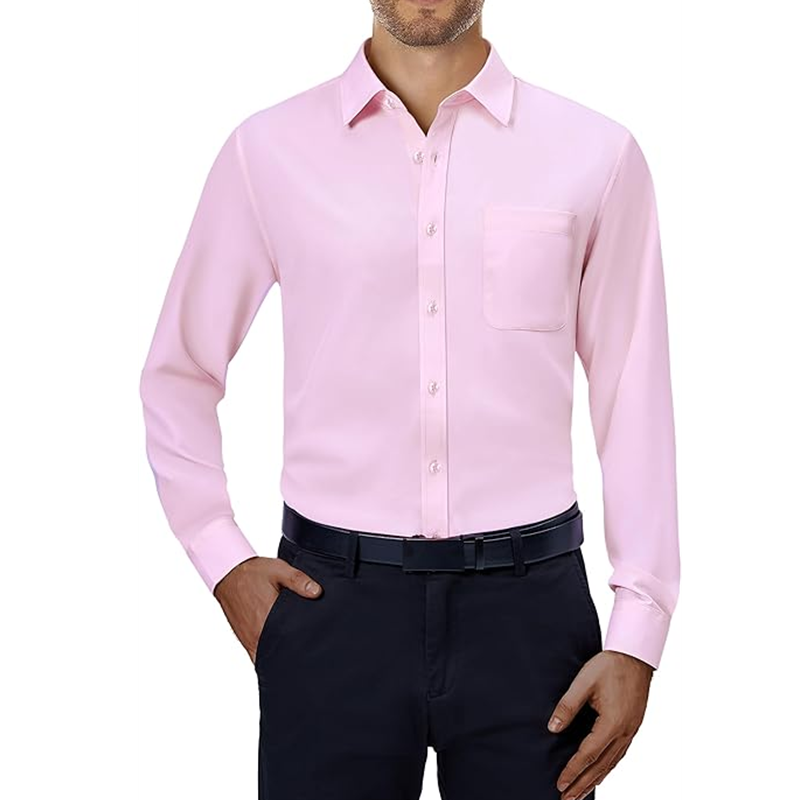
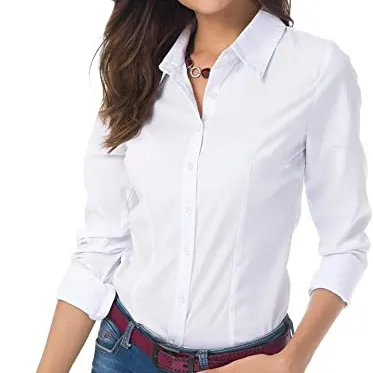
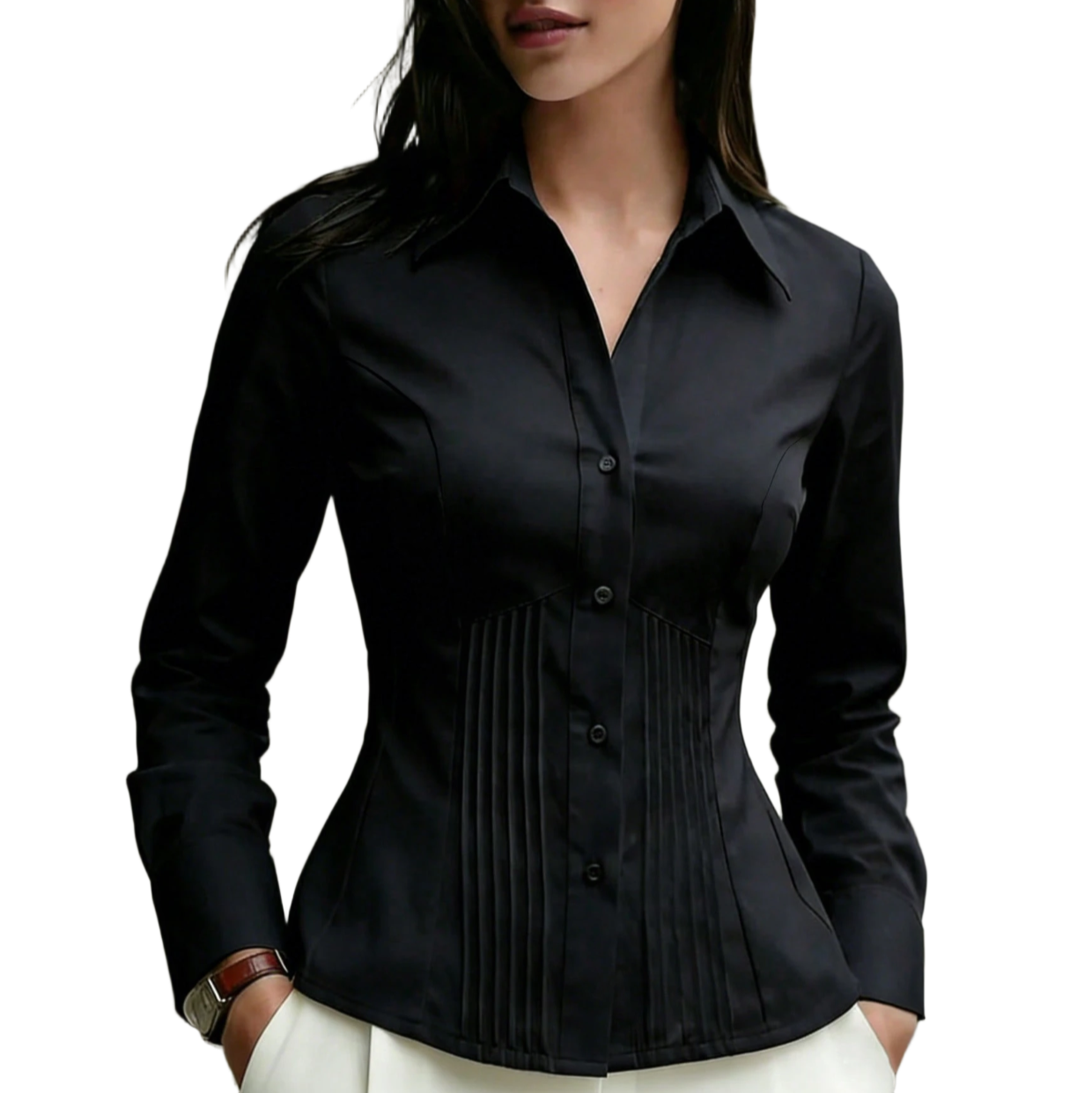
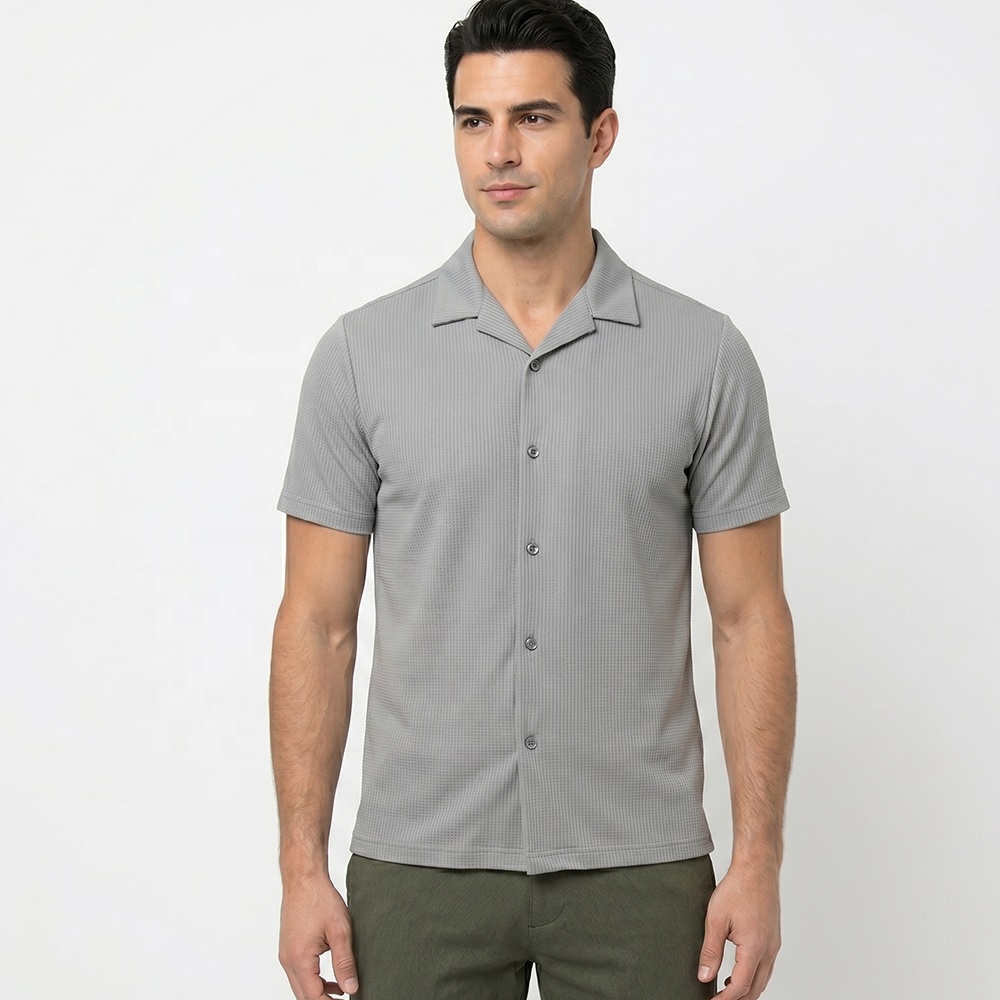
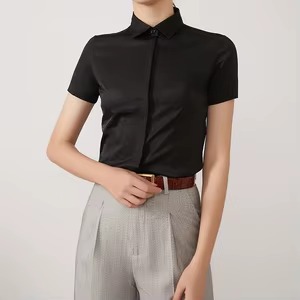
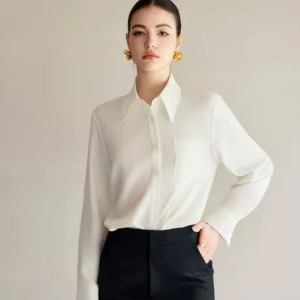
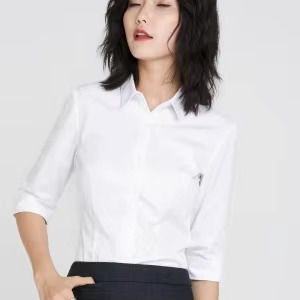
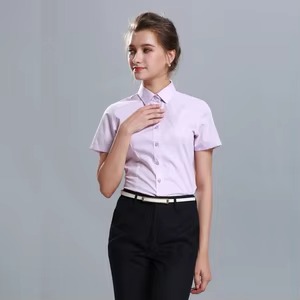
Why ZORWILD Stands Out for Custom Fit Dress Shirts
50-Piece Minimum Order
Launch your custom fit dress shirts with minimal risk. Our low MOQ lets startups and small brands test designs without overstocking inventory.
7-Day Sample Turnaround
Evaluate fit, fabric quality, and craftsmanship fast. We deliver production-ready samples in one week so you can move quickly to market.
6-Stage Quality Control
Every custom dress shirt passes rigorous inspection from fabric arrival through final packaging, ensuring consistent sizing and professional finishing.
95%+ Decoration Techniques In-House
Embroidery, screen printing, custom labels, contrast panels, and specialty buttons—all managed under one roof for faster lead times and tighter quality.
27 Years Manufacturing Experience
Founded in 1998 in Humen, Dongguan, ZORWILD brings nearly three decades of apparel expertise to every custom fit dress shirt we produce.
Global Shipping & Export
We handle air freight, sea freight, door-to-door delivery, and customs documentation so your custom dress shirts arrive on time, anywhere worldwide.
Custom Dress Shirt Manufacturing by Fit and Finish
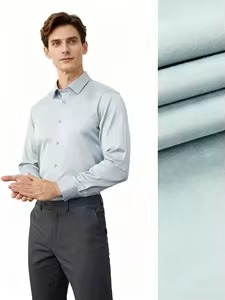
Slim Fit Shirts
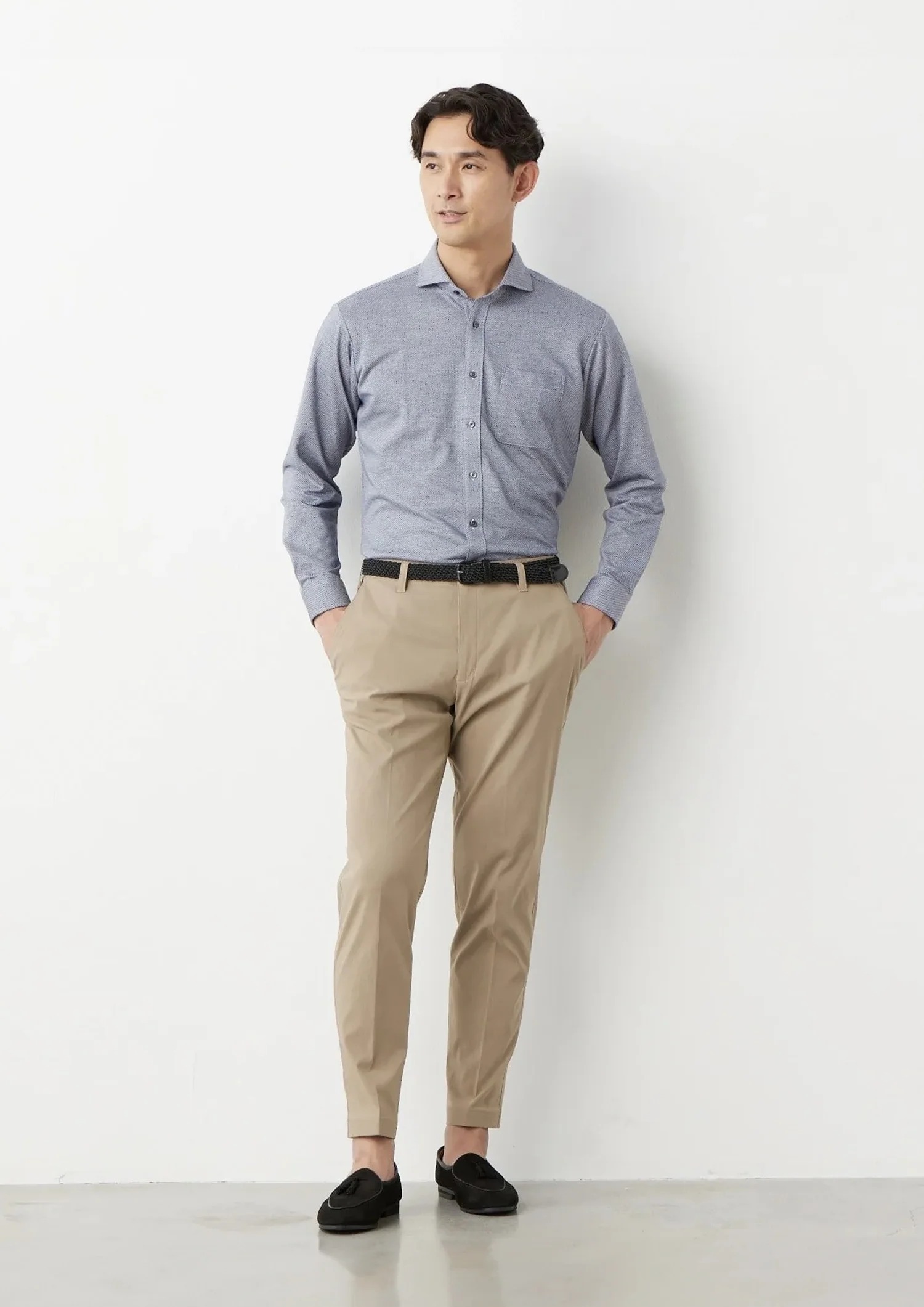
Slim fit shirts engineered with tapered torso construction, narrow chest measurements, and fitted sleeve profiles. We pattern slim silhouettes across cotton poplin, twill, and performance blends with precise grading for consistent fit across size runs, ideal for contemporary menswear brands and modern workwear collections.
Get a Quote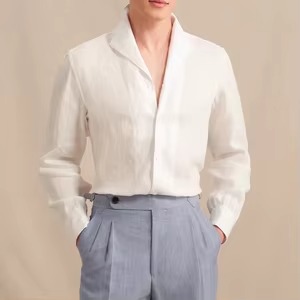
Regular Fit Shirts
Regular fit shirts built with classic chest and waist proportions for broad market appeal. Our standard fit patterns accommodate diverse body types using cotton, cotton-polyester blends, and linen fabrics with traditional collar construction, button plackets, and reinforced stitching for uniform programs and wholesale shirt lines.
Get a Quote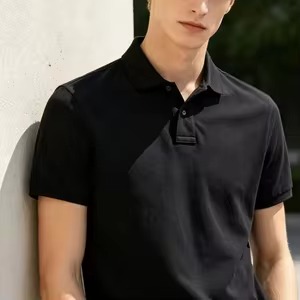
Athletic Fit Shirts
Athletic fit shirts designed with broader shoulder and chest blocks combined with tapered waist construction to suit muscular builds. We engineer stretch cotton and performance fabric patterns with reinforced seams, functional ease, and movement-friendly construction for activewear-influenced dress shirt collections and professional sportswear brands.
Get a Quote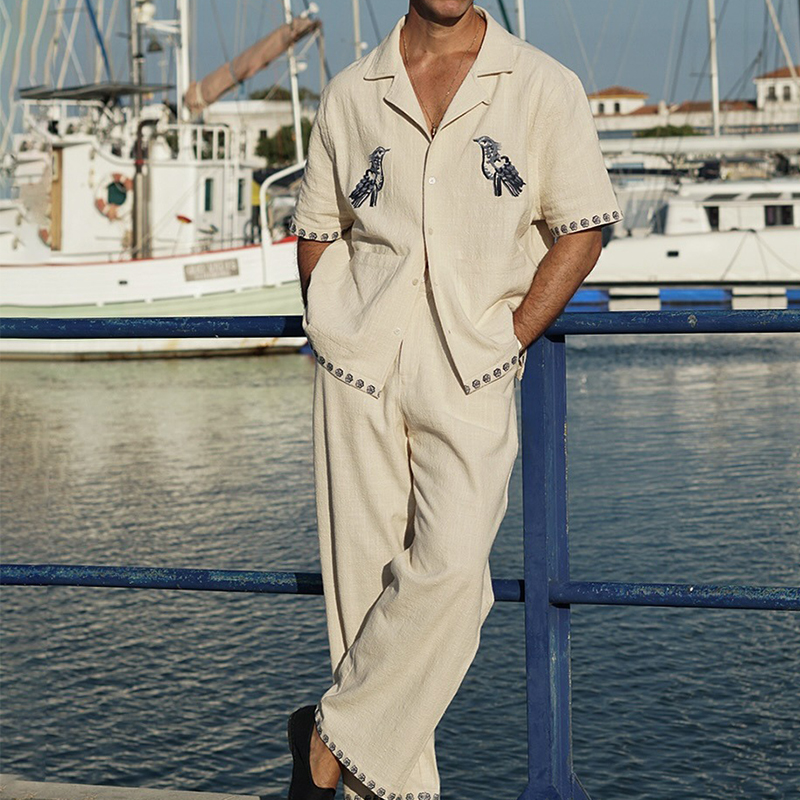
Tailored Fit Shirts
Tailored fit shirts crafted with shaped torso seams, darts, and contoured side panels for refined silhouettes. Our tailored patterns use premium cotton fabrics, French seaming techniques, and precision topstitching to deliver elevated dress shirts for luxury menswear brands, private label collections, and bespoke uniform programs.
Get a Quote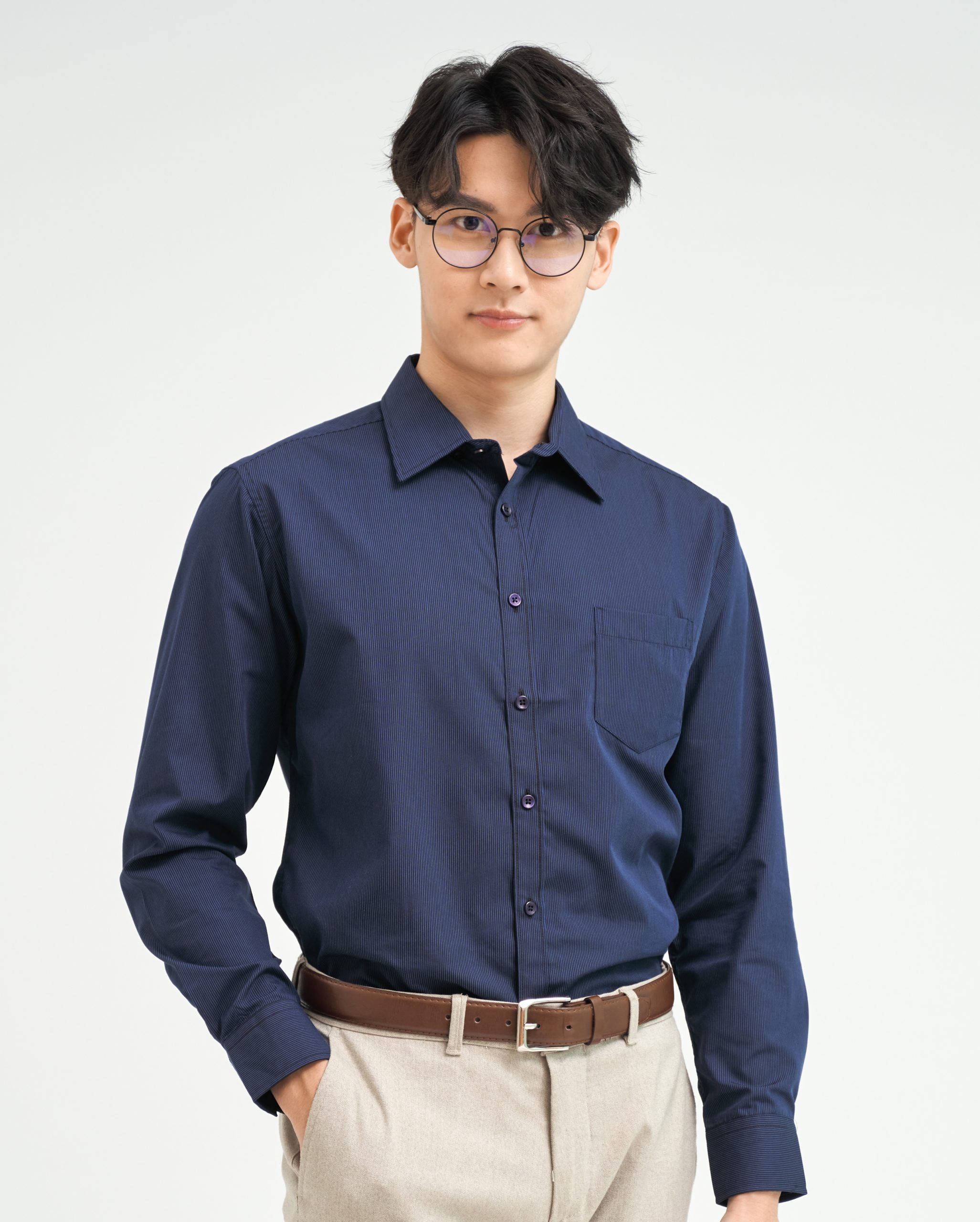
Button Down Collars
Button down collar shirts featuring reinforced collar points with functional button closures for casual and smart-casual styling. We manufacture button-down collars across Oxford cloth, chambray, linen, and poplin fabrics with consistent collar roll, durable interfacing, and precise button placement for preppy, Ivy League, and resort shirt collections.
Get a Quote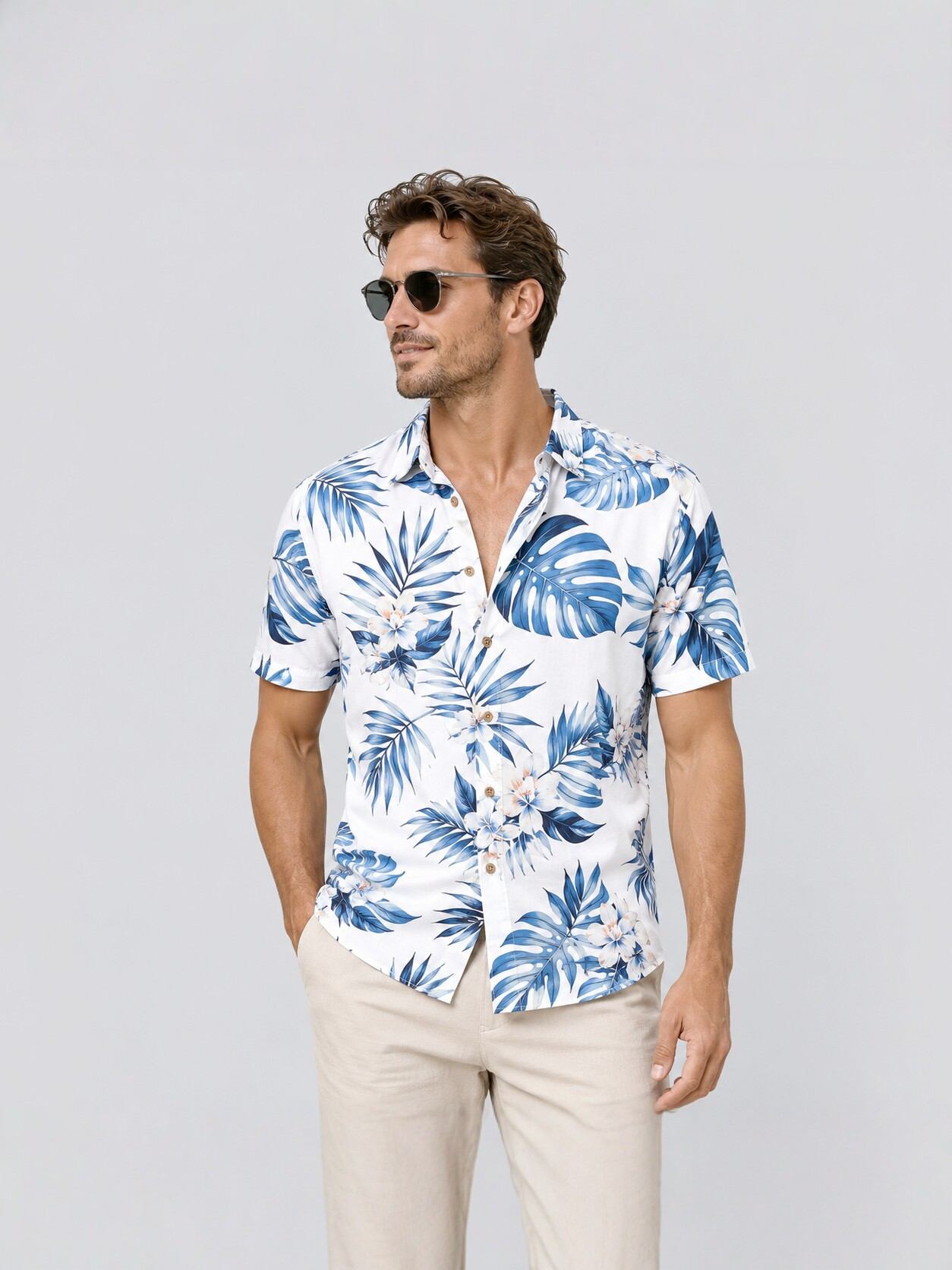
Spread Collar Shirts
Spread collar shirts engineered with wider collar point angles for modern professional and formal styling. Our spread collar construction uses fused or sewn-in interfacing, precise collar stand height, and symmetrical point shaping across cotton, satin, and blended dress shirt fabrics for corporate uniforms and contemporary menswear lines.
Get a Quote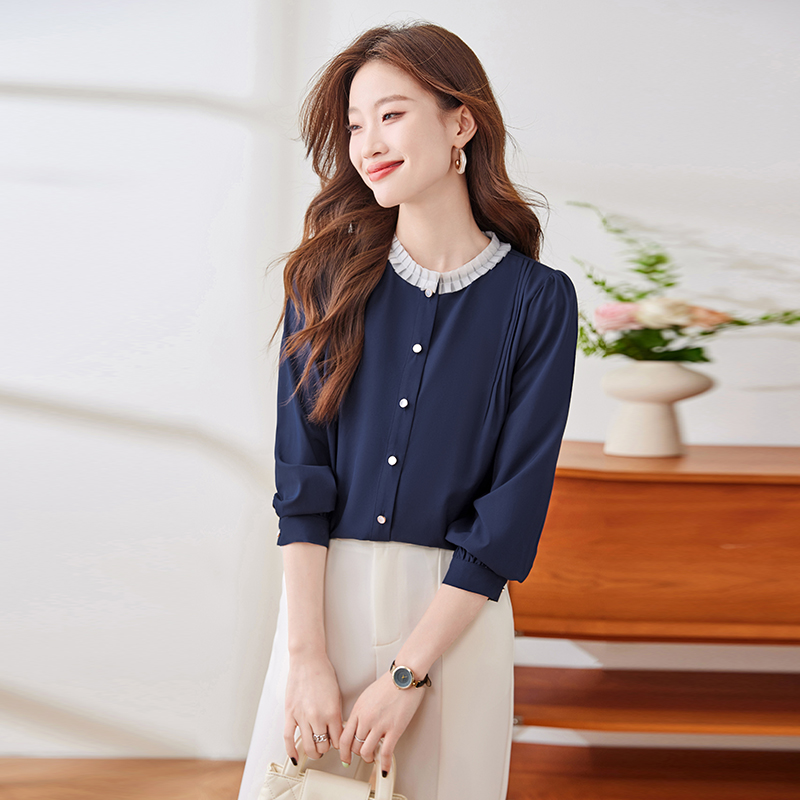
French Cuff Shirts
French cuff shirts built with double-layer barrel cuffs designed for cufflink closure systems. We manufacture French cuff dress shirts with reinforced cuff construction, precise buttonhole placement, interfaced cuff panels, and formal shirt detailing using fine cotton, twill, and satin fabrics for luxury brands and formalwear collections.
Get a Quote
Non-Iron Dress Shirts
Non-iron dress shirts treated with wrinkle-resistant finishing processes for low-maintenance performance. Our non-iron shirt manufacturing includes resin treatments, heat-set fabric processing, and durable press finishes applied to cotton and polyester-cotton blends, delivering shape retention and easy-care functionality for travel wear and corporate uniform programs.
Get a QuoteMonogrammed Dress Shirts
Monogrammed dress shirts customized with embroidered initials, logos, or brand marks on cuffs, chest pockets, or collar bands. We provide flat embroidery, satin stitch monograms, and custom thread color matching with precise placement and stitch density control for personalized gifting, luxury branding, and private label dress shirt collections.
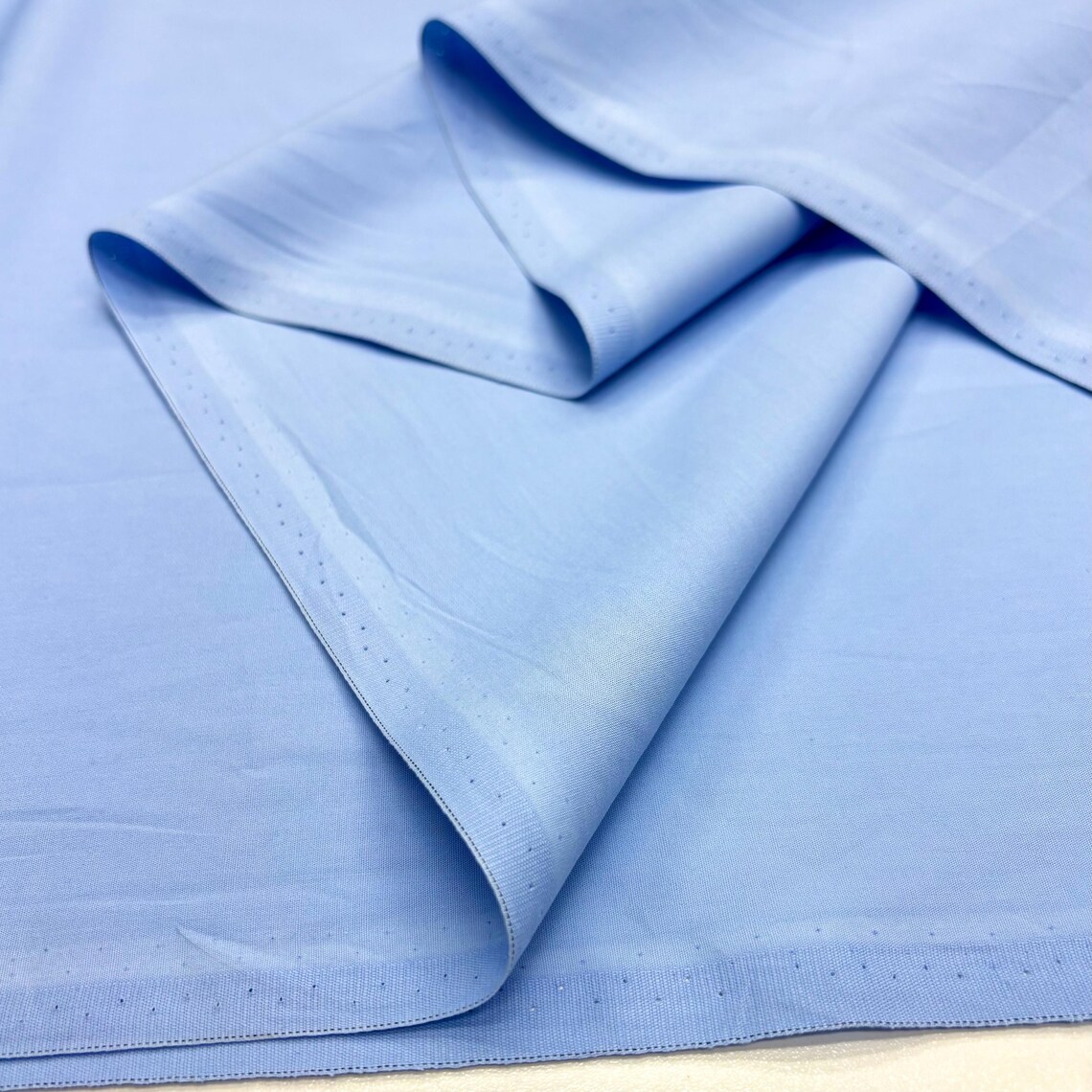
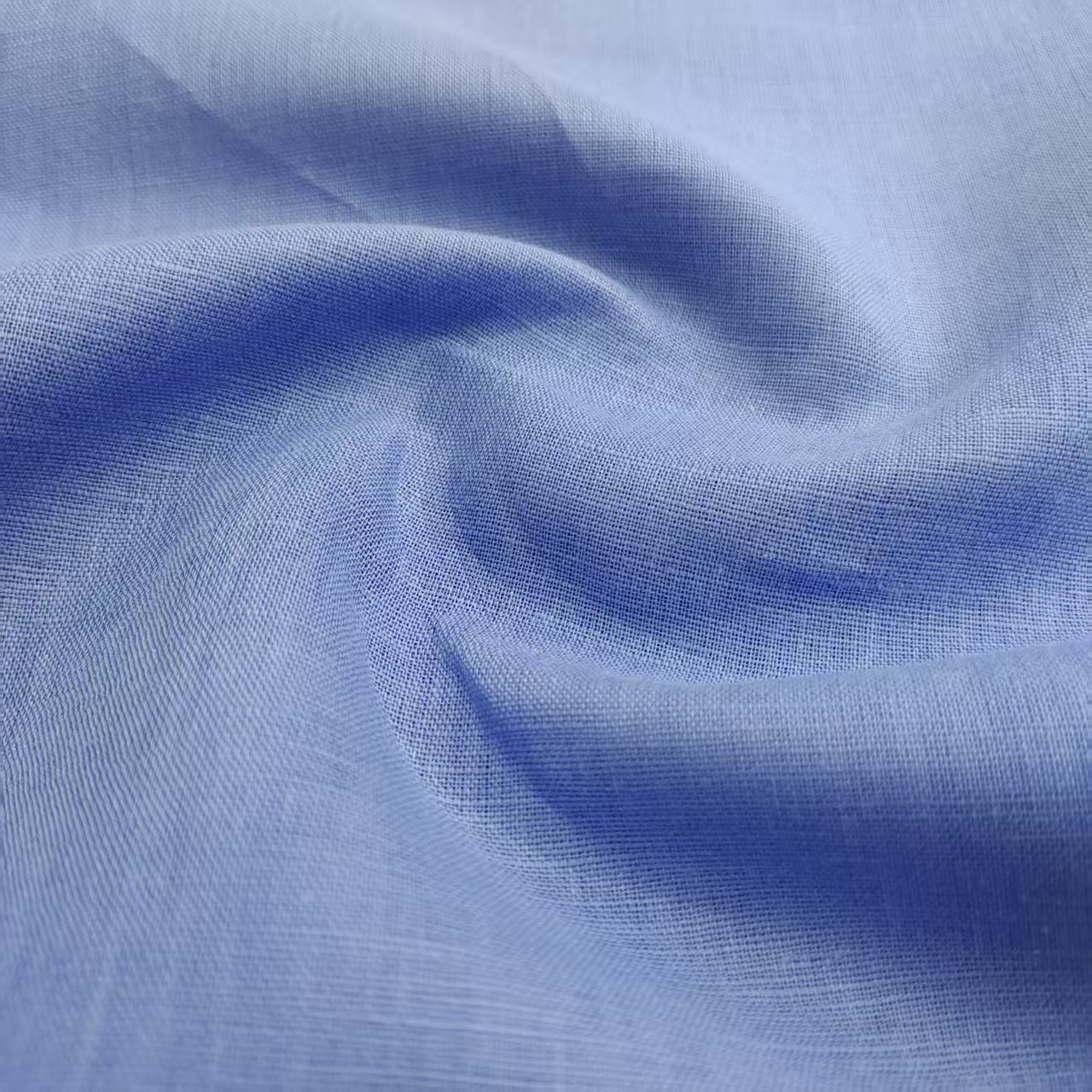
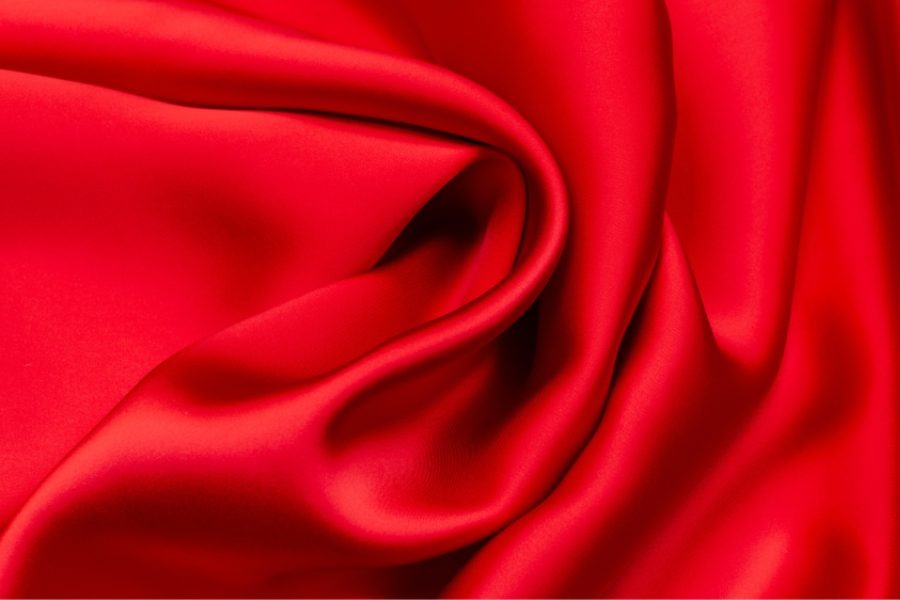
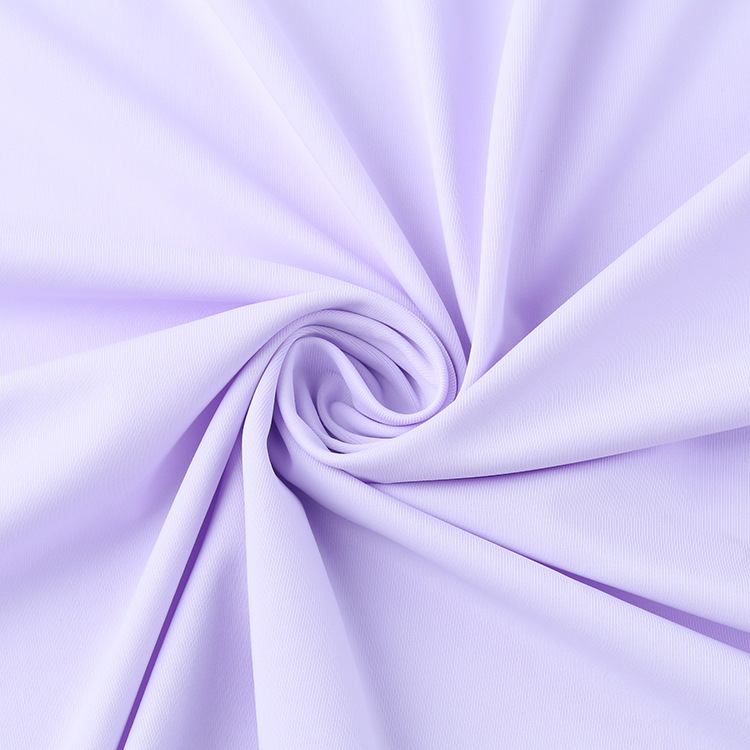
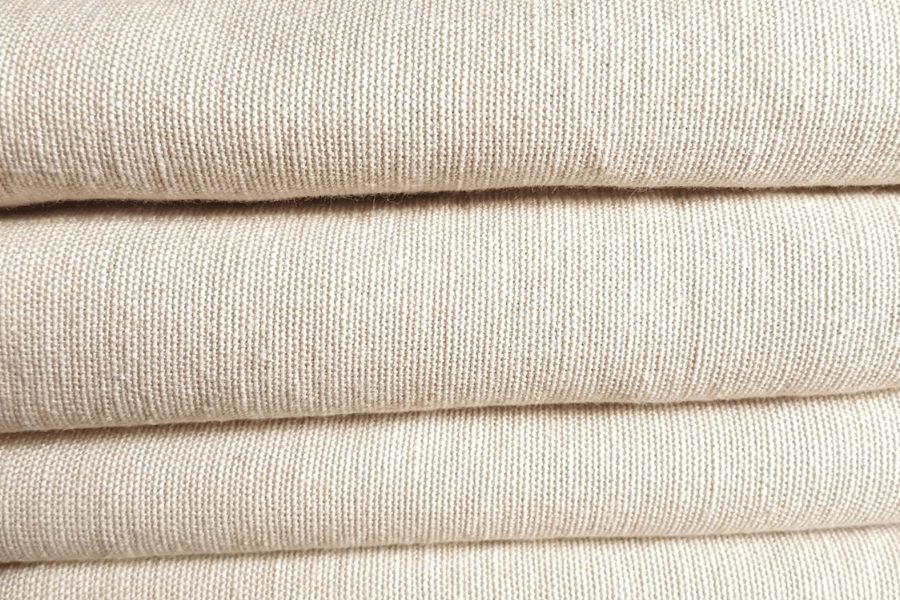
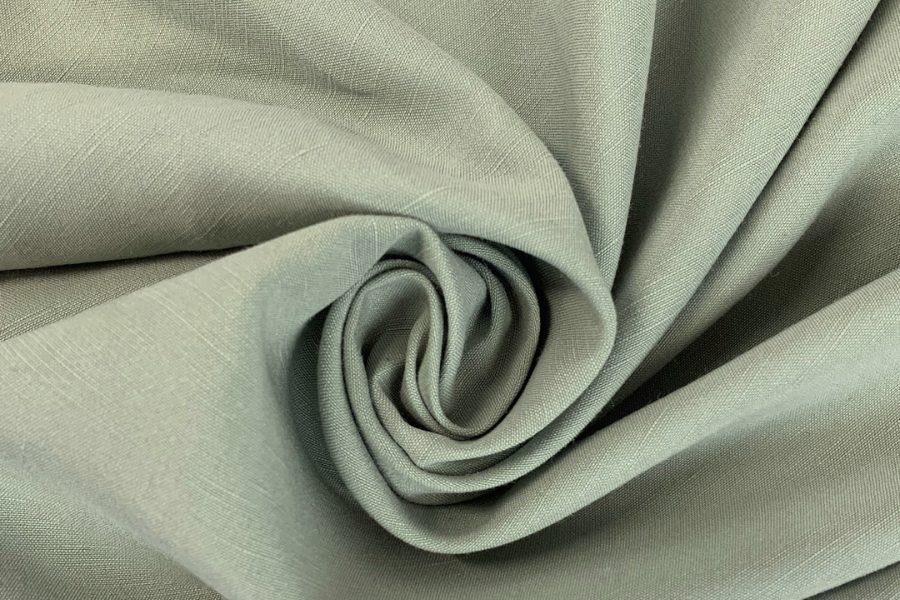
Get a QuotePremium Fabrics for Custom Fit Dress Shirts
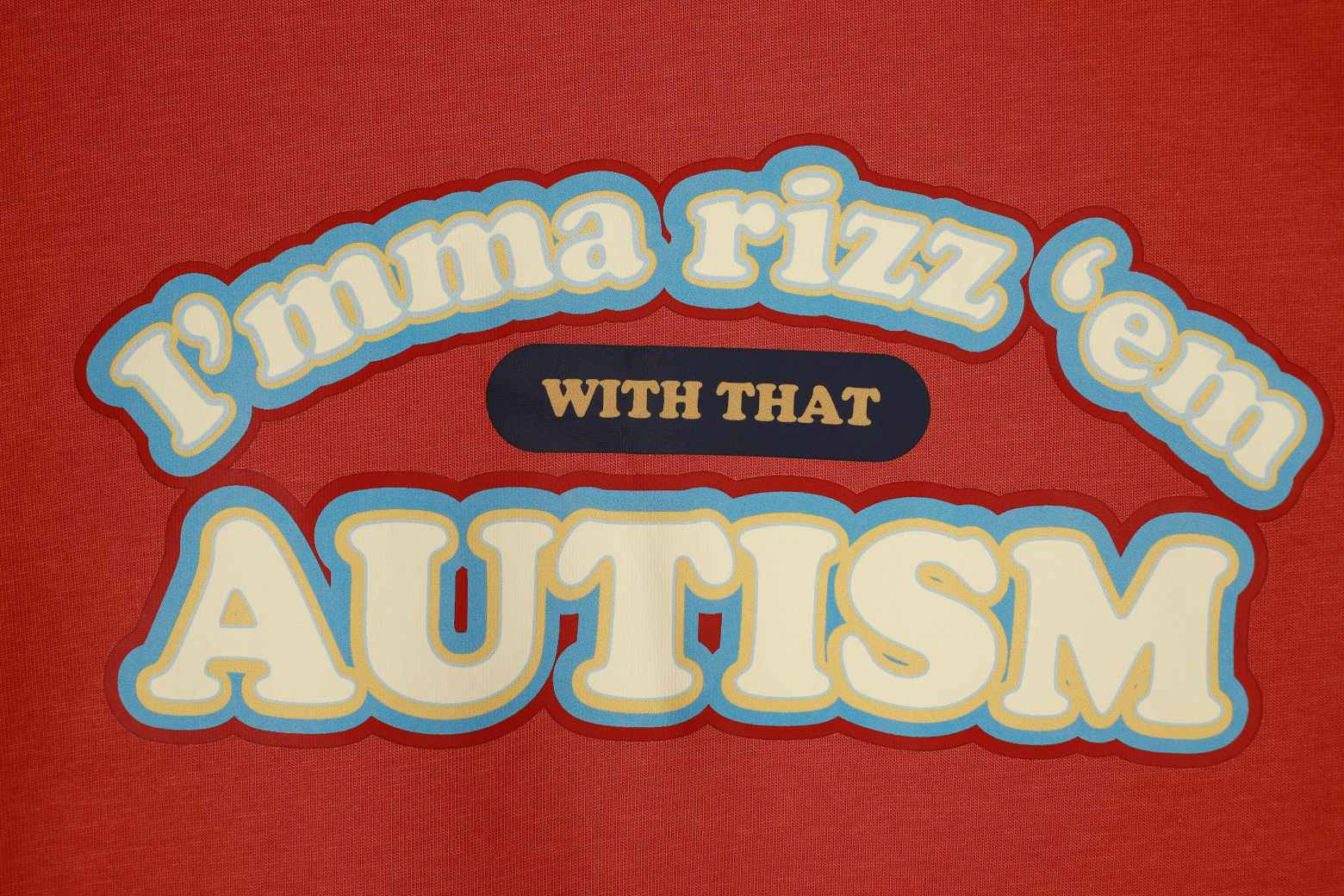
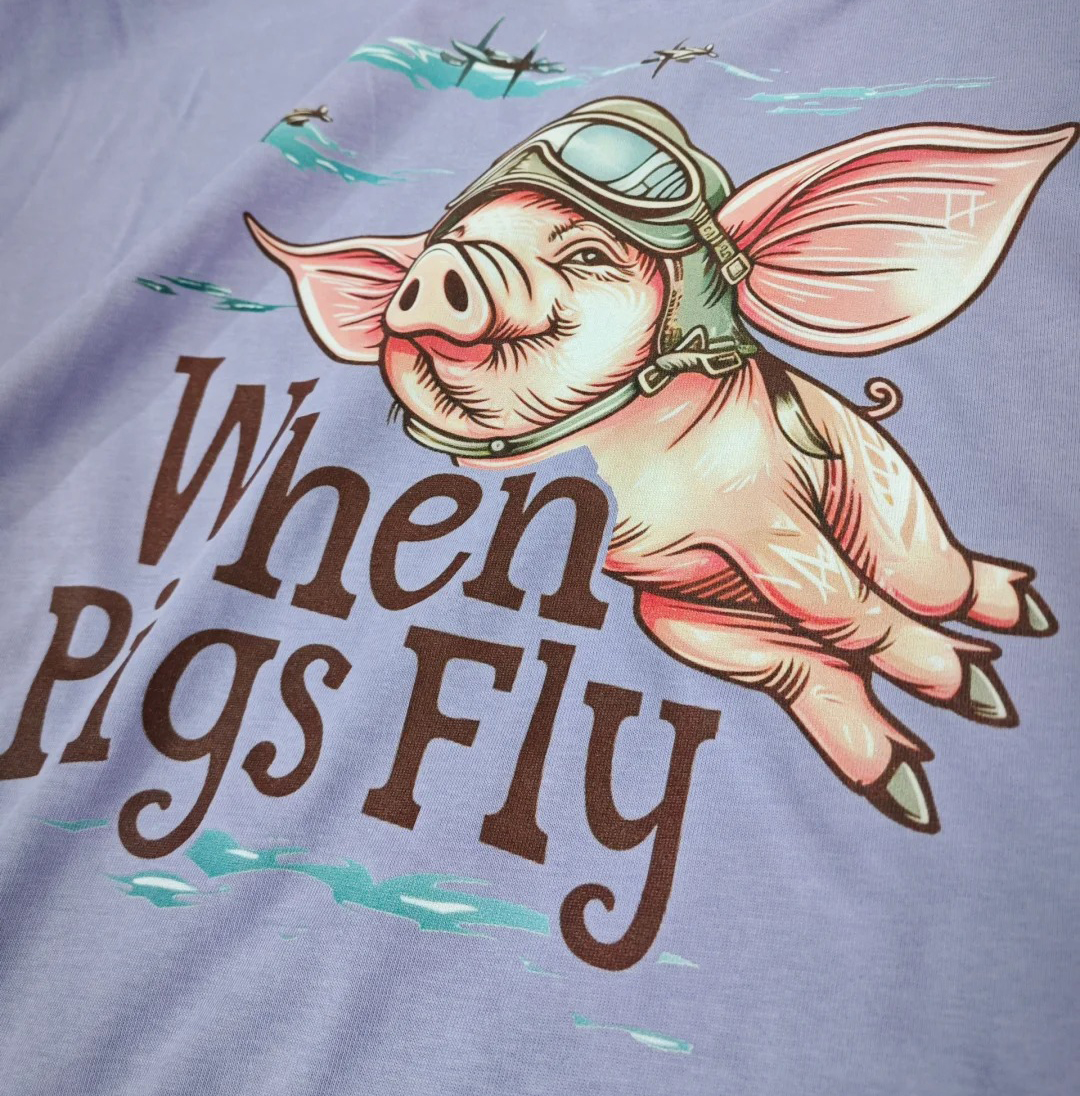
Decoration & Finishing Techniques for Custom Fit Dress Shirts
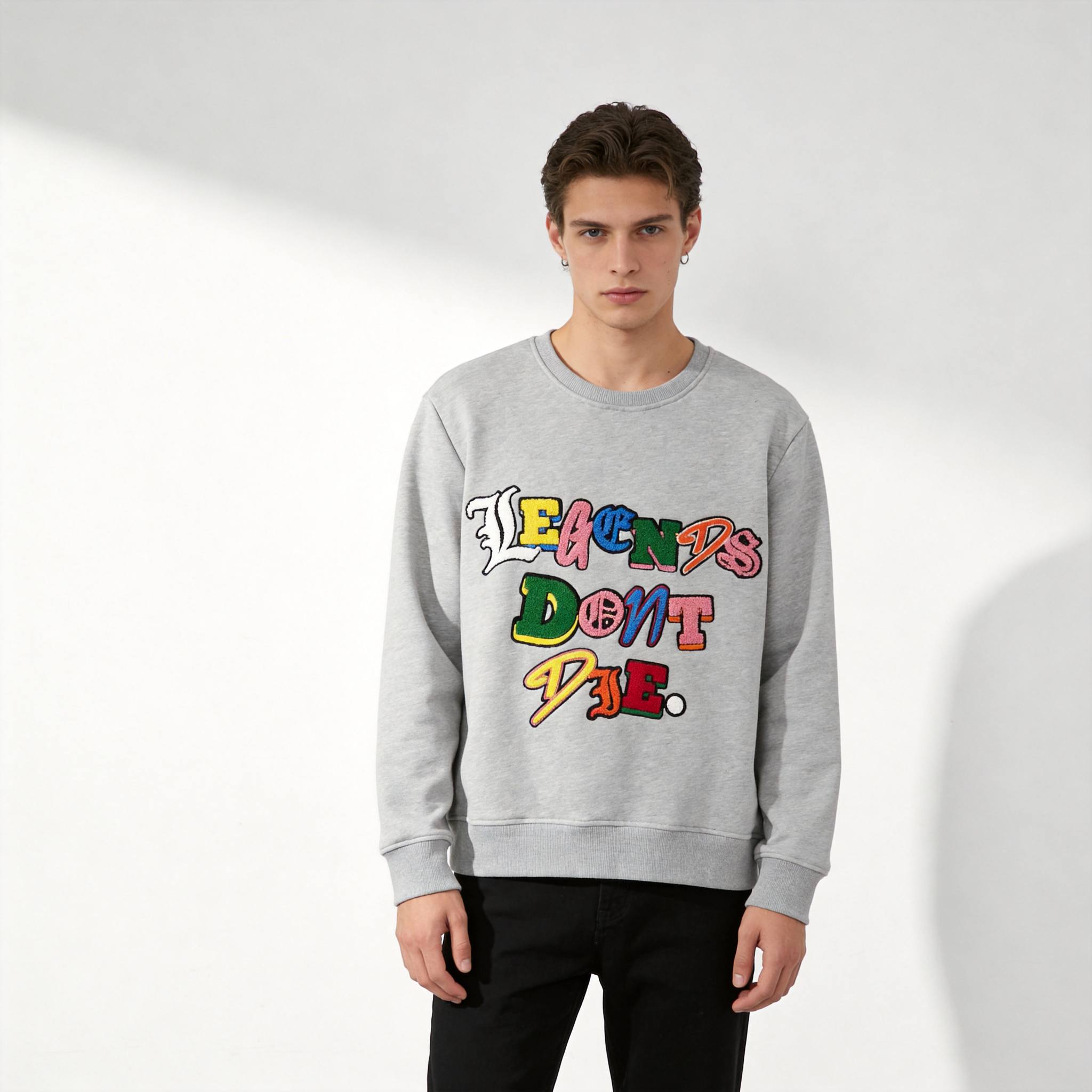
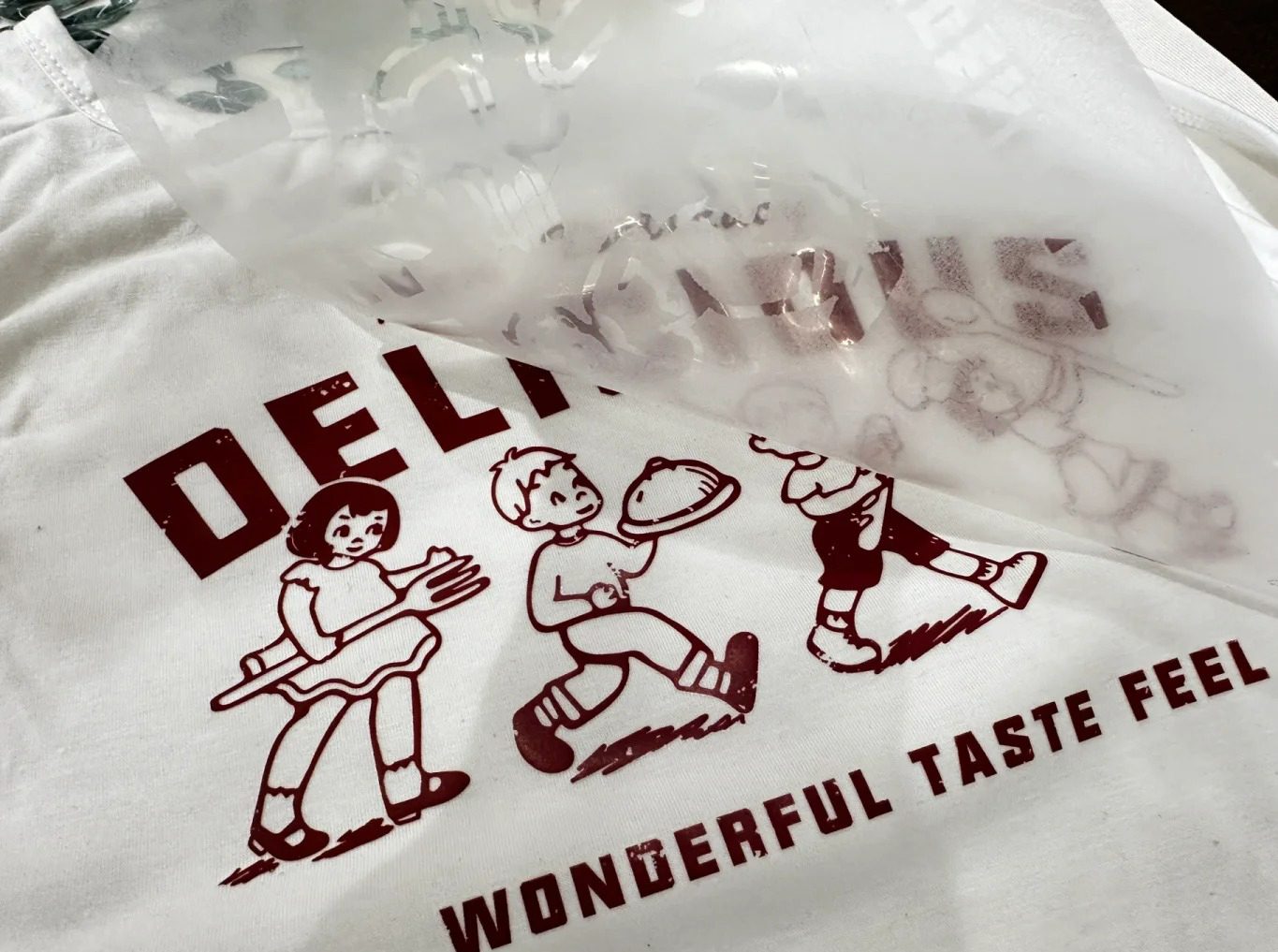
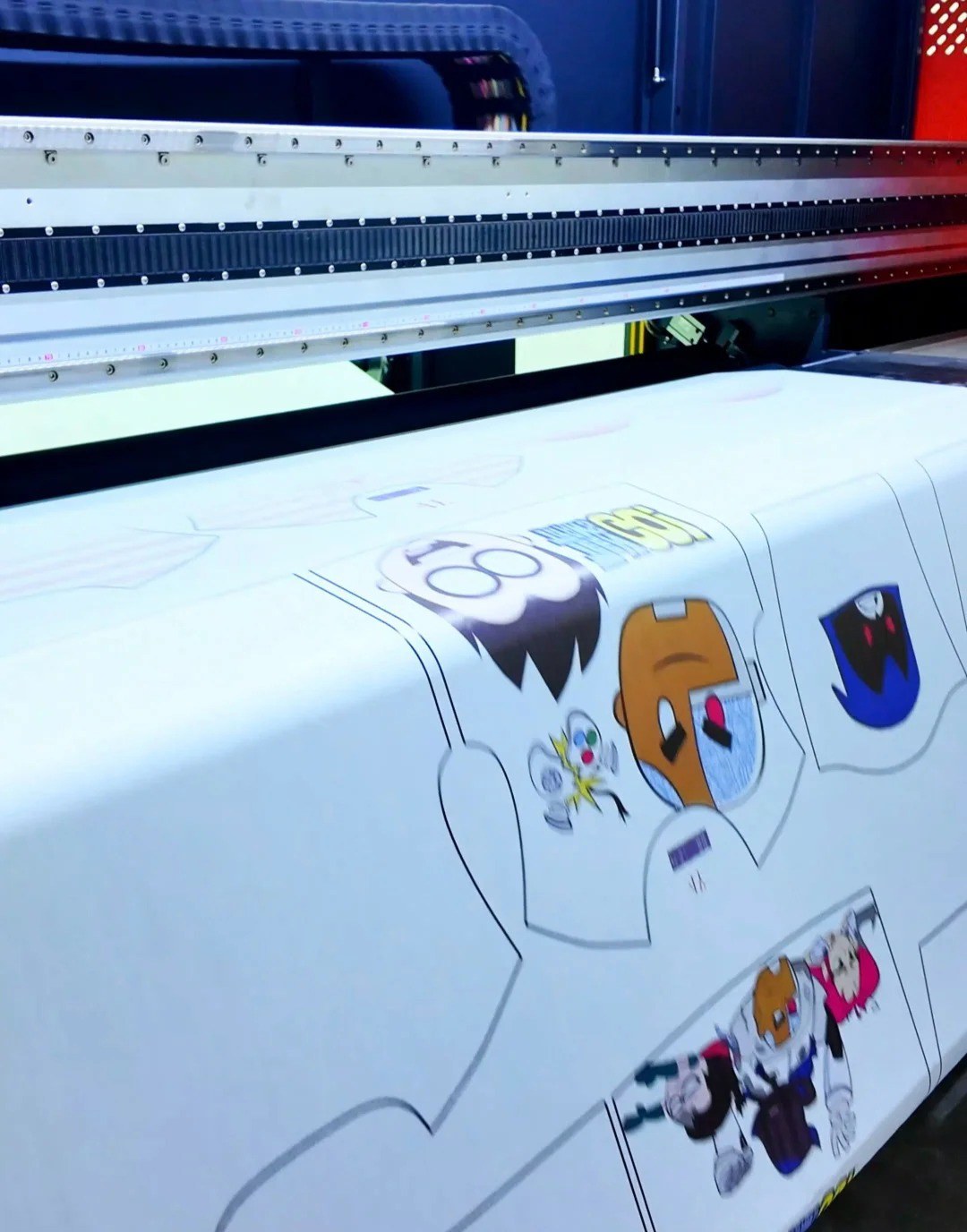
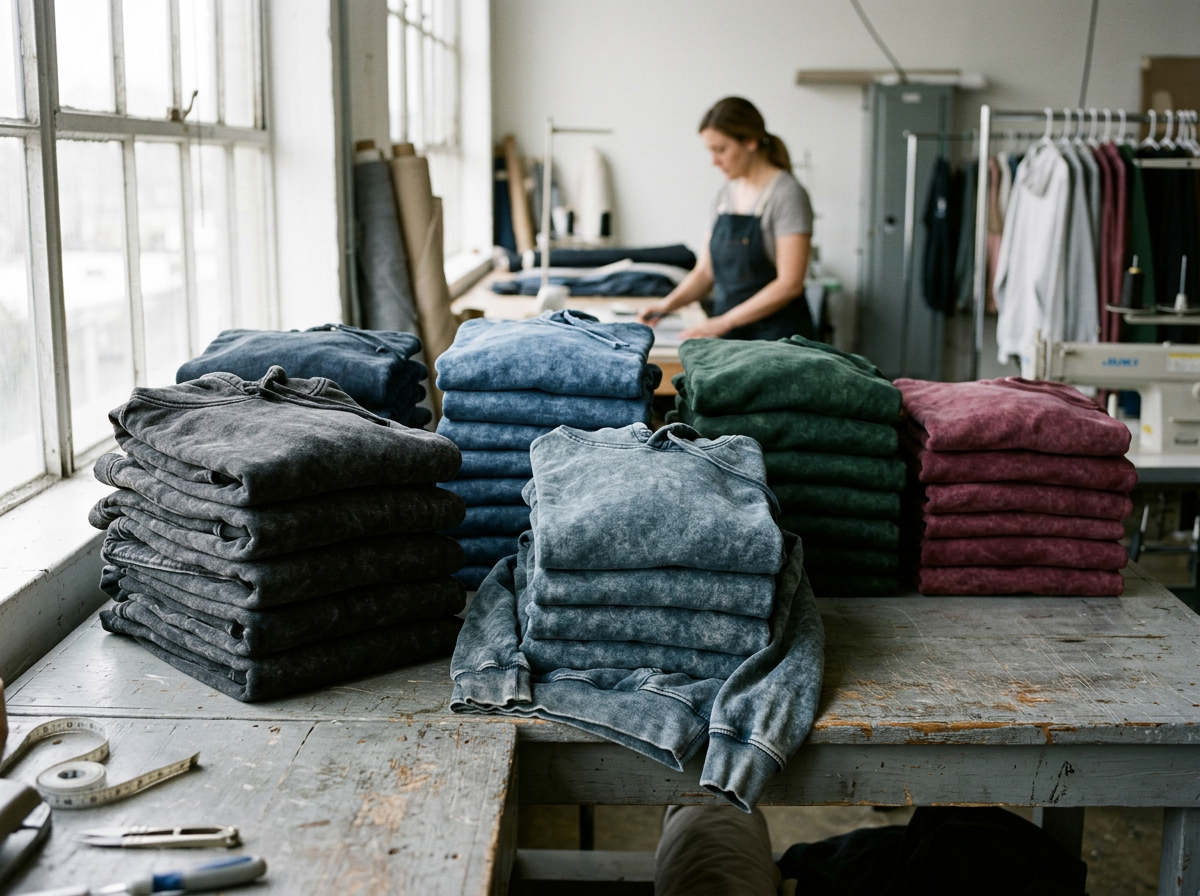
Custom Accessories & Trims for Branded Dress Shirts
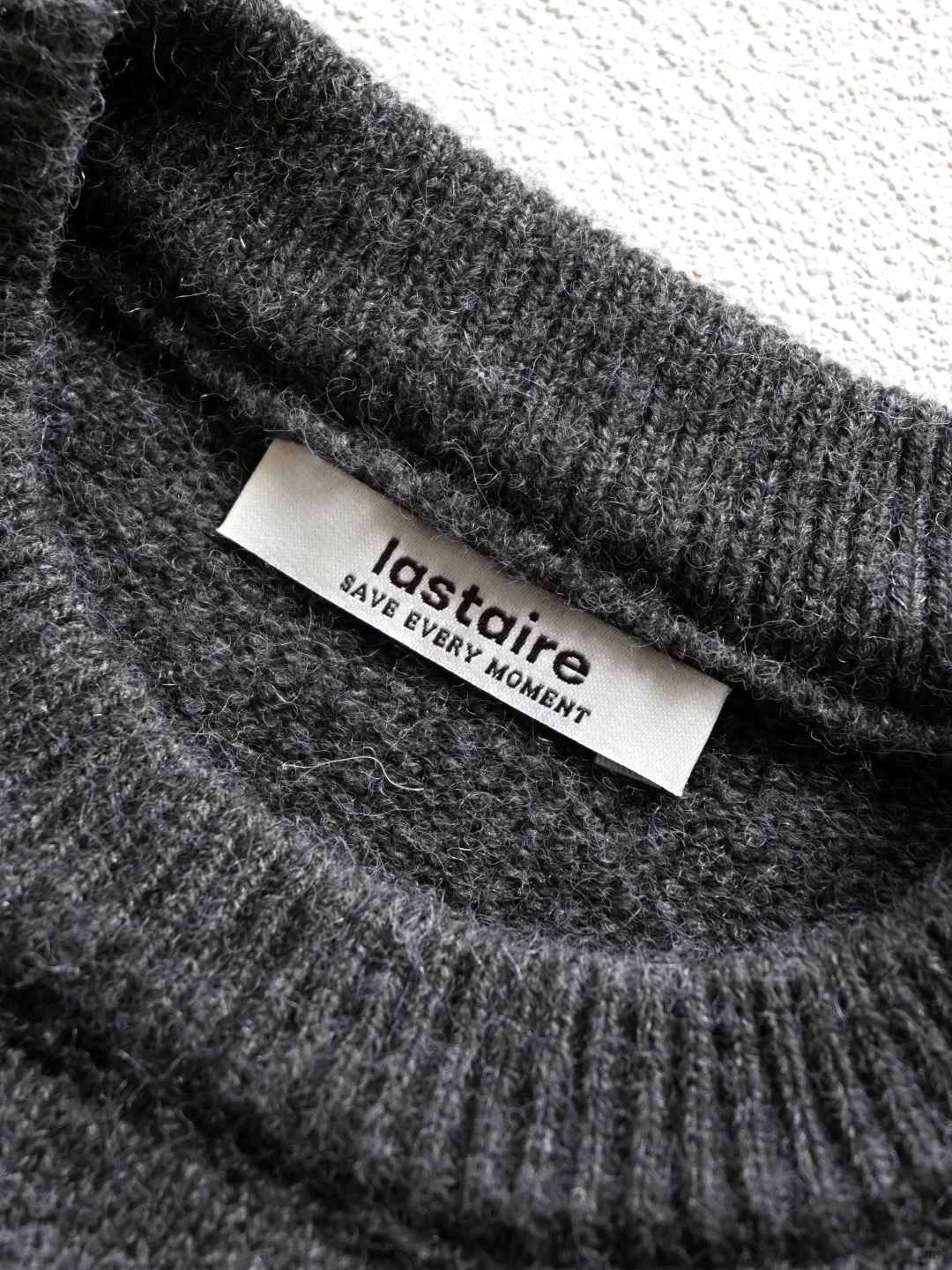
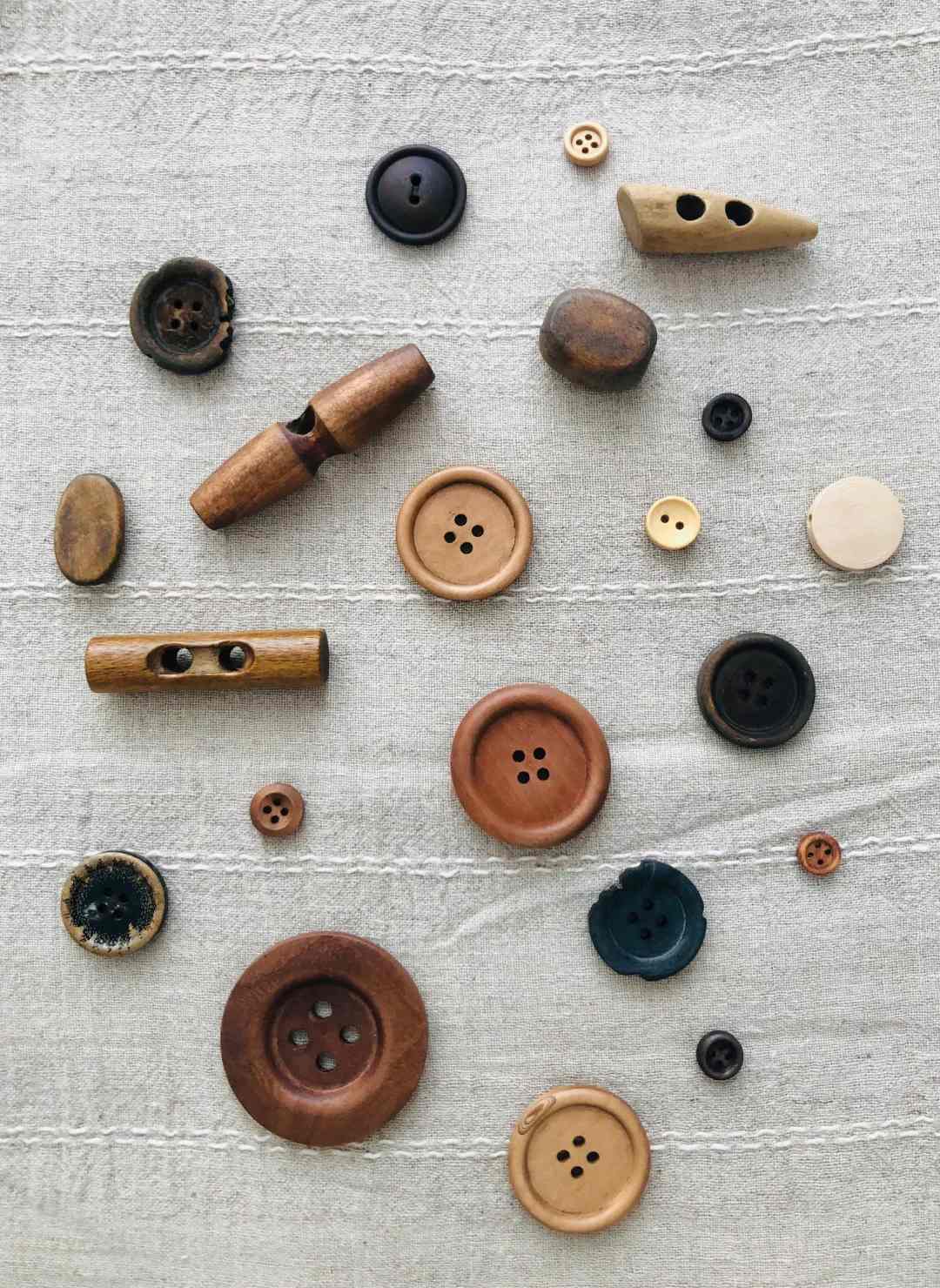
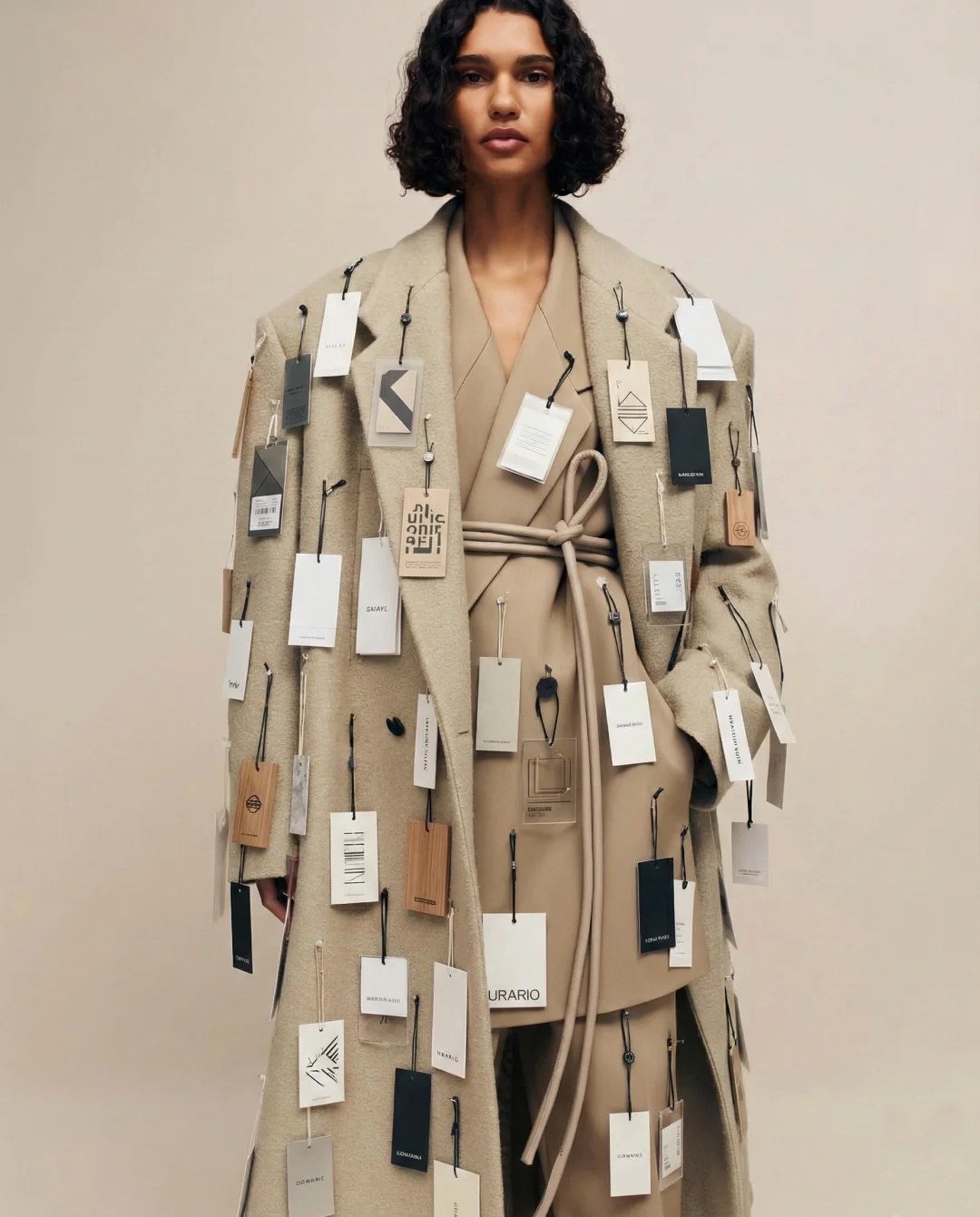
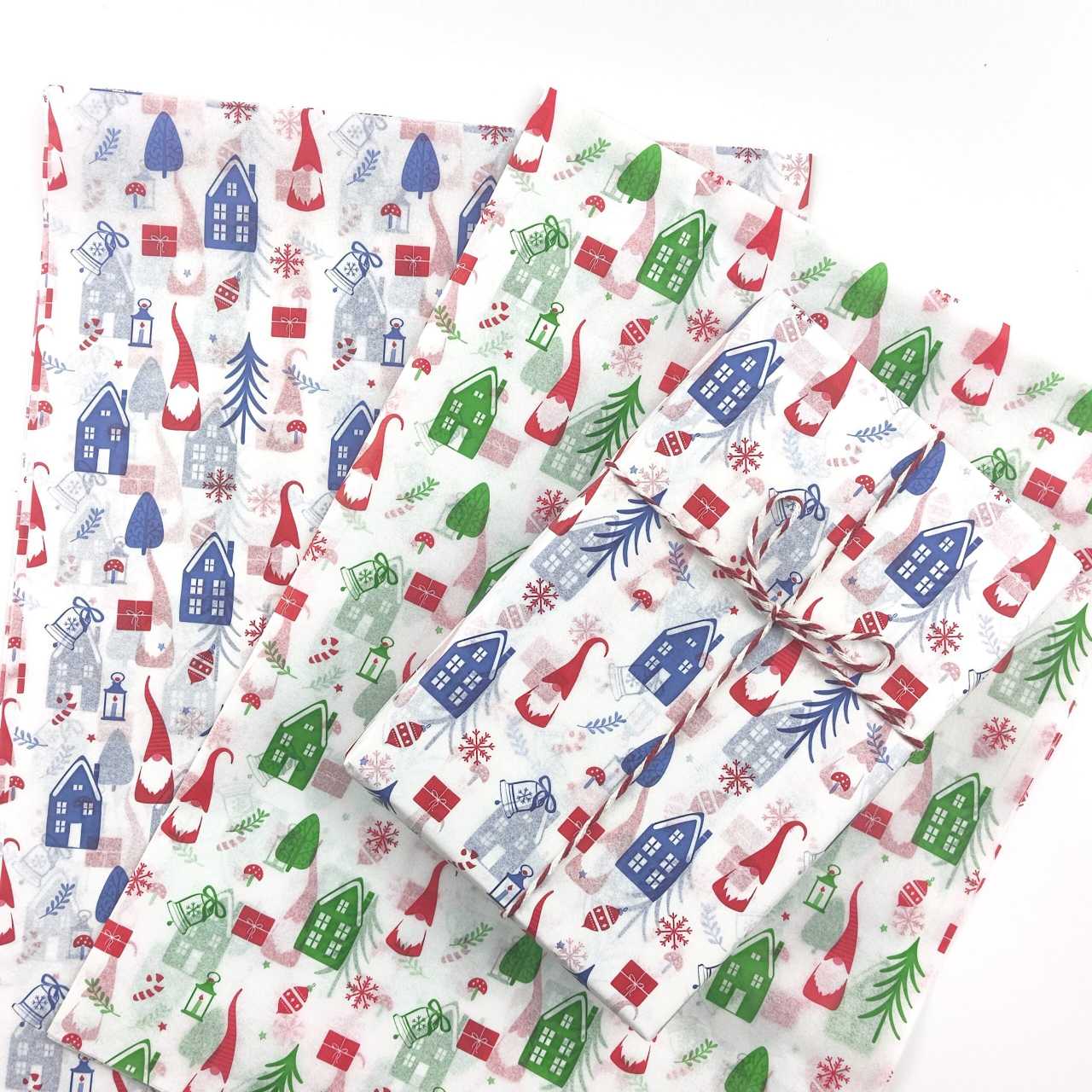
About ZORWILD Custom Fit Dress Shirts
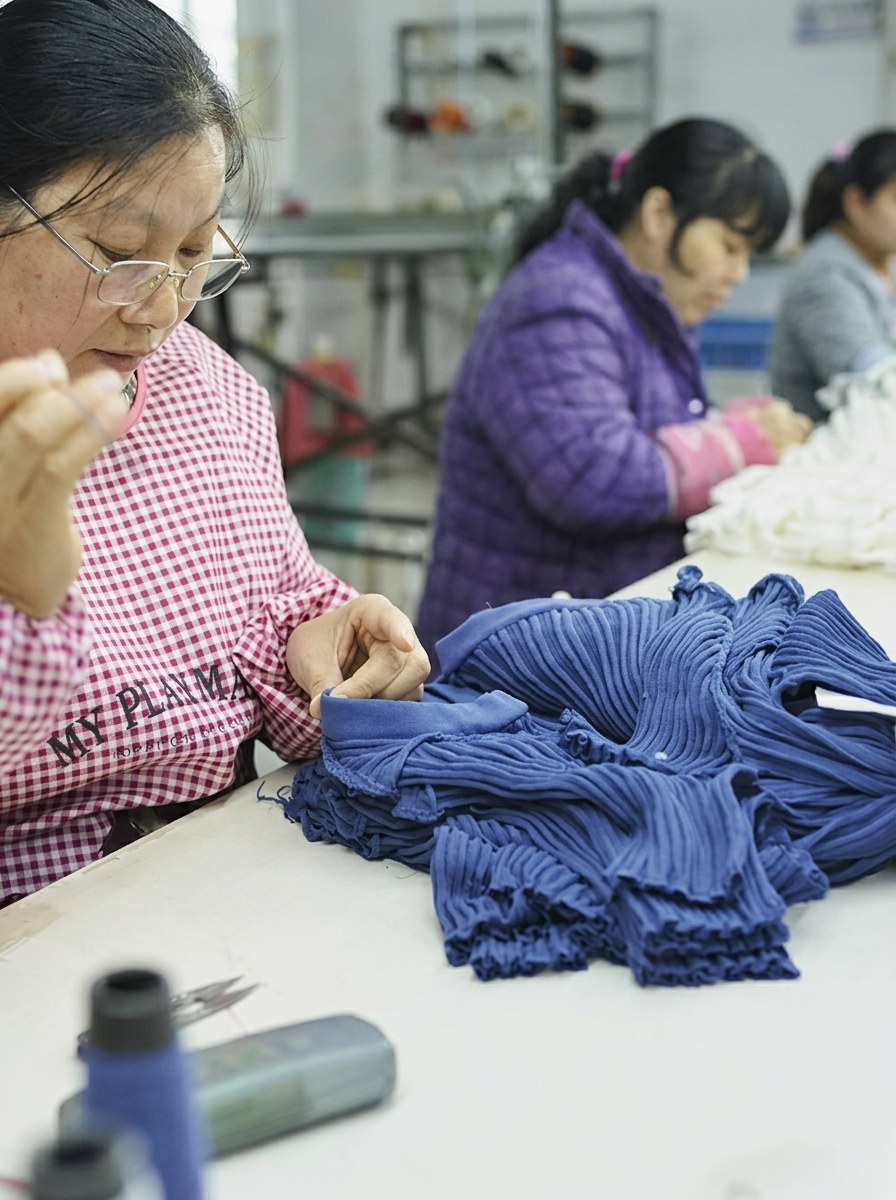
Founded in 1998 as a family garment workshop in Humen, Dongguan, ZORWILD has grown into a trusted manufacturing partner for over 2,000 fashion brands worldwide. Our founder learned every stage of garment production from his father, a master cutter, building a foundation of precision and craftsmanship that defines our approach to custom fit dress shirts today.
With 27 years of apparel manufacturing experience, we now employ over 200 skilled workers and serve brands across the United States, Canada, the United Kingdom, Germany, Australia, the Middle East, and Southeast Asia. Our monthly production capacity exceeds 100,000 units, yet we remain committed to startup-friendly low MOQ production starting at just 50 pieces.
ZORWILD bridges the gap between creative design and scalable production through in-house decoration capabilities covering 95% of modern techniques, a rigorous 6-stage quality control system, and full-stack services from tech pack development to global logistics. Whether you’re launching your first collection or scaling an established line, we deliver professional custom fit dress shirts tailored to your brand vision.
Our Core Capabilities in Custom Fit Dress Shirt Manufacturing
Design & Sampling Excellence
From tech pack to fit-approved sample in just seven days. Our experienced development team transforms your design concepts into production-ready custom fit dress shirts with precise measurements, fabric recommendations, and construction details verified before bulk production begins.
- Tech pack development and pattern refinement by experienced technicians
- First sample ready within 7 days for fit and quality evaluation
- Unlimited revisions until measurements, fabric, and construction meet your standards
- Reference garment analysis and grading support for consistent sizing
Trusted Fabric Sourcing Network
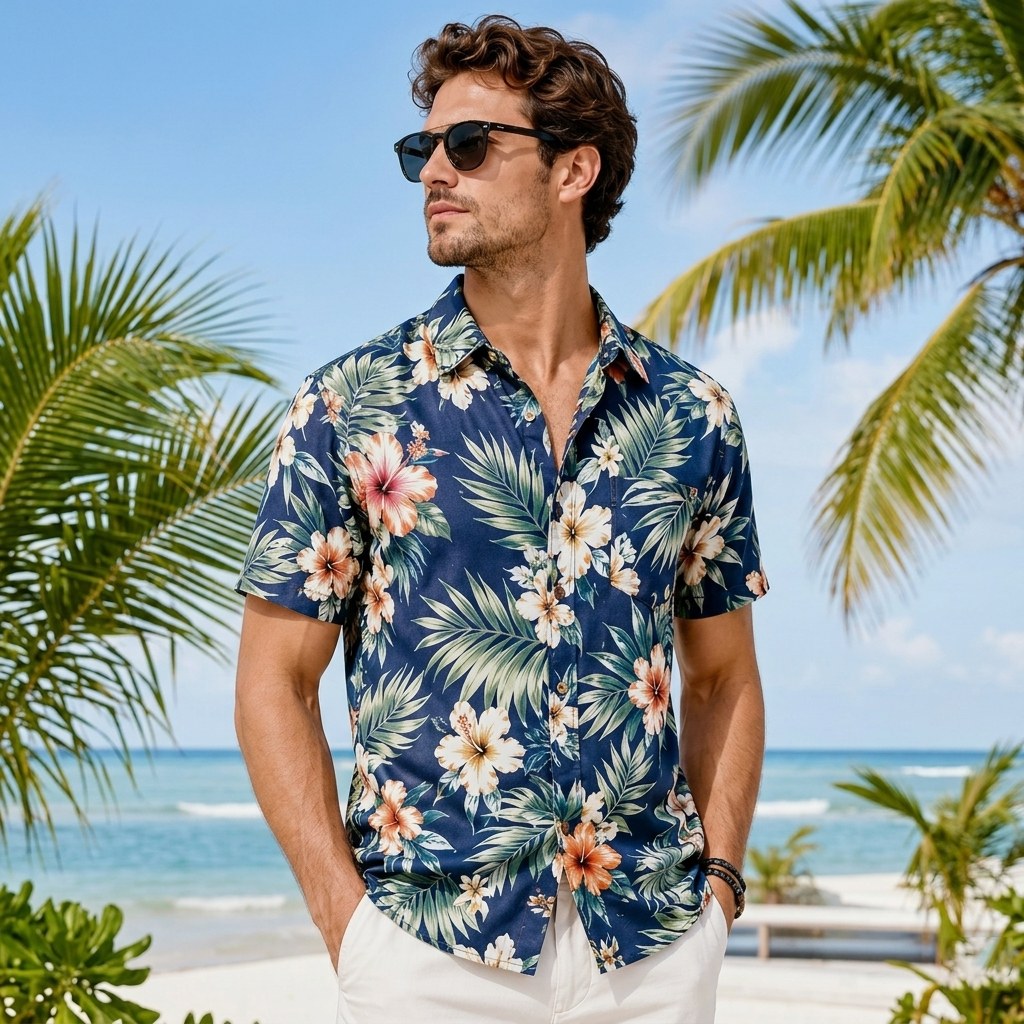
Access premium shirt fabrics through our vetted supplier network across China. We source cotton poplin, linen blends, rayon, Tencel, bamboo fabrics, and sustainable materials tailored to your brand positioning, budget, and performance requirements with consistent quality across every production run.
- Cotton poplin, Oxford cloth, twill, satin, and linen blend fabrics
- Organic cotton, bamboo, Tencel, and recycled materials for sustainable brands
- Fabric swatches and pre-production testing for shrinkage and colorfastness
- Direct relationships with mills ensure stable pricing and reliable lead times
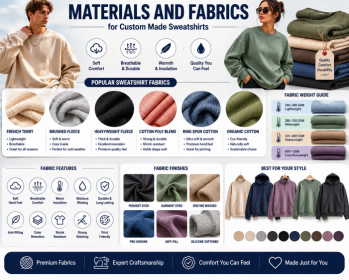
Advanced Decoration Techniques In-House
Elevate your custom fit dress shirts with 95% of decoration techniques handled in-house. Our Humen facility supports embroidery, screen printing, heat transfer, custom buttons, contrast panels, digital printing, and specialty finishes without relying on external subcontractors, ensuring faster turnaround and tighter quality control.
- Embroidery logos, monograms, and chest pocket branding
- Screen printing and heat transfer for custom patterns and graphics
- Contrast collar, cuffs, and placket construction for premium styling
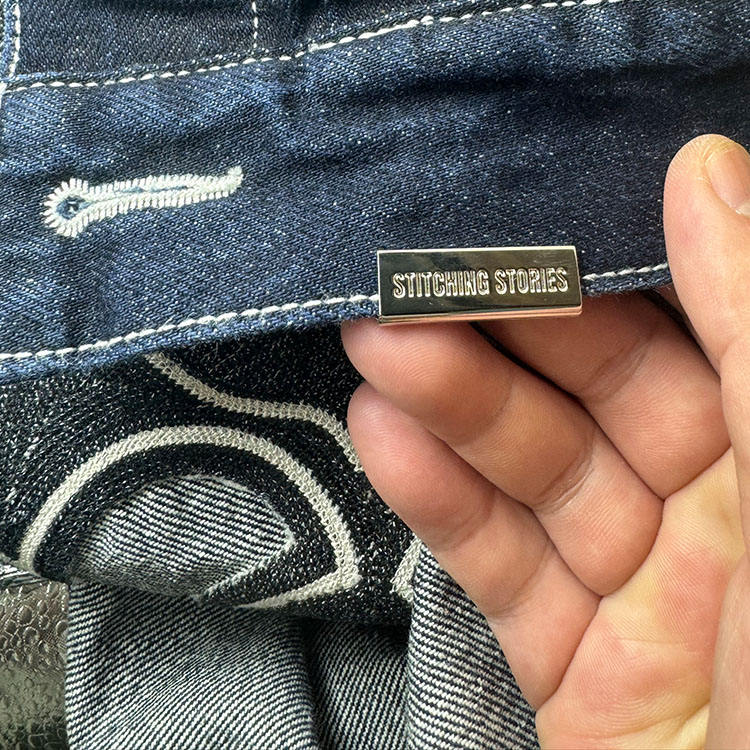
- Custom buttons, snap closures, and branded trims applied with precision
Six-Stage Quality Control & Global Logistics
Every custom fit dress shirt passes through our rigorous six-stage quality control system covering raw material inspection, in-line checks, measurement verification, decoration quality, final product inspection, and packaging standards. We coordinate air and sea freight with full export documentation and customs support.
- Raw material inspection ensures fabric meets specifications before cutting
- In-line and final inspections catch defects before garments leave the factory
- Measurement audits guarantee sizing consistency across every production batch
- Global shipping support with air freight, sea freight, and door-to-door delivery
ZORWILD vs. Typical Custom Fit Dress Shirt Suppliers
Concrete, evidence-based differences that matter when manufacturing custom fit dress shirts for your brand.
← 左右滑动查看 →
Our Custom Fit Dress Shirts Production Process
Six proven stages that transform your design concepts into premium custom fit dress shirts, from initial tech pack review to final shipment—backed by 27 years of apparel manufacturing expertise.
Tech Pack & Design Review
Our development team evaluates your tech packs, sketches, or reference samples to finalize measurements, construction details, and custom specifications for your dress shirts.
Fabric Sourcing & Sampling
We source premium cotton poplin, linen, rayon, or blended fabrics from trusted suppliers, then create pre-production samples for fit and quality approval.
Pattern Cutting & Sewing
Precision pattern cutting ensures consistent sizing while our skilled sewing teams assemble each custom fit dress shirt with attention to collar construction and seam quality.
Decoration & Finishing
We apply your chosen embroidery, screen printing, custom buttons, contrast panels, or garment wash effects to elevate your brand’s unique aesthetic.
Quality Control & Inspection
Every dress shirt passes through our six-stage QC system including measurement checks, stitching inspection, print quality review, and final product verification.
Packing & Global Shipping
Custom packaging with branded labels, hang tags, and polybags is completed before air freight, sea freight, or express delivery to your destination.
How to Partner With ZORWILD for Custom Fit Dress Shirts
Submit Your Design or Tech Pack
Share your tech pack, sketches, reference garments, or design ideas. Our team reviews specifications and recommends fabric options tailored to your brand positioning and budget.
Receive Quote and Sampling Timeline
Within 24 hours, we provide a detailed quote covering materials, decoration, MOQ pricing, and sampling timeline. Transparent pricing with no hidden costs or surprises.
Approve Sample Fit and Quality
Evaluate your physical sample for fit, measurements, fabric quality, stitching, button placement, and finishing details. Request revisions until every detail meets your standards.
Finalize Bulk Order and Timeline
Confirm order quantity, sizes, colors, packaging, and delivery schedule. Our production team schedules your order with clear milestones and communication throughout the process.
Production With Six-Stage Quality Control
Your custom fit dress shirts move through cutting, sewing, decoration, finishing, and our rigorous six-stage quality control system ensuring consistent sizing and premium craftsmanship.
Global Shipping and Delivery
We handle export documentation, customs support, and coordinate air freight, sea freight, or express delivery. Door-to-door shipping options available to reduce logistics complexity.
Certifications & Industry Standards for Custom Fit Dress Shirts

Brands Trusting ZORWILD for Custom Fit Dress Shirts
We launched our first custom fit dress shirt collection with just 50 pieces. ZORWILD’s sizing precision and fabric quality let us scale to 800 units in three months without a single fit complaint from customers.
ZORWILD reduced our dress shirt sampling cost by 60% compared to our previous supplier. We received perfect-fit samples in 7 days, and their team understood our tech packs immediately. Production quality stayed consistent across 2,000 units.
As an influencer launching my own menswear line, I needed a manufacturer who could move fast. ZORWILD delivered 120 custom fit dress shirts in four weeks with embroidered logos and custom buttons—my followers loved the quality.
Ready to Launch Your Custom Fit Dress Shirt Line?
Start with just 50 pieces, receive samples in 7 days, and partner with a manufacturer trusted by 2,000+ brands worldwide.
FAQ — Custom Fit Dress Shirt Production & Ordering
What is the minimum order quantity for custom fit dress shirts?
How long does it take to receive samples for custom fit dress shirts?
What is the production lead time for bulk orders of custom fit dress shirts?
Can I customize the fit and sizing for my custom fit dress shirts?
What fabrics are available for custom fit dress shirts?
How much do samples cost for custom fit dress shirts?
What payment terms does ZORWILD offer?
How is my design protected during production?
What shipping options are available for international orders?
The Complete Buyer’s Guide to Custom Fit Dress Shirts for Your Brand
1. What Are Custom Fit Dress Shirts?
Custom fit dress shirts are garments tailored to individual body measurements rather than standard S–M–L–XL sizing, allowing brands to offer personalized fit across chest, shoulder, sleeve, waist, and neck dimensions. Unlike off-the-rack shirts that follow generalized size charts, custom fit models accommodate diverse body types and regional fit preferences, reducing return rates by 30–40% for online fashion retailers. Made-to-measure shirts typically require 4–6 weeks and individual orders, while custom fit production at scale enables brands to create size-inclusive collections with 50-piece minimum order quantities and 15–20 day lead times.
Influencers and small brands leverage custom fit dress shirts to differentiate their merchandise with exclusive sizing, branded labels, and unique fabric combinations such as cotton poplin, rayon blends, linen, and bamboo fabrics. Wholesalers and corporate clients prioritize custom fit for uniform programs and promotional collections, ensuring consistent brand presentation across employees in North America, Europe, the Middle East, and Southeast Asia. Custom sizing eliminates the cost of holding 8–12 standard sizes in inventory, allowing retailers to test niche markets with capsule collections before committing to large-scale stock.
The core value proposition includes personalized measurements, fabric selection from cotton, linen, rayon, viscose, Tencel, and performance blends, and design details such as contrast panels, embroidery logos, custom buttons, printed patterns, and brand hang tags that elevate perceived product value by 40–60% compared to generic alternatives.
2. The Evolution of Custom Fit Dress Shirts
Traditional bespoke tailoring required 3–5 in-person fittings and 6–8 week lead times, limiting custom fit dress shirts to high-end clientele willing to pay $300–$800 per garment. Savile Row tailors and Hong Kong shirtmakers dominated this space until the 1990s, when semi-custom models emerged that separated measurement from production, reducing costs by 40–60% while maintaining fit precision.
The early 2000s introduced online configurators that allowed buyers to select collar styles, cuff types, and fabric swatches digitally, cutting sampling cycles from 4 weeks to 10–14 days. By 2010, manufacturers in China’s Guangdong province adopted modular pattern systems and digital cutting tables, enabling MOQs to drop from 500 pieces to 100–200 pieces for brands entering the custom shirt market.
3D body scanning and AI fit algorithms arrived between 2015 and 2020, allowing customers to generate 16–22 body measurements from smartphone photos or in-store kiosks. These technologies reduced fit return rates from 25–30% to under 10% and enabled on-demand production models where brands could test custom fit dress shirts with 50-piece starter runs instead of committing to large inventory.
Today’s manufacturers combine digital measurement tools with flexible production lines, delivering sample shirts in 7 days and bulk orders in 18–25 days. This evolution has democratized access for startup brands, influencers, and small wholesalers who can now launch custom shirt collections without the capital risk of traditional bespoke operations.
3. Types of Custom Fit Dress Shirts
Custom fit dress shirts span three production models — made-to-measure, made-to-order, and full bespoke — each with distinct fit systems, collar styles, cuff types, and placket designs. Understanding these categories helps brands align product offerings with target customer expectations and MOQ constraints.
Made-to-Measure vs. Made-to-Order vs. Bespoke
Made-to-measure (MTM) adapts base patterns to individual measurements, typically requiring 50–200 pieces per design for private label production. Made-to-order (MTO) uses pre-graded size runs with customer-selected fabric and details, supporting MOQs as low as 50 pieces across multiple sizes.
Full bespoke involves hand-drafted patterns and multiple fittings, rarely suitable for brand wholesale due to single-unit economics. MTM and MTO dominate B2B custom fit dress shirt production, balancing personalization with scalable manufacturing.
- MTM: 50–200 MOQ, base pattern adjusted to measurements, 14–21 day lead time
- MTO: 50–100 MOQ, graded size runs with custom details, 10–18 day lead time
- Bespoke: single-unit production, hand-drafted patterns, not scalable for brands
Fit Styles: Slim, Classic, Athletic, Relaxed

Slim fit tapers from chest to waist with 4–6 cm side seam suppression, popular for modern business casual and fashion-forward collections. Classic fit offers 2–3 cm suppression for traditional corporate wear. Athletic fit accommodates broader shoulders and chest with 5–7 cm extra room through upper body, tapering at waist.
Relaxed fit provides straight side seams and looser armholes, ideal for resort shirts and casual lines. ZORWILD supports all four fit styles within 50-piece MOQ programs, allowing brands to test multiple silhouettes per collection.
Collar Styles: Spread, Button-Down, Cutaway, Wing
Spread collars feature 90–120° angles, suitable for tie knots and modern business attire. Button-down collars fasten at points for casual Americana styling, common in Oxford cloth and resort shirts. Cutaway collars exceed 120° spread, designed for Windsor knots and European formalwear.
Wing collars stand upright with folded points, reserved for tuxedo shirts and black-tie events. Collar interlining weight ranges from 80 to 120 GSM fusing, affecting stiffness and drape.
Cuff Types: Barrel, French, Convertible
Barrel cuffs close with one or two buttons, standard for business and casual custom fit dress shirts with MOQs from 50 pieces. French cuffs fold back and fasten with cufflinks, adding formality and requiring 3–4 cm extra fabric per sleeve.
Convertible cuffs feature button and cufflink holes, offering versatility for brands targeting both casual and formal segments. Cuff interlining typically uses 100–140 GSM fusing to maintain crisp edges through multiple washes.
4. Materials and Fabrics for Custom Fit Dress Shirts
Fabric selection defines the comfort, durability, and performance of custom fit dress shirts. ZORWILD sources materials from trusted suppliers across China, offering cotton poplin, rayon, linen blends, polyester blends, bamboo fabrics, viscose, Tencel, satin, and twill for shirt manufacturing.
| Fabric Type | GSM Range | Breathability | Durability | Typical Use Case | Price Tier |
|---|---|---|---|---|---|
| Cotton Poplin | 100–140 | High | Medium | Business shirts, formal wear | Mid |
| Cotton Twill | 120–160 | Medium-High | High | Casual and business casual | Mid |
| Oxford Cloth | 140–180 | Medium | High | Casual shirts, button-downs | Mid |
| Poly-Cotton Blend | 110–130 | Medium | Very High | Uniforms, travel shirts | Low-Mid |
| Cotton-Elastane | 120–150 | High | Medium-High | Slim fit, athletic fit | Mid-High |
| Linen Blend | 100–150 | Very High | Medium | Resort wear, summer shirts | Mid-High |
| Performance Fabric | 120–140 | High | High | Active wear, wrinkle-free | High |
100% Cotton Fabrics for Dress Shirts
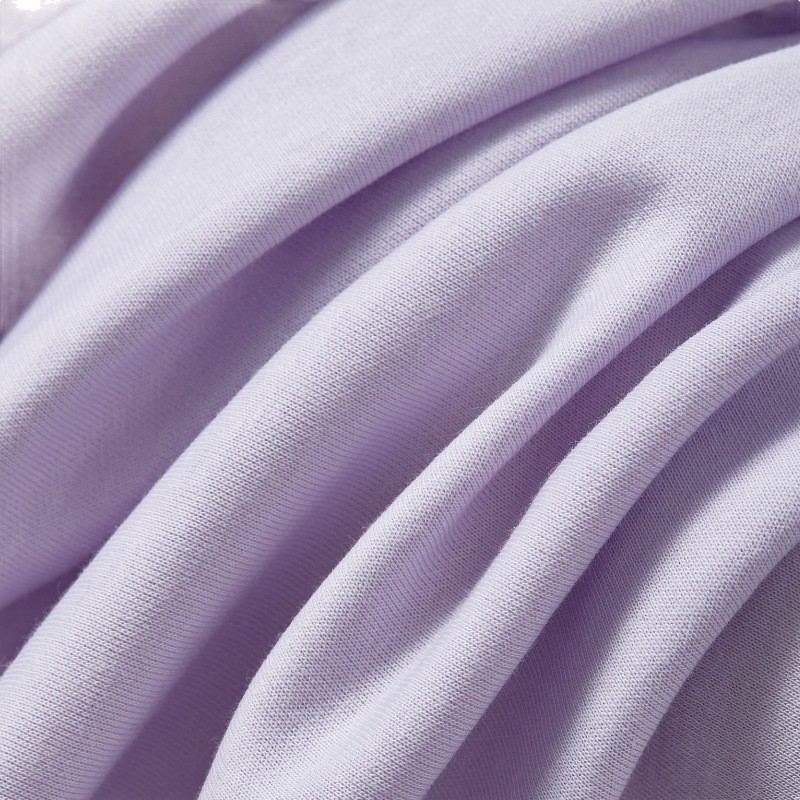
Cotton poplin (100–140 GSM) delivers a smooth, crisp finish ideal for business shirts and requires minimal stretch. Twill weaves (120–160 GSM) offer diagonal texture, wrinkle resistance, and durability for frequent wear. Oxford cloth (140–180 GSM) provides a basketweave texture with casual elegance, while herringbone (120–150 GSM) adds subtle visual interest for premium collections.
Two-ply yarns (doubled threads twisted together) produce stronger, smoother fabrics with better shape retention than single-ply constructions. Thread count (threads per square inch) typically ranges from 80–140 for dress shirts; higher counts yield softer hand feel but may reduce breathability.
Cotton Blends and Performance Fabrics
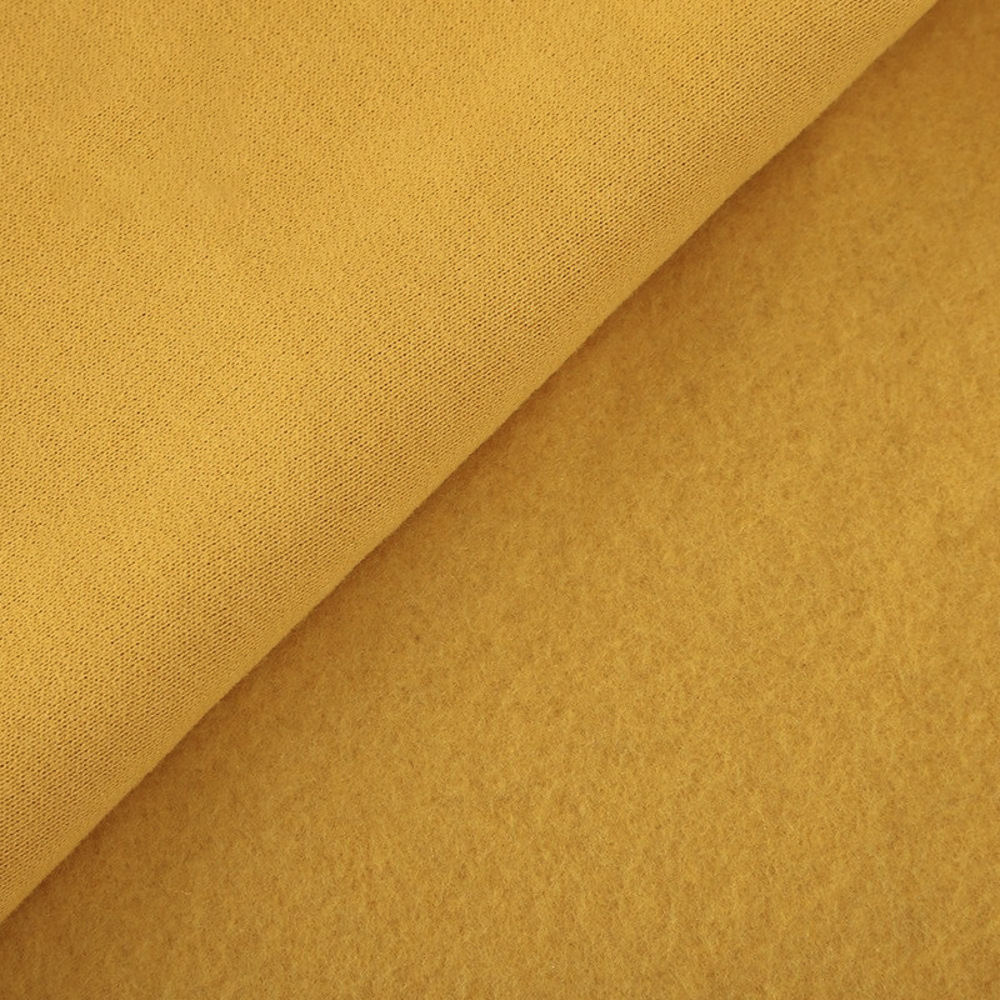
Poly-cotton blends (60/40 or 50/50 cotton-polyester, 110–130 GSM) reduce wrinkling and drying time, making them ideal for travel and workwear uniforms. Cotton-elastane blends (95/5 or 97/3, 120–150 GSM) add 3–5% stretch for improved comfort and fit retention in slim or athletic cuts.
Performance fabrics with wrinkle-free treatments or moisture-wicking finishes (120–140 GSM) suit active professionals and warm climates. Linen and linen blends (100–150 GSM) provide maximum breathability for resort and summer collections but wrinkle easily and require careful finishing.
5. Customization and Branding Options for Custom Fit Dress Shirts
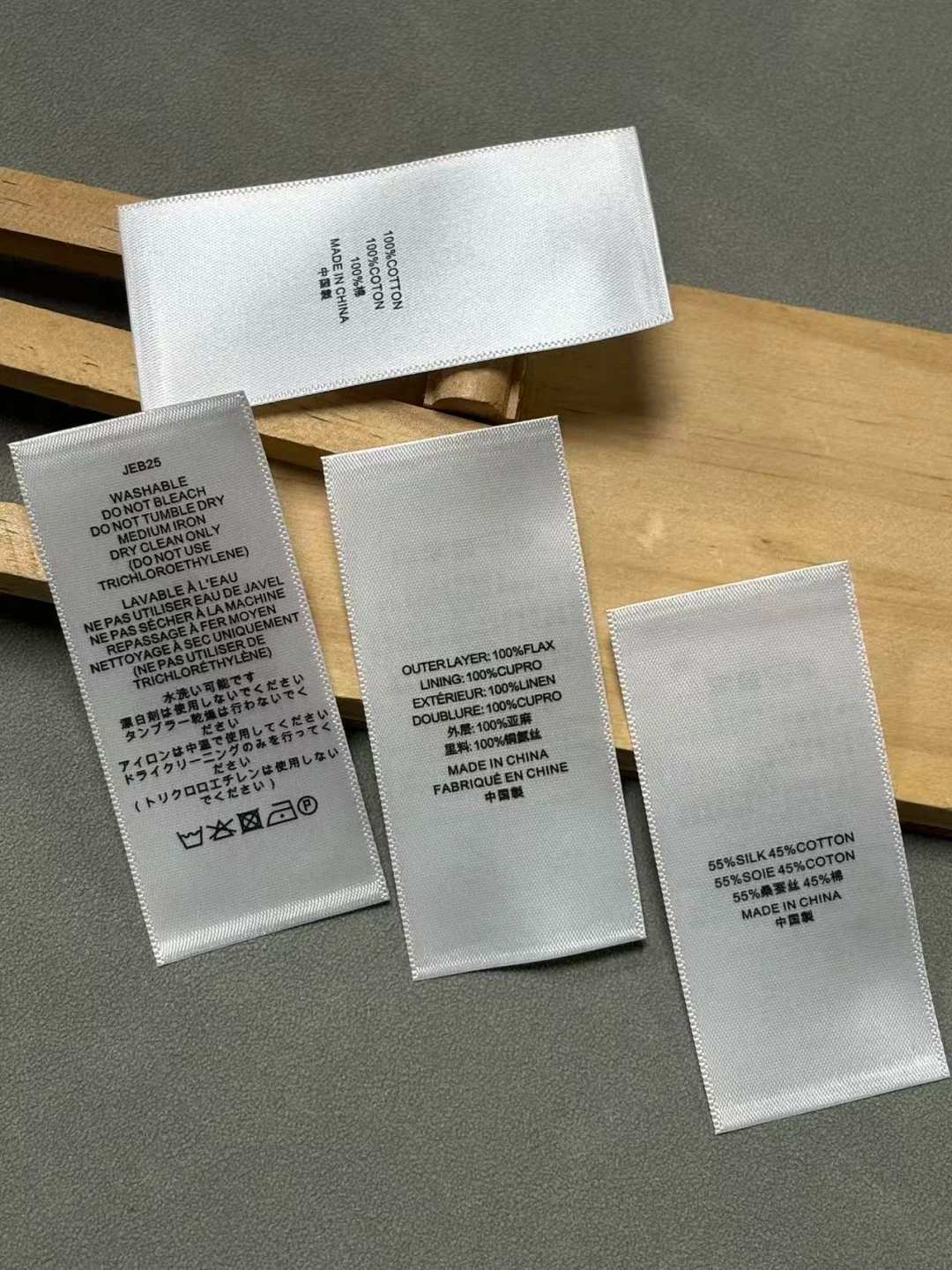
Branding transforms custom fit dress shirts from blank product into branded assets. ZORWILD supports monogramming, custom labels, contrast details, specialty buttons, hang tags, and premium packaging to differentiate your line at every touchpoint.
| Decoration Method | Setup Cost (USD) | Per-Unit Cost | Durability (Washes) |
|---|---|---|---|
| Flat Embroidery | $35–$80 | $1.20–$2.50 | 50+ |
| Woven Label | $60–$150 | $0.15–$0.40 | 100+ |
| Printed Satin Label | $20–$50 | $0.08–$0.20 | 30–50 |
| Heat-Transfer Label | $25–$60 | $0.10–$0.25 | 40–60 |
| Engraved Button (per style) | $80–$200 | $0.30–$0.80 | Permanent |
Monogramming and Embroidery Placement
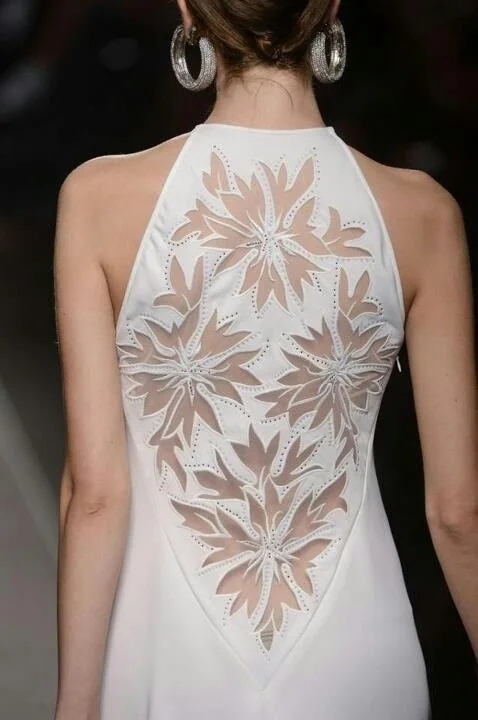
Monograms appear on cuffs, chest pocket, collar points, or inside placket. Thread color, font style (script, block, serif), and stitch density define visual impact.
Flat embroidery delivers clean initials; 3D puff adds dimension for streetwear aesthetics. Placement consistency across production runs requires digitized file management and hoop positioning standards.
Custom Labels and Hang Tags
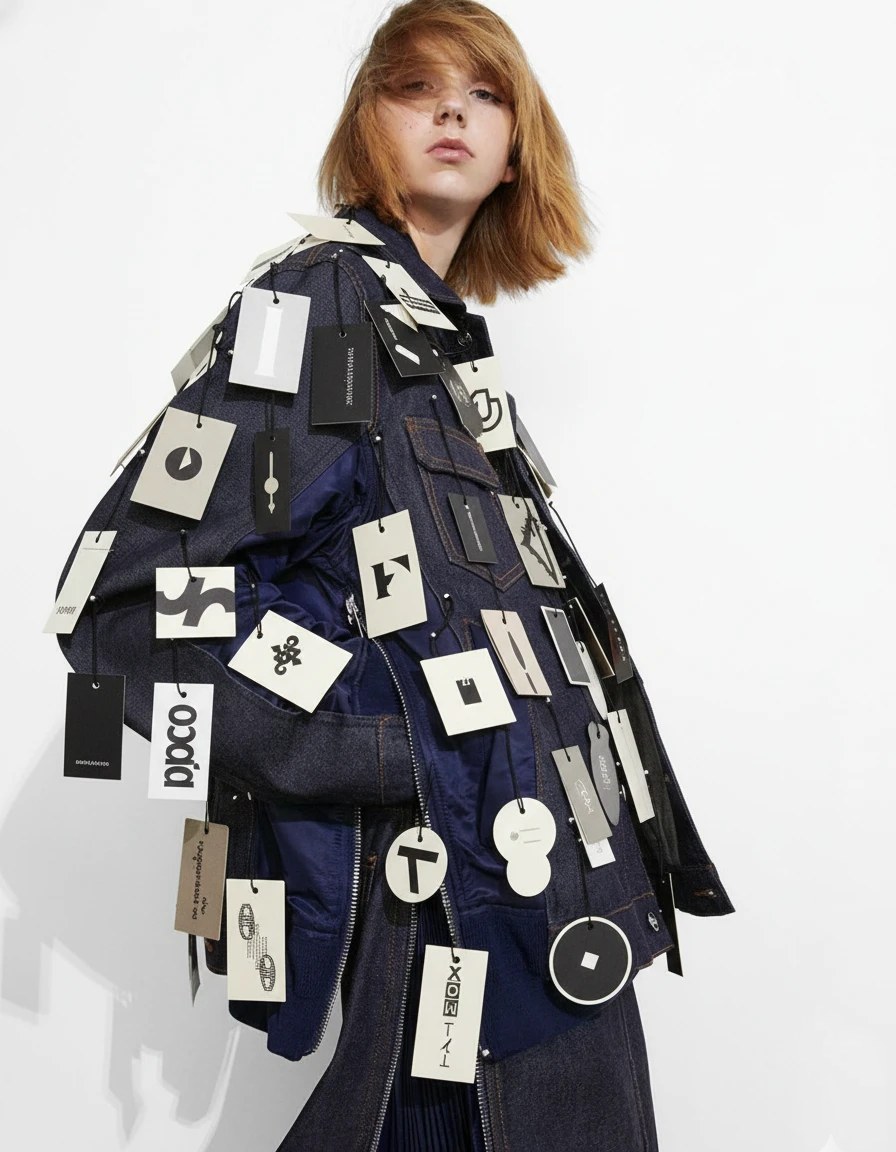
Woven labels offer durability and premium feel; printed satin labels reduce setup cost for startup runs below 500 units. Heat-transfer labels eliminate neck itch and suit athletic-casual hybrids.
Hang tags communicate brand story, care instructions, and sizing. Custom shapes, foil stamping, and embossed logos elevate perceived value. ZORWILD coordinates label artwork, Pantone matching, and tag string color to brand guidelines.
Buttons and Contrast Fabric Details
Engraved buttons carry logos or initials; contrast-color resin buttons add visual pop. Mother-of-pearl and corozo nut buttons signal luxury positioning.
Contrast fabric linings inside collar stands, cuffs, and plackets create signature details visible when sleeves roll. Patterned or solid accent fabrics differentiate fit-focused shirts in crowded markets.
Packaging Options
Polybags suit wholesale distribution; folded boxed packaging with tissue paper and branded stickers enhance direct-to-consumer unboxing. Custom printed boxes increase per-unit cost by $0.40–$1.20 but boost repeat purchase rates for premium brands.
ZORWILD provides silicone labels, branded tape, and custom polybag printing to maintain brand consistency from factory to customer doorstep.
6. Key Quality Indicators in Custom Fit Dress Shirts
Quality auditing separates premium custom fit dress shirts from mass-market products. Professional manufacturers maintain strict standards across stitching, interlinings, button attachment, pattern alignment, and finishing details that directly impact garment longevity and customer retention.
Stitching Standards and Seam Construction
Professional dress shirts require 12–16 stitches per inch for seams and 18–22 SPI for topstitching and buttonholes. Flat-felled seams or French seams are standard for side seams and sleeve attachments, eliminating raw edges and improving durability.
Reinforced stress points include bar tacks at pocket corners, sleeve plackets, and side vents. Double-needle stitching on shoulders and armholes prevents seam failure under tension, critical for fitted styles worn repeatedly.
Interlining and Interfacing Quality
Collar and cuff stiffness determines shape retention through multiple wash cycles. Fused interfacing uses heat-activated adhesive and suits mid-tier production, while sewn-in (floating) canvas provides superior roll and longevity for premium lines.
Quality fused interfacing should never bubble or delaminate after washing. ZORWILD tests interfacing adhesion at 60°C wash cycles to ensure long-term bond integrity and consistent collar appearance.
Button Attachment and Hardware
Cross-stitch attachment (four-hole buttons) offers higher strength than parallel stitching. Shank buttons with thread stem allow fabric to drape naturally and reduce stress on button threads, extending garment life.
Button thread should match fabric weight: 40-weight polyester for standard shirts, 30-weight for heavyweight fabrics. Buttons are typically secured with 12–16 stitches and knotted on the reverse side.
Pattern Matching and Finishing Details
Stripe and check patterns should align at center-front placket, shoulder seams, and pocket placement. Misaligned patterns signal rushed production or inexperienced cutting teams.
Clean hems require folded edges with consistent stitch width, typically 1/4-inch from edge. Bar tacks at placket ends and side vents prevent tearing. Quality control inspects thread tension, stitch skipping, and loose threads before final packaging.
7. How to Choose a Custom Fit Dress Shirt Manufacturer
Selecting the right manufacturing partner for custom fit dress shirts requires systematic evaluation across certifications, sampling, production capabilities, and service reliability. A structured framework reduces risk and ensures consistent quality at scale.
Verify Certifications and Compliance Standards
Request documentation for OEKO-TEX Standard 100 (textile safety), ISO 9001 (quality management), and BSCI or WRAP (social compliance). These certifications confirm fabric safety, process consistency, and ethical labor practices.
Manufacturers in Dongguan and other major hubs typically maintain multiple certifications for export markets. Absence of verifiable certificates may indicate limited export experience or quality control gaps.
Assess Sample Quality and Turnaround Time
Evaluate collar symmetry, button alignment, stitching density (12–14 SPI for dress shirts), and fabric hand feel in initial samples. Industry-standard turnaround is 7–10 days for first samples; delays beyond 14 days often signal capacity constraints.
Request samples in your target fabric weight (100–140 GSM poplin or twill) and inspect wash stability, color fastness, and seam puckering after laundering.
Understand MOQ Flexibility and Scaling Options
Confirm minimum order quantities for initial production and reorders. Factories offering 50-piece MOQs enable startups and influencers to test markets without inventory risk, while capacity to scale to 5,000+ units supports growth.
Ask whether MOQ applies per design, per colorway, or per size run. Per-design MOQs offer greater flexibility for multi-SKU collections.
Evaluate Communication and Design Support
Test responsiveness during inquiry phase: replies within 24 hours and willingness to discuss tech pack details indicate professional systems. Manufacturers with in-house pattern makers and fabric sourcing teams reduce lead times and simplify coordination.
Red flags include vague answers on fabric specifications, reluctance to provide references, or pressure to pay full deposits before sampling.
Confirm Production Capacity and Lead Times
Verify monthly output capacity (100,000+ units for established factories) and typical bulk production lead times (25–35 days post-approval). Factories with 200+ workers and dedicated cutting, sewing, and finishing lines maintain consistent schedules.
Request a production timeline breakdown covering fabric procurement, cutting, sewing, washing, QC, and packing to identify potential bottlenecks.
Review Shipping and Post-Sale Service Terms
Confirm whether the factory handles export documentation, freight forwarding, and door-to-door logistics or requires third-party agents. Clear policies on defect remakes (typically 2–3% allowance), quality claims, and communication during transit issues protect your investment.
Established manufacturers provide photographic QC reports before shipment and maintain responsive after-sales support for any production discrepancies.
8. Common Mistakes When Sourcing Custom Fit Dress Shirts
Sourcing custom fit dress shirts involves technical complexity that catches many buyers off guard. Even experienced brands lose thousands of dollars and months of lead time by overlooking critical manufacturing details that professional manufacturers flag early.
Choosing Price Over Quality
Buyers chasing the lowest unit cost often receive shirts with inconsistent collar stiffness, uneven stitching at 12–14 SPI instead of professional 16–18 SPI, and buttons that crack after three washes. ZORWILD’s 27 years of experience shows that premium cotton poplin or twill fabrics cost 15–25% more but reduce return rates by over 40%.
Quality construction includes fused or sewn interlining in collars and cuffs, reinforced stress points at pocket corners and side seams, and pre-shrunk fabrics that maintain fit accuracy after laundering.
Ignoring Fabric Shrinkage and Pre-Treatment
Cotton and linen blends shrink 3–5% in length and 2–4% in width without proper sanforization or compacting pre-treatment. Buyers who skip fabric pre-shrinking face customer complaints when size M becomes size S after the first wash.
ZORWILD applies enzyme wash, sanforization, or steam pre-treatment to all dress shirt fabrics before cutting, ensuring dimensional stability within 2% across all washes and maintaining the custom fit specifications agreed in tech packs.
Underestimating Pattern Grading Importance
Many buyers provide one sample size and assume manufacturers will scale proportionally across S to XXL, but professional grading requires different increments for chest, shoulder, sleeve, and length measurements. Poor grading creates shirts that fit well in M but too tight in XL shoulders or too boxy in S.
ZORWILD’s pattern team uses industry-standard 1-inch chest grading and 0.25–0.5 inch increments for sleeve and shoulder across six to eight size runs, ensuring every size maintains the intended fit silhouette for custom fit dress shirts.
Skipping Wear-Testing Samples
Approving samples based only on visual inspection misses critical comfort and durability issues that emerge after wearing and washing. Collars may dig into necks, armholes restrict movement, or fabric pilling appears after three washes.
Professional brands order 3–5 samples per style, wear-test them for one week, launder at least twice, and evaluate collar roll, button tension, seam strength, and fabric hand feel before approving bulk production of 500+ units.
Neglecting Clear Tech Packs
Vague instructions like ‘slim fit’ or ‘business casual style’ lead to mismatched expectations and costly remakes. Complete tech packs must specify 15–20 measurement points including collar height, cuff width, armhole depth, and back yoke dimensions with tolerance ranges of ±0.5 cm.
ZORWILD requires detailed tech packs with construction notes, stitch types, button specifications, label placement, and reference photos to eliminate ambiguity and ensure first-time production accuracy for custom fit dress shirts.
Failing to Plan Seasonal Lead Times
Ordering dress shirts in March for June delivery overlaps with peak spring production when fabric mills and factories run at full capacity. Standard lead times of 25–35 days stretch to 45–60 days during Chinese New Year (January–February) and pre-holiday peaks (August–October).
ZORWILD recommends placing orders 60–90 days before target delivery for seasonal collections, booking fabric allocation early, and using air freight for urgent reorders to avoid stockouts during peak retail periods.
9. Steps to Launch Your Custom Fit Dress Shirt Brand
Launching a custom fit dress shirt brand requires methodical planning across design, production, and market entry. ZORWILD’s 50-piece MOQ and 7-day sampling enable rapid iteration without heavy capital risk.
Define Your Target Customer and Fit Philosophy
Identify whether you serve athletic builds, slim professionals, tall customers, or plus-size markets before drafting patterns. Each segment demands distinct armhole depth, shoulder slope, chest-to-waist drop, and sleeve pitch.
Your fit philosophy—modern slim, classic regular, or relaxed comfort—drives every measurement decision and differentiates your brand from competitors.
Develop Your Core Size Range and Measurement System
Start with 4–6 core sizes covering 80% of your target demographic, typically S through XXL or 14.5 through 17.5 neck. Document neck circumference, chest, waist, sleeve length, shoulder width, and body length in a graded spec sheet.
ZORWILD’s development team converts your size chart into production-ready patterns, ensuring consistent grading increments of 1–2 cm between sizes.
Select Your Fabric and Style Matrix
Choose 3–5 fabric bases—cotton poplin, Oxford weave, linen blend, or stretch twill—and limit your first collection to 2–3 collar styles and 1–2 cuff options to control SKU complexity and inventory.
Test fabric performance for shrinkage, colorfastness, and wrinkle resistance during sampling to avoid post-launch quality complaints.
Order and Test Samples Iteratively
Request fit samples in your smallest, middle, and largest sizes to validate grading accuracy. ZORWILD delivers samples in 7 days, allowing multiple refinement cycles before bulk production.
Wear-test each sample for 8–10 hours, checking shoulder seam placement, collar stand height, armhole comfort, and hem length under real-world conditions.
Plan Your Go-to-Market Strategy
Launch via Shopify or WooCommerce with detailed size guides, lifestyle photography, and customer reviews to build trust. Supplement online sales with wholesale partnerships or pop-up events to gather direct fit feedback.
ZORWILD supports low-MOQ reorders, enabling you to adjust sizing or introduce new colorways based on early customer data without overcommitting inventory.
10. Pricing and Cost Breakdown for Custom Fit Dress Shirts
ZORWILD’s custom fit dress shirts start at a 50-piece minimum order quantity, with per-unit costs decreasing as volume scales. FOB (Free on Board) pricing includes manufacturing, quality control, and delivery to the departure port in China, while landed cost adds international freight, customs duties, and destination handling.
Setup fees typically range from $50 to $150 per design depending on pattern complexity, custom sizing requirements, and decoration methods. Sample development costs $30 to $80 per style with a 7-day turnaround, refundable against bulk orders of 200 pieces or more. Payment terms follow a standard 30% deposit upon order confirmation and 70% balance before shipment, with LC (Letter of Credit) available for orders exceeding 1,000 units.
Fabric tier selection significantly impacts final unit cost. Economy cotton poplin and polyester blends deliver the lowest price point for budget collections, while premium Egyptian cotton, linen blends, and performance fabrics command 20% to 40% higher costs but offer superior hand feel, durability, and brand positioning. Decoration add-ons such as custom embroidered monograms, woven labels, contrast panels, and special buttons add $1.50 to $4.00 per garment depending on technique complexity and placement count.
| Quantity Tier | Price per Unit (FOB) | Lead Time | Setup Fee |
|---|---|---|---|
| 50–99 pcs | $18–$28 | 18–22 days | $100–$150 |
| 100–299 pcs | $15–$24 | 16–20 days | $80–$120 |
| 300–499 pcs | $13–$21 | 14–18 days | $60–$100 |
| 500–999 pcs | $11–$18 | 12–16 days | $50–$80 |
| 1,000+ pcs | $9–$15 | 10–14 days | Waived |