
Custom Embroidered Patches — Professional Quality, Low MOQ Production
ZORWILD manufactures custom embroidered patches with 50-piece minimums, in-house embroidery capabilities, and fast sampling for startups, wholesalers, and established brands worldwide. Based in Humen, Dongguan with 27 years of manufacturing expertise.
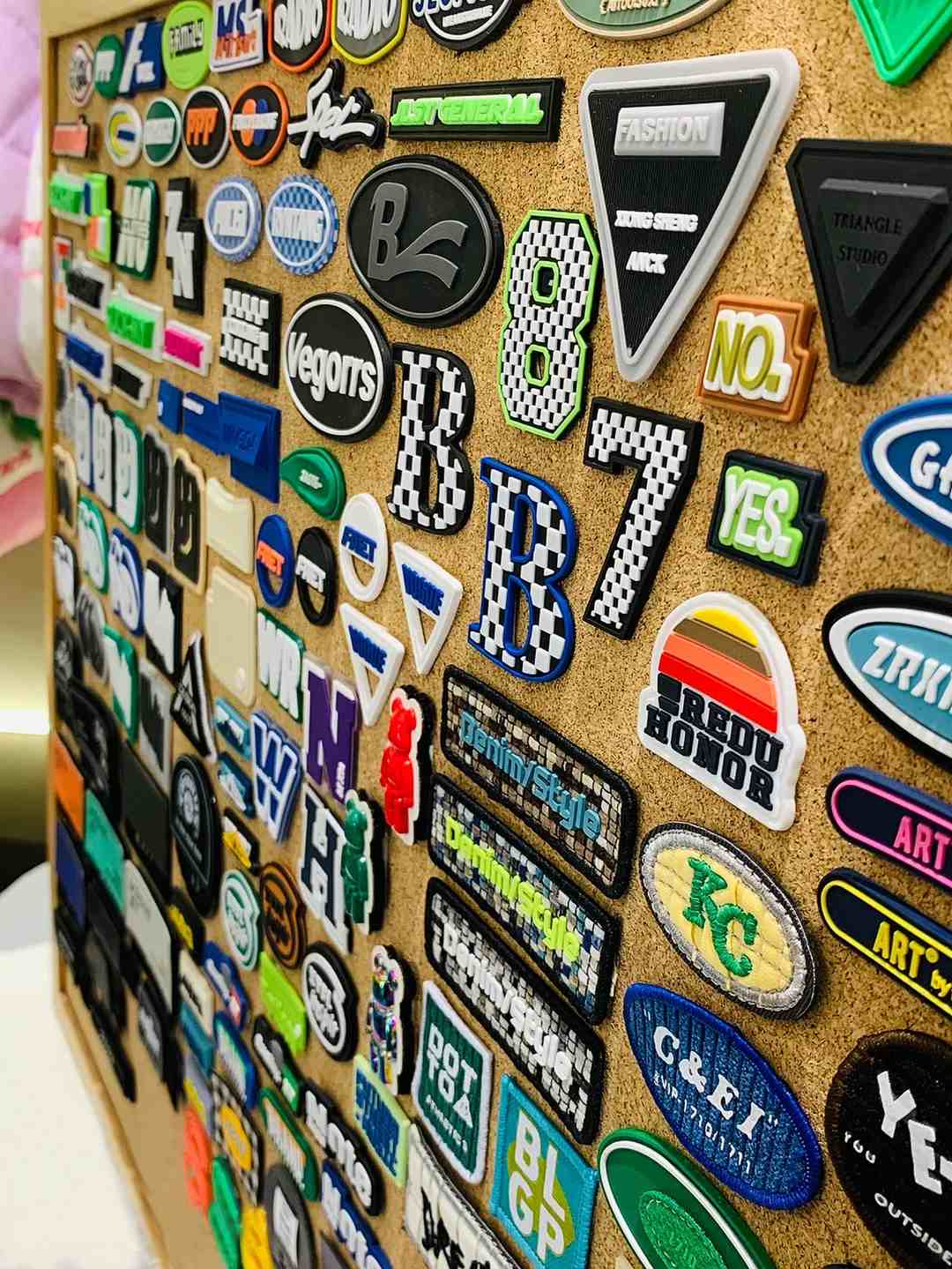
Custom Embroidered Patches Gallery
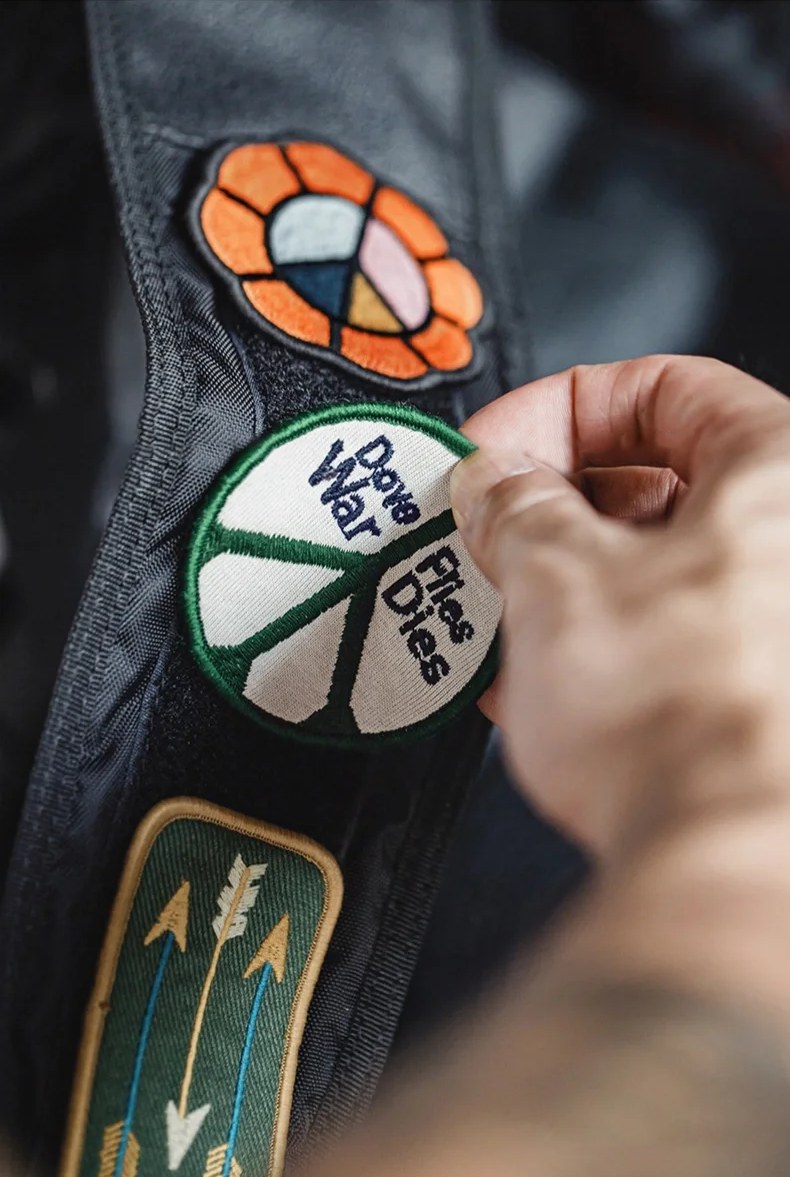
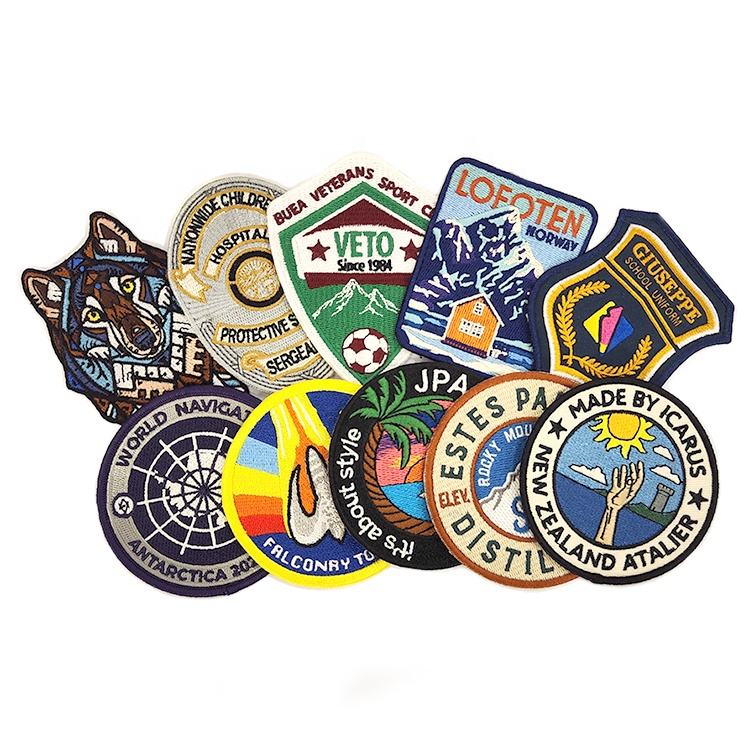
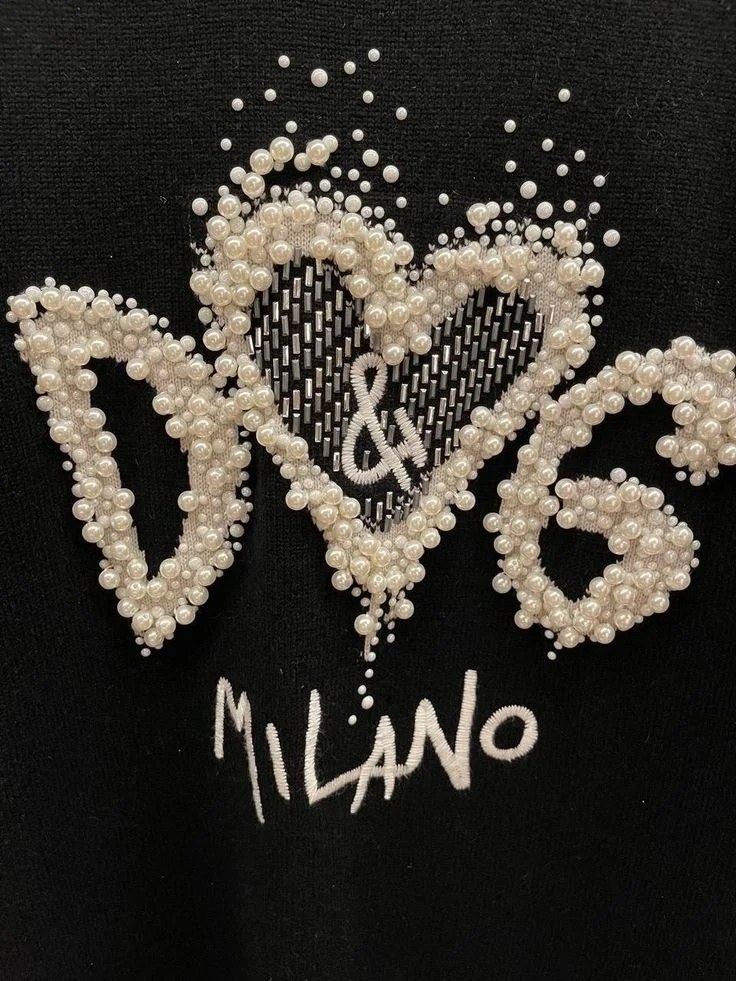
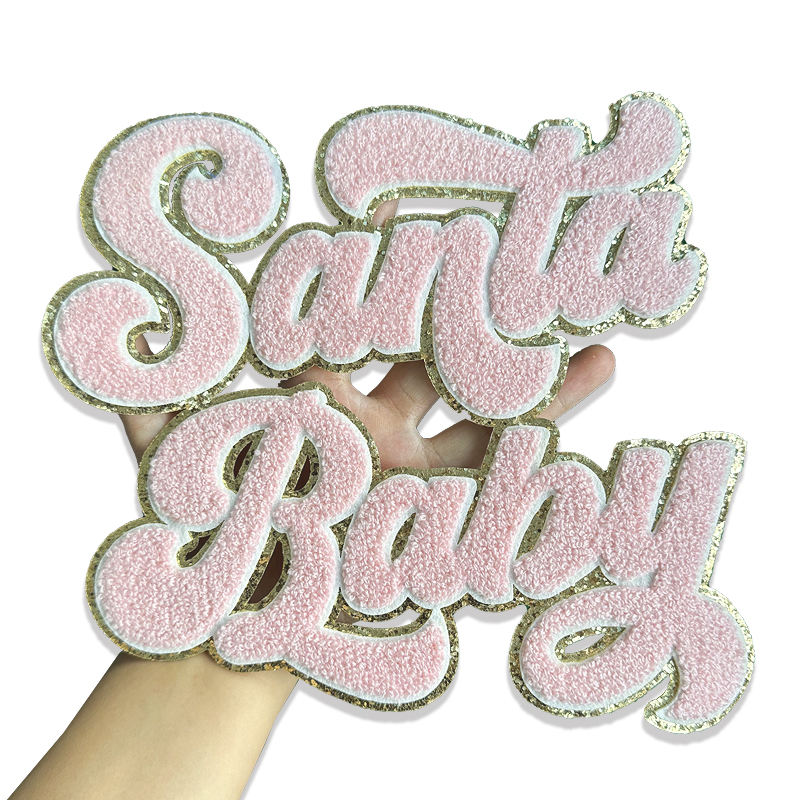
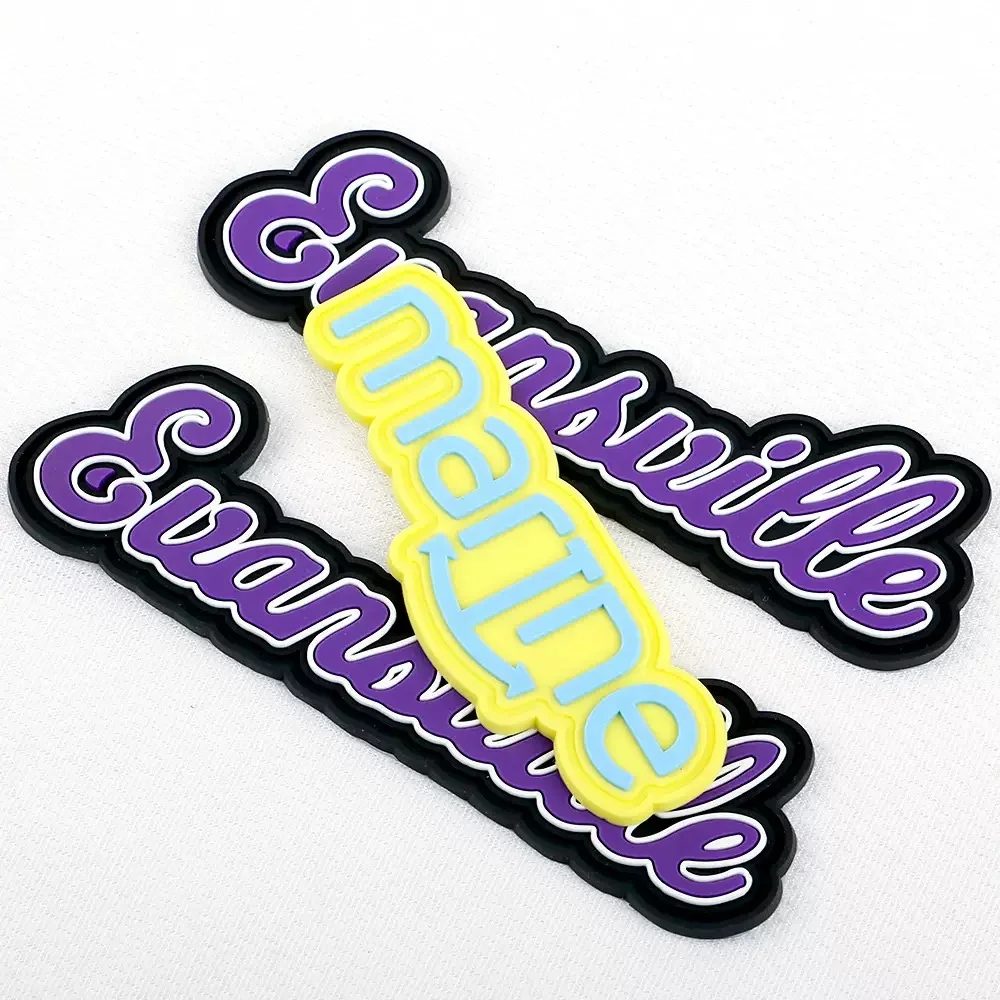
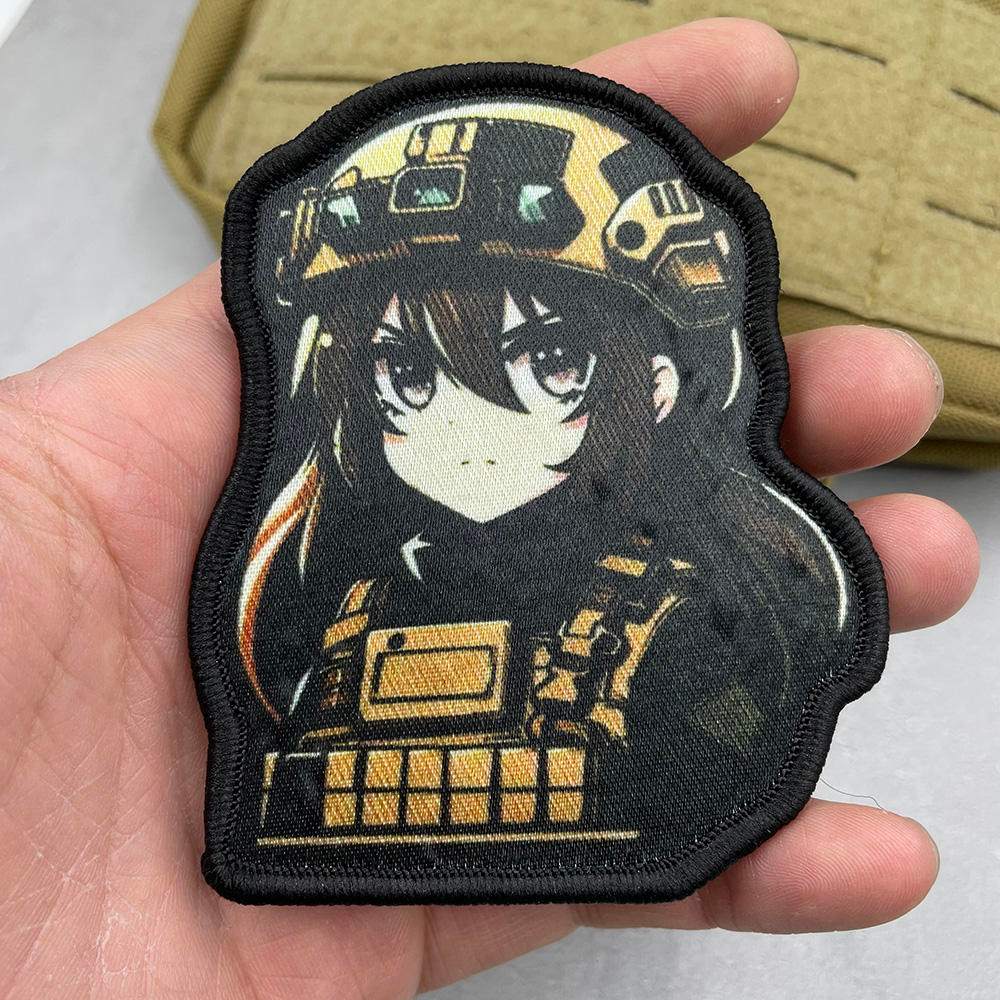
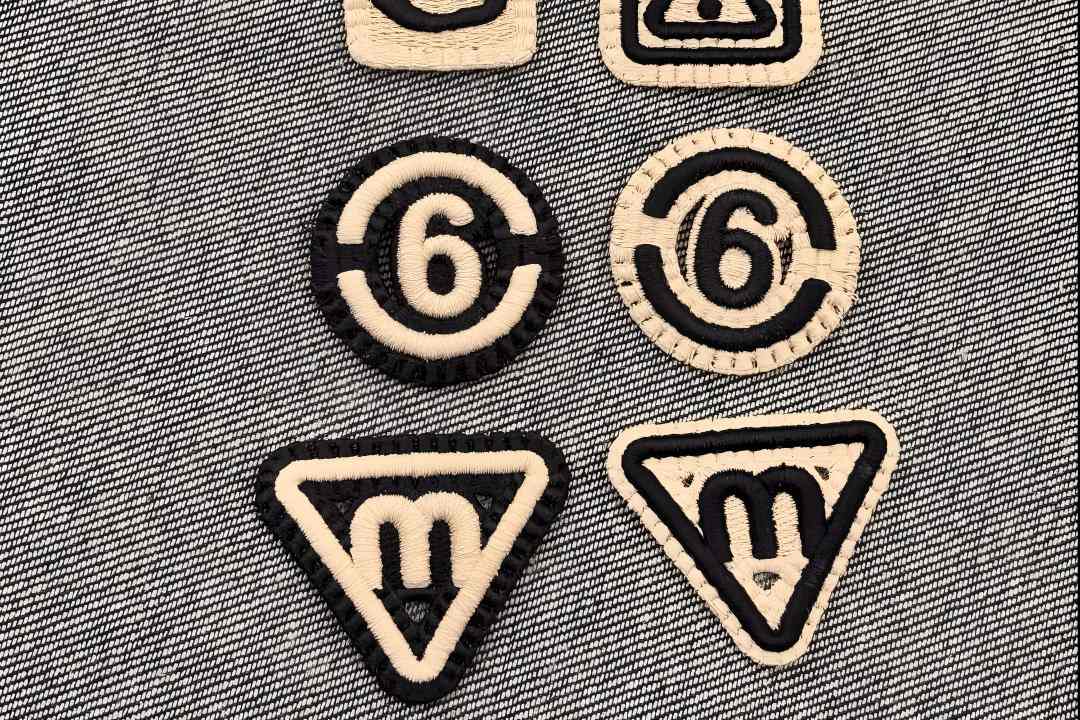
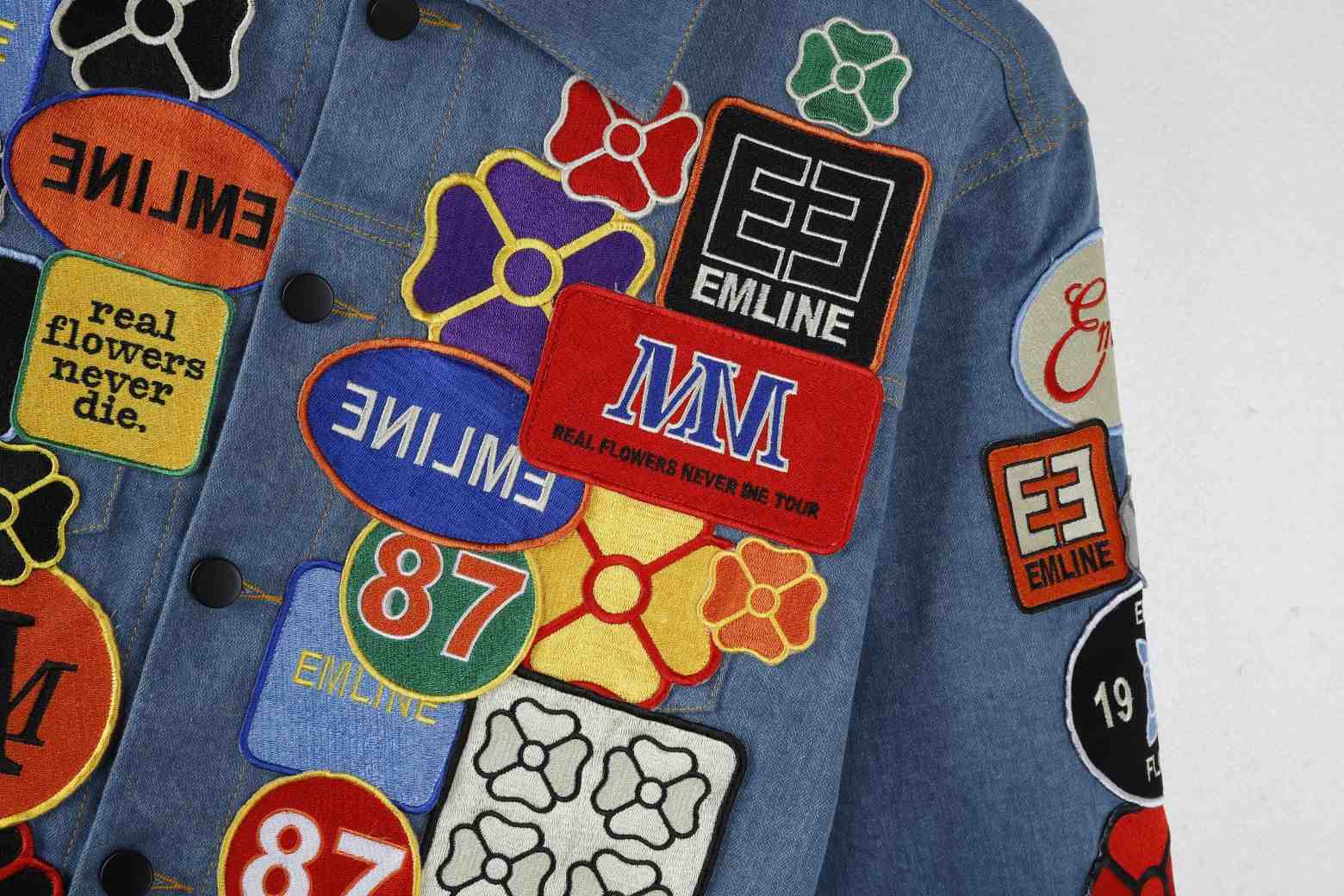
What Makes Our Custom Embroidered Patches Stand Out
Premium Thread Quality
High-grade polyester and rayon threads ensure vibrant colors, smooth texture, and lasting durability through repeated washing cycles.
Precision Stitch Density Control
Advanced embroidery machines deliver consistent stitch density for clean edges, sharp details, and professional dimensional effects on every patch.
Accurate Color Matching
Our color-matching system supports Pantone references and brand guidelines, ensuring your custom embroidered patches match your exact specifications.
Wash-Tested Durability
Every patch undergoes rigorous wash testing to verify colorfastness, thread integrity, and backing adhesion for long-term garment performance.
Complex Design Support
From fine lettering to intricate logos and multi-layer artwork, we handle detailed embroidery designs with chenille, 3D, and flat techniques.
Fast Sampling & Low MOQ
Start with just 50 pieces and receive production-ready samples within 5-7 days, allowing you to test quality before committing to bulk orders.
Related Embroidery & Patch Techniques
Compare specialized embroidery methods available at our Humen, Dongguan facility to find the right texture, dimension, and visual impact for your apparel collection.
Custom Embroidery
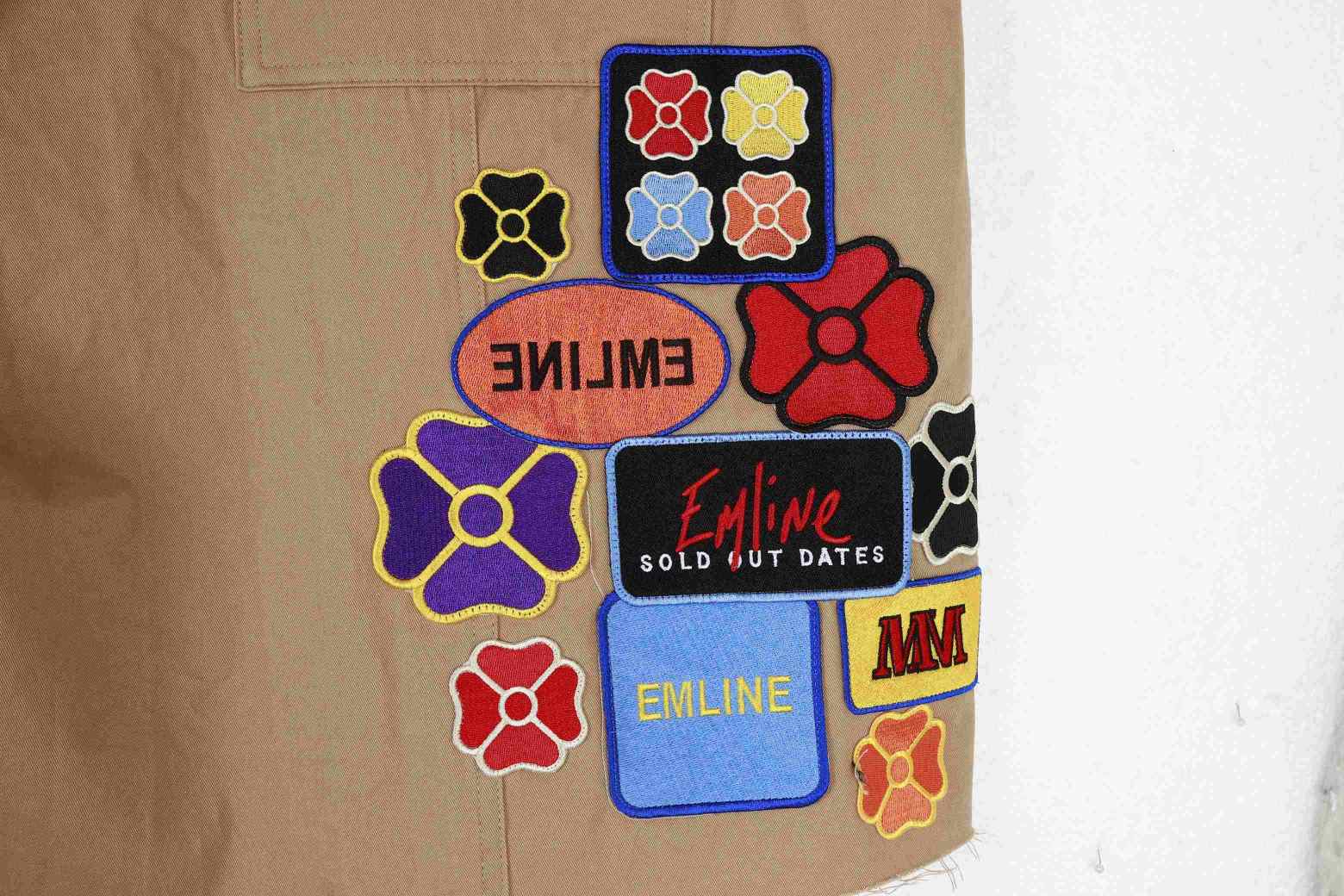
Full-service custom embroidery from our Humen Dongguan factory supporting flat, 3D, chenille, applique, patch, towel, metallic, and sequin techniques. We control stitch density, thread quality, color consistency, garment tension, and positioning accuracy across hoodies, jackets, shirts, caps, and uniforms with MOQ starting at 50 pieces.
Get a Quote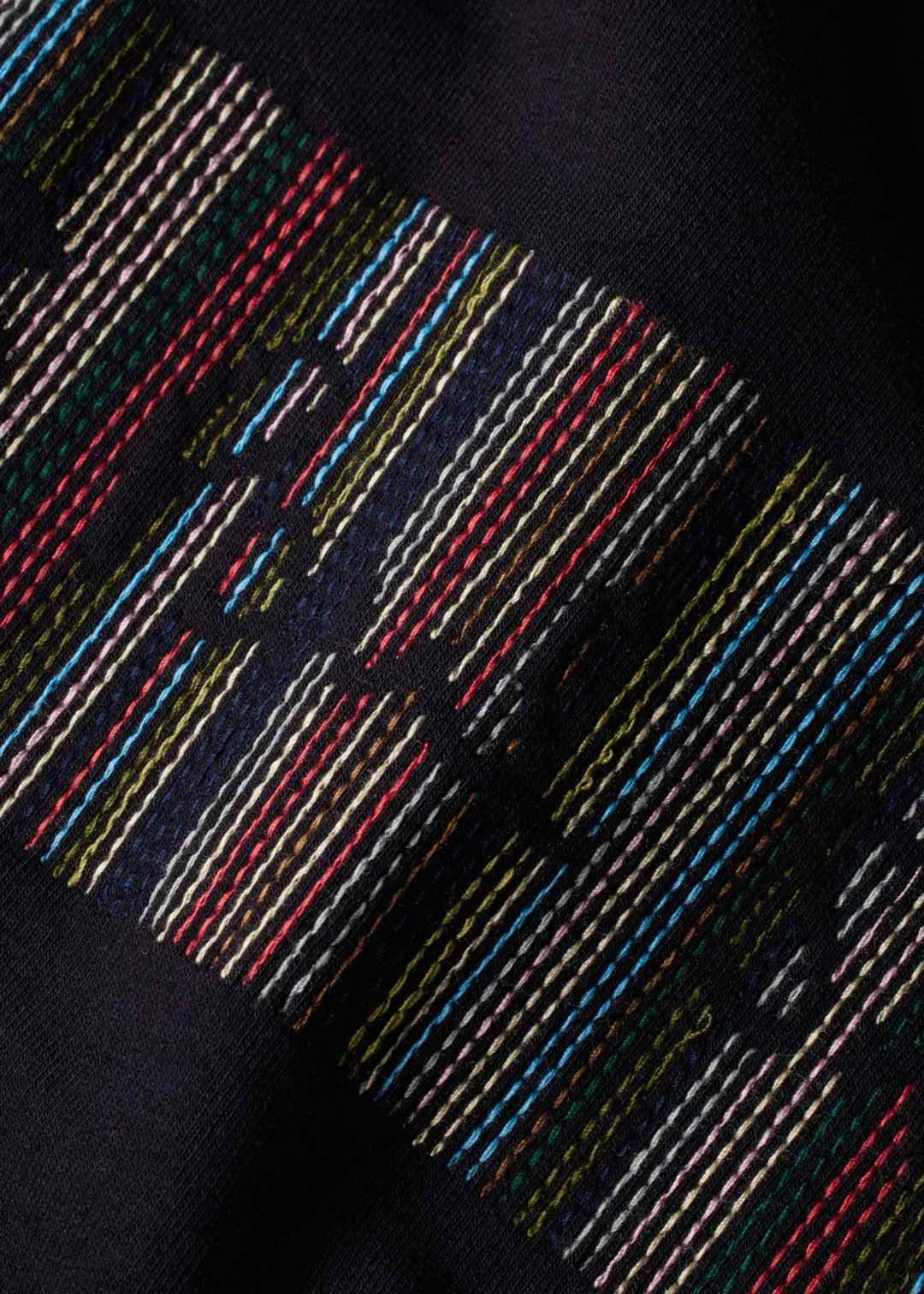
Chain Stitch Embroidery
Chain stitch embroidery delivers a handcrafted vintage aesthetic with continuous looped stitching ideal for retro sportswear, varsity jackets, bowling shirts, and heritage brand graphics. This technique creates bold outlines, decorative borders, and authentic old-school detailing that elevates streetwear and fashion casualwear collections.
Get a Quote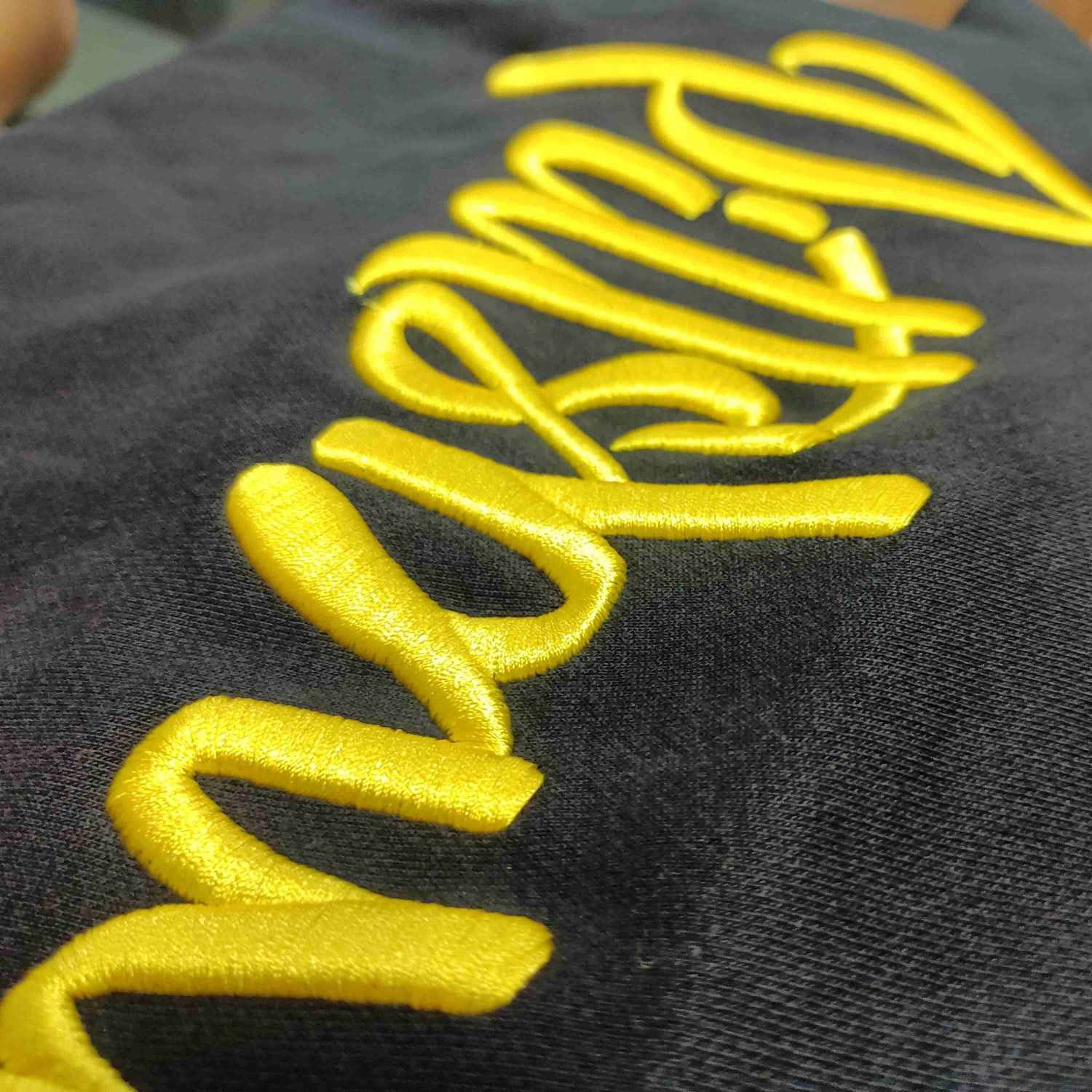
3D / Puff Embroidery
3D puff embroidery uses foam underlay beneath stitching to create raised dimensional logos and graphics. Popular for streetwear hoodies, caps, varsity jackets, and branded apparel requiring bold visual impact. Our factory delivers consistent puff height, clean stitch coverage, and durable construction suitable for high-volume production and premium fashion brands.
Get a Quote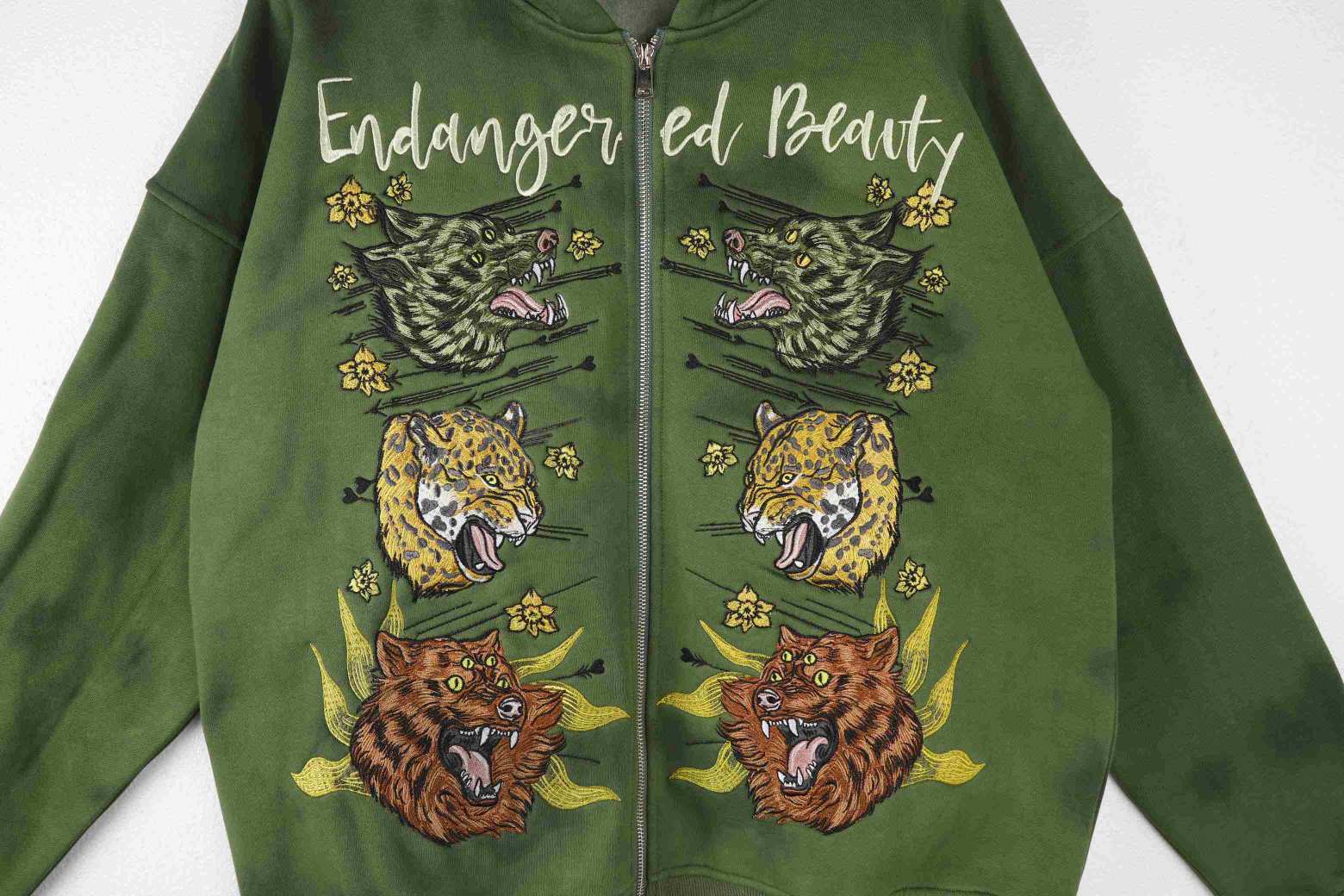
Flat Embroidery
Flat embroidery is the most versatile and widely used technique for logos, text, and detailed artwork on apparel. Ideal for corporate uniforms, fashion branding, sportswear, and professional collections requiring clean lines, precise detail, and excellent wash durability. We support complex color matching and intricate design execution across all garment categories.
Get a Quote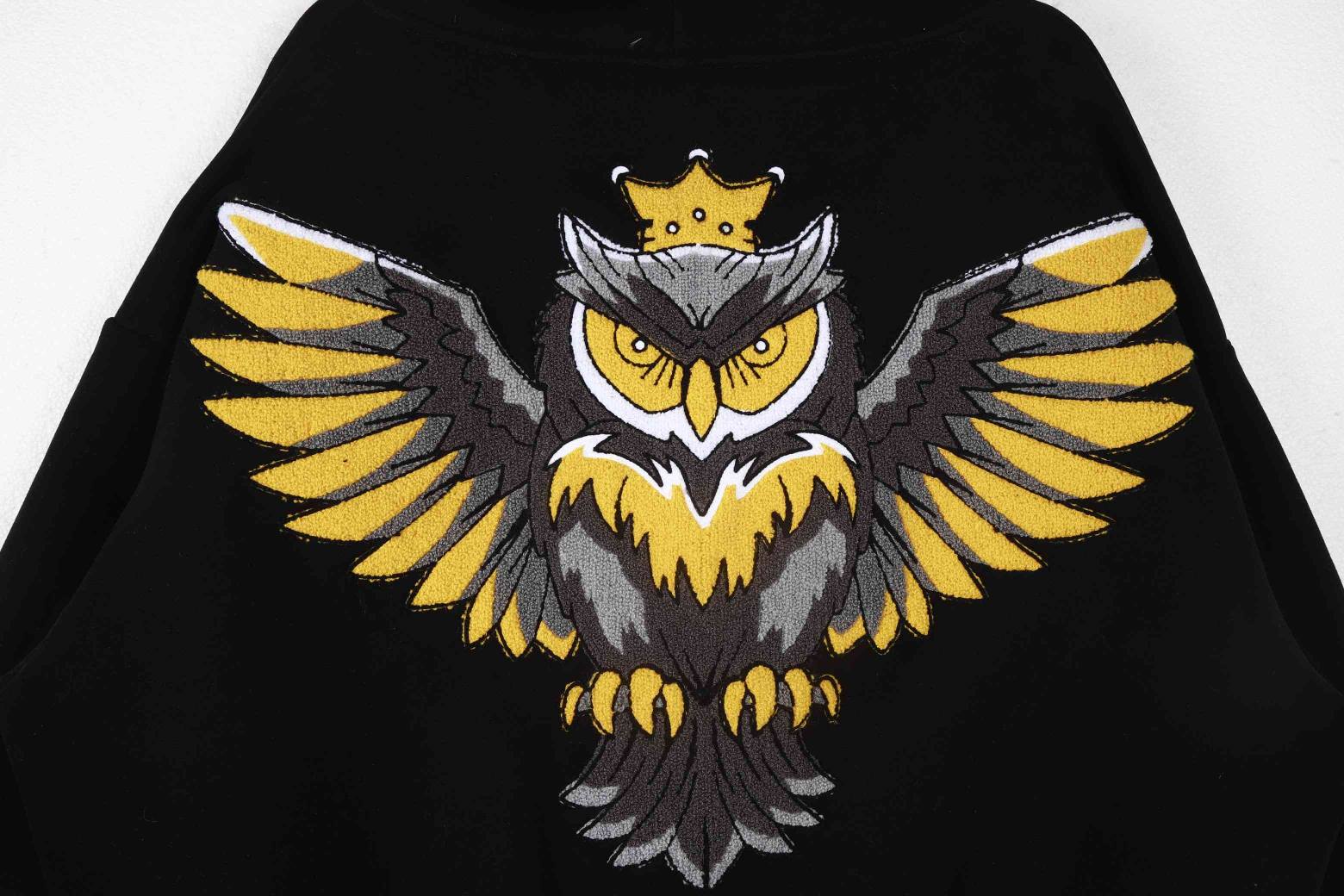
Towel Embroidery
Towel embroidery creates a plush raised texture using looped stitching that mimics terry cloth or chenille effects. Perfect for retro varsity patches, college-style lettering, heritage sportswear, and premium streetwear branding. This technique adds tactile dimension and vintage character to hoodies, sweatshirts, jackets, and caps with excellent durability and visual appeal.
Get a Quote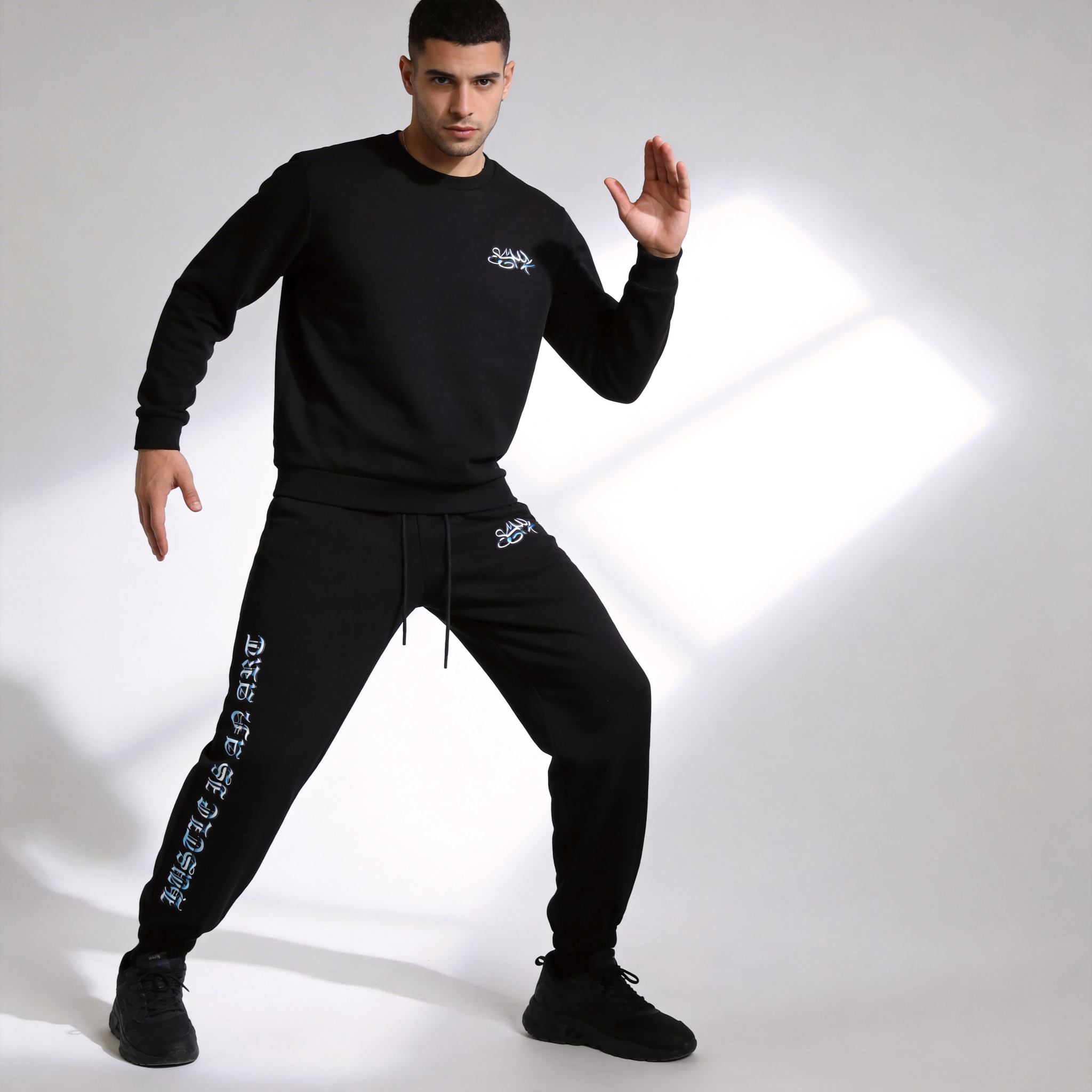
Ribbon Embroidery
Ribbon embroidery incorporates narrow fabric ribbons stitched onto garments to create dimensional floral designs, decorative accents, and luxury fashion detailing. Ideal for dresses, formalwear, resort collections, and high-end casualwear requiring elegant three-dimensional embellishment. Our craftsmen ensure secure attachment, consistent ribbon quality, and refined finishing for premium brand positioning.
Get a Quote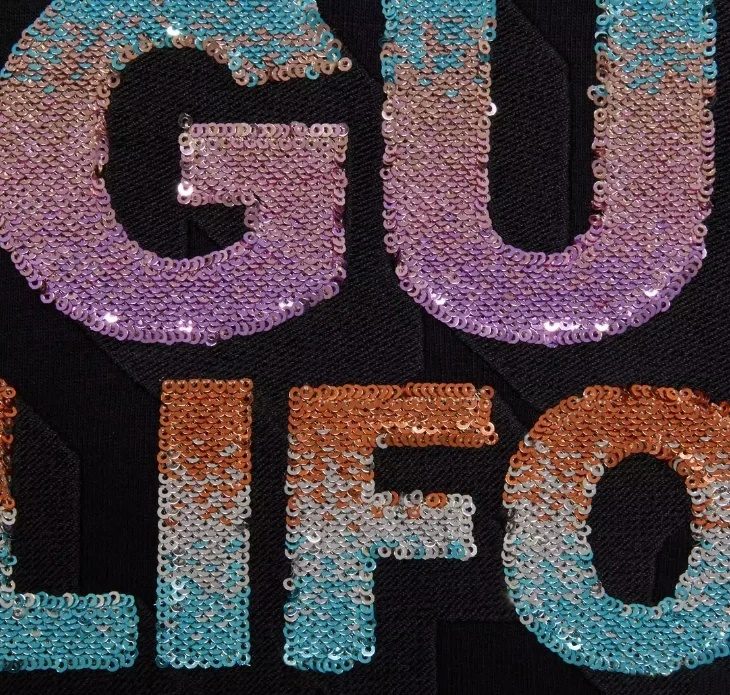
Sequin Embroidery
Sequin embroidery applies reflective plastic or metal sequins through precision stitching for glamorous visual effects on evening dresses, performance wear, festival fashion, and statement streetwear. We control sequin placement density, color coordination, and secure attachment to ensure durability through washing and wear while maintaining brilliant shine and movement.
Get a Quote
Rope Embroidery
Rope embroidery uses thick twisted cords stitched onto garments to create bold dimensional outlines, decorative borders, and textured graphic elements. Popular for luxury fashion, military-inspired designs, formalwear detailing, and statement outerwear. This technique delivers strong visual contrast and tactile richness ideal for premium brand differentiation and high-end apparel collections.
Get a Quote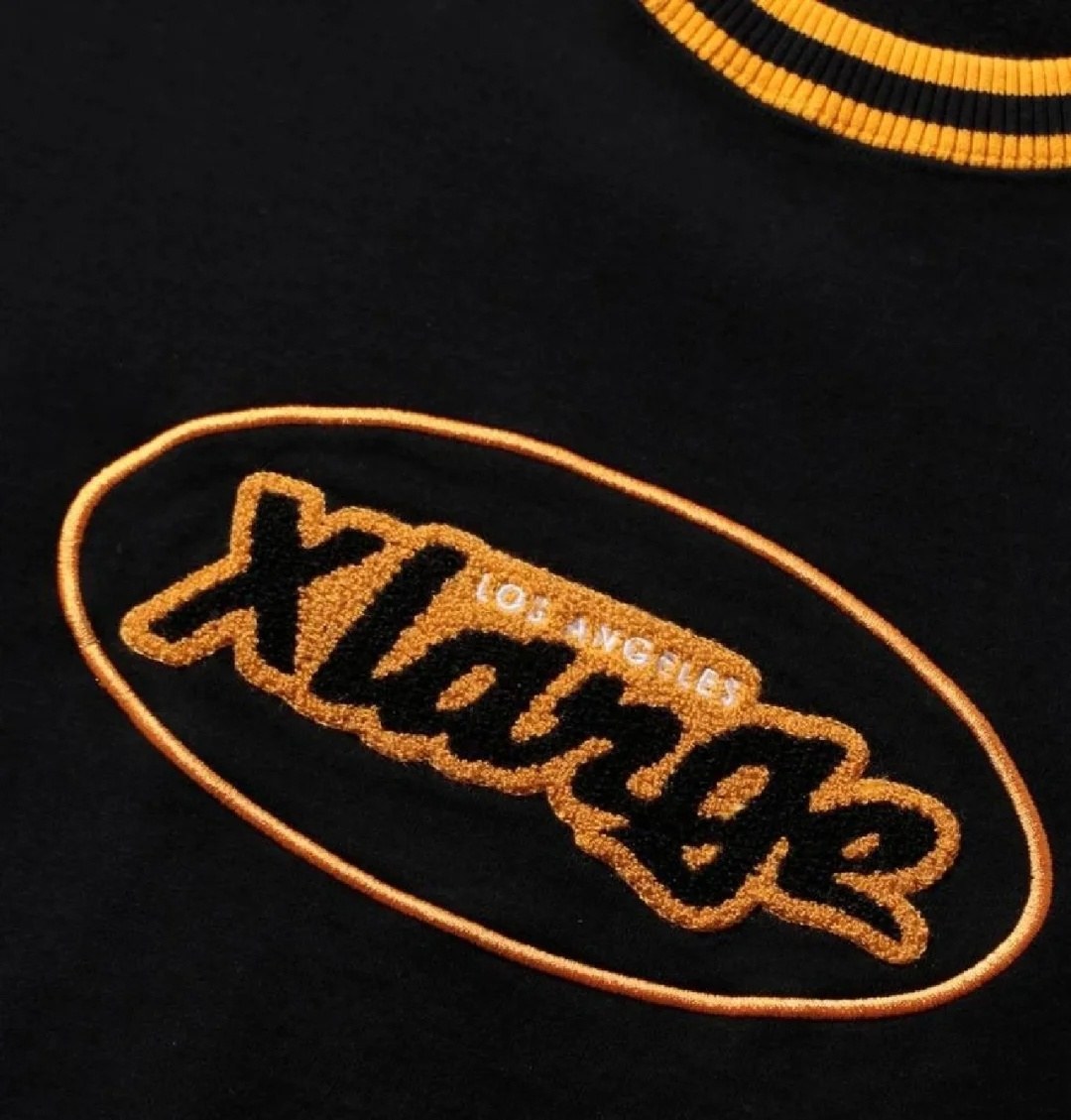
Toothbrush Embroidery
Toothbrush embroidery creates a dense bristle-like texture using specialized looped stitching that stands upright from the fabric surface. This unique technique produces bold dimensional lettering and graphics perfect for collegiate apparel, vintage sportswear, retro varsity jackets, and heritage streetwear requiring distinctive tactile branding with authentic old-school character and durability.
Get a QuoteCustom Embroidered Patches Since 1998
ZORWILD has been manufacturing custom embroidered patches and premium apparel for over 27 years from our factory in Humen, Dongguan, China’s leading garment production hub. Founded in 1998, we’ve grown from a family workshop into a full-service manufacturer serving more than 2,000 fashion brands worldwide with specialized embroidery capabilities including flat, 3D, chenille, applique, and metallic techniques.
Our 200+ skilled workers operate advanced embroidery equipment with precise control over stitch density, thread quality, color consistency, and positioning accuracy. Every custom embroidered patch passes through our 6-stage quality control system—covering raw material inspection, in-line production checks, embroidery quality verification, measurement inspection, final product review, and packaging standards—to ensure professional results for startup brands and established labels alike.
With low 50-piece MOQ production, monthly capacity exceeding 100,000 units, and 95%+ decoration techniques available in-house, ZORWILD bridges the gap between creative design and scalable production for DTC brands, wholesalers, and professional teams requiring reliable custom embroidered patches with consistent quality and fast turnaround.
Custom Embroidered Patches: Thread Quality & Stitch Precision
Premium Thread Composition & Color Stability
ZORWILD uses high-grade polyester and rayon embroidery threads engineered for color fastness, tensile strength, and UV resistance. Every custom embroidered patch undergoes thread quality inspection to ensure consistent sheen, accurate Pantone matching, and zero color bleeding across 50+ industrial wash cycles.
- Polyester threads for outdoor durability and colorfastness
- Rayon threads for premium sheen and luxury appearance
- Metallic and glow-in-the-dark specialty thread options
- Pantone color matching within 95% accuracy threshold
Stitch Density Control for Durability
Stitch density directly impacts patch longevity and visual clarity. Our embroidery technicians calibrate density between 4,000 and 9,000 stitches per square inch based on design complexity, fabric weight, and end-use requirements, preventing thread bunching, puckering, or premature wear on custom embroidered patches.
- Adjustable density for fine details vs. bold lettering
- Anti-puckering tension control on lightweight fabrics
- 3D puff embroidery with foam underlays up to 3mm height
- Flat lock-stitch edges for clean patch borders
Backing Options & Application Methods
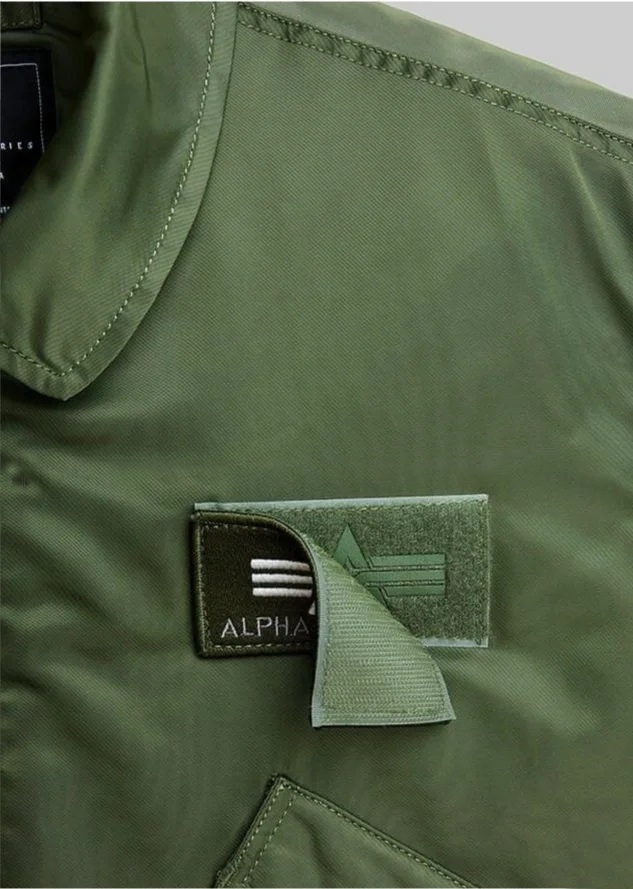
Choose from heat-seal backing for iron-on application, adhesive backing for peel-and-stick convenience, Velcro hook-and-loop systems for removable patches, or plain twill backing for direct sewing. ZORWILD matches backing type to garment fabric, wash frequency, and brand positioning for optimal adhesion and professional finish.
- Heat-seal backing withstands 60°C wash temperatures
- Industrial-grade adhesive for permanent bonding
- Velcro systems tested to 500+ attachment cycles
- Merrowed or laser-cut edge finishing options
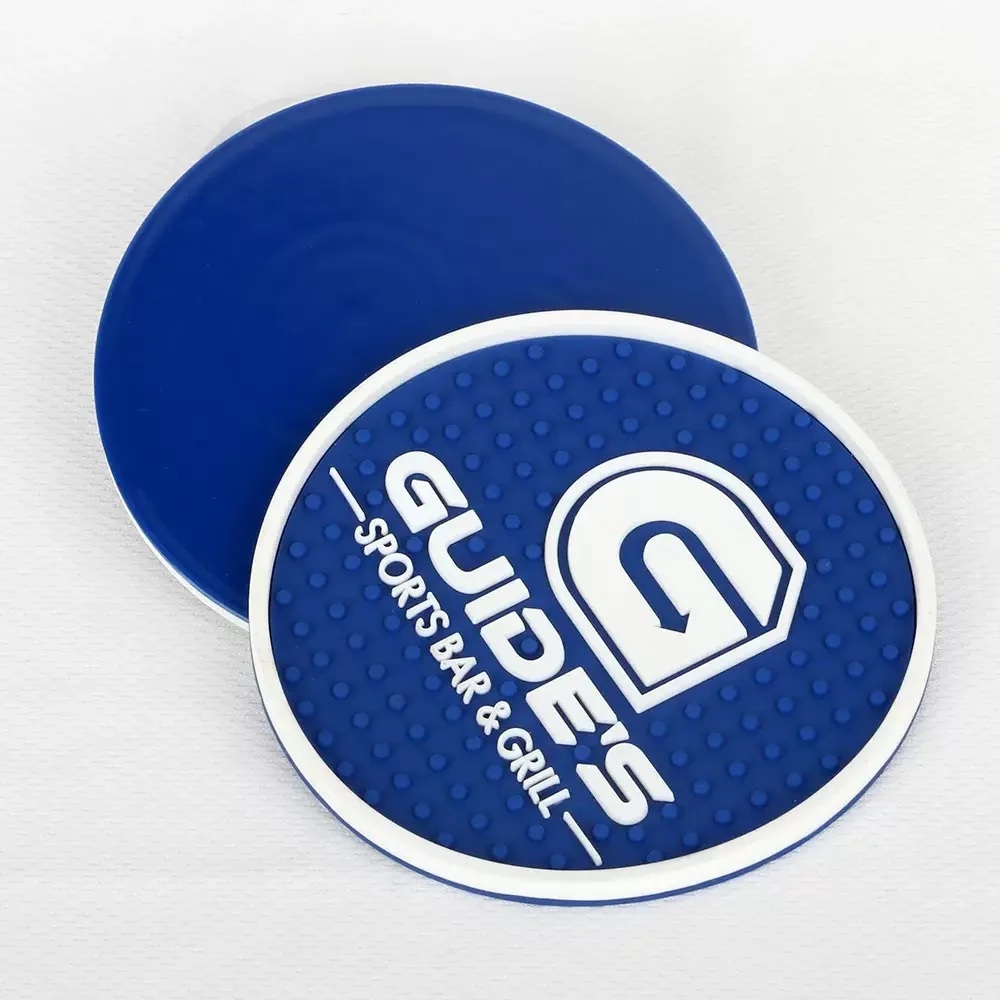
Wash Testing & Positioning Accuracy
Every custom embroidered patch design passes a 6-stage quality control protocol including pre-production digitization review, in-line stitch inspection, dimensional accuracy checks within ±1mm tolerance, and post-wash colorfastness testing. Positioning accuracy is verified using digital templates to ensure consistent placement across production runs of 50 to 100,000 units monthly.
- ISO-standard wash tests at 40°C, 60°C, and 95°C
- Abrasion resistance testing for high-wear applications
- Thread breakage inspection under 10x magnification
- Digital placement guides for multi-patch garment layouts
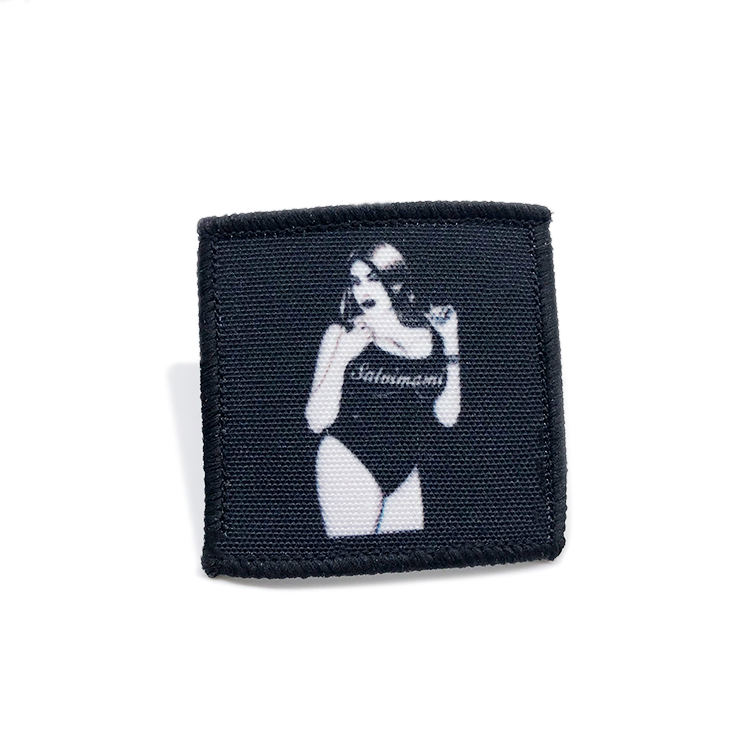
Custom Embroidered Patches vs. Woven, Printed & Rubber Patches
Understanding the strengths and limitations of each patch technique helps you select the right solution for your brand’s design, durability, and budget requirements.
← 左右滑动查看 →
Custom Embroidered Patch Production Process
ZORWILD’s 27-year embroidery expertise ensures every custom embroidered patch meets professional standards through a 6-stage quality control system and precision craftsmanship at our Humen, Dongguan facility.
Design Digitization & Approval
Your artwork is converted into embroidery-ready DST files with precise stitch density mapping, thread color matching, and underlay planning to ensure dimensional accuracy and durability.
Thread Selection & Setup
Premium polyester or rayon threads are selected based on your color specifications and durability requirements, with machine tension calibrated for consistent stitch quality throughout production.
Embroidery Execution & Monitoring
Multi-head embroidery machines stitch your design onto backing fabric with real-time quality monitoring to maintain stitch density, color consistency, and pattern alignment across all patches.
Backing Application & Adhesion
Heat-seal backing, iron-on adhesive, Velcro, or sew-on backing is applied based on your application method, with secure bonding tested to ensure patches withstand repeated use.
Cutting, Trimming & Finishing
Patches are precision-cut using laser or die-cutting methods, edges are sealed with merrowed or heat-cut borders, and excess threads are trimmed for clean professional presentation.
Quality Inspection & Packaging
Every custom embroidered patch undergoes final inspection for stitch integrity, color accuracy, measurements, and backing quality before secure packaging with your branded labels and documentation.
How to Order Custom Embroidered Patches from ZORWILD
ZORWILD’s 27-year embroidery expertise and 6-stage quality control system ensure every custom embroidered patch meets professional standards through precision craftsmanship at our Humen, Dongguan facility.
Submit Your Design & Specifications
Send vector files, color codes, patch dimensions, and backing preferences. Our team reviews artwork for embroidery compatibility and recommends thread types, stitch density, and border styles.
Approve Your Physical Sample
We produce a pre-production embroidered patch sample for your review. Evaluate thread quality, color accuracy, stitch density, size, and backing before confirming bulk production.
Production & Quality Inspection
Your custom embroidered patches enter our 6-stage quality control system. We inspect stitch consistency, thread tension, color matching, edge finishing, and backing adhesion throughout production.
Packaging & Global Delivery
Finished patches are individually inspected, counted, and packaged per your branding requirements. We coordinate air or sea freight with full export documentation and customs support.
Customer Stories: Custom Embroidered Patches in Action
We ordered 200 custom embroidered patches for our streetwear launch. The stitch density was perfect, colors matched our Pantone references exactly, and every patch survived 30+ washes without fraying. ZORWILD delivered two days early.
As a wholesaler, consistency is everything. ZORWILD produced 5,000 custom embroidered patches across three reorders with zero color variation. Their quality control system caught a thread tension issue before it reached us. Reliable partner for volume orders.
Our influencer merch needed intricate logo embroidery with metallic thread and 3D puff effects. ZORWILD nailed the complexity on the first sample. We started with just 50 pieces and scaled to 800 units in two months.
Custom Embroidered Patches — Frequently Asked Questions
What is the minimum order quantity for custom embroidered patches?
What fabrics can custom embroidered patches be applied to?
How many colors can be used in custom embroidered patches?
What is the maximum size for custom embroidered patches on garments?
Can I combine custom embroidered patches with screen printing or DTG on the same garment?
How durable are custom embroidered patches after washing?
What file format do you need for custom embroidered patches artwork?
What is the lead time for custom embroidered patches production?
Is there a cost for sampling custom embroidered patches before bulk production?
The Complete Buyer’s Guide to Custom Embroidered Patches
1. What Are Custom Embroidered Patches?
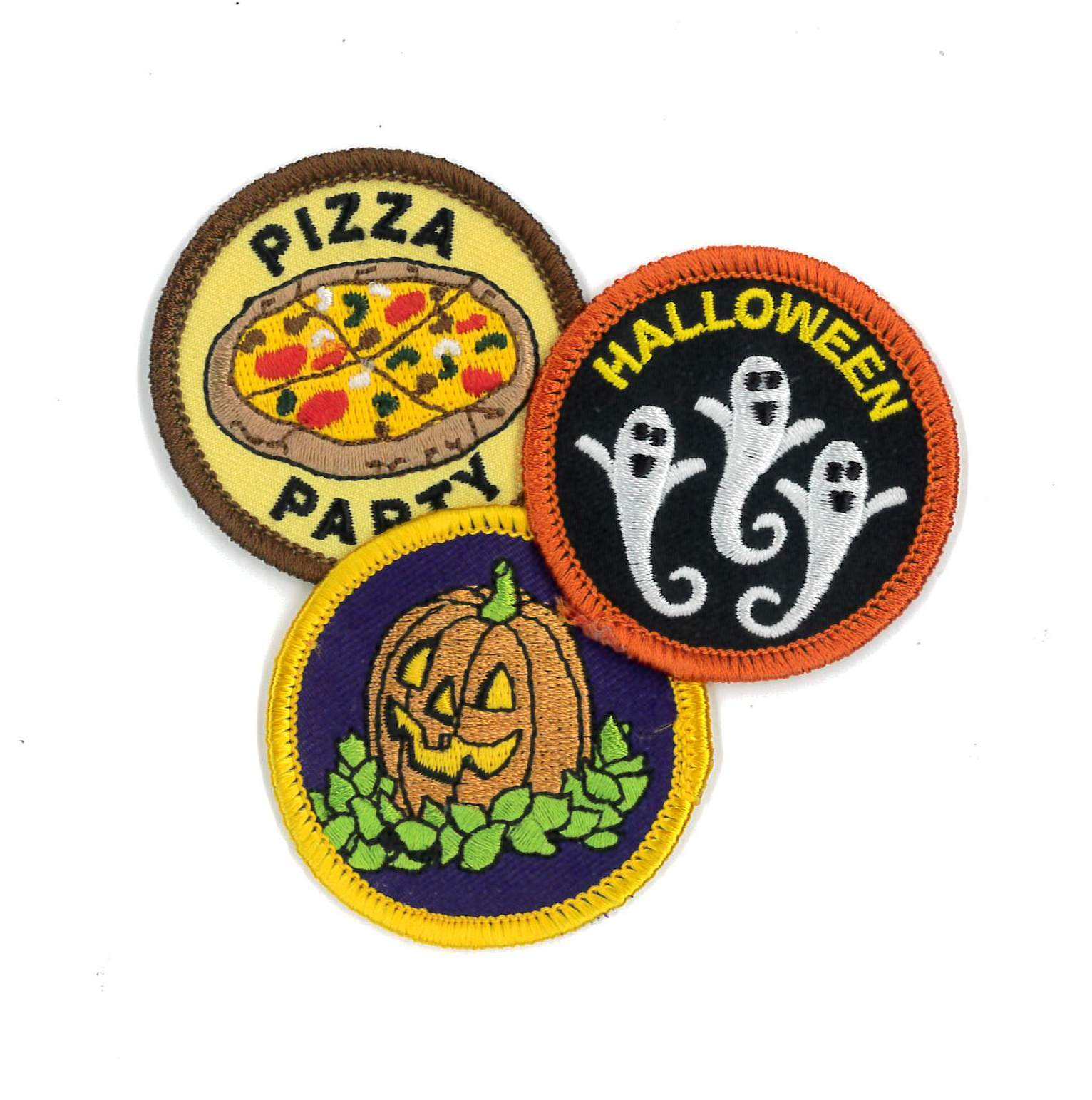
Custom embroidered patches are decorative fabric appliqués created by stitching colored threads onto a backing material—typically twill, felt, or canvas—using computerized embroidery machines that can execute up to 1,200 stitches per minute. The thread density, measured in stitches per square inch, typically ranges from 3,000 to 6,000 for standard patches and up to 10,000 for premium designs, creating raised, textured surfaces that deliver superior visual depth compared to flat alternatives. ZORWILD manufactures custom embroidered patches with flat embroidery, 3D embroidery, chenille embroidery, applique embroidery, patch embroidery, towel embroidery, metallic embroidery, and sequin embroidery, supporting precise stitch density control, thread quality selection, and positioning accuracy across apparel categories.
Embroidered patches serve five primary applications: brand identity on garments and uniforms, promotional merchandise for events and campaigns, fashion apparel decoration on jackets and denim, military and organizational insignia, and collectible items for fan communities. Unlike woven patches, which interlace threads in a loom to create finer detail at smaller sizes, embroidered patches use raised stitching that provides tactile dimension and a premium hand feel. Printed patches rely on ink transfer or sublimation, offering photorealistic images but lacking the durability and three-dimensional texture of thread-based construction.
Embroidered patches remain the gold standard for durability and premium appearance because polyester and rayon embroidery threads resist fading through 50-plus industrial wash cycles, the raised stitch structure creates luxury visual impact under retail lighting, and the thread construction withstands abrasion and repeated handling better than printed or heat-transferred graphics.
2. Evolution and History of Embroidered Patches
Military organizations in the early 1800s pioneered embroidered insignia to identify regiments, ranks, and divisions, with hand-stitched patches taking skilled artisans several hours per piece. By the 1850s, scout movements and fraternal organizations adopted embroidered badges to signify membership and achievements, cementing patches as symbols of identity and belonging.
The introduction of mechanical embroidery machines in the early 1900s reduced production time from hours to minutes per patch, enabling mass production for military uniforms during World War I and World War II. By the 1960s, commercial embroidery equipment allowed businesses to produce custom embroidered patches for workwear, sports teams, and corporate branding at scale, expanding the market beyond military and civic uses.
Punk and DIY subcultures in the 1970s and 1980s transformed patches into fashion statements, with band logos, political slogans, and counter-culture graphics sewn onto denim jackets and backpacks. Workwear brands and streetwear labels in the 1990s and 2000s integrated embroidered patches as premium design elements, elevating utilitarian decoration into high-fashion branding.
Digital design software and computerized embroidery systems introduced in the late 1990s enabled brands to convert vector files into stitch patterns within hours, reducing sampling lead times from weeks to 3-5 days. Today, manufacturers like ZORWILD offer 50-piece MOQ production with fast sampling, allowing influencers, startup brands, and wholesalers to launch custom embroidered patches for merch collections, uniform programs, and limited-edition streetwear without large inventory commitments.
3. Types of Custom Embroidered Patches
Custom embroidered patches are available in five core construction styles, each delivering distinct visual impact and durability profiles. Matching patch type to brand positioning and garment category ensures consistent aesthetic and performance across your collection.
Flat Embroidery Patches
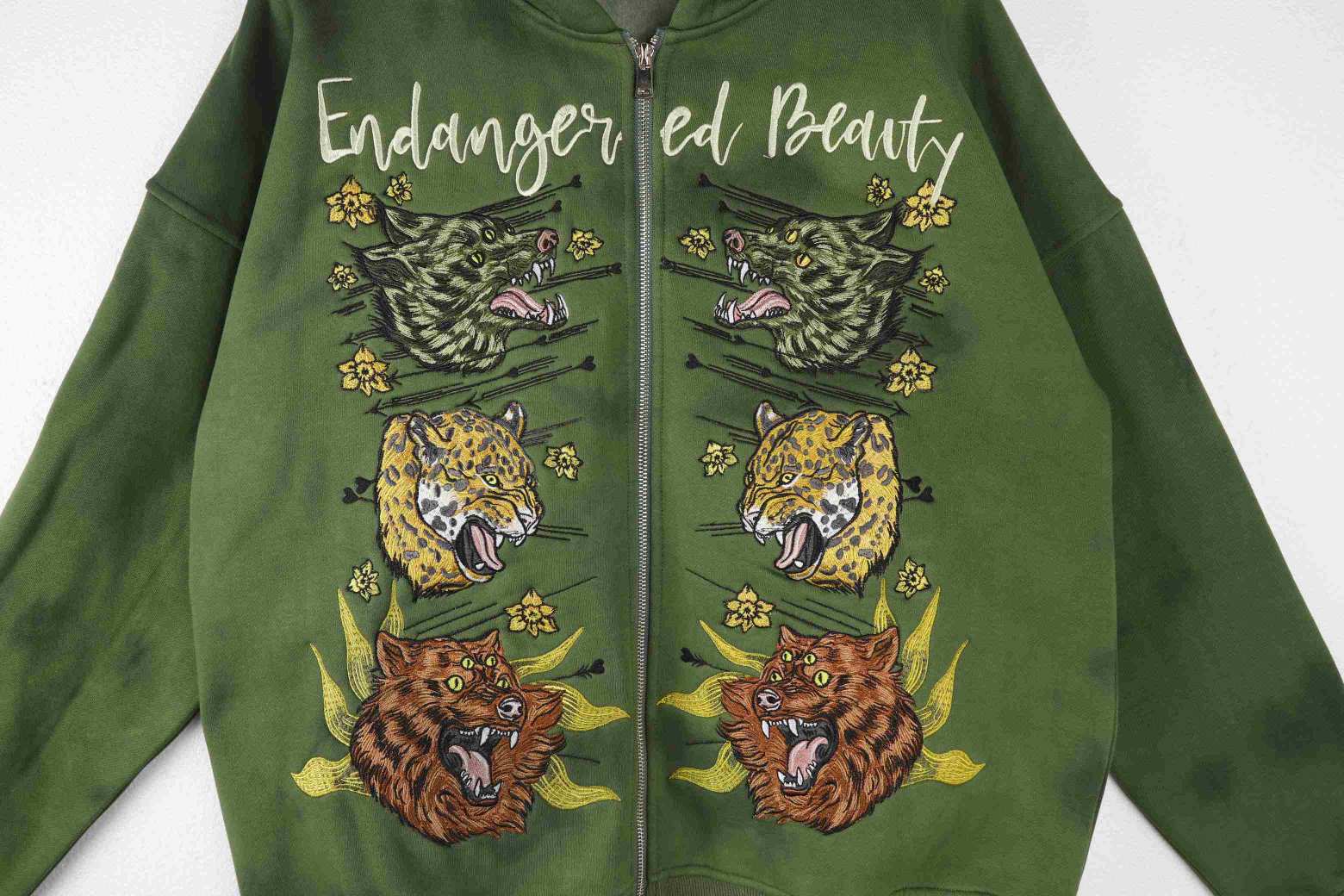
Flat embroidery uses standard thread stitched directly onto twill or felt backing, creating a smooth, traditional finish. Stitch density typically ranges from 4,000 to 6,000 stitches per square inch for sharp detail and color saturation.
This style suits logos with fine text, intricate linework, and corporate branding. Flat patches deliver excellent wash durability and maintain color consistency across production runs, making them ideal for uniform programs, workwear, and professional fashion brands.
3D Puff Embroidery
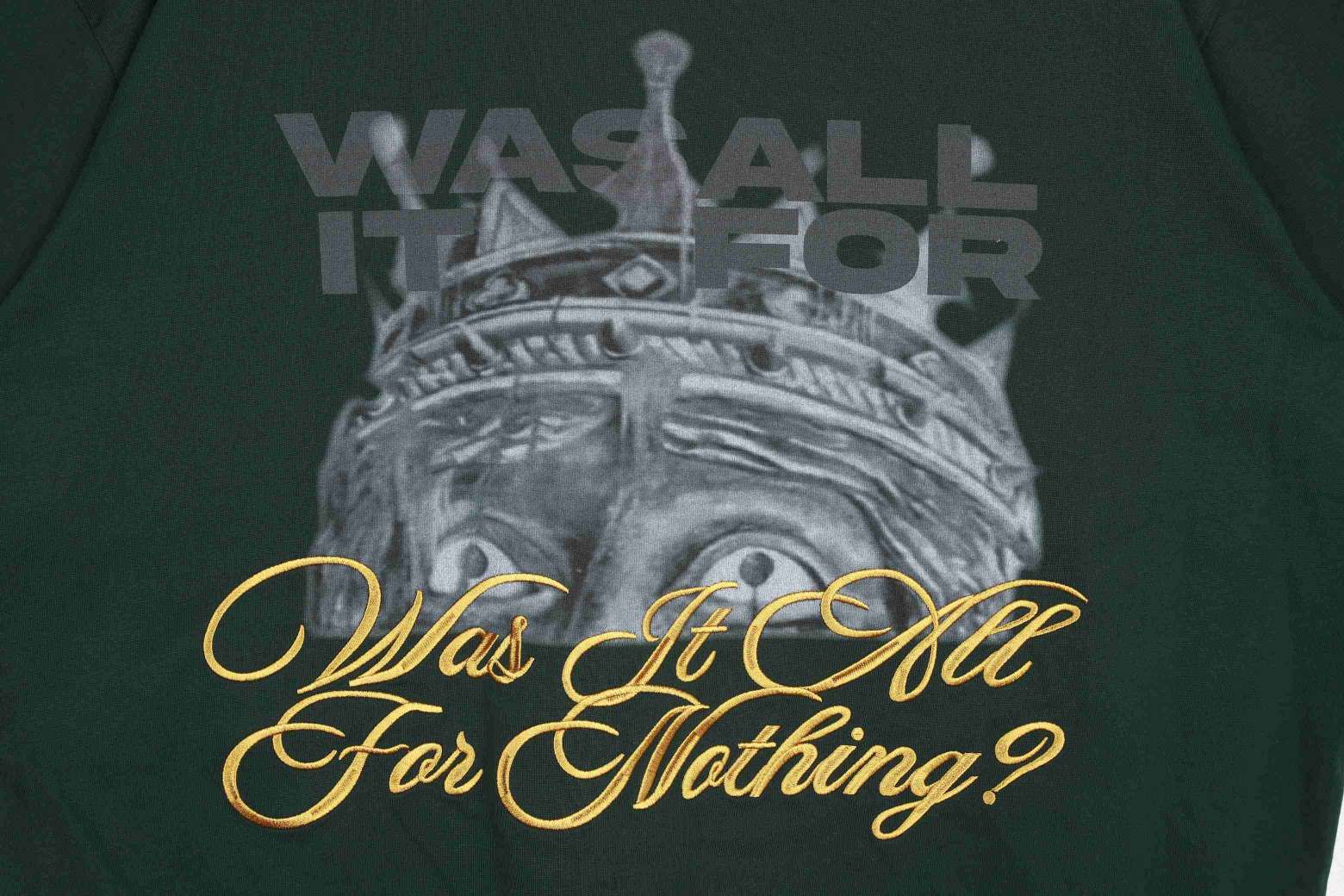
3D puff embroidery places foam underneath thread to create raised, dimensional graphics. Foam height ranges from 2 mm to 5 mm depending on design complexity and garment weight.
This technique is widely used in streetwear hoodies, snapback caps, and athletic apparel where bold branding and tactile texture reinforce modern aesthetics. Puff patches resist flattening through repeated washing when foam density and thread tension are properly calibrated.
Chenille Embroidery
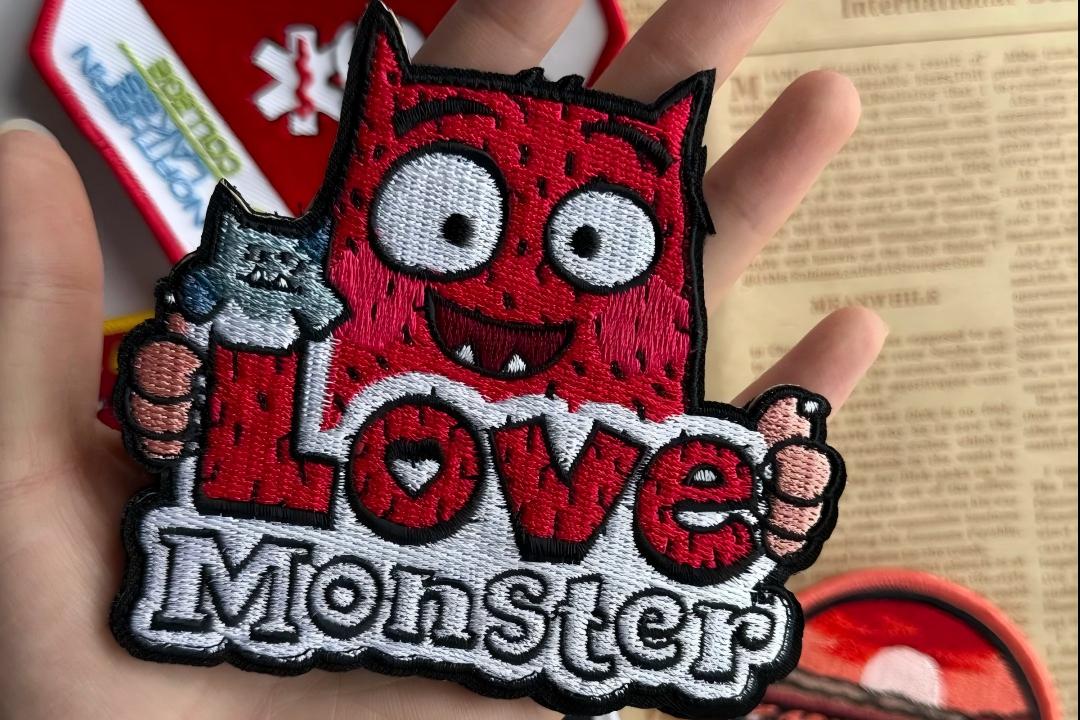
Chenille embroidery uses looped, velvety yarn to produce a plush, retro texture associated with varsity jackets and collegiate apparel. Chenille patches typically measure 3 mm to 6 mm in pile height and require careful backing reinforcement to prevent distortion.
This style is favored by heritage streetwear brands, vintage-inspired collections, and luxury casualwear lines seeking nostalgic, tactile branding. Chenille offers premium hand feel but demands gentle washing and lower production speeds.
Appliqué and Combination Patches
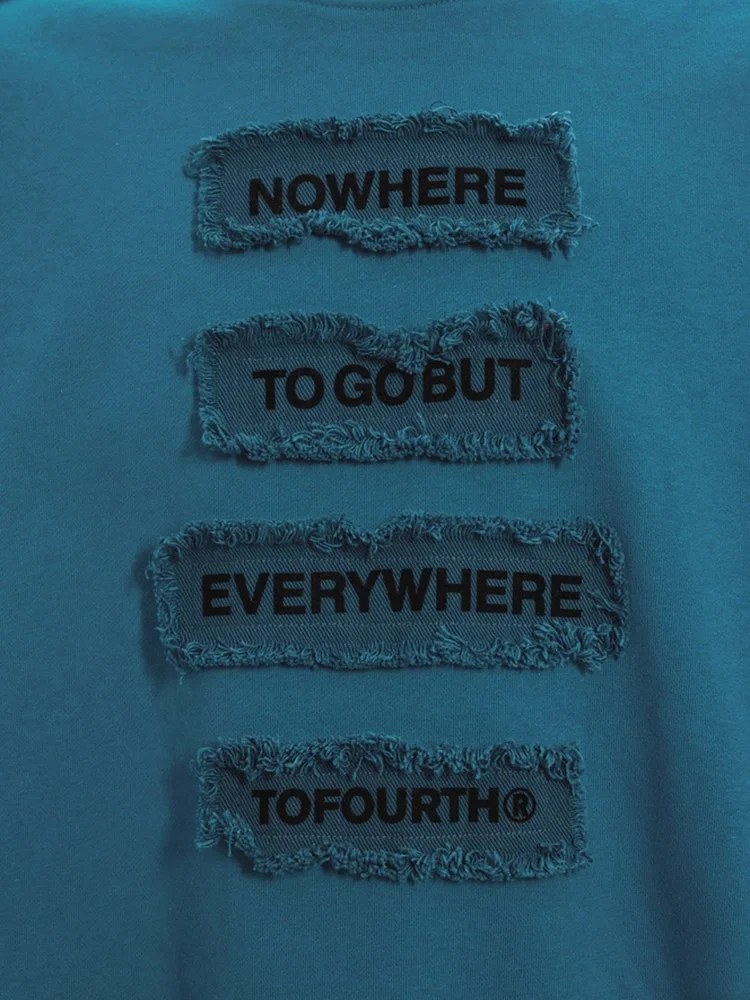
Appliqué patches layer fabric pieces beneath embroidery stitching to reduce stitch count, lower production cost, and add color-block contrast. Combination patches integrate flat embroidery, puff elements, and appliqué within a single design for maximum visual complexity.
These techniques suit oversized logos, multi-color graphics, and fashion-forward collections where texture variation and design depth differentiate brand identity. ZORWILD supports appliqué embroidery and multi-layer patch construction across all garment categories.
4. Materials and Backing Fabrics for Custom Embroidered Patches
Backing fabric and thread selection directly impact the weight, durability, and cost structure of custom embroidered patches. Professional manufacturers like ZORWILD work with twill, felt, canvas, and polyester backings paired with rayon, polyester, or metallic threads to match brand positioning and product category requirements.
| Fabric × Thread | Weight Range | Wash Durability | Best Use-Case | Relative Cost |
|---|---|---|---|---|
| Twill + Rayon | 200–250 GSM | Moderate (30–40 washes) | Fashion hoodies, streetwear | Medium |
| Twill + Polyester | 200–250 GSM | High (50+ washes) | Uniforms, activewear | Medium |
| Felt + Rayon | 280–350 GSM | Moderate (25–35 washes) | Vintage collections, chenille | Medium-High |
| Canvas + Polyester | 300–380 GSM | Very High (60+ washes) | Workwear, outdoor jackets | High |
| Polyester + Metallic | 150–220 GSM | Low-Moderate (20–30 washes) | Luxury streetwear, evening wear | High |
Backing Fabric Options
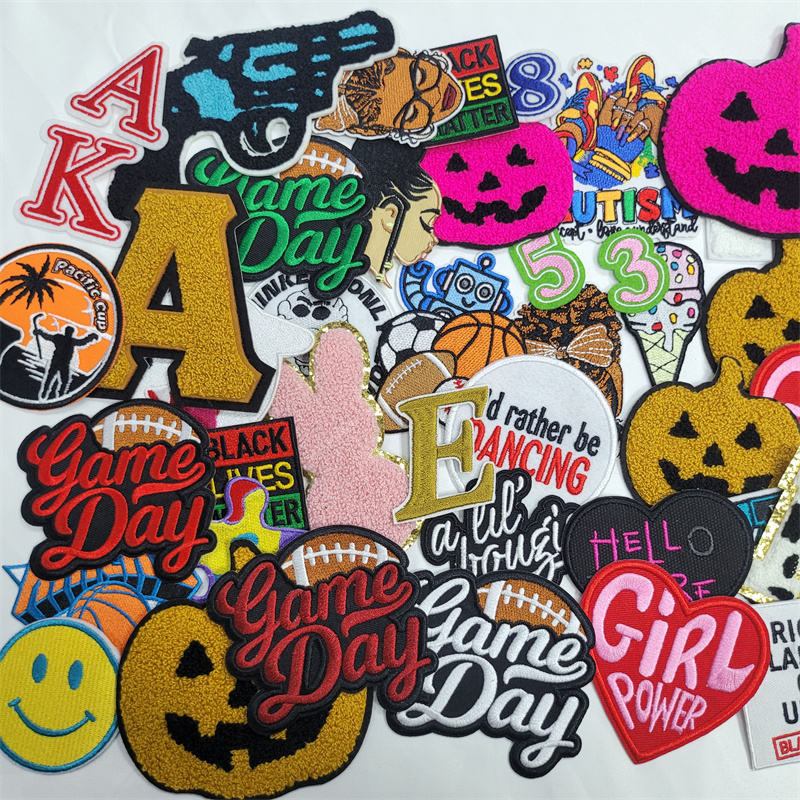
Twill fabric (200–250 GSM) offers a smooth diagonal weave with excellent stitch detail retention, making it the most popular choice for premium streetwear and fashion brands. Felt backing (280–350 GSM) provides a soft, dense surface ideal for vintage aesthetics and chenille embroidery applications.
Canvas backing (300–380 GSM) delivers heavyweight durability for workwear, outdoor jackets, and high-wash-frequency garments. Polyester backing (150–220 GSM) reduces weight and cost for large patches on activewear, promotional apparel, and budget collections where wash frequency is moderate.
Thread Type Performance
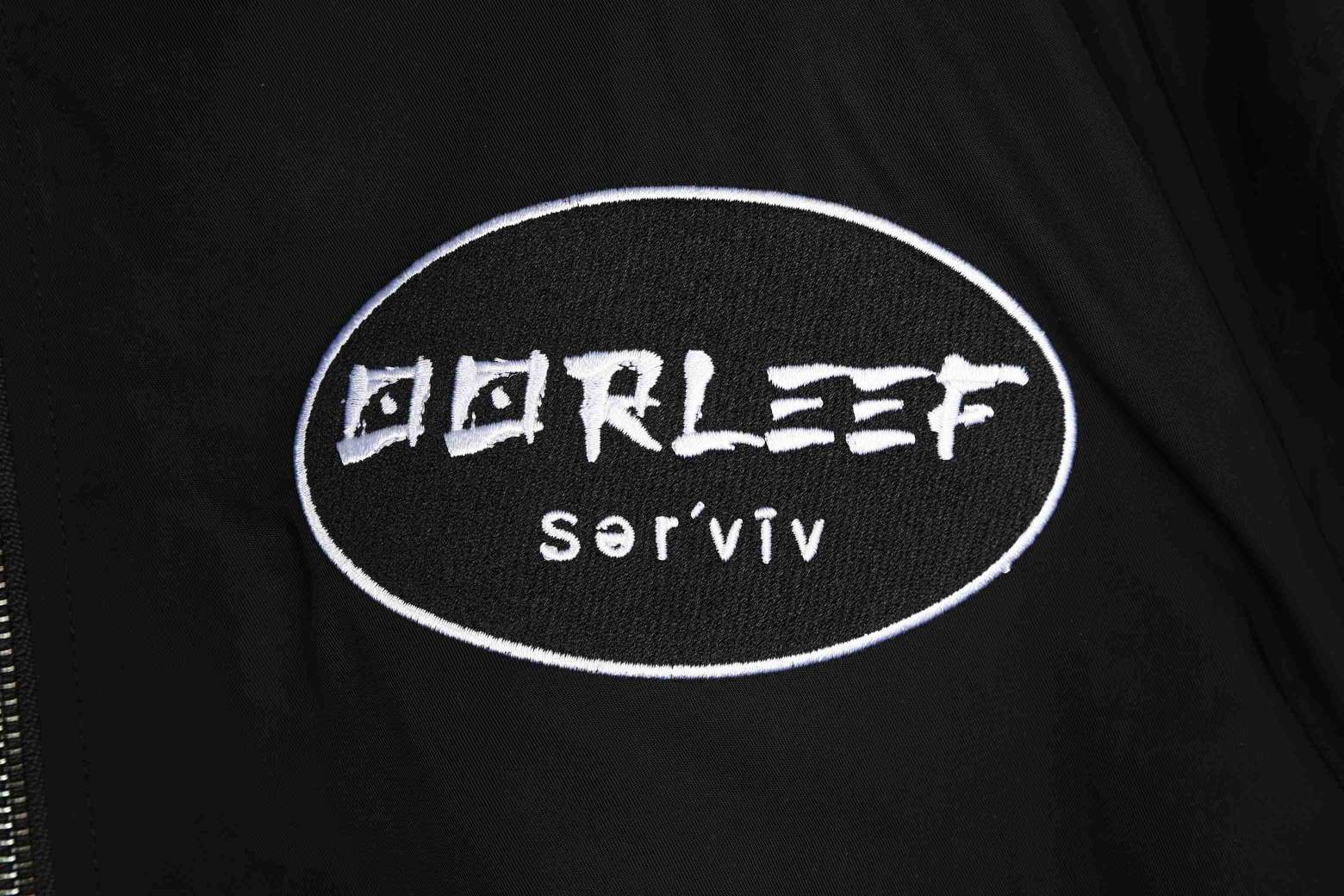
Rayon thread produces vivid color saturation and soft sheen, preferred for fashion hoodies, graphic tees, and retail collections where visual impact matters most. Polyester thread offers superior wash durability and colorfastness, essential for sportswear, uniforms, and garments requiring frequent laundering at high temperatures.
Metallic thread adds reflective visual effects for luxury streetwear, evening dresses, and premium branding applications but requires careful tension control during production to prevent thread breakage.
5. Customization and Decoration Options
Design flexibility in custom embroidered patches depends on thread selection, border finish, backing method, and special effects. Each variable influences cost, lead time, and application durability, requiring careful alignment with brand positioning and end-use requirements.
| Backing Type | Application Method | Durability (Washes) | Cost Impact |
|---|---|---|---|
| Iron-On | Heat press 15 sec, 150–160°C | 15–25 | Standard |
| Velcro | Hook-and-loop attachment | 100+ (removable) | +25–35% |
| Sew-On | Manual or machine stitching | 100+ | +10–15% |
| Adhesive | Peel-and-stick | 5–10 | –15–20% |
Thread Colors and Pantone Matching
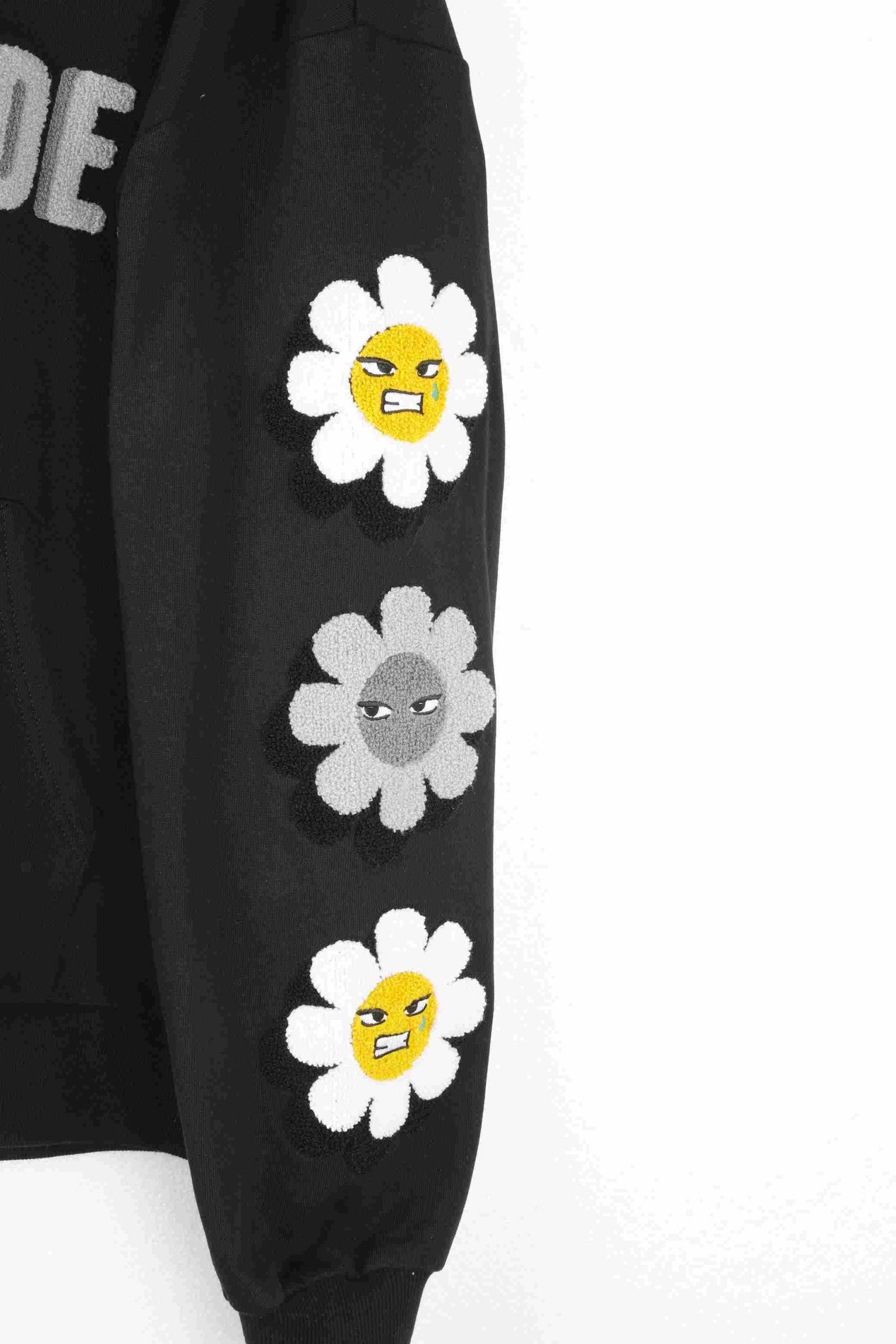
Standard embroidery thread palettes include 200–300 colors, sufficient for most logo reproduction. Pantone matching ensures exact brand color fidelity by dyeing threads to client-specified codes, adding 3–5 days to sampling and typically increasing unit cost by 8–12% for orders under 500 pieces.
Metallic threads, glow-in-the-dark polyester, and sequin embroidery create premium visual effects but require specialized tension settings and slower stitch speeds, extending production time by 15–20% and raising per-piece costs by 20–30%.
Border Styles and Edge Finishing
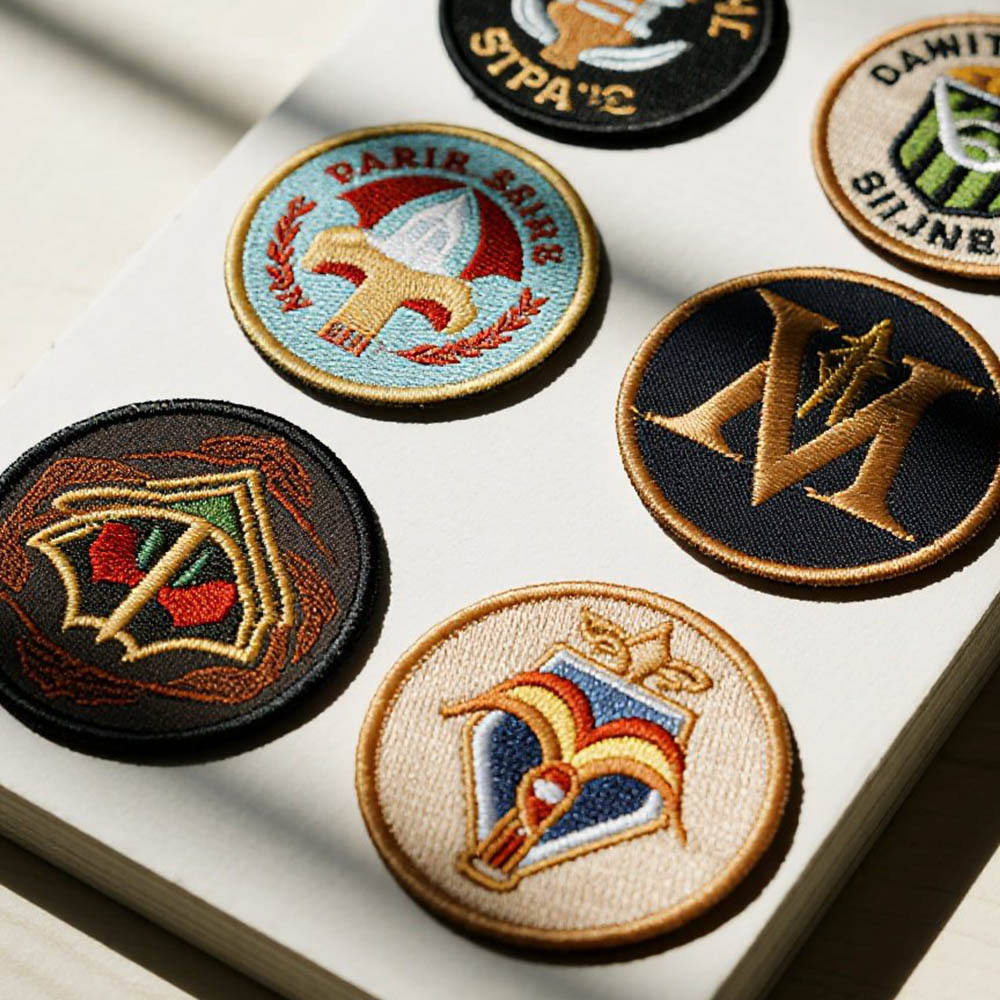
Merrowed borders use overlocked stitching to seal edges, delivering durability and a classic raised profile suitable for uniforms and outdoor gear. Laser-cut edges produce clean, modern lines without border stitching, ideal for fashion patches but less durable under repeated washing.
Hot-cut borders seal woven or twill backing with heat, preventing fraying at lower cost than merrowed finishes. Border choice affects minimum size: merrowed patches require at least 1.5-inch diameter, while laser-cut designs can scale to 0.75 inches.
Backing Options and Attachment Methods
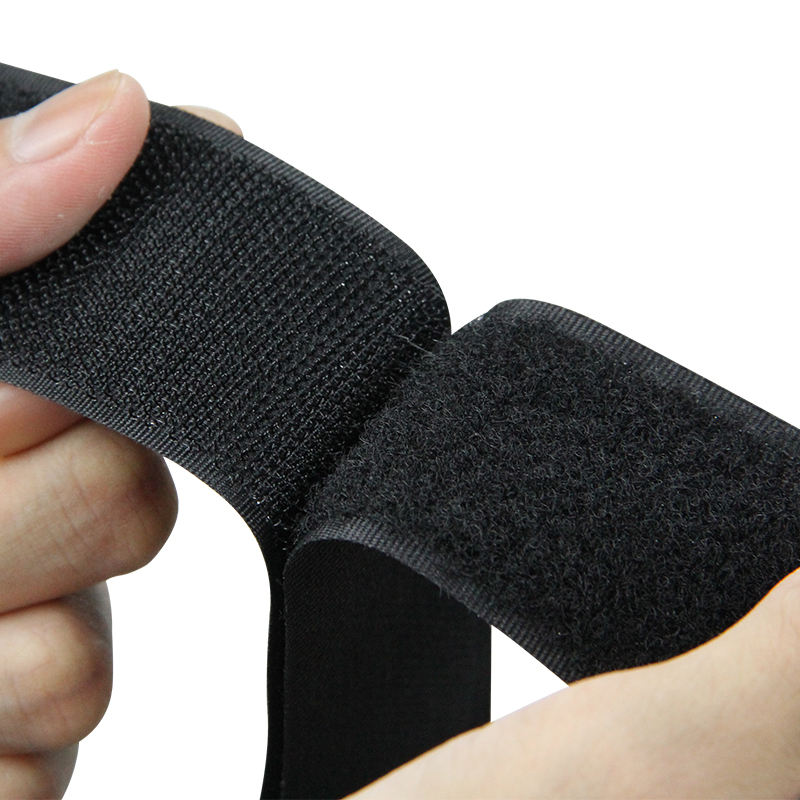
Iron-on adhesive backing bonds patches to fabric under heat press (15 seconds at 150–160°C), suitable for retail products and DIY applications but vulnerable to repeated laundering. Velcro hook-and-loop systems enable removable attachment for tactical gear, workwear, and customizable apparel.
Sew-on backing offers maximum durability for high-wash items like uniforms and sportswear but requires manual or machine stitching. Adhesive peel-and-stick backing provides temporary placement for sampling or promotional giveaways.
6. Key Quality Elements in Custom Embroidered Patches
Professional buyers must evaluate six core quality benchmarks before approving custom embroidered patches for production. Each element directly impacts brand perception, garment lifespan, and customer satisfaction across wholesale and retail channels.
Stitch Density and Thread Tension
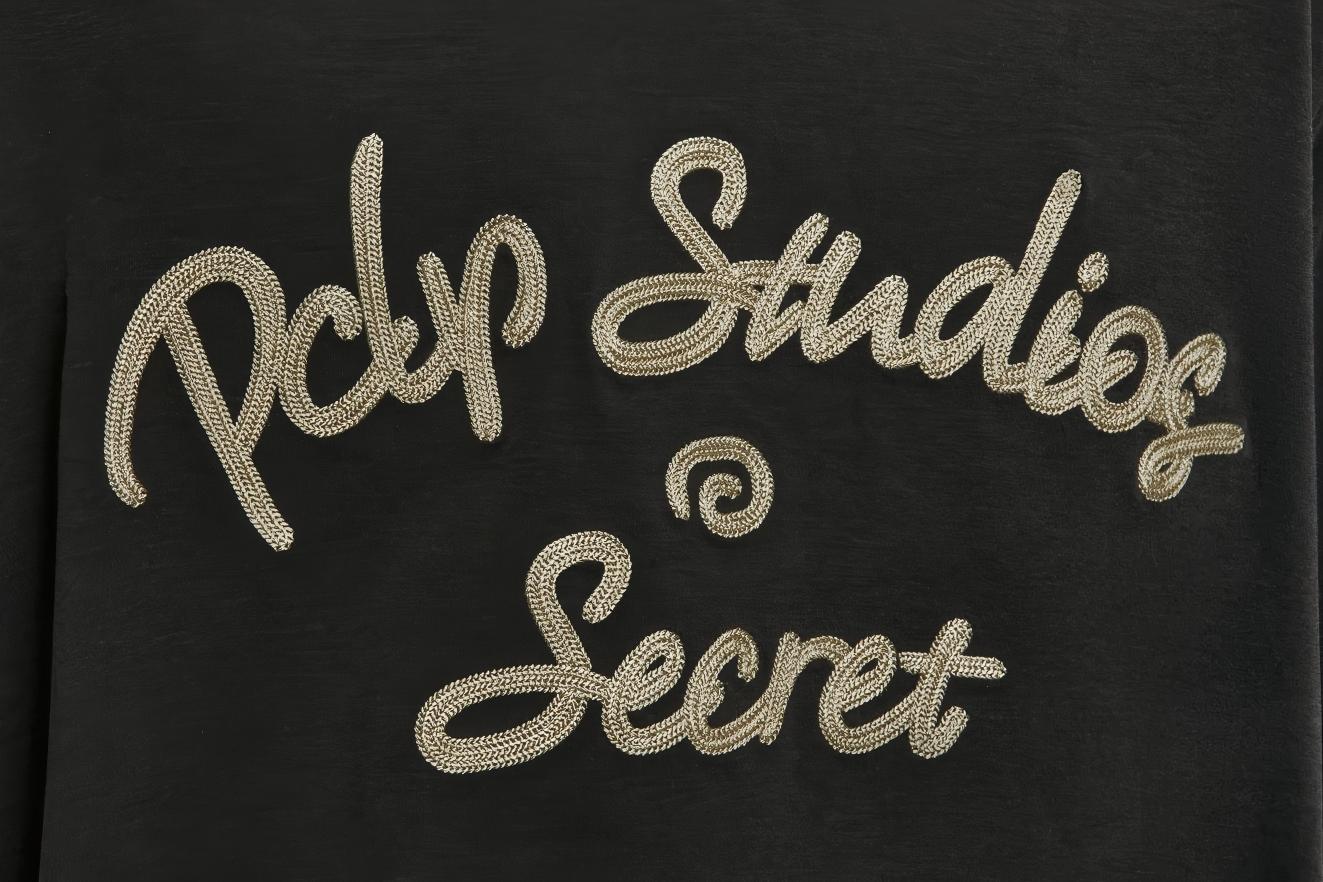
Industry-standard stitch density ranges from 4,000 to 6,000 stitches per square inch for flat embroidery and 3,500 to 5,000 for 3D puff embroidery. Higher density creates sharper detail and better coverage but increases production time and thread cost.
Thread tension must remain consistent across all needles to prevent puckering, thread breakage, or loose loops on the back. Inspect samples under natural light for uniform surface texture and check backing for tight, even stitches without visible gaps.
Backing Integrity and Dimensional Stability
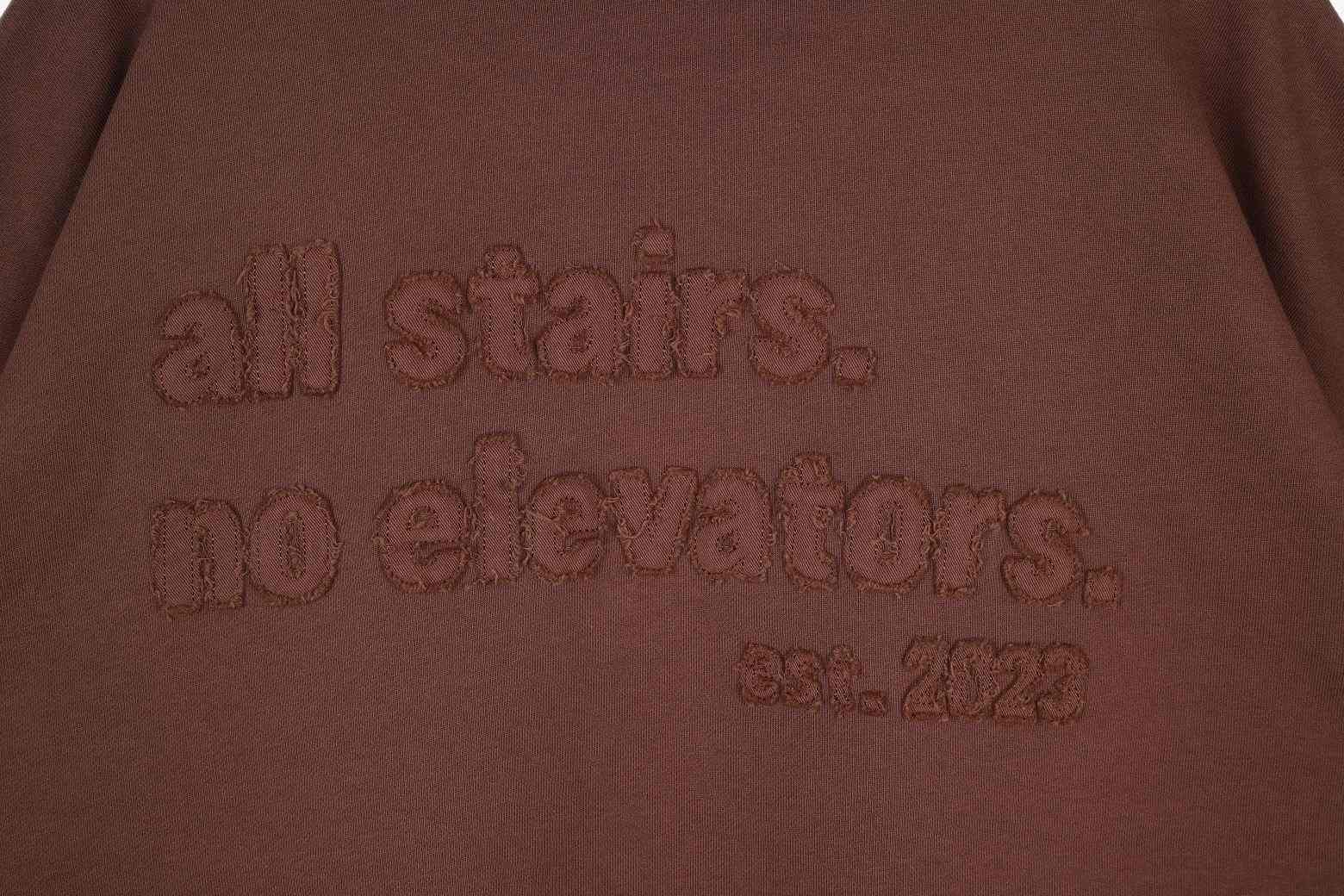
Backing fabric stabilizes embroidery during sewing and washing. Common backing materials include heat-seal polyester, iron-on adhesive, and Velcro-ready hook-and-loop systems.
Dimensional stability after washing is critical — patches should not shrink, distort, or separate from garments after five industrial wash cycles at 60°C. Request wash-test samples before bulk production to verify backing adhesion and thread colorfastness.
Color Accuracy and Edge Finish
Thread color must match Pantone references or approved samples within industry-standard Delta E tolerance of 2.0 or less. Color bleeding during washing indicates low-quality dye or insufficient thread pre-treatment.
Edge finish quality separates premium patches from budget alternatives. Merrowed borders, laser-cut edges, and heat-sealed perimeters prevent fraying and add durability. Inspect for loose threads, uneven borders, and incomplete edge coverage before approving production runs.
7. How to Choose a Custom Embroidered Patches Manufacturer
Selecting the right manufacturer for custom embroidered patches determines product quality, lead times, and profitability. Evaluate MOQ flexibility, sampling speed, digitizing expertise, quality-control systems, and shipping terms before committing to production.
MOQ Flexibility and Startup Support
Most domestic embroidery shops require 100–500 piece minimums, limiting cash flow for new brands. ZORWILD supports 50-piece MOQ production, enabling influencers and startup brands to test designs, reduce inventory risk, and launch capsule collections without excess capital.
Low MOQ flexibility is essential for social media brands launching merch drops, wholesalers testing new styles, and independent designers validating market demand before scaling.
Sampling Speed and Digitizing Expertise
Fast sampling reduces time-to-market; professional manufacturers deliver samples within 5–7 days. Digitizing quality determines stitch density, thread transitions, and detail accuracy — experienced teams convert artwork into embroidery files that balance visual fidelity with production efficiency.
ZORWILD’s development team transforms sketches, reference photos, or tech packs into production-ready samples, allowing clients to evaluate stitch quality, color matching, and backing performance before bulk orders.
Quality Control and Certifications
Strict quality-control systems include raw material inspection, in-line production checks, and final product audits. OEKO-TEX and ISO certifications verify thread safety, dye compliance, and process consistency — critical for brands targeting retail partners or international markets.
ZORWILD applies measurement inspection, embroidery density checks, and packaging inspection throughout production, ensuring every patch meets brand standards for stitch uniformity, color consistency, and backing adhesion.
Communication and Shipping Terms
Responsive communication prevents production delays; manufacturers should reply within 24 hours and provide proactive updates. Evaluate air freight, sea freight, express delivery, and door-to-door shipping options to balance cost and speed.
ZORWILD supports global logistics with export documentation, customs support, and flexible shipping terms, reducing delays for clients in the United States, Canada, the United Kingdom, Germany, and Australia.
8. Common Mistakes When Ordering Custom Embroidered Patches
First-time buyers frequently encounter avoidable issues that delay production, increase costs, or compromise patch quality. Understanding these common errors ensures smoother ordering and better final products for your brand.
Overly Complex Artwork and Fine Detail
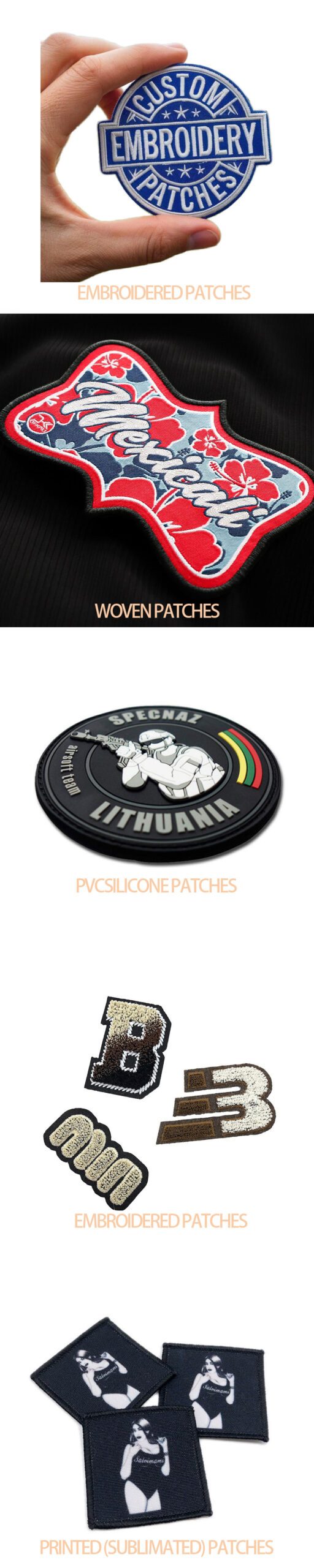
Embroidery machines cannot reproduce artwork with line widths below 1 mm or text smaller than 3 mm height. Intricate gradients, photographic details, and thin serif fonts result in thread buildup, distortion, or illegible results.
Simplify designs by reducing color count to 6–8, thickening lines to at least 1.5 mm, and converting small text to block lettering. ZORWILD’s design team reviews tech packs and recommends adjustments before sampling to prevent production failures.
Ignoring Thread Count and Stitch Density
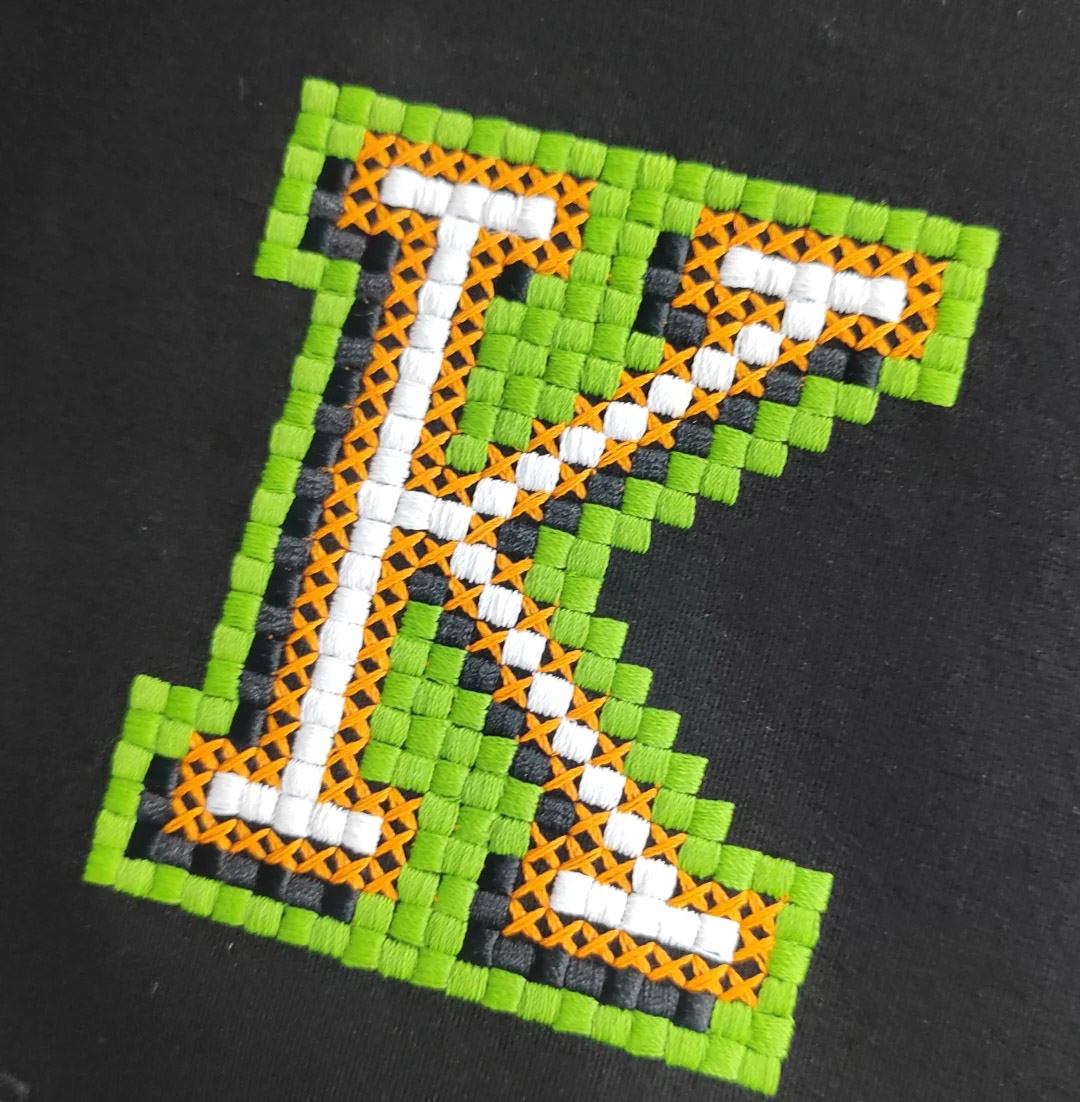
Professional patches use 1,500–2,500 stitches per square inch for durability and definition. Lower densities create loose, fragile patches; excessive density causes fabric puckering and thread breakage during production.
Specify thread-count requirements in your tech pack and request stitch-density reports during sampling. ZORWILD adjusts stitch parameters based on fabric weight, patch size, and application method to balance durability with garment integrity.
Wrong Backing Selection for Application
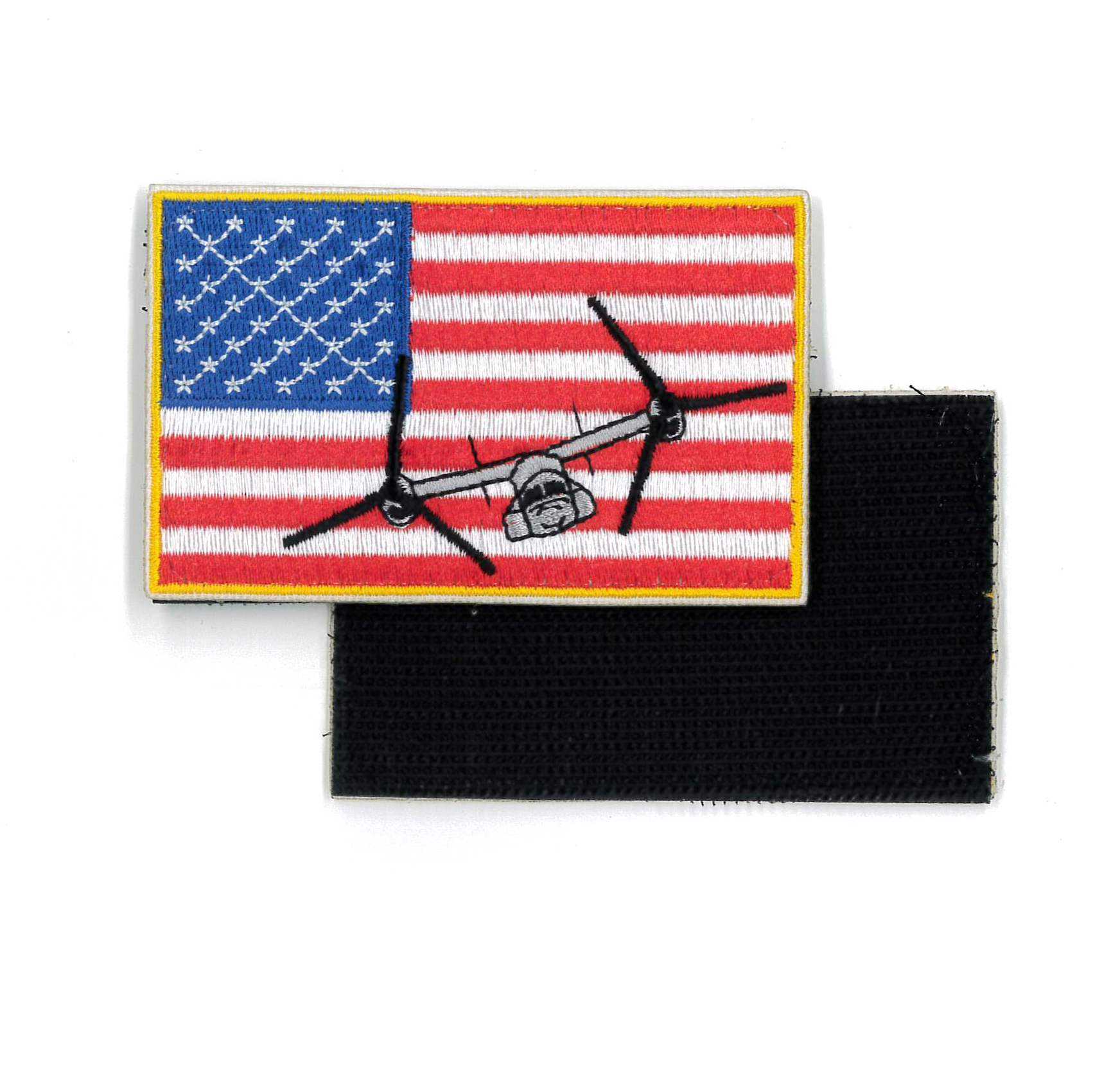
Heat-seal backing fails on low-temperature fabrics; iron-on adhesive weakens after multiple washes; sew-on backing adds labor costs for mass production. Mismatched backing types cause patch detachment, fabric damage, or production delays.
Match backing to garment type and production volume: heat-seal for polyester activewear, sew-on for heavyweight denim and outerwear, adhesive for samples and small runs. ZORWILD provides backing recommendations based on fabric composition, wash requirements, and brand positioning.
Underestimating Lead Times and Skipping Samples
Custom embroidered patches require 7–10 days for sampling and 15–25 days for bulk production after approval. Rushing orders without sample approval increases error rates, rework costs, and missed launch deadlines.
Always approve physical samples before bulk production to verify thread color accuracy, stitch quality, backing performance, and wash durability. ZORWILD offers express sampling within 5–7 days and maintains clear production timelines to help brands plan inventory and marketing launches.
9. Steps to Launch Your Brand with Custom Embroidered Patches
Launching a brand with custom embroidered patches requires a structured approach that balances creative vision with production realities. ZORWILD’s 50-piece MOQ system allows startups and influencers to test branding elements without large inventory commitments, making patches an ideal low-risk entry point for new fashion labels.
Define Brand Identity and Logo Design
Clear brand identity establishes the foundation for effective patch design. Define your brand’s visual language, color palette (limit to 3–5 colors for embroidery cost efficiency), and logo style before approaching manufacturers.
Vector artwork in AI or EPS format ensures clean embroidery digitization with sharp edges and accurate stitch paths. Avoid complex gradients or fine text under 4 mm height, which lose clarity in thread-based reproduction.
Request Digital Mockups and Pre-Production Samples
Digital mockups preview stitch density, color matching, and size proportions before physical sampling. ZORWILD’s development team converts tech packs and reference images into production-ready embroidery files with precise stitch counts and thread specifications.
Physical samples validate quality, backing adhesion, edge finishing, and garment compatibility. Order 2–3 sample iterations to test placement on different fabric weights—hoodies, T-shirts, jackets—ensuring consistent appearance across product categories.
Finalize Bulk Orders and Plan Inventory
Start with 50–100 patches per design to minimize risk while building market validation. ZORWILD’s low MOQ production supports capsule launches, influencer merch drops, and seasonal collections without excess inventory.
Plan fulfillment logistics early: iron-on patches simplify customer application, sew-on patches suit premium positioning, and Velcro backing enables customization. Coordinate patch delivery timelines with garment production schedules to maintain cohesive launch dates and avoid fulfillment delays.
10. Pricing and Cost Breakdown for Custom Embroidered Patches
Custom embroidered patches typically range from $0.50 to $5.00 per unit depending on size, stitch count, and order volume. ZORWILD’s 50-piece MOQ allows startup brands and influencers to test designs without large capital commitments, while volume discounts reward larger orders with per-unit savings exceeding 60% at 1,000+ pieces.
Three primary cost drivers determine final pricing: patch size (2-inch patches cost less than 4-inch designs), stitch count (complex artwork with dense fills increases machine time), and thread type (metallic or specialty threads add 15–30% premiums over standard polyester). Backing selection—iron-on, Velcro, or adhesive—adds $0.10 to $0.30 per unit, while specialty finishes like laser-cut borders or merrowed edges increase costs by 10–20%.
Setup fees cover digitizing artwork into machine-readable embroidery files and typically range from $30 to $80 per design. Once digitized, reorders eliminate this charge, making repeat production significantly more economical. Rush production within 7–10 days adds 20–35% surcharges, while standard 15–20 day timelines offer the best value for budget-conscious brands.
| Quantity Tier | Price per Patch (USD) | Setup Fee | Lead Time |
|---|---|---|---|
| 50–99 pieces | $3.50–$5.00 | $50–$80 | 15–20 days |
| 100–299 pieces | $2.00–$3.50 | $50–$80 | 15–20 days |
| 300–499 pieces | $1.20–$2.00 | $50–$80 | 12–18 days |
| 500–999 pieces | $0.80–$1.50 | $30–$50 | 12–15 days |
| 1,000+ pieces | $0.50–$1.00 | $30–$50 | 10–15 days |
| Rush production (any tier) | +20–35% surcharge | Same as tier | 7–10 days |
Get Your Custom Embroidered Patches Sample Today
50-piece MOQ, fast sampling, and 27 years of embroidery expertise. Submit your artwork and connect with our specialists now.
- Custom Shirts
- Custom Hoodies
- Custom T Shirts
- Custom Dresses
- Custom Sweatshirts
- Custom Jackets
- Custom Varsity Jackets
- Custom Polo Shirts
- Custom Shorts
- Custom Dress Shirts
- Contact