
Acid Wash Garment Manufacturing for Streetwear & Vintage Fashion
Professional acid wash finishing for hoodies, tees, and streetwear. ZORWILD delivers authentic vintage aesthetics with 50-piece minimum orders, in-house wash facilities, and 27 years of garment manufacturing expertise in Humen, Dongguan.
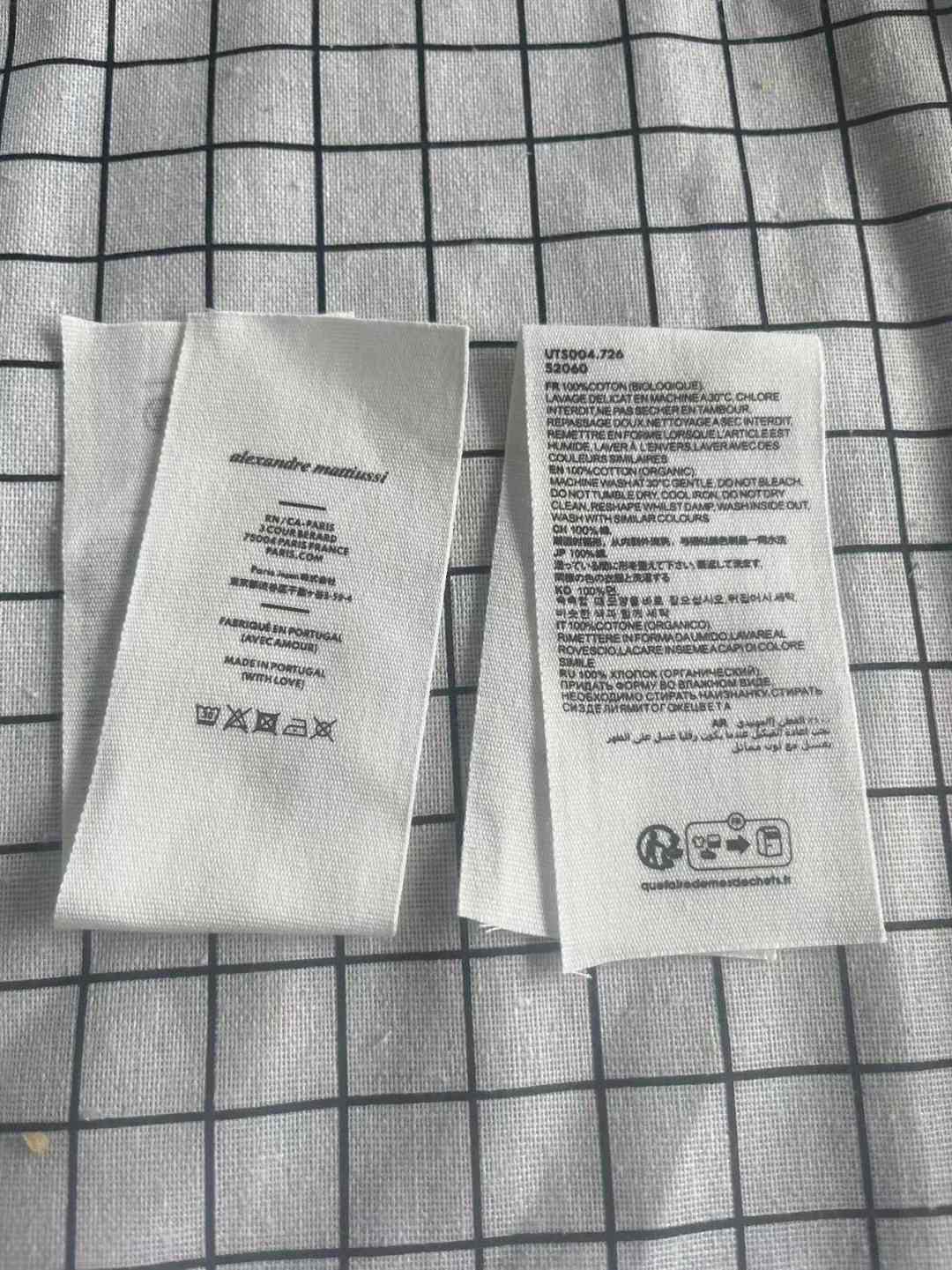
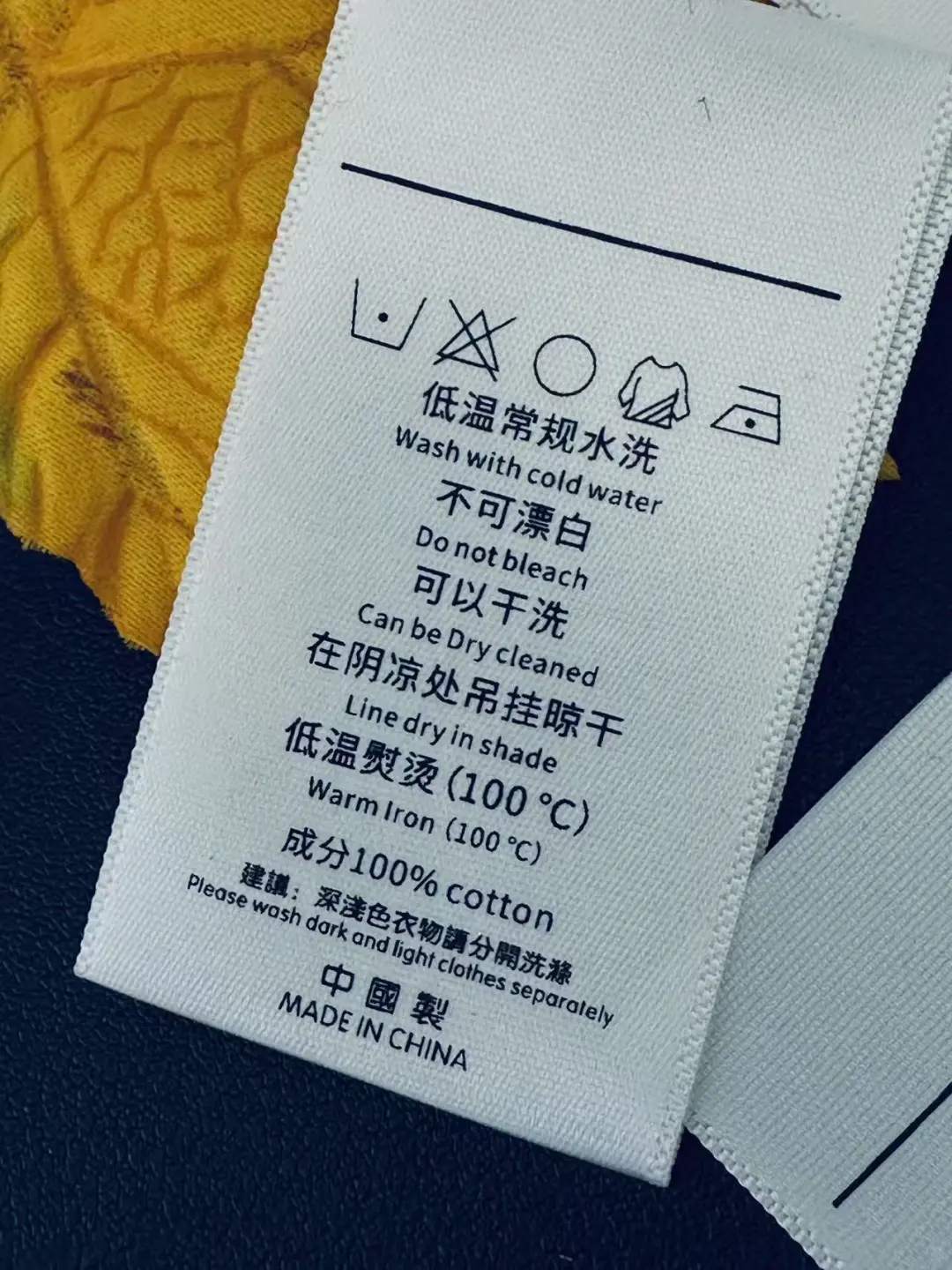
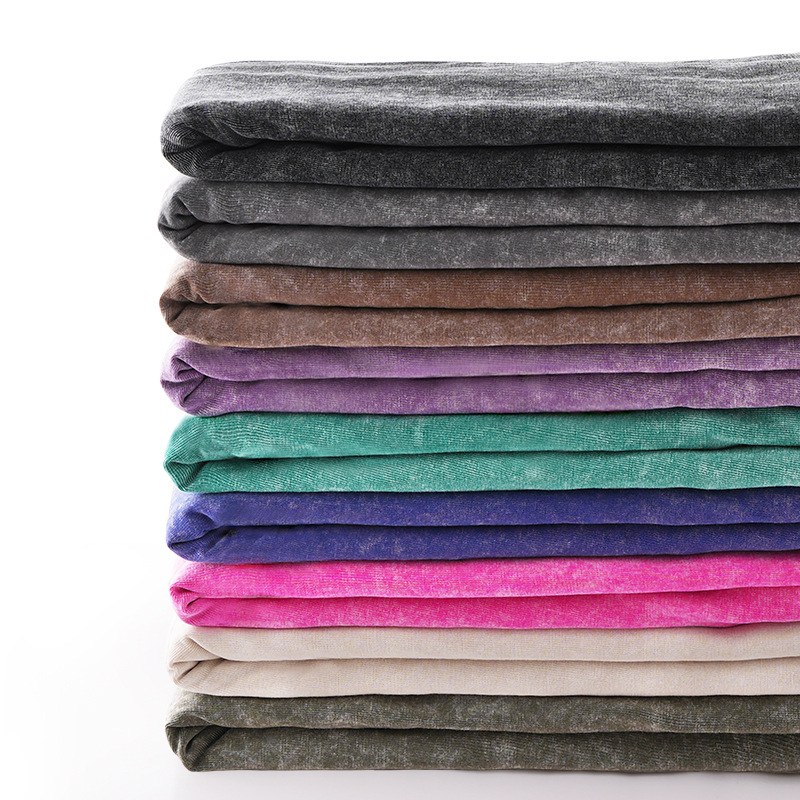
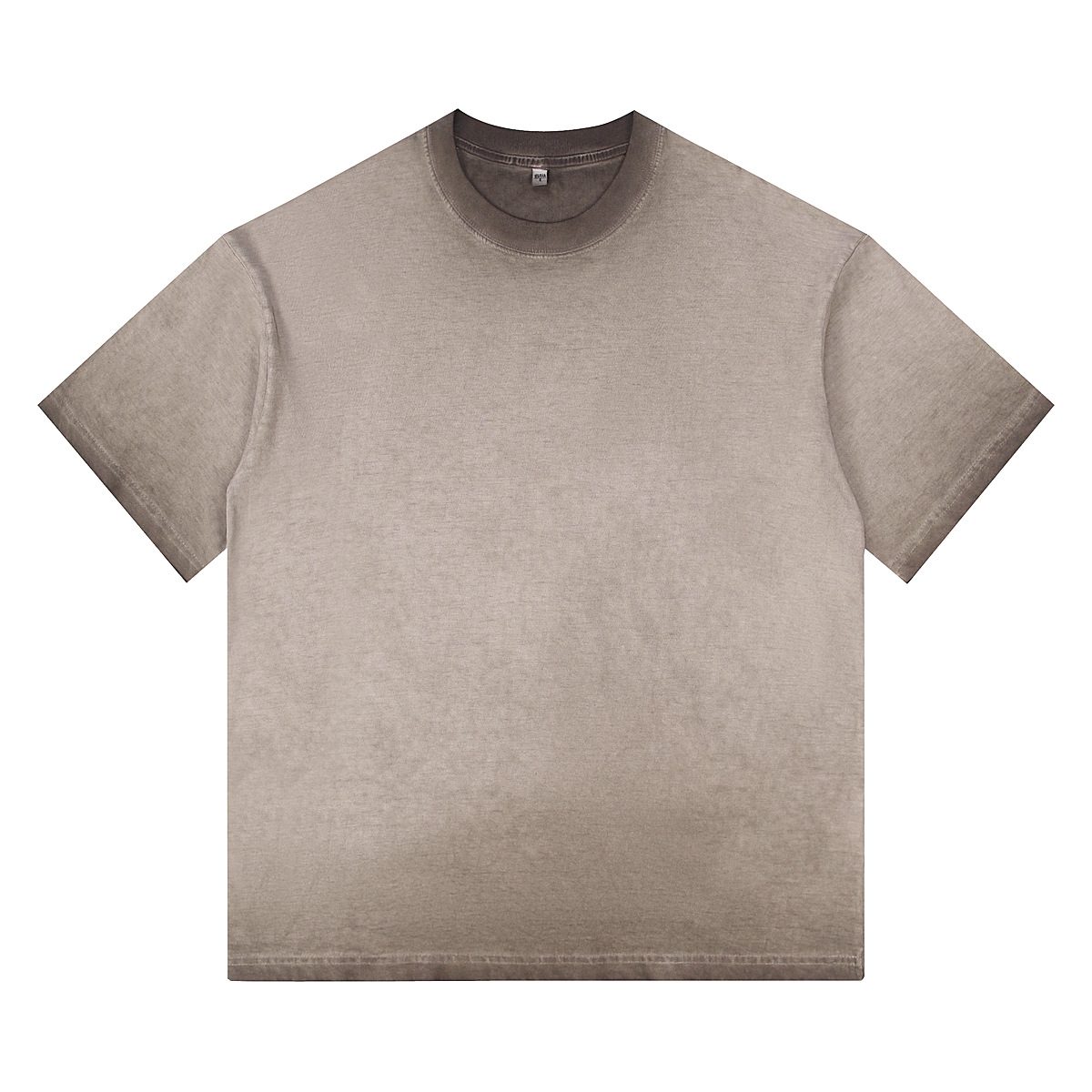
Acid Wash Garment Samples & Finished Pieces
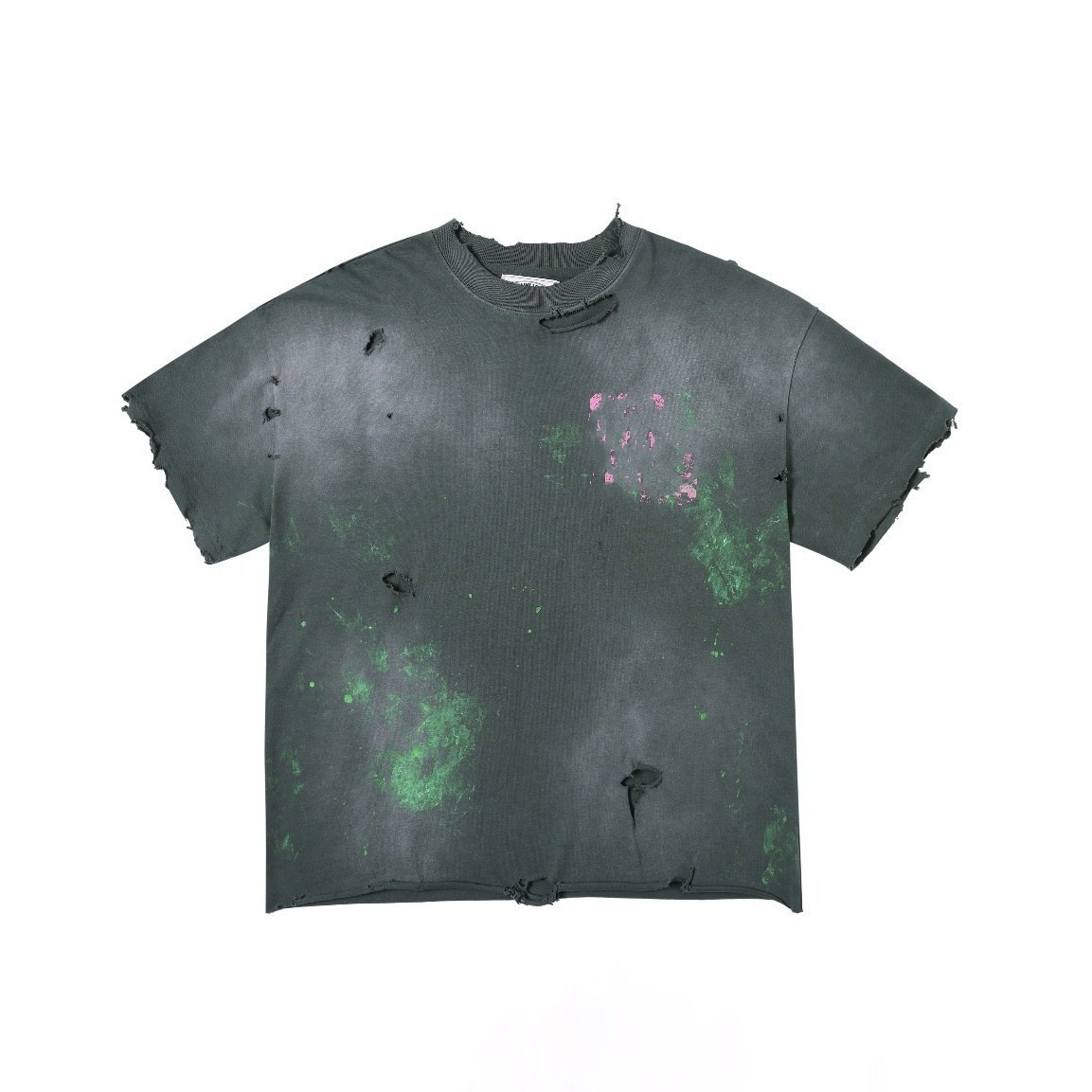
What Makes Our Acid Wash Garment Process Distinctive
Controlled Fading Intensity
Advanced chemical application ensures uniform vintage patterns across every garment, from subtle tones to bold contrast effects that define premium streetwear collections.
Premium Soft Hand Feel
Advanced enzyme finishing after acid wash treatment delivers buttery-soft texture while maintaining fabric strength and durability throughout wear.
Superior Color Retention
Stabilized dye-fixing process locks colors post-wash, preventing further fading and ensuring your acid wash garment maintains its aesthetic after customer laundering.
Multi-Decoration Compatibility
Acid wash garments accept screen printing, embroidery, puff print, and chenille applications seamlessly without compromising wash effects or decoration quality.
Flexible Fabric Support
Our acid wash process works across cotton, cotton blends, fleece, French terry, and denim, enabling diverse product development for your brand.
Eco-Friendly Chemical Options
Sustainable acid wash formulations with reduced environmental impact, water-efficient processing, and compliance with international safety standards for responsible apparel manufacturing.
Explore Wash Techniques & Custom Products
Garment Wash & Dye
Comprehensive garment wash services including vintage wash, snow wash, acid wash, enzyme wash, stone wash, and pigment dye. Our 27-year facility in Humen Dongguan delivers consistent color variation, premium texture, and soft hand feel across all wash techniques with strict quality control at every stage.
Get a Quote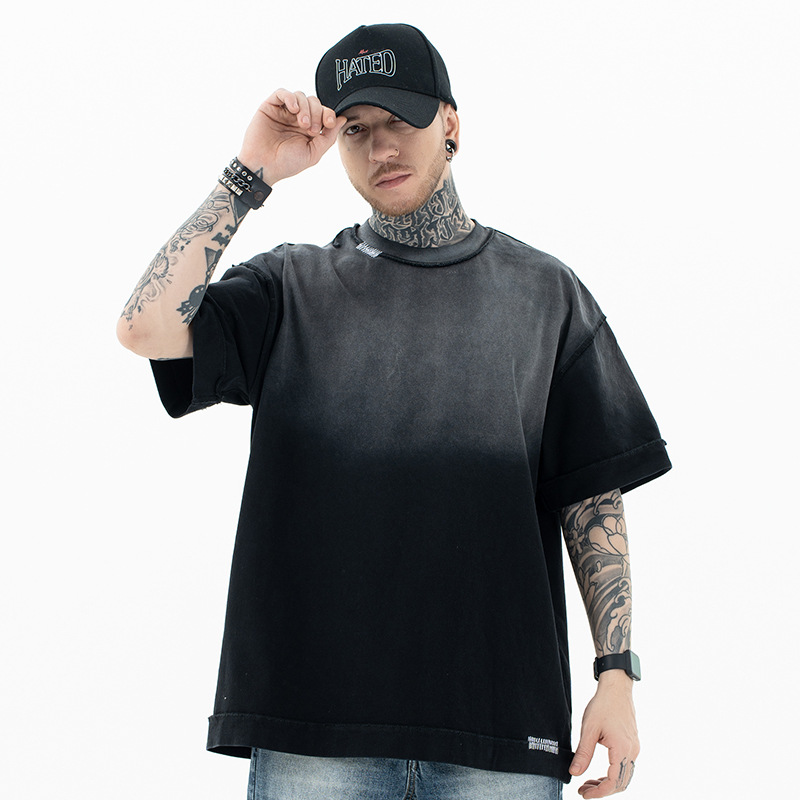
Tie-Dye
Custom tie dye production for streetwear brands, resort collections, and fashion casualwear. We support spiral patterns, dip dye effects, ombre gradients, and multi-color tie dye applications on hoodies, T-shirts, sweatshirts, and dresses with low MOQ starting at 50 pieces per colorway.
Get a Quote
Stone Wash
Stone wash garment finishing creates vintage denim appearance and broken-in texture for jeans, jackets, and casual bottoms. Our stone wash process uses controlled tumbling with pumice stones to achieve authentic worn aesthetics, softness, and color fading for streetwear and resort brands.
Get a Quote
Enzyme Wash
Enzyme wash treatment delivers soft hand feel and subtle color fading without harsh abrasion. Ideal for premium cotton T-shirts, hoodies, sweatshirts, and casual shirts requiring gentle vintage effects, improved drape, and luxurious texture while maintaining fabric integrity and garment longevity.
Get a Quote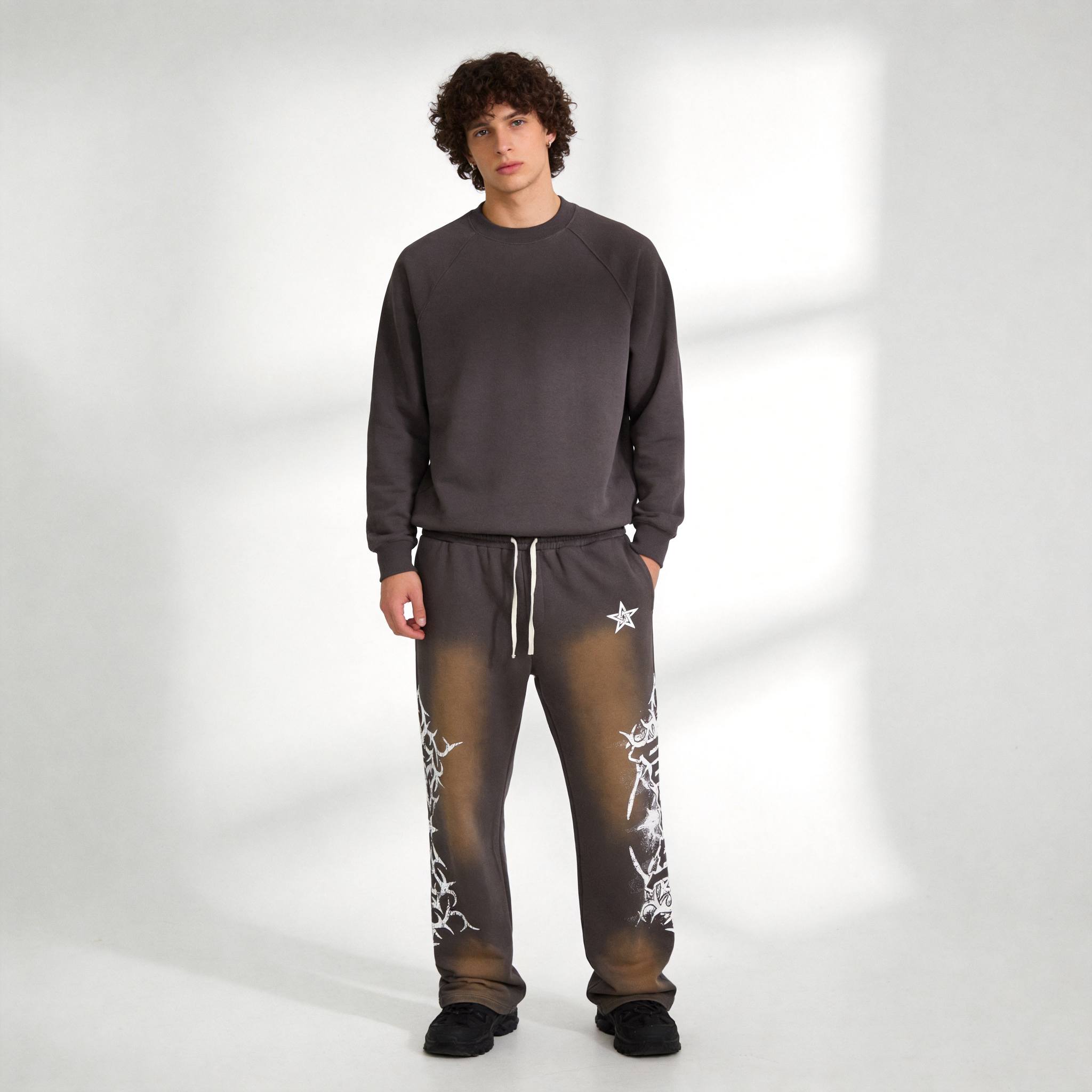
Garment Dye
Garment dye services for piece-dyed color consistency across hoodies, T-shirts, sweatpants, and outerwear. Our garment dye process creates unique color depth, soft vintage aesthetics, and uniform tone matching across multiple garment categories with excellent wash fastness and minimal shrinkage control.
Get a Quote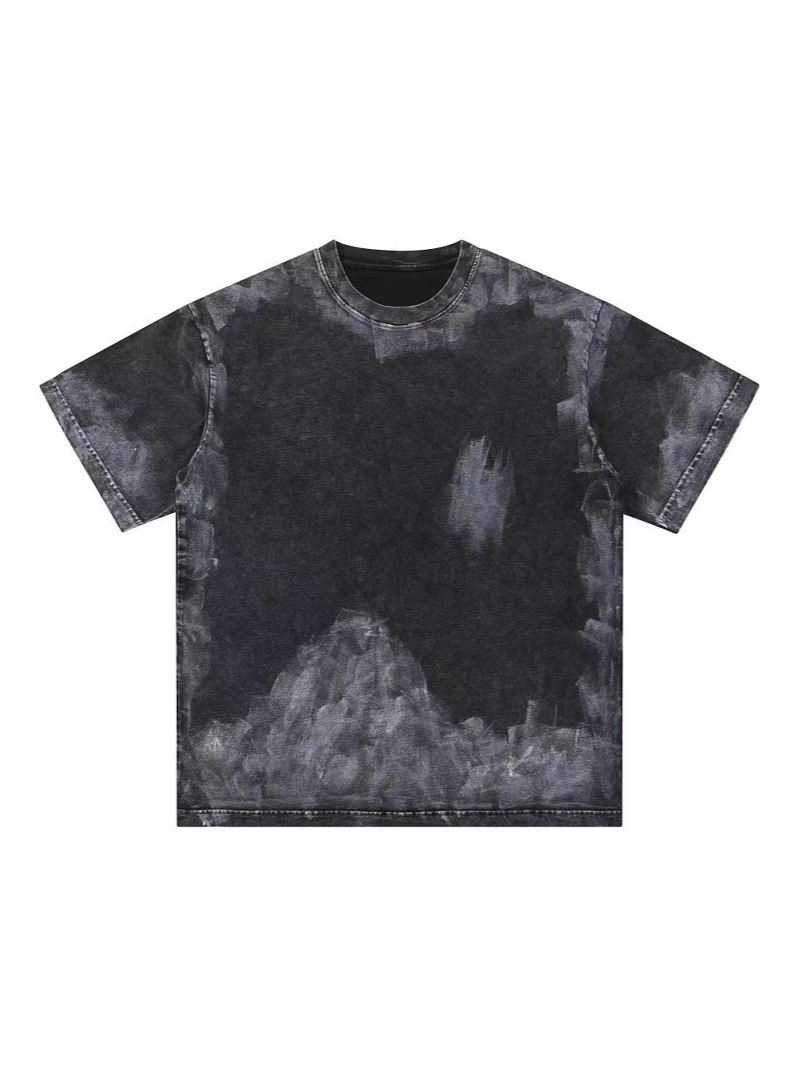
Custom Shirts
Custom shirts manufacturing including casual shirts, Hawaiian shirts, resort shirts, bowling shirts, and oversized shirts. We work with cotton poplin, rayon, linen blends, and viscose fabrics, offering full print patterns, embroidery logos, contrast panels, custom labels, and digital printing from 50 pieces.
Get a Quote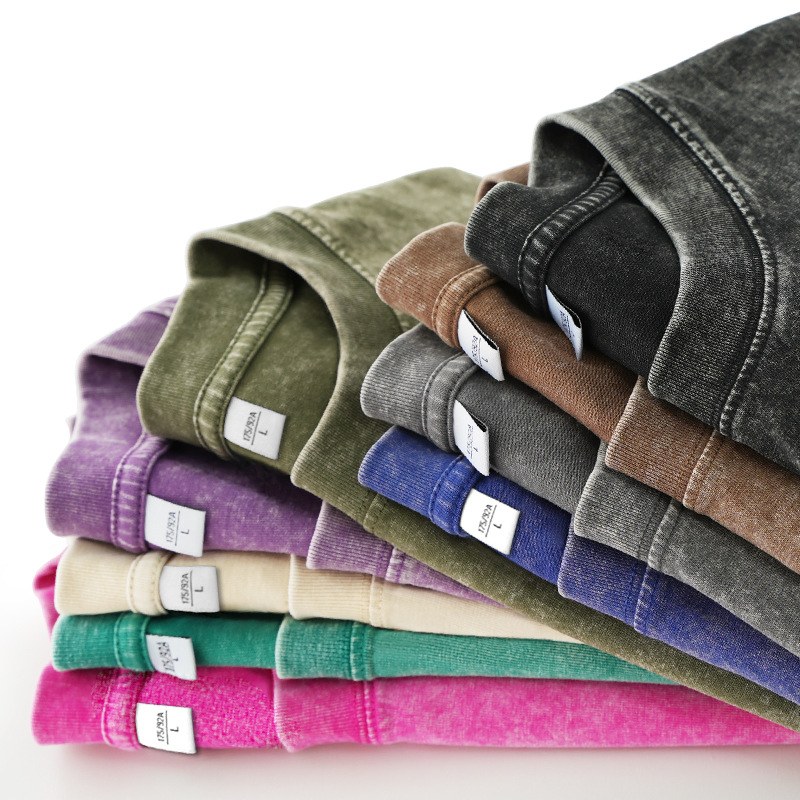
Customize Shirts
Customize shirts with advanced decoration techniques including screen printing, DTG printing, embroidery, puff print, foil printing, and water-based printing. Full control over sizing, fit, fabric selection, button styles, pocket placement, collar construction, and brand labeling for startup and established brands.
Get a Quote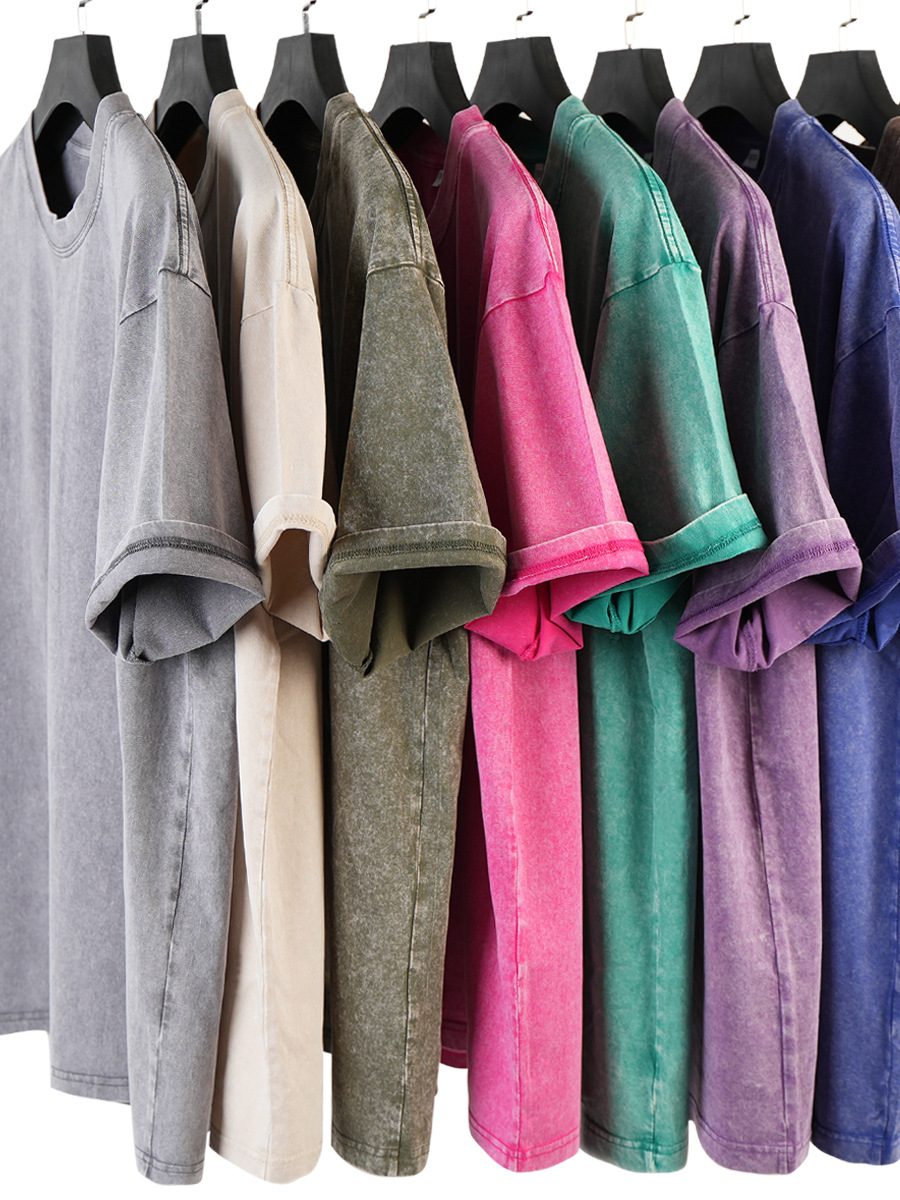
Custom Shirt Maker
Custom shirt maker with full design and tech pack development support. From sketches and inspiration photos to production-ready samples, our team handles fabric sourcing, pattern making, sampling, bulk production, and quality inspection for fashion brands requiring reliable manufacturing partners.
Get a Quote
Acid Wash Denim
Acid wash denim production for jeans, jackets, shorts, and utility pants. Our acid wash technique creates distinctive marbled patterns, high-contrast fading, and vintage streetwear aesthetics. Available on heavyweight denim, stretch denim, and cotton twill with distressed details and custom wash intensity.
Get a Quote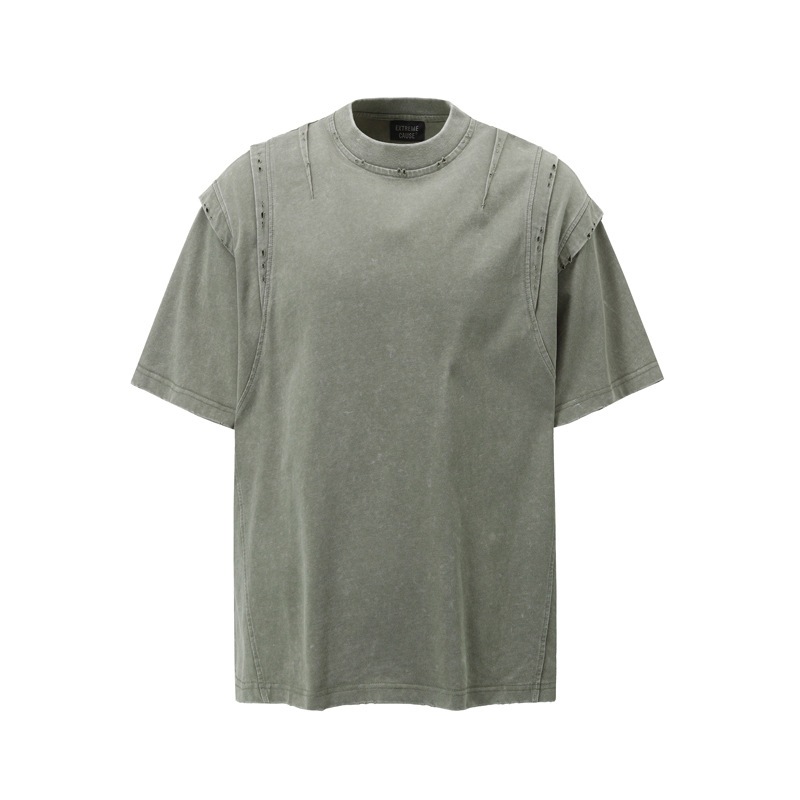
Acid Wash T-Shirts
Acid wash T-shirts manufacturing for streetwear brands and influencer collections. We produce oversized tees, boxy fit tees, heavyweight tees, and cropped tees with acid wash effects, vintage fading, and distressed details. Combine with puff print, screen printing, or embroidery for unique graphic applications.
Get a Quote27 Years of Acid Wash Garment Expertise
ZORWILD was founded in 1998 in Humen, Dongguan—one of the world’s most influential garment manufacturing hubs—where our founder learned every stage of apparel production from cutting rooms to finishing lines. Over nearly three decades, we have mastered advanced wash chemistry techniques that deliver authentic vintage aesthetics with precise fading intensity and consistent color results across every production batch.
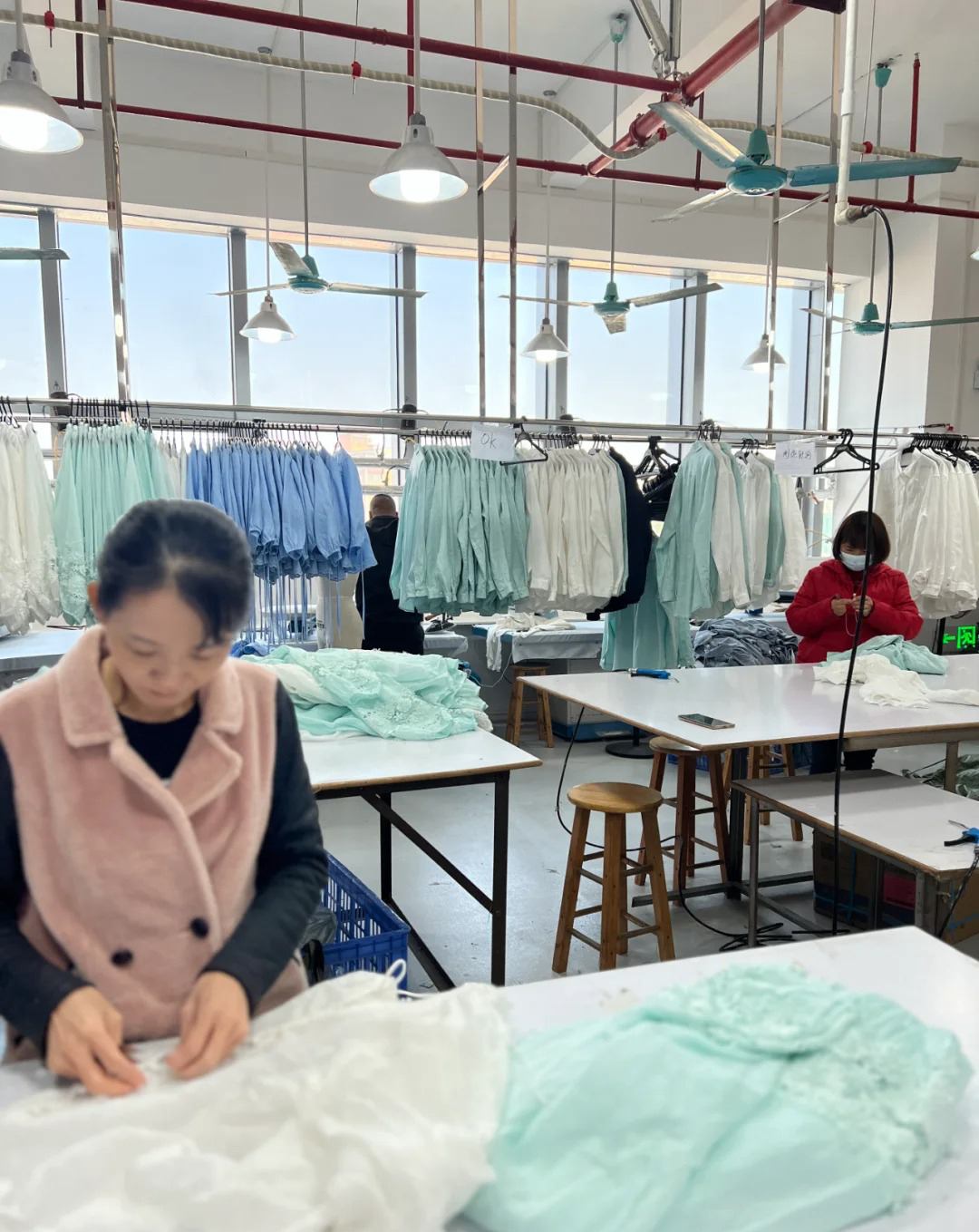
Our specialized wash production combines professional-grade equipment, certified chemical systems, and hands-on expertise to control every variable—from wash duration and chemical concentration to temperature and agitation. With monthly production capacity exceeding 100,000 units, we scale from 50-piece startup collections to large wholesale orders while maintaining strict quality standards through our 6-stage inspection system.
What sets ZORWILD apart is our in-house wash facility and skilled team who understand the science behind garment finishing. As a full-service custom apparel manufacturer, we deliver signature streetwear hoodies, vintage tees, oversized sweatshirts, and fashion outerwear with the distressed, faded character your brand demands, backed by rigorous batch testing and color consistency protocols.
Acid Wash Garment Process: Chemistry, Control & Quality
Acid Chemistry and pH Control
Our acid wash garment process begins with precise chemical formulation. We control acid concentration, pH levels, and soak duration to achieve consistent fading patterns across every production run. Each batch is monitored in real-time using calibrated pH meters and laboratory-grade testing protocols.
- Acid concentration adjusted between 3.5–5.5 pH based on fabric weight and target fade intensity
- Real-time pH monitoring throughout the wash cycle ensures uniform results and fabric safety
- Temperature-controlled soak times ranging from 15 to 45 minutes prevent over-processing
- Neutralization rinse protocols stabilize garment pH to 6.5–7.5 before finishing
Fading Intensity Calibration
ZORWILD’s 27 years of garment wash expertise enables precise control over fade depth and pattern distribution. We calibrate stone-to-garment ratios, tumble speed, and cycle duration to deliver everything from subtle vintage tones to high-contrast streetwear aesthetics that match your brand’s vision.
- Custom fade levels from light vintage washes to aggressive high-contrast acid effects
- Stone-to-garment ratio optimized for each fabric type to control abrasion and texture
- Multi-stage tumbling protocols create random or controlled fade patterns across panels
- Pre-production sample approval ensures fade consistency matches your brand vision before bulk manufacturing
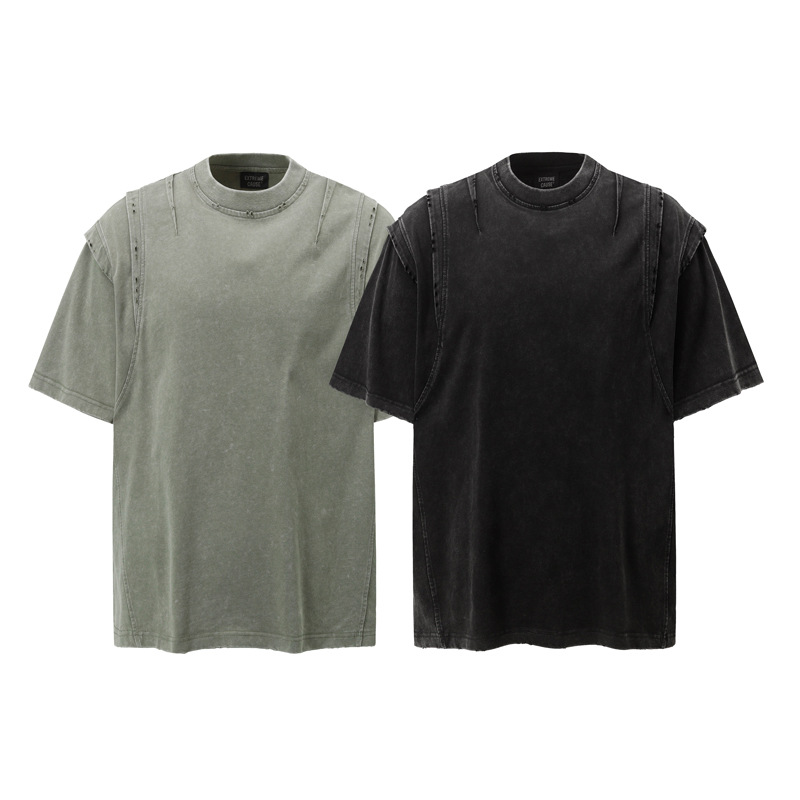
Hand-Feel Optimization and Softness
Acid wash garment finishing at ZORWILD balances visual impact with premium hand feel. Post-wash softening treatments, enzyme applications, and mechanical finishing restore fabric softness while preserving the unique texture and vintage character that define acid-washed apparel.
- Enzyme softening treatments applied after acid wash to restore natural fabric hand feel
- Mechanical tumble drying with controlled heat settings enhances softness without damaging fibers
- Fabric relaxation cycles reduce stiffness and improve drape for everyday wearability
- Final touch inspection verifies softness standards meet brand expectations and customer comfort
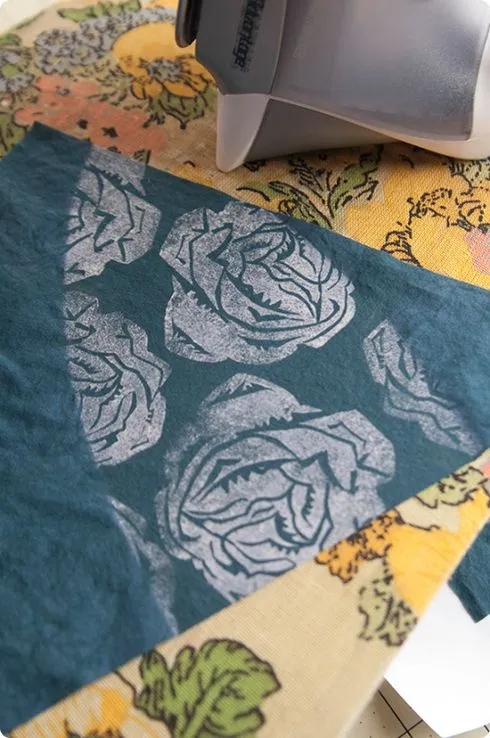
Color Fastness and Durability Testing
Every acid wash garment undergoes rigorous color fastness testing to ensure long-lasting results. Our 6-stage quality control system includes wash fastness, crocking resistance, and lightfastness tests, guaranteeing that your vintage aesthetic remains intact through repeated wear and laundering.
- AATCC wash fastness testing to Grade 4 or higher ensures colors withstand customer laundering
- Dry and wet crocking tests verify dye stability and prevent color transfer to skin or fabrics
- Lightfastness evaluation protects against fading from sunlight and indoor lighting exposure
- Final QC inspection documents test results and approves garments before packaging and shipment
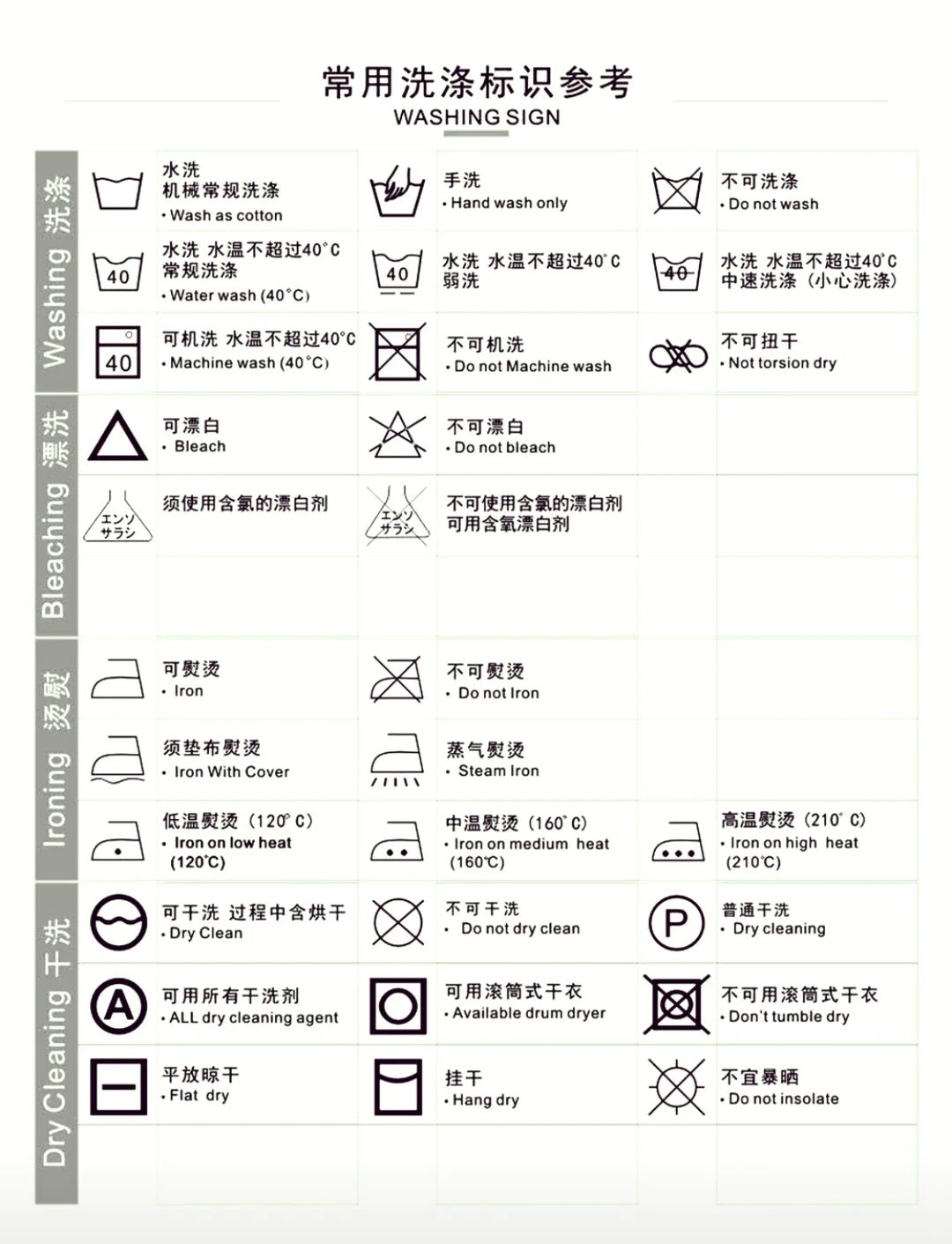
Acid Wash Garment vs. Vintage Wash, Stone Wash & Enzyme Wash
Understanding the differences between acid wash and adjacent garment finishing techniques helps you select the right process for your streetwear collection, vintage fashion line, or branded apparel project. Each method delivers distinct visual effects, fabric compatibility, and design flexibility.
← 左右滑动查看 →
Acid Wash Garment Production Flow
Our 7-phase production system combines precise chemistry control with garment finishing expertise to deliver consistent vintage aesthetics and premium hand feel from 50-piece startup orders to 10,000+ unit production runs.
Fabric Preparation & Inspection
Raw fabric undergoes pre-production inspection for weight consistency, weave integrity, and dye stability to ensure acid wash compatibility and prevent uneven fade patterns.
Garment Construction & Assembly
Cut-and-sew production completed with reinforced stitching at stress points. Garments inspected for construction quality before entering acid wash treatment to prevent damage.
Acid Bath Application
Garments treated in controlled acid solution with monitored concentration levels, temperature regulation, and timed exposure to achieve target vintage fade intensity and pattern distribution.
Rinse & Neutralization Process
Multi-stage rinsing removes residual acid followed by pH neutralization treatment to halt chemical reaction, protect fabric integrity, and ensure safe garment wear and longevity.
Drying & Curing Stage
Temperature-controlled tumble drying or air drying stabilizes fabric structure, locks in acid wash effects, and prepares garments for hand-feel evaluation and finishing operations.
Finishing & Hand-Feel Check
Garments undergo softening treatment, ironing or steaming, and tactile hand-feel inspection to verify premium texture, vintage appearance consistency, and brand quality standards.
Quality Control & Packaging
Final inspection verifies acid wash color consistency, measurement accuracy, decoration integrity, and construction durability before custom labeling, folding, and brand-ready packaging for shipment.
How to Order Acid Wash Garments from ZORWILD
From design submission to delivery, our streamlined process ensures your project meets every quality and aesthetic standard with complete transparency and professional support.
Submit Your Design & Specifications
Share your tech pack, reference photos, garment type, fabric preferences, desired fading intensity, color references, and target aesthetic. Our team reviews and confirms all acid wash garment details.
Approve Your Sample
We produce a physical sample showcasing the exact wash effect, fabric hand feel, color variation, and construction quality. You evaluate fit, texture, and aesthetics before approving bulk production.
Confirm Production Planning
Finalize order quantity starting from 50 pieces, production timeline, fabric sourcing, decoration methods, quality checkpoints, packaging requirements, and shipping logistics with your dedicated production coordinator.
Monitor Quality & Manufacturing
Your garments move through our 6-stage quality control system covering fabric inspection, garment construction, wash effect consistency, measurements, finishing, and final packaging standards.
Receive Your Finished Garments
Completed garments are shipped via your preferred method—air freight, sea freight, or express delivery—with full export documentation, tracking support, and customs assistance to ensure safe, timely delivery worldwide.
Customer Success Stories: Acid Wash Garment Orders
ZORWILD nailed the acid wash effect on our 500-piece hoodie drop. The color consistency was 98% accurate across all units, and our customers loved the authentic vintage look. Zero complaints after 30+ washes.
We launched our acid wash tee collection with only 100 pieces to test the market. ZORWILD delivered on time in 28 days, and the wash durability exceeded expectations—no fading issues reported by customers after 20 washes.
Our influencer merch drop needed perfect acid wash garments fast. ZORWILD produced 250 oversized tees with flawless wash patterns, delivered in 3 weeks, and our sell-through rate hit 94% in the first month.
Acid Wash Garment FAQ
What fabrics work best for acid wash garment production?
What is the minimum order quantity for acid wash garments?
Can I combine acid wash with embroidery or screen printing?
How long does acid wash garment production take from order to delivery?
Will acid wash garments fade or lose color after customer washing?
How much does an acid wash garment sample cost and how long does it take?
What design file formats do you need for acid wash garment orders?
Are acid wash garment techniques eco-friendly or sustainable?
Can acid wash garments be produced in multiple colors or patterns?
The Complete Buyer’s Guide to Acid Wash Garment Manufacturing and Sourcing
1. What Is an Acid Wash Garment?
An acid wash garment is a textile product treated with a chemical finishing process that uses chlorine bleach combined with pumice stones or direct application methods to create irregular faded patterns and a distressed, vintage appearance on fabric. The technique selectively removes dye from the garment surface, producing high-contrast marbling effects, random light patches, and a worn-in aesthetic that cannot be replicated through standard dyeing or printing methods.
The process originated in denim finishing during the 1980s and has since expanded to cotton jersey knits, French terry, fleece, and other natural-fiber garments including hoodies, T-shirts, sweatshirts, and jackets. Acid wash garments typically use 100% cotton or cotton-dominant blends because the chlorine reacts predictably with cellulose fibers, creating controlled color removal without compromising fabric integrity when properly executed. Polyester and synthetic blends resist the acid wash effect, limiting the technique to natural substrates.
Fashion brands choose acid wash garments to deliver streetwear authenticity, vintage appeal, and differentiated product aesthetics that stand out in crowded online marketplaces. Each garment exhibits unique pattern variation due to the manual nature of the wash process, giving customers a one-of-a-kind feel that mass-produced solid-color apparel cannot provide. For influencer brands and small labels, acid wash garments offer immediate visual impact in social media content, reduce reliance on complex graphics, and align with ongoing consumer demand for retro-inspired casualwear and distressed fashion pieces.
2. The Evolution and History of Acid Wash Garments
Acid washing emerged in the early 1980s when Italian designer Adriano Goldschmied and French designer François Girbaud independently developed chlorine-based denim bleaching processes that created distinctive mottled, high-contrast patterns. By 1985, the technique had exploded across American and European markets, becoming a defining aesthetic of 1980s pop culture, music videos, and streetwear. Brands initially relied on pumice stones soaked in chlorine solution tumbled with denim garments to achieve the signature faded, worn appearance that resonated with youth rebellion and rock-and-roll culture.
The 1990s grunge movement revived acid wash garment demand with a darker, more distressed aesthetic that emphasized authenticity and anti-fashion sentiment. Seattle bands and skate culture popularized oversized acid wash flannels, hoodies, and denim jackets, pushing manufacturers to refine enzyme wash and snow wash techniques for softer hand feel and more controlled fading patterns. Production shifted toward Asia during this period, with Dongguan and other Chinese manufacturing hubs developing industrial-scale acid wash capabilities that reduced costs and improved consistency.
The 2010s streetwear boom and Y2K fashion revival brought acid wash garment techniques back into luxury and independent brand collections. Modern manufacturers now combine traditional chlorine processes with laser distressing, ozone fading, and digital spray systems to achieve vintage effects with reduced water consumption and chemical waste. Today’s acid wash garment production supports low MOQ orders starting from 50 pieces, enabling startup brands and influencers to access techniques that once required large-scale industrial infrastructure.
3. Types of Acid Wash Garment Techniques and Finishes
Acid wash garment production encompasses multiple distinct techniques, each delivering unique visual effects, durability profiles, and cost structures. Professional buyers must specify the exact wash method in their RFQ to ensure accurate sampling, pricing, and production planning.
Traditional Pumice-Stone Acid Wash
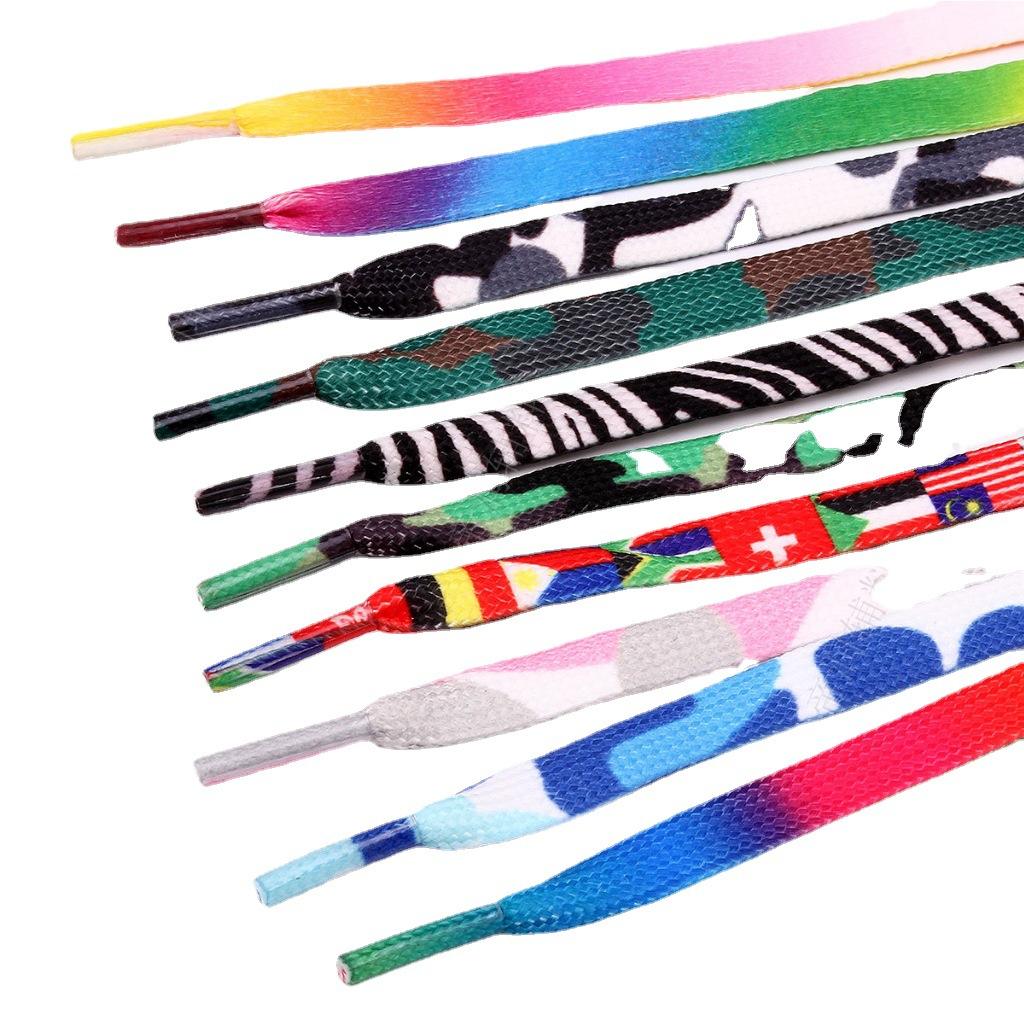
This classic method tumbles garments with pumice stones soaked in chlorine or bleach solution, creating irregular high-contrast patterns. The physical abrasion produces authentic vintage texture with random fading across seams, pockets, and stress points.
Durability remains high due to controlled chemical exposure and mechanical softening. Cost ranges mid-tier because of stone handling, longer wash cycles, and water consumption. Best suited for heavyweight hoodies, sweatshirts, denim jackets, and oversized streetwear where bold contrast and tactile softness drive brand positioning.
Spray and Splatter Acid Wash
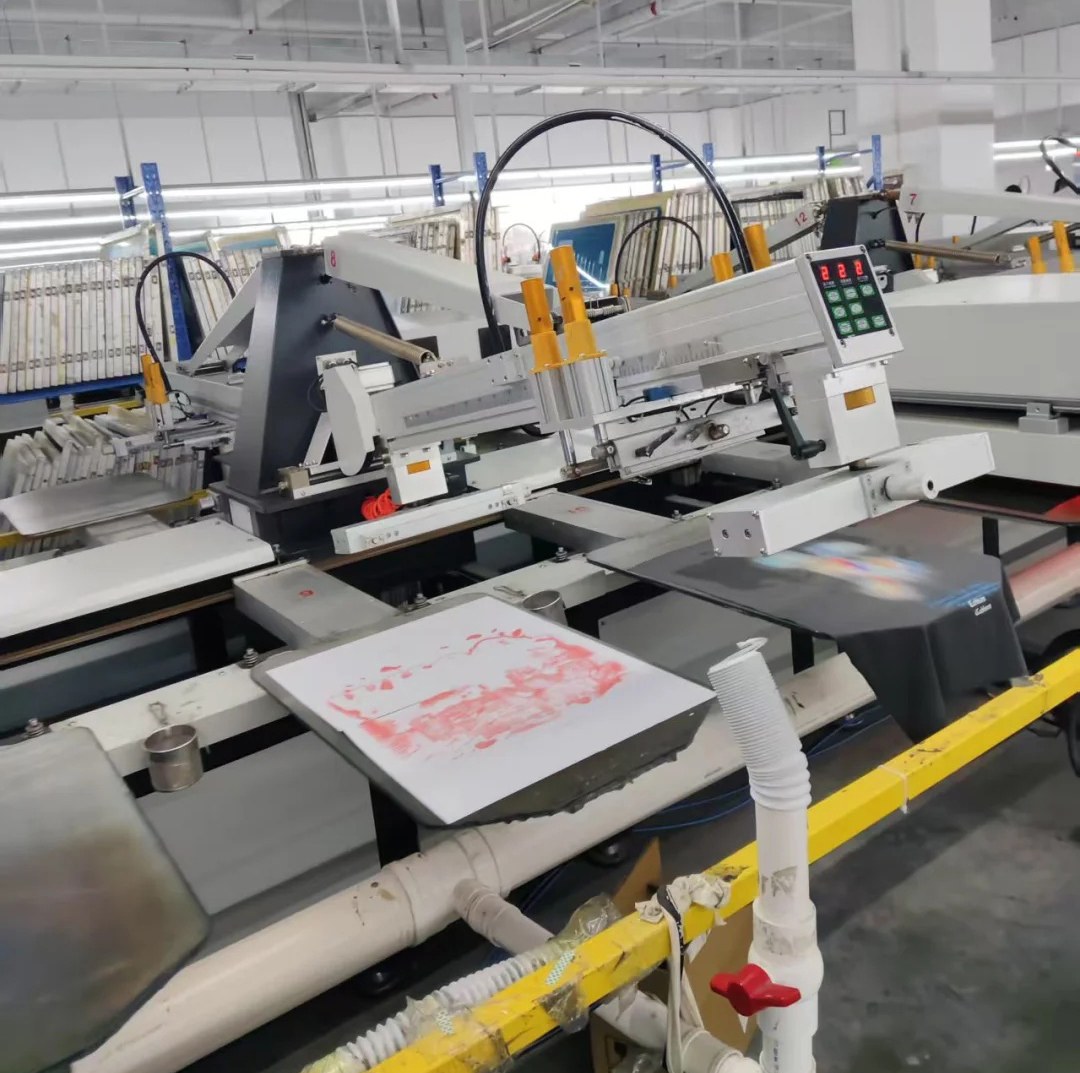
Operators manually spray or splatter bleach solution onto pre-positioned garments, allowing precise control over pattern density and placement. This technique delivers artistic, one-of-a-kind aesthetics ideal for limited-edition collections and influencer capsules.
Durability matches garment-dye standards when neutralized properly. Cost sits higher due to labor-intensive application and lower production speed. Recommended for graphic tees, cropped hoodies, and fashion-forward pieces where unique visual identity justifies premium retail pricing.
Gradient Fade Acid Wash
Garments are partially submerged or progressively exposed to bleach solution, creating smooth color transitions from dark to light. This method requires precise timing and chemical concentration control to achieve consistent fade curves across production runs.
Durability and hand feel remain excellent with minimal fabric stress. Cost falls mid-range due to simpler process control and faster turnaround. Ideal for joggers, sweatpants, longline tees, and athleisure collections targeting trend-conscious consumers seeking subtle vintage aesthetics.
Enzyme Wash Alternatives
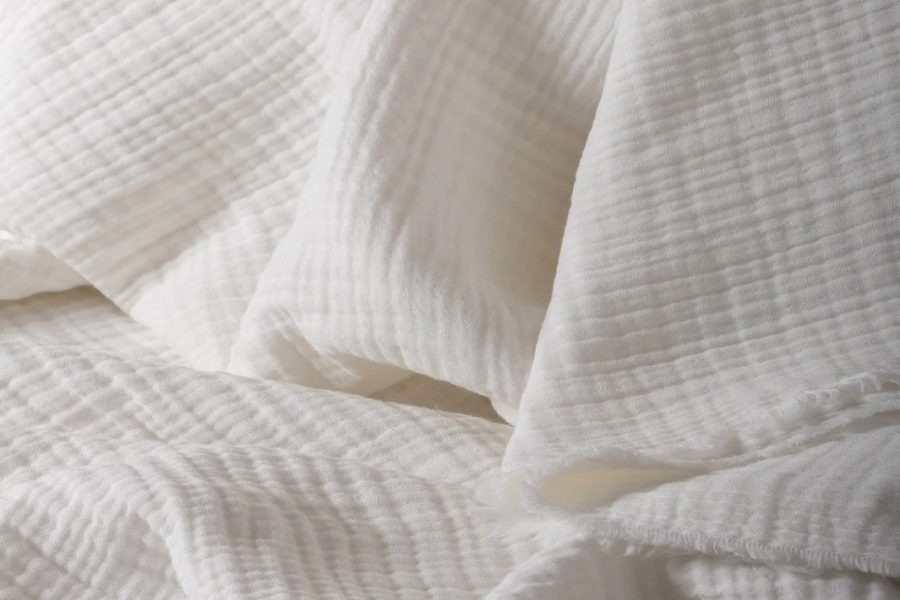
Enzyme-based formulations replace harsh chlorine chemicals, using biological catalysts to break down dye molecules with reduced environmental impact and softer fabric hand. This method appeals to sustainable fashion brands and eco-conscious retailers.
Durability increases due to gentler fiber treatment and reduced chemical damage. Cost runs slightly higher because of enzyme material expense but offers faster lead times. Best for organic cotton tees, bamboo hoodies, and brands requiring OEKO-TEX or GOTS-compliant finishing processes.
4. Materials and Fabrics Suitable for Acid Wash Garment Production
Acid wash garment success depends on selecting fabrics with the right fiber content, weight, and structure. Natural cellulose fibers react predictably to chlorine-based chemicals, while synthetic blends require careful testing to achieve consistent vintage effects.
| Fabric Type | Typical GSM | Acid Wash Compatibility | Common Applications |
|---|---|---|---|
| 100% Cotton Denim | 280–340 | Excellent – deep contrast | Jeans, jackets, shirts |
| Cotton Jersey | 160–200 | Very Good – fast fading | T-shirts, casual tees |
| French Terry | 260–320 | Excellent – vintage texture | Hoodies, sweatshirts |
| Fleece (Cotton-Poly) | 280–400 | Good – softer fade | Hoodies, joggers, sweatpants |
| 100% Cotton Twill | 220–280 | Very Good – even tone | Cargo pants, utility shirts |
Fiber Content Requirements for Acid Wash
100% cotton fabrics deliver the most dramatic and consistent acid wash effects because cellulose fibers absorb and react uniformly to chlorine bleach. Cotton-polyester blends (typically 50/50 or 60/40 cotton-poly) produce softer, more subtle vintage fading since polyester resists bleach and retains original color.
Fabrics with less than 50% cotton content often yield unpredictable results, with uneven fading and color retention issues. ZORWILD recommends minimum 60% cotton for reliable acid wash garment outcomes across hoodies, T-shirts, and sweatshirts.
GSM Ranges and Wash Intensity
Fabric weight measured in grams per square meter (GSM) directly influences acid wash intensity and final texture. Lightweight jersey (140–180 GSM) shows faster, more aggressive fading with higher risk of fabric weakening. Midweight fabrics (200–260 GSM) offer balanced vintage effects with structural integrity for T-shirts and casual hoodies.
Heavyweight fleece and French terry (280–400 GSM) require longer wash cycles but produce premium streetwear aesthetics with deep texture and durable construction. ZORWILD’s 27 years of garment manufacturing experience ensures precise wash timing calibrated to each GSM range.
5. Customization and Decoration Options for Acid Wash Garments
Acid wash garment finishes serve as a foundation for layered customization. Process sequencing, decoration durability, and setup costs vary significantly by technique and directly impact both production timelines and minimum order economics.
| Decoration Method | Setup Cost | Per-Unit Add | Wash Durability | MOQ Impact |
|---|---|---|---|---|
| Screen Printing | $25–$75/screen | $0.80–$2.50 | 50+ cycles | Low |
| Embroidery | $15–$40/design | $2–$8 | 100+ cycles | Medium |
| Puff Print | $25–$75/screen | $1.30–$4 | 30–40 cycles | Low |
| Chenille | $20–$50/design | $4–$10 | 50+ cycles | Medium |
| Distressing | None | $1–$3 | Permanent | None |
| Rhinestones | $30–$60/design | $3–$8 | 20–30 cycles | High |
Screen Printing and Water-Based Graphics
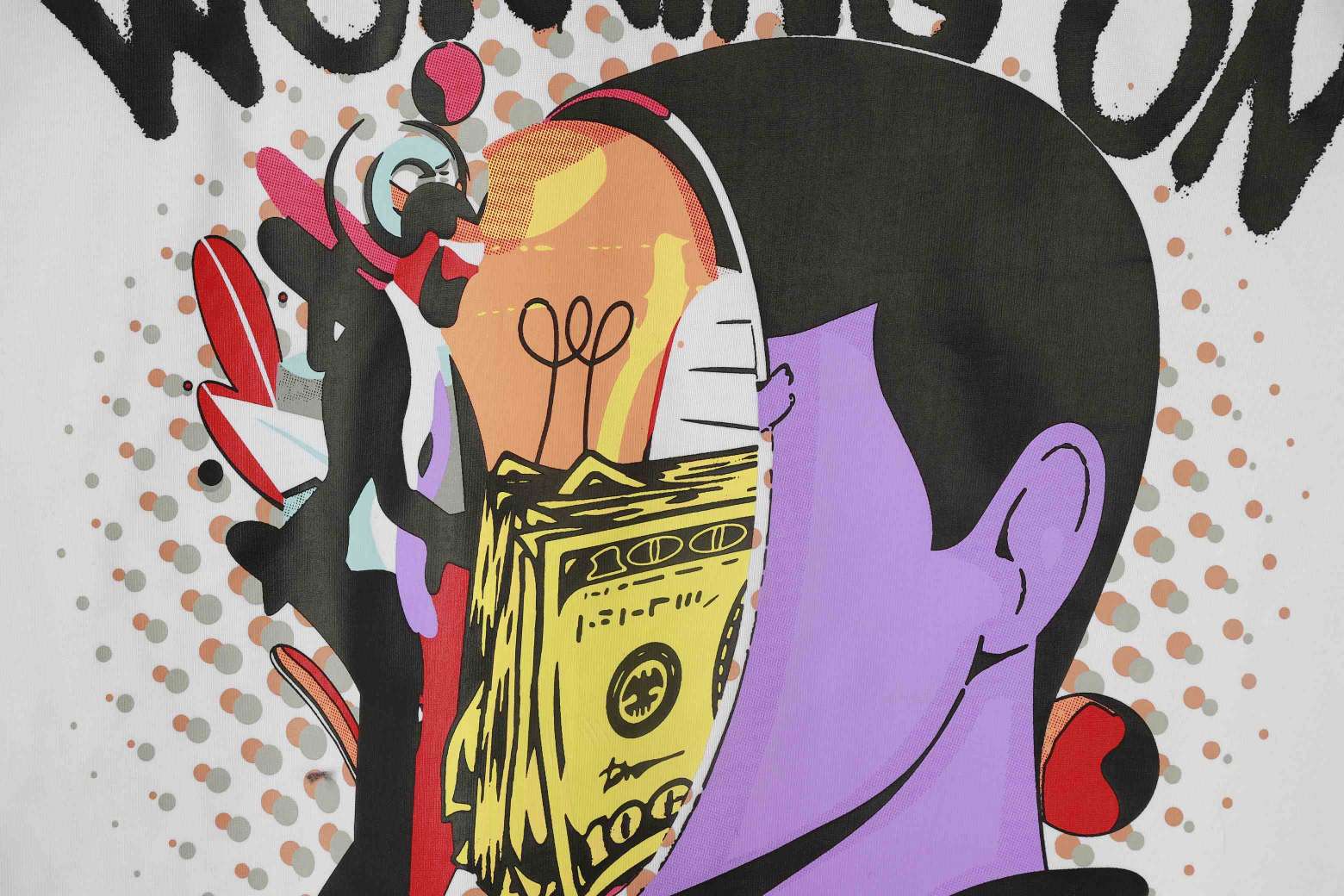
Screen printing applies after acid wash to prevent ink degradation during chemical processing. Water-based inks penetrate fabric fibers for soft hand feel and vintage integration with the washed texture, while plastisol inks sit on the surface for bolder opacity. Setup costs range from $25–$75 per screen depending on color count, with durability exceeding 50 wash cycles when cured properly.
Embroidery and Chenille Applications
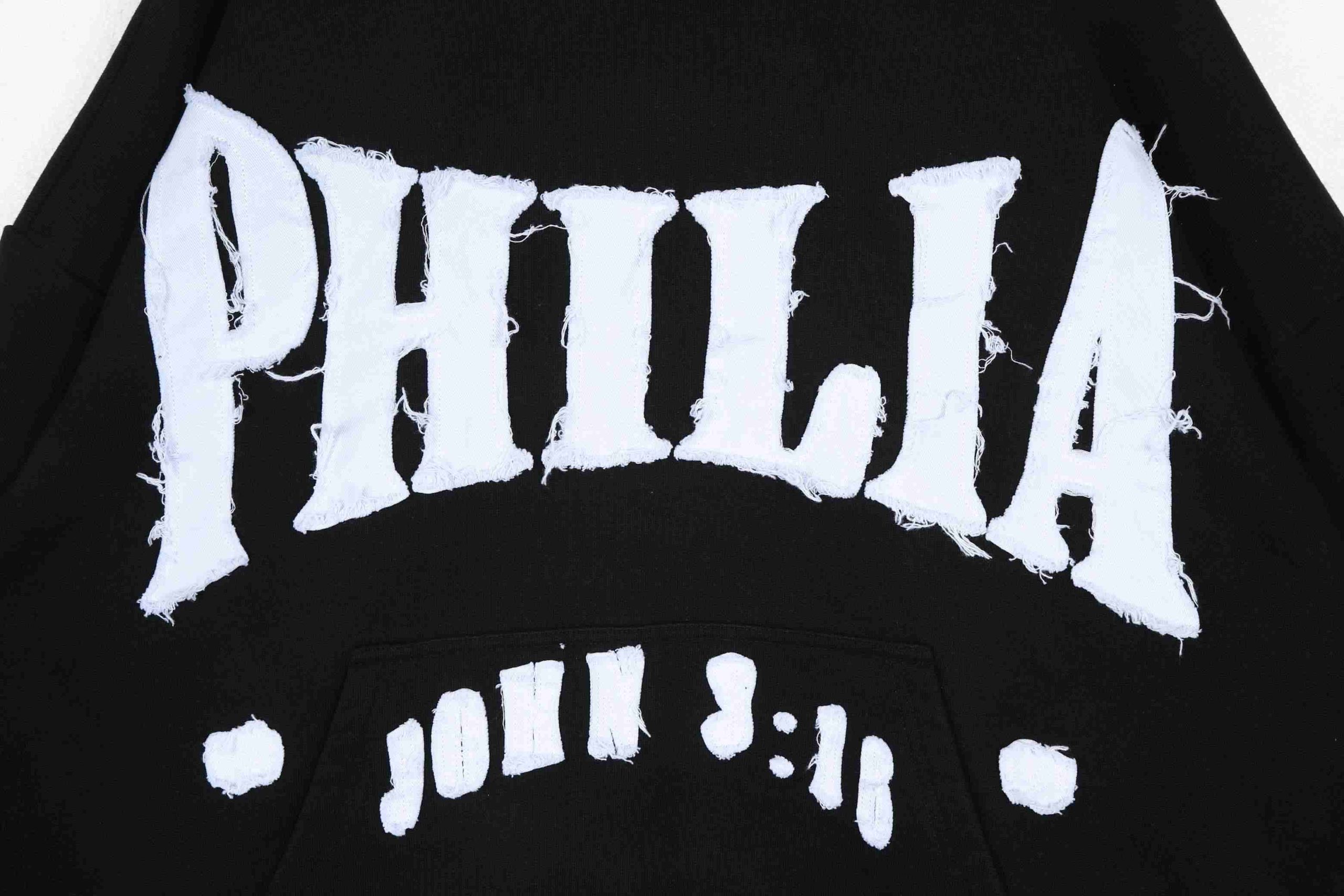
Embroidery digitization costs $15–$40 per design with per-garment stitch fees of $2–$8 based on complexity and stitch count. Chenille embroidery adds dimensional texture ideal for vintage streetwear branding. Both techniques apply post-wash to avoid thread damage, with flat embroidery offering superior wash durability and chenille requiring gentle care instructions.
Puff Print and Dimensional Effects
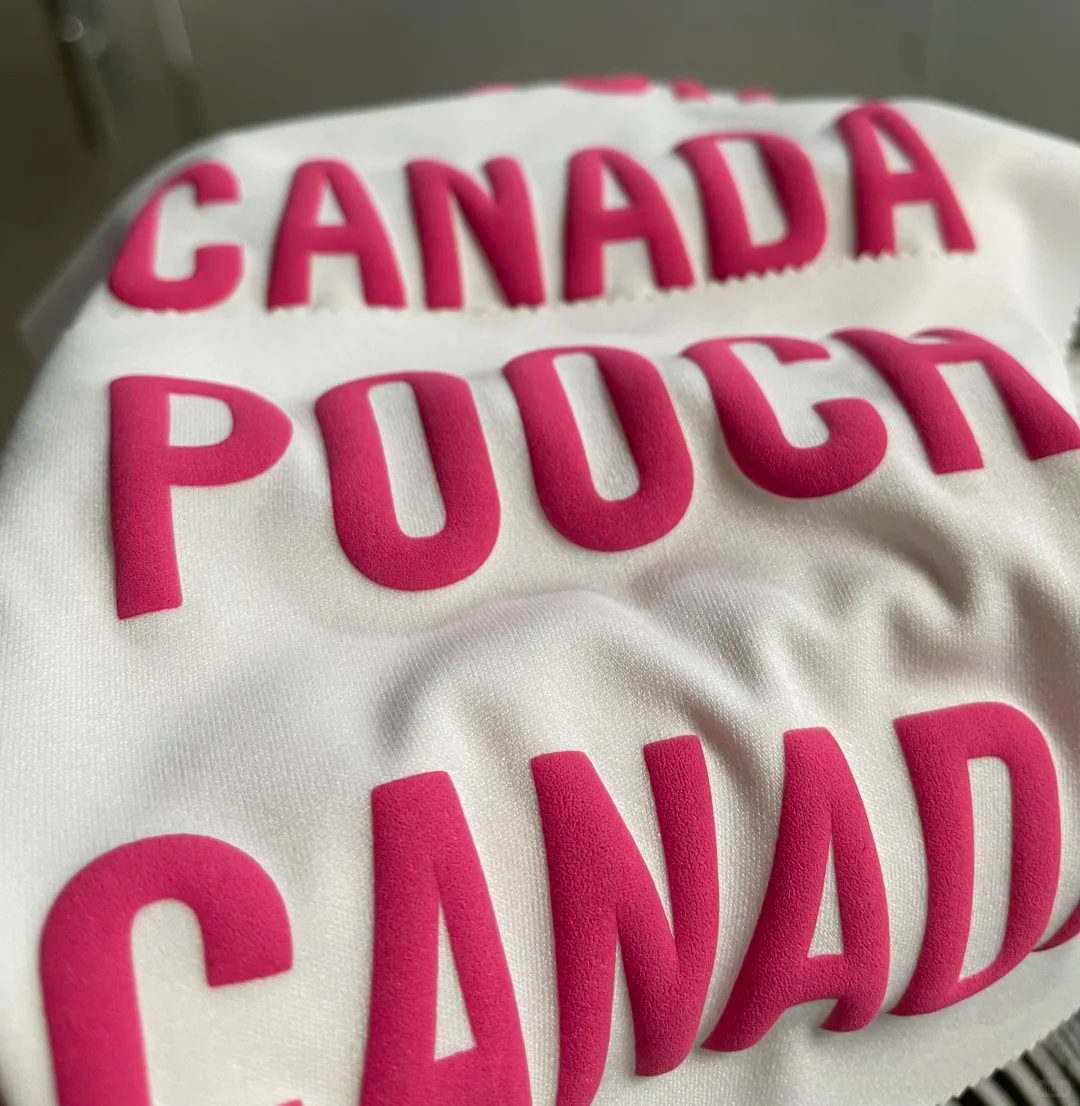
Puff print uses heat-activated ink that expands to create raised 3D graphics, popular for retro logos and bold typography on acid wash hoodies and tees. Application occurs after washing to preserve foam expansion. Setup mirrors screen printing costs, but puff ink adds $0.50–$1.50 per print location, with durability of 30–40 washes before minor flattening.
Distressing and Hardware Additions
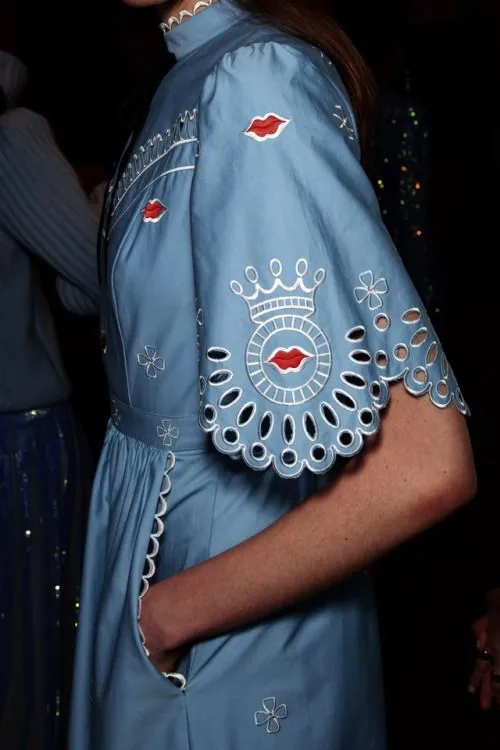
Post-wash distressing includes frayed hems, ripped details, and strategic holes applied manually or via laser cutting at $1–$3 per garment. Metal eyelets, custom zippers, and rubber patches integrate after washing to prevent corrosion. YKK zippers add $1.50–$4 per unit, while rhinestone application costs $3–$8 depending on density and placement complexity.
6. Key Quality and Construction Elements in Acid Wash Garment Manufacturing
Acid wash garment production introduces chemical and mechanical stresses that test every construction detail. Buyers must verify five critical quality checkpoints in pre-production samples to ensure retail-ready consistency and customer satisfaction.
Stitch Integrity Post-Wash
Acid wash processes place extreme tension on thread and seams. Inspect all stress points — shoulder seams, side seams, armholes, and hem stitching — for thread breakage, skipped stitches, or loose thread ends after washing.
Professional manufacturers use polyester core-spun thread with 40/2 or 30/2 weight for acid wash garments because cotton thread degrades under chemical exposure. Flatlock and double-needle stitching provide superior durability compared to single-needle construction.
Colorfastness and pH Neutralization
Residual acid or alkaline chemicals cause color bleeding, skin irritation, and fabric degradation over time. Test garments must pass pH neutralization with readings between 5.5 and 7.5 before packaging.
Request colorfastness testing results including wash fastness (Grade 4 minimum), perspiration fastness, and rubbing fastness. Proper rinsing cycles and neutralization baths are non-negotiable for retail compliance and customer safety.
Pattern Consistency Across Batch
Acid wash creates unique color variations, but professional production maintains controlled randomness within acceptable tolerance. Compare 5–10 sample garments side-by-side to evaluate pattern distribution, contrast intensity, and color depth consistency.
Establish visual standards with approved sample references and require manufacturers to photograph every production batch for remote approval before final finishing.
Fabric Hand-Feel and Seam Puckering
Acid wash should soften fabric without compromising structure. Inspect for excessive pilling, surface thinning, or rough texture that indicates over-processing or poor fabric quality.
Seam puckering occurs when differential shrinkage between fabric and thread creates wavy seams. Check all seam lines under natural light and verify that garments maintain shape after washing without distortion or twisting.
7. How to Choose the Right Acid Wash Garment Manufacturer
Selecting the right acid wash garment manufacturer requires evaluating technical capabilities, production flexibility, and quality systems. Factories with in-house wash facilities, low MOQ options, and proven sampling processes deliver better results for brands at every stage.
Certifications and Compliance Standards
OEKO-TEX Standard 100 certification ensures fabrics are free from harmful chemicals, critical for acid wash garment production where dyes and finishing agents contact skin. WRAP (Worldwide Responsible Accredited Production) and BSCI certifications verify ethical labor practices and safe working conditions.
Manufacturers with documented compliance reduce import delays and meet retailer requirements in North America and Europe. ZORWILD maintains strict quality and safety standards across all wash processes, supporting brands that prioritize responsible sourcing and customer safety.
MOQ Flexibility and Scalability
Minimum order quantities for acid wash garment production typically range from 300 to 1,000 pieces per design at traditional factories. ZORWILD offers 50-piece MOQ for startup brands, influencers, and wholesalers testing new styles, reducing inventory risk while maintaining professional wash quality.
Scalable production systems allow brands to start small and grow to 10,000-plus units per order as demand increases, with consistent quality across all order sizes.
Sampling Process and Turnaround
Professional sampling confirms acid wash effects, color accuracy, fit, and construction before bulk production. Standard sampling turnaround ranges from 7 to 14 days depending on fabric availability and wash complexity.
Request samples showing actual wash results on your chosen fabric weight and color, not generic swatches. ZORWILD provides detailed sampling with measurement specs, wash effect documentation, and decoration proofs to ensure alignment before production begins.
Red Flags to Avoid
Avoid manufacturers unwilling to provide samples, lacking in-house wash facilities, or offering prices 30% below market averages without explanation. Inconsistent communication, vague production timelines, and refusal to share facility photos indicate potential quality or reliability issues.
Factories demanding full payment before sampling or shipping often lack financial stability. ZORWILD maintains transparent pricing, clear production schedules, and responsive communication via email, WhatsApp, and direct calls throughout every project.
8. Common Mistakes Buyers Make When Sourcing Acid Wash Garments
Sourcing acid wash garments requires careful planning and technical awareness. Many buyers encounter avoidable pitfalls that lead to production delays, quality issues, and unexpected costs that can damage brand reputation and profitability.
Underestimating Wash Shrinkage and Dimensional Changes
Acid wash processing causes fabric shrinkage of 3–7% depending on cotton content, wash intensity, and fabric construction. Buyers who order standard sizing without accounting for shrinkage receive garments that fit smaller than intended, leading to customer returns and negative reviews.
ZORWILD recommends pre-shrinking fabric or adjusting pattern dimensions before cutting. Pre-production samples should be washed and measured to verify final dimensions match your size specifications and ensure consistent fit across production runs.
Skipping Pre-Production Samples and Wash Testing
Many buyers approve samples based on unwashed prototypes, only to discover color inconsistency, uneven fading, or fabric damage after bulk production. Acid wash results vary with fabric weight, dye type, and processing time, making sample validation critical.
Always request washed samples that replicate final production conditions. ZORWILD provides pre-production samples with identical wash parameters, allowing buyers to evaluate color accuracy, texture, durability, and finishing quality before committing to bulk orders.
Choosing Incompatible Fabric Blends for Acid Wash
Polyester-heavy blends and synthetic fabrics resist acid wash effects, resulting in weak color variation and disappointing aesthetics. Buyers expecting vintage distressed appearance often receive garments with minimal wash character when fabric composition is unsuitable.
Select fabrics with at least 80% cotton for optimal acid wash results. ZORWILD’s sourcing team recommends 100% cotton, organic cotton, or cotton-dominant blends to achieve authentic vintage fading, soft hand feel, and the desired streetwear aesthetic.
Providing Unclear Tech Packs and Wash Specifications
Vague instructions like ‘vintage look’ or ‘light acid wash’ create misalignment between buyer expectations and factory execution. Without precise wash intensity, color references, and finishing details, manufacturers cannot replicate your vision consistently.
Provide detailed tech packs with Pantone color codes, wash intensity scale (light, medium, heavy), reference images, and measurement charts. ZORWILD’s 27-year experience helps translate creative concepts into production-ready specifications, reducing revisions and ensuring accurate results.
Setting Unrealistic Lead Times for Acid Wash Production
Acid wash garment production requires 25–35 days including fabric preparation, cutting, sewing, washing, drying, quality control, and finishing. Buyers demanding 10–15 day timelines force rushed production that compromises wash quality and garment durability.
Plan realistic timelines that account for wash processing, drying, and inspection. ZORWILD’s production capacity exceeds 100,000 units monthly, but quality acid wash garments require proper curing time, pH neutralization, and thorough inspection to meet professional brand standards.
9. Steps to Launch Your Acid Wash Garment Brand Successfully
Launching an acid wash garment brand requires a structured roadmap that balances creative vision with operational discipline. First-time buyers and small brands benefit from breaking the process into six actionable phases, each with clear deliverables and timelines.
Market Research and Trend Analysis
Dedicate 2–3 weeks to analyzing competitor collections, Instagram hashtags, and retail pricing across your target segment. Identify which acid wash garment styles (hoodies, tees, joggers) resonate with your audience and which wash intensities (light vintage, heavy distressed) align with current streetwear trends.
Map out 3–5 hero SKUs that differentiate your brand while maintaining production feasibility for low MOQ runs starting at 50 pieces per colorway.
Tech Pack Creation and Design Finalization
Develop production-ready tech packs within 1–2 weeks, specifying garment measurements, fabric weight (typically 280–400 GSM for hoodies), acid wash intensity references, and decoration placements for screen printing or embroidery.
Include Pantone color codes for base fabrics, stitch specifications, label artwork, and hang tag designs to ensure manufacturers can quote accurately without multiple revision rounds.
Supplier Vetting and Sampling
Request samples from 2–3 manufacturers with proven acid wash garment expertise and 50-piece MOQ capability. Evaluate fabric hand feel, wash consistency, stitching quality, and decoration durability over a 7–10 day sampling window.
Confirm lead times (typically 25–35 days for bulk production), payment terms, and quality control processes before committing to bulk orders.
Costing, Pricing Strategy, and Production Planning
Calculate landed cost per unit including fabric, labor, decoration, shipping, and duties, then apply a 2.5–3.5× markup for wholesale or 4–6× for direct-to-consumer retail pricing.
Schedule production 6–8 weeks before your launch date to accommodate sampling revisions, bulk manufacturing, quality inspection, and international shipping timelines.
Go-to-Market Execution and Launch
Coordinate product photography, e-commerce setup, and influencer seeding 2–3 weeks before inventory arrival. Pre-launch teasers on Instagram and TikTok build anticipation while validating demand before committing to reorder quantities.
Monitor sell-through rates and customer feedback during the first 30 days to refine sizing, wash intensity, and SKU mix for subsequent production runs.
10. Pricing and Cost Breakdown for Acid Wash Garment Orders
ZORWILD’s acid wash garment pricing starts at 50-piece MOQ with transparent tier-based pricing that scales with order volume. Base pricing for standard acid wash T-shirts ranges from $8.50–$12.00 per unit at 50 pieces, dropping to $4.80–$6.20 per unit at 1,000+ pieces, depending on fabric weight (160–220 GSM), wash complexity, and decoration requirements. Lead times range from 18–25 days for startup orders to 12–18 days for bulk production runs exceeding 500 units.
Customization add-ons follow predictable cost structures. Standard acid wash techniques add $0.80–$1.50 per garment, while vintage wash and snow wash variations add $1.20–$2.00 per unit. Screen printing setup costs $45–$80 per color with $0.60–$1.20 per-unit application, and embroidery setup runs $60–$100 with $1.50–$3.00 per-unit cost depending on stitch count. Puff printing and chenille embroidery carry premium pricing at $1.80–$3.50 per unit due to specialized process requirements.
Price variables include fabric selection (organic cotton adds 15–25% premium over standard cotton), garment weight (heavyweight 280 GSM hoodies cost 30–40% more than 180 GSM tees), decoration density (full-back prints cost more than left-chest logos), and wash intensity (heavy distressing requires additional labor). Shipping costs depend on order volume, destination country, and freight method—sea freight averages $1.20–$2.50 per unit for 500+ pieces to North America, while express air freight runs $4.50–$7.00 per unit for urgent orders.
| Quantity Tier | Price per Unit (USD) | Lead Time (Days) |
|---|---|---|
| 50–99 pieces | $8.50–$12.00 | 20–25 |
| 100–299 pieces | $6.80–$9.50 | 18–22 |
| 300–499 pieces | $5.80–$7.80 | 15–20 |
| 500–999 pieces | $5.20–$6.80 | 12–18 |
| 1,000+ pieces | $4.80–$6.20 | 12–16 |
Start Your Acid Wash Garment Project Today
50-piece MOQ, 27 years of expertise, and fast sampling. Get your custom acid wash garments into production with ZORWILD.
- Custom Hoodies
- Custom T Shirts
- Custom Dresses
- Custom Sweatshirts
- Custom Jackets
- Custom Varsity Jackets
- Custom Polo Shirts
- Custom Shorts
- Custom Dress Shirts
- Contact