
Custom Barcode Labels for Inventory Tracking and Retail Compliance
Professional custom barcode labels integrated with your apparel production. Streamline inventory management, meet retail requirements, and elevate brand professionalism with low MOQ barcode solutions starting at 50 pieces from ZORWILD.
Custom Barcode Label Styles & Formats
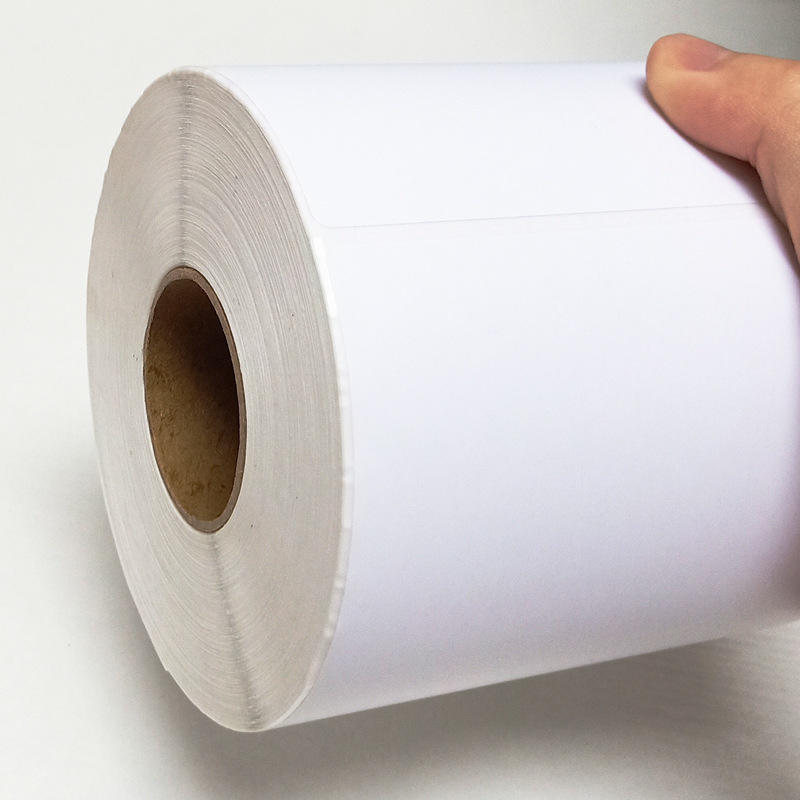
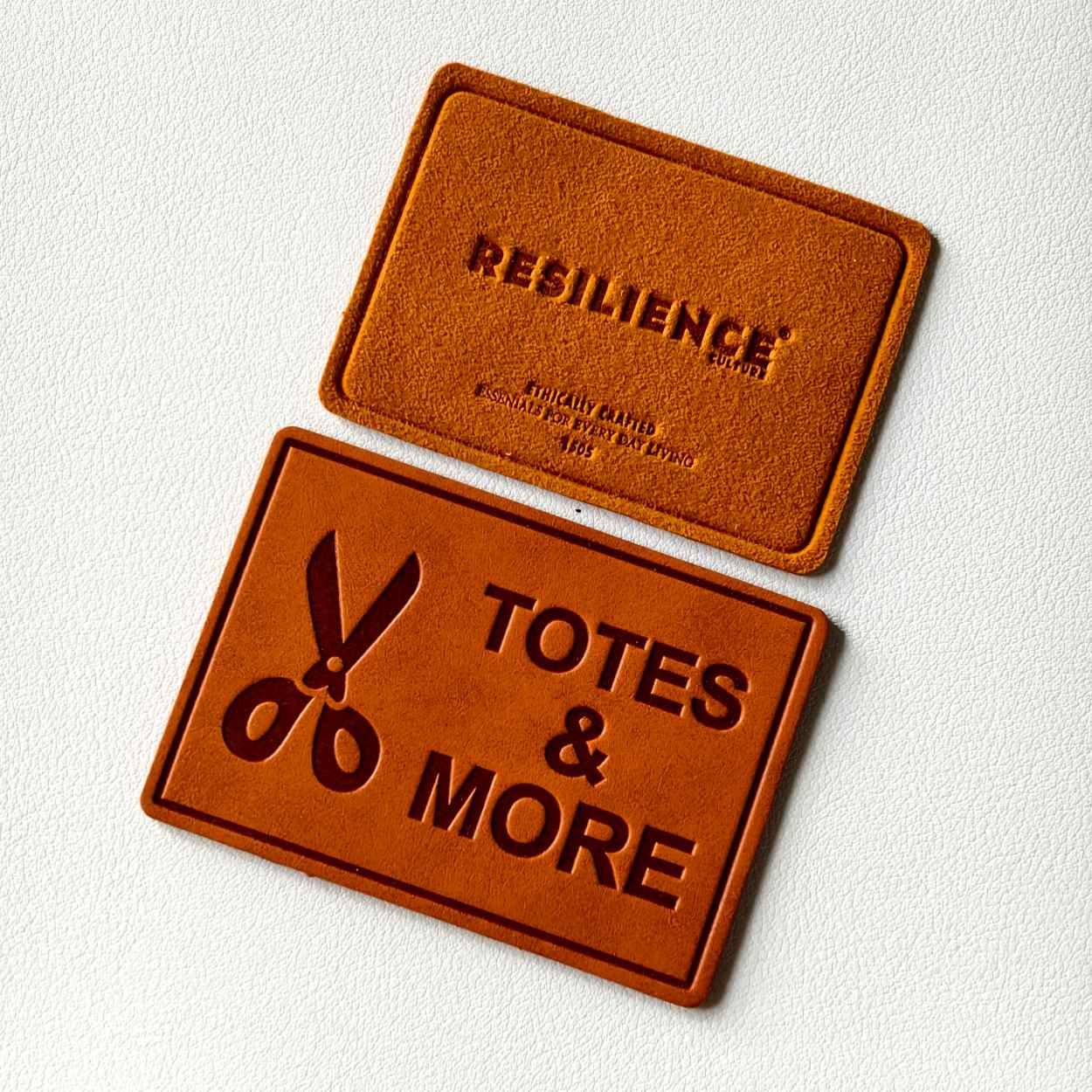
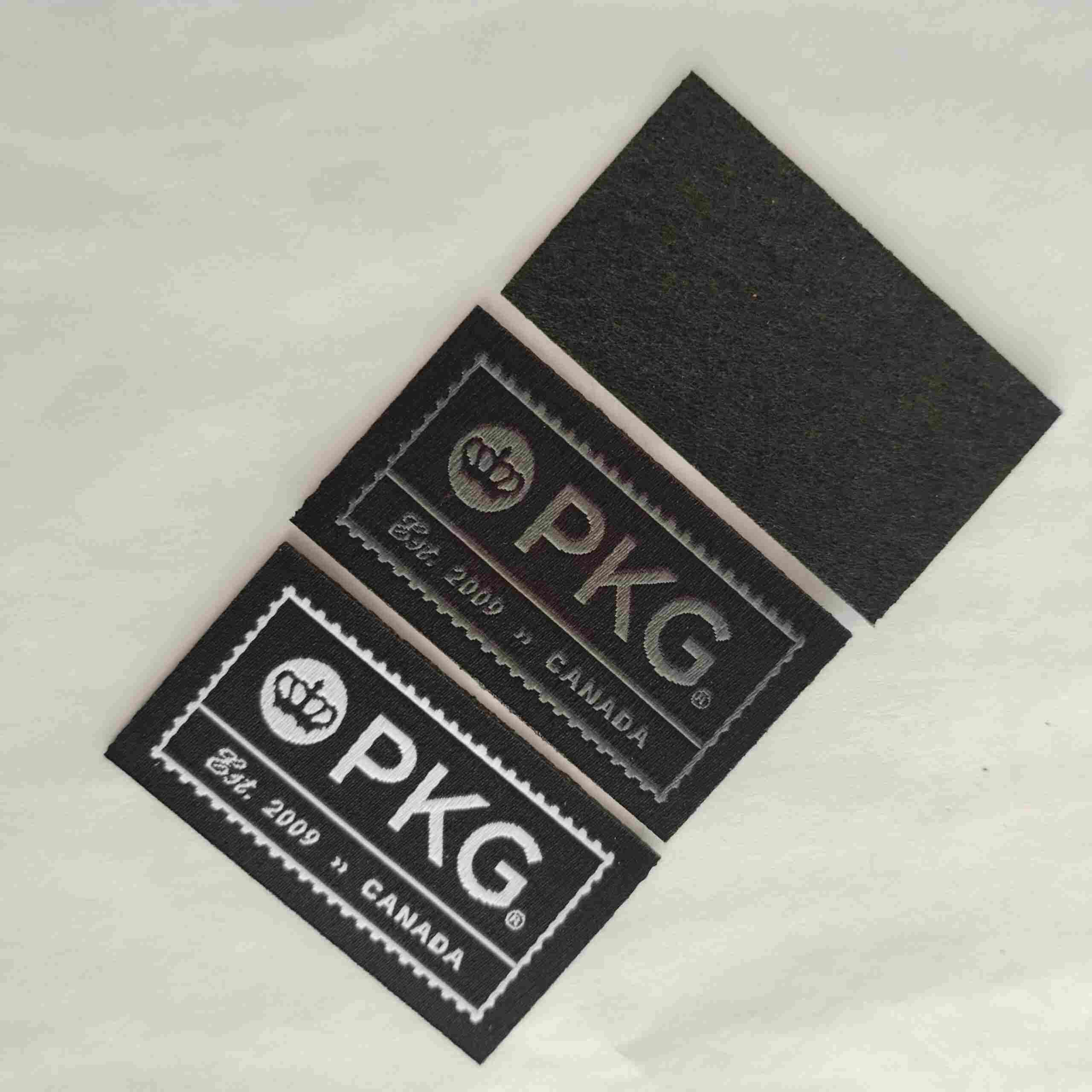
Why Custom Barcode Labels Matter
From inventory tracking to retail compliance, custom barcode labels transform your apparel into professional, retail-ready products with full traceability and brand control.
Inventory Accuracy & Tracking
Streamline warehouse operations and reduce stock errors with scannable custom barcode labels that integrate seamlessly with your inventory management system.
Retail & Marketplace Ready
Meet retailer requirements and marketplace standards instantly with compliant custom barcode labels formatted for Amazon, boutiques, and major retailers.
Full Product Traceability
Track every garment from production to delivery with unique barcode identifiers that enable quality control, returns management, and supply chain visibility.
Professional Brand Appearance
Elevate your brand perception with clean, high-quality custom barcode labels that communicate professionalism and attention to detail to wholesale buyers.
Flexible Format Options
Choose from UPC, EAN, QR codes, or custom formats with variable data printing to match your specific retail, warehouse, or distribution requirements.
Low MOQ Production Available
Add custom barcode labels to orders starting from just 50 pieces, perfect for startup brands testing retail channels or launching limited collections.
Labels & Tags for Every Brand Need
Custom Labels & Tags
Complete custom clothing labels and tags system for brand identity. ZORWILD provides full-service label customization including woven labels, printed labels, heat transfer labels, hang tags, and care labels. Low MOQ from 50 pieces with design support, material recommendations, and fast sampling for startup brands and established fashion labels.
Get a Quote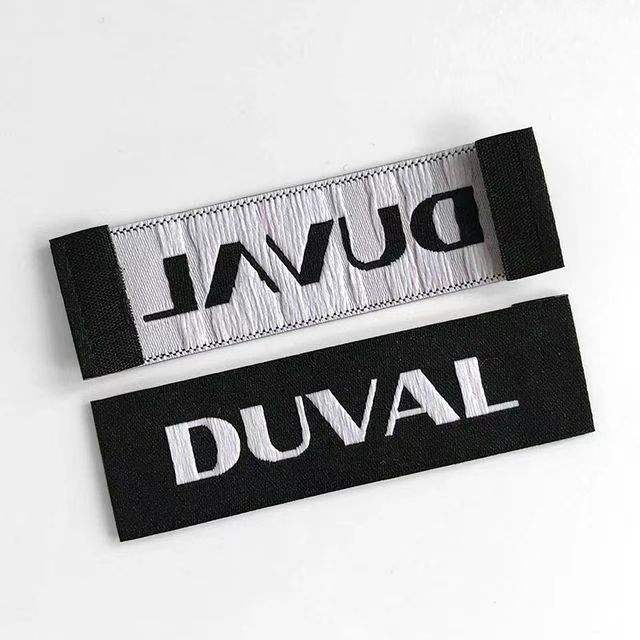
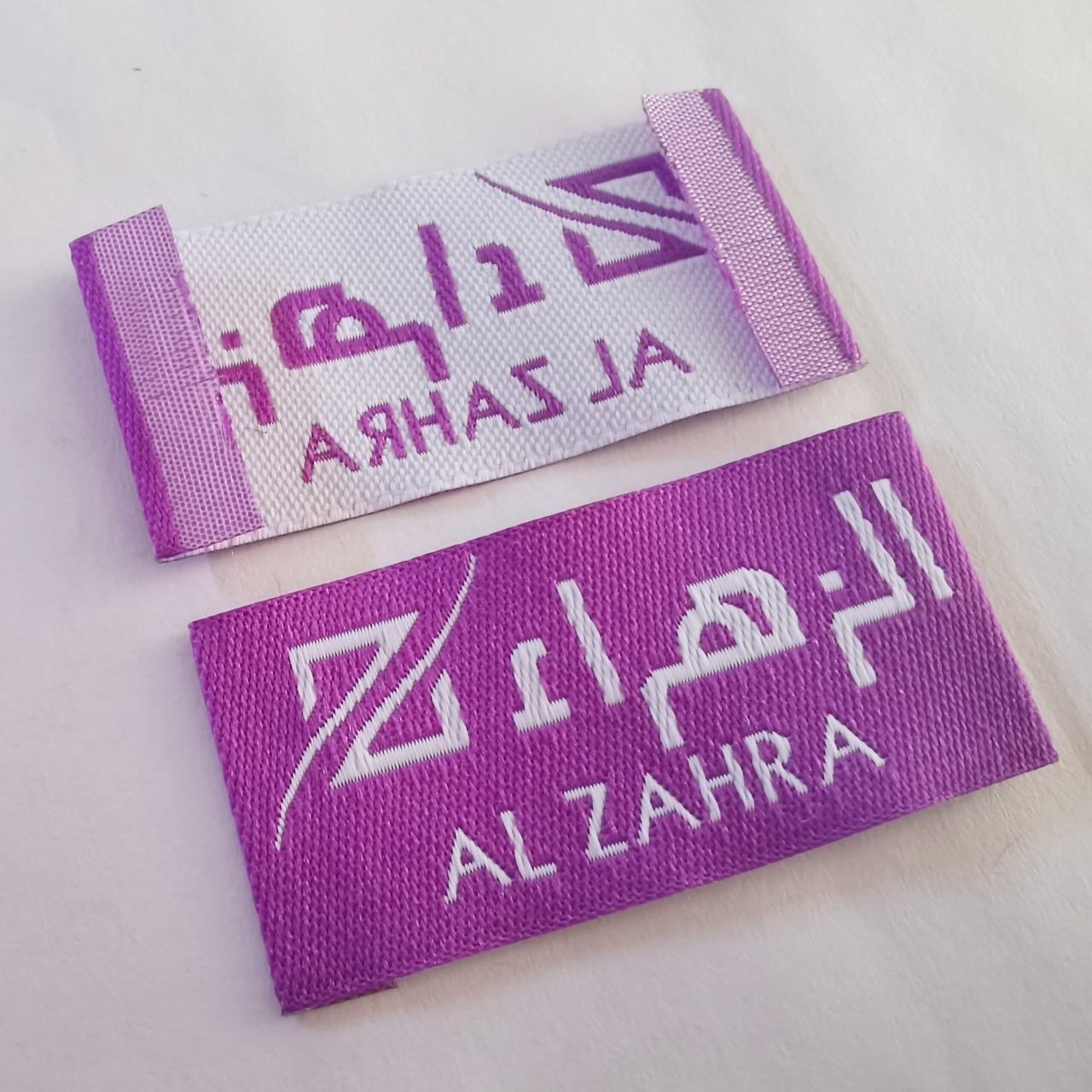
Main Label
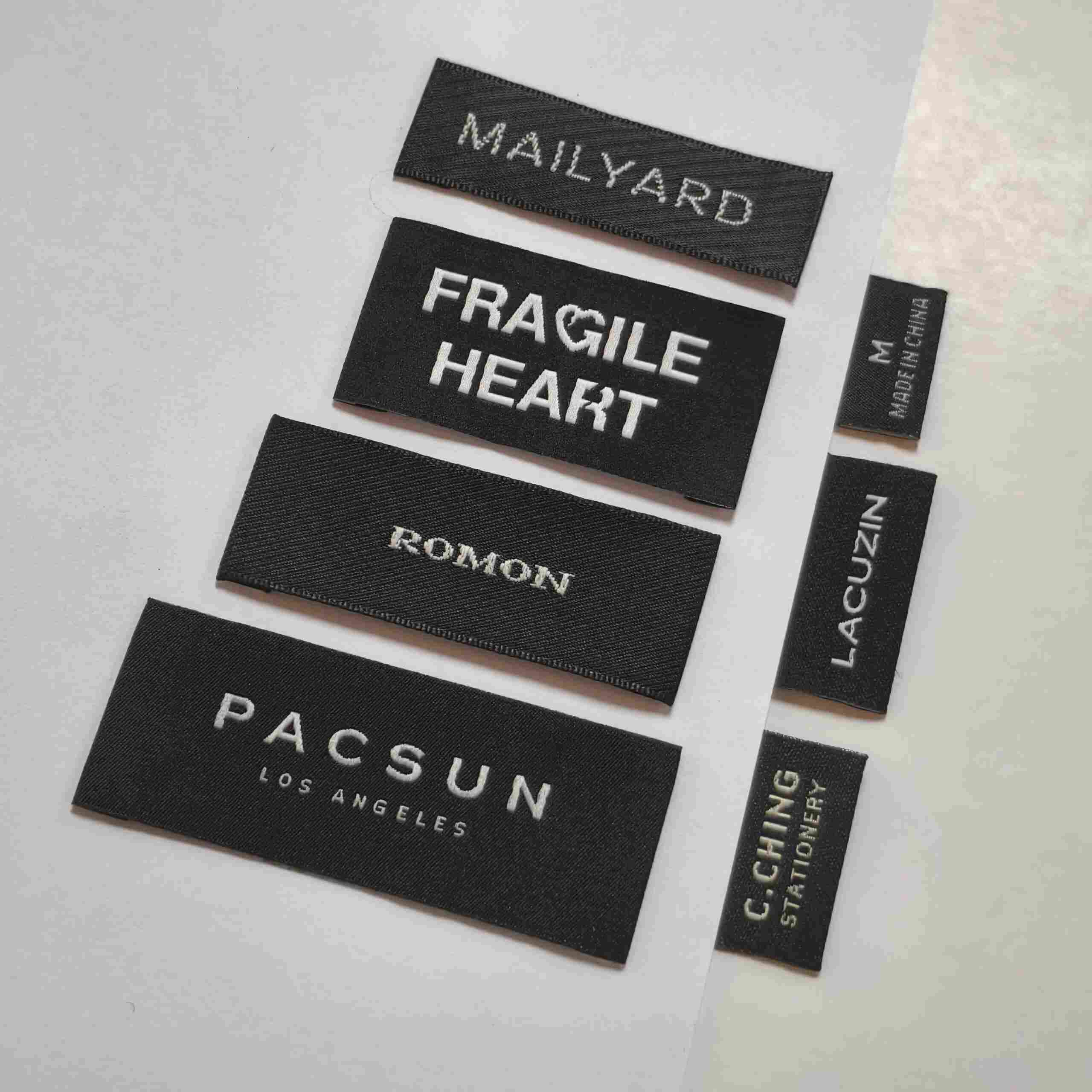
Custom main labels establish your brand identity on every garment. We manufacture woven main labels, printed fabric labels, and heat transfer main labels with logo artwork, brand name, and custom sizing. Available in damask, satin, taffeta, and cotton materials with folded, straight-cut, or loop-fold constructions for professional finishing.
Get a Quote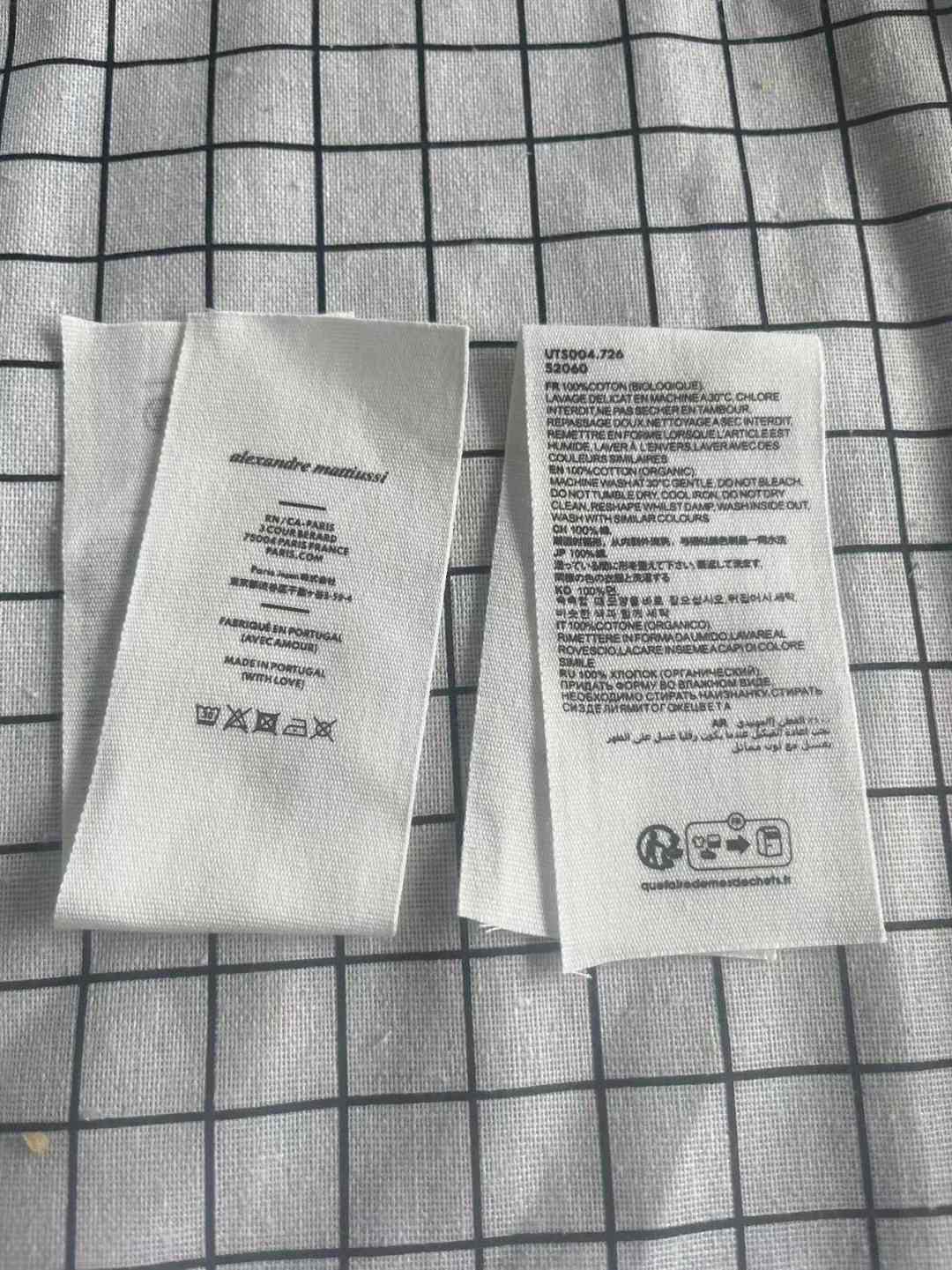
Wash / Care Label
Custom wash care labels provide essential garment care instructions and compliance information. Printed or woven care labels include washing symbols, fiber content, country of origin, and safety warnings. Available in soft satin, nylon taffeta, or eco-friendly materials with fade-resistant printing for long-lasting readability throughout garment lifecycle.
Get a Quote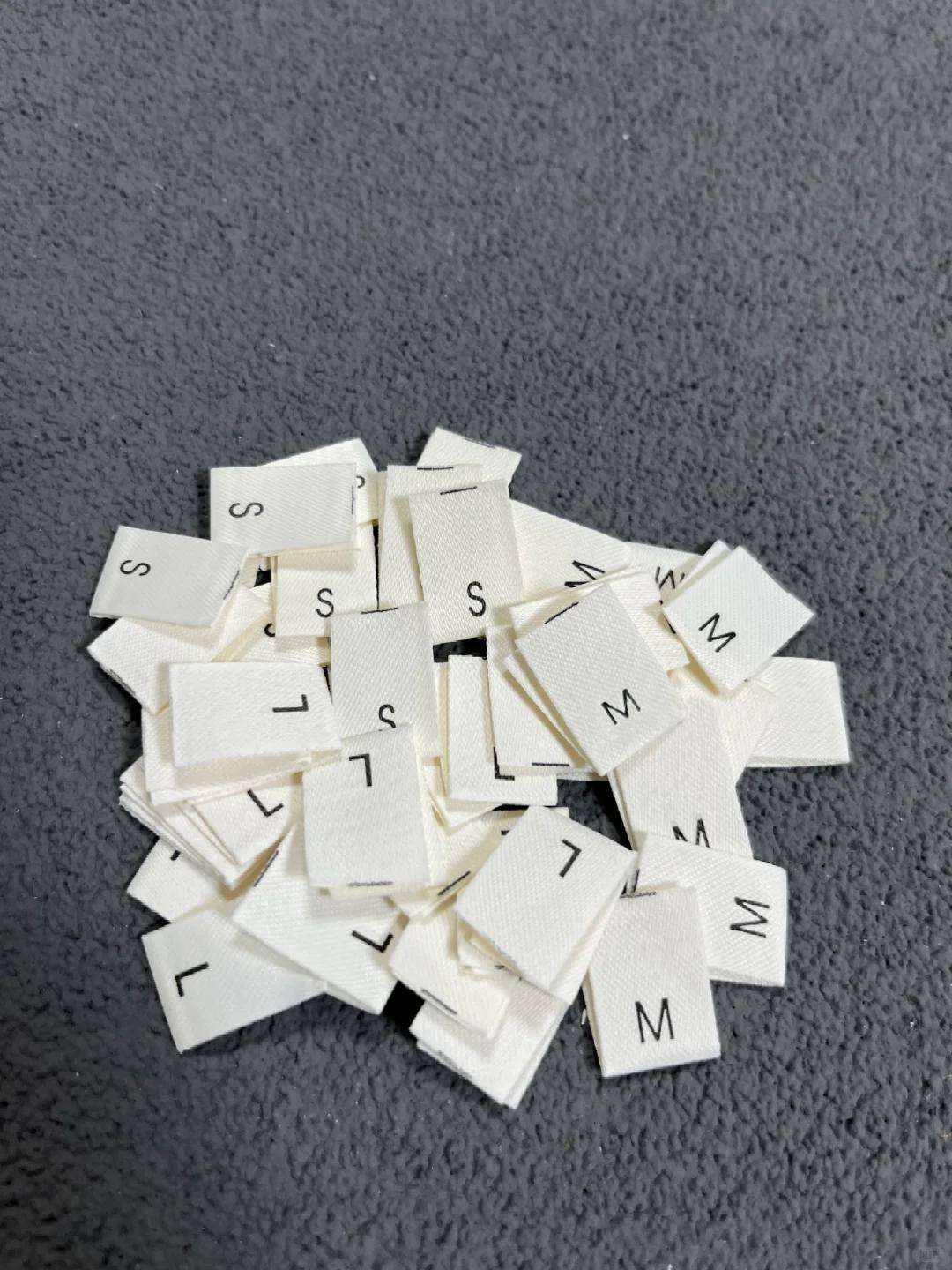
Size Label
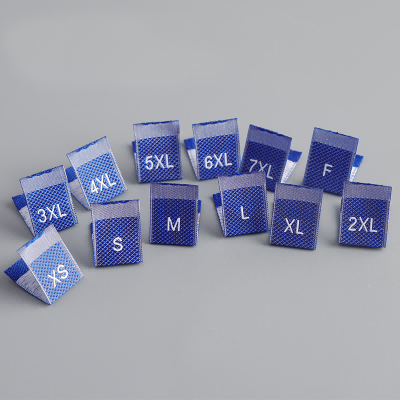
Custom size labels clearly communicate garment measurements and fit information. Manufactured as printed labels, woven damask labels, or heat transfer labels with size designation, measurement charts, and brand logo. Can be produced as standalone neck labels or integrated with main labels for streamlined construction and premium presentation.
Get a Quote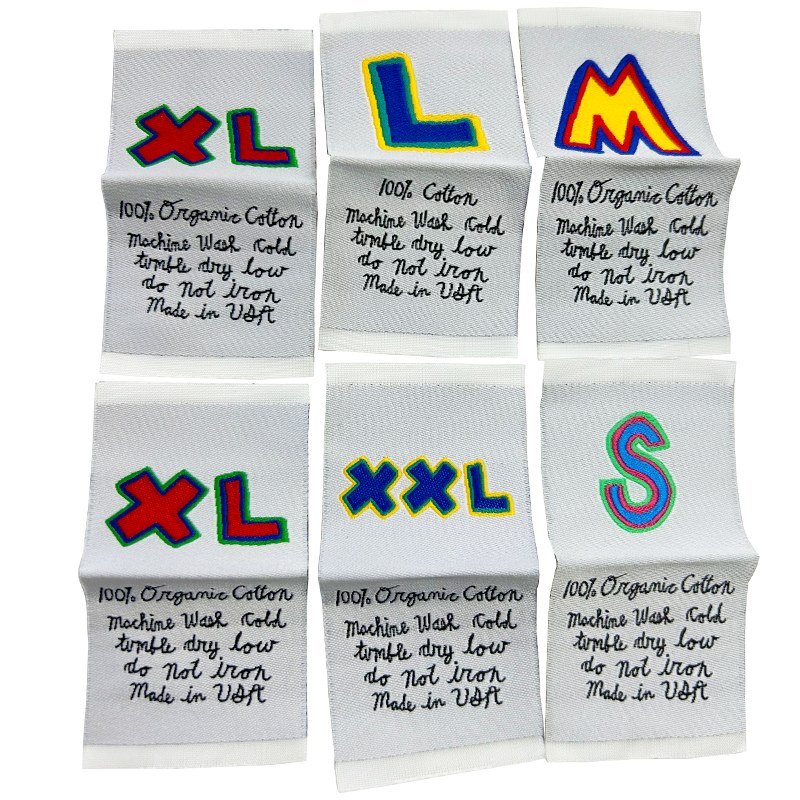
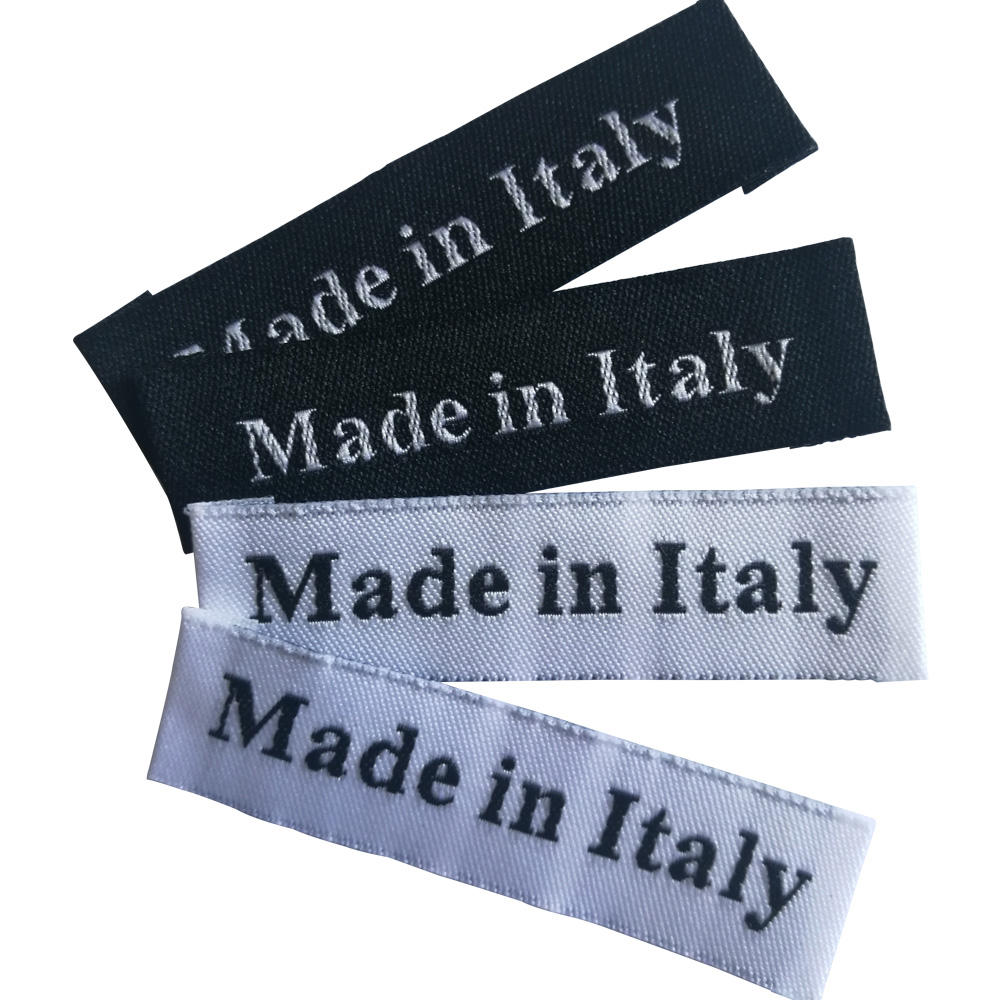
Made-In Label
Custom made-in labels display country of origin and manufacturing information for compliance and brand transparency. Woven or printed construction with country name, factory location, and optional brand elements. Essential for import regulations, customs clearance, and consumer disclosure across United States, European Union, Canada, and international markets.
Get a Quote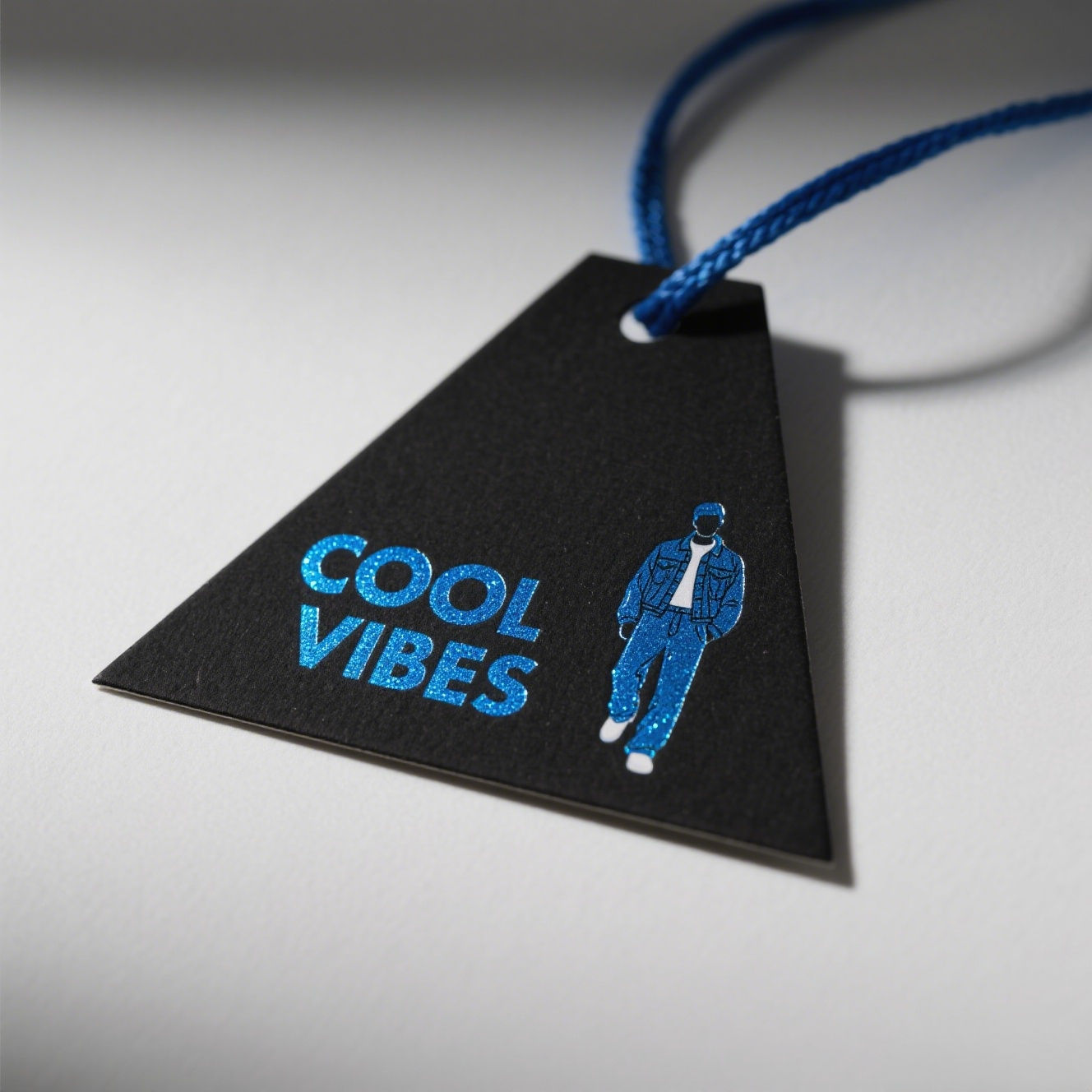
Hang Tag
Custom hang tags create powerful first impressions and communicate brand story at point of sale. ZORWILD produces die-cut hang tags, folded tags, booklet tags, and specialty tags using cardstock, kraft paper, or premium materials. Includes custom printing, embossing, foil stamping, barcode integration, and string or plastic fastener attachment.
Get a Quote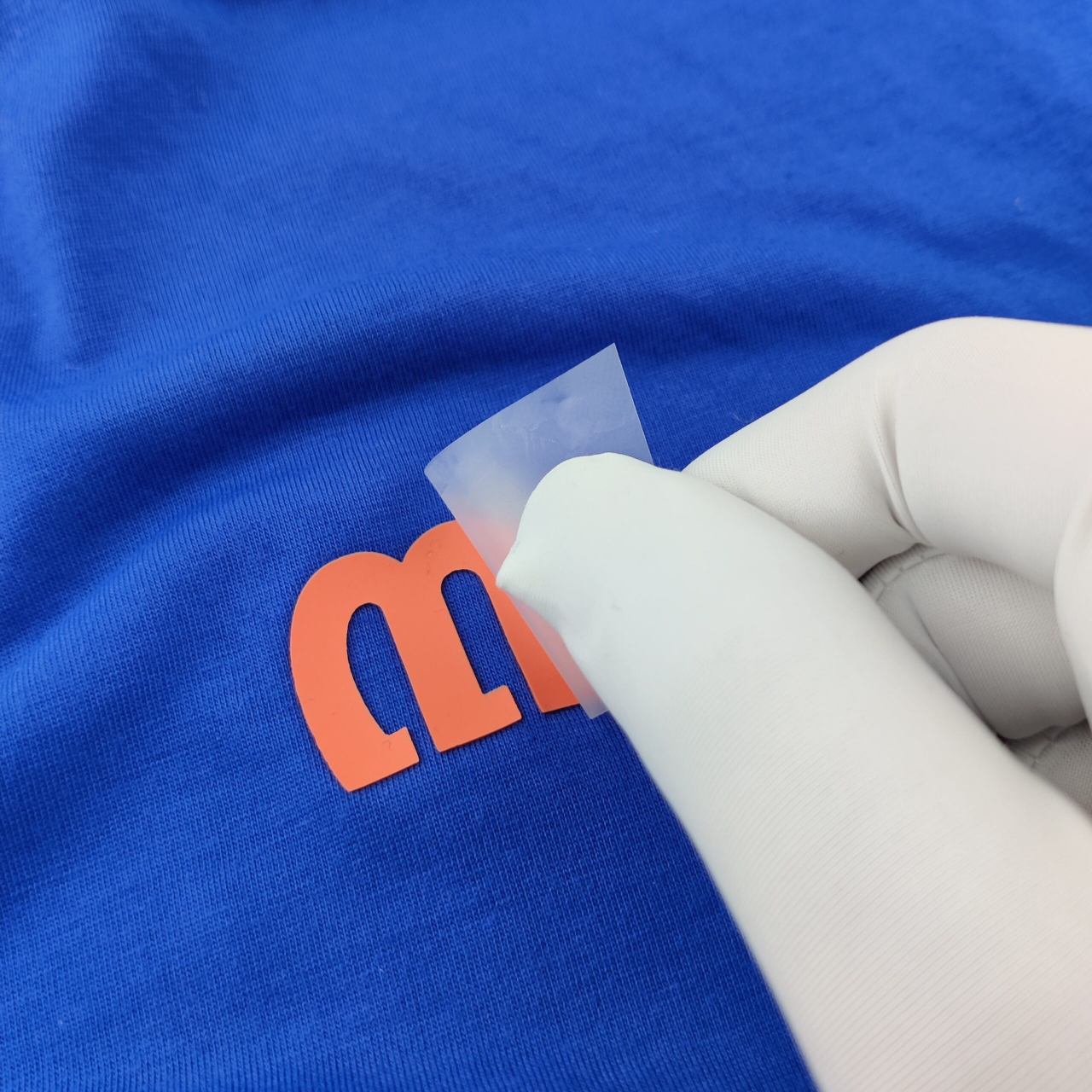
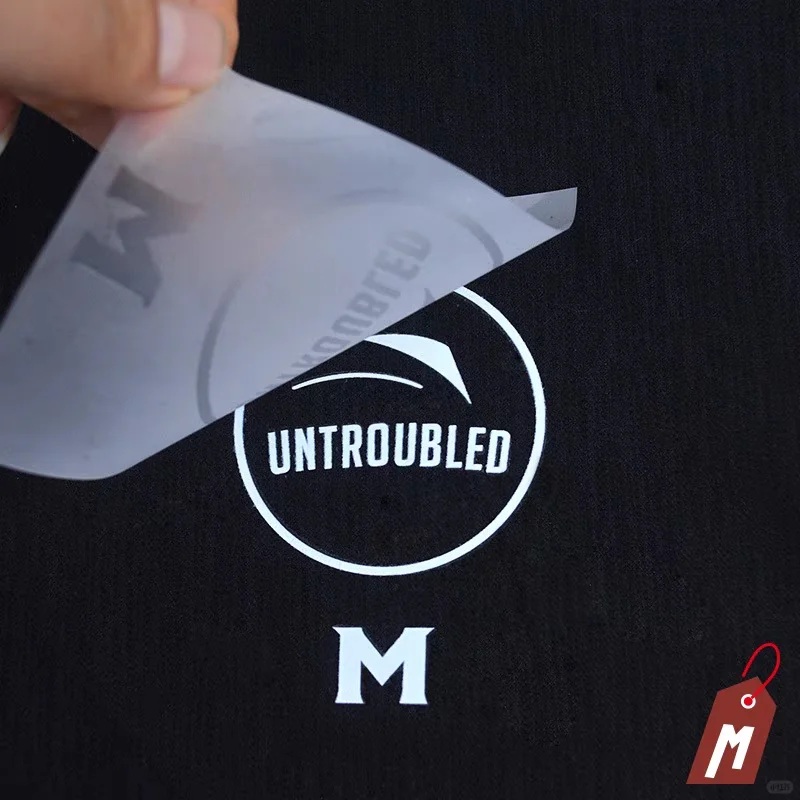
Heat Transfer Label
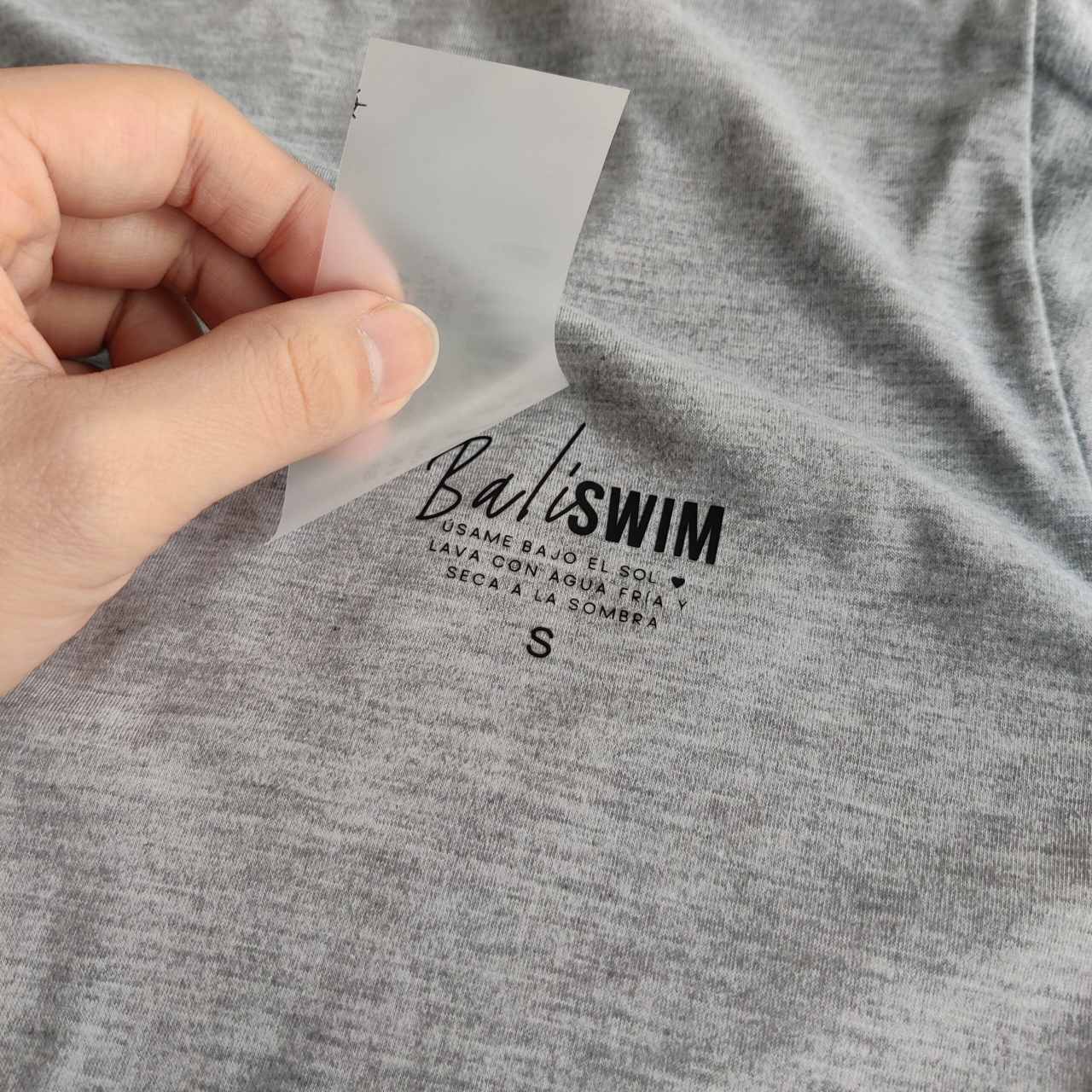
Heat transfer labels offer seamless branding without traditional stitched labels for enhanced comfort. Printed on specialized transfer film and heat-pressed onto garment interior with brand logo, care instructions, and size information. Ideal for activewear, performance apparel, sensitive-skin products, and modern minimalist fashion brands seeking tagless solutions.
Get a Quote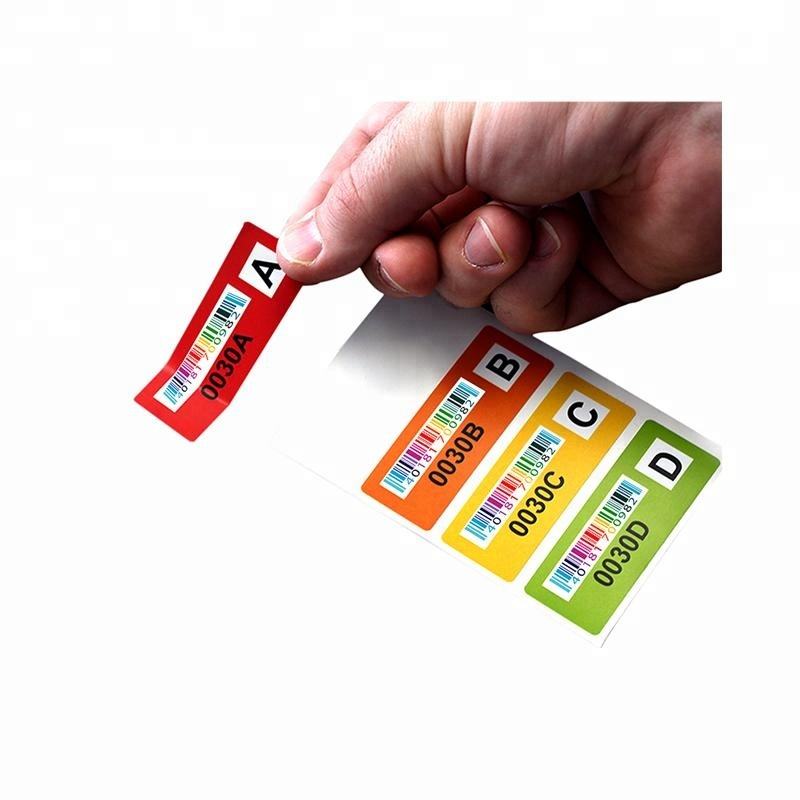
RFID Tag
Custom RFID tags enable inventory tracking, anti-theft protection, and supply chain visibility for modern retail operations. Embedded radio frequency identification chips in hang tags or sewn-in labels provide unique product identification. Supports inventory management systems, point-of-sale integration, authentication verification, and omnichannel retail fulfillment for growing brands.
Get a Quote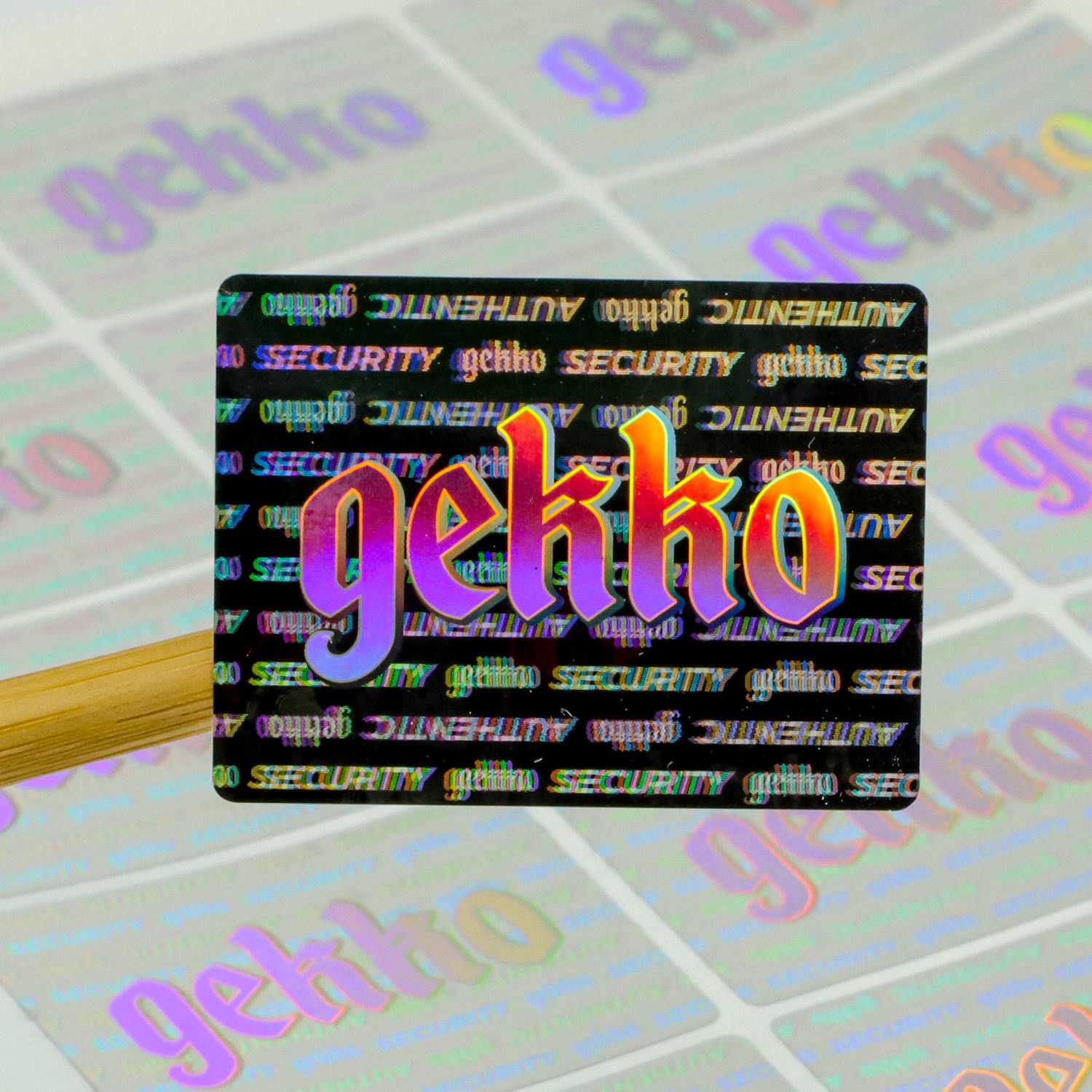
Anti-Counterfeit Label
Anti-counterfeit labels protect brand integrity and product authenticity through security features. Holographic labels, QR code verification tags, serialized labels, tamper-evident seals, and UV-reactive elements prevent unauthorized reproduction. Essential for premium brands, luxury fashion, licensed products, and brands entering markets with high counterfeit risk and intellectual property concerns.
Get a QuoteCustom Barcode Label Manufacturing Since 1998
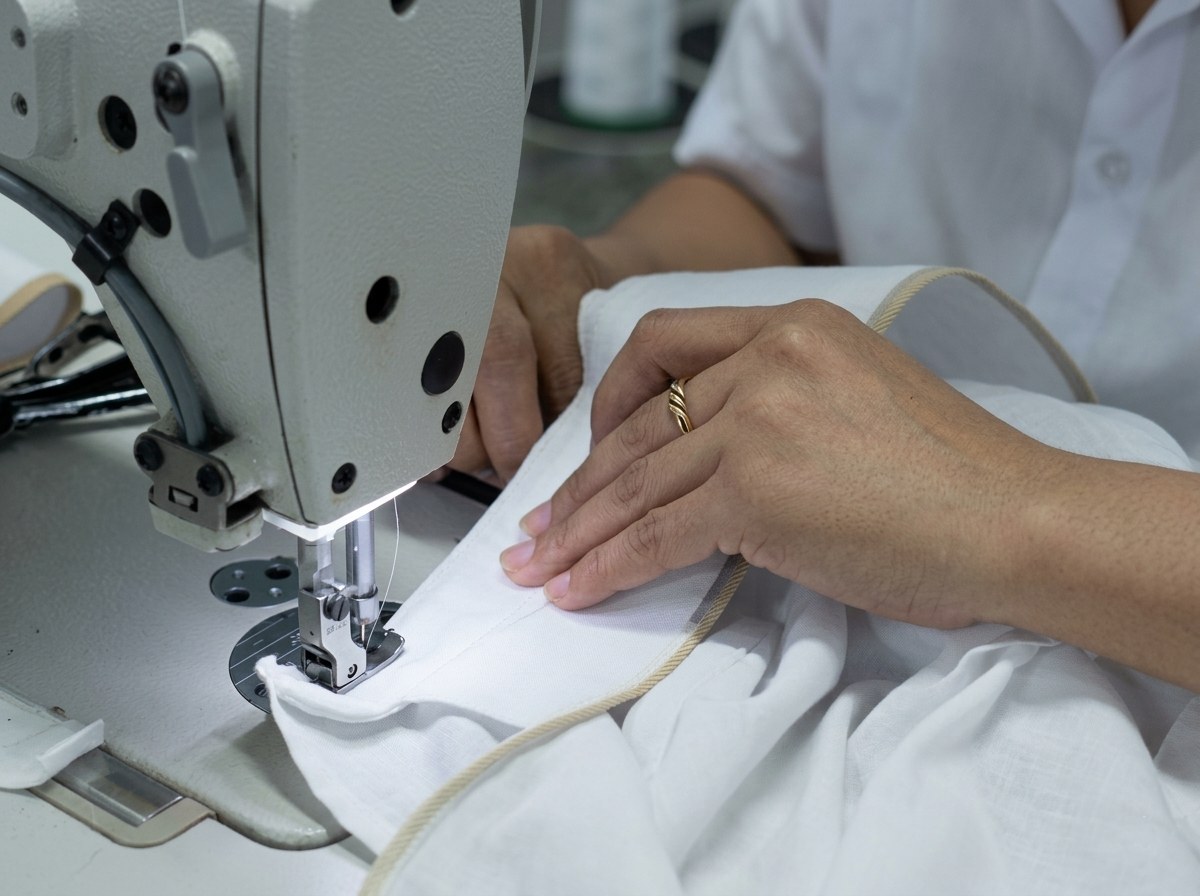
ZORWILD has manufactured custom barcode labels and apparel branding solutions for over 27 years from our Humen, Dongguan facility. Founded in 1998, we’ve grown from a family garment workshop into a full-stack apparel manufacturer serving more than 2,000 fashion brands worldwide with integrated label production, packaging customization, and complete brand identity systems.
Our in-house label and accessory production capabilities include custom barcode labels, woven labels, printed labels, hang tags, care labels, and branded packaging—all seamlessly integrated into your garment manufacturing process. From 50-piece startup runs to monthly production exceeding 100,000 units, we deliver professional custom barcode label solutions with the same rigorous quality control standards applied to every garment we produce.
With 95% of decoration and finishing techniques handled in-house and a 6-stage quality control system, ZORWILD ensures your custom barcode labels meet retail compliance standards, scan accurately, and reflect your brand’s professional image across every product category from streetwear hoodies to luxury outerwear.
Custom Barcode Label Production Craftsmanship
Barcode Encoding Accuracy & Compliance
Every custom barcode label undergoes strict encoding verification to ensure flawless scanning across retail systems. Our 27-year manufacturing expertise guarantees UPC, EAN, Code 128, and QR code formats meet international retail compliance standards for seamless inventory management.
- Multi-format barcode support including UPC-A, EAN-13, Code 39, Code 128, and QR codes
- Pre-production scanning verification across handheld and fixed retail scanners
- Print resolution control ensuring minimum 300 DPI for crisp, readable barcodes
- Compliance testing for major retail platforms including Amazon, Walmart, Target, and international retailers
Label Material & Printing Techniques
ZORWILD offers diverse material options for custom barcode labels including woven polyester, satin, taffeta, nylon, and specialty synthetic blends. Our in-house printing capabilities support thermal transfer, screen printing, digital printing, and woven construction with fade-resistant inks for long-lasting readability.
- Thermal transfer printing for high-contrast barcodes with excellent wash durability
- Woven labels with integrated barcode patterns for premium luxury garments
- Water-resistant and heat-resistant materials suitable for activewear and outdoor apparel
- Custom size options from compact 1-inch labels to oversized 4-inch formats
Adhesive & Sewn-In Application Methods
Choose between permanent adhesive backing for quick application or sewn-in construction for maximum durability. Our factory provides application guidance tailored to garment type, fabric weight, and brand positioning, ensuring custom barcode labels stay secure through production, shipping, and retail handling.
- Industrial-grade permanent adhesive with strong bonding to polyester, cotton, and blended fabrics
- Sewn-in labels with reinforced stitching for heavyweight outerwear and premium collections
- Heat-seal application for seamless integration without visible stitching or adhesive residue
- Placement consultation for side seams, care label areas, or hidden interior pockets
Durability Testing & Quality Control
All custom barcode labels pass through ZORWILD’s 6-stage quality control system including wash testing, abrasion resistance, scanning performance after aging, and adhesive bond strength verification. Our Humen Dongguan facility ensures every label meets retail durability standards before shipment to your brand.
- Wash durability testing up to 50 cycles simulating commercial and home laundering
- Barcode readability verification after exposure to heat, moisture, and friction
- Adhesive peel strength testing ensuring labels remain intact through handling and shipping
- Final inspection of print clarity, barcode alignment, and material integrity before packaging
Custom Barcode Label vs. Standard Care Label
Understanding the key differences helps you choose the right labeling solution for inventory management, retail compliance, and brand presentation across your apparel production.
← 左右滑动查看 →
Custom Barcode Label Production Process
From artwork digitizing to final quality inspection, our 6-stage custom barcode label production system ensures accurate scanning, consistent printing quality, and reliable adhesion for every label we manufacture.
Artwork & Barcode Encoding
Your brand artwork and product data are digitized and encoded into scannable barcode formats including UPC, EAN, QR, Code 128, and custom symbologies with resolution verification and scan testing to ensure retail compliance and accurate data capture.
Material Selection & Preparation
Label materials are selected based on garment type, washing requirements, and durability needs including satin, taffeta, polyester, nylon, paper stock, and synthetic blends with pre-treatment for optimal ink adhesion and colorfastness performance.
Printing or Weaving Application
Barcode graphics are applied using thermal transfer printing, digital printing, screen printing, or jacquard weaving depending on label type and volume with real-time color calibration, registration accuracy checks, and barcode contrast ratio validation to maintain scanability.
Precision Die-Cutting & Shaping
Labels are die-cut to exact dimensions using custom steel-rule dies or laser cutting systems with edge quality inspection, dimensional tolerance verification within ±0.5mm, and burr removal to ensure clean edges and professional appearance for brand presentation.
Backing & Adhesive Application
Heat-seal backing, pressure-sensitive adhesive, or sew-in construction is applied based on garment attachment method with adhesive strength testing, peel force measurement, wash durability validation, and backing alignment inspection to ensure secure long-term attachment.
Quality Control & Scan Testing
Every custom barcode label undergoes final inspection including barcode scan verification using commercial scanners, print quality assessment, color accuracy validation, dimensional checks, adhesive performance testing, and packaging inspection before shipment to guarantee retail-ready performance and full compliance.
How to Add Custom Barcode Labels to Your Order
Integrating custom barcode labels into your apparel production is simple with ZORWILD’s streamlined process, ensuring accurate tracking and professional finishing for every garment.
Submit Barcode Data and Artwork
Provide your barcode numbers, format specifications, and any additional branding artwork. Our team reviews all data for accuracy and production compatibility before sampling.
Confirm Placement and Attachment Method
Select label placement location on your garments and choose attachment method—sewn-in, heat-sealed, or adhesive—based on your product category and brand requirements.
Production Alongside Your Garments
Custom barcode labels are manufactured and applied during your main production run using our 6-stage quality control system to ensure perfect alignment, readability, and retail compliance.
Shipped Integrated with Final Products
Your finished garments arrive with custom barcode labels already attached, ready for inventory management, retail distribution, or direct-to-consumer fulfillment without additional processing.
Customer Success with Custom Barcode Labels
Adding custom barcode labels to our hoodie production cut our warehouse processing time by 40%. ZORWILD’s system integrated perfectly with our Shopify inventory, and retail compliance became automatic. Complete game changer for our fulfillment speed.
We launched into three boutique chains and they required GS1-compliant barcode labels on every garment. ZORWILD handled the entire setup at 50-piece MOQ, printed and applied flawlessly. Saved us weeks and got us shelf-ready immediately.
Our return rate from shipping errors dropped 65% after we added custom barcode labels with SKU tracking. ZORWILD’s quality control caught mismatches before shipment. The labels scan perfectly every time and look professional on our packaging.
Custom Barcode Label FAQs
What barcode formats can ZORWILD print on custom barcode labels?
What file format do I need to provide for custom barcode label production?
Are custom barcode labels washable and durable on garments?
How are custom barcode labels attached to apparel products?
Can I combine custom barcode labels with other branding labels in one order?
What lead time should I expect for custom barcode label production?
Do custom barcode labels work with retail POS and inventory systems?
Can I order custom barcode labels for a small batch or test collection?
What information can be included on a custom barcode label besides the barcode?
The Complete Buyer’s Guide to Custom Barcode Labels for Your Brand
1. What Are Custom Barcode Labels?
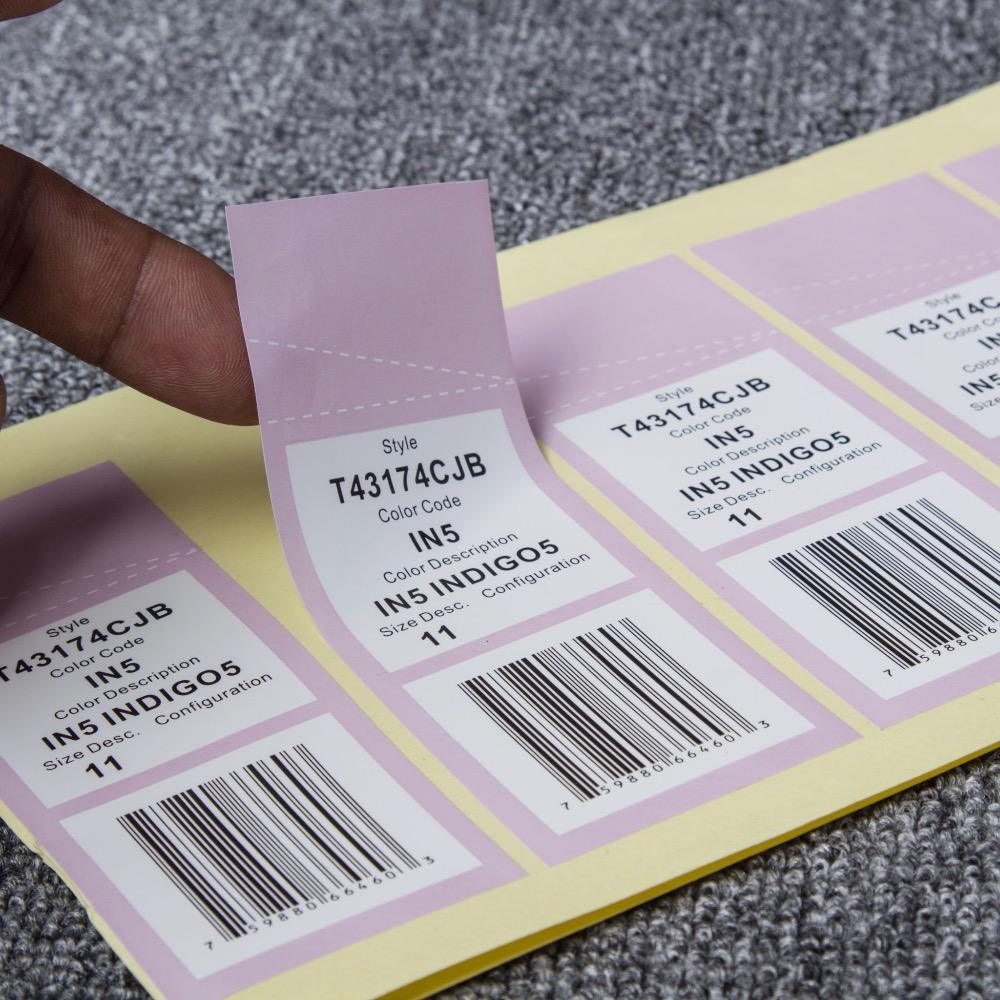
A custom barcode label is a scannable identification tag tailored to a brand’s specific product data, visual identity, and retail compliance requirements. Unlike generic pre-printed labels that carry only a barcode and serial number, custom solutions integrate brand logos, color schemes, product information, and specialized adhesive backing to support both inventory management and customer-facing presentation. Standard labels are produced in bulk with fixed symbology and generic layouts, while custom barcode labels allow brands to select the barcode type, adjust label dimensions, embed brand elements, and choose materials suited to their product category and distribution channels.
Every custom barcode label includes four core components: barcode symbology, human-readable text, branding elements, and adhesive backing. Symbology options include UPC for North American retail, EAN-13 for international markets, Code 128 for warehouse logistics, and QR codes for mobile scanning and enhanced product information. Human-readable text displays the numeric or alphanumeric code beneath the barcode for manual entry when scanners fail. Branding elements such as logos, product names, care instructions, and SKU identifiers transform functional labels into cohesive brand touchpoints. Adhesive backing varies by application, with permanent adhesives for hang tags and removable options for temporary inventory tracking.
Brands choose custom barcode labels to meet retailer compliance mandates, reduce inventory errors, improve warehouse efficiency, and maintain visual consistency across packaging, hang tags, and shipping cartons. ZORWILD supports custom barcode label integration for apparel brands requiring low MOQ production starting at 50 pieces, enabling startups and small wholesalers to launch retail-ready collections with professional labeling from their first order.
2. Evolution of Custom Barcode Labels in Modern Commerce
In 1974, the first UPC barcode was scanned on a pack of Wrigley’s chewing gum at an Ohio supermarket, launching a retail revolution that standardized inventory tracking and checkout automation across North America. By the mid-1980s, barcode adoption had spread globally, with retailers mandating supplier compliance and manufacturers printing basic black-and-white labels focused purely on machine readability and cost efficiency.
The rise of e-commerce between 2000 and 2010 introduced new labeling requirements as Amazon, eBay, and third-party logistics providers demanded scannable codes that integrated with warehouse management systems, SKU tracking, and multi-channel fulfillment. Apparel brands began embedding GS1-compliant barcodes alongside size labels, care instructions, and brand logos, transforming labels from utilitarian tags into multi-functional brand assets that supported both retail POS systems and online order accuracy.
From 2015 onward, QR codes and NFC tags enabled custom barcode labels to bridge physical products and digital experiences, allowing customers to access authentication certificates, styling videos, sustainability reports, and loyalty programs via smartphone scans. Simultaneously, brands shifted toward eco-friendly label substrates including recycled paper, biodegradable synthetics, and water-based inks to meet consumer demand for sustainable packaging and comply with extended producer responsibility regulations in the EU and North America.
Today’s custom barcode label serves as a strategic brand touchpoint that balances regulatory compliance, supply chain efficiency, anti-counterfeiting measures, and customer engagement, with manufacturers offering low-MOQ digital printing, variable data integration, and full-color customization to support startup brands and established labels alike.
3. Types of Custom Barcode Labels for Different Applications
Modern apparel brands require different custom barcode label types depending on product destination, regulatory environment, and supply chain complexity. Matching label type to business model ensures compliance, operational efficiency, and brand consistency across retail, logistics, and inventory systems.
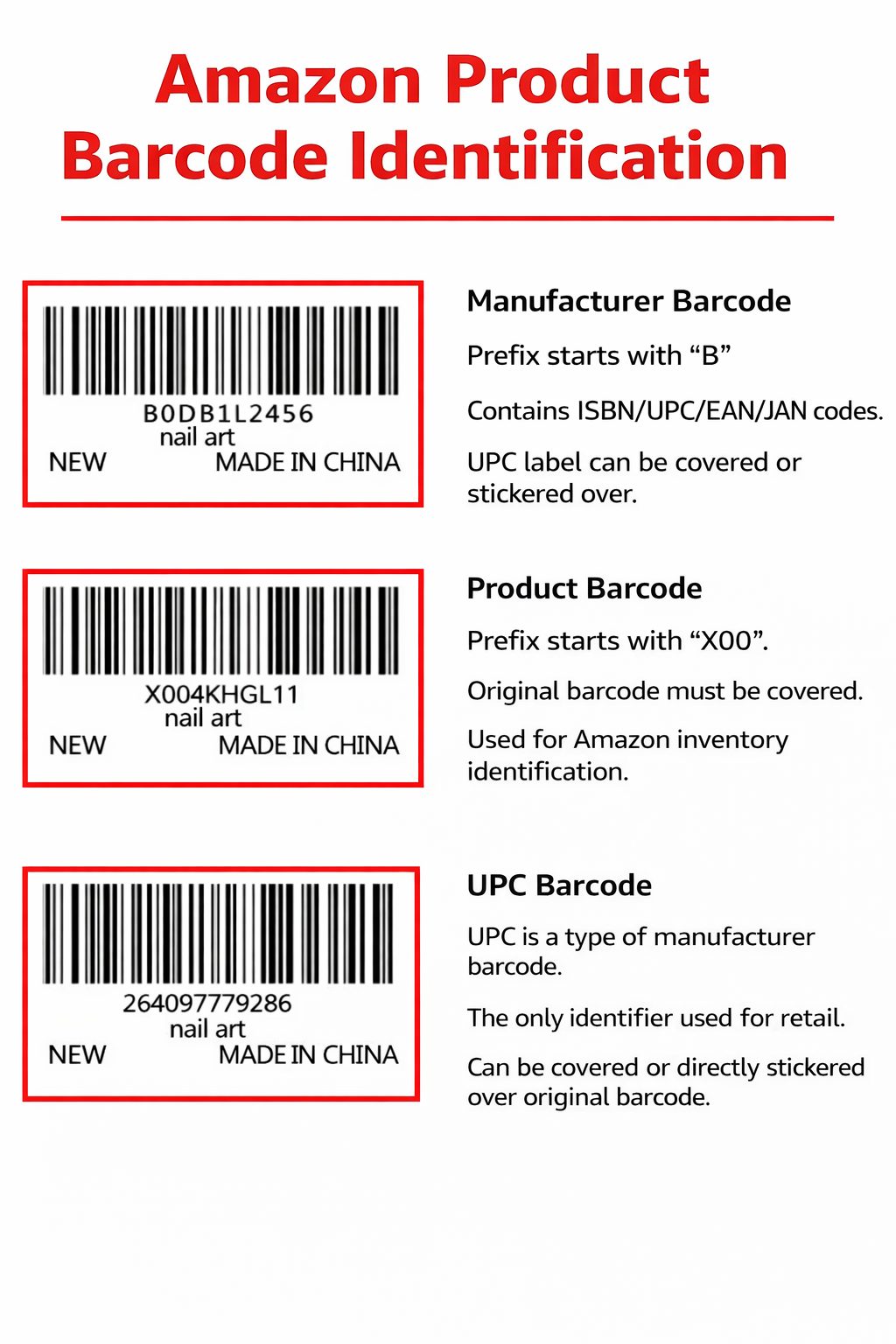
Retail Product Labels (UPC/EAN)
UPC-A (12-digit) and EAN-13 (13-digit) symbologies dominate point-of-sale scanning in North America and international markets. Retail product labels must survive handling, folding, and moisture exposure during display and purchase.
Paper and synthetic substrates with permanent adhesive are standard. Labels integrate brand logos, care instructions, size codes, and pricing alongside the barcode to maximize hang-tag real estate and deliver professional brand presentation.
Shipping and Logistics Labels
Code 128 and GS1-128 symbologies encode shipment data including carton counts, destination codes, and batch numbers for warehouse and freight operations. These labels withstand rough handling, temperature swings, and scanner reads at multiple checkpoints.
Durable paper or polypropylene with strong adhesive ensures labels remain legible through international transit. Many apparel manufacturers apply shipping labels to master cartons and inner polybags for multi-tier tracking.
Asset Tracking and Inventory Labels
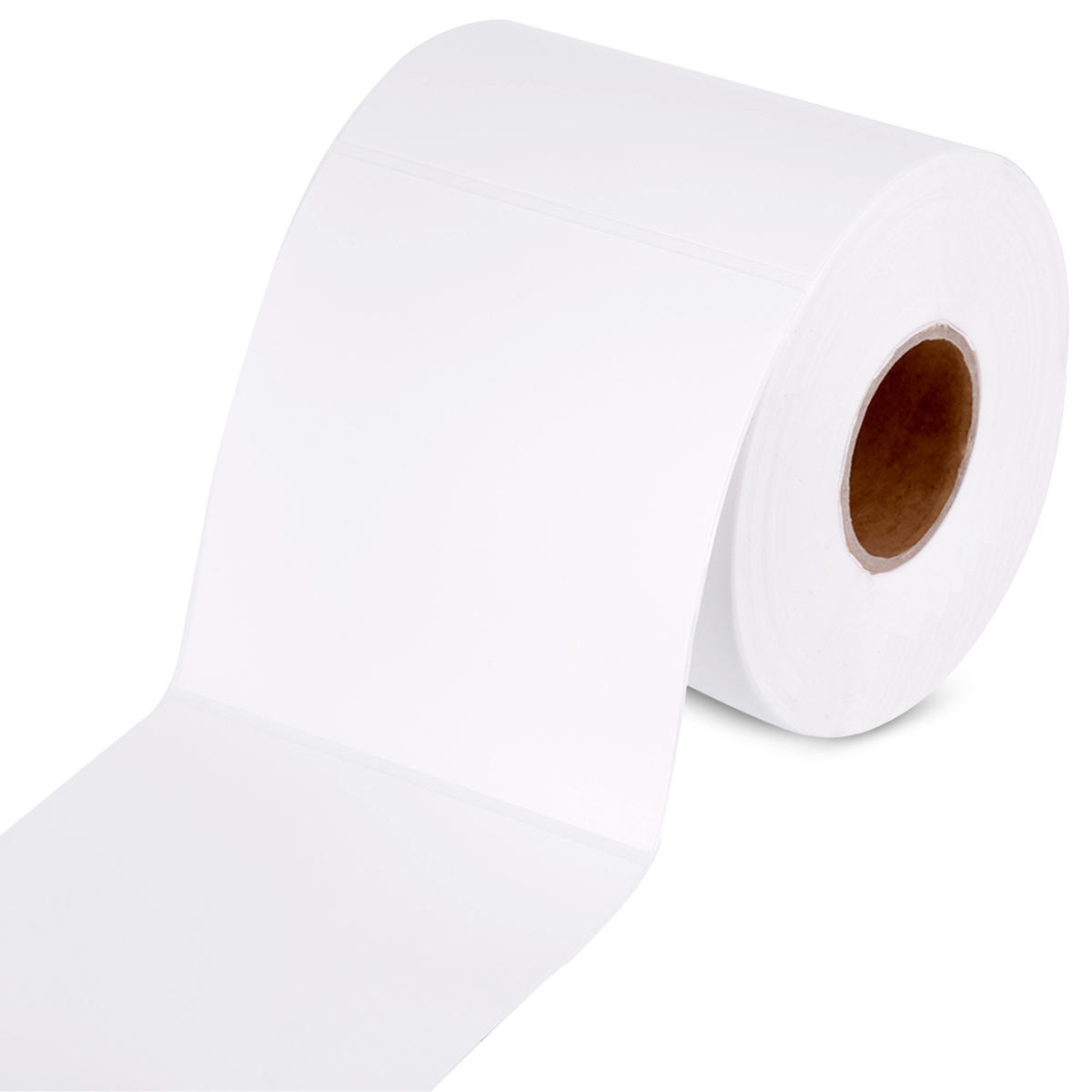
Asset tracking labels use Code 39, Code 128, or QR codes on durable polyester, vinyl, or metal substrates to survive years of handling in warehouses and retail stockrooms. Permanent or ultra-removable adhesives suit different inventory workflows.
Apparel brands apply these labels to hangers, bins, and reusable packaging to monitor stock movement, reduce shrinkage, and automate cycle counts across distribution networks.
Promotional and QR Code Labels
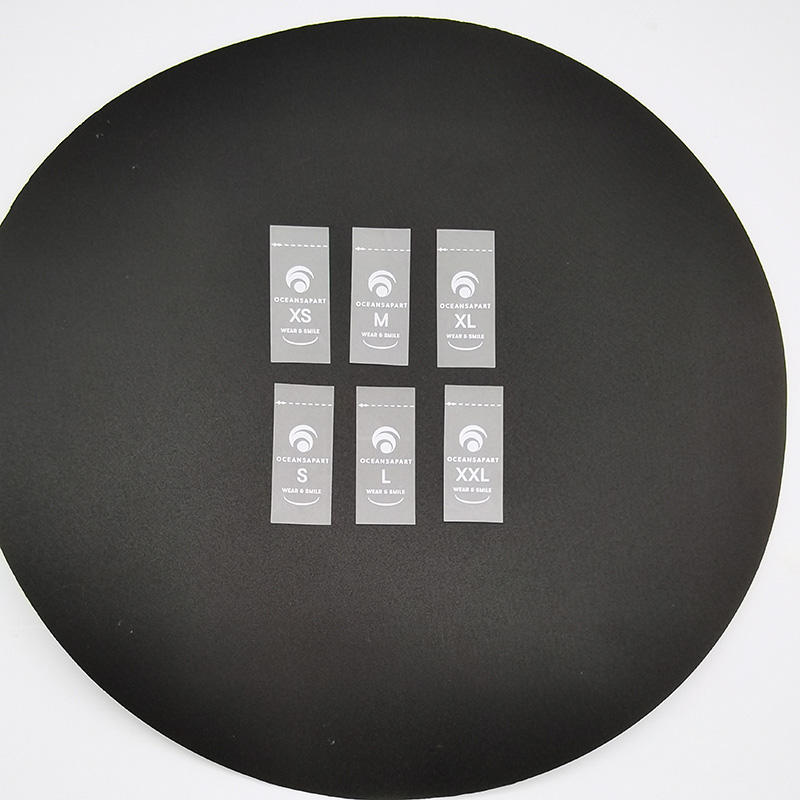
QR code labels link customers to product stories, care videos, authenticity certificates, or social media campaigns. Brands combine QR symbology with full-color printing, metallic foils, and custom die-cuts to reinforce premium positioning.
Coated paper and clear polyester substrates support high-resolution graphics. Removable adhesive allows customers to peel and apply labels to personal items, extending brand engagement beyond the garment.
Compliance and Regulatory Labels
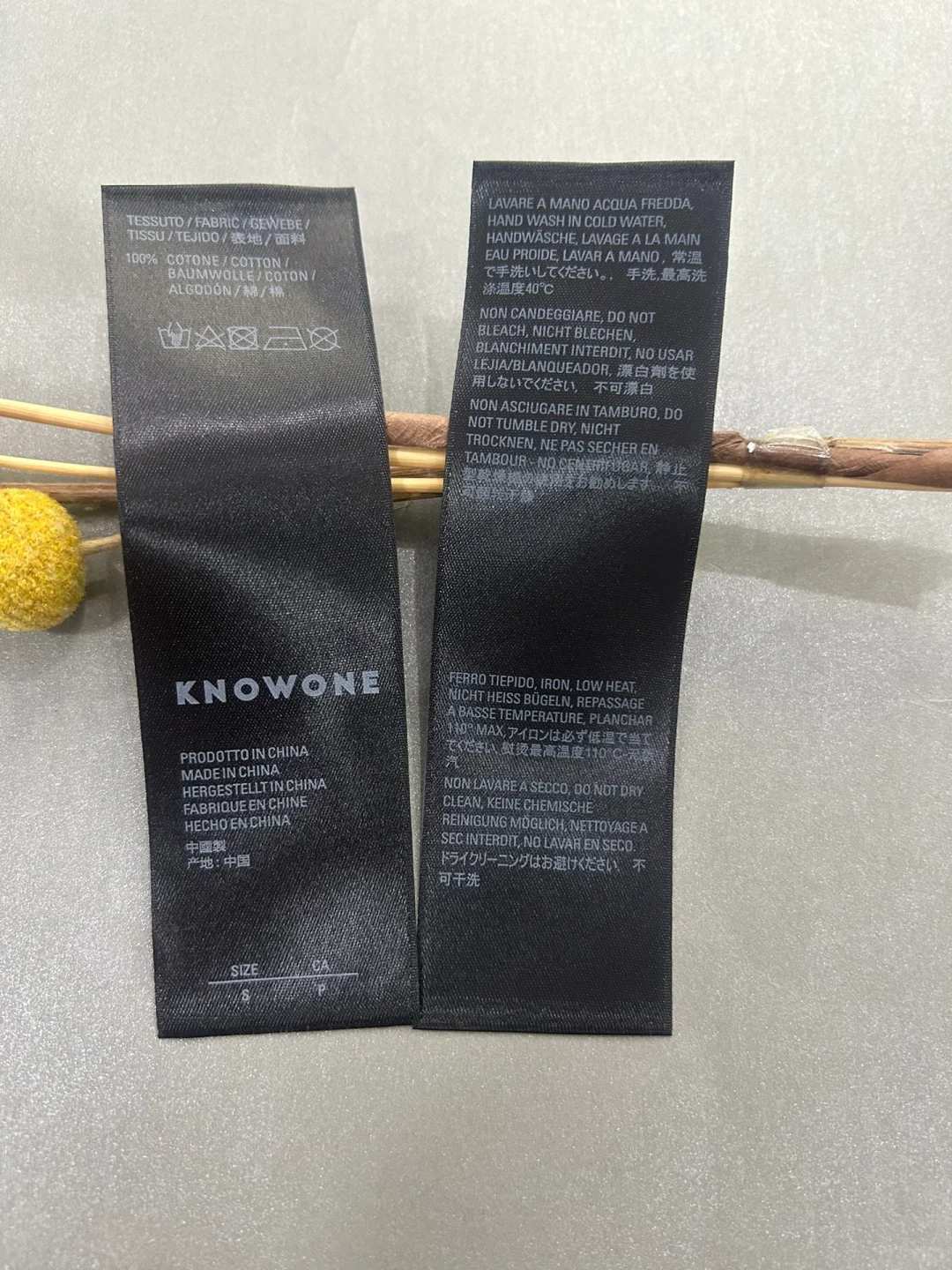
FDA, FTC, and GHS regulations require specific label formats for fiber content, country of origin, care instructions, and safety warnings. Compliance labels often combine human-readable text with barcodes for traceability audits.
Permanent adhesive and fade-resistant inks ensure labels remain legible through garment life. Many apparel manufacturers integrate compliance data into main labels or print separate sewn-in tags to meet regional requirements.
4. Materials and Substrates for Custom Barcode Labels
Material selection determines label lifespan, scan reliability, and total cost across warehouse, retail, and cold-chain environments. ZORWILD works with label suppliers across Dongguan to match substrate and adhesive to your operational conditions.
| Material Type | Durability Rating | Typical Applications | Relative Cost |
|---|---|---|---|
| Thermal Paper | 6–12 months indoor | Shipping labels, warehouse picking tickets | Lowest (1×) |
| Semi-Gloss Paper | 12–18 months indoor | Retail hang tags, product labels | Low (1.2×) |
| Polypropylene (BOPP) | 24+ months, water-resistant | Bottles, cosmetics, outdoor gear | Medium (1.8×) |
| Polyester (PET) | 36+ months, -40°C to +150°C | Electronics, automotive, industrial assets | High (2.5×) |
| Vinyl | 36+ months, UV/chemical resistant | Outdoor signage, chemical drums | High (3×) |
Paper-Based Label Materials
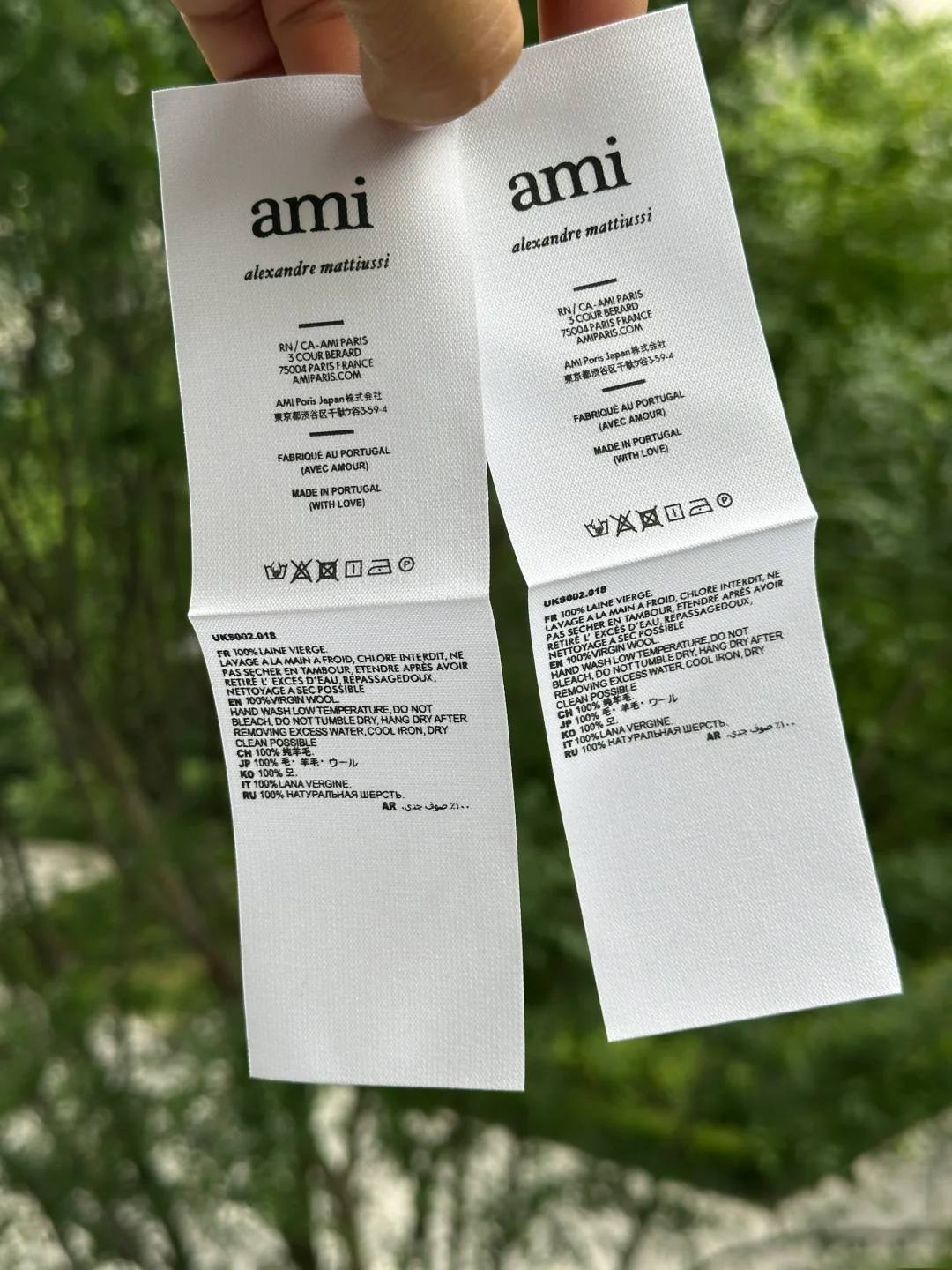
Thermal paper labels suit high-volume, short-term applications like shipping tags and warehouse picking tickets, typically lasting 6–12 months indoors. Semi-gloss paper offers better print quality for retail hang tags and product labels, with moderate moisture resistance through topcoat treatments.
Paper substrates cost 30–50% less than synthetics but fade under UV exposure and degrade in humid or outdoor environments. Most paper labels use permanent acrylic adhesive for carton sealing and inventory tracking.
Synthetic Substrates for Durability
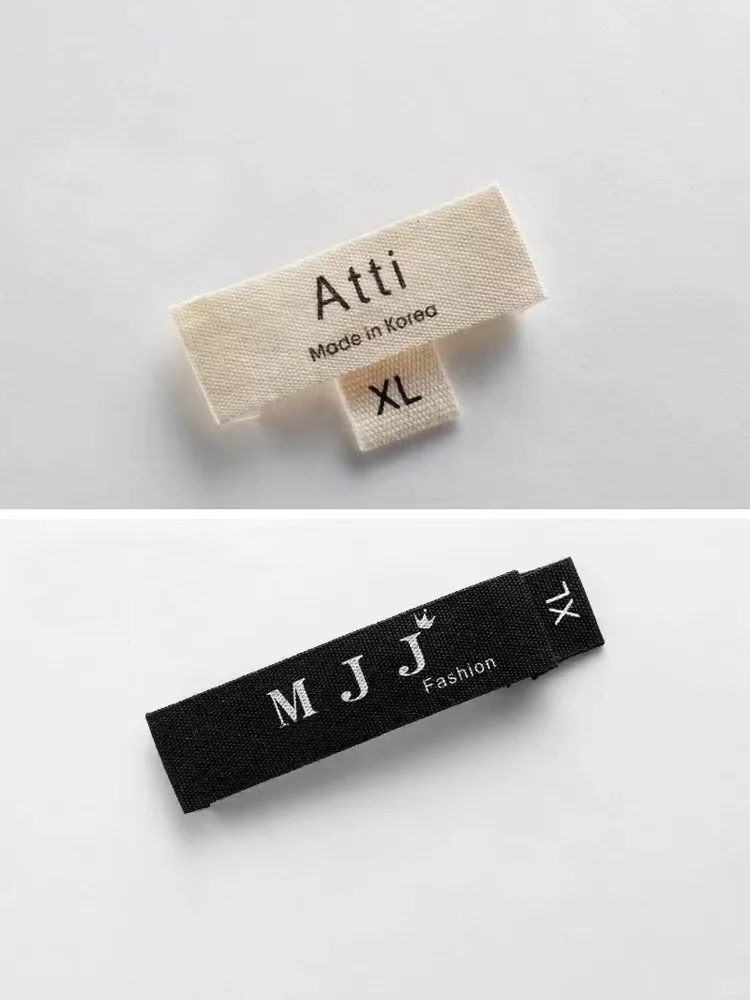
Polypropylene (BOPP) labels resist water, oil, and tearing, making them ideal for bottled products, cosmetics, and outdoor equipment with lifespan exceeding 24 months. Polyester (PET) withstands temperatures from -40°C to +150°C, used in automotive parts, electronics, and industrial asset tracking.
Vinyl labels offer conformability for curved surfaces and extreme weather resistance, common in outdoor signage and chemical drum labeling. Synthetic materials cost 1.5–3× paper but reduce replacement frequency and scanning errors.
Adhesive Types and Environment Matching
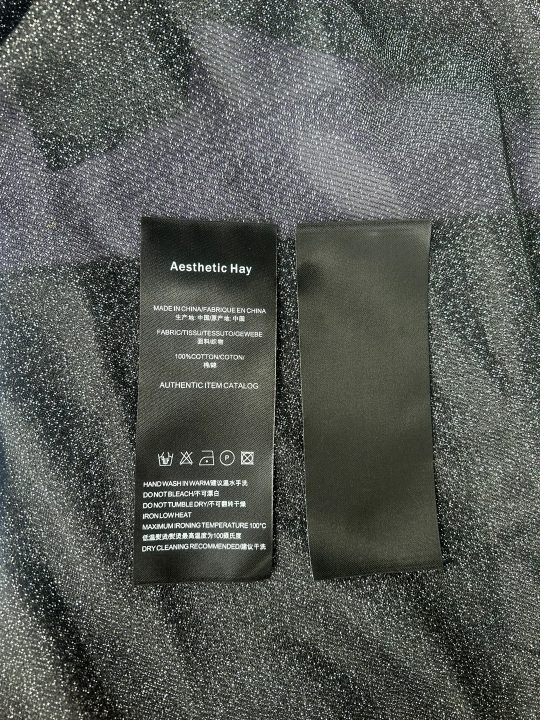
Permanent acrylic adhesive bonds within 24 hours for carton sealing and asset tags that must never peel. Removable adhesive allows clean removal for price labels, promotional stickers, and reusable containers without residue.
Freezer-grade adhesive maintains bond strength at -20°C to -40°C for cold storage, refrigerated shipping, and frozen food packaging. Matching adhesive to surface type—corrugated, plastic, metal, glass—and temperature range prevents label failure and inventory loss.
5. Customization and Branding Options for Custom Barcode Labels
Custom barcode label production offers diverse printing methods and branding elements that directly affect scan reliability, visual impact, and cost efficiency. Understanding print technology trade-offs and customization options ensures labels align with brand identity while meeting functional requirements across retail, logistics, and inventory environments.
| Print Method | Color Capability | Durability (months) | Cost per Unit (1,000+) |
|---|---|---|---|
| Thermal Transfer | Monochrome | 24–36 | $0.08–$0.15 |
| Direct Thermal | Monochrome | 6–12 | $0.03–$0.06 |
| Digital Inkjet | Full CMYK | 12–18 | $0.10–$0.20 |
| Flexographic | 1–6 Pantone | 18–24 | $0.04–$0.08 |
Print Methods and Their Performance Trade-Offs
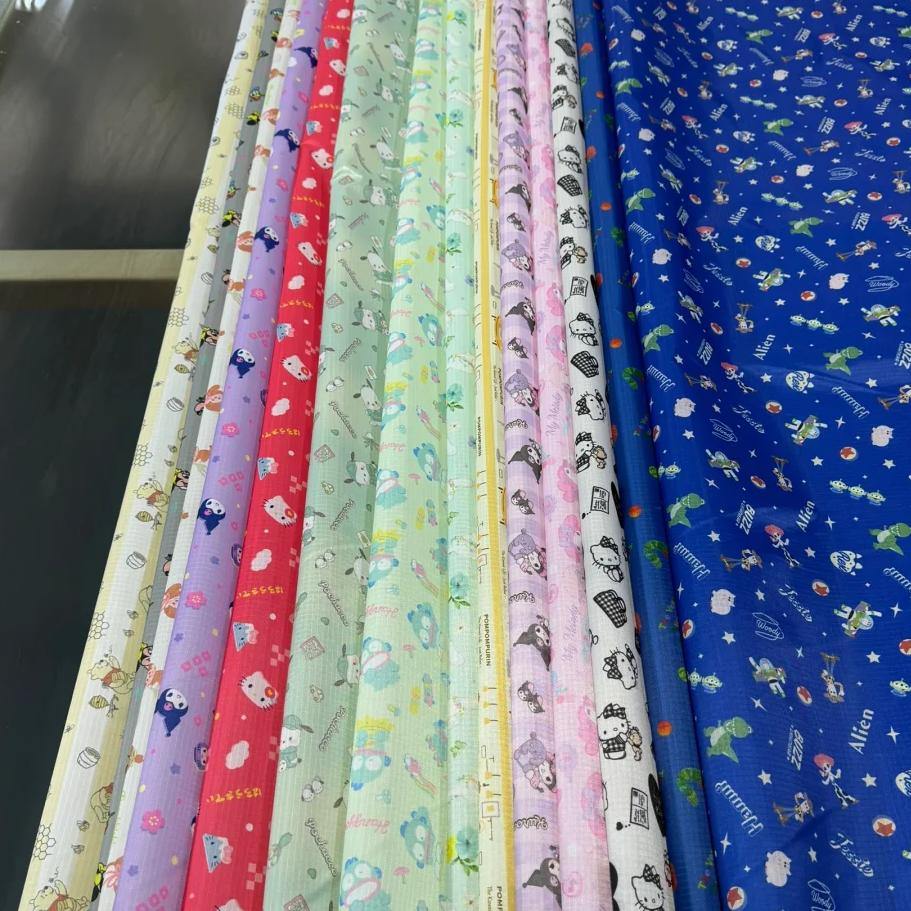
Thermal transfer printing uses heat to bond resin or wax ribbon onto label stock, delivering excellent durability and resistance to UV, moisture, and abrasion — ideal for long-term outdoor or warehouse applications. Direct thermal printing generates images through heat-sensitive paper without ribbons, offering lower cost per unit but limited lifespan of 6–12 months due to fading under light and heat.
Digital inkjet and laser printing enable full-color output with resolutions up to 1200 dpi, supporting complex logos and gradients at moderate volumes. Flexographic printing uses rotating plates for high-speed runs exceeding 10,000 units, delivering consistent Pantone color matching and cost efficiency below $0.05 per label in bulk production.
Branding and Variable Data Integration
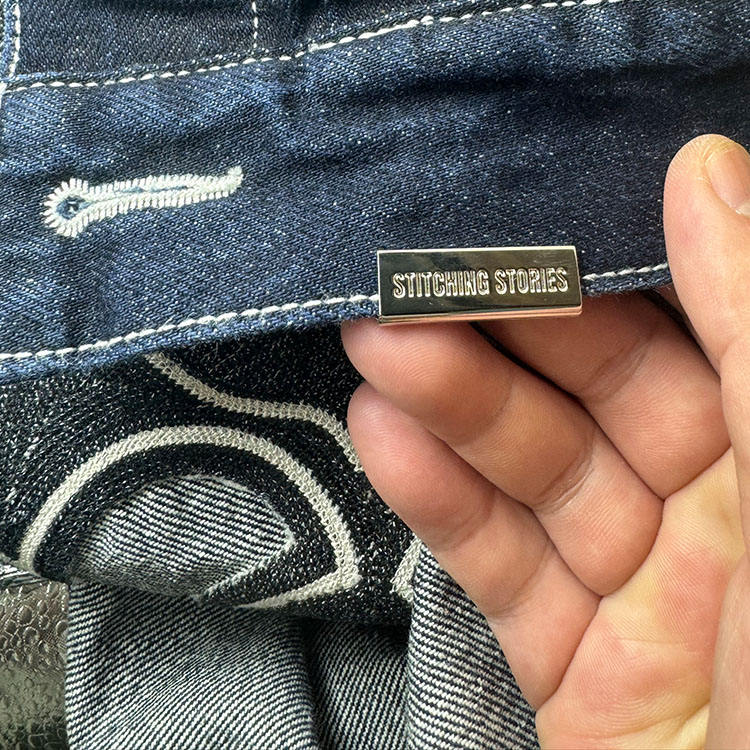
Logo placement on custom barcode labels typically occupies 20–30% of label area, positioned above or beside the barcode to maintain scan zone clarity. Pantone color matching ensures brand consistency across packaging, with spot-color accuracy ±5% Delta E.
Variable data printing embeds unique batch codes, serial numbers, QR codes, and expiration dates without tooling changes, enabling traceability and anti-counterfeiting for apparel brands. ZORWILD integrates variable data into hang tags and care labels for private label clients requiring lot tracking and authenticity verification.
Finishes and Size Flexibility
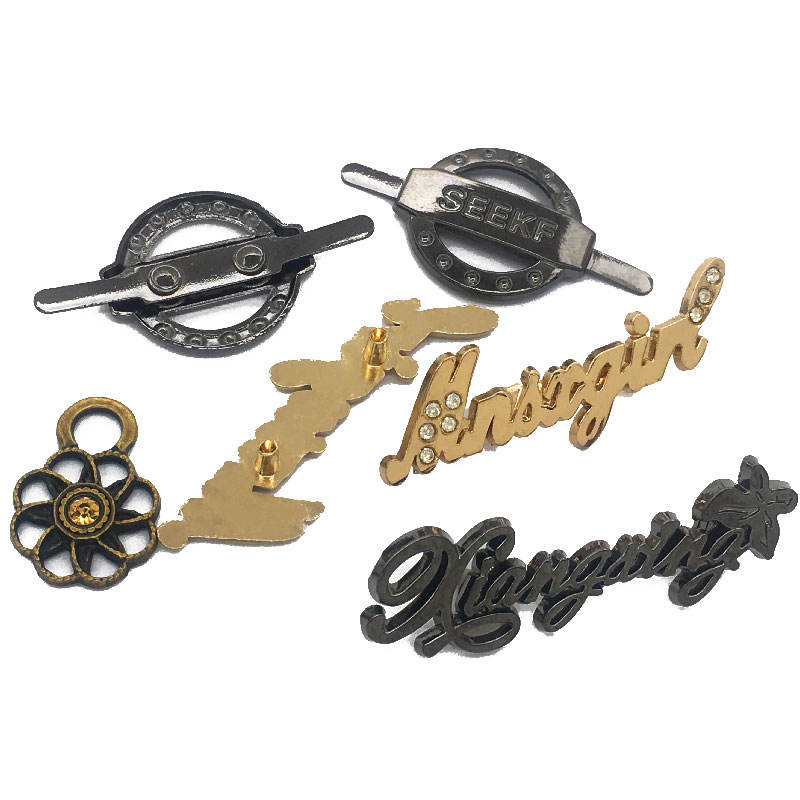
Matte finishes reduce glare under scanner lights and convey premium tactile quality, while gloss lamination adds moisture resistance and vibrant color depth for retail-facing labels. UV-resistant lamination extends outdoor durability beyond 24 months.
Custom die-cutting supports rectangular, circular, oval, and contour shapes from 15 mm × 10 mm micro-labels to 100 mm × 150 mm shipping tags, accommodating garment hang tags, poly-bag stickers, and carton identifiers without minimum shape fees above 500-unit orders.
6. Key Quality Elements in Custom Barcode Label Construction
Custom barcode label quality determines supply-chain efficiency, with poor print contrast or adhesive failure causing scan errors, inventory delays, and retail chargebacks. Critical quality elements span barcode scanability, adhesive performance, environmental durability, substrate integrity, and industry compliance standards.
Barcode Scanability and Print Standards
GS1 specifications require minimum print contrast ratio (PCS) of 0.45 for retail barcodes, with quiet zones of at least 10× the narrowest bar width on both sides. Thermal transfer printing at 300 or 600 DPI ensures edge definition and prevents bar width variation that triggers scan failures.
Laser scanners and smartphone cameras demand consistent ink density across the entire label surface. Poor print quality causes first-scan failures at checkout and warehouse receiving, delaying shipments and incurring manual-entry labor costs.
Adhesive Bond Strength Testing
Permanent acrylic adhesives achieve 18–24 oz/inch peel strength after 24-hour dwell time on corrugated surfaces, while removable adhesives measure 6–10 oz/inch for temporary applications. ASTM D3330 peel tests verify bond performance across temperature ranges from -40°F to 180°F.
Adhesive failure during transit causes labels to detach, making cartons unscannable at distribution centers and triggering compliance fines from major retailers. Proper adhesive selection accounts for substrate texture, storage conditions, and application temperature windows.
Print Durability Under Environmental Stress
UV exposure, moisture, and abrasion degrade barcode readability during warehouse storage and outdoor shipping. Resin ribbons paired with polypropylene or polyester substrates resist smudging and fading for 12–24 months under direct sunlight, whereas wax ribbons on paper labels fail within weeks.
ASTM D5264 abrasion testing simulates handling friction, while ASTM G154 UV chambers validate outdoor longevity. Brands shipping through humid climates or refrigerated supply chains require synthetic substrates and resin-based inks to maintain scan rates above 98 percent.
Substrate Thickness and Dimensional Stability
Label substrates range from 2-mil paper for indoor retail tags to 4-mil polyester for industrial asset tracking. Thicker substrates resist curling and tearing during automated application and conveyor transport, maintaining barcode geometry under mechanical stress.
Dimensional stability prevents bar width distortion during temperature fluctuations. Polyester and polypropylene films exhibit less than 1 percent shrinkage from -20°F to 150°F, ensuring consistent scanability across cold-chain and heated warehouse environments.
GS1 and Industry Compliance Certifications
GS1 verification reports grade barcodes on a scale from A to F, measuring edge contrast, modulation, defects, decodability, and quiet zones. Retailers including Walmart, Target, and Amazon mandate minimum C-grade labels to avoid chargebacks and vendor penalties.
ISO/IEC 15416 and ISO/IEC 15426 standards define barcode print quality and verifier calibration. Third-party verification services test sample labels under standardized lighting and scanner angles, confirming compliance before mass production and reducing costly reprints or supply-chain rejections.
7. How to Choose a Custom Barcode Label Manufacturer
Selecting the right custom barcode label manufacturer requires evaluating six core criteria that directly impact product quality, speed to market, and long-term scalability. ZORWILD applies these same standards when sourcing label partners for garment branding, ensuring compliance and reliability across global supply chains.
Minimum Order Quantity Flexibility
Startup brands and influencers typically require MOQs starting at 500–1,000 labels per design, while established wholesalers order 10,000+ units for cost efficiency. ZORWILD supports low-MOQ apparel production from 50 pieces, and label suppliers should mirror this flexibility to avoid excess inventory risk and enable agile market testing.
Manufacturers offering tiered pricing at 500, 2,500, and 10,000-piece breaks allow brands to scale production as sales grow without locking capital into unused stock.
Turnaround Time for Samples and Production
Sample turnaround of 3–5 business days and bulk production of 7–14 days are industry benchmarks for thermal-transfer and digital-printed labels. Rush services may compress timelines to 48 hours for samples and 5 days for production runs under 5,000 units.
ZORWILD coordinates label delivery with garment production schedules to ensure synchronized finishing and packaging, reducing warehouse delays and improving cash flow for time-sensitive launches.
Certifications and Compliance Standards
ISO 9001 certification confirms consistent quality management, while GS1 membership ensures barcode standards compliance for retail distribution in North America, Europe, and Asia-Pacific. FDA-approved adhesives are mandatory for food-contact or cosmetic product labels.
Suppliers serving export markets should provide material safety data sheets (MSDS) and RoHS compliance documentation to meet customs requirements in the EU, UK, Canada, and Australia.
Material and Print Technology Capabilities
Manufacturers should offer paper, synthetic (polypropylene, polyester), and specialty substrates (thermal, waterproof, tamper-evident) with matching adhesive options—permanent, removable, freezer-grade, and high-tack. Print technologies include thermal transfer for durability, digital inkjet for full-color detail, and flexographic printing for high-volume cost efficiency.
ZORWILD integrates woven labels, printed labels, care labels, and hang tags into apparel finishing lines, requiring label partners to support multiple material types and attachment methods within unified production timelines.
Customization and Design Support
Full-service manufacturers provide barcode generation, graphic design assistance, color matching (Pantone or CMYK), and pre-production proofs to validate layout, readability, and brand alignment. Barcode verification services using ISO/IEC 15416 scanners confirm print quality grades of A or B before bulk production.
Design teams should accommodate custom shapes, variable data printing (unique serial numbers or QR codes), and multi-layer constructions for peel-and-reseal or booklet labels used in compliance-heavy industries.
Sample Testing Before Bulk Orders
Request physical samples to verify adhesive strength, print clarity, barcode scannability, and durability under intended use conditions—heat, moisture, UV exposure, or abrasion. Test samples with retail scanners (laser and imager types) to confirm compatibility with point-of-sale systems.
ZORWILD conducts pre-production sampling for all custom labels, hang tags, and packaging components, allowing clients to approve materials, colors, and attachment methods before committing to full production runs and minimizing costly reprints.
8. Common Mistakes When Sourcing Custom Barcode Labels
Sourcing custom barcode label solutions without understanding technical and market requirements leads to costly delays, rejected shipments, and damaged brand reputation. Five common mistakes account for the majority of barcode implementation failures across apparel manufacturing and retail distribution.
Choosing the Wrong Barcode Symbology
UPC-A barcodes are mandatory for retail distribution in the United States and Canada, while EAN-13 is required for European, Asian, and most international markets. Brands printing UPC codes for European retailers face immediate rejection at distribution centers, delaying product launches by 3–6 weeks.
ZORWILD’s labeling team verifies target market requirements during tech pack development to ensure correct symbology selection. Always confirm retailer barcode specifications before sampling to avoid reprinting 500–5,000 labels.
Ignoring Environmental Conditions
Standard paper labels fail in high-humidity warehouses, outdoor retail environments, and cold-chain logistics where moisture causes ink smearing and adhesive failure. Polyester and synthetic substrates with resin or thermal transfer printing maintain scan rates above 98% in temperatures from -40°F to 302°F.
Match label material to product lifecycle: polypropylene for sportswear exposed to moisture, thermal paper for short-term inventory tracking, and polyester for outdoor apparel requiring UV resistance.
Skipping Barcode Verification Testing
Unverified barcodes show failure rates of 8–15% at retail scanners due to incorrect quiet zones, inadequate contrast, or print defects. ISO/IEC 15416 verification using calibrated scanners assigns grades from A to F; retailers typically reject codes grading below C.
ZORWILD recommends pre-production verification testing for all custom barcode label orders above 1,000 units to prevent shipment rejections and costly rework cycles.
Underestimating Lead Times
Custom barcode label production requires 5–10 days for design approval, plate making, printing, die-cutting, and quality inspection. Rush orders without buffer time force brands to accept lower-grade materials or skip verification steps, increasing scan failure risk.
Plan label procurement 3–4 weeks before garment production completion to align with packaging timelines and avoid air freight surcharges.
Selecting Incompatible Adhesives
Permanent adhesives damage delicate fabrics like silk and satin when removed, while removable adhesives fail on textured surfaces like fleece and French terry. Acrylic adhesives perform across the widest temperature range (-40°F to 200°F), while rubber-based options suit short-term applications.
Test adhesive samples on actual garment substrates before bulk orders to prevent fabric damage, adhesive residue, and customer complaints during unboxing.
9. Steps to Launch Your Brand with Custom Barcode Labels
Launching a clothing brand with compliant custom barcode label systems requires coordinated steps spanning registration, design, testing, and production integration. First-time buyers who follow a structured workflow reduce compliance risk and accelerate retail channel approval.
Obtain GS1 Company Prefix and Assign GTINs
UPC-A barcodes are mandatory for retail distribution in the United States and Canada, while EAN-13 is required for European, Asian, and most international markets. Brands printing UPC codes for European retailers face immediate rejection at distribution centers, delaying product launches by 3–6 weeks and incurring costly reprinting expenses.
ZORWILD’s labeling team verifies target market requirements during tech pack development to ensure correct symbology selection. Always confirm retailer barcode specifications before sampling to avoid reprinting 500–5,000 labels.
Design Label Layout with Branding and Compliance Info
Combine barcode symbology (UPC-A or EAN-13) with brand logo, product name, fiber content, care instructions, country of origin, and RN or CA numbers to satisfy FTC labeling rules. FDA compliance applies to specific categories like children’s sleepwear requiring flame-resistance disclosure.
ZORWILD provides label layout templates integrating woven labels, printed labels, and hang tags with barcode zones, ensuring scan-quiet areas and minimum 0.25-inch margins around symbology for reliable scanning.
Select Material and Print Method
Choose thermal transfer for high-volume apparel labels requiring wash durability, or direct thermal for short-lifecycle hang tags and shipping labels. Coated paper, polyester, and satin fabrics support different garment categories and price points.
ZORWILD sources label materials from certified suppliers and coordinates with print partners to match adhesive strength, finish texture, and barcode density to each product’s end-use environment.
Order Samples and Conduct Scan Testing
Request sample labels printed with production barcodes and test across multiple scanners—handheld, point-of-sale, and smartphone apps—to verify 100 percent first-read accuracy. Check label adhesion after garment wash cycles and ironing to confirm durability.
ZORWILD includes sample custom barcode label sets in apparel sampling packages, enabling clients to validate label placement, readability, and brand presentation before committing to bulk orders.
Approve Artwork and Place Production Order
Finalize label artwork with correct GTIN sequences, Pantone colors, and compliance text, then submit production orders specifying quantity per SKU. ZORWILD integrates label production timelines with garment manufacturing schedules to synchronize delivery and reduce warehousing costs.
Integrate Labels into Packaging Workflow
Coordinate label application—sewn-in, heat-sealed, or adhesive—during garment finishing and quality inspection. ZORWILD’s finishing lines apply custom barcode labels, hang tags, and polybag inserts in a single workflow, ensuring every unit ships retail-ready with accurate SKU tracking.
10. Pricing and Cost Factors for Custom Barcode Labels
Custom barcode label pricing varies by five primary drivers: material substrate, print method, label dimensions, order volume, and decoration complexity. Paper labels with thermal transfer printing typically cost 60–70% less than synthetic polyester or vinyl labels requiring full-color flexographic or digital printing. Label size directly affects per-unit cost; a 2×1-inch label costs approximately 40% less than a 4×6-inch label at identical volumes due to material yield and press setup efficiency.
Order quantity remains the most significant cost lever. MOQ tiers from 1,000 to 50,000 units can reduce per-label costs by 70–80% as fixed setup fees (die-cutting plates, print plates, color matching) are amortized across larger runs. Suppliers often require setup fees of $50–$200 for custom sizes, colors, or finishes; these one-time charges disappear in high-volume orders but heavily impact small batches.
Customization complexity adds incremental cost. Single-color thermal printing on white paper represents baseline pricing, while multi-color process printing, metallic foil stamping, holographic overlays, or variable data (unique serial numbers, QR codes) increase per-unit costs by 15–50%. Lead times compress with higher investment; standard 10–14 day production drops to 5–7 days with expedited fees of 20–30%. Negotiating longer lead times, consolidating SKUs, and committing to annual volumes unlock deeper discounts and waived setup charges with experienced label manufacturers.
| Order Quantity | Price per Label (USD) | Setup Fee | Lead Time |
|---|---|---|---|
| 1,000 units | $0.25 – $0.45 | $100 – $200 | 10 – 14 days |
| 5,000 units | $0.12 – $0.22 | $75 – $150 | 8 – 12 days |
| 10,000 units | $0.08 – $0.15 | $50 – $100 | 7 – 10 days |
| 50,000 units | $0.04 – $0.08 | Waived | 10 – 14 days |
Add Custom Barcode Labels to Your Next Production Run
Get fast samples and seamless integration with your apparel order. MOQ starts at 50 pieces with full customization support and 27 years of manufacturing expertise.
- Custom Shirts
- Custom Hoodies
- Custom T Shirts
- Custom Dresses
- Custom Sweatshirts
- Custom Jackets
- Custom Varsity Jackets
- Custom Polo Shirts
- Custom Shorts
- Custom Dress Shirts
- Contact