
Custom Wedding Dress Manufacturing — 50-Piece MOQ, Full Design Support
ZORWILD manufactures custom wedding dresses for emerging bridal brands and designers with low 50-piece minimums, premium fabric sourcing, intricate embellishment, and 27 years of apparel craftsmanship from our Humen, Dongguan factory.
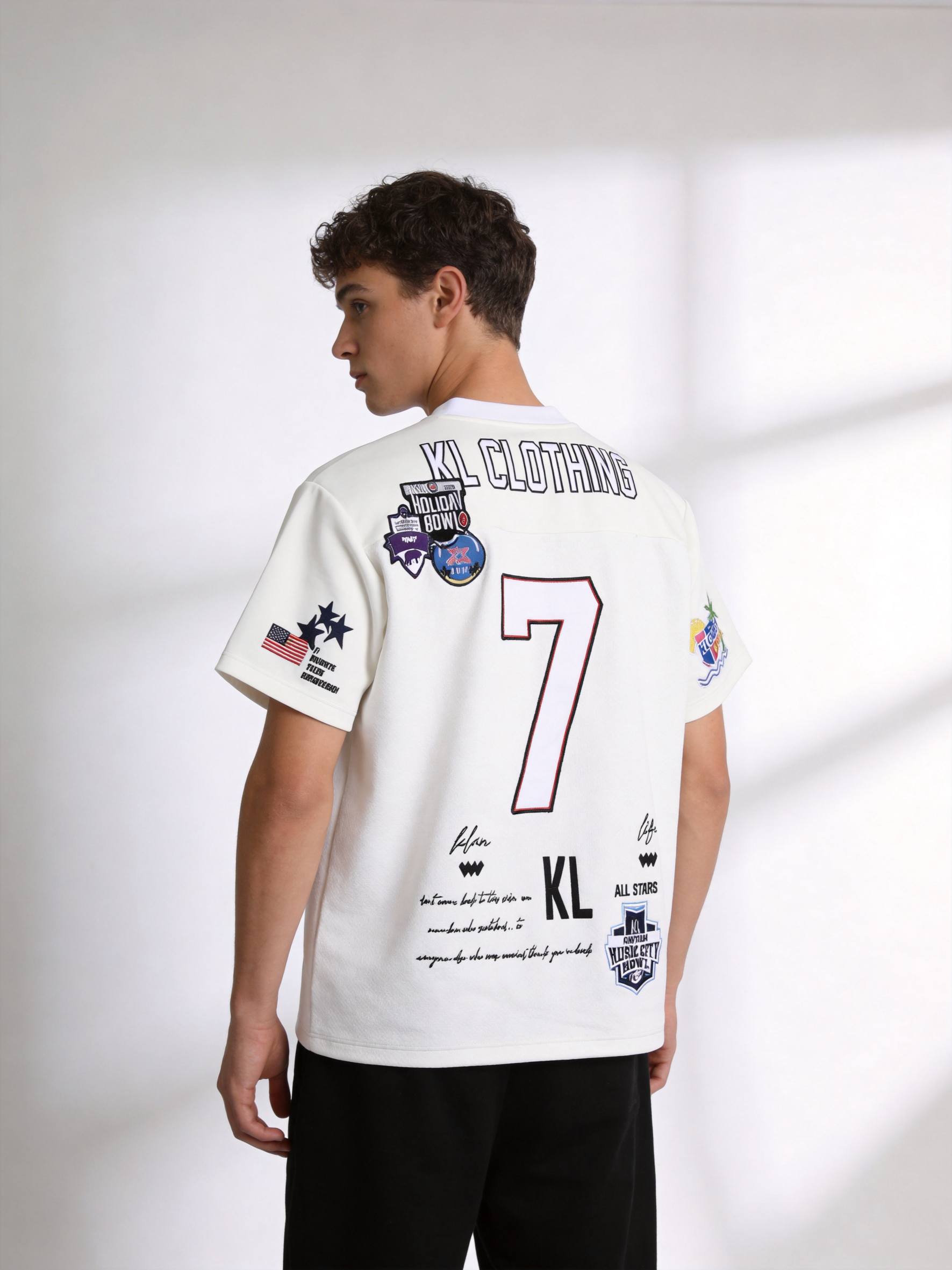
Custom Wedding Dress Gallery & Design Examples

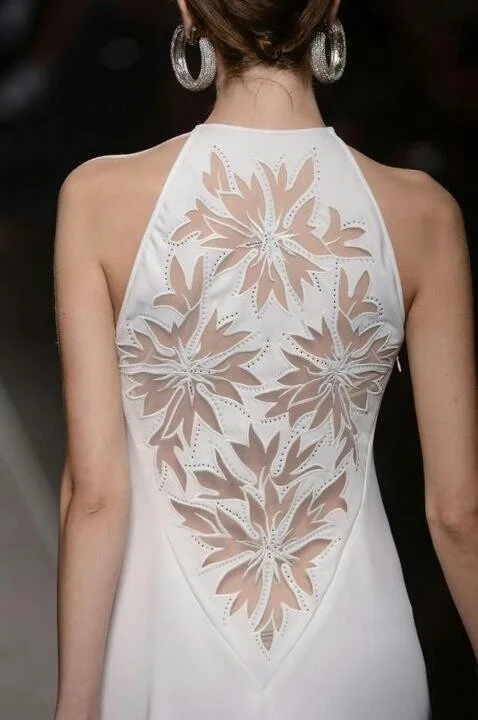
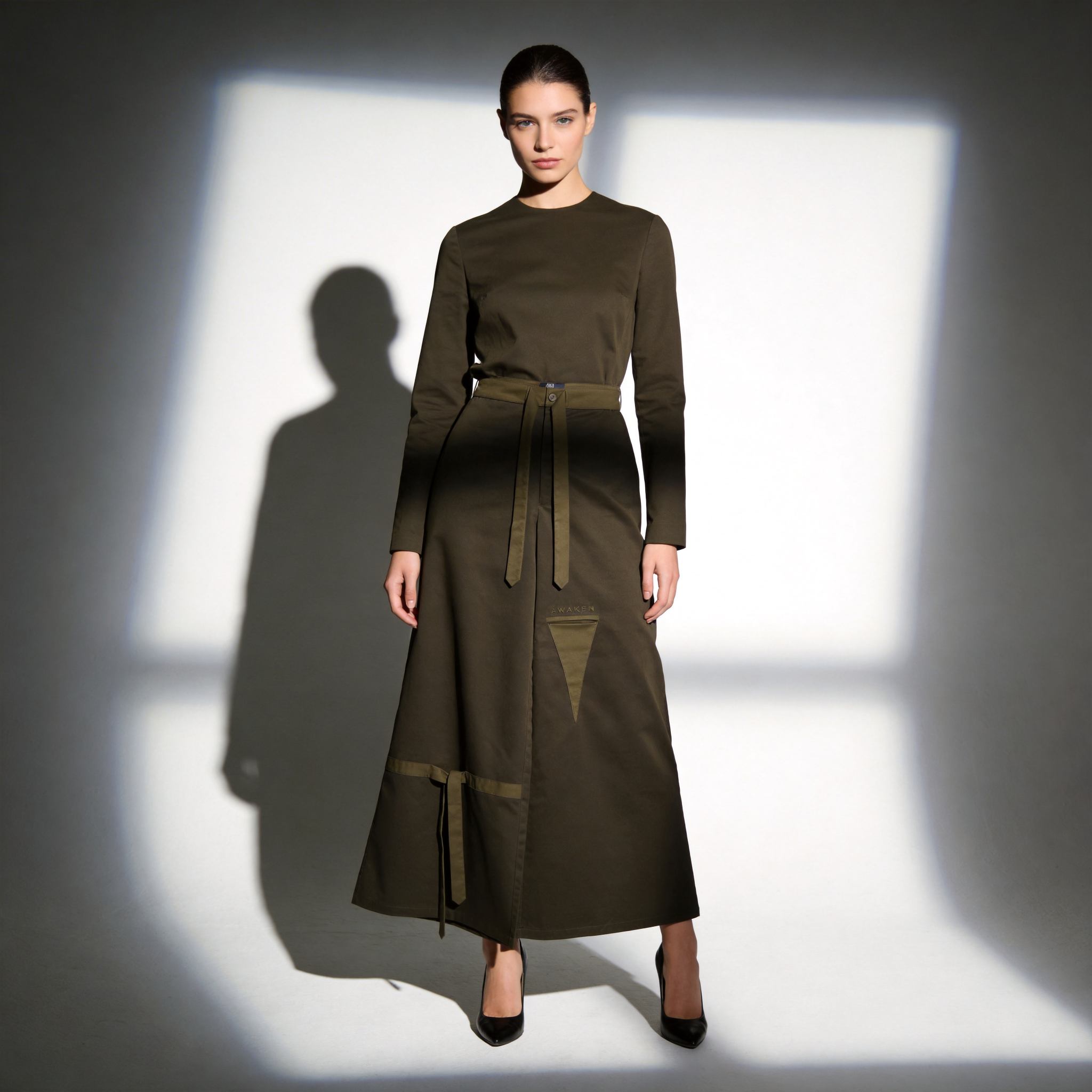
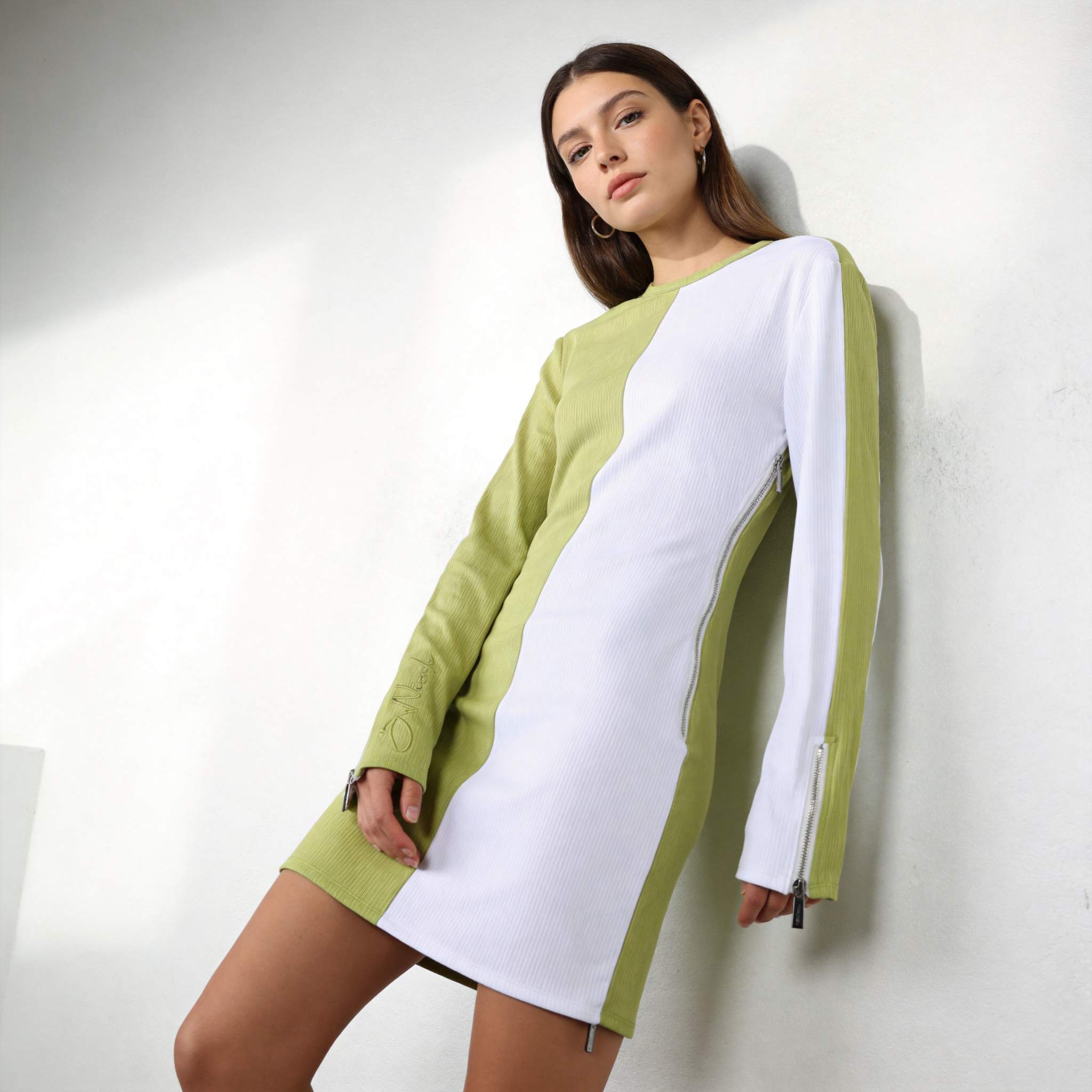
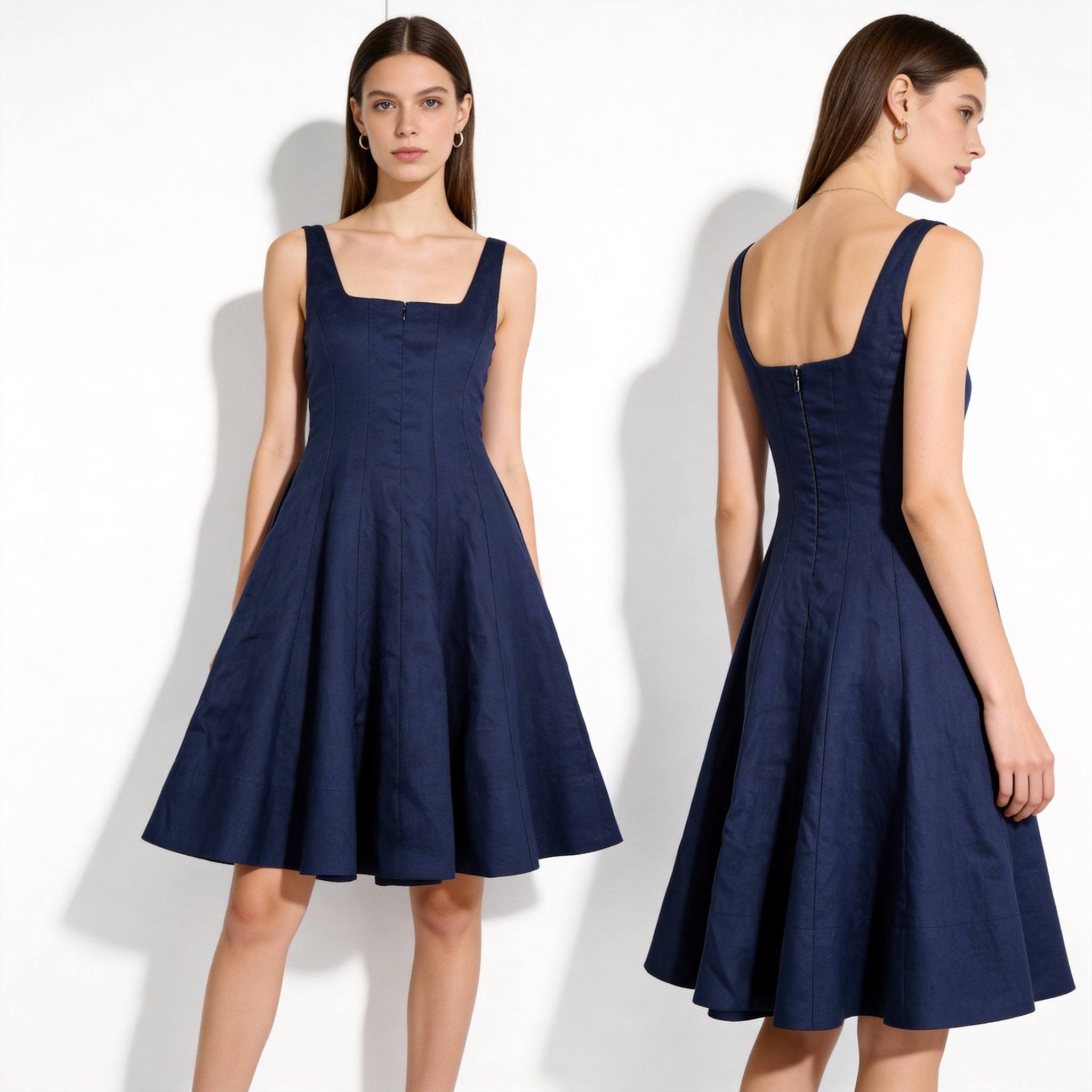
Why Choose ZORWILD for Custom Wedding Dress Production
50-Piece Minimum Order Quantity
Launch your bridal collection with low-risk production starting at just 50 pieces per design, perfect for emerging bridal brands and designers.
Fast Sampling in 7-10 Days
Receive production-ready custom wedding dress samples within 7-10 days to evaluate fit, fabric quality, embellishments, and construction details before bulk orders.
95%+ Decoration Techniques In-House
Access lace application, beading, embroidery, corset construction, sequins, satin draping, and multi-layer finishing all under one roof for consistent quality.
27 Years Manufacturing Heritage
Trust decades of apparel expertise from our Humen, Dongguan factory—one of the world’s most influential garment manufacturing hubs—delivering precision craftsmanship and reliable production for over 2,000 global brands.
6-Stage Quality Control System
Every custom wedding dress undergoes rigorous fabric inspection, in-line checks, measurement verification, embellishment review, and final product inspection before shipment.
100,000+ Units Monthly Capacity
Scale confidently from startup collections to large bridal orders with our proven production capacity, serving brands across North America, Europe, and beyond.
Custom Wedding Dress Production Expertise
From classic silhouettes to intricate embellishments, our 27-year craftsmanship from Humen, Dongguan delivers couture-quality bridal gowns with low MOQ flexibility.
A-Line Wedding Dresses
Universally flattering silhouette requiring precise bodice fitting and graduated skirt construction. We engineer structured boning, invisible seam finishing, and balanced fabric weight distribution to create timeless A-line gowns that photograph beautifully and fit diverse body types with consistent quality across production runs.
Get a Quote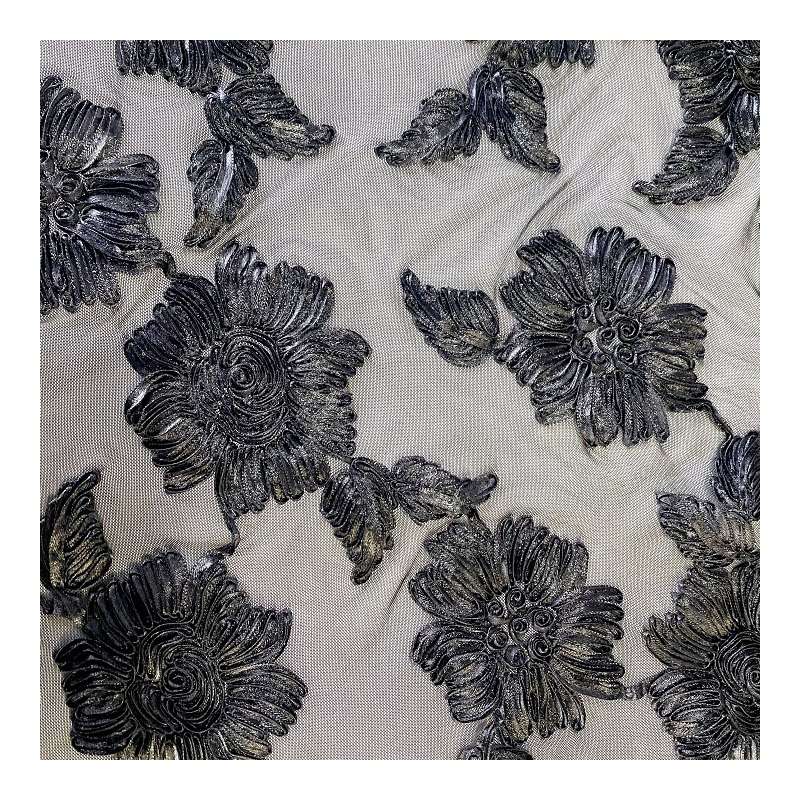
Mermaid Wedding Dresses
Dramatic figure-hugging design demanding expert pattern grading and stretch control. Our team executes complex contouring through the hips with reinforced seaming, strategic lining systems, and flared skirt construction that maintains shape integrity. Ideal for brands requiring advanced fit engineering and luxurious satin or crepe fabrication.
Get a Quote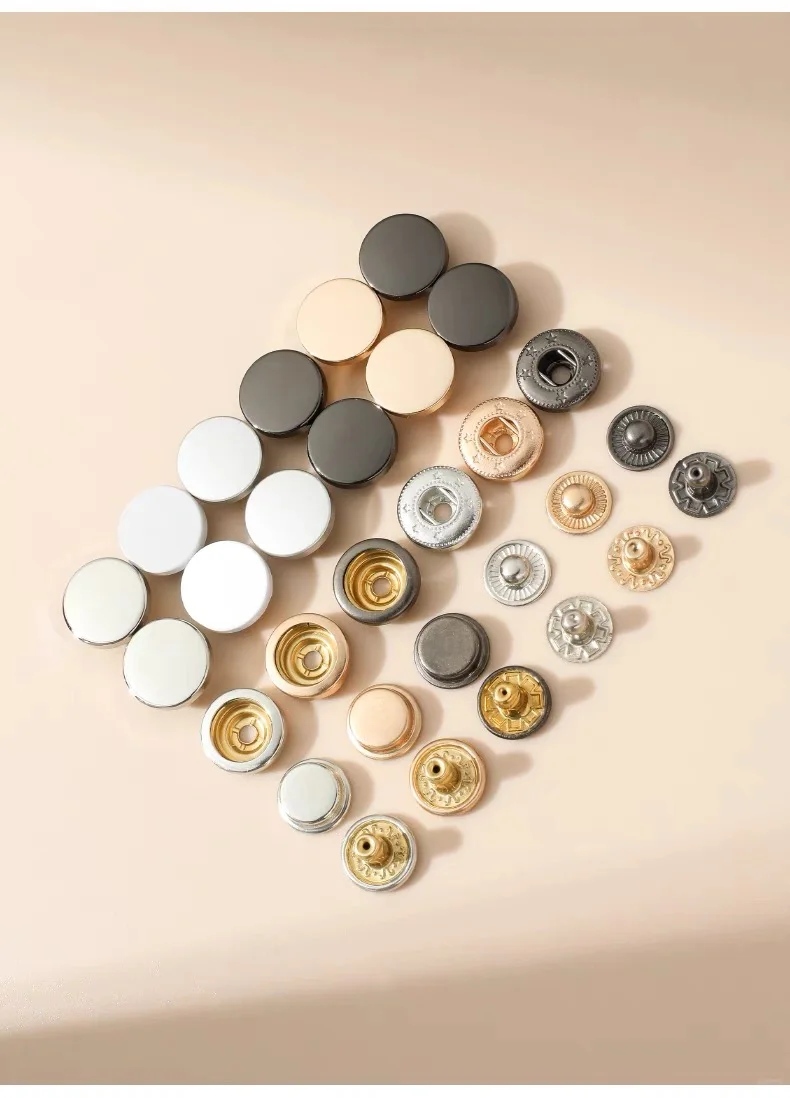
Ball Gown Wedding Dresses
Voluminous fairytale silhouette requiring multi-layer tulle construction and structured undergarments. We deliver precise waistline definition, layered skirt assembly with up to 12 tulle layers, and concealed crinoline support. Our craftsmanship ensures romantic volume without compromising movement or creating bulk at the bodice transition.
Get a Quote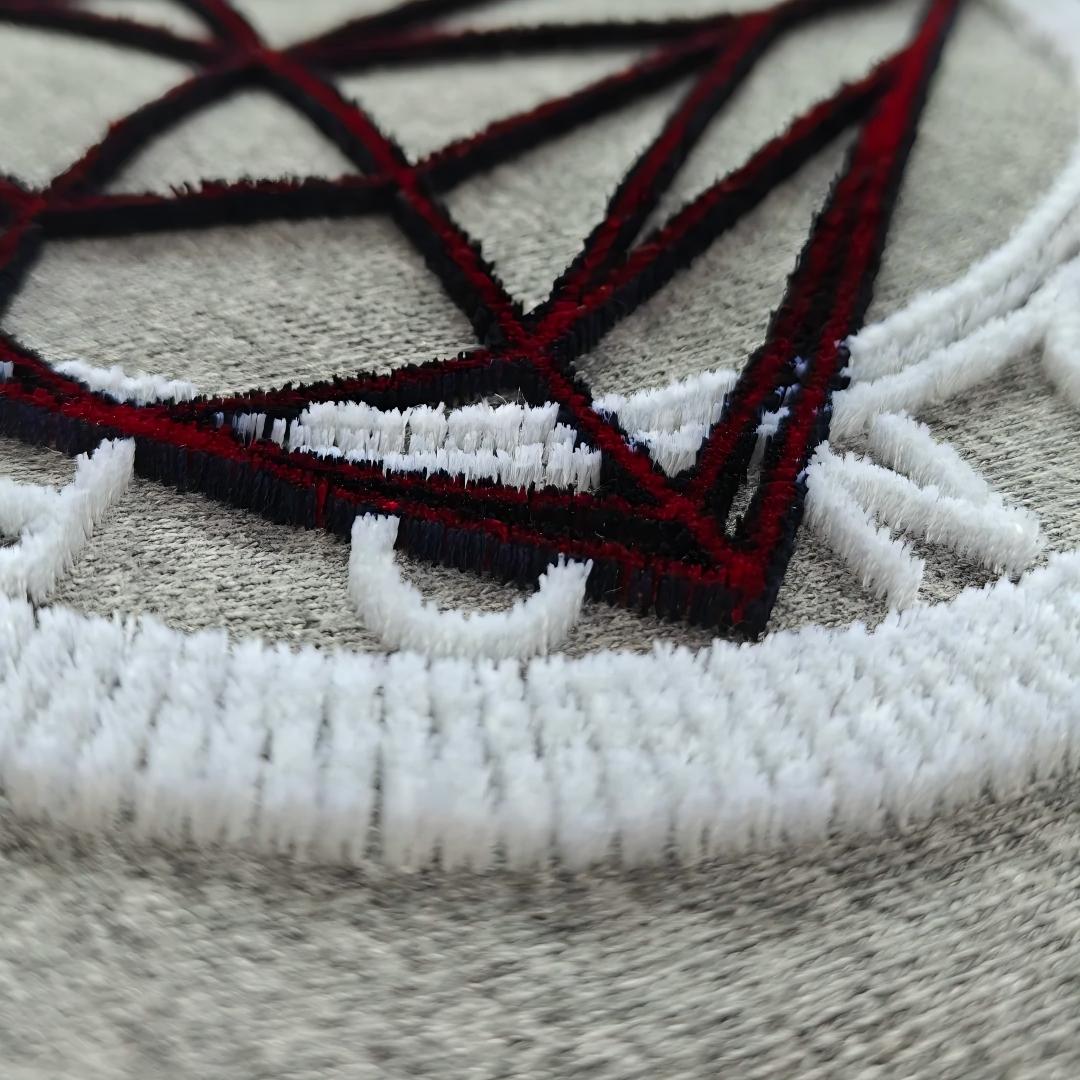
Sheath Wedding Dresses
Sleek column silhouette demanding flawless fabric draping and body-conscious tailoring. We specialize in bias-cut construction, invisible zipper insertion, and stretch-satin manipulation that creates elegant vertical lines. Perfect for minimalist bridal brands requiring sophisticated simplicity with impeccable finishing and premium hand feel.
Get a Quote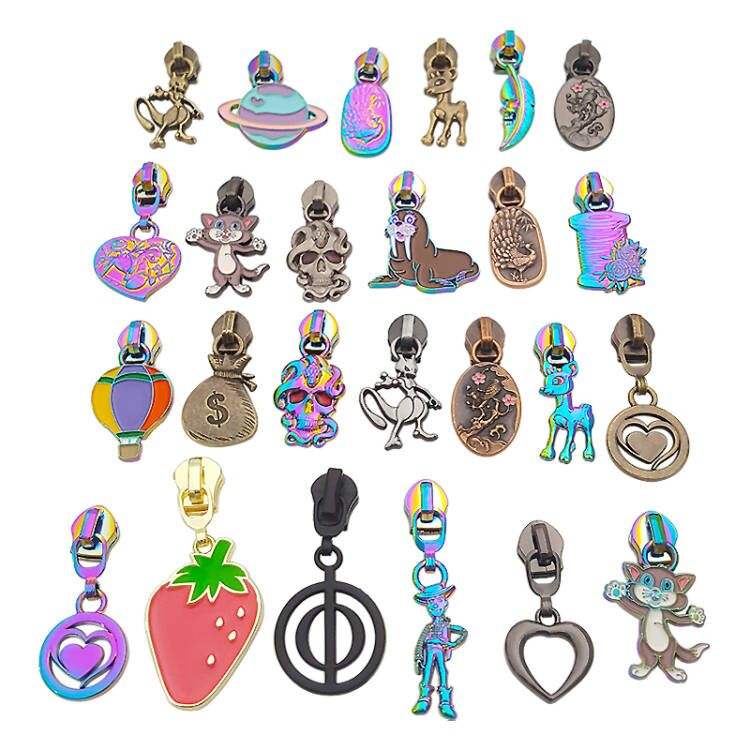
Bohemian Wedding Dresses
Relaxed romantic aesthetic featuring soft lace, flowing fabrics, and artisan details. Our production supports delicate crochet lace application, lightweight chiffon layering, illusion necklines, and vintage-inspired embroidery. We source natural fiber blends and execute distressed lace edges for brands targeting free-spirited, destination wedding markets.
Get a Quote
Plus Size Wedding Dresses
Inclusive sizing requiring specialized pattern grading and supportive construction techniques. We engineer reinforced bust support, strategic seam placement for flattering proportions, and breathable lining systems. Our fit expertise ensures consistent quality across extended size ranges from 16 to 30, with attention to comfort and dignified silhouette design.
Get a Quote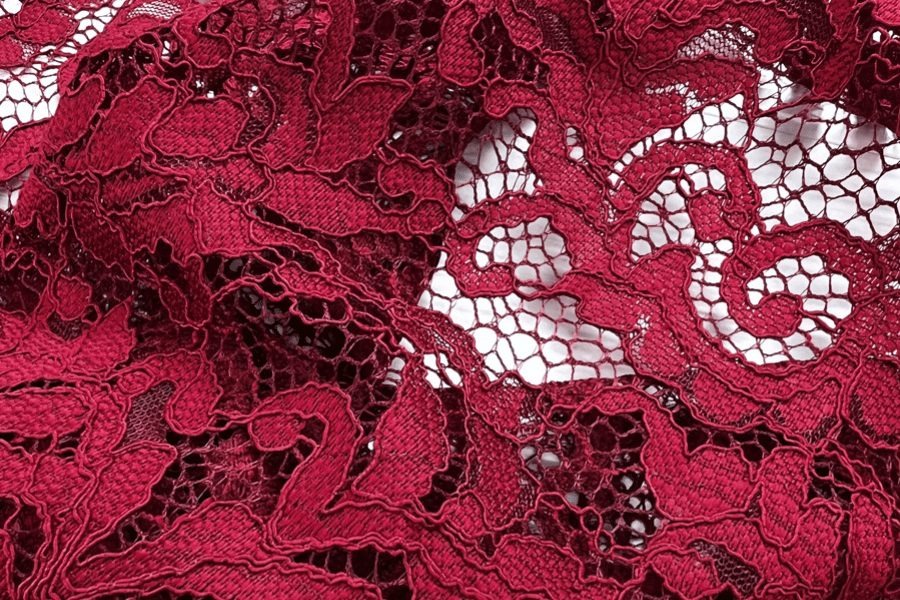
Lace Wedding Dresses
Intricate lace overlay construction demanding precision appliqué and edge finishing. We execute Chantilly lace bodices, Alençon lace motifs, hand-applied lace appliqués, and illusion lace sleeves with invisible stitching. Our embroidery capabilities support custom lace patterns, scalloped edges, and layered lace effects for premium bridal collections.
Get a Quote
Beaded Wedding Dresses
Labor-intensive embellishment requiring skilled hand-beading and quality control precision. We apply Swarovski crystals, glass beads, sequins, and pearl detailing with secure thread anchoring and pattern consistency. Our beading team executes intricate motifs across bodices, illusion panels, and cathedral trains while maintaining garment weight balance.
Get a Quote
Modest Wedding Dresses
Conservative coverage designs balancing elegance with traditional modesty standards. We construct high necklines, long sleeves, lined bodices, and full-coverage backs using luxurious fabrics that drape beautifully without transparency. Our craftsmanship serves brands targeting religious communities, cultural ceremonies, and modest fashion markets with sophisticated tailoring.
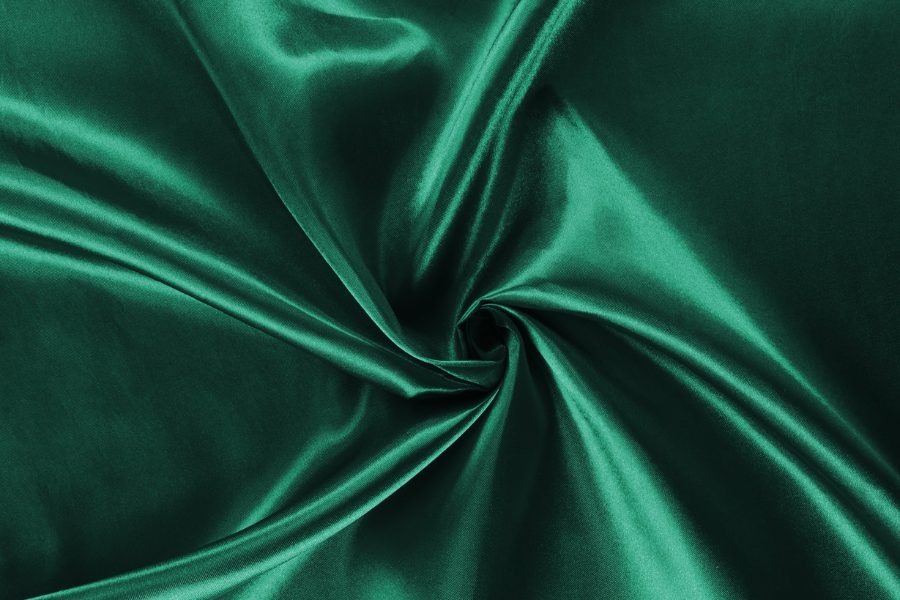
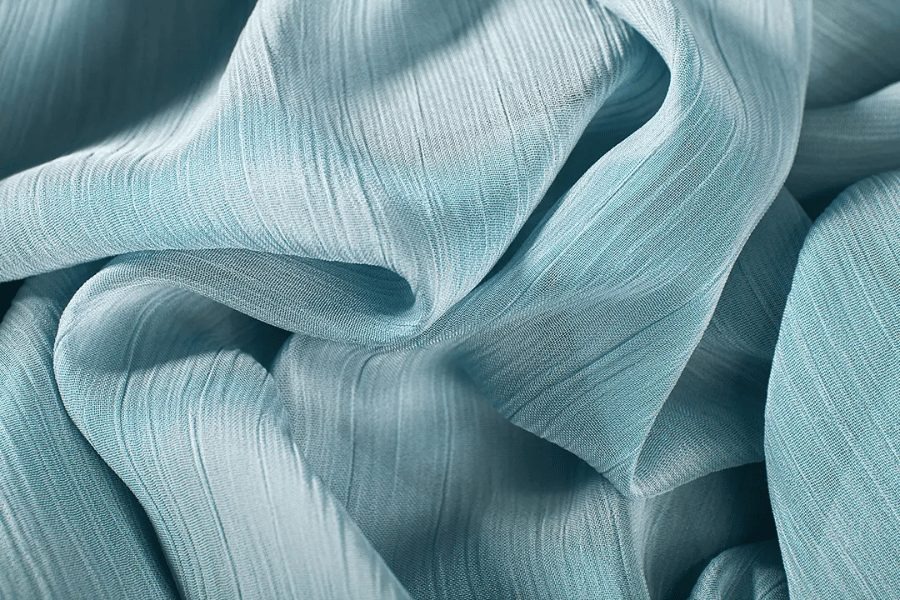
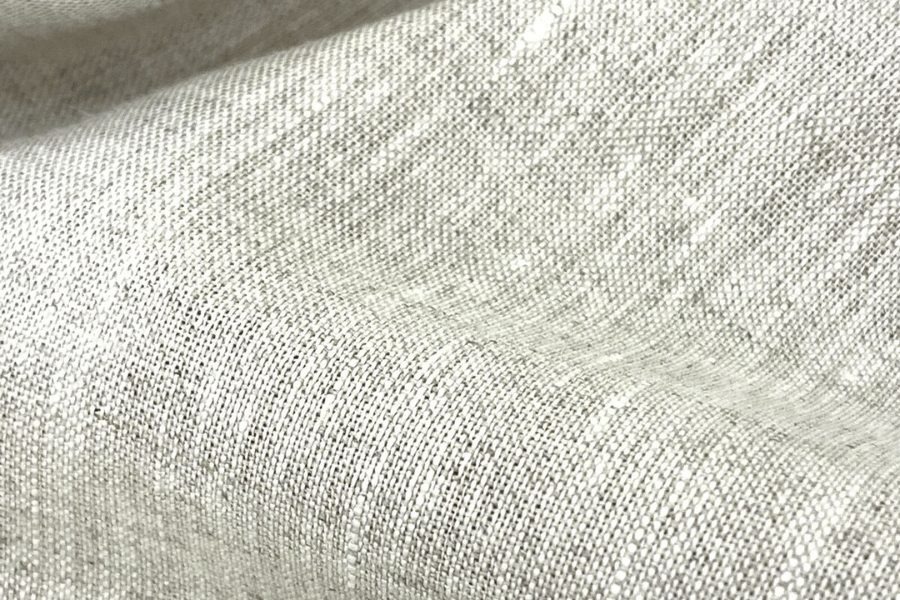
Get a QuotePremium Fabrics for Custom Wedding Dresses
Custom Wedding Dress Embellishment Techniques
Lace Application
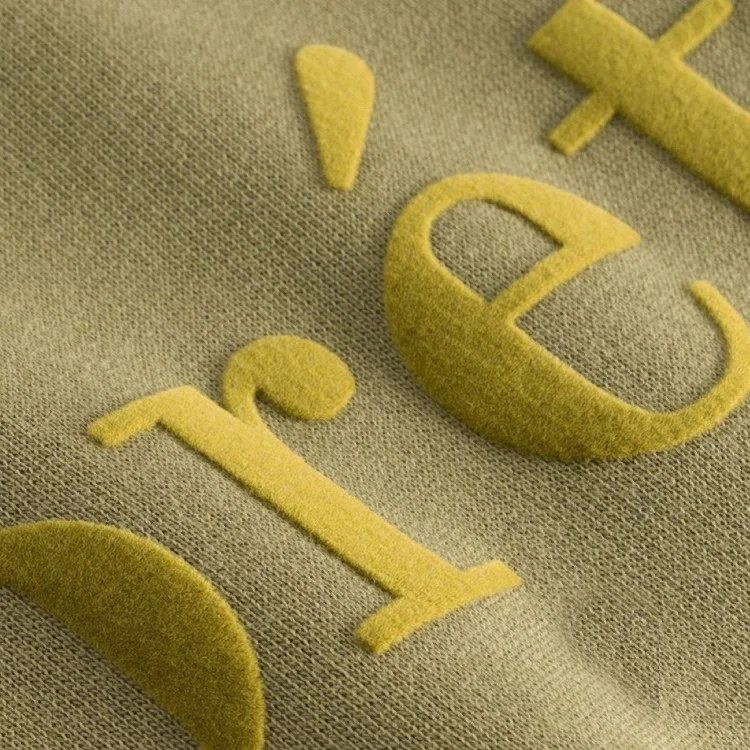
Precision-applied lace overlays, appliqués, and inserts create timeless bridal elegance. Our skilled craftspeople attach delicate lace to bodices, sleeves, trains, and hems with invisible stitching for flawless integration and luxurious visual appeal.
Beading & Sequins
Hand-applied and machine-stitched beading, sequins, and pearl embellishments add dimensional sparkle and texture. Ideal for bodice detailing, waistlines, and train accents, creating show-stopping custom wedding dress designs with premium visual impact.
Satin Draping
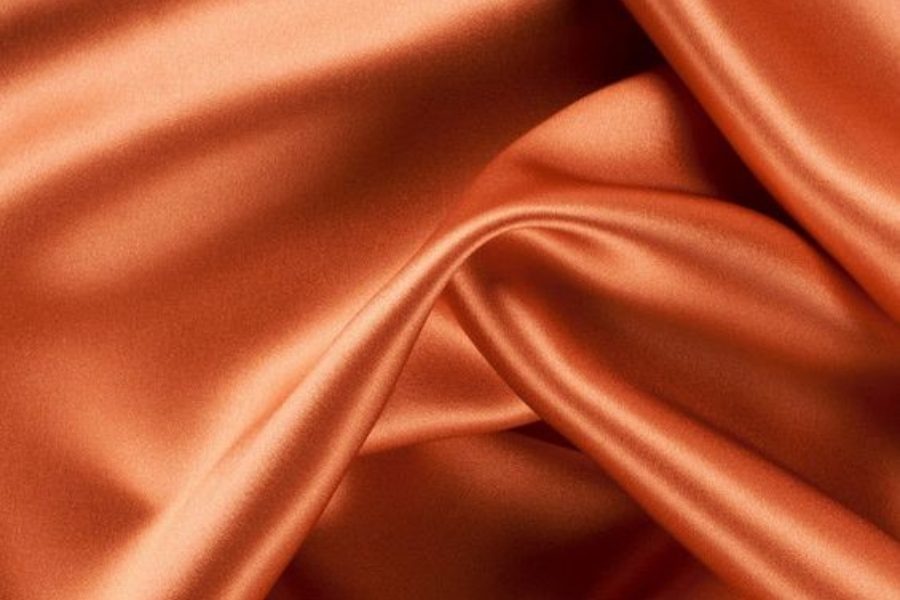
Expert draping techniques shape luxurious satin fabrics into elegant folds, ruching, and sculptural silhouettes. Our pattern makers create dimension and movement in skirts, bodices, and back details for sophisticated custom wedding dress construction.
Rhinestone Detailing
Precision rhinestone application delivers brilliant sparkle for waistbands, necklines, straps, and bodice accents. Heat-set and hand-applied options ensure secure attachment and long-lasting brilliance throughout wear and photography sessions.
Multi-Layer Construction
Complex layering of tulle, organza, chiffon, and lace creates volume, depth, and dramatic silhouettes. Our construction specialists manage multiple fabric layers with precision for ball gowns, A-line skirts, and tiered trains.
Bridal Accessories & Trims for Custom Wedding Dresses
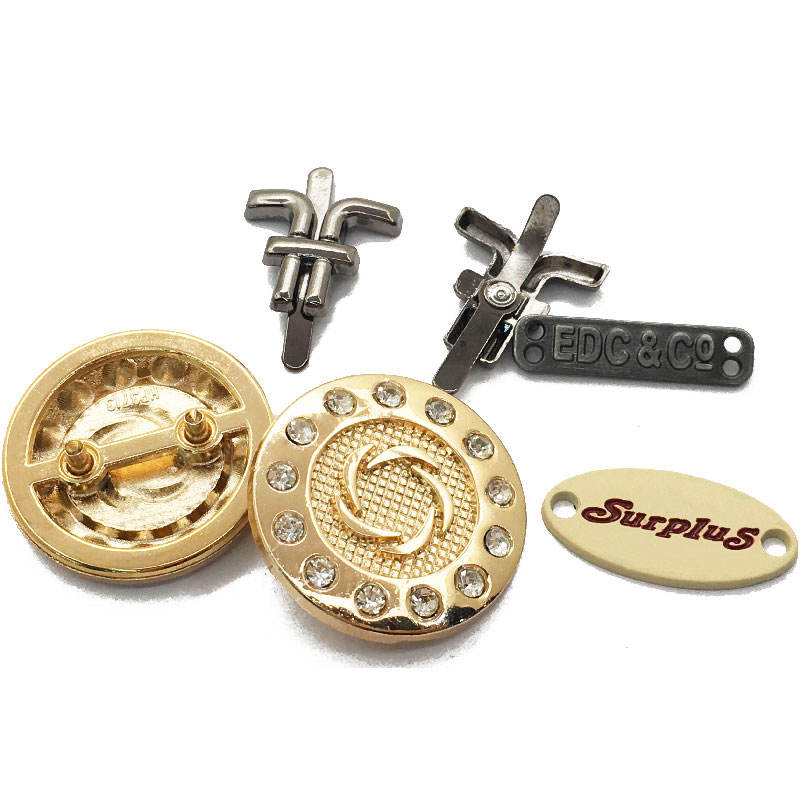
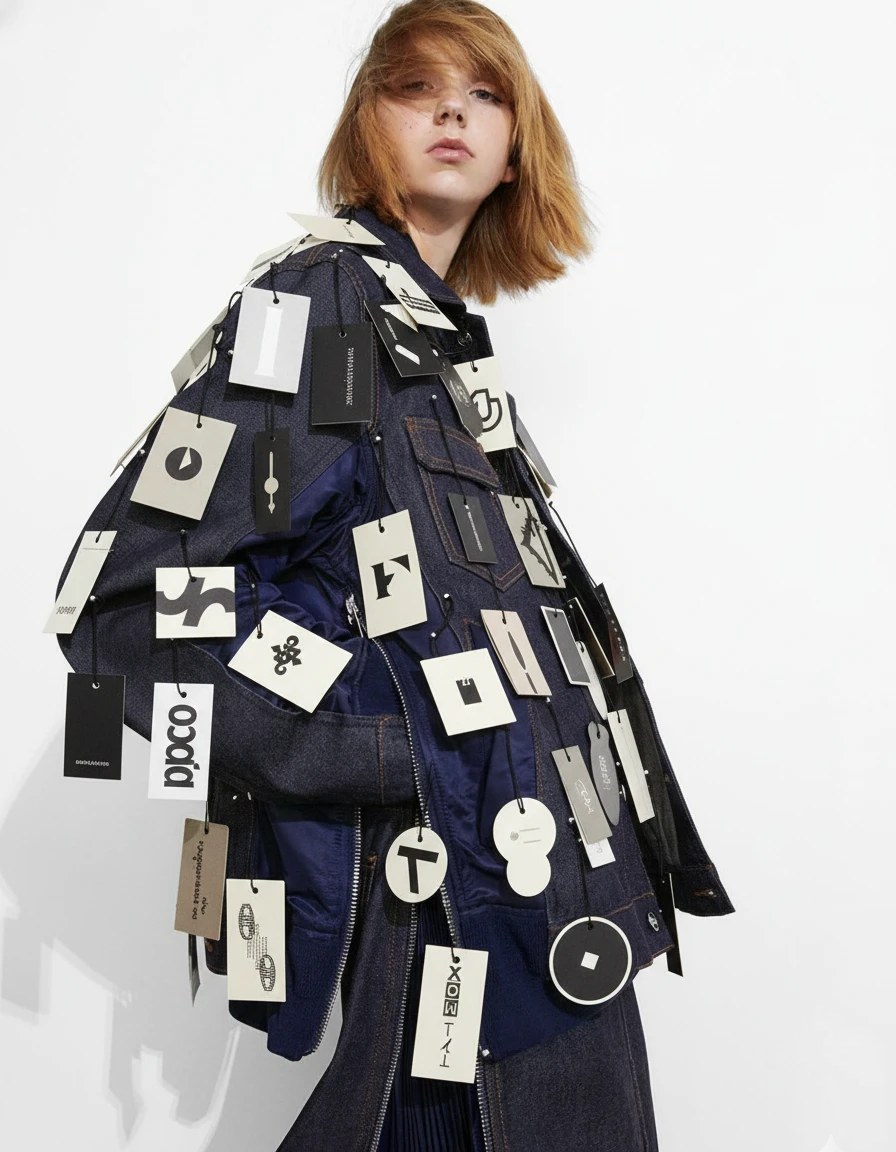
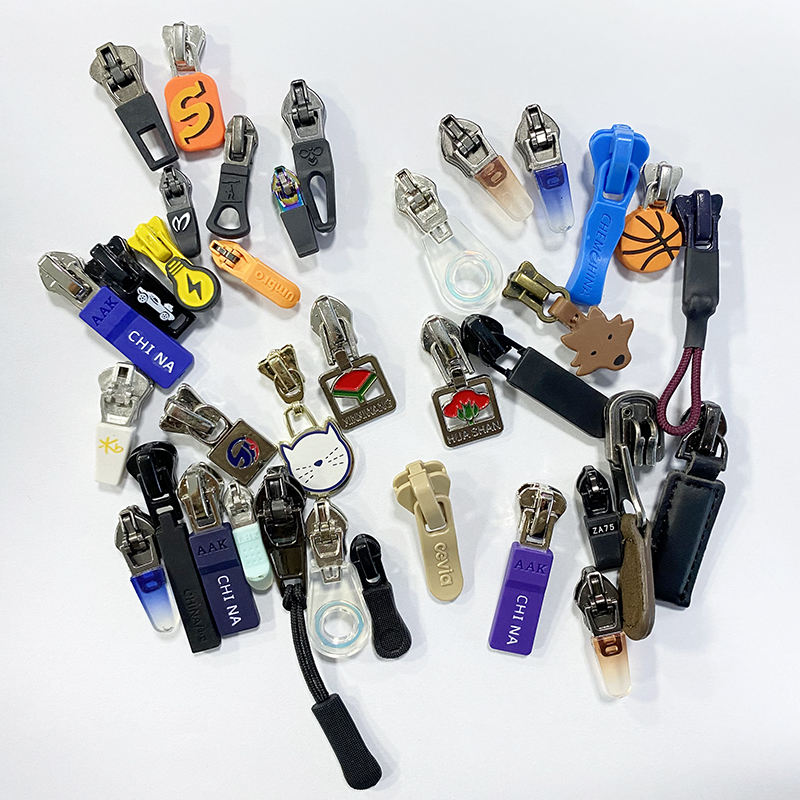
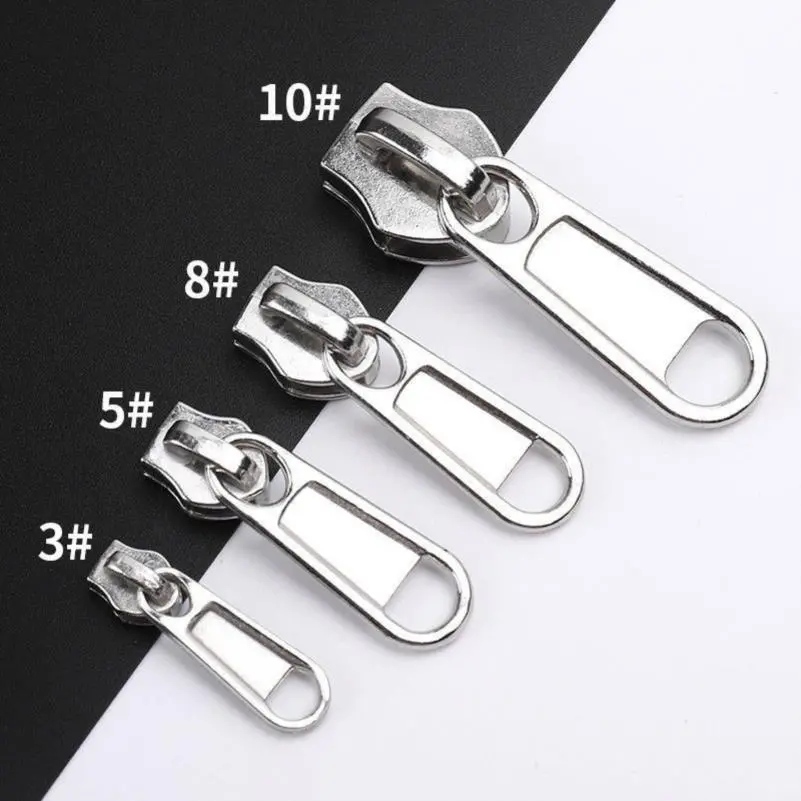
Satin Ribbons & Belts
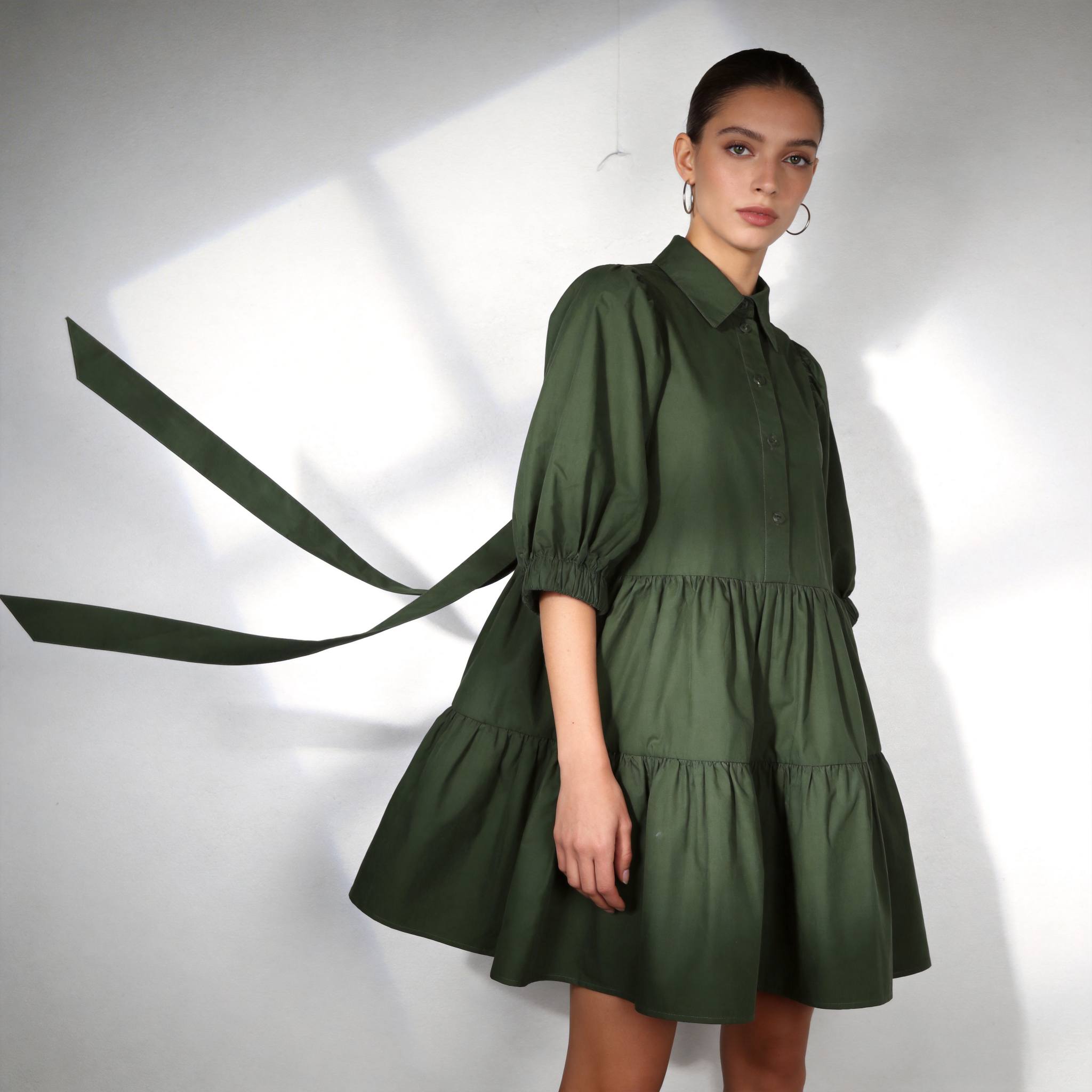
Custom satin ribbons, grosgrain belts, and waist ties in matching or contrast colors add definition and elegance to bridal silhouettes. Available with custom embroidery, brand logos, or monogramming for personalized wedding dress details.
Custom Wedding Dress Manufacturer Since 1998
Founded in 1998 in Humen, Dongguan, ZORWILD began as a family-operated garment workshop rooted in precision and craftsmanship. Our founder grew up learning every stage of garment manufacturing from his father, a master cutter who instilled the values of quality, responsibility, and professionalism that still guide our custom wedding dress production today.
Over 27 years, we have evolved into a full-service OEM manufacturer with more than 200 skilled workers, serving over 2,000 fashion and bridal brands worldwide. Our monthly production capacity exceeds 100,000 units, and we specialize in custom wedding dress manufacturing with low 50-piece MOQs, advanced embellishment techniques, and complete design support from concept to delivery.
What sets ZORWILD apart is our deep heritage in formal and bridal wear construction, our 6-stage quality control system, and our ability to execute 95% of decoration techniques in-house. Whether you are launching a startup bridal line or scaling an established collection, we bring decades of expertise and personal commitment to every custom wedding dress we produce.
Our Core Capabilities for Custom Wedding Dress Production
Design & Sampling Excellence
Transform your bridal vision into production-ready samples within 7-10 days. Our experienced development team works from tech packs, sketches, or reference garments to create precise custom wedding dress prototypes that match your brand’s aesthetic and quality standards.
- Tech pack development and pattern engineering by experienced bridal specialists
- First sample ready in 7-10 days with detailed fit and construction evaluation
- Unlimited revisions until your custom wedding dress design meets specifications
- Digital and physical sampling options for remote brand collaboration
Advanced Embroidery & Beading Techniques
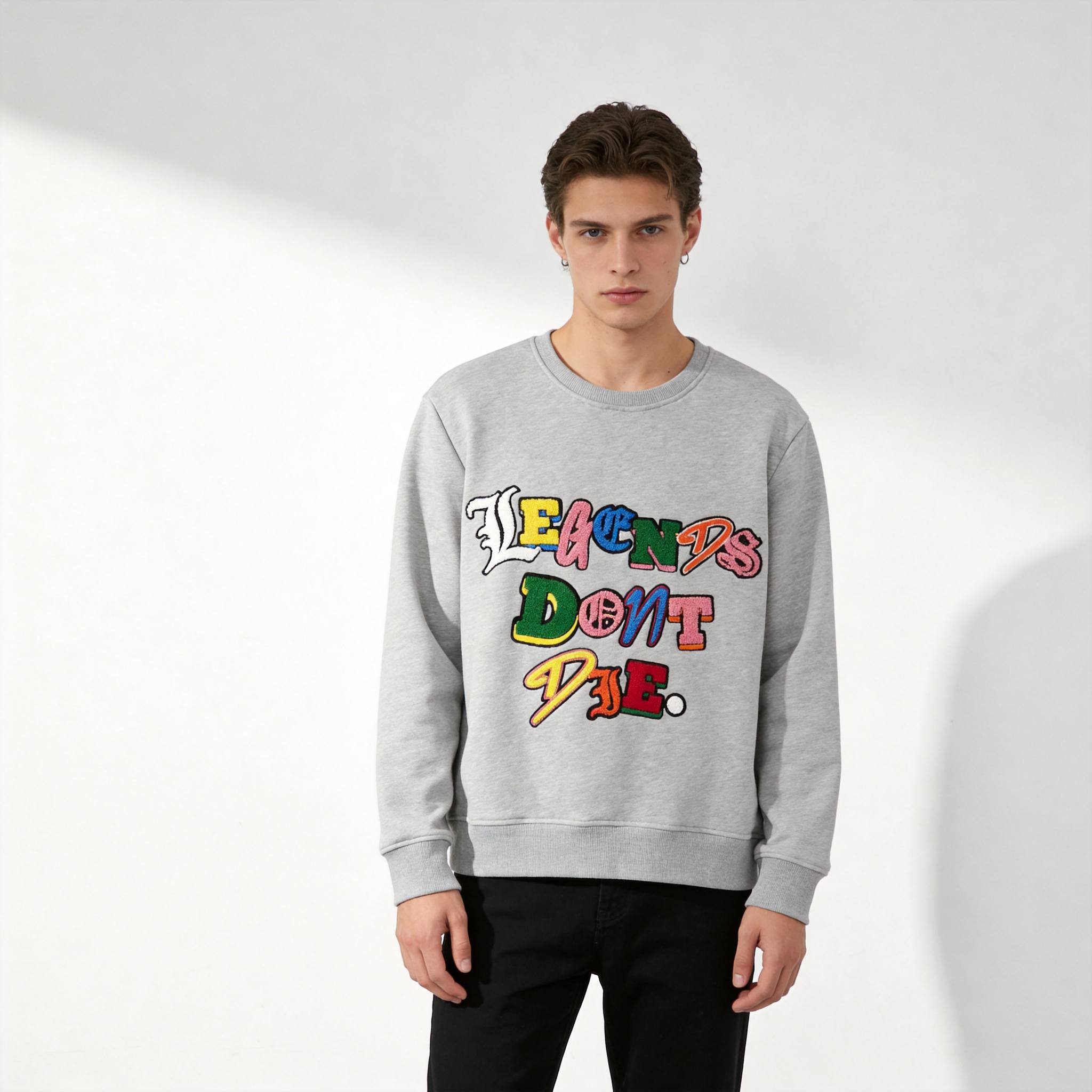
Elevate your custom wedding dress collections with 95%+ decoration techniques executed in-house. From delicate lace appliqué to intricate beading and sequin work, our skilled craftspeople deliver the premium embellishments that define luxury bridal wear.
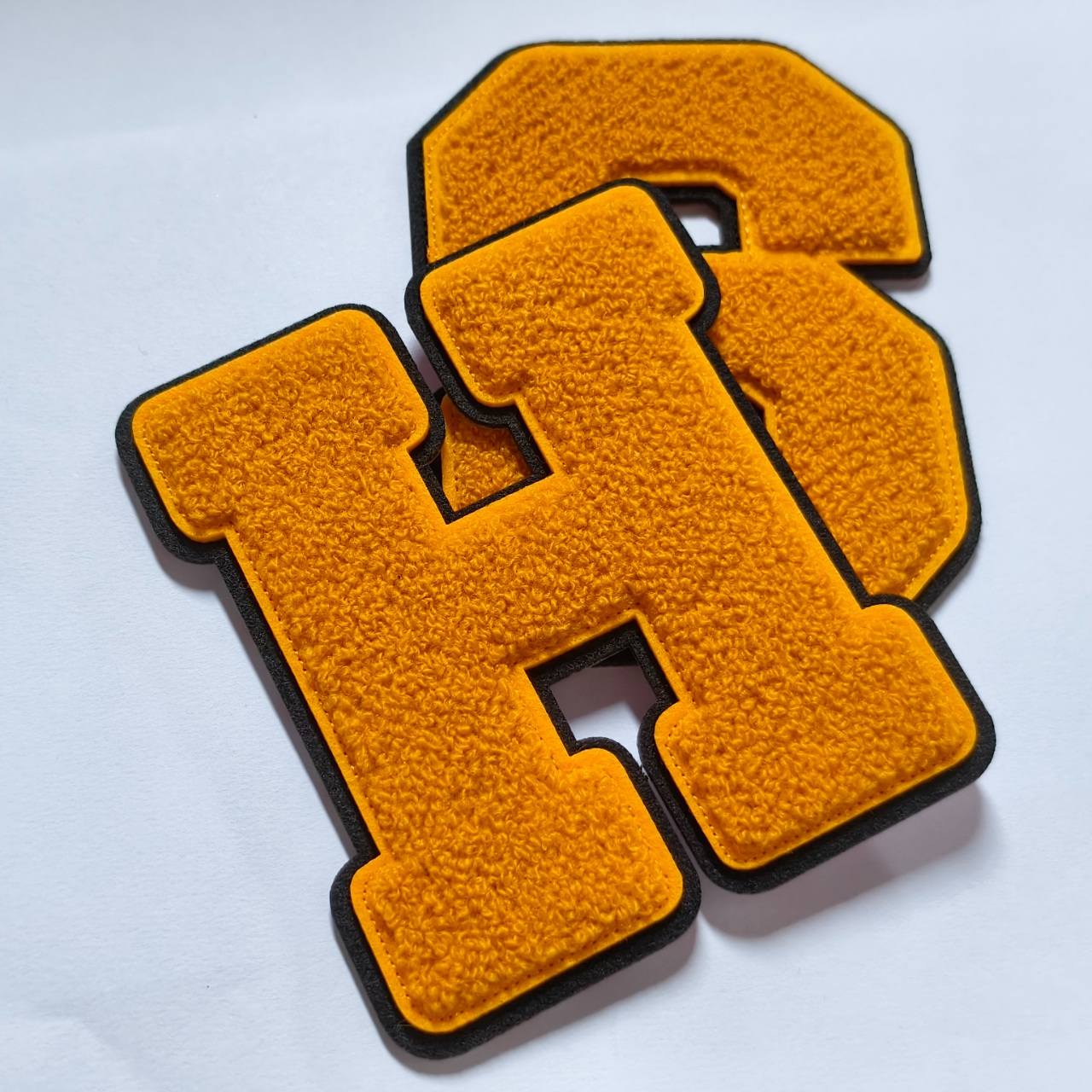
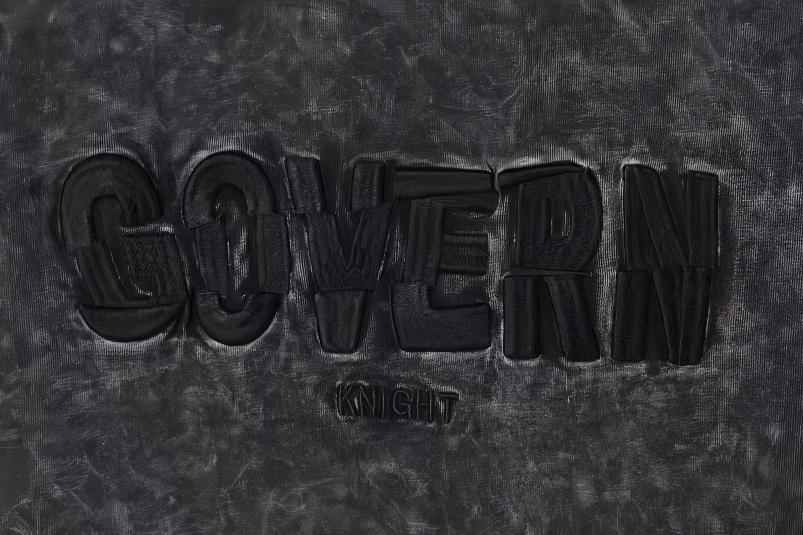
- 3D embroidery, chenille, appliqué, and metallic thread work for dimensional details
- Hand-beading, rhinestone application, sequin embroidery, and pearl attachment
- Laser cutting, embossing, and multi-layer lace construction capabilities
- Strict quality control ensures consistent stitch density and flawless placement
Premium Fabric Sourcing Network
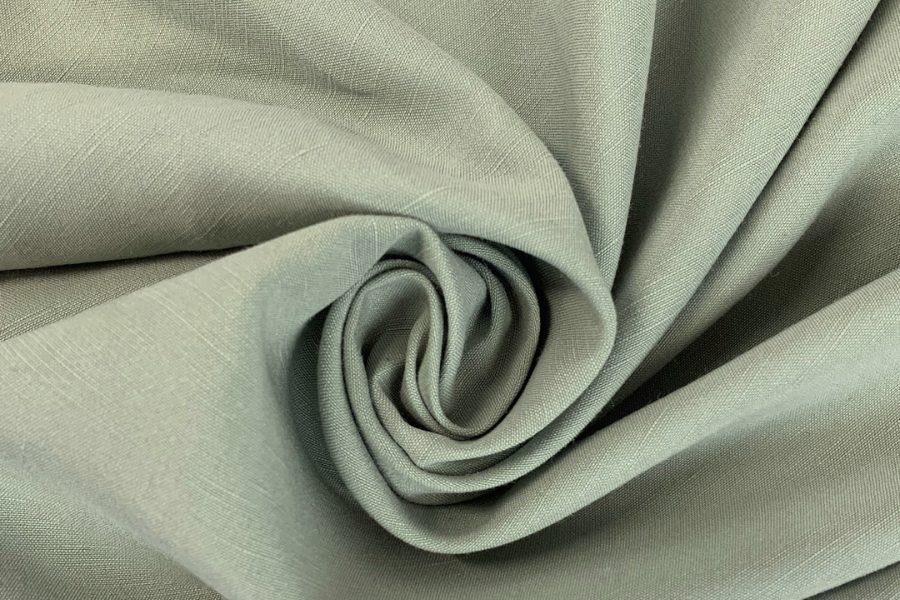
Access trusted partnerships with specialized fabric suppliers across China for satin, lace, chiffon, tulle, organza, and silk blends. We source materials that balance bridal aesthetics with durability, ensuring your custom wedding dress designs feel as luxurious as they look.
- Satin, duchess satin, charmeuse, and stretch satin in multiple weights
- French lace, Chantilly lace, guipure lace, and embroidered tulle fabrics
- Chiffon, organza, georgette, and silk blends for layering and draping
- Fabric testing for colorfastness, drape, opacity, and garment performance
6-Stage Quality Control System
Every custom wedding dress passes through rigorous inspection from raw material arrival to final packaging. Our 6-stage quality control system ensures that measurements, embellishments, stitching, and finishing meet the exacting standards brides and retailers expect.
- Raw material inspection verifies fabric quality, color accuracy, and defect-free yardage
- In-line production checks monitor stitching precision and construction consistency
- Embroidery and beading quality inspection ensures secure attachment and positioning
- Final product inspection covers measurements, pressing, packaging, and branding accuracy
ZORWILD vs. Traditional Bridal Manufacturers for Custom Wedding Dress Production
See how our 27 years of expertise, flexible MOQ, and in-house capabilities deliver better value, faster timelines, and more reliable quality for your custom wedding dress collection.
← 左右滑动查看 →
Custom Wedding Dress Production Process
From design approval to final shipment, our six-phase production system ensures every custom wedding dress meets bridal quality standards with full traceability and craftsmanship control.
Tech Pack & Design Review
Our development team reviews your tech pack, sketches, or reference garments to confirm measurements, construction details, embellishments, and fabric specifications before production begins.
Fabric Sourcing & Sampling
We source premium bridal fabrics including satin, lace, chiffon, tulle, and organza from trusted suppliers, then create pre-production samples for fit and quality approval.
Pattern Cutting & Production
Skilled pattern cutters prepare precision templates. Our 200-person sewing team assembles each custom wedding dress with careful attention to seams, draping, corsetry, and structural integrity.
Embroidery, Embellishment & Finishing
We apply lace appliques, beading, sequins, embroidery, rhinestones, and specialty decoration using in-house techniques that support 95% of modern bridal embellishment methods.
Quality Inspection & Garment Finishing
Every dress undergoes our six-stage quality control system covering measurements, stitching, embellishment security, fabric integrity, pressing, and final inspection before packaging approval.
Packaging & Global Shipping
Custom wedding dresses are carefully pressed, packaged with branded labels and hang tags, then shipped via air or sea freight with full export documentation and customs support.
How to Order Your Custom Wedding Dress from ZORWILD
Our transparent 5-step process takes you from design concept to finished custom wedding dress with full support at every stage. With 27 years of bridal manufacturing expertise, we make ordering straightforward and stress-free.
Submit Your Design Brief
Send us your tech pack, sketches, reference photos, or design ideas. Our team reviews your custom wedding dress requirements and provides initial recommendations on fabrics and construction.
Receive Quote and Timeline
Within 24-48 hours, we provide a detailed quote covering sampling, bulk production costs, and realistic timelines based on your custom wedding dress specifications and order volume.
Approve Samples and Finalize
We produce pre-production samples for your evaluation. Review fit, fabric quality, embellishments, and construction details. Request revisions until every detail meets your standards.
Bulk Production with QC
Your custom wedding dress order enters our 6-stage quality control production system. We conduct in-line inspections, measurement checks, and decoration quality reviews throughout manufacturing.
Final Packaging and Shipment
Finished dresses undergo final inspection, premium packaging with your custom branding, and secure global shipment with full export documentation and tracking support.
Certifications & Quality Standards for Custom Wedding Dress Manufacturing

What Bridal Designers Say About Our Custom Wedding Dress Manufacturing
ZORWILD helped us launch our debut custom wedding dress collection with just 50 pieces. The lace application and beading quality exceeded expectations, and we scaled to 300 dresses within six months. Their low MOQ gave us the confidence to start.
We needed 200 custom wedding dresses for our spring collection in under five weeks. ZORWILD delivered on time with flawless corset construction and satin draping. Their quality control caught details other manufacturers missed. Production capacity and craftsmanship are unmatched.
As a bridal wholesaler, consistency matters. ZORWILD reduced our production costs by 28% while maintaining premium quality across 1,800 custom wedding dresses. Their embroidery precision and multi-layer construction expertise helped us compete with luxury brands at better margins.
FAQ — Custom Wedding Dress Manufacturing
What is the minimum order quantity for custom wedding dress production?
How long does it take to manufacture a custom wedding dress order?
Do you charge for custom wedding dress samples?
Can you source specialty fabrics like lace, satin, and tulle for custom wedding dresses?
What customization options are available for custom wedding dress manufacturing?
What are your payment terms for custom wedding dress orders?
How do you protect my custom wedding dress designs and intellectual property?
What shipping options are available for international custom wedding dress orders?
Can ZORWILD help with design development if I only have inspiration photos?
The Complete Buyer’s Guide to Custom Wedding Dress Manufacturing and Sourcing
1. What Is a Custom Wedding Dress?
A custom wedding dress is a garment manufactured to a brand’s unique design specifications, construction requirements, and size grading system, distinct from off-the-rack inventory and traditional made-to-measure alteration services. Off-the-rack dresses are mass-produced in fixed sizes and sold directly from retail inventory, while made-to-measure services adjust existing patterns to individual measurements without changing the core design. Custom wedding dress manufacturing allows brands to control every element — silhouette, fabric, embellishment, sizing, and branding — from initial tech pack through final production.
The terminology varies across the industry: bespoke traditionally refers to one-of-a-kind couture pieces hand-drafted for individual clients, custom production involves manufacturing original designs in batch quantities starting from 50 to 500 pieces, and semi-custom offers modifications to existing base patterns with limited design changes. Most influencer brands and startup labels require custom production rather than true bespoke, enabling them to launch exclusive collections without the capital risk of 1,000-piece minimums common in traditional bridal manufacturing.
Brands choose custom wedding dress production for three strategic advantages: design differentiation in a saturated market, size inclusivity spanning US 0 through 24+ to capture underserved demographics, and full control over brand identity through custom labels, packaging, and garment finishing. ZORWILD’s 50-piece MOQ system allows emerging brands to test resort wedding collections, influencer capsule lines, and niche bridal styles without inventory overstock, while 27 years of apparel manufacturing experience ensures construction quality across lace applications, corset structures, and multi-layer satin draping.
2. Evolution and History of Custom Wedding Dress Production
Before the 1980s, custom wedding dress production remained exclusively in European and American couture ateliers, where hand-sewing artisans required 200–400 hours per gown and minimum orders started at 500 pieces for wholesale buyers. Industrialization shifted bridal manufacturing to Asia during the 1990s, when computerized embroidery machines, multi-needle sewing systems, and standardized pattern grading reduced production time to 40–80 hours per piece while maintaining couture-level detail.
By 2005, China’s Pearl River Delta region—including Humen, Dongguan—emerged as the world’s largest bridal manufacturing hub, supplying over 60% of global wedding dress exports. Factories integrated fabric sourcing, lace application, beading workshops, corset construction, and quality control under one roof, enabling full one-stop production that previously required coordinating five separate suppliers. Digital design tools like 3D pattern software and tech pack systems arrived after 2010, allowing brands to finalize custom wedding dress designs in days instead of months.
The breakthrough for small brands came after 2015, when flexible manufacturers adopted modular production lines and reduced MOQs from 500–1,000 pieces to 50–100 pieces. ZORWILD, founded in 1998 and serving over 2,000 brands across 27 years, now offers 50-piece minimums on custom wedding dress collections, enabling startup bridal boutiques, influencer-led labels, and independent designers to launch without the capital risk of traditional wholesale orders. Sustainability trends since 2020—organic fabrics, low-waste cutting, and small-batch production—further align with low MOQ manufacturing, making this the most accessible entry point in bridal industry history.
3. Types of Custom Wedding Dress Styles and Silhouettes
Bridal silhouettes determine fit, fabric consumption, construction complexity, and target market positioning. Buyers launching a custom wedding dress collection must balance universal appeal with manufacturing feasibility, especially when working with low MOQ production starting at 50 pieces per style.
A-Line Silhouette
A-line wedding dresses feature a fitted bodice that gradually flares from the natural waist to the hem, creating a universally flattering shape. This silhouette suits nearly all body types and requires moderate fabric yardage, making it ideal for startup collections.
Manufacturing complexity is low to moderate depending on bodice construction. Suitable fabrics include satin, chiffon, tulle, organza, and lace overlays. ZORWILD recommends A-line styles for first collections due to broad customer appeal and straightforward pattern grading.
Ball Gown Silhouette
Ball gown styles feature a fitted bodice with a dramatic full skirt that begins at the natural waist, requiring significant fabric volume and structured underskirts. This classic princess silhouette demands advanced pattern making, boning, corsetry, and multi-layer tulle construction.
Manufacturing cost is higher due to fabric consumption and labor-intensive skirt assembly. Best for brands targeting formal church weddings and traditional bridal customers. Requires skilled sewing teams experienced in structured bodice construction and voluminous skirt handling.
Mermaid and Trumpet Silhouettes
Mermaid dresses fit tightly through the bodice, waist, and hips, flaring dramatically below the knee. Trumpet styles flare slightly higher, near mid-thigh. Both require precise pattern grading and stretch fabrics or bias-cut construction for comfort.
Manufacturing complexity is high due to fit precision and flare engineering. Ideal fabrics include stretch satin, crepe, lace with spandex blends, and structured knits. These silhouettes suit hourglass figures and fashion-forward brides, but require careful sizing and quality control to avoid fit issues.
Sheath Silhouette
Sheath wedding dresses follow the body’s natural line from neckline to hem without flare, offering a sleek, minimalist aesthetic. This silhouette uses the least fabric and simplifies construction, making it cost-effective for low MOQ production.
Best suited for petite to average builds and modern, understated bridal aesthetics. Common fabrics include silk charmeuse, crepe, satin-back crepe, and lightweight jersey blends. ZORWILD’s sheath dress production supports quick sampling and fast turnaround for influencer and boutique brands.
Empire Waist Silhouette
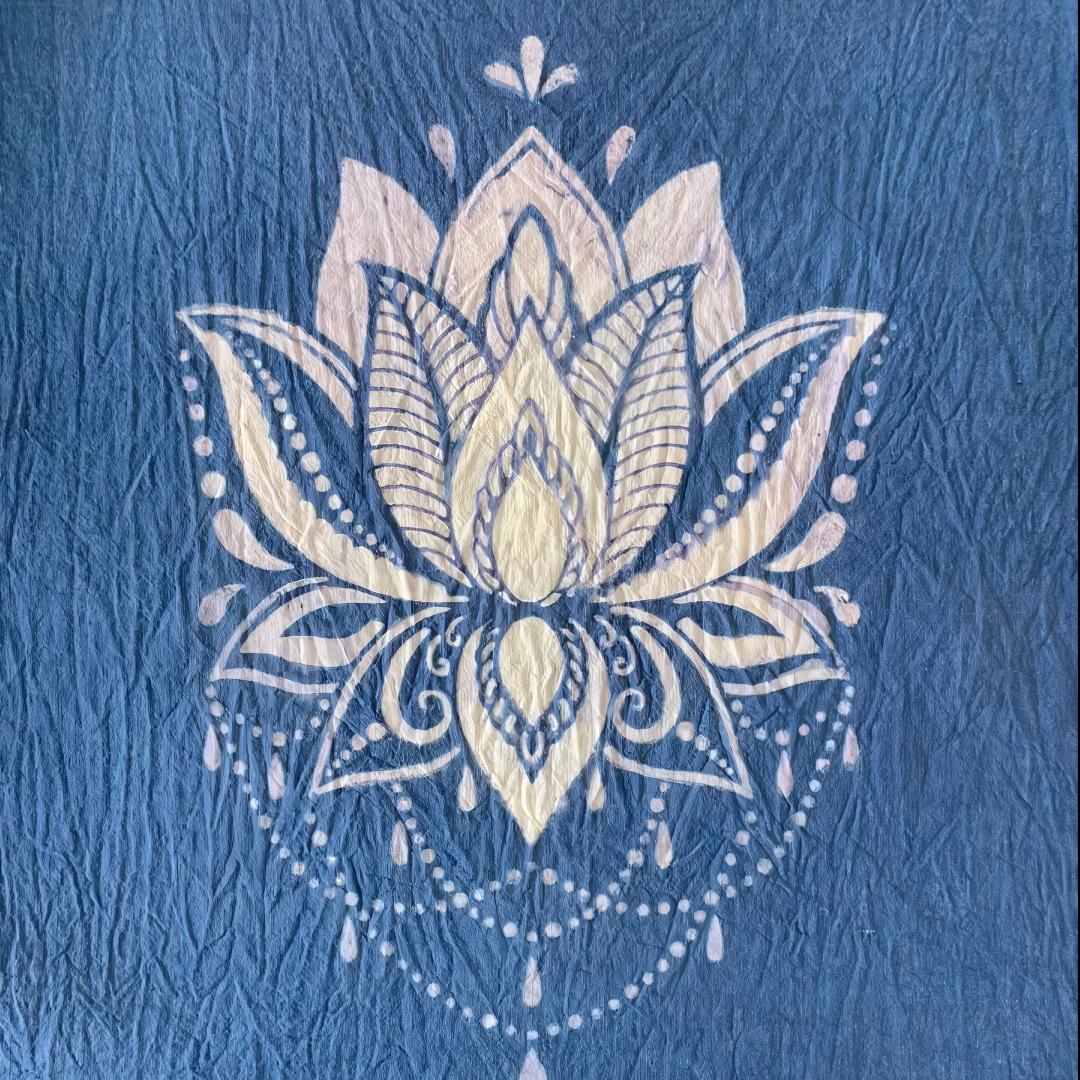
Empire waist dresses feature a raised waistline just below the bust with a flowing skirt, creating an elongated silhouette. This style flatters petite brides, maternity customers, and those seeking comfort without restriction.
Manufacturing is straightforward with minimal waist shaping required. Suitable fabrics include chiffon, georgette, tulle, and soft satin. This silhouette works well for destination weddings, beach ceremonies, and bohemian bridal collections, offering strong differentiation for niche markets.
4. Materials and Fabrics for Custom Wedding Dress Manufacturing
Selecting the right fabric is critical for custom wedding dress production. Each bridal textile delivers distinct drape, structure, and cost characteristics that directly influence garment performance, customer satisfaction, and retail positioning.
| Fabric | Weight (GSM) | Drape & Structure | Typical Use | Cost Tier | Care Requirements |
|---|---|---|---|---|---|
| Satin | 120–200 | Smooth, lustrous, medium drape | Bodice, A-line skirt, formal gowns | Mid | Dry clean, avoid water spots |
| Tulle | 30–80 | Stiff net, holds volume | Skirt layers, veils, overlays | Low–Mid | Hand wash, air dry |
| Organza | 50–100 | Crisp, sheer, light structure | Sleeves, overlays, ball gown layers | Mid | Dry clean, iron low heat |
| Lace | 100–180 | Delicate, textured, soft drape | Bodice appliqué, sleeves, trains | High | Dry clean only, handle gently |
| Chiffon | 60–100 | Soft, flowing, sheer drape | Overlays, sleeves, romantic styles | Mid | Dry clean, low iron |
| Mikado | 200–280 | Heavy, structured, matte finish | Ball gown skirts, structured bodices | High | Dry clean, professional press |
| Crepe | 150–220 | Fluid, matte, elegant drape | Sheath dresses, modern minimalist gowns | Mid–High | Dry clean, steam gently |
5. Customization and Decoration Options for Custom Wedding Dress Orders
Custom wedding dress orders demand a wide range of embellishment and personalization techniques to differentiate collections and meet bridal market expectations. Each decoration method carries distinct MOQ implications, setup costs, and lead-time requirements that directly impact production planning and pricing.
| Technique | Setup Cost | Per-Unit Cost | MOQ Impact | Lead Time Added |
|---|---|---|---|---|
| Embroidery / Appliqué | $50–$200 | $3–$15 | 50–100 pcs | +5–10 days |
| Beading / Sequins | $100–$300 | $20–$150 | 100+ pcs | +15–25 days |
| Custom Lace / 3D Floral | $0–$500 | $15–$60 | 50–200 pcs | +10–18 days |
| Garment Dyeing | $30–$80 | $4–$12 | 100+ pcs | +7–12 days |
Embroidery and Appliqué Applications
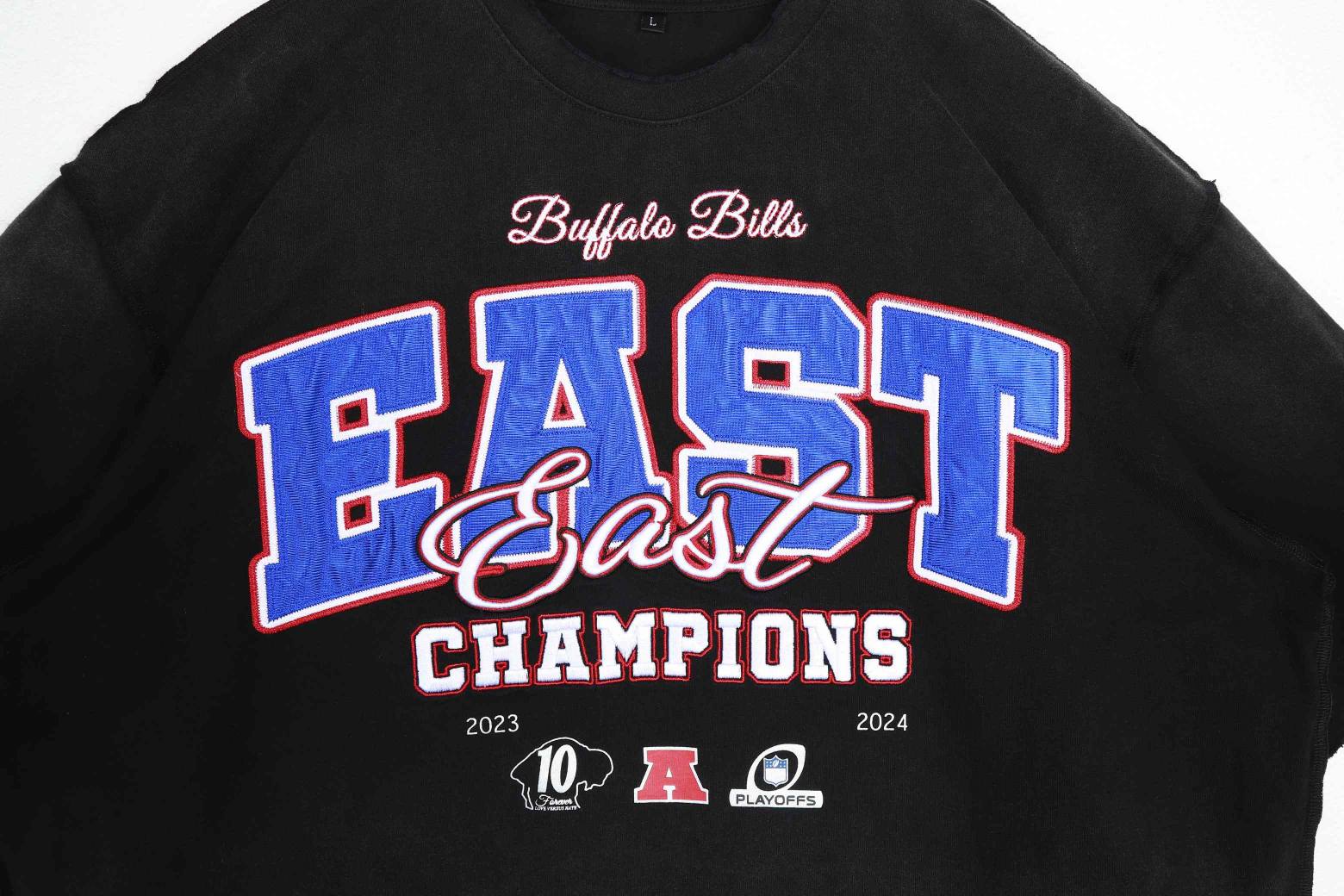
Flat embroidery, 3D embroidery, and appliqué embroidery are foundational techniques for custom wedding dress decoration, offering durability and premium visual appeal. Setup costs range from $50 to $200 per design depending on stitch count and complexity, with per-unit costs between $3 and $15 for standard placements.
Appliqué embroidery combines fabric layering with embroidery stitching to create dimensional floral motifs, lace patterns, and custom monograms. MOQ for embroidered wedding dresses typically starts at 50 pieces per design when using existing digitized files, but custom digitization may require 100-piece minimums to absorb setup overhead. Lead time adds 5 to 10 days compared to undecorated garments.
Beading, Sequins, and Rhinestone Embellishments
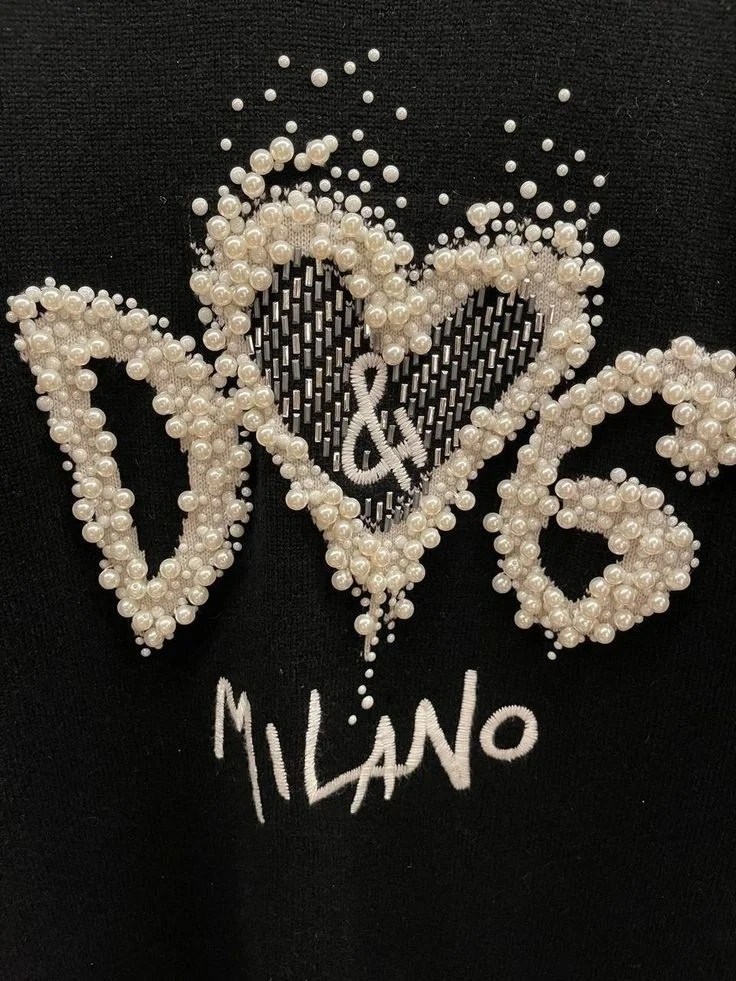
Hand-applied beading and sequin work represent the highest-cost decoration category, with per-unit costs ranging from $20 to $150 depending on coverage density and bead quality. Machine-applied rhinestones offer faster turnaround and lower costs ($5 to $25 per garment) but less intricate placement control.
MOQ for beaded custom wedding dress orders typically requires 100 pieces minimum due to labor-intensive application and quality control demands. Lead time extends 15 to 25 days beyond base production, and setup costs include pattern templates ($100 to $300) and sample approval cycles.
Custom Lace Patterns and 3D Floral Details
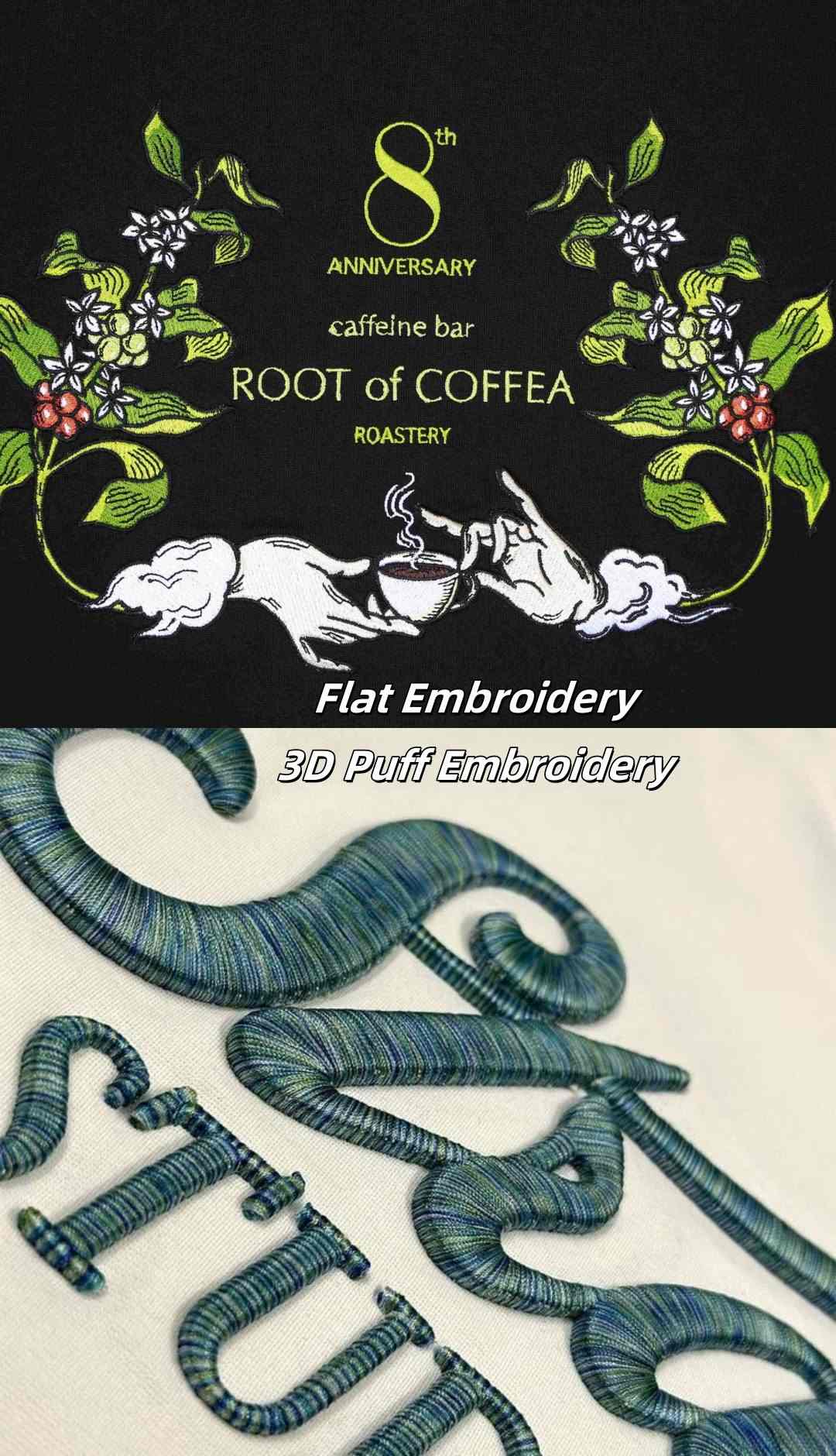
Custom lace application and 3D floral embellishments create signature bridal aesthetics through multi-layer construction and hand-sewn petal work. Lace sourcing adds $8 to $40 per meter depending on origin (domestic vs. imported European lace), with typical dress consumption between 2 and 6 meters.
3D floral details require skilled hand assembly, adding $15 to $60 per garment based on flower count and petal complexity. MOQ for custom lace patterns starts at 50 pieces when using stock lace, but custom-developed lace designs require 200-piece minimums to justify supplier setup. Lead time increases 10 to 18 days.
Garment Dyeing and Custom Color Development
Garment dye and pigment dye techniques enable custom wedding dress color development beyond standard white and ivory, including blush, champagne, soft blue, and pastel tones. Setup costs include lab dips ($30 to $80 per color) and dye lot testing to ensure batch consistency.
MOQ for custom-dyed wedding dresses typically starts at 100 pieces per colorway due to dye bath minimums and color-matching requirements. Per-unit dyeing costs range from $4 to $12, and lead time adds 7 to 12 days for dyeing, drying, and color verification.
6. Key Construction Quality Elements in Custom Wedding Dress Production
Quality construction separates premium custom wedding dress orders from budget imports. Buyers must audit structural elements, seam finishing, and closure systems during sample approval to avoid post-production failures and returns.
Boning and Corsetry Structure
Steel boning provides superior support for strapless and fitted bodices compared to plastic alternatives that warp under body heat. Spiral steel boning flexes with movement while maintaining shape; flat steel boning reinforces vertical seams and side panels.
Check boning channels for double-stitched construction and capped ends to prevent fabric puncture. Quality manufacturers insert boning into enclosed fabric casings rather than exposed stitching lines, ensuring comfort and durability through multiple fittings.
Seam Finishing and Lining Integrity
French seams enclose raw edges for sheer fabrics and delicate silks, preventing fraying and creating clean interior finishes. Overlocked seams work for structured fabrics like satin and taffeta, offering strength and stretch tolerance.
Lining fabrics must match outer fabric weight and drape; lightweight china silk suits chiffon overlays, while structured duchess satin requires taffeta or organza underlining. Inspect lining attachment at waistlines, zippers, and hems for independent movement without puckering.
Closure Systems and Durability
Invisible zippers from YKK or SBS offer clean closure lines for fitted silhouettes; corset lacing provides adjustability for size fluctuations and multiple wearers in rental collections. Fabric-covered buttons require reinforced shanks and double-thread attachment to withstand repeated stress.
Test closures under tension during sample inspection. Quality manufacturers reinforce zipper tape ends with bar tacks and install modesty panels behind lacing systems to prevent gaping.
Hem Weight and Bustle Construction
Horsehair braid or weighted hem tape creates structured skirt edges that maintain shape and prevent fabric collapse in tulle and organza layers. Hem width ranges from 1 inch for A-line styles to 3 inches for ballgown trains.
Bustle points require reinforced stitching and hidden hook-and-eye systems positioned at natural waistline breaks. French bustle styles demand precise fabric gathering and internal ribbon loops; American bustles need exterior button placement aligned with train seams for balanced lift.
7. How to Choose a Custom Wedding Dress Manufacturer
Vetting a custom wedding dress manufacturer requires systematic due diligence across certifications, production timelines, communication infrastructure, intellectual property safeguards, and logistics capabilities. Professional factories serving international brands maintain transparent systems for quality assurance, design protection, and reliable delivery. Buyers should evaluate both domestic and overseas production trade-offs based on order volume, budget, and timeline requirements.
Certifications and Compliance Standards
ISO 9001 certification confirms quality management systems, while BSCI or WRAP audits verify ethical labor practices and workplace safety standards. OEKO-TEX certification ensures fabric and trim components meet chemical safety requirements for skin contact. Established manufacturers with 20+ years of experience typically maintain multiple certifications and provide audit reports upon request.
ZORWILD’s 27-year manufacturing history includes compliance with international quality and safety standards, supporting brands that require documented factory credentials for retail partnerships and brand credibility.
Sample Turnaround and Lead Times
Sample production for custom wedding dress orders typically requires 10–21 days depending on embellishment complexity, lace application density, and corset construction details. Bulk production lead times range from 30–60 days for orders of 50–500 pieces, with larger runs requiring 60–90 days.
Factories with in-house fabric sourcing and decoration capabilities reduce lead times by eliminating external vendor dependencies. ZORWILD’s integrated production system handles fabric procurement, sampling, embroidery, beading, and finishing within a single facility, ensuring faster turnaround and consistent quality control throughout the custom wedding dress production cycle.
Communication and Design Support
Reliable manufacturers provide dedicated account managers, multi-channel communication via email, WhatsApp, and video calls, and English-speaking technical teams for tech pack interpretation. Real-time production updates, photo approvals at key milestones, and rapid response times under 24 hours indicate professional operations.
ZORWILD assigns experienced project coordinators to each client, offering design consultation, fabric recommendations, and construction guidance for brands developing custom wedding dress collections. Contact via email [email protected] or WhatsApp +86 137 1325 2727 ensures direct access to technical and production teams.
Intellectual Property Protection
Non-disclosure agreements, design confidentiality clauses, and exclusive production agreements protect original custom wedding dress designs from unauthorized reproduction. Reputable manufacturers enforce strict internal policies prohibiting sample sharing, pattern duplication, or design leaks to competitors.
Factories serving established brands understand the commercial value of proprietary silhouettes, lace patterns, and embellishment techniques. ZORWILD maintains confidentiality protocols across design development, sampling, and production stages, ensuring that custom wedding dress designs remain exclusive to the commissioning brand.
Payment Terms and Logistics
Standard payment structures include 30–50% deposit upon order confirmation and balance payment before shipment, with T/T, PayPal, or credit card options. Flexible terms may be available for repeat clients or large-volume orders.
Global logistics support includes air freight for samples and urgent orders (5–10 days), sea freight for bulk shipments (20–35 days), and door-to-door delivery with customs clearance assistance. ZORWILD provides export documentation, shipping coordination, and tracking support to minimize delays and ensure safe delivery of custom wedding dress orders worldwide.
8. Common Mistakes Buyers Make When Sourcing Custom Wedding Dress Collections
Sourcing custom wedding dress collections involves complex production variables that many buyers underestimate. Even experienced fashion brands face costly delays and quality issues when they overlook critical manufacturing details specific to bridal garments.
Underestimating Lead Time Requirements
Custom wedding dress production typically requires 45–75 days from fabric sourcing through final inspection, yet many buyers expect 30-day turnarounds. Beading, lace application, and corset construction add 10–15 days beyond standard garment timelines.
Rushing production forces manufacturers to skip quality checks or use substandard materials. ZORWILD recommends adding 15–20 days buffer for shipping, customs clearance, and unexpected fabric delays to avoid missing retail deadlines or pre-order commitments.
Ignoring Fabric Shrinkage and Pre-Treatment
Satin, chiffon, and lace fabrics can shrink 2–5% during washing or steaming if not pre-treated before cutting. Buyers who skip fabric relaxation steps receive dresses that measure short in length or tight across bodices after final pressing.
Professional manufacturers pre-wash natural fibers and relax synthetic fabrics for 24–48 hours before pattern cutting. Always specify shrinkage tolerance in tech packs and request fabric test reports to confirm dimensional stability.
Skipping Fit Sample Approval
Many buyers approve only photo samples without trying garments on live models, resulting in poor bust fit, incorrect hemlines, or uncomfortable corset tension. Wedding dresses require precise fit across bust, waist, hips, and shoulder alignment that photos cannot verify.
ZORWILD produces fit samples in 2–3 sizes for brands to test on models matching target customer measurements. Fit sample approval should include movement tests, sitting comfort checks, and zipper functionality before bulk production begins.
Unclear or Incomplete Tech Packs
Vague tech packs cause manufacturers to guess lace placement, boning channels, or train length, leading to costly remakes. Wedding dress tech packs must specify boning type, number of layers, lining construction, closure systems, and hem finishing with precise measurements.
Include front, back, and side-view sketches with callouts for every decorative element. ZORWILD’s development team can assist buyers in creating production-ready tech packs that eliminate ambiguity and reduce sampling rounds.
Poor Size Grading and Inconsistent Measurements
Wedding dresses require precise grading across 6–12 sizes with special attention to bust, waist, and hip ratios. Poor grading causes size 8 dresses to fit like size 10 or creates disproportionate bodice-to-skirt ratios in larger sizes.
Work with manufacturers experienced in bridal size grading who understand how corset structures and structured bodices scale differently than casual garments. Request grade rules and measurement charts for every size before approving production.
Neglecting Packaging and Presentation
Wedding dresses arrive wrinkled or damaged when packed in standard polybags without garment bags, tissue wrapping, or protective boxes. Buyers lose customer trust and face return costs when premium-priced dresses arrive in poor condition.
ZORWILD offers custom garment bags, branded boxes, tissue wrapping, and hanger systems that protect delicate fabrics during shipping. Invest 3–8 dollars per unit in proper packaging to ensure dresses arrive retail-ready and reinforce brand positioning.
9. Steps to Launch Your Custom Wedding Dress Brand
Launching a custom wedding dress brand requires systematic planning and realistic timelines. Most first-time buyers need 6–9 months from concept to first shipment, with each phase building on the previous milestone.
Market Research and Niche Selection
Identify your target customer segment—bridal boutiques, direct-to-consumer online sales, or wholesale distribution—and analyze competitor pricing, silhouette trends, and decoration preferences. Define your niche by style (boho, minimalist, luxury ballgown), price tier ($300–$800 retail vs. $1,200+ premium), or customer demographic (plus-size, petite, destination weddings).
Allocate 4–6 weeks for research, competitor analysis, and brand positioning to ensure your collection addresses unmet market demand.
- Survey 50+ potential customers or retailers to validate demand
- Analyze top 10 competitors’ silhouettes, fabrics, and price points
- Select 3–5 core styles for your initial capsule collection
Design and Tech Pack Creation
Develop detailed tech packs with flat sketches, measurement specs, fabric callouts, lace placement diagrams, and construction notes for each silhouette. Include seam allowances, boning channels, corset lacing details, and train attachment methods.
Budget 3–4 weeks for design finalization and tech pack preparation. ZORWILD’s development team can refine sketches into production-ready tech packs if you provide inspiration photos and design notes.
Manufacturer Onboarding and Sampling
Submit tech packs, fabric preferences, and MOQ requirements to your chosen manufacturer. Expect 2–3 weeks for quotation and material sourcing, then 3–4 weeks for first sample production.
Review fit on dress forms or live models, check lace alignment, corset structure, hem finish, and embellishment quality. Request revisions until samples meet your brand standards—most brands need 1–2 sample rounds before approval.
Bulk Production and Quality Control
Confirm your production order with 30–50% deposit and finalize fabric, trims, and packaging details. Bulk production typically requires 4–6 weeks for 50–200 pieces, including cutting, sewing, lace application, beading, pressing, and final inspection.
Schedule in-line inspections at 30%, 60%, and final stages to catch construction defects, measurement drift, or decoration errors before shipment.
Logistics and Launch Marketing
Arrange sea freight (30–45 days) or air freight (5–10 days) based on your launch timeline and budget. Prepare marketing assets—lookbook photography, social media content, influencer partnerships, and retail pitch decks—during production.
Plan your launch 2–4 weeks after goods arrive to allow for inventory setup, website updates, and pre-launch buzz campaigns.
10. Pricing and Cost Breakdown for Custom Wedding Dress Orders
Custom wedding dress pricing varies significantly by fabric grade, construction complexity, and decoration technique. ZORWILD’s 27 years of manufacturing experience enables transparent cost structures starting from 50-piece MOQ orders, with unit costs decreasing as volume scales across 100-piece and 500-piece production tiers.
Fabric selection drives 40–55% of total garment cost. Premium satin, chiffon, and lace fabrics typically add $8–$15 per unit compared to standard polyester blends, while beaded or sequined materials increase costs by $12–$25 per dress depending on coverage area. Embroidery, corset boning, and multi-layer construction each add $5–$18 per unit based on stitch count and structural complexity.
Setup costs include pattern development ($80–$150 per style), sample production ($60–$120 per sample), and decoration tooling such as embroidery digitizing ($30–$80 per design) or screen setup for printing ($40–$90 per color). Lead times extend from 25–30 days for simple styles at higher volumes to 35–45 days for complex beaded or multi-layer dresses at startup quantities.
Shipping represents 8–12% of landed cost depending on freight mode and destination. Sea freight requires 25–35 days transit but costs $1.20–$2.80 per unit for 500-piece orders, while air freight delivers in 5–8 days at $6–$11 per unit, making it viable for urgent capsule launches or pre-season restocks.
| Quantity Tier | Price per Unit (USD) | Setup Cost | Lead Time |
|---|---|---|---|
| 50 pieces | $45–$85 | $200–$350 | 35–45 days |
| 100 pieces | $38–$72 | $200–$350 | 30–40 days |
| 500 pieces | $28–$58 | $200–$350 | 25–35 days |
| 1,000+ pieces | $24–$52 | Negotiable | 25–30 days |
Ready to Launch Your Custom Wedding Dress Collection?
Start with just 50 pieces. 27 years of expertise, 7-10 day sampling, and full design support from our Dongguan factory.