
Water Based Screen Printing for Soft, Breathable Graphics
ZORWILD delivers water based screen printing with superior hand feel, fabric breathability, and eco-friendly results—perfect for premium streetwear, DTC brands, and modern apparel collections starting at just 50 pieces.
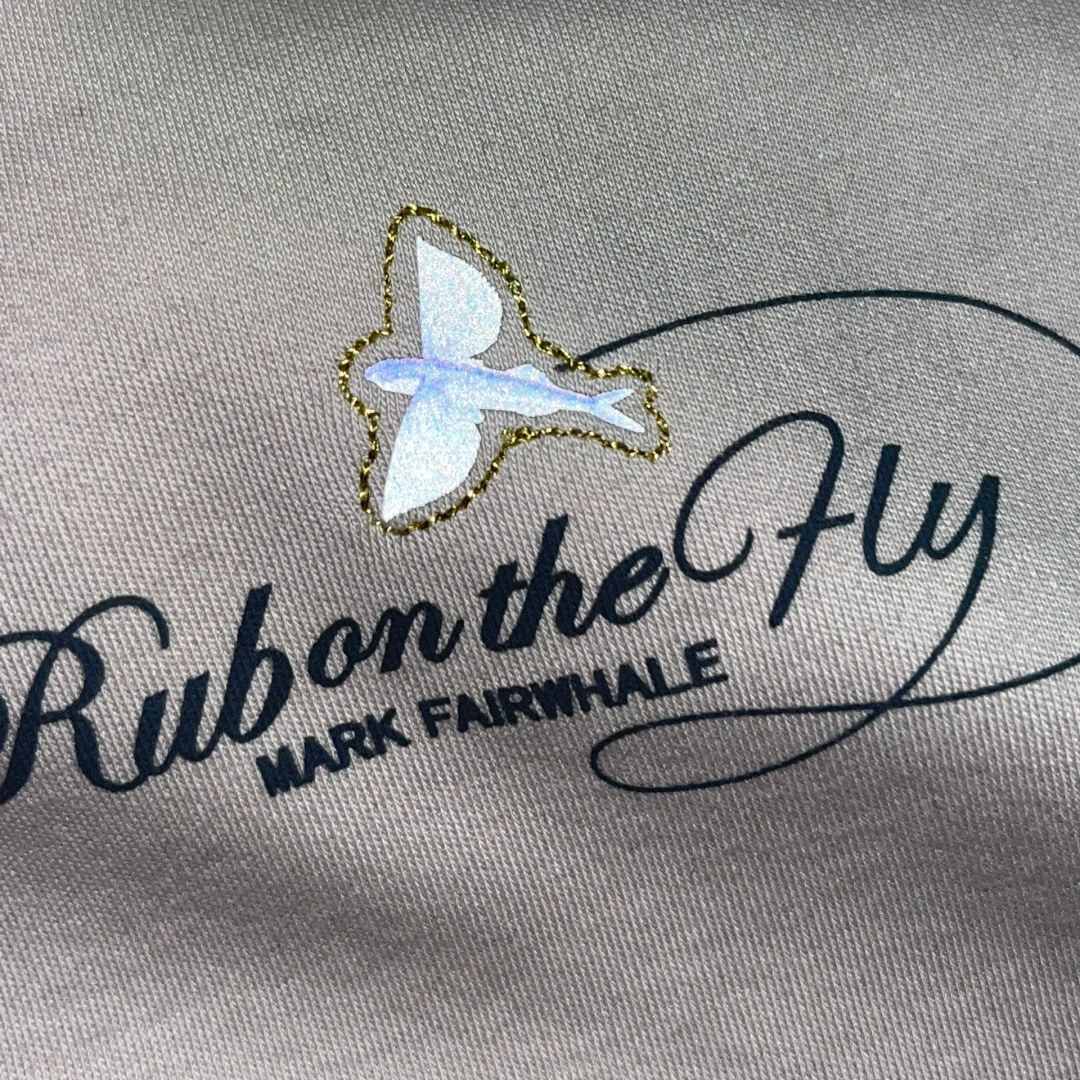
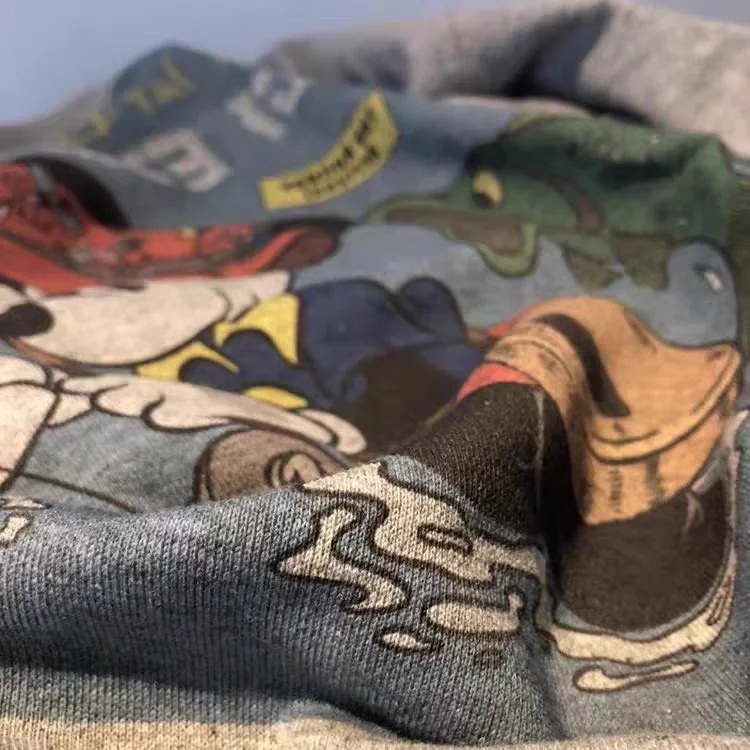
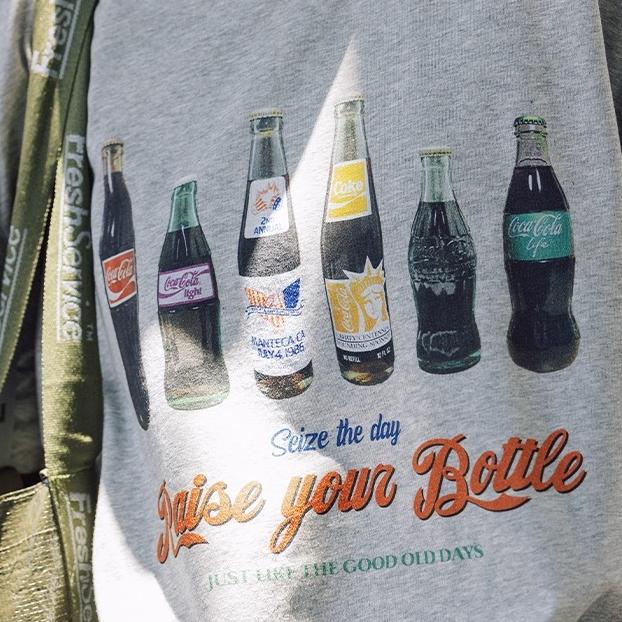
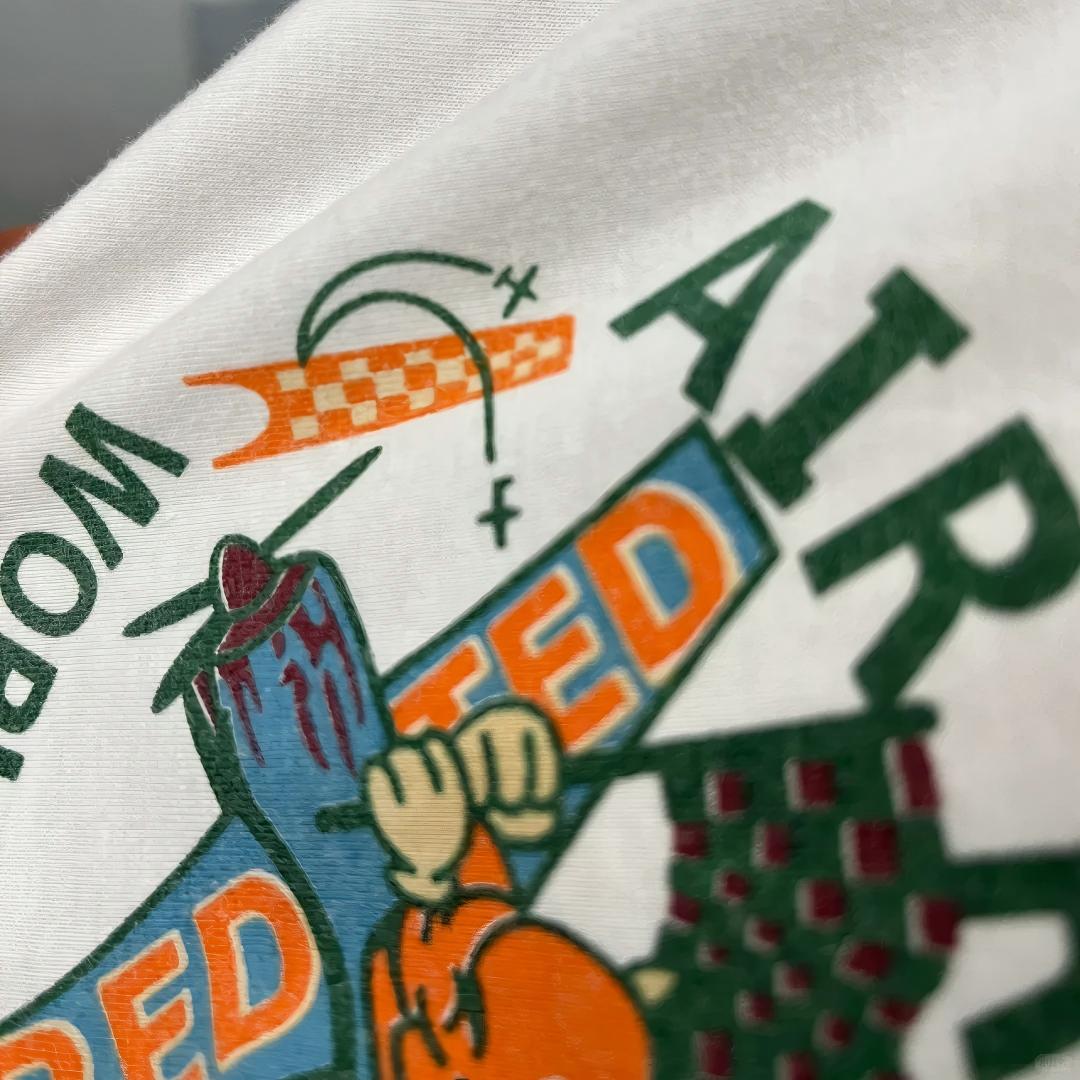
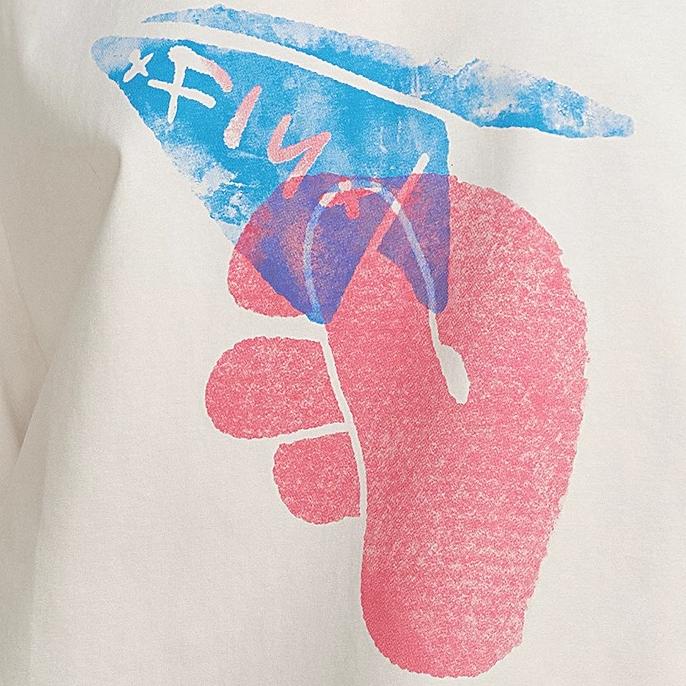
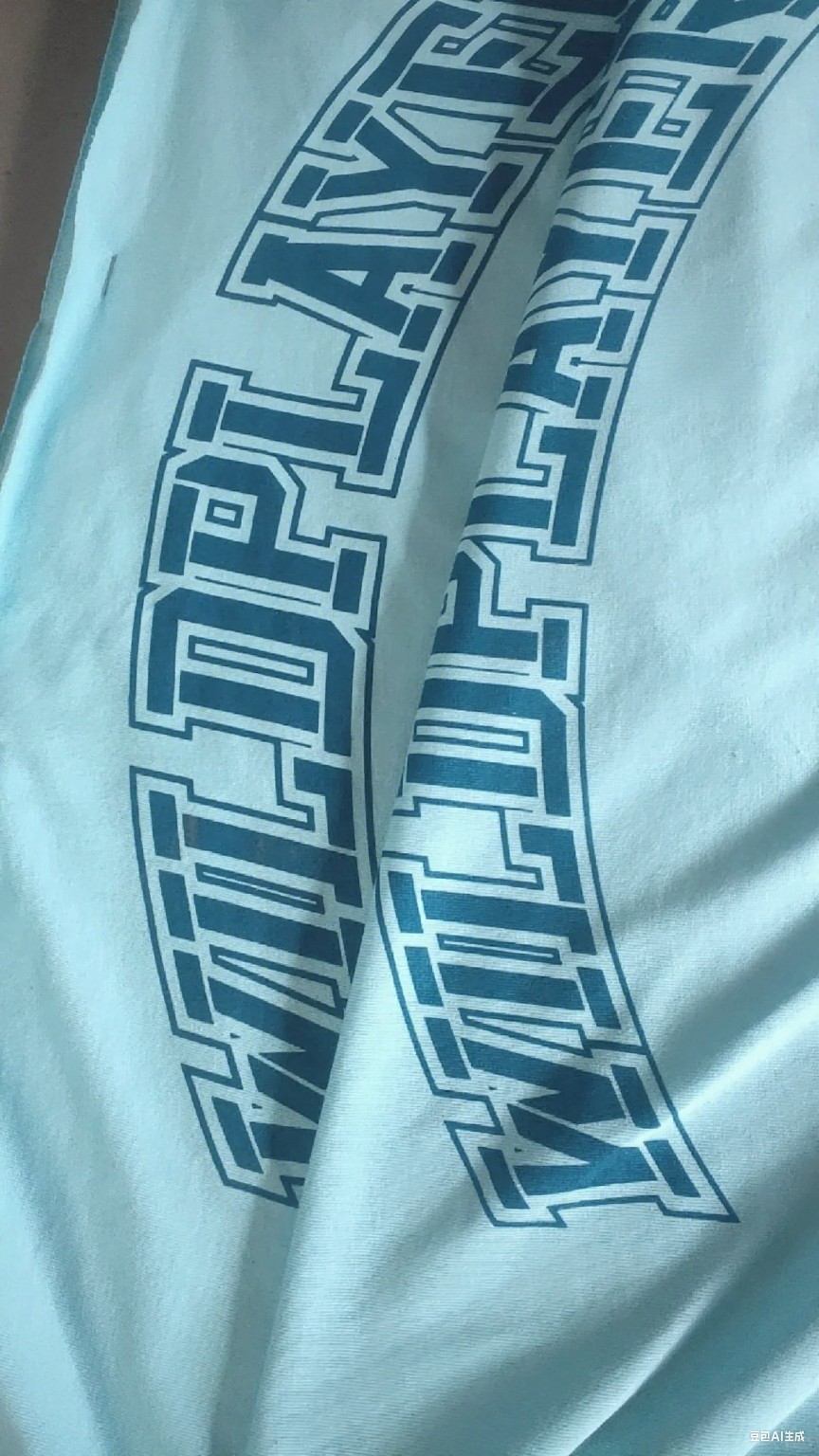
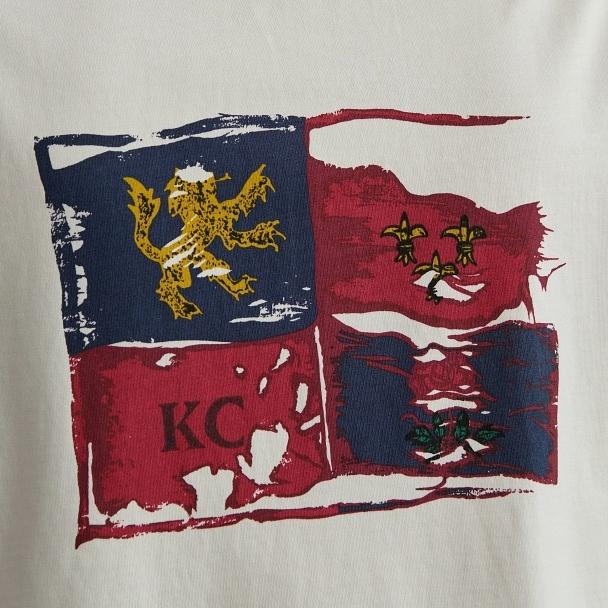
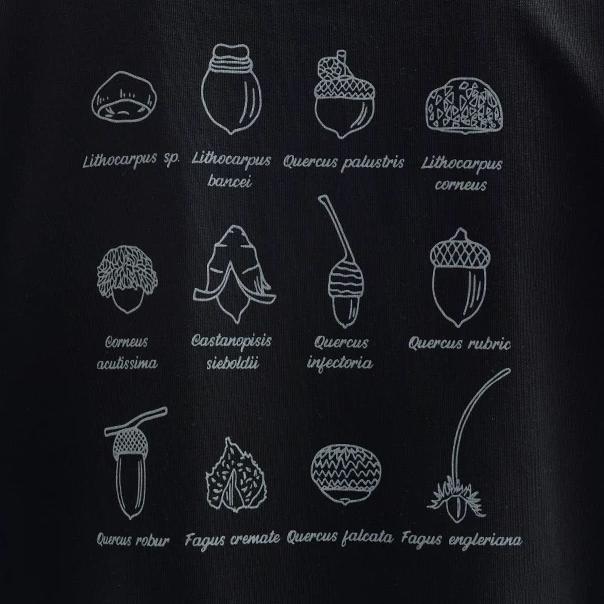
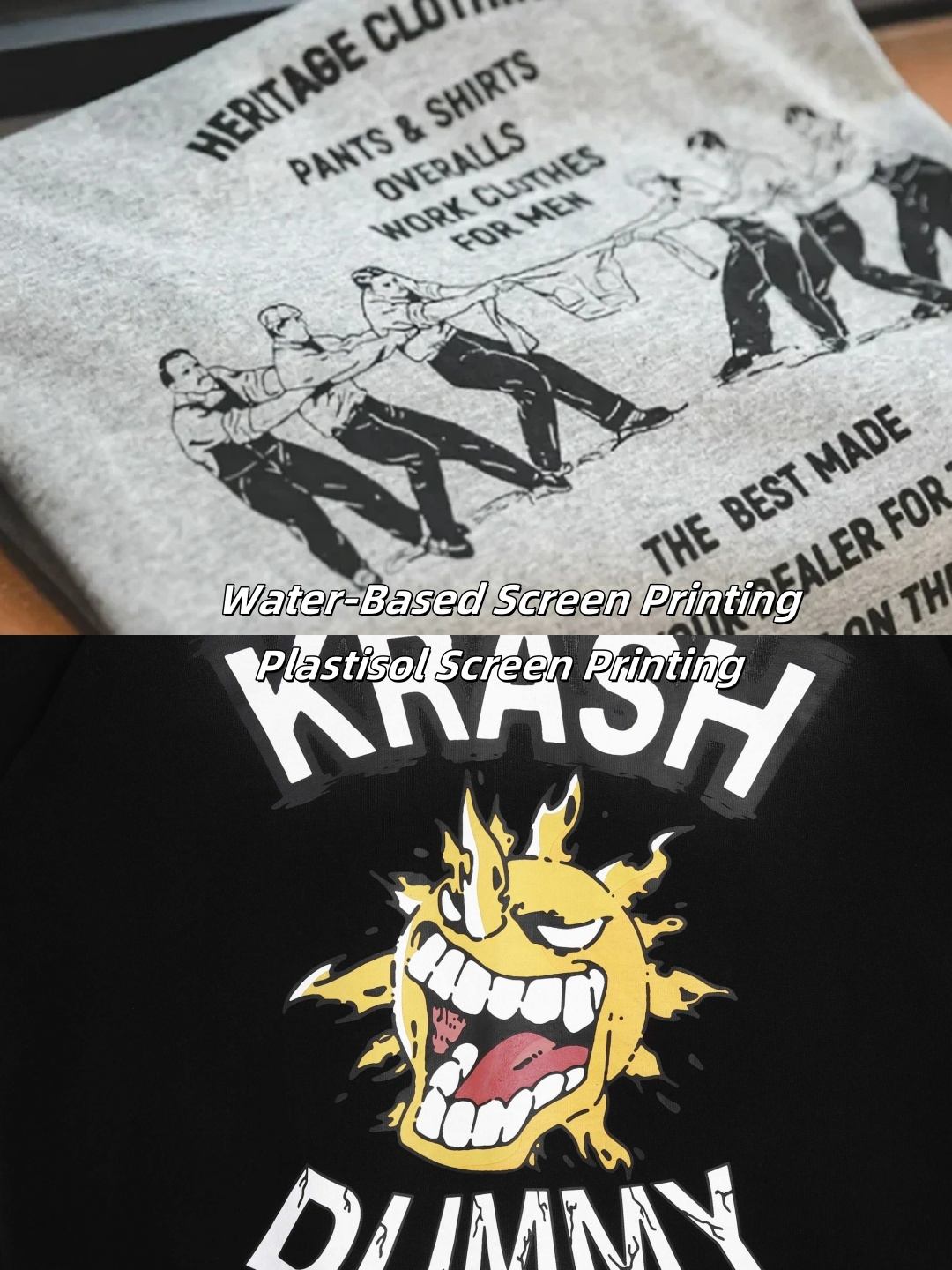
Water Based Screen Printing Samples
What Makes Water Based Screen Printing Distinctive
Ultra-Soft Hand Feel
Water based screen printing absorbs into fabric fibers for an ultra-soft touch that feels like the garment itself, not a plastic layer.
Maintains Fabric Breathability
Ink penetrates the weave instead of sitting on top, preserving airflow and moisture management for activewear and summer collections.
Eco-Friendly Ink Chemistry
Water based formulas contain no PVC or phthalates, reduce VOC emissions, and meet sustainability requirements for conscious brands.
Excellent Wash Durability
Properly cured water based prints withstand 50 plus industrial washes without cracking, fading, or peeling when processed correctly.
Vibrant Colors on Light Fabrics
Water based inks deliver rich, saturated hues on white and pastel garments with exceptional clarity and a vintage matte finish.
Minimal Ink Bleed
Advanced emulsion systems and controlled curing prevent feathering and edge bleed, ensuring sharp details and clean graphic edges.
Screen Printing Techniques & Product Applications
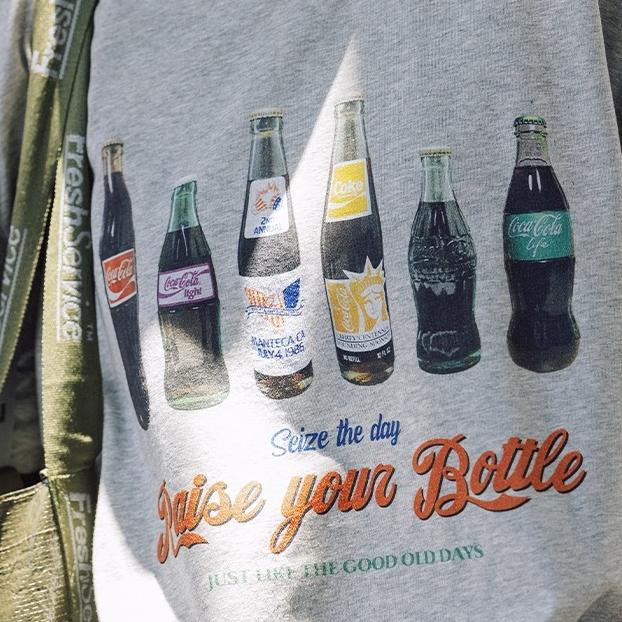
Custom Screen Printing
Our custom screen printing service delivers high-durability graphics with excellent color performance across hoodies, T-shirts, sweatshirts, and uniforms. We support water-based, plastisol, and discharge inks with precise registration, consistent color matching, and production runs from 50 pieces to 100,000+ units monthly. Ideal for brand logos, complex artwork, and multi-color designs.
Request a Quote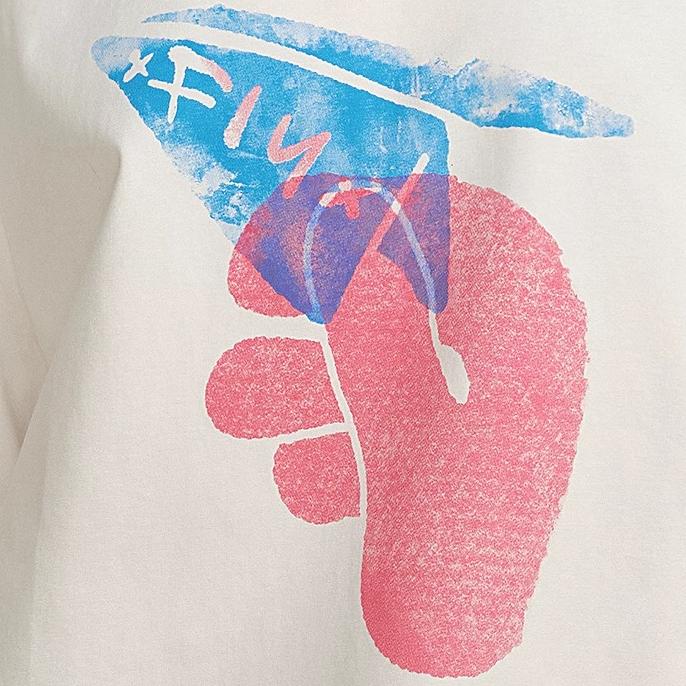
Puff Printing
Custom puff printing creates raised, dimensional graphics that add texture and premium streetwear appeal to hoodies, tees, and sweatshirts. Our in-house puff print capabilities ensure consistent foam height, sharp edge definition, and excellent wash durability. Perfect for bold logos, text emphasis, and fashion-forward collections requiring tactile visual impact.
Request a Quote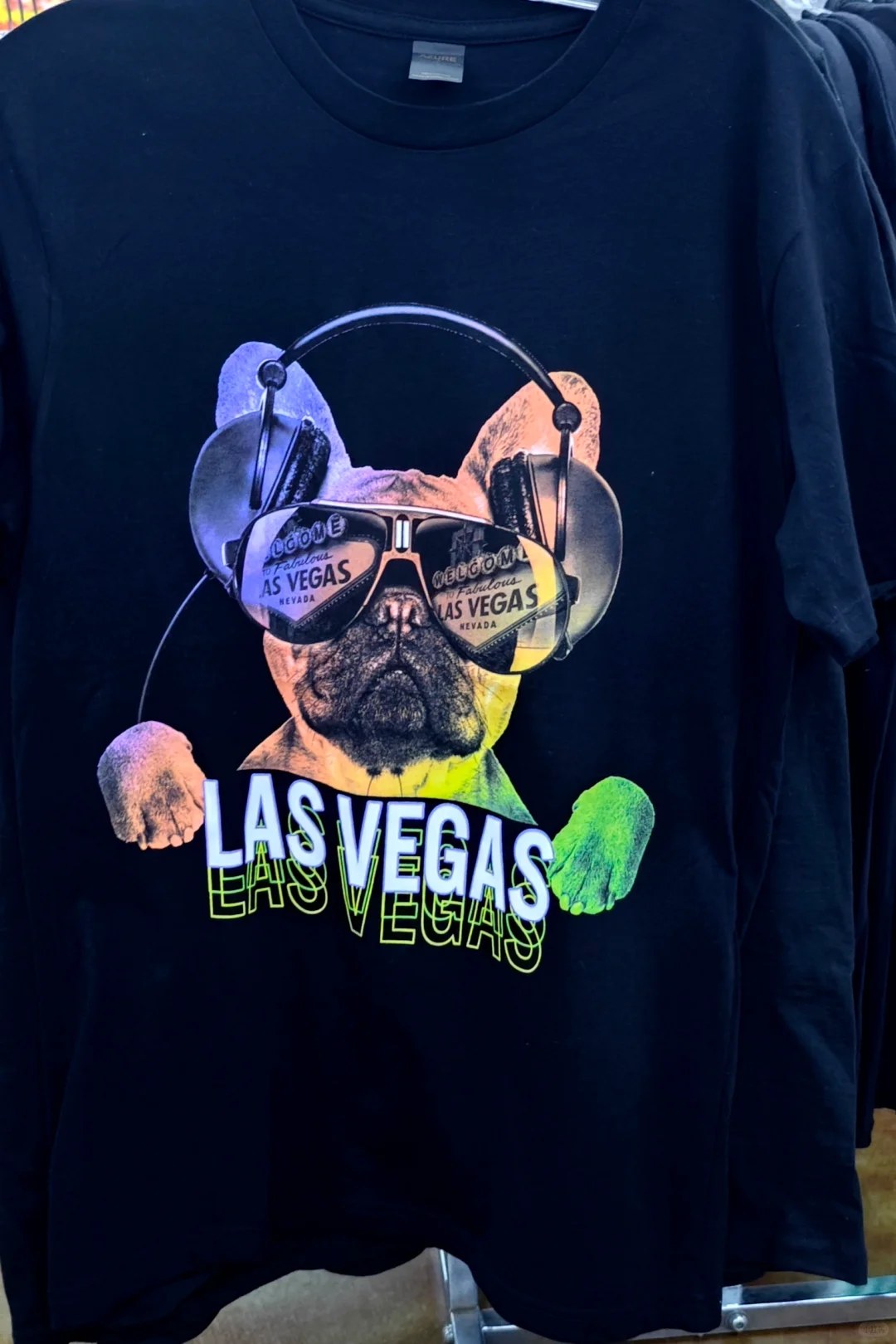
Plastisol Printing
Plastisol screen printing offers vibrant, opaque ink coverage with exceptional durability and color brightness on cotton and cotton-blend garments. Our Humen factory uses high-quality plastisol inks for bold graphics, detailed logos, and multi-layer designs. This technique provides excellent wash resistance, sharp detail reproduction, and cost-effective production for medium to large runs.
Request a Quote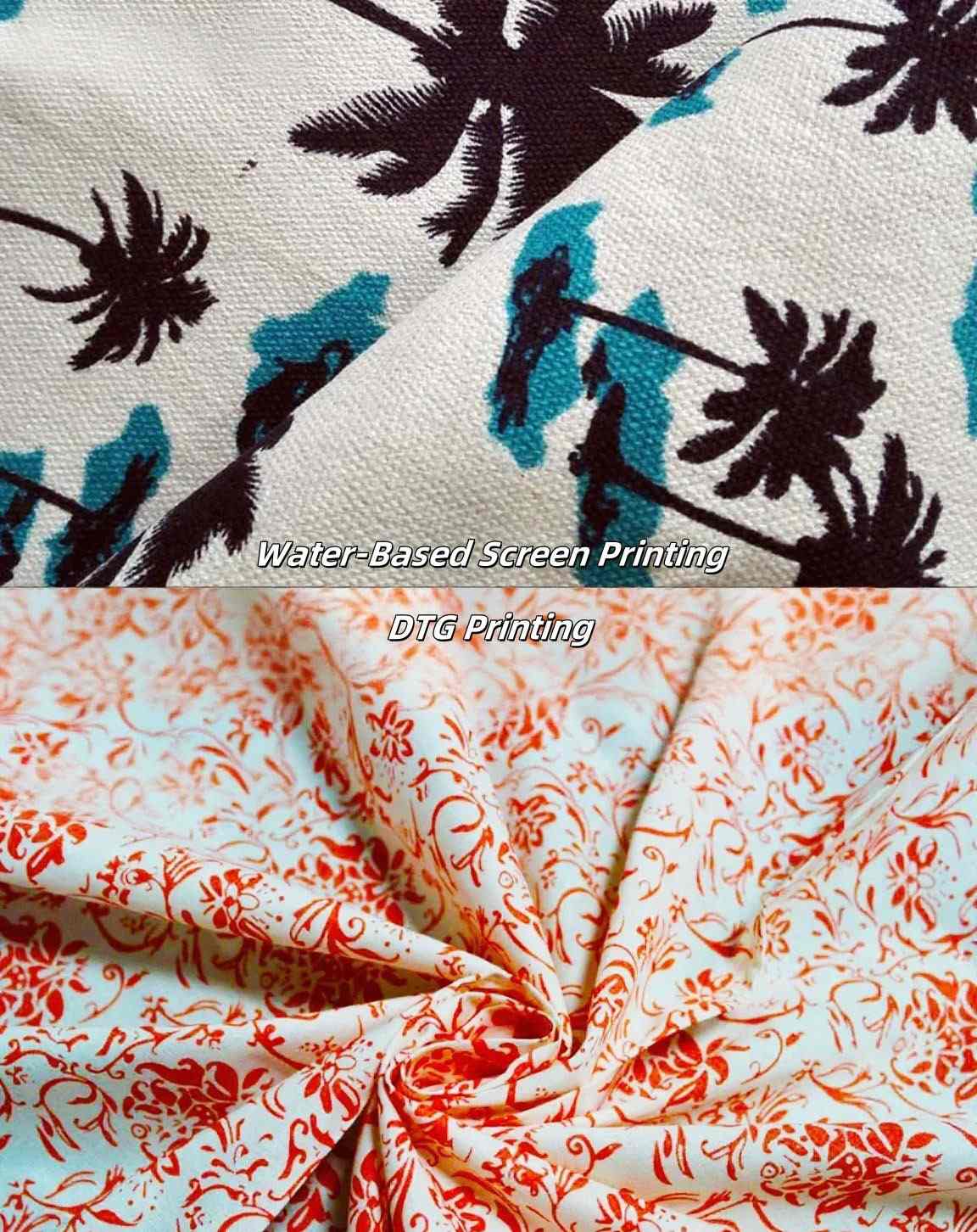
Flocking Printing
Flock printing delivers soft, velvety texture with a raised suede-like finish ideal for premium apparel branding and luxury streetwear collections. Our flocking process applies fine fiber particles to adhesive-printed designs, creating tactile depth and sophisticated visual appeal. Commonly used for elegant logos, retro sportswear aesthetics, and high-end fashion garments requiring unique surface texture.
Get a Quote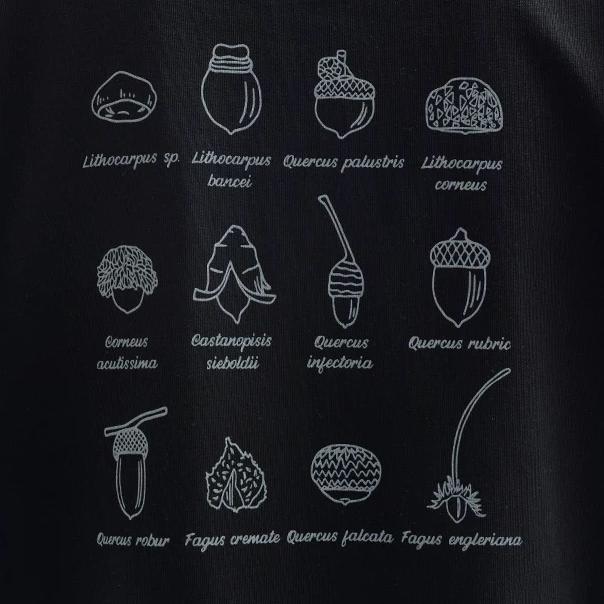
Silicone Printing
Silicone screen printing produces durable, flexible raised graphics with a smooth rubber-like finish perfect for technical apparel and modern streetwear. Our silicone printing capabilities support bold logos, brand patches, and functional design elements with excellent stretch recovery and wash resistance. Ideal for activewear, performance garments, and contemporary fashion requiring three-dimensional branding.
Get a Quote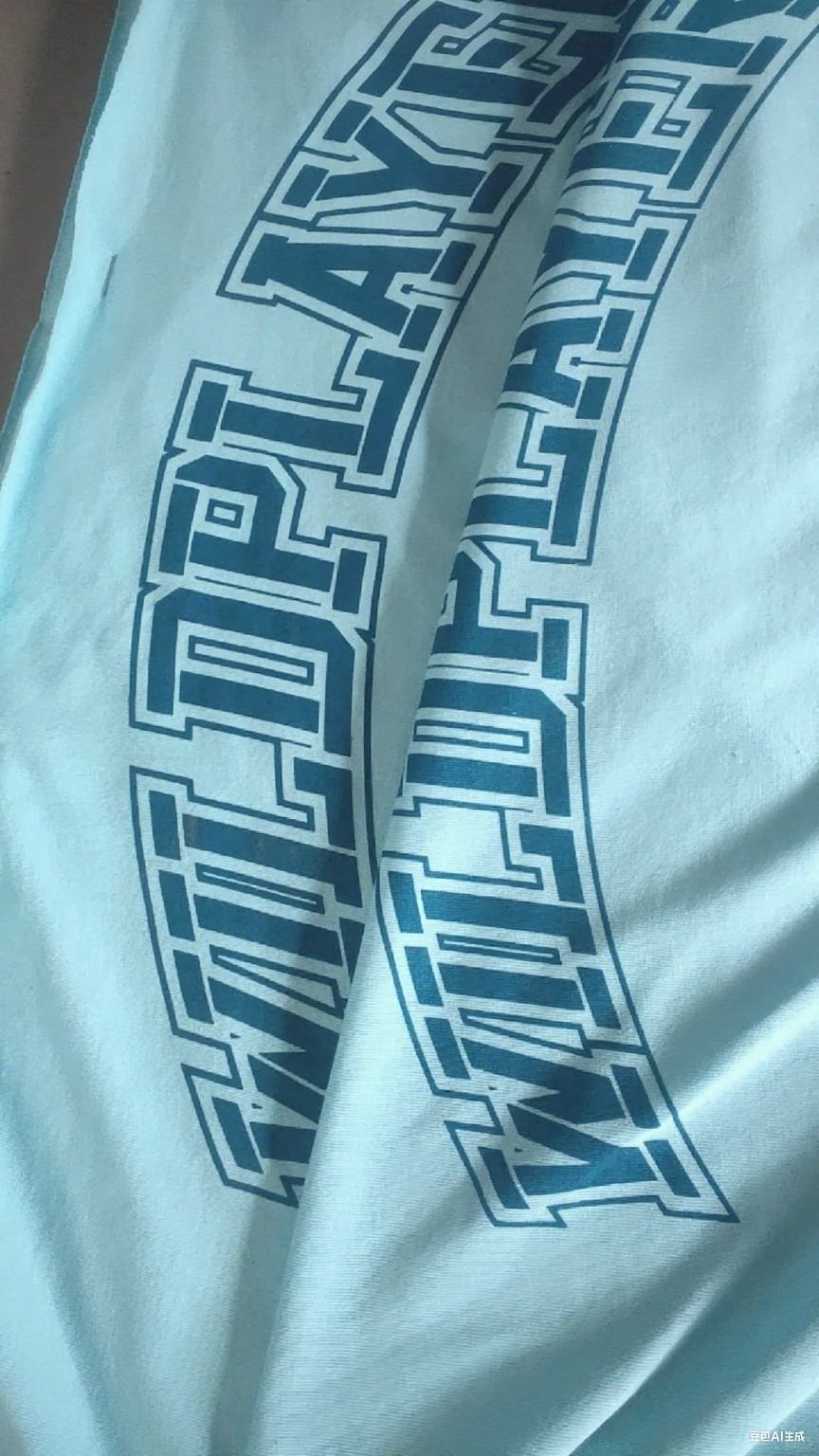
High-Density Printing
High-density screen printing creates thick, raised ink layers that deliver bold tactile graphics with a sculptural quality and premium hand feel. Our advanced high-density capabilities support multi-layer ink builds, sharp edge definition, and consistent thickness control. Perfect for luxury streetwear, athletic branding, and fashion collections requiring standout dimensional logos and text.
Get a Quote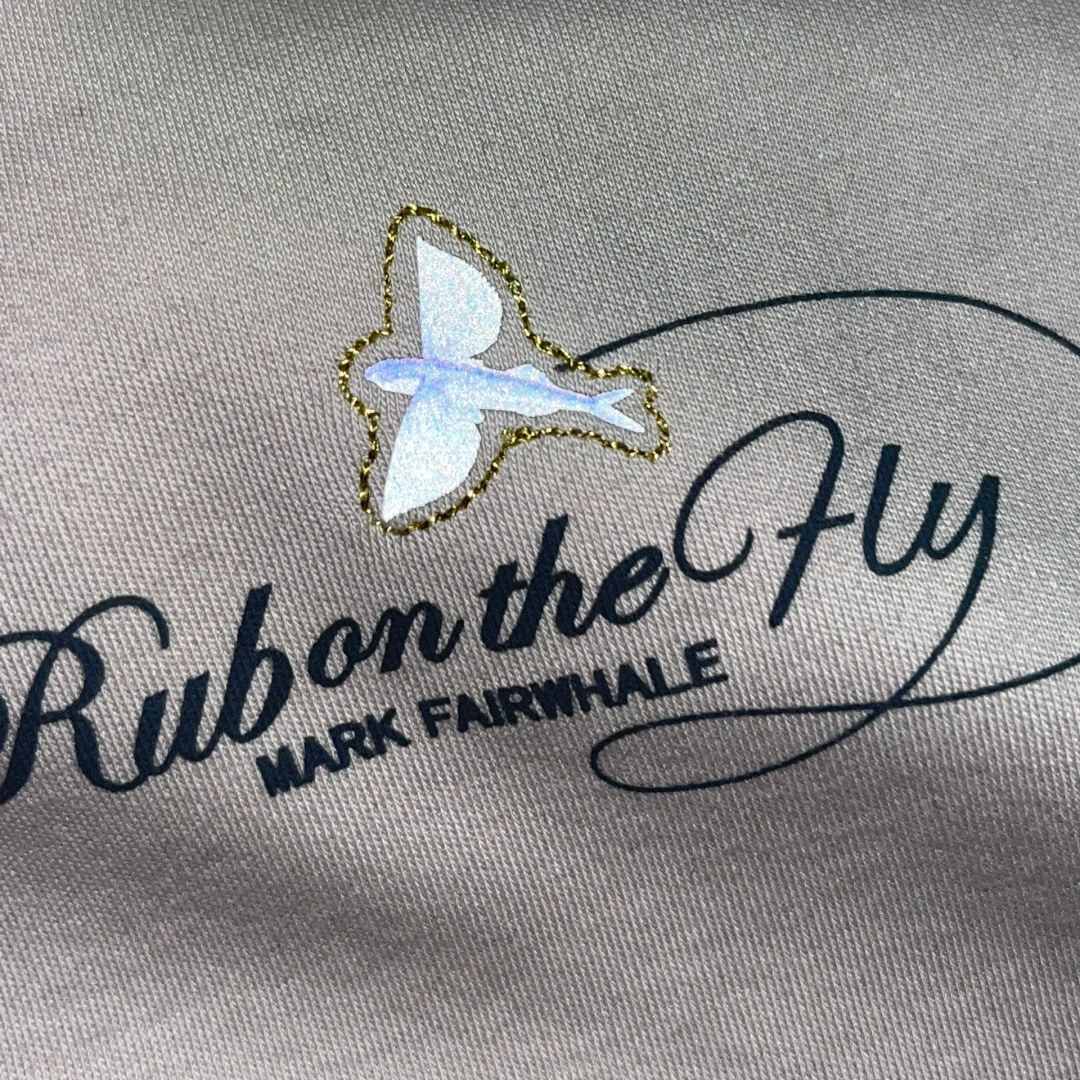
Foil Printing
Foil print delivers metallic shine and reflective visual effects through heat-activated foil transfer onto printed adhesive bases. Our in-house foil printing supports gold, silver, holographic, and colored foils for eye-catching logos and fashion graphics. Ideal for premium streetwear, evening wear, and trend-driven collections requiring luxurious metallic accents with excellent durability.
Get a Quote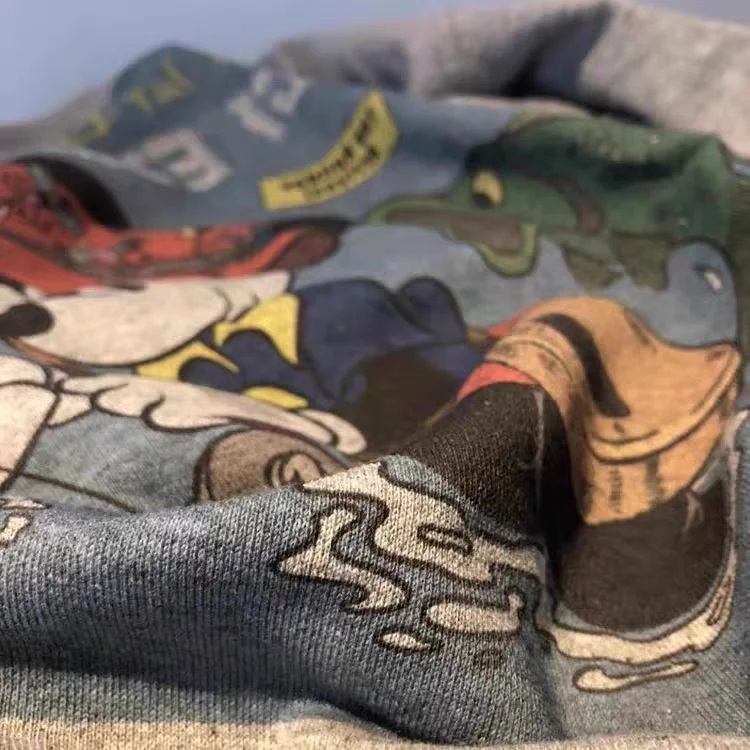
Discharge Printing
Discharge printing removes garment dye to create soft, breathable graphics with no hand feel, ideal for vintage aesthetics and comfort-focused designs. Our discharge print process works best on 100% cotton garments, delivering subtle, lived-in graphics with superior softness. Perfect for premium tees, vintage wash hoodies, and streetwear collections prioritizing comfort and understated branding.
Get a Quote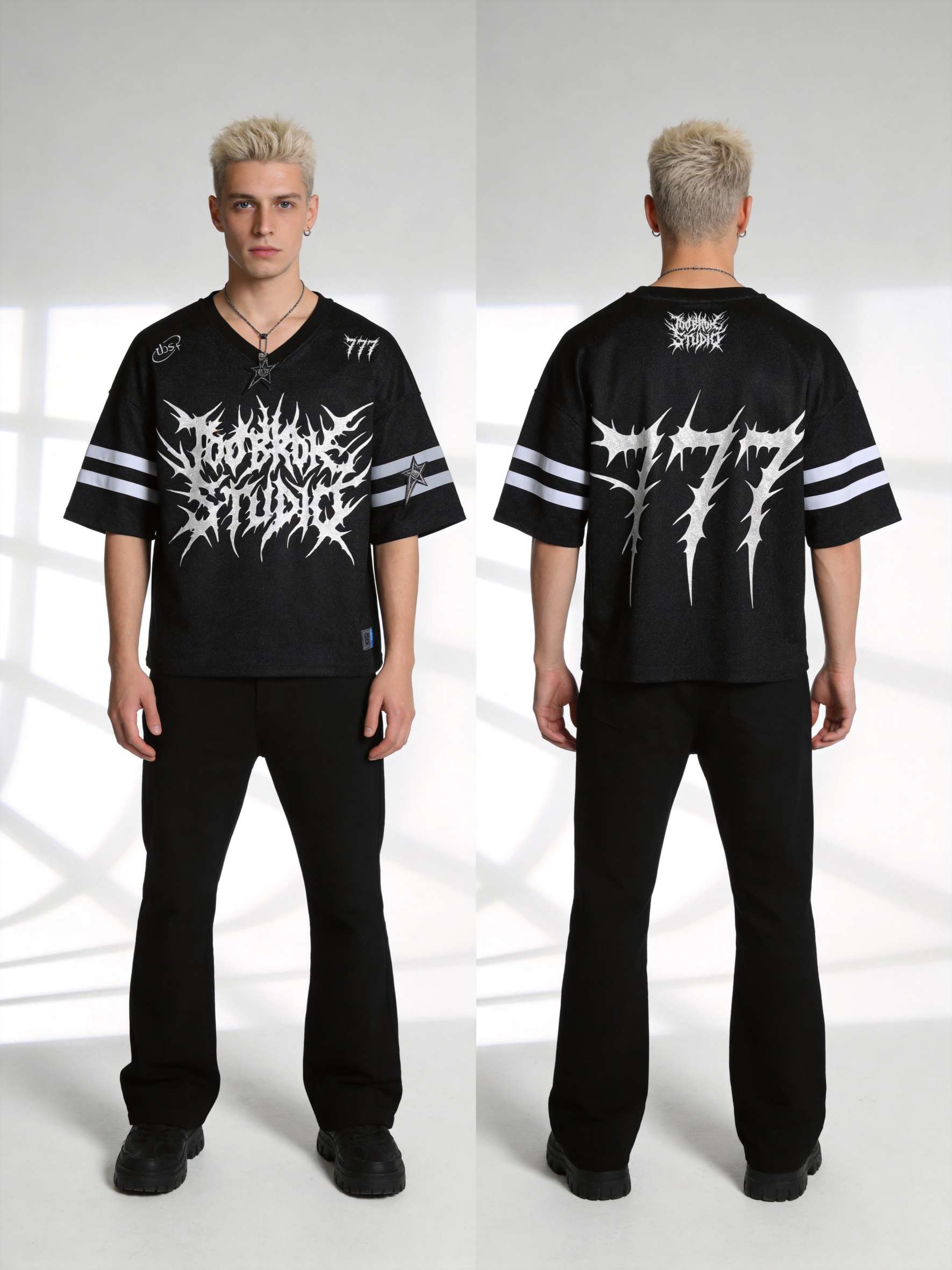
Custom Shirts
Custom shirts manufacturing spans casual shirts, Hawaiian shirts, bowling shirts, oversized shirts, and fashion cut-and-sew styles using cotton poplin, rayon, linen, and viscose fabrics. We support full print patterns, embroidery logos, contrast panels, custom buttons, and brand labeling with MOQ starting at 50 pieces. Comprehensive customization includes sizing, packaging, hang tags, and global shipping support.
Get a QuoteWater Based Screen Printing Expertise
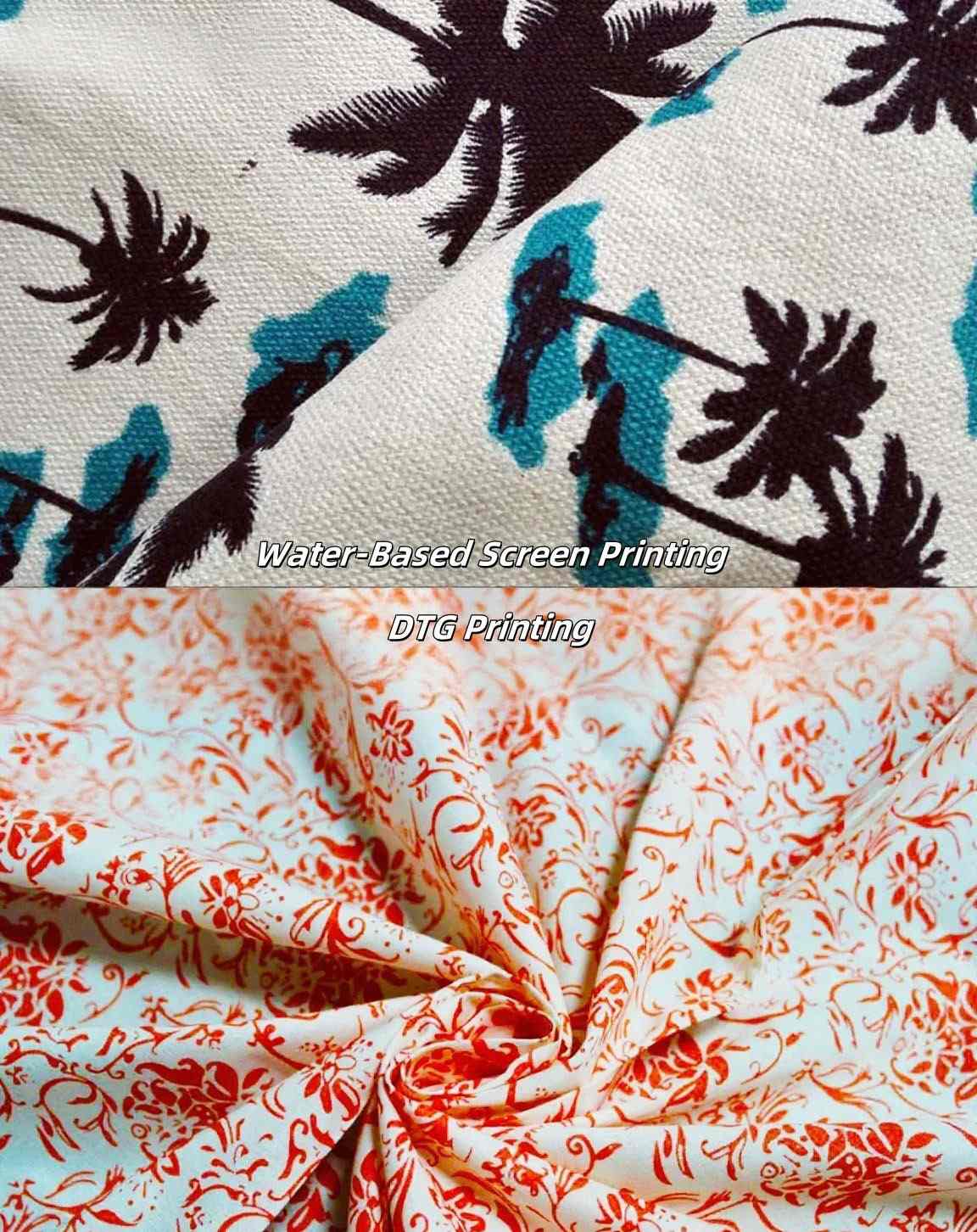
ZORWILD has specialized in water based screen printing for over 27 years, serving more than 2,000 fashion brands worldwide from our Humen, Dongguan facility. Our dedicated water-based printing department handles everything from soft vintage graphics to vibrant all-over prints, producing thousands of printed garments monthly with eco-friendly, breathable ink systems that deliver superior hand feel.
Our water based screen printing capabilities are backed by trusted ink suppliers, precision curing equipment, and skilled technicians trained in color matching, multi-layer registration, and fabric-specific formulations. We work across cotton, organic cotton, bamboo blends, and natural fiber garments, ensuring each print achieves optimal saturation, washfastness, and that signature soft-to-the-touch finish streetwear and premium brands demand.
From 50-piece startup collections to large-scale production runs exceeding 100,000 units monthly, ZORWILD combines traditional screen printing craftsmanship with modern quality control systems. Our six-stage inspection process covers ink viscosity, curing temperature, print placement, color consistency, and durability testing to guarantee every water-based print meets professional standards for domestic and international markets.
Water Based Screen Printing Chemistry & Curing Standards
Ink Formulation & Viscosity Control
ZORWILD’s water based screen printing starts with precise ink chemistry tailored to fabric type, mesh count, and desired opacity. Our technical team adjusts pigment concentration, binder ratios, and viscosity to ensure consistent penetration and soft hand feel across every print run.
- Custom pigment loading for light and dark substrates without compromising breathability
- Viscosity testing at 18–22°C ambient temperature for optimal flow through mesh openings
- pH-balanced formulations to prevent fabric degradation and color shift during curing
Mesh Selection & Registration Precision
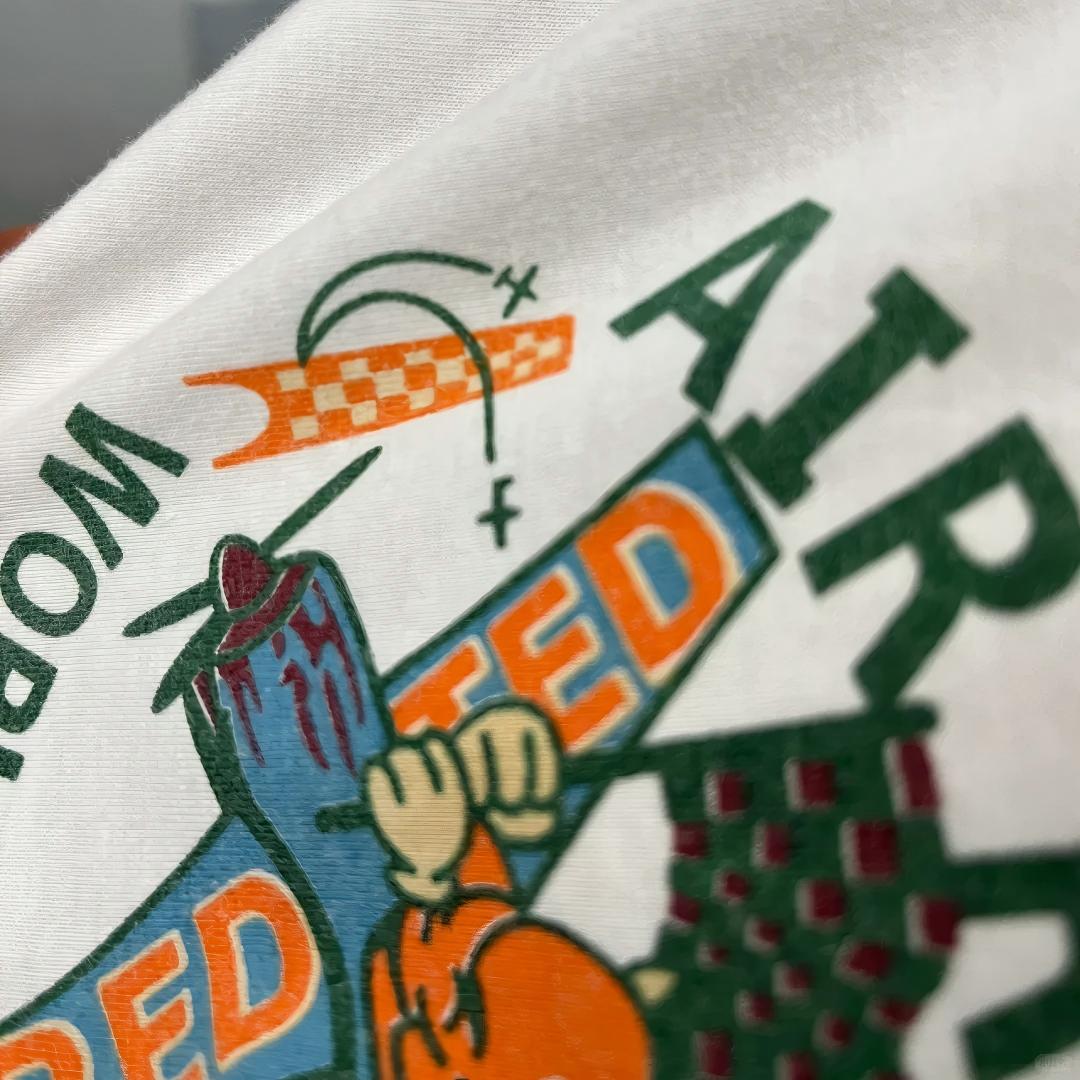
Achieving fine detail and color accuracy in water based screen printing demands tight registration and the right mesh density. We use 110–230 thread-count screens depending on design complexity, maintaining registration tolerance within ±0.5 mm across multi-color prints for sharp, professional results.
- 110–156 mesh for high-opacity underbase layers and bold graphics
- 180–230 mesh for fine halftones, gradients, and detailed line work
- Automated registration systems and pre-press checks to eliminate misalignment
Curing Temperature & Dwell Time Standards
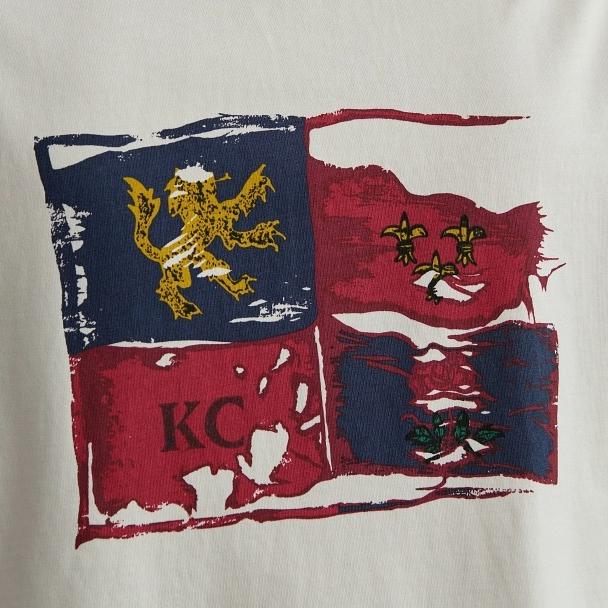
Proper curing is critical to durability in water based screen printing. ZORWILD’s tunnel dryers maintain 160–180°C curing zones with controlled dwell times of 60–90 seconds, ensuring full polymer cross-linking without scorching fabrics or compromising print elasticity on stretch garments.
- Multi-zone convection dryers with real-time temperature monitoring and logging
- Fabric-specific curing profiles for cotton, blends, bamboo, and performance textiles
- Post-cure wash testing to verify colorfastness and print adhesion before shipment
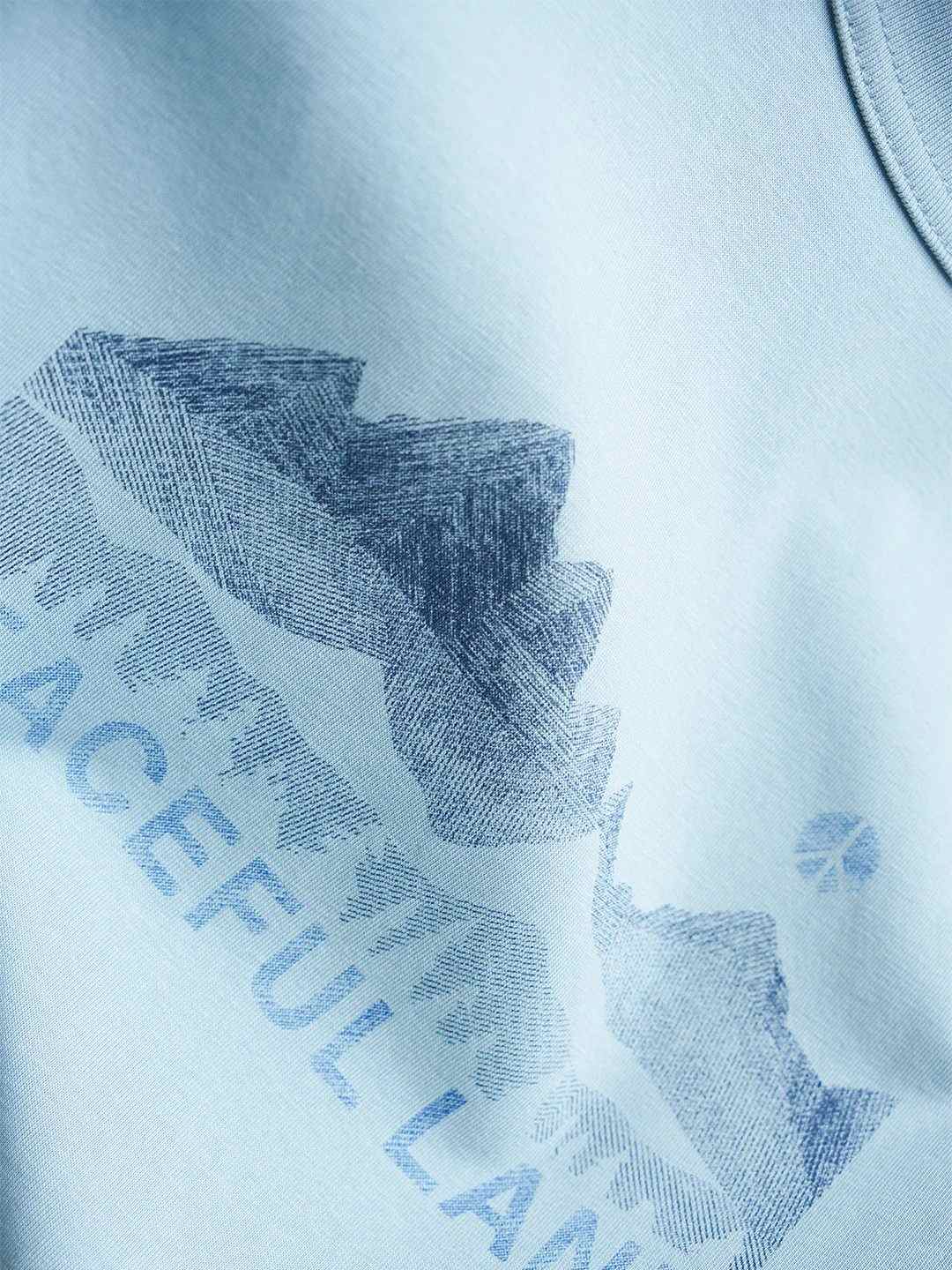
Pre-Treatment & Fabric Preparation
Consistent water based screen printing results begin before the first stroke. Our process includes fabric inspection, pre-washing when required, and surface treatments that enhance ink adhesion and prevent dye migration, especially on polyester blends and reactive-dyed garments.
- Pre-wash cycles to remove sizing agents and stabilize shrinkage rates
- Blocking agents applied to polyester blends to prevent sublimation dye bleed
- Tension-controlled platen setup to avoid fabric distortion during multi-pass printing
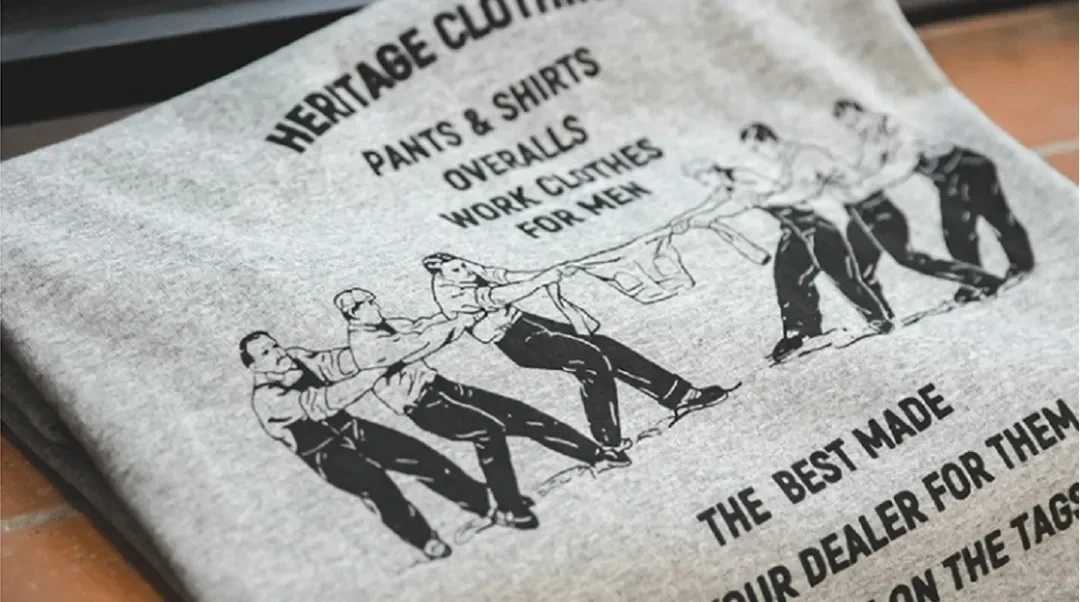
Water Based Screen Printing vs. Plastisol & Discharge Printing
Understanding the key differences between water based screen printing and the two most common alternative screen printing techniques helps you choose the right decoration method for your fabric, design, and brand positioning.
← 左右滑动查看 →
Water Based Screen Printing Production Flow
ZORWILD’s 27-year screen printing expertise ensures precise control at every phase, from artwork separation through final curing, delivering soft-hand graphics that meet professional quality standards.
Artwork Separation & Film Prep
Design artwork is separated into individual color layers, halftones are generated for gradients, and high-resolution films are output for screen exposure with registration marks aligned.
Screen Coating & Exposure
Mesh screens are coated with photosensitive emulsion, dried in controlled environments, exposed under UV light using film positives, and washed out to create stencils.
Ink Mixing & Viscosity Testing
Water based inks are custom-mixed to match Pantone specifications, viscosity is adjusted for optimal flow and penetration, and opacity tests confirm coverage on target fabrics.
Registration & Print Setup
Screens are mounted on press, registration is calibrated using alignment marks, off-contact distance is set, and test prints verify color accuracy and stroke pressure.
Production Printing Run
Garments are loaded, water based ink is applied with controlled squeegee strokes, dwell time ensures proper fabric penetration, and each piece is inspected for consistency.
Heat Curing & Quality Control
Printed garments pass through tunnel dryers at precise temperatures to cure water based ink, final inspection checks soft hand feel and wash durability, then items are folded and packaged.
How to Order Water Based Screen Printing
ZORWILD’s streamlined process ensures your water based screen printing project delivers soft-hand graphics with precise color matching, from artwork submission through sampling and full production runs starting at just 50 pieces.
Submit Your Design Files
Send vector artwork, color separation details, and Pantone references. Our team reviews file resolution, print placement, and design feasibility for water based screen printing applications.
Confirm Fabric and Pre-Treatment
Select garment type and fabric weight. We determine pre-treatment requirements to ensure optimal ink absorption, color vibrancy, and wash durability for your water based prints.
Approve Sample with Specs
Receive a physical sample showcasing print quality, hand feel, color accuracy, and curing results. Review measurements, graphic placement, and fabric texture before bulk production.
Launch Bulk Production
Production begins with fabric inspection, screen preparation, and controlled printing. Our six-stage quality control system monitors every garment through printing, curing, and final packaging.
Receive and Inspect Shipment
Your finished water based screen printing order ships via air or sea freight with full export documentation. Inspect graphics for softness, breathability, and print consistency.
Customer Stories: Water Based Screen Printing Results
We launched our first streetwear collection with water based screen printing at just 100 pieces. The soft hand feel was exactly what our customers wanted, and the prints survived 40+ washes without cracking. Perfect for our premium positioning.
ZORWILD’s water based screen printing delivered breathable graphics that our activewear customers love. Color matching was spot-on across 500 units, and turnaround was only 18 days from approval to delivery. We’ve reordered three times since.
As a new brand, the 50-piece MOQ for water based screen printing let us test our designs without huge risk. The vintage soft touch elevated our brand perception immediately, and we saw 34% repeat purchases on those styles.
Water Based Screen Printing FAQ
What fabrics work best with water based screen printing?
What is the minimum order quantity for water based screen printing?
How many colors can I use in water based screen printing designs?
What is the maximum design size for water based screen printing?
Can I combine water based screen printing with embroidery or patches?
How durable is water based screen printing after washing?
What are the lead times for water based screen printing orders?
What art file requirements do I need for water based screen printing?
How much does sampling cost for water based screen printing projects?
The Complete Buyer’s Guide to Water Based Screen Printing for Your Brand
1. What Is Water Based Screen Printing?
Water based screen printing uses ink formulated with water as the primary solvent, eliminating the need for plasticizers or PVC compounds found in traditional plastisol inks. The ink penetrates directly into the fabric fibers rather than sitting on the surface, creating a breathable print that becomes part of the garment itself. This process delivers the signature soft hand feel that premium streetwear and fashion brands demand, where the printed area remains as flexible and comfortable as the unprinted fabric.
Plastisol inks, by contrast, cure through heat and form a raised rubber-like layer on top of the fabric, adding weight and stiffness. Water based screen printing cures through water evaporation and heat, leaving no tactile difference between printed and unprinted areas. ZORWILD’s advanced printing capabilities support water-based printing for clients seeking eco-friendly results, superior breathability, and the vintage aesthetic that resonates with modern consumers.
Brands choose water based screen printing for three primary reasons: environmental responsibility (no harmful solvents or phthalates), enhanced garment comfort (breathable prints ideal for activewear and summer collections), and authentic vintage aesthetics (softer colors and natural fading over time). This method works best on 100% cotton, organic cotton, bamboo cotton, and natural fiber blends where ink absorption is optimal.
The right print method depends on your brand positioning. If your vision prioritizes soft hand feel, eco-conscious production, and premium garment quality, water based screen printing aligns perfectly with startup fashion brands, influencer collections, and established labels targeting discerning customers.
2. Evolution and History of Water Based Screen Printing
Water-based textile printing traces back to ancient civilizations, but modern water based screen printing emerged in the early 20th century when synthetic binders allowed stable pigment adhesion to cotton and blended fabrics. By the 1950s, plastisol inks dominated commercial production due to faster curing and lower rejection rates, pushing water-based methods into niche craft applications.
The 1990s streetwear boom reignited demand for soft-hand prints that matched the premium feel of heavyweight cotton tees and vintage aesthetics. Brands sought prints that breathed, faded naturally, and avoided the rubbery texture of plastisol, driving innovation in discharge inks and hybrid water-based formulations. Environmental regulations in California and the European Union during the 2000s accelerated adoption by restricting phthalates and volatile organic compounds, making water-based systems the preferred choice for export-focused manufacturers.
Key milestones include the introduction of low-cure binders in the early 2000s, which reduced energy costs and fabric shrinkage, and the development of high-opacity white inks by 2010, enabling water-based printing on dark garments without sacrificing softness. Today, water based screen printing balances heritage craft techniques with OEKO-TEX compliance, low-impact chemistry, and the soft hand feel demanded by influencer brands and premium streetwear labels.
ZORWILD integrated water based screen printing into its Humen facility in 2008, serving early adopters in North American streetwear markets. With over 27 years of apparel manufacturing experience, the company applies vintage wash expertise and strict quality control to ensure print durability, color consistency, and soft texture across hoodies, T-shirts, and fashion casualwear for more than 2,000 brands worldwide.
3. Types of Water Based Screen Printing Techniques
Water based screen printing divides into four core techniques, each with distinct process mechanics, fabric compatibility, and cost structures. Matching the right variant to your product line determines print durability, hand feel, and production efficiency.
Standard Water-Based Ink
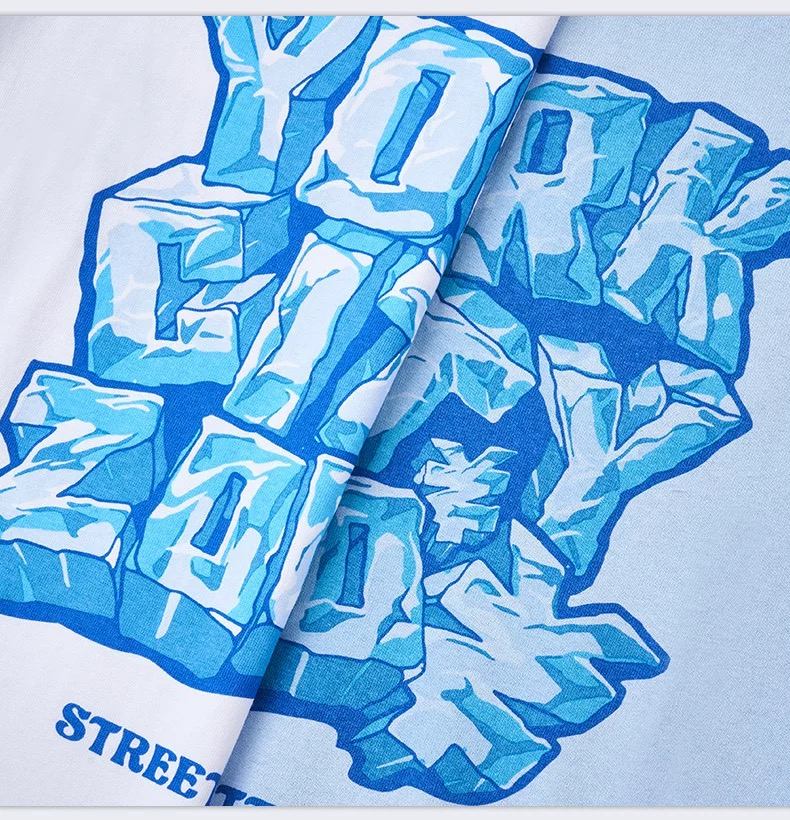
Standard water-based ink soaks into fabric fibers rather than sitting on top, creating a soft hand feel with no raised texture. This technique works best on light-colored 100% cotton, organic cotton, and bamboo cotton garments where the ink can penetrate naturally.
Color vibrancy depends on fabric base color; printing dark ink on light fabric yields excellent results, but light ink on dark fabric appears faded. Cost remains the lowest among water-based methods, typically 15–25% less than discharge. Ideal for casual tees, resort shirts, and eco-conscious fashion brands prioritizing comfort over high-contrast graphics.
Discharge Printing
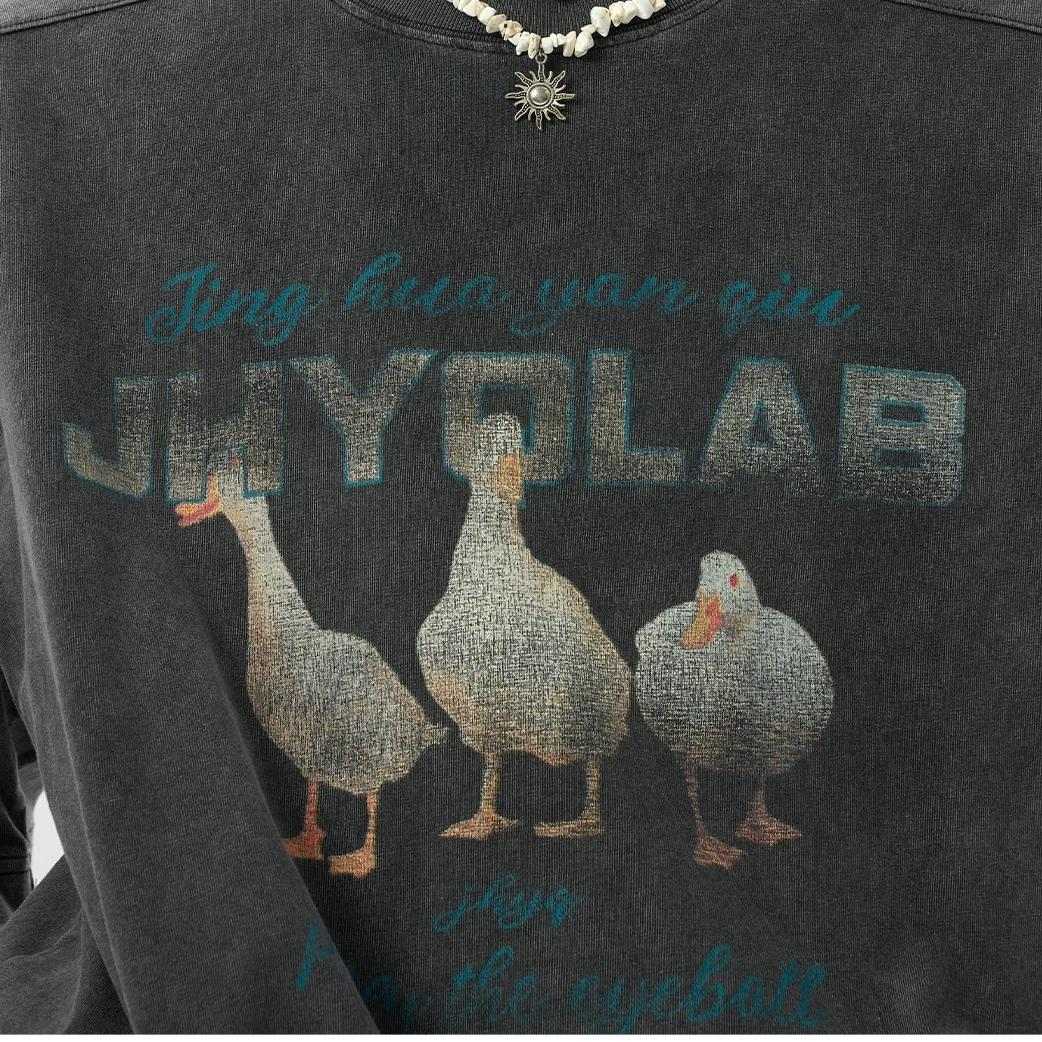
Discharge printing uses activated agents to bleach out the garment’s dye, then deposits ink into the cleared area, producing ultra-soft prints with zero hand feel. This method requires pre-dyed reactive-dye fabrics such as garment-dyed cotton, ring-spun cotton, and certain cotton blends.
Color options are limited to lighter tones because the process removes existing dye; deep blacks and vibrant neons are difficult. Production cost runs 20–35% higher than standard water-based due to chemistry and longer curing times. Best suited for vintage wash tees, premium streetwear hoodies, and high-end fashion collections where soft hand feel is non-negotiable.
Hybrid Water-Base and Discharge
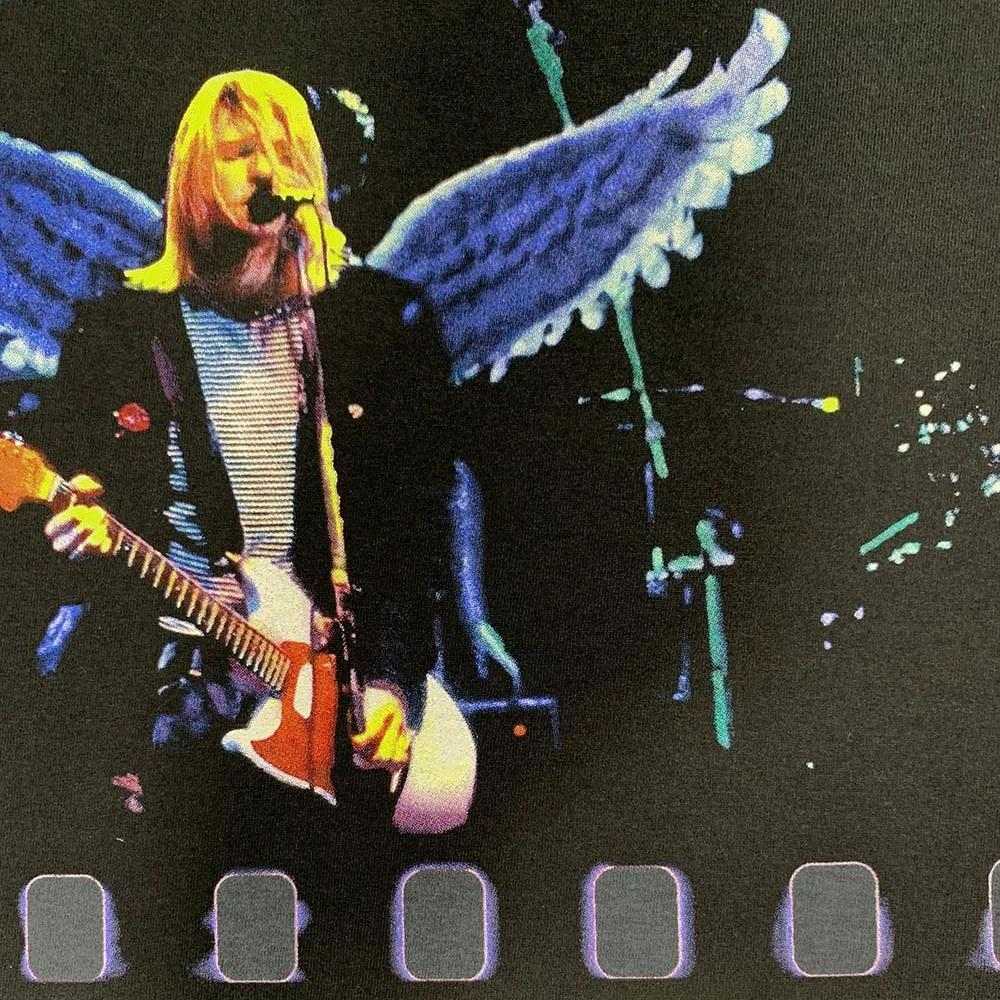
Hybrid combines discharge activation with layered water-based ink, removing base dye then depositing vibrant color in a single pass. This technique expands color range on dark garments while maintaining soft hand feel, working well on garment-dyed cotton, heavyweight jersey, and vintage wash fabrics.
Setup complexity increases costs by 30–40% over standard water-based, and color matching requires skilled technicians. Typical applications include graphic streetwear tees, limited-edition capsule collections, and influencer merch lines demanding both softness and bold color contrast.
High-Density Water-Based
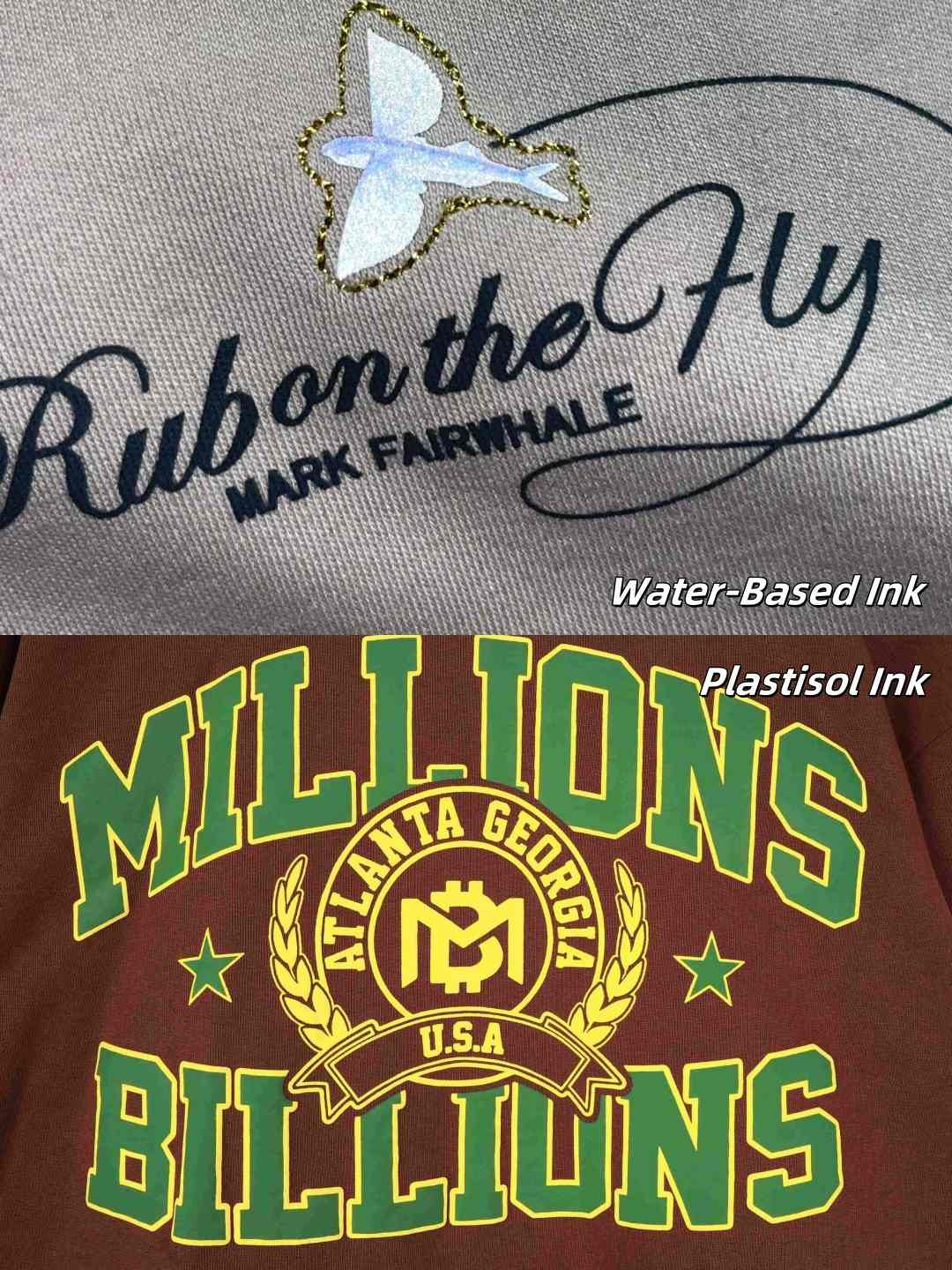
High-density water-based uses thickened ink formulations to build raised, tactile prints with dimensional texture, similar to puff print but eco-friendly. Compatible with cotton, polyester blends, and performance fabrics, this technique creates bold logos and dimensional graphics.
Print thickness ranges from 1–3 mm depending on mesh count and ink viscosity. Cost sits 25–40% above standard water-based due to specialty inks and multiple passes. Popular for athletic wear, sports team uniforms, and branded merchandise requiring durable, eye-catching decoration.
4. Materials and Fabrics for Water Based Screen Printing
Water based screen printing performs best on natural-fiber substrates that absorb ink into the weave rather than sitting on the surface. Fabric weight, construction, and fiber content directly affect ink penetration, color vibrancy, and wash durability.
| Fabric Type | GSM Range | Ink Absorption | Best Use Case | Price Tier |
|---|---|---|---|---|
| 100% Cotton | 140–220 | Excellent | Graphic tees, streetwear, casual apparel | Mid |
| Cotton Blends (≤50% poly) | 150–200 | Good | Performance tees, activewear, budget lines | Low–Mid |
| Tri-Blend (50/25/25) | 140–160 | Good | Soft vintage tees, fashion basics | Mid–High |
| Bamboo Cotton | 160–200 | Excellent | Eco-friendly collections, luxury basics | High |
| Hemp Blends | 180–220 | Very Good | Sustainable fashion, outdoor apparel | High |
| Polyester (>50%) | 140–180 | Poor | Not recommended; requires plastisol or discharge | Low |
Why Natural Fibers Work Best
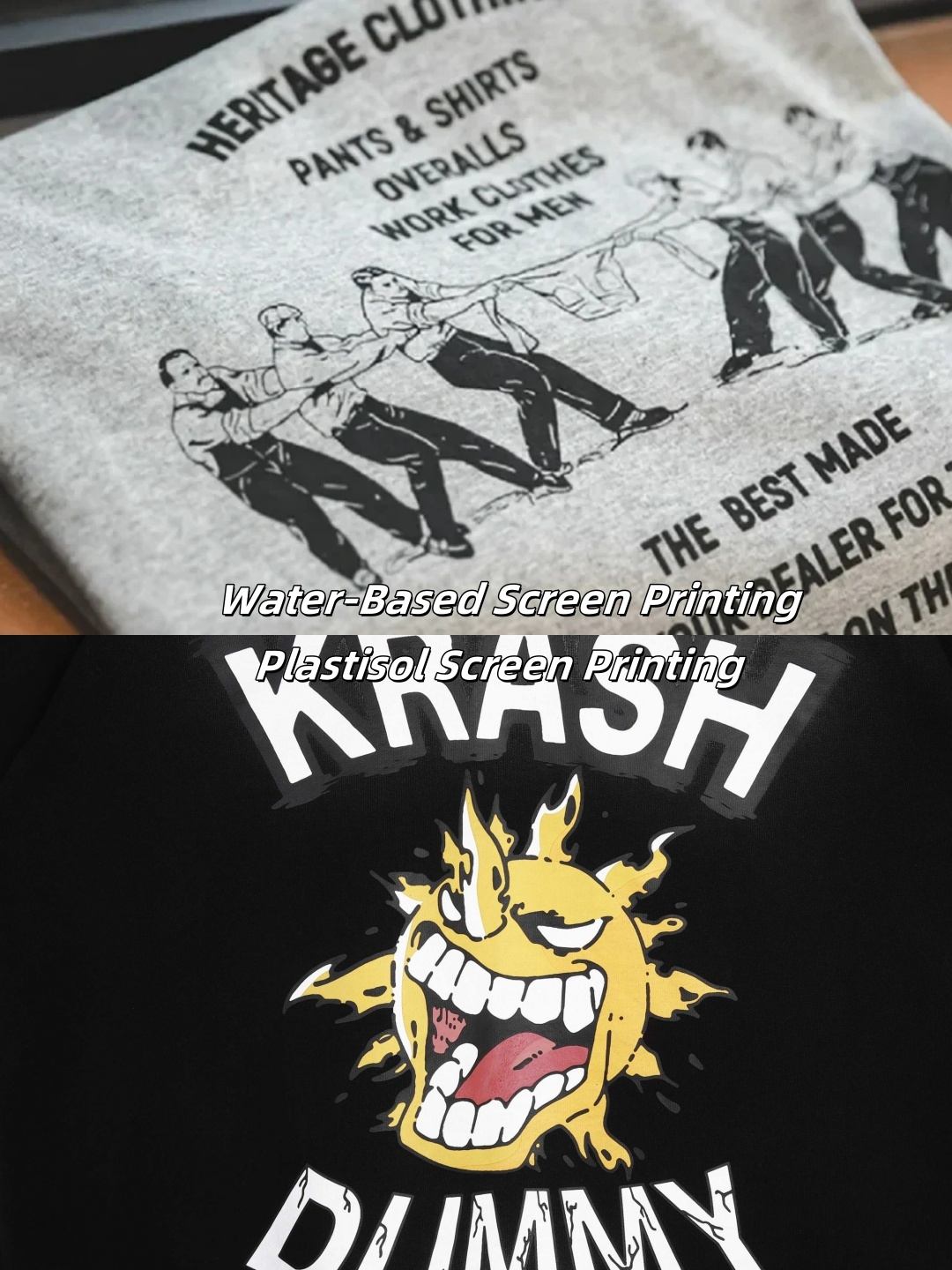
Water-based inks bond chemically with cellulose fibers, creating a soft hand feel and permanent color lock. Cotton, bamboo, hemp, and rayon absorb the ink carrier, allowing pigment to penetrate the yarn structure rather than forming a surface film.
Polyester and synthetic blends resist water absorption, leading to poor ink adhesion, color fading after washing, and a stiffer hand. Blends above 50% polyester typically require discharge underbase or plastisol alternatives.
GSM Ranges and Fabric Construction
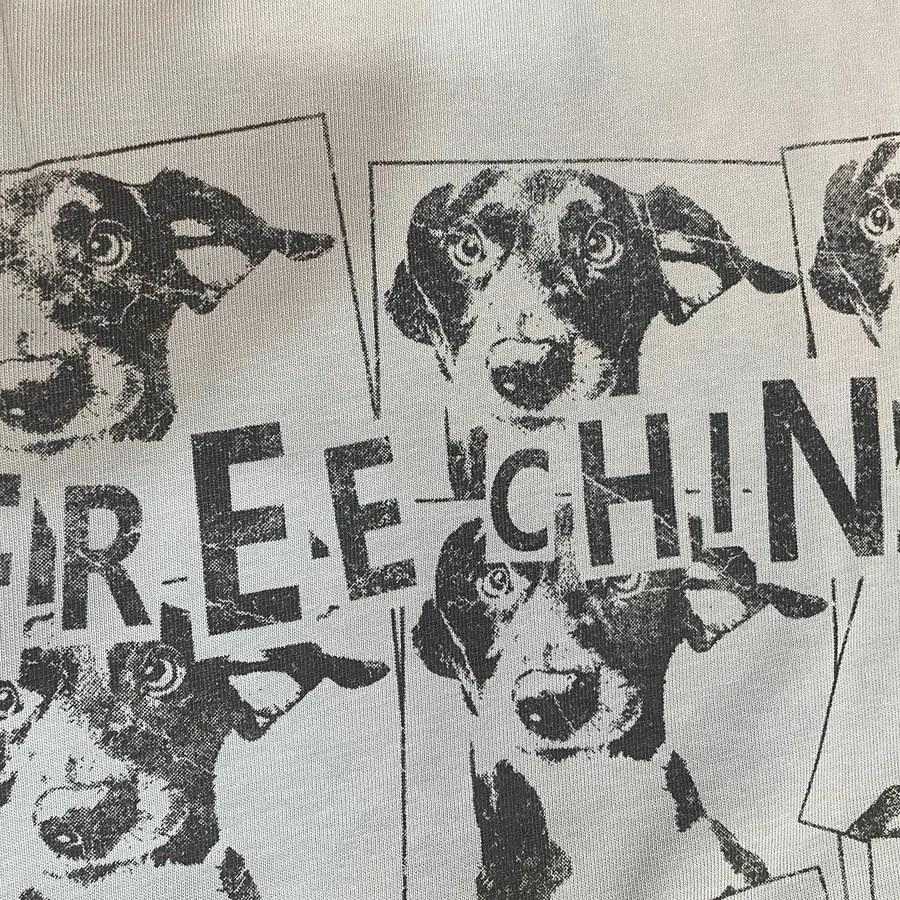
Most water based screen printing uses fabrics between 140 GSM and 220 GSM. Lightweight jersey (140–160 GSM) suits fashion tees and summer apparel, while heavyweight jersey (180–220 GSM) supports streetwear graphics and premium hoodies.
French terry (240–280 GSM) and fleece (280–320 GSM) require adjusted ink viscosity and longer cure times due to thicker pile and looser weave. ZORWILD’s production team pre-tests ink formulations on each fabric construction to ensure consistent penetration and color match.
Pre-Treatment Requirements
Dark garments require a white discharge underbase or opaque white ink layer to achieve vibrant colors. Light and medium fabrics print directly without pre-treatment, reducing cost and lead time.
Garment-dyed and enzyme-washed fabrics must be tested for pH compatibility; residual chemicals can inhibit ink cure. ZORWILD inspects fabric batches and applies neutralizing rinses when necessary to guarantee print adhesion and wash fastness.
5. Customization and Design Options with Water Based Screen Printing
Water based screen printing offers extensive design flexibility while balancing cost efficiency with visual impact. Understanding color limits, artwork preparation, and placement options ensures optimal results for startup brands and established labels alike.
| Decoration Method | Setup Cost | Visual Effect | Durability |
|---|---|---|---|
| Water Based Screen Print | Low–Medium | Soft hand, vintage aesthetic | Excellent with proper cure |
| Puff Print Add-On | Medium | Raised 3D texture | Good, may crack with heavy wash |
| Foil Transfer | Medium–High | Metallic shine, premium look | Moderate, requires gentle care |
| Embroidery Combo | High | Dimensional, luxury branding | Excellent, long-lasting |
Color Count and Cost Efficiency
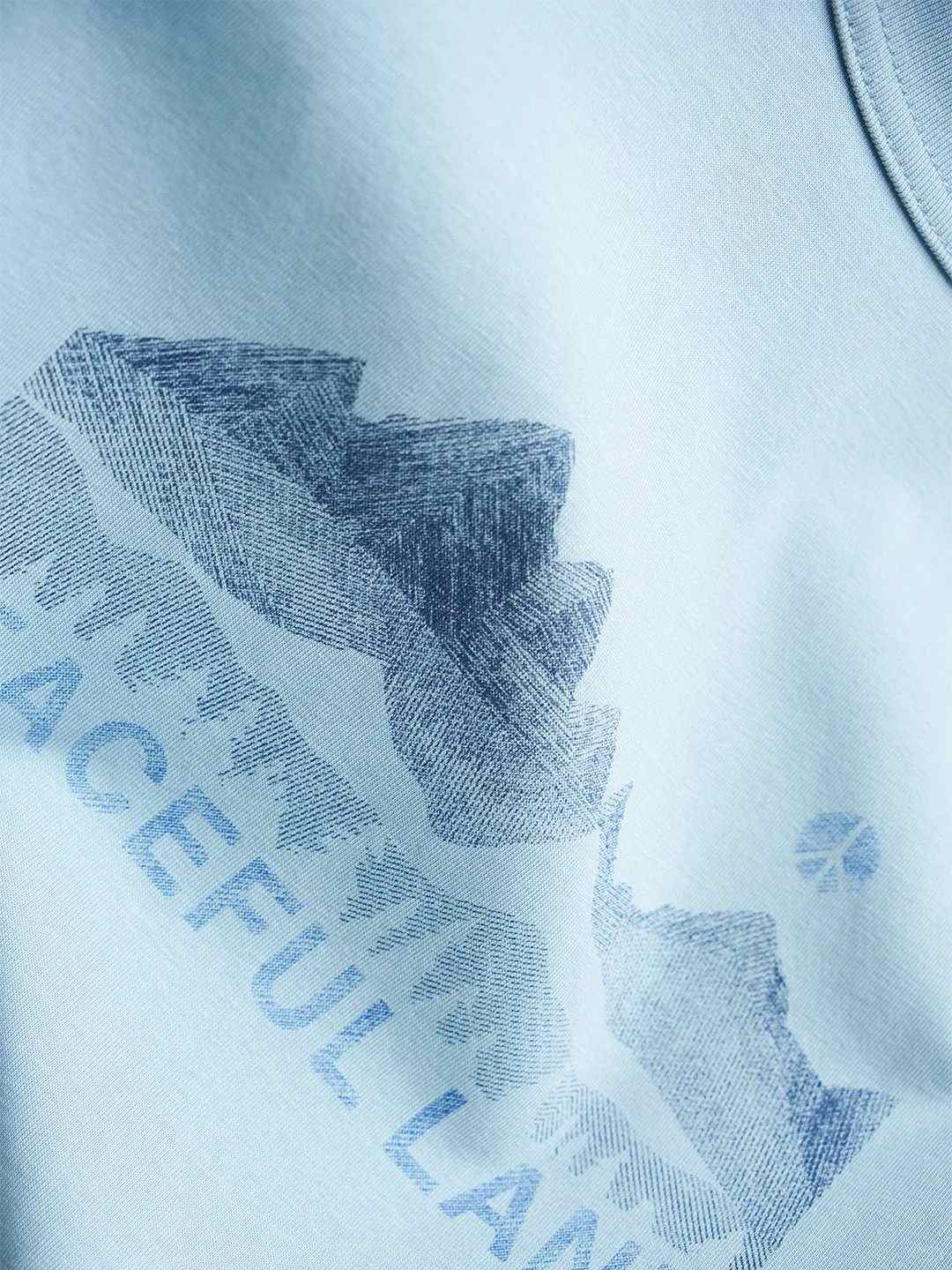
Most water based screen printing runs use 1–4 colors to balance visual appeal with setup costs. Each color requires a separate screen, so single-color designs minimize setup fees while multi-color prints demand careful registration and increase per-unit costs.
Brands launching low MOQ collections typically start with 1–2 spot colors, reserving 3–4 color designs for hero pieces or larger production runs. Halftones and gradients can simulate additional tones within a single screen, expanding creative possibilities without adding screens.
Artwork Preparation and Color Separations
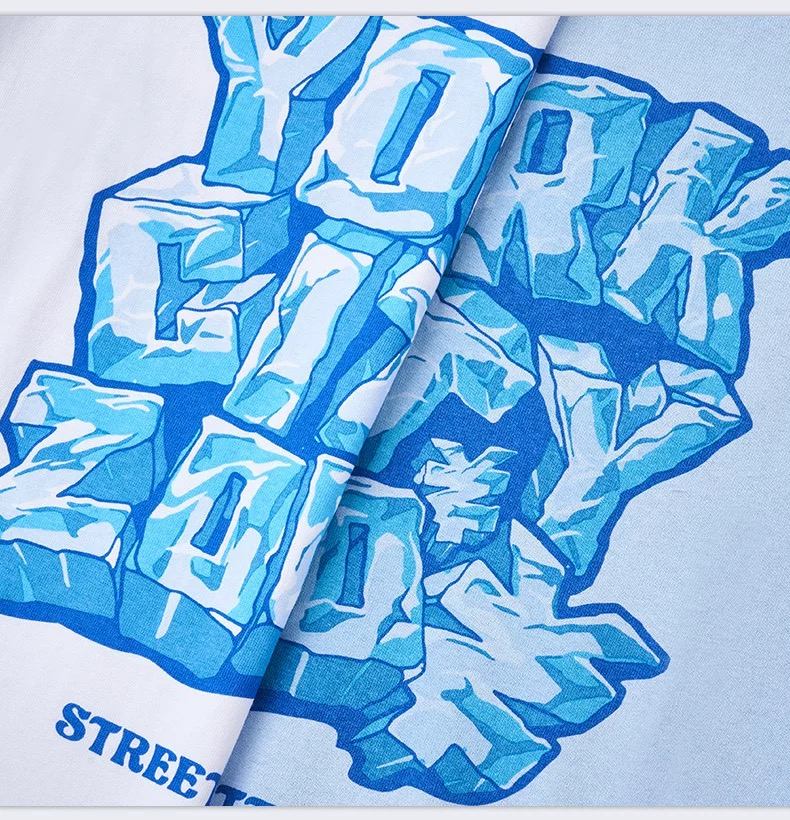
Vector artwork in AI or EPS format ensures clean edges and scalable graphics, ideal for logos and typography. Raster images (PNG, PSD) work for photographic halftones but require minimum 300 DPI resolution at print size.
Color separations divide artwork into individual ink layers, one per screen. Designers must account for underbase layers on dark fabrics, trap adjustments for registration tolerance, and ink opacity when overprinting colors to create new hues.
Placement Options and Print Areas
Standard placements include chest (left chest 3–4 inch, center chest 10–12 inch), full back (12–14 inch), sleeves (2–3 inch), and neckline prints. All-over printing requires specialized equipment and higher setup costs but delivers bold streetwear aesthetics.
ZORWILD supports custom placement combinations—front logo with back graphic, sleeve hits with chest prints—allowing brands to create layered visual storytelling across garment surfaces without compromising the soft hand feel of water based inks.
Add-On Decoration Combinations
Water based screen printing pairs effectively with puff ink for raised texture, foil transfer for metallic accents, and embroidery for premium branding. Combining techniques—such as water based base print with puff overlay or flat embroidery logo above a water based graphic—creates dimensional effects that elevate perceived value.
Brands should coordinate decoration methods early in sampling to verify compatibility, curing sequences, and cost impact, ensuring the final garment meets both aesthetic goals and budget constraints.
6. Key Quality Indicators in Water Based Screen Printing
Quality control for water based screen printing requires systematic testing before bulk production. Buyers should evaluate ink penetration, color fastness, registration precision, and surface finish to ensure prints meet brand standards and survive commercial laundering cycles.
Ink Penetration and Rub Test
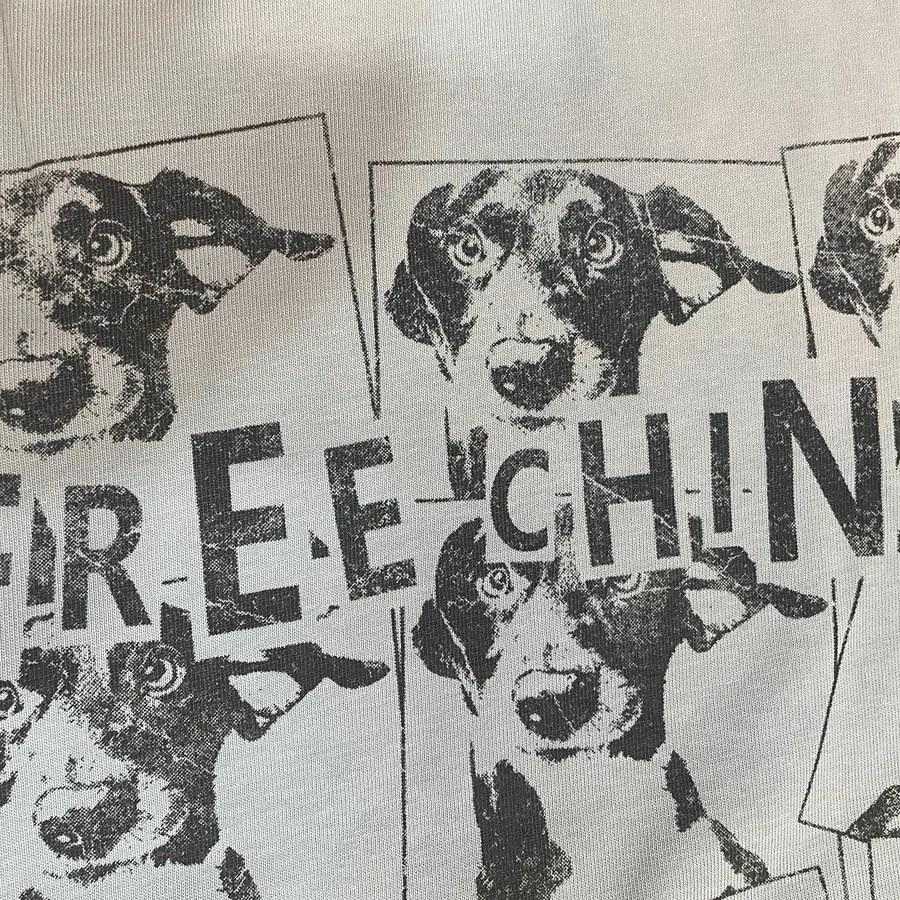
Water based inks should penetrate fabric fibers rather than sit on the surface. Perform a rub test by vigorously rubbing the print with a dry white cloth 20-30 times; no color transfer indicates proper penetration and curing.
Mesh count directly impacts ink deposit: 110-156 mesh delivers heavier ink loads for opacity on dark fabrics, while 200-305 mesh produces finer detail with lighter deposits. Proper curing at 320-330°F for 60-90 seconds ensures full polymerization and durability.
Color Fastness and Wash Durability
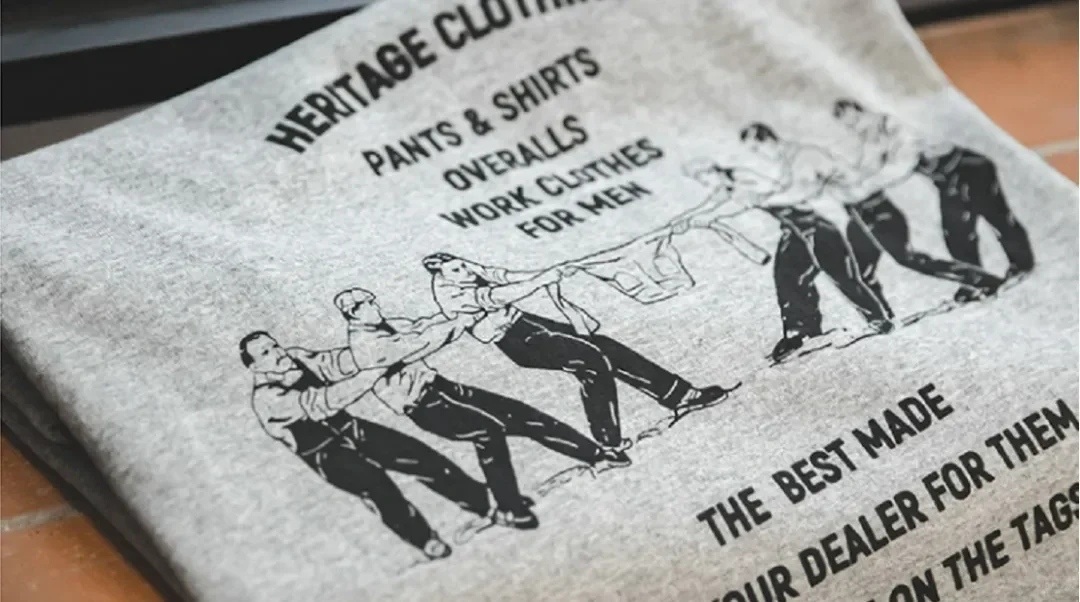
Quality water based screen printing withstands 20+ industrial wash cycles without significant fading or cracking. Request wash-test samples laundered at 40°C with detergent to evaluate color retention and print integrity.
Ink viscosity affects adhesion: 1,500-3,000 cps ensures proper flow through mesh while maintaining opacity. Undercured prints fade within 5-10 washes; properly cured prints retain 90%+ color vibrancy after 50+ cycles.
Registration Accuracy and Red Flags
Multi-color prints require registration accuracy within ±1mm to prevent color bleed or gaps. Inspect color boundaries under magnification and check alignment across multiple garments from the same run.
Red flags include sticky or tacky hand feel indicating undercuring, color bleeding at design edges showing poor registration, uneven ink coverage revealing inconsistent squeegee pressure, and excessive stiffness suggesting plastisol contamination. ZORWILD applies strict in-line inspection during production and final quality checks before packaging to eliminate these defects.
- Sticky surface: undercured ink, requires extended drying time or higher temperature
- Color bleed: misaligned screens or excessive ink viscosity
- Uneven coverage: improper squeegee angle or inconsistent pressure
- Cracking after wash: insufficient ink penetration or improper curing temperature
7. How to Choose a Water Based Screen Printing Manufacturer
Selecting a water based screen printing partner requires evaluating technical capabilities, compliance credentials, and production flexibility. Transparent communication about ink chemistry, waste handling, and quality systems separates professional manufacturers from basic print shops.
Certifications and Compliance Standards
OEKO-TEX Standard 100 certification confirms water-based inks meet human-ecological safety standards, while GOTS approval validates organic cotton compatibility. WRAP or BSCI factory audits demonstrate ethical labor practices and environmental management systems.
Request certificates for both the facility and the specific ink suppliers. Manufacturers with transparent chemical disclosure policies reduce brand liability and support sustainability marketing claims.
Minimum Order Quantities and Sampling
MOQ thresholds vary from 500 pieces at high-volume printers to 50 pieces at flexible manufacturers like ZORWILD, enabling startup brands to test designs without inventory risk. Sampling turnaround typically ranges 7–14 days for standard water based screen printing applications.
Confirm whether sampling fees apply toward bulk orders and whether the manufacturer provides strike-off prints for color approval before full production runs.
Production Capacity and Lead Times
Monthly capacity above 100,000 units indicates stable workforce and equipment redundancy, reducing delay risk during peak seasons. Standard lead times for water based screen printing range 18–35 days from approved samples, depending on garment complexity and wash requirements.
Ask about backup press availability and whether the manufacturer subcontracts printing or handles all decoration in-house to maintain quality consistency.
Quality Control and Post-Production Services
Multi-stage inspection protocols should cover fabric receiving, print registration, cure temperature verification, wash testing, and final garment measurement. Post-production services including custom labeling, hang tags, polybag packaging, and branded tissue paper streamline fulfillment for retail-ready delivery.
Request sample inspection reports and ask how the manufacturer documents ink batch traceability and wastewater treatment for regulatory compliance and brand transparency.
8. Common Mistakes Buyers Make with Water Based Screen Printing
Water based screen printing delivers exceptional softness and eco-friendly results, but avoidable mistakes often lead to cracked prints, color shifts, and production delays. Understanding these pitfalls and their fixes ensures your brand achieves consistent quality and on-time delivery.
Choosing Water-Based for Polyester-Heavy Blends
Water-based inks cure through water evaporation and fiber absorption, requiring natural fibers like cotton to bond properly. Polyester blends above 35% polyester content resist water-based ink penetration, resulting in poor wash durability and surface cracking after 3–5 washes.
Always specify fabric composition to your manufacturer before selecting water-based printing. ZORWILD recommends 100% cotton or cotton-rich blends (80% cotton minimum) for water-based screen printing to ensure long-lasting softness and color retention.
Underestimating Drying and Curing Time
Water-based inks require 48–72 hours air-dry time plus heat curing at 320–330°F, significantly longer than plastisol’s instant cure. Buyers who ignore this timeline face wet prints, smudged graphics, and delayed shipments.
Build an extra 3–5 days into your production schedule for water-based projects. Communicate your delivery deadline clearly so the factory can plan curing cycles, quality checks, and safe packaging without rushing.
Ignoring Fabric Pre-Shrinking
Garments printed before fabric shrinkage experience cracked prints and distorted graphics after the first customer wash. Pre-shrinking stabilizes fabric dimensions and prevents post-print movement.
Request garment wash or pre-shrink treatment before printing. ZORWILD applies enzyme wash or garment dye processes prior to decoration, ensuring prints remain intact through repeated laundering.
Submitting Low-Resolution Artwork
Water-based screen printing requires vector files or raster images at 300 DPI minimum. Low-resolution artwork (below 150 DPI) produces blurry edges, pixelated details, and unprofessional results that damage brand reputation.
Provide vector files in AI or EPS format, or high-resolution PNG/TIFF files at 300 DPI. Professional manufacturers like ZORWILD offer design support and tech pack development to convert sketches or low-res references into production-ready artwork.
Skipping Wash Tests
Wash testing reveals ink adhesion, color fastness, and fabric durability under real-world conditions. Skipping this step leads to customer complaints, returns, and brand damage when prints fade or crack after purchase.
Request sample garments and conduct 5–10 home wash cycles before approving bulk production. ZORWILD performs in-house wash tests and provides pre-production samples to confirm print quality, color consistency, and fabric performance.
Failing to Specify Pantone or Ink Standards
Without Pantone color codes or approved color standards, manufacturers mix inks by visual approximation, causing batch-to-batch color variations and brand inconsistency.
Provide Pantone TPX or TCX codes for every print color and request strike-off samples for approval. ZORWILD maintains strict color matching protocols and documents ink formulas to ensure repeatable color accuracy across reorders.
9. Steps to Launch Your Brand with Water Based Screen Printing
Launching a brand with water based screen printing requires a structured seven-step roadmap that balances creative vision with production realities. ZORWILD supports startup brands, influencers, and established labels at every stage, from concept to market entry, with low MOQ production starting at 50 pieces.
Define Your Aesthetic and Target Market
Identify your brand positioning—streetwear, sustainable fashion, resort wear, or athletic casualwear—and your customer demographics before selecting printing methods. Water based screen printing appeals to audiences valuing soft hand feel, eco-conscious production, and vintage aesthetics.
ZORWILD’s development team helps align printing techniques with brand identity, whether you target Gen Z social media buyers, wholesale boutiques, or premium fashion retailers.
Source or Design Artwork
Prepare vector artwork in AI or EPS format with Pantone color references for accurate color matching. Water based screen printing works best with 1–4 colors, bold graphics, and designs that benefit from soft integration into fabric.
ZORWILD reviews artwork for printability, recommends color separations, and suggests adjustments to maximize durability and visual impact on your chosen garment style.
Select Fabric and Garment Style
Choose 100% cotton, organic cotton, or bamboo blends in 180–220 GSM for optimal water based ink absorption and breathability. Pair fabric weight with garment category—oversized tees, vintage wash hoodies, or resort shirts—to match your brand aesthetic.
ZORWILD sources fabrics from trusted Chinese suppliers and recommends constructions that enhance water based screen printing performance and wash longevity.
Request Samples and Conduct Wash Tests
Order pre-production samples to evaluate print softness, color accuracy, fabric hand feel, and construction quality before committing to bulk orders. Conduct 5–10 home wash cycles to verify ink adhesion and color retention.
ZORWILD provides sampling services with full customization—custom labels, hang tags, and packaging—so you can test market readiness and customer experience before scaling production.
Finalize Order Quantity and Timeline
Confirm MOQ based on budget and market testing—ZORWILD supports 50-piece minimums for startups and scales to 100,000+ units monthly for established brands. Typical lead times range from 18–25 days for bulk production plus 7–15 days for international shipping.
Clear communication on delivery deadlines, seasonal launches, and inventory planning ensures your collection arrives on schedule for marketing campaigns and sales events.
Coordinate Labeling and Packaging
Design woven labels, printed neck labels, hang tags, and custom packaging that reinforce brand identity and elevate unboxing experiences. Water based screen printing pairs well with eco-friendly packaging materials to communicate sustainability values.
ZORWILD offers full branding services including silicone labels, rubber patches, custom polybags, tissue paper, and sticker branding to create premium customer touchpoints.
Plan Your Launch and Marketing
Position water based screen printing as a brand differentiator—highlight soft hand feel, eco-friendly inks, and breathable comfort in product descriptions, social media content, and influencer partnerships. Use sample garments for photoshoots, lookbooks, and pre-launch teasers.
ZORWILD’s fast sampling and low MOQ flexibility allow you to test designs, gather feedback, and iterate quickly, reducing risk in crowded streetwear, resort, and sustainable fashion markets.
10. Pricing and Cost Breakdown for Water Based Screen Printing
Water based screen printing typically adds $1.50–$4.00 per garment depending on quantity tier, color count, and design complexity, with setup costs ranging from $25–$75 per screen. ZORWILD’s low MOQ production from 50 pieces allows startup brands to access premium water-based printing without prohibitive minimum orders, while larger runs above 500 units achieve economies of scale that reduce per-unit costs below $2.00 for single-color prints.
Per-unit costs decrease significantly as order volume increases, with 1,000-unit runs often 40–50% cheaper per piece than 50-unit samples. Setup fees cover screen preparation, emulsion coating, exposure, and registration, with each color requiring a separate screen; multi-color designs incur proportional setup surcharges of $25–$50 per additional color. Lead times extend 2–3 days beyond plastisol due to slower drying requirements and potential need for heat curing or extended air drying.
Water based screen printing costs 10–20% more per unit than plastisol but delivers superior hand feel, breathability, and premium brand perception that justify the investment for fashion-forward labels targeting quality-conscious consumers. Garment costs are separate and vary by fabric weight, fiber content, and construction quality; wholesale blanks range from $3.50 for basic tees to $18+ for heavyweight hoodies. Rush production typically adds 15–25% surcharges, while Pantone color matching, specialty discharge inks, and oversized prints may incur additional fees of $0.50–$1.50 per unit.
| Quantity Tier | Setup Cost | Per-Unit Print Cost | Lead Time | Total Cost per Piece |
|---|---|---|---|---|
| 50 units | $50–$75 | $3.50–$4.00 | 10–12 days | $7.00–$8.50 (garment + print) |
| 100 units | $50–$75 | $2.80–$3.50 | 10–12 days | $6.30–$7.50 (garment + print) |
| 500 units | $50–$75 | $1.80–$2.50 | 12–15 days | $5.30–$6.50 (garment + print) |
| 1,000+ units | $50–$75 | $1.50–$2.00 | 15–18 days | $5.00–$6.00 (garment + print) |
Start Your Water Based Screen Printing Project Today
50-piece MOQ, 27 years of expertise, and 6-stage quality control. Send your artwork for a free sample or request a quote now.
- Custom Hoodies
- Custom T Shirts
- Custom Dresses
- Custom Sweatshirts
- Custom Jackets
- Custom Varsity Jackets
- Custom Polo Shirts
- Custom Shorts
- Custom Dress Shirts
- Contact