
Flock Printing: Premium Soft-Touch Texture for Custom Apparel
ZORWILD delivers professional flock printing with raised, velvety texture for custom hoodies, varsity jackets, and streetwear—starting from 50 pieces with in-house quality control from our custom apparel manufacturer facility.
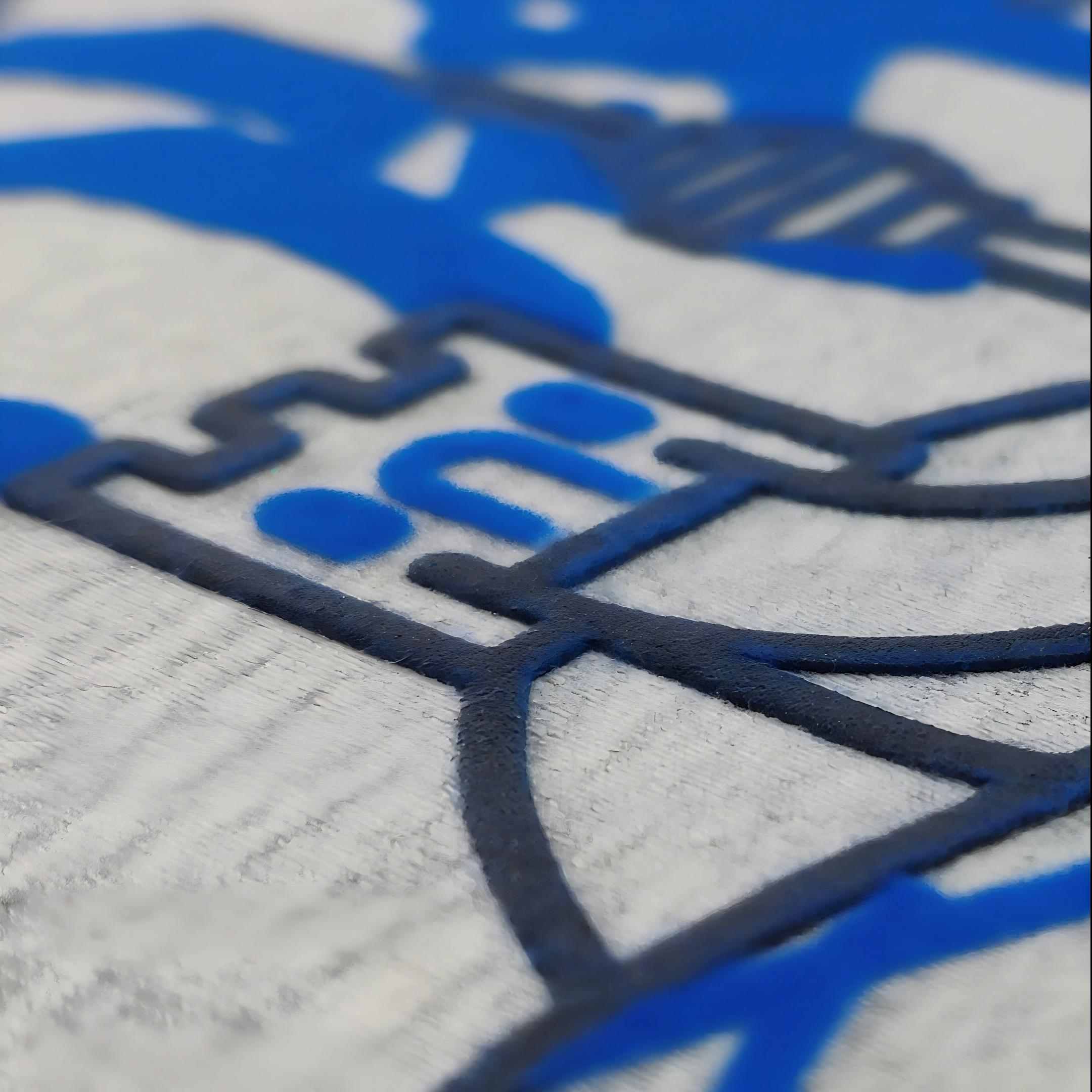
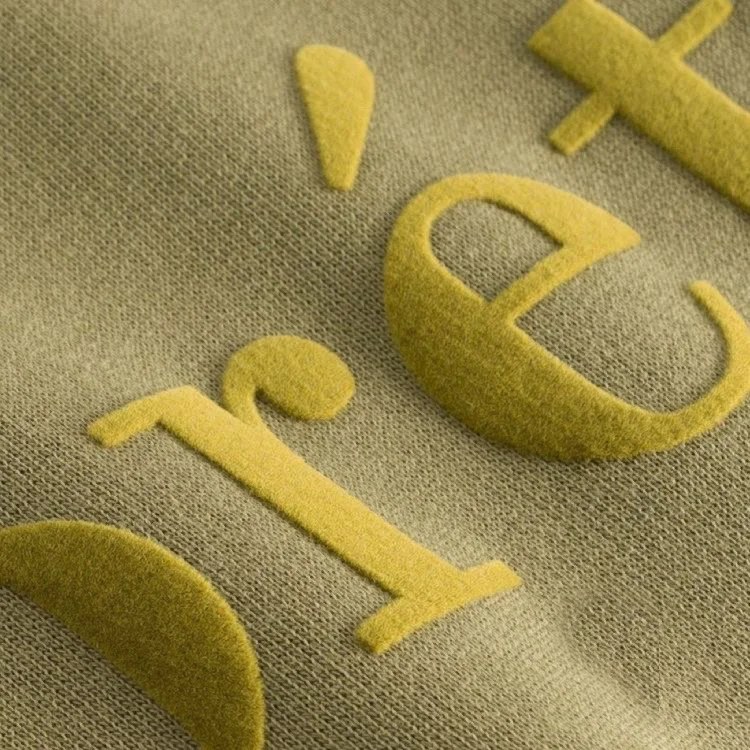
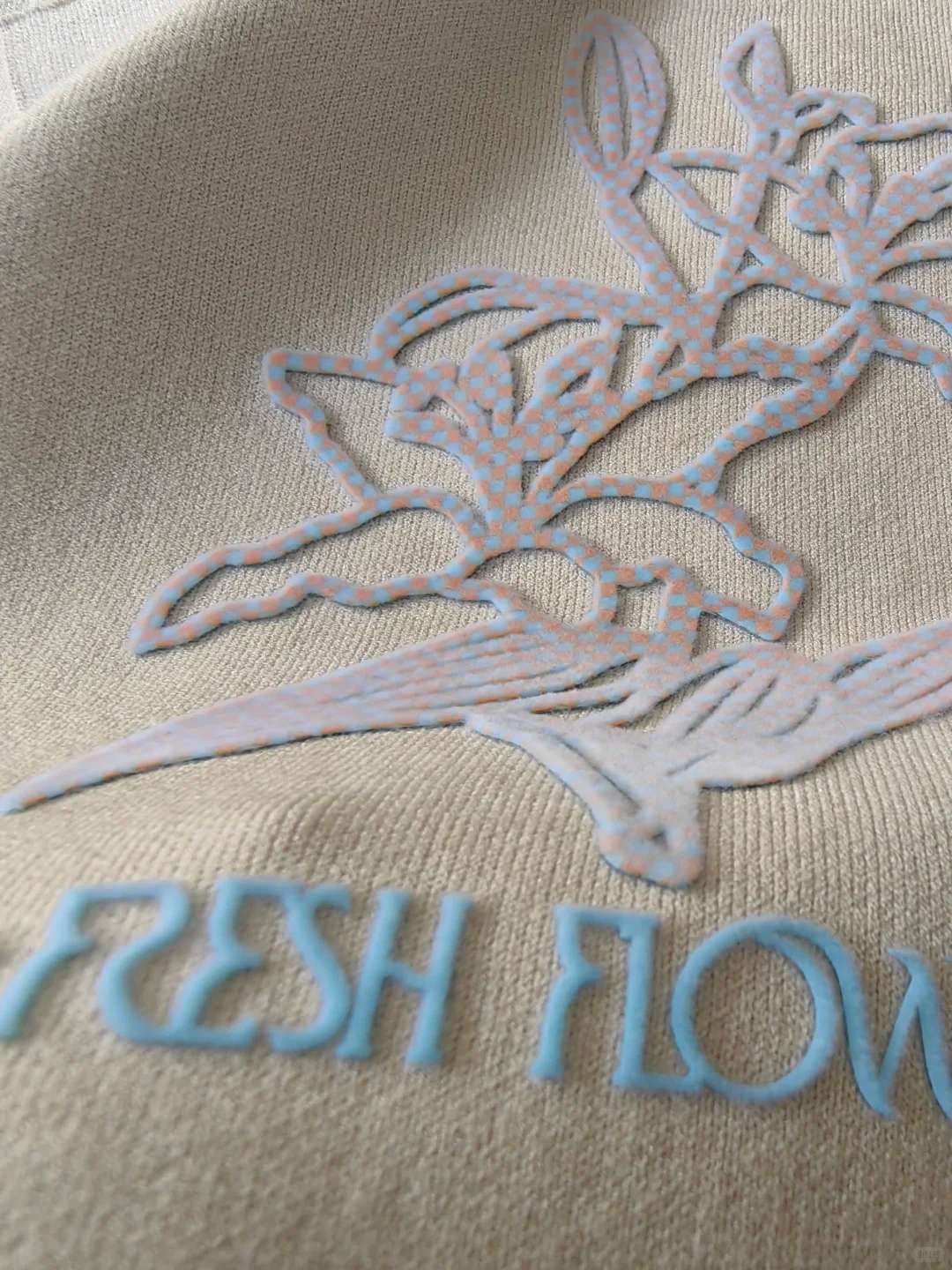
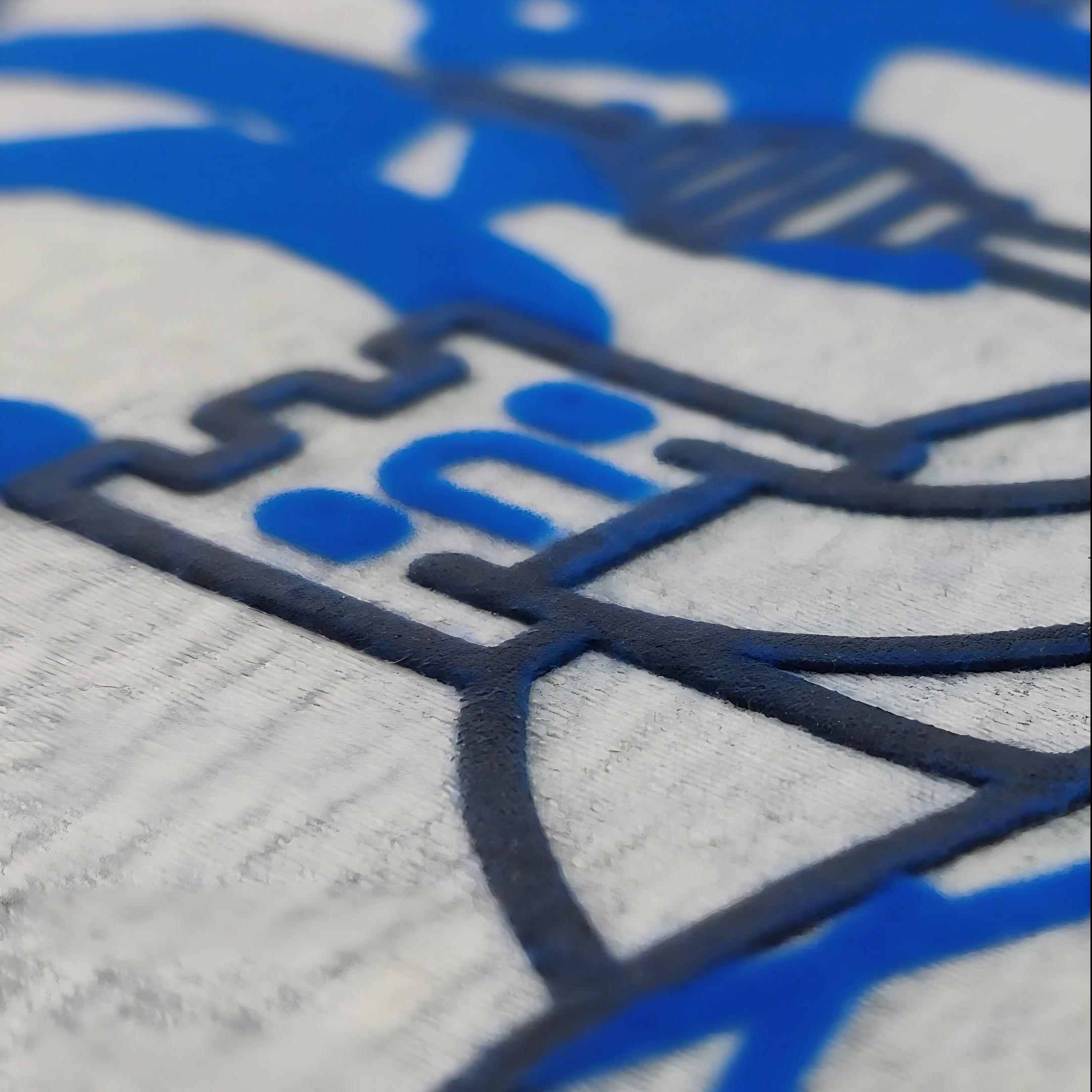
Flock Printing Sample Gallery
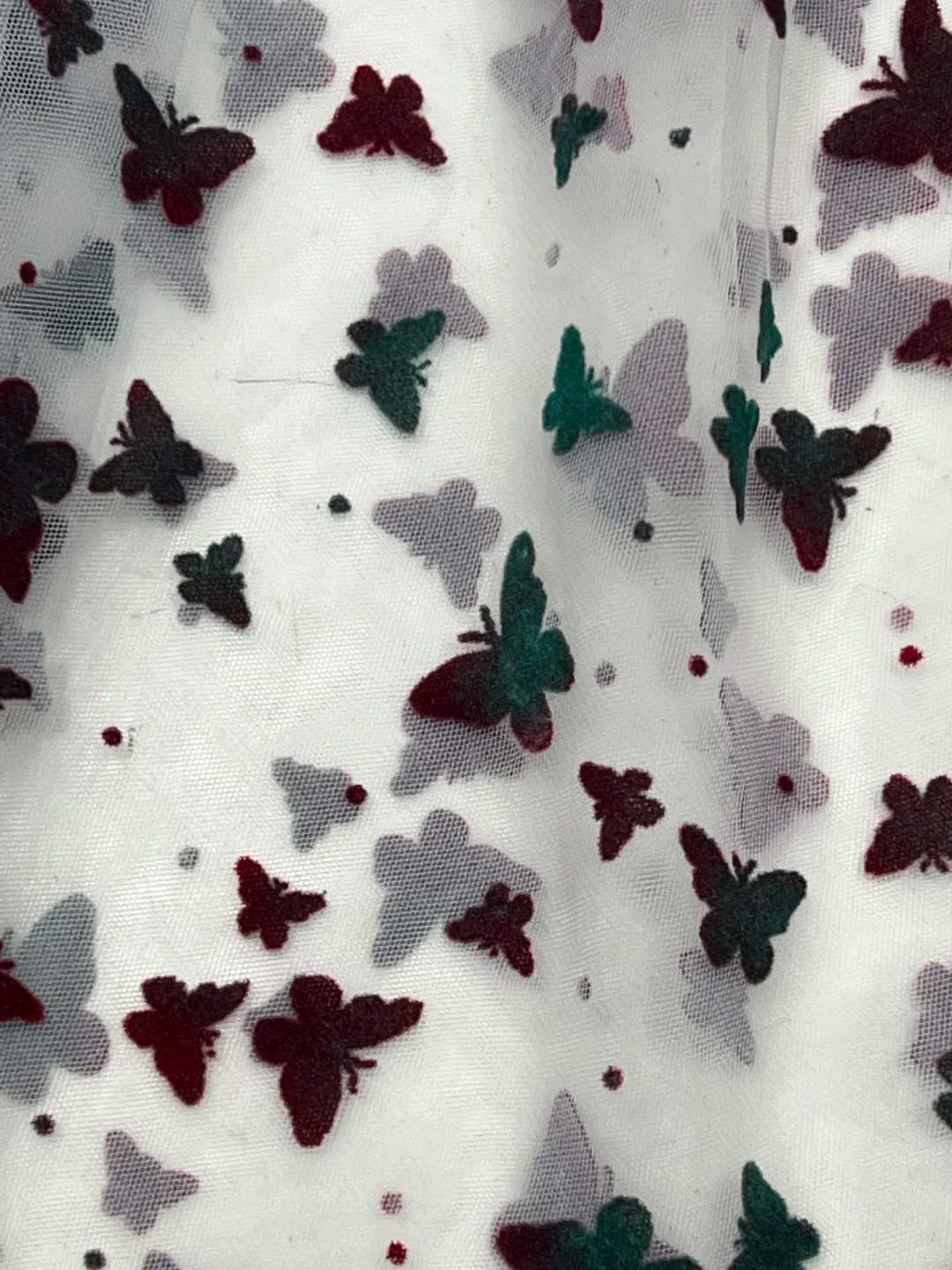
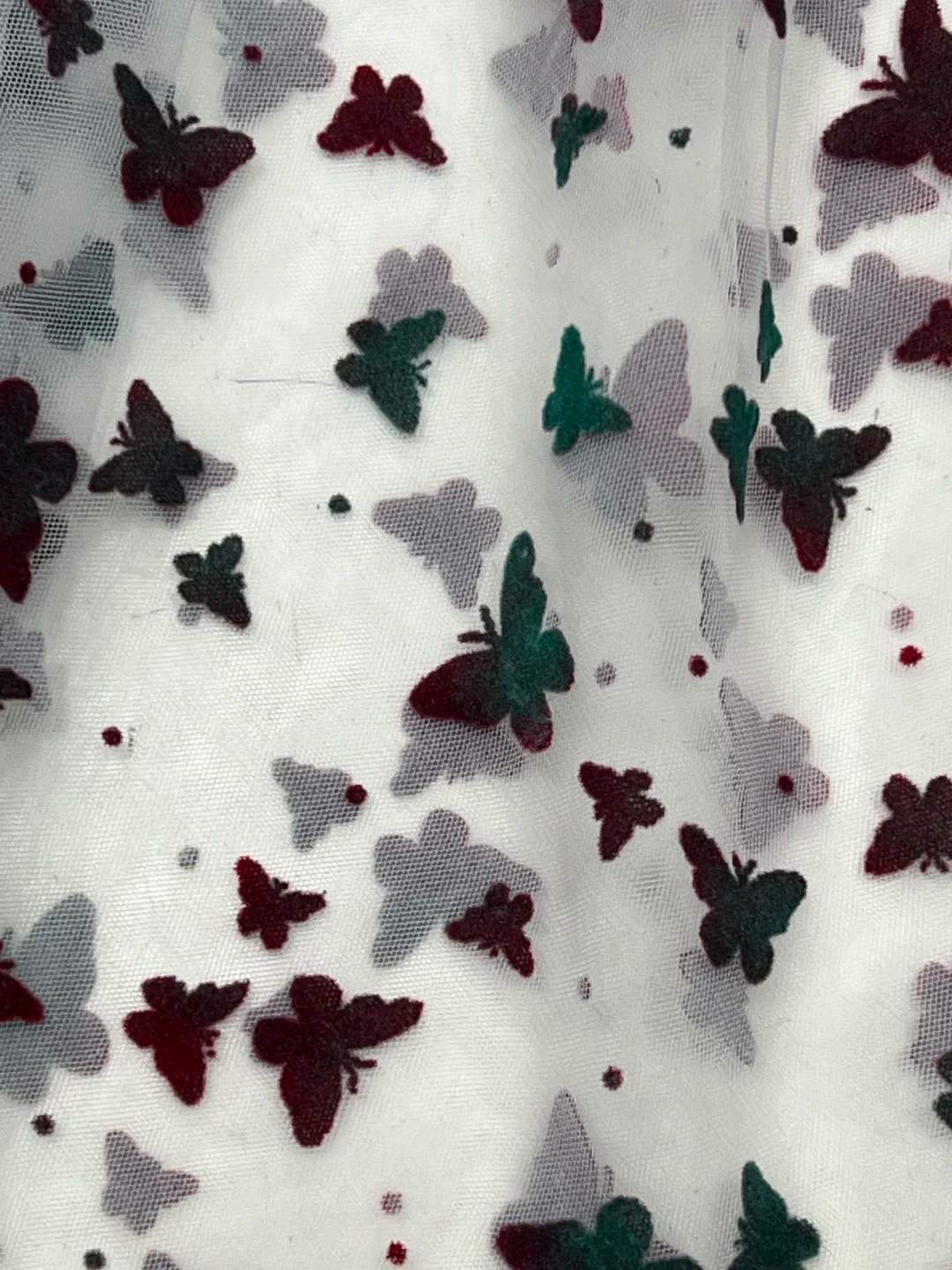
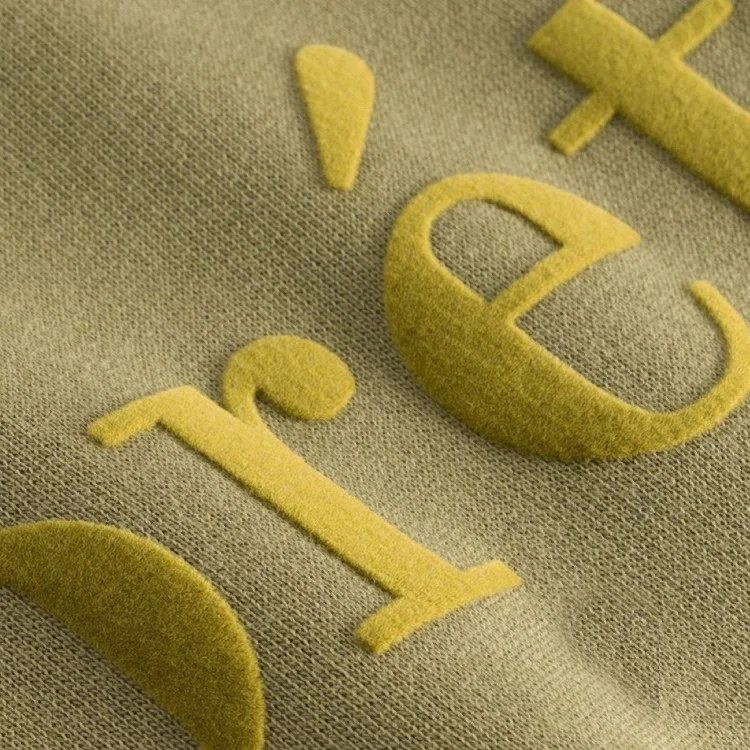
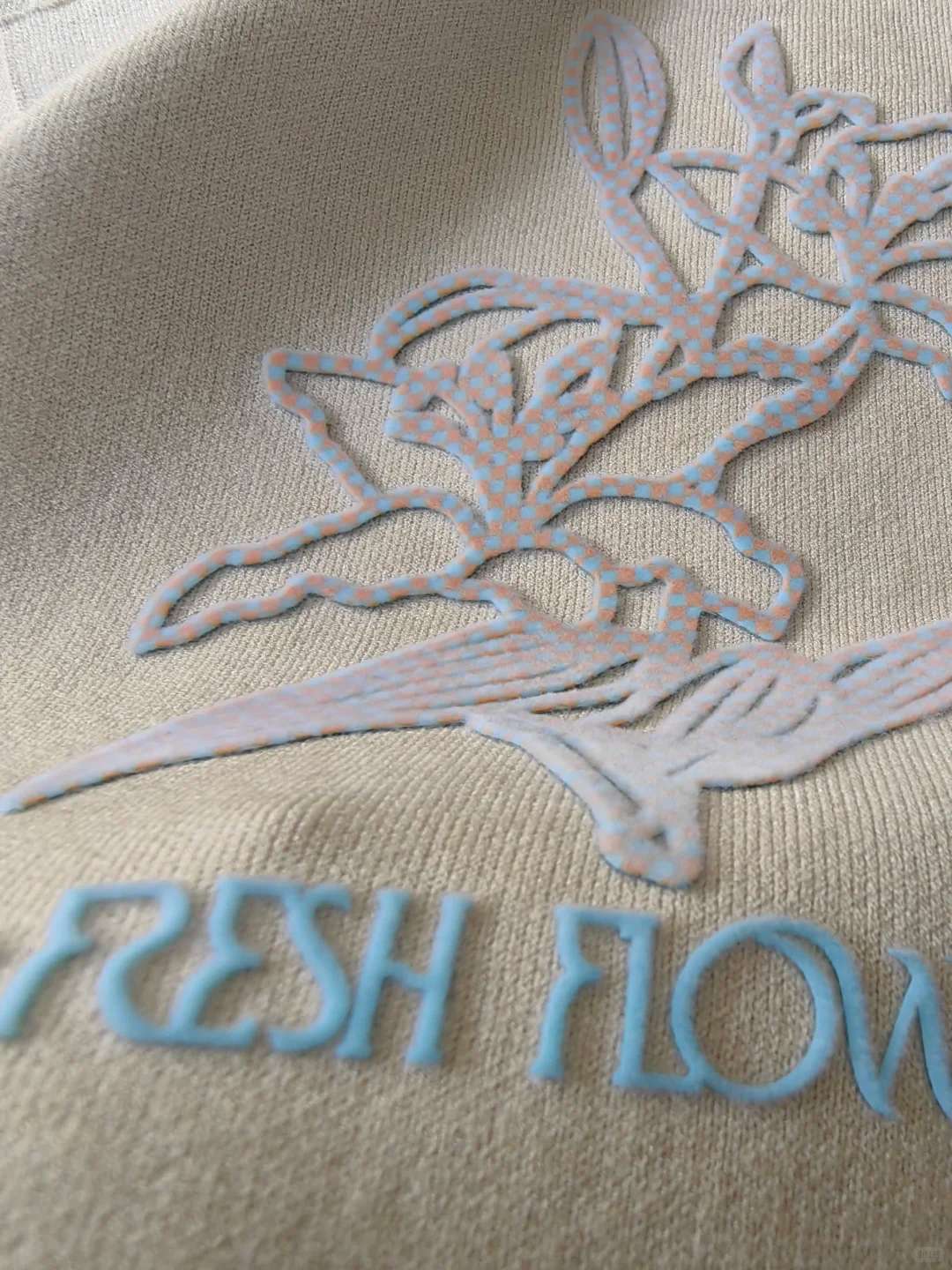
What Makes Flock Printing Distinctive
Soft Tactile Feel
Velvety surface texture that feels luxurious to the touch, perfect for premium streetwear, custom hoodies, and branded apparel collections.
Dimensional Raised Effect
Subtle 3D depth creates visual interest and tactile contrast that elevates your design beyond flat screen printing.
Excellent Wash Durability
Flock printing withstands repeated washing cycles without fading, cracking, or peeling when properly cured and applied.
Vibrant Color Options
Wide color palette available with consistent saturation and opacity, ensuring your brand colors remain bold and accurate.
Eco-Friendly Water-Based Adhesives
Water-based adhesive systems reduce environmental impact while maintaining strong bonding performance and soft hand feel.
Crisp Edge Definition
Sharp, clean borders and fine detail reproduction ensure logos, text, and graphics appear precise and professional.
Related Printing Techniques & Product Applications

Custom Screen Printing
Explore ZORWILD’s versatile screen printing capabilities for high-durability graphics across hoodies, T-shirts, and sweatwear. Ideal for brands requiring bold, long-lasting designs with excellent color performance and cost-effective production for medium to large order volumes. Supports multi-color artwork and precise registration.
Get a Quote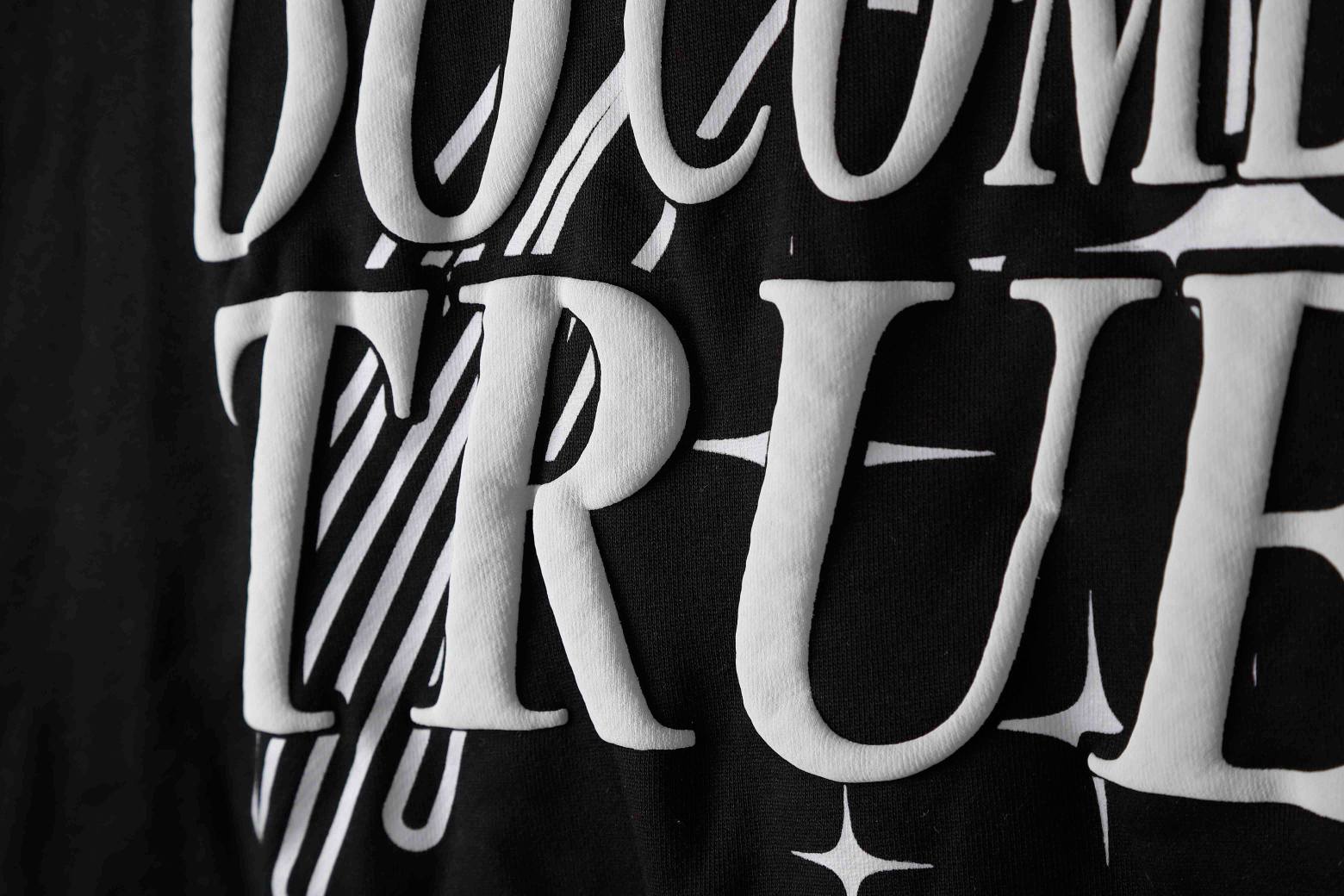
Puff Printing
Add dimensional texture to your streetwear graphics with raised puff printing. Perfect for brands seeking premium tactile effects on hoodies, sweatshirts, and graphic tees. Creates bold, elevated designs that stand out visually and physically. Popular for logos, typography, and statement artwork in contemporary fashion collections.
Get a Quote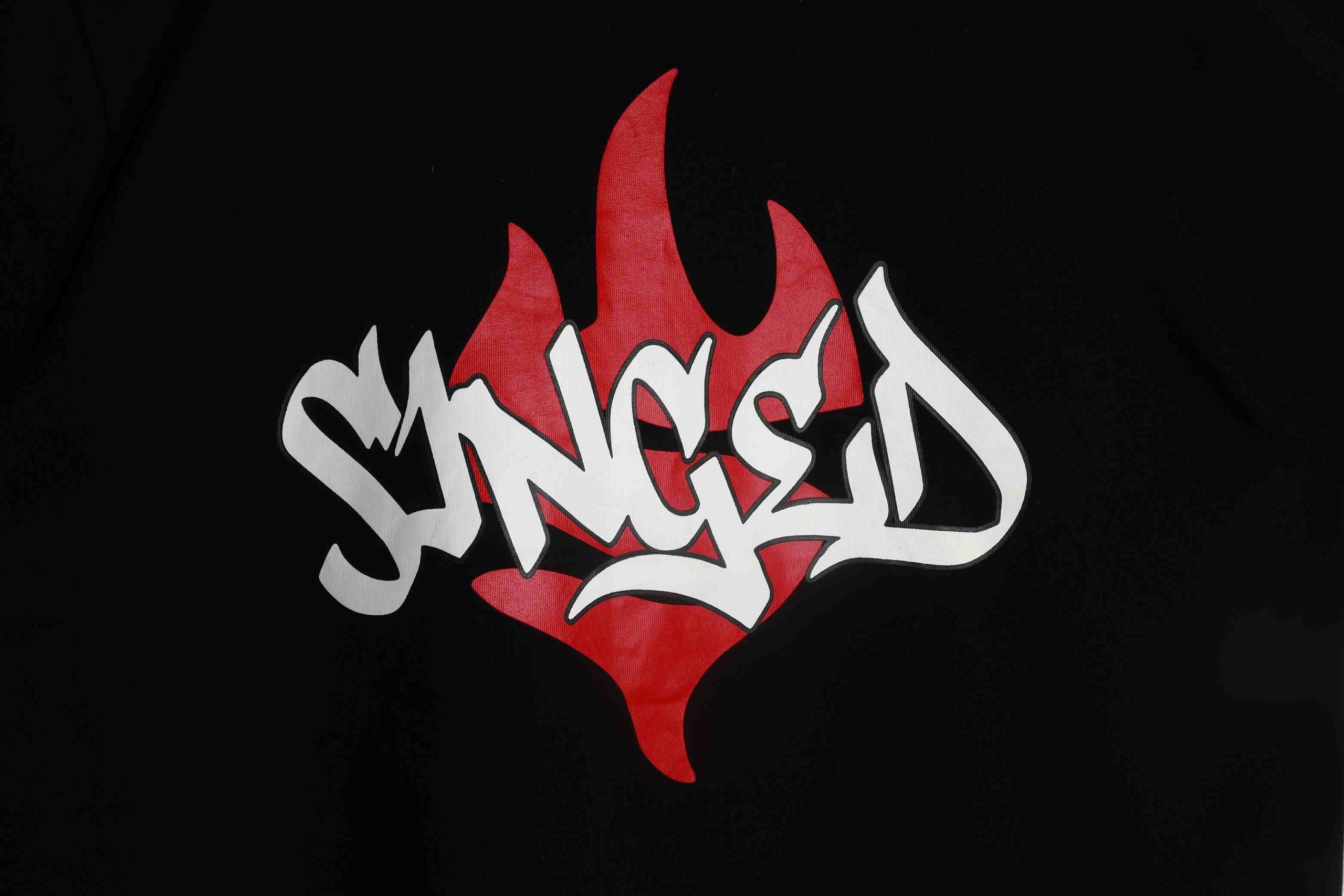
Plastisol Printing
Traditional plastisol screen printing delivers vibrant, opaque colors with excellent coverage on dark fabrics. Best for brands prioritizing bold graphics, sharp detail, and proven durability across wash cycles. Standard technique for mainstream apparel production with reliable color consistency and cost efficiency at scale.
Get a Quote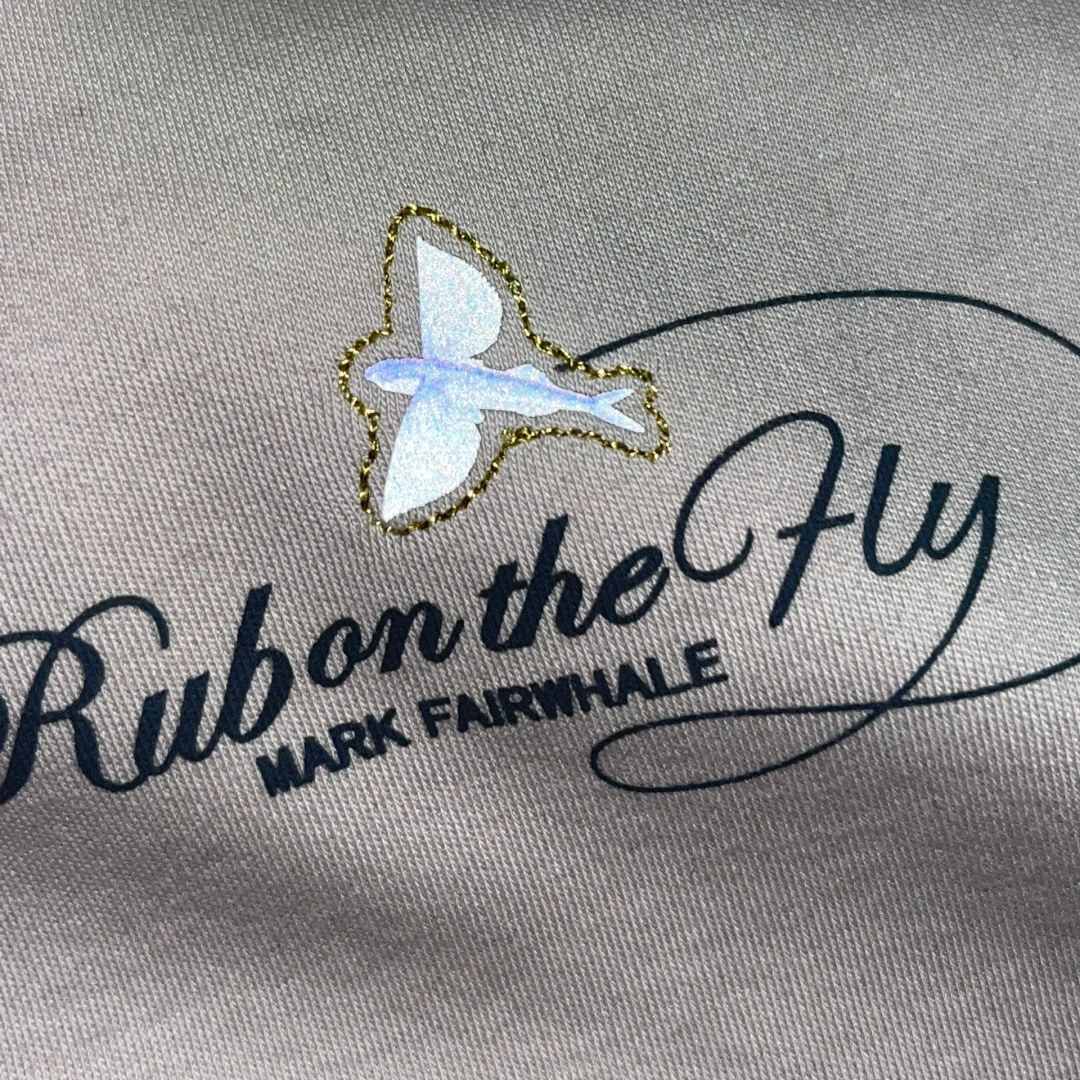
Water-Based Printing
Achieve soft-hand, breathable prints with water-based screen printing that bonds ink into fabric fibers rather than sitting on top. Ideal for eco-conscious brands and premium collections requiring lightweight feel, vintage aesthetics, and comfort-first garments. Particularly effective on light-colored cotton and organic fabrics.
Get a Quote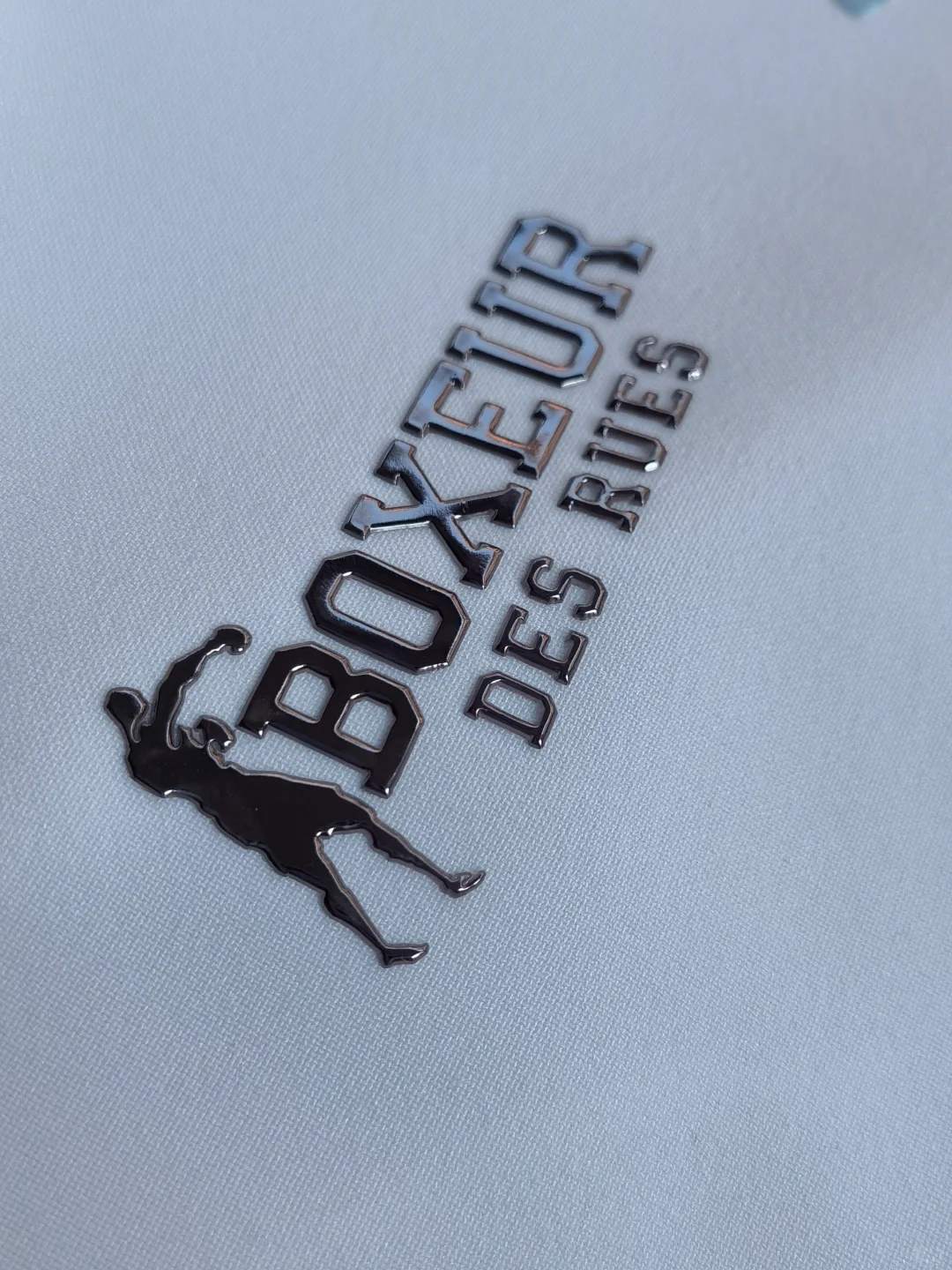
Silicone Printing
Create premium raised logos and branding elements with silicone screen printing for a modern, tactile finish. Perfect for technical apparel, activewear, and contemporary streetwear requiring durable, flexible graphics that withstand stretch and movement. Delivers a sleek, three-dimensional appearance with excellent wash resistance.
Get a Quote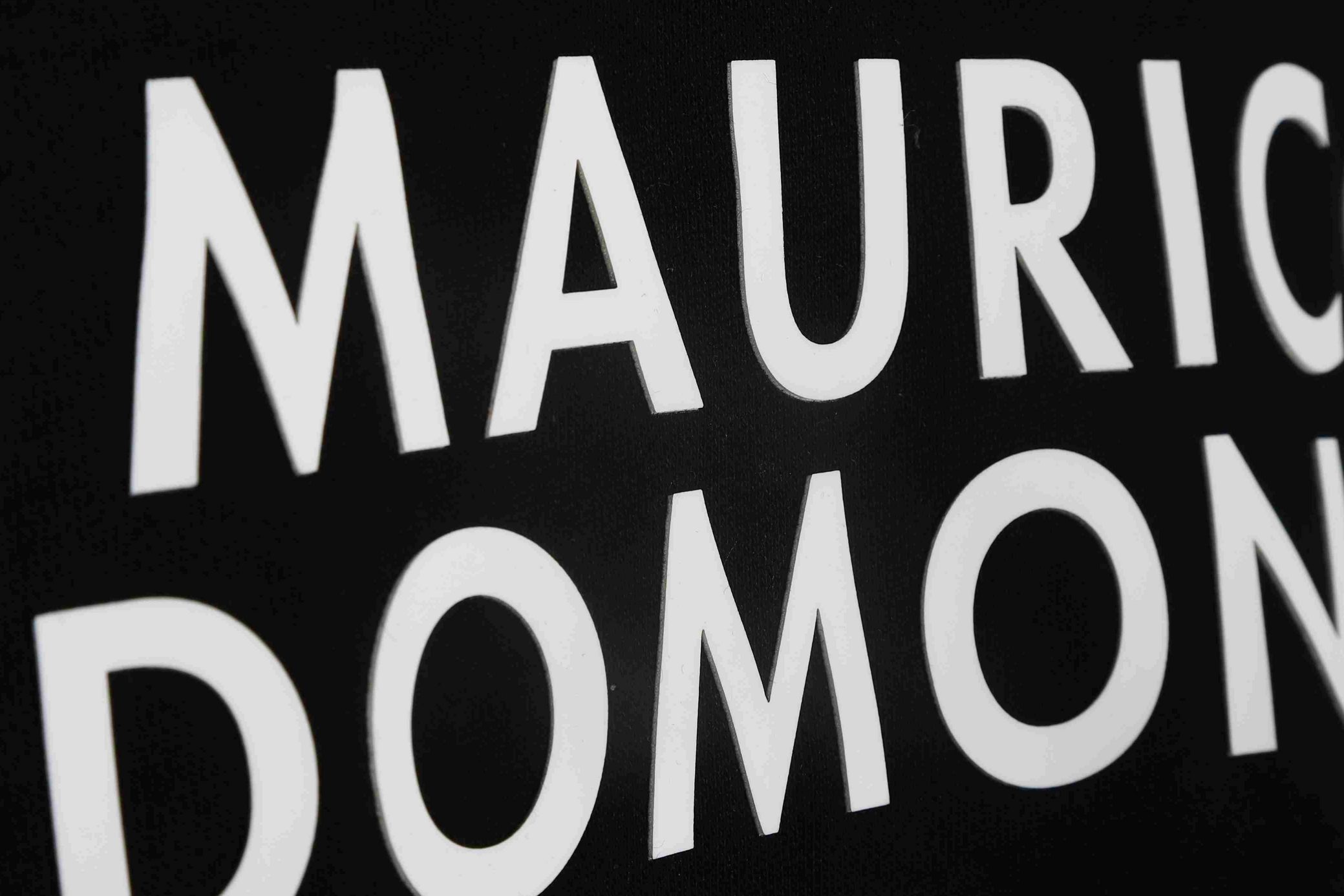
High-Density Printing
Produce bold, raised graphics with high-density screen printing for maximum visual impact and texture. Ideal for luxury streetwear brands and premium collections requiring thick, embossed-style prints that mimic embroidery. Creates dimensional logos and artwork with superior durability and a high-end tactile experience.
Get a Quote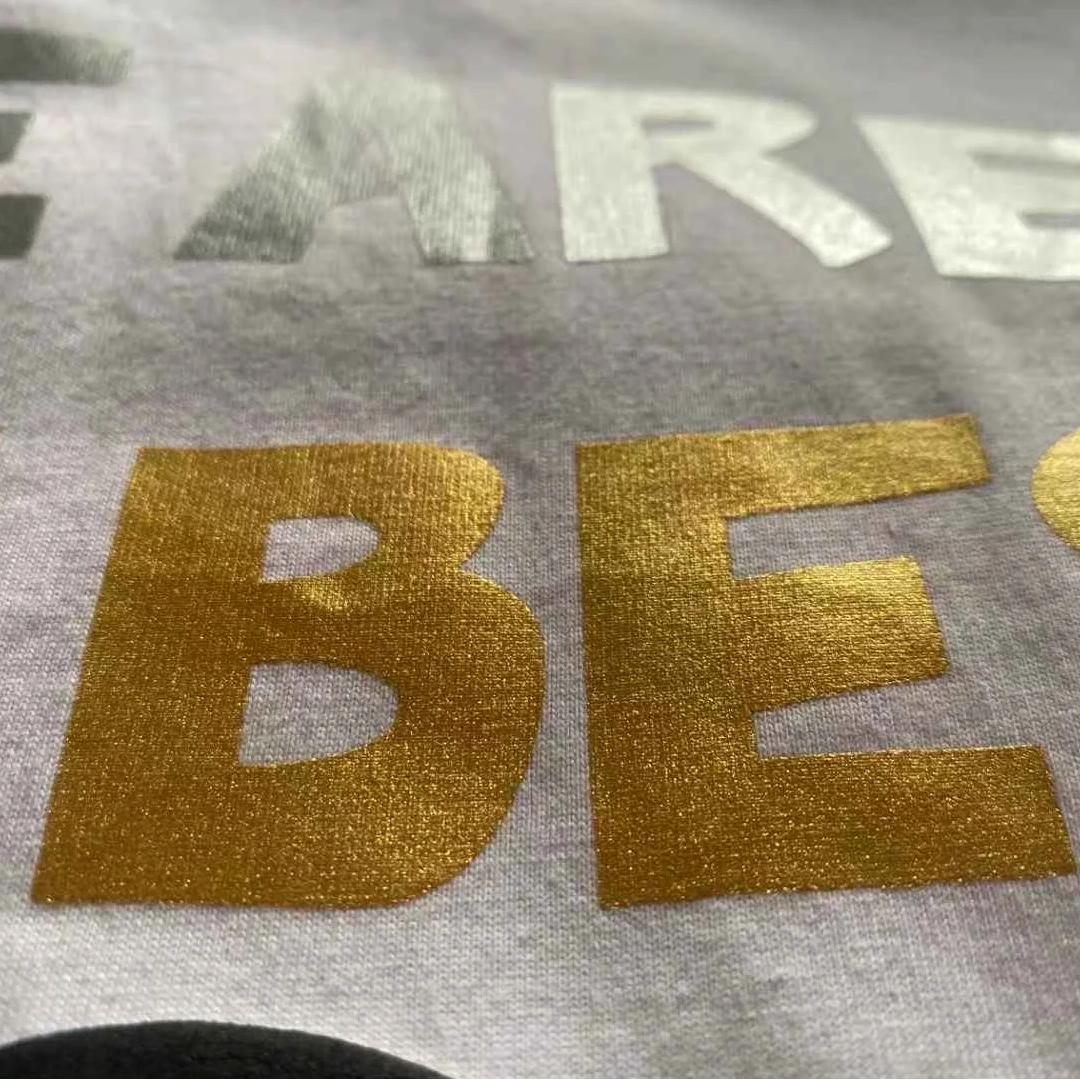
Foil Printing
Add metallic shine and luxury appeal with foil printing for fashion-forward collections and premium branding. Perfect for brands targeting elevated aesthetics with reflective, eye-catching details on hoodies, T-shirts, and specialty garments. Creates striking visual contrast and upscale presentation for limited-edition releases and high-value products.
Get a Quote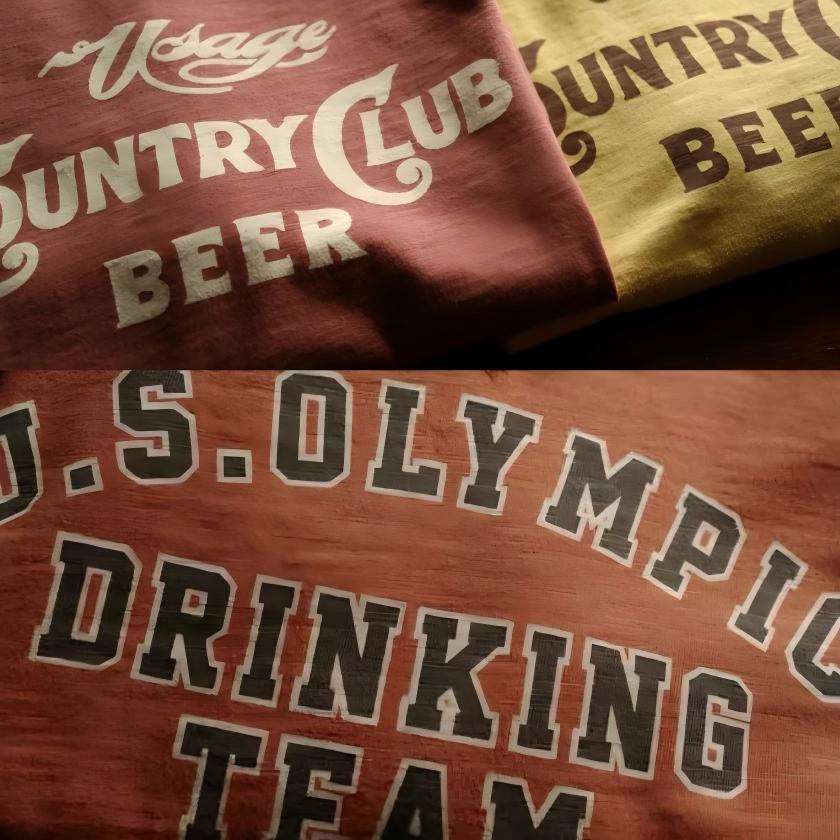
Discharge Printing
Achieve ultra-soft, vintage-style prints with discharge printing that removes fabric dye and replaces it with color. Best for brands requiring breathable, no-hand-feel graphics on dark garments, particularly 100% cotton. Creates authentic worn-in aesthetics popular in streetwear, band merchandise, and retro-inspired collections.
Get a Quote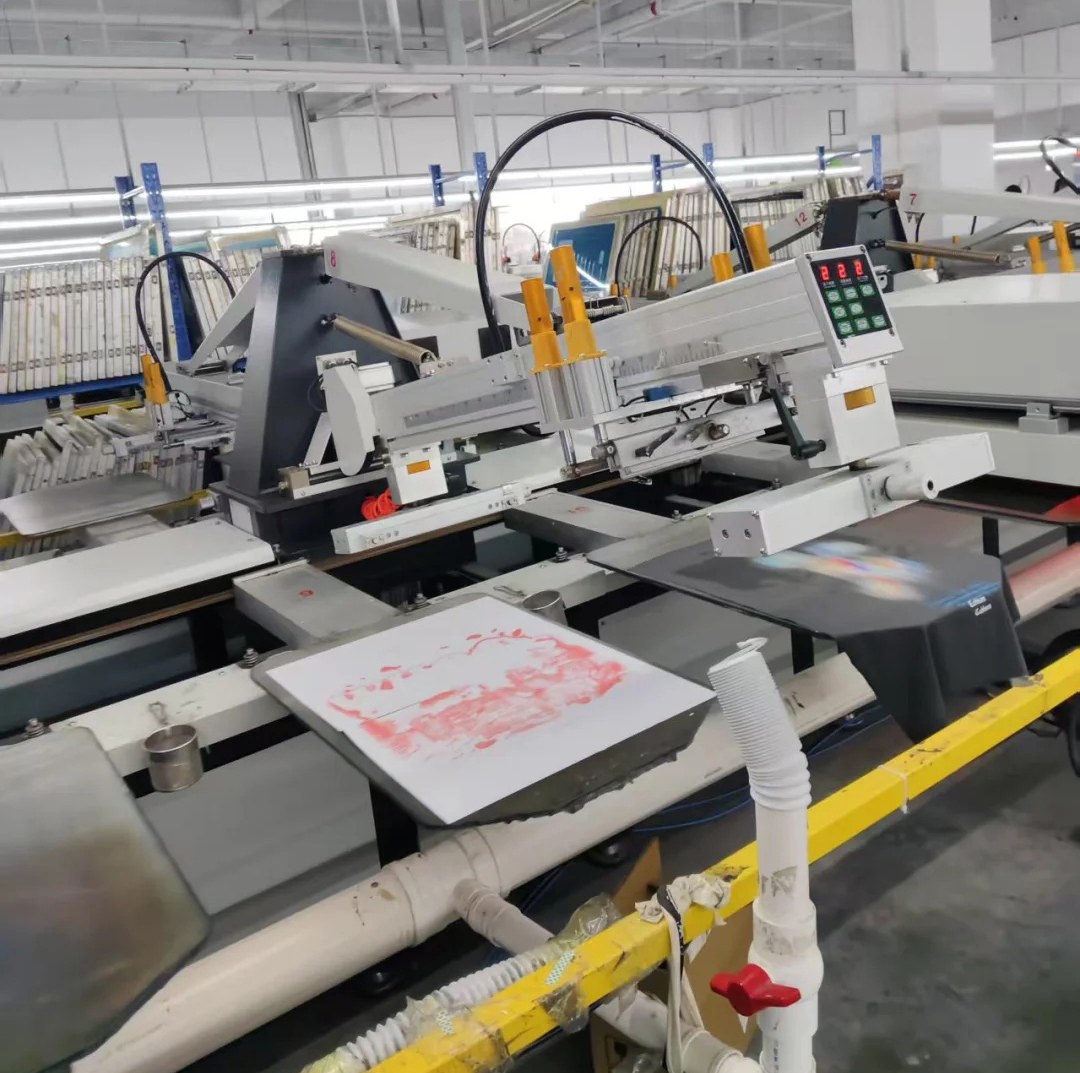
Custom Shirts
Browse ZORWILD’s complete custom shirt manufacturing including casual shirts, custom hawaiian shirts, resort wear, and fashion cut-and-sew styles. Low MOQ from 50 pieces with full customization: custom shirt printing, embroidery, contrast panels, custom labels, and premium fabrics. Ideal for startup brands and established labels launching custom made shirts collections.
Get a QuoteZORWILD's Flock Printing Experience
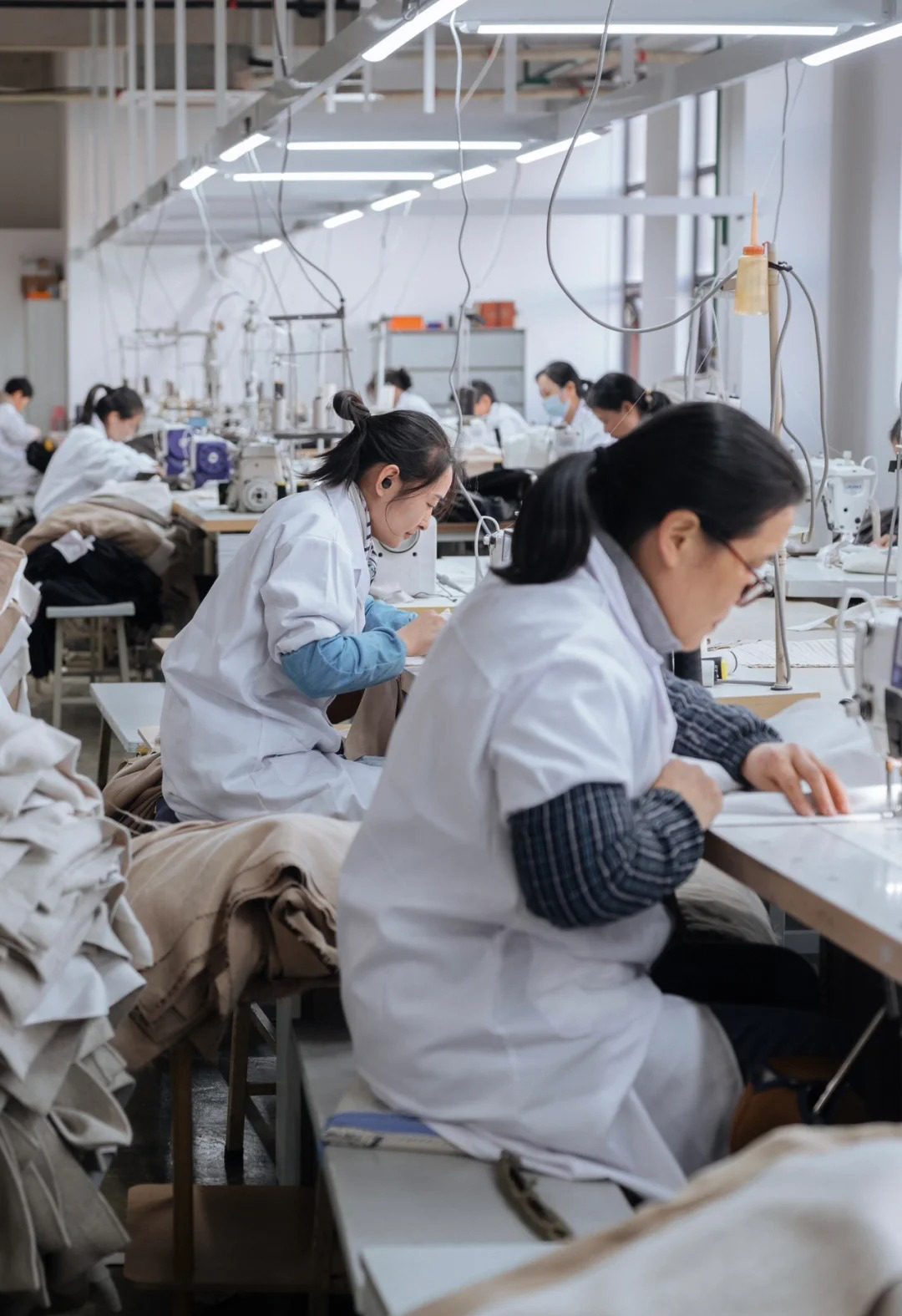
Since 1998, ZORWILD has evolved from a family-operated garment workshop in Humen, Dongguan into a full-service apparel manufacturer with advanced flock printing capabilities. Our 27 years of manufacturing expertise enable us to deliver premium soft-touch flock finishes on streetwear hoodies, varsity jackets, and custom collections with eco-friendly water-based adhesives and precise fiber application.
Our in-house flock printing facility supports everything from 50-piece startup orders to large-scale production runs, backed by a 6-stage quality control system that ensures consistent texture, durability, and color accuracy. With a monthly production capacity exceeding 100,000 units, we bridge the gap between creative design and scalable flock printing production for DTC brands and professional teams worldwide.
What sets ZORWILD apart is our comprehensive approach: we combine flock printing with embroidery, screen printing, and garment wash techniques to create signature pieces that stand out. Our Dongguan factory location gives us direct access to trusted textile suppliers and advanced decoration equipment, ensuring your flock printed designs achieve the premium tactile quality your brand demands.
Flock Printing Quality Deep Dive
Adhesive Chemistry and Application Control
ZORWILD uses water-based adhesive systems for flock printing, delivering softer hand feel, better breathability, and eco-friendly results compared to traditional solvent-based formulas. Our precise adhesive application ensures consistent fiber adhesion and long-term durability across all garment types.
- Water-based adhesive formulas for softer texture and reduced environmental impact
- Controlled viscosity and layer thickness for uniform fiber bonding
- Temperature-responsive chemistry optimized for polyester and cotton substrates
- Pre-production adhesive testing to match garment fabric weight and stretch
Fiber Selection and Density Management
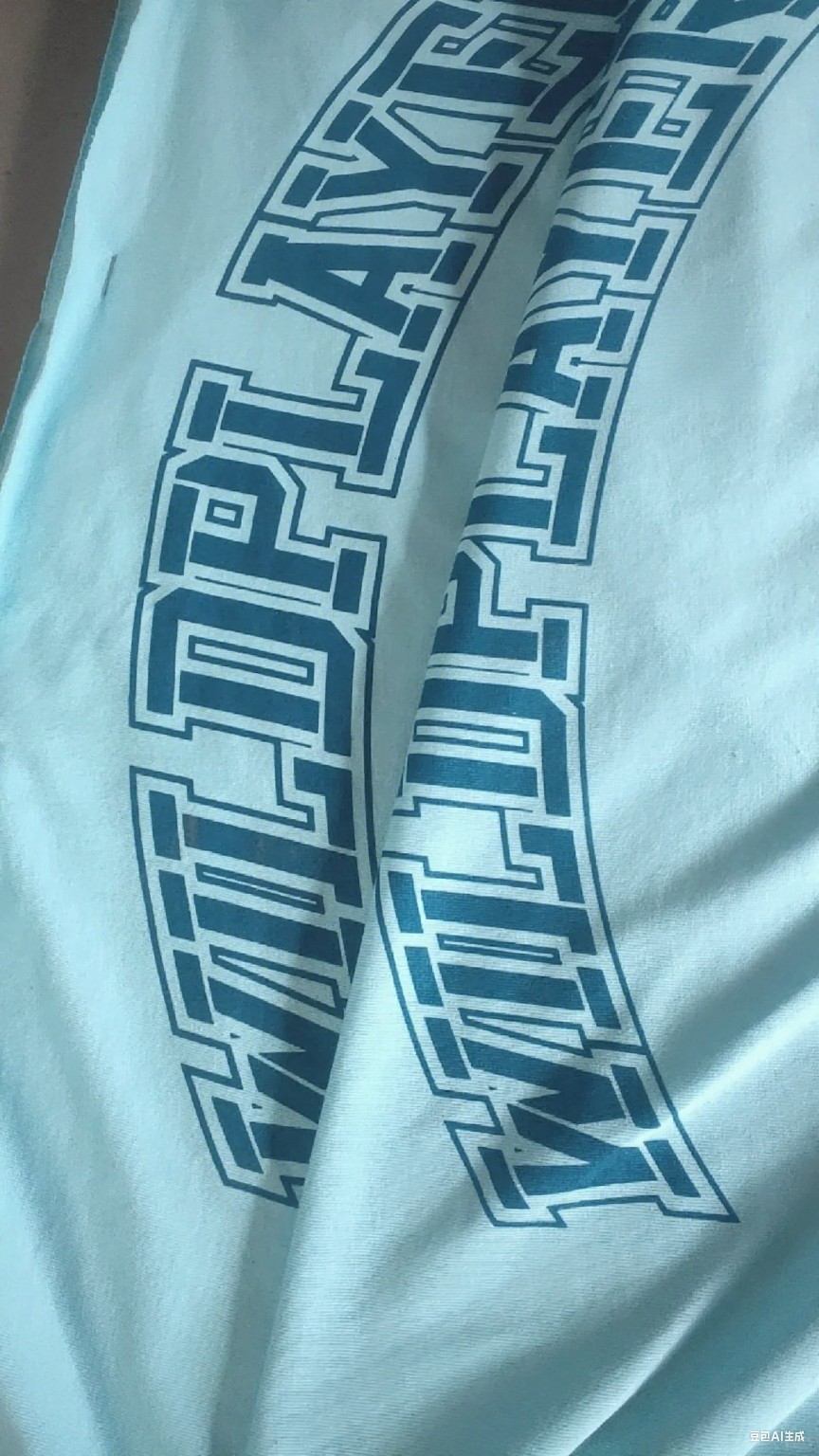
Fiber length, material composition, and electrostatic application density determine the final texture and visual depth of flock printing. ZORWILD sources premium nylon and rayon fibers in multiple lengths, calibrating density settings to achieve rich, velvety surfaces that resist crushing and maintain appearance through repeated wear.
- Nylon and rayon fiber options in 0.5mm to 3mm lengths for varied texture depth
- Electrostatic field calibration for vertical fiber alignment and uniform coverage
- Density control to balance softness, durability, and visual richness
- Color-matched fiber libraries for precise brand color reproduction
Heat-Setting Temperature and Dwell Time
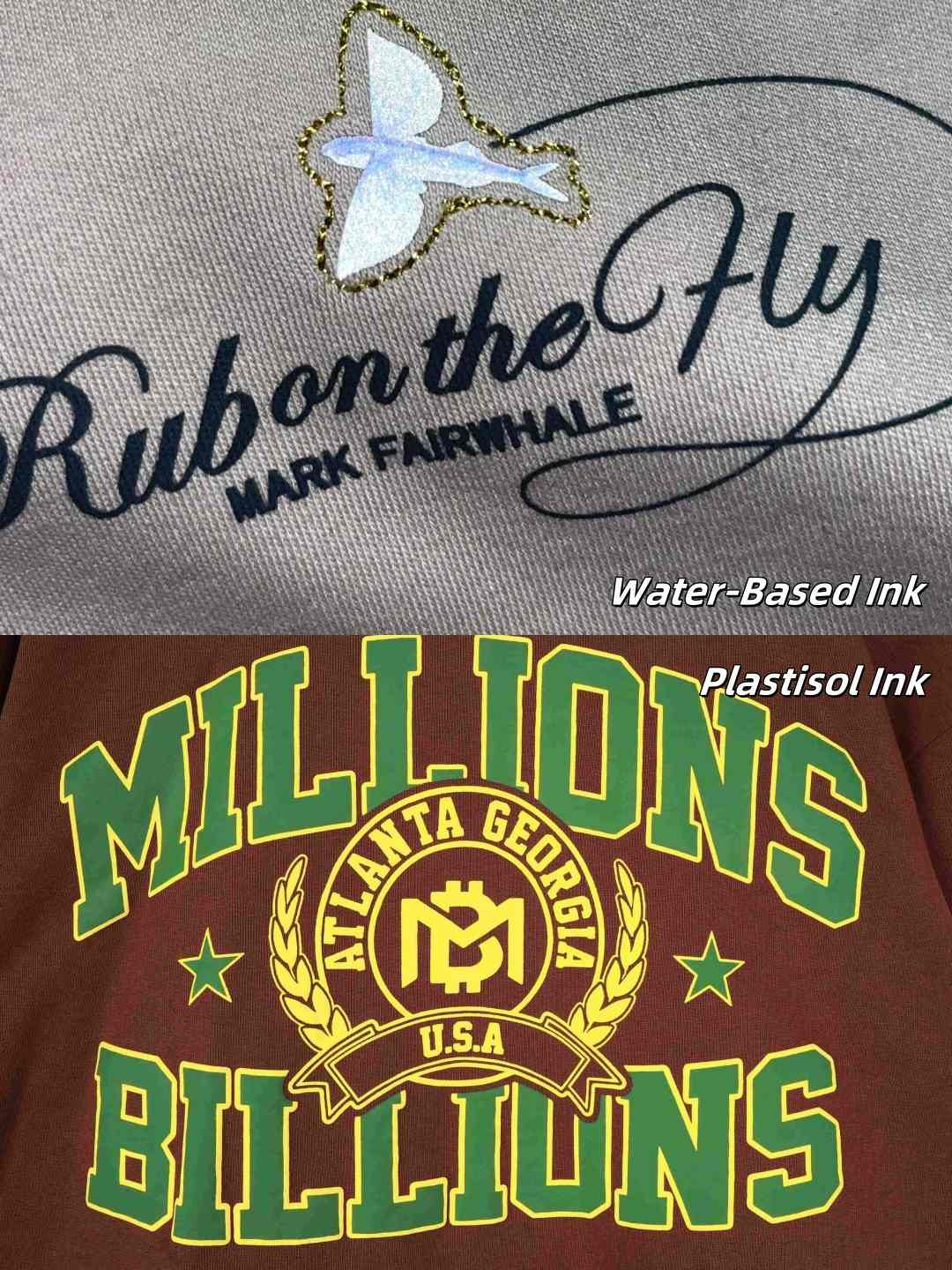
Precise heat-curing parameters are critical to flock printing durability. ZORWILD’s production team calibrates curing temperature and dwell time based on adhesive type, fabric composition, and fiber material, ensuring complete adhesive polymerization without scorching fibers or damaging garment substrates.
- Temperature range 150–180°C calibrated for adhesive chemistry and fabric type
- Dwell time optimization between 30–90 seconds for full adhesive cure
- Multi-zone heat press systems for consistent temperature distribution
- Post-cure cooling protocols to stabilize fiber bond and prevent delamination
Edge Definition and Washability Testing
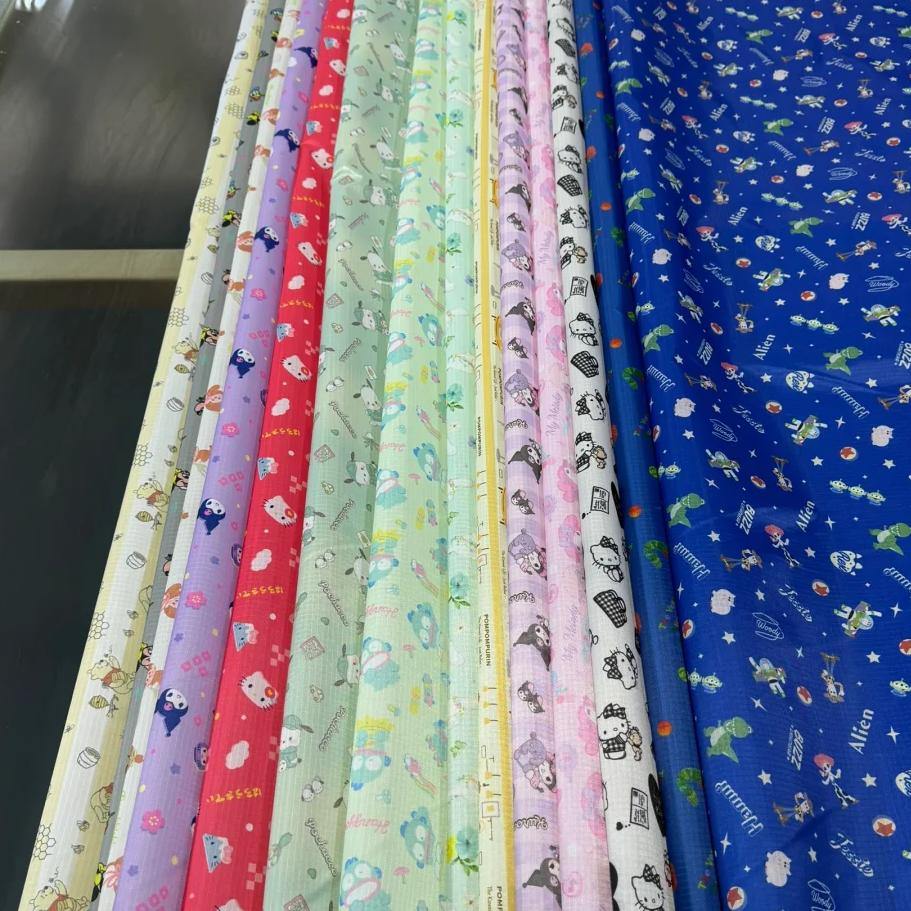
Clean edges and wash durability separate professional flock printing from amateur applications. ZORWILD employs precision edge-cleaning techniques to remove excess fibers, then subjects every production batch to rigorous wash testing protocols that simulate 30+ home laundry cycles to verify adhesion strength and color fastness.
- Manual and compressed-air edge-cleaning for sharp design boundaries
- ISO-standard wash testing at 40°C with detergent and tumble drying
- Fiber retention inspection after 30+ wash cycles to confirm durability
- Color fastness grading and adhesive bond strength verification before shipment
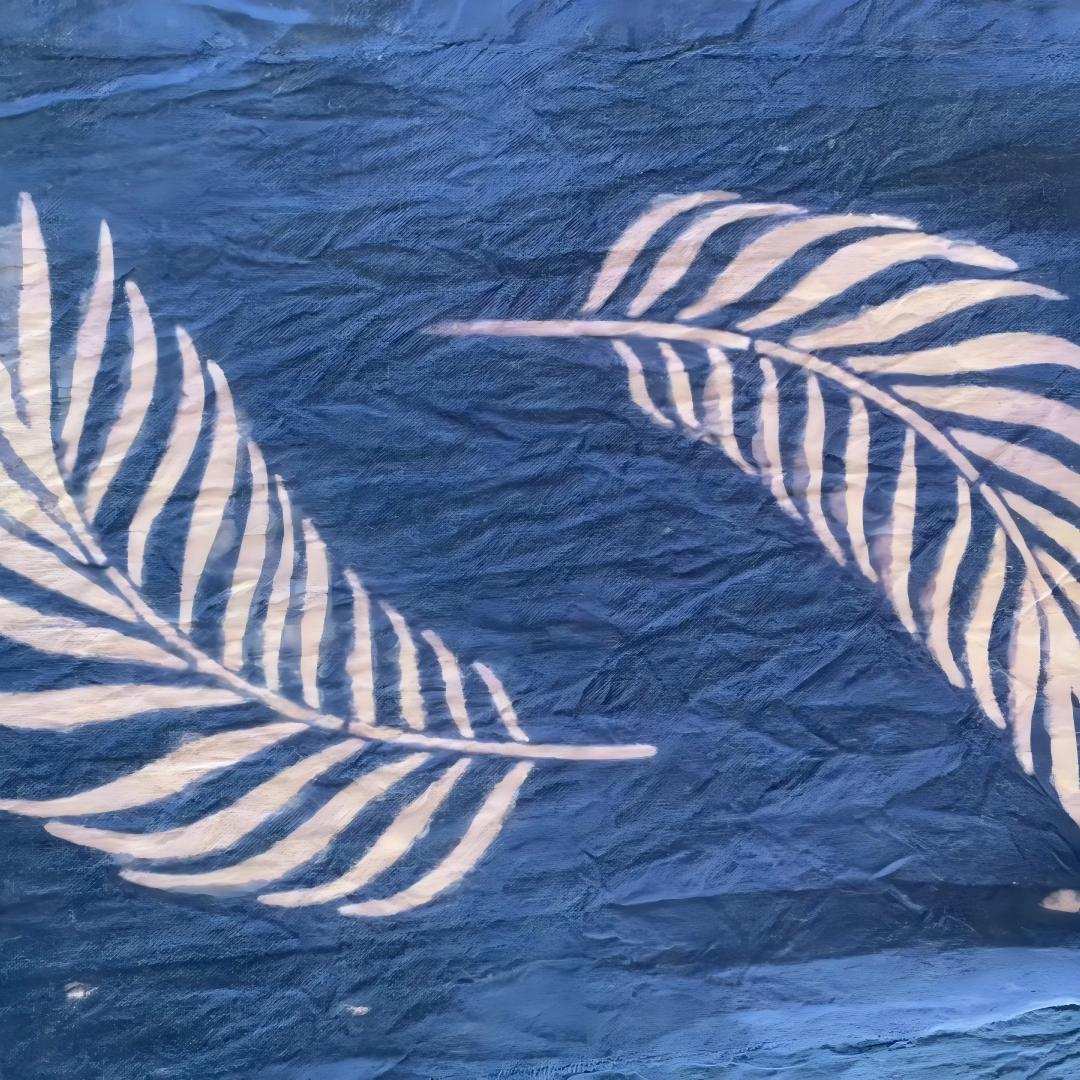
Flock Printing vs. Puff Print: When to Choose Each
Understanding the key differences between flock printing, puff print, and DTG helps you select the right technique for your custom apparel project. Here’s how each process compares across the attributes that matter most.
← 左右滑动查看 →
Flock Printing Production Workflow
ZORWILD’s 27-year manufacturing expertise ensures precise control at every stage of flock printing, from adhesive application to final quality inspection, delivering consistent soft-touch texture and durable finish.
Design Preparation & Screen Setup
Artwork is converted to production-ready screens with precise mesh selection. Adhesive viscosity and screen tension are calibrated for optimal fiber adhesion and clean edge definition.
Adhesive Application
Specialized textile adhesive is screen-printed onto garment surfaces. Thickness and coverage are controlled to ensure proper fiber bonding without bleeding or texture inconsistency.
Fiber Application Process
Flock fibers are applied via electrostatic or manual methods. Fiber density and orientation are monitored to achieve uniform soft-touch texture and visual consistency across production.
Heat Setting & Curing
Garments pass through controlled heat-setting at precise curing temperatures. This locks fibers permanently into adhesive, ensuring wash durability and long-lasting texture performance.
Edge Cleaning & Finishing
Excess fibers are removed from garment surfaces and design edges. Manual inspection ensures clean borders, smooth transitions, and premium hand feel across all flock printed areas.
Final Quality Inspection
Each piece undergoes ZORWILD’s 6-stage quality control system. Fiber density, adhesion strength, edge sharpness, color consistency, and overall finish are verified before packaging and shipment.
How to Order Flock Printing from ZORWILD
From design submission to bulk production, our streamlined flock printing process ensures precision, speed, and consistent soft-touch quality across every garment.
Submit Your Design & Specs
Provide vector artwork, color specifications, placement details, and fiber type preferences. Our team reviews adhesive choice and heat-set parameters for optimal flock application.
Approve Your Sample
We produce a sample with your exact flock printing specifications. Evaluate texture, adhesion, color accuracy, and durability before committing to bulk production with 50-piece MOQ.
Confirm Production Details
Finalize order quantity, garment styles, flock fiber selection, and delivery timeline. Our 6-stage quality control system ensures every piece meets your brand standards.
Begin Bulk Manufacturing
Your flock printing order enters production with precise heat-set application, adhesive curing, and inline inspection. Monthly capacity exceeds 100,000 units for scalable orders.
Receive & Launch Your Collection
Finished garments undergo final inspection, custom packaging, and global shipping. Air freight, sea freight, and express delivery options ensure timely arrival worldwide.
Customer Success Stories: Flock Printing Results
We launched our first hoodie collection with flock printing at just 80 pieces. The soft texture exceeded expectations, and after 30+ washes the design still looks brand new. ZORWILD’s low MOQ made it possible for us to test the market.
Turnaround was 18 days from sample approval to delivery—critical for our drop schedule. The flock print color matching was 100% accurate to our Pantone specs, and our customers love the premium tactile feel on our tees.
After switching to ZORWILD’s flock printing for our logo sweatshirts, customer satisfaction jumped 34%. The velvety finish differentiates our brand, and their quality control caught a color variance issue before production even started.
Flock Printing FAQ
What fabrics work best with flock printing?
What is the minimum order quantity for flock printing?
How many colors can I use in a flock printing design?
What is the maximum design size for flock printing?
Can I combine flock printing with embroidery or other decoration techniques?
How durable is flock printing after washing?
What is the lead time for flock printing orders?
What file format and resolution do I need for flock printing artwork?
How much does flock printing sampling cost?
The Complete Buyer’s Guide to Flock Printing for Your Brand
1. What Is Flock Printing?
Flock printing is a textile decoration process that deposits thousands of short fiber particles—typically 0.5 to 3 mm in length—onto a specially formulated adhesive layer to create a raised, velvety surface texture on fabric. The process involves three core steps: applying adhesive in the desired pattern via screen printing or digital methods, depositing flock fibers vertically onto the wet adhesive using an electrostatic field or mechanical application, and heat-curing the adhesive to permanently bond the fibers to the garment. The result is a soft, three-dimensional surface that stands perpendicular to the fabric, delivering tactile richness that flat printing cannot replicate.
Brands choose flock printing for its premium tactile appeal, visual depth, and durability across wash cycles. Unlike standard screen prints that can crack or fade, properly cured flock withstands 30 to 50 industrial washes while maintaining texture and color integrity. The velvety hand feel elevates perceived value, making it popular for luxury streetwear logos, fashion brand emblems, and high-end athleisure collections where differentiation and sensory experience drive purchasing decisions.
At ZORWILD, flock printing is part of a comprehensive garment decoration suite that includes screen printing, embroidery, puff printing, and reflective techniques. With over 27 years of apparel manufacturing experience in Dongguan, the company applies flock to hoodies, T-shirts, sweatshirts, jackets, and sportswear for more than 2,000 fashion brands worldwide, supporting low MOQ production from 50 pieces and ensuring strict quality control throughout adhesive application, fiber deposition, and curing stages.
2. The Evolution and History of Flock Printing
Flock printing originated in China during the Tang Dynasty (618–907 AD) when artisans hand-applied natural fibers onto adhesive-coated surfaces to create decorative textiles. The technique remained labor-intensive and inconsistent until the 1940s, when European manufacturers introduced mechanical adhesive application methods that improved repeatability but still relied on gravity-based fiber deposition with limited control over fiber orientation.
The breakthrough came in the 1960s with electrostatic flocking technology, which used high-voltage fields to align synthetic nylon and rayon fibers vertically onto adhesive-coated substrates. This innovation delivered the uniform, velvety texture that defines modern flock printing and enabled industrial-scale production with consistent pile height and density. By the 1980s, manufacturers had integrated water-based adhesives that reduced solvent emissions and improved washability, making flock printing viable for apparel and activewear categories.
Today’s automated flock printing systems achieve registration accuracy within ±0.5 mm, support Pantone-matched color libraries exceeding 200 hues, and comply with OEKO-TEX Standard 100 and GOTS environmental certifications. Modern polyester and polyamide fibers offer superior abrasion resistance, colorfastness above grade 4, and compatibility with garment wash processes including enzyme wash and vintage wash. Lead times have compressed from weeks to 7–10 days for sampling and 15–25 days for bulk production, enabling brands to respond quickly to trend cycles while maintaining strict quality control throughout the decoration process.
3. Types of Flock Printing Techniques
Flock printing encompasses four distinct application methods, each offering different fiber alignment, visual finish, and cost structure. Selecting the right technique depends on product category, design complexity, order volume, and target retail price point.
Electrostatic Flocking
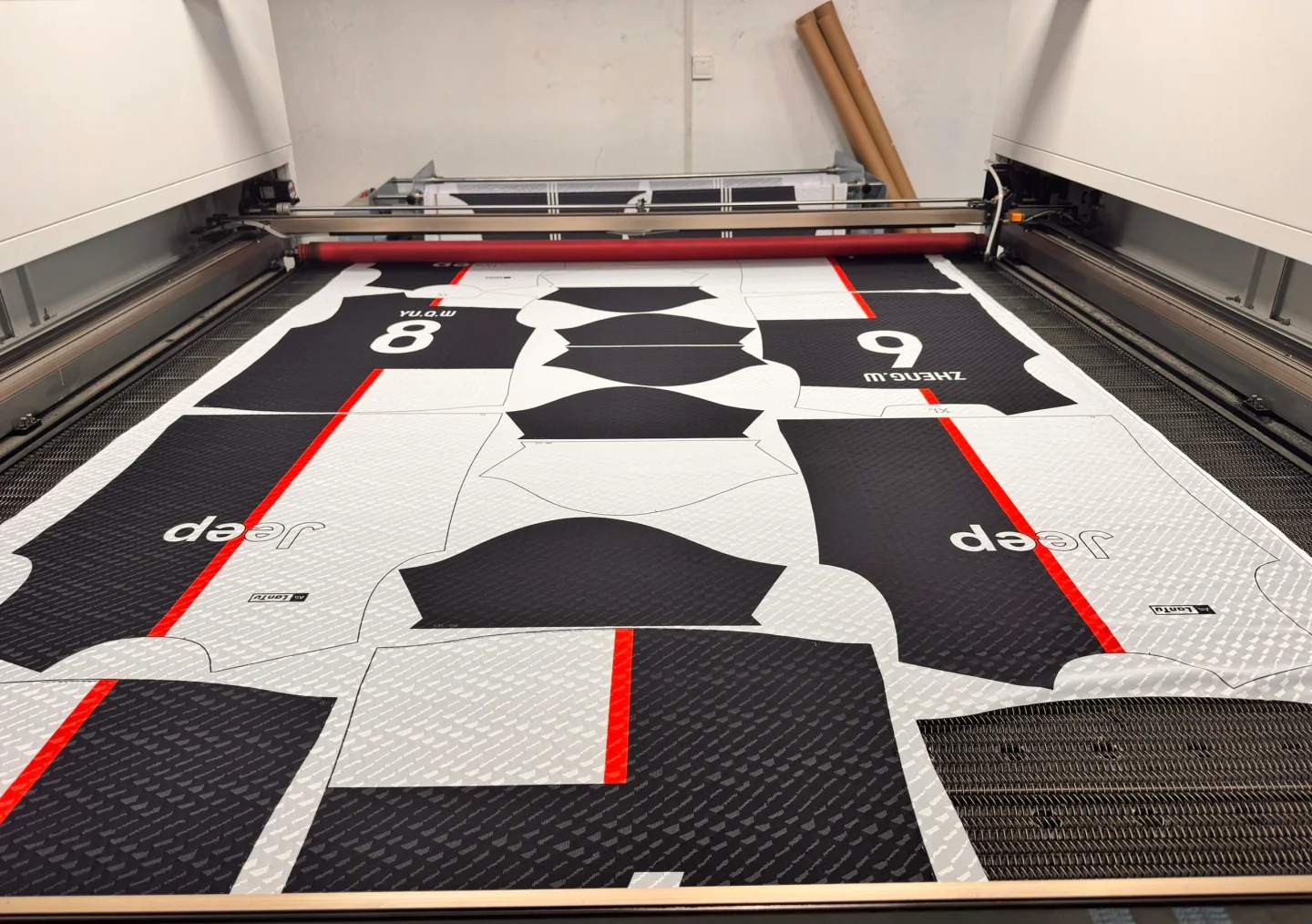
Electrostatic flocking uses high-voltage electrodes to charge nylon or rayon fibers, causing them to stand vertically in adhesive-coated areas. This method delivers the highest-quality finish with uniform fiber density, consistent pile height (typically 0.5–2 mm), and premium tactile softness.
Ideal for luxury streetwear hoodies, branded sportswear, and high-end fashion labels targeting retail price points above $60. Production cost runs 30–50% higher than mechanical methods due to specialized equipment and longer setup time. ZORWILD applies electrostatic flocking for premium collections requiring superior wash durability and brand differentiation.
Mechanical Flocking
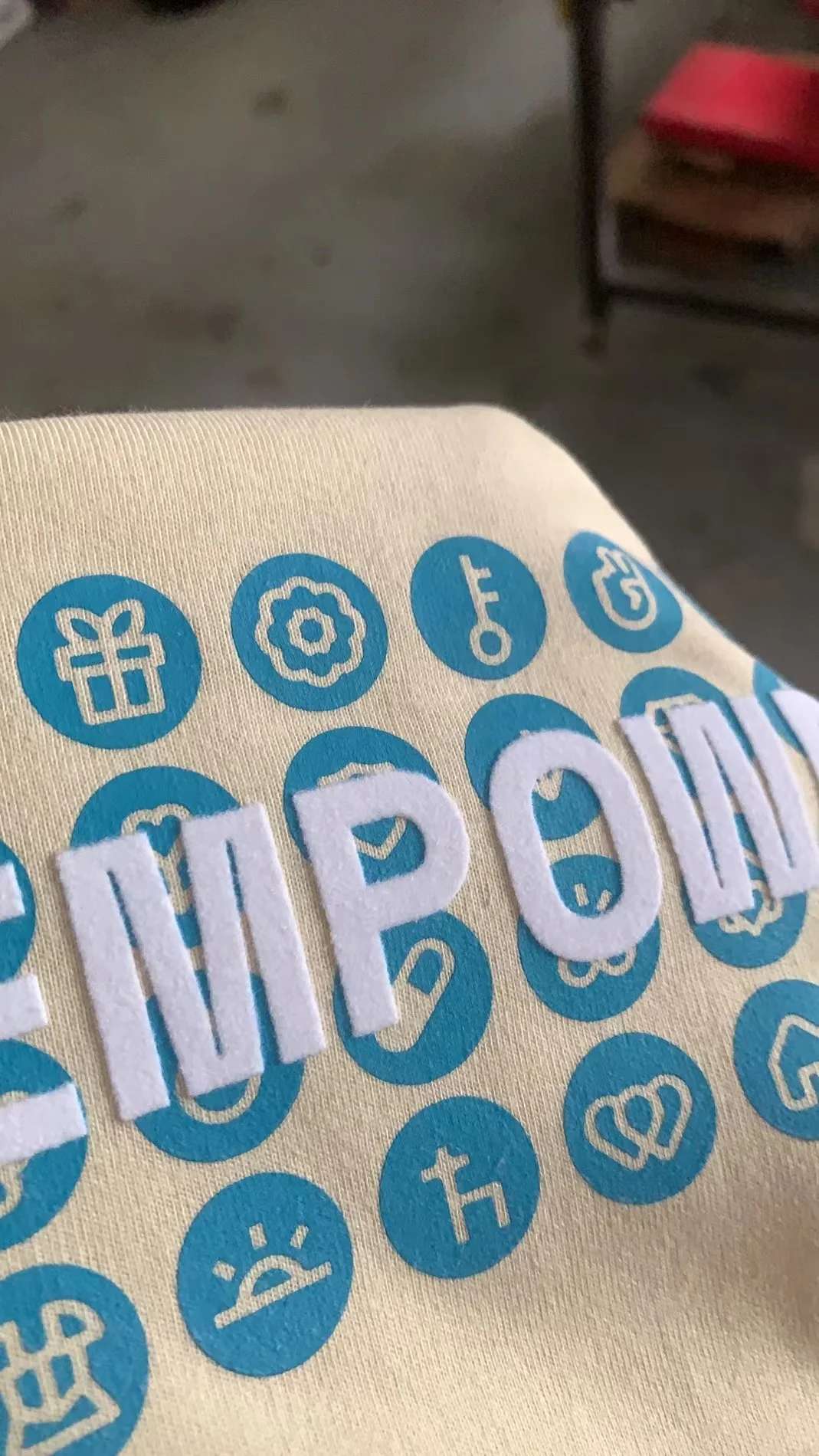
Mechanical flocking applies fibers through vibration or pneumatic dispersion, creating random fiber orientation with a softer, less uniform appearance. Setup is faster and equipment cost is lower, making it cost-effective for moderate-volume runs (500–5,000 pieces).
Best suited for casual T-shirts, promotional apparel, and mid-tier fashion brands with retail price points between $25–$50. Fiber adhesion and wash resistance are slightly lower than electrostatic methods, requiring careful adhesive selection and curing protocols.
Spray Flocking
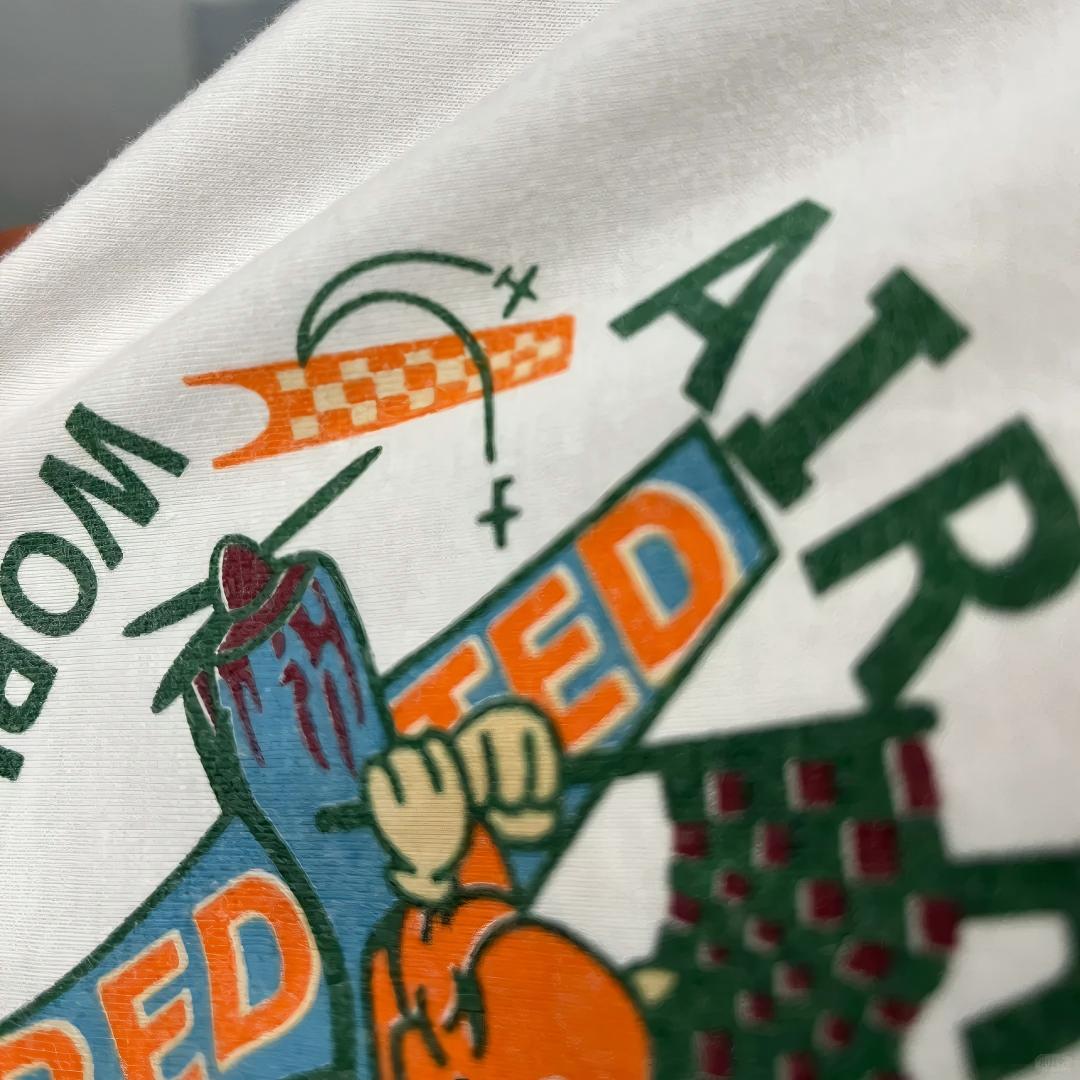
Spray flocking disperses fibers via compressed air over large adhesive-coated areas, enabling full-coverage designs, background textures, and oversized graphics. This method suits all-over prints, resort shirts, and statement pieces where design scale exceeds standard screen dimensions.
Production efficiency improves for designs larger than 30 × 40 cm. Fiber density control is less precise than electrostatic methods, and edge definition may soften on intricate details.
Transfer Flocking
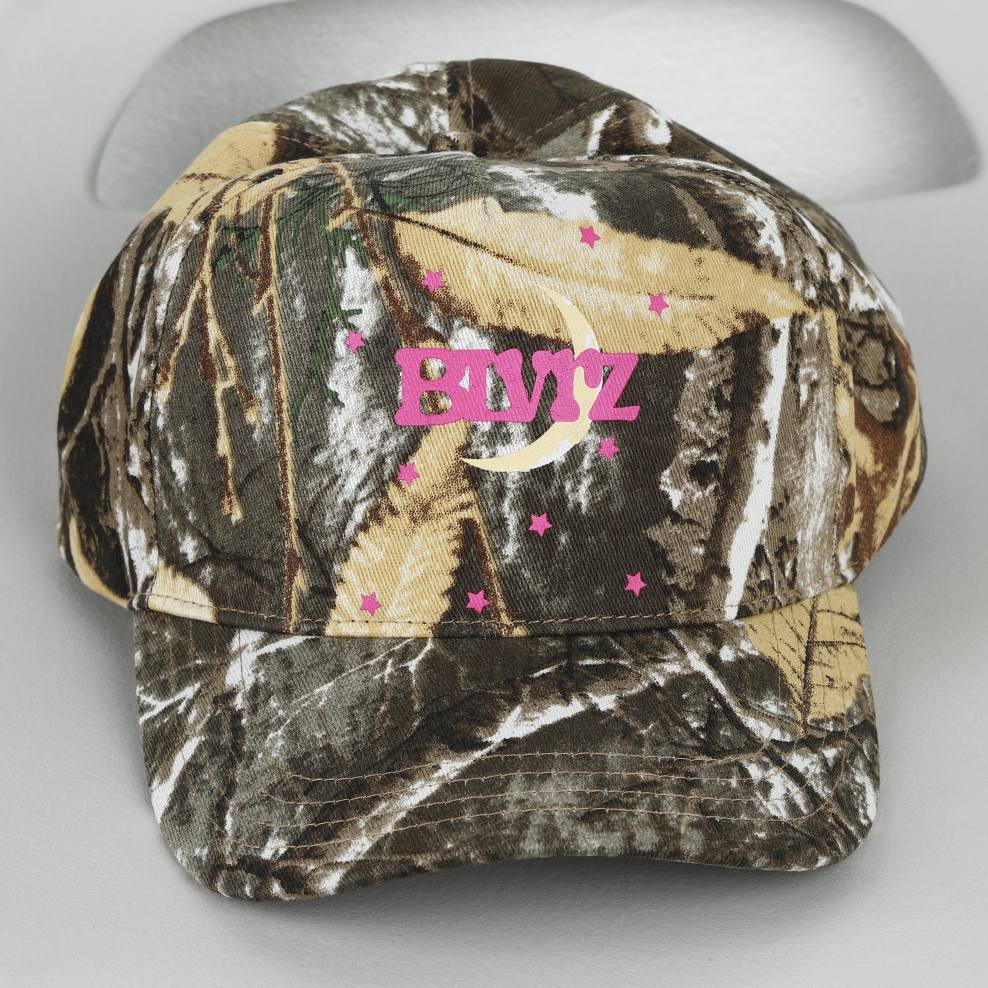
Transfer flocking pre-applies fibers to heat-release carrier sheets in controlled factory conditions, then heat-presses the design onto garments at 160–180°C for 10–15 seconds. This method enables complex multi-color designs, fine line work, and consistent replication across large production runs.
Ideal for low-MOQ startup brands (50–500 pieces) and influencer merchandise requiring fast turnaround (7–10 days). Per-unit cost is higher for small quantities but scales efficiently beyond 1,000 pieces. ZORWILD uses transfer flocking for clients needing design flexibility without minimum color charges.
4. Materials and Fabrics Compatible with Flock Printing
Successful flock printing depends on precise matching of base fabric, flock fiber type, and adhesive chemistry. Each substrate demands specific fiber length, adhesive formulation, and curing parameters to achieve optimal durability and hand-feel.
| Fabric Type | Recommended Fiber | Adhesive | Durability Rating | Typical Applications |
|---|---|---|---|---|
| Cotton Jersey (140–180 GSM) | Nylon 0.5–1 mm | Water-based | High | T-shirts, fashion tees |
| French Terry / Fleece (250–350 GSM) | Nylon 1–2 mm | Plastisol | Very High | Hoodies, sweatshirts |
| Polyester Blends | Polyester 1–1.5 mm | Polyurethane | High | Sportswear, activewear |
| Denim / Canvas (300–450 GSM) | Nylon 1.5–3 mm | Plastisol | Very High | Jackets, workwear, bags |
| Stretch Knits | Nylon 0.5–1 mm | Polyurethane | Medium-High | Athleisure, fitted garments |
Base Fabric Compatibility
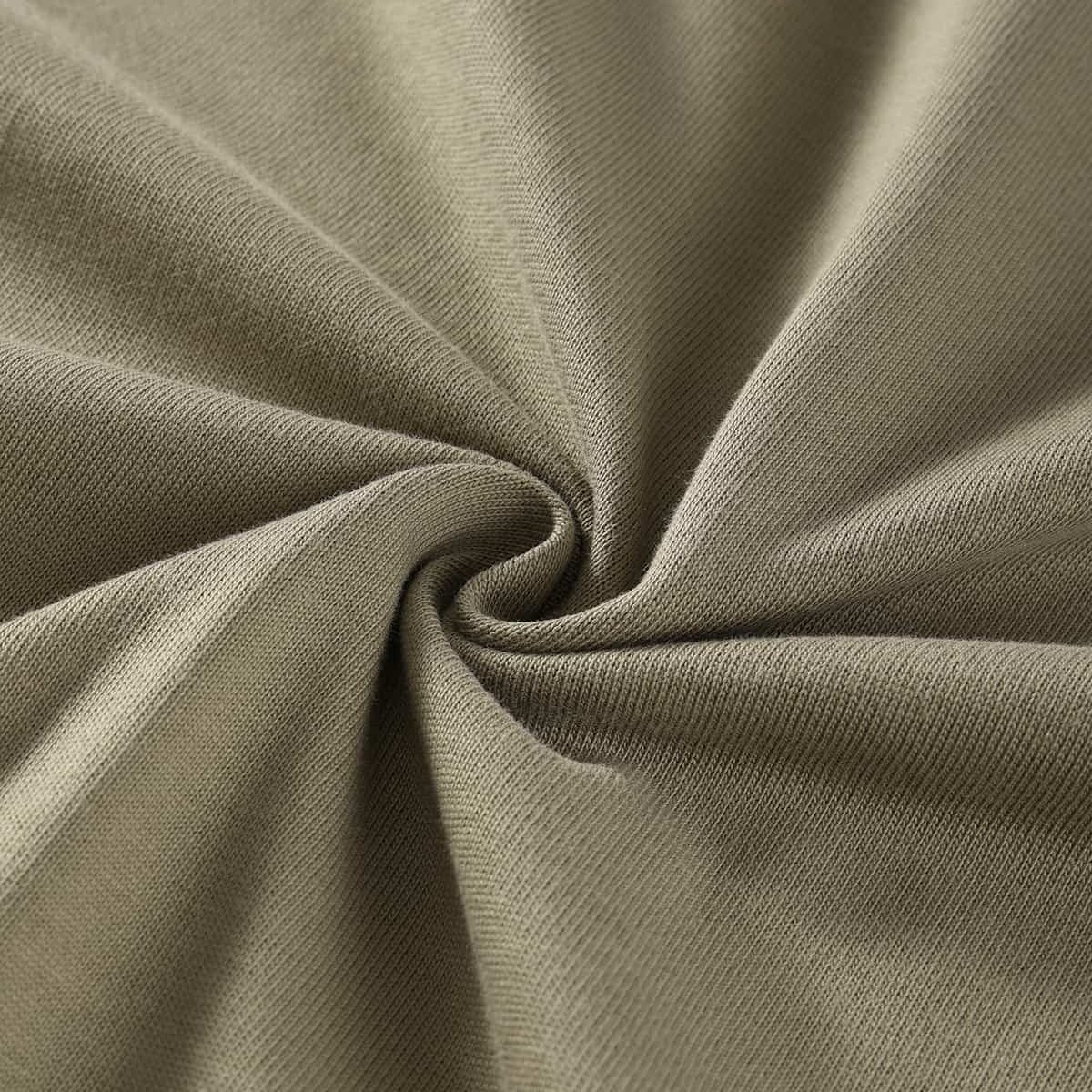
Cotton and cotton-blend knits (jersey, French terry, fleece) accept flock printing with excellent adhesion and soft hand-feel, making them ideal for hoodies, T-shirts, and sweatshirts. Polyester and polyester-blend fabrics require polyurethane or plastisol adhesives with higher cure temperatures to compensate for lower surface energy.
Heavier substrates like denim, canvas, and heavyweight fleece (300–450 GSM) demand longer flock fibers (1.5–3 mm) and thicker adhesive layers to ensure fibers stand upright and withstand abrasion. Lightweight jersey (140–180 GSM) works best with shorter fibers (0.5–1 mm) and water-based adhesives to maintain fabric drape and prevent stiffness.
Flock Fiber Types and Performance
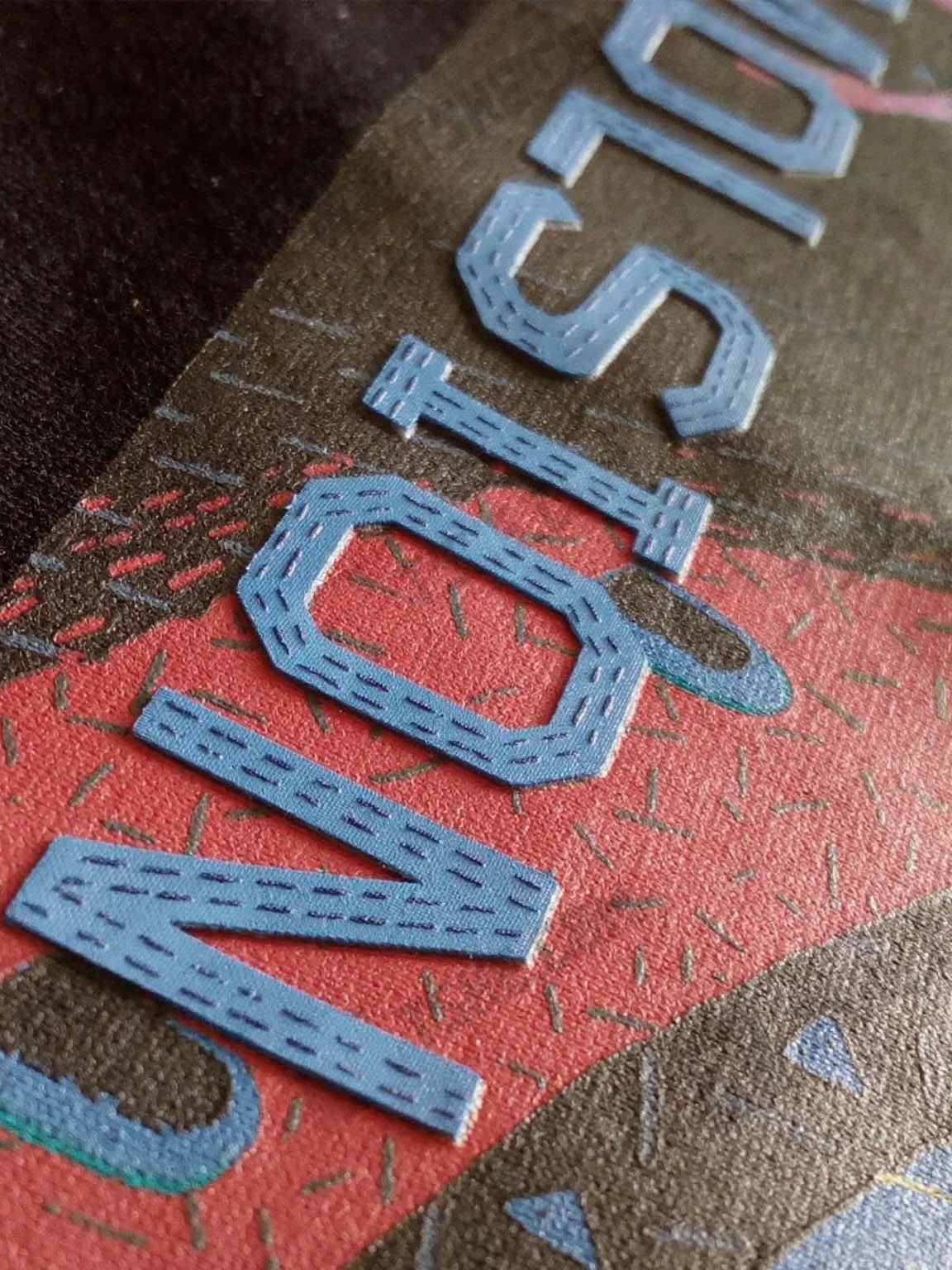
Nylon flock fibers deliver the highest durability and wash-fastness, retaining texture after 50+ industrial washes, making them standard for sportswear and streetwear. Rayon fibers offer superior softness and color vibrancy but lower abrasion resistance, suited for fashion garments with moderate wash cycles. Polyester and cotton flock fibers provide mid-range performance, balancing cost, texture, and durability for casual apparel and promotional products.
Adhesive Chemistry and Wash-Fastness
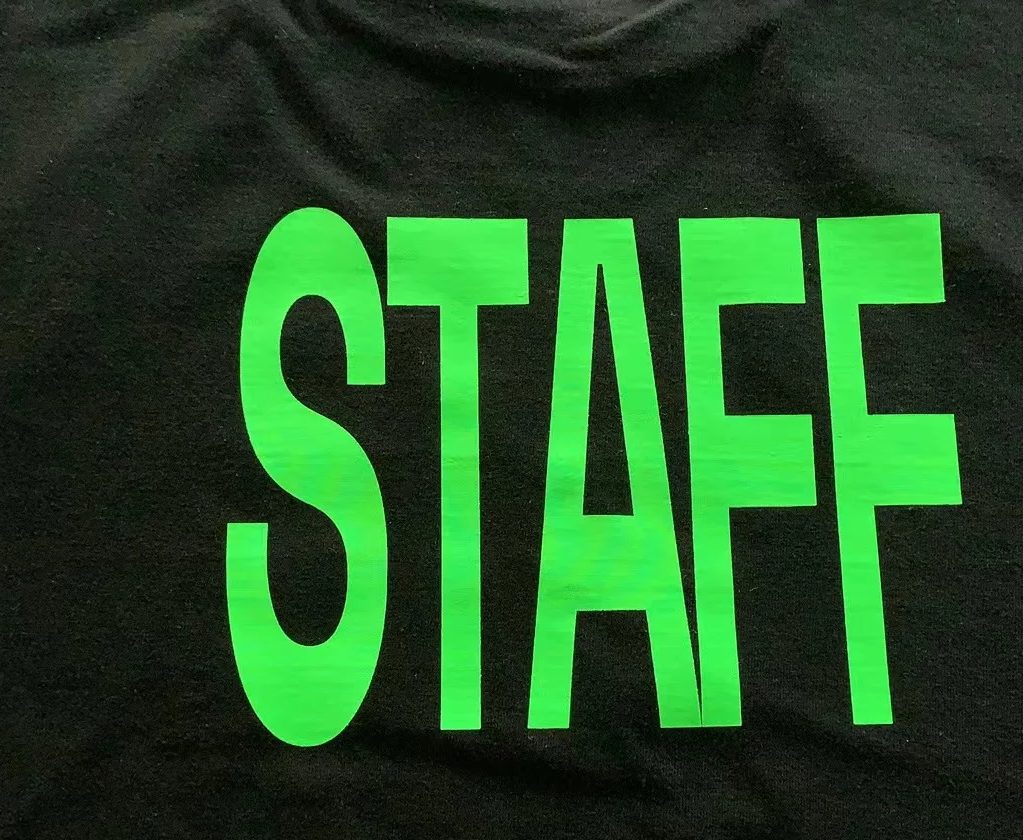
Water-based adhesives yield the softest hand-feel and lowest environmental impact but require precise humidity control and longer cure times (3–5 minutes at 160–180°C). Plastisol adhesives offer excellent durability and color opacity on dark fabrics, curing at 160–170°C with superior wash-fastness on cotton substrates. Polyurethane adhesives provide maximum flexibility and adhesion on technical fabrics, polyester blends, and stretch garments, maintaining bond integrity through repeated laundering and mechanical stress.
5. Customization and Design Options in Flock Printing
Flock printing offers extensive design flexibility, but each choice — fiber length, color count, and decoration layering — directly impacts production cost, lead time, and visual outcome. Understanding these variables ensures your artwork translates cleanly from screen to garment.
| Effect Type | Setup Cost vs. Standard | Visual Impact | Typical MOQ |
|---|---|---|---|
| Standard single-color flock | Baseline | Moderate texture, solid color | 50–100 pcs |
| Multi-color flock (2–3 colors) | +30–50% | High contrast, layered depth | 200–300 pcs |
| Glow-in-the-dark flock | +20–30% | Novelty, night visibility | 200–300 pcs |
| Metallic fiber flock | +15–25% | Luxury, reflective shine | 200–300 pcs |
| Flock + embroidery combo | +40–60% | Premium mixed texture | 100–200 pcs |
Fiber Length and Texture Selection
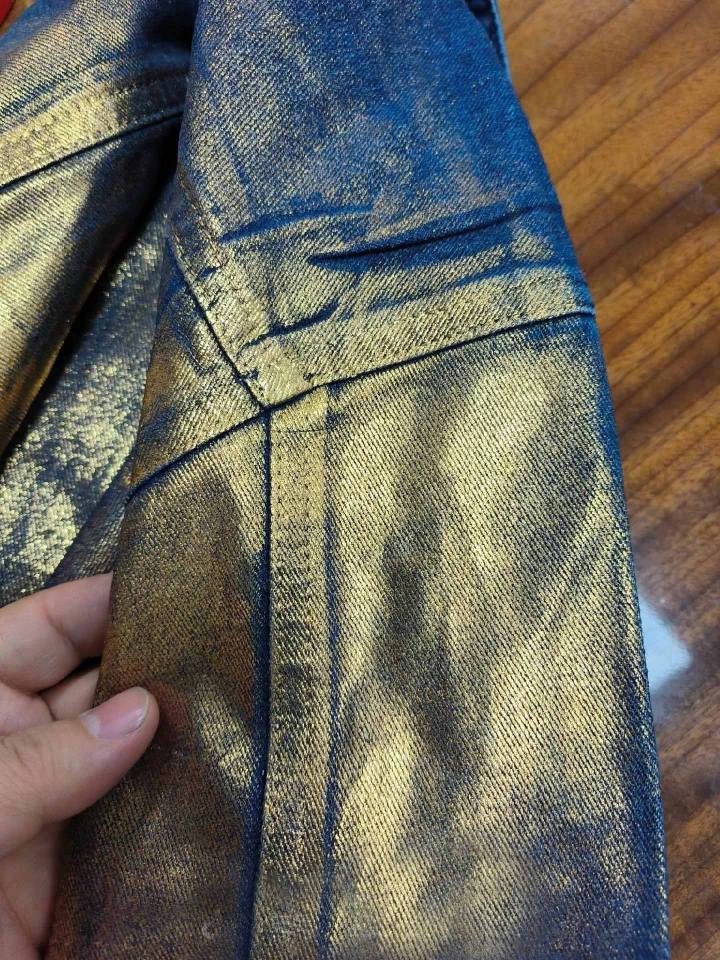
Fiber length ranges from 0.5 mm (smooth, suede-like) to 3 mm (plush, high-pile). Short fibers (0.5–1 mm) suit fine logos and text, offering sharp edges and minimal bulk. Long fibers (2–3 mm) deliver dramatic tactile impact for large graphics and streetwear branding.
Most manufacturers stock 1 mm and 1.5 mm as standard; custom lengths require minimum order quantities of 500–1,000 pieces. Fiber density and electrostatic charge strength also affect final texture and adhesion durability.
Color Matching and Multi-Color Registration
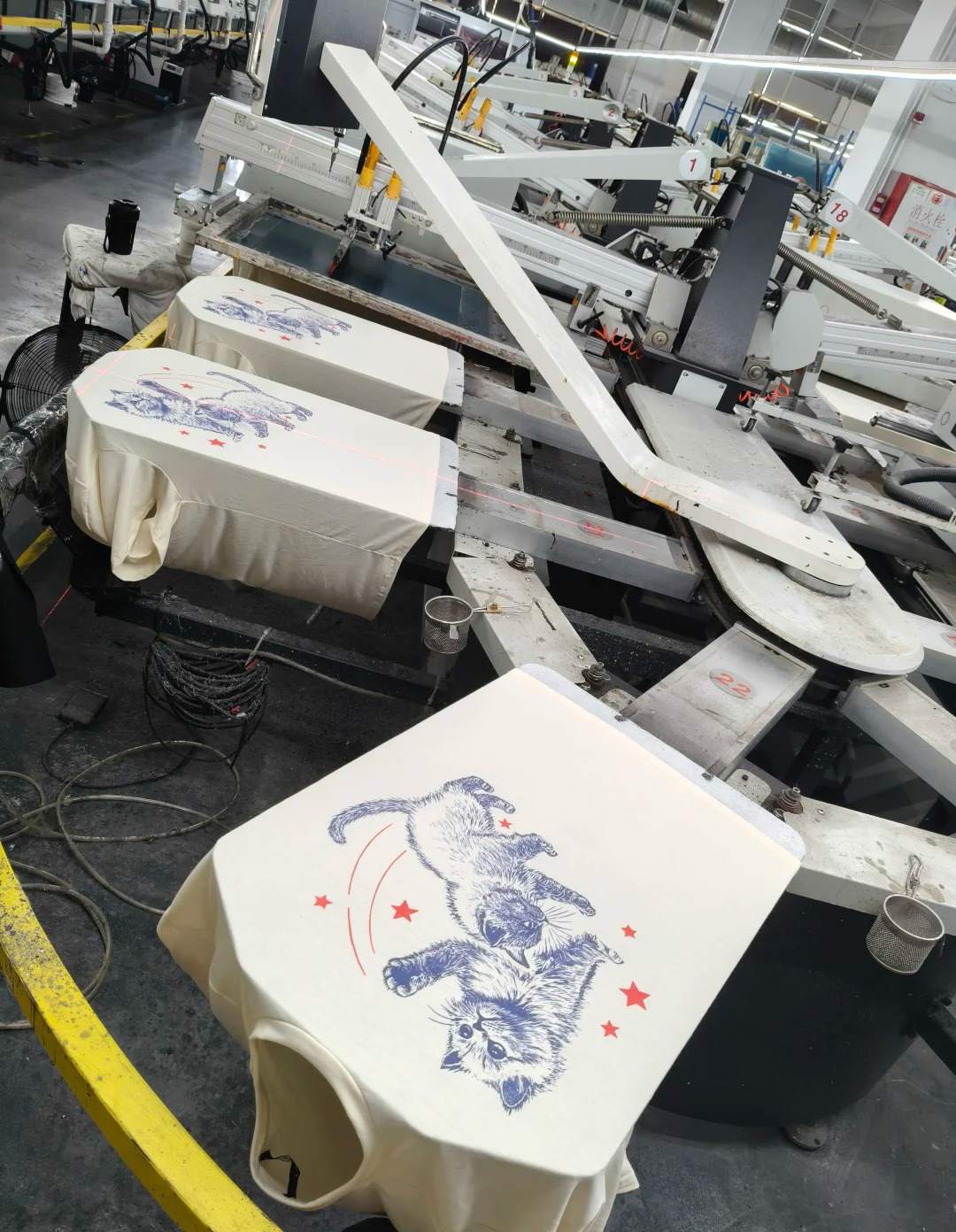
Pantone matching is standard for brand consistency; custom dye-lot fibers require 10–14 day lead time and 300+ piece minimums. Multi-color flock designs demand precise screen registration, with 1–2 mm tolerance between colors to prevent overlap or gaps.
Gradient effects are achieved through halftone screens or layered adhesive densities, but flock fiber obscures fine halftone dots below 40 LPI. Vector artwork with solid fills and minimum 2 mm line width ensures clean reproduction.
Combining Flock with Other Decoration Techniques
Flock pairs well with screen print underbases for color blocking, embroidery for mixed-texture logos, and foil accents for metallic contrast. Screen print underbase (plastisol or water-based) must cure fully before flock adhesive application to prevent bleeding.
Embroidery surrounding flock areas requires 5 mm clearance to avoid needle damage to fibers. Foil and flock on the same garment need separate heat-press cycles at different temperatures (foil 150–170°C, flock 160–180°C).
Special Effects and Novelty Fibers
Glow-in-the-dark flock uses phosphorescent fibers charged by UV light, ideal for nightwear and festival apparel; setup cost adds 20–30% over standard flock. Metallic fibers (polyester with aluminum coating) create reflective surfaces for luxury streetwear and evening wear, with 15–25% cost premium.
Thermo-chromic flock changes color with temperature, popular for interactive fashion and promotional merchandise. All specialty fibers require sample approval and minimum 200–300 piece orders due to material sourcing lead times.
6. Key Quality Indicators for Flock Printing
Professional buyers must verify five critical benchmarks before approving flock printing production: fiber density, adhesion strength, wash durability, color-fastness, and hand-feel consistency. ZORWILD applies strict inspection protocols at sampling and in-line stages to ensure every batch meets international quality standards.
Fiber Density and Coverage Uniformity
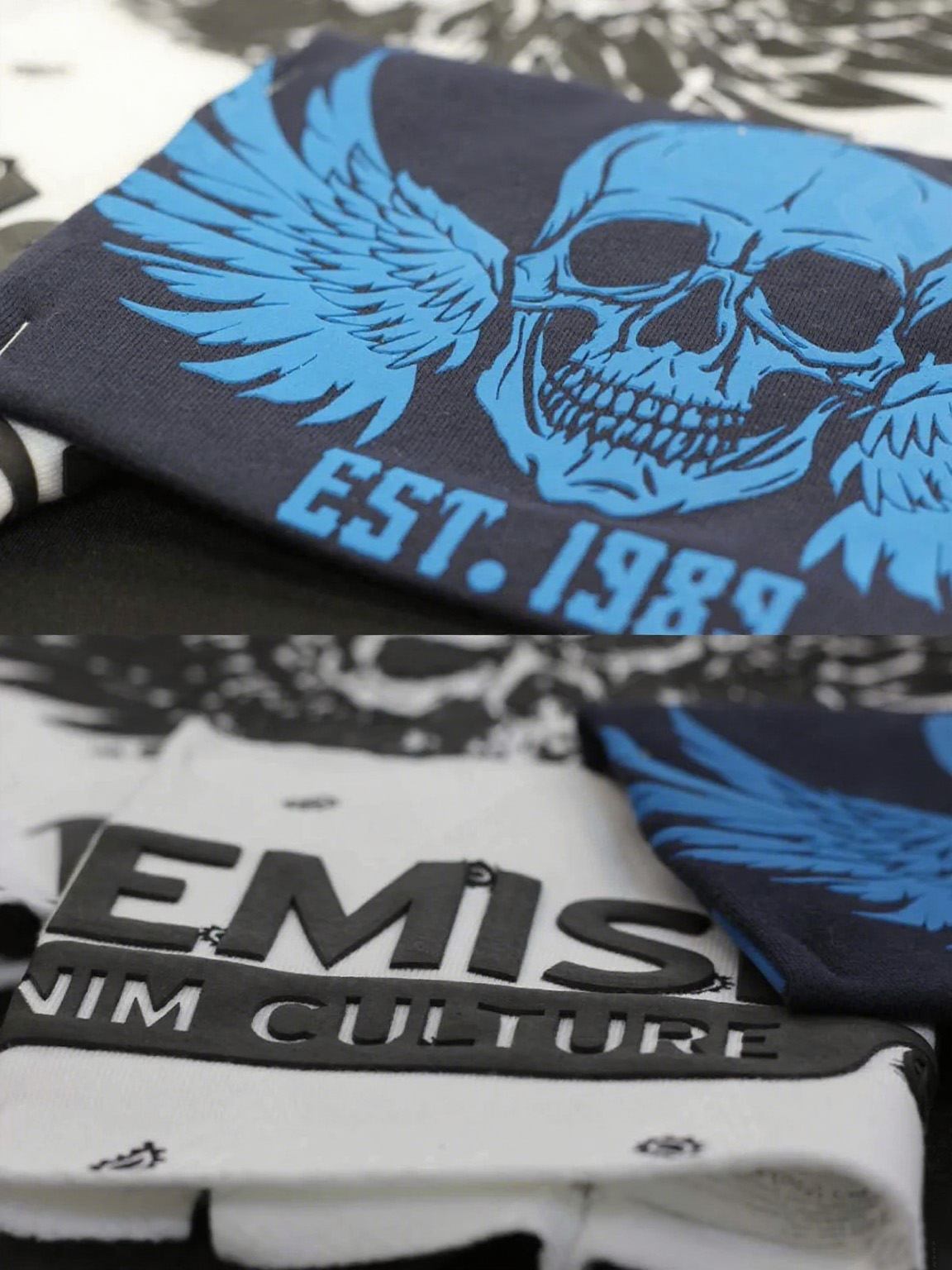
Fiber density determines visual richness and tactile softness. Premium flock printing delivers 100–150 fibers per square millimeter with uniform coverage across the entire design area. Inspect samples under bright light at multiple angles to detect bald spots, thin patches, or uneven fiber distribution.
Acceptable defect rates for fiber coverage remain below 2% of total design area. Any visible skin or base fabric through the flock layer indicates insufficient fiber application or poor electrostatic alignment during production.
Adhesion Strength and Peel Test Standards
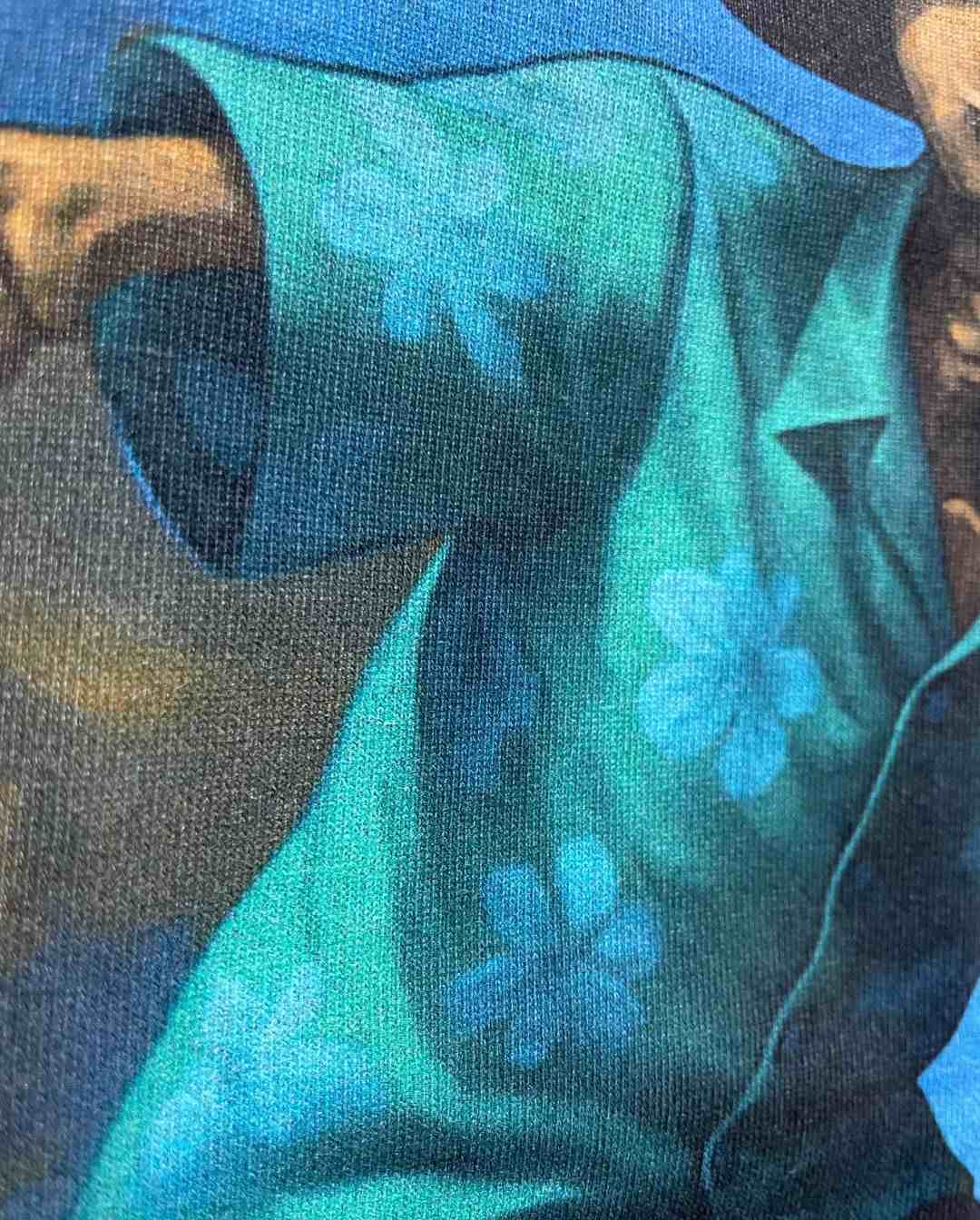
Adhesion strength measures bond integrity between flock fibers, adhesive, and fabric substrate. Industry-standard 180-degree peel tests require minimum force of 2.5 N/cm to separate flock from fabric. ZORWILD conducts peel testing on every sample batch before bulk production approval.
Poor adhesion results in fiber shedding during wear, washing, or handling. Check sample edges for loose fibers, partial lifting, or adhesive separation from the base fabric.
Wash Durability and ISO 6330 Cycles
Wash durability testing follows ISO 6330 protocols with 30–50 cycles at 40°C to simulate real-world garment care. Premium flock printing retains 95% fiber coverage and color intensity after 50 industrial wash cycles. Request wash-test reports from manufacturers before committing to bulk orders.
Red flags include significant fiber loss after 10 cycles, color fading, adhesive bleed-through onto fabric, or hardening of the flock surface. ZORWILD provides wash-test samples for client evaluation during the sampling phase.
Color-Fastness and Hand-Feel Consistency
Color-fastness testing per ISO 105 standards measures resistance to washing, rubbing, light exposure, and perspiration. Grade 4–5 ratings ensure colors remain vibrant through garment lifecycle. Inspect samples for color migration, dye transfer, or fading under UV exposure.
Hand-feel consistency across production batches prevents customer complaints. Premium flock printing maintains soft, suede-like texture without stiffness, cracking, or surface roughness. Compare multiple samples from different production runs to verify batch-to-batch consistency.
7. How to Choose a Flock Printing Manufacturer
Selecting the right flock printing manufacturer requires evaluating production capabilities, technical equipment, certifications, and communication systems. A systematic vetting process protects quality, timelines, and intellectual property across international sourcing.
Production Capacity and MOQ Flexibility
Verify minimum order quantities align with your brand stage—startup collections typically require 50–500 pieces, while wholesale orders may exceed 5,000 units. Lead times for flock printing range from 14–35 days depending on complexity, fabric sourcing, and decoration steps.
Manufacturers with monthly capacities above 100,000 units offer better scalability and faster turnaround for reorders. Confirm whether the factory handles fabric procurement, sampling, bulk production, quality control, and export logistics under one roof to reduce coordination delays.
Equipment and Technical Capabilities
Electrostatic flock printing equipment produces denser, more uniform fiber coverage than mechanical roller systems, especially for fine-detail logos and gradients. Ask whether the factory operates dedicated flock lines or outsources decoration to third-party workshops.
Factories with in-house screen printing, heat transfer, and embroidery capabilities offer multi-decoration flexibility for complex designs. Request sample strike-offs to evaluate fiber adhesion, color matching, and wash durability before committing to bulk orders.
Certifications and Compliance
OEKO-TEX Standard 100 certification ensures flock fibers and adhesives meet safety limits for skin contact. ISO 9001 quality management systems indicate documented process control, while GOTS certification is required for organic cotton garments with flock decoration.
Verify export compliance documentation including commercial invoices, packing lists, certificates of origin, and customs declarations. Factories experienced in US, EU, and UK markets understand labeling requirements, textile quotas, and prohibited substance lists.
Communication and Intellectual Property
Reliable manufacturers respond to inquiries within 24 hours and provide English-speaking account managers for tech pack clarification, sampling updates, and production timelines. Request non-disclosure agreements before sharing proprietary designs, brand logos, or customer lists.
Payment terms typically follow 30–50% deposit and balance before shipment; established suppliers may offer net-30 terms after trust is built. Confirm whether the factory accepts PayPal, wire transfer, or Alibaba Trade Assurance to protect against fraud.
8. Common Mistakes Buyers Make When Sourcing Flock Printing
Sourcing flock printing demands attention to technical details that many buyers overlook until production issues emerge. Six common mistakes account for most quality failures, delays, and cost overruns in flock-printed apparel orders.
Ignoring Wash-Test Results
Buyers who skip or disregard wash-test data face fiber shedding, adhesive failure, and customer returns after 3–5 home laundry cycles. ZORWILD conducts 20-cycle industrial wash tests on every flock sample to verify adhesion durability and color fastness.
Request certified wash-test reports showing fiber retention percentage, adhesive bond strength, and colorfastness ratings before approving bulk production. Insist on samples washed at 40°C and tumble-dried to match consumer care conditions.
Choosing the Cheapest Adhesive
Low-cost polyurethane adhesives crack within weeks, especially on stretch fabrics or heavyweight hoodies subjected to repeated flexing. Premium water-based adhesives cost 15–20% more but deliver three times the wash durability and maintain soft hand feel.
Specify adhesive type, solids content, and curing temperature in your tech pack. ZORWILD uses high-solids water-based adhesives with plasticizer-free formulations to prevent cracking on oversized hoodies and vintage wash garments.
Under-Specifying Fiber Length and Color Tolerance
Vague instructions like ‘soft texture’ or ‘dark red’ lead to mismatched reorders and inconsistent brand presentation. Fiber length ranges from 0.5 mm to 3 mm; a 0.3 mm variance changes tactile perception noticeably.
Provide Pantone TPX references and exact fiber length in millimeters. ZORWILD maintains digital color libraries and fiber inventory records to ensure reorder consistency across production runs spanning months or years.
Skipping Pre-Production Samples
Approving production based on digital mockups or verbal descriptions results in 30–40% rework rates when bulk goods fail to meet brand expectations. Flock texture, color depth, and adhesive flexibility cannot be evaluated on screen.
Order strike-off samples on your exact fabric with specified wash treatment before committing to bulk orders. ZORWILD ships pre-production samples within 7–10 days for fit, texture, and wash performance validation.
9. Steps to Launch Your Brand with Flock Printing
Launching a brand with flock printing requires a clear sequence from concept to delivery. Following a structured roadmap reduces risk, controls costs, and ensures your first collection meets quality and timeline expectations.
Concept and Design Development
Define your brand positioning, target customer, and product category before selecting decoration techniques. Prepare tech packs with garment measurements, fabric specifications, flock design placement, and color references using Pantone codes.
ZORWILD supports startup brands with design consultation, fabric recommendations, and tech pack development from sketches or reference images. Clear technical documentation accelerates sampling and reduces revision cycles.
Material and Technique Selection
Choose base fabrics compatible with flock adhesive systems—heavyweight cotton jersey (180–240 GSM), French terry, and fleece deliver optimal bonding. Select flock fiber length (0.5–3 mm) and texture based on design intent: short fibers for fine detail, longer fibers for bold tactile effects.
ZORWILD sources fabrics from trusted suppliers across Dongguan and provides material samples to evaluate hand feel, weight, and wash performance before production.
Supplier Shortlisting and Sample Approval
Request samples from 2–3 manufacturers to compare flock adhesion, color accuracy, and garment construction quality. Evaluate wash durability by laundering samples 3–5 times and inspecting for fiber shedding or adhesive failure.
ZORWILD’s low MOQ sampling (often 1–3 pieces) allows startups to test multiple designs and colorways without large upfront investment, reducing inventory risk for pilot collections.
Timeline and Budget Planning
Typical lead times span 8–12 weeks: 1–2 weeks for sampling, 1 week for revisions, 4–6 weeks for bulk production, and 2–3 weeks for shipping. Budget for setup costs (screens, adhesive systems) of $50–$150 per design and per-unit decoration costs of $1.50–$4.00 depending on complexity.
ZORWILD’s monthly capacity exceeds 100,000 units, supporting brands scaling from 50-piece pilot runs to full production without changing suppliers or compromising lead times.
10. Pricing and Cost Breakdown for Flock Printing
Flock printing pricing typically ranges from $1.80 to $4.50 per unit depending on order volume, with setup fees between $80 and $200 per design. Lead times span 12 to 25 days for bulk production, reflecting the complexity of fiber application and adhesive curing processes that define this tactile decoration method.
Electrostatic flocking commands a $150–$200 setup cost due to specialized equipment requirements but delivers superior durability and fiber density, making it ideal for premium streetwear and luxury fashion brands. Transfer flocking offers lower setup costs at $80–$120 and faster turnaround but sacrifices some texture depth and wash resilience, suited for budget-conscious collections or short-run capsules.
Cost drivers include fiber type—rayon flocking costs 15–20% less than nylon or polyester fibers—and color count, with each additional color adding $40–$60 in setup and $0.15–$0.30 per unit. Fabric pre-treatment for synthetic blends or water-repellent finishes increases per-unit costs by $0.20–$0.50 due to adhesive compatibility adjustments. Order volume remains the primary lever: scaling from 100 to 5,000 units reduces per-piece costs by up to 60%, enabling competitive retail pricing for established brands while maintaining accessible entry points for startup collections and influencer merchandise lines.
| Quantity Tier | Price per Unit | Setup Fee | Lead Time |
|---|---|---|---|
| 100 units | $3.80–$4.50 | $150–$200 | 18–25 days |
| 500 units | $2.60–$3.20 | $120–$150 | 15–20 days |
| 1,000 units | $2.10–$2.70 | $100–$120 | 14–18 days |
| 5,000 units | $1.80–$2.30 | $80–$100 | 12–16 days |
Ready to Add Flock Printing to Your Collection?
Start with just 50 pieces. Submit your artwork today for a free flock printing sample and fast quote from our Dongguan factory.
- Custom T Shirts
- Custom Dresses
- Custom Sweatshirts
- Custom Jackets
- Custom Polo Shirts
- Custom Shorts
- Custom Dress Shirts
- Contact