
Sequin Embroidery for Custom Apparel — Precision Detail, Scalable Production
Add sequin embroidery to your collection with 50-piece MOQ, in-house craftsmanship, and reliable turnaround from one of China’s most trusted apparel manufacturers.
Sequin Embroidery Sample Gallery
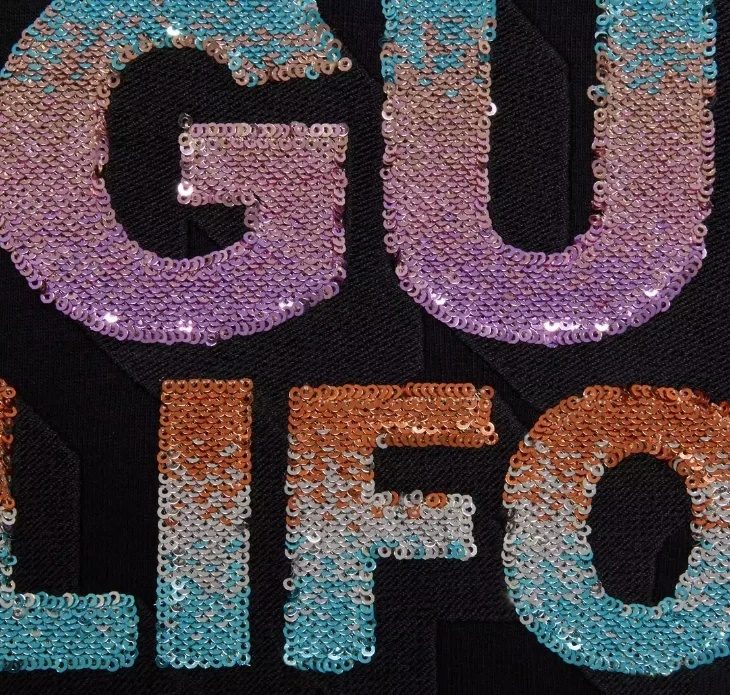
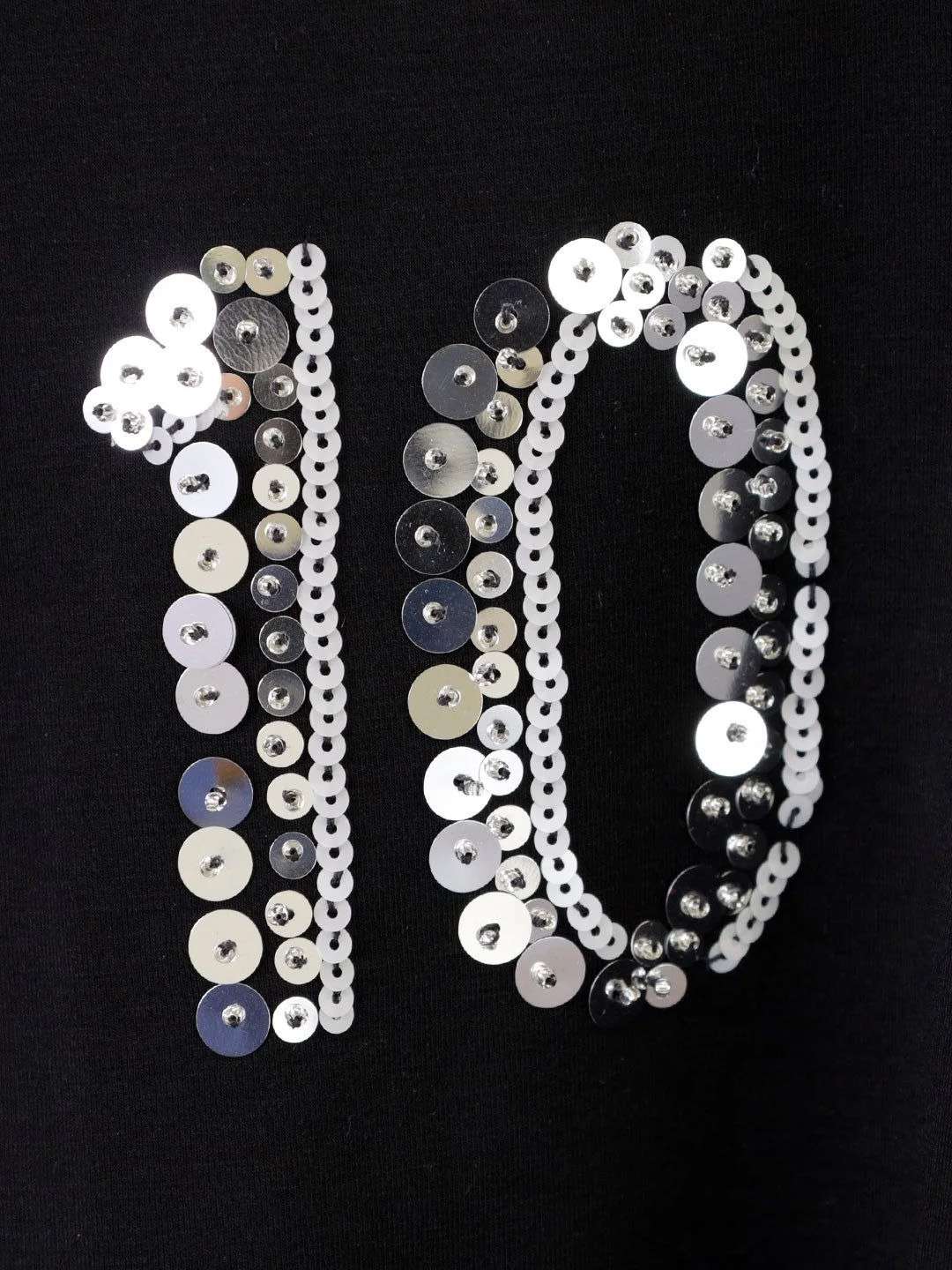
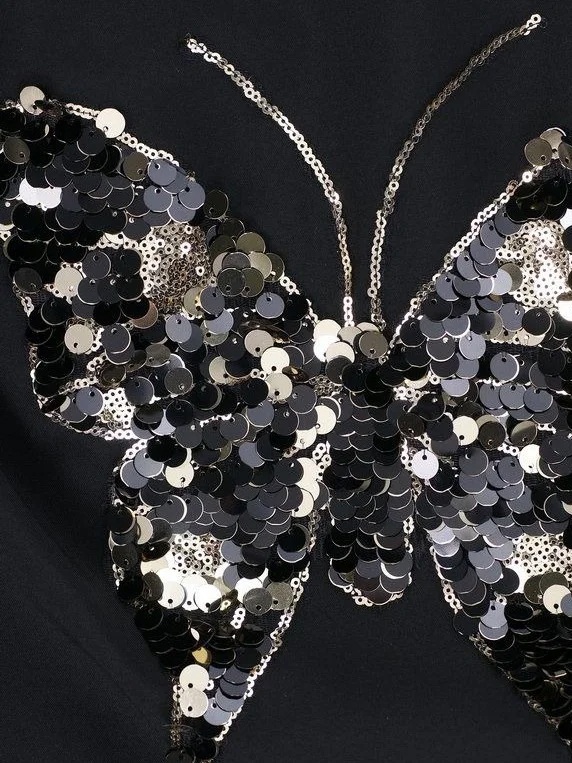
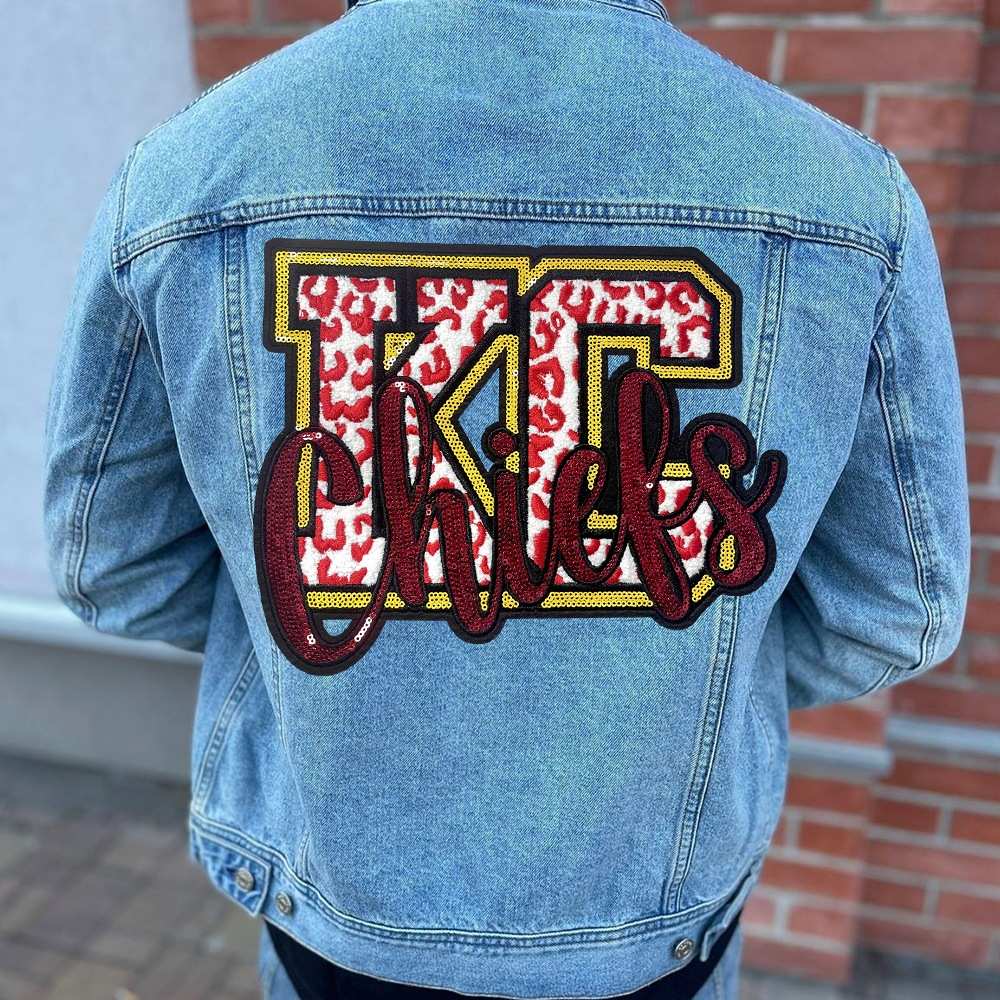
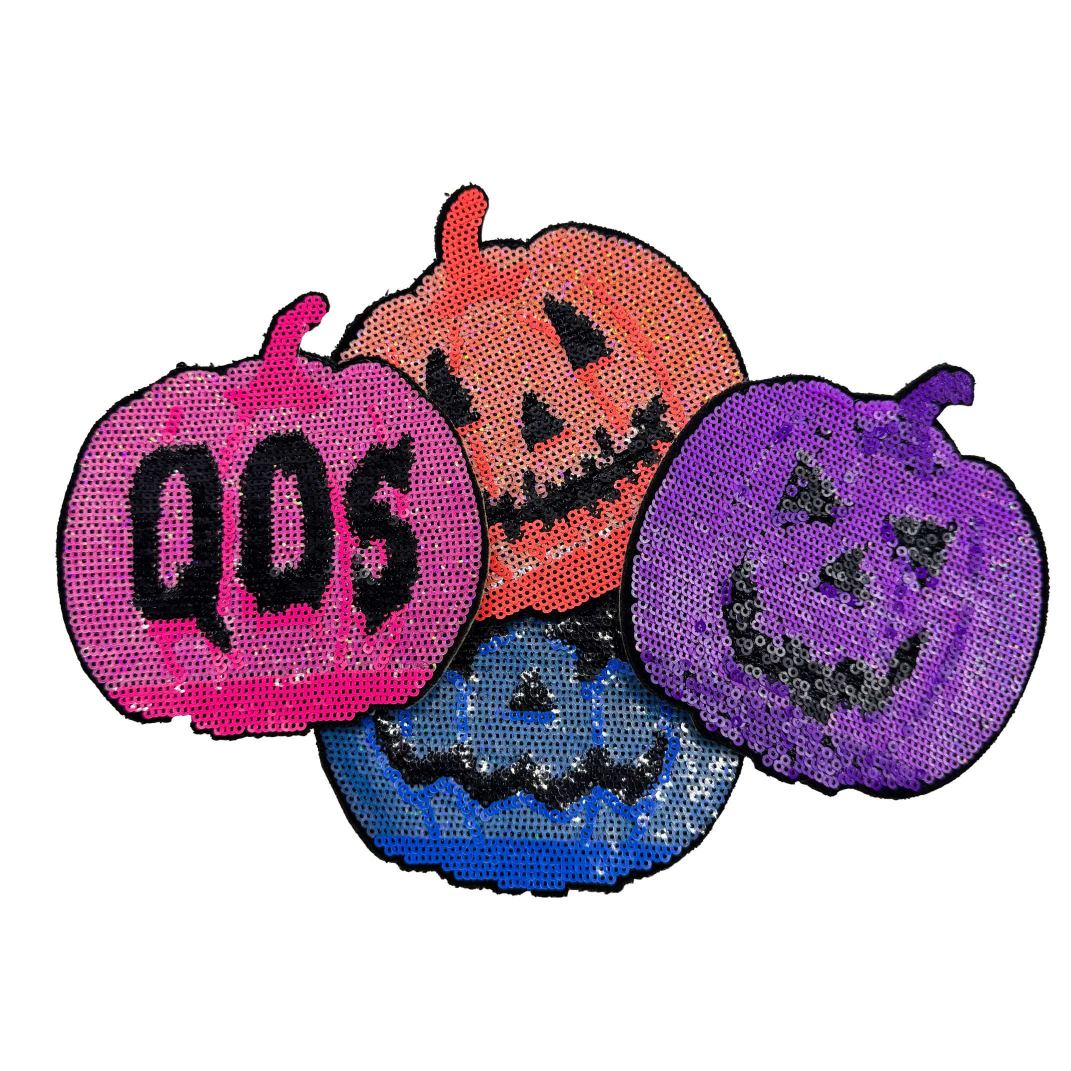
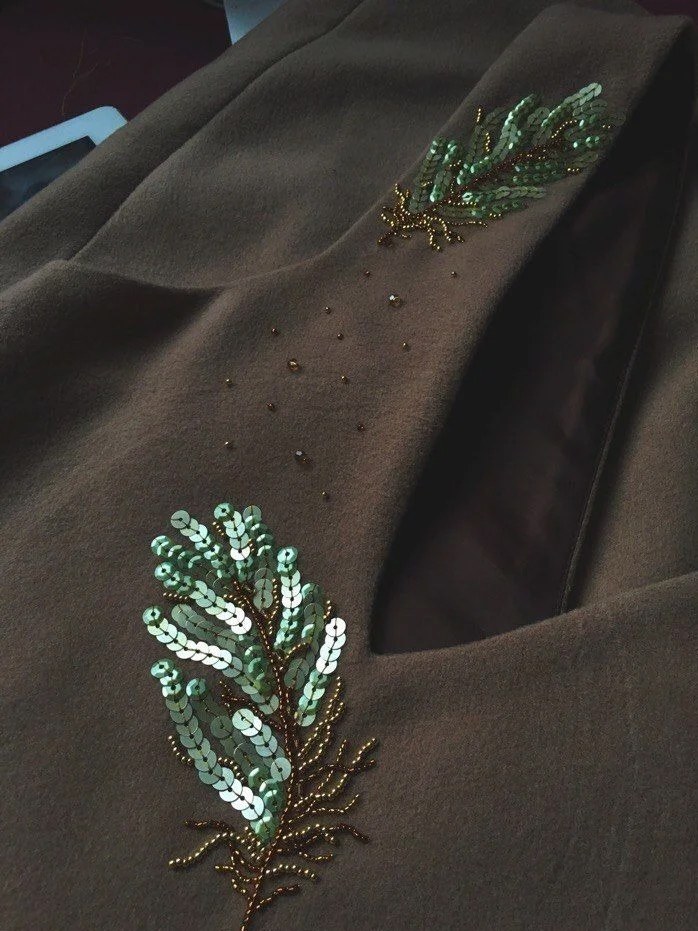
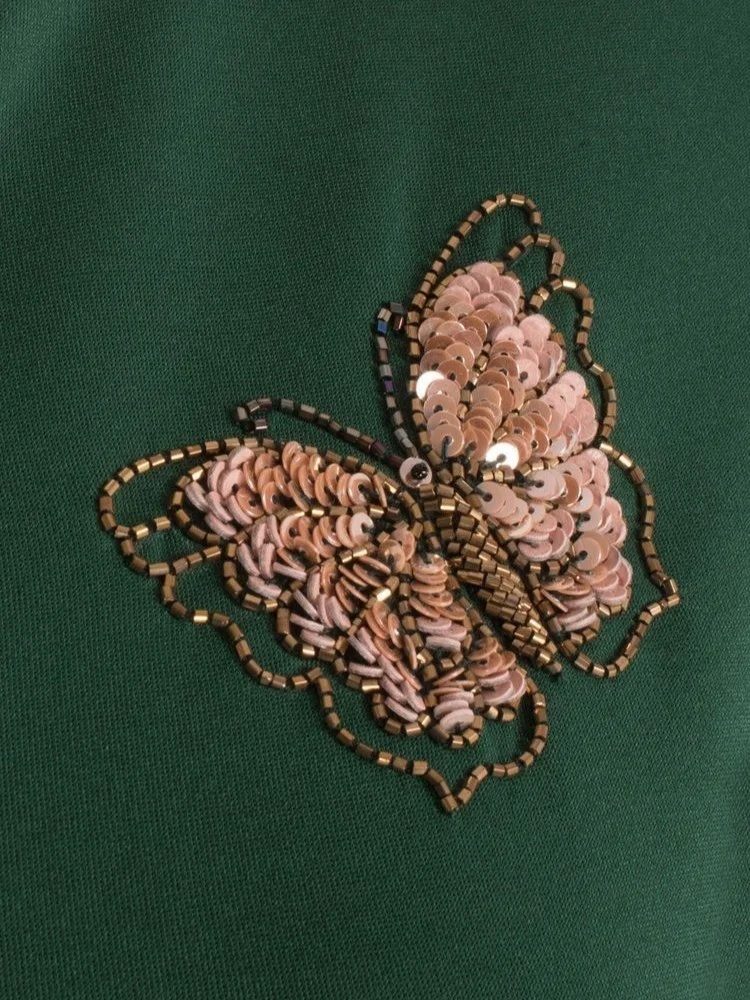
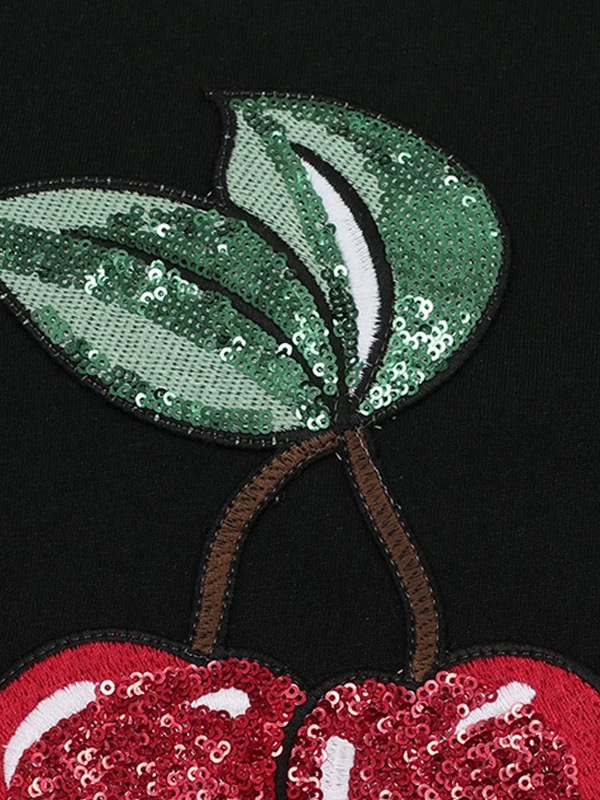
What Makes Our Sequin Embroidery Stand Out
Precision Stitch Placement
Advanced programming and skilled operators ensure every sequin is positioned exactly where your design demands, delivering flawless alignment and professional finish.
Superior Color Fastness
High-quality sequins resist fading and discoloration through multiple wash cycles, maintaining vibrant appearance and brand-consistent color throughout garment lifespan.
Wash-Tested Durability
Reinforced stitching and proper tension control keep sequins securely attached through industrial laundering, enzyme wash, and garment dye processes without loss.
Complex Design Support
From simple logos to intricate multi-color patterns, our sequin embroidery capabilities handle gradients, layering, and mixed-media decoration with consistent quality.
Consistent Hand Feel
Careful stitch density and backing selection ensure sequin embroidery remains comfortable against skin, avoiding stiffness or scratching while preserving design impact.
Six-Stage Quality Control
Every sequin embroidery order passes through material inspection, in-line checks, measurement verification, decoration review, final inspection, and packaging audit before shipment.
Embroidery Techniques & Decoration Options
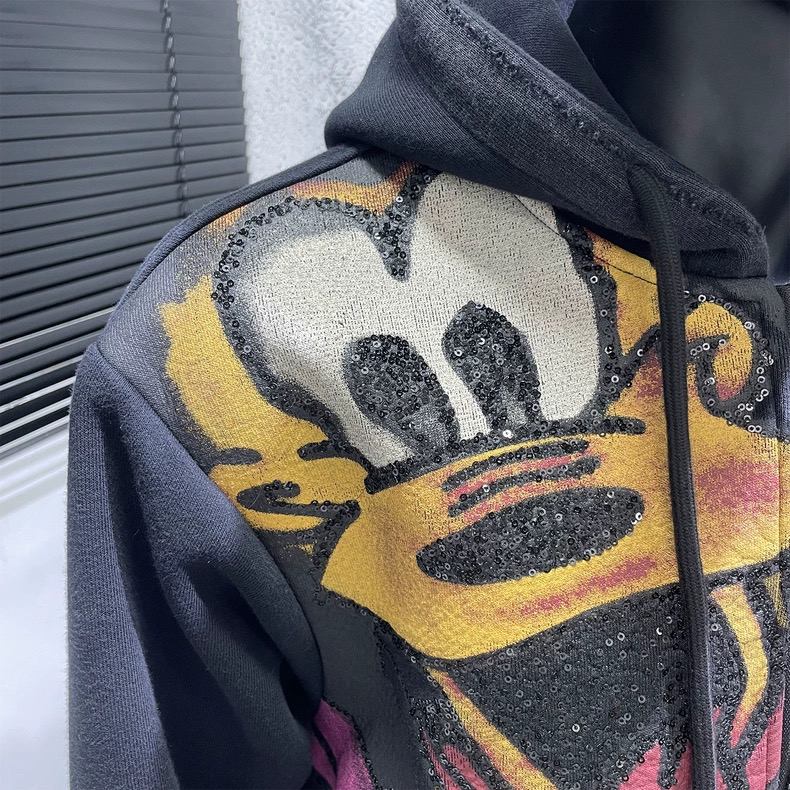
Custom Embroidery
Full-service embroidery manufacturing spanning flat, 3D, chenille, appliqué, patch, towel, metallic, and sequin techniques. Strict control of stitch density, thread quality, color consistency, and positioning accuracy across hoodies, jackets, dresses, shirts, and sportswear. MOQ starts at 50 pieces with in-house decoration capabilities supporting 95% of modern embroidery processes.
Get a Quote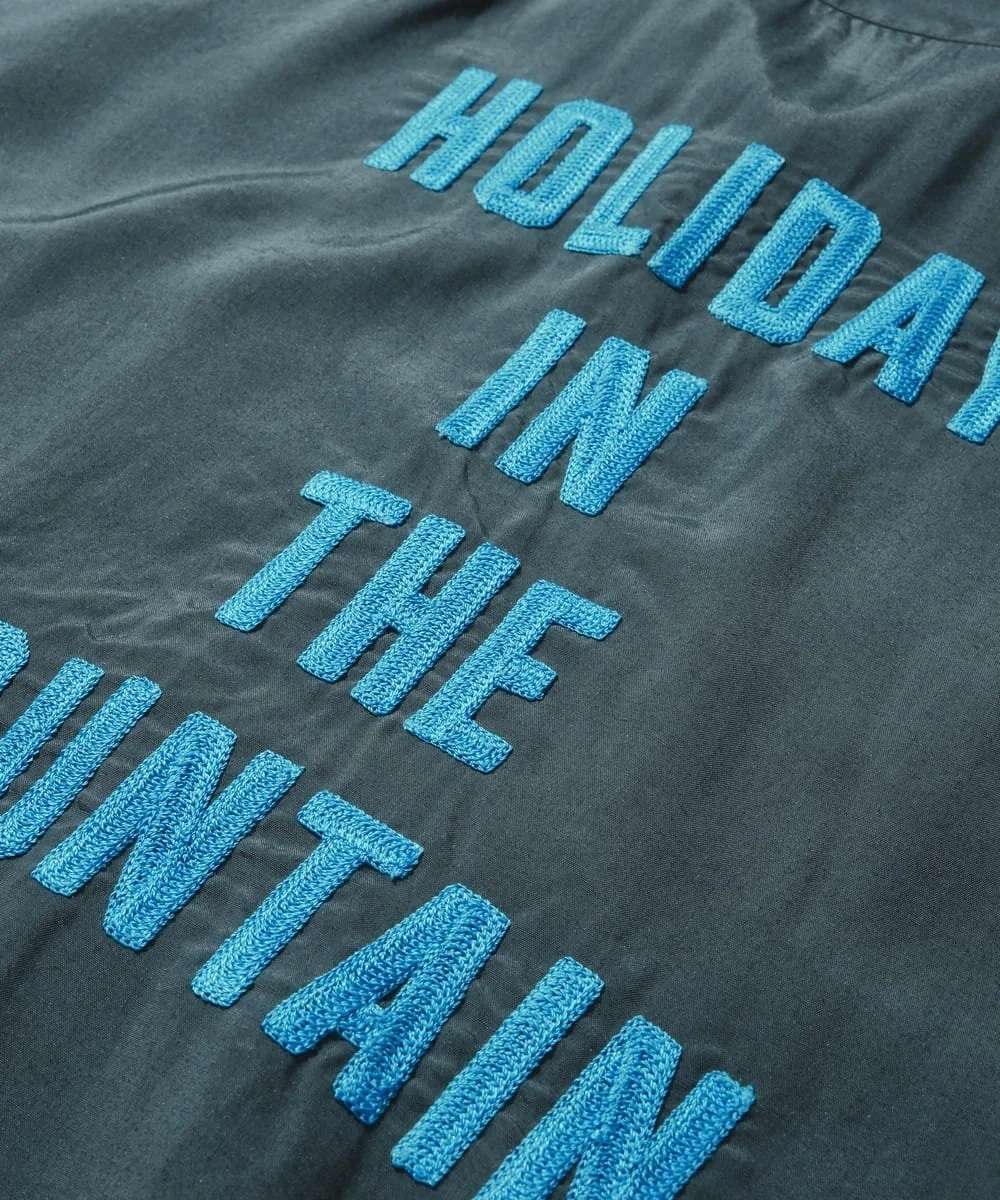
Chain Stitch Embroidery
Traditional chain stitch embroidery technique creating continuous looped stitches for bold outlines, decorative borders, and vintage-inspired graphic details. Ideal for retro sportswear, varsity jackets, bowling shirts, and heritage fashion collections. Delivers distinctive hand-stitched appearance with excellent durability and texture contrast on cotton, fleece, and heavyweight jersey fabrics.
Get a Quote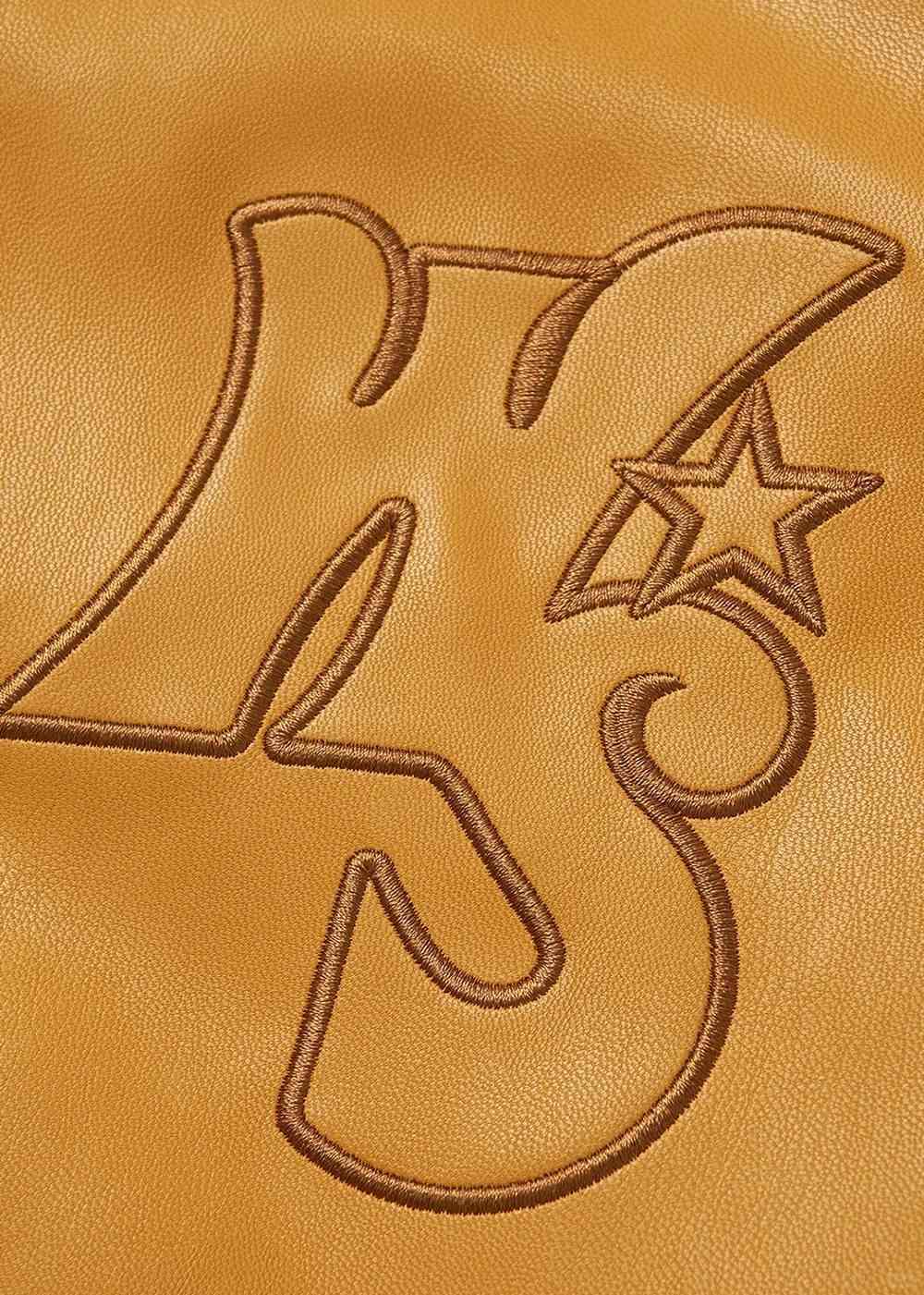
3D / Puff Embroidery
Raised dimensional embroidery achieved by stitching over foam substrate to create bold, tactile logos and graphics. Popular for streetwear hoodies, varsity jackets, caps, and branded apparel requiring high-impact visual presence. Excellent stitch coverage, consistent puff height, and long-lasting durability across cotton, fleece, and polyester blends with careful tension control throughout production.
Get a Quote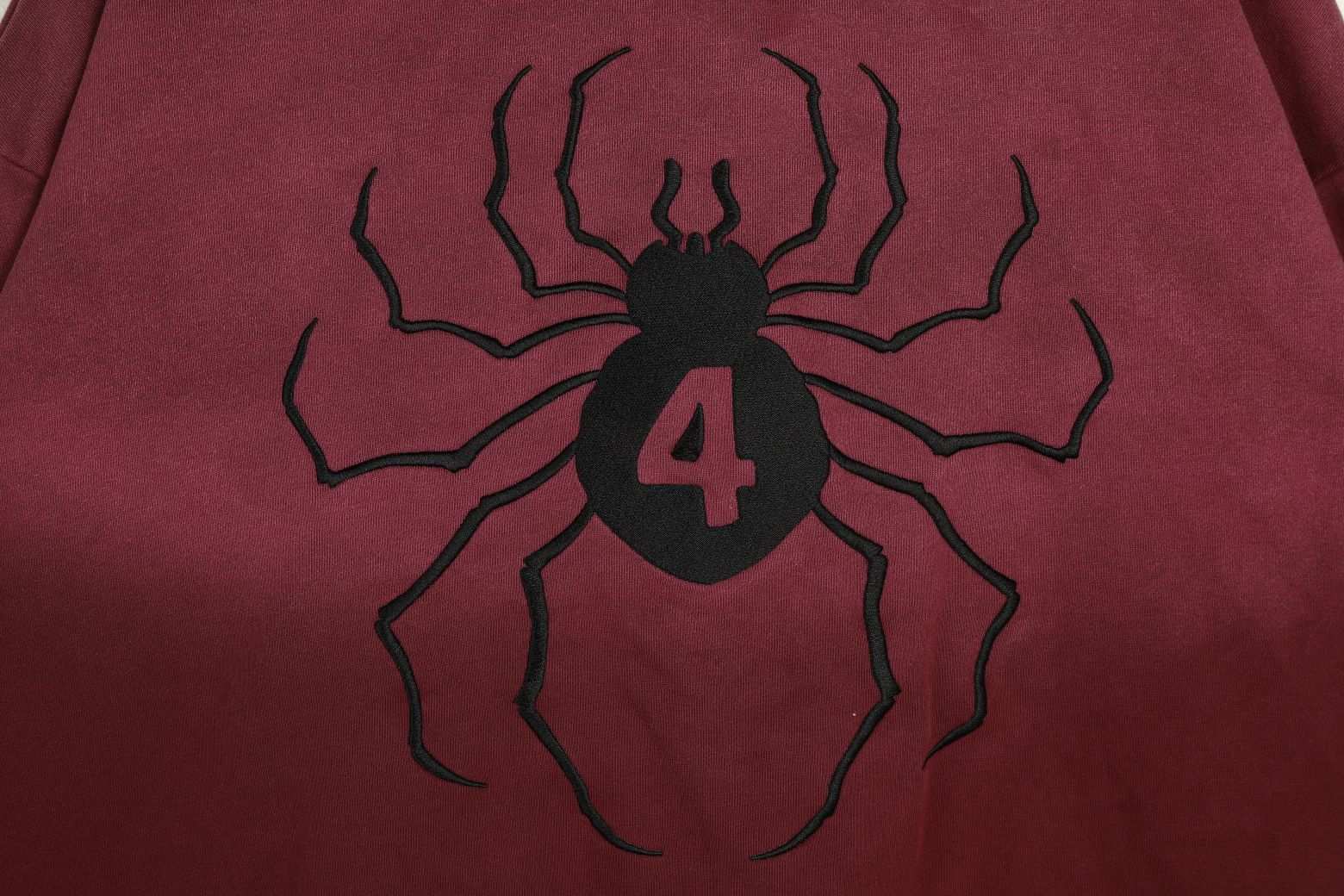
Flat Embroidery
Classic embroidery technique using tight, flat stitches to reproduce detailed logos, text, and graphics with smooth surface finish. Suitable for corporate uniforms, polo shirts, dress shirts, jackets, caps, and professional apparel requiring clean, precise branding. Superior thread quality, accurate digitizing, and consistent stitch density ensure sharp definition and color vibrancy across all fabric weights.
Get a Quote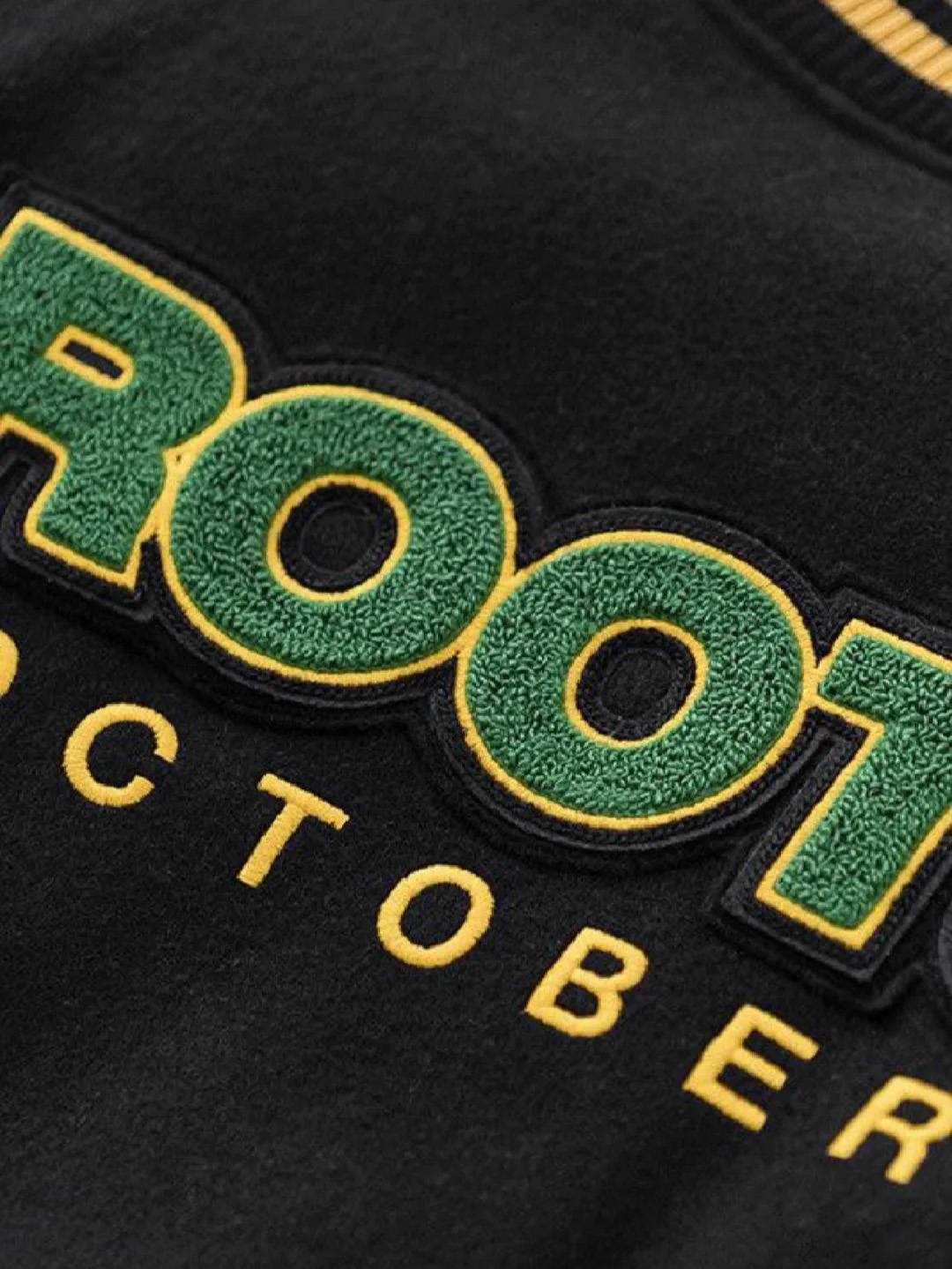
Towel Embroidery
High-pile looped embroidery creating plush, terry cloth texture for bold lettering and graphic elements. Delivers soft, tactile surface with vintage athletic appeal ideal for retro hoodies, sweatshirts, varsity jackets, and casualwear. Careful loop height control, thread tension management, and backing stabilization ensure consistent texture and durability across cotton fleece and heavyweight knit fabrics.
Get a Quote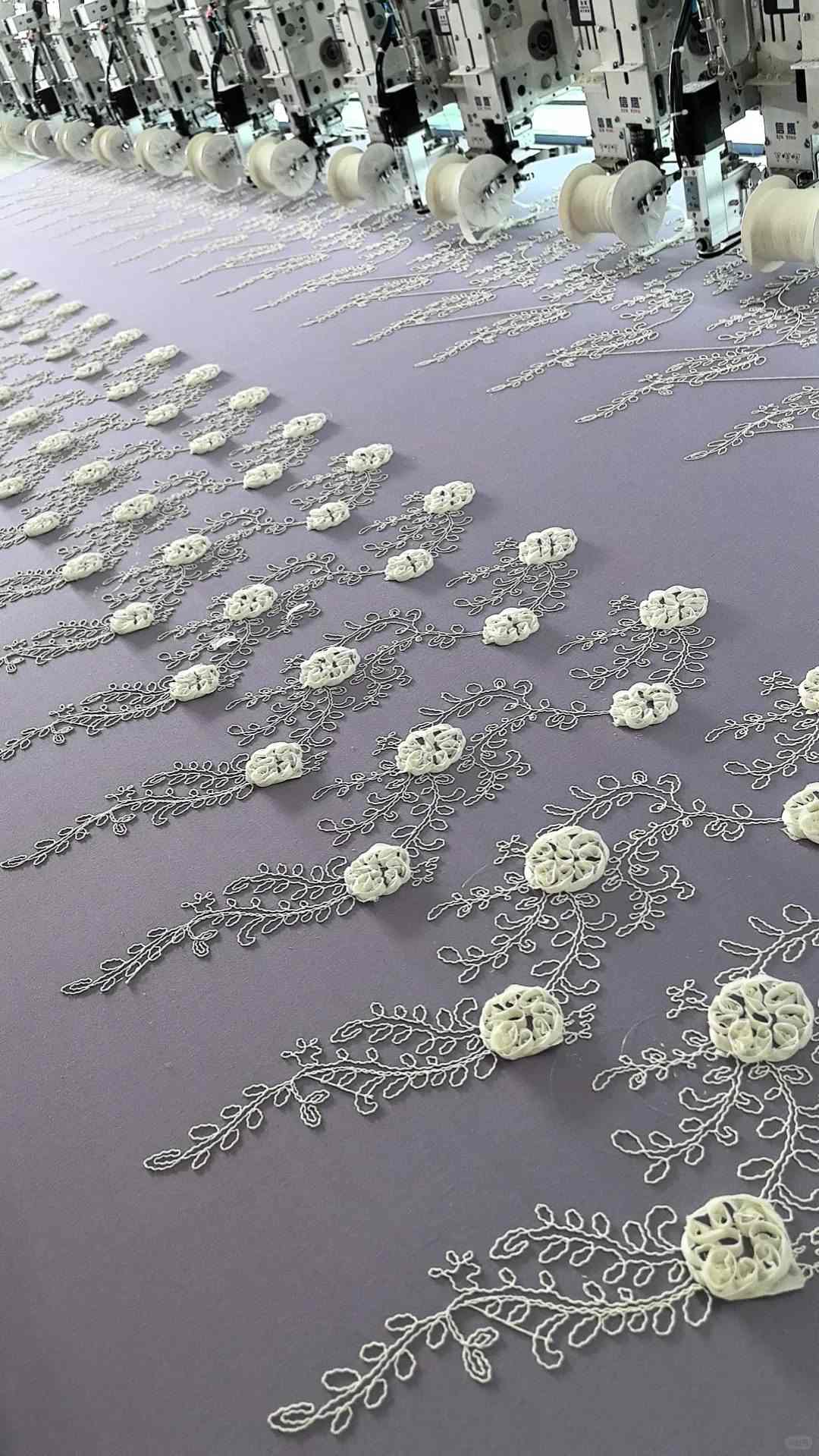
Ribbon Embroidery
Decorative embroidery technique incorporating narrow satin or grosgrain ribbons stitched into floral motifs, bows, and ornamental designs. Popular for elevated fashion dresses, blouses, resort wear, and feminine apparel requiring delicate, dimensional embellishment. Precise ribbon placement, secure anchoring stitches, and color coordination create sophisticated texture and visual interest on lightweight to medium-weight woven fabrics.
Get a Quote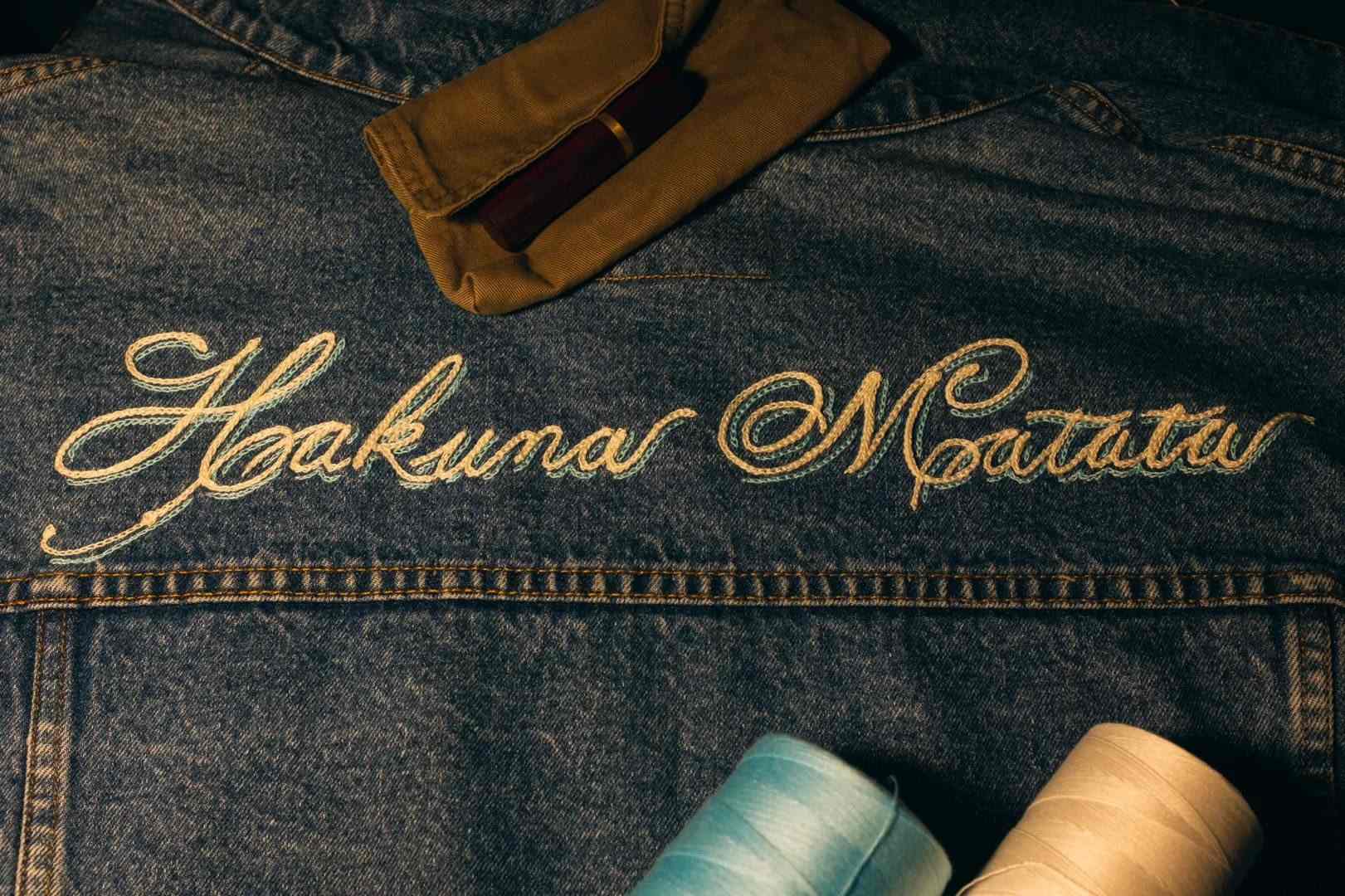
Rope Embroidery
Textured embroidery using thick twisted cord or rope stitched onto garments to create bold outlines, nautical motifs, and dimensional graphic details. Ideal for resort shirts, utility jackets, workwear, and fashion pieces requiring rugged, tactile embellishment. Secure attachment methods, consistent rope tension, and durable anchoring ensure long-lasting application across canvas, denim, twill, and heavyweight cotton fabrics.
Get a Quote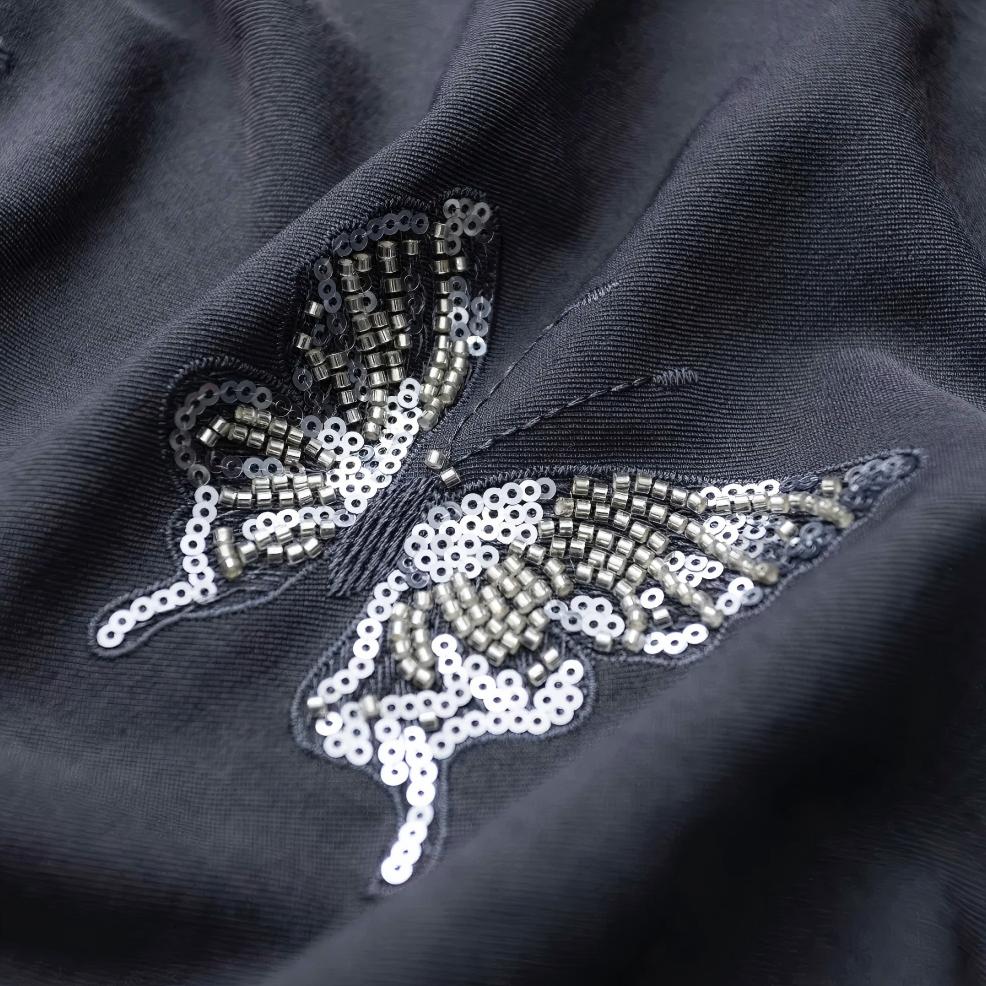
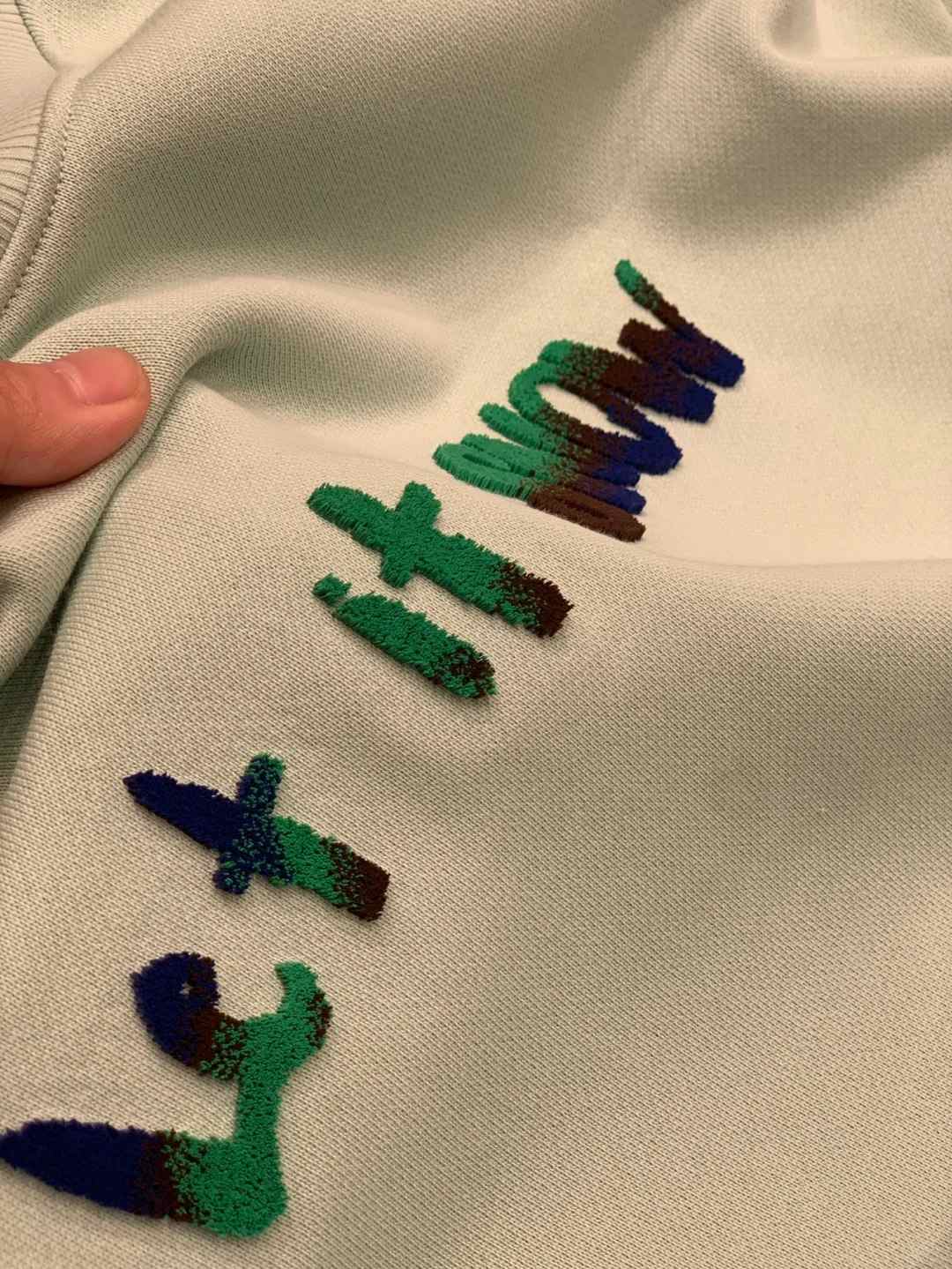
Toothbrush Embroidery
Specialized embroidery technique producing dense, bristle-like texture resembling toothbrush fibers for unique tactile and visual effects. Creates bold, fuzzy lettering and graphic elements popular in streetwear hoodies, varsity jackets, caps, and statement fashion pieces. Requires precise stitch programming, careful loop formation, and post-production trimming to achieve consistent pile height and texture across cotton and fleece substrates.
Get a Quote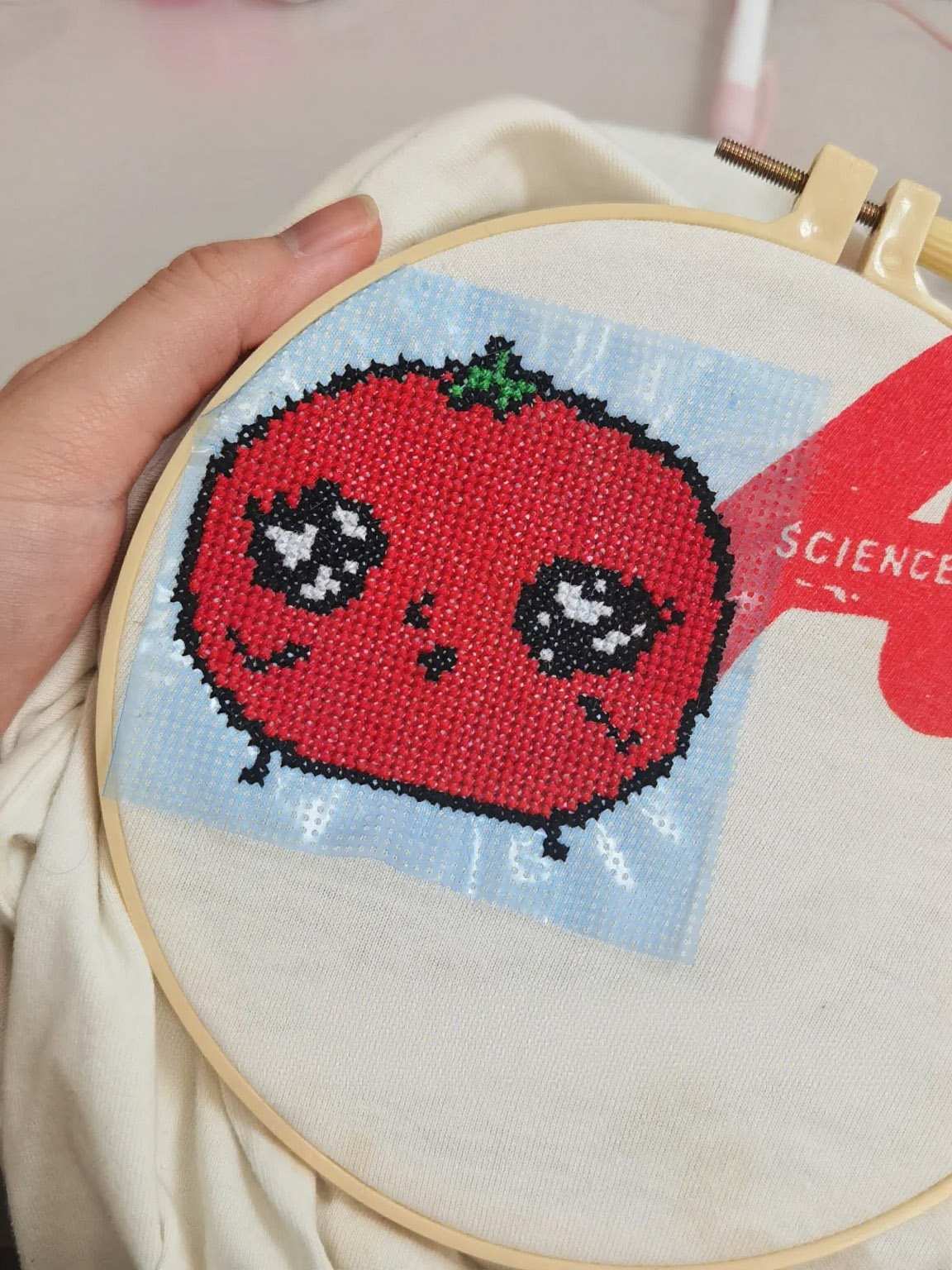
Cross Stitch Embroidery
Traditional needlework technique using X-shaped stitches to create pixelated graphics, folk art patterns, and handcrafted aesthetic details. Suitable for vintage-inspired casualwear, resort shirts, dresses, and artisan fashion collections requiring authentic handmade appearance. Careful stitch placement, consistent thread tension, and accurate pattern digitizing replicate classic cross stitch charm on linen, cotton, and woven fabric substrates.
Get a Quote27 Years Mastering Sequin Embroidery
Since 1998, ZORWILD has refined the art of sequin embroidery in Humen, Dongguan, one of the world’s leading garment manufacturing hubs. Our founder learned embroidery craftsmanship from the ground up, mastering stitch density control, sequin feed precision, and thread tension management across thousands of production runs for brands worldwide.
Today, our sequin embroidery capabilities span flat sequin application, 3D sequin embroidery, mixed-technique designs combining chenille and sequins, and complex multi-color sequin patterns. With advanced embroidery machines equipped with specialized sequin feed systems, we maintain strict thread quality standards and precise positioning accuracy across every piece, from 50-unit startup collections to large-scale production runs.
Our quality control system ensures every sequin is securely fastened, every stitch is consistent, and every design matches your tech pack specifications. Whether you need subtle sequin accents on hoodies, bold sequin logos on varsity jackets, or intricate sequin patterns on dresses and custom apparel, ZORWILD delivers the precision and scalability professional brands demand.
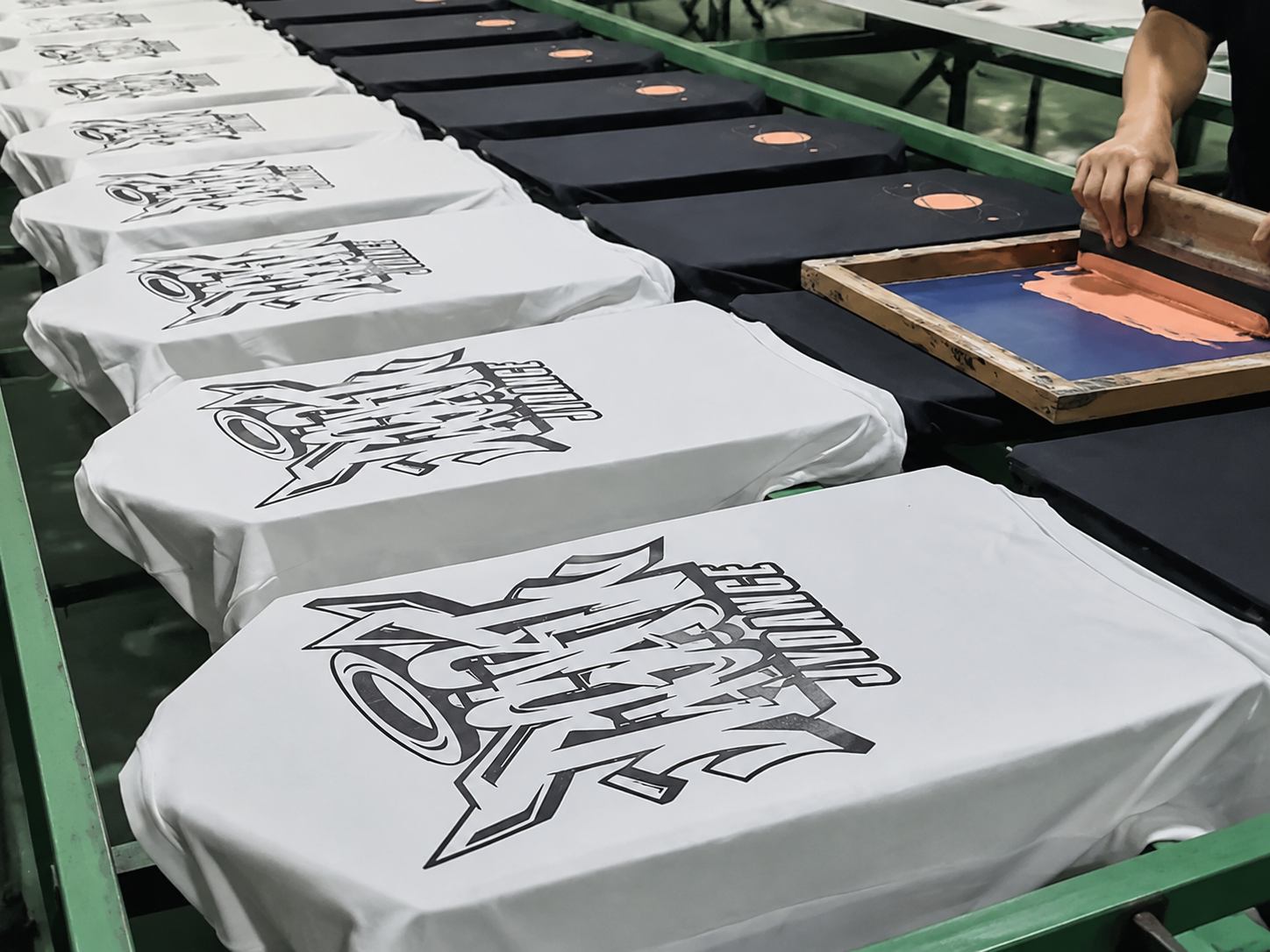
Sequin Embroidery Quality Dimensions — Precision, Durability & Design Control
Stitch Density and Tension Control
ZORWILD’s sequin embroidery masters precise stitch density and tension management to ensure every sequin sits flat, secure, and aligned. Our manufacturing expertise guarantees consistent positioning without puckering, thread breakage, or fabric distortion across all garment weights and fabric types.
- Computerized tension calibration for each fabric type prevents puckering and thread snap
- Optimal stitch density balances sequin security with fabric integrity and drape
- Advanced hooping techniques maintain garment shape throughout the embroidery process
- In-line quality checks ensure uniform sequin placement across every production run
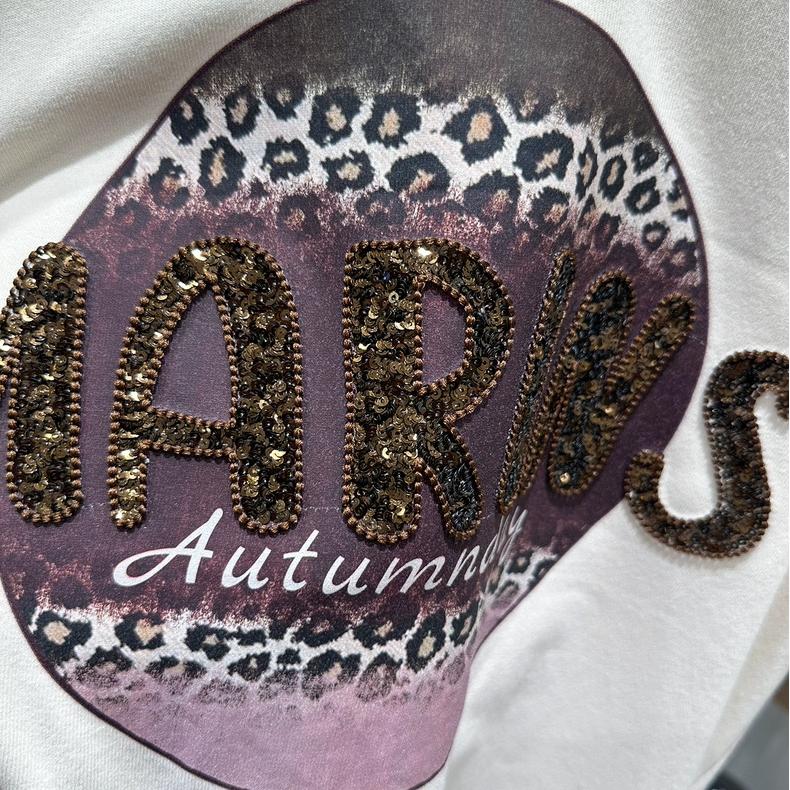
Sequin Material Selection and Finish Options
We source premium sequin materials in cup and flat profiles with finishes including iridescent, matte, metallic, and holographic effects. Each sequin type is selected based on design intent, garment category, wash requirements, and brand positioning to deliver the exact visual impact your collection demands.
- Cup sequins create dimensional texture and dynamic light reflection for premium streetwear
- Flat sequins offer sleek, modern aesthetics ideal for fashion apparel and activewear
- Iridescent and holographic finishes deliver trend-forward visual effects for influencer brands
- Matte and metallic options provide versatile styling for both casual and luxury collections
Color Fastness and Wash Durability
Our sequin embroidery undergoes rigorous wash testing to ensure color retention, sequin adhesion, and structural integrity through multiple laundry cycles. ZORWILD’s 6-stage quality control system validates every sequin application meets commercial garment durability standards for retail and wholesale distribution.
- Pre-production wash testing simulates 20+ laundry cycles for durability validation
- High-quality sequin coatings resist fading, chipping, and discoloration over time
- Reinforced stitching techniques prevent sequin loss during normal wear and laundering
- Detailed care label recommendations protect sequin embroidery longevity for end customers
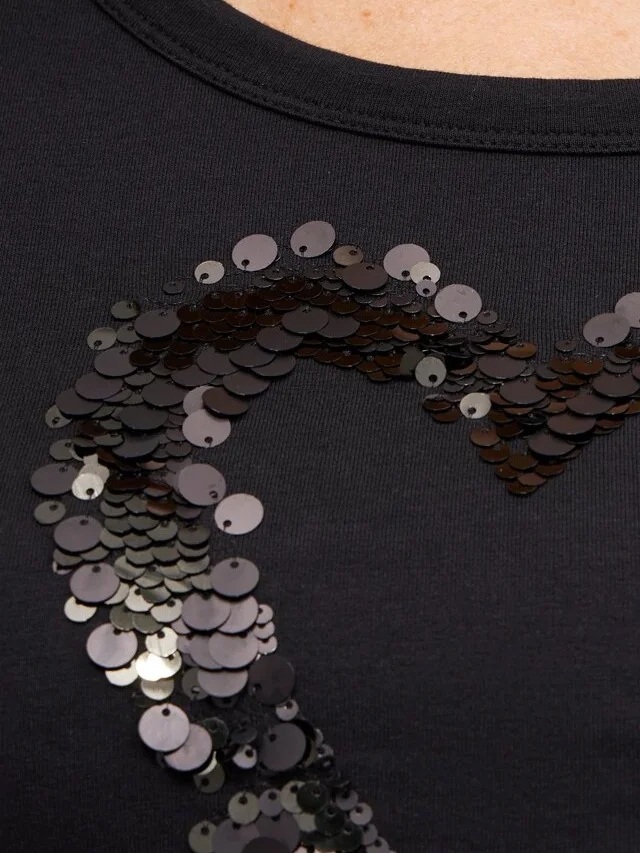
Design Complexity and Placement Precision
From simple logo accents to intricate full-panel sequin patterns, ZORWILD’s digitizing team translates any design into production-ready sequin embroidery. Our advanced machinery handles complex curves, gradient effects, mixed-media combinations, and precise placement on challenging garment zones including pockets, sleeves, and curved seams.
- Expert digitizing converts artwork into optimized sequin embroidery files for flawless execution
- Gradient and ombre effects achieved through strategic sequin color transitions
- Mixed-media capability combines sequin embroidery with chenille, flat embroidery, and applique
- Precision placement on hoodies, jackets, shirts, and dresses including curved and contoured areas
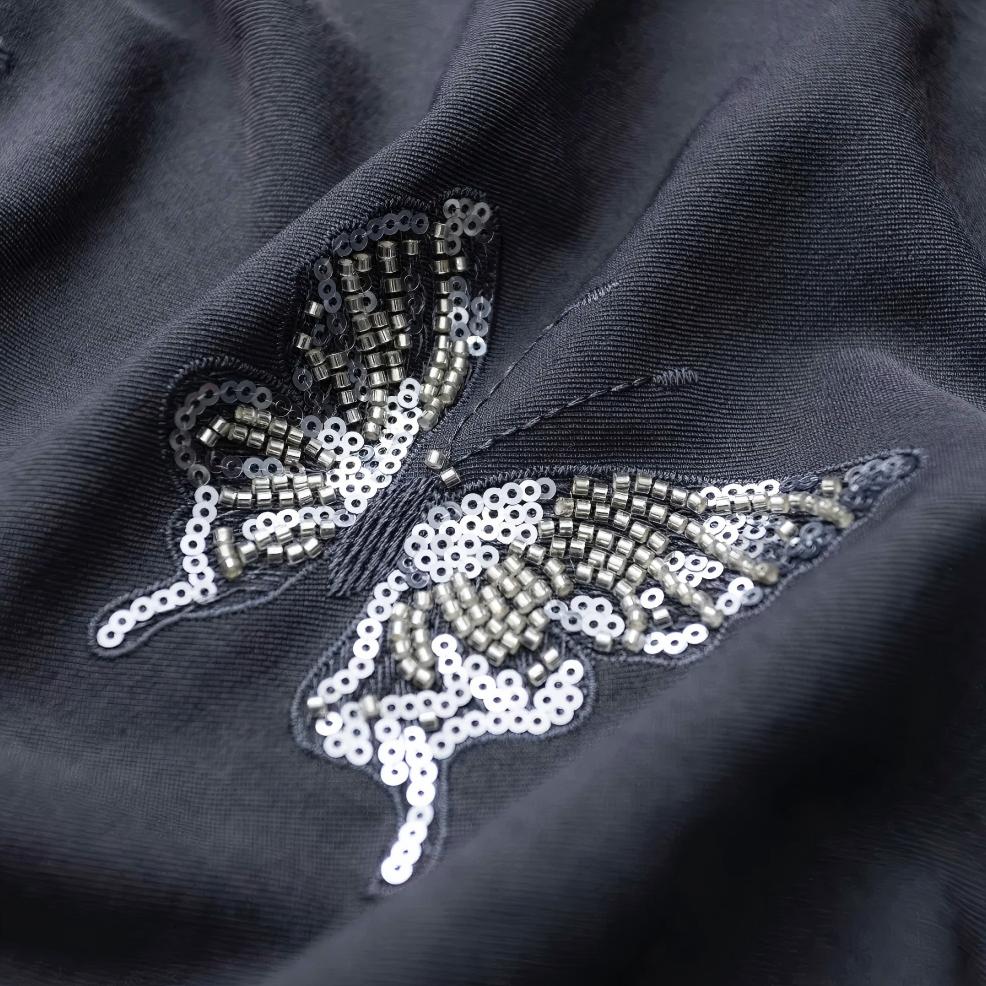
Sequin Embroidery vs. Other Embroidery Techniques
Understand how sequin embroidery compares to flat embroidery, 3D embroidery, chenille embroidery, and appliqué to choose the right technique for your custom apparel design.
← 左右滑动查看 →
Sequin Embroidery Production Process — From Design to Finished Piece
Our 27-year manufacturing expertise ensures every sequin embroidery order moves through a controlled, quality-focused production flow designed for consistency, durability, and visual impact across all order sizes.
Design Digitization & Programming
Your artwork is converted into embroidery machine code with precise sequin placement coordinates, stitch density mapping, and color sequencing to ensure accurate reproduction of your design vision.
Machine Setup & Sequin Feed Calibration
Embroidery machines are configured with correct sequin size, color, and feed tension. Our technicians calibrate sequin dispensers and verify alignment to prevent skipping or misplacement during stitching.
Multi-Phase Stitching & Tension Monitoring
Sequins are applied using specialized stitch patterns that secure each piece while maintaining garment integrity. Real-time tension monitoring prevents fabric puckering and ensures consistent sequin attachment across the entire run.
Wash Testing & Durability Validation
Sample garments undergo controlled wash cycles to verify sequin retention, thread strength, and color fastness. This technique-specific testing ensures your sequin embroidery withstands customer use and care.
Final QC & Packaging
Every finished piece passes through our 6-stage quality control system inspecting sequin alignment, stitch integrity, fabric condition, and overall appearance before secure packaging and shipment to your location.
How to Order Sequin Embroidery — Simple Steps to Your Custom Design
From artwork submission to finished garments, ZORWILD‘s sequin embroidery process is designed for clarity, speed, and precision. Start your custom order in five straightforward steps.
Submit Your Artwork and Design
Send your logo, graphic, or design concept along with placement mockups. Vector files and high-resolution images ensure accurate digitization and color separation for sequin embroidery production.
Confirm Sequin Color and Type
Select from metallic, matte, holographic, or iridescent sequins in your brand colors. Our team provides sequin samples and recommendations based on garment type and design complexity.
Approve Production Samples
Review physical samples to verify sequin placement, stitch density, color accuracy, garment tension, and overall visual impact before bulk production begins at our Dongguan facility.
Place Your Bulk Order
Confirm quantities starting from 50 pieces, finalize production timelines, and lock in pricing. Our 6-stage quality control system ensures consistent sequin embroidery across every unit.
Receive Your Finished Garments
Your custom sequin embroidery apparel is inspected, packaged with branded labels and hang tags, and shipped globally with full export documentation and logistics support.
Customer Success Stories — Sequin Embroidery Results
ZORWILD’s sequin embroidery exceeded expectations on our holiday collection. After 15 washes, zero sequins lost and colors stayed vibrant. Our customers loved the premium look and we saw 34% repeat purchase rate on those styles.
We needed intricate sequin embroidery on 200 hoodies with a tight deadline. ZORWILD delivered on time with flawless positioning accuracy across every piece. The color match to our Pantone spec was perfect and wholesale buyers immediately reordered.
Starting with only 50 pieces, ZORWILD handled our complex sequin embroidery design with mixed metallic and matte finishes beautifully. Stitch density was consistent and the sequins lay flat with no puckering. Our influencer launch sold out in 48 hours.
Sequin Embroidery FAQ — Your Questions Answered
What is the minimum order quantity (MOQ) for sequin embroidery?
What fabrics work best with sequin embroidery?
How long does sequin embroidery production take?
Can I combine sequin embroidery with other decoration techniques?
What is the maximum design size for sequin embroidery?
How many colors can be used in sequin embroidery?
Is sequin embroidery durable through washing?
What file format do you need for sequin embroidery artwork?
What is the cost for a sequin embroidery sample?
The Complete Buyer’s Guide to Sequin Embroidery for Custom Apparel
1. What Is Sequin Embroidery?
Sequin embroidery is a decorative garment technique that combines computerized embroidery stitching with sequin application, attaching individual sequins to fabric using specialized thread and programmable embroidery machines. Each sequin—typically 3 mm to 6 mm in diameter—is secured with a center stitch or multiple anchor stitches that lock the disc-shaped plastic or metallic element onto the garment surface. The result is a reflective, dimensional surface that catches light from multiple angles, creating visual impact unmatched by flat printing or standard embroidery alone.
Fashion brands choose sequin embroidery for evening dresses, resort wear, performance costumes, luxury streetwear hoodies, branded sportswear, and promotional apparel where premium visual appeal justifies the higher decoration cost. Unlike screen printing or heat transfer, sequin embroidery delivers a tactile, three-dimensional effect that elevates perceived product value and supports higher retail price points. The technique works on cotton, polyester, fleece, satin, denim, and technical fabrics, making it adaptable across multiple apparel categories.
ZORWILD’s sequin embroidery service supports low MOQ production starting from 50 pieces, enabling startup brands and influencers to test sequin-decorated collections without committing to large inventory runs. The company combines sequin embroidery with other decoration techniques—flat embroidery, chenille, applique, and printing—to create multi-texture designs that differentiate custom apparel in competitive fashion markets.
2. The Evolution of Sequin Embroidery in Fashion
Hand-sewn sequins dominated haute couture from the 1920s through the 1970s, requiring skilled artisans to stitch each sequin individually onto garments at costs exceeding $200 per hour for labor alone. This exclusivity confined sequin embroidery to luxury evening wear, stage costumes, and red-carpet fashion, making it inaccessible to mass-market brands and small-scale producers.
Computerized embroidery machines introduced sequin attachment capabilities in the mid-1980s, with manufacturers like Tajima and Barudan developing dedicated sequin devices that automated feed and placement. By the early 1990s, multi-head industrial machines could apply 800 to 1,200 sequins per hour per head with consistent spacing and tension, reducing production costs by approximately 70% compared to hand application. This shift enabled ready-to-wear brands to incorporate sequin embroidery into commercial collections at accessible price points.
The 2000s brought digital design integration and improved sequin feed mechanisms, allowing small brands to order sequin embroidery with MOQs as low as 50 to 100 pieces through OEM manufacturers equipped with programmable multi-head systems. ZORWILD adopted these advanced sequin embroidery capabilities alongside flat embroidery, chenille embroidery, and applique techniques, supporting clients across streetwear, activewear, and fashion casualwear categories.
Current trends show sequin embroidery expanding beyond formalwear into oversized hoodies, graphic T-shirts, bomber jackets, and athleisure collections, driven by social media demand for reflective, eye-catching details. Modern production systems deliver consistent stitch density, secure sequin attachment, and minimal thread breakage, ensuring reliable quality for influencer brands and established wholesalers alike.
3. Types of Sequin Embroidery Techniques
Sequin embroidery spans four primary application methods, each defined by stitch mechanics, visual impact, and production cost. Understanding these techniques helps brands select the right approach for garment category, durability requirements, and target price points.
Flat Sequin Embroidery
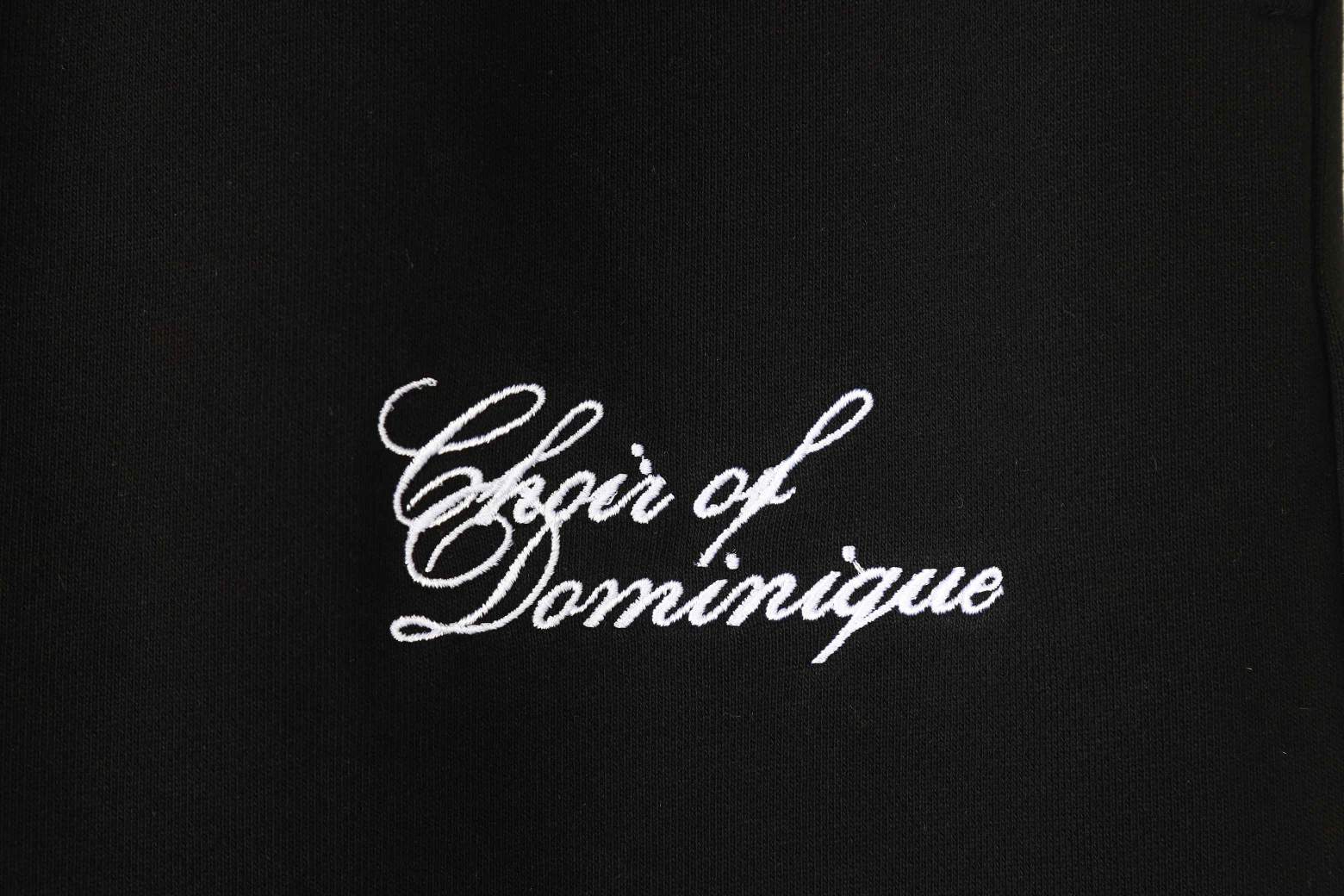
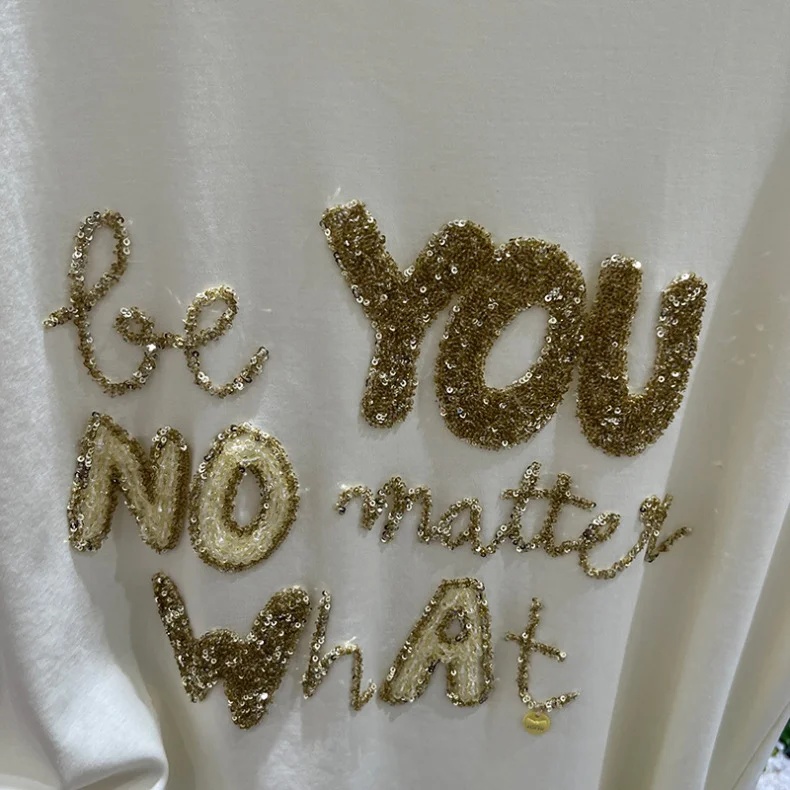
Flat sequin embroidery sews each sequin through its center hole, securing it flush against the fabric with a single stitch or cross-stitch pattern. The sequins lie parallel to the garment surface, creating a smooth, uniform shimmer ideal for logos, monograms, and geometric patterns.
Durability is moderate; center stitching resists edge lift but exposes the thread to abrasion. Cost remains the lowest among sequin techniques due to faster machine speed and minimal thread consumption. Best applications include polo shirts, caps, hoodies, and casual jackets where subtle branding is required.
Overlapping Sequin Embroidery
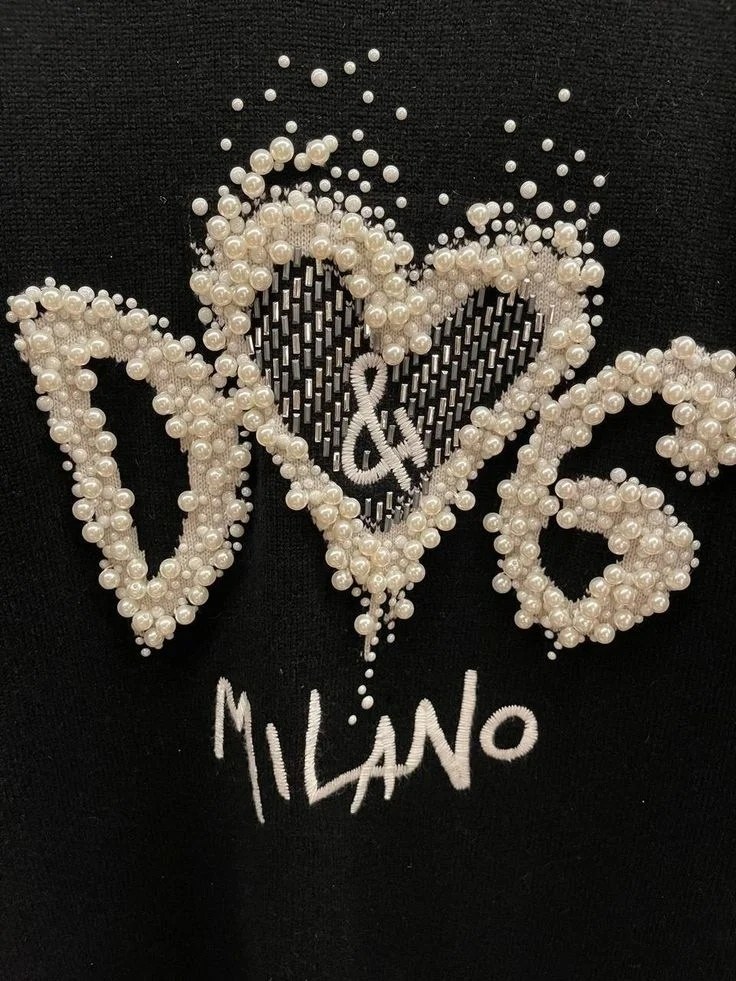
Overlapping sequin embroidery stitches each sequin along one edge, allowing the free side to layer over the next sequin in a fish-scale or mermaid-scale effect. This technique produces high-density coverage and dramatic light reflection, popular in evening wear, performance costumes, and luxury streetwear.
Durability is lower; edge-stitched sequins can catch and tear under friction. Production cost increases 40–60% over flat sequin due to slower stitch speed and higher sequin consumption per square inch. Ideal for dresses, statement jackets, and fashion pieces where visual impact outweighs wash frequency.
3D Puff Sequin Embroidery
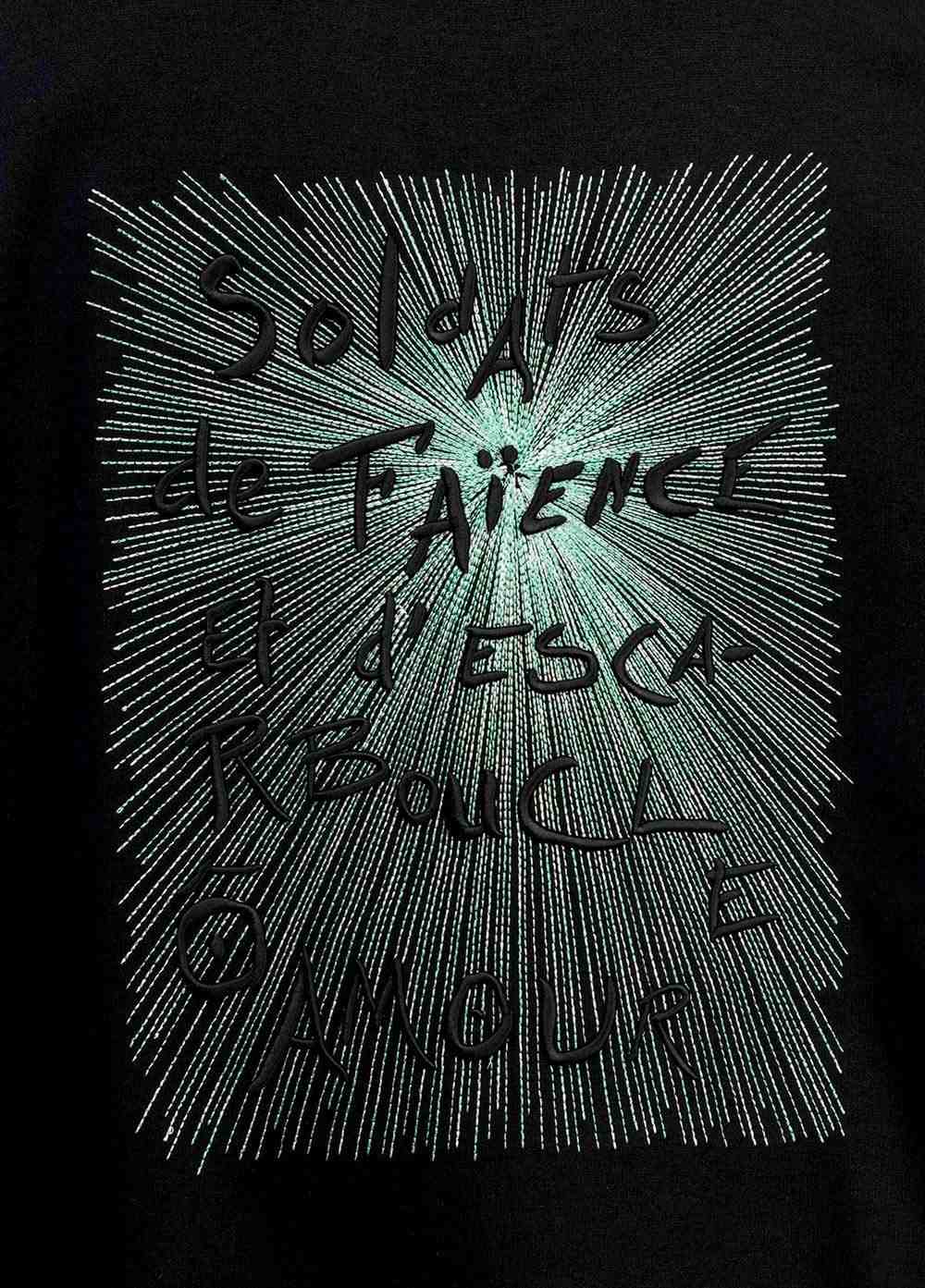
3D puff sequin embroidery combines raised foam underlay with sequin application, creating dimensional texture and bold visual depth. The foam is embroidered first, then sequins are stitched over the puffed base, elevating the design 2–4 mm above the fabric surface.
This technique delivers premium perceived value and strong brand differentiation. Cost is 70–90% higher than flat sequin due to foam material, multi-pass stitching, and slower production speed. Best suited for hoodies, sweatshirts, varsity jackets, and streetwear collections targeting influencer and premium casual markets.
Mixed-Media Sequin Embroidery
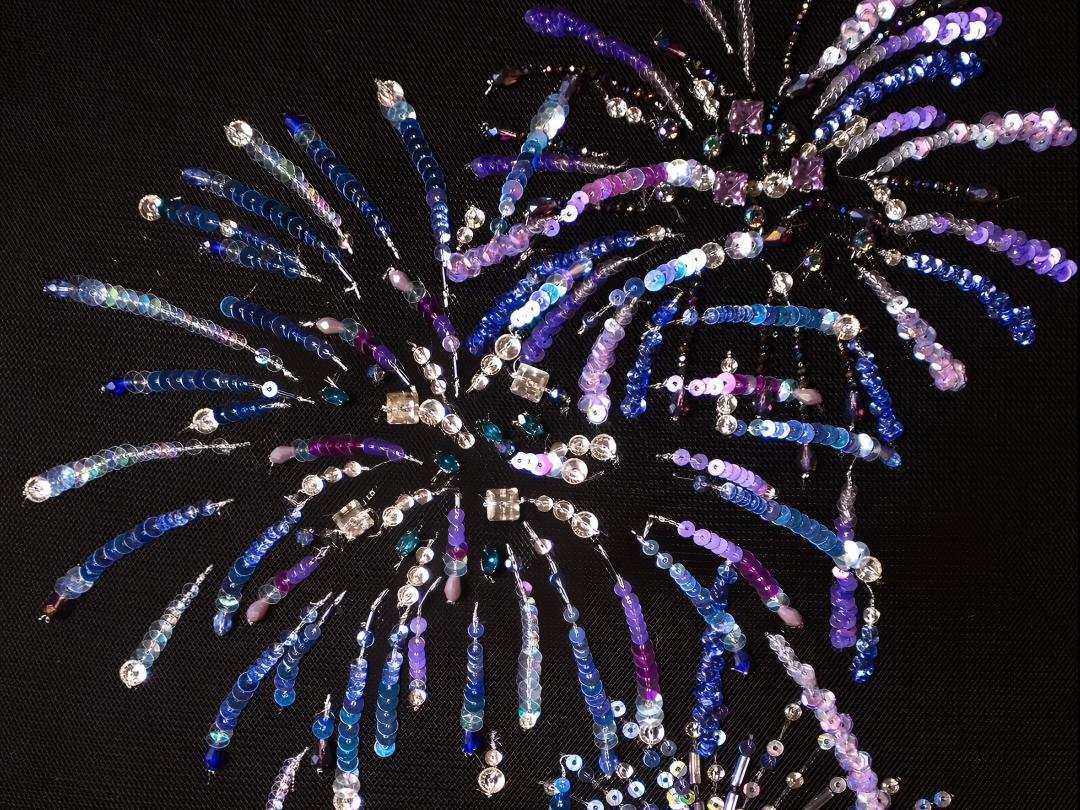
Mixed-media sequin embroidery integrates sequins with beads, rhinestones, chenille threads, or metallic embroidery to achieve complex textures and luxury finishing. This approach allows designers to create gradient effects, multi-material logos, and high-end branding details.
Production requires manual intervention for bead placement or multi-head embroidery machines with specialized attachments. Cost is the highest, often 100–150% above flat sequin, and lead times extend 3–5 days. Best applications include evening dresses, bridal wear, resort collections, and limited-edition fashion collaborations where craftsmanship justifies premium retail pricing.
4. Materials and Fabrics for Sequin Embroidery
Successful sequin embroidery depends on precise pairing of base fabric, sequin material, and stabilizer. Fabric weight, stretch, and weave structure determine stitch quality, sequin adhesion, and finished drape. ZORWILD tests each combination across 200+ production runs annually to ensure dimensional stability and long-term wearability.
| Fabric Type | Recommended GSM | Sequin Compatibility | Typical Use Cases |
|---|---|---|---|
| Cotton Twill | 200–280 | High (PVC, PET, metal) | Jackets, premium shirts, streetwear |
| Polyester Fleece | 280–340 | High (all types) | Hoodies, sweatshirts, casualwear |
| Denim | 300–400 | Very High (large-scale) | Outerwear, jeans, workwear jackets |
| Jersey Knit | 160–220 | Moderate (PVC, PET) | T-shirts, casual tops, activewear |
| Nylon | 140–180 | Low (minimal coverage) | Windbreakers, performance wear |
Base Fabric Types and GSM Ranges
Cotton twill at 200–280 GSM delivers firm structure for dense sequin patterns, ideal for jackets and premium streetwear. Polyester fleece at 280–340 GSM supports heavyweight sequin embroidery without puckering, common in hoodies and sweatshirts.
Denim at 300–400 GSM provides maximum stability for large-scale sequin graphics on outerwear. Jersey knit at 160–220 GSM requires careful tension control for T-shirts and casual tops. Nylon at 140–180 GSM suits lightweight windbreakers and performance apparel with minimal sequin coverage.
Sequin Materials and Thread Selection
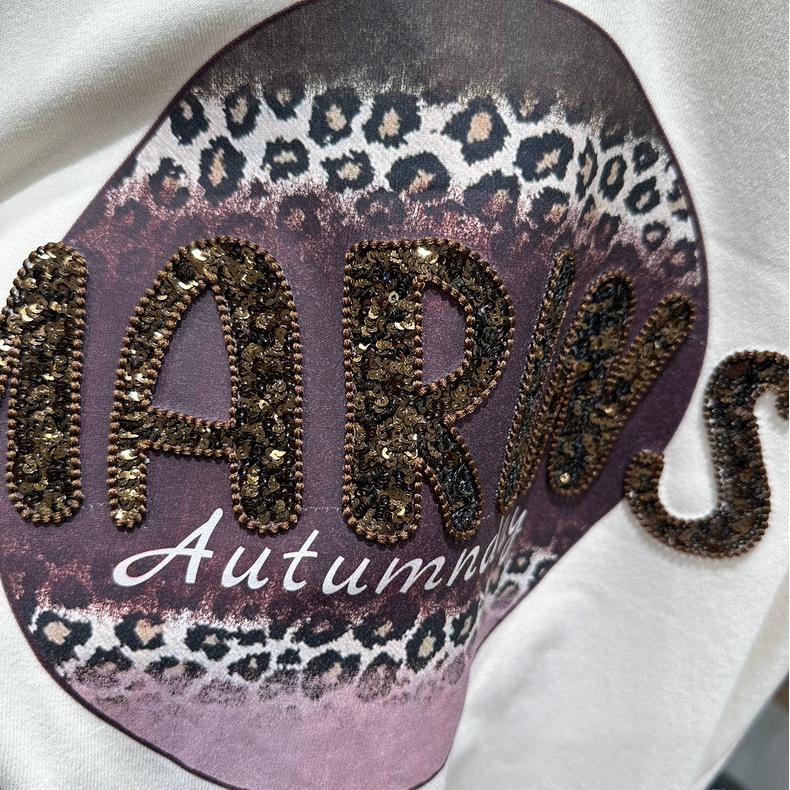
PVC sequins offer cost efficiency and vibrant color range for high-volume production. PET (polyester) sequins deliver superior durability and wash resistance, preferred for activewear and frequent-wash garments.
Metal sequins create premium luxury aesthetics for evening dresses and high-end fashion. Holographic sequins produce dynamic light effects for festival wear and performance costumes. Polyester thread ensures strength and colorfastness, while rayon thread adds sheen for decorative contrast.
Stabilizer and Backing Requirements
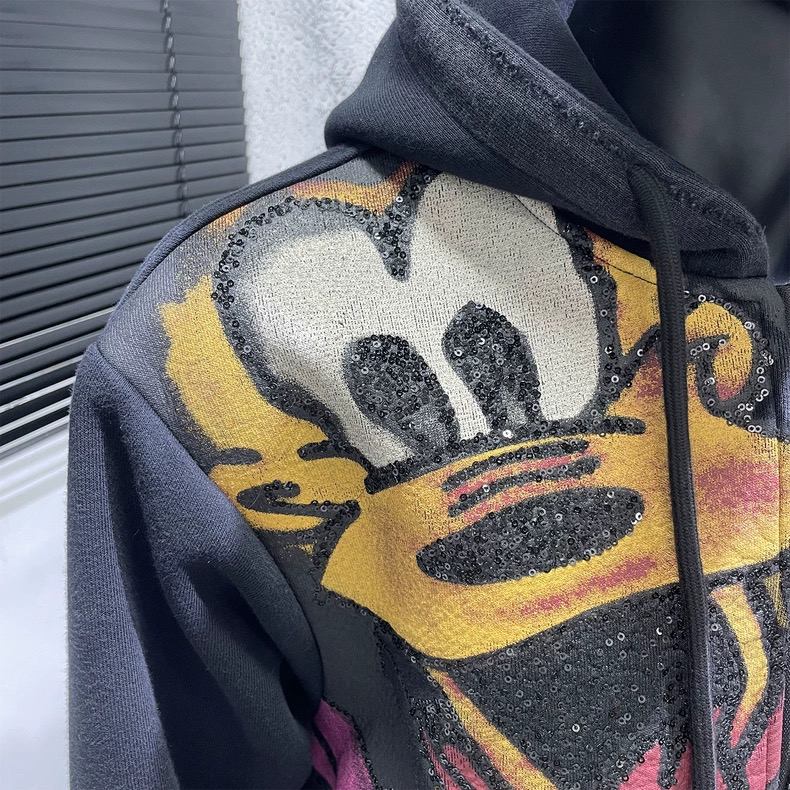
Tear-away backing suits stable woven fabrics like twill and denim, removed cleanly post-embroidery. Cut-away backing is essential for stretch knits and jersey to prevent distortion during wear and laundering.
Fabric weight below 180 GSM requires dual-layer stabilizer to prevent sequin pull-through. Heavier fabrics above 300 GSM need minimal backing but benefit from water-soluble topping to protect sequin shine during stitching.
5. Customization Options for Sequin Embroidery
Sequin embroidery customization spans six primary variables that directly influence production cost, lead time, and minimum order quantity. Understanding these design levers enables brands to balance aesthetic goals with budget constraints and manufacturing feasibility.
Sequin Size and Shape Options
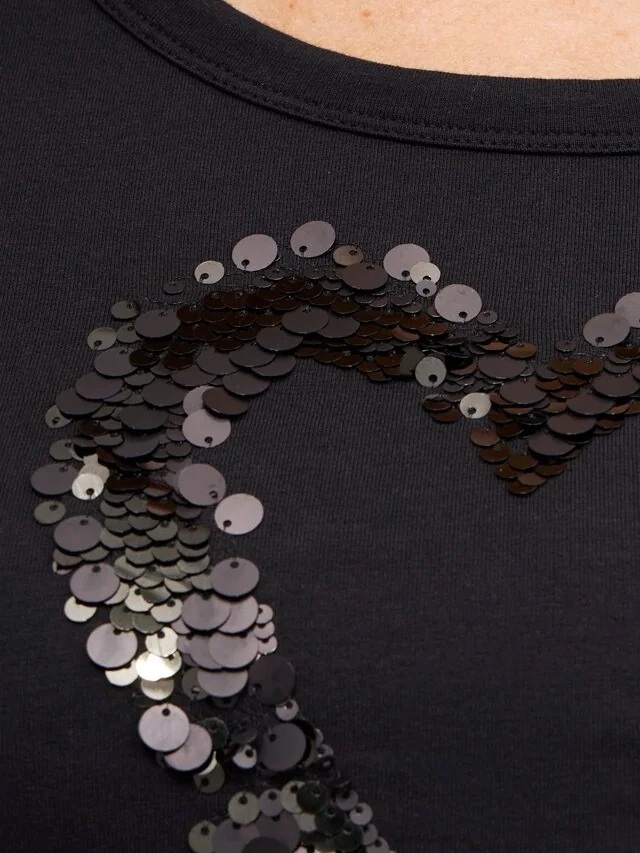
Standard sequin sizes range from 3mm (micro sequins for delicate detail) to 10mm (bold statement pieces), with 5mm and 6mm representing the most common industry choices. Larger sequins reduce application time but increase material cost per garment.
Shape options include round, square, star, heart, and custom die-cut forms. Custom shapes add 15–30% to sequin material cost and require minimum order quantities starting at 100 pieces due to die setup requirements.
Color and Finish Specifications
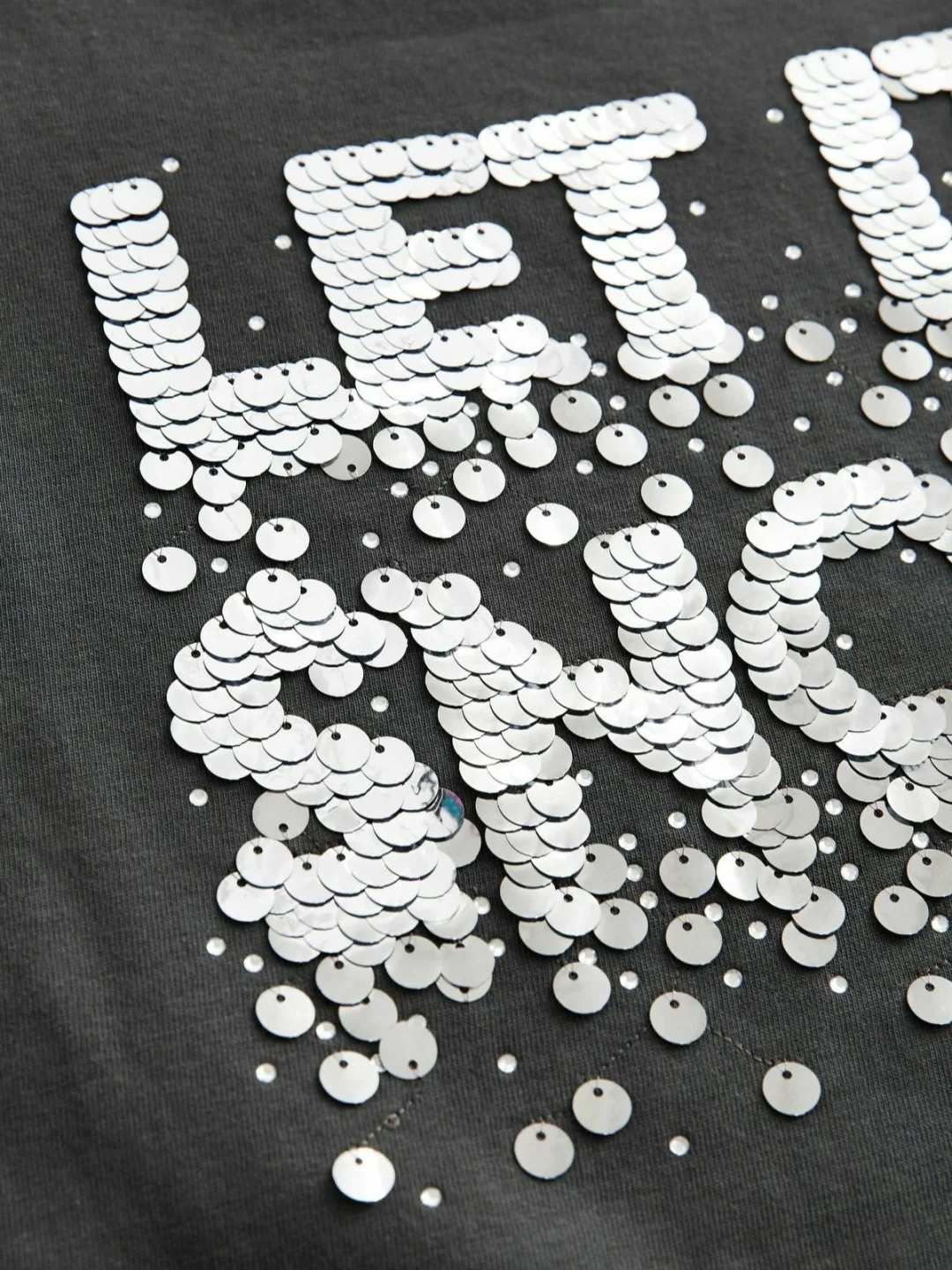
Sequin finishes include matte, glossy, iridescent, holographic, and metallic, each creating distinct visual effects under different lighting conditions. Custom Pantone-matched sequins require dye-lot minimums of 50–100 pieces and add 7–10 days to lead time.
Thread color matching to sequin tone or garment base fabric ensures cohesive branding. Mismatched thread can create intentional contrast effects popular in streetwear collections.
Placement Zones and Coverage Density
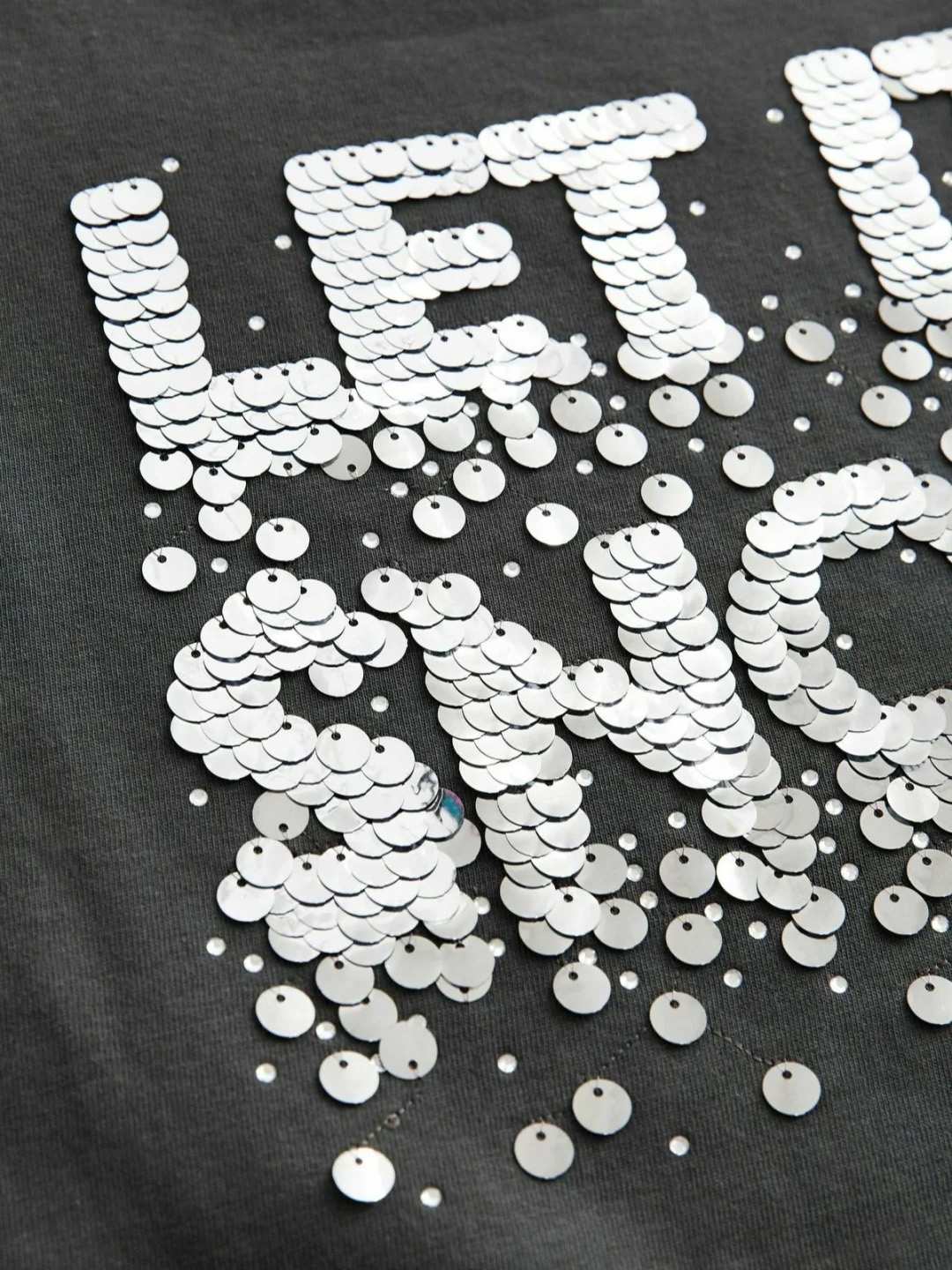
Common placement zones include chest logos (50–150cm²), sleeve accents, back panels, and all-over coverage. All-over sequin embroidery increases production time by 200–400% compared to single-logo placement.
Density ranges from sparse accent (20–40% coverage) to full saturation (80–100% coverage). Full-coverage designs require reinforced backing fabrics and may increase MOQ to 100 pieces due to extended machine time and quality control requirements.
6. Quality Indicators in Sequin Embroidery Production
Premium sequin embroidery production demands strict control over construction details that directly affect garment longevity and appearance. Buyers should inspect samples and production runs for five critical quality dimensions before approving bulk orders.
Stitch Density and Tension Control
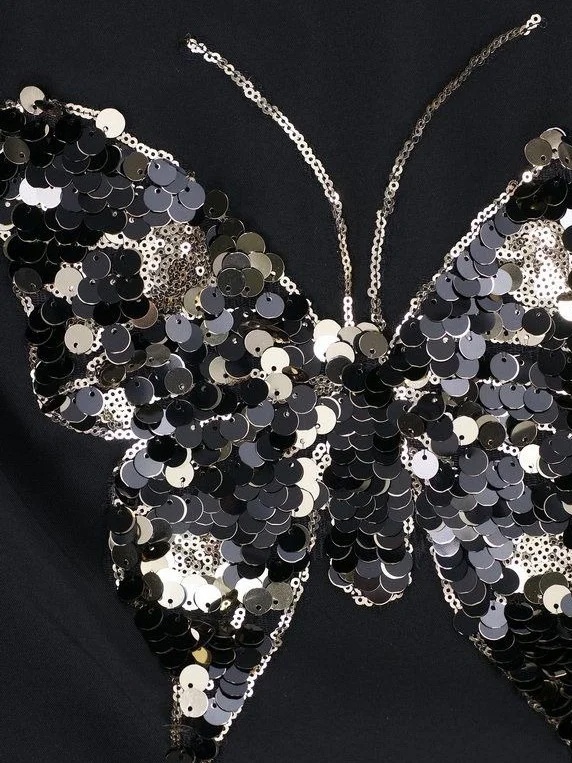
Stitch density between 8,000 and 12,000 stitches per square inch ensures secure sequin placement without fabric distortion. Proper tension prevents puckering, wrinkling, and fabric bunching around sequin clusters.
ZORWILD calibrates embroidery machines to match fabric weight and sequin size, testing tension on sample swatches before production. Inconsistent tension causes visible ripples that cannot be corrected after finishing.
Sequin Attachment Security
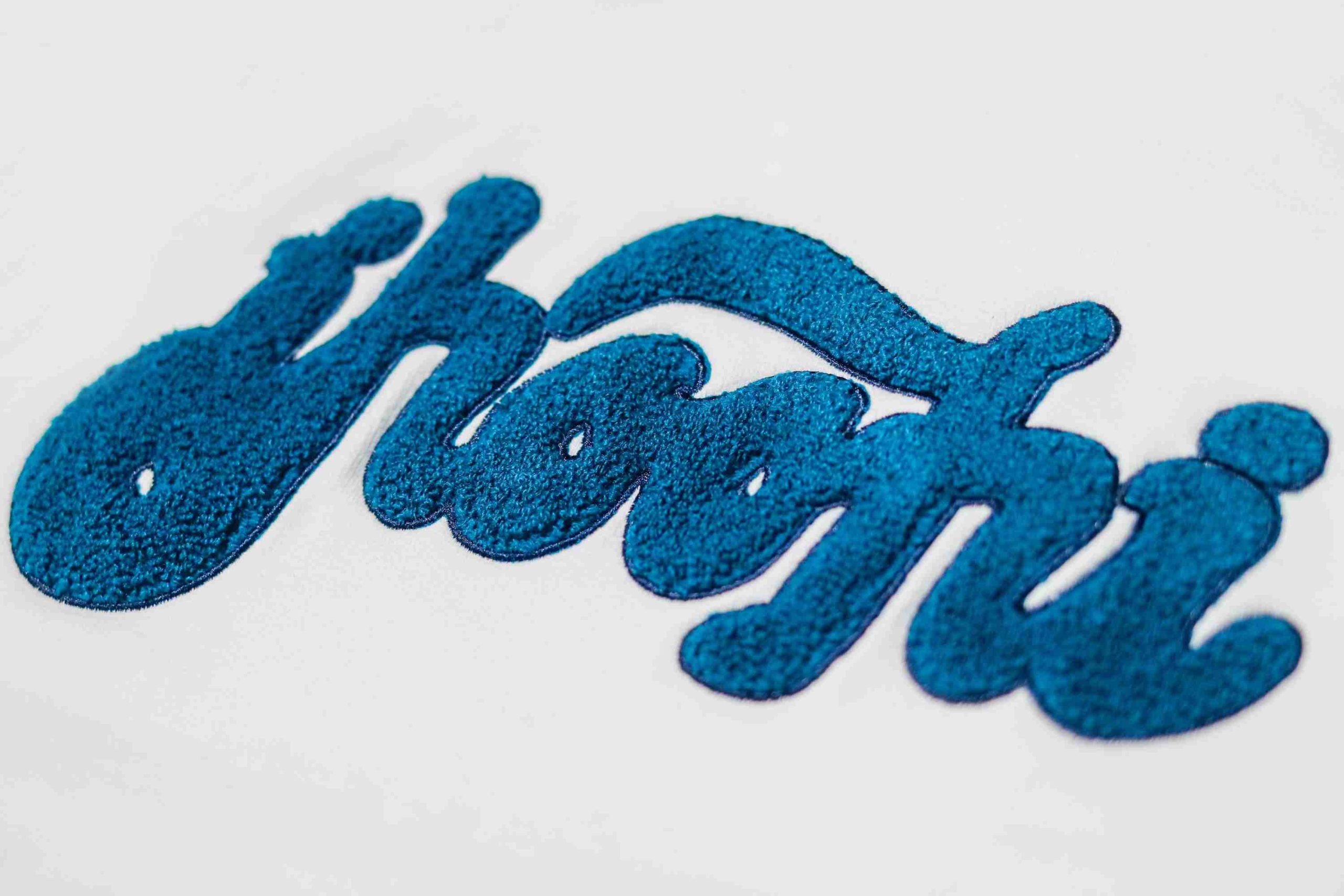
Double-lock stitching secures each sequin with two overlapping thread passes, reducing sequin loss during washing and wear. Single-stitch methods use 40% less thread but increase failure rates in commercial laundering.
Inspect samples by gently pulling sequins; premium work resists detachment while budget work shows loose threads or gaps. ZORWILD applies double-lock stitching for all garments requiring wash durability above 30 cycles.
Thread Quality and Colorfastness
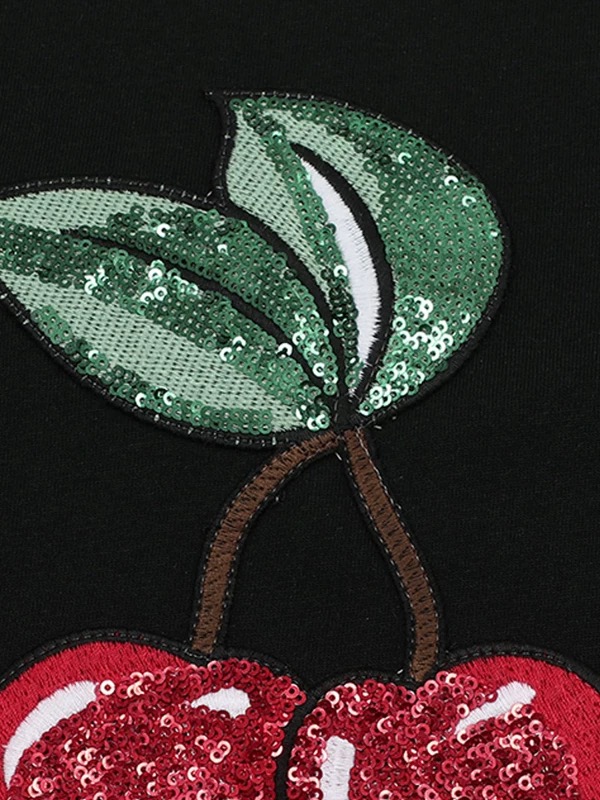
Polyester embroidery thread rated for 500+ wash cycles maintains color integrity and break resistance above 2,800 grams per strand. Rayon thread offers superior sheen but fades 30% faster under UV exposure and repeated washing.
Request thread brand specifications and colorfastness certificates (ISO 105 Grade 4 minimum) during sampling. ZORWILD sources thread from certified suppliers with batch traceability for consistent color matching across production runs.
Backing Stability and Wash Durability
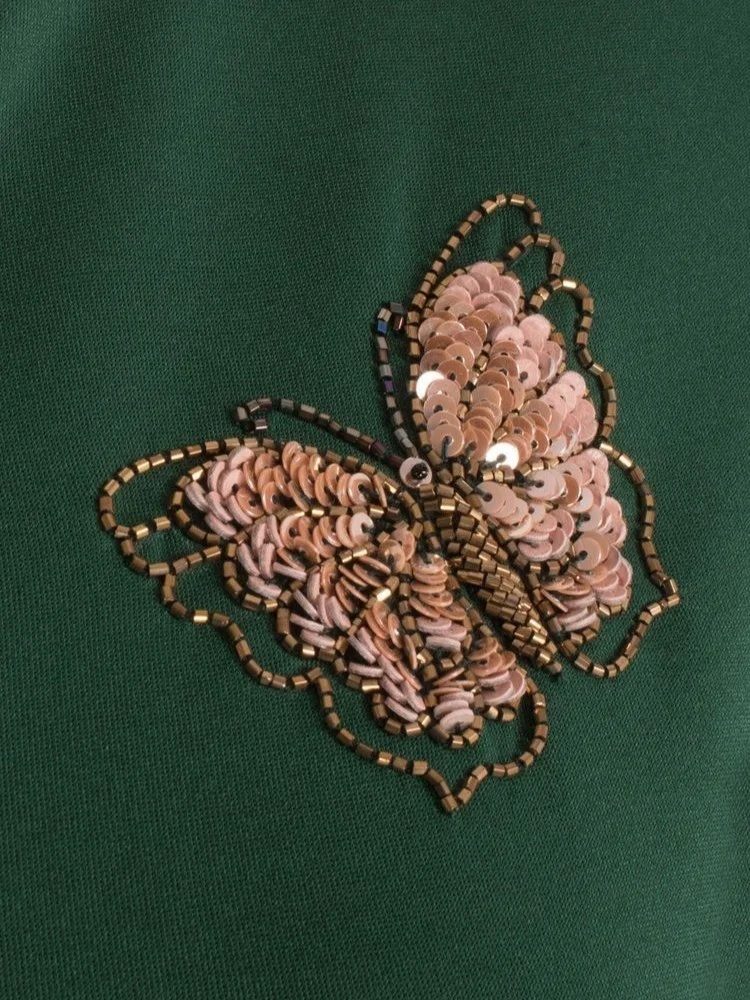
Water-soluble stabilizer backing dissolves completely after washing, leaving no stiffness or residue on lightweight fabrics. Tear-away backing suits heavyweight materials but requires manual removal and may leave fiber traces.
ZORWILD tests wash durability for 50 cycles minimum, inspecting sequin retention, thread integrity, fabric hand feel, and color stability. Request wash test reports with photographic documentation before approving bulk production.
7. How to Choose a Sequin Embroidery Manufacturer
Selecting a sequin embroidery partner requires evaluating technical capacity, quality systems, and operational transparency. ZORWILD’s 27 years of apparel manufacturing experience and service to over 2,000 brands worldwide demonstrate the depth of expertise needed for consistent sequin work.
Machine Capabilities and Digitizing Expertise
Multi-head embroidery machines (6-head, 12-head, or 15-head configurations) determine production speed and consistency. Sequin feeder compatibility and thread tension control are critical for mixed-media designs combining sequin embroidery with flat or 3D stitching.
Digitizing expertise separates professional manufacturers from basic contractors. Ask whether the factory can convert your artwork into production-ready embroidery files, adjust stitch density for fabric weight, and optimize sequin placement to avoid garment distortion during wear.
Sample Turnaround and MOQ Flexibility
Sample lead times of 7–14 days indicate efficient workflow and prioritization of client development. ZORWILD offers low MOQ production starting from 50 pieces, enabling startup brands and influencers to test sequin embroidery collections without excessive inventory risk.
Flexible MOQ policies allow capsule launches, seasonal tests, and limited-edition drops. Verify whether the manufacturer supports mixed SKUs within a single order to maximize design variety while meeting minimum thresholds.
Certifications and Quality Documentation
ISO 9001 certification confirms systematic quality management, while OEKO-TEX Standard 100 verifies that threads and sequins meet safety thresholds for skin contact. Request wash-test reports showing sequin retention, color fastness, and fabric stability after 20–30 wash cycles.
Detailed spec sheets listing thread brand, sequin diameter, stitch count per square inch, and backing stabilizer type indicate process control. Factories that provide photographic inspection reports and measurement data demonstrate accountability.
Communication and References
Responsive communication within 24 hours and clear English or multilingual support reduce misunderstandings. ZORWILD’s direct contact via WhatsApp +86 137 1325 2727 and email [email protected] ensures real-time collaboration across time zones.
Request references from brands in your category—streetwear, formalwear, or activewear—to confirm relevant experience. Red flags include refusal to send physical samples, vague per-piece pricing, and lack of factory photos. Green flags include proactive tech pack feedback and willingness to share client case studies.
8. Common Mistakes When Ordering Sequin Embroidery
Even experienced buyers make costly errors when ordering sequin embroidery for custom apparel. Understanding these pitfalls and their mitigation strategies ensures production runs smoothly and finished garments meet brand standards.
Placing Sequins on High-Stretch Zones
Sequin embroidery on knit elbows, knees, or side panels causes sequins to crack or pop off during wear. The rigid sequin material cannot flex with stretch fabrics, leading to premature failure.
ZORWILD recommends restricting sequin embroidery to stable zones like chest panels, back yokes, or sleeves with minimal stretch. Always request a wear-test sample before approving bulk production.
Ignoring Wash-Care Requirements
Standard home laundering tarnishes sequins and frays backing threads. Many buyers assume sequin garments tolerate regular machine wash cycles, resulting in customer complaints.
Specify gentle hand wash or dry-clean-only care labels. ZORWILD applies reinforced backing stitches and uses tarnish-resistant sequins to extend garment life, but proper care instructions remain essential.
Under-Specifying Thread and Sequin Colors
Vague color descriptions like ‘gold’ or ‘silver’ yield mismatched Pantone results. Sequin suppliers stock dozens of metallic shades, and thread dye lots vary between production runs.
Provide exact Pantone references for both thread and sequins. ZORWILD’s sampling process includes color-match approval to confirm sequin finish, thread tone, and lighting appearance before digitizing begins.
Skipping Sample Approval
Design files often look different when translated to physical sequin embroidery at scale. Stitch density, sequin overlap, and fabric tension affect final appearance.
Always approve a physical sample on the target fabric. ZORWILD offers low-MOQ sampling from 50 pieces, allowing brands to verify design execution, color accuracy, and garment drape before committing to bulk orders.
Neglecting Lead-Time Buffers
Digitizing sequin embroidery patterns and sourcing specialty sequins require additional lead time beyond standard embroidery. Brands often underestimate these steps, delaying launch dates.
Add 7–10 days for digitizing and sequin procurement. ZORWILD’s 27 years of experience includes pre-vetted sequin suppliers and in-house digitizing teams, reducing delays and ensuring on-time delivery for international clients.
9. Steps to Launch Your Sequin Embroidery Apparel Line
Launching a sequin embroidery apparel line requires coordination across design, production, and logistics phases. ZORWILD’s 50-piece MOQ enables startup brands and influencers to test market demand without heavy inventory risk, while the 27-year manufacturing foundation ensures professional execution at every stage.
Concept and Design Development
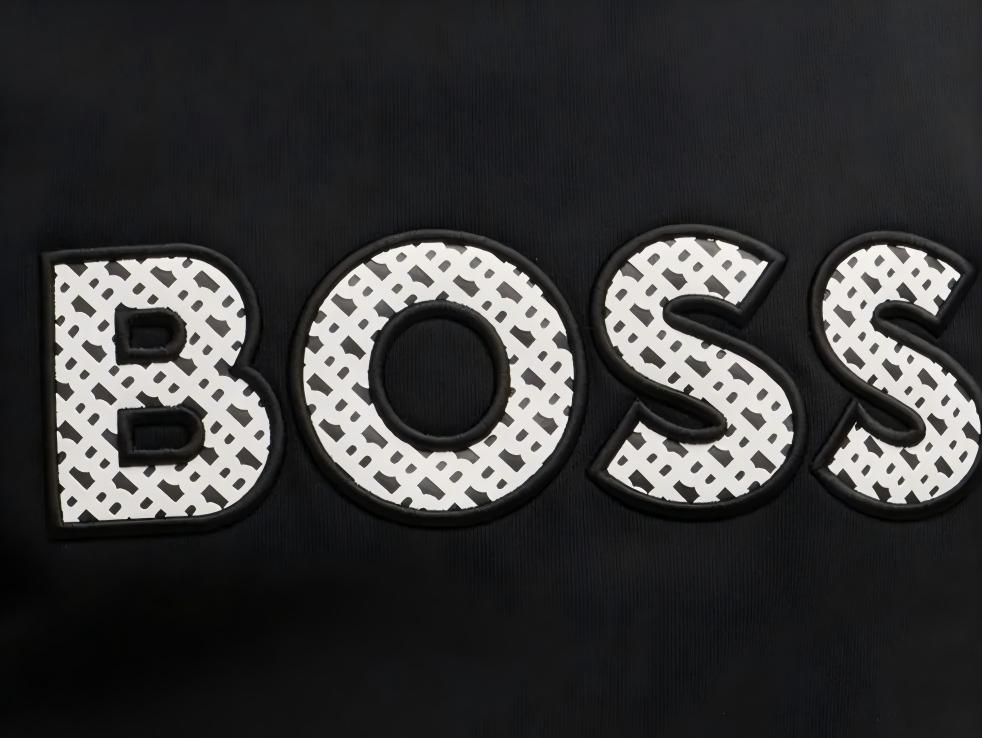
Begin with sketches, digital mock-ups, or reference garments that define your sequin embroidery placement, density, and color palette. ZORWILD’s design team converts inspiration photos and hand-drawn concepts into production-ready tech packs, specifying sequin size (3mm, 5mm, or custom), thread type, and garment base fabric.
This phase typically requires 2–3 days for initial consultation and 3–5 days for tech pack finalization, depending on design complexity and revision rounds.
Artwork Digitizing and File Preparation
Vector files or high-resolution artwork are digitized into embroidery machine code, mapping sequin feed paths, stitch density (typically 4,000–6,000 stitches per square inch for sequin embroidery), and color sequences. ZORWILD’s digitizing team ensures proper underlay stitching to stabilize fabric and prevent puckering during sequin application.
Digitizing for a standard logo or graphic takes 1–2 days; complex multi-color designs with gradient sequin placement may require 3–4 days and sample test runs.
Material and Sequin Selection
Choose garment fabric—cotton jersey, French terry, fleece, or satin—based on end-use and brand positioning. Sequin type (flat PVC, holographic, matte, or metallic) and color are matched to Pantone references or physical swatches provided by the client.
ZORWILD sources fabrics from trusted Dongguan and Guangdong suppliers, offering GSM ranges from 180 g/m² lightweight jersey to 400 g/m² heavyweight fleece. Material confirmation and procurement take 3–5 days for stock fabrics, 7–10 days for custom-dyed or specialty materials.
Sample Production and Approval
A pre-production sample demonstrates sequin embroidery quality, garment fit, wash durability, and finishing details. Clients review stitch tension, sequin alignment, thread color accuracy, and overall construction before approving bulk orders.
Sample turnaround is 5–7 days for standard garments with sequin embroidery, 10–12 days for complex multi-decoration pieces combining embroidery, printing, and wash effects. ZORWILD allows one free revision round; additional samples incur material and labor costs.
Bulk Order Placement and Production
After sample approval, bulk production begins with fabric inspection, pattern cutting, sewing, sequin embroidery application, garment washing (if specified), and finishing. ZORWILD’s 200-worker facility handles 100,000+ units monthly, with 50-piece minimums allowing brands to launch multiple colorways or test seasonal collections.
Production lead time for sequin embroidery orders is 15–20 days for 50–500 pieces, 25–30 days for 1,000–5,000 pieces, depending on design complexity and current factory workload.
Quality Inspection and Logistics
Final inspection covers sequin attachment strength, thread trimming, measurement accuracy (±1 cm tolerance), print registration, and packaging compliance. ZORWILD conducts in-line and final AQL 2.5 inspections, photographing any defects for client review before shipment.
Shipping via express courier (DHL, FedEx) takes 3–5 days; sea freight to North America or Europe requires 20–30 days. ZORWILD provides export documentation, customs support, and door-to-door logistics coordination to minimize delays.
10. Sequin Embroidery Pricing and Cost Breakdown
Sequin embroidery pricing follows quantity tiers, with 50-piece orders typically ranging $8–15 per garment, 100-piece runs $6–12, 500-piece batches $4–8, and 1,000+ units $3–6 depending on design complexity and sequin type. Lead times scale from 18–25 days for startup orders to 12–18 days for bulk production, reflecting digitizing, material procurement, and finishing requirements.
Cost drivers include digitizing setup fees of $30–80 per design based on stitch count and sequin density, sequin material surcharges where standard PVC sequins add $0.50–1.20 per garment while holographic or metallic sequins add $1.50–3.00, thread color changes at $15–25 per additional color beyond the base palette, and backing material selection with tear-away backing included in base pricing while cut-away or water-soluble backings add $0.30–0.60 per piece.
Design complexity directly impacts per-piece cost through stitch count and sequin density. A simple logo with 3,000–5,000 stitches and 50–100 sequins costs $3–5 per garment at 500-piece volume, while intricate designs exceeding 15,000 stitches with 300+ sequins can reach $8–12 per piece due to longer machine time, higher material consumption, and additional quality control steps. ZORWILD’s 27 years of sequin embroidery experience enable accurate cost estimation during the tech pack review stage, helping brands budget effectively and avoid unexpected surcharges during production.
| Quantity Tier | Price per Unit (USD) | Lead Time (Days) |
|---|---|---|
| 50 pieces | $8–15 | 18–25 |
| 100 pieces | $6–12 | 16–22 |
| 500 pieces | $4–8 | 14–20 |
| 1,000+ pieces | $3–6 | 12–18 |
Ready to Add Sequin Embroidery to Your Collection?
Start from just 50 pieces. Submit your artwork today for a free quote and fast turnaround on premium sequin embroidery.
- Custom Shirts
- Custom Hoodies
- Custom T Shirts
- Custom Dresses
- Custom Sweatshirts
- Custom Jackets
- Custom Varsity Jackets
- Custom Polo Shirts
- Custom Shorts
- Custom Dress Shirts
- Contact