
Anti-Counterfeit Labels That Secure Your Brand & Products
Protect your apparel brand from counterfeiting with advanced anti-counterfeit labels featuring QR codes, holographic security, and tamper-proof technology. ZORWILD integrates brand protection into every custom hoodie, T-shirt, jacket, and garment we manufacture.
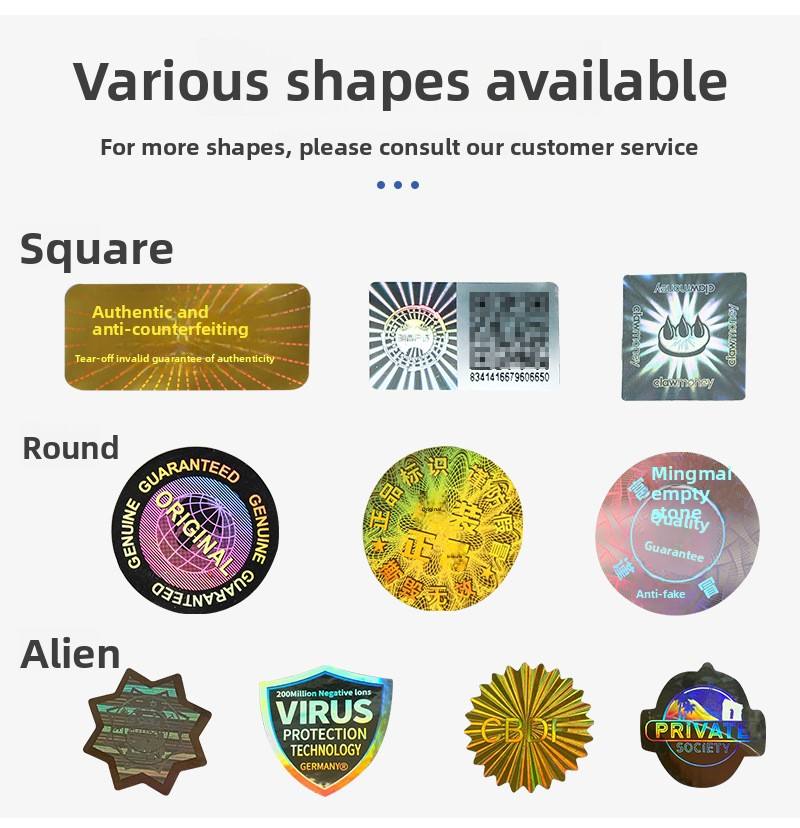
Anti-Counterfeit Label Styles & Technologies
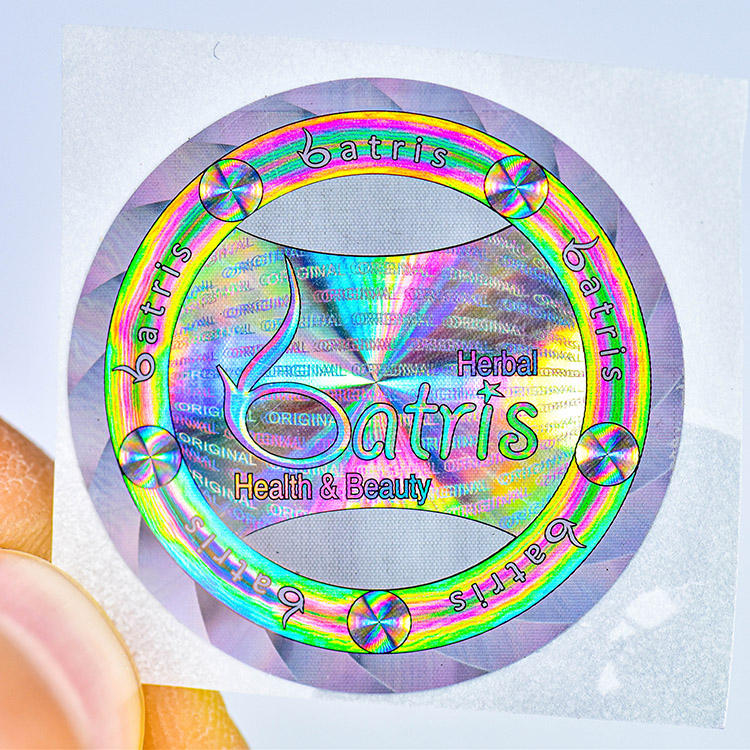
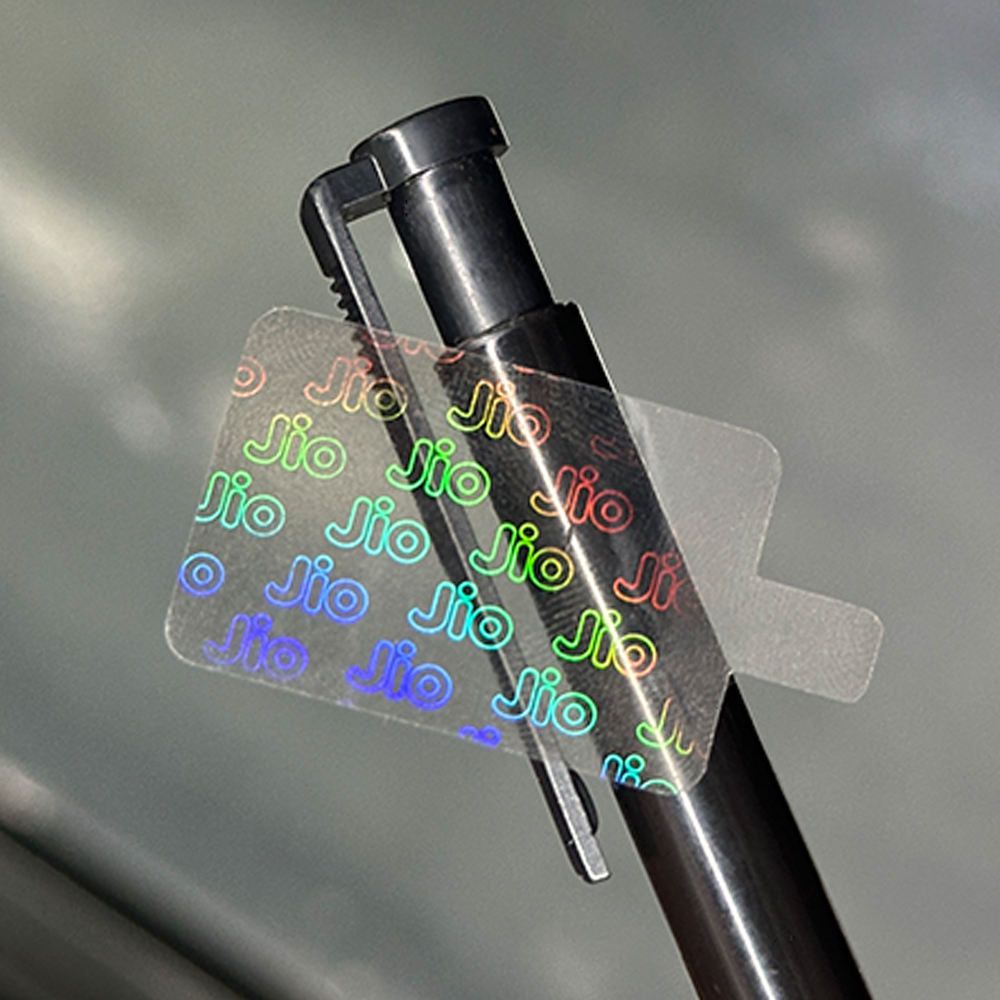
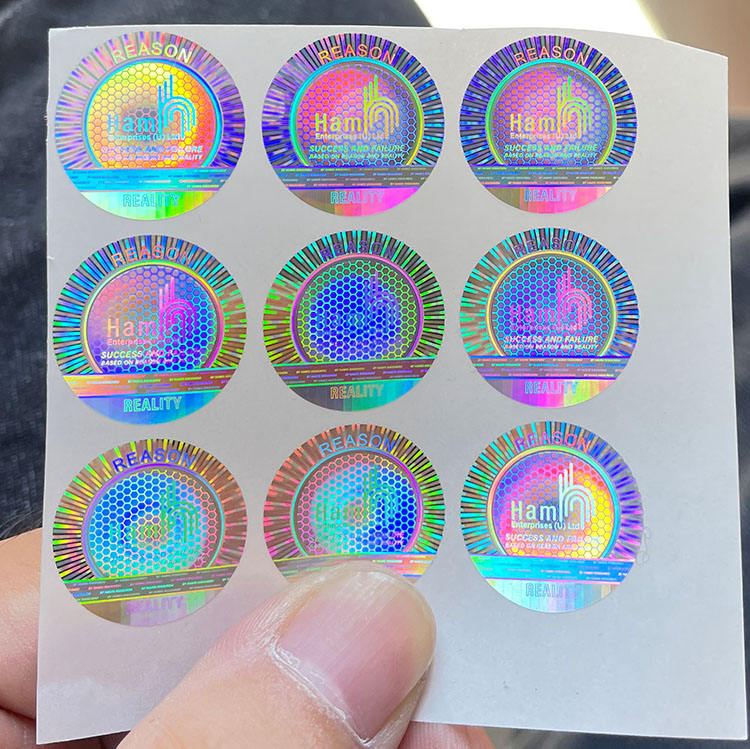
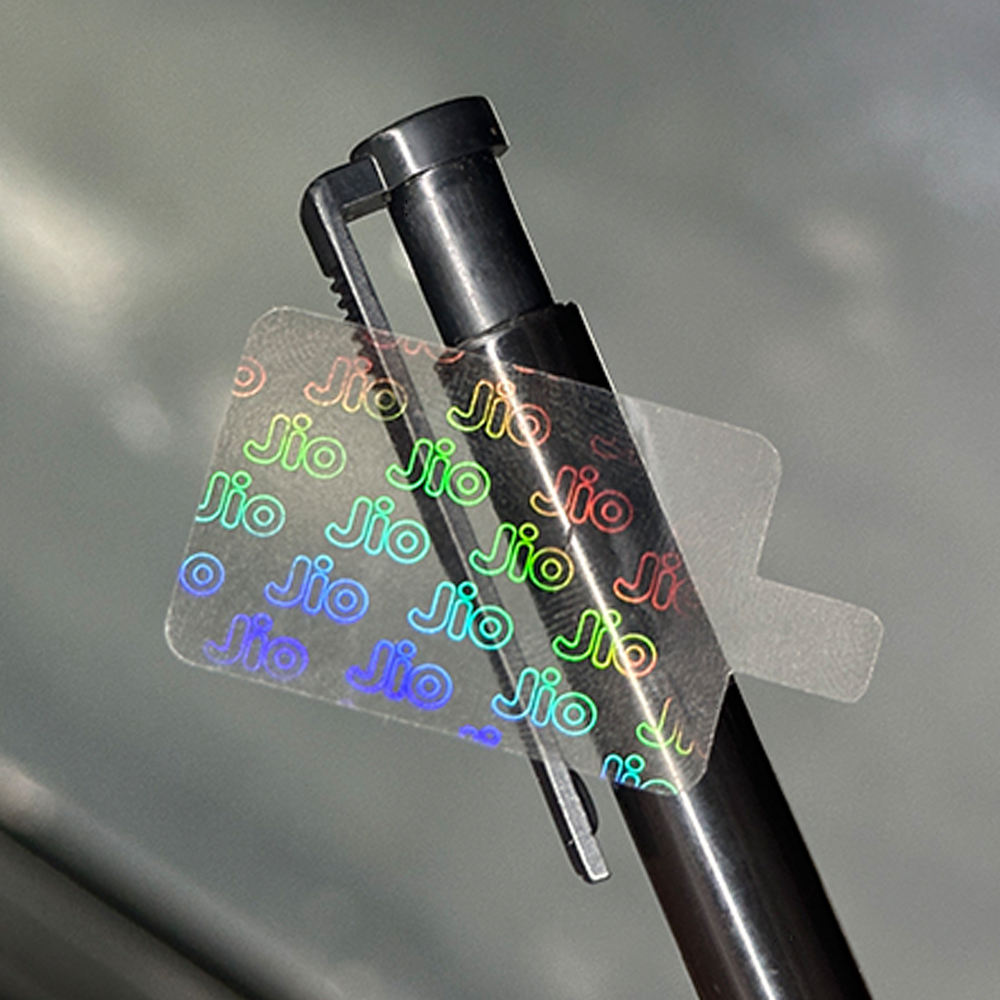
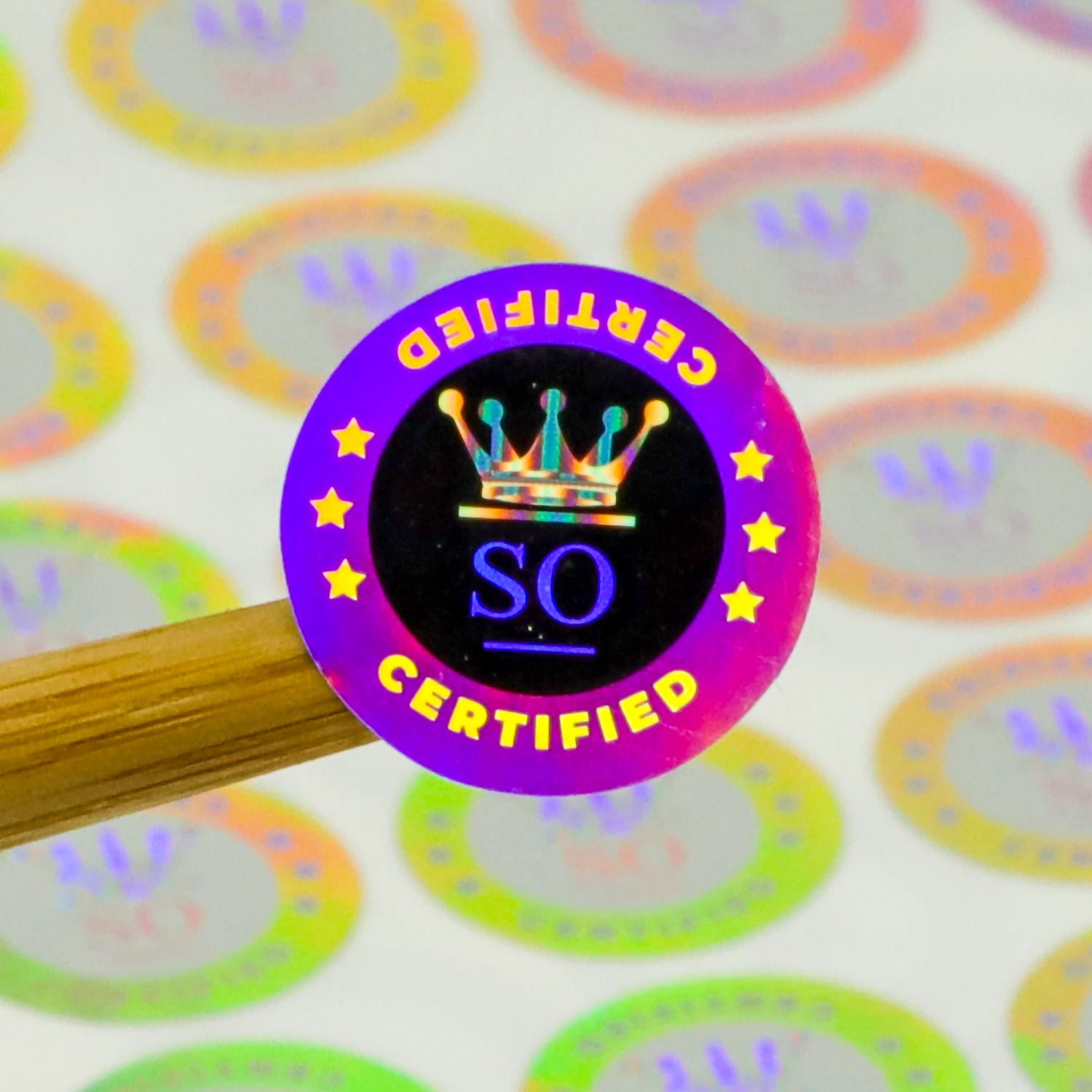
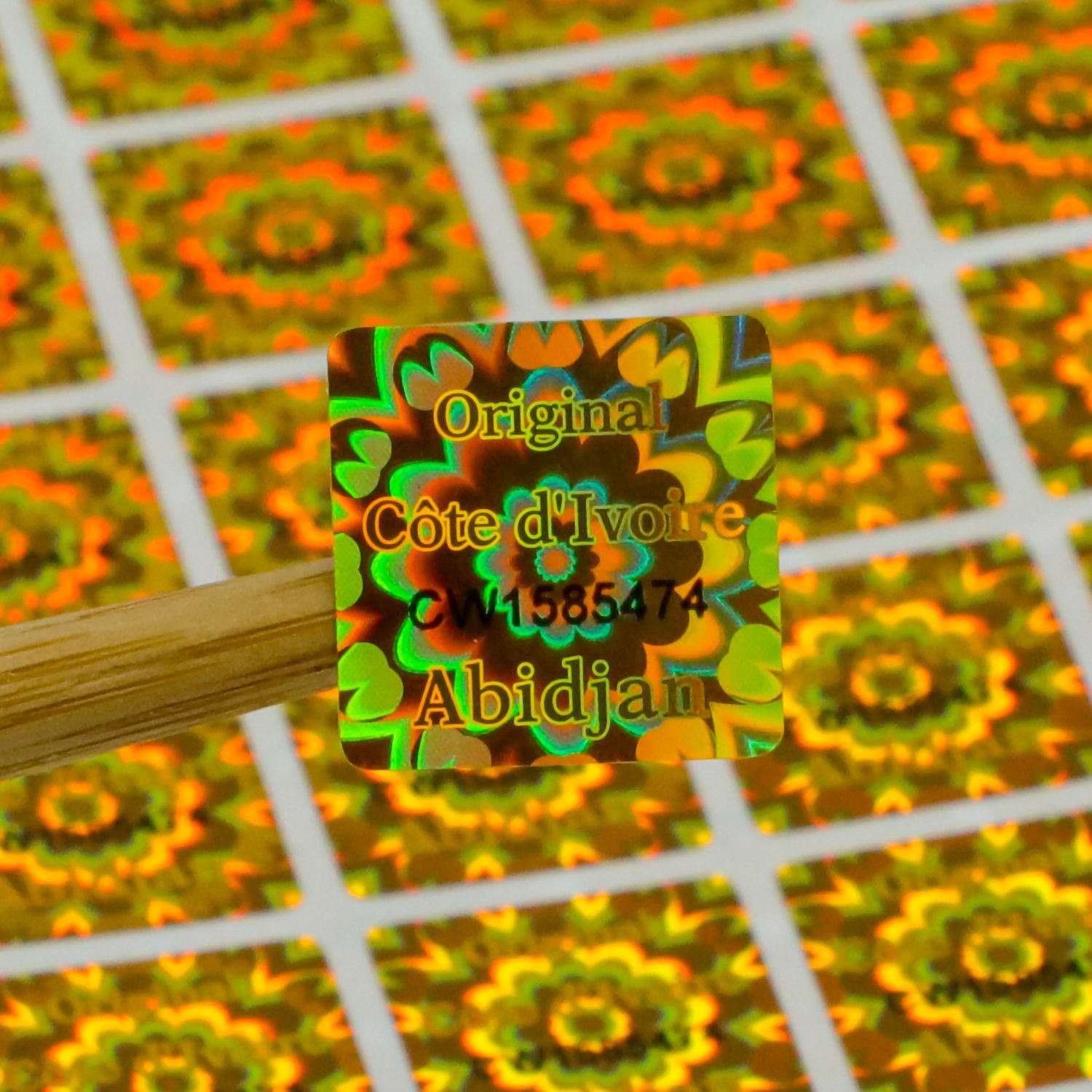
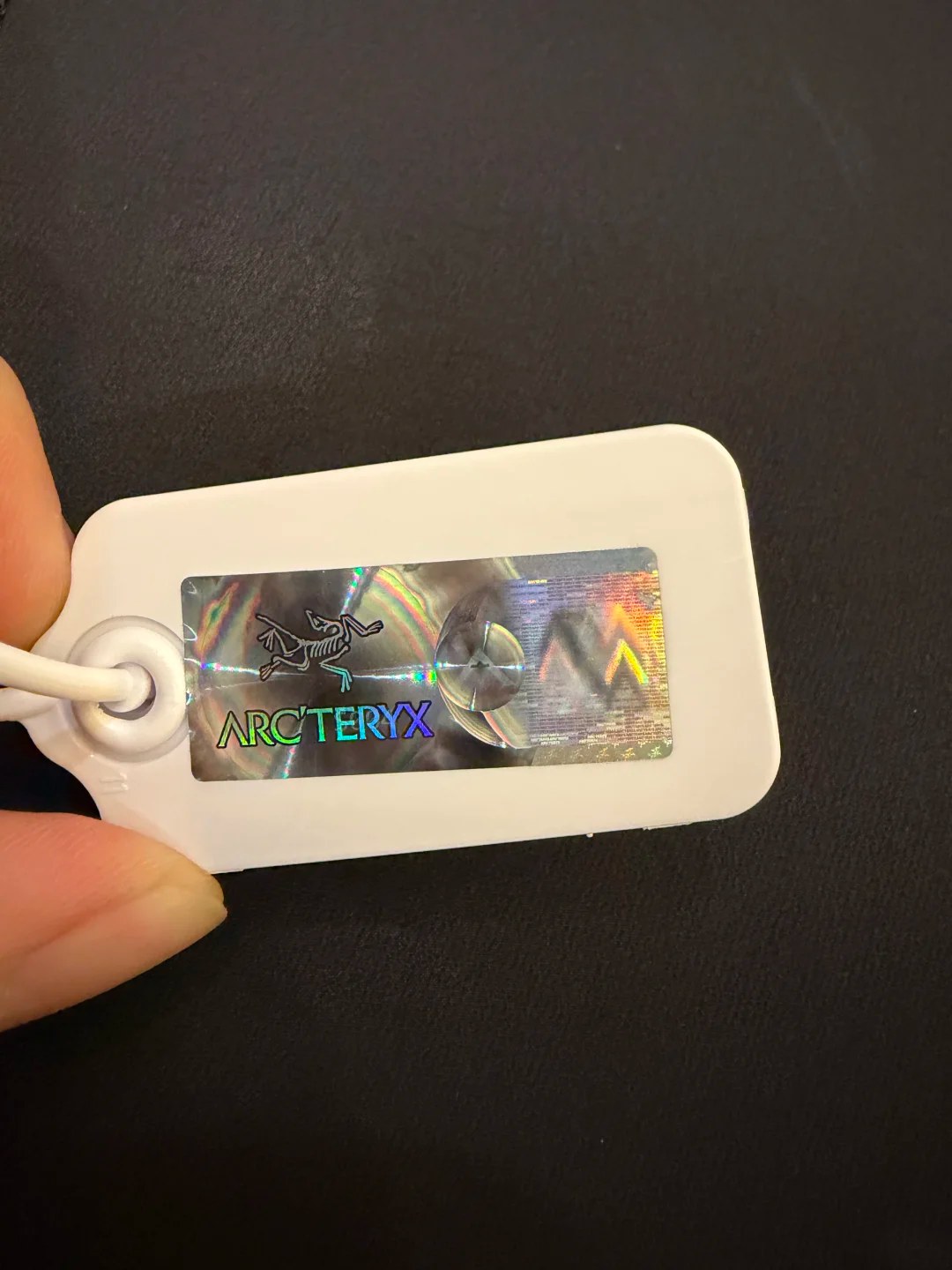
Why Anti-Counterfeit Labels Matter for Your Brand
Protect your reputation, build customer trust, and secure your premium market position with professional anti-counterfeit label solutions integrated into ZORWILD’s custom apparel manufacturing services—from custom hoodies and T-shirts to jackets and activewear.
Brand Reputation Protection
Anti-counterfeit labels defend your brand identity against unauthorized copies, ensuring customers receive authentic products that meet your quality standards every time.
Build Consumer Confidence
Verifiable security features let customers authenticate purchases instantly, increasing trust and loyalty while reducing returns from counterfeit concerns.
Legal Compliance Support
Meet regional trademark protection requirements and regulatory standards with traceable anti-counterfeit labels that document product authenticity throughout distribution.
Supply Chain Transparency
Track products from factory to customer with serialized anti-counterfeit labels, identifying unauthorized sellers and protecting your authorized distribution network.
Premium Market Advantage
Signal quality and exclusivity with professional security labels that differentiate your brand in competitive markets and justify premium pricing strategies.
Data-Driven Brand Insights
Collect valuable customer engagement data through scan-enabled labels, revealing geographic trends, authentication patterns, and purchasing behavior for smarter decisions.
Anti-Counterfeit Labels & Custom Apparel Branding Solutions
Custom Labels & Tags
Complete labeling and branding solutions for apparel manufacturers seeking cohesive brand identity. ZORWILD provides woven labels, printed labels, silicone labels, hang tags, and custom packaging to elevate product presentation. Our Humen facility integrates all trim customization in-house, ensuring consistency across 50-piece startup runs to 100,000+ unit production cycles for professional brands.
Get a Quote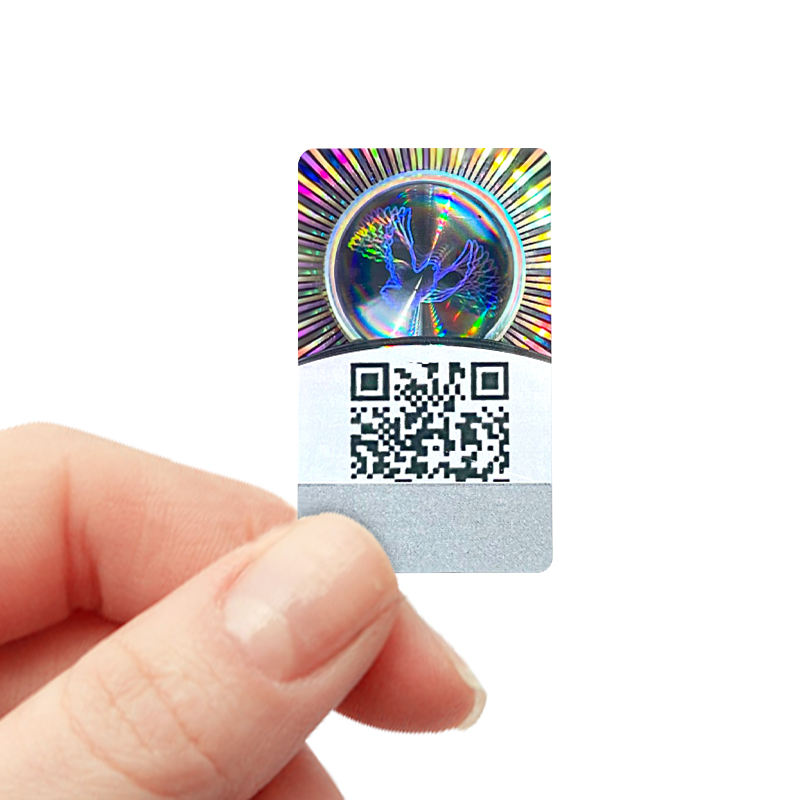
Main Label
Custom woven and printed main labels that establish brand identity at the garment neckline or interior seam. We support satin woven labels, damask labels, printed fabric labels, and folded center labels with precise logo reproduction, thread color matching, and durable construction. Available for all apparel categories from hoodies to dresses with low MOQ flexibility starting at 50 pieces.
Get a Quote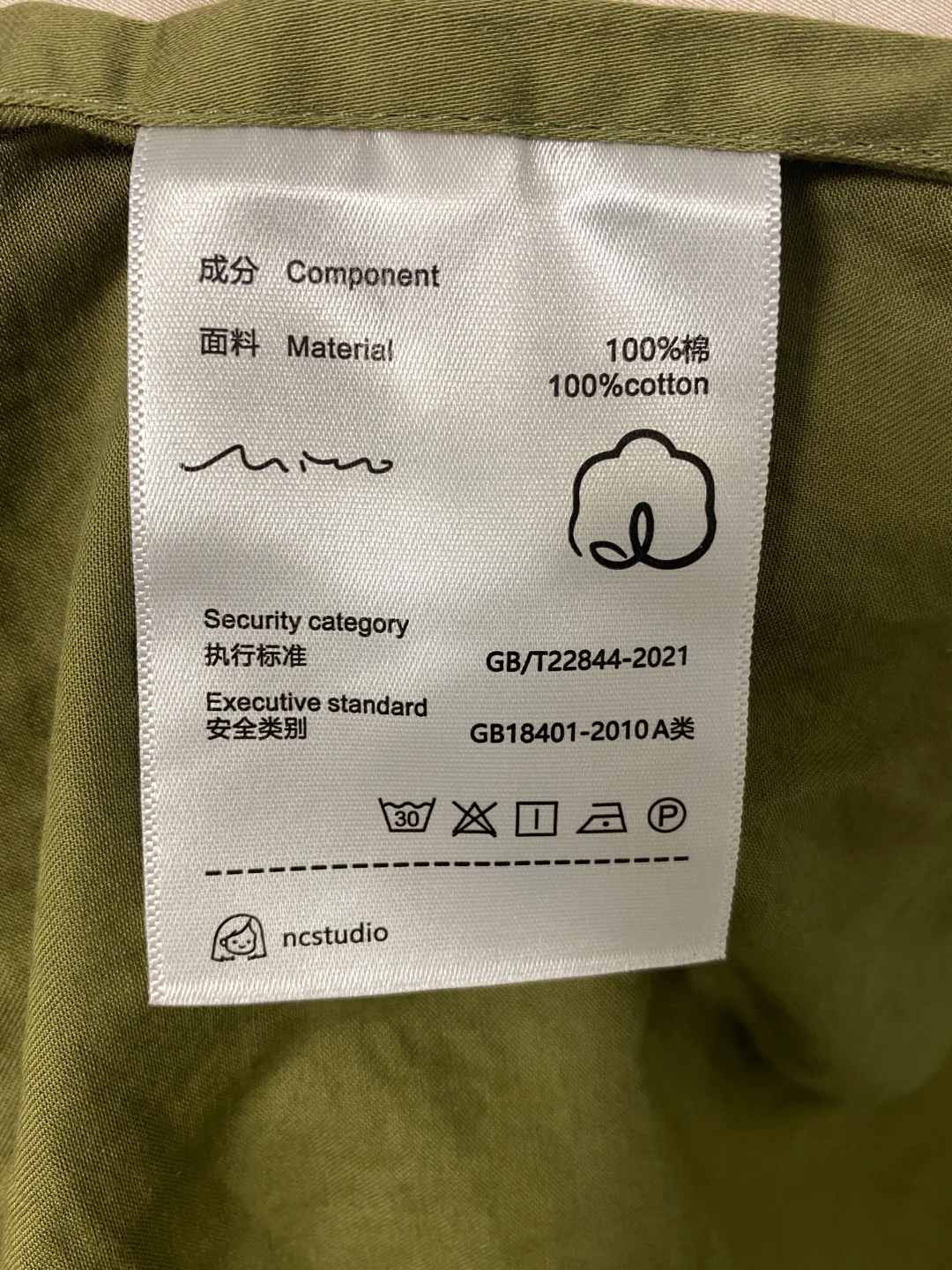
Wash / Care Label
Durable wash and care instruction labels compliant with international textile regulations for US, EU, UK, and global markets. ZORWILD produces printed satin care labels, woven care labels, and heat transfer care labels with accurate fiber content, laundering symbols, and multi-language text. Integrated into our 6-stage quality control system to ensure regulatory compliance and customer safety.
Get a Quote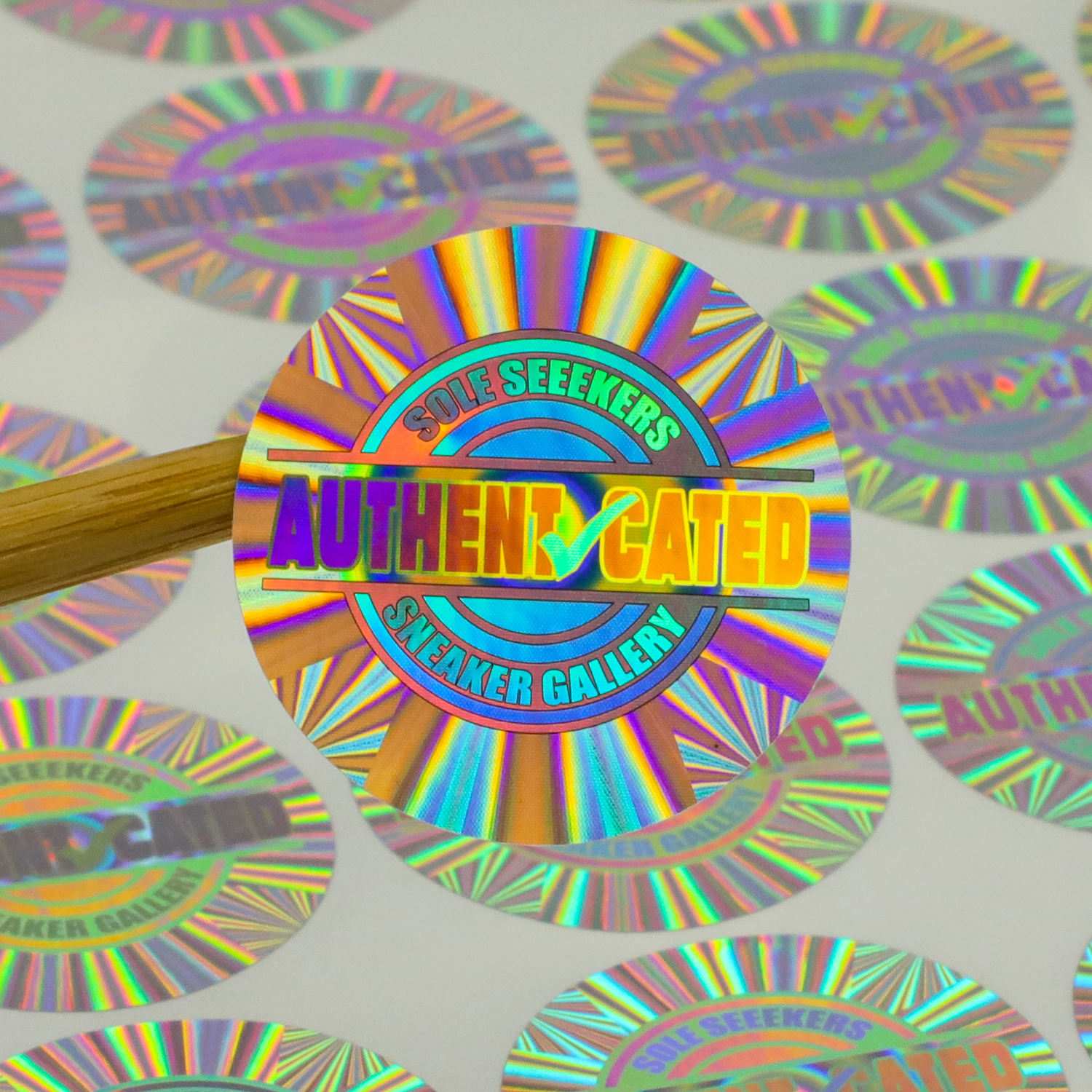
Size Label
Custom size labels and size tags designed for clear garment identification and professional retail presentation. We manufacture woven size labels, printed size tabs, and heat transfer size markings in standard sizing systems including US, EU, UK, and Asian measurements. Essential for wholesalers, retailers, and DTC brands requiring inventory management and customer clarity across product lines.
Get a Quote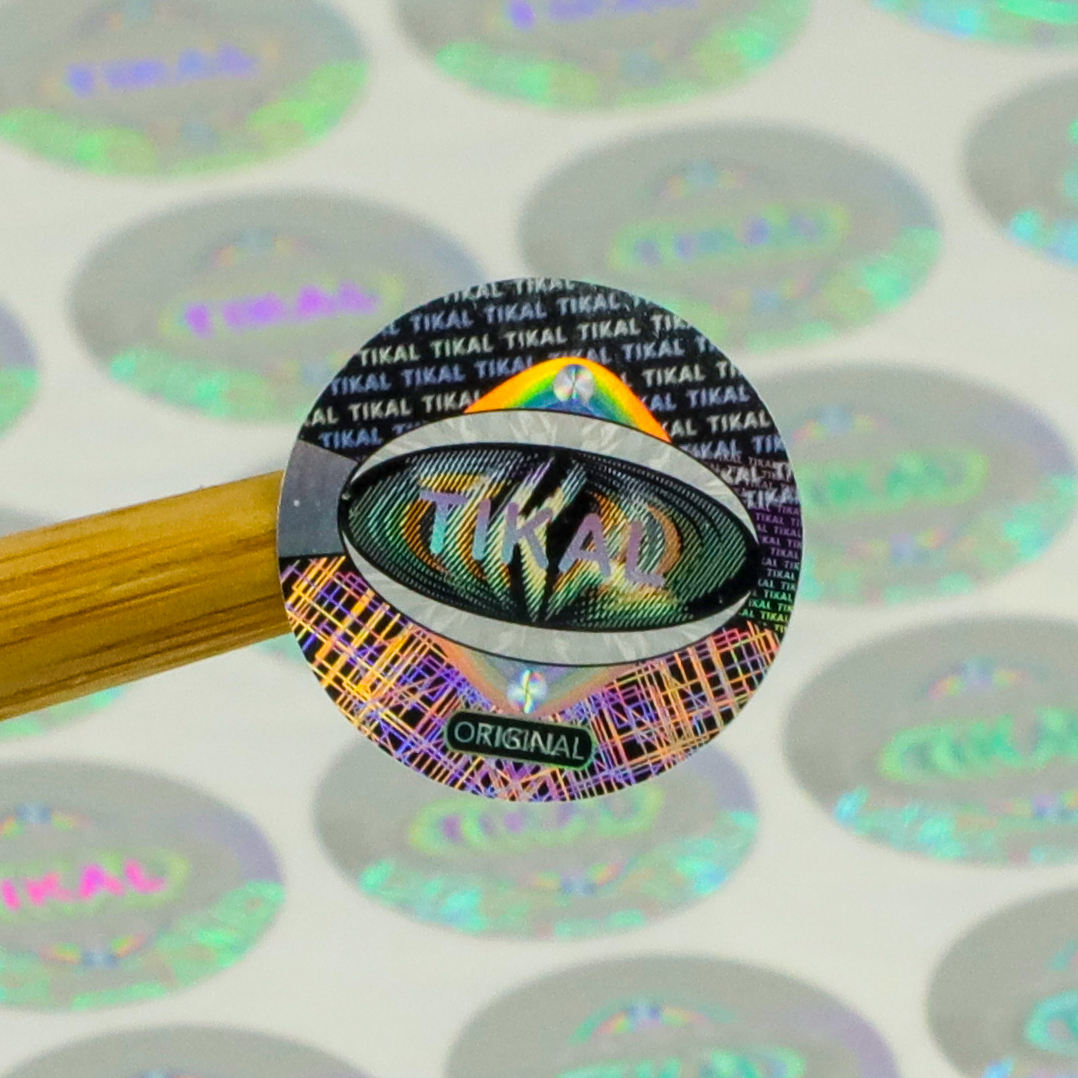
Made-In Label
Country-of-origin labels indicating manufacturing location for customs compliance and brand transparency. ZORWILD produces Made-In-China labels, country tags, and origin markings in woven, printed, or heat transfer formats. Our 27 years of export experience ensures accurate documentation and labeling that meets import requirements for the United States, Canada, Europe, Australia, and Middle Eastern markets.
Get a Quote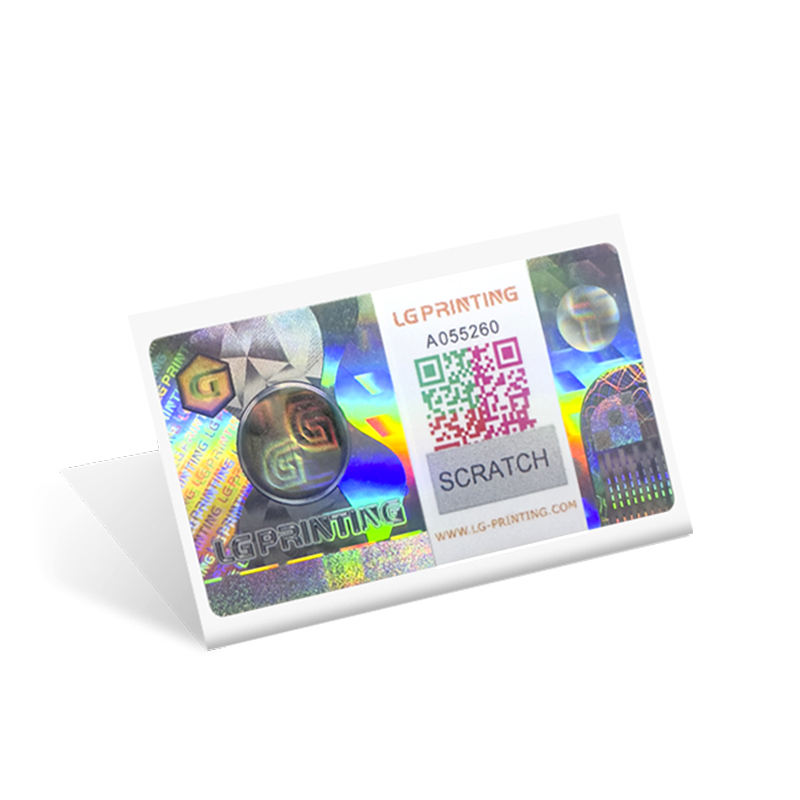
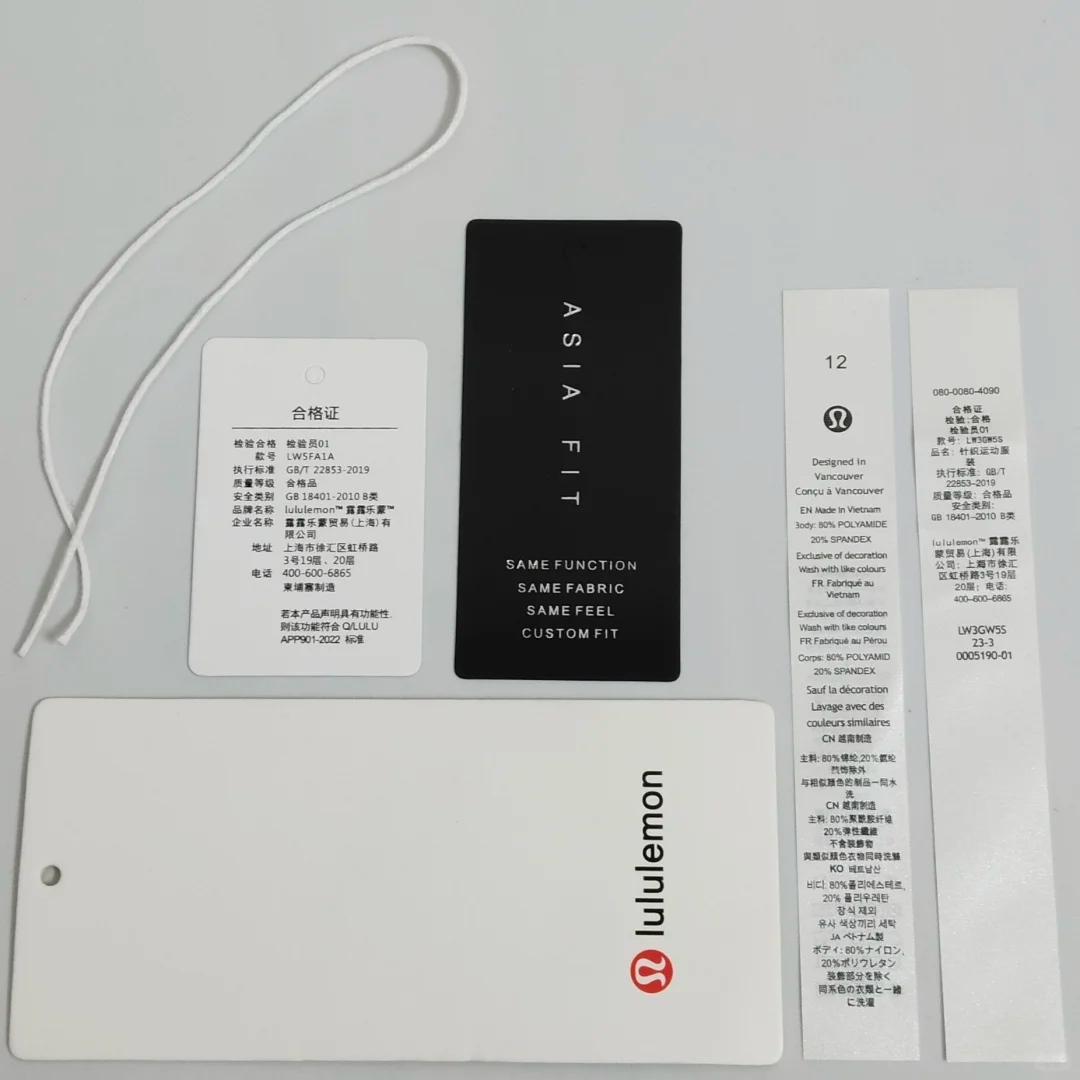
Hang Tag
Custom hang tags and swing tickets that communicate brand story, product details, and pricing at point of sale. We coordinate design, printing, die-cutting, string attachment, and barcode integration for paper hang tags, cardstock tags, and premium branded tags. Full customization supports startup brands and established labels with packaging that enhances unboxing experience and retail presentation.
Get a Quote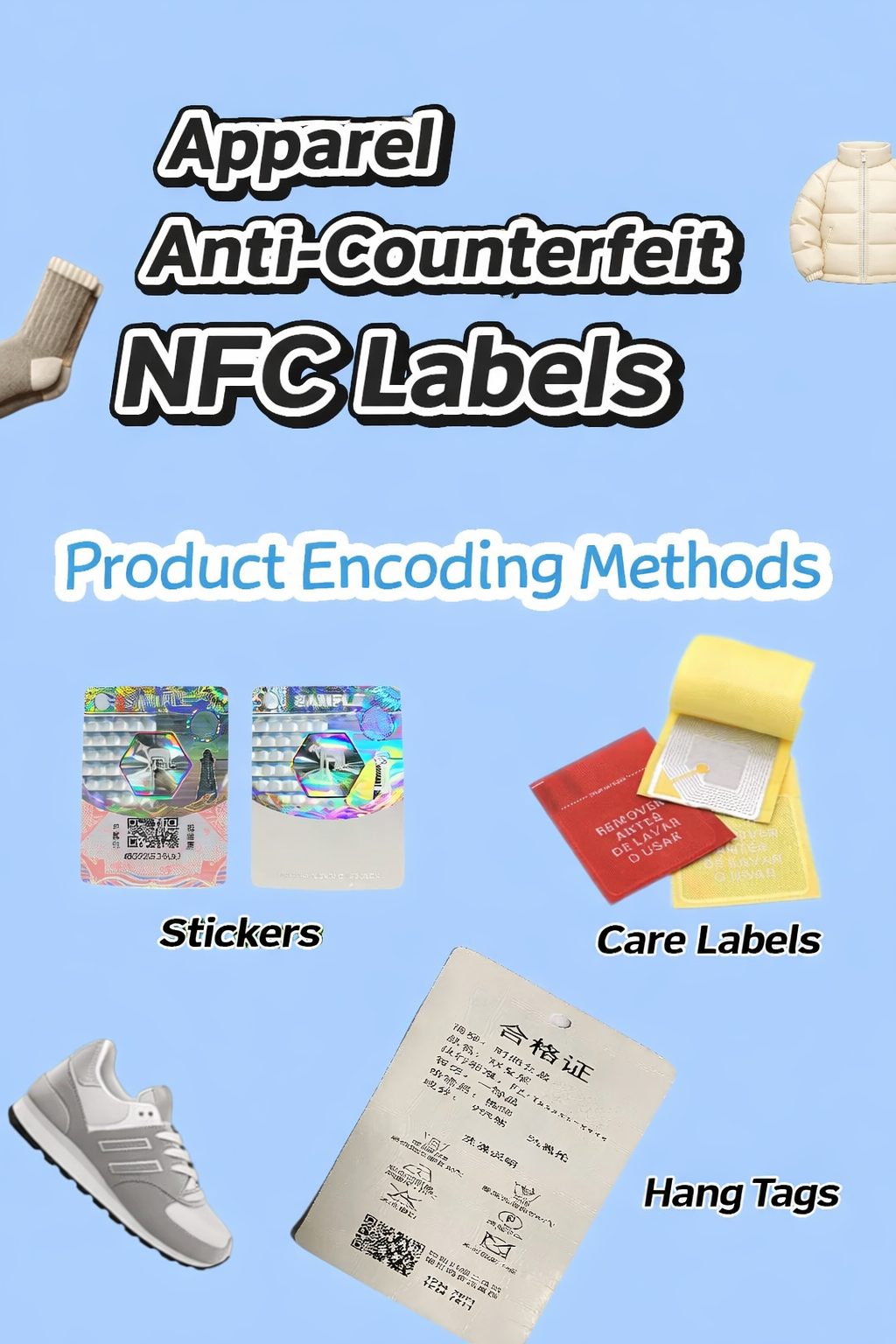
Barcode Label
Printed barcode labels and SKU tags for inventory tracking, warehouse management, and retail scanning systems. ZORWILD applies barcode stickers, sewn-in barcode labels, and heat transfer barcodes compatible with EAN, UPC, and custom SKU formats. Essential for wholesalers, retailers, and brands managing multi-channel distribution with accurate product identification and supply chain visibility.
Get a Quote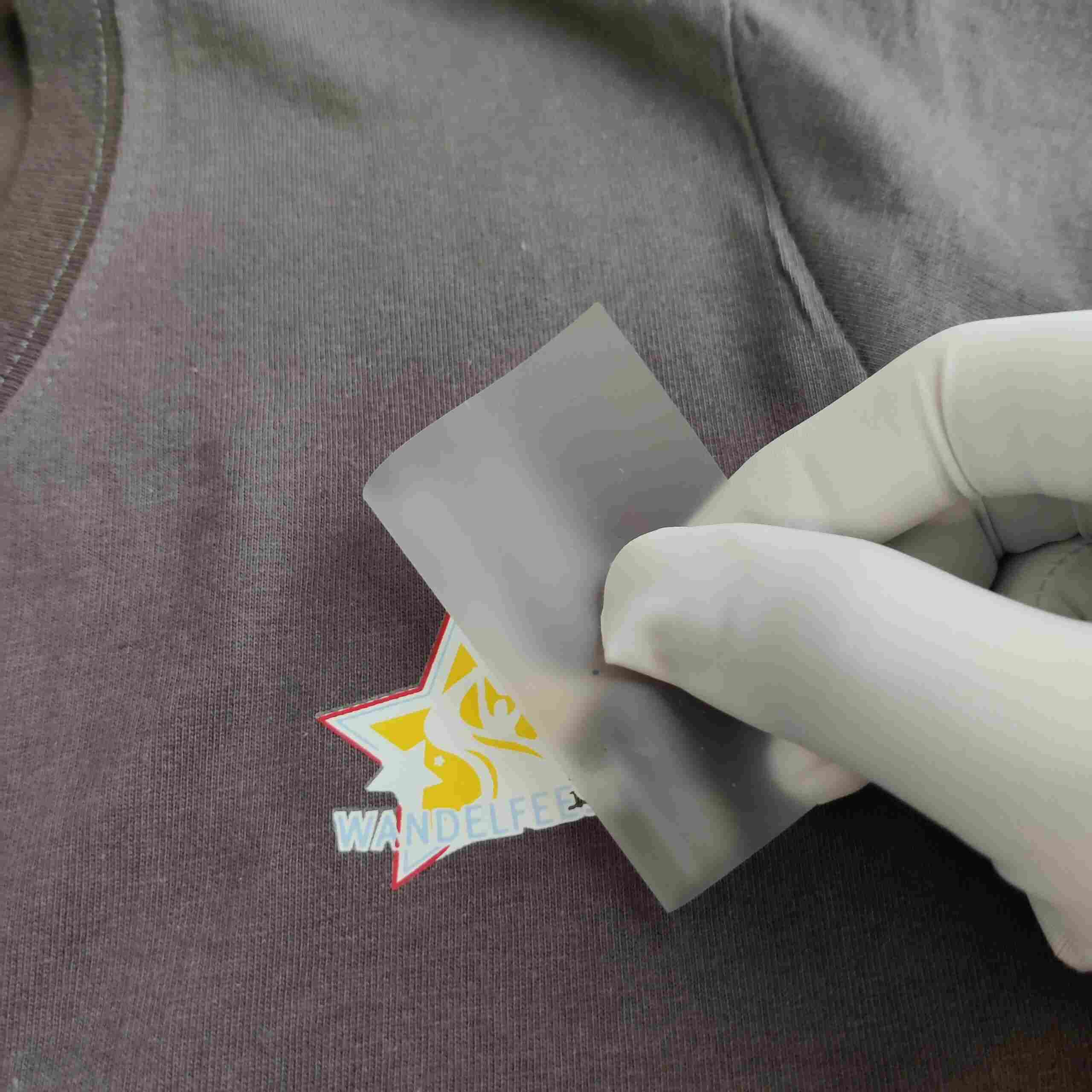
Heat Transfer Label
Heat transfer labels offering tagless comfort and modern branding for premium streetwear and activewear collections. Our facility applies silicone heat transfer labels, rubber prints, and soft polymer labels with brand logos, care instructions, and size information directly onto garment interiors. Ideal for hoodies, T-shirts, sportswear, and luxury casualwear where traditional sewn labels compromise comfort.
Get a Quote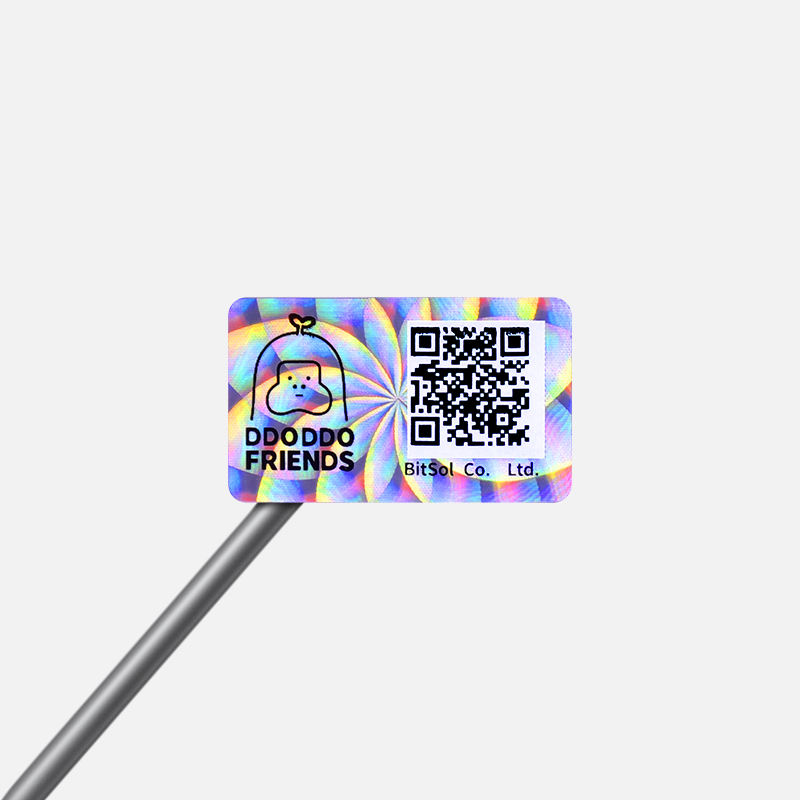
RFID Tag
RFID tags and smart labels for advanced inventory management, anti-counterfeit protection, and supply chain transparency. ZORWILD integrates washable RFID tags, sewn-in RFID labels, and hang tag RFID solutions for brands requiring real-time tracking, authentication verification, and loss prevention. Supports professional teams, established fashion brands, and wholesalers managing large-scale production and global distribution networks.
Get a QuoteZORWILD's Anti-Counterfeit Label Expertise
Founded in 1998 in Humen, Dongguan, ZORWILD has grown from a family garment workshop into a trusted full-service apparel manufacturer serving over 2,000 brands worldwide. With 27 years of experience, we understand that brand protection starts with the details—which is why we integrate anti-counterfeit label solutions directly into our manufacturing process.
Our in-house capabilities span 95% of modern garment decoration techniques, including screen printing, embroidery, DTG printing, and custom woven labels, printed labels, holographic tags, QR code integration, and security features that help brands combat counterfeiting. From startup collections of 50 pieces to large-scale runs exceeding 100,000 units monthly, we deliver consistent quality and secure branding across custom hoodies, custom T-shirts, custom jackets, and all apparel categories.
Every anti-counterfeit label we produce undergoes our rigorous 6-stage quality control system, ensuring authenticity markers are accurate, durable, and seamlessly integrated into your garments. Whether you’re an emerging influencer brand or an established international label, ZORWILD provides the manufacturing expertise and brand protection tools you need to safeguard your reputation.

Anti-Counterfeit Label Production & Security Features
Serialization & QR Code Integration Systems
Every anti-counterfeit label features unique serialization with encrypted QR codes that enable instant product authentication. Our Humen facility integrates variable data printing with secure database systems to ensure each label carries traceable, tamper-proof identification that protects your brand across global markets.
- Unique serial numbers generated for every single label with encrypted database tracking
- QR codes linked to secure verification portals for instant consumer authentication
- Variable data printing capabilities supporting millions of unique label variations
- Integration with brand protection platforms and track-and-trace systems
Holographic Foil & Security Thread Application
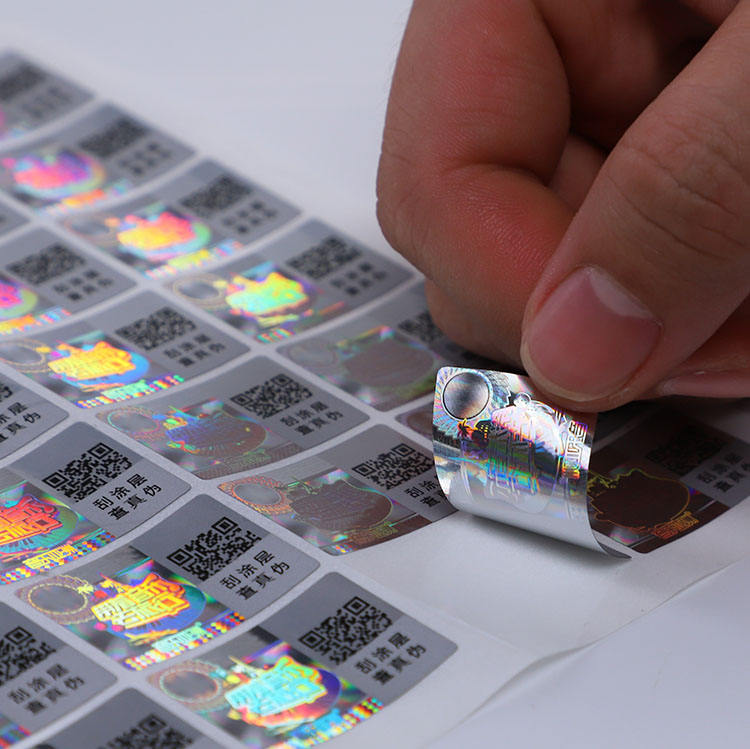
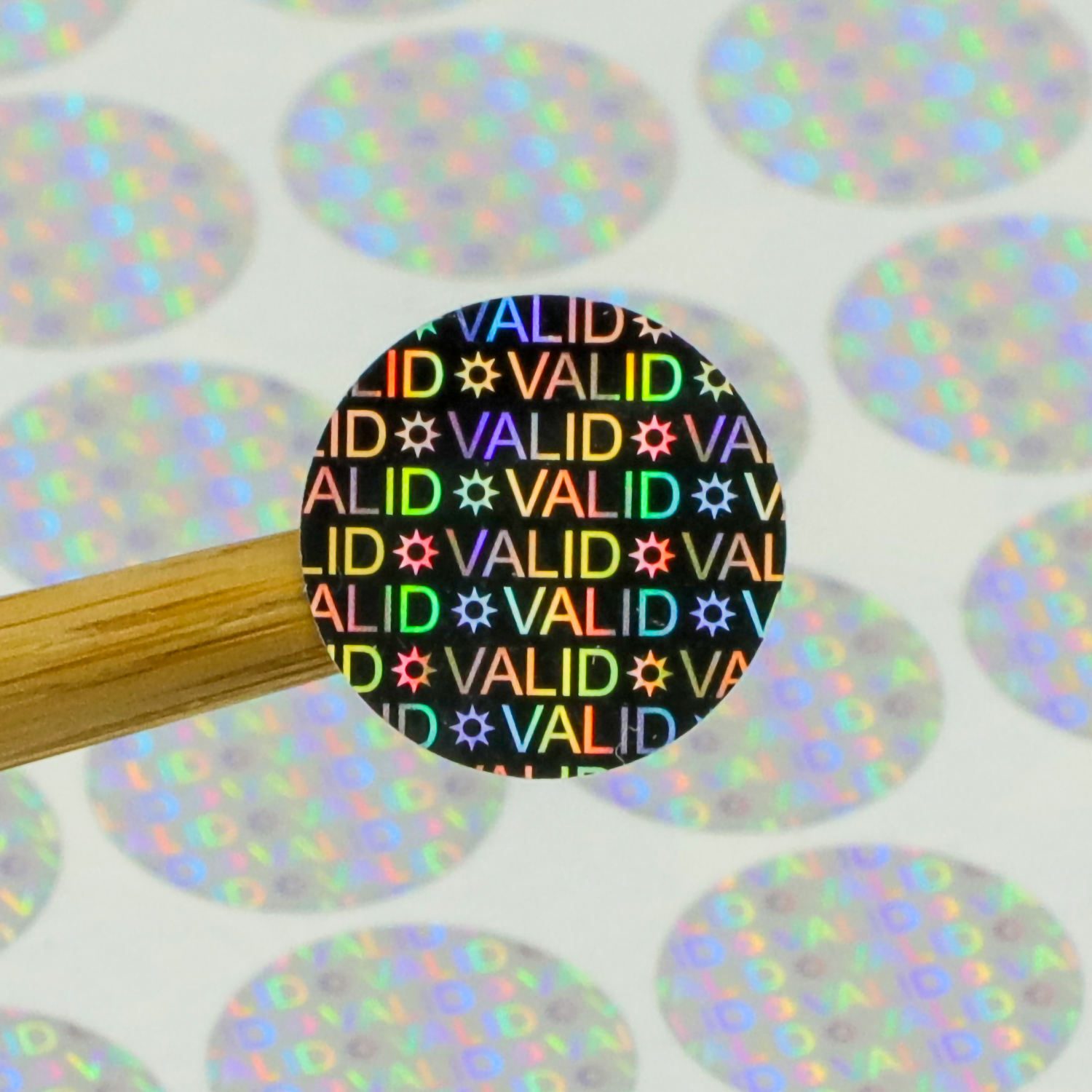
ZORWILD applies premium holographic foils and embedded security threads using specialized equipment that creates visually striking, impossible-to-replicate effects. These advanced decoration techniques leverage our 27 years of craftsmanship expertise to deliver multi-layer security features that deter counterfeiters and reassure customers.
- Custom holographic patterns designed exclusively for your brand identity
- Heat-applied metallic foils with micro-text and hidden image technology
- Embedded fiber-based security threads visible under UV or specific lighting conditions
- Multi-angle color-shift effects that change appearance based on viewing angle
Tamper-Evident Adhesive & Durability Engineering
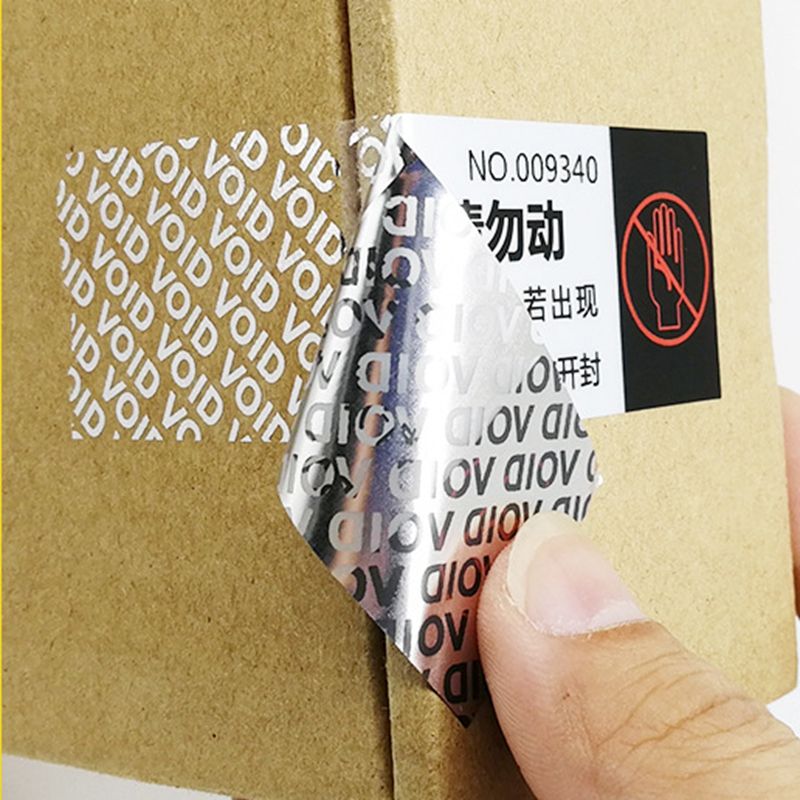
Our anti-counterfeit labels use pharmaceutical-grade tamper-evident adhesives that fragment upon removal attempts, leaving clear VOID patterns or residue. Combined with weather-resistant materials tested through our 6-stage quality control system, these labels maintain integrity through shipping, storage, and customer handling across diverse climates.
- Destructible vinyl and specialty papers that shred when removal is attempted
- VOID pattern adhesives that leave permanent evidence of tampering on surfaces
- Water-resistant, UV-stable materials tested for outdoor and harsh environment durability
- Adhesive strength calibrated for fabric, plastic, cardboard, and metal surface applications
Quality Control & Authentication Verification
Each batch of anti-counterfeit labels passes through rigorous inspection checkpoints including print accuracy verification, adhesive performance testing, holographic alignment checks, and serialization database validation. Our quality control specialists ensure every label meets security standards before integration into your 50-piece minimum or 100,000+ unit production runs.
- Print quality inspection using magnification to verify micro-text and fine detail accuracy
- Adhesive peel and tamper testing on target substrate materials before production approval
- Serialization database cross-checks ensuring no duplicate codes enter circulation
- Final visual inspection and packaging review to maintain label integrity during shipping
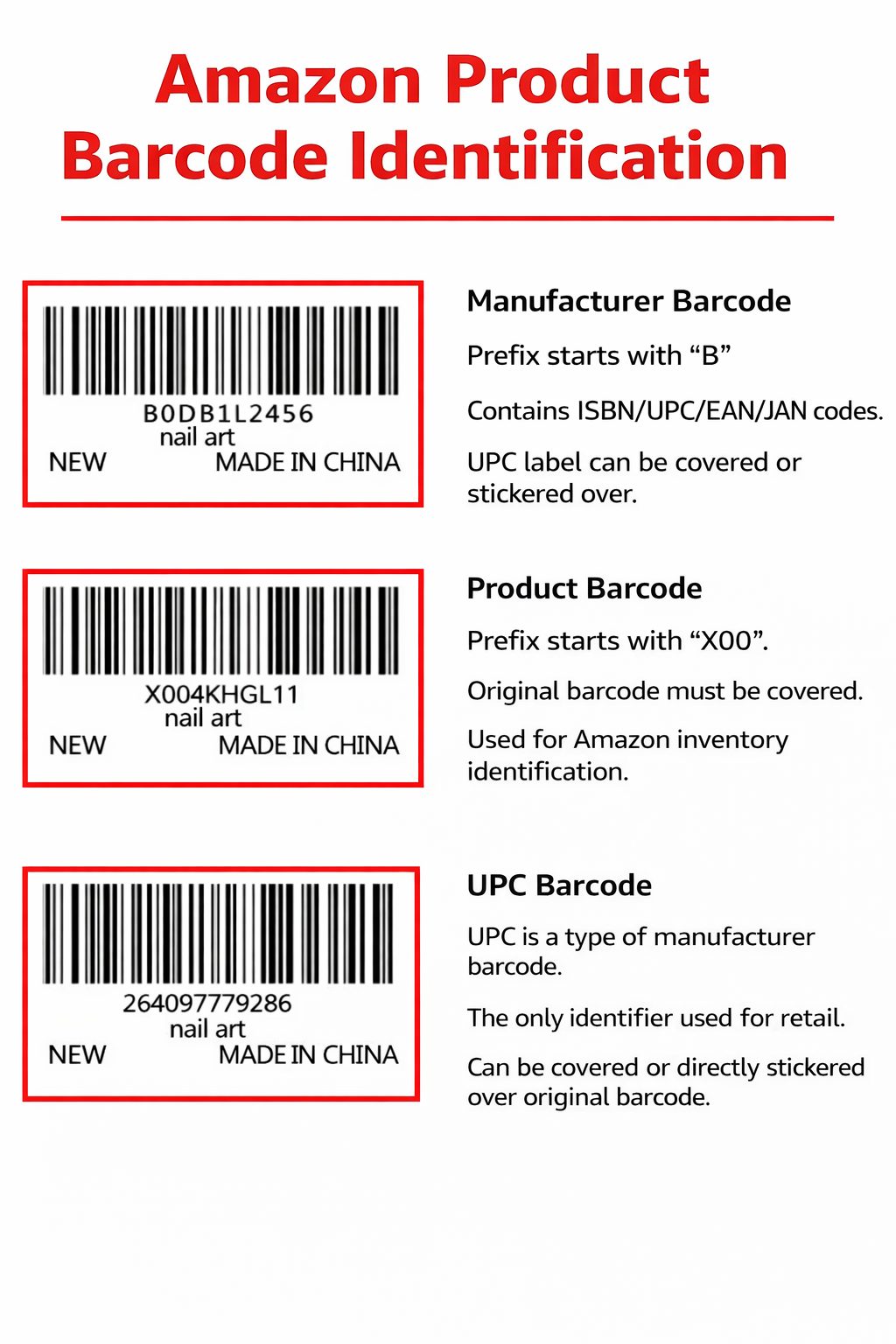
Anti-Counterfeit Labels vs. Standard Woven Labels
Anti-counterfeit labels offer advanced security features that standard woven and printed labels cannot replicate, helping protect your brand integrity and customer trust across wholesale and retail channels.
← 左右滑动查看 →
Anti-Counterfeit Label Manufacturing Process
ZORWILD’s 7-phase production system ensures every anti-counterfeit label delivers uncompromising security, visual integrity, and brand protection through specialized control points at each stage.
Artwork Digitization & Security Design
Your brand artwork is digitized and enhanced with security features including microtext, holographic patterns, UV elements, and unique serial structures. Design verification ensures all security layers integrate seamlessly with your brand identity while maintaining anti-counterfeit effectiveness.
Substrate Selection & Preparation
Specialized label substrates are selected based on application surface, durability requirements, and security technology compatibility. Material inspection verifies adhesive strength, tamper-evident properties, and substrate integrity before printing to ensure label performance and permanence.
Security Printing & Foiling
Advanced printing techniques apply visible and covert security features including holographic foil stamping, UV ink layers, microprinting, and color-shifting elements. Print quality inspection checks registration accuracy, foil adhesion, color consistency, and security feature clarity across every label.
Serialization & Encoding
Unique serial numbers, QR codes, or RFID encoding are applied to each label for individual product authentication and traceability. Digital verification systems confirm code readability, database synchronization, and serialization accuracy to prevent duplication and enable tracking.
Quality Verification & Testing
Comprehensive testing validates all security features including UV response, holographic clarity, code scanning reliability, tamper-evidence functionality, and adhesive performance. Random sampling and automated inspection systems ensure consistent quality across production batches.
Backing Application & Finishing
Protective backing is applied to preserve adhesive integrity during storage and shipping. Die-cutting creates precise label shapes and perforations for tamper-evident functionality. Edge finishing and slitting prepare labels for easy application with clean, professional edges.
Final Inspection & Packaging
Every label undergoes final visual inspection and functionality testing before secure packaging. Labels are organized by serial number ranges, packaged in tamper-evident containers, and shipped with authentication documentation and application guidelines to ensure complete brand protection.
How to Add Anti-Counterfeit Labels to Your Order
Integrating anti-counterfeit labels into your apparel production is straightforward with ZORWILD’s streamlined process. From security requirements to final verification, we handle every detail to protect your brand.
Submit Security Requirements and Artwork
Share your brand protection needs, preferred security features, label artwork, and serialization requirements with our team to design your custom anti-counterfeit label solution.
Confirm Placement and Serialization Specs
Review and approve label placement locations, serialization format, QR code integration, and holographic features before production begins to ensure complete brand protection.
Produce Alongside Main Garment Order
Your anti-counterfeit labels are manufactured and applied during your apparel production run, ensuring seamless integration with no delays to your timeline.
Verify Label Application During QC
Our six-stage quality control system inspects every label for correct placement, adhesion quality, serialization accuracy, and security feature integrity before shipment.
Customer Success Stories: Anti-Counterfeit Label Protection in Action
After adding ZORWILD’s anti-counterfeit labels to our streetwear line, we saw counterfeit incidents drop by 73% in six months. Our customers now verify authenticity instantly, and resale market trust has never been stronger.
We launched 2,000 hoodies with QR-based anti-counterfeit labels and tracked a 41% increase in customer confidence scores. The labels paid for themselves when we stopped three unauthorized sellers within weeks.
ZORWILD integrated holographic anti-counterfeit labels into our varsity jackets at just 50-piece MOQ. We identified 12 fake listings in 90 days and protected our reputation before damage spread. Absolutely essential for growing brands.
Anti-Counterfeit Labels: Frequently Asked Questions
What customization options are available for anti-counterfeit labels?
How durable are anti-counterfeit labels through washing and wear?
What file formats and specifications do I need to provide for anti-counterfeit labels?
Can anti-counterfeit labels include unique serial numbers or QR codes?
How do anti-counterfeit labels integrate with my other garment labels?
Will adding anti-counterfeit labels affect my production lead time?
What is the minimum order quantity for anti-counterfeit labels?
Can I use different anti-counterfeit label types across my product line?
How do anti-counterfeit labels help protect my brand in global markets?
The Complete Buyer’s Guide to Anti Counterfeit Label Solutions for Brand Protection
1. What Is an Anti Counterfeit Label and Why Your Brand Needs One
An anti counterfeit label is a physical or digital security feature applied to products or packaging that enables brands, distributors, and consumers to verify authenticity and trace origin. These labels typically integrate one or more technologies—such as holograms, QR codes, RFID tags, tamper-evident materials, microtext, or serialized barcodes—that are difficult or impossible for counterfeiters to replicate economically at scale. Authentication happens through visual inspection, smartphone scanning, or backend database verification.
Counterfeiting costs the global economy over $4.5 trillion annually, with apparel, pharmaceuticals, luxury goods, and electronics among the hardest-hit sectors. Brands face direct revenue loss when counterfeit products divert sales, but indirect damage is often greater: compromised customer safety, eroded brand equity, negative social media exposure, and potential legal liability when fake products fail or harm users. For apparel manufacturers like ZORWILD serving fashion brands across North America, Europe, and Asia, anti counterfeit labels protect both the brand owner’s reputation and the manufacturer’s credibility in competitive global supply chains.
Label-based authentication delivers faster ROI than embedded chips or blockchain solutions because labels cost $0.02 to $0.50 per unit, require no infrastructure changes, and integrate seamlessly into existing packaging and quality control workflows. High-value fashion collections, limited-edition streetwear drops, licensed merchandise, and wholesale shipments benefit most from serialized labels that enable track-and-trace verification at every distribution touchpoint.
2. The Evolution of Anti Counterfeit Label Technology
In the 1980s, the first generation of anti counterfeit label solutions relied on visible holograms and sequential serial numbers printed on paper or foil substrates. These early technologies provided basic visual authentication but were vulnerable to replication as printing equipment became more accessible. By the mid-1990s, brands began integrating tamper-evident adhesives and microtext printing to raise the barrier for counterfeiters.
The 2000s brought digital transformation with the introduction of QR codes and RFID tags embedded in security labels. In 2011, the EU Falsified Medicines Directive mandated serialization and tamper-evident seals across pharmaceutical supply chains, driving rapid adoption of track-and-trace label systems. The FDA followed in 2013 with the Drug Supply Chain Security Act, requiring unique product identifiers on prescription drugs by 2023. These regulatory milestones pushed manufacturers to adopt machine-readable anti counterfeit label technologies at scale.
Since 2018, blockchain-integrated labels and NFC chips have enabled real-time authentication via smartphone, allowing consumers and retailers to verify product authenticity instantly. AI-powered image recognition now analyzes label microfeatures, print patterns, and substrate textures to detect counterfeits with over 98% accuracy. Modern anti counterfeit label systems combine multiple layers—holographic overlays, encrypted QR codes, NFC tags, and blockchain ledgers—creating authentication ecosystems that are exponentially harder to replicate than single-feature labels of the past.
3. Types of Anti Counterfeit Label Technologies Explained
Modern anti counterfeit label solutions span six primary technology families, each offering distinct authentication mechanisms, security levels, and cost profiles. Selecting the right technology depends on product value, target market, supply chain complexity, and brand positioning.
Holographic Labels and Optical Security Features
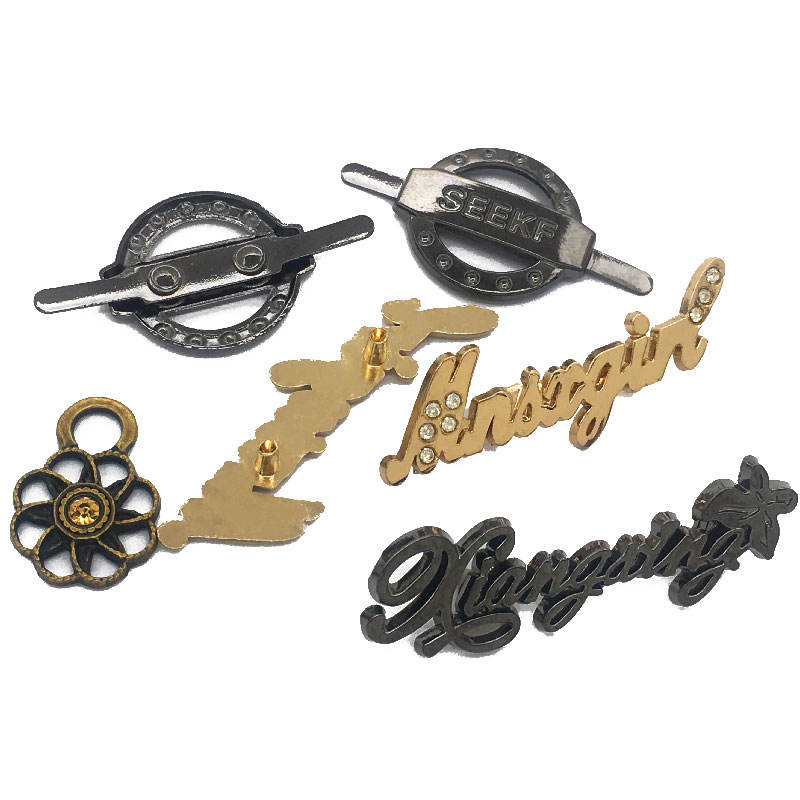
Holographic labels use laser-etched microstructures that produce rainbow-like light diffraction patterns impossible to replicate with standard printing equipment. Security levels range from basic 2D holograms ($0.02–0.05 per label) to advanced 3D holographic images with hidden microtext ($0.10–0.30 per label).
Ideal for apparel hang tags, luxury packaging, and high-visibility brand protection where consumers can authenticate products instantly without scanning devices. ZORWILD integrates holographic labels into custom hang tag systems for streetwear and premium fashion collections requiring visual security at retail touchpoints.
Tamper-Evident Seals and Destructible Labels
Tamper-evident seals fracture into fragments or leave ‘VOID’ patterns when removal is attempted, providing immediate visual proof of tampering. Materials include destructible vinyl, fragile paper substrates, and multi-layer constructions with adhesive residue patterns.
Cost ranges from $0.01–0.08 per seal depending on substrate complexity and custom printing requirements. Best suited for sealed packaging, warranty protection, and supply chain security where physical integrity verification is critical throughout distribution networks.
QR Code and Barcode Authentication Labels
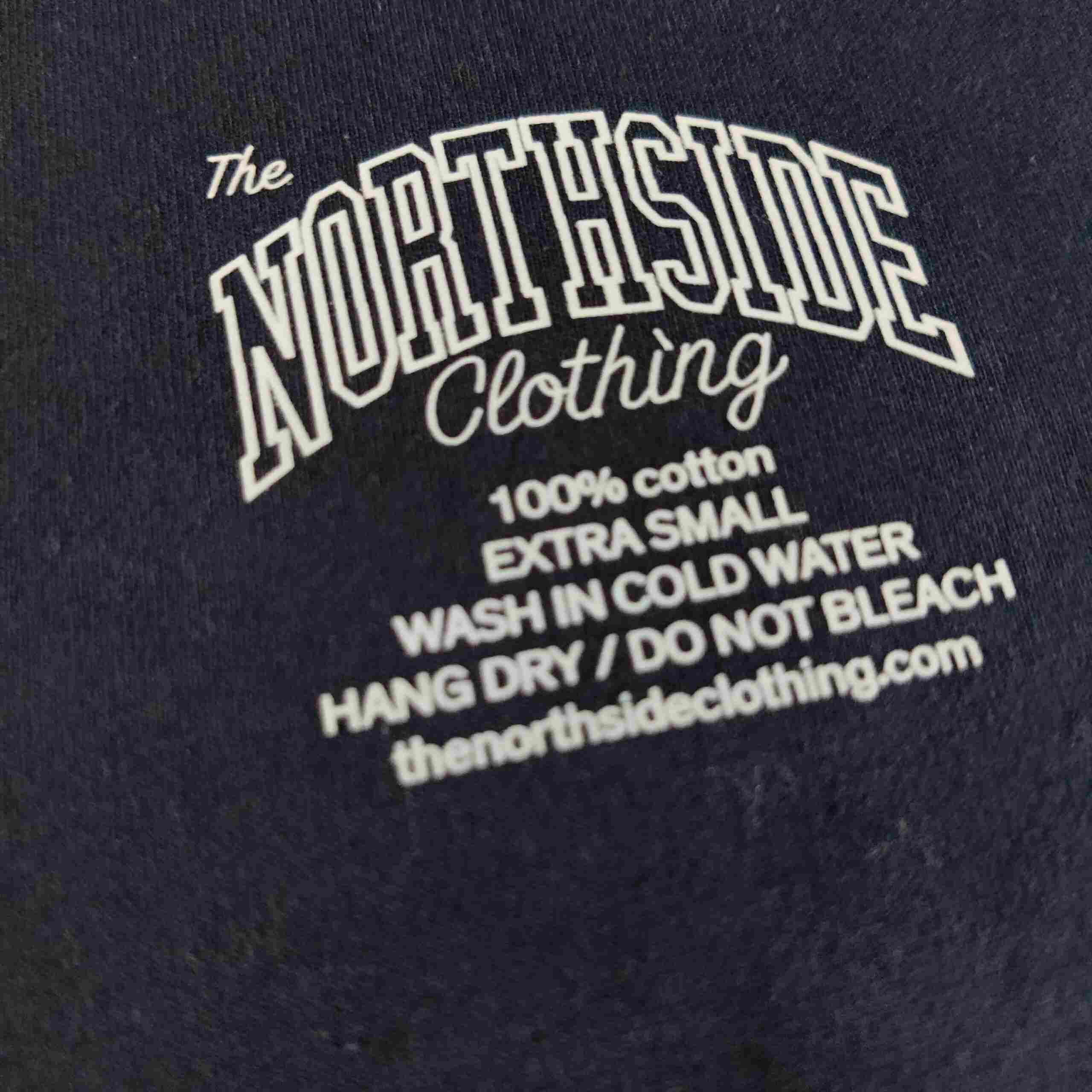
QR and barcode labels link physical products to cloud-based authentication databases, enabling smartphone verification via brand apps or web portals. Each code carries unique serial numbers tracked through production, distribution, and retail activation.
Production costs start at $0.01–0.03 per label for basic QR codes, rising to $0.05–0.15 for encrypted dynamic codes with blockchain integration. Ideal for brands requiring traceability data, consumer engagement analytics, and scalable authentication across large product volumes without specialized scanning hardware.
RFID and NFC Tag Solutions
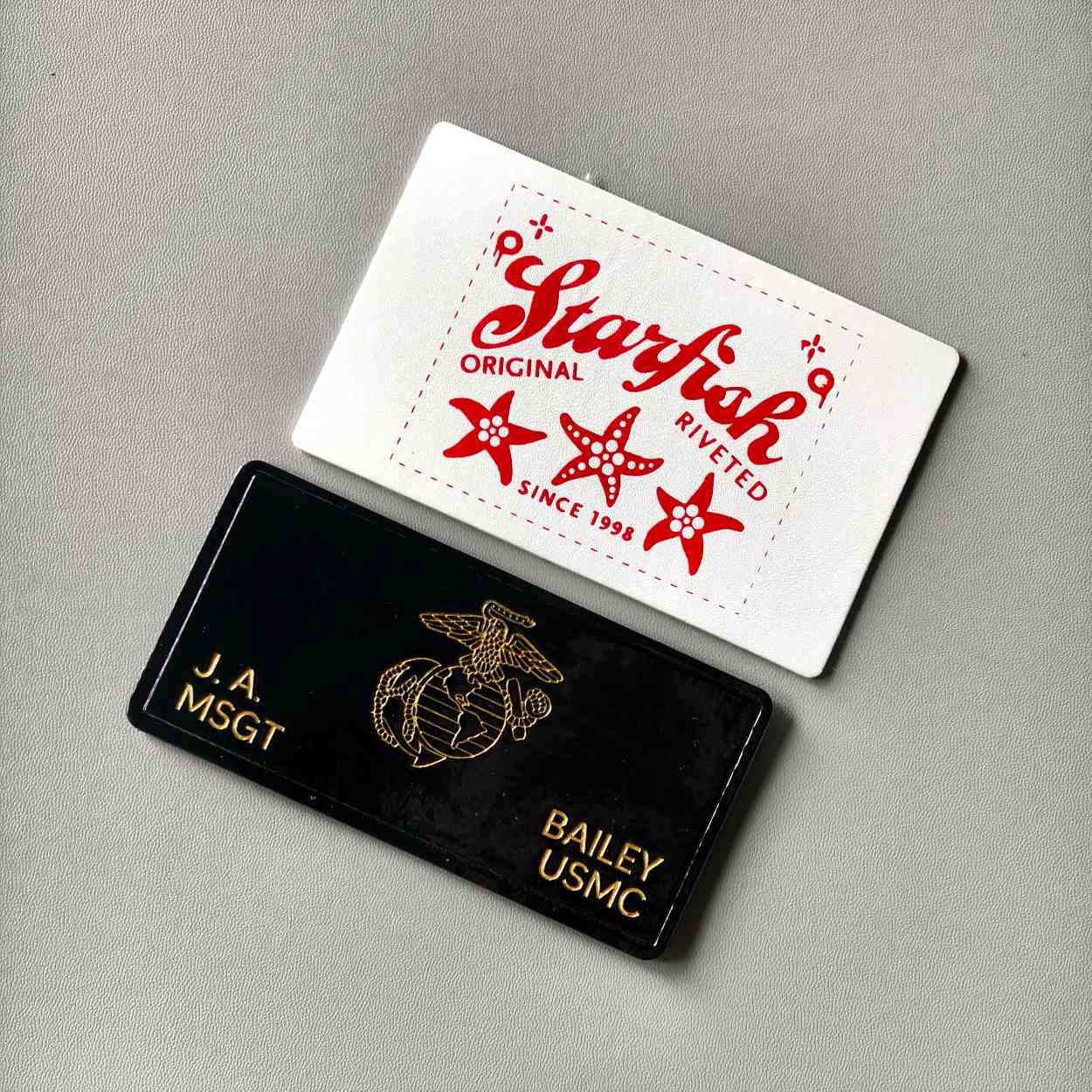
RFID (Radio Frequency Identification) and NFC (Near Field Communication) tags embed microchips that transmit encrypted product data when scanned by compatible readers or smartphones. NFC tags enable tap-to-verify authentication within 4 cm range, while RFID supports longer-range bulk scanning for warehouse and logistics applications.
Costs range from $0.15–0.50 per NFC tag to $0.30–1.50 for advanced RFID tags with tamper detection and memory capacity. Best for high-value apparel collections, luxury goods, and brands requiring automated inventory management integrated with anti-counterfeiting systems.
UV Ink and Invisible Security Markers
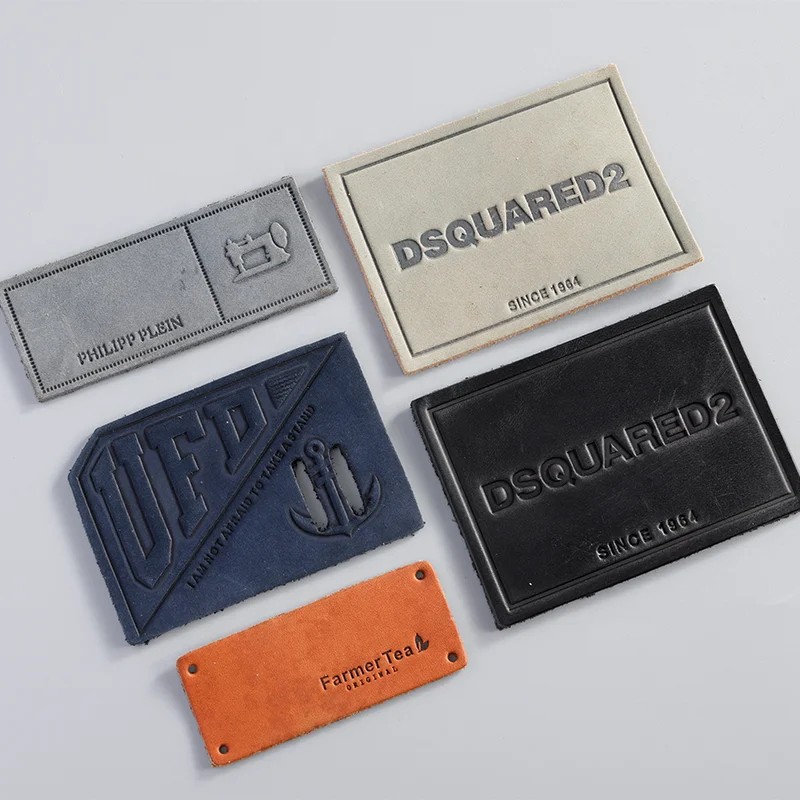
Invisible UV-reactive inks and chemical markers remain hidden under normal lighting but fluoresce under ultraviolet illumination, providing covert authentication for authorized inspectors. Advanced formulations include taggant particles and forensic-grade chemical signatures detectable only by laboratory analysis.
Costs start at $0.005–0.02 per application for UV inks, rising to $0.10–0.50 for forensic taggants. Ideal for supply chain verification, customs inspection, and brands requiring layered security where visible labels might be counterfeited or removed.
Blockchain-Linked Digital Certificates
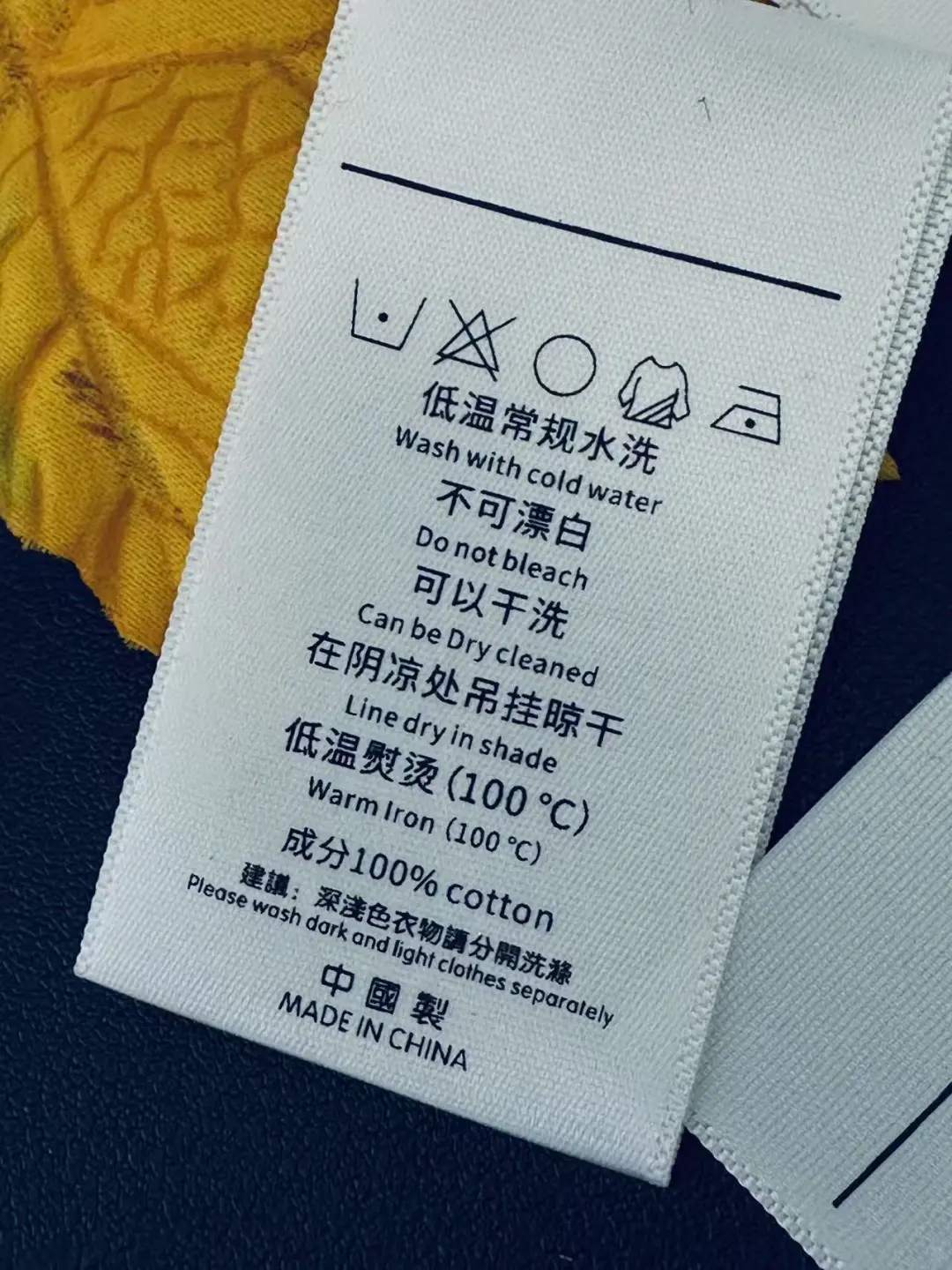
Blockchain-linked labels combine physical tags (QR, NFC, or holographic) with immutable digital certificates recorded on distributed ledger networks. Each product receives a unique cryptographic identity verified against tamper-proof blockchain records accessible via mobile apps.
Implementation costs range from $0.20–1.00 per unit depending on blockchain platform, integration complexity, and tag technology. Best suited for luxury fashion brands, limited-edition collections, and high-value products where provenance verification and resale authentication justify premium security investment.
4. Materials and Substrates for Anti Counterfeit Label Durability
Material selection determines an anti counterfeit label’s lifespan, tamper resistance, and environmental performance across garment washing, storage, and transit. Substrate and adhesive pairings must align with application surfaces—fabric hang tags, polyester care labels, or rigid packaging—and the security features embedded in each layer.
| Material | Durability | Moisture Resistance | Cost | Best Use Case |
|---|---|---|---|---|
| Paper | Low | Poor | Lowest | Indoor retail hang tags |
| Polyester (PET) | High | Excellent | Moderate | Garment care labels, outdoor |
| Polypropylene (PP) | High | Excellent | Moderate | Flexible packaging, curved surfaces |
| Vinyl | Moderate | Good | Moderate | Curved or textured surfaces |
| Destructible Vinyl | Tamper-evident | Good | Higher | High-security applications |
| Metallic Foil | Moderate | Fair | Highest | Holographic security features |
Common Label Base Materials and Their Properties
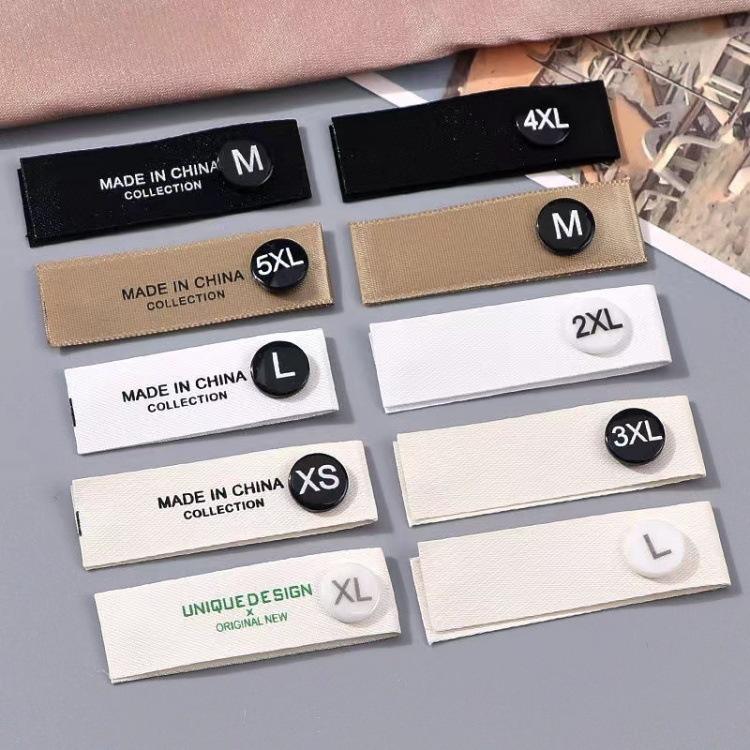
Paper labels offer low cost and accept most printing methods but lack moisture resistance and tear strength, limiting use to indoor retail environments. Polyester (PET) and polypropylene (PP) films deliver superior durability, chemical resistance, and UV stability, making them ideal for outdoor exposure and garment care-label applications that survive multiple wash cycles.
Vinyl substrates provide flexibility and conformability on curved surfaces, while destructible vinyl fractures into pieces when removal is attempted, delivering visible tamper evidence. Metallic foils combine holographic security features with high visual impact but require careful adhesive matching to prevent delamination under humidity or temperature fluctuations.
Adhesive Types and Tamper-Evident Performance
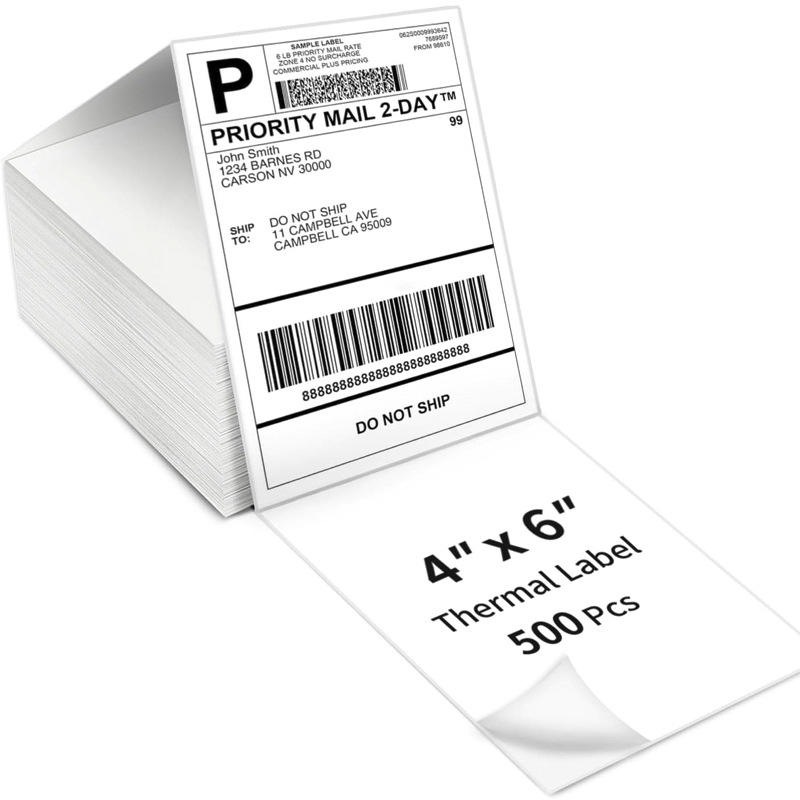
Permanent adhesives bond irreversibly to fabric, cardboard, and coated surfaces, ensuring labels remain intact through distribution and retail handling. Removable adhesives allow clean separation for customer experience but sacrifice anti-counterfeit strength.
Tamper-evident adhesives leave visible ‘VOID’ patterns or destroy the label substrate upon removal, immediately signaling unauthorized access. Adhesive selection must account for surface energy—low-energy plastics and silicone-coated fabrics demand specialty formulations to achieve reliable bond strength without residue or premature failure.
Environmental Resistance and Application Compatibility
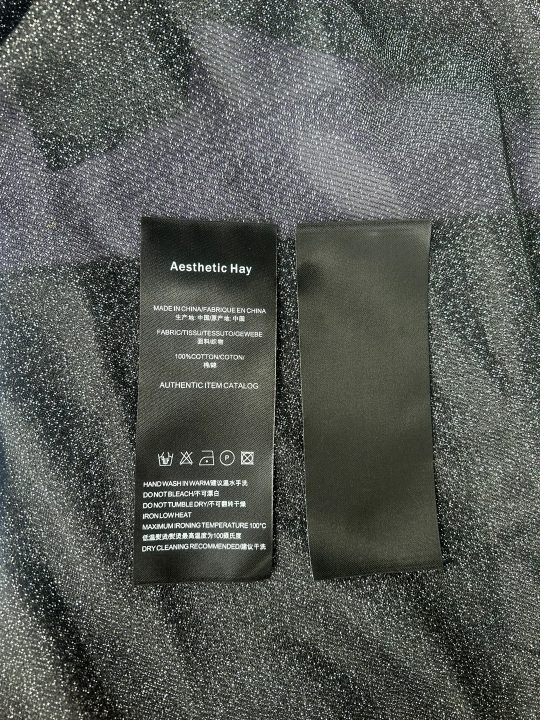
Moisture exposure from garment washing, warehouse humidity, or shipping condensation degrades paper labels within days, while PET and PP films maintain adhesion and print clarity through 50+ industrial laundry cycles. UV resistance prevents color fading and barcode degradation in sunlit retail displays and outdoor storage.
Chemical resistance matters for labels exposed to detergents, solvents, or finishing agents in apparel manufacturing. ZORWILD’s quality control system tests label adhesion on cotton, polyester blends, nylon outerwear, and coated fabrics to ensure anti counterfeit label integrity across garment categories from hoodies and T-shirts to technical jackets and activewear collections.
5. Customization and Security Feature Integration for Anti Counterfeit Labels
Modern anti counterfeit label programs layer multiple security features to create authentication systems that are difficult to replicate. Combining overt, covert, and forensic elements provides brand protection at every verification level.
Overt Security Features for Instant Visual Verification
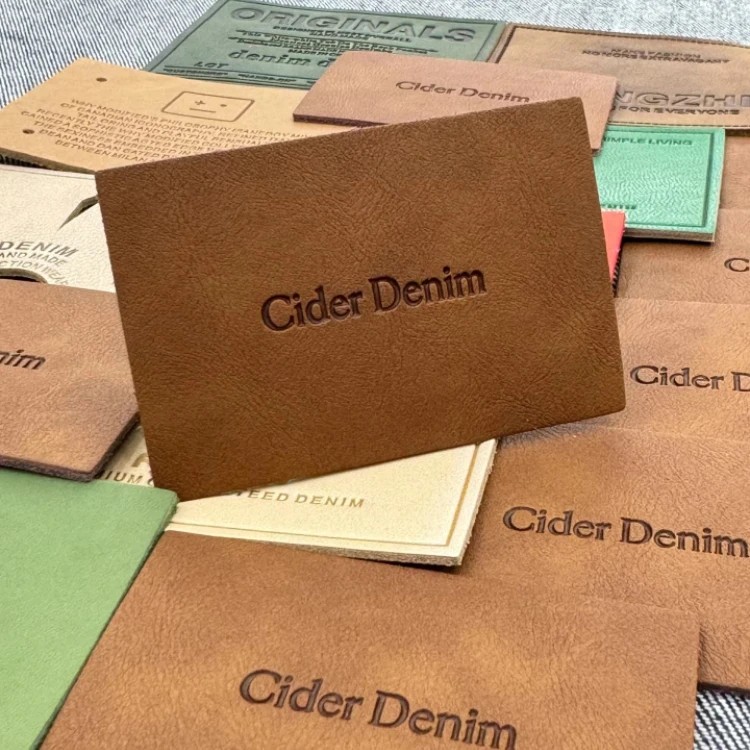
Overt features allow consumers and retailers to authenticate products without tools. Color-shifting inks change hue when viewed at different angles, typically shifting between two or three colors such as green-to-blue or gold-to-purple. Guilloche patterns use intricate interlocking line designs that are difficult to scan and reproduce accurately.
Holographic foils and micro-text (text smaller than 0.5 mm) add visible complexity. Sequential numbering assigns each label a unique identifier, enabling traceability through supply chains and allowing brands to track distribution patterns and detect unauthorized resellers.
Covert and Forensic Layers for Expert Authentication
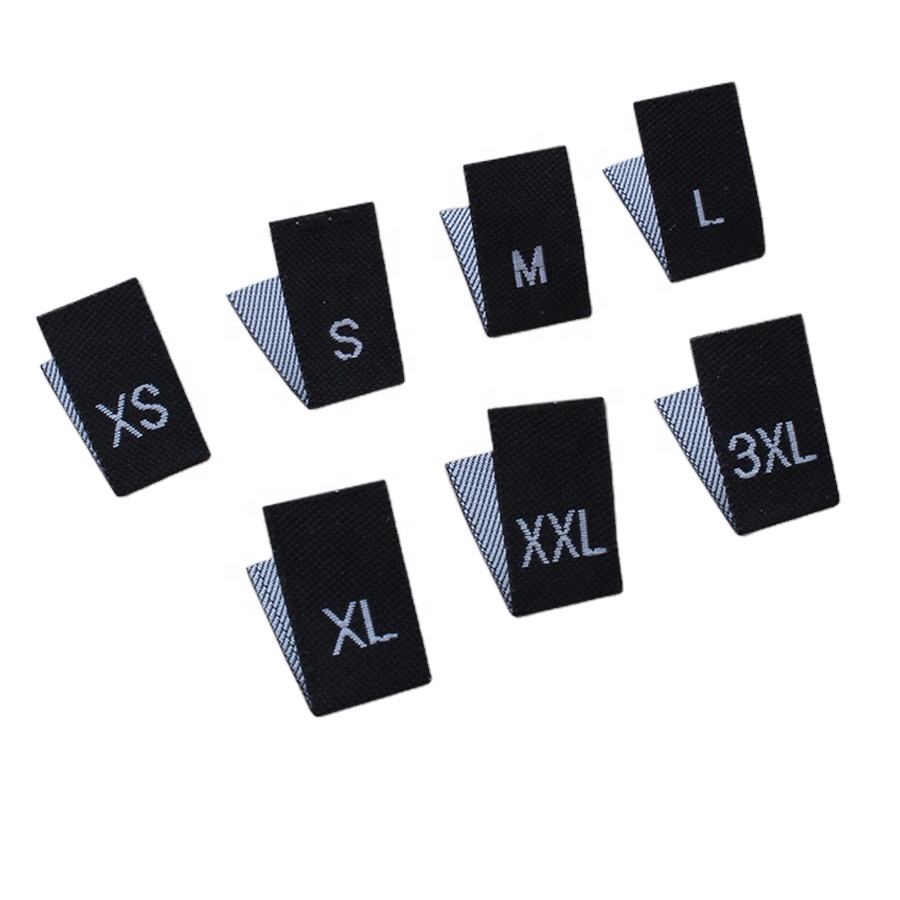
Covert features remain invisible until revealed by UV light, magnification, or specialized readers. UV-reactive inks glow under black light, providing a simple verification method for warehouse staff and customs inspectors. Microprinting and embedded fibers visible only under magnification add forensic-grade security.
Forensic features such as chemical taggants or DNA markers require laboratory analysis and serve as final proof in legal disputes. Multi-layer constructions combine substrate, adhesive, and top-coat security elements to prevent label transfer or tampering.
QR Code Personalization and Digital Integration
QR codes link physical labels to cloud-based authentication platforms. Each code contains a unique encrypted identifier that customers scan to verify authenticity, view product history, and register ownership. Dynamic QR systems track scan location, time, and frequency to detect suspicious activity patterns.
Brands integrate QR codes with loyalty programs, warranty registration, and customer engagement campaigns. ZORWILD supports custom label printing with sequential QR codes, enabling startup brands to launch digital authentication programs with low MOQ production starting from 50 pieces per design.
Branding and Regulatory Compliance Integration
Anti counterfeit labels must balance security with brand identity. Logo placement, Pantone color matching, and custom typography ensure labels reinforce brand recognition while delivering protection. Woven labels, printed labels, and silicone labels can all incorporate security features without compromising aesthetic quality.
Regulatory marks such as CE, FCC, RoHS, and country-of-origin indicators are often integrated into security labels to meet export requirements. ZORWILD’s label customization services include compliance mark integration, ensuring garments meet destination-market regulations while maintaining anti-counterfeit protection across all product categories.
6. Key Quality and Security Elements to Inspect Before Purchase
Before committing to an anti counterfeit label supplier, verify that each security element meets measurable performance thresholds. Rigorous pre-purchase inspection prevents field failures and protects brand reputation across global supply chains.
Print Resolution and Color Consistency
High-security labels require print resolution of at least 1200 dpi for microtext and guilloche patterns that resist replication. Color tolerance must stay within Delta E ≤ 2.0 across production batches to ensure brand consistency and prevent counterfeits exploiting color drift.
Request sample batches from multiple production runs and compare under standardized D65 lighting. Inspect microtext legibility at 10× magnification and verify Pantone-matched spot colors remain stable after UV exposure and wash cycles.
Adhesive Bond Strength and Tamper Evidence
Permanent adhesive formulations should achieve peel strength of 12–16 ounces per inch on fabric substrates, measured per ASTM D3330. Tamper-evident constructions must fracture or leave visible VOID patterns when removal is attempted.
Conduct field peel tests on representative garment fabrics—cotton jersey, polyester blends, nylon outerwear—under ambient and elevated temperatures. Verify that residue transfer or substrate delamination occurs within 3 seconds of peel initiation to deter label reuse.
Digital Code Scan Rates and Certifications
QR codes and NFC chips embedded in anti counterfeit labels must maintain ≥ 95% first-scan success rates across iOS and Android devices under varied lighting and angles. ISO 12931 certification validates hologram optical performance, while third-party audits confirm cryptographic key management for blockchain-linked codes.
Request scan-rate reports from pilot deployments and verify compliance with NASPO security-product standards for government and high-value goods. Ensure the supplier provides audit trails and supports integration with brand authentication platforms.
7. How to Choose the Right Anti Counterfeit Label Manufacturer
Selecting a manufacturer for anti counterfeit label solutions requires evaluating technical capabilities, security infrastructure, and legal safeguards. The right partner combines production scale, advanced technology integration, and transparent IP protection to deliver reliable brand defense systems.
Production Capacity and MOQ Flexibility
Verify the supplier’s monthly output capacity and minimum order quantities align with your brand’s launch phase and growth trajectory. Established manufacturers typically offer MOQs from 1,000 to 10,000 labels for holographic solutions, while RFID and NFC labels may start at 5,000 pieces due to encoding setup costs.
Startup brands benefit from partners supporting lower MOQs—500 to 1,000 units—for pilot programs and seasonal collections. Ask for production timelines, peak-season lead times, and scalability options to ensure the supplier can handle volume increases without quality degradation.
Security Certifications and Facility Audits
Request ISO 9001 quality certification, ISO 27001 information security management, and any industry-specific credentials such as NASPO or AIM Global standards for RFID encoding. Third-party facility audits verify clean-room environments for holography production and secure handling of serialized data.
Transparent suppliers provide audit reports, facility photos, and client references. Confirm the manufacturer maintains segregated production zones to prevent cross-contamination of security features between different brand clients.
Technology Portfolio and In-House Capabilities
Evaluate whether the supplier owns in-house holography origination equipment, RFID encoding stations, and digital printing systems or relies on subcontractors. In-house capabilities reduce lead times by 30–50% and improve IP security by limiting external exposure.
Ask for a technology matrix listing available features: microtext, UV inks, tamper-evident adhesives, QR code generation, NFC chip encoding, and blockchain integration. Manufacturers with diverse portfolios enable multi-layer security strategies and future-proof your anti counterfeit label program.
IP Protection and NDA Agreements
Demand a comprehensive non-disclosure agreement covering design files, serialization algorithms, and customer data before sharing technical specifications. Reputable manufacturers enforce strict access controls, encrypted file transfer, and employee confidentiality clauses.
Confirm the supplier will not retain production molds, printing plates, or digital masters after contract completion. Supply chain transparency—including subcontractor disclosure and material sourcing documentation—prevents unauthorized reproduction and protects your brand’s proprietary security architecture.
8. Common Mistakes Buyers Make When Sourcing Anti Counterfeit Labels
Sourcing anti counterfeit label solutions involves technical, operational, and compliance decisions that many buyers underestimate. Avoiding these common pitfalls protects your investment and ensures effective brand protection from launch through scale.
Choosing Cost Over Security Validation
Buyers often select the lowest-priced label supplier without verifying actual security features or authentication infrastructure. A label with holographic film but no cryptographic validation or database backend offers minimal counterfeit deterrence.
ZORWILD recommends requesting security audit reports, feature testing protocols, and third-party validation before committing to production. Verify that the supplier maintains secure manufacturing environments, serialization databases, and tamper-evident application methods to ensure genuine protection rather than cosmetic decoration.
Neglecting End-User Experience
Many brands deploy QR-based or NFC anti counterfeit label systems without testing scan speed, mobile compatibility across iOS and Android, or performance under poor lighting or worn label conditions. Consumer frustration with failed scans undermines trust and adoption.
Test labels in real-world conditions with multiple device models, lighting scenarios, and label wear states. Ensure scan response times under 3 seconds, mobile-optimized landing pages, and clear authentication feedback to maintain positive customer experience and encourage repeat verification.
Failing to Integrate Track-and-Trace Systems
Buyers frequently treat anti counterfeit label programs as isolated product decoration rather than components of broader supply chain visibility. Without integration into inventory management, warehouse systems, and distributor portals, labels provide authentication but no actionable intelligence on diversion or grey-market activity.
Plan API integration, data export formats, and real-time dashboard access during the sourcing phase. ZORWILD coordinates with label suppliers and software vendors to ensure serialization data flows seamlessly from production through distribution, enabling rapid response to counterfeit incidents or unauthorized resale.
Ignoring Regional Regulatory Requirements
Different markets impose specific labeling, data privacy, and traceability mandates that affect anti counterfeit label design and deployment. EU GDPR restricts consumer data capture, China requires ICP licensing for QR landing pages, and pharmaceutical markets mandate serialization standards like GS1.
Conduct regulatory audits for each target market before finalizing label specifications. Work with suppliers experienced in multi-region compliance to avoid costly redesigns, customs delays, or legal penalties after launch.
9. Step-by-Step Process to Launch Your Anti Counterfeit Label Program
Launching an anti counterfeit label program requires a structured roadmap that aligns security technology with brand protection goals and supply chain workflows. ZORWILD’s 27 years of apparel manufacturing experience across 2,000+ brands has shown that successful programs follow a phased implementation approach from risk assessment through full-scale deployment.
Conduct Risk Assessment and Threat Modeling
Begin by mapping your brand’s counterfeit exposure across channels: online marketplaces, unauthorized retailers, gray-market resellers, and direct-to-consumer touchpoints. Document historical counterfeit incidents, geographic hotspots, and product categories most vulnerable to copying.
Prioritize products by revenue impact and brand reputation risk. High-value items like premium hoodies, limited-edition jackets, and signature graphic tees typically warrant advanced multi-layer authentication, while basic catalog items may use simpler overt labels.
Define Authentication Workflows
Establish separate workflows for consumer-facing verification and supply-chain checkpoints. Consumer workflows typically use QR codes or NFC tags scanned via smartphone apps that display authentication status, product details, and brand storytelling content.
Supply-chain workflows require serialized labels scanned at manufacturing handoff, warehouse receipt, distributor transfer, and retail delivery. ZORWILD integrates label application at final quality inspection before packaging, ensuring each garment carries a unique identifier linked to production batch, fabric lot, and inspection timestamp.
Select Label Technology and Features
Match label technology to threat level and budget: overt features like holographic foil for basic deterrence, covert UV or microtext for expert inspection, or forensic taggants for legal evidence. Combine technologies in layered systems for higher security.
Evaluate substrate durability for garment wash cycles, care instructions, and end-use conditions. Polyester and PET substrates withstand 50+ industrial washes, while paper-based labels suit hang tags and packaging inserts.
Pilot with a Product Line
Launch a pilot program on a single product category or limited collection to test label durability, consumer engagement rates, and supply-chain integration. ZORWILD’s low MOQ capabilities starting at 50 pieces enable cost-effective pilot runs without large inventory commitments.
Collect data on scan rates, authentication success, and any production or application issues. Refine label placement, size, and adhesive strength based on real-world performance before scaling to full catalog.
Train Staff and Partners
Educate internal teams and supply-chain partners on label handling, scanning procedures, and escalation protocols for suspected counterfeits. Provide visual guides showing correct label placement, QR code orientation, and damage indicators.
Equip quality control inspectors, warehouse staff, and retail partners with verification tools and clear authentication checklists. ZORWILD’s production teams integrate label application training into standard quality inspection workflows to maintain consistency across all orders.
Monitor Analytics and Detection Patterns
Track authentication scan volumes, geographic distribution, and anomaly patterns through your label platform dashboard. Sudden scan clusters in unexpected regions or repeated failed authentications signal potential counterfeit distribution networks.
Review monthly reports on scan frequency, consumer engagement, and counterfeit detection incidents. Use data to adjust security features, update workflows, and inform legal action against counterfeiters identified through serialized label intelligence.
10. Pricing and Cost Structure for Anti Counterfeit Label Solutions
Anti counterfeit label pricing varies significantly by technology, with holographic labels ranging from $0.02–$0.08 per unit at 10,000 quantities, while RFID tags cost $0.15–$0.60 each depending on chip type and memory capacity. Setup fees for holographic tooling typically run $300–$1,200 for custom artwork and master origination, whereas QR code labels require minimal setup ($50–$200) but may carry recurring cloud verification platform fees of $29–$299 monthly based on scan volume and analytics features.
Volume discounts follow standard industrial tiers: orders above 100,000 units unlock 15–30% per-unit reductions, and million-unit contracts can drive hologram costs below $0.015 and even basic RFID tags under $0.12. Blockchain-linked NFC labels represent the premium tier at $0.40–$1.20 per unit for 10,000 quantities, with setup fees of $500–$2,000 for encoding and smart-contract integration, plus annual platform subscriptions from $500–$5,000 depending on transaction throughput.
Lead times span 7–10 business days for digital-print QR labels at standard volumes, 12–18 days for custom holographic labels requiring die-cutting and embossing, and 15–25 days for RFID solutions with encoding and testing. Total cost of ownership over a 12-month product lifecycle must account for initial label cost, setup amortization, platform fees, and potential re-order minimums; a 50,000-unit hologram program may cost $2,800 upfront versus $9,500 for RFID with cloud verification, but the latter delivers real-time supply-chain visibility and consumer engagement data that justify the premium for high-value apparel collections.
| Technology Type | Setup Cost | Unit Cost (10K qty) | Unit Cost (100K qty) | Lead Time | Platform Fee |
|---|---|---|---|---|---|
| Holographic Label | $300–$1,200 | $0.02–$0.08 | $0.015–$0.05 | 12–18 days | None |
| QR Code Label | $50–$200 | $0.01–$0.04 | $0.008–$0.025 | 7–10 days | $29–$299/mo |
| RFID Tag (HF/UHF) | $400–$1,500 | $0.15–$0.60 | $0.10–$0.35 | 15–25 days | $0–$199/mo |
| Blockchain NFC | $500–$2,000 | $0.40–$1.20 | $0.25–$0.80 | 18–28 days | $500–$5,000/yr |
Secure Your Brand with Anti-Counterfeit Labels Today
Protect your products and customers from counterfeits. Get a custom quote for anti-counterfeit labels integrated into your next production run.
- Custom Shirts
- Custom T Shirts
- Custom Dresses
- Custom Sweatshirts
- Custom Jackets
- Custom Polo Shirts
- Custom Shorts
- Custom Dress Shirts
- Contact