
Custom Yoga Socks — Grip, Branding & Low MOQ from 50 Pieces
ZORWILD delivers custom yoga socks with anti-slip grip technology, full logo customization, and ultra-low 50-piece minimums. Backed by 27 years of apparel manufacturing expertise from our Humen, Dongguan factory.
Custom Yoga Socks Gallery
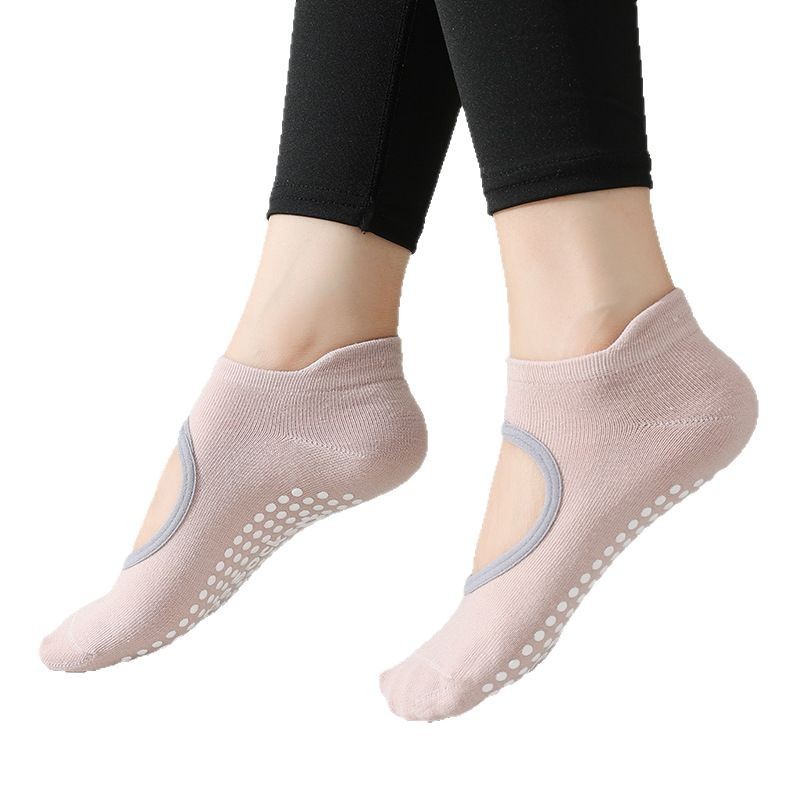
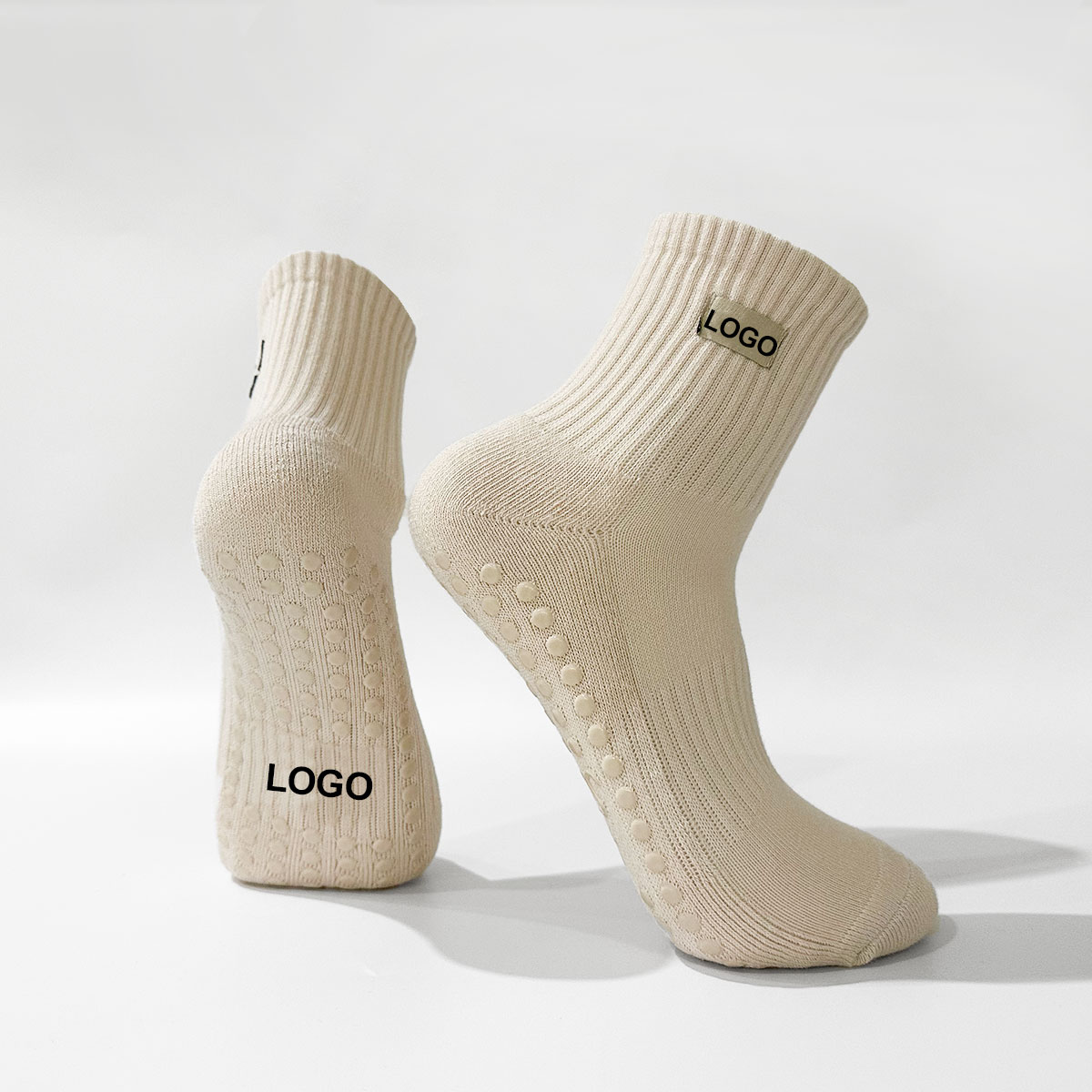
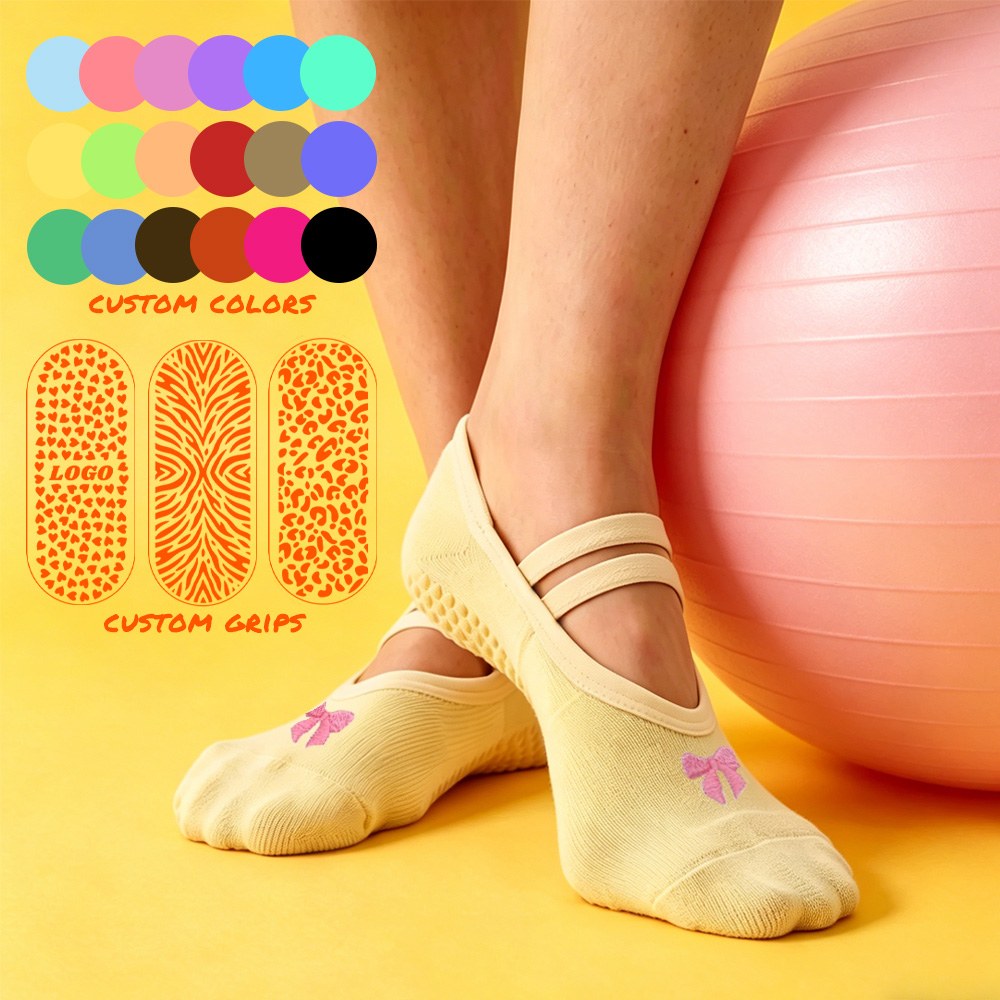
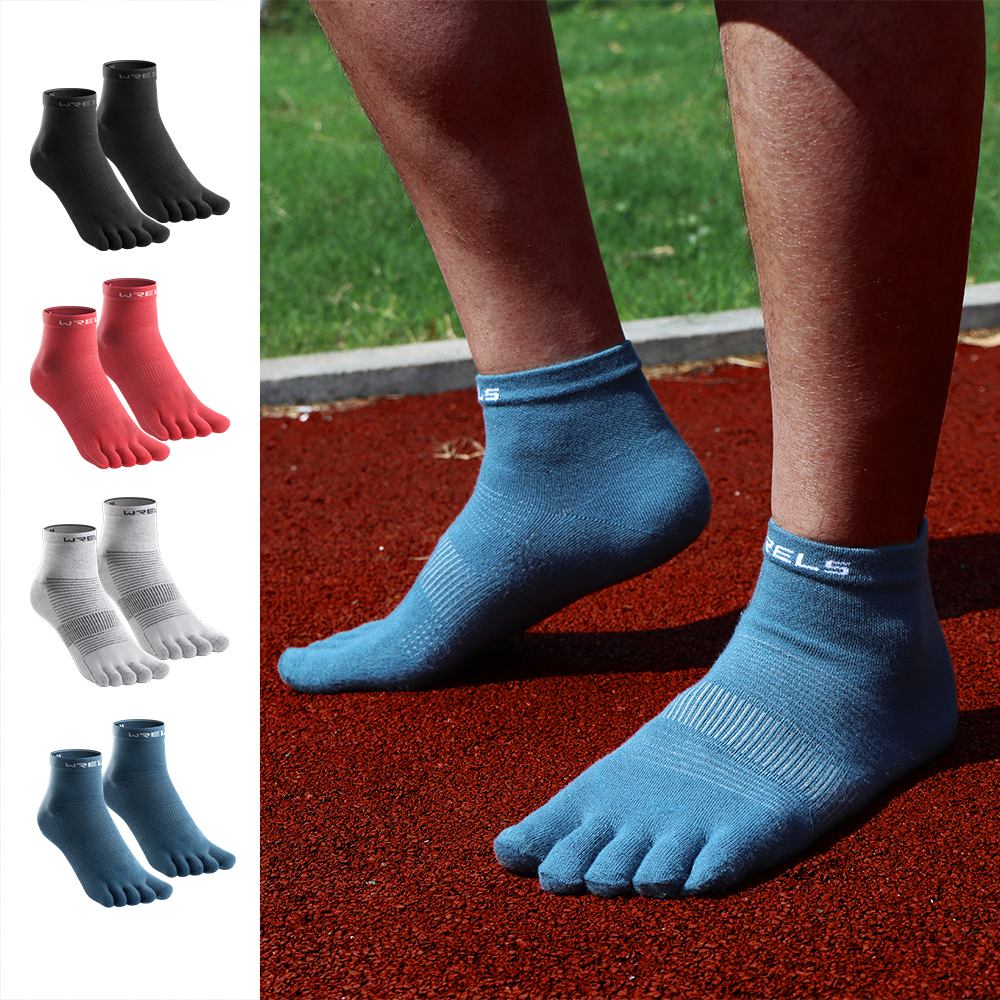
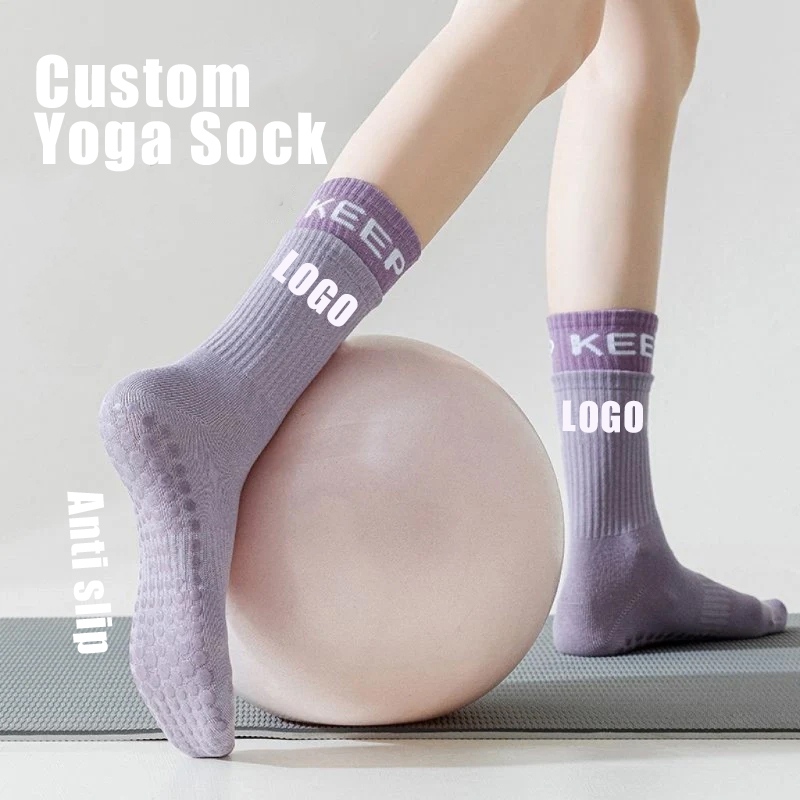
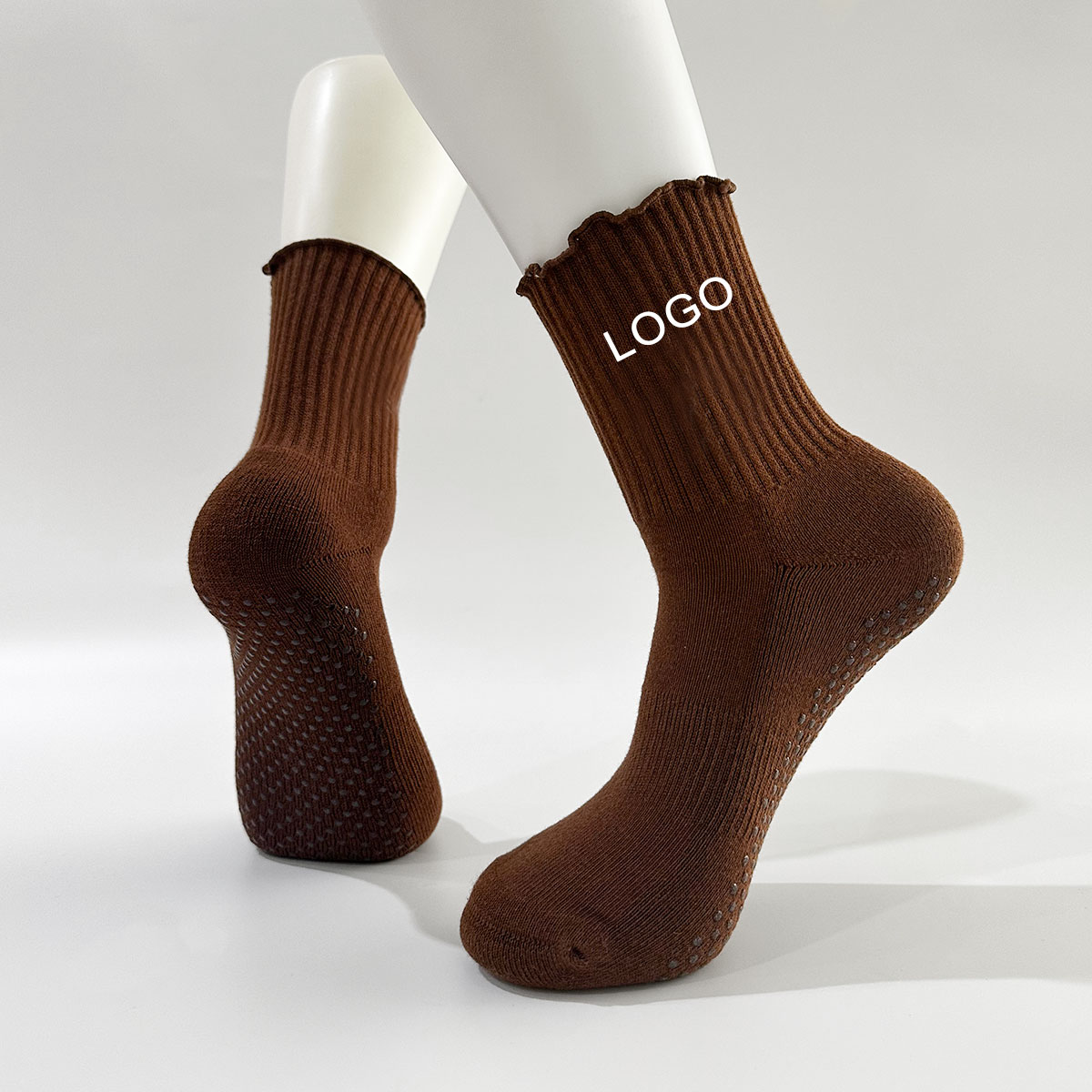
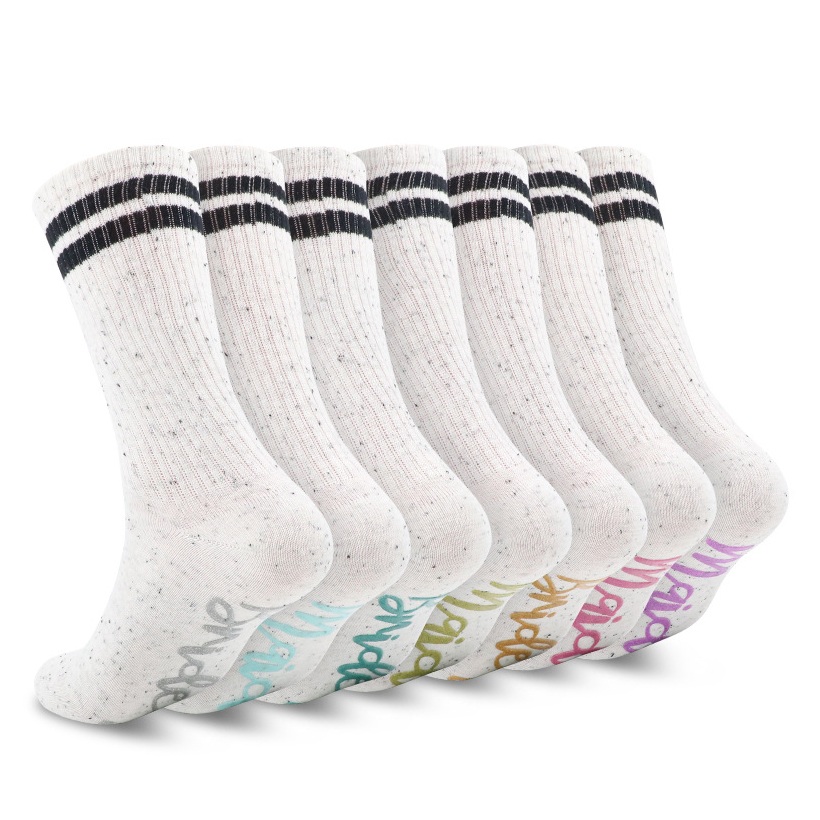
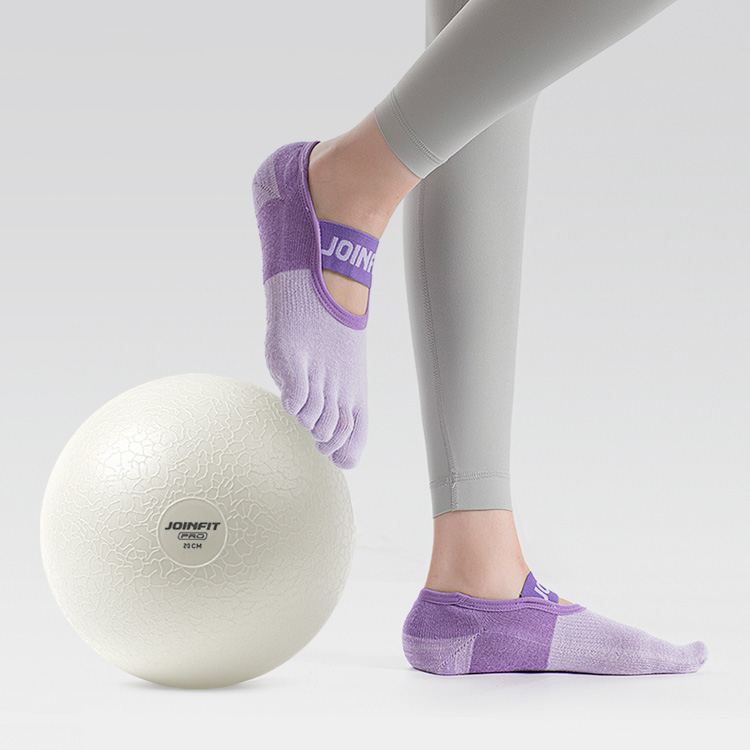
Why Choose ZORWILD for Custom Yoga Socks
50-Piece Minimum Order
Launch your custom yoga socks brand with low MOQ starting at just 50 pieces, perfect for startups and influencer collections.
6-Stage Quality Control
Every pair of custom yoga socks undergoes rigorous inspection from raw materials through final packaging for consistent quality.
95%+ Decoration Techniques In-House
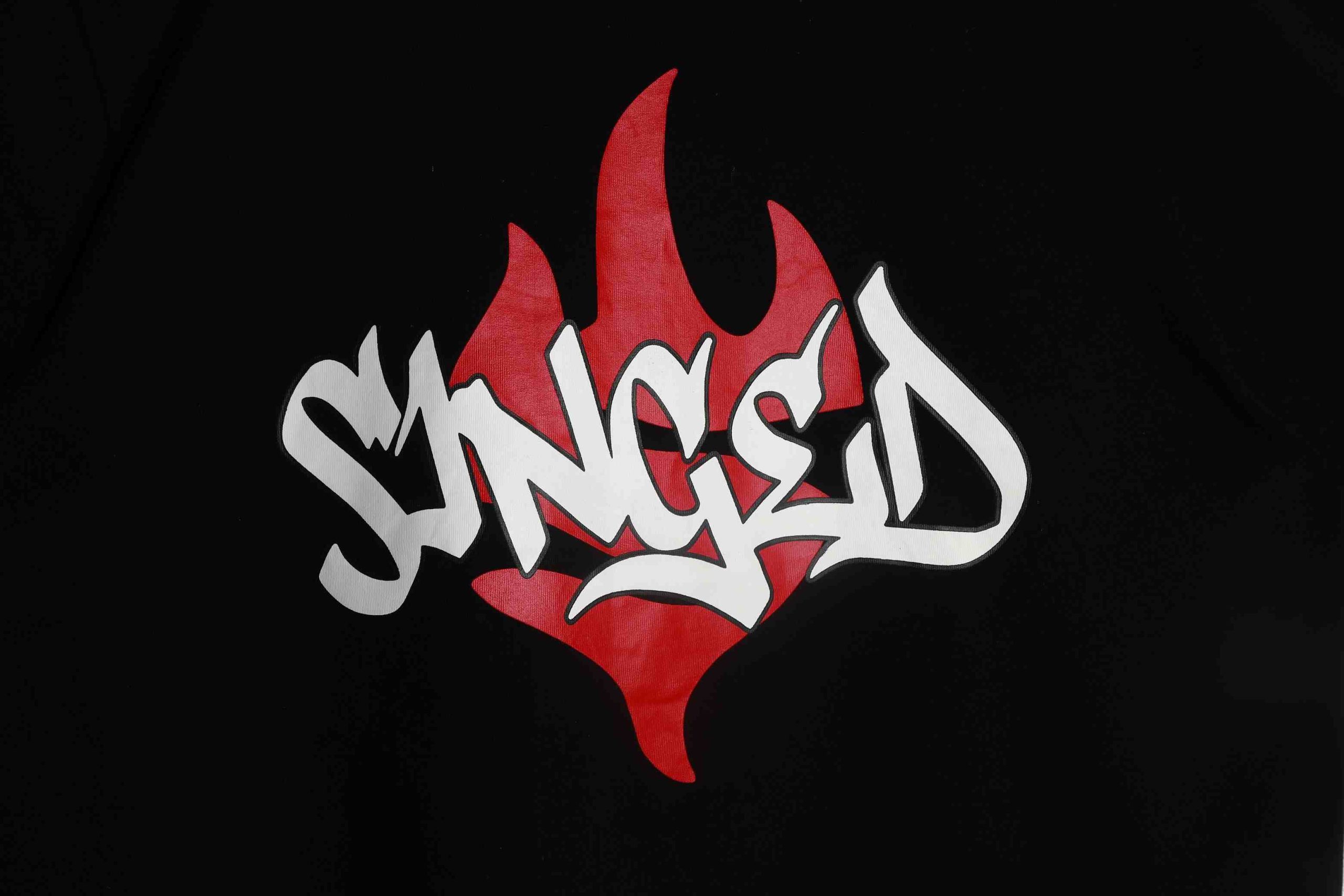
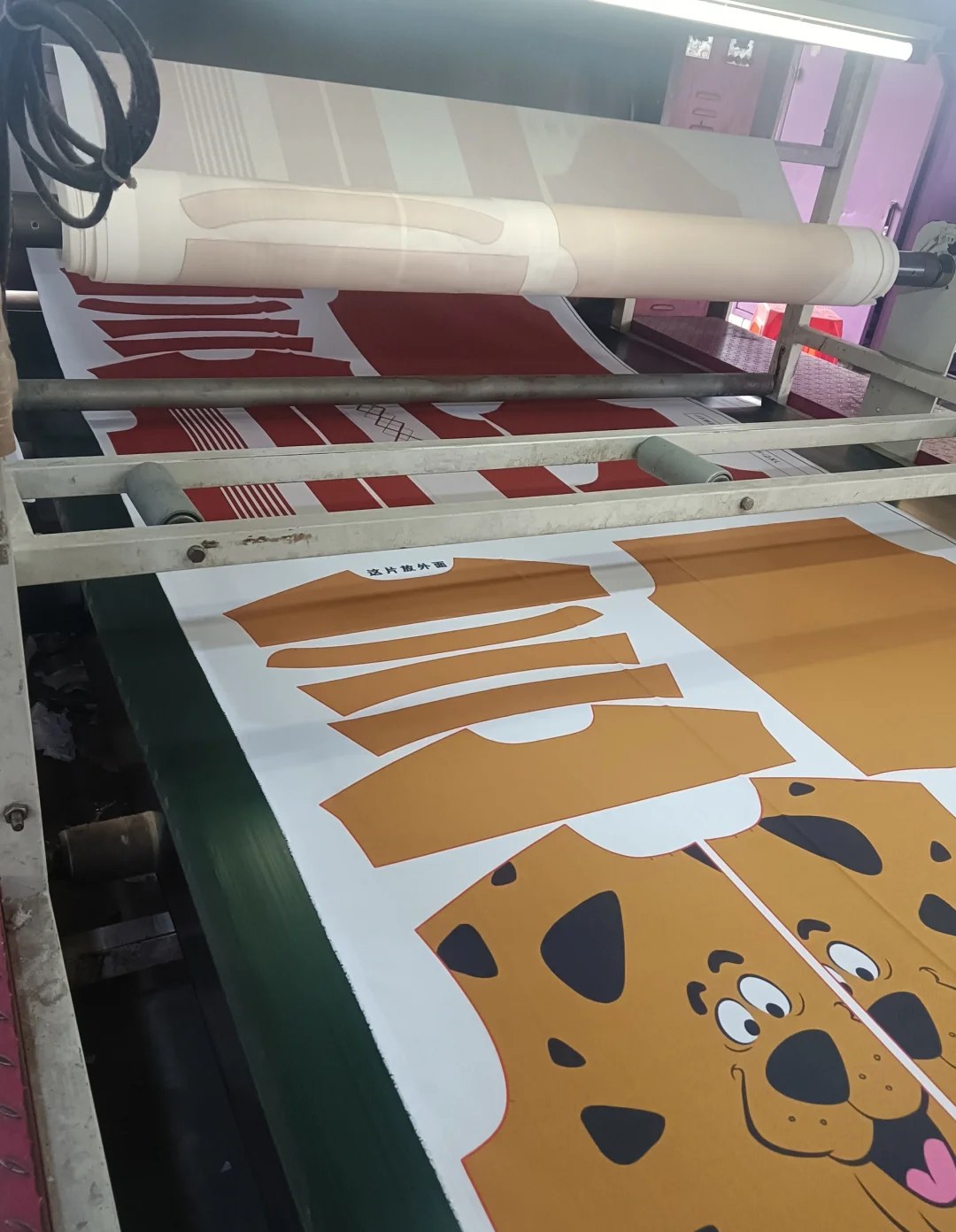
Screen printing, embroidery, heat transfer, sublimation, and custom branding applied directly in our Dongguan facility for faster turnaround.
7-Day Sample Production
Evaluate fit, grip, fabric quality, and branding before committing to bulk production with fast sampling turnaround.
Global Shipping Support
Reliable air freight, sea freight, and door-to-door delivery with full export documentation and customs support worldwide.
27 Years Manufacturing Experience
Since 1998, ZORWILD has served over 2,000 brands with professional apparel production from our factory in Humen, Dongguan—one of the world’s most influential garment manufacturing hubs.
Custom Yoga & Grip Sock Manufacturing
From studio-branded grip socks to private label collections, we manufacture performance socks with anti-slip technology, custom branding, and low 50-piece MOQs from our Humen, Dongguan facility.
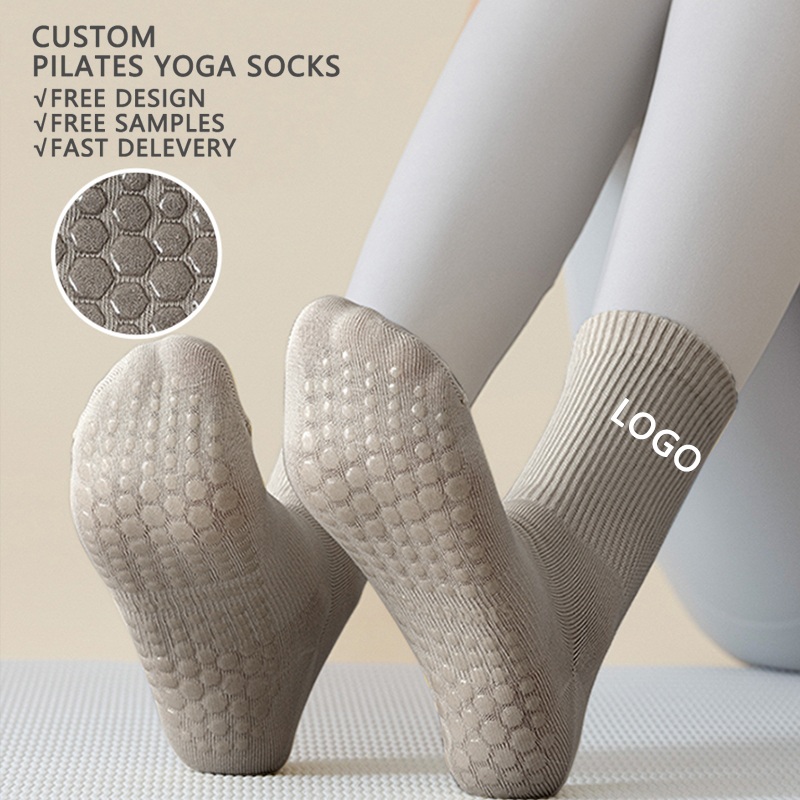
Grip Yoga Socks
Non-slip grip yoga socks engineered with silicone or rubber traction patterns on the sole for stability during poses. Custom grip placement, logo embroidery, woven labels, and moisture-wicking fabric blends available. Ideal for yoga studios, fitness brands, and wellness retailers seeking branded grip sock collections with professional finishing and reliable traction performance.
Get a Quote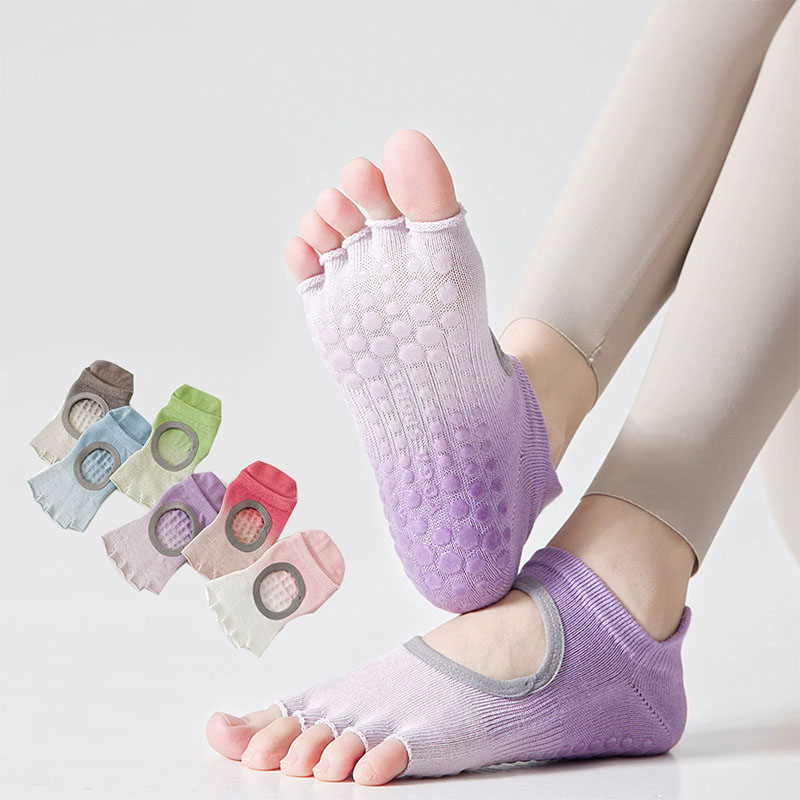
Toeless Yoga Socks
Toeless yoga socks offering natural toe spread and floor contact while protecting the heel and arch. Features anti-slip grip zones, breathable cotton blends, arch support bands, and custom branding options including embroidery and printed labels. Perfect for hot yoga studios, Pilates instructors, and brands targeting practitioners who prefer barefoot flexibility with added grip security.
Get a QuoteFull Toe Yoga Socks
Full toe coverage yoga socks providing complete foot protection with individual toe compartments or closed-toe construction. Includes silicone grip patterns, moisture management fabrics, seamless toe construction, and custom logo placement. Suitable for studios offering hygiene-focused classes, cold-weather yoga programs, and brands requiring full foot coverage with anti-slip functionality and comfort.
Get a QuoteAnkle Yoga Socks
Ankle-length yoga socks designed for minimal coverage with maximum breathability and freedom of movement. Low-profile construction with strategic grip zones, elastic arch support, heel tabs, and customizable branding through woven labels or embroidery. Ideal for fitness brands, boutique studios, and activewear lines targeting practitioners seeking lightweight, non-restrictive grip socks for warm environments.
Get a Quote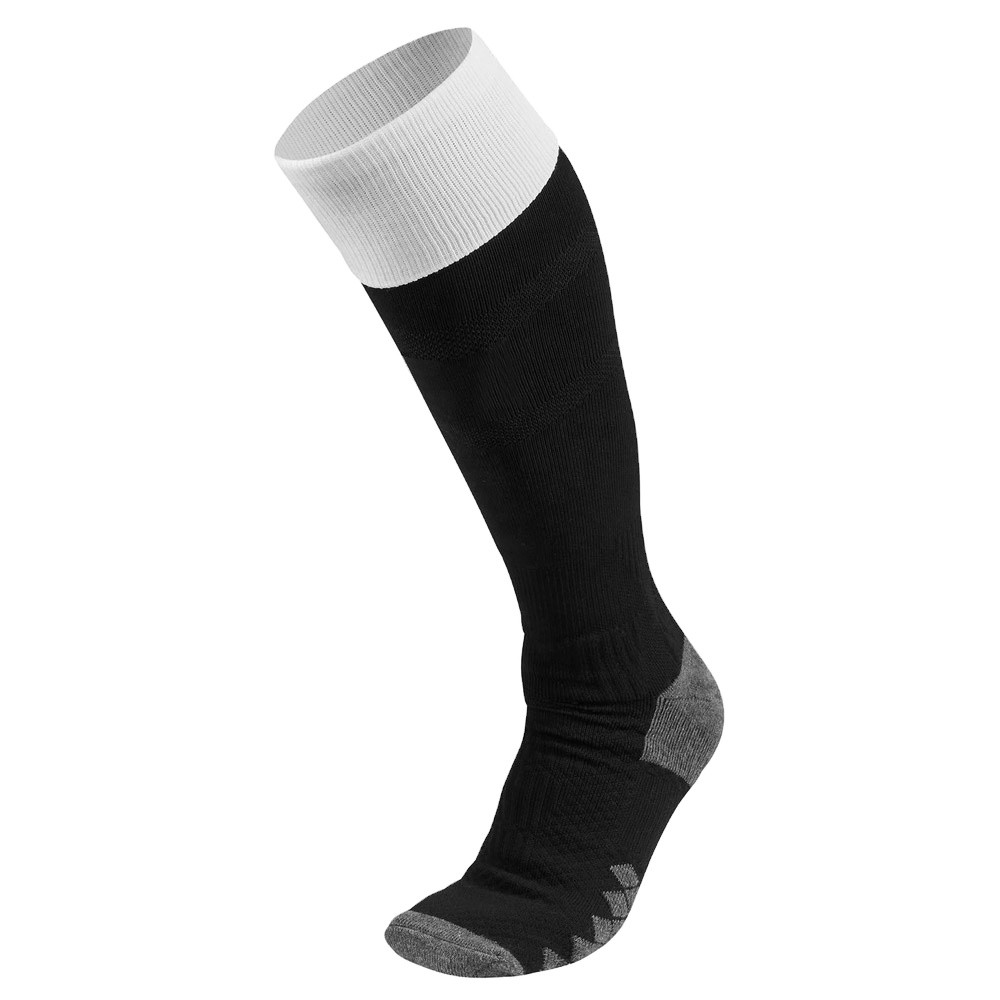
Knee High Yoga Socks
Knee-high yoga socks extending coverage for warmth, compression support, and full leg protection during practice. Features graduated compression options, full-sole grip patterns, moisture-wicking technical fabrics, and custom branding along the calf or ankle. Perfect for restorative yoga studios, cold-climate fitness centers, and wellness brands offering therapeutic or winter-season sock collections.
Get a QuotePilates Socks
Pilates-specific grip socks optimized for reformer work and mat exercises with targeted traction zones on sole and lateral edges. Includes arch support bands, breathable mesh panels, seamless construction, and custom studio branding options. Designed for Pilates studios, reformer instructors, and fitness brands requiring specialized grip placement for controlled movement and equipment safety.
Get a QuoteBarre Socks
Barre workout socks engineered with extra grip coverage for ballet barre, dance fitness, and studio floor work. Features extended traction patterns, flexible knit construction, heel and toe reinforcement, and custom logo embroidery or printed branding. Ideal for barre studios, dance fitness brands, and boutique gyms needing performance socks that support pivots, relevés, and lateral movements.
Get a QuoteTrampoline Grip Socks
Trampoline park grip socks with heavy-duty silicone traction designed for high-impact jumping and commercial trampoline facilities. Durable construction, full-sole grip coverage, reinforced stitching, and bulk production capabilities with custom facility branding. Perfect for trampoline parks, indoor adventure centers, and entertainment venues requiring safety-compliant, branded grip socks with volume pricing.
Get a QuotePrivate Label Yoga Socks
Private label yoga sock manufacturing from 50-piece MOQs with full customization including grip patterns, fabric selection, logo embroidery, woven labels, hang tags, and custom packaging. Complete design support, sampling, quality control, and production for startup wellness brands, influencer activewear lines, studio merchandise programs, and retailers launching branded sock collections with low inventory risk.
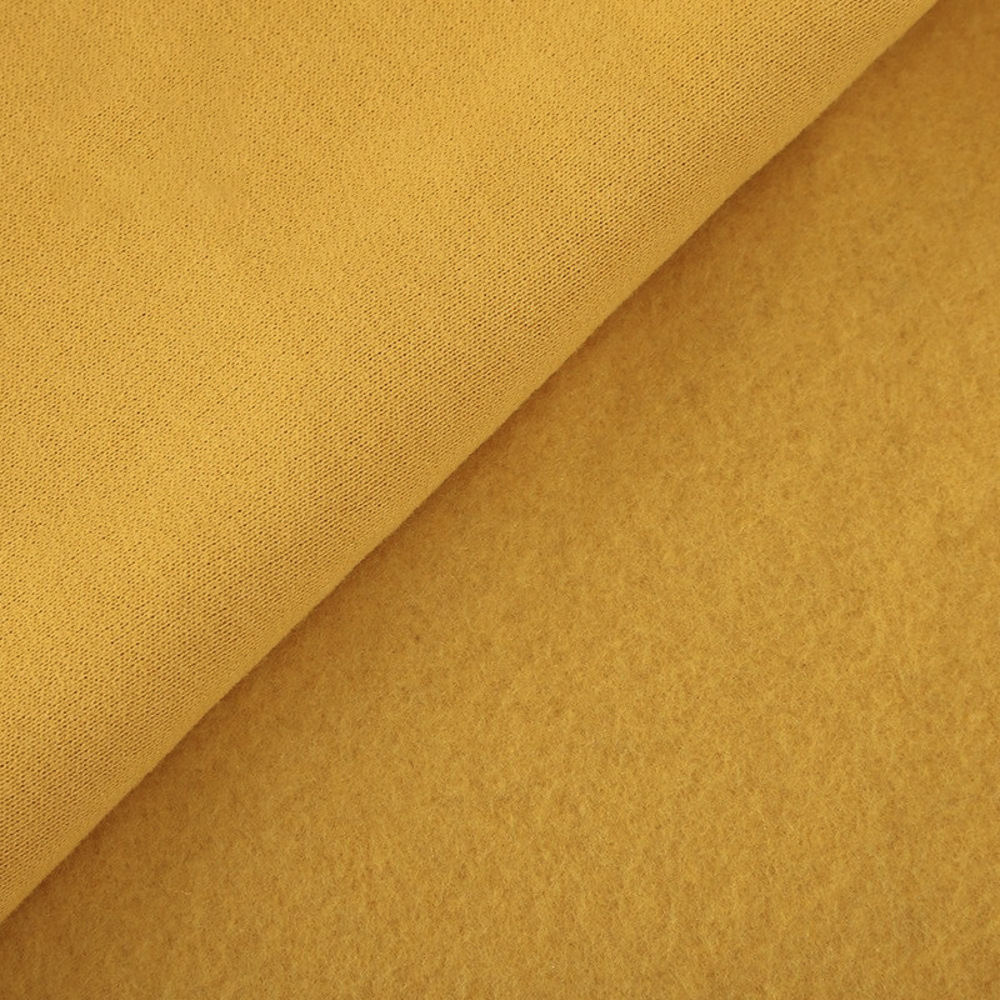
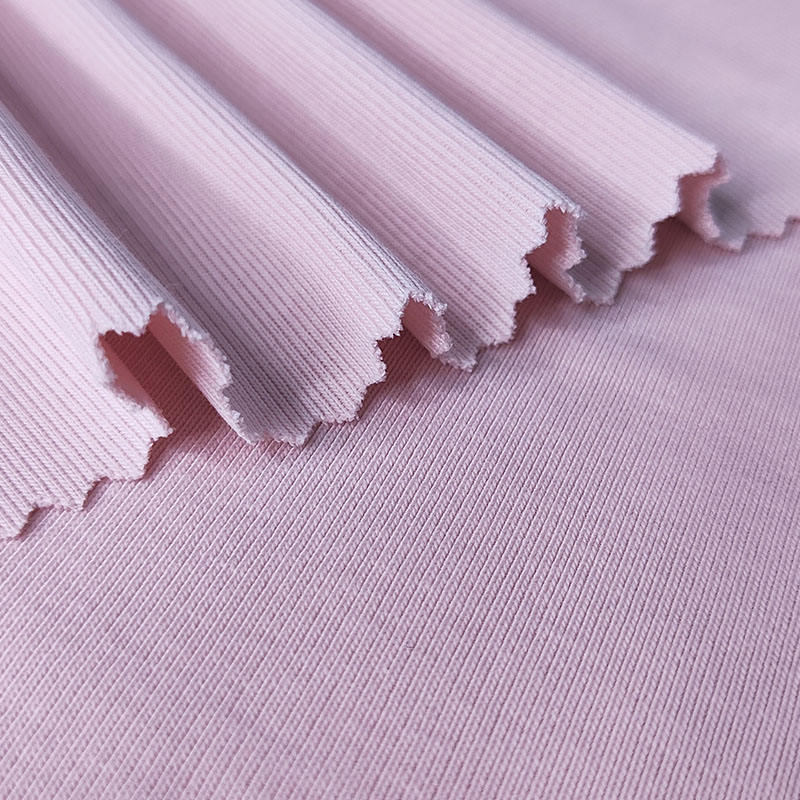
Get a QuotePremium Fabrics & Materials for Custom Yoga Socks
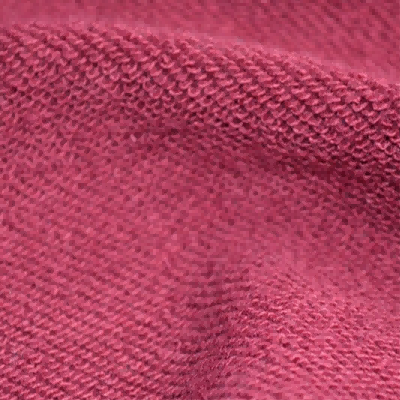
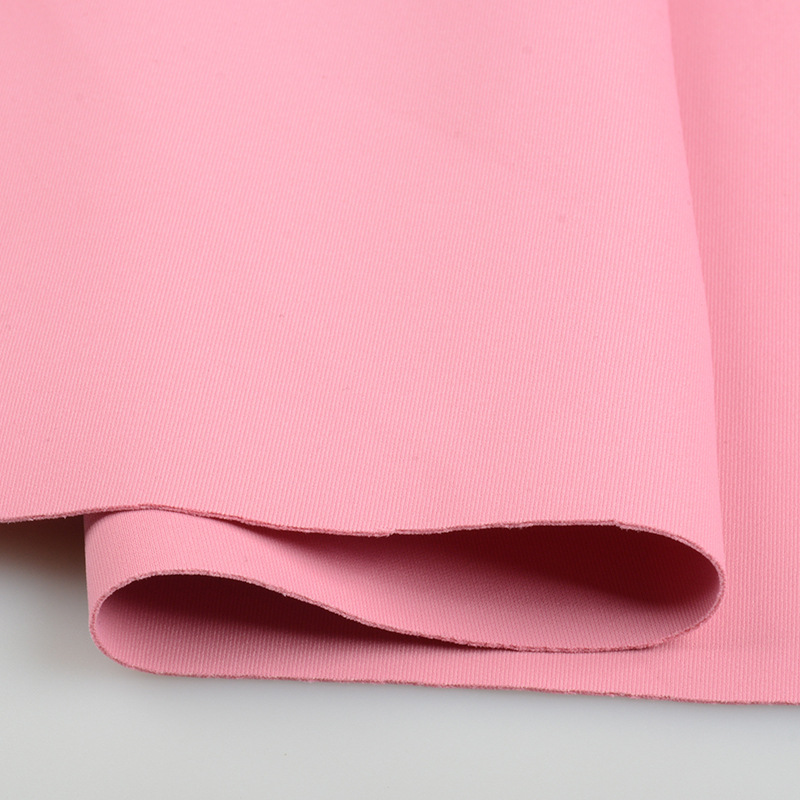
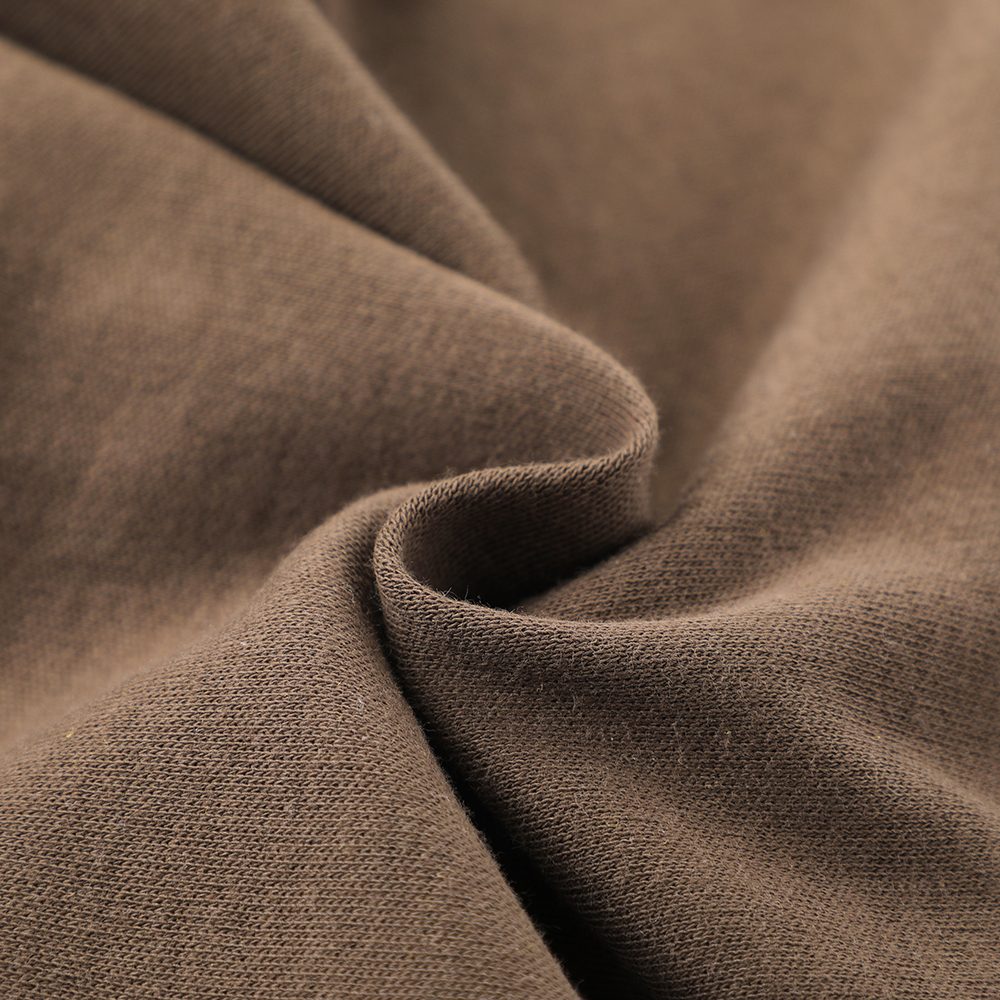
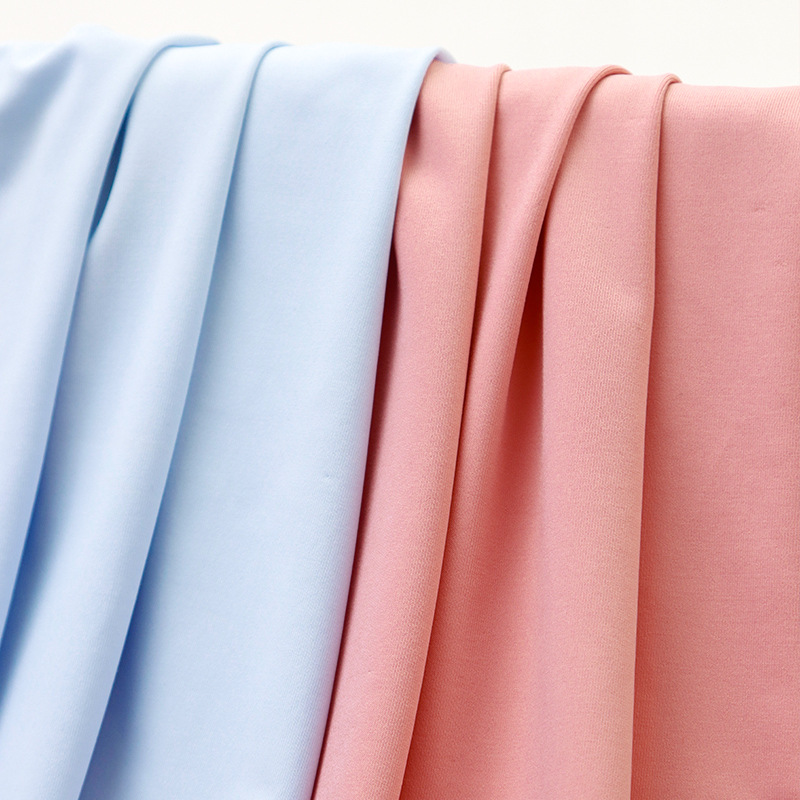
Production Processes for Custom Yoga Socks
Grip Application
Non-slip silicone or rubber grip patterns applied to sock soles for enhanced traction and safety during yoga practice. Customizable in color, pattern, and placement to match your brand identity and performance requirements.
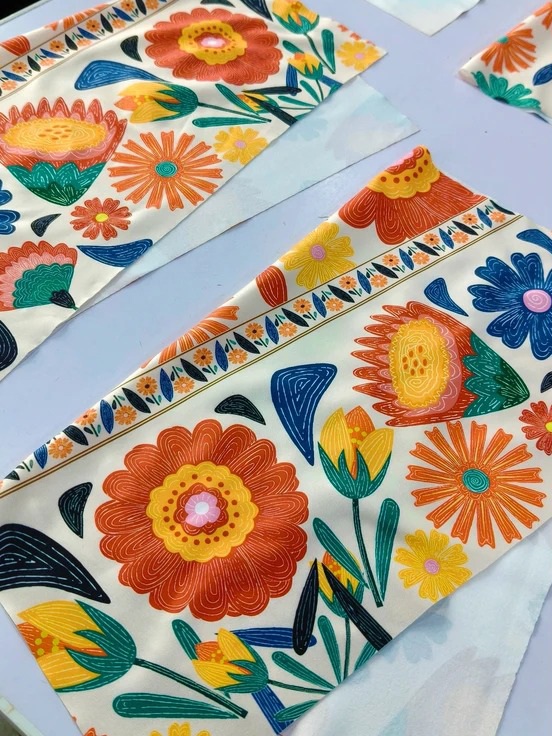
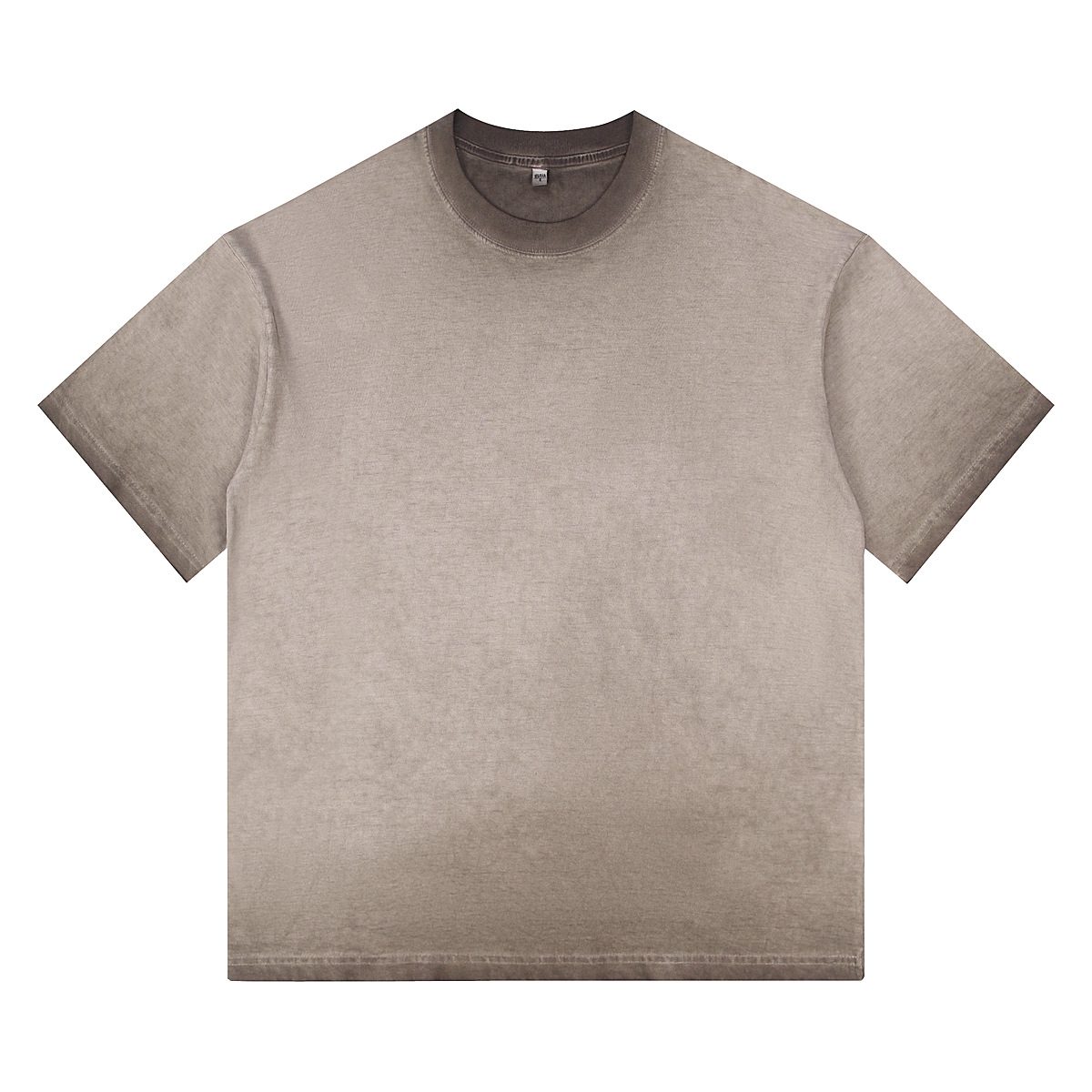
Accessories & Trims for Branded Custom Yoga Socks
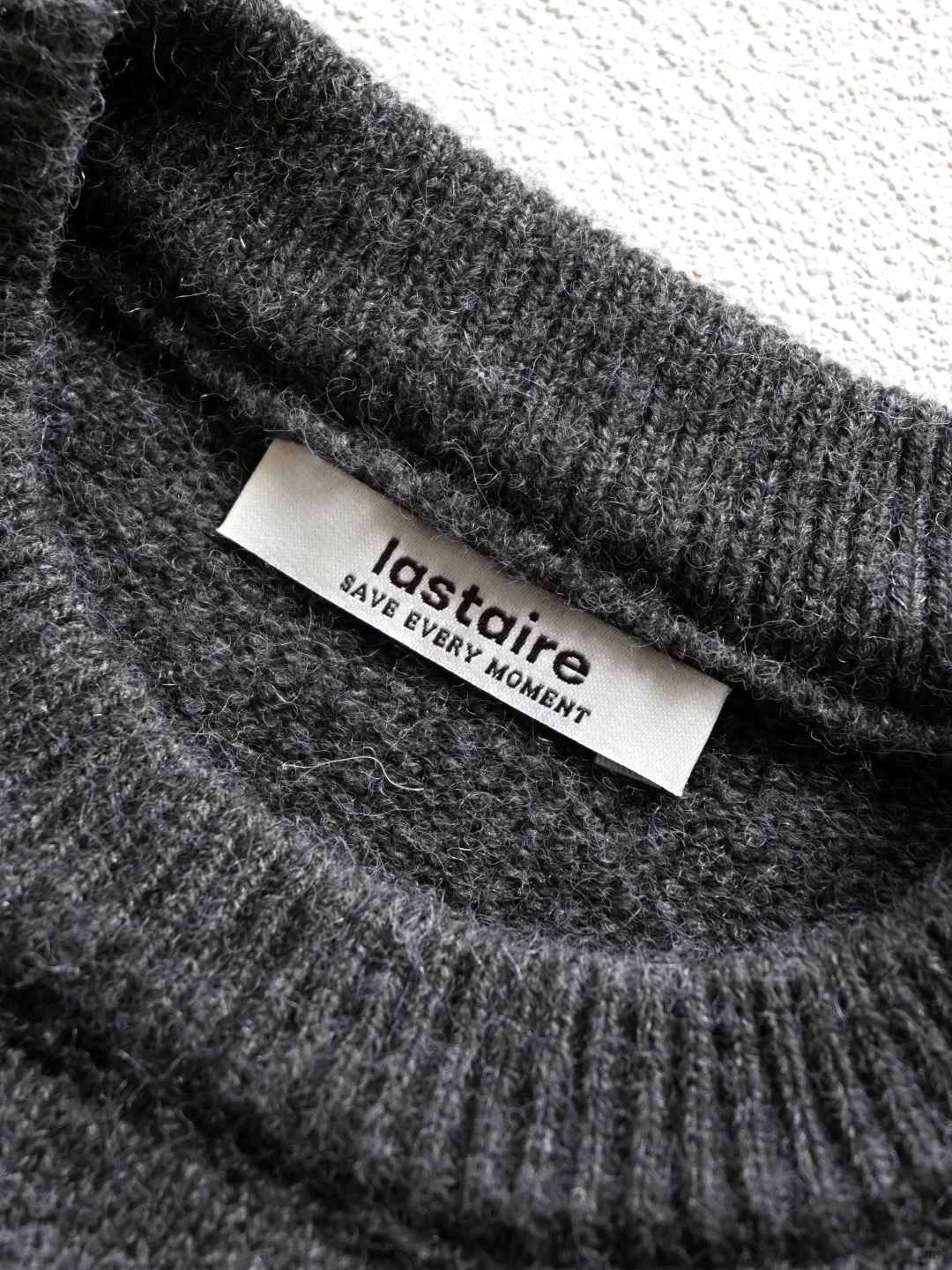
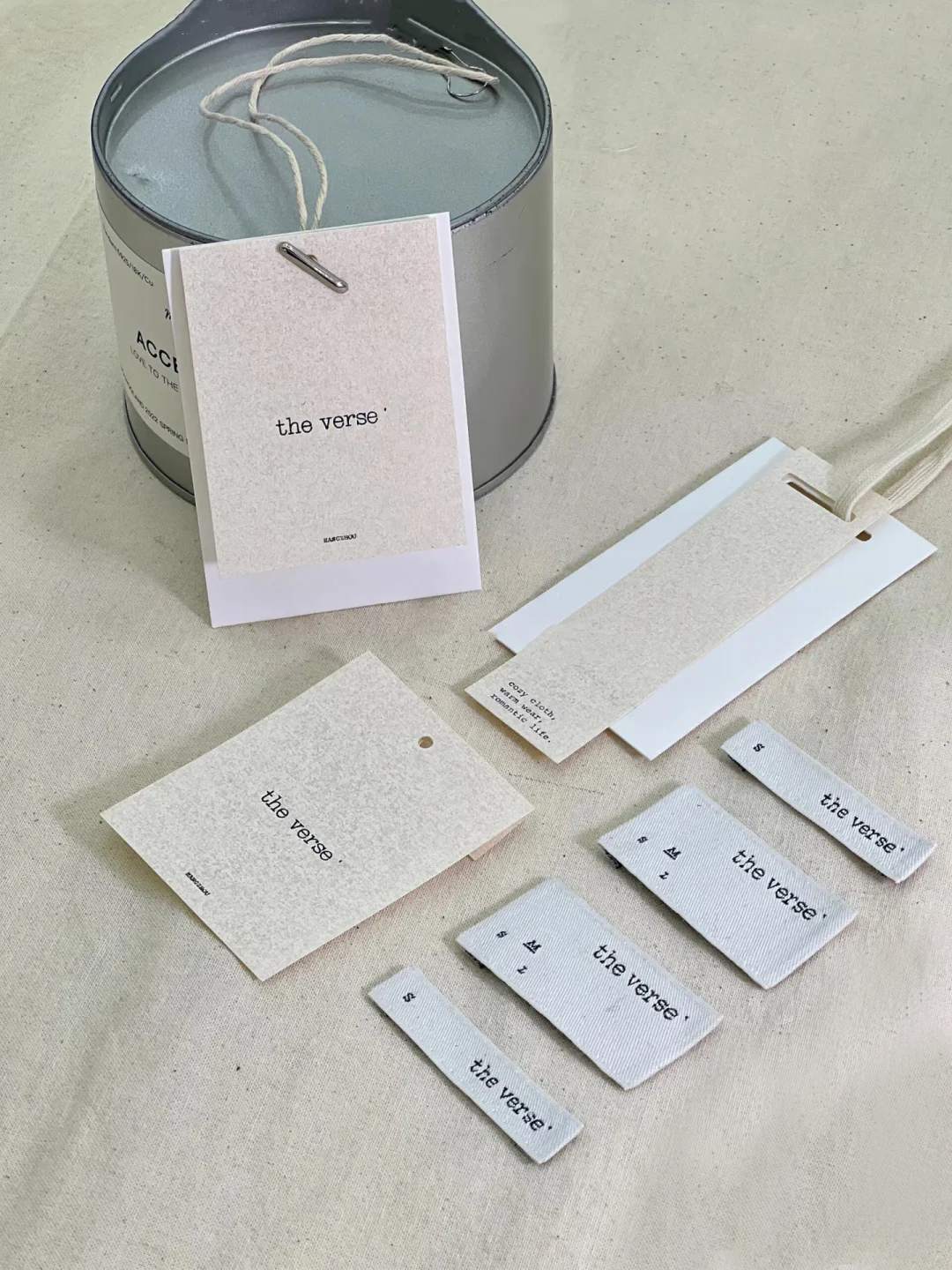
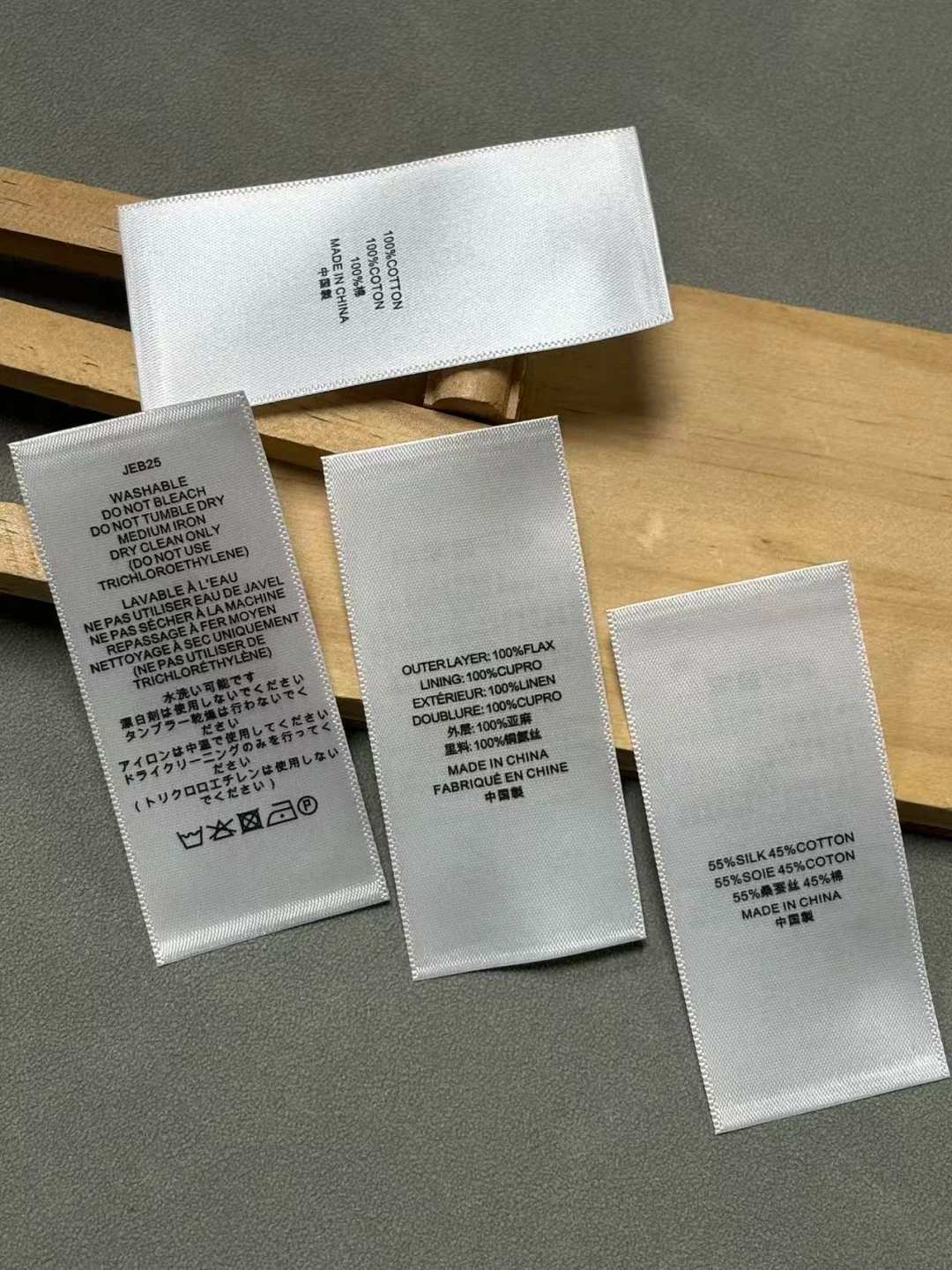
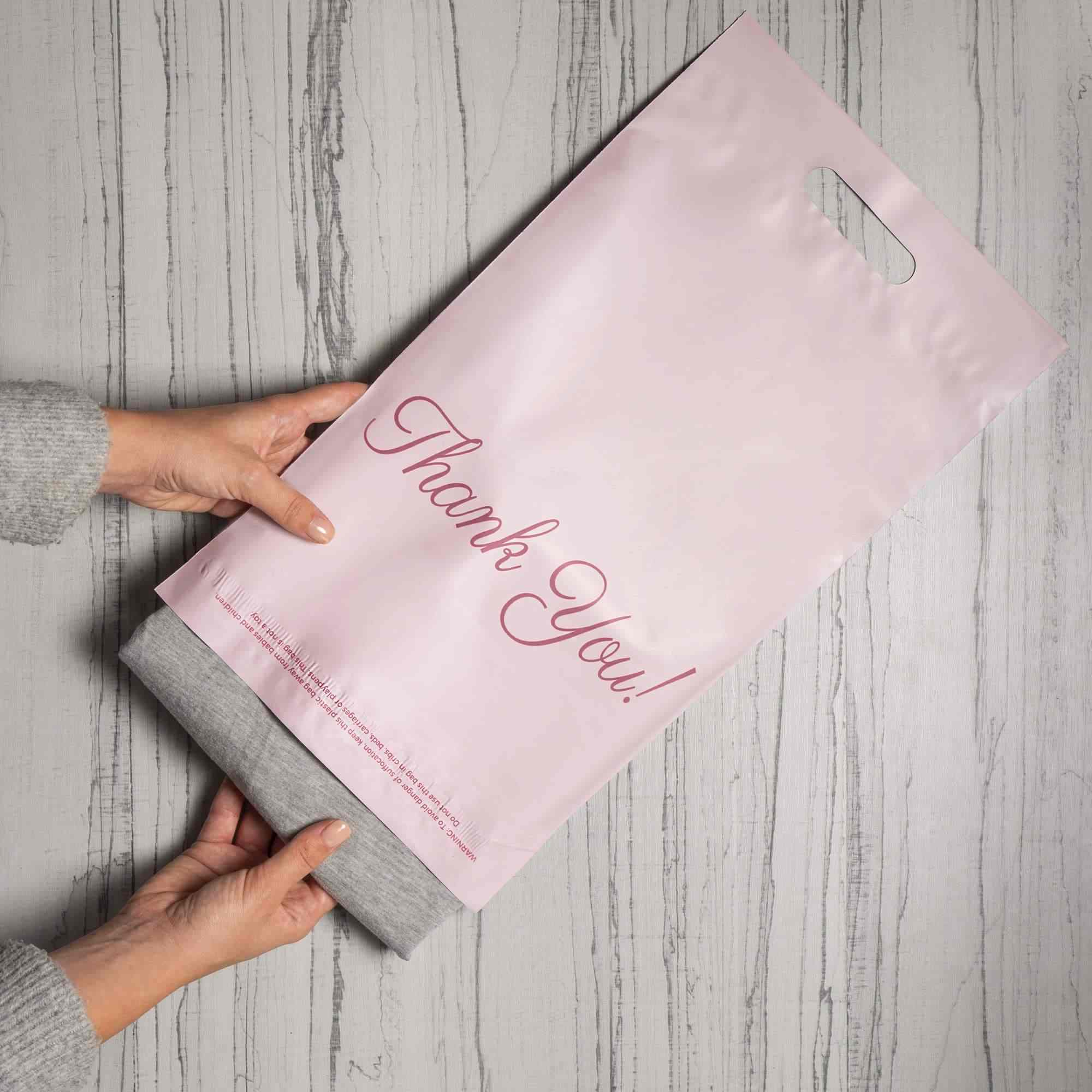
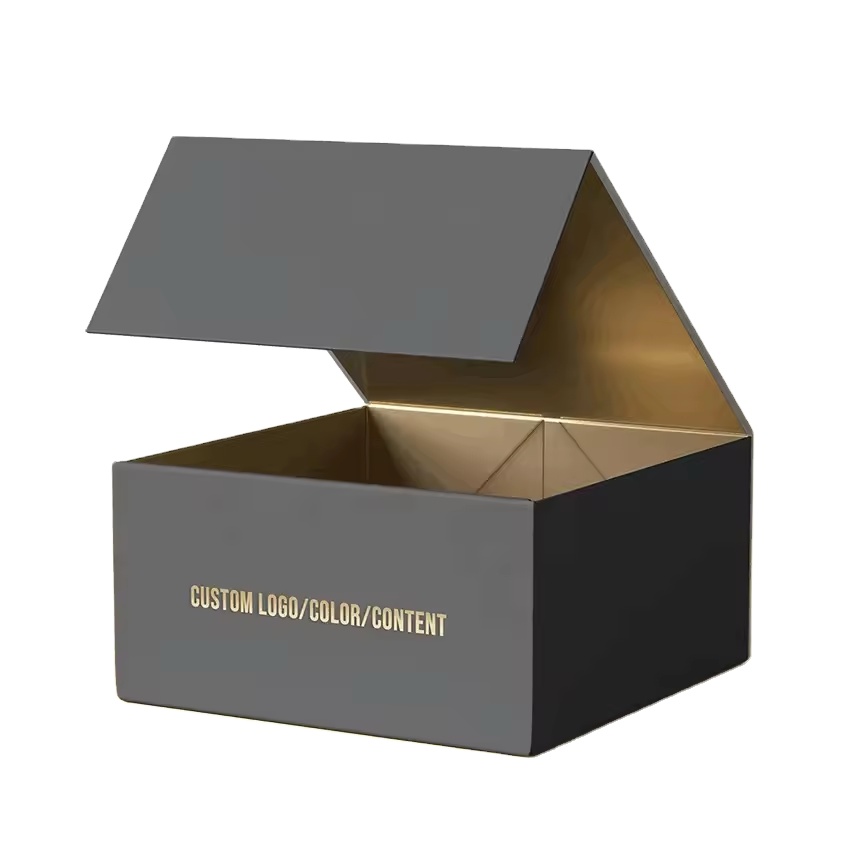
Branded Polybags
Individual protective polybags with custom printing showcasing your brand logo and product details. Cost-effective branding solution that maintains product hygiene, simplifies inventory management, and delivers professional presentation for retail and wholesale distribution channels.
About ZORWILD — 27 Years Manufacturing Excellence
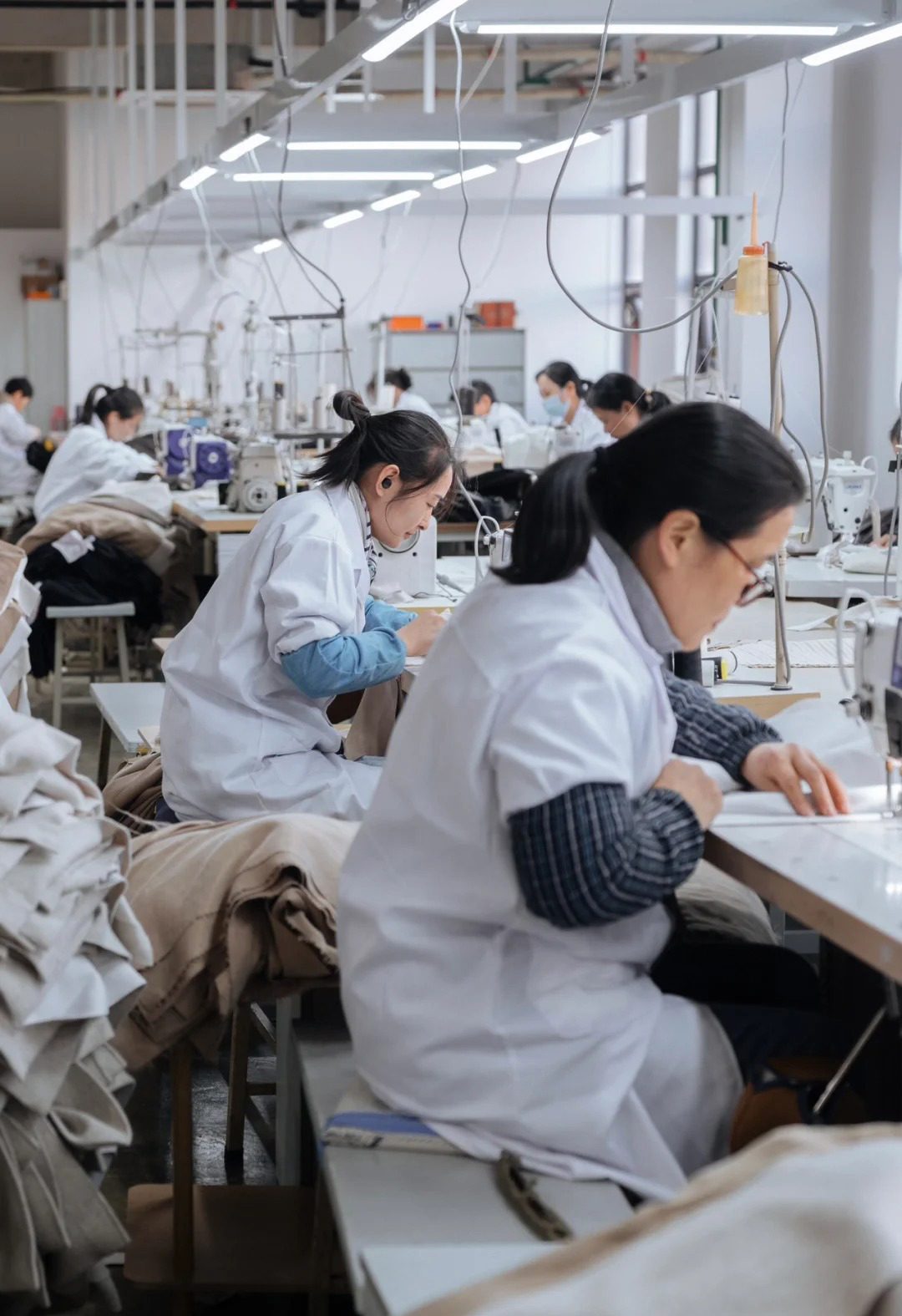
Founded in 1998 as a small family-operated garment workshop in Humen, Dongguan, ZORWILD has grown into a trusted full-category apparel manufacturer serving over 2,000 fashion brands worldwide. Our founder learned every stage of garment production from his father, a master cutter, building a foundation of precision, quality, and professionalism that defines our work today.
Today, ZORWILD employs more than 200 skilled workers and operates with a monthly production capacity exceeding 100,000 units. We specialize in OEM, ODM, and private label manufacturing for startup brands, influencers, wholesalers, and established fashion companies across the United States, Europe, Asia, and the Middle East.
What sets us apart is our commitment to accessible innovation. Since 2019, we’ve focused on low-MOQ production starting from just 50 pieces, empowering emerging brands to test products, launch capsule collections, and scale confidently. With 95% of decoration techniques in-house and a rigorous 6-stage quality control system, we deliver custom yoga socks and full apparel collections with the precision and reliability your brand deserves.
Custom Yoga Socks — Core Manufacturing Capabilities
Grip Technology & Non-Slip Sole Application
ZORWILD applies precision non-slip silicone grips to custom yoga socks using advanced heat-press and screen-printing techniques. Our 27-year manufacturing expertise ensures consistent grip placement, durability through repeated washing, and optimal traction performance for yoga, Pilates, barre, and studio activities.
- Silicone grip patterns customized to your brand design and performance needs
- Heat-resistant application ensures grip adhesion through 50+ wash cycles
- Multiple grip styles: dots, stripes, waves, full-sole coverage, or custom shapes
- Quality-tested for slip resistance on studio floors and yoga mats
Advanced Embroidery & Logo Placement
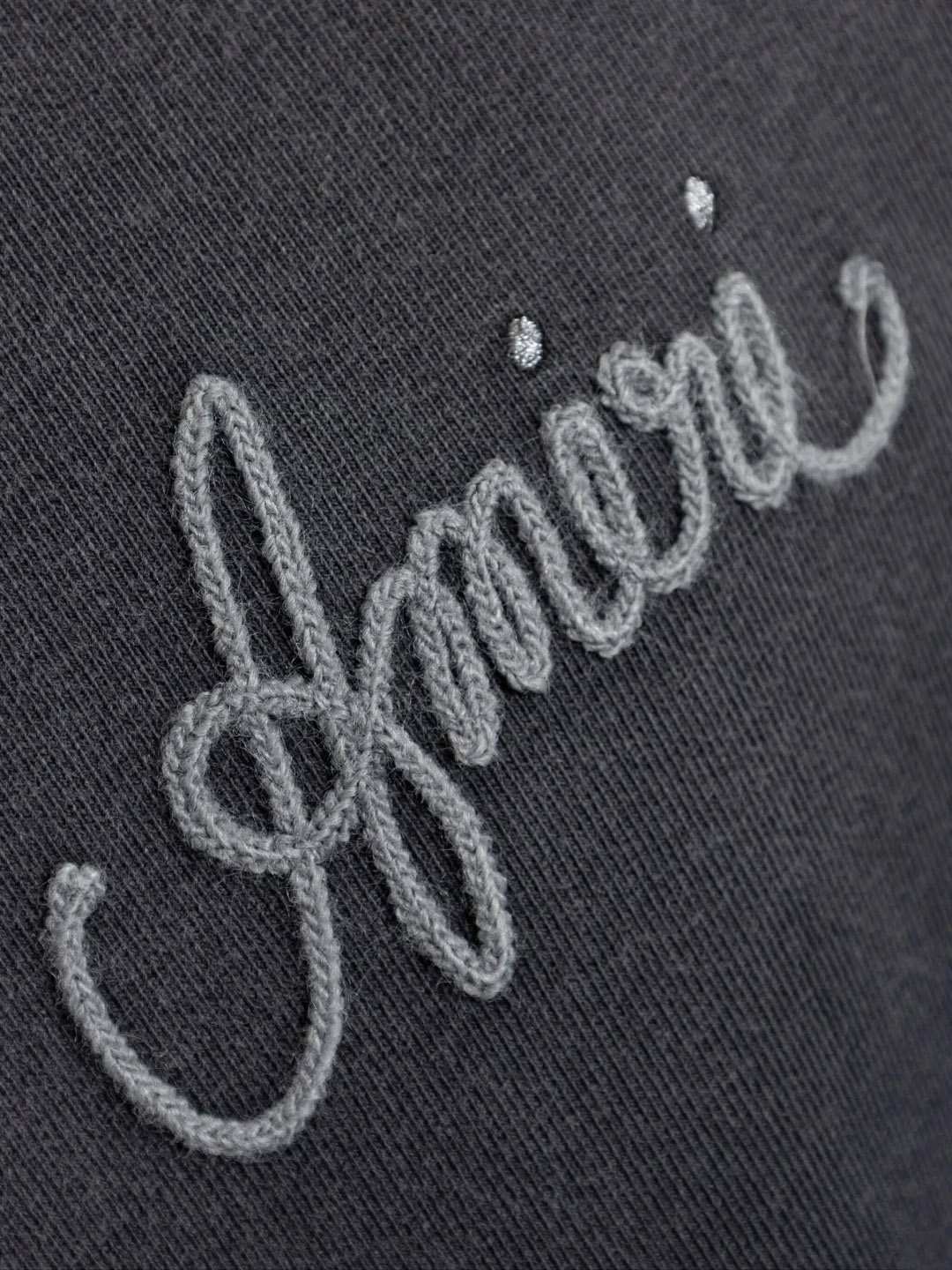
Elevate your custom yoga socks with professional embroidery, woven labels, and branding details. Our in-house decoration capabilities include flat embroidery, 3D puff embroidery, chenille patches, printed logos, and custom hang tags—all managed within our Humen, Dongguan facility for faster turnaround and tighter quality control.
- Embroidery on ankle cuffs, instep, or sole for maximum brand visibility
- Woven labels, heat-transfer logos, and silicone branding options available
- Color-matched threads and precise stitch density for premium finish
- 95%+ decoration techniques in-house eliminate third-party delays

Low-MOQ Sampling & Fast Turnaround
Launch your custom yoga socks with as few as 50 pieces per design. ZORWILD’s low-MOQ production system is ideal for startup brands, influencer collections, and market testing. Our streamlined sampling process delivers pre-production samples in 7–10 days, allowing you to validate fit, grip quality, and branding before committing to bulk orders.
- 50-piece minimum order quantity reduces inventory risk for new brands
- Fast sampling: receive physical prototypes in 7–10 days
- Flexible size runs and color assortments to match your target audience
- Scale seamlessly from 50 units to 10,000+ as your brand grows
Global Quality Control & Compliance
Every pair of custom yoga socks passes through ZORWILD’s rigorous 6-stage quality control system covering fabric inspection, grip adhesion testing, measurement verification, decoration quality, and final packaging inspection. Our export-ready compliance ensures your products meet safety and labeling standards for the US, EU, UK, and global markets.
- 6-stage QC system catches defects before shipment, reducing return rates
- Grip durability and elasticity tested to ensure performance standards
- Compliance support for labeling, care instructions, and import regulations
- Monthly production capacity exceeding 100,000 units ensures on-time delivery
ZORWILD vs. Typical Custom Yoga Socks Suppliers
Compare our specialized manufacturing capabilities, low MOQ flexibility, and 27 years of apparel expertise against conventional yoga sock suppliers to see why over 2,000 brands trust ZORWILD for custom yoga socks production.
← 左右滑动查看 →
Our Custom Yoga Socks Production Process
Compare our specialized manufacturing capabilities, low MOQ flexibility, 6-stage quality control system, and 27 years of apparel expertise against conventional yoga sock suppliers to see why over 2,000 brands trust ZORWILD for custom yoga socks production.
Tech Pack & Design Review
Submit your tech pack, sketches, or reference samples. Our development team reviews specifications, sizing, grip patterns, branding placement, and decoration methods to ensure production readiness.
Fabric Sourcing & Sampling
We source cotton, bamboo, polyester blends, or performance knit fabrics from trusted suppliers. Pre-production samples validate fit, fabric weight, stretch, and overall construction quality.
Grip Application & Decoration
Silicone grip dots or patterns are precisely applied to sock soles. Custom branding via embroidery, heat transfer, or printed labels is added per your specifications.
Quality Inspection & Washing
Every pair undergoes in-line and final inspection checking grip adhesion, seam strength, sizing accuracy, and decoration quality. Garment washing ensures softness and dimensional stability.
Final Packing & Labeling
Custom yoga socks are folded, paired, and packaged with your branded labels, hang tags, polybags, tissue paper, and custom packaging to create a premium unboxing experience.
Global Shipping & Logistics
Orders ship via air freight, sea freight, or express delivery with full export documentation and customs support, ensuring on-time delivery to your warehouse or fulfillment center.
How to Order Custom Yoga Socks from ZORWILD
Submit Tech Pack or Design Brief
Share your custom yoga socks design specifications, grip patterns, branding requirements, fabric preferences, and target quantities with our development team for review.
Receive Quote & Sampling Timeline
Get a detailed production quote including material costs, decoration pricing, MOQ options starting at 50 pieces, and estimated sampling and bulk timelines.
Approve Sample & Finalize Specs
Review your physical sample to evaluate fit, grip quality, fabric performance, branding placement, and construction details before confirming bulk production specifications.
Bulk Production Run Begins
Your custom yoga socks enter our production line with strict quality control at every stage including knitting, grip application, branding, and finishing.
Quality Check & Global Shipment
Final inspection ensures every pair meets specifications before secure packaging and shipment via air freight, sea freight, or express delivery worldwide.
Certifications & Compliance for Custom Yoga Socks

Custom Yoga Socks Success Stories
We launched our branded yoga socks in just 14 days from sample approval. The 50-piece MOQ let us test three colorways without tying up capital. We sold out in 28 days and immediately reordered 200 units.
ZORWILD reduced our MOQ from 500 to 50 pieces, which was a game-changer for our influencer brand. The grip quality and custom packaging exceeded expectations. Our customers love the anti-slip performance and we’ve reordered four times in six months.
As a wholesaler, consistency matters. ZORWILD delivered 1,200 pairs across three SKUs with zero defects. Their silicone grip application is flawless and the custom woven labels elevated our retail presentation. Lead time was 18 days, exactly as promised.
FAQ — Custom Yoga Socks Ordering & Production
What is the minimum order quantity for custom yoga socks?
How long does it take to get samples for custom yoga socks?
Do you charge for custom yoga socks samples?
What payment terms do you require for custom yoga socks orders?
How long does shipping take to the USA and Europe?
Is my custom yoga socks design protected and kept confidential?
What customization options are available for yoga socks?
What fabric options do you offer for custom yoga socks?
How durable is the grip on custom yoga socks?
The Complete Buyer’s Guide to Custom Yoga Socks for Brands and Wholesalers
1. What Are Custom Yoga Socks and Why They Matter
Custom yoga socks are specialized grip socks featuring non-slip silicone or rubber traction patterns on the sole, available in open-toe or full-toe designs, and engineered specifically for yoga, Pilates, barre, and studio workouts. Unlike regular athletic socks that prioritize cushioning and moisture wicking for running or gym use, custom yoga socks deliver barefoot-like stability while protecting against slippery studio floors and hygiene concerns on shared mats.
The functional benefits center on three key areas: enhanced stability through strategically placed grip dots or patterns that prevent sliding during poses, improved hygiene by creating a barrier between skin and communal surfaces, and injury prevention by reducing the risk of slips during transitions or balance-intensive movements. Studios report that grip socks reduce floor-related incidents by maintaining consistent traction across polished wood, vinyl, and rubberized flooring surfaces.
The ‘custom’ aspect refers to private-label branding, logo placement, custom colorways, unique pattern designs, and branded packaging that transform generic grip socks into branded activewear products. Influencers, yoga studios, and activewear brands are launching their own lines because custom yoga socks offer high perceived value, strong repeat-purchase behavior, low inventory risk with 50-piece minimum order quantities, and opportunities for brand visibility during every workout session.
ZORWILD manufactures custom yoga socks with advanced silicone grip application, seamless toe construction, moisture-wicking fabric blends, and full customization including woven labels, custom packaging, and color matching to support startup brands and established activewear labels.
2. The Evolution of Custom Yoga Socks in the Activewear Market
Grip socks emerged in early 2000s Pilates studios as non-slip footwear for reformer work, with typical orders exceeding 500 units for studio retail shelves. By 2008, yoga instructors began recommending them for hot yoga and balance-focused practices, shifting the category from Pilates-only to broader wellness audiences. This transition expanded the market from studio bulk orders to individual consumer purchases through specialty activewear retailers.
Celebrity endorsements between 2012 and 2016 elevated custom yoga socks from functional accessory to lifestyle product, with influencers showcasing branded designs on social media platforms. The 2020 pandemic home-fitness boom accelerated demand as consumers invested in at-home yoga equipment and grip socks became essential for hardwood and tile floor practice. Global activewear brands reported 40–60% increases in grip sock sales during 2020–2021, validating the category’s mainstream status.
Today’s market prioritizes three trends: sustainable materials like organic cotton and recycled polyester blends, personalized branding with custom logos and hang tags at MOQs as low as 50 pieces, and fashion-forward designs incorporating tie-dye, gradient colors, and embroidered details. Customization has shifted from 1,000-piece studio orders to 50–200 piece influencer collaborations, enabling small brands and social media entrepreneurs to launch branded collections without inventory risk. ZORWILD’s low MOQ production system supports this shift, allowing startups to test market demand with minimal upfront investment while accessing the same decoration techniques—screen printing, embroidery, custom labels—previously reserved for large-scale orders.
3. Types of Custom Yoga Socks: Styles and Use Cases
Custom yoga socks are manufactured in four primary style families, each addressing distinct functional needs and branding opportunities. Understanding these categories helps brands align product selection with target studio demographics and retail positioning.
Open-Toe vs. Full-Toe Coverage
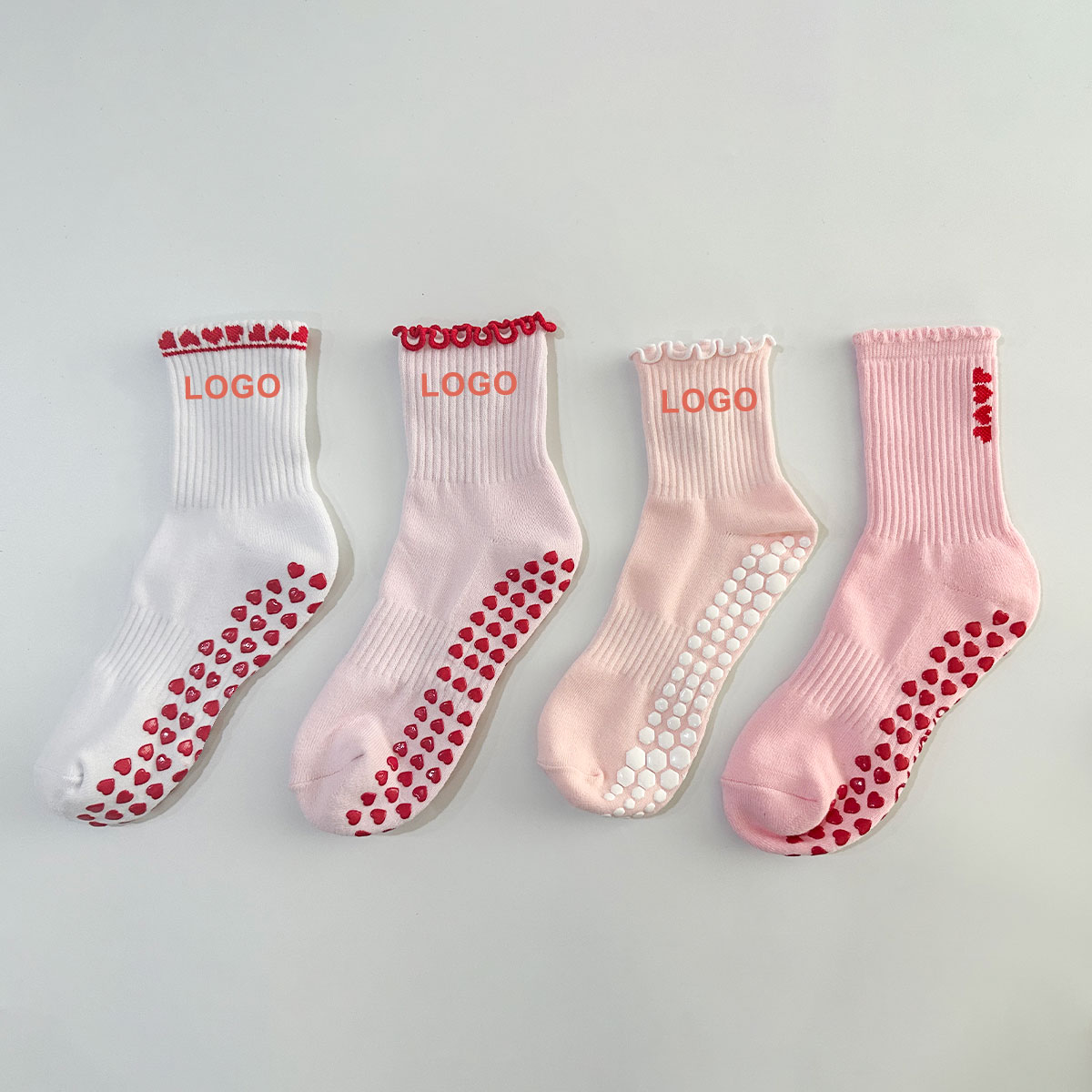
Open-toe designs expose the toes for enhanced balance feedback and natural grip, preferred by hot yoga and Pilates practitioners who value direct mat contact. Full-toe socks provide warmth and complete coverage, ideal for barre studios and cooler environments where hygiene and foot protection are priorities.
Branding real estate differs significantly: full-toe styles offer larger instep and sole print areas, while open-toe designs emphasize ankle and heel zones. ZORWILD produces both variants with grip patterns extending to toe edges for open-toe stability.
Ankle vs. Crew Height
Ankle-height socks (2–3 inches above heel) dominate retail due to minimal fabric use and universal appeal across yoga, barre, and general fitness. Crew-height styles (6–8 inches) provide calf compression and visual differentiation for premium studio brands.
Height selection impacts MOQ costs: ankle styles typically start at 50 pieces per colorway, while crew styles may require 100 pieces due to increased knitting complexity and material consumption.
Five-Toe vs. Standard Construction
Five-toe socks separate each digit for maximum toe splay and proprioceptive feedback, targeting advanced practitioners and premium studio retail. Standard construction uses a unified toe pocket, reducing manufacturing complexity and cost while maintaining grip performance.
Five-toe styles require specialized knitting equipment and add 15–25% to unit costs. ZORWILD recommends standard construction for budget retail lines and five-toe for differentiated premium collections where per-unit margins support higher production costs.
Hybrid Styles: Toeless with Strap and Compression Grip
Toeless strap socks combine open-toe benefits with an arch band or instep strap for secure fit during dynamic movements, popular in hot yoga and dance-fitness hybrids. Compression grip socks integrate graduated compression zones with silicone grip, bridging activewear and recovery product categories.
Hybrid styles offer expanded branding surfaces on straps and compression panels. These variants suit influencer brands seeking Instagram-ready differentiation and established labels launching crossover activewear collections.
4. Materials and Fabric Choices for Custom Yoga Socks
Fabric selection determines breathability, grip durability, and cost structure for custom yoga socks. Most manufacturers offer cotton, bamboo, polyester, and wool blends with GSM (grams per square meter) ranging from 180 to 280, directly affecting cushioning and longevity.
| Fabric Blend | GSM Range | Breathability | Price Tier (FOB) | Best Use Case |
|---|---|---|---|---|
| Cotton/Spandex | 200–240 | Moderate | $1.80–$2.50 | Heated yoga, temperate climates |
| Bamboo/Nylon | 180–220 | High | $2.20–$3.00 | Hot yoga, eco-conscious brands |
| Polyester/Elastane | 190–260 | Very High | $1.50–$2.10 | High-volume, all climates |
| Merino Wool | 240–280 | High | $3.50–$5.00 | Cold climates, luxury lines |
Cotton/Spandex Blends
Cotton/spandex blends (typically 80/15/5 cotton/polyester/spandex) offer natural breathability and soft hand feel at mid-range cost. GSM ranges from 200 to 240, providing moderate cushioning suitable for heated yoga and studio environments.
Moisture absorption is high but drying time is slower than synthetic alternatives. Durability reaches 30–50 washes before elasticity degrades. Price tier sits at $1.80–$2.50 per pair FOB for 500-piece orders, making cotton blends ideal for retail brands targeting comfort-focused consumers in temperate climates.
Bamboo/Nylon Blends
Bamboo/nylon blends (60/35/5 bamboo viscose/nylon/spandex) deliver superior moisture-wicking and natural antibacterial properties. GSM typically ranges from 180 to 220, creating lightweight socks suited for hot yoga and high-intensity sessions.
Breathability exceeds cotton by 15–20 percent due to fiber structure. Wash durability reaches 40–60 cycles with minimal pilling. Cost sits at $2.20–$3.00 per pair FOB, positioning bamboo blends as premium eco-friendly options for brands emphasizing sustainability and performance in humid or tropical markets.
Polyester/Elastane Performance Blends
Polyester/elastane blends (85/15) provide maximum moisture-wicking speed and durability at the lowest cost tier. GSM ranges from 190 to 260, with higher weights used for cushioned studio socks.
Drying time is 40–50 percent faster than natural fibers, and wash durability exceeds 80 cycles with consistent stretch recovery. FOB pricing starts at $1.50–$2.10 per pair for 500-piece runs. Polyester blends suit high-volume wholesalers, gym chains, and activewear brands requiring reliable performance across all climates and intensive use.
Merino Wool Blends
Merino wool blends (50/40/10 merino/nylon/spandex) offer natural temperature regulation and odor resistance for cold-climate yoga and outdoor practice. GSM ranges from 240 to 280, delivering maximum cushioning and warmth.
Breathability remains high despite insulation properties, and moisture-wicking performance matches synthetic blends. Durability reaches 50–70 washes with proper care. Premium pricing of $3.50–$5.00 per pair FOB targets luxury yoga brands and winter activewear collections in North America and Northern Europe.
Grip Material: Silicone vs. PVC vs. Rubber
Silicone grip dots provide superior adhesion on wood and PVC mats, maintaining traction through 60+ washes without cracking. Application cost adds $0.30–$0.50 per pair, and silicone remains flexible across temperature ranges, making it the preferred choice for premium custom yoga socks.
PVC dots cost $0.15–$0.25 per pair but harden after 20–30 washes, losing 30–40 percent of initial grip. Rubber (natural or synthetic) offers mid-tier performance at $0.20–$0.35 per pair, with wash durability of 40–50 cycles. Silicone is recommended for retail brands; PVC suits promotional or single-use applications; rubber balances cost and performance for wholesale distributors.
5. Customization and Decoration Options for Custom Yoga Socks
Custom yoga socks support multiple decoration methods, each with distinct cost structures, durability profiles, and visual outcomes. Placement zones—ankle cuff, arch band, toe box, and sole grip pattern—determine both branding visibility and functional performance.
| Technique | Setup Cost | Durability (Washes) | Color Capability | Typical MOQ |
|---|---|---|---|---|
| Jacquard Knit | $150–$400 | 500+ (permanent) | 2–4 colors | 500–1,000 pairs |
| Embroidery | $80–$200 | 50+ washes | 8–12 thread colors | 300–500 pairs |
| Heat Transfer | $50–$150 | 20–40 washes | Full color (limited durability) | 100–200 pairs |
| Sublimation | $50–$150 | 50+ washes | Full color (polyester only) | 200–300 pairs |
| Silicone Print | $100–$250 | 30–60 washes | 1–3 colors | 200–500 pairs |
Jacquard Knit Logo Integration
Jacquard knitting weaves brand logos or patterns directly into the sock structure during production, eliminating separate decoration steps. Setup costs range from $150–$400 per design due to digital programming requirements, but per-unit costs remain low. Durability matches the sock lifespan—logos never peel or fade through hundreds of wash cycles. Color capability is limited to 2–4 colors per design, and MOQ typically starts at 500–1,000 pairs per colorway due to machine changeover time.
Heat Transfer and Sublimation Printing
Heat transfer applies pre-printed graphics via heat press, suitable for detailed multi-color artwork on synthetic-blend socks. Setup costs are $50–$150 for film production, with MOQ as low as 100–200 pairs. Durability ranges from 20–40 wash cycles before cracking or fading begins. Sublimation printing offers full-color, photographic-quality designs on polyester socks with permanent dye infusion, lasting 50+ washes. Sublimation requires light-colored base fabrics and starts at 200–300 pairs.
Silicone Print for Grip and Branding
Silicone printing serves dual purposes: anti-slip sole patterns and raised logo branding on ankle or arch zones. Setup costs range $100–$250 per design, with per-unit costs of $0.20–$0.50. Silicone grips endure 30–60 wash cycles before grip performance degrades. Color options include 1–3 silicone colors per design, and MOQ typically starts at 200–500 pairs. Placement on the sole maximizes traction; arch or ankle placement emphasizes brand visibility during practice.
Packaging Customization Options
Custom packaging elevates brand perception and unboxing experience. Options include printed hangtags with brand story and care instructions, custom polybags with logo printing, and rigid boxes for premium retail presentation. Hangtag setup costs run $30–$80 for design and die-cutting, with per-unit costs of $0.05–$0.15. Custom polybags add $0.10–$0.25 per pair, while branded boxes range $0.50–$1.50 depending on material and printing complexity. MOQ for custom packaging typically starts at 500–1,000 units.
6. Key Construction Quality Elements in Custom Yoga Socks
Quality construction separates custom yoga socks that perform through hundreds of classes from those that fail after a few washes. Five non-negotiable checkpoints determine whether a sample meets professional standards or signals production risk.
Grip Coverage and Pattern Density
Grip dots should cover 60–75% of the sole surface with consistent spacing of 8–12 mm between centers. Silicone or PVC grips must measure 2–4 mm in height and 5–8 mm in diameter to balance traction and comfort.
Test grip adhesion by pressing the sock firmly against a yoga mat for 10 seconds, then peeling it back; dots should remain intact with no residue transfer. Uneven dot size or sparse coverage below 50% indicates poor screen setup or insufficient silicone paste.
Seam Placement and Toe Construction
Linked-toe seams lie flat against the skin and eliminate the ridge that causes blisters during downward dog or warrior poses. Flat-toe seams, common in budget socks, create a 2–3 mm raised line that rubs during movement.
Inspect the toe box under tension; linked seams should show no puckering or thread loops. Red flags include visible overlock stitching inside the toe or seams placed on top of the toes rather than at the tip.
Elastic Band Tension and Placement
Ankle and arch elastic bands must provide 20–30% compression without rolling or cutting circulation. Bands should sit 5–8 cm above the heel and 3–5 cm below the ankle bone to anchor the sock during inversions.
Stretch the band to 150% of resting length and release; recovery to original width within 2 seconds indicates proper elastane content of 10–15%. Loose bands that slide down mid-class or overly tight bands that leave red marks both signal poor spec control.
Reinforced Heel and Toe Panels
Double-layer knit or terry loops at heel and toe extend sock life by 40–60% in high-friction zones. Reinforcement should cover the entire heel cup and the first 2–3 cm of the toe box without adding bulk.
Bend the sock at the toe and heel; reinforced areas should feel noticeably thicker but remain flexible. Thin single-layer construction or uneven reinforcement that stops mid-sole are common cost-cutting shortcuts that lead to holes within 10–15 washes.
Colorfastness and Wash Durability
Run a wash test at 40°C with a white towel; any color transfer indicates poor dye fixation that will fade and stain customer laundry. Pilling after one tumble-dry cycle or loose threads at seams signal low-grade yarn or inadequate finishing.
Stretch recovery after washing should return the sock to within 5% of original dimensions. Socks that grow baggy or shrink more than 8% fail the durability standard required for retail or wholesale distribution.
7. How to Choose the Right Manufacturer for Custom Yoga Socks
Selecting the right manufacturing partner for custom yoga socks requires evaluating multiple technical and operational criteria. Factories differ widely in minimum order quantities, specialization depth, certification standards, and service models. A systematic evaluation framework protects both product quality and business cash flow.
MOQ Flexibility and Startup Accessibility
Minimum order quantities for custom yoga socks typically range from 50 pieces per design at specialized low-MOQ manufacturers to 1,000–3,000 pieces at traditional hosiery factories. ZORWILD’s 50-piece MOQ enables startup brands and influencers to test colorways, validate grip patterns, and launch capsule collections without tying up capital in excess inventory.
Higher MOQ factories often deliver lower per-unit costs but increase financial risk for new brands. Low-MOQ partners provide flexibility to iterate designs, respond to social media trends, and scale production as demand grows.
Sampling Speed, Cost, and Iteration
Sample lead times range from 5–7 days for digital knitting and screen-printed grips to 14–21 days for jacquard patterns or embroidered logos. Sample costs typically fall between $30–$80 per pair depending on decoration complexity and fabric specifications.
Fast sampling cycles allow brands to refine fit, test grip durability, and validate color matching before committing to bulk orders. Factories offering free or low-cost sampling for confirmed orders reduce upfront investment and accelerate time to market.
Certifications and Compliance Standards
OEKO-TEX Standard 100 certification ensures yarns and dyes meet strict limits for harmful substances, critical for skin-contact activewear. BSCI and WRAP audits verify ethical labor practices, while ISO 9001 confirms quality management systems.
Brands selling in the EU, US, or via major retail channels increasingly require certified suppliers to meet regulatory and corporate social responsibility standards. Verify certifications directly and request audit reports dated within the past 12 months.
Factory Specialization: Hosiery vs. General Knitwear
Hosiery-dedicated factories maintain specialized circular knitting machines, toe-closing equipment, and grip application systems that general knitwear manufacturers lack. In-house decoration capabilities—screen printing, sublimation, embroidery—reduce lead times and quality handoff risks versus outsourced decoration.
ZORWILD’s full-category knitwear expertise supports integrated production from yarn sourcing through grip application, finishing, and branded packaging, ensuring consistent quality control and faster turnaround than multi-vendor supply chains.
Geographic Considerations and Lead Times
China offers the broadest fabric options, lowest MOQs, and fastest sampling, with production lead times of 18–35 days. Turkey provides mid-range pricing and strong cotton quality with 25–40 day lead times. Portugal delivers premium positioning and EU proximity but typically requires 500+ piece MOQs and 30–50 day timelines.
Shipping costs and customs duties vary by origin; Chinese manufacturers often provide door-to-door logistics support, while European factories may require buyers to arrange freight and handle import documentation independently.
8. Common Mistakes When Sourcing Custom Yoga Socks
Sourcing custom yoga socks involves technical decisions that directly impact product performance, customer satisfaction, and brand reputation. Many buyers—especially first-time brand owners—make preventable mistakes that lead to quality issues, inventory problems, or launch delays.
Choosing Price Over Grip Quality
Selecting the lowest-cost supplier often results in inferior silicone grip application, poor adhesion, or reduced traction after washing. Grip dots are the defining functional feature of yoga socks; compromising here undermines the entire product.
Request grip adhesion test reports and wash durability data (minimum 20-30 washes). Specify silicone weight per sock (typically 8–12 grams) and dot pattern density in your tech pack to ensure consistent grip performance across production runs.
Ignoring Sample Wash Tests
Skipping wash testing on samples means discovering shrinkage, color bleeding, or grip degradation only after bulk production ships. Cotton-blend socks can shrink 5–8% without proper pre-treatment; dye migration ruins mixed-color orders.
Conduct at least three wash-and-dry cycles on samples before approving production. Document any shrinkage, color fade, or grip loss, and require corrective measures in writing before placing bulk orders.
Underestimating Lead Time for Custom Colors
Custom Pantone color matching for yarn dyeing adds 10–15 days to standard lead times. Rush orders without adequate dye-lot approval windows result in color mismatches or delayed shipments that miss seasonal launch windows.
Confirm total lead time including yarn dyeing, sampling, and bulk production upfront. Request dye-lot approval samples and build a 2–3 week buffer into your launch calendar for custom colors.
Skipping Size Grading
Ordering a single ‘one size fits all’ often excludes 30–40% of potential customers with smaller or larger feet. Poor fit leads to returns, negative reviews, and lost repeat sales.
Offer at least S/M and M/L size options (US women’s 5–7.5 and 8–10.5). Confirm heel-to-toe measurements and arch placement for each size grade in your tech pack to ensure proper fit across the range.
Neglecting Packaging Design Until Last Minute
Delaying packaging decisions forces rushed design, poor material choices, or generic poly-bag solutions that weaken brand perception and unboxing experience. Premium yoga brands require cohesive packaging that reflects product quality.
Finalize packaging design—including custom hang tags, branded belly bands, or gift boxes—during sampling phase. ZORWILD offers custom packaging services; coordinate packaging materials, printing, and assembly early to avoid production delays.
Failing to Confirm GSM and Thread Count in Writing
Verbal agreements on fabric weight (GSM) and thread count lead to disputes when delivered socks feel thinner or less durable than samples. Standard yoga sock fabric ranges from 180–240 GSM; deviations affect comfort and longevity.
Specify exact GSM, thread count, and yarn composition (e.g., 80% combed cotton, 15% polyester, 5% spandex) in your purchase order and tech pack. Request fabric swatch approvals and retain samples as reference standards for future orders.
9. Step-by-Step: Launching Your Custom Yoga Socks Brand
Launching a custom yoga socks brand requires careful planning across research, design, sampling, production, and go-to-market phases. Each stage has specific deliverables and realistic timelines that influence overall speed-to-market. Understanding the iterative nature of product development prevents delays and budget overruns.
Market Research and Niche Definition
Spend 2–3 weeks analyzing competitor offerings, price points, and customer reviews on platforms like Amazon, Etsy, and specialty yoga retailers. Identify gaps in grip patterns, aesthetic styles, or functional features that align with your brand positioning.
Define your target customer profile, preferred retail price range, and initial SKU count. Most startups launch with 3–5 colorways or designs to test market response before expanding inventory.
Design Brief and Tech Pack Creation
Allocate 1–2 weeks to develop detailed tech packs specifying sock height, grip material placement, yarn composition, logo placement, and packaging requirements. Include reference images, Pantone color codes, and sizing charts.
ZORWILD’s development team can refine sketches into production-ready specs when clients provide inspiration photos or sample garments. Clear tech packs reduce sampling revisions and accelerate approval timelines.
Supplier Shortlist and Sample Approval
Request quotes from 3–5 manufacturers, comparing MOQ flexibility, sampling costs, lead times, and decoration capabilities. ZORWILD offers 50-piece MOQ for custom yoga socks, enabling low-risk market testing.
Sampling typically requires 7–14 days for first prototypes. Expect 2–3 revision rounds to perfect grip adhesion, fit consistency, and color matching. Approve samples only after wear testing across multiple foot sizes.
Production Order and Quality Checkpoints
Bulk production for 500–1,000 pairs typically requires 20–30 days after sample approval. Implement in-line inspections for grip placement accuracy, seam strength, and yarn consistency.
Request pre-shipment inspection reports covering measurement tolerances, color fastness, and packaging quality. ZORWILD’s QC system includes raw material inspection, in-line checks, and final product audits before shipping.
Logistics and Launch Strategy
Sea freight from China requires 25–35 days; air freight delivers in 5–7 days at higher cost. Factor customs clearance and domestic distribution into your launch calendar.
Seed products to 10–15 yoga influencers 3–4 weeks before public launch. Use pre-orders to validate demand and fund initial inventory. Approach boutique studios and online activewear retailers with samples and wholesale terms.
10. Pricing and Cost Structure for Custom Yoga Socks
Custom yoga socks pricing typically ranges from $1.80 to $4.50 per pair FOB depending on MOQ tier, material choice, grip application method, and decoration complexity. Base cost drivers include fabric type (cotton blends at $0.40–$0.70 per pair, bamboo or organic cotton at $0.60–$1.00), silicone grip application ($0.30–$0.60 depending on coverage and pattern density), and decoration method (screen printing $0.15–$0.30 per color, embroidery $0.40–$0.80, woven labels $0.10–$0.25). ZORWILD’s 50-piece MOQ allows startup brands to test designs with manageable upfront investment, while volume tiers unlock significant per-unit savings at 500 and 1,000 pieces.
Sampling costs range from $30 to $80 per style depending on decoration complexity, with most manufacturers requiring 7–10 days for first samples and 3–5 days for revision rounds. Setup fees for screen printing typically run $25–$50 per color, while embroidery digitization costs $40–$80 per design. Lead times decrease with volume: 50-piece orders ship in 12–18 days, 500-piece in 18–25 days, and 1,000-piece in 25–35 days from approval.
Landed cost includes FOB price plus international freight (air $4–$7 per kg, sea $0.80–$1.50 per kg), customs duties (typically 12.5–16% for textile imports to the US), and domestic logistics. Successful activewear brands apply 2.5× to 3× retail markup: a $2.40 landed cost supports a $6.99–$7.99 retail price point, leaving margin for platform fees, returns, and marketing spend.
| Order Quantity | Price per Pair (FOB) | Setup Fee | Sample Cost | Lead Time |
|---|---|---|---|---|
| 50 pieces | $3.80–$4.50 | $80–$120 | $50–$80 | 12–18 days |
| 500 pieces | $2.40–$3.20 | $80–$120 | $50–$80 | 18–25 days |
| 1,000 pieces | $1.80–$2.60 | $60–$100 | $50–$80 | 25–35 days |
| 5,000+ pieces | $1.50–$2.20 | $40–$80 | $50–$80 | 30–40 days |
Ready to Launch Your Custom Yoga Socks?
Start with just 50 pieces, receive fast samples, and scale to 100,000+ units monthly with ZORWILD’s 27 years of manufacturing expertise and global shipping support.