
Wholesale Dress Suppliers — 50-Piece MOQ, 7-Day Sampling, Full-Stack Production
ZORWILD connects DTC brands and wholesalers with professional wholesale dress suppliers offering low MOQ production, fast sampling, and complete manufacturing from fabric sourcing to finishing.
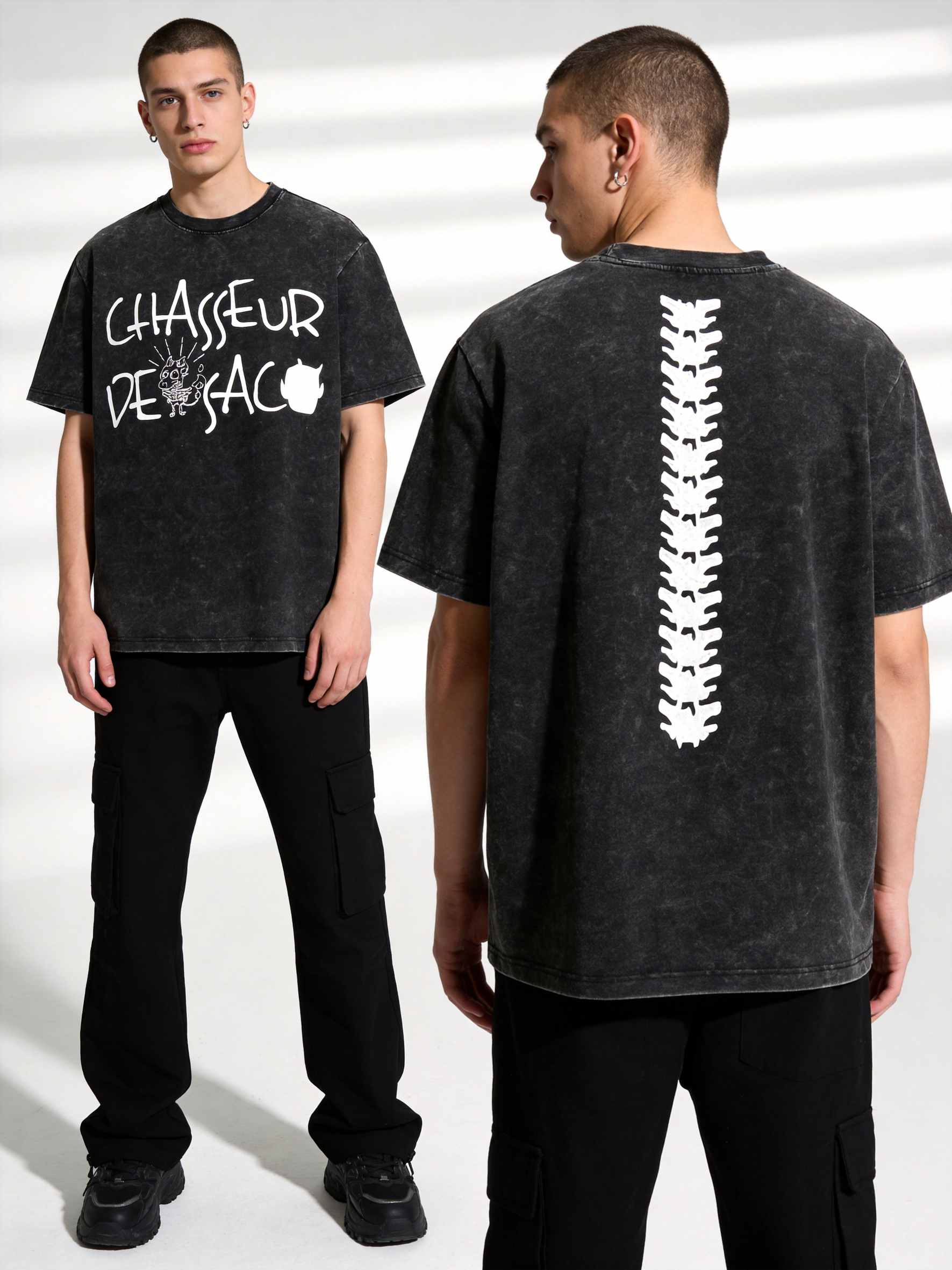
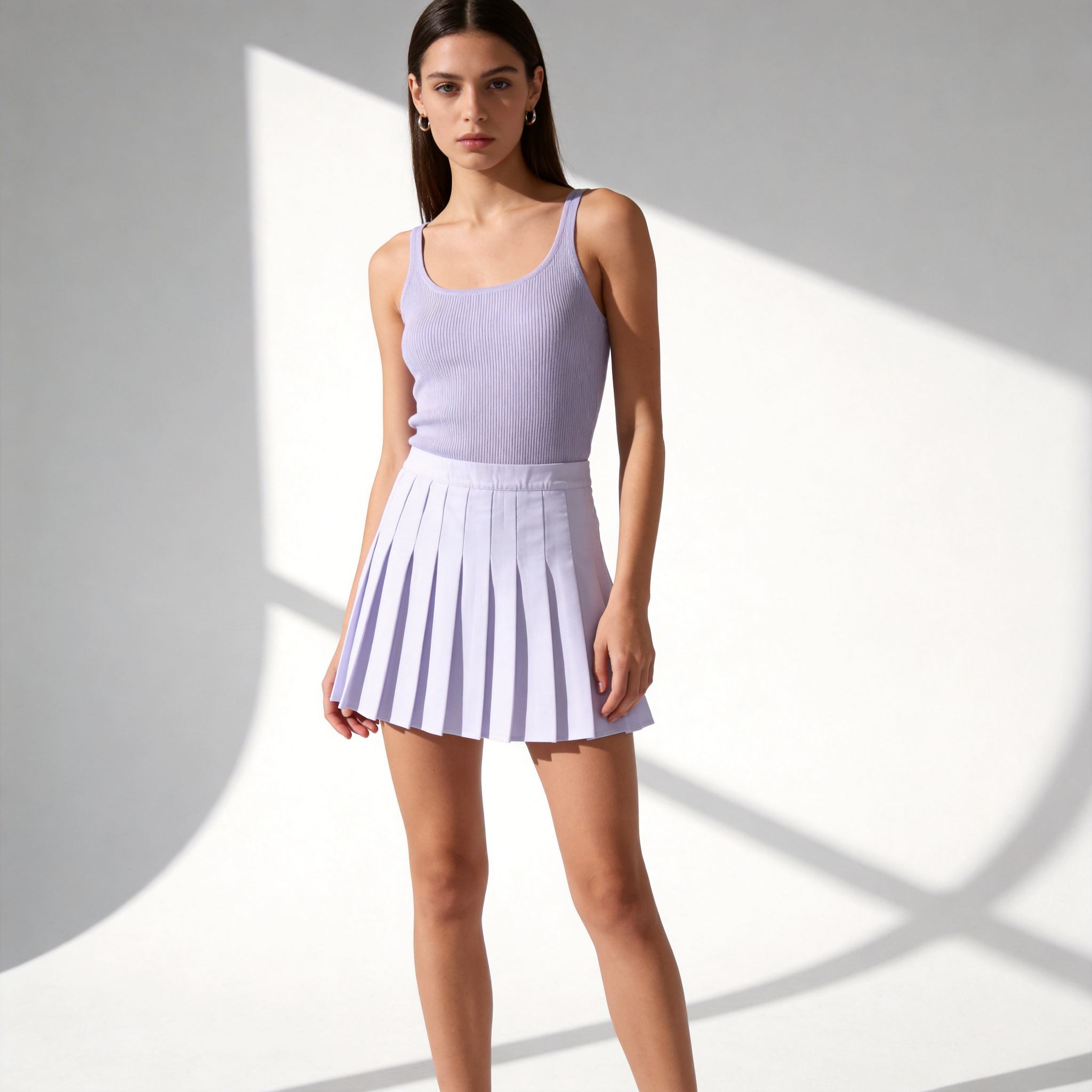
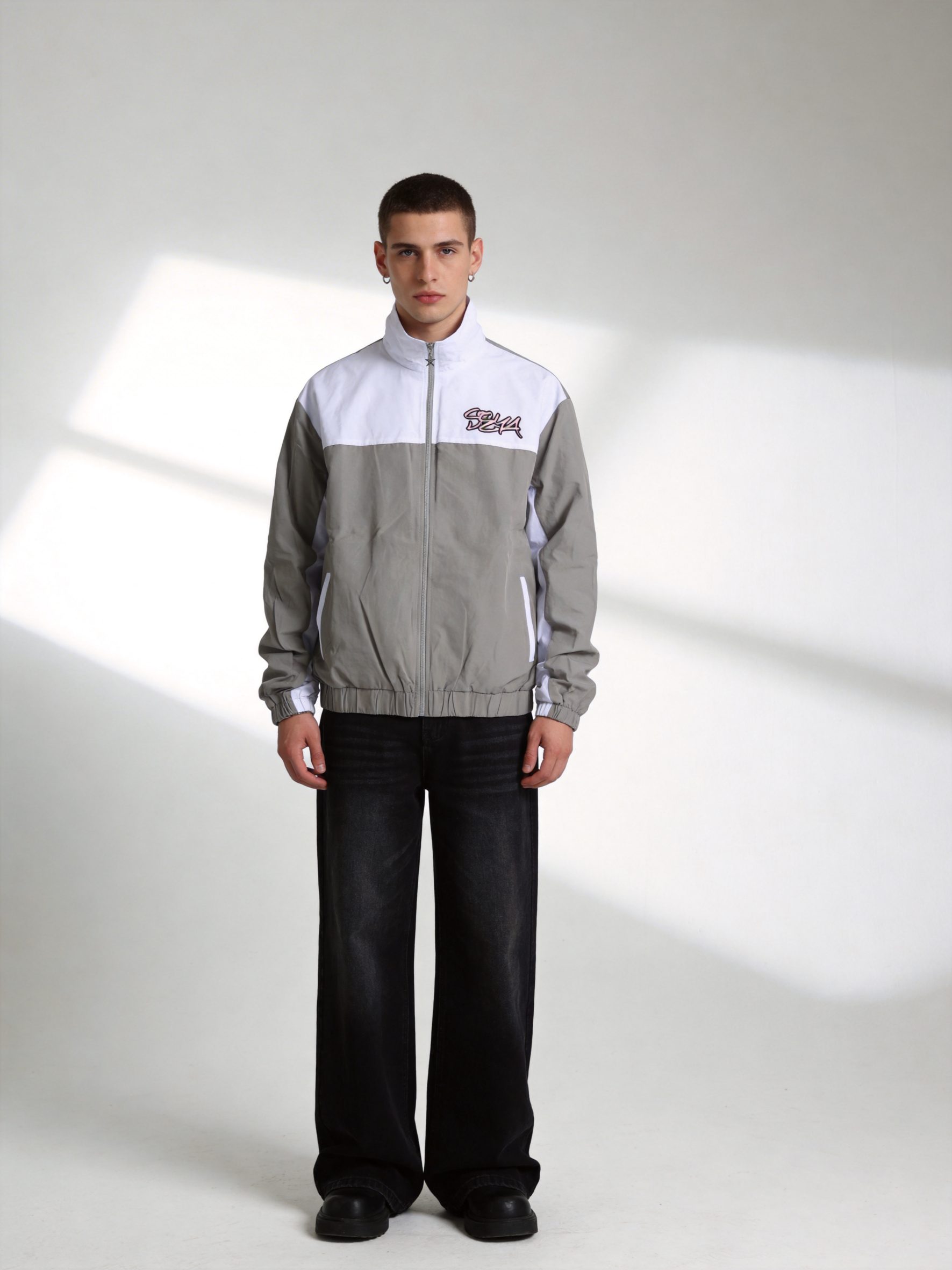
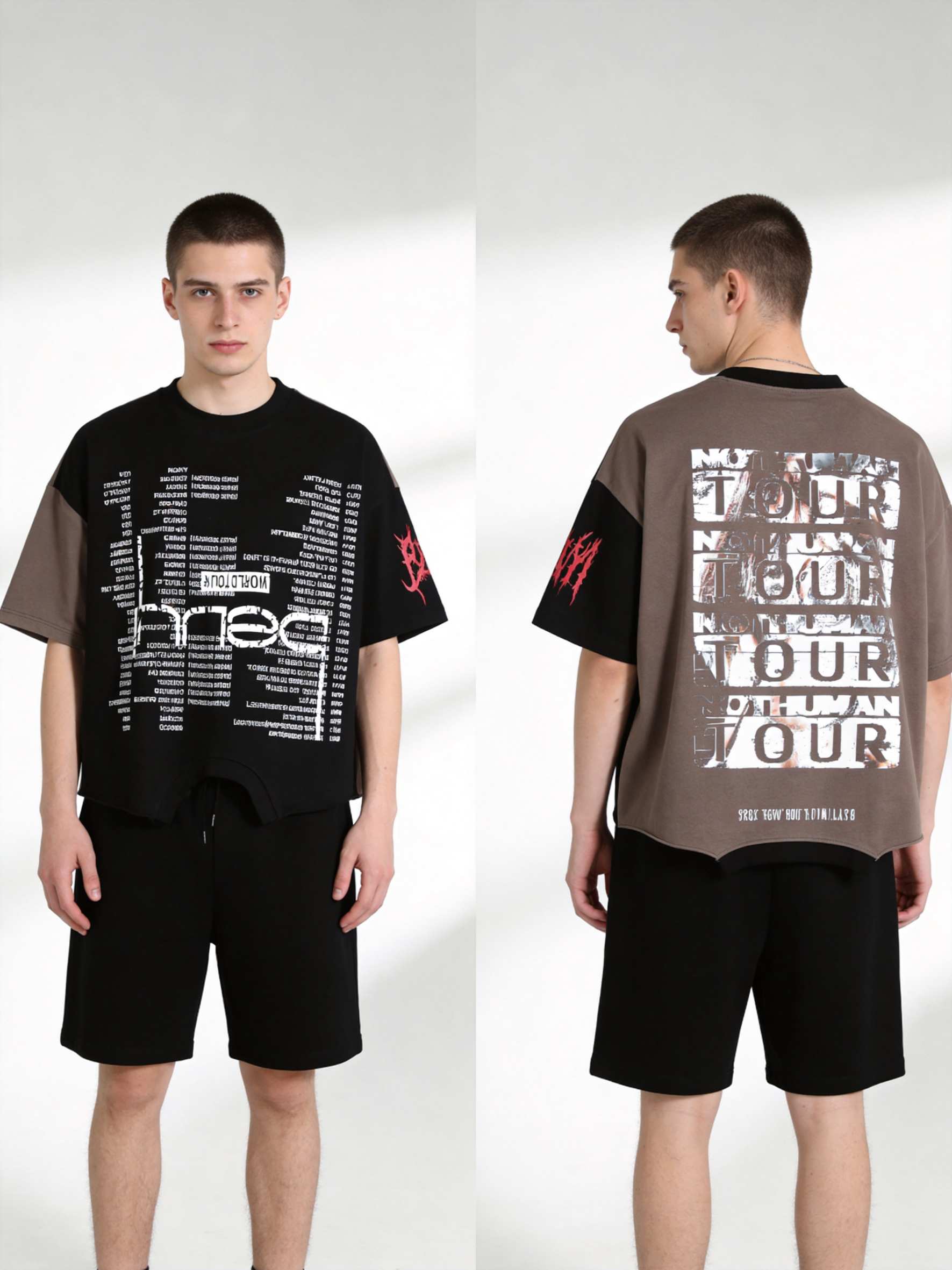
Wholesale Dress Collections in Action
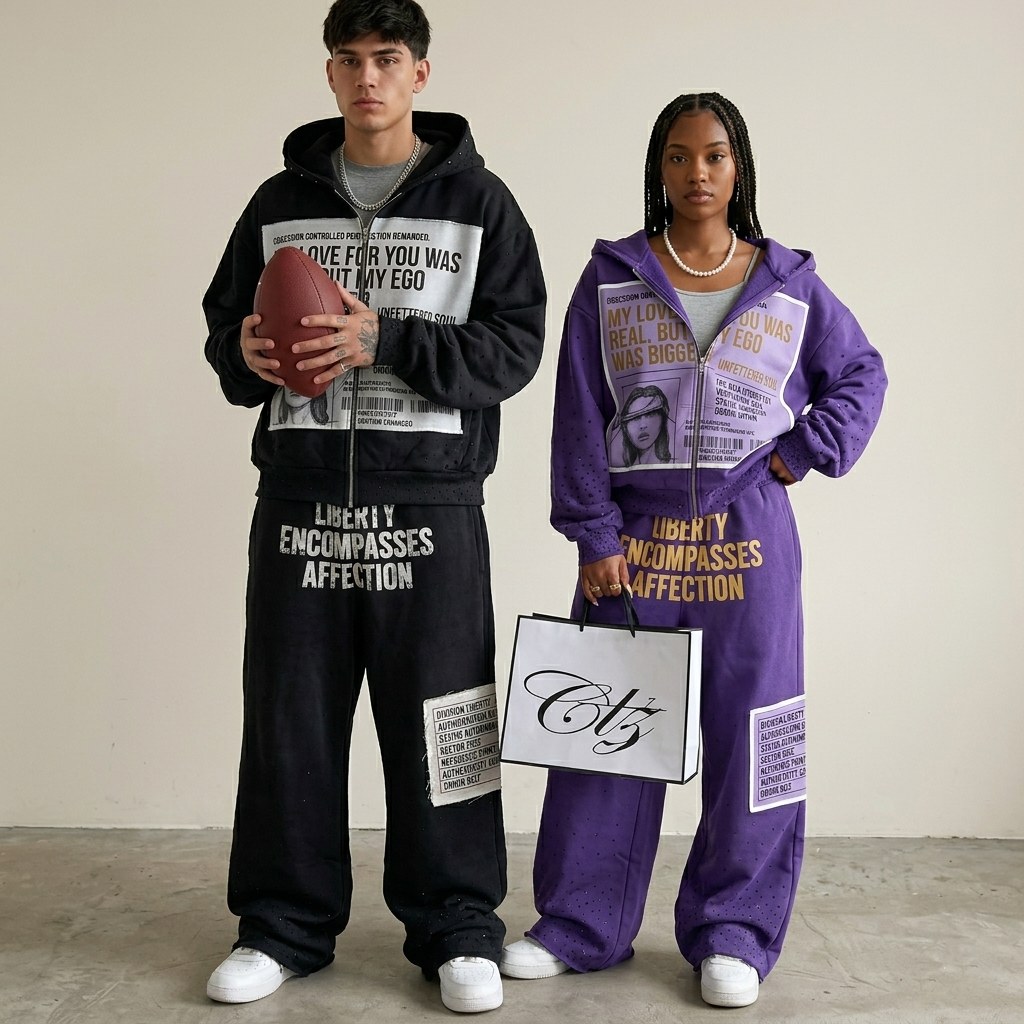
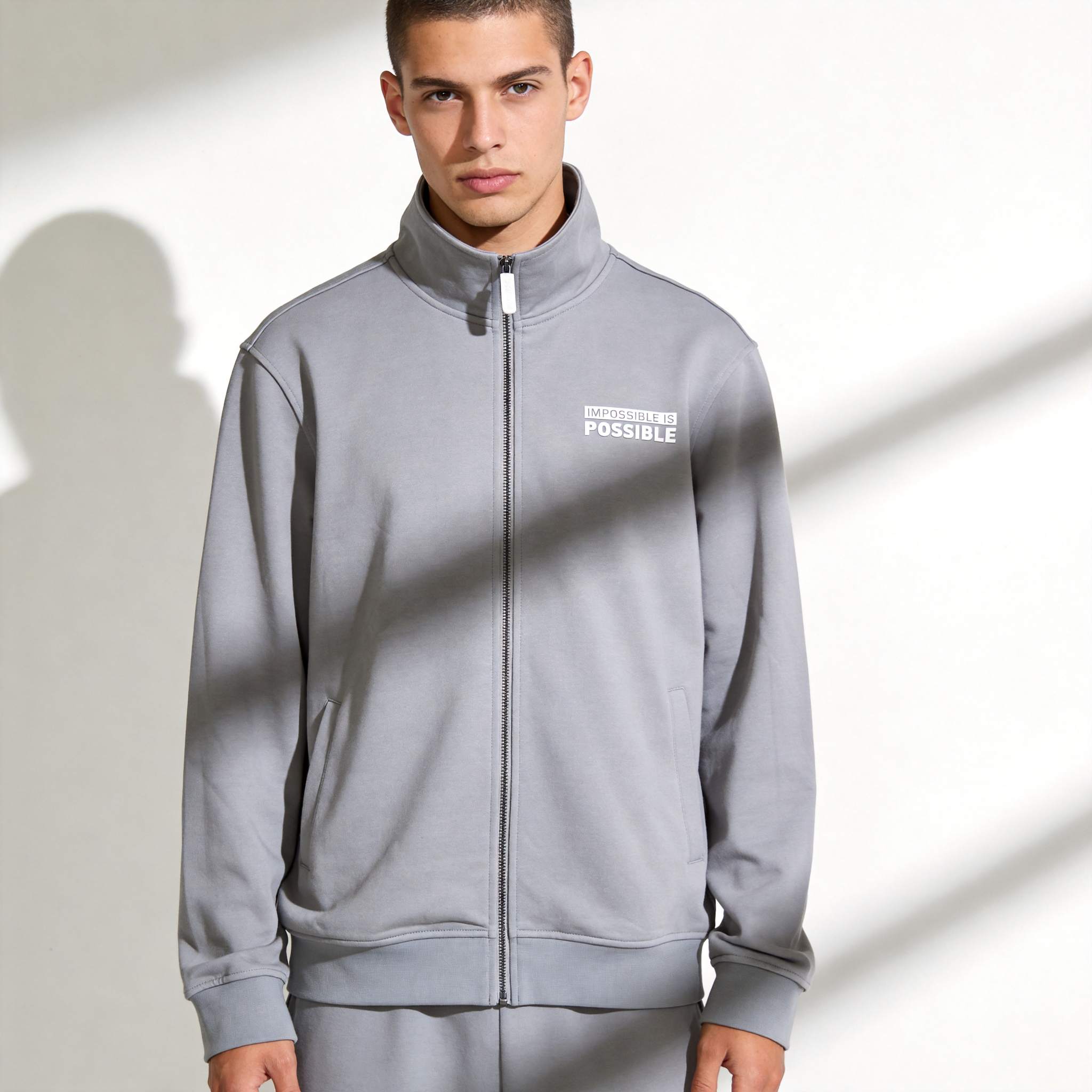
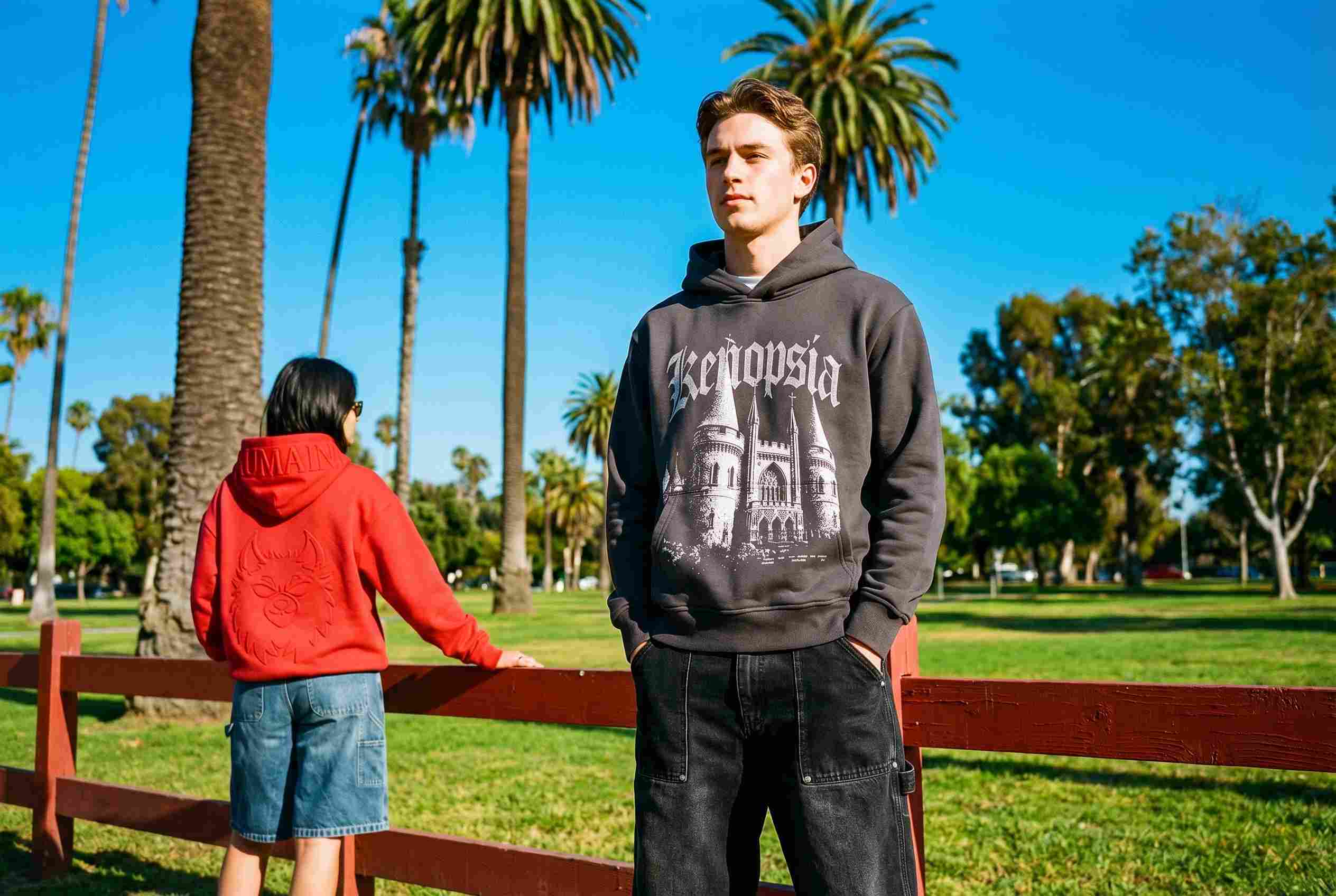
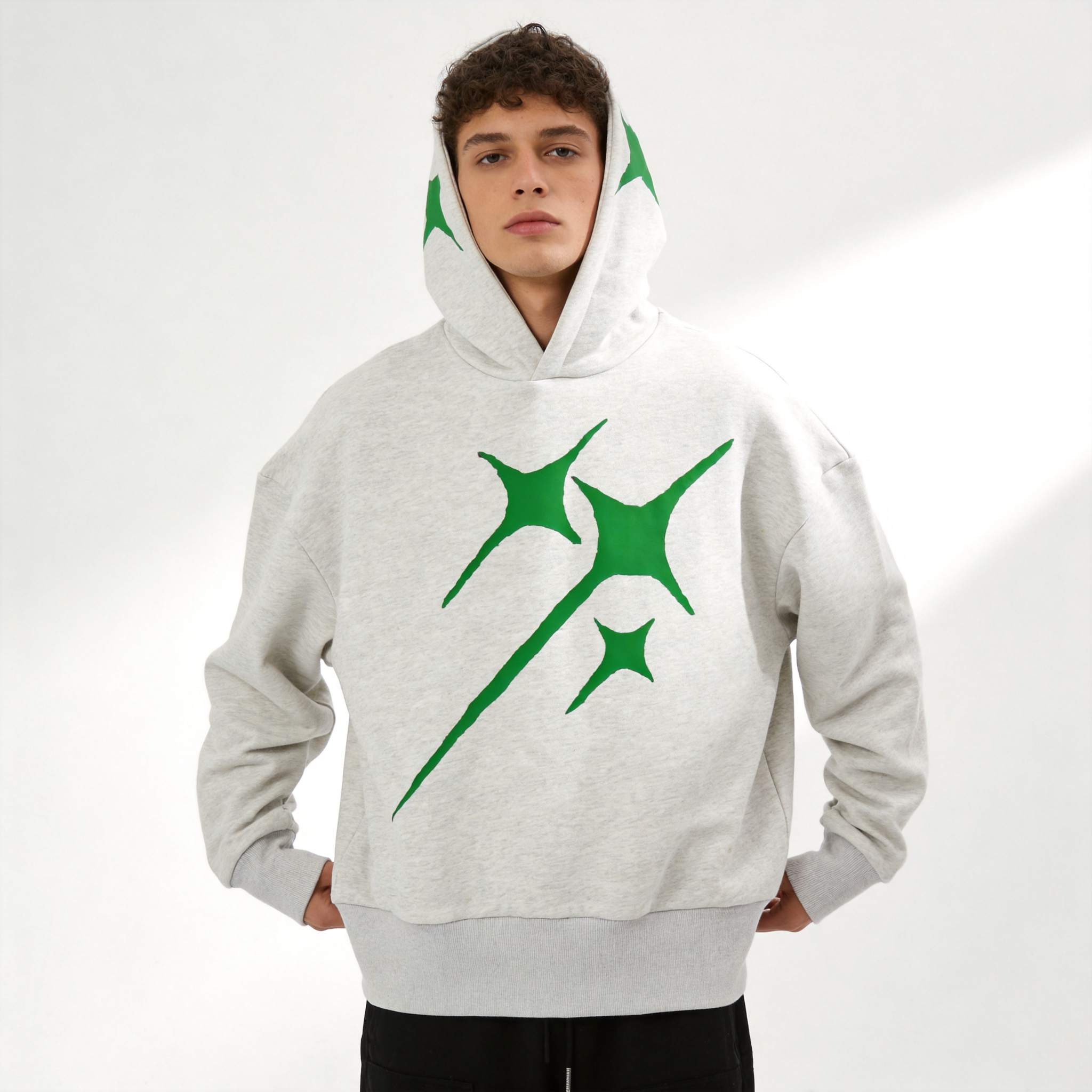
Why ZORWILD Stands Out Among Wholesale Dress Suppliers
Proven manufacturing expertise, flexible minimums, and industry-leading quality control systems designed for brands that demand both scale and precision.
50-Piece Minimum Orders
Launch wholesale dress collections with minimal risk. Our low MOQ production system lets startups and small brands test designs and manage cash flow effectively.
27 Years Manufacturing Experience
Founded in 1998 in Humen, Dongguan, we’ve refined every aspect of dress production from cutting and sewing to finishing and export logistics.
6-Stage Quality Control System
Every dress passes through raw material inspection, in-line checks, measurement verification, decoration review, final inspection, and packaging quality control.
95%+ Decoration Techniques In-House
From embroidery and beading to lace application, sequins, printing, and garment dyeing—nearly every finishing technique is handled under one roof.
100,000+ Units Monthly Capacity
Scale confidently with production infrastructure that supports both 50-piece test runs and large wholesale orders without compromising lead times or quality.
Humen Dongguan Factory Location
Based in one of the world’s most influential garment hubs with direct access to premium fabric suppliers, skilled labor, and global logistics networks.
Dress Manufacturing Across Nine Core Styles
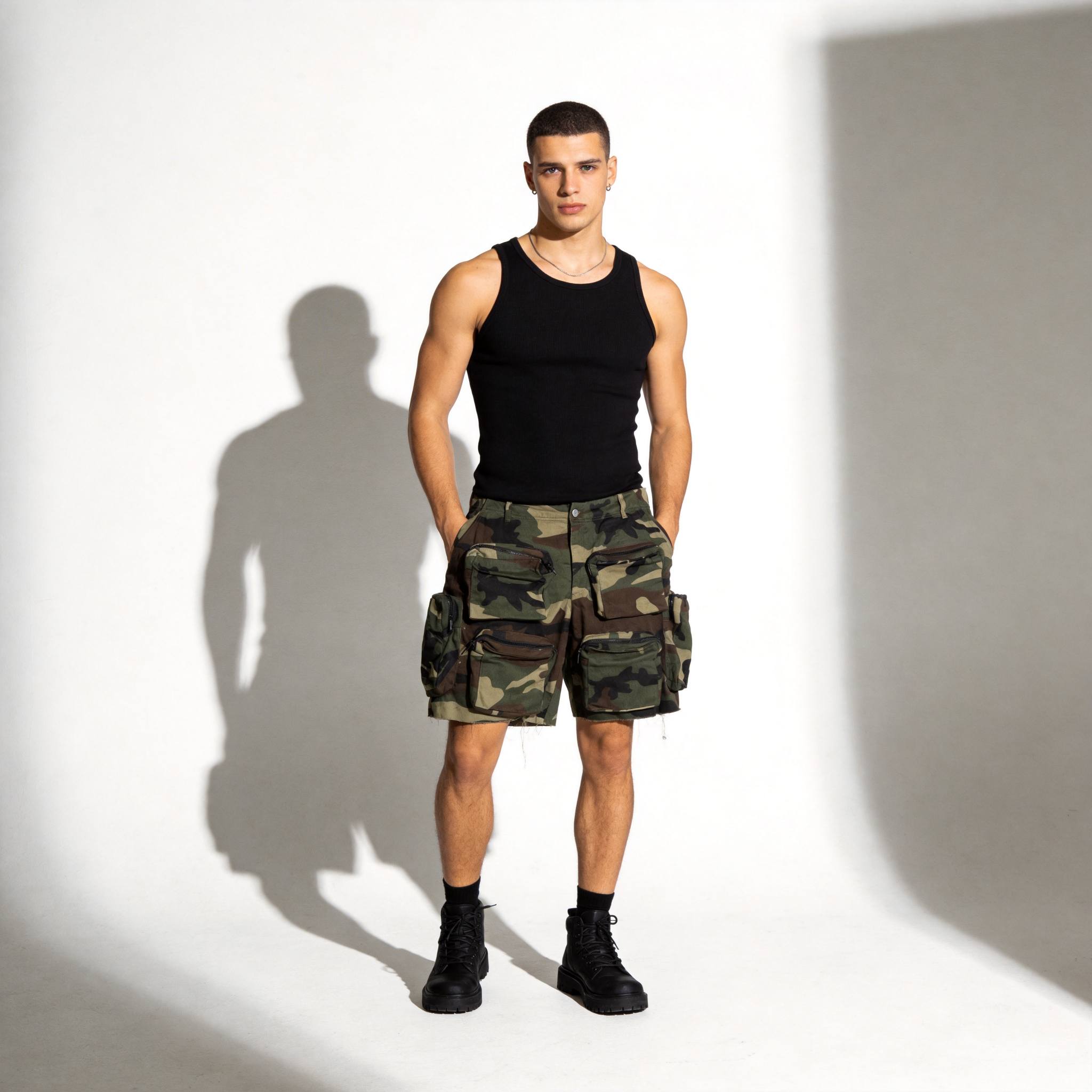
Casual Dresses
Everyday wear silhouettes built for comfort and versatility. We produce wholesale casual dresses in cotton, linen blends, and jersey with custom prints, embroidery, and garment washes. Ideal for DTC brands targeting relaxed lifestyle collections with MOQs starting at 50 pieces.
Get a Quote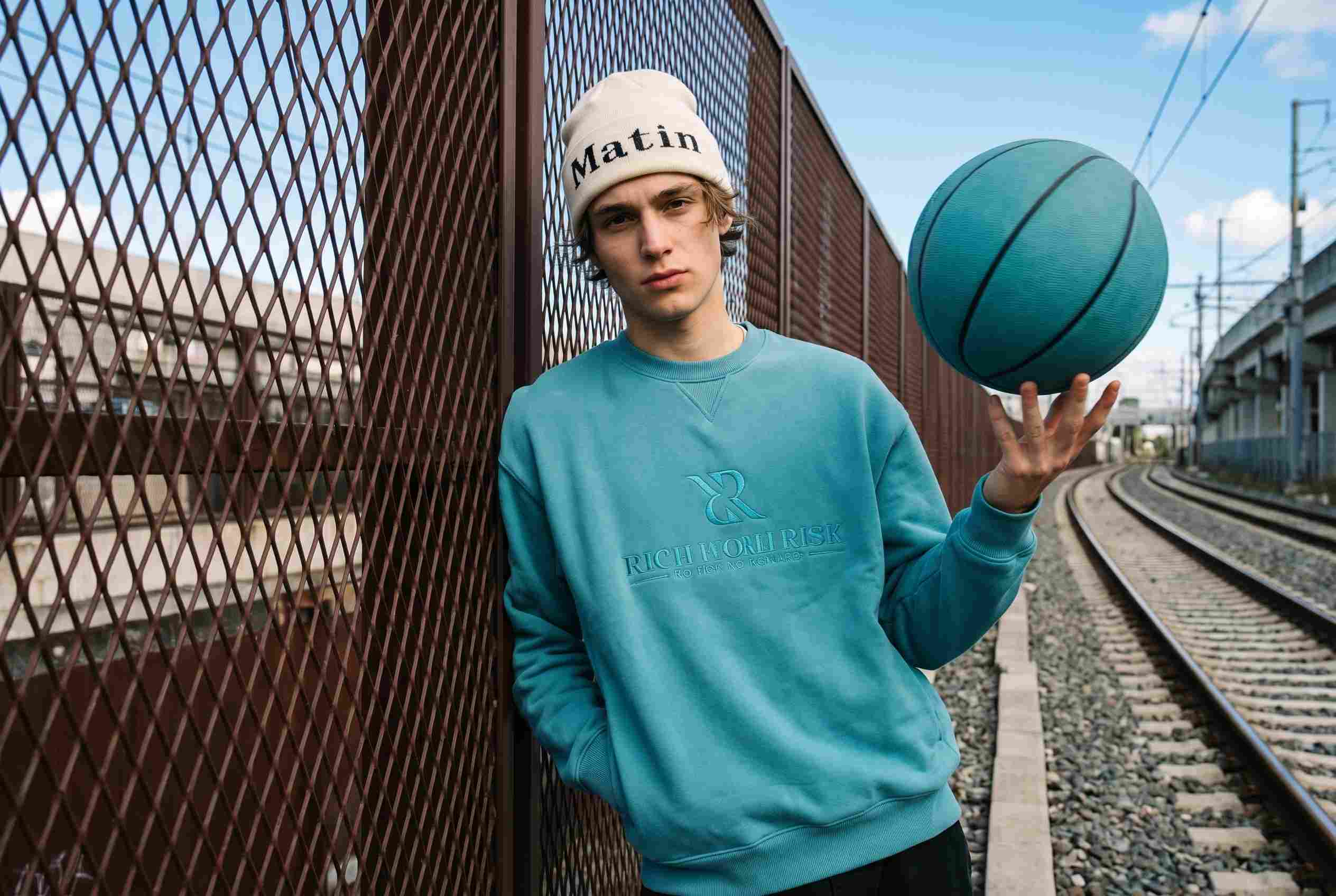
Evening Dresses
Formal and occasion-ready designs featuring satin draping, beading, sequins, and structured construction. Our evening dress capabilities include corset structures, multi-layer fabrics, and luxury finishing techniques. Perfect for wholesale dress suppliers entering formalwear or special event markets.
Get a Quote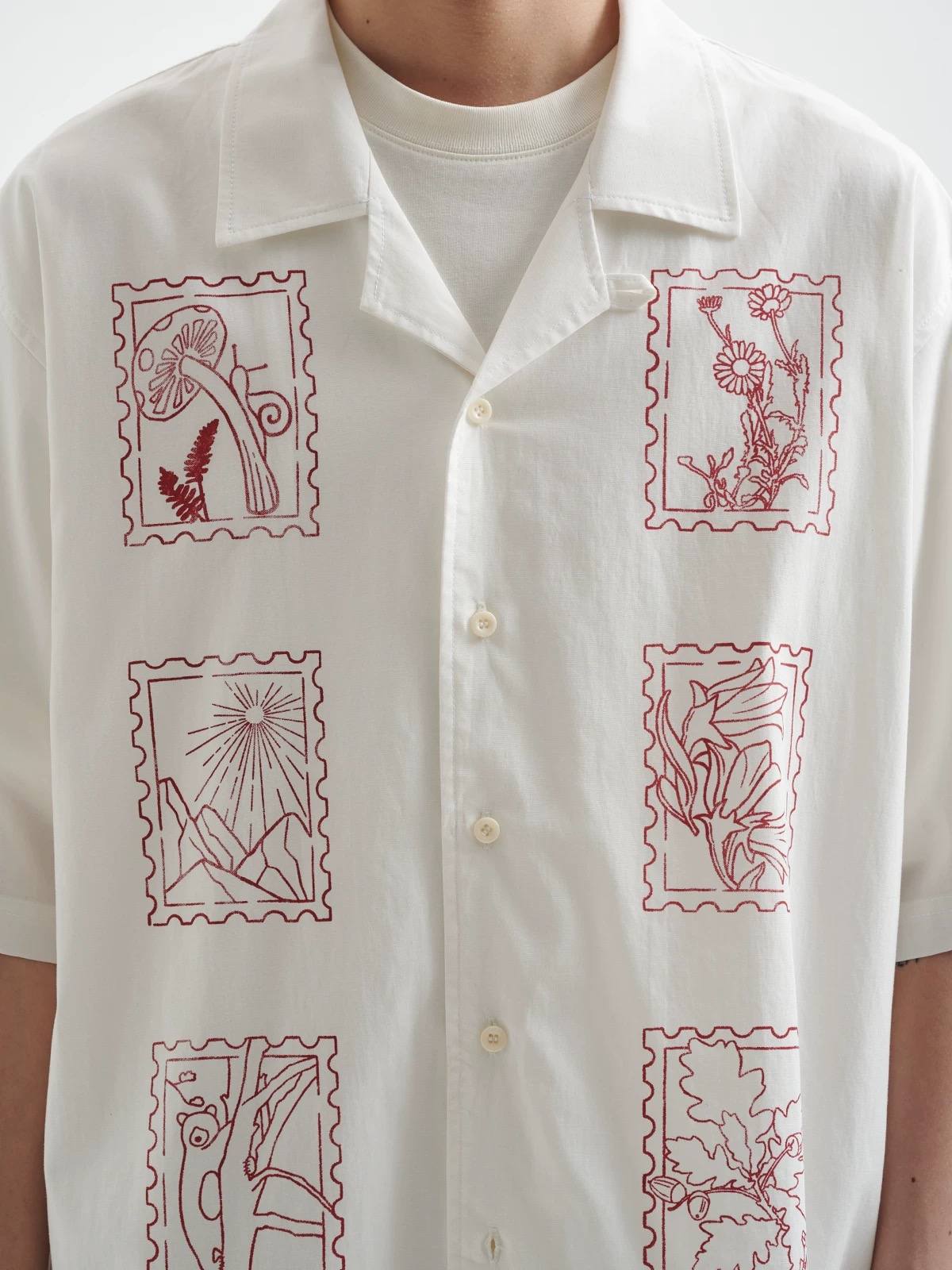
Maxi Dresses
Floor-length styles in chiffon, satin, jersey, and viscose with flowing silhouettes. We handle complex pattern grading, lace applications, and side-slit construction for resort and bohemian collections. Suitable for brands seeking elegant, statement-making pieces with scalable production.
Get a Quote
Midi Dresses
Mid-length cuts balancing modesty and modern styling. Our midi dress production supports A-line, wrap, and fitted constructions in cotton twill, rayon, and stretch fabrics. Designed for brands targeting professional, feminine, or transitional wardrobe categories with consistent fit.
Get a Quote
Mini Dresses
Above-knee silhouettes for youthful and trend-driven lines. We manufacture mini dresses with bodycon fits, tiered ruffles, cut-and-sew panels, and bold prints using lightweight cotton, satin, and stretch blends. Ideal for fast-fashion, streetwear, and influencer-driven brands.
Get a Quote
Bodycon Dresses
Form-fitting designs requiring precision stretch fabrics and seamless construction. Our bodycon dress capabilities include four-way stretch materials, compression support, and invisible zipper installation. Best for brands focused on nightlife, activewear-inspired fashion, or body-positive collections.
Get a Quote
Shirt Dresses
Button-front styles combining shirt detailing with dress silhouettes. We produce shirt dresses in cotton poplin, linen, chambray, and rayon with custom collar styles, contrast stitching, and functional pockets. Suitable for minimalist, workwear, or resort-focused brands seeking versatile staples.
Get a Quote
Wrap Dresses
Flattering wrap constructions with adjustable tie closures and V-necklines. Our wrap dress production includes bias-cut fabrics, self-tie belts, and draping techniques in jersey, satin, and crepe. Ideal for brands targeting feminine, size-inclusive, or maternity-friendly collections.
Get a Quote
Party Dresses
Celebratory and statement pieces featuring rhinestones, metallic fabrics, sequin embroidery, and dramatic cuts. We handle complex embellishments, lining systems, and luxury finishing for prom, cocktail, and nightlife dresses. Perfect for brands entering occasion wear or influencer collaboration markets.
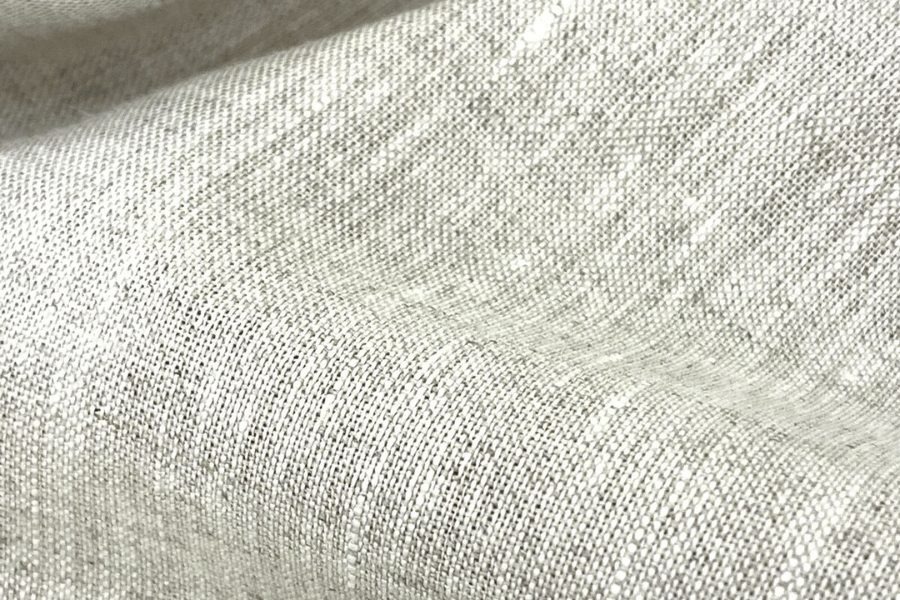
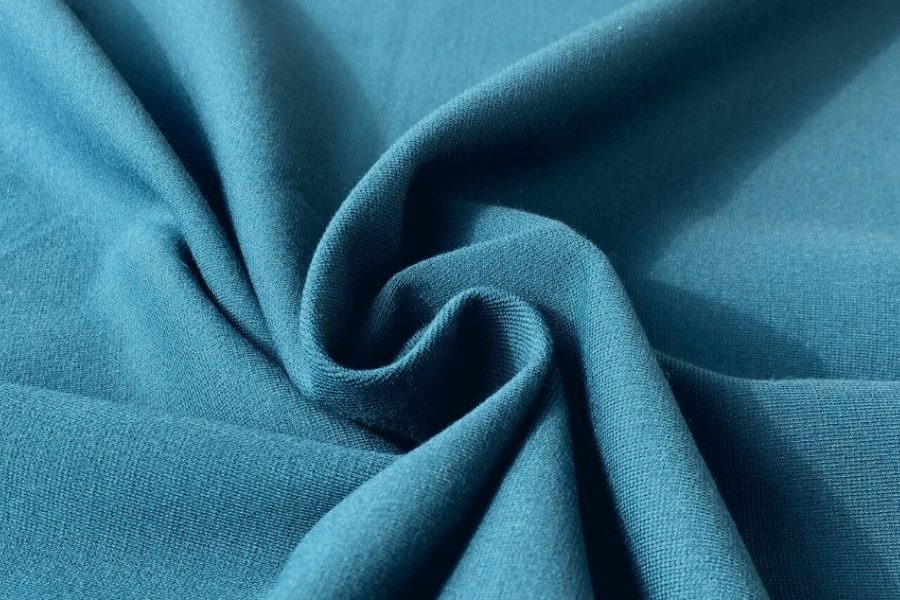
Get a QuotePremium Fabrics From Trusted Wholesale Dress Suppliers

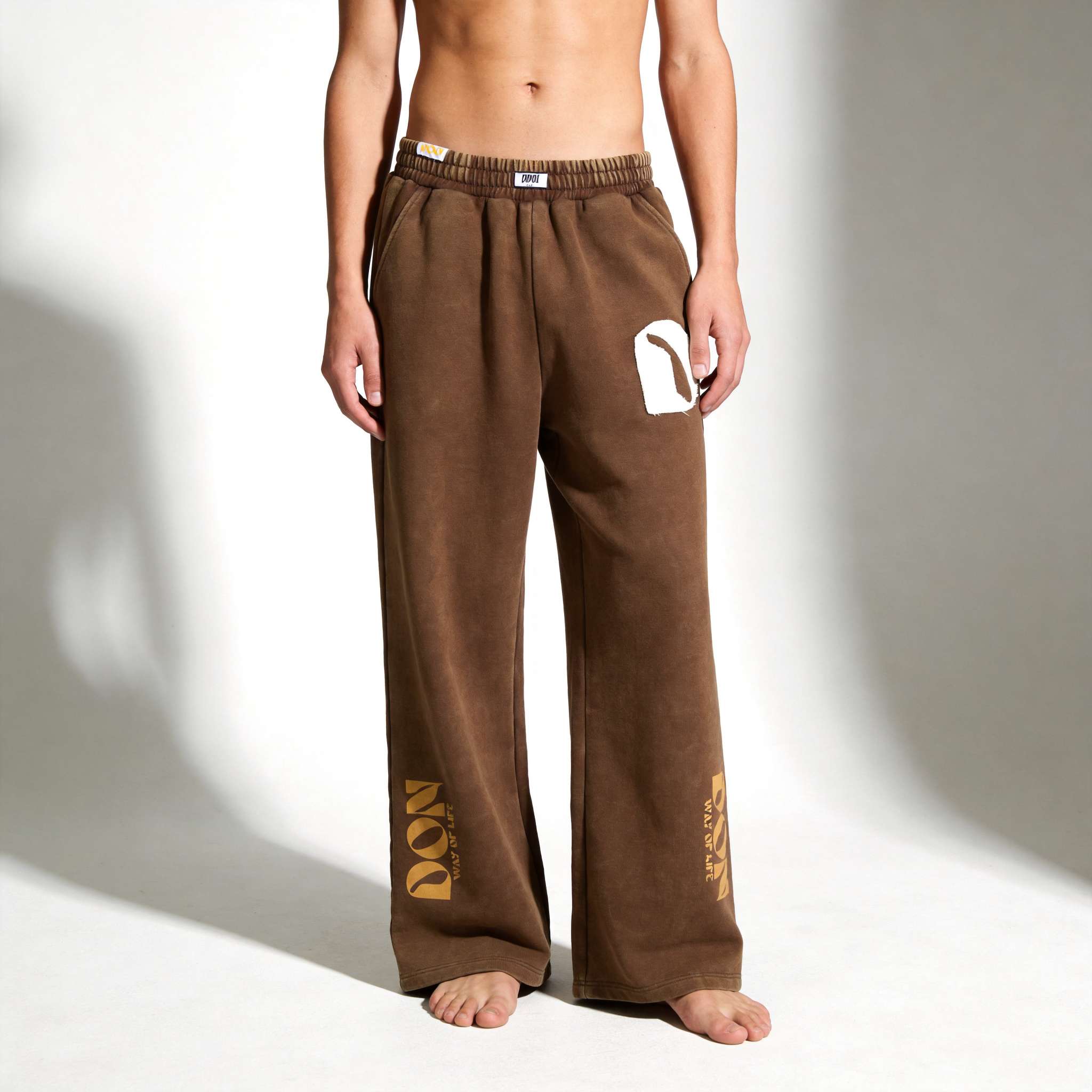
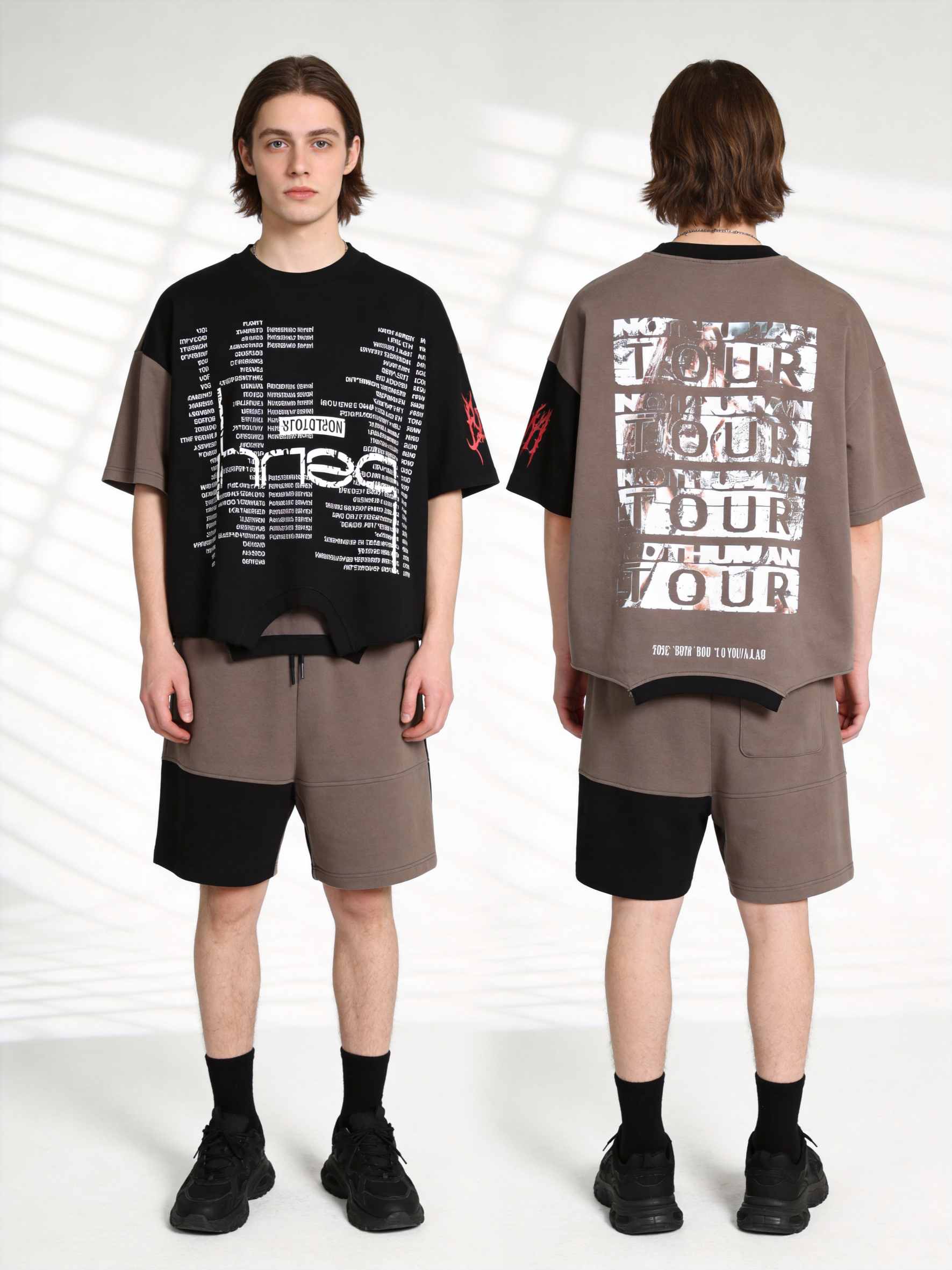
Advanced Dress Finishing & Decoration from Wholesale Dress Suppliers
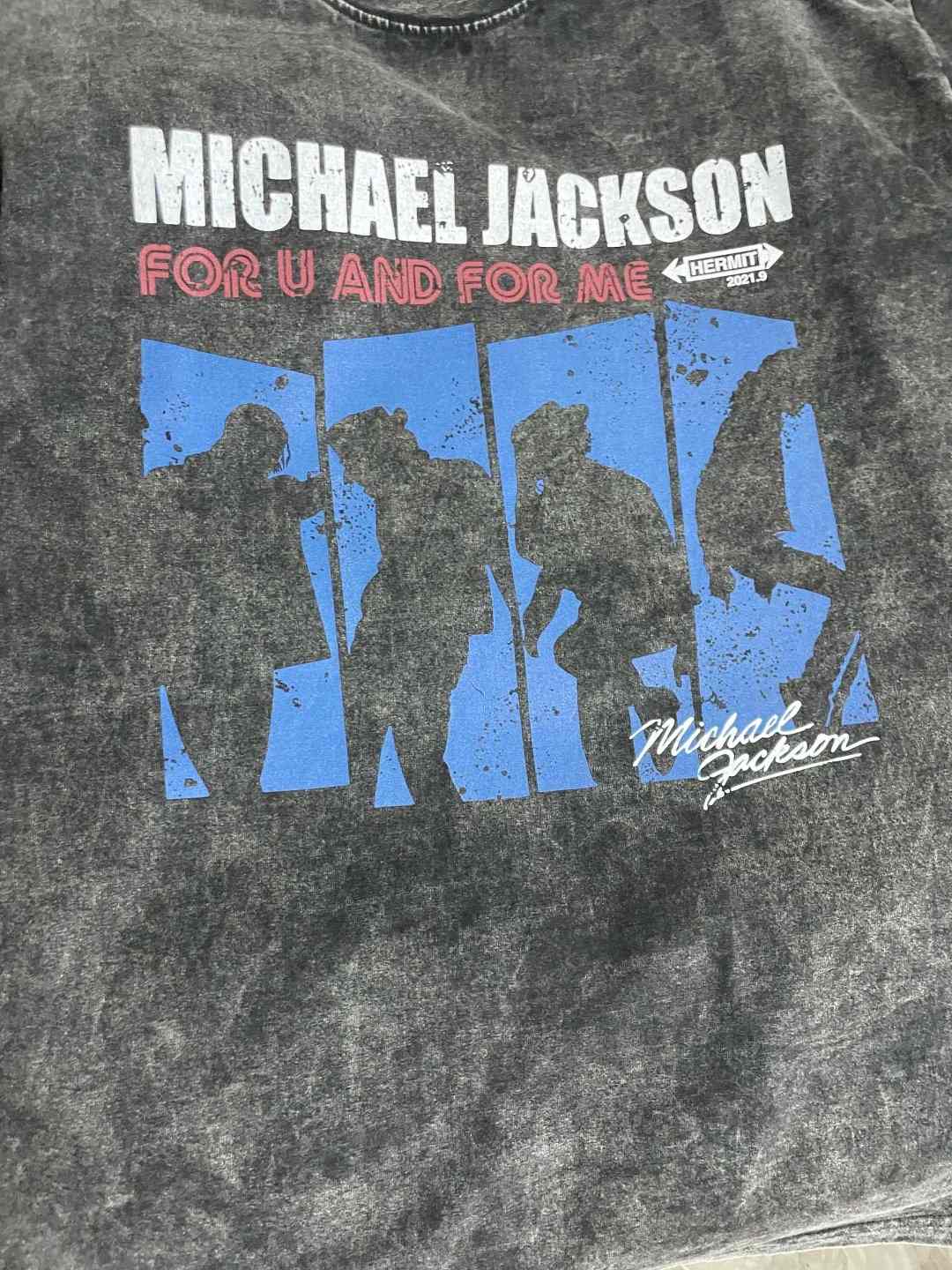
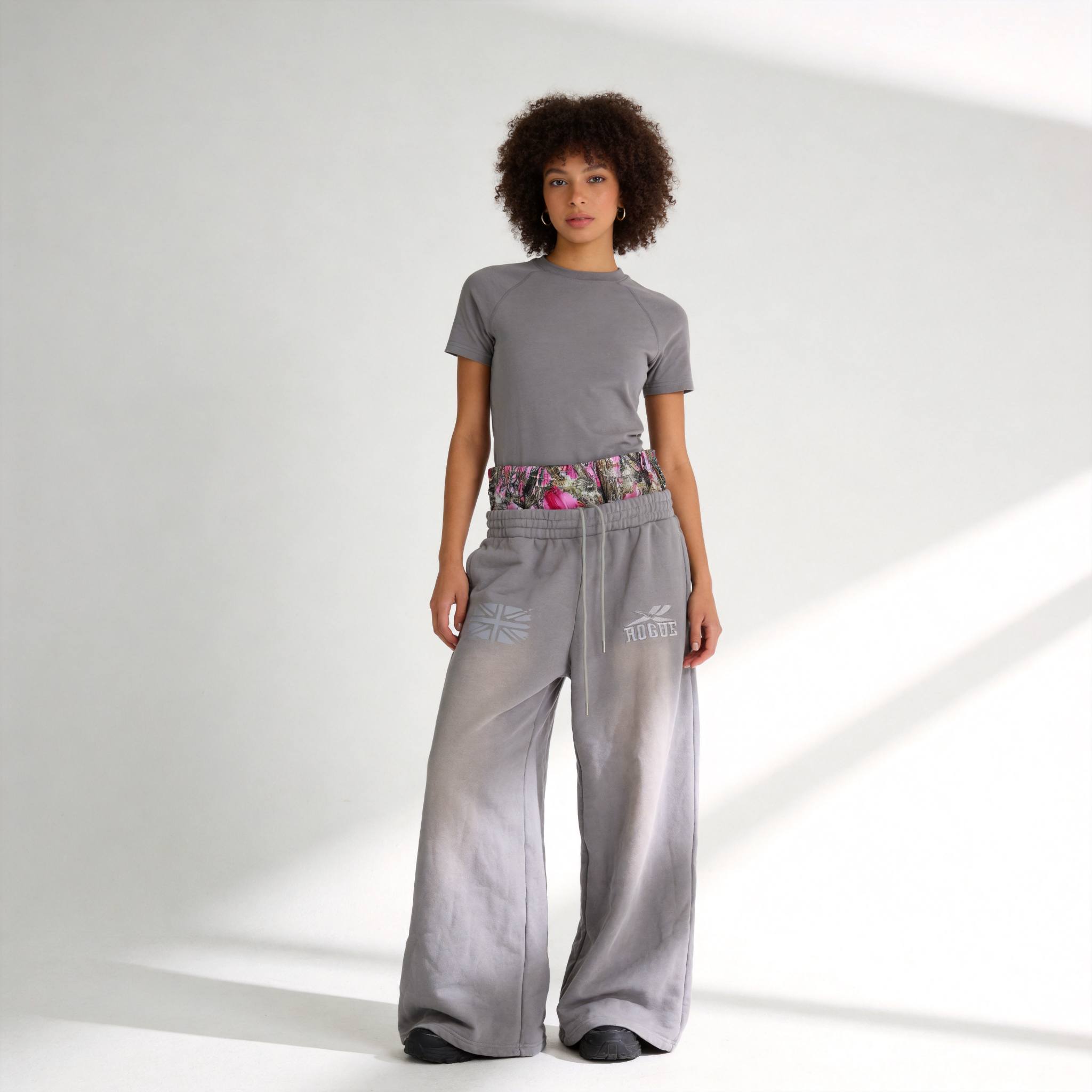
Beading & Sequins
Hand-applied and machine-applied beading, sequins, and rhinestone embellishments create elegant, eye-catching details for prom dresses, evening dresses, wedding dresses, and luxury fashion collections requiring premium finishing.
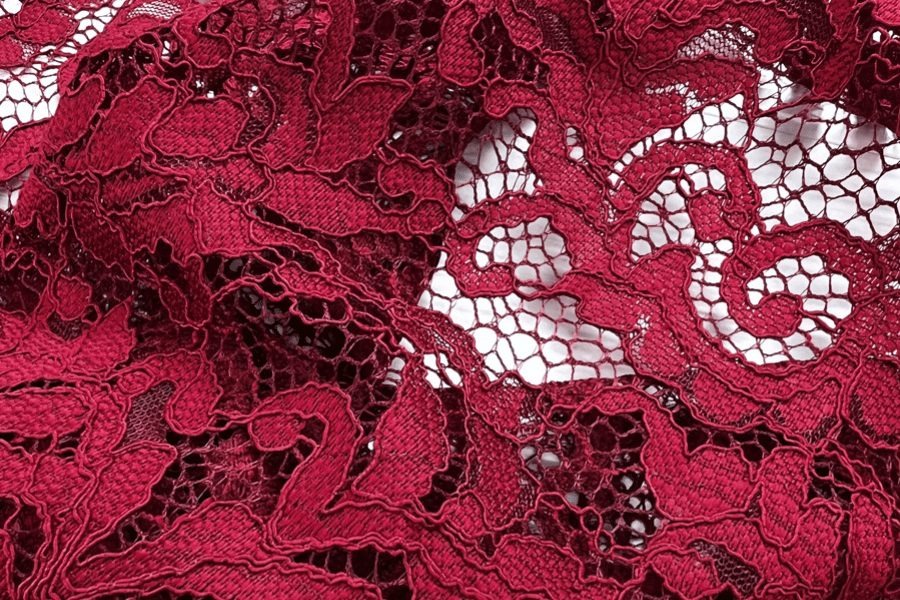
Lace Applications
Delicate lace overlays, inserts, and trims enhance dress designs with romantic, feminine aesthetics. Multi-layer lace construction and careful stitching ensure structural integrity and premium draping for bridal and evening styles.
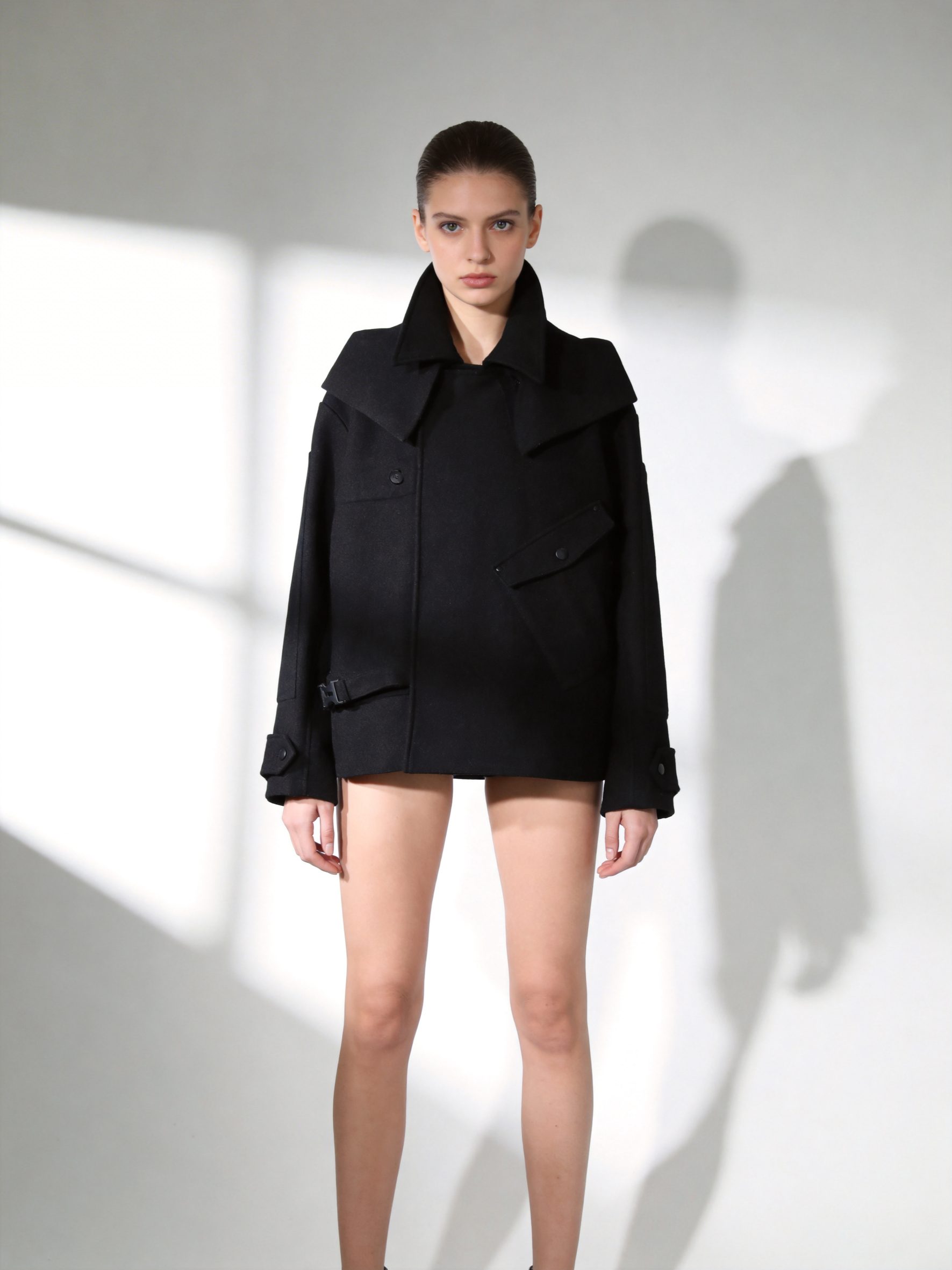
Satin Draping
Expert satin draping and multi-layer fabric construction create flowing silhouettes and elegant movement in bodycon, maxi, and slip dresses. Precision cutting and sewing techniques ensure consistent fit and luxurious hand feel.
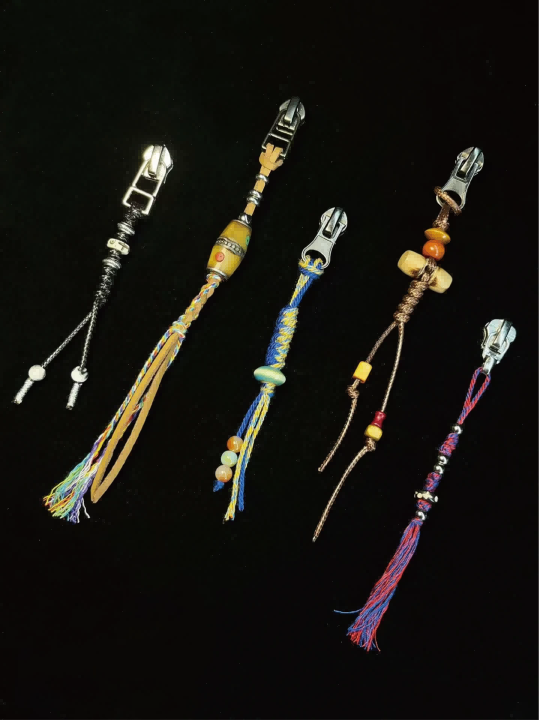
Custom Trims & Accessories for Wholesale Dress Suppliers
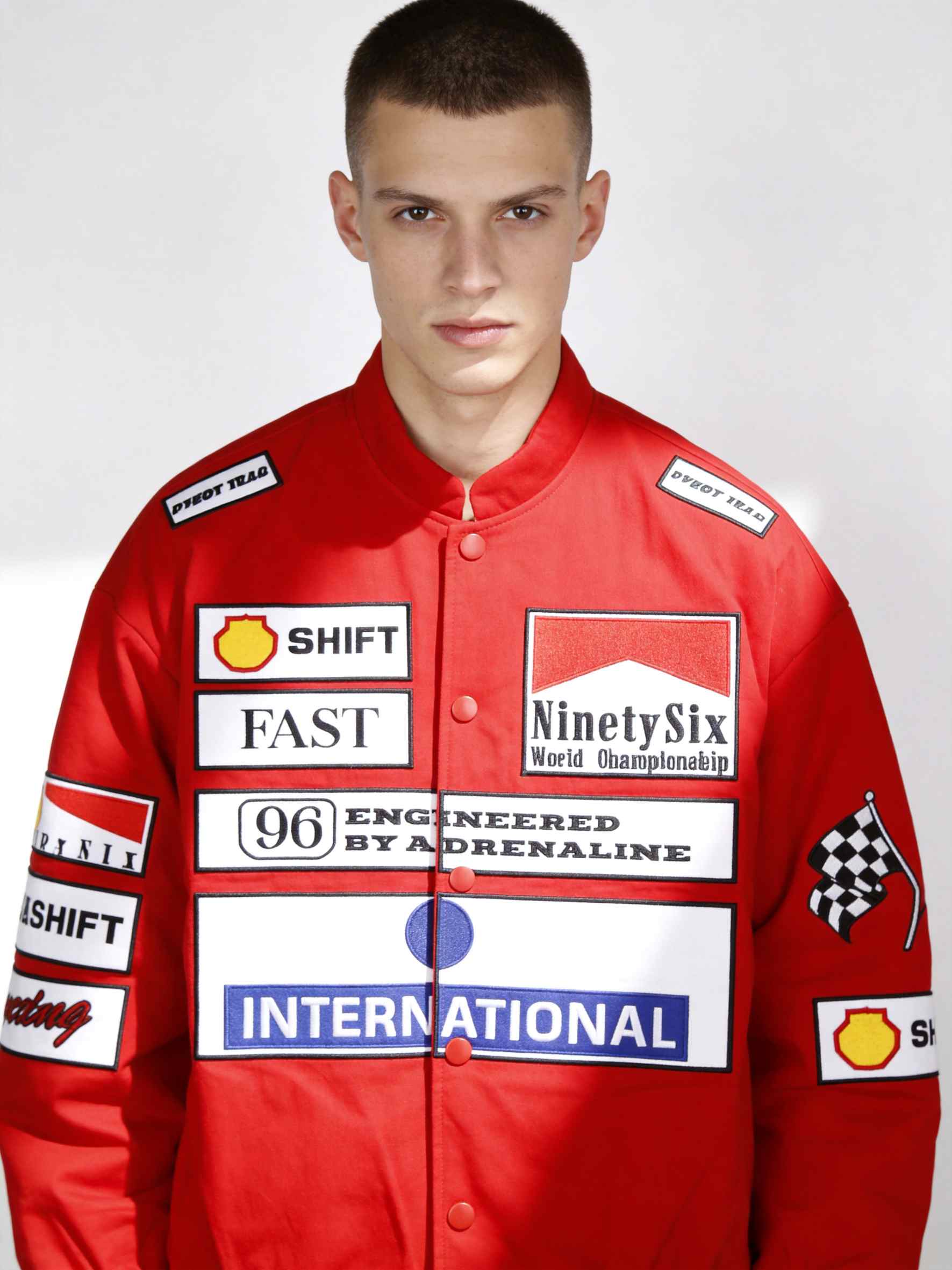
Wholesale Dress Suppliers Since 1998
Founded in 1998 in Humen, Dongguan—one of the world’s premier garment hubs—ZORWILD began as a family-operated workshop rooted in three generations of apparel craftsmanship. Our founder learned cutting, sewing, and quality control from his father, a master cutter who instilled precision and responsibility from day one. Today, we’re trusted wholesale dress suppliers for over 2,000 fashion brands worldwide.
With 200+ skilled workers and a 100,000-unit monthly production capacity, ZORWILD bridges creative design and scalable production for startup brands, influencers, and established wholesalers. We specialize in low-MOQ dress manufacturing starting at just 50 pieces, offering full-service support from fabric sourcing and sampling to decoration, finishing, and global logistics.
What sets us apart is our 27 years of manufacturing expertise, 6-stage quality control system, and 95%+ in-house decoration techniques—including embroidery, beading, garment wash, and custom finishing. Whether you need casual dresses, evening gowns, or resort collections, we deliver professional quality, reliable timelines, and personalized service every step of the way.
Core Capabilities That Set Wholesale Dress Suppliers Apart
Design & Tech Pack Development
Transform your dress concepts into production-ready garments with our 27-year design and technical development expertise. Whether you provide tech packs, sketches, inspiration photos, or reference samples, our team engineers every detail for flawless manufacturing at scale.
- Tech pack refinement with fit grading, construction specs, and material recommendations tailored to your brand positioning
- Pattern making and sample development for casual dresses, evening dresses, maxi dresses, bodycon styles, and resort collections
- Design consultation for lace applications, embroidery placement, beading, corset structures, and multi-layer construction techniques
Full-Category Fabric Sourcing Network
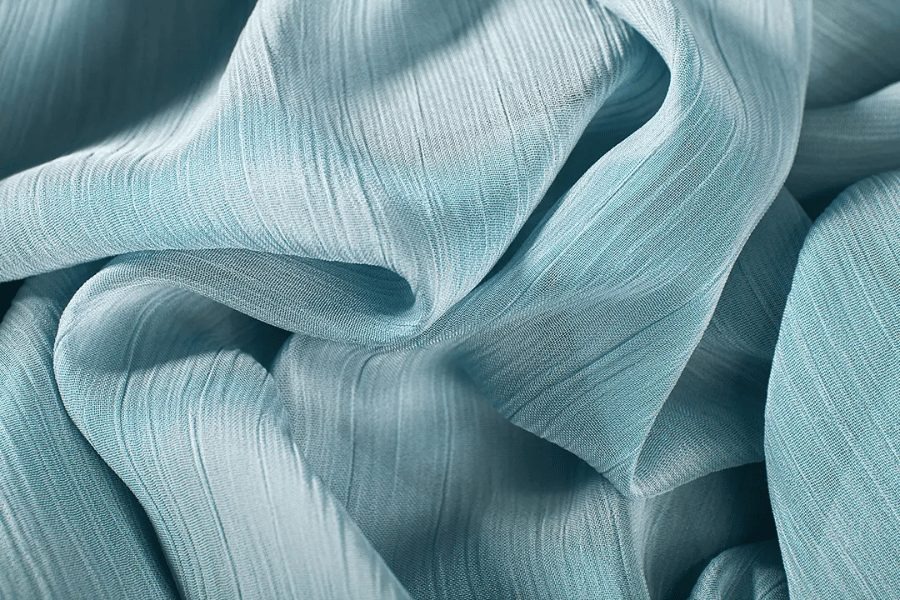
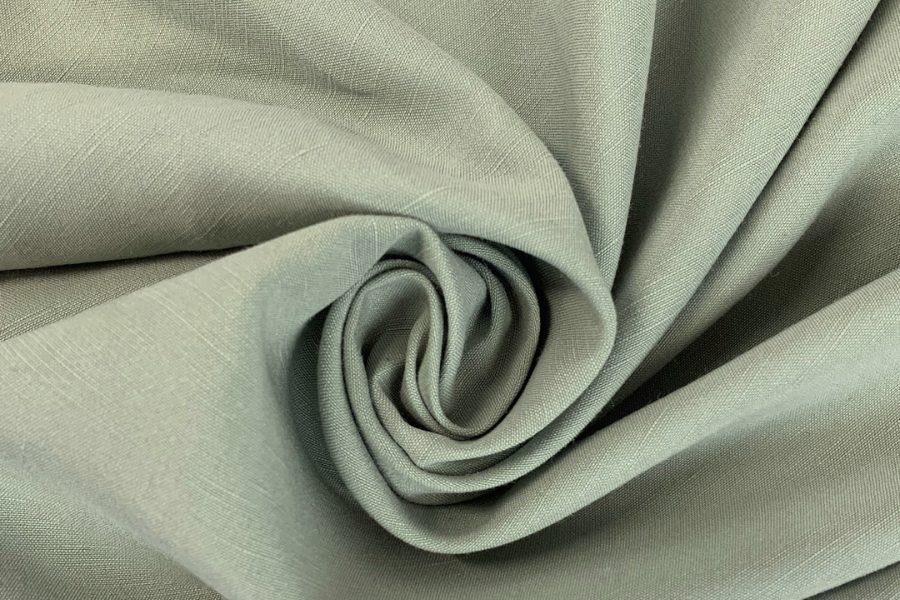
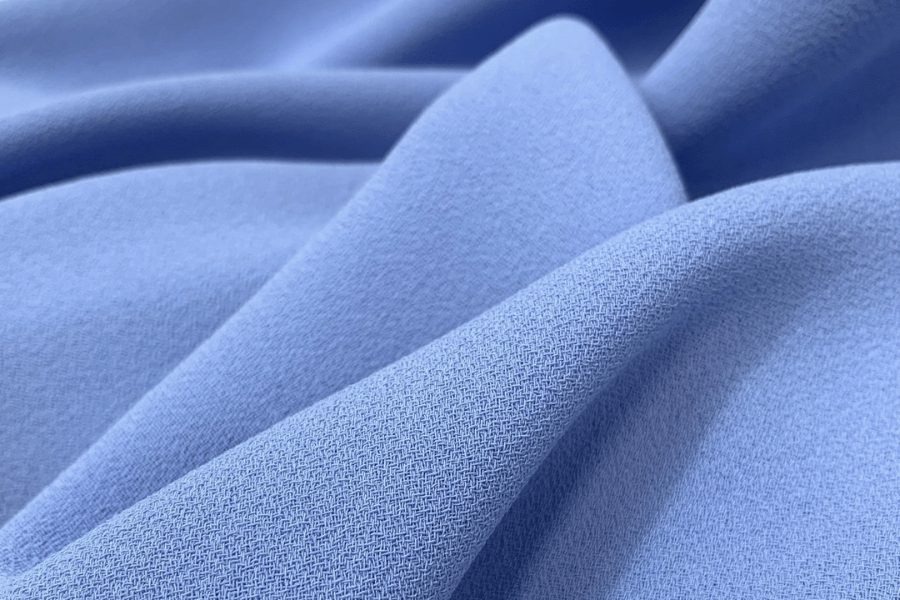
Access trusted fabric suppliers across China’s textile hub with stable material sourcing for cotton, satin, chiffon, linen, rayon, viscose, and technical blends. Our procurement team matches fabrics to your budget, performance requirements, and sustainability goals without compromise.
- Premium dress fabrics including silk blends, French terry, bamboo cotton, modal, Tencel, recycled polyester, and luxury satin
- Performance materials with moisture wicking, four-way stretch, UV protection, and quick-dry functionality for activewear dresses
- Sustainable fabric options and organic certifications for eco-conscious fashion brands seeking responsible production partners
- Fabric inspection and pre-production testing to ensure color consistency, shrinkage control, and durability across every batch
Advanced Decoration & Finishing Techniques
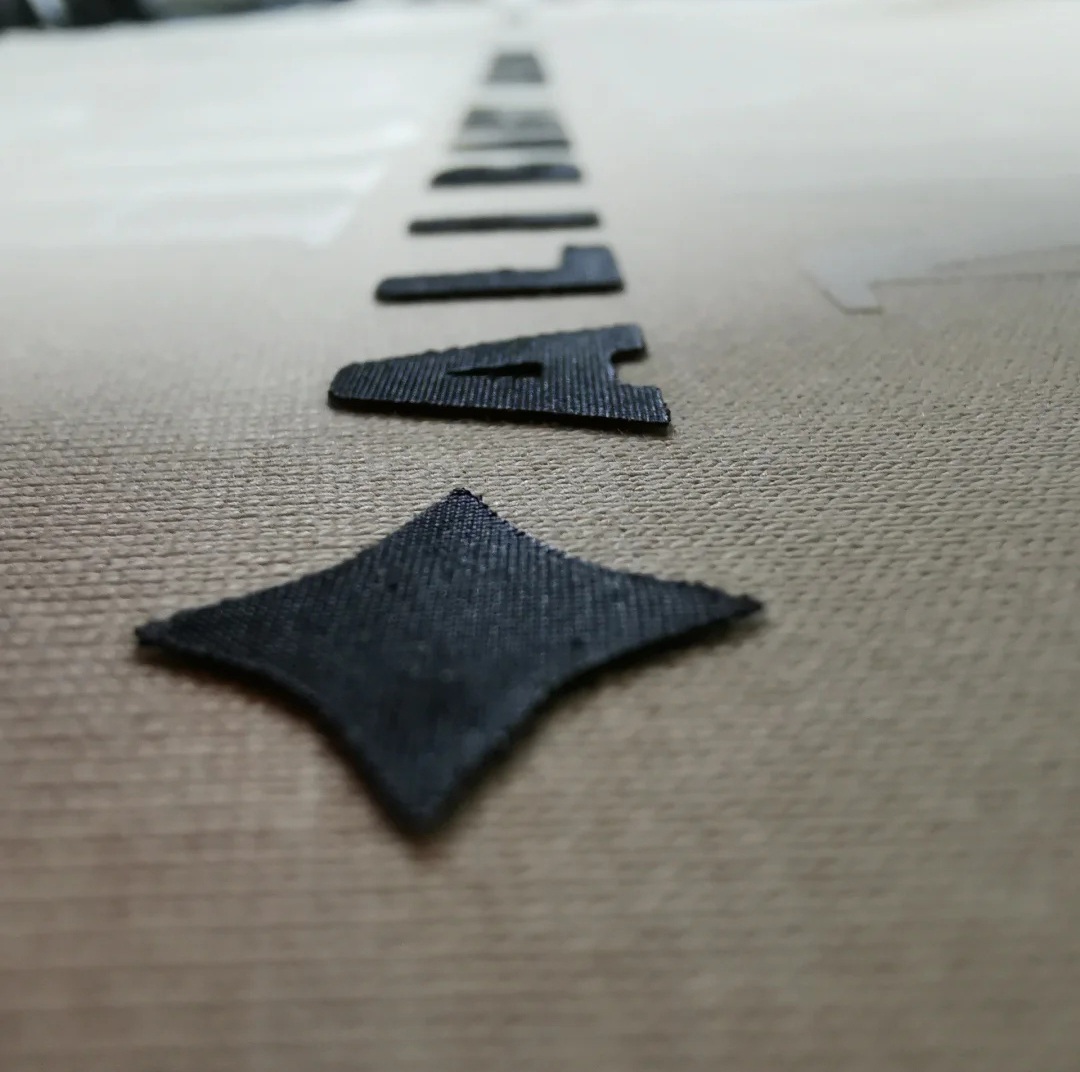
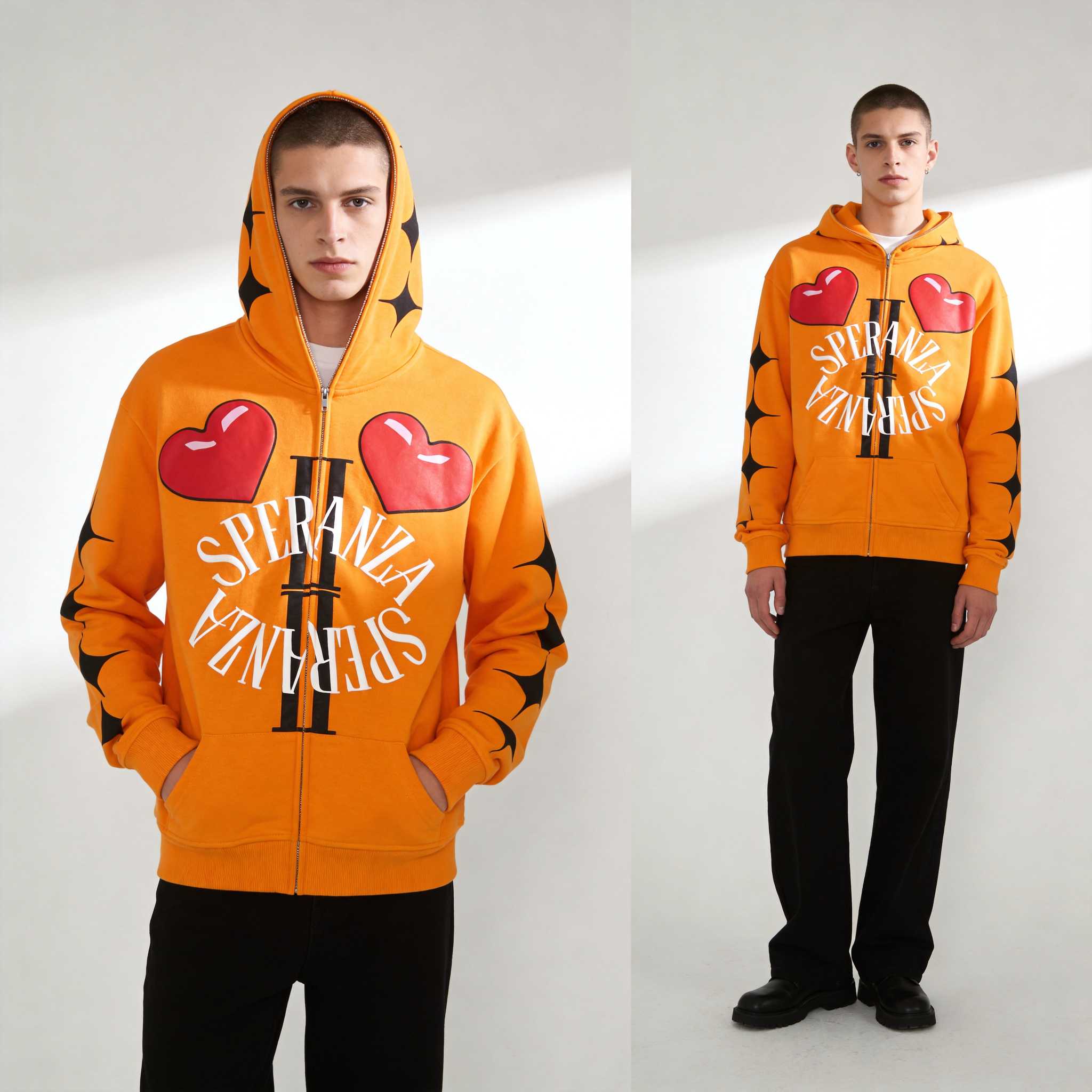
Elevate your dress designs with 95%+ decoration techniques in-house, from screen printing and embroidery to garment dyeing and distressed finishes. Our Humen Dongguan facility supports complex craftsmanship that wholesale dress suppliers rarely offer under one roof.
- Embroidery capabilities including flat, 3D, chenille, applique, and sequin embroidery with precise stitch density control
- Garment wash techniques such as acid wash, vintage wash, enzyme wash, pigment dye, and tie dye for unique color variations
- Special fashion processes including rhinestone application, laser cutting, quilting, bonded fabrics, and patchwork sewing for statement pieces
Six-Stage Quality Control System
Every dress passes through rigorous inspection from raw material arrival to final packaging. Our 6-stage QC system ensures consistent fit, measurement accuracy, decoration quality, and finishing standards across 100,000+ units monthly production capacity.
- Raw material inspection for fabric weight, color matching, and defect detection before cutting begins
- In-line production inspection monitoring stitching quality, seam strength, and construction details at every sewing station
- Final product inspection verifying measurements, print quality, embroidery precision, and packaging presentation before shipment
- Detailed QC reports and photo documentation for full transparency and traceability throughout your dress production run
ZORWILD vs. Typical Wholesale Dress Suppliers
See how our 27 years of manufacturing experience, flexible MOQs, and in-house capabilities deliver better results for your dress collection compared to industry standards.
← 左右滑动查看 →
Our Dress Production Process — From Design to Delivery
ZORWILD’s transparent 6-stage manufacturing system ensures every wholesale dress order meets brand standards with built-in quality checkpoints at each phase.
Design & Tech Pack
Submit your tech pack, sketches, or reference samples. Our development team transforms your design ideas into production-ready specifications with detailed measurements and construction notes.
Fabric Sourcing & Selection
We source premium fabrics including satin, chiffon, linen, cotton, and technical materials from trusted suppliers based on your budget, performance requirements, and brand positioning.
Sampling & Approval
Receive samples within 7 days to evaluate fit, fabric quality, construction details, embroidery, beading, and finishing. Revisions are supported until you approve for bulk production.
Bulk Production
Our 200-person team executes cutting, sewing, decoration application, and garment finishing with capacity exceeding 100,000 units monthly to meet your wholesale dress supply deadlines.
Quality Control & Finishing
Every dress passes through our 6-stage quality control system covering fabric inspection, in-line checks, measurement verification, decoration quality review, and final product inspection before packaging.
Packaging & Global Shipping
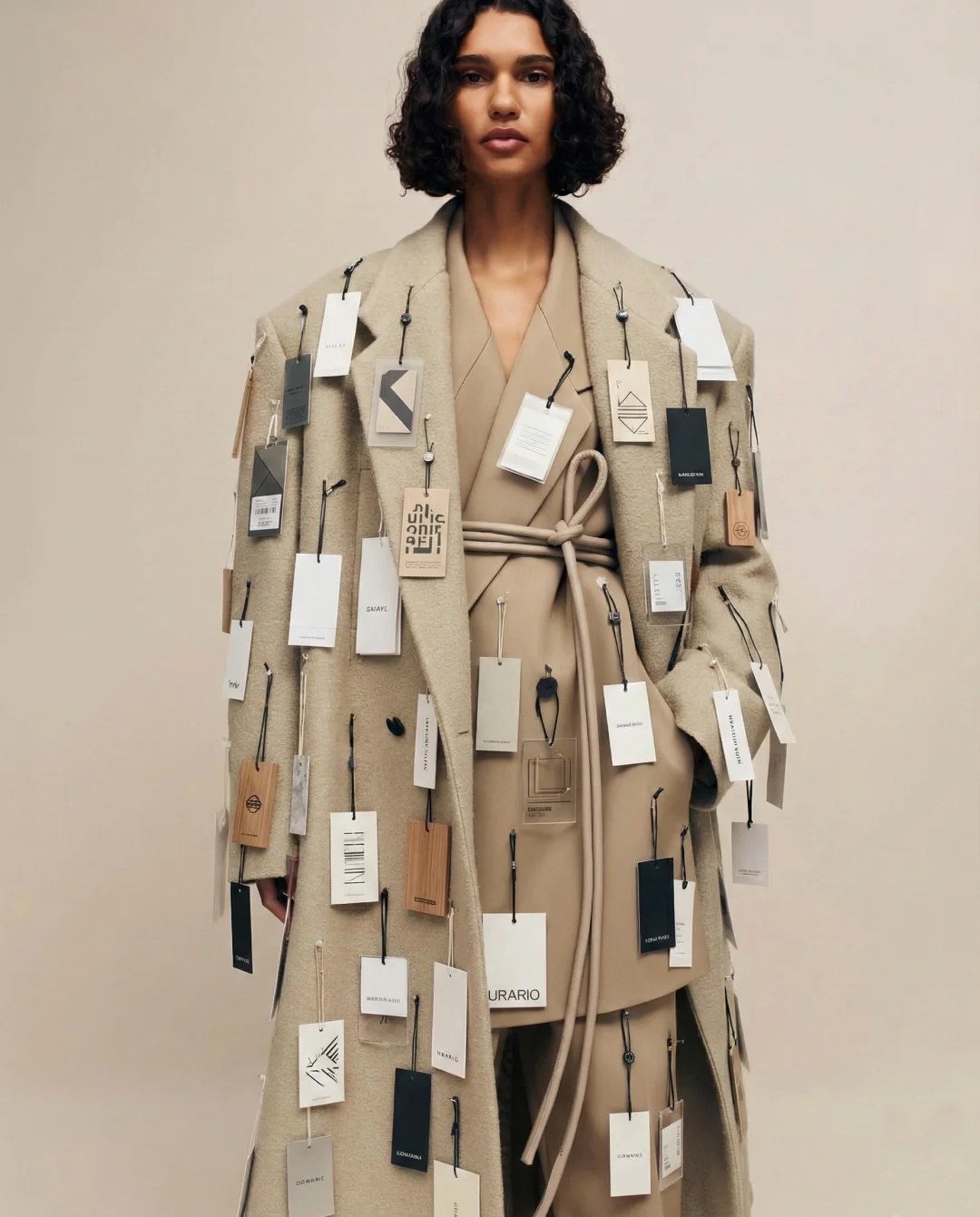
Custom packaging with branded hang tags, labels, and polybags. We coordinate air freight, sea freight, or express delivery with full export documentation and customs support.
How to Partner With Wholesale Dress Suppliers at ZORWILD
Our streamlined five-step process takes you from concept to delivery with full transparency, professional support, and quality assurance at every stage.
Submit Your Design Requirements
Share your tech pack, sketches, reference photos, or design inspiration. Our team reviews specifications and recommends fabrics, trims, and decoration techniques suited to your vision.
Review Quote and Approve Sample
Receive a detailed production quote within 24 hours. Approve your sample to evaluate fit, fabric quality, construction, and finishing before committing to bulk production.
Finalize Production Planning
Confirm order quantities starting from 50 pieces, select sizing, customize labels and packaging, and lock in your production timeline with our planning team.
Manufacturing and Quality Control
Your dresses enter our 6-stage quality control system covering fabric inspection, sewing precision, decoration quality, measurements, finishing, and final packaging to ensure consistency.
Global Delivery and Logistics Support
Choose air freight, sea freight, or express delivery with full export documentation and customs support. We coordinate door-to-door shipping to minimize delays and risks.
Certified Wholesale Dress Suppliers You Can Trust

Wholesale Dress Suppliers Trusted by Influencers, DTC Brands & Wholesalers
ZORWILD helped us launch our first resort dress collection with only 50 pieces per style. We scaled from 200 units to over 3,000 units per month in just 8 months with zero quality issues.
We reduced our time-to-market by 40% thanks to their 7-day sampling and expert fabric recommendations. Their team understood our brand vision and delivered three seasonal dress collections on time, every time.
As a wholesaler managing multiple clients, ZORWILD’s flexibility is unmatched. We’ve produced over 12,000 custom dresses across casual, evening, and prom categories with consistent quality and competitive pricing that keeps our margins healthy.
Frequently Asked Questions About Wholesale Dress Suppliers
What is the minimum order quantity (MOQ) for wholesale dress suppliers at ZORWILD?
What are the typical lead times for dress production from wholesale dress suppliers?
Do wholesale dress suppliers charge for samples, and how long does sampling take?
What payment terms do wholesale dress suppliers like ZORWILD offer?
What shipping and logistics options are available from wholesale dress suppliers?
How do wholesale dress suppliers protect my designs and intellectual property?
What customization options do wholesale dress suppliers offer for branded collections?
How does bulk pricing work with wholesale dress suppliers?
What is ZORWILD’s monthly production capacity for dress manufacturing?
The Complete Buyer’s Guide to Wholesale Dress Suppliers for Your Fashion Brand
1. What Are Wholesale Dress Suppliers?
Wholesale dress suppliers are businesses that produce or distribute dresses in bulk quantities at reduced per-unit prices for resale by retailers, boutiques, online stores, and fashion brands. These suppliers operate across three primary models: manufacturers produce garments directly in-house from raw materials, distributors purchase finished inventory from multiple factories and resell to retailers, and wholesalers aggregate products from various sources to offer catalog-based ordering. Understanding this distinction matters because manufacturers like ZORWILD offer greater customization control, faster communication, and lower MOQs, while distributors provide ready-made inventory with no production lead time.
OEM (Original Equipment Manufacturing), ODM (Original Design Manufacturing), and private label represent the dominant business models among wholesale dress suppliers. OEM production allows brands to provide complete tech packs and specifications for factory execution, ODM services offer pre-developed dress designs that brands can customize with their labels and minor modifications, and private label programs enable startups to launch branded collections using supplier design libraries with low minimum orders. ZORWILD supports all three models with MOQs starting from 50 pieces per style, making professional dress manufacturing accessible to influencer brands, startup fashion labels, and boutique retailers.
MOQ (Minimum Order Quantity) defines the smallest production run a supplier will accept and directly impacts inventory risk, cash flow, and product testing capability. Traditional wholesale dress suppliers require 500 to 1,000 pieces per style, but low-MOQ manufacturers enable brands to test markets, launch capsule collections, and reduce upfront investment while maintaining professional quality standards.
2. The Evolution of Wholesale Dress Manufacturing
Before the 1990s, wholesale dress suppliers operated primarily through domestic garment districts in New York, Los Angeles, and European capitals, where buyers visited showrooms to place orders with minimum quantities typically starting at 500 to 1,000 pieces per style. The shift accelerated in the late 1990s and early 2000s when manufacturing moved to Asia, particularly China’s Guangdong province including hubs like Humen in Dongguan, where integrated supply chains, skilled labor pools, and fabric markets enabled faster turnaround and lower costs.
Fast fashion brands emerging between 2000 and 2010 compressed design-to-retail cycles from six months to as little as three weeks, pushing wholesale dress suppliers to adopt CAD pattern systems, digital printing technologies, and automated cutting equipment. Digital B2B platforms launched after 2010 connected international buyers directly with factories, reducing reliance on intermediaries and enabling real-time communication, tech pack sharing, and sample approvals via email and messaging apps like WhatsApp.
The rise of low-MOQ wholesale dress suppliers after 2015 transformed market access for startup brands and influencers, with factories offering 50-piece minimums instead of traditional 500-piece runs. Advanced decoration techniques including DTG printing, sublimation printing, laser cutting, and multi-head embroidery machines now allow wholesale dress suppliers to deliver custom prints, embroidery logos, beading, sequins, and lace applications with lead times as short as 15 to 25 days, creating a competitive landscape where speed, customization flexibility, and lower entry barriers define success.
3. Types of Wholesale Dress Suppliers
Wholesale dress suppliers operate under distinct business models, each offering different service scopes, MOQ requirements, and lead times. Understanding these categories helps buyers match their production needs, budget, and brand stage to the right manufacturing partner.
Full-Package Manufacturers
Full-package manufacturers like ZORWILD handle design development, fabric sourcing, sampling, production, quality control, and logistics under one roof. MOQs typically start from 50–100 pieces per style, with lead times of 25–45 days depending on decoration complexity.
This model suits startup brands, influencers, and small wholesalers who lack supply-chain infrastructure. Clients provide tech packs or sketches; the factory coordinates all materials, trims, and finishing processes, delivering ready-to-sell inventory.
Cut-Make-Trim (CMT) Factories
CMT factories provide sewing and assembly services only; buyers must supply fabrics, trims, labels, and packaging materials. MOQs often reach 300–500 pieces per style, with shorter lead times of 15–25 days once materials arrive.
Established brands with dedicated sourcing teams or agents use CMT suppliers to control fabric quality and reduce per-unit costs. This model requires strong supply-chain management and material coordination.
Trading Companies and Agents
Trading companies act as intermediaries between buyers and factories, offering multi-factory access, quality oversight, and English-language communication. MOQs and lead times mirror the underlying factories, typically 100–300 pieces and 30–50 days.
This model benefits buyers unfamiliar with Chinese manufacturing or managing multiple product categories. Agents charge 5–10% commission but reduce communication barriers and factory-search complexity.
Domestic vs. Overseas Suppliers
Domestic U.S. or European suppliers offer 7–14 day lead times and MOQs as low as 25 pieces but cost 2–4× more per unit. Overseas suppliers in China, Vietnam, or Bangladesh provide lower costs, higher decoration capabilities, and MOQs from 50 pieces, with 30–45 day ocean freight.
Startup brands balancing cost and speed often test domestically, then scale overseas. Established wholesalers prioritize overseas manufacturing for margin optimization and advanced customization.
4. Dress Fabrics and Materials Used by Wholesale Dress Suppliers
Wholesale dress suppliers offer fabrics spanning every price tier, drape characteristic, and seasonal requirement. ZORWILD sources cotton, polyester, rayon, silk, linen, and technical blends from trusted mills across China, matching fabric weight and care requirements to each brand’s target market and retail positioning.
| Fabric | GSM Range | Best Use | Price Tier | Care |
|---|---|---|---|---|
| Cotton | 120–200 | Casual dresses, summer wear, resort collections | Low–Mid | Machine wash, tumble dry, easy care |
| Polyester | 100–180 | Activewear dresses, travel wear, wrinkle-free styles | Low | Machine wash, quick dry, wrinkle-resistant |
| Rayon / Viscose | 130–200 | Flowy casual dresses, resort wear, drape-heavy silhouettes | Mid | Gentle wash or dry clean, hang dry |
| Silk | 60–140 | Evening dresses, prom dresses, luxury formal wear | High | Dry clean or hand wash, delicate handling |
| Linen | 150–250 | Summer dresses, resort wear, relaxed casual styles | Mid–High | Machine wash, line dry, accept natural wrinkles |
| Blends (Cotton-Poly, Rayon-Spandex) | 140–220 | Stretch dresses, bodycon styles, everyday casual wear | Low–Mid | Machine wash, tumble dry low, minimal shrinkage |
5. Customization and Decoration Options with Wholesale Dress Suppliers
Professional wholesale dress suppliers offer a wide range of decoration and customization techniques to help brands differentiate their collections. Understanding setup costs, per-unit pricing, durability, and minimum quantities for each method enables informed sourcing decisions and realistic budget planning.
| Decoration Method | Setup Cost | Per-Unit Cost | Durability | Best Application |
|---|---|---|---|---|
| Screen Printing | $50–150 per color | $1.50–4.00 | Excellent (50+ washes) | Large runs, bold graphics, solid colors |
| DTG Printing | $0–25 | $4.00–8.00 | Good (30–40 washes) | Complex artwork, photo prints, small batches |
| Embroidery | $30–80 per design | $3.00–7.00 | Excellent (100+ washes) | Logos, monograms, premium branding |
| Heat Transfer | $0–50 | $2.00–5.00 | Fair (20–30 washes) | Quick turnarounds, multicolor designs |
| Appliqué & Beading | $50–200 | $5.00–15.00 | Very Good (60+ washes) | Evening dresses, formalwear, luxury details |
| Custom Labels/Tags | $100–300 setup | $0.20–1.50 | Excellent | Brand identity, care instructions, hang tags |
6. Key Quality and Construction Elements in Wholesale Dresses
Quality construction separates premium wholesale dress suppliers from budget operators. Professional manufacturers inspect stitching integrity, pattern alignment, closures, linings, hems, sizing accuracy, and color fastness at multiple production stages to ensure consistent results across every order.
Stitching and Seam Construction
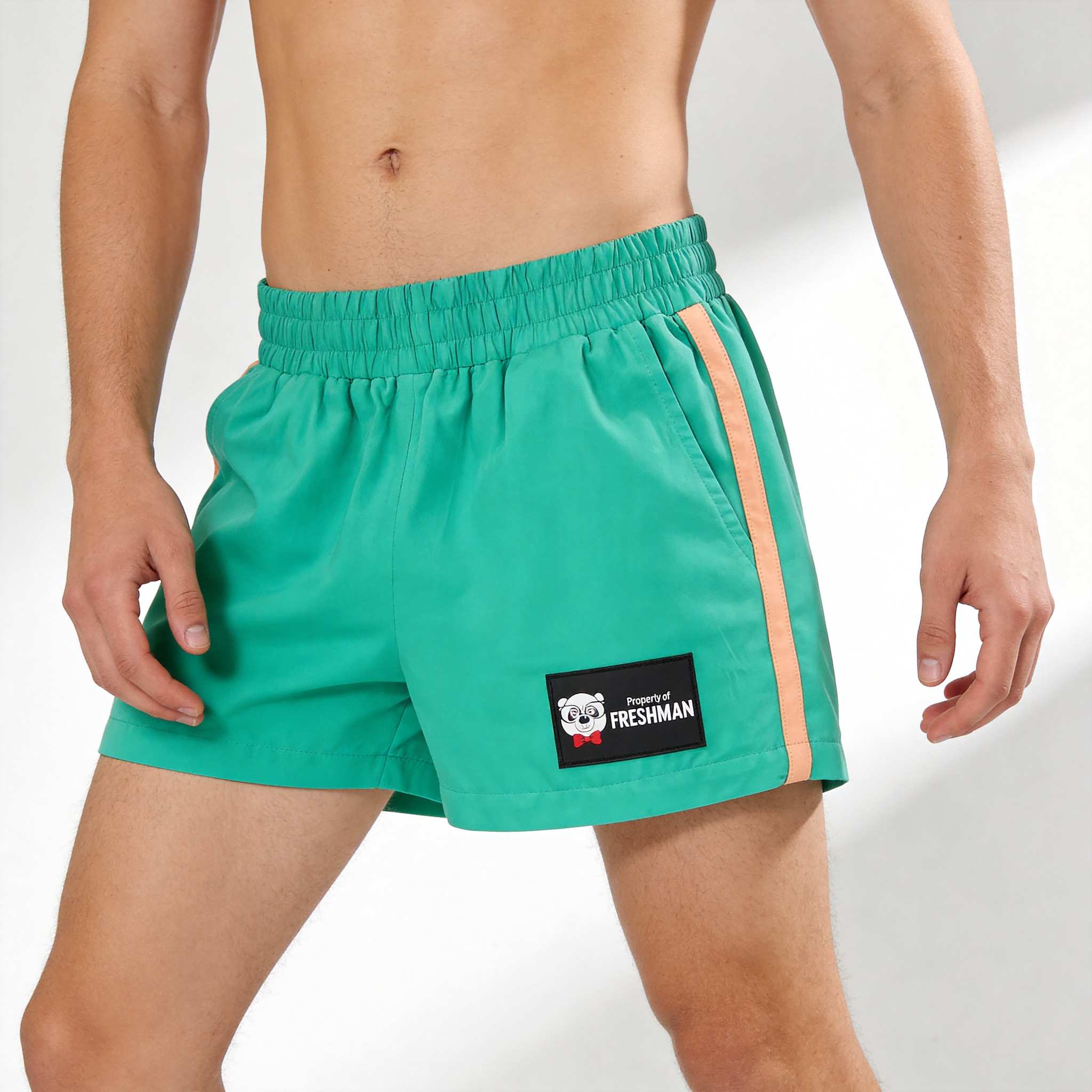
Seam type determines durability and drape. French seams enclose raw edges for clean finishes on lightweight dresses, while flat-felled seams provide strength in structured garments. Thread count should match fabric weight—40-weight polyester thread for medium-weight cotton, 60-weight for delicate satins.
Stitch density ranges from 10 to 14 stitches per inch for standard construction. Loose stitching unravels after washing; overly tight stitching puckers fabric and weakens seams. Lockstitch machines deliver consistent tension, while overlock sergers finish edges to prevent fraying.
Pattern Matching and Alignment

Stripe, plaid, and print alignment reveals cutting precision. Professional manufacturers align horizontal stripes at side seams and match print motifs at bodice seams and pocket placements. Misaligned patterns indicate rushed cutting or poor quality control.
Large-scale prints require careful placement to avoid awkward positioning across bust, waist, or hip areas. Symmetrical designs should mirror across center-front and center-back seams.
Zipper and Closure Quality
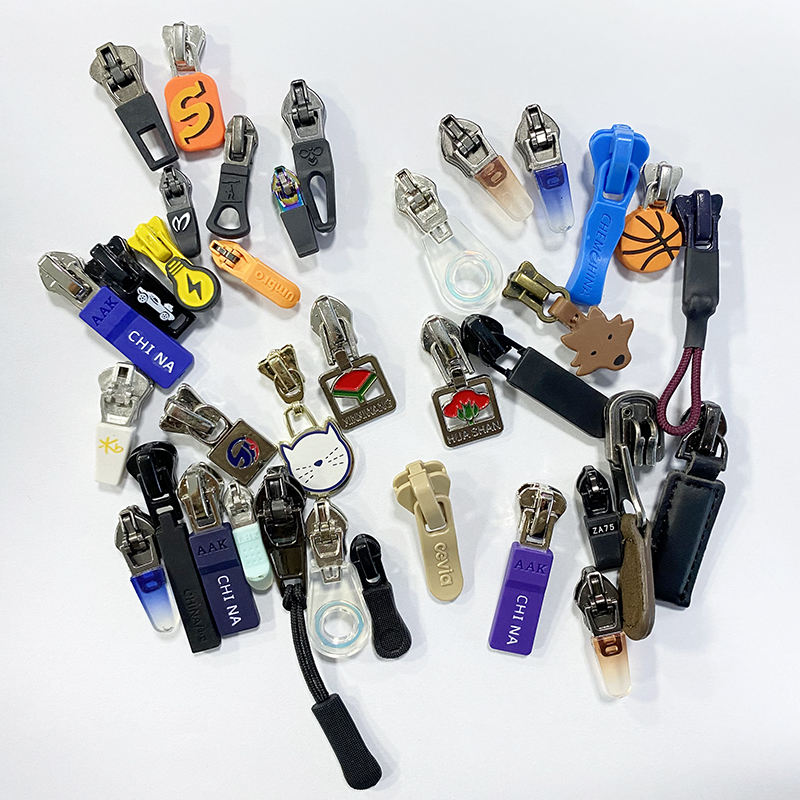
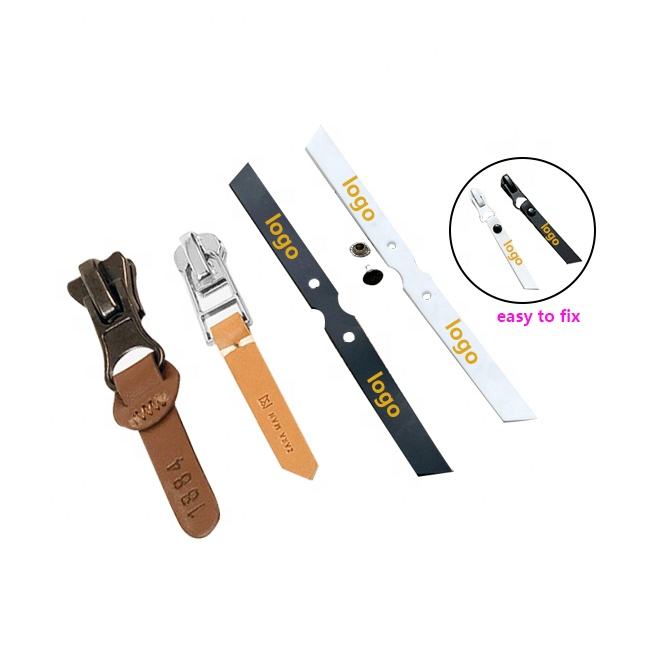
YKK and SBS zippers provide reliable performance across 5,000+ cycles. Metal teeth suit formal dresses; coil zippers work for knit and stretch fabrics. Invisible zippers require careful installation to avoid puckering along the seam.
Button spacing should prevent gaping—typically 3 to 4 inches apart on bodices. Snap closures need secure stitching through reinforcement layers to withstand repeated use.
Lining and Hem Finishes
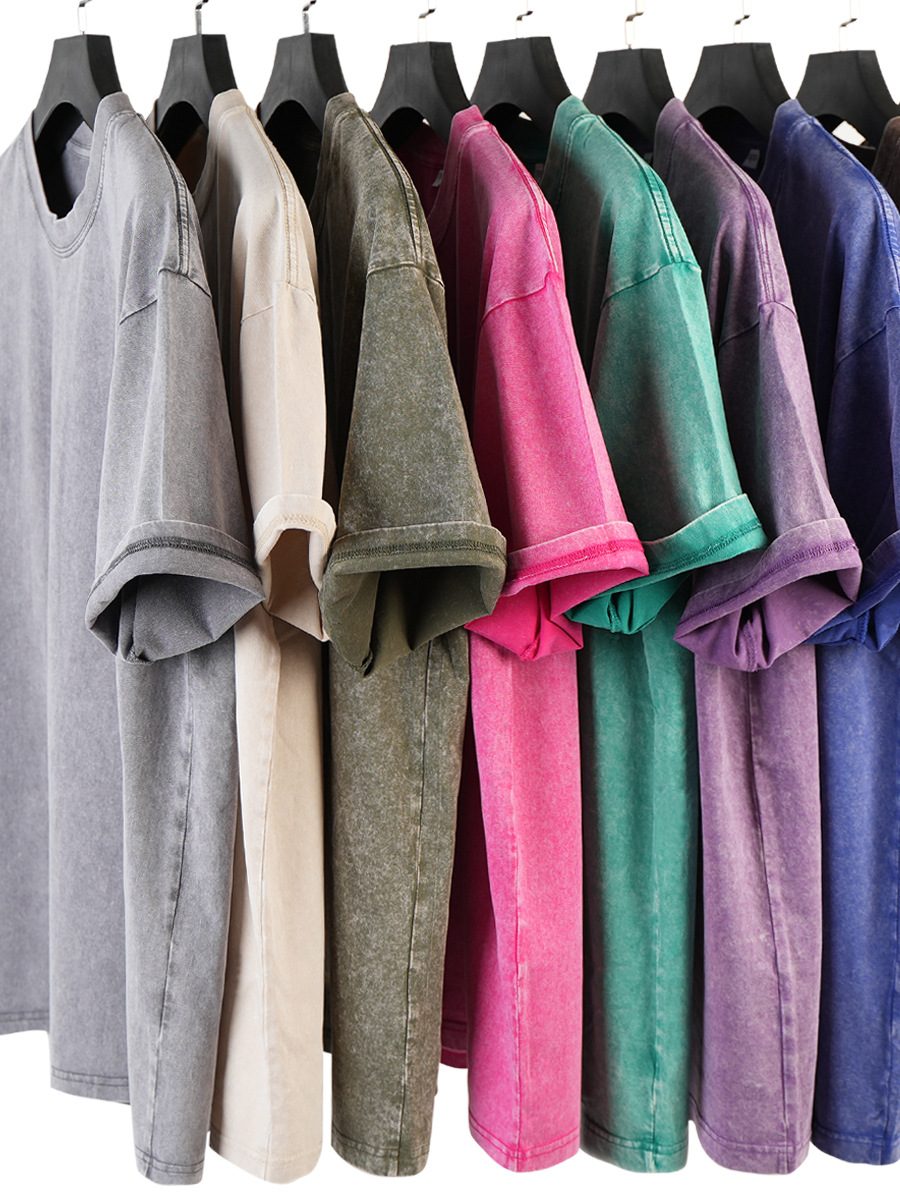
Lining prevents transparency, adds structure, and improves comfort. Polyester lining suits most applications; rayon or cotton linings enhance breathability in summer dresses. Lining seams should mirror outer construction without pulling or twisting.
Hem finishes include blind hem for invisible stitching, rolled hem for lightweight fabrics, and faced hem for structured garments. Hem depth ranges from 1 inch for casual styles to 2 inches for formal dresses.
Sample Testing and Red Flags
Request pre-production samples to verify measurements, fabric quality, wash performance, and decoration durability. Test garment dye color fastness by washing samples three times and checking for fading or bleeding.
Red flags include uneven stitching, loose threads, misaligned seams, weak zipper installation, skipped stitches, and inconsistent sizing across sample units. Professional wholesale dress suppliers address issues before bulk production begins.
7. How to Choose the Right Wholesale Dress Suppliers
Selecting reliable wholesale dress suppliers requires systematic evaluation across certifications, communication, production capabilities, and commercial terms. A structured due-diligence process minimizes risk and ensures long-term partnership success.
Verify Certifications and Compliance
Request BSCI, WRAP, OEKO-TEX, or ISO 9001 documentation to confirm ethical labor practices and fabric safety standards. Suppliers with third-party certifications demonstrate commitment to regulatory compliance and quality management systems.
Certified factories undergo annual audits covering working conditions, chemical usage, and environmental impact. ZORWILD’s 27-year manufacturing history includes compliance with international export standards across North America, Europe, and Middle Eastern markets.
Assess Communication and Responsiveness
Test response time by sending detailed inquiries about fabric options, MOQ flexibility, and lead times. Professional wholesale dress suppliers reply within 24 hours with clear answers, technical specifications, and realistic production timelines.
Evaluate English proficiency, willingness to schedule video calls, and availability across time zones. Reliable communication prevents costly misunderstandings during sampling, bulk production, and quality control stages.
Review Portfolio and Past Clients
Request photos of completed dress collections, fabric swatches, and references from brands in your market segment. Examine construction quality, finishing techniques, and decoration capabilities like embroidery, beading, or satin draping.
Suppliers serving 2,000+ brands across multiple countries demonstrate proven scalability and category expertise. Ask for case studies showing low-MOQ startup projects and large-scale production runs to verify flexible capacity.
Compare MOQ, Pricing, and Payment Terms
Benchmark minimum order quantities—50-piece MOQs suit startups, while 500+ units reduce per-piece costs for established brands. Request itemized quotes covering fabric, trims, decoration, packaging, and shipping to avoid hidden fees.
Negotiate payment structures: 30% deposit, 70% before shipment is standard. Suppliers offering flexible terms for trial orders demonstrate confidence in quality and customer retention.
Conduct Factory Audits or Third-Party Inspections
Schedule on-site visits or hire SGS, Bureau Veritas, or TUV inspectors to verify production capacity, equipment condition, and workforce size. Physical audits reveal whether claimed capabilities match actual infrastructure.
For remote due diligence, request live video tours showing cutting rooms, sewing lines, finishing stations, and quality control areas. Trial orders of 50–100 pieces validate fabric quality, fit accuracy, and delivery reliability before committing to bulk production.
8. Common Mistakes When Sourcing from Wholesale Dress Suppliers
Even experienced buyers make costly errors when selecting wholesale dress suppliers. Avoiding five common pitfalls saves time, money, and protects brand reputation throughout the sourcing process.
Skipping Sample Orders Before Bulk Production
Ordering bulk production without samples risks fabric mismatches, fit issues, and construction defects. ZORWILD requires sample approval for all new dress styles to verify satin draping, lace application quality, and measurement accuracy before committing to 500-piece or larger runs.
Samples reveal wash performance, color fastness, and embroidery density that photos cannot show. Always order 2–3 samples per style to test fit across size ranges and evaluate finishing quality under real-world conditions.
Ignoring Lead Time Buffers and Production Schedules
Standard dress production requires 25–35 days after sample approval, plus 7–10 days for fabric sourcing and 15–25 days for ocean freight. Brands that ignore these timelines miss launch windows and lose seasonal sales opportunities.
Add 10–15 day buffers for customs clearance, quality inspection, and unexpected delays. Communicate your target delivery date upfront so wholesale dress suppliers can schedule cutting, sewing, washing, and finishing operations without bottlenecks.
Unclear Tech Packs and Specifications
Vague tech packs cause incorrect sizing, wrong fabric weights, and misplaced embroidery. ZORWILD’s development team requires detailed measurements, stitch type callouts, Pantone color codes, and trim specifications to ensure accurate sampling and production.
Include construction details such as seam allowances, hem widths, lining materials, and zipper types. Specify fabric GSM, stretch percentages, and wash instructions to avoid disputes over quality expectations.
Overlooking Shipping, Duties, and Landed Costs
FOB pricing excludes freight, insurance, duties, and port fees that add 20–35% to total landed costs. Brands that budget only factory prices face cash flow gaps and pricing errors when calculating retail margins.
Request DDP or DDU quotes to understand true delivered costs. Factor in tariff rates (often 16–25% for dresses), customs broker fees, and inland trucking when building your pricing model.
Failing to Negotiate Payment Milestones and Quality Clauses
Standard 30% deposit and 70% pre-shipment terms offer limited protection against defects. Negotiate inspection-based milestones such as 30% deposit, 40% after cutting approval, and 30% after final AQL inspection to maintain quality leverage.
Include written quality clauses covering acceptable defect rates (typically 2.5–4.0 AQL), rework responsibilities, and refund terms. ZORWILD’s contracts specify inspection standards, measurement tolerances, and resolution procedures to protect both parties.
9. Steps to Launch Your Dress Brand with Wholesale Dress Suppliers
Launching a dress brand with wholesale dress suppliers requires a structured six-step process that balances product development, risk management, and market validation. ZORWILD’s 27 years of experience serving over 2,000 brands demonstrates that success depends on clear planning from concept to scale.
Define Your Niche and Target Customer
Successful dress brands begin with a focused market position. Influencers often target 18–34 social media audiences with viral-ready styles, while small brands define aesthetic categories such as resort wear, evening dresses, or sustainable casualwear.
Established retailers analyze sales data to identify gaps in their existing assortment. ZORWILD serves brands across casual dresses, prom dresses, wedding dresses, resort dresses, bodycon dresses, and maxi dresses, allowing precise category alignment from the start.
Create Tech Packs and Design Specs
Tech packs translate design vision into production-ready instructions. Include flat sketches, measurement charts, fabric specifications, color codes (Pantone references), and decoration details such as lace application, embroidery placement, or beading.
ZORWILD’s development team converts sketches, inspiration photos, or reference garments into complete tech packs when brands lack in-house design resources, reducing barriers for startup labels and influencers.
Request Quotes and Samples
Submit tech packs to wholesale dress suppliers and request detailed quotations covering unit cost, MOQ, sampling fees, lead times, and payment terms. ZORWILD’s 50-piece MOQ allows cost-effective sample validation.
Order samples to evaluate fit, fabric quality, construction details, wash effects, and decoration accuracy before committing to bulk production. Most suppliers charge sampling fees refundable upon bulk orders.
Place a Pilot Production Run
Start with a pilot run of 50–200 pieces to test market demand, validate sizing, and refine quality standards. This approach reduces inventory risk and cash flow pressure for influencers and small brands.
ZORWILD’s low MOQ system supports capsule collections and limited drops, enabling brands to iterate designs based on real customer feedback before scaling to monthly production capacities exceeding 100,000 units.
Plan Inventory and Fulfillment
Coordinate delivery timelines with sales channels, whether direct-to-consumer e-commerce, wholesale accounts, or pop-up events. Factor lead times of 25–45 days for production plus shipping.
ZORWILD provides air freight, sea freight, express delivery, and door-to-door shipping with export documentation and customs support, helping brands avoid delays and manage logistics complexity across North America, Europe, and Asia-Pacific markets.
Market and Scale
Launch marketing campaigns aligned with inventory arrival, leveraging social media content, influencer partnerships, email lists, and paid advertising. Track sell-through rates, customer feedback, and return rates to inform reorder decisions.
As demand grows, increase order quantities to unlock volume pricing and reduce per-unit costs. ZORWILD’s scalable production supports brands transitioning from 50-piece test runs to thousands of units per style, maintaining consistent quality and reliable communication throughout growth phases.
10. Pricing and Cost Structure for Wholesale Dress Suppliers
Wholesale dress pricing comprises six core cost components: fabric (30–45% of total unit cost), labor and construction (20–30%), trims including zippers, buttons, and elastic (5–10%), decoration such as embroidery or printing (5–15%), packaging with hang tags and polybags (3–7%), and logistics covering shipping and duties (10–20% depending on destination). ZORWILD’s 27 years of manufacturing experience in Humen, Dongguan enables optimized fabric sourcing and production efficiency that translates to competitive unit economics for wholesale dress suppliers.
Order quantity directly impacts unit price through fabric purchasing power, setup amortization, and production line efficiency. A 50-piece startup order for a custom casual dress typically ranges $12–$18 per unit with 25–30 day lead times and $150–$300 in sampling fees, while 1,000-piece orders drop to $6–$9 per unit with 30–35 day timelines and waived setup costs. MOQ flexibility allows influencers and small brands to test designs before scaling, while established wholesalers benefit from volume pricing on reorders.
Decoration methods add variable costs that affect margin calculations. Screen printing setup costs $40–$80 per design but drops to $0.80–$1.50 per unit, making it ideal for orders above 200 pieces. DTG printing eliminates setup fees but costs $2.50–$4.00 per print, suited for low-volume custom graphics. Embroidery runs $1.50–$3.50 per placement depending on stitch count, while lace application and beading for evening dresses add $3–$8 per unit based on complexity and coverage area.
| Order Quantity | Unit Price Range | Lead Time | Setup/Sample Fee |
|---|---|---|---|
| 50 pieces | $12–$18 | 25–30 days | $150–$300 |
| 200 pieces | $9–$14 | 28–32 days | $100–$200 |
| 500 pieces | $7–$11 | 30–35 days | $50–$100 |
| 1,000+ pieces | $6–$9 | 30–35 days | Waived |
Ready to Partner With Trusted Wholesale Dress Suppliers?
Start with just 50 pieces, receive samples in 7 days, and scale with a 27-year manufacturer trusted by 2,000+ brands worldwide.