
Custom Made Dresses from 50 Pieces — Fast, Flexible Production
Launch your custom made dresses collection with ZORWILD‘s low MOQ manufacturing. 27 years of expertise, 7-day sampling, and full design support for brands and influencers worldwide.
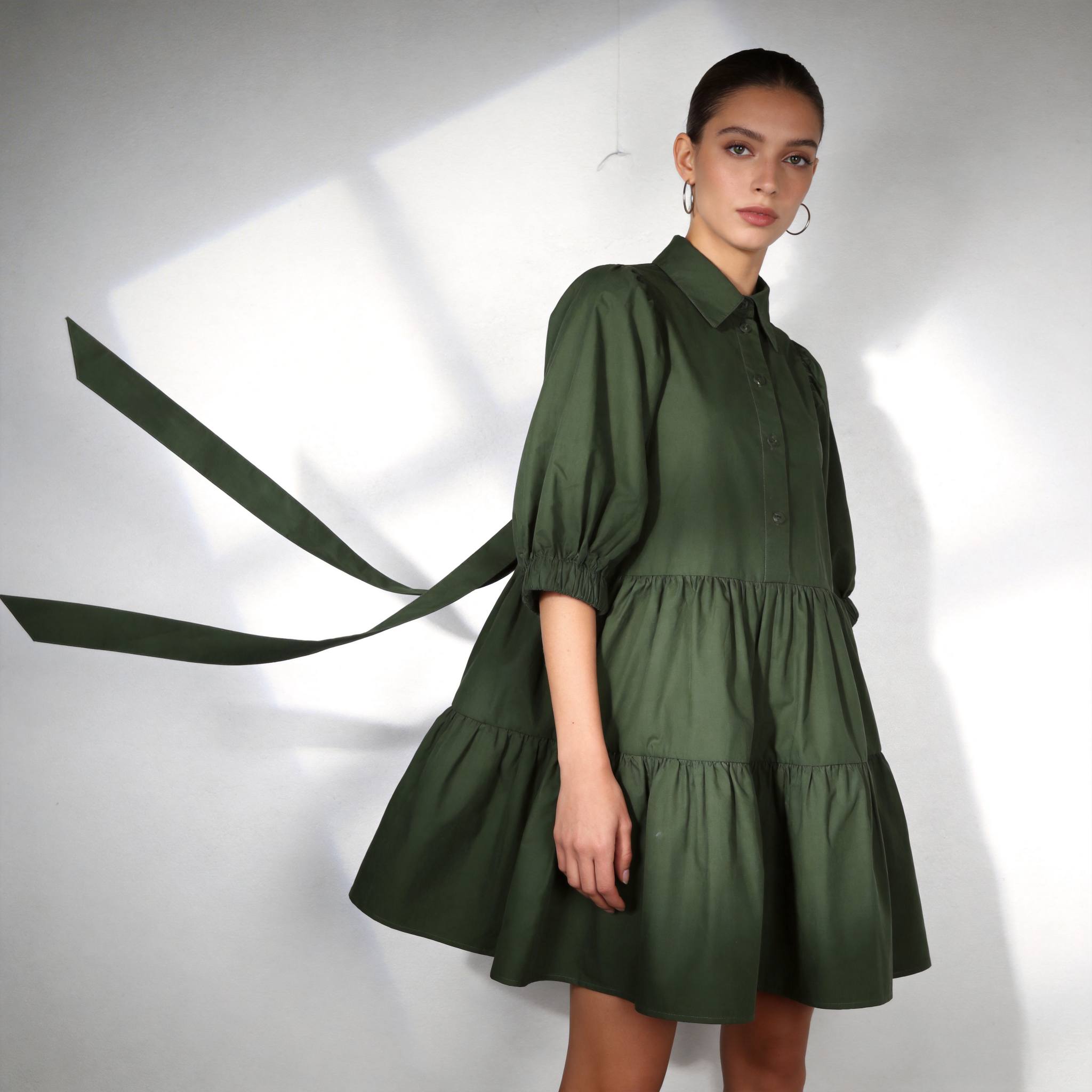
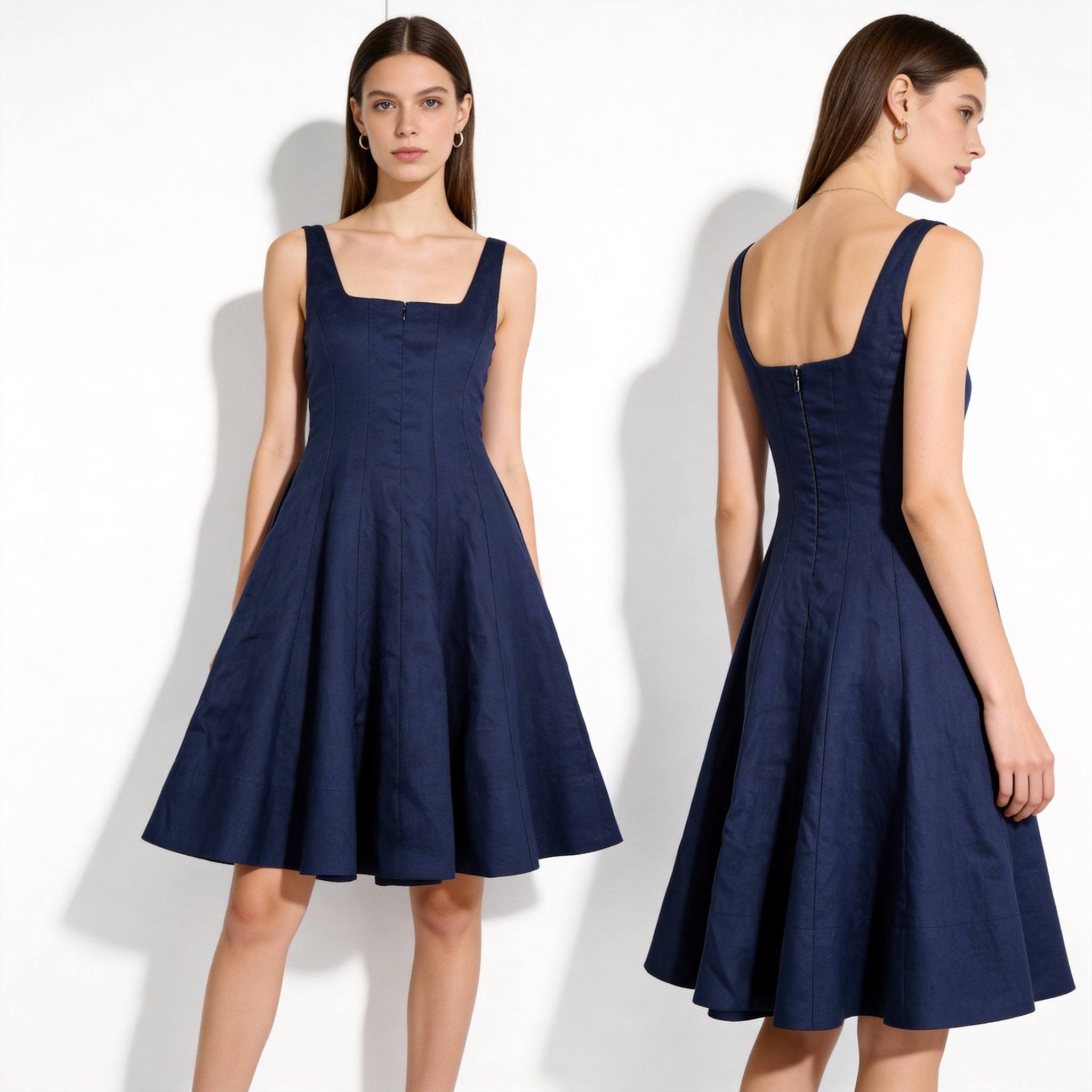
Dress Collection Showcase

Why ZORWILD for Custom Made Dresses
50-Piece Low MOQ Production
Launch your dress collection without overstock risk. Start with just 50 pieces and scale as your brand grows with flexible production runs.
7-Day Sample Turnaround
Validate fit, fabric, and finishing fast. Our rapid sampling process lets you approve prototypes and move to production without delays.
95%+ Decoration Techniques In-House
Embroidery, beading, lace, sequins, printing, and corsetry all under one roof. No outsourcing means faster timelines and tighter quality control.
27 Years Dress Manufacturing Expertise
From casual sundresses to formal evening gowns, our Dongguan factory has perfected every construction technique since 1998.
6-Stage Quality Control System
Every custom dress passes fabric inspection, in-line checks, measurement verification, decoration review, final inspection, and packaging audit before shipping.
Global Shipping & Export Support
Door-to-door logistics, customs documentation, and freight coordination to US, EU, UK, Australia, and 50+ countries. Serving wholesale dress suppliers and custom wedding dress brands worldwide.
Dress Manufacturing Built for Your Brand
Custom Evening Dresses
Elegant evening dresses crafted with premium fabrics including satin, chiffon, and sequined materials. We support lace applications, beading, corset structures, multi-layer construction, and formalwear finishing to create red-carpet-ready pieces. MOQ starts at 50 pieces with full customization from design to delivery.
Get a QuoteCustom Cocktail Dresses
Fashion-forward cocktail dresses designed for semi-formal occasions with tailored fits and premium detailing. Our team handles embroidery, sequins, satin draping, contrast panels, and structured silhouettes. Perfect for brands launching trend-ready collections with fast turnaround and strict quality control.
Get a QuoteCustom Maxi Dresses
Flowing maxi dresses manufactured in resort-ready fabrics including rayon, viscose, linen blends, and lightweight cotton. We offer custom prints, tie-dye effects, smocked bodices, adjustable straps, and tiered construction. Ideal for summer collections, vacation wear, and bohemian-inspired brands seeking scalable production.
Get a Quote
Custom Bodycon Dresses
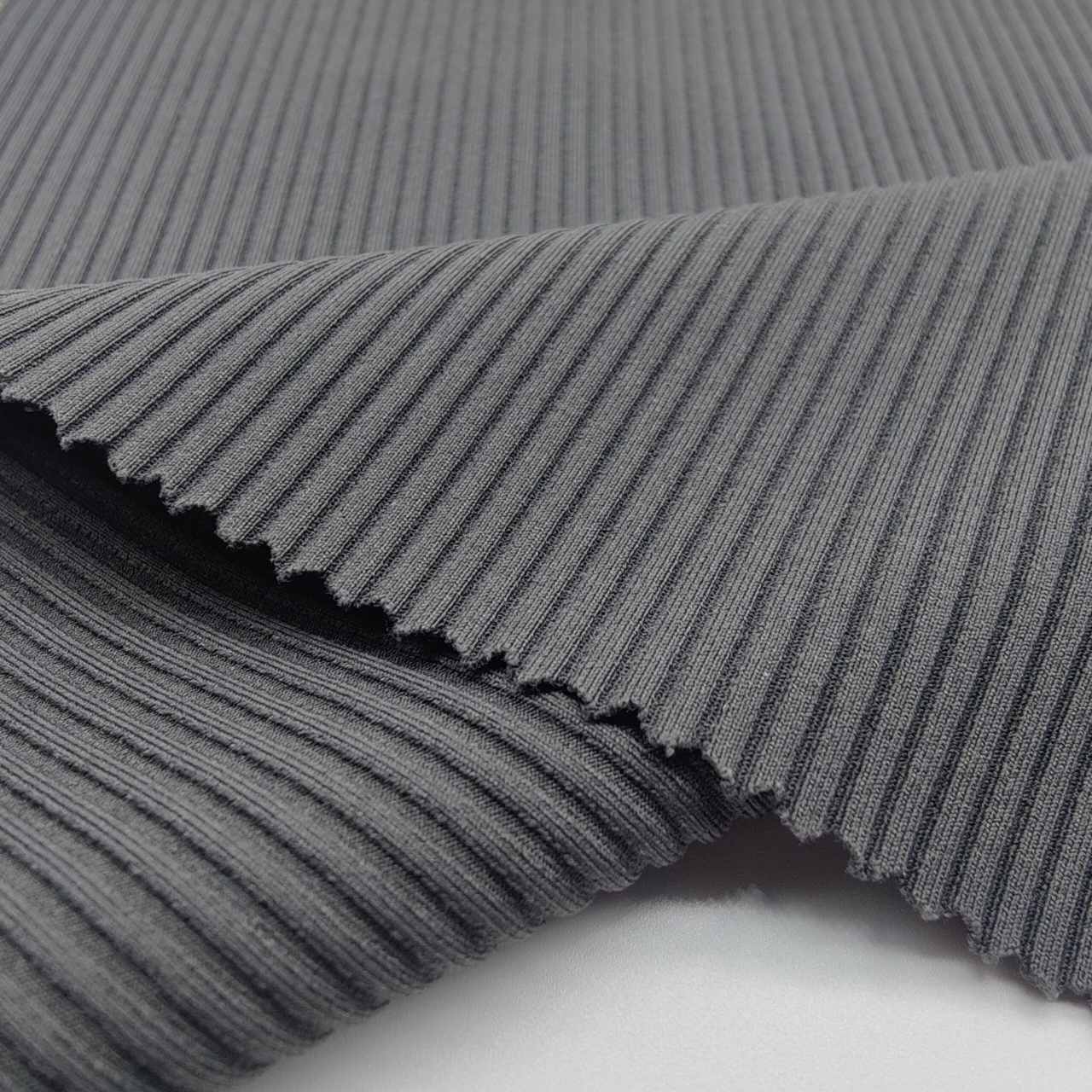
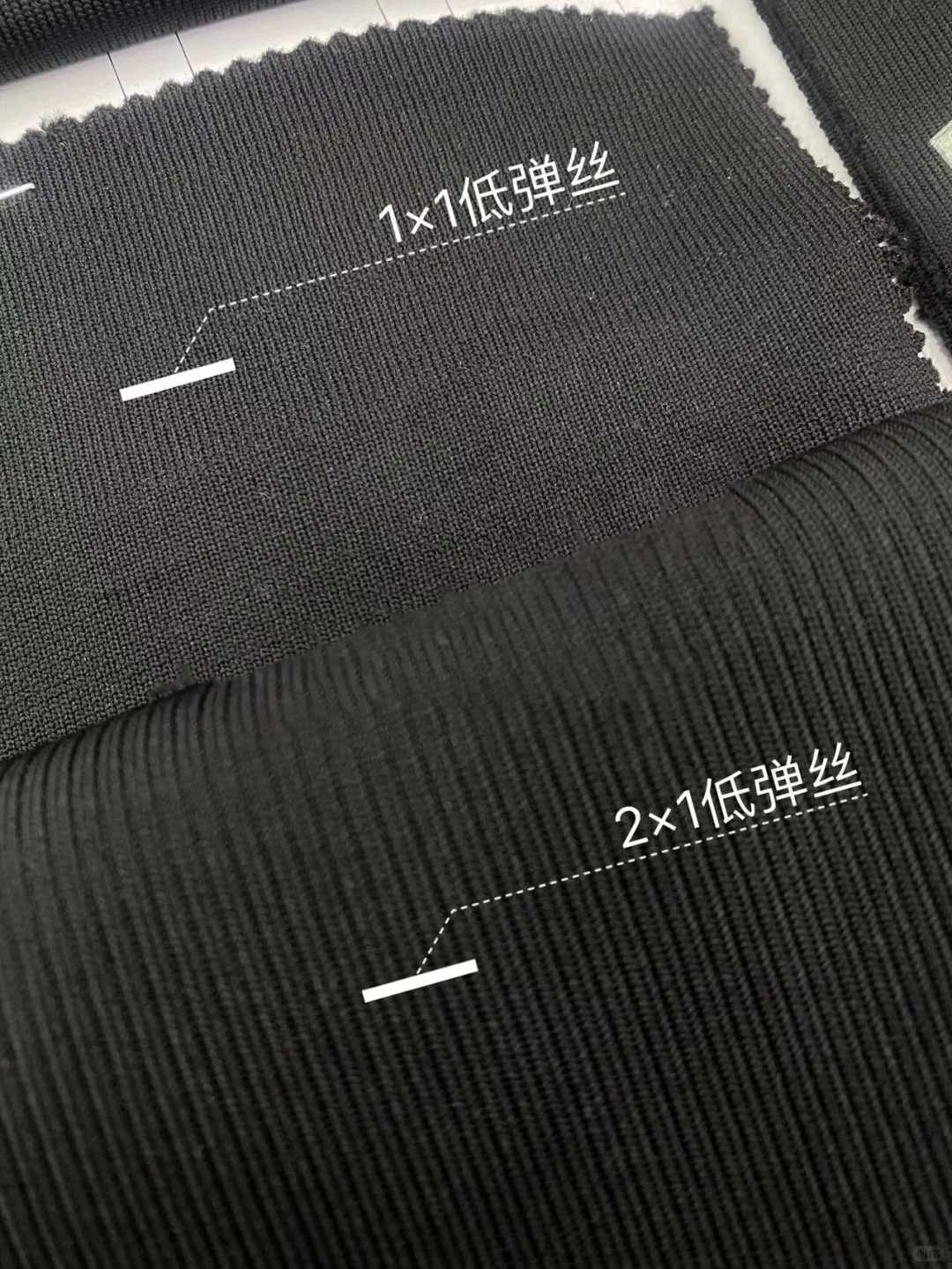
Figure-hugging bodycon dresses produced with stretch fabrics including spandex blends, ribbed knits, and performance jersey. Our construction ensures consistent fit, shape retention, and durability across production runs. Support for cut-and-sew paneling, contrast stitching, and custom sizing from startup to established brands.
Get a Quote
Custom Shirt Dresses
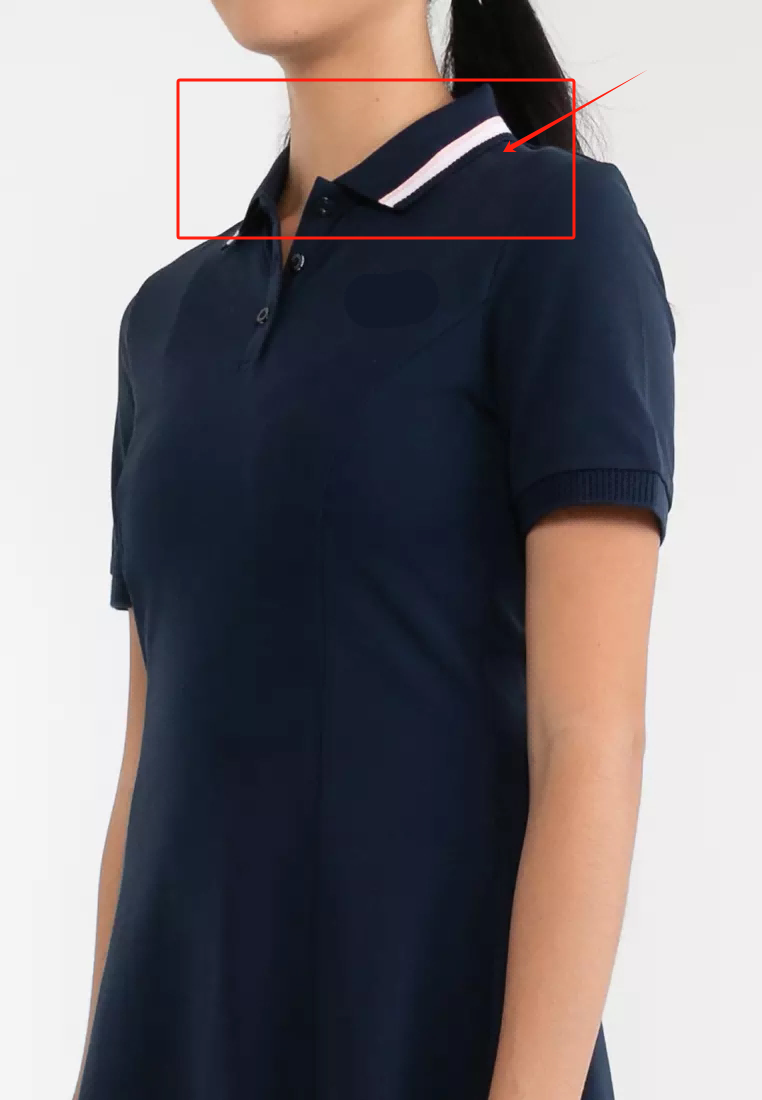
Versatile shirt dresses combining casual comfort with tailored structure using cotton poplin, linen, chambray, and rayon. We manufacture oversized fits, belted waists, custom buttons, contrast collars, and functional pockets. Low MOQ production allows influencers and small brands to test styles before scaling.
Get a Quote
Custom Wrap Dresses
Flattering wrap dresses engineered with secure closures, adjustable ties, and drape-friendly fabrics including jersey, satin, and viscose blends. Our pattern-making ensures consistent fit and wrap tension across sizes. Full customization includes print patterns, sleeve variations, and branded details for professional brand presentation.
Get a Quote
Custom A-Line Dresses
Classic A-line dresses manufactured with precise pattern cutting for universally flattering silhouettes. We work with cotton, linen, denim, and technical fabrics to create casual to formal styles. Capabilities include pleating, gathering, zipper installation, lining systems, and embroidery for brands requiring timeless wardrobe staples.
Get a Quote
Custom Slip Dresses
Minimalist slip dresses crafted from satin, silk blends, and lightweight viscose with bias-cut construction for elegant drape. Our finishing includes delicate spaghetti straps, adjustable closures, French seams, and lace trim options. Perfect for contemporary brands seeking refined aesthetics with premium hand feel and quality.
Get a Quote
Custom Midi Dresses
Modern midi dresses produced across multiple fabric weights and styles from casual jersey to structured twill. We support pleated skirts, wrap details, button-front closures, puff sleeves, and seasonal prints. Our 6-stage quality control ensures consistent measurements and professional finishing for wholesale and DTC brands.
Get a QuotePremium Fabrics for Custom Made Dresses
Advanced Decoration & Finishing for Custom Made Dresses
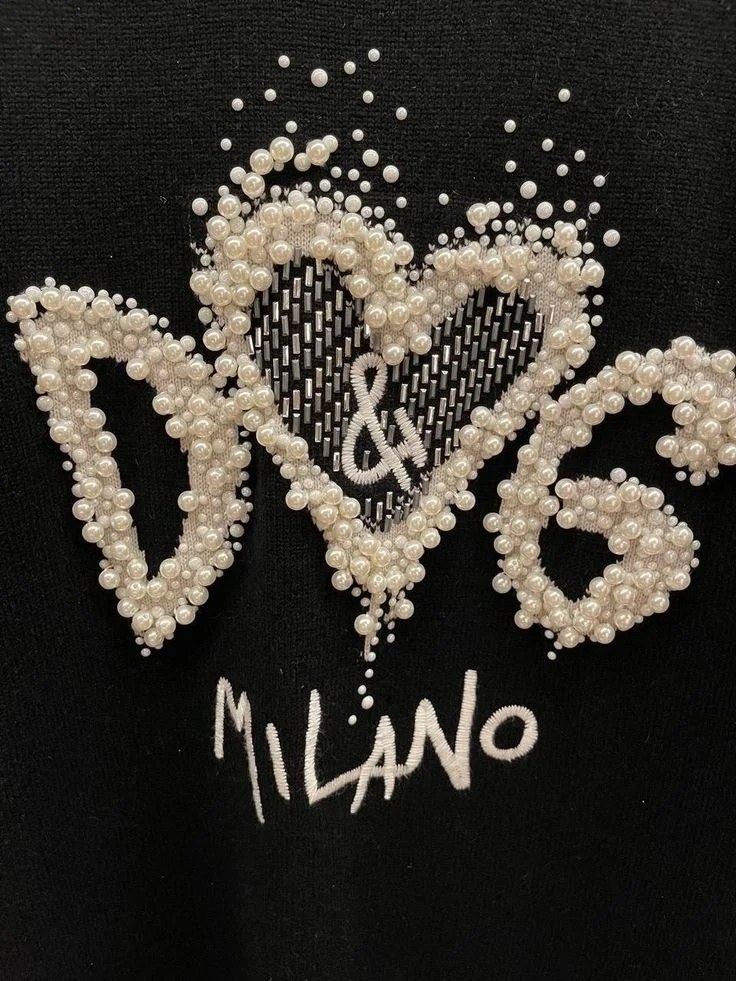
Beading & Sequins
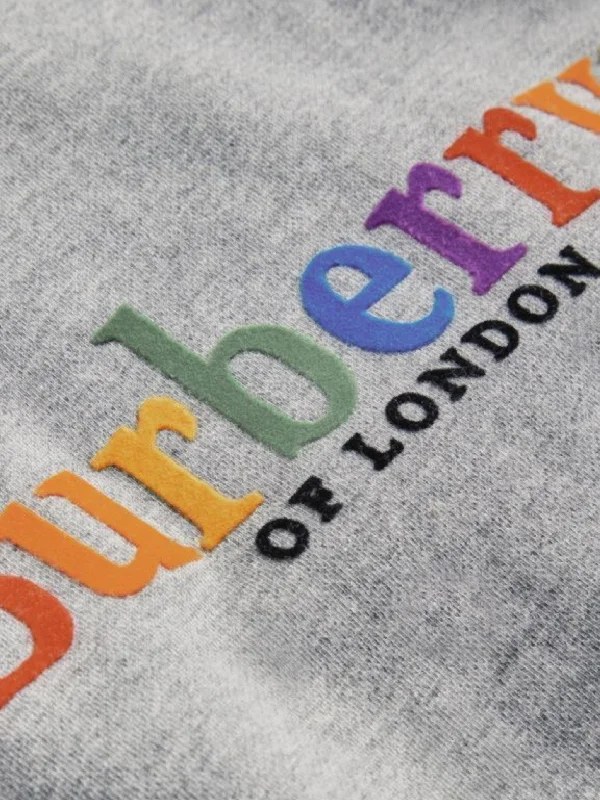
Hand-applied and machine-set beading, rhinestones, and sequin embellishments create elegant, eye-catching details for evening dresses, prom dresses, and formalwear. Secure attachment methods ensure long-lasting wearability and premium finish.
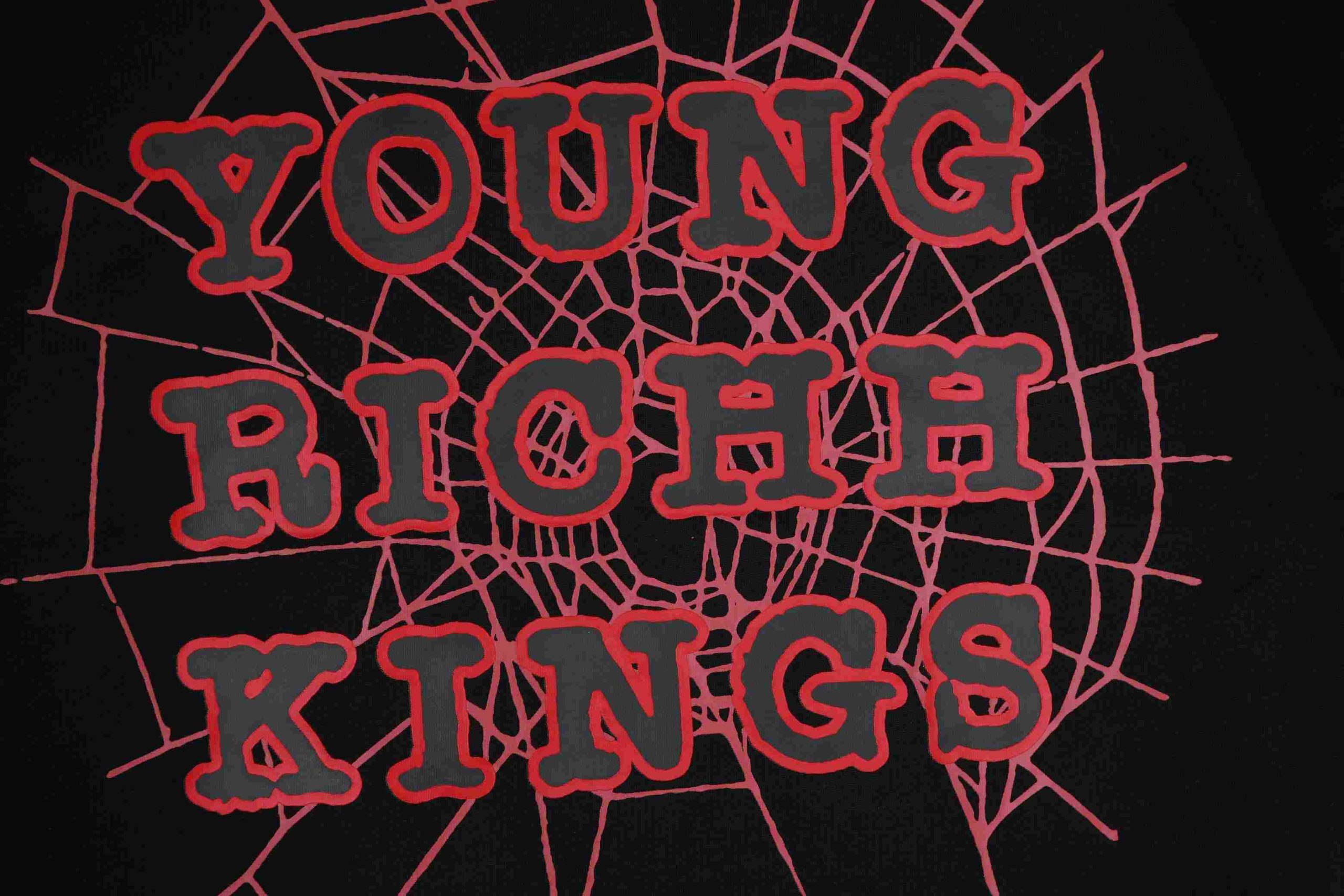
Lace Application
Delicate lace overlays, inserts, and trims are expertly applied to bodices, sleeves, and hemlines for romantic, feminine custom made dresses. Multi-layer construction and careful stitching preserve lace integrity and garment drape.
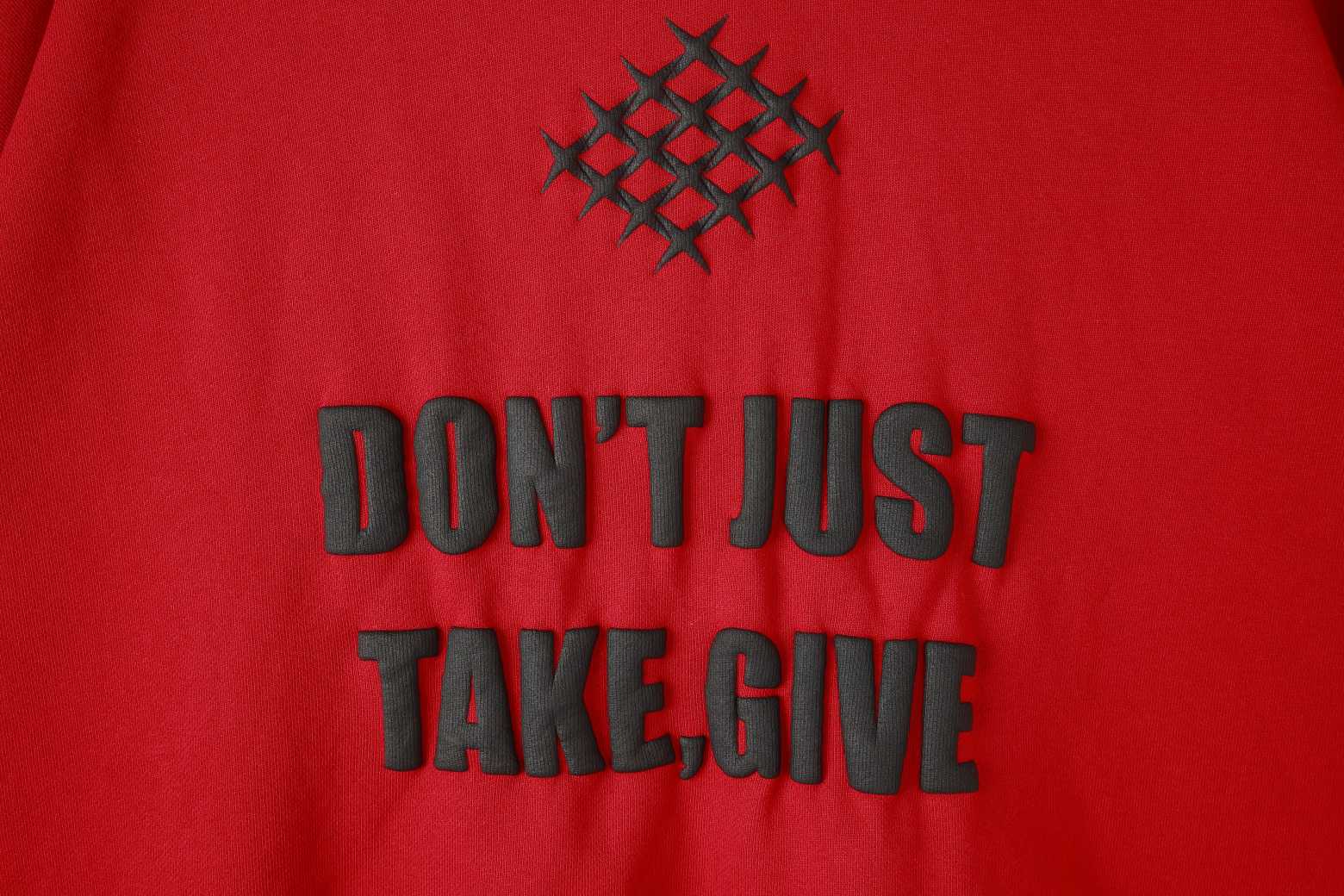
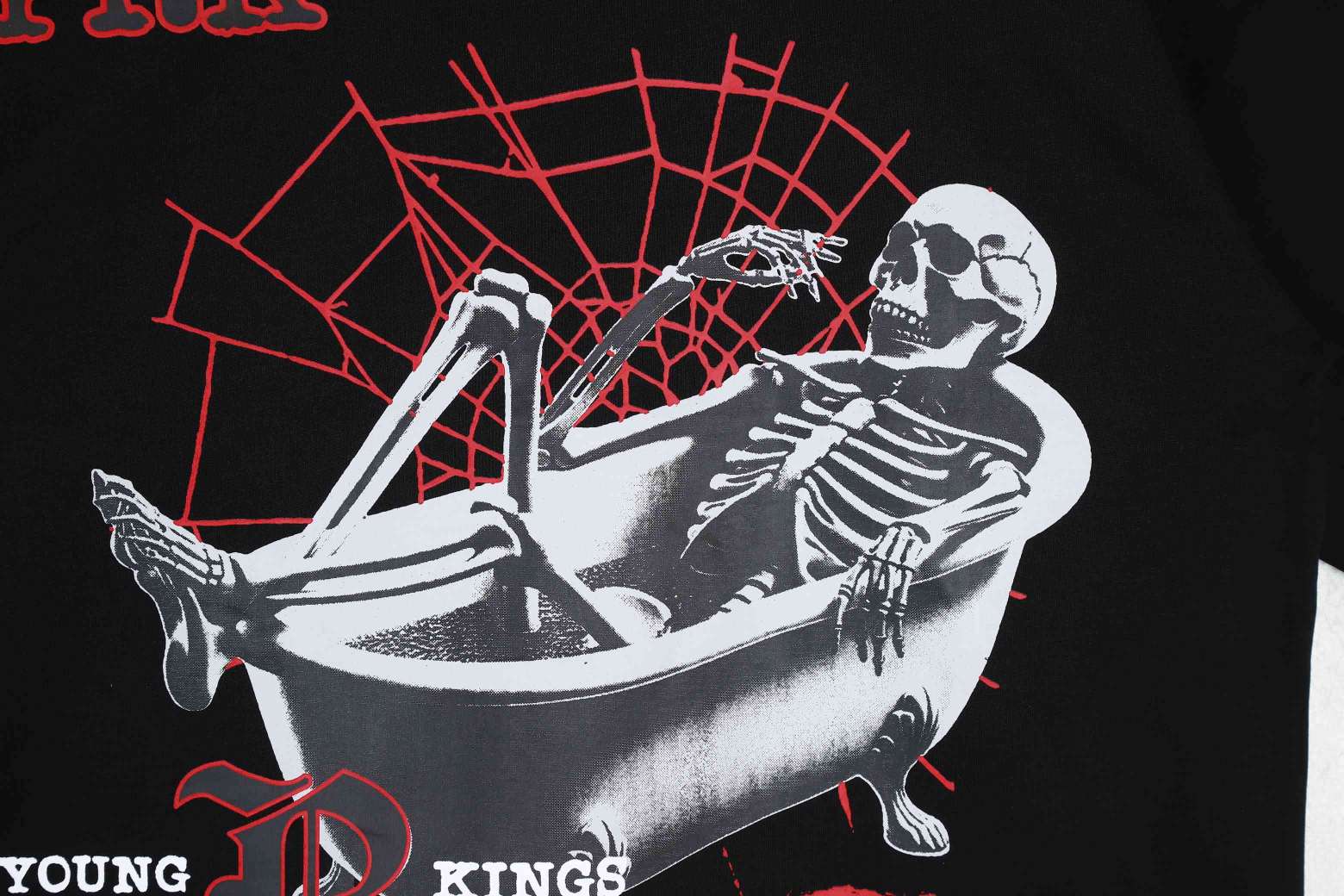
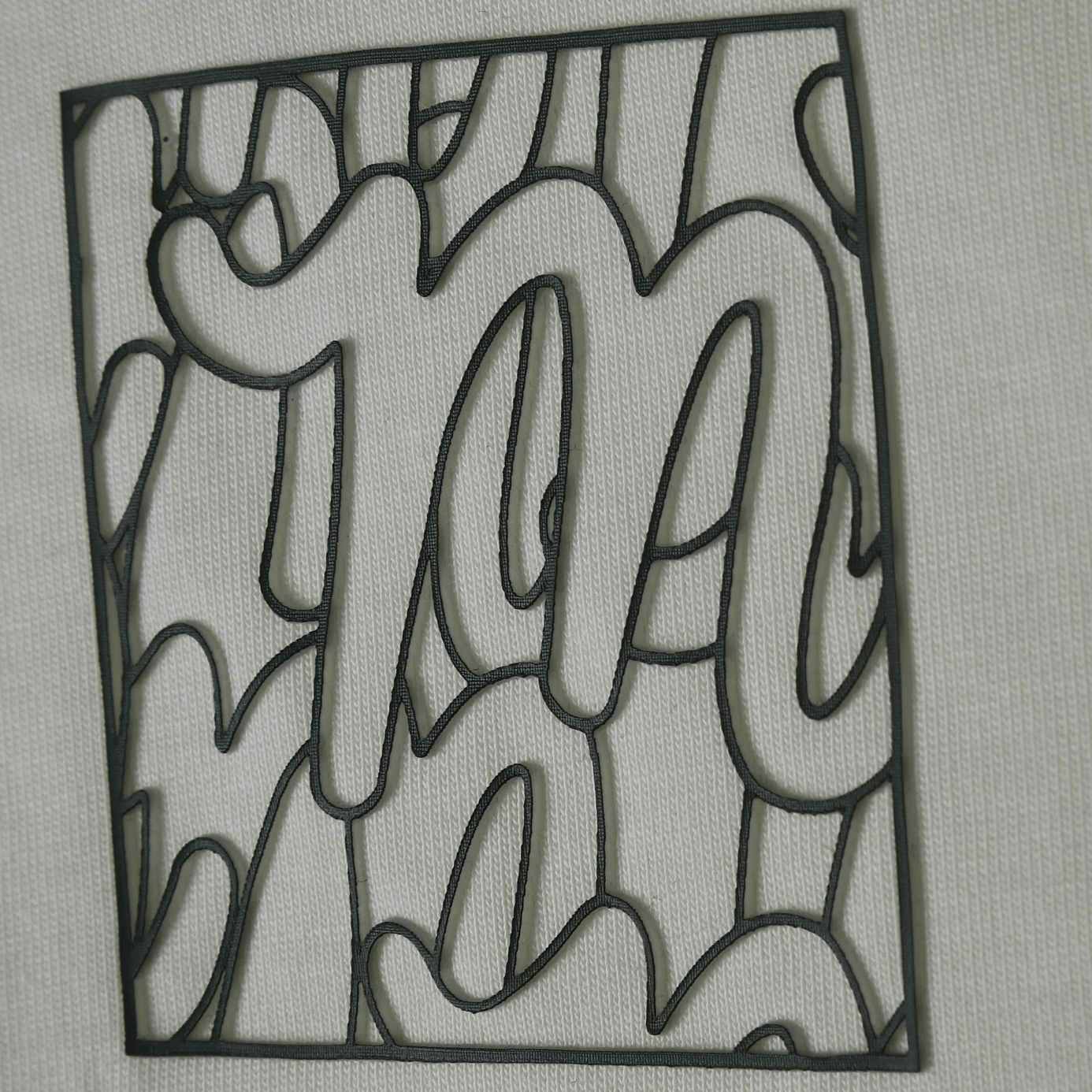
Satin Draping
Precision draping and corset construction techniques shape satin, charmeuse, and silk-blend fabrics into elegant silhouettes for evening gowns and special occasion dresses. Expert pattern work ensures flattering fit and luxurious flow.
Premium Trims & Accessories for Custom Made Dresses
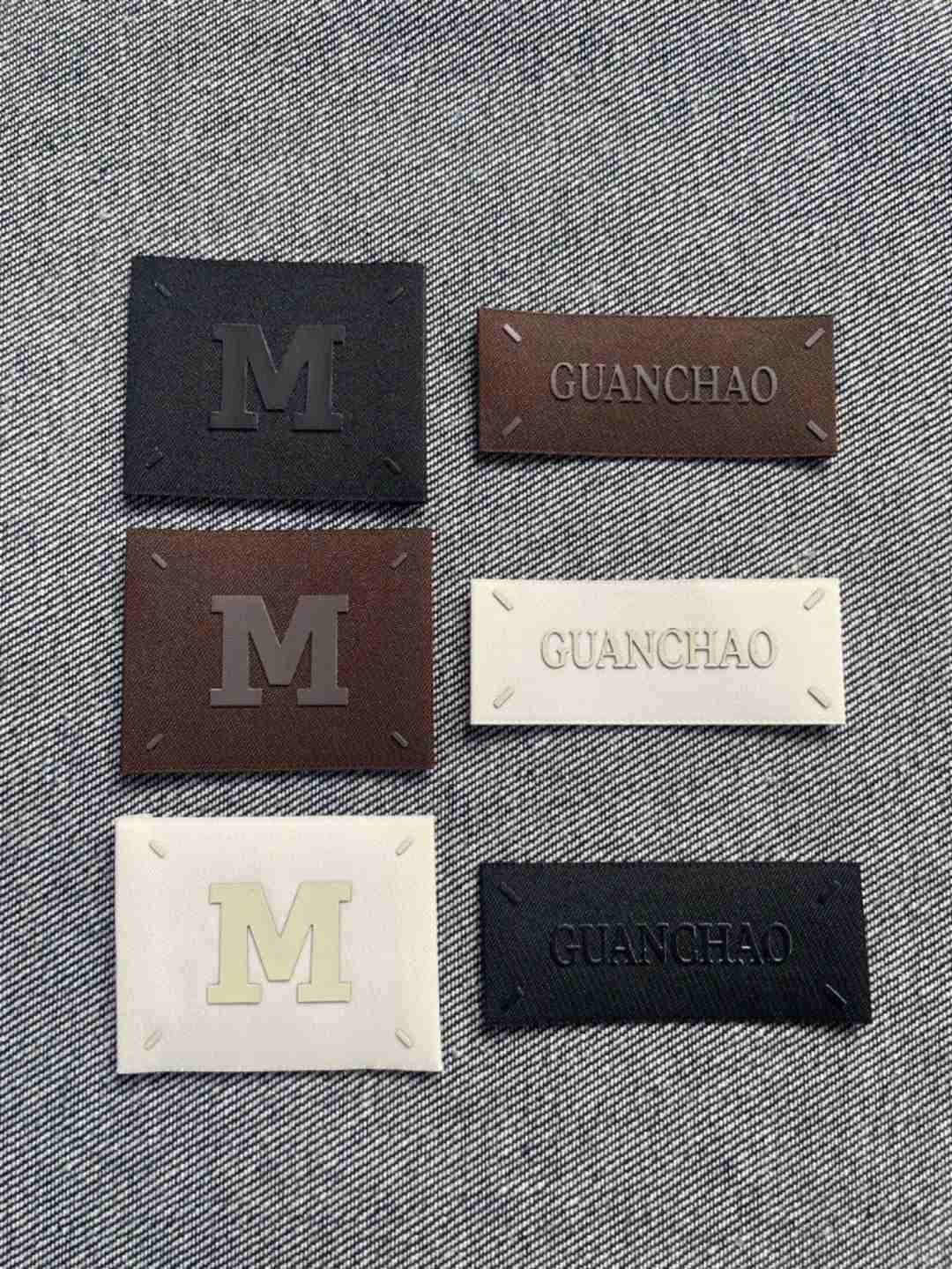
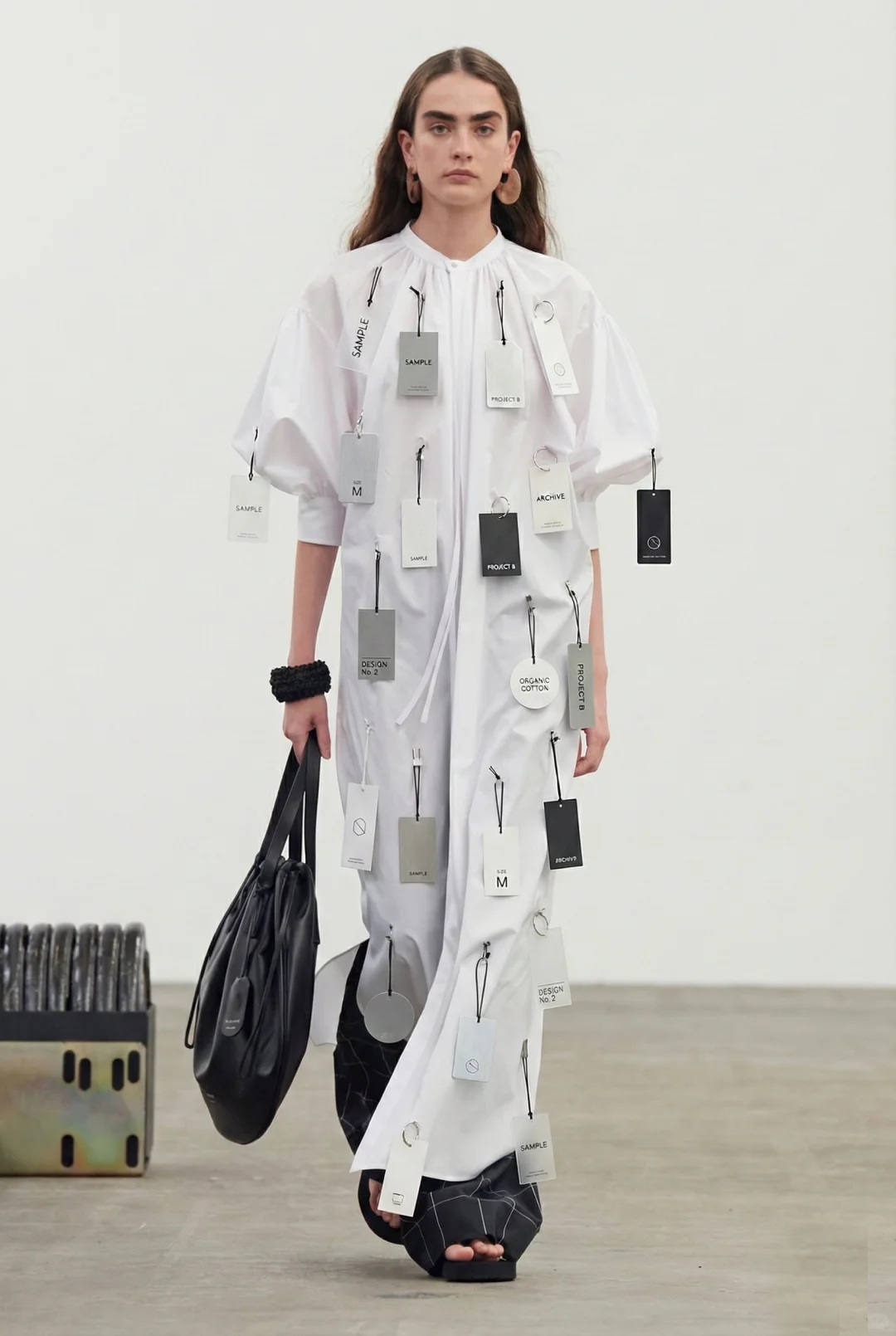
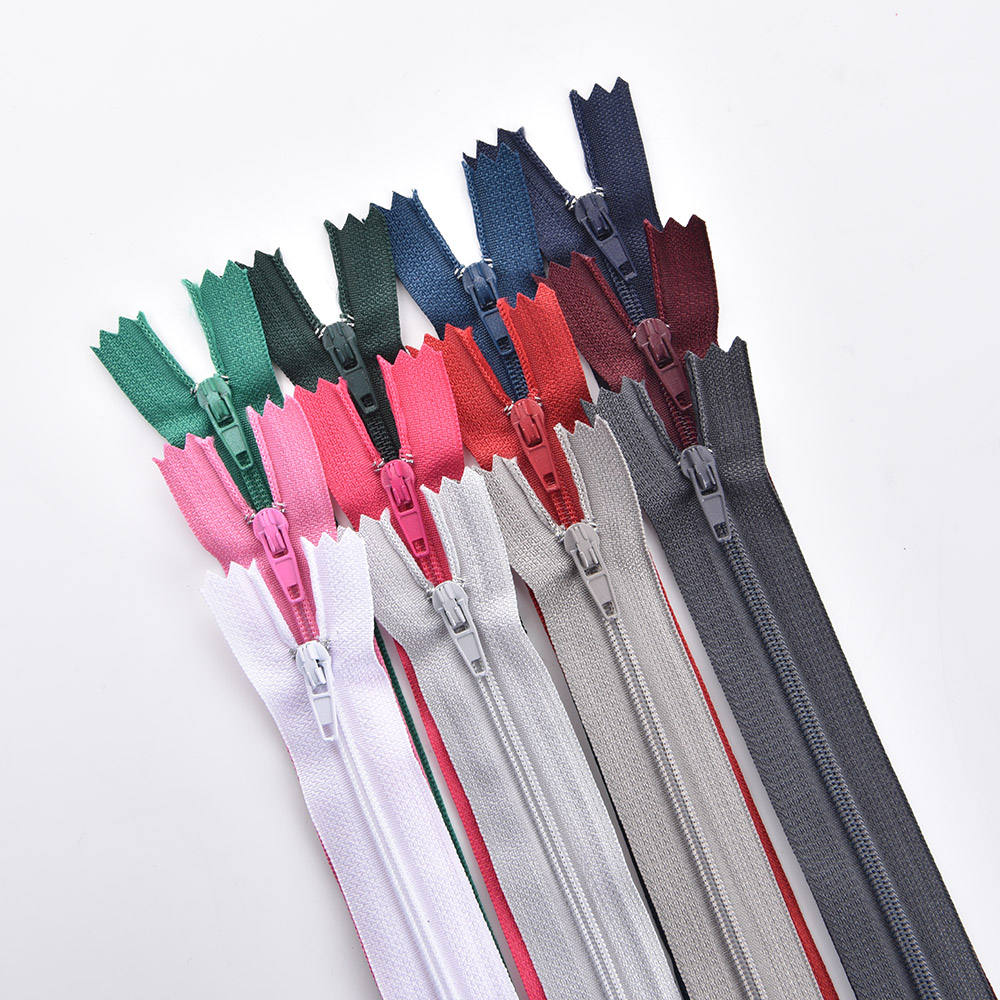
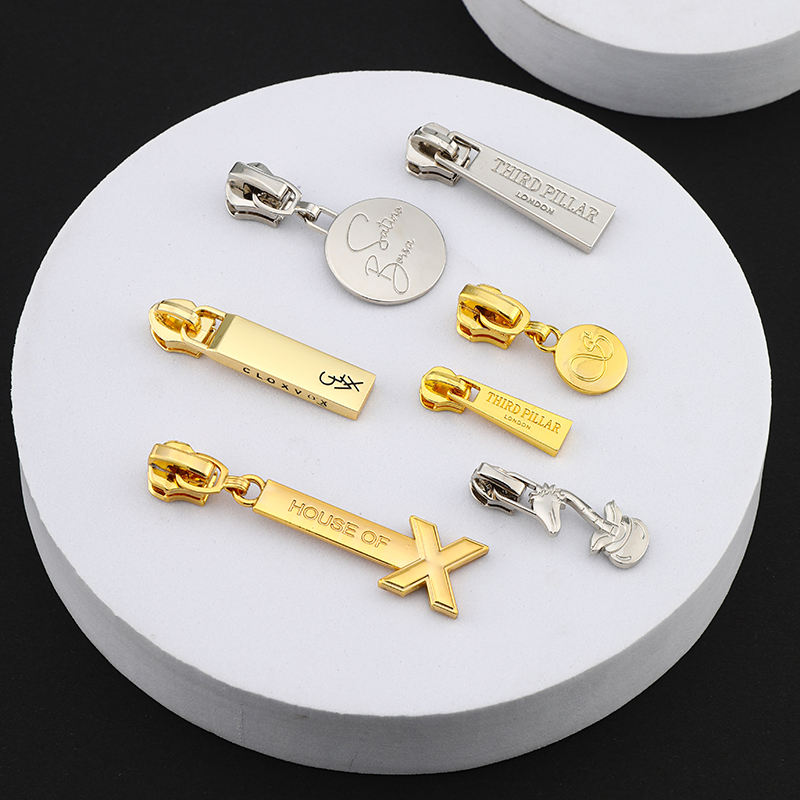
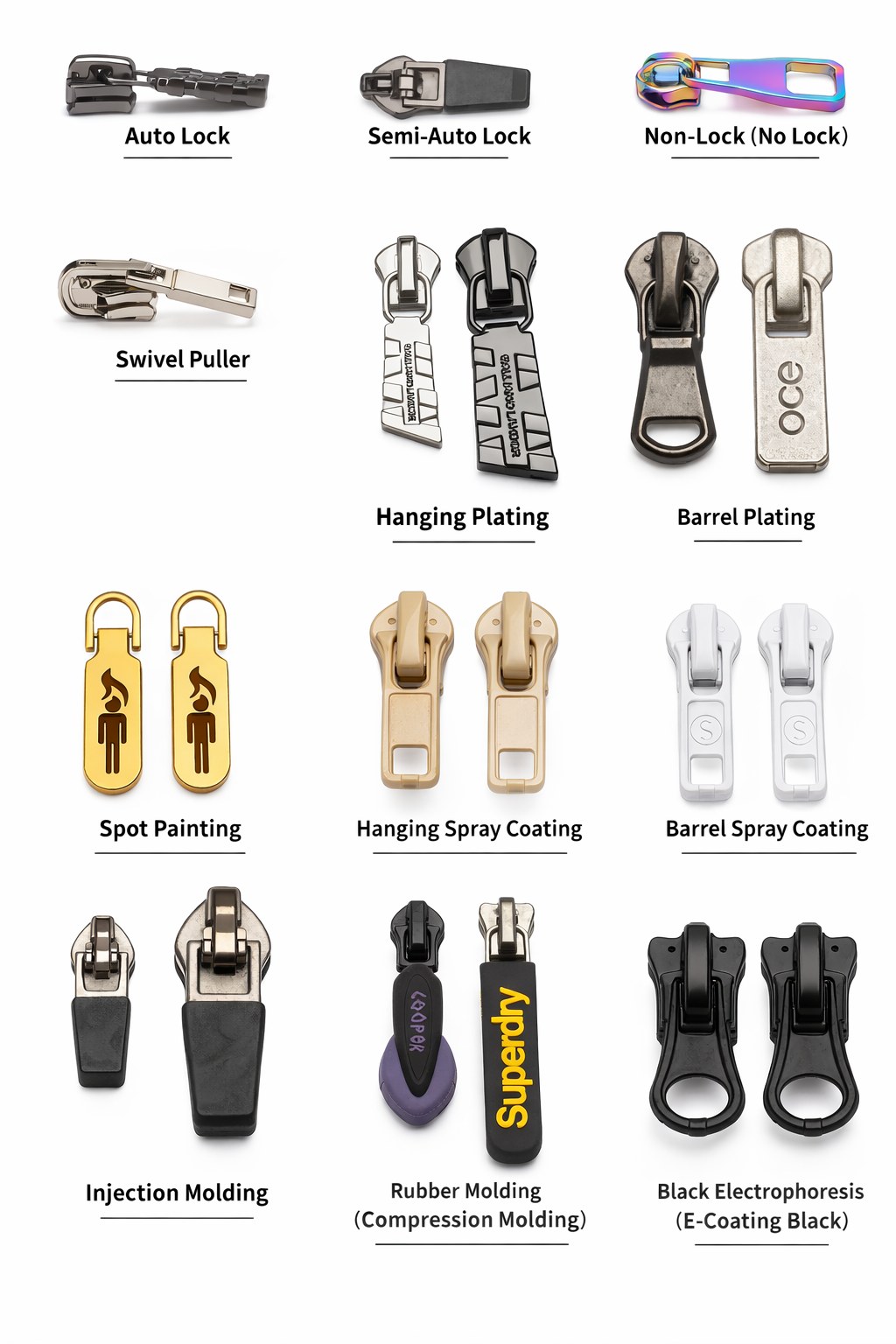
Satin Ribbons
Luxury satin ribbons and grosgrain tape for waist ties, shoulder straps, decorative bows, and interior finishing on prom dresses, slip dresses, and bridal collections. Available in custom widths, colors, and branded printing for elevated design touches.
Custom Made Dresses — 27 Years Manufacturing
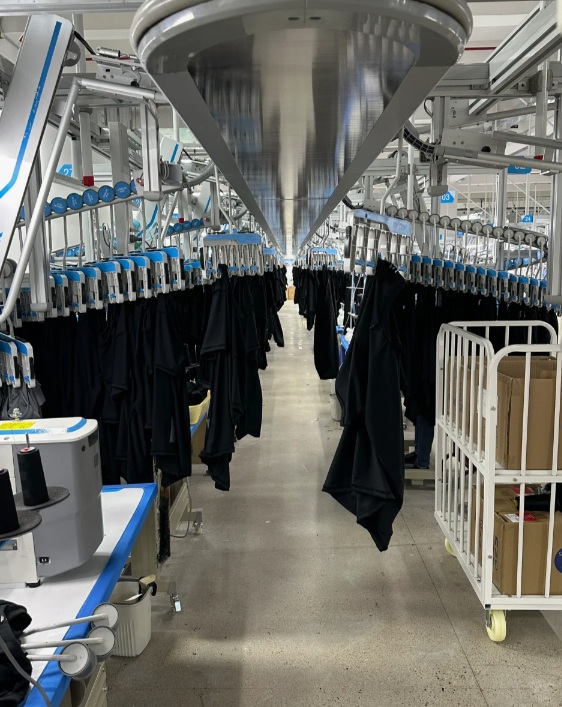
Founded in 1998 as a family-operated garment workshop in Humen, Dongguan, ZORWILD has grown into a trusted partner for custom made dresses and full-category apparel manufacturing. Our founder learned the craft from his father, a master cutter, gaining hands-on experience in every stage of production from cutting and sewing to finishing and quality control.
Today, we employ over 200 skilled workers and operate a modern facility with 100,000+ units monthly production capacity. We’ve served more than 2,000 fashion brands worldwide, delivering custom made dresses, custom wedding dresses, custom prom dresses, and full-category apparel from 50-piece startup collections to large-scale production runs. Our 6-stage quality control system and 95%+ in-house decoration techniques ensure every dress meets professional standards.
Whether you’re launching your first collection or scaling an established brand, ZORWILD provides the expertise, flexibility, and reliability you need for custom made dresses that reflect your vision and resonate with your customers.
Custom Made Dresses Manufacturing Expertise
Design-to-Production Workflow for Custom Dresses
Our 27-year expertise transforms your dress concepts into production-ready garments. From tech packs and sketches to reference samples, ZORWILD’s development team handles pattern making, grading, and sampling with precision to ensure your custom made dresses match your vision perfectly.
- Tech pack development and pattern engineering for all dress silhouettes including bodycon, maxi, slip, and evening styles
- 7-day sampling turnaround with fit evaluation, measurement verification, and construction detail review
- Design consultation support for startups and influencers launching their first dress collections
- Production-ready grading across standard and custom size ranges with consistent fit standards
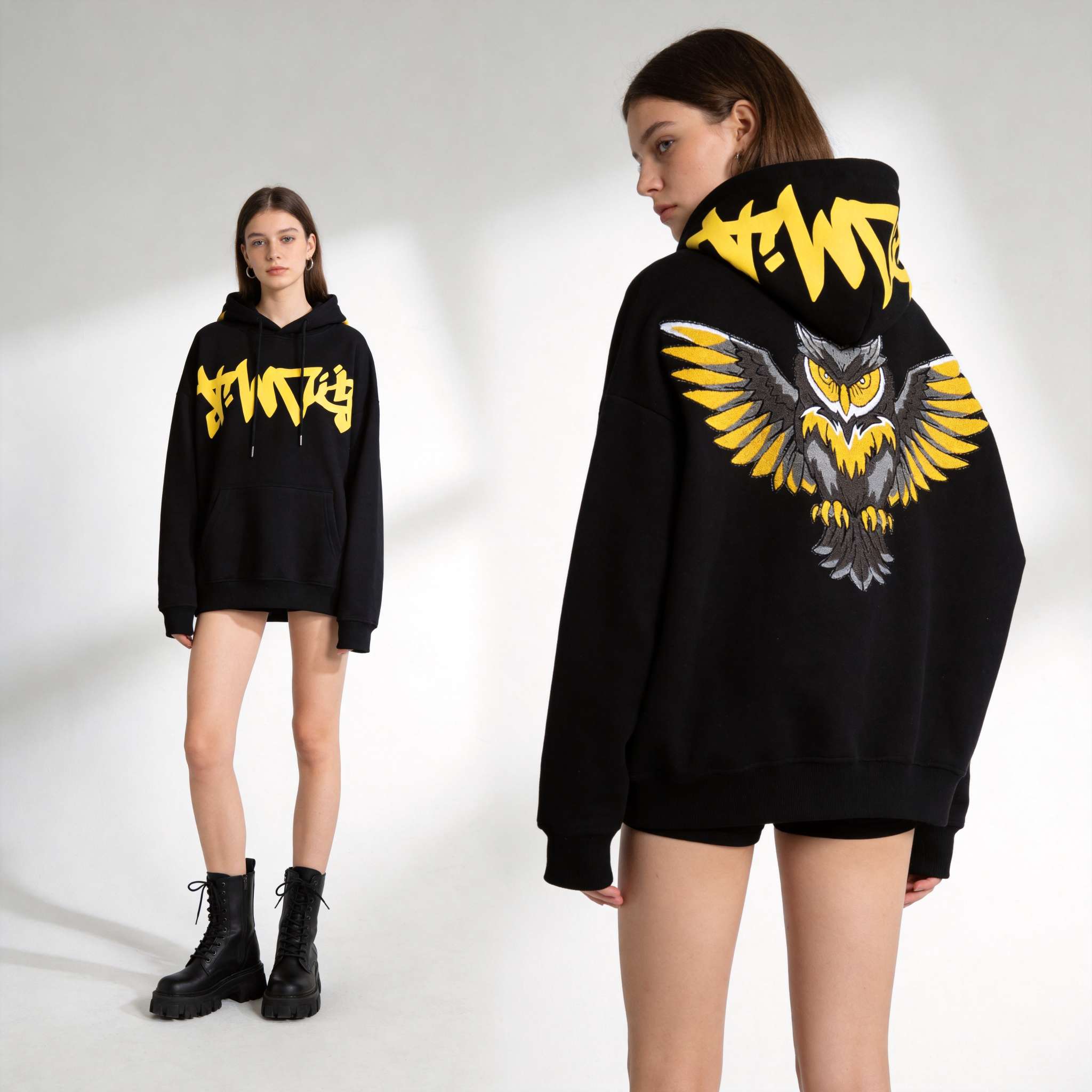
Premium Fabric Sourcing and Sustainability
We partner with trusted Chinese fabric suppliers to source materials that match your brand positioning and budget. From luxurious satin and chiffon to organic cotton and recycled polyester, ZORWILD ensures stable quality and responsible sourcing for custom made dresses.
- Access to satin, chiffon, lace, cotton, linen, modal, Tencel, viscose, and technical performance fabrics
- Sustainable options including organic cotton, bamboo fabric, recycled polyester, and eco-friendly dyes
- Fabric inspection and quality verification before cutting to eliminate material defects
- Custom fabric development for unique textures, weights, and finishes tailored to your dress designs
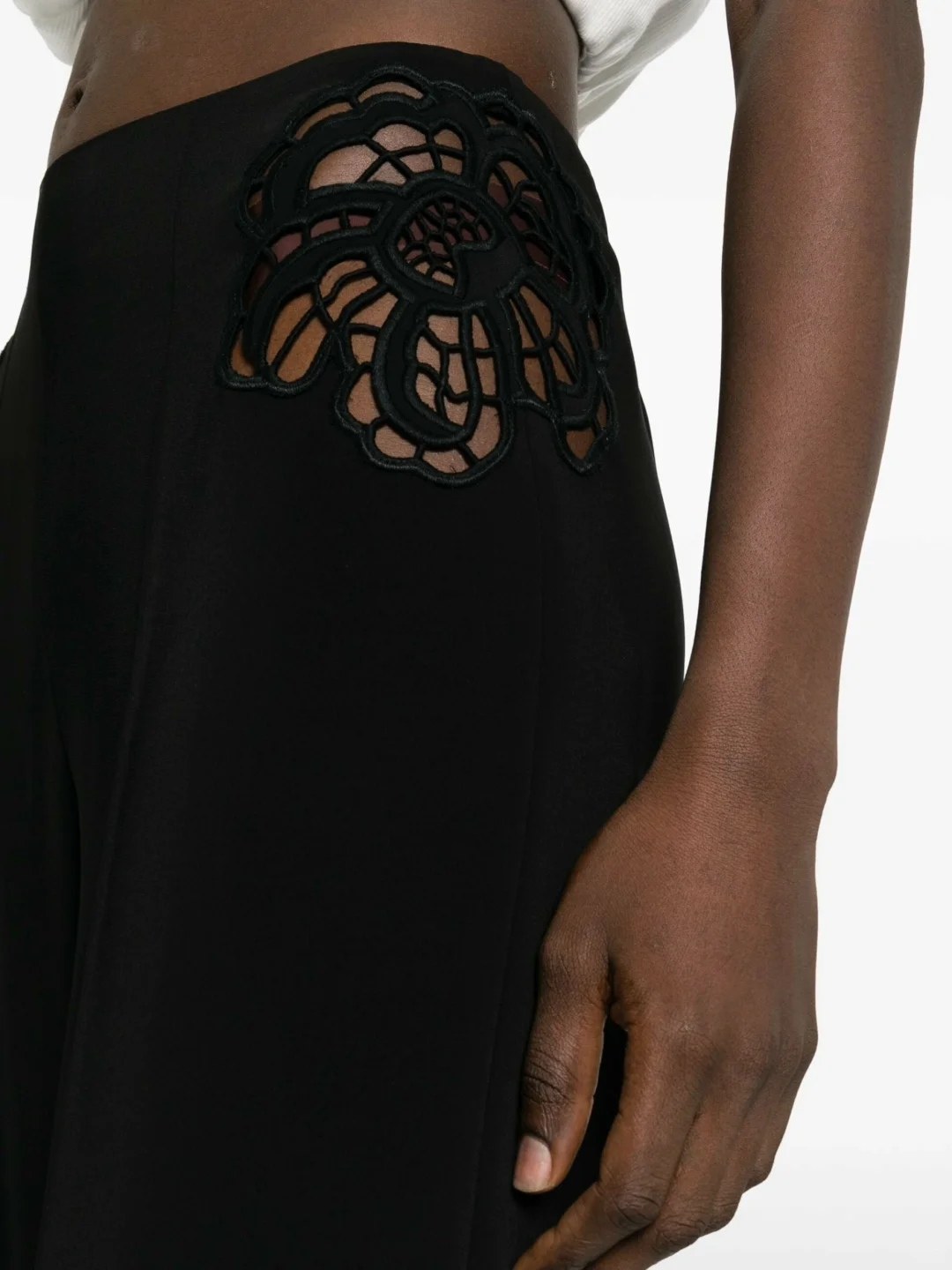
Advanced Decoration and Finishing Techniques
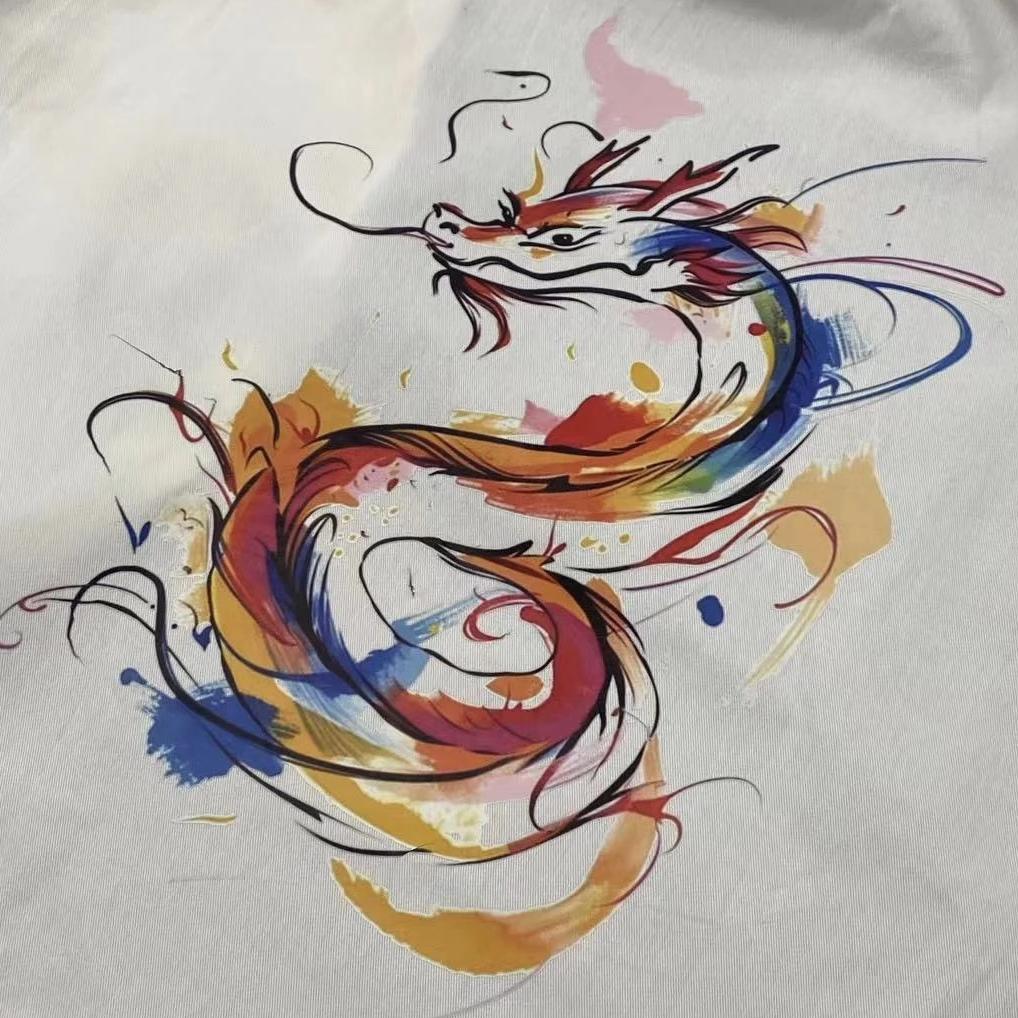
ZORWILD supports 95% of modern decoration techniques in-house for custom made dresses. Our Humen Dongguan factory delivers embroidery, beading, sequins, lace applications, printing, and garment wash effects with meticulous attention to detail and craftsmanship quality.
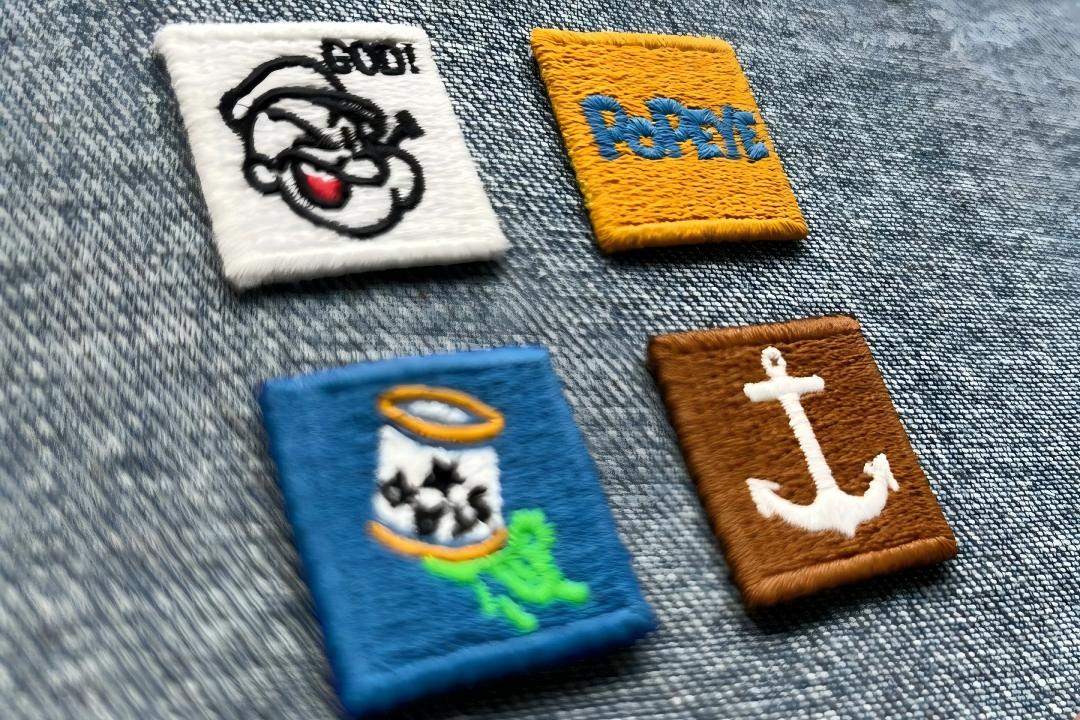
- Embroidery capabilities including flat, 3D, chenille, applique, and metallic embroidery with precise stitch density control
- Hand-applied and machine beading, sequin decoration, and rhinestone embellishment for evening and prom dresses
- Screen printing, DTG printing, foil printing, and sublimation printing for graphic and resort dress styles
- Garment dye, vintage wash, enzyme wash, and pigment dye for soft hand feel and unique color variations
Six-Stage Quality Control for Dress Production
Every custom made dress passes through our rigorous 6-stage quality control system. From raw material inspection to final packaging checks, ZORWILD ensures consistent measurements, flawless decoration, and premium finishing before shipment to protect your brand reputation.
- Raw material inspection verifies fabric quality, color accuracy, and construction suitability before cutting
- In-line production inspection monitors stitching quality, seam strength, and construction accuracy during sewing
- Measurement inspection confirms sizing consistency, fit standards, and grading accuracy across all sizes
- Final product inspection evaluates decoration quality, finishing details, pressing, and packaging presentation
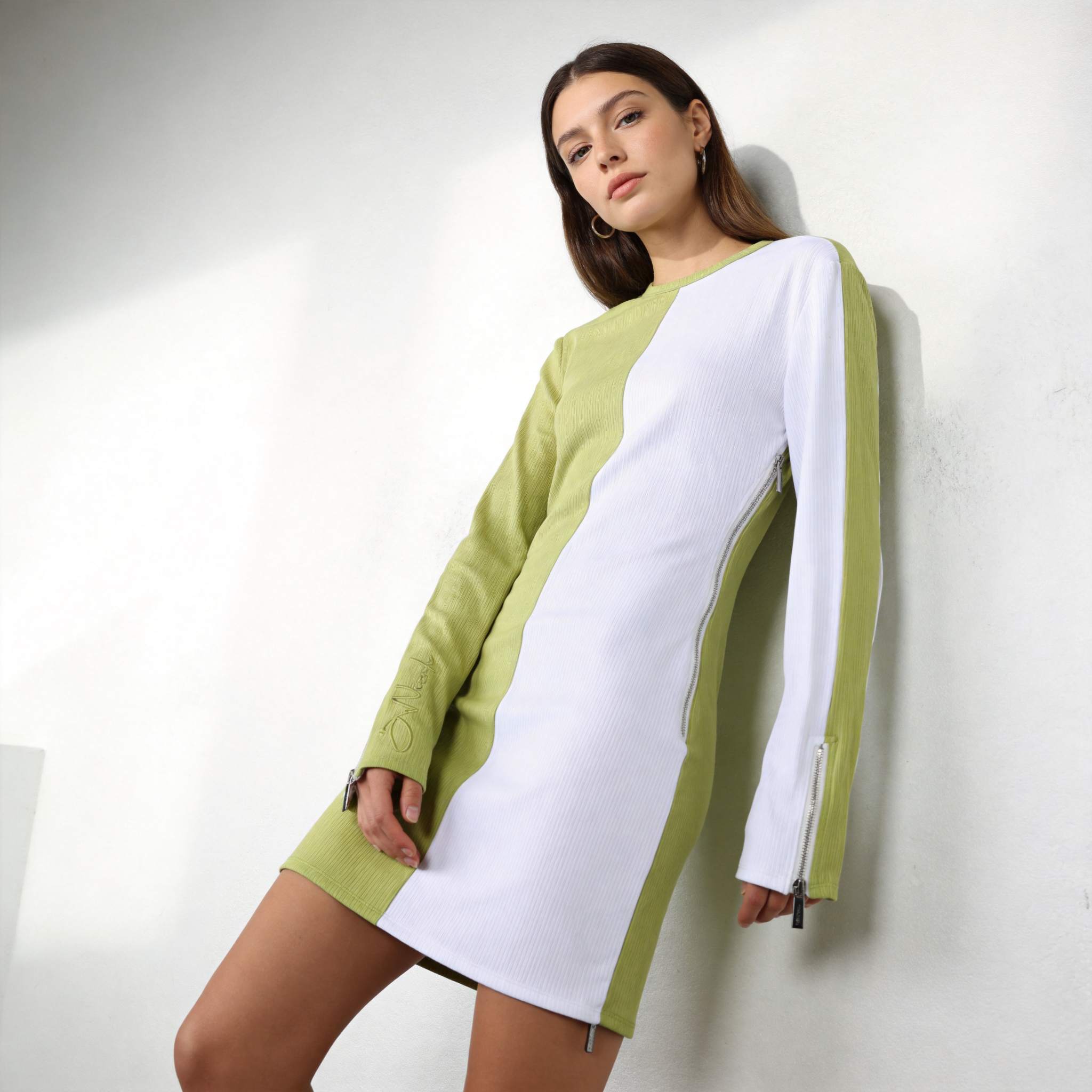
Why Choose ZORWILD for Custom Made Dresses
Compare our proven dress manufacturing capabilities with typical alternatives. ZORWILD delivers lower minimums, faster sampling, and superior quality control backed by 27 years of apparel production expertise.
← 左右滑动查看 →
Our Custom Made Dresses Production Process
From initial design concept to final shipment, ZORWILD’s proven six-phase system ensures your custom dress collection meets exacting standards at every stage. With 27 years of manufacturing experience and a 6-stage quality control system, we deliver professional results for brands of every size.
Tech Pack & Design
Submit your tech pack, sketches, reference garments, or design ideas. Our development team transforms your vision into production-ready specifications with detailed measurements and construction notes.
Fabric Sourcing & Approval
We source premium materials from trusted suppliers including satin, chiffon, lace, cotton, viscose, and specialty fabrics. You approve swatches based on quality, drape, and budget requirements.
Sampling & Fit Testing
Receive your first sample in 7-10 days. Evaluate fit, measurements, fabric quality, embroidery, beading, draping, and construction details before approving bulk production.
Bulk Production
Our 200+ skilled workers handle cutting, sewing, lace application, embroidery, beading, corset structures, multi-layer construction, and decoration with precision across 100,000+ monthly production capacity.
Quality Control & Finishing
Every custom dress undergoes six inspection stages covering raw materials, in-line production, measurements, decoration quality, final product review, and packaging verification before shipment approval.
Packing & Global Shipping
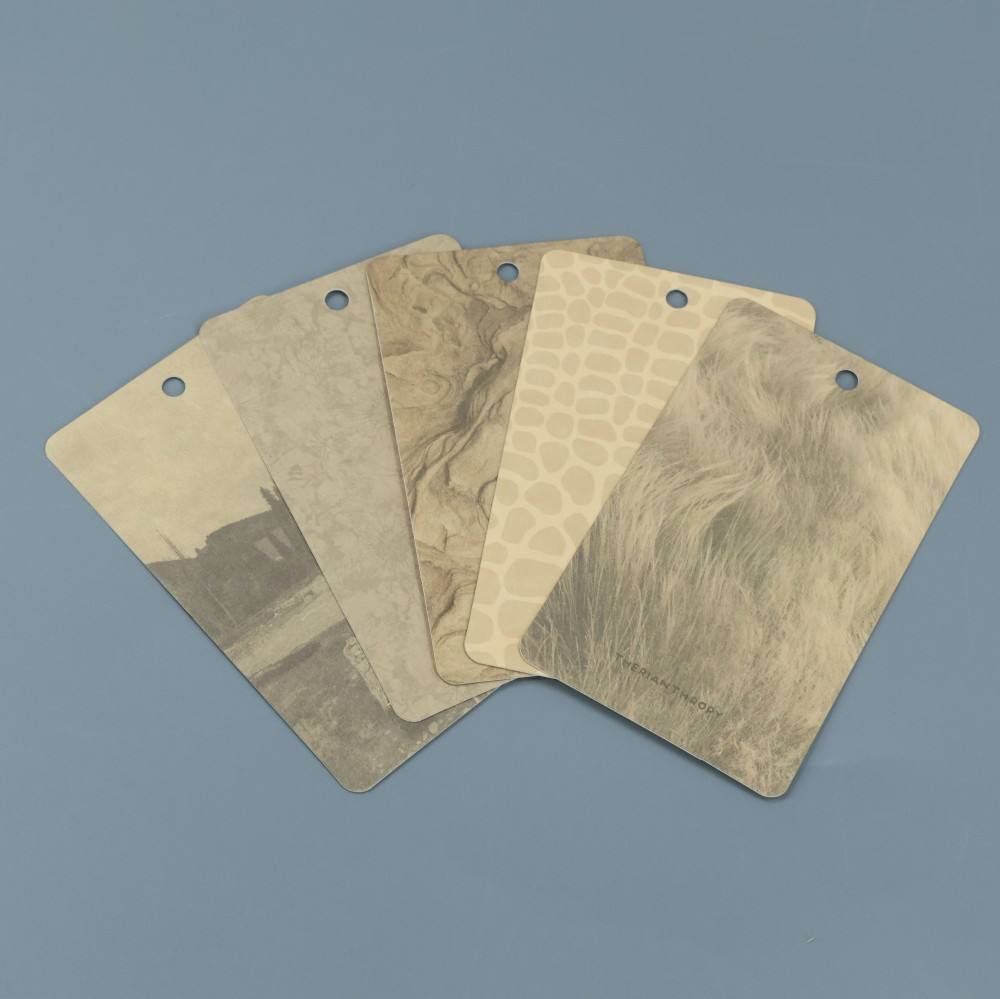
Custom packaging with branded hang tags, tissue paper, polybags, and boxes. We arrange air freight, sea freight, or express delivery with full export documentation and customs support.
How to Order Custom Made Dresses
From design concept to finished garments, ZORWILD’s streamlined ordering process makes custom dress manufacturing straightforward and stress-free for brands of all sizes.
Submit Your Design Requirements
Share your tech pack, sketches, reference photos, or design ideas. Our team reviews your custom made dresses specifications and fabric preferences to ensure production feasibility.
Receive Quote and Sample Timeline
Within 24 hours, we provide a detailed quotation including fabric costs, decoration pricing, MOQ options starting at 50 pieces, and estimated sample delivery timeline.
Approve Samples and Finalize Details
Review physical samples for fit, fabric quality, construction, and finishing. Request revisions if needed, then approve final samples to proceed with bulk production.
Place Your Bulk Order
Confirm order quantities, sizes, colors, and shipping details. Our production team schedules your custom made dresses into our manufacturing pipeline with clear delivery milestones.
Production, QC, and Global Shipment
Your dresses undergo our 6-stage quality control system during production. After final inspection, we handle export documentation and arrange air or sea freight delivery.
Certifications & Quality Standards for Custom Made Dresses

Real Results from Brands Using Our Custom Made Dresses
ZORWILD helped us launch our first 500-piece dress collection in just 4 weeks. The beading and corset construction quality exceeded our expectations, and our customers loved the fit consistency across all sizes.
We scaled from a 50-piece test run to 3,000 custom satin dresses in six months. ZORWILD’s low MOQ let us validate designs before committing to inventory, which reduced our risk by over 60 percent.
The embroidery detail on our resort dress line was flawless. ZORWILD delivered 1,200 units on time with zero defects in final inspection. Their quality control saved us from costly chargebacks and returns.
Frequently Asked Questions About Custom Made Dresses
What is the minimum order quantity for custom made dresses?
How long does it take to produce custom made dresses?
Do you charge for dress samples and how many revisions are included?
What customization options are available for custom made dresses?
What payment terms do you offer for custom dress orders?
What fabrics are available for custom made dresses?
How do you protect my dress designs and intellectual property?
What shipping options are available for international dress orders?
Do you offer bulk pricing discounts for larger custom dress orders?
Launch Your Custom Made Dresses Collection
1. What Are Custom Made Dresses?
Custom made dresses are garments manufactured to a buyer’s exact specifications, covering design, fabric selection, sizing, fit structure, decoration techniques, and brand labeling. Unlike ready-to-wear collections produced in standard sizes and designs, custom made dresses allow brands to control every detail from neckline construction to hem finish, enabling full differentiation in competitive fashion markets. Manufacturers like ZORWILD support MOQs as low as 50 pieces, making custom production accessible to startup brands and influencers testing new collections.
Custom manufacturing differs fundamentally from made-to-measure and ready-to-wear models. Made-to-measure involves tailoring individual garments to a single customer’s body measurements, typically used in bridal and formalwear. Ready-to-wear refers to mass-produced garments in standard size runs with no customization. Custom manufacturing sits between these extremes: brands provide tech packs, fabric preferences, and design specifications, and manufacturers produce batches from 50 to 100,000 units with full control over materials, construction, and branding.
Influencers launching signature dress lines, small fashion brands building seasonal collections, wholesalers sourcing private label products, and established brands requiring specialized designs all rely on custom made dresses. The value proposition centers on three pillars: unique designs that cannot be replicated by competitors, complete brand differentiation through custom labels and packaging, and controlled quality standards enforced throughout sampling, production, and final inspection stages.
2. Evolution of Custom Made Dresses in Fashion Manufacturing
Before the 1980s, custom made dresses were primarily produced by European couture ateliers and local seamstresses, with Paris and Milan houses charging $5,000 to $50,000 per garment and requiring 8 to 12 weeks for completion. The shift to overseas contract manufacturing accelerated between 1990 and 2005 as fashion brands discovered Chinese garment hubs like Dongguan, where production costs dropped by 60 to 75 percent while maintaining quality standards through experienced cutting masters and skilled sewing teams.
Fast fashion giants introduced 2-week production cycles by 2010, forcing traditional manufacturers to adopt flexible systems, but minimum order quantities remained at 500 to 1,000 pieces, excluding startup brands and influencers. The rise of low-MOQ manufacturers after 2015 transformed the landscape, with factories like ZORWILD offering 50-piece minimums and 7-day sampling, enabling direct-to-consumer brands to test designs without inventory risk.
Digital design tools including tech pack software, 3D garment visualization, and cloud-based collaboration platforms reduced sampling rounds from 4 to 6 iterations down to 1 to 2 by 2018. E-commerce platforms and social media allowed independent designers to reach global customers directly, while the sustainability movement pushed manufacturers to adopt organic cotton, recycled polyester, and OEKO-TEX certified fabrics, reshaping custom dress production into an accessible, transparent, and environmentally conscious industry serving brands at every scale.
3. Types of Custom Made Dresses by Category and Use Case
Custom made dresses span six major manufacturing categories, each with distinct fabric requirements, construction complexity, and minimum order considerations. Understanding these categories helps buyers align product development with brand positioning and target market expectations.
Casual Dresses
Casual dresses include T-shirt dresses, sundresses, maxi dresses, and slip dresses manufactured from cotton jersey, rayon, linen blends, and bamboo fabrics with GSM ranges of 140–220. Construction complexity remains moderate with simple cuts, minimal seams, and standard finishing.
Target customers include online fashion retailers, influencer brands, and resort wear labels. MOQ typically starts at 50–100 pieces per style with 7–14 day sampling and 25–35 day production cycles.
Evening and Cocktail Dresses
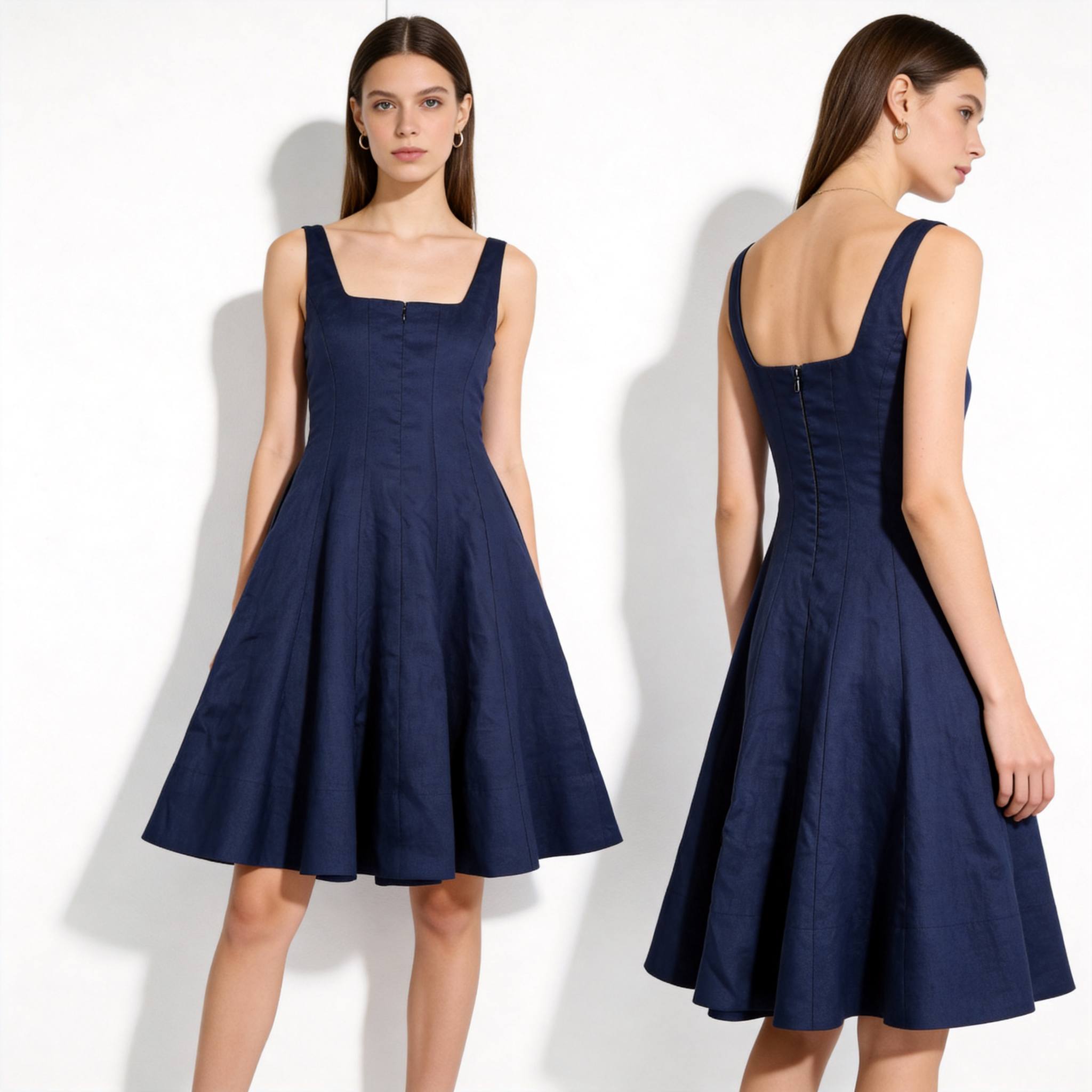
Evening dresses require satin, chiffon, sequin fabrics, and stretch crepe with advanced techniques including draping, beading, and multi-layer construction. Production complexity increases due to delicate materials and hand-finished details.
Brands targeting upscale boutiques and special occasion markets typically order 100–300 pieces per style. Lead times extend to 35–45 days for intricate embellishment work and quality control.
Bridal and Formal Gowns
Bridal gowns demand premium fabrics including silk satin, tulle, lace, and organza with corset structures, boning, and hand-sewn embellishments. Construction requires specialized sewing skills and extended quality inspection.
MOQ ranges from 50–150 pieces for bridal boutiques and wedding dress startups. Production timelines reach 45–60 days due to fitting precision and finishing requirements.
Workwear and Office Dresses
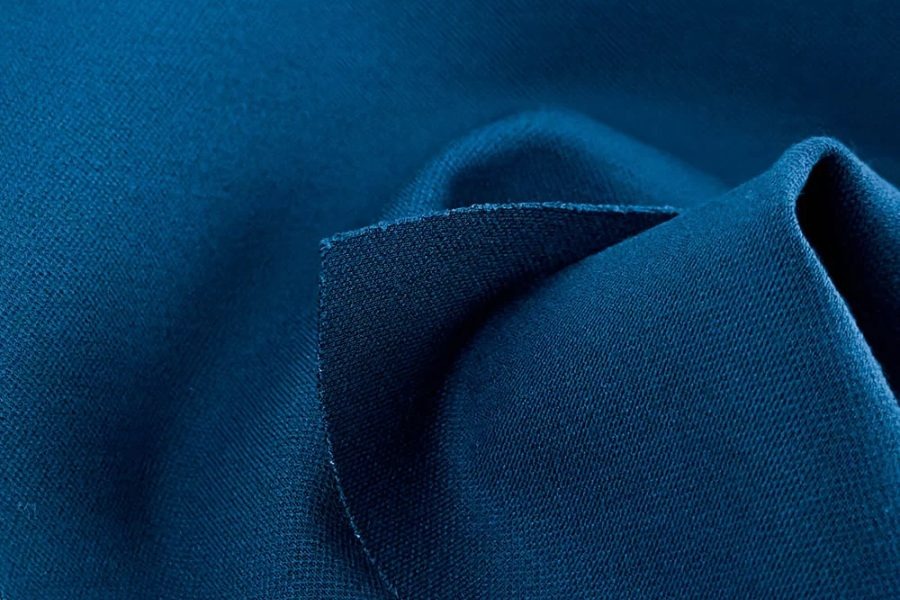
Office dresses use structured fabrics such as cotton poplin, polyester blends, ponte knit, and stretch suiting with GSM 200–280. Construction emphasizes clean lines, darts, and professional finishing.
Corporate uniform suppliers and professional fashion brands order 200–500 pieces per style. Standard MOQ starts at 100 pieces with 30–40 day production for consistent sizing and quality.
Activewear Dresses
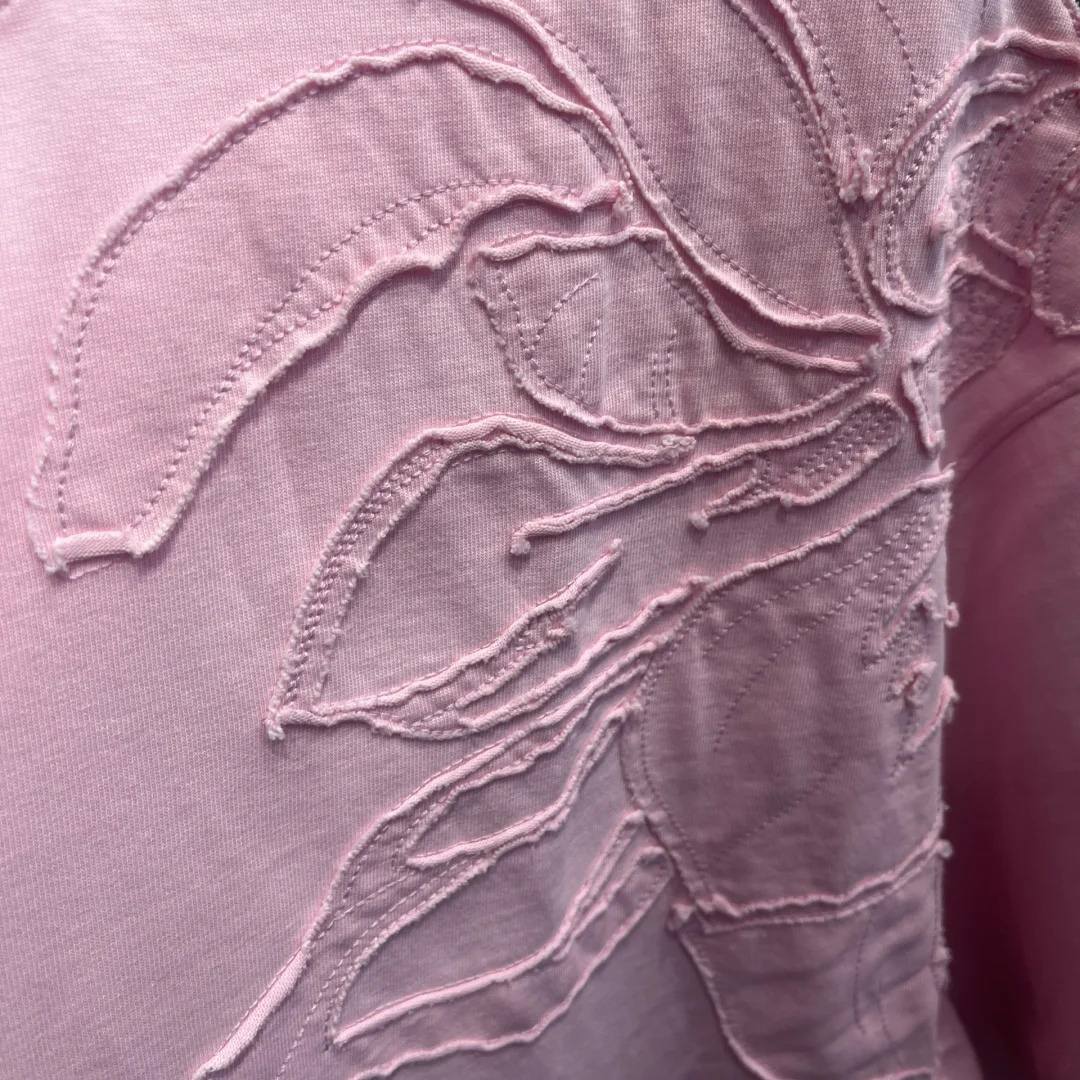
Performance dresses combine moisture-wicking polyester, nylon spandex blends, and four-way stretch fabrics with flatlock seams and breathable mesh panels. Technical construction requires specialized equipment and fabric handling.
Athletic brands and lifestyle labels typically start at 100–200 pieces per colorway. Production requires 30–35 days for technical fabric sourcing and performance testing.
Seasonal and Occasion Dresses
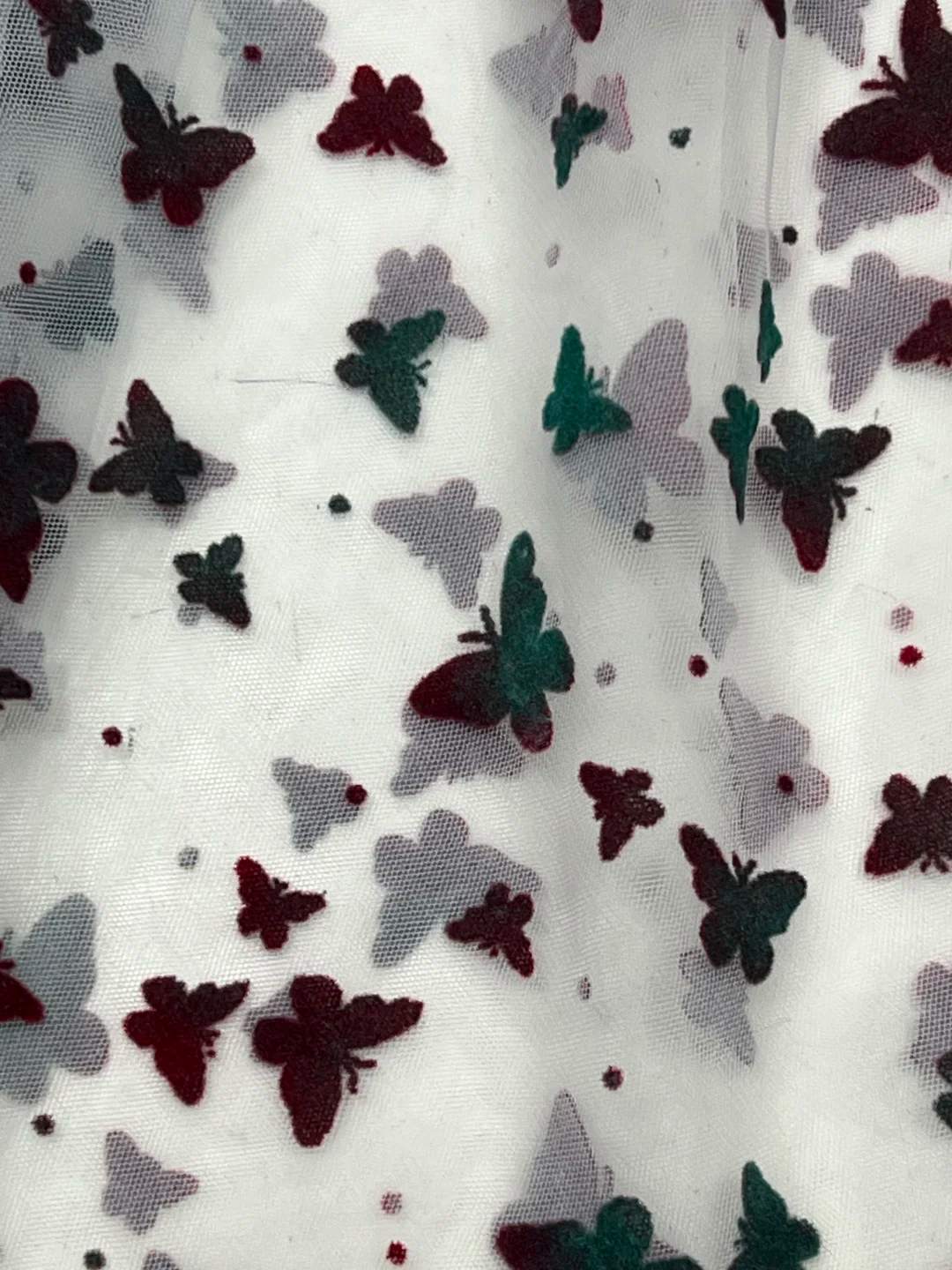
Seasonal dresses include prom dresses, resort dresses, and holiday collections using trend-driven fabrics such as velvet, metallic knits, and printed chiffon. Construction complexity varies by design detail and decoration.
Fashion startups and trend-focused retailers order 100–300 pieces per seasonal drop. MOQ flexibility at 50 pieces supports capsule collections with 25–40 day lead times depending on embellishment requirements.
4. Materials and Fabrics for Custom Made Dresses
Fabric selection determines drape, comfort, cost structure, and target market positioning for custom made dresses. ZORWILD sources cotton, polyester, rayon, linen, satin, modal, viscose, and technical blends from trusted Chinese suppliers, matching material properties to brand positioning and dress category.
| Fabric Type | GSM Range | Price Tier | Ideal Dress Category |
|---|---|---|---|
| Cotton Poplin | 100–140 | Mid | Casual, Resort, Everyday |
| Linen Blend | 120–180 | Mid-High | Summer, Resort, Relaxed |
| Polyester Crepe | 90–130 | Low-Mid | Evening, Bodycon, Wholesale |
| Rayon / Viscose | 100–150 | Low-Mid | Casual, Resort, Flowing |
| Satin | 80–120 | Mid-High | Slip, Evening, Prom |
| Cotton-Poly Blend | 120–160 | Low-Mid | Casual, Streetwear, Everyday |
| Stretch Jersey | 180–220 | Mid | Bodycon, Fitted, Athleisure |
Natural Fabrics: Cotton and Linen
Cotton poplin (100–140 GSM) offers breathability and easy care for casual dresses, resort wear, and everyday styles at mid-tier pricing. Linen and linen blends (120–180 GSM) provide natural texture and excellent airflow for summer dresses and resort collections but require wrinkle-tolerant branding.
Both fabrics accept garment dye, enzyme wash, and pigment dye finishing. Cotton supports screen printing and embroidery; linen works best with minimal decoration to preserve natural drape.
Synthetic and Semi-Synthetic Fabrics
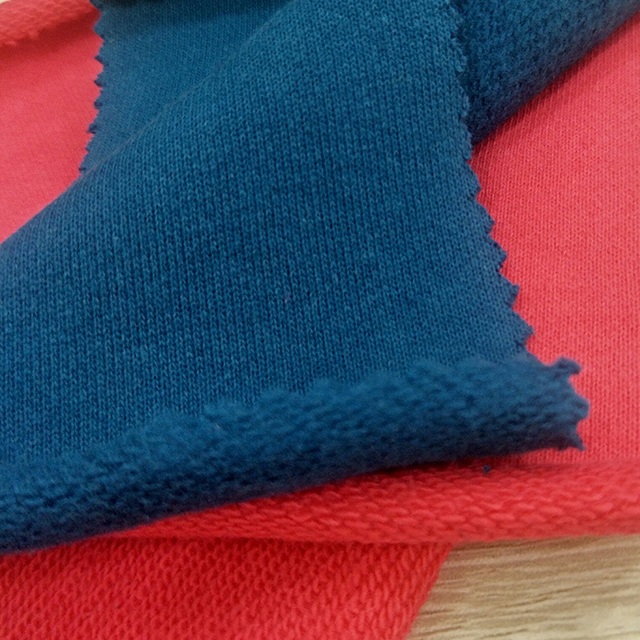
Polyester crepe (90–130 GSM) delivers wrinkle resistance, color fastness, and low cost for evening dresses, bodycon styles, and wholesale collections. Rayon and viscose (100–150 GSM) offer silk-like drape and softness at accessible pricing for casual and resort dresses.
Satin (80–120 GSM) creates luxury appearance for slip dresses, evening wear, and prom dresses with smooth hand feel and high sheen. Modal and Tencel blends provide sustainable positioning with excellent breathability and soft texture.
Blends and Technical Fabrics
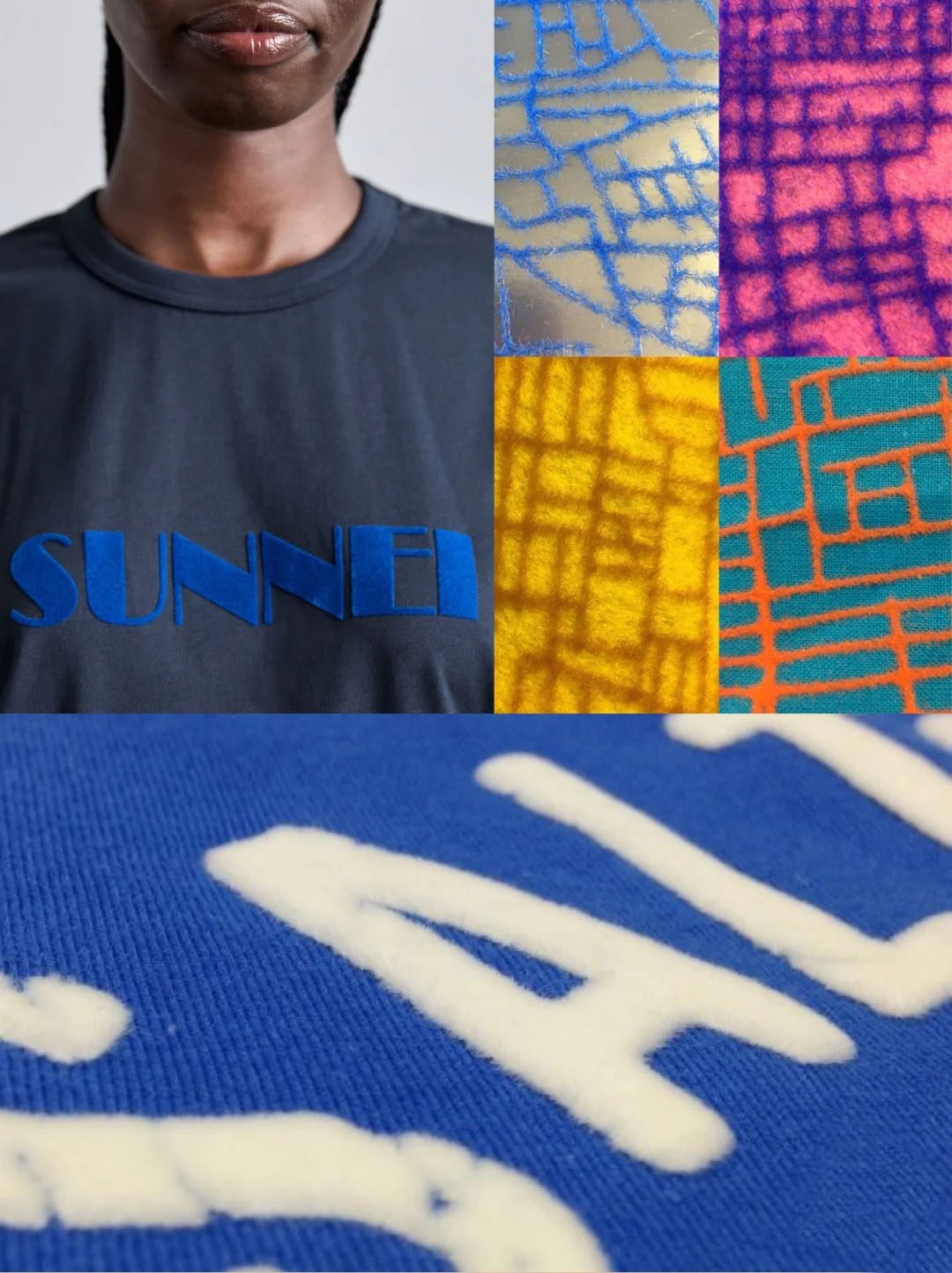
Cotton-polyester blends (120–160 GSM) balance breathability, durability, and cost efficiency for casual dresses and streetwear collections. Spandex blends (5–10% stretch) enable bodycon dresses, fitted styles, and activewear-inspired designs with four-way stretch and shape retention.
Technical fabrics with moisture-wicking, UV protection, and quick-dry properties support athleisure dresses and performance casualwear at premium pricing tiers.
5. Customization and Decoration Techniques for Custom Made Dresses
Decoration and finishing techniques transform custom made dresses from basic garments into brand-defining pieces. Each method carries distinct cost structures, lead-time implications, and aesthetic outcomes that directly affect both production budgets and retail positioning.
| Technique | Setup Cost | Per-Unit Cost | Lead Time Impact | Best Dress Style Fit | Durability |
|---|---|---|---|---|---|
| Embroidery (flat/3D) | Medium ($80–150) | High ($3–8/design) | +2–3 days | Evening, prom, bridal | Excellent |
| Screen Printing | Low ($40–80/color) | Low ($0.50–2) | +1–2 days | Casual, resort, graphic | Very good |
| Heat Transfer | Very low ($20–50) | Medium ($1–3) | +1 day | Fashion streetwear | Good |
| Beading/Sequins | High ($150–300) | Very high ($8–20) | +4–7 days | Formal, wedding, gala | Moderate |
| Laser Cutting | Medium ($100–200) | Medium ($2–5) | +2–3 days | Bodycon, contemporary | Excellent |
| Garment Dye | Low ($30–60) | Low ($0.80–2) | +2–4 days | Casual, maxi, slip | Excellent |
6. Key Quality Elements in Custom Made Dresses
Quality assurance in custom made dresses separates premium brands from budget competitors. Professional manufacturers verify construction standards, fabric integrity, and finishing consistency at every production stage to ensure each dress meets brand specifications and customer expectations.
Stitching Standards and Seam Construction
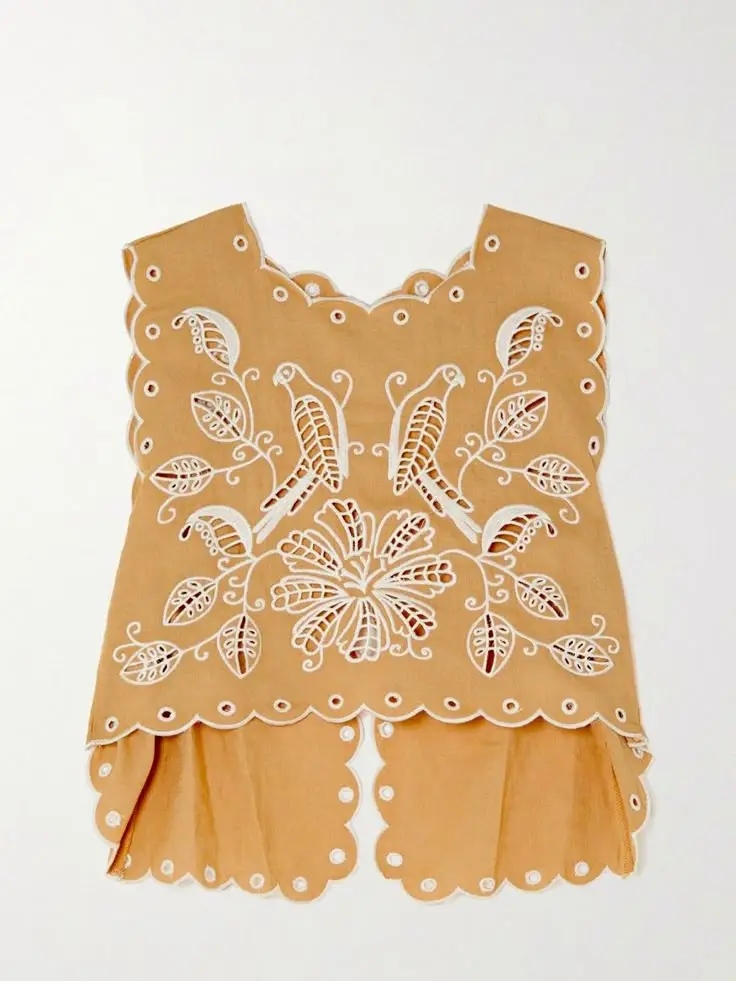
Seam type determines garment durability and aesthetic finish. Professional dress manufacturers use flat-felled seams for strength, French seams for sheer fabrics, and overlock seams for stretch materials. Stitch density ranges from 12 to 16 stitches per inch for woven dresses and 10 to 12 for knit fabrics.
Thread quality and tension consistency prevent puckering and seam failure. ZORWILD inspects stitch straightness, backstitching at stress points, and thread color matching across all seams. Premium dresses require reinforced stitching at armholes, waistlines, and zipper plackets to withstand repeated wear and washing.
Fabric Quality Control and Pre-Treatment
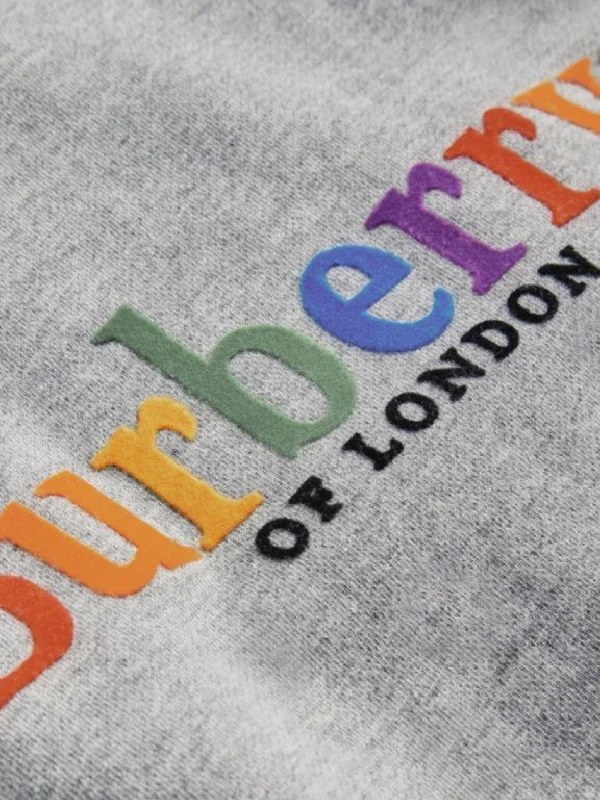
Fabric inspection identifies defects, color variations, and weight inconsistencies before cutting. Professional manufacturers verify GSM weight tolerance within ±5%, check for dye lot consistency, and test colorfastness using ISO 105 standards to prevent fading after three to five washes.
Pre-shrinking treatment eliminates dimensional changes after customer laundering. Cotton and linen fabrics require steam pressing or sanforization to stabilize shrinkage below 3%. ZORWILD tests fabric stretch recovery and pilling resistance to ensure long-term garment performance and customer satisfaction.
Fit Consistency and Grading Accuracy
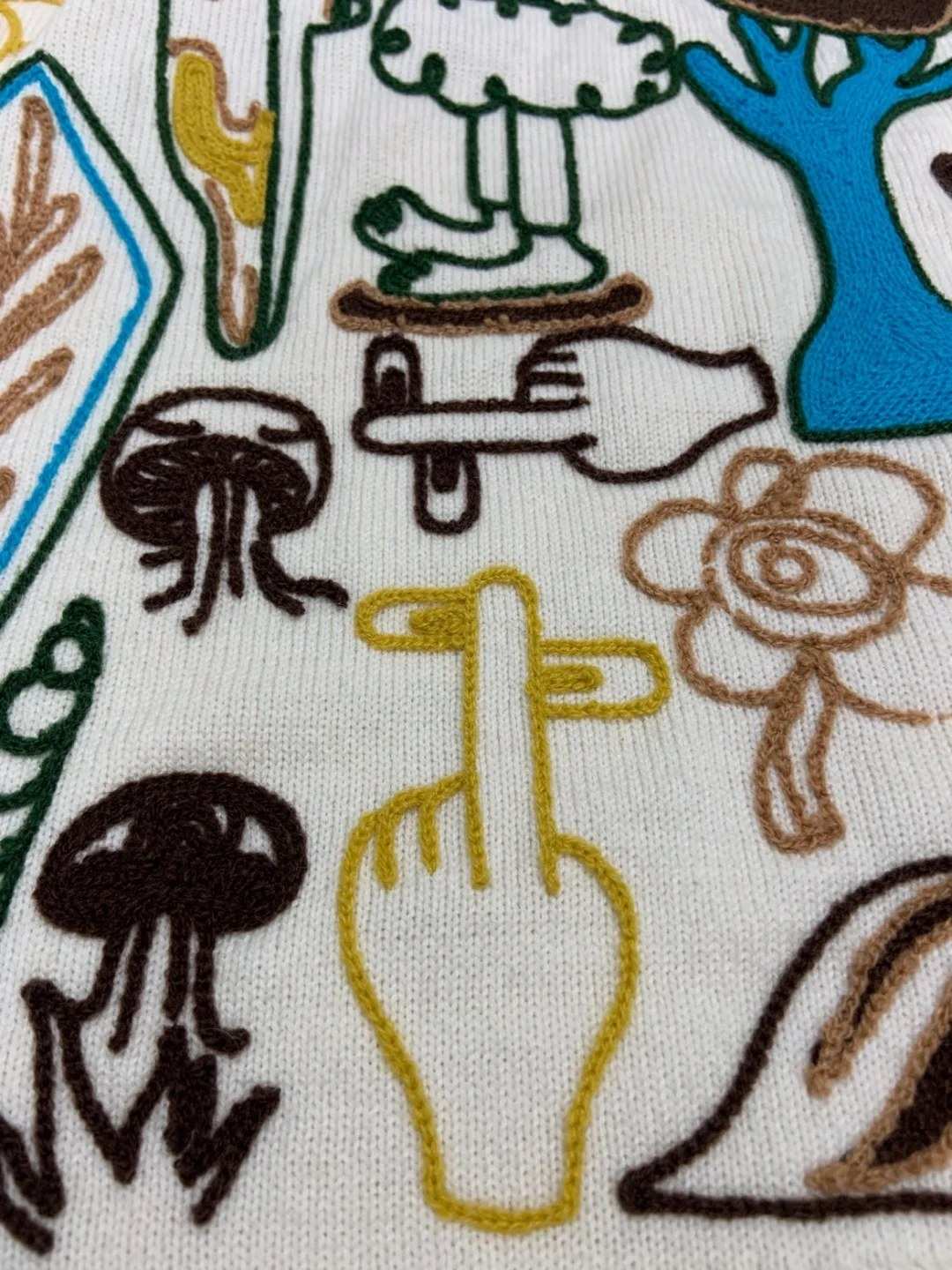
Size grading maintains proportional fit across XS to 3XL ranges. Professional pattern makers grade key measurements including bust, waist, hip, and length with 1 to 2 inch increments per size. Inconsistent grading causes fit complaints and high return rates for dress brands.
Sample approval locks measurements before bulk production begins. ZORWILD produces fit samples in three sizes (small, medium, large) to verify pattern accuracy, ease allowances, and silhouette consistency. Measurement tolerance remains within ±0.5 cm for critical fit points to ensure brand standards across production runs.
Hardware, Trims, and Closure Durability
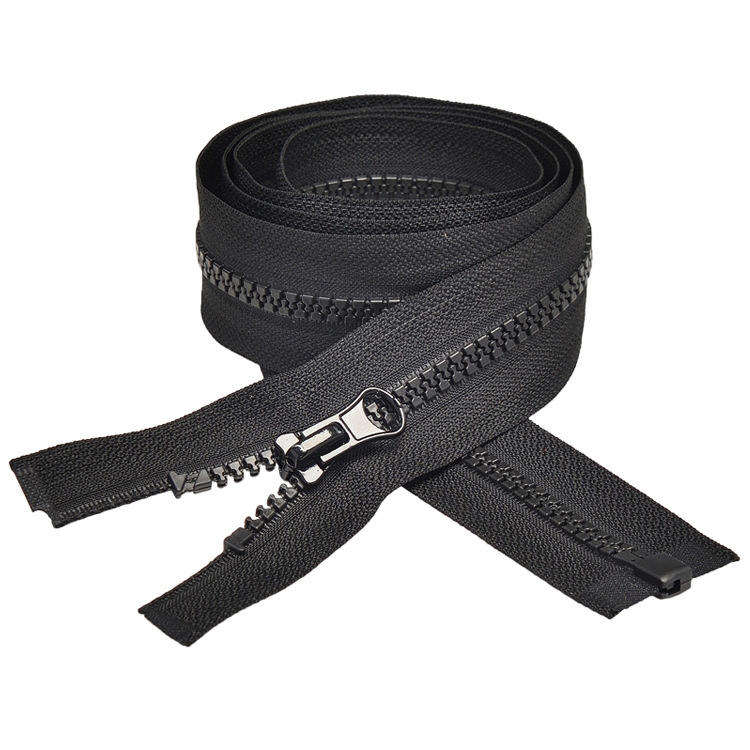
Zipper quality impacts dress longevity and customer satisfaction. YKK and SBS zippers offer 2,000+ cycle durability for evening and wedding dresses. Metal zippers suit heavyweight fabrics while invisible zippers maintain clean back closures on bodycon and formal styles.
Button attachment, hook-and-eye closures, and snap fasteners require reinforced stitching with bar tacks or double-thread lockstitches. ZORWILD tests closure strength to withstand 15 to 20 pounds of pull force. Lining quality prevents transparency, reduces static cling, and improves garment drape using polyester, rayon, or silk-blend materials.
Final Inspection and Finishing Standards
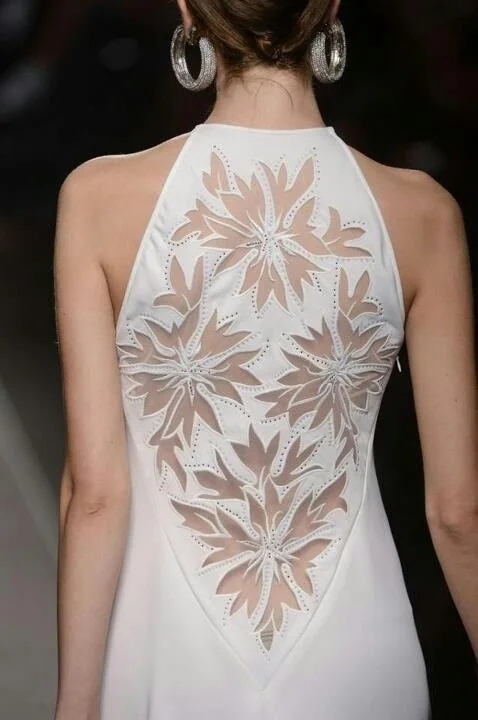
Hemming precision defines dress professionalism. Blind hems suit formal dresses, rolled hems finish lightweight chiffon, and topstitched hems reinforce casual styles. Hem depth ranges from 1 to 3 inches depending on fabric weight and dress category.
Final inspection verifies label placement, loose threads, pressing quality, and packaging presentation. ZORWILD checks pattern alignment at seams, symmetry of embellishments, and garment measurements against approved samples. Quality control teams reject garments with visible defects, stains, or construction flaws before shipment to protect brand reputation.
7. How to Choose a Manufacturer for Custom Made Dresses
Selecting the right factory for custom made dresses requires evaluating technical capacity, compliance standards, and service quality. A structured vetting process reduces risk and ensures consistent output for startup brands and established labels alike.
Factory Certifications and Compliance Standards
BSCI, WRAP, ISO 9001, and OEKO-TEX certifications signal ethical labor practices, quality management systems, and safe textile standards. ZORWILD operates under strict compliance frameworks to meet North American and European import requirements.
Verify certifications through official registries or request certificate copies with validity dates. Factories without documentation often lack audit trails and consistent process control.
Production Capacity and MOQ Flexibility
Monthly capacity above 100,000 units indicates stable workforce and equipment depth. ZORWILD supports MOQs from 50 pieces per design, enabling influencer capsules and test launches without inventory risk.
Ask for lead time breakdowns: sampling (7–10 days), bulk production (25–35 days), and peak-season adjustments. Factories with rigid 1,000-piece minimums eliminate agility for emerging brands.
Sample Quality and Turnaround Speed
Request paid samples to assess stitching precision, fabric hand feel, print registration, and construction details. ZORWILD delivers samples within 7 days, allowing rapid iteration before bulk commitment.
Red flags include refusal to provide samples, inconsistent measurements, or vague timelines. Green flags are photo documentation, measurement spec sheets, and willingness to revise samples based on feedback.
Communication and Design Support
Responsive English communication, tech pack interpretation, and fabric recommendations separate professional manufacturers from brokers. ZORWILD’s team assists with design refinement, material sourcing, and decoration feasibility.
Test responsiveness during inquiry: replies within 24 hours, detailed answers to technical questions, and proactive problem-solving indicate reliable partnership. Poor grammar or evasive pricing signals operational gaps.
8. Common Mistakes Buyers Make When Ordering Custom Made Dresses
Ordering custom made dresses without experience often leads to costly delays, quality disputes, and inventory waste. Understanding common pitfalls and their corrective actions helps buyers avoid production failures and protect profit margins.
Skipping Sample Orders Before Bulk Production
Many buyers approve production based on photos or tech packs alone, then discover fit, fabric, or construction issues after receiving 500+ units. Sample orders verify measurements, fabric drape, satin sheen, lace application quality, and zipper functionality before committing to bulk.
ZORWILD provides 7-day sampling with full decoration testing including embroidery density, beading security, and corset structure fit. Always order samples in your target size range and wash them twice to confirm colorfastness and shrinkage behavior.
Underestimating Lead Times and Production Cycles
Buyers often expect 2-week turnaround for custom made dresses with embroidery, beading, or multi-layer construction. Realistic timelines include 7 days sampling, 3-5 days revision, 10-14 days fabric sourcing, and 20-30 days bulk production depending on order quantity and decoration complexity.
Peak seasons (March-May for prom, September-November for holiday) extend lead times by 1-2 weeks. Plan orders 60-90 days before your sales window and communicate launch dates clearly with your manufacturer.
Ignoring Fabric Shrinkage and Pre-Production Testing
Cotton, rayon, and linen blends shrink 3-7% after washing, causing fit complaints and returns. Manufacturers must pre-shrink fabrics or add shrinkage allowance to patterns, but buyers must specify wash testing requirements in tech packs.
Request fabric swatch testing for shrinkage, colorfastness (AATCC 61), and pilling resistance (ASTM D3512) before bulk cutting. ZORWILD conducts fabric inspection and wash testing on all dress orders to ensure dimensional stability and color retention meet brand standards.
Choosing Suppliers Based Solely on Lowest Price
Price-only decisions often result in substituted fabrics, skipped quality steps, poor stitching, and missed deadlines. A $3 per-unit saving becomes a $5,000 loss when 40% of inventory requires rework or generates returns.
Evaluate manufacturers on sampling speed, communication responsiveness, fabric sourcing transparency, decoration quality, and references from similar brands. ZORWILD’s 27 years of experience and 2,000+ brand partnerships provide stability, consistent quality, and reliable timelines that protect your brand reputation and customer satisfaction.
9. Steps to Launch Your Custom Made Dresses Brand
Launching a custom made dresses brand requires a structured roadmap from concept to market. ZORWILD’s 27 years of manufacturing experience serving over 2,000 brands provides a proven framework for startups, influencers, and small wholesalers to navigate the production cycle efficiently.
Define Brand Identity and Target Customer
Establish your brand positioning, aesthetic direction, and core customer demographics before production begins. Identify whether you target resort wear, evening wear, streetwear, or bridal markets, and define price points, style preferences, and distribution channels.
Successful brands clarify their unique value proposition, competitive differentiation, and visual identity including logo, color palette, and packaging concepts. This foundation guides all subsequent design and manufacturing decisions.
Create Tech Packs and Design Specifications
Develop detailed technical packages including sketches, measurements, fabric specifications, trim details, and construction notes. ZORWILD’s development team transforms inspiration photos, reference garments, or design ideas into production-ready tech packs.
Include graded size charts, stitch types, seam allowances, decoration placements, and quality standards. Complete tech packs reduce sampling revisions and ensure accurate bulk production.
Source and Vet Manufacturers
Evaluate manufacturers based on product category expertise, MOQ flexibility, quality systems, communication responsiveness, and production capacity. ZORWILD supports 50-piece MOQ for custom made dresses with full-category capabilities including casual dresses, evening dresses, and resort dresses.
Request facility photos, client references, and sample products to assess craftsmanship quality, fabric sourcing networks, and decoration capabilities including embroidery, beading, and lace applications.
Order and Approve Samples
Order pre-production samples to evaluate fit, fabric quality, construction details, and decoration execution. ZORWILD provides 7-day sampling for most dress categories with detailed measurement reports and photo documentation.
Test samples for fit accuracy, seam strength, zipper functionality, lining quality, and wash performance. Approve samples only after confirming all specifications match tech pack requirements.
Place Bulk Orders and Manage Production
Confirm production timelines, payment terms, and quality control checkpoints before issuing purchase orders. ZORWILD’s monthly capacity exceeds 100,000 units with in-line inspection, measurement verification, and final product audits.
Maintain regular communication during cutting, sewing, decoration, washing, and finishing stages. Request progress photos and address any deviations immediately to prevent bulk production errors.
Plan Logistics and Inventory
Coordinate shipping methods, customs documentation, and delivery schedules based on launch timelines and budget constraints. ZORWILD supports air freight for speed, sea freight for cost efficiency, and door-to-door delivery with export documentation.
Plan inventory allocation across sales channels, reorder thresholds, and seasonal demand cycles. Startup brands benefit from low MOQ reorders to test market response before scaling production volumes.
10. Pricing and Cost Structures for Custom Made Dresses
Custom made dresses pricing comprises six core components: fabric (30–45% of unit cost), labor (25–35%), trims and accessories (8–15%), decoration and finishing (5–20% depending on complexity), sampling (typically $80–$200 per prototype), and factory margin (12–18%). A simple casual dress using cotton poplin with basic stitching costs $12–$18 per unit at 500 pieces, while a satin evening dress with lace applique, beading, and corset structure runs $35–$65 per unit due to material quality and labor intensity.
MOQ directly impacts unit price through setup amortization. At 50 pieces, setup costs (pattern grading, cutting die preparation, quality templates) add $3–$6 per unit; at 500 pieces, the same setup adds only $0.50–$1.20 per unit. Complexity multipliers include multi-layer construction (+25–40%), embroidery or beading (+$4–$12 per placement), garment dye or acid wash (+$2–$5 per unit), and custom lining systems (+$3–$7 per unit).
Lead times compress at higher volumes due to production line efficiency. A 50-piece order requires 18–25 days from fabric arrival to final inspection, while 1,000+ pieces benefit from dedicated line allocation and finish in 22–30 days. Air freight adds $6–$14 per dress; sea freight adds $1.20–$2.80 but extends delivery by 20–35 days.
| Quantity Tier | Price per Unit (USD) | Setup Cost | Lead Time |
|---|---|---|---|
| 50 pieces | $22–$45 | $250–$400 | 18–25 days |
| 200 pieces | $16–$32 | $300–$500 | 20–28 days |
| 500 pieces | $12–$26 | $400–$600 | 22–30 days |
| 1,000+ pieces | $10–$22 | $500–$800 | 22–30 days |
Start Your Custom Made Dresses Collection Today
50-piece MOQ, 7-day sampling, and 27 years of expertise. Partner with ZORWILD to bring your dress designs to life.