
Rib Knit Fabric for Neckbands, Cuffs & Waistbands
Elevate fit, comfort, and brand perception with premium rib knit fabric engineered for durability and stretch. Integrated into custom hoodies, t-shirts, sweatshirts, and jackets with low MOQ from 50 pieces, fast sampling, and 27 years of apparel manufacturing expertise.
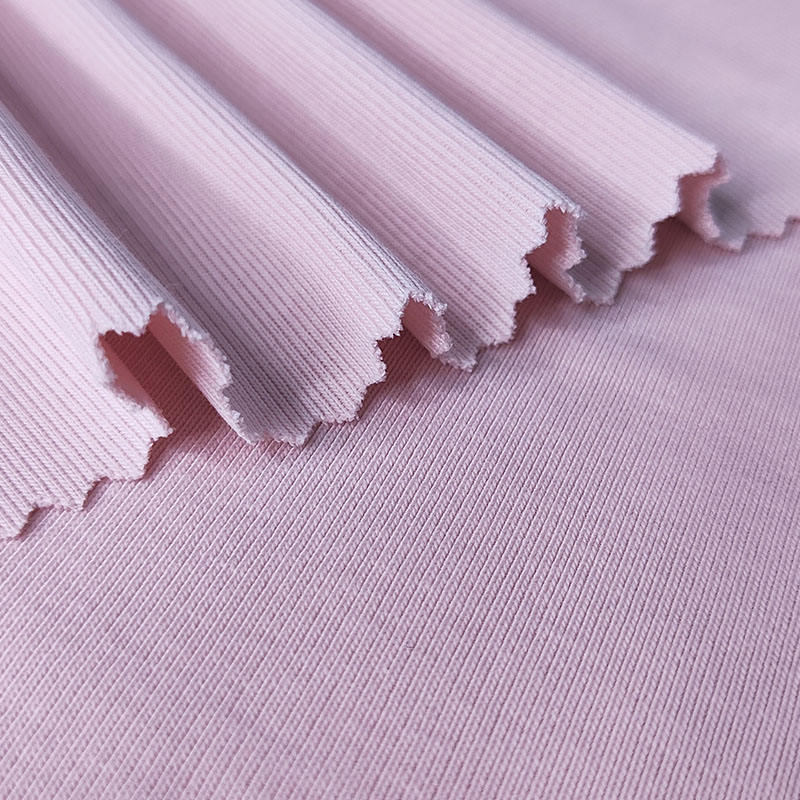
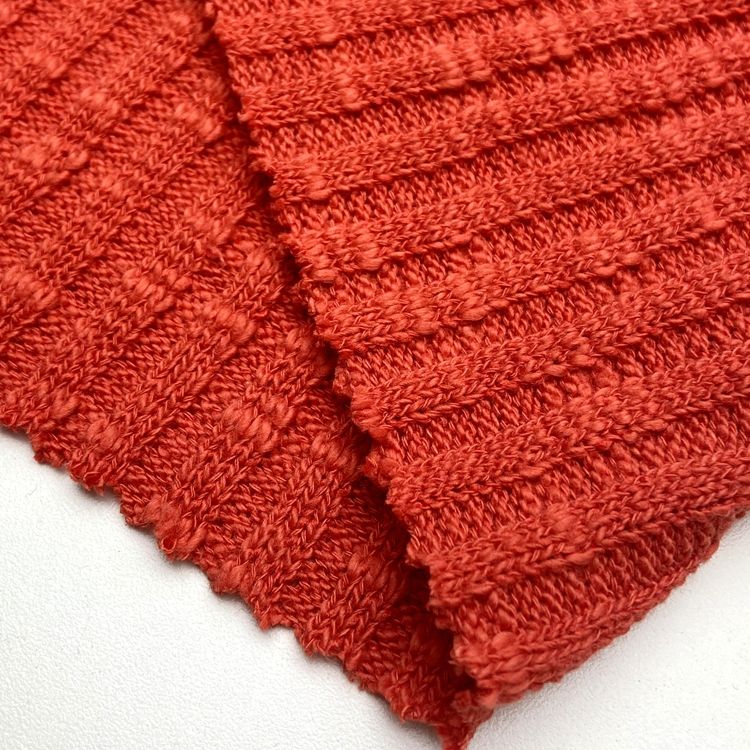
Rib Knit Fabric Styles & Finishes
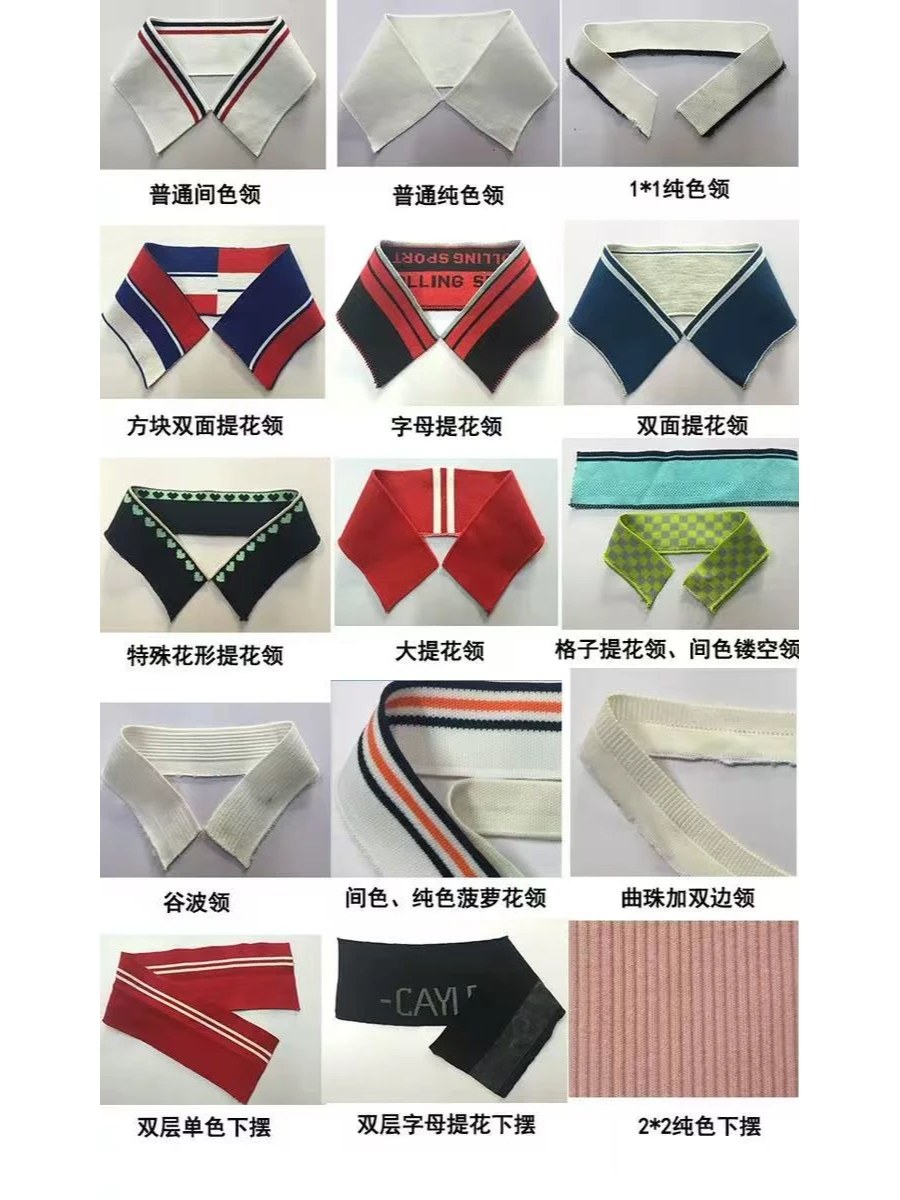
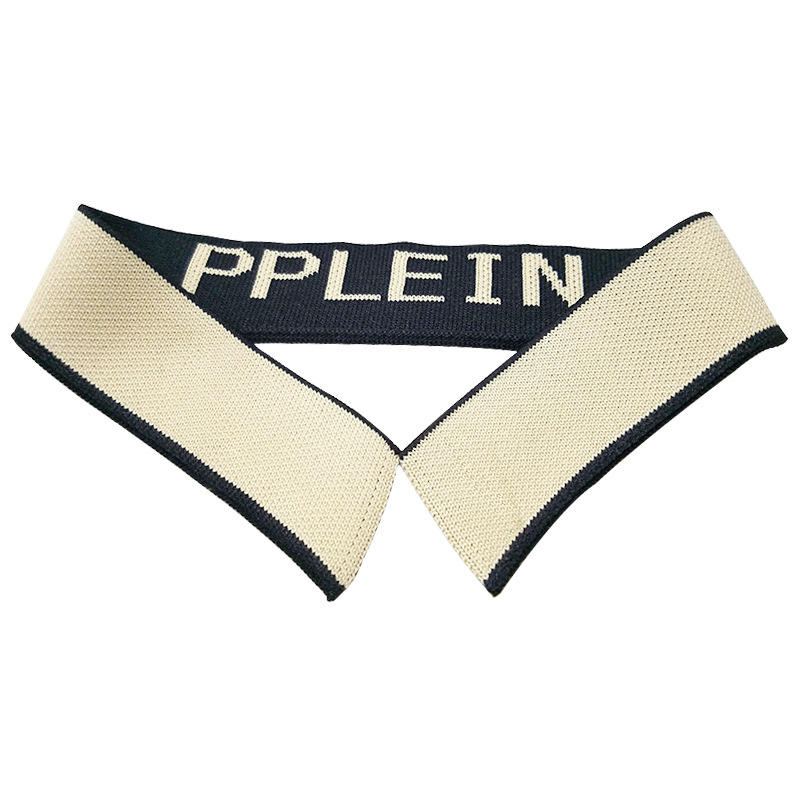
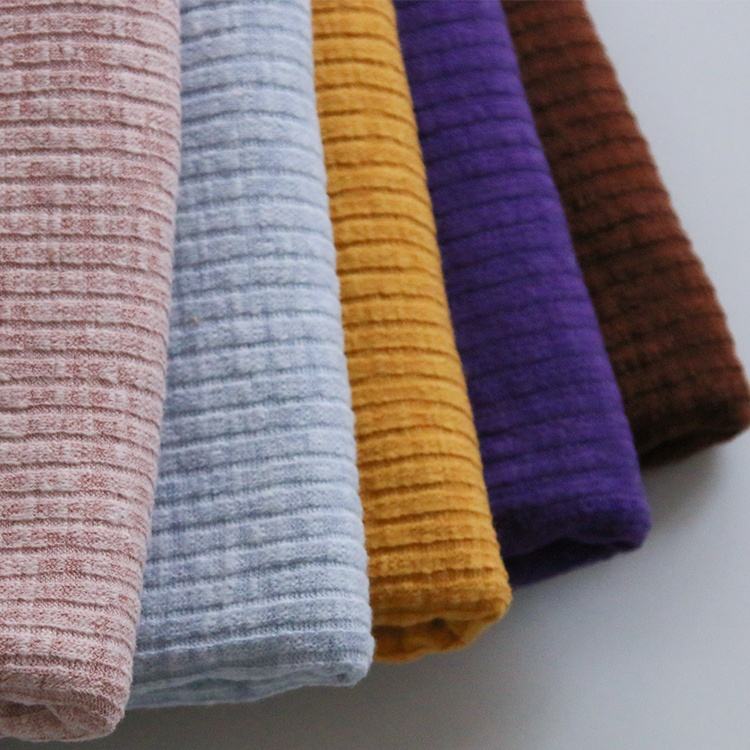
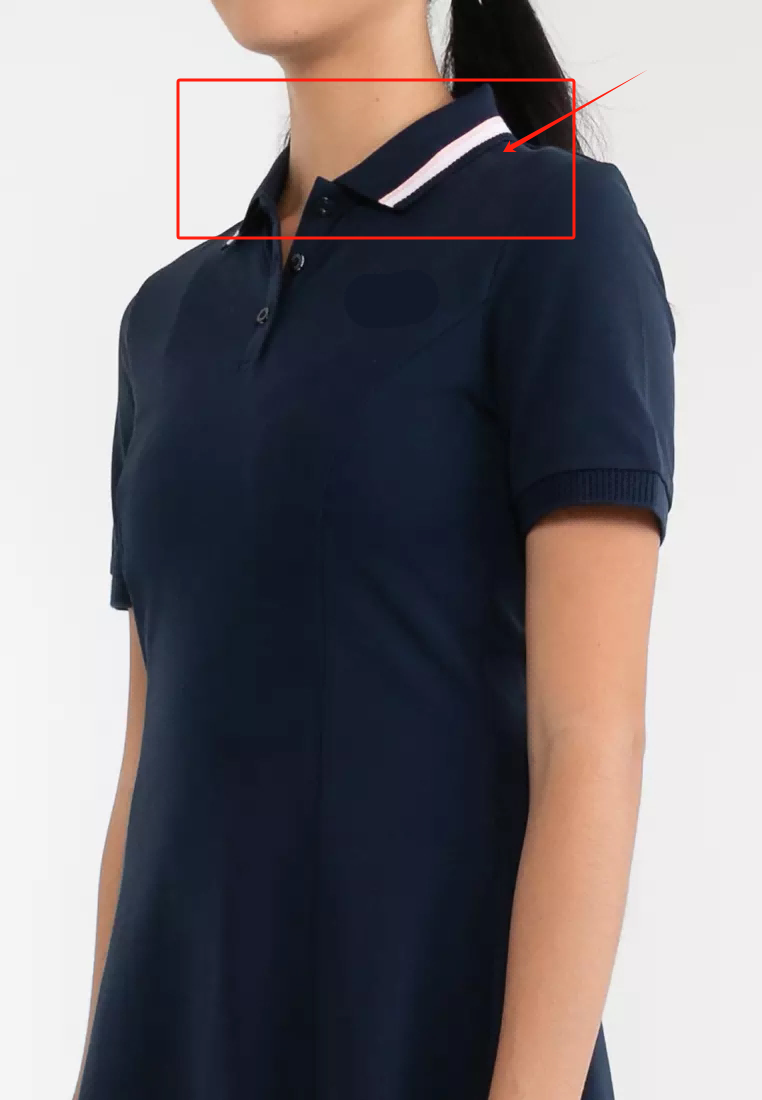
Why Choose Our Rib Knit Fabric
Superior Stretch Recovery
Our rib knit fabric maintains shape and elasticity through repeated wear and washing, ensuring neckbands and cuffs stay snug without sagging.
Exceptional Wash Durability
Built to withstand industrial laundering and heavy use, our rib knit fabric resists pilling, shrinkage, and distortion across hundreds of cycles.
Excellent Color Fastness
Advanced dyeing techniques ensure vibrant, fade-resistant colors that match your garment body perfectly and stay true through every wash.
Full Customization Range
Choose from multiple weights, widths, compositions, and finishes to match your design vision. Custom colors and blends available from 50 pieces.
Cost-Effective Low MOQ
Access premium rib knit fabric starting at just 50-piece orders, enabling startup brands and influencers to maintain quality without inventory risk across custom t-shirts, hoodies, and sweatshirts.
Production-Ready Compatibility
Our rib knit fabric integrates seamlessly with modern sewing equipment and decoration techniques, ensuring smooth production and consistent quality.
Related Accessories & Fabric Components
Garment Accessories & Trims
Comprehensive hub for all garment trims and hardware including labels, zippers, buttons, rivets, eyelets, and drawcords. Visit this page when planning full accessory packages for custom apparel collections or exploring finishing options to elevate brand identity and garment functionality across hoodies, jackets, bottoms, and shirts.
Get a Quote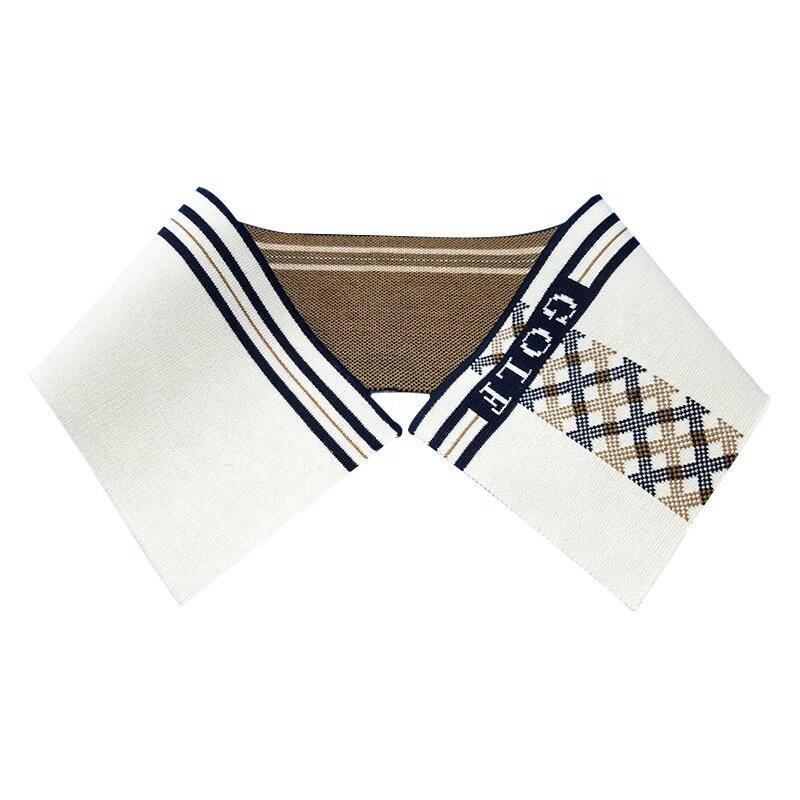
Custom Buttons
Custom buttons in metal, resin, wood, shell, and coated finishes for shirts, jackets, pants, and casualwear. Essential for brands requiring branded closures, logo-engraved hardware, contrast details, or premium finishing on resort shirts, denim jackets, chino pants, and workwear collections with MOQ flexibility and color matching support.
Get a Quote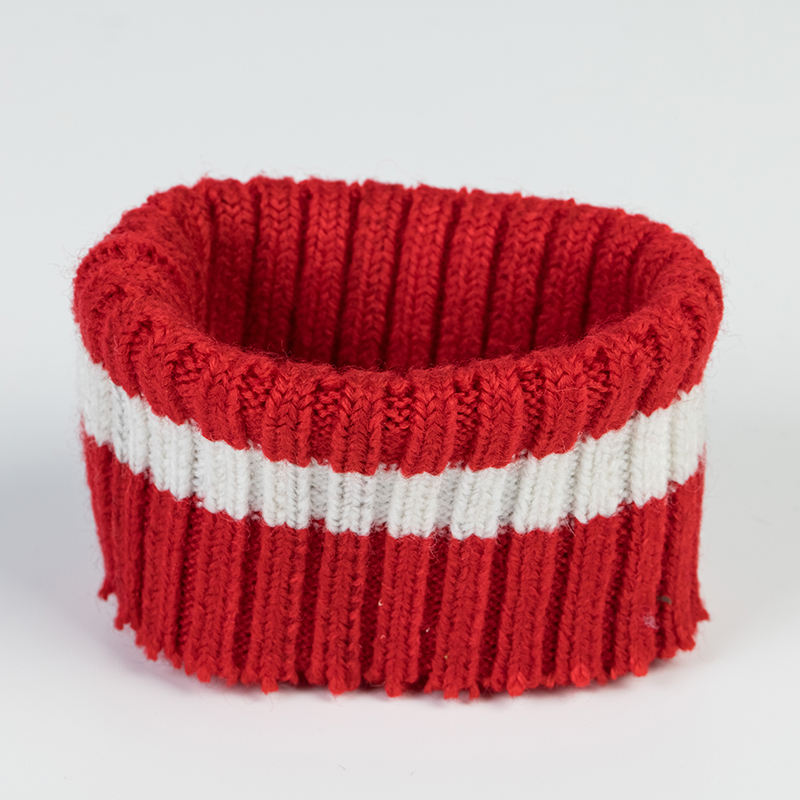
Snap Buttons
Snap button fasteners in metal and plastic for jackets, shirts, baby wear, and activewear requiring quick-release closures. Ideal for varsity jackets, bomber jackets, utility shirts, and streetwear where functional hardware meets design aesthetics. Available with custom logo engraving, color coating, and size options for diverse garment applications.
Get a Quote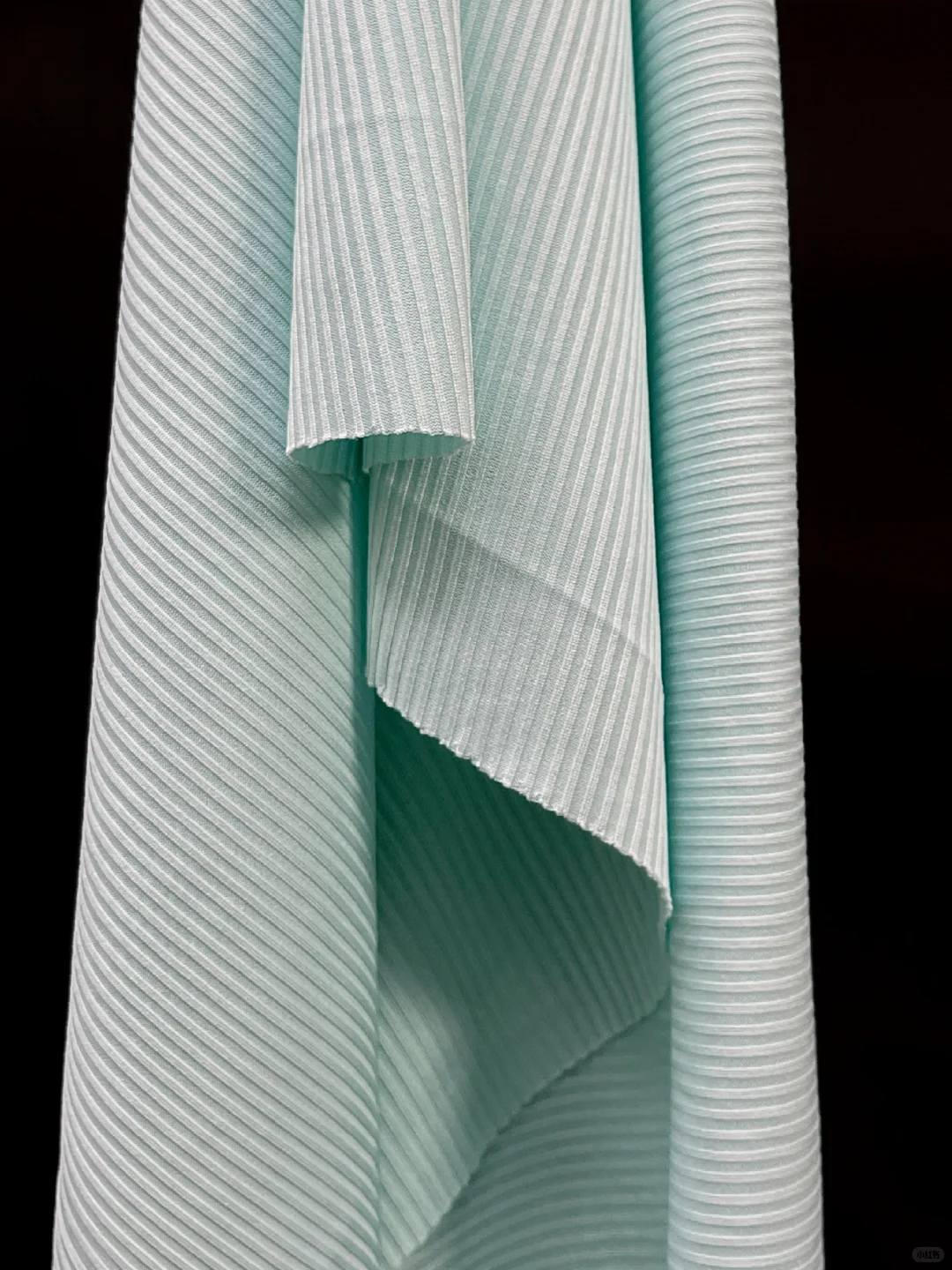
Custom Zippers
Custom zippers including YKK, SBS, and metal zippers for hoodies, jackets, pants, and bags with options for branded zipper tape, custom pulls, color matching, and waterproof construction. Critical for technical outerwear, premium hoodies, denim products, and activewear requiring reliable closures and professional finishing that aligns with brand standards.
Get a Quote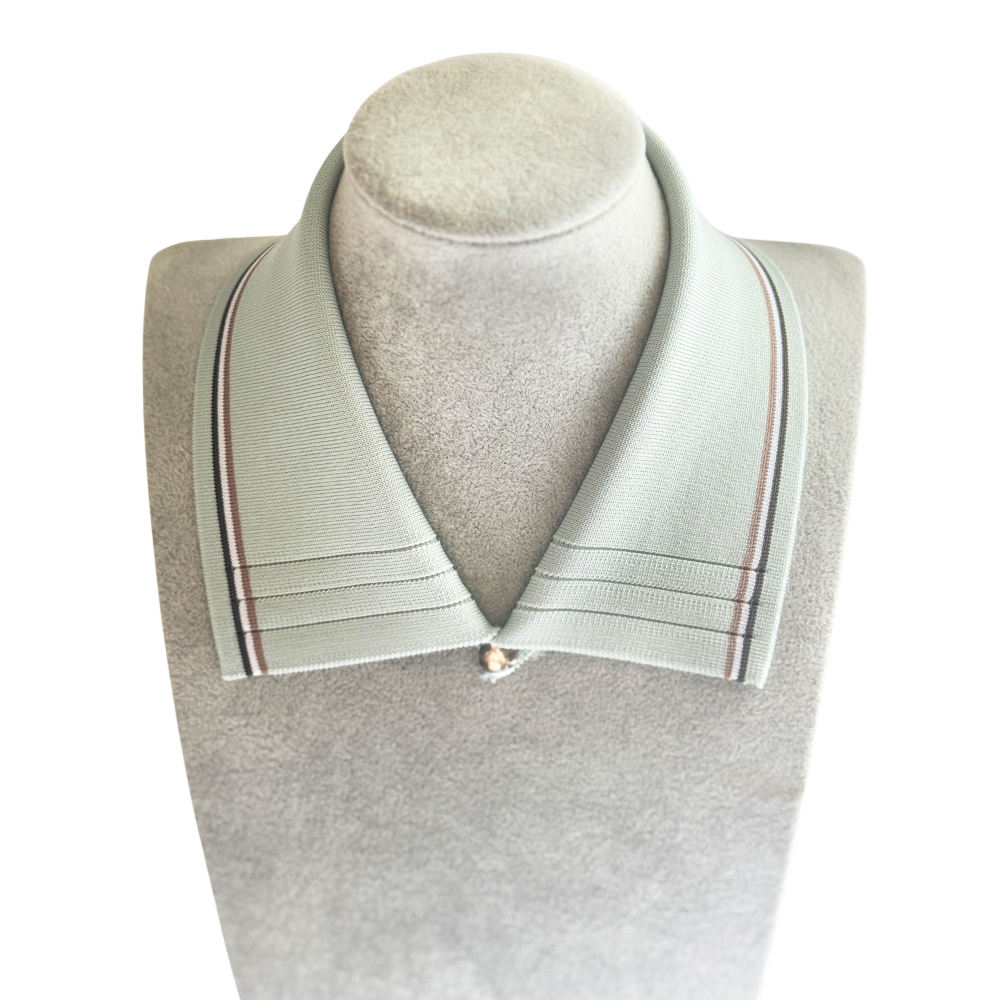
Zipper Pulls
Branded zipper pulls and sliders in metal, silicone, rubber, and PVC with logo engraving or molding for elevated brand presence. Perfect for premium hoodies, varsity jackets, puffer jackets, and streetwear collections where hardware details reinforce brand identity. Available in custom shapes, finishes, and attachment styles for cohesive design execution.
Get a Quote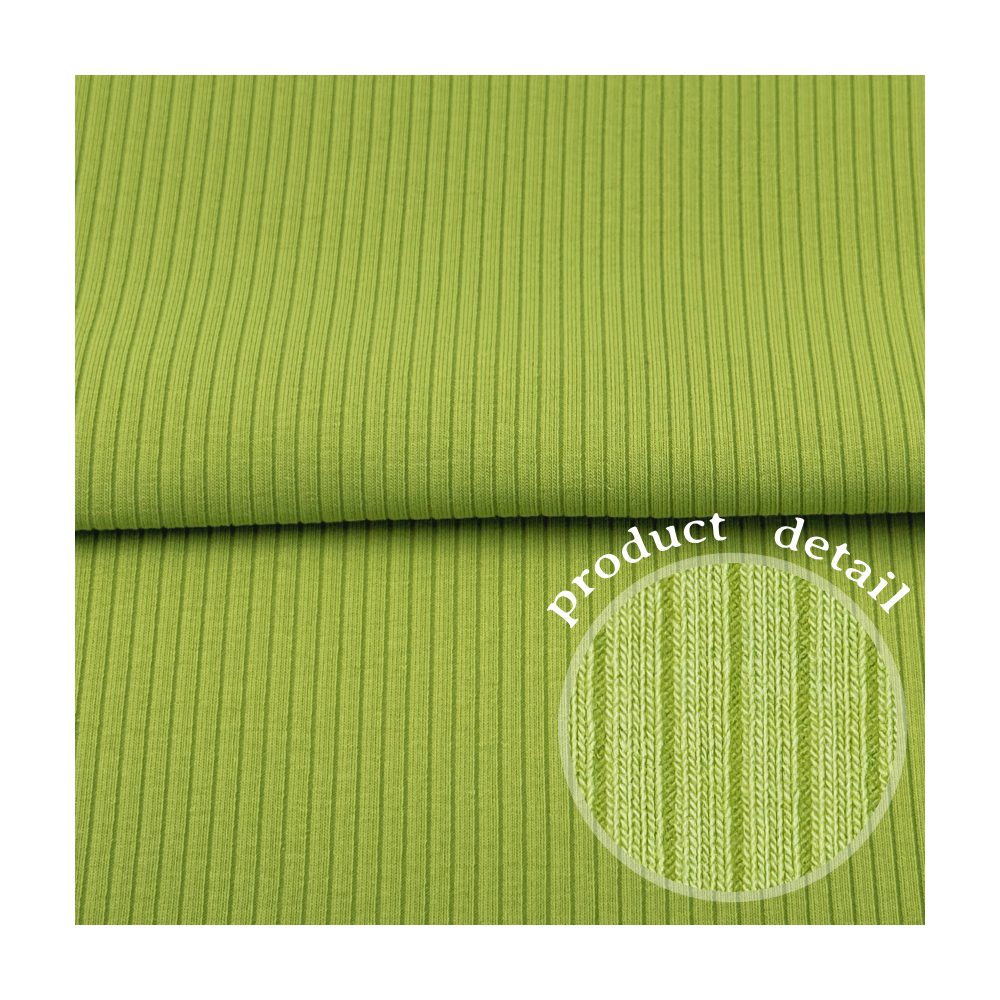
Eyelets & Grommets
Metal eyelets and grommets for lace-up details, ventilation, drawstring reinforcement, and decorative accents on hoodies, sneakers, jackets, bags, and utility garments. Essential for streetwear brands, workwear collections, and technical apparel requiring durable metal hardware with rust-resistant finishes, custom colors, and precise installation for functional and visual impact.
Get a Quote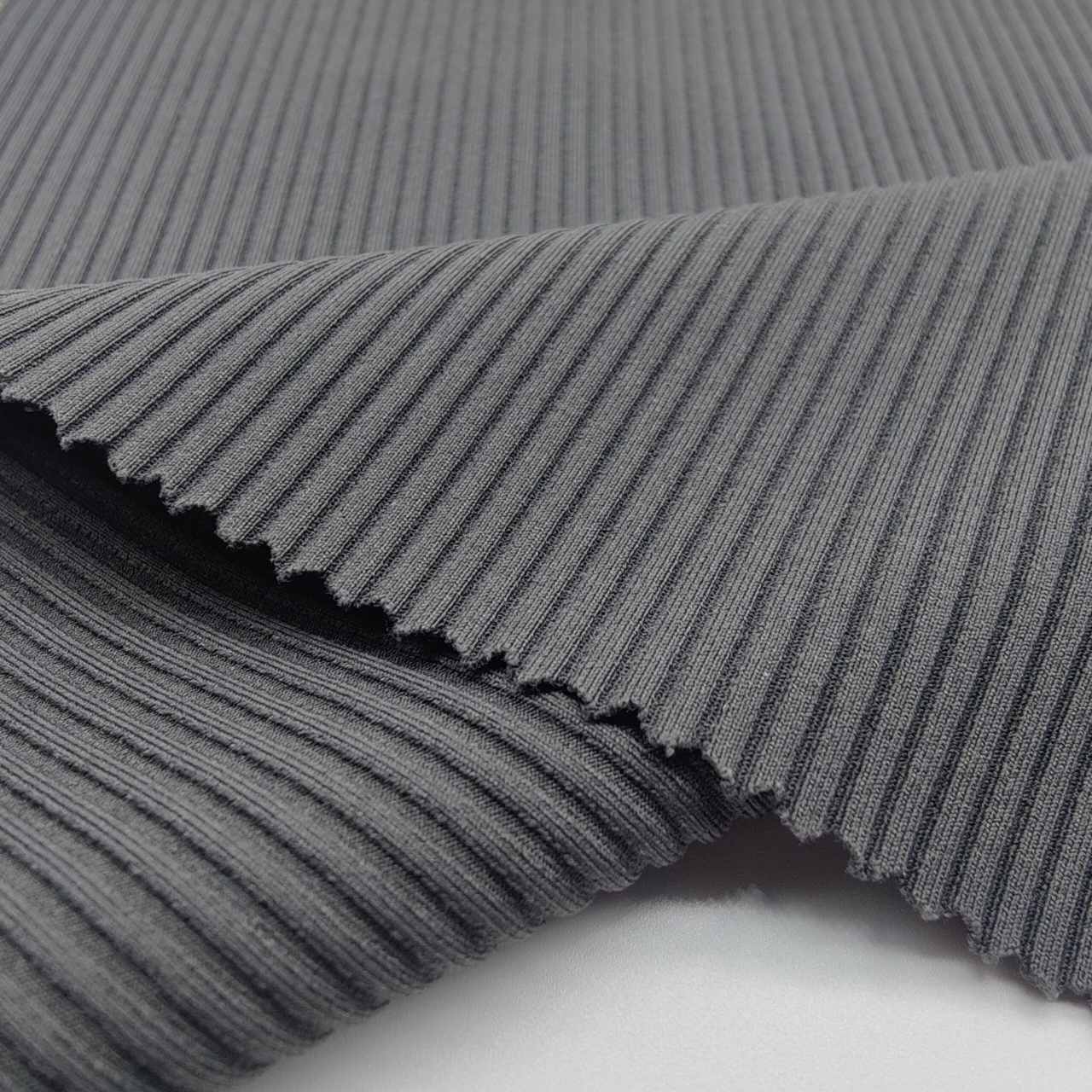
Rivets
Metal rivets and studs for reinforcement and decoration on denim, jackets, bags, belts, and heavy-duty garments. Key for denim brands, workwear lines, and fashion collections requiring durable stress-point reinforcement or punk-inspired embellishments. Available in brass, copper, nickel, and custom finishes with logo engraving for branded hardware details.
Get a Quote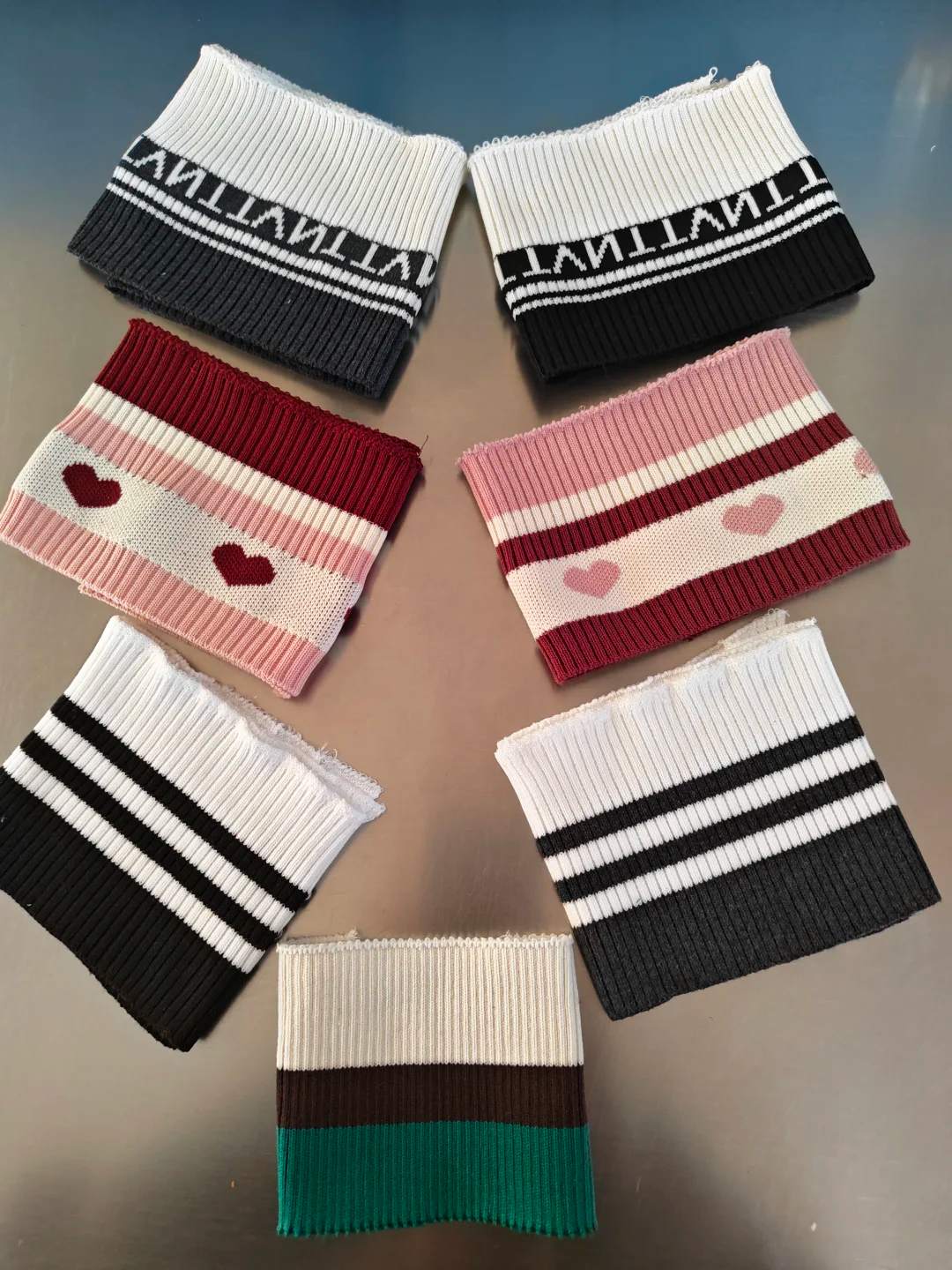
Drawstrings
Custom drawstrings and cords in cotton, polyester, nylon, and waxed finishes for hoodies, sweatpants, joggers, shorts, and outerwear. Vital for adjustable waistbands and hood closures with options for branded aglets, custom colors, flat or round construction, reflective threading, and tip finishes that enhance functionality and reinforce brand aesthetics across casualwear.
Get a Quote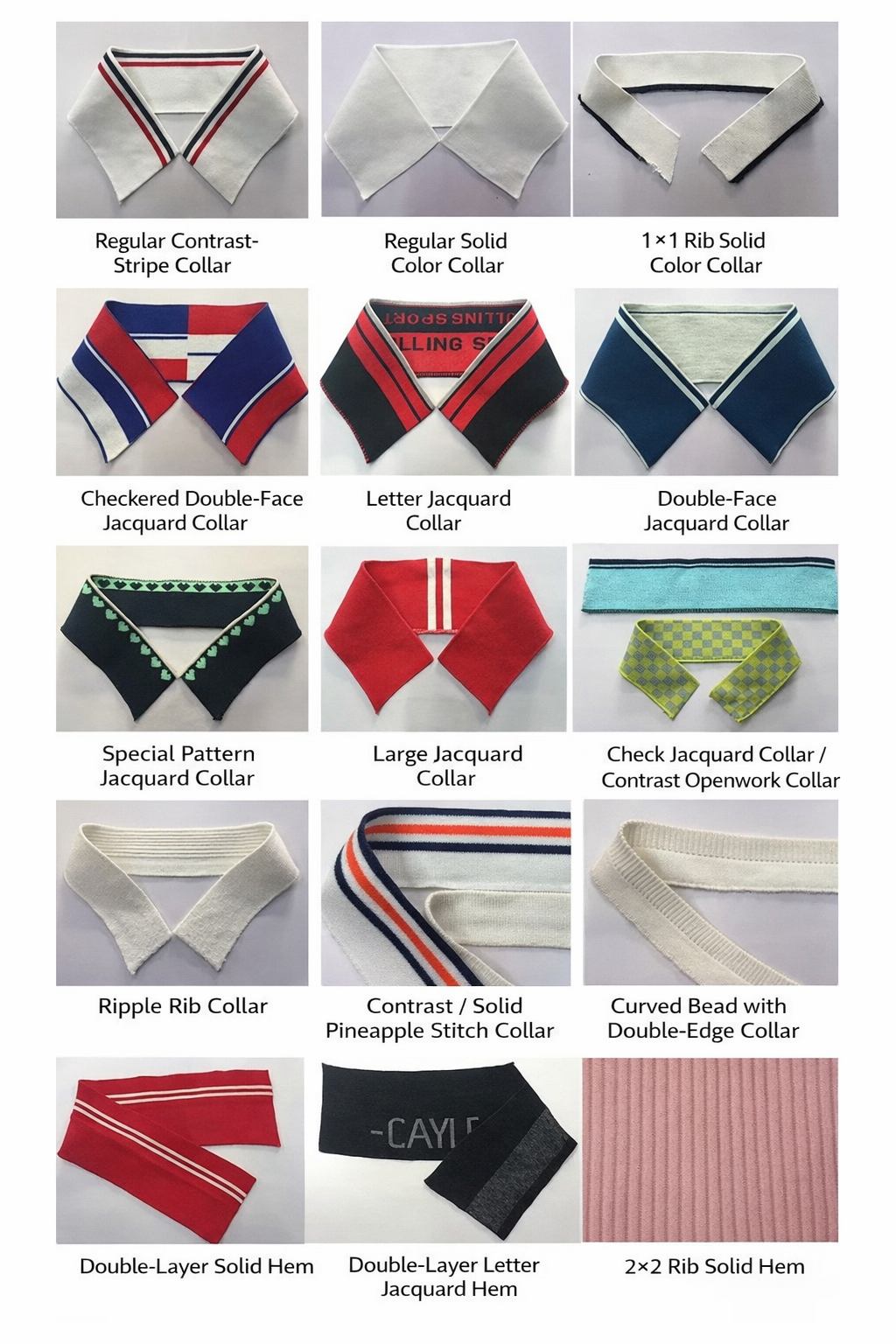
Cord Locks & Stoppers
Cord locks, toggles, and stoppers in plastic, metal, and silicone for adjustable drawstring systems on hoodies, jackets, bags, and sportswear. Necessary for functional garment adjustments with options for logo engraving, custom shapes, spring-loaded or barrel styles, and color matching to ensure cohesive hardware integration and premium user experience across collections.
Get a QuoteRib Knit Fabric Expertise Since 1998
ZORWILD is a professional Chinese clothing manufacturer based in Humen, Dongguan, with over 27 years of apparel manufacturing experience. Founded in 1998, we’ve evolved from a family workshop into a modern full-stack manufacturer serving more than 2,000 fashion brands worldwide with integrated fabric sourcing, garment construction, and finishing capabilities.
Our rib knit fabric expertise is backed by partnerships with trusted suppliers across China and an in-house production system handling everything from fabric inspection to final garment assembly for custom hoodies, custom t-shirts, custom sweatshirts, and custom jackets. With 200+ skilled workers and monthly capacity exceeding 100,000 units, we deliver premium rib knit neckbands, cuffs, and waistbands as part of complete garment collections or standalone component orders.
Every rib knit fabric order passes through our 6-stage quality control system, ensuring consistent stretch recovery, dye matching, weight accuracy, and finishing quality. Whether you need 1×1 rib, 2×2 rib, or custom tubular rib knit fabric for custom hoodies, custom t-shirts, or custom sweatshirts, ZORWILD provides scalable solutions starting from just 50 pieces with fast sampling, reliable lead times, and 95%+ decoration techniques in-house for complete apparel manufacturing.
Rib Knit Fabric Specifications & Craftsmanship
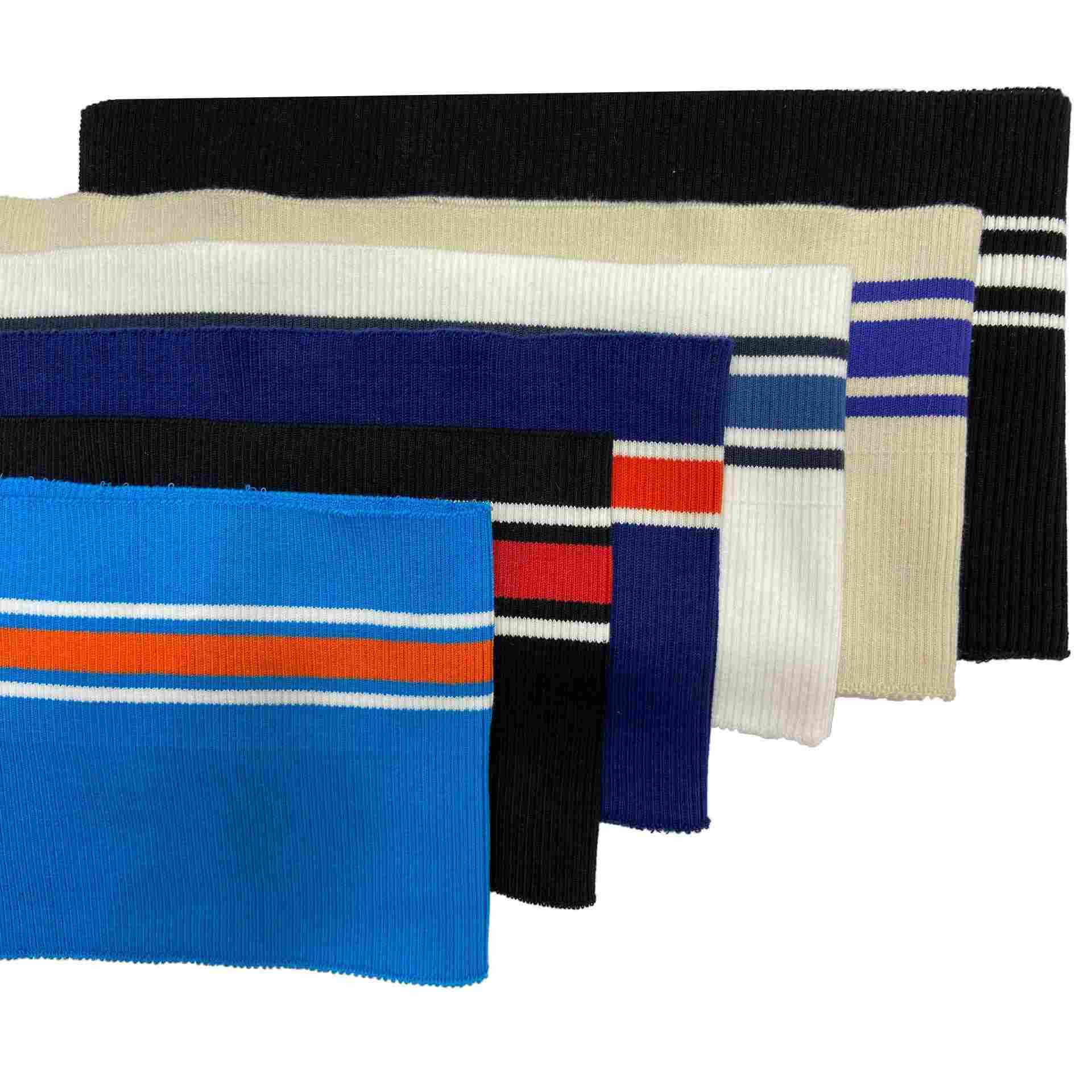
Fiber Composition & Weight Control
ZORWILD sources rib knit fabric in multiple fiber blends including 100% cotton, cotton-spandex, polyester-cotton, and bamboo-cotton compositions. Weight ranges from 200 GSM lightweight ribs to 400 GSM heavyweight constructions, matched to your garment category and brand positioning for consistent hand feel and durability.
- Cotton-spandex blends from 95/5 to 85/15 ratios for optimal stretch recovery
- Weight tolerances controlled within ±5% across production batches
- Fiber testing conducted before cutting to verify composition accuracy
- Custom weight recommendations based on product type and wash method
Stretch Ratio & Recovery Performance
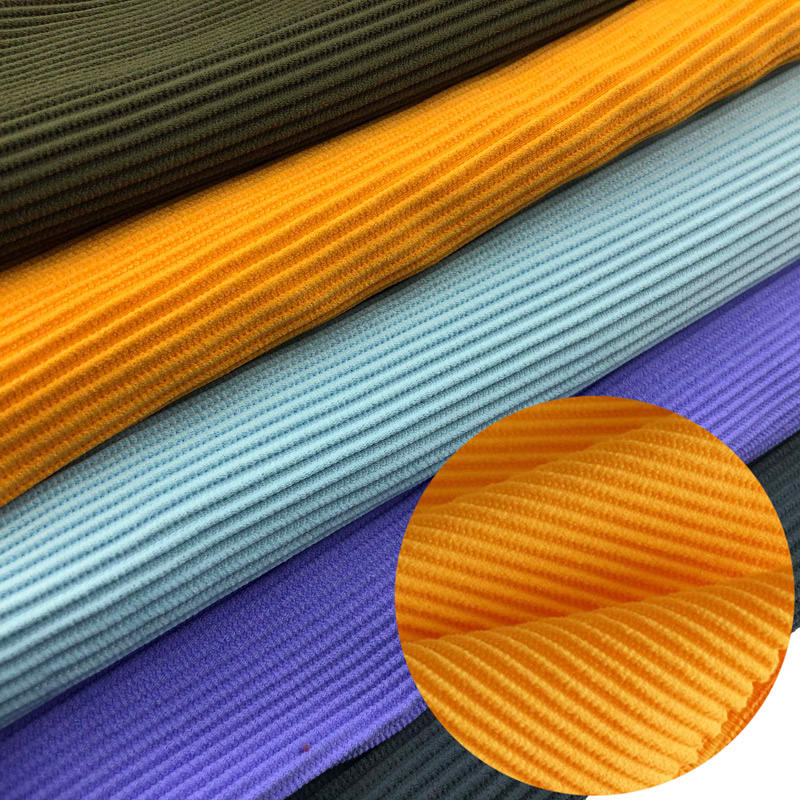
Our rib knit fabric features engineered stretch properties with 2-way horizontal stretch for traditional neckbands and cuffs, or 4-way stretch options for performance activewear applications. Stretch ratios are tested and documented to ensure consistent fit and shape retention after repeated wear and washing cycles.
- 2-way stretch typically 30-50% horizontal extension with 90%+ recovery
- 4-way stretch options available with vertical and horizontal movement
- Pre-production stretch testing ensures consistency across dye lots
- Recovery testing simulates 50+ wash cycles to validate long-term performance
Shrinkage Control & Dyeing Precision
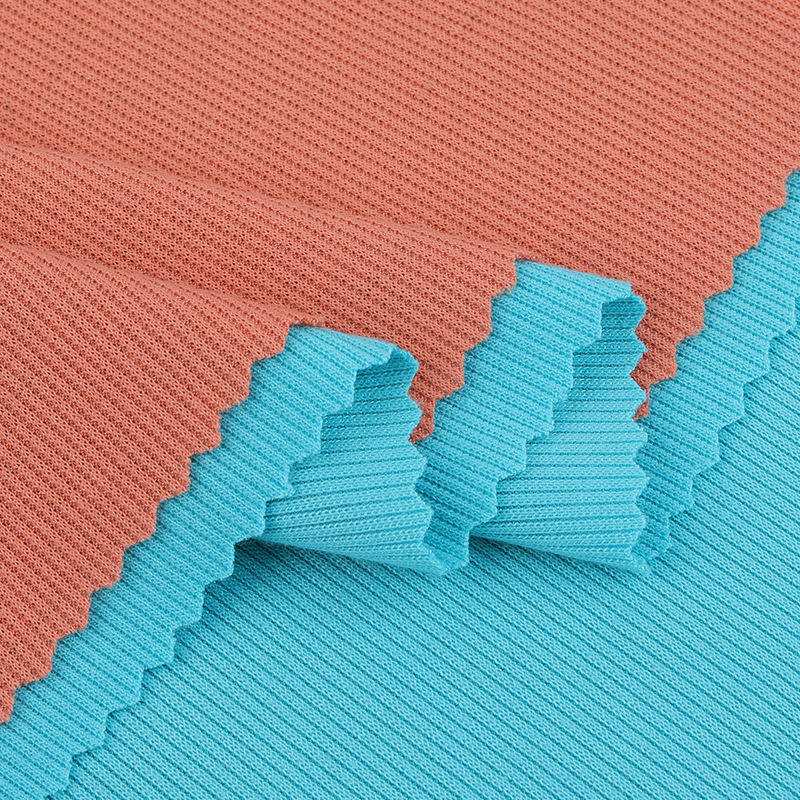
Every rib knit fabric batch undergoes pre-shrinking treatment and dimensional stability testing before garment construction. ZORWILD’s dyeing partners use controlled temperature and chemical processes to lock color while minimizing shrinkage, ensuring your finished neckbands and cuffs maintain precise measurements through customer use.
- Residual shrinkage controlled to under 3% after garment wash
- Lab dip approval process ensures exact Pantone or custom color matching
- Fabric relaxation period before cutting eliminates tension-related distortion
- Dye fastness testing to Grade 4+ for colorfastness to washing and light
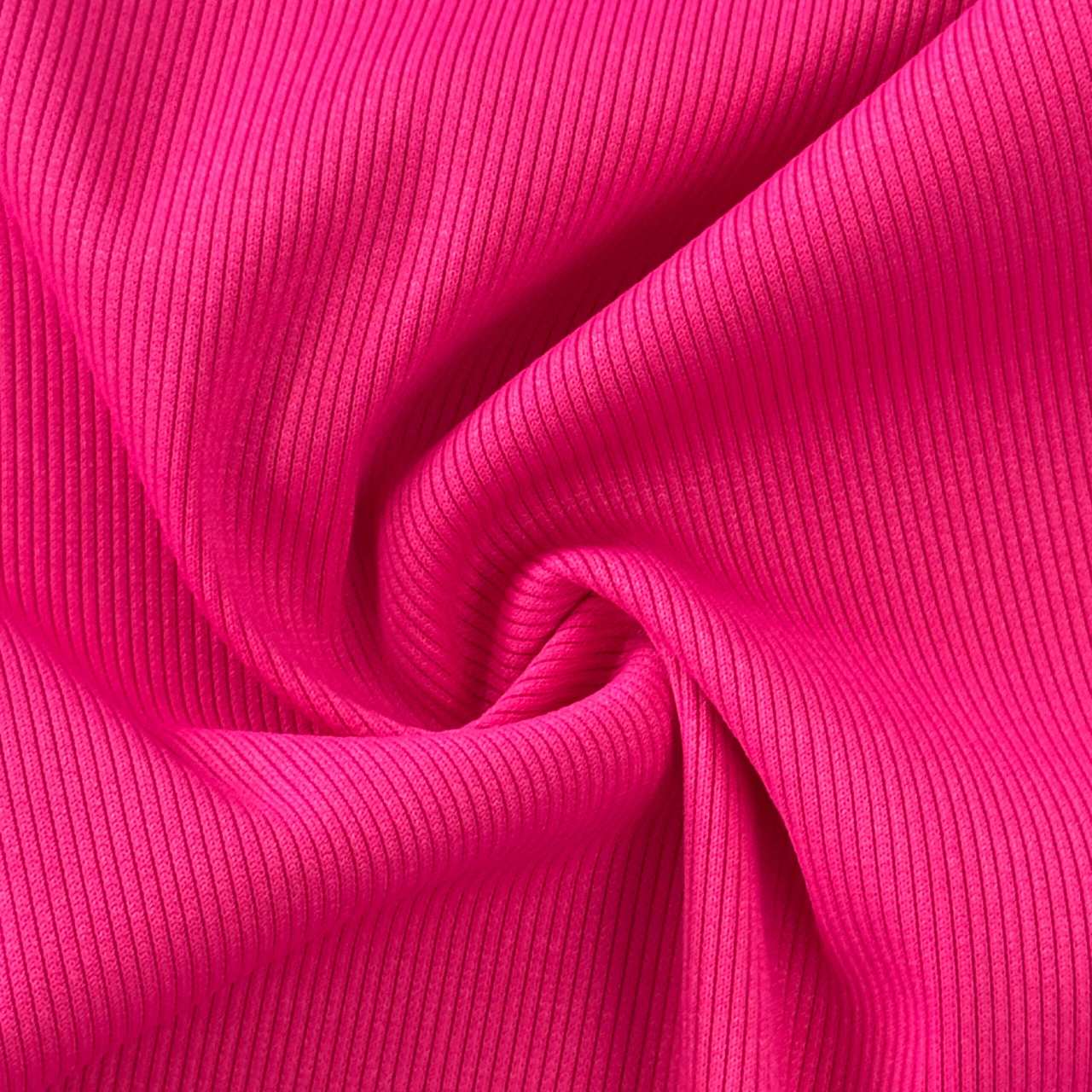
Edge Finishing & Thread Density
Thread count and stitch density directly impact rib knit fabric durability and visual consistency. ZORWILD inspects knit construction for uniform gauge, clean edge finishing, and proper tubular or flat-width specifications. Our quality control system flags inconsistencies in rib spacing, needle lines, or surface texture before sewing begins.
- Gauge consistency verified across full fabric width to prevent uneven ribbing
- Tubular rib knit fabric options eliminate side seams for premium neckbands
- Edge inspection catches runs, holes, or knit defects before garment assembly
- Thread density documentation ensures repeat orders match original samples
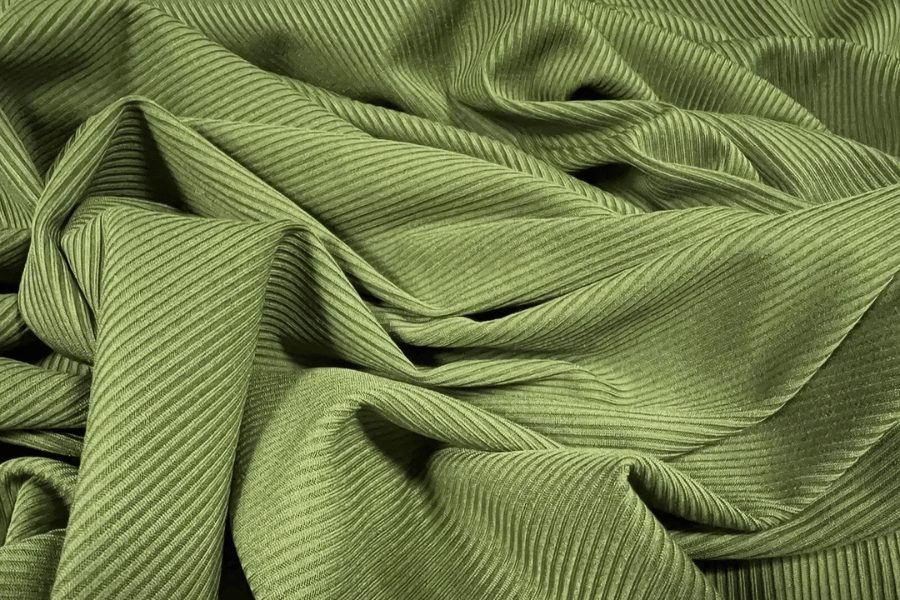
Rib Knit Fabric vs. Other Trim & Finish Options
When selecting trim materials for neckbands, cuffs, and waistbands, understanding the functional and aesthetic differences between rib knit fabric and alternative finishing options helps you choose the right solution for your garment construction and brand positioning.
← 左右滑动查看 →
Rib Knit Fabric Production & Quality Process
From raw material inspection to finished roll delivery, every phase of our rib knit fabric workflow is designed to ensure stretch consistency, color accuracy, and dimensional stability for your garment trims.
Fabric Inspection & Receiving
Raw rib knit fabric undergoes visual inspection for knit structure integrity, surface defects, and thread tension consistency. Fabric weight and width measurements verified against specifications to ensure production readiness.
Color Matching & Verification
Dye consistency assessed under standardized lighting conditions. Color swatches compared to approved lab dips or client references using spectrophotometer analysis to guarantee batch-to-batch color accuracy across all rib knit fabric rolls.
Shrinkage & Stretch Testing
Sample pieces subjected to wash shrinkage testing and stretch recovery analysis. Elasticity measured in both wale and course directions to confirm stretch retention meets garment construction requirements for neckbands, cuffs, and waistbands.
Cut-and-Roll Preparation
Approved rib knit fabric rolled onto precision tubes with controlled tension to prevent distortion. Fabric edges aligned and secured. Roll length, width, and weight documented for inventory tracking and client order fulfillment accuracy.
Final Quality Audit
Each roll inspected for surface consistency, stitch uniformity, stretch performance, and dimensional stability. Fabric tagged with batch number, color code, and production date. Quality control documentation prepared for traceability and client confidence.
Packaging & Delivery
Rib knit fabric rolls wrapped in protective poly film and packed in cartons with moisture barriers. Shipping labels applied with order details. Logistics coordinated for timely delivery to garment production facilities worldwide.
How to Specify Rib Knit Fabric for Your Order
Integrate premium rib knit fabric into your garment production with precise specs and seamless coordination alongside your main apparel order.
Submit Your Tech Pack
Provide your garment tech pack including neckband, cuff, and waistband dimensions in millimeters, fiber blend preferences, and Pantone color references for accurate rib knit fabric matching.
Select Rib Knit Style
Choose from 1×1, 2×2, or custom rib knit constructions with guidance on stretch recovery, weight, and texture to match your garment design and performance requirements.
Confirm Placement and Attachment
Specify attachment methods including flat-lock seams, coverstitch binding, or tubular application. Our team reviews placement specs to ensure construction quality and garment durability.
Production Alongside Main Order
Your rib knit fabric components are sourced, inspected, and applied during your main garment production with synchronized quality control across all trim and finishing stages.
Customer Success: Rib Knit Fabric in Action
ZORWILD’s rib knit fabric on our hoodie cuffs and waistbands maintained perfect elasticity through 60+ wash cycles. Our return rate dropped by 18% compared to our previous manufacturer’s trim quality.
The consistency of their rib knit fabric across 3,200 units was flawless. Every neckband had identical stretch recovery and the color match was perfect. Delivered two days ahead of schedule for our fall launch.
We switched to ZORWILD’s premium rib knit fabric for our T-shirt collars and immediately saw customer feedback improve. ‘Holds its shape’ became our most common review. Worth every penny for brand perception.
Add Premium Rib Knit Fabric to Your Custom Apparel Collection
Get answers to the most common questions about sourcing, customizing, and specifying rib knit fabric for your apparel production.
What customization options are available for rib knit fabric?
How do I specify rib knit fabric dimensions and fiber blend for my order?
Will custom rib knit fabric affect my production lead time?
How durable is rib knit fabric after repeated washing?
What shrinkage should I expect from rib knit fabric?
Is rib knit fabric compatible with all garment types?
How long does custom dyeing and color matching take for rib knit fabric?
Can I order rib knit fabric in different weights for the same collection?
The Complete Buyer’s Guide to Rib Knit Fabric for Your Brand
1. What Is Rib Knit Fabric?
Rib knit fabric is a warp- or weft-knit textile characterized by vertical ridges formed through alternating columns of knit stitches and purl stitches on the same face. This construction creates a raised-rib surface texture that distinguishes it from single jersey, interlock, or French terry knits. The alternating stitch pattern allows the fabric to stretch significantly—typically 50 to 100 percent beyond its relaxed width—and recover its original shape without permanent deformation.
The elastic recovery property of rib knit fabric makes it the industry-standard choice for garment edges that must grip the body comfortably while maintaining shape through repeated wear and washing. Neckbands, cuffs, and waistbands on hoodies, T-shirts, sweatshirts, jackets, and sweatpants rely on rib knit construction to deliver secure fit, prevent sagging, and preserve garment silhouette over hundreds of wear cycles. At ZORWILD, rib knit components are precision-cut and sewn with consistent tension to ensure uniform stretch performance across every production run.
What makes rib knit different from other knits is its bi-directional elasticity combined with structural memory. Single jersey stretches primarily in width and tends to curl at edges; interlock offers stability but limited stretch; fleece and French terry prioritize warmth or moisture management. Rib knit fabric balances stretch, recovery, and durability, which is why it appears on more than 90 percent of casual and streetwear garments manufactured globally. Buyers sourcing rib knit fabric should evaluate stitch density, fiber composition, and recovery rate to match performance requirements for each garment category.
2. The Evolution and History of Rib Knit Fabric
Rib knitting originated in hand-knitting traditions during the 16th century, when European artisans discovered that alternating knit and purl stitches created elastic, form-fitting fabrics ideal for hosiery and garment edges. This foundational technique allowed garments to grip the body without restrictive tailoring, making rib structures essential for functional clothing long before industrial manufacturing emerged.
The industrial revolution transformed rib knit fabric production in the 1850s when circular knitting machines capable of continuous tubular fabric output were introduced in England and Germany. These machines automated rib construction, enabling manufacturers to produce consistent neckbands, cuffs, and waistbands at scale for the growing ready-to-wear apparel market. By the early 1900s, circular rib knitting machines had become standard equipment in garment factories across Europe and North America, establishing rib knit fabric as the default finishing material for knitwear and casual apparel.
The rise of sportswear and casualwear in the mid-20th century cemented rib knit fabric’s dominance in garment finishing. Athletic apparel manufacturers adopted rib knit collars, cuffs, and waistbands for sweatshirts, hoodies, and track jackets because the fabric’s natural elasticity provided durability, comfort, and shape retention through repeated washing and wear. Modern circular knitting technology now supports precision gauge control, multi-color patterns, and high-speed production exceeding 100,000 units monthly, making rib knit fabric accessible for low MOQ orders starting from 50 pieces while maintaining the quality standards established over two centuries of manufacturing evolution.
3. Types of Rib Knit Fabric
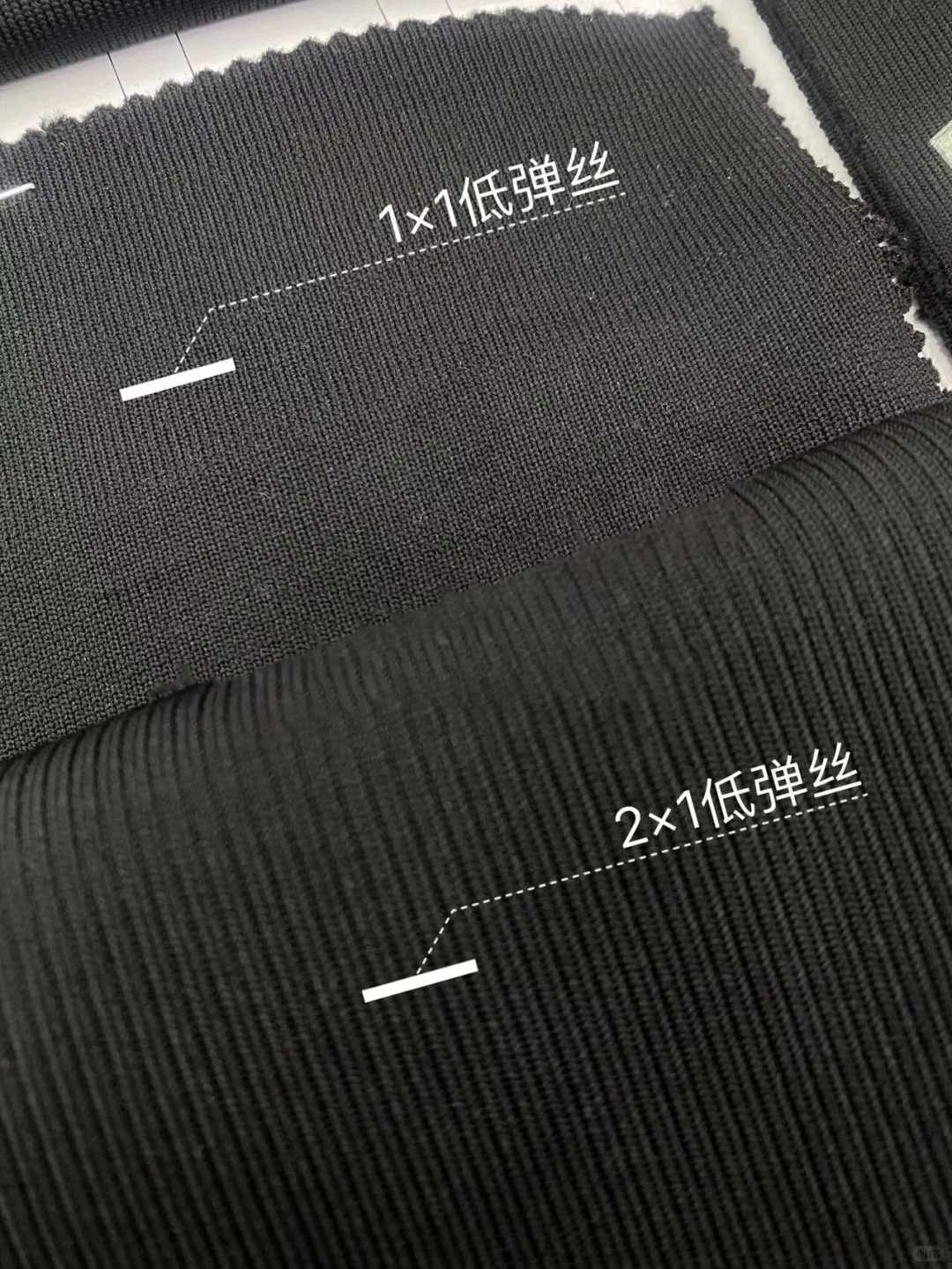
Rib knit fabric is categorized by stitch structure, which directly impacts stretch recovery, visual texture, and end-use performance. The four most common rib configurations — 1×1, 2×2, 2×1, and interlock — each serve distinct garment applications based on weight, elasticity, and aesthetic.
1×1 Rib Knit
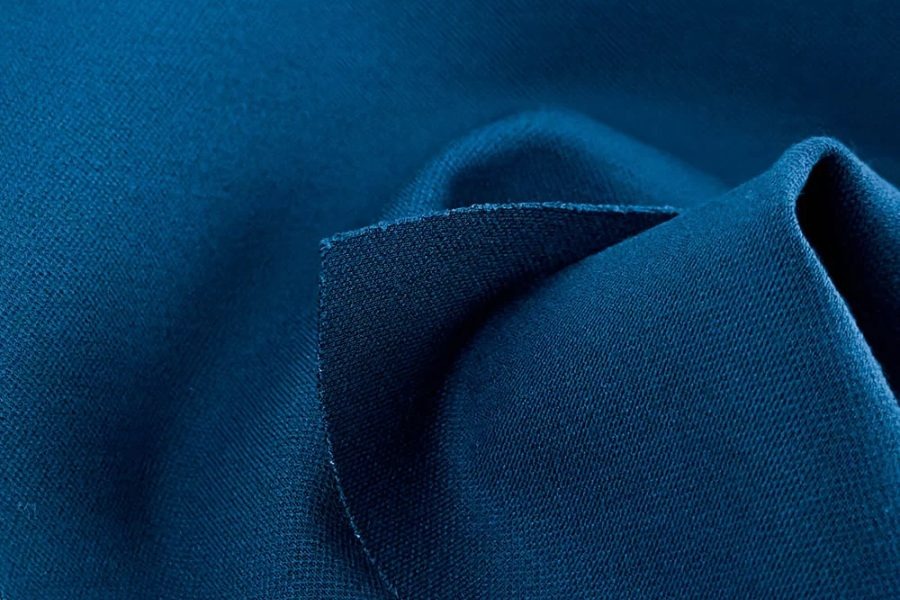
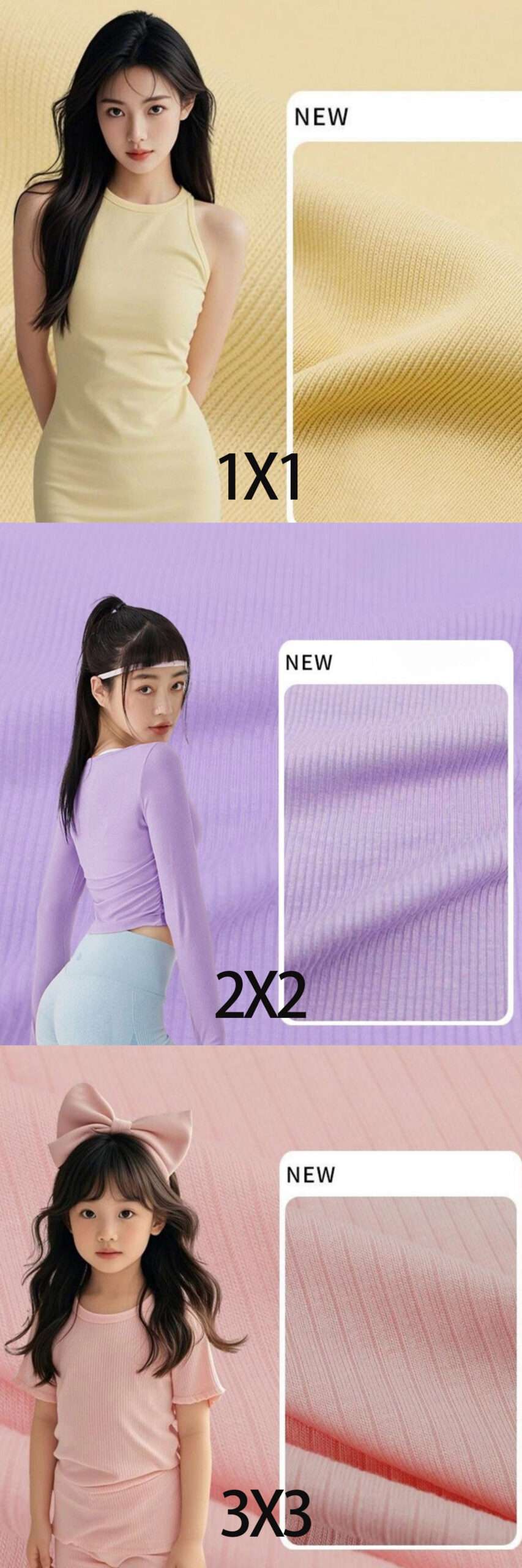
The 1×1 rib alternates one knit stitch with one purl stitch across every row, creating fine vertical ribs on both fabric faces. This structure delivers excellent horizontal stretch — typically 40–60% — with strong recovery, making it ideal for form-fitting trims.
ZORWILD uses 1×1 rib for lightweight T-shirt neckbands, cropped tee hems, and fashion tank top edges where softness and close fit are priorities. The narrow rib spacing produces a smooth, refined appearance suitable for premium jersey garments and activewear with minimal bulk.
2×2 Rib Knit
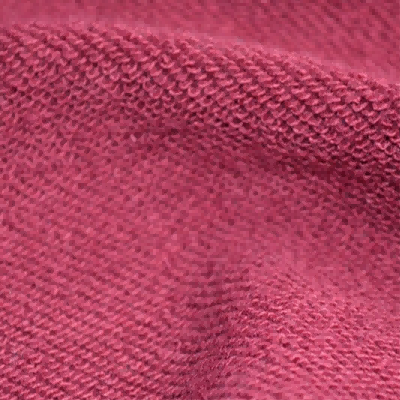
The 2×2 rib alternates two knit stitches with two purl stitches, forming wider, more pronounced vertical ribs. This construction offers moderate stretch — around 30–50% — with heavier weight and superior shape retention compared to 1×1.
ZORWILD applies 2×2 rib extensively in hoodie cuffs, sweatshirt waistbands, bomber jacket trims, and heavyweight casualwear where durability and structure matter. The thicker rib profile creates a bold, athletic look favored in streetwear and outerwear collections.
2×1 Rib Knit
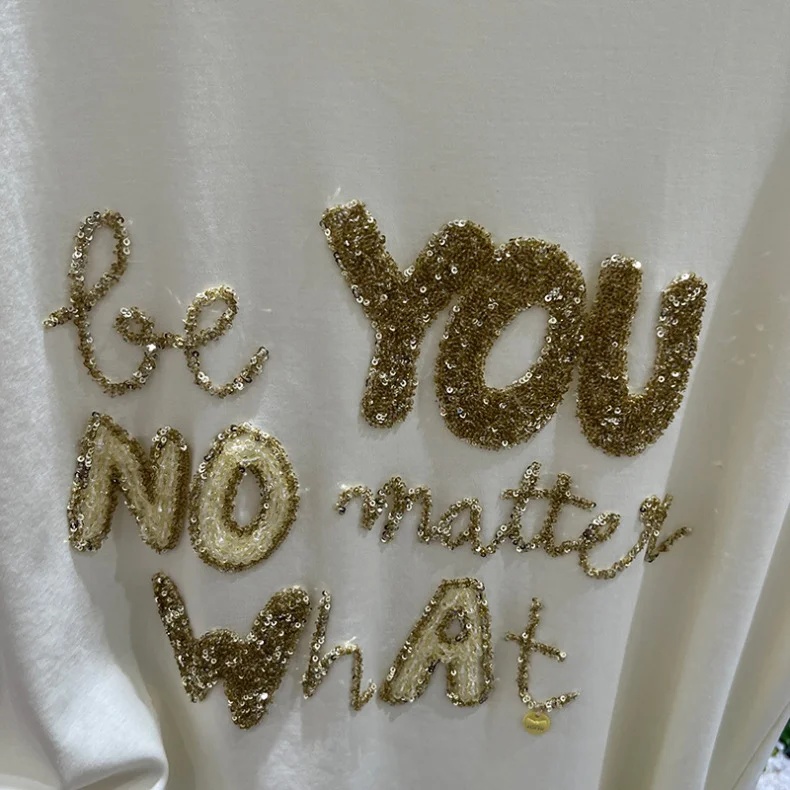
The 2×1 rib combines two knit stitches with one purl stitch, producing asymmetrical ribbing with moderate elasticity and a slightly textured surface. Stretch performance sits between 1×1 and 2×2, typically 35–55%, balancing flexibility and stability.
This rib type is common in polo shirt collars, casual shirt cuffs, and mid-weight sweatshirt trims where a refined yet functional finish is required. ZORWILD sources 2×1 rib for brands seeking a less bulky alternative to 2×2 without sacrificing recovery.
Interlock Rib Knit
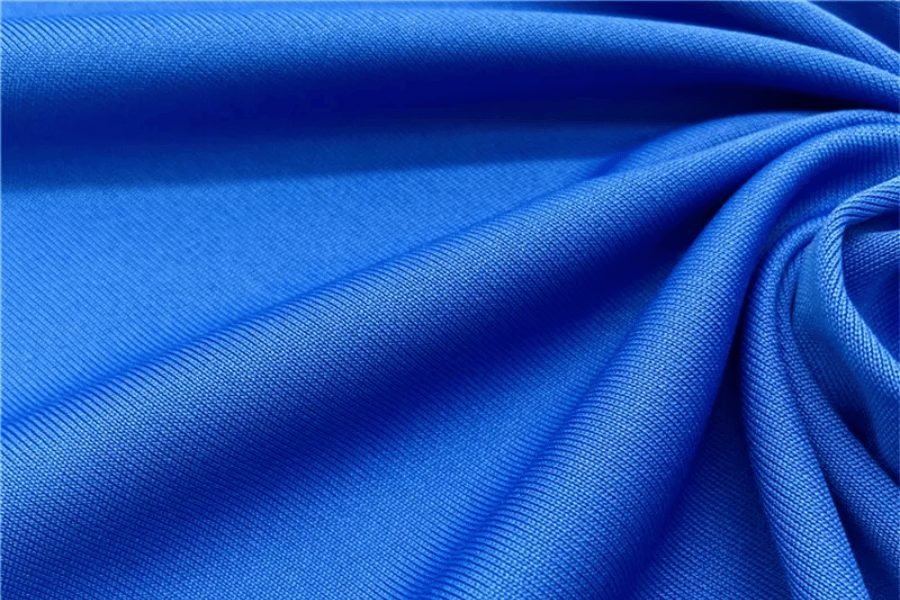
Interlock rib uses two sets of needles to create a double-knit structure with smooth surfaces on both sides and minimal visible ribbing. The fabric is thicker, more stable, and offers less stretch — typically 20–35% — with excellent dimensional stability.
ZORWILD recommends interlock rib for high-end polo collars, dress shirt plackets, and luxury casualwear trims where a flat, polished finish and reduced curl are essential. The double-layer construction also improves opacity and durability for premium garment lines.
4. Materials Used in Rib Knit Fabric
Rib knit fabric performance depends heavily on fiber composition. Each material delivers distinct stretch retention, hand feel, and moisture behavior that determines ideal application in neckbands, cuffs, and waistbands.
| Fiber Type | Stretch Retention | Breathability | Hand Feel | Cost Tier | Ideal Use Cases |
|---|---|---|---|---|---|
| 100% Cotton | 15–20% | Excellent | Soft, natural | Mid | T-shirts, casual hoodies, natural-feel basics |
| Cotton-Spandex (95/5) | 25–35% | Very Good | Soft, elastic recovery | Mid-High | Activewear cuffs, fitted neckbands, performance apparel |
| Polyester Blends | 20–30% | Good | Smooth, durable | Low-Mid | Sportswear, technical jackets, budget collections |
| Bamboo Rib | 18–25% | Excellent | Silky, moisture-wicking | High | Premium casualwear, eco-conscious brands, summer apparel |
| Modal Rib | 20–28% | Very Good | Luxurious drape, soft | High | Luxury loungewear, high-end fashion, resort wear |
| Wool Rib | 30–40% | Moderate | Warm, textured | High | Outerwear cuffs, winter sweaters, heritage garments |
5. Customization and Decoration Options for Rib Knit Fabric
Rib knit fabric offers extensive customization through dyeing, pattern techniques, and surface decoration. Understanding these options and their technical limitations ensures garment quality and production efficiency.
Yarn Dyeing and Piece Dyeing Methods
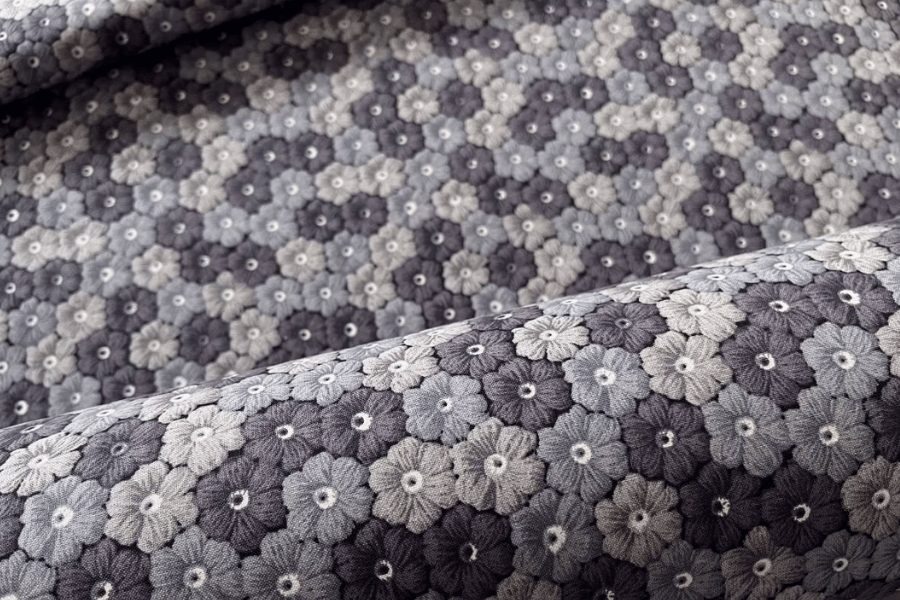
Yarn dyeing colors fibers before knitting, delivering superior color fastness and uniformity ideal for striped ribs and multi-color patterns. Piece dyeing applies color after knitting, offering faster turnaround and lower MOQs starting from 50–100 meters per colorway.
Garment dyeing creates vintage wash effects and soft hand feel but requires careful shrinkage control. ZORWILD coordinates with fabric suppliers across Dongguan to source yarn-dyed and piece-dyed rib knit fabric matched to brand positioning and budget requirements.
Jacquard Patterns and Stripe Effects
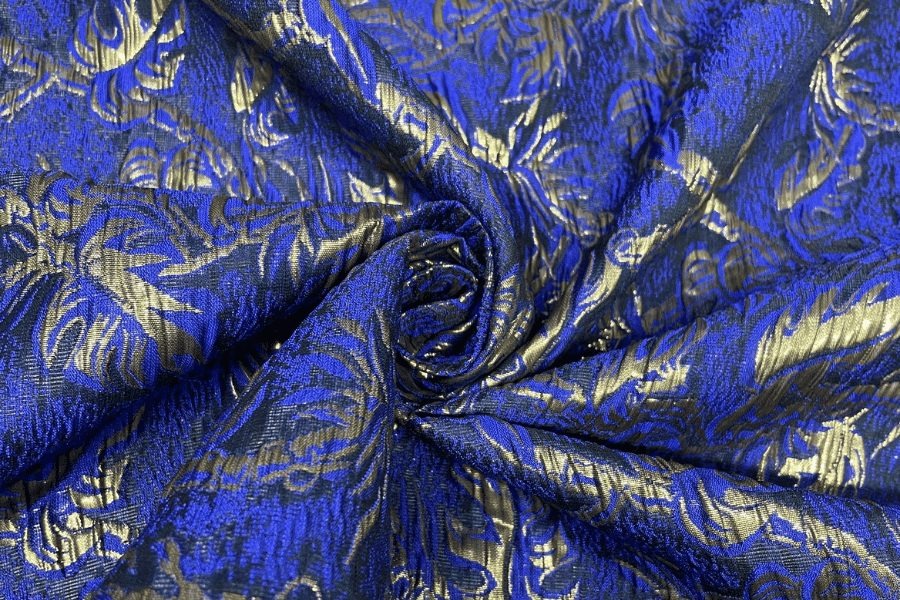
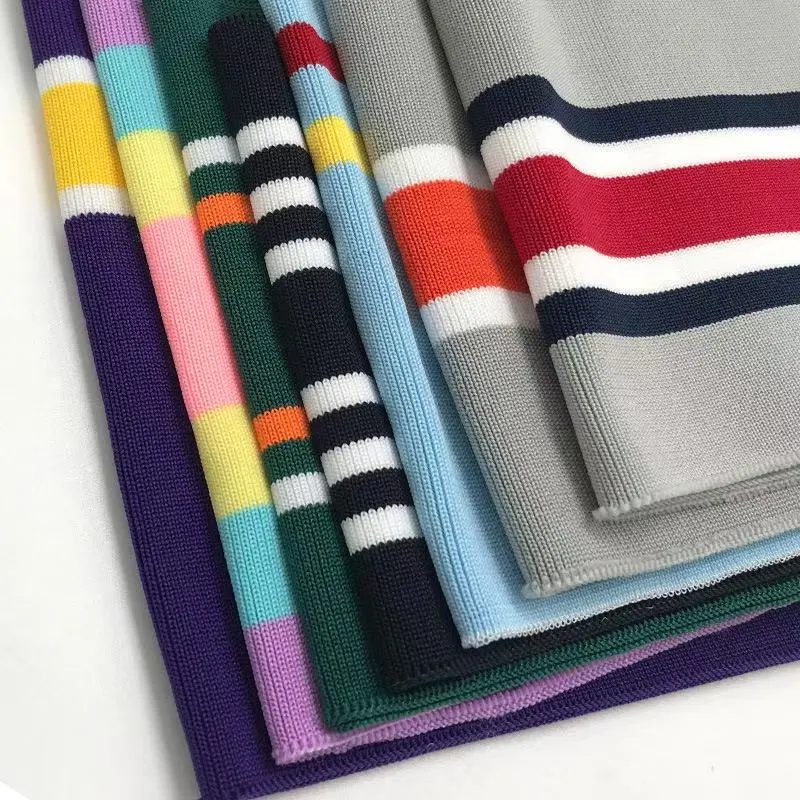
Jacquard rib knit incorporates woven-in patterns, logos, or texture variations during the knitting process, eliminating the need for printing or embroidery. Stripe effects use alternating yarn colors in 1×1 or 2×2 rib structures for classic sportswear and streetwear aesthetics.
These techniques add visual interest to neckbands, cuffs, and waistbands without compromising stretch or recovery. ZORWILD supports jacquard rib customization for hoodies, sweatshirts, and varsity jackets with pattern design and sampling services.
Screen Printing and Heat Transfer on Ribs
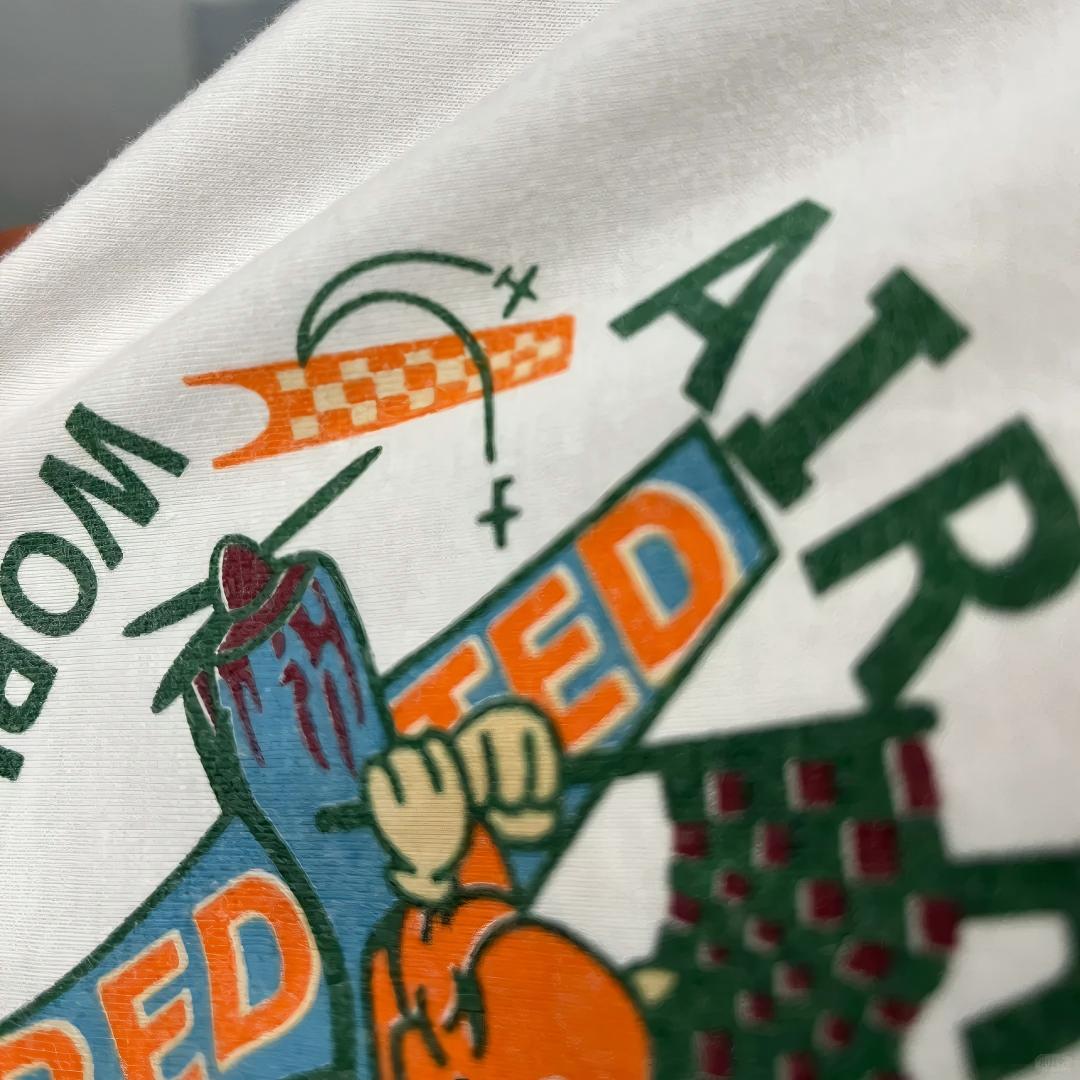
Screen printing on rib knit fabric requires low-cure plastisol or water-based inks to prevent cracking during stretch. Heat transfer works for small logos and detailed graphics but may reduce elasticity if applied with excessive pressure.
Both methods suit flat rib panels and pre-sewn cuffs but risk distortion on high-stretch areas. ZORWILD applies screen printing and heat transfer with controlled tension and cure temperatures to maintain rib fabric performance.
Embroidery Compatibility and Limitations
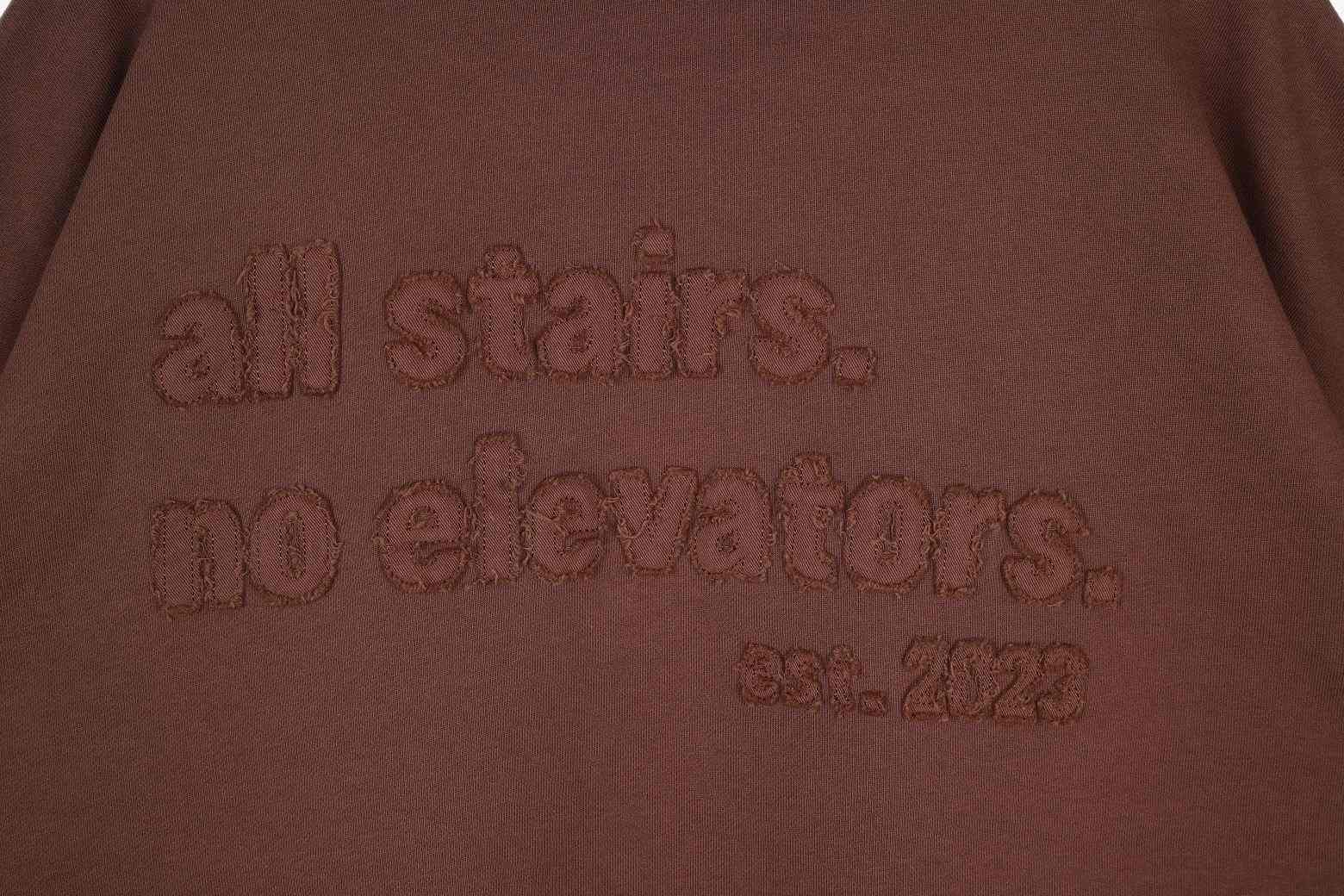
Flat embroidery on rib knit requires stabilizer backing and reduced stitch density to prevent puckering and stretch distortion. Chenille embroidery and applique add texture but increase weight and stiffness, limiting suitability for lightweight ribs.
Embroidery works best on 2×2 or wider rib structures with at least 250 GSM fabric weight. ZORWILD’s embroidery team adjusts tension, underlay stitching, and hoop pressure to preserve rib elasticity and dimensional stability across hoodies, jackets, and sweatshirts.
6. Key Quality Elements in Rib Knit Fabric
Professional buyers verify six construction and performance criteria before approving rib knit fabric for production. Each parameter directly impacts garment durability, customer satisfaction, and return rates across neckbands, cuffs, and waistbands.
GSM and Fabric Weight
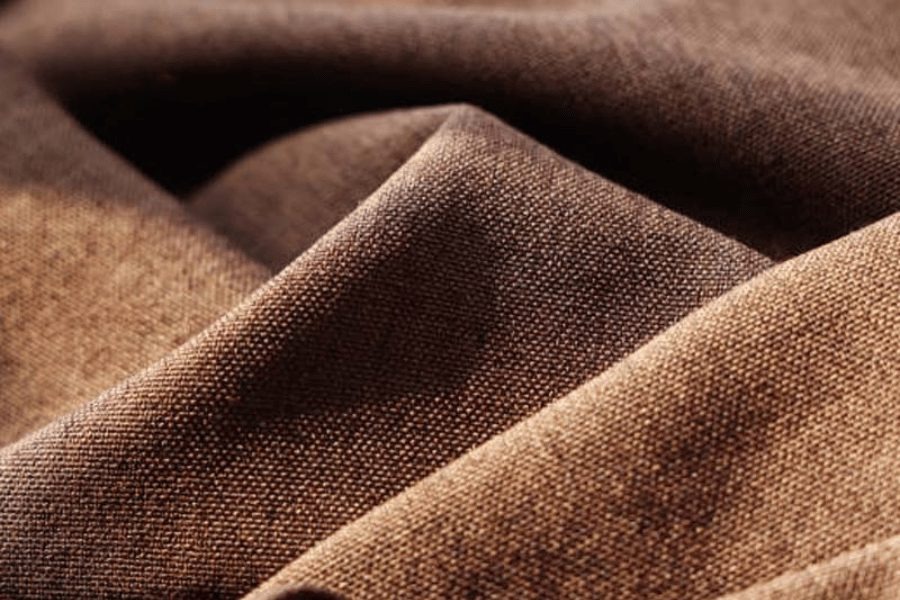
GSM (grams per square meter) measures rib knit fabric density and determines durability. Neckbands typically range from 220–280 GSM for lightweight tees to 320–400 GSM for heavyweight hoodies and sweatshirts.
Higher GSM fabrics resist stretching during repeated wear and washing cycles. ZORWILD verifies GSM during raw material inspection to ensure consistency across production batches and prevent weak points in finished garments.
Gauge and Needle Count
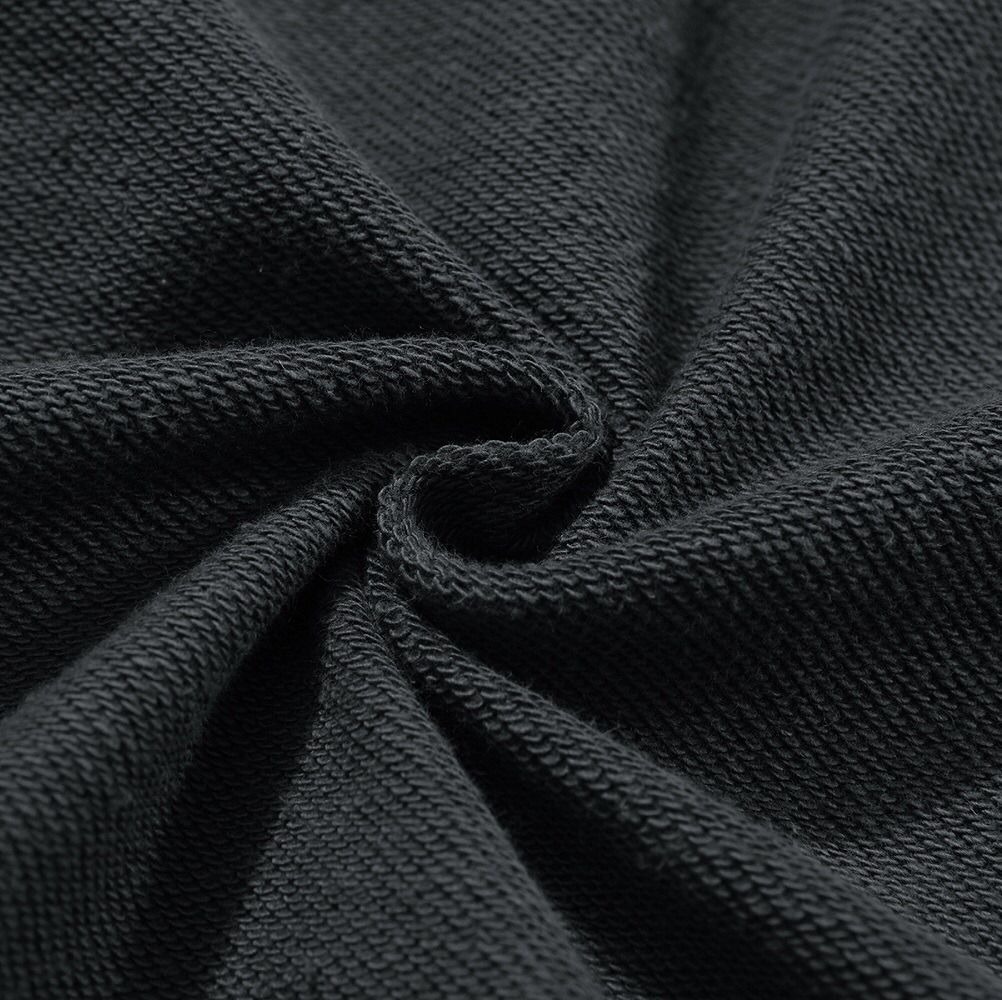
Gauge refers to the needle count per inch in the knitting machine and controls rib texture and elasticity. Standard rib knit gauges range from 18-gauge (coarse, visible ribs) to 28-gauge (fine, tight ribs) depending on garment style.
Finer gauges deliver smoother hand feel and better shape retention for premium streetwear. ZORWILD matches gauge specifications to brand positioning and product category during fabric sourcing.
Stretch and Recovery Percentage
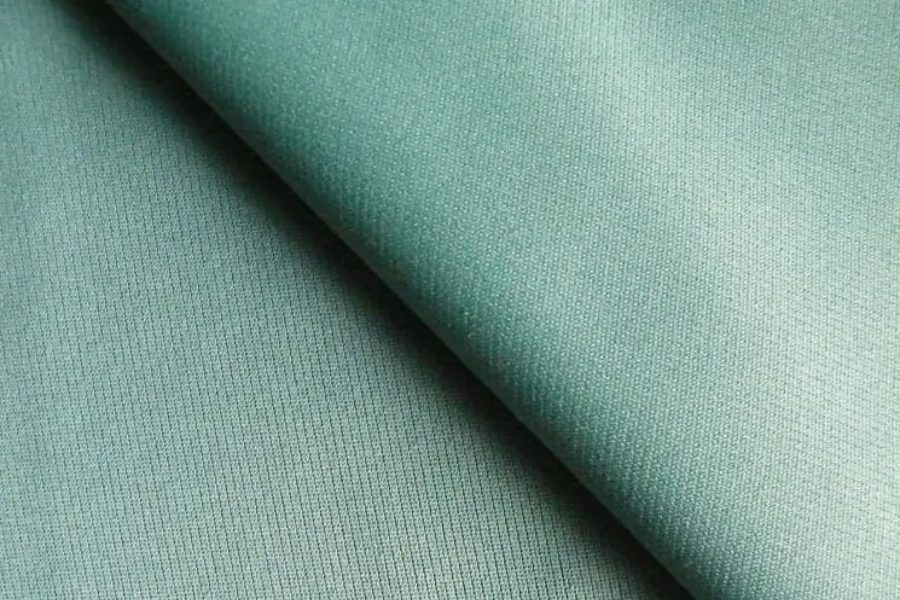
Stretch percentage measures how far rib knit fabric extends under tension, while recovery percentage measures how quickly it returns to original dimensions. Quality rib knit fabric achieves 40–60% stretch with 90–95% recovery within 30 seconds.
Poor recovery causes sagging necklines and stretched-out cuffs after washing. ZORWILD tests stretch and recovery during sampling to prevent customer complaints and ensure long-term garment performance.
Dimensional Stability After Washing
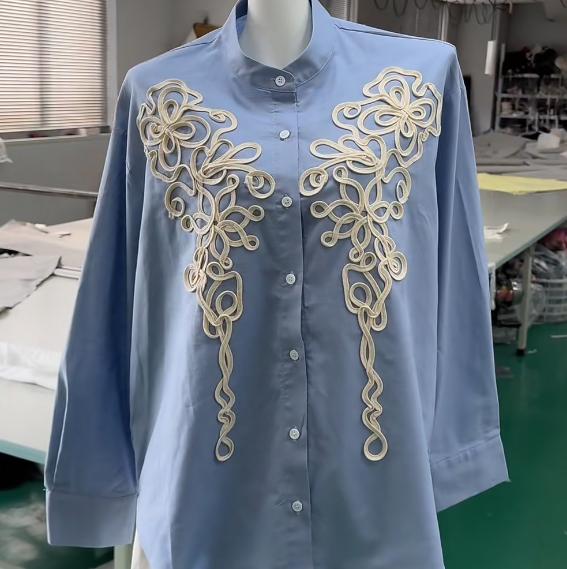
Dimensional stability measures shrinkage and distortion after laundering cycles. Industry-standard rib knit fabric shrinks less than 3% in length and width after three washes at 40°C.
Excessive shrinkage causes fit inconsistencies and customer returns. ZORWILD pre-washes sample yardage and conducts garment wash testing to verify dimensional stability before bulk production begins.
Pilling Resistance and Color Fastness
Pilling resistance measures fabric surface durability under friction, graded 1 (severe pilling) to 5 (no pilling). Quality rib knit fabric achieves grade 3.5 or higher after 5,000 rubs. Color fastness measures dye retention during washing and light exposure, with grade 4 minimum for professional apparel.
Poor pilling resistance and color fastness damage brand reputation and increase return rates. ZORWILD sources rib knit fabric from suppliers with consistent test certifications and conducts in-line quality inspection throughout production.
7. How to Choose a Rib Knit Fabric Manufacturer
Selecting the right rib knit fabric manufacturer determines product consistency, lead time reliability, and long-term production scalability. Evaluate suppliers across five critical dimensions: production capabilities, quality systems, flexibility, certifications, and communication standards.
MOQ Flexibility and Sample Turnaround
Startup brands and influencers require low MOQ production starting from 50–100 pieces per color to test market demand without inventory risk. Sample turnaround time should range from 5–10 days for standard rib knit fabric and 10–15 days for custom-dyed or specialty constructions.
Manufacturers offering flexible MOQ systems allow brands to scale gradually from capsule collections to full production runs. ZORWILD supports 50-piece minimum orders across multiple rib knit fabric weights and provides sampling within 7–10 days to accelerate product development timelines.
In-House Knitting vs. Outsourced Production
In-house knitting facilities provide tighter quality control, faster lead times, and better color consistency compared to outsourced fabric sourcing. Manufacturers with direct knitting capabilities can adjust GSM, gauge, and elasticity on demand without third-party delays.
Outsourced production introduces variability in fabric hand feel, stretch recovery, and dye lot matching. Verify whether the supplier owns knitting equipment or relies on external fabric mills, especially for high-volume orders requiring batch-to-batch consistency.
Certifications and Lab Testing
OEKO-TEX Standard 100 certification ensures rib knit fabric is free from harmful chemicals, while GOTS certification validates organic cotton and sustainable dyeing processes. Brands targeting EU, US, and Australian markets increasingly require third-party textile certifications for retail compliance.
Red flag: suppliers unable to provide lab test reports for GSM tolerance, colorfastness (ISO 105), or stretch recovery (ASTM D2594). Request fabric testing documentation before committing to bulk production to avoid post-production quality disputes.
Color Matching and Pantone Accuracy
Professional manufacturers use Pantone TPX or TCX references and provide lab-dip samples for color approval before bulk dyeing. Rib knit fabric dyed in small batches (under 500 kg) may show slight shade variation; confirm acceptable Delta E tolerance levels upfront.
ZORWILD works with trusted fabric suppliers across Dongguan to source stable dye lots and provides pre-production color samples within 5–7 days. Consistent color matching across multiple garment components—neckbands, cuffs, and body fabric—requires centralized dye coordination.
Communication and Lead Time Transparency
Responsive communication via email, WhatsApp, or WeChat with replies within 12–24 hours indicates professional operations. Vague lead times (‘about 30 days’) or inconsistent updates signal weak production planning and potential delays.
Red flags include no English-speaking account manager, unclear pricing breakdowns, or reluctance to share production schedules. Establish clear milestone dates for fabric approval, cutting, sewing, and final inspection before placing deposits.
8. Common Mistakes Buyers Make When Sourcing Rib Knit Fabric
Sourcing rib knit fabric for neckbands, cuffs, and waistbands requires attention to technical details that many buyers overlook. Small mistakes in specification or testing can lead to production delays, fit inconsistencies, and costly fabric waste.
Ignoring Stretch Direction and Recovery
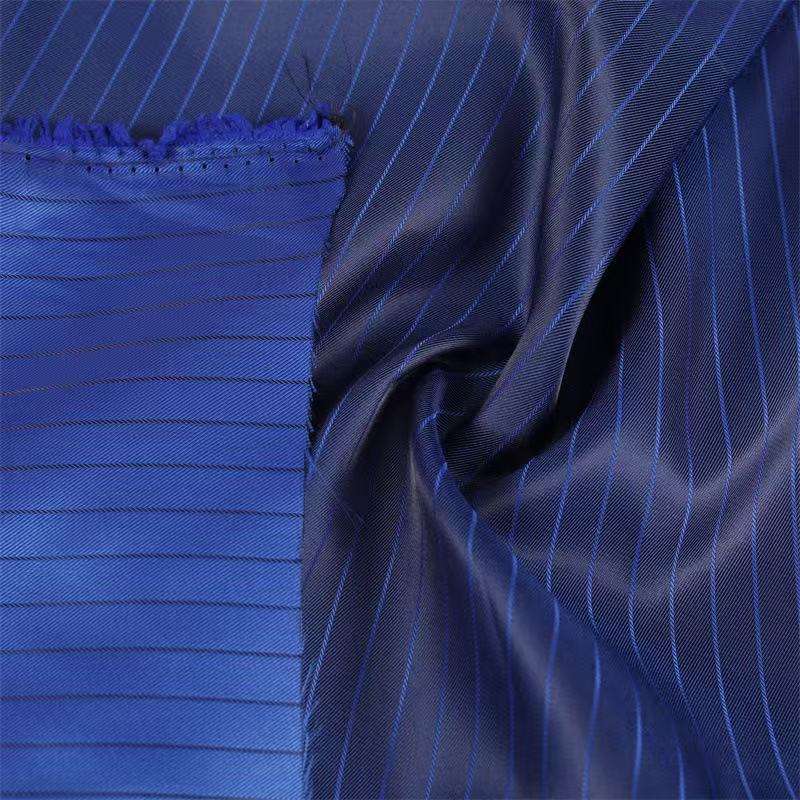
Rib knit fabric stretches primarily across the width (perpendicular to the ribs), and many buyers fail to specify stretch percentage or recovery time. Without clear stretch requirements, manufacturers may supply fabric that loses shape after wearing or fails to provide adequate fit.
Always specify minimum stretch percentage (typically 40–60% for 1×1 rib with spandex, 30–50% for 2×2 rib) and recovery rate. Request lab test reports showing elongation at 5N force and recovery after 30 seconds to ensure consistent performance across production runs.
Ordering Without Wash Testing
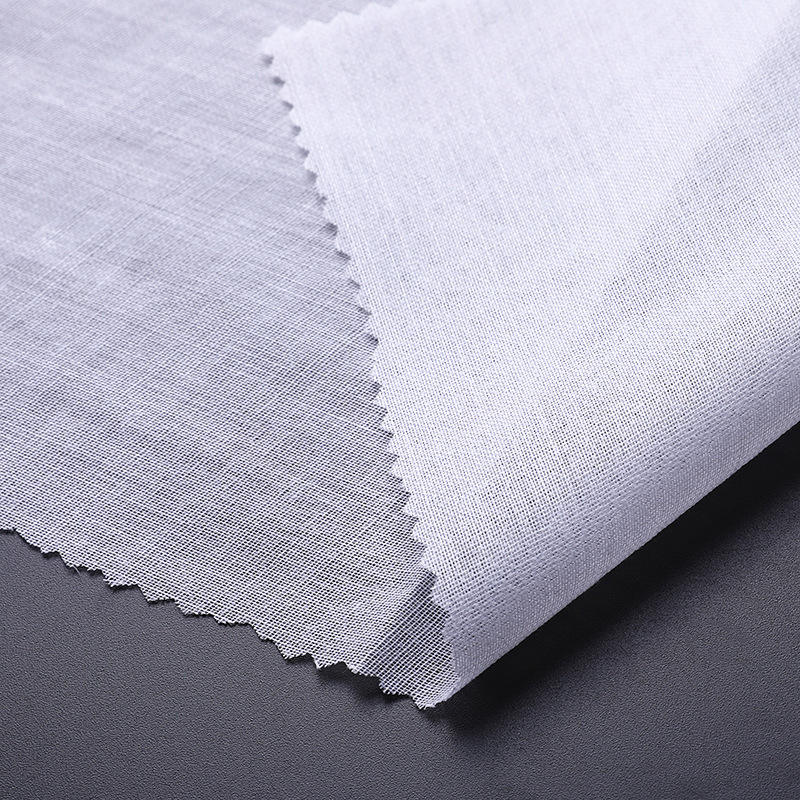
Skipping pre-production wash testing is a common mistake that leads to dimensional instability, color bleeding, and pilling after the first customer wash. Rib knit fabric containing cotton or rayon can shrink 5–10% in length and lose elasticity if not pre-treated correctly.
Request wash samples using your brand’s care label instructions before bulk orders. ZORWILD provides garment wash testing including enzyme wash, vintage wash, and garment dye to verify fabric stability, color fastness, and texture consistency before mass production.
Underestimating Shrinkage Allowance
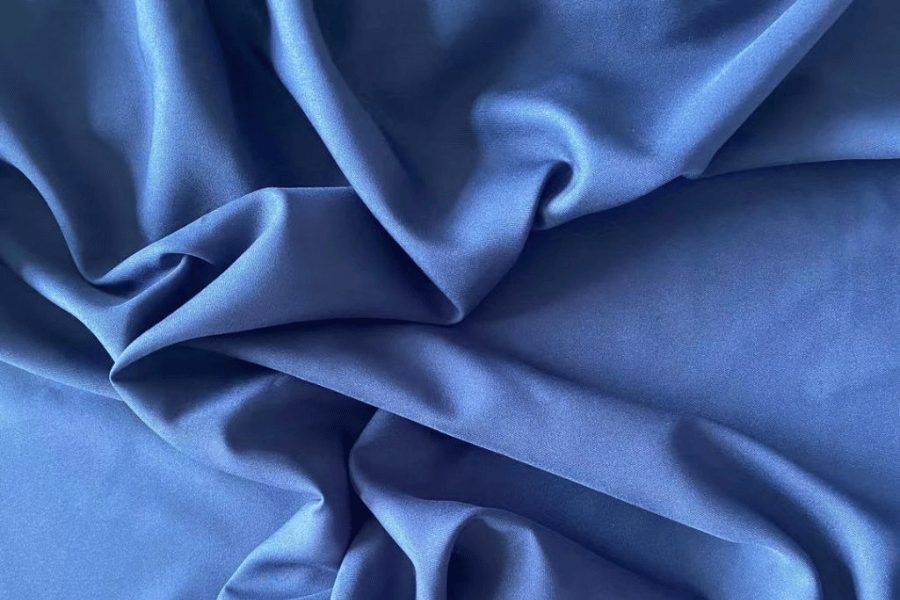
Many buyers calculate pattern dimensions without accounting for rib knit fabric shrinkage, resulting in finished garments that are too short or tight. Cotton-rich rib knit fabric typically shrinks 3–8% lengthwise and 2–5% widthwise after washing, depending on yarn twist and finishing.
Work with your manufacturer to conduct pre-production shrinkage tests and adjust cutting dimensions accordingly. Specify compacting or sanforizing treatments during fabric finishing to minimize post-wash shrinkage and maintain sizing consistency.
Skipping Strike-Offs for Custom Colors
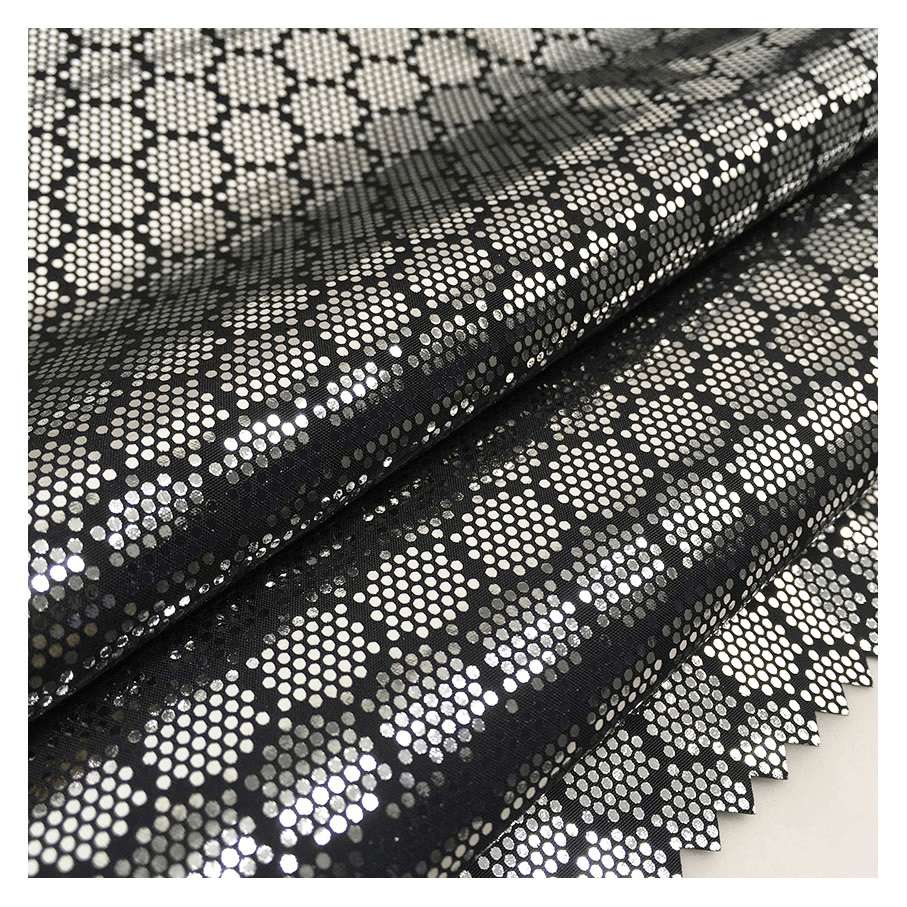
Ordering custom-dyed rib knit fabric without strike-off approval often results in color mismatches, especially when matching Pantone references or coordinating with main body fabrics. Rib structure affects dye absorption differently than flat jersey, causing unexpected color variation.
Always request lab dips or strike-off yardage for custom colors before bulk dyeing. ZORWILD coordinates fabric suppliers to provide color samples on the exact rib structure and fiber blend specified, ensuring accurate color matching across neckbands, cuffs, and body panels.
Failing to Specify Spandex Content
Buyers often order ‘rib knit fabric’ without clarifying spandex percentage, leading to inconsistent elasticity and recovery. Spandex content typically ranges from 2% for light stretch to 10% for high-performance athletic rib, and each percentage dramatically affects cost, stretch, and durability.
Clearly specify spandex content in your tech pack: 3–5% for standard neckbands and cuffs, 5–8% for activewear and fitted garments, and 8–10% for compression or high-stretch applications. Verify spandex content through fiber composition testing to ensure supplier compliance.
9. Steps to Launch Your Brand with Rib Knit Fabric
Launching a product line with rib knit fabric requires a structured, stage-gated process from concept to full production. Each phase includes specific deliverables, communication checkpoints, and approval milestones that protect quality and timeline integrity.
Define Product Line and Rib Requirements
Begin by specifying garment category, target price point, and rib placement (neckbands, cuffs, waistbands, or full panels). Document rib width, gauge (typically 1×1, 2×2, or 3×3), weight (180–320 GSM), fiber content, stretch recovery target, and color palette.
Share tech packs, reference samples, or design sketches that clarify fit, proportion, and aesthetic direction. Clear specifications reduce sampling rounds and accelerate development timelines.
Request and Evaluate Samples
Submit your tech pack and request physical samples, typically delivered within 7–10 days for stock fabrics or 12–15 days for custom blends. Evaluate stretch recovery, hand feel, gauge consistency, and seam integrity against your quality benchmarks.
Test samples under real-world conditions: wash cycles, stretch tests, and wear trials. Provide written feedback on fit adjustments, fabric weight changes, or color corrections to guide the next iteration.
Approve Lab Dips and Strike-Offs
Lab dips confirm dye color accuracy against Pantone references or physical swatches; strike-offs validate print placement and clarity. Approval at this stage locks in color formulation and prevents costly production reworks.
Typical turnaround is 5–7 days per round. Request digital photos under daylight and indoor lighting to assess color remotely, then confirm with physical samples before bulk fabric production begins.
Place a Trial Order
Start with a trial order of 50–200 pieces to validate full production workflows, decoration quality, and packaging standards. Trial runs reveal issues in cutting accuracy, rib attachment, print registration, and finishing that sampling may not expose.
Use this batch for product photography, influencer seeding, or pre-launch sales to validate market demand before committing to larger inventory.
Conduct Quality Inspection
Inspect trial-order garments for measurement accuracy (±1–2 cm tolerance), rib gauge consistency, stitch density (12–14 stitches per inch for knits), print clarity, and packaging completeness. Document any defects with photos and request corrective action before scaling.
Third-party inspection services or in-house checklists ensure objective assessment and protect brand reputation at market launch.
Scale Production and Manage Timelines
After trial approval, place bulk orders with lead times of 25–35 days for standard rib knit garments or 35–45 days for complex decoration. Establish weekly production updates, milestone confirmations (cutting complete, sewing 50%, QC passed), and shipping coordination.
Maintain buffer inventory for reorders and plan seasonal launches 60–90 days ahead to accommodate fabric sourcing, sampling, and production cycles without rush fees.
10. Pricing and Cost Considerations for Rib Knit Fabric
Rib knit fabric pricing typically ranges from $3.50 to $9.00 per kilogram depending on fiber composition, GSM weight, and order volume. Cotton-spandex blends with 5–10% elastane content cost 15–25% more than 100% cotton constructions due to the added stretch performance and material costs. Higher GSM weights (280–350 g/m²) command premium pricing compared to standard 220–260 GSM ribs because of increased yarn consumption and knitting time.
Fiber type is the primary cost driver: 100% combed cotton costs $4.00–$6.50/kg, organic cotton certified ribs run $6.00–$8.50/kg, and polyester-cotton blends start around $3.50–$5.00/kg. Spandex content above 5% adds $0.80–$1.50/kg to base fabric cost. Dyeing method also impacts price—reactive dyeing for cotton ribs adds $0.60–$1.20/kg, while garment-dyed effects can add $1.50–$2.50/kg for vintage wash finishes.
Order volume directly affects unit pricing: manufacturers like ZORWILD offer tiered pricing where 500 kg orders unlock 8–12% discounts versus 100 kg minimums, and 1,000+ kg volumes reduce costs by 15–20%. Lead times compress with larger orders as factories prioritize high-volume clients, dropping from 18–22 days for small batches to 12–15 days for bulk production. Buyers should request detailed quotations specifying rib type, material composition, GSM, color matching method, and total meterage to compare suppliers accurately.
| Order Quantity | Cotton Rib ($/kg) | Cotton-Spandex Rib ($/kg) | Typical Lead Time |
|---|---|---|---|
| 100–250 kg | $5.50–$6.80 | $6.80–$8.20 | 18–22 days |
| 500–800 kg | $4.80–$5.90 | $6.00–$7.30 | 15–18 days |
| 1,000–2,000 kg | $4.20–$5.20 | $5.30–$6.50 | 12–15 days |
| 2,500+ kg | $3.80–$4.80 | $4.80–$6.00 | 10–14 days |
Add Premium Rib Knit Fabric to Your Next Collection
From 50-piece orders to 100,000+ units monthly. Fast samples, expert sourcing, and seamless integration into your production run.
- Custom Shirts
- Custom Dresses
- Custom Sweatshirts
- Custom Jackets
- Custom Varsity Jackets
- Custom Polo Shirts
- Custom Shorts
- Custom Dress Shirts
- Contact