
Custom T-Shirt Printing from 50 Pieces with 7-Day Samples
ZORWILD delivers professional custom t-shirt printing with 95%+ decoration techniques in-house, low MOQ production, and fast turnaround for brands that need quality and speed.
See Our Custom T-Shirt Printing in Action
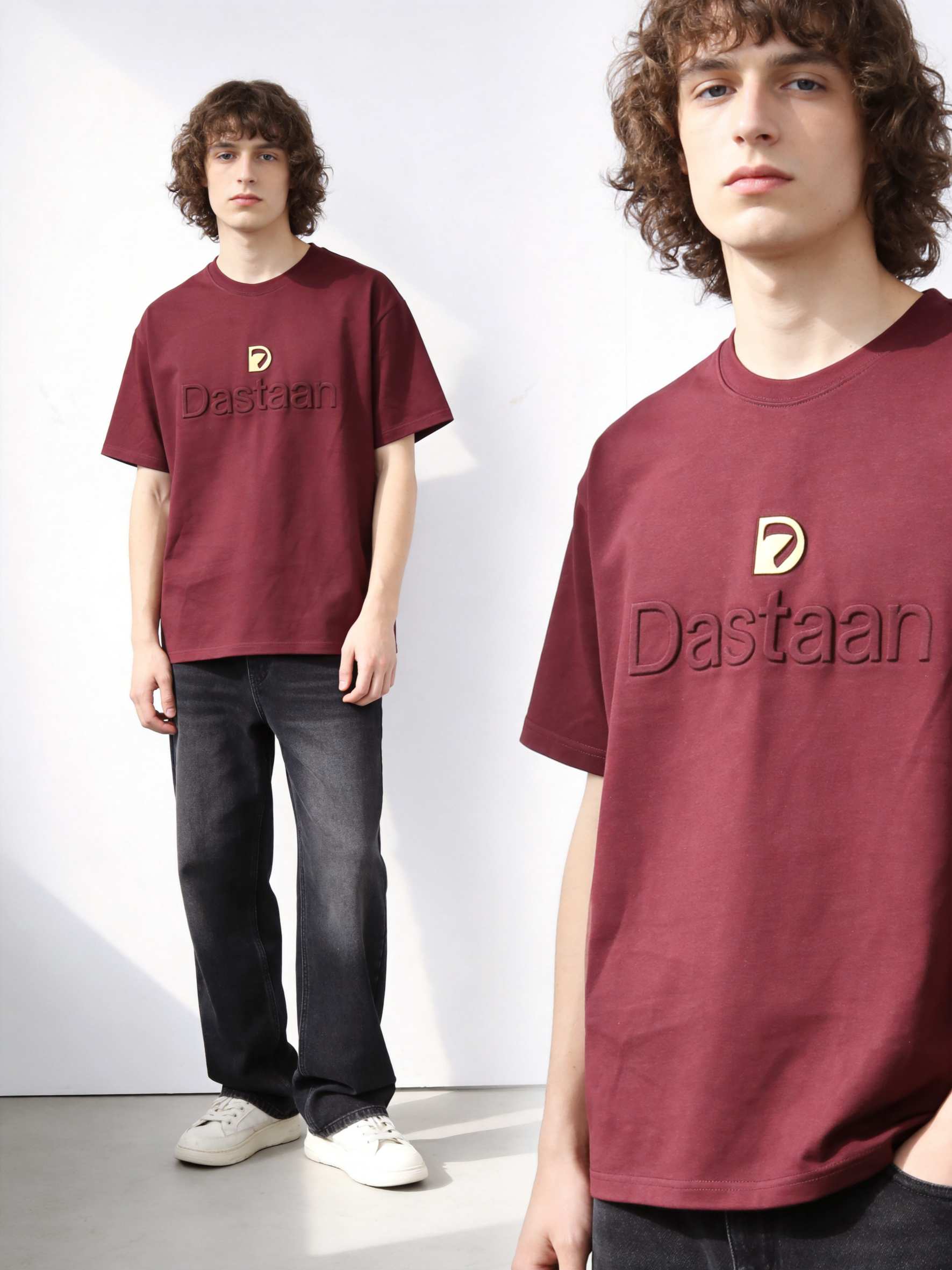
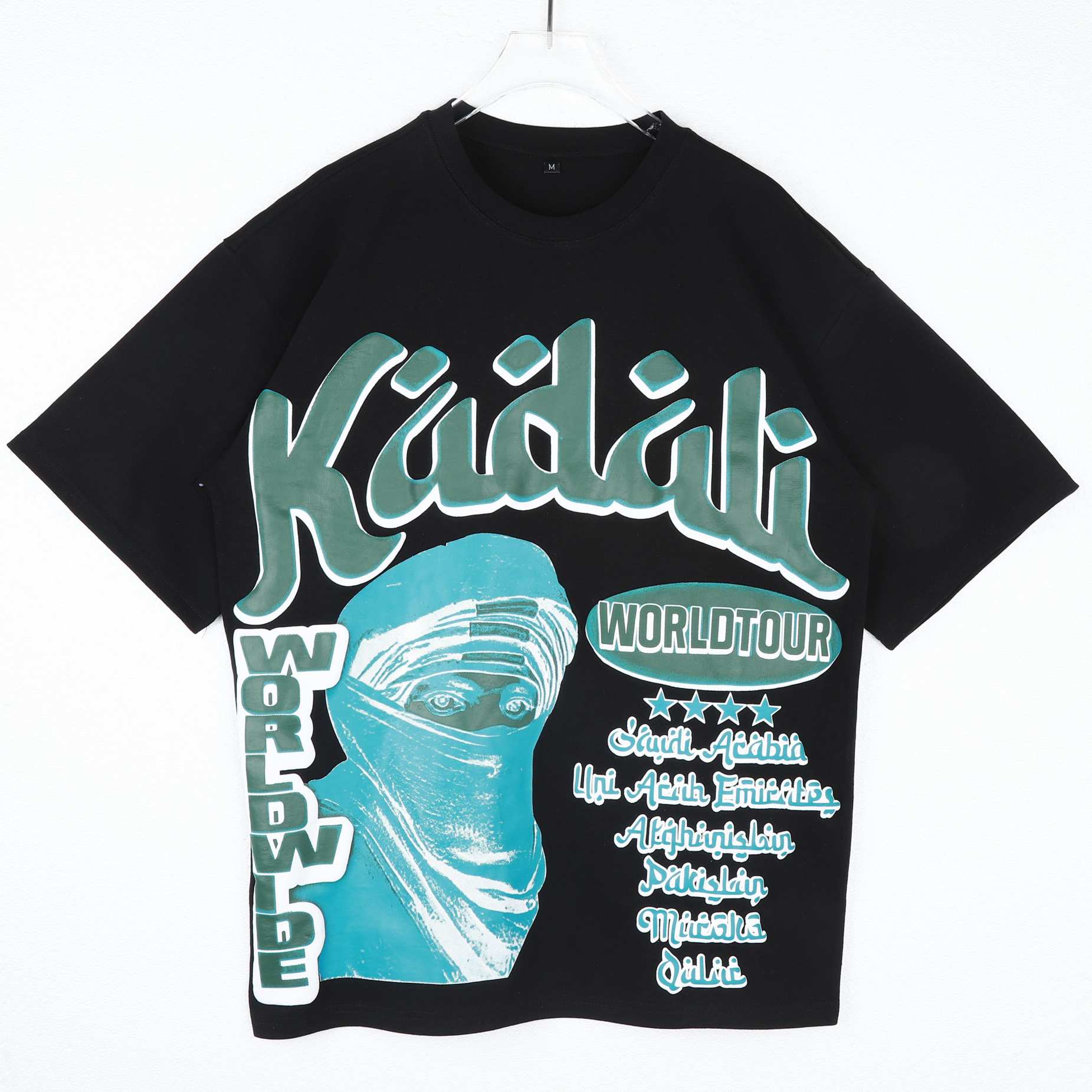
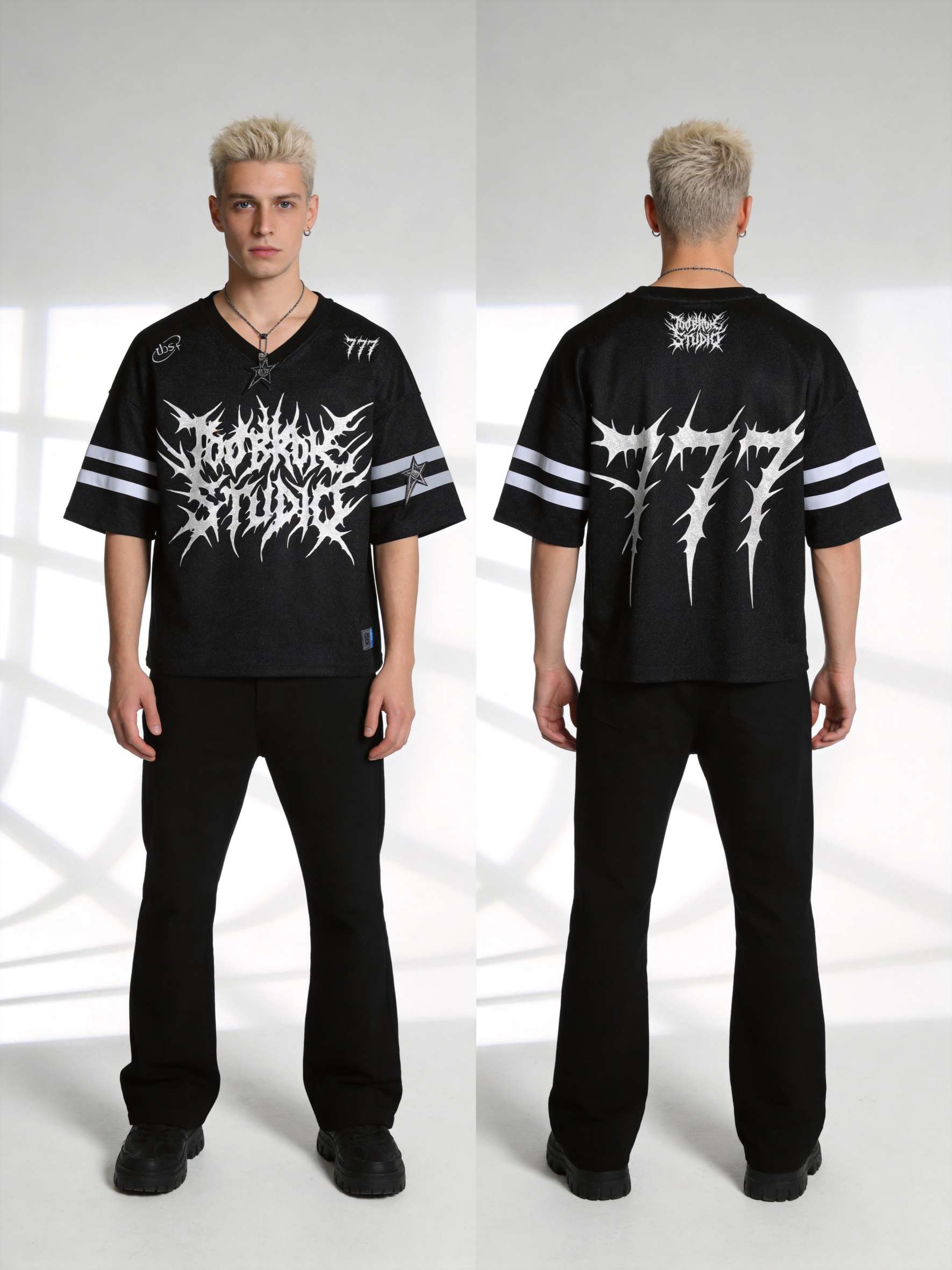
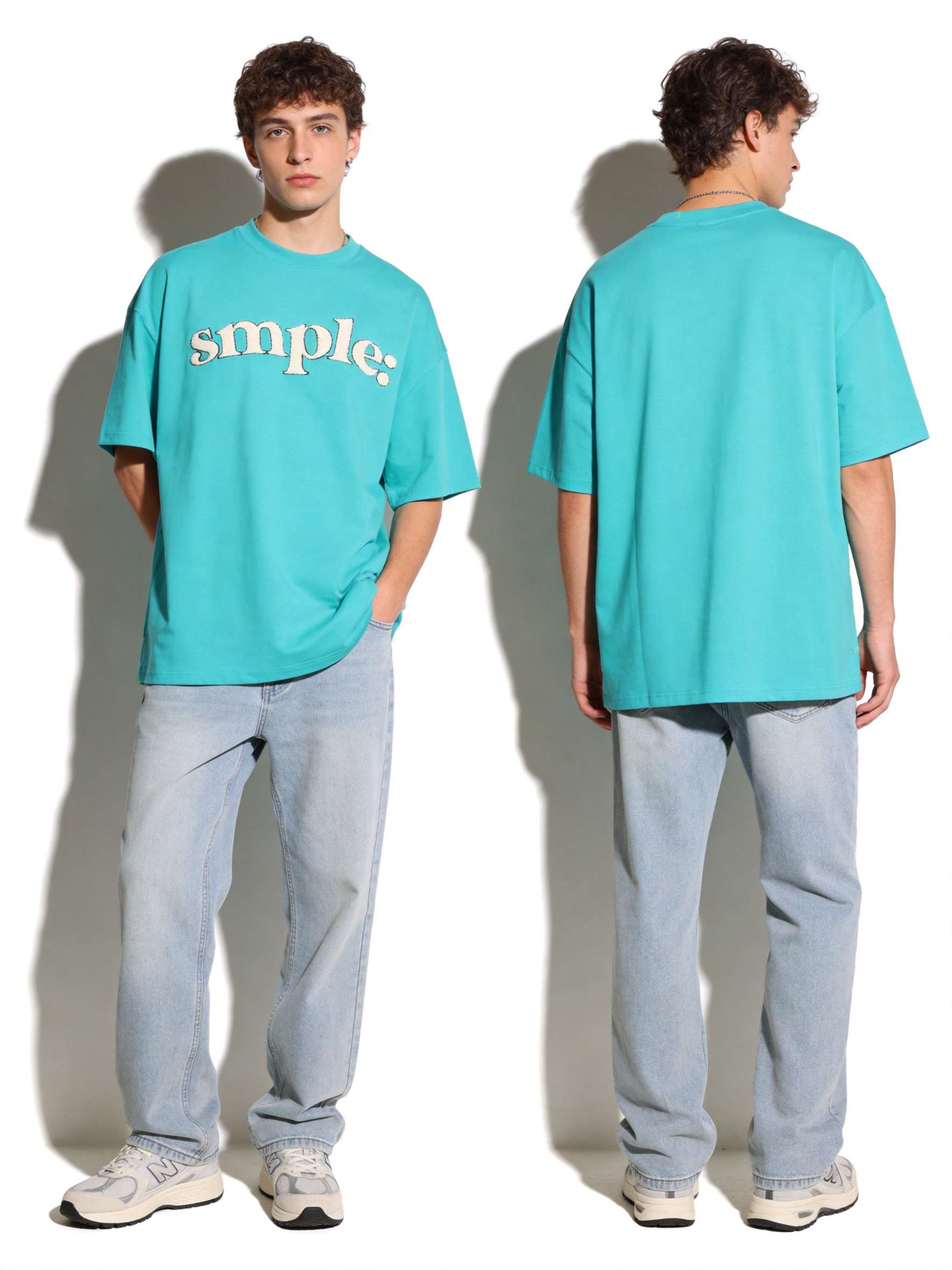
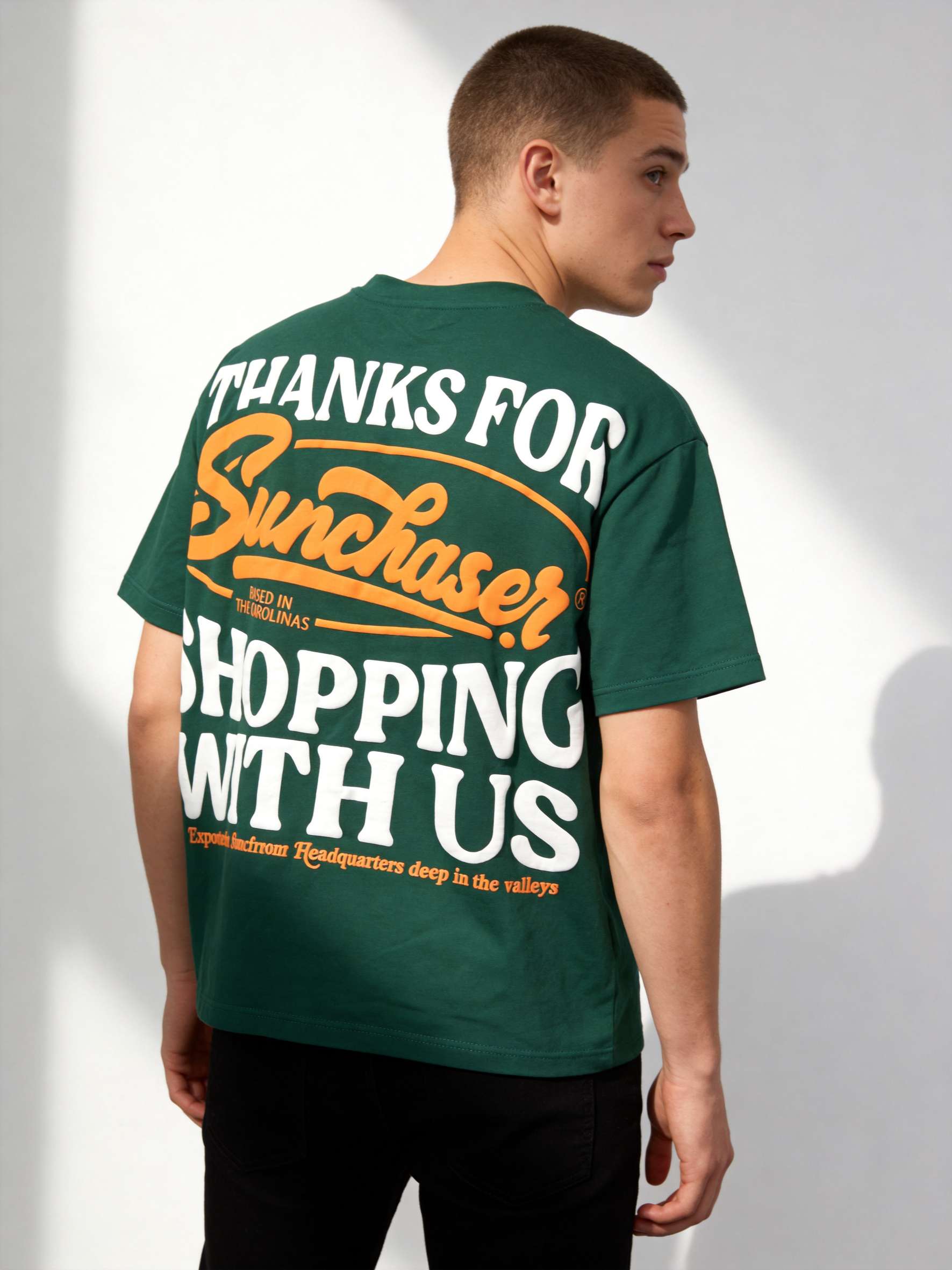
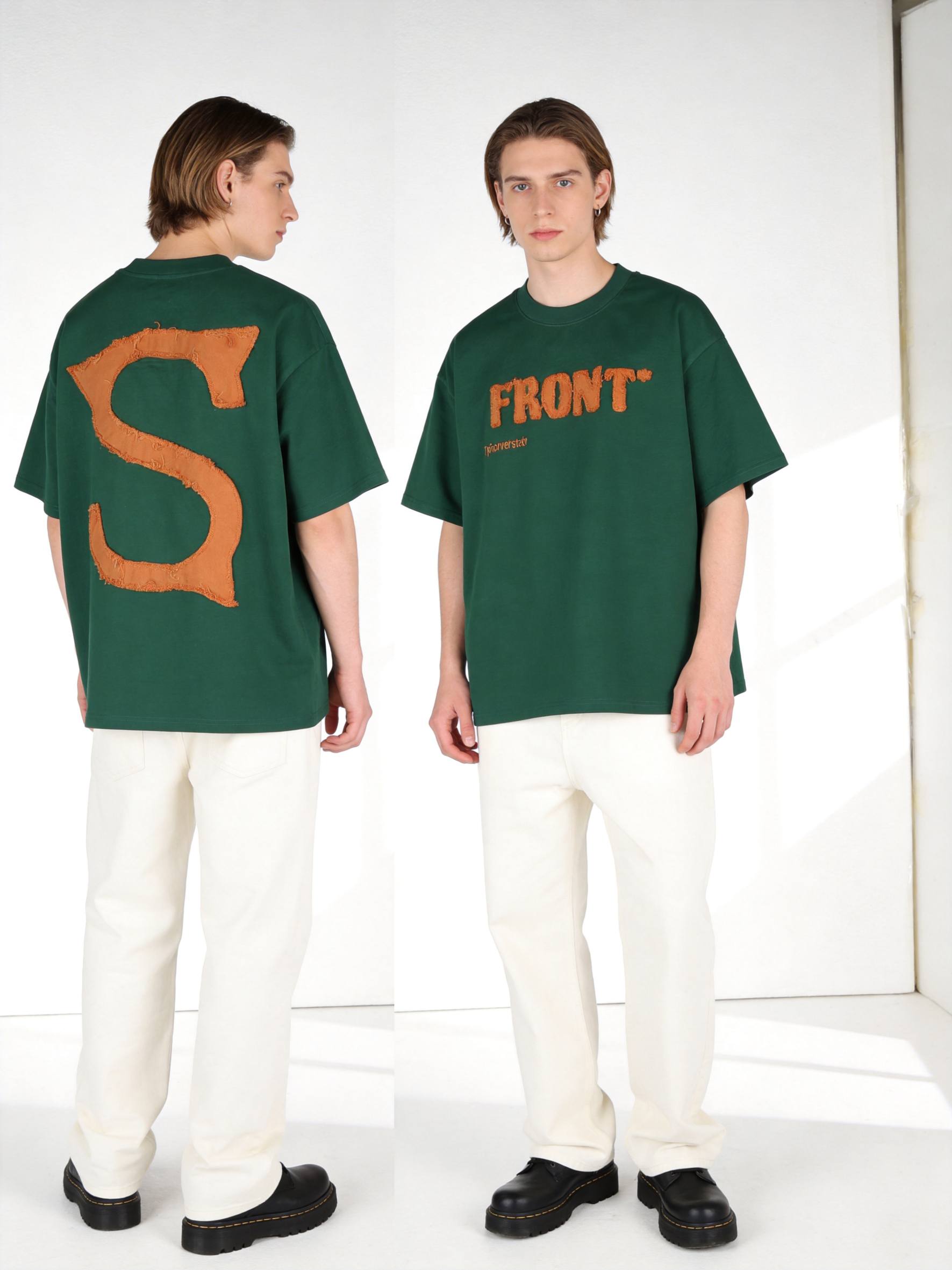
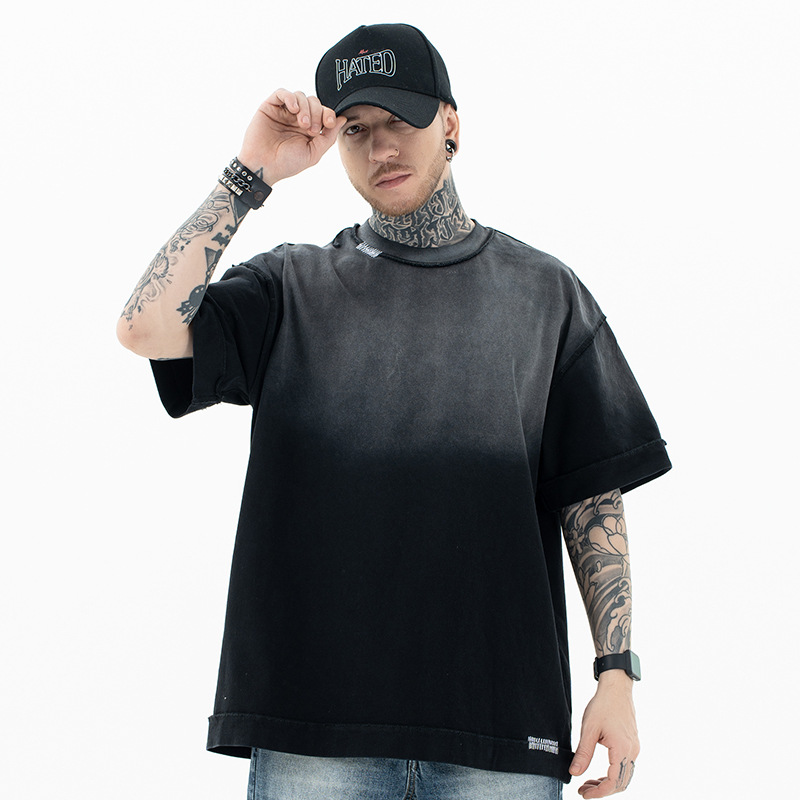
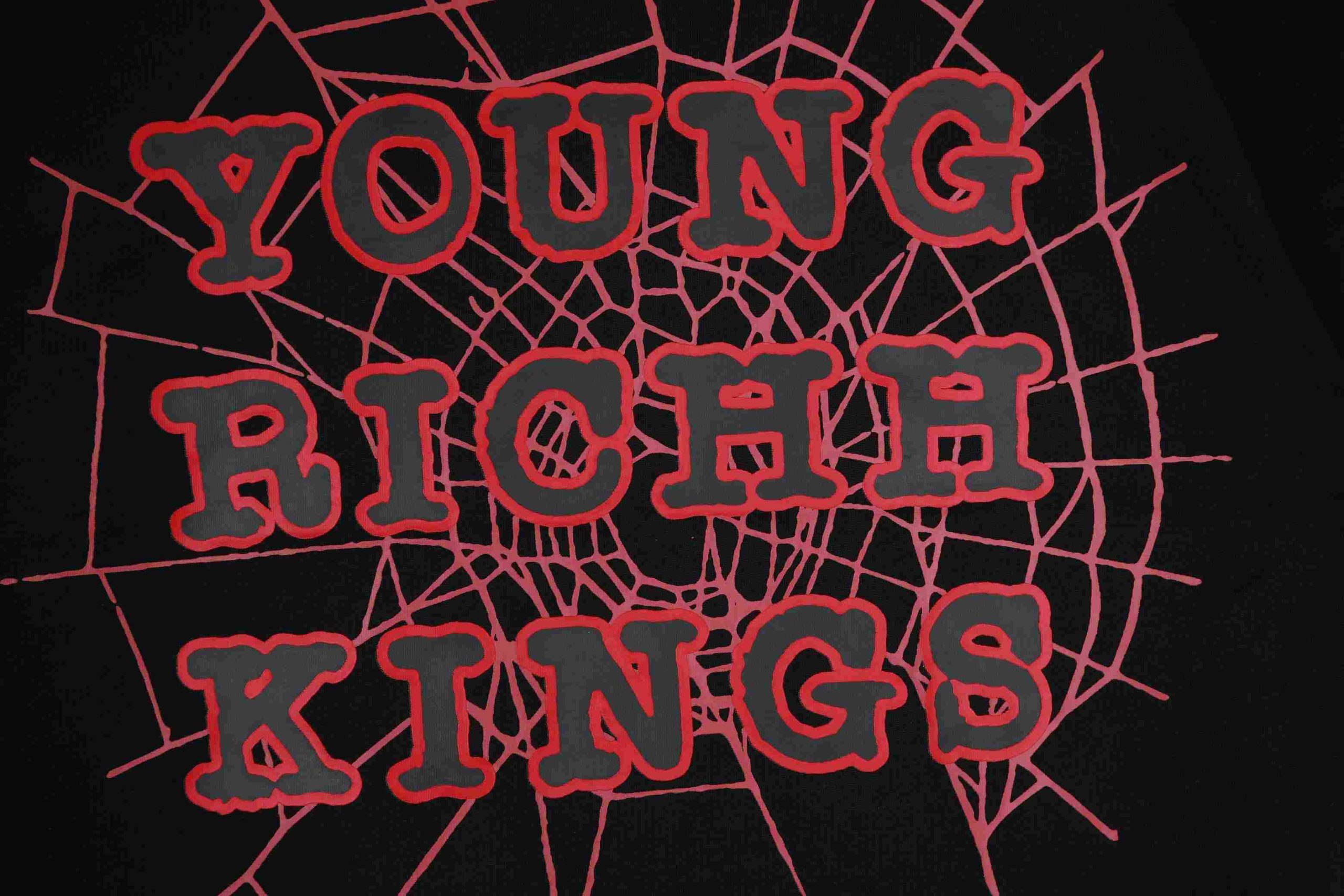
Why ZORWILD Leads in Custom T-Shirt Printing
50-Piece Minimum Order Quantity
Launch your brand or test new designs without massive inventory risk. Perfect for startups, influencers, and capsule collections.
7-Day Sample Turnaround
Evaluate fit, fabric quality, printing precision, and construction details before committing to full production runs.
95%+ Decoration Techniques In-House
Screen printing, DTG, puff print, embroidery, foil, reflective, and vintage wash—all controlled under one roof for consistent quality. Compare screen printing vs DTG pricing to find the most cost-effective method for your order volume.
27 Years Manufacturing Experience
Founded in 1998 in Humen, Dongguan, we’ve refined every stage of custom t-shirt printing for over 2,000 global brands.
6-Stage Quality Control System
From fabric inspection to final packaging, every custom t-shirt passes rigorous checkpoints ensuring print durability and construction integrity.
Global Shipping & Export Support
Air freight, sea freight, door-to-door delivery, and complete customs documentation to simplify international logistics for your brand.
T-Shirt Decoration Techniques We Master
From 50-piece startup runs to 100,000+ monthly capacity, our Dongguan facility delivers professional printing and decoration across every modern technique.
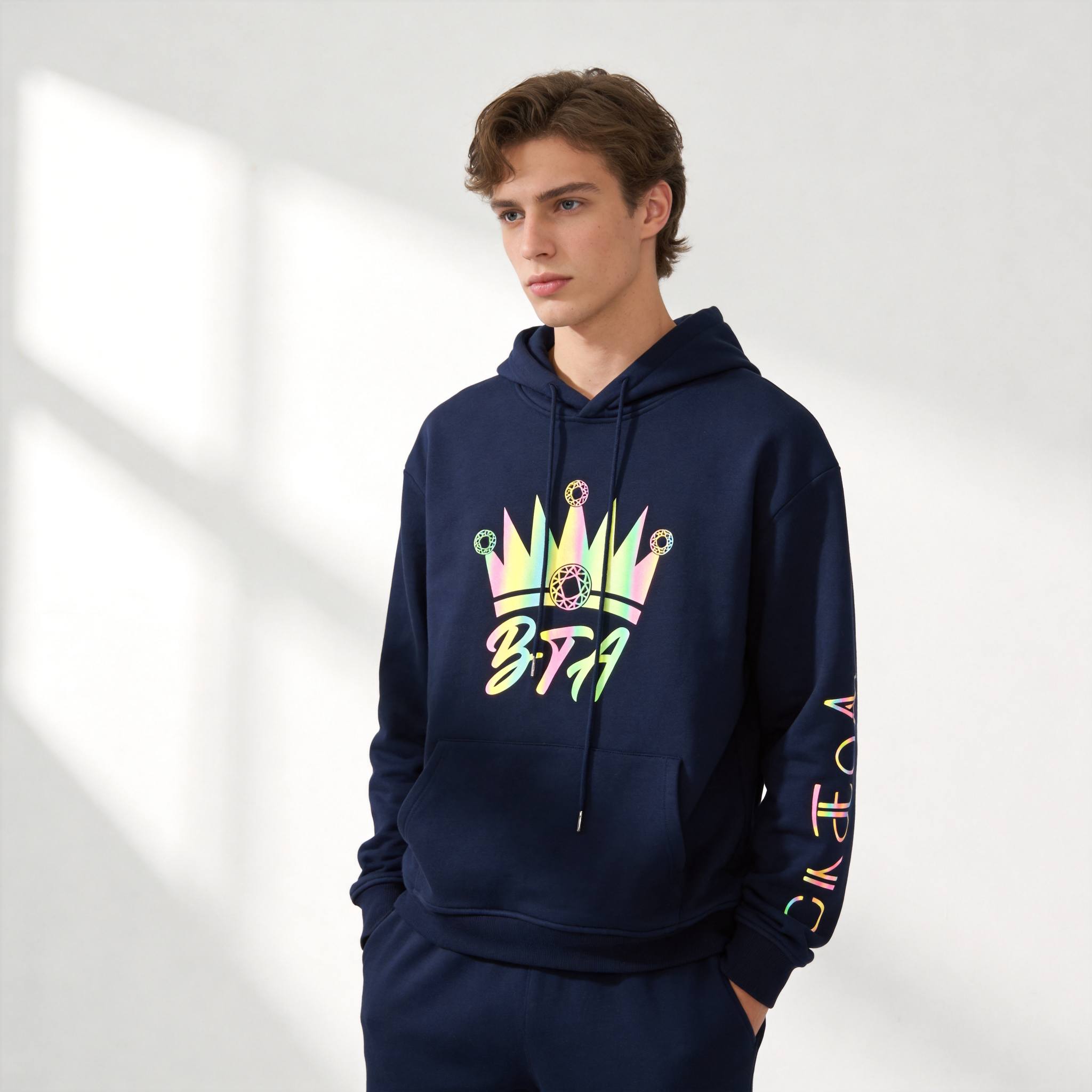
Screen Printed Tshirts
High-durability screen printing delivers excellent color performance and wash resistance for bulk orders. Ideal for streetwear brands, uniform programs, and wholesalers requiring consistent color matching across large production runs. Our 27-year expertise ensures sharp registration and vibrant results on cotton, blends, and heavyweight jersey. Our production teams use proven screen room hacks to optimize print quality and workflow efficiency.
Get a Quote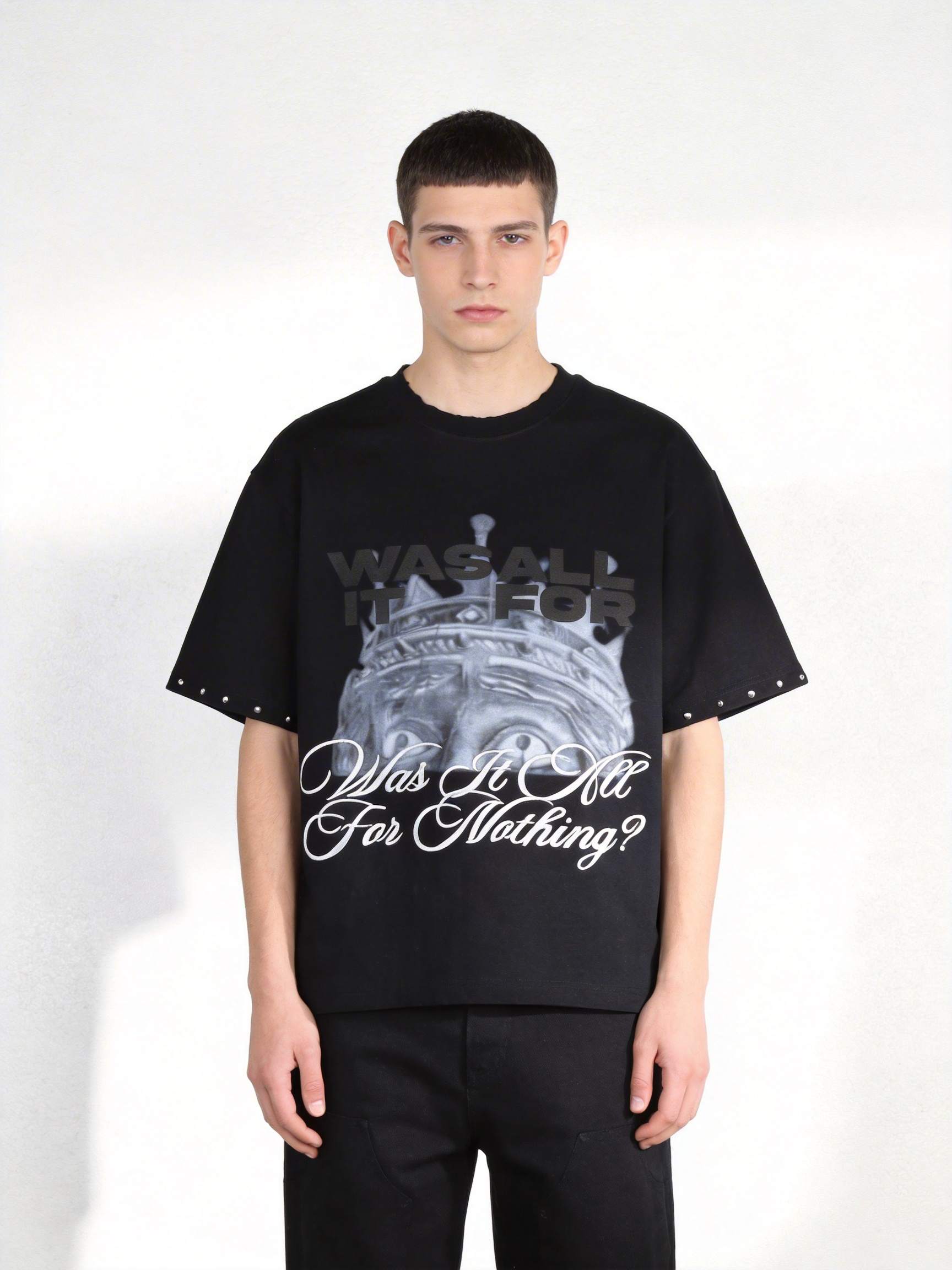
DTG Printed Tshirts
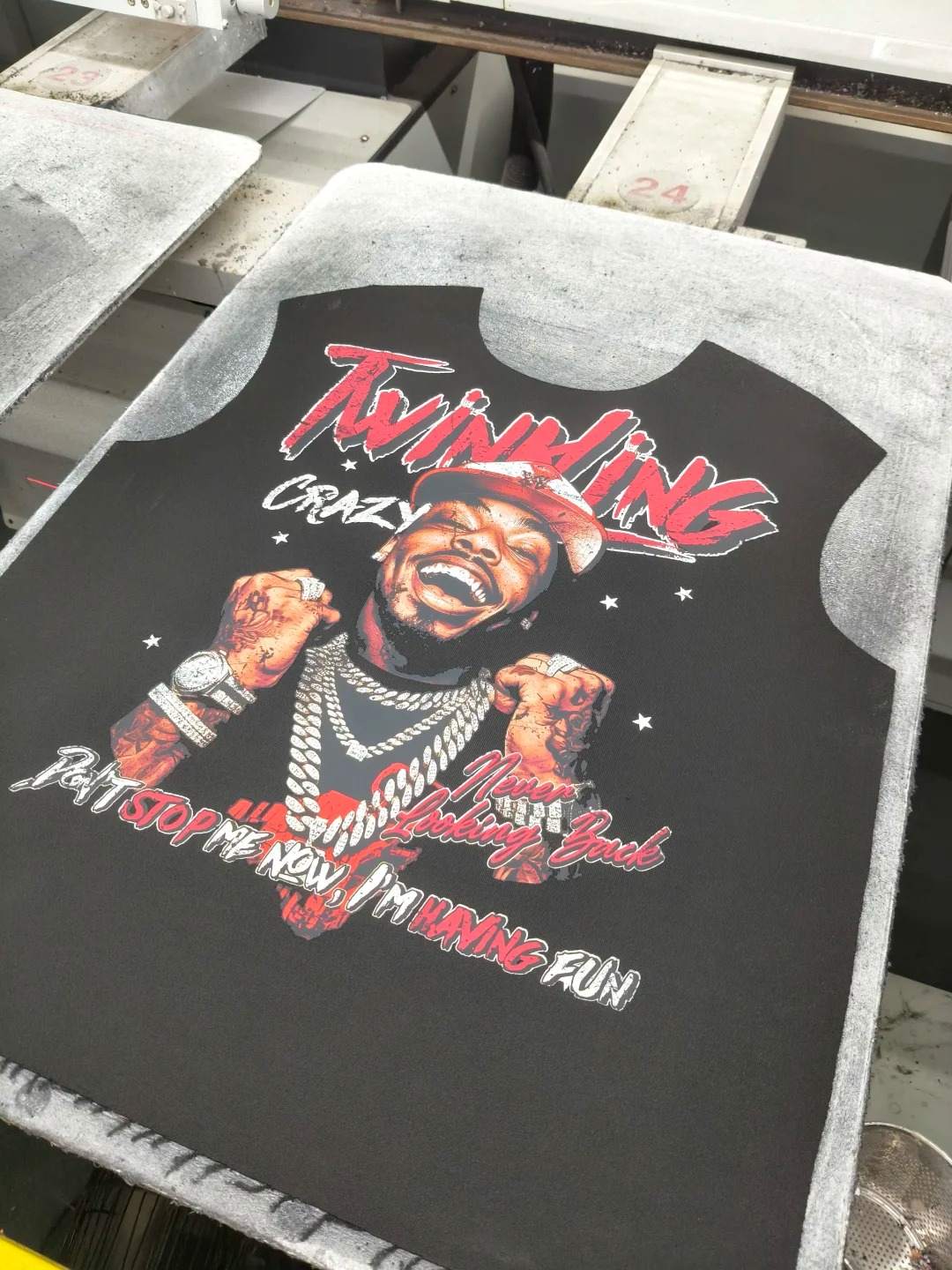
Direct-to-garment printing captures complex artwork, detailed graphics, and photorealistic designs without setup costs. Perfect for low MOQ collections starting at 50 pieces, influencer merch drops, and brands testing new designs. Compare DTG with screen printing and heat transfer methods to pick the best fit for your small brand's budget and timeline. We control ink saturation, color accuracy, and fabric pre-treatment for soft hand feel and lasting print quality.
Get a Quote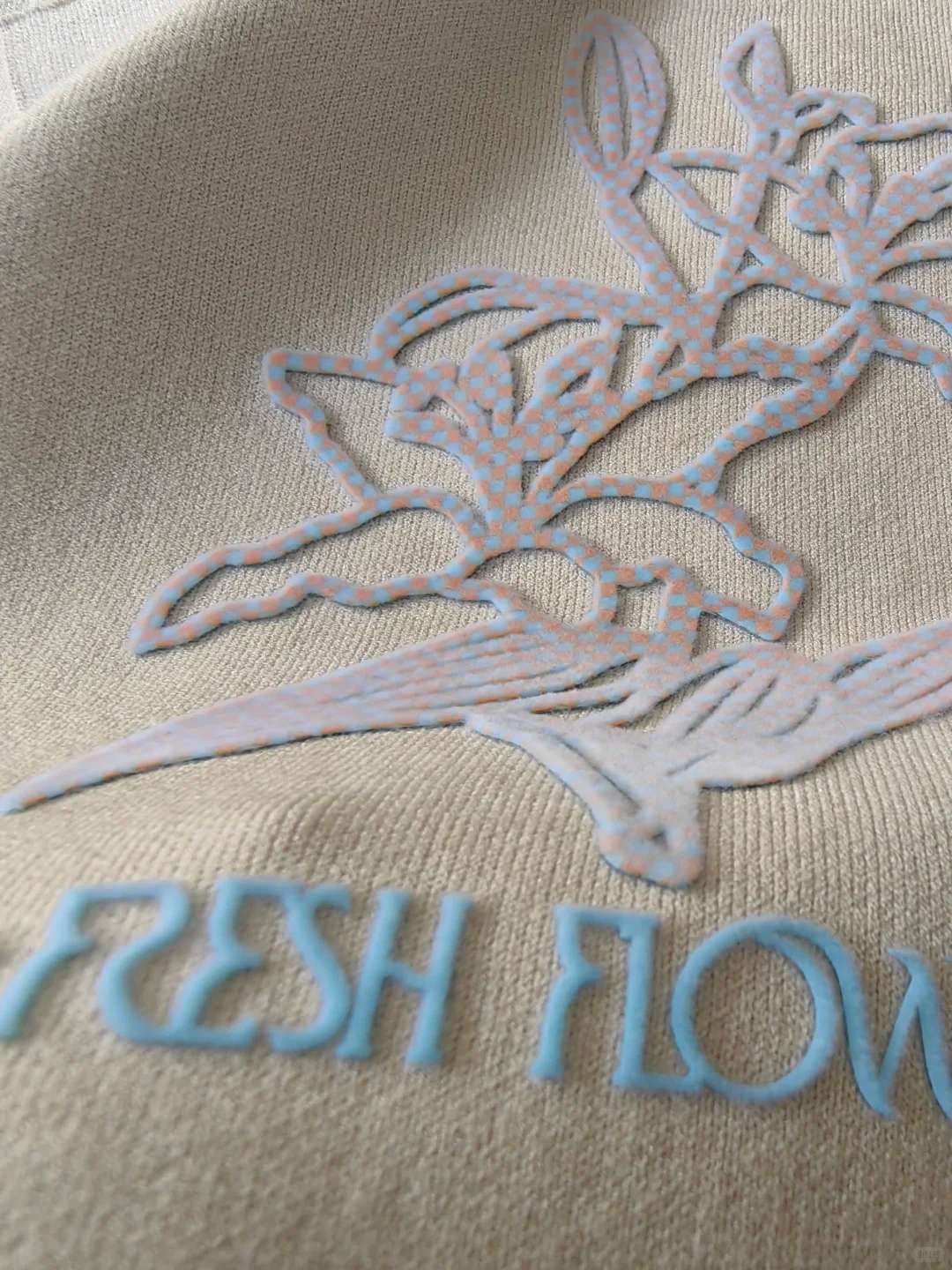
Embroidered Tshirts
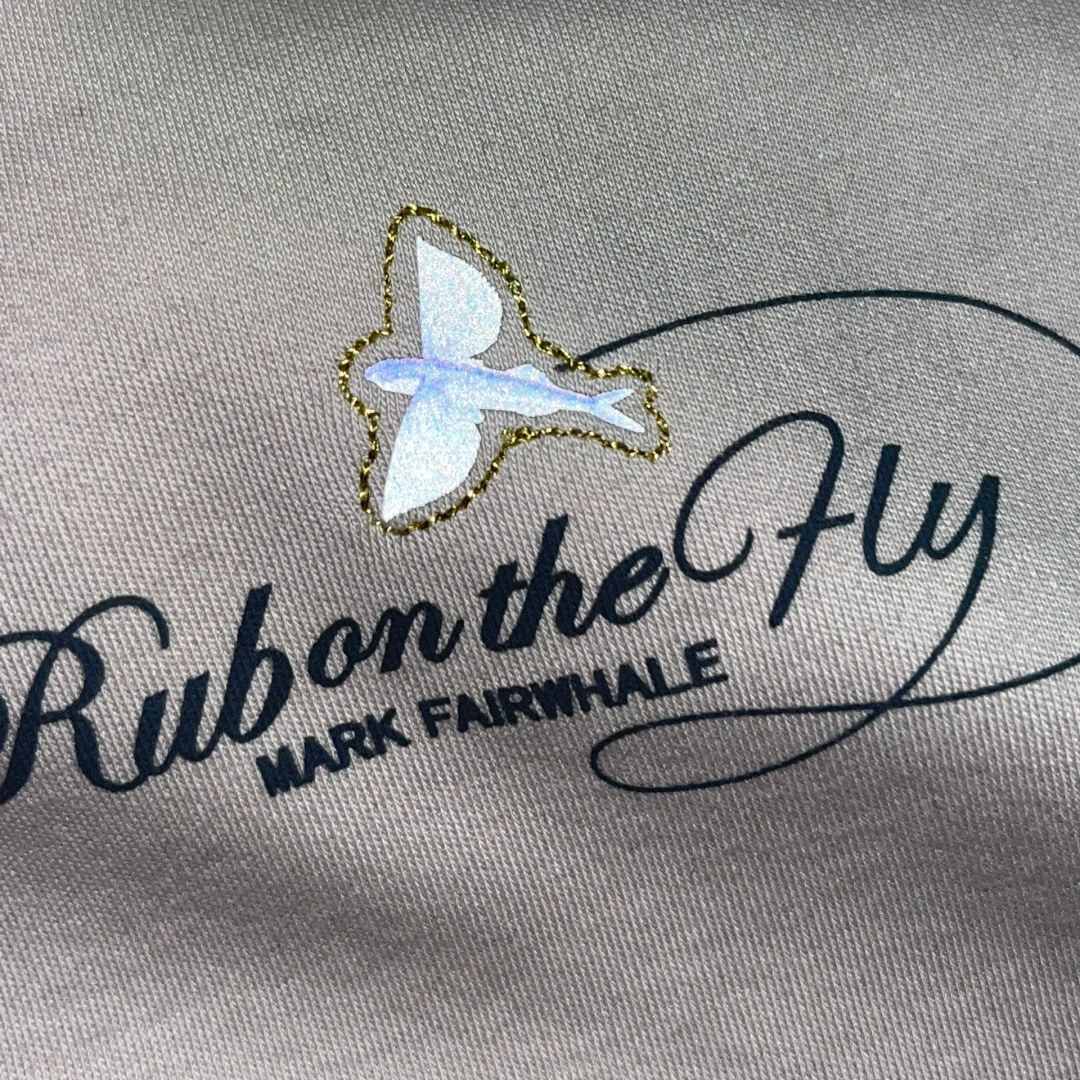
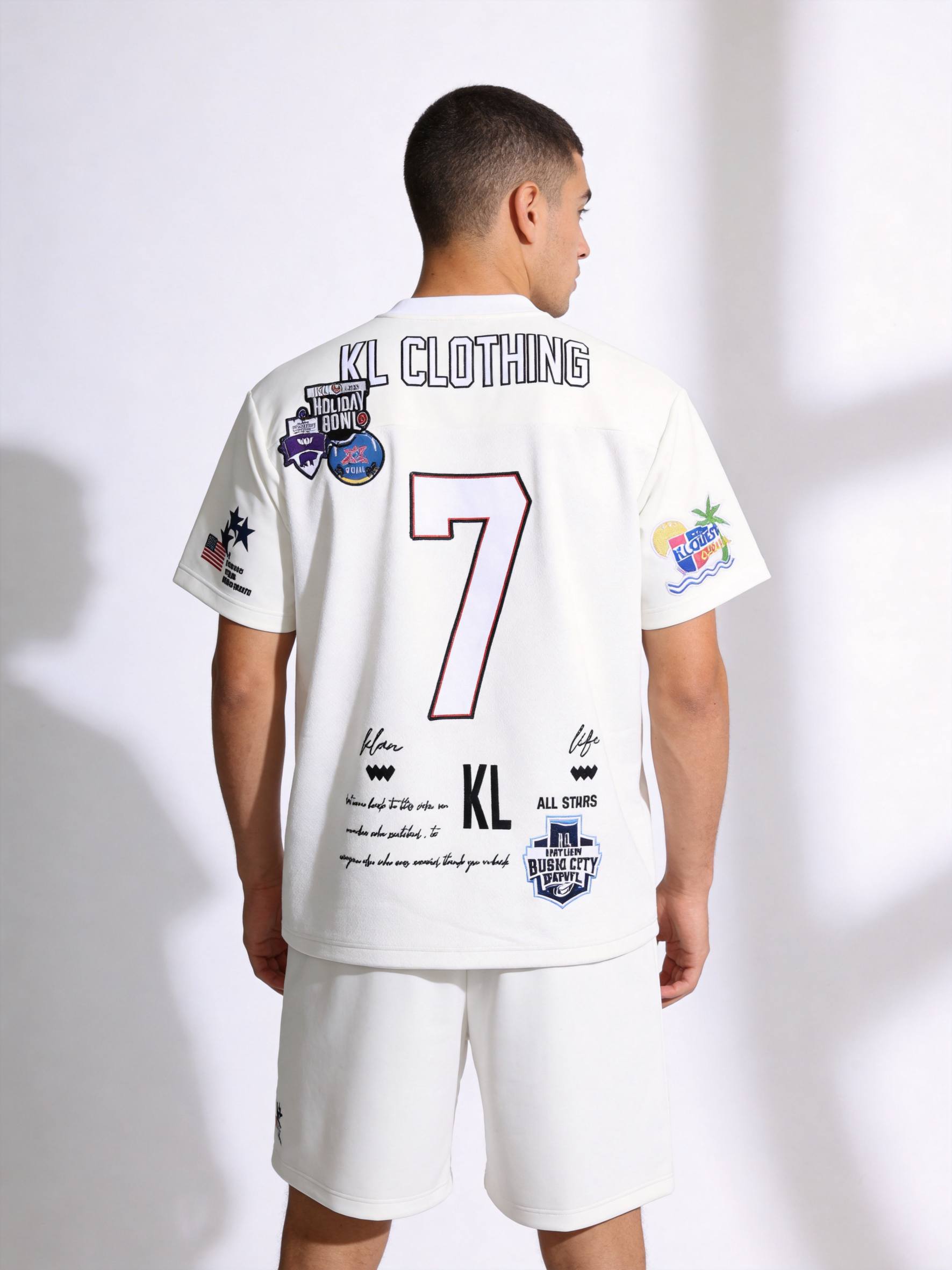
Flat, 3D, and chenille embroidery add premium texture and perceived value to branded tees. Our embroidery capabilities include precise stitch density control, metallic threads, applique techniques, and patch application. Suitable for luxury streetwear, corporate branding, and fashion labels seeking elevated finishing with excellent wash durability.
Get a Quote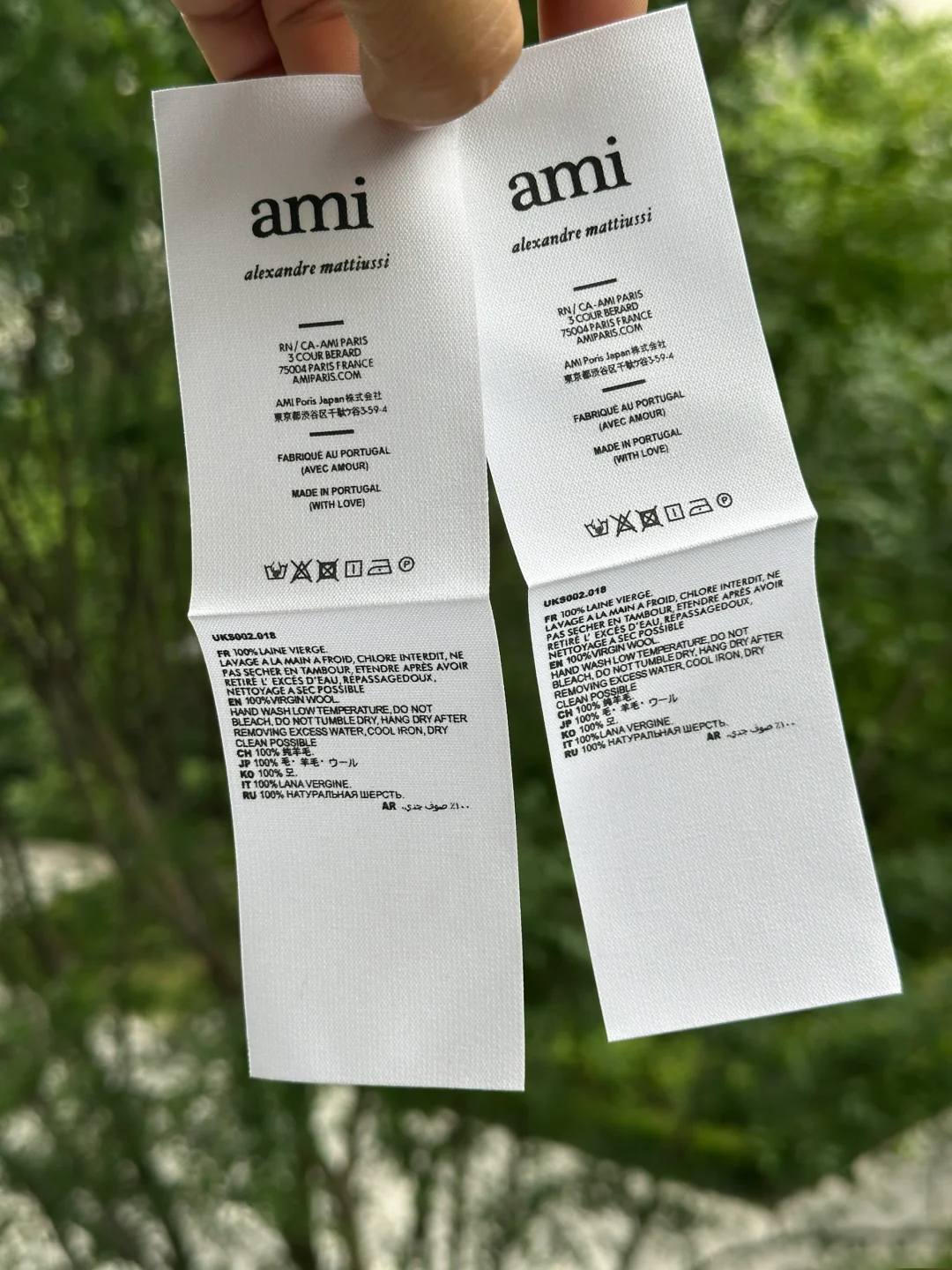
Sublimation Printed Tshirts
Full-color sublimation printing bonds ink directly into polyester fibers for vibrant, all-over designs that never crack or fade. Ideal for activewear brands, sportswear collections, and technical fashion requiring breathable, lightweight graphics. We manage color profiles, heat press calibration, and fabric compatibility for consistent results across production batches.
Get a Quote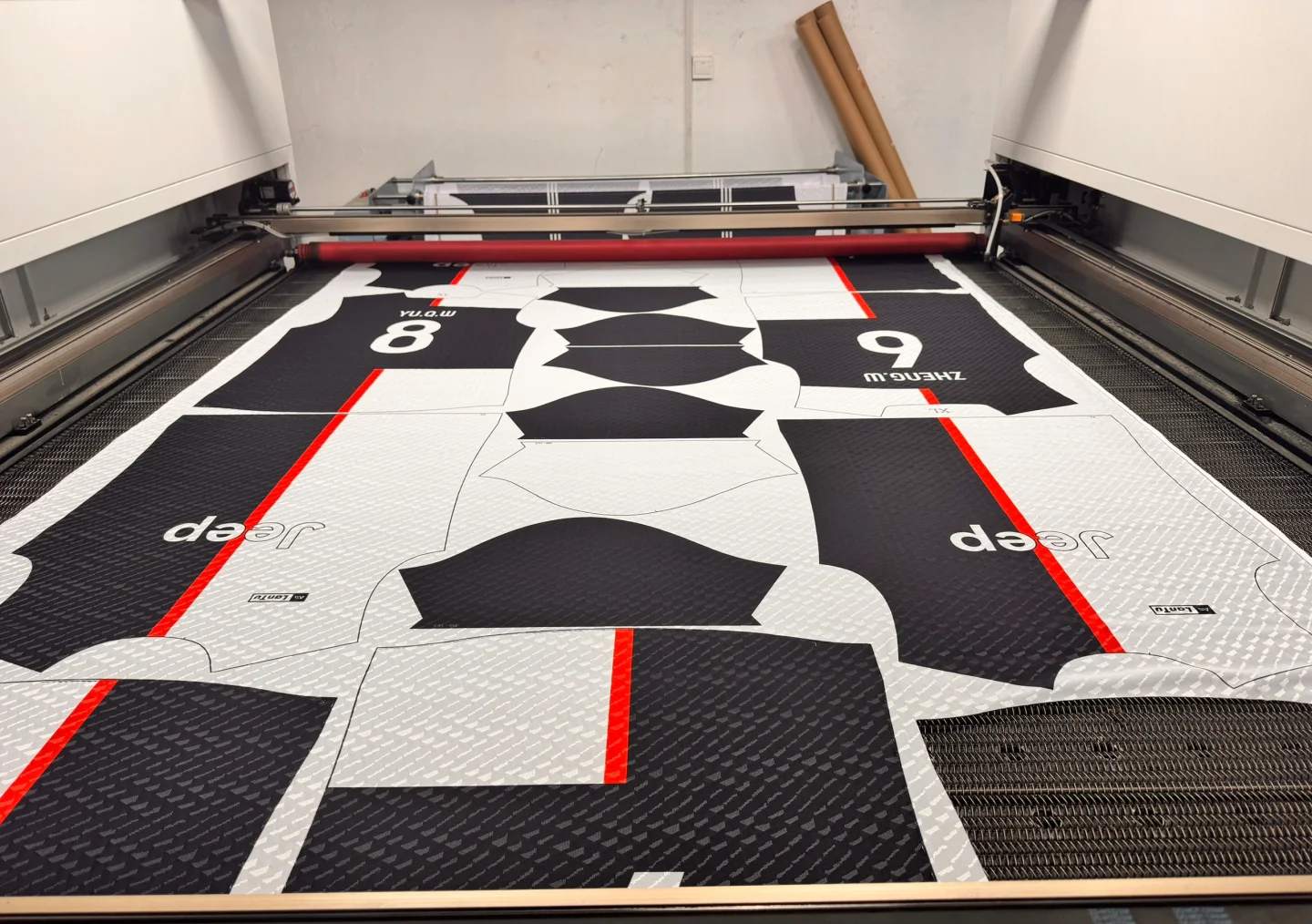
Heat Transfer Tshirts
Heat transfer printing delivers detailed logos, gradients, and multi-color graphics with fast turnaround and design flexibility. Suitable for promotional tees, event merchandise, and small batch custom orders. Our process includes transfer quality inspection, precise temperature control, and peel technique optimization to ensure clean edges and long-lasting adhesion.
Get a Quote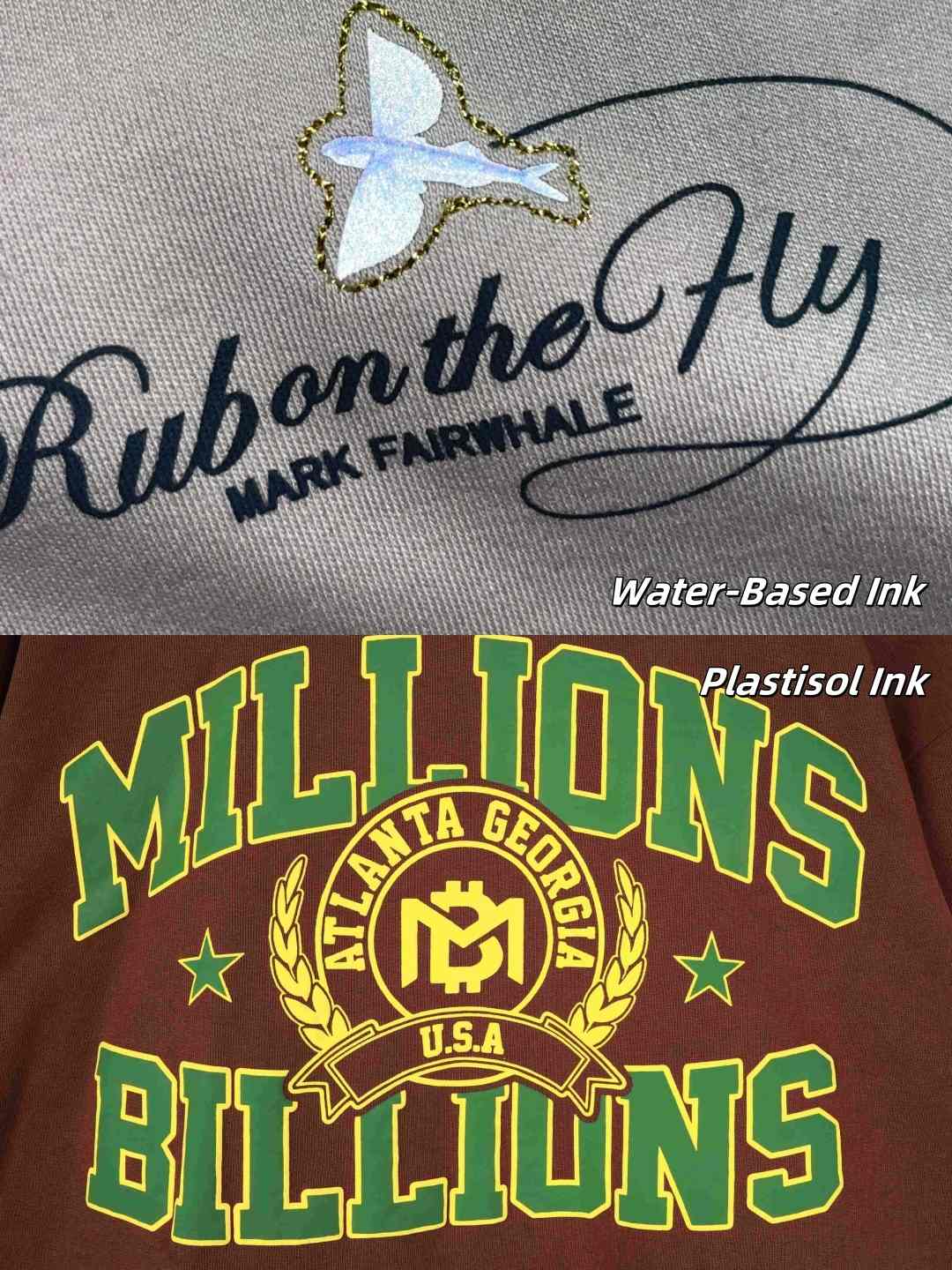
All Over Print Tshirts
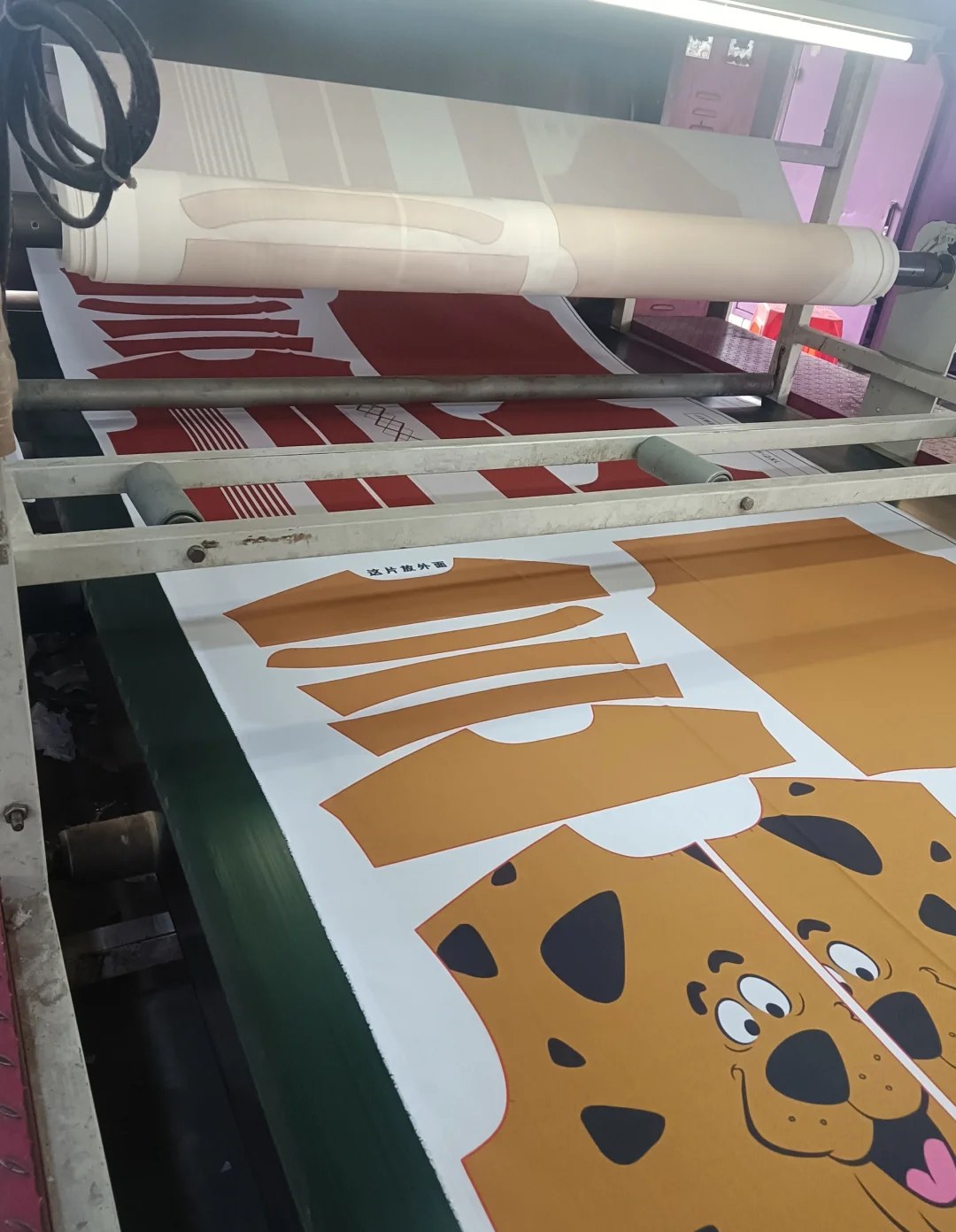
Edge-to-edge sublimation and cut-and-sew construction enable seamless all-over print designs for bold visual impact. We handle pattern alignment, fabric shrinkage compensation, and seam placement to maintain design continuity. Perfect for streetwear brands, resort collections, and fashion-forward labels requiring statement pieces with complex repeating patterns.
Get a Quote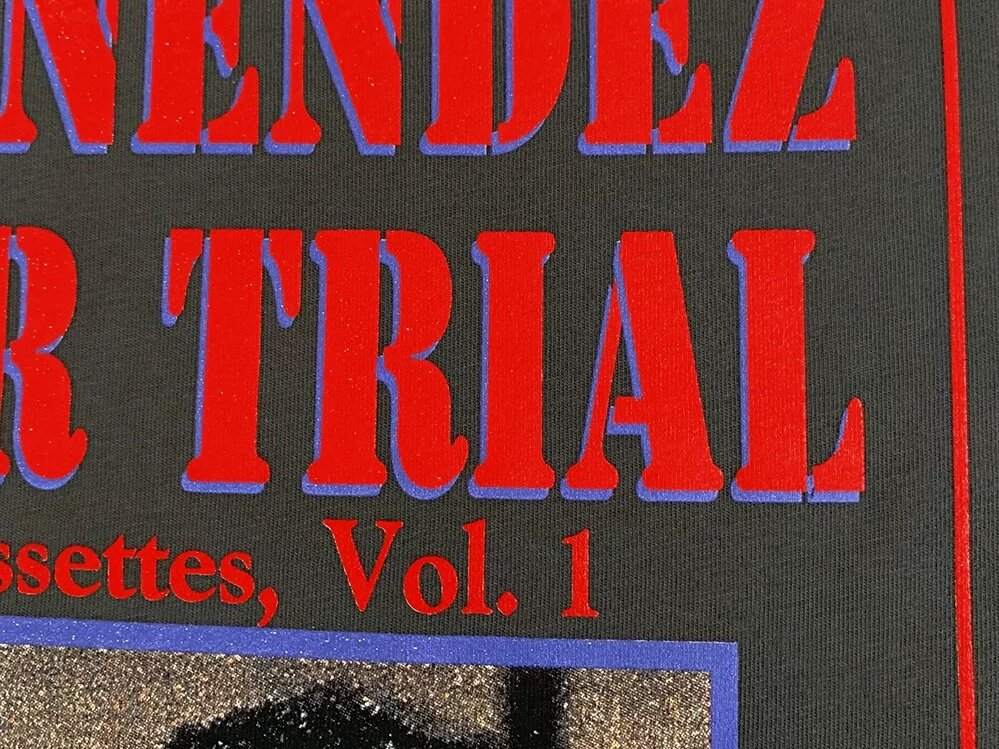
Vinyl Print Tshirts
Vinyl heat transfer offers bold, opaque graphics with excellent durability and color saturation on dark fabrics. Our vinyl capabilities include single-color designs, layered effects, metallic finishes, and glitter vinyl for eye-catching results. Ideal for team uniforms, promotional apparel, and brands requiring small-run customization with quick production timelines.
Get a Quote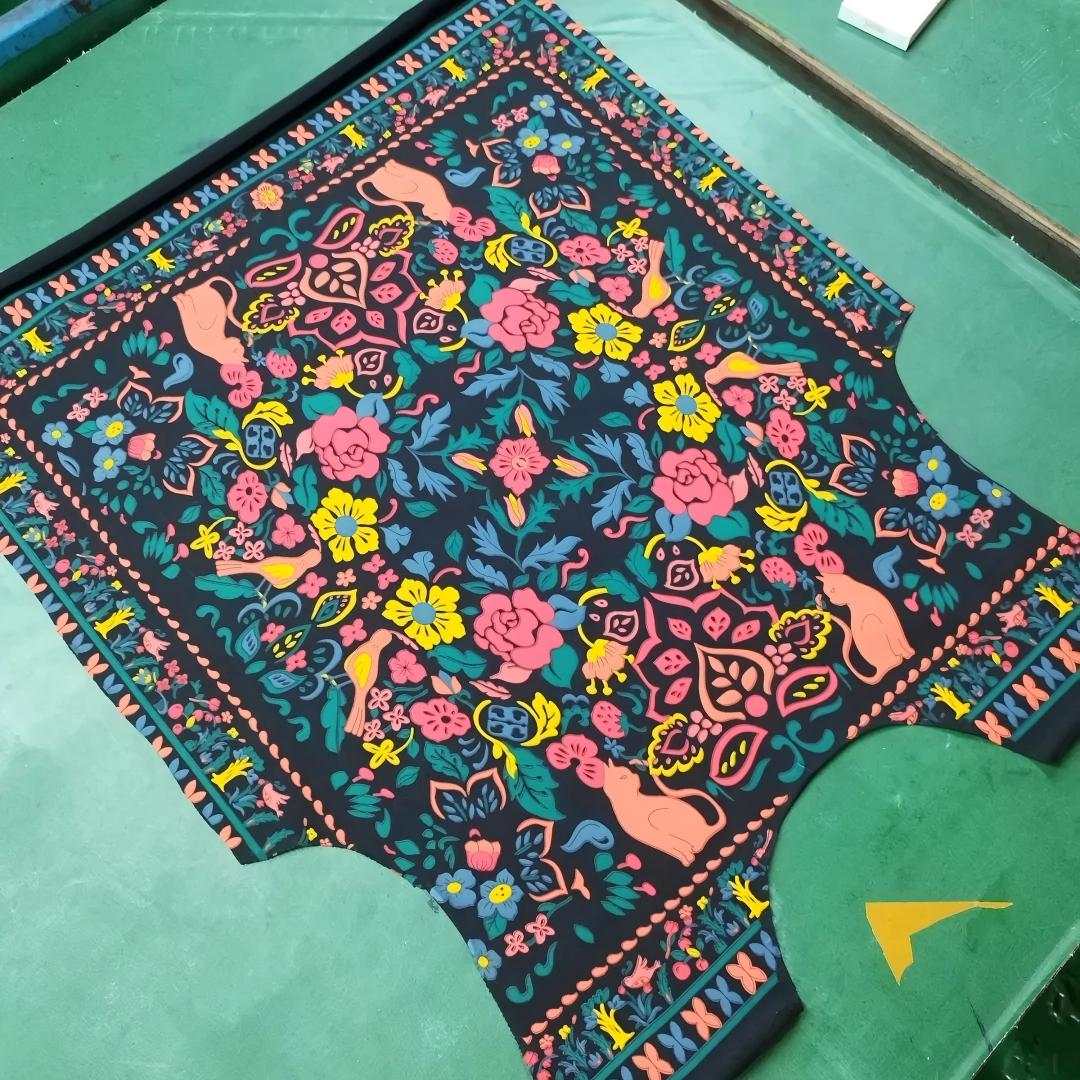
Discharge Printed Tshirts
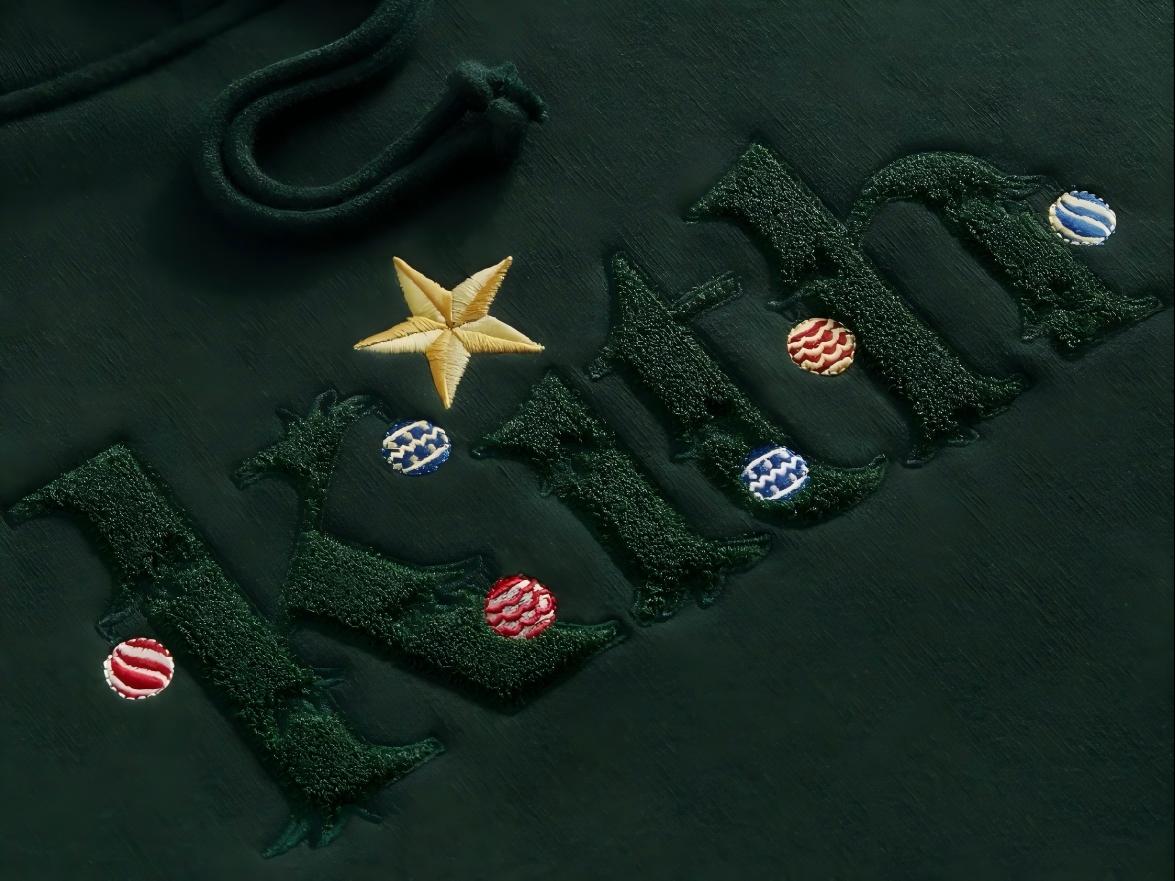
Water-based discharge printing removes fabric dye and replaces it with soft, breathable ink that becomes part of the garment. Produces vintage, lived-in aesthetics with no hand feel on 100% cotton and high-cotton blends. Our discharge process includes fabric testing, ink formulation, and wash trials to achieve desired fade and texture effects.
Get a Quote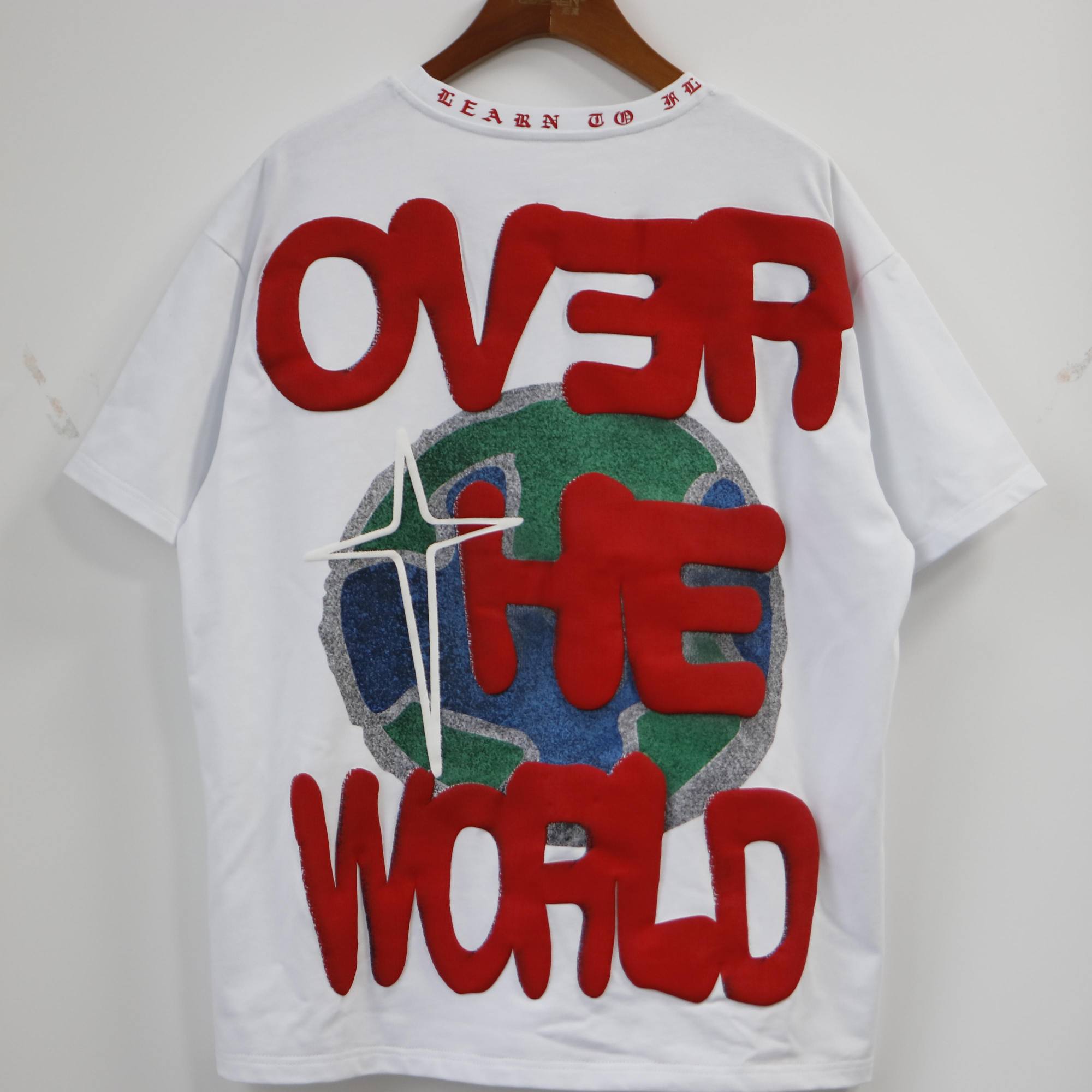
Puff Print Tshirts
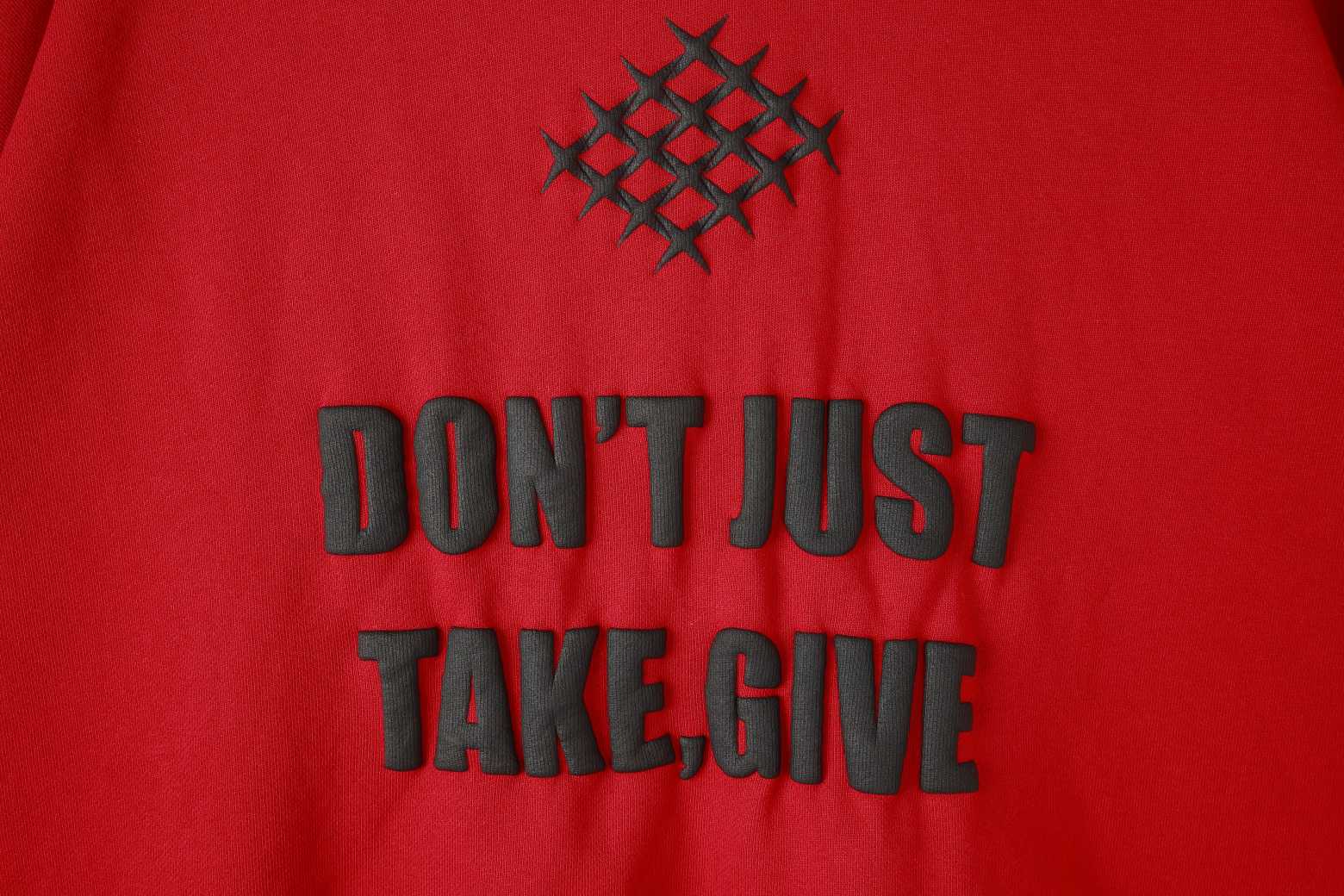
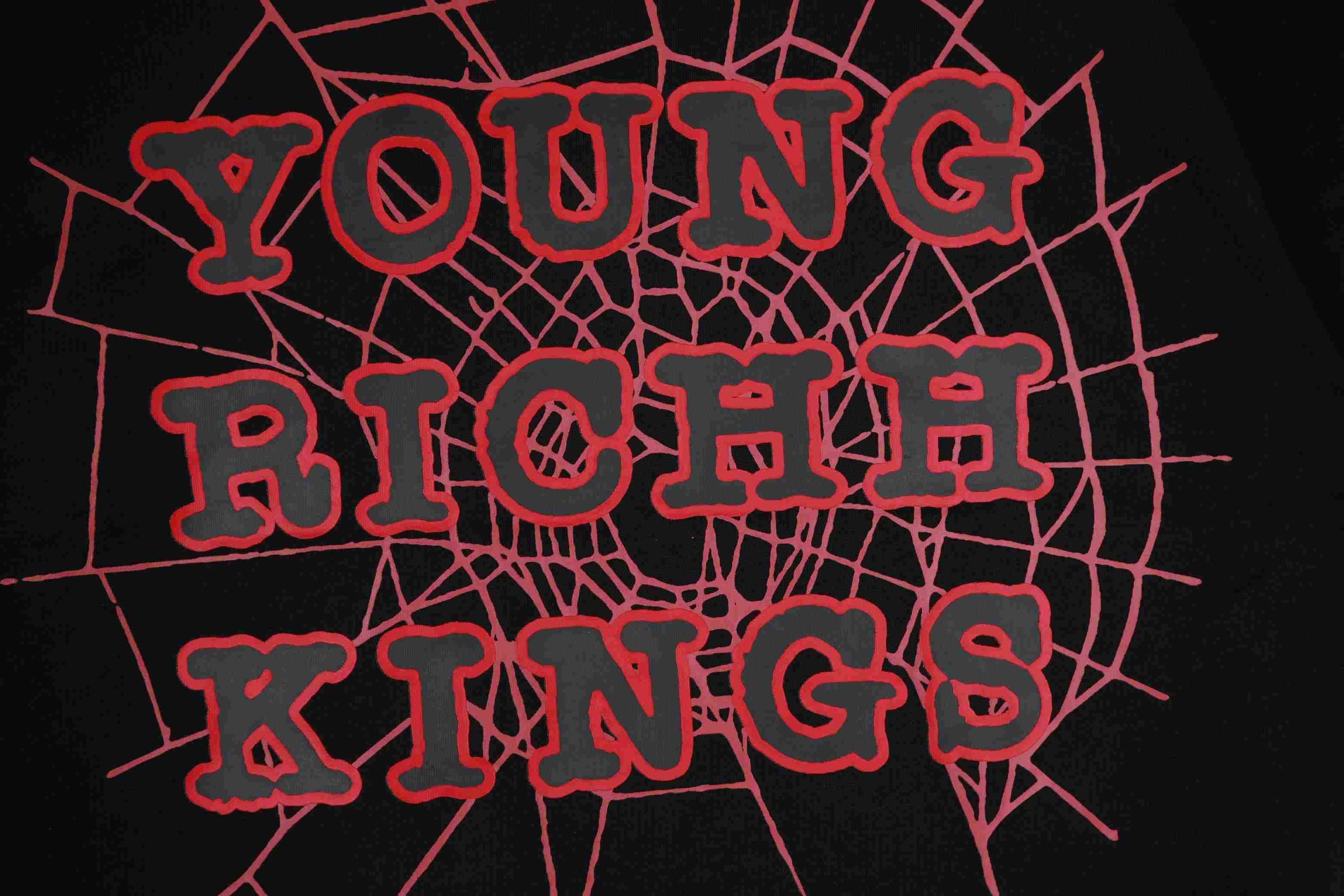
Raised puff printing creates dimensional graphics with textured, tactile finish popular in streetwear and urban fashion. We control puff height, edge definition, and ink expansion through precise temperature and additive ratios. Suitable for logo emphasis, retro designs, and brands seeking premium decoration that stands out visually and physically.
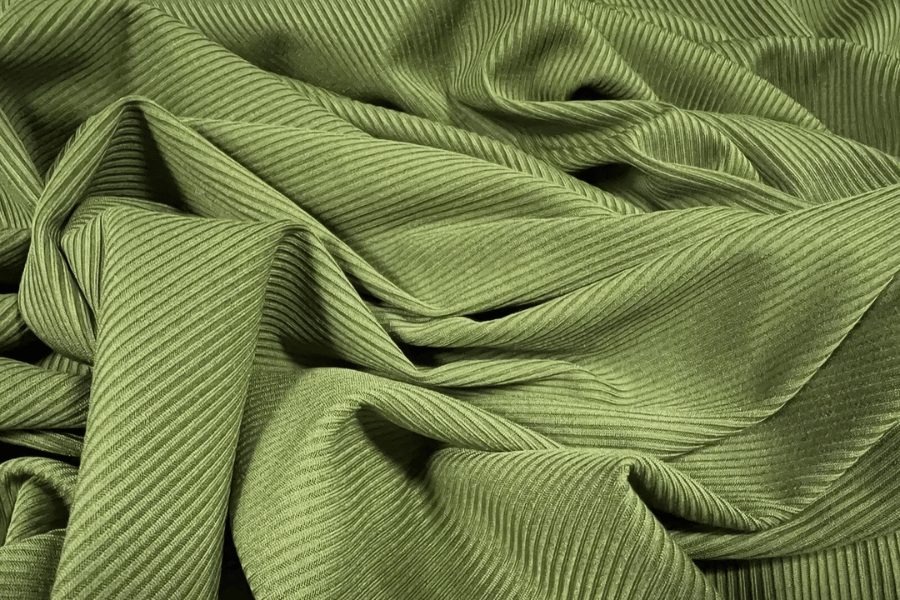
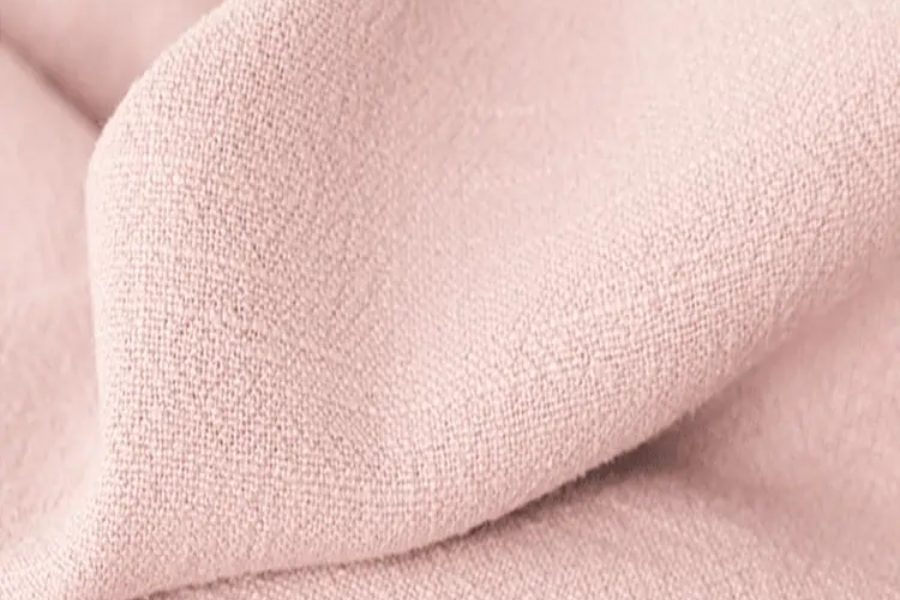
Get a QuotePremium Fabrics for Custom T-Shirt Printing
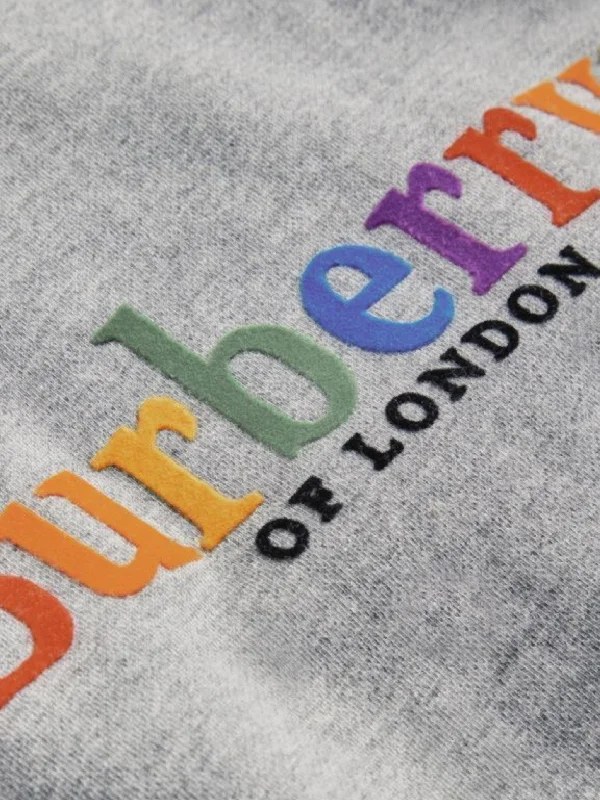
Custom T-Shirt Printing Techniques We Offer
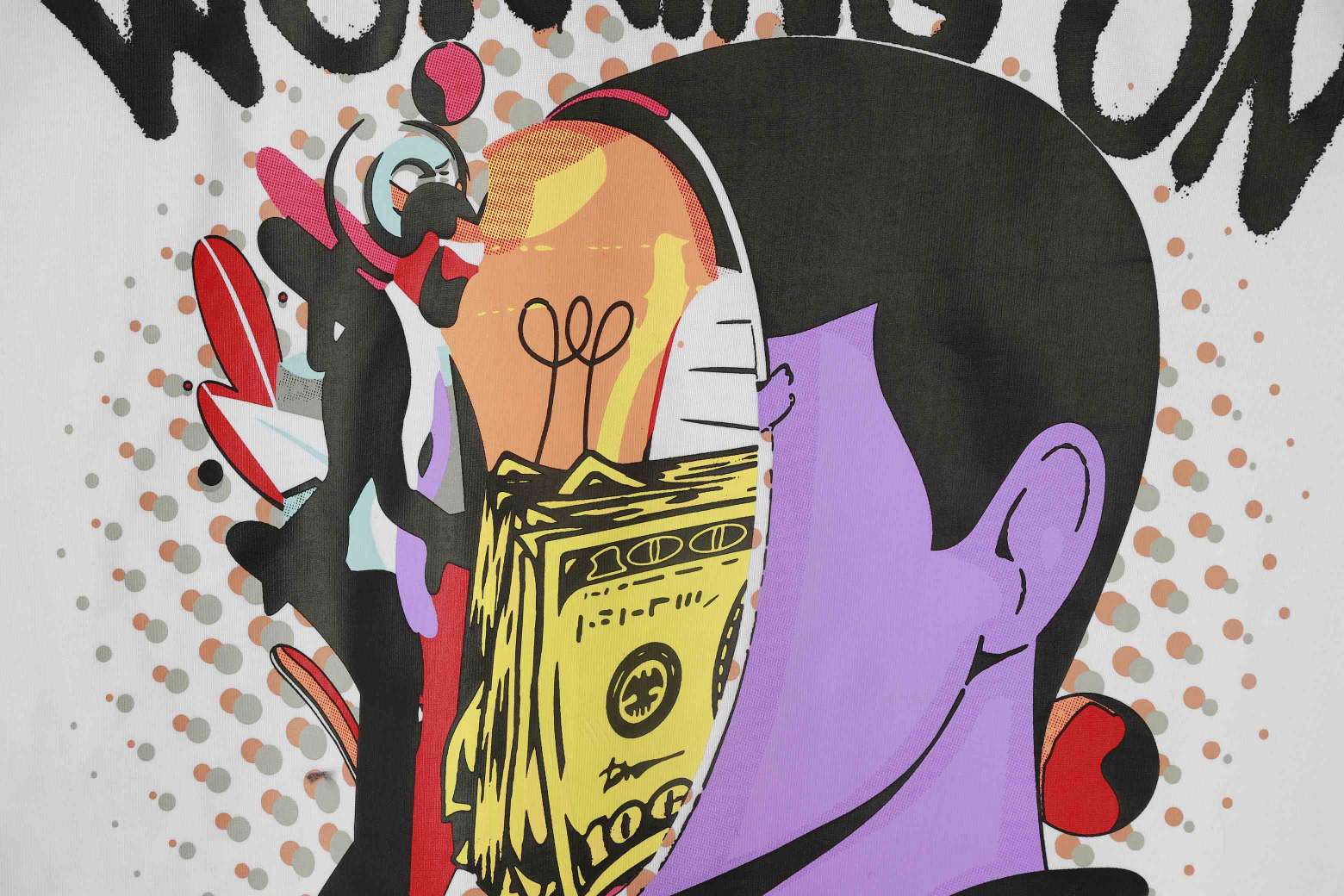
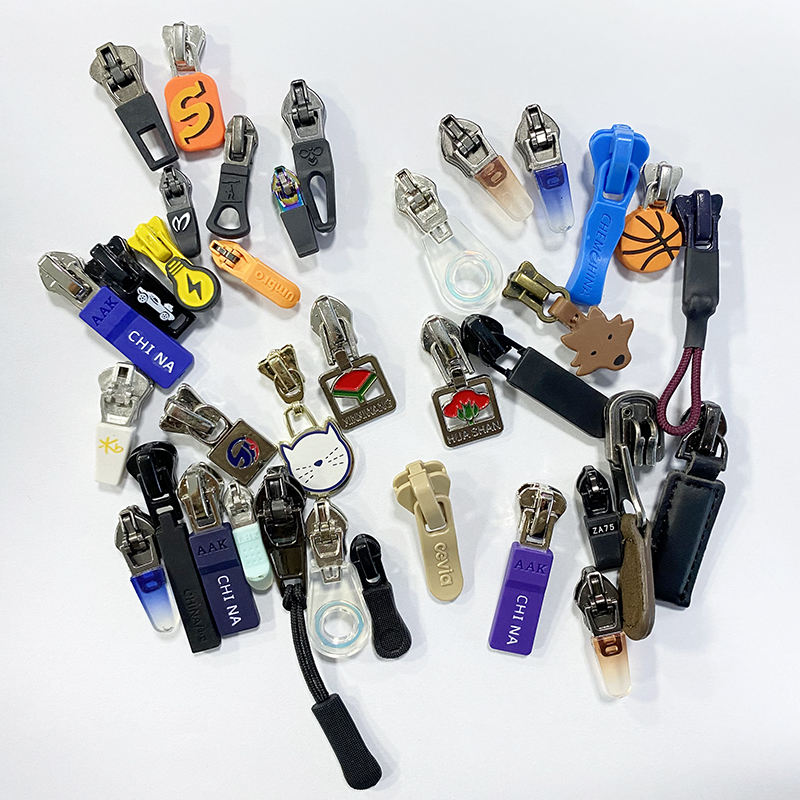
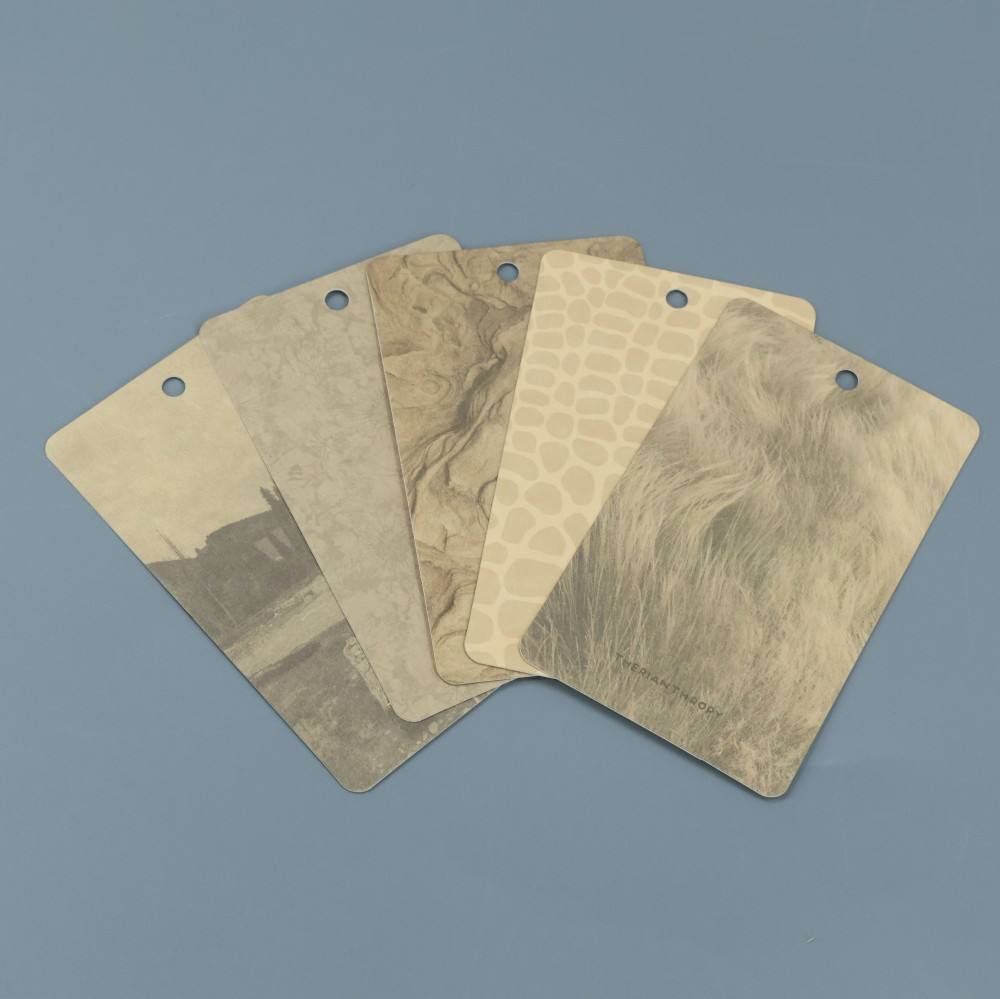
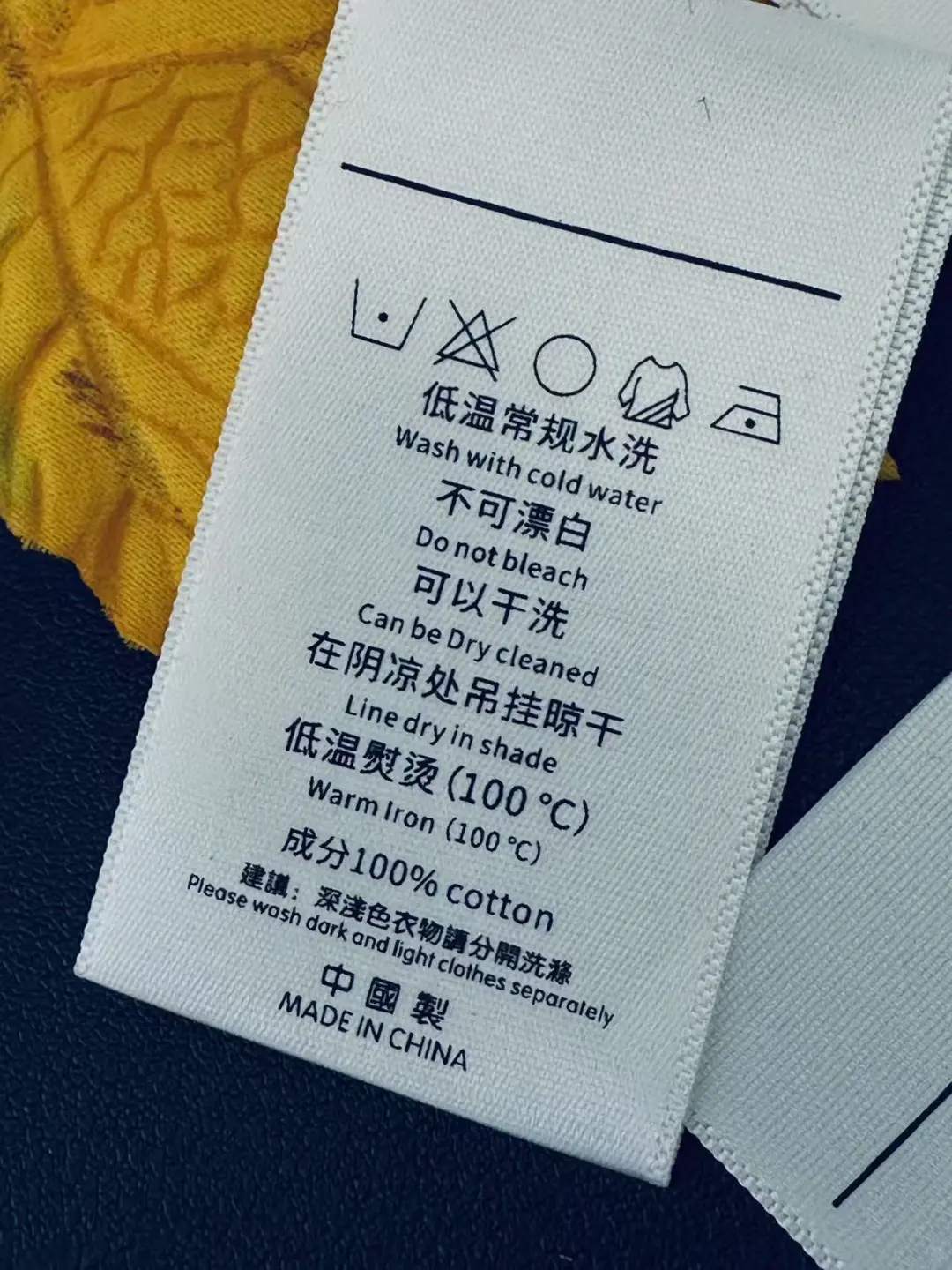
Custom Labels, Tags & Accessories for Your T-Shirt Printing
About ZORWILD: Custom T-Shirt Printing Excellence
Founded in 1998 as a family garment workshop in Humen, Dongguan, ZORWILD has grown from a single sewing floor into a full-scale custom t-shirt printing and apparel manufacturing partner serving over 2,000 brands worldwide. Our founder learned every stage of garment production from his father, a master cutter, instilling precision, quality, and craftsmanship into every piece we produce.
Today, ZORWILD employs over 200 skilled workers and operates a modern facility with 100,000-unit monthly production capacity. We specialize in OEM, ODM, and private label custom t-shirt printing with MOQs starting at just 50 pieces, making professional-grade manufacturing accessible to startup brands, influencers, and established labels alike.
Our commitment to quality is backed by a rigorous 6-stage quality control system and in-house mastery of 95% of decoration techniques including screen printing, DTG, embroidery, and garment wash effects. From tech pack development to global shipping, we deliver end-to-end custom t-shirt printing solutions that help brands scale with confidence.
Our Signature Capabilities in Custom T-Shirt Printing
Low MOQ and Fast Sampling
Launch your custom t-shirt printing project with as few as 50 pieces. Our streamlined sampling system delivers production-ready samples in 7 days, allowing you to test designs, validate fit, and reduce inventory risk before committing to large production runs.
- Minimum order quantity starts at just 50 pieces per design
- 7-day sample turnaround for rapid product validation
- Perfect for startup brands, influencers, and capsule collections
- Test multiple designs without heavy upfront investment
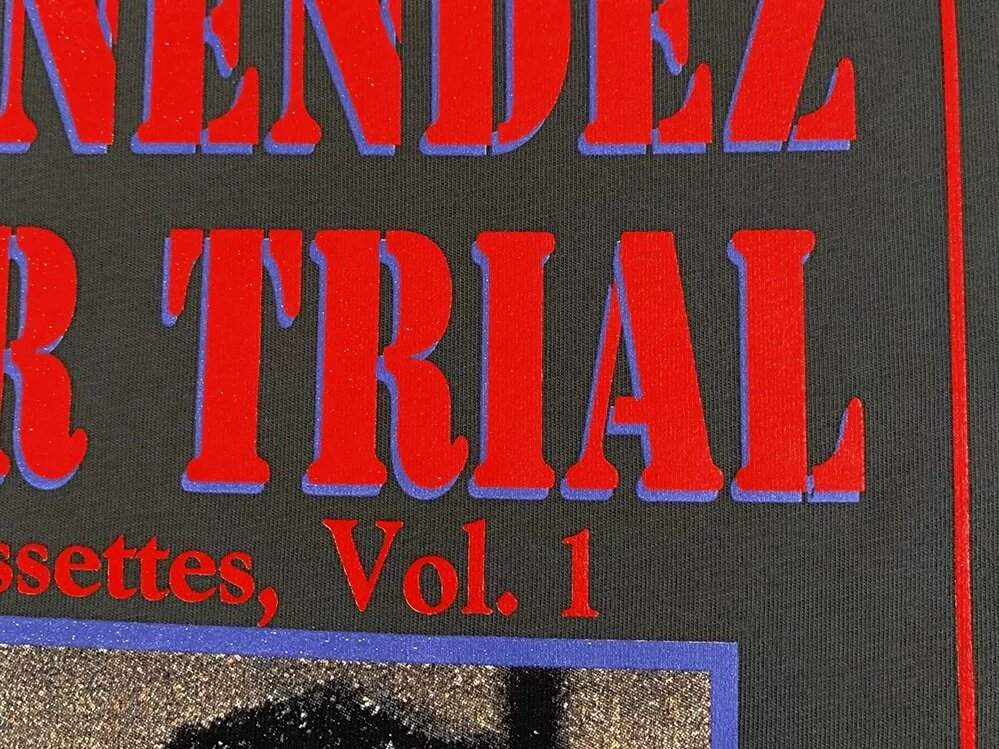
95%+ Decoration Techniques In-House
ZORWILD brings your creative vision to life with comprehensive in-house decoration capabilities. From screen printing and DTG to puff printing, embroidery, chenille patches, and vintage wash effects, we handle 95% of modern custom t-shirt printing techniques without outsourcing delays.
- Screen printing, DTG, puff print, and heat transfer all in-house
- Flat embroidery, 3D embroidery, chenille, and appliqué capabilities
- Vintage wash, acid wash, garment dye, and distressed finishes
- Faster turnaround and tighter quality control than outsourced decoration
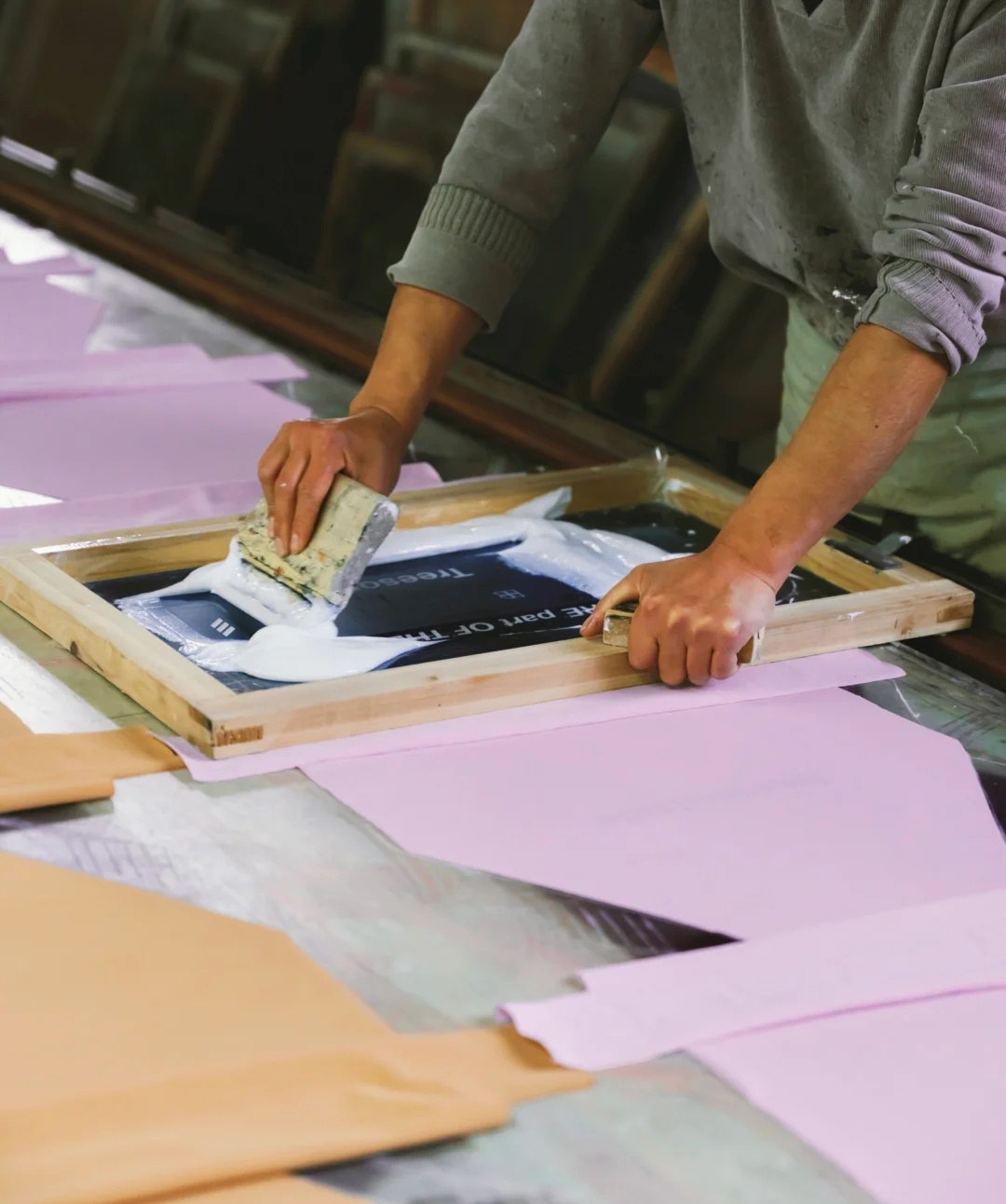
6-Stage Quality Control System
Every custom t-shirt printing order passes through our rigorous 6-stage quality control process. From raw material inspection to final product audits, our experienced QC team ensures consistent sizing, print durability, color accuracy, and construction integrity across every unit.
- Raw material inspection before cutting begins
- In-line production checks during sewing and decoration
- Measurement verification against approved tech packs
- Final product inspection covering print quality, stitching, and finishing
Global Logistics and Export Support
Shipping from our Humen, Dongguan facility to customers across North America, Europe, Australia, and beyond, ZORWILD provides full logistics coordination. We handle export documentation, customs support, and flexible shipping options including air freight, sea freight, and door-to-door delivery.
- Complete export documentation and customs clearance support
- Air freight for urgent orders, sea freight for cost efficiency
- Door-to-door delivery options to simplify your receiving process
- Trusted shipping partners serving 40+ countries worldwide
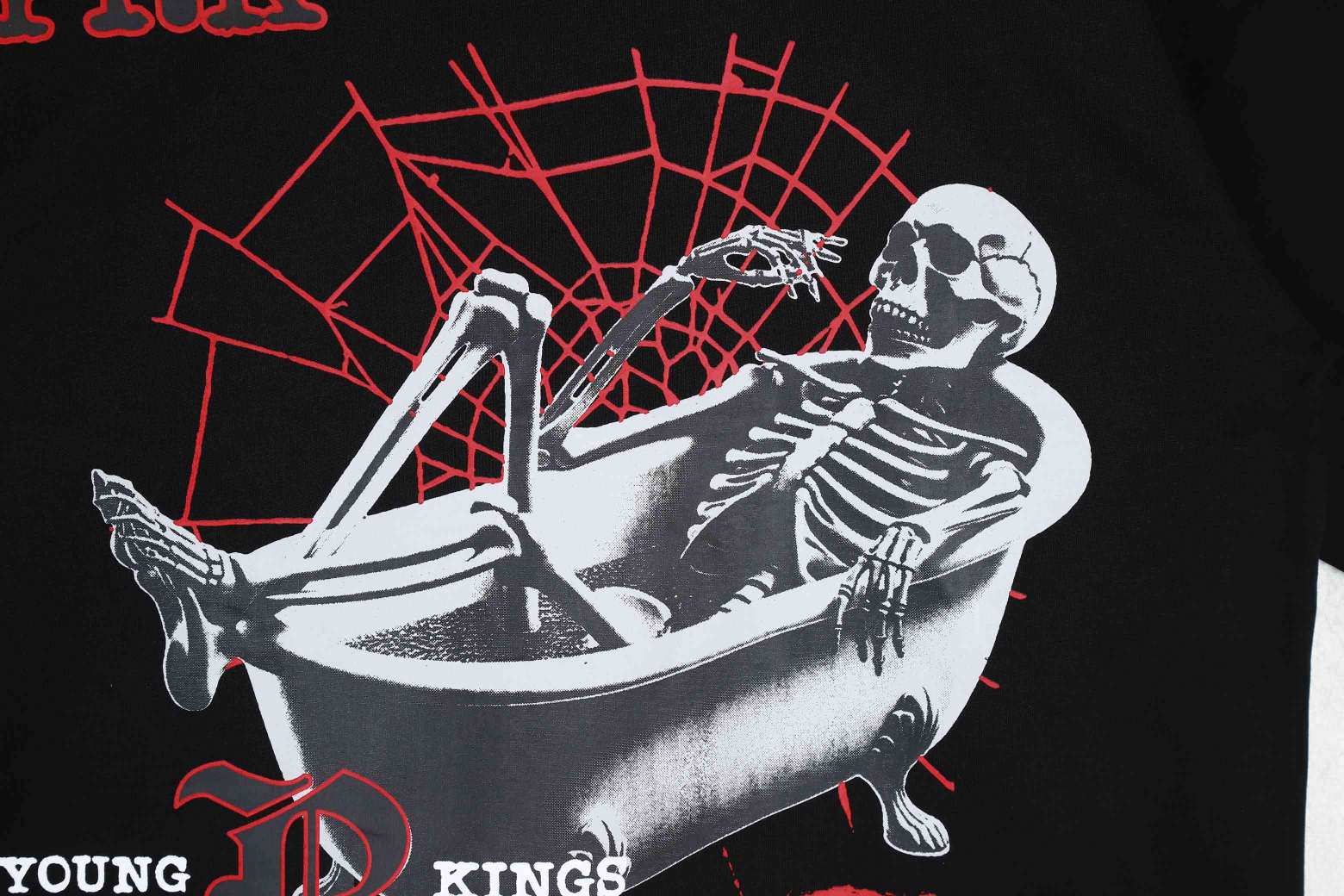
ZORWILD vs. Typical Custom T-Shirt Printing Suppliers
When you need reliable custom t-shirt printing with proven capabilities, the manufacturer you choose makes all the difference. Here’s how ZORWILD’s 27 years of experience and specialized infrastructure compare to typical suppliers.
← 左右滑动查看 →
Our Custom T-Shirt Printing Production Process
Every custom t-shirt printing order moves through our proven 6-stage production system, combining speed with rigorous quality control at every checkpoint to ensure your brand receives flawless garments on time.
Tech Pack & Design Review
Submit your tech pack, sketches, or reference samples. Our development team reviews specifications, confirms measurements, and finalizes decoration placements within 24 hours to launch your custom t-shirt printing project.
Fabric Sourcing & Approval
We source premium cotton, organic blends, or performance fabrics from trusted suppliers in Dongguan. Fabric swatches are sent for your approval before cutting begins.
Sampling & Fit Validation
Receive production-ready samples in 7 days. Evaluate fit, print quality, wash effects, and construction details. Revisions are completed quickly to match your brand standards perfectly.
Bulk Production & Decoration
Approved designs move into cutting, sewing, and decoration. Screen printing, DTG, embroidery, and garment washing are applied using our 95% in-house decoration techniques for consistent quality.
6-Stage Quality Control
Every custom t-shirt passes through fabric inspection, in-line checks, measurement validation, print quality review, final inspection, and packaging verification before approval for shipment.
Packing & Global Shipping
Garments are packed with custom labels, hang tags, and branded packaging. We coordinate air freight, sea freight, or express delivery with full export documentation to your destination.
How to Partner With ZORWILD for Custom T-Shirt Printing
From concept to delivery, our streamlined process ensures your custom t-shirt printing project launches on time with zero surprises. Here’s how we work together.
Submit Your Design or Tech Pack
Share your tech pack, sketches, reference samples, or design ideas. Our team reviews your specifications and recommends fabrics, printing techniques, and decoration options tailored to your brand.
Receive Quote and Sampling Timeline
Within 24 hours, you’ll receive a detailed quote covering materials, printing, MOQ pricing, and lead times. We outline sampling timelines so you can plan your launch with confidence.
Approve Samples and Finalize Details
Review physical samples to evaluate fit, fabric quality, print accuracy, and finishing. Request adjustments if needed, then approve final specifications before we move into bulk production.
Production Begins With 6-Stage QC
Your order enters our production line where 200+ skilled workers execute cutting, sewing, printing, and finishing. Every unit passes through our 6-stage quality control system for consistency.
Global Shipping and Delivery Support
Once production and final inspection are complete, we coordinate air freight, sea freight, or express delivery with full export documentation and customs support to your destination worldwide.
Certified Quality in Custom T-Shirt Printing

What Brands Say About Our Custom T-Shirt Printing
We launched our first 500-unit streetwear collection in just 3 weeks with ZORWILD. The vintage wash and puff print quality exceeded our expectations, and our customers loved the heavyweight feel.
ZORWILD helped us scale from a 50-piece test drop to 5,000 units in six months. Their low MOQ let us validate designs before committing, and the per-unit cost dropped by 28% as we grew.
The DTG printing clarity on our graphic tees is unmatched. We’ve worked with four manufacturers, and ZORWILD’s color accuracy and fabric softness consistently beat the competition. Our repeat order rate is now 73%.
Custom T-Shirt Printing FAQ
What is the minimum order quantity for custom t-shirt printing?
How long does custom t-shirt printing take from order to delivery?
Do you charge for samples before bulk custom t-shirt printing production?
What payment terms do you offer for custom t-shirt printing orders?
How much does shipping cost for custom t-shirt printing orders?
How do you protect my designs and intellectual property?
Do you provide design support for custom t-shirt printing projects?
Can you handle rush orders for custom t-shirt printing?
How long does fabric sourcing take for custom t-shirt printing orders?
The Complete Buyer’s Guide to Custom T-Shirt Printing for Your Brand
1. What Is Custom T-Shirt Printing?
Custom t-shirt printing is a manufacturing service that applies designs, logos, or artwork to blank or semi-finished garments using techniques such as screen printing, DTG printing, heat transfer, sublimation, and embroidery. Since 1998, manufacturers like ZORWILD have refined these processes to serve more than 2,000 clothing brands globally, enabling startups to launch with as few as 50 pieces per design while established wholesalers scale to monthly production runs exceeding 100,000 units.
Three distinct service models define the industry. Print-on-demand platforms fulfill individual orders with no inventory but offer limited fabric choice and higher per-unit costs, typically $8–$15 per shirt. Contract printing applies your artwork to garments you supply, reducing cost to $3–$7 per print but requiring separate sourcing. Full-package manufacturing — ZORWILD’s core model — handles fabric sourcing, sampling, decoration, quality control, and packaging under one roof, delivering finished branded products ready for retail or e-commerce with MOQs starting at 50 pieces.
Influencers use custom t-shirt printing to monetize audiences with merch collections that reflect personal brands. Small fashion labels rely on low-MOQ production to test designs, reduce inventory risk, and iterate quickly based on customer feedback. Wholesalers and retailers leverage scalable production, stable quality, and competitive pricing to supply brick-and-mortar stores and online marketplaces. Custom t-shirt printing remains the fastest, lowest-risk entry point into apparel entrepreneurship, combining brand differentiation with speed to market.
2. Evolution and History of Custom T-Shirt Printing
Screen printing emerged as the dominant custom tshirt printing method in the 1960s, fueling counterculture movements, band merchandise, and protest apparel with bold graphics and vibrant colors. By the 1970s and 1980s, branded merchandise became mainstream as sports teams, corporations, and fashion labels recognized T-shirts as powerful marketing tools, yet traditional screen printing required minimum order quantities of 500 to 5,000 units due to setup costs and manual labor intensity.
The 2000s digital revolution transformed the industry when direct-to-garment (DTG) printing technology matured, enabling full-color, photo-quality prints without screens or setup fees. DTG systems reduced MOQs from thousands to as low as 50 pieces, opening custom tshirt printing to startup brands, influencers, and online stores that lacked capital for large inventory investments. By 2010, online design platforms and print-on-demand services democratized apparel production, allowing independent designers to launch collections with zero upfront inventory risk.
Direct-to-film (DTF) printing arrived in the late 2010s, combining the durability of screen printing with the flexibility of digital methods and further lowering production barriers. Today, manufacturers like ZORWILD offer 50-piece MOQs with 7-day sampling, enabling influencers and small brands to test designs, respond to trends, and compete with established labels through speed and customization rather than volume. This shift from mass production to flexible, low-MOQ manufacturing has empowered a new generation of fashion entrepreneurs to build brands without traditional capital barriers.
3. Types of Custom T-Shirt Printing Methods
Custom tshirt printing spans six primary methods, each optimized for distinct order volumes, design complexity, and fabric types. Understanding the trade-offs between durability, cost per unit, and minimum order quantity determines which technique aligns with your brand’s production strategy and budget constraints.
Screen Printing
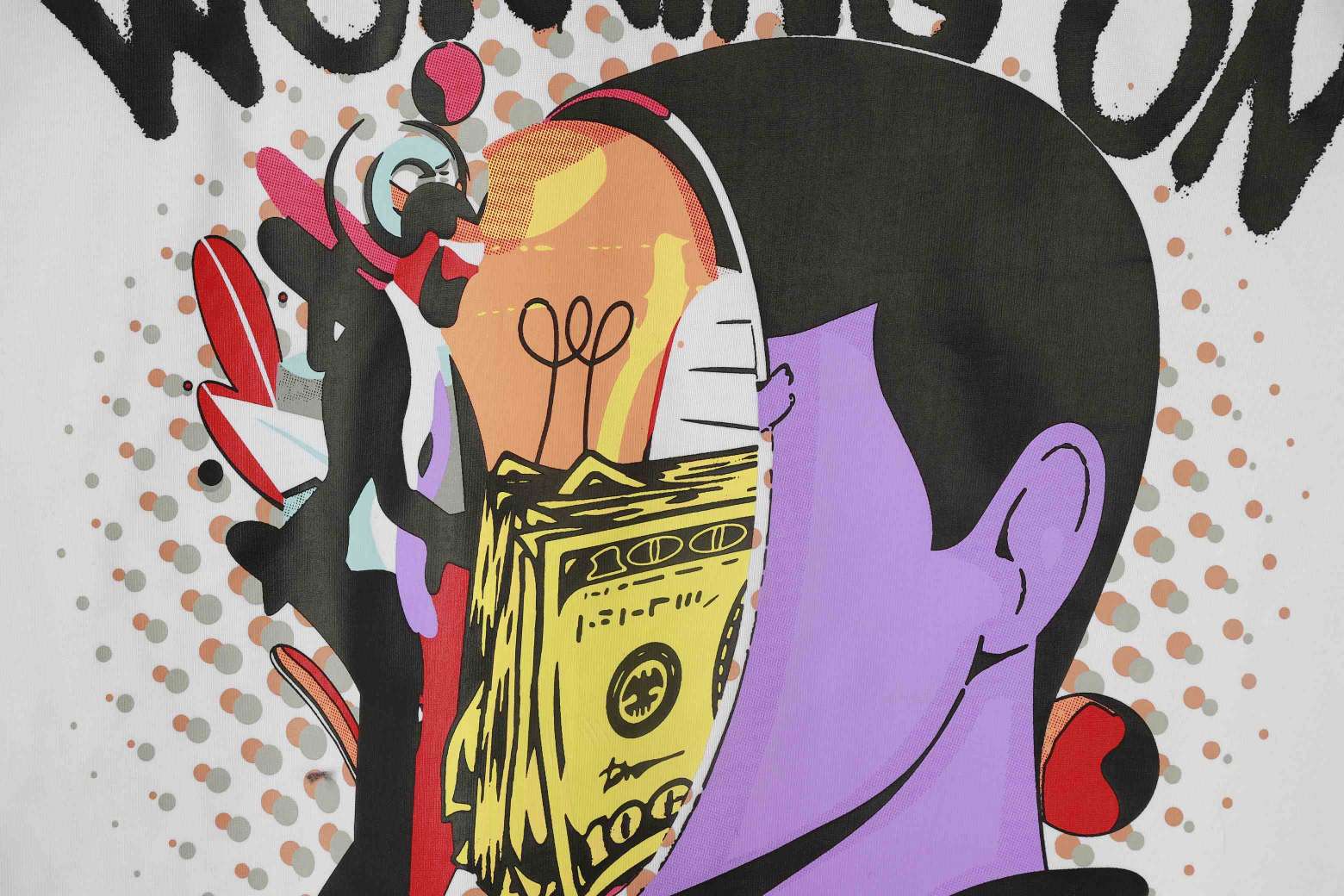
Screen printing delivers the highest durability and lowest per-unit cost for orders above 100 pieces, making it ideal for wholesale runs and bold graphics with up to 6–8 spot colors. Setup costs include screen preparation for each color, driving MOQs of 50–100 units per design.
ZORWILD uses water-based and plastisol inks on cotton, polyester blends, and heavyweight jersey. Durability exceeds 50 industrial washes when properly cured, but photographic gradients require halftone screens that increase complexity and cost.
Direct-to-Garment (DTG)
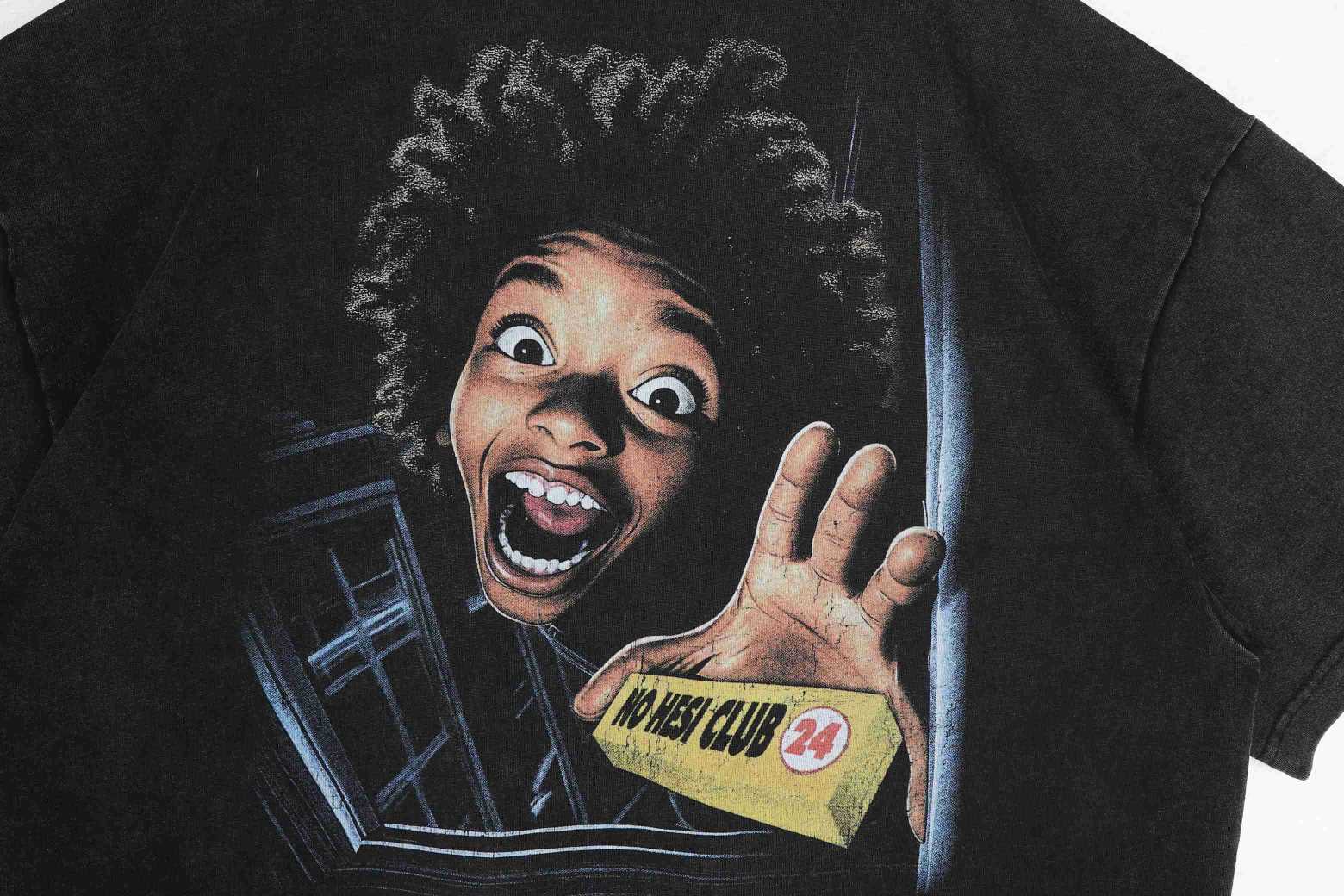
DTG printing uses inkjet technology to apply water-based inks directly onto fabric, supporting full-color photographic designs and complex artwork without setup fees. MOQs start at 1 piece, ideal for test runs, influencer merch drops, and on-demand collections.
Best results appear on 100% cotton and high-cotton blends; polyester requires pretreatment and yields muted colors. Wash durability reaches 30–40 cycles with proper care, lower than screen printing but sufficient for fashion-forward collections where design complexity outweighs longevity.
Direct-to-Film (DTF) and Heat Transfer
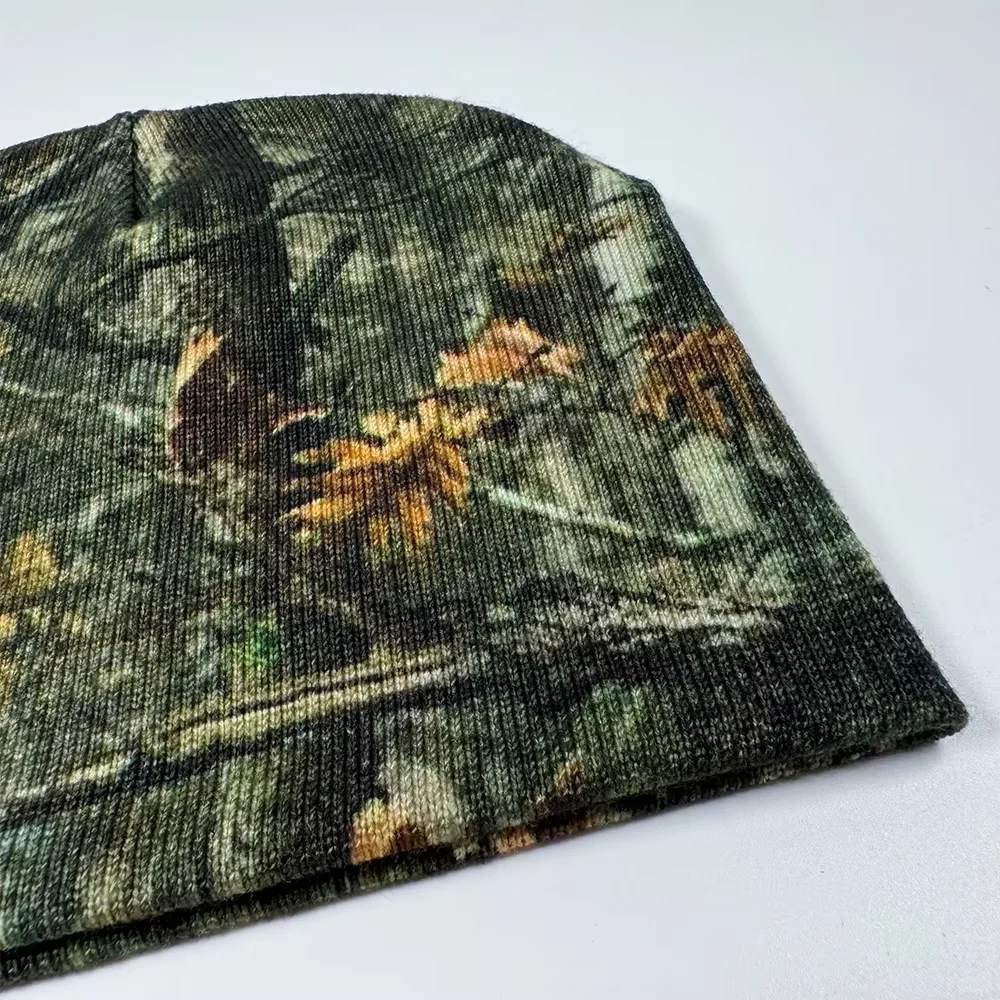
DTF prints designs onto a release film, then heat-presses the cured ink onto any fabric including cotton, polyester, nylon, and blends. This method handles full-color graphics, gradients, and fine details with no fabric pretreatment, supporting MOQs from 10 pieces.
Heat transfer vinyl (HTV) suits single-color logos, text, and simple shapes with excellent wash durability on activewear and technical fabrics. Both methods cost more per unit than screen printing but eliminate screen fees, making them cost-effective for orders under 100 units or multi-fabric collections.
Sublimation and Embroidery
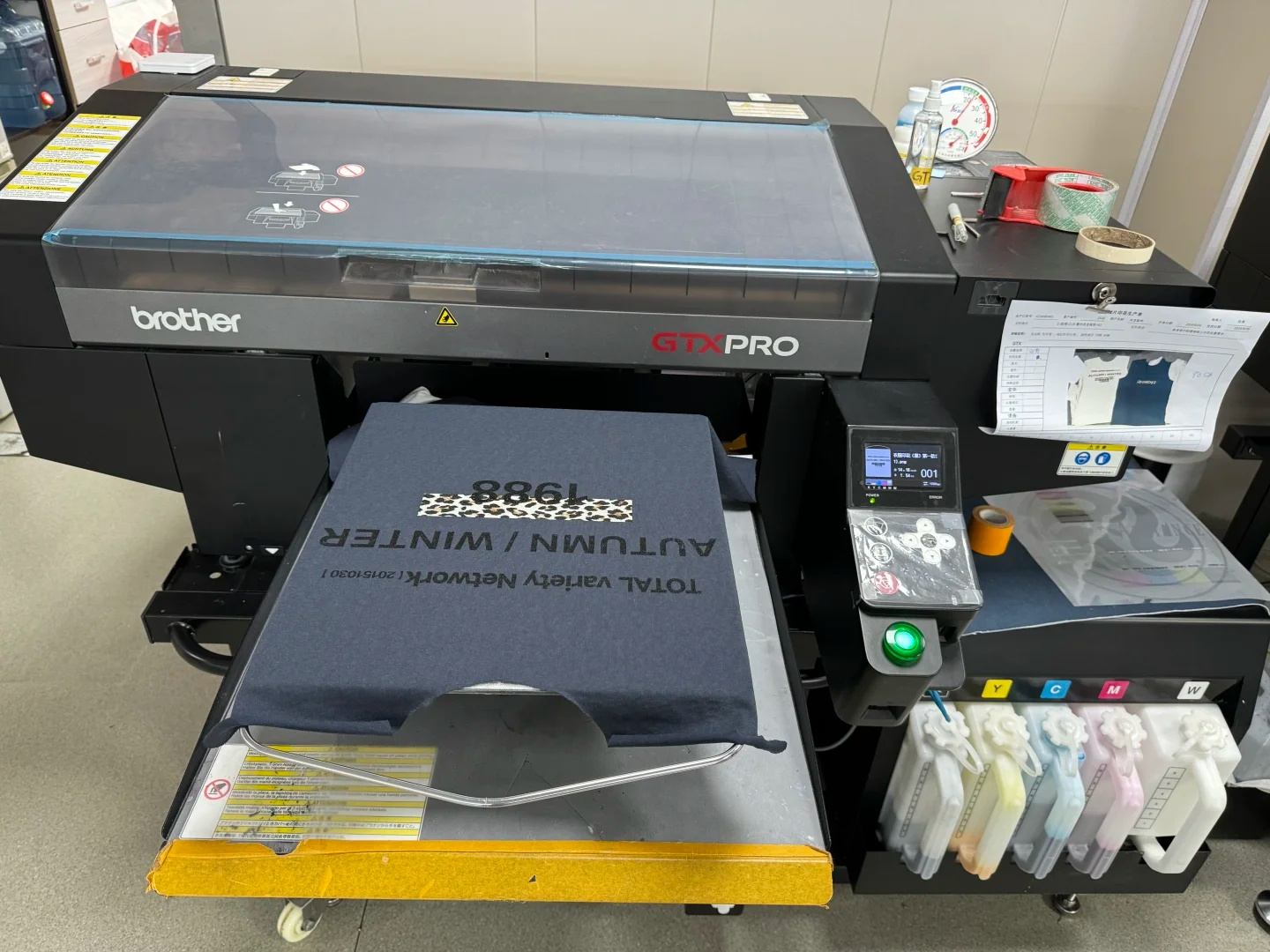
Sublimation printing converts dye into gas under heat, bonding permanently with polyester fibers for all-over prints, photographic sportswear, and technical activewear. Limited to white or light polyester fabrics, it delivers unmatched color vibrancy and zero hand feel, with durability matching the fabric lifespan.
Embroidery uses needle and thread for logos, text, and simple artwork, offering premium texture and luxury branding on polos, heavyweight tees, and streetwear. Stitch density of 4,000–8,000 stitches per design ensures durability beyond 100 washes, though complex gradients and small text (below 6mm) reduce legibility. MOQs typically start at 50 pieces due to digitizing fees.
4. Materials and Fabrics for Custom T-Shirt Printing
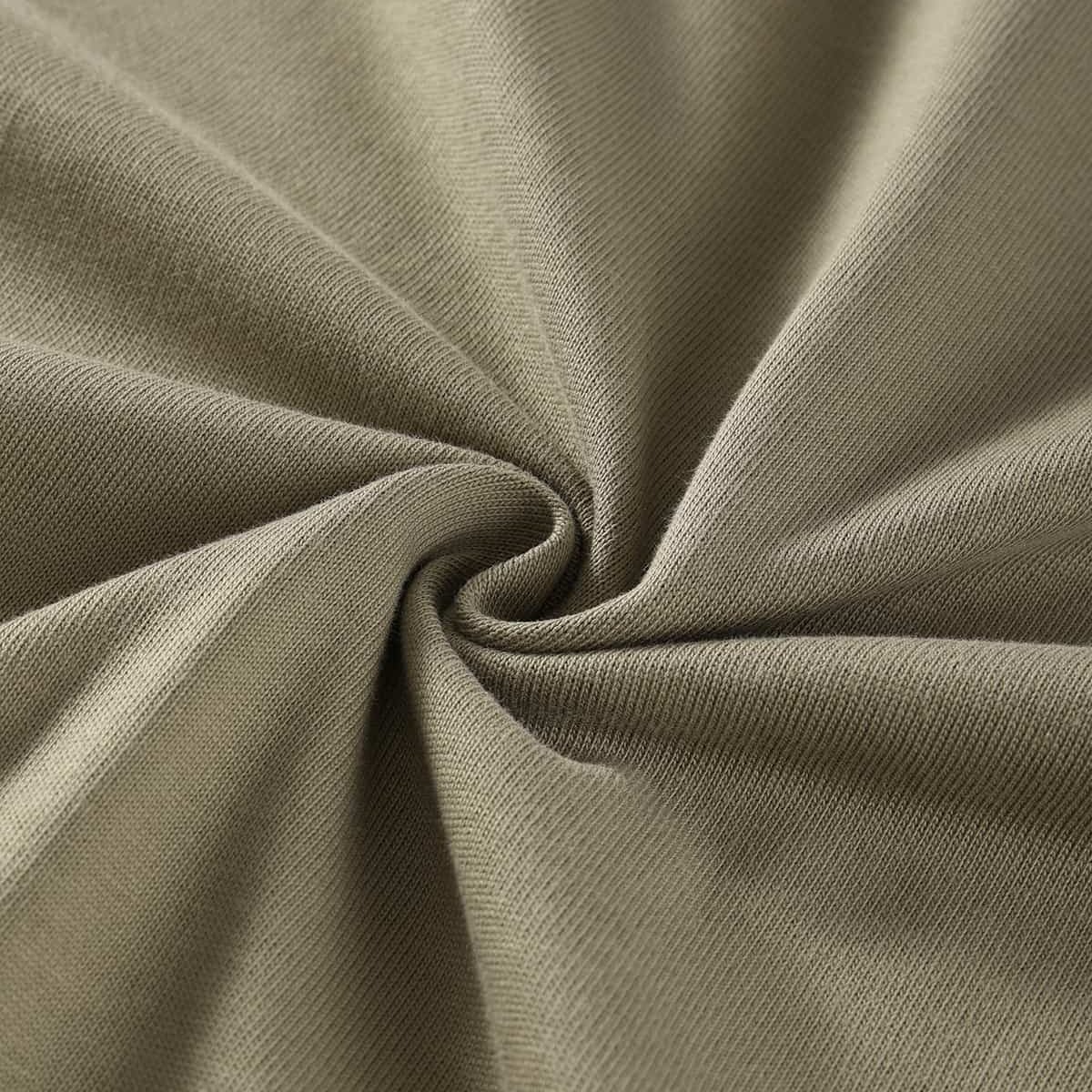
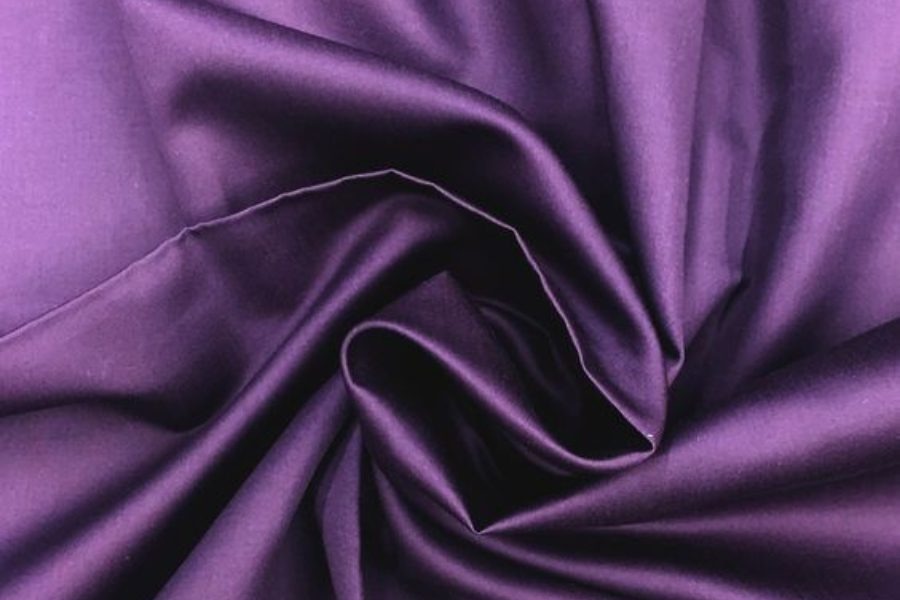
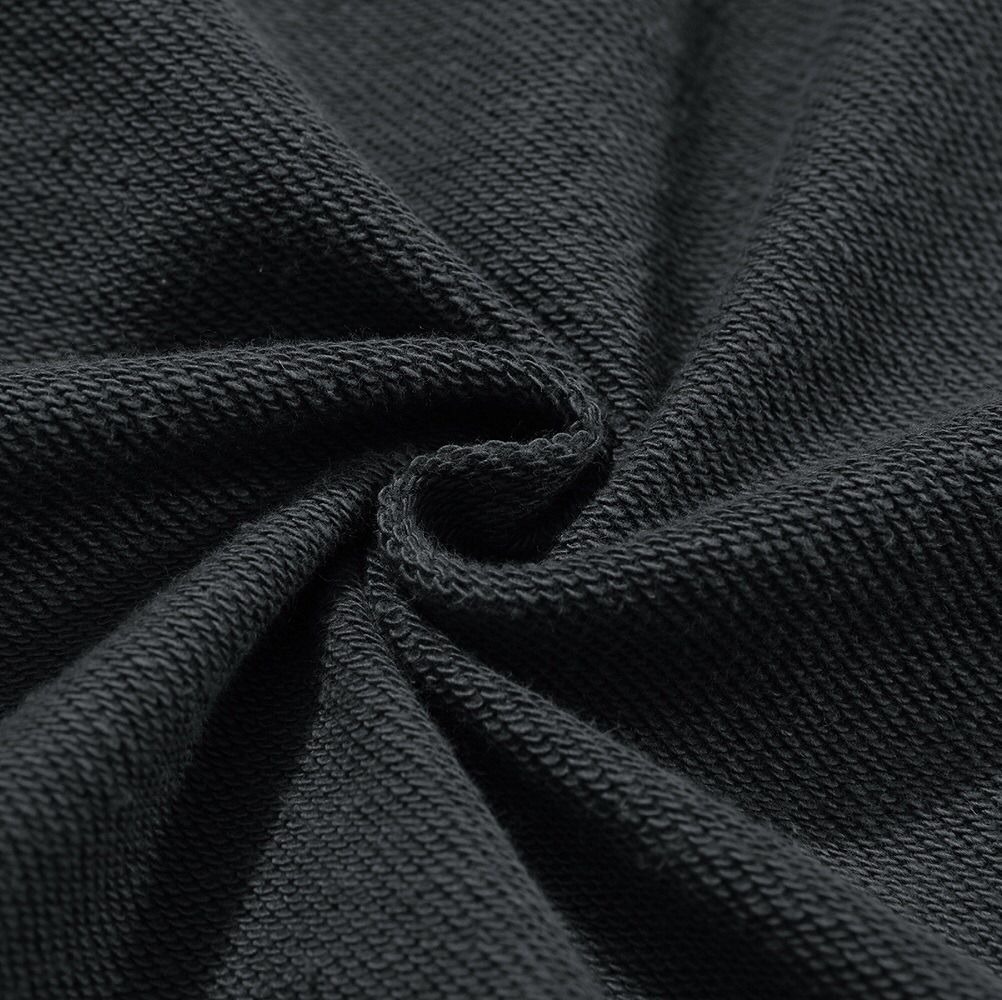
Fabric choice directly impacts print quality, durability, and brand positioning in custom tshirt printing. ZORWILD sources cotton, organic cotton, polyester blends, tri-blend jersey, bamboo cotton, modal blends, and performance fabrics to match every budget and customer segment.
| Fabric Type | GSM Range | Best Print Method | Shrinkage | Target Segment |
|---|---|---|---|---|
| 100% Cotton | 145–220 | Screen, DTG, Water-based | 3–5% | Mid-tier casual, streetwear |
| Poly-Cotton Blend | 150–180 | Screen, Heat Transfer | 1–2% | Budget, promotional, wholesale |
| Tri-Blend | 135–160 | Screen, Water-based | 1–2% | Premium casual, influencer merch |
| Performance Polyester | 120–150 | Sublimation | 0% | Activewear, sportswear, athleisure |
| Organic Cotton | 160–200 | Water-based, Eco-dye | 3–5% | Eco-conscious, premium sustainable |
| Bamboo Cotton | 150–180 | Water-based, Eco-dye | 3–5% | Eco-friendly, luxury casual |
100% Cotton and Ring-Spun Cotton
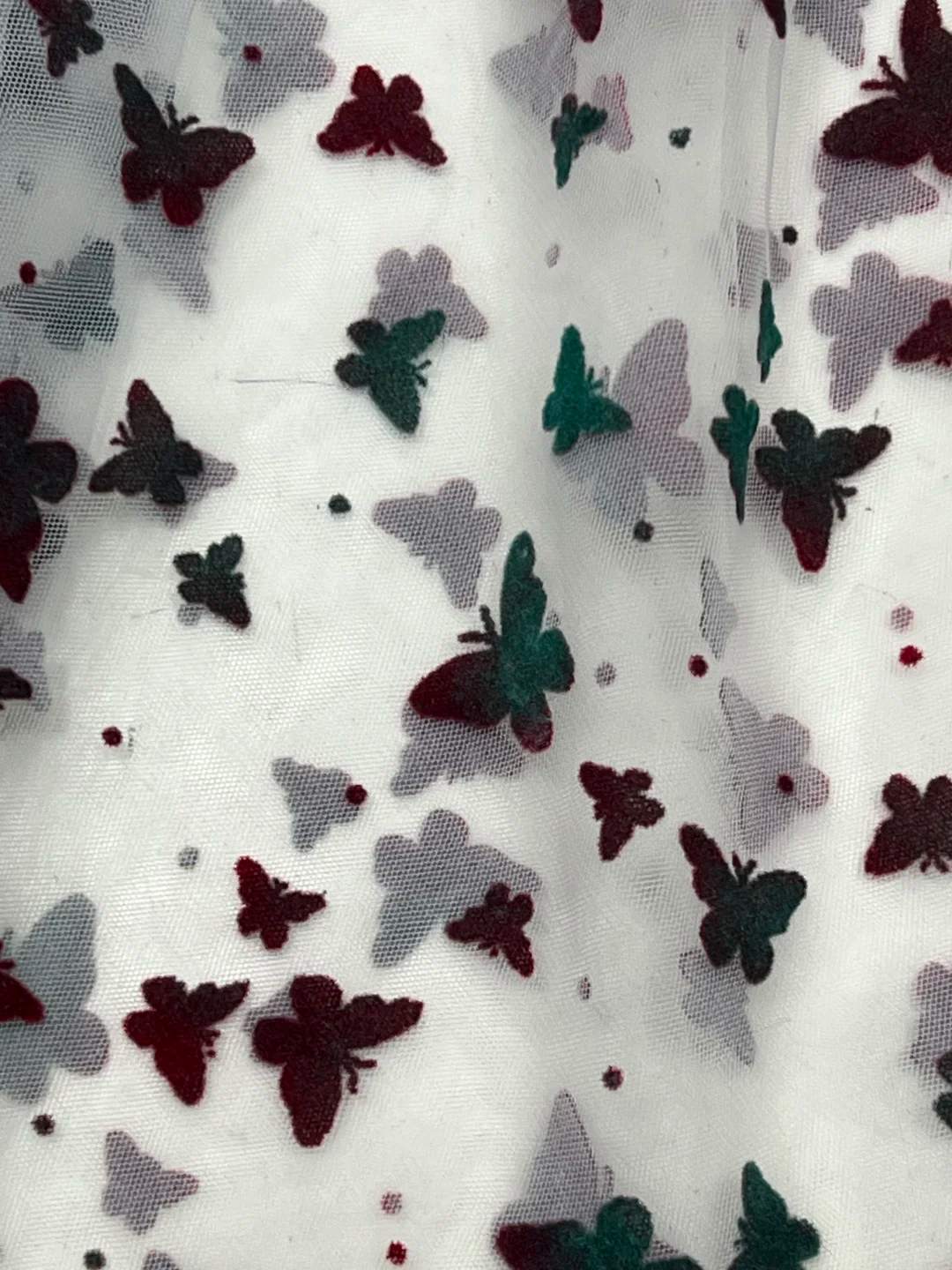
100% cotton T-shirts range from 145 GSM (lightweight) to 220 GSM (heavyweight), offering excellent breathability and soft hand feel. Ring-spun cotton delivers smoother surface finish than open-end cotton, improving print detail for screen printing and DTG printing.
Shrinkage averages 3–5% after first wash; pre-shrunk fabrics reduce this to 2–3%. Cotton accepts water-based printing, puff printing, and discharge printing exceptionally well, making it the standard choice for streetwear and casual brands targeting mid-tier retail.
Poly-Cotton Blends
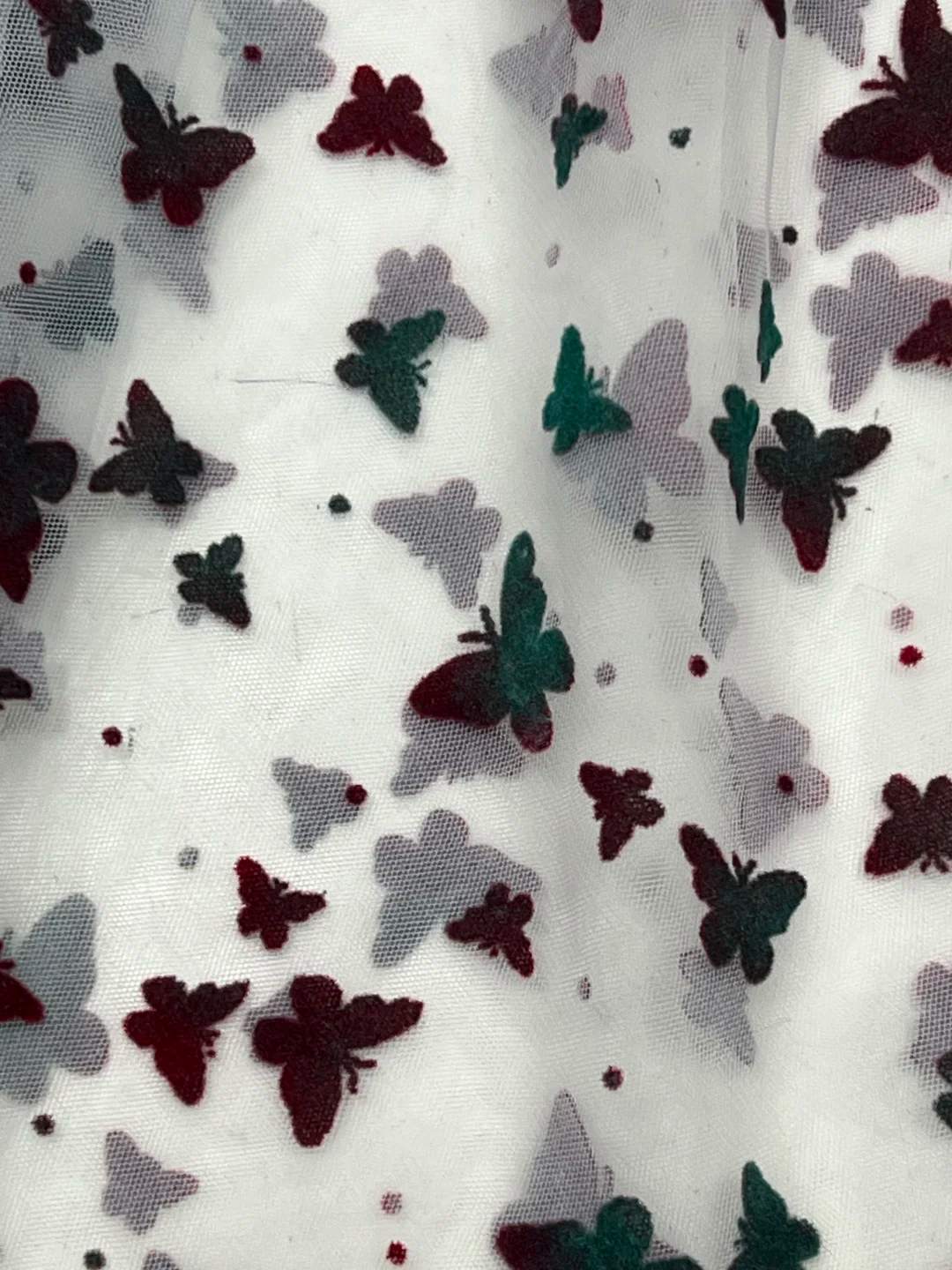
Poly-cotton blends (typically 50/50 or 65/35 polyester-cotton) combine cotton comfort with polyester durability and reduced shrinkage. GSM ranges from 150 to 180, balancing cost and performance.
These blends resist wrinkles, dry faster, and cost 10–15% less than 100% cotton, positioning them for budget brands, promotional merchandise, and high-volume wholesale orders. Screen printing and heat transfer printing perform reliably; DTG results vary by polyester ratio.
Tri-Blend Jersey
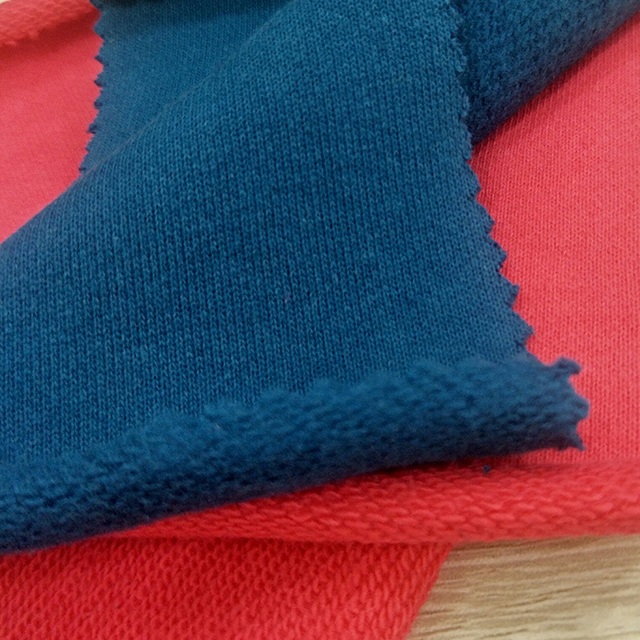
Tri-blend fabrics mix polyester, cotton, and rayon (common ratios: 50/25/25) to create ultra-soft, drapey T-shirts in 135–160 GSM. The rayon content adds luxurious hand feel and vintage aesthetic, ideal for premium streetwear and influencer merchandise.
Tri-blends shrink minimally (1–2%) and resist pilling. Screen printing and water-based printing work best; heavy ink deposits can stiffen the fabric. Retail positioning is premium casual, often priced 20–30% above standard cotton.
Performance Polyester and Moisture-Wicking Fabrics
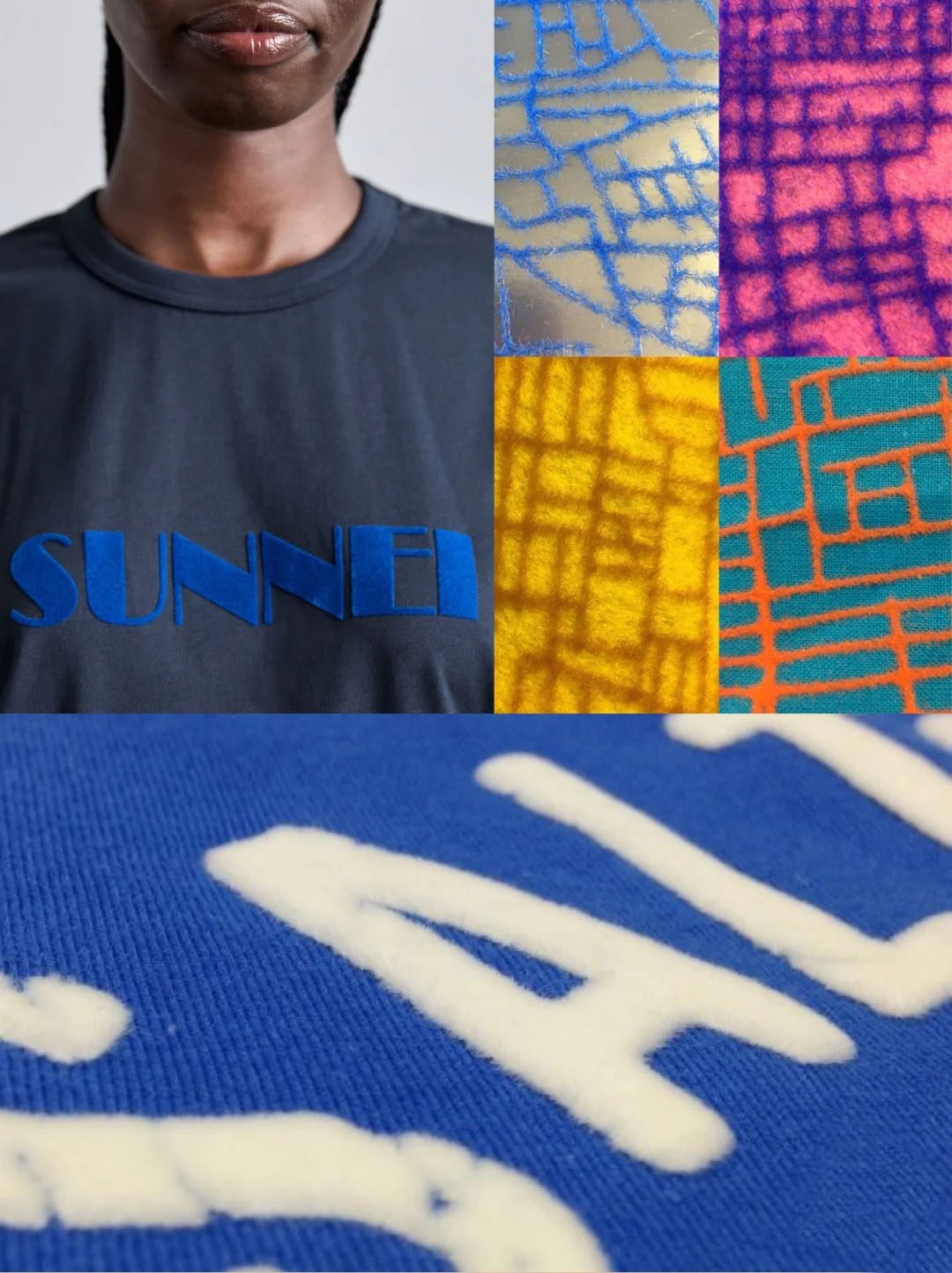
100% polyester performance fabrics (120–150 GSM) feature moisture-wicking, quick-dry, and four-way stretch properties for activewear and sportswear brands. Sublimation printing is the preferred decoration method, enabling full-color, all-over designs without hand feel.
These technical fabrics resist shrinkage entirely and maintain shape through repeated washing. Target segments include gyms, sports teams, outdoor brands, and athleisure collections requiring breathability and UV protection.
Organic Cotton and Bamboo Fabrics
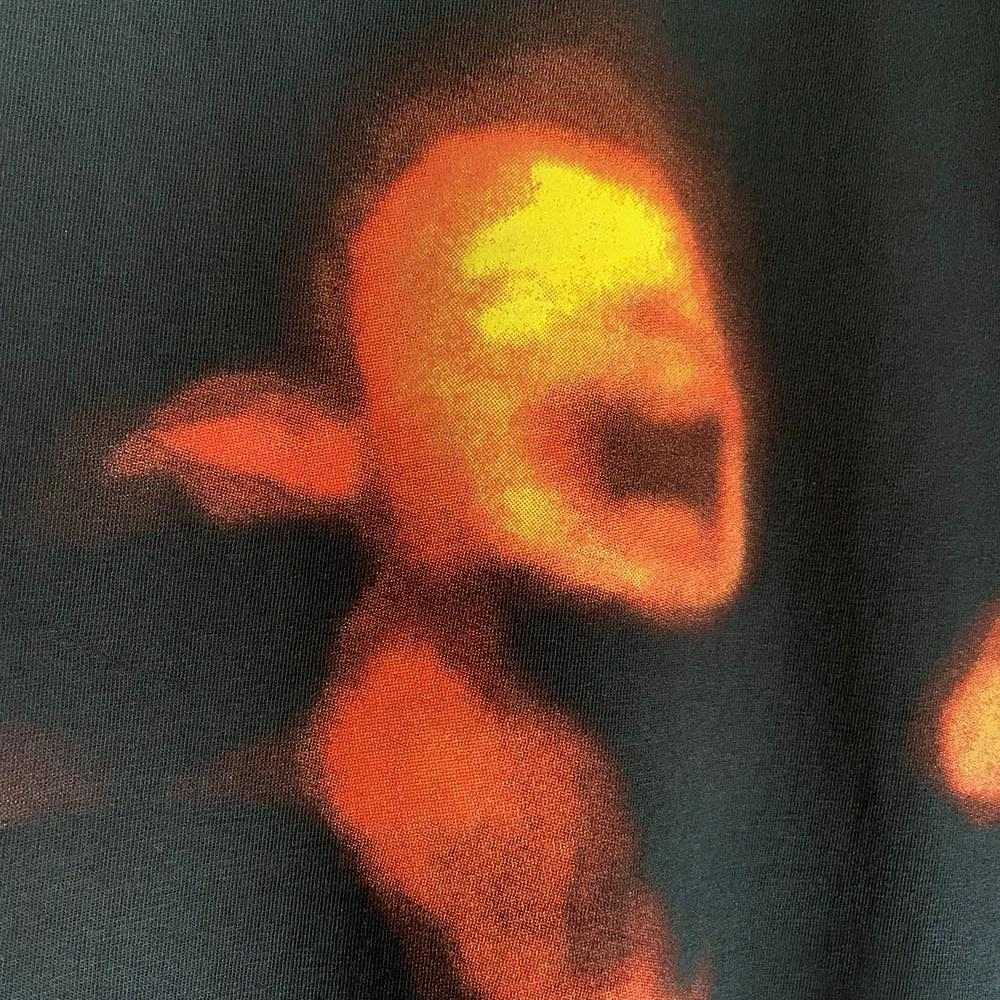
Organic cotton (GOTS-certified, 160–200 GSM) and bamboo cotton blends appeal to eco-conscious brands emphasizing sustainability and soft hand feel. Bamboo fabrics offer natural antibacterial properties and superior moisture management compared to conventional cotton.
Both materials accept water-based printing and eco-friendly dye processes. Shrinkage mirrors conventional cotton (3–5%). Retail positioning is premium eco-friendly, often commanding 25–40% price premiums and attracting consumers prioritizing environmental responsibility and ethical manufacturing.
5. Customization and Decoration Options Beyond Printing
While custom tshirt printing anchors most collections, premium brands layer embroidery, labels, and specialty finishes to build signature aesthetics and justify higher retail margins. ZORWILD supports more than 95% of modern decoration techniques, allowing brands to combine methods for differentiated product lines.
Embroidery and Dimensional Effects
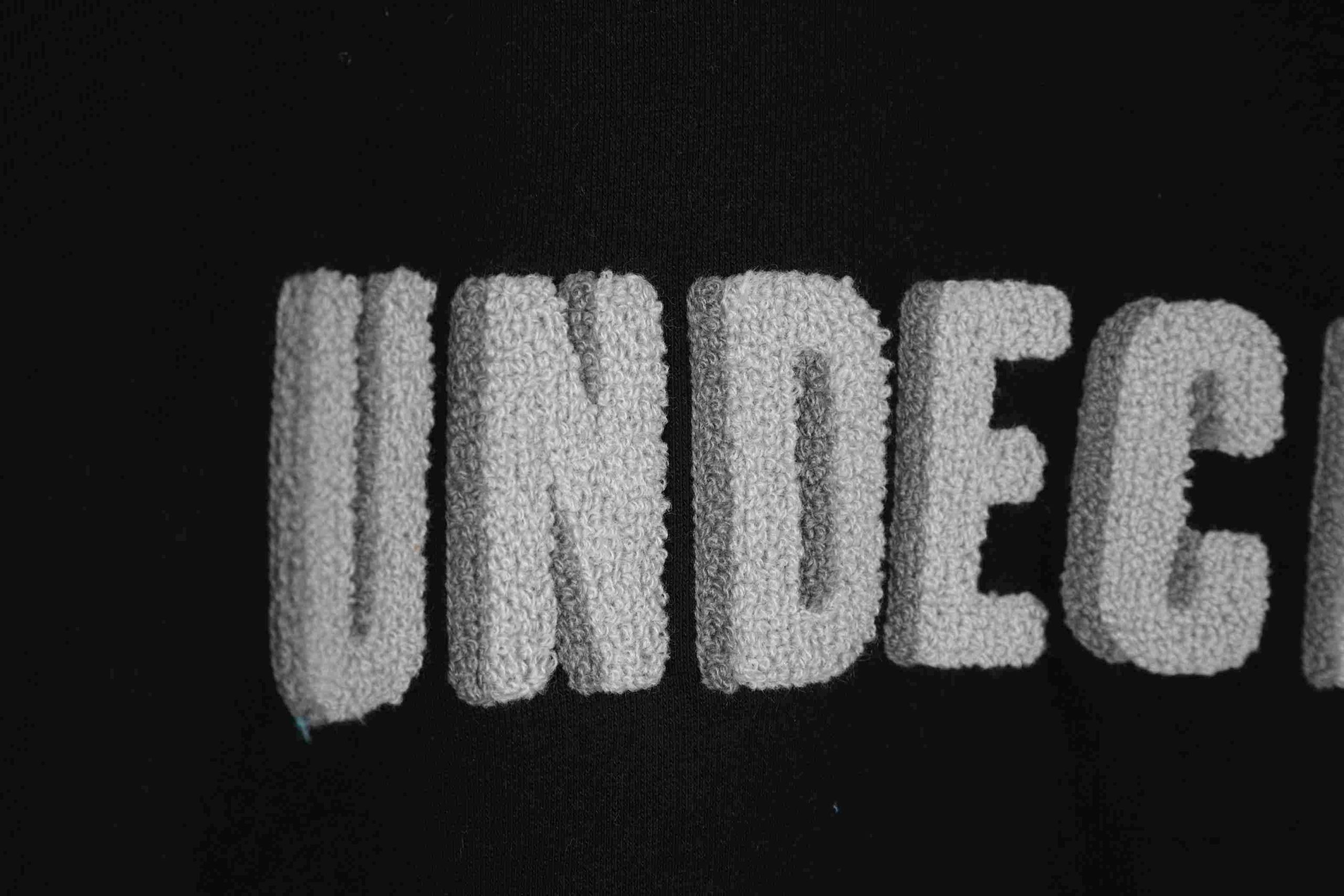
Flat embroidery, 3D puff embroidery, and chenille embroidery add tactile luxury to chest logos, sleeve branding, and back graphics. Embroidery typically adds $1.50–$4.00 per placement depending on stitch count and complexity, with MOQs often starting at 100 pieces per design due to digitizing and setup costs.
Puff printing raises ink above the fabric surface for streetwear-style dimension at lower cost than embroidery, while foil printing delivers metallic shine for premium capsule collections. Rhinestone application creates high-impact embellishment but requires careful garment handling and adds $3–$8 per piece depending on stone count.
Custom Labels and Branding Details
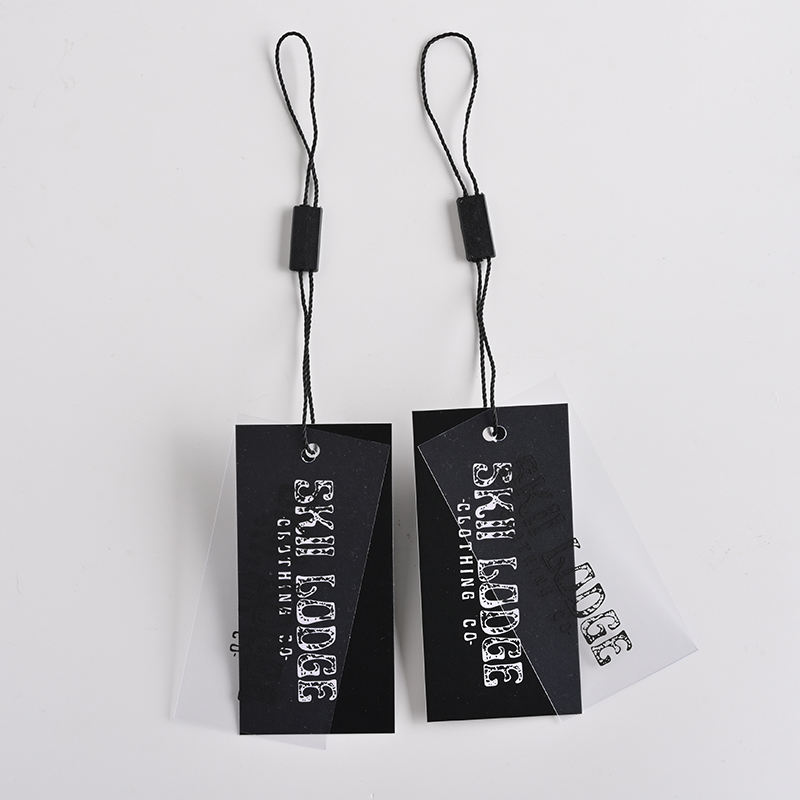
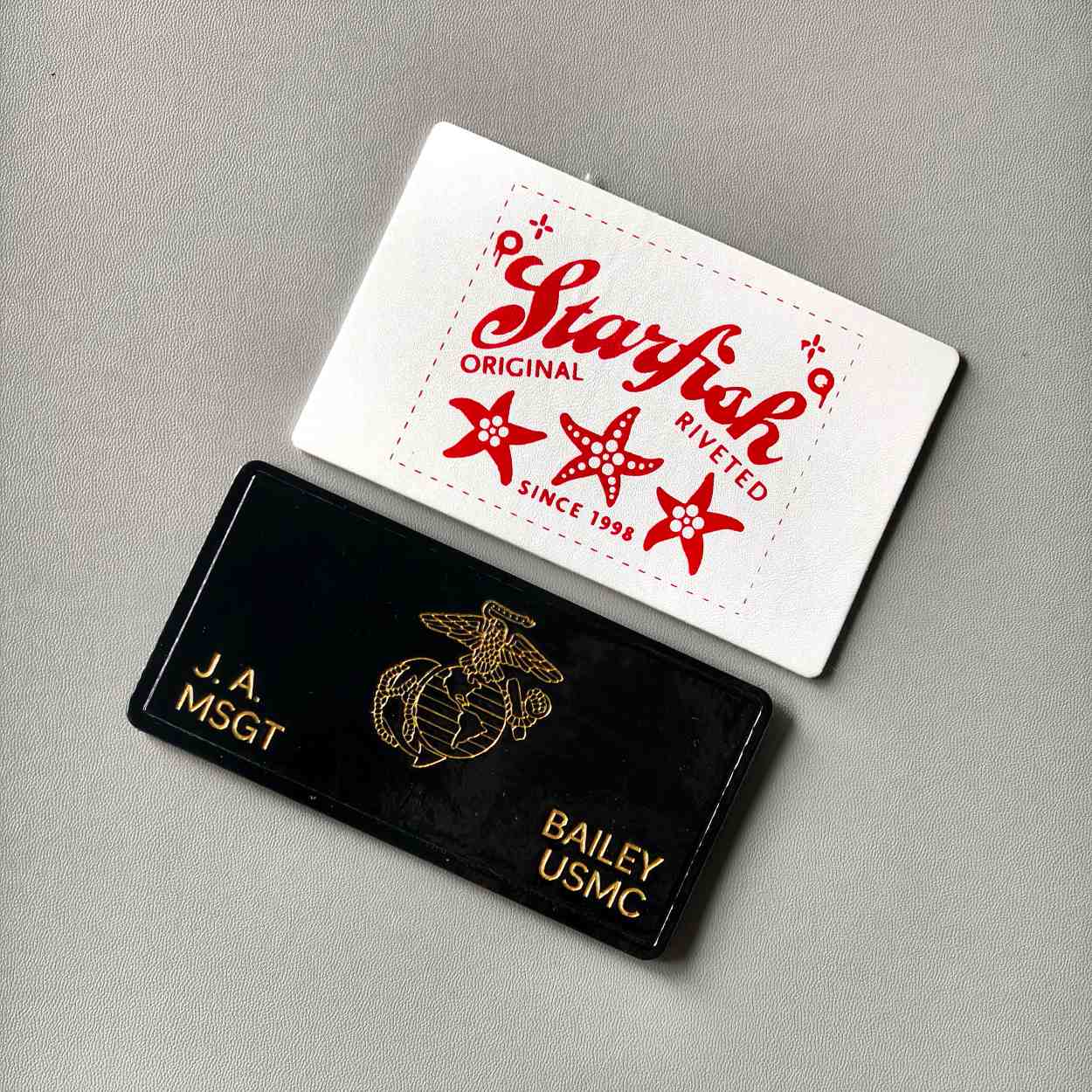
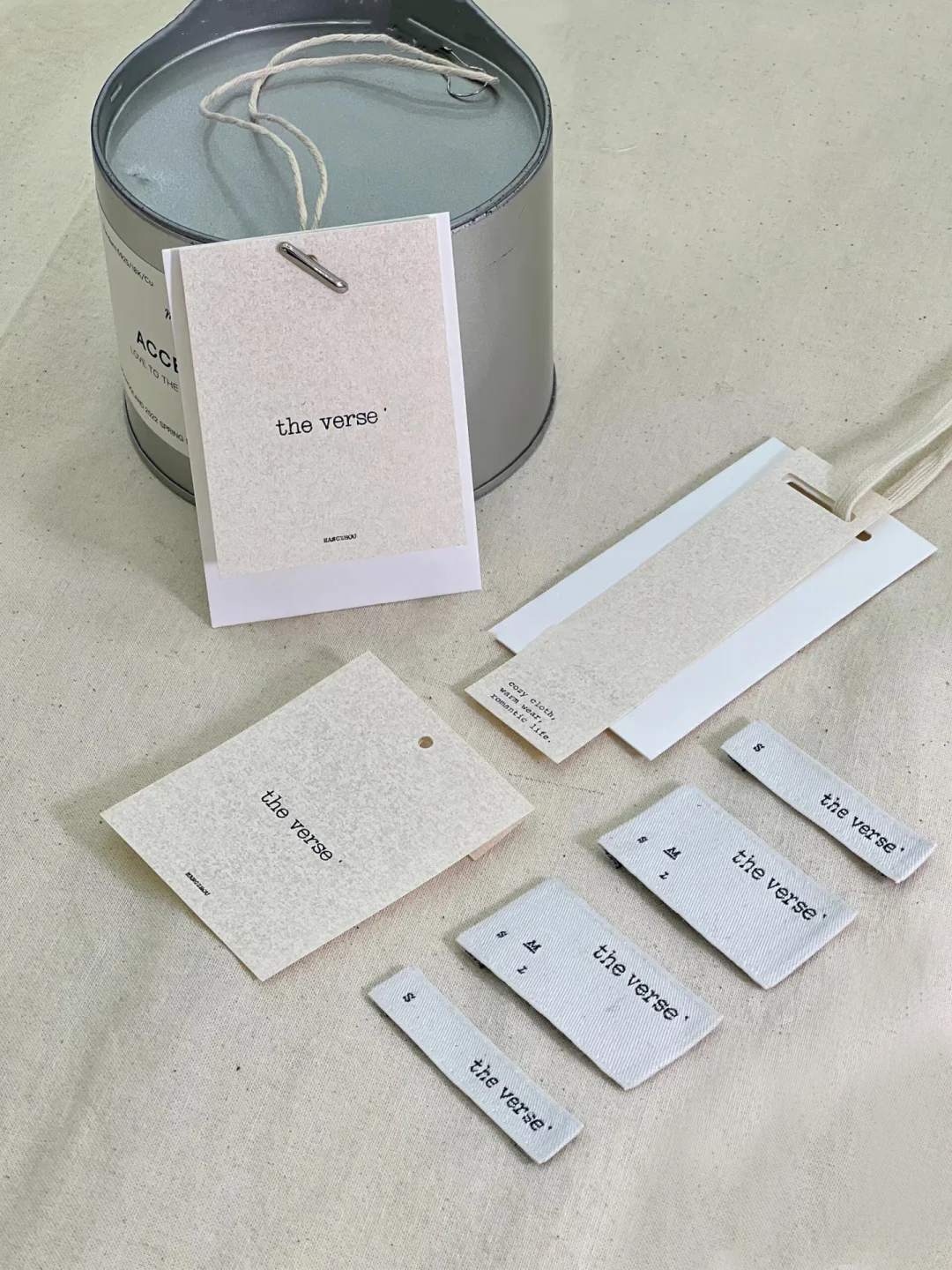
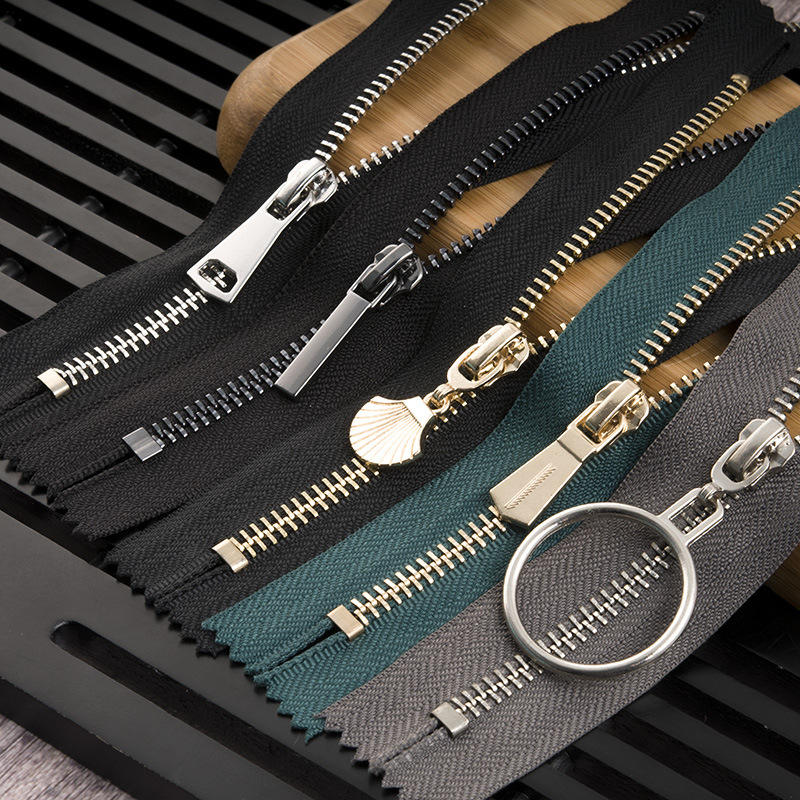
Woven labels, printed neck labels, and custom hang tags transform generic blanks into branded products. Tear-away labels allow customers to remove tags for comfort, while direct-printed inside neck labels eliminate irritation and support clean branding.
Woven main labels typically require 500–1,000 piece minimums from label suppliers, but ZORWILD consolidates orders across clients to enable lower per-style MOQs. Hang tags, care labels, and size labels complete the premium unboxing experience and cost $0.10–$0.50 per garment depending on material and printing complexity.
Layering Techniques for Signature Aesthetics
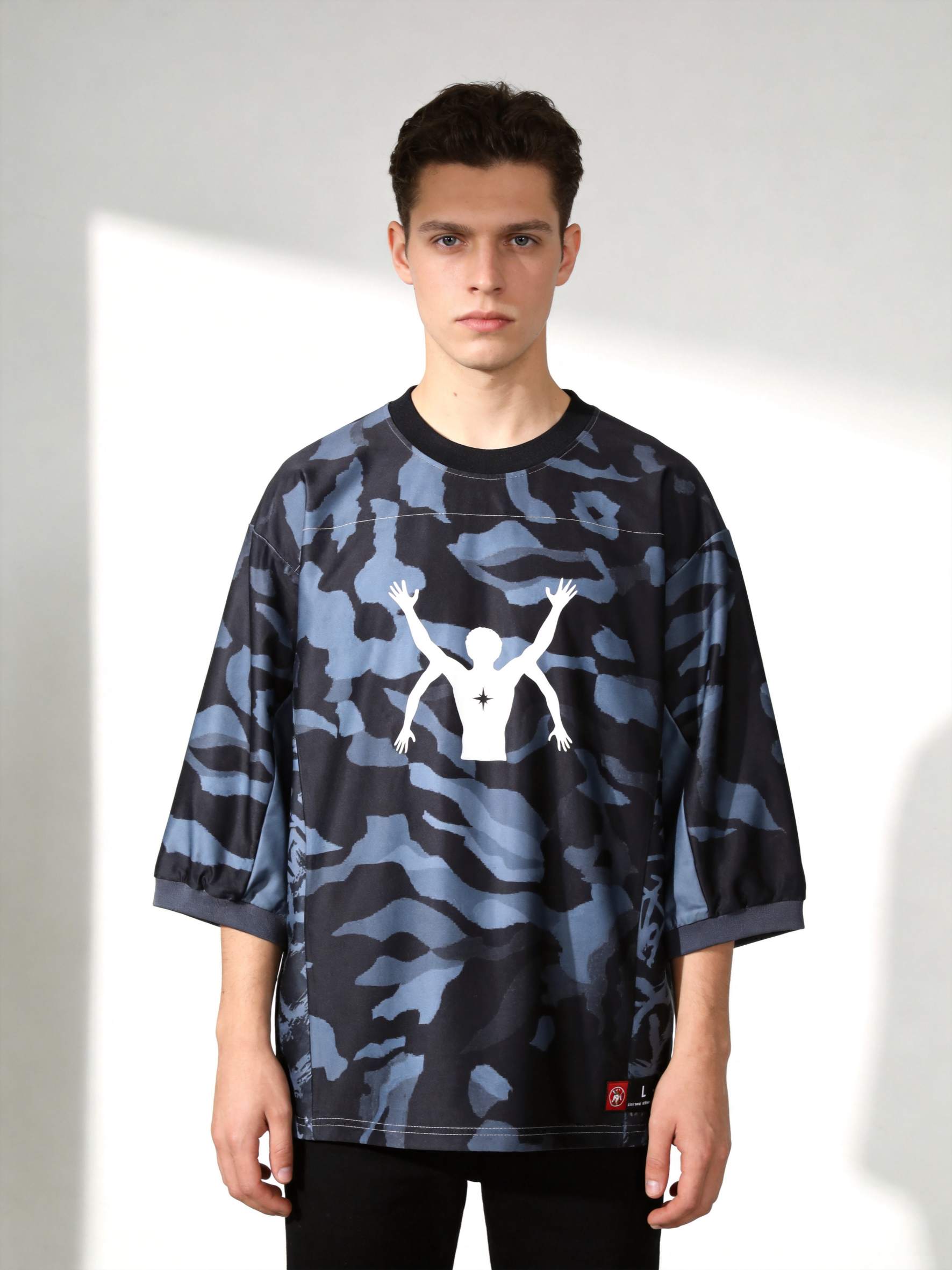
Successful brands combine two to three decoration methods — screen print base graphics with embroidered logos, or all-over sublimation print with puff ink highlights — to create recognizable visual identity. Each additional technique adds 15–40% to production cost but can support 50–150% retail price premiums when executed with consistent quality.
Startup collections benefit from simpler single-method decoration to control costs and inventory risk, while established brands justify layered embellishment through proven customer demand and higher average order values.
6. Key Quality Elements in Custom T-Shirt Printing
Quality in custom tshirt printing depends on measurable checkpoints across decoration, construction, and consistency. Professional manufacturers test every stage from fabric inspection through final packaging to ensure brand-standard results.
Print Resolution and Color Accuracy
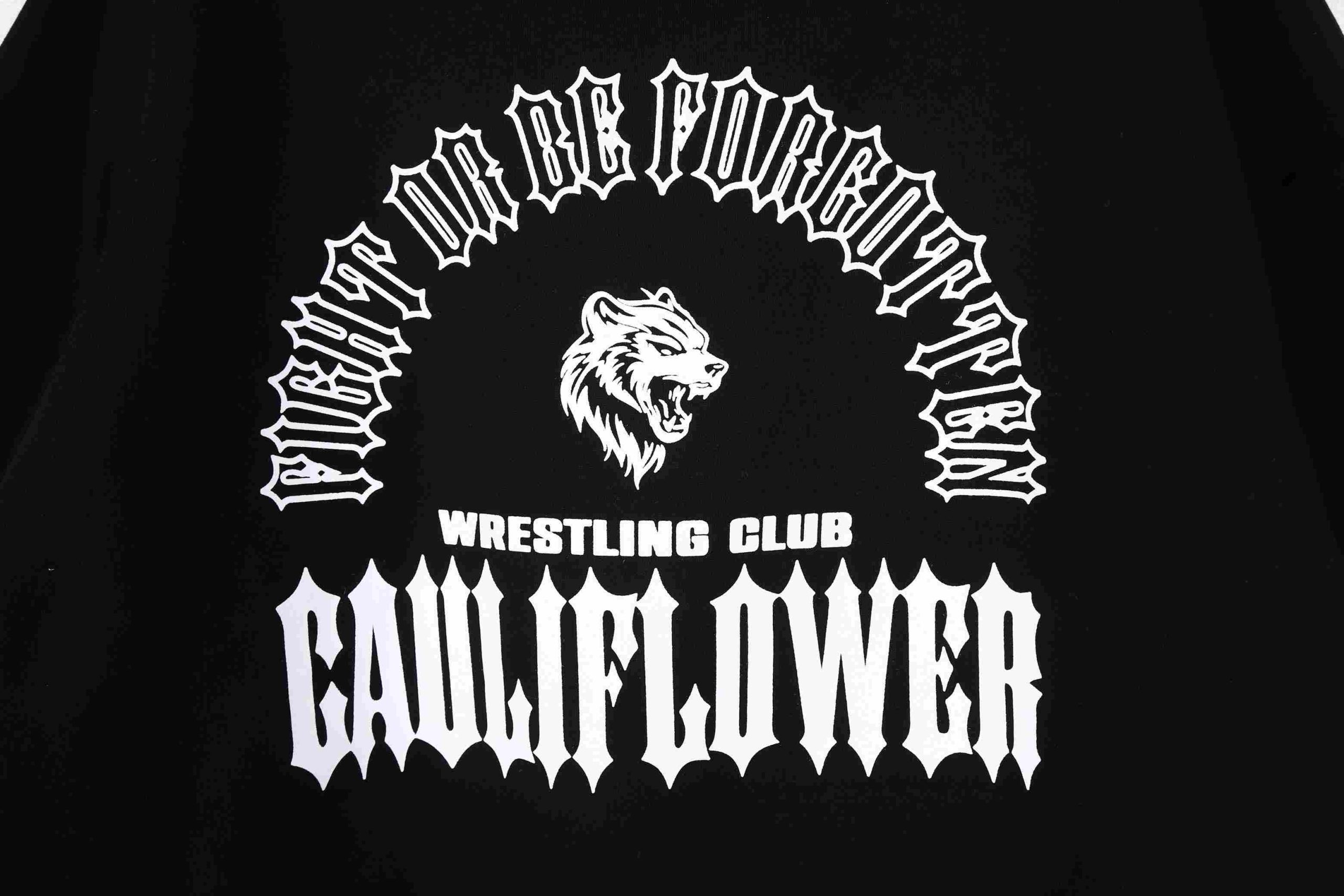
Screen printing should deliver 45–65 line-per-inch resolution for solid graphics, while DTG printing requires 300 DPI minimum for photographic detail. Color matching uses Pantone or CMYK standards with ±5% tolerance acceptable for most fashion brands.
Request color swatches on your chosen fabric before bulk production. Ink opacity, fabric base color, and print method all affect final appearance, so always approve samples under natural daylight and indoor lighting.
Ink Adhesion and Wash-Fastness
ISO 105-C06 wash-fastness testing measures color retention after 30–50 wash cycles. Water-based inks should pass Grade 4 minimum; plastisol inks typically achieve Grade 4–5. Puff and foil prints require careful curing to prevent cracking or peeling.
ZORWILD applies heat curing at controlled temperatures and conducts stretch tests to verify ink flexibility. Always request wash test reports for collections intended for retail or repeat wear.
Seam Construction and Collar Durability
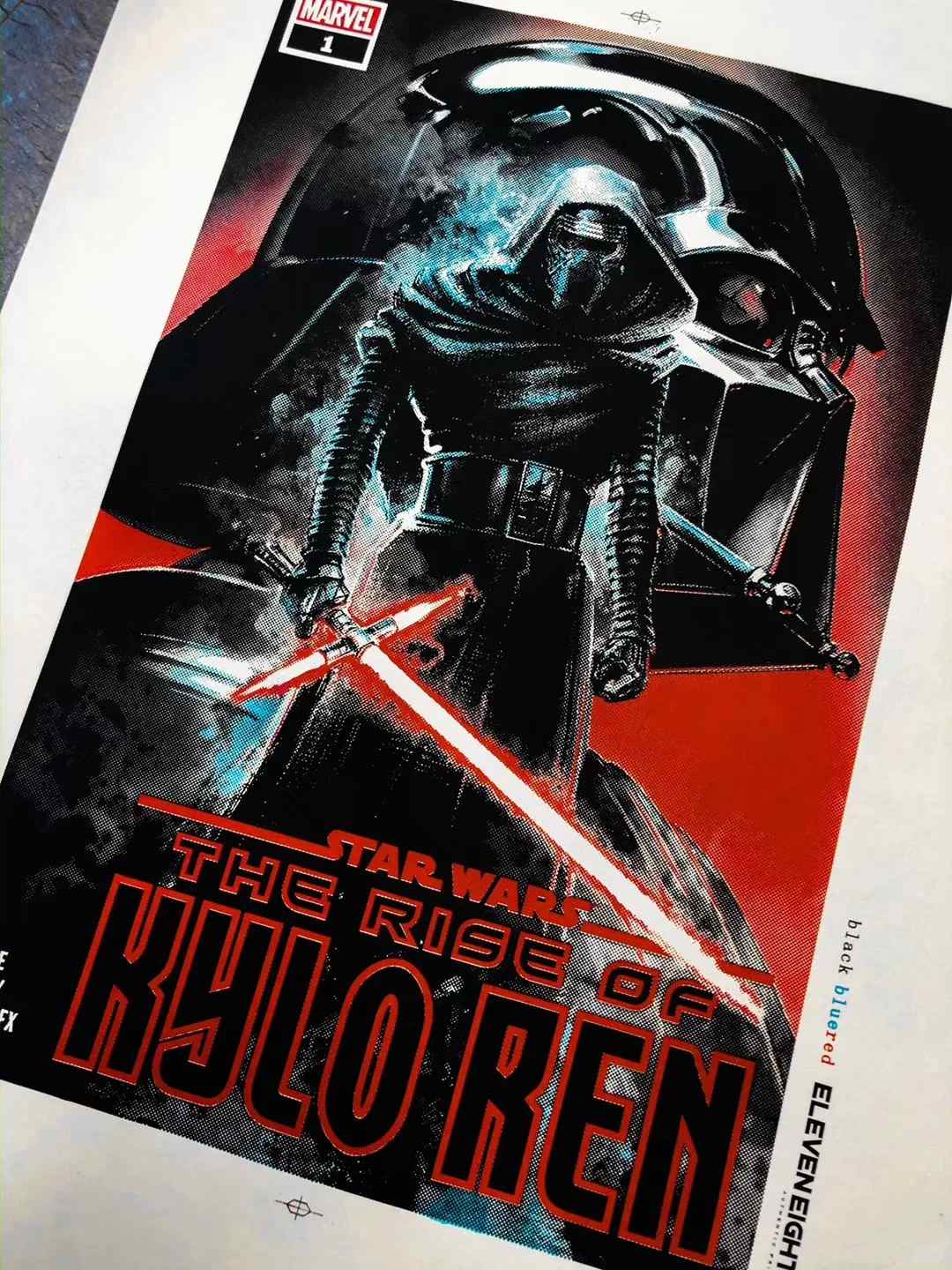
Double-needle stitching at side seams, sleeves, and hems provides 30–40% greater tensile strength than single-needle construction. Collar ribbing should use 1×1 rib knit with 5% spandex for shape retention after 20+ washes.
Inspect stitch density (12–14 stitches per inch standard) and thread quality. Loose stitching, skipped stitches, or misaligned seams indicate poor quality control and will lead to customer returns.
Size Consistency Across Production Runs
Tolerance of ±1–2 cm is acceptable for body length and chest width; ±0.5 cm for sleeve length. Factories using digital cutting systems and pre-shrunk fabrics maintain tighter consistency than manual cutting operations.
Request a measurement spec sheet and verify five random samples from each production batch. Inconsistent sizing damages brand reputation and increases return rates, especially for online brands relying on size charts.
7. How to Choose a Custom T-Shirt Printing Manufacturer
Selecting the right custom tshirt printing manufacturer determines product quality, lead times, and long-term scalability. A systematic evaluation framework helps brands compare suppliers objectively and reduce risk before committing to production.
Verify Certifications and Compliance Standards
Check for ISO 9001 quality management certification, WRAP ethical manufacturing compliance, and OEKO-TEX Standard 100 fabric safety certification. These credentials confirm that a factory follows documented processes, respects labor standards, and uses non-toxic dyes and materials.
Certifications reduce supply-chain risk for brands entering regulated markets like the EU and North America. ZORWILD maintains strict quality control systems aligned with international manufacturing standards and serves customers across the United States, Canada, the United Kingdom, Germany, and Australia.
Assess Production Capacity and Lead Times
Ask for monthly production capacity, typical lead times for samples (7–10 days), and bulk orders (15–30 days for 500–5,000 units). Factories with over 100 employees and modern equipment can handle urgent orders and scale production as your brand grows.
ZORWILD employs more than 200 skilled workers with a monthly capacity exceeding 100,000 units, supporting both 50-piece startup collections and large-scale wholesale runs. Established infrastructure ensures consistent turnaround times even during peak seasons.
Compare MOQs, Pricing Tiers, and Payment Terms
Low MOQ manufacturers start at 50–100 pieces per design, ideal for testing products and managing cash flow. Request itemized quotes covering fabric, printing, labels, packaging, and shipping to compare total landed cost.
Pricing tiers typically drop 15–25% as order volume increases from 100 to 1,000 units. ZORWILD offers transparent pricing with flexible MOQs from 50 pieces, helping influencers and startup brands launch collections without excessive inventory risk.
Review Portfolio, Client References, and Communication
Examine sample photos, client case studies, and product range to confirm the factory’s expertise in your category—graphic tees, oversized fits, vintage wash, or technical sportswear. Request references from brands in similar markets.
Test responsiveness by asking detailed technical questions about fabric GSM, print methods, and wash durability. ZORWILD has served more than 2,000 clothing brands globally and provides dedicated account management via email and WhatsApp for real-time support.
Evaluate Shipping, Logistics, and IP Protection
Confirm the factory offers air freight, sea freight, express delivery, and door-to-door shipping with export documentation and customs support. Overseas manufacturers often provide 30–50% cost savings compared to domestic suppliers, but require longer lead times and clear contracts.
Protect intellectual property with non-disclosure agreements, design ownership clauses, and regular third-party audits. ZORWILD supports global logistics to North America, Europe, the Middle East, and Southeast Asia with professional export systems and confidential handling of brand designs.
8. Common Mistakes Buyers Make in Custom T-Shirt Printing
Even experienced buyers make costly errors in custom tshirt printing that delay launches, inflate budgets, and damage brand reputation. Understanding these pitfalls and their corrective actions ensures smoother production cycles and higher-quality finished goods.
Choosing Print Method by Price Alone
Selecting screen printing over DTG solely because of lower per-unit cost ignores design complexity, order volume, and reorder frequency. A 100-piece run with six-color artwork often costs more in screen setup fees than DTG would, while low-volume reorders incur repeated setup charges.
ZORWILD recommends evaluating total project cost including setup, per-piece pricing, and anticipated reorder frequency. Match print method to design detail, fabric type, and production volume—screen printing for 300+ units with simple graphics, DTG for complex artwork under 200 pieces, and heat transfer for rapid prototypes.
Skipping Sample Orders and Wash Testing
Ordering 500 units without sampling risks discovering print cracking, color fading, or fabric shrinkage only after inventory arrives. ZORWILD’s 27 years of manufacturing experience show that wash-test results often reveal issues invisible in unwashed samples—puff print flattening, water-based ink fading, or garment dye color migration.
Always order pre-production samples and request wash-test documentation showing results after 5, 10, and 20 wash cycles. ZORWILD provides sample services starting at 50 pieces with full decoration to validate print durability, color fastness, and fabric performance before bulk production.
Ignoring Fabric-Print Compatibility and Size Specs
Applying screen printing to stretchy tri-blend fabrics causes ink cracking, while DTG on 100% polyester yields dull, washed-out colors. Ordering without detailed size specifications—shoulder width, chest measurement, sleeve length, and body length—leads to fit complaints and high return rates.
Verify fabric composition matches your chosen print method: water-based and discharge inks for 100% cotton, plastisol for cotton blends, sublimation for polyester. Provide or request detailed tech packs with all measurements, and confirm sizing standards (Asian fit vs. US fit) before production begins.
9. Steps to Launch Your Brand with Custom T-Shirt Printing
Launching a brand with custom tshirt printing requires a systematic roadmap that balances speed, testing, and capital efficiency. First-time founders who follow a structured go-to-market process reduce inventory risk and accelerate product-market fit.
Define Brand Positioning and Target Audience
Successful launches begin with clear positioning: identify whether you serve streetwear enthusiasts, fitness communities, resort wear buyers, or corporate uniform clients. ZORWILD helps startup brands define product category focus, price tier, aesthetic direction, and customer demographics before sampling begins.
Narrow your initial audience to one or two segments rather than attempting broad appeal. Influencer brands often target 18–34 age groups on Instagram and TikTok, while wholesale traders focus on boutique retailers seeking 50–200 unit orders with fast turnaround.
Design Your First Collection
Launch with 2–4 core styles to test market response without overextending capital. ZORWILD recommends pairing one oversized tee, one vintage wash graphic tee, and one heavyweight blank for maximum versatility and reorder potential.
Provide tech packs, reference images, or inspiration boards to the manufacturer. ZORWILD’s design team converts sketches into production-ready samples within 7 days, supporting screen printing, DTG, embroidery, and garment dye customization for first collections.
Source and Approve Samples
Order samples to evaluate fabric hand feel, fit accuracy, print quality, wash durability, and construction details before committing to bulk production. ZORWILD produces samples with the same fabrics, decoration methods, and finishing techniques used in mass production.
Test samples for shrinkage, color fastness, and print adhesion through home washing. Approve measurements, label placement, packaging quality, and hang tags to ensure consistency across the full production run.
Place a Test Production Run
Order 50–200 units to validate demand, collect customer feedback, and refine designs before scaling. ZORWILD’s low MOQ system allows startup brands to test multiple colorways, sizes, and decoration techniques without tying up working capital in excess inventory.
Split initial orders across best-selling sizes (typically M, L, XL represent 70% of volume) and limit color options to 2–3 proven shades. Plan 21–35 day lead times for custom tshirt printing production including fabric sourcing, decoration, washing, and quality inspection.
Set Up Sales Channels and Launch Marketing
Establish Shopify, WooCommerce, or Instagram Shopping before inventory arrives to capture early interest. ZORWILD provides custom packaging, hang tags, and branded polybags that enhance unboxing experiences and social media shareability.
Seed products to 5–10 micro-influencers in your niche, run targeted Instagram and TikTok ads, and collect user-generated content for reorder campaigns. First-time founders should allocate 20–30% of product cost to launch marketing and plan 60–90 day feedback cycles before placing reorders.
10. Pricing and Cost Breakdown for Custom T-Shirt Printing
ZORWILD’s custom tshirt printing pricing starts at 50-piece MOQ with per-unit costs ranging from $4.50 to $18.00 depending on fabric grade, print method, and order volume. Screen printing remains the most cost-effective option for orders above 100 units with one- to three-color designs, while DTG and DTF printing offer lower setup fees for full-color graphics on smaller runs. Lead times span 7 days for samples, 12–18 days for bulk orders under 500 units, and 20–25 days for runs exceeding 1,000 pieces including washing and finishing.
Fabric selection directly impacts landed cost: budget 100% cotton blanks add $0.80–$1.20 per shirt, premium tri-blend jersey adds $2.00–$3.50, and heavyweight ring-spun cotton adds $1.50–$2.80 compared to baseline pricing. Decoration complexity scales cost as well—single-color screen prints incur $0.40–$0.80 per placement, puff prints add $0.60–$1.20, full-color DTG adds $1.50–$3.00, and chenille embroidery adds $2.50–$5.00 per logo depending on stitch count.
Optional branding add-ons include woven labels at $0.15–$0.40 per unit, printed neck labels at $0.10–$0.25, custom hang tags at $0.08–$0.20, and individual polybag packaging at $0.05–$0.12. Setup fees for screen printing range from $25 to $60 per color, DTG carries minimal setup ($10–$20), and embroidery digitization costs $15–$50 per design. Volume discounts of 8–15% apply at 500-unit and 1,000-unit thresholds across all print methods.
| Quantity Tier | Screen Print (1-Color) | DTG (Full-Color) | Fabric Upgrade | Lead Time |
|---|---|---|---|---|
| 50 units | $8.50–$12.00 | $10.00–$14.50 | +$1.20–$3.50 | 12–15 days |
| 100 units | $6.80–$9.50 | $8.50–$12.00 | +$1.20–$3.50 | 14–18 days |
| 500 units | $5.20–$7.00 | $6.80–$9.20 | +$1.00–$3.00 | 18–22 days |
| 1,000+ units | $4.50–$6.00 | $5.80–$8.00 | +$0.80–$2.80 | 20–25 days |
Ready to Launch Your Custom T-Shirt Printing Project?
Join 2,000+ brands worldwide. 50-piece MOQ, 7-day samples, and 27 years of proven apparel manufacturing expertise.