
Garment Dye: Softer, Richer Color on Finished Apparel
ZORWILD‘s garment dye process delivers premium soft hand feel, unique color depth, and vintage-ready texture for DTC brands and wholesalers. Start from 50 pieces.
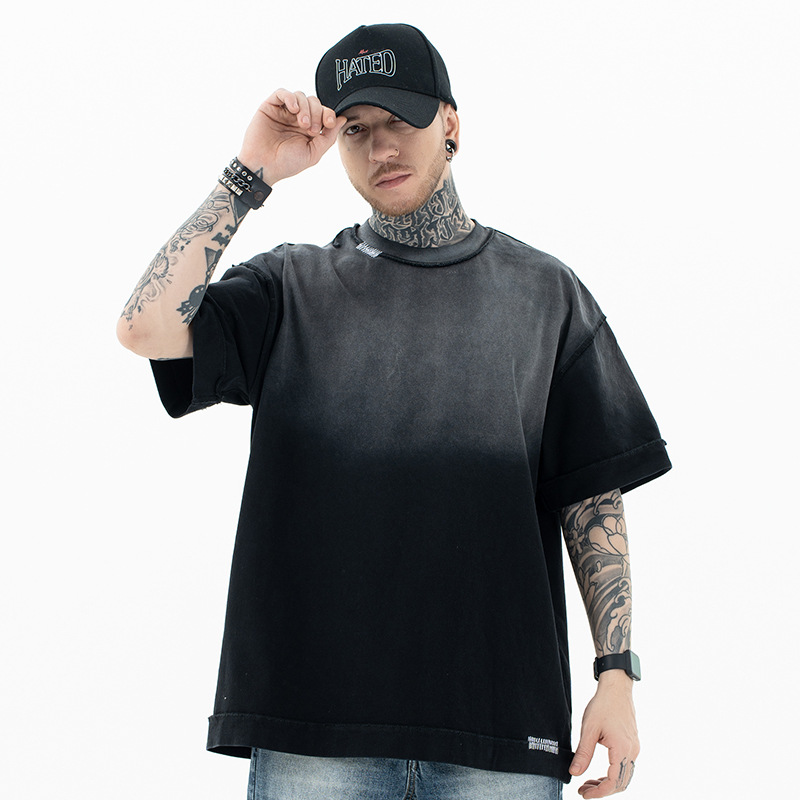
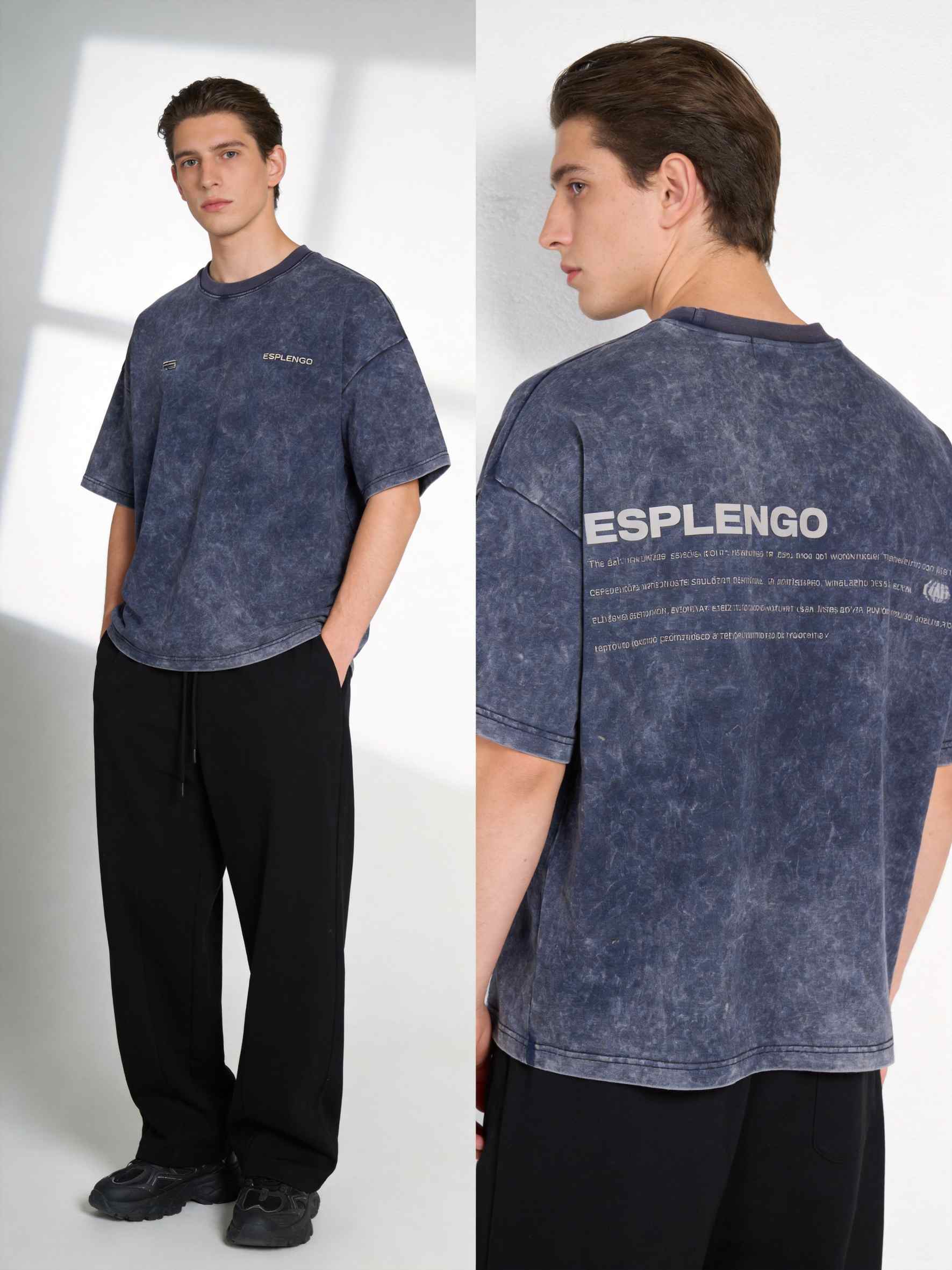
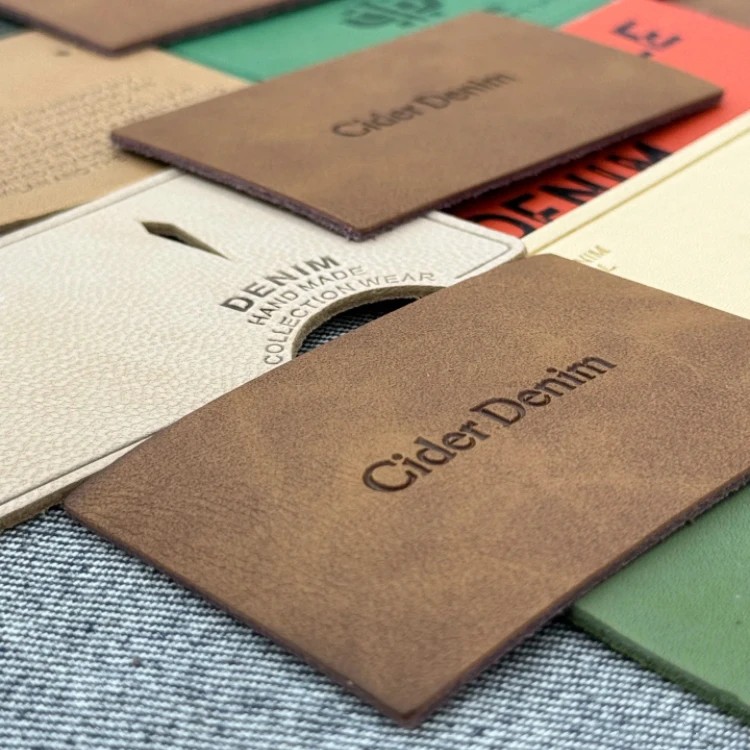
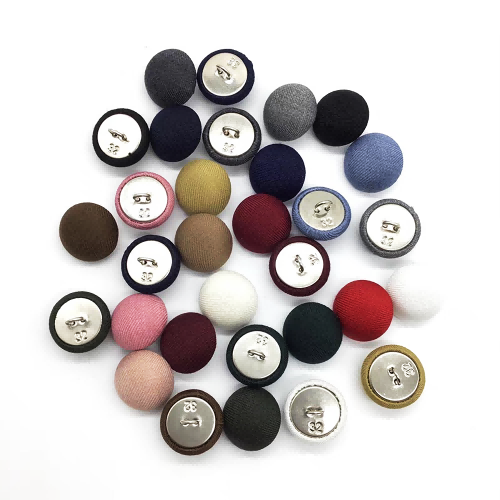
Garment Dye Sample Gallery
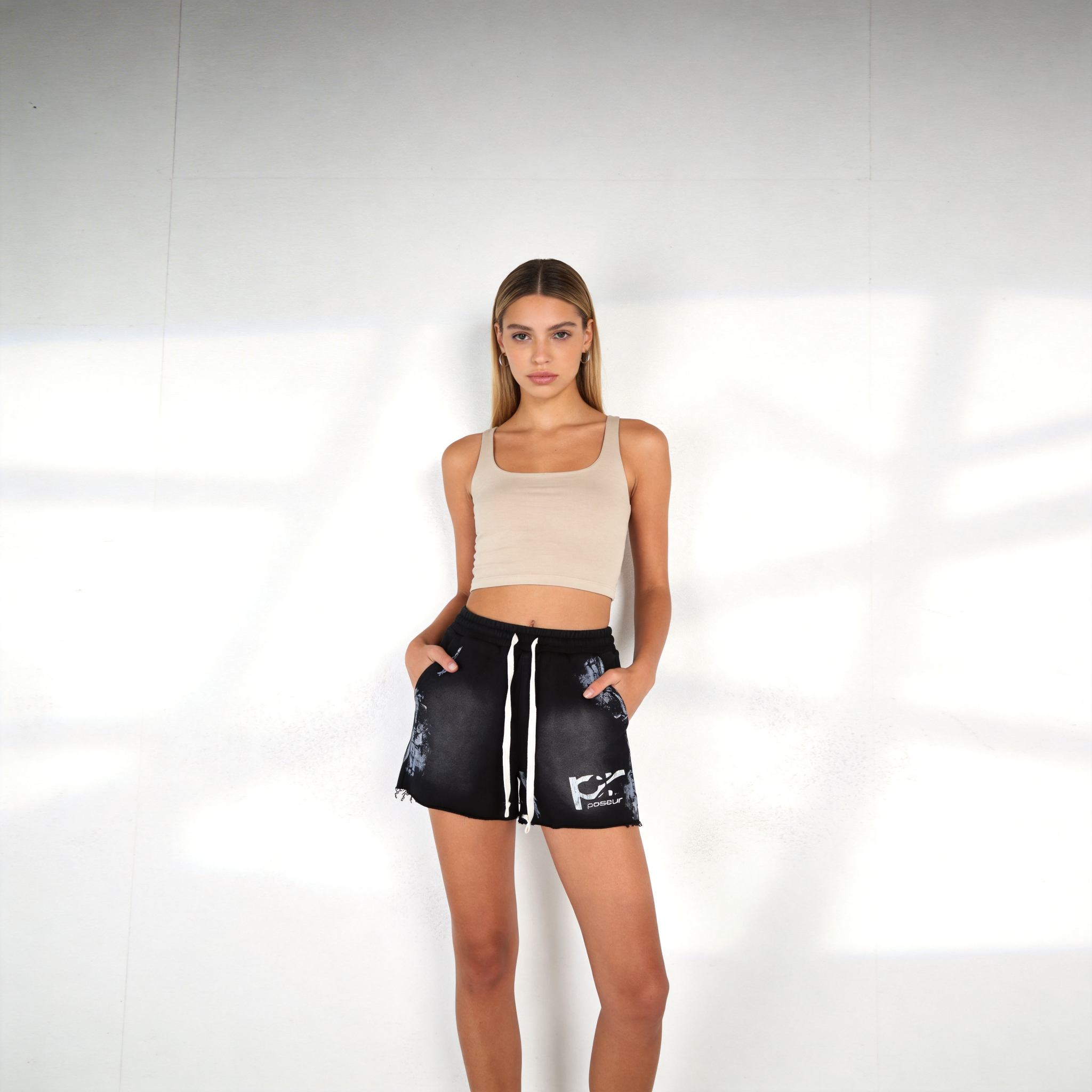
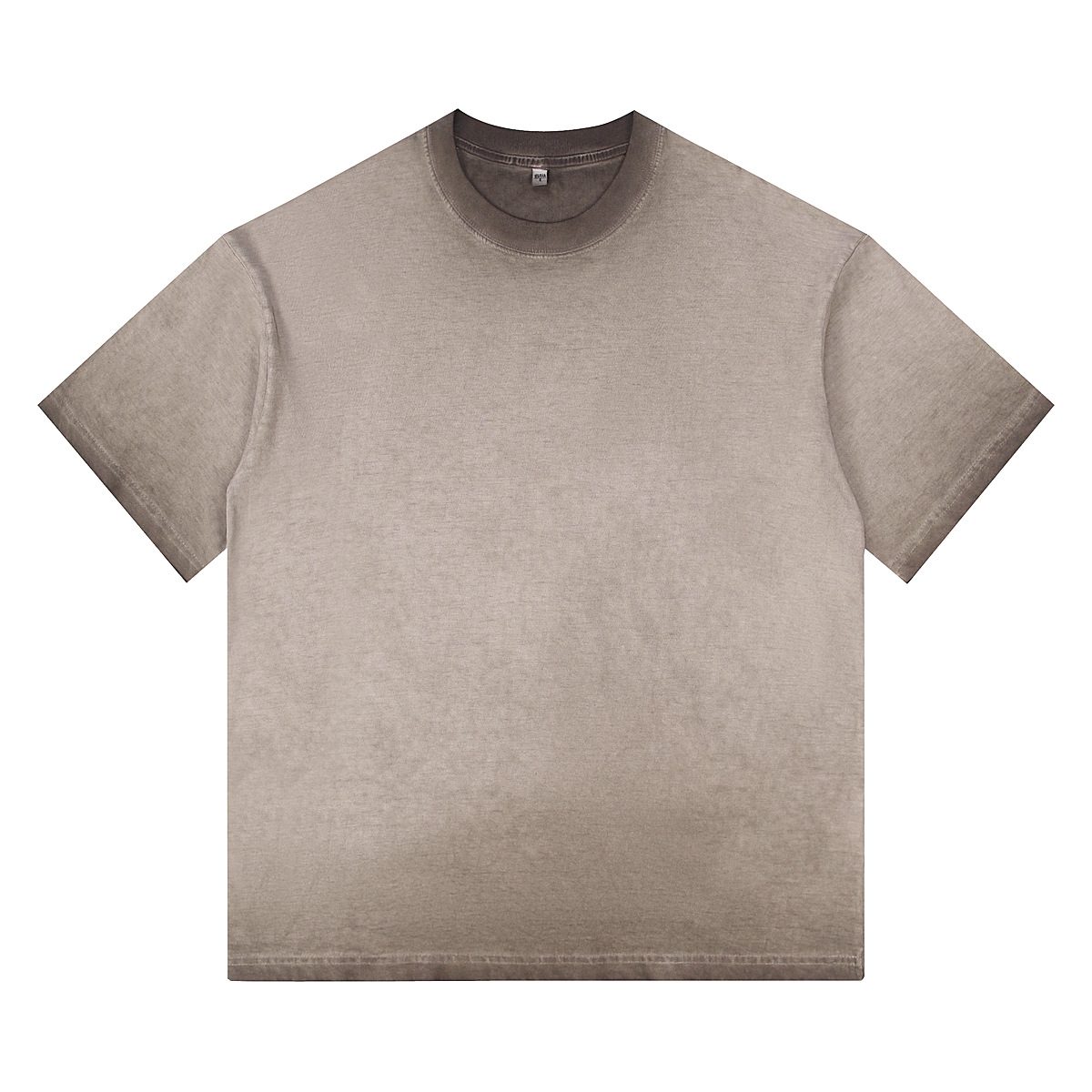
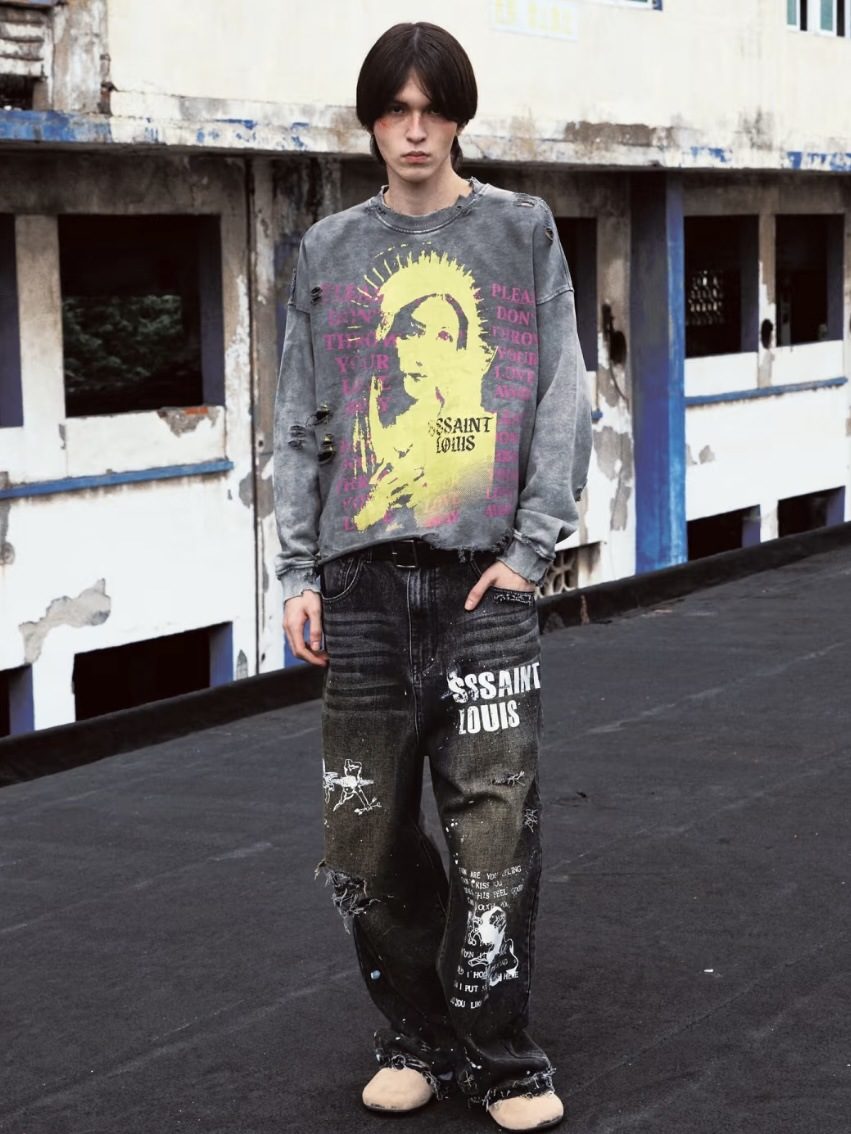
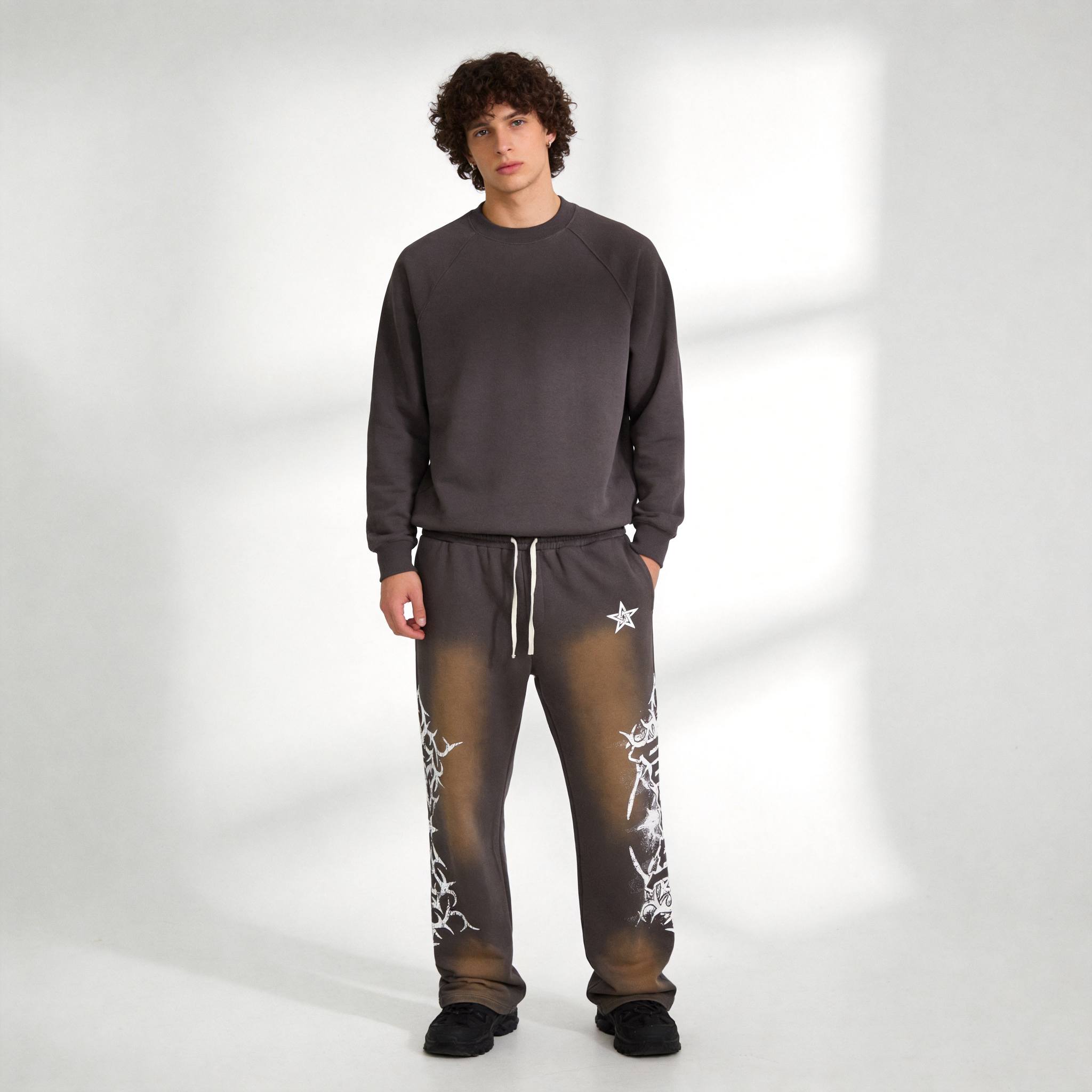
What Makes Garment Dye Distinctive
ZORWILD’s garment dye process delivers unmatched softness, color depth, and vintage character that piece-dye and yarn-dye methods cannot replicate.
Premium Soft Hand Feel
Garment dye creates an ultra-soft, broken-in texture from the first wear, eliminating stiffness and enhancing comfort across all fabric types.
Rich Color Saturation
Deep, vibrant hues penetrate every fiber evenly, producing consistent color intensity and unique tonal variations that elevate brand aesthetics.
Pre-Shrunk Stability
Garments are dyed after construction, locking in dimensions and eliminating post-purchase shrinkage for reliable fit and customer satisfaction.
Authentic Vintage Character
Natural fading and color variation create sought-after lived-in aesthetics perfect for streetwear, casualwear, and premium fashion collections.
Superior Wash Durability
Color bonds deeply to finished garments, ensuring fade resistance and long-lasting vibrancy through repeated washing and extended wear cycles.
Even Color Penetration
Complete dye absorption across seams, hems, and stitching delivers uniform appearance without patchy spots or uneven tone distribution.
Garment Wash Techniques & Finishing Capabilities
Garment Wash & Dye
Complete garment wash and dye services including vintage wash, snow wash, enzyme wash, stone wash, garment dye, pigment dye, acid wash, and tie dye. Our Humen facility delivers soft hand feel, premium texture, and consistent color results across all wash techniques with strict quality control throughout the finishing process.
Get a Quote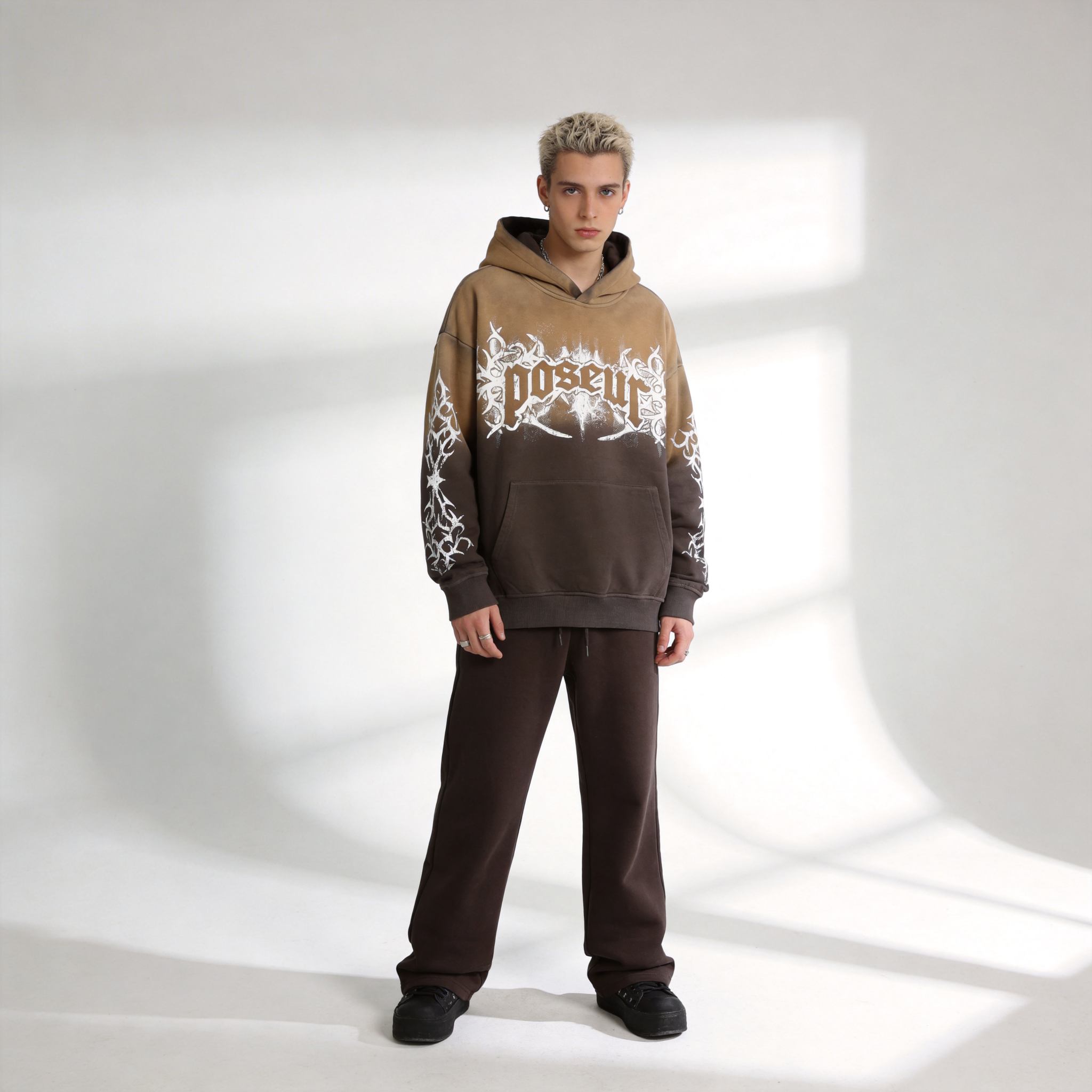
Tie-Dye
Custom tie dye finishing for streetwear, resort wear, and fashion collections. We support multi-color tie dye patterns, dip dye effects, and ombre gradients on cotton, fleece, and jersey fabrics. Each piece achieves unique color variation while maintaining fabric integrity and colorfastness standards.
Get a Quote
Acid Wash
Acid wash garment finishing creates vintage streetwear aesthetics with high-contrast faded effects. Applied to denim jackets, hoodies, sweatshirts, and cotton garments, our acid wash process delivers authentic worn-in appearance with controlled distressing and consistent pattern results across production runs.
Get a Quote
Stone Wash
Stone wash garment treatment softens fabric and creates natural faded appearance for denim, cotton twill, and heavyweight jersey. Our stone wash process reduces stiffness, enhances comfort, and produces vintage texture ideal for jeans, jackets, casual pants, and relaxed-fit apparel collections.
Get a Quote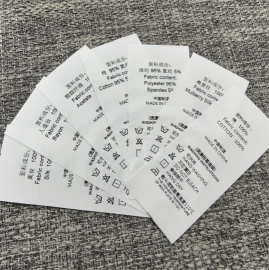
Enzyme Wash
Enzyme wash finishing delivers soft hand feel and subtle vintage appearance without harsh chemicals. Applied to cotton, denim, and blended fabrics, enzyme wash reduces pilling, improves drape, and creates smooth texture for T-shirts, hoodies, casual shirts, and premium streetwear garments.
Get a Quote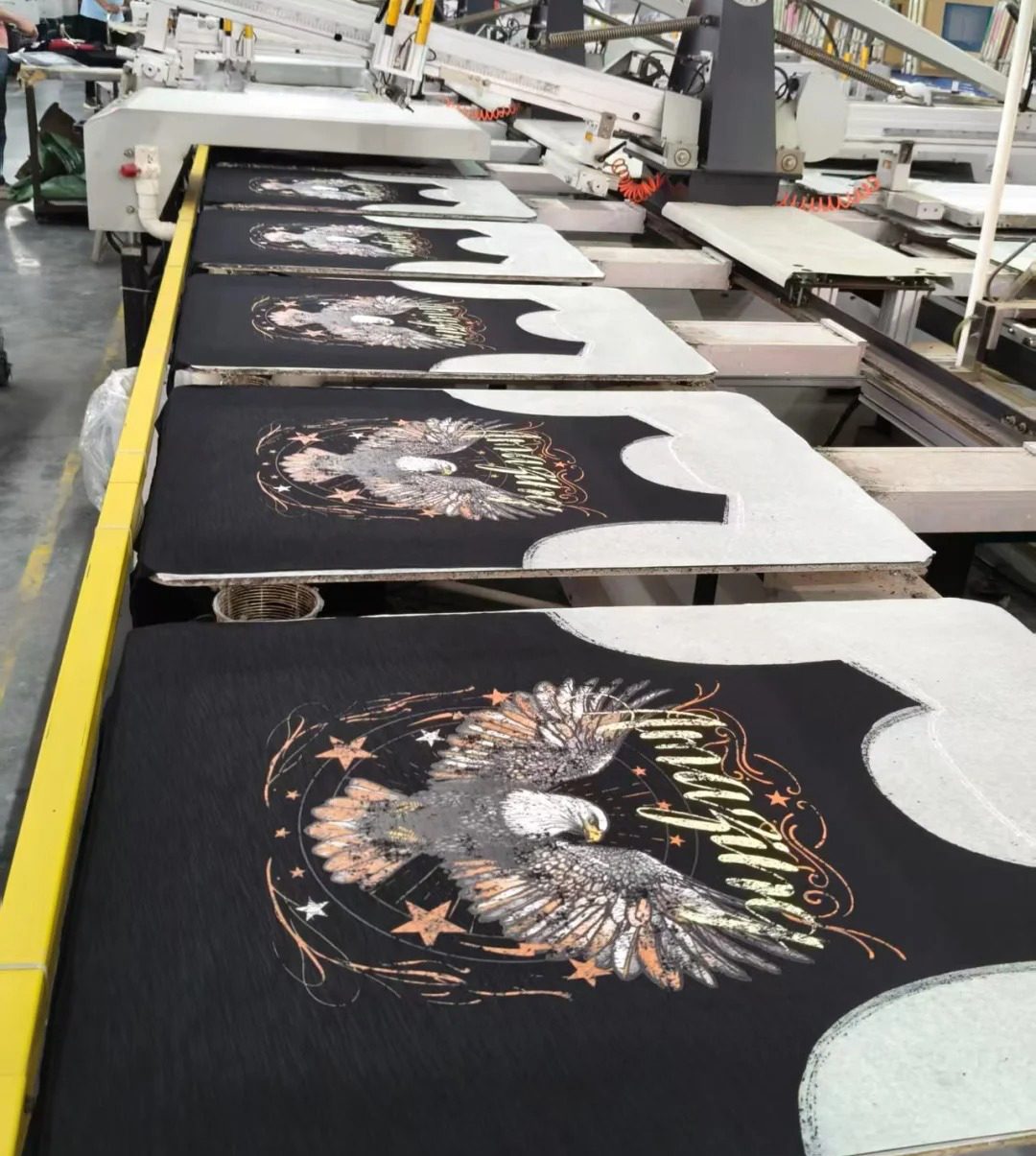
Custom Shirts
Custom shirt manufacturing covering casual shirts, Hawaiian shirts, resort shirts, bowling shirts, oversized shirts, and fashion cut-and-sew styles. We source cotton poplin, rayon, linen blends, and viscose fabrics with full customization including digital printing, embroidery, contrast panels, custom buttons, and branded labels.
Get a Quote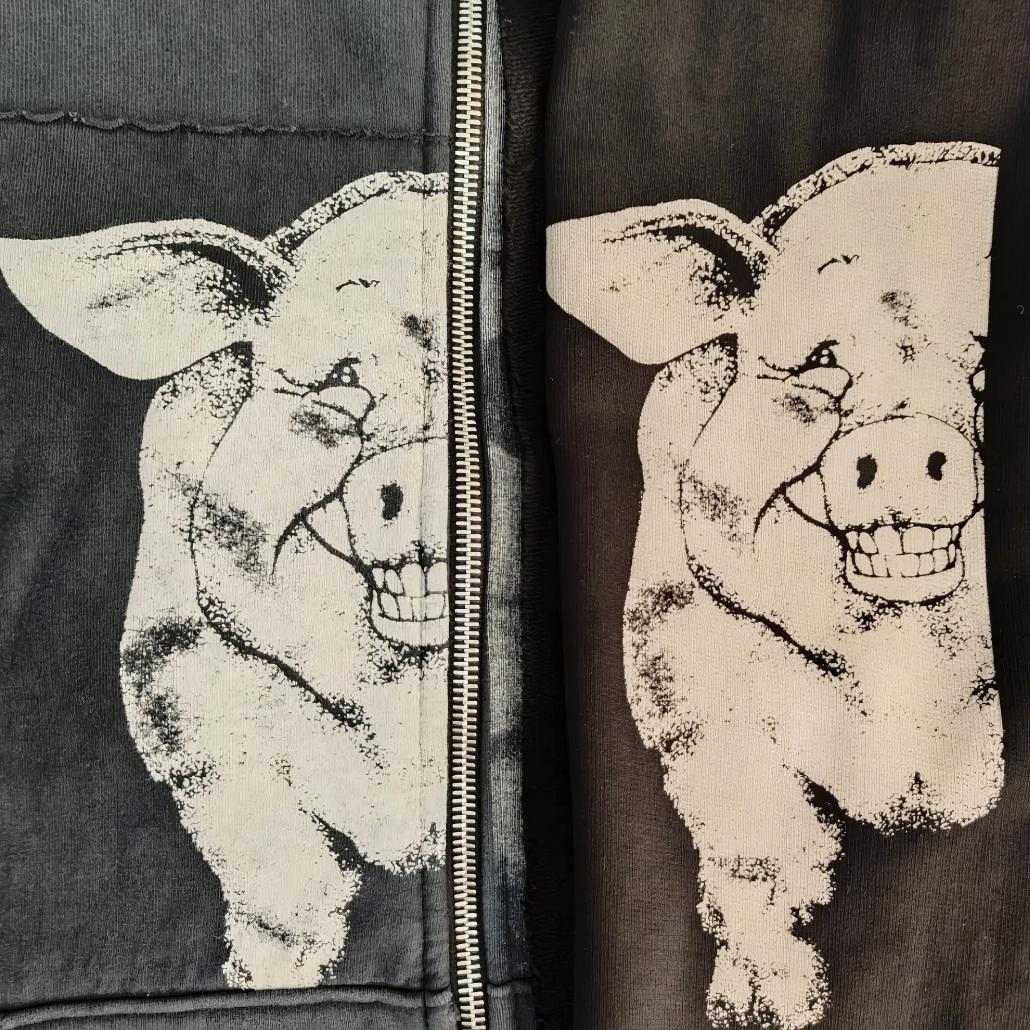
Customize Shirts
Comprehensive shirt customization services including custom sizing, full print patterns, embroidery logos, special buttons, contrast panels, custom labels, hang tags, and branded packaging. Our development team transforms tech packs and design ideas into production-ready shirts with sampling support and fabric recommendations.
Get a Quote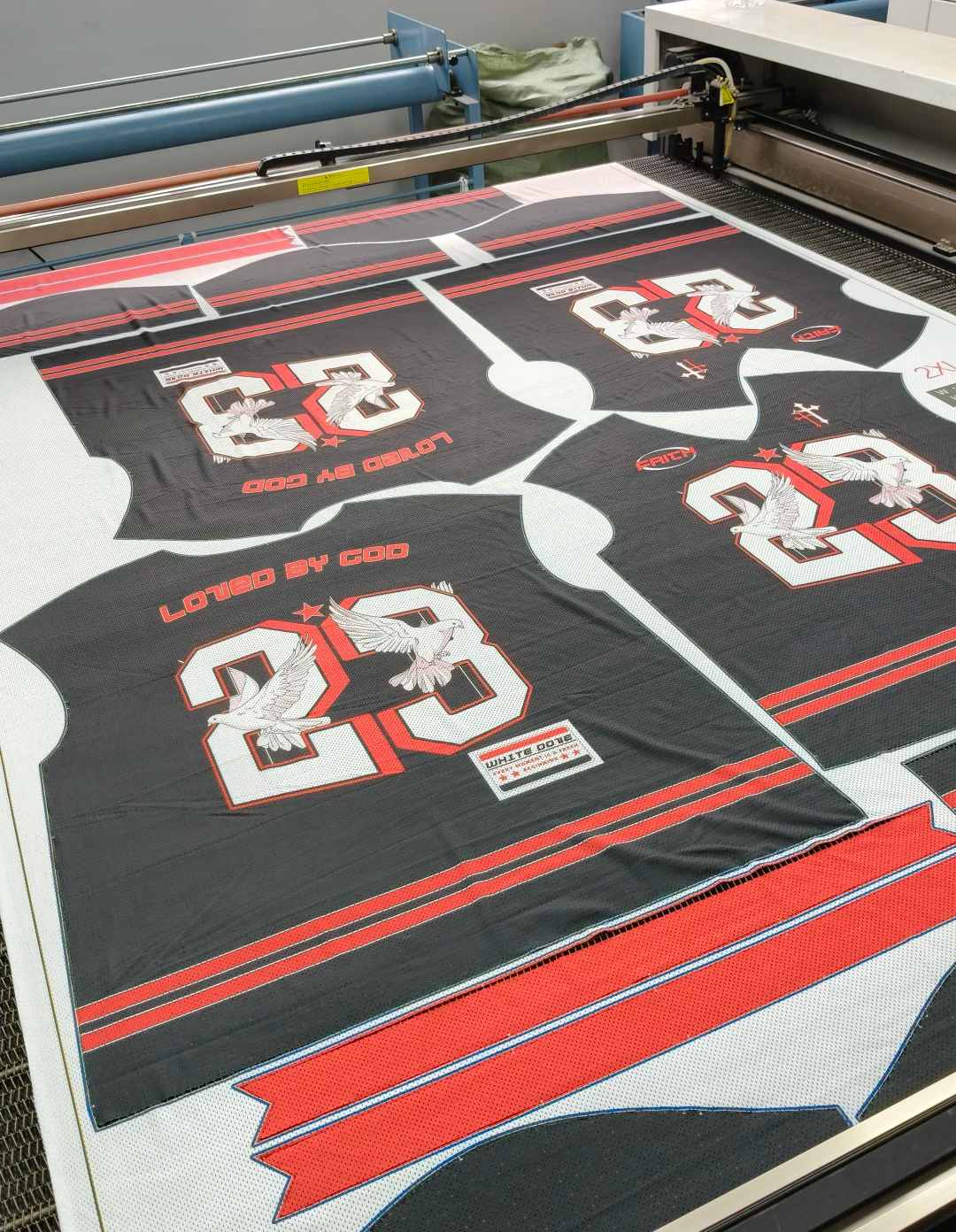
Custom Shirt Maker
Professional custom shirt maker with 27 years apparel manufacturing experience. We handle product development, fabric sourcing, sampling, bulk production, decoration application, and quality control. MOQ starts at 50 pieces, supporting startup brands, influencers, and established labels with reliable lead times and consistent quality.
Get a Quote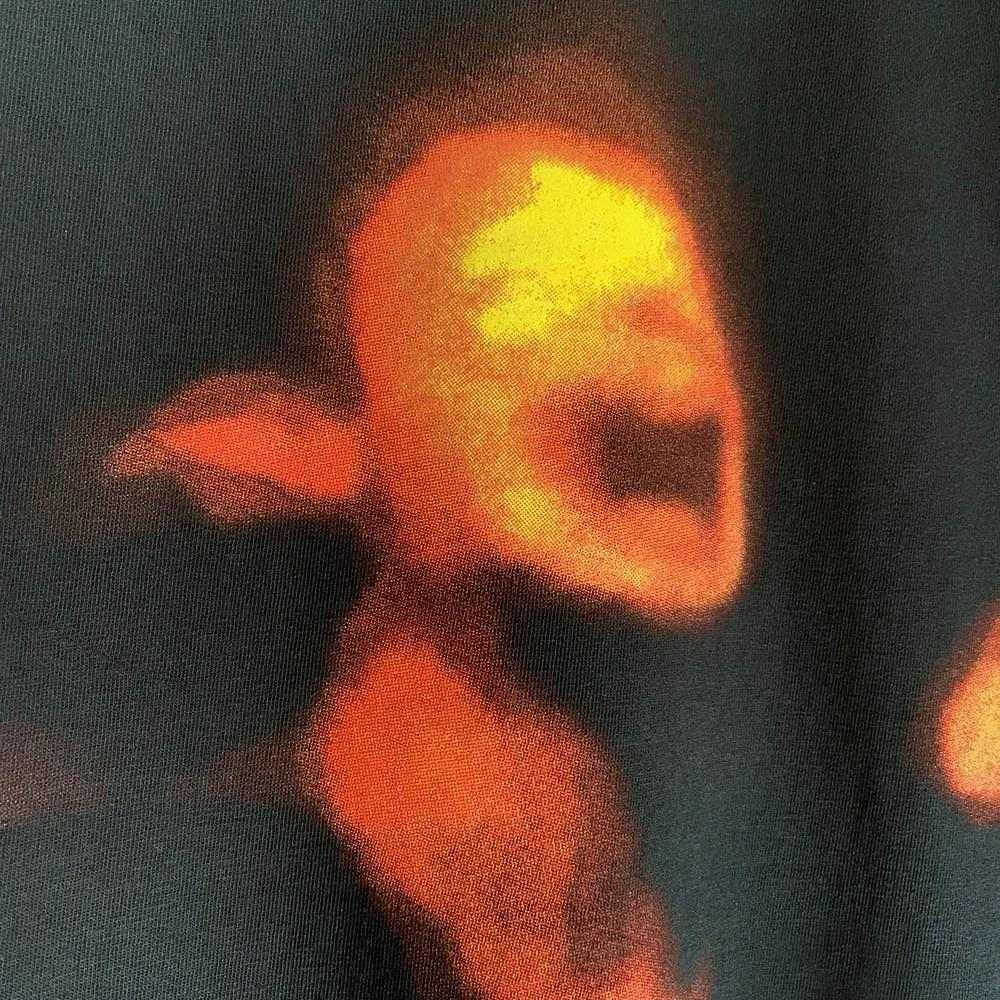
Garment Dyed T-Shirts
Garment-dyed T-shirts deliver rich, saturated color with soft vintage hand feel. We apply garment dye finishing to custom t-shirts including oversized tees, heavyweight tees, boxy fit styles, and fashion cuts in 100% cotton, organic cotton, and premium jersey. Each piece achieves unique color depth and premium streetwear texture with low MOQ from 50 pieces.
Get a Quote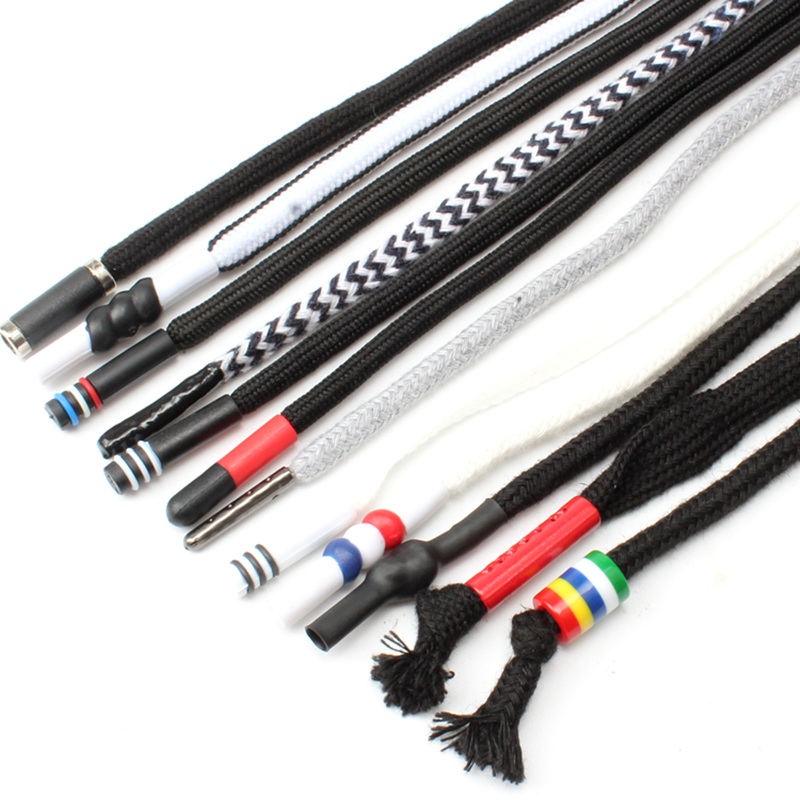
Garment Dyed Hoodies
Garment-dyed custom hoodies offer premium color saturation and ultra-soft texture for streetwear and luxury casual collections. Applied to heavyweight hoodies, oversized styles, zip-ups, and pullover hoodies in French terry and fleece fabrics. Our garment dye process creates vintage aesthetics with consistent quality across production, supporting wholesale hoodies orders and custom hoodie maker services.
Get a QuoteZORWILD's Garment Dye Expertise: 27 Years Strong
Founded in 1998 in Humen, Dongguan, ZORWILD has spent over 27 years mastering advanced garment finishing techniques including garment dye, vintage wash, and pigment dye. Our founder learned every stage of apparel manufacturing from the ground up, building a company that now serves more than 2,000 fashion brands worldwide with professional garment dye solutions.
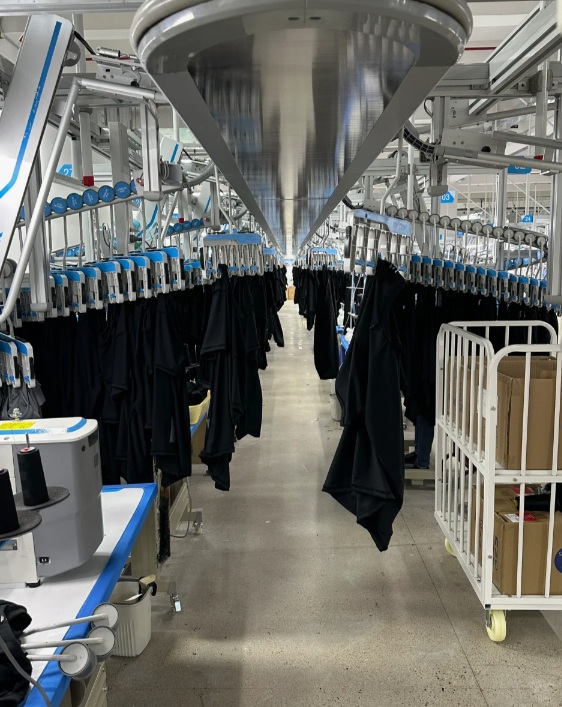
Today, ZORWILD operates a full-service garment dye facility with monthly production capacity exceeding 100,000 units. We support low MOQ orders starting at just 50 pieces, making premium garment dye accessible to startup brands, influencers, and established labels alike. Our 6-stage quality control system ensures consistent color, soft hand feel, and durability across every batch.
What sets ZORWILD apart is our ability to combine traditional garment dye craftsmanship with modern production scale. We offer more than 95% of decoration techniques in-house, allowing seamless integration of garment dye with embroidery, screen printing, distressing, and other finishes to create truly unique apparel collections.
Garment Dye Chemistry & Process Control
Dye Chemistry & Color Formulation
Our garment dye process begins with precise dye chemistry formulation tailored to fabric composition. Reactive dyes for cotton, disperse dyes for polyester blends, and acid dyes for nylon ensure molecular bonding and colorfastness. Every formula is calibrated for optimal penetration and wash durability.
- Custom dye formulas matched to fiber type—cotton, polyester, rayon, and blends
- Molecular-level bonding for superior colorfastness and fade resistance
- Lab-tested color recipes ensure batch-to-batch consistency across production runs
- Eco-friendly low-impact dyes available for sustainable fashion brands
Temperature & Immersion Time Control
Temperature precision and immersion timing are critical to achieving uniform color saturation and soft hand feel. ZORWILD monitors water temperature within 2°C tolerance and controls dye bath immersion cycles to prevent uneven dye uptake, streaking, or color variation across garments.
- Temperature control within ±2°C ensures consistent dye penetration and color depth
- Timed immersion cycles calibrated by fabric weight and garment construction
- Automated rotation systems prevent creasing and ensure even dye distribution
- Multi-stage temperature ramping optimizes color absorption and fabric softness
pH Balance & Water Quality
pH balance directly impacts dye fixation, color vibrancy, and fabric integrity during garment dye processing. Our controlled pH environments—adjusted with buffers and stabilizers—prevent color shift, ensure reactive dye bonding, and protect fabric fibers from degradation throughout the dyeing cycle.
- pH monitoring and adjustment for optimal dye fixation and color accuracy
- Buffered water systems eliminate mineral interference and color inconsistency
- Stabilized alkaline or acidic environments tailored to dye class and fabric type
- Real-time pH tracking prevents fiber damage and maintains garment durability
Rinsing, Curing & Final Finishing
Post-dye rinsing and curing lock in color while removing excess dye and chemicals. ZORWILD employs multi-stage cold and hot water rinses, followed by controlled heat curing to set the dye permanently. Final softening treatments deliver the signature garment dye hand feel.
- Multi-stage rinse cycles remove unfixed dye and prevent color bleeding
- Heat curing at controlled temperatures permanently sets dye molecules into fibers
- Enzyme and softener treatments enhance fabric softness without compromising color
- Final quality inspection verifies color uniformity, hand feel, and wash durability
Garment Dye vs. Piece Dye: Which Technique Fits Your Brand?
Understanding the differences between garment dye and piece dye helps you choose the right finishing technique for your collection’s aesthetic, hand feel, and production requirements.
← 左右滑动查看 →
Garment Dye Production Flow: From Finished Garment to Premium Color
ZORWILD’s controlled garment dye process ensures consistent color, superior softness, and premium hand feel across every piece in your collection.
Garment Receipt & Inspection
Finished garments arrive from sewing lines and undergo full inspection for construction quality, stitch integrity, and fabric consistency before entering the garment dye process.
Pre-Wash & Preparation
Garments are pre-washed to remove sizing agents, oils, and impurities that could interfere with dye absorption, ensuring uniform color penetration and soft hand feel.
Dye Bath & Immersion
Prepared garments are loaded into industrial dye machines with precisely measured dye formulations. Temperature, pH levels, and dye concentration are calibrated for target color accuracy.
Temperature Control & Agitation
Controlled heat cycles activate dye molecules while gentle agitation ensures even color distribution. Our technicians monitor time, temperature, and movement to prevent streaking or uneven tones.
Rinsing & Fixation
Garments undergo multiple rinse cycles to remove excess dye and stabilize color. Fixation agents lock in pigment, ensuring colorfastness and resistance to fading through future washes.
Drying & Final Inspection
Dyed garments are tumble-dried or air-dried under controlled conditions, then inspected for color consistency, hand feel, shrinkage, and overall quality before packaging and shipment.
How to Order Custom Garment Dye from ZORWILD
Our streamlined garment dye process ensures accurate color matching, premium soft hand feel, and consistent quality from 50-piece startup orders to 100,000+ unit production runs.
Submit Your Design & Garment Specs
Share your tech pack, garment type, fabric composition, and desired garment dye color reference. Our team reviews compatibility and recommends optimal dye formulations for your fabric.
Select Color Swatches & Confirm Quantity
Choose from Pantone references or custom color samples. We confirm your order quantity, MOQ requirements starting at 50 pieces, production timeline, and pricing based on garment dye specifications.
Approve Pre-Production Garment Dye Sample
Receive a physical sample showcasing actual garment dye color, soft hand feel, fabric drape, and wash consistency. Request adjustments before bulk production begins at our Dongguan facility.
Bulk Production with Quality Control
Your garments are sewn, then garment dyed in controlled batches. Our six-stage quality control system inspects color consistency, fabric integrity, measurements, and finishing throughout production.
Final Inspection & Global Shipping
Complete final quality sign-off covering garment dye uniformity, stitching durability, packaging, and labeling. We coordinate air or sea freight with full export documentation to your destination.
Customer Stories: Brands Choosing Garment Dye for Softness & Uniqueness
ZORWILD’s garment dye process delivered the exact vintage softness we needed for our streetwear capsule. Zero shrinkage after customer washes and 100% on-time delivery for our 500-piece launch order.
We tested three manufacturers before ZORWILD. Their garment dye technique gave us 40% softer hand feel compared to piece dye, and the unique color variation became our brand signature. Started with 50 pieces, now ordering 2,000 monthly.
The garment dye color depth and premium texture elevated our wholesale line immediately. Buyers noticed the difference in hand feel within seconds. ZORWILD’s quality control ensured consistent results across 1,200 units with zero defects.
Garment Dye FAQs: Fabrics, Colors, Durability & Compatibility
What fabrics work best for garment dye?
How many colors can I achieve with garment dye?
What is the minimum order quantity for garment dye production?
How durable is garment dye after repeated washing?
Can I combine garment dye with embroidery or screen printing?
What is the lead time for garment dye sampling and bulk production?
Do I need to provide special art files for garment dye orders?
How much does garment dye sampling cost?
The Complete Buyer’s Guide to Garment Dye for Your Brand
1. What Is Garment Dye and Why It Matters
Garment dye is a post-production dyeing process in which fully constructed apparel—sewn, finished, and ready to wear—is immersed in dye baths rather than dyeing fabric rolls before cutting. This technique originated in Italian sportswear manufacturing during the 1980s and has since become a hallmark of premium streetwear, casualwear, and luxury basics. Unlike piece-dye (dyeing fabric yardage) or yarn-dye (dyeing thread before weaving), garment dye treats the completed garment, allowing dye to penetrate seams, hems, and stitching for authentic color variation and a lived-in appearance.
The signature appeal of garment dye lies in its soft hand feel and subtle color inconsistencies. Because the finished garment undergoes washing and dyeing cycles together, fibers relax, shrinkage is pre-controlled, and the surface develops a broken-in texture that piece-dyed fabrics cannot replicate. Seam puckering, slight fading at stress points, and tonal shifts across panels create a vintage aesthetic highly valued in contemporary fashion.
Brands choose garment dye for three strategic reasons: differentiation through unique texture and color depth, a relaxed ‘worn-from-day-one’ look that resonates with streetwear and resort collections, and premium positioning that justifies higher retail margins. ZORWILD’s garment dye capabilities support low MOQ production starting at 50 pieces, enabling startup brands and influencers to access this finishing technique without committing to large-scale inventory. With over 27 years of apparel manufacturing experience in Dongguan, ZORWILD applies strict quality control to garment dye processes, ensuring consistent softness, colorfastness, and dimensional stability across every production run.
2. The Evolution of Garment Dye Techniques
Garment dye emerged in the 1940s and 1950s as a practical solution for military surplus and workwear manufacturers who needed to repurpose undyed stock quickly and economically. Post-war factories dyed finished cotton twill uniforms and utility garments in large industrial machines, creating the irregular fading and soft hand feel that would later define premium casualwear. By the 1970s, reactive dyes became the industry standard for cotton garments, offering superior colorfastness and vibrant hues compared to earlier vat dye methods.
The 1980s introduced pigment dyes, which bond to fabric surfaces rather than penetrating fibers, delivering the vintage washed-out aesthetic that streetwear brands adopted throughout the 1990s. Enzyme washes entered commercial production in the mid-1990s, using cellulase enzymes to break down cotton fibers for softer texture and accelerated aging effects. Brands like Stone Island, C.P. Company, and Supreme popularized garment dye as a signature finish, transforming it from a cost-saving technique into a premium design statement.
Today garment dye spans luxury fashion, independent streetwear labels, and influencer-driven collections, with manufacturers like ZORWILD offering enzyme wash, acid wash, vintage wash, pigment dye, and garment dye processes on hoodies, T-shirts, sweatpants, and outerwear. Modern production combines reactive and pigment chemistries with controlled wash cycles to achieve consistent color depth, minimal shrinkage, and the authentic worn-in texture buyers expect from high-end garment dye apparel.
3. Types of Garment Dye Processes
Garment dye processes vary significantly in chemistry, color performance, and cost structure. Each method delivers distinct hand feel, colorfastness, and aesthetic results suited to different product categories and brand positioning.
Pigment Garment Dye
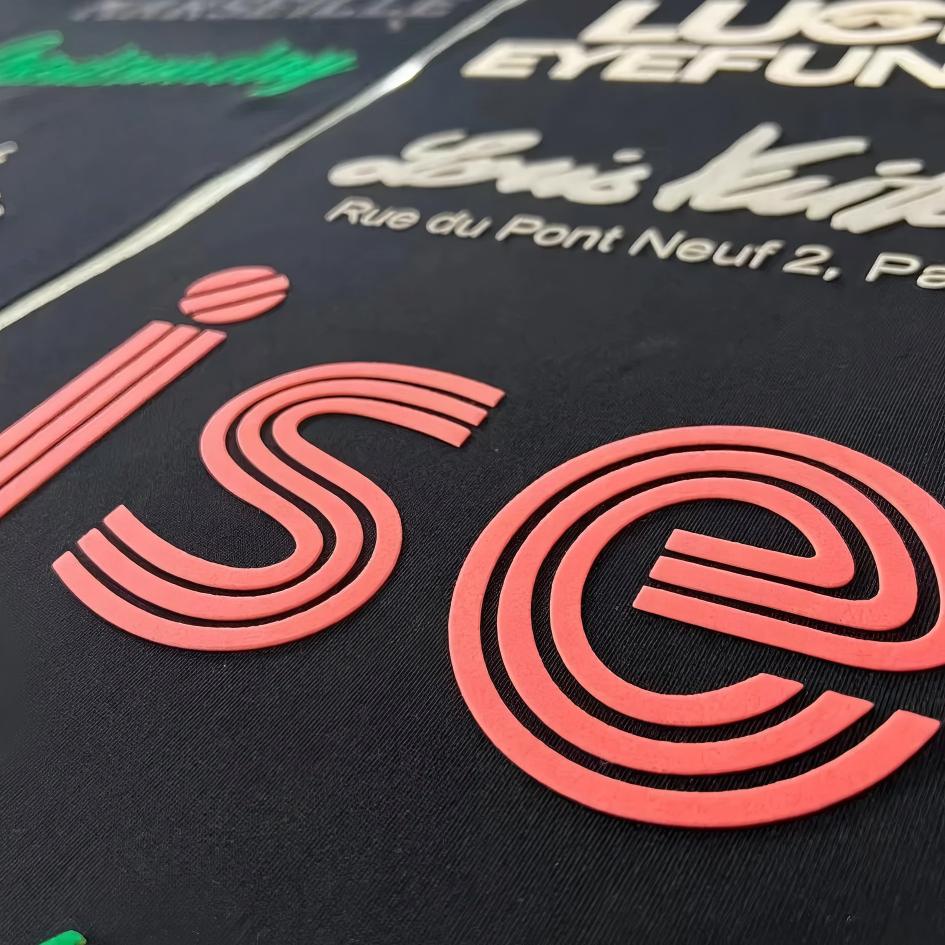
Pigment dye is the most widely used garment dye method in streetwear and casualwear, creating ultra-soft hand feel through surface-level color application without chemical bonding to fibers. The pigment particles sit on the fabric surface, resulting in a vintage, slightly faded appearance after the first wash.
Color fastness rates moderate (3–4 on ISO scale), with intentional fading considered desirable for vintage aesthetics. Cost remains 15–25% lower than reactive methods due to simpler chemistry and shorter processing time. ZORWILD applies pigment garment dye extensively for oversized T-shirts, hoodies, and sweatpants targeting streetwear and influencer brands.
Reactive Garment Dye
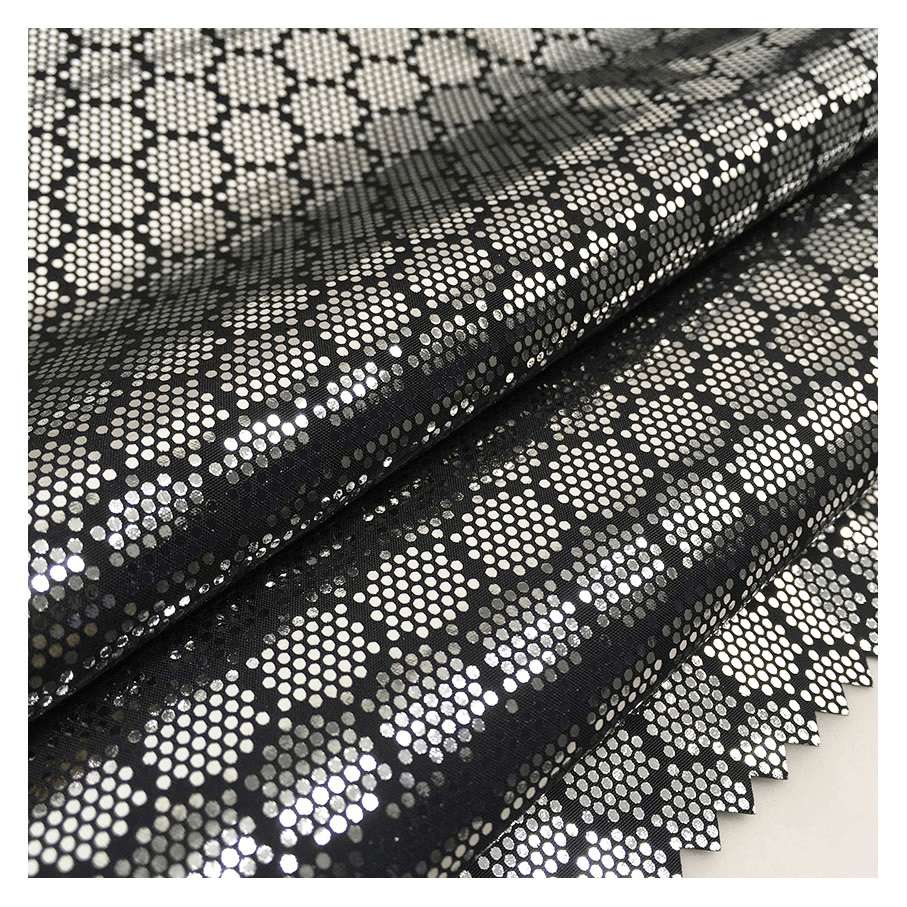
Reactive dyes form covalent chemical bonds with natural fibers, delivering superior color fastness (4–5 ISO) and vibrant, saturated hues. The dye molecules penetrate deep into cotton, bamboo, and viscose fibers, creating permanent color that resists fading through repeated wash cycles.
Hand feel remains soft but slightly firmer than pigment methods. Processing costs run 20–35% higher due to longer dye cycles, temperature control, and chemical fixation requirements. Ideal for premium fashion brands requiring bright colors and long-lasting performance in activewear, dresses, and luxury casualwear.
Vat Dye and Indigo Applications

Vat dyes, primarily indigo, dominate denim and workwear garment dyeing through oxidation chemistry that creates characteristic blue tones and natural fading patterns. The insoluble dye oxidizes upon air exposure, bonding to fabric surfaces with moderate wash fastness designed for intentional wear and aging.
Indigo garment dye produces authentic vintage denim aesthetics without piece-dyeing limitations. Cost aligns with reactive methods but requires specialized equipment for oxidation control. ZORWILD uses vat dye processes for denim jackets, jeans, and vintage-inspired casualwear collections.
Sulfur Dye for Dark Tones
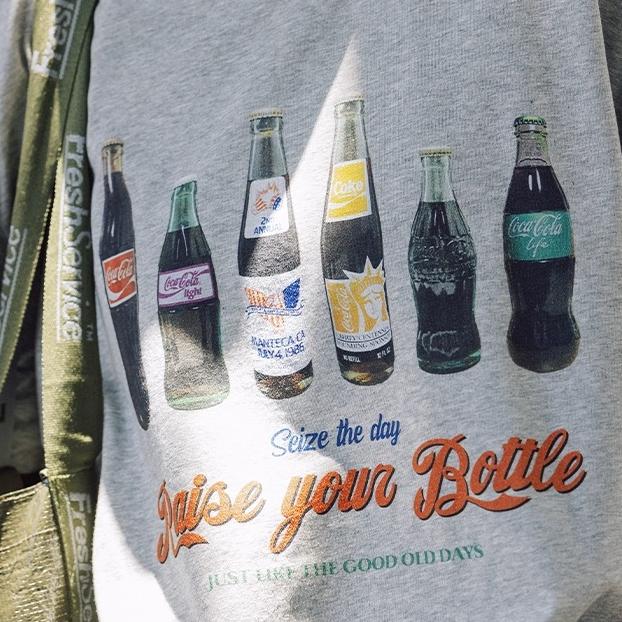
Sulfur dyes excel at producing deep blacks, navies, and earth tones for workwear, utility garments, and minimalist fashion at 10–20% lower cost than reactive alternatives. The sulfur compounds create durable, wash-resistant colors with a slightly muted, sophisticated appearance.
Hand feel tends toward firmer texture compared to pigment methods. Color fastness reaches 4 on ISO scale with excellent resistance to industrial laundering. Common applications include cargo pants, work jackets, utility shirts, and technical outerwear where durability outweighs ultra-soft hand.
4. Materials and Fabrics Compatible with Garment Dye
Fiber selection determines dye uptake, color consistency, and final hand feel in garment dye production. Natural cellulose fibers absorb reactive and pigment dyes readily, while synthetics resist most traditional dye chemistries, creating challenges for blended fabrics.
| Fiber Type | Dye Compatibility | Hand Feel After Dye | Typical GSM Range |
|---|---|---|---|
| 100% Cotton | Excellent | Soft, breathable | 160–280 |
| Linen / Hemp | Very Good | Crisp, structured | 180–300 |
| 80/20 Cotton-Poly | Moderate (heathered) | Balanced softness | 170–240 |
| 50/50 Blends | Poor (two-tone) | Smooth, durable | 180–220 |
| 100% Polyester | Very Poor | Synthetic hand | 140–200 |
Natural Fibers: Ideal Substrates for Garment Dye
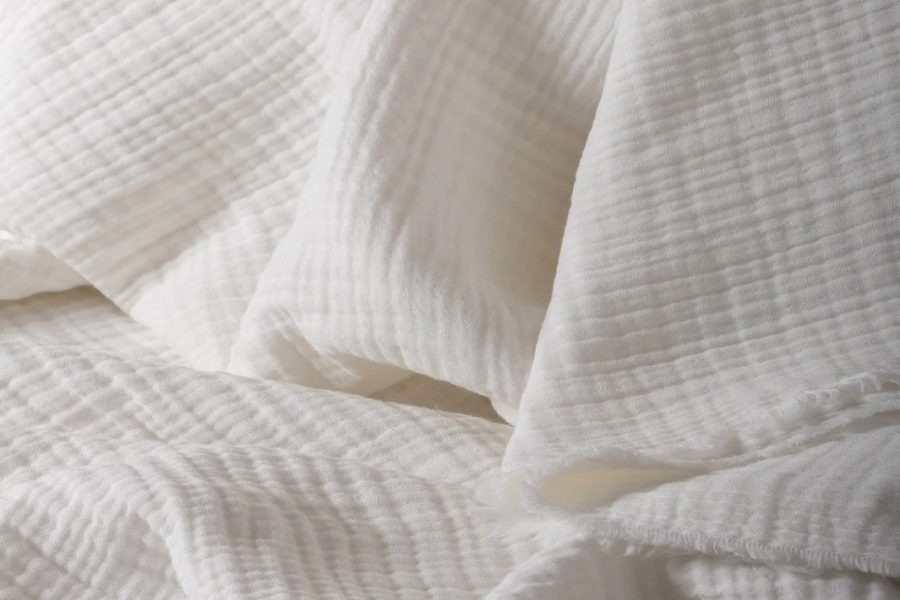
100% cotton delivers the most predictable garment dye results, with ring-spun combed cotton offering superior softness and color depth after dyeing. Linen and hemp absorb dyes well but retain a slightly stiffer hand even after enzyme washes.
Organic cotton and bamboo cotton blends provide eco-friendly alternatives with excellent dye affinity. Pre-shrinking natural fibers before dyeing minimizes post-dye dimensional changes and stabilizes fabric tension for consistent batch results.
Synthetics and Dye Resistance
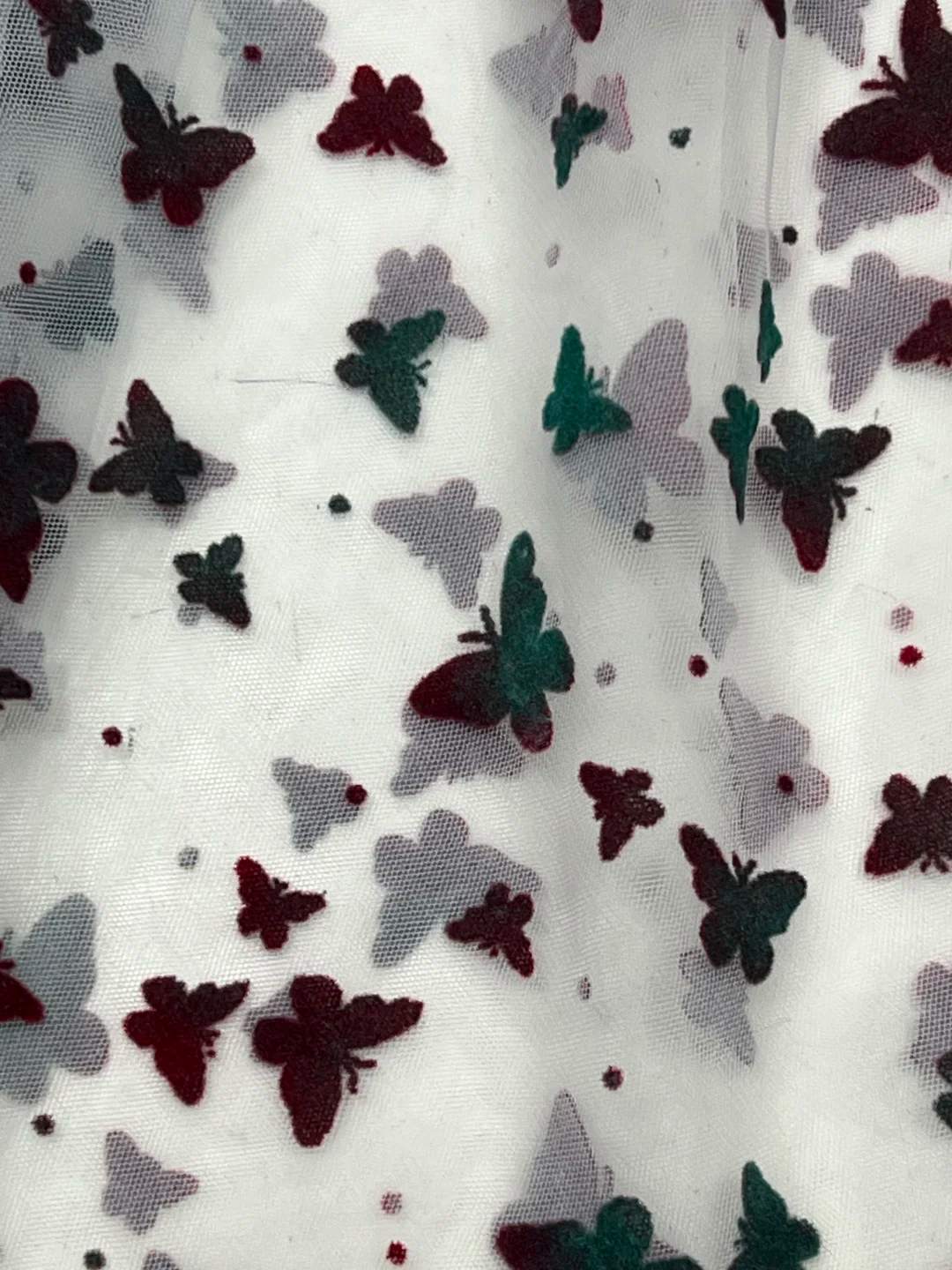
Polyester and nylon require disperse dyes at high temperatures (260–280°F) incompatible with standard garment dye processes. Most garment dye facilities use reactive or pigment chemistries that bond poorly to synthetic fibers, resulting in pale, uneven color.
Technical fabrics with waterproof coatings or DWR finishes repel dye entirely. Brands targeting performance apparel should specify solution-dyed polyester yarns rather than post-production garment dye.
Blends and Uneven Dye Uptake
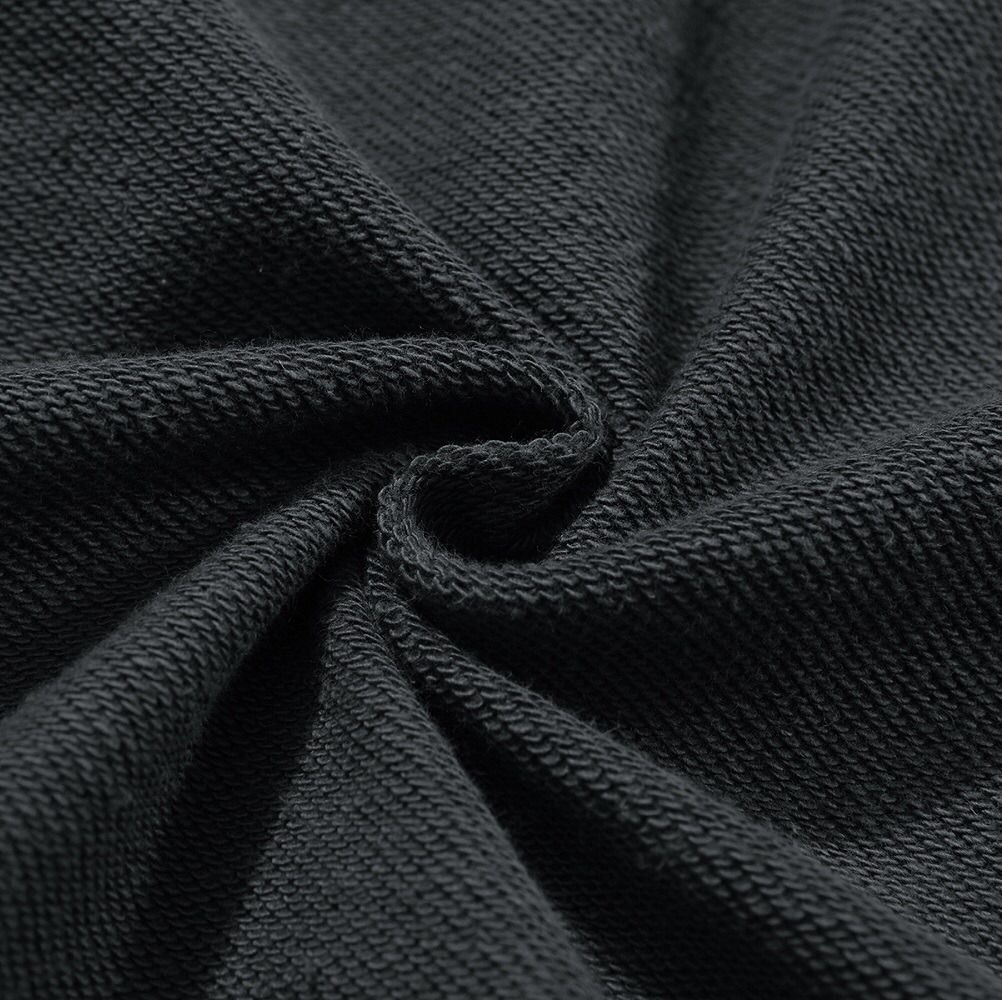
80/20 cotton-polyester blends produce heathered effects as cotton absorbs dye while polyester remains lighter. 50/50 blends yield more pronounced two-tone results, popular in vintage streetwear aesthetics but challenging for brands requiring solid color consistency.
Triblend fabrics (cotton-polyester-rayon) create unique mélange finishes. Communicate blend ratios and expected color variance with your manufacturer during sampling to avoid production disputes over ‘uneven’ dyeing that is actually inherent to the fiber mix.
5. Customization and Decoration Options for Garment Dye Apparel
Garment dye apparel requires a reversed decoration sequence: dye the finished garment first, then apply graphics to preserve color integrity and print sharpness. This sequence introduces unique color-matching challenges and demands careful sample approval workflows before bulk production.
| Decoration Method | Relative Cost | Wash Durability | Typical Min Order |
|---|---|---|---|
| Screen Print (Water-Based) | Low–Medium | Excellent (50+ washes) | 50–100 pcs |
| DTG Printing | Medium | Good (30–40 washes) | 1–50 pcs |
| Flat Embroidery | Medium–High | Excellent (100+ washes) | 50 pcs |
| Puff Print | Medium | Very Good (60+ washes) | 50–100 pcs |
| Appliqué | High | Excellent (100+ washes) | 50–100 pcs |
Screen Printing on Garment Dye Fabrics
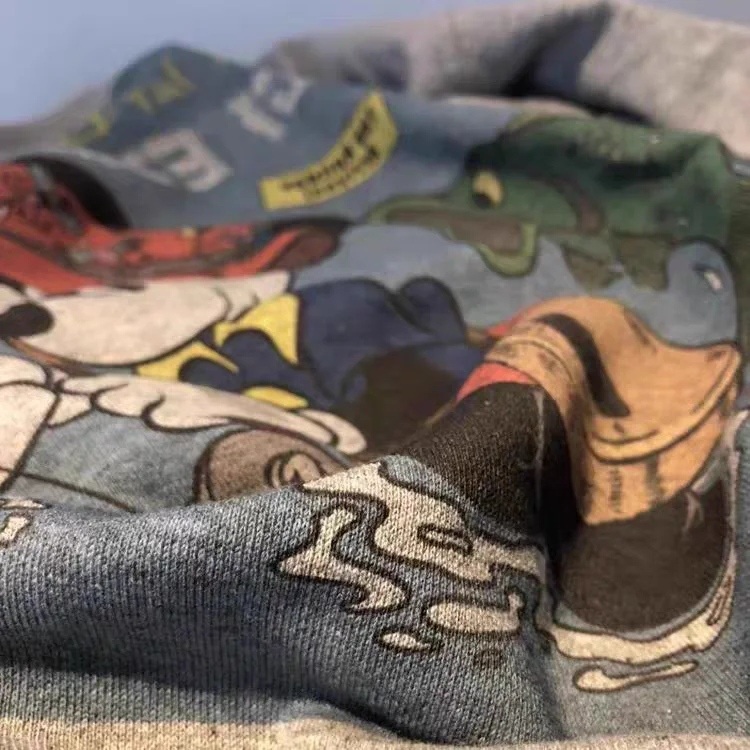
Water-based inks deliver the softest hand feel on garment dye apparel, soaking into fibers rather than sitting on the surface. Plastisol inks create a heavier hand and may crack on heavily washed garments.
Minimum order quantities typically start at 50–100 pieces per design, with setup costs ranging $25–$75 per screen. Multi-color designs require one screen per color, increasing both cost and production time.
Direct-to-Garment Printing Challenges
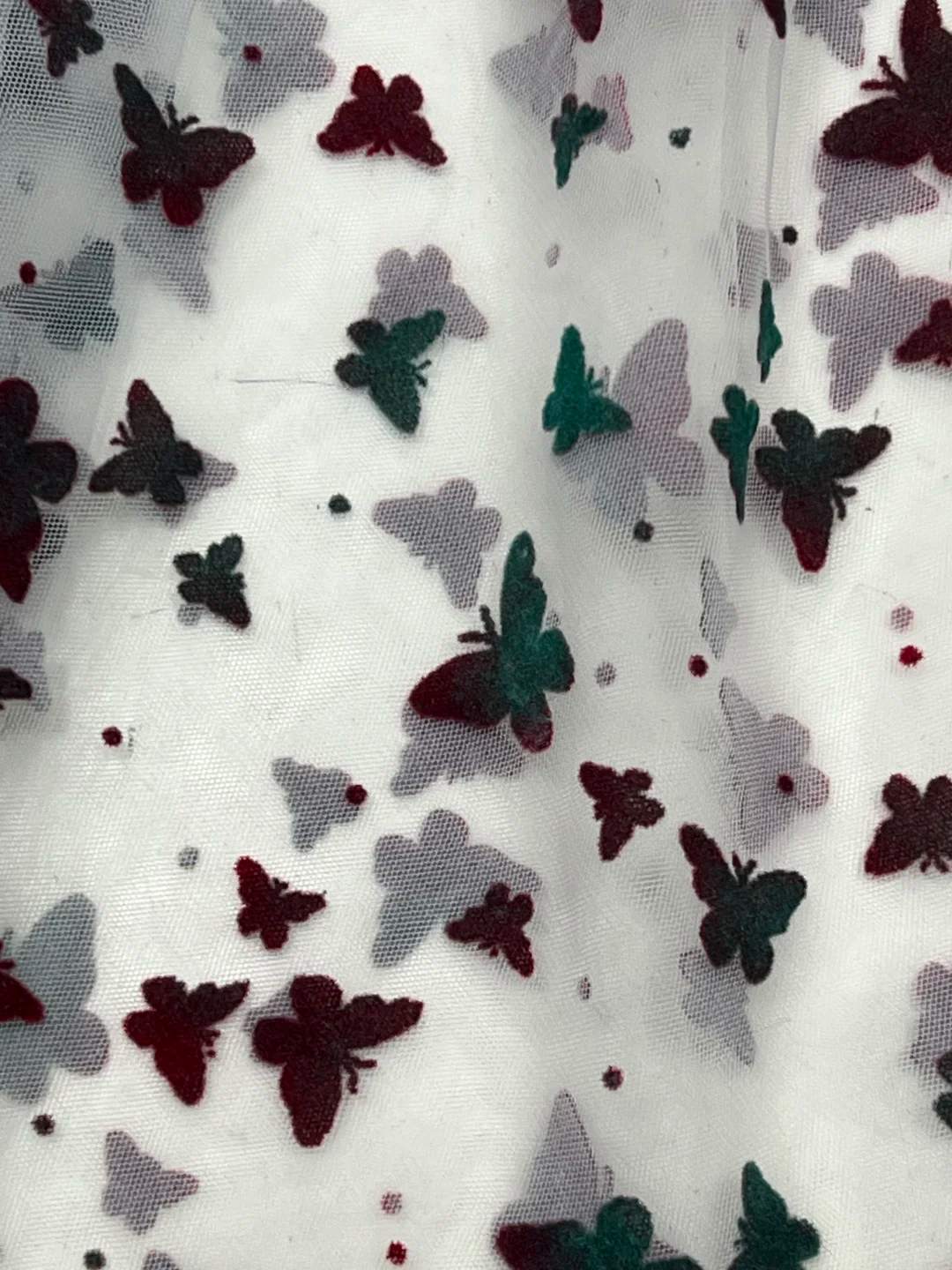
DTG printing on garment dye bases struggles with color accuracy because the dyed fabric shifts the final print tone. White underbase layers may appear off-white or tinted on darker garment dye colors.
Pre-production samples are essential to approve final color appearance. ZORWILD recommends physical strike-offs for any DTG design on garment dye fabrics, adding 5–7 days to sampling timelines.
Embroidery and Thread Color Selection
Embroidery thread selection must account for the garment dye base color to ensure contrast and visibility. Pantone thread libraries contain 300+ shades, but physical thread samples on dyed fabric swatches prevent costly mismatches.
Flat embroidery, 3D puff embroidery, and chenille embroidery all work on garment dye apparel. Minimum orders typically start at 50 pieces, with digitizing fees of $15–$50 per logo design.
Puff Print and Appliqué Techniques
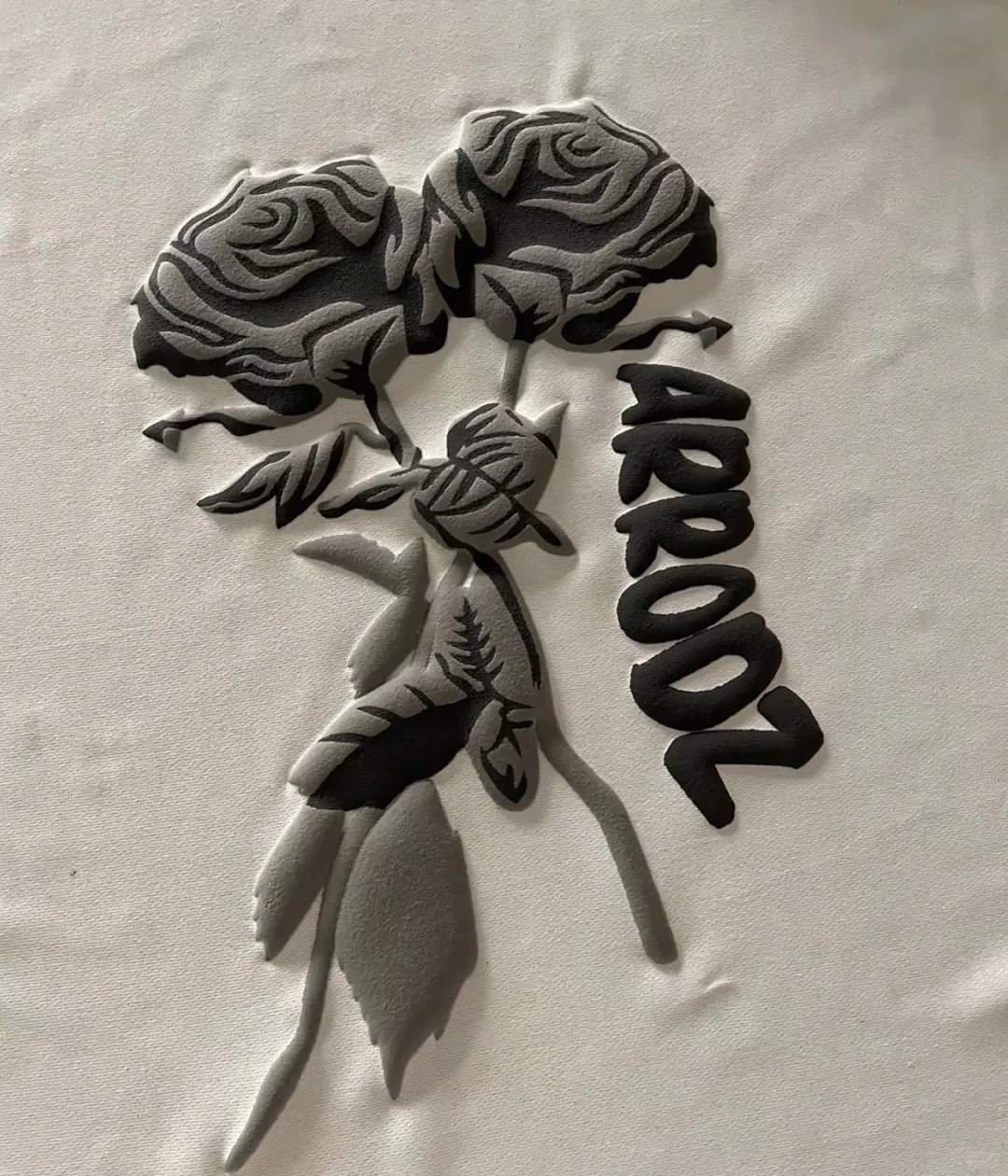
Puff printing creates raised, dimensional graphics ideal for streetwear branding on garment dye hoodies and tees. The foam additive expands under heat, producing a tactile 3D effect that resists fading through multiple washes.
Appliqué involves sewing fabric patches onto garment dye apparel, offering texture and premium detailing. Both techniques start at 50–100 piece minimums and pair well with vintage-washed garment dye aesthetics.
6. Key Quality Indicators in Garment Dye Production
Professional garment dye production demands rigorous quality checkpoints to ensure batch-to-batch consistency and long-term wearability. ZORWILD applies AATCC and ISO test standards across every production run to verify color accuracy, fabric integrity, and finish durability.
Color Consistency Tolerance
Shade variation between production batches should remain within Delta E ≤ 1.0 for premium brands and ≤ 2.0 for commercial lines. AATCC Evaluation Procedure 9 provides the industry standard for visual assessment under controlled lighting conditions.
ZORWILD uses spectrophotometer measurement at pre-production, mid-run, and final inspection stages to maintain tight color control across multi-batch orders, ensuring that reorders match original samples.
Fabric Integrity Post-Dye
Garment dye processes expose finished garments to heat, agitation, and chemical stress. ISO 5077 dimensional change testing verifies shrinkage remains within ±3% for cotton and ±5% for blends. ASTM D3512 pilling resistance and ASTM D2261 tear strength tests confirm fabric structure survives dye cycles without degradation.
ZORWILD conducts pre-dye and post-dye fabric testing to validate that weight, hand feel, and structural integrity meet specification before bulk shipment.
Stitch and Seam Durability
Thread compatibility with dye chemicals is critical; polyester thread may resist reactive dyes, creating contrast stitching, while cotton thread absorbs dye uniformly. ASTM D1683 seam strength testing ensures stitching withstands dye bath agitation and maintains minimum 80 N breaking force for knit seams.
ZORWILD selects thread type and stitch density based on target dye process, fabric weight, and garment category to prevent seam failure or color mismatch after garment dye.
Colorfastness Testing
AATCC 61 (wash fastness), AATCC 8 (crocking), and AATCC 16 (light fastness) provide standardized ratings from 1 (poor) to 5 (excellent). Professional garment dye production should achieve minimum Grade 4 for wash and crocking, Grade 3–4 for light exposure.
ZORWILD tests every colorway and fabric combination before bulk production, issuing lab dip approvals with fastness data to ensure garments maintain color integrity through customer use and care cycles.
7. How to Choose a Garment Dye Manufacturer
Selecting a garment dye partner requires evaluating production capabilities, certifications, and workflow systems. The right manufacturer balances flexibility, quality control, and transparent communication to deliver consistent color and hand feel.
MOQ Flexibility and Batch Minimums
Many traditional dye houses require 500 to 1,000 pieces per color to justify batch setup and chemical costs. ZORWILD supports garment dye runs starting at 50 pieces, enabling startup brands and influencers to test colorways without excess inventory risk.
Lower MOQs allow capsule collections, limited drops, and market validation before scaling. Confirm whether the manufacturer charges premium fees for small batches or offers flat per-piece pricing across order sizes.
Dye House Certifications and Compliance
OEKO-TEX Standard 100 ensures dyes are free from harmful chemicals and safe for skin contact. GOTS certification verifies organic fiber traceability and restricted dye chemistries. Bluesign approval indicates responsible water and energy management in the dyeing process.
Certified dye houses maintain documented chemical inventories, wastewater treatment protocols, and third-party audit trails. Request copies of current certificates and ask whether the manufacturer’s dye partners hold these credentials.
Sampling and Color Approval Process
Physical lab dips are essential for garment dye accuracy because fabric type, construction weight, and wash recipe all shift final tone. Reputable manufacturers provide strike-off samples in your chosen fabric and garment style before bulk production.
Approval workflows should include Pantone or custom color references, multiple dip iterations if needed, and written sign-off on final shade. ZORWILD’s sampling process includes garment prototypes with applied wash and dye effects to confirm hand feel and color fastness.
Lead Time and Batch Scheduling
Garment dye adds 5 to 10 days to standard cut-and-sew timelines due to washing, drying, and quality inspection. Manufacturers with in-house or closely partnered dye facilities reduce transit delays and improve schedule predictability.
Ask for typical lead times at different order volumes and whether rush service is available. Transparent batch scheduling prevents color lot mismatches and ensures consistent delivery windows for multi-SKU orders.
Communication and Quality Control Systems
Effective manufacturers provide photo updates at key milestones: pre-production samples, post-dye inspection, and final packing. Quality control checkpoints should include colorfastness testing, measurement verification, and shade consistency across the batch.
ZORWILD’s QC system includes raw material inspection, in-line production checks, and final garment inspection with detailed reporting. Clear communication channels and dedicated account support reduce misunderstandings and accelerate approvals.
8. Common Mistakes Buyers Make with Garment Dye Orders
Even experienced buyers encounter costly pitfalls when ordering garment dye apparel for the first time. Understanding these common mistakes and their prevention strategies saves time, budget, and production delays.
Expecting Exact Pantone Matches
Garment dye produces inherent color variation due to fabric absorption differences, wash mechanics, and dye lot variables. Expecting laboratory-precise Pantone matches leads to rejection disputes and wasted samples.
ZORWILD recommends approving color within a tolerance range of ±5% shade variation. Request lab dips on your actual fabric base before bulk production, and understand that pigment dye creates softer, vintage tones rather than bright, uniform hues.
Skipping Pre-Production Samples
Many buyers approve digital mockups without physical garment dye samples, then discover unexpected shade shifts, hand feel, or shrinkage in bulk orders. Pre-production samples reveal true garment dye results including wash texture, color depth, and fabric behavior.
Always order samples in your chosen fabric weight, construction, and dye color. ZORWILD provides sampling services starting from 50 pieces to validate color, fit, and finishing before committing to larger production runs.
Ignoring Fabric Shrinkage Allowances
Garment dye processes involve heat, agitation, and moisture that cause 3–7% shrinkage depending on fabric type. Buyers who finalize sizing without shrinkage compensation receive undersized garments.
Add shrinkage allowances during pattern development: 5–7% for cotton jersey, 3–5% for cotton fleece, and 2–4% for polyester blends. Test wash samples to measure actual shrinkage before bulk cutting.
Ordering Decoration Before Dye
Applying screen printing, embroidery, or heat transfers before garment dye causes decoration damage, color bleeding, and thread shrinkage. The correct sequence is dye first, then decorate.
ZORWILD follows strict production sequencing: cut and sew garments, apply garment dye and wash, dry and cure, then apply all decoration techniques including screen printing, puff print, embroidery, and patches to ensure decoration quality and color integrity.
9. Steps to Launch Your Garment Dye Apparel Line
Launching a garment dye apparel line requires a structured five-step process that balances creative vision, technical validation, and production planning. ZORWILD’s 27 years of OEM and ODM experience guide brands through each stage, from 50-piece startup runs to monthly volumes exceeding 100,000 units.
Define Your Brand Aesthetic and Color Palette
Start by selecting 3–6 core garment dye colors that align with your brand positioning and target market. Vintage wash, acid wash, and pigment dye effects deliver distinct aesthetics — streetwear brands favor bold, distressed tones while resort labels prefer soft pastels.
Budget 1–2 weeks for mood boards, competitor analysis, and Pantone or custom color selection. ZORWILD’s development team translates design references into production-ready color formulas, ensuring consistency across hoodies, T-shirts, and sweatpants.
Source Blanks or Partner with a Cut-and-Sew Manufacturer
Decide whether to dye pre-sewn blanks or commission full cut-and-sew production. Cut-and-sew offers complete customization — oversized fits, custom labels, unique construction — while blanks reduce lead time by 7–10 days.
ZORWILD provides both pathways with 50-piece MOQ, supporting startup brands testing product-market fit and established labels scaling collections. Fabric weight (180–450 GSM for fleece), fiber content (100% cotton vs blends), and garment construction directly impact final garment dye results.
Request Lab Dips and Strike-Offs
Lab dips are small fabric swatches dyed to your specified color, essential for approving shade accuracy before sampling. Expect 3–5 business days per round; complex vintage or tie dye effects may require two rounds.
ZORWILD’s wash facility produces lab dips on your chosen fabric weight and fiber blend, ensuring the final garment dye matches approved standards. This step prevents costly bulk production errors and color disputes.
Approve Pre-Production Samples
Pre-production samples validate fit, garment dye color, decoration quality (screen printing, embroidery, puff print), and finishing details. Budget 10–15 days for sampling and 2–3 revision rounds if needed.
Inspect wash consistency, seam integrity, label placement, and hand feel. ZORWILD ships samples via express courier (3–5 days globally) and provides detailed measurement sheets, ensuring every detail aligns with your tech pack before bulk orders commence.
Place Bulk Order and Plan Inventory
Confirm quantities, delivery timelines (typically 25–35 days for garment dye production), payment terms, and shipping method (air freight for speed, sea freight for cost efficiency). Allocate 30–40% of your budget to initial inventory, reserving funds for marketing and reorders.
ZORWILD’s quality control system inspects raw materials, in-line production, and final garments, with export documentation and customs support included. Plan reorder cycles based on sell-through rates — successful garment dye collections often reorder within 60–90 days.
10. Garment Dye Pricing and Cost Breakdown
Garment dye pricing typically ranges from $8–$28 per unit depending on fabric weight, dye complexity, and decoration count, with 50-piece MOQ orders starting at the higher end and 1,000-piece runs achieving economies of scale. Heavyweight French terry hoodies (350–400 GSM) with multi-step acid wash or vintage dye processes cost 20–35% more than basic pigment dye on lightweight T-shirts (180–200 GSM).
Setup fees for sampling and pre-production approval range from $150–$350 per style, covering pattern grading, first dye lot testing, and strike-off samples to confirm color accuracy before bulk production. Decoration add-ons increase unit costs: screen printing adds $1.50–$3.50 per location, embroidery adds $2–$5 depending on stitch count, and chenille patches add $3–$7 per piece.
Lead times compress as order volume grows: 50-piece startup runs require 18–25 days from approval to shipment, while 1,000-piece orders benefit from continuous production flow and complete in 20–28 days. Certifications such as OEKO-TEX, GOTS organic cotton, or BSCI-audited facilities add 8–15% to base costs but deliver market differentiation and compliance for brands targeting premium retail channels or sustainability-conscious consumers.
| Quantity Tier | Unit Cost Range | Lead Time | Setup Fee |
|---|---|---|---|
| 50 pieces | $18–$28 | 18–25 days | $150–$250 |
| 100 pieces | $14–$22 | 16–22 days | $150–$250 |
| 500 pieces | $10–$16 | 18–24 days | $200–$300 |
| 1,000 pieces | $8–$14 | 20–28 days | $250–$350 |
| Screen print (per location) | +$1.50–$3.50 | — | — |
| Embroidery (per piece) | +$2–$5 | — | — |
Ready to Add Garment Dye to Your Collection?
Get a free sample and quote today. 50-piece MOQ, 27 years of garment finishing expertise, and fast turnaround from our Dongguan facility.
- Custom Dresses
- Custom Sweatshirts
- Custom Jackets
- Custom Varsity Jackets
- Custom Polo Shirts
- Custom Shorts
- Custom Dress Shirts
- Contact