
Eyelet Embroidery: Precision Perforated Details for Premium Apparel
ZORWILD delivers custom eyelet embroidery with reinforced perforated edges for dresses, blouses, and luxury casualwear. Start from just 50 pieces with 27 years of manufacturing expertise.
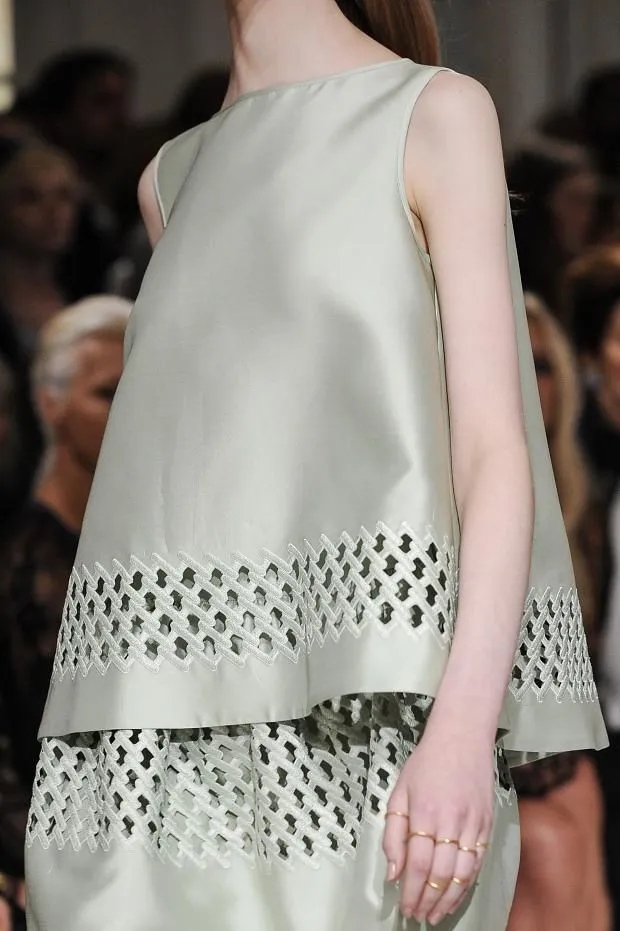
Eyelet Embroidery Samples
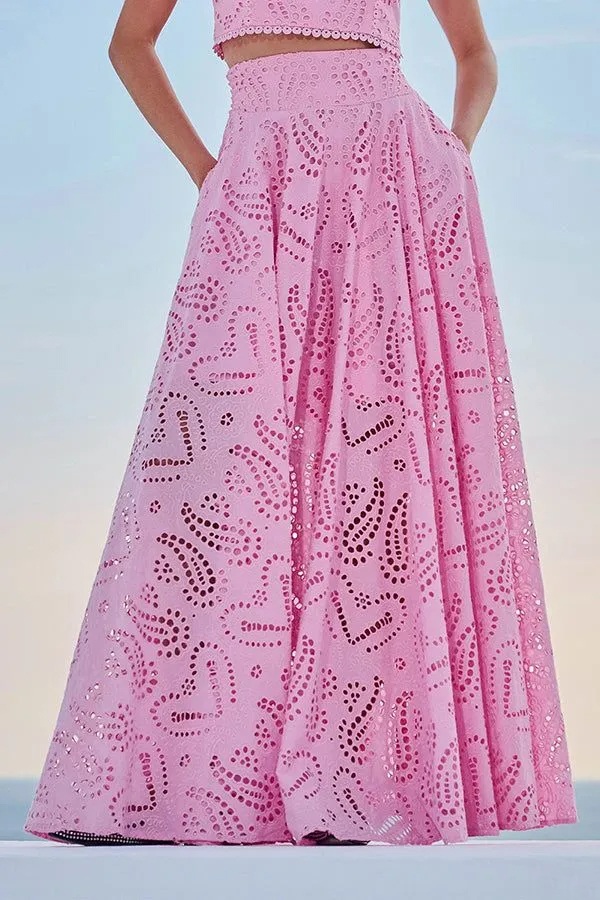
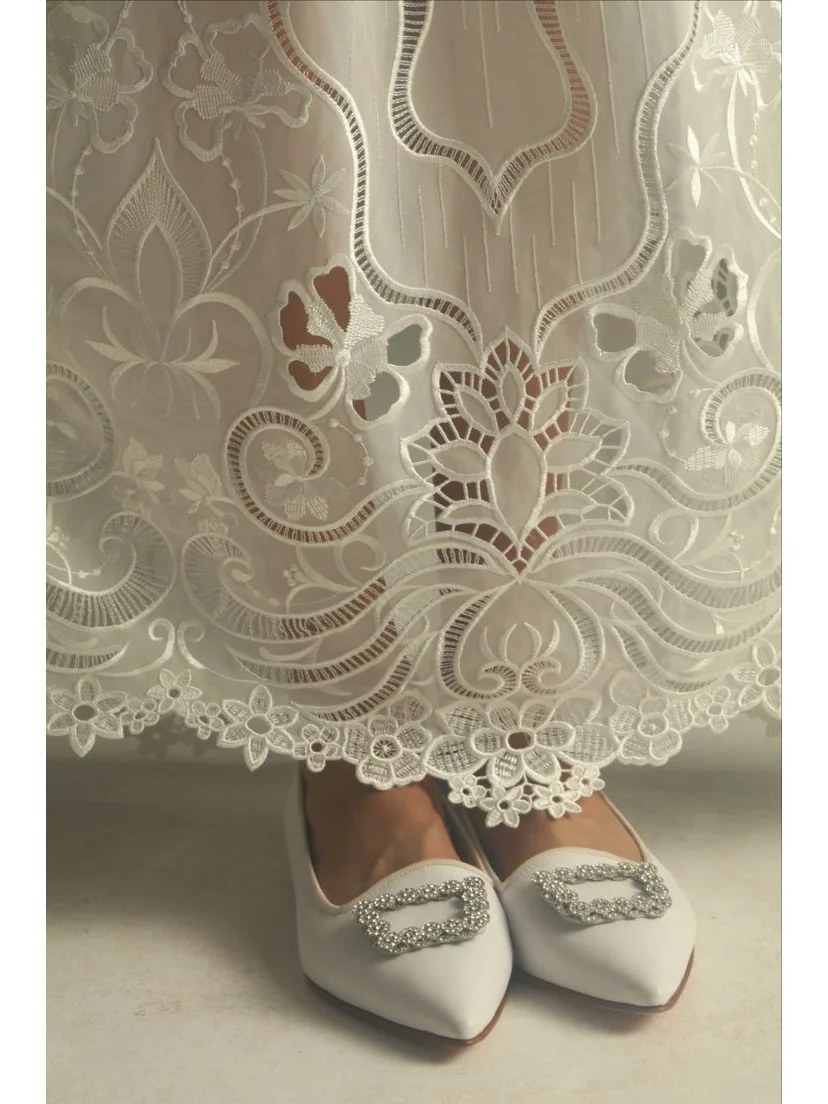
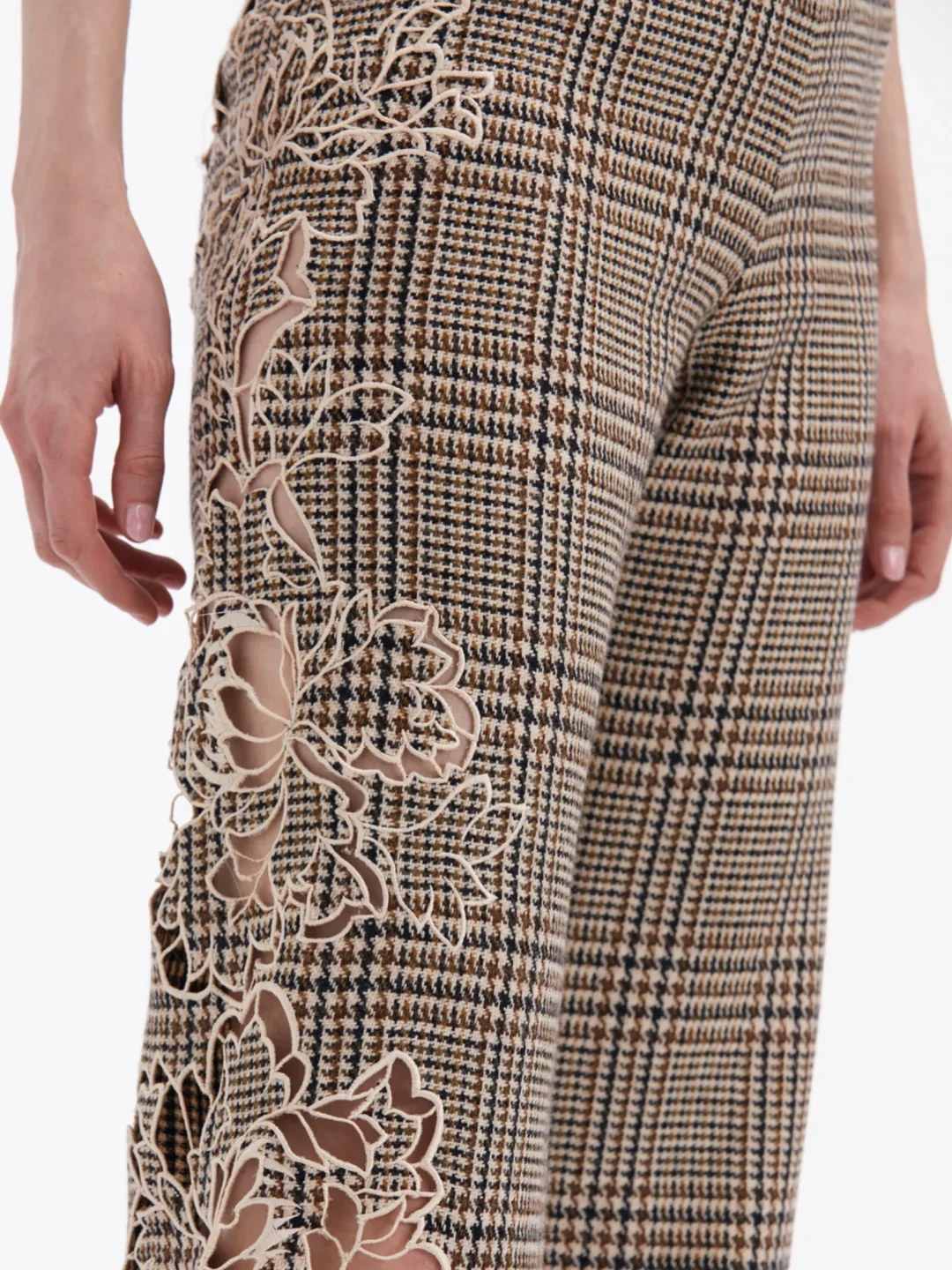
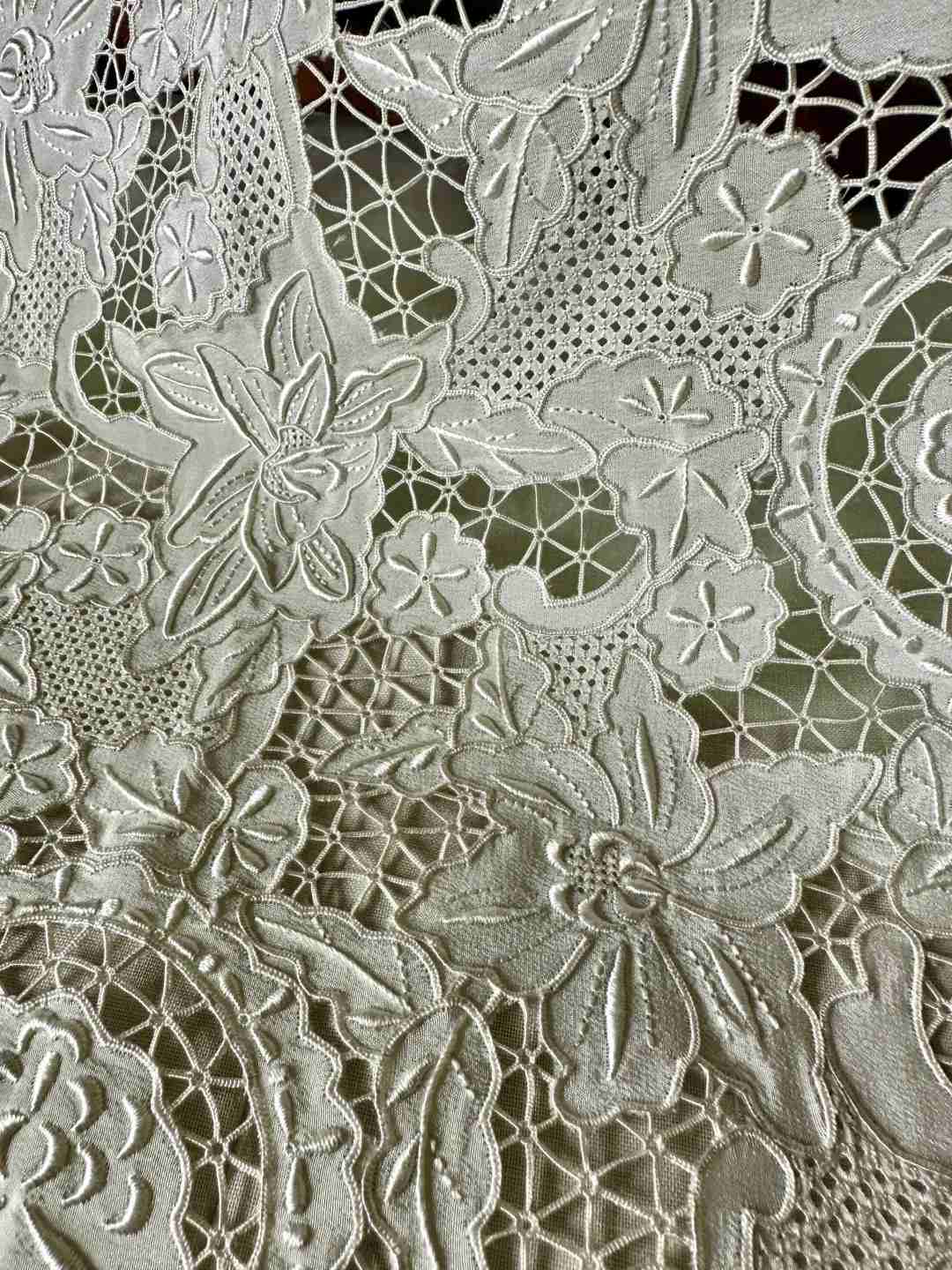
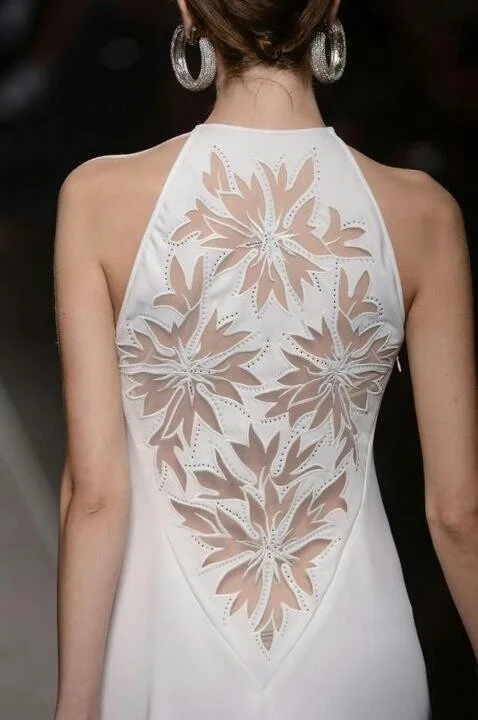
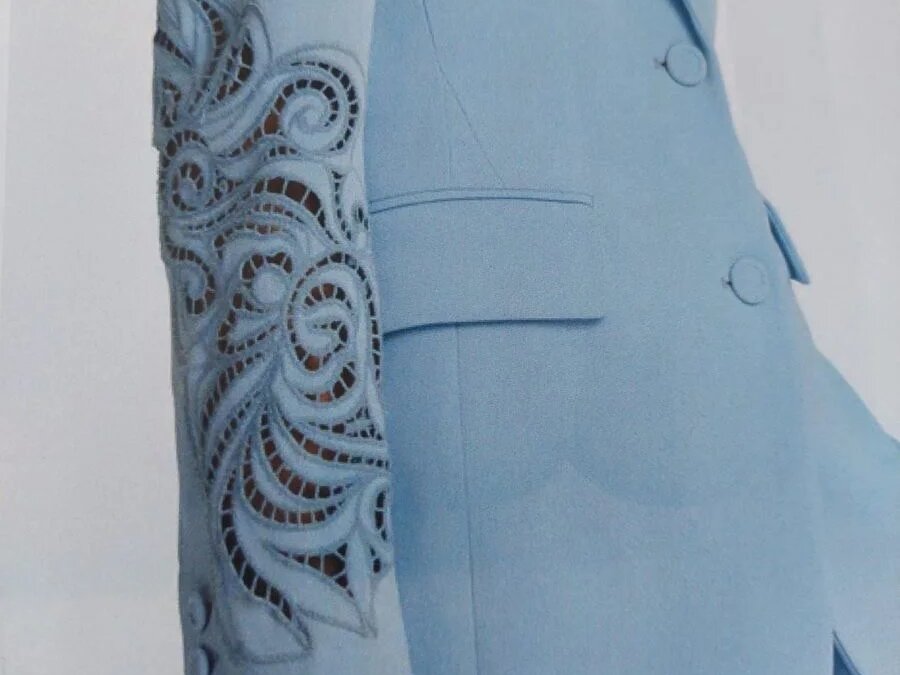
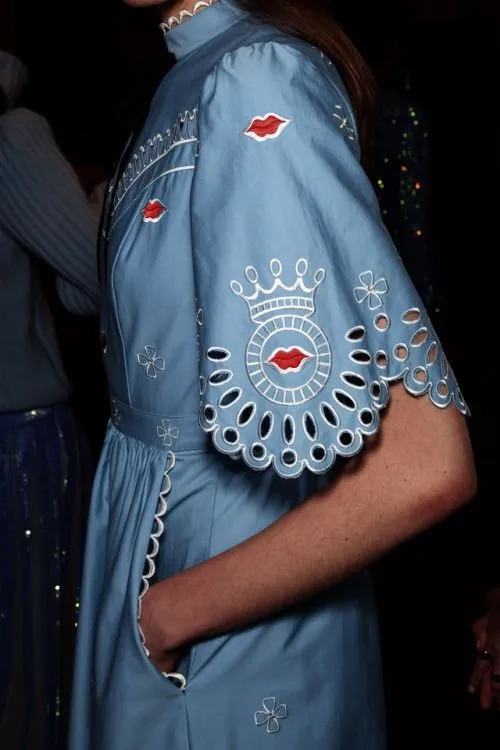
What Makes Eyelet Embroidery Distinctive
ZORWILD’s eyelet embroidery combines precision perforated holes with reinforced stitching to deliver delicate aesthetics and lasting durability across premium fabric blends.
Clean Perforated Holes
Laser-precise eyelet punching creates uniform openings with smooth edges, ensuring consistent hole diameter and professional appearance across every garment.
Reinforced Stitch Perimeters
Dense satin stitching surrounds each eyelet to prevent fraying, fabric tearing, and distortion, maintaining structural integrity through repeated wear.
Delicate Aesthetic Appeal
Intricate eyelet patterns add feminine, vintage-inspired detailing perfect for resort wear, romantic dresses, blouses, and premium fashion collections.
Wash-Cycle Durability
Engineered thread tension and lockstitch construction ensure eyelet embroidery withstands garment dye, enzyme wash, and commercial laundering without unraveling.
Premium Fabric Compatibility
Optimized for cotton poplin, linen blends, voile, chambray, and lightweight wovens, with tension adjustments for delicate and structured materials.
Scalable Production Precision
From 50-piece startup collections to 100,000+ unit monthly runs, ZORWILD maintains eyelet embroidery consistency with a 6-stage quality control system.
Related Embroidery Techniques & Applications
ZORWILD’s in-house embroidery capabilities span 95% of modern decoration techniques, from flat and 3D embroidery to specialized chenille and applique work.
Custom Embroidery
ZORWILD offers comprehensive custom embroidery services including flat, 3D, chenille, applique, patch, towel, metallic, and sequin embroidery. Our 27 years of manufacturing expertise ensures precise stitch density, thread quality, color consistency, and positioning accuracy across all garment categories from hoodies and jackets to dresses and sportswear.
Get a Quote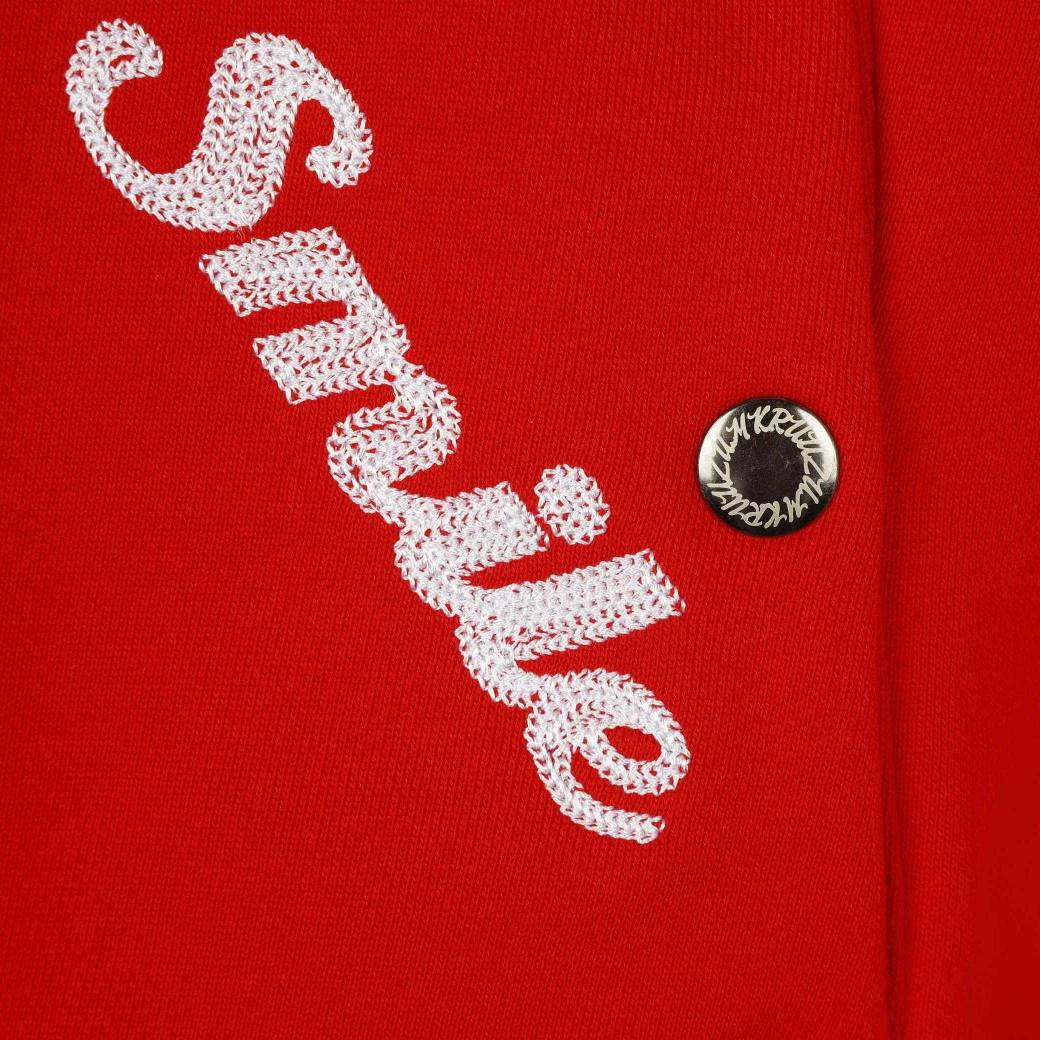
Chain Stitch Embroidery
Chain stitch embroidery creates a distinctive looped stitch pattern ideal for vintage-inspired designs, decorative borders, and retro sportswear aesthetics. This technique delivers bold visible stitching with excellent durability, commonly applied to varsity jackets, workwear, bowling shirts, and heritage streetwear collections requiring authentic detailing.
Get a Quote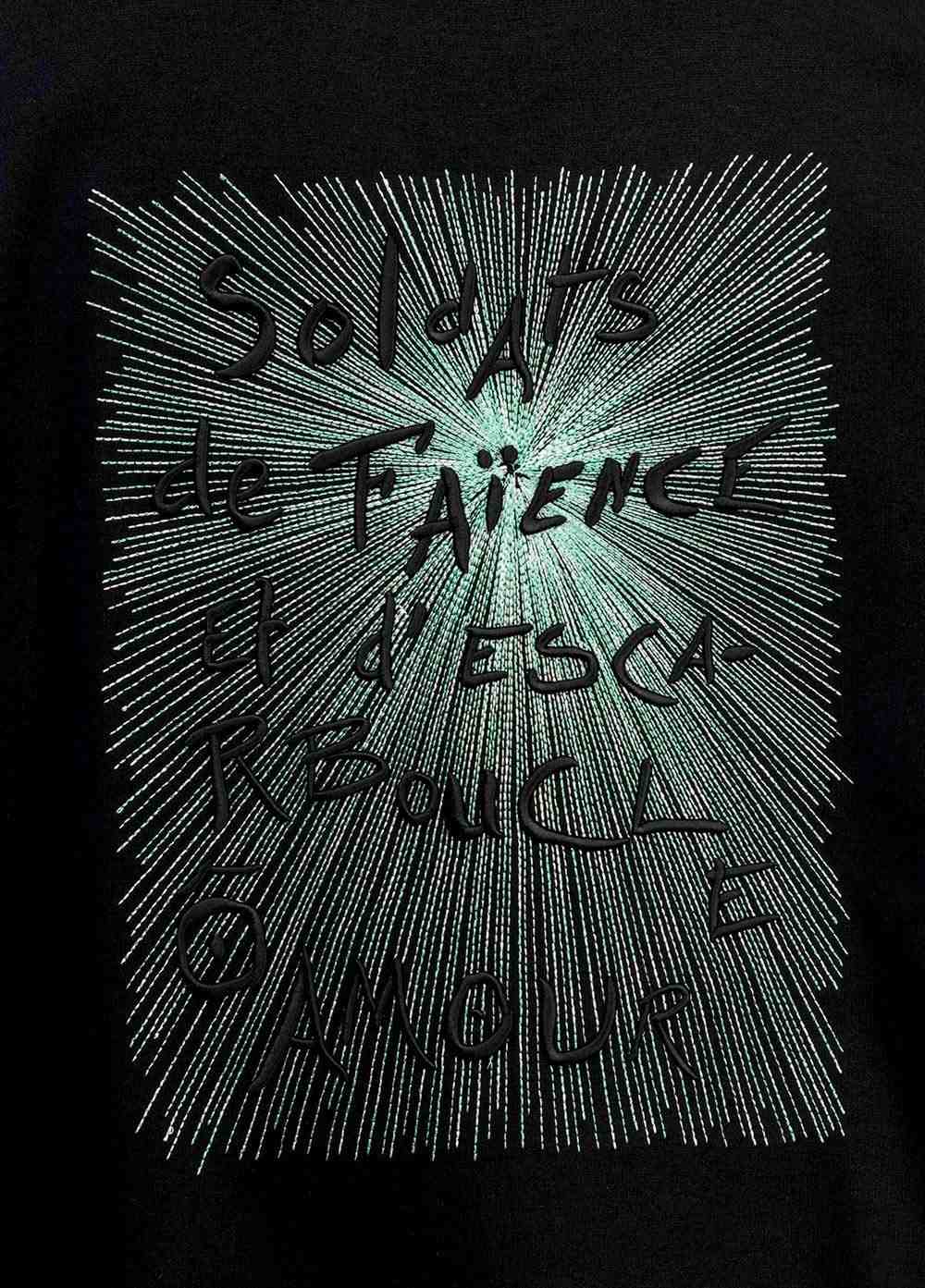
3D / Puff Embroidery
3D puff embroidery adds dimensional texture by layering foam beneath stitching to create raised logos and graphics. Perfect for streetwear hoodies, snapback caps, varsity jackets, and athletic apparel, this technique delivers premium visual impact with controlled height, sharp edges, and consistent foam density across production runs.
Get a Quote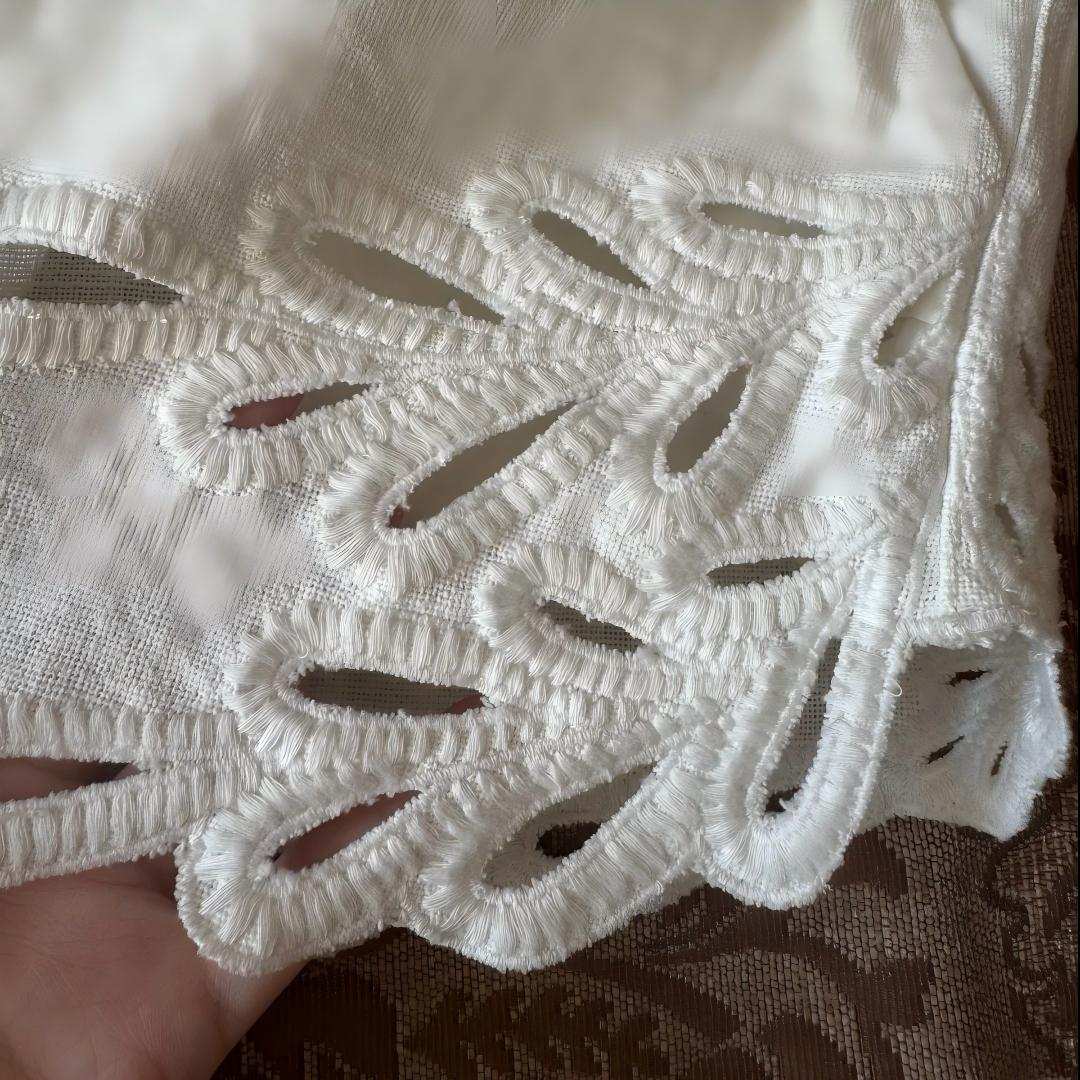
Flat Embroidery
Flat embroidery is the most versatile and widely used technique, delivering clean, professional logos and designs with tight stitch density. Suitable for all garment types including polo shirts, corporate uniforms, jackets, hats, and bags, flat embroidery offers excellent durability, color vibrancy, and precise detail reproduction.
Get a Quote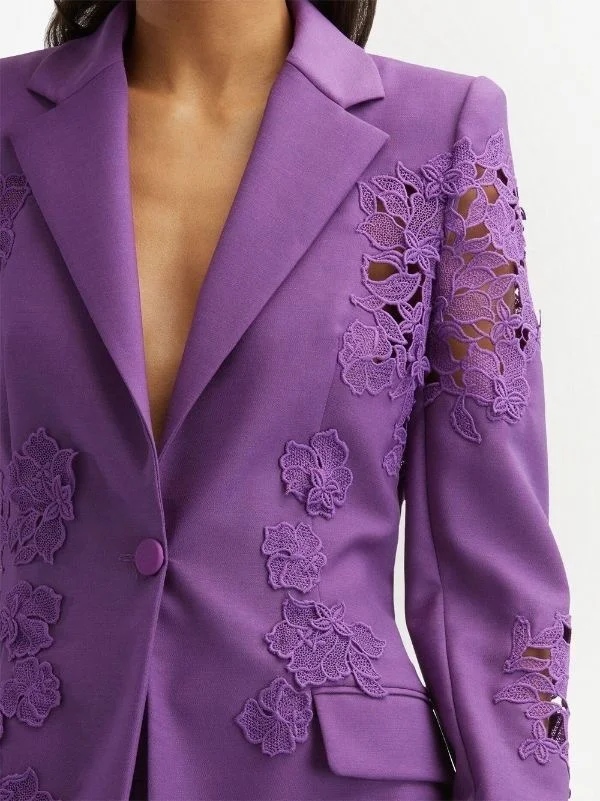
Towel Embroidery
Towel embroidery creates a plush, textured surface using looped stitching that mimics terry cloth texture. Ideal for retro sportswear, varsity patches, streetwear hoodies, and vintage athletic collections, this technique adds tactile dimension and nostalgic appeal with carefully controlled loop height and consistent stitch tension.
Get a Quote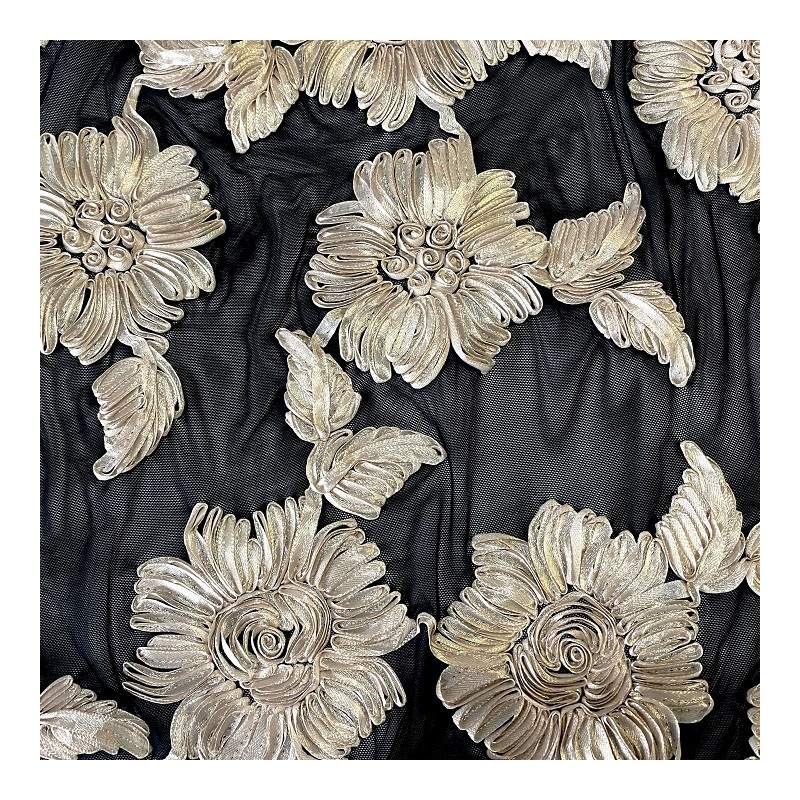
Ribbon Embroidery
Ribbon embroidery incorporates actual ribbon material into stitching to create dimensional floral designs, decorative accents, and luxury fashion details. Commonly applied to dresses, blouses, resort wear, evening wear, and premium casualwear, this technique delivers soft texture, elegant visual depth, and sophisticated embellishment for high-end collections.
Get a Quote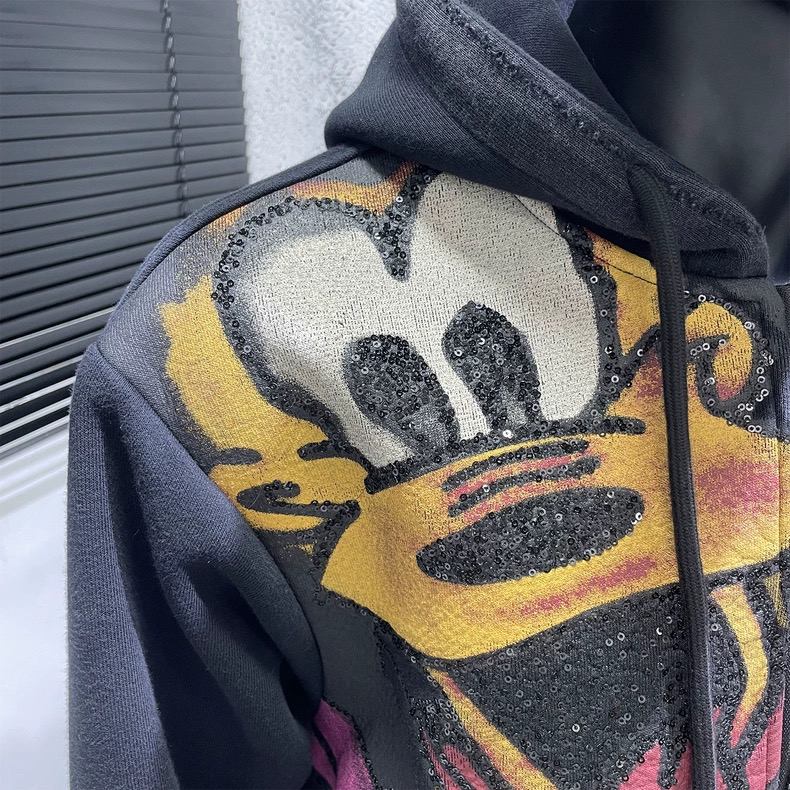
Sequin Embroidery
Sequin embroidery combines traditional stitching with sequin application to create sparkling, eye-catching designs. Perfect for evening dresses, performance wear, festival fashion, luxury streetwear, and statement pieces, this technique offers controlled sequin placement, secure attachment, and customizable color combinations for bold visual impact.
Get a Quote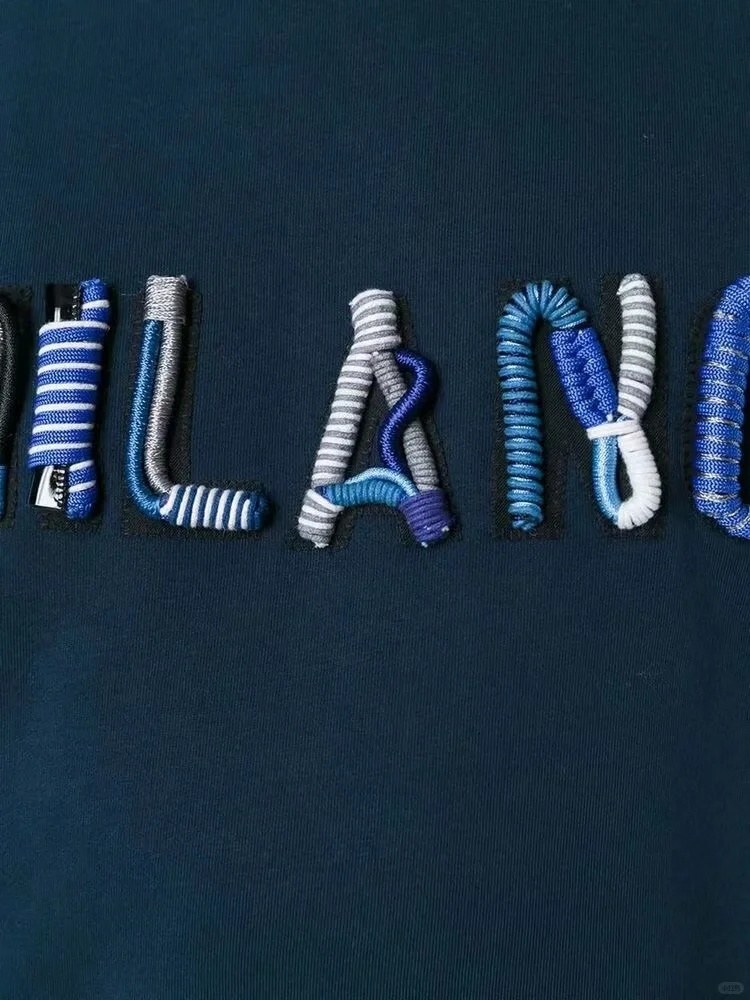
Rope Embroidery
Rope embroidery uses thick cord or rope-like thread to create bold, raised designs with strong visual presence. Ideal for military-inspired apparel, luxury fashion details, varsity jackets, and premium streetwear, this technique delivers substantial texture, heritage aesthetics, and distinctive dimensional effects that elevate garment positioning.
Get a Quote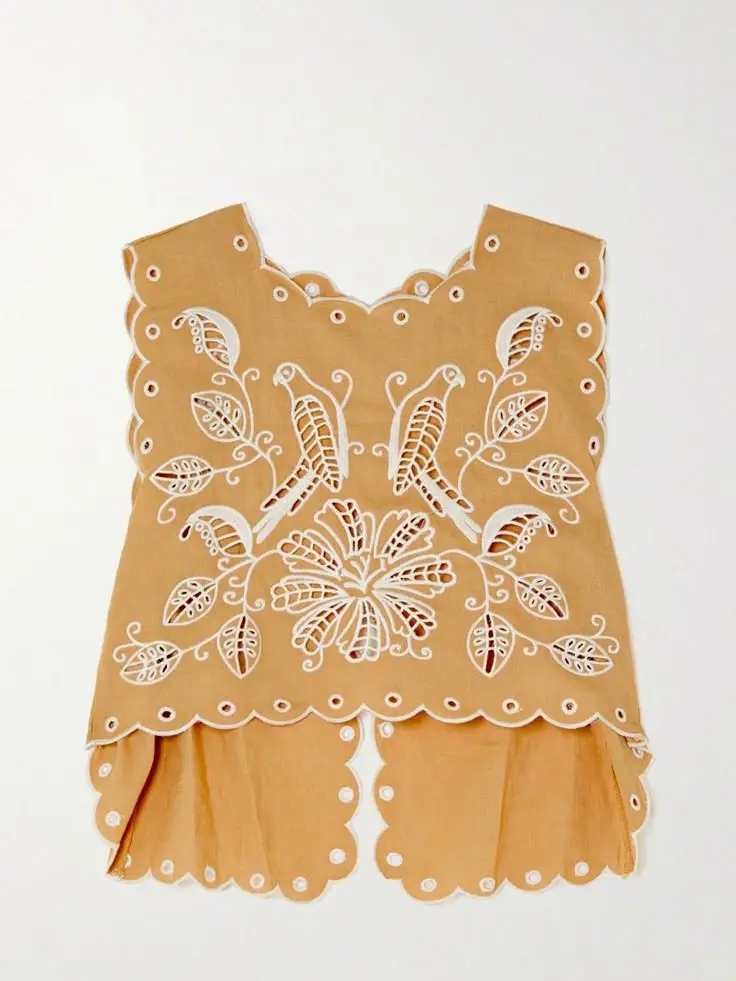
Toothbrush Embroidery
Toothbrush embroidery produces a dense, bristle-like texture through specialized looped stitching that creates a unique fuzzy surface. Popular for retro sportswear, vintage varsity jackets, heritage athletic patches, and nostalgic streetwear collections, this technique adds authentic period detail and tactile interest with consistent loop structure.
Get a QuoteZORWILD's Eyelet Embroidery Experience
Founded in 1998 in Humen, Dongguan, ZORWILD has spent 27 years perfecting apparel manufacturing craftsmanship. Our eyelet embroidery capabilities combine precision equipment, skilled artisans, and rigorous quality standards to deliver perforated decorative details that elevate garments for fashion brands across the United States, Europe, Asia, and the Middle East.
With a monthly production capacity exceeding 100,000 units and support for more than 95% of modern decoration techniques in-house, ZORWILD serves over 2,000 international brands. Our eyelet embroidery production integrates seamlessly with flat embroidery, chenille, applique, and specialty finishes, enabling complex multi-technique designs that meet the demands of startup brands and established fashion houses alike.
Every eyelet embroidery project passes through our 6-stage quality control system, ensuring stitch density, positioning accuracy, fabric tension, and durability meet professional standards. From 50-piece startup collections to large-scale production runs, ZORWILD bridges creative design and scalable manufacturing for brands that demand precision and consistency.
Eyelet Embroidery Quality Dimensions
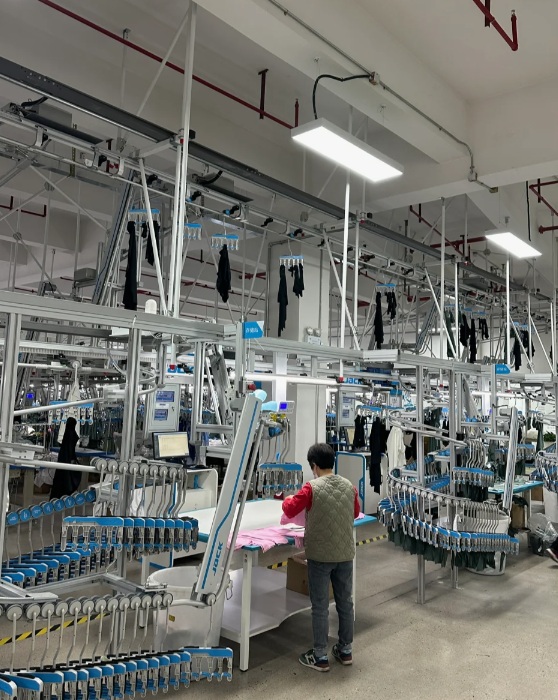
Hole Diameter Precision and Thread Tension Control
ZORWILD’s eyelet embroidery achieves exact hole diameters from 2mm to 8mm through calibrated needle selection and programmable stitch patterns. Our 27 years of manufacturing experience ensures consistent thread tension across production runs, preventing puckering, distortion, or irregular eyelet shapes that compromise visual quality and garment integrity.
- Programmable stitch density adjusted per fabric weight and stretch properties
- Calibrated needle systems maintain uniform hole diameter across 100,000+ unit capacity
- Real-time tension monitoring prevents thread breakage and eyelet deformation
Advanced Backing Stabilization Systems
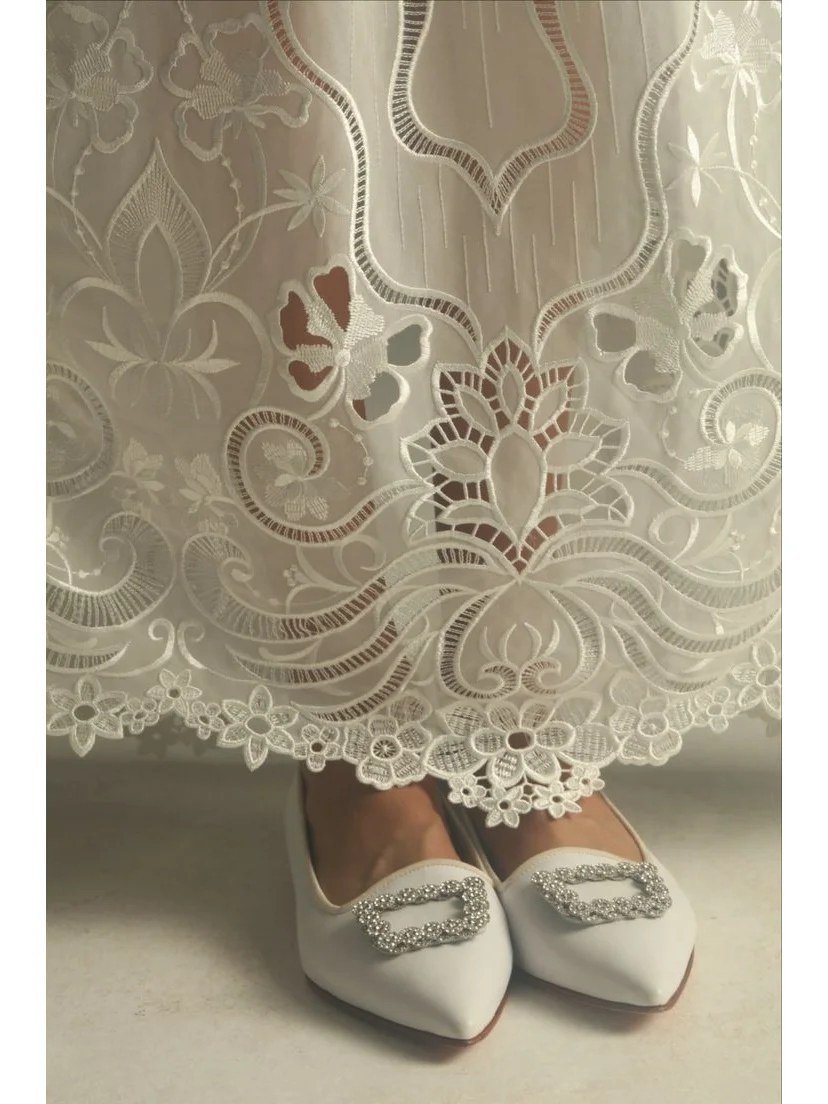
Every eyelet embroidery application at ZORWILD begins with fabric-specific stabilizer selection including tear-away, cut-away, water-soluble, and heat-away backings. Our production team evaluates fabric composition, garment stretch, eyelet density, and end-use requirements to prevent fabric tunneling, ensure clean eyelet edges, and maintain garment drape after decoration.
- Multi-layer stabilization for stretch fabrics and heavyweight eyelet designs
- Hooping tension protocols prevent fabric distortion during embroidery process
- Post-production stabilizer removal maintains soft hand feel and garment flexibility
Wash Durability and Edge Reinforcement
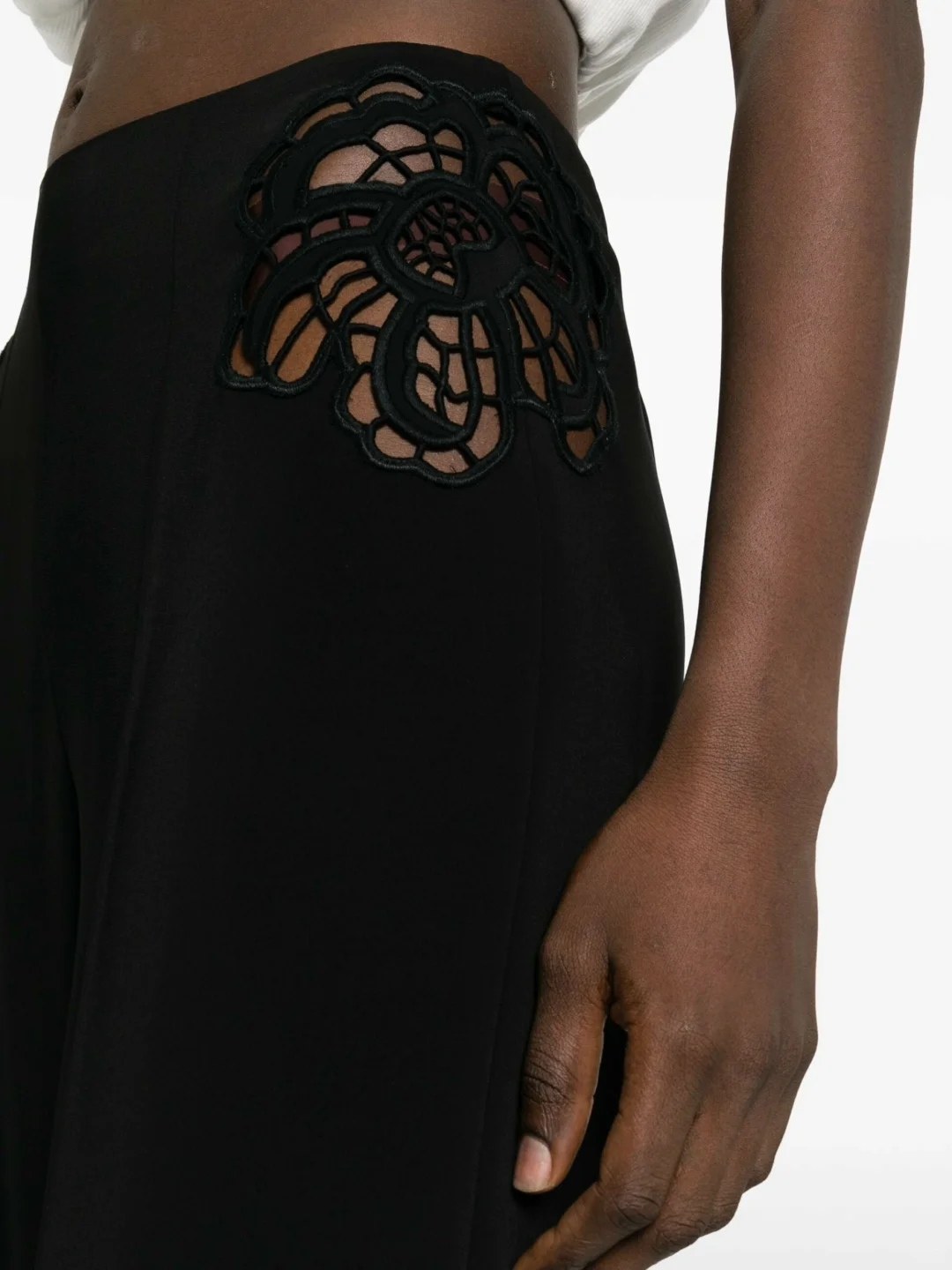
ZORWILD eyelet embroidery withstands industrial wash cycles, garment dye processes, and enzyme treatments through reinforced satin stitch edges and high-tenacity polyester thread. Our 6-stage quality control system includes pre-wash and post-wash inspection to verify eyelet integrity, color fastness, and stitch security across vintage wash, acid wash, and pigment dye applications.
- Reinforced eyelet perimeters with 600-800 stitches per inch prevent fraying
- Colorfast thread selection tested for chlorine resistance and UV stability
- Wash simulation testing validates eyelet performance before bulk production approval
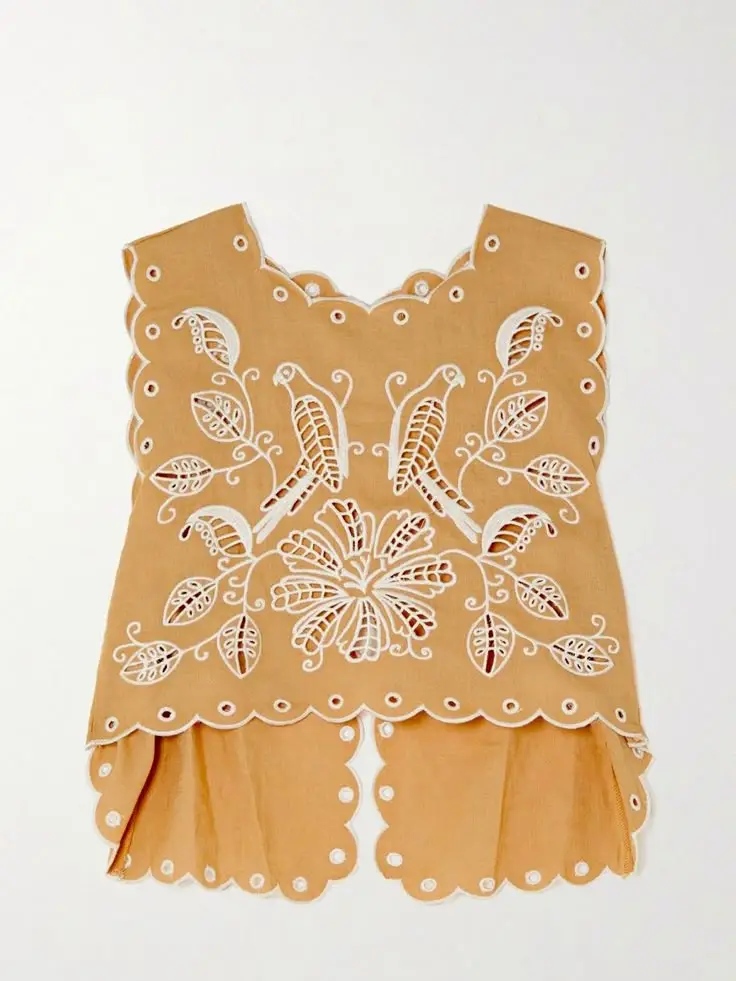
Stitch Density Optimization for Fabric Types
Our Humen Dongguan facility applies fabric-specific stitch density algorithms for eyelet embroidery on cotton, fleece, denim, satin, and technical fabrics. Lower density prevents fabric compression on lightweight materials while higher density ensures crisp eyelet definition on heavyweight substrates, balancing aesthetic impact with production efficiency across 50-piece MOQ and large-scale orders.
- Density mapping software adjusts stitch count based on fabric GSM and weave structure
- In-line inspection verifies eyelet clarity and thread coverage at every production stage
- Custom density profiles developed for specialty fabrics and complex multi-eyelet patterns
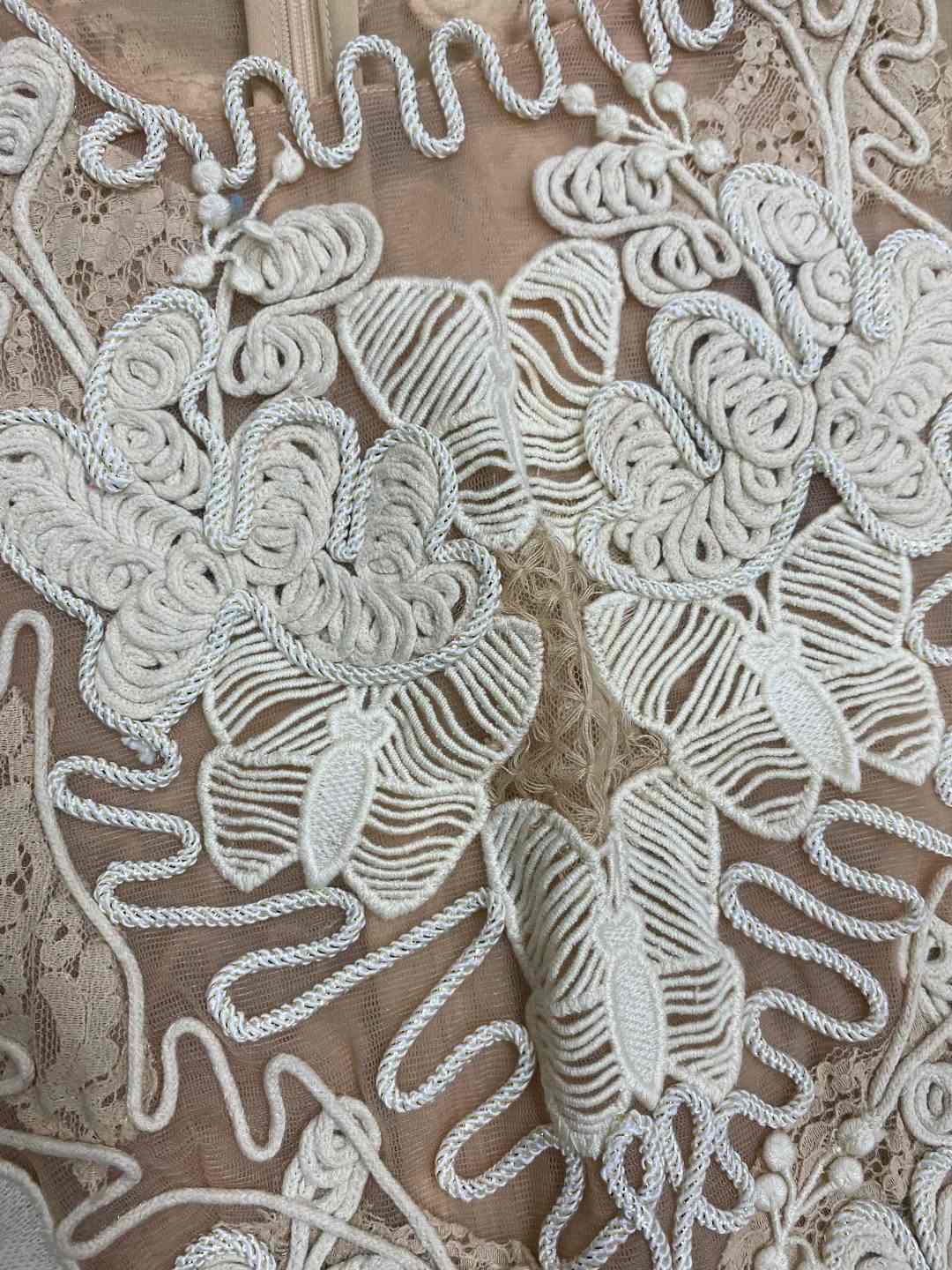
Eyelet Embroidery vs. Flat Embroidery: Which Technique Fits Your Design?
Both methods deliver professional embroidery results, but eyelet embroidery offers unique perforated detail capabilities that flat embroidery cannot replicate. Compare fabric compatibility, design complexity, durability, and combination options to choose the right technique for your custom apparel project.
← 左右滑动查看 →
Eyelet Embroidery Production Flow
ZORWILD’s 27-year manufacturing expertise ensures every eyelet embroidery detail meets strict quality standards through seven controlled production phases.
Design Placement & Digitizing
Your eyelet embroidery artwork is digitized with precise hole positioning, stitch density mapping, and reinforcement zones to ensure structural integrity and visual accuracy across all garment types.
Stabilizer Application & Setup
Heavy-duty stabilizers are applied beneath fabric to prevent puckering during eyelet punching. Hooping tension and needle type are calibrated for each material weight and eyelet size.
Eyelet Punching & Stitching
Automated embroidery machines execute hole punching and reinforcement stitching simultaneously. Thread tension, punch depth, and stitch count are monitored in real time for consistency across production runs.
Backing Removal & Trimming
Excess stabilizer backing is carefully removed from each eyelet. Loose threads are trimmed and hole edges inspected to ensure clean perforations without fraying or distortion.
Quality Inspection & Measurement
Your eyelet embroidery artwork is digitized with precise hole positioning, stitch density mapping, and reinforcement zones to ensure structural integrity and visual accuracy across all garment types.
Steam Pressing & Finishing
Every eyelet embroidery piece passes through ZORWILD’s 6-stage quality control system. Hole diameter, stitch density, alignment accuracy, and fabric integrity are verified against tech pack specifications.
Packaging & Export Preparation
Finished eyelet embroidery garments are folded, tagged, and packaged with custom branding. Export documentation and logistics coordination ensure on-time delivery to your destination worldwide.
How to Order Custom Eyelet Embroidery
From design concept to finished garments, ZORWILD’s streamlined process makes commissioning eyelet embroidery straightforward—even for first-time buyers. Our 27-year manufacturing expertise ensures precise execution at every stage.
Submit Your Design & Specifications
Share your artwork, tech pack, or reference images with eyelet placement details, hole diameter, spacing requirements, and garment type. Our team reviews feasibility and recommends optimal fabric substrates.
Approve Pre-Production Sample
Receive a physical sample showcasing eyelet embroidery execution, hole precision, thread tension, and garment integration. Request adjustments to diameter, density, or positioning before production begins.
Confirm Production Setup
Finalize order quantity—starting from 50 pieces—fabric selection, color specifications, labeling, and packaging preferences. Our team programs embroidery machines and prepares cutting patterns for your collection.
Monitor Quality Control Checkpoints
Your order passes through our 6-stage quality control system, including raw material inspection, in-line embroidery checks, measurement verification, and final product inspection before packaging.
Receive Global Shipment
Choose air freight, sea freight, or express delivery with full export documentation and customs support. Track your eyelet embroidery garments from our Humen Dongguan factory to your destination.
Customer Success: Eyelet Embroidery Projects
ZORWILD’s eyelet embroidery transformed our resort collection. The perforated details stayed crisp through 15 wash cycles, and the placement accuracy on 850 units was flawless. Our customers love the premium look.
We needed intricate eyelet embroidery on linen blouses with a tight 3-week deadline. ZORWILD delivered 320 pieces on time with zero defects. The stitch density and thread tension were perfect across every garment.
The eyelet embroidery added exactly the elevated detail our streetwear line needed. ZORWILD’s team guided us on optimal fabric pairing and achieved 98% first-sample approval. Production quality matched our luxury positioning perfectly.
Eyelet Embroidery FAQ
What is the minimum order quantity for eyelet embroidery?
What fabrics work best with eyelet embroidery?
How long does eyelet embroidery production take?
Can eyelet embroidery be combined with other decoration techniques?
What is the maximum design size for eyelet embroidery?
Is eyelet embroidery durable after washing?
What file format do you need for eyelet embroidery artwork?
How much does eyelet embroidery sampling cost?
Can eyelet embroidery be applied to finished garments or only during production?
The Complete Buyer’s Guide to Eyelet Embroidery for Brands and Wholesalers
1. What Is Eyelet Embroidery?
Eyelet embroidery is a decorative needlework technique that creates open-work patterns by punching or cutting small holes in fabric and reinforcing each opening with dense stitching, typically using satin stitch or buttonhole stitch. The result is a lace-like appearance with geometric or floral motifs that allow light and air to pass through, distinguishing it from traditional surface embroidery. Modern production relies on computerized multi-head embroidery machines capable of punching and stitching simultaneously, enabling consistent hole size and stitch density across large production runs.
This technique appears most frequently on lightweight cotton, linen, and cotton-blend fabrics in apparel categories including dresses, blouses, skirts, resort shirts, and children’s wear. Home textile applications include curtains, pillow covers, table linens, and decorative trim. ZORWILD manufactures eyelet embroidery as part of its comprehensive decoration capabilities, supporting flat embroidery, applique embroidery, and eyelet details on garments starting from 50-piece minimum orders.
Eyelet embroidery remains a preferred choice for feminine, romantic, and bohemian design aesthetics because it delivers visual softness, texture contrast, and vintage appeal without heavy weight or opacity. Buyers purchasing eyelet embroidery receive garments or textiles with permanent, washable decoration that adds perceived value through craftsmanship and detail. The technique works especially well for spring and summer collections, resort wear, and brands targeting customers who value handcrafted aesthetics and breathable, decorative fabric treatments.
2. Evolution and History of Eyelet Embroidery
Eyelet embroidery originated in 16th-century Europe, with English and Swiss artisans perfecting broderie anglaise—delicate openwork patterns hand-punched into fine cotton and linen. By the 1820s, Swiss workshops in St. Gallen developed specialized hand tools to create uniform circular eyelets bordered by tight satin stitches, establishing the technique’s signature aesthetic. Victorian England embraced eyelet embroidery in the 1840s–1880s, using it extensively for christening gowns, petticoats, blouses, and summer dresses, cementing its association with feminine refinement and luxury.
The 1863 invention of the Schiffli embroidery machine in Switzerland revolutionized production, enabling multi-needle systems to replicate hand-punched eyelets at industrial scale. Early machines required skilled operators to manually guide fabric and adjust tension, but by the 1920s semi-automatic systems allowed consistent stitch density and eyelet diameter control. This mechanization made eyelet embroidery accessible to ready-to-wear brands while preserving the intricate design vocabulary of floral motifs, scalloped edges, and geometric cutwork inherited from hand-craft traditions.
Contemporary digital Schiffli machines, introduced in the 1990s, use computerized pattern files to achieve stitch densities of 120–180 stitches per square centimeter and eyelet diameters as small as 2 mm with zero manual intervention. Modern buyers expect clean eyelet edges, no puckering, consistent hole sizing across repeats, and durable overlock stitching—quality benchmarks rooted in 200 years of craftsmanship evolution. Understanding this historical lineage helps brands communicate authenticity and set realistic quality standards when sourcing eyelet embroidery from manufacturers like ZORWILD.
3. Types of Eyelet Embroidery Techniques
Modern eyelet embroidery production relies on five distinct techniques, each delivering different hole sizes, edge finishes, and cost structures. Choosing the right method depends on fabric weight, brand positioning, and production scale.
Traditional Broderie Anglaise
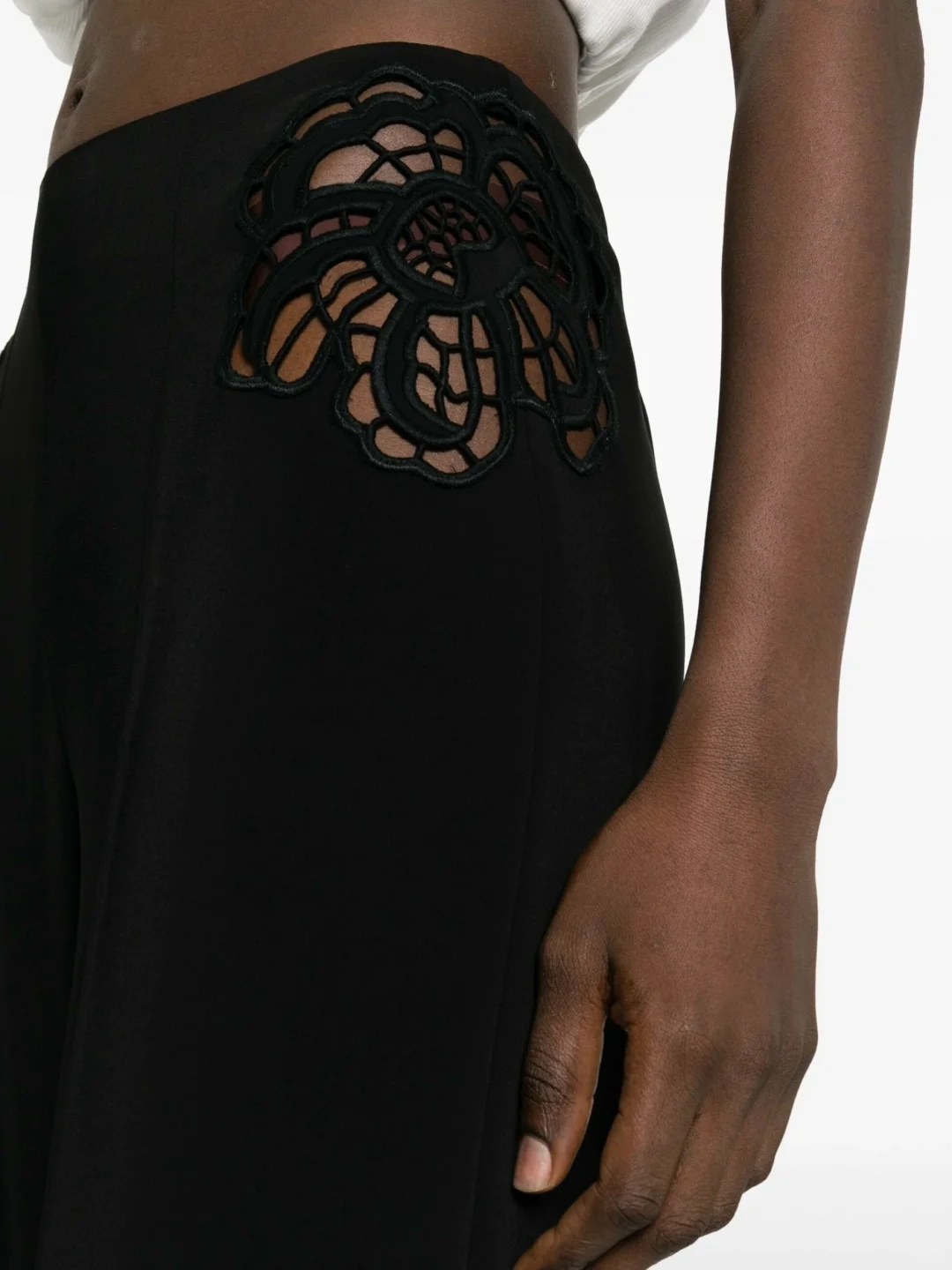
Hand-guided machines stitch dense satin borders around punched holes, creating raised edges and soft hand feel. Hole diameters range from 3 mm to 12 mm with thread counts exceeding 800 stitches per design.
Best suited for cotton poplin, linen, and lightweight voile under 150 GSM. Ideal for premium resort wear, bridal collections, and luxury casualwear where craftsmanship justifies higher unit costs.
Schiffli Machine Eyelet
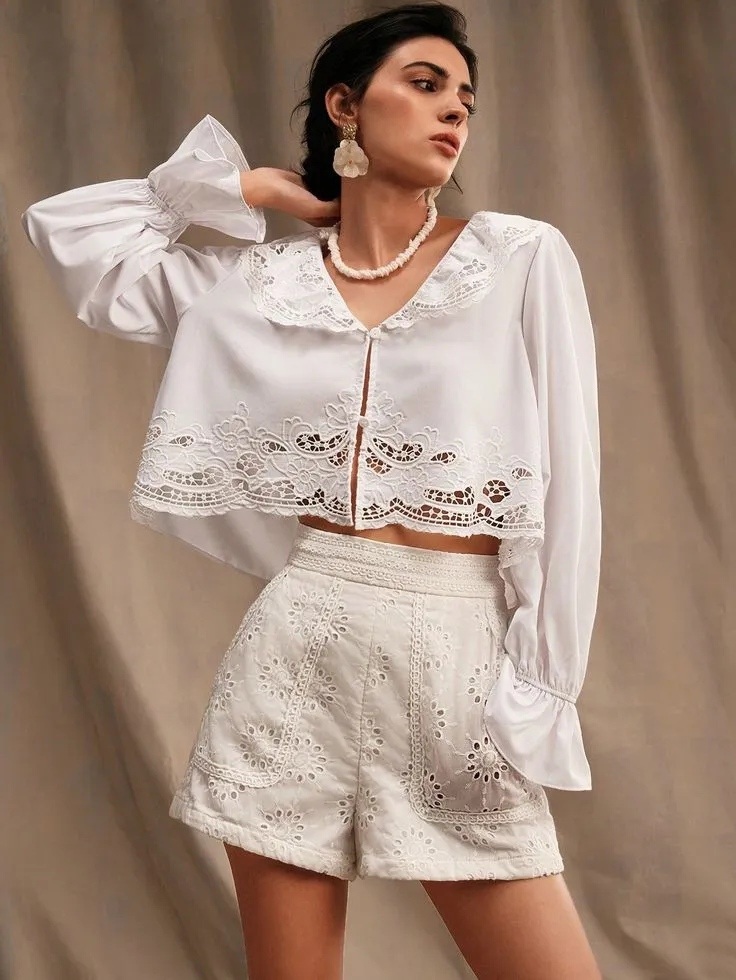
Multi-needle Schiffli looms produce repeating eyelet patterns at industrial speed, stitching and cutting simultaneously across wide fabric widths. Edge finish quality remains consistent across thousands of yards.
Compatible with cotton, polyester blends, and rayon up to 200 GSM. Standard for mid-market fashion brands requiring scalable production, reliable lead times, and moderate pricing.
Laser-Cut Eyelet
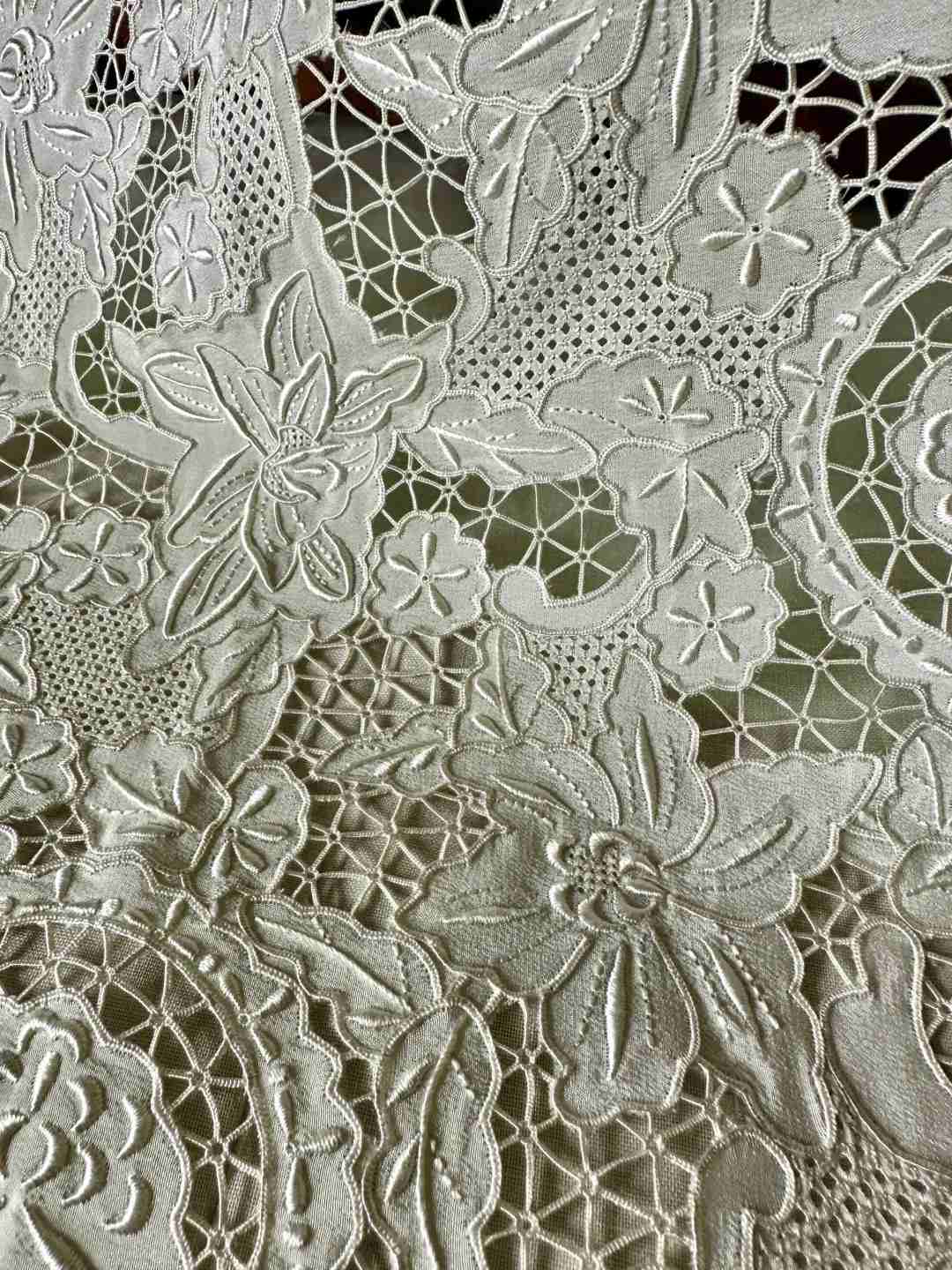
CO₂ lasers vaporize fabric to create clean-edged holes without stitching, reducing production time by 40–60% compared to embroidered methods. Edge sealing depends on synthetic fiber content; natural fabrics require edge stabilization.
Works best on polyester, nylon, and blends above 50% synthetic content. Common in fast fashion, activewear, and technical garments where speed and cost efficiency outweigh traditional aesthetics.
Chemical Lace Eyelet
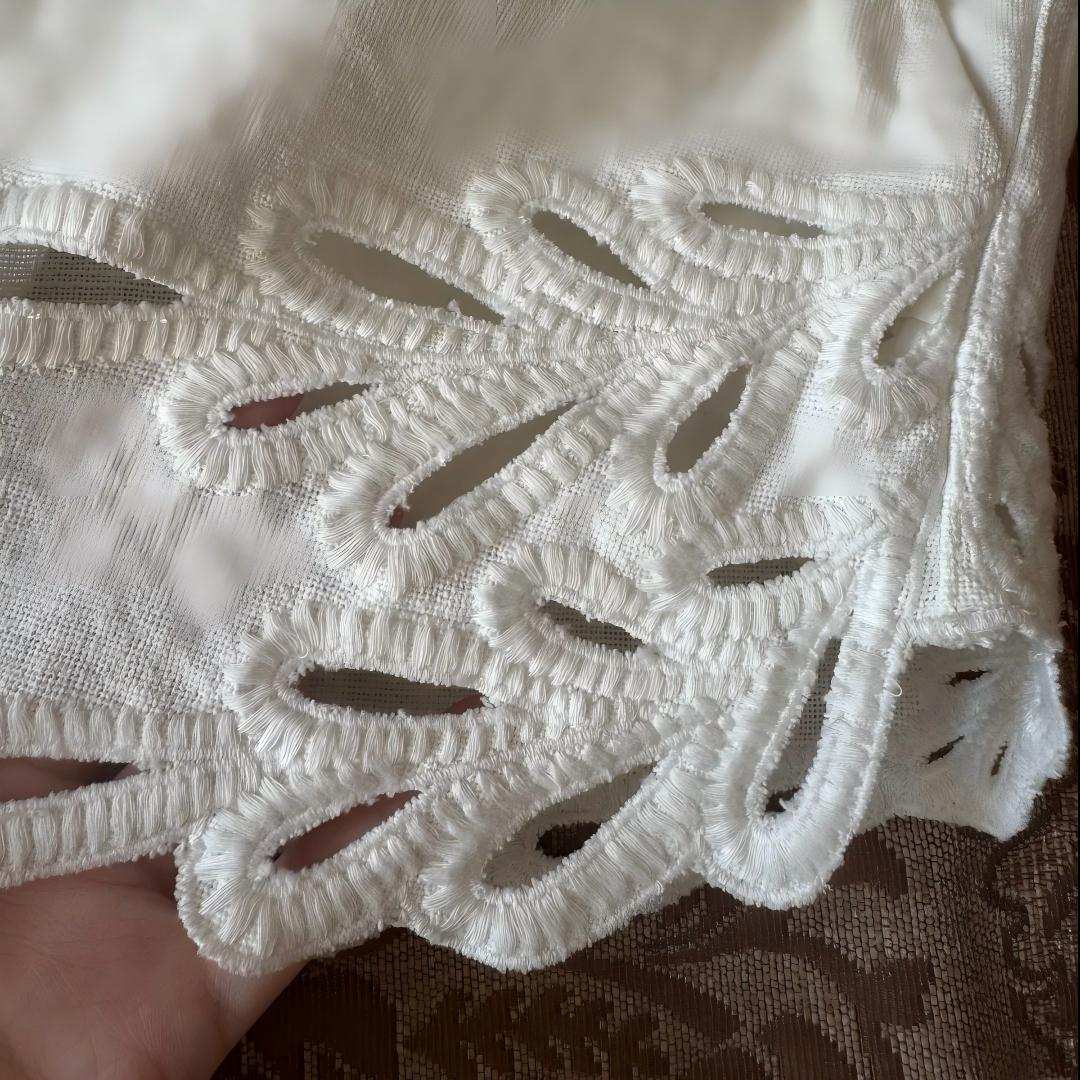
Embroidery machines stitch patterns onto dissolvable backing fabric; chemical baths dissolve the base, leaving only thread structures and open eyelets. Produces intricate lace-like patterns with dimensional depth.
Requires stable woven or knit bases under 180 GSM. Preferred for evening wear, high-end dresses, and statement pieces where complex design justifies longer lead times and premium pricing.
4. Materials and Fabrics for Eyelet Embroidery
Fabric choice determines the structural integrity and visual finish of eyelet embroidery. Tight weaves minimize fraying around cut holes, while fabric weight controls drape and durability for each product category.
| Fabric Type | GSM Range | Drape | Typical Applications | Price Tier |
|---|---|---|---|---|
| Cotton Poplin | 100–140 | Crisp, structured | Blouses, casual shirts, children’s dresses | Mid |
| Cotton Lawn | 80–100 | Soft, fluid | Summer dresses, resort wear | Mid-High |
| Linen Blend | 120–160 | Textured, breathable | Casual dresses, utility shirts | High |
| Silk Organza | 30–50 | Sheer, delicate | Bridal, formalwear, luxury trims | Premium |
| Polyester Blend | 100–130 | Smooth, wrinkle-resistant | Activewear trims, budget collections | Low-Mid |
Cotton Poplin
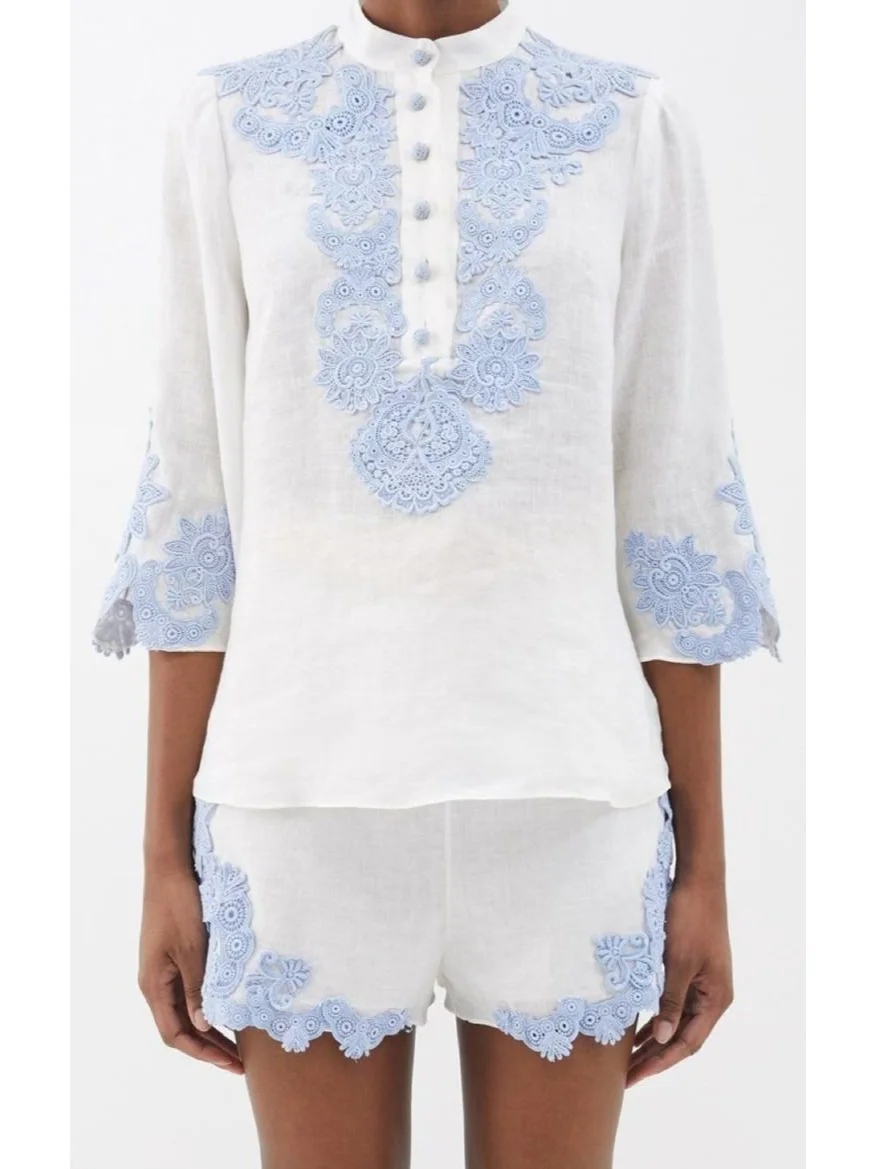
Cotton poplin ranges from 100 to 140 GSM with a plain weave that delivers crisp drape and excellent eyelet definition. The tight weave structure prevents fraying during punching and holds satin stitching cleanly around each hole.
Machine washable at 40°C, poplin suits blouses, casual shirts, and children’s dresses. Mid-tier pricing and stable availability make it the most popular base for eyelet embroidery production.
Cotton Lawn and Linen
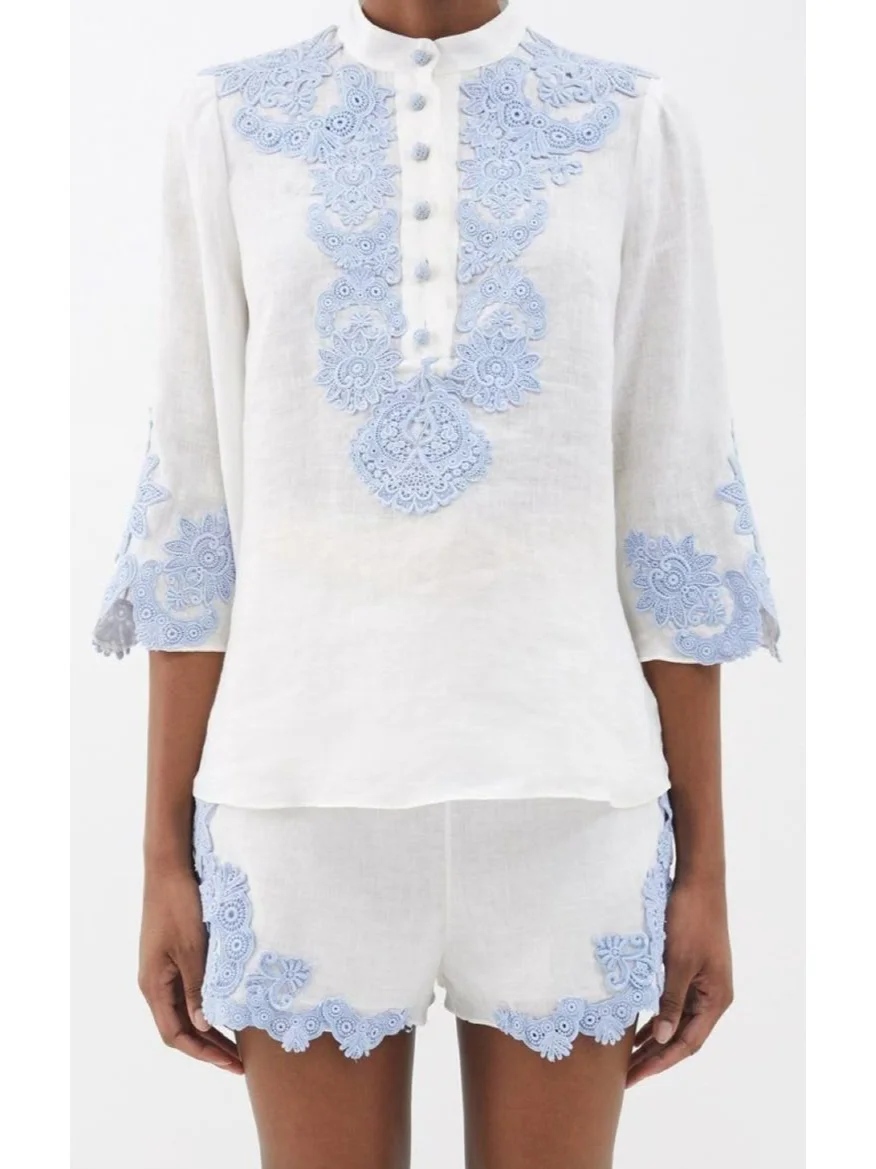
Cotton lawn weighs 80–100 GSM, offering a softer hand and fluid drape ideal for lightweight summer dresses and resort wear. Linen blends at 120–160 GSM deliver breathability and texture but require enzyme wash to soften fibers and reduce wrinkling.
Both fabrics demand careful tension control during embroidery to avoid puckering. Care labels specify gentle cycle and low-heat ironing to preserve eyelet edges.
Silk Organza and Polyester Blends
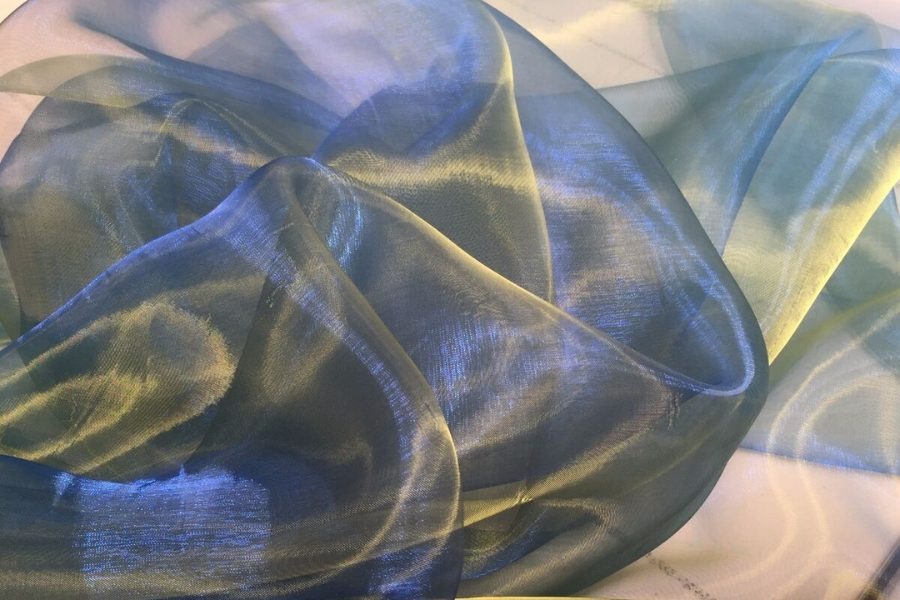
Silk organza at 30–50 GSM provides sheer elegance for formalwear and bridal collections, but its delicate weave requires stabilizer backing and hand washing. Polyester blends (100–130 GSM) offer wrinkle resistance, color fastness, and lower cost, making them suitable for activewear trims and budget collections.
Polyester’s synthetic fiber reduces breathability but increases durability and machine-wash performance at scale.
5. Customization and Decoration Options for Eyelet Embroidery
Eyelet embroidery customization transforms standard garments into branded, market-differentiated collections. ZORWILD supports pattern design, hole density control, thread matching, and multi-technique layering from 50-piece minimums, enabling startups and established brands to test designs before scaling.
| Customization Type | Setup Cost (USD) | Minimum MOQ | Lead Time (Days) |
|---|---|---|---|
| Custom floral or geometric pattern | $150–$300 | 50 pieces | 25–30 |
| Thread color matching (stock colors) | $0 | 50 pieces | 20–25 |
| Custom dye-lot thread | $80–$150 | 500 pieces | 30–35 |
| Eyelet + beading combination | $200–$400 | 100 pieces | 30–40 |
| All-over eyelet panel | $250–$500 | 200 pieces | 35–45 |
Custom Pattern Design and Motif Selection
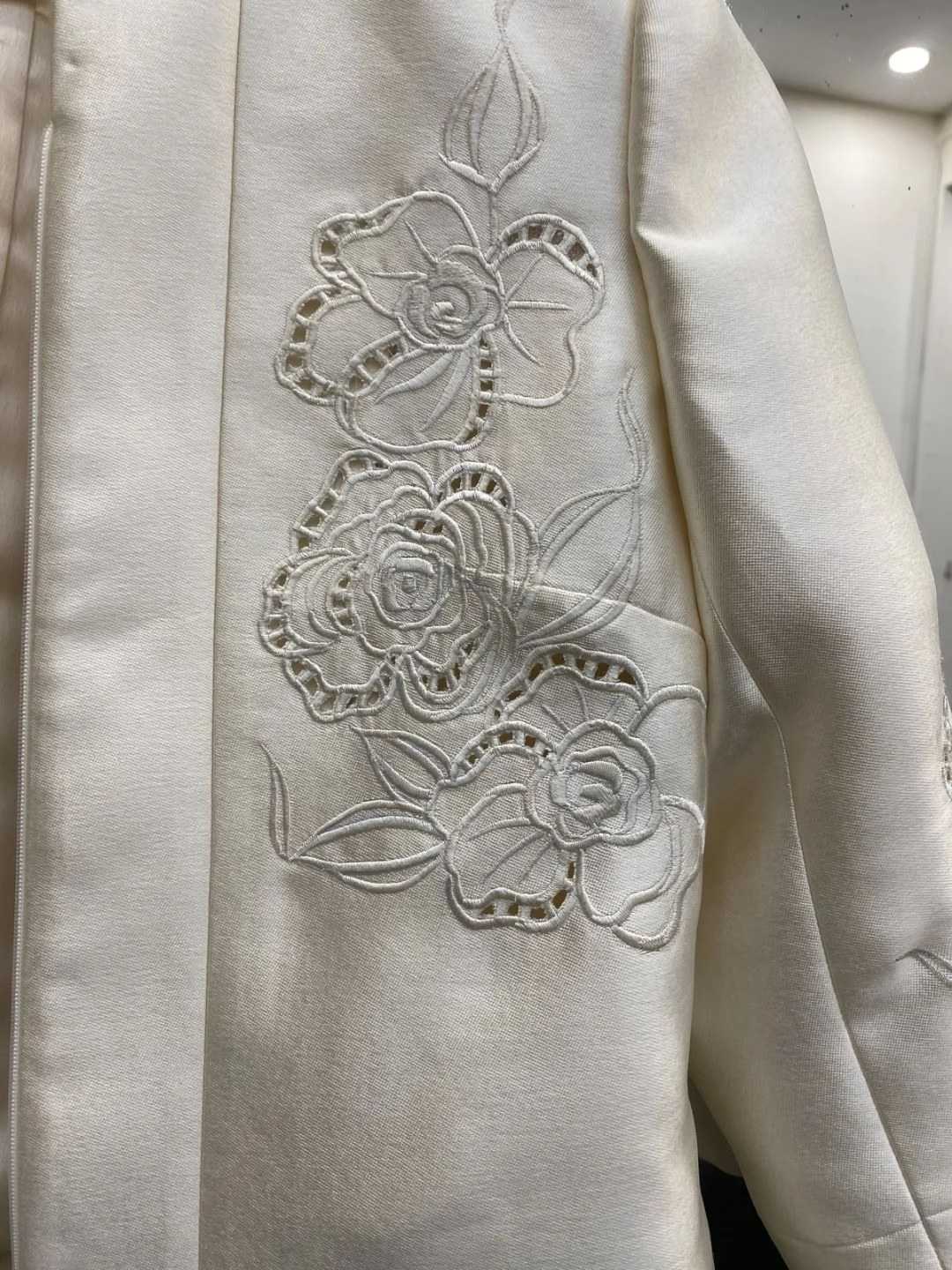
Floral motifs remain the most requested eyelet embroidery pattern, followed by geometric repeats and monogram applications. ZORWILD’s development team converts tech packs, reference images, or sketches into production-ready embroidery files within 3–5 business days.
Pattern complexity directly affects setup time and per-unit cost. All-over floral designs require full-panel digitization, while border or single-panel placements reduce tooling investment and support lower MOQs starting at 50 pieces per colorway.
Hole Size, Density, and Thread Color Matching
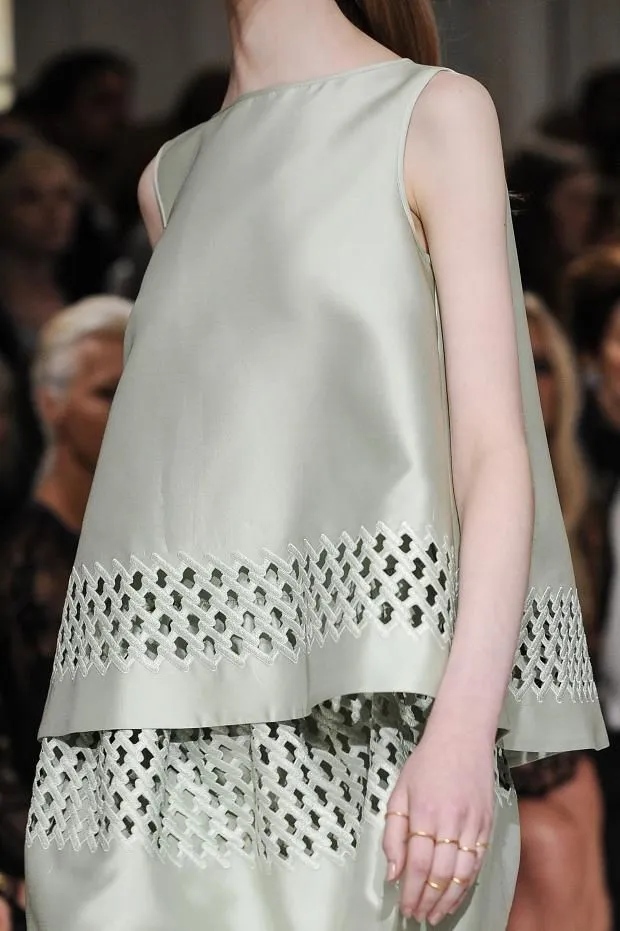
Hole diameter typically ranges from 2 mm for delicate lace effects to 8 mm for bold statement designs. Stitch density between 800 and 1,200 stitches per square inch ensures clean edges without fabric puckering.
Thread color matching uses Pantone references or physical swatches. ZORWILD stocks over 200 polyester embroidery thread colors and sources custom dye lots for orders above 500 units, maintaining color consistency across production batches.
Combining Eyelet Embroidery with Other Embellishments
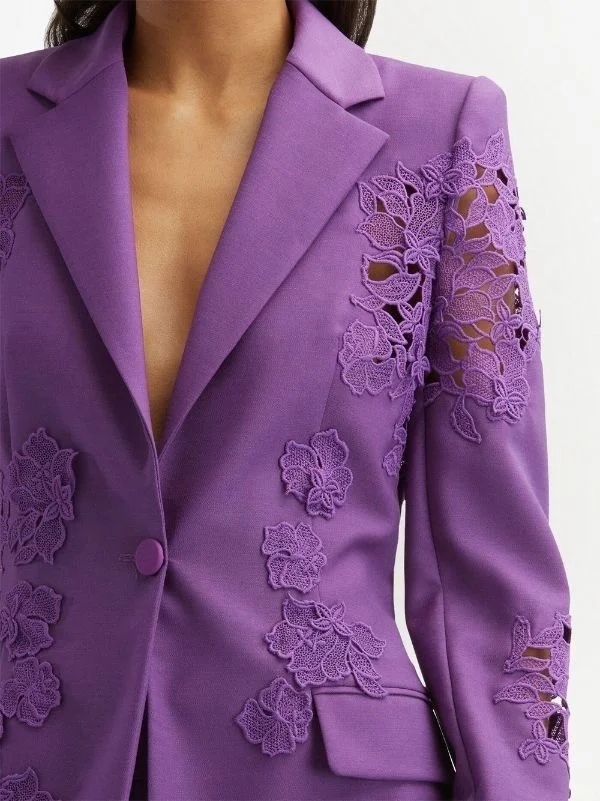
Layering eyelet embroidery with beading, appliqué, or contrast piping creates premium product differentiation. Beaded eyelet borders add formalwear appeal, while appliqué panels combined with eyelet cutouts suit resort and casualwear collections.
Contrast piping along eyelet edges enhances visual definition and is commonly applied to necklines, cuffs, and hem panels. Multi-technique garments typically require 10–14 day lead times for sampling and 25–35 days for bulk production.
Placement Options and MOQ Considerations
All-over eyelet embroidery covers entire garment panels and requires higher setup investment, typically starting at 200-piece MOQs. Border placements along hems, sleeves, or necklines reduce tooling costs and support 50-piece minimums.
Panel eyelet applications—such as yoke inserts or side seams—balance visual impact with cost efficiency. Custom tooling fees range from $80 to $300 depending on pattern complexity, amortized across the first production run.
6. Key Quality Benchmarks in Eyelet Embroidery
Professional buyers must verify six critical quality benchmarks before approving eyelet embroidery production. ZORWILD applies strict inspection protocols across raw material intake, in-line production, and final garment finishing to ensure every eyelet meets commercial durability standards.
Eyelet Edge Finish and Fraying Resistance
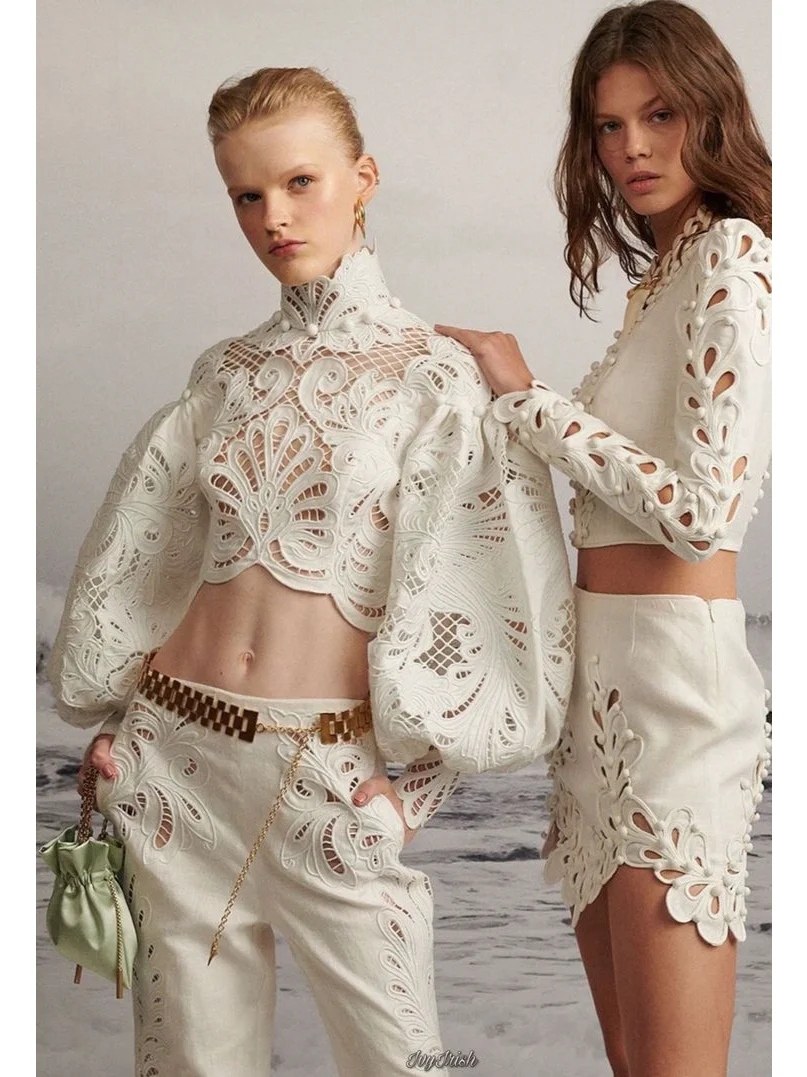
Clean, non-fraying edges define premium eyelet embroidery. Industry standard requires satin-stitch coverage of at least 0.8–1.2 mm around each perforation with thread density of 4–6 stitches per millimeter.
Pull-test each eyelet by inserting a blunt probe and applying 2–3 kg of lateral force. Acceptable eyelets show zero thread separation or fabric tear. Substandard work reveals loose thread tails, incomplete stitch coverage, or visible fabric weave at the edge.
Hole Size and Spacing Consistency
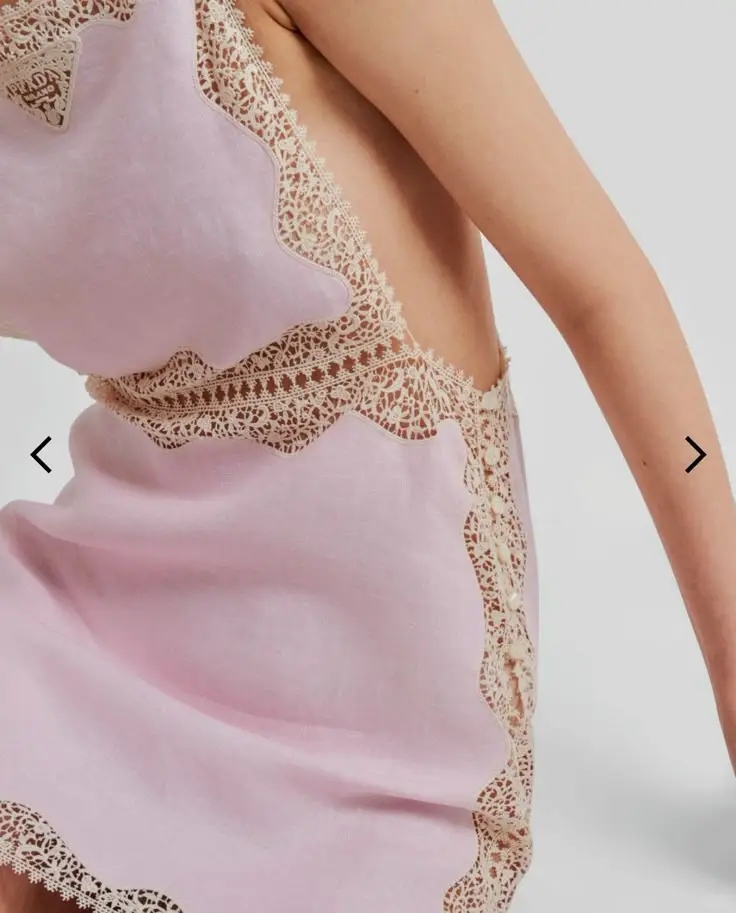
Consistent hole diameter and pitch spacing ensure uniform appearance across large production runs. Specify eyelet diameter tolerance of ±0.5 mm and spacing tolerance of ±1.0 mm in your tech pack.
ZORWILD uses digital embroidery machines with servo-motor precision to maintain hole uniformity within ±0.3 mm across 10,000-stitch runs. Inspect pre-production samples with calipers; reject any sample showing diameter variation exceeding 0.5 mm or misaligned rows beyond 1.0 mm.
Thread Tension and Stitch Density
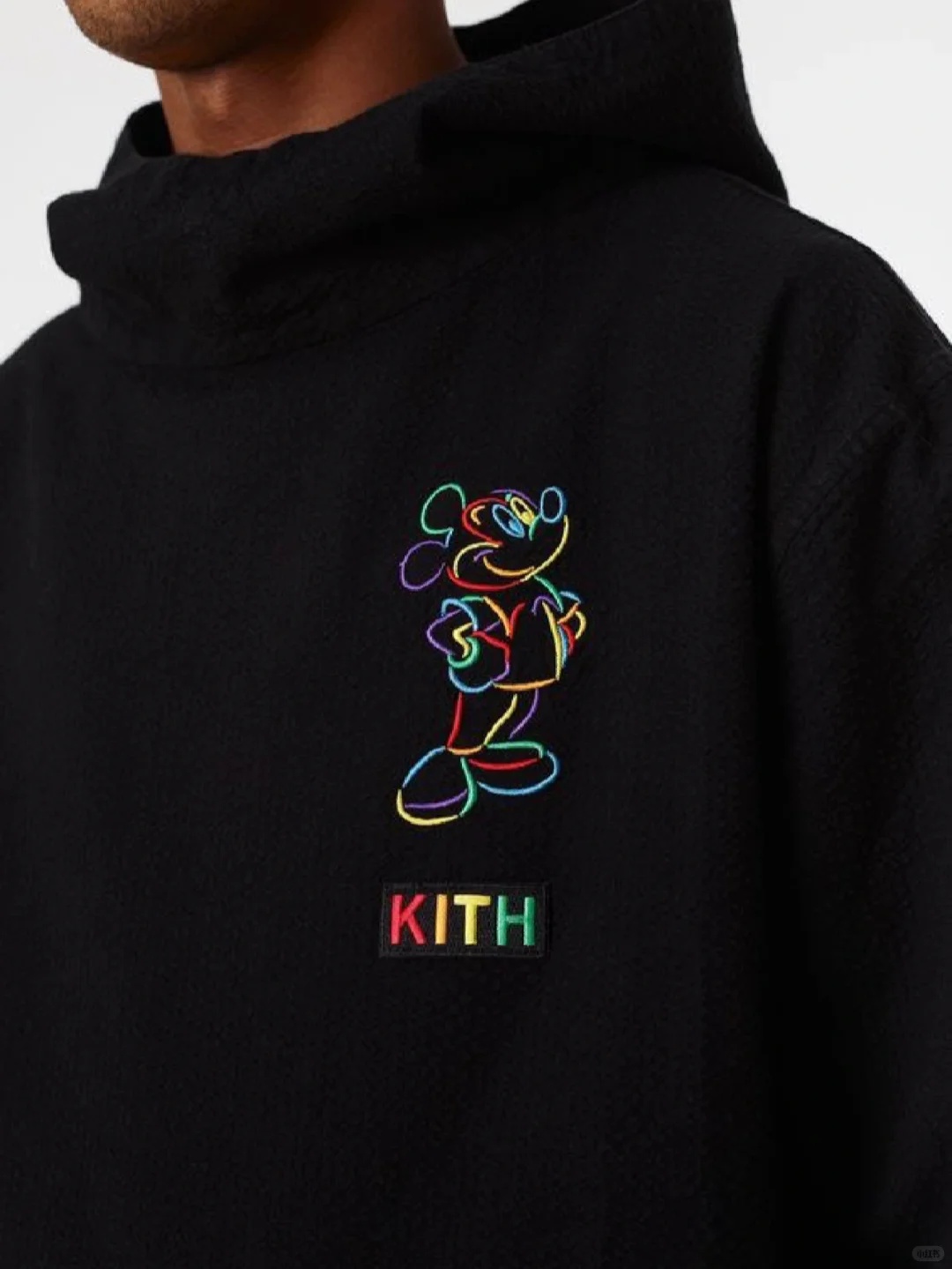
Balanced thread tension prevents puckering, fabric distortion, and thread breakage. Proper stitch density ranges from 4 to 6 stitches per millimeter for eyelet borders; lower density causes gaps, higher density stiffens fabric and risks needle damage.
Inspect samples under 10× magnification for uniform stitch length and consistent thread lay. Substandard tension shows visible fabric bunching, thread loops on the reverse, or uneven satin-stitch surfaces.
Fabric Integrity and Backing Stability
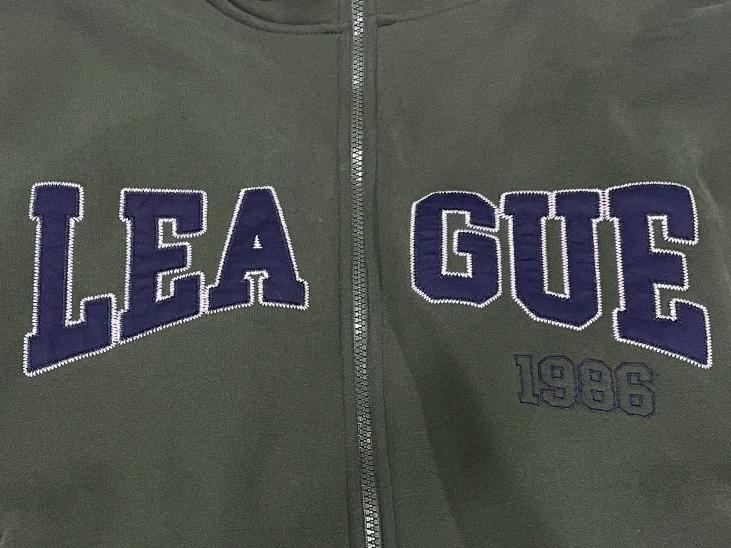
Balanced thread tension prevents puckering, fabric distortion, and thread breakage. Proper stitch density ranges from 4 to 6 stitches per millimeter for eyelet borders; lower density causes gaps, while higher density stiffens fabric and risks needle damage.
Inspect samples under 10× magnification for uniform stitch length and consistent thread lay. Substandard tension shows visible fabric bunching, thread loops on the reverse, or uneven satin-stitch surfaces.
7. How to Choose an Eyelet Embroidery Manufacturer
Selecting the right eyelet embroidery manufacturer determines production quality, lead times, and scalability for your collection. Evaluate technical capabilities, MOQ flexibility, and communication standards before committing to a supplier.
Machine Capabilities and Production Equipment
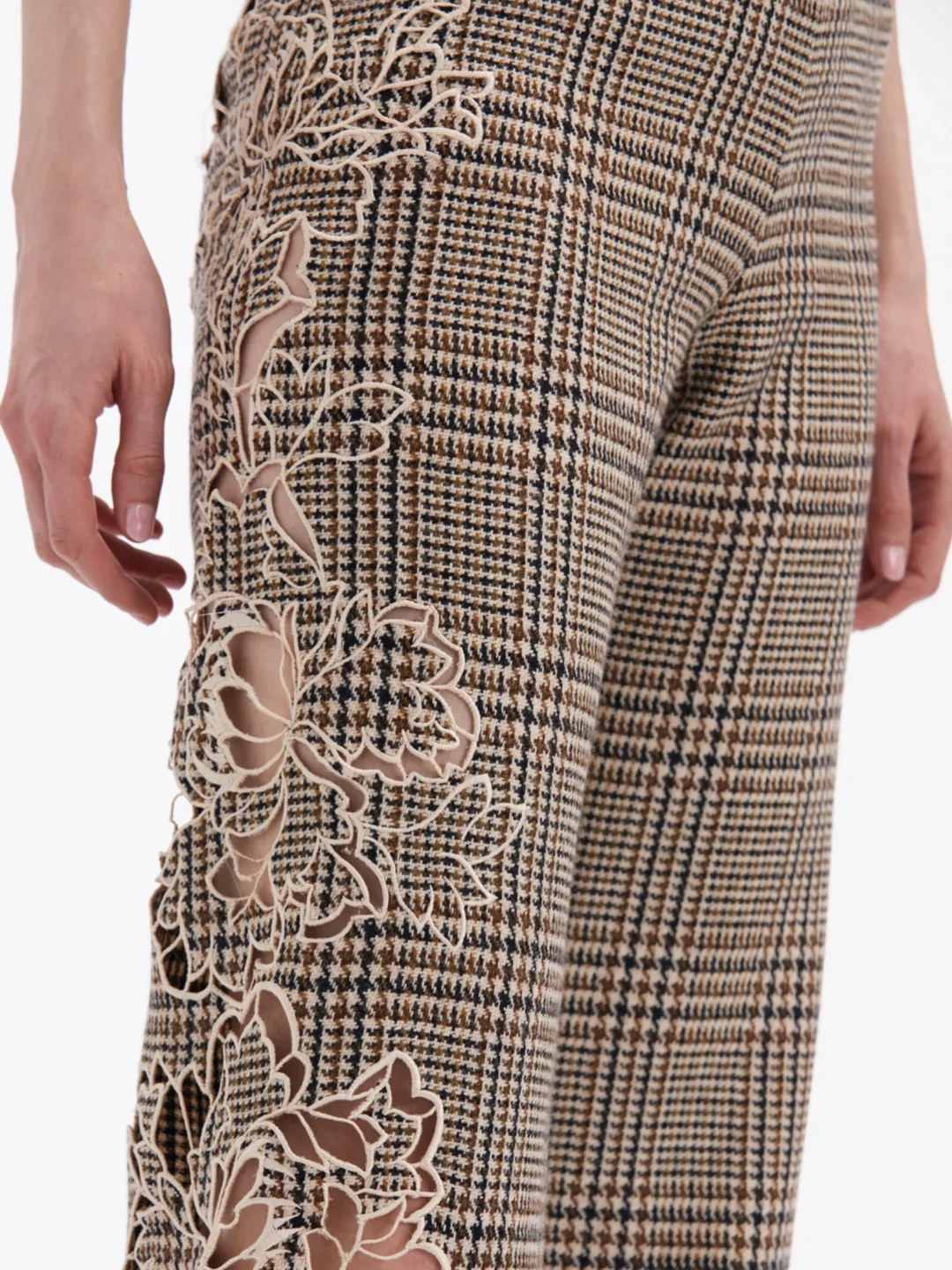
Schiffli machines deliver intricate eyelet embroidery with tight stitch control and complex cutwork patterns, ideal for high-end fashion and bridal collections. Multi-head embroidery machines offer faster turnaround for simpler eyelet designs with lower setup costs.
Ask suppliers to specify machine types, head counts, and maximum design dimensions. Manufacturers with both Schiffli and multi-head systems provide flexibility across product tiers and order volumes.
MOQ Flexibility and Sample Turnaround
Startup brands and influencers require low MOQ production to test designs and manage cash flow. ZORWILD offers 50-piece MOQ for eyelet embroidery garments, enabling capsule launches without excess inventory risk.
Sample turnaround time should range from 7 to 14 days for standard eyelet patterns. Suppliers offering physical samples before bulk production demonstrate confidence in quality and allow fit, stitch density, and cutwork precision evaluation.
- 50-piece MOQ enables low-risk product testing for startup brands
- 7–14 day sample turnaround for standard eyelet designs
- Physical samples confirm stitch quality and cutwork accuracy
Certifications and Quality Standards
OEKO-TEX Standard 100 certification ensures threads and fabrics are free from harmful chemicals. GOTS certification is essential for organic cotton eyelet embroidery targeting eco-conscious consumers.
Request copies of current certifications and ask about in-line inspection processes, final garment audits, and stitch density standards (typically 180–220 stitches per square inch for premium eyelet work).
Red Flags and Green Flags
Red flags include no physical sample policy, vague lead times, lack of portfolio documentation, and poor email responsiveness beyond 48 hours. Green flags include transparent pricing breakdowns, design support for tech pack development, clear production timelines, and proactive communication with photo updates during production.
Build a shortlist of 3–5 manufacturers, request samples from each, and negotiate payment terms (typically 30–50% deposit, balance before shipment) before finalizing contracts.
8. Common Mistakes Buyers Make with Eyelet Embroidery
Eyelet embroidery orders fail most often due to preventable sourcing and planning errors. Six recurring mistakes account for the majority of rework, delays, and margin erosion across startup brands and established labels alike.
Choosing the Wrong Base Fabric Weight
Buyers frequently select cotton fabrics below 120 GSM or above 280 GSM for eyelet embroidery, creating puckering on lightweight fabrics or excessive stiffness on heavy substrates. The eyelet cutting and satin-stitch border require stable mid-weight fabrics between 140–220 GSM for clean edges and drape.
Request fabric swatches and specify GSM range in your tech pack. Test eyelet embroidery on at least two fabric weights during sampling to confirm stability and hand feel before committing to bulk production.
Underestimating Shrinkage After Washing
Cotton and linen fabrics commonly shrink 3–7% after the first wash, distorting eyelet embroidery patterns and garment fit. Buyers who skip pre-shrinking or fail to account for shrinkage in pattern grading face returns and size inconsistencies.
Specify pre-shrunk or sanforized fabrics in your purchase order. Run wash tests on pre-production samples and measure dimensional change before approving bulk production to ensure final garment measurements match your size chart.
Ignoring Thread-to-Fabric Color Matching
Mismatched thread colors create visible contrast around eyelet borders, undermining the clean, tonal aesthetic buyers expect. Poor color matching typically results from relying on digital color codes instead of physical thread samples under daylight conditions.
Request Pantone-matched thread samples and approve color under D65 daylight simulation. Always review thread color on the actual production fabric before bulk embroidery to avoid costly rework or garment rejection.
Skipping Pre-Production Samples
Buyers who proceed directly to bulk production without sampling eyelet embroidery on final fabrics encounter thread tension errors, misaligned patterns, and incorrect eyelet sizing. Sampling costs represent less than 2% of total order value but prevent 80% of production defects.
Order at least two pre-production samples with eyelet embroidery applied to production-grade fabric. Inspect stitch density, eyelet diameter, pattern alignment, and wash durability before authorizing mass production.
Neglecting Care Label Requirements
Eyelet embroidery often requires gentler care than base fabrics, yet buyers omit specific washing instructions, leading to frayed edges, thread breakage, and customer complaints. Regulatory requirements in the U.S., EU, and UK mandate fiber content and care symbols on all garments.
Include care labels specifying cold wash, low tumble dry, and no bleach for eyelet embroidery garments. Confirm label compliance with ASTM D5489 or ISO 3758 standards and test wash durability during sampling.
Failing to Budget for Custom Tooling Costs
Custom eyelet embroidery patterns require digitization and punch-tape programming, typically costing $50–$150 per design. Buyers who overlook tooling fees face unexpected costs and delayed timelines when manufacturers request advance payment.
Request a detailed cost breakdown including digitization, sampling, and any pattern-specific tooling before placing your order. Factor tooling into your first-order budget and negotiate ownership of digital files for future reorders.
9. Steps to Launch Your Eyelet Embroidery Collection
Launching an eyelet embroidery collection requires a structured timeline and clear milestones from concept to market. ZORWILD’s 27 years of manufacturing experience show that brands following a phased roadmap reduce sampling iterations by 40% and avoid costly delays.
Concept Development and Fabric Selection
Start with a mood board combining reference images, color palettes, and target retail positioning. Define whether your collection uses cotton poplin, linen blends, or rayon for drape and eyelet definition.
Submit tech packs with garment silhouettes, eyelet pattern placement, and desired hole diameter (typically 2–6 mm). Allocate 3–5 days for fabric sourcing and digitization quotes. ZORWILD’s design team converts sketches or inspiration photos into production-ready patterns, ensuring eyelet spacing and density align with fabric weight and end-use durability.
Sampling and Approval Cycle
Sample production takes 10–15 days for eyelet embroidery garments, including pattern digitization, test stitching, and finishing. Request pre-production samples to verify hole alignment, fabric tension, and wash stability.
Plan two rounds: the first for fit and pattern placement, the second for final color and finishing details. Brands working with 50-piece MOQs should budget $80–$150 per sample, depending on garment complexity and eyelet density.
Bulk Production and Quality Inspection
Bulk orders require 4–6 weeks from approval to shipment, covering cutting, embroidery, garment assembly, washing, and finishing. ZORWILD’s in-line inspection checks eyelet stitch density, hole uniformity, and fabric integrity at cutting, sewing, and final stages.
Request AQL 2.5 inspections for eyelet alignment, thread tension, and garment measurements. Allocate 2–3 days for final QC and packaging before freight booking.
Go-to-Market Planning
Plan product photography highlighting eyelet detail, texture, and drape under natural light. Storytelling should emphasize craftsmanship, breathability, and heritage appeal—eyelet embroidery resonates with resort, bridal, and sustainable fashion audiences.
Coordinate sample delivery 2 weeks before your launch date to allow time for content creation, influencer seeding, and pre-order campaigns. Budget 10–15% of production cost for branded packaging, hang tags, and polybags to elevate unboxing experience.
10. Pricing and Cost Structures for Eyelet Embroidery
Eyelet embroidery pricing varies by quantity tier, pattern complexity, and base garment fabric. ZORWILD’s cost structure begins at 50-piece MOQ, allowing startup brands to test collections without large capital commitments, while wholesale volumes above 500 pieces unlock significant per-unit savings through economies of scale in setup, thread procurement, and production efficiency.
Fabric choice directly impacts total project cost: lightweight cotton poplin garments with simple eyelet borders start at lower price points, while heavyweight linen blends or silk-blend fabrics requiring multi-layer stabilization and precision tension control add 20-35% to base garment cost before embroidery application. Pattern complexity — measured by stitch count, thread color changes, and eyelet density — drives decoration cost: a single-color eyelet border with 5,000 stitches costs substantially less than an all-over eyelet lace panel requiring 25,000 stitches, multiple thread weights, and careful underlay construction.
Lead times compress at higher volumes due to dedicated production runs and streamlined quality control. Small-batch orders (50-200 pieces) typically require 18-25 days from approved sample to finished goods, while orders above 1,000 pieces benefit from parallel production lines and can achieve 20-28 day lead times despite higher total output. Setup costs for digitizing custom eyelet patterns range from $30 to $80 per design depending on complexity, but amortize across order quantity, making larger runs more cost-effective per unit.
| Quantity Tier | Price per Unit (USD) | Setup Cost | Lead Time |
|---|---|---|---|
| 50-200 pieces | $12.50 – $18.00 | $50 – $80 | 18-25 days |
| 200-500 pieces | $10.00 – $15.00 | $50 – $80 | 20-26 days |
| 500-1,000 pieces | $8.50 – $12.50 | $50 – $80 | 22-28 days |
| 1,000-3,000 pieces | $7.00 – $10.50 | $50 – $80 | 20-28 days |
| 3,000-5,000 pieces | $6.00 – $9.00 | $50 – $80 | 25-32 days |
Start Your Custom Eyelet Embroidery Project Today
Get professional eyelet embroidery with 50-piece MOQ, fast sampling, and 27 years of precision craftsmanship from ZORWILD’s Dongguan factory.
- Custom Shirts
- Custom Hoodies
- Custom T Shirts
- Custom Dresses
- Custom Sweatshirts
- Custom Jackets
- Custom Varsity Jackets
- Custom Polo Shirts
- Custom Shorts
- Custom Dress Shirts
- Contact