
Custom Shirt Printing From 50 Pieces, 7-Day Samples
Launch your branded shirt collection with professional custom shirt printing, low 50-piece minimums, and fast sampling from a proven Dongguan manufacturer.
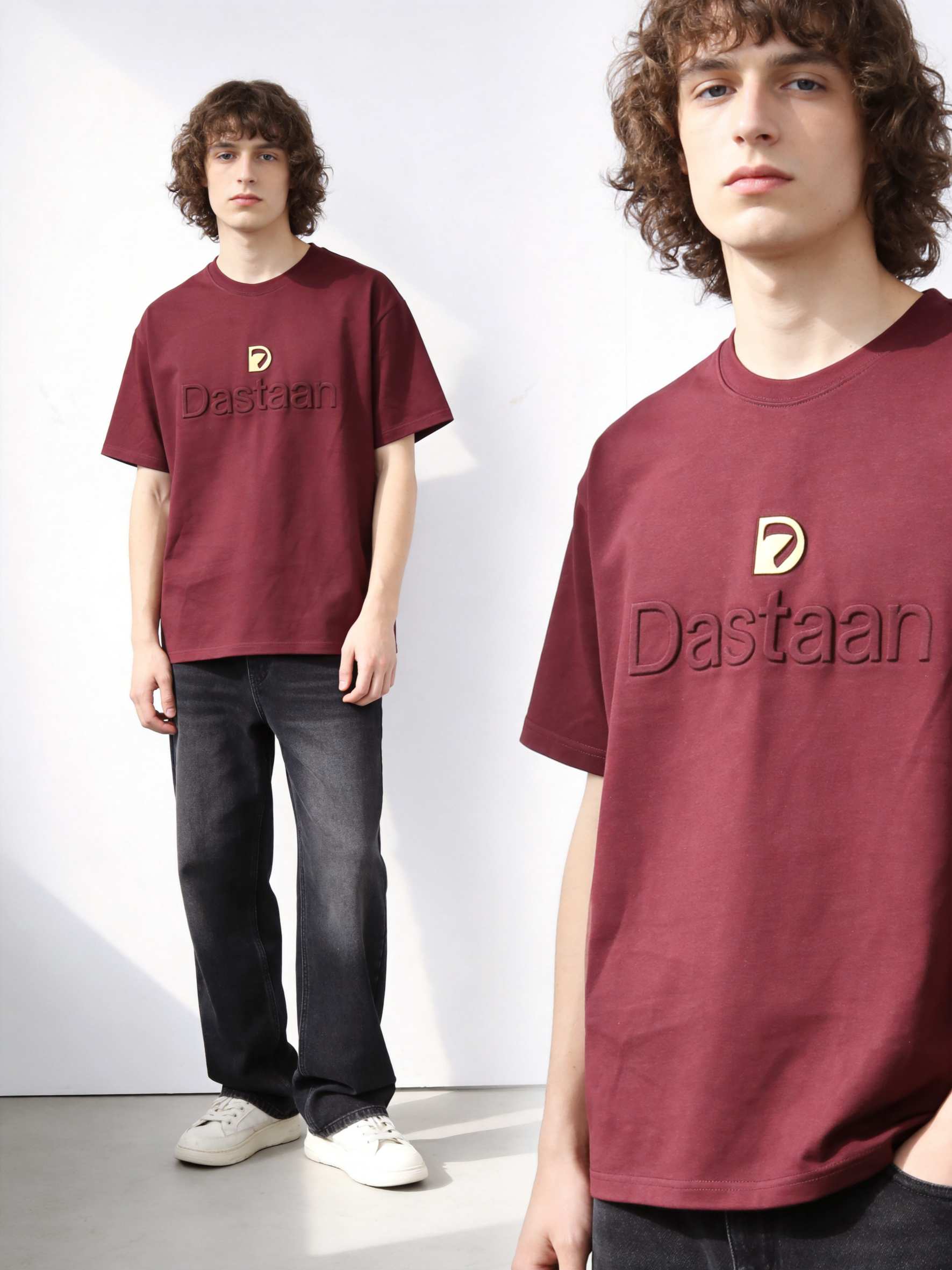
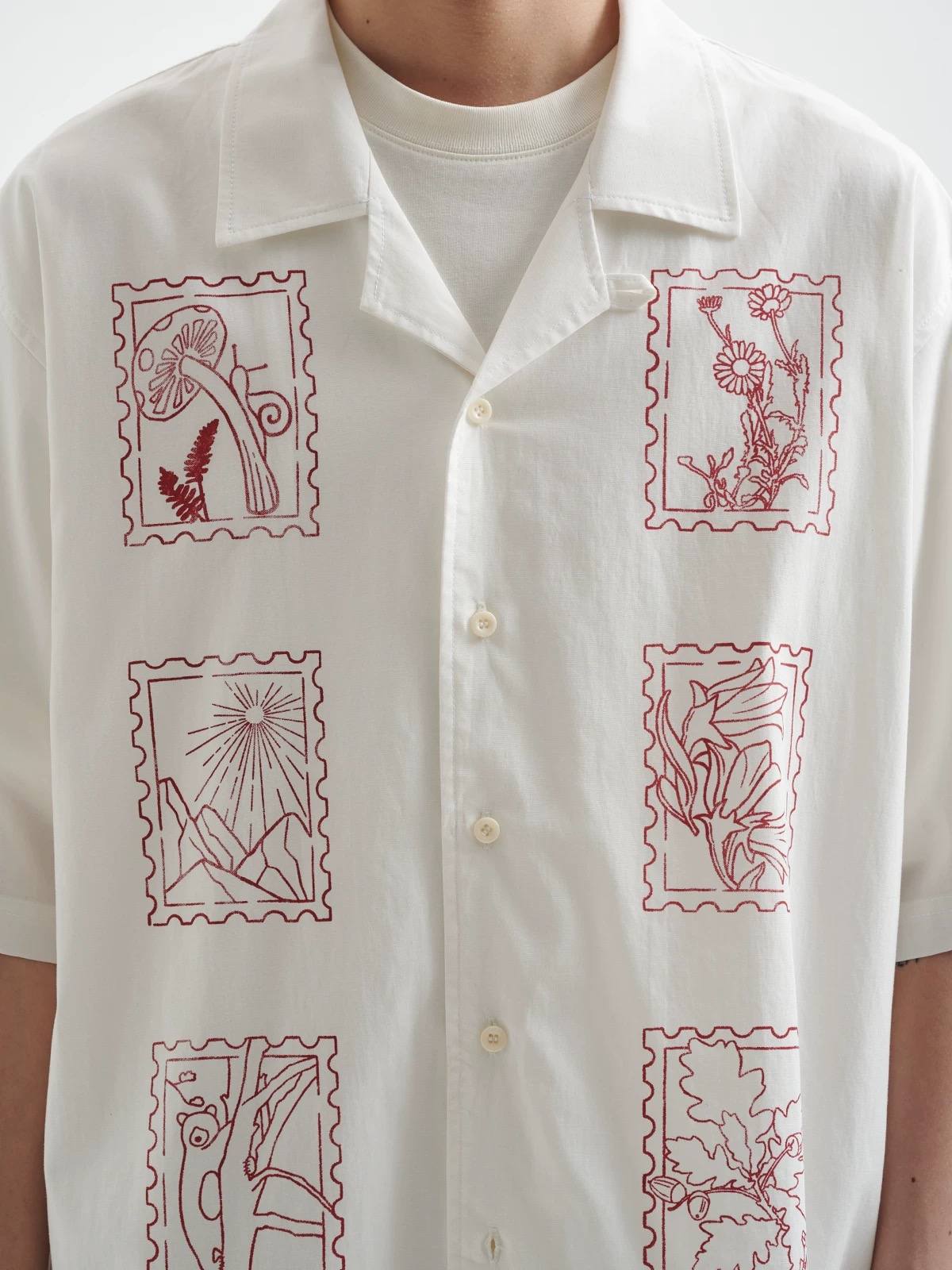
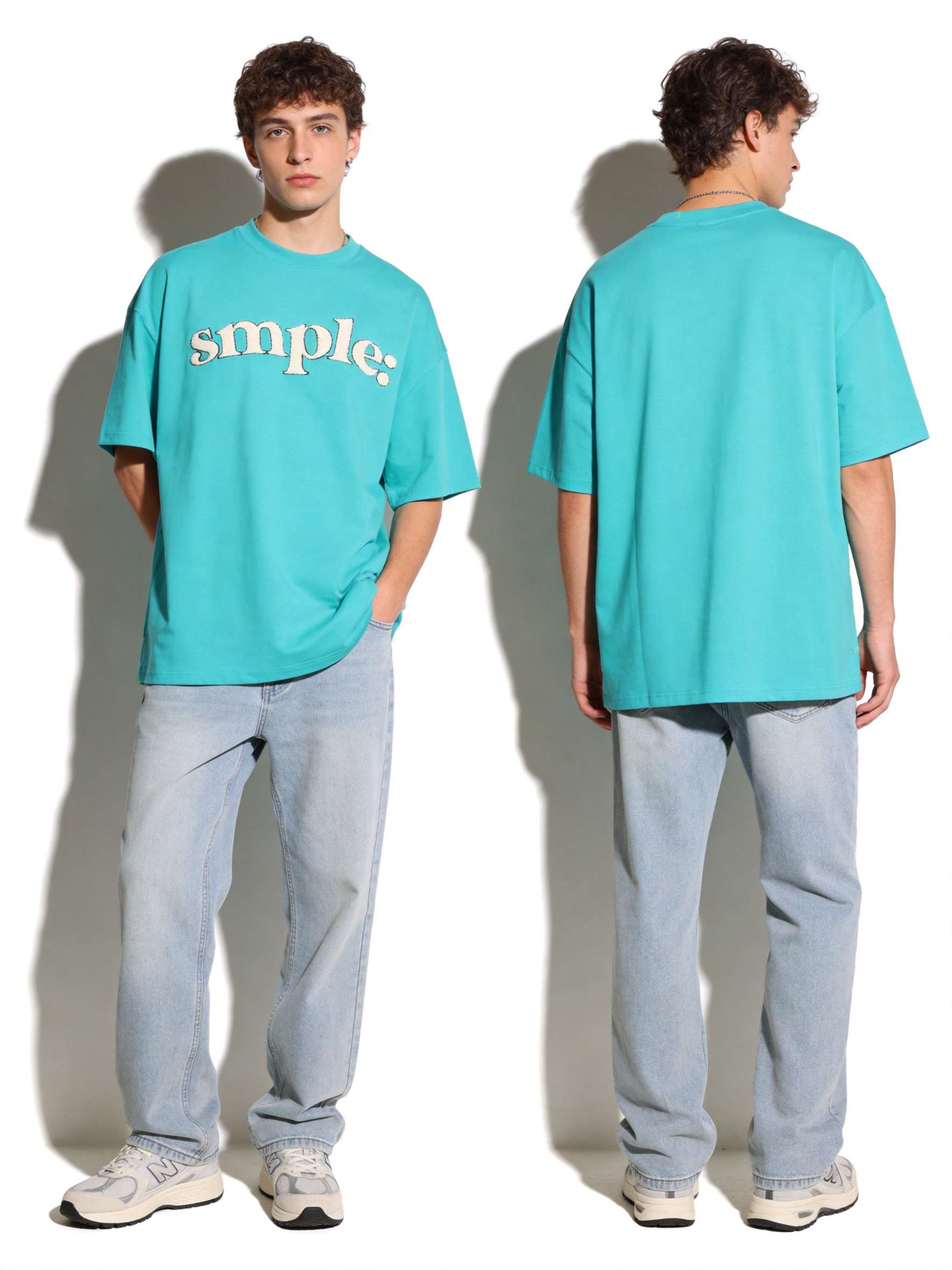
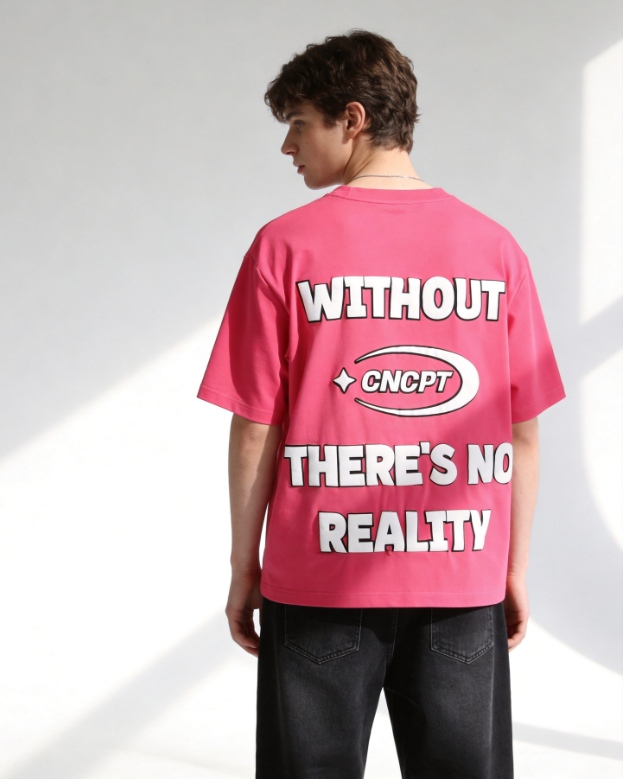
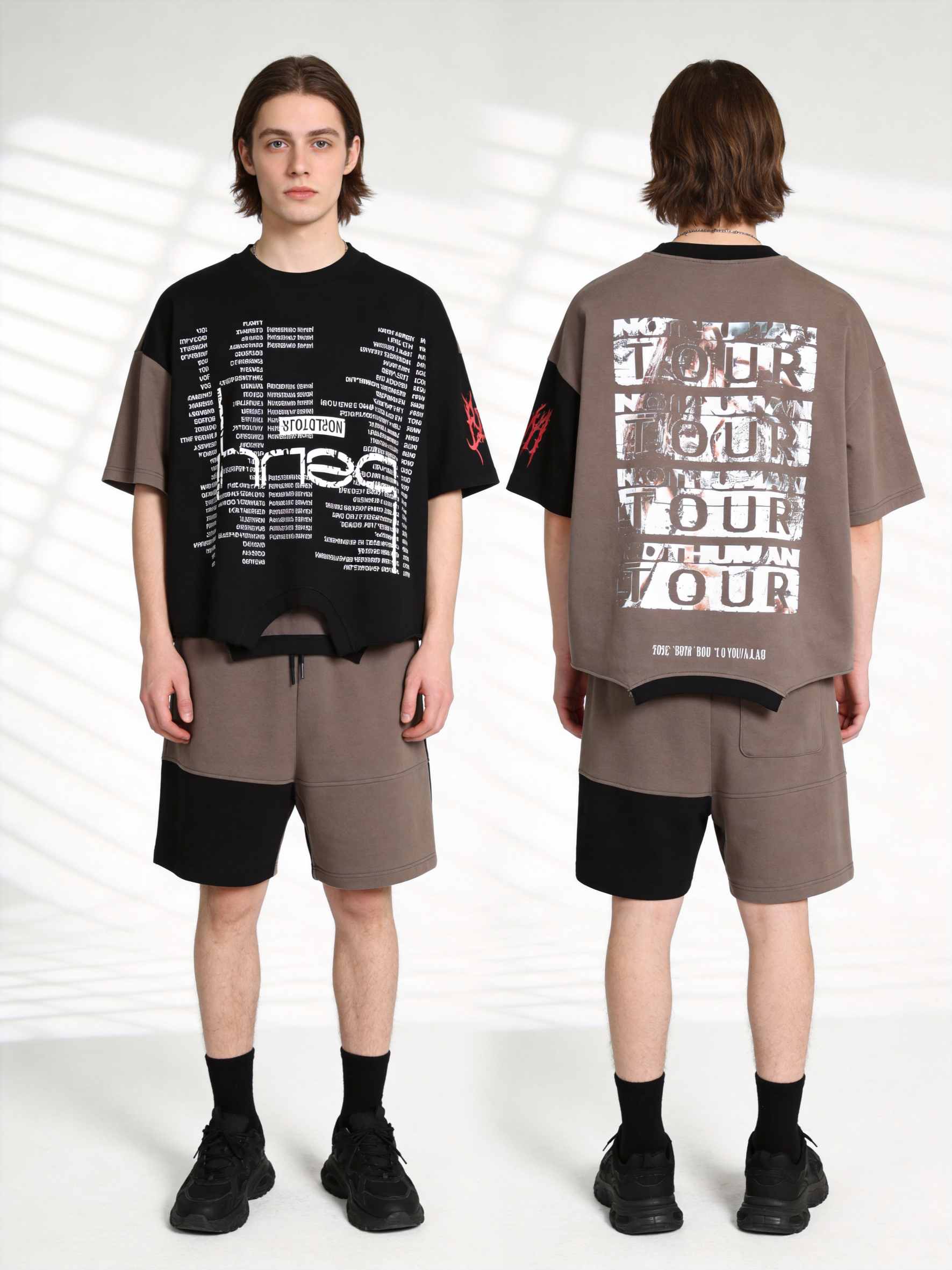
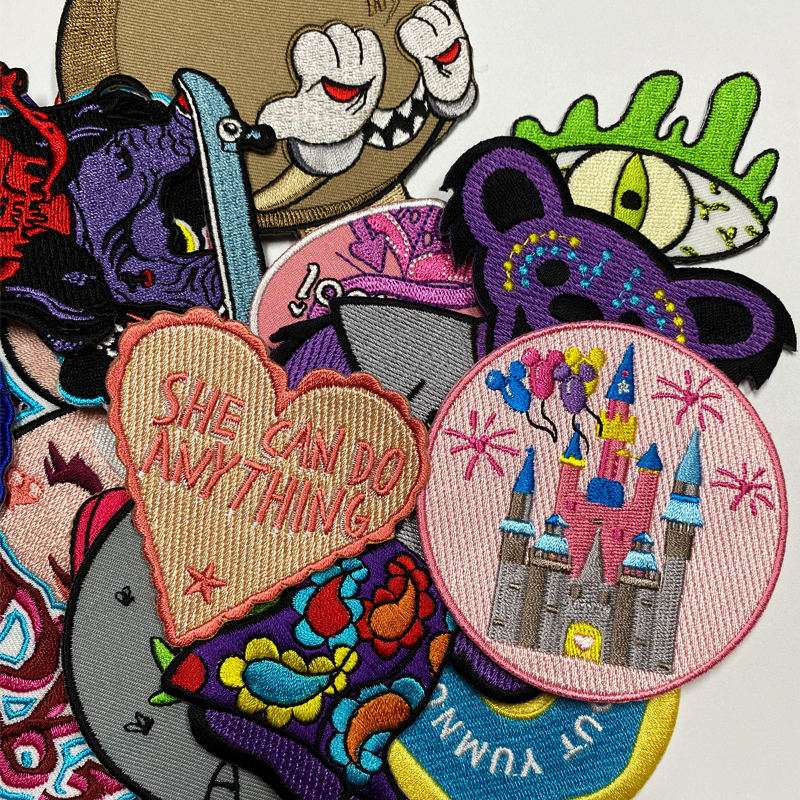
Custom Printed Shirt Gallery


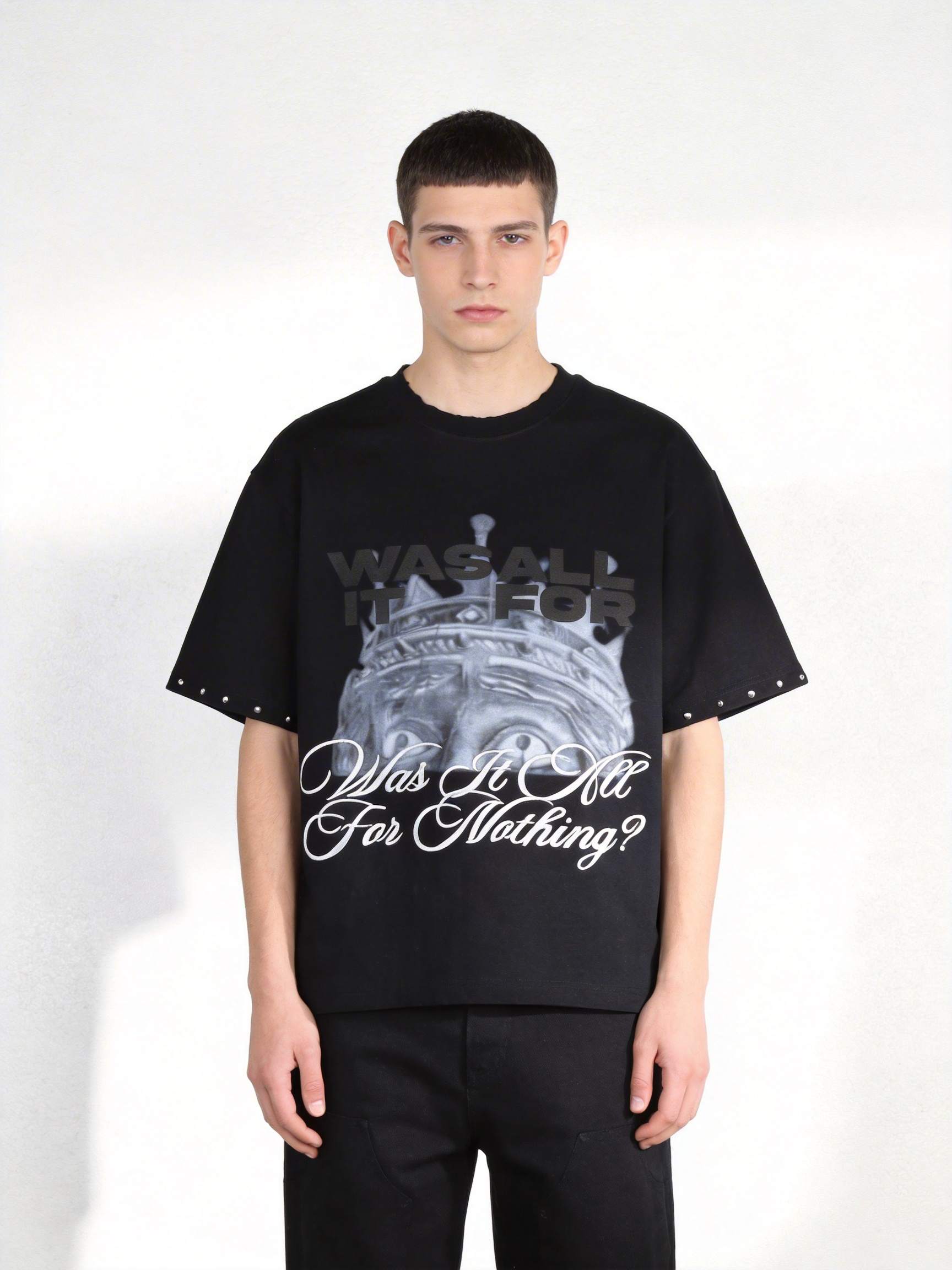
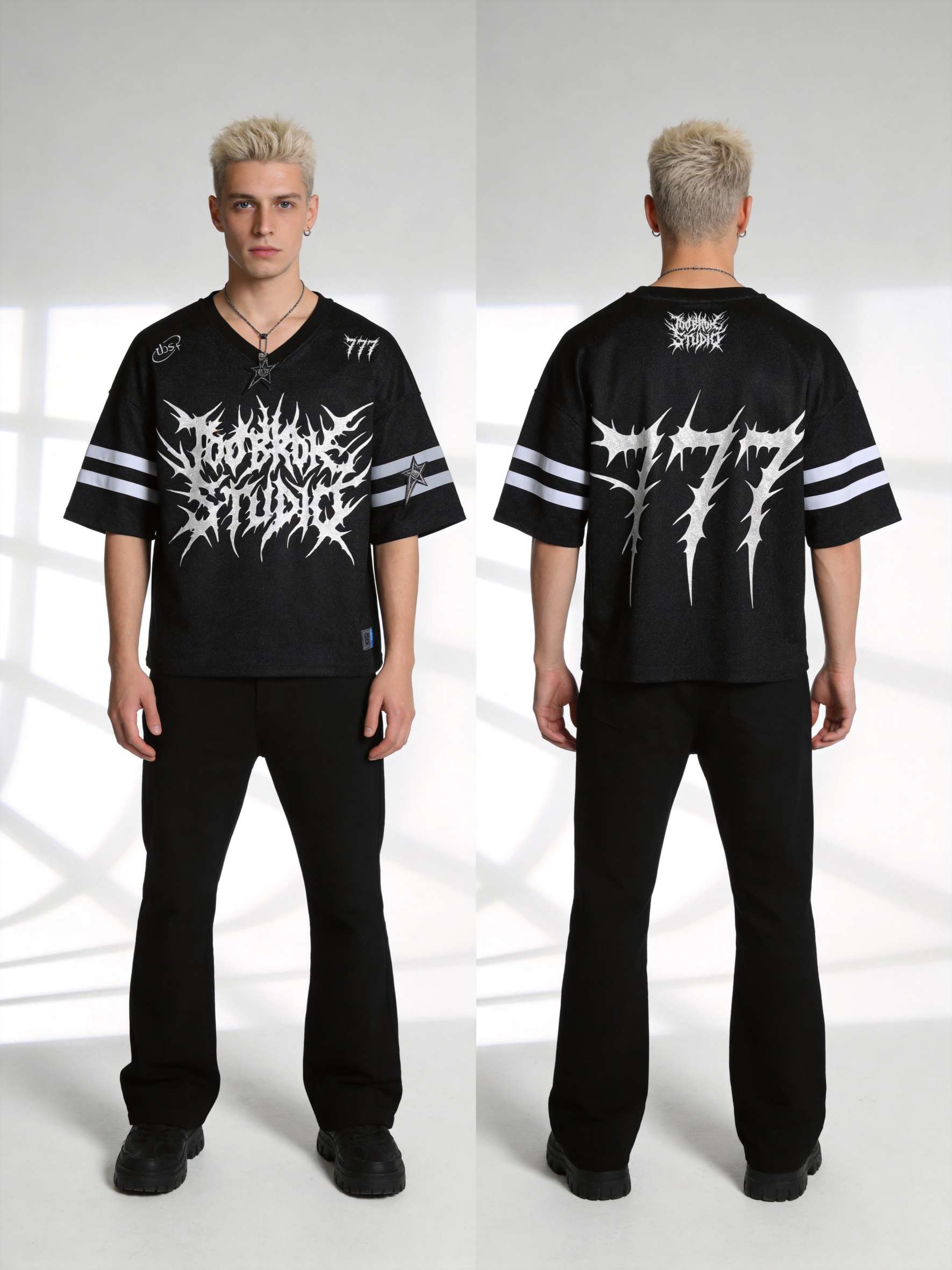
Why ZORWILD for Custom Shirt Printing
27 Years Manufacturing Experience
Founded in 1998 in Humen, Dongguan, one of the world’s most influential garment manufacturing hubs with proven expertise.
95%+ Decoration Techniques In-House
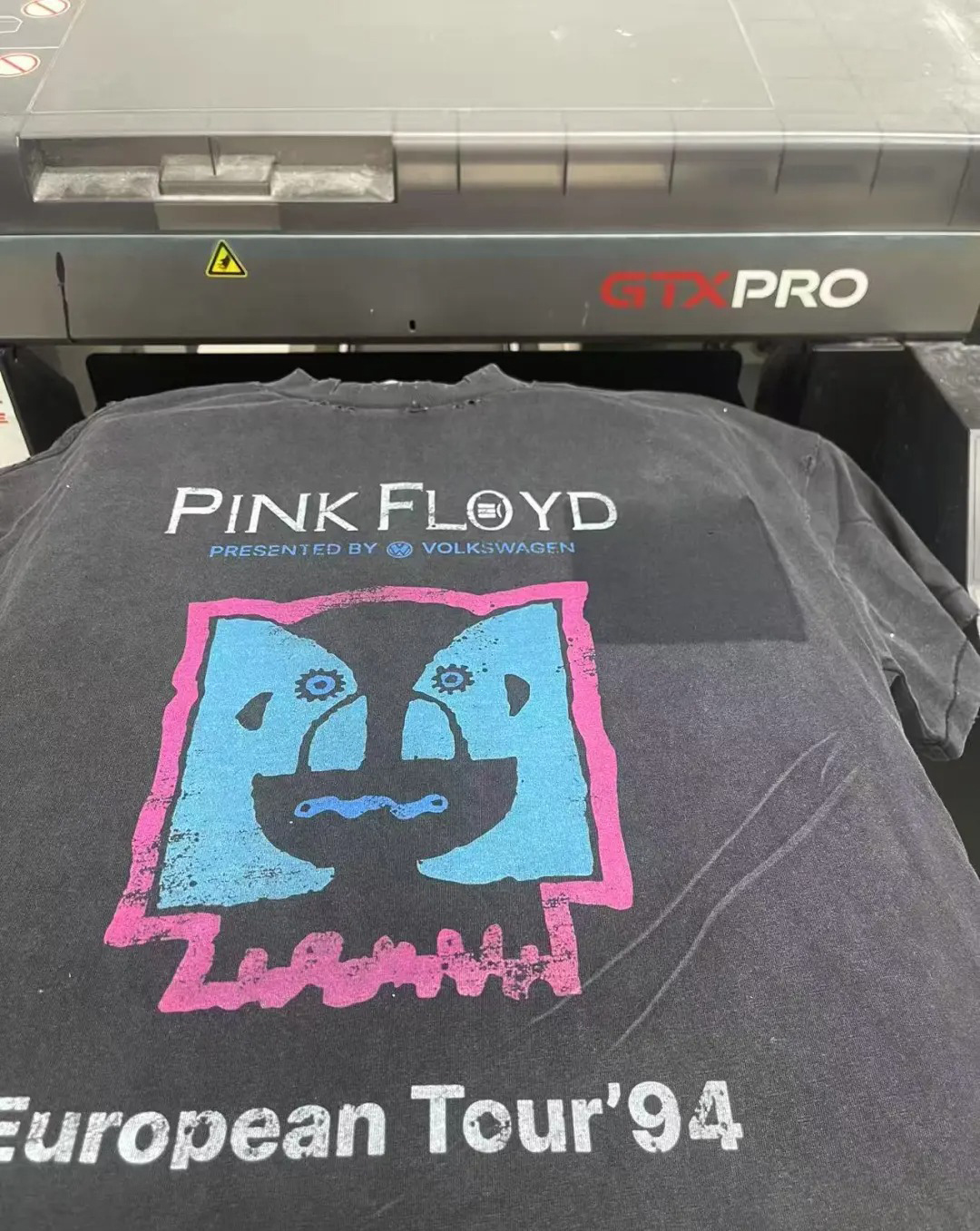
Screen printing, DTG, embroidery, puff print, foil, reflective, and more—all handled under one roof for quality control. Our comparison of screen printing vs DTG vs sublimation breaks down cost, durability, and best-use scenarios for each method. Our guide to T-shirt printing methods explains how each technique works and which delivers the best results for your design.
6-Stage Quality Control System
From fabric inspection to final packaging, every custom shirt undergoes rigorous quality checks before shipping to you.
100,000+ Units Monthly Capacity
Scale confidently from 50-piece startup runs to large production orders with consistent lead times and reliable output.
Global Reach, Local Expertise
Serving over 2,000 brands across the US, Canada, UK, Germany, Australia, UAE, and Southeast Asia with seamless logistics. See how DTC brands compare top t-shirt printing services before scaling production.
Full-Stack Custom Shirt Solutions
Design support, fabric sourcing, sampling, production, finishing, custom labeling, and packaging—all managed by one trusted partner.
Custom Shirt Manufacturing by Decoration Method
Screen Printed Shirts
High-durability screen printing ideal for bulk orders and wholesale collections. Excellent color vibrancy and wash resistance across cotton, polyester blends, and heavyweight jerseys. Perfect for streetwear brands, uniform programs, and promotional apparel requiring 50 to 100,000+ units monthly with consistent quality and competitive pricing.
Request Screen Print Quote
DTG Printed Shirts
Direct-to-garment printing for complex artwork, detailed graphics, and photographic designs without setup costs. Ideal for startup brands testing designs, influencer merch drops, and low MOQ collections starting at 50 pieces. Supports full-color prints on cotton and cotton-blend T-shirts with soft hand feel and fast turnaround times.
Request DTG Quote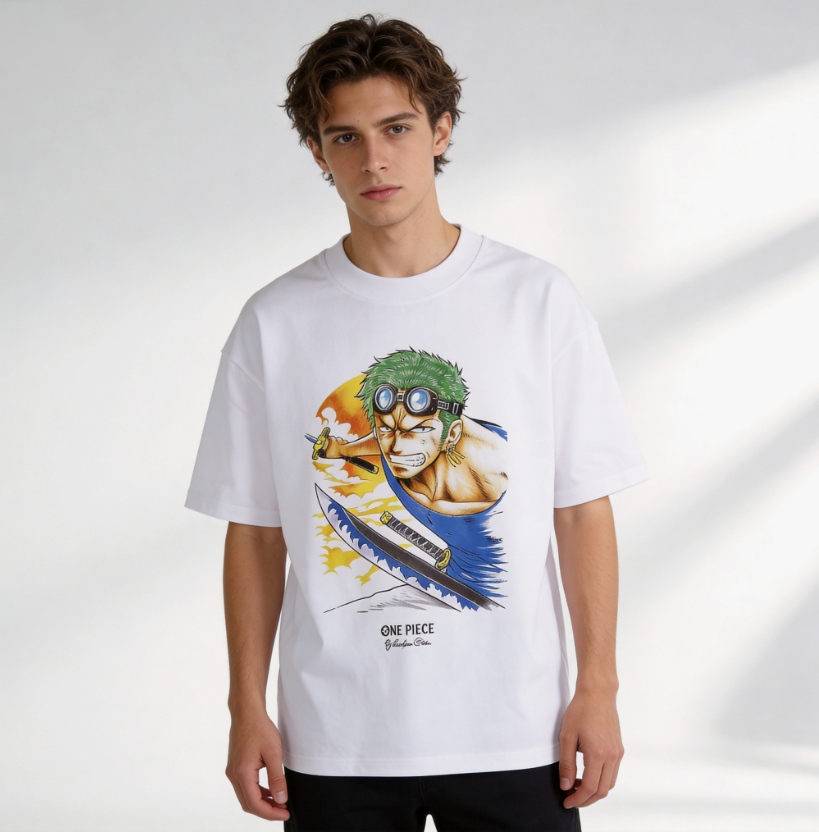
Sublimation Printed Shirts
Full-color sublimation printing for polyester garments and performance fabrics with vibrant, permanent graphics. Enables all-over print designs, custom patterns, and photo-realistic images for activewear, sportswear, resort shirts, and technical apparel. Ideal for fitness brands, athleisure collections, and fashion-forward designs requiring edge-to-edge coverage.
Request Sublimation Quote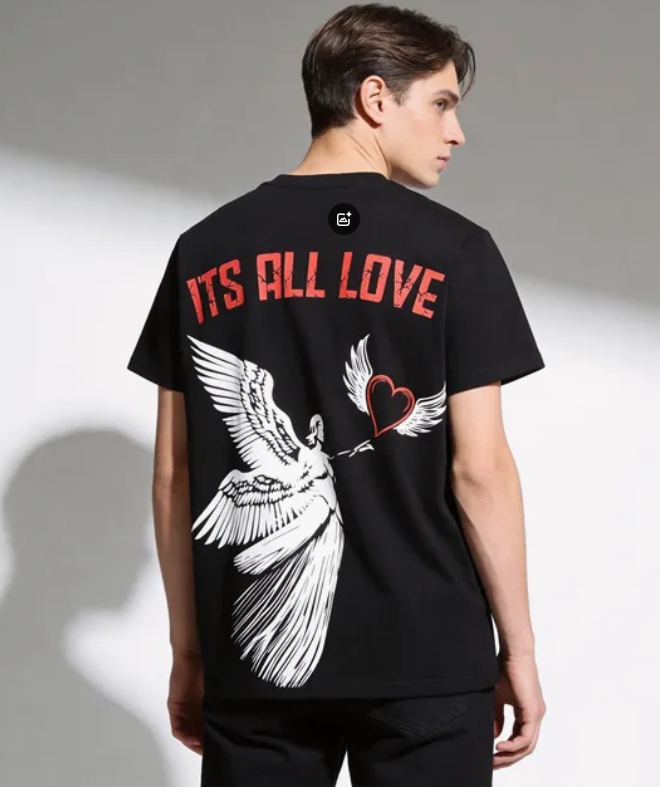
Embroidered Shirts
Premium flat, 3D, and chenille embroidery for elevated branding on polo shirts, button-ups, uniforms, and streetwear. Precise stitch density control and thread quality ensure professional logos, monograms, and decorative details. Suitable for corporate uniforms, luxury casualwear, workwear programs, and brands requiring durable, high-perceived-value decoration.
Get a Quote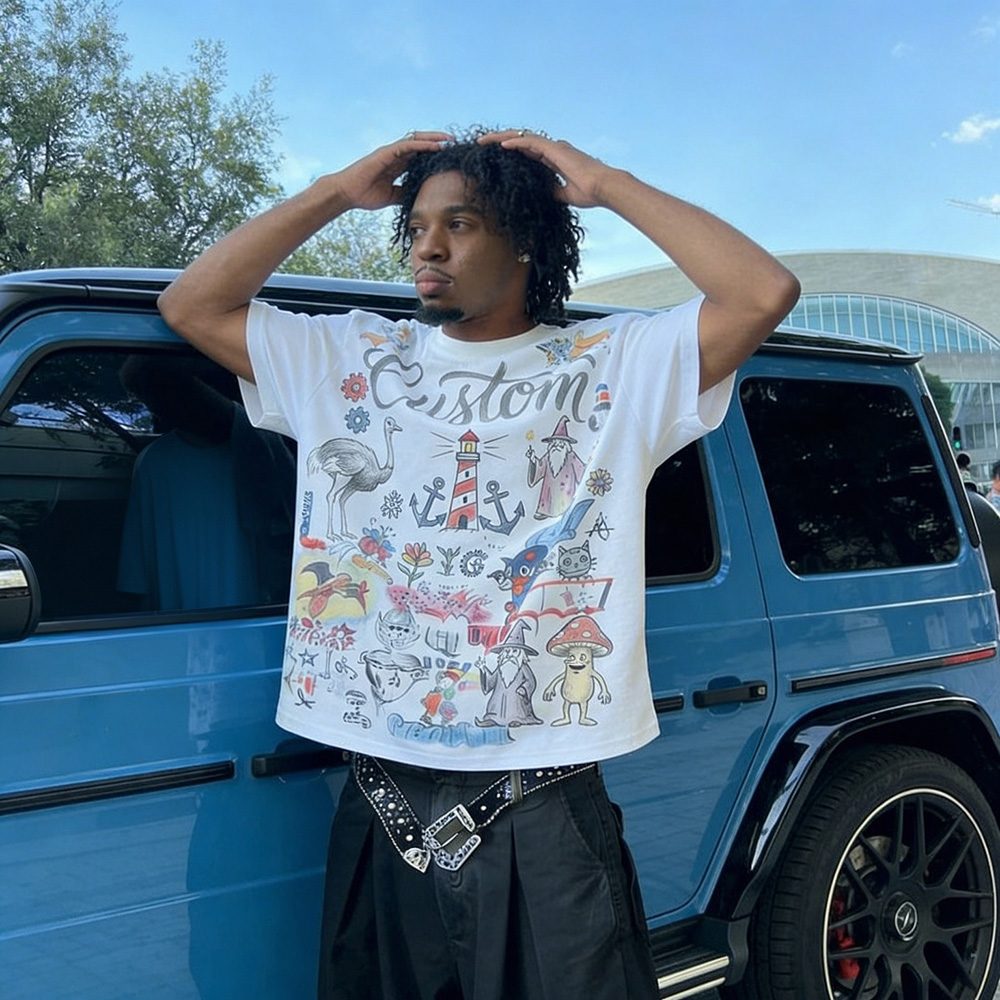
Heat Transfer Shirts
Heat transfer printing for detailed logos, gradients, and multi-color designs with minimal setup requirements. Cost-effective for small to medium runs, custom names, numbers, and intricate graphics on T-shirts, polos, and performance wear. Supports metallic, glitter, and reflective finishes for fashion brands and team apparel needing flexible decoration options.
Get a Quote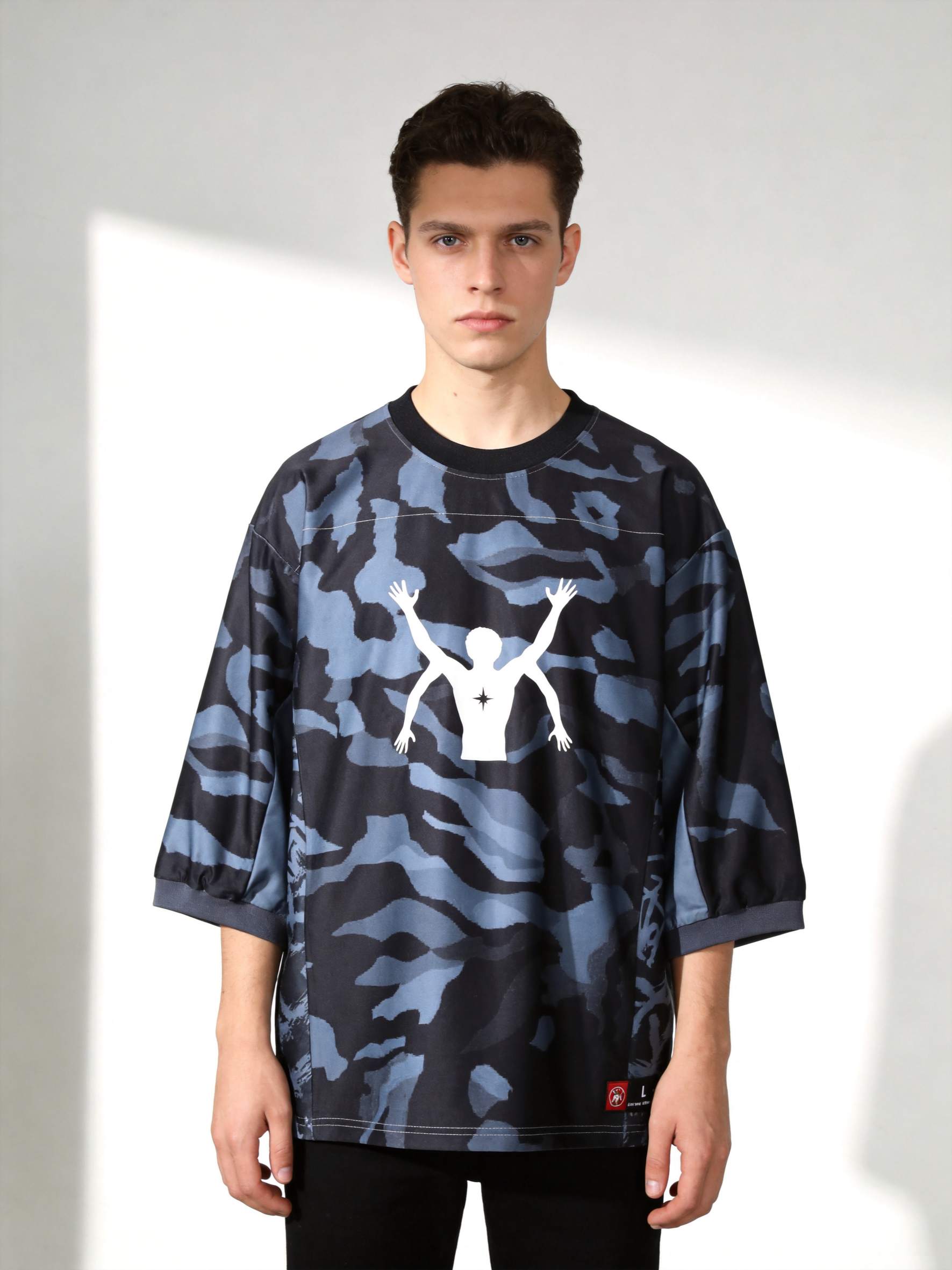
All Over Print Shirts
Edge-to-edge sublimation and cut-and-sew construction for bold, uninterrupted patterns across entire garments. Ideal for resort shirts, festival wear, streetwear capsules, and statement pieces requiring maximum visual impact. Supports custom fabric printing with no color limitations, perfect for influencer collections and brands seeking distinctive, Instagram-ready products.
Get a Quote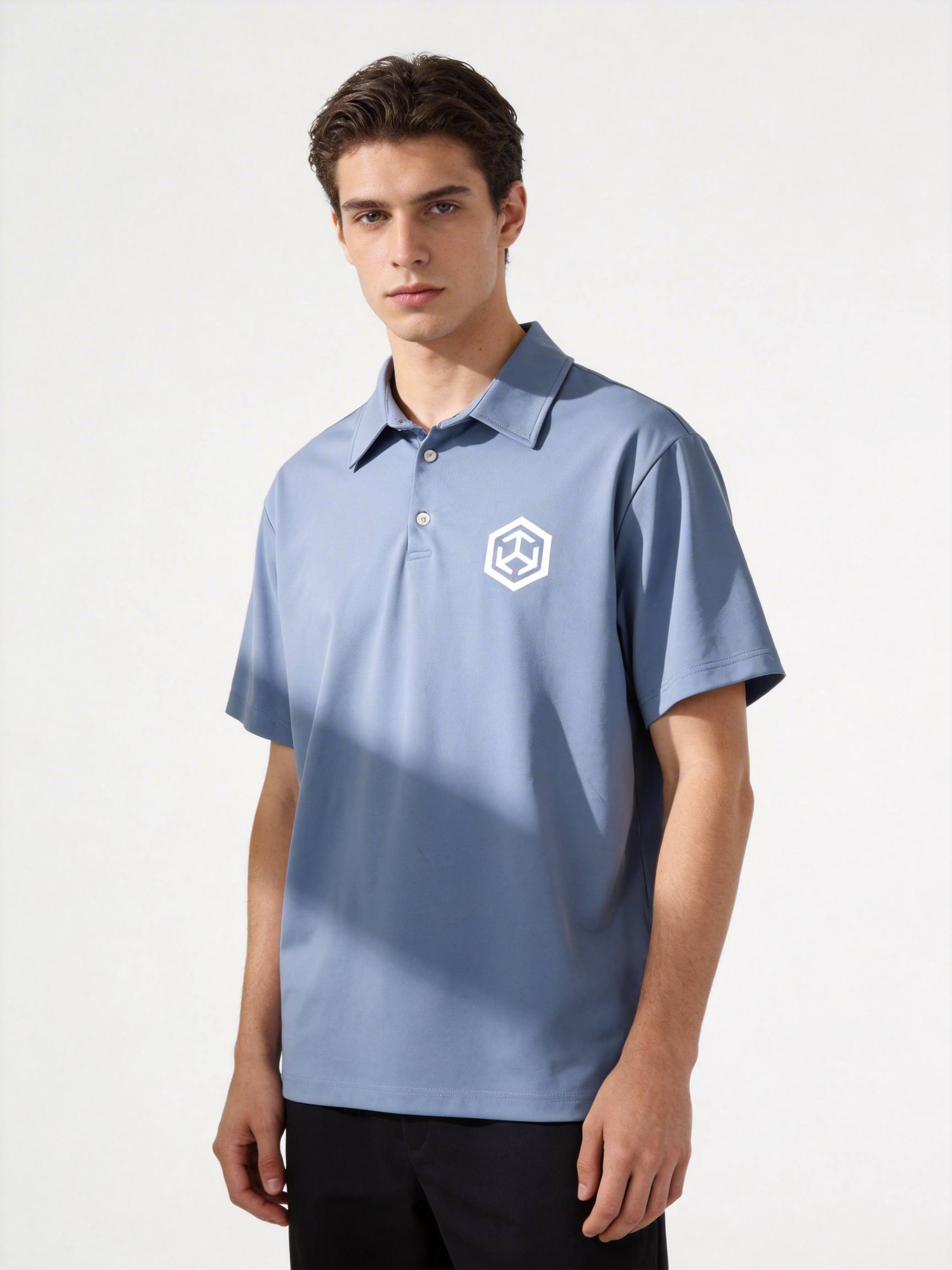
Custom Polo Shirts
Custom polo shirt manufacturing with fabric options including cotton pique, polyester blends, moisture-wicking performance materials, and bamboo cotton. Embroidery, printing, and custom collar styles for corporate uniforms, hospitality programs, golf apparel, and casual business collections. MOQ starts at 50 pieces with full sizing, color, and branding customization available.
Get a QuoteCustom T-Shirts
Full-category custom T-shirt production covering oversized fits, boxy cuts, heavyweight jerseys, vintage wash, graphic tees, and performance styles. Fabric selection includes 100% cotton, organic cotton, tri-blends, and technical materials. Supports all decoration methods with garment dye, enzyme wash, and distressing finishes for streetwear and fashion brands. Understanding print area limitations and how larger print dimensions impact design flexibility is critical when selecting your custom shirt manufacturer.
Get a Quote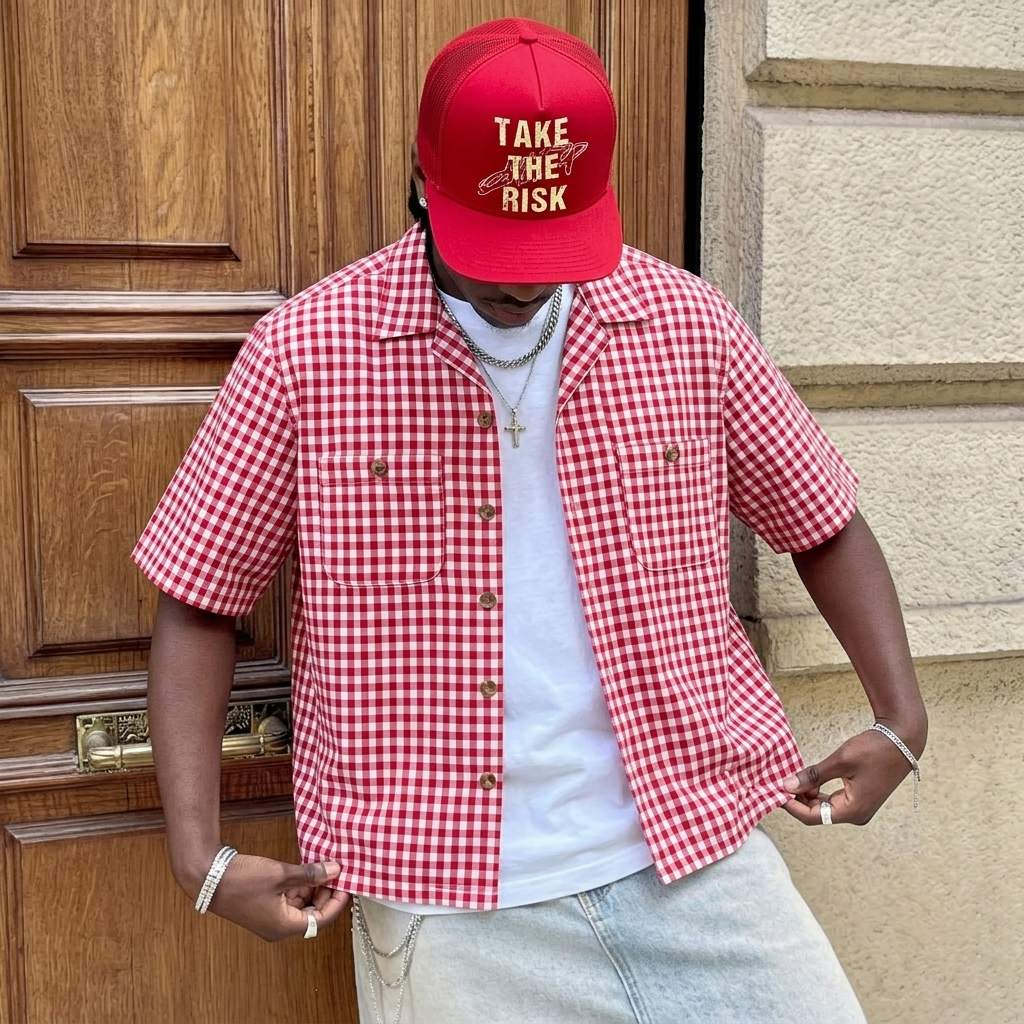
Custom Button-Up Shirts
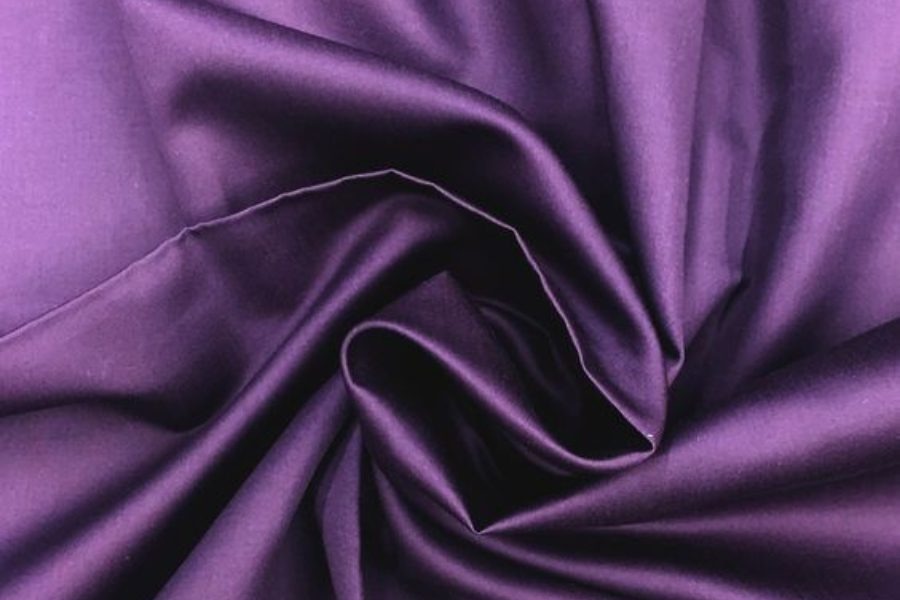
Custom button-up shirt manufacturing including casual shirts, Hawaiian shirts, resort shirts, bowling shirts, and fashion cut-and-sew styles. Fabric sourcing across cotton poplin, rayon, linen blends, viscose, and satin with custom sizing, full print patterns, embroidery logos, contrast panels, and branded packaging for wholesale and private label programs.
Get a QuotePremium Fabrics for Custom Shirt Printing
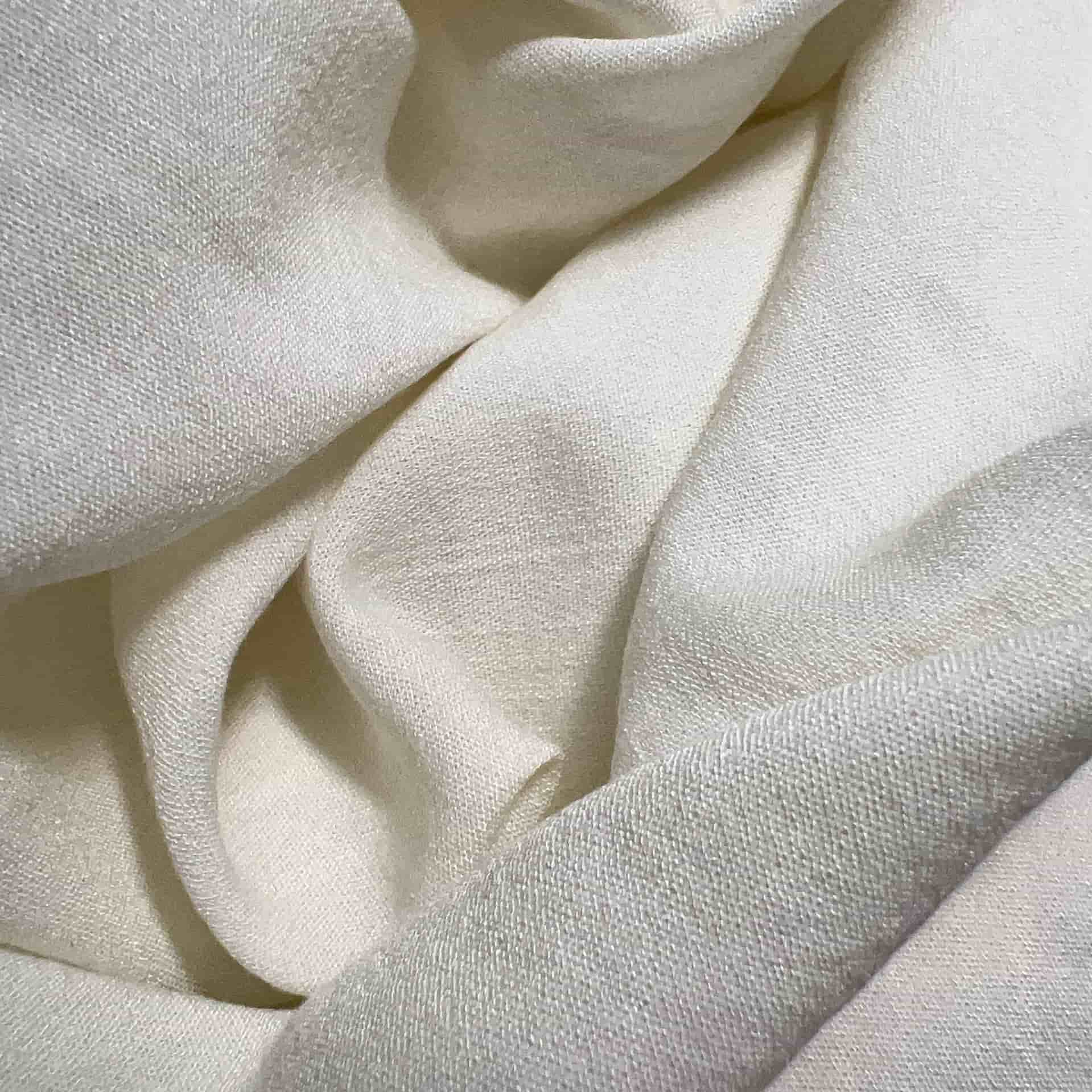
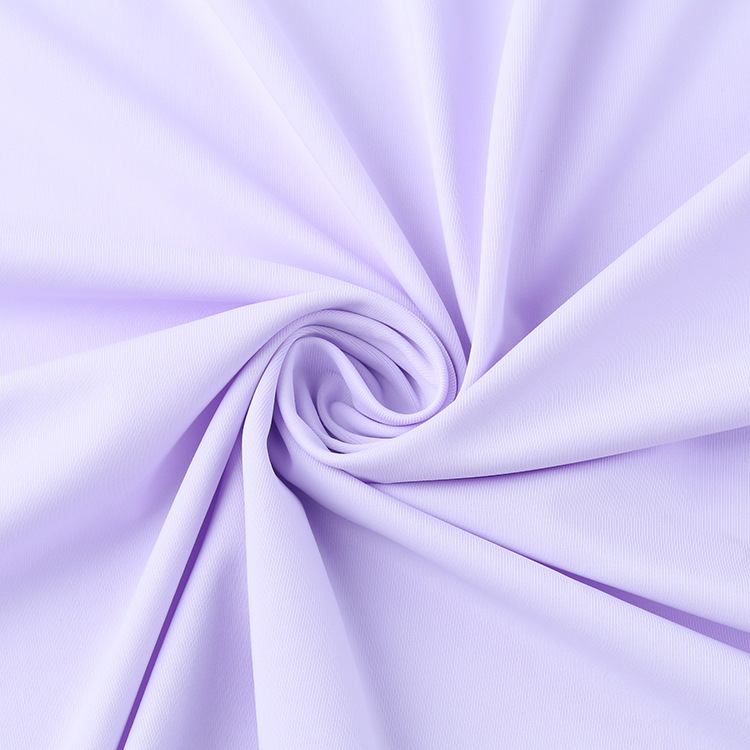
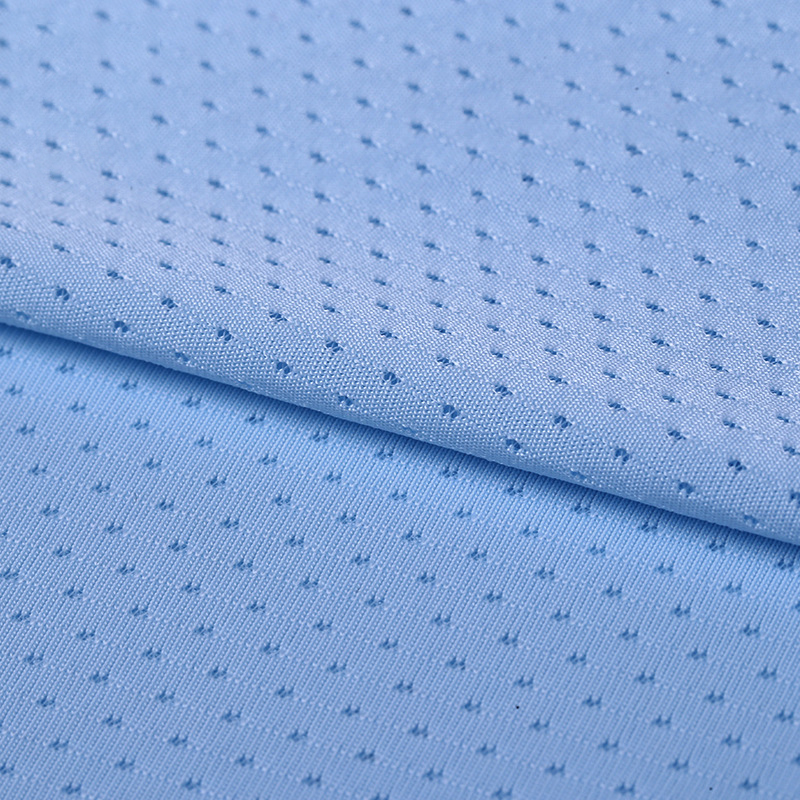
Custom Shirt Printing Techniques Available In-House
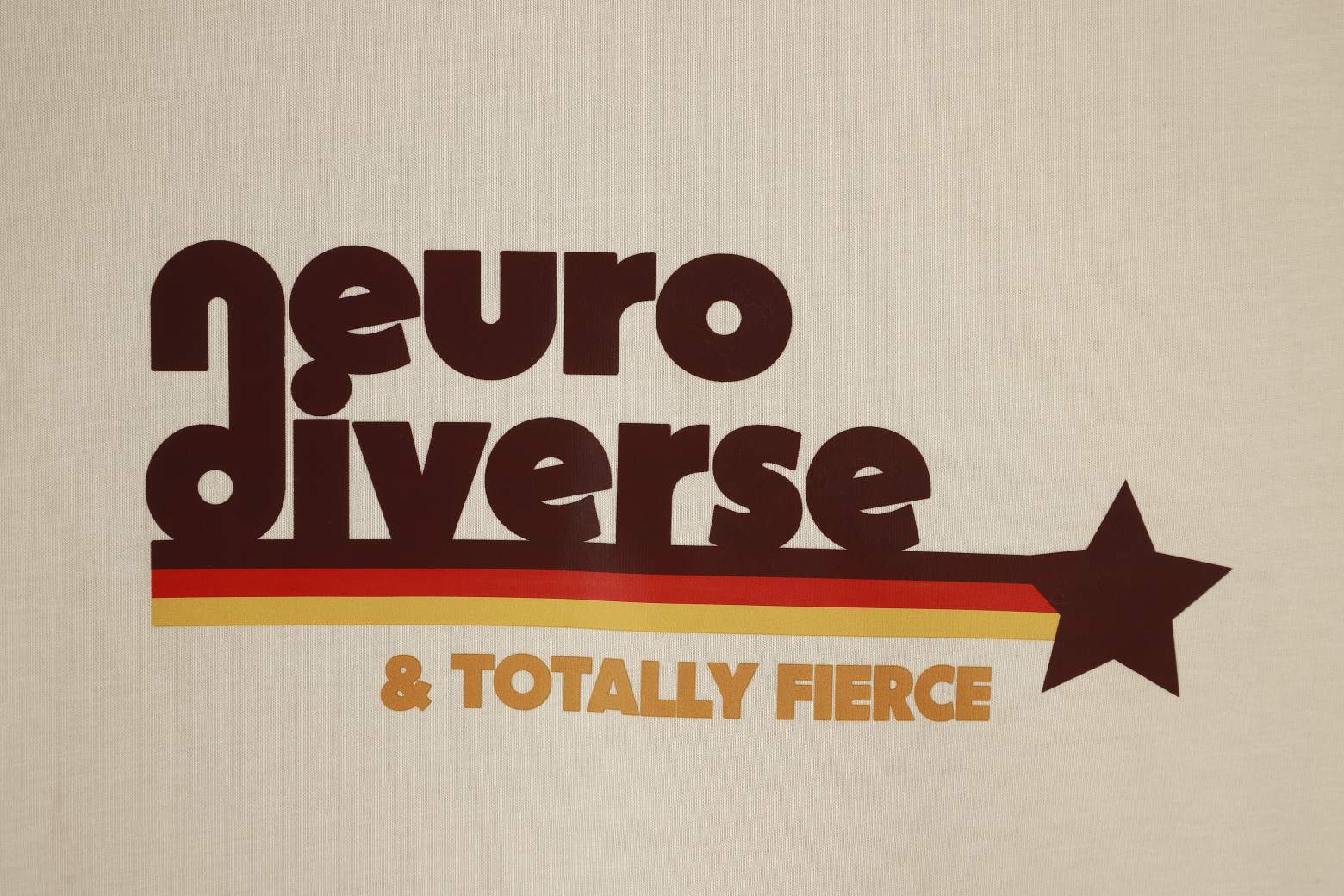
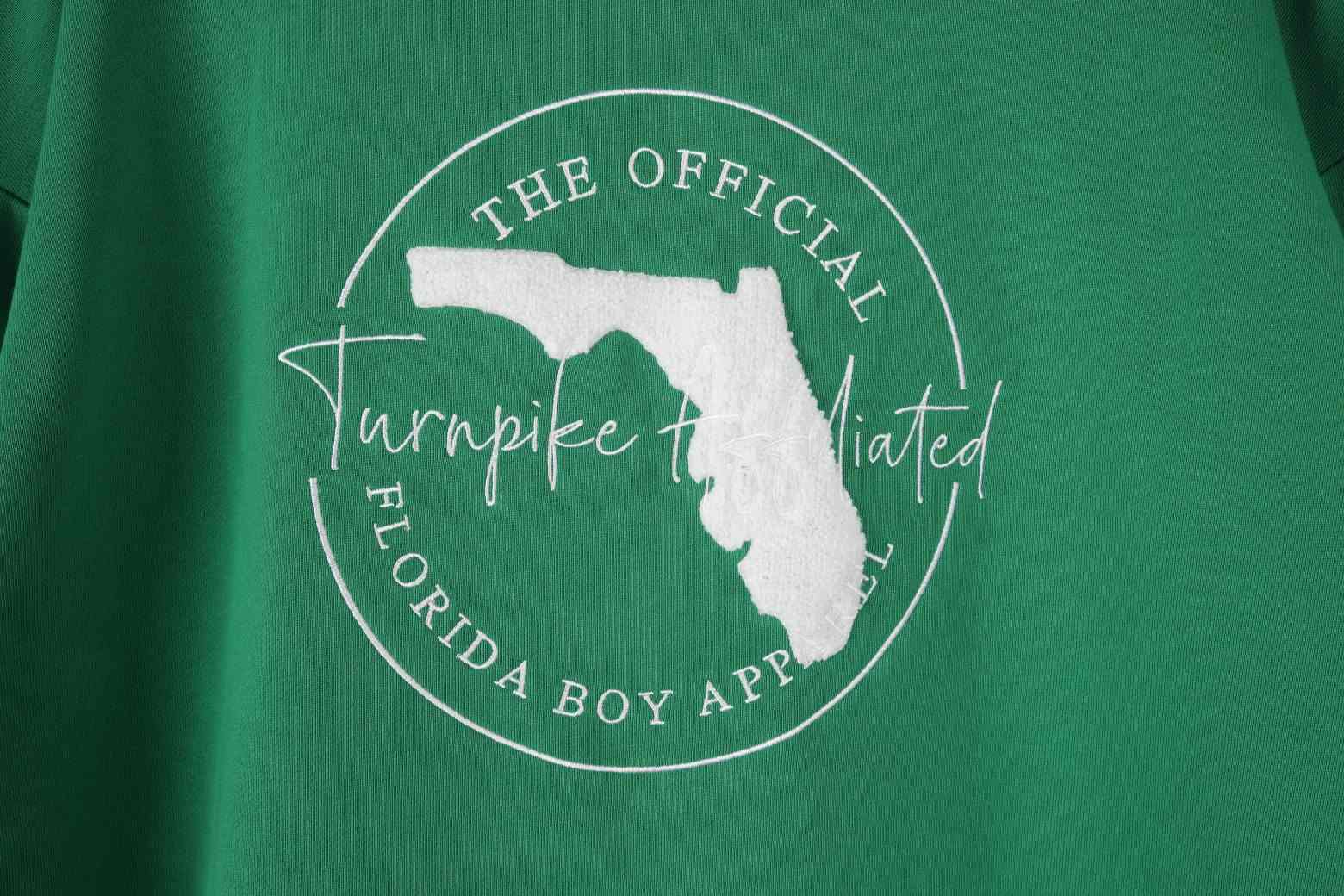
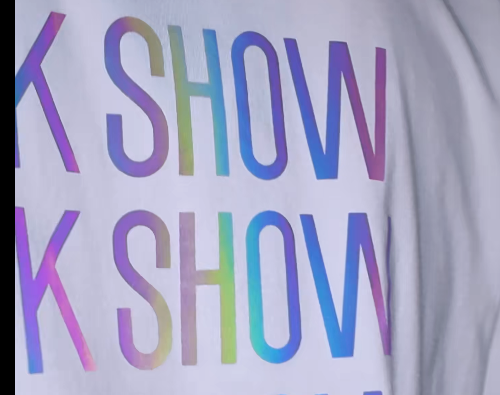
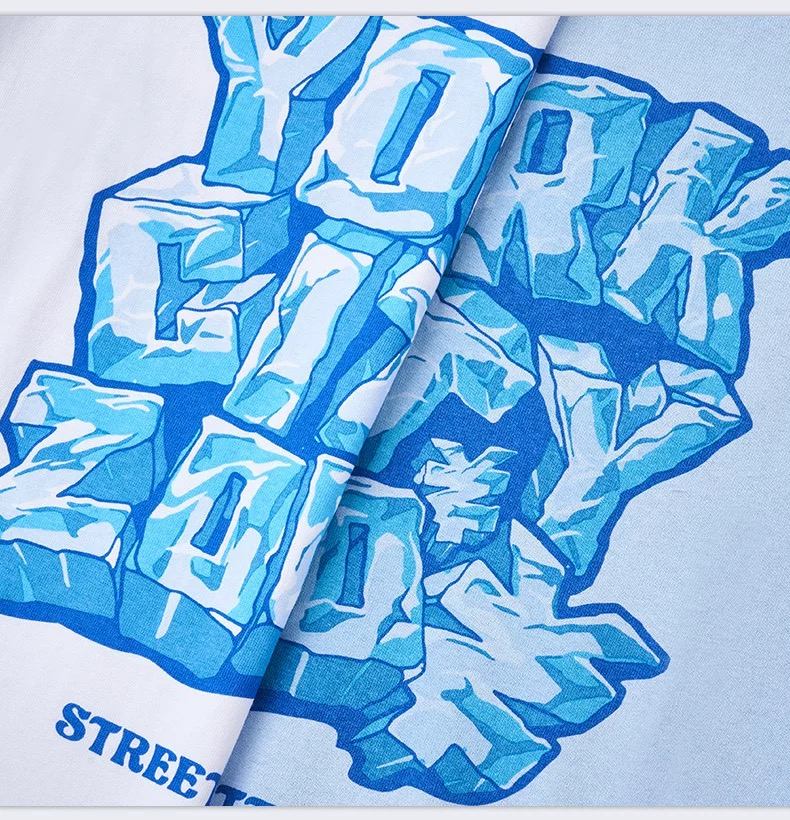
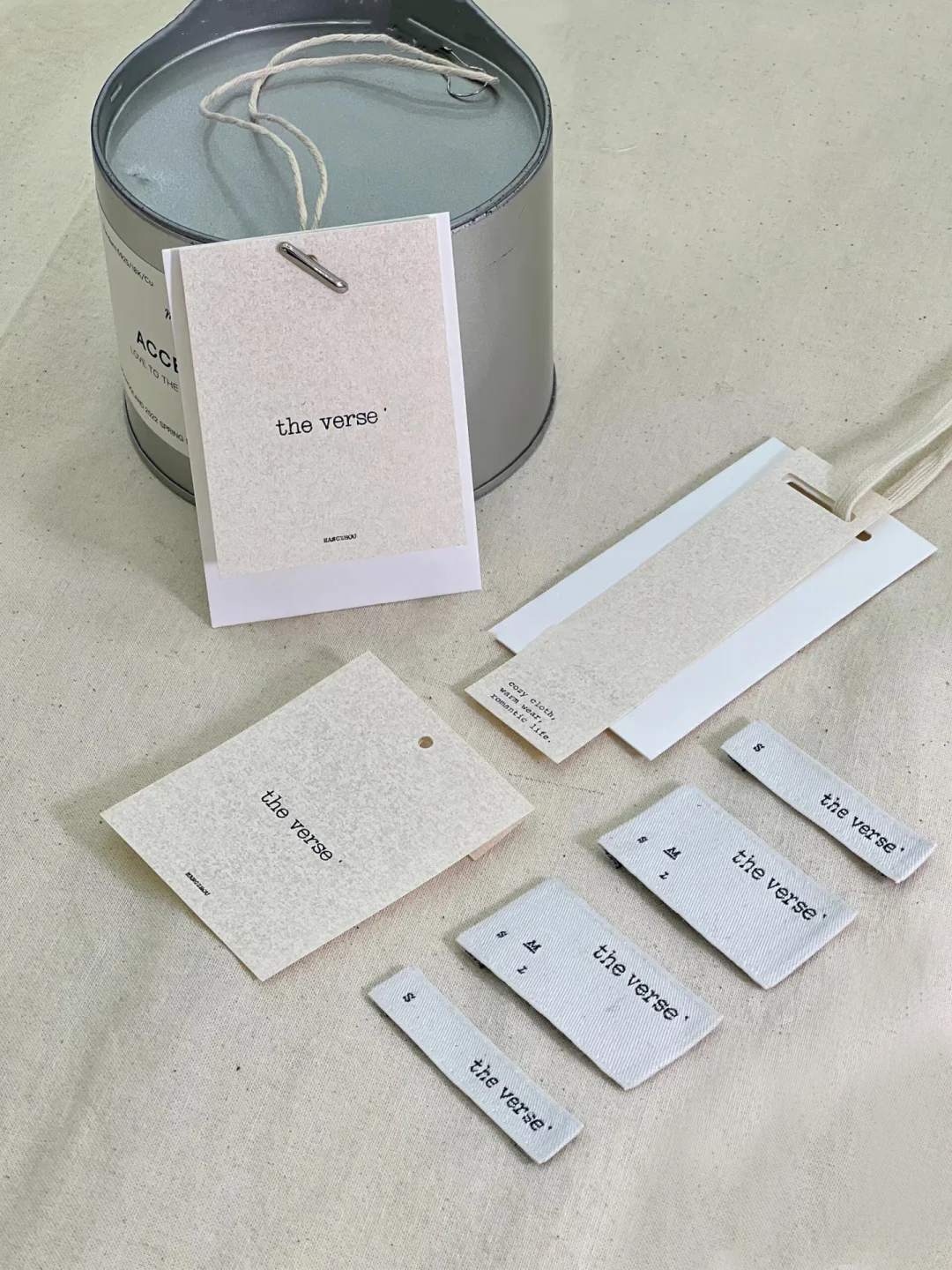
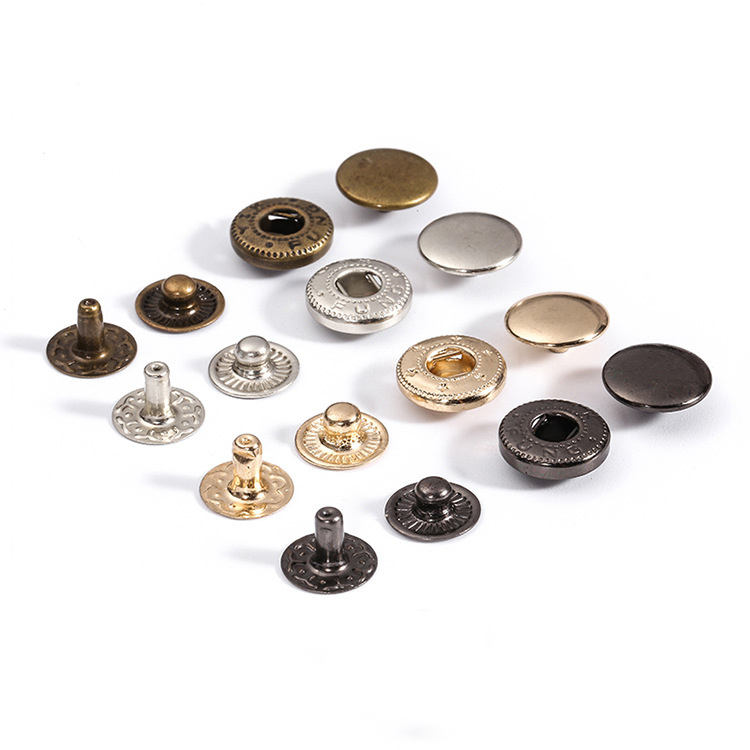
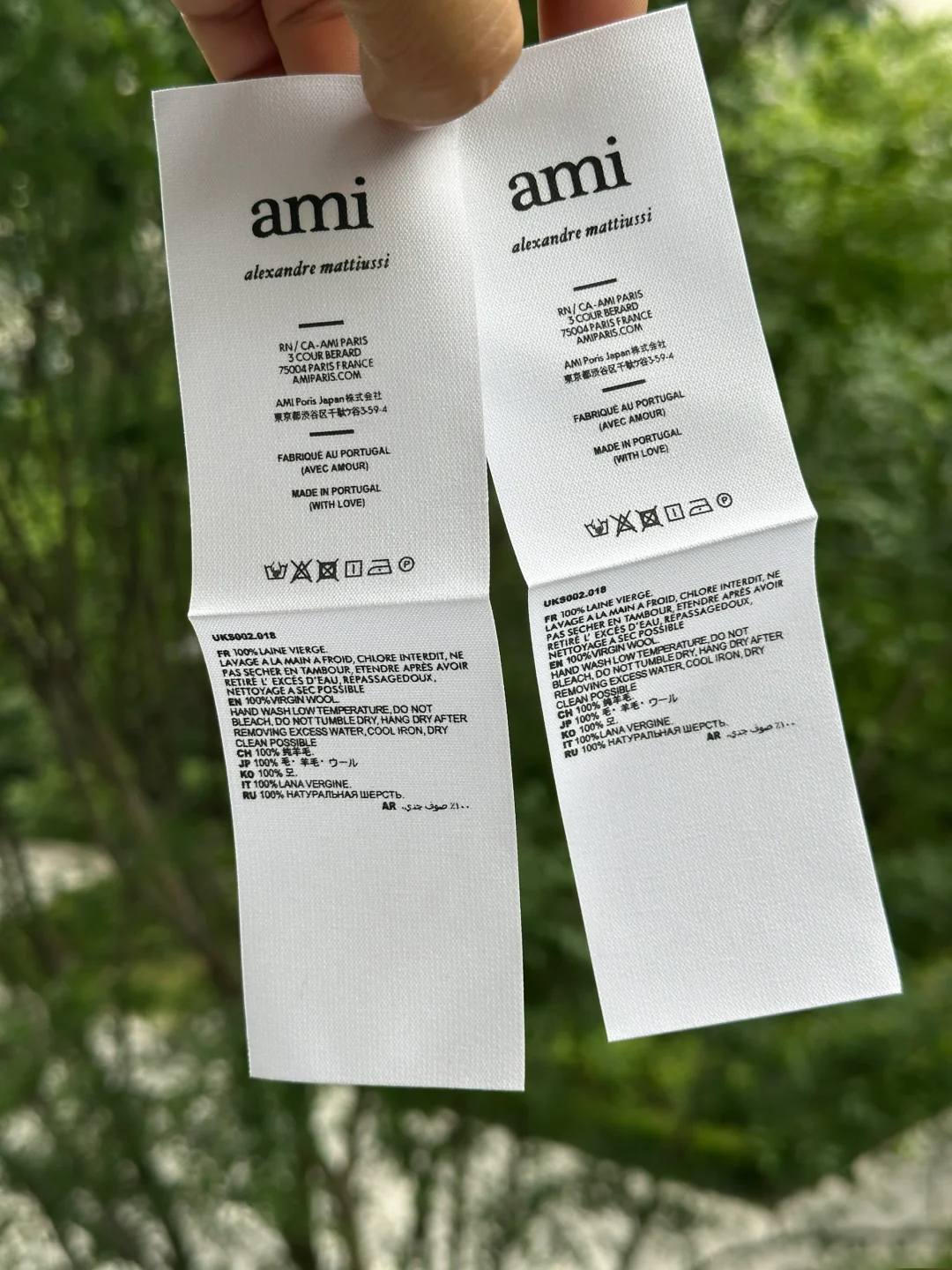
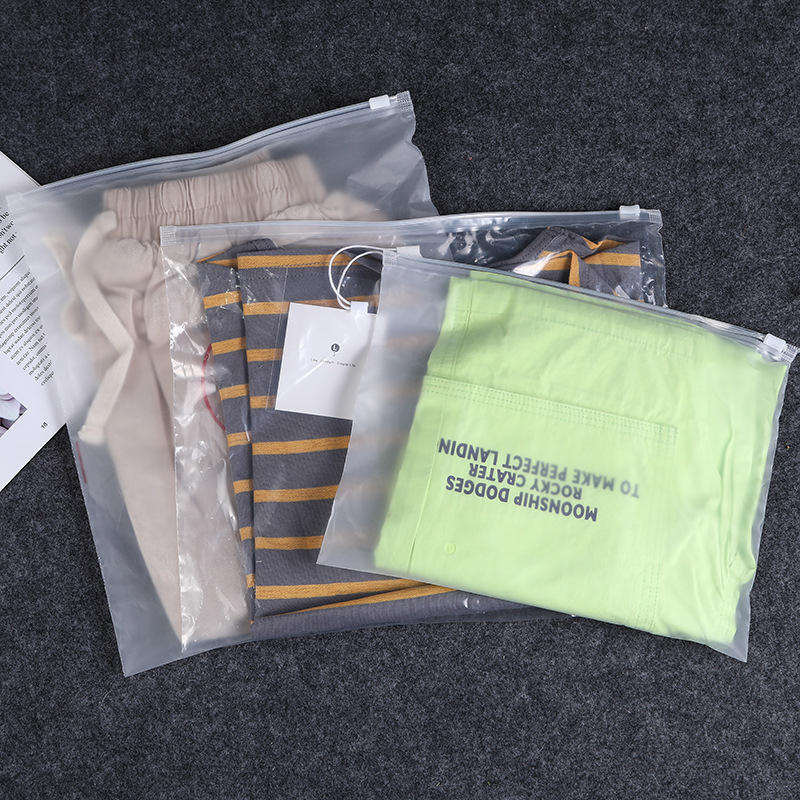
Custom Trims & Accessories for Branded Shirt Printing
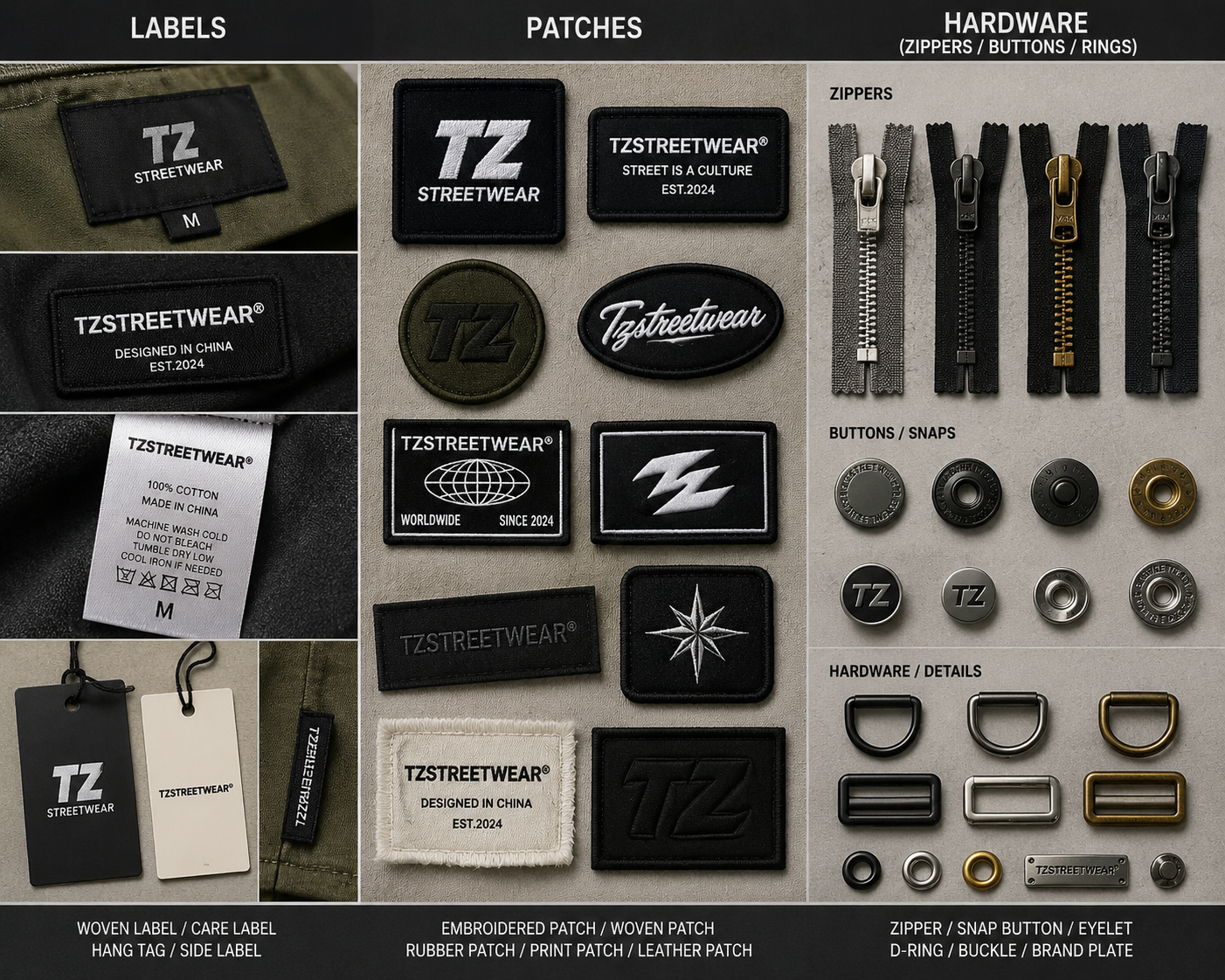
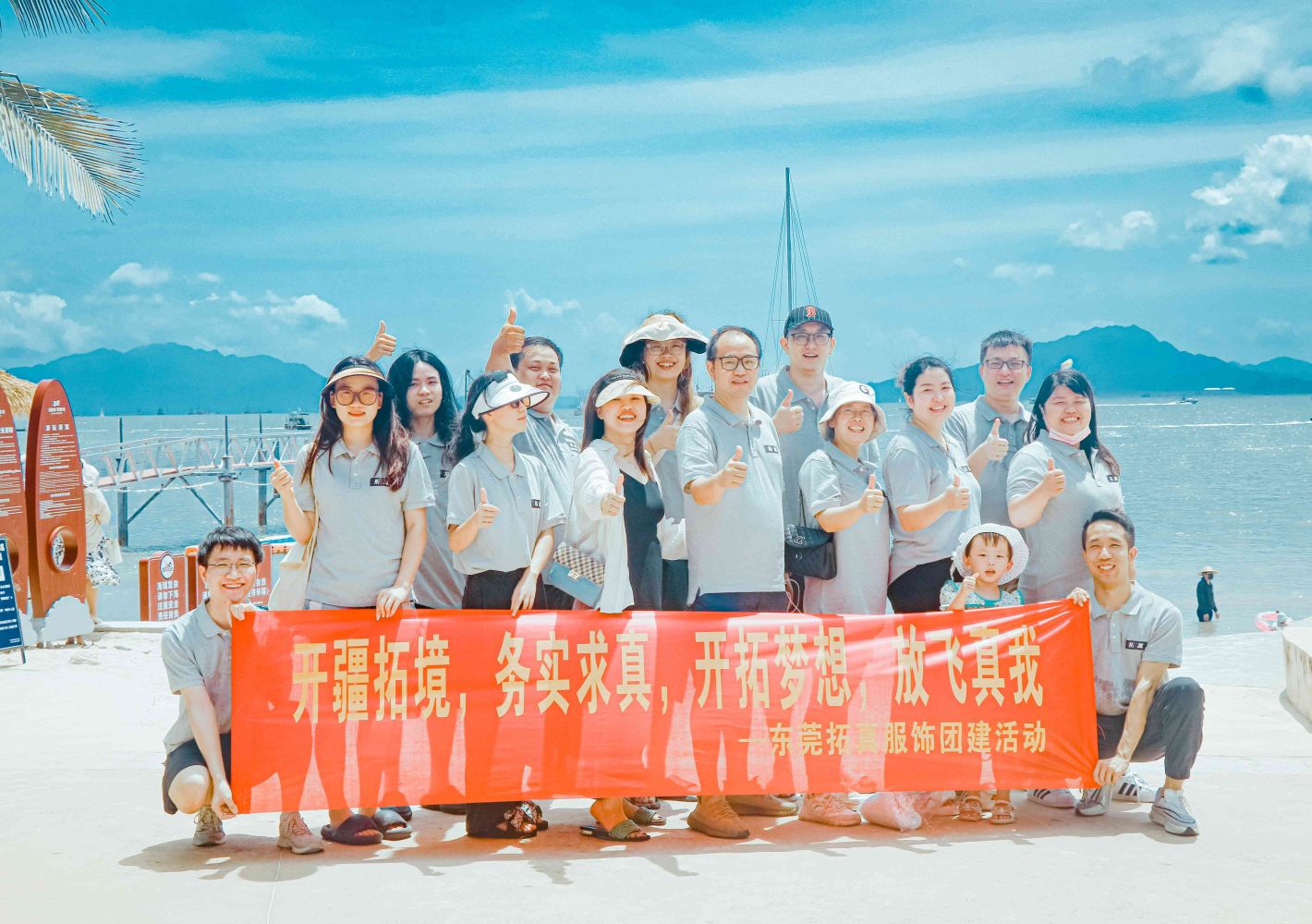
Custom Shirt Printing Since 1998
ZORWILD was founded in 1998 as a family-operated garment workshop in Humen, Dongguan, one of the world’s most influential apparel manufacturing hubs. Our founder grew up learning every stage of garment production from cutting rooms to quality control, building a foundation rooted in precision, responsibility, and craftsmanship. Today we bridge the gap between creative design and scalable production for DTC brands and professional teams worldwide.
With over 27 years of apparel manufacturing experience, we now employ more than 200 skilled workers and have served over 2,000 clothing brands across the United States, Canada, Europe, the Middle East, and Southeast Asia. Our modern facility produces more than 100,000 units monthly with a 6-stage quality control system and 95% of decoration techniques in-house, including screen printing, DTG, embroidery, puff print, and garment dye.
We specialize in custom shirt printing with flexible MOQs starting at just 50 pieces, making professional-grade manufacturing accessible to startup brands, influencers, wholesalers, and established fashion labels. From tech pack development and fabric sourcing to sampling, bulk production, and global logistics, ZORWILD delivers one-stop apparel solutions that scale with your brand.
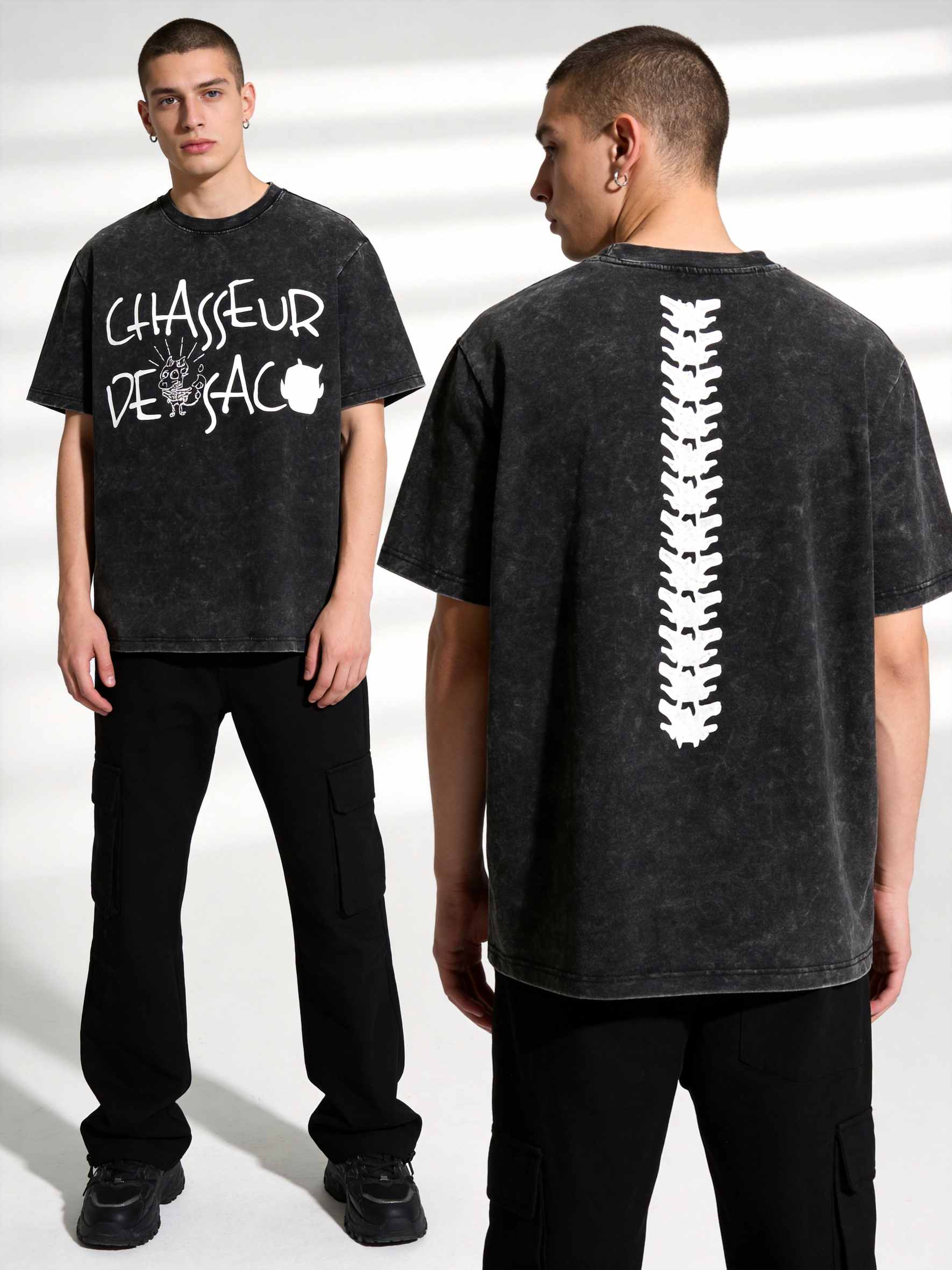
Our Core Capabilities in Custom Shirt Printing
Low-MOQ Flexibility Without Quality Compromise
Launch your custom shirt printing project with as few as 50 pieces. ZORWILD’s flexible production system empowers startup brands, influencers, and small wholesalers to test designs, reduce inventory risk, and scale confidently without the burden of traditional factory minimums that often require 500–1,000 units.
- MOQ starts at just 50 pieces for most custom shirt styles
- Perfect for capsule collections, merch drops, and market testing
- Same quality standards applied whether you order 50 or 5,000 units
- Dedicated support for startups, influencers, and emerging brands
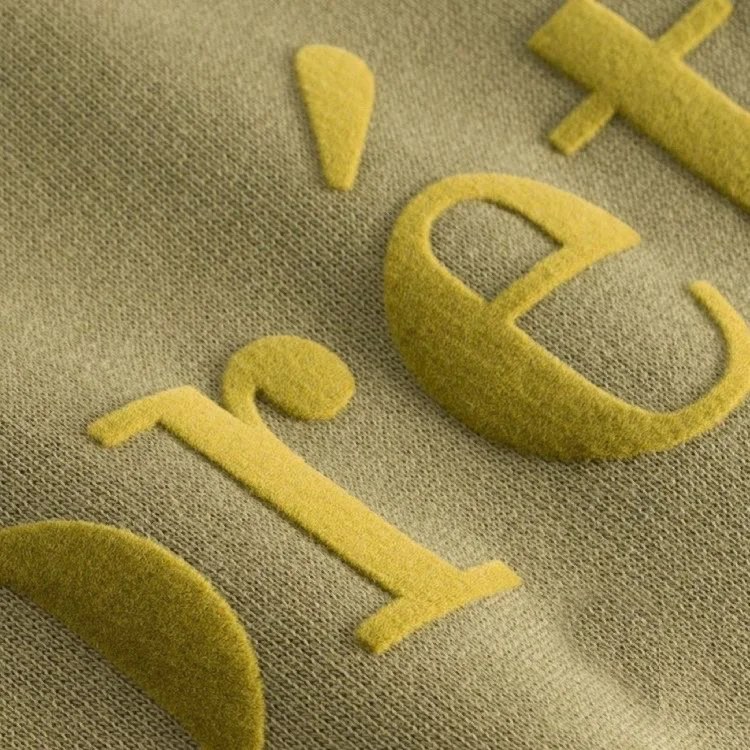
95%+ Decoration Techniques In-House
From screen printing and DTG to puff print, embroidery, chenille, and vintage wash effects, ZORWILD handles virtually every custom shirt printing and decoration method under one roof. This vertical integration ensures faster turnarounds, tighter quality control, and consistent results across your entire order.
- Screen printing, DTG, heat transfer, sublimation, and foil printing
- Flat embroidery, 3D puff embroidery, chenille, and appliqué
- Acid wash, vintage wash, garment dye, and distressed finishes
- No outsourcing delays—all decoration controlled in our Humen factory
6-Stage Quality Control System
Every custom shirt printing order passes through ZORWILD’s rigorous 6-stage quality control process. From raw material inspection to final packaging checks, our experienced QC team ensures your shirts meet exact specifications for print clarity, color accuracy, stitching integrity, and garment measurements.
- Raw material inspection before cutting begins
- In-line production checks during sewing and decoration
- Print quality, embroidery density, and wash effect verification
- Final product measurement, finishing, and packaging inspection
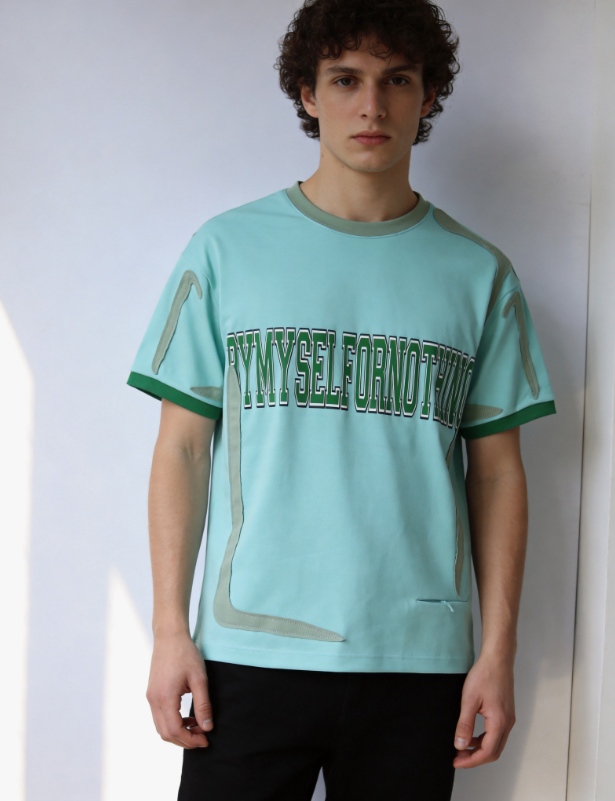
7-Day Sample Turnaround for Fast Decisions
Speed matters when you’re launching a collection or testing a new design. ZORWILD delivers custom shirt printing samples in as little as 7 days, allowing you to evaluate fit, fabric hand feel, print quality, and wash effects before committing to bulk production—saving time and reducing risk.
- Sample-ready tech pack review within 24 hours
- Physical samples shipped in 7 days for most shirt styles
- Evaluate print sharpness, color match, and garment construction
- Revisions handled quickly to keep your project on schedule
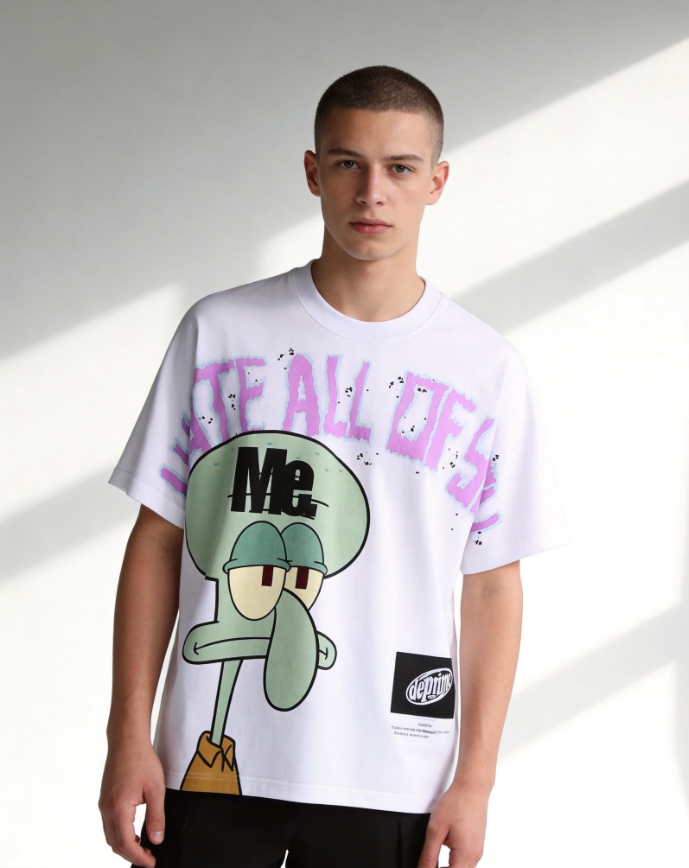
ZORWILD vs. Standard Custom Shirt Printing Suppliers
See how our 27 years of manufacturing experience, in-house capabilities, and professional systems deliver better outcomes for your custom shirt printing projects.
← 左右滑动查看 →
Six-Phase Custom Shirt Printing Production Workflow
Six transparent production phases with quality checkpoints at every stage, from tech pack review to global shipping. Your custom shirt printing project moves through our proven 27-year manufacturing system.
Tech Pack Review
Our development team reviews your design specifications, measurements, fabric preferences, and custom shirt printing requirements to ensure production-ready documentation and accurate cost estimates.
Fabric Sourcing & Preparation
We source premium cotton, rayon, linen, or blended fabrics from trusted suppliers based on your budget and quality standards, then conduct raw material inspection before production.
Sampling & Approval
Your custom shirt sample is produced with all specified printing, embroidery, and finishing techniques. Samples ready in seven days for fit, quality, and design approval.
Bulk Production
Pattern cutting, sewing, and custom shirt printing decoration are executed by skilled workers. In-line inspections ensure consistent quality across every unit in your order.
Quality Control & Finishing
Our six-stage quality control system inspects measurements, print quality, stitching, and garment finishing. Every shirt is ironed, folded, and prepared for packaging with zero defects.
Packaging & Global Shipping
Custom labels, hang tags, and branded packaging are applied. We coordinate air freight, sea freight, or express delivery with full export documentation and customs support.
How to Partner With ZORWILD for Custom Shirt Printing
Submit Your Design & Requirements
Share your tech pack, sketches, reference samples, or design ideas along with fabric preferences, print techniques, quantities, and timeline. Our team reviews and confirms feasibility within 24 hours.
Receive Quote & Sample Timeline
We provide a detailed quotation covering materials, printing, labor, and shipping. Approve the quote and we begin sample development, typically delivered within seven days for evaluation.
Approve Sample & Place Order
Review your physical sample for fit, fabric quality, print accuracy, and construction details. Request revisions if needed, then confirm your bulk order to begin production scheduling.
Production & Quality Control
Your custom shirt printing order enters our six-stage quality control system covering fabric inspection, cutting, sewing, decoration, finishing, and final packaging with real-time production updates.
Final Inspection & Global Delivery
After final quality inspection and your approval, we arrange air freight, sea freight, or express delivery with full export documentation and customs support to your destination.
Certifications & Quality Standards for Custom Shirt Printing

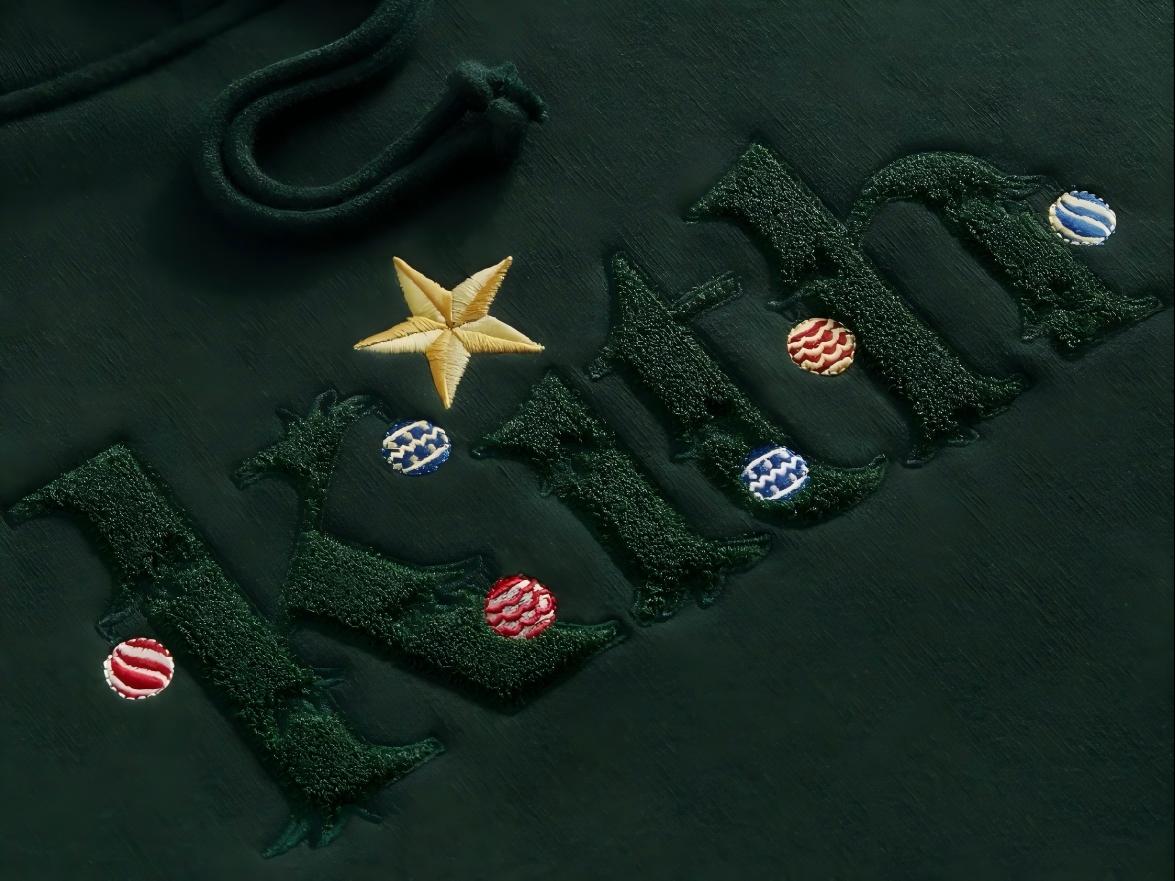
Custom Shirt Printing Success Stories from Real Brands
ZORWILD delivered our 500-piece custom Hawaiian shirt capsule in just 3 weeks. The sublimation print quality exceeded our expectations and our influencer launch sold out in 48 hours. Their low MOQ let us test the market without huge risk.
We scaled from 50-piece test runs to 5,000-unit production runs in under 6 months. ZORWILD’s custom shirt printing consistency, fast sampling, and flexible MOQ system gave us the confidence to grow our wholesale distribution across 12 retail locations.
Switching to ZORWILD reduced our sampling costs by 40% and cut lead times from 21 days to 7 days. Their team understood our tech packs immediately and nailed the custom embroidery placement on our resort shirt collection on the first sample.
Custom Shirt Printing — Frequently Asked Questions
What is the minimum order quantity for custom shirt printing?
How long does it take to receive samples for custom shirt printing?
What custom shirt printing techniques does ZORWILD offer?
Do you provide design and tech pack support for custom shirt printing projects?
What fabrics are available for custom shirt printing?
How does ZORWILD ensure quality control for custom shirt printing?
What are the payment terms and do you protect intellectual property?
What shipping options are available for custom shirt printing orders?
The Complete Buyer’s Guide to Custom Shirt Printing for Your Brand
1. What Is Custom Shirt Printing?
Custom shirt printing is the industrial process of applying designs, logos, or graphics onto garments through decoration methods including screen printing, DTG (direct-to-garment), heat transfer, sublimation, and embroidery. These techniques transform blank shirts into branded merchandise, promotional apparel, or personalized fashion products. Modern custom shirt printing supports production runs from single prototypes to orders exceeding 100,000 units per month, enabling flexibility across startup brands, influencer merch drops, and corporate uniform programs.
The core value proposition centers on three pillars: brand visibility through wearable marketing, merchandising revenue for content creators and retailers, and personalization for events or corporate identity. Influencers leverage custom shirt printing to monetize audiences with limited-edition drops, while small fashion brands use low MOQ production (often starting at 50 pieces) to test designs and reduce inventory risk. Corporate buyers and event organizers rely on bulk orders for uniforms, trade show giveaways, and team apparel.
ZORWILD’s 27 years of apparel manufacturing experience supports the full spectrum of custom shirt printing, from casual shirts and Hawaiian shirts to oversized fashion shirts and resort styles. The company’s one-stop service includes fabric sourcing, sampling within 7 days, decoration application, quality control, and global logistics, serving over 2,000 brands across the United States, Canada, Europe, Australia, and the Middle East with monthly production capacity exceeding 100,000 units.
2. The Evolution of Custom Shirt Printing
Screen printing emerged in the 1960s as the dominant commercial method for custom shirt printing, driven by the introduction of plastisol inks that offered vibrant colors and excellent durability on cotton garments. By the 1970s, plastisol became the industry standard for high-volume production, requiring minimum order quantities of 500 to 1,000 pieces per design due to setup costs and screen preparation time.
Water-based inks gained traction in the 1980s and 1990s, delivering softer hand feel and better breathability, while heat transfer vinyl and sublimation printing expanded customization options for synthetic fabrics and full-color designs. These methods remained constrained by setup costs and longer lead times, limiting access to established brands with large budgets.
The 2000s marked a turning point with the rise of direct-to-garment (DTG) printing technology, which enabled detailed graphics without screens or minimum color restrictions. DTG machines reduced setup time from hours to minutes, allowing manufacturers like ZORWILD to offer MOQs as low as 50 pieces and 7-day sampling turnarounds. This shift democratized custom shirt printing for startup brands, influencers, and online stores that previously could not afford traditional minimums.
Today, on-demand printing combines DTG, screen printing, and sublimation to serve brands at every scale, from 50-piece influencer capsules to 10,000-unit wholesale orders, with lead times compressed from 8–12 weeks to 2–4 weeks for many projects.
3. Types of Custom Shirt Printing Techniques
Selecting the right printing technique determines durability, cost per unit, and design fidelity. Each method suits specific order volumes, artwork complexity, and fabric types, so matching technique to project scale is critical.
Screen Printing
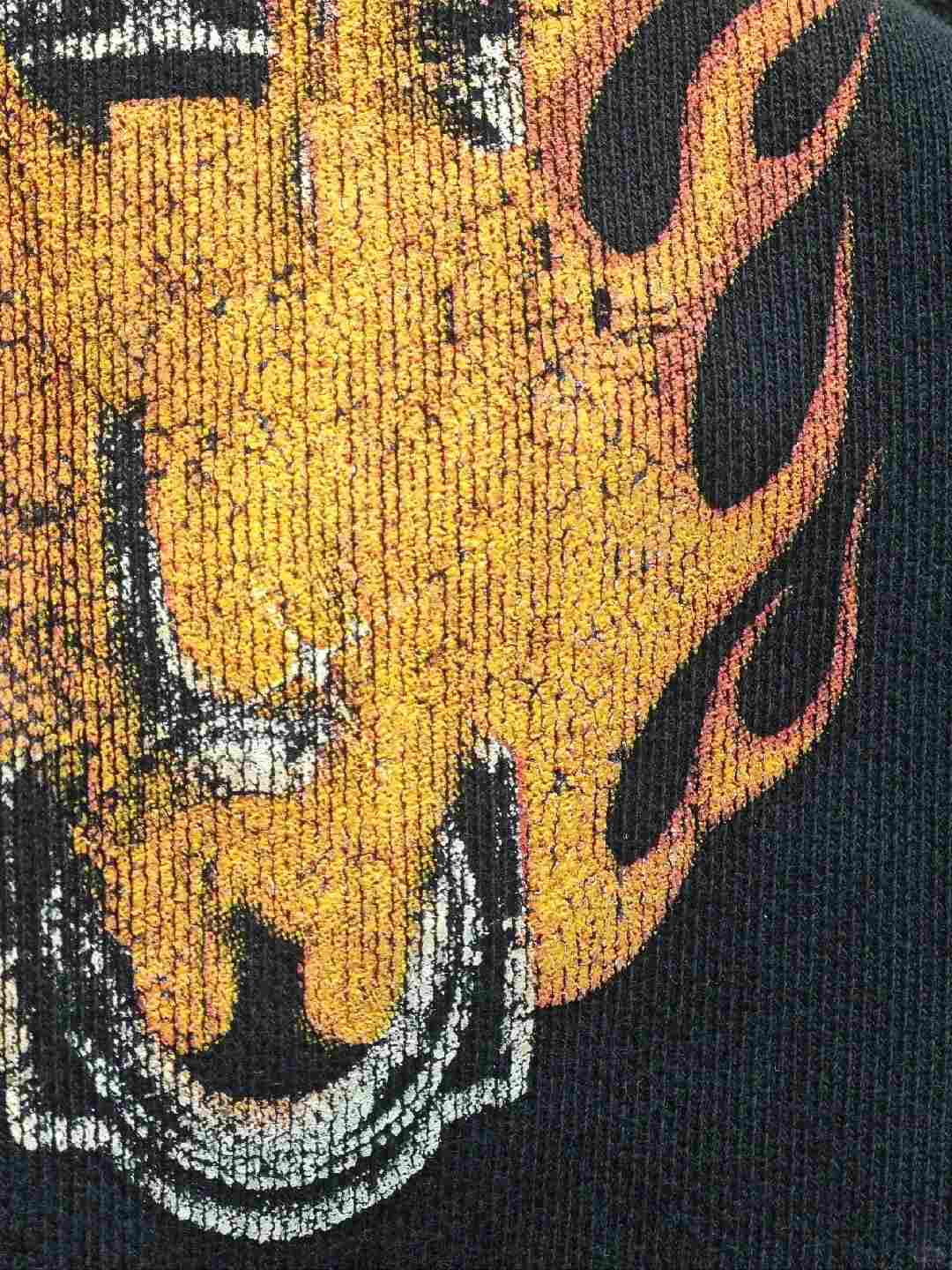
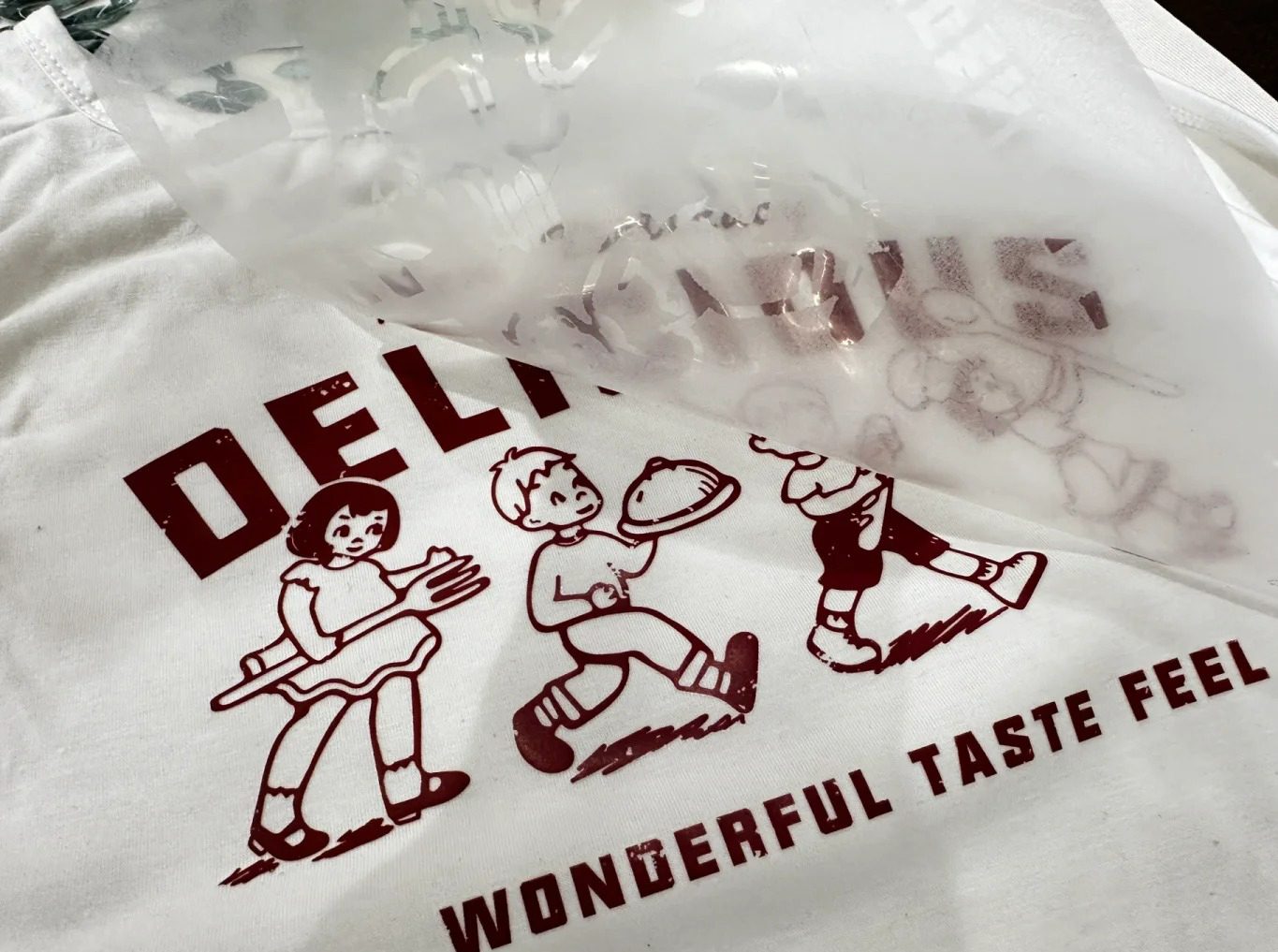
Screen printing forces plastisol or water-based ink through mesh stencils, one screen per color. It delivers vibrant, durable prints that withstand 50+ industrial washes without cracking. Best for orders above 100 pieces with designs using 1–6 spot colors.
Setup costs for screens make small runs expensive, but per-unit costs drop significantly at volume. Ideal for uniform logos, text-heavy designs, and high-opacity prints on dark fabrics.
Direct-to-Garment (DTG) Printing
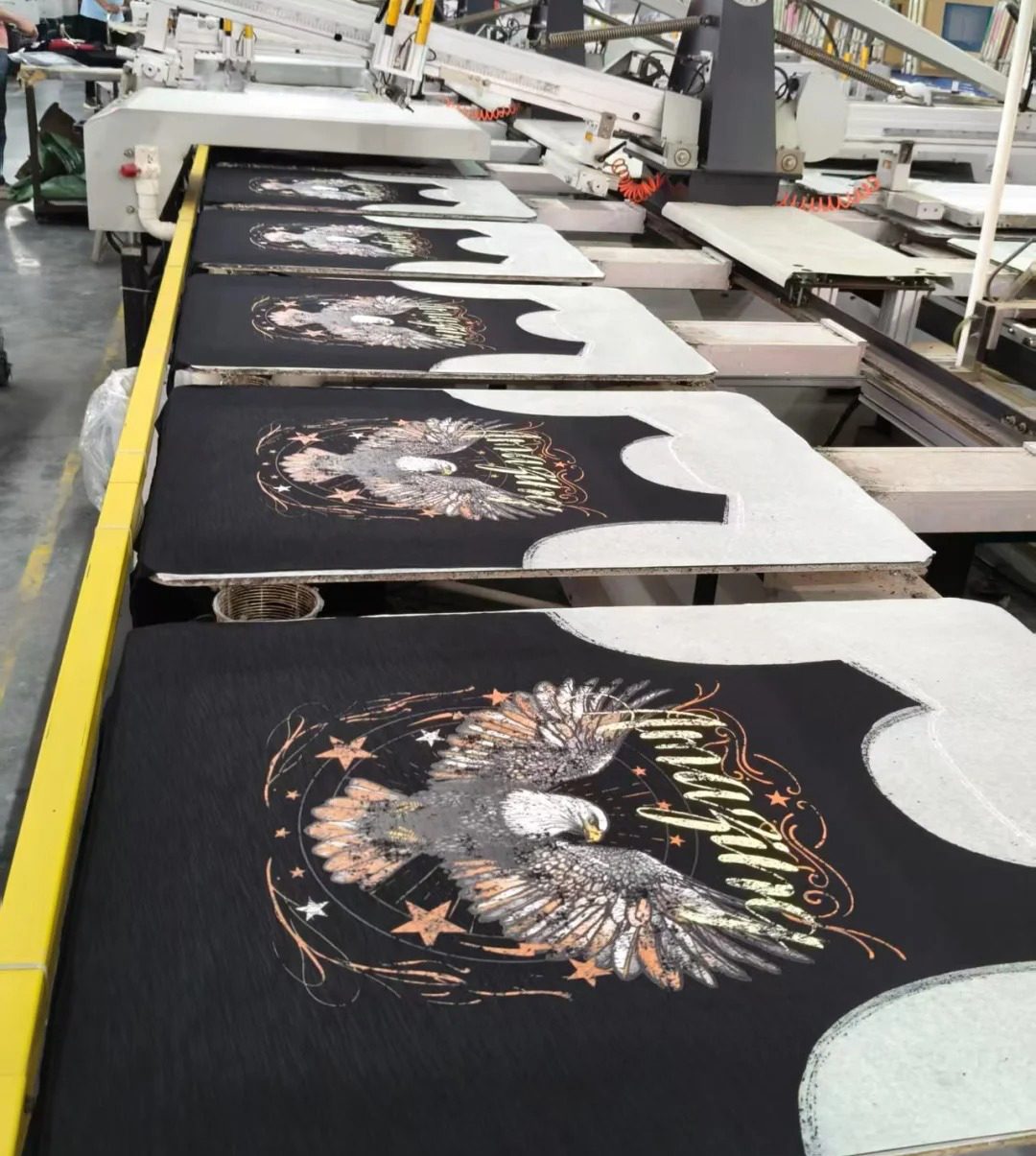
DTG printers spray water-based ink directly onto fabric, similar to desktop inkjet printers. This technique supports full-color photographic designs and gradients without setup fees, making it economical for orders from 50 to 500 pieces.
Print durability is moderate—20 to 30 washes before noticeable fading—and works best on 100% cotton or cotton-rich blends. DTG excels for complex artwork, small batches, and test launches.
Sublimation Printing
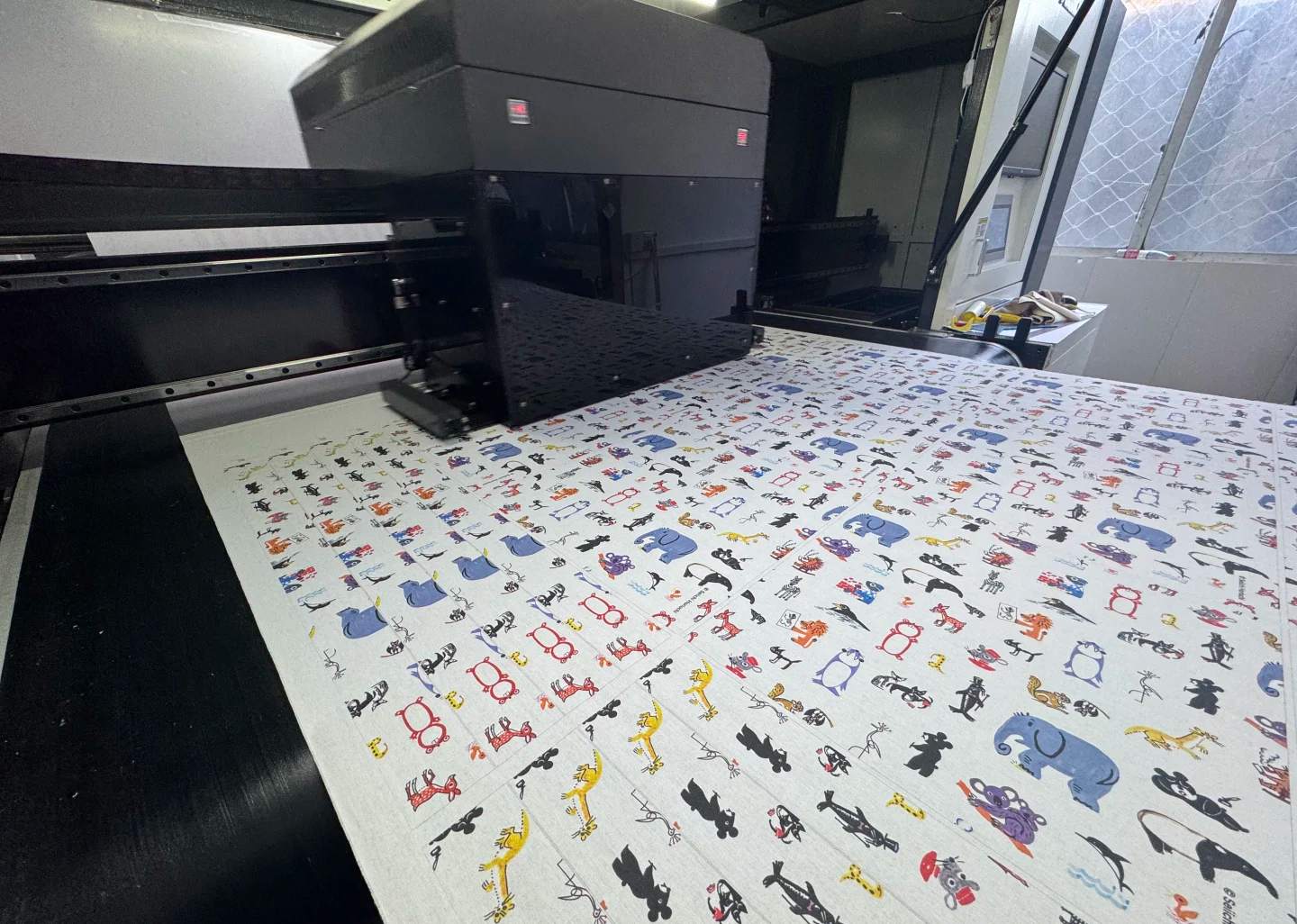
Sublimation converts solid dye into gas under heat, bonding permanently with polyester fibers. It produces edge-to-edge, full-color prints with no hand feel and unlimited color range, ideal for all-over patterns on performance wear.
This method works exclusively on polyester or polymer-coated substrates and cannot print on cotton. Minimum orders start at 50 pieces, and prints remain vibrant through 100+ washes without peeling.
Embroidery
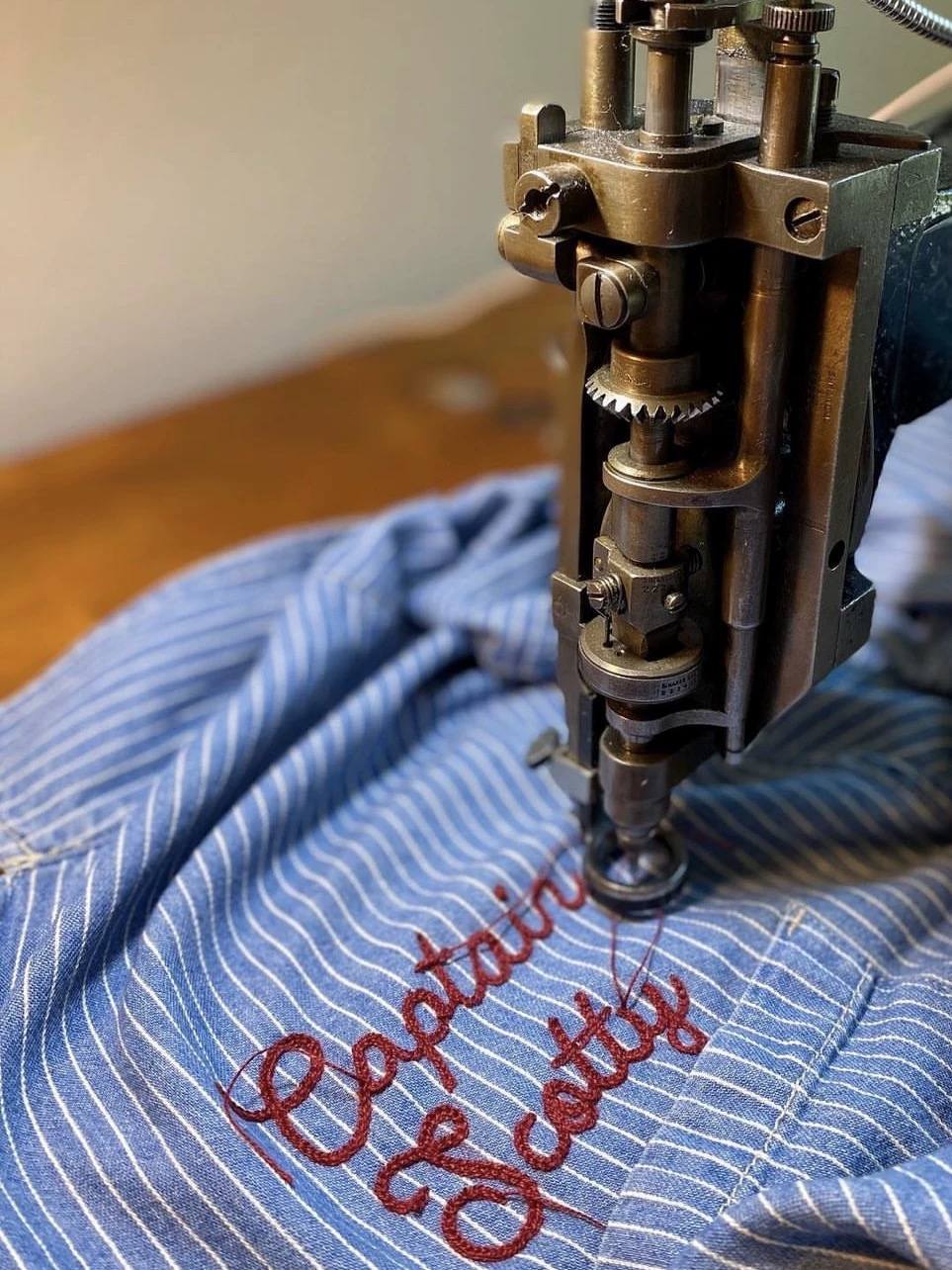
Embroidery stitches thread directly into fabric using programmable machines, creating raised, textured logos with premium durability exceeding 100 washes. Setup requires digitizing artwork into stitch files, adding a one-time fee of $15–$50.
Best for small logos, text, and brand marks on polos, dress shirts, and workwear. Thread count and stitch density affect cost; complex designs with gradients are not suitable.
4. Fabrics and Materials for Custom Shirt Printing
Fabric selection determines print adhesion, durability, hand feel, and production cost in custom shirt printing. ZORWILD sources cotton, polyester blends, organic cotton, rayon, bamboo, and technical fabrics from trusted Chinese suppliers to match brand positioning and performance requirements.
| Fabric Type | GSM Range | Best Printing Method | Typical Use Case |
|---|---|---|---|
| 100% Cotton | 160–200 | Screen Print, DTG | Retail fashion, premium tees |
| Cotton-Poly Blend | 150–180 | Screen Print, Heat Transfer | Promotional, workwear, merch |
| Tri-Blend | 145–165 | Screen Print, Water-Based | Streetwear, vintage collections |
| Performance Polyester | 120–160 | Sublimation, Heat Transfer | Activewear, sportswear, athleisure |
Performance and Specialty Fabrics
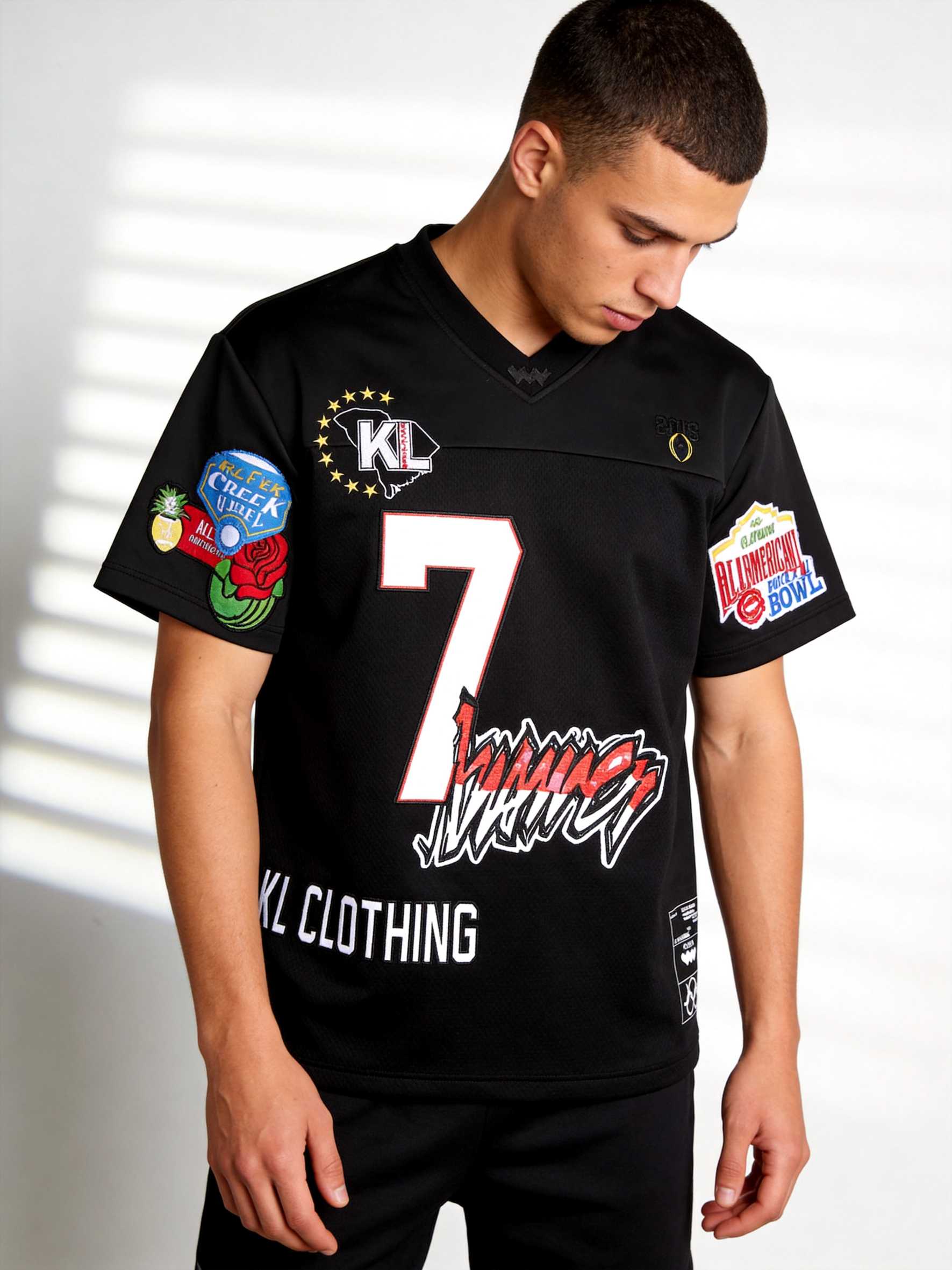
Performance polyester (120–160 GSM) supports moisture wicking, UV protection, and sublimation printing for activewear and sportswear. Organic cotton and bamboo blends appeal to sustainable fashion brands, though they typically add 15–25% to fabric cost.
Pre-shrunk fabrics undergo controlled heat and moisture treatment to stabilize dimensions, reducing post-wash shrinkage from 5–7% down to 2–3%. ZORWILD recommends pre-shrunk materials for retail brands requiring consistent sizing and customer satisfaction.
5. Customization and Decoration Options Beyond Printing
Custom shirt printing forms the foundation, but layering additional decoration and branding elements transforms a basic garment into a premium product. Combining techniques—embroidery with screen printing, custom labels with specialty finishes—elevates perceived value and strengthens brand identity across every touchpoint.
| Decoration Method | Setup Cost | Per-Unit Cost | Visual Impact | Best Use Case |
|---|---|---|---|---|
| Screen Printing | Medium ($50–150) | Low ($1–3) | High | Large graphics, bold colors |
| Embroidery | Medium ($30–100) | Medium ($2–6) | Very High | Logos, premium branding |
| Puff Printing | Medium ($60–120) | Medium ($2–4) | High | Streetwear, tactile designs |
| Foil / Metallic | High ($80–200) | High ($3–8) | Very High | Luxury fashion, accents |
| Woven Labels | Low ($20–60) | Low ($0.20–0.80) | Medium | Neck/hem branding |
| Custom Hang Tags | Low ($30–80) | Low ($0.15–0.60) | Medium | Retail presentation |
Embroidery and Advanced Embellishment Techniques
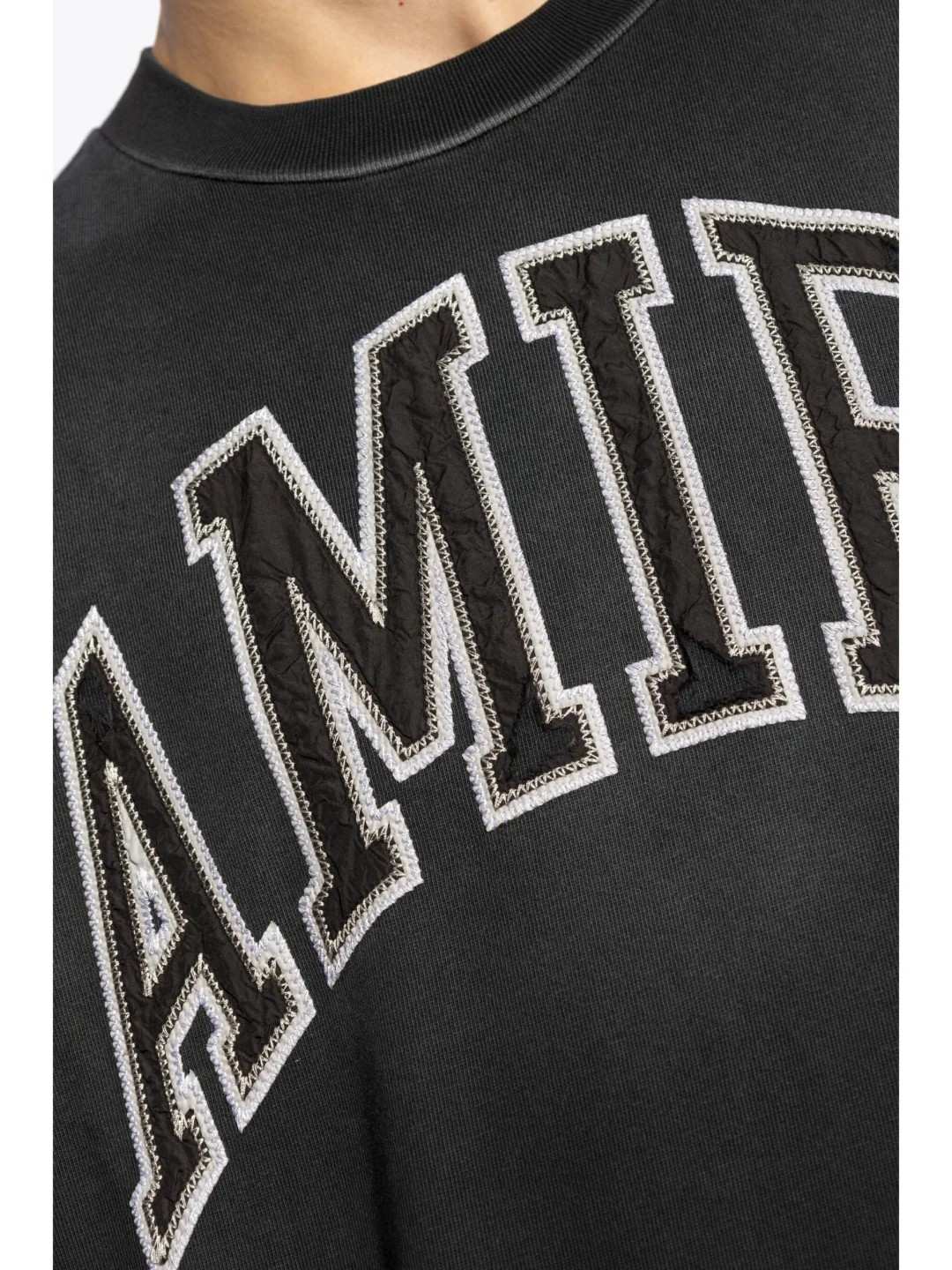
Flat embroidery delivers durability and texture that printing cannot match, ideal for logos on chest pockets or sleeves with stitch counts from 5,000 to 15,000 per design. 3D puff embroidery adds dimension for streetwear branding, while chenille embroidery creates a soft, varsity-style aesthetic popular in premium collections.
Combine embroidery with screen-printed graphics to layer visual interest: a large back print paired with a small embroidered chest logo communicates quality without overwhelming the design. ZORWILD supports applique, metallic thread, sequin embroidery, and towel embroidery for fashion-forward brands seeking differentiation.
Custom Labels, Hang Tags, and Tagless Printing
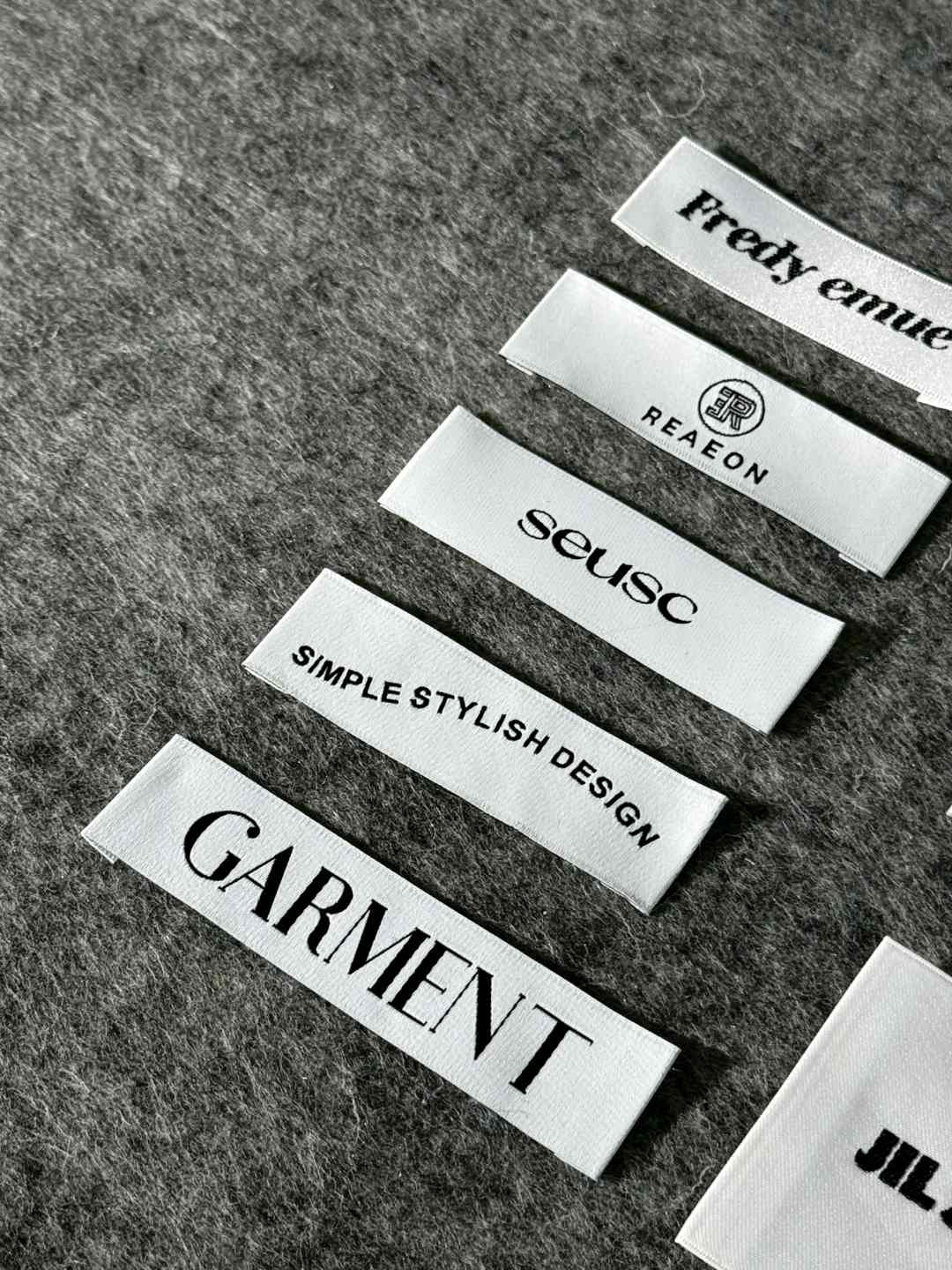
Woven labels with high-definition damask weaving deliver sharp brand logos at the neck, hem, or sleeve. Printed satin labels offer full-color flexibility for startup brands testing multiple designs, while silicone and rubber patches add tactile, luxury streetwear appeal.
Tagless inside neck printing eliminates irritation and creates a clean interior finish; heat-transfer or screen-printed care labels maintain compliance without bulk. Custom hang tags on 350 gsm cardstock with foil stamping, embossing, or die-cut shapes reinforce brand story at the point of sale.
Specialty Printing Finishes for Visual Impact
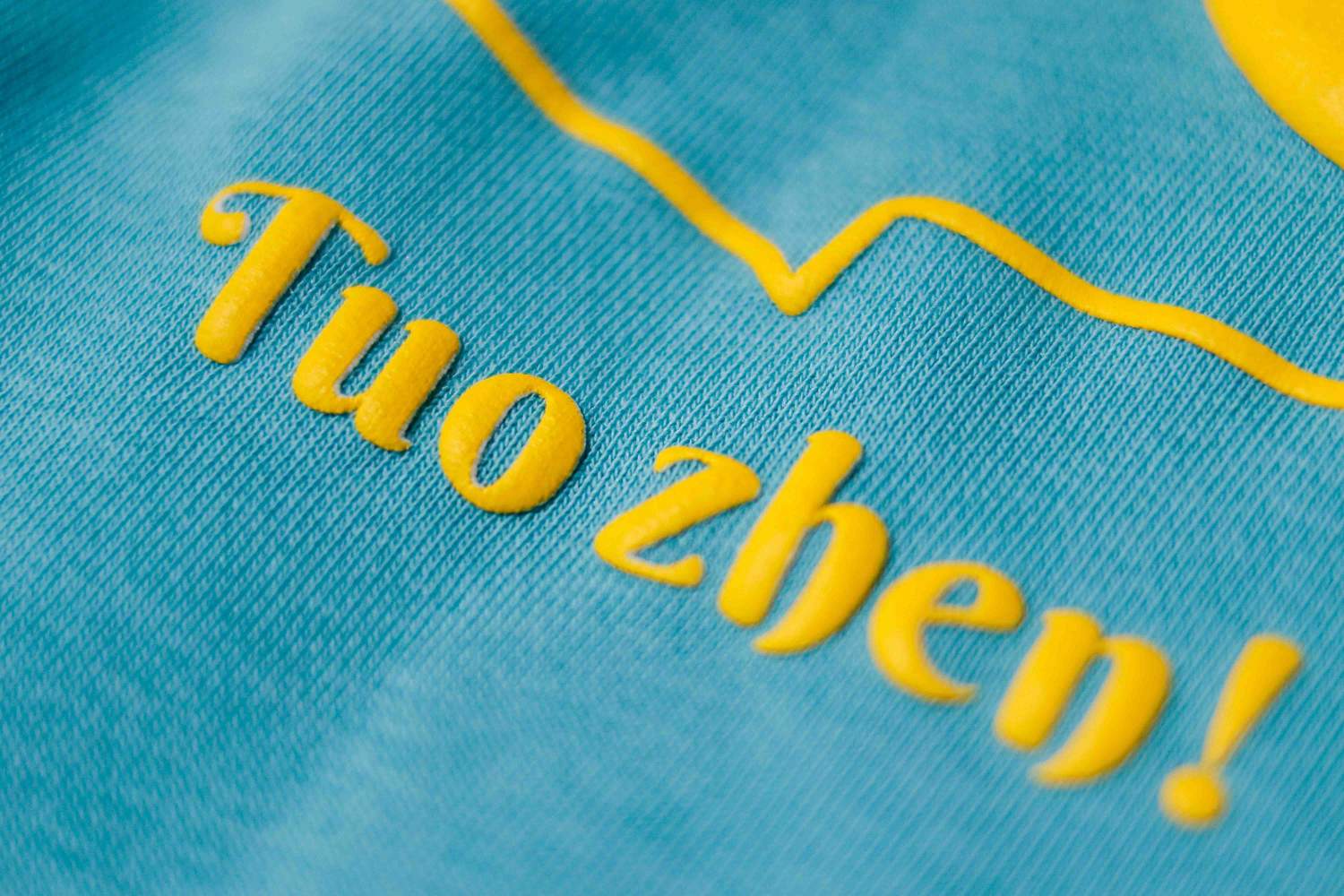
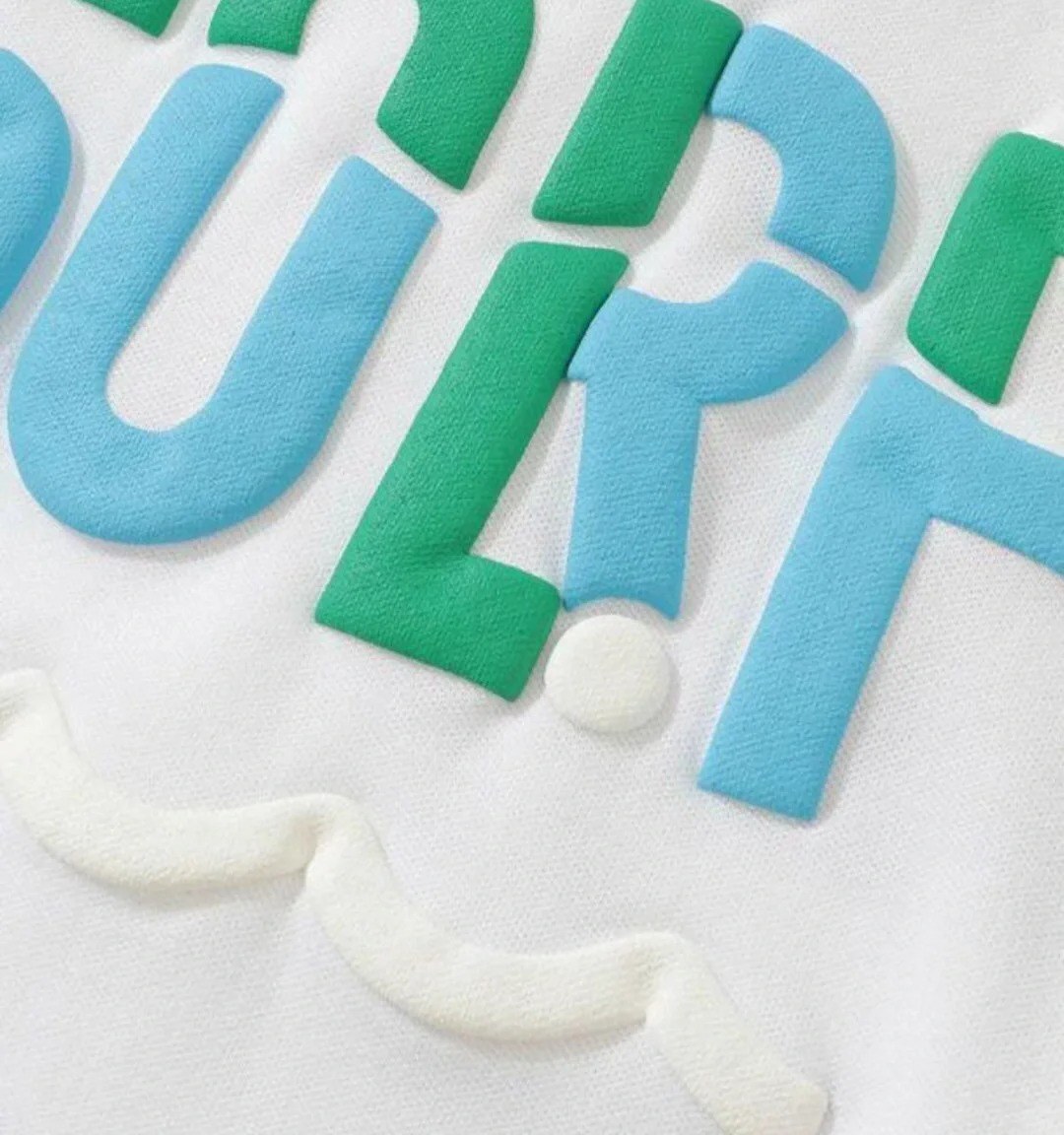
Puff ink creates raised, three-dimensional graphics with 2–4 mm height, delivering tactile streetwear appeal that standard plastisol cannot achieve. Metallic and foil printing reflect light for premium fashion collections, while glow-in-the-dark ink drives novelty and social media engagement for event merchandise.
Reflective printing enhances visibility for technical apparel and night-time branding; crack printing delivers vintage, distressed aesthetics for retro collections. Layering water-based prints with puff or metallic accents adds depth and complexity without excessive cost.
Custom Packaging as Brand Extension
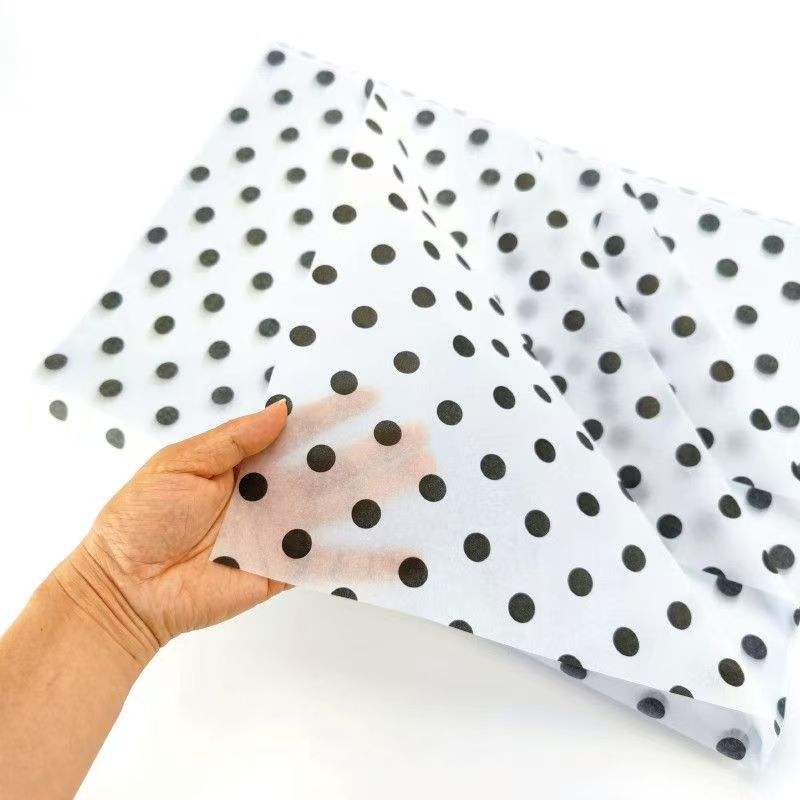
Custom polybags with printed logos, tissue paper inserts, and branded stickers transform unboxing into a marketing moment that drives repeat purchases and social sharing. Rigid boxes, belly bands, and custom mailers elevate perceived value for premium shirt lines sold direct-to-consumer.
ZORWILD provides full packaging customization including branded tape, thank-you cards, and QR-code hang tags linking to care instructions or brand stories, ensuring every customer touchpoint reinforces brand identity and professionalism.
6. Key Quality Indicators in Custom Shirt Printing
Professional custom shirt printing quality hinges on measurable standards that separate premium production from budget work. ZORWILD applies strict inspection protocols across raw material intake, in-line production, decoration application, and final packaging to ensure every shirt meets brand specifications before shipping.
Ink Opacity and Color Accuracy
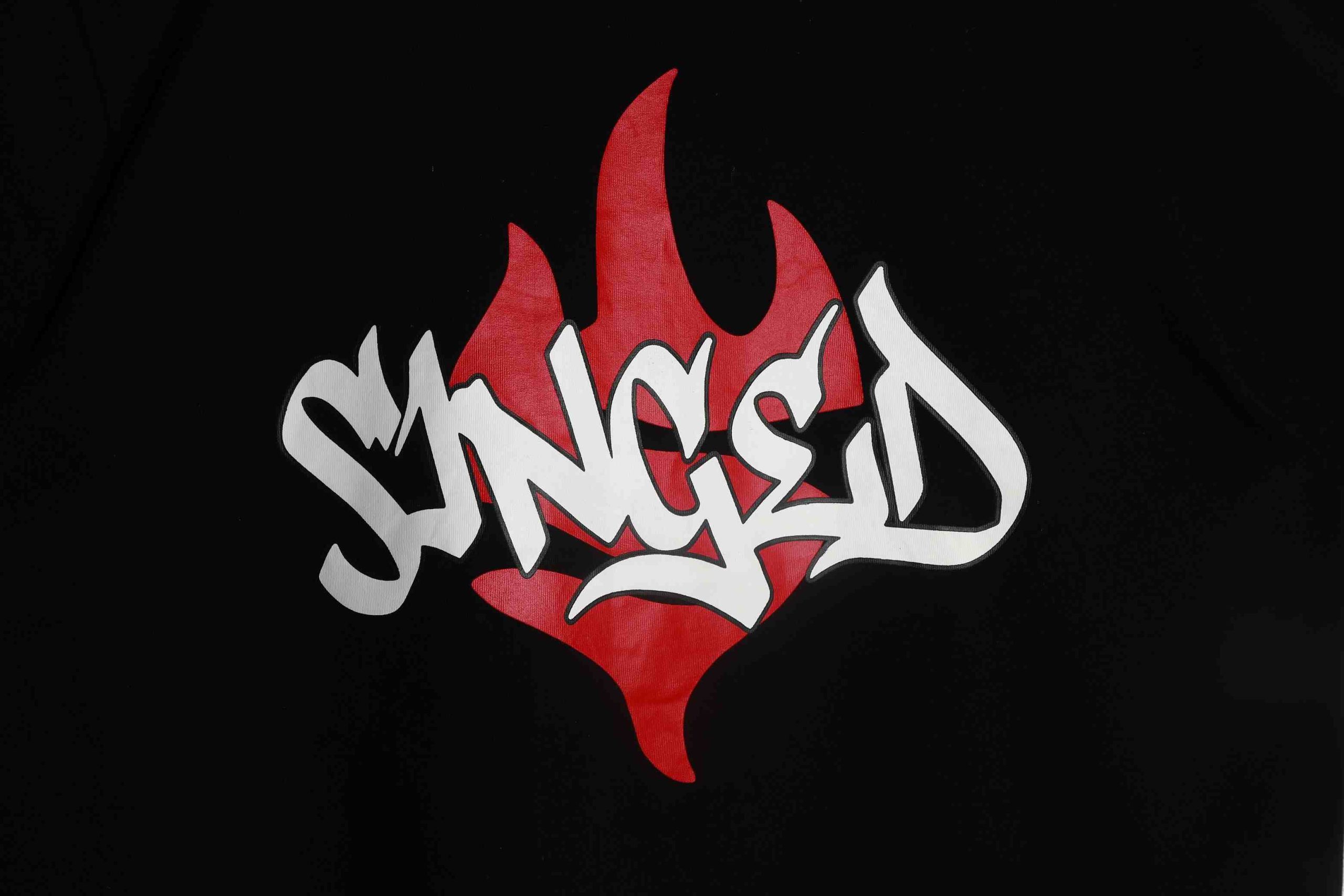
Ink opacity determines whether plastisol screen printing or water-based printing shows full color on dark fabrics or appears faded and translucent. Professional screen printing and DTG printing should deliver Pantone-matched colors with opacity above 95% on black cotton. Request pre-production samples with your exact artwork on the target fabric weight and color to verify color consistency under natural light and artificial lighting conditions.
Registration and Print Alignment
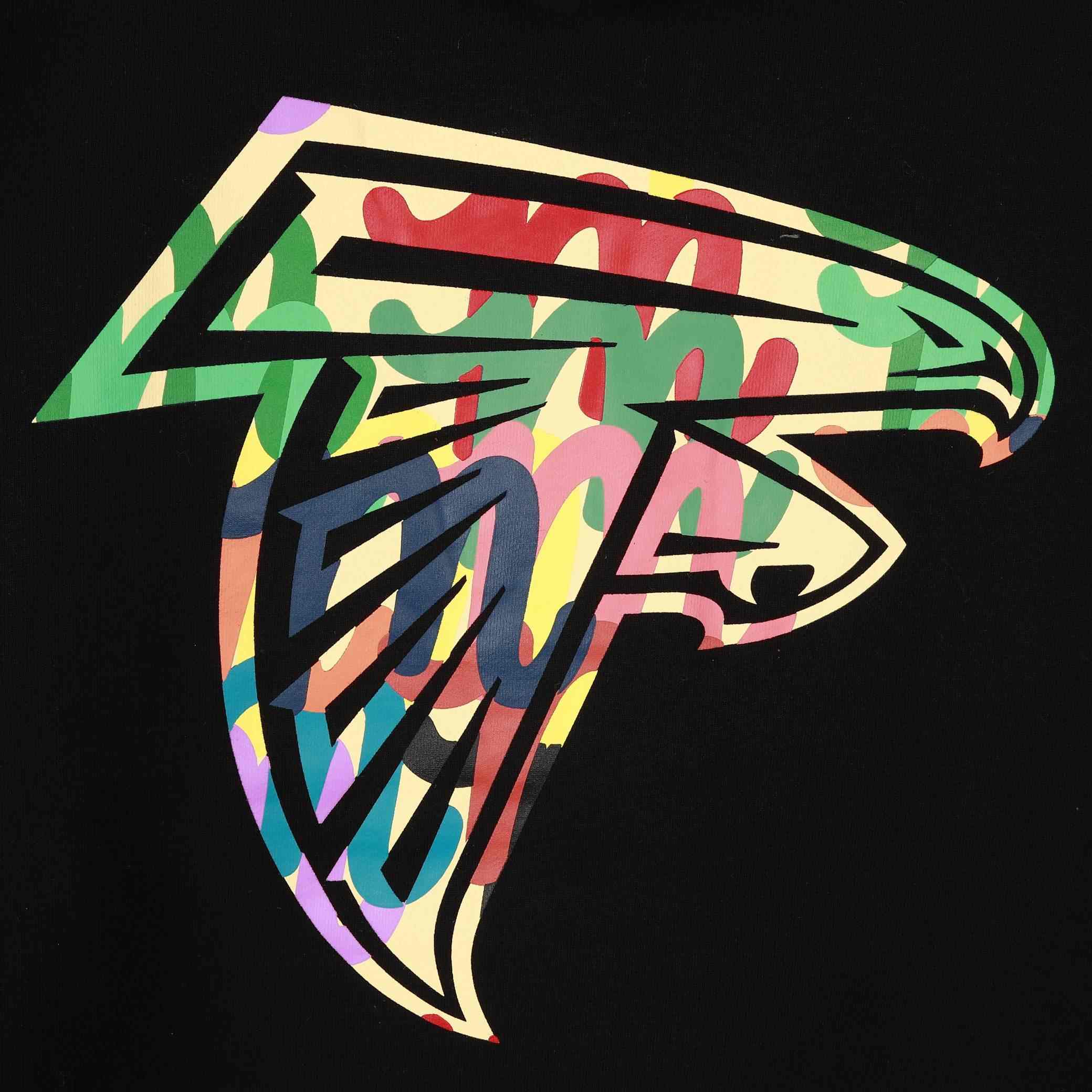
Multi-color prints require precise registration so each color layer aligns within 1–2 mm tolerance. Misalignment creates blurred edges, color bleeding, and unprofessional appearance. Inspect samples for sharp borders, clean color separation, and consistent positioning across multiple garments. ZORWILD’s screen printing equipment maintains registration accuracy through pneumatic pallet systems and micro-adjustment frames.
Fabric Hand and Wash-Fastness
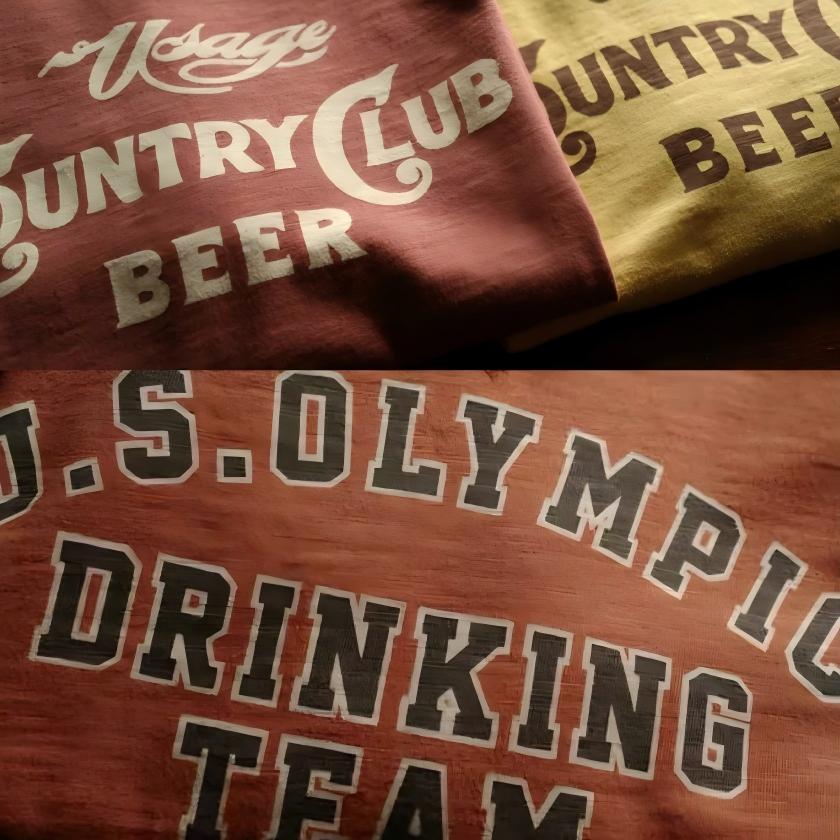
Fabric hand describes the texture after printing; water-based inks and DTG printing leave soft hand feel, while plastisol can feel stiff if applied too thick. Wash-fastness measures colorfastness after 20+ industrial washes; professional prints retain 90% color intensity after 30 washes. Request wash test reports and samples laundered 5–10 times to evaluate cracking, fading, and pilling before approving bulk production.
Seam Construction and Print Placement
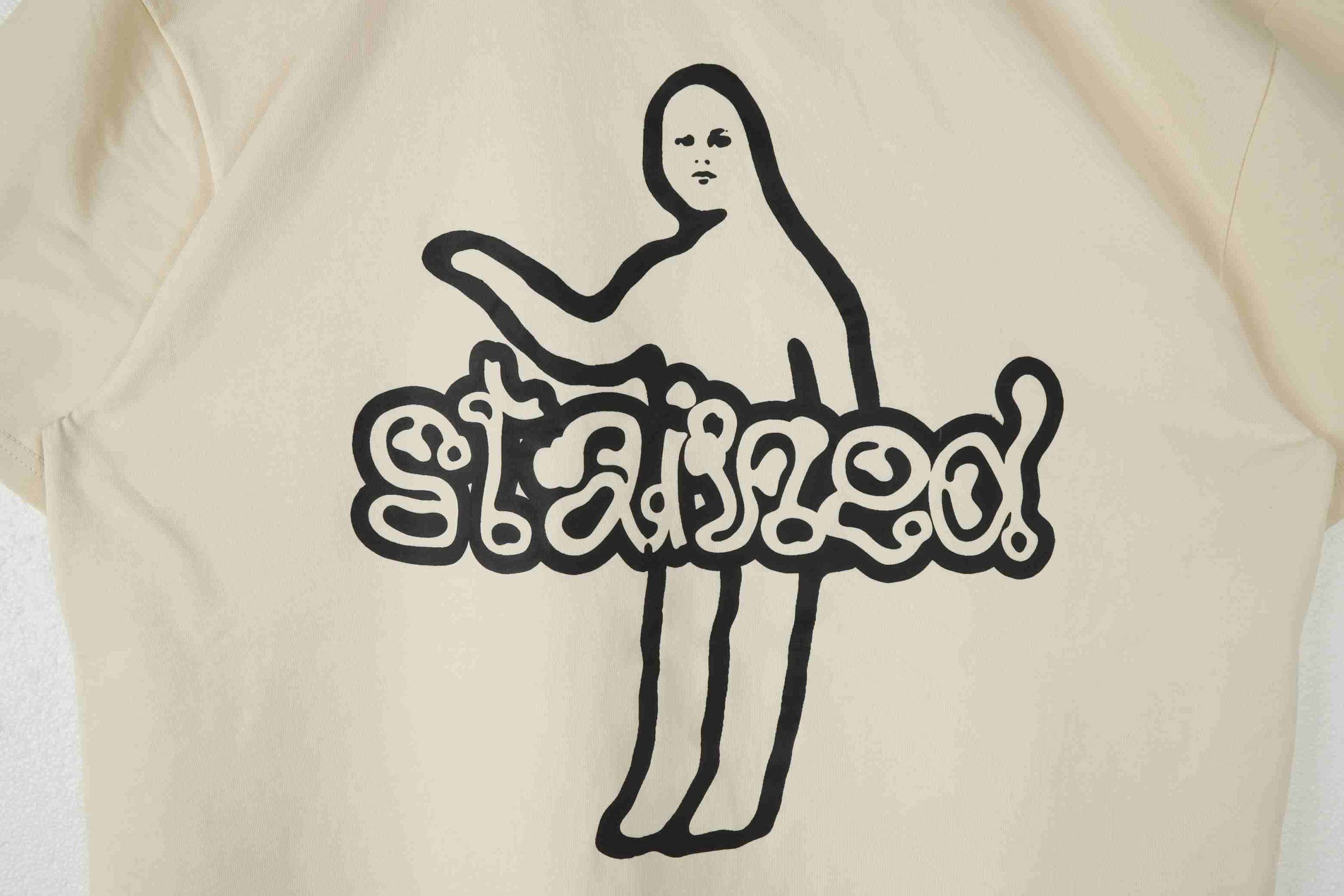
Seam quality affects durability and fit consistency. Inspect stitch density (12–14 stitches per inch for casual shirts), seam allowance uniformity, and thread tension. Print placement consistency ensures logos and graphics align within ±5 mm across all sizes. ZORWILD uses digital templates and laser alignment tools to maintain placement accuracy on chest prints, back prints, and sleeve graphics across production runs.
7. How to Choose a Custom Shirt Printing Manufacturer
Selecting the right custom shirt printing partner determines product quality, lead times, and scalability. A systematic evaluation framework reduces risk and ensures alignment with your brand’s production requirements and growth trajectory.
Verify Production Capacity and Lead Times
Manufacturers with monthly capacity exceeding 100,000 units handle both startup orders and scale-up demand without bottlenecks. Request specific lead times: sampling typically ranges 5–10 days, bulk production 15–35 days depending on order complexity and decoration techniques.
Ask for production floor size, worker count, and peak-season capacity. ZORWILD employs over 200 skilled workers and maintains stable timelines across hoodies, T-shirts, jackets, and custom shirts, ensuring predictable delivery for brands at every stage.
Review Portfolio and Client References
Examine completed projects across shirt categories — casual shirts, Hawaiian shirts, resort shirts, bowling shirts, and linen shirts — to assess style range and finishing quality. Manufacturers serving 2,000+ brands demonstrate proven systems and diverse customization experience.
Request client references or case studies. Look for brands similar in size, product type, and market positioning to validate the manufacturer’s ability to meet your specific custom shirt printing needs.
Confirm MOQ Flexibility and Design Support
Low MOQ production starting at 50 pieces enables startups to test designs, reduce inventory risk, and launch capsule collections without overcommitting capital. Verify whether the factory offers design consultation, tech pack development, fabric recommendations, and digital mockup services before sampling.
Manufacturers providing one-stop support — from sketches and inspiration photos to production-ready samples — accelerate time-to-market and reduce back-and-forth revisions, especially critical for influencer and small brand traders.
Evaluate Quality Control and Certifications
Multi-stage QC systems include raw material inspection, in-line production checks, measurement verification, print and embroidery quality review, and final product inspection. Request detailed QC protocols and defect tolerance rates.
Certifications such as OEKO-TEX Standard 100, GOTS for organic fabrics, and ISO 9001 for quality management signal compliance with international safety and environmental standards. Absence of certifications or vague answers about fabric sourcing are immediate red flags.
Compare Payment Terms and Shipping Options
Standard payment structures include 30–50% deposit and balance before shipment. Flexible terms for repeat clients improve cash flow. Confirm supported shipping methods: air freight for speed, sea freight for cost efficiency, and express delivery for samples.
Transparent logistics support — export documentation, customs assistance, and door-to-door delivery — minimizes delays. Manufacturers with global shipping experience across the United States, Canada, the United Kingdom, Germany, Australia, and the UAE navigate customs and compliance more reliably.
8. Common Mistakes Buyers Make in Custom Shirt Printing
Even experienced buyers make costly errors in custom shirt printing that delay launches and inflate budgets. Understanding these pitfalls—and how to avoid them—saves time, reduces waste, and protects margins from the first production run.
Choosing the Wrong Printing Method for the Design
Screen printing delivers vibrant spot colors but cannot reproduce photographic gradients, while DTG excels at complex artwork yet struggles on dark polyester. Matching technique to design complexity, fabric type, and order volume prevents reprints and quality complaints.
ZORWILD’s development team reviews artwork against fabric and quantity to recommend screen printing for bold logos on cotton poplin, DTG for detailed graphics on light jerseys, or sublimation for all-over patterns on polyester resort shirts. Misalignment between method and design is the leading cause of sample rejection.
Neglecting Fabric Pre-Testing and Wash Testing
Rayon and viscose shrink 3–5% after first wash, while untested pigment dye can fade unevenly or bleed onto lighter panels. Skipping fabric and wash testing leads to fit complaints, color inconsistency, and returns that erode profitability.
ZORWILD conducts garment wash testing on every new fabric-print combination, simulating 5–10 home laundry cycles to verify shrinkage, color fastness, print adhesion, and hand feel. Buyers receive wash-care instructions and pre-shrunk samples to confirm performance before bulk production begins.
Underestimating Lead Times and Skipping Sample Approval
Custom shirt printing with fabric sourcing, sampling, decoration, and washing requires 15–25 days for 50-piece orders and 25–35 days for 1,000+ units. Buyers who skip sample approval risk receiving 500 shirts with incorrect print placement or color mismatch.
ZORWILD provides 7-day sampling for most shirt categories, allowing clients to verify measurements, print quality, fabric weight, and wash effects before production. Approving samples in writing prevents disputes and ensures the final bulk order matches expectations.
Ordering Without a Size-Run Plan
Brands ordering equal quantities of XS through XXL often sell out of M and L while overstocking fringe sizes, tying up cash in unsold inventory. A data-driven size run—typically 10% S, 35% M, 35% L, 20% XL—aligns stock with actual demand.
ZORWILD’s account managers recommend size distributions based on target market, garment fit (oversized vs fitted), and category norms. For streetwear oversized shirts, L and XL represent 50–60% of orders; for women’s fitted shirts, S and M dominate.
9. Steps to Launch Your Custom Shirt Printing Brand
Launching a custom shirt printing brand requires a structured workflow that balances creative vision with operational discipline. The following steps guide influencers, startups, and wholesale buyers through product definition, manufacturing setup, and go-to-market execution.
Define Niche and Target Audience
Identify your brand positioning before selecting fabrics or prints. Influencers often target followers aged 18–34 with trend-driven resort shirts or oversized fits, while wholesale buyers serve retail channels requiring consistent sizing and reorder stability.
Document customer demographics, price sensitivity, and purchase frequency. A streetwear capsule for social media may accept 50-piece MOQs and rapid turnover, whereas a boutique wholesale line demands predictable lead times and broader size runs.
Create Designs and Select Fabric and Printing
Prepare tech packs with front and back views, measurements, and colorways. Reference samples or inspiration images clarify construction details for manufacturers.
Match fabric weight to end use: 140–160 GSM rayon for lightweight resort shirts, 180–200 GSM cotton poplin for structured casual shirts. Pair screen printing with solid graphics for durability, DTG for complex artwork, and sublimation for all-over patterns on polyester blends.
Find and Vet Manufacturers, Order Samples
Evaluate manufacturers on MOQ flexibility, sampling speed, and decoration capabilities. ZORWILD offers 50-piece minimums and 7-day sampling, ideal for startups testing market fit.
Order pre-production samples to verify fabric hand feel, print sharpness, color accuracy, and fit consistency. Iterate on sizing, wash effects, or embroidery density before bulk production to avoid costly remakes.
Finalize Branding and Place First Production Order
Customize woven labels, hang tags, and packaging to reinforce brand identity. Include care labels with fiber content and wash instructions to meet retail compliance.
Confirm production timelines, payment terms, and quality checkpoints. A typical 500-piece order requires 2–3 weeks for cutting, sewing, printing, washing, and final inspection.
Plan Fulfillment and Launch Marketing
Coordinate shipping method—air freight for speed, sea freight for cost—and arrange customs clearance. Door-to-door logistics simplify import for first-time buyers.
Launch with pre-orders or influencer seeding to validate demand. Use high-quality product photography, size charts, and fabric descriptions to reduce returns and build customer confidence from day one.
10. Pricing and Cost Breakdown for Custom Shirt Printing
Custom shirt printing costs vary by quantity, printing method, fabric choice, and decoration complexity. ZORWILD’s 50-piece MOQ structure allows startup brands to test collections with per-unit costs ranging from $8–$15 for basic cotton shirts with single-location screen printing, dropping to $5–$9 per unit at 1,000-piece volumes. Setup fees for screen printing typically range from $25–$50 per color, while DTG printing eliminates setup costs but adds $2–$4 per print depending on design size and color count.
Embroidery decoration adds $1.50–$4.00 per location based on stitch count (typically 5,000–15,000 stitches for chest logos), and custom woven labels cost $0.15–$0.40 per garment when ordered in bulk. Fabric upgrades from standard cotton poplin to premium rayon or linen blends increase base garment cost by $1–$3 per unit, while heavyweight constructions (200+ GSM) add $0.80–$1.50 per shirt.
Shipping and duties represent 8–15% of total landed cost for sea freight (30–40 days) and 18–25% for air freight (5–7 days). ZORWILD provides door-to-door logistics support and export documentation to reduce customs delays. Total landed cost for a 500-piece custom shirt order with two-color screen printing, woven labels, and sea freight typically ranges from $3,500–$5,500 ($7–$11 per unit), enabling retail margins of 2.5–4× wholesale cost for profitable brand launches.
| Quantity Tier | Unit Price (USD) | Setup Cost | Lead Time |
|---|---|---|---|
| 50 pieces | $12–$15 | $100–$150 | 12–15 days |
| 100 pieces | $10–$13 | $100–$150 | 14–18 days |
| 500 pieces | $7–$11 | $150–$200 | 18–25 days |
| 1,000 pieces | $5–$9 | $200–$300 | 25–35 days |
Start Your Custom Shirt Printing Project Today
Join 2,000+ brands worldwide who trust ZORWILD’s 27-year expertise, 50-piece MOQ, and 100,000+ monthly production capacity for professional custom shirt printing.