
Foil Print Apparel with Metallic Shine & Premium Impact
ZORWILD delivers professional foil print decoration for luxury streetwear and high-end merchandise—gold, silver, and holographic finishes with low 50-piece MOQ and 27 years of manufacturing expertise.
Foil Print Samples
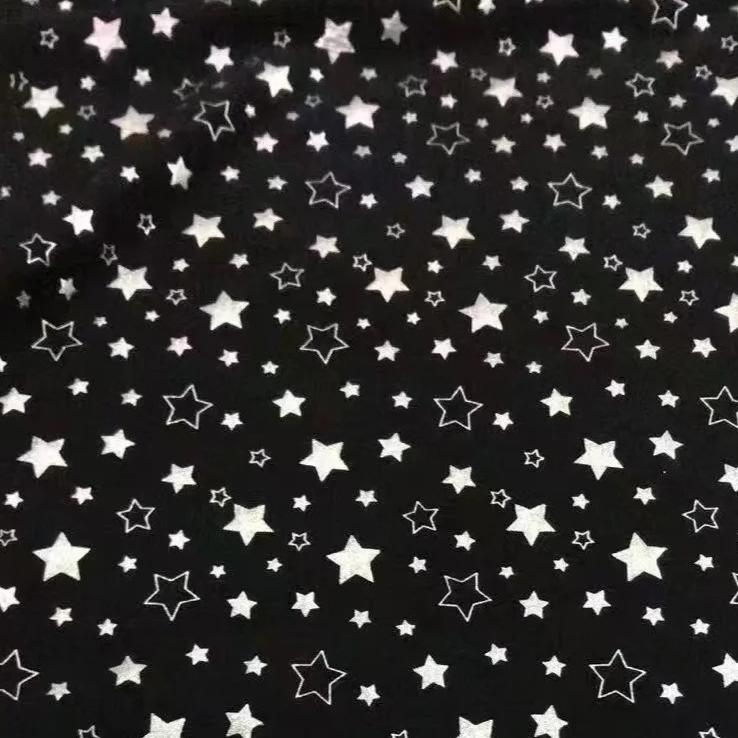
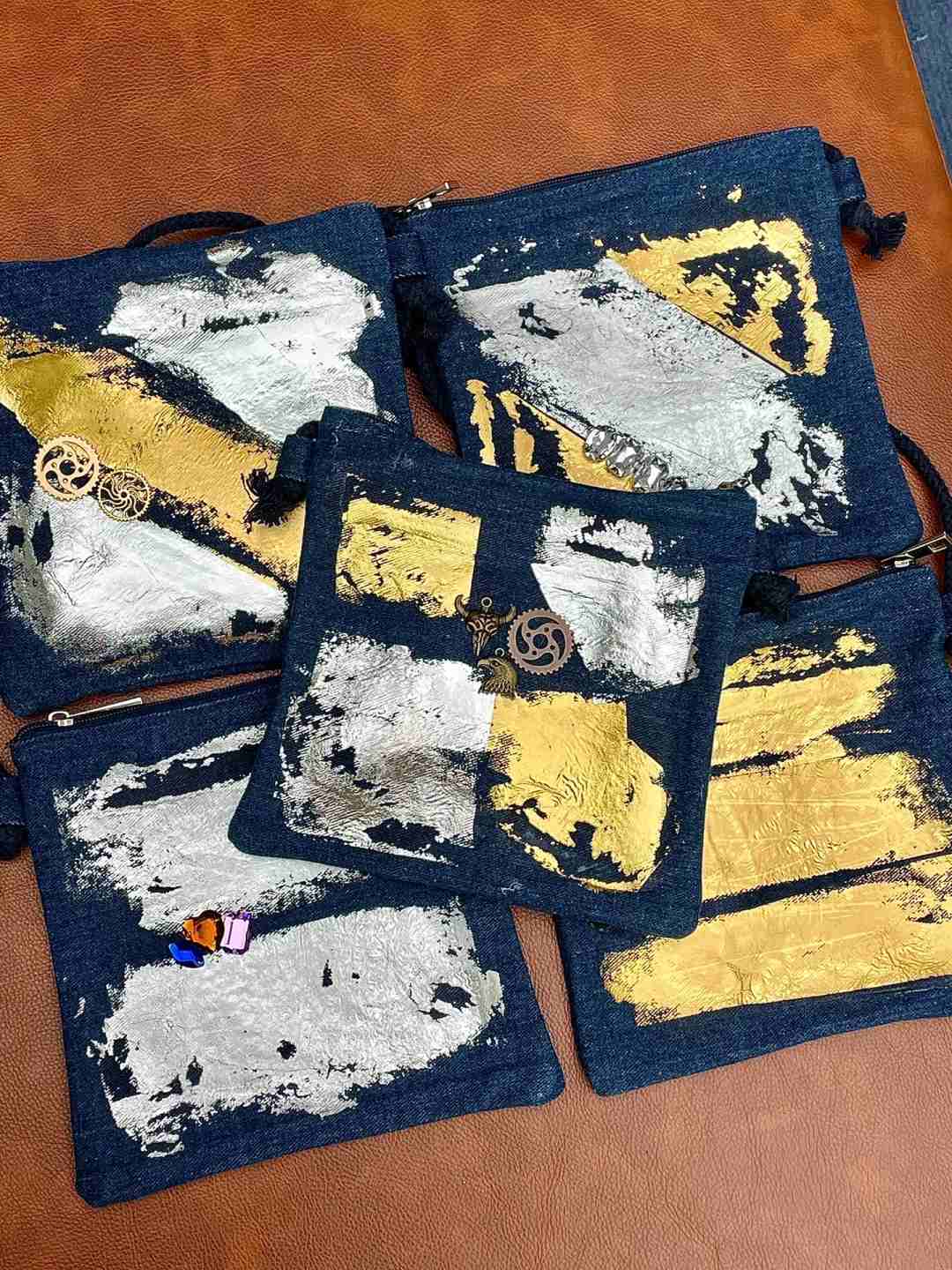
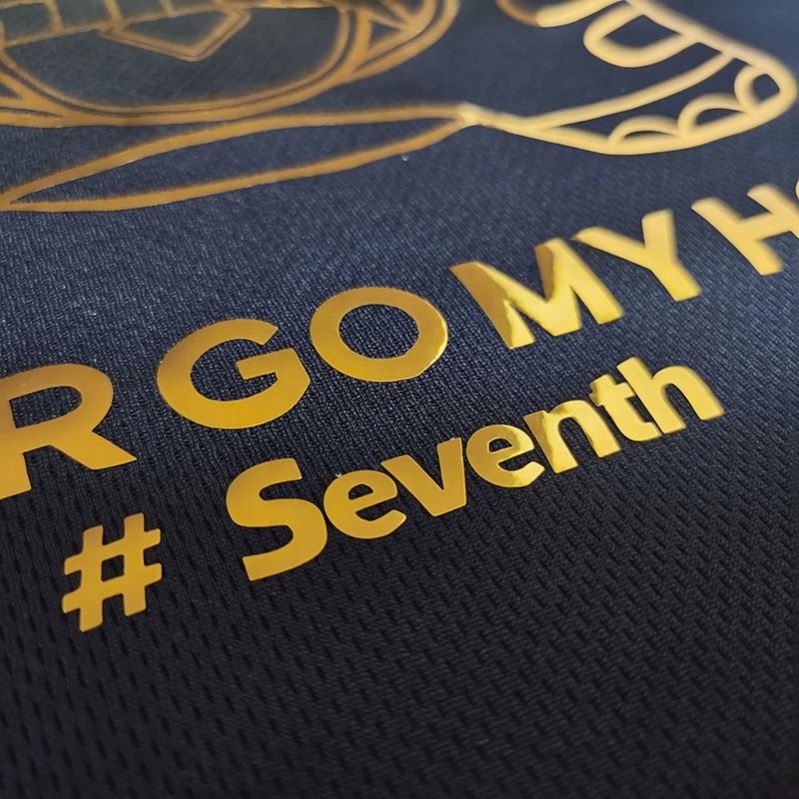
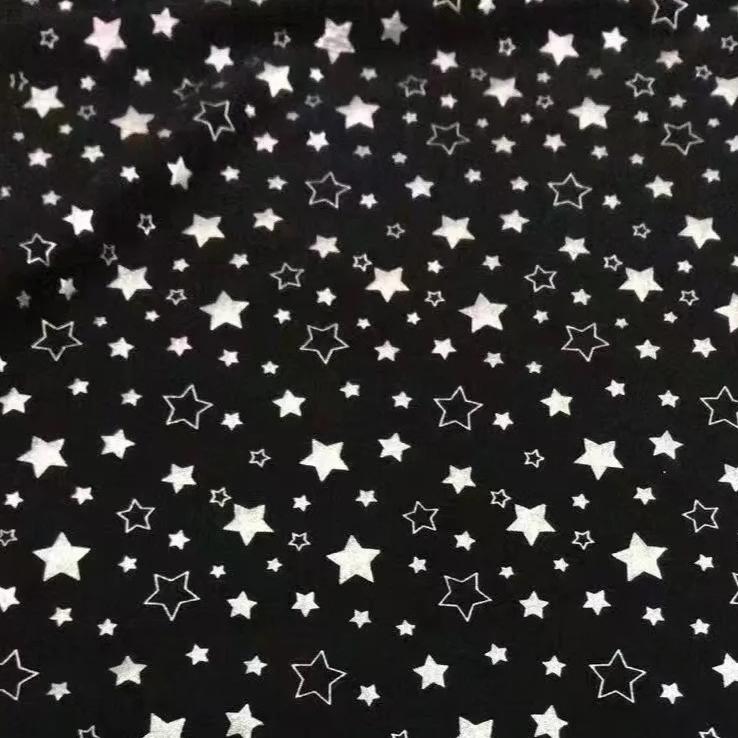
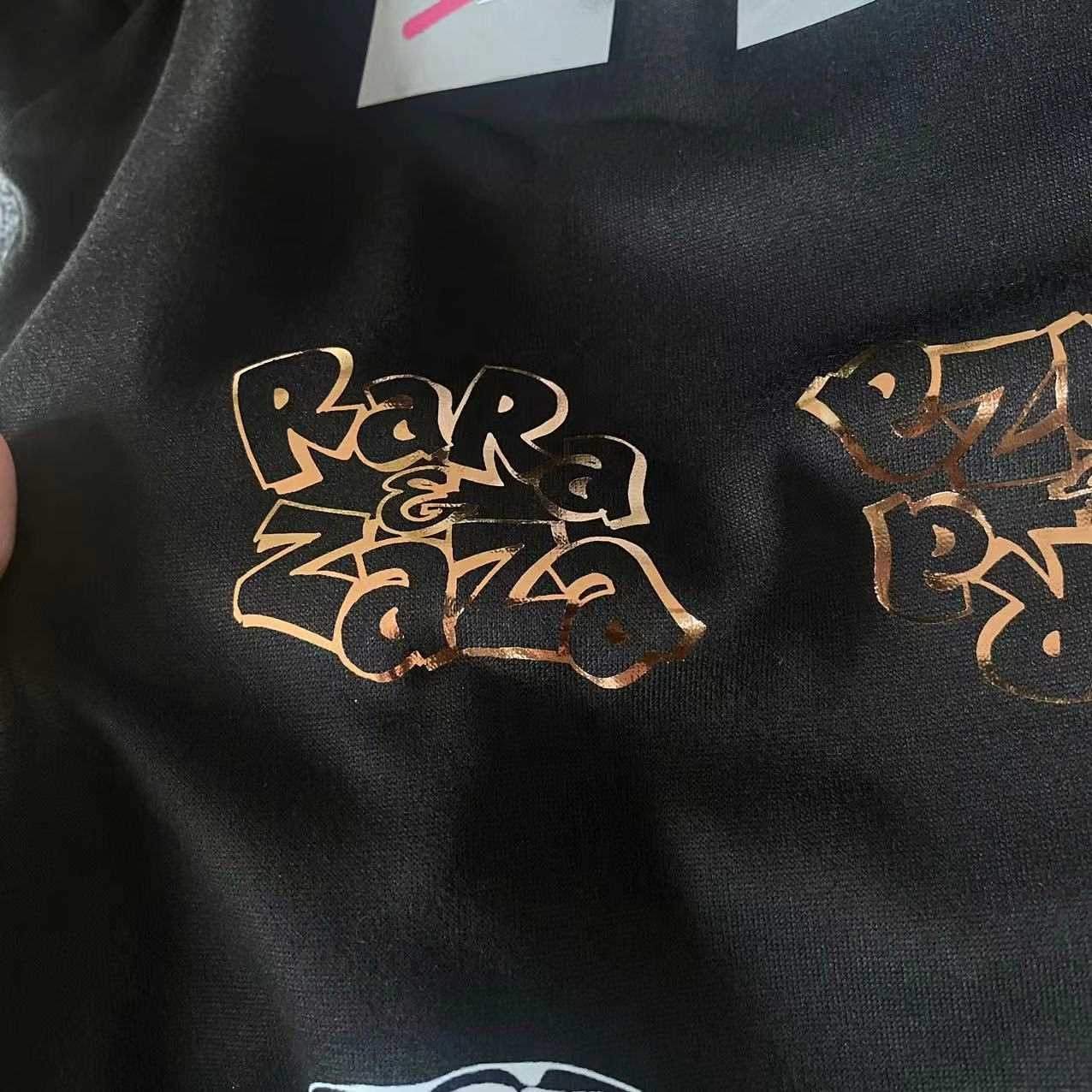
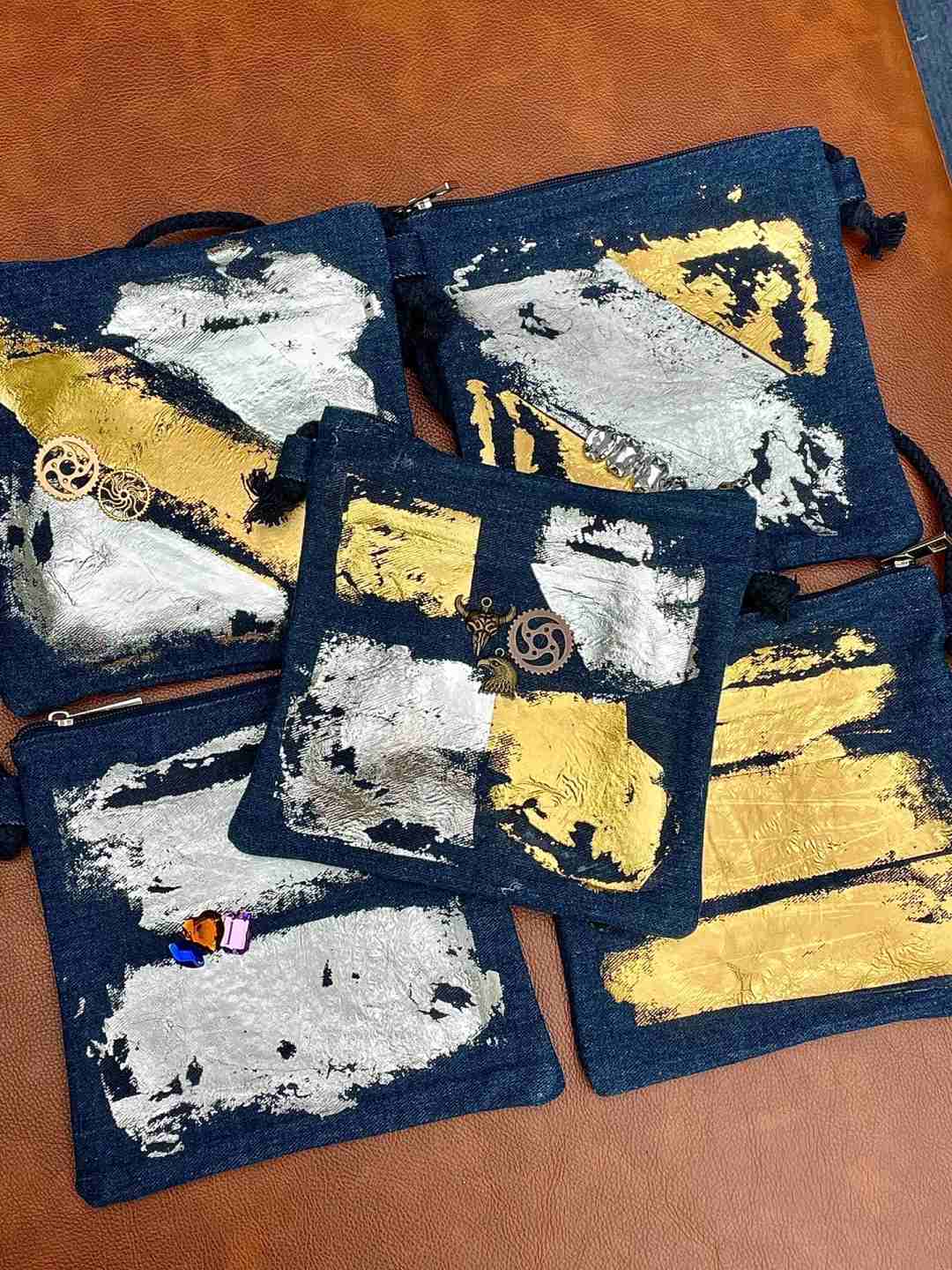
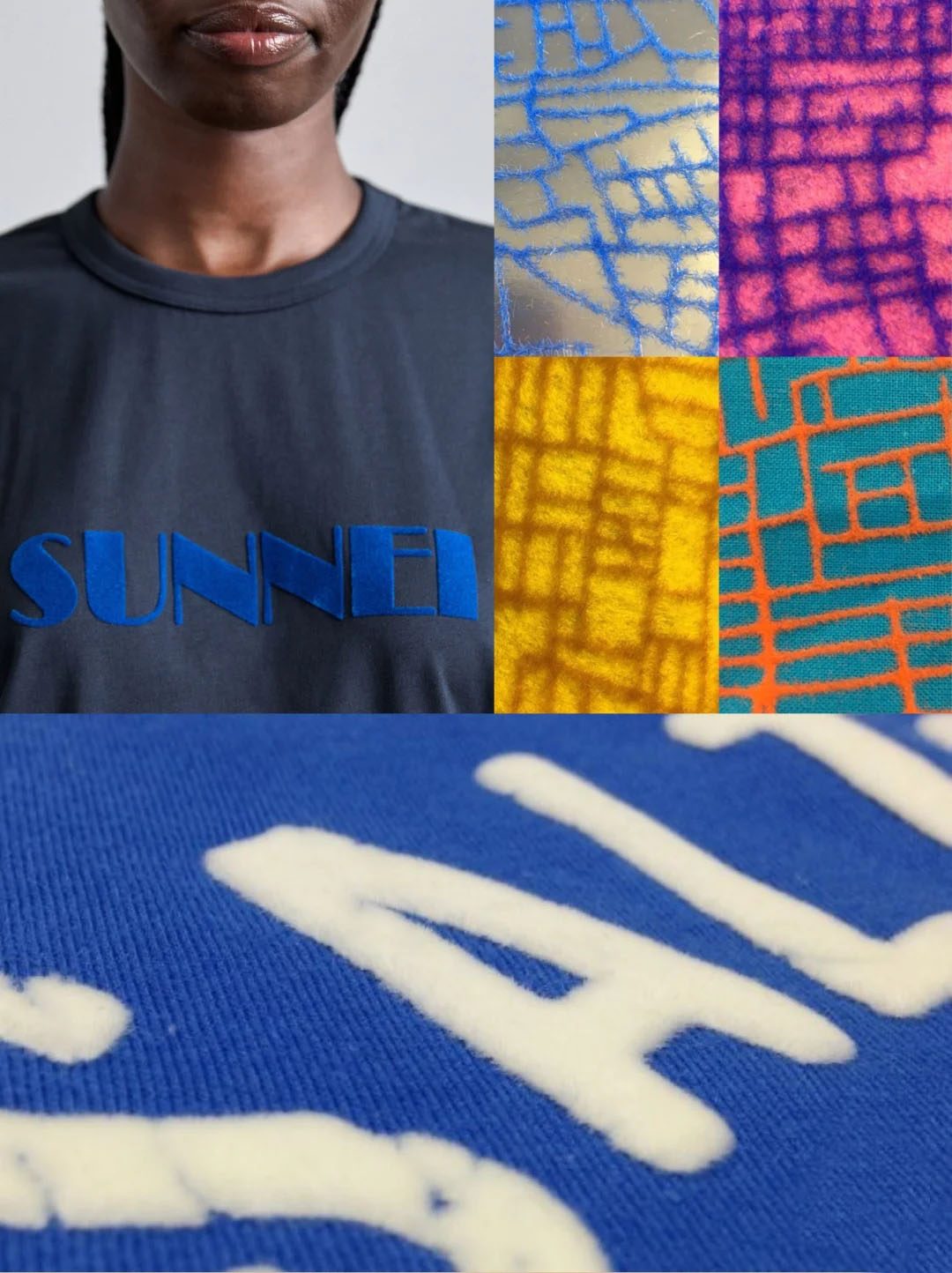
What Makes Foil Print Distinctive
Foil print delivers metallic brilliance and tactile dimension that standard printing cannot match, combining reflective shine with raised texture for premium apparel decoration.
Metallic Reflective Shine
Foil print creates brilliant metallic surfaces that catch light dynamically, delivering eye-catching visual impact impossible with standard ink-based printing methods.
Raised Tactile Finish
The foil application produces a dimensional, raised surface texture that adds premium tactile quality and depth to logos, graphics, and patterns.
Wash-Durable Performance
Properly applied foil print withstands repeated washing cycles while maintaining metallic brilliance, color integrity, and adhesion quality throughout garment lifespan.
Versatile Design Options
Available in gold, silver, holographic, rose gold, copper, and custom metallic colors, foil print suits streetwear graphics, luxury branding, and fashion-forward collections.
Color-Fast Metallic Pigments
Foil print maintains consistent metallic color and reflective properties without fading, oxidation, or discoloration that affects lower-quality metallic decoration techniques.
Fine Detail Precision
Advanced foil application captures intricate line work, small text, complex logos, and detailed graphics with sharp edges and clean metallic coverage.
Compare Printing Techniques for Your Brand
Explore screen printing methods and decoration alternatives to find the right technique for your design, fabric, and production volume.
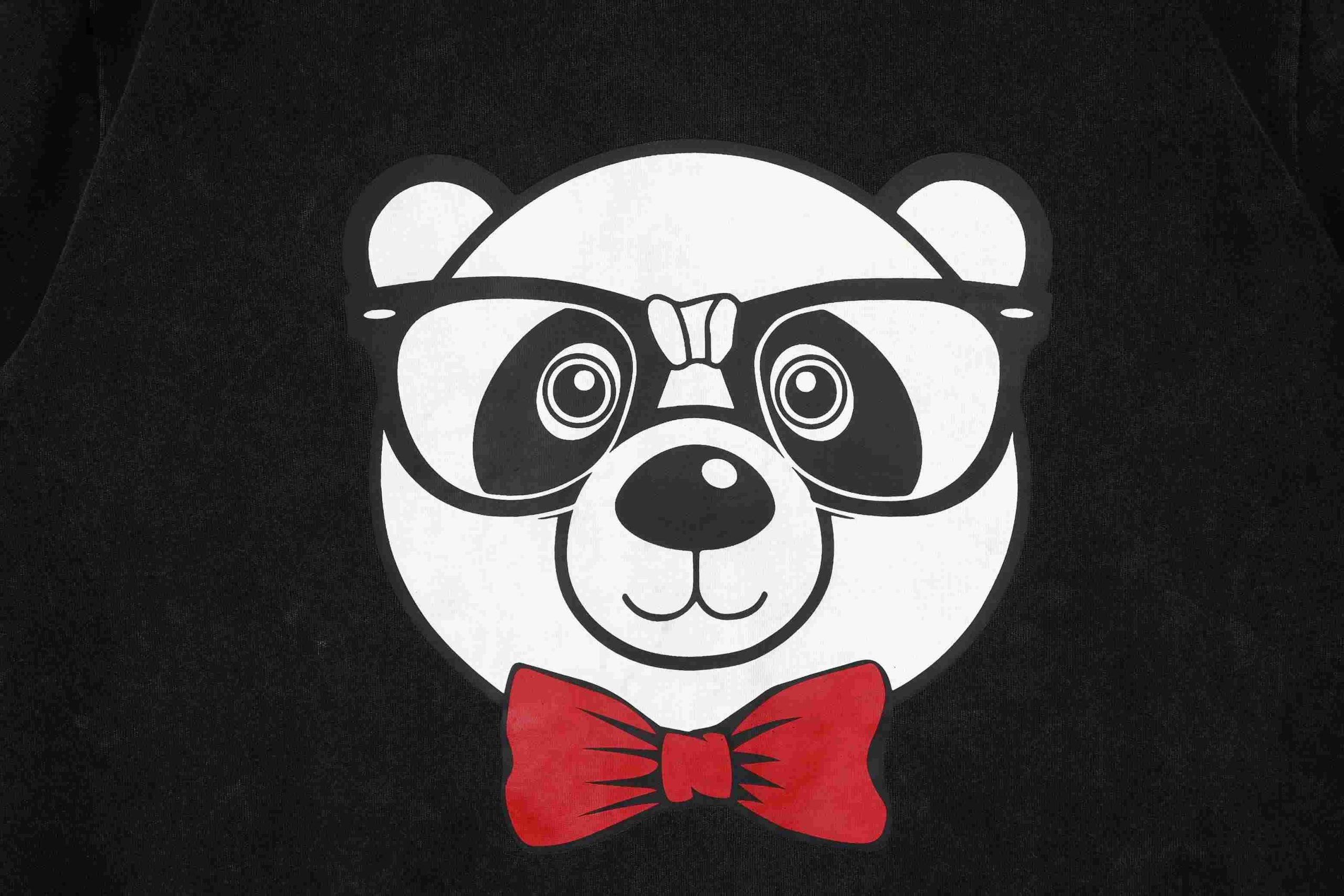
Custom Screen Printing
Our custom screen printing delivers high durability and excellent color performance across hoodies, T-shirts, sweatshirts, and jackets. Ideal for bold logos, large-volume orders, and designs requiring vibrant, long-lasting prints. We support multi-color separations, Pantone matching, and production runs from 50 to 100,000+ units monthly with consistent quality control.
Request a Quote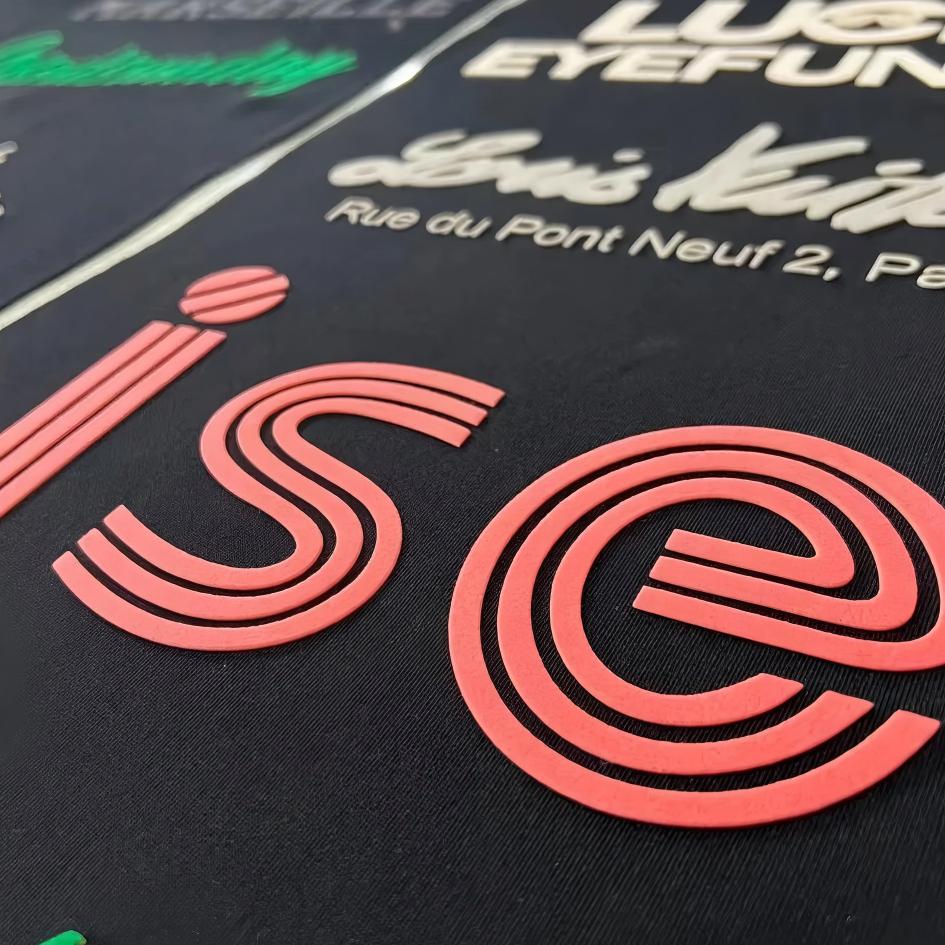
Puff Printing
Custom puff printing creates raised, dimensional graphics perfect for streetwear hoodies, oversized tees, and fashion collections. This technique adds tactile texture to logos and lettering, delivering a premium look popular in urban and athletic apparel. We control foam expansion, stitch compatibility, and print height to ensure durability through washing and wear.
Request a Quote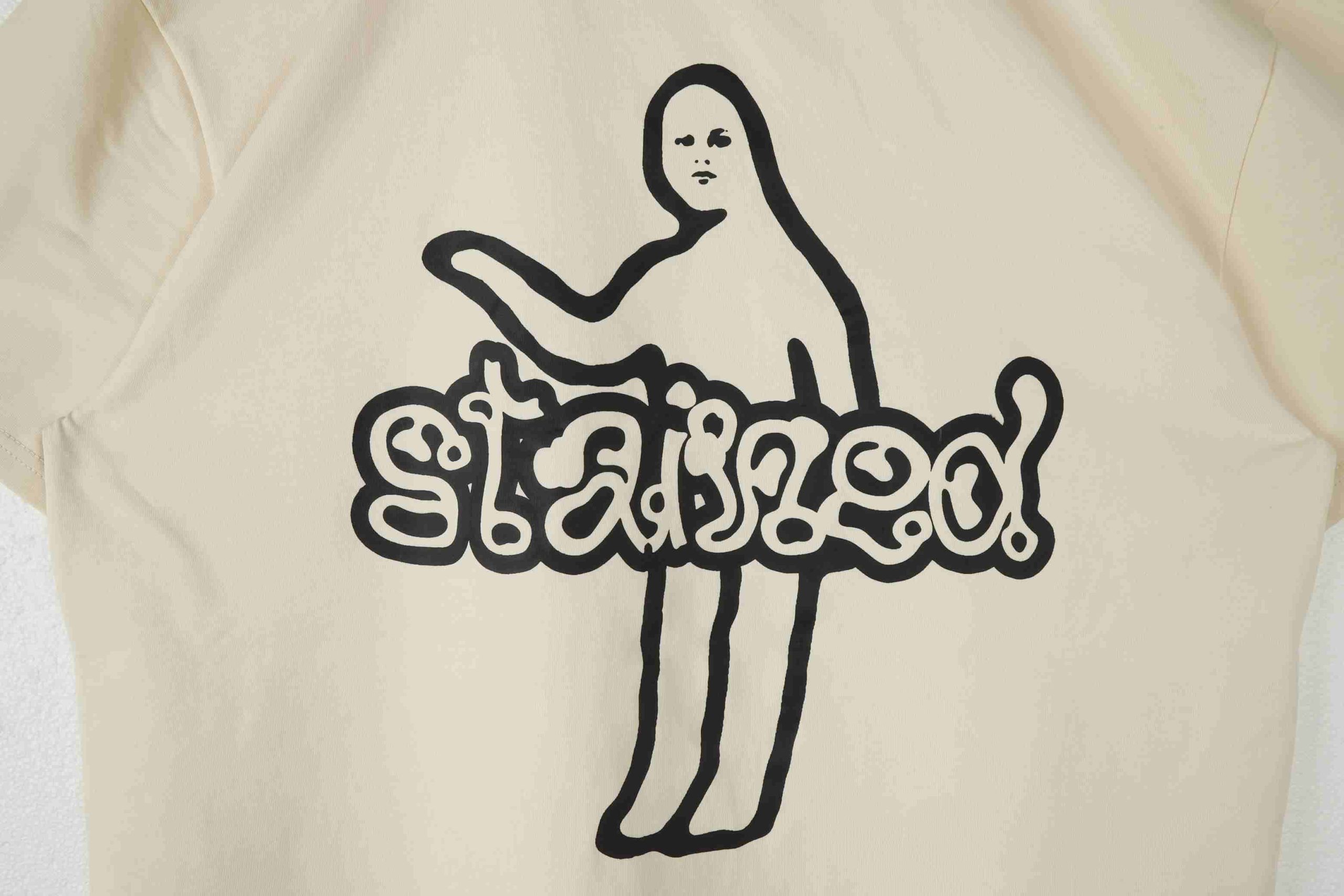
Plastisol Printing
Plastisol screen printing uses thick, opaque inks that sit on top of fabric, providing vibrant colors and excellent coverage on dark garments. This traditional method is cost-effective for medium to large production runs, offers superior color saturation, and works across cotton, polyester blends, and heavyweight jersey. Heat-cured for maximum wash resistance.
Request a Quote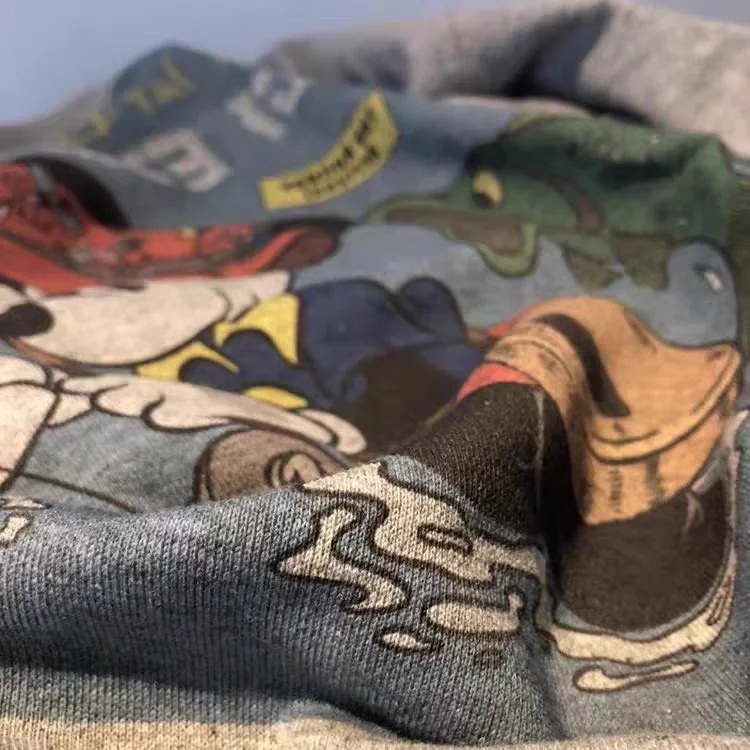
Water-Based Printing
Water-based screen printing penetrates fabric fibers for a softer hand feel and breathable finish, ideal for premium T-shirts, organic cotton apparel, and eco-conscious brands. The ink becomes part of the fabric rather than sitting on top, creating a vintage aesthetic with no heavy texture. Best suited for light to medium-colored garments and sustainable fashion collections.
Get a Quote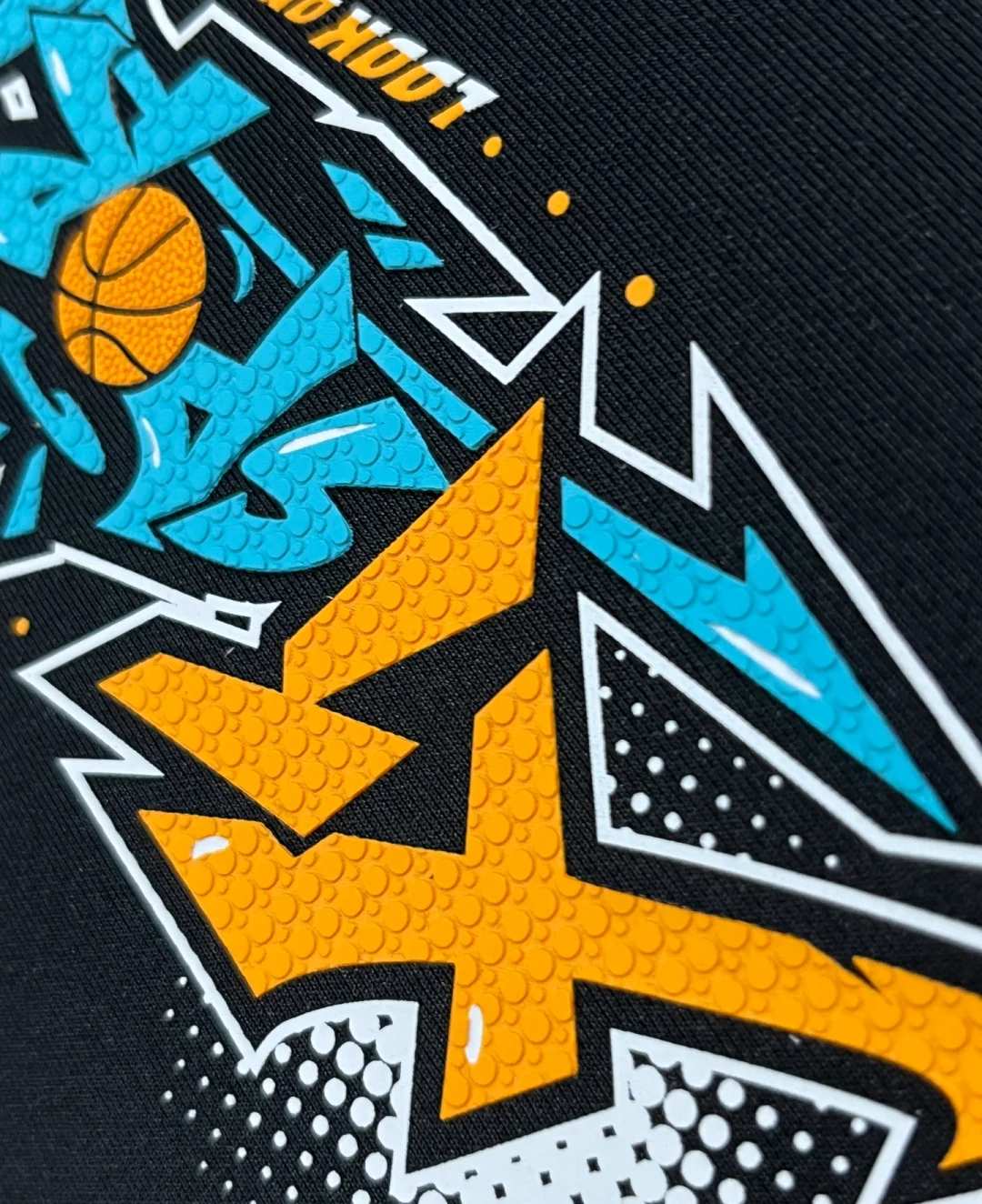
Flocking Printing
Flock printing applies short fiber particles to create a soft, velvety raised surface with a luxurious tactile quality. Popular for fashion hoodies, varsity jackets, and premium casualwear, this technique delivers bold visual contrast and a suede-like texture. We ensure proper adhesive application and fiber density for durability across washing cycles and regular wear.
Get a Quote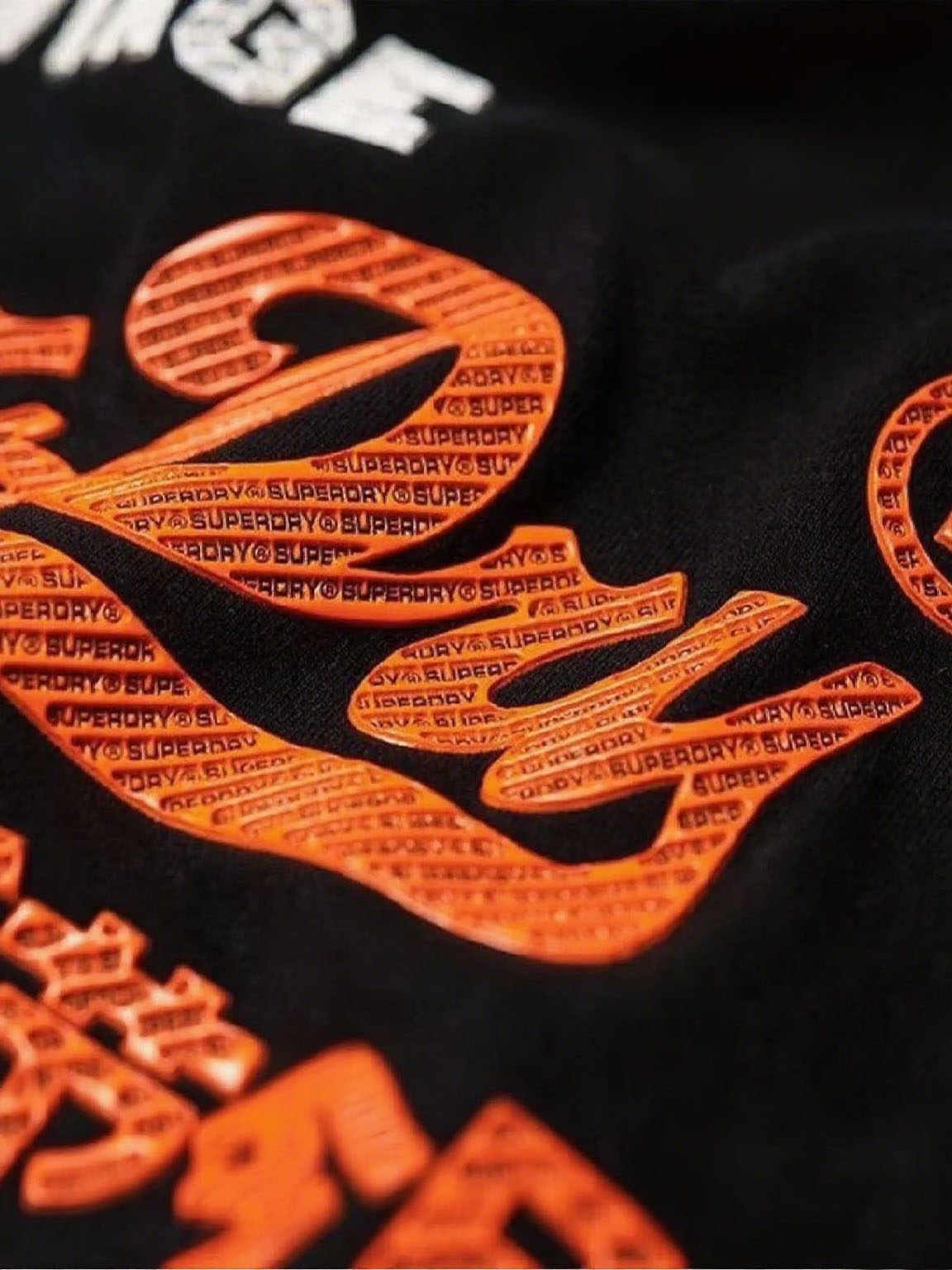
Silicone Printing
Silicone screen printing produces a flexible, glossy raised finish with a rubber-like texture, commonly used for logos, branding elements, and decorative details on activewear and streetwear. This technique offers excellent stretch recovery, maintains flexibility through movement, and resists cracking. Ideal for performance garments, technical apparel, and modern fashion collections requiring durable embellishment.
Get a Quote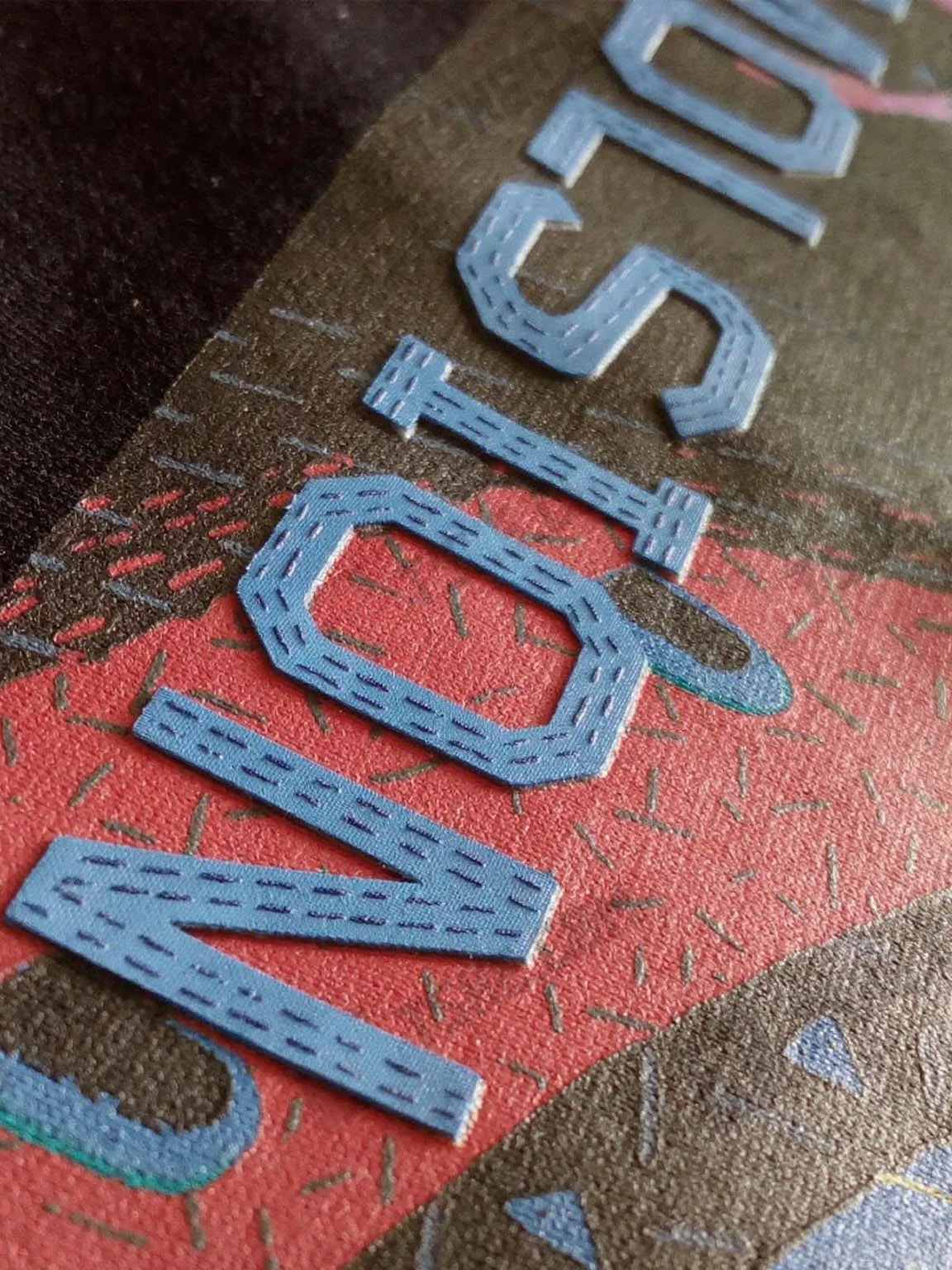
High-Density Printing
High-density printing builds thick, raised ink layers for bold three-dimensional graphics that stand out on hoodies, sweatshirts, and athletic apparel. This technique creates a sculptural effect similar to embroidery but with sharper detail and greater design flexibility. We control ink viscosity and curing processes to ensure the raised elements maintain shape and adhesion through repeated washing.
Get a Quote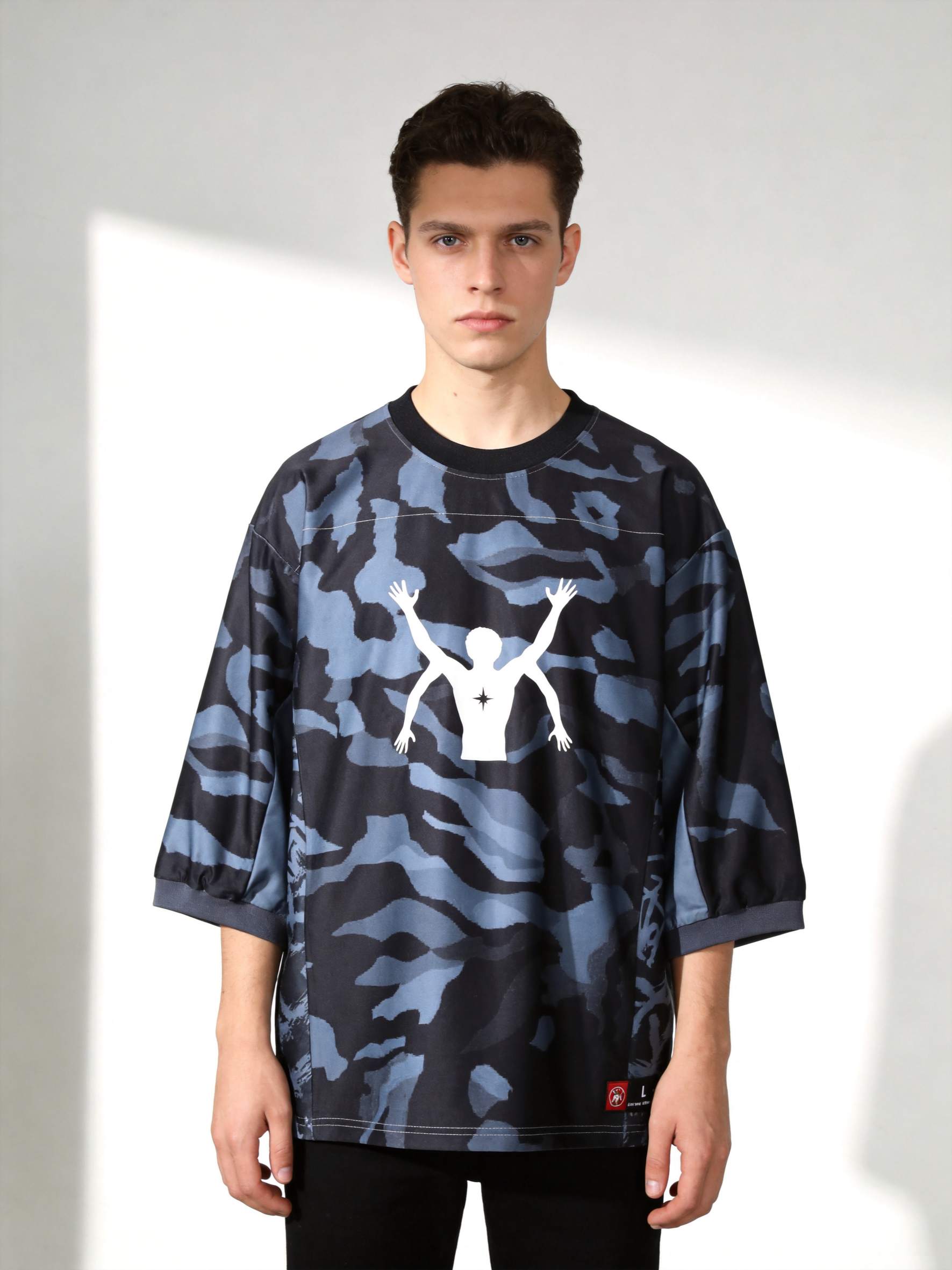
Discharge Printing
Discharge printing removes existing dye from fabric and replaces it with new color, creating a soft, breathable print with no added texture layer. This eco-friendly technique works best on 100% cotton garments, delivering a vintage washed appearance ideal for premium T-shirts and fashion collections. The result is a print that feels like part of the original fabric.
Get a Quote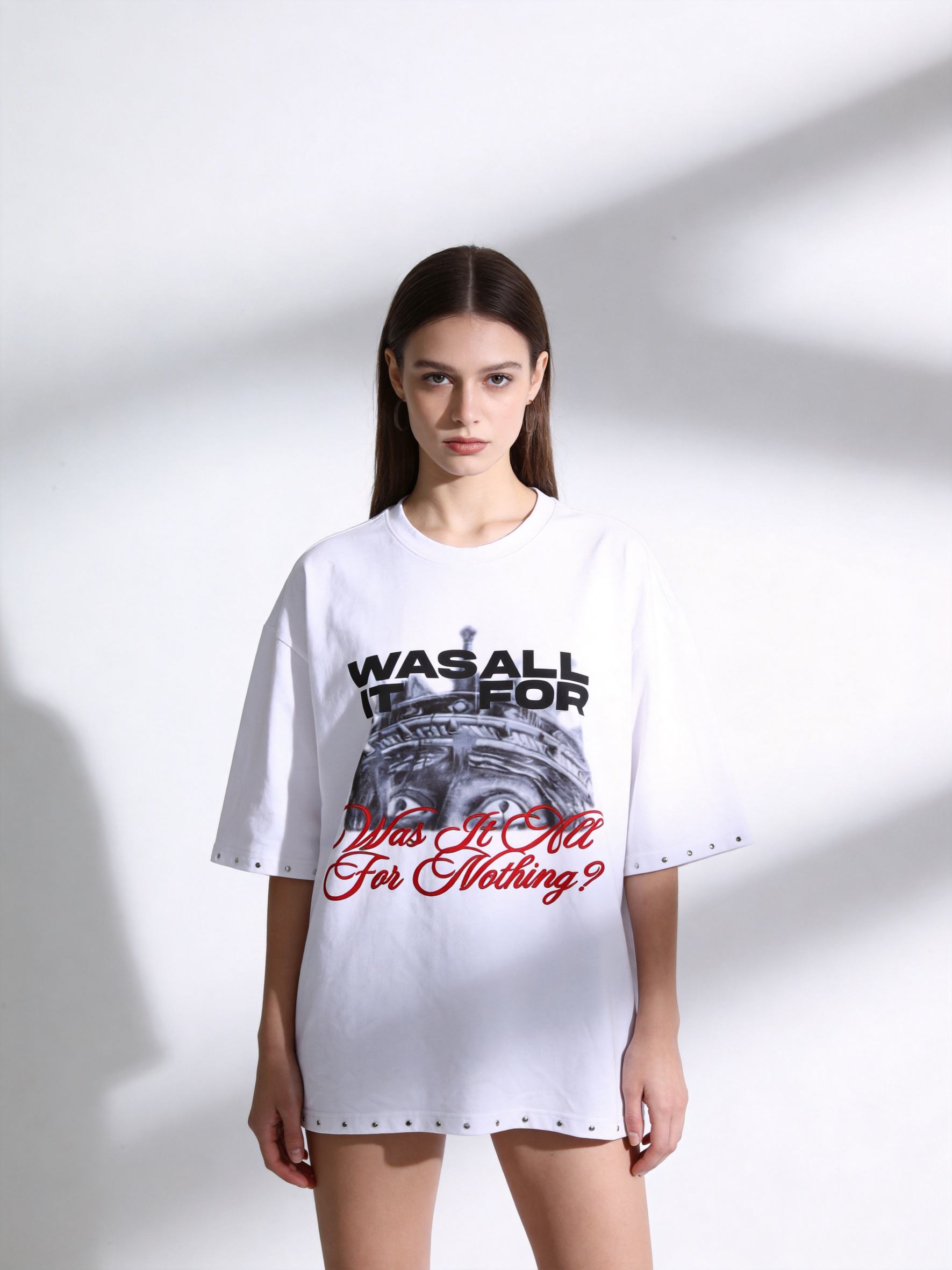
Custom Shirts
Our custom shirt manufacturing spans casual shirts, Hawaiian shirts, resort shirts, bowling shirts, oversized shirts, and fashion cut-and-sew styles using cotton poplin, rayon, linen blends, and viscose. We support full print patterns, embroidery logos, contrast panels, custom sizing, and brand labels with MOQ starting at 50 pieces. Production includes fabric sourcing, sampling, decoration, and quality control.
Get a QuoteZORWILD's Foil Print Expertise
Founded in 1998 in Humen, Dongguan, ZORWILD has spent 27 years perfecting apparel manufacturing and advanced decoration techniques including foil print for metallic finishes. Our team serves over 2,000 global brands with in-house capabilities spanning 95% of modern garment decoration methods, from screen printing and embroidery to specialty metallic foil applications that elevate streetwear, luxury apparel, and branded collections.
Our 200+ skilled workers operate a full-stack production facility with monthly capacity exceeding 100,000 units and a 6-stage quality control system ensuring every foil print detail meets professional standards. Whether you need 50-piece startup runs or large-scale production, ZORWILD delivers consistent metallic visual effects, precise foil adhesion, and reliable turnaround times for influencers, wholesalers, and established fashion brands worldwide.
ZORWILD bridges creative design and scalable production by combining decades of craftsmanship with modern foil printing technology. Our Dongguan factory provides complete one-stop services from fabric sourcing and sampling to bulk production, finishing, and global logistics, making premium foil print apparel accessible and affordable for brands at every stage.

Foil Print Quality & Process Control
Adhesive Chemistry & Heat Application
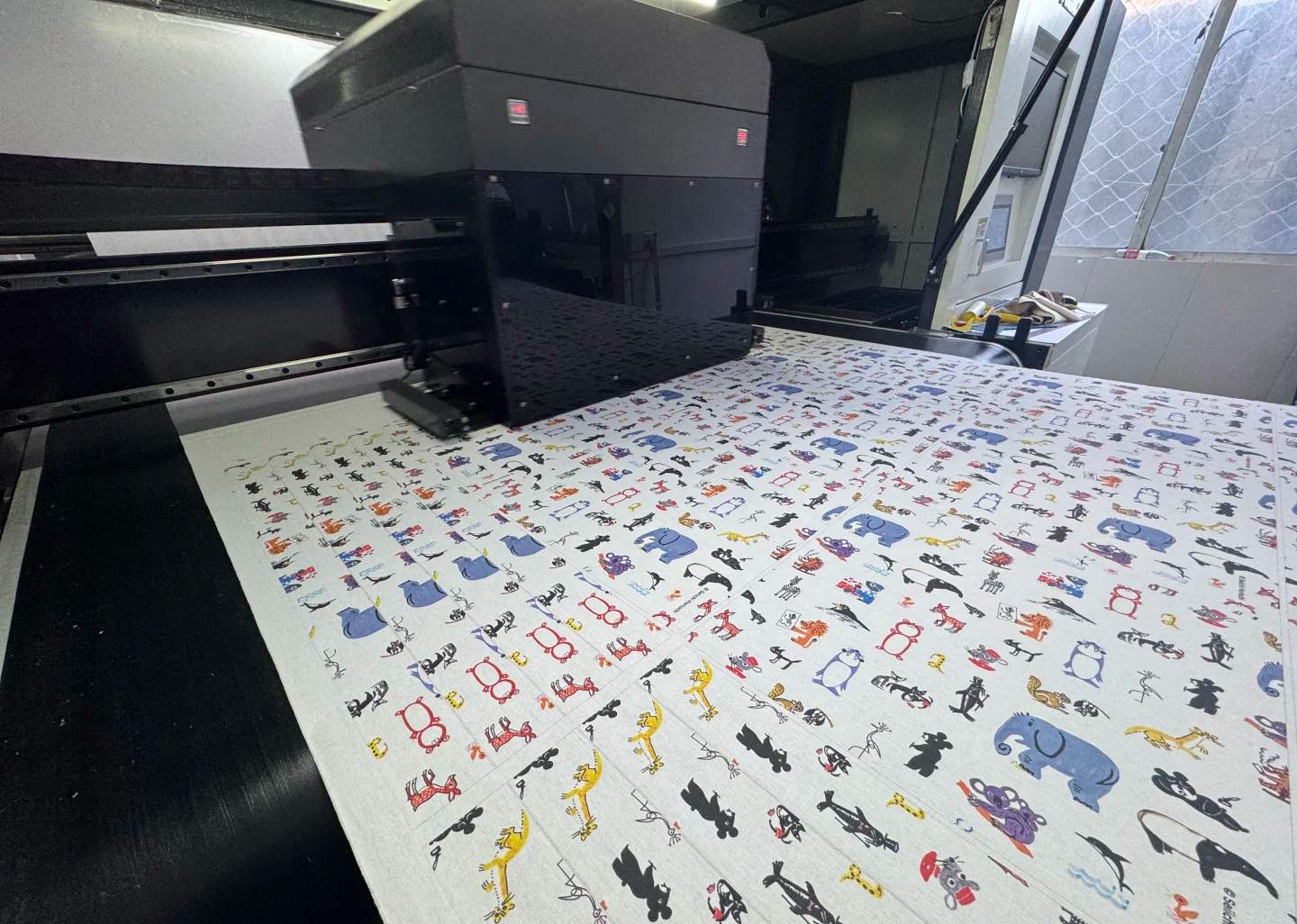
ZORWILD controls foil print adhesion through precise water-based adhesive formulation and calibrated heat press parameters. Our technicians monitor temperature, pressure, and dwell time for every garment type to ensure metallic foil bonds permanently without cracking or peeling during wear and washing.
- Temperature calibrated between 150–170°C based on fabric substrate
- Dwell time optimized for cotton, polyester, and blended materials
- Water-based adhesive tested for wash durability up to 50 cycles
- Real-time heat press monitoring prevents under-curing and over-heating
Substrate Compatibility & Pre-Treatment
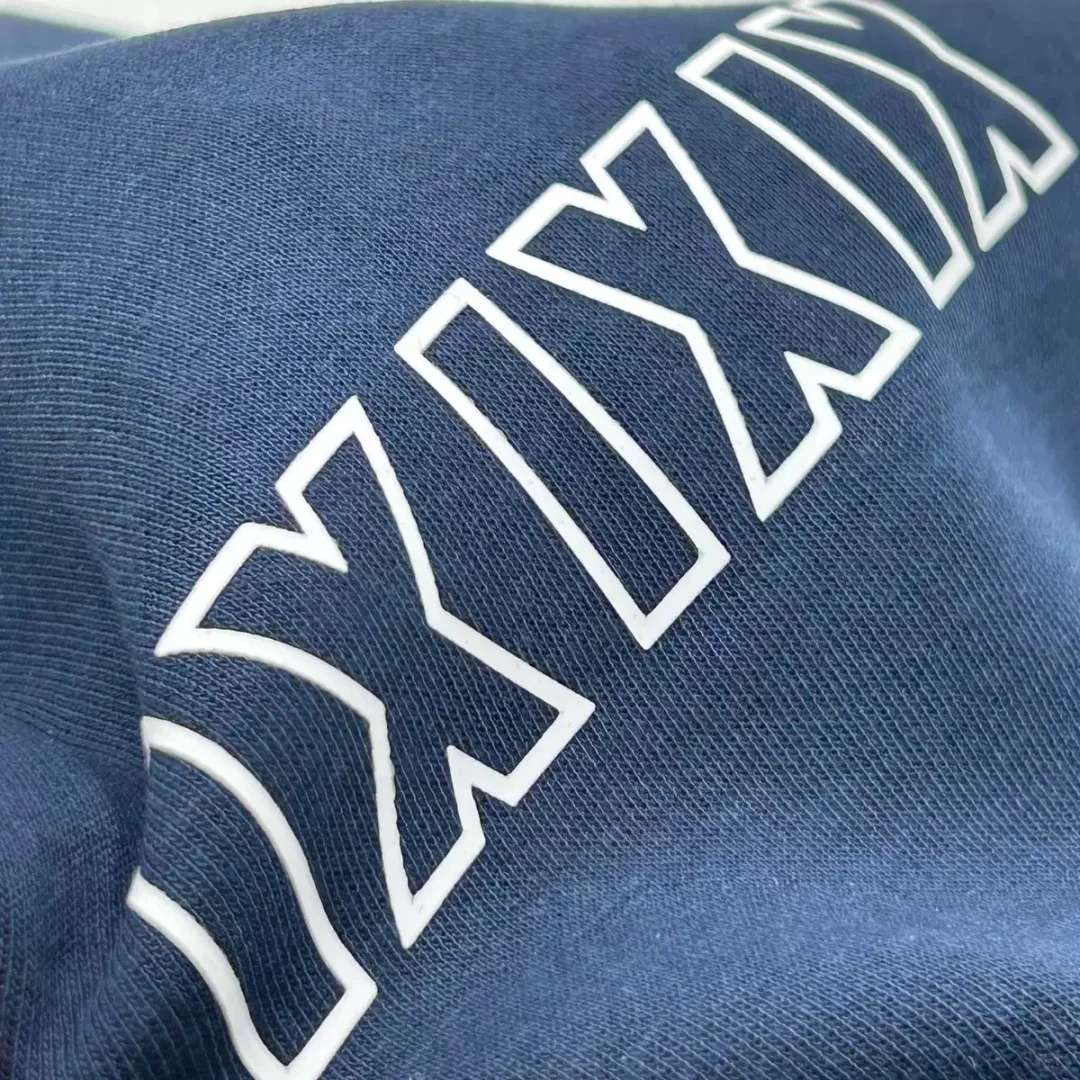
Different fabrics require tailored foil print preparation. ZORWILD evaluates fiber content, weave density, surface texture, and dye method before applying foil to guarantee uniform metallic coverage. Pre-treatment protocols ensure foil adheres cleanly to cotton, poly-blends, fleece, and technical fabrics without ghosting or lift.
- Fabric surface profiling for cotton, polyester, rayon, and blends
- Pre-press conditioning to remove moisture and stabilize fibers
- Custom adhesive viscosity adjusted for knit versus woven substrates
- Test swatches validate foil adhesion before bulk production begins
Color Consistency & Metallic Finish
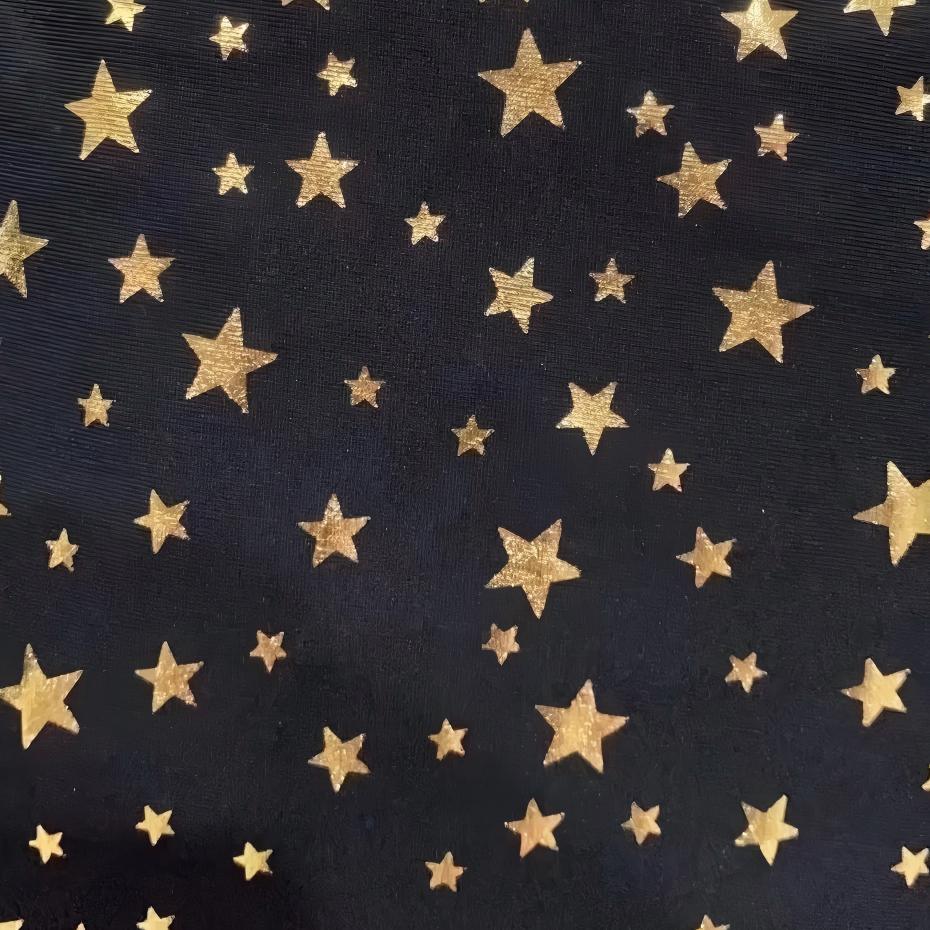
Metallic foil print delivers eye-catching shine, but color accuracy and finish uniformity demand strict process control. ZORWILD sources premium foil rolls in gold, silver, rose gold, holographic, and custom colors, then validates each batch for reflectivity, coverage, and color match against approved standards.
- Foil roll inspection for uniform thickness and reflective quality
- Color matching system ensures batch-to-batch consistency
- Holographic and specialty foils tested for pattern alignment
- Final garment inspection under controlled lighting to verify metallic sheen
Durability Testing & Wash Performance
Premium foil print must survive repeated washing, stretching, and abrasion without losing its metallic luster. ZORWILD subjects every foil print technique to rigorous wash testing, flex testing, and rub resistance evaluation, ensuring your branded apparel maintains visual impact through its entire lifecycle.
- Wash durability validated up to 50 industrial laundry cycles
- Flex and stretch testing simulates real-world garment movement
- Rub resistance measured to prevent foil transfer or flaking
- Care label recommendations based on tested wash and dry parameters
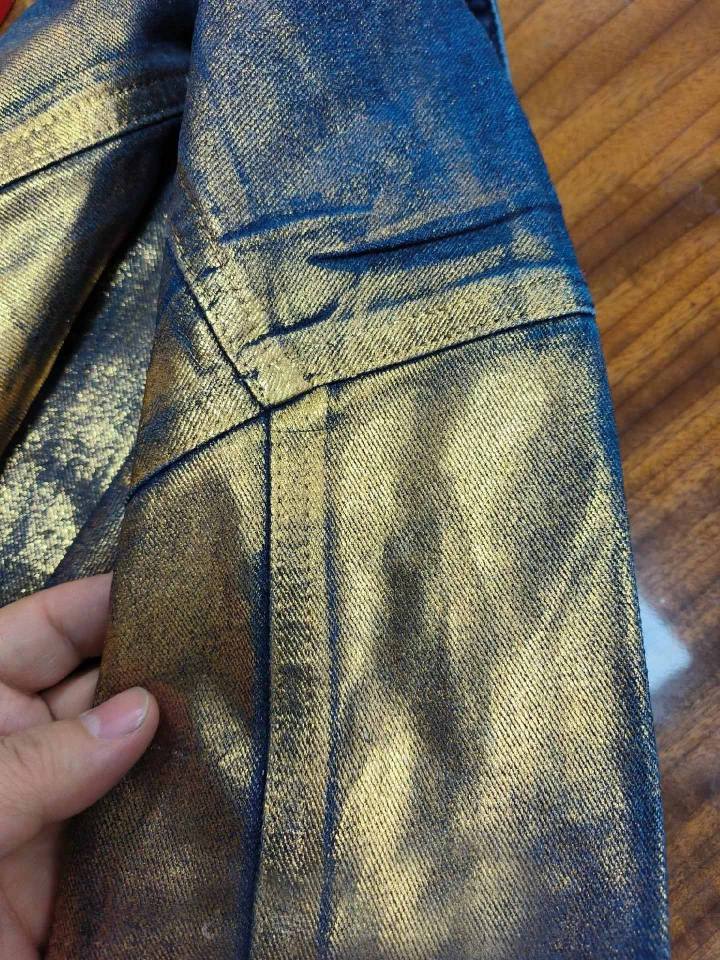
Foil Print vs. Other Metallic & Decoration Techniques
Understanding how foil print compares to alternative decoration methods helps you choose the right technique for your brand’s aesthetic, fabric type, and production goals.
← 左右滑动查看 →
Foil Print Production Flow
Our 27-year manufacturing expertise ensures every foil print order follows a proven six-phase production system—from design preparation to final quality inspection—delivering consistent metallic finishes with precision and reliability.
Design & Artwork Preparation
Your artwork is converted into production-ready files, optimized for foil application areas, metallic coverage, and heat-press compatibility to ensure sharp, clean results.
Garment & Substrate Pre-Treatment
Base garments are inspected and prepared with adhesive polymer or heat-activated base layers to ensure proper foil adhesion and durable metallic finish.
Foil Application & Transfer
Metallic foil sheets are precisely aligned and applied to garments using specialized heat-press equipment, transferring reflective metallic layers onto prepared adhesive areas.
Heat-Press Curing & Bonding
Controlled temperature and pressure settings cure the foil bond, ensuring strong adhesion, consistent shine, and wash durability across all decorated garments.
Quality Inspection & Testing
Each foil print garment undergoes our 6-stage quality control system checking foil coverage, adhesion strength, color consistency, positioning accuracy, and surface finish.
Finishing & Packaging
Approved garments are finished, folded, and packaged with custom labels, hang tags, and branded packaging, ready for shipment to your destination worldwide.
How to Order Foil Print Apparel
From design submission to delivery, ZORWILD guides you through every step of commissioning custom foil print garments with precision and transparency.
Submit Your Design Files
Provide vector artwork, specify foil placement areas, and indicate color separation requirements. Our team reviews file quality and confirms foil compatibility with your garment substrate.
Approve Production Samples
Receive physical samples showcasing foil adhesion, metallic finish quality, and placement accuracy. Request adjustments to foil type, pressure settings, or design positioning before bulk production.
Confirm Production Planning
Finalize order quantity, fabric selection, sizing specifications, and delivery timelines. ZORWILD schedules foil print runs within our 100,000-unit monthly capacity to meet your launch dates.
Receive Quality-Inspected Garments
Your foil print apparel undergoes six-stage quality control including foil durability testing, visual inspection, and packaging verification before global shipping to your destination.
Customer Success Stories: Foil Print Results
ZORWILD delivered 500 foil print hoodies with flawless metallic gold finish. Zero defects, on-time delivery, and the foil survived 15+ washes without cracking. Our customers love the premium look and we’ve already reordered.
We needed foil print T-shirts for a product launch with only 100-piece MOQ. ZORWILD’s color accuracy was 98% match to our Pantone spec, and the metallic rose gold effect elevated our brand perception immediately. Production took just 18 days.
As a wholesaler, consistency matters. ZORWILD produced 2,400 foil print varsity jackets across three shipments with perfect color matching and durability. Their quality control caught issues before shipping, saving us thousands in returns.
Foil Print FAQs
What fabrics work best with foil print?
What is the minimum order quantity for foil print apparel?
How many colors can I use in a foil print design?
Can I combine foil print with embroidery or other printing techniques?
What is the maximum design size for foil print?
How durable is foil print after washing?
What is the lead time for foil print apparel production?
What file format do I need for foil print artwork?
How much does foil print sampling cost?
The Complete Buyer’s Guide to Foil Print for Apparel and Textiles
1. What Is Foil Print and How Does It Work?
Foil print, also known as hot foil stamping or heat-transfer foil application, is a garment decoration technique that bonds a thin metallic or holographic film onto fabric using heat, pressure, and an adhesive layer. The process requires a heat press operating at temperatures between 150°C and 180°C, applying pressure for 10 to 20 seconds to activate a specialized adhesive that permanently transfers the foil layer from its carrier sheet onto the garment surface. Unlike screen printing or DTG, foil print does not absorb into fabric fibers but sits on top, creating a mirror-like metallic finish that reflects light and delivers high visual impact.
The adhesive layer acts as the bonding agent: manufacturers first apply a water-based or plastisol adhesive in the desired pattern using screen printing, then position the foil sheet over the tacky adhesive area and apply heat and pressure through a flat press or rotary machine. Once cooled, the carrier film peels away, leaving only the metallic foil bonded to the adhesive pattern. Common foil colors include gold, silver, rose gold, holographic, copper, and colored metallics, each delivering a premium aesthetic impossible to replicate with standard ink.
Foil print is widely used for luxury streetwear branding, event merchandise, promotional apparel, fashion logo applications, and high-end graphic tees where brands want to differentiate with a premium metallic effect. ZORWILD supports foil printing as part of its advanced garment decoration capabilities, enabling brands to add metallic visual effects to hoodies, T-shirts, sweatshirts, and jackets with low MOQ production starting from 50 pieces.
2. Evolution and History of Foil Print in Fashion
Foil printing originated in the 15th century as a bookbinding technique, where gold leaf was pressed onto leather covers to signify prestige and craftsmanship. By the early 20th century, packaging industries adopted heat-activated foil transfer for labels, boxes, and cosmetic containers, establishing the core hot-stamping method still used today. The technique remained confined to paper and rigid substrates until textile manufacturers began experimenting with flexible adhesives in the 1980s.
Between 1985 and 1995, fashion brands in Europe and North America introduced foil print onto garments as a premium alternative to screen printing, targeting luxury streetwear and high-end casualwear markets. Early textile foil applications required specialized heat presses, limiting adoption to large-scale manufacturers with minimum order quantities above 1,000 units. The introduction of digital foil transfer systems in the early 2000s reduced setup costs and enabled smaller production runs, making metallic finishes accessible to independent designers and startup brands.
After 2010, water-based and solvent-free adhesive formulations improved washability and environmental compliance, aligning foil print with OEKO-TEX and eco-conscious brand standards. Today, manufacturers like ZORWILD offer foil print services starting from 50-piece MOQs, combining traditional hot-stamping precision with modern low-MOQ flexibility. This evolution positions foil print as a strategic branding tool for influencers, small wholesalers, and established labels seeking metallic visual impact without the cost barriers of embroidery or woven patches.
3. Types of Foil Print Techniques and Finishes
Foil print encompasses four primary application methods, each with distinct equipment, substrate compatibility, and volume economics. Understanding these techniques ensures buyers align decoration choice with brand positioning, order scale, and durability expectations.
Hot Stamping (Die-Based Foil Print)
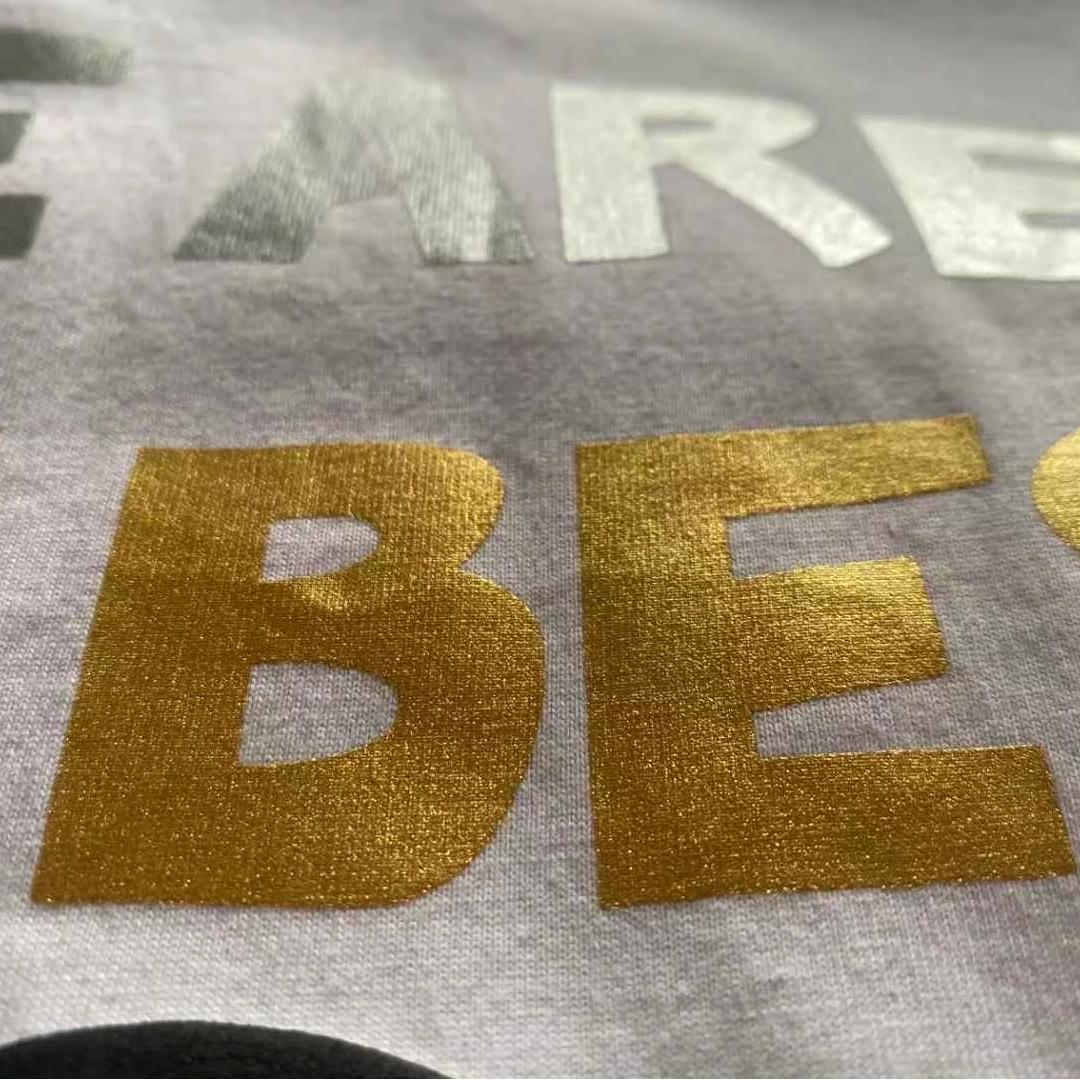
Hot stamping uses heated metal dies to press foil onto fabric under pressure. Dies require upfront tooling costs ($50–$200 per design), making this method ideal for orders above 500 units where per-piece costs drop significantly.
Best substrates include cotton, polyester blends, and French terry with smooth surfaces. Durability is excellent — properly applied hot foil resists 30+ wash cycles without peeling when garment care instructions are followed. ZORWILD uses hot stamping for large-scale hoodie and T-shirt collections requiring consistent metallic branding.
Digital Foil Transfer and Cold Foil
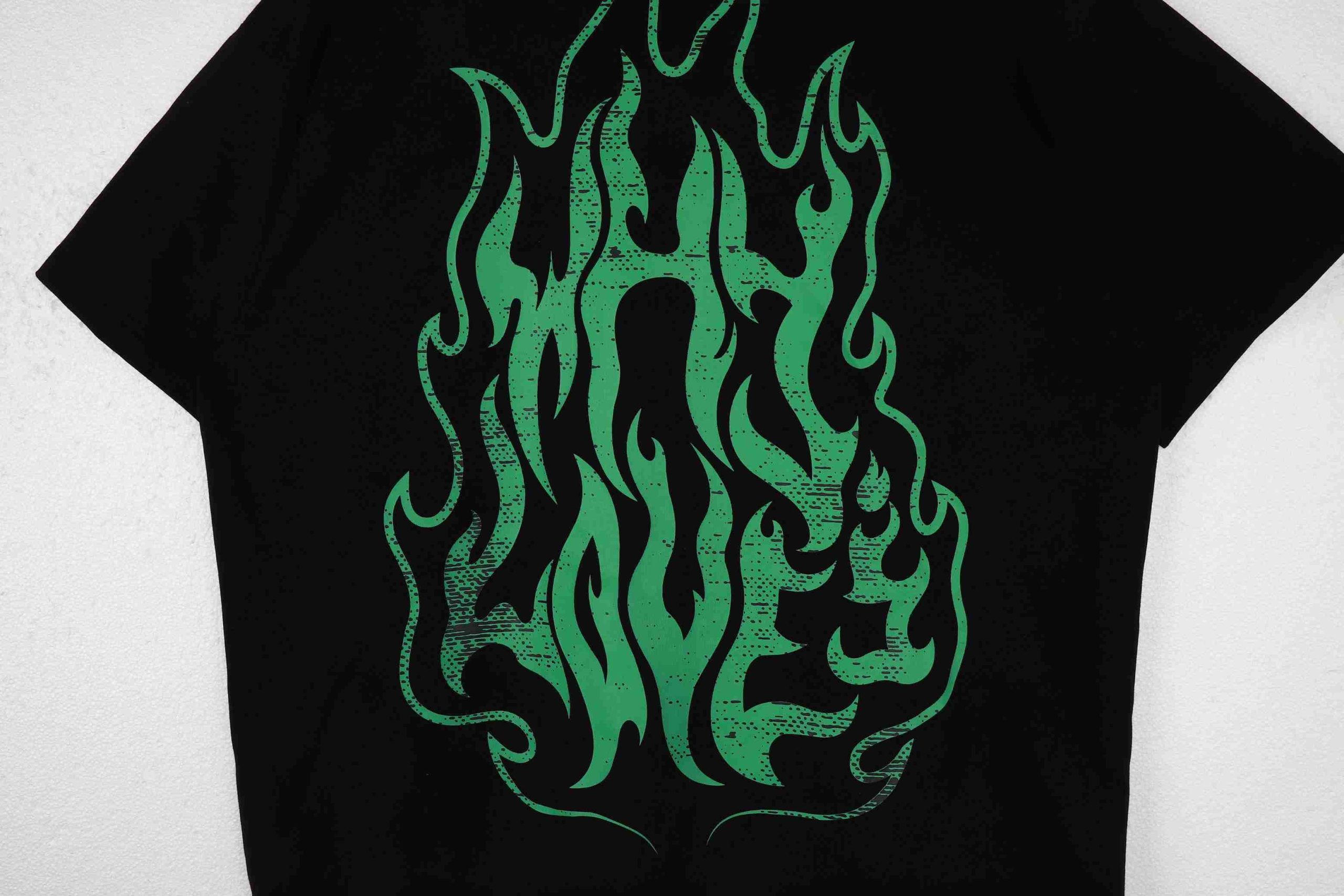
Digital foil transfer applies adhesive via inkjet or screen printing, then heat-presses foil sheets without dies. Cold foil uses UV-cured adhesive for instant bonding. Both methods eliminate die costs, making them cost-effective for orders starting at 50–200 pieces.
These techniques suit complex graphics, gradients, and multi-color foil designs on cotton, poly-cotton, and performance fabrics. Durability ranges from 15–25 washes depending on adhesive quality and garment finishing.
Foil Finish Types and Brand Aesthetics
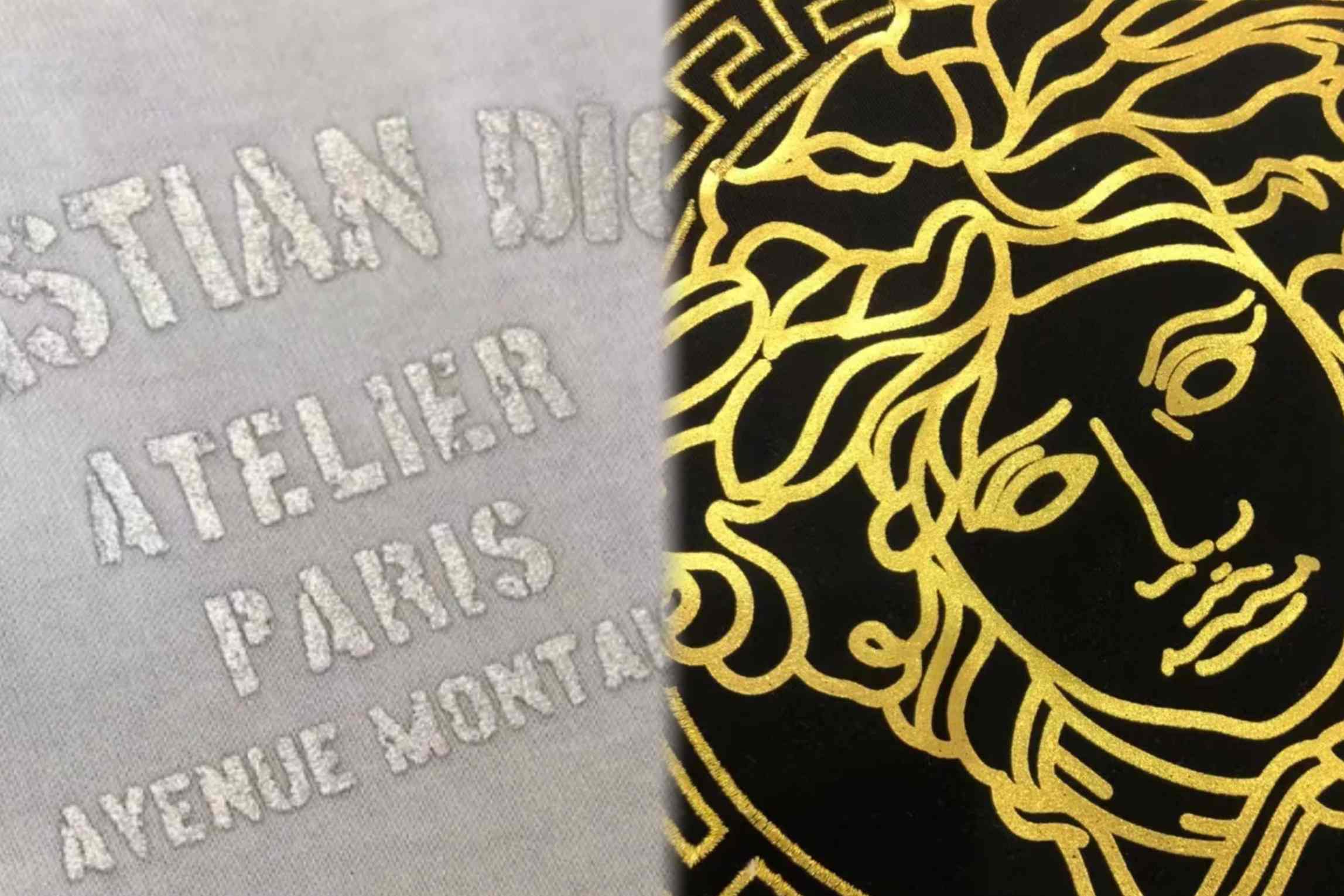
Metallic foils — gold, silver, rose gold — deliver premium luxury appeal for streetwear and athleisure brands. Holographic foils create iridescent rainbow effects popular in festival wear and youth fashion. Matte metallic and colored foils (red, blue, green) offer subtle differentiation for minimalist or technical collections.
ZORWILD stocks 20+ foil finishes and recommends pairing gold foil with heavyweight hoodies, holographic with oversized tees, and matte metallic with performance sportswear to maximize visual impact and brand recognition.
4. Materials and Fabrics Compatible with Foil Print
Foil print adhesion depends heavily on fabric structure, surface smoothness, and fiber composition. Smooth, tight-weave fabrics provide the best bonding surface for heat-activated foil adhesives, while high-stretch or moisture-wicking textiles present adhesion challenges.
| Fabric Type | Foil Adhesion | Wash Durability | Typical Garment Categories |
|---|---|---|---|
| 100% Cotton Jersey | Excellent | 30+ cycles | T-shirts, hoodies, sweatshirts |
| Cotton-Polyester Blend | Excellent | 35+ cycles | Fashion tees, casual shirts, sportswear |
| Polyester (pre-treated) | Good | 25–30 cycles | Activewear, jackets, technical apparel |
| Fleece (brushed) | Fair | 20–25 cycles | Hoodies, sweatshirts, loungewear |
| High-Stretch Knits (>10% spandex) | Poor | 10–15 cycles | Leggings, fitted tops (not recommended) |
| Canvas / Twill | Excellent | 40+ cycles | Jackets, bags, workwear, bottoms |
Best Fabric Bases for Foil Print
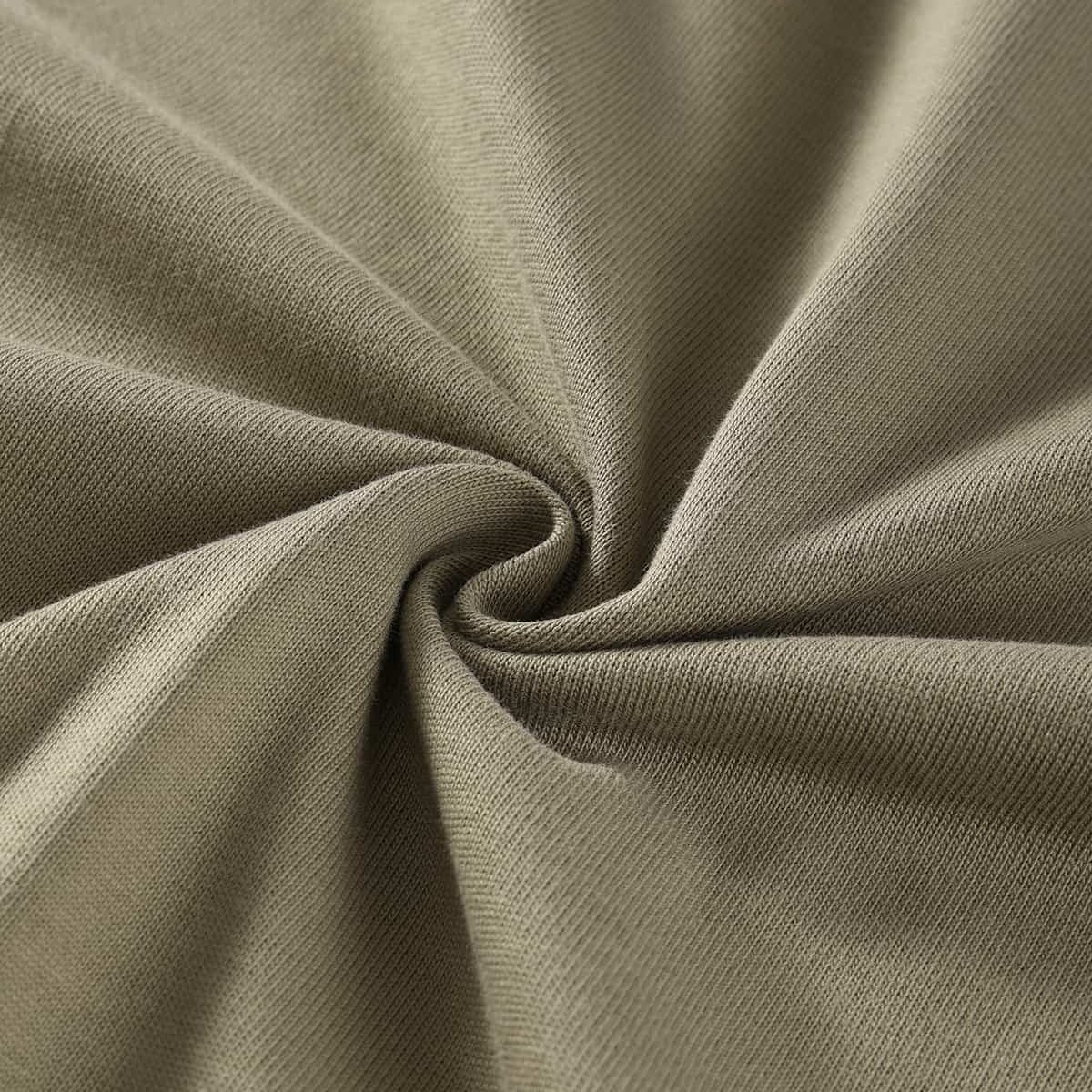
Cotton and cotton-blend jerseys deliver excellent foil adhesion due to their stable surface and heat tolerance. 100% cotton, 95/5 cotton-spandex, and cotton-polyester blends in 180–220 GSM weights are ideal for T-shirts, hoodies, and sweatshirts with foil print.
Polyester fabrics accept foil well when pre-treated with adhesion primers, commonly used in sportswear and fashion outerwear. Canvas and heavyweight twill (280–350 GSM) provide superior durability for jackets, tote bags, and workwear applications.
Fabrics That Pose Challenges
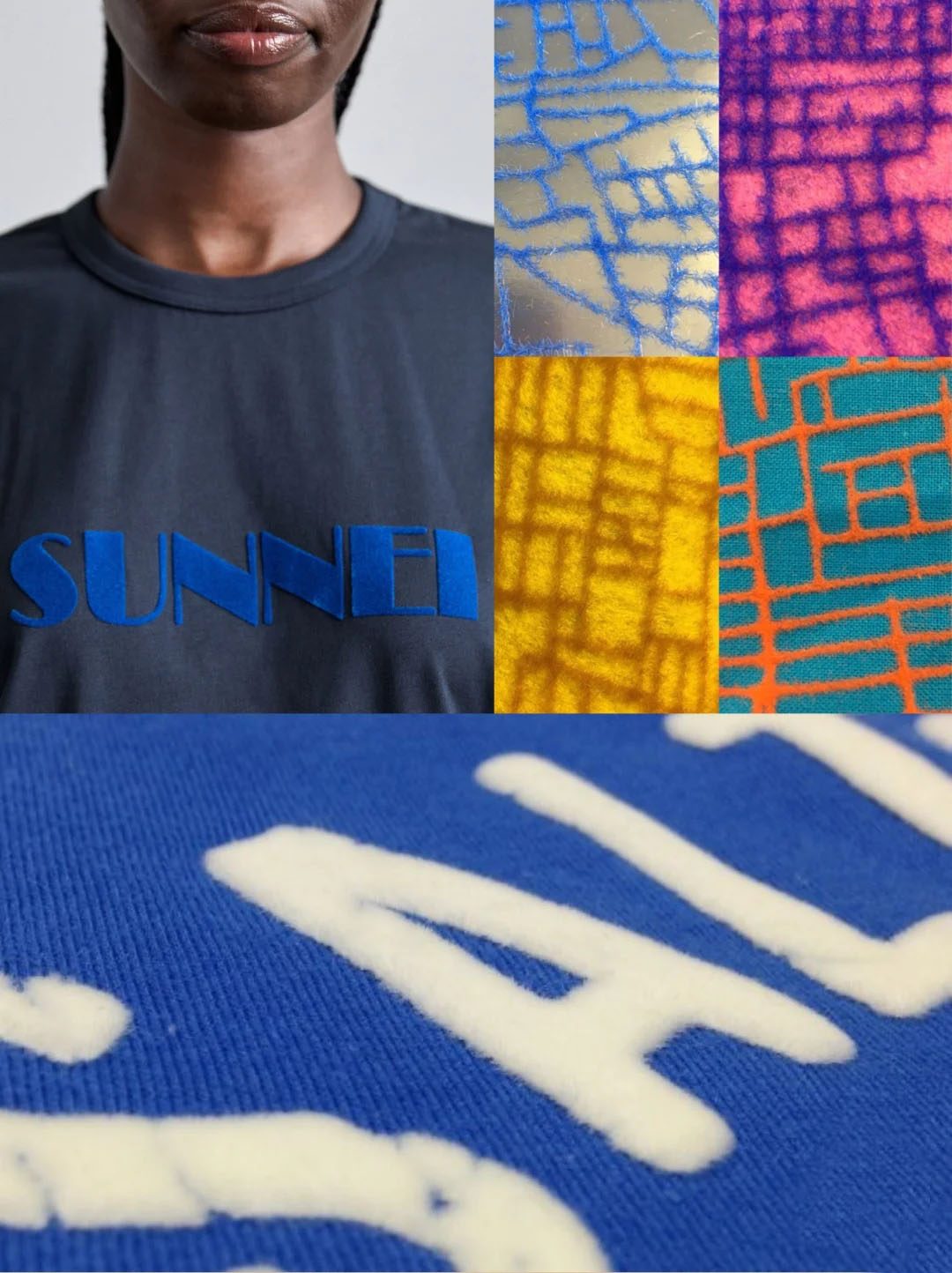
High-stretch knits with more than 10% spandex content cause foil cracking during wear due to fabric elongation. Technical moisture-wicking fabrics with chemical coatings interfere with adhesive bonding and require specialized foil adhesives or surface pre-treatment.
Fleece and brushed fabrics trap air in their raised surface, reducing foil contact area and adhesion strength. ZORWILD applies heat-press flattening or surface shaving before foil application on these materials to improve bonding.
Pre-Treatment and Weight Considerations
Fabrics heavier than 250 GSM require extended heat-press dwell time (8–12 seconds vs. 4–6 seconds) to ensure full foil transfer. Lightweight fabrics below 160 GSM risk scorching and need lower temperature settings (150–160°C vs. 170–180°C).
Pre-washing removes sizing agents and fabric softeners that block foil adhesion. ZORWILD inspects all incoming fabrics for surface contaminants and applies adhesion primers when necessary to guarantee wash durability exceeding 30 cycles.
5. Customization and Decoration Options for Foil Print Apparel
Foil print offers extensive design flexibility for brand differentiation, from single-color logos to multi-layer mixed-media applications. Understanding artwork requirements, registration tolerances, and decoration pairing strategies ensures optimal visual impact and production efficiency.
| Decoration Method | Setup Cost | Visual Impact | Wash Durability |
|---|---|---|---|
| Foil Print (solo) | $80–150 | High metallic shine | 30–50 washes |
| Foil + Screen Print | $150–250 | Layered depth | 30–40 washes |
| Foil + Embroidery | $200–300 | Premium texture | 50+ washes |
| Foil + Puff Print | $180–280 | 3D dimensional | 25–40 washes |
Logo Foiling and Text Applications
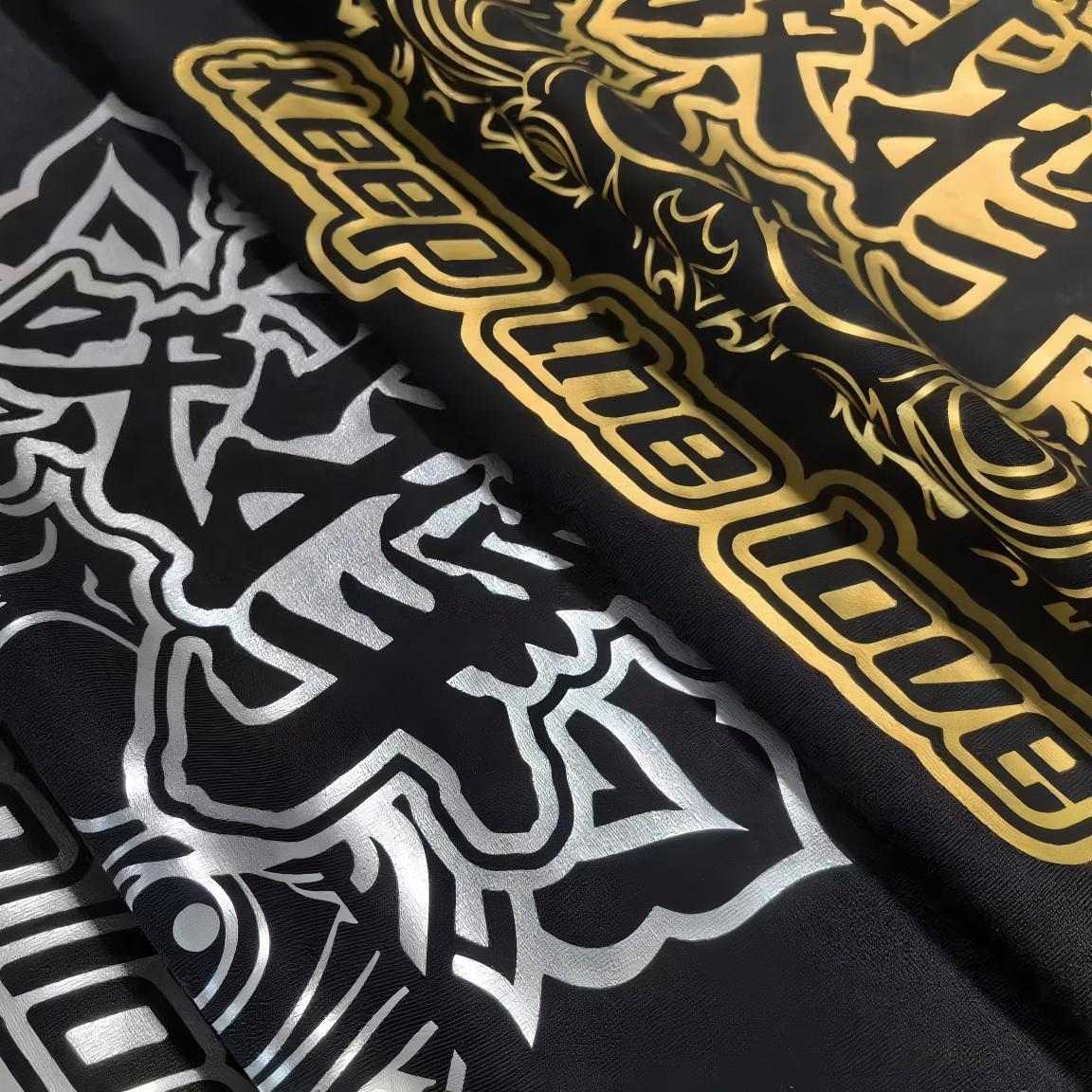
Vector artwork is mandatory for foil print; minimum line weight is typically 0.5 mm to prevent foil cracking or incomplete adhesion. Text should use sans-serif fonts at 8-point minimum, with stroke weight above 1 mm for durability.
Registration tolerance ranges from ±1 mm on flat surfaces to ±2 mm on seams or curved panels. ZORWILD’s production system maintains ±1 mm accuracy on most garment categories, ensuring crisp logo placement and consistent brand presentation across production runs.
All-Over Patterns and Large-Scale Designs
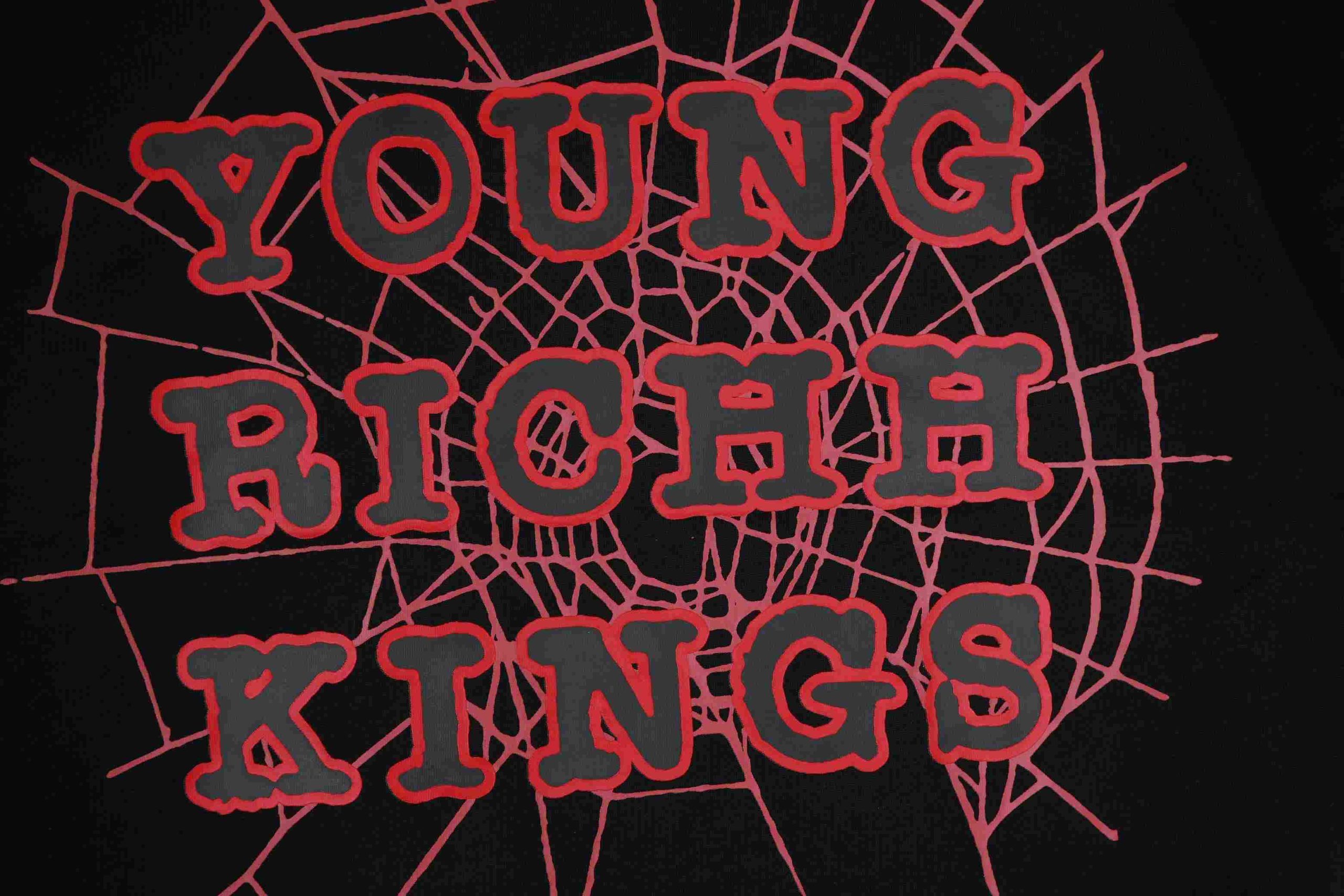
All-over foil patterns require careful panel planning to manage seam alignment and fabric stretch. Maximum foil coverage is 40–50% of garment surface area to preserve breathability and hand feel.
Large-scale designs benefit from segmented foil dies to reduce setup cost and improve registration accuracy. ZORWILD supports custom die cutting for patterns exceeding 30 × 40 cm, enabling oversized graphics on hoodies, T-shirts, and jackets.
Mixed-Media Decoration Combinations
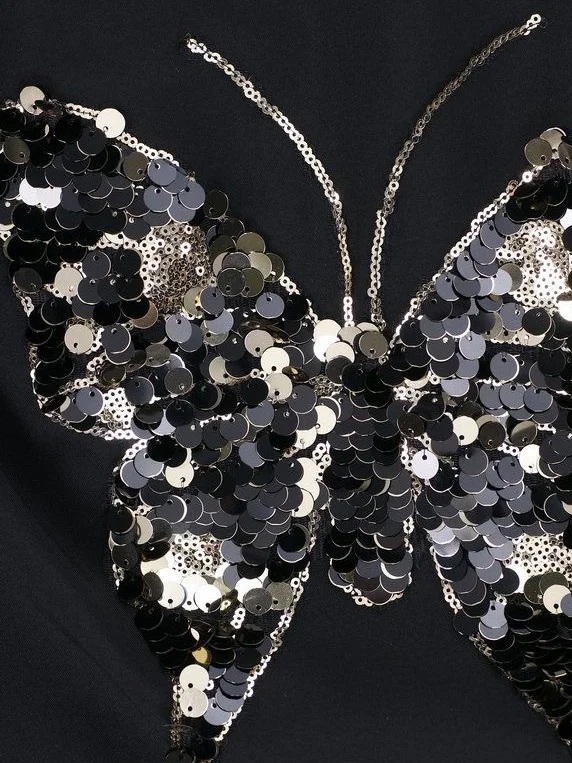
Foil print pairs effectively with screen printing, embroidery, and puff print to create layered visual depth. Foil application occurs after screen printing but before embroidery to prevent heat damage to threads.
ZORWILD manufactures garments combining foil accents with chenille embroidery patches, water-based screen prints, and reflective printing for premium streetwear collections. Mixed-media orders typically add 3–5 days to lead time and require coordinated artwork registration across all decoration methods.
6. Key Quality Indicators for Foil Print Garments
Quality benchmarks for foil print garments separate professional manufacturers from inconsistent suppliers. Buyers must verify adhesion strength, edge definition, metallic coverage uniformity, wash durability, and finish integrity before approving bulk orders.
Foil Adhesion Strength and Peel Testing
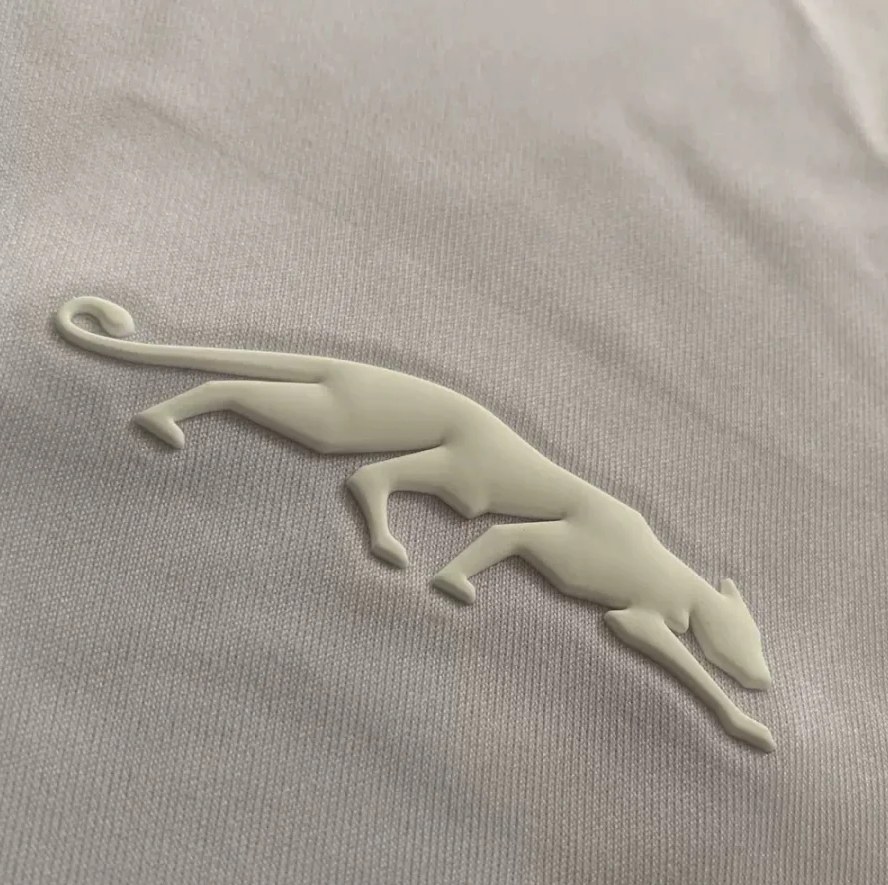
Adhesion strength determines whether foil print survives repeated wear and laundering. The standard peel test applies 90-degree tape pull force to a cured foil section; professional-grade foil print should resist peeling with minimal transfer to the tape.
ZORWILD conducts adhesion testing on every sample batch to ensure foil bonds properly to the adhesive layer and fabric substrate. Request peel test documentation and specify acceptable adhesion thresholds in your purchase agreement to protect against premature foil loss.
Edge Sharpness and Metallic Coverage Uniformity
Sharp, clean edges indicate precise heat-press registration and quality foil transfer film. Inspect sample edges under magnification for ragged boundaries, incomplete transfer, or adhesive bleed beyond the design perimeter.
Uniform metallic coverage across the entire design area confirms consistent heat and pressure distribution. Patchy or mottled foil indicates uneven press contact, inadequate temperature, or low-quality foil film that buyers must reject before production.
Wash-Fastness and ISO 6330 Cycle Testing
ISO 6330 wash-fastness testing measures foil durability over 20, 30, or 50 industrial laundry cycles at controlled temperature and agitation. Professional foil print should retain 90 percent or more metallic coverage after 30 cycles without cracking, flaking, or color shift.
Request certified lab reports showing wash-fastness results and specify minimum cycle thresholds in your quality agreement. ZORWILD performs in-house wash testing and third-party lab validation to guarantee long-term foil print performance for fashion brands.
Absence of Cracking, Flaking, and Defect Rate Standards
Cracking and flaking result from over-curing, under-curing, or incompatible adhesive chemistry. Inspect samples after washing for hairline cracks, edge lift, or foil fragment loss, which indicate process failures.
Set acceptable defect rates in your purchase agreement—typically 1 to 2 percent for minor flaws and zero tolerance for major adhesion failures. Clear defect definitions and inspection checkpoints protect buyers from costly rework and customer returns.
7. How to Choose the Right Foil Print Manufacturer
Selecting a foil print manufacturer requires systematic evaluation of technical capabilities, production flexibility, and quality assurance systems. The right partner balances equipment sophistication, MOQ flexibility, and transparent communication to support both startup collections and scaled production.
Verify Equipment and Technical Capabilities
Ask whether the factory uses digital foil presses for short runs or rotary heat-transfer presses for high-volume production. Digital systems offer faster setup and lower MOQs, while rotary presses deliver consistent pressure and temperature control for large orders.
Request details on adhesive application methods — screen-printed adhesive offers durability, while digital adhesive systems enable detailed designs. Confirm the factory’s experience with the specific foil finish you need: metallic, holographic, matte, or colored foil.
Request Portfolio Samples and Fabric Tests
Review actual production samples on fabrics identical to your target material — cotton jersey, fleece, polyester blends, or technical fabrics. Foil adhesion varies significantly across fabric weights and textures.
Ask for wash-test reports showing foil retention after 10, 20, and 30 laundry cycles. ZORWILD provides portfolio samples across hoodies, T-shirts, sweatshirts, and performance wear to demonstrate foil durability on diverse substrates.
Confirm MOQ Flexibility and Lead Times
Clarify minimum order quantities for foil print decoration — many factories require 500–1,000 pieces, but manufacturers like ZORWILD support low MOQ production starting at 50 pieces for startup brands and influencer collections.
Confirm lead times for sampling (typically 7–10 days) and bulk production (20–35 days depending on order size and decoration complexity). Ask about rush production options and deposit requirements.
Check Certifications and Communication Standards
Verify OEKO-TEX certification for foil adhesives to ensure safety and compliance for skin contact. ISO 9001 certification indicates systematic quality control across fabric inspection, printing, foil application, and finishing.
Evaluate communication responsiveness during initial inquiries — clear tech pack interpretation, fabric recommendations, and sampling policies signal reliable partnership. Ask about scalability: can the factory handle 50-piece tests and scale to 5,000-piece reorders without quality drift?
8. Common Mistakes Buyers Make When Sourcing Foil Print
Sourcing foil print garments requires careful attention to technical details and production workflows. Missteps in fabric selection, testing protocols, or contract terms can trigger costly re-orders, delayed launches, and quality disputes that damage brand reputation.
Choosing Incompatible Fabric Substrates
Foil adhesion depends on fiber composition, surface texture, and heat tolerance. Buyers who select low-GSM polyester blends or heavily textured fleece often face peeling within 3–5 washes because the adhesive cannot bond uniformly.
ZORWILD recommends 180–220 GSM cotton jersey, French terry, or smooth polyester for optimal foil retention. Testing fabric samples before bulk orders prevents adhesion failures and reduces waste.
Skipping Wash-Care Testing
Many buyers approve samples based on visual appeal alone, ignoring wash durability. Foil print garments that survive 20+ home washes require proper curing temperatures and compatible adhesives, yet untested orders frequently fail after 5–10 cycles.
Request wash-test reports showing foil integrity after 15–20 industrial wash cycles at 40°C. ZORWILD conducts in-line wash testing to verify adhesion performance before shipment, preventing customer returns.
Underestimating Artwork Preparation Time
Foil print requires vector artwork with clean edges and precise color separations. Buyers submitting low-resolution JPEGs or complex gradients face 3–7 day delays while design teams redraw files and prepare foil dies.
Provide vector files in AI or EPS format with Pantone references. ZORWILD’s design team converts raster images to production-ready vectors, but advance notice reduces lead times by 5–7 days.
Failing to Negotiate IP Protection Clauses
Without written IP agreements, original designs may appear on competitor products. Buyers who skip non-disclosure clauses risk design leaks, especially when manufacturers serve multiple brands in the same niche.
Include IP ownership and confidentiality terms in purchase agreements. ZORWILD signs NDAs and assigns full design rights to clients, protecting proprietary graphics and brand identity throughout production.
9. Steps to Launch Your Foil Print Apparel Brand
Launching a foil print collection requires a structured roadmap from concept to delivery. ZORWILD’s one-stop manufacturing system guides brands through six critical phases, each with defined timelines and deliverables to minimize risk and ensure production-ready specifications.
Define Brand Positioning and SKU Mix
Start by identifying your target customer segment — streetwear, athleisure, resort wear, or luxury casual — and select 3–8 hero SKUs for your first collection. ZORWILD recommends mixing one or two foil print statement pieces (oversized hoodies, graphic tees) with foundational basics to balance visual impact and inventory turnover.
Timeline: 1–2 weeks. Align product categories, fabric weights, and foil placements with your brand’s price point and sales channel before moving to artwork.
Finalize Artwork and Foil Placements
Submit vector files (AI, EPS, or high-resolution PDF) with clearly marked foil zones and specify metallic, holographic, or matte finishes. ZORWILD’s development team reviews artwork for technical feasibility, minimum line width (typically 1 mm), and fabric compatibility.
Timeline: 3–5 days. Confirm foil color codes, placement coordinates (chest, back, sleeve), and any additional decoration layers such as screen print or embroidery.
Order Sample Packs and Pre-Production Approval
Request samples in your target fabric and colorway to evaluate foil adhesion, wash durability, and overall hand feel. ZORWILD supports low-MOQ sampling from 50 pieces, allowing first-time buyers to test market response before committing to bulk.
Timeline: 7–10 days for sampling, 2–3 days for client review. Approve fit, measurements, foil quality, and construction details in writing before bulk production begins.
Place Bulk Orders with Clear Specifications
Submit a detailed tech pack including size grading, fabric GSM, foil print coordinates, label artwork, hang tags, and packaging requirements. ZORWILD’s production planning team confirms lead time (typically 18–25 days for bulk orders), payment terms, and QC checkpoints.
Timeline: 18–25 days production, plus 5–7 days for final inspection and packaging. Lock all specs in a signed purchase order to avoid mid-production revisions.
Plan QC Checkpoints and Coordinate Logistics
Schedule in-line inspections during sewing, post-wash foil adhesion checks, and final AQL 2.5 inspection before shipment. ZORWILD provides photo reports at each checkpoint and supports third-party QC if required.
Timeline: 2–3 days for final QC and export documentation. Coordinate air freight (3–5 days), sea freight (20–35 days), or express courier (2–4 days) based on launch deadlines and budget.
10. Pricing and Cost Breakdown for Foil Print Orders
ZORWILD’s foil print pricing begins at 50-piece MOQ with setup fees ranging from $30 to $80 per design depending on die size and foil type. Standard metallic foil (gold, silver, copper) carries the lowest setup cost at $30–$50, while holographic and custom-color foils add $60–$80 per design due to specialized material sourcing and die preparation.
Per-unit decoration costs vary by print area and quantity tier. Small logo placements (up to 4×4 inches) cost $1.20–$2.50 per garment at 50–100 pieces, dropping to $0.60–$1.00 at 500+ units. Large chest prints (8×10 inches or greater) range from $2.80–$4.50 at low volumes and $1.50–$2.20 at scale, reflecting increased foil material consumption and press time.
Lead times for foil print orders span 18–25 days from approved sample to shipment, including 3–5 days for sampling, 12–18 days for bulk production, and 2–3 days for final inspection and packing. Rush production (12–15 days) adds 20–30% to unit costs. Sample garments with foil print cost $25–$45 each with 5–7 day turnaround.
Payment terms follow a 30% deposit at order confirmation and 70% balance before shipment. Sea freight to North America averages $1.80–$3.20 per kilogram with 25–35 day transit; air express runs $6–$9 per kilogram with 5–8 day delivery. MOQ flexibility and transparent costing allow influencers and startup brands to launch foil print collections without inventory risk.
| Foil Type & Print Area | 50–100 pcs | 200–500 pcs | 500+ pcs | Setup Fee |
|---|---|---|---|---|
| Standard Metallic (small logo ≤4×4″) | $2.50/unit | $1.20/unit | $0.80/unit | $30–$50 |
| Standard Metallic (large chest ≥8×10″) | $4.50/unit | $2.50/unit | $1.80/unit | $30–$50 |
| Holographic (small logo ≤4×4″) | $2.80/unit | $1.50/unit | $1.00/unit | $60–$80 |
| Holographic (large chest ≥8×10″) | $5.00/unit | $3.00/unit | $2.20/unit | $60–$80 |
| Custom Color Foil (any size) | +$0.30–$0.50/unit over standard | +$0.20–$0.40/unit | +$0.15–$0.30/unit | $60–$80 |
Start Your Foil Print Project Today
50-piece MOQ, 95%+ decoration techniques in-house, and 27 years of apparel manufacturing expertise. Get your metallic foil print quote now.
- Custom Hoodies
- Custom T Shirts
- Custom Dresses
- Custom Sweatshirts
- Custom Jackets
- Custom Polo Shirts
- Custom Shorts
- Custom Dress Shirts
- Contact