
Custom Dresses From 50 Pieces With 7-Day Samples
ZORWILD delivers custom dresses for DTC brands, influencers, and wholesalers with low MOQ production, fast sampling, and 27 years of proven apparel manufacturing expertise.
Custom Dress Styles & Collections
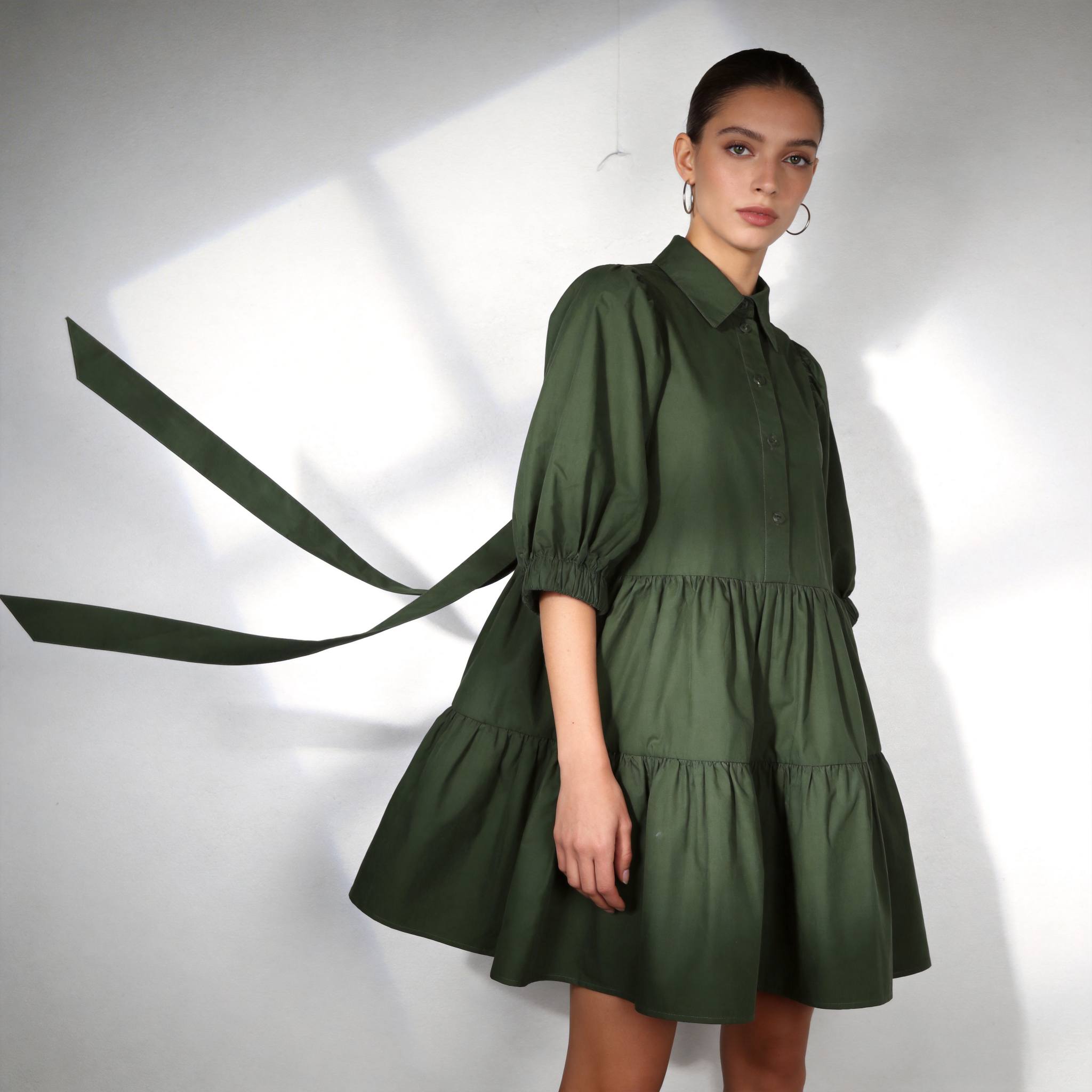
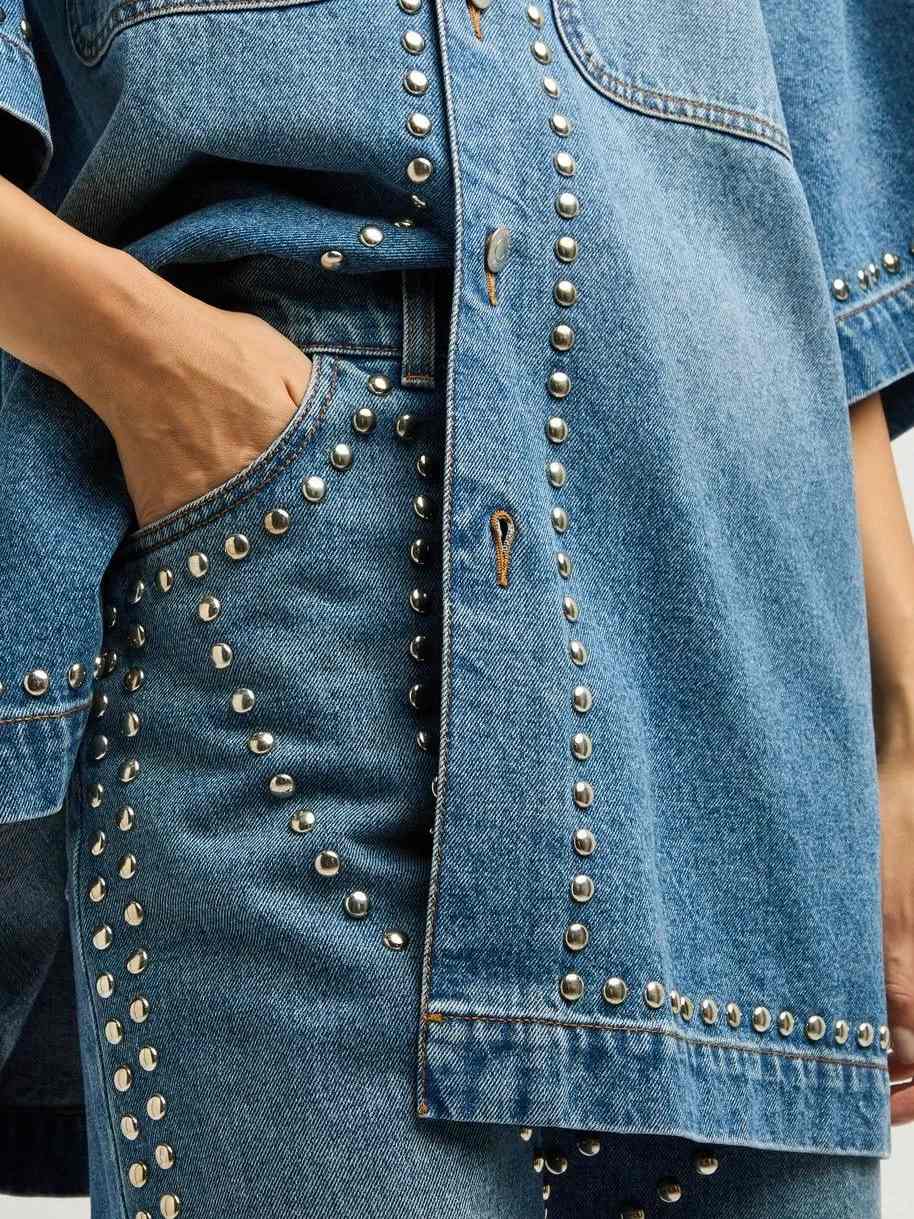
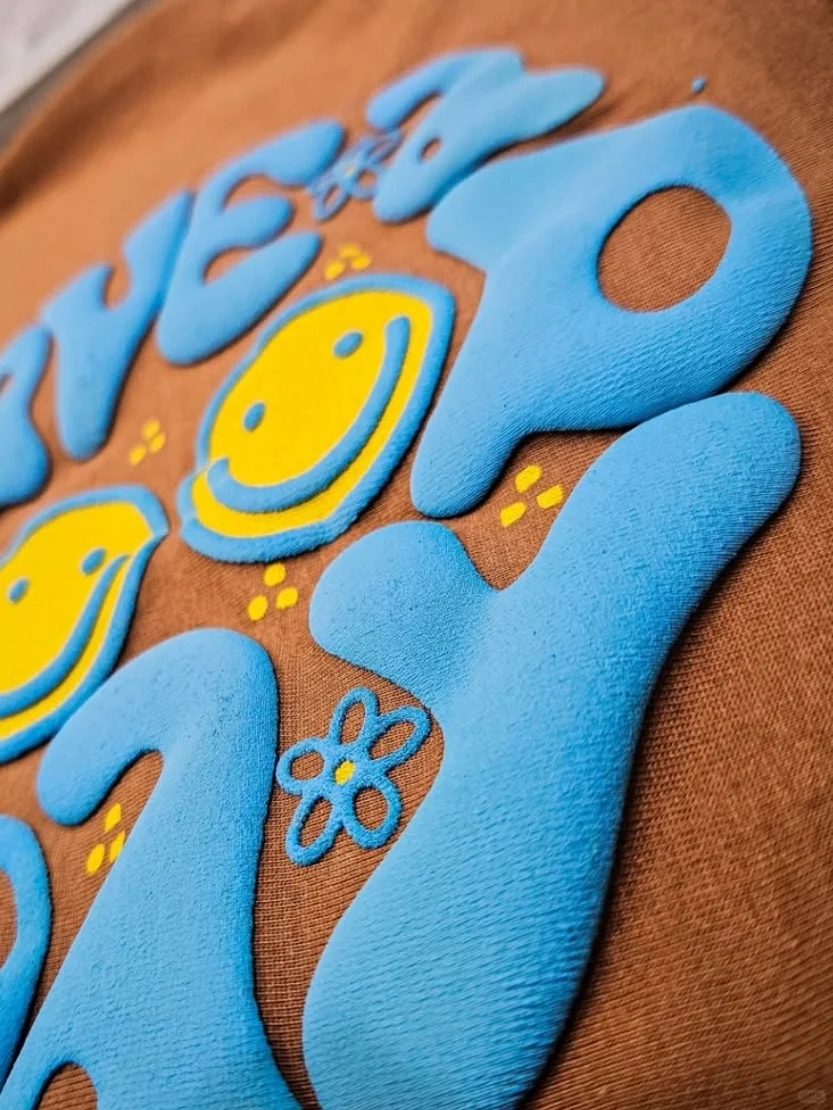
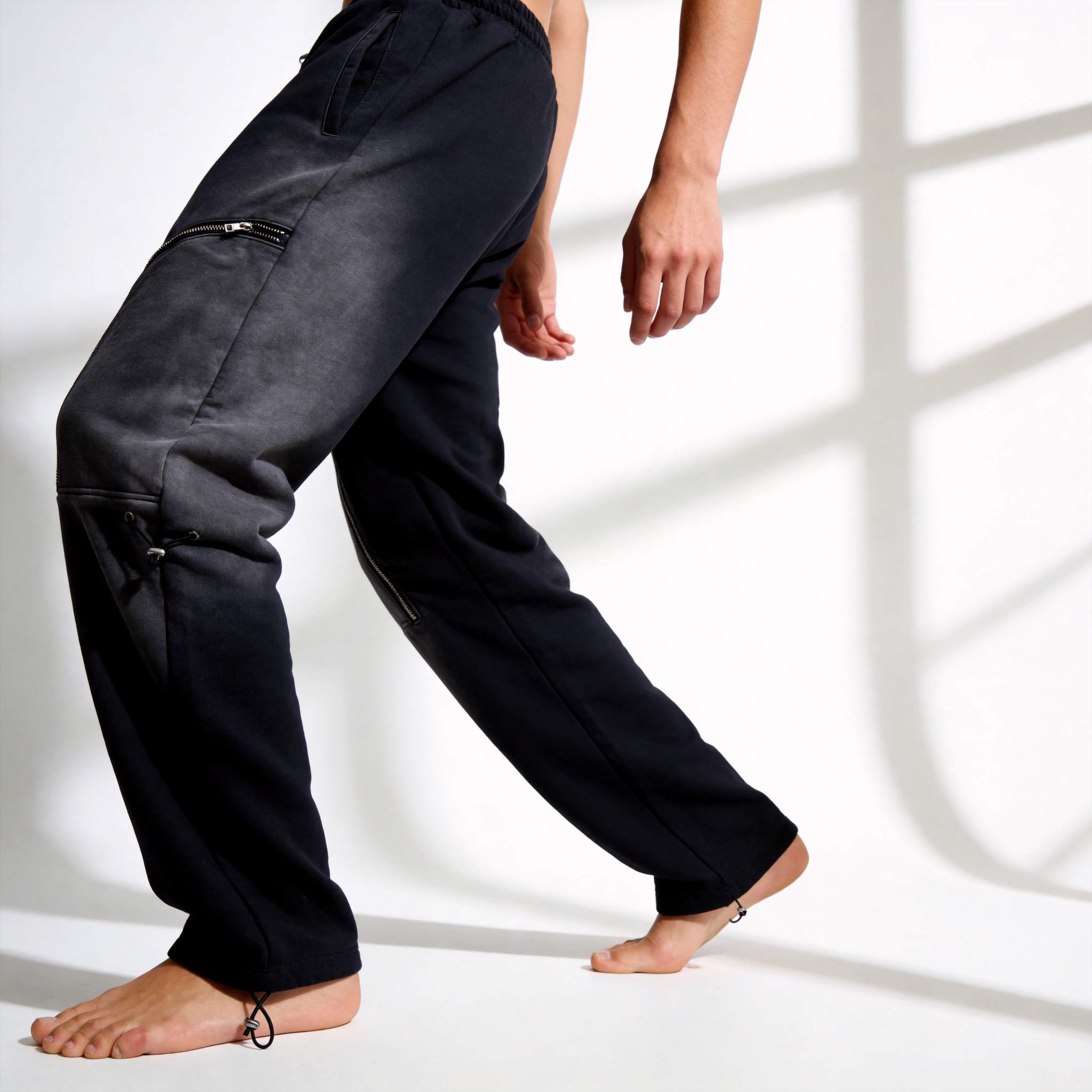
Why ZORWILD for Custom Dresses
50-Piece Low MOQ
Launch your custom dress collection with only 50 pieces per style—perfect for startups, influencers, and testing new designs without inventory risk.
7-Day Sample Turnaround
Evaluate fit, fabric quality, construction, and decoration with fast sampling before committing to production runs.
95%+ Decoration Techniques In-House
Embroidery, lace application, beading, sequins, printing, and finishing all handled internally for quality control and faster timelines.
6-Stage Quality Control System
From fabric inspection through final packaging, every custom dress undergoes rigorous inspection to ensure flawless delivery.
27 Years Manufacturing Experience
Since 1998, ZORWILD has served over 2,000 fashion brands globally from our Humen, Dongguan facility with proven expertise.
Global Shipping & Export Support
Air freight, sea freight, express delivery, and door-to-door logistics with full export documentation and customs assistance worldwide.
Dress Manufacturing Solutions for Every Occasion
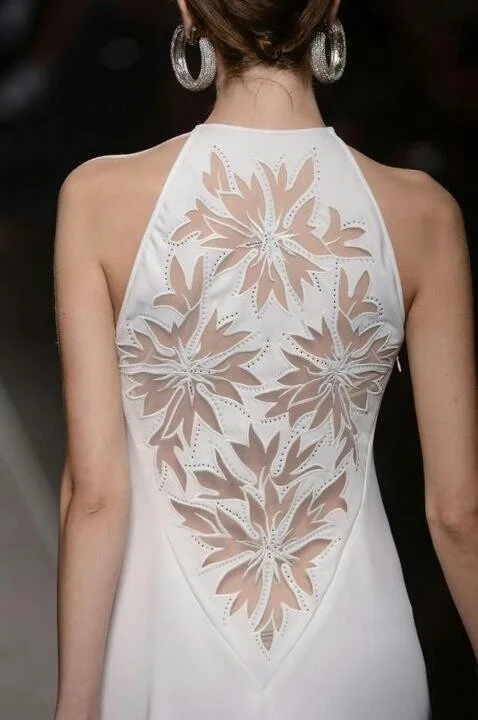
Custom Wedding Dress
Full-service custom wedding dress manufacturing from sketch to finished gown. We handle lace application, beading, corset construction, satin draping, multi-layer tulle assembly, and intricate embroidery with strict quality control. MOQ starts at 50 pieces, ideal for bridal boutiques and emerging wedding fashion brands.
Get a Quote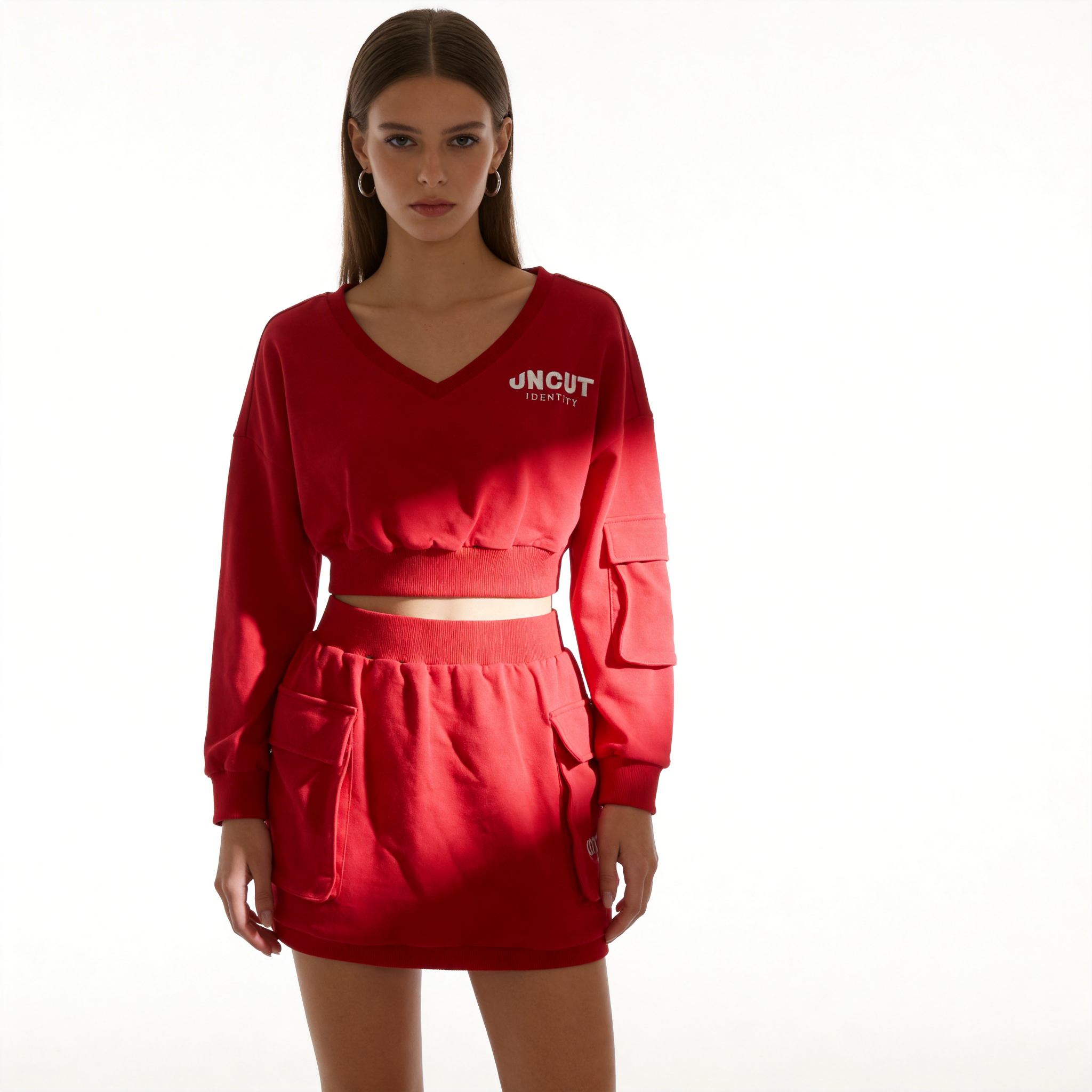
Wholesale Dress Suppliers
Reliable wholesale dress manufacturing partner serving retailers, boutiques, and distributors worldwide. Our Humen Dongguan facility produces casual dresses, evening dresses, resort styles, and street fashion dresses with consistent quality, competitive pricing, and monthly capacity exceeding 100,000 units for scalable order fulfillment.
Get a Quote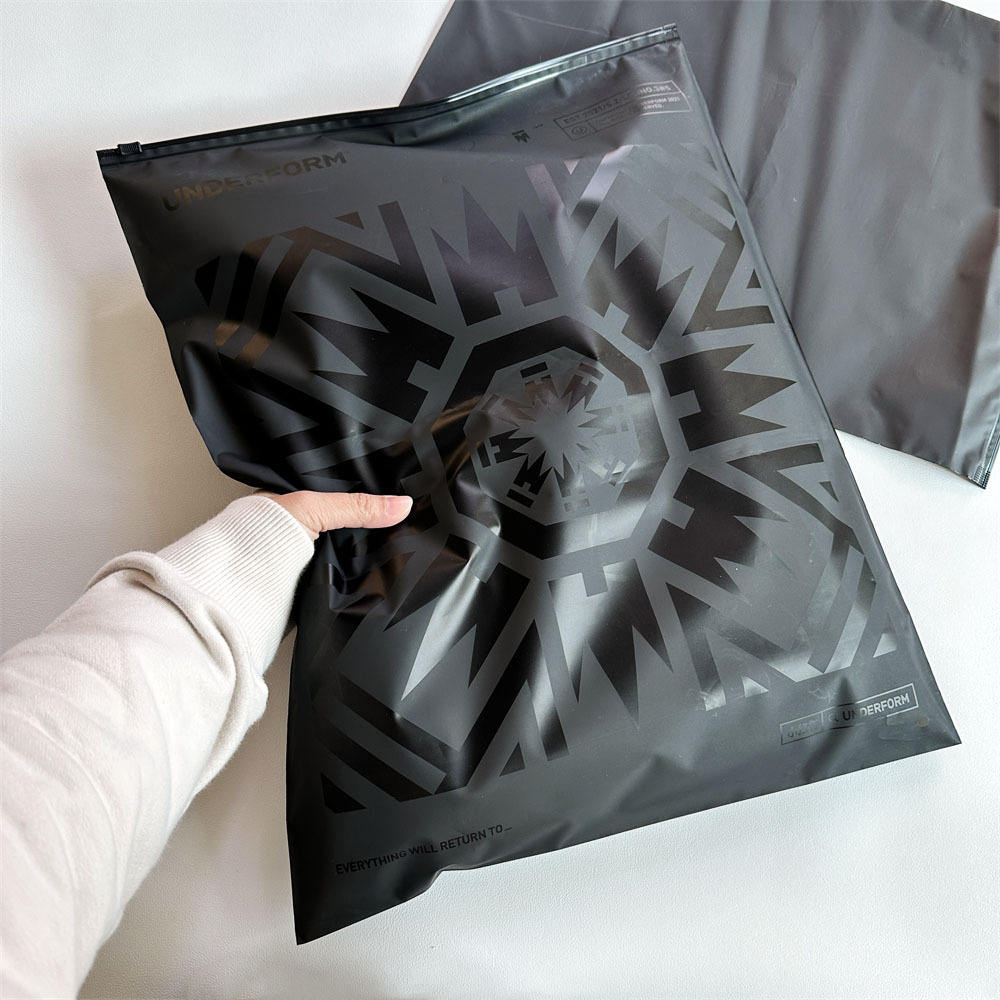
Custom Prom Dresses
Custom prom dress production with expertise in formal construction, sequin application, chiffon layering, bodycon structures, and statement embellishments. Our team supports tech pack development, fabric sourcing, fit sampling, and decoration techniques including embroidery, beading, and satin finishing for standout formalwear collections.
Get a Quote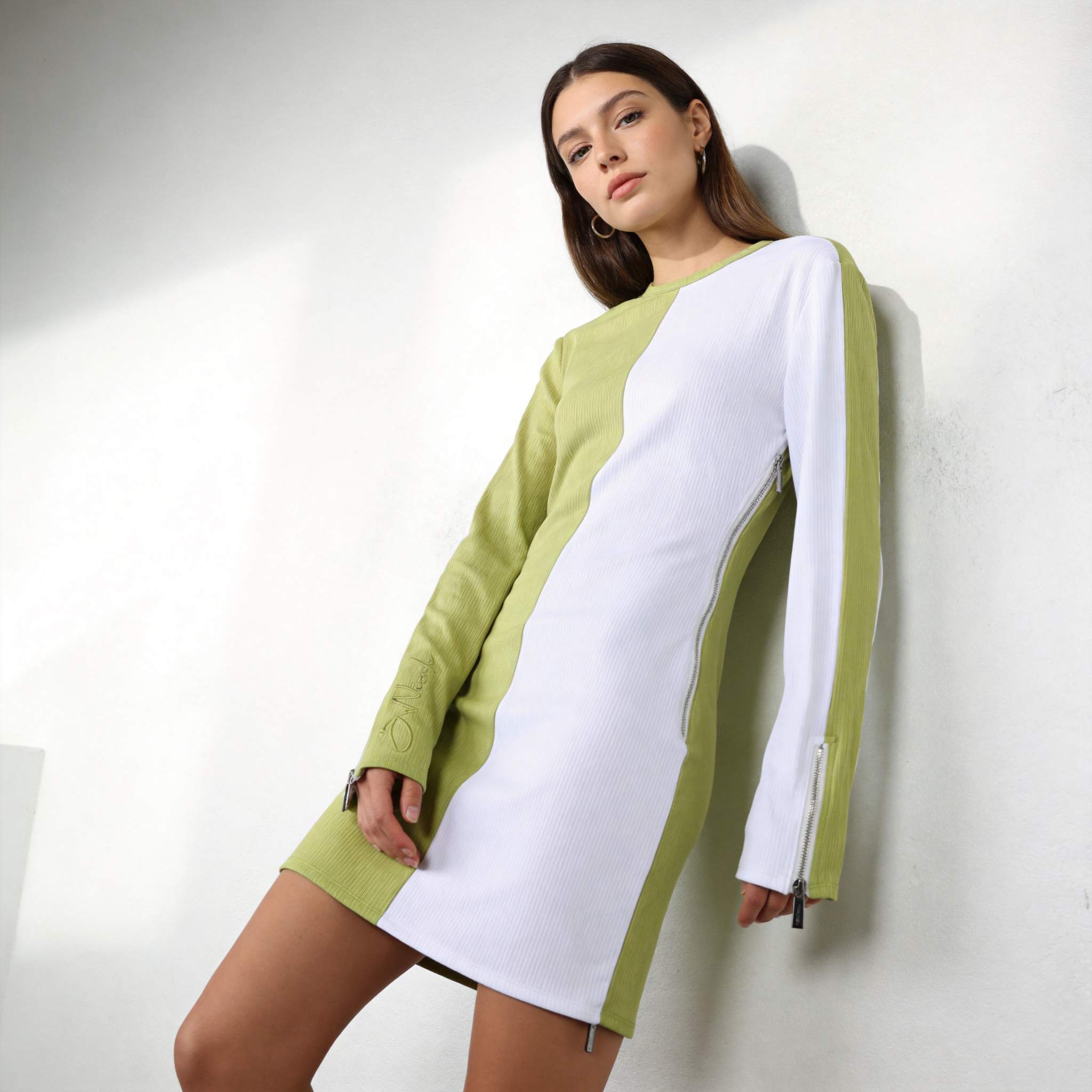
Custom Dress
Comprehensive custom dress manufacturing across all categories including casual, evening, resort, bodycon, maxi, and slip dresses. We provide design development, fabric selection, pattern making, sampling, and bulk production with 95% decoration techniques in-house. Low MOQ from 50 pieces supports brand experimentation and capsule launches.
Get a Quote
Custom Made Wedding Dresses
End-to-end custom made wedding dress services with 27 years of apparel craftsmanship. Our capabilities include corset boning, lace overlay, pearl beading, illusion panels, cathedral train construction, and delicate hand-finishing. Six-stage quality control ensures every bridal gown meets exacting standards before shipment.
Get a Quote
Custom Made Dresses
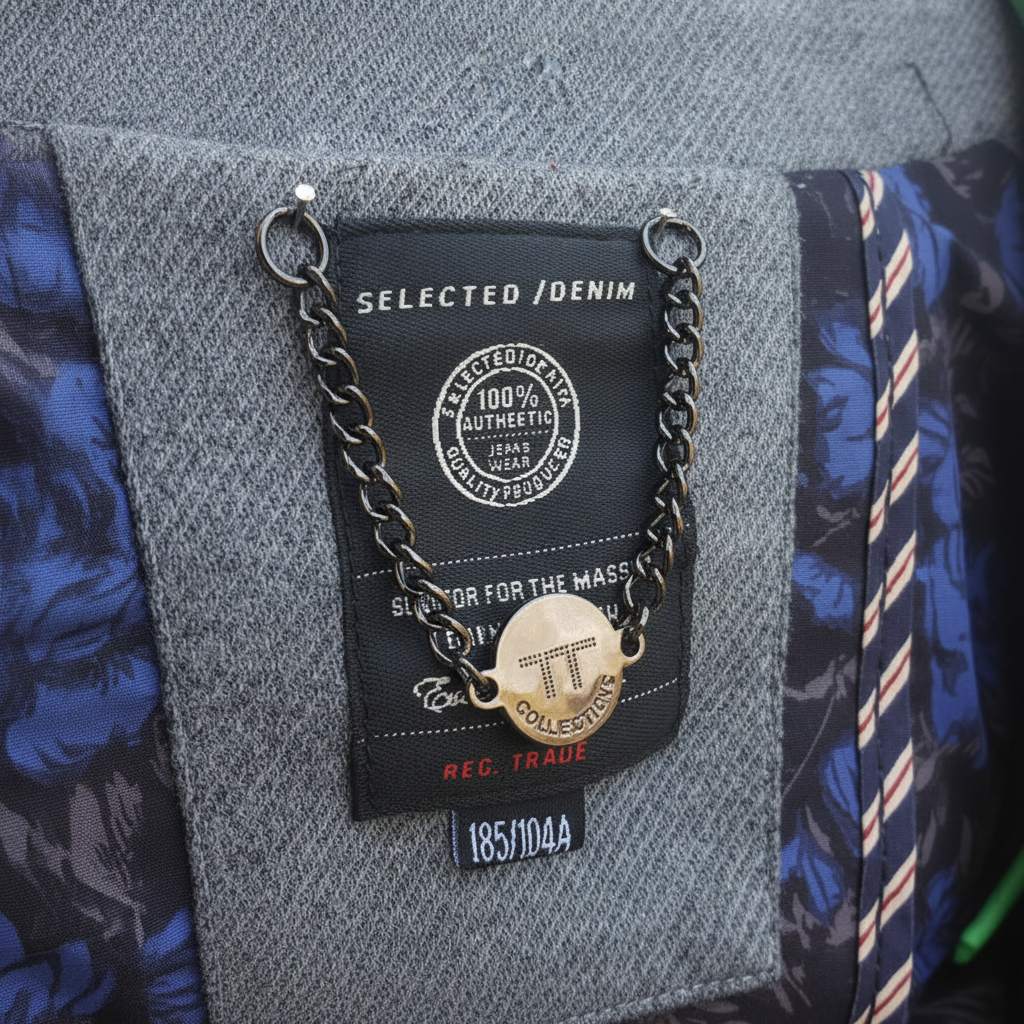
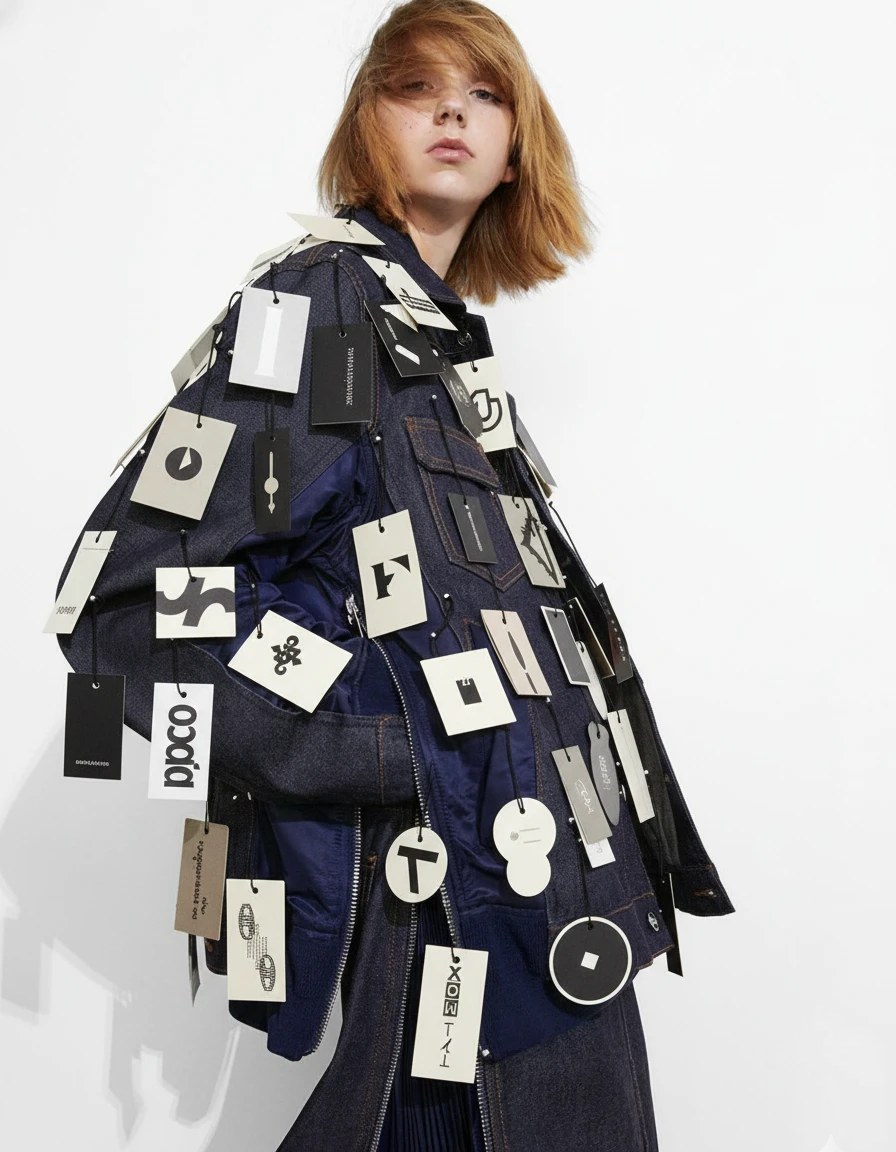
Made-to-order dress manufacturing for fashion brands requiring unique designs, custom sizing, and brand differentiation. We execute cut-and-sew construction, print placement, embroidery logos, custom labels, hang tags, and premium packaging. Flexible production from startup collections to large-scale runs with reliable lead times.
Get a Quote
Custom Made Prom Dresses
Specialized custom made prom dress production supporting independent designers and formalwear brands. Our factory handles complex pattern work, boning and structure, sequin and rhinestone decoration, ombre dyeing, metallic fabrics, and intricate back details. Sampling process ensures perfect fit and construction before bulk orders.
Get a Quote
Custom Bride Dresses
Custom bride dress manufacturing with expertise in wedding gown construction techniques. We produce A-line, mermaid, ball gown, and sheath silhouettes with lace appliqué, hand beading, French seams, boning channels, and luxury fabric handling. Our team collaborates closely on design refinement and material selection.
Get a Quote
Wholesale Dress Sites
B2B wholesale dress manufacturing platform connecting brands with scalable production capabilities. ZORWILD serves as your manufacturing partner for consistent quality, transparent communication, global logistics support, and flexible order quantities. Access full-category dress production from one trusted Dongguan factory with export expertise.
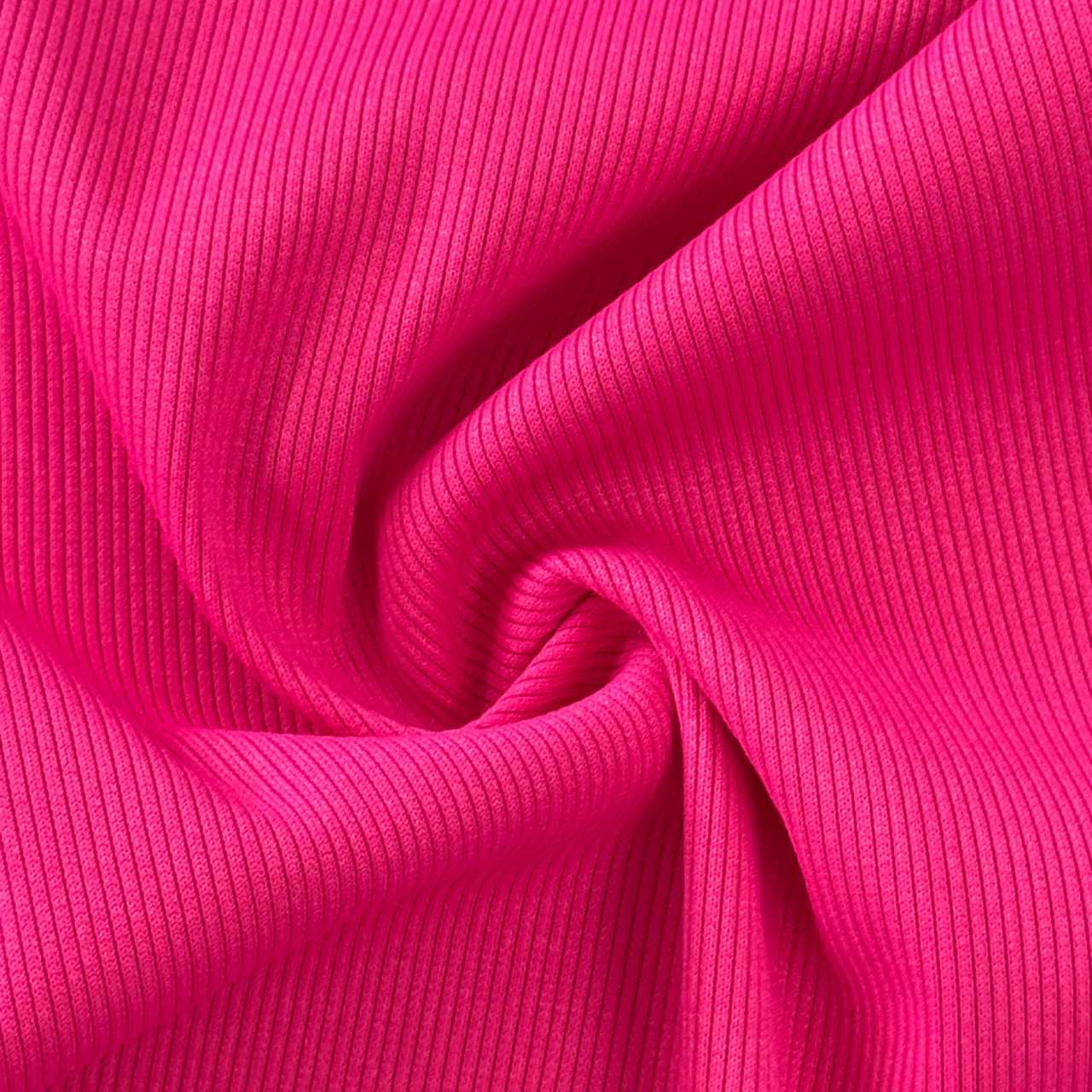
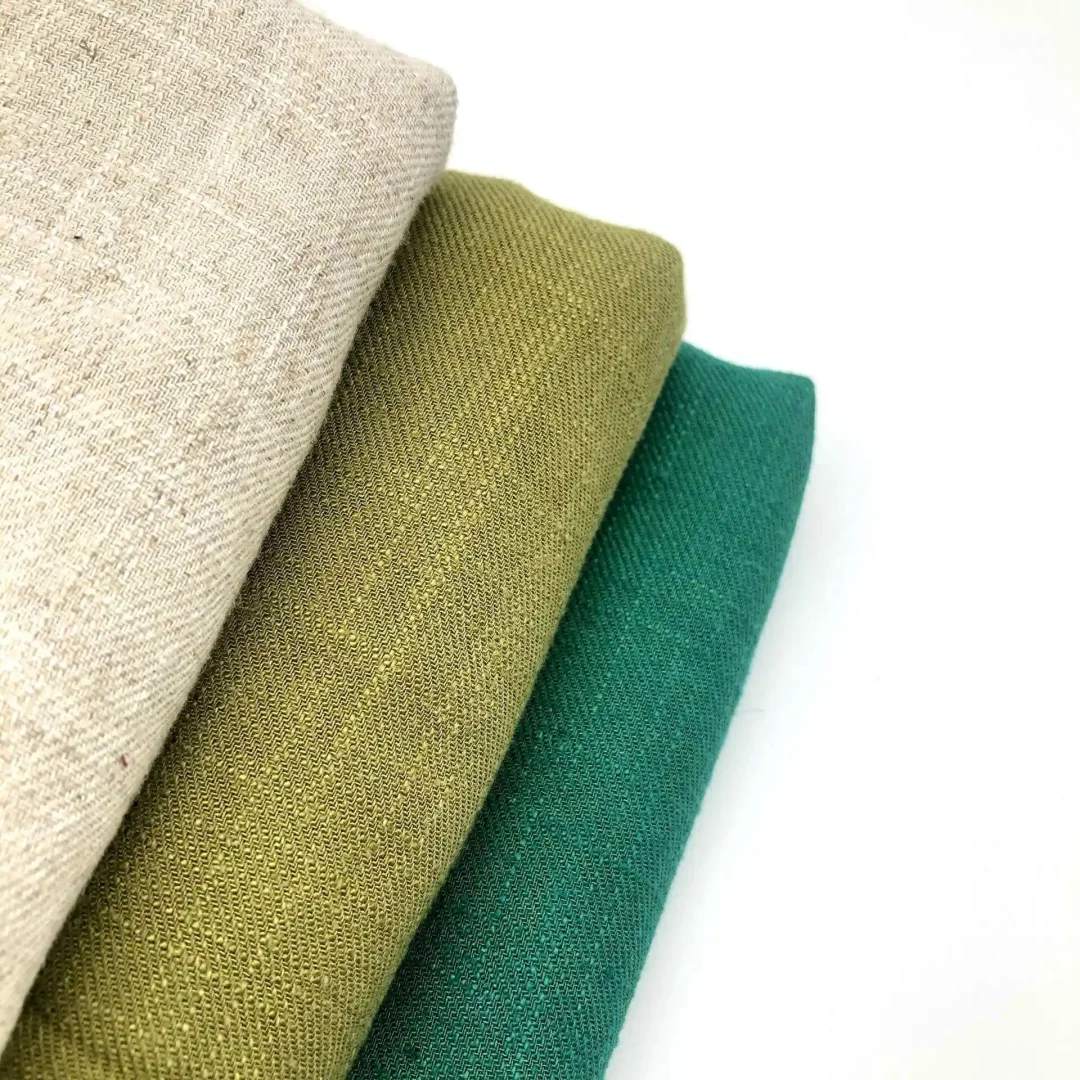
Get a QuotePremium Fabrics for Custom Dresses
Custom Dresses Decoration & Finishing Techniques
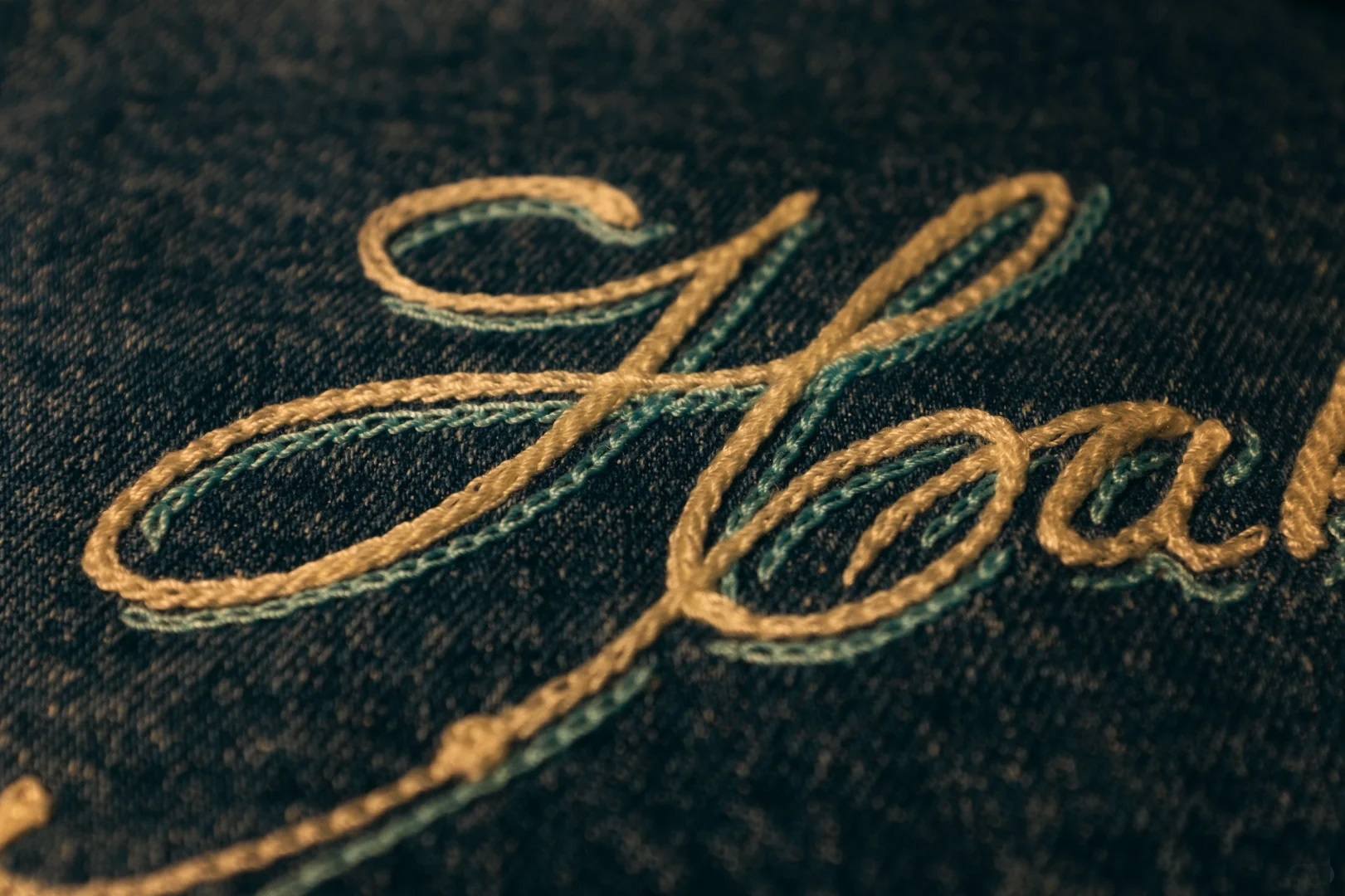
Beading & Sequins
Hand-applied or machine-sewn beading and sequin embellishments create dazzling visual impact for prom, wedding, and evening dresses. Delivers high-end couture aesthetics with secure attachment, consistent spacing, and long-lasting wear performance.
Lace Application
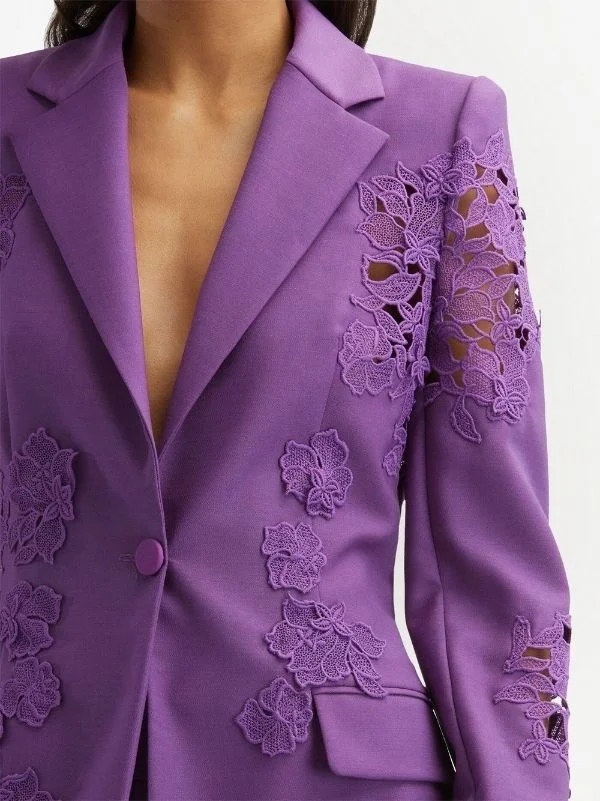
Precision lace overlays, inserts, and trims add romantic, feminine detailing to bodices, sleeves, necklines, and skirts. Available in Chantilly, Alençon, guipure, and stretch lace with expert pattern matching and invisible seam construction.
Satin Draping & Pleating
Expert draping, ruching, and pleating techniques create elegant silhouettes and dimensional texture for evening gowns, cocktail dresses, and bridal wear. Achieved through precise pattern engineering, heat setting, and skilled hand manipulation for luxurious movement.
Corset & Boning Construction
Multi-layer corset structures with spiral or flat steel boning provide shape, support, and couture-level fit for formal and bridal dresses. Features hidden boning channels, reinforced seams, and precision grading for flattering, structured silhouettes.
Custom Dress Accessories & Trims
Custom Dresses Manufacturer Since 1998
Founded in 1998 in Humen, Dongguan—one of the world’s most influential garment manufacturing hubs—ZORWILD began as a small family workshop rooted in decades of apparel craftsmanship. Our founder grew up learning precision cutting, sewing, and quality control from his father, a master garment cutter, and entered the industry at sixteen. Today, that foundation of responsibility and professionalism drives every custom dress we produce.
With over 27 years of apparel manufacturing experience, ZORWILD has evolved into a full-service custom dress manufacturer serving more than 2,000 fashion brands across the United States, Canada, Europe, the Middle East, and Southeast Asia. Our 200+ skilled workers operate a modern production facility with a monthly capacity exceeding 100,000 units, supporting everything from 50-piece startup collections to large-scale production runs.
We specialize in OEM, ODM, and private label custom dresses—from casual and resort dresses to evening gowns, prom dresses, and wedding dresses—with advanced decoration techniques including lace application, embroidery, beading, corset construction, and satin draping. Our six-stage quality control system and 95% in-house decoration capabilities ensure every custom dress meets the highest standards of fit, finish, and craftsmanship.
Our Core Custom Dress Manufacturing Capabilities
Low-MOQ Sampling for Custom Dresses
Launch your custom dress collection with as few as 50 pieces. Our low-MOQ production system lets startup brands, influencers, and independent designers test designs, reduce inventory risk, and explore new markets without committing to large production runs.
- Minimum order quantity starts at 50 pieces per style
- 7-day sampling turnaround to validate fit, fabric, and finishing
- Flexible production scaling from startup capsules to 100,000+ units monthly
- Ideal for testing seasonal collections and limited-edition dress drops
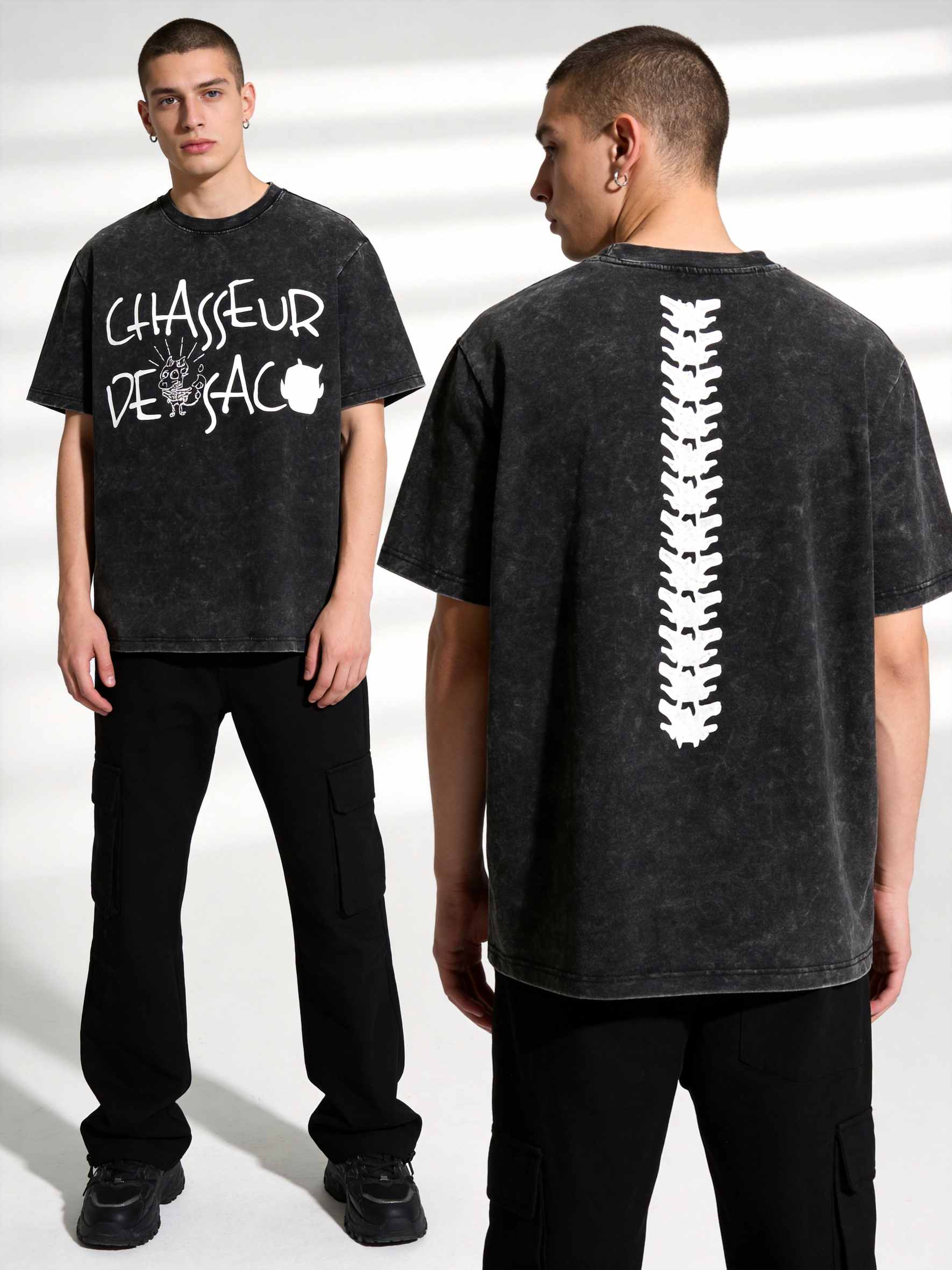
6-Stage Quality Control System
Every custom dress undergoes rigorous inspection at six critical checkpoints. From raw material inspection through final packaging, our QC team ensures consistent measurements, flawless decoration application, and premium finishing that protects your brand reputation.
- Raw material inspection verifies fabric weight, color, and performance
- In-line production checks catch construction issues before they multiply
- Measurement inspection ensures sizing consistency across every piece
- Final product and packaging inspection before shipment
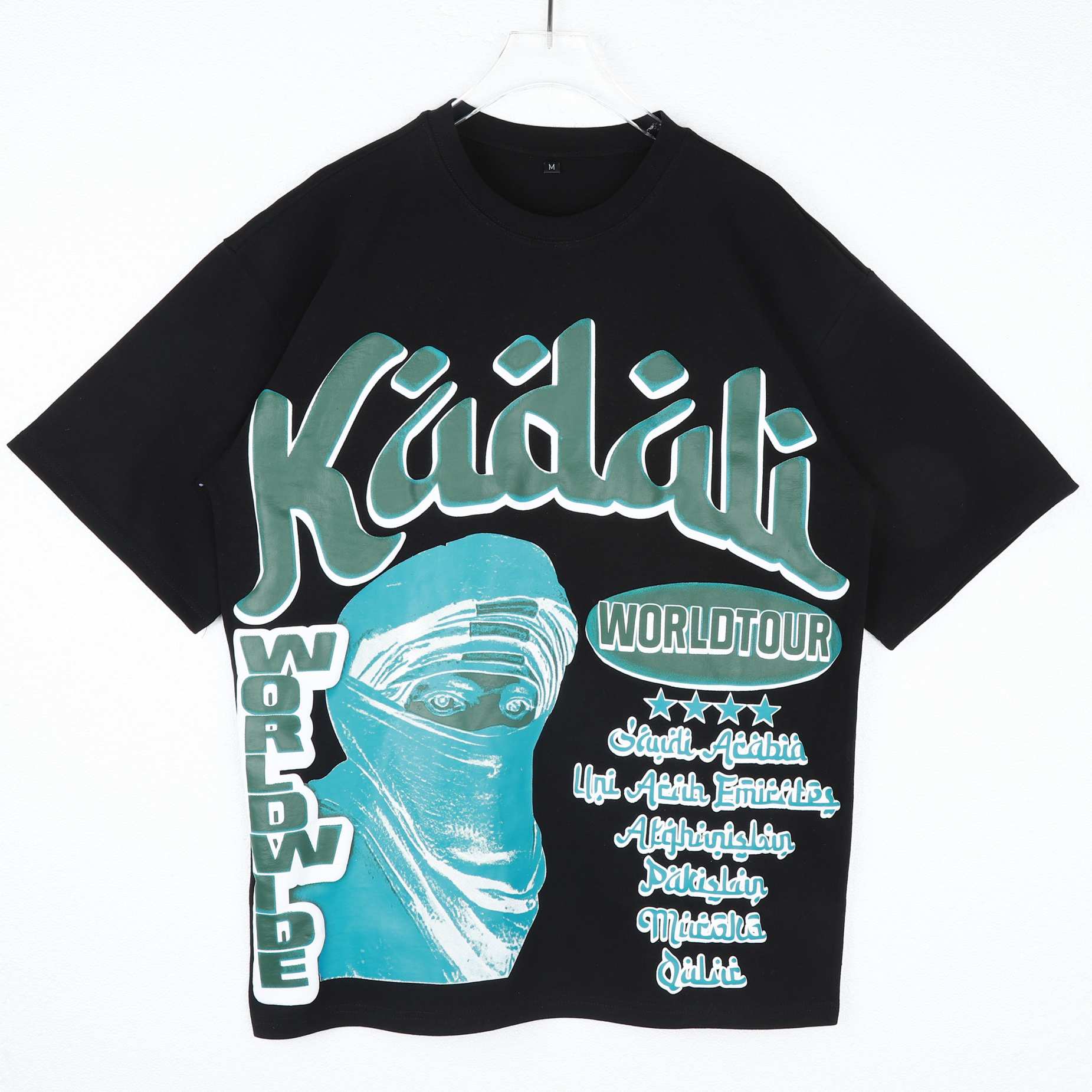
95%+ In-House Decoration Techniques
ZORWILD handles virtually all decoration and finishing in-house—embroidery, lace application, beading, sequins, printing, garment dyeing, and specialty washes. This vertical integration gives you faster turnarounds, tighter quality control, and more creative freedom for custom dresses.
- Embroidery, chenille, appliqué, and sequin application on-site
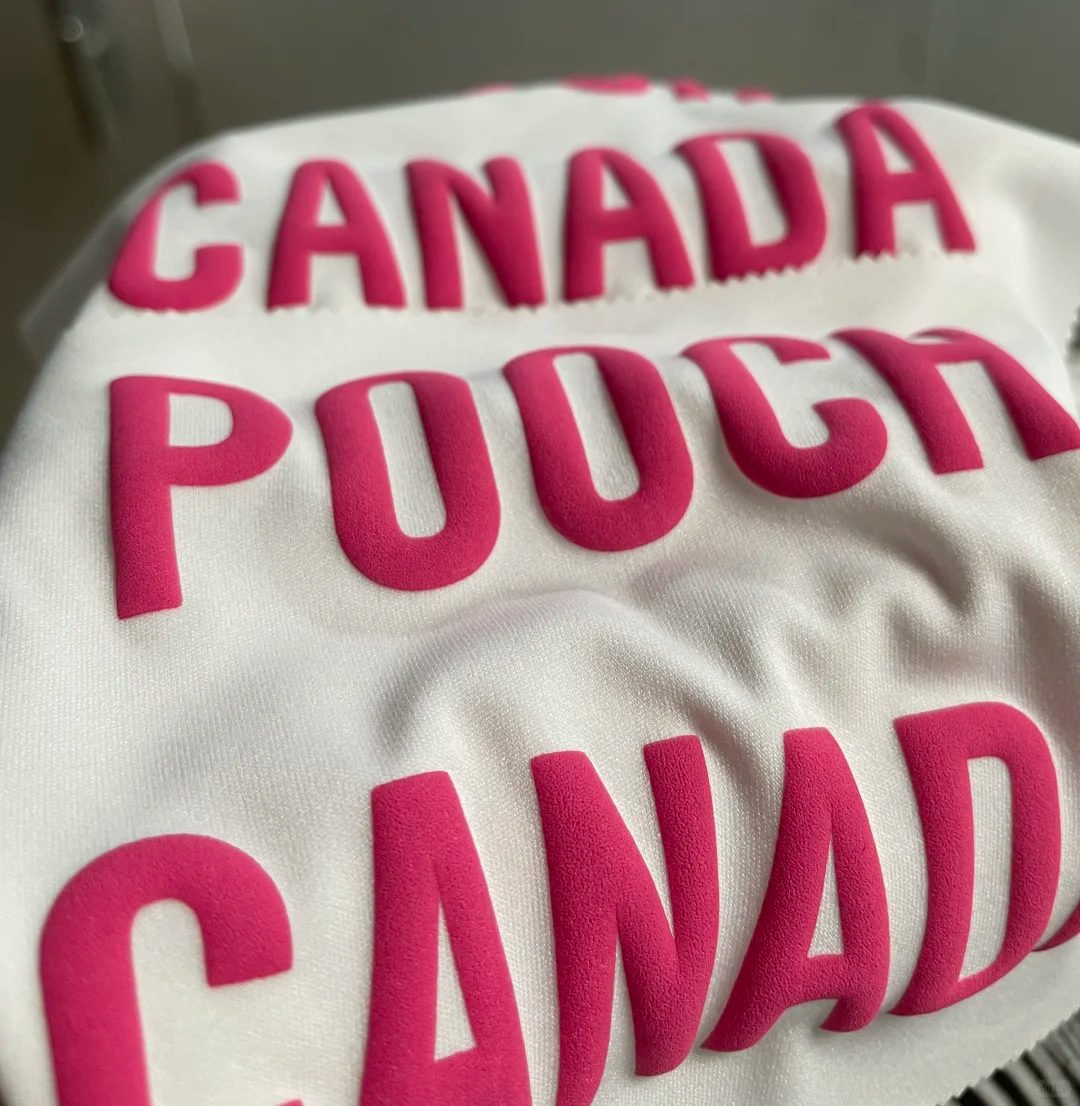
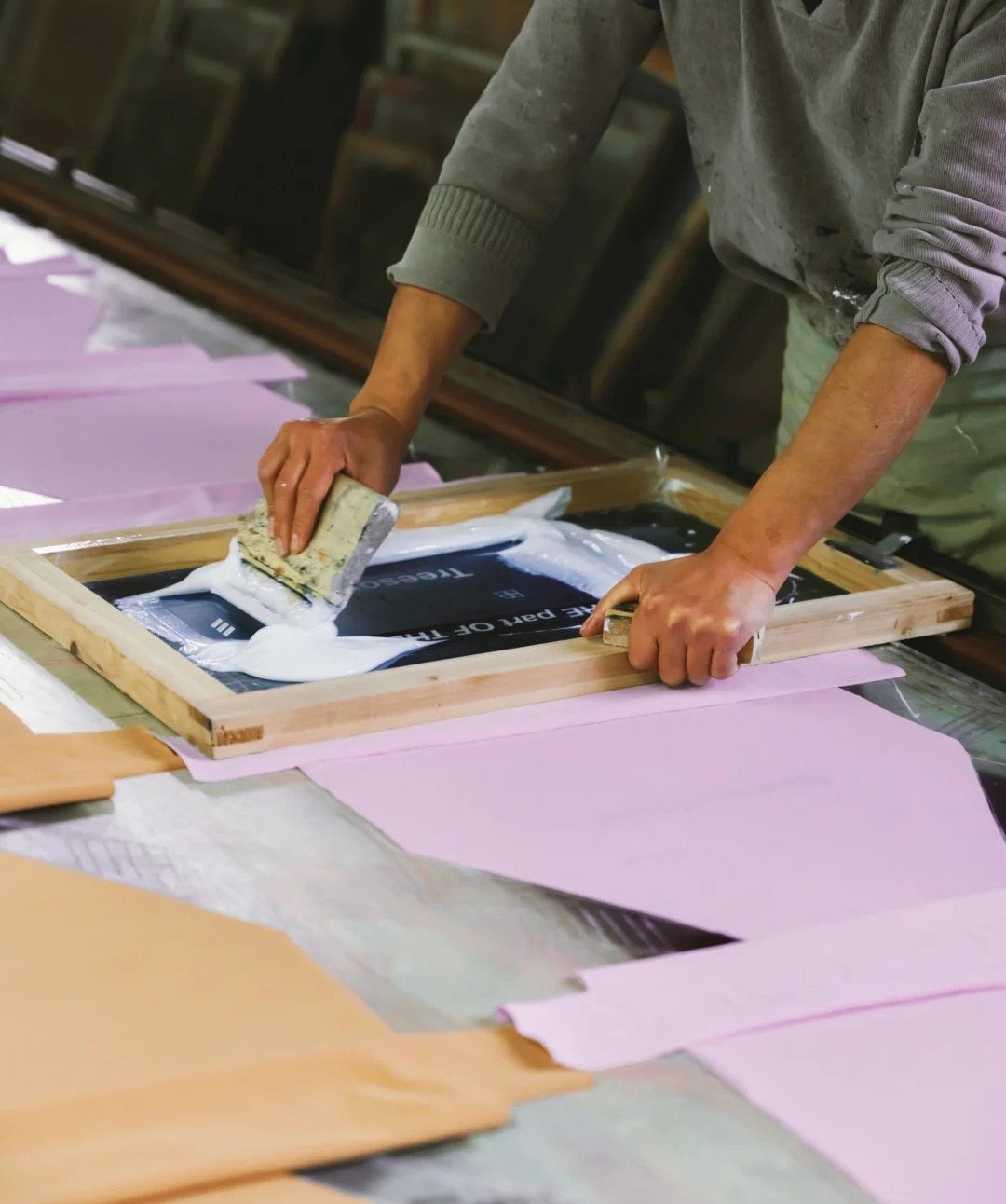
- Screen printing, DTG, foil, and puff printing without third-party delays
- Garment dyeing, acid wash, vintage wash, and distressed finishing
- Lace overlays, corset structures, and multi-layer construction in-house
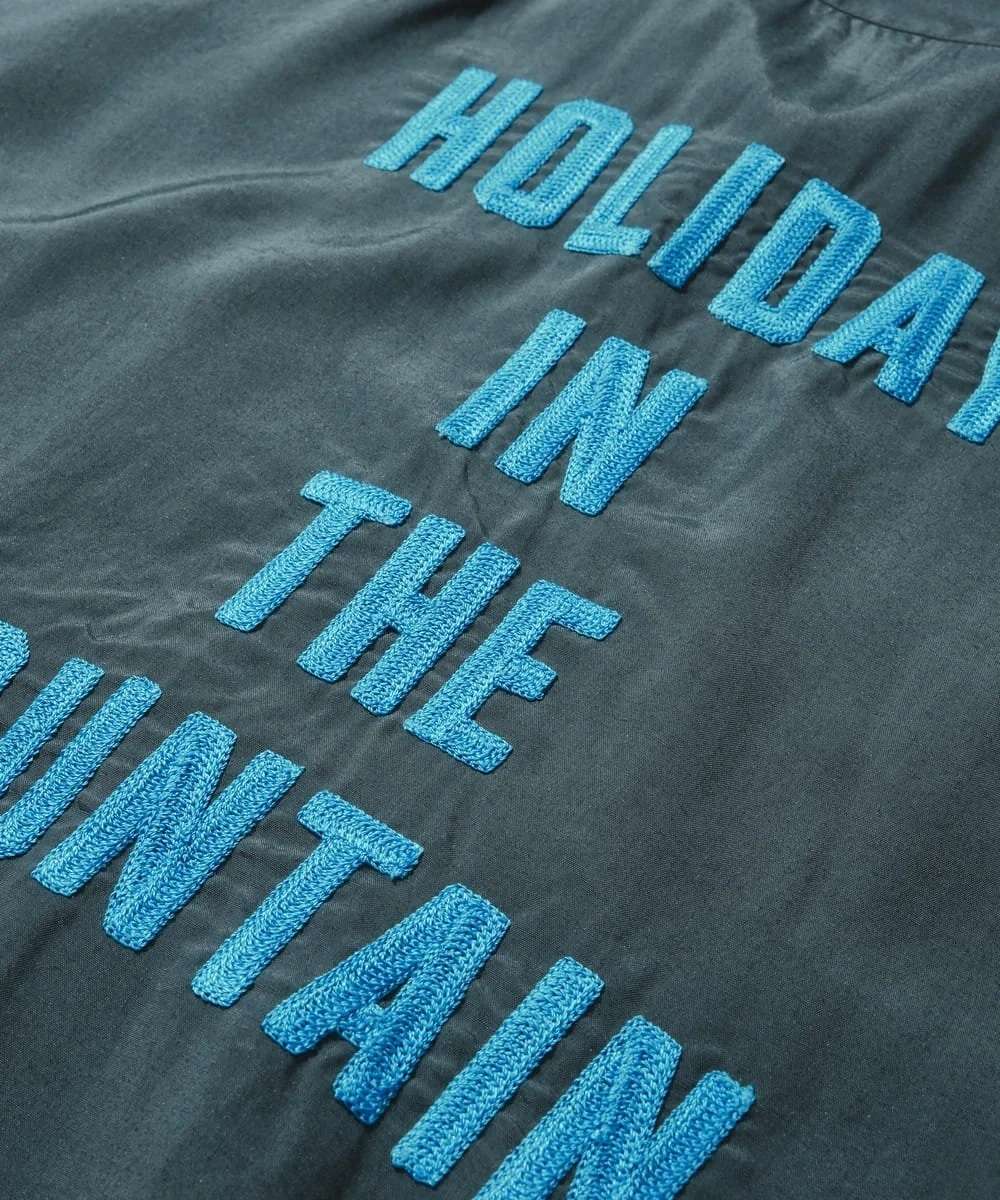
Global Logistics and Export Support
Shipping custom dresses from Dongguan to your warehouse is seamless. Our logistics team manages air freight, sea freight, express delivery, export documentation, and customs support so you can focus on selling—not supply-chain headaches.
- Door-to-door shipping to the US, Canada, UK, Germany, Australia, and beyond
- Export documentation and customs support to reduce clearance delays
- Air and sea freight options tailored to your budget and timeline
- Trusted logistics partners with decades of apparel export experience
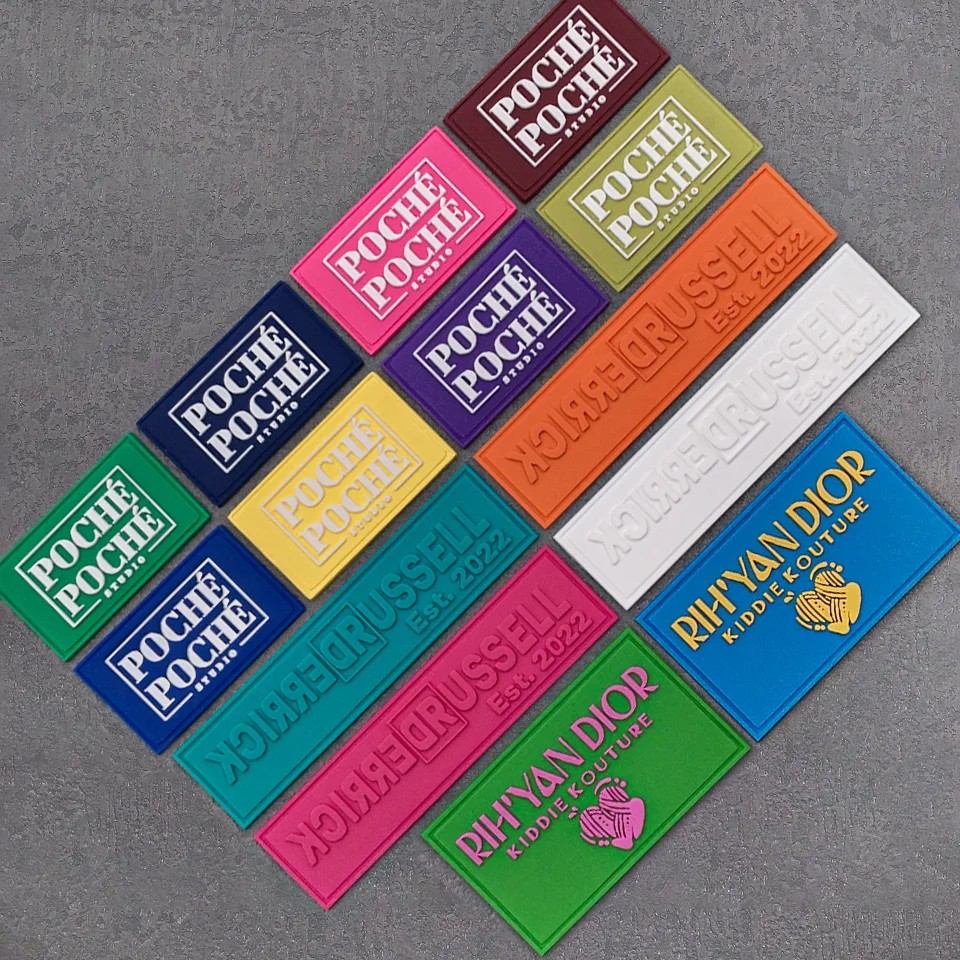
ZORWILD vs. Typical Custom Dresses Manufacturers
See how our 27 years of specialized dress manufacturing experience, in-house capabilities, and flexible production systems deliver better results for your brand.
← 左右滑动查看 →
Our Custom Dress Production Process
Six proven stages that take your custom dresses from initial design to finished garments, backed by 27 years of manufacturing expertise and a comprehensive quality control system.
Design & Tech Pack Review
Our development team reviews your tech packs, sketches, or reference garments and transforms them into production-ready specifications with accurate measurements and construction details.
Fabric & Material Sourcing
We source premium fabrics including satin, chiffon, lace, cotton, linen, and specialty materials from trusted suppliers based on your budget and brand positioning requirements.
Sampling & Fit Approval
Receive production samples within seven days to evaluate fit, fabric quality, construction details, embellishments, and finishing before committing to bulk production of your custom dresses.
Bulk Production & Decoration
Our 6-stage quality control system monitors every phase—from fabric inspection and cutting through sewing, decoration application, washing, ironing, and final packaging.
Quality Control Inspection
Every dress passes through our six-stage quality control system including measurement checks, stitching inspection, decoration quality review, and final product inspection before packaging approval.
Packaging & Global Shipping
Finished dresses are packaged with your custom labels, hang tags, and branded materials, then shipped via air freight, sea freight, or express delivery with full export documentation support.
How to Partner With ZORWILD for Custom Dresses
From your first inquiry to final delivery, our transparent process ensures quality control and on-time production for every custom dress order.
Submit Your Design Requirements
Send us your tech pack, sketches, reference samples, or design ideas. Our team reviews your custom dress specifications and fabric preferences within 24 hours.
Receive Quote and Sample Timeline
We provide a detailed quotation covering fabric, decoration, construction, and MOQ options. Sample production begins immediately upon approval, typically delivered within 7 days.
Approve Sample Quality and Fit
Evaluate your custom dress sample for measurements, fabric quality, embroidery, beading, construction details, and finishing before committing to bulk production.
Begin Bulk Production Process
Our 6-stage quality control system monitors every phase from fabric inspection and cutting through sewing, decoration application, washing, ironing, and final packaging.
Receive and Launch Your Collection
We handle global logistics including air freight, sea freight, export documentation, and customs support to ensure your custom dresses arrive on schedule.
Certifications & Industry Standards for Custom Dresses

Custom Dresses Success Stories from Real Brands
ZORWILD helped us launch our first custom dress collection of 500 units in just 32 days from sample approval. The beading and lace work quality exceeded our expectations and our customers loved the fit.
We scaled from 50-piece test runs to 3,000-unit seasonal orders within six months. Their low MOQ let us validate designs before committing to inventory, reducing our risk by over 60 percent.
The team delivered custom prom dresses with intricate corset structures and sequin embellishments at 35 percent lower cost than our previous supplier, without compromising quality. Communication was flawless throughout production.
Frequently Asked Questions About Custom Dress Manufacturing
What is the minimum order quantity for custom dresses?
How long does it take to receive samples for custom dresses?
Can you manufacture custom dresses with complex embroidery and beading?
What fabrics are available for custom dresses?
What is your quality control process for custom dress production?
Do you protect intellectual property and design confidentiality for custom dresses?
What payment terms do you offer for custom dress orders?
Can ZORWILD handle large-scale production for custom dresses?
How does shipping work for international custom dress orders?
The Complete Buyer’s Guide to Custom Dresses for Your Brand
1. What Are Custom Dresses?
Custom dresses in B2B manufacturing are garments produced to buyer specifications covering design, fabric, fit, sizing, and branding rather than purchased from ready-made inventory. Professional manufacturers like ZORWILD produce custom dresses starting from 50-piece minimum order quantities, enabling brands to launch exclusive collections without holding large stock or competing with mass-market retailers.
Three distinct models define custom dress production. Fully bespoke dresses are one-off couture pieces crafted for individual clients with unique patterns, premium hand-finishing, and weeks of lead time per garment. Made-to-order dresses use standard designs manufactured in custom sizes, colors, or minor variations with moderate lead times of 2 to 4 weeks. Private-label custom manufacturing creates entirely new designs based on tech packs, reference samples, or design briefs with full control over fabric selection, construction methods, decoration techniques, and branding elements such as woven labels, hang tags, and custom packaging.
Brands choose custom dresses for four strategic reasons: unique designs that differentiate their collections from competitors, brand exclusivity that prevents identical products appearing in other stores, control over quality standards and material sourcing to match brand positioning, and the ability to launch capsule collections or seasonal lines with low inventory risk. ZORWILD’s 27 years of apparel manufacturing experience supports startup brands, influencers, wholesalers, and established labels across casual dresses, evening dresses, resort dresses, bodycon styles, maxi dresses, and formal occasion wear with comprehensive customization including lace applications, embroidery, beading, satin draping, and corset construction.
2. Evolution of Custom Dress Manufacturing
Before the 1990s, custom dresses were produced primarily by local tailors and European couture houses with minimum orders of 500–1,000 units and lead times of 12–16 weeks. The shift toward global contract manufacturing accelerated between 1995 and 2005 when Asian production hubs—particularly Dongguan, Guangzhou, and Hangzhou in China—built integrated supply chains combining fabric mills, trim suppliers, and garment factories within 50-kilometer clusters, cutting lead times to 6–8 weeks and MOQs to 200–300 pieces.
Digital design tools transformed custom dress development after 2010. CAD pattern software, 3D virtual sampling platforms, and digital printing reduced sample turnaround from 3–4 weeks to 7–10 days, while enabling brands to visualize lace applications, embroidery placements, and draping details before physical prototypes. Factories equipped with automated cutting systems and digital embroidery machines achieved tighter tolerances and faster decoration cycles, making complex designs like beaded evening dresses and multi-layer prom dresses feasible at lower volumes.
Since 2018, on-demand production models and direct-to-consumer brands have driven MOQs down to 50–100 pieces per style. Manufacturers now offer sustainable fabric options—organic cotton, Tencel, recycled polyester—and flexible production schedules that allow influencer brands and startup labels to test capsule collections without traditional wholesale commitments. Technology integration at factories like ZORWILD has compressed sampling to 7 days and bulk production to 3–4 weeks, enabling small brands to compete with established fashion houses in custom dresses across casual, resort, and formalwear categories.
3. Types of Custom Dresses by Style and Occasion
Custom dresses span six primary categories, each defined by fabric weight, construction complexity, and target customer segment. Understanding these distinctions helps brands align production capabilities with market positioning and MOQ requirements.
Casual Day Dresses
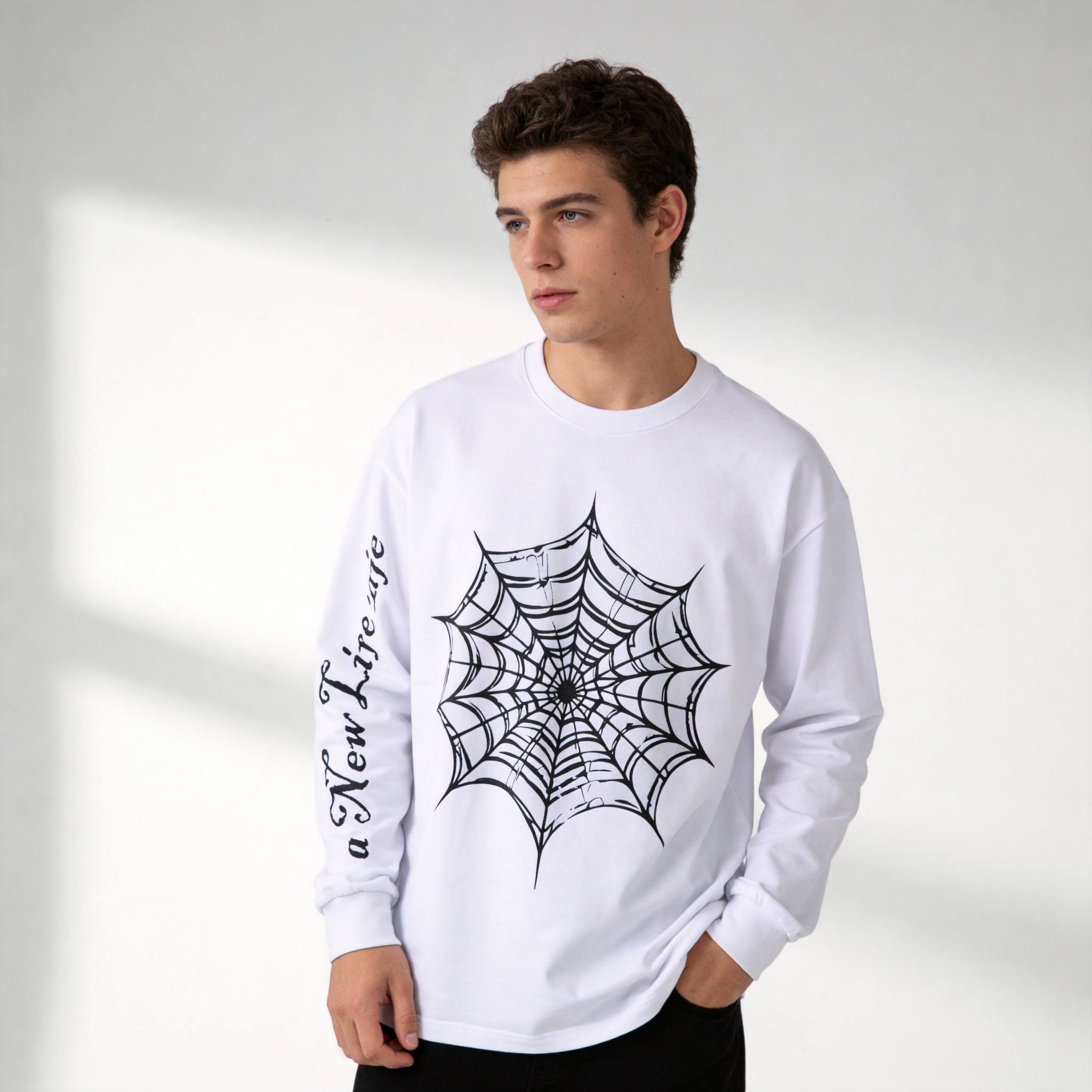
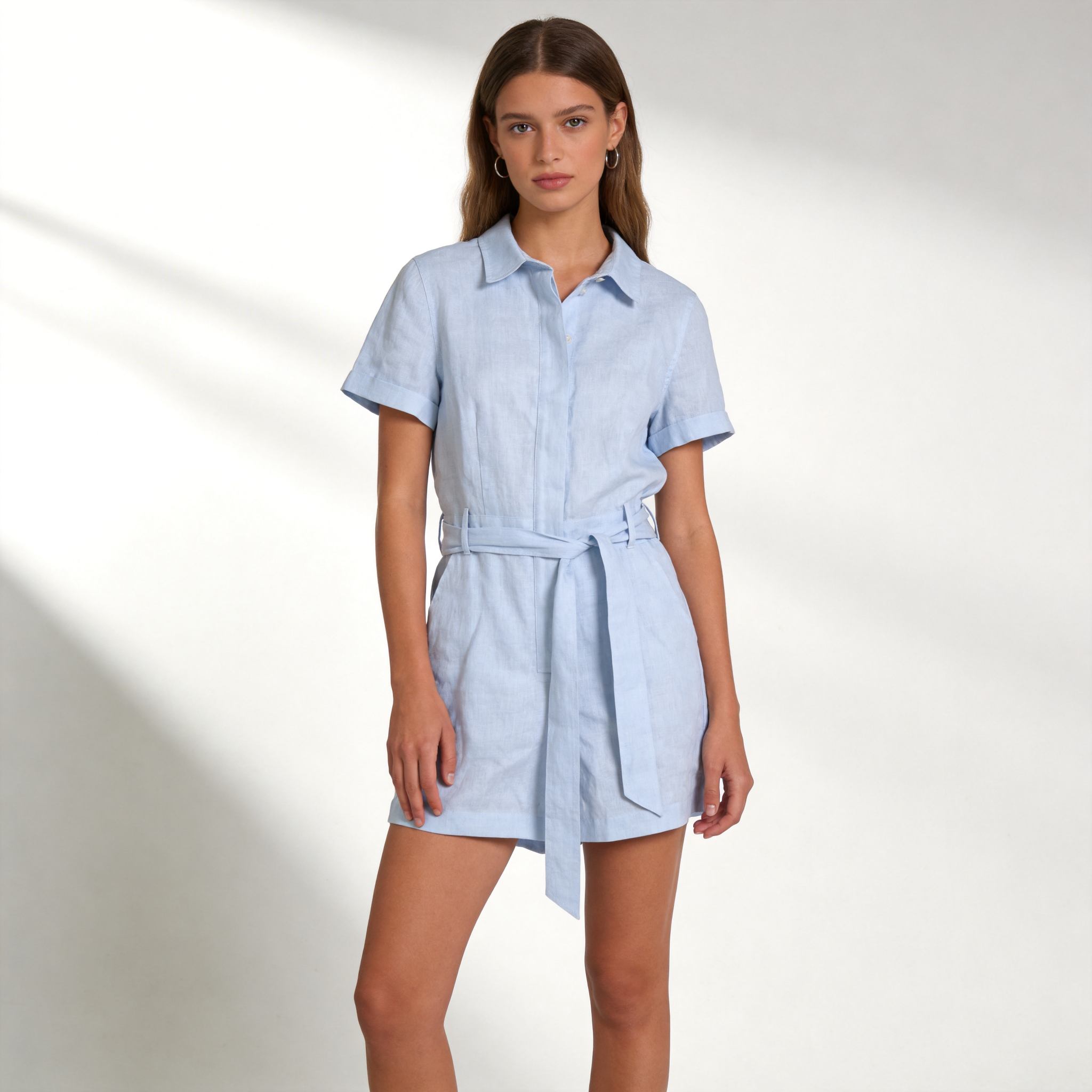
Casual dresses typically use lightweight cotton, rayon, linen blends, or jersey knits in the 120–180 GSM range. Construction complexity remains moderate, with simple silhouettes, elastic waistbands, and minimal embellishment. Target customers include online boutiques, resort brands, and influencer collections requiring 50–500 piece runs.
Popular styles include maxi dresses, slip dresses, and sundresses with digital printing, embroidery accents, or contrast panels for brand differentiation.
Evening and Cocktail Dresses
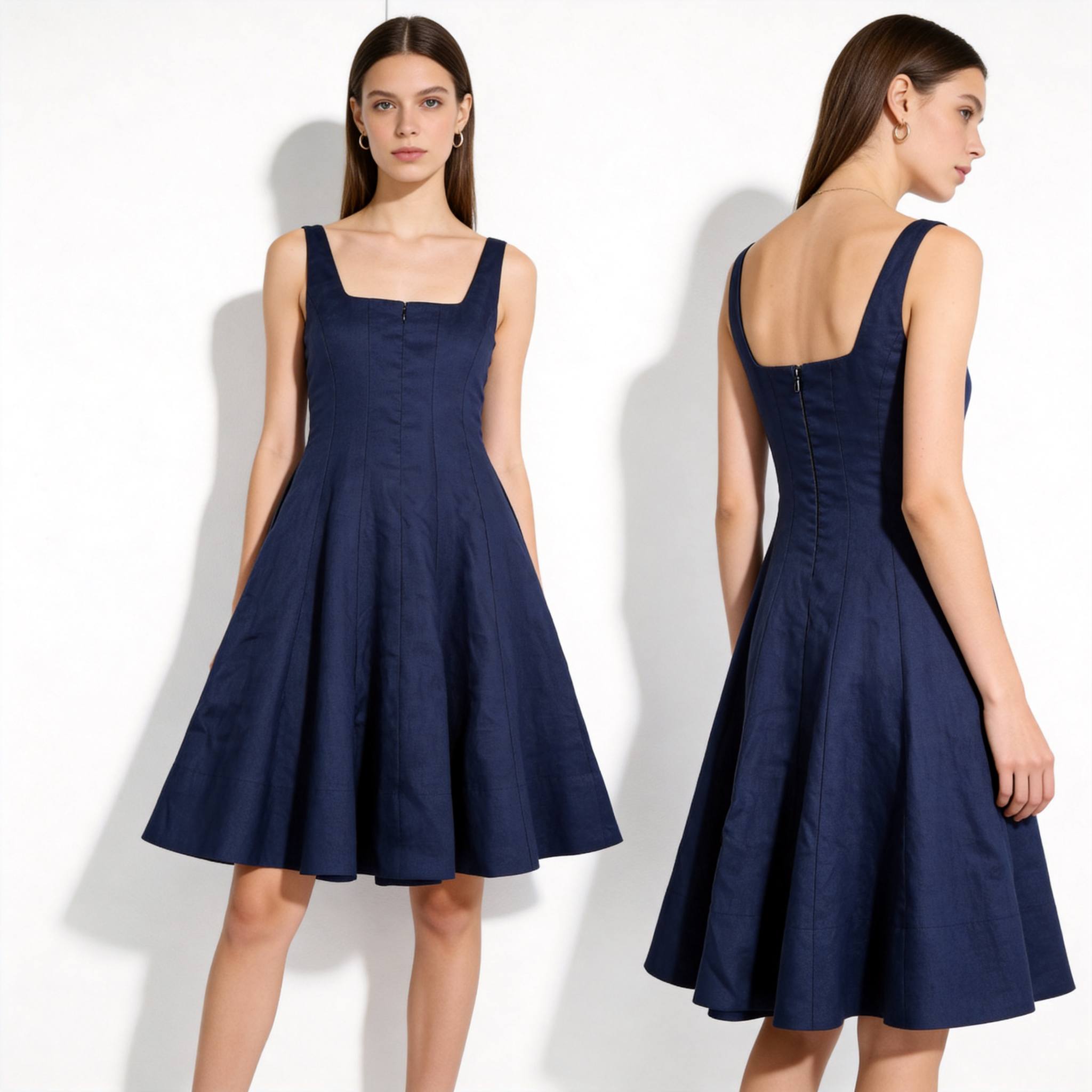
Evening dresses demand premium fabrics such as satin, chiffon, sequined mesh, or velvet with construction complexity including boning, corset structures, and multi-layer draping. Typical MOQs start at 100–300 pieces due to specialized sewing and finishing requirements.
Target segments include formal wear retailers, prom collections, and special occasion brands. Decoration techniques include beading, lace appliqué, and metallic embroidery to achieve luxury positioning.
Bridal and Bridesmaid Dresses
Bridal dresses require the highest construction complexity, involving lace overlays, hand-sewn beading, tulle layers, and custom sizing for individual fit. Fabric choices include silk satin, Chantilly lace, organza, and duchess satin.
Bridesmaid dresses offer simpler construction with chiffon, georgette, or stretch crepe fabrics. MOQs typically range from 50–200 pieces, serving boutique bridal shops, wedding planners, and online bridal startups.
Workwear and Professional Dresses
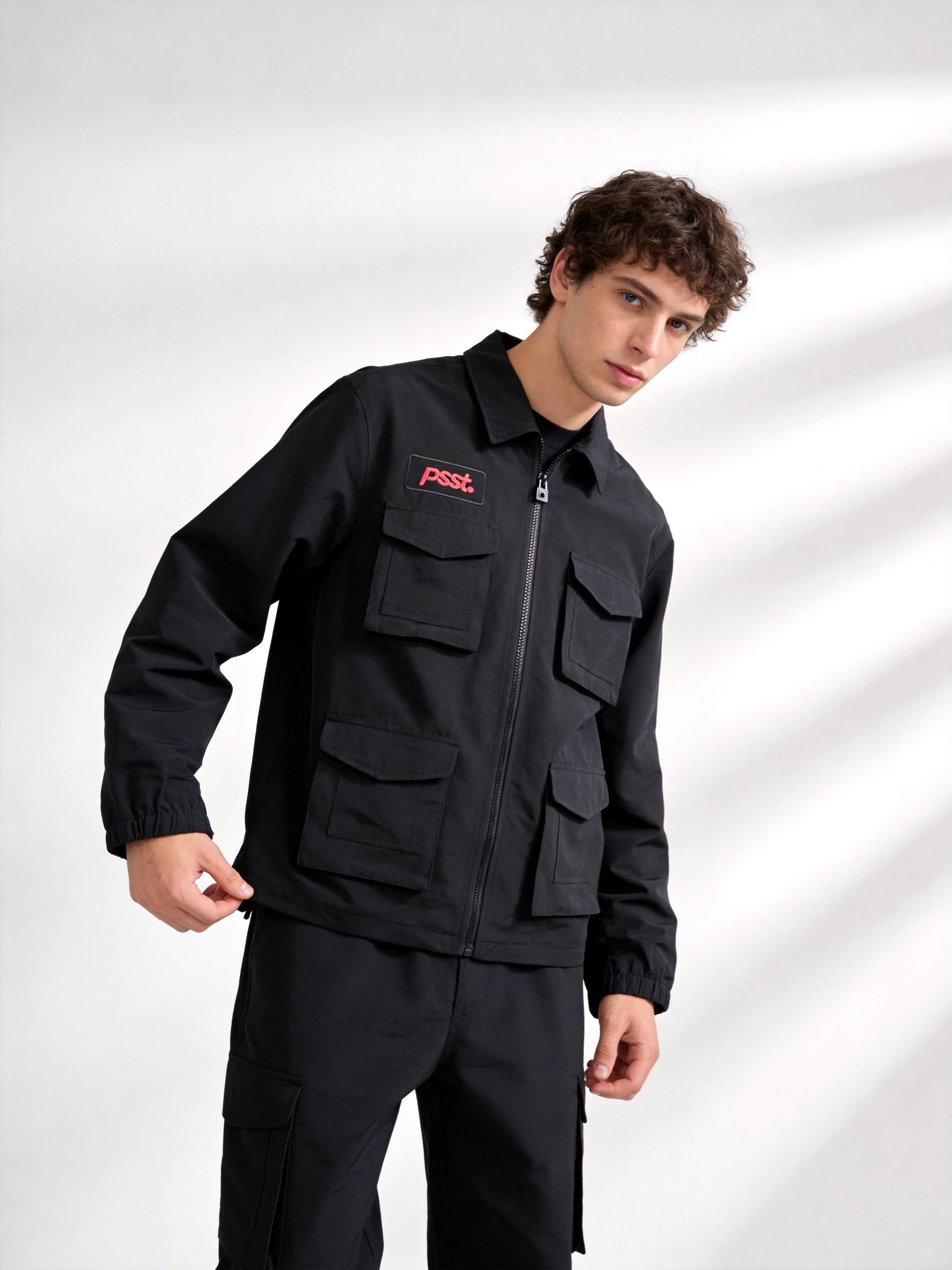
Professional dresses use structured fabrics such as ponte knit, cotton twill, polyester blends, or stretch suiting in 200–280 GSM weights. Construction emphasizes clean lines, tailored waistlines, and functional details like pockets and concealed zippers.
Target customers include corporate uniform suppliers, professional women’s brands, and wholesale retailers. Typical order volumes range from 200–1,000 pieces with consistent sizing and color stability requirements.
4. Materials and Fabrics for Custom Dresses
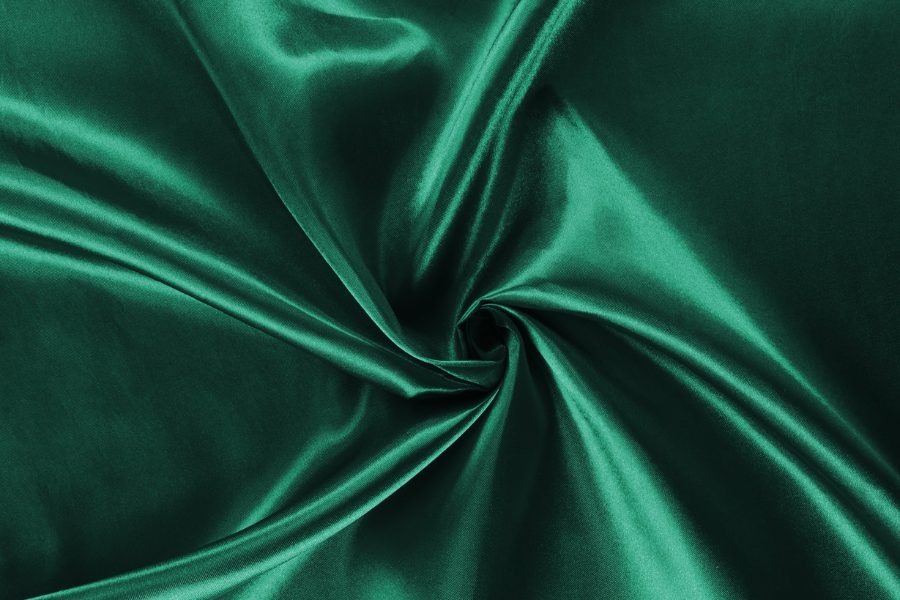
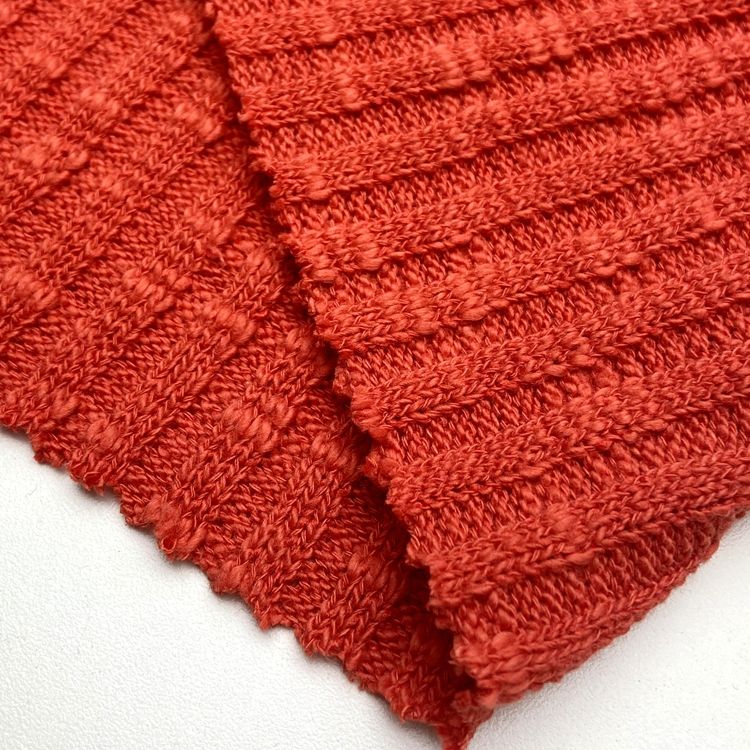
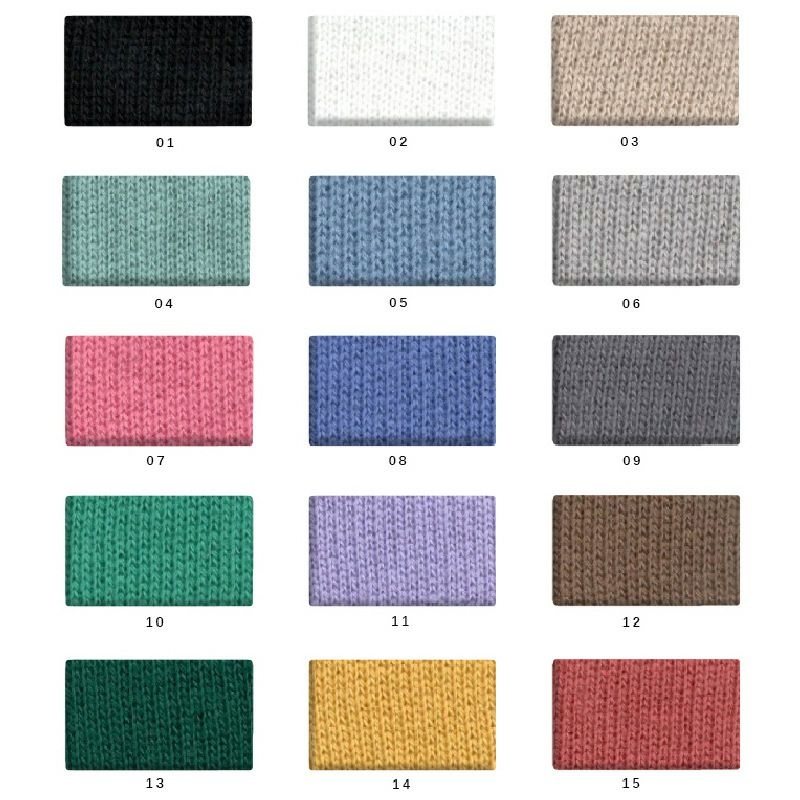
Fabric selection determines drape, comfort, and market positioning for custom dresses. ZORWILD sources cotton, polyester, rayon, silk, linen, jersey knits, chiffon, satin, and blends from trusted suppliers across China to match brand budgets and seasonal requirements.
| Fabric Type | GSM Range | Best Use Case | Cost Tier | Care Instructions |
|---|---|---|---|---|
| Cotton | 120–200 | Casual, summer, resort | Mid | Machine wash, tumble dry low |
| Linen blend | 150–220 | Casual, warm-climate | Mid-High | Machine wash cold, line dry |
| Silk / Silk-touch | 80–140 | Evening, formal, slip dresses | High / Mid | Dry clean or hand wash |
| Polyester | 100–180 | Casual, printed, all-season | Low-Mid | Machine wash, wrinkle-resistant |
| Rayon / Viscose | 130–180 | Bodycon, street fashion | Mid | Hand wash or dry clean |
| Jersey knit | 160–220 | Casual, athleisure | Mid | Machine wash, hang dry |
| Chiffon | 60–100 | Layering, prom, evening | Mid-High | Hand wash, air dry |
| Satin | 90–150 | Formal, wedding, evening | Mid-High | Dry clean or hand wash |
Natural Fibers: Cotton, Linen, and Silk
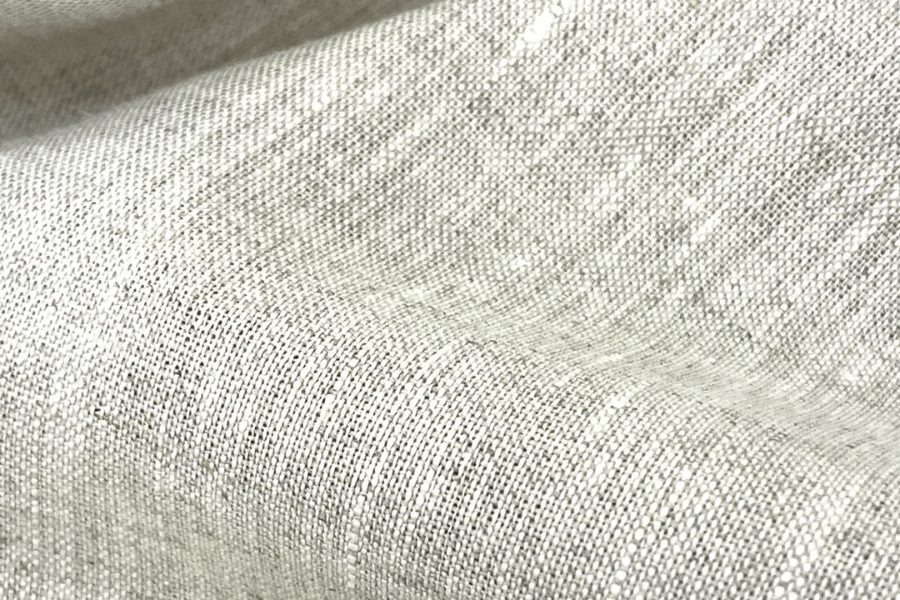
Cotton fabrics ranging from 120 to 200 GSM deliver breathability and softness for casual dresses, summer dresses, and resort wear. Linen blends at 150–220 GSM offer excellent drape and moisture wicking for warm-climate collections, though they wrinkle easily and require careful finishing.
Silk and silk-touch fabrics at 80–140 GSM provide luxury hand feel and fluid drape for evening dresses, slip dresses, and formalwear. Natural silk requires dry cleaning or hand washing, while polyester silk alternatives reduce care complexity and cost.
Synthetic and Blended Fabrics
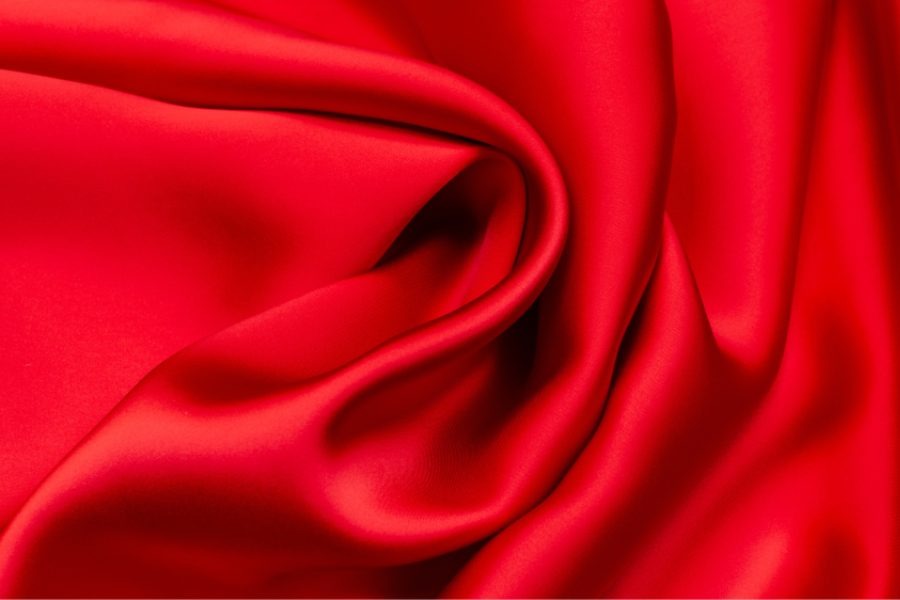
Polyester fabrics at 100–180 GSM resist wrinkles, hold prints well, and support sublimation printing for all-over patterns. Rayon and viscose blends at 130–180 GSM combine natural drape with synthetic durability, ideal for bodycon dresses and street fashion styles.
Jersey knits at 160–220 GSM offer stretch, comfort, and shape retention for casual dresses and athleisure collections. Chiffon at 60–100 GSM and satin at 90–150 GSM deliver sheer layering and glossy finishes for prom dresses, wedding dresses, and evening wear.
5. Customization and Decoration Options for Custom Dresses
Custom dresses gain brand identity and premium appeal through advanced decoration techniques that range from simple screen printing to intricate beading and embroidery. ZORWILD supports more than 95% of modern apparel decoration methods, enabling startup brands and established labels to differentiate collections with logos, all-over prints, and luxury embellishments.
| Technique | Setup Cost | Per-Piece Cost | Durability | Best Application |
|---|---|---|---|---|
| Screen Printing | Moderate ($50–150) | Low ($1–3) | Excellent | Logos, bold graphics, repeat designs |
| Embroidery | Low ($30–80) | Moderate ($2–6) | Excellent | Logos, monograms, premium branding |
| Heat Transfer | Low ($20–50) | Low ($1–2) | Good | Complex artwork, small runs, photo prints |
| Sublimation | Moderate ($60–120) | Low ($1.50–3) | Excellent | All-over prints, polyester garments |
| Beading & Sequins | None | High ($5–20) | Moderate | Evening wear, luxury embellishment |
| Appliqué | Low ($30–60) | Moderate ($2–5) | Good | Textured logos, patchwork, streetwear |
| Laser Cutting | Moderate ($80–150) | Moderate ($2–4) | Excellent | Intricate patterns, lace effects |
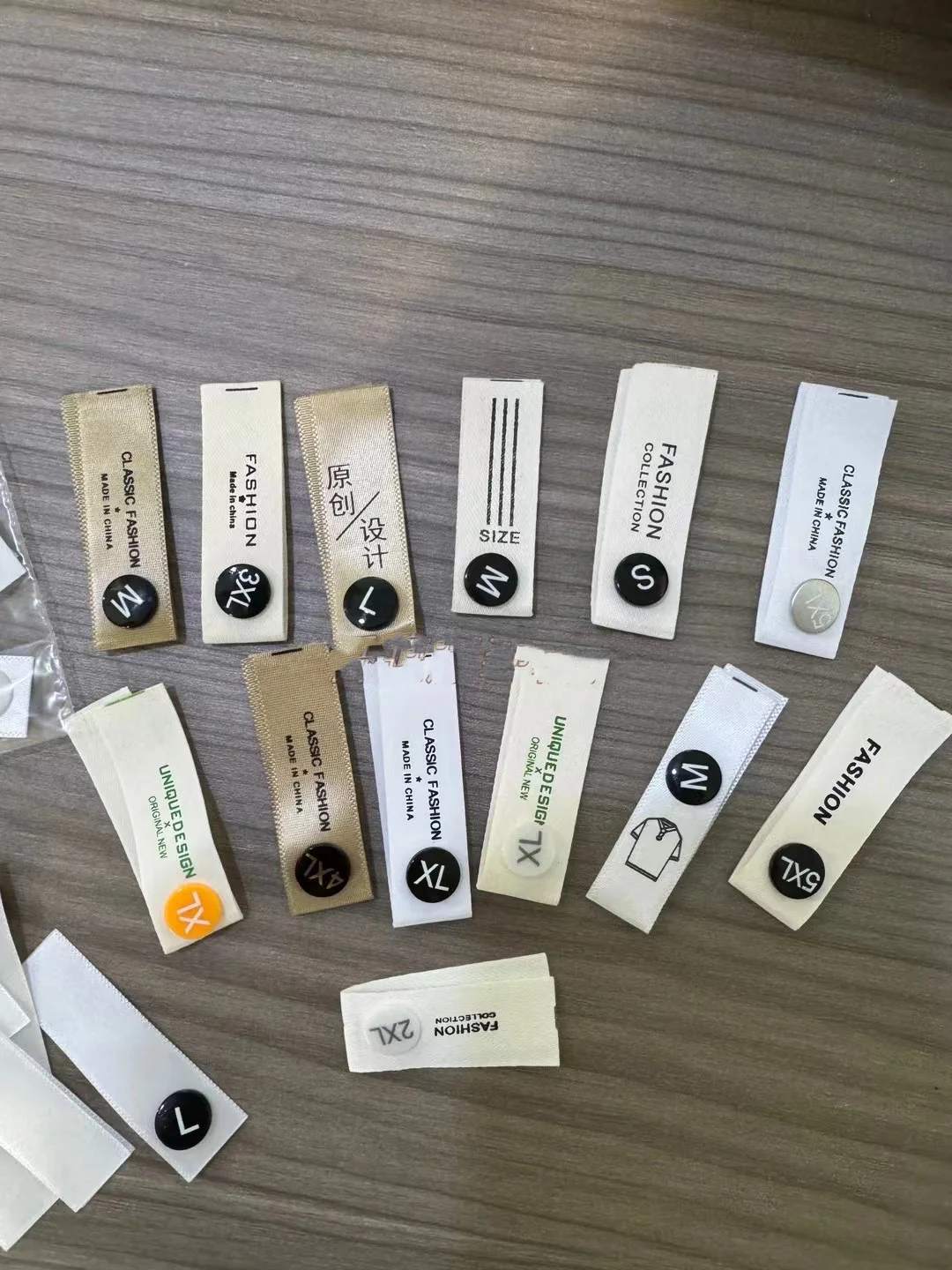
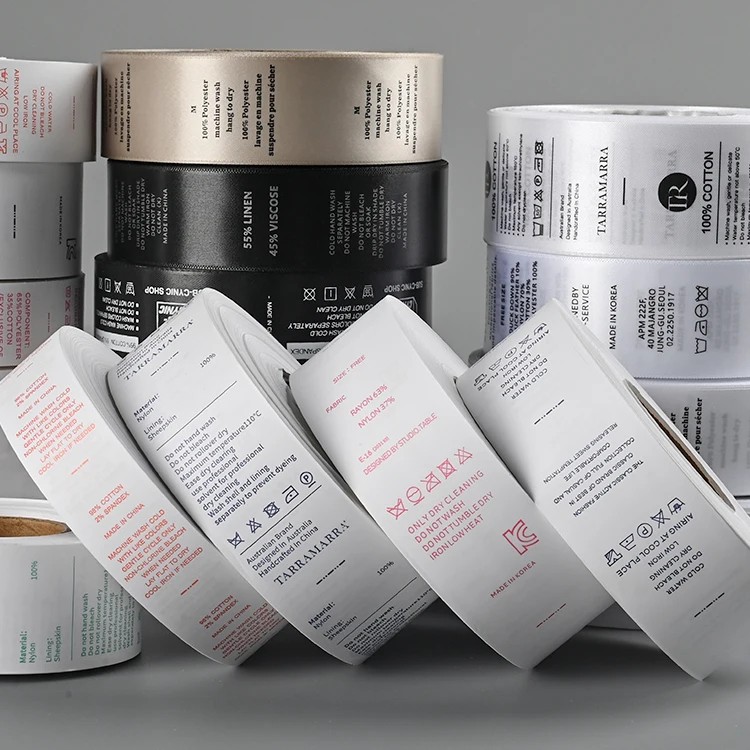
| Custom Labels/Tags | Low ($20–40) | Very Low ($0.10–0.50) | Good | Brand identity, care instructions |
6. Key Quality and Construction Elements in Custom Dresses
Quality custom dresses depend on precise construction details that must be specified in tech packs and verified during sampling. ZORWILD’s 27 years of manufacturing experience show that clear quality standards prevent costly rework and ensure consistency across production runs.
Seam Construction and Finishing
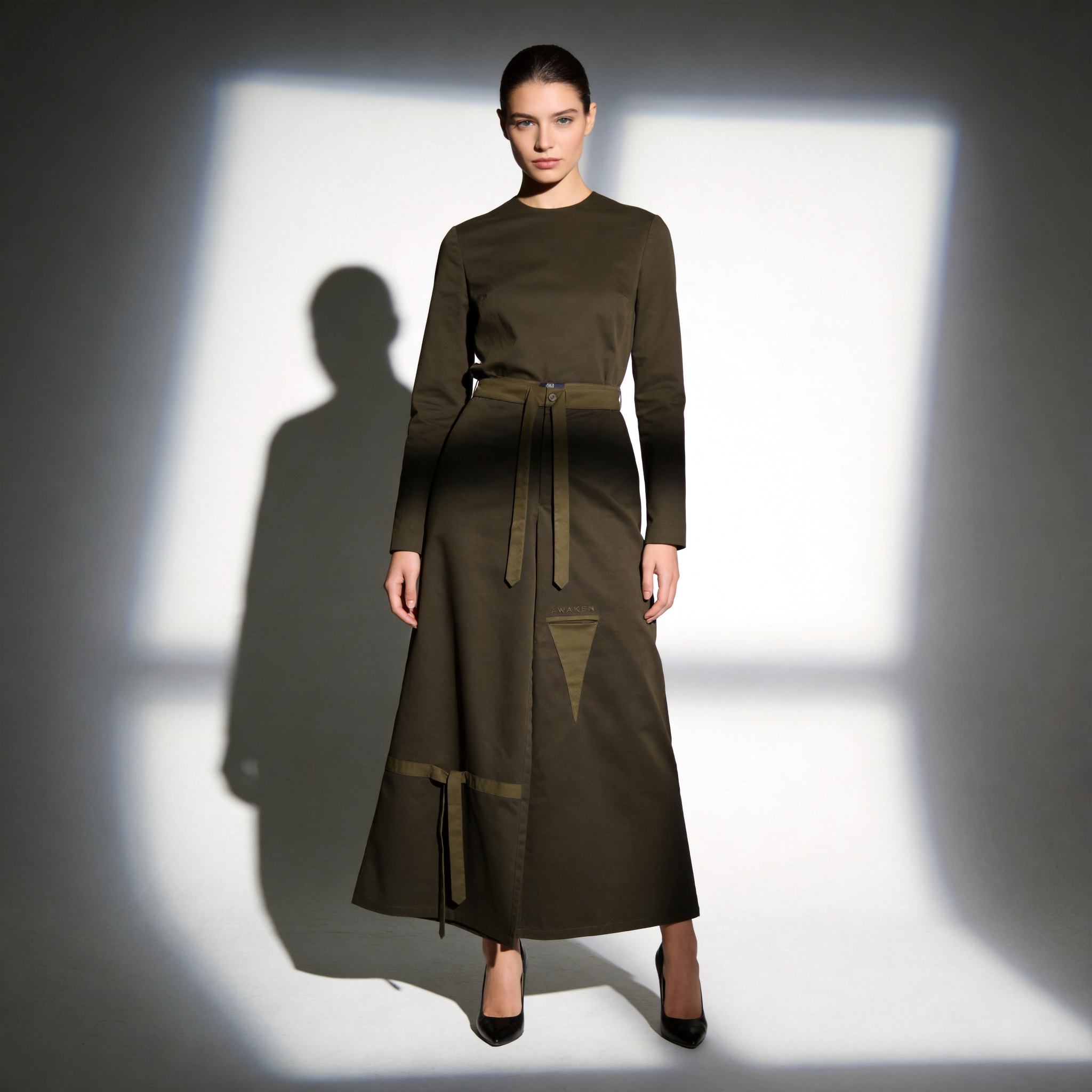
French seams encase raw edges for a clean interior finish on lightweight fabrics like chiffon and satin, while overlocked edges using 3- or 4-thread serging provide durability for knit and stretch dresses. Flat-felled seams work best for structured denim or linen dresses requiring reversible construction.
Spec seam type by fabric weight and garment category in your tech pack. Pre-production samples should show consistent seam width (typically 1 cm or 3/8 inch) and no puckering or thread tension issues.
Stitching Density and Thread Quality
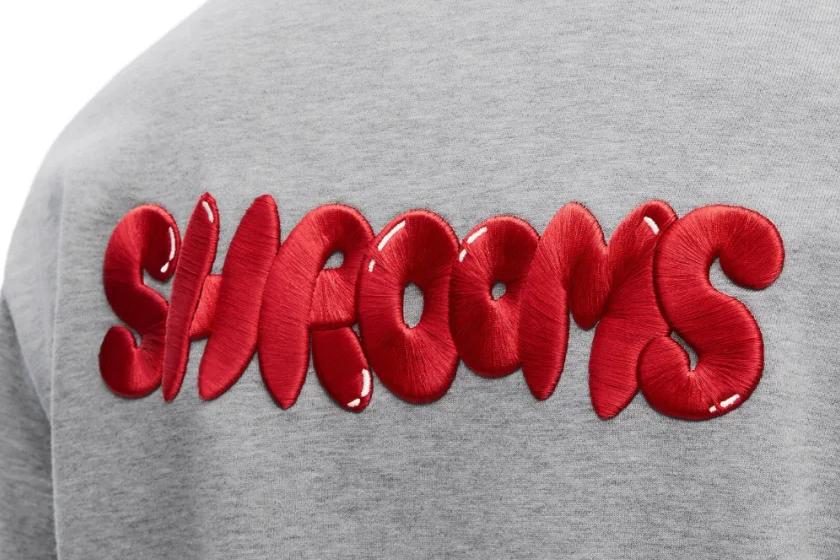
Stitching density measured in SPI (stitches per inch) determines seam strength and appearance. Woven dress fabrics require 10–12 SPI for standard seams, while stretch knit dresses need 12–14 SPI to prevent seam breakage during wear.
Thread quality matters: polyester core-spun thread offers strength and elasticity for most custom dresses, while cotton-wrapped polyester provides a softer appearance for premium collections. Inspect samples for consistent stitch length, no skipped stitches, and secure backstitching at stress points.
Lining, Interfacing, and Inner Structure
Lining fabrics like polyester satin or rayon bemberg add comfort, opacity, and drape to bodycon, evening, and prom dresses. Interfacing stabilizes necklines, waistbands, and closures — fusible interfacing suits most applications, while sew-in interfacing works for delicate fabrics that cannot withstand heat pressing.
Tech packs should specify lining coverage (full, half, or bodice-only) and interfacing placement. Check pre-production samples for smooth interfacing application with no bubbling, correct lining attachment, and hem allowance alignment.
Zipper, Closure, and Hardware Quality
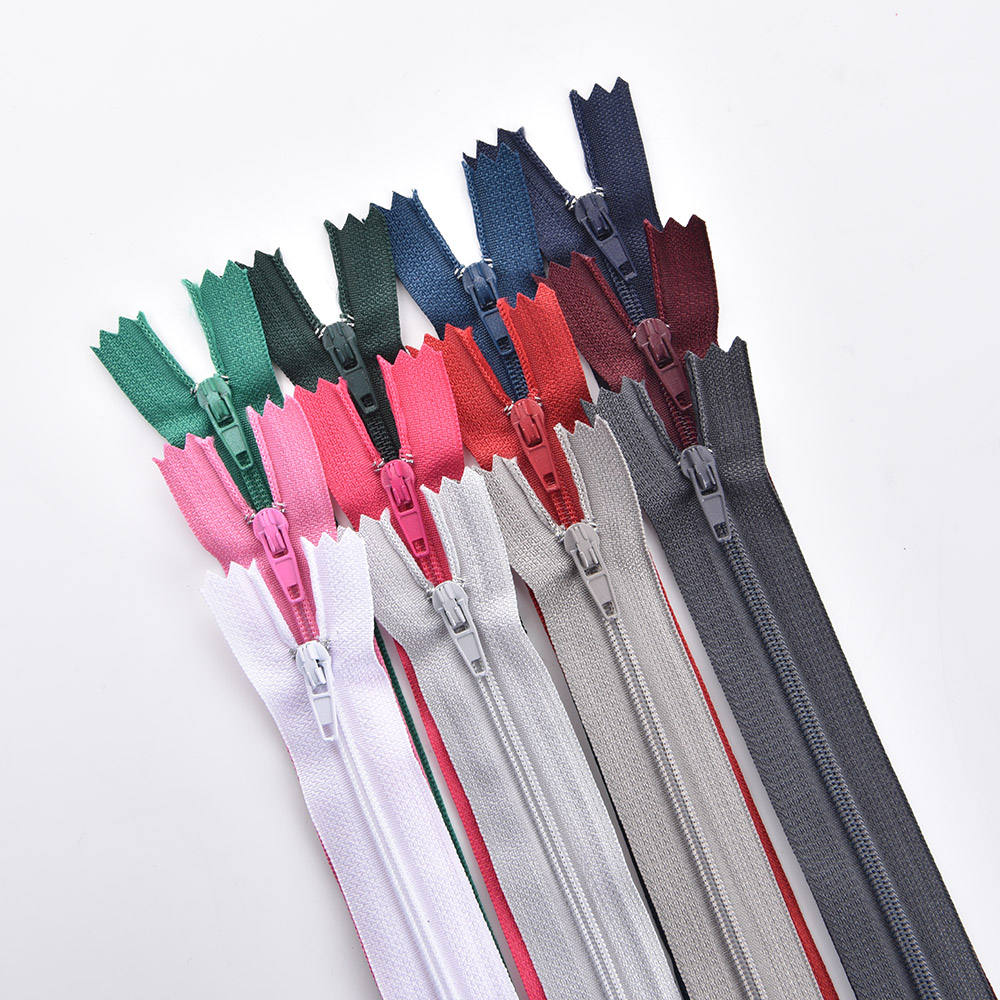
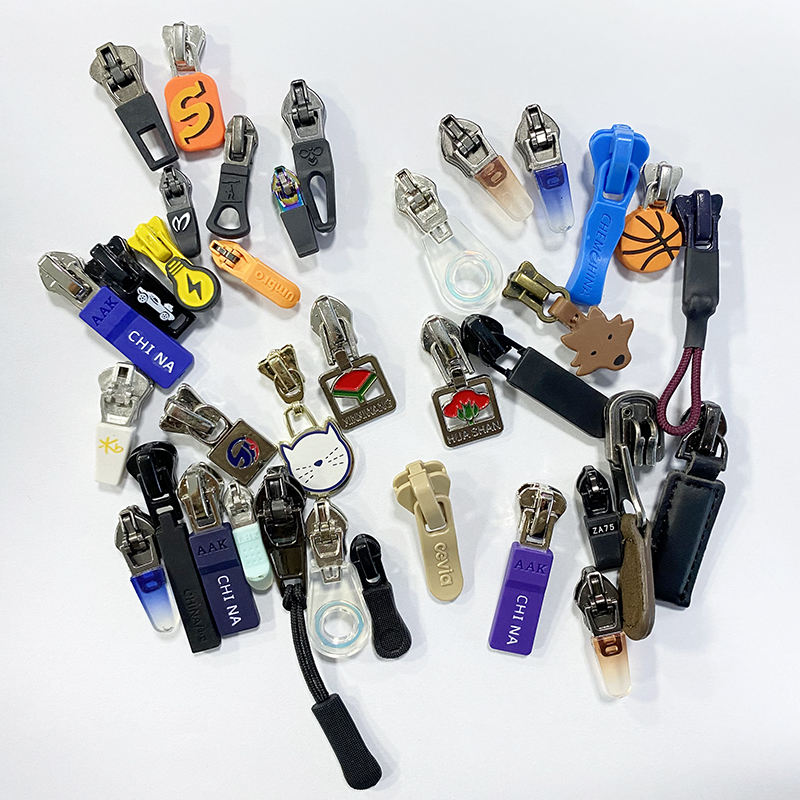
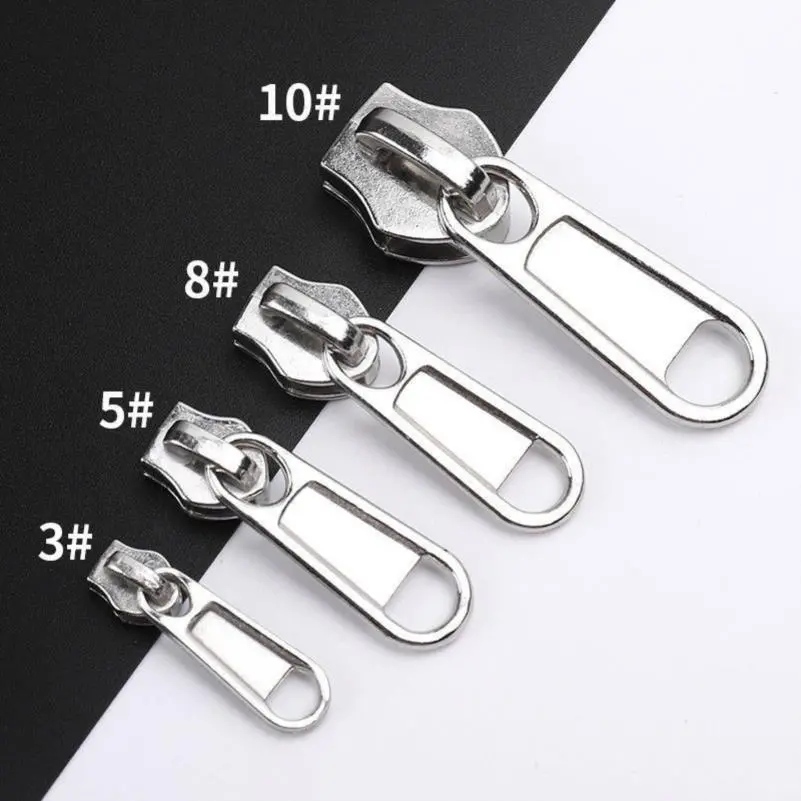
Invisible zippers create seamless side or back closures for formal and evening dresses, while exposed metal zippers add design detail to casual and streetwear styles. YKK zippers offer reliable quality with smooth operation and durable tape construction.
Button quality, snap strength, and hook-and-eye placement affect garment longevity. Specify hardware brand, size, and finish (nickel-free, antique brass, matte black) in tech packs. Sample inspection should confirm secure attachment, correct zipper length, and aligned closure points across all sizes.
7. How to Choose the Right Custom Dress Manufacturer
Choosing the right manufacturer determines production quality, lead times, and long-term scalability for custom dresses. Evaluate certifications, capacity, service models, and communication systems before committing to a production partner.
Certifications and Compliance Standards
BSCI, WRAP, and OEKO-TEX certifications indicate adherence to labor, safety, and chemical standards. Factories with OEKO-TEX Standard 100 ensure fabrics meet strict limits on harmful substances, critical for evening and wedding dresses worn close to skin.
Certified manufacturers typically maintain documented quality systems, traceable supply chains, and regular third-party audits. Verify certification validity dates and scope — some apply only to specific product lines or facilities.
Production Capacity and MOQ Flexibility
Monthly capacity above 100,000 units supports scaling from startup collections to wholesale volumes. Factories offering 50-piece MOQs enable influencers and small brands to test styles without inventory risk, while 500–1,000 piece minimums suit established retailers.
Ask about production lead times for sampling (7–10 days) and bulk orders (30–45 days). Factories with in-house fabric sourcing, cutting, sewing, and finishing reduce delays compared to multi-vendor workflows.
Service Models: Full-Package vs. CMT
Full-package manufacturers handle design development, fabric sourcing, sampling, production, and logistics — ideal for brands without supply-chain infrastructure. CMT (cut-make-trim) services require clients to supply fabrics and trims, offering cost savings but demanding more coordination.
ZORWILD’s full-package model includes tech pack development, material recommendations, and export documentation, streamlining the process for startup brands and influencers launching custom dress collections with minimal overhead.
Communication and Design Support
Responsive communication via email, WhatsApp, and video calls prevents misunderstandings on fit, fabric, and decoration details. Factories with English-speaking account managers and design teams reduce revision cycles and sampling costs.
Look for manufacturers offering tech pack review, fabric swatch libraries, and pre-production samples. Design support accelerates product development for brands without in-house pattern makers or garment technicians.
8. Common Mistakes When Ordering Custom Dresses
Ordering custom dresses without understanding common production pitfalls leads to costly delays, quality disputes, and inventory losses. ZORWILD’s 27 years of manufacturing experience reveal recurring mistakes that even experienced brands make during custom dress production.
Skipping Sample Approval Before Bulk Production
Many buyers rush from tech pack to bulk production without physical sample evaluation, resulting in fit issues, incorrect fabric drape, and mismatched expectations. ZORWILD recommends approving a pre-production sample for every custom dress style to verify measurements, fabric quality, lace application, embroidery placement, and construction details.
Sampling costs $50–150 per dress style but prevents rejecting entire production runs worth thousands. Always test sample garments on real body forms across multiple sizes before confirming bulk orders.
Underestimating Lead Times and Production Cycles
Custom dresses require 25–45 days from order confirmation to shipment, including fabric sourcing (7–10 days), sampling (5–7 days), bulk production (10–20 days), and finishing (3–5 days). Buyers ordering for seasonal launches or event deadlines often miss delivery windows by failing to account for fabric delays, decoration time, and shipping transit.
ZORWILD recommends adding 10–15 days buffer for international shipping and customs clearance, especially for beaded or embroidered dresses requiring hand-finishing work.
Vague Tech Packs Leading to Quality Disputes
Incomplete tech packs without detailed measurements, stitch specifications, fabric GSM, and decoration placement cause miscommunication and production errors. Clear tech packs must include front and back sketches, graded size charts, seam allowances, lining details, zipper type, and Pantone color codes.
ZORWILD’s development team can assist with tech pack refinement, but buyers must provide accurate reference garments or detailed specifications to avoid costly revisions and production delays.
Ignoring Fabric Shrinkage and Color Matching
Natural fabrics like cotton, linen, and rayon shrink 3–5% after washing, yet many brands fail to account for shrinkage in pattern grading. ZORWILD pre-washes fabrics when requested and adjusts patterns accordingly, but buyers must specify wash requirements during sampling.
Color matching across fabric batches requires Pantone references and dye-lot approval. Satin, chiffon, and polyester blends show visible color variation under different lighting, so always approve lab dips before bulk fabric orders.
9. Steps to Launch Your Custom Dress Brand
Launching a custom dress brand requires systematic planning across six core phases. ZORWILD’s 27 years of experience with over 2,000 brands reveals that structured execution reduces time-to-market by 30–40% and minimizes costly revisions.
Market Research and Niche Selection
Identify your target customer segment—resort wear, evening dresses, bridal, or streetwear—and analyze competitor pricing, fabric choices, and decoration styles. ZORWILD serves influencers, wholesalers, and established brands across the United States, Canada, United Kingdom, Germany, and Australia, providing insight into regional preferences.
Define your price point and production volume early; 50-piece low MOQ collections suit startup testing, while 500+ units enable wholesale distribution and better fabric pricing.
Design Development and Tech Pack Creation
Prepare tech packs with flat sketches, measurements, fabric specifications, and decoration details—embroidery placement, lace applications, or beading—or share inspiration photos and reference garments with ZORWILD’s development team for production-ready conversion.
Include grading rules, seam allowances, and stitch types to ensure accurate sampling. ZORWILD supports satin draping, corset structures, multi-layer construction, and chiffon fabrics for complex dress designs.
Supplier Sourcing and Sample Ordering
Request samples to evaluate fit, fabric quality, construction details, and decoration accuracy before committing to bulk production. ZORWILD’s 7-day sample turnaround and one-stop manufacturing—from fabric sourcing to final packaging—streamline supplier coordination.
Verify the manufacturer’s capacity for your volume, decoration techniques, and timeline. ZORWILD’s monthly production capacity exceeds 100,000 units with full quality control systems.
Bulk Production, Branding, and Launch
Confirm bulk orders after sample approval, specifying custom labels, hang tags, packaging bags, and tissue paper for premium unboxing. ZORWILD provides in-line inspection, measurement checks, and final product inspection to maintain strict quality standards.
Plan your go-to-market strategy—e-commerce platforms, wholesale partnerships, or pop-up events—and coordinate air freight or sea freight logistics. Realistic timelines span 8–12 weeks from design to delivery for first collections.
10. Pricing and Cost Structure for Custom Dresses
ZORWILD’s custom dresses pricing starts at 50-piece MOQ with unit costs declining as order volume increases. Basic cotton casual dresses in the 50-piece tier typically range from $12–$18 per unit, while premium satin or lace evening dresses at the same quantity start at $25–$40 per unit depending on construction complexity, fabric weight, and lining requirements. Setup fees for printing, embroidery, or specialized decoration range from $50–$150 per design depending on technique and color count.
Production lead times vary by order size and decoration complexity. Standard production for 50–200 pieces requires 15–20 days after sample approval, while orders of 500–1,000 pieces typically extend to 25–30 days to accommodate fabric sourcing, cutting, sewing, finishing, and quality inspection. Rush production is available for urgent collections with adjusted lead times and pricing.
Fabric tier significantly impacts final unit cost. Entry-level polyester blends and basic cotton poplin sit at the lower price range, mid-tier options like rayon, viscose, and bamboo blends add $2–$5 per unit, and premium materials such as silk satin, stretch lace, heavyweight chiffon, or technical performance fabrics increase costs by $5–$12 per unit. Decoration complexity also scales pricing: basic screen printing adds $1–$2 per unit, embroidery adds $2–$4 depending on stitch count, and advanced techniques like beading, sequins, or multi-layer lace appliqué add $5–$15 per unit.
| Order Quantity | Fabric & Decoration Level | Unit Price Range | Setup Fees | Lead Time |
|---|---|---|---|---|
| 50–100 pcs | Basic cotton, no decoration | $12–$18 | $0–$50 | 15–20 days |
| 50–100 pcs | Mid-tier fabric + print/embroidery | $18–$28 | $80–$150 | 18–22 days |
| 200–500 pcs | Premium satin/lace + embroidery | $22–$35 | $100–$150 | 20–25 days |
| 500–1,000 pcs | Premium fabric + beading/sequins | $28–$45 | $150–$200 | 25–30 days |
| 1,000+ pcs | Any fabric tier, complex decoration | $20–$38 | $150–$250 | 30–35 days |
Ready to Launch Your Custom Dresses Collection?
From 50-piece MOQ to 100,000+ units monthly. Get your free quote and 7-day samples from ZORWILD’s 27-year dress manufacturing experts today.