
Tassel Embroidery: Fluffy, Dimensional Texture for Premium Apparel
Add tactile, eye-catching tassel embroidery to custom hoodies, jackets, and casualwear. MOQ from 50 pieces, 27 years of craftsmanship, and full sampling support.
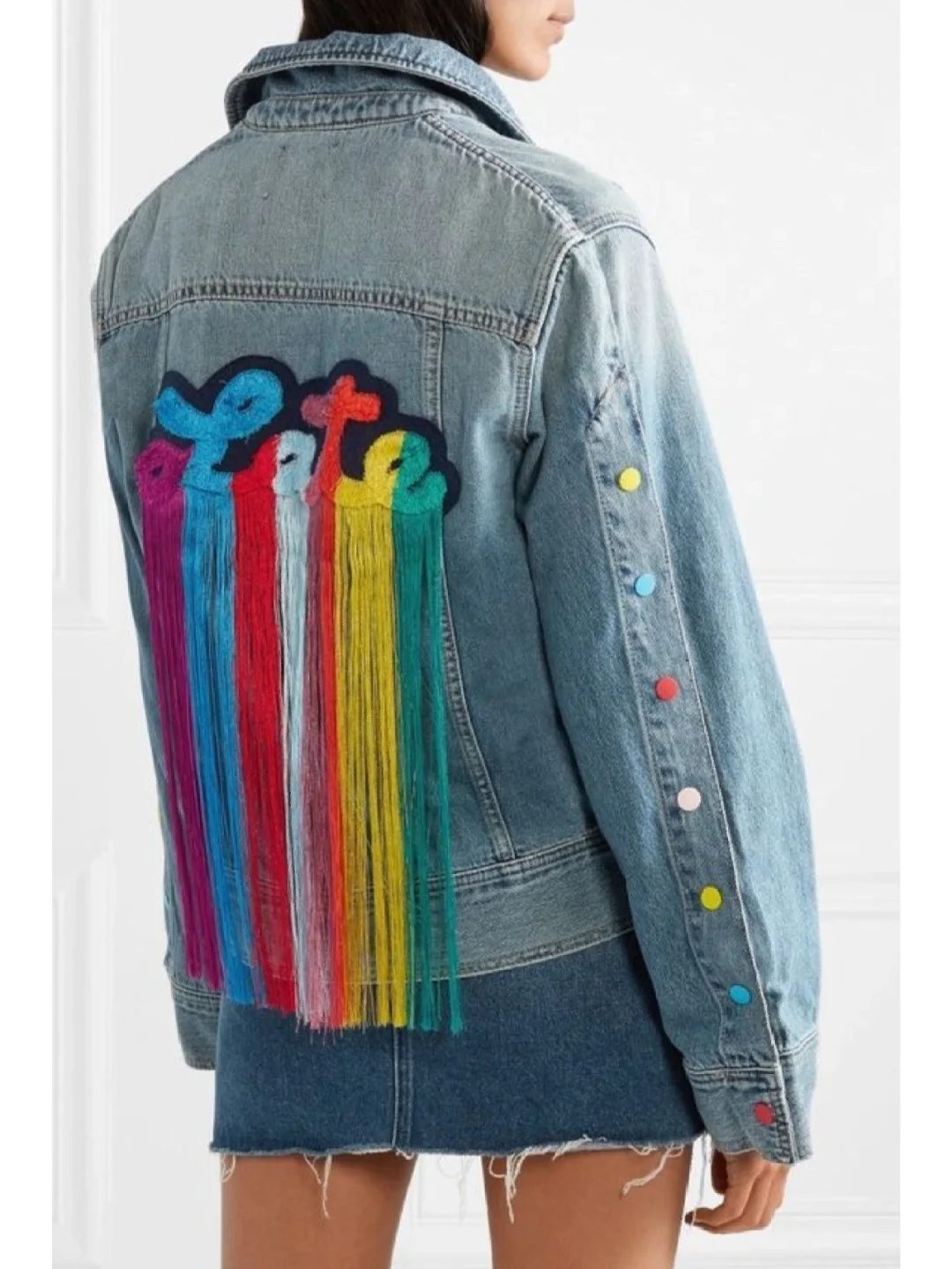
Tassel Embroidery Samples & Finished Pieces
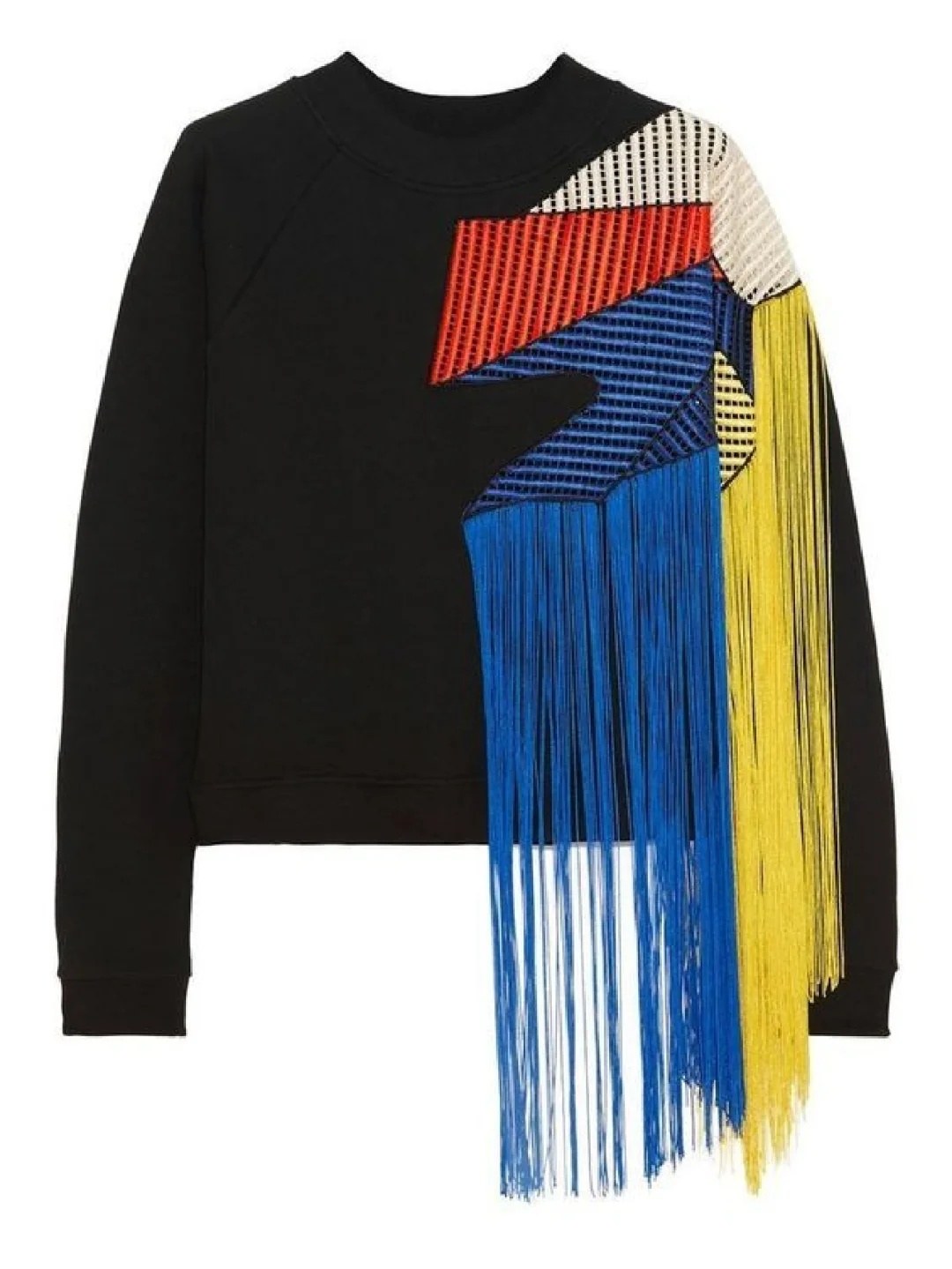
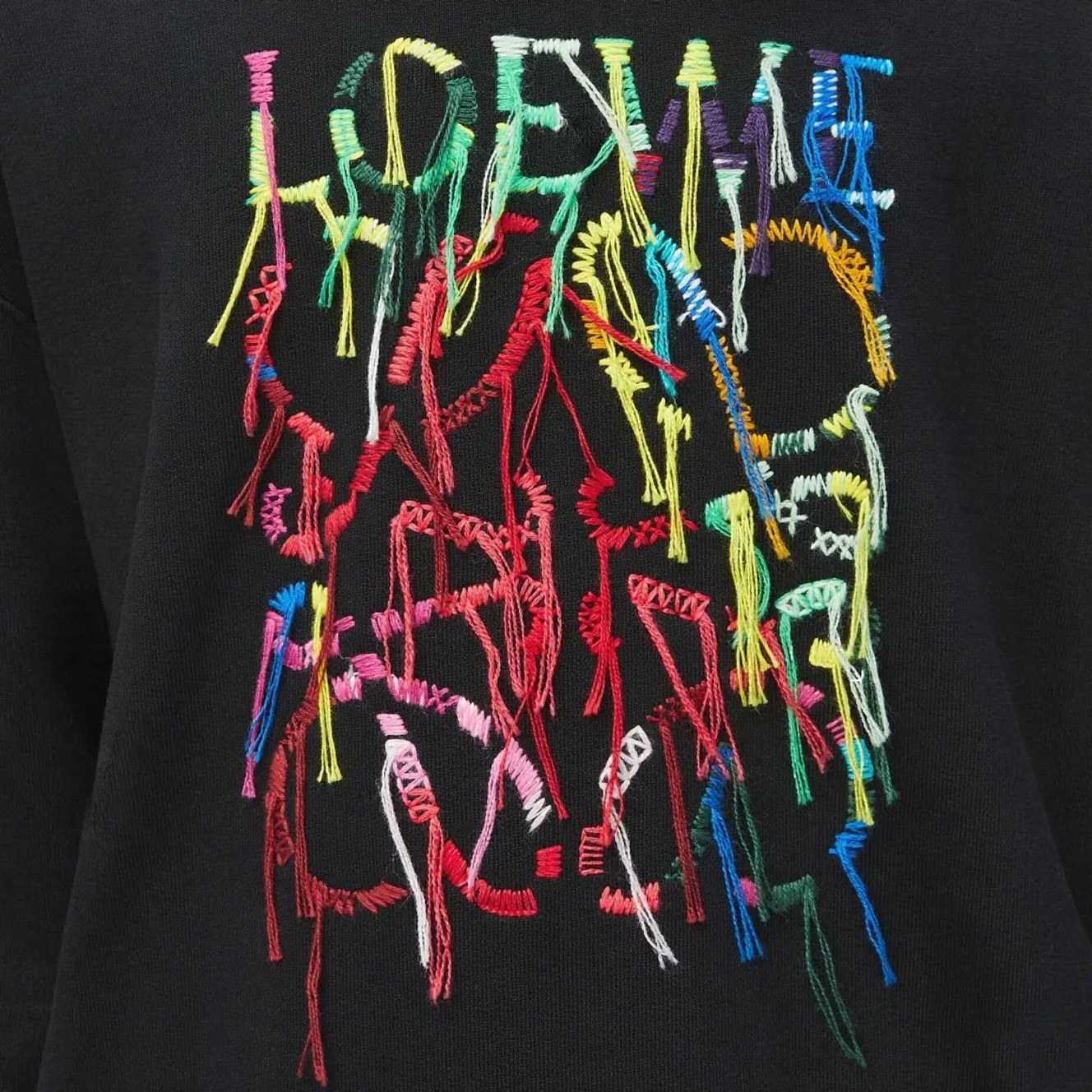
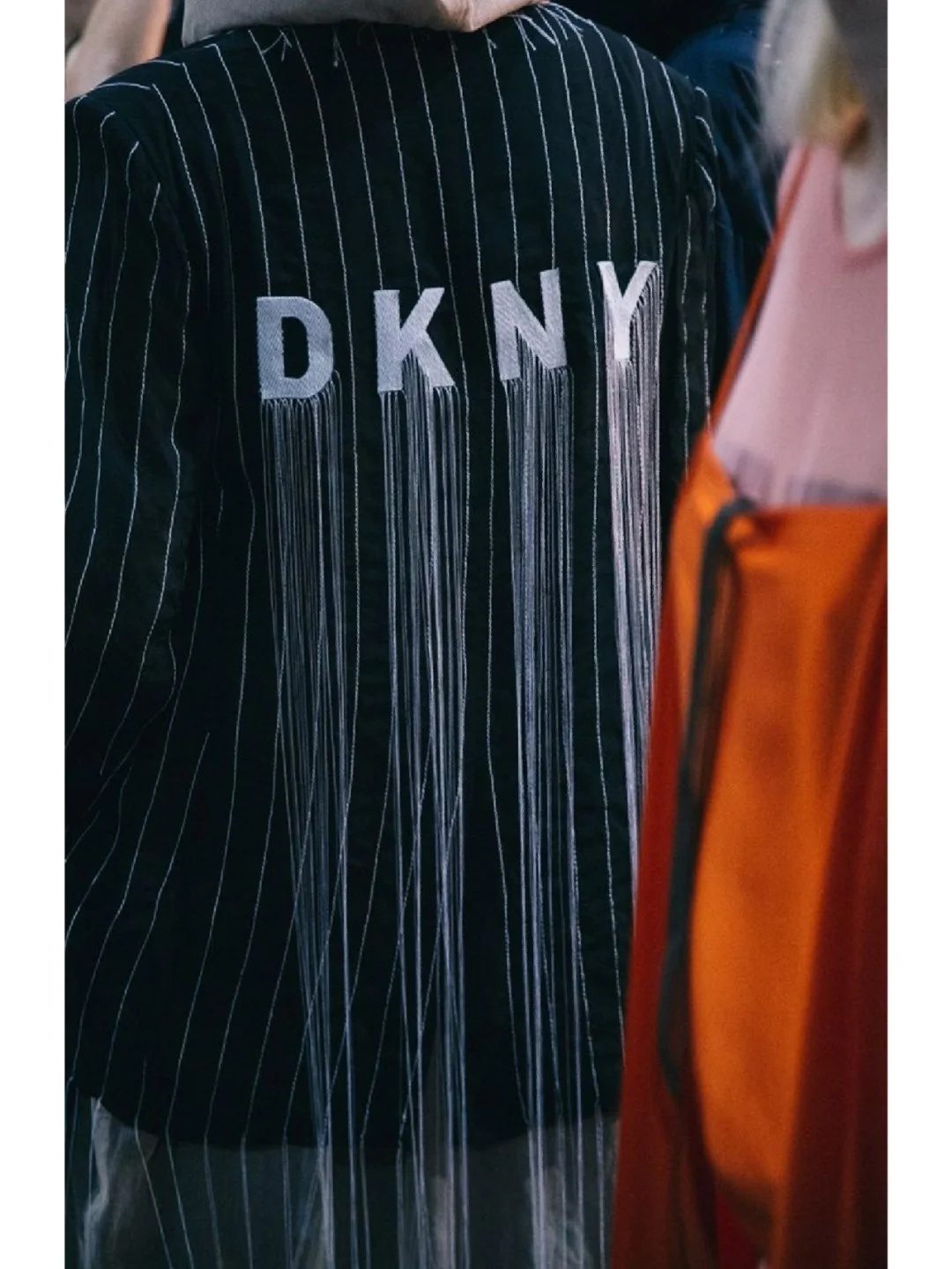
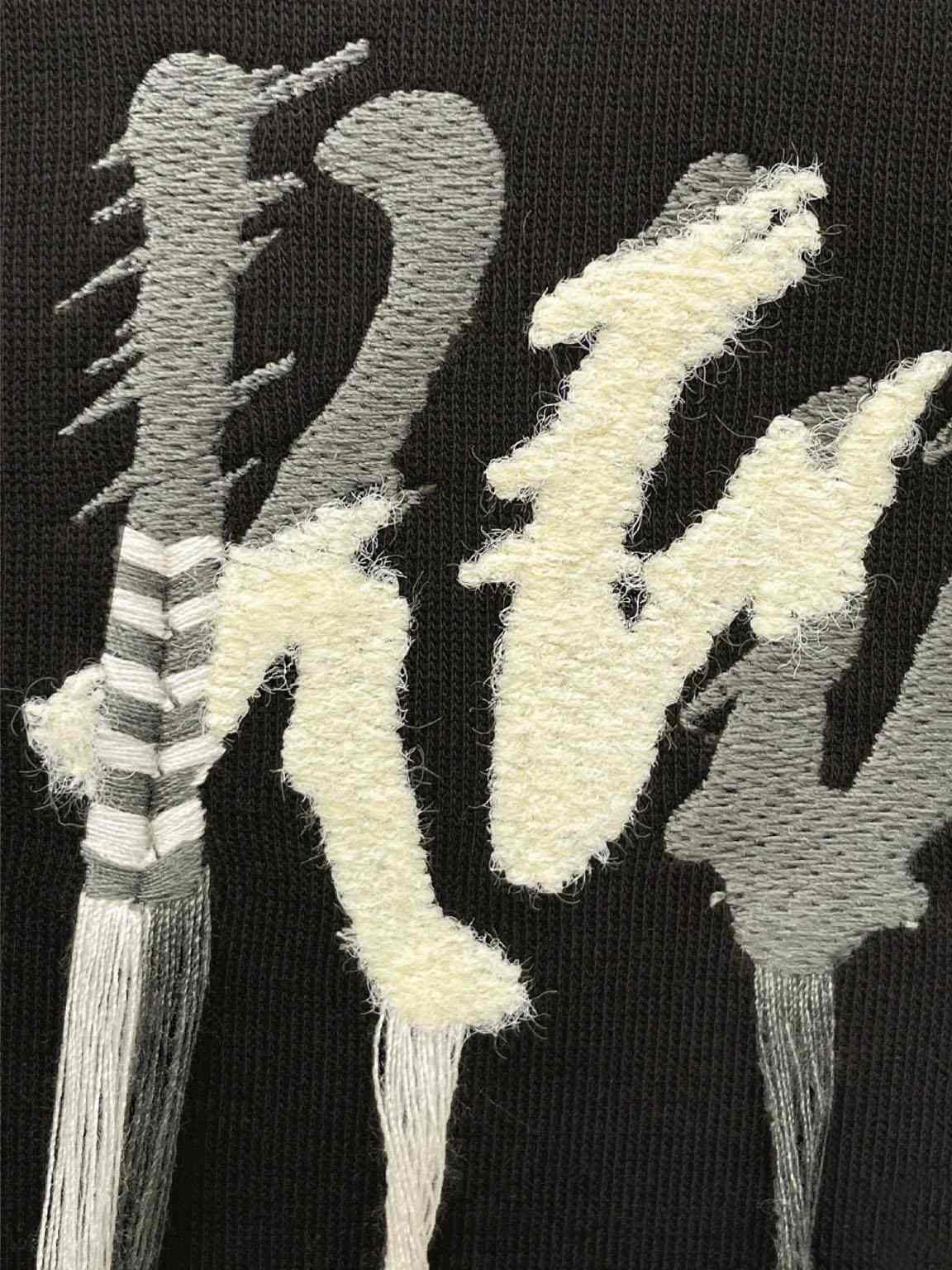
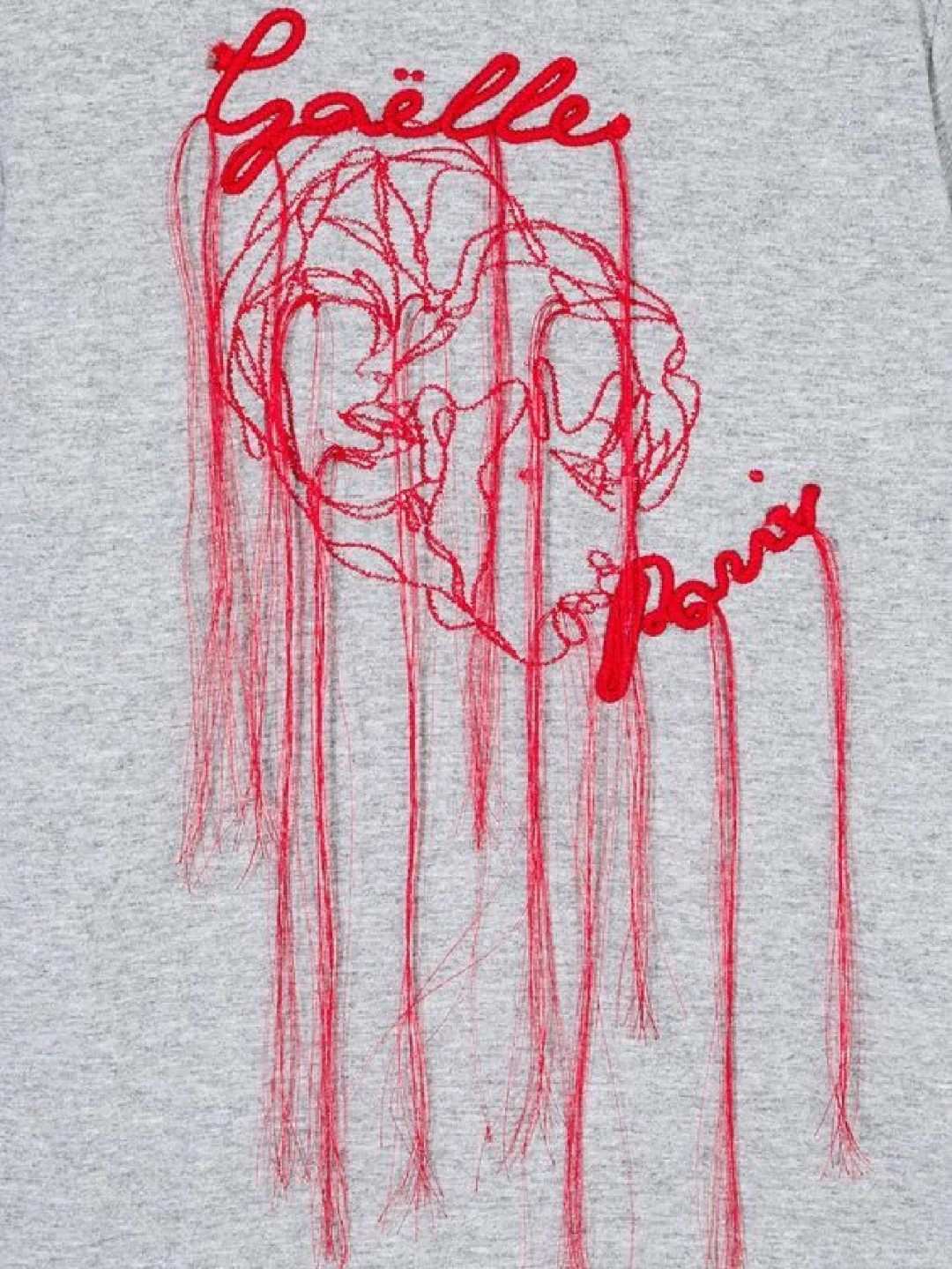
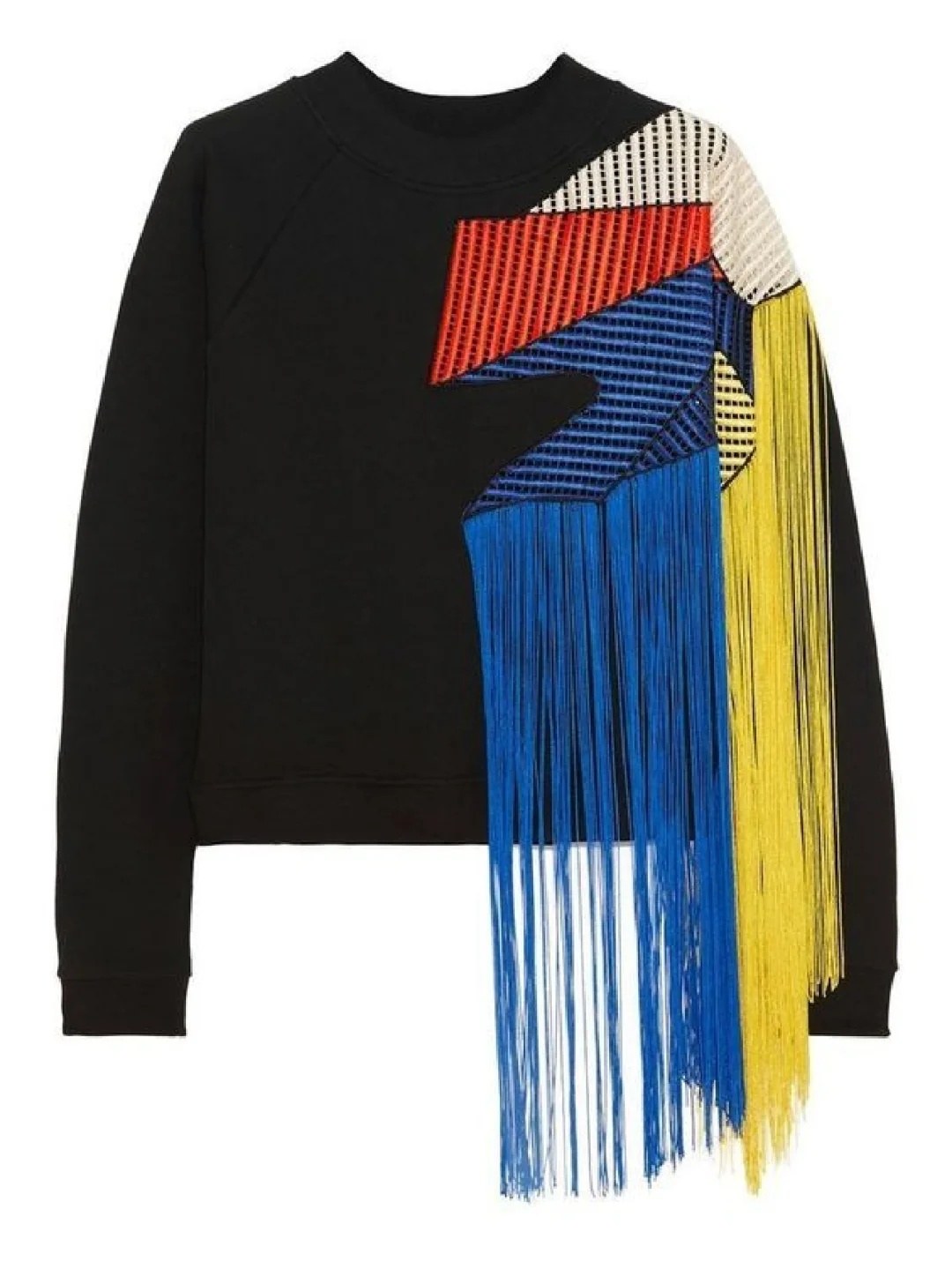
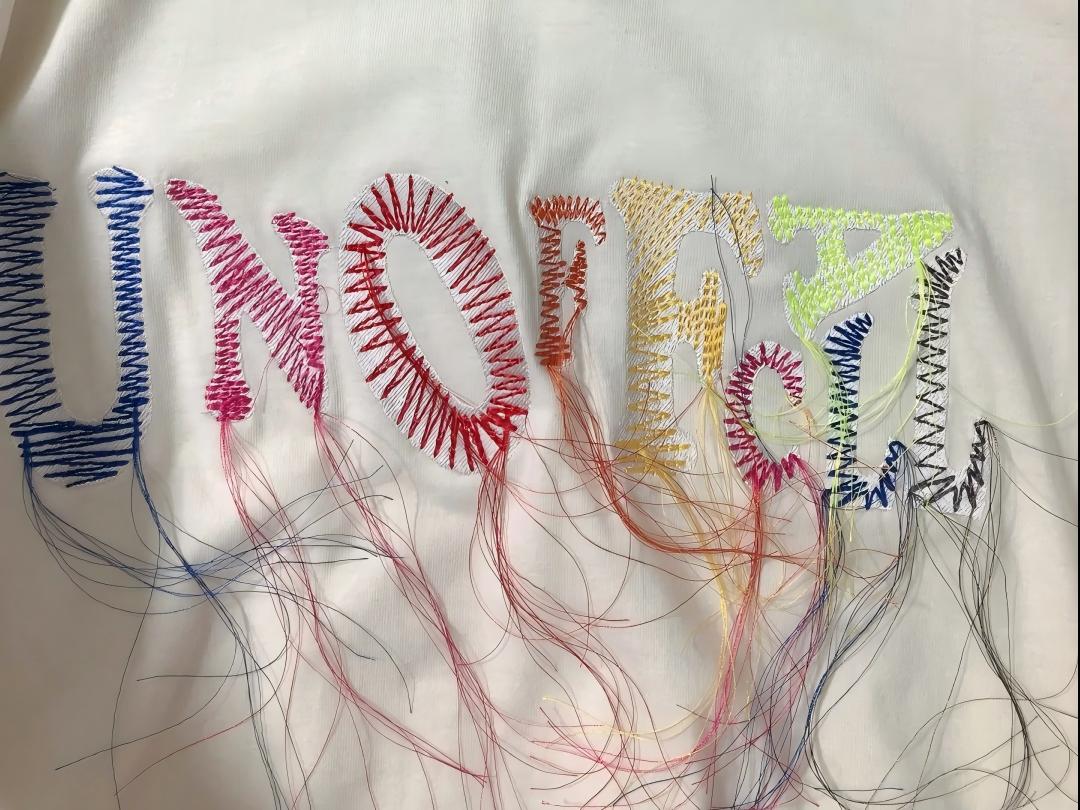
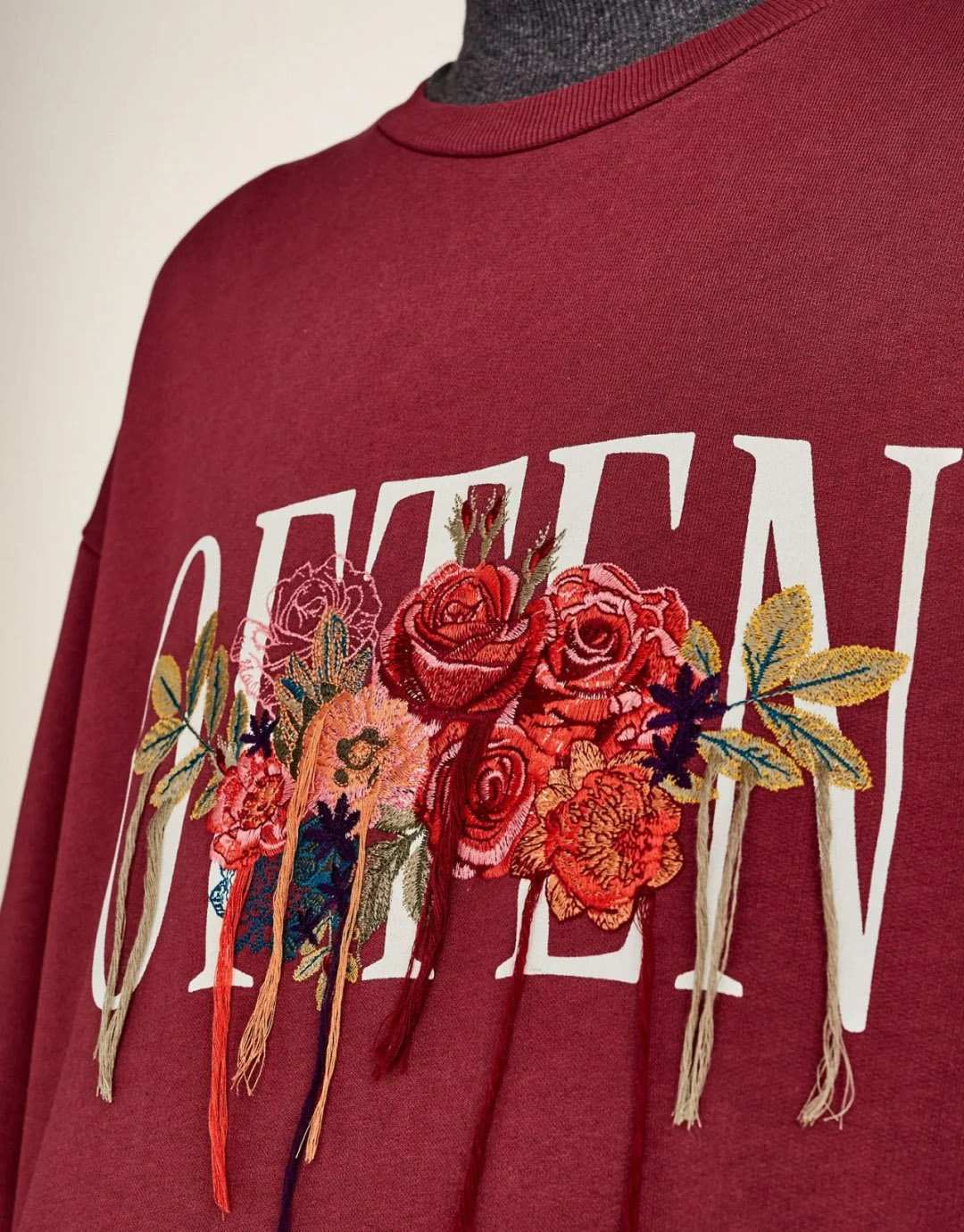
What Makes Tassel Embroidery Distinctive
ZORWILD‘s tassel embroidery delivers unique texture and visual depth that sets premium apparel apart from standard decoration techniques.
Raised Tuft Appearance
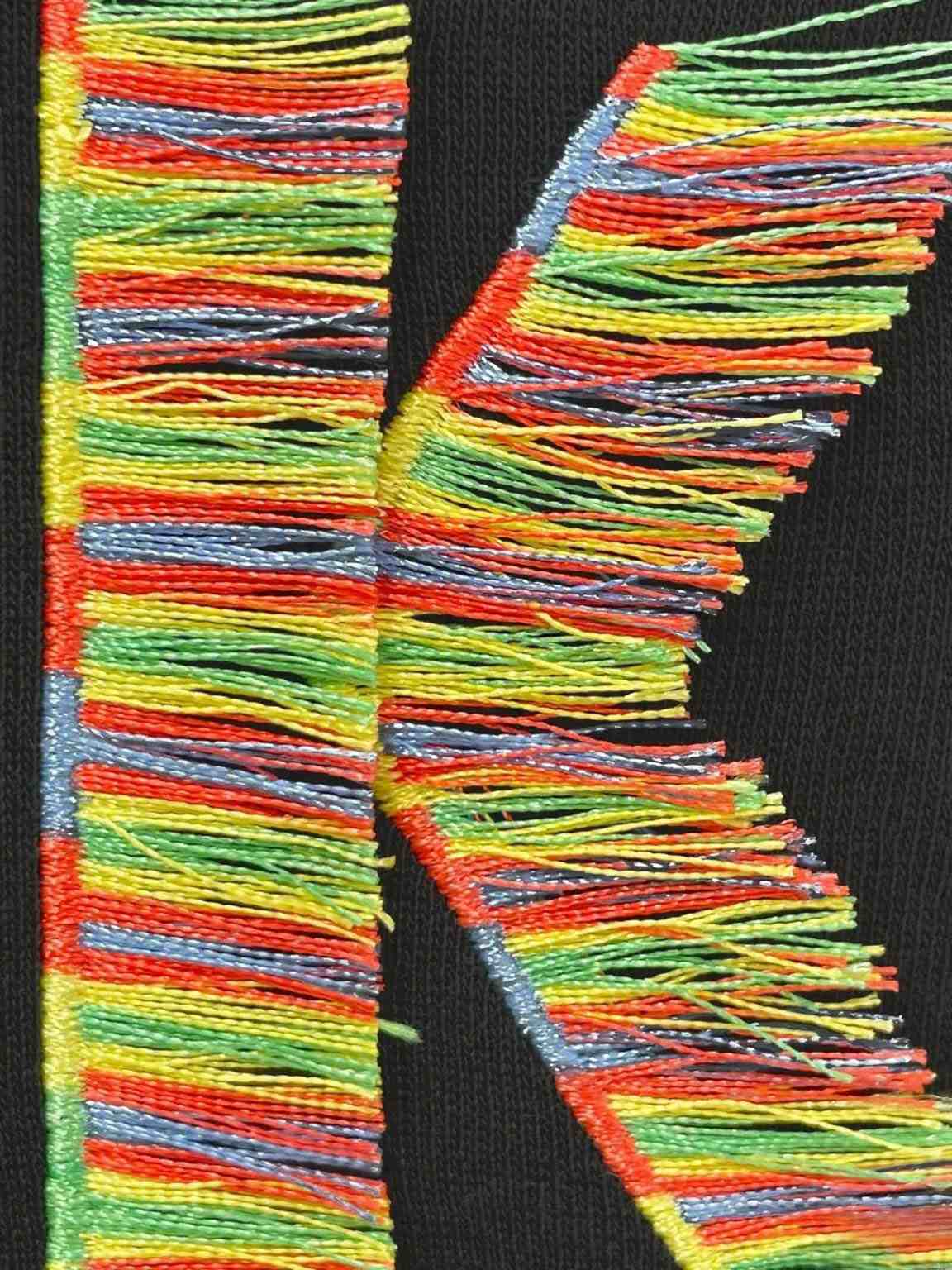
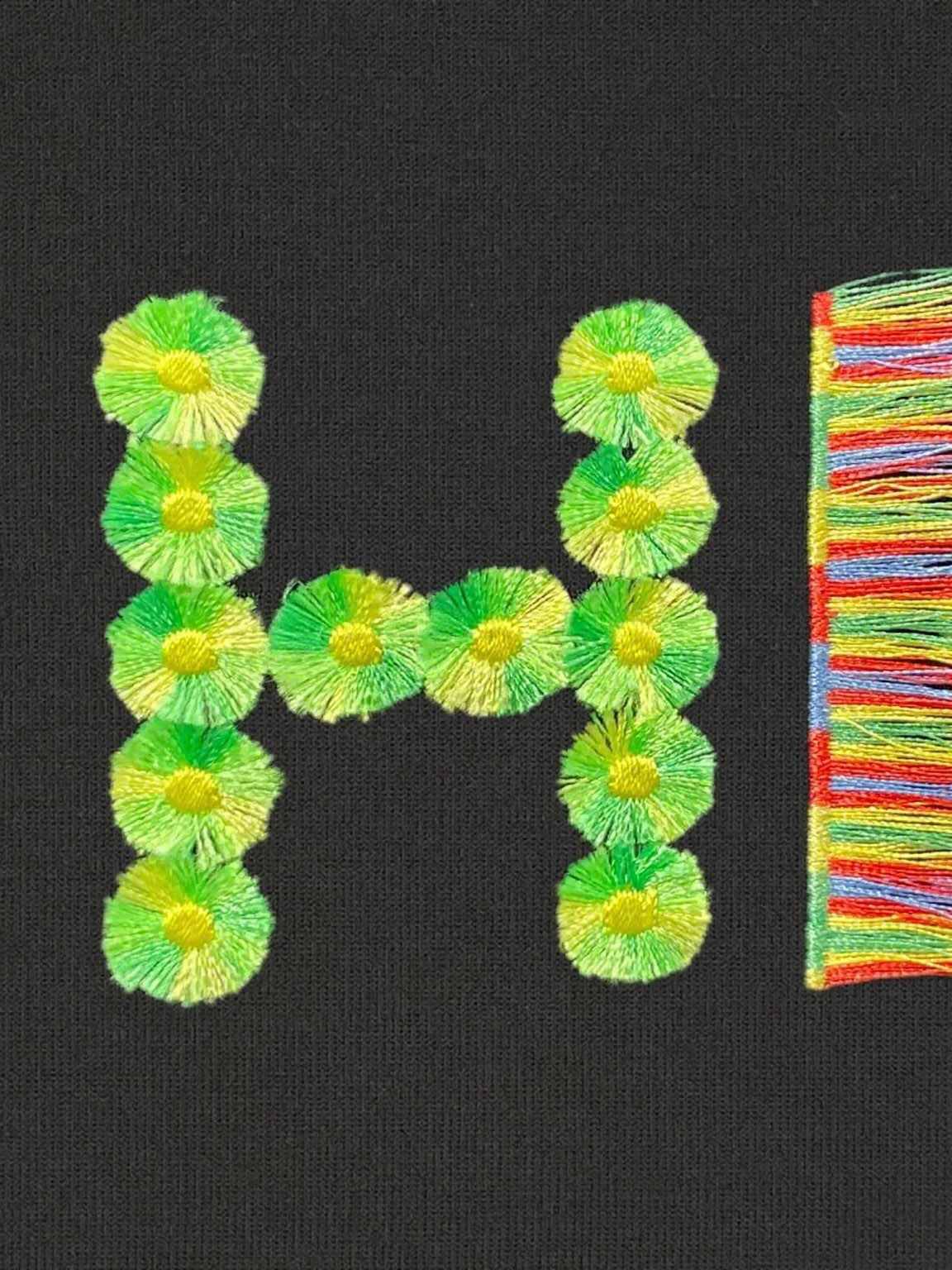
Tassel embroidery creates fluffy, dimensional texture that stands out from fabric surface, delivering premium tactile and visual appeal for custom hoodies, luxury streetwear, and branded apparel.
Soft Hand Feel
Unlike rigid 3D puff embroidery, tassel embroidery offers a plush, touchable texture that enhances garment comfort and customer experience.
Color Blending Capability
Multiple thread colors blend naturally within tassel embroidery, creating gradient effects and rich color depth impossible with flat embroidery techniques.
Excellent Washability
ZORWILD’s tassel embroidery withstands repeated washing and wear without flattening or fraying, maintaining dimensional texture through garment lifecycle.
Thread Density Control
Precise stitch density adjustments allow tassel embroidery to achieve varying heights and fullness, matching your brand’s aesthetic and product positioning.
Design Complexity Awareness
Tassel embroidery works best for bold logos and simplified graphics rather than fine detail, ensuring production efficiency and visual clarity on custom jackets, sweatshirts, and apparel.
Explore All Embroidery Techniques
Custom Embroidery
Full-spectrum custom embroidery services spanning flat, 3D, chenille, applique, patch, towel, metallic, and sequin techniques. ZORWILD controls stitch density, thread quality, color consistency, garment tension, and positioning accuracy across all decoration methods. Ideal for logos, monograms, complex artwork, and premium branding on custom hoodies, custom jackets, custom shirts, and sweatshirts with in-house capabilities covering 95% of modern embroidery techniques.
Get a Quote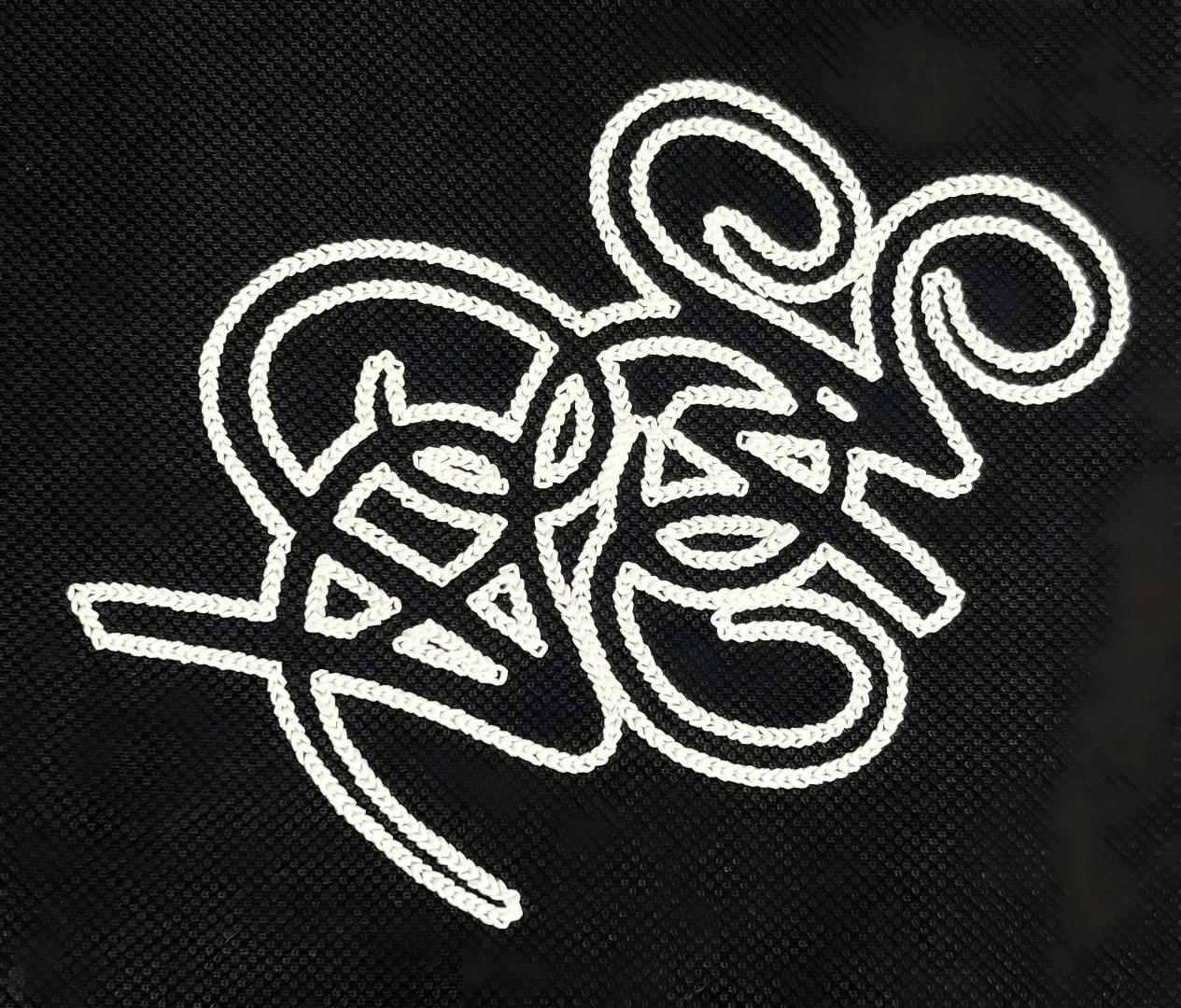
Chain Stitch Embroidery
Traditional chain stitch creates a looped, rope-like line ideal for vintage athletic lettering, retro varsity jackets, and heritage sportswear aesthetics. The technique delivers bold outlines, decorative borders, and old-school team branding with a textured, dimensional finish. Common on bomber jackets, sweatshirts, and streetwear collections requiring authentic throwback detailing and craftsmanship rooted in classic garment decoration.
Get a Quote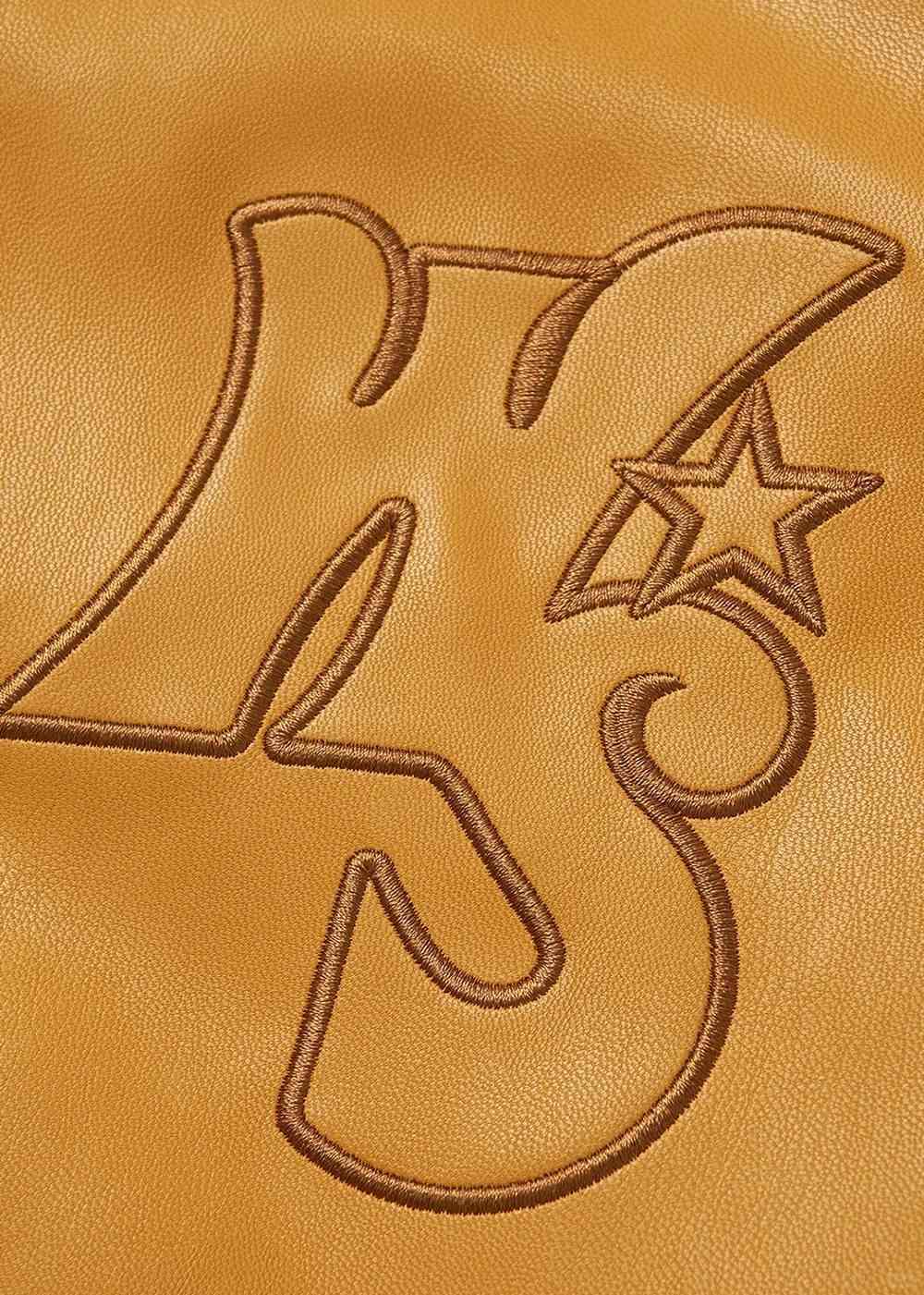
3D / Puff Embroidery
Raised dimensional embroidery using foam underlay to create bold, tactile logos and graphics that stand off the garment surface. Popular in streetwear, athletic apparel, and branded hoodies where high-impact visual presence is essential. ZORWILD controls foam height, stitch coverage, and edge definition to ensure durability through washing and wear while maintaining sharp graphic detail and premium hand feel.
Get a Quote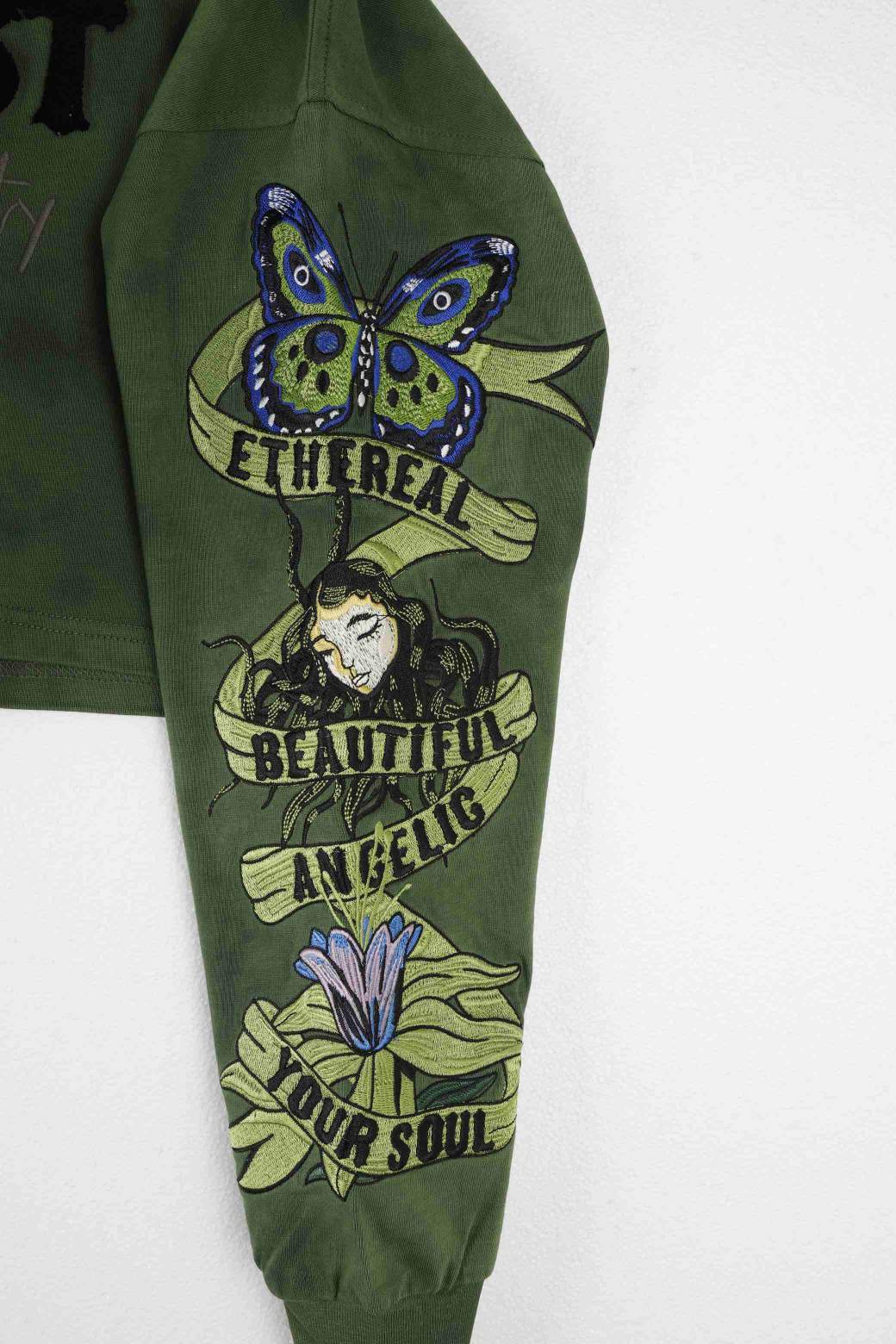
Flat Embroidery
Classic embroidery technique using tight, smooth stitching to reproduce logos, text, and detailed artwork with precision and durability. Suitable for corporate uniforms, branded workwear, polo shirts, jackets, caps, and professional apparel requiring clean, refined decoration. ZORWILD manages thread tension, stitch density, and color matching to deliver consistent results across production runs from 50 pieces to bulk orders exceeding thousands of units.
Get a Quote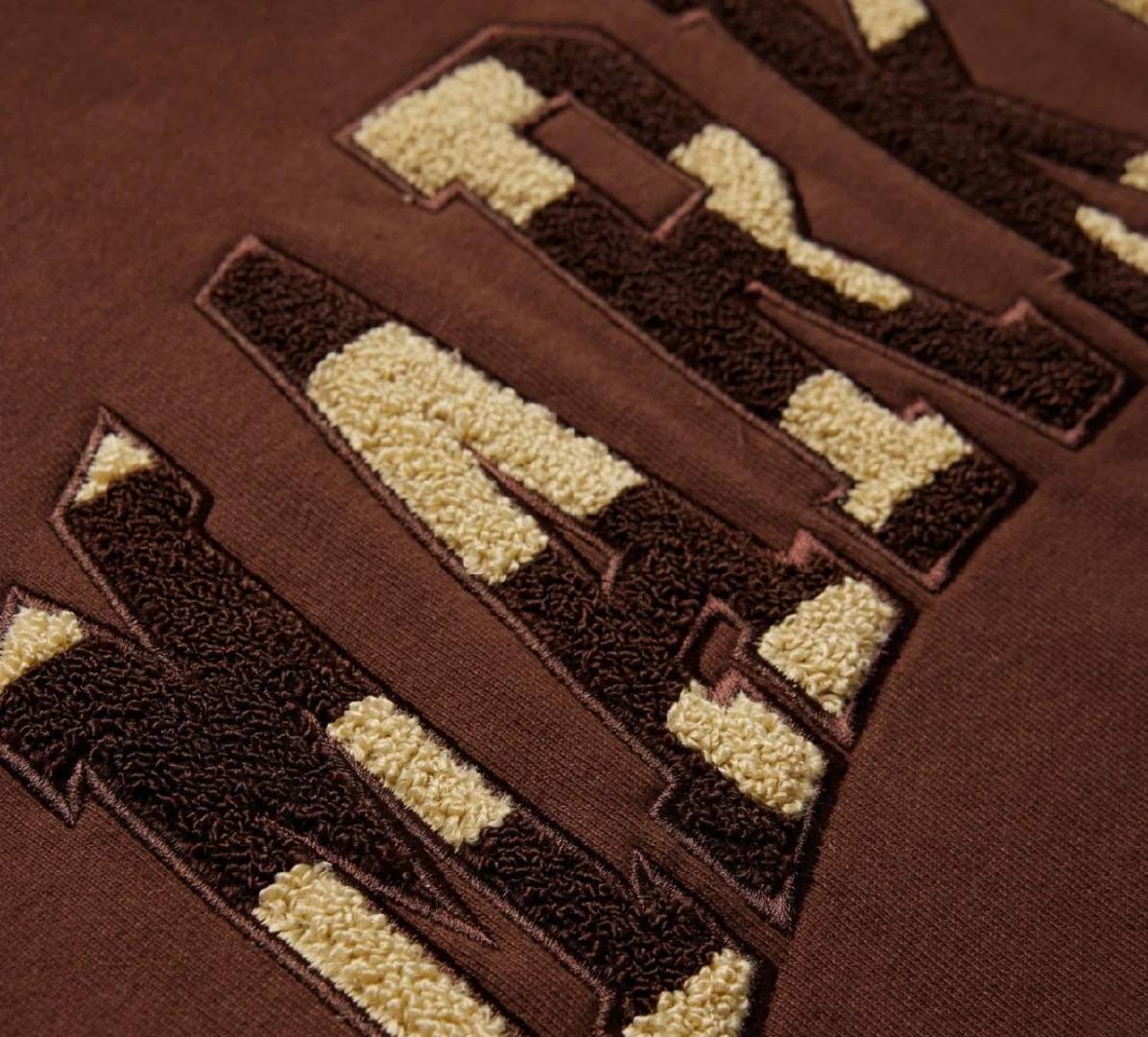
Towel Embroidery
High-pile looped embroidery technique creating a soft, plush, terry cloth texture ideal for playful logos, retro branding, and textured lettering. The raised loops deliver a unique tactile quality popular in streetwear hoodies, casual sweatshirts, and fashion-forward collections. ZORWILD controls loop height, stitch density, and backing stability to ensure the towel effect maintains structure and visual impact through garment washing and extended wear.
Get a Quote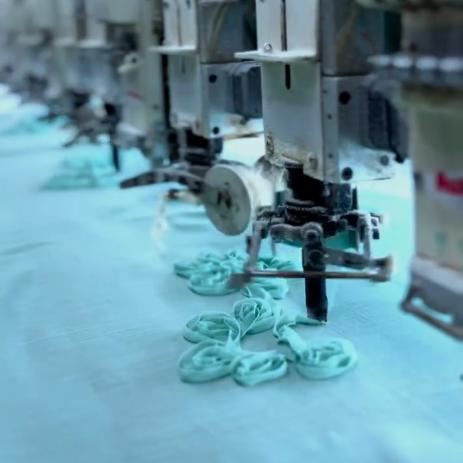
Ribbon Embroidery
Decorative technique using narrow ribbon material stitched onto garments to create elegant floral motifs, dimensional accents, and luxury detailing. Common in evening wear, resort dresses, bridal apparel, and premium fashion collections requiring soft, flowing embellishment. ZORWILD sources quality ribbon materials and applies precise stitching to secure each element while preserving the natural drape and movement of the ribbon for refined, high-end garment finishing.
Get a Quote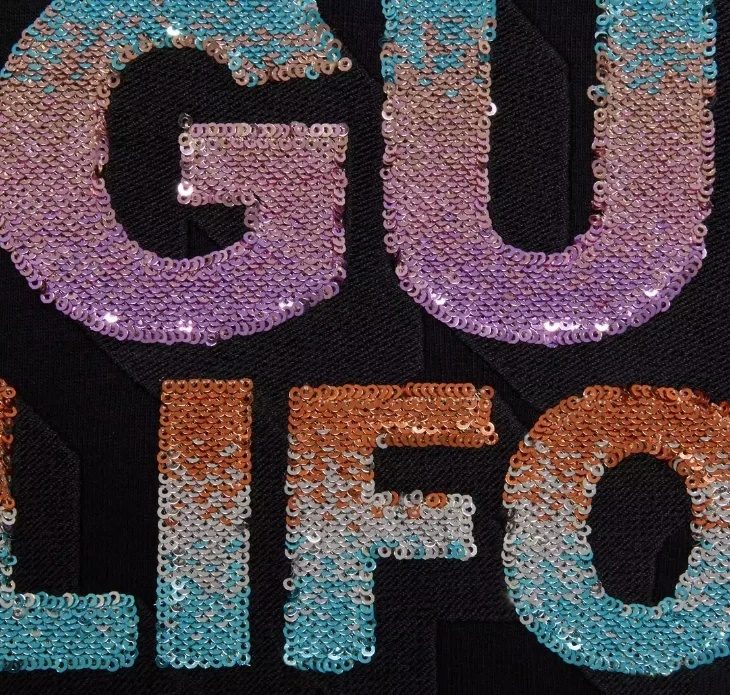
Sequin Embroidery
Sparkling embroidery decoration using sequin discs stitched onto fabric to create eye-catching logos, glittering patterns, and glamorous accents. Popular in evening dresses, performance wear, stage costumes, party apparel, and luxury streetwear requiring high-shine visual impact. ZORWILD controls sequin placement, thread security, and backing reinforcement to ensure sequins remain firmly attached through garment movement, washing, and wear while maintaining brilliant reflective quality.
Get a Quote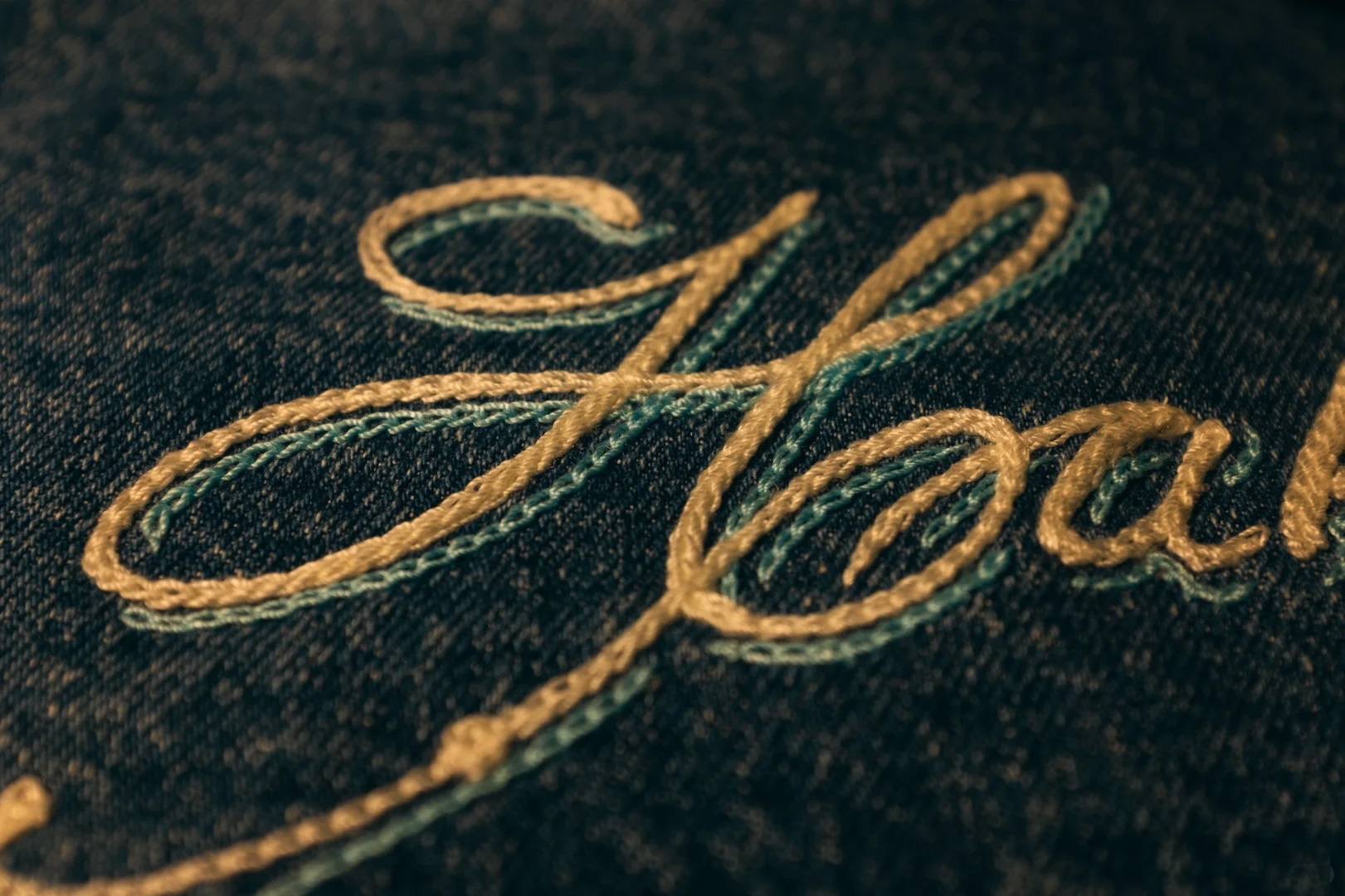
Rope Embroidery
Dimensional embroidery technique using thick cord or rope material couched onto fabric to create bold outlines, raised lettering, and textured graphic elements. Delivers a sturdy, tactile finish ideal for varsity jackets, workwear branding, nautical apparel, and heritage-inspired collections. ZORWILD secures rope with precise stitching patterns to ensure durability and shape retention while achieving clean lines and consistent thickness across complex designs and curved letterforms.
Get a Quote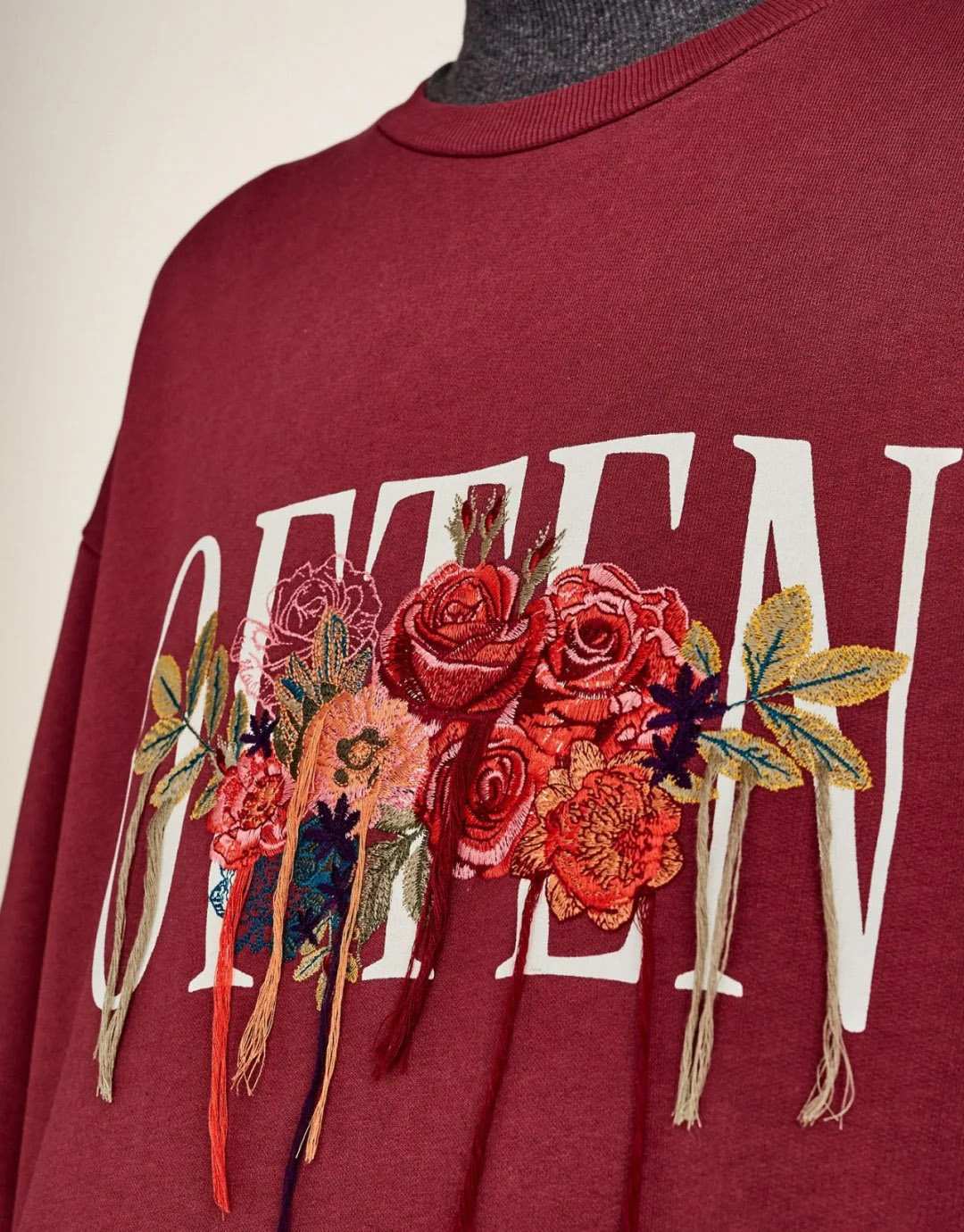
Toothbrush Embroidery
Specialized high-density embroidery creating a dense, brush-like texture with tightly packed vertical stitches resembling bristles. The technique produces a unique plush surface ideal for bold lettering, retro athletic branding, and vintage varsity aesthetics. Common on bomber jackets, sweatshirts, and streetwear requiring distinctive textured logos. ZORWILD controls stitch angle, density, and backing support to ensure the bristle effect maintains structure and visual character through repeated washing.
Get a QuoteZORWILD's Tassel Embroidery Expertise
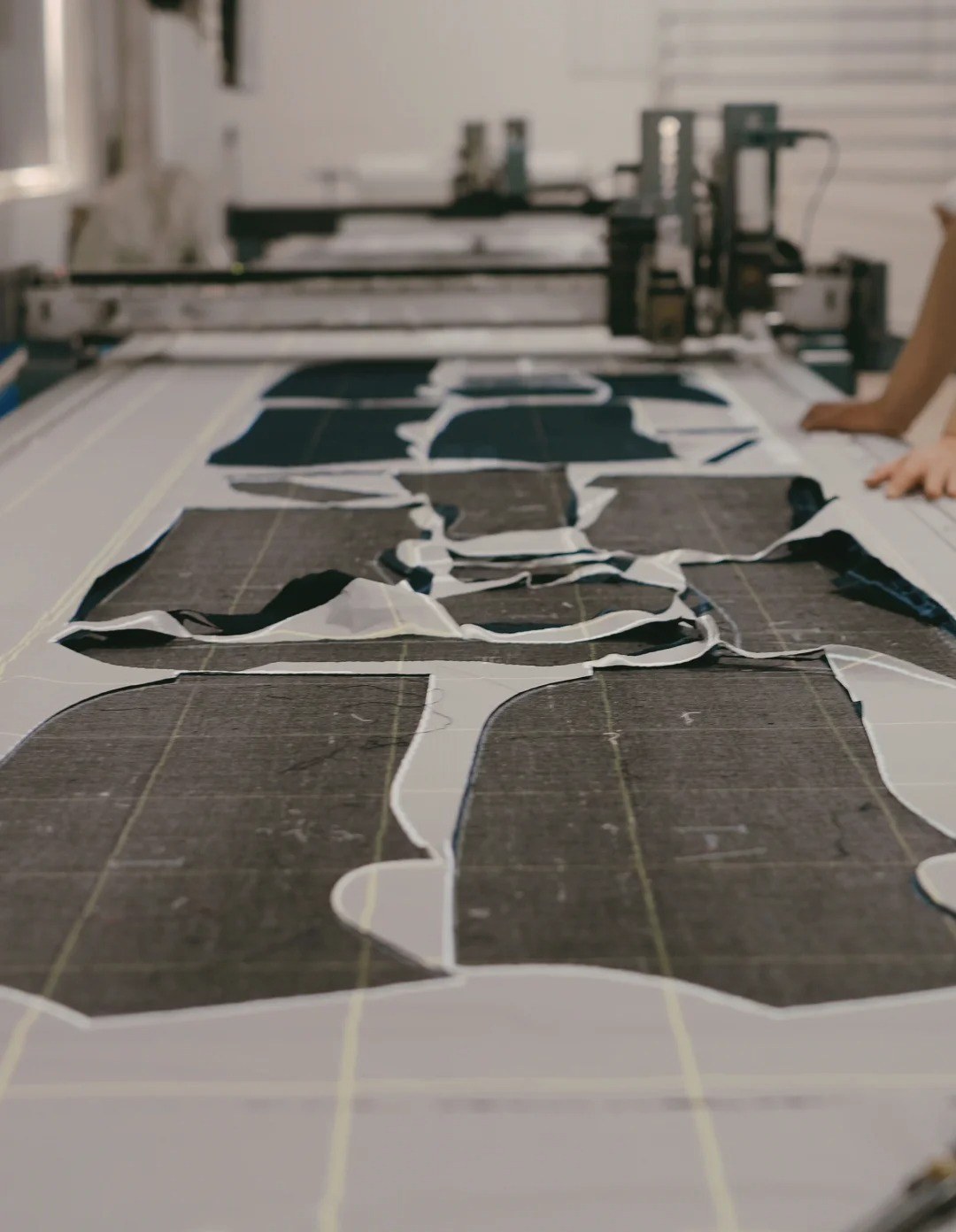
ZORWILD has perfected tassel embroidery techniques over 27 years of custom apparel manufacturing in Humen, Dongguan. Our specialized embroidery workshop houses advanced multi-head machines equipped with precision tension controls, premium rayon and polyester threads, and commercial-grade stabilizers designed specifically for fluffy, dimensional tassel effects that elevate varsity jackets, custom hoodies, and premium streetwear.
We produce over 180,000 tassel-embroidered garments annually for fashion brands across North America, Europe, and Asia. Our embroidery technicians control stitch density, loop height, thread weight, and backing materials to ensure every tassel maintains its signature texture through repeated washing. From chenille-style varsity lettering to decorative tassel accents on luxury casualwear, our quality control system inspects thread tension, pattern registration, and dimensional consistency at six production checkpoints.
What sets our tassel embroidery apart is our ability to combine it seamlessly with flat embroidery, applique, and patchwork in a single production run. Whether you need 50-piece startup collections or 10,000-unit wholesale orders, our in-house embroidery capabilities, low MOQ flexibility, and full-stack manufacturing ensure your custom designs achieve the premium, textured finish that makes tassel embroidery a standout branding technique.
Tassel Embroidery Quality Dimensions
Thread Quality & Color Consistency
ZORWILD sources premium polyester and rayon threads engineered for tassel embroidery applications. Our 27 years of experience in custom apparel manufacturing ensures every tuft maintains vibrant color saturation, sheen uniformity, and softness across production runs from 50 pieces to 100,000+ units monthly.
- Premium rayon and polyester threads for maximum fluffiness and sheen
- Strict color-matching protocols across all production batches
- Thread pre-testing for wash durability and color fastness
- Supplier relationships ensuring stable material availability
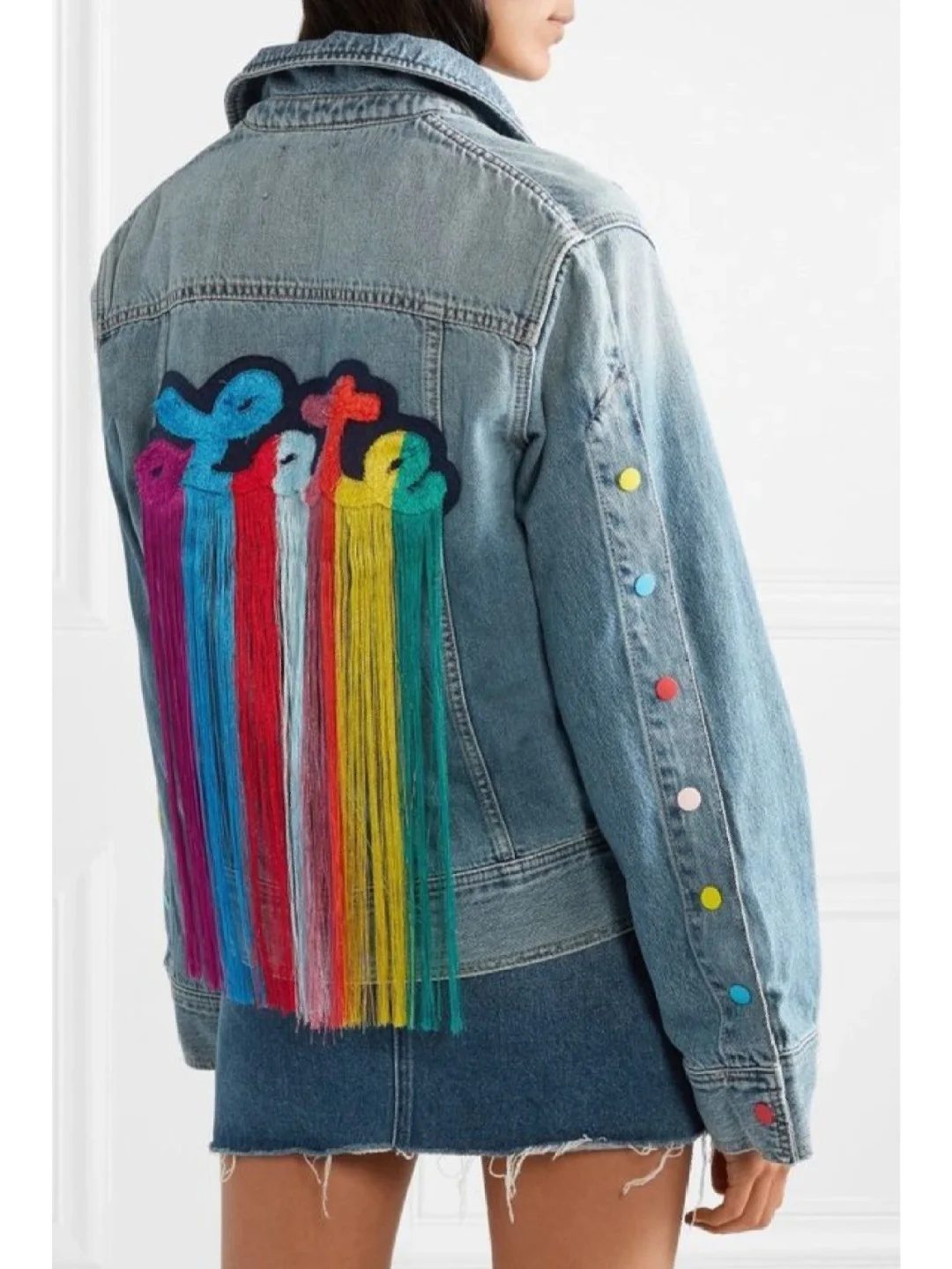
Stitch Density & Tuft Height Control
Precise digitization and machine calibration deliver consistent tuft height and density. Our technicians adjust stitch parameters based on fabric weight, design complexity, and desired texture to achieve dimensional tassel embroidery that resists flattening and maintains visual impact through repeated wear.
- Custom digitization optimized for tassel loop formation
- Adjustable tuft height from 3mm to 12mm based on design needs
- Controlled stitch density preventing fabric puckering or distortion
- In-line inspection ensuring uniform fluffiness across every garment
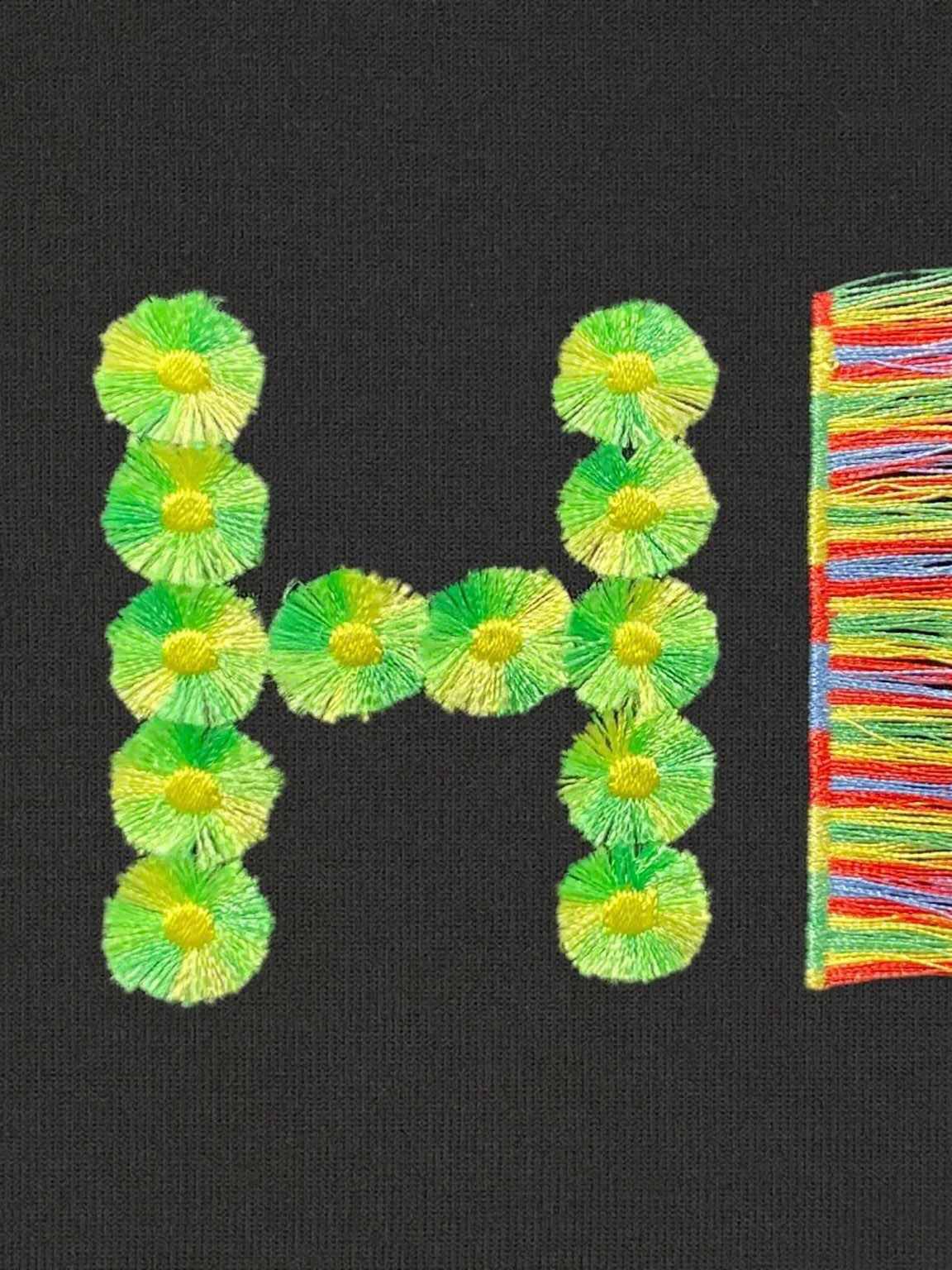
Stabilizer Selection & Fabric Compatibility
Tassel embroidery demands precise stabilizer engineering to support dense thread loops without compromising garment drape. ZORWILD’s technical team selects tear-away, cut-away, or water-soluble stabilizers matched to your fabric type, ensuring clean finishes on fleece, denim, twill, satin, and technical materials for custom hoodies, custom jackets, and custom shirts.
- Fabric-specific stabilizer recommendations for hoodies, jackets, caps, and more
- Multi-layer stabilization for heavyweight tassel designs on lightweight fabrics
- Clean removal techniques preserving garment softness and comfort
- Compatibility testing across cotton, polyester, blends, and performance fabrics
Curing, Trimming & Finishing Processes
Post-embroidery finishing transforms raw tassel stitches into premium dimensional texture. Our skilled craftspeople hand-trim excess backing, steam-cure threads to lock loops, and brush tufts to achieve uniform fluffiness. Every piece passes our 6-stage quality control before packaging.
- Hand-trimming and brushing for maximum tuft definition and softness
- Steam curing to lock thread loops and prevent unraveling
- Final inspection for thread tension, color consistency, and placement accuracy
- Protective packaging to preserve tassel texture during shipping
Tassel Embroidery vs. Flat & 3D Embroidery
Understanding the key differences between tassel embroidery and other embroidery techniques helps you choose the right decoration method for your apparel collection’s aesthetic, durability, and production requirements.
← 左右滑动查看 →
Tassel Embroidery Production Process
Our 27-year expertise ensures precision at every stage, from digitization to final quality inspection, delivering fluffy dimensional texture for your custom apparel.
Design Digitization & Planning
Your artwork is converted into embroidery-ready digital files with precise stitch paths, tuft density mapping, and thread color matching for optimal tassel effect.
Fabric Preparation & Stabilization
Garments are hooped with appropriate backing stabilizers selected based on fabric weight, stretch properties, and tassel density requirements to prevent puckering.
Machine Setup & Calibration
Industrial embroidery machines are configured with specialized tassel needles, thread tension adjustments, and loop-height settings to achieve consistent fluffy texture.
Embroidery Execution & Monitoring
Tassel embroidery is stitched with real-time monitoring of tuft height, thread tension, and stitch integrity to ensure dimensional consistency across every garment.
Stabilizer Removal & Trimming
Excess backing materials are carefully removed, and tassel loops are inspected for uniform length and density without damaging the delicate fluffy texture.
Finishing & Quality Inspection
Each piece undergoes our 6-stage quality control system verifying tuft consistency, thread security, color accuracy, placement precision, and overall embroidery durability.
How to Order Tassel Embroidery from ZORWILD
Our streamlined process ensures your custom tassel embroidery meets exact specifications from design submission through final delivery, backed by 27 years of apparel manufacturing expertise.
Submit Your Design Specifications
Provide vector artwork, color specs, tuft-height preferences, and placement details. Our team reviews thread type, stabilizer requirements, and design feasibility for optimal tassel embroidery results.
Approve Your Sample
Receive a production sample showcasing stitch density, thread quality, tuft texture, and dimensional appearance. Request adjustments before confirming specifications for bulk tassel embroidery production.
Confirm Production Setup
Finalize order quantity starting from 50-piece MOQ, thread colors, garment positioning, and timeline. Our team programs digitized files and prepares stabilizers for your tassel embroidery run.
Monitor Quality Inspections
Your order undergoes our 6-stage quality control system checking stitch consistency, tuft uniformity, thread tension, garment integrity, and positioning accuracy throughout tassel embroidery production.
Receive Your Finished Garments
Completed tassel embroidery apparel is carefully packaged with custom labels, hang tags, and branding. We coordinate global logistics including air freight, sea freight, and door-to-door delivery.
Customer Success Stories: Tassel Embroidery
ZORWILD’s tassel embroidery brought our varsity collection to life. The tuft texture stayed perfect after 15 washes, and our customers loved the premium dimensional look. Delivery was on time for our spring launch.
We ordered 200 hoodies with complex tassel embroidery logos across 4 colors. ZORWILD handled every detail flawlessly—thread density, stitch alignment, and color matching exceeded expectations. Our retail partners were impressed with the craftsmanship quality.
The tassel embroidery on our limited-edition jackets created the exact fluffy, dimensional effect we envisioned. ZORWILD’s team nailed the design complexity on the first sample, and production turnaround was only 18 days for 120 pieces.
Tassel Embroidery FAQ
What is the minimum order quantity for tassel embroidery?
What fabrics work best with tassel embroidery?
How many colors can I use in a tassel embroidery design?
What is the maximum design size for tassel embroidery?
Can tassel embroidery be combined with other decoration techniques?
Is tassel embroidery durable after washing?
What are the lead times for tassel embroidery production?
What art files do I need to provide for tassel embroidery?
How much does tassel embroidery sampling cost?
The Complete Buyer’s Guide to Tassel Embroidery for Custom Apparel
1. What Is Tassel Embroidery?
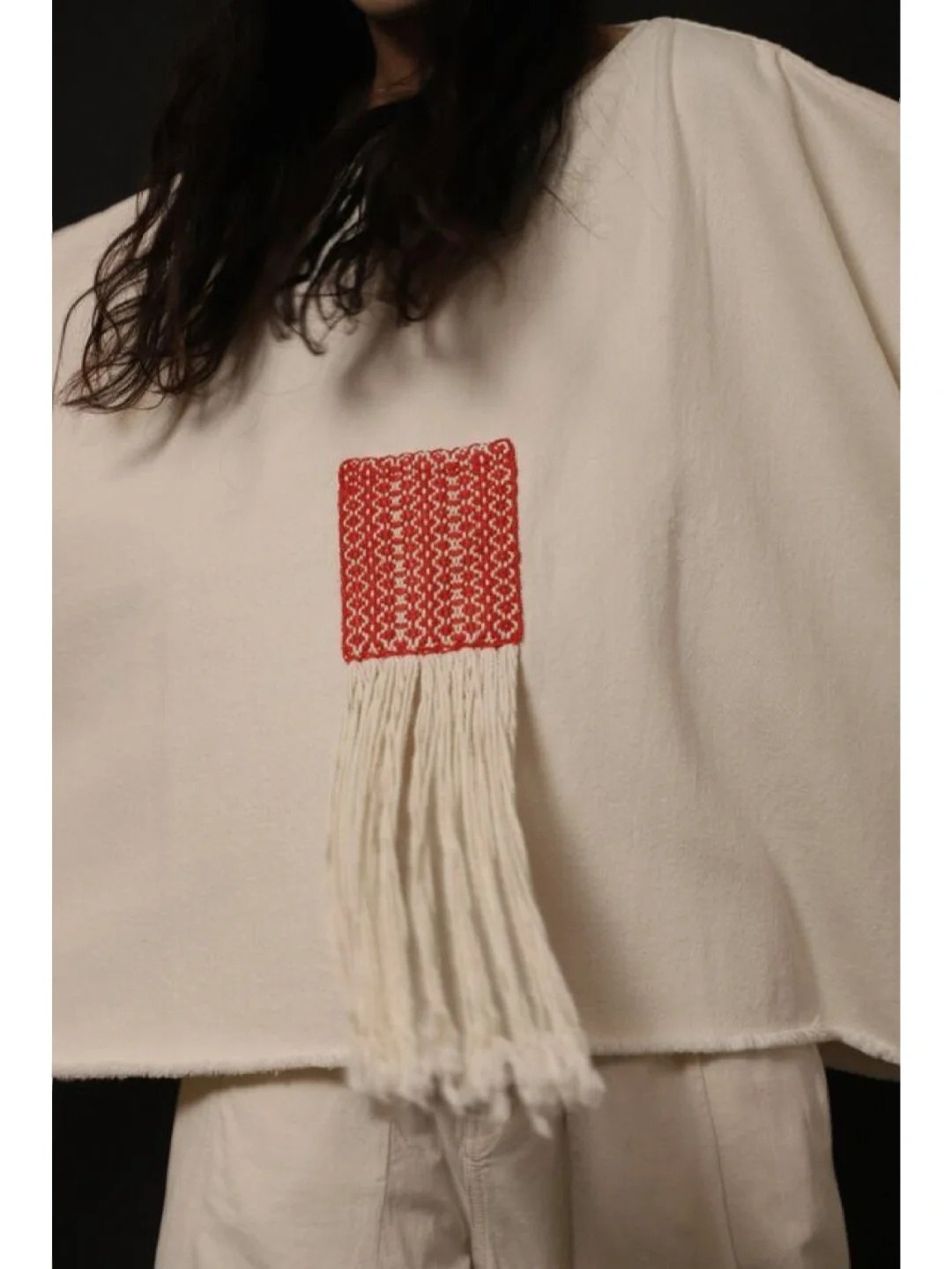
Tassel embroidery is a hybrid decorative technique that combines traditional embroidered thread work with three-dimensional hanging tassel elements, creating movement and texture that standard flat embroidery cannot achieve. Unlike conventional embroidery that remains flush against the fabric surface, tassel embroidery adds vertical dimension through thread strands that hang freely from the embroidered anchor point, typically ranging from 15 mm to 150 mm in length depending on garment category and design intent. ZORWILD manufactures tassel embroidery applications across jackets, dresses, resort shirts, bohemian casualwear, and accessories using specialized embroidery machines equipped with tassel-cutting attachments and manual finishing processes.
Brands choose tassel embroidery for premium and artisanal collections because it delivers a handcrafted aesthetic that signals elevated quality and design differentiation in competitive fashion markets. The technique appears frequently in bohemian, festival, resort, and luxury casualwear where movement, texture, and visual richness justify higher retail price points, often supporting 3.5× to 5× wholesale markups compared to standard screen-printed garments. Tassel embroidery works particularly well on denim jackets, linen dresses, cotton blouses, and canvas accessories where the base fabric weight supports the tassel structure without sagging or distortion.
What distinguishes tassel embroidery from standard embroidery is the combination of anchored stitching and loose thread elements that create kinetic visual interest, tactile appeal, and a three-dimensional silhouette that photographs exceptionally well for social media and e-commerce imagery. ZORWILD’s 27 years of embroidery experience ensures precise tassel placement, consistent thread tension, secure anchor stitching, and durable finishing that withstands washing and wear across more than 2,000 brand partnerships worldwide.
2. Evolution and History of Tassel Embroidery
Tassel embroidery originated more than 3,000 years ago in ceremonial garments across Eastern European, Middle Eastern, and Asian cultures, where hand-knotted tassels symbolized status, religious affiliation, and regional identity. Traditional folk costumes from Poland, Turkey, Morocco, and China featured intricate tassel work combined with flat embroidery, often requiring weeks of hand labor per garment. These techniques were passed down through family workshops and regional guilds, establishing quality benchmarks still referenced in luxury production today.
The shift to mass production began in the 1980s when computerized embroidery machines in manufacturing hubs like Dongguan and Istanbul enabled tassel application at scale. Multi-head embroidery machines reduced production time from hours to minutes per piece, while maintaining stitch density above 4,000 stitches per square inch for premium results. Factories integrated tassel-making attachments that automated fringe cutting, knotting, and securing, making the technique accessible to mid-tier brands and wholesalers.
Modern revival accelerated after 2015 when streetwear labels and luxury fashion houses reintroduced tassel embroidery on hoodies, jackets, and resort shirts targeting influencer audiences. Brands now combine traditional chenille embroidery, metallic threads, and laser-cut tassels to create dimensional graphics and bohemian aesthetics. ZORWILD’s 27 years of apparel manufacturing experience includes traditional hand-applied tassel embroidery and machine-automated systems, supporting both heritage-inspired collections and high-volume streetwear production with MOQs starting from 50 pieces.
3. Types of Tassel Embroidery Techniques
Tassel embroidery encompasses six primary construction methods, each delivering distinct visual impact, durability, and cost profiles. Selecting the right technique depends on garment category, brand positioning, and production volume.
Hand-Stitched Tassels
Artisans attach pre-made tassels to embroidered bases using needle and thread, allowing precise placement and custom color matching. This method suits luxury resort wear, bridal collections, and limited-edition pieces where labor costs justify premium retail pricing.
Durability depends on thread quality and stitch density; professional hand-stitching withstands 30–50 wash cycles when secured with double-lock stitches. Lead times extend 5–7 days beyond machine methods due to manual labor requirements.
Machine-Embroidered Base with Attached Tassels
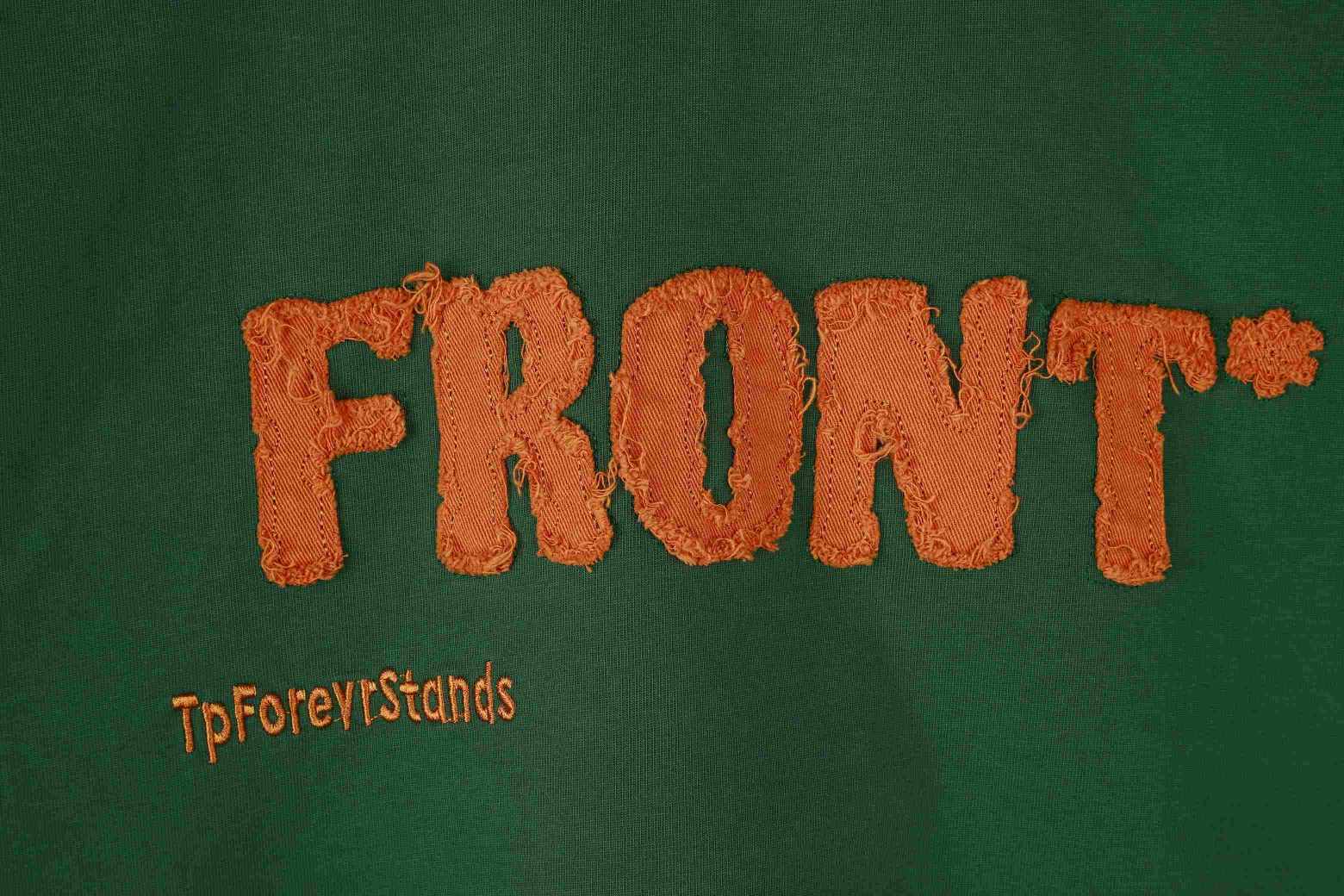
Industrial embroidery machines create the design foundation, then operators attach pre-fabricated tassels during finishing. This hybrid approach balances cost efficiency with decorative flexibility, ideal for hoodies, sweatshirts, and casualwear requiring consistent quality at mid-tier pricing.
Production speed reaches 200–300 units per day per operator, with tassel attachment adding 2–3 minutes per garment. Secure attachment requires reinforced stitching at the tassel head to prevent separation during garment washing.
Integrated Tassel Embroidery (Single-Pass)
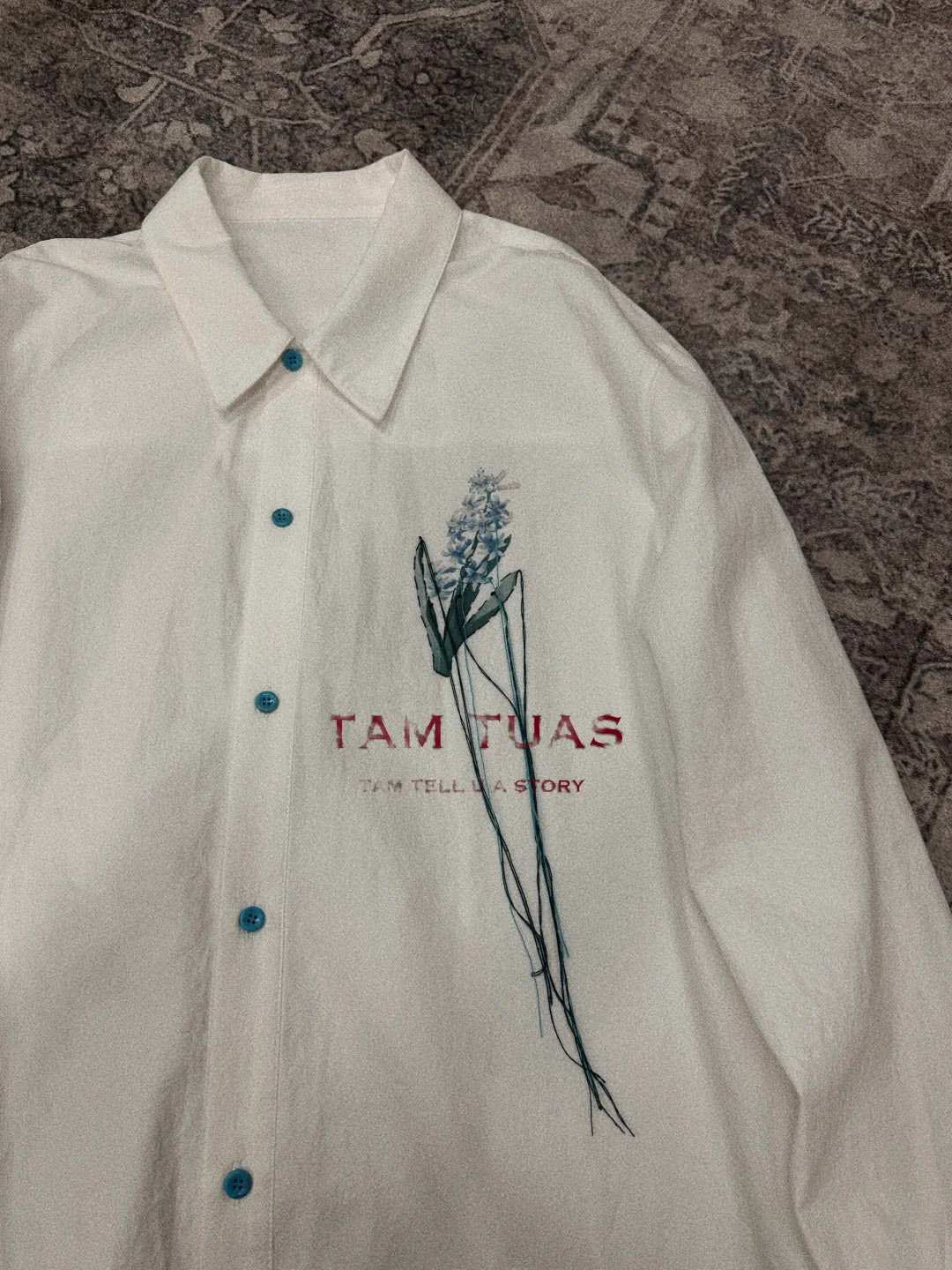
Advanced multi-head machines embroider the base design and construct tassels in one continuous operation using looped thread techniques. This method delivers the fastest production speed and lowest per-unit cost, making it optimal for wholesale orders, branded merchandise, and high-volume streetwear collections.
Single-pass systems require specialized programming and tassel-capable embroidery heads; setup costs are higher but per-garment costs drop 40–60% compared to hand methods at volumes above 500 pieces.
Chain-Stitch Tassel
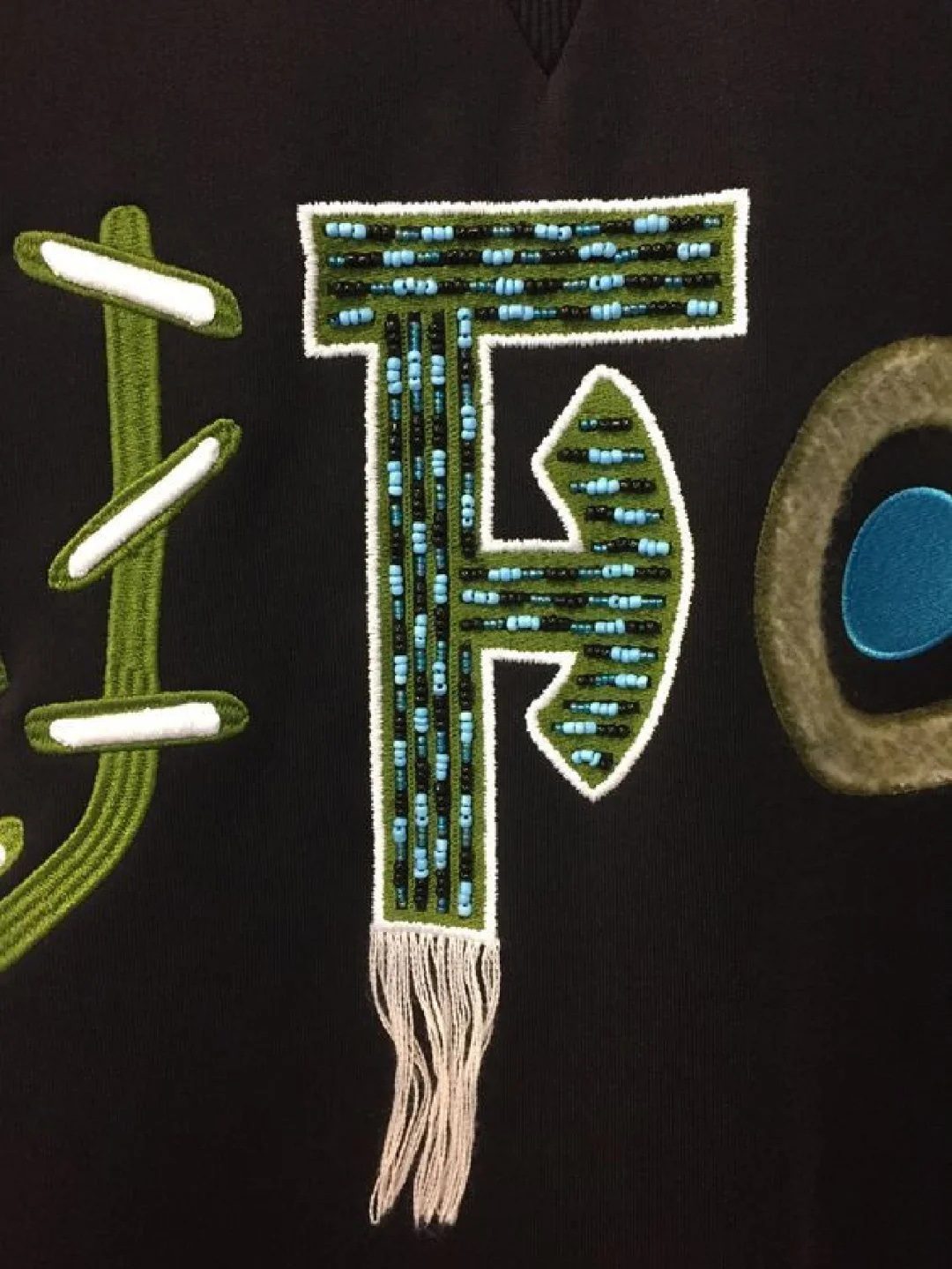
Chain-stitch machines create continuous looped threads that form tassel strands directly on fabric, producing soft, flowing movement ideal for bohemian dresses, festival wear, and resort shirts. The technique works best on lightweight fabrics like rayon, viscose, and cotton poplin.
Chain-stitch tassels require careful tension control to prevent unraveling; quality manufacturers apply thread-lock sealing at tassel bases. This method suits brands targeting vintage aesthetics and artisan-inspired collections.
Beaded Tassel Embroidery
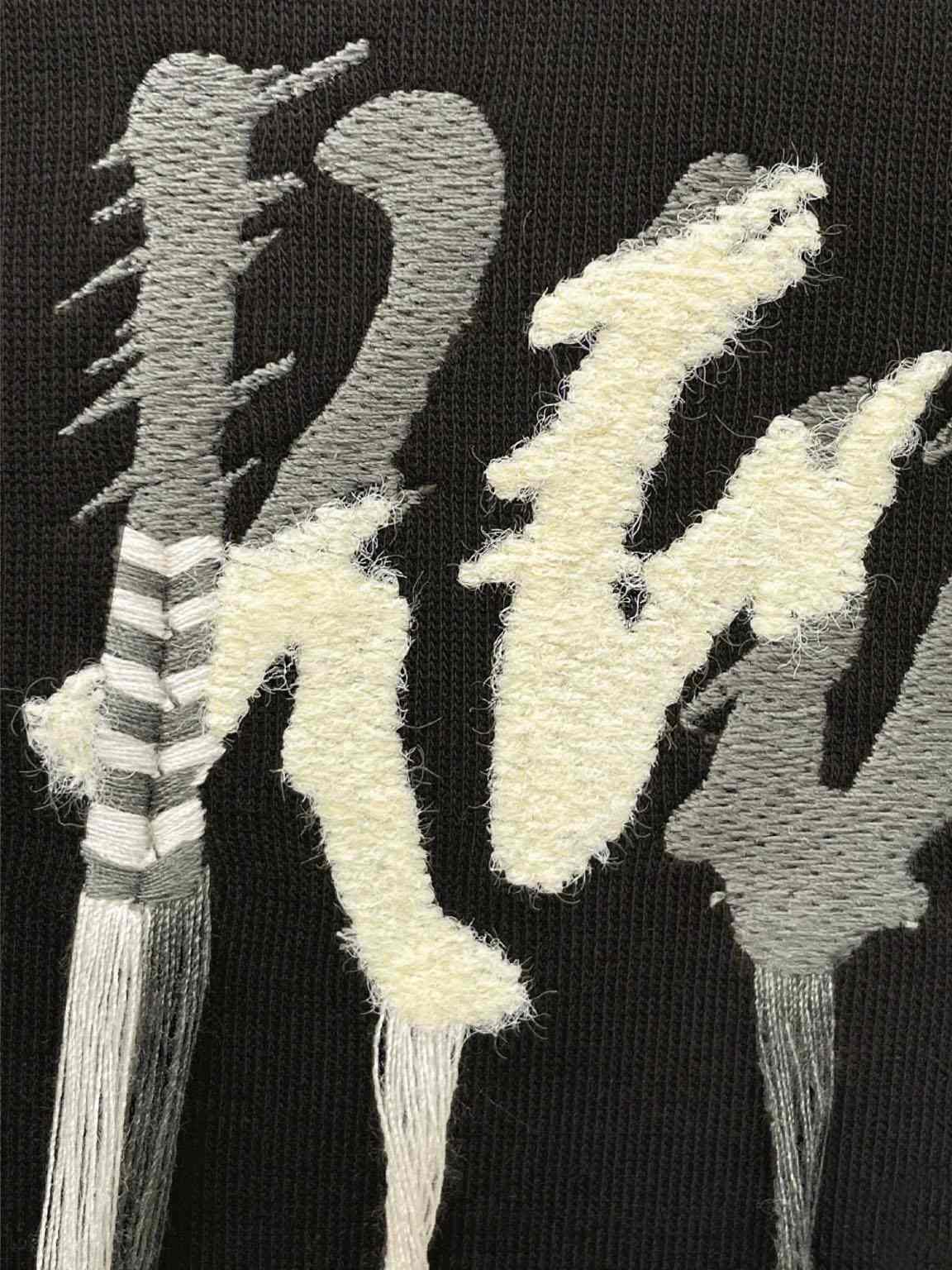
Operators thread beads onto tassel strands before or after embroidery, adding weight, texture, and premium visual appeal. This technique elevates evening wear, prom dresses, wedding dresses, and luxury casualwear, with bead material ranging from glass to acrylic to metal.
Beaded tassels increase garment weight by 15–30 grams per application and require gentle wash instructions; brands should specify bead fastness testing to prevent color transfer. Production time doubles compared to standard tassel methods.
3D Puff Tassel
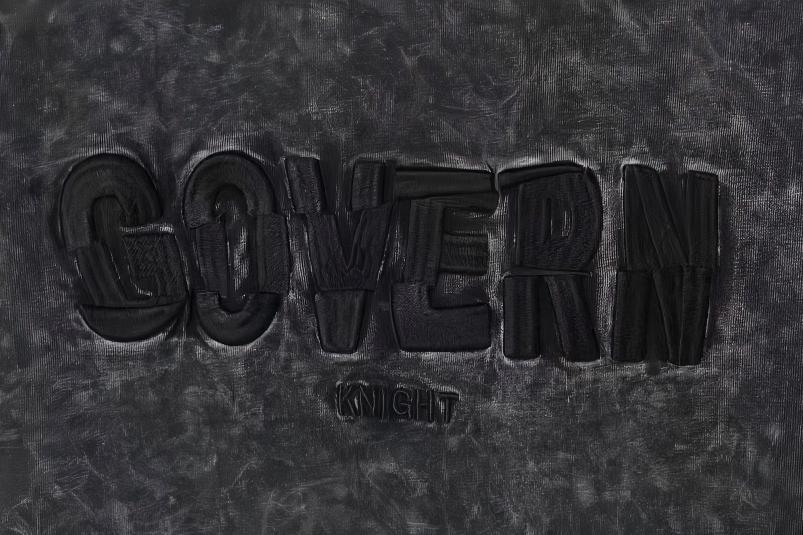
Embroidery machines stitch over foam backing that expands during heat-press application, creating raised, dimensional tassels with bold streetwear appeal. This method suits oversized hoodies, graphic tees, bomber jackets, and athletic wear targeting youth and urban markets.
3D puff tassels deliver maximum visual impact at moderate cost, with foam quality determining wash durability; premium EVA foam maintains structure through 50+ wash cycles. Setup requires foam die-cutting and precise heat-press timing.
4. Materials and Fabrics for Tassel Embroidery
Tassel embroidery performance depends on thread type, tassel material, and base fabric compatibility. ZORWILD’s 27-year manufacturing experience demonstrates that matching material properties to garment category reduces defect rates and extends product lifespan.
| Material | Durability | Cost | Wash Care | Aesthetic |
|---|---|---|---|---|
| Rayon thread | Moderate | Low–Mid | Delicate, cold wash | High sheen, luxury drape |
| Polyester thread | High | Low | Machine wash, tumble dry | Consistent color, matte-to-satin |
| Cotton thread | Moderate–High | Mid | Warm wash, air dry | Natural matte, breathable |
| Silk tassel | Moderate | High | Dry clean preferred | Premium luster, soft flow |
| Wool tassel | High | Mid–High | Hand wash, lay flat | Textured volume, warm hand |
| Synthetic blend tassel | High | Low–Mid | Machine wash | Uniform appearance, scalable |
Thread and Tassel Material Selection
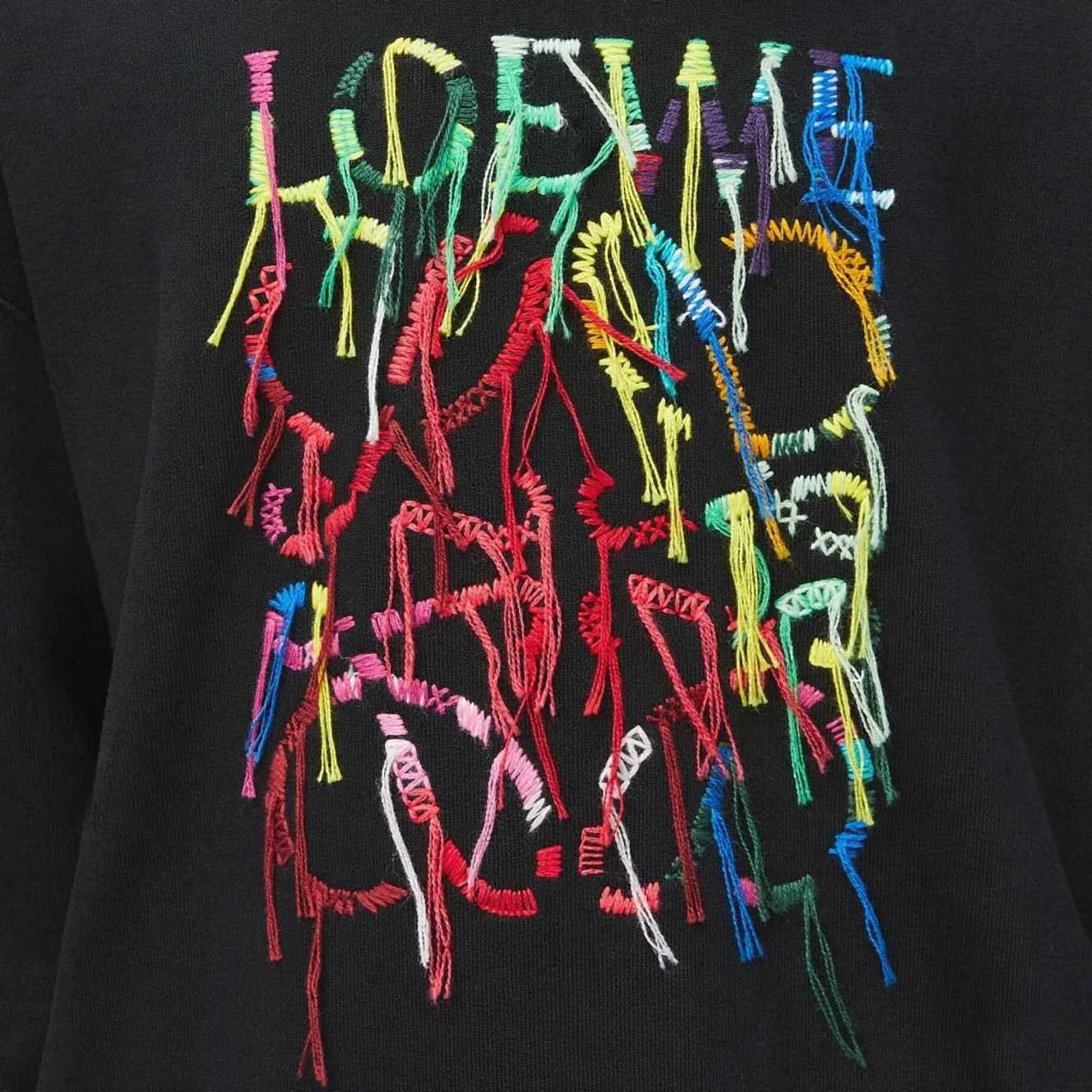
Rayon thread delivers high sheen and smooth drape, ideal for luxury fashion pieces but requires careful wash handling. Polyester thread offers superior durability and colorfastness, making it the standard for commercial streetwear and activewear. Cotton thread provides a matte finish with natural breathability, suitable for organic and eco-conscious collections.
Tassel materials include silk for premium drape and luster, wool for textured volume and warmth, and synthetic blends (rayon-polyester) for cost-effective consistency across large production runs. Metallic threads add reflective visual impact but demand lower embroidery speeds and specialized needle types to prevent thread breakage.
Base Fabric Compatibility and Attachment Security
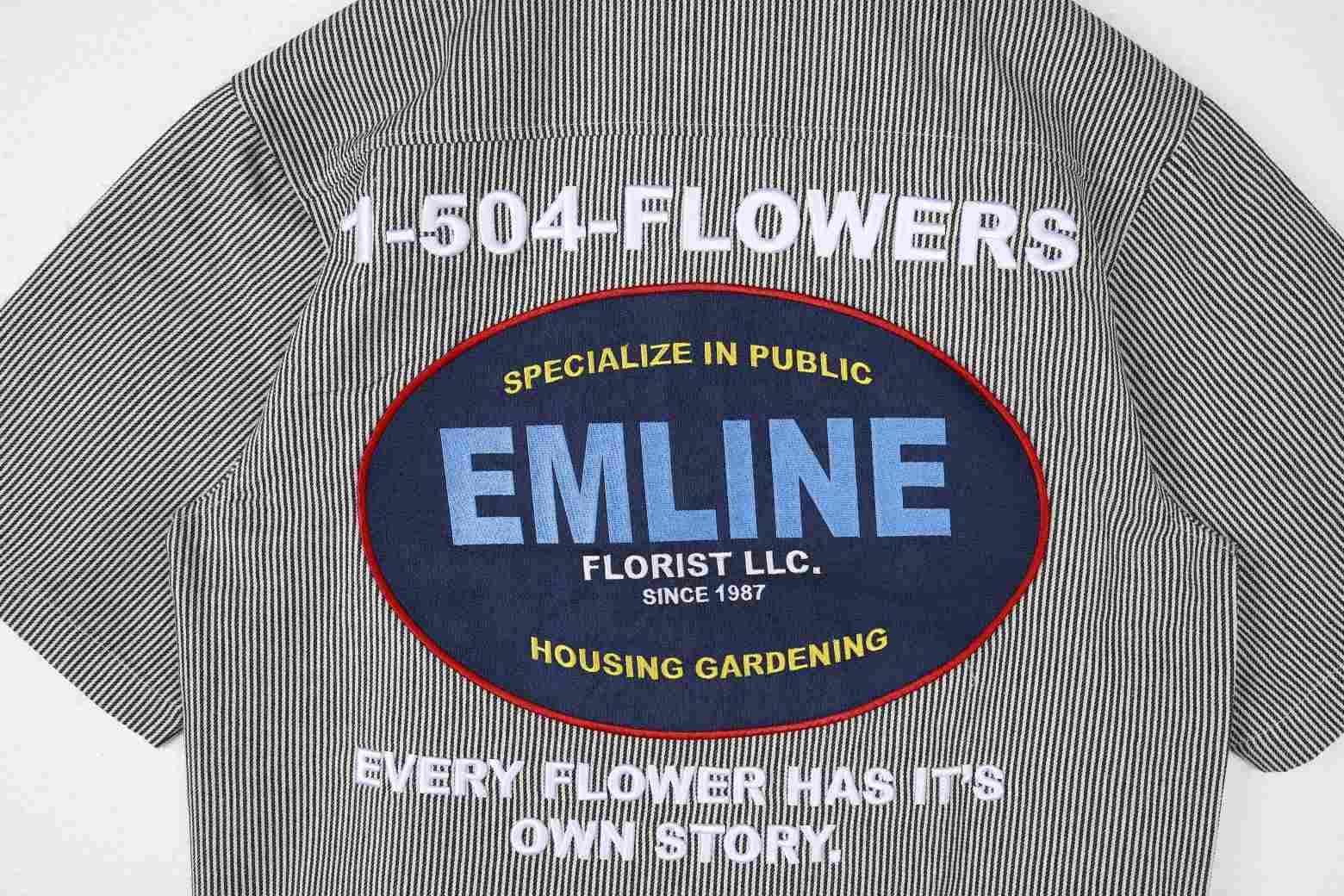
Fabric weight directly affects tassel attachment security. Heavyweight fabrics (280–350 GSM denim, 12 oz canvas) provide stable anchoring for dense tassel clusters and resist pull-through during wear and washing. Medium-weight wovens (poplin, twill, linen blends at 140–200 GSM) support standard tassel embroidery with proper backing stabilizers.
Knit fabrics (French terry, fleece, jersey) require cut-away or tear-away backing to prevent distortion and puckering. Stretch fabrics demand lower tension settings and water-soluble topping to maintain fabric recovery. ZORWILD applies multi-layer stabilization on lightweight fabrics below 120 GSM to ensure tassel roots remain secure through 50+ industrial wash cycles.
5. Customization and Decoration Options in Tassel Embroidery
Tassel embroidery offers a wide range of customization levers that influence both visual impact and production cost. Understanding these variables enables buyers to prepare detailed design briefs and receive accurate quotes from manufacturers.
| Decoration Add-On | Setup Cost Impact | MOQ Impact | Lead Time |
|---|---|---|---|
| Standard solid tassel | Baseline | 50 pcs | 10–14 days |
| Gradient / ombré tassel | +10–20% | 100 pcs | +3–5 days |
| Bead or sequin accent | +25–40% | 100–200 pcs | +5–7 days |
| Logo integration (flat embroidery) | +15% | 50 pcs | +2 days |
| Mixed-media (embroidery + print) | +20–30% | 100 pcs | +4–6 days |
Tassel Length and Color Gradients
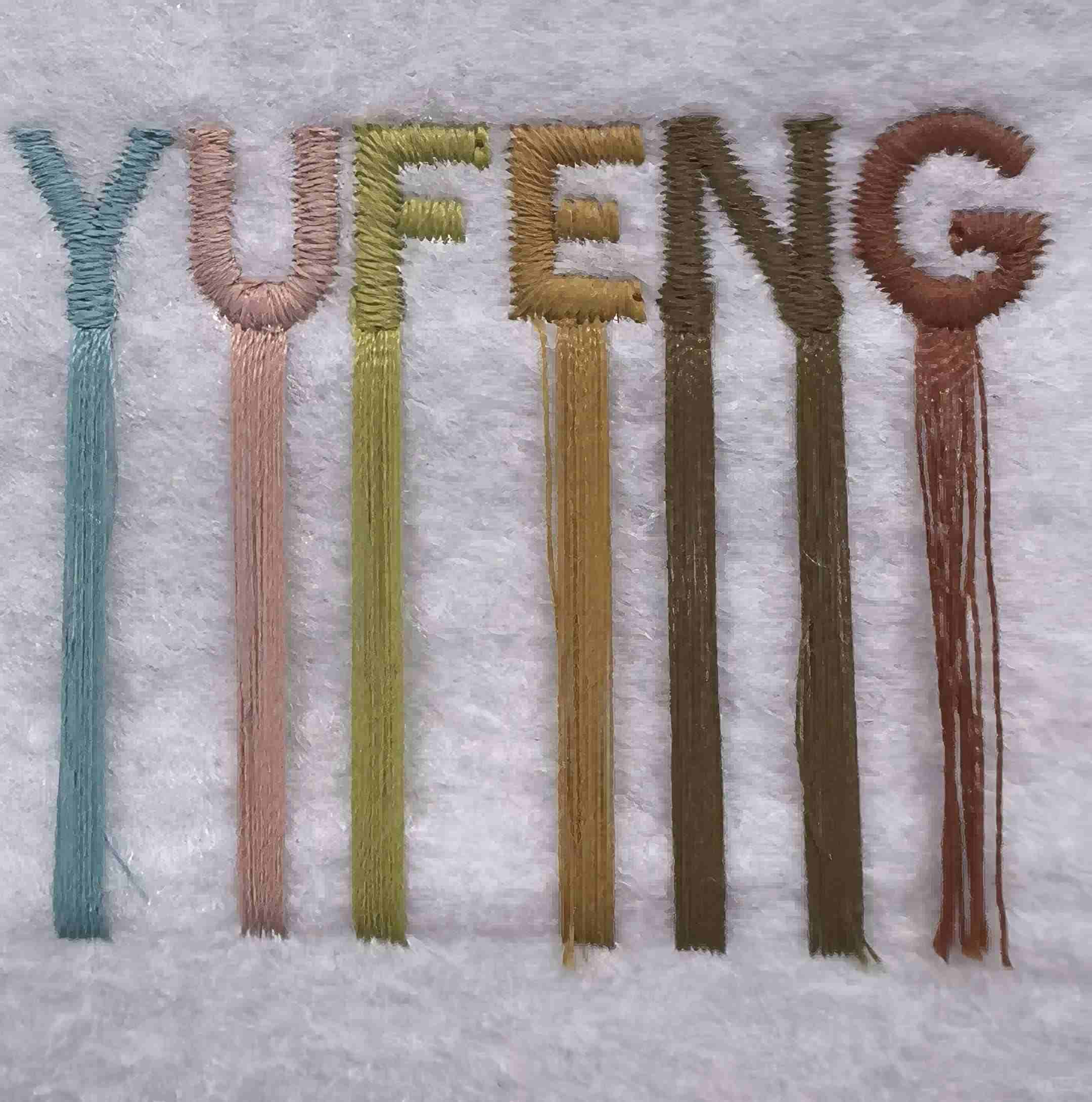
Tassel lengths typically range from 15 mm for subtle accents to 80 mm for dramatic statement pieces, with 30–50 mm most common in ready-to-wear collections. Longer tassels require additional material and more careful handling during washing and finishing, raising per-piece cost by 8–15%.
Color gradients—ombré or dip-dyed effects—add visual depth but require pre-dyed threads or post-embroidery dyeing. Pantone-matched solid colors are standard; gradient effects usually add 10–20% to embroidery setup fees and extend sampling timelines by 3–5 days.
Bead and Sequin Accents
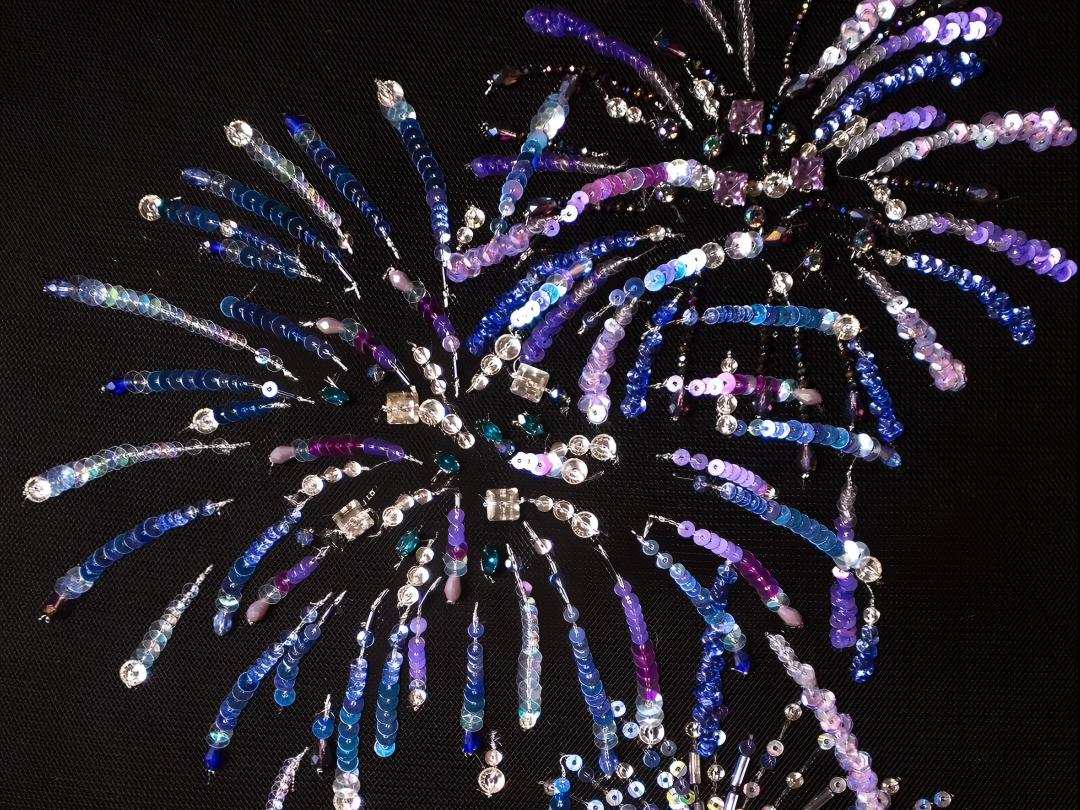
Combining tassels with beads or sequins creates mixed-texture decoration popular in resort wear, evening dresses, and luxury streetwear. Glass seed beads, plastic pony beads, and metallic sequins are sewn into or around the embroidered base before tassel attachment.
Bead and sequin accents increase labor time by 20–40% and raise MOQ requirements from 50 pieces to 100–200 pieces due to setup complexity and material waste. ZORWILD supports rhinestone application, sequin embroidery, and metallic embroidery for multi-dimensional tassel designs.
Logo Integration and Mixed-Media Decoration
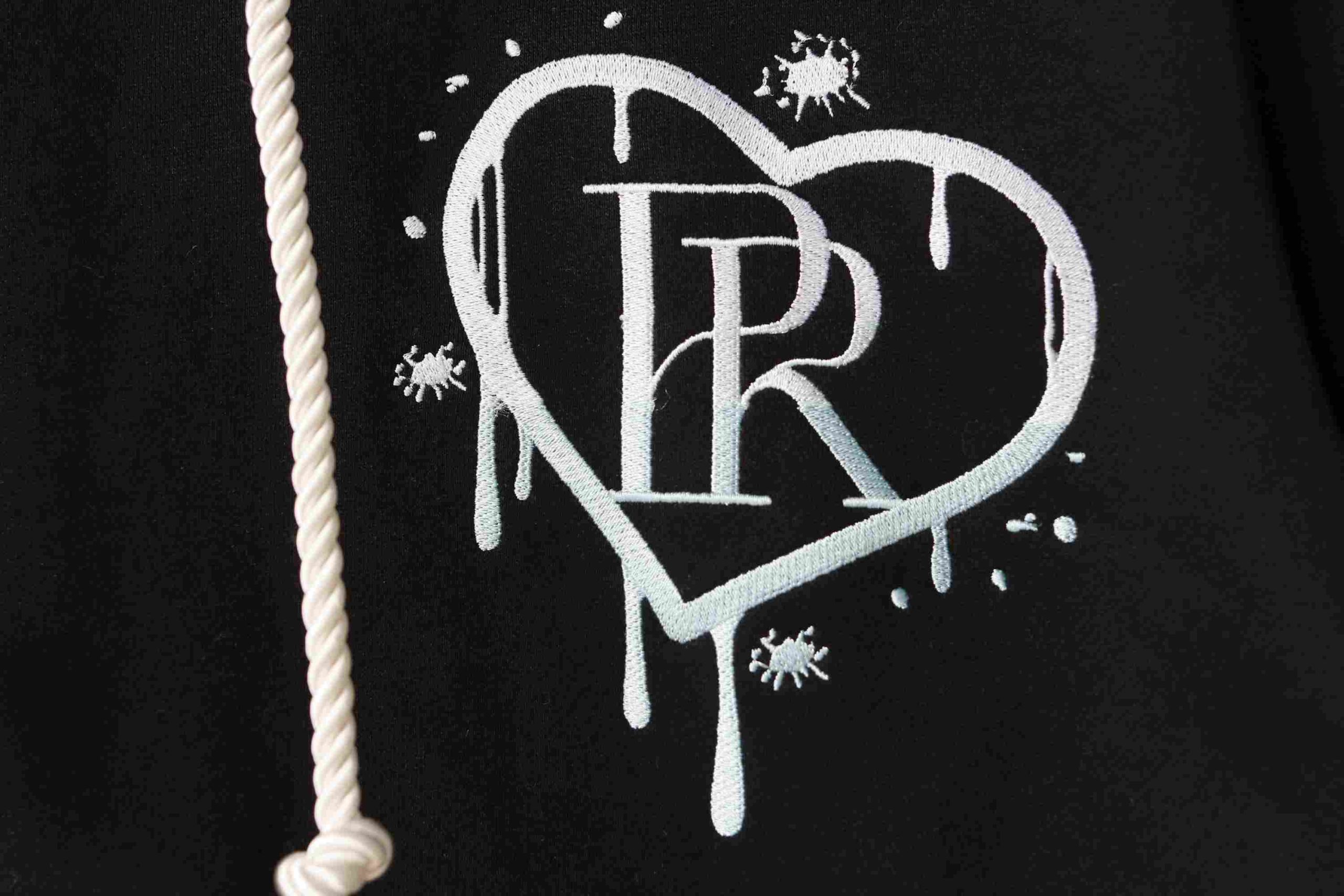
Brand logos can be flat-embroidered within the tassel base or positioned adjacent to tassel clusters on pockets, yokes, or hems. Logo thread density should match the tassel stitch count to ensure balanced texture and prevent puckering.
Mixed-media approaches layer tassel embroidery with screen printing, puff printing, or heat transfer for graphic-heavy streetwear. ZORWILD’s capabilities in DTG printing, reflective printing, and foil printing allow designers to combine tassels with modern print techniques, though each added process increases lead time by 2–4 days and raises unit cost by 12–25%.
Placement Variations Across Garment Zones
Placement directly affects garment functionality and wash durability. Hem and sleeve cuff placements suit casual shirts, hoodies, and dresses; pocket and yoke placements work well for jackets, resort shirts, and utility styles. High-friction zones—underarms, waistbands—are avoided to prevent premature tassel wear.
ZORWILD’s sampling process evaluates placement impact on garment drape, movement, and wash performance before bulk production. Designers should specify exact coordinates in tech packs using measurements from center-front, shoulder seam, or hem baseline to ensure consistent placement across production runs.
6. Key Quality Elements in Tassel Embroidery Production
Professional tassel embroidery demands rigorous quality control at every production stage. ZORWILD applies strict inspection protocols across thread tension, attachment durability, wash performance, and finishing precision to ensure garments meet international brand standards and survive repeated wear cycles.
Thread Tension and Stitch Density
Optimal stitch density for tassel embroidery ranges from 4,000 to 6,000 stitches per square inch depending on fabric weight and tassel length. Inconsistent thread tension causes puckering, distortion, or thread breakage that shortens garment lifespan.
ZORWILD calibrates embroidery machines to maintain uniform tension across multi-head production runs. Proper tension ensures tassels hang evenly, backing remains flat, and decorative elements resist fraying after multiple washes.
- Check stitch consistency under 10× magnification during sample evaluation
- Verify no fabric puckering or thread loops on garment reverse side
- Test thread tension by gently pulling individual tassel strands
Tassel Attachment Strength and Pull-Test Standards
Industry pull-test standards require tassel embroidery to withstand 5–8 pounds of force without detachment or thread breakage. Weak attachment points lead to customer returns and brand reputation damage.
ZORWILD conducts random pull-tests on every production batch using calibrated force gauges. Reinforced lock stitches at tassel bases and proper backing selection ensure decorations survive commercial laundering and daily wear stress.
- Request pull-test reports with force measurements in pounds or newtons
- Inspect tassel base for reinforced lock stitches and clean thread cuts
- Simulate customer handling by tugging tassels during factory audits
Colorfastness and Wash Durability
Premium tassel embroidery uses polyester or rayon threads rated Grade 4–5 on ISO 105 colorfastness scales. Poor thread quality causes color bleeding, fading, or tassel matting after 3–5 wash cycles.
ZORWILD sources threads from certified suppliers and conducts wash tests at 40°C for 20 cycles. Proper pre-treatment and thread selection ensure tassel embroidery retains vibrant color and soft texture through garment lifespan.
Trimming Precision and Finishing Quality
Tassel length consistency within ±2 mm and clean thread cuts without fraying define professional finishing standards. Uneven trimming creates a low-quality appearance that reduces perceived garment value.
ZORWILD trains finishing technicians to hand-trim tassels using precision shears and inspect every piece under task lighting. Final quality checks remove loose threads, verify tassel alignment, and ensure uniform length across all decorative elements.
7. How to Choose a Tassel Embroidery Manufacturer
Selecting a tassel embroidery manufacturer requires evaluating technical capabilities, production flexibility, and service infrastructure. Six core criteria separate reliable partners from risky suppliers in this specialized decoration segment.
Machinery and Hand-Finishing Capacity
Multi-head embroidery machines (6–15 heads) deliver speed for bulk orders, while single-head units enable small-batch customization and sampling. Hand-finishing capacity for tassel attachment, trimming, and knotting determines quality consistency.
ZORWILD operates both automated embroidery lines and skilled hand-finishing stations to support orders from 50 pieces to 100,000+ units monthly. Verify whether the factory can handle mixed techniques — flat embroidery base plus manual tassel application — in a single production run.
MOQ Flexibility and Sampling Turnaround
Startup brands and influencers need MOQs under 100 pieces per design; traditional embroidery vendors often require 500+ units. Sampling turnaround of 7–10 days signals efficient workflow and prioritized communication.
ZORWILD’s 50-piece minimum and rapid sampling process allow designers to test tassel embroidery placements, thread colors, and tassel lengths before committing to bulk production.
Quality Certifications and Testing
ISO 9001, OEKO-TEX Standard 100, and WRAP certifications confirm process control and chemical safety. Request wash-test reports (5–10 cycles) to verify tassel retention, thread colorfastness, and fabric integrity.
Red flags include inconsistent sample quality, missing test documentation, and refusal to provide pre-production prototypes.
Communication and Design Support
Experienced manufacturers translate sketches, reference images, and tech packs into production-ready tassel embroidery designs. Look for English-speaking account managers, digital mock-up services, and proactive material recommendations.
ZORWILD’s development team advises on thread weight, tassel density, and fabric compatibility to prevent puckering and distortion during embroidery.
Logistics and Export Experience
Global shipping expertise — air freight, sea freight, door-to-door service — reduces delays and customs issues. Confirm the factory’s experience serving your target market (US, EU, Middle East) and packaging standards (polybags, hang tags, branded boxes).
ZORWILD ships to 30+ countries with full export documentation, ensuring tassel embroidery garments arrive inspection-ready for retail or e-commerce fulfillment.
8. Common Mistakes Buyers Make with Tassel Embroidery
Tassel embroidery projects fail most often during planning, not production. Five recurring mistakes drive 70% of rework requests, delivery delays, and quality disputes across ZORWILD’s 2,000+ brand partnerships.
Underestimating Lead Time for Hand-Finishing
Hand-tied tassels add 3–5 days per 1,000 units versus machine embroidery alone. Buyers scheduling standard 15-day production windows face shipment delays when tassel counts exceed 200 per garment.
ZORWILD recommends adding 5–7 buffer days for orders with hand-finished tassels above 100 pieces. Communicate tassel density during the tech pack stage to receive accurate timelines and avoid air-freight surcharges.
Choosing Incompatible Fabric-Thread Pairings
Lightweight rayon and viscose fabrics cannot support heavy cotton tassels without puckering or tearing at anchor points. Polyester threads on 100% cotton garments shrink unevenly after enzyme wash, distorting tassel alignment.
Request fabric-thread compatibility charts from your manufacturer. ZORWILD’s development team pre-tests pairings on sample swatches to confirm stitch tension, wash stability, and tassel weight limits before bulk production.
Omitting Wash-Care Instructions in Tech Packs
Tassel embroidery requires specific care labels: ‘Wash inside out, gentle cycle, no tumble dry.’ Missing instructions lead to frayed tassels, color bleed, and customer returns that trigger chargebacks.
Include wash method, water temperature, and drying restrictions in every tech pack. ZORWILD applies garment-dye or enzyme-wash pre-treatment when tech packs specify retail wash-care requirements.
Neglecting Tassel Length Tolerances
Factory-standard tolerance is ±3 mm per tassel; buyers expecting ±1 mm precision face 20–30% cost premiums for hand-measurement and trimming. Inconsistent lengths appear most on tassels exceeding 50 mm.
Define acceptable tolerance ranges in your tech pack. For high-end collections, request pre-production samples with measured tassels to verify length consistency before committing to bulk orders.
Skipping Pre-Production Samples
48% of tassel embroidery disputes at ZORWILD stem from unapproved samples. Buyers discover thread sheen, tassel drape, or anchor-stitch visibility issues only after receiving bulk shipments, resulting in costly rework or order rejection.
Always approve a pre-production sample showing final fabric, thread color, tassel length, and wash finish. ZORWILD’s sampling service starts at 50 pieces, allowing full testing of embroidery quality, garment fit, and decoration durability.
9. Steps to Launch Your Tassel Embroidery Apparel Brand
Launching a tassel embroidery apparel brand requires a structured roadmap from concept to market. ZORWILD’s 27 years of manufacturing experience and 50-piece low MOQ system support first-time buyers at every stage, reducing risk and enabling faster validation.
Market Research and Trend Analysis
Identify target demographics, price points, and competitor positioning before committing to designs. Study Instagram, TikTok, and Pinterest to validate tassel embroidery demand in streetwear, resort wear, or luxury casual segments.
ZORWILD’s team monitors global fashion trends across 2,000+ brand partnerships, offering design recommendations aligned with current market appetite and seasonal cycles.
Design and Tech-Pack Development
Translate ideas into production-ready tech packs specifying garment measurements, fabric weight, tassel placement, thread colors, and stitch density. ZORWILD accepts sketches, reference photos, or inspiration boards and develops complete tech packs with pattern guidance.
Clear documentation prevents miscommunication and ensures first samples match brand vision, saving time and sampling costs.
Supplier Shortlisting and Sampling
Request samples from 2–3 manufacturers to compare tassel quality, thread consistency, garment construction, and finishing standards. Evaluate fit, fabric hand feel, and decoration durability before bulk orders.
ZORWILD’s sampling process includes measurement inspection, stitch density verification, and wash testing to confirm tassel embroidery withstands garment care cycles.
Costing and MOQ Negotiation
Break down unit costs including fabric, trims, tassel embroidery labor, finishing, and packaging. ZORWILD’s 50-piece MOQ allows startups to test multiple colorways or styles without heavy inventory investment.
Negotiate payment terms, lead times, and scalability options to ensure smooth transitions from test batches to reorder volumes exceeding 1,000 units.
Production and Quality Control
Monitor in-line inspections, final product checks, and packaging standards. ZORWILD applies raw material inspection, measurement verification, and tassel attachment strength testing throughout production.
Request photo updates at cutting, embroidery, and finishing stages to catch issues early and maintain brand quality standards.
Go-to-Market Strategy
Launch via e-commerce platforms like Shopify or WooCommerce, seed products to influencers for social proof, and approach boutique wholesalers with lookbooks. Tassel embroidery’s visual appeal performs well in Instagram Reels and TikTok unboxing content.
ZORWILD supports custom packaging, hang tags, and branded polybags to create premium unboxing experiences that drive organic social sharing and repeat purchases.
10. Pricing and Cost Structures for Tassel Embroidery
Tassel embroidery pricing varies by quantity tier, technique complexity, and material choices. ZORWILD’s low MOQ production starts at 50 pieces, allowing startup brands to test designs with manageable upfront investment, while higher volumes unlock economies of scale that reduce per-unit costs by 30–50% and shorten lead times.
Cost drivers include tassel length (short tassels under 3 cm add $0.80–$1.50 per garment, while long decorative tassels over 8 cm add $2.50–$4.00), bead and sequin add-ons ($1.20–$3.00 per application depending on bead count and placement density), and fabric type (lightweight cotton and rayon accept tassel embroidery with minimal setup, while heavyweight fleece or technical nylon require specialized needles and tension adjustments that increase setup fees by $50–$100). Setup costs cover digitizing, thread sourcing, machine programming, and sample approval.
Lead times range from 18–25 days for standard 50–200 piece orders to 25–35 days for complex multi-color tassel embroidery with beading on 500+ units. Rush production is available with 10–15 day turnaround for an additional 15–20% premium. Transparent pricing enables buyers to budget accurately, compare supplier quotes, and negotiate volume discounts from an informed position.
| Quantity Tier | Price per Unit (USD) | Lead Time (Days) |
|---|---|---|
| 50–199 units | $3.50–$6.00 | 18–25 |
| 200–499 units | $2.80–$4.50 | 20–28 |
| 500–999 units | $2.20–$3.50 | 22–30 |
| 1,000+ units | $1.80–$2.80 | 25–35 |
Ready to Add Tassel Embroidery to Your Collection?
Start with just 50 pieces. Get expert guidance, premium craftsmanship, and fast turnaround backed by 27 years of apparel manufacturing excellence.
- Custom T Shirts
- Custom Dresses
- Custom Sweatshirts
- Custom Varsity Jackets
- Custom Polo Shirts
- Custom Shorts
- Custom Dress Shirts
- Contact