
Applique Embroidery for Bold, Dimensional Brand Designs
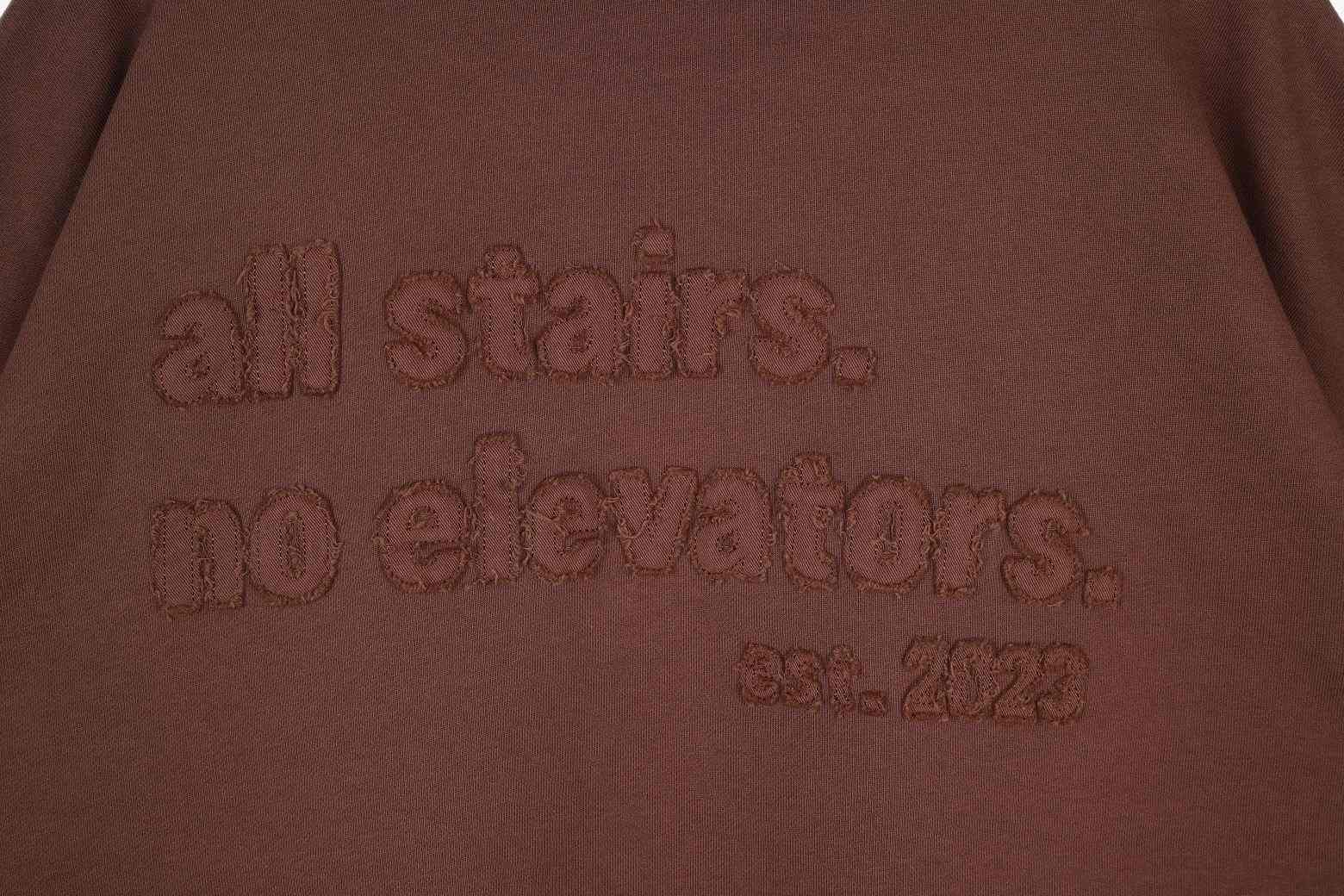
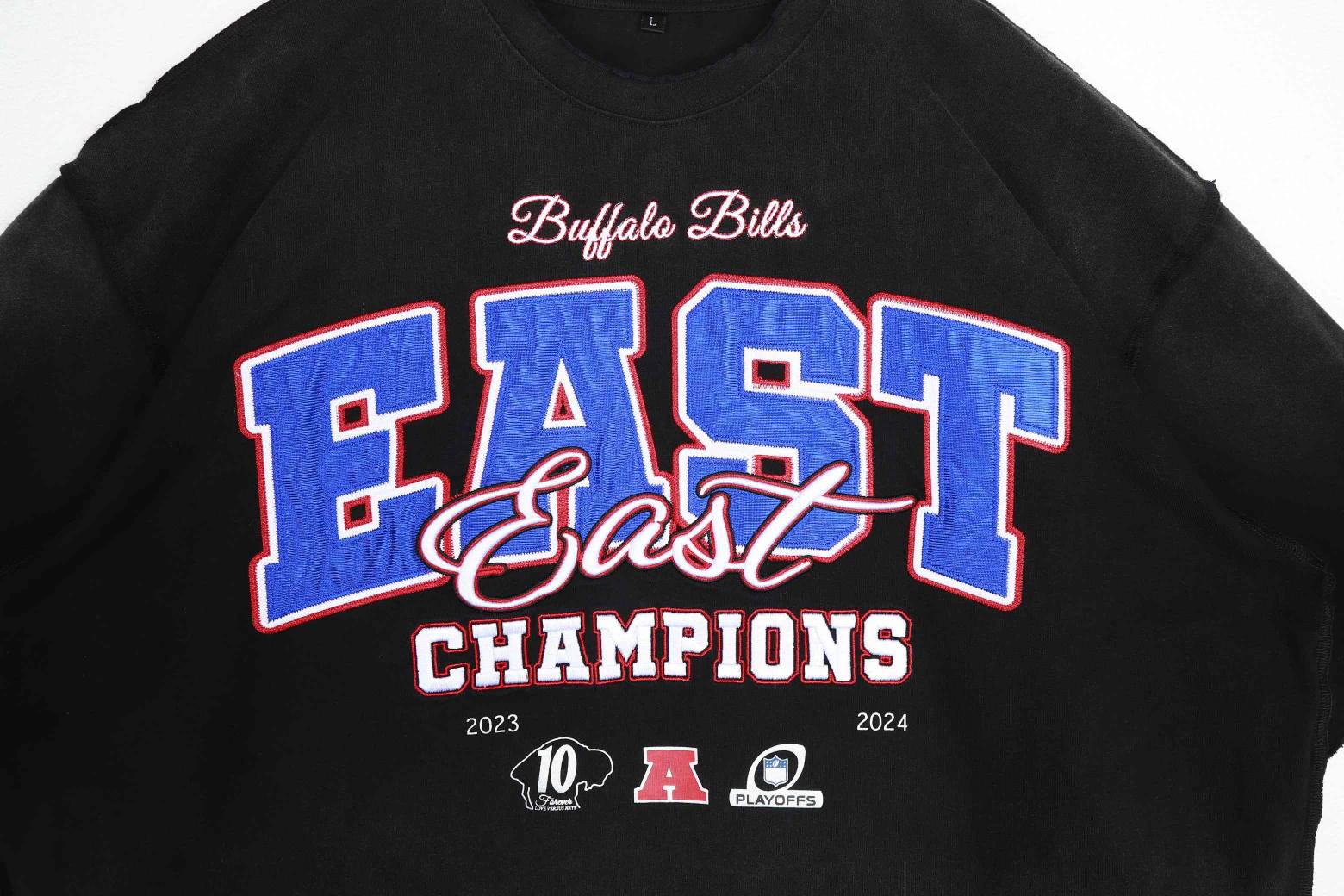
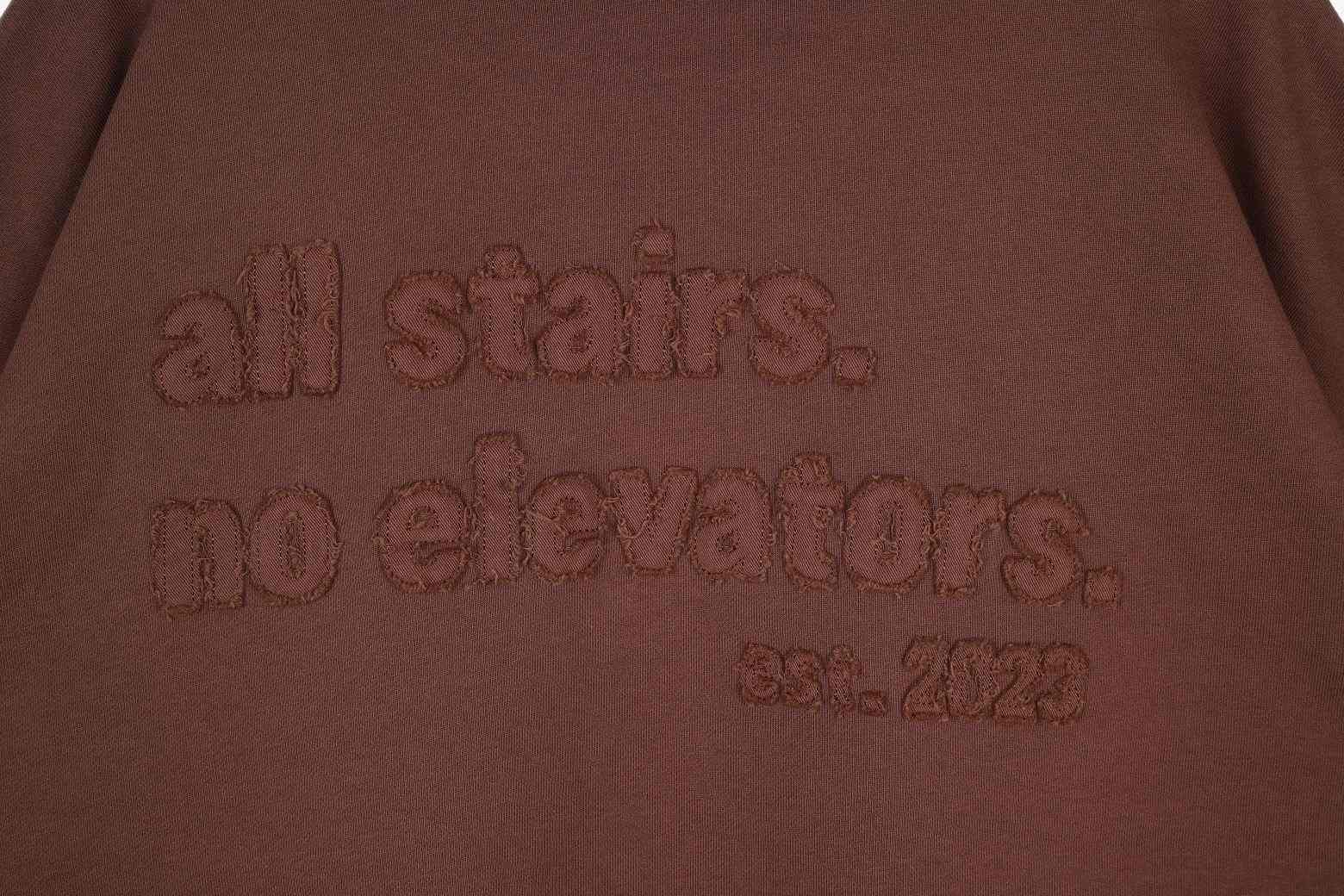
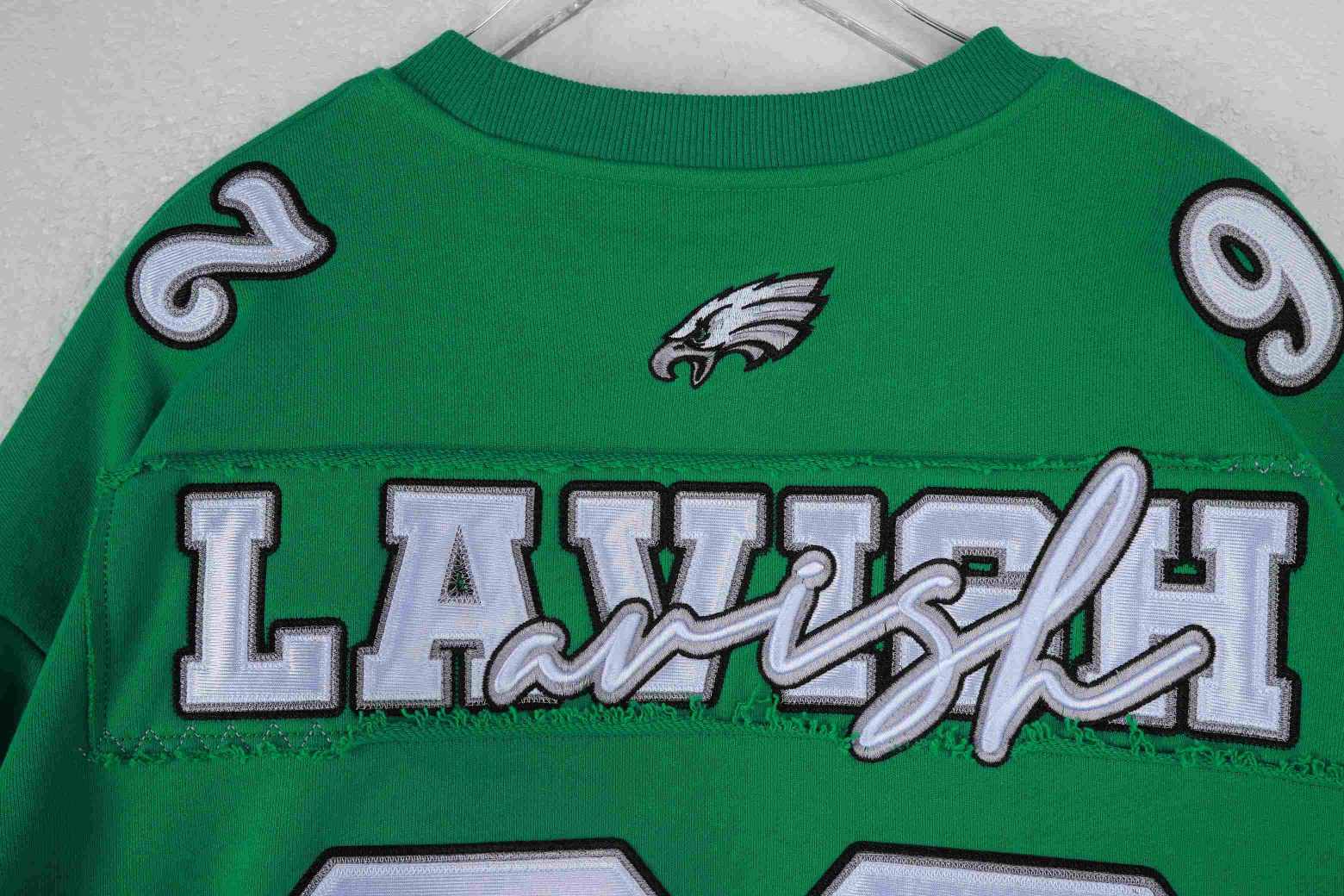
ZORWILD delivers custom applique embroidery with cut-and-sewn fabric layers that create striking graphic impact on hoodies, jackets, and streetwear. Start from just 50 pieces with 27 years of manufacturing expertise.
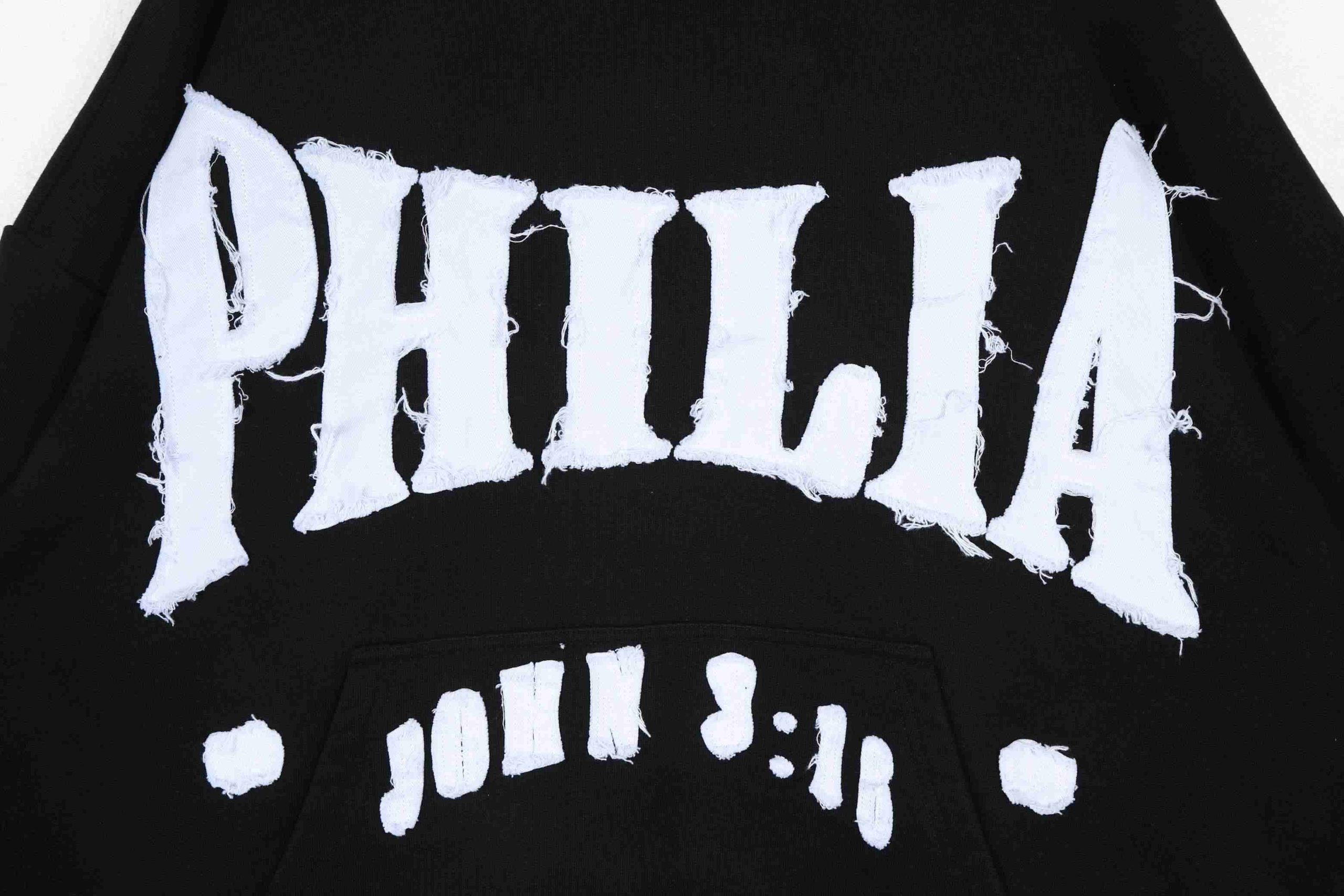
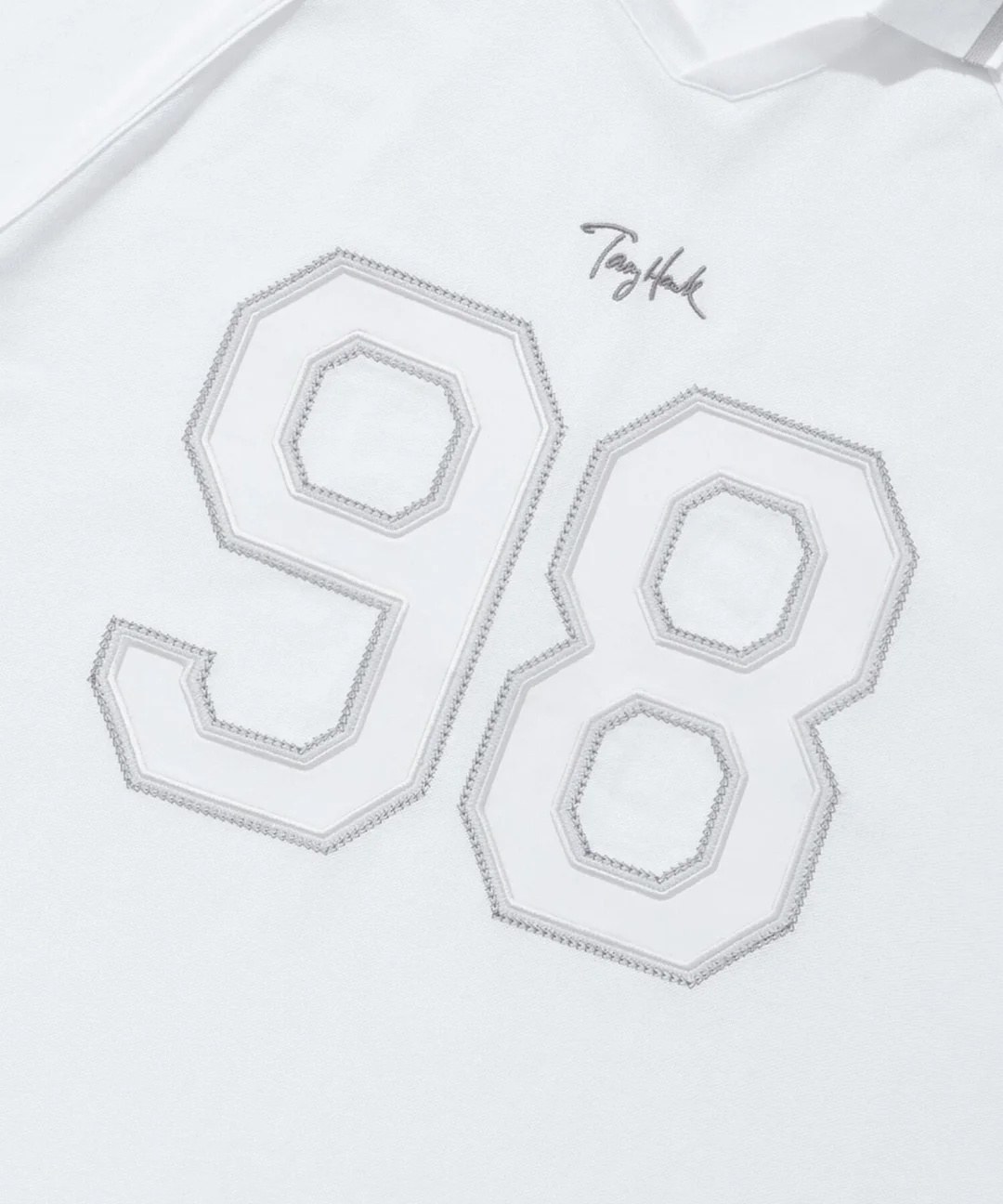
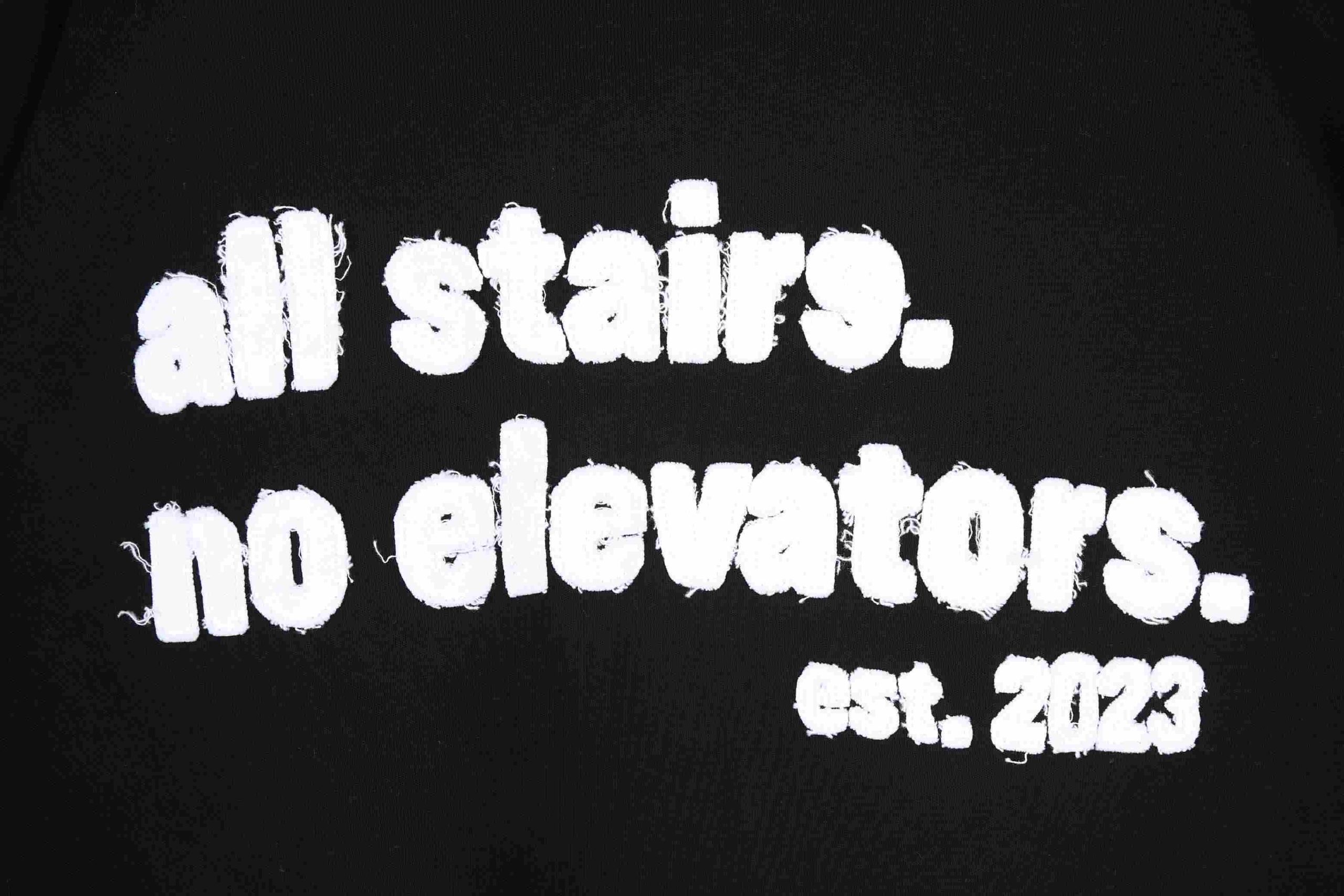
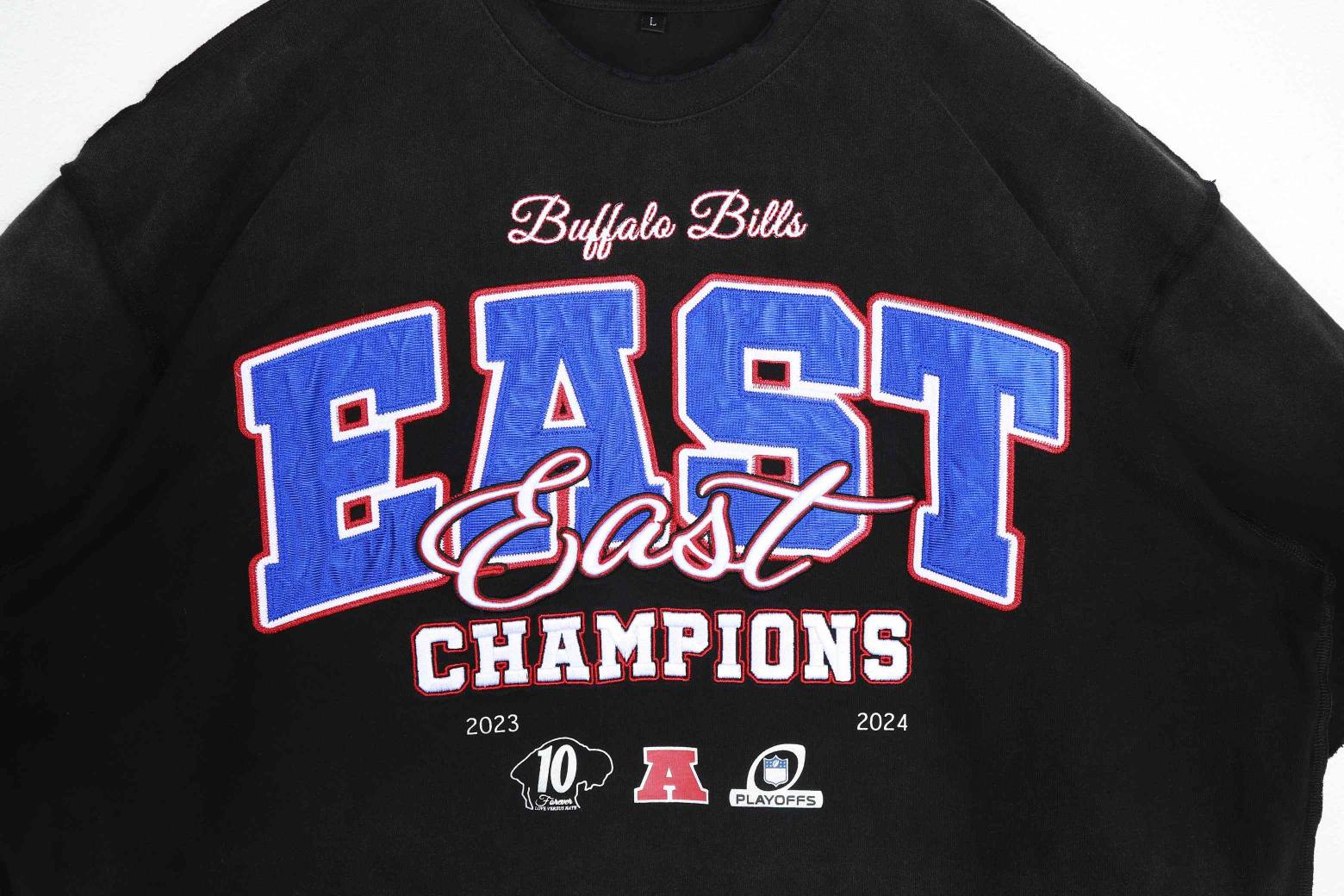
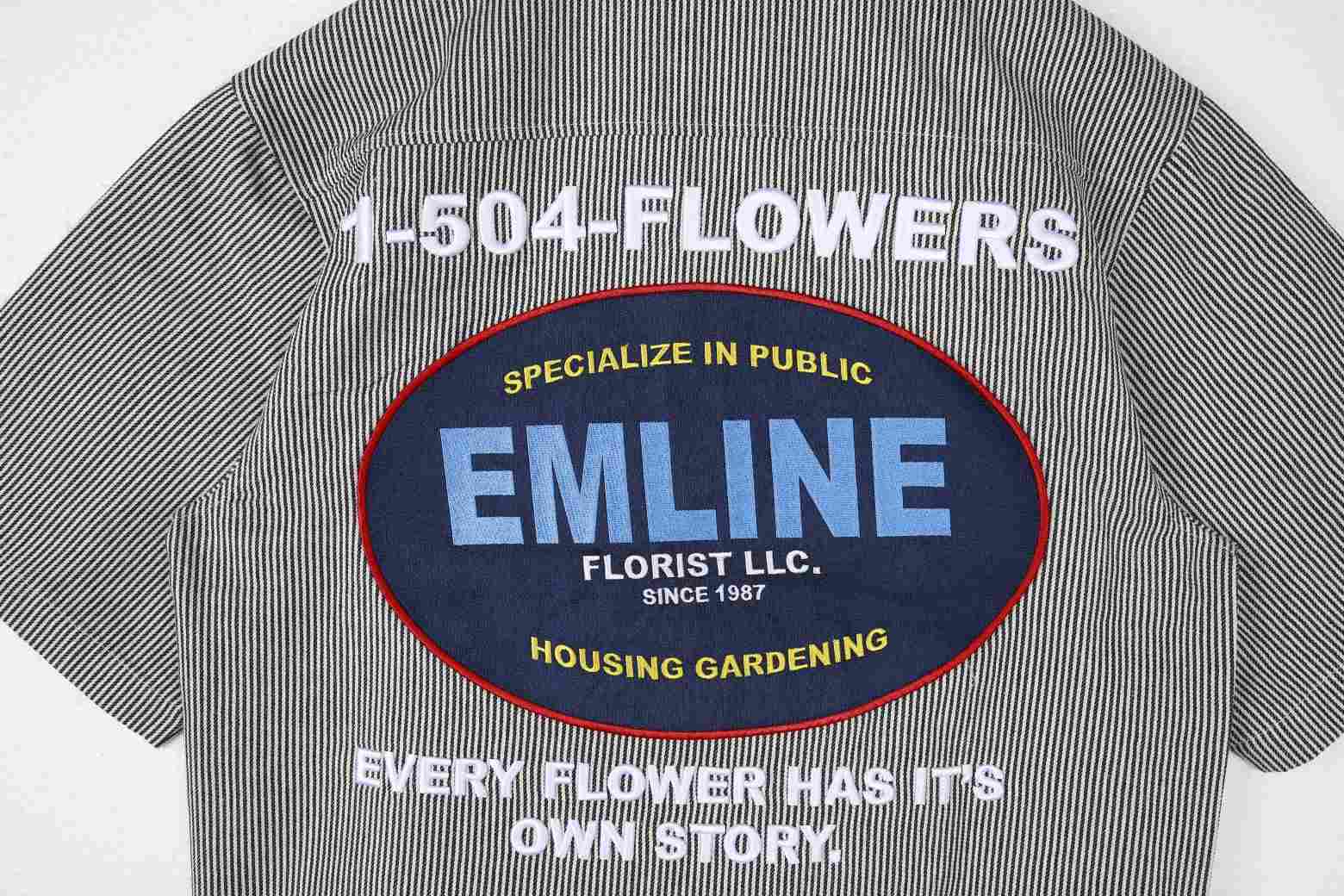
Applique Embroidery Sample Gallery
What Makes Applique Embroidery Distinctive
Bold Graphic Scale
Applique embroidery enables oversized logos and graphics that flat embroidery cannot achieve, perfect for varsity jackets and streetwear branding.
Layered Fabric Texture
Multiple fabric layers create dimensional depth and tactile richness that elevates any garment beyond standard flat decoration techniques.
Superior Durability
Reinforced stitching around fabric edges ensures applique embroidery withstands repeated washing, stretching, and heavy wear without lifting or fraying.
Vibrant Color Contrast
Combine felt, twill, chenille, and specialty fabrics in one design to achieve striking color combinations and premium visual impact.
Multi-Material Flexibility
Layer leather, denim, satin, metallic fabrics, and more within a single applique design for unique texture and luxury finishing.
Heritage Craftsmanship Appeal
Applique embroidery delivers the authentic varsity and collegiate aesthetic that resonates with premium fashion brands and heritage sportswear collections.
Explore Our Complete Embroidery Capabilities
Custom Embroidery
Full-service custom embroidery from flat to 3D puff, chenille, applique, and specialty techniques. ZORWILD supports precise stitch density control, thread quality consistency, and accurate positioning across hoodies, varsity jackets, streetwear, and workwear. Ideal for logos, graphics, and brand identity elements with in-house quality control.
Get a Quote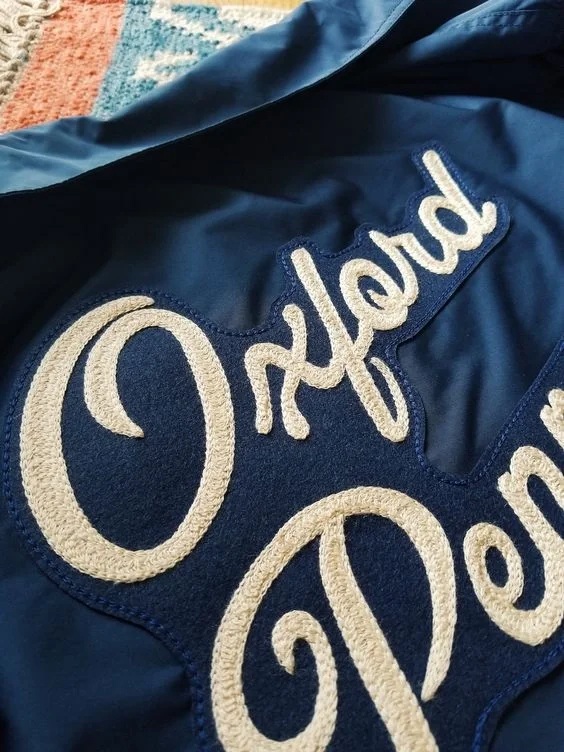
Chain Stitch Embroidery
Traditional chain stitch embroidery creates distinctive looped texture with continuous interlocking stitches, popular for vintage-inspired designs, retro sportswear, and decorative lettering. Offers unique visual depth and authentic handcrafted appearance for fashion brands seeking heritage aesthetics and artisanal detailing on jackets, sweatshirts, and specialty garments.
Get a Quote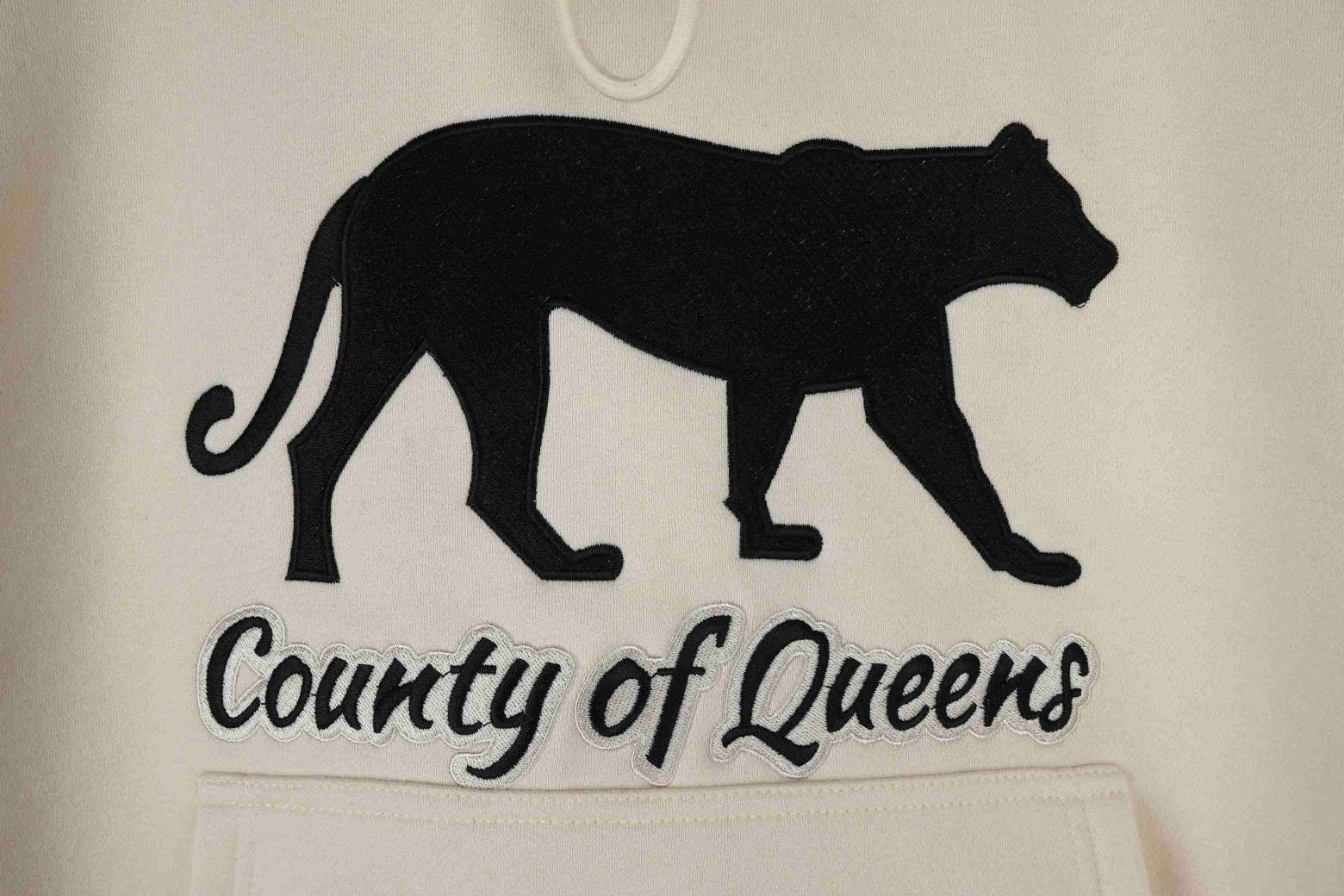
3D / Puff Embroidery
Raised dimensional embroidery using foam underlay beneath stitching to create bold, elevated graphics. Ideal for streetwear logos, brand names, athletic numbers, and statement designs on hoodies, varsity jackets, and caps. Delivers premium tactile texture and visual impact with excellent durability and wash resistance for contemporary fashion collections.
Get a Quote
Flat Embroidery
Classic embroidery technique with tight, even stitches lying flat against fabric surface. Versatile method for crisp logos, text, fine details, and complex artwork across all garment categories. Provides professional finish with excellent color accuracy, sharp definition, and long-lasting durability. Suitable for corporate branding, fashion labels, and detailed graphic applications.
Get a Quote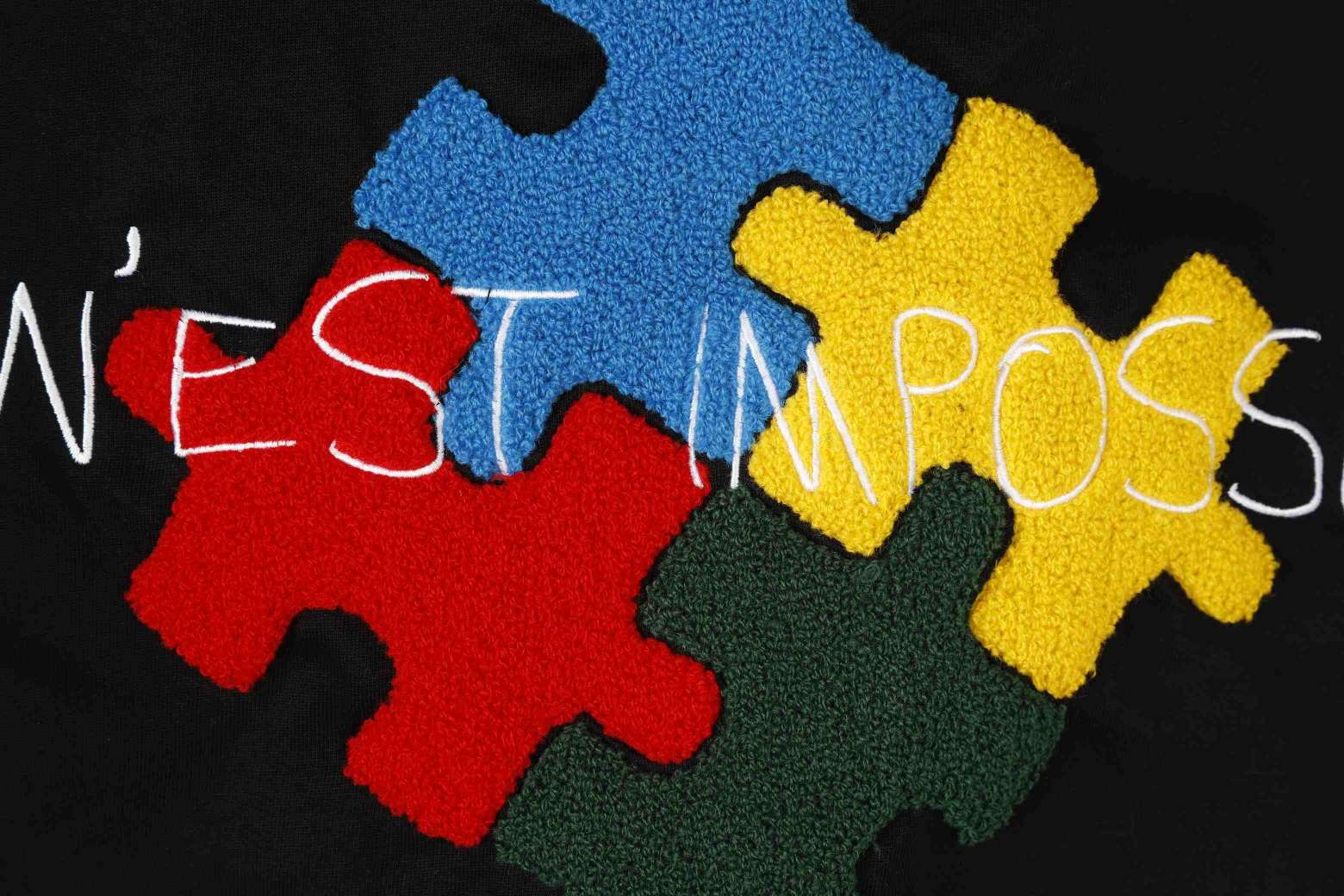
Towel Embroidery
High-pile looped embroidery creating soft, plush terry cloth texture for bold lettering and graphic elements. Produces distinctive three-dimensional surface with luxurious tactile quality popular in premium streetwear, varsity jackets, and fashion hoodies. Offers unique visual contrast and upscale appearance with excellent coverage and texture depth.
Get a Quote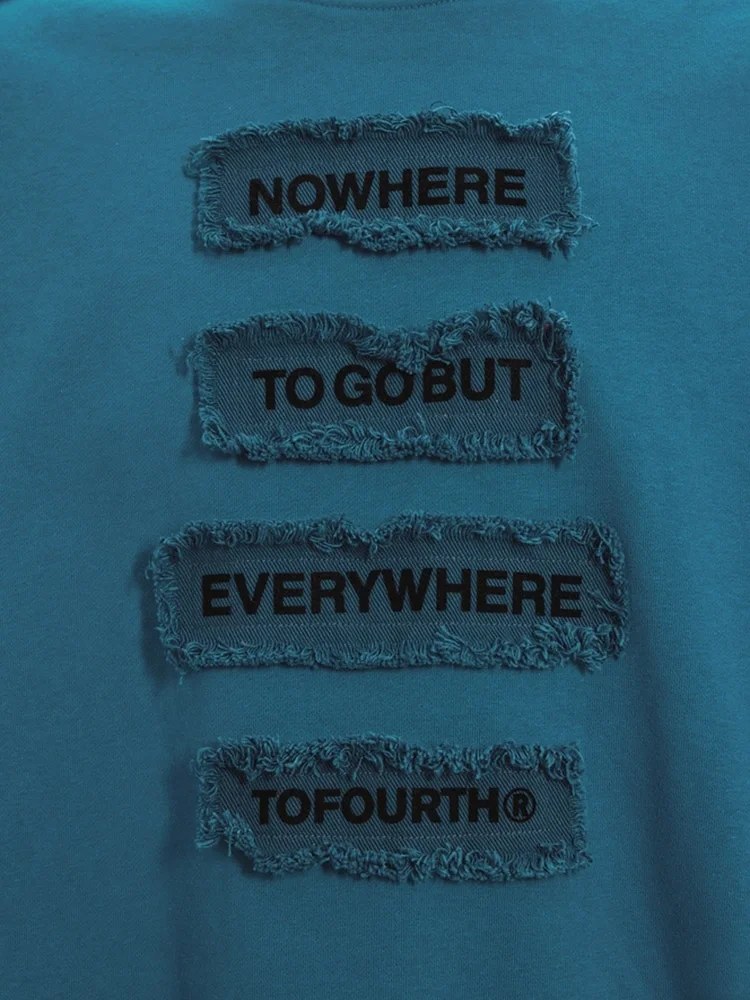
Ribbon Embroidery
Decorative embroidery incorporating ribbon materials for elegant dimensional effects and sophisticated texture. Creates flowing, raised designs with silk-like sheen ideal for fashion dresses, luxury casualwear, and premium apparel. Adds refined visual interest and tactile dimension for brands targeting elevated aesthetics and artisanal craftsmanship in their collections.
Get a Quote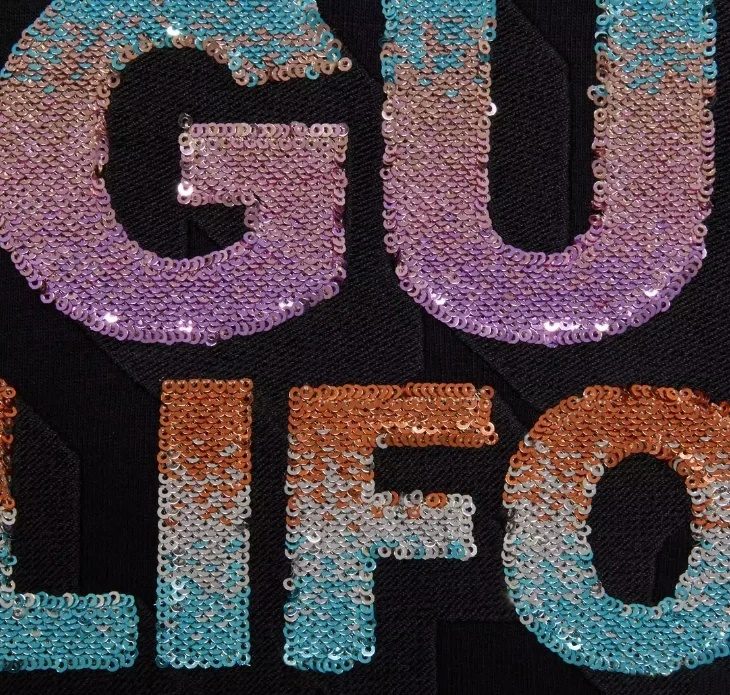
Sequin Embroidery
Embroidery enhanced with sequin application for sparkling, reflective visual effects. Combines traditional stitching with sequin attachment for glamorous designs on dresses, fashion tops, evening wear, and statement streetwear pieces. Delivers eye-catching shine and dimensional texture perfect for special occasion garments, performance wear, and bold fashion statements.
Get a Quote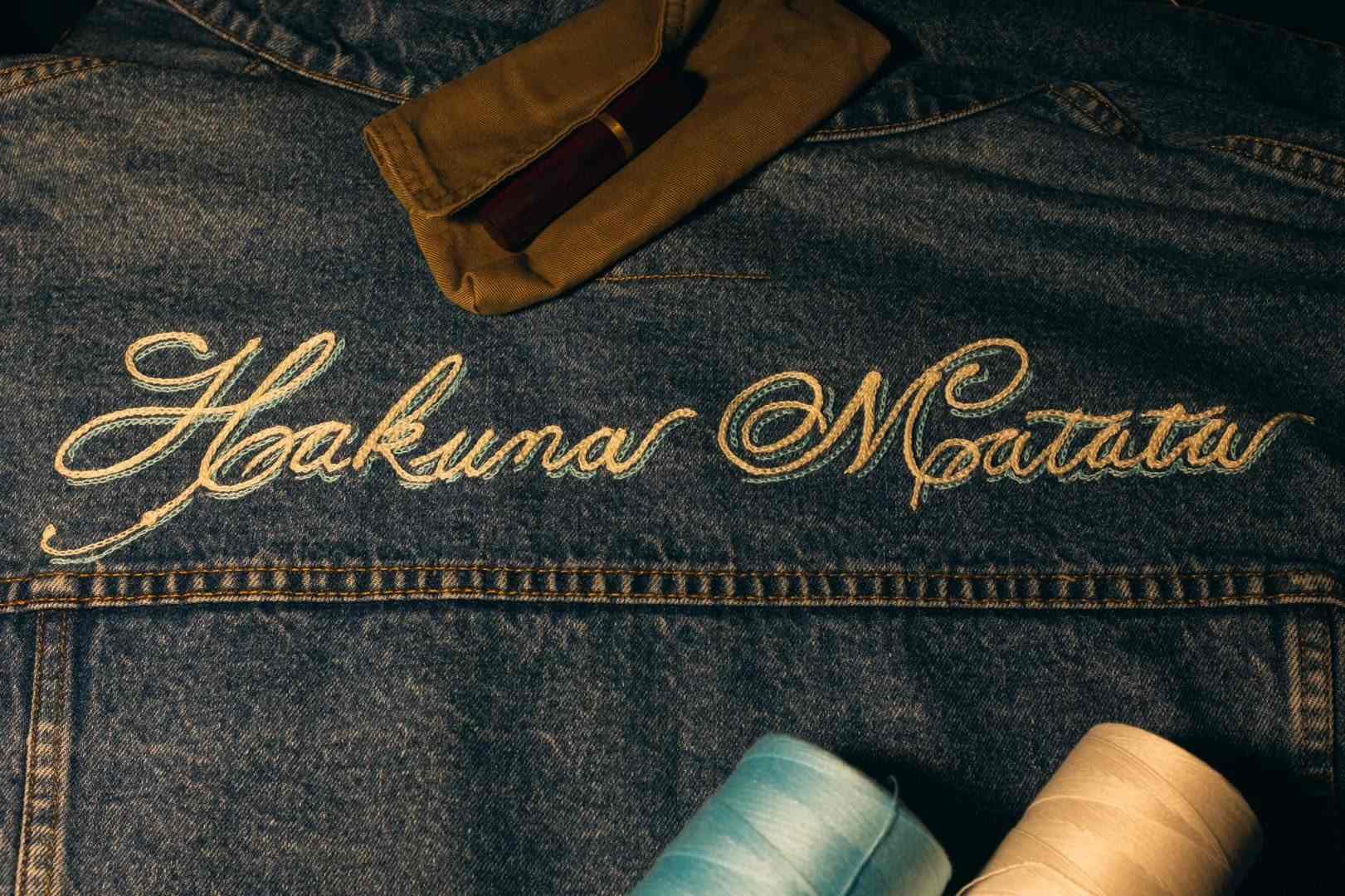
Rope Embroidery
Specialized embroidery using thick rope or cord materials stitched onto garments for bold, sculptural dimension. Creates pronounced raised outlines, lettering, and graphic borders with substantial tactile presence. Popular for varsity jackets, premium hoodies, and high-end streetwear requiring distinctive texture, visual weight, and luxury craftsmanship that stands apart.
Get a Quote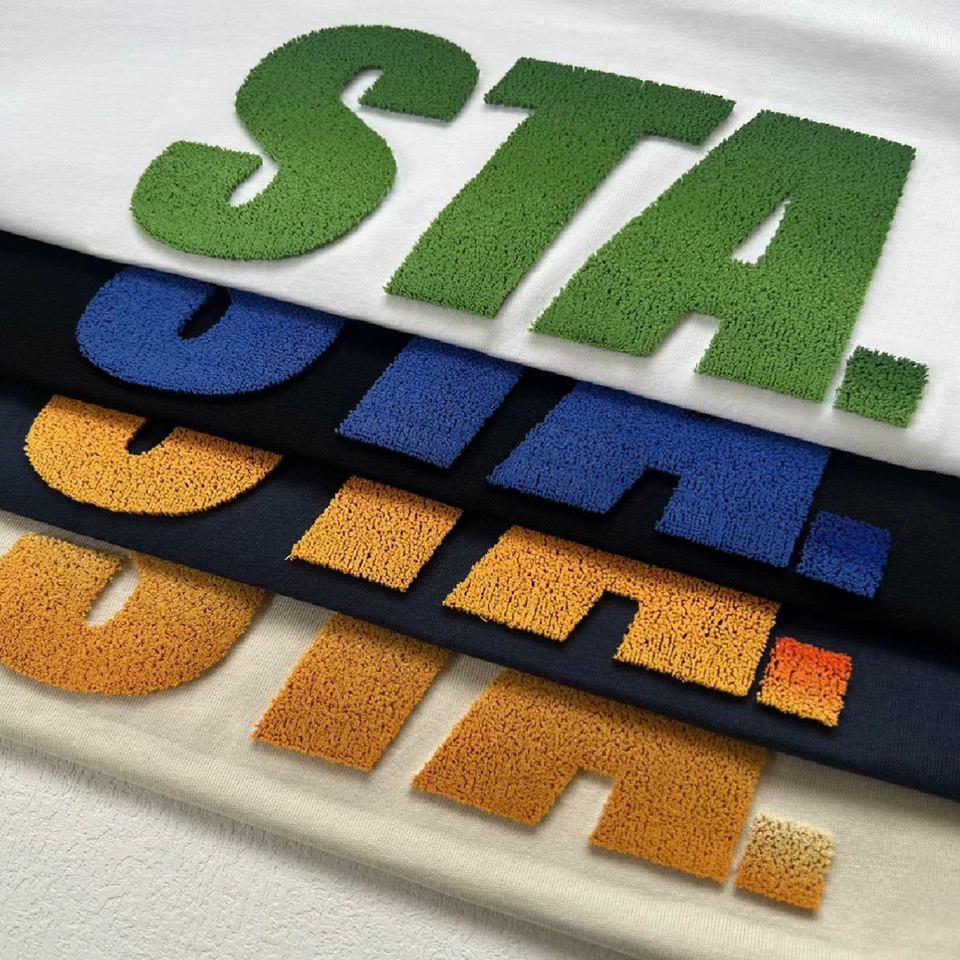
Toothbrush Embroidery
Textured embroidery technique producing dense, brush-like surface with vertical fiber orientation resembling toothbrush bristles. Creates unique tactile dimension and visual depth for logos, lettering, and decorative elements. Offers distinctive fuzzy texture popular in premium streetwear, varsity jackets, and fashion-forward designs seeking unconventional embroidery effects and standout branding.
Get a QuoteZORWILD's Applique Embroidery Expertise
Founded in 1998 in Humen, Dongguan, ZORWILD has spent over two decades mastering garment manufacturing and advanced decoration techniques including applique embroidery. Our team of more than 200 skilled workers combines traditional embroidery craftsmanship with modern production systems to deliver dimensional fabric designs that elevate brand identity across custom hoodies, varsity jackets, custom t-shirts, and premium apparel collections.
We’ve served more than 2,000 fashion brands worldwide with a monthly production capacity exceeding 100,000 units and flexible MOQs starting at just 50 pieces. Our comprehensive quality control system ensures every applique embroidery application meets precise positioning, stitch density, and durability standards whether you’re launching a startup collection or scaling an established brand.
ZORWILD supports 95% of modern decoration techniques in-house, giving you seamless access to applique embroidery alongside chenille, 3D embroidery, puff print, custom embroidery services, and more. From tech pack development and fabric sourcing to sampling, bulk production, and global logistics, we provide the full-stack manufacturing partnership your brand needs to bring bold, dimensional designs to life on custom jackets, sweatshirts, and apparel.
Applique Embroidery Quality & Craftsmanship
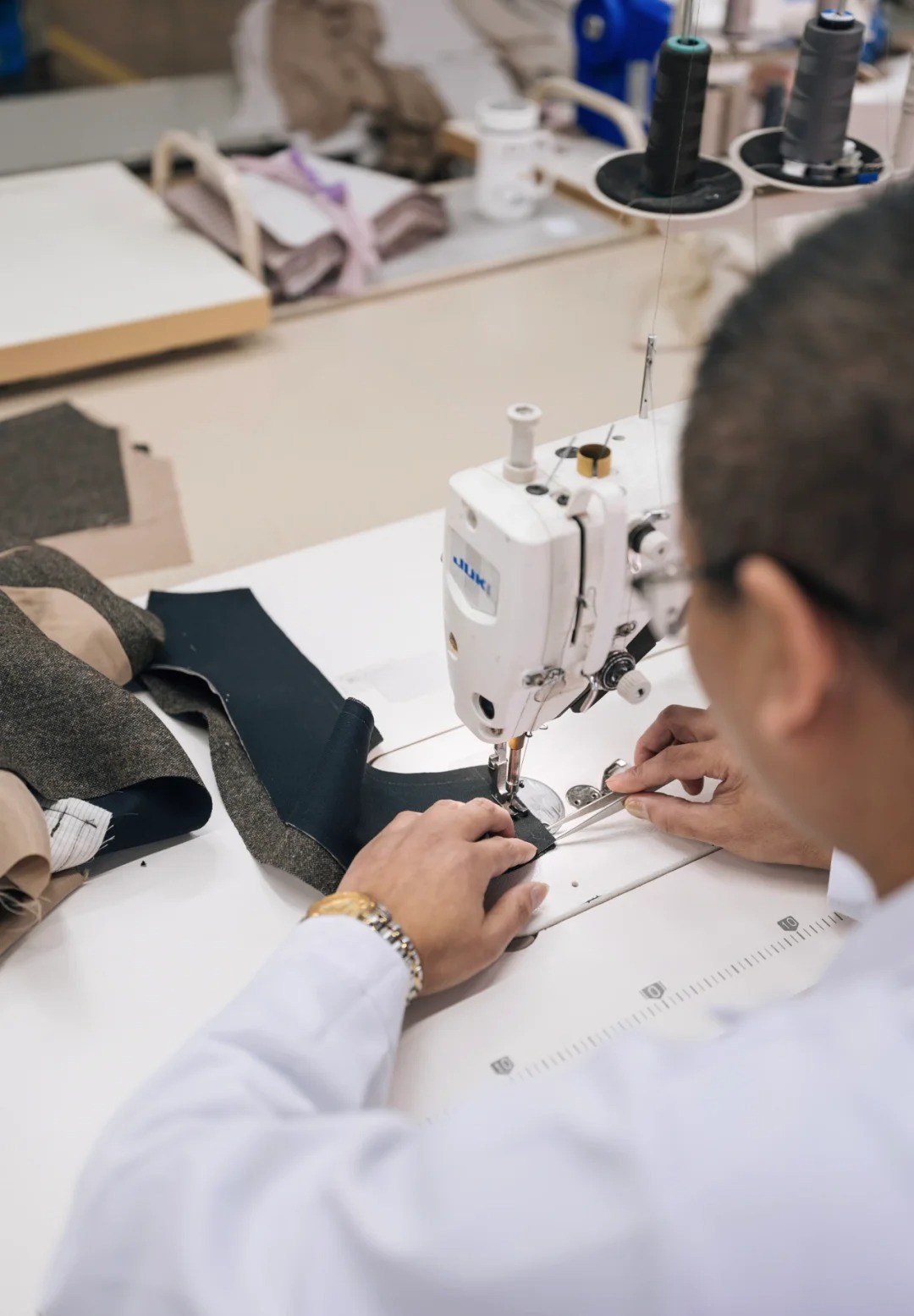
Fabric Selection and Layering Precision
Our applique embroidery begins with careful fabric selection and precise layering to ensure dimensional designs maintain their shape and visual impact through production and wear. ZORWILD sources compatible base and applique fabrics that complement garment construction while delivering premium texture and depth.
- Fabric compatibility testing for base garments and applique materials across cotton, twill, felt, leather, and specialty fabrics
- Multi-layer construction techniques that prevent puckering, distortion, or fabric shifting during embroidery application
- Strategic fabric grain alignment to maintain design integrity and prevent warping through repeated wash cycles
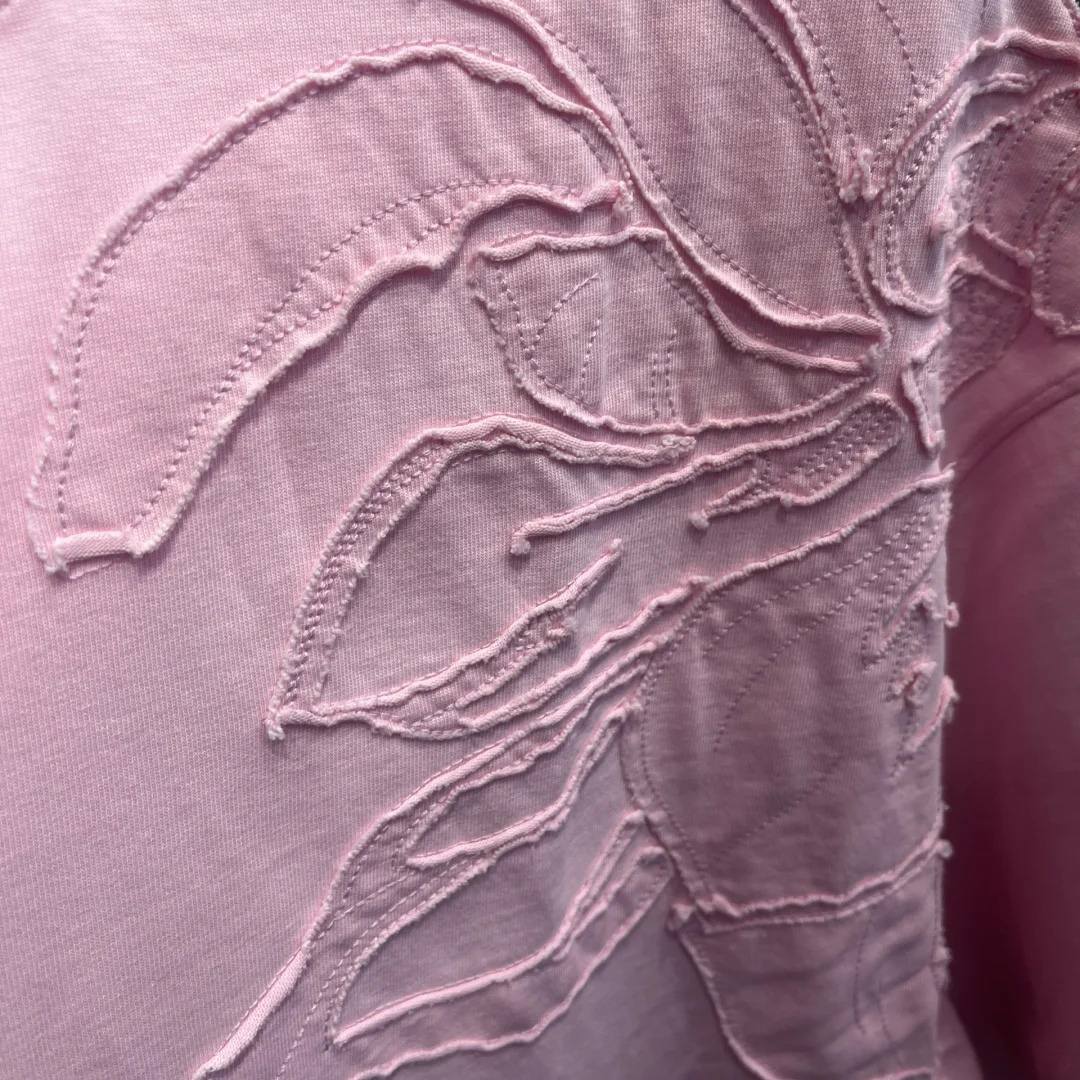
Stitch Density and Thread Quality Control
Professional applique embroidery demands precise stitch density and premium thread selection to secure fabric layers while creating clean, durable edges. Our decades of embroidery expertise ensure every design achieves optimal stitch coverage, tension balance, and long-term color retention across all production volumes for custom hoodies, wholesale hoodies, and custom apparel.
- Calibrated stitch density adjusted by fabric weight, design complexity, and garment category to prevent thread breakage or fabric damage
- Premium polyester and rayon embroidery threads selected for colorfastness, sheen consistency, and resistance to fading
- Tension control systems that prevent thread bunching, looping, or loose stitching across 100,000+ unit monthly production capacity
- Thread color matching protocols with digital color standards to ensure consistency across multiple production runs
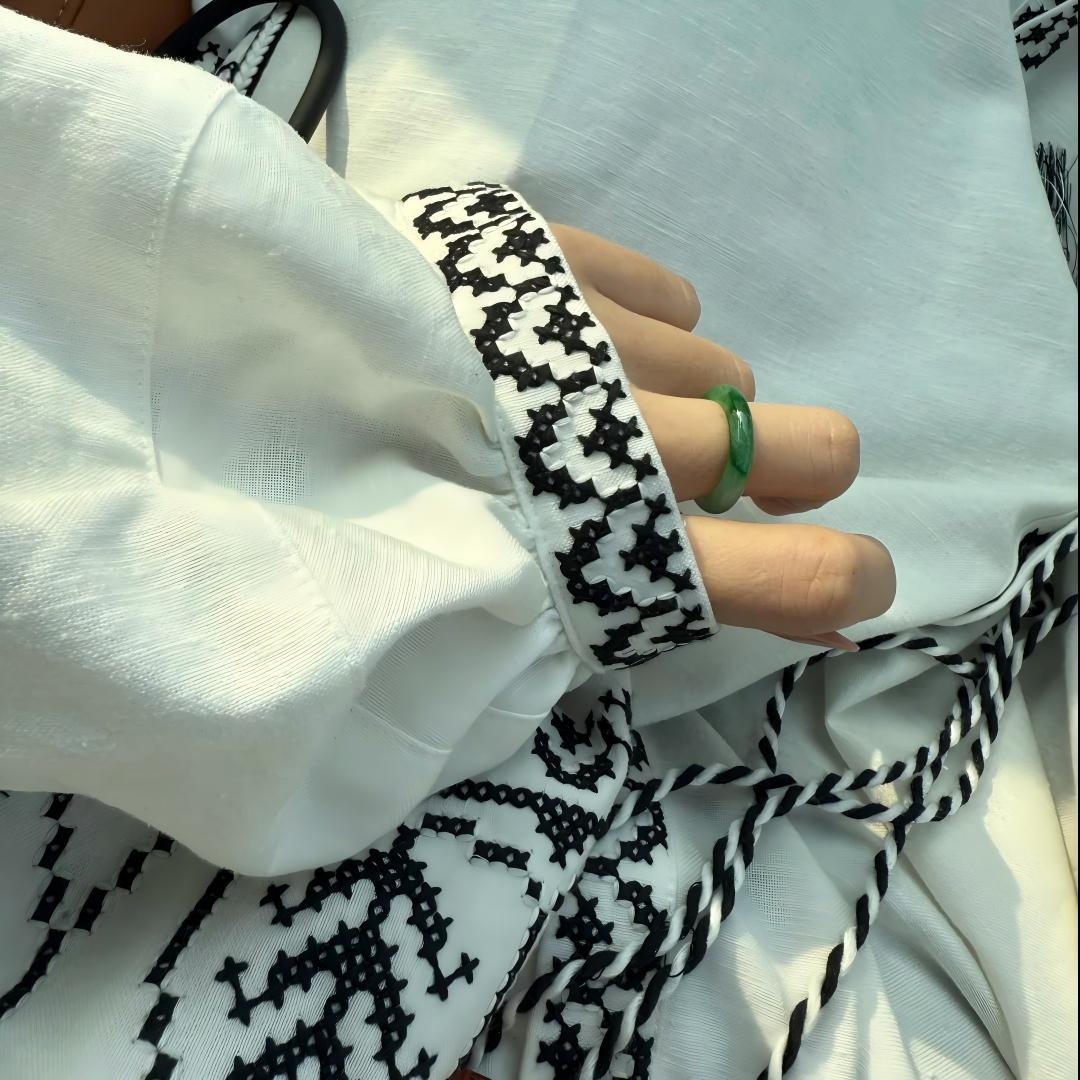
Positioning Accuracy and Edge Finishing
Precise placement and clean edge finishing separate professional applique embroidery from amateur work. ZORWILD employs digital positioning systems and advanced edge techniques to deliver sharp, consistent designs that align perfectly with garment construction and brand specifications across every piece in your order.
- Digital embroidery programming with exact coordinate placement to maintain design positioning within 1-2mm tolerance
- Satin stitch edge finishing that creates smooth, raised borders while fully securing applique fabric to prevent fraying
- Quality inspection protocols that verify placement accuracy, edge coverage, and design symmetry on every finished garment
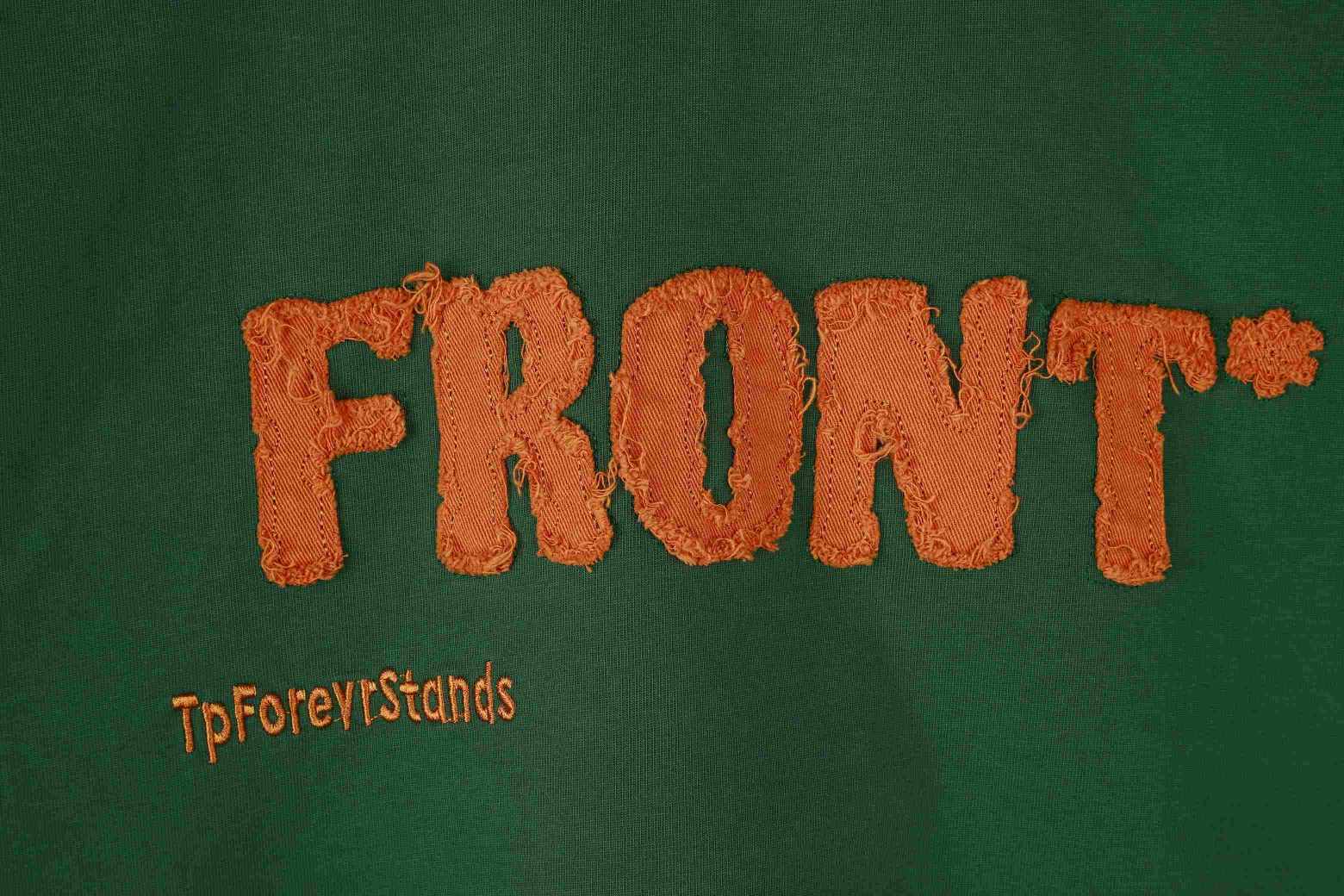
Durability and Color Consistency Standards
Professional brands demand applique embroidery that survives repeated washing, maintains color vibrancy, and performs consistently across large production runs. Our multi-stage quality control system tests wash durability, color retention, and production consistency to ensure your custom designs meet commercial garment standards from the first 50-piece order to full-scale production.
- Wash cycle testing through industrial laundry processes to verify thread adhesion, fabric bonding, and edge integrity
- Color consistency verification across production batches using standardized thread lots and digital color matching systems
- Pre-production sampling that allows clients to evaluate fabric selection, stitch quality, and durability before bulk manufacturing begins
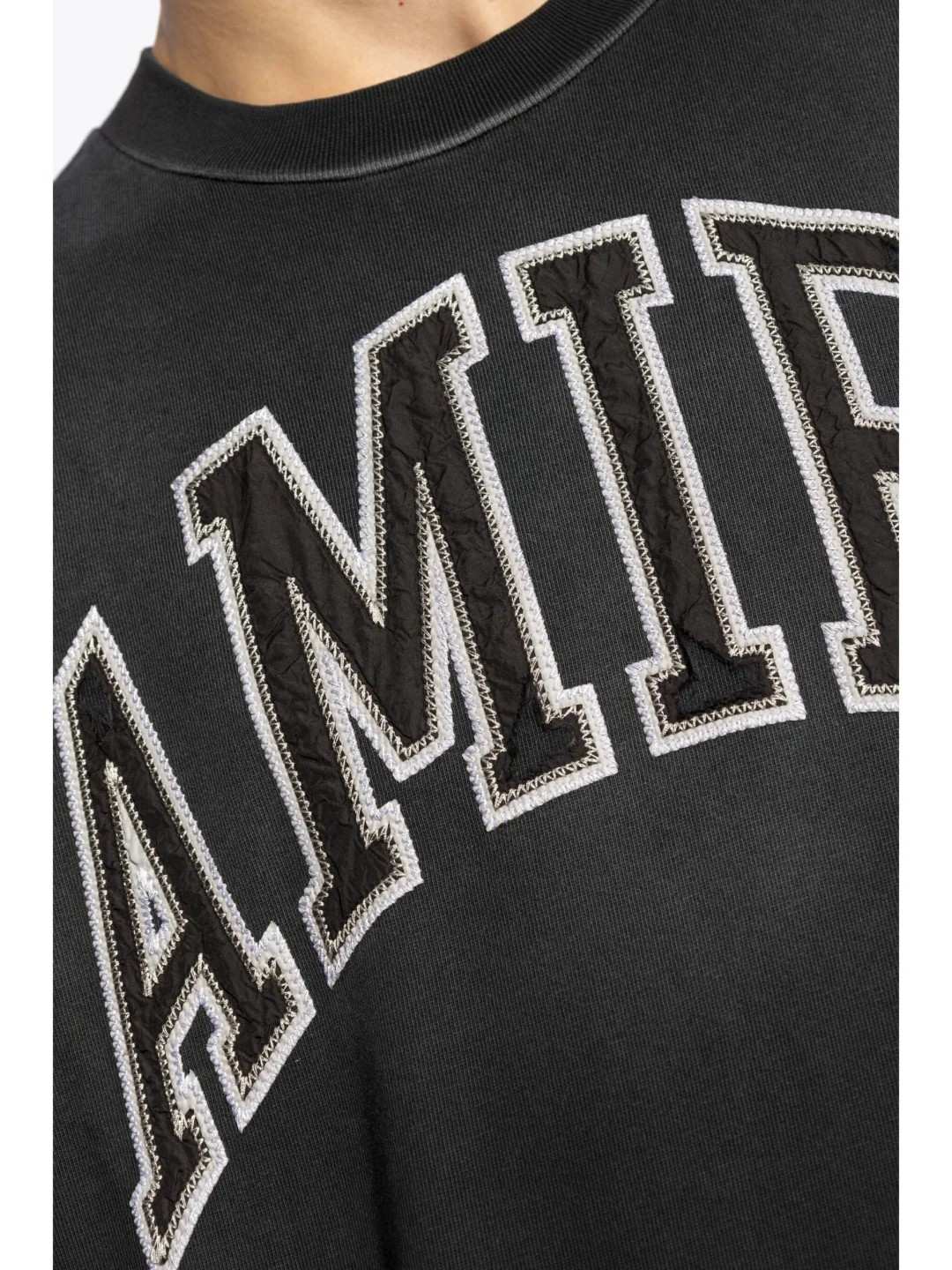
Applique Embroidery vs. Flat Embroidery: Key Differences
Understanding which embroidery technique best suits your design goals, fabric choices, and production requirements helps you achieve the dimensional impact and durability your brand demands.
← 左右滑动查看 →
Applique Embroidery Production Process
ZORWILD’s six-phase applique embroidery workflow ensures precise layering, secure stitching, and flawless edge finishing for bold, dimensional designs on every garment.
Design & Fabric Selection
Our team digitizes your artwork, maps applique placement, and selects base and overlay fabrics that match your brand’s color, texture, and durability requirements.
Precision Cutting & Layering
Applique fabric pieces are laser-cut or die-cut to exact dimensions, then positioned and tacked onto the base garment to prevent shifting during embroidery.
Perimeter Stitching & Attachment
Multi-needle embroidery machines secure the applique edges with satin stitch, zigzag, or decorative borders, controlling stitch tension to avoid puckering and ensure clean lines.
Edge Sealing & Detail Work
Edges are sealed with heat or ultrasonic cutting where needed, and additional embroidery details—logos, outlines, or text—are added to complete the dimensional design.
Quality Inspection & Finishing
Each garment passes through our six-stage quality control system, checking stitch density, edge integrity, fabric adhesion, color consistency, and overall applique appearance.
Final Pressing & Packaging
Garments are steam-pressed to set the applique embroidery, eliminate wrinkles, and ensure a premium finish before custom packaging with your branded labels and hang tags.
How to Order Applique Embroidery from ZORWILD
From initial design concept to finished garments, our streamlined applique embroidery process ensures precision, quality, and fast turnaround for brands of every size.
Submit Your Design & Requirements
Share your applique embroidery artwork as vector files, placement mockups, and garment specifications. Our team reviews technical feasibility and recommends optimal fabric combinations for your design.
Select Fabrics & Thread Colors
Choose applique base fabrics—felt, twill, chenille, leather, or custom materials—and coordinate thread colors. We provide physical swatches and Pantone matching for brand consistency.
Approve Pre-Production Sample
Receive a physical sample showcasing applique placement, stitch density, fabric texture, and dimensional quality. Request adjustments before committing to bulk production with confidence.
Confirm Order & Production Timeline
Finalize quantities starting from 50 pieces, review lead times, and approve pricing. Our team schedules your applique embroidery production within our 100,000-unit monthly capacity.
Receive Quality-Inspected Garments
Every piece passes our 6-stage quality control system verifying stitch integrity, applique adhesion, and placement accuracy. We handle packaging, labeling, and global shipping logistics.
Applique Embroidery Success Stories
ZORWILD’s applique embroidery transformed our varsity jacket line. We launched with just 120 units and the chenille patches stayed flawless after 50+ washes. Our return rate dropped to under 2% and customers love the premium look.
We needed 500 hoodies with complex applique logos for a product drop. ZORWILD delivered on time with perfect color matching across all fabric pieces. The dimensional effect elevated our brand perception and sold out in 72 hours.
As a wholesaler, consistency matters. ZORWILD produced 2,400 jackets with applique embroidery across three reorders and every piece matched perfectly. Their quality control caught issues before shipping, saving us thousands in potential returns.
Applique Embroidery FAQ
What fabrics work best for applique embroidery?
What is the minimum order quantity for applique embroidery?
How many colors can I use in applique embroidery designs?
What is the maximum design size for applique embroidery?
Can I combine applique embroidery with other decoration techniques?
Is applique embroidery durable and washable?
What is the lead time for applique embroidery production?
What file formats do you need for applique embroidery artwork?
How much does applique embroidery sampling cost?
The Complete Buyer’s Guide to Applique Embroidery for Your Brand
1. What Is Applique Embroidery?
Applique embroidery is a textile decoration technique that layers cut fabric shapes onto a base garment and secures them with stitching—typically satin, zigzag, or straight stitch—to create raised, three-dimensional designs. Unlike standard embroidery, which uses only thread to form patterns directly on fabric, applique embroidery combines fabric pieces with embroidery stitching, delivering bold visual impact and tactile texture. The core process involves cutting fabric shapes (felt, twill, cotton, or polyester), positioning them precisely on the garment, and stitching around the edges to lock the applique in place while preventing fraying.
ZORWILD’s applique embroidery capabilities support complex multi-layer designs, chenille applique, and patch applique across hoodies, varsity jackets, sweatshirts, and sportswear collections. Compared to screen printing, which applies ink to the surface, applique embroidery offers superior durability through stitched attachment, a premium raised feel, and resistance to cracking or fading over repeated wash cycles. Brands choose applique for its dimensional appearance, which stands out in streetwear, team uniforms, luxury casualwear, and promotional apparel where logos and graphics demand attention.
With over 27 years of garment manufacturing experience, ZORWILD integrates applique embroidery into low MOQ production starting from 50 pieces, enabling startup brands, influencers, and wholesalers to launch custom collections with professional craftsmanship. The technique is ideal for varsity letters, brand logos, mascot graphics, and decorative patches on jackets, bags, caps, and home textiles, combining color variety, texture contrast, and long-lasting quality.
2. The Evolution and History of Applique Embroidery
Applique embroidery dates back more than 3,000 years, with Egyptian burial cloths featuring layered linen patches sewn onto base fabrics for decorative and symbolic purposes. Medieval European heraldry adopted applique to create bold, recognizable crests on banners and ceremonial garments, while Asian ceremonial robes used silk and brocade applique to denote rank and spiritual significance. American quilters in the 18th and 19th centuries popularized patchwork applique as both functional textile repair and expressive folk art, establishing the technique’s dual identity as craft and decoration.
The 20th century brought industrial transformation: multi-head embroidery machines in the 1980s automated stitch placement, and digitization of patterns in the 1990s enabled precise replication across thousands of garments. Laser-cut fabric pieces replaced hand-cut templates by the 2000s, reducing material waste and improving edge consistency. These advances lowered production costs and opened applique embroidery to mass-market apparel, from sportswear to streetwear.
Varsity jackets adopted chenille applique in the 1930s for college letterman patches, cementing the technique as a signature of athletic achievement. By the 2010s, streetwear brands leveraged oversized applique logos for tactile branding that stood out in social media photography. Luxury fashion houses now use applique embroidery to add dimensional texture and artisan appeal, differentiating collections in saturated markets. ZORWILD’s applique capabilities support both heritage craft aesthetics and modern high-speed production, serving brands from 50-piece capsule launches to 100,000-unit seasonal runs.
3. Types of Applique Embroidery Techniques
Applique embroidery encompasses six distinct techniques, each offering unique visual impact, construction methods, and cost profiles. Buyers must align technique selection with brand positioning, product category, and target retail price to maximize ROI.
Standard Applique
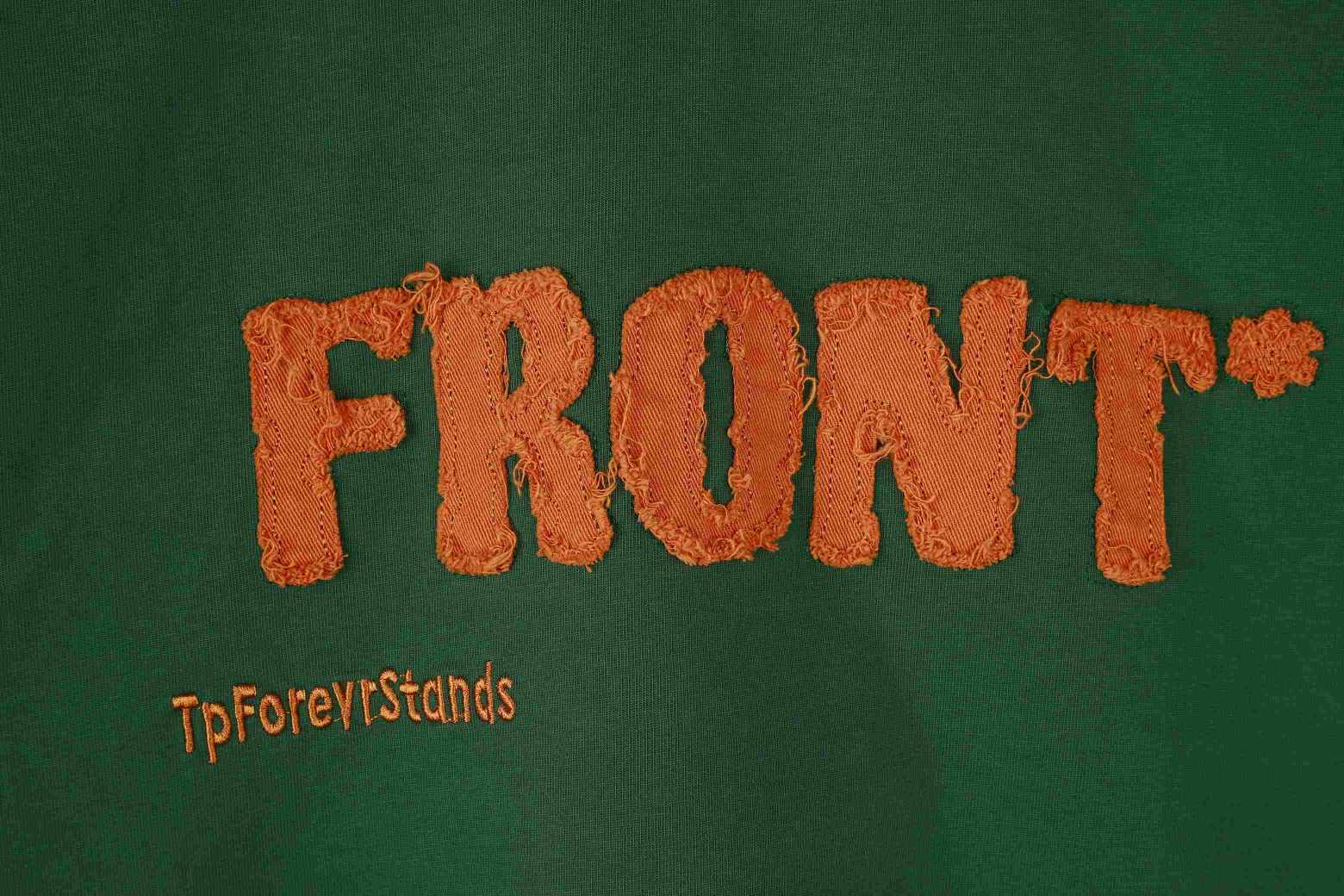
Standard applique bonds fabric pieces onto base garments using satin-stitch borders, typically 3–5 mm wide. This technique delivers clean edges, excellent wash durability through 50+ industrial cycles, and works across hoodies, jackets, and uniforms.
Cost runs $1.50–$4.00 per placement depending on size and fabric complexity. Ideal for streetwear logos, team branding, and mid-tier fashion collections requiring bold color blocks and professional finish.
Reverse Applique
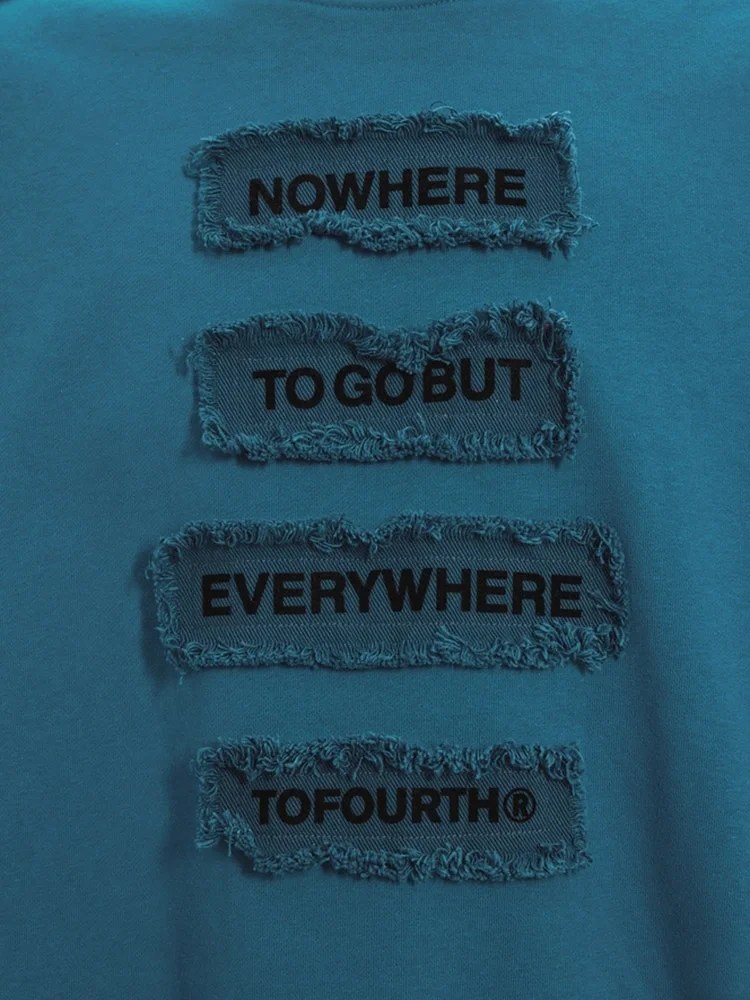
Reverse applique cuts away the top fabric layer to reveal contrasting underlayer fabric, then secures edges with zigzag or satin stitching. This method creates subtle, tonal designs with premium hand feel and lightweight construction.
Typical applications include luxury casualwear, resort shirts, and contemporary womenswear. Cost averages $2.00–$5.00 per placement due to precision cutting and multi-layer setup. Durability matches standard applique when edges are properly sealed.
3D Puff Applique
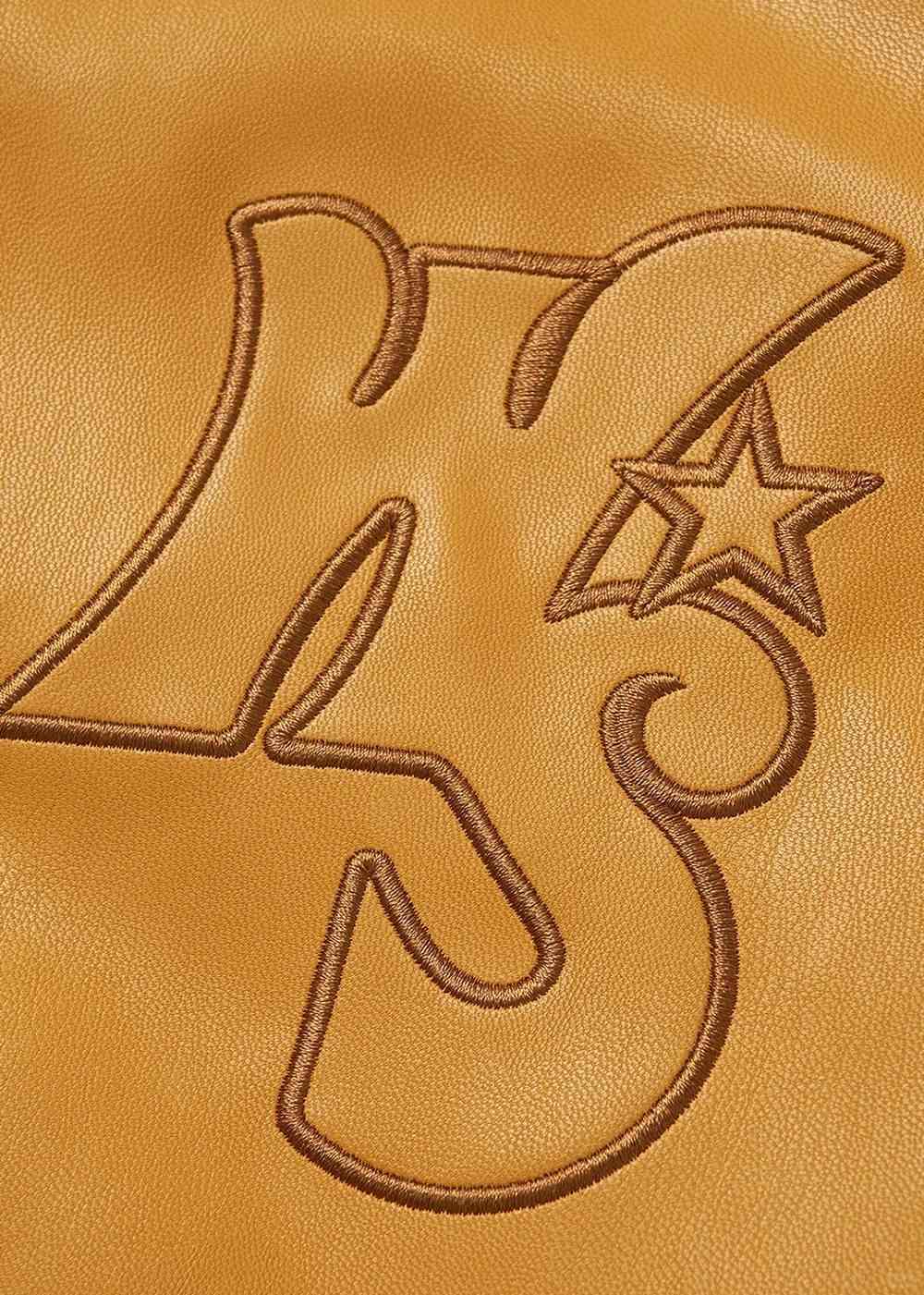
3D puff applique inserts foam sheets (2–6 mm thick) beneath fabric patches before stitching, creating raised dimensional effects popular in streetwear and sports apparel. Foam density ranges from soft (EVA) to firm (polyethylene) based on desired height.
Cost increases to $3.00–$6.00 per placement due to foam material and precise tension control. Durability is moderate; foam may compress after 30–40 wash cycles. Best suited for fashion-forward collections prioritizing visual impact over long-term wear.
Chenille Applique
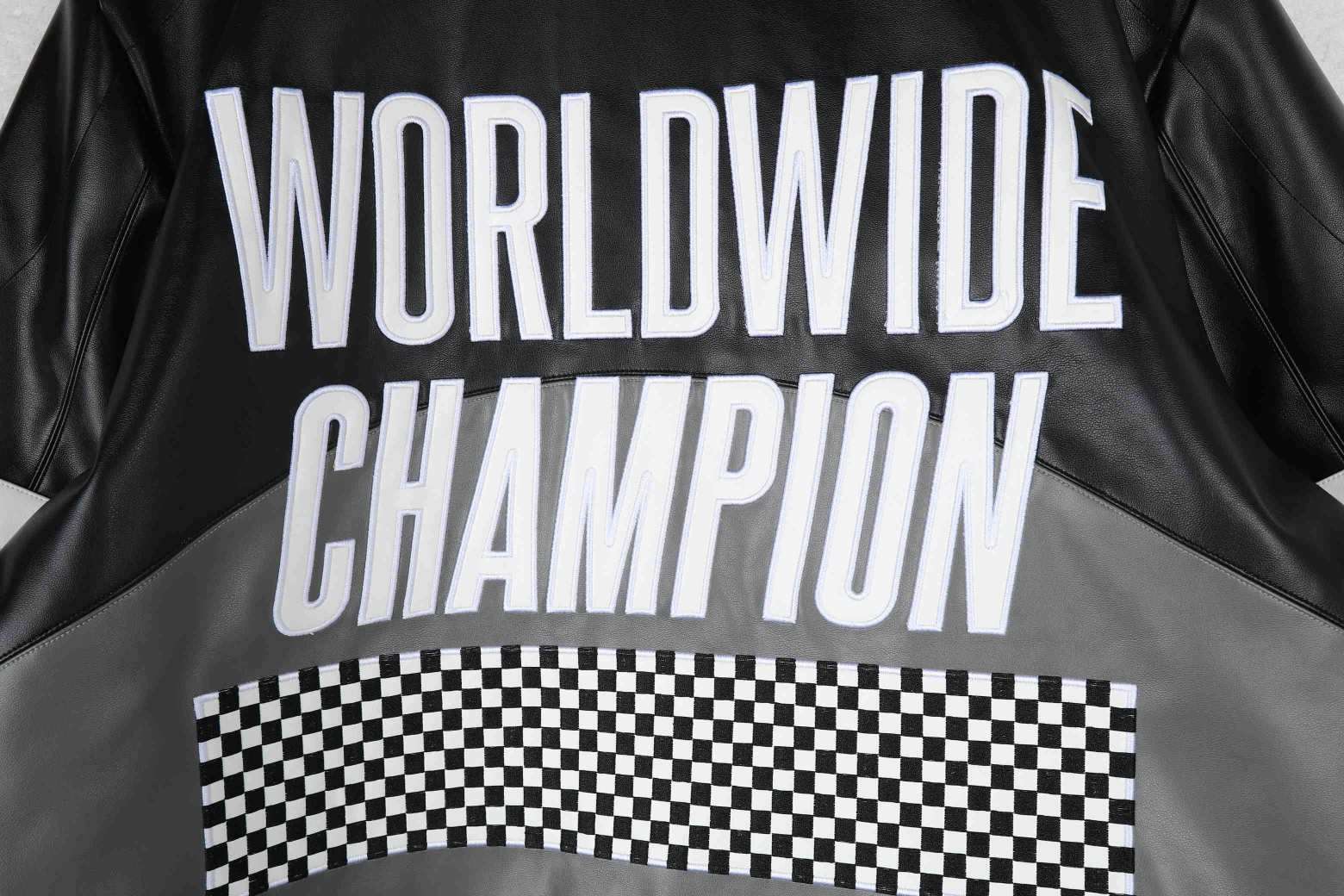
Chenille applique uses looped yarn stitched onto felt backing to produce plush, textured patches synonymous with varsity jackets and collegiate apparel. Thread loops stand 3–5 mm high, delivering tactile richness and retro aesthetic.
Production cost ranges $4.00–$8.00 per patch due to specialized chenille machines and felt material. Durability is high when properly backed; loops resist pilling through 40+ washes. ZORWILD manufactures chenille applique for premium streetwear brands, varsity jackets, and heritage-inspired collections.
Lace Applique
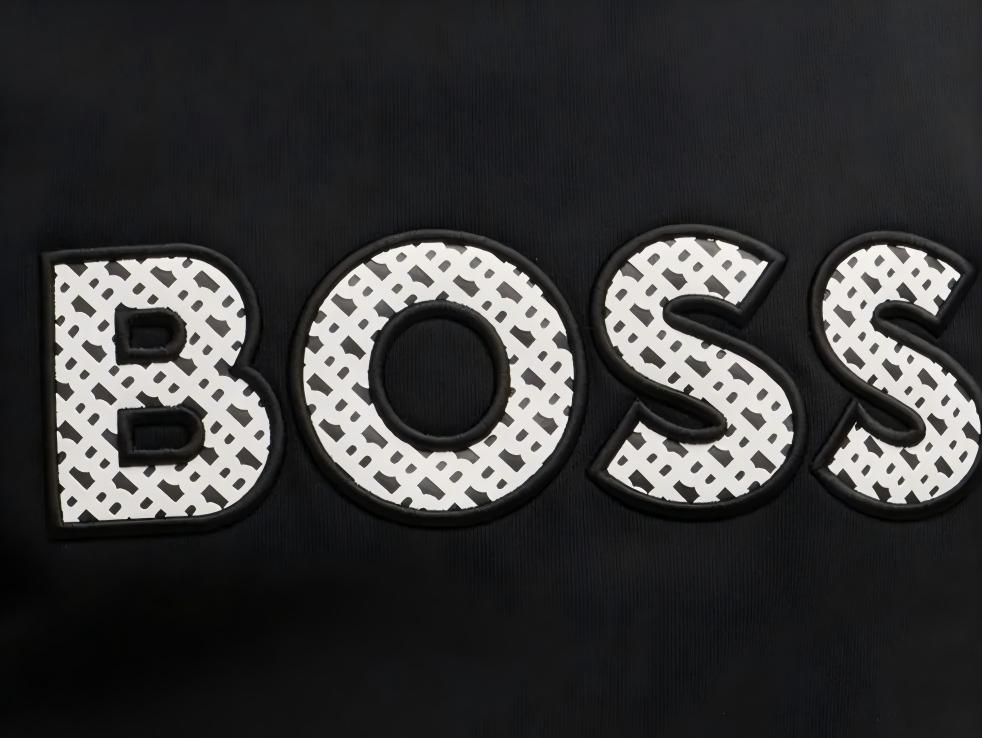
Lace applique overlays sheer lace fabric secured with fine zigzag or straight stitching, common in dresses, bridal wear, and feminine casualwear. Construction requires delicate tension settings to prevent puckering on lightweight base fabrics.
Cost spans $2.50–$6.00 per placement depending on lace intricacy and embroidery density. Durability is moderate; lace edges may fray after 25–30 washes without proper sealing. Best for occasion wear, resort collections, and premium womenswear lines.
Laser-Cut Applique
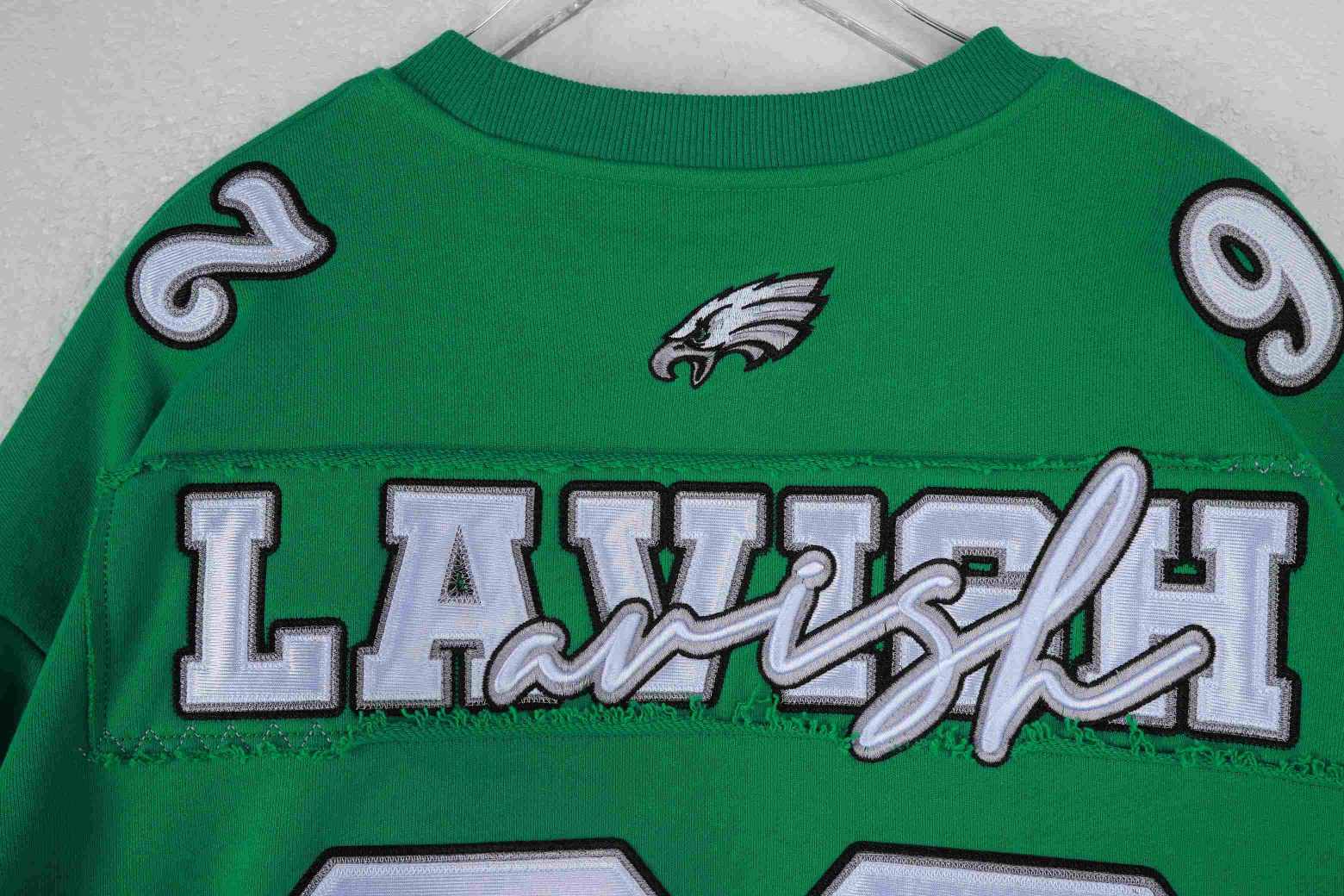
Laser-cut applique uses precision laser cutting to create fraying-free fabric edges before stitching, eliminating raw-edge concerns and enabling intricate geometric shapes. This technique suits synthetic fabrics (polyester, nylon) that seal cleanly under heat.
Cost averages $2.00–$5.00 per placement; laser setup adds efficiency for high-volume runs. Durability is excellent with sealed edges lasting 60+ washes. Ideal for technical sportswear, modern streetwear, and brands emphasizing clean minimalist design.
4. Materials and Fabrics for Applique Embroidery
Successful applique embroidery depends on matching base fabrics, applique materials, threads, and stabilizers to garment category and wash requirements. ZORWILD’s 27 years of manufacturing experience across hoodies, T-shirts, jackets, and dresses inform material selection for durability and visual impact.
| Fabric Type | Weight Range | Typical Use | Washability | Cost Tier |
|---|---|---|---|---|
| Cotton Twill | 180–240 GSM | Shirts, casual wear, uniform shirts | Industrial wash, 60°C | Mid |
| Polyester Blend | 160–220 GSM | Sportswear, activewear, performance tops | Heavy wash, tumble dry | Low–Mid |
| Fleece / French Terry | 250–350 GSM | Hoodies, sweatshirts, joggers | Garment dye, enzyme wash | Mid |
| Denim / Canvas | 300–400 GSM (10–14 oz) | Jackets, workwear, utility pants | Stone wash, acid wash | Mid–High |
| Felt | 1.5–3 mm | Varsity jackets, patches, streetwear | Dry clean or gentle wash | Low |
| Satin / Twill Applique | 120–180 GSM | Fashion hoodies, resort shirts | Gentle cycle, 40°C | Mid |
| Faux Leather / Vinyl | 0.8–1.2 mm | Bomber jackets, luxury casualwear | Spot clean only | High |
Base Fabrics and Weight Requirements
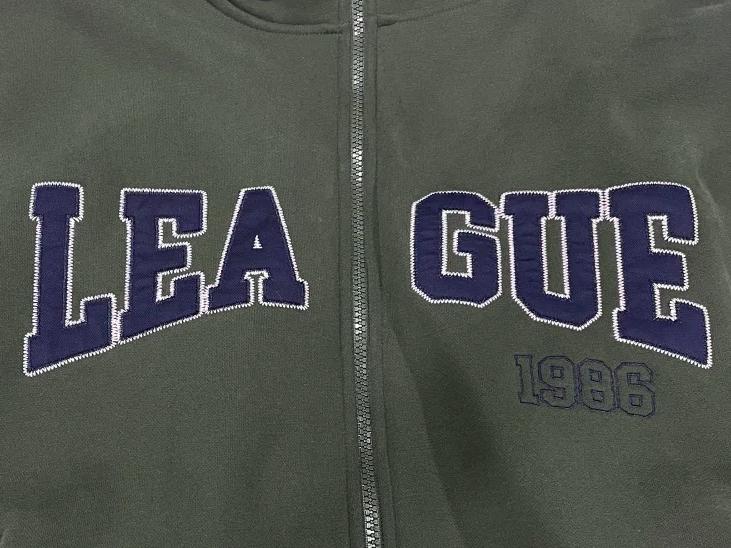
Multi-layer applique embroidery stacks two or three fabric pieces to create depth and dimension, ideal for premium streetwear logos, custom varsity jackets, and custom hoodies. Color blocking uses contrasting applique fabrics—cotton twill, felt, leather, or metallic synthetics—to achieve bold visual separation without additional embroidery stitches.
Mixed-material applique combines leather patches with cotton fabric, denim with satin, or reflective materials with standard twill for high-contrast effects. ZORWILD’s production team coordinates material sourcing, cutting precision, and stitch density adjustments to prevent puckering or distortion across different fabric weights.
Applique Fabric Selection
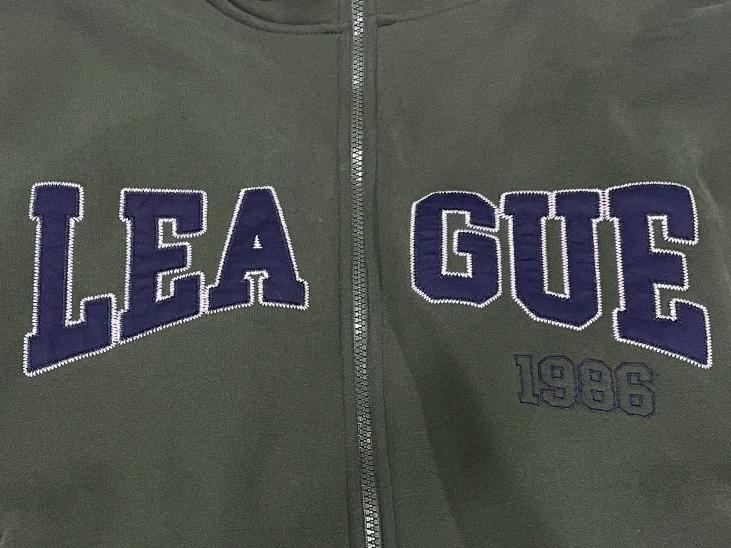
Felt (1.5–3 mm thickness) delivers bold, dimensional designs without fraying, popular for varsity jackets and streetwear patches. Twill and satin applique fabrics (120–180 GSM) offer smooth surfaces and vibrant color saturation for fashion hoodies and resort shirts. Faux leather and vinyl (0.8–1.2 mm) create premium texture on bomber jackets and luxury casualwear. Sequin fabric and metallic materials add reflective visual effects for evening dresses and prom dresses.
Applique fabric must match or exceed base fabric wash durability. Heat-activated adhesive film bonds applique layers before stitching, reducing shifting and improving registration accuracy by 30–40% compared to pin-only methods.
Thread Types and Backing Stabilizers
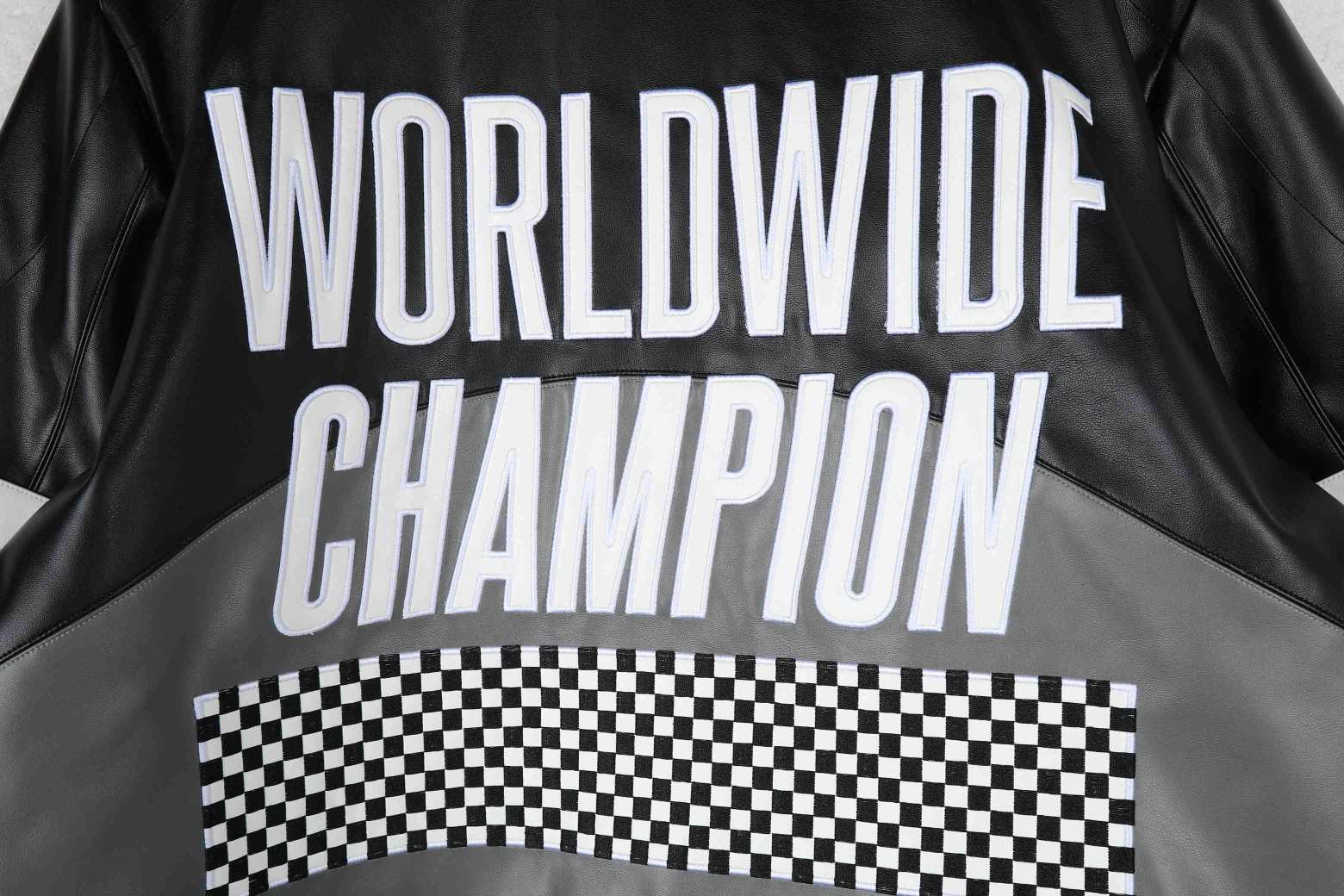
Polyester embroidery thread (40-weight, 120d/2 construction) withstands industrial laundry cycles, acid wash, and garment dye without color bleeding, making it standard for hoodies, T-shirts, and joggers. Rayon thread (40-weight) delivers higher sheen and richer color depth for fashion dresses, resort shirts, and luxury collections but requires gentle wash instructions.
Tear-away stabilizers suit woven fabrics like cotton poplin and linen shirts; excess backing pulls cleanly after stitching. Cut-away stabilizers (1.5–2.5 oz weight) remain permanently behind applique embroidery on knit garments, preventing stretch distortion on fleece hoodies and performance activewear. Water-soluble stabilizers dissolve completely for delicate fabrics like satin, chiffon, and silk, leaving no residue on evening dresses or slip dresses.
5. Customization and Decoration Options in Applique Embroidery
Applique embroidery offers extensive customization options beyond basic fabric patches, enabling brands to layer textures, materials, and decoration techniques for unique visual impact. ZORWILD supports multi-layer applique designs, color blocking, mixed materials, metallic threads, sequin borders, and hybrid techniques that combine applique with screen printing or direct embroidery for complex branded apparel.
| Decoration Method | Setup Cost | Per-Piece Cost | Durability | Visual Effect |
|---|---|---|---|---|
| Applique Embroidery | $80–150 | $3–8 | Excellent (50+ washes) | Bold, dimensional, premium texture |
| Screen Printing | $40–80 | $1–3 | Good (30–40 washes) | Flat, vibrant, high color detail |
| Direct Embroidery | $60–120 | $2–6 | Excellent (50+ washes) | Classic, fine detail, subtle texture |
| Puff Printing | $50–100 | $2–5 | Moderate (20–30 washes) | Raised, 3D, streetwear aesthetic |
Multi-Layer and Mixed-Material Applique Designs
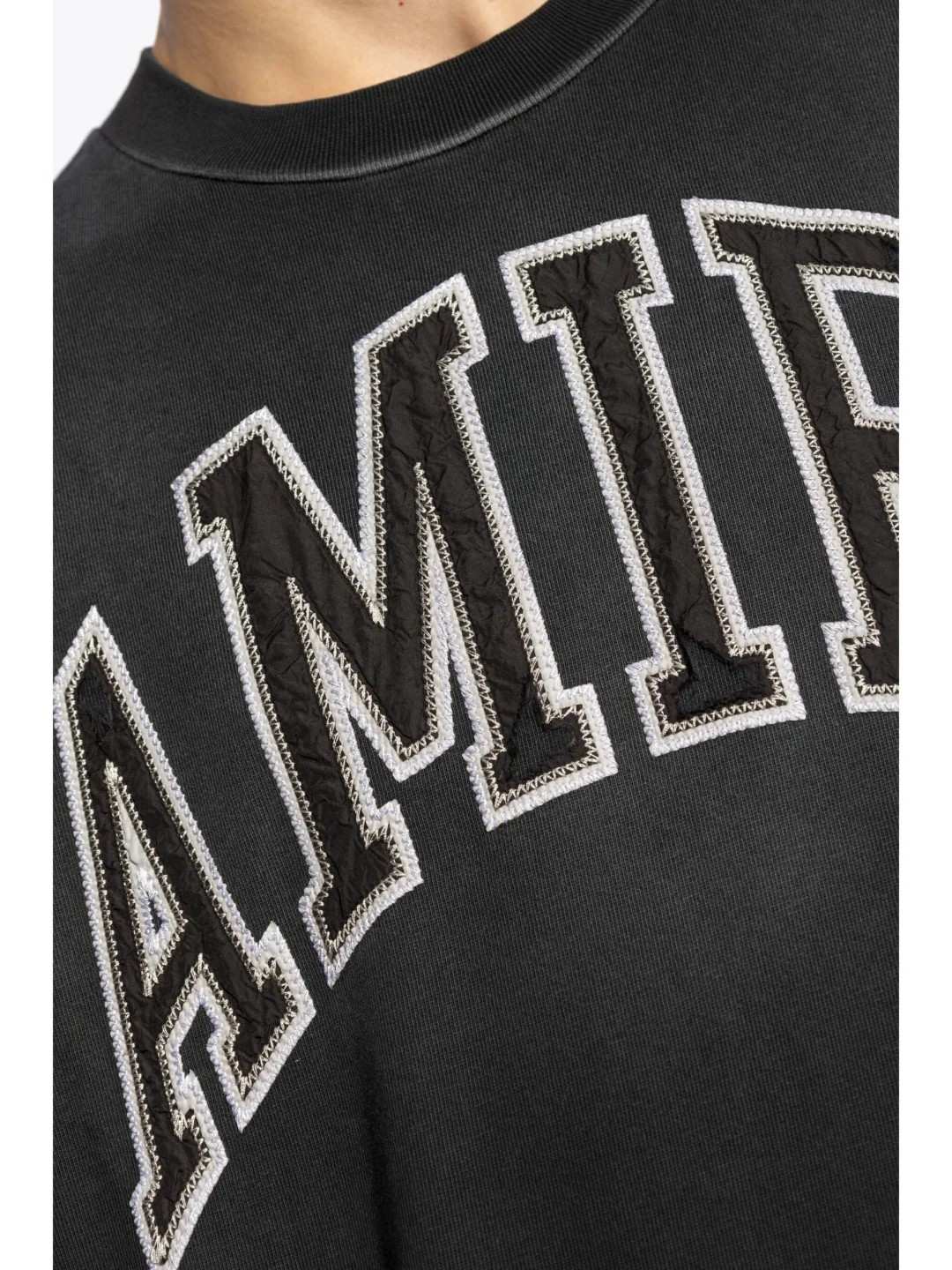
Multi-layer applique embroidery stacks two or three fabric pieces to create depth and dimension, ideal for premium streetwear logos and varsity jacket lettering. Color blocking uses contrasting applique fabrics—cotton twill, felt, leather, or metallic synthetics—to achieve bold visual separation without additional embroidery stitches.
Mixed-material applique combines leather patches with cotton fabric, denim with satin, or reflective materials with standard twill for high-contrast effects. ZORWILD’s production team coordinates material sourcing, cutting precision, and stitch density adjustments to prevent puckering or distortion across different fabric weights.
Metallic Threads, Sequin Borders, and Embossed Textures
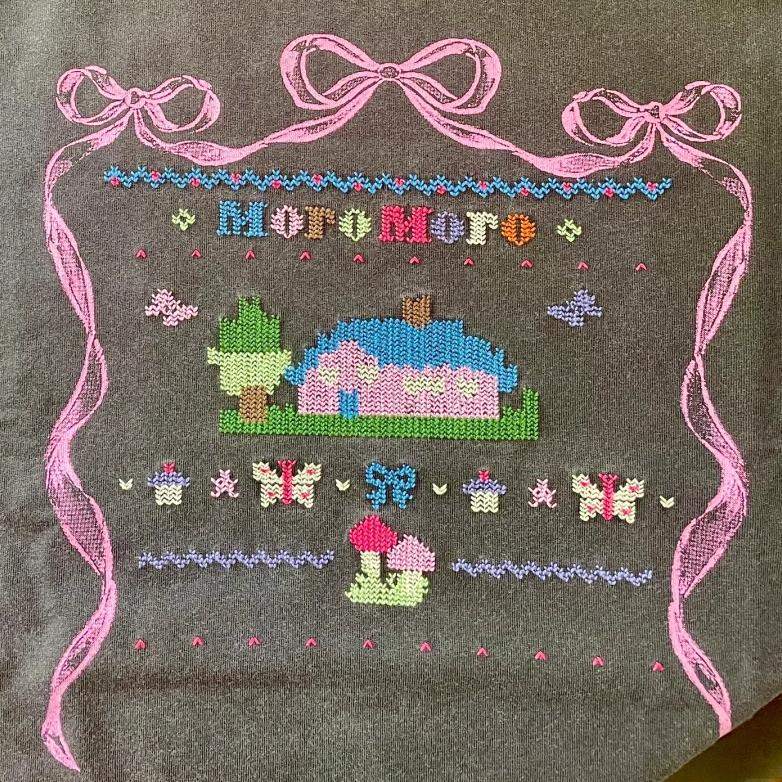
Metallic embroidery threads add shimmer to applique borders and lettering, popular in luxury casualwear and evening dresses. Sequin borders frame applique patches with hand-sewn or machine-applied sequins for formal and resort collections.
Embossed textures use heat-press foils or raised embroidery stitches over applique fabric to create tactile branding elements. These techniques increase per-piece decoration costs by 15–30% but deliver premium perceived value for high-end fashion brands.
Hybrid Decoration Techniques
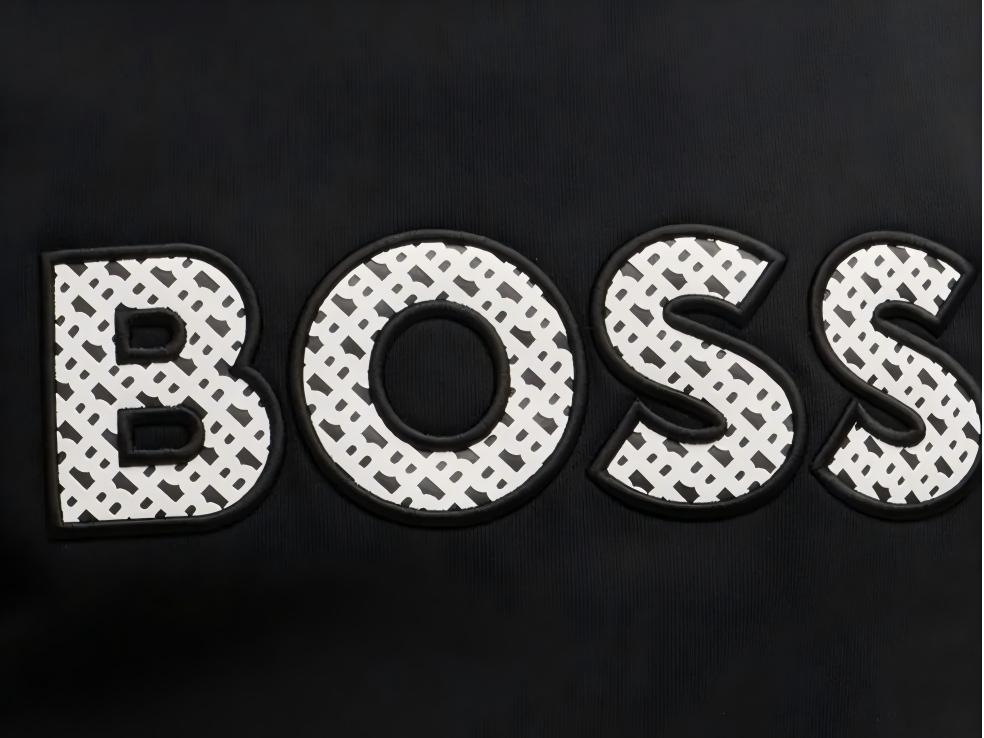
Hybrid techniques layer applique embroidery with screen printing, puff printing, or direct flat embroidery to maximize design complexity. A common approach places a fabric applique base with screen-printed gradients or puff-printed text overlays, reducing total stitch count and production time.
ZORWILD coordinates multi-stage decoration workflows, ensuring proper curing, pressing, and sequencing to avoid fabric scorching or thread damage. Hybrid methods suit brands seeking bold graphics with reduced embroidery density for softer hand feel.
Digitization, Pantone Matching, and File Formats
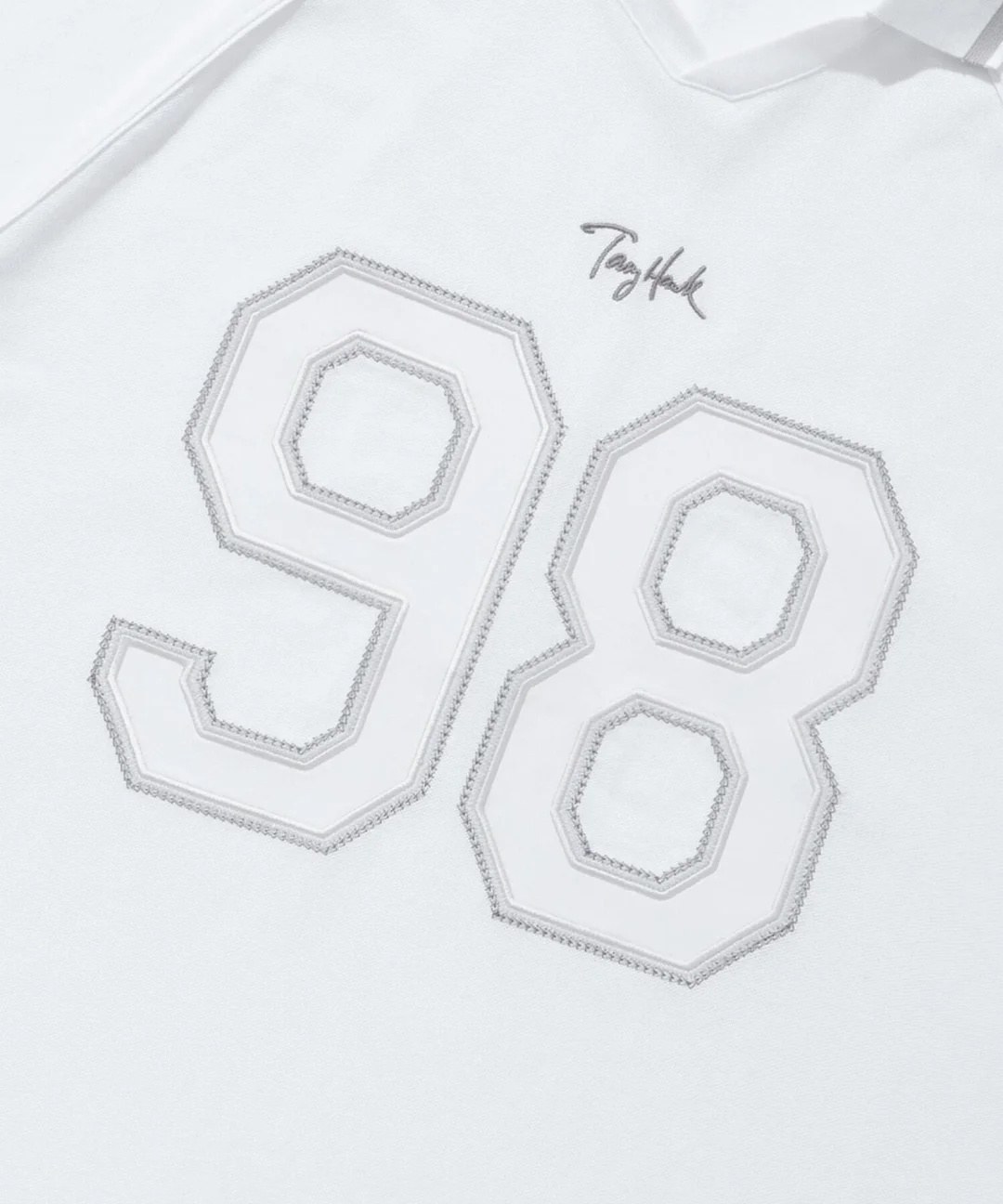
Applique embroidery requires digitization files in DST, PES, or EMB formats with separate placement outlines, tack-down stitches, and satin borders. Vector artwork in AI or EPS format ensures clean edge conversion and accurate scaling.
Pantone thread matching uses standardized color libraries (Pantone TPX or TCX) to maintain brand consistency across production batches. Minimum applique detail is 5 mm for legible text or intricate shapes; maximum coverage area is typically 25 × 30 cm on garment fronts to avoid fabric distortion and maintain wearability.
6. Key Quality Indicators for Applique Embroidery
Professional buyers inspect applique embroidery across six technical checkpoints before approving production. ZORWILD’s 27 years of embroidery experience ensure every indicator meets international quality standards for brands shipping to demanding markets worldwide.
Stitch Density and Tension Control
Optimal stitch density for applique embroidery ranges from 3.5 to 5.5 stitches per millimeter, balancing coverage with fabric integrity. Excessive density causes puckering and fabric distortion, while insufficient density creates gaps and loose threads.
Proper tension eliminates thread loops on the garment surface and prevents bobbin thread show-through on the reverse side. ZORWILD’s embroidery machines calibrate tension for each fabric weight, ensuring flat, smooth applique embroidery on heavyweight hoodies, lightweight T-shirts, and technical outerwear.
Fabric Edge Finishing and Fraying Prevention
Clean edge finishing separates professional applique embroidery from amateur work. Satin stitch borders must completely cover raw fabric edges with 2–3 mm coverage width, preventing fraying after repeated washing.
Heat-sealed edges on synthetic fabrics like polyester and nylon provide additional fray resistance. ZORWILD applies tight zigzag or satin stitching along all applique perimeters, with thread color matching or contrasting based on design intent.
Alignment, Backing Integrity, and Durability
Multi-layer applique embroidery requires registration accuracy within 1 mm across all fabric pieces. Misaligned layers signal poor digitizing or machine calibration issues that compromise brand presentation.
Backing stabilizer must remain invisible from the garment face while preventing stretch distortion during wear. ZORWILD tests colorfastness to ISO 105 standards, ensuring applique embroidery withstands 50+ industrial wash cycles without fading, and evaluates stretch recovery and abrasion resistance on all performance garments before bulk production approval.
7. How to Choose an Applique Embroidery Manufacturer
Selecting the right applique embroidery partner determines production quality, lead times, and cost efficiency. Evaluate technical capabilities, service flexibility, and quality systems before committing to a manufacturer.
Machine Capabilities and Digitization Services
Multi-head embroidery machines (6-head, 12-head, or 15-head configurations) drive production speed and cost per unit. Hoop size directly limits applique design dimensions—industrial machines typically support 360 × 500 mm or larger hoops for oversized designs. Laser-cutting equipment ensures clean applique edges and reduces fraying compared to manual cutting.
In-house digitization services allow faster revisions and better communication during sampling. Manufacturers outsourcing digitization often add 2–3 days to sampling timelines and may struggle with technical adjustments for stitch density or underlay requirements. ZORWILD’s integrated capabilities support custom hoodies, custom t-shirts, custom jackets, and wholesale apparel production.
MOQ Flexibility and Sampling Policy
MOQ thresholds range from 50 pieces for startup-friendly manufacturers to 500+ pieces for high-volume factories. Lower MOQs reduce inventory risk for new brands testing applique embroidery designs but may carry slightly higher per-unit costs.
Sampling policies vary widely: some manufacturers charge $30–80 per sample with 5–7 day turnaround, while others offer free samples for orders above minimum quantities. Clarify revision limits — two free revisions are standard, but additional changes may incur fees.
Quality Control and Lead Times
Inspect whether the manufacturer performs in-line inspection during applique application, final stitch-count audits, and fabric tension checks. Multi-stage QC reduces defect rates below 2% and prevents costly rework.
Production lead times for applique embroidery typically span 18–25 days after sample approval, depending on order complexity and fabric sourcing. Expedited options may shorten timelines by 30–40% with premium fees.
Essential RFQ Questions
Request certifications such as OEKO-TEX Standard 100 for thread and fabric safety, or WRAP for ethical manufacturing. Ask about revision policies (how many design changes are included), payment terms (30% deposit, 70% before shipment is common), and shipping arrangements (FOB, CIF, or DDP). Confirm whether the factory provides material sourcing transparency — knowing thread brands, backing types, and fabric origins ensures consistent quality across reorders.
8. Common Mistakes Buyers Make with Applique Embroidery
Even experienced buyers make costly errors when ordering applique embroidery that delay timelines and inflate rework costs. Understanding these mistakes before production starts protects your budget and brand reputation.
Submitting Low-Resolution Artwork
Artwork files below 300 DPI force digitizers to redraw vector paths manually, adding 2–4 days to lead times and risking shape inaccuracies. Blurry logos often lose fine details during conversion to stitch files.
Always supply vector formats (AI, EPS, PDF) or raster files at 300 DPI minimum. ZORWILD’s design team reviews artwork during tech pack development to flag resolution issues before digitization begins.
Choosing Unstable Base Fabrics
Lightweight knits under 160 GSM and high-stretch materials distort under hoop tension, causing puckering and misaligned applique borders. Rayon and modal blends without stabilizer backing shift during high-speed stitching.
Request fabric recommendations from your manufacturer based on applique size and stitch density. ZORWILD applies tear-away or cut-away stabilizers matched to fabric weight to prevent distortion on hoodies, T-shirts, and jackets.
Underestimating Sampling and Revision Lead Times
First applique embroidery samples require 5–7 days for digitization, stitching, and quality inspection. Buyers who skip sampling or request changes after bulk production starts face 10–15 day delays and 20–30% rework surcharges.
Allow 10–14 days for sampling cycles including revisions. Approve stitch density, thread color, and placement on physical samples before authorizing bulk production.
Ignoring Wash-Test Requirements
Applique embroidery without wash testing risks thread shrinkage, color bleed from applique fabric, and edge fraying after customer laundering. Chenille and towel embroidery are especially vulnerable to pilling and distortion.
Request wash-test reports for garment dye, vintage wash, and enzyme wash finishes. ZORWILD conducts wash tests on hoodies, sweatshirts, and jackets to verify thread colorfastness and applique durability before shipment.
Skipping Pre-Production Approvals
Proceeding to bulk production without signed sample approvals removes accountability for fit, color, and craftsmanship discrepancies. Rework costs average 25–40% of original order value when defects are discovered at final inspection.
Sign off on physical samples, measurement specs, and decoration quality in writing. ZORWILD requires client approval on all customization details including applique placement, thread color, and stitch density before cutting fabric.
Selecting the Cheapest Quote Without Quality Vetting
Quotes 30% below market average often use 40-weight thread instead of 60-weight, skip stabilizer backing, or set stitch density below 4 mm to cut costs. Fraying edges and thread breakage appear after 3–5 washes.
Request stitch samples, thread brand specifications, and stabilizer details before committing. ZORWILD provides detailed quotations listing thread type, stabilizer method, stitch density, and quality control steps for full transparency.
9. Steps to Launch Your Brand with Applique Embroidery
Launching a brand with applique embroidery requires a structured roadmap from concept to fulfillment. ZORWILD’s 50-piece MOQ production system supports each stage, enabling startup brands to test designs, manage cash flow, and scale systematically.
Define Brand Aesthetic and Target Market
Identify your brand positioning — streetwear, resort casual, luxury sportswear, or workwear — before selecting applique techniques. Target market demographics determine fabric weight, color palettes, and decoration complexity.
ZORWILD’s development team translates brand mood boards, reference garments, and inspiration photos into production-ready tech packs aligned with market positioning and budget constraints.
Sketch Designs and Select Garment Blanks
Commission design concepts or provide sketches showing applique placement, size, and color. Choose garment blanks — hoodies, T-shirts, jackets, or sweatpants — based on fabric weight (220–400 GSM for fleece, 180–280 GSM for tees) and construction quality.
ZORWILD sources cotton, French terry, fleece, denim, and technical fabrics with stable suppliers, ensuring consistent quality across pilot and full production runs.
Request Samples from 2-3 Suppliers
Request digitized samples showing applique stitch density, edge finish, backing stability, and thread tension. Compare samples for fabric hand feel, decoration durability, measurement accuracy, and cost per unit.
ZORWILD’s sampling process includes fit evaluation, wash effect testing, and embroidery quality inspection before bulk production approval, reducing risk for startup brands.
Pilot Production and Wash Testing
Place a pilot run of 50–200 pieces to validate production quality, lead times, and supplier communication. Conduct five-wash tests to assess applique edge integrity, thread color retention, and fabric shrinkage.
Refine designs based on customer feedback, influencer testing, or retail partner input before scaling to monthly production volumes of 500–5,000 units with consistent quality standards.
10. Pricing and Cost Structures for Applique Embroidery
Digitization fees for applique embroidery typically range from $15 to $50 per design, depending on complexity, layer count, and the number of fabric pieces. This one-time charge converts artwork into machine-readable stitch files and remains valid for repeat orders. Setup and sampling costs add $30 to $100, covering thread selection, fabric cutting templates, and first-sample approval before bulk production begins.
Per-piece applique embroidery costs vary from $2.50 for simple single-layer designs under 4 inches to $8.00 for multi-layer, oversized appliques exceeding 10 inches or using premium materials like leather or metallic fabrics. Felt appliques cost 20–30% less than leather or sequined alternatives due to easier handling and lower material expense. Adding a second or third layer increases per-unit cost by $0.80 to $1.50 per layer, while intricate cut-outs or custom shapes add $0.50 to $1.20.
Base garment costs range from $4.50 for standard cotton T-shirts to $18.00 for heavyweight hoodies or premium outerwear, with applique decoration applied during or after garment assembly. Shipping and logistics add 8–15% to total landed cost, depending on order volume, destination, and freight method. ZORWILD’s 50-piece minimum order quantity allows startup brands to test applique embroidery collections with manageable upfront investment while scaling production as demand grows.
| Quantity Tier | Applique Cost per Unit | Setup Amortization | Lead Time | Total Landed Cost per Piece |
|---|---|---|---|---|
| 50 pcs | $4.50–$8.00 | $1.20–$3.00 | 18–22 days | $10.20–$29.00 |
| 100 pcs | $3.80–$6.50 | $0.60–$1.50 | 16–20 days | $8.90–$26.00 |
| 250 pcs | $3.20–$5.20 | $0.24–$0.60 | 14–18 days | $8.44–$23.80 |
| 500 pcs | $2.80–$4.50 | $0.12–$0.30 | 12–16 days | $7.92–$22.80 |
| 1000+ pcs | $2.50–$3.80 | $0.06–$0.15 | 10–14 days | $7.56–$21.95 |
Ready to Create Custom Applique Embroidery?
Start your project with just 50 pieces. Submit your artwork today and receive a professional quote within 24 hours.
- Custom Shirts
- Custom T Shirts
- Custom Dresses
- Custom Sweatshirts
- Custom Jackets
- Custom Polo Shirts
- Custom Shorts
- Custom Dress Shirts
- Contact