
Wholesale Jeans — 50-Piece MOQ, Full Customization, 27 Years Proven
Source premium wholesale jeans with custom washes, fits, and finishes. Low minimums, scalable production, and expert craftsmanship from Dongguan’s trusted denim manufacturer.
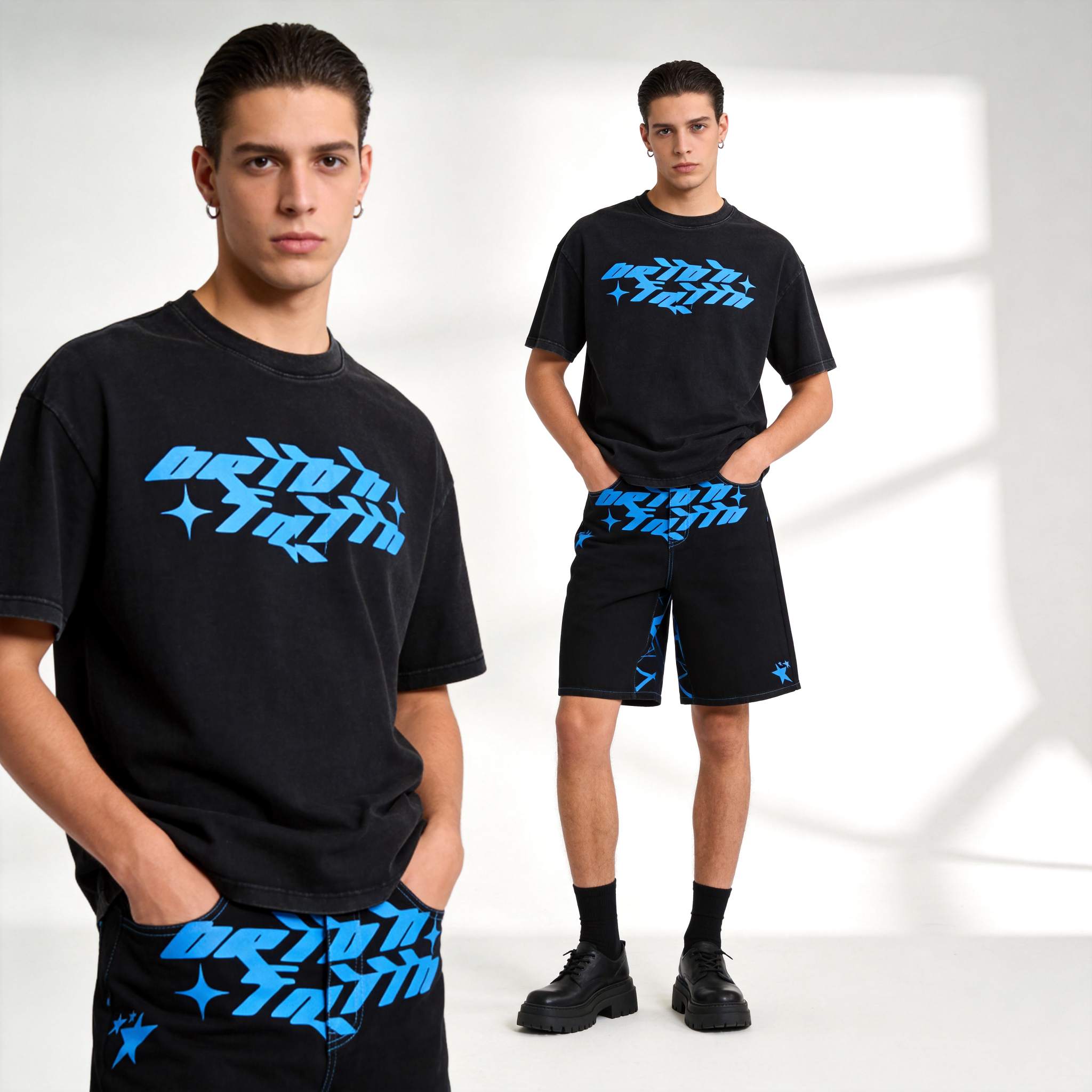
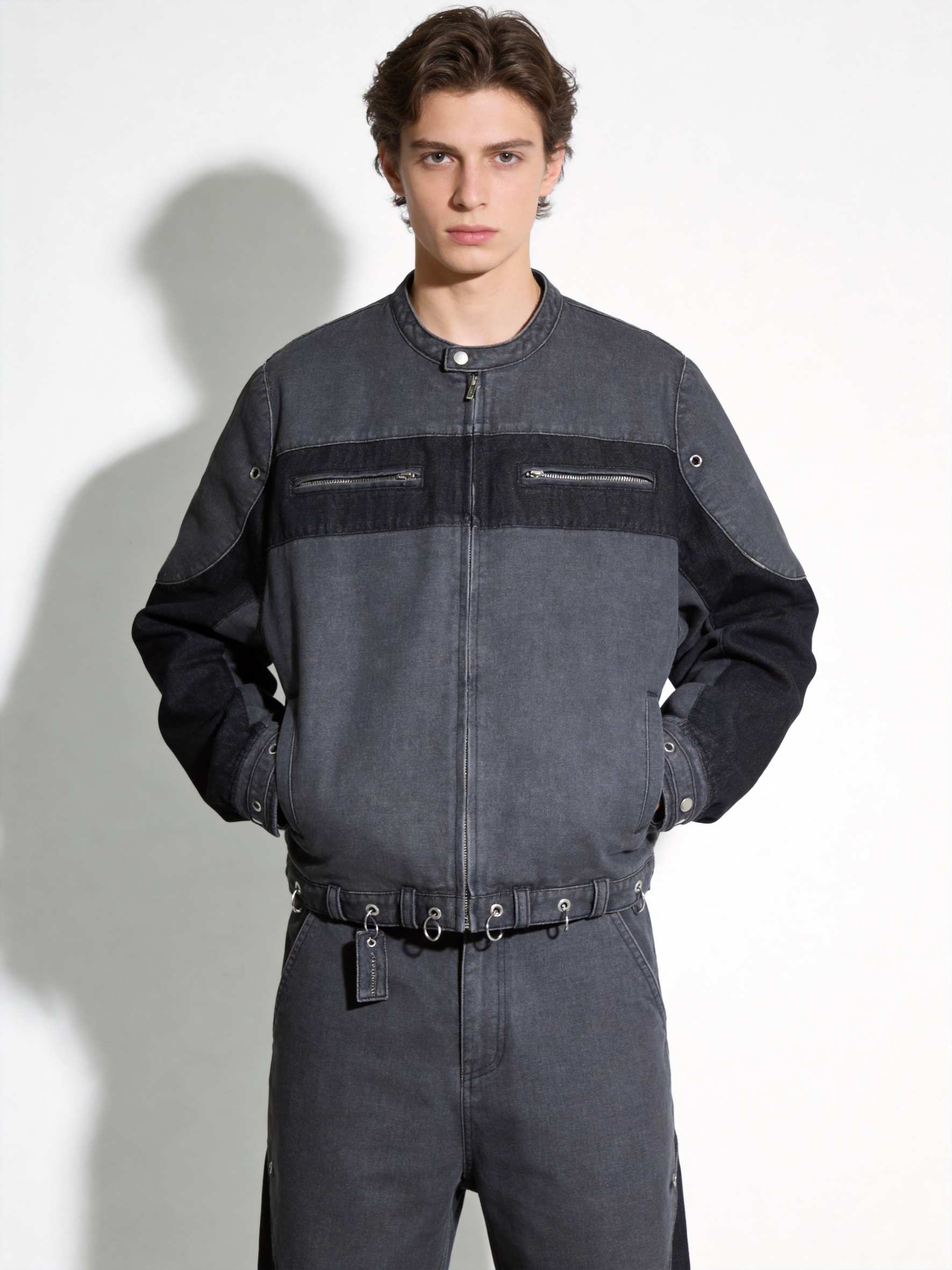
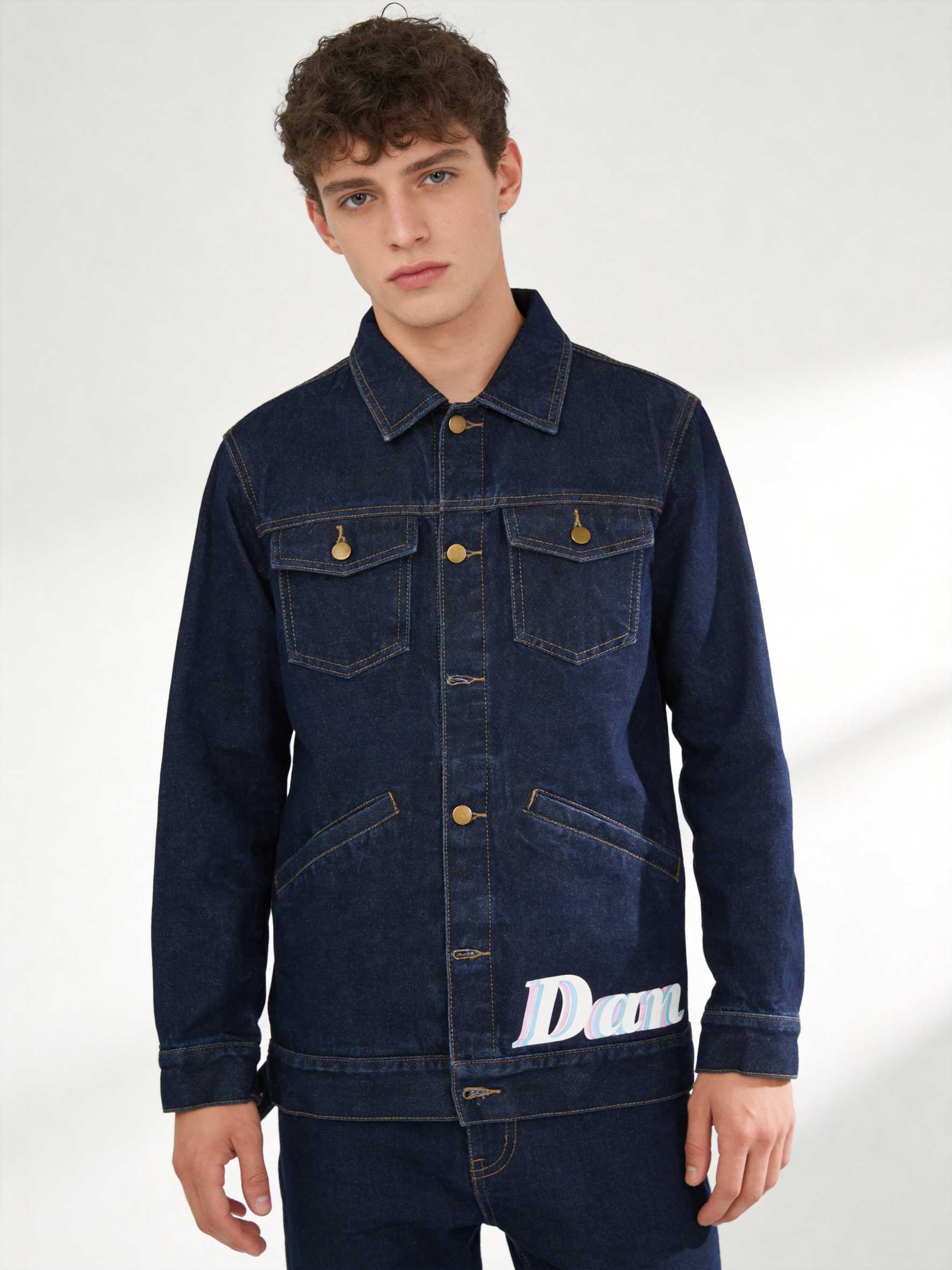
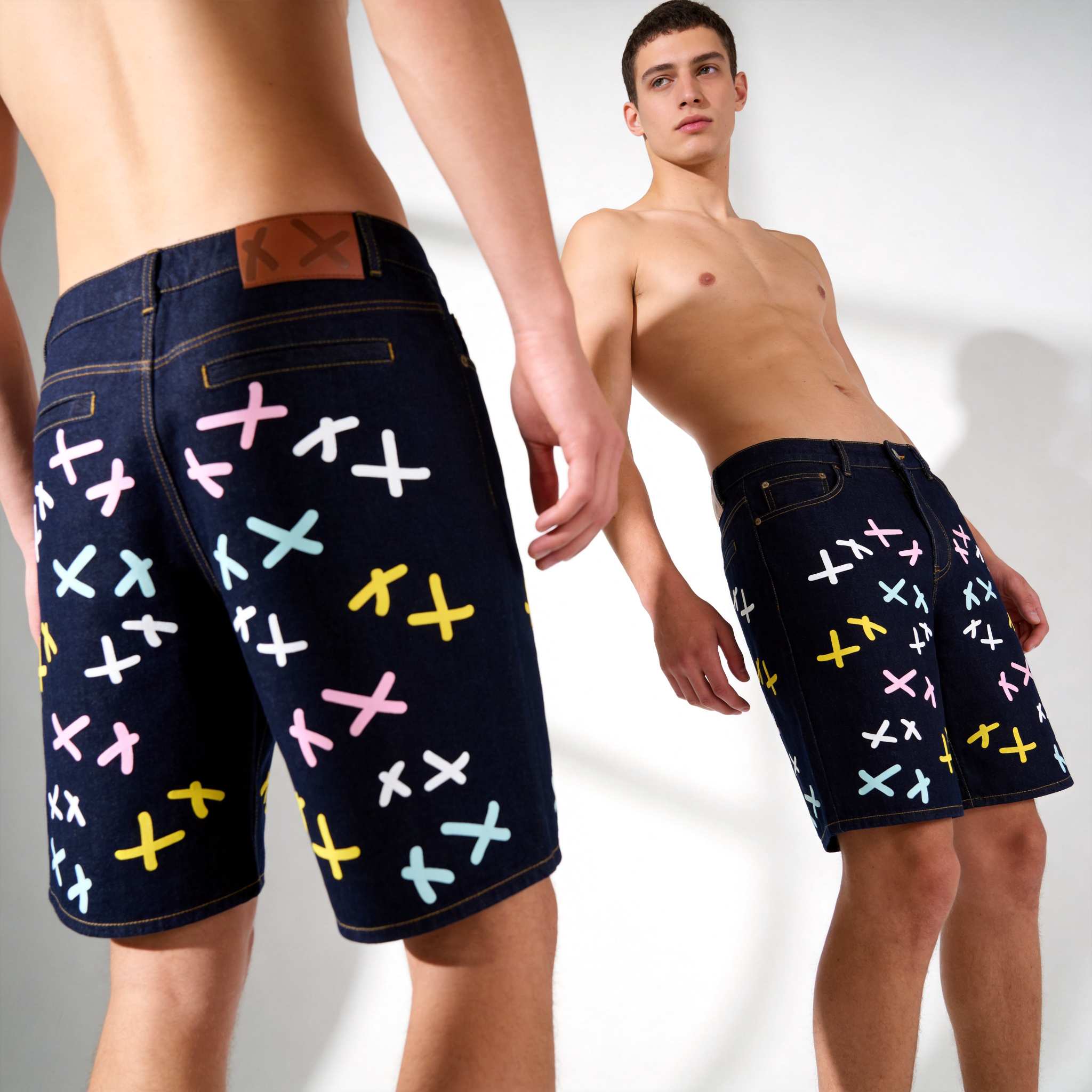
Wholesale Jeans Styles — Skinny, Flare, Cargo & More
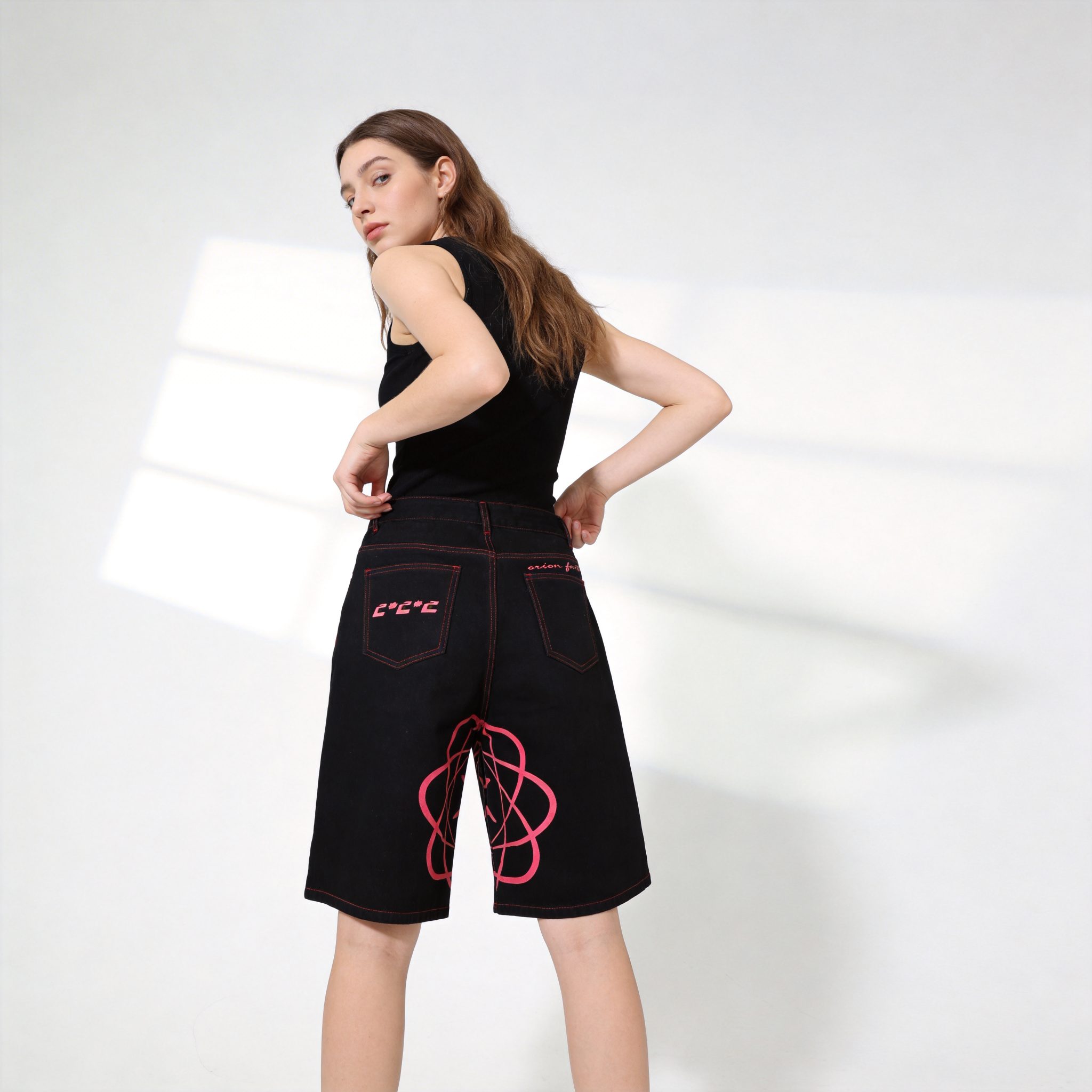
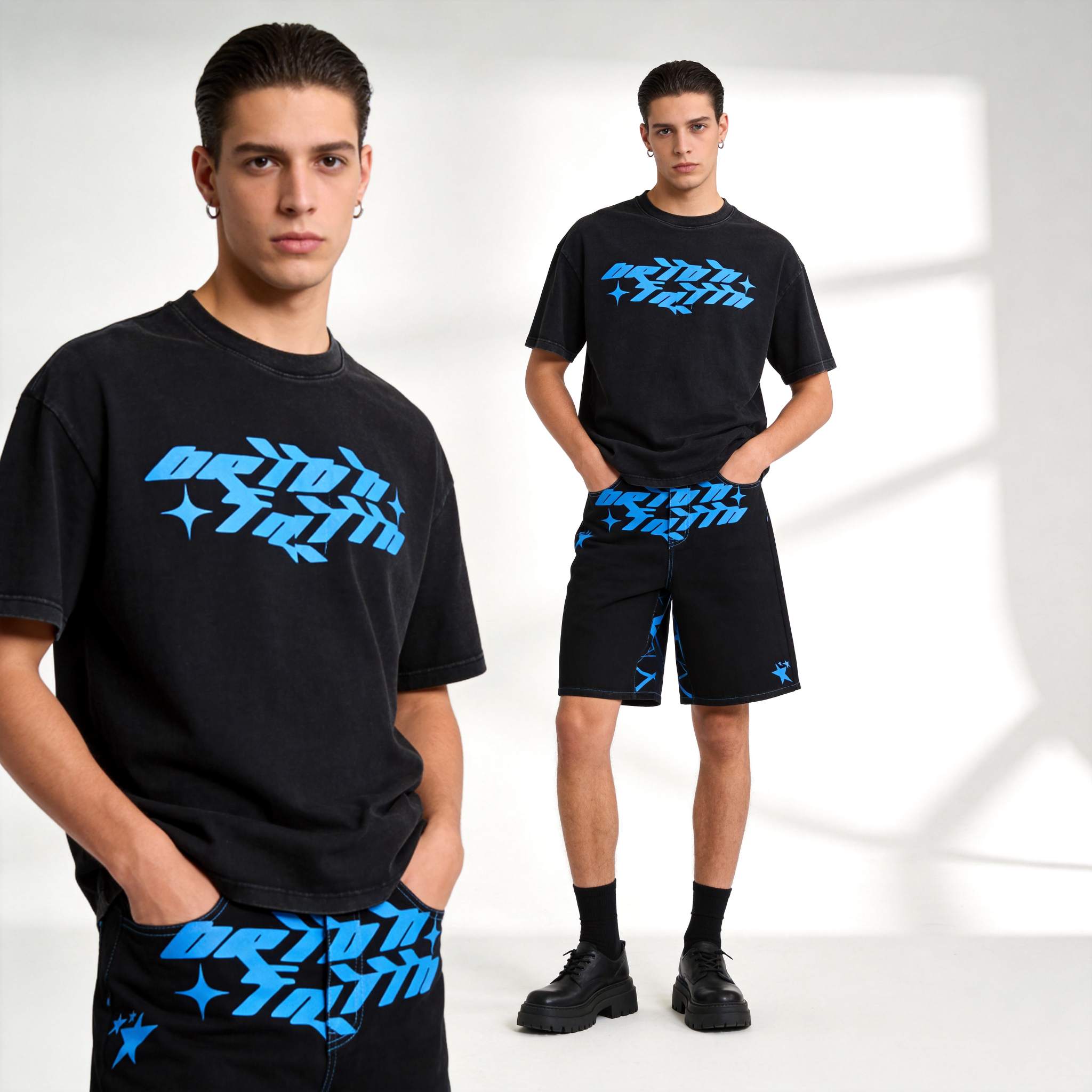
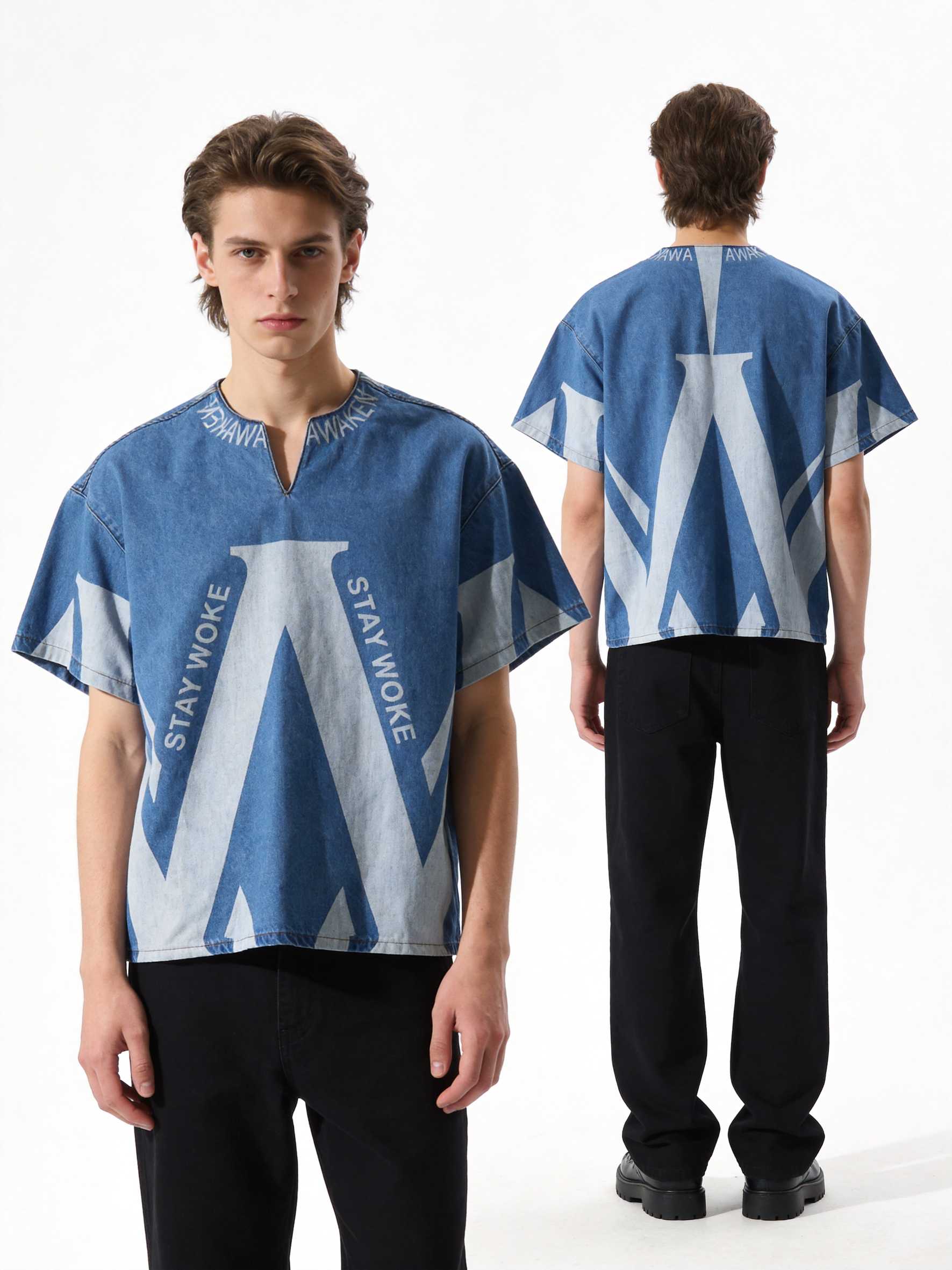
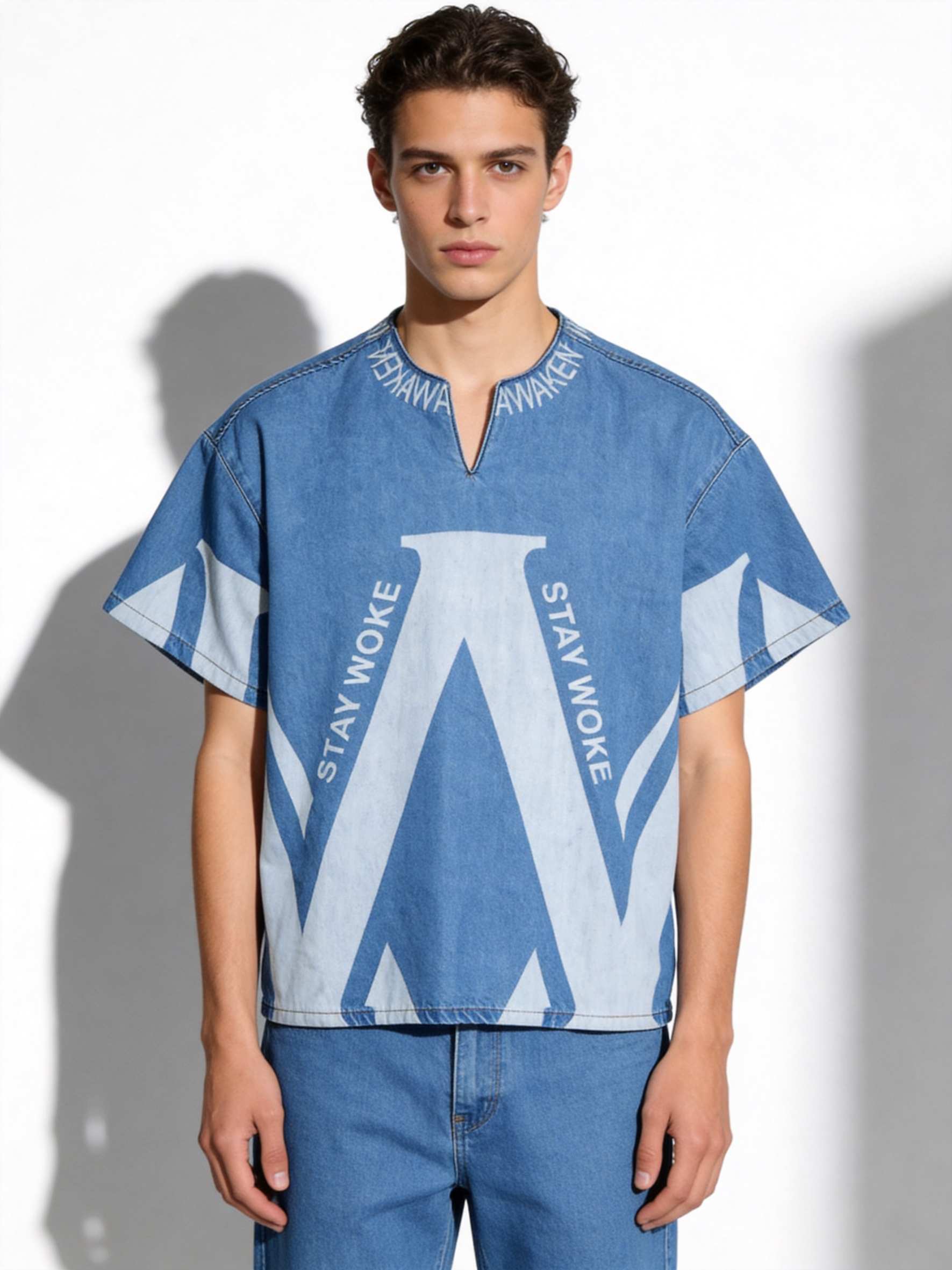
Why ZORWILD for Wholesale Jeans
50-Piece Low MOQ
Launch your denim line with minimal risk. Start orders from just 50 pieces per style, ideal for startups and test collections.
Fast Sampling & Turnaround
Receive production-ready jeans samples quickly. Our streamlined sampling process ensures you evaluate fit, wash, and quality before committing to bulk orders.
Full In-House Customization
Access 95%+ decoration techniques in-house including distressing, vintage wash, embroidery, laser cutting, and custom hardware for unique denim products.
6-Stage Quality Control
Every pair passes rigorous inspection from fabric to finishing. Our systematic QC ensures consistent sizing, stitching durability, and wash quality across production.
100,000+ Units Monthly Capacity
Scale confidently with proven production power. Our Humen Dongguan facility handles both small batch orders and large volumes seamlessly.
27 Years Denim Expertise
Partner with experienced jeans manufacturers. Since 1998, we’ve mastered every denim construction detail, wash technique, and fit specification for global brands.
Denim Production Across Nine Core Silhouettes
From classic fits to trending styles, we manufacture complete denim collections with custom washes, distressing, and construction for every market segment.
Skinny Jeans
Precision-fit skinny jeans manufactured with stretch denim blends for optimal recovery and comfort. We support custom inseams, rise variations, ankle zippers, distressed knees, vintage washes, and branded hardware. Ideal for contemporary fashion brands targeting fitted silhouettes with technical performance.
Get a Quote
Straight Leg Jeans
Classic straight leg jeans produced in heavyweight denim, selvedge options, and rigid or stretch constructions. Our manufacturing includes vintage washes, contrast stitching, custom pocket designs, leather patches, and traditional five-pocket layouts. Perfect for heritage brands and timeless casualwear collections.
Get a Quote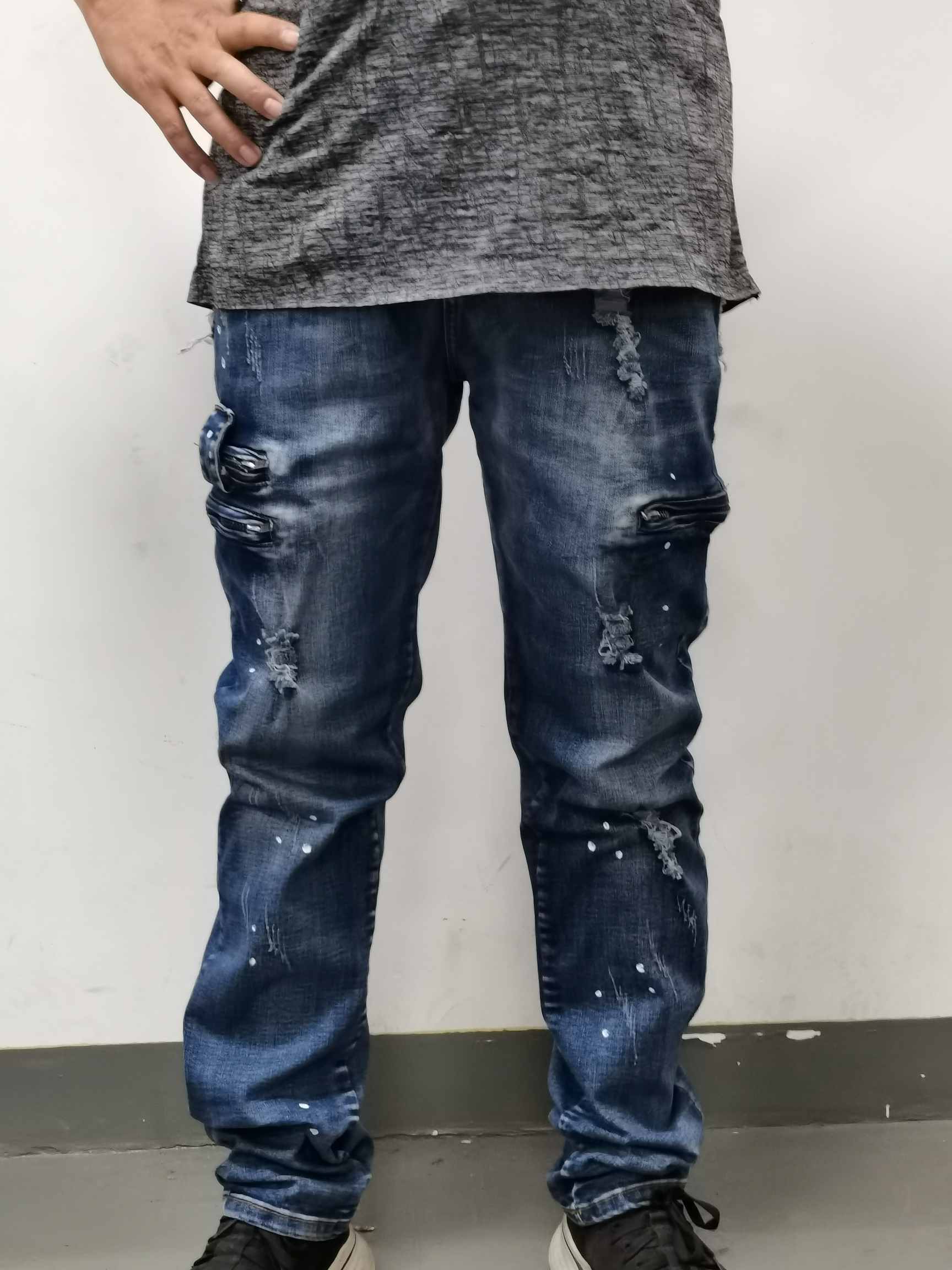
Bootcut Jeans
Bootcut jeans crafted with mid-rise to high-rise options and flared leg openings for balanced proportions. We manufacture using stretch denim, enzyme washes, tonal stitching, and clean finishes. Suitable for brands serving markets seeking versatile, flattering fits across demographics.
Get a Quote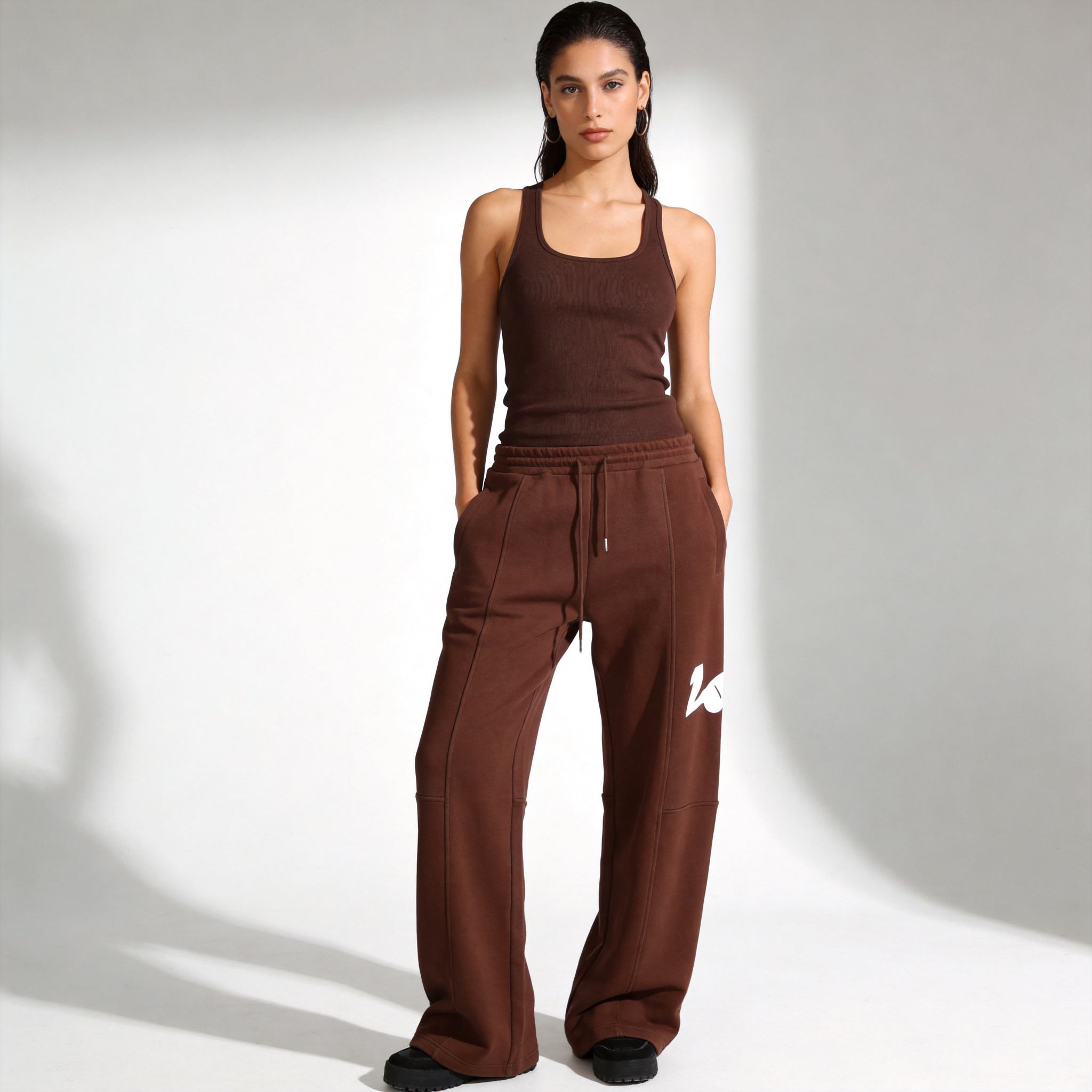
Wide Leg Jeans
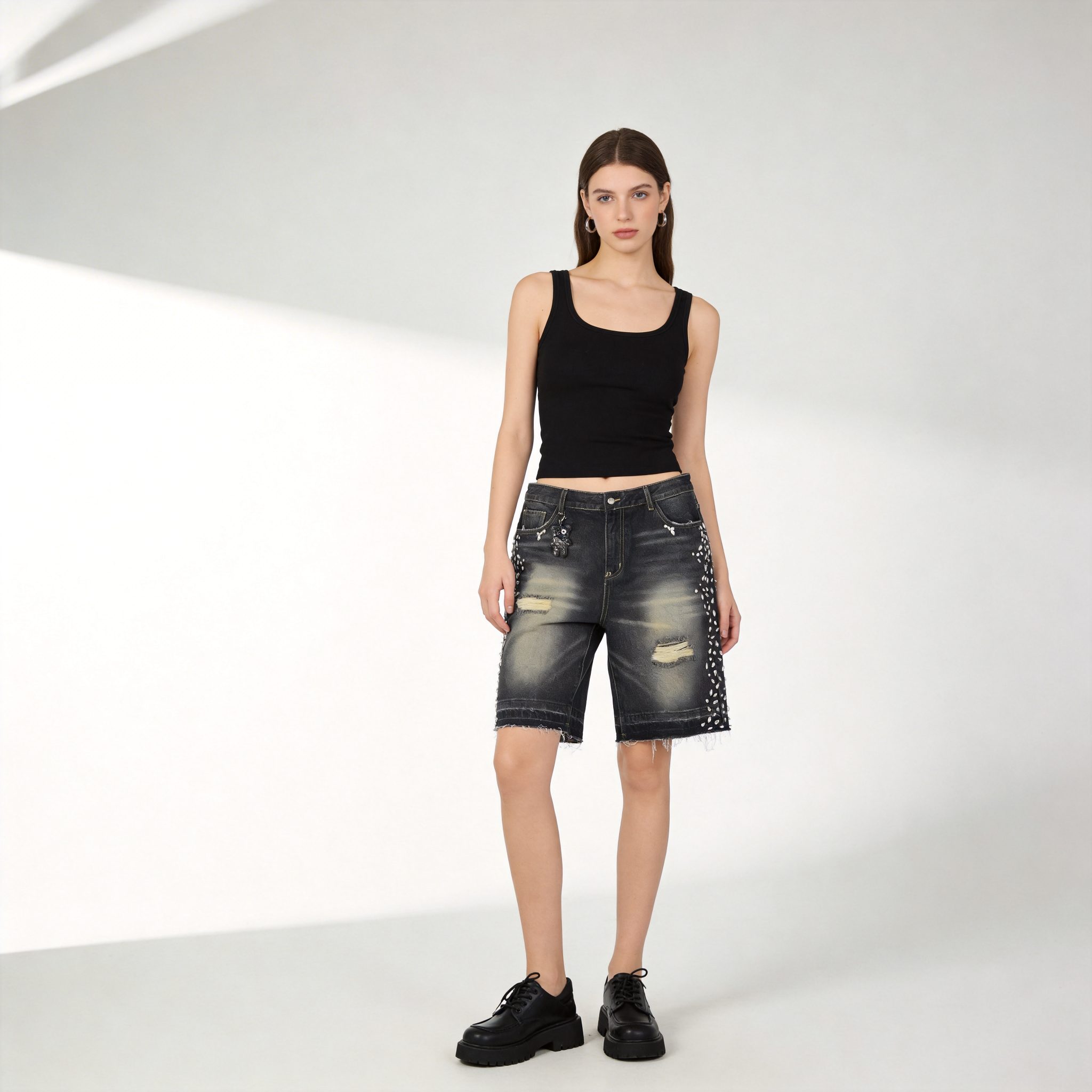
Wide leg jeans manufactured in heavyweight denim, linen blends, and fashion-forward constructions. Production capabilities include pleated fronts, oversized pockets, cargo details, vintage fading, garment dye, and exaggerated silhouettes. Designed for trend-driven brands and contemporary streetwear labels.
Get a Quote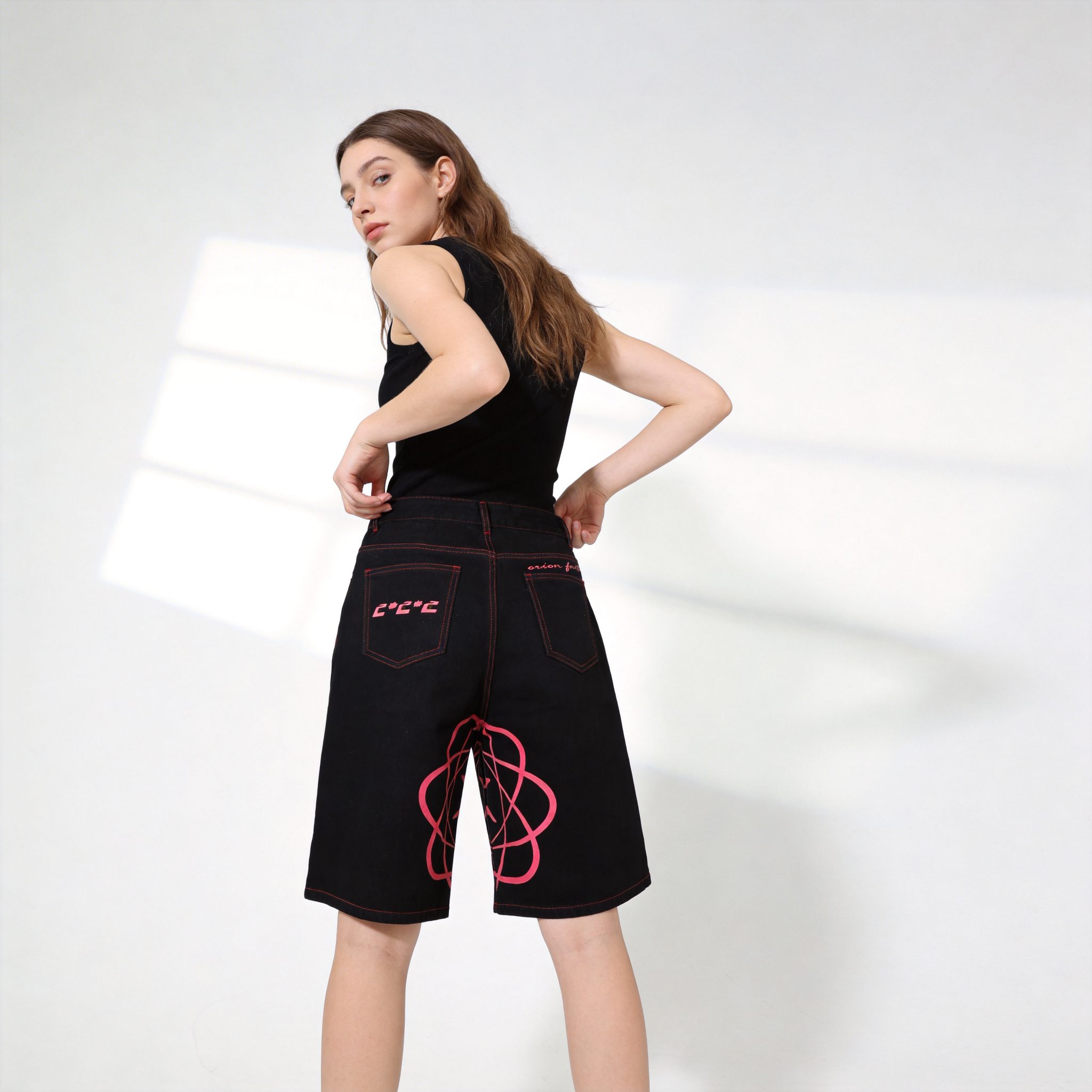
Ripped Jeans
Ripped and distressed jeans with controlled destruction techniques including knee rips, thigh distressing, frayed hems, and strategic fading. Our 27 years of wash expertise ensure consistent distressing across production runs. MOQ from 50 pieces allows testing of multiple distress levels per collection.
Get a Quote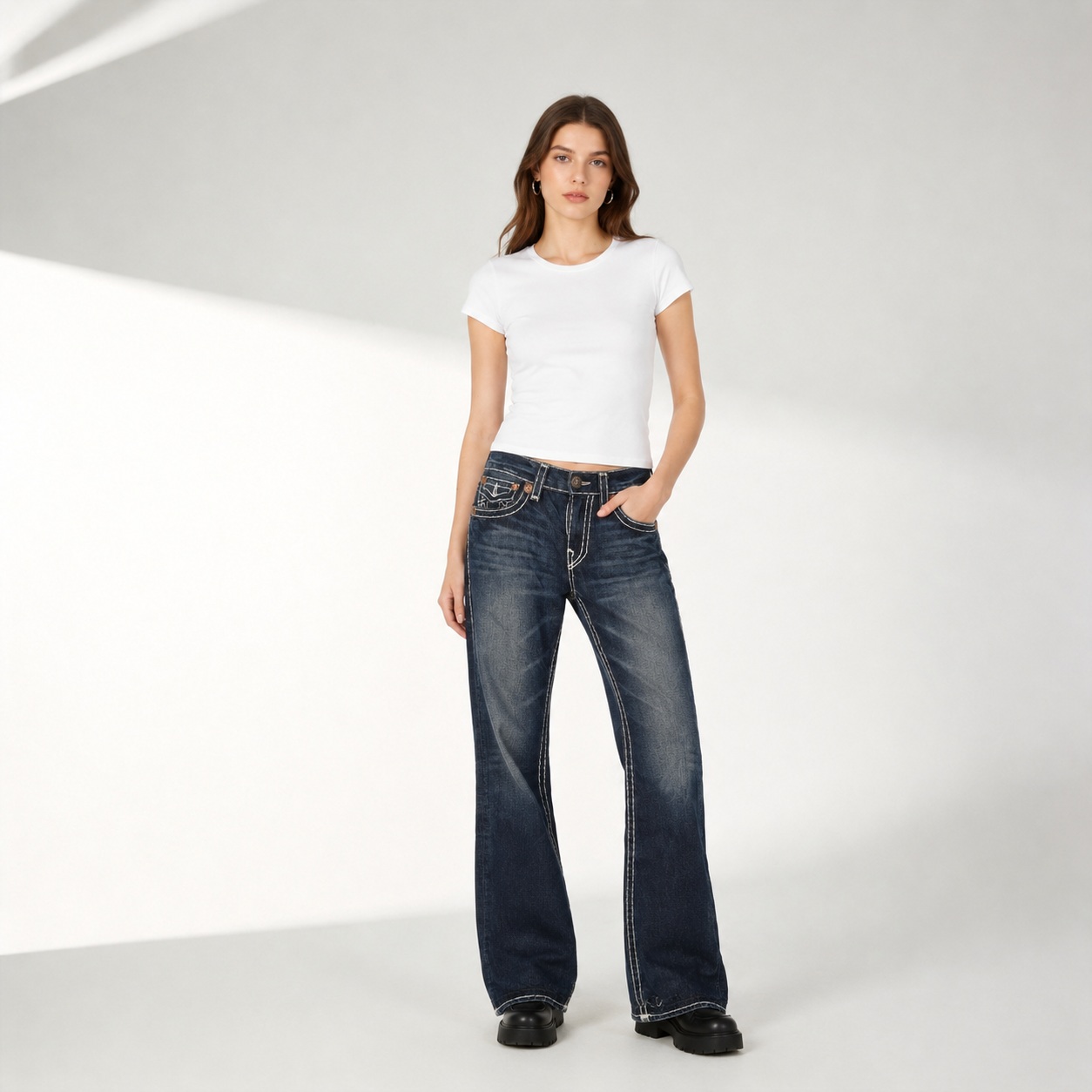
High Waisted Jeans
High waisted jeans produced with elevated rise measurements, tummy control panels, and flattering fit engineering. We support button fly or zipper closures, belt loops, vintage washes, cropped or full-length inseams, and custom branding. Popular for women’s fashion brands and body-positive collections.
Get a Quote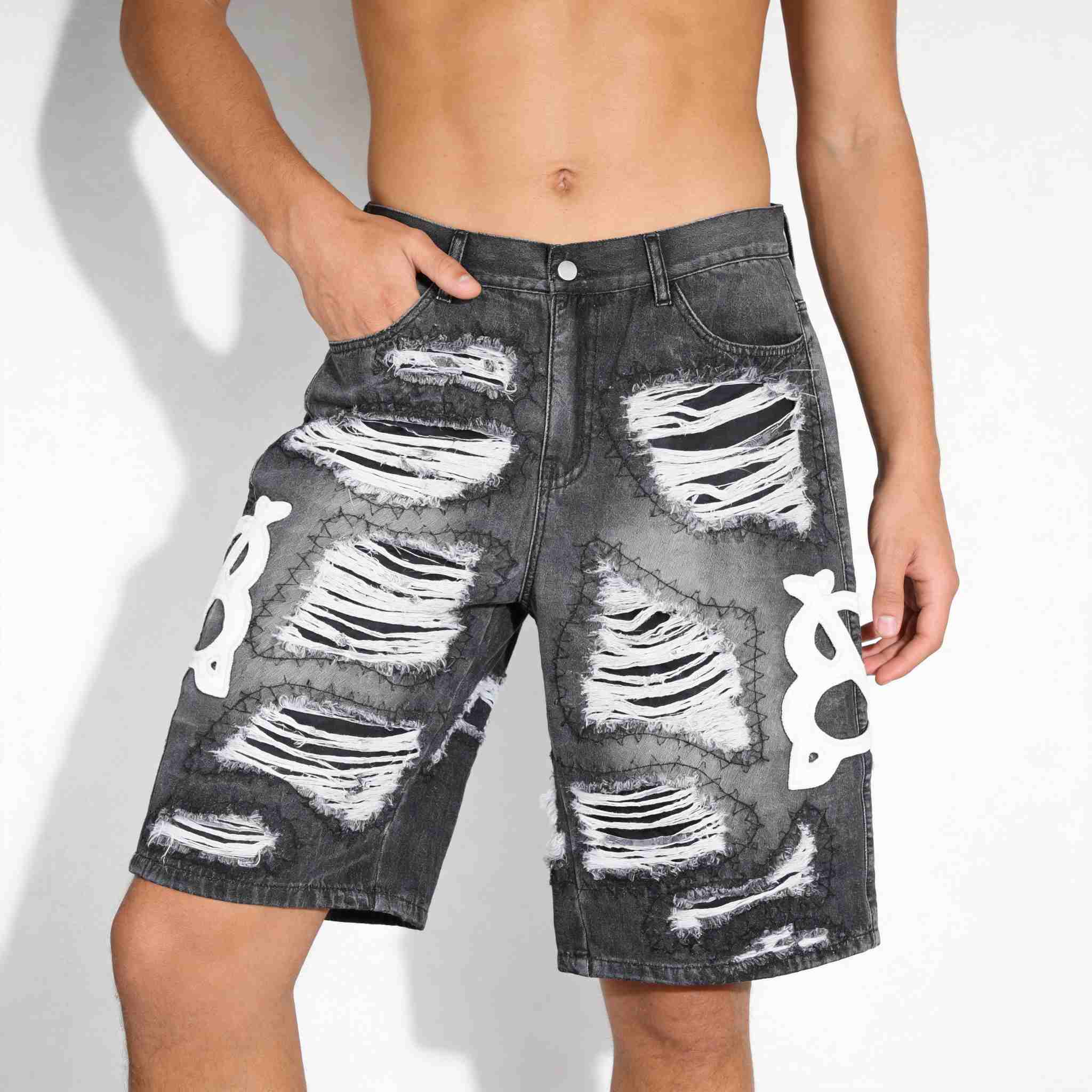
Mom Jeans
Mom jeans manufactured with relaxed hips, tapered ankles, and high-rise vintage silhouettes. Our production includes light to medium wash denim, stone wash effects, classic blue tones, minimal distressing, and retro-inspired hardware. Ideal for brands capitalizing on nostalgic and comfortable denim trends.
Get a Quote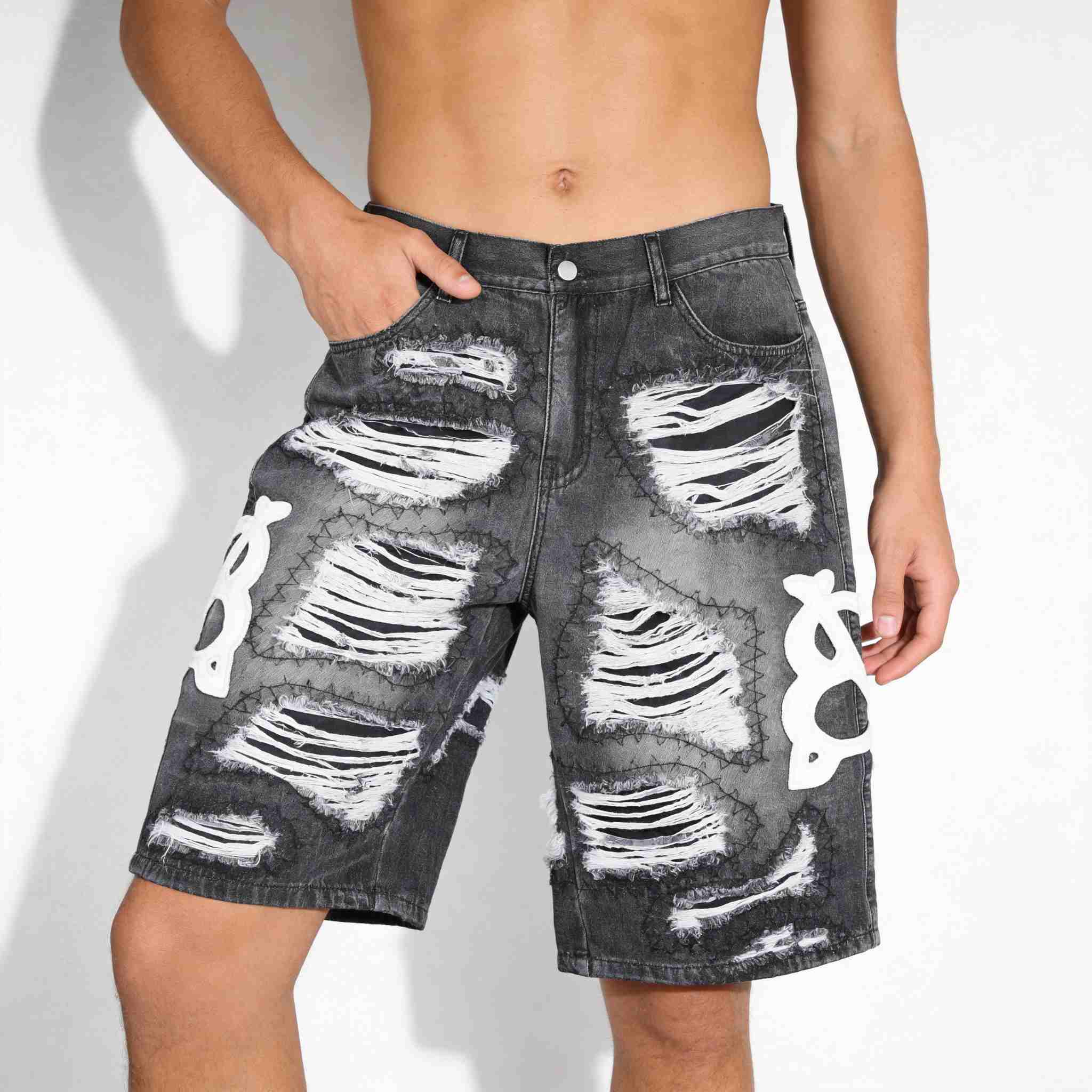
Boyfriend Jeans
Boyfriend jeans crafted with relaxed fits, dropped crotches, and slouchy leg constructions. We manufacture using medium to heavyweight denim with vintage washes, rolled cuffs, distressed details, and oversized pocket placements. Perfect for casual lifestyle brands and relaxed contemporary collections.
Get a Quote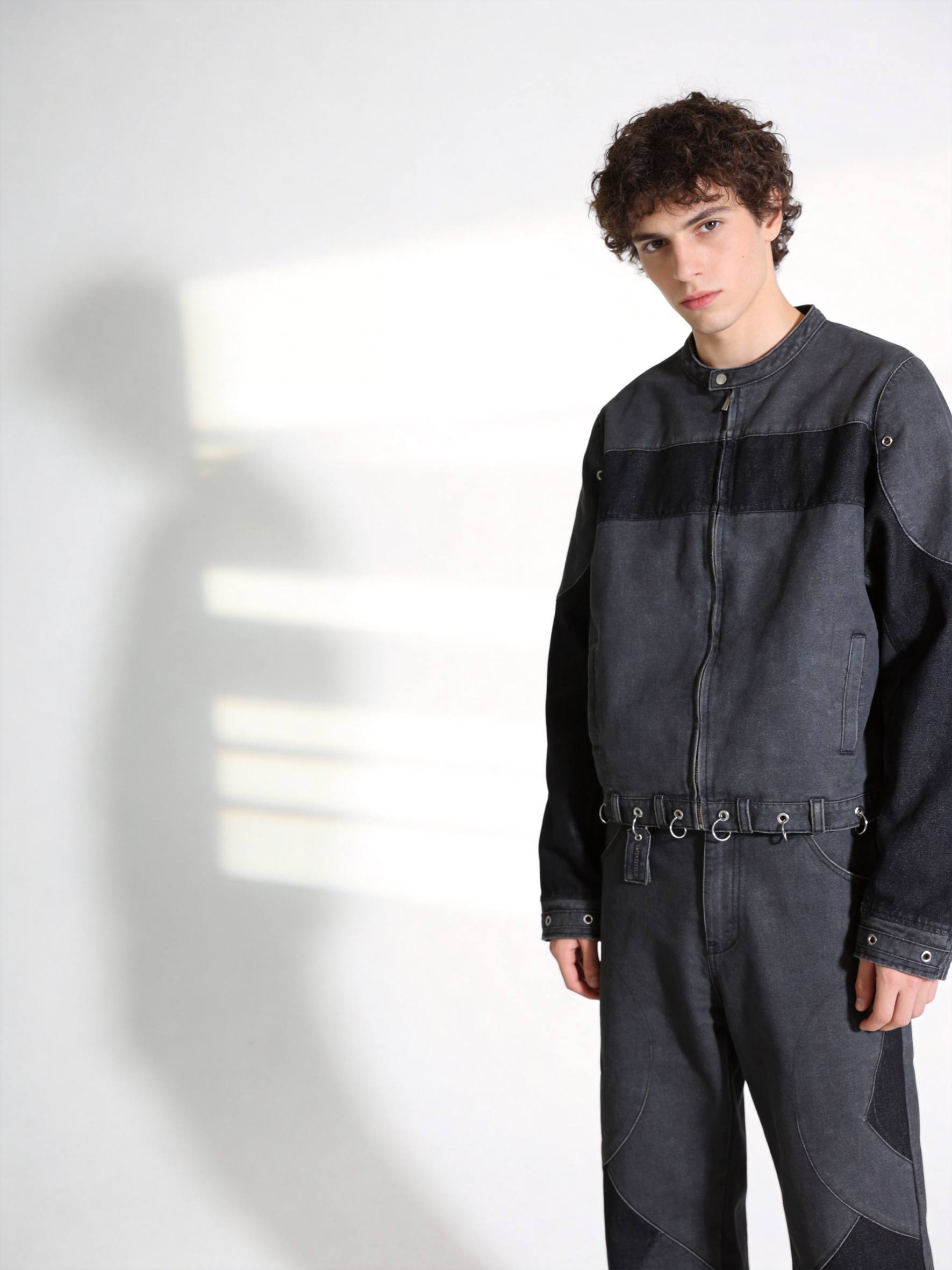
Black Jeans
Black jeans produced in true black denim, faded black, coated black, and stretch black constructions. Manufacturing includes garment dye for deep saturation, enzyme wash for soft hand feel, and quality control to prevent color inconsistency. Essential for versatile collections spanning casual to semi-formal positioning.
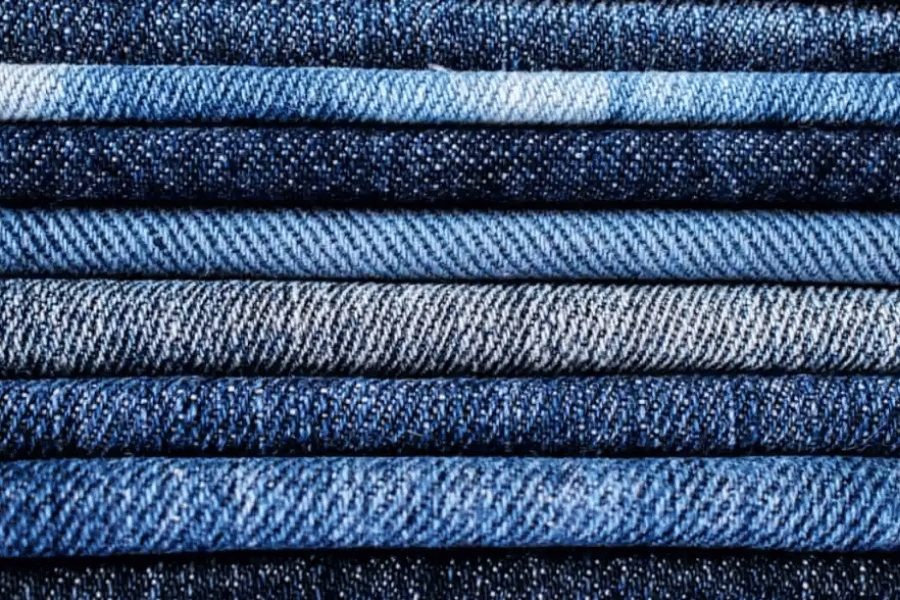
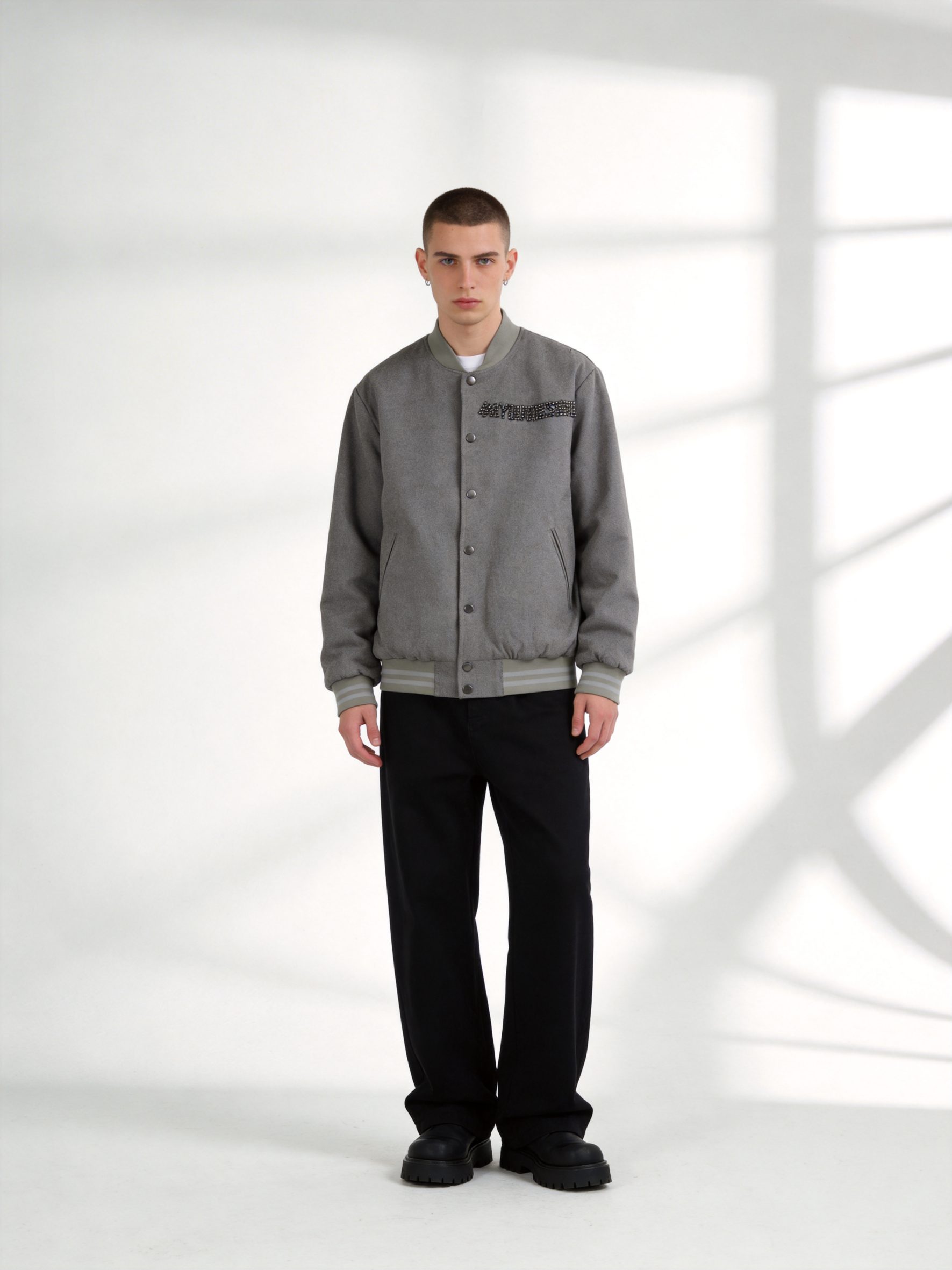
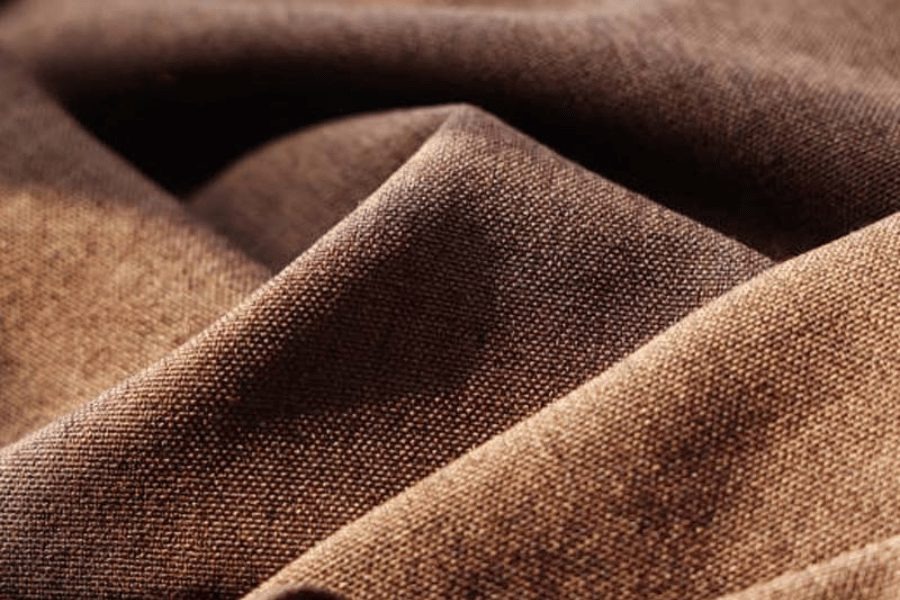
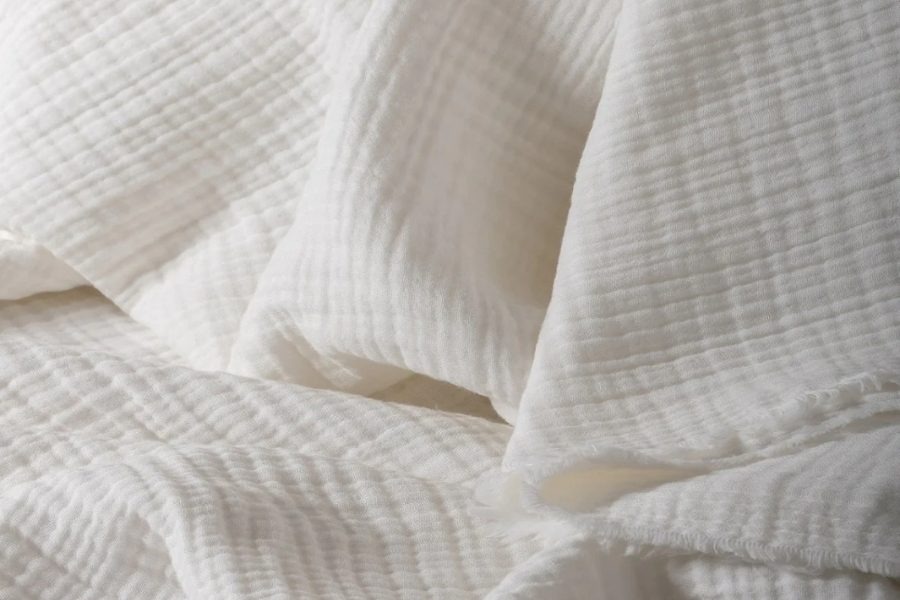
Get a QuotePremium Denim Fabrics for Your Collection
Advanced Finishing & Wash Techniques
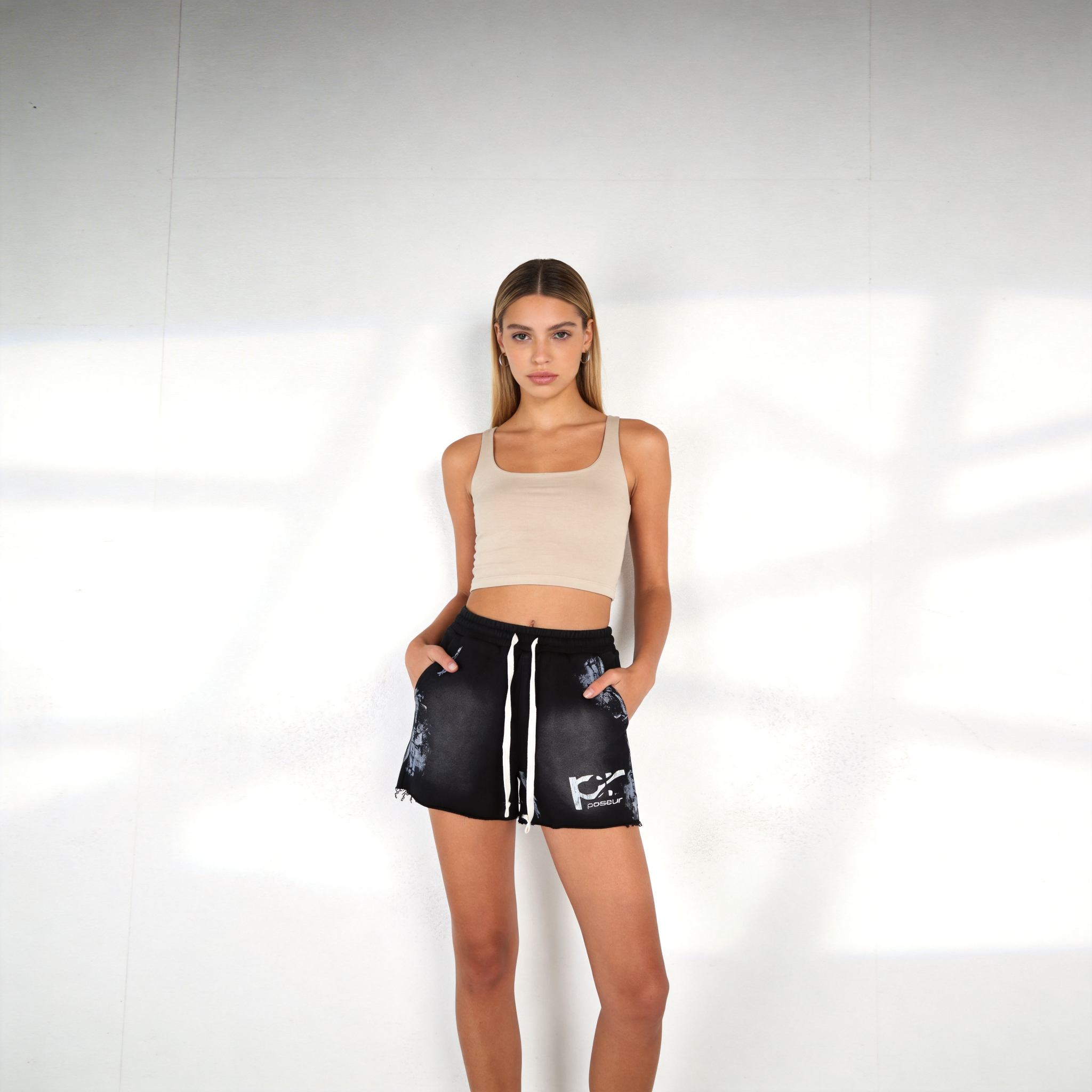
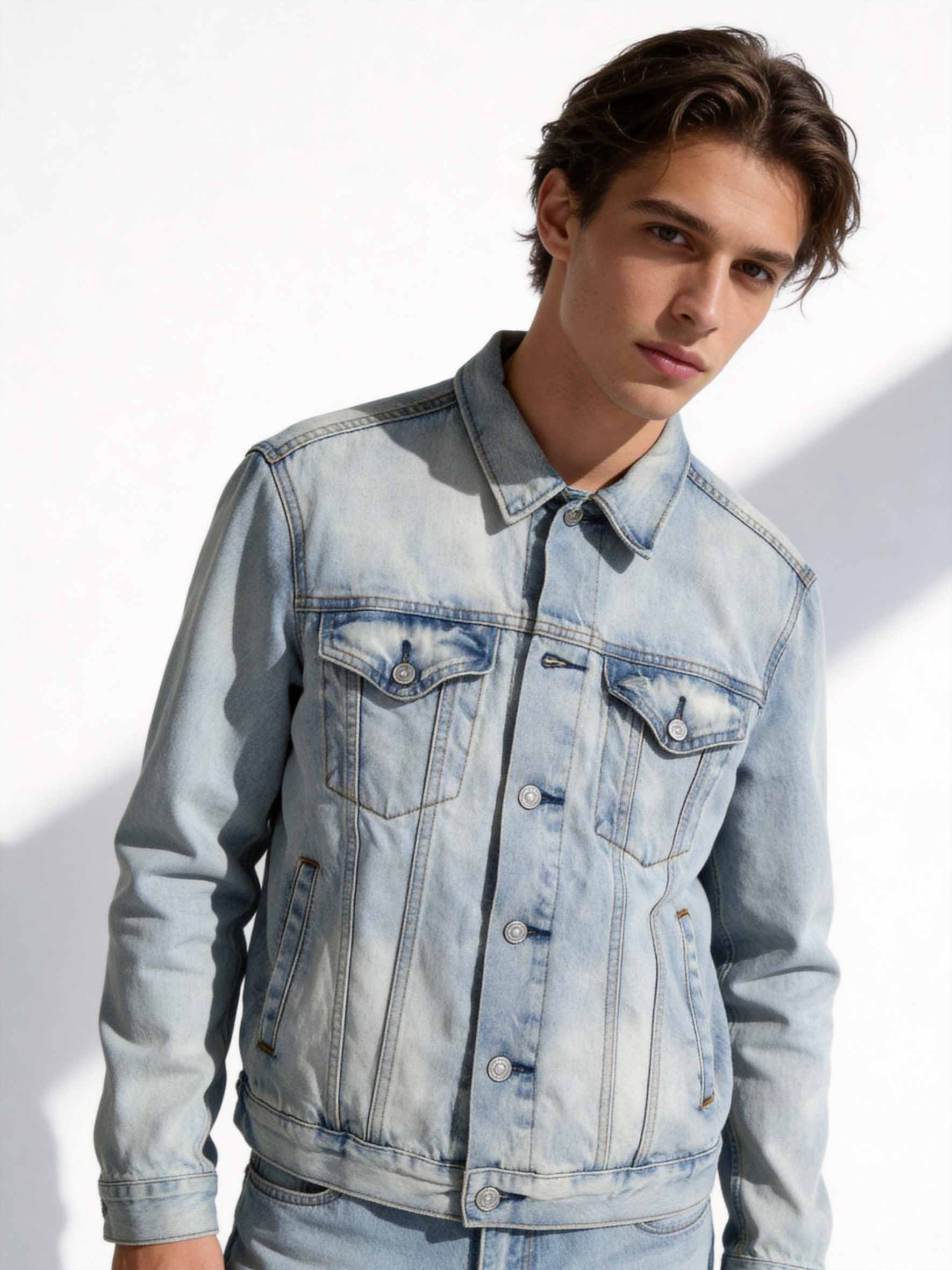
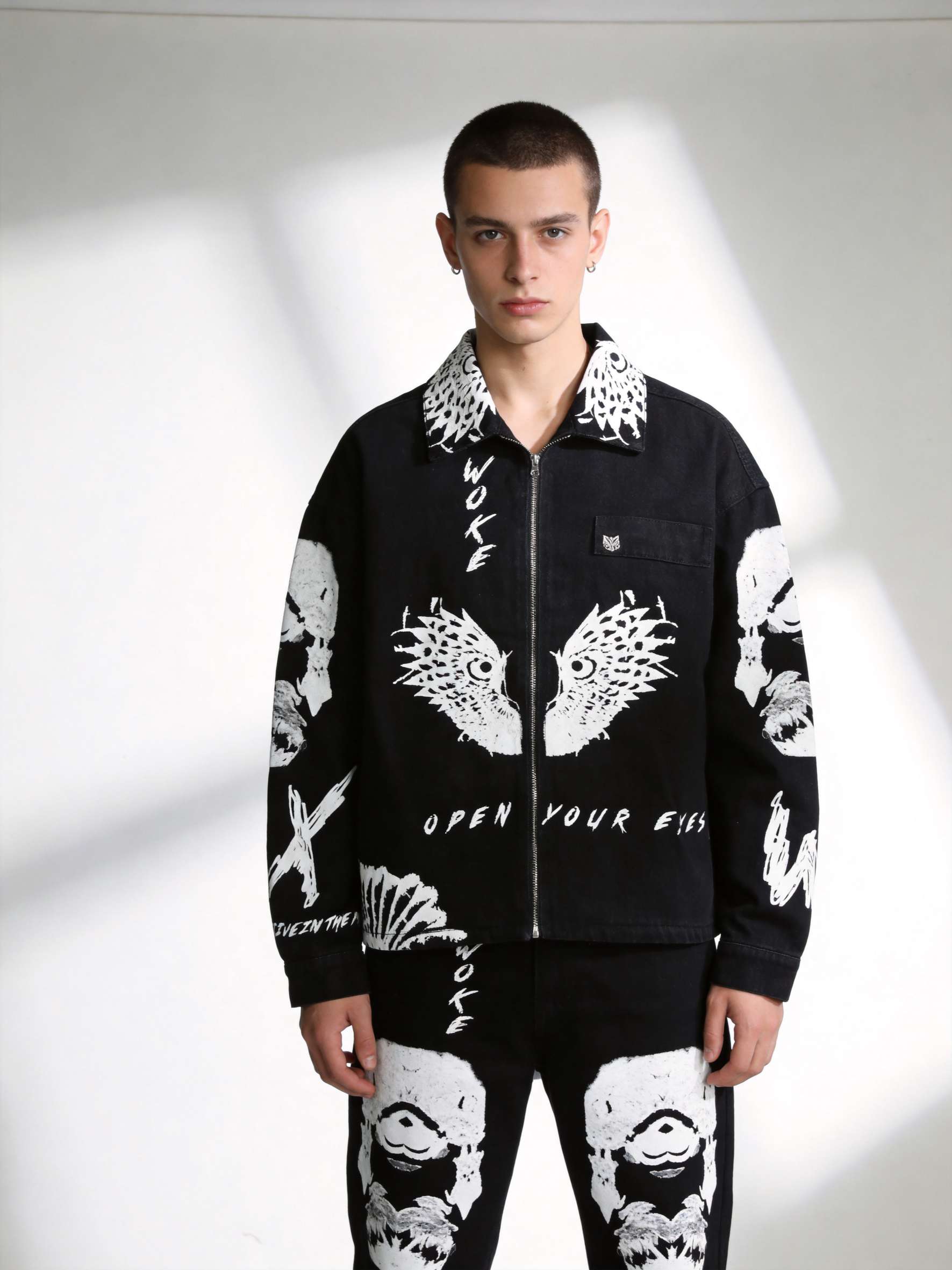
Distressed Finishing
Hand-crafted rips, frayed edges, and strategic wear points add edgy character to denim. Our skilled artisans create controlled distressing that maintains structural integrity while delivering the rugged, rebellious aesthetic that drives sales in youth markets.
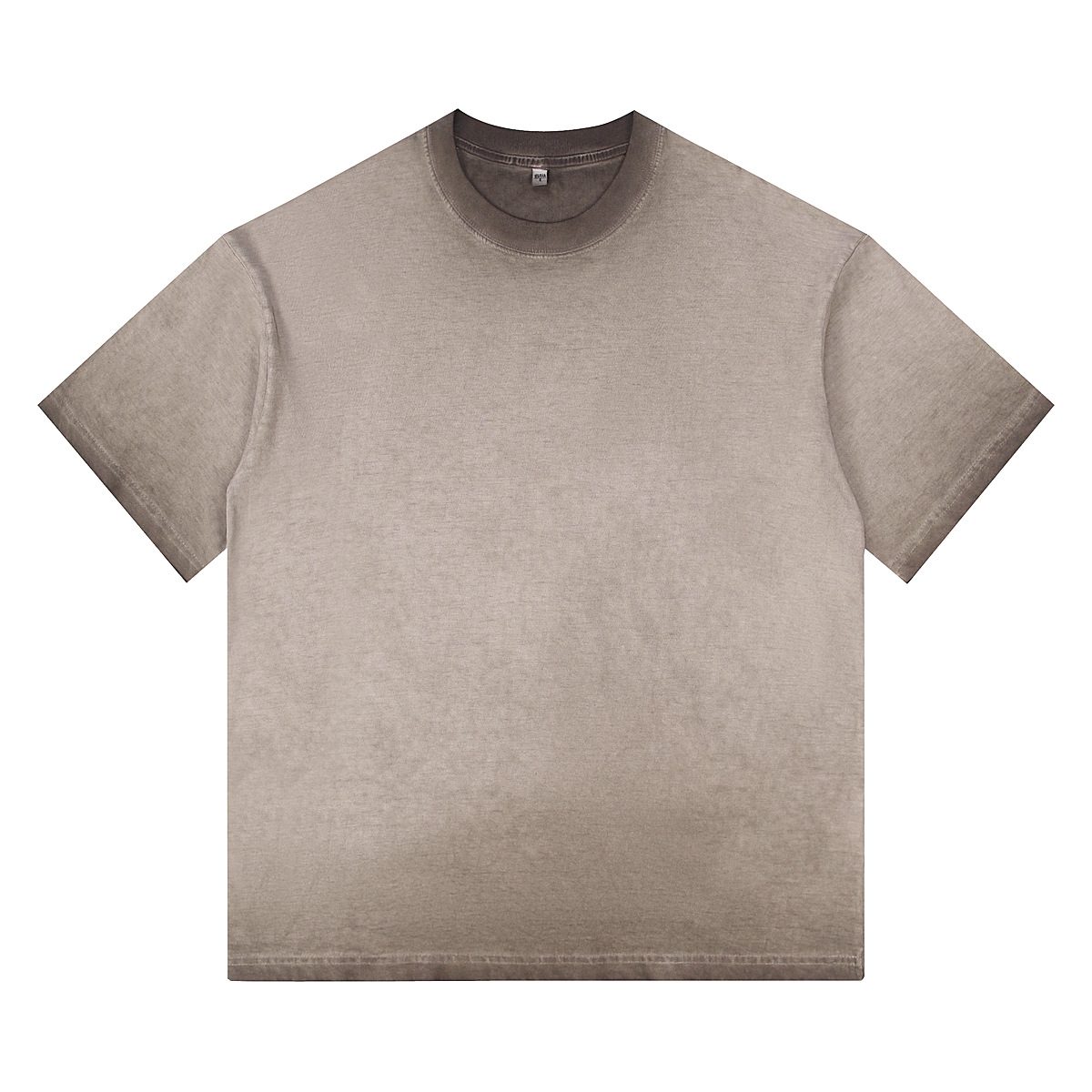
Pigment Dye
Surface-level dyeing creates vintage color with natural fading characteristics and soft hand feel. Pigment dye delivers an instantly broken-in appearance with subtle color variation, perfect for brands seeking authentic vintage aesthetics in their wholesale jeans lineup.
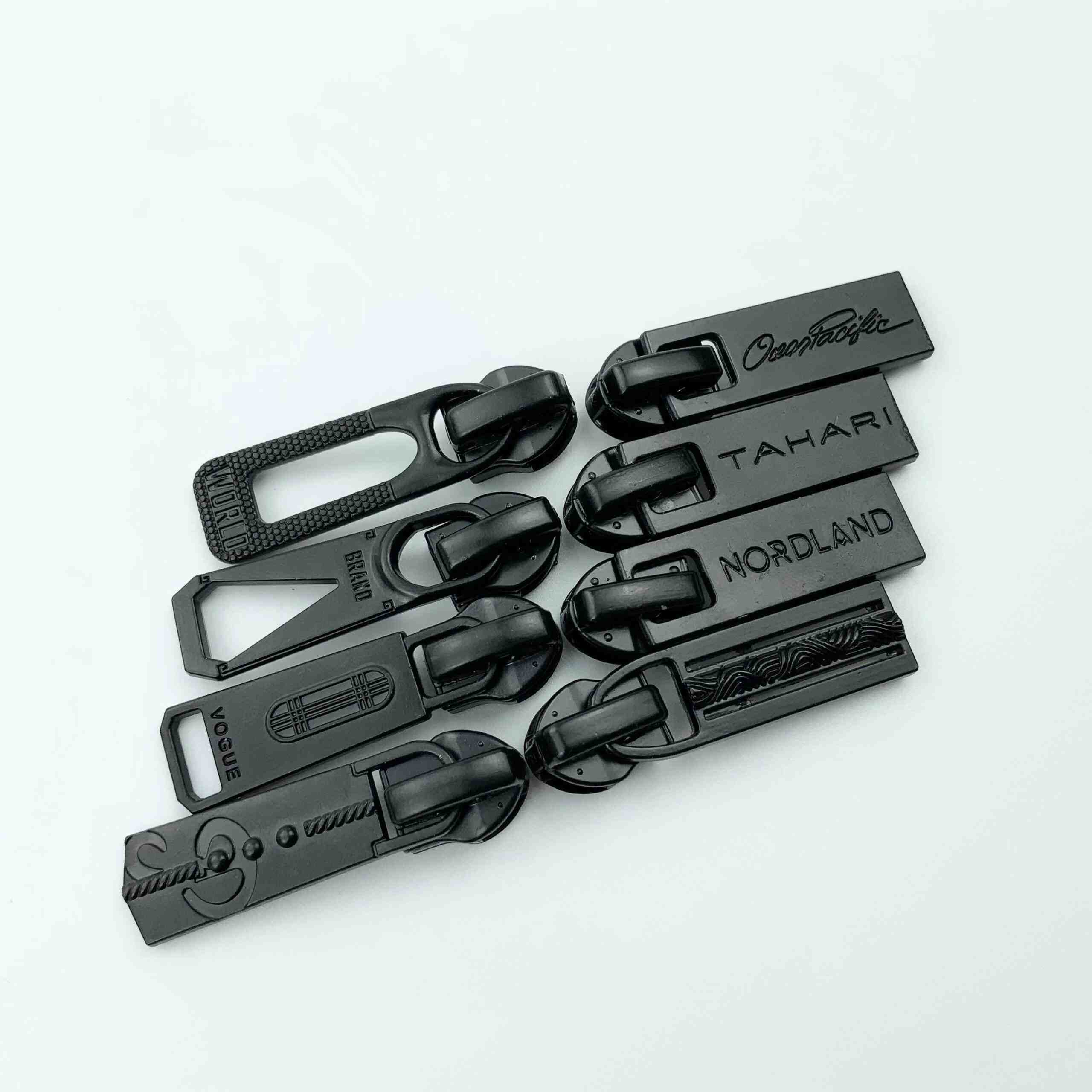
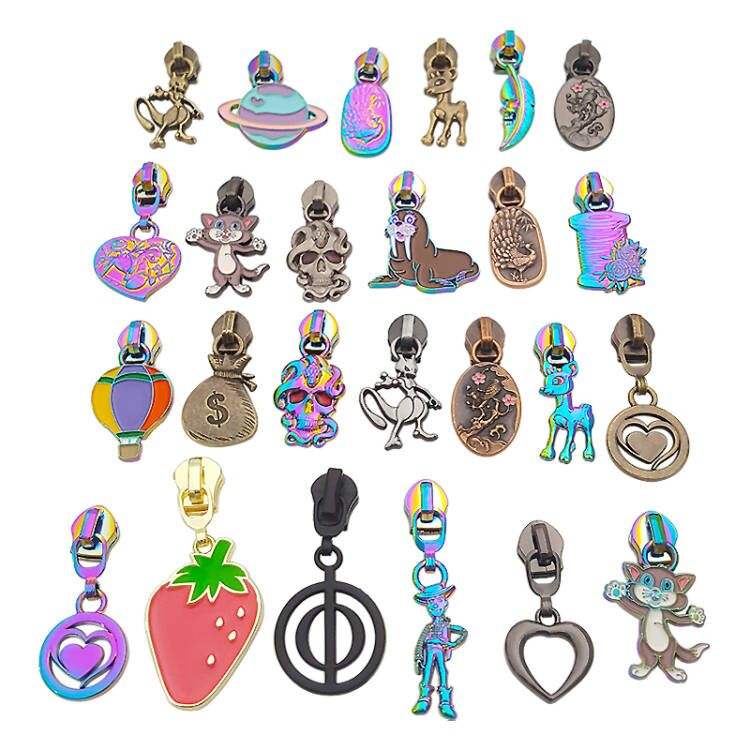
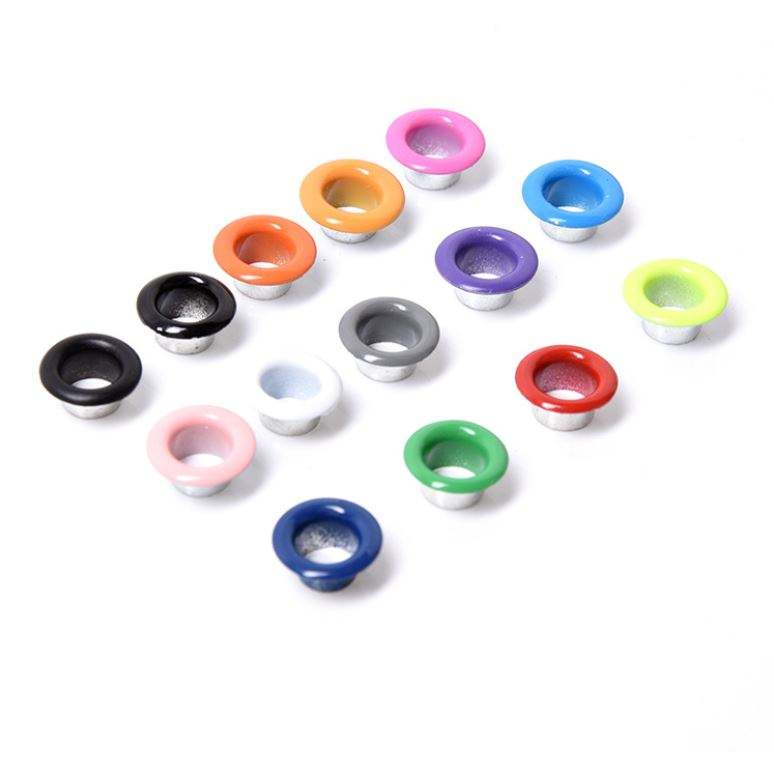
Premium Trims & Custom Embellishments
Contrast Stitching
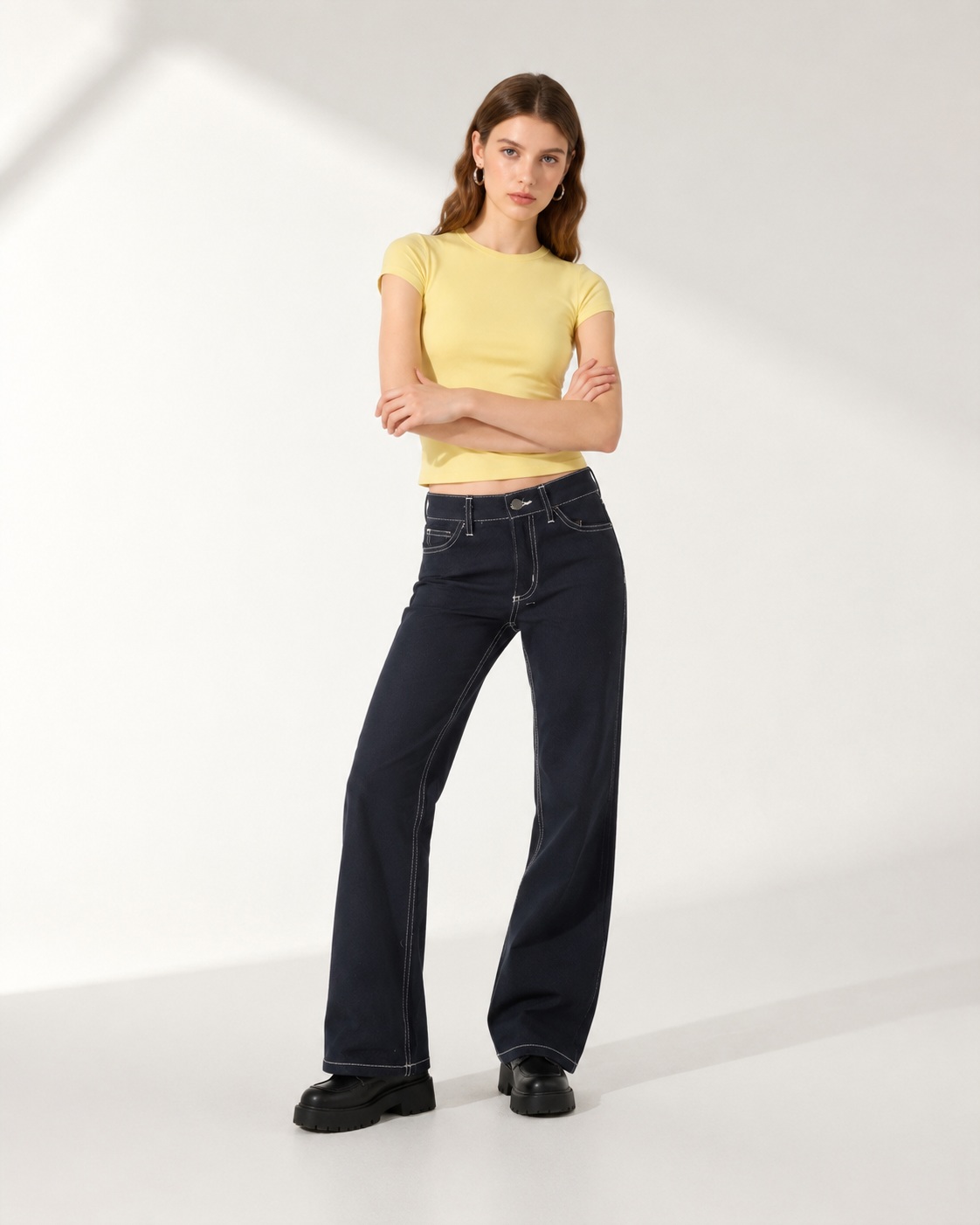
Distinctive thread colors and stitch patterns create visual appeal and brand recognition. ZORWILD offers custom contrast stitching, bartack reinforcement, decorative topstitching, and signature seam detailing for wholesale jeans.
About ZORWILD Denim Manufacturing
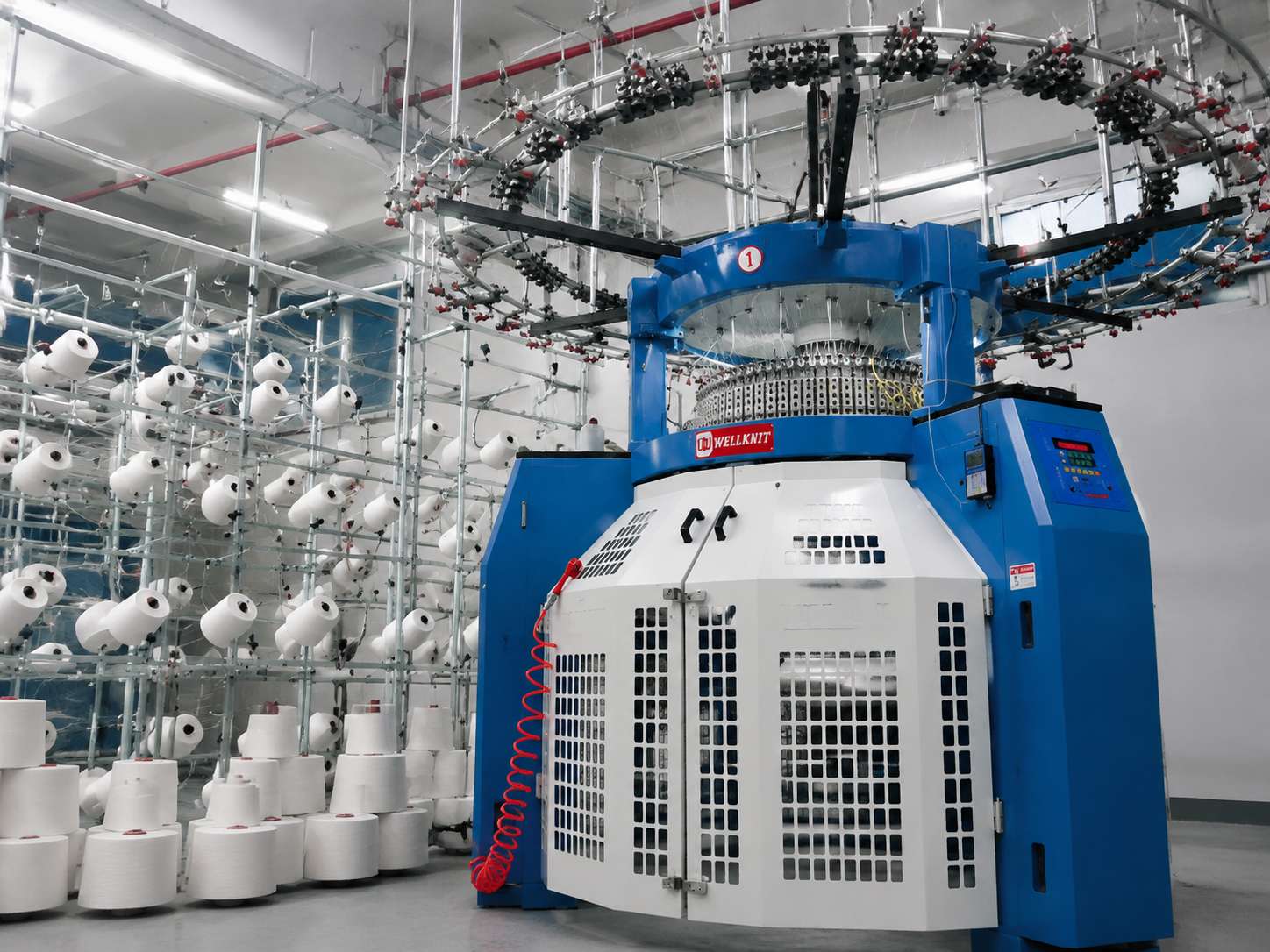
Founded in 1998 as a family-operated garment workshop in Humen, Dongguan—one of the world’s premier denim manufacturing hubs—ZORWILD has grown from humble beginnings into a full-scale wholesale jeans manufacturer serving over 2,000 fashion brands globally. Our founder learned every stage of garment production from his father, a master cutter, and built ZORWILD on principles of precision, quality, and professionalism.
Today, our team of 200+ skilled workers produces wholesale jeans with monthly capacity exceeding 100,000 units, supporting brands from 50-piece startup runs to large-scale production. We specialize in custom denim manufacturing including skinny jeans, flare jeans, cargo jeans, distressed styles, vintage washes, and technical stretch denim with full decoration capabilities in-house.
What sets ZORWILD apart in denim manufacturing is our commitment to accessibility and craftsmanship. Our 50-piece MOQ, 6-stage quality control system, and 95%+ decoration techniques in-house mean startup brands, influencers, and established wholesalers all receive the same professional service, fast turnarounds, and premium quality trusted by partners across North America, Europe, and beyond.
Complete Manufacturing Capabilities
Custom Jeans Design & Sampling
Transform your denim concepts into production-ready wholesale jeans with full tech pack development, fit sampling, and design refinement. Our 27-year expertise ensures every detail from pocket placement to rise measurements meets your brand standards before bulk production begins.
- Tech pack creation from sketches, reference garments, or design concepts
- Pre-production sampling with fit adjustments and construction refinements
- Pattern grading across full size runs with consistent fit standards
- Fabric swatch matching and denim weight recommendations for your market
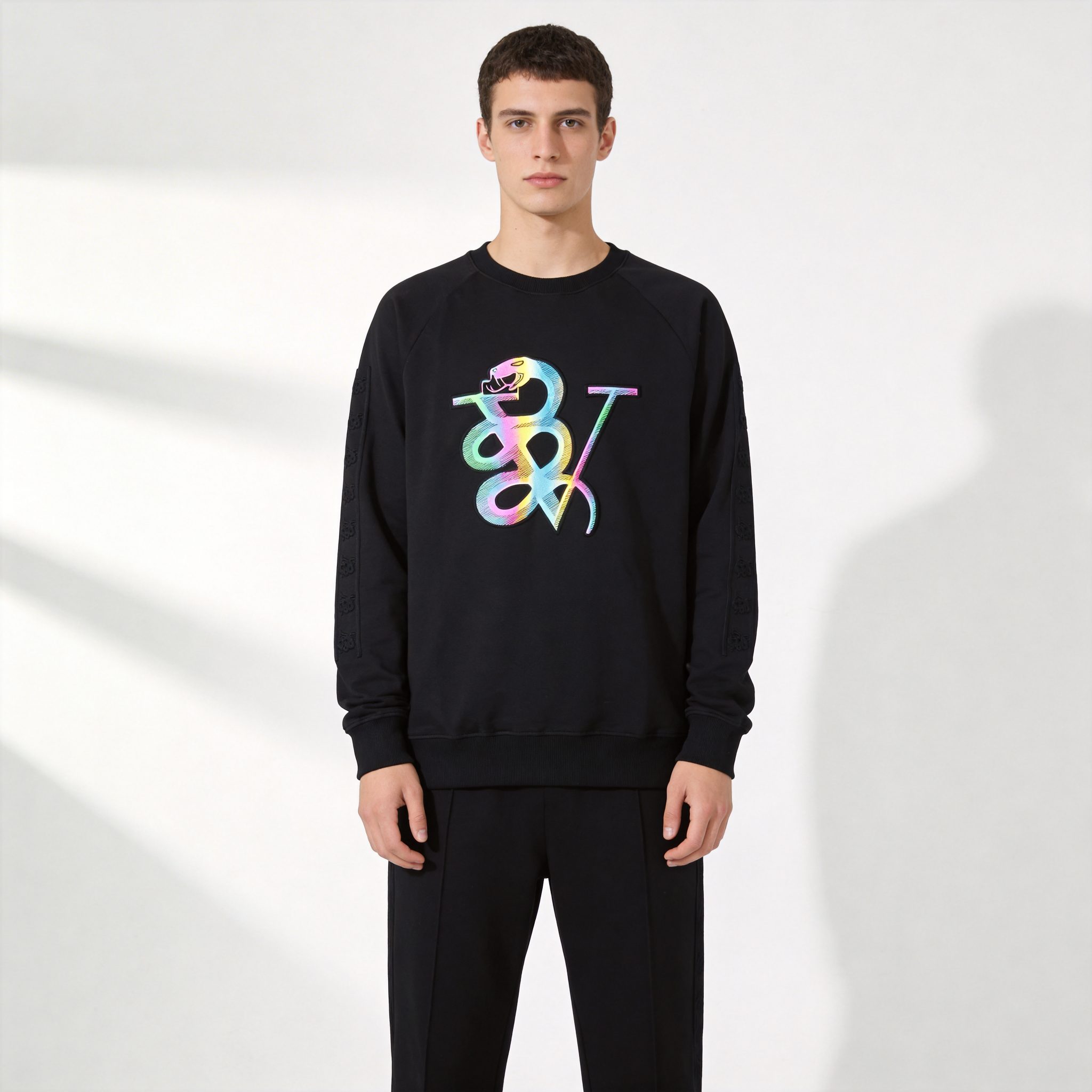
Advanced Denim Wash Techniques
Achieve signature denim aesthetics with our in-house wash facility offering vintage wash, acid wash, stone wash, enzyme wash, distressed finishes, and garment dye. Every order benefits from precise wash formulation, color consistency testing, and repeatable results across production runs.
- Vintage and aged denim effects with controlled fading and whiskering
- Acid wash and snow wash for bold streetwear and retro collections
- Stone wash and enzyme treatments for soft hand feel and lived-in texture
- Distressing, sanding, and repair details for premium fashion denim
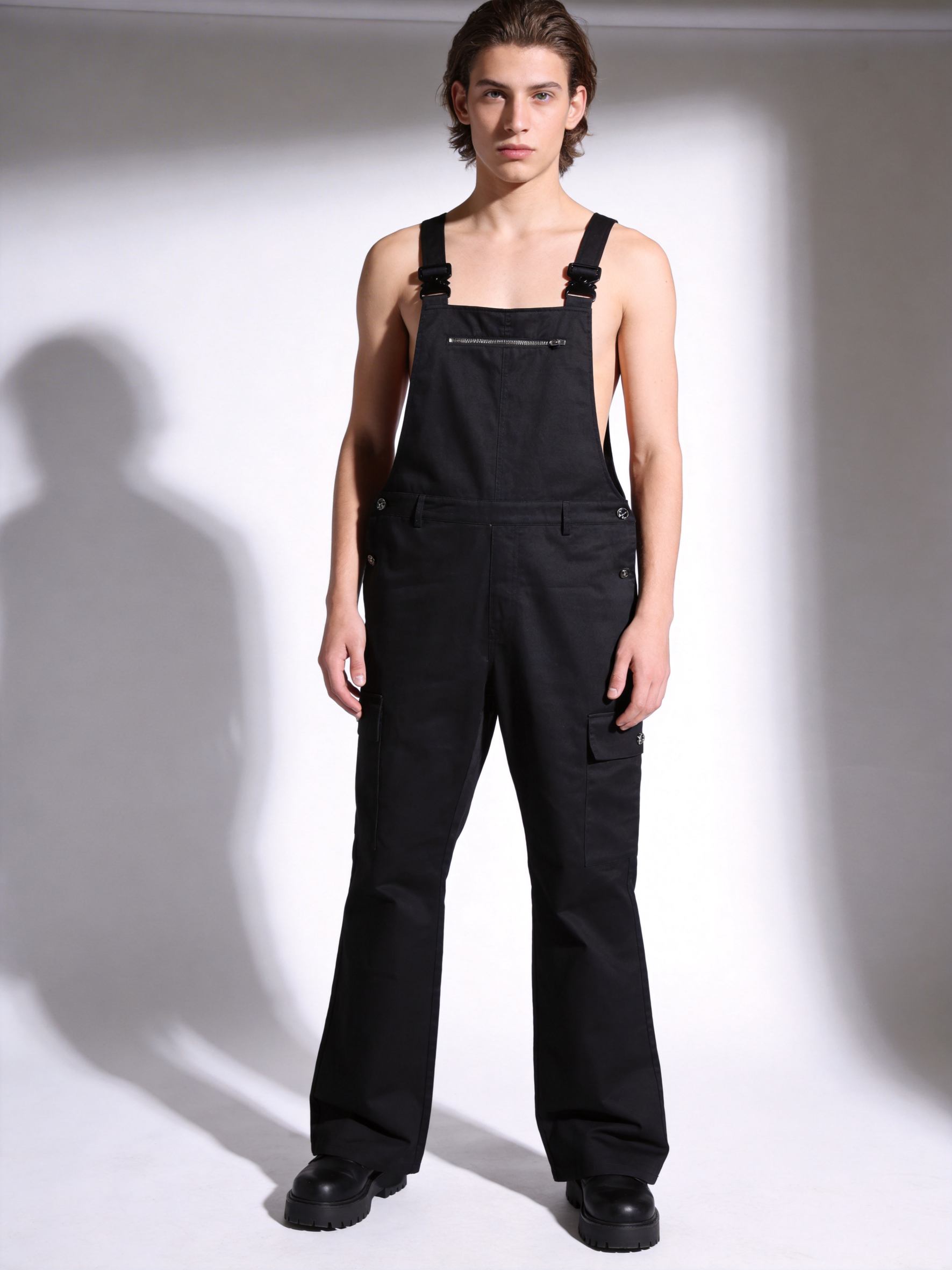
In-House Decoration & Embellishment
Elevate your wholesale jeans with 95-plus decoration techniques applied in our Humen factory. From embroidery and screen printing to laser etching and rhinestone application, we handle complex multi-process customization without outsourcing, ensuring quality control and faster turnaround times.
- Embroidery including flat, 3D, chenille, and applique for logos and graphics
- Screen printing, puff print, foil print, and reflective print on denim
- Laser cutting, engraving, and distressing for intricate pattern work
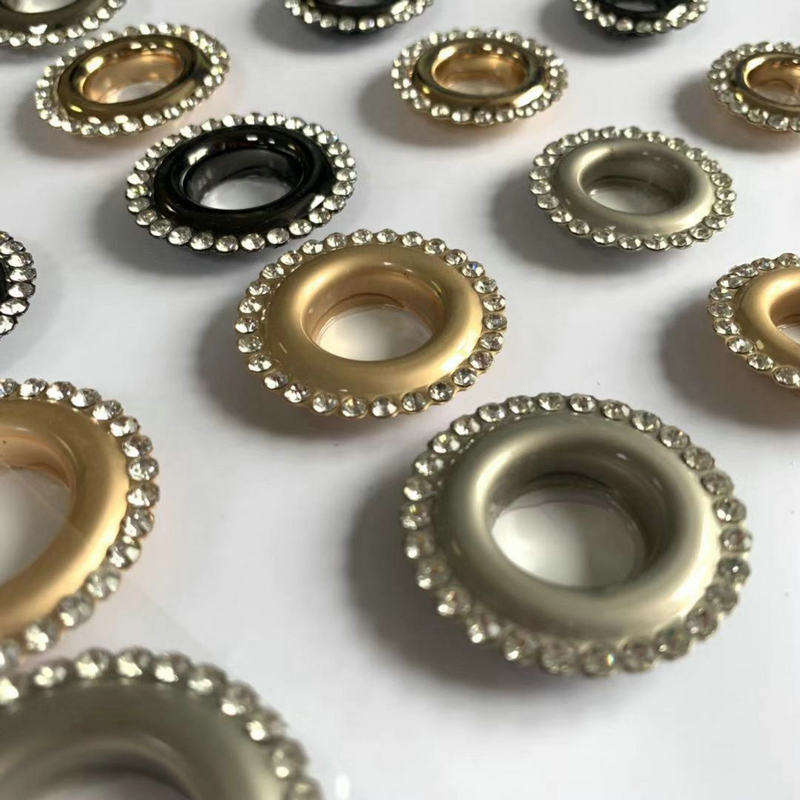
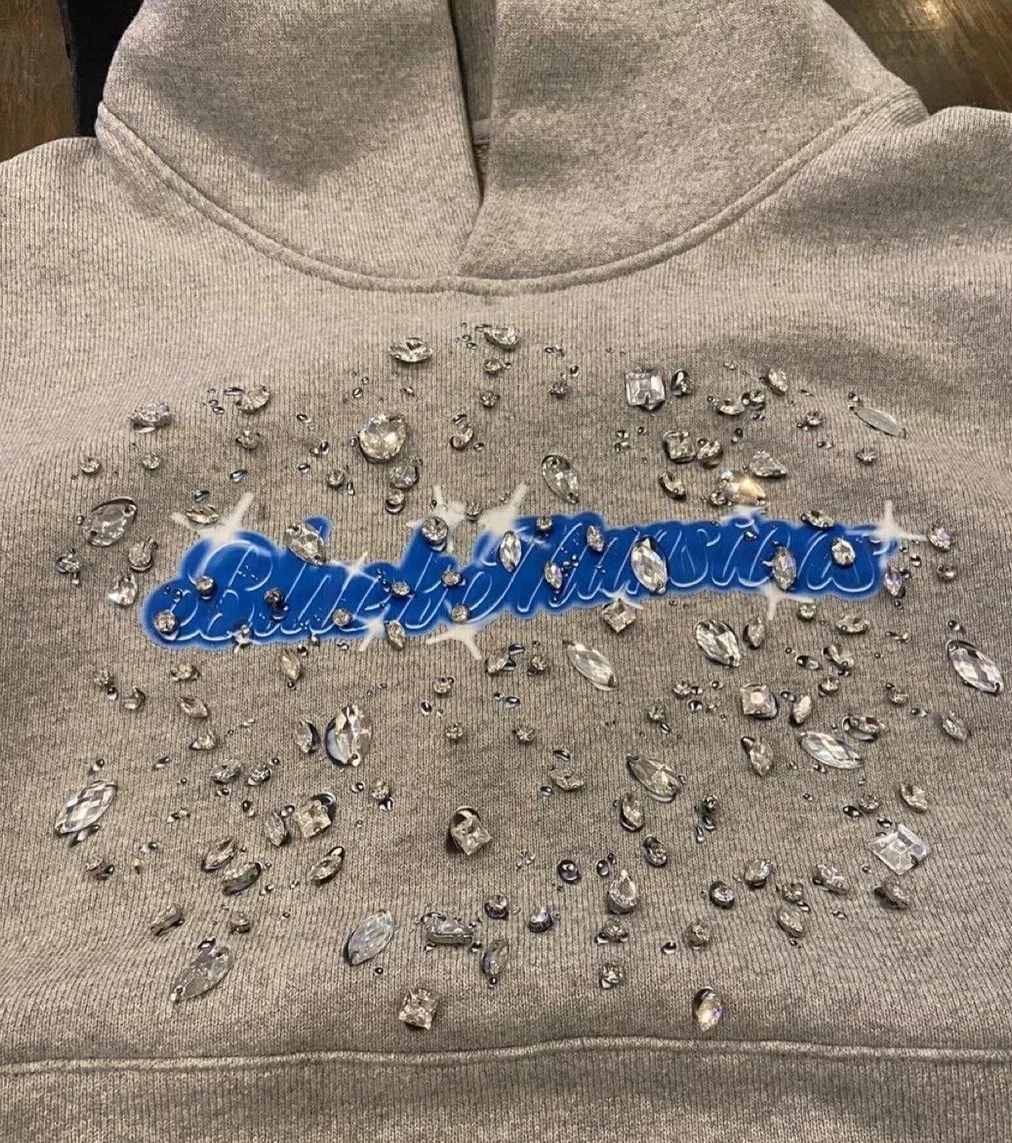
- Rhinestones, metal studs, patches, and hardware embellishments
Six-Stage Denim Quality Control
Every pair passes through our rigorous quality system covering raw denim inspection, in-line sewing checks, wash quality verification, measurement audits, final product inspection, and packaging review. Our Dongguan facility maintains strict standards across 100,000-plus units monthly production capacity.
- Raw material inspection for denim weight, stretch recovery, and colorfastness
- In-line production checks on stitching integrity, bartack strength, and seam quality
- Post-wash measurement verification and color consistency across batch runs
- Final inspection covering zippers, buttons, labeling, and packaging standards
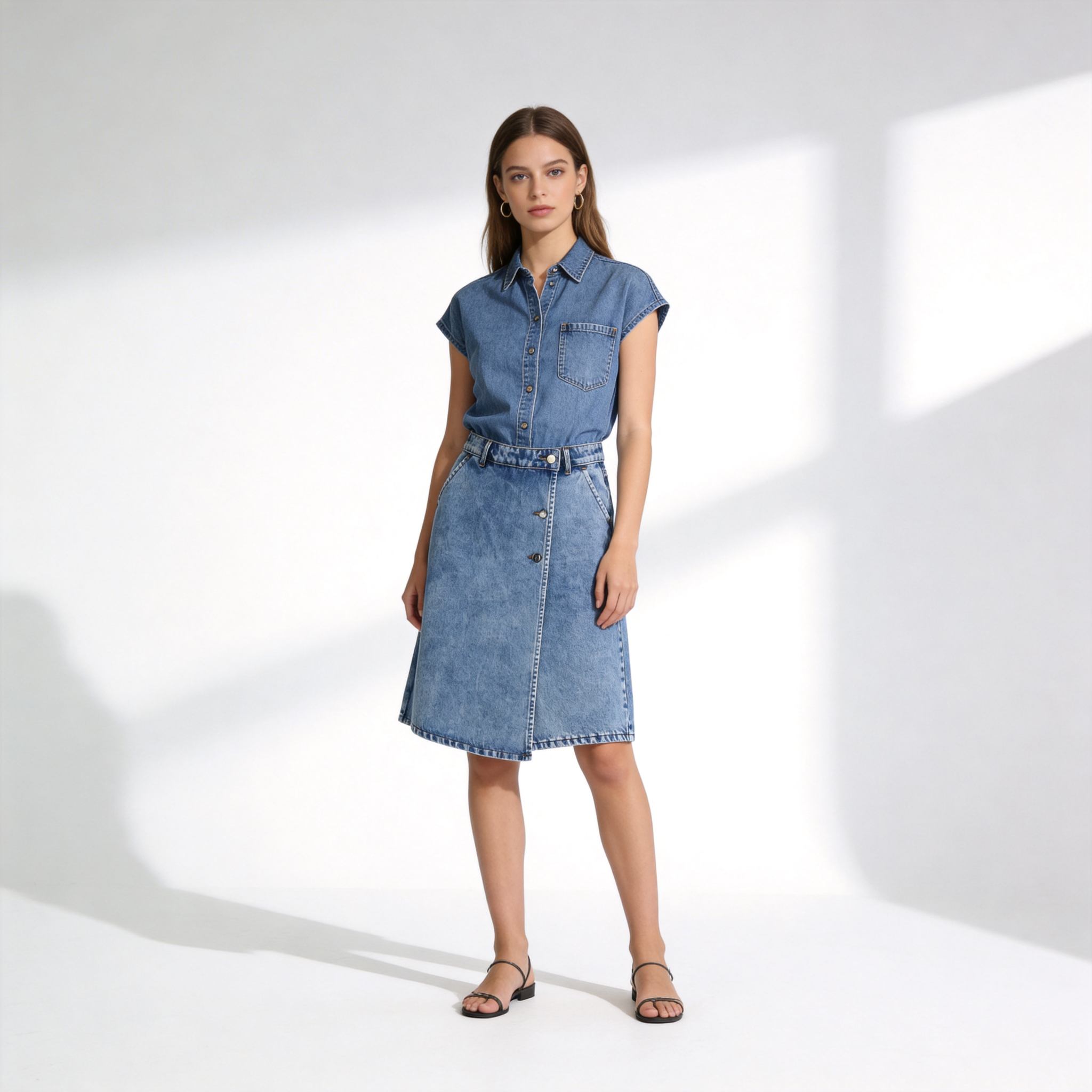
ZORWILD vs. Traditional Jeans Wholesalers
Why startup brands, influencers, and small retailers choose our direct factory model instead of traditional distributors and middlemen.
← 左右滑动查看 →
Our Production Process
Every order moves through six quality-controlled production phases in our Humen, Dongguan facility, ensuring consistent fit, premium wash effects, and on-time delivery for brands worldwide.
Fabric Sourcing & Inspection
We source premium denim from trusted suppliers and inspect every roll for weight consistency, stretch recovery, color accuracy, and defects before cutting begins.
Pattern Cutting & Sewing
Precision pattern cutting ensures zero waste and accurate sizing. Skilled sewers assemble jeans with reinforced stitching, contrast thread, and functional pocket systems.
Wash & Finishing Application
Custom wash effects including vintage wash, acid wash, distressing, enzyme wash, and stone wash are applied to achieve your brand’s signature denim aesthetic.
Decoration & Embellishments
Embroidery, screen printing, rhinestones, patches, laser engraving, and custom hardware are applied with precise placement and durability testing for wholesale jeans collections.
Quality Inspection & Ironing
Our six-stage quality control system checks measurements, stitching integrity, wash consistency, button strength, and zipper function before final ironing and folding.
Packing & Global Shipping
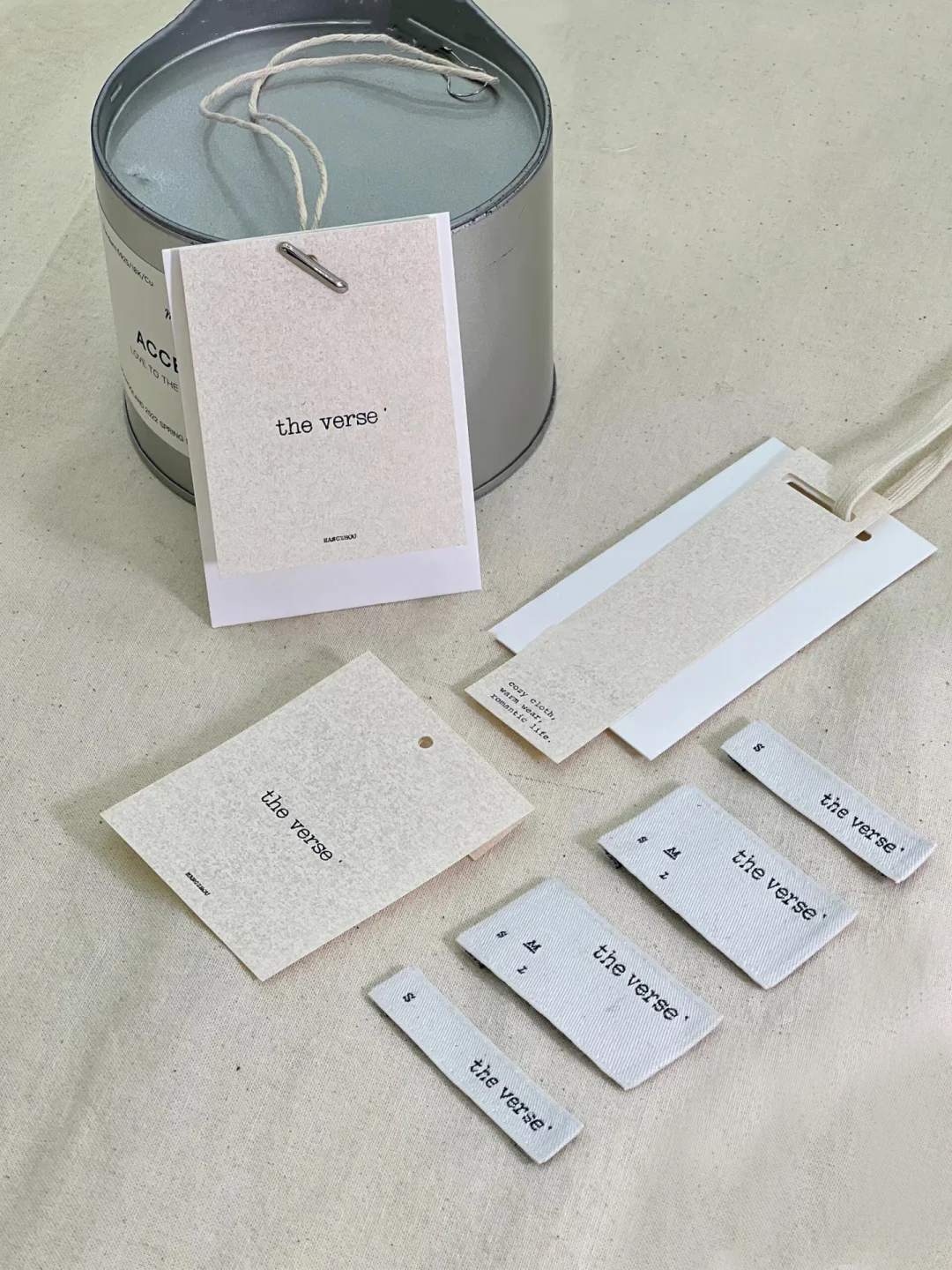
Finished jeans are packed with custom labels, hang tags, and branded polybags, then shipped via air or sea freight with full export documentation support.
How to Order from ZORWILD
Our streamlined ordering process makes it easy to launch your custom denim collection with confidence, from initial inquiry to final shipment.
Submit Your Design Requirements
Share your tech pack, reference images, or denim style ideas. Our team will review your wholesale jeans specifications and recommend fabrics, washes, and finishes.
Receive Quote and Sampling Timeline
Within 24-48 hours, you’ll receive a detailed quotation covering materials, decoration, production costs, MOQ options, and estimated sampling and bulk production timelines.
Approve Pre-Production Samples
We produce samples for fit, wash, and quality evaluation. You review measurements, denim weight, stitching, hardware, and finishing before approving bulk production.
Place Your Bulk Order
Confirm your wholesale jeans order quantity, sizes, colors, and delivery schedule. Production begins immediately after deposit payment and final sample sign-off.
Production and Quality Control
Your jeans move through our 6-stage quality control system covering fabric inspection, sewing, washing, finishing, measurement checks, and final packaging inspection.
Shipment and Delivery
We coordinate global logistics via air or sea freight with full export documentation and customs support, ensuring your wholesale jeans arrive on schedule.
Certifications & Quality Standards

Customer Success Stories — Wholesale Jeans Orders
ZORWILD helped us launch our first wholesale jeans collection with just 200 units. The vintage wash quality was outstanding and we sold out in 3 weeks. Now we’re scaling to 1,500 pieces per quarter.
We reduced our per-unit denim cost by 32% while improving quality. ZORWILD’s distressed wash techniques and custom embroidery gave our wholesale jeans line the premium edge we needed to compete with bigger brands.
Launched a 500-unit custom cargo jeans collection in just 6 weeks from first sample to delivery. The low MOQ let us test three colorways without huge inventory risk. Communication was flawless throughout production.
FAQ — Wholesale Jeans Sourcing
What is the minimum order quantity for wholesale jeans?
How long does it take to produce wholesale jeans orders?
Can I order samples before placing a bulk wholesale jeans order?
What customization options are available for wholesale jeans?
What payment terms do you offer for wholesale jeans orders?
Do you offer bulk pricing discounts on wholesale jeans?
What shipping options are available for wholesale jeans orders?
How do you protect my designs and intellectual property?
What quality control measures are in place for wholesale jeans production?
The Complete Buyer’s Guide to Wholesale Jeans for Your Brand
1. What Are Wholesale Jeans?
Wholesale jeans are denim garments purchased in bulk quantities—typically 50 to 500 pieces per order—at reduced per-unit pricing for resale or brand development. Manufacturers like ZORWILD set minimum order quantities (MOQ) starting at 50 pieces, enabling smaller brands and boutiques to access factory-direct pricing that can be 40–70% below retail. This pricing structure allows resellers to maintain healthy margins while staying competitive in crowded markets.
The wholesale model operates on two primary channels: stock-lot purchasing and custom manufacturing. Stock-lot buyers acquire pre-made inventory in standard sizes and washes, ideal for quick turnaround and minimal upfront investment. Custom manufacturing, by contrast, allows brands to specify fits, fabrics, washes, hardware, labels, and packaging, transforming wholesale jeans into private-label products that reflect unique brand identity.
Primary buyers of wholesale jeans include startup fashion brands testing product-market fit with limited capital, online stores and boutiques seeking exclusive styles without competing against mass retailers, influencers launching merch collections tied to social media campaigns, and promotional buyers sourcing branded apparel for corporate events or resale programs. Wholesalers and regional distributors also purchase in higher volumes—often 500 to 5,000 pieces—to supply smaller retail accounts.
Understanding whether your business needs ready-made stock or custom-developed wholesale jeans determines your supplier requirements, lead times, and total investment, shaping every downstream decision from fabric selection to final packaging.
2. The Evolution of Denim and Wholesale Jeans Manufacturing
In 1873, Levi Strauss and Jacob Davis patented copper-riveted denim work pants, creating the blueprint for modern jeans. For nearly a century, wholesale jeans manufacturing remained concentrated in the United States and Europe, with minimum order quantities often exceeding 5,000 pieces per style and limited customization options for smaller buyers.
The 1980s marked the designer denim boom, with brands like Calvin Klein and Guess transforming jeans from workwear into fashion statements. This era also triggered the first wave of offshore manufacturing, as brands sought lower labor costs and expanded production capacity in Asia, particularly in Hong Kong, Taiwan, and South Korea.
By the early 2000s, wholesale jeans manufacturing had shifted decisively to China, Bangladesh, Vietnam, and Pakistan, where integrated supply chains combined fabric mills, wash facilities, and finishing plants under one regional ecosystem. This consolidation enabled smaller MOQs, faster sampling, and expanded wash and distressing techniques—acid wash, enzyme wash, stone wash, and laser distressing became accessible to independent brands.
Today, manufacturers like ZORWILD offer wholesale jeans production starting at just 50 pieces per style, a dramatic reduction from the 1,000 to 3,000-piece minimums common in the 2010s. This democratization allows startup brands, influencers, and small wholesalers to launch custom denim collections with vintage washes, embroidery, distressed details, contrast stitching, and private labeling—capabilities once reserved for major fashion houses with six-figure order volumes.
3. Types of Wholesale Jeans: Styles and Fits
Wholesale jeans buyers must understand that style mix drives both sell-through velocity and inventory risk. ZORWILD manufactures eight core denim silhouettes, each serving distinct demographics and retail price tiers. Smart brands allocate 60–70% of their wholesale jeans order to proven core fits and reserve 30–40% for trend-responsive styles.
Skinny and Slim Fits
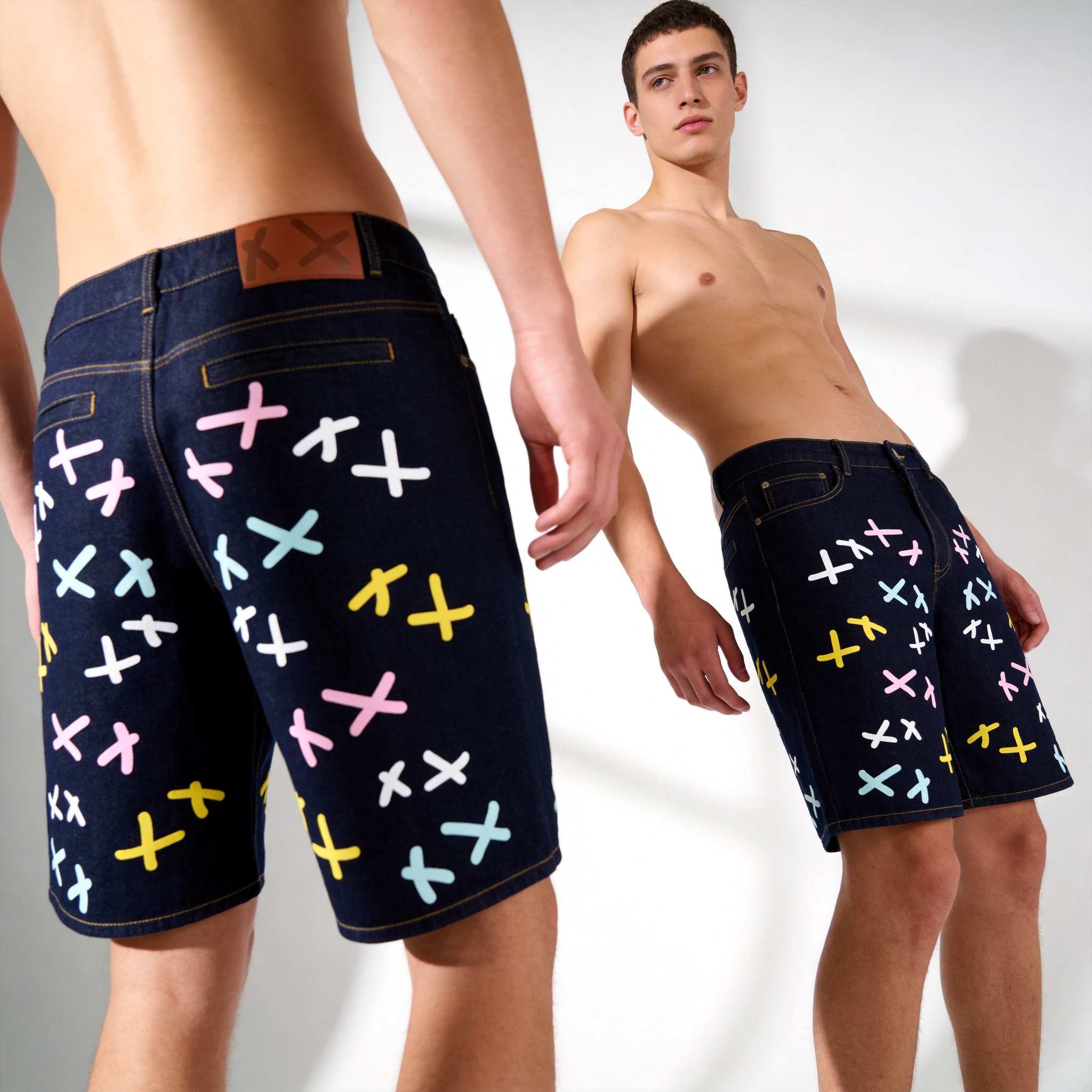
Skinny jeans feature a close-to-body fit from hip to ankle, typically using stretch denim blends (2–4% spandex). Slim fits offer a tapered leg with slightly more room through the thigh. Both styles dominated wholesale jeans orders from 2010–2020 but now represent 15–25% of typical order portfolios.
Target customers include younger demographics (ages 18–30), athleisure-focused brands, and European markets where fitted silhouettes remain popular. ZORWILD produces these styles with stretch denim weights from 9 oz to 12 oz for comfort and recovery.
Straight and Bootcut Styles
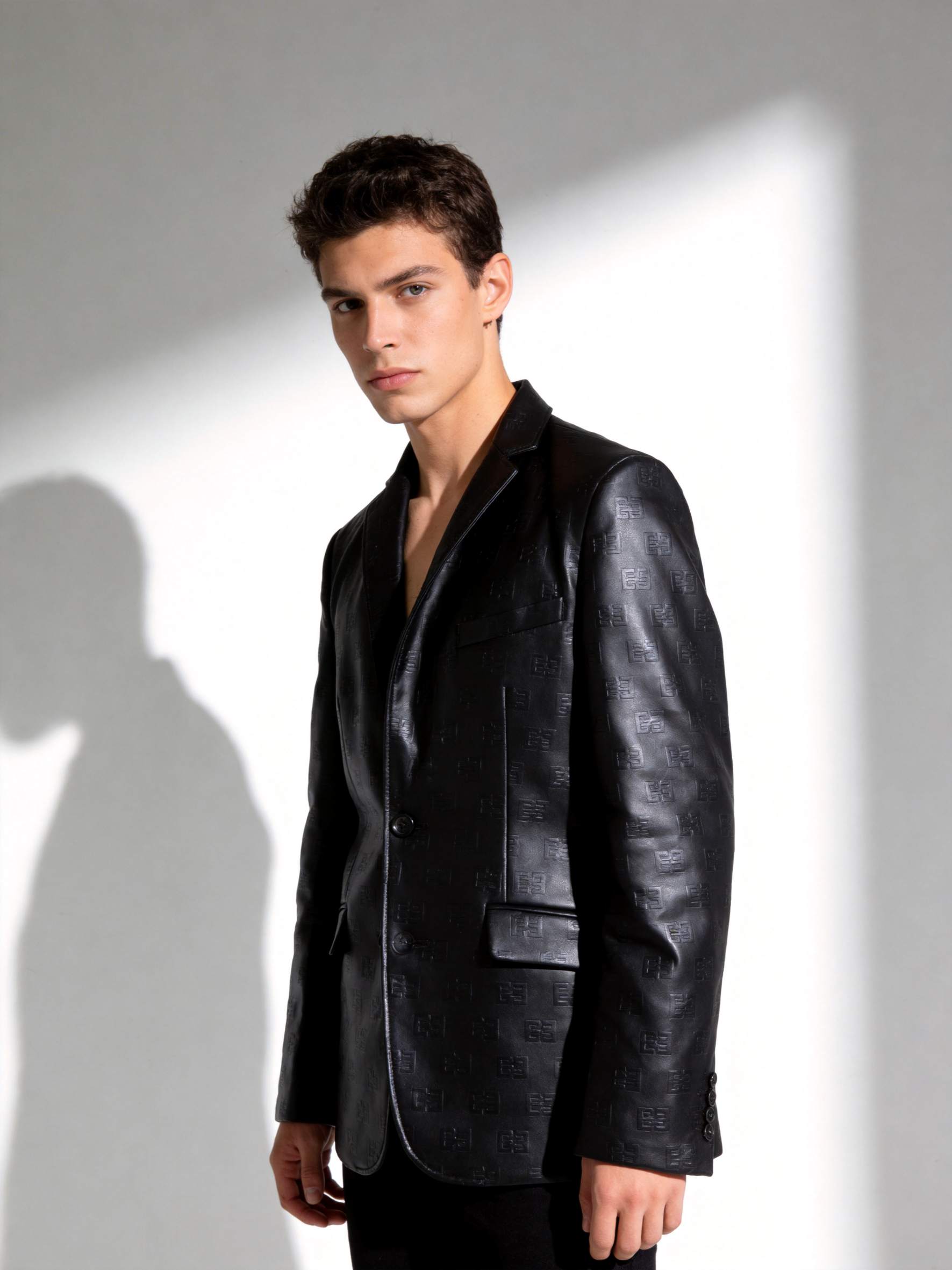
Straight-leg jeans maintain consistent width from knee to hem, offering a timeless silhouette that accounts for 25–35% of wholesale jeans volume across all brand tiers. Bootcut styles feature a subtle flare below the knee, popular in Western markets and workwear-inspired collections.
These fits appeal to customers aged 25–50 seeking versatile, flattering denim that pairs with any footwear. ZORWILD recommends straight fits as portfolio anchors due to low return rates and steady reorder patterns across seasons.
Wide-Leg, Flare, and Relaxed Silhouettes
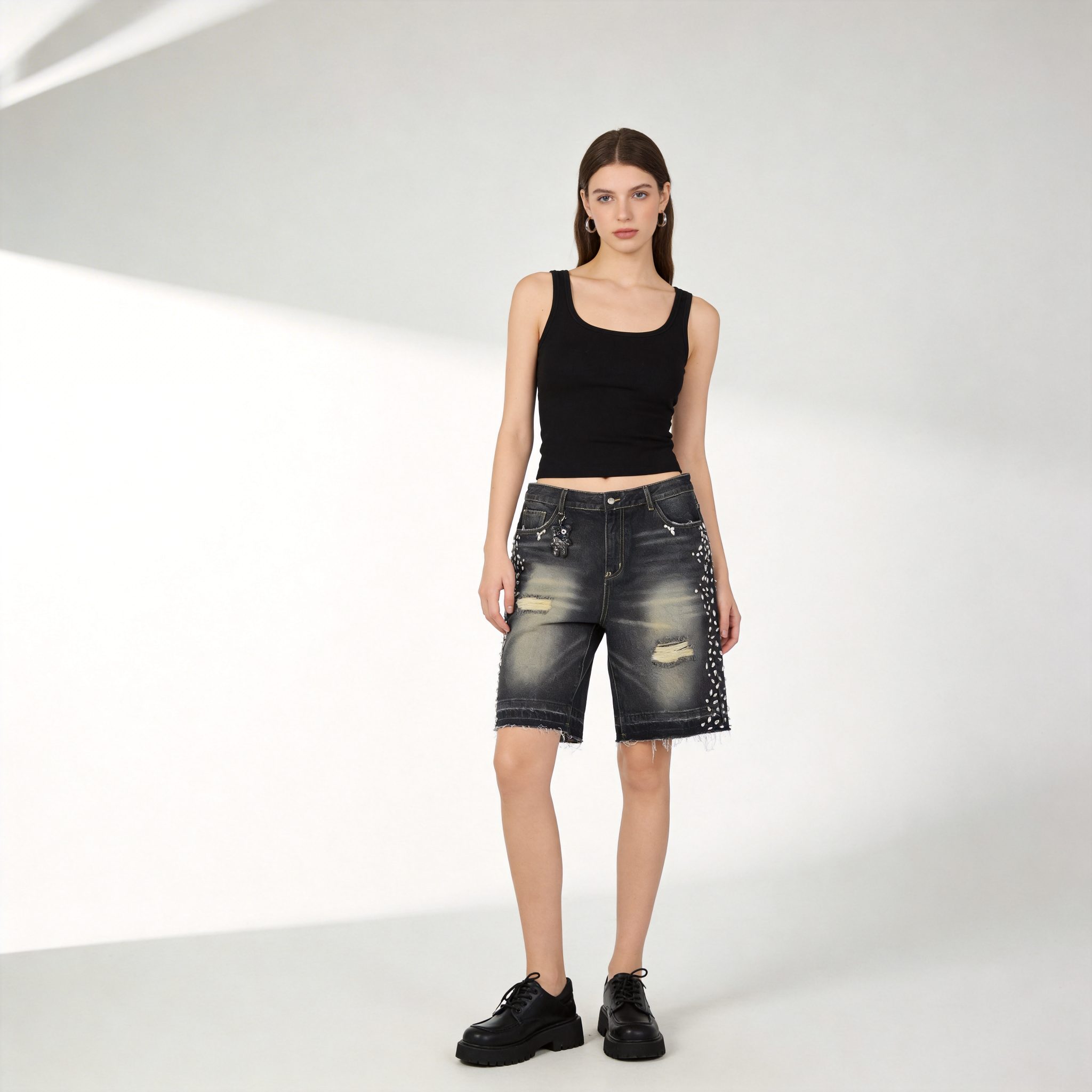
Wide-leg and flare jeans represent the fastest-growing wholesale jeans category since 2021, now comprising 20–30% of fashion-forward brand orders. These styles use heavier non-stretch denim (12–14 oz) for structure and drape.
Primary customers are Gen Z shoppers, vintage-inspired brands, and premium contemporary labels. Boyfriend and mom jean fits—relaxed through hip and thigh with tapered or straight legs—bridge classic and trend, making them ideal for brands testing wider silhouettes without abandoning core customers.
4. Denim Fabrics and Materials for Wholesale Jeans
Denim fabric choice directly determines comfort, durability, and wholesale jeans price points. ZORWILD sources stable denim materials from trusted Chinese suppliers, offering weight ranges from lightweight 8 oz to heavyweight 14+ oz construction. Understanding fabric composition helps brands align product performance with target market expectations.
| Fabric Type | GSM Weight Range | Stretch % | Typical Use Case | Relative Cost |
|---|---|---|---|---|
| 100% Cotton Denim | 10–14 oz | 0% | Vintage, heritage, rigid fits | Moderate |
| Cotton-Polyester Blend | 9–12 oz | 0–5% | Budget lines, workwear, high-volume | Low |
| Cotton-Spandex Stretch | 9–13 oz | 10–30% | Skinny, slim, athletic fits | Moderate-High |
| Organic Cotton Denim | 10–13 oz | 0–15% | Premium eco-conscious collections | High |
| Recycled Polyester Blend | 9–12 oz | 5–20% | Sustainable casual, activewear | Moderate-High |
| Tencel Denim | 8–11 oz | 10–25% | Luxury comfort, silky hand feel | High |
100% Cotton Denim: Classic Rigid Construction
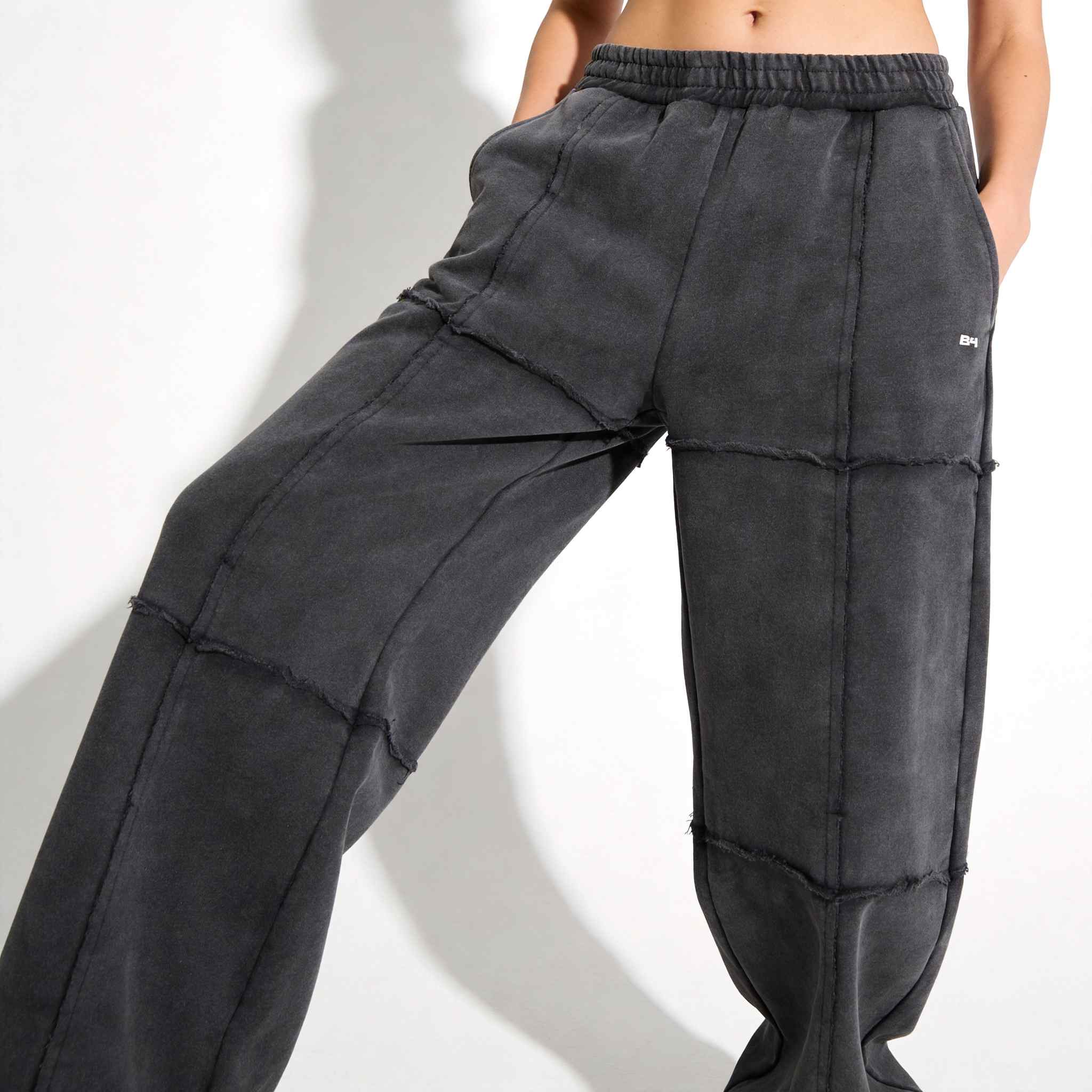
Pure cotton denim delivers breathable, rigid structure favored in vintage and heritage wholesale jeans styles. Most rigid denim ranges from 10 oz to 14 oz GSM weight with zero mechanical stretch, requiring break-in periods that create personalized fading patterns.
This fabric type offers superior breathability in warm climates and develops authentic vintage character through wear. Cost remains moderate, though heavier weights increase material expense and require reinforced stitching during manufacturing.
Cotton-Polyester Blends: Cost-Effective Performance
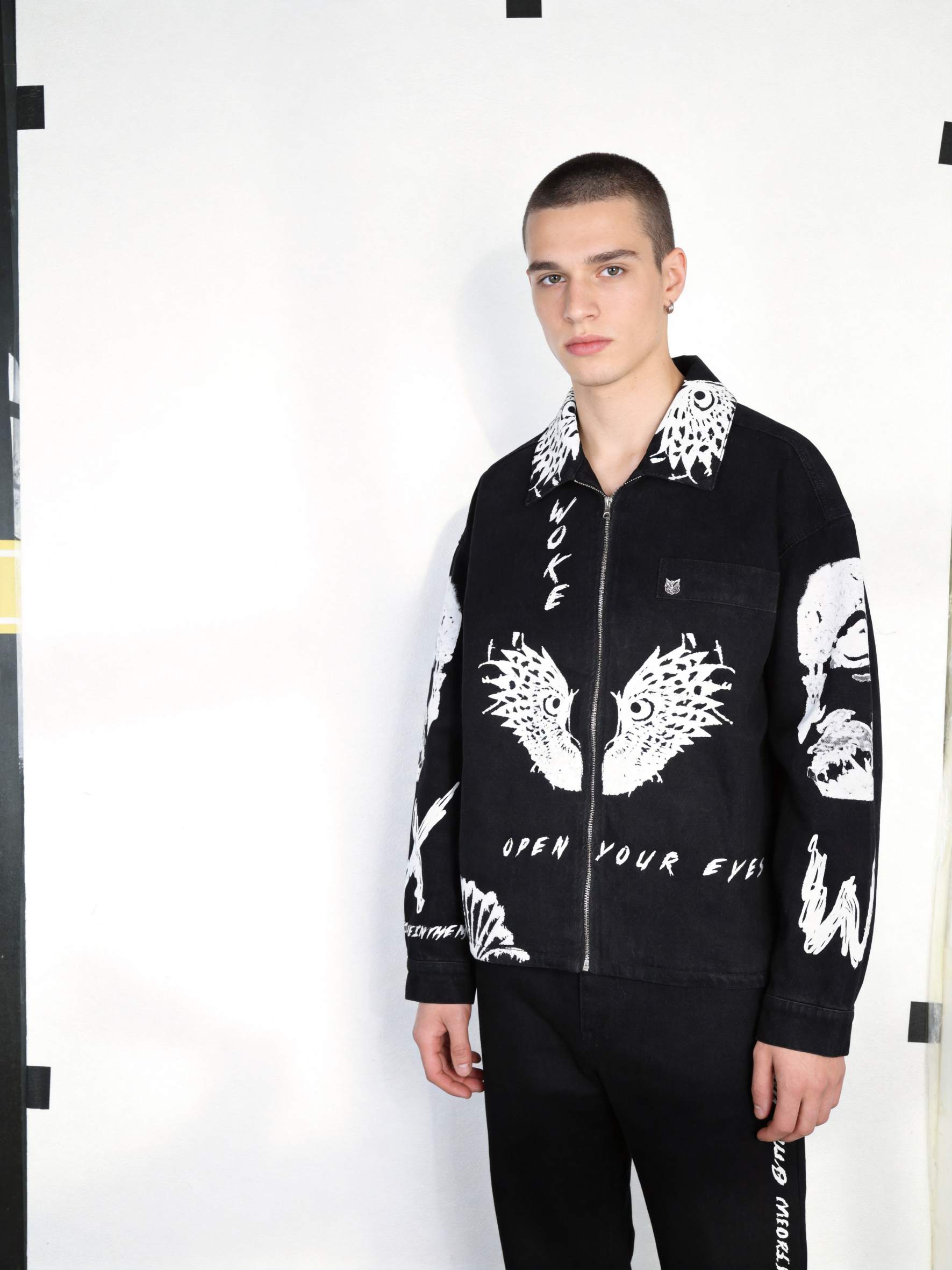
Blending 60–80% cotton with 20–40% polyester reduces fabric cost by 15–25% while adding wrinkle resistance and faster drying times. These blends typically weigh 9–12 oz with minimal stretch, making them ideal for budget wholesale jeans programs and workwear applications.
Polyester content improves color retention and reduces shrinkage, though breathability decreases slightly compared to pure cotton. This composition suits high-volume orders where price competitiveness outweighs premium hand feel.
Cotton-Spandex Stretch Denim: Comfort and Recovery
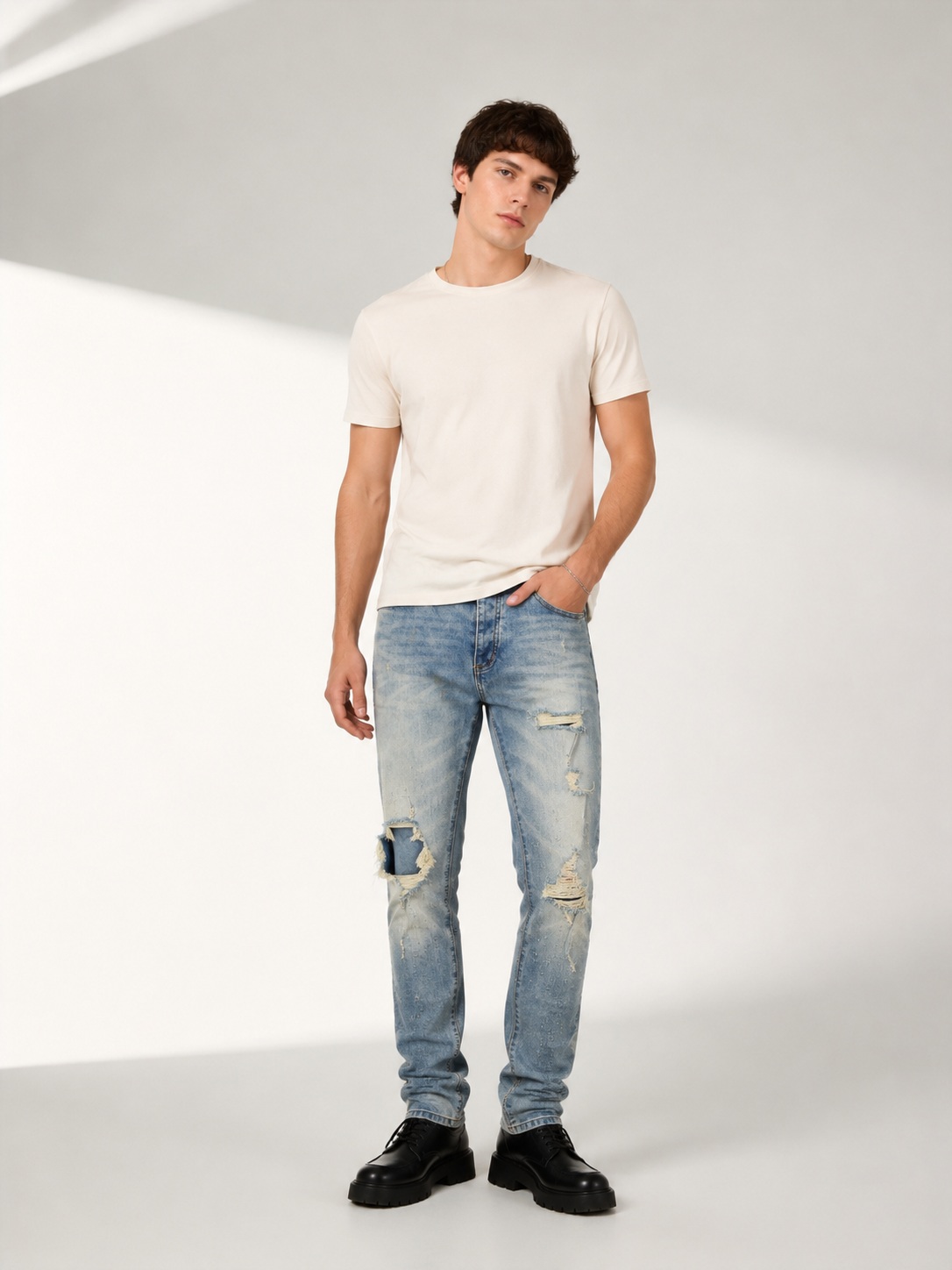
Adding 1–3% spandex (elastane) to cotton denim creates stretch fabrics with 10–30% mechanical stretch and excellent recovery properties. Stretch wholesale jeans dominate contemporary markets, offering all-day comfort in skinny, slim, and athletic fits.
ZORWILD manufactures stretch denim jeans in 9–13 oz weights, balancing flexibility with structure. Higher spandex percentages increase fabric cost by 10–20% but reduce return rates and improve customer satisfaction in fitted silhouettes.
Sustainable Denim Alternatives
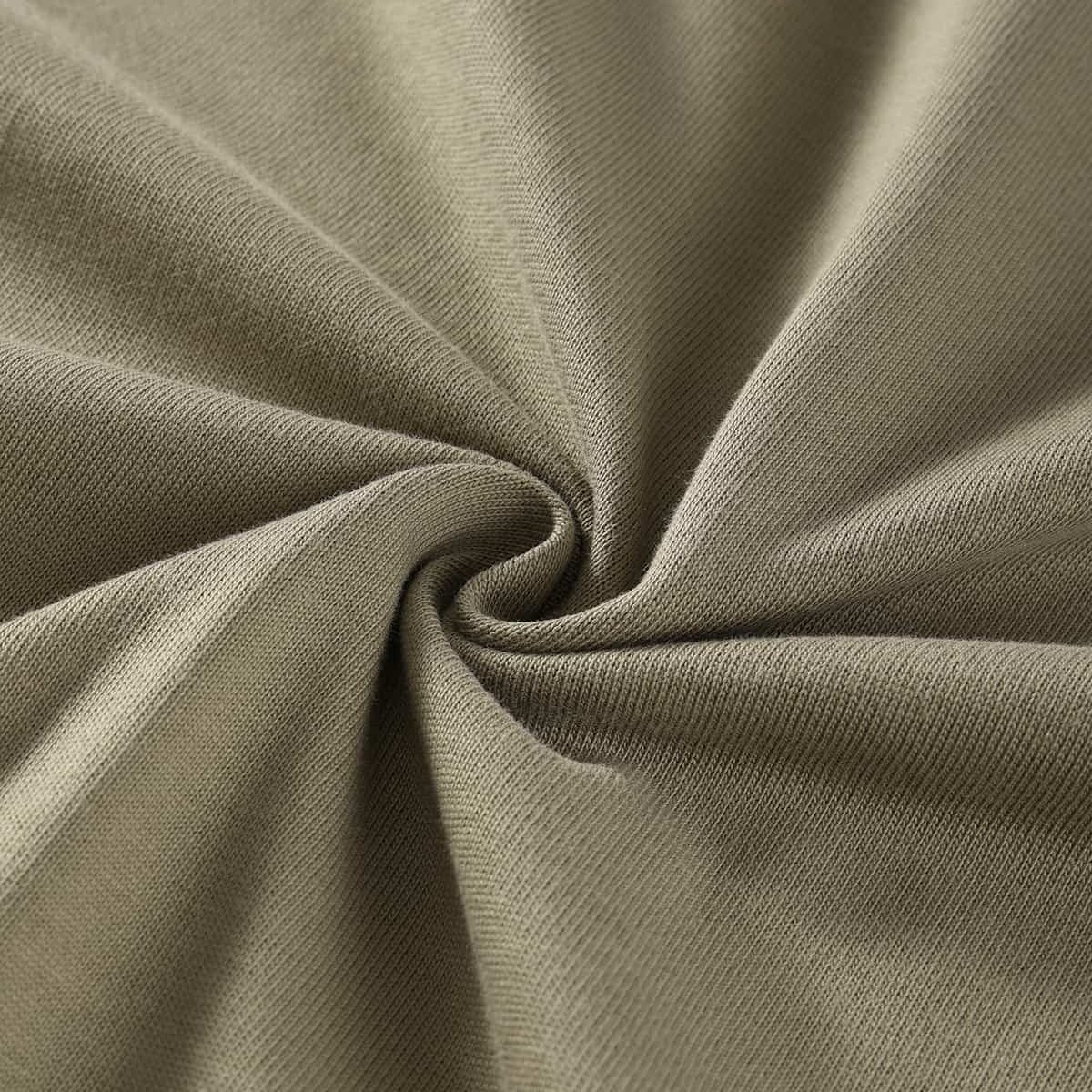
Organic cotton, recycled polyester, and Tencel (lyocell) denim appeal to eco-conscious brands and premium wholesale jeans markets. Organic cotton eliminates pesticide use; recycled polyester diverts plastic waste; Tencel offers silky hand feel with lower water consumption.
Sustainable fabrics typically add 20–40% to material costs but support brand storytelling and premium positioning. ZORWILD coordinates sustainable fabric sourcing based on certification requirements, order volume, and budget constraints for environmentally focused collections.
5. Customization and Branding Options for Wholesale Jeans
Wholesale jeans offer extensive branding opportunities beyond basic garment construction. Each customization technique carries distinct MOQ thresholds, cost structures, and visual impact that shape brand identity and retail positioning.
| Branding Technique | Typical MOQ | Setup Cost | Per-Unit Cost | Visual Impact |
|---|---|---|---|---|
| Woven labels (main/care) | 200–500 pcs | $80–$150 | $0.15–$0.40 | High permanence |
| Leather patches | 100–300 pcs | $120–$250 | $0.80–$2.50 | Premium tactile |
| Embroidered back pockets | 50–100 pcs | $60–$120 | $1.20–$3.00 | Bold signature |
| Screen-printed waistband | 100–200 pcs | $50–$100 | $0.30–$0.80 | Subtle interior |
| Engraved rivets/buttons | 500–1,000 pcs | $200–$400 | $0.10–$0.25 | Micro detail |
| Custom hangtags & packaging | 100–500 pcs | $40–$120 | $0.20–$1.00 | First impression |
6. Quality Checkpoints: Evaluating Wholesale Jeans Construction
Quality control separates wholesale jeans that survive 50 washes from returns after five. Professional buyers inspect construction details at sampling and pre-production to avoid costly failures at scale.
Critical Construction Standards
Stitch density should measure 12–14 stitches per inch (SPI) on main seams for durability under stress. Bar tacks at pocket corners, belt loops, and fly openings prevent tear-outs during wear. Double-needle felled seams on inseams and outseams deliver flat, strong joins that resist fraying.
YKK or equivalent zippers ensure smooth operation and long-term reliability. Pre-shrunk denim prevents fit changes after the first wash, maintaining size consistency. Proper grading across sizes means proportional adjustments in rise, leg opening, and waistband — not simple scaling.
Dye and Fabric Quality Verification
Colorfast dye rated AATCC grade 4 or higher prevents bleeding and fading that damages brand reputation. Request lab test reports for colorfastness, shrinkage, and tensile strength before bulk orders.
Pre-production samples reveal actual fabric hand feel, wash behavior, and color matching. Compare samples under natural light and after home washing to confirm performance claims.
Supplier Red Flags and Questions
Ask suppliers for stitch density specs, zipper brand, wash test results, and grading charts. Vague answers or refusal to provide samples signal weak quality systems. No sample policy or skipped pre-production steps indicate rushed processes that lead to defects at scale.
Verify thread type (core-spun polyester for strength), rivet material (brass or stainless), and whether patterns are digitized for consistency. Professional manufacturers document every spec and welcome detailed technical questions.
7. How to Choose the Right Wholesale Jeans Manufacturer
Selecting a qualified wholesale jeans manufacturer requires systematic evaluation across certifications, production capabilities, and operational transparency. ZORWILD’s 27 years of denim manufacturing experience and 50-piece MOQ policy illustrate the flexibility professional suppliers offer to brands at every stage.
Verify Factory Certifications and Compliance
Request current BSCI, WRAP, or Oeko-Tex Standard 100 certificates to confirm ethical labor practices and chemical safety standards. These third-party audits verify that dyeing, washing, and finishing processes meet international environmental and worker safety regulations.
Certified factories maintain documented quality systems, traceability protocols, and regular inspections, reducing compliance risk for brands entering regulated markets in North America and Europe.
Evaluate MOQ Flexibility and Production Scale
Confirm whether the manufacturer supports low MOQ production—ZORWILD’s 50-piece minimum allows startup brands to test styles and colorways without overcommitting inventory. Factories with flexible MOQ policies typically offer scalable production from initial capsules to 100,000+ unit monthly capacity.
Ask for clear MOQ breakdowns by style, wash type, and size run to understand how order structure affects unit pricing and lead times.
Assess Communication and Pre-Production Sampling
Test responsiveness and English proficiency during initial inquiries—professional manufacturers reply within 24 hours with detailed answers on fabric options, wash techniques, and customization limits. Request a pre-production sample approval process with 7–10 day sampling lead times to validate fit, wash quality, and construction before bulk production.
Clarify payment terms (typically 30–50% deposit, balance before shipment) and bulk production lead times of 25–35 days to align cash flow and launch schedules.
8. Common Mistakes When Ordering Wholesale Jeans
Many wholesale jeans orders fail not from poor manufacturing, but from preventable buyer errors during the planning and ordering process. Understanding these common mistakes and their mitigation strategies protects your investment and brand reputation.
Skipping Fit Samples and Ordering From Photos Only
Ordering wholesale jeans based solely on product photos or digital mockups without physical fit samples leads to sizing disasters and costly returns. Denim fit varies dramatically across manufacturers due to pattern grading, stretch recovery, and construction methods.
Mitigation: Always order pre-production samples in multiple sizes to verify measurements, leg opening, rise, and overall fit before committing to bulk production.
Ignoring Fabric GSM and Stretch Specifications
Many buyers focus only on wash color and style while neglecting critical fabric weight (GSM) and stretch percentage, resulting in garments that feel cheap or fit inconsistently. Standard denim ranges from 10 oz to 14 oz (340–475 GSM), and stretch content from 1% to 5% spandex dramatically affects comfort and recovery.
Mitigation: Specify exact fabric weight, fiber composition, and stretch percentage in your tech pack and request fabric swatches before production.
Underestimating Lead Time and Missing Launch Windows
Wholesale jeans production typically requires 25–45 days after sample approval, plus shipping time, yet many brands order too late for seasonal launches. Rush orders compromise quality and increase costs by 15–30%.
Mitigation: Plan production timelines backward from your launch date, adding buffer time for sampling revisions, production delays, and customs clearance.
Choosing the Cheapest Quote Without Quality Vetting
Selecting a manufacturer based solely on the lowest price often results in poor stitching, inconsistent washes, and high defect rates that damage brand credibility. Quality wholesale jeans manufacturing balances cost with construction standards, fabric sourcing, and reliable communication.
Mitigation: Request factory certifications, client references, and detailed quality control procedures before committing, and compare total cost including defect rates and potential returns.
9. Steps to Launch Your Wholesale Jeans Brand Successfully
Launching a wholesale jeans brand requires a structured, capital-efficient roadmap that minimizes inventory risk while validating market demand. ZORWILD’s 50-piece MOQ enables startups and influencers to test styles, gather real customer feedback, and iterate before scaling production.
Define Target Customer and Brand Positioning
Identify your core customer demographic by age, lifestyle, price sensitivity, and style preference before selecting denim products. A streetwear brand targeting Gen Z influencers will prioritize oversized fits, vintage washes, and distressed details, while a premium casual brand may focus on tailored fits, raw denim, and minimalist branding.
Clear positioning informs every downstream decision from fabric weight and wash technique to hardware finish and packaging aesthetics, ensuring brand consistency across all touchpoints.
Select Two to Three Core Styles and Fabrics
Start with a focused collection of two to three denim silhouettes such as slim fit, straight leg, and wide leg to reduce complexity and production cost. Pair each style with one primary fabric weight (10–14 oz denim) and one or two wash options like vintage blue or black rinse.
A narrow SKU range simplifies inventory management, accelerates sampling timelines, and allows you to allocate marketing budget toward fewer hero products that can generate stronger brand recognition.
Request Samples and Fit-Test on Real Bodies
Order pre-production samples in multiple sizes and conduct fit tests on real customers representing your target demographic. Evaluate waist comfort, rise height, thigh room, knee taper, leg opening, inseam length, and overall silhouette to ensure the pattern matches brand expectations.
Document fit feedback with photos and written notes, then request pattern adjustments before approving bulk production to avoid costly remakes or high return rates post-launch.
Finalize Branding: Labels, Hardware, Packaging
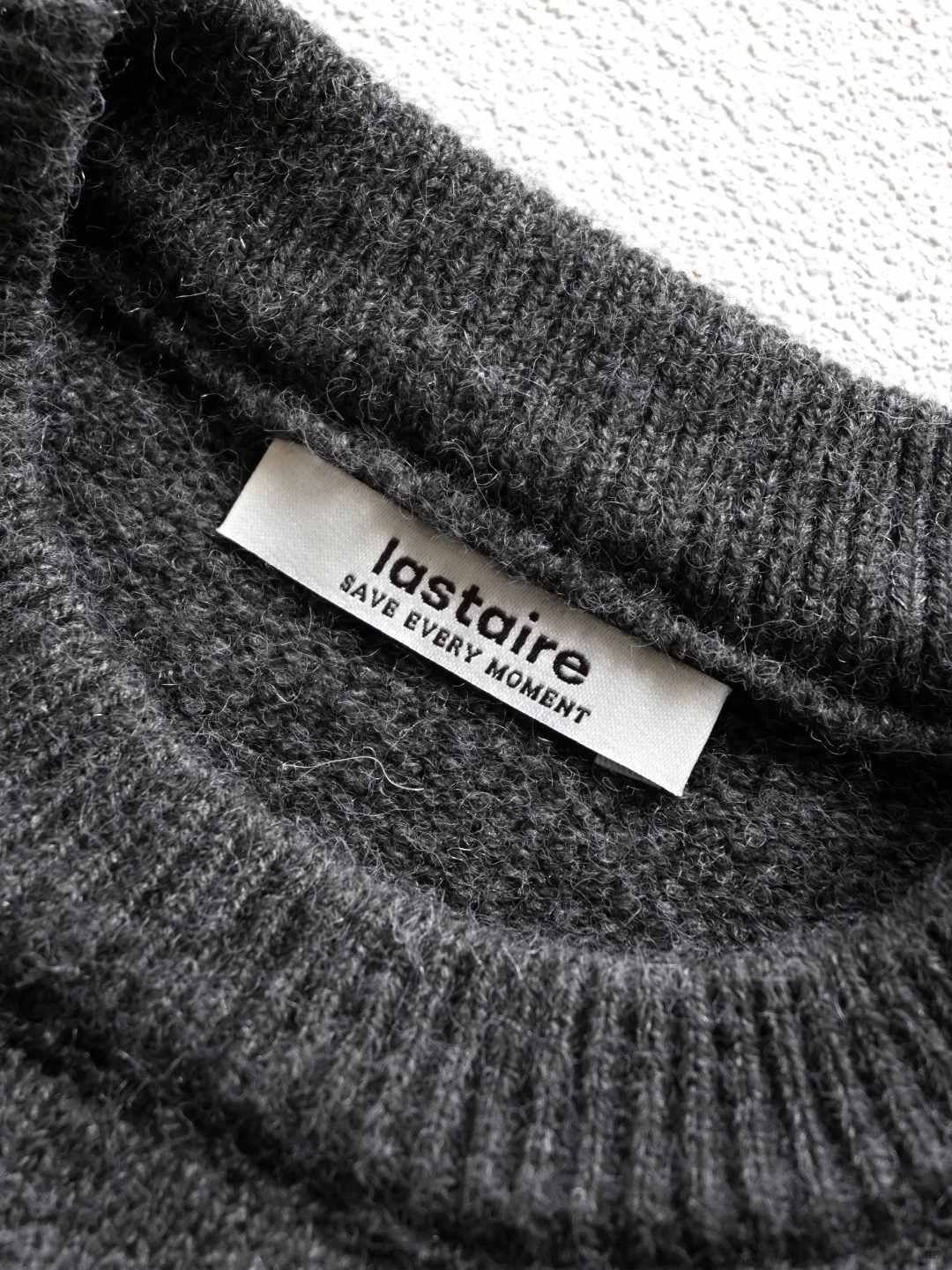
Design custom woven main labels, printed care labels, metal rivets, leather patches, branded buttons, and hang tags that reinforce brand identity. Coordinate label placement, thread color, and hardware finish with your manufacturer to ensure consistent application across all units.
Custom packaging including polybags, tissue paper, sticker seals, and branded boxes elevate unboxing experience and strengthen brand recall, especially for direct-to-consumer and influencer marketing channels.
Place Pilot Order at Minimum MOQ
Launch with a 50-piece pilot order split across your core styles and sizes to test production quality, lead times, and market response without overcommitting capital. This low-risk approach allows you to validate demand, refine messaging, and gather customer reviews before scaling to larger production runs.
ZORWILD’s 50-piece MOQ supports cash flow management for startups, enabling faster iteration cycles and reducing the risk of unsold inventory typical of traditional 500–1,000 piece minimums.
Plan Pre-Launch Marketing and Influencer Seeding
Seed sample units to micro-influencers, brand ambassadors, and early adopters 4–6 weeks before public launch to generate authentic content, testimonials, and social proof. Coordinate Instagram posts, TikTok videos, and unboxing content with branded hashtags and trackable links.
Pre-launch buzz builds anticipation, validates product-market fit, and creates a library of user-generated content that can be repurposed across paid ads, email campaigns, and website landing pages.
Collect Customer Feedback and Iterate
Gather structured feedback on fit, comfort, fabric hand feel, wash durability, and styling versatility through post-purchase surveys, social media comments, and direct customer interviews. Identify recurring themes such as waist tightness, inseam length requests, or color preferences to inform your next production cycle.
Continuous iteration based on real customer data allows you to refine sizing charts, adjust fabric blends, introduce new washes, and expand your collection strategically rather than guessing market demand.
10. Wholesale Jeans Pricing and Cost Breakdown
FOB unit costs for wholesale jeans depend on fabric weight, wash complexity, and hardware quality. Basic jeans in 10–12 oz denim with standard washes start at $8–12 per piece at 1,000-unit volumes, mid-tier stretch denim with distressing and embroidery runs $12–18, and premium selvedge or heavyweight jeans with multi-stage washes reach $18–30. ZORWILD’s 50-piece MOQ allows startups to test styles at slightly higher per-unit costs, typically 15–25% above 1,000-piece pricing, with lead times of 25–35 days for sampling and bulk production combined.
Customization adds incremental costs that buyers must factor into margin planning. Fabric upgrades to organic cotton, selvedge, or technical stretch add $1–3 per unit, custom woven labels and hang tags add $0.50–1, embroidery or chenille patches add $1–2 depending on stitch count, and branded packaging with polybags and tissue adds $0.30–0.80. Landed cost equals FOB price plus international shipping (typically $2–4 per unit by sea, $8–15 by air) plus import duties (average 16.5% for denim into the U.S., 12% into the EU).
Retail pricing strategy requires a 2.5–3× markup over landed cost to cover platform fees, marketing, returns, and profit. A $15 FOB jean with $3 shipping and $2.50 duty lands at $20.50; multiplying by 2.75 yields a $56 retail price. Buyers ordering 500+ pieces gain better per-unit economics and faster breakeven on custom tooling and sampling investments.
| Quantity Tier | Basic Jeans FOB | Mid-Tier FOB | Premium FOB | Lead Time |
|---|---|---|---|---|
| 50–99 pcs | $10–14 | $14–21 | $21–35 | 25–35 days |
| 100–499 pcs | $9–12 | $13–18 | $19–30 | 30–40 days |
| 500–999 pcs | $8.50–11 | $12–17 | $18–28 | 35–45 days |
| 1,000+ pcs | $8–10 | $12–16 | $18–26 | 40–50 days |
Start Your Wholesale Jeans Order Today
From 50-piece startup runs to 100,000+ monthly capacity. Get your custom denim quote in 24 hours with 27 years of manufacturing expertise.