
Custom Dress Manufacturing — 50-Piece MOQ, 27 Years of Experience
ZORWILD delivers scalable custom dress production for startup brands, influencers, and wholesalers with low minimums, premium craftsmanship, and 100,000+ monthly production capacity.
Custom Dress Styles & Collections
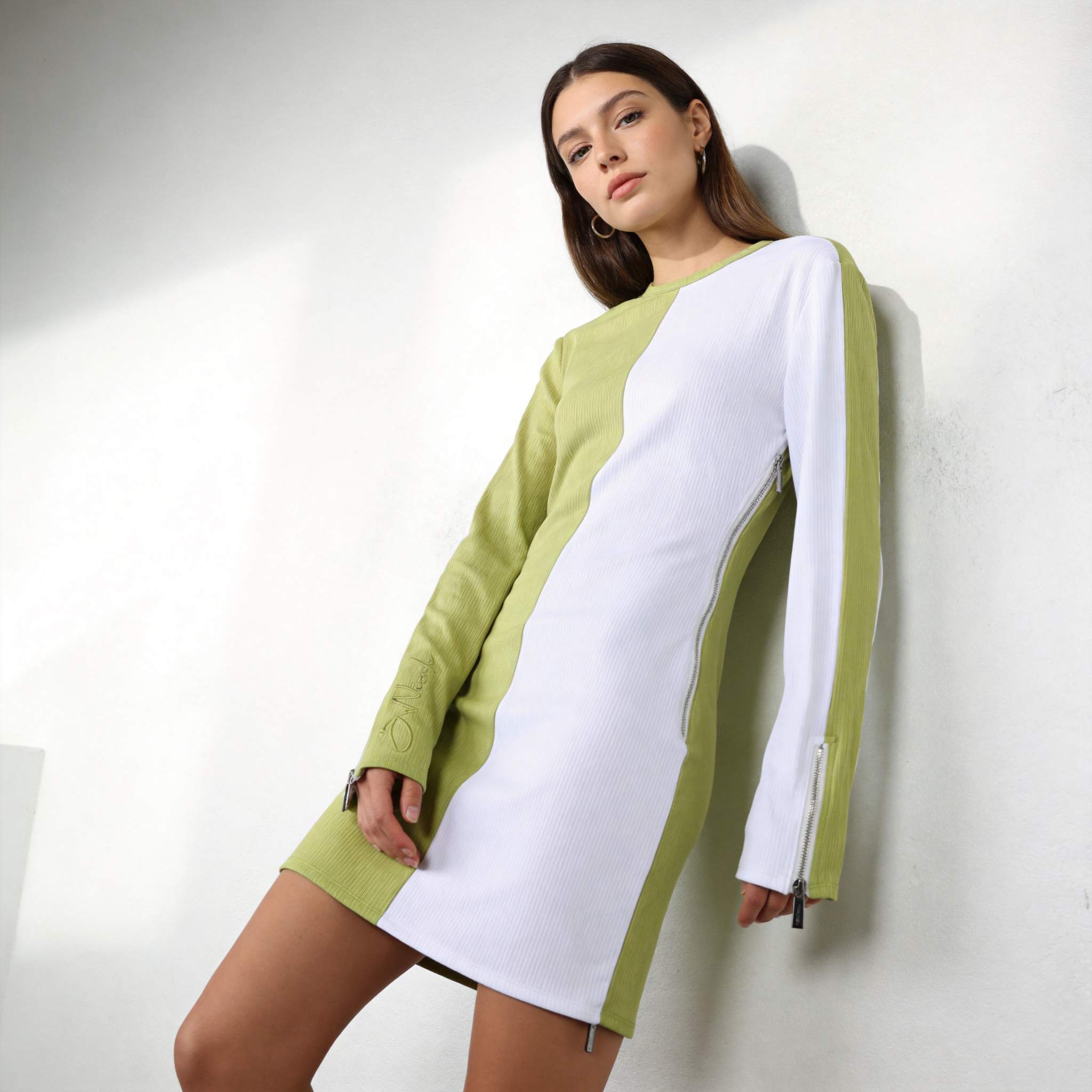
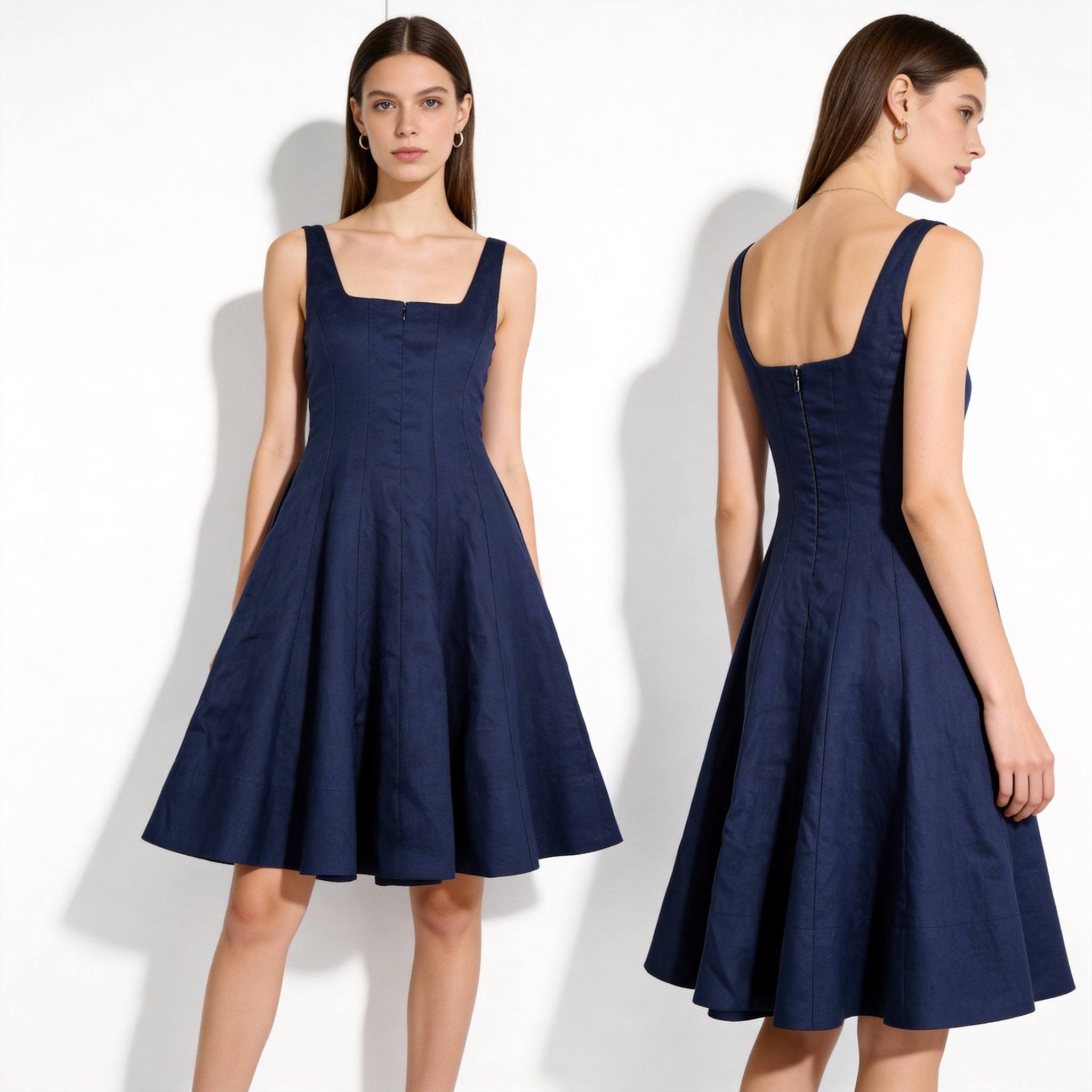
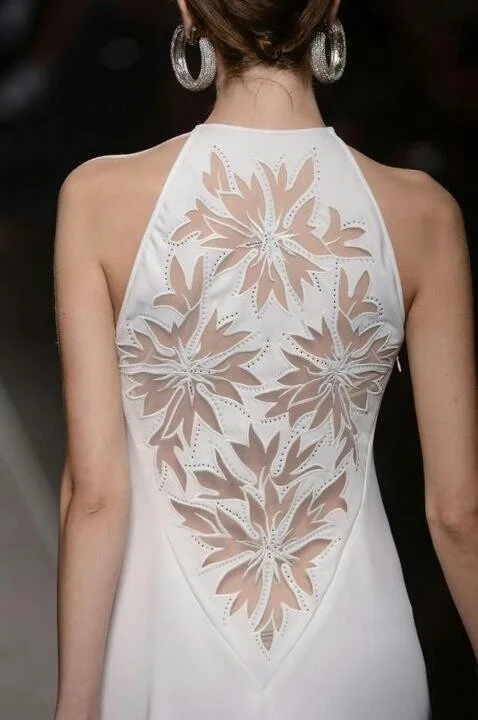
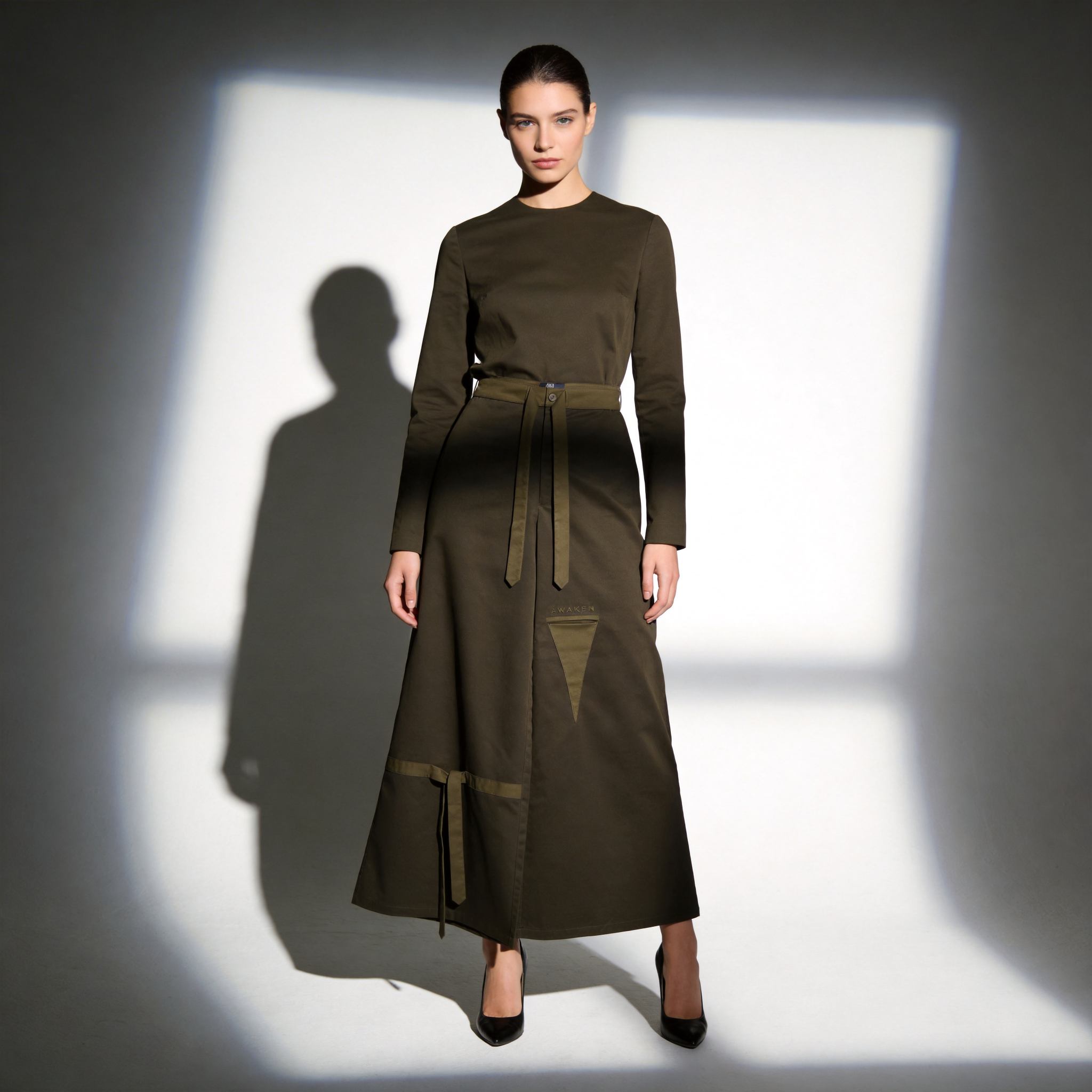
Why ZORWILD for Custom Dress Production
50-Piece Low MOQ
Start your custom dress collection with just 50 pieces per style, perfect for startups, influencers, and testing new designs.
7-Day Fast Sampling
Receive production-ready custom dress samples within 7-10 days to evaluate fit, fabric quality, and decoration before bulk orders.
95%+ Decoration In-House
Embroidery, beading, lace, sequins, printing, and garment finishing handled under one roof for consistent quality.
27 Years Manufacturing Experience
Since 1998, ZORWILD has mastered every aspect of custom dress production from casual to formalwear with proven expertise.
200+ Skilled Workers
Our experienced team in Humen, Dongguan handles complex construction, delicate fabrics, and intricate details with precision craftsmanship.
100,000+ Monthly Capacity
Scale confidently from 50-piece test runs to large production orders with our flexible, high-volume manufacturing infrastructure.
Dress Manufacturing by Silhouette & Occasion
Custom Maxi Dresses
Full-length dress production for resort wear, summer collections, and bohemian fashion lines. We handle flowing silhouettes, side slits, tiered construction, and lightweight fabrics including rayon, viscose, linen blends, and cotton voile. Ideal for brands targeting vacation wear, festival fashion, and casual luxury segments with MOQ from 50 pieces.
Request Quote
Custom Midi Dresses
Mid-length dress manufacturing for versatile day-to-evening collections. Our facility produces structured midi dresses with precise hem control, waist definition, and professional finishing. Suitable for workwear lines, contemporary fashion brands, and smart-casual collections using ponte knit, stretch cotton, satin blends, and technical fabrics with consistent fit across size runs.
Request Quote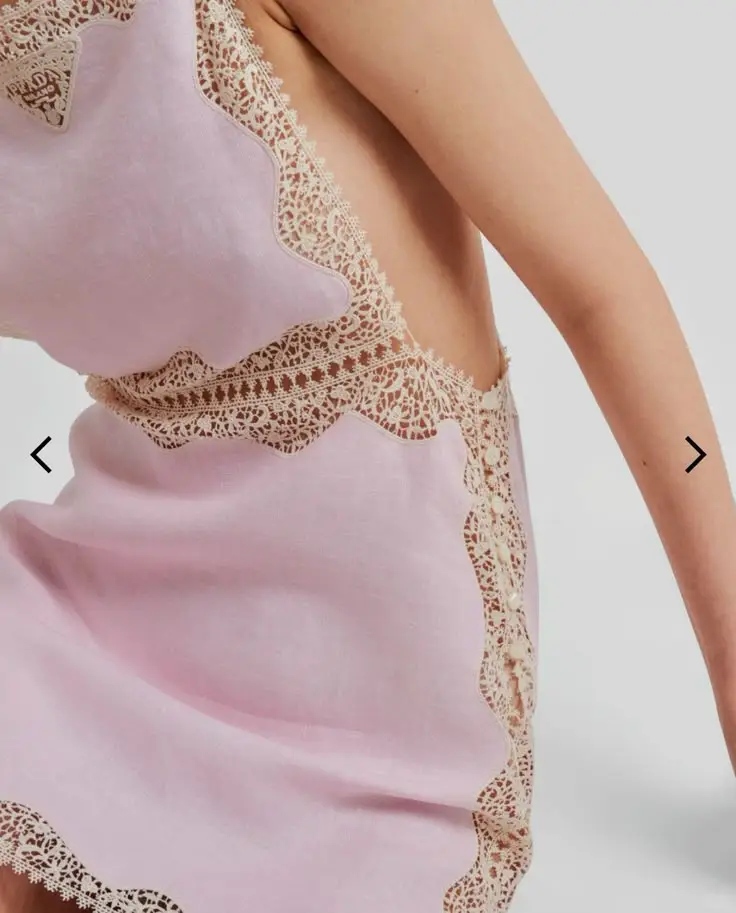
Custom Mini Dresses
Short-length dress production for streetwear, club fashion, and youth-oriented brands. We specialize in bodycon mini styles, oversized T-shirt dress silhouettes, and fashion-forward cuts with advanced decoration including screen printing, DTG graphics, embroidery, and garment wash effects. Fast turnaround for trend-driven collections and influencer capsule launches.
Request Quote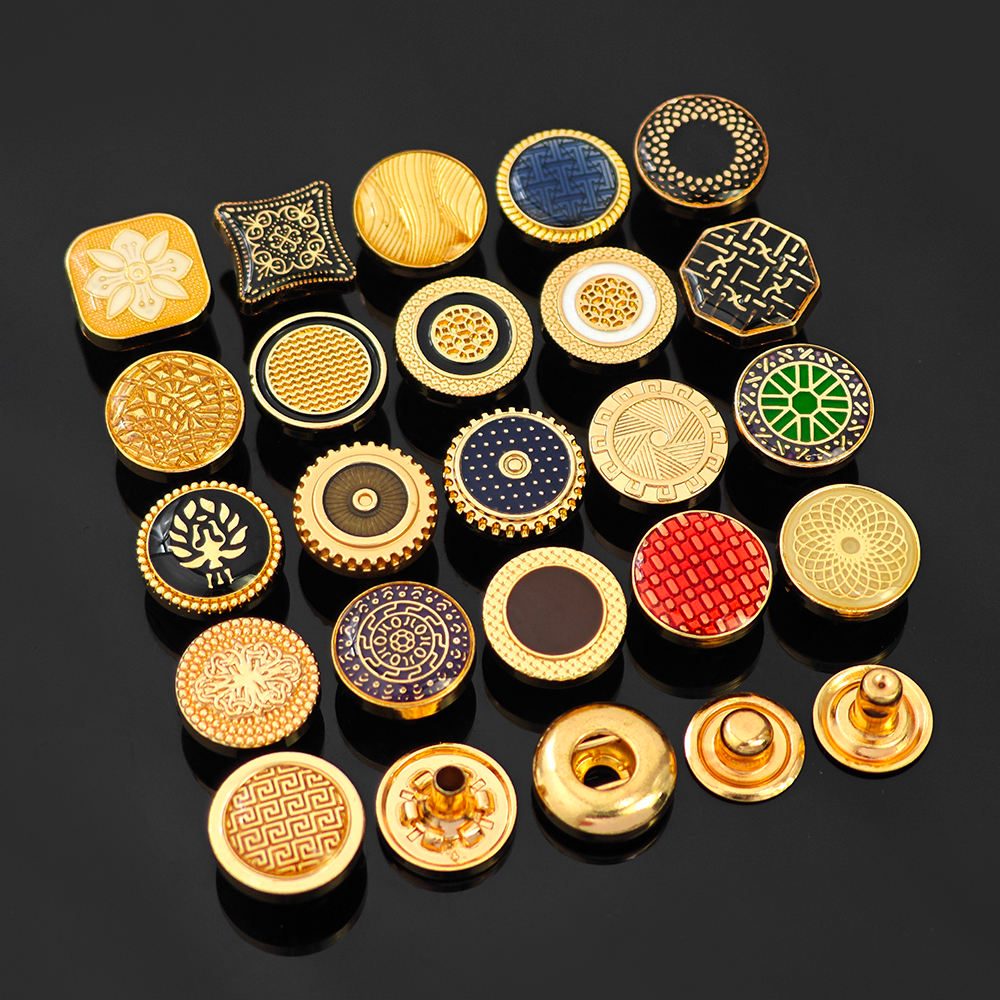
Custom Bodycon Dresses
Form-fitting dress manufacturing with precision stretch fabric handling and seamless construction techniques. Our team manages compression fabrics, four-way stretch materials, and body-hugging silhouettes requiring expert pattern grading and stitch control. Includes satin bodycon, ribbed knit styles, and contour dresses for contemporary fashion and evening wear brands.
Request Quote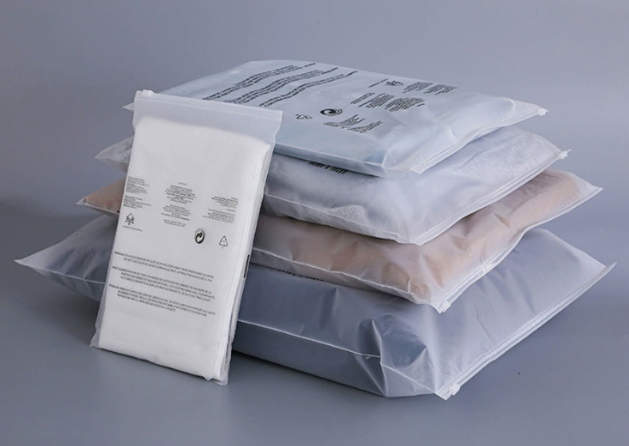
Custom A-Line Dresses
Classic A-line dress production for timeless collections, bridal lines, and formal occasion wear. We execute flared skirt construction, structured bodices, and princess seam detailing with lace application, embroidery, beading, and multi-layer assembly. Suitable for prom dress brands, bridesmaid collections, and elegant casualwear requiring volume production with consistent quality.
Request Quote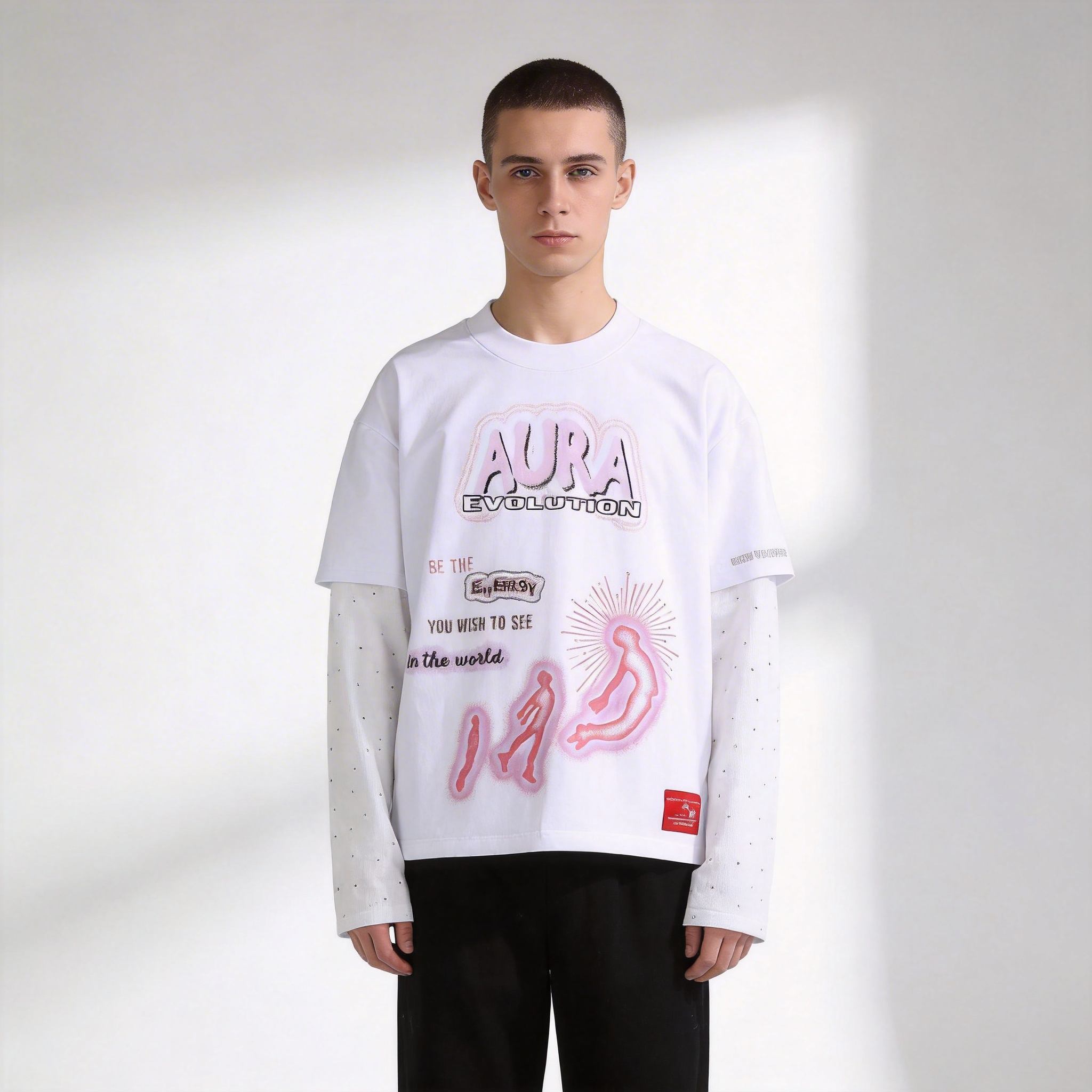
Custom Shirt Dresses
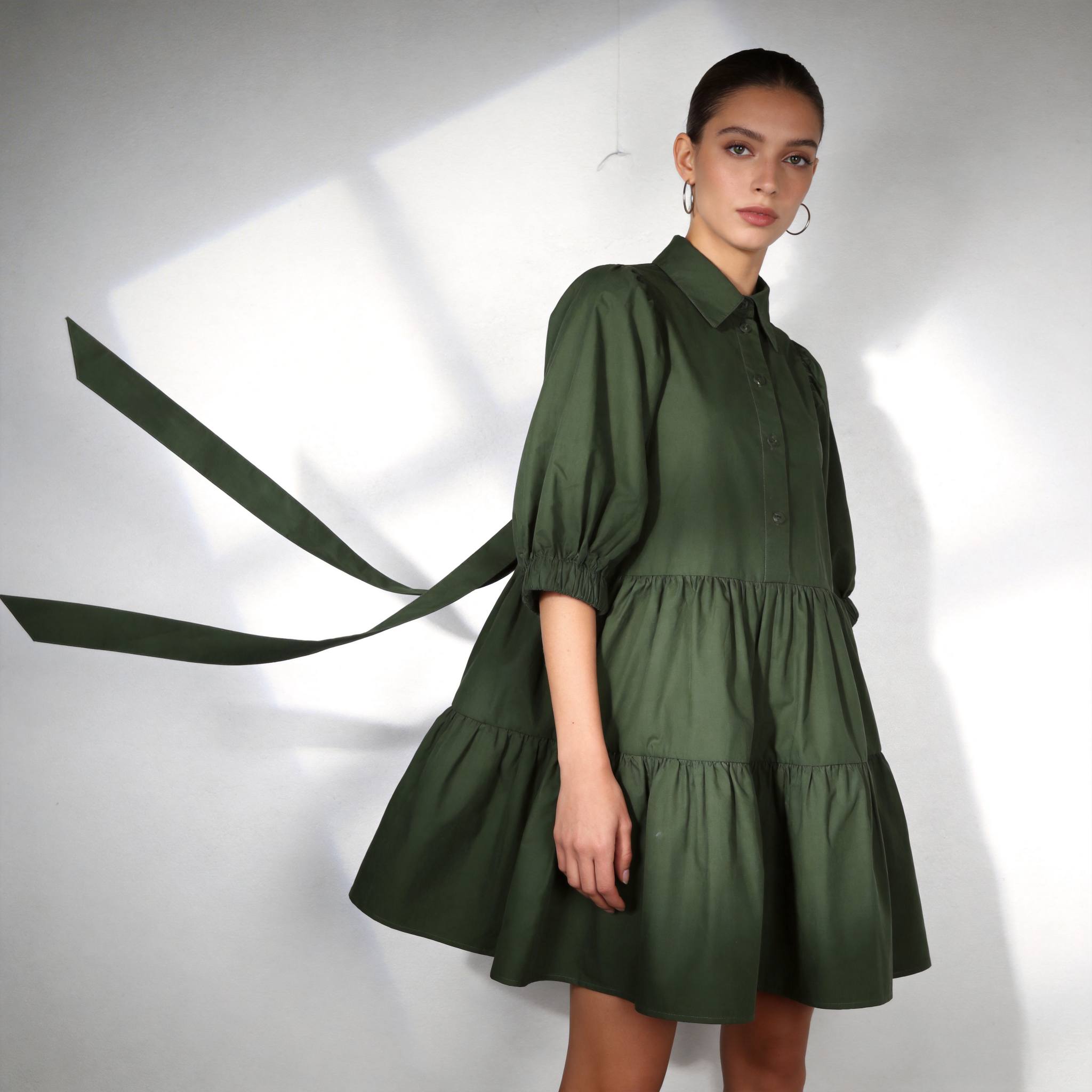
Shirt-style dress manufacturing combining tailored collar construction with relaxed silhouettes. Our capabilities include button placket assembly, chest pocket application, belt loops, and fabric versatility across cotton poplin, linen, chambray, and rayon. Ideal for resort brands, workwear-inspired collections, and casual fashion lines seeking versatile wardrobe staples.
Request Quote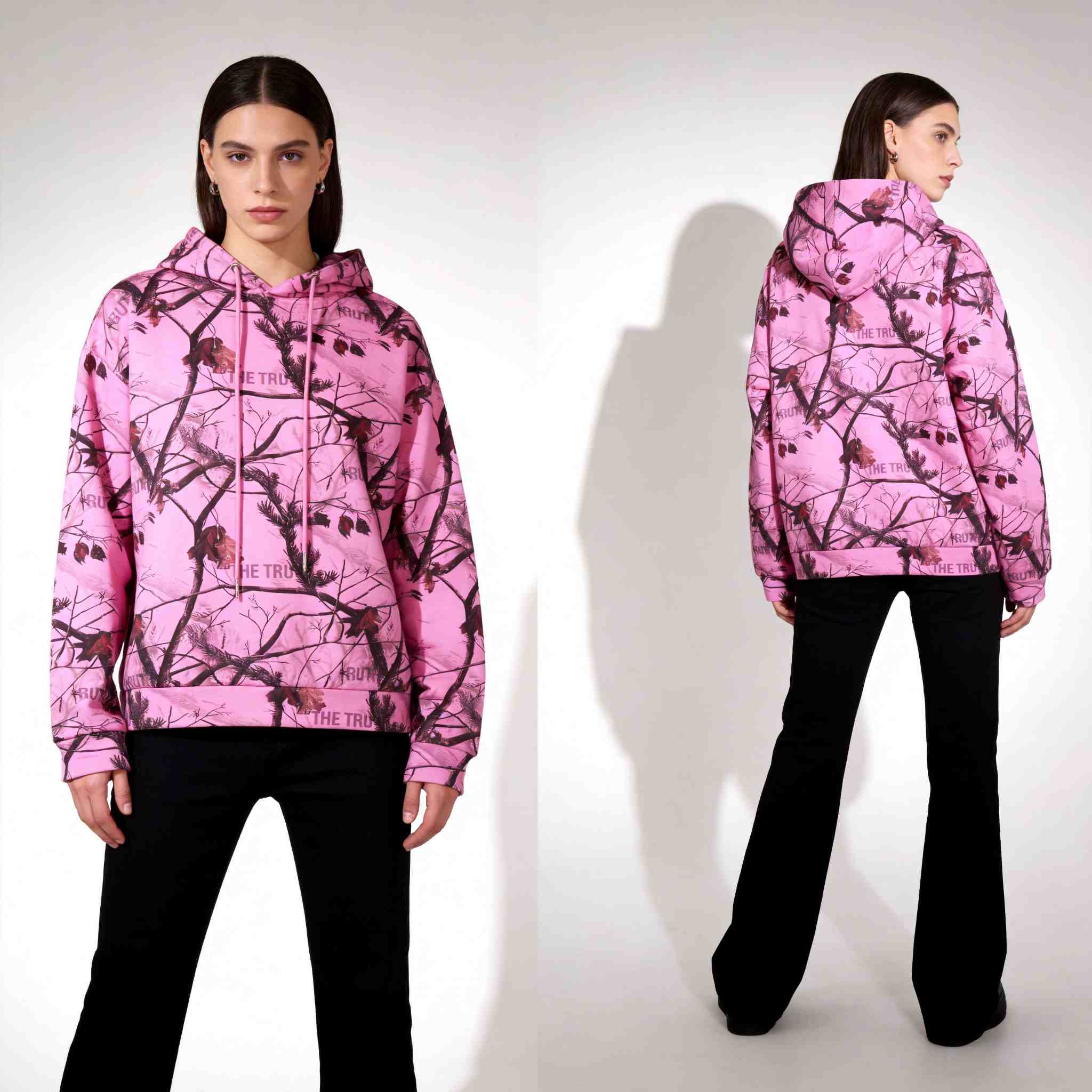
Custom Wrap Dresses
Wrap dress production featuring crossover bodice construction, tie closure systems, and flattering drape. We manage bias-cut fabrics, asymmetric hemlines, and wrap silhouettes in jersey, crepe, satin, and printed fabrics. Perfect for contemporary fashion brands and versatile collection builders requiring sizes that accommodate diverse body types with adjustable fit features.
Request Quote
Custom T-Shirt Dresses
Casual T-shirt dress manufacturing for streetwear, loungewear, and lifestyle brands. We produce oversized fits, boxy silhouettes, and relaxed styles using heavyweight jersey, French terry, organic cotton, and vintage wash fabrics. Includes graphic printing, embroidery, distressed details, and garment dye finishing for brands targeting comfort-focused and athleisure markets.
Request Quote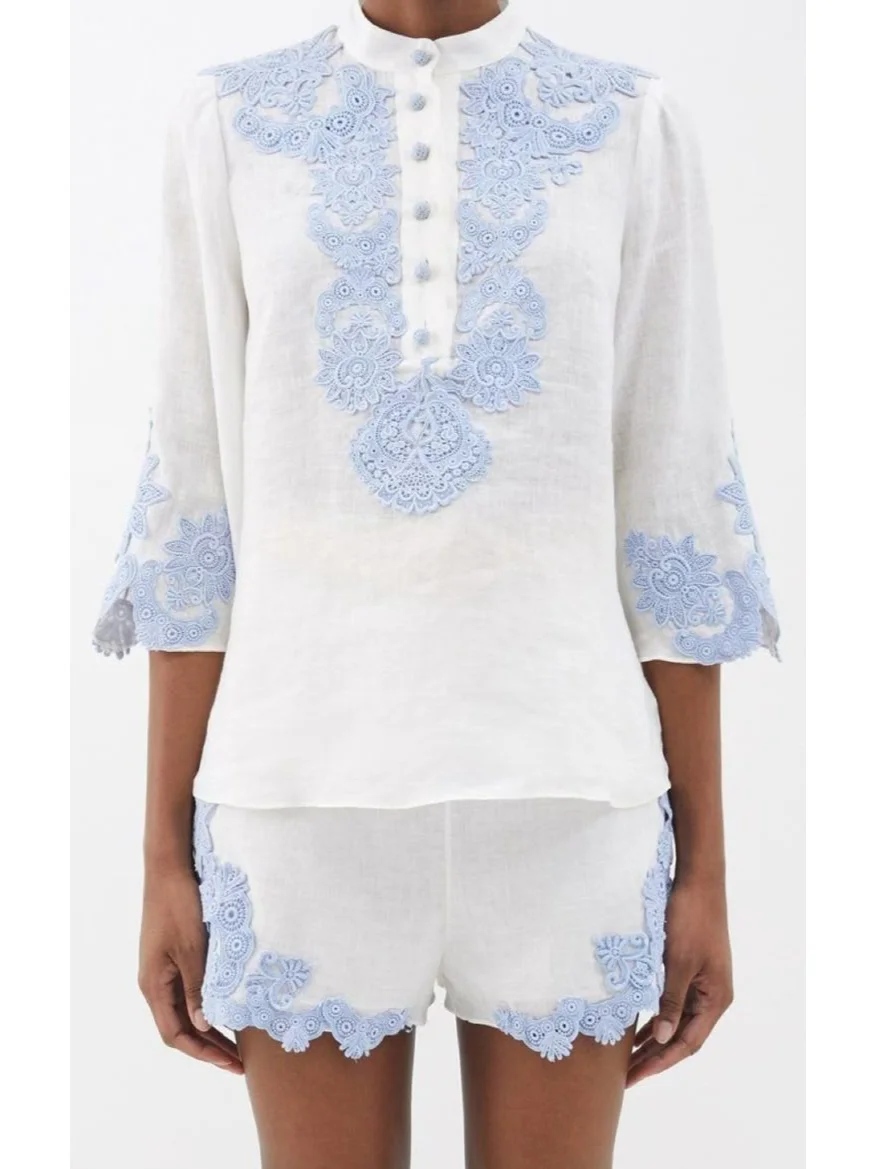
Custom Evening Dresses
Formal evening dress production for luxury occasions, prom collections, and special event wear. Our craftsmanship includes corset construction, boning insertion, sequin application, beading, lace overlay, chiffon draping, and satin finishing. We serve formalwear brands requiring intricate detailing, premium fabric handling, and white-glove quality control across wedding and gala dress categories.
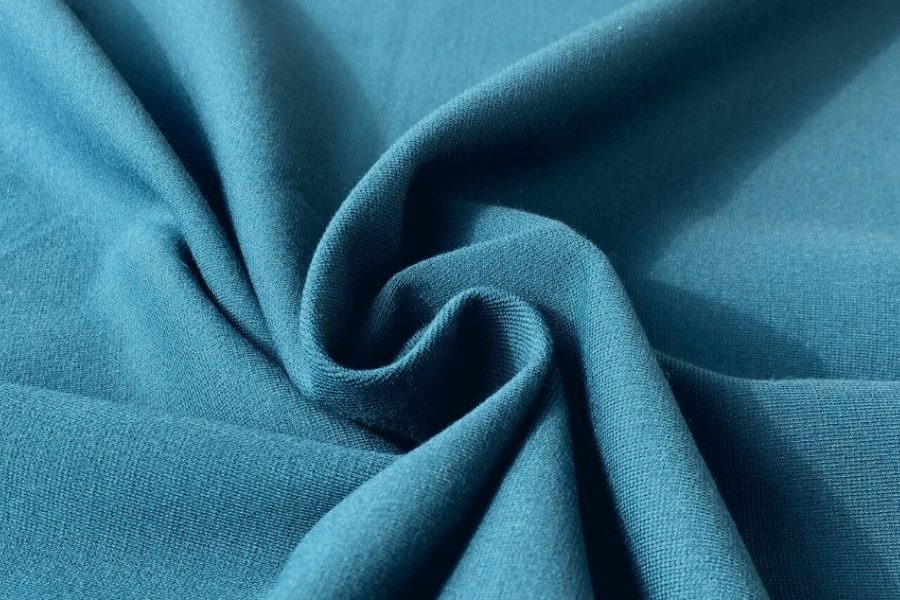
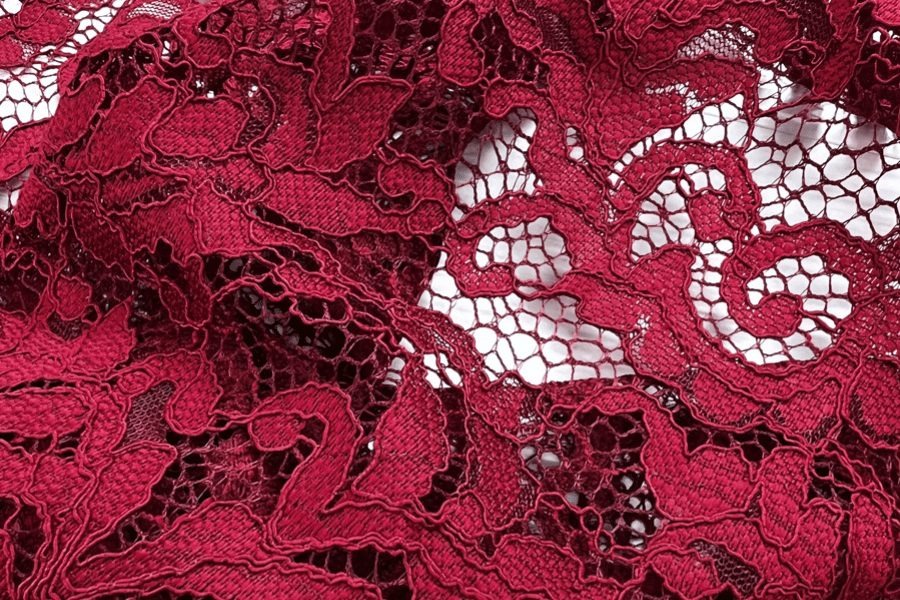
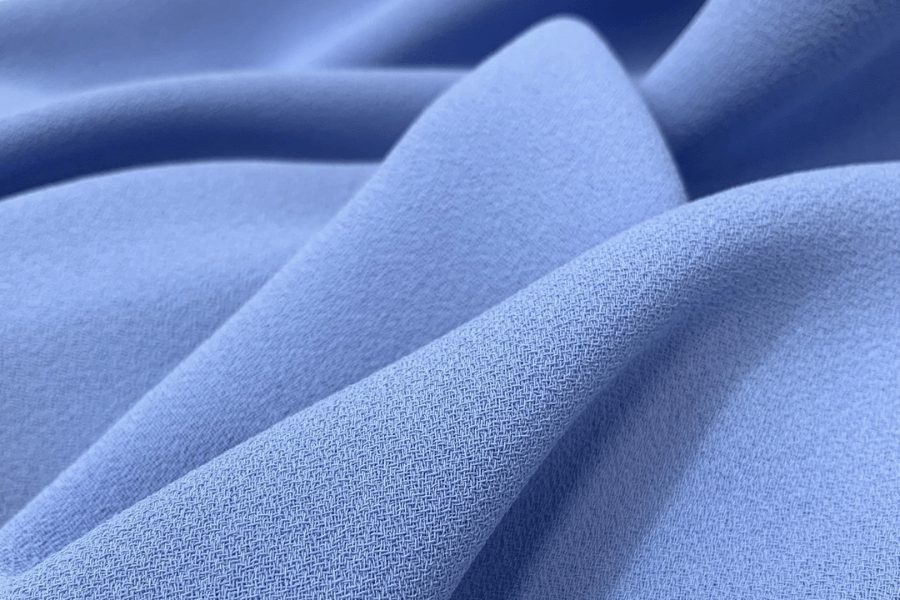
Request QuotePremium Fabrics for Custom Dress Manufacturing
Custom Dress Decoration & Printing Techniques
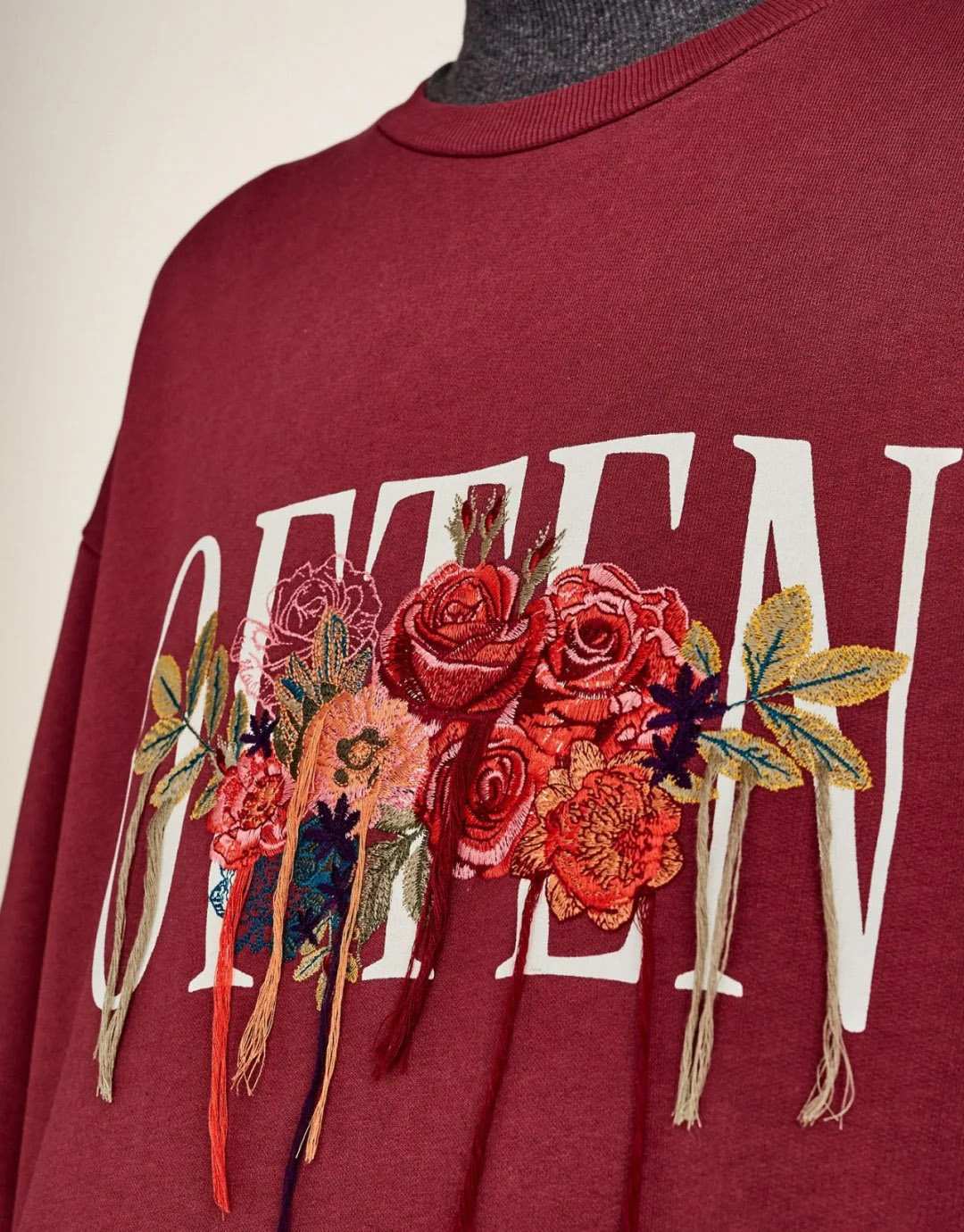
Beading & Sequins
Hand-applied and machine beading techniques create stunning visual effects for evening dresses, prom dresses, and formalwear. Rhinestones, sequins, and crystal embellishments deliver sophisticated elegance and sparkle.
Lace Application
Precision lace overlay, lace paneling, and lace trim application for romantic and sophisticated custom dress styles. We source premium lace materials and apply them with expert craftsmanship for flawless finishing.
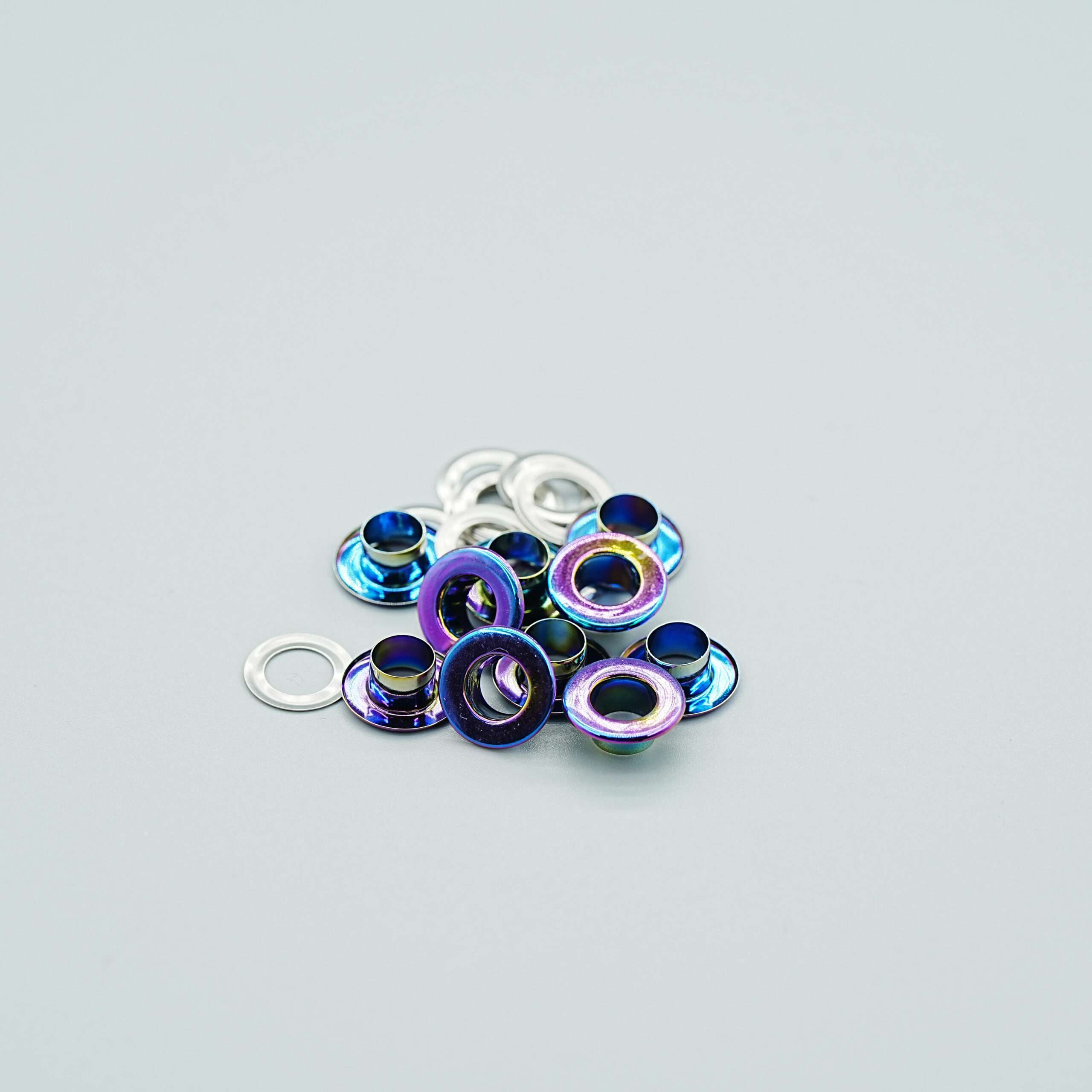
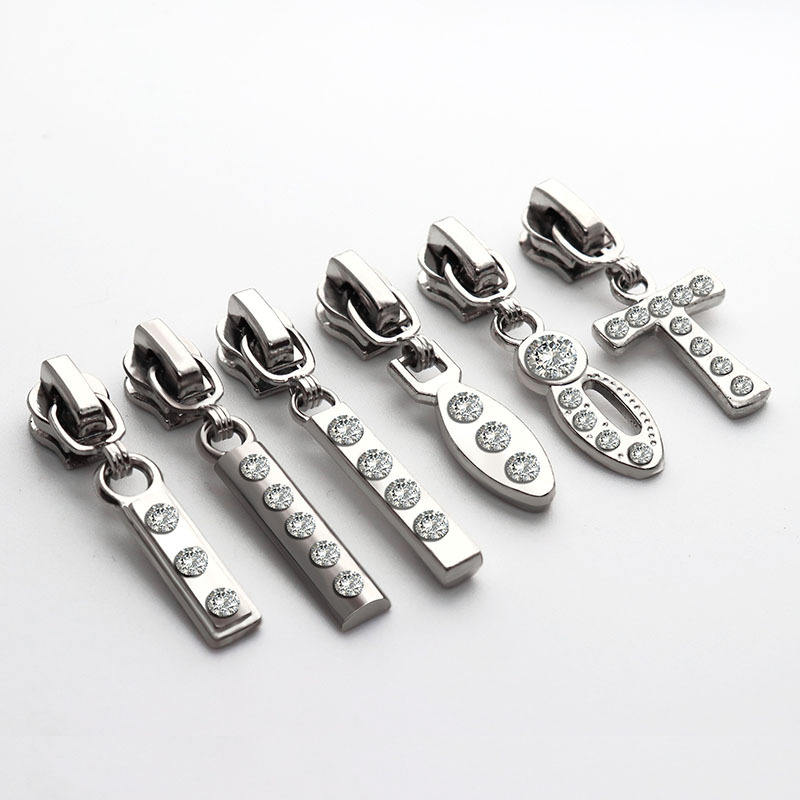
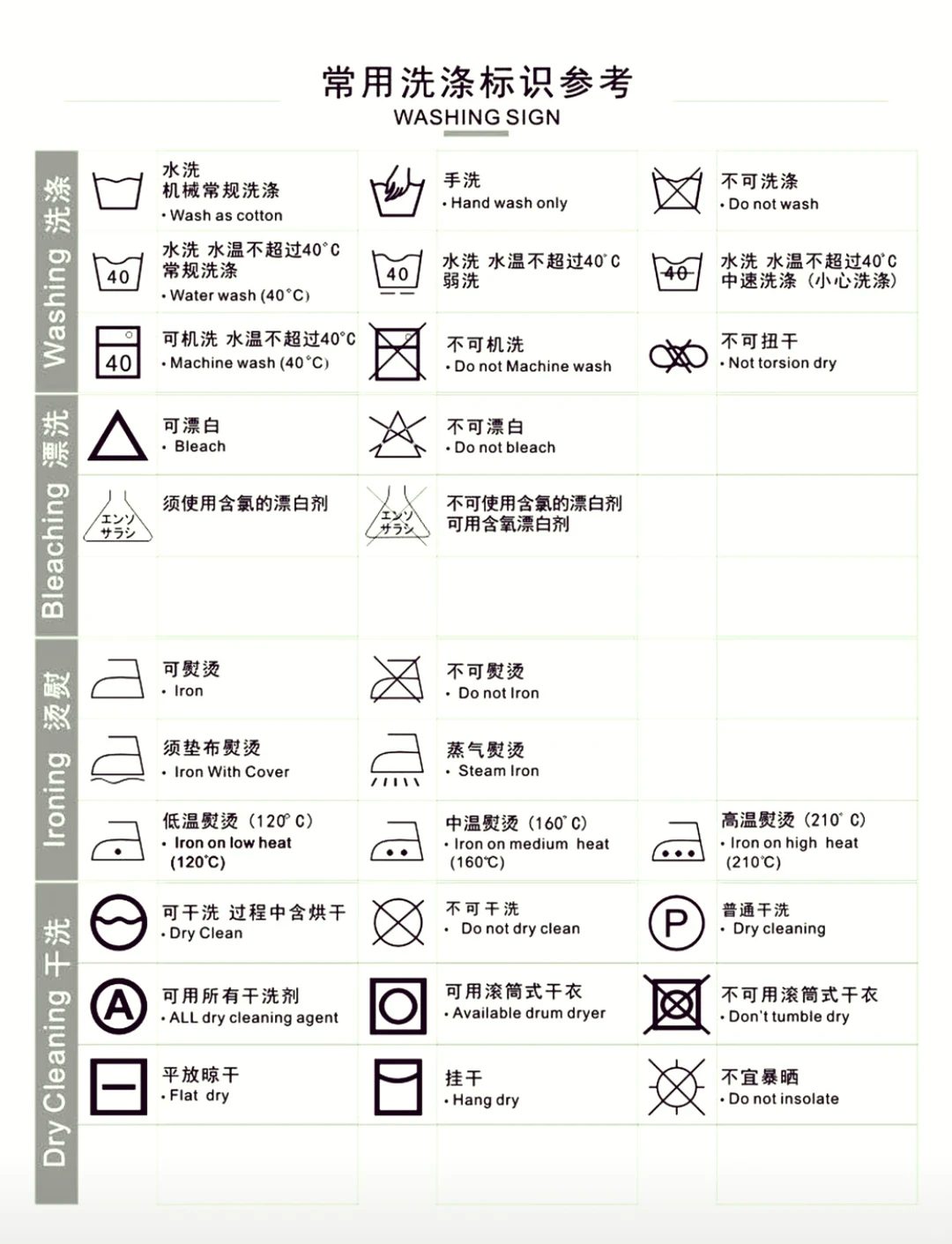
Custom Dress Accessories & Branding Trims
About ZORWILD Custom Dress Manufacturing
Founded in 1998 in Humen, Dongguan—one of the world’s leading garment manufacturing hubs—ZORWILD began as a family-operated workshop and has grown into a full-service apparel manufacturer. With over 27 years of experience, we specialize in custom dress production, OEM, ODM, and private label services for fashion brands worldwide, delivering everything from 50-piece startup collections to large-scale production runs.
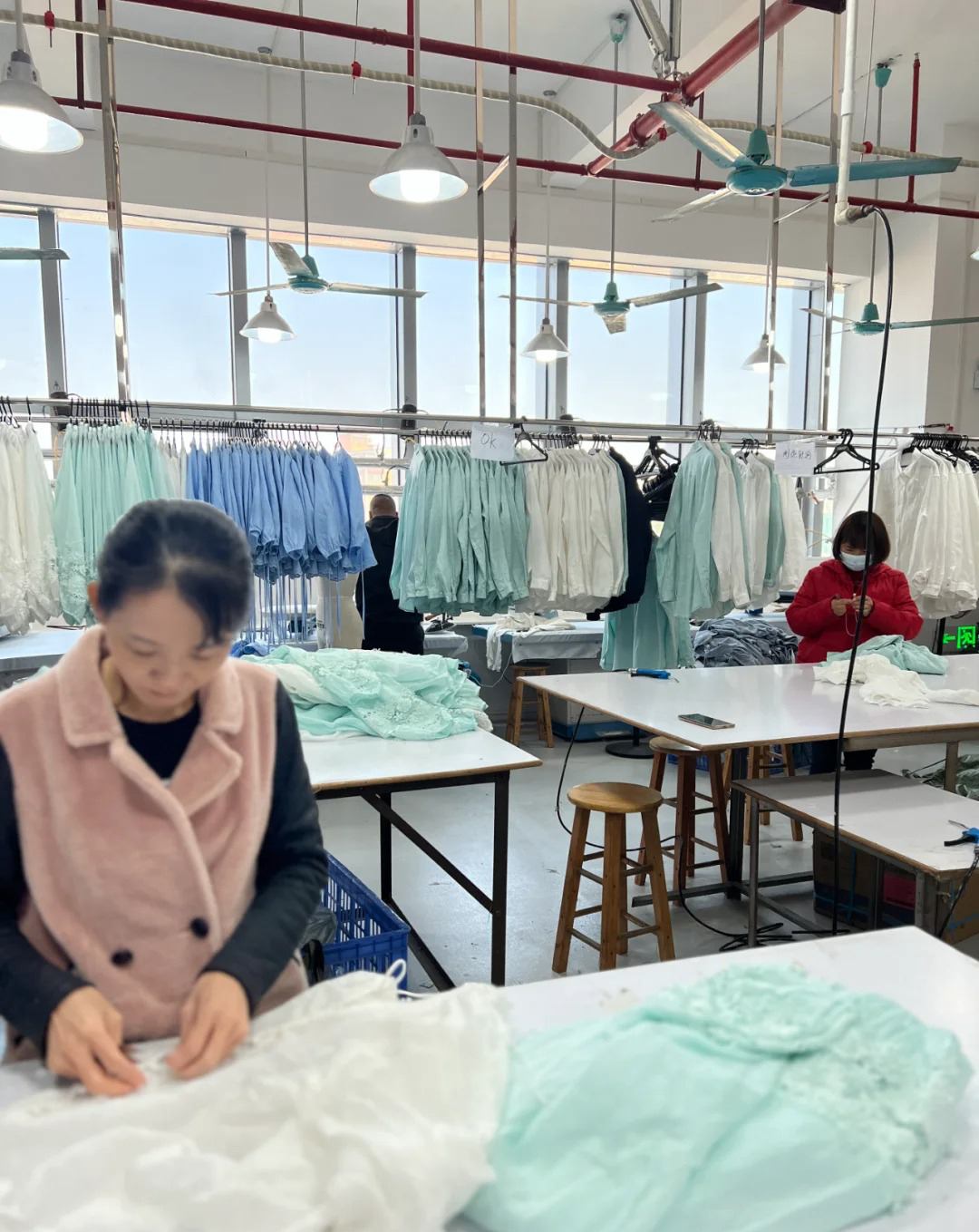
Today, ZORWILD employs more than 200 skilled workers and operates a modern facility with monthly production capacity exceeding 100,000 units. We’ve served over 2,000 clothing brands across the United States, Canada, Europe, Australia, the Middle East, and Southeast Asia, providing low-MOQ custom dress manufacturing with professional quality control and full-stack production capabilities.
What sets ZORWILD apart is our commitment to bridging creative design with scalable production. Our 6-stage quality control system, in-house mastery of 95%+ decoration techniques, and comprehensive one-stop services—from fabric sourcing and sampling to finishing and global logistics—make us the trusted partner for startup brands, influencers, wholesalers, and established fashion labels seeking reliable custom dress manufacturing.
Our Custom Dress Manufacturing Capabilities
Design & Tech Pack Development
Transform your custom dress vision into production-ready specifications with expert support. Our experienced development team works from sketches, inspiration photos, reference garments, or tech packs to create detailed production blueprints that ensure your design intent is perfectly captured.
- Tech pack creation and refinement for accurate production
- Pattern grading and fit optimization across all sizes
- Construction method recommendations for durability and drape
- Material substitution guidance to match budget and quality goals
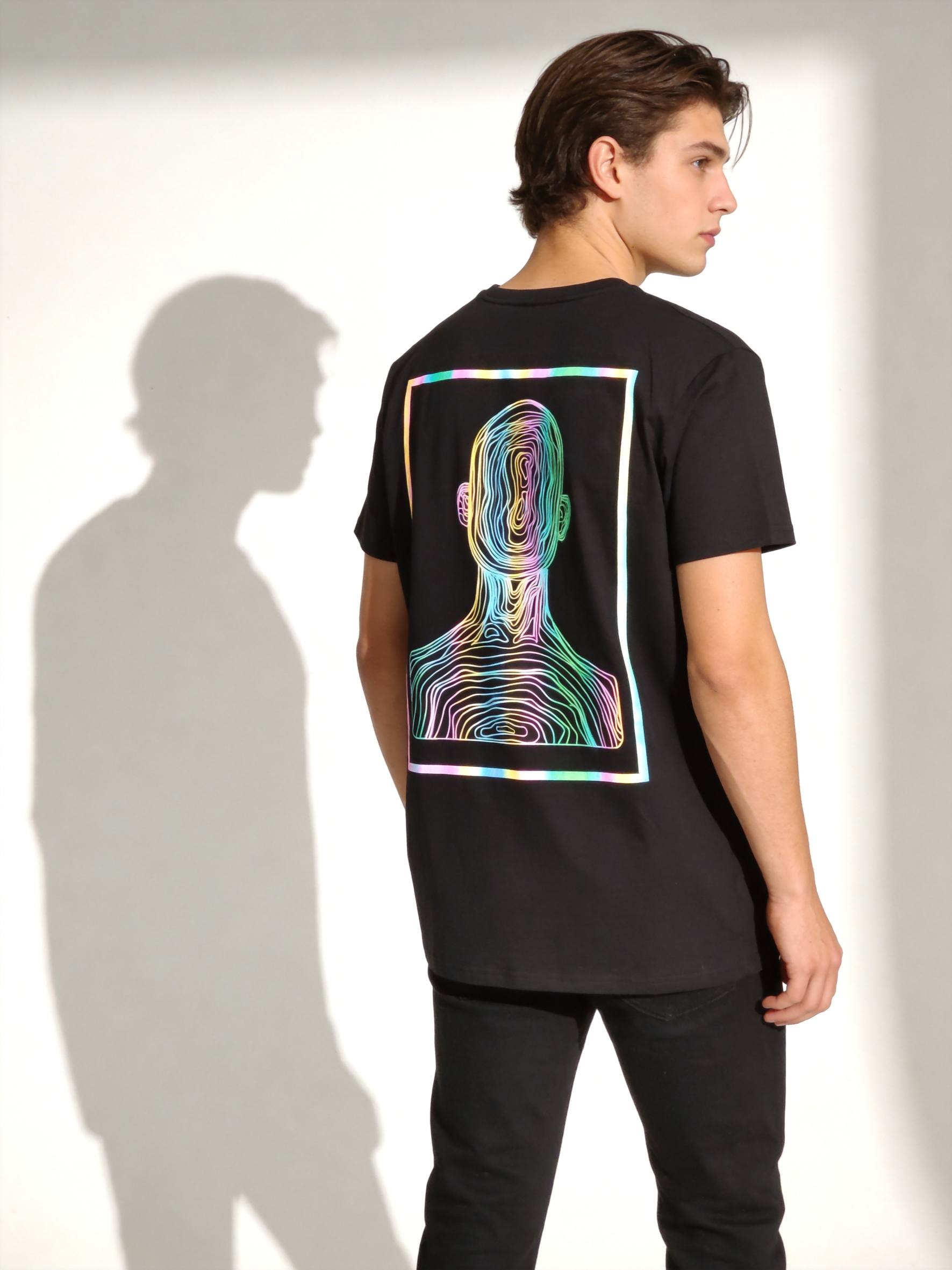
Fabric Sourcing & Sample Creation
Access premium dress fabrics through our trusted supplier network across China. We source satin, chiffon, lace, cotton, linen, viscose, and technical materials tailored to your custom dress collection, then produce pre-production samples to validate fit, drape, and finishing before committing to bulk orders.
- Curated fabric selection based on design requirements and budget
- Pre-production samples with accurate measurements and details
- Fit sample revisions to perfect silhouette and proportions
- Fabric performance testing for weight, stretch, and hand feel
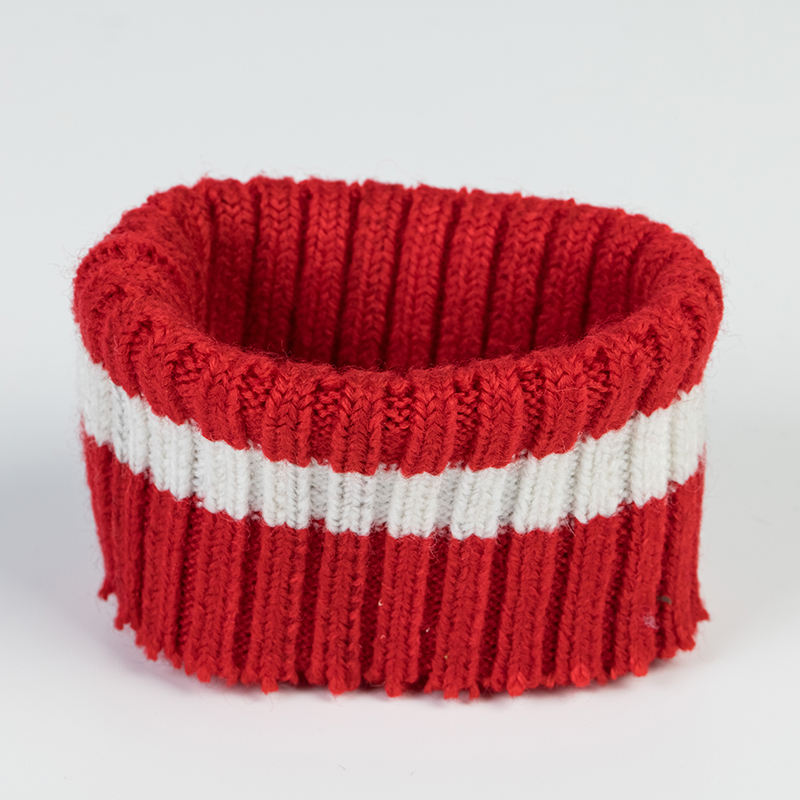
Advanced Dress Decoration Techniques
Elevate your custom dress designs with 95 percent of modern decoration techniques in-house. From delicate lace appliqué and intricate embroidery to beading, sequins, rhinestones, and digital printing, our Humen Dongguan facility handles complex embellishments that define luxury and occasion wear.
- Embroidery, appliqué, and chenille for elegant detailing
- Beading, sequins, and rhinestone application for formal styles
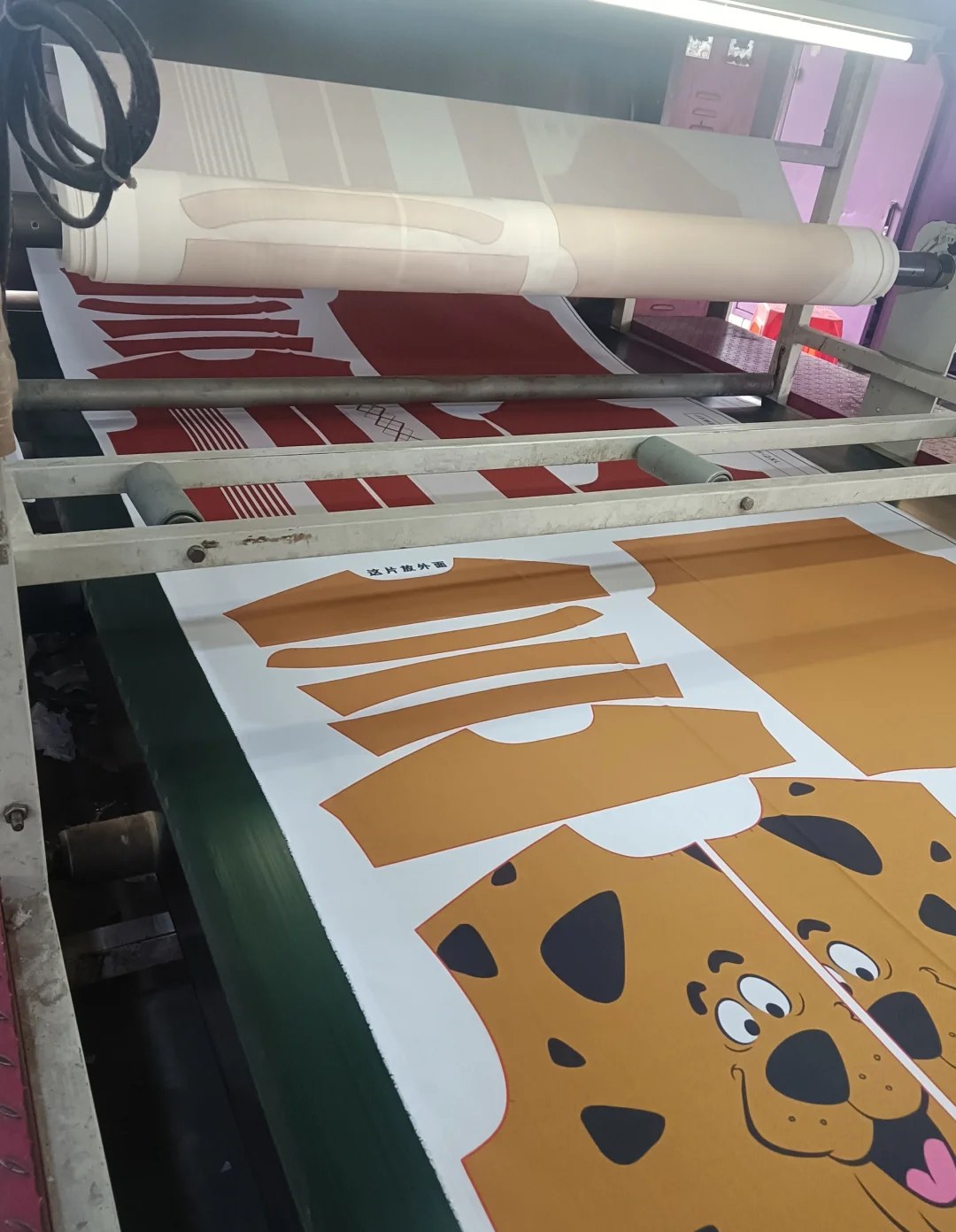
- Digital and sublimation printing for all-over patterns
- Pleating, smocking, and draping for couture construction
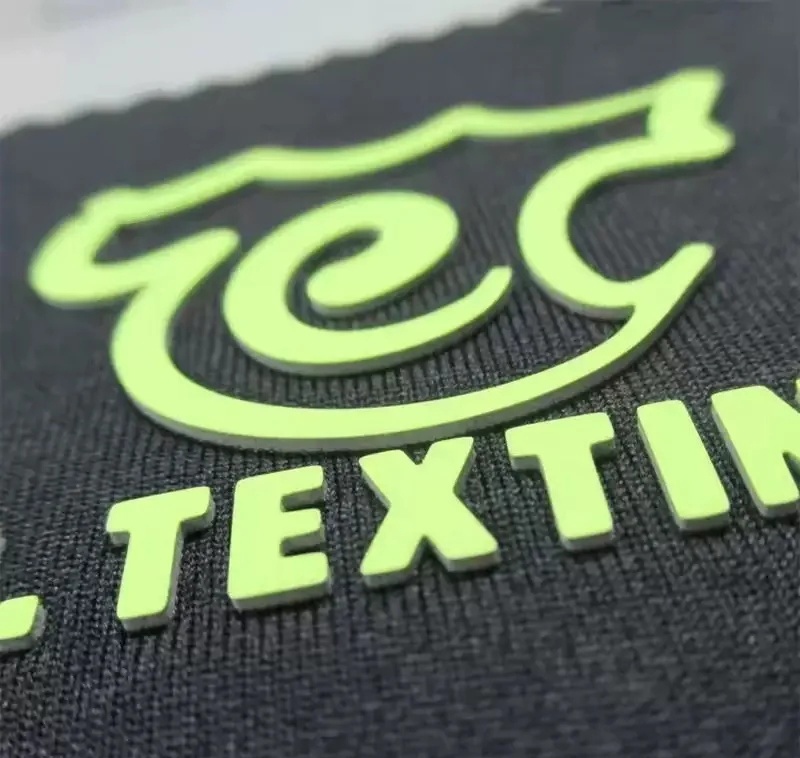
Six-Stage Quality Control System
Every custom dress passes through our rigorous six-stage quality control process before shipment. Inspections cover raw material verification, in-line production checks, measurement accuracy, decoration quality, final garment review, and packaging standards to ensure your brand receives flawless products every time.
- Raw material inspection for fabric defects and color consistency
- In-line production monitoring to catch issues early
- Final garment measurement and fit verification
- Decoration quality checks for embroidery, printing, and embellishments
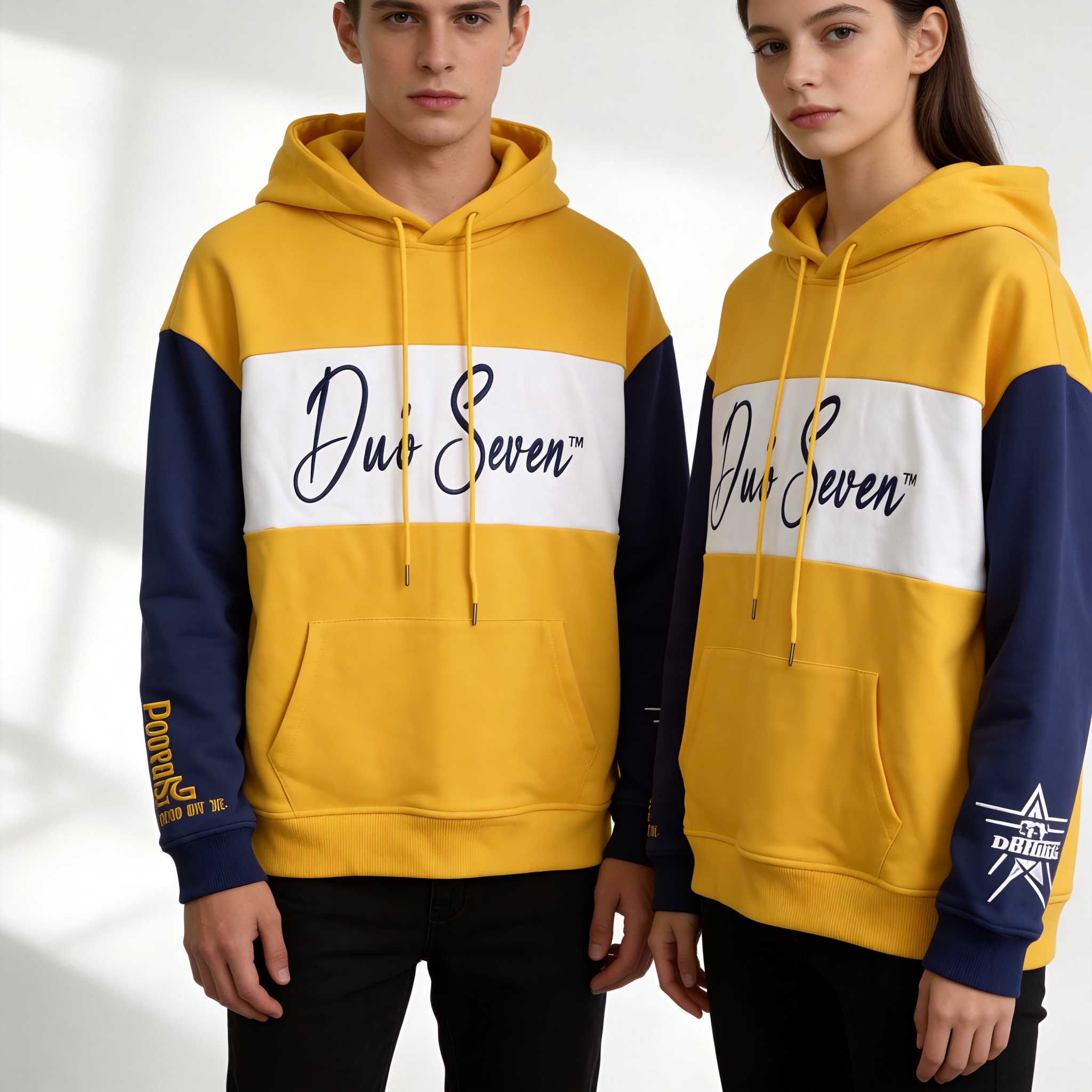
Custom Dress Manufacturing: ZORWILD vs. Standard Suppliers
See why professional brands and startups choose ZORWILD for custom dress production — from flexible minimums to in-house craftsmanship and transparent communication.
← 左右滑动查看 →
Our Custom Dress Production Process
ZORWILD’s 27-year proven custom dress manufacturing system guides your collection from initial tech pack review through global shipping with full transparency at every stage.
Design & Tech Pack Review
Our development team evaluates your tech pack, sketches, or reference samples to confirm measurements, construction details, fabric specifications, and decoration requirements for custom dress production.
Fabric Sourcing & Sampling
We source fabrics from trusted suppliers including satin, chiffon, lace, cotton, and specialty materials, then produce pre-production samples for fit, drape, and quality approval.
Bulk Production & Decoration
Approved custom dress orders move into cutting, sewing, embroidery, beading, lace application, and printing using our 95-plus percent in-house decoration techniques across our Humen Dongguan facility.
Garment Washing & Finishing
Dresses undergo garment wash, enzyme wash, or specialty finishing based on your design requirements, followed by professional ironing and steaming for premium presentation.
Quality Control & Inspection
Every custom dress passes through our six-stage quality control system including measurement checks, decoration inspection, fabric defect screening, and final product approval before packing.
Packaging & Global Shipping
Finished dresses receive custom labels, hang tags, and branded packaging, then ship via air freight, sea freight, or express delivery with full export documentation and customs support.
How to Order Custom Dresses from ZORWILD
From initial design to final delivery, our streamlined process makes custom dress manufacturing simple and transparent for brands of every size.
Submit Your Design Brief
Share your tech pack, sketches, reference images, or design ideas. Our team reviews your requirements and provides fabric recommendations and feasibility guidance within 24 hours.
Receive Quote and Sample
Get a detailed quote covering materials, decoration, and production. Approve the quote to begin sample development, typically completed in 7 to 10 business days.
Approve Sample and Order
Review your physical sample for fit, fabric quality, and construction details. Request revisions if needed, then confirm your bulk order with a 50-piece minimum.
Production and Quality Control
Your custom dress enters our 6-stage quality control system. Each garment is inspected for measurements, stitching, decoration quality, and finishing before packaging begins.
Shipment and Delivery
Receive full export documentation and tracking details. Choose air freight, sea freight, or express delivery based on your timeline and budget requirements.
Certified Custom Dress Manufacturing You Can Trust

Custom Dress Success Stories from Real Brands
ZORWILD helped us launch our custom dress collection with just 100 pieces. Within six months we scaled to 3,000 units per order. Their lace application and satin draping quality exceeded our expectations every time.
We needed custom prom dresses with intricate embroidery and beading on a tight timeline. ZORWILD delivered samples in 9 days and completed 500 dresses in three weeks with zero defects. Game changer for our boutique.
Starting with only 50-piece MOQ let us test four custom dress designs without huge risk. Sales data helped us reorder the top two styles at 1,200 units. ZORWILD’s flexibility saved us over $8,000 in inventory costs.
Custom Dress Manufacturing — Frequently Asked Questions
What is the minimum order quantity for custom dress production?
How much does custom dress sampling cost and how long does it take?
What payment terms do you offer for custom dress orders?
What is the lead time for bulk custom dress production?
How do you protect my custom dress designs and brand confidentiality?
What shipping and logistics options are available for custom dress orders?
What customization options are available for custom dresses?
Can you help with custom dress design if I only have an idea or inspiration photos?
What quality control measures are in place for custom dress production?
The Complete Buyer’s Guide to Custom Dress Manufacturing for Your Brand
1. What Is a Custom Dress?
Custom dress manufacturing refers to the creation of dresses built to your original specifications, branding, and design intent rather than selecting from a supplier’s existing catalog. ZORWILD distinguishes between fully custom production — where you provide tech packs, fabric choices, silhouette details, decoration methods, and private labels — and semi-custom orders that modify existing templates with your logo, colorways, or trim adjustments. Fully custom orders typically require 50 to 100 pieces minimum and involve sampling, pattern development, and quality approvals before bulk production begins.
Off-the-shelf buying limits you to pre-designed styles with fixed sizing, generic labels, and no exclusivity, while made-to-measure focuses on individual fit adjustments rather than scalable brand production. Custom dress manufacturing delivers unique SKUs that competitors cannot replicate, supports private-label branding with woven labels and custom hang tags, and allows precise control over fabric weight, lining structure, embellishment placement, and garment finishing techniques such as garment dye or distressed wash.
Influencers benefit by launching signature dress collections that reflect personal aesthetics and drive follower engagement. Small brands gain product differentiation, margin control, and the ability to test niche markets with low MOQ runs starting at 50 pieces. Wholesalers secure private-label exclusivity, avoid price wars on commodity styles, and build long-term supplier relationships with manufacturers like ZORWILD that offer stable quality, repeatable production, and flexible order scaling from startup capsules to monthly runs exceeding 100,000 units.
2. Evolution of Custom Dress Manufacturing
Before the 1980s, custom dress production relied on local tailoring ateliers and couture houses that served elite clients with hand-drafted patterns and labor-intensive fittings. High costs and artisan scarcity limited access to luxury brands and wealthy individuals, leaving small fashion entrepreneurs without scalable manufacturing options.
The 1990s marked the rise of Asian garment hubs, with Dongguan, Guangzhou, and Hangzhou emerging as global production centers offering full-service OEM capabilities at competitive pricing. By 2000, Chinese factories had built integrated supply chains spanning fabric mills, trim suppliers, dyehouses, and finishing facilities within regional clusters, reducing lead times from 90 days to under 30 days for many product categories. This geographic consolidation enabled contract manufacturers to serve international brands with reliable quality and flexible order volumes.
Digital design tools transformed sampling workflows after 2010, when 3D prototyping software, automated cutting systems, and tech pack platforms allowed designers to visualize garments and share specifications instantly across continents. Low-MOQ factories emerged to serve startup brands, influencers, and online retailers, with minimum order quantities dropping from 1,000 pieces to 50–100 pieces for many dress styles. On-demand production models and digital printing further democratized access, enabling small brands to test market demand without heavy inventory risk.
Today, manufacturers like ZORWILD combine 27 years of craftsmanship with modern technology, offering 50-piece MOQ custom dress production, digital sampling, laser cutting, and global logistics support to brands at every stage.
3. Types of Custom Dress You Can Manufacture
ZORWILD manufactures six core dress categories, each aligned to distinct market segments, fabric requirements, and margin structures. Understanding construction complexity and target demographics helps buyers select the right product mix for their brand positioning and profitability goals.
Casual Day Dresses
Casual dresses use cotton jersey, rayon, linen blends, and bamboo fabrics with straightforward construction—minimal seams, elastic waistbands, and simple necklines. MOQ starts at 50 pieces, making them ideal for startup brands and influencer collections targeting everyday wear customers.
Typical styles include T-shirt dresses, shift dresses, and A-line cuts. Lead times run 25–35 days, and wholesale margins typically reach 2.5× to 3× due to accessible price points and high turnover.
Evening and Cocktail Dresses
Evening dresses require satin, chiffon, sequin fabrics, and structured bodices with boning, lining layers, and invisible zippers. Construction complexity increases lead times to 35–45 days, and quality control focuses on drape, seam alignment, and embellishment attachment.
Target customers include boutique retailers, prom collections, and occasion-wear brands. Wholesale margins often exceed 3.5× due to premium positioning and lower volume turnover.
Maxi and Midi Dresses
Maxi and midi lengths use rayon, viscose, modal, and jersey knits with empire waists, wrap closures, and tiered construction. Fabric consumption is 20–30% higher than mini styles, impacting per-unit costs but supporting resort wear and summer collection positioning.
These styles appeal to online stores, resort brands, and wholesalers seeking versatile inventory. Production runs from 50 to 5,000 pieces with margins around 3×.
Bodycon and Fit-and-Flare Silhouettes
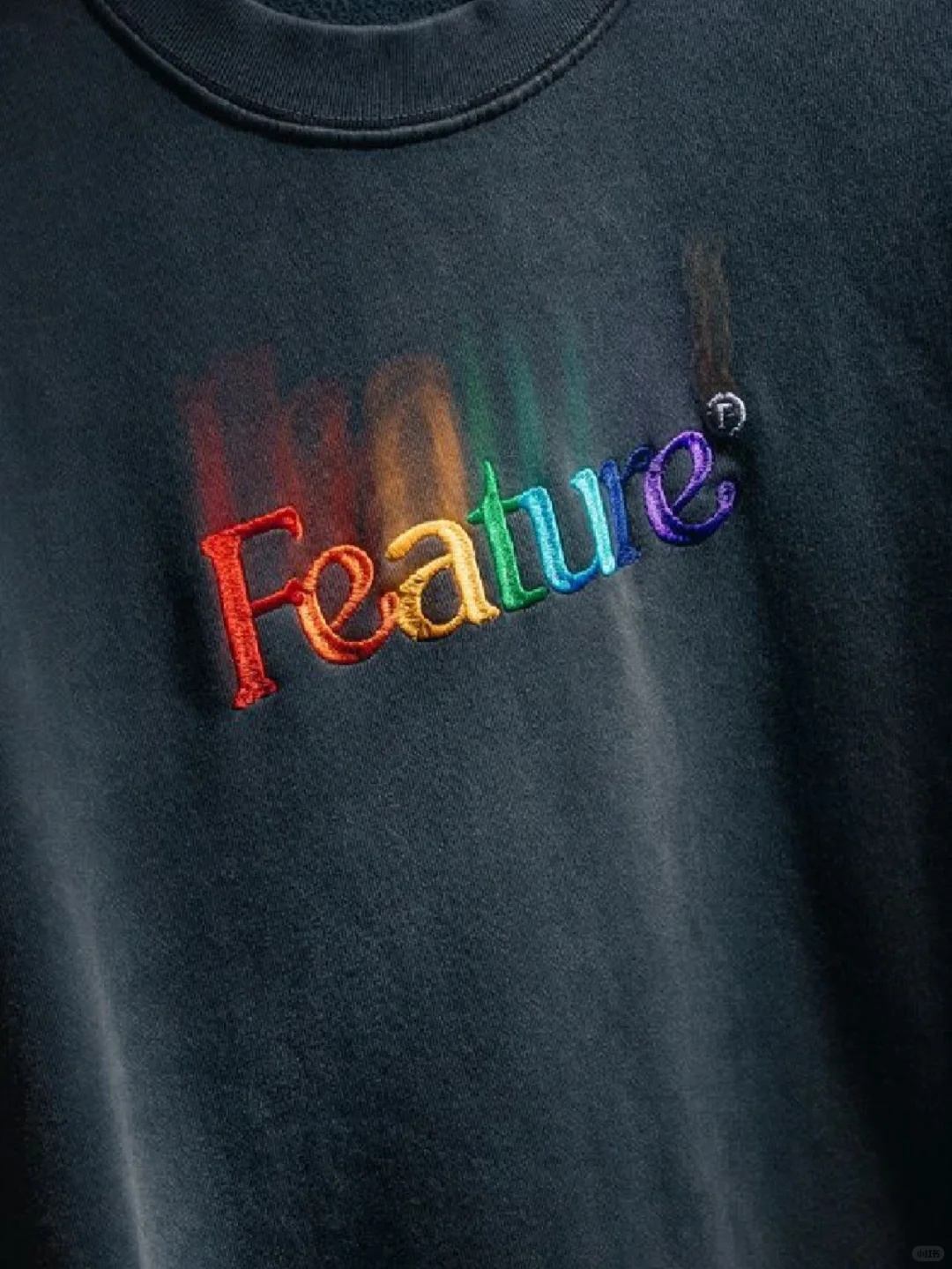
Bodycon dresses demand four-way stretch fabrics—spandex blends, rib knits, and compression jersey—with precise pattern grading and fit testing. Fit-and-flare styles combine fitted bodices with circle or A-line skirts, requiring multi-panel construction and careful waistline placement.
These silhouettes serve streetwear brands, club wear lines, and fashion-forward retailers. Sampling is critical; ZORWILD provides fit samples before bulk production to ensure sizing accuracy and customer satisfaction.
Bridal and Occasion Wear
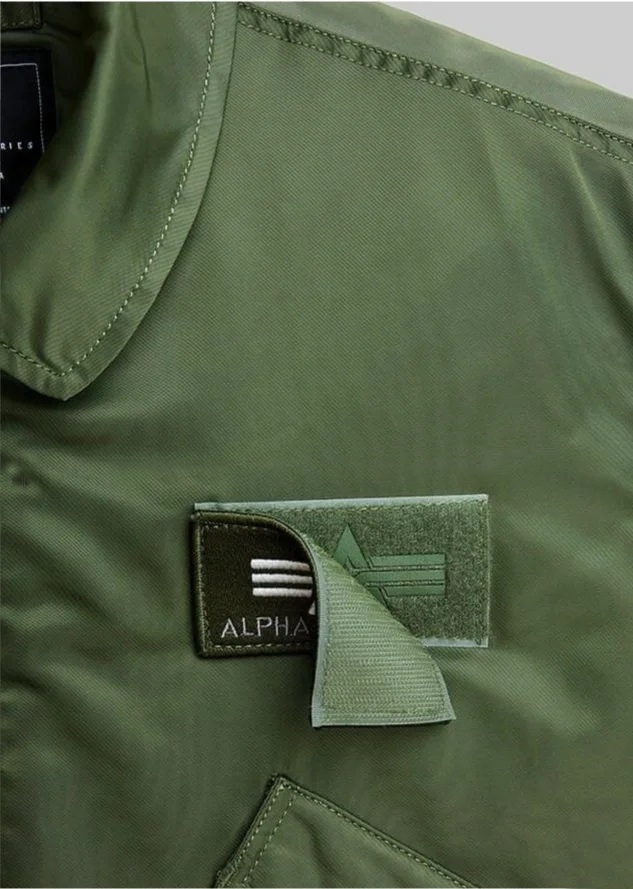
Bridal dresses involve lace appliqué, beading, corset boning, tulle layers, and satin linings with lead times extending to 45–60 days. ZORWILD supports wedding dress production, bridesmaid collections, prom gowns, and formal event dresses with strict quality inspection and delicate fabric handling.
Target buyers include bridal boutiques, event planners, and occasion-wear brands. Margins range from 4× to 5× due to high perceived value and customization depth.
Activewear Dresses
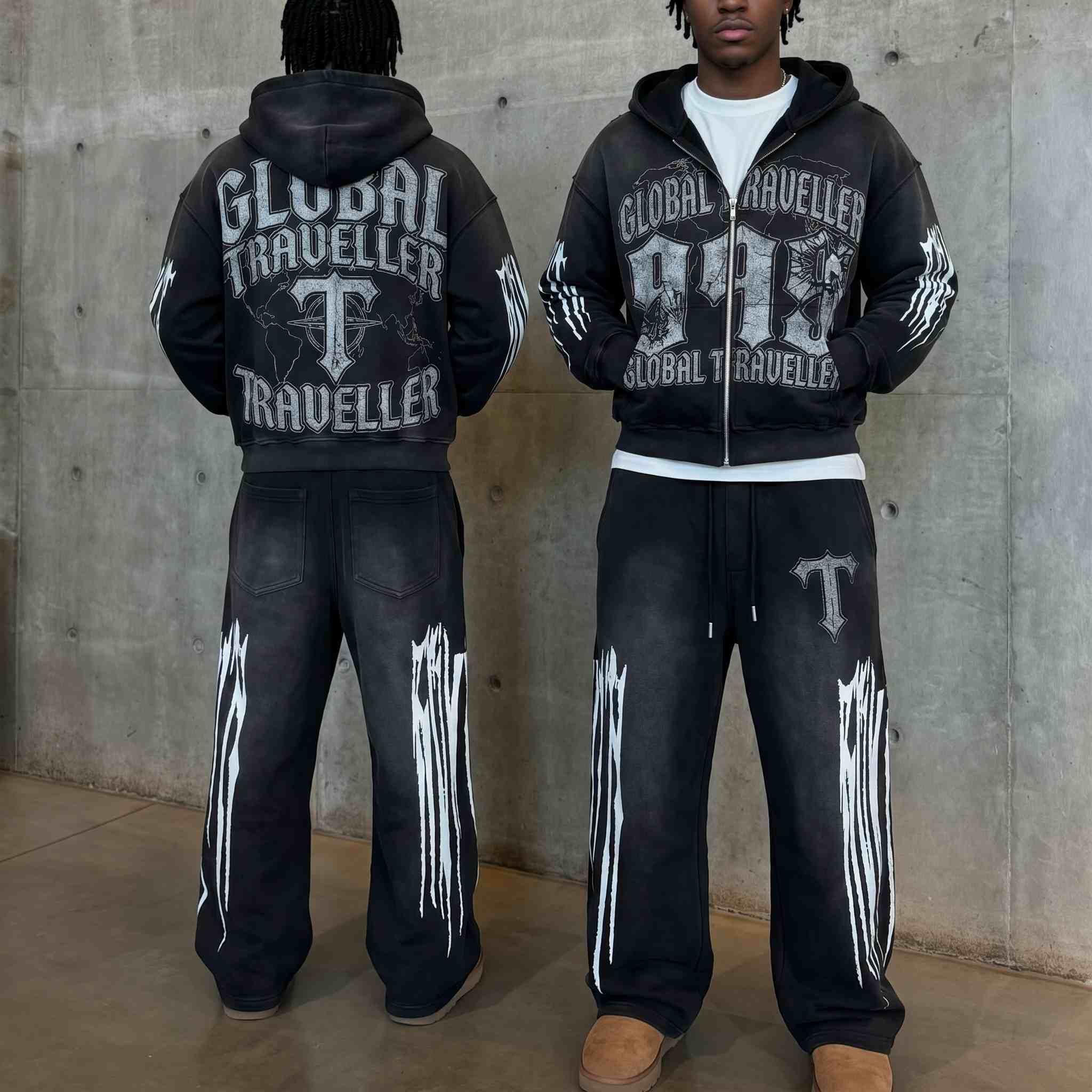
Activewear dresses use moisture-wicking polyester, nylon blends, and four-way stretch fabrics with flatlock seams, built-in shorts, and breathable mesh panels. These styles bridge athleisure and casual fashion, appealing to fitness brands, yoga studios, and lifestyle retailers.
Production starts at 100 pieces due to technical fabric minimums. Wholesale margins sit around 3× with strong repeat-order potential driven by performance and comfort positioning.
4. Materials and Fabrics for Custom Dress Production
Fabric selection determines drape, cost, lead time, and minimum order quantity for every custom dress project. ZORWILD sources cotton, polyester, rayon, silk, linen, blends, and stretch knits from trusted Chinese suppliers to match brand positioning and seasonal requirements.
| Fabric | GSM Range | Best Use Case | Price Tier |
|---|---|---|---|
| Cotton poplin | 100–140 | Casual dresses, resort wear, summer styles | Low |
| Rayon / Viscose | 110–150 | Flowy maxi dresses, slip dresses, drape-heavy designs | Low–Mid |
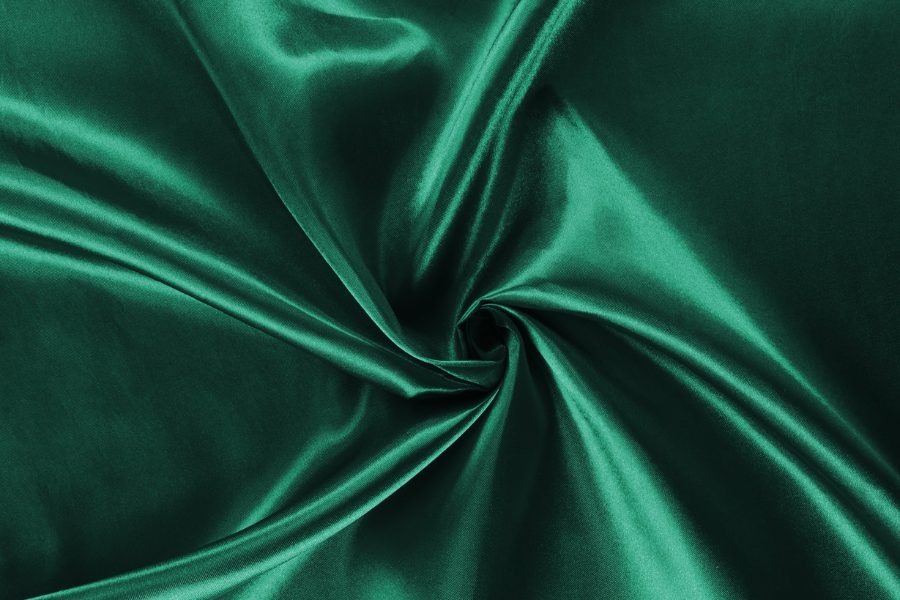
| Polyester satin | 90–130 | Evening dresses, bodycon styles, formal wear | Low |
| Linen blends | 150–200 | Resort dresses, sustainable collections, breathable styles | Mid |
| Silk (natural) | 60–120 | Luxury slip dresses, bridal wear, premium evening gowns | High |
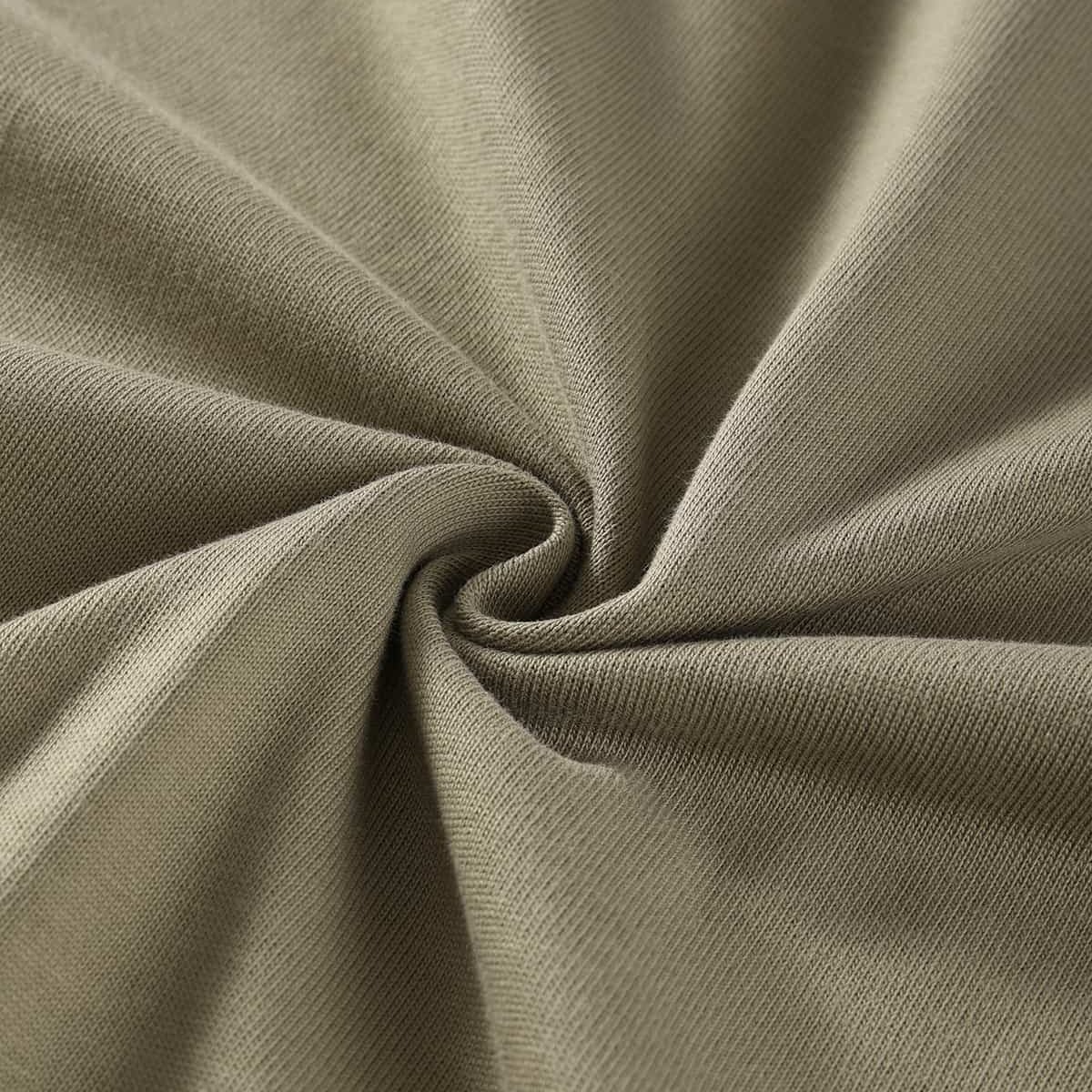
| Cotton-spandex jersey | 180–220 | Bodycon dresses, casual fit-and-flare, stretch comfort | Mid |
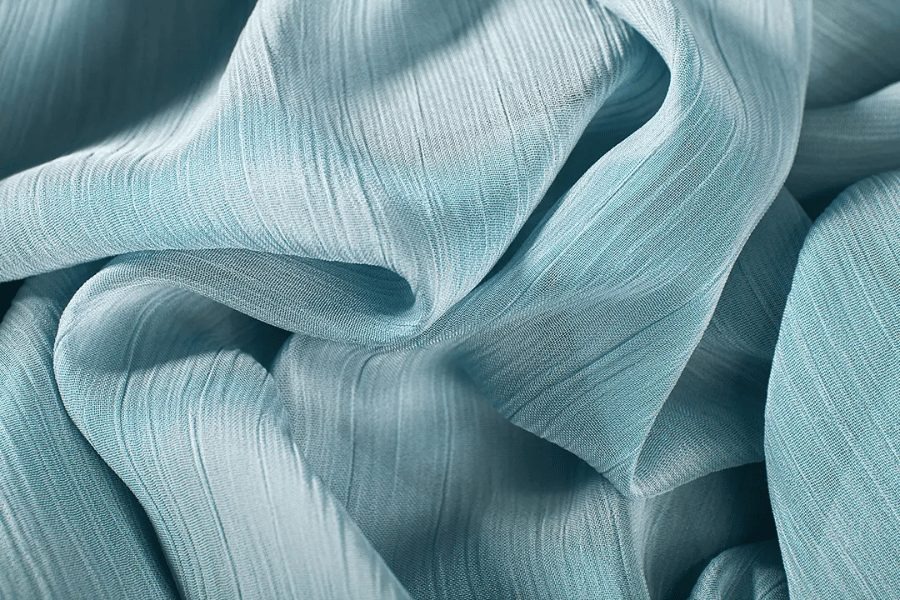
| Chiffon (poly) | 50–80 | Overlay layers, prom dresses, lightweight evening wear | Low–Mid |
5. Customization and Decoration Options for Custom Dress Orders
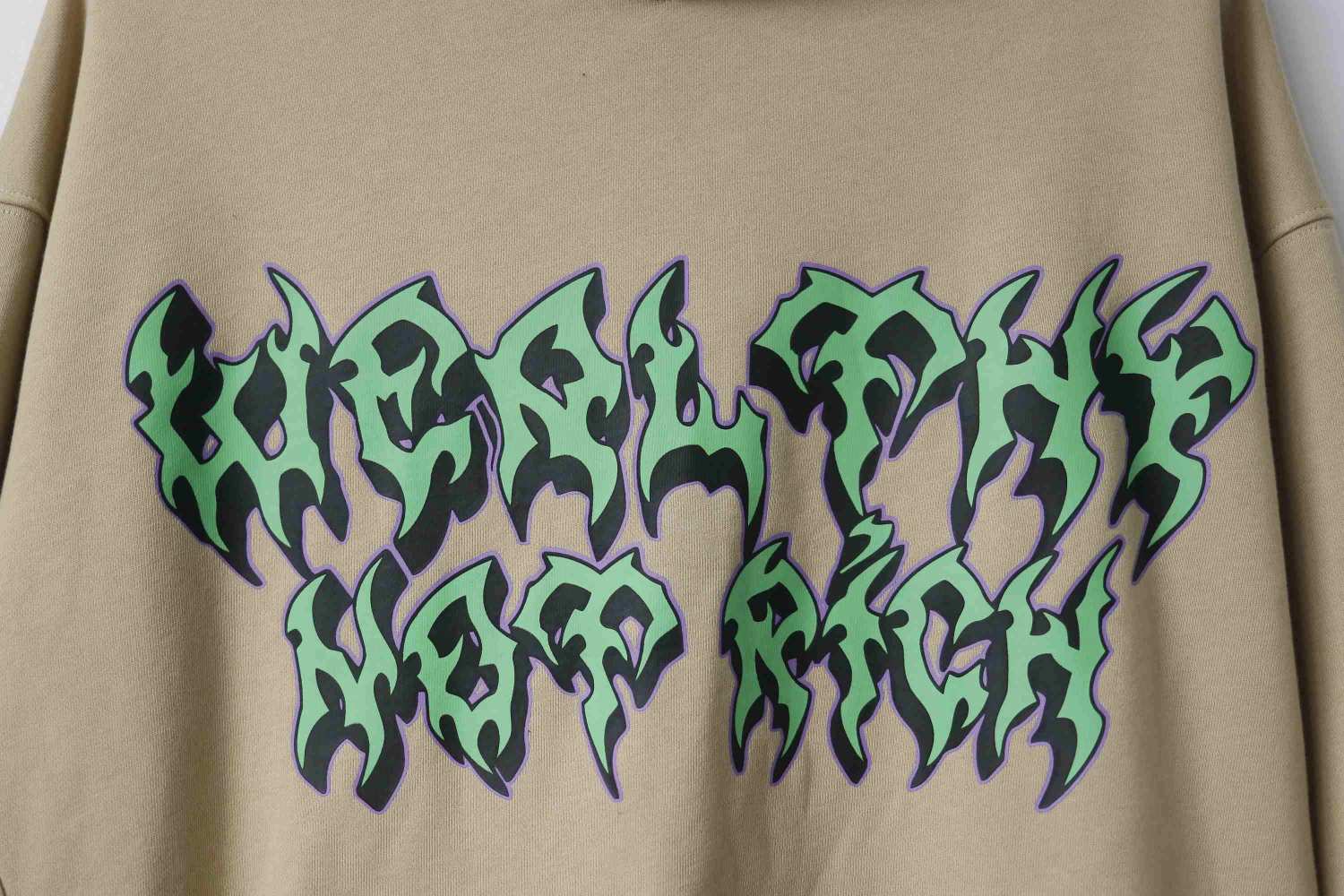
Custom dress decoration transforms basic garments into branded fashion pieces. ZORWILD supports screen printing, embroidery, heat transfer, appliqué, beading, sequins, digital printing, sublimation, and laser cutting, each with distinct cost structures and visual effects.
| Technique | Setup Cost | Per-Unit Cost | Durability | Best For |
|---|---|---|---|---|
| Screen Printing | $25–$75/color | $0.50–$2 | 50+ washes | Large runs, bold graphics |
| DTG Printing | $0 | $3–$8 | 30–40 washes | Complex art, low MOQ |
| Embroidery | $15–$40 | $1.50–$4 | 100+ washes | Logos, premium branding |
| Sublimation | $10–$30 | $4–$10 | Permanent | Polyester all-over prints |
| Beading/Sequins | $0–$20 | $5–$25 | Moderate | Evening, formal dresses |
Printing and Graphic Decoration Techniques
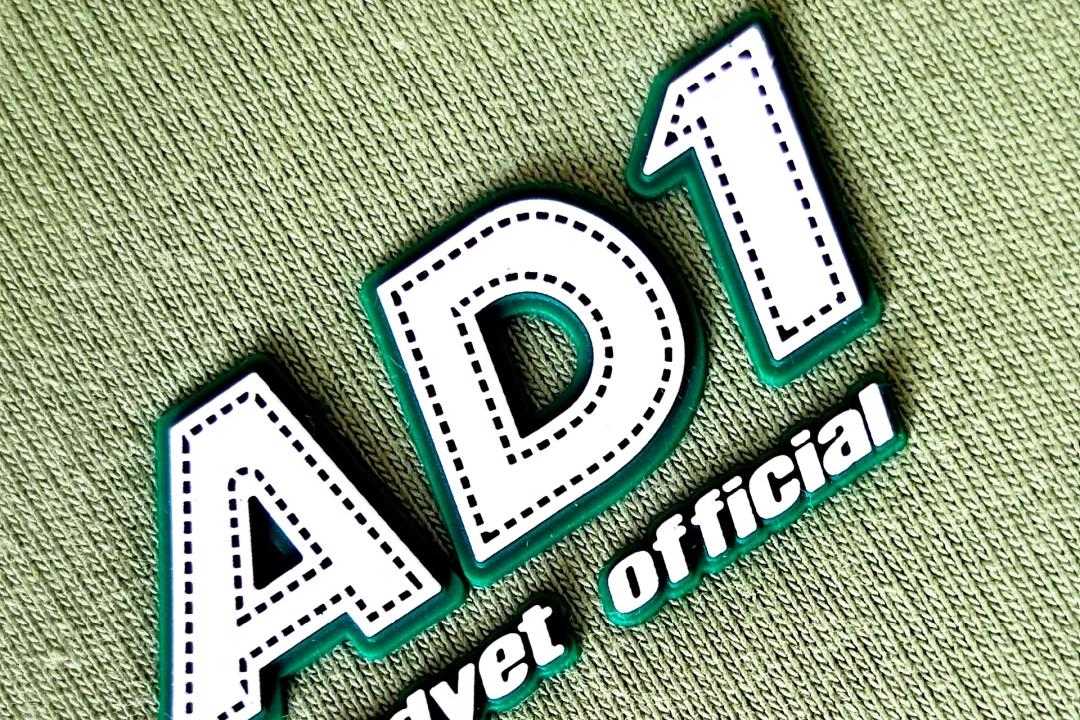
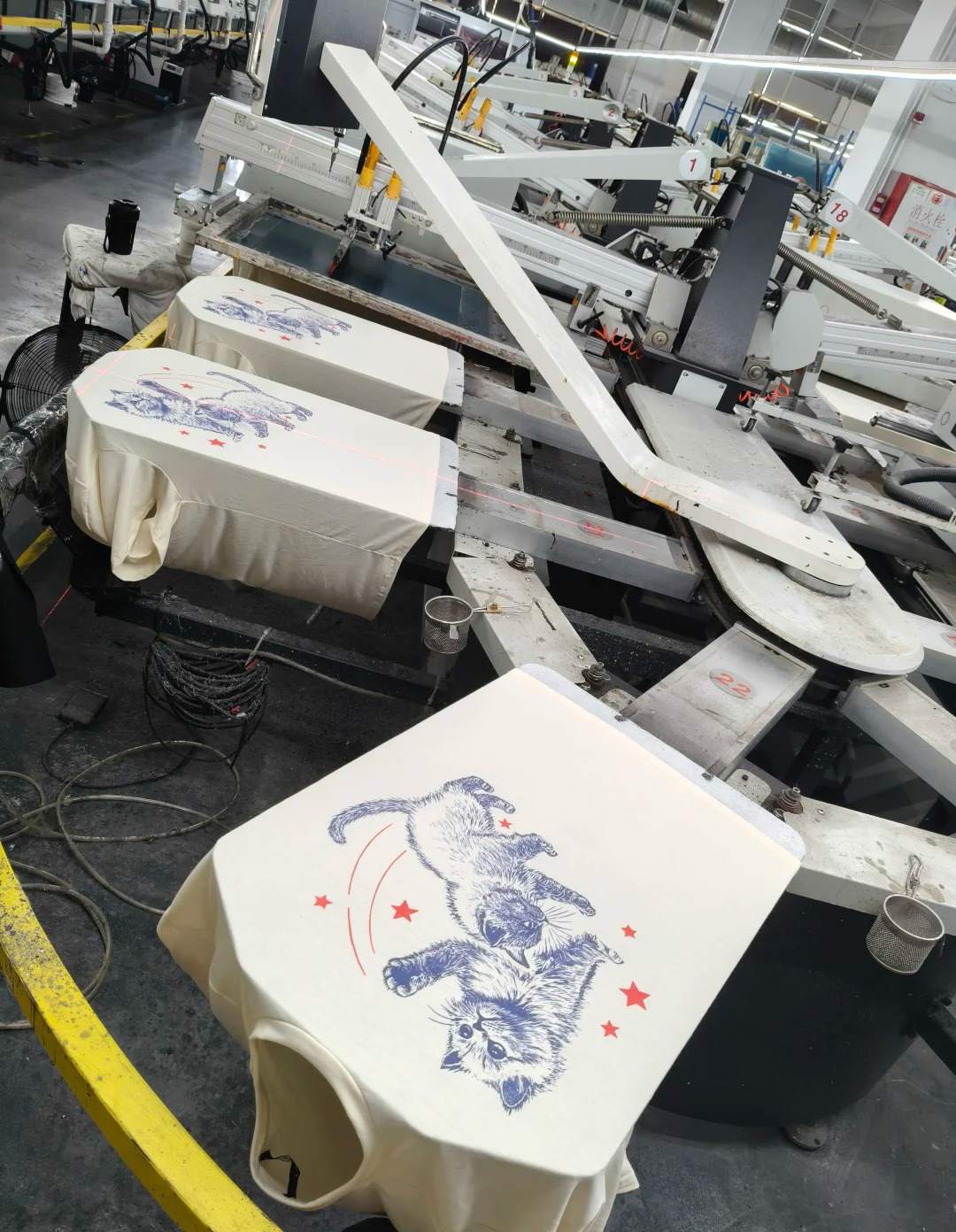
Screen printing offers the lowest per-unit cost for runs above 100 pieces, with setup fees of $25–$75 per color and excellent wash durability exceeding 50 cycles. DTG (direct-to-garment) printing eliminates setup costs, charges $3–$8 per print, and suits complex artwork on light-colored dresses. Sublimation printing works exclusively on polyester fabrics, delivers all-over patterns with zero hand feel, and costs $4–$10 per garment with minimal setup.
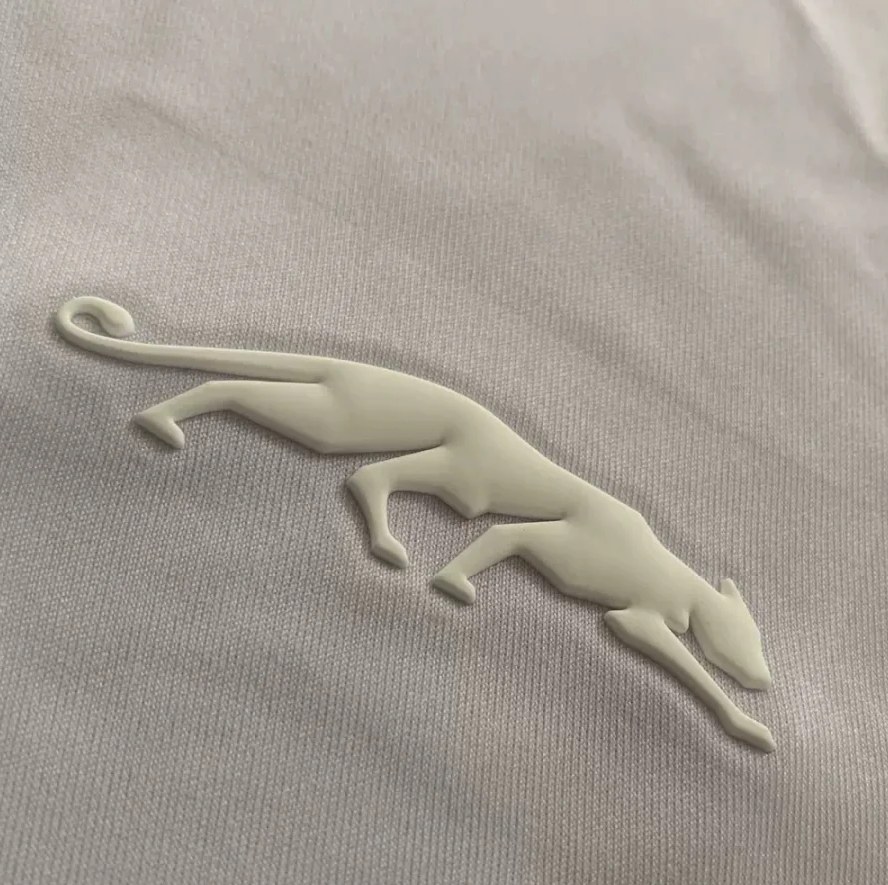
Heat transfer and foil printing add metallic or reflective accents at $2–$5 per application, ideal for logos and small graphics. Water-based printing produces soft, breathable prints preferred for resort and summer dresses, while puff printing creates raised textures for streetwear collections.
Embroidery, Appliqué, and Dimensional Embellishments
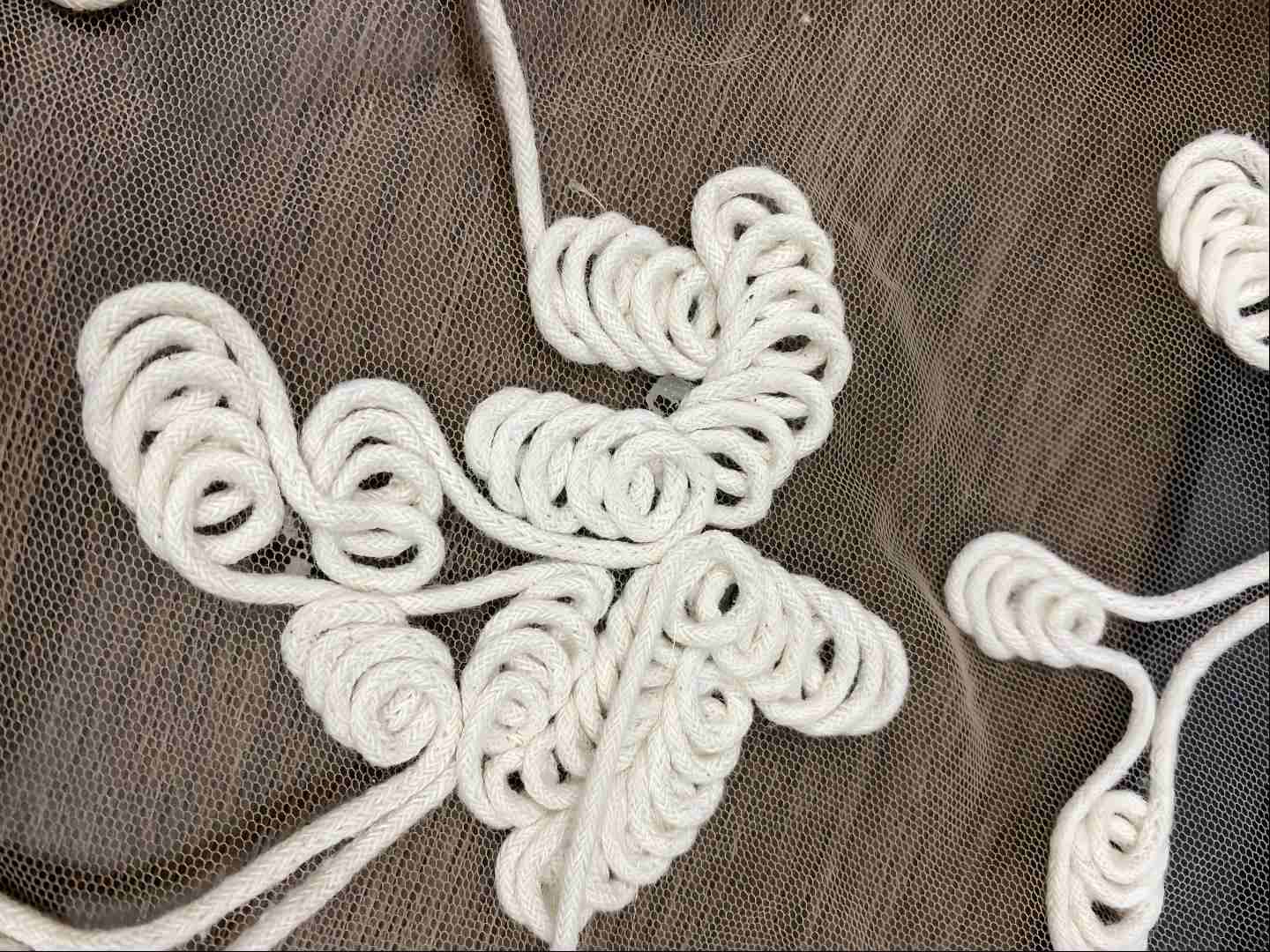
Flat embroidery costs $15–$40 setup per design plus $1.50–$4 per garment depending on stitch count, with durability surpassing 100 washes. Chenille embroidery and 3D puff embroidery add premium texture at $3–$7 per application, popular for luxury and streetwear custom dress lines.
Appliqué sewing attaches fabric patches or lace panels, costing $2–$6 per piece with strong visual impact. Beading and sequin application require hand or semi-automated work, adding $5–$25 per dress depending on coverage area and pattern complexity, common in evening and prom dresses.
Branding Elements and Packaging Customization
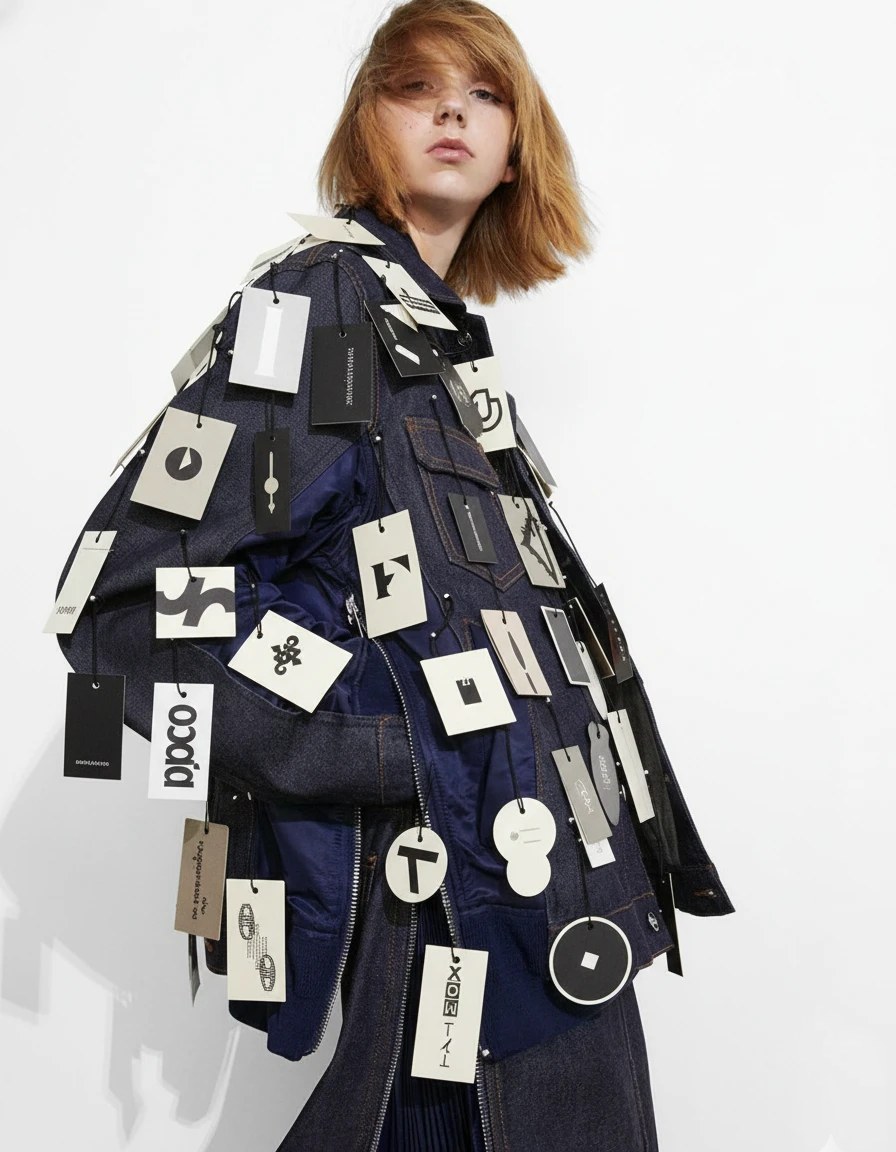
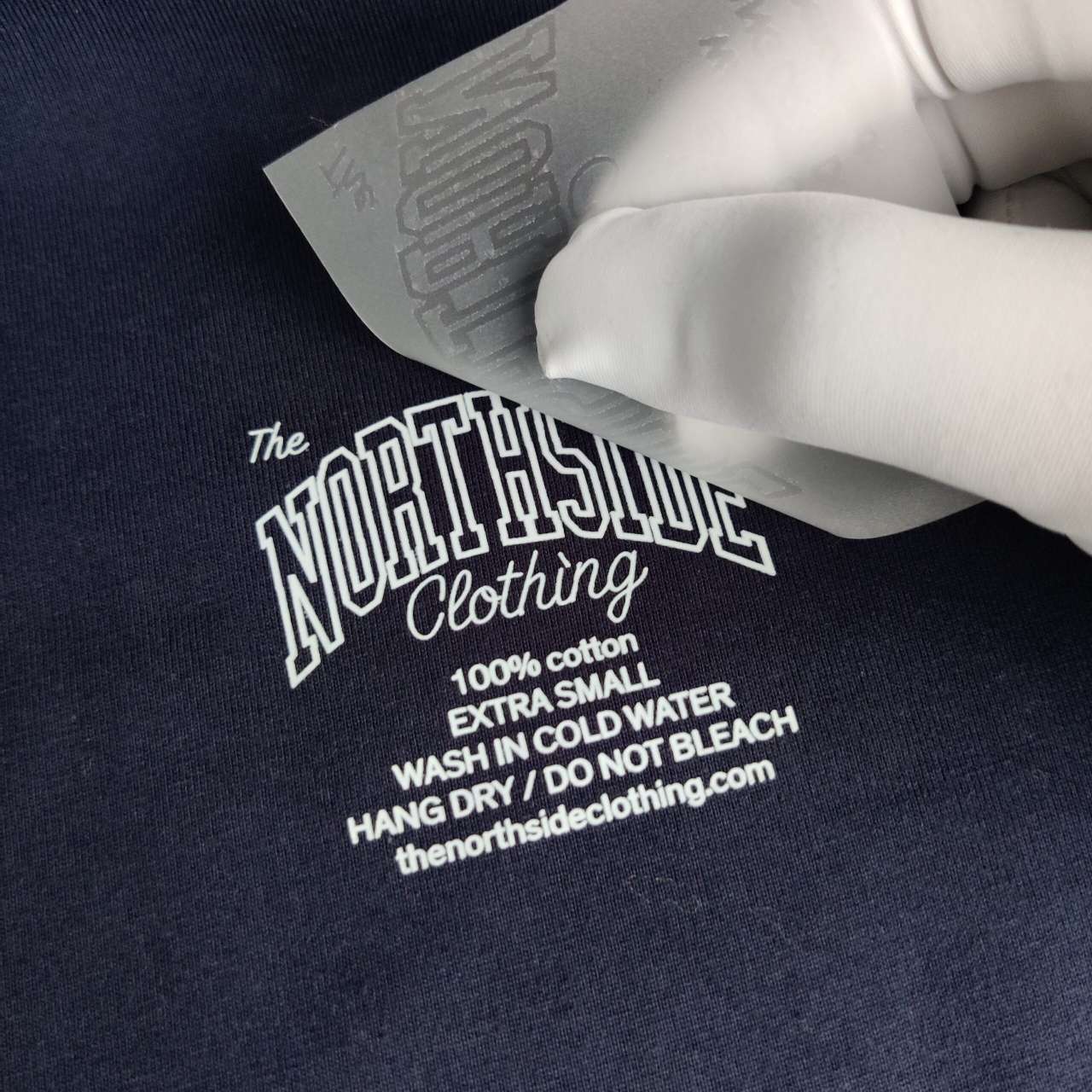
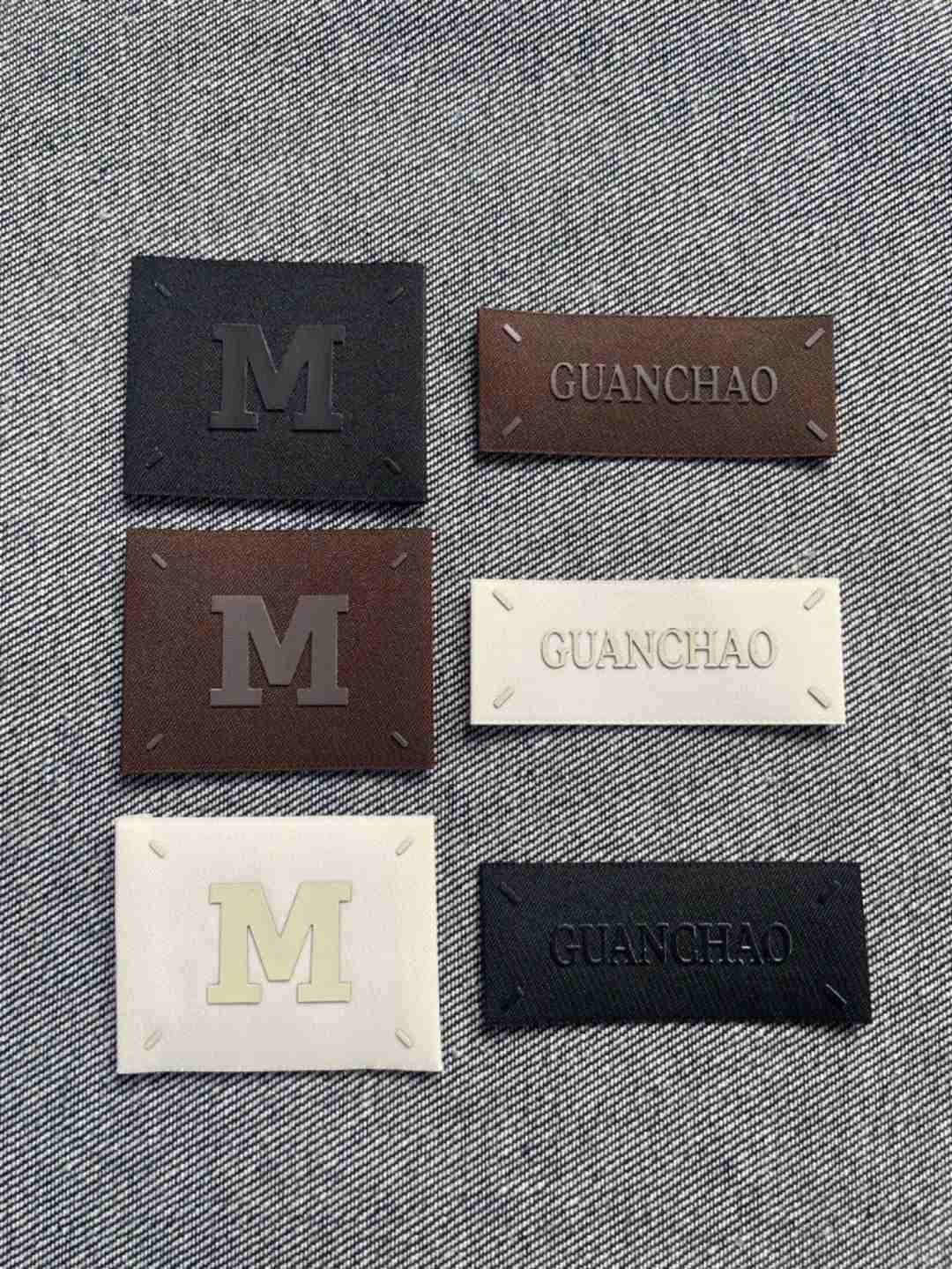
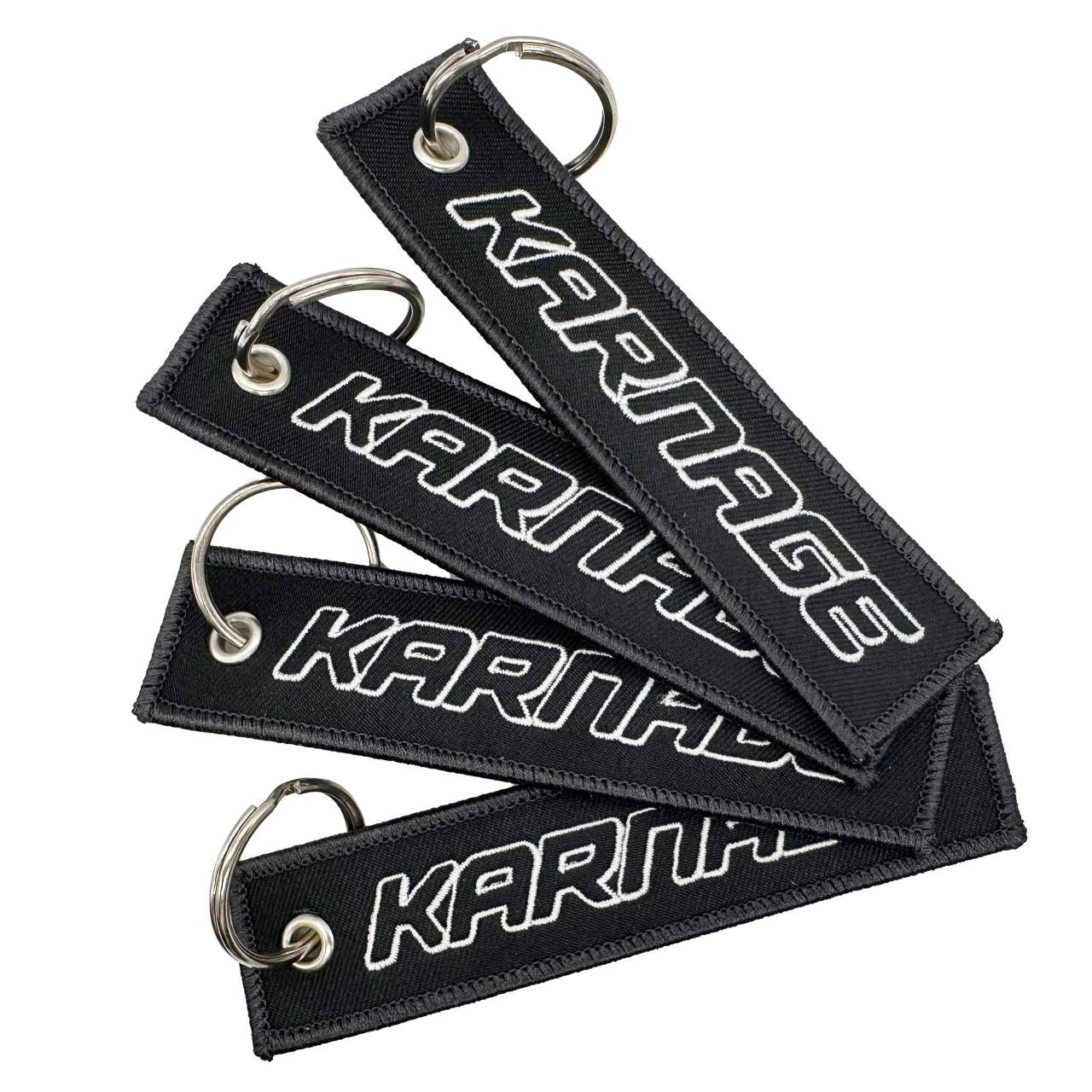
Neckline woven labels cost $0.15–$0.40 each with 200-piece minimums, while printed labels start at $0.05–$0.15 for higher volumes. Custom hang tags range from $0.10–$0.50 depending on material, size, and finish—coated paper, kraft, or rigid board.
Custom polybags cost $0.08–$0.20, tissue paper wrapping adds $0.10–$0.25, and branded boxes range from $0.50–$2.00 per unit. Silicon labels, rubber patches, and metal logos cost $0.30–$1.20 each, reinforcing premium brand positioning for custom dress collections.
6. Key Quality Elements in Custom Dress Construction
Professional buyers inspect six critical construction checkpoints before approving any custom dress order. Understanding these benchmarks ensures consistent quality across production runs and reduces rejection rates.
Seam Type and Stitch Density Standards
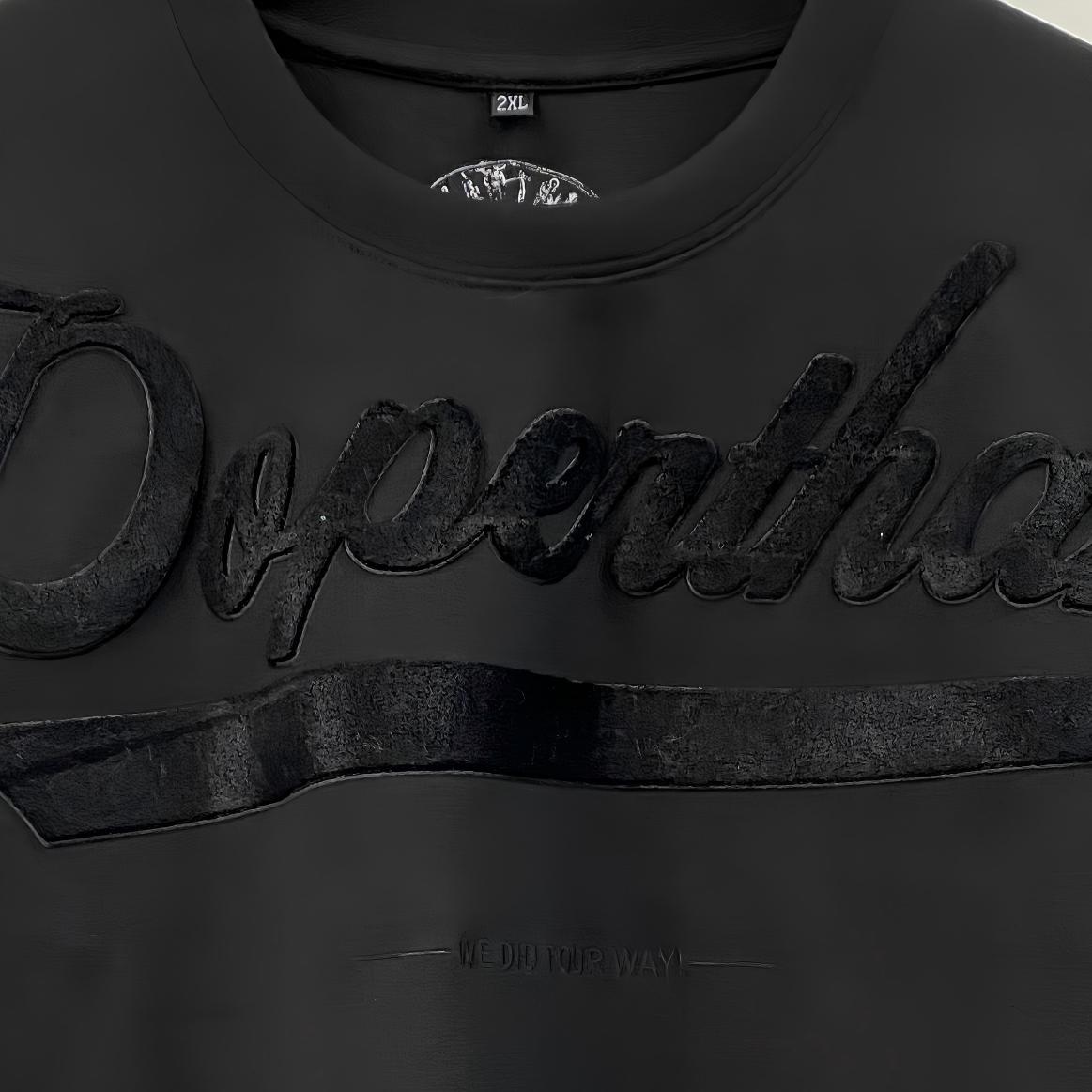
Woven dress fabrics require 12–14 stitches per inch for structural seams, while stretch fabrics need 10–12 stitches per inch to maintain elasticity. French seams, flat-felled seams, and overlock seams serve different aesthetic and durability functions.
Specify seam type, stitch density, and thread weight in your tech pack. Include allowable tolerance ranges (±1 stitch per inch) and require sample approval before bulk production.
Lining Quality and Attachment Method
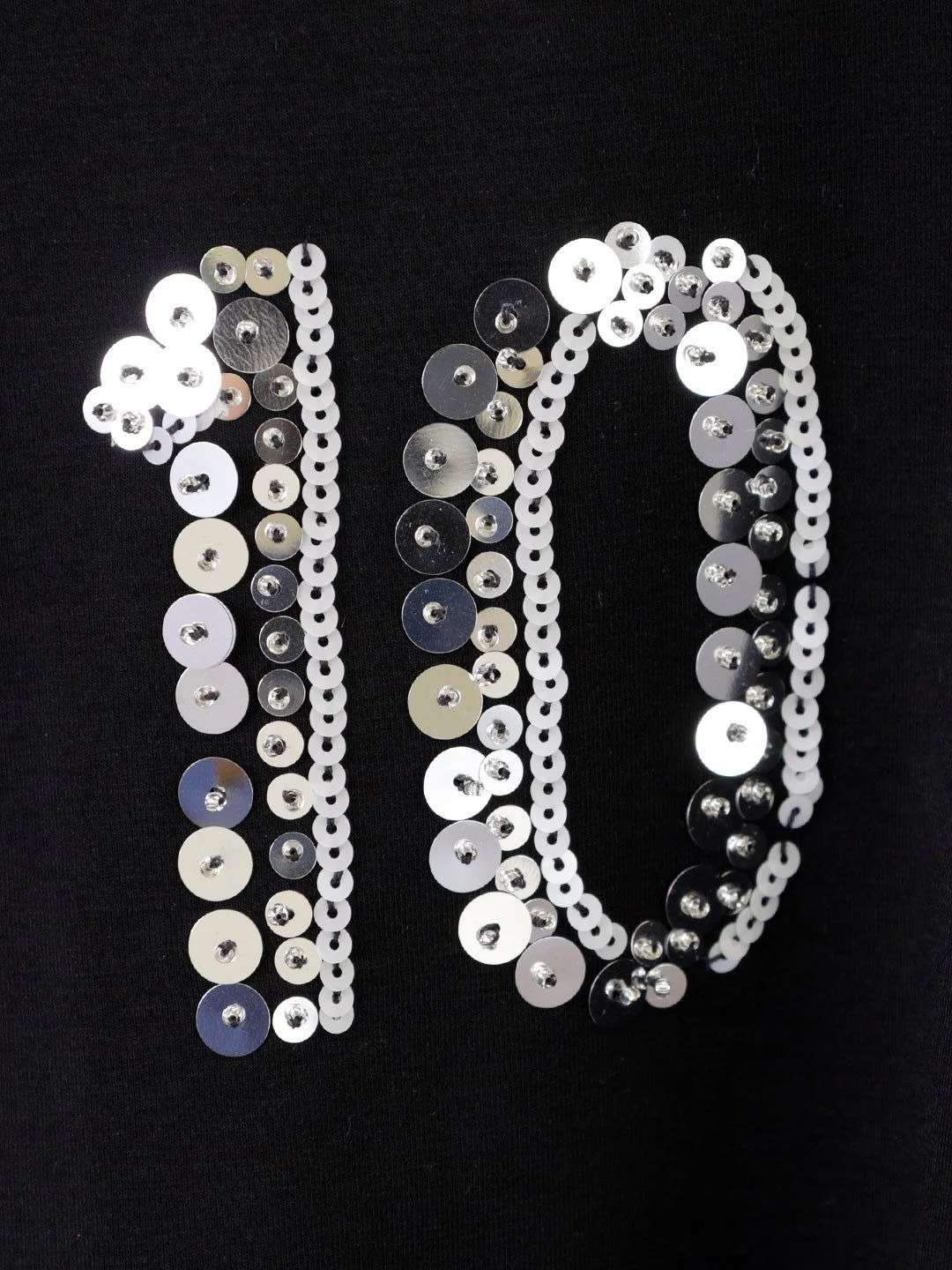
Premium dress linings use acetate, cupro, or polyester satin with weights between 60–100 GSM depending on outer fabric. Lining attachment methods include fully lined construction, half-lining, or slip-stitch finishing at hems.
Define lining fabric composition, weight, color matching tolerance, and attachment technique in your QC checklist. Inspect lining tension to prevent bubbling or pulling after wash cycles.
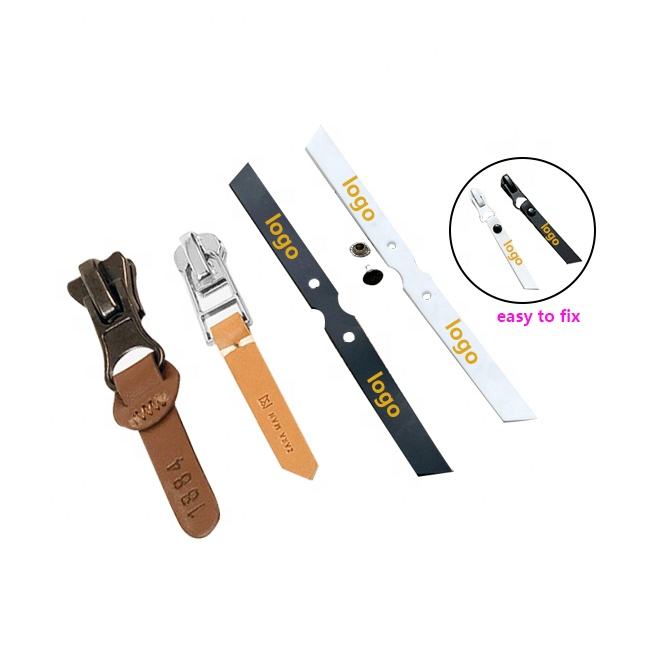
Zipper and Closure Hardware Grade
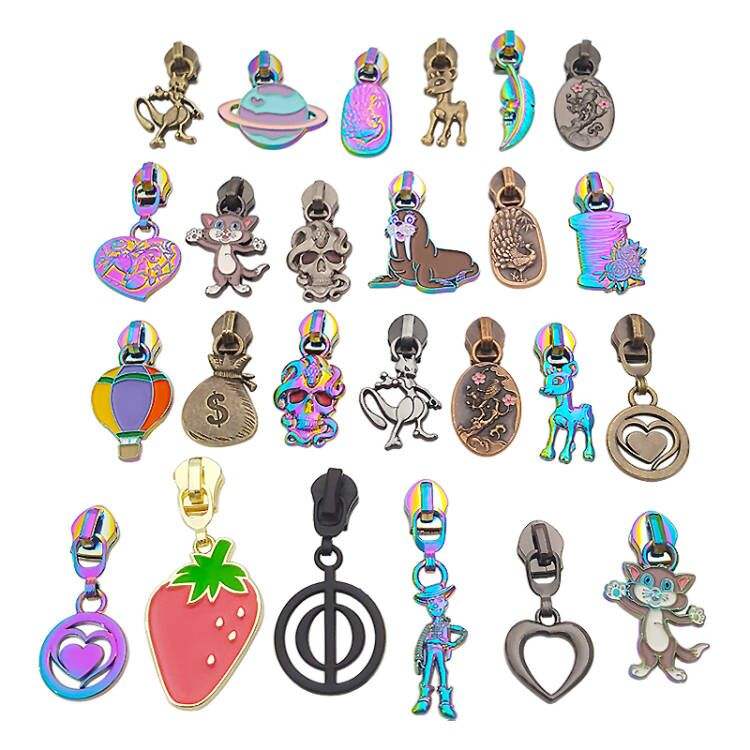
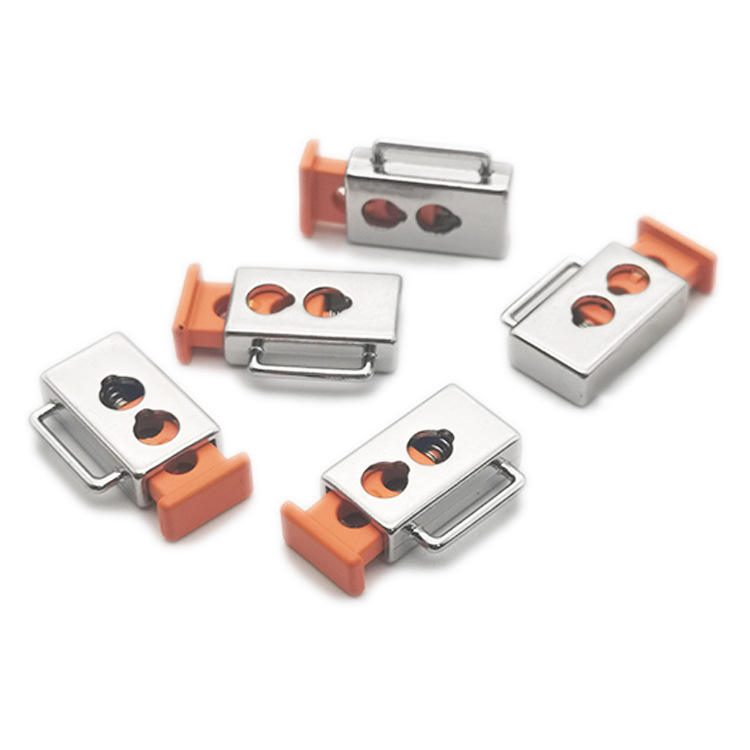
YKK or equivalent-grade zippers ensure consistent performance across size runs. Invisible zippers for formal dresses require 3mm coil construction, while exposed back zippers use 5mm metal or nylon coils.
Specify zipper brand, coil size, finish (nickel, antique brass, matte black), and pull-test requirements (minimum 15 kg force). Include closure placement measurements and seam reinforcement details in your tech pack.
Hemming Technique and Finish Consistency
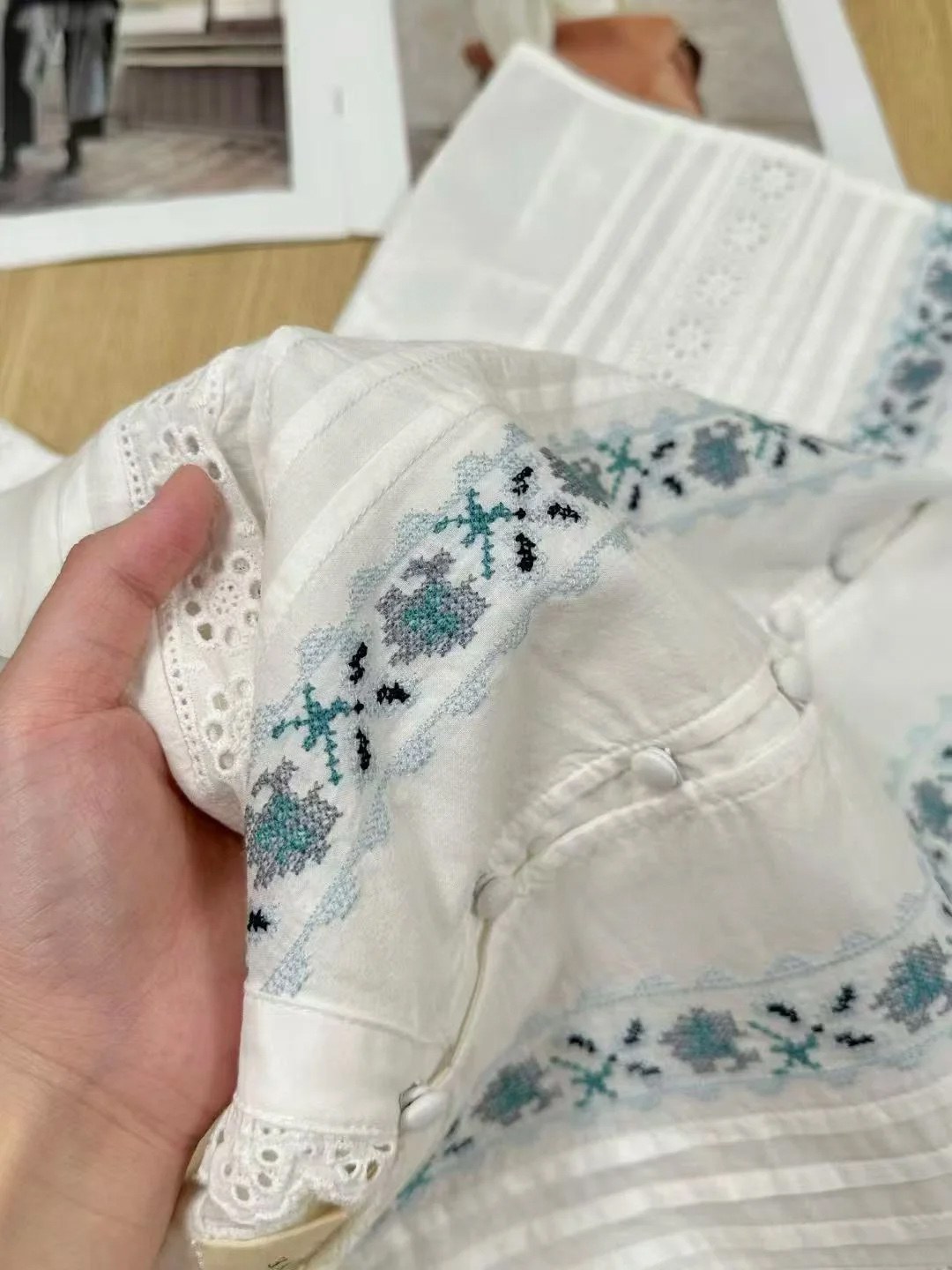
Blind-stitch hems for formal dresses should be invisible from the exterior with 8–10 mm hem allowance. Rolled hems for chiffon or satin require specialized presser feet and 3–5 mm width.
Document hem type, stitch visibility, width tolerance (±2 mm), and pressing requirements. Specify different hem techniques for bodice lining, skirt lining, and outer fabric in multi-layer construction.
Pattern Alignment at Seams
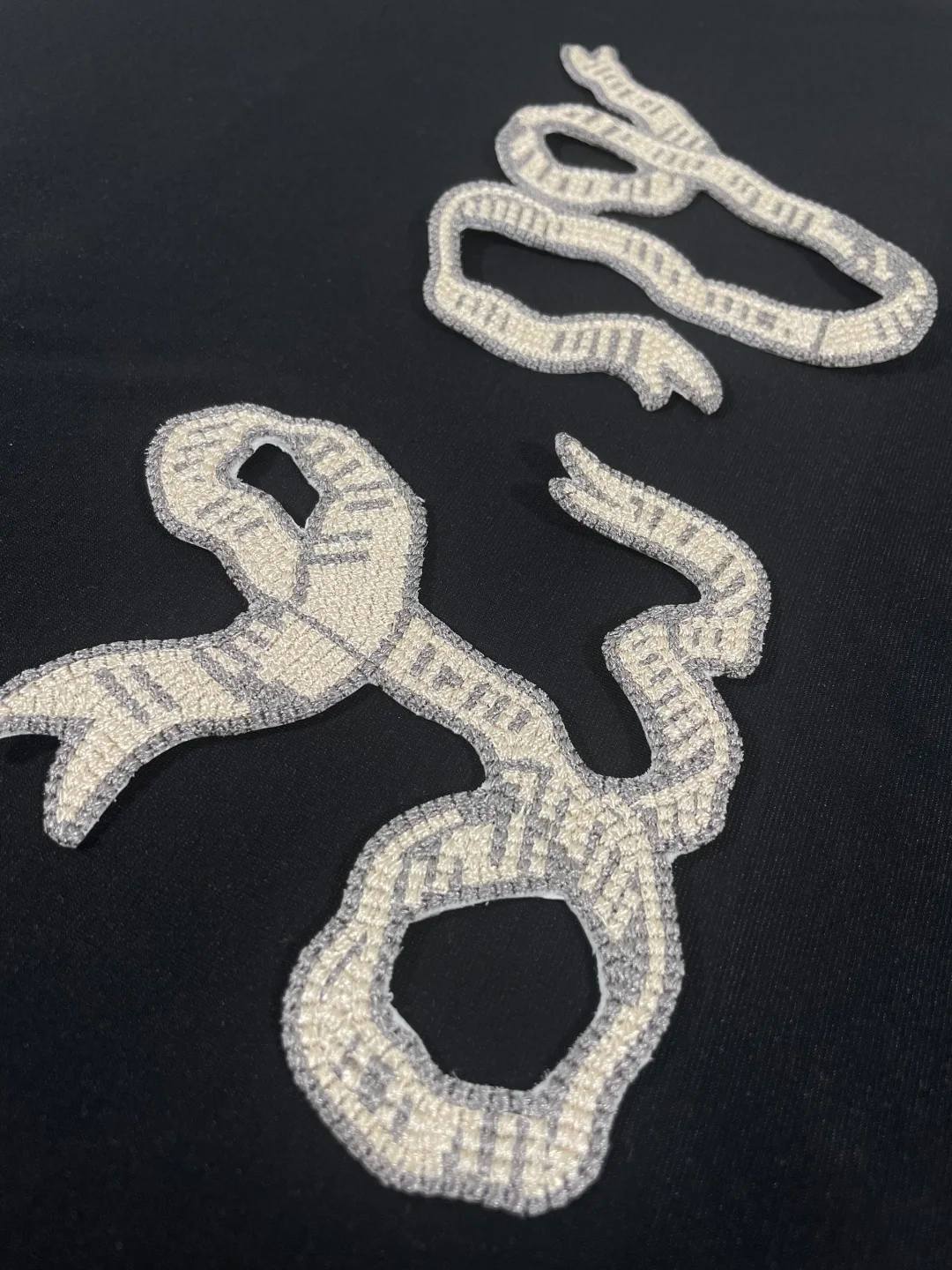
Stripe, plaid, and floral print dresses require pattern matching at side seams, center front, and princess seams within ±3 mm tolerance. Directional prints must align consistently across all garment panels.
Mark pattern match points on your tech pack with reference photos. Add 10–15% fabric waste allowance for pattern matching and include alignment checkpoints in your in-line QC process.
Fit Consistency Across Size Runs
Grade rules must maintain proportional fit relationships across XS to XXL with consistent ease allowances (typically 5–8 cm at bust, 3–5 cm at waist). Critical measurement points include bust, waist, hip, shoulder width, armhole depth, and dress length.
Create a size spec chart with tolerance ranges (±1 cm for measurements under 50 cm, ±1.5 cm for measurements over 50 cm). Require fit samples in at least three sizes before approving production patterns.
7. How to Choose the Right Custom Dress Manufacturer
Selecting a reliable custom dress manufacturer requires evaluating multiple operational and compliance factors. The right partner balances production flexibility, technical capabilities, and transparent communication to support your brand’s growth trajectory.
MOQ Flexibility and Production Capacity
Minimum order quantities determine whether a factory can support startup brands or only large-scale buyers. ZORWILD offers 50-piece MOQ for many custom dress styles, enabling influencers and small brands to test designs without heavy inventory risk.
Monthly production capacity signals reliability for scaling orders. Factories producing over 100,000 units monthly can absorb growth while maintaining consistent lead times, typically 25–45 days for bulk production after sampling approval.
Sampling Speed and Fabric Sourcing
Sample turnaround time ranges from 7 to 15 days for most custom dress manufacturers. Fast sampling allows brands to iterate designs and launch seasonal collections on schedule.
In-house fabric sourcing partnerships reduce delays and quality variability. Manufacturers with direct access to cotton, satin, chiffon, lace, and technical fabrics streamline material procurement and offer better cost control than those relying on third-party suppliers.
Decoration Capabilities and Compliance
In-house decoration—embroidery, beading, sequins, lace application—ensures tighter quality control and faster turnaround than outsourced processes. Verify whether the factory owns its embroidery machines and finishing equipment.
Compliance certifications including BSCI, WRAP, and OEKO-TEX demonstrate adherence to labor standards, chemical safety, and environmental responsibility. Request audit reports and test certificates before committing to large orders.
Vetting Factories and IP Protection
Request client references, production samples, and third-party audit reports to verify factory claims. A sample order of 50–100 pieces reveals real production quality, communication responsiveness, and adherence to tech packs.
Tech-pack readiness and signed IP protection agreements safeguard your designs. Ensure the manufacturer accepts detailed tech packs with measurements, construction notes, and decoration specs, and signs non-disclosure agreements before sharing proprietary designs.
8. Common Mistakes Buyers Make When Ordering Custom Dress
Ordering custom dress production without manufacturing experience often leads to costly mistakes that damage brand reputation and profit margins. Understanding these pitfalls before placing your first order protects your investment and ensures smooth production cycles.
Skipping Pre-Production Samples
Many buyers approve production based on photos or verbal descriptions without physical samples. This results in incorrect fit, poor fabric quality, and construction defects discovered only after bulk production ships.
Always order pre-production samples to verify measurements, fabric weight, drape, color accuracy, and seam quality. ZORWILD requires sample approval before bulk production begins, protecting both parties from miscommunication.
Ignoring Fabric Shrinkage and Stretch
Natural fabrics like cotton and linen shrink 3-5% after washing, while knit fabrics stretch during wear. Buyers who neglect pre-shrinking or stretch recovery testing face size inconsistencies and customer returns.
Specify pre-washed fabrics or garment-dye processes. Request wash testing on sample garments and adjust pattern grading to compensate for shrinkage before bulk production.
Choosing the Cheapest Quote Without Quality Checks
Low pricing often signals inferior fabric, inexperienced workers, or skipped quality control steps. Brands that prioritize cost over quality face high return rates, negative reviews, and long-term brand damage.
Evaluate manufacturers on fabric sourcing transparency, worker skill, inspection systems, and references from existing clients. ZORWILD’s 27 years of experience and strict multi-stage QC justify competitive pricing with reliable results.
Failing to Lock in Pantone Color Standards
Verbal color descriptions like ‘burgundy’ or ‘navy’ lead to mismatched dye lots and inconsistent collections. Without Pantone TPX or TCX references, every production run may vary.
Provide Pantone codes for all colors and request lab dips or strike-off samples before bulk dyeing. ZORWILD maintains color consistency across repeat orders using standardized Pantone matching systems.
9. Steps to Launch Your Custom Dress Brand Successfully
Launching a custom dress brand requires careful coordination across design, production, and logistics. First-time buyers benefit from a structured timeline that aligns sampling, payments, and inventory planning to minimize cash-flow risk and avoid costly delays.
Define Target Customer and Price Point
Establish your ideal customer profile, retail price range, and wholesale margin before contacting manufacturers. ZORWILD recommends mapping out whether you will target casual dresses at $30–60 retail, resort dresses at $60–120, or formalwear at $120–300, because fabric selection and decoration budgets scale accordingly.
Price point determines fabric GSM, lining quality, embellishment complexity, and packaging level. Startup brands often begin with 2–3 dress styles in complementary silhouettes to test market response while keeping SKU counts manageable and MOQ totals achievable.
Create Design Sketches and Tech Packs
Prepare technical sketches showing front, back, and side views with measurements, seam placements, and decoration callouts. ZORWILD’s development team can refine rough sketches into production-ready tech packs that include fabric specifications, colorways, trim details, and construction notes.
Tech packs reduce sampling revisions and ensure accurate costing. Include reference images, fabric swatches, and fit preferences to communicate your vision clearly and avoid misinterpretation during pattern development.
Select Fabrics, Trims, and Sample Approval
Review fabric options for weight, drape, stretch, and care requirements. ZORWILD sources cotton poplin, rayon, satin, chiffon, linen blends, and technical fabrics with lead times of 7–14 days for stock materials and 20–30 days for custom dyeing.
Request pre-production samples to verify fit, fabric hand feel, color accuracy, and decoration quality. Plan 10–15 days for initial samples and 5–7 days per revision round. Approve samples in writing before authorizing bulk production to lock in specifications.
Negotiate MOQ, Payment Terms, and Bulk Order
ZORWILD’s 50-piece MOQ per style allows startup brands to launch with 2–3 styles across 2–3 colors without excessive inventory. Negotiate payment terms—typically 30–50% deposit and balance before shipment—and confirm lead times of 25–35 days for bulk production after deposit.
Place your order with a signed purchase order detailing quantities, colors, sizes, decoration, packaging, and delivery deadlines. Align production timing with your marketing calendar and pre-order campaigns to ensure inventory arrives before launch.
10. Custom Dress Pricing and Cost Breakdown
Custom dress pricing at ZORWILD follows a volume-tiered structure where unit costs drop significantly as order quantities increase, with 50-piece starter runs priced higher per unit than 1,000-piece production batches. Fabric grade accounts for 40–55% of total garment cost, with basic cotton poplin dresses starting around $12–$18 per unit at 100 pieces, while satin, chiffon, or lace-embellished formal dresses range from $25–$45 per unit depending on construction complexity and decoration density.
Decoration methods add $1.50–$8.00 per garment depending on technique: screen printing costs $1.50–$3.00 per location, embroidery runs $2.50–$5.00 per 5,000 stitches, and beading or sequin work adds $5.00–$12.00 per dress for intricate patterns. Custom packaging, branded hang tags, and polybags typically add $0.80–$2.50 per unit, while express air freight can double landed costs compared to standard sea freight for time-sensitive launches.
Hidden costs often include import duties (5–16% depending on destination country and HS code classification), third-party QC inspection fees ($250–$400 per visit), and potential rework charges (10–20% of original unit cost) if specifications change mid-production. Setup and sampling fees are typically $150–$300 per style and are often waived or credited back when orders exceed 300 pieces, making higher-volume commitments more cost-efficient for established brands.
| Order Quantity | Unit Price (USD) | Lead Time (days) | Setup/Sampling Fee |
|---|---|---|---|
| 50 pieces | $22–$38 | 18–25 | $200–$300 |
| 100 pieces | $18–$32 | 20–28 | $150–$250 |
| 300 pieces | $14–$26 | 25–32 | $100–$150 (often waived) |
| 500 pieces | $12–$22 | 28–35 | Waived |
| 1,000+ pieces | $10–$18 | 30–40 | Waived |
Ready to Launch Your Custom Dress Collection?
Start with just 50 pieces. Expert team responds within 24 hours. Get your free quote and fast samples today.