
Custom Bride Dresses from 50-Piece MOQ with 7-Day Sampling
ZORWILD manufactures premium custom bride dresses for DTC brands, influencers, and wholesalers with low MOQ production, full customization, and 27 years of proven apparel expertise.
Bridal Manufacturing Capabilities & Sample Work
Why ZORWILD for Custom Bride Dresses
27 Years Bridal Expertise
Over two decades of specialized experience in wedding gowns, evening dresses, and formalwear with consistent precision and quality craftsmanship.
In-House Embroidery & Beading
Complete bridal decoration capabilities including lace application, embroidery, beading, sequins, and corset construction all under one roof.
6-Stage Quality Control System
Rigorous inspection from fabric arrival through final packaging ensures every custom bride dress meets luxury wedding standards.
7-Day Sample Turnaround
Rapid prototype development lets bridal brands evaluate fit, fabric draping, embellishment quality, and construction before bulk production.
50-Piece Minimum Order Quantity
Launch bridal capsule collections or test new wedding dress designs without massive inventory risk or capital commitment.
Full Bridal Customization Options
Custom sizing, lace patterns, satin draping, corset structures, multi-layer skirts, beading, embroidery, and premium formalwear finishing.
Wedding Dress Production Expertise
From intimate ceremonies to grand celebrations, our Humen factory produces bridal gowns with precision construction and low 50-piece MOQs.
A-Line Wedding Dresses
Classic A-line silhouettes manufactured with structured bodice construction, flowing skirt panels, and precise waistline definition. We handle corset boning, satin draping, lace applique, beading application, and multi-layer tulle assembly with strict quality control across all bridal weight fabrics and intricate embellishment techniques.
Get a Quote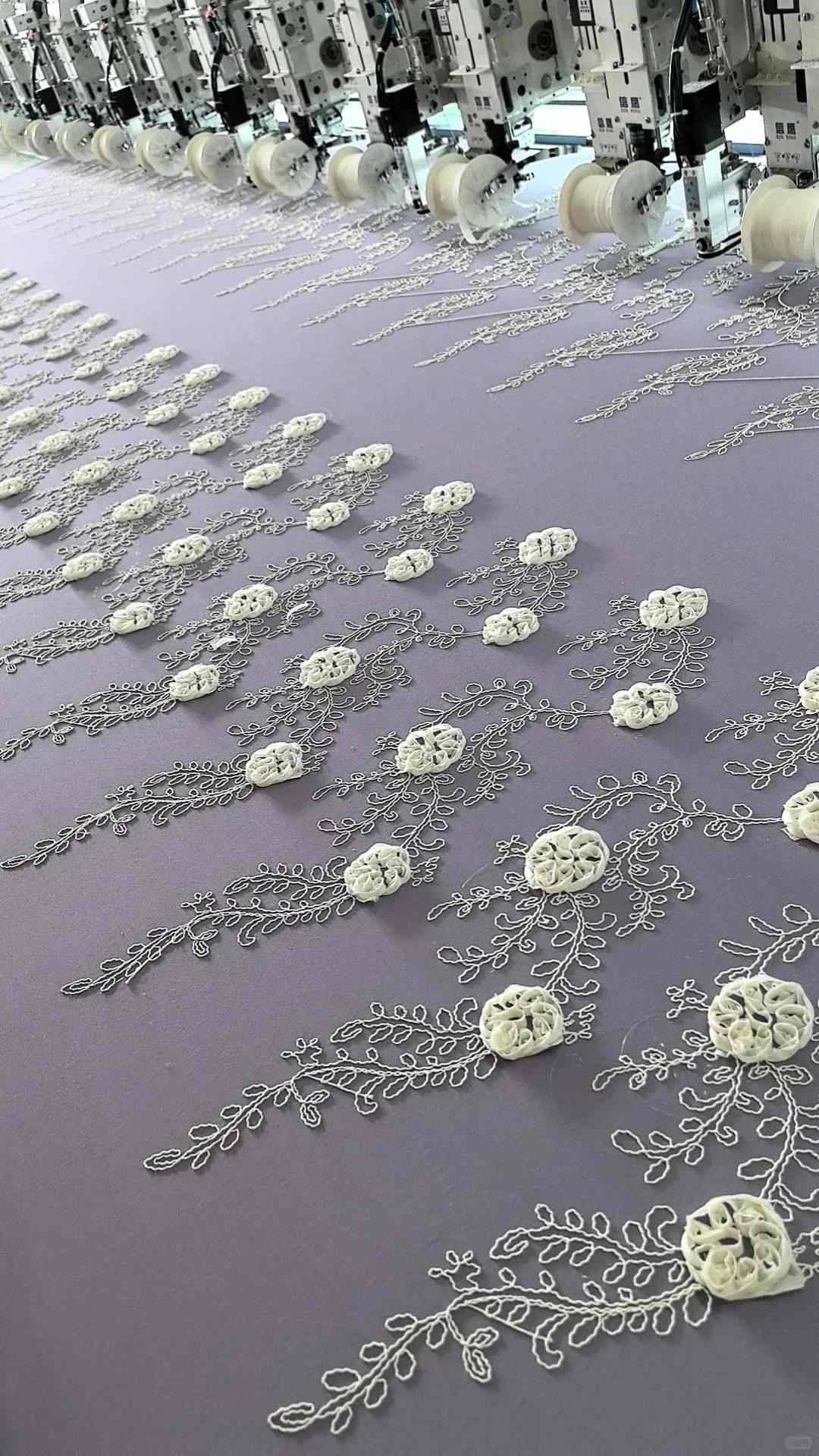
Mermaid Bridal Gowns
Figure-hugging mermaid gowns engineered with advanced pattern making for dramatic flare construction below the knee. Our team specializes in stretch satin, structured boning systems, concealed zippers, chapel train finishing, and precise fit gradation to ensure silhouette integrity across all size runs and fabric weights.
Get a Quote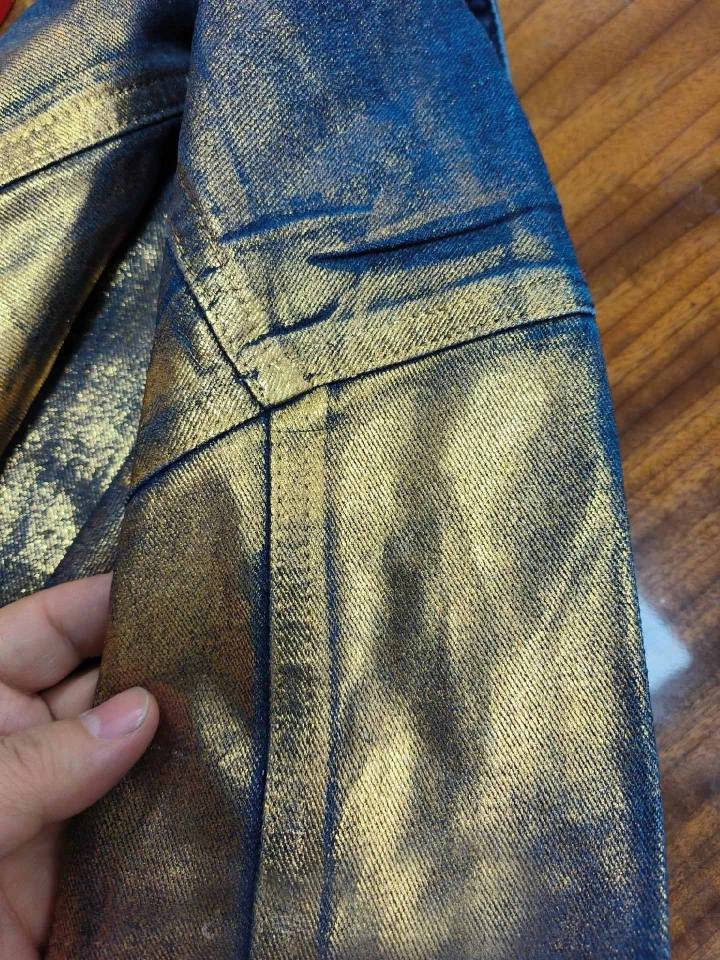
Ball Gown Dresses
Voluminous ball gown production featuring structured bodice foundations, full crinoline skirt construction, and multi-layer tulle assembly. We execute complex corset structures, hand-sewn beading, cathedral train construction, satin underlays, and precise waistline engineering with 27 years of formal dress manufacturing experience.
Get a Quote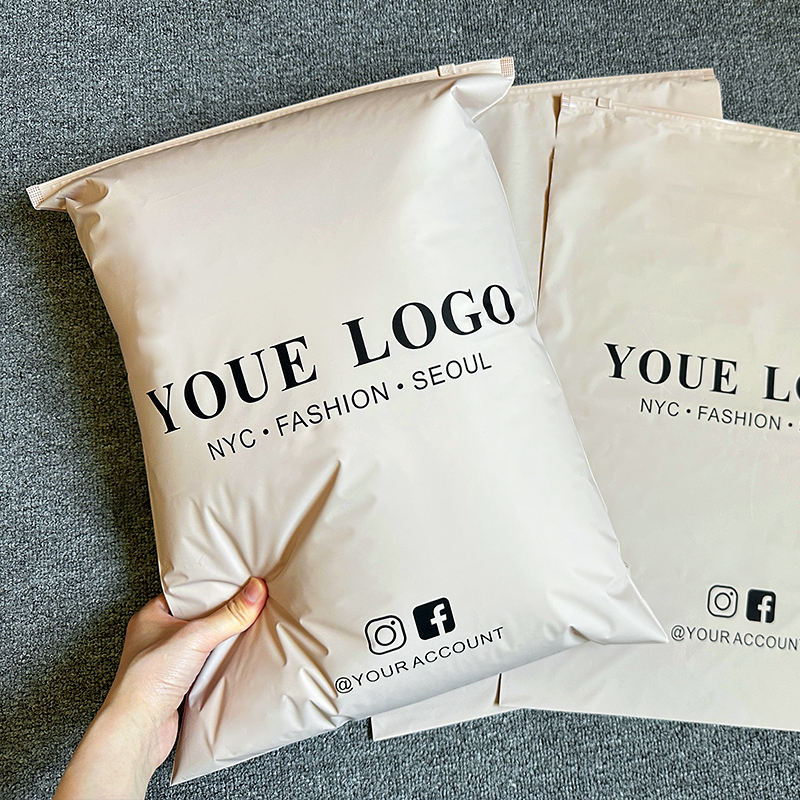
Sheath Wedding Dresses
Sleek sheath wedding dresses crafted with body-conscious pattern cutting, premium stretch fabrics, and minimalist construction techniques. Our factory delivers clean seam finishing, invisible zipper application, bias-cut draping, crepe and silk satin handling, and precise fit control ideal for modern minimalist bridal collections.
Get a Quote
Bohemian Bride Dresses
Relaxed bohemian bridal styles manufactured with flowing chiffon layers, delicate lace panels, and soft romantic construction. We specialize in vintage-inspired embroidery, crochet lace application, flutter sleeve construction, empire waistlines, lightweight fabric layering, and natural texture finishing for free-spirited wedding aesthetics.
Get a Quote
Plus Size Bridal
Inclusive plus size bridal manufacturing with expert pattern grading, supportive construction techniques, and flattering silhouette engineering. Our production system ensures consistent fit across extended size ranges, reinforced seam construction, comfortable boning placement, premium lining systems, and dignified design execution for every body type.
Get a Quote
Lace Wedding Gowns
Intricate lace wedding gowns featuring hand-applied Chantilly lace, Alençon lace overlays, and delicate illusion panel construction. We execute complex lace pattern matching, scalloped edge finishing, layered applique work, sheer back panels, long sleeve construction, and vintage-inspired embroidery with meticulous attention to detail.
Get a Quote
Beach Wedding Dresses
Lightweight beach wedding dresses designed for destination ceremonies with breathable chiffon, soft tulle, and flowing construction. Our factory produces halter necklines, spaghetti strap systems, high-low hemlines, side slit finishing, minimal embellishment application, and easy-movement silhouettes perfect for outdoor seaside celebrations.
Get a Quote
Bridesmaid Dresses
Coordinated bridesmaid dress collections manufactured with consistent color matching, flexible sizing systems, and scalable production from 50 pieces. We handle chiffon draping, satin bodice construction, convertible strap systems, floor-length hemming, custom color dyeing, and cohesive style variations to complement any wedding theme.
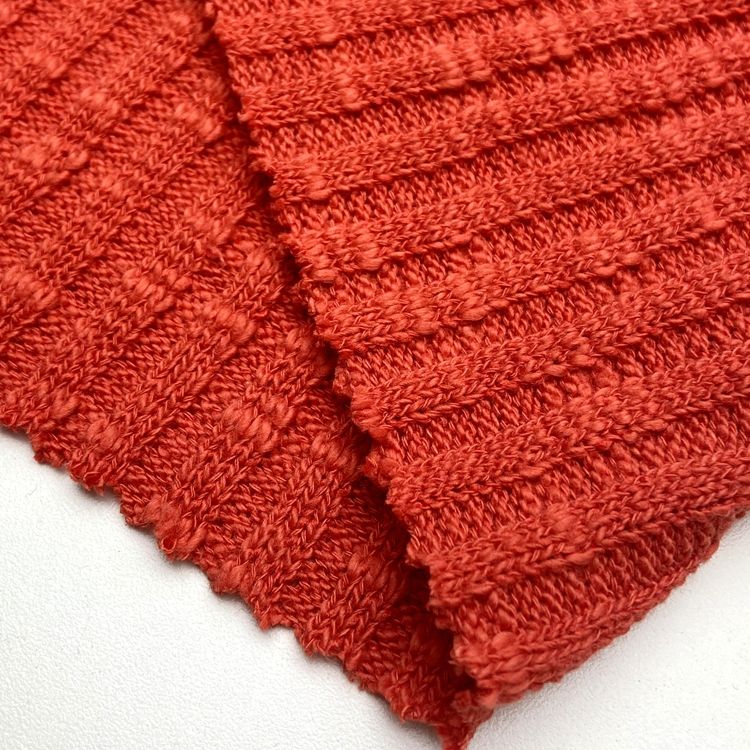
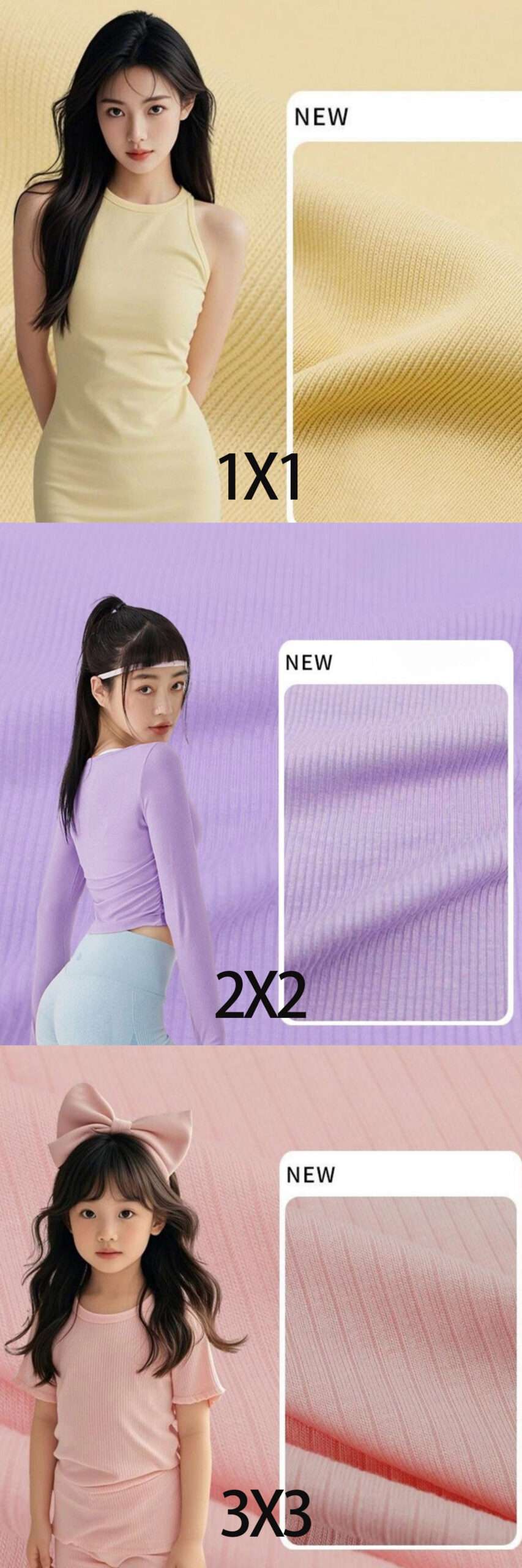
Get a QuotePremium Fabrics for Custom Bride Dresses
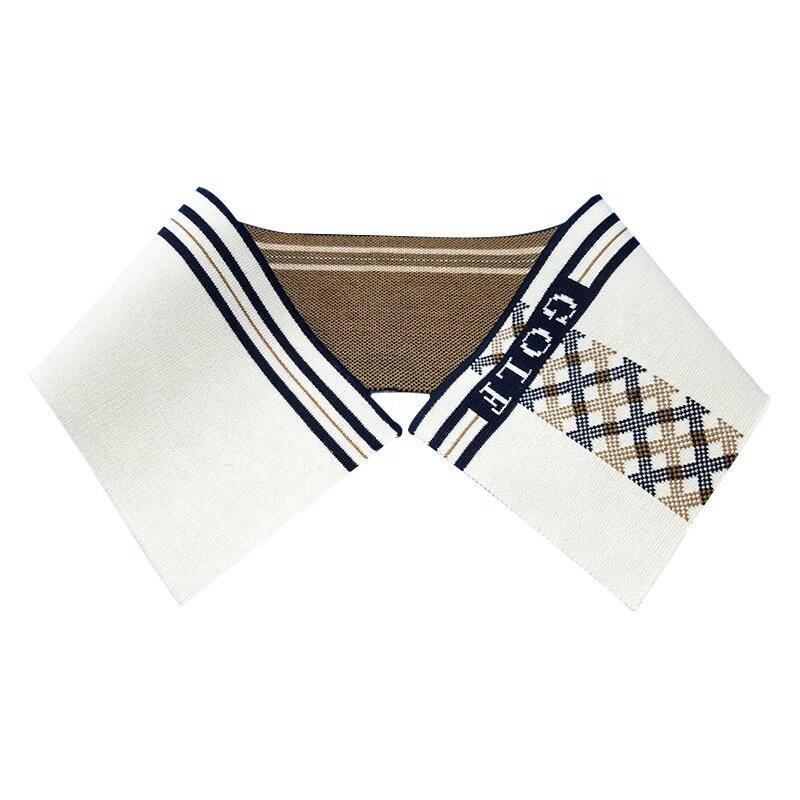
Custom Bride Dresses Decoration & Finishing Techniques
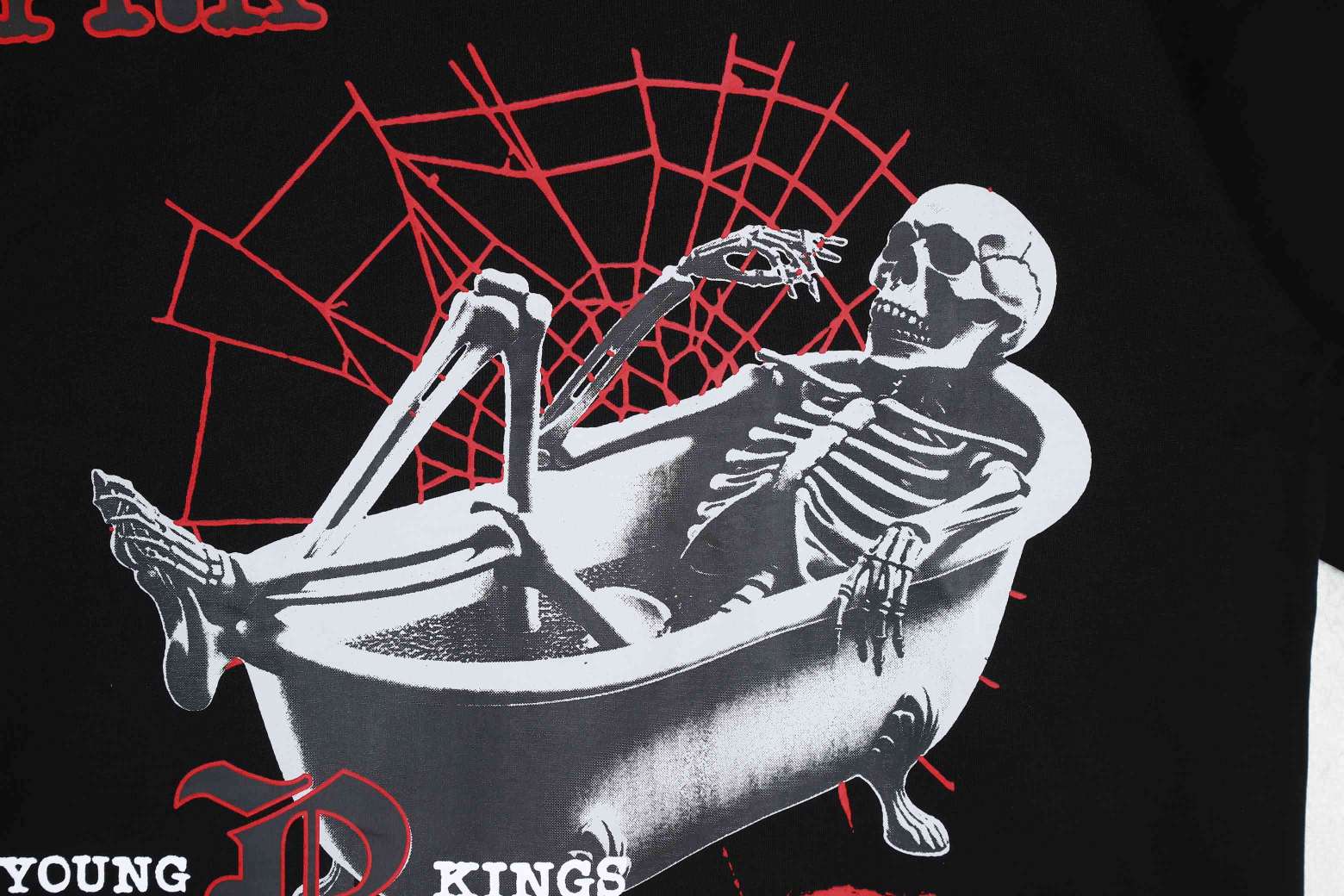
Beading & Sequins
Hand-applied and machine-secured beading, rhinestones, pearls, and sequin embroidery add luxurious shimmer and visual depth. Precise placement and secure attachment ensure lasting beauty and professional finish for high-end bridal collections and evening gowns.
Lace Appliqué
Delicate lace appliqué application creates romantic, vintage-inspired bridal aesthetics with layered dimension. Expert cutting, positioning, and stitching techniques ensure seamless integration with tulle, satin, and chiffon fabrics for timeless wedding dress elegance.
Satin Draping
Skilled satin draping and corset construction deliver elegant silhouettes, flattering fit, and premium structure. Multi-layer construction, precise pattern work, and expert finishing create custom bride dresses with luxurious flow, shape retention, and sophisticated bridal appeal.
Special Finishes
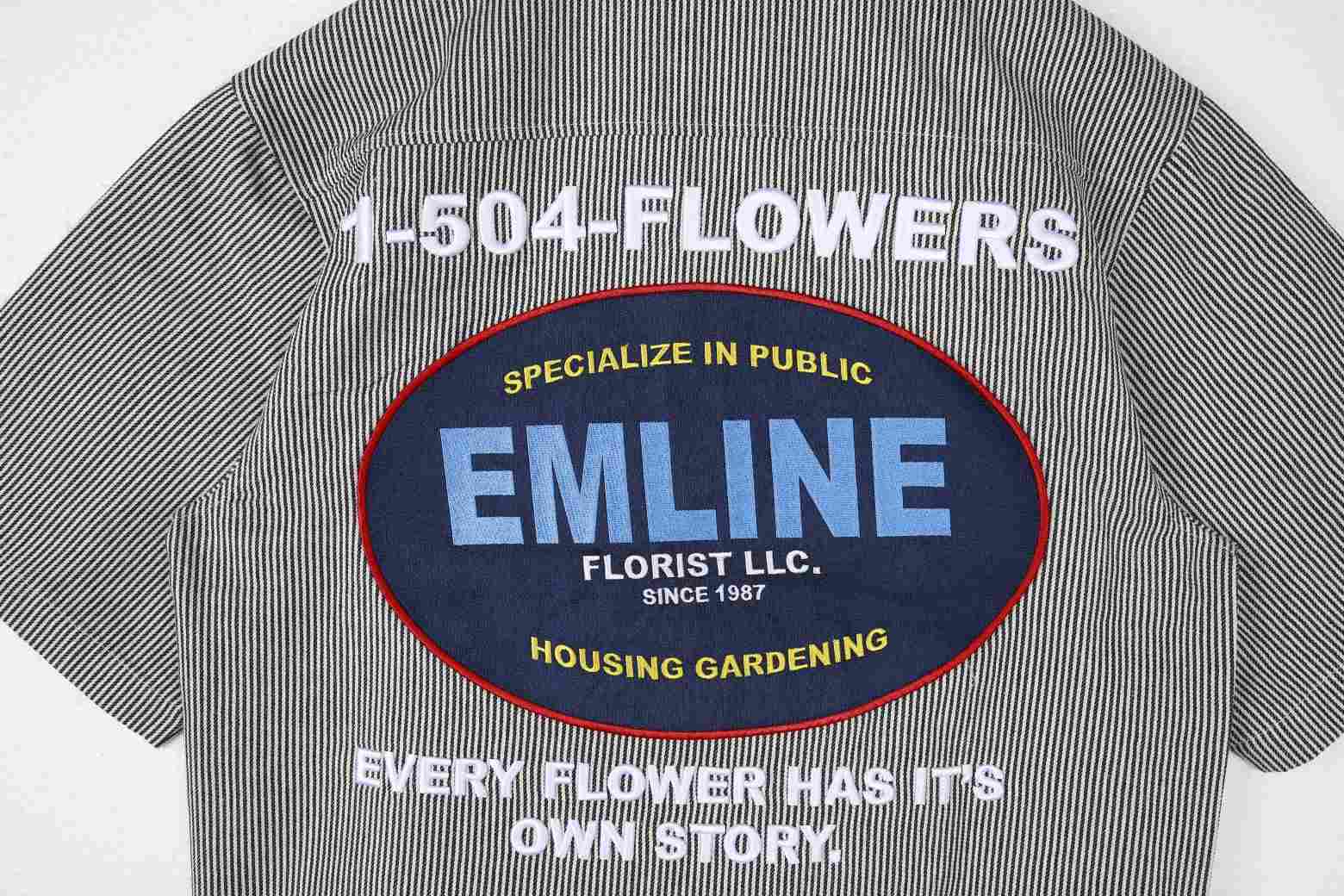
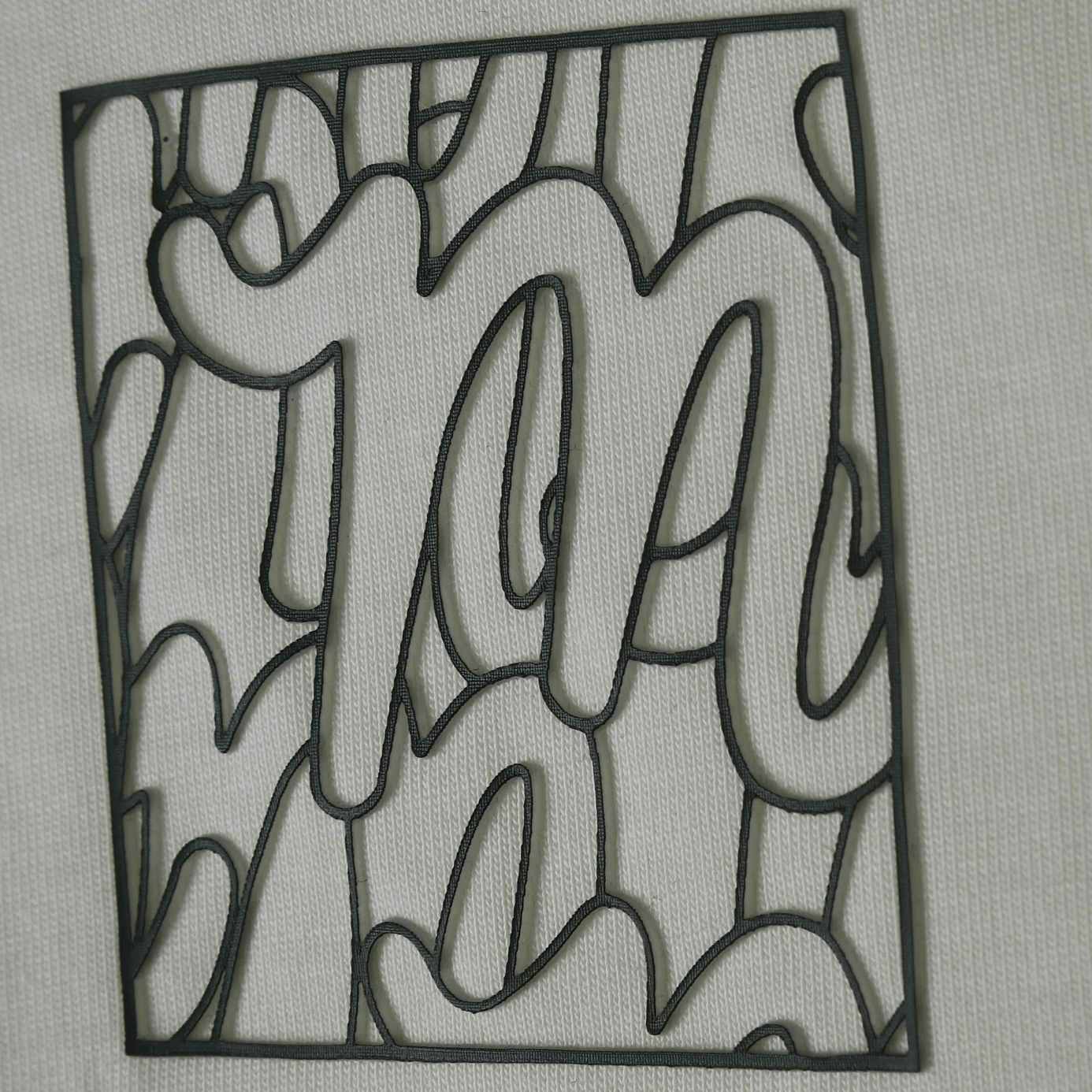
Embossing, laser cutting, foil accents, and metallic embroidery add modern luxury and distinctive detailing. These advanced techniques create statement bridal pieces with unique textures, dimensional effects, and fashion-forward aesthetics for premium wedding collections.
Premium Accessories for Custom Bride Dresses
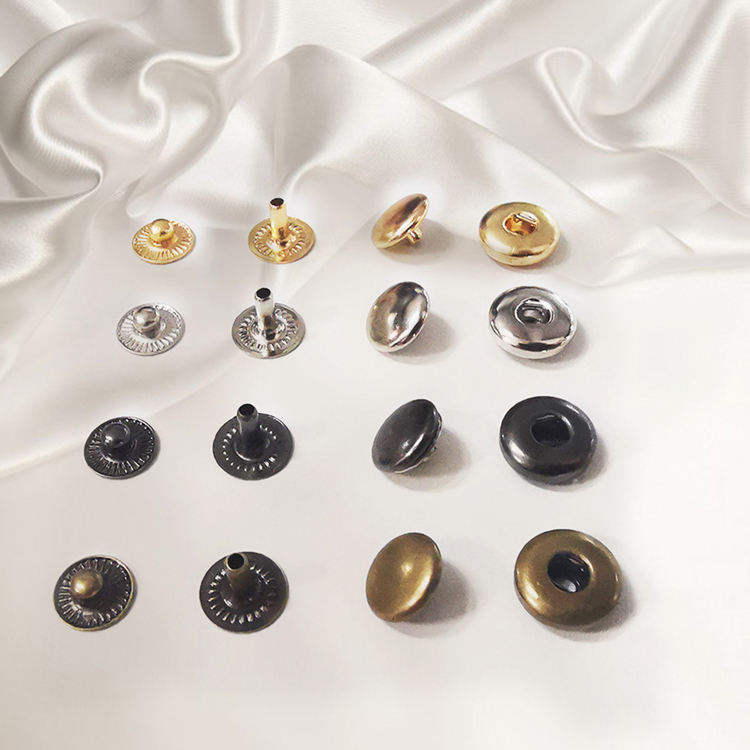
Satin Ribbons & Bows
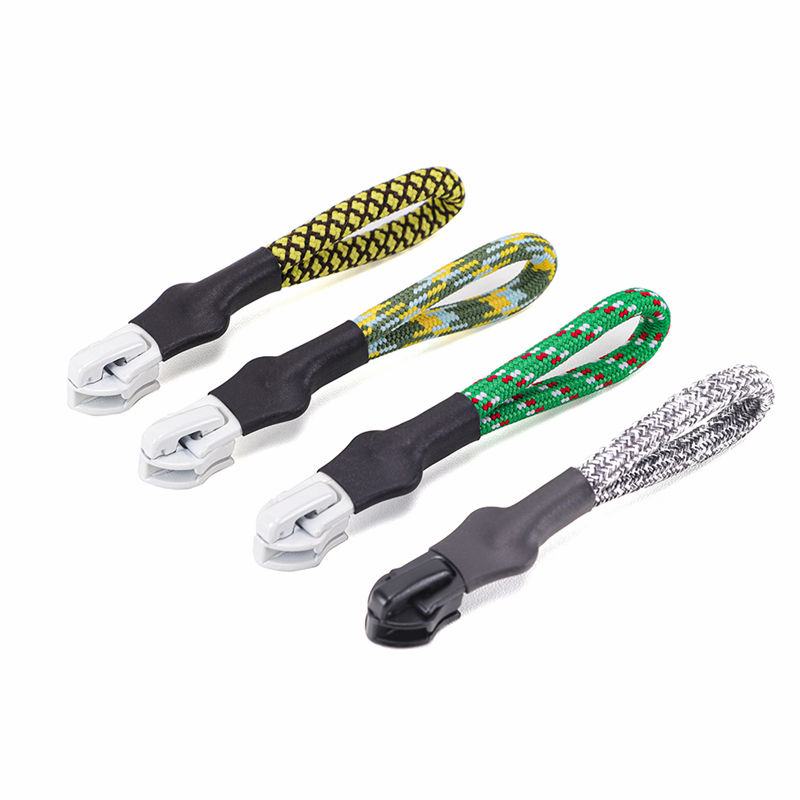
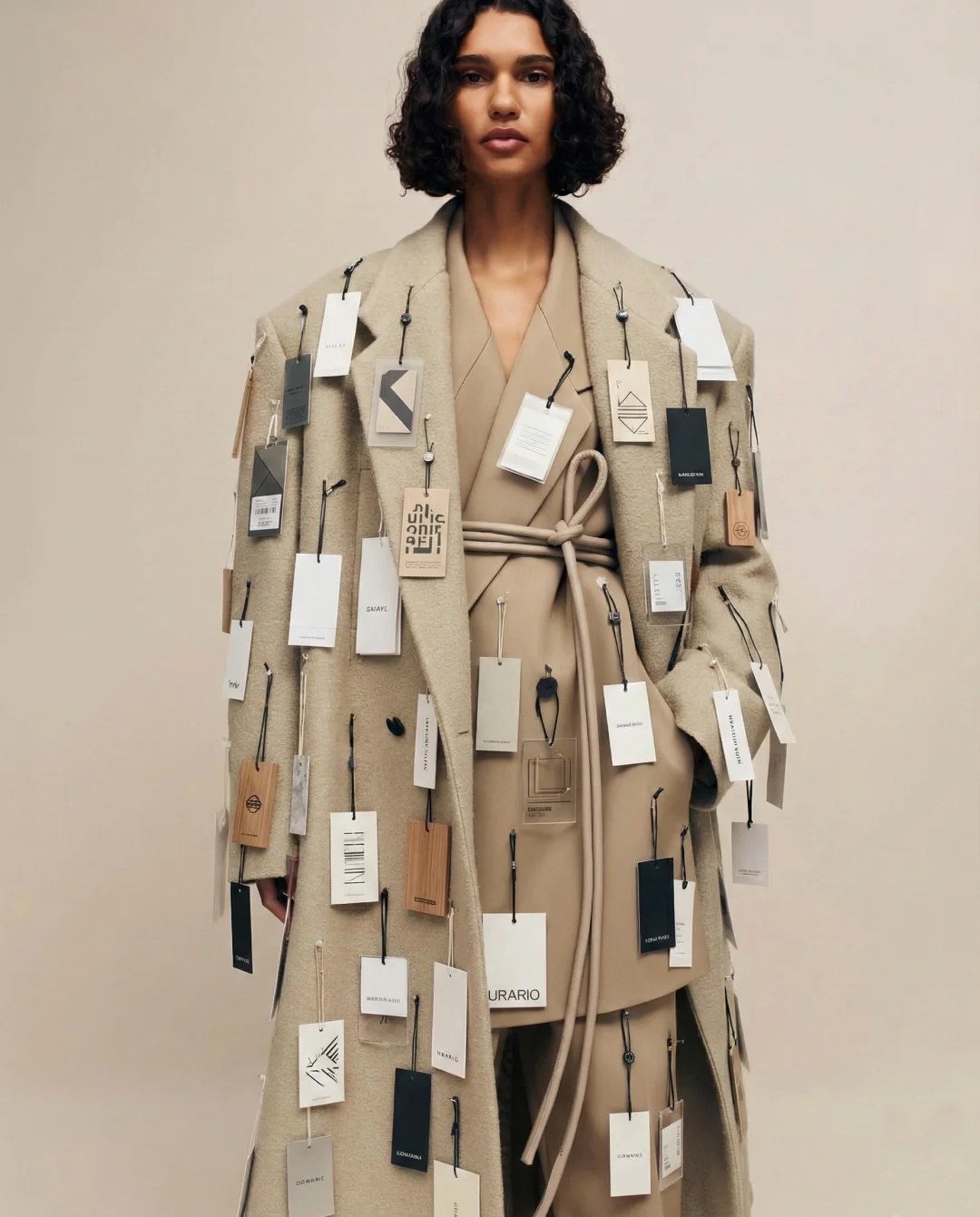
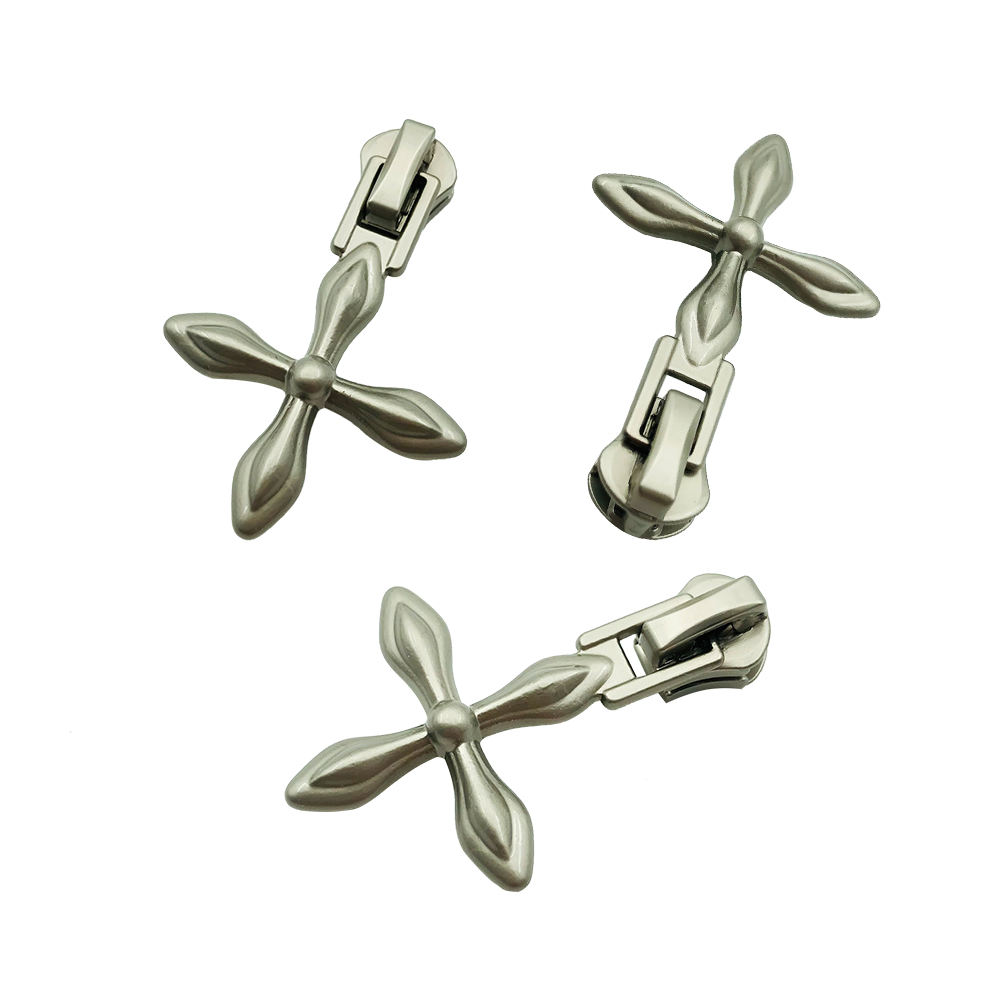
Double-faced satin ribbons in custom widths and colors for waist ties, back closures, and decorative accents. Perfect for creating adjustable fits and romantic detailing on custom bride dresses, corsets, and bridesmaid gowns.
Lace Appliqués & Trims
Hand-cut lace appliqués, beaded trims, sequin borders, and embroidered edging for bodices, trains, and veils. Sourced from trusted suppliers and applied with precision stitching to enhance the luxury appeal of your custom bride dresses.
Custom Bride Dresses Manufacturing Since 1998
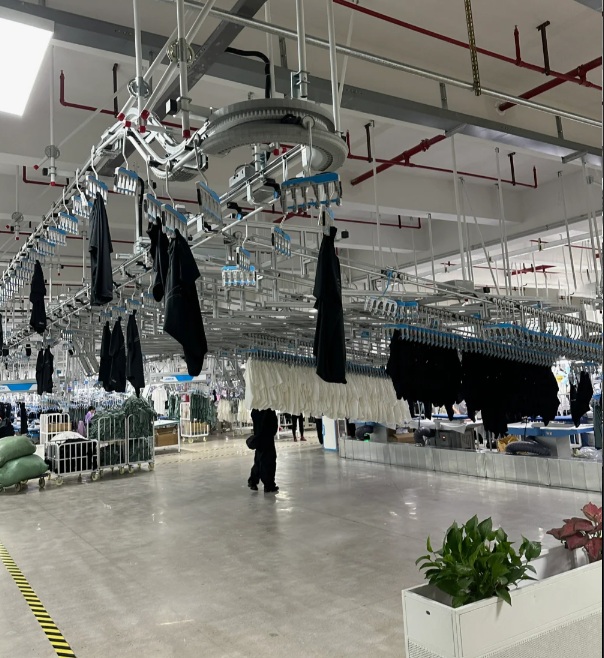
Founded in 1998 in Humen, Dongguan—one of the world’s premier garment manufacturing hubs—ZORWILD began as a family-operated workshop rooted in precision and craftsmanship. Today, we’ve grown into a full-service apparel manufacturer with over 200 skilled workers, specializing in custom bride dresses, formalwear, and complete apparel collections for brands worldwide.
With 27 years of experience, we’ve served more than 2,000 fashion brands across the United States, Europe, Australia, and beyond. Our expertise in bridal and formalwear production combines heritage tailoring techniques with modern OEM and ODM capabilities, delivering everything from intricate lace applications and beading to corset structures and multi-layer gown construction.
What sets ZORWILD apart is our commitment to accessibility and quality. We offer low 50-piece MOQs for startup bridal brands, 100,000+ units monthly production capacity for established labels, and a 6-stage quality control system that ensures every custom bride dress meets the highest standards of fit, finish, and craftsmanship.
Custom Bride Dresses Crafted with Precision
Custom Sizing & Perfect Fit Systems
Every bride deserves a perfect fit. Our 27-year expertise in custom bride dresses includes comprehensive grading systems, detailed measurement protocols, and fit sampling to ensure your bridal collection flatters diverse body types with consistent sizing accuracy across every production run.
- Custom grading from size 0 to 30+ with detailed measurement charts
- Fit sample development with adjustable seam allowances and construction
- Body-contour patterns for corset structures, bodice shaping, and draping
- Pre-production fit testing to validate measurements before bulk orders
Advanced Embroidery & Beading Craftsmanship
Transform your custom bride dresses with intricate embellishment techniques. Our in-house decoration team masters lace application, hand-beading, sequin work, 3D floral embroidery, pearl detailing, and crystal placement to create breathtaking bridal gowns that reflect luxury and romance.
- Hand-applied beading, sequins, pearls, and rhinestone embellishments
- Multi-layer lace appliqué with precision cutting and invisible stitching
- 3D embroidery and dimensional floral motifs for statement details
- Metallic thread work, chenille embroidery, and custom bridal monograms
6-Stage Quality Control for Formalwear
Bridal gowns demand flawless execution. Our rigorous 6-stage quality control system inspects fabric integrity, stitching precision, embellishment security, zipper function, hem alignment, and final garment presentation to ensure every custom bride dress meets luxury standards before shipment.
- Fabric inspection for flaws, color consistency, and texture quality
- In-line sewing checks for seam strength, stitch density, and alignment
- Embellishment security testing to prevent bead loss or loose sequins
- Final inspection covering measurements, pressing, packaging, and presentation
Full-Stack Bridal Customization Services
From concept to delivery, ZORWILD provides complete customization for custom bride dresses. Select premium fabrics like satin, tulle, organza, and lace. Add custom labels, branded hang tags, luxury garment bags, and elegant packaging to create an unforgettable unboxing experience.
- Fabric sourcing from premium satin, silk, tulle, chiffon, organza, and lace
- Custom branding with woven labels, printed tags, and embossed logos
- Luxury packaging including garment bags, tissue wrapping, and branded boxes
- Low 50-piece MOQ for boutique collections and emerging bridal brands
Why Choose ZORWILD for Custom Bride Dresses
Compare our proven manufacturing advantages against typical bridal suppliers. ZORWILD delivers lower MOQs, faster sampling, and professional quality control backed by 27 years of apparel expertise.
← 左右滑动查看 →
Custom Bride Dresses Production Timeline
ZORWILD’s 6-phase bridal manufacturing process ensures every custom bride dress meets your exact specifications, from initial design through final delivery with complete quality assurance.
Design & Tech Pack
Submit your bridal design ideas, sketches, tech packs, or reference samples. Our team reviews specifications and creates production-ready technical documentation for your custom bride dresses.
Fabric Sourcing & Approval
We source premium bridal fabrics including satin, chiffon, lace, tulle, and silk blends based on your design requirements. Fabric swatches sent for your approval before sampling.
Sampling & Fit Review
Pre-production samples crafted in 7 days for fit evaluation, fabric quality assessment, lace application review, embroidery inspection, and construction detail confirmation before bulk production begins.
Bulk Production Launch
Approved samples move into mass production with 50-piece minimum order quantity. Our 200-person team handles cutting, sewing, lace application, beading, embroidery, and corset construction with precision.
Quality Control & Finishing
Six-stage quality inspection system checks every custom bride dress for measurements, stitching integrity, decoration quality, fabric flaws, and finishing standards before final packaging approval.
Packaging & Global Shipping
Custom bridal packaging with branded hang tags, protective garment bags, and tissue wrapping. Export documentation and global logistics support via air freight, sea freight, or express delivery.
How to Order Custom Bride Dresses from ZORWILD
Our streamlined 6-step process takes you from initial design concept to finished custom bride dresses, with full transparency at every stage and professional support from our 27-year experienced team.
Submit Your Design or Tech Pack
Share your bridal dress designs, tech packs, sketches, reference photos, or inspiration images. Our development team will review your requirements and recommend fabrics, construction methods, and decoration techniques.
Receive Quote and Sampling Timeline
Within 24-48 hours, you’ll receive a detailed quotation covering fabric costs, decoration, MOQ options starting from 50 pieces, sampling fees, lead times, and shipping estimates tailored to your custom bride dresses.
Approve Samples and Fit
We produce pre-production samples in 7-10 days so you can evaluate fabric quality, embroidery, beading, lace application, fit, construction details, and overall finish before committing to bulk production.
Place Your Bulk Production Order
Once samples are approved, confirm your order quantities, sizes, colors, and delivery schedule. Our team prepares production plans, sources materials, and schedules your custom bride dresses into our manufacturing line.
Production with 6-Stage Quality Control
Your custom bride dresses move through cutting, sewing, decoration, finishing, and ironing with inspections at every stage. Our 200-plus skilled workers ensure every gown meets strict bridal quality standards.
Final Inspection and Global Delivery
After final quality inspection and premium packaging with custom labels and hang tags, we arrange air or sea freight with full export documentation and customs support for on-time delivery worldwide.
Certified Quality Standards for Custom Bride Dresses

Client Testimonials & Custom Bride Dresses Success Stories
ZORWILD helped us launch our bridal line with just 50 pieces per style. We went from concept to market in 6 weeks, and the lace application quality exceeded our expectations. Our first collection sold out in 3 weeks.
We tested 8 manufacturers before finding ZORWILD. Their beading consistency across 200 custom bride dresses was excellent—zero quality variations. The 6-stage inspection caught issues our previous supplier missed entirely, saving us $12,000 in returns.
As a bridal influencer launching my own line, the 50-piece MOQ was a game-changer. ZORWILD’s team guided me through fabric selection and construction details. We hit 500 pre-orders in 2 weeks after posting samples.
Frequently Asked Questions About Custom Bride Dresses
What is the minimum order quantity for custom bride dresses?
How long does it take to produce custom bride dresses?
Are sample fees refundable or credited toward bulk orders?
What customization options are available for custom bride dresses?
What payment terms do you offer for custom bride dresses?
How do you protect my custom bride dress designs and intellectual property?
What fabrics can you source for custom bride dresses?
What shipping options are available for custom bride dresses?
Do you offer bulk pricing discounts for large orders of custom bride dresses?
The Complete Buyer’s Guide to Custom Bride Dresses for Brands and Wholesalers
1. What Are Custom Bride Dresses?
Custom bride dresses are made-to-order wedding gowns manufactured to individual measurements, unique design specifications, and brand requirements rather than mass-produced standardized sizes. Unlike off-the-rack bridal gowns that sit in retail inventory with fixed sizing (typically US 2–16) and limited style variations, custom bride dresses allow brands to control every design element including silhouette, fabric selection, lace application, beading patterns, corset structures, train length, and finishing details. ZORWILD manufactures custom bride dresses with MOQ starting from 50 pieces, enabling emerging bridal brands to launch capsule collections without the inventory risk of traditional wholesale minimums that often require 200–500 units per style.
The primary buyers of custom bride dresses at wholesale volumes include startup bridal boutiques launching private label collections, influencer-driven bridal brands targeting niche audiences, resort and destination wedding retailers requiring region-specific styles, and established fashion brands expanding into bridal categories. Custom manufacturing provides three core advantages: design differentiation in a saturated market where off-the-rack gowns from major suppliers often appear identical across competing retailers, inventory control that allows brands to produce seasonal collections based on pre-orders or trend forecasts rather than committing capital to unsold stock, and margin optimization since custom production typically supports 3.5× to 5× retail markups compared to 2× to 3× on ready-to-wear imports.
ZORWILD’s one-stop custom bride dress manufacturing includes design development from sketches or tech packs, fabric sourcing across satin, chiffon, lace, tulle, and organza, sampling within 7–10 days, and full decoration capabilities including embroidery, beading, sequins, and multi-layer construction.
2. The Evolution of Custom Bride Dresses in Modern Bridal Fashion
Before 2000, custom bride dresses were the exclusive domain of European couture ateliers where hand-drafting patterns and multi-week fittings limited production to high-net-worth clients. A single gown required 80–150 hours of handwork, pricing most brides out of personalized designs. The 2008 global expansion of Chinese manufacturing hubs—particularly Humen in Dongguan—introduced industrial-scale custom bridal production with MOQs as low as 50 pieces, enabling small brands and influencers to enter the market without six-figure capital outlays.
Digitalization of pattern-making accelerated between 2010 and 2015 when CAD systems replaced manual drafting, cutting sampling lead times from four weeks to seven days and reducing material waste by up to 30 percent. Factories adopted digital embroidery machines, laser cutting, and automated beading systems, making lace appliqués, corset structures, and multi-layer tulle construction economically viable at smaller order volumes. ZORWILD integrated these technologies in 2012, expanding full-category production to include custom bride dresses with satin draping, chiffon overlays, sequin embellishment, and embroidery finishing.
E-commerce and direct-to-consumer models reshaped bridal retail after 2015, with Instagram-driven influencer brands bypassing traditional boutiques to launch capsule wedding collections. Overseas manufacturers now support private label branding, custom packaging, and low MOQ sampling, democratizing access to custom bride dresses for startup labels, online retailers, and social media entrepreneurs across North America, Europe, and the Middle East.
3. Types of Custom Bride Dresses Every Buyer Should Know
Custom bride dresses span six core silhouettes, each serving distinct body types, venue formats, and brand positioning strategies. Buyers who stock 2–3 complementary styles can address 80% of bridal market demand while maintaining manageable inventory risk at 50–100 piece order quantities.
A-Line Bride Dresses
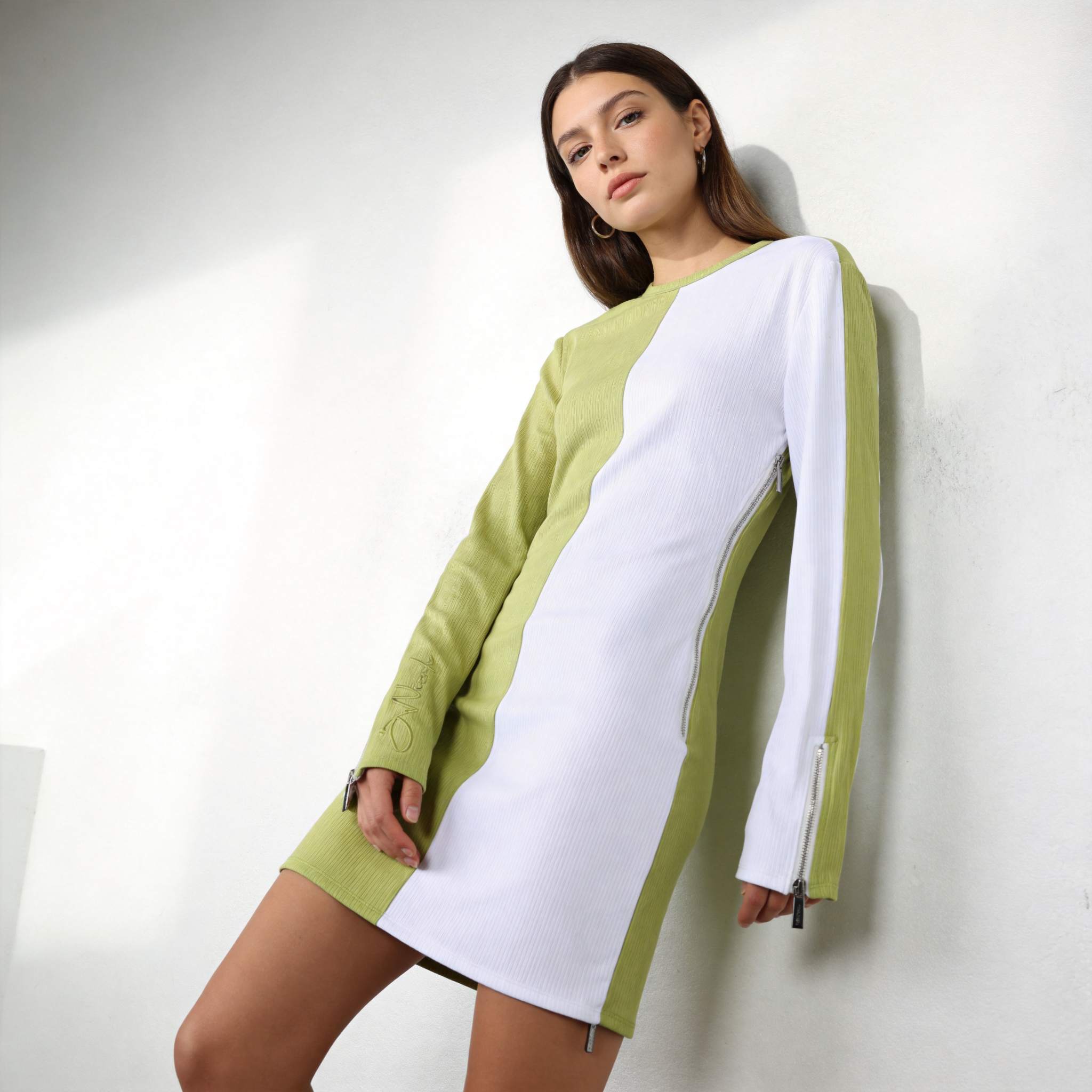
A-line silhouettes fit snugly at the bodice and gradually flare from the natural waist to the hem, creating a universally flattering shape. This style suits all body types and represents approximately 40% of bridal sales globally.
Fabric recommendations include satin, chiffon, tulle overlays, and lace appliqué on structured bodices. A-line custom bride dresses work equally well for formal church ceremonies, garden weddings, and destination events, making them essential anchor SKUs for wholesalers and startup bridal brands.
Ball Gown Bride Dresses
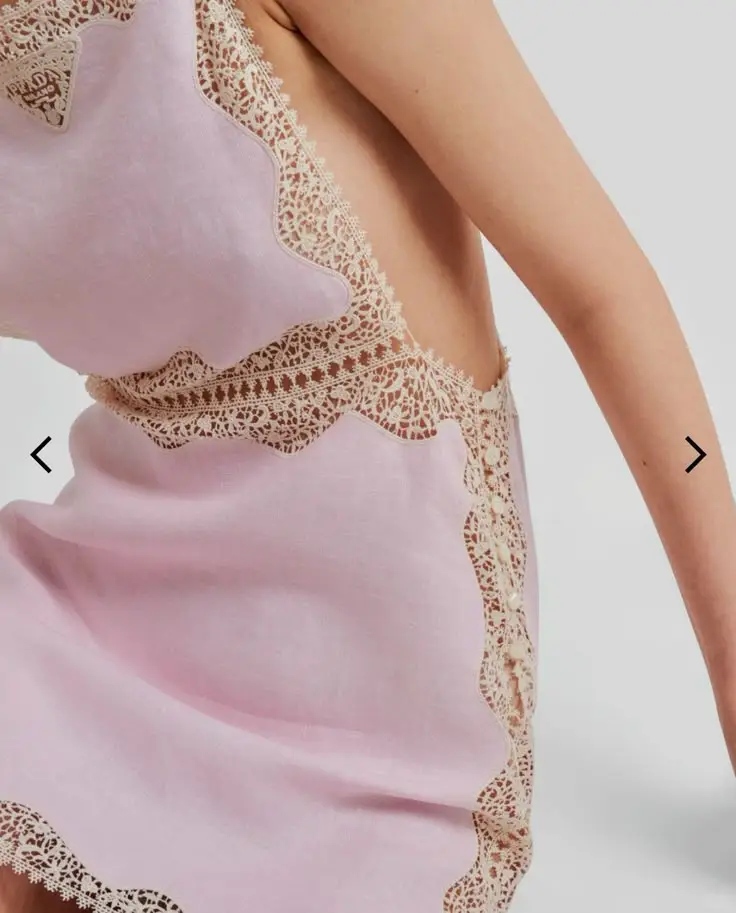
Ball gowns feature fitted bodices with dramatic full skirts beginning at the natural waist, delivering maximum volume and traditional bridal elegance. This silhouette flatters pear-shaped and hourglass figures by emphasizing the waist and balancing proportions.
Typical construction uses organza, tulle, mikado, and duchess satin with boning, corsetry, and multi-layer petticoats. Ball gowns dominate formal church weddings, castle venues, and luxury bridal collections where clients expect high-impact visual presence.
Mermaid and Trumpet Bride Dresses
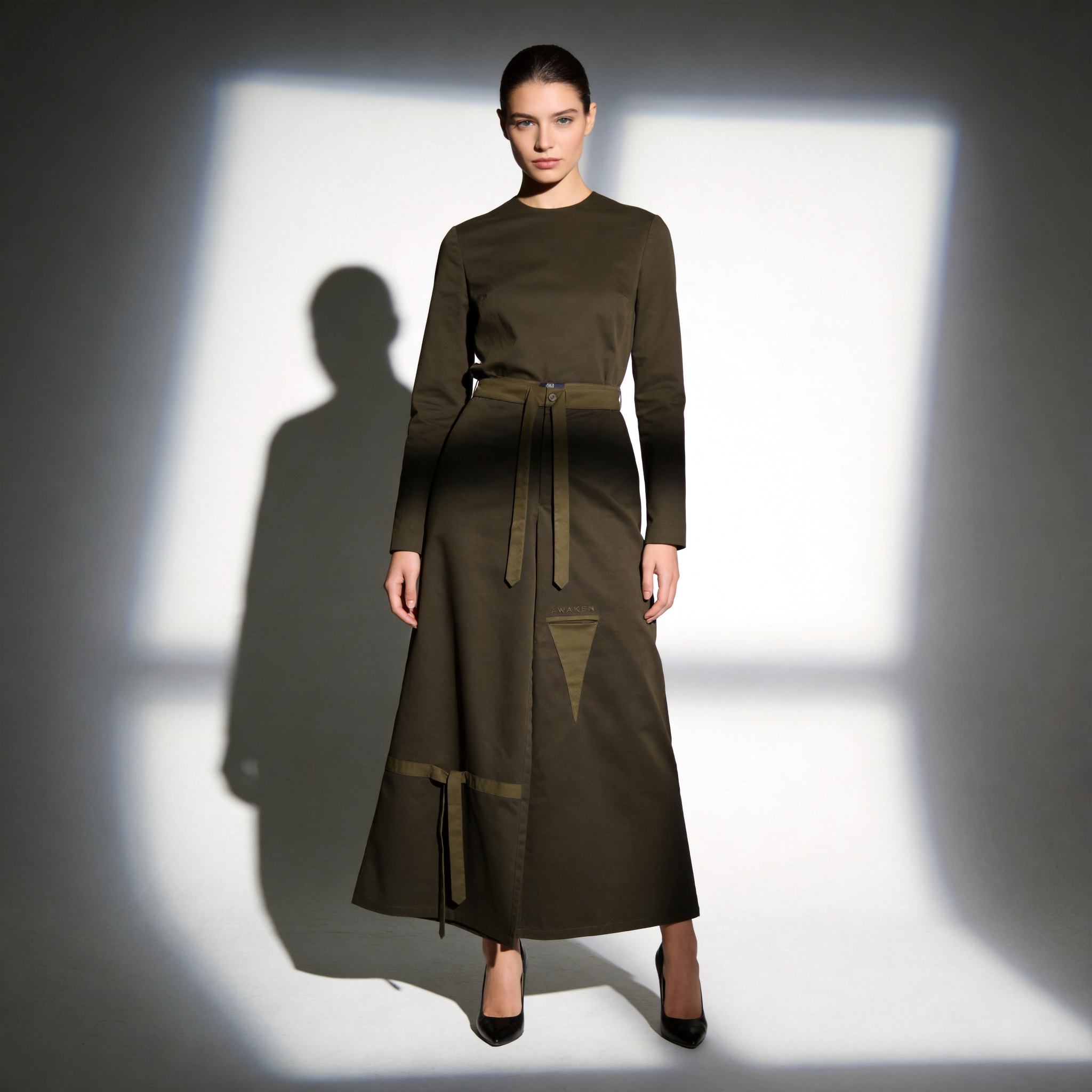
Mermaid dresses hug the body from chest to knee before flaring dramatically; trumpet styles flare slightly higher at mid-thigh. Both silhouettes showcase curves and suit hourglass, athletic, and tall body types.
Stretch satin, crepe, lace with spandex blends, and structured knit fabrics provide necessary body contouring. These custom bride dresses appeal to fashion-forward brides, evening receptions, and brands targeting confident, style-conscious customers seeking modern elegance.
Sheath Bride Dresses
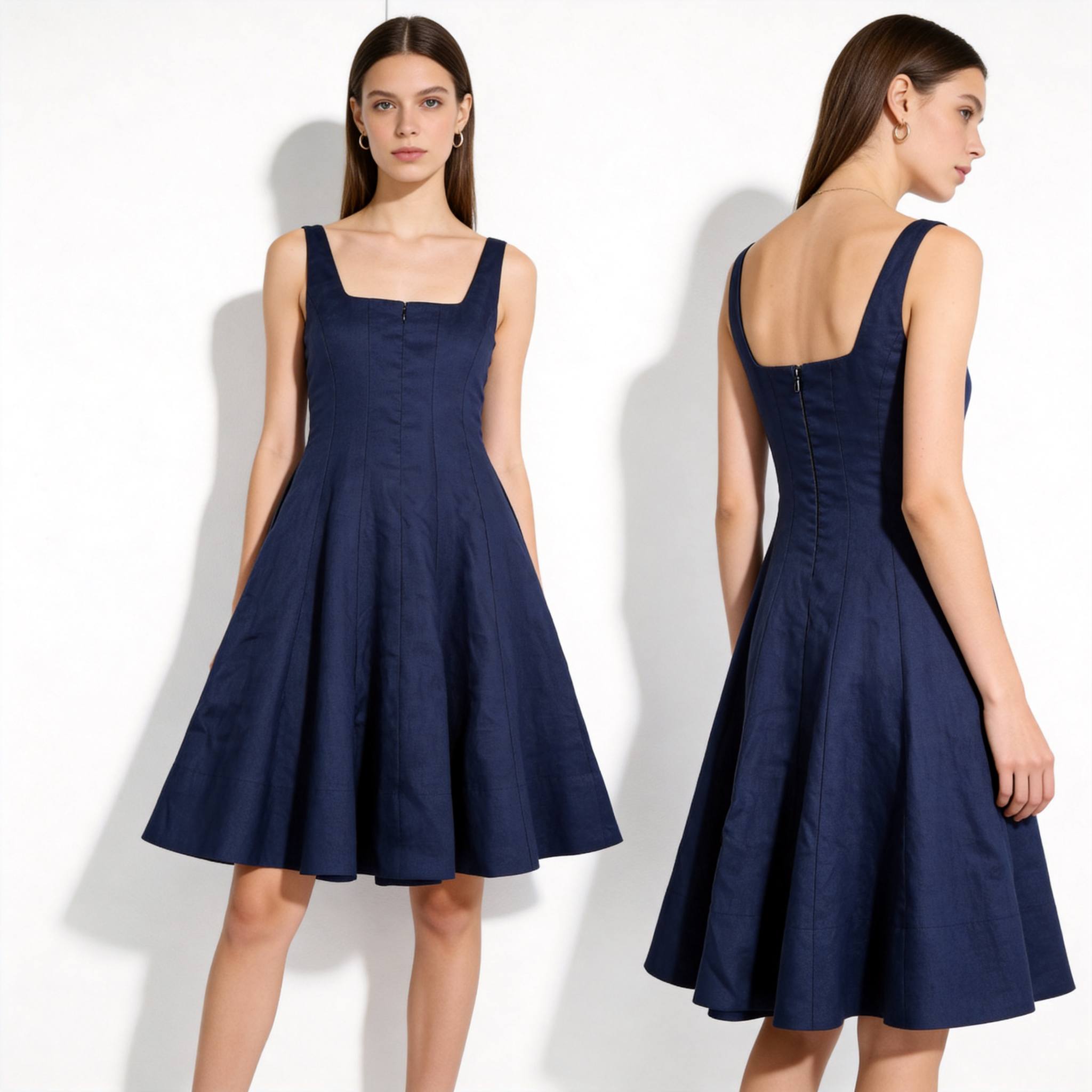
Sheath silhouettes follow the body’s natural lines without flare, offering sleek minimalism ideal for petite, slender, and rectangular body types. This style emphasizes simplicity, clean construction, and luxurious fabric quality over embellishment.
Recommended fabrics include silk charmeuse, crepe, satin-back crepe, and stretch jersey with minimal decoration. Sheath custom bride dresses suit beach ceremonies, elopements, courthouse weddings, and modern minimalist bridal brands targeting urban, design-conscious buyers.
Tea-Length Bride Dresses
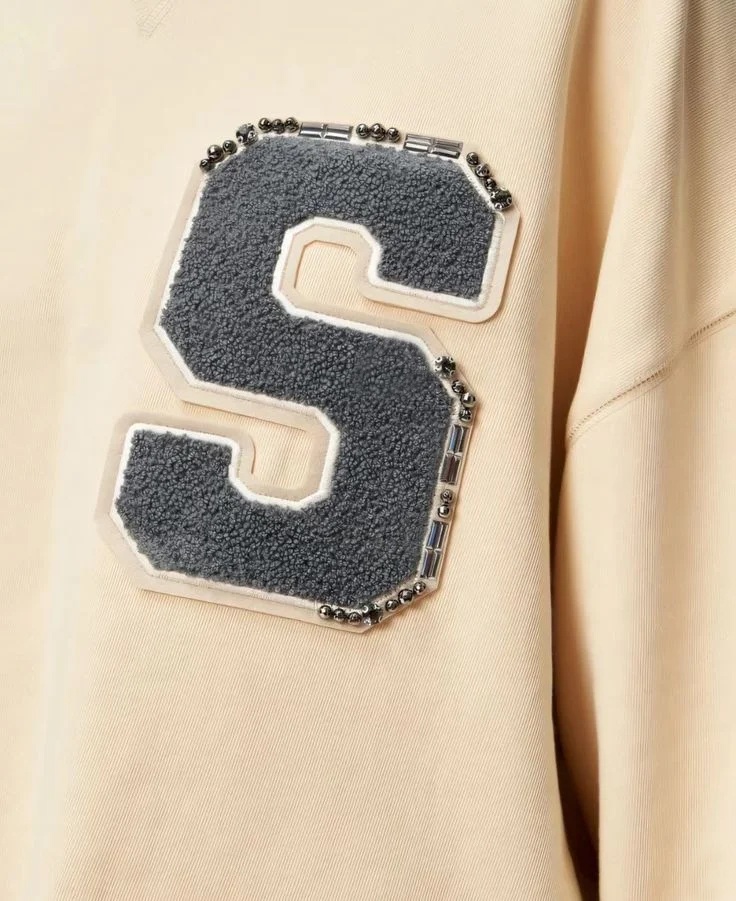
Tea-length dresses end mid-calf, offering vintage charm and practical mobility for casual or themed weddings. This silhouette flatters petite frames and suits brides seeking playful, non-traditional aesthetics.
Cotton lace, tulle, organza, and polka-dot prints work well with retro detailing like Peter Pan collars and sash waists. Tea-length styles serve garden parties, vintage-themed weddings, second marriages, and niche brands differentiating through nostalgic or whimsical positioning.
Bohemian Bride Dresses
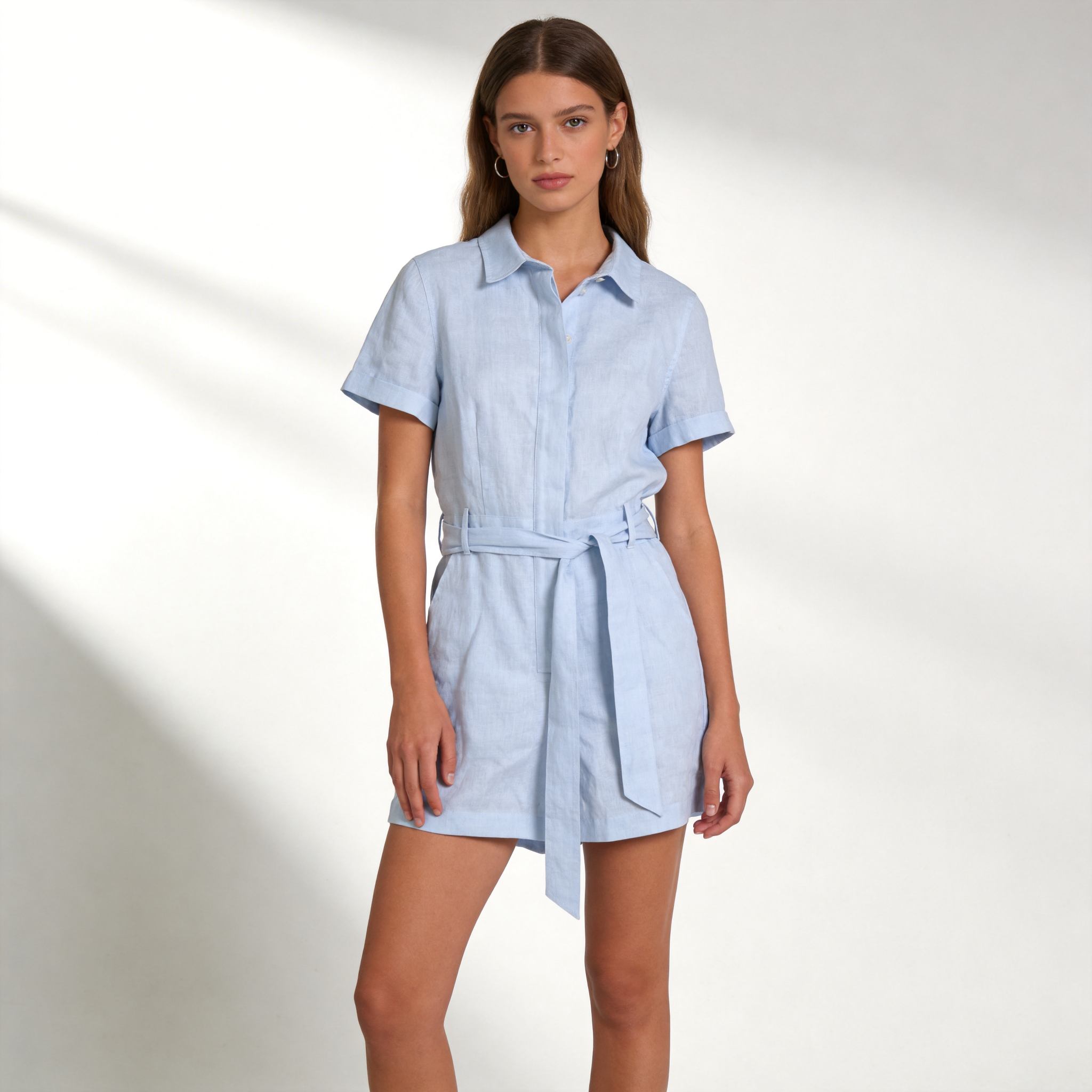
Bohemian styles feature relaxed fits, flowing fabrics, lace inserts, bell sleeves, and nature-inspired details. This category suits free-spirited brides and outdoor, rustic, or destination weddings.
Chiffon, cotton lace, crochet panels, rayon blends, and lightweight linen deliver the required drape and texture. Bohemian custom bride dresses attract younger demographics, festival-inspired brands, and retailers serving beach, barn, and boho wedding markets with 50–100 piece test collections.
4. Materials and Fabrics for Custom Bride Dresses
Fabric selection determines garment cost, lead time, and minimum order quantities in custom bride dresses manufacturing. ZORWILD works with trusted fabric suppliers across China to provide stable sourcing for satin, tulle, chiffon, lace, organza, and mikado, each suited to specific dress components and budget tiers.
| Fabric | GSM Range | Price Tier | Best Applications |
|---|---|---|---|
| Satin | 80–200 | Mid–High | Bodices, skirts, trains |
| Tulle | 20–40 | Low–Mid | Overlays, veils, volume layers |
| Chiffon | 50–80 | Low–Mid | Sleeves, overlays, flowing skirts |
| Lace | 80–150 | High | Bodice details, sleeves, trains |
| Organza | 60–100 | Low–Mid | Ruffles, structured overlays |
| Mikado | 200–250 | High | Structured gowns, minimalist styles |
Satin: Smooth Drape for Bodices and Trains
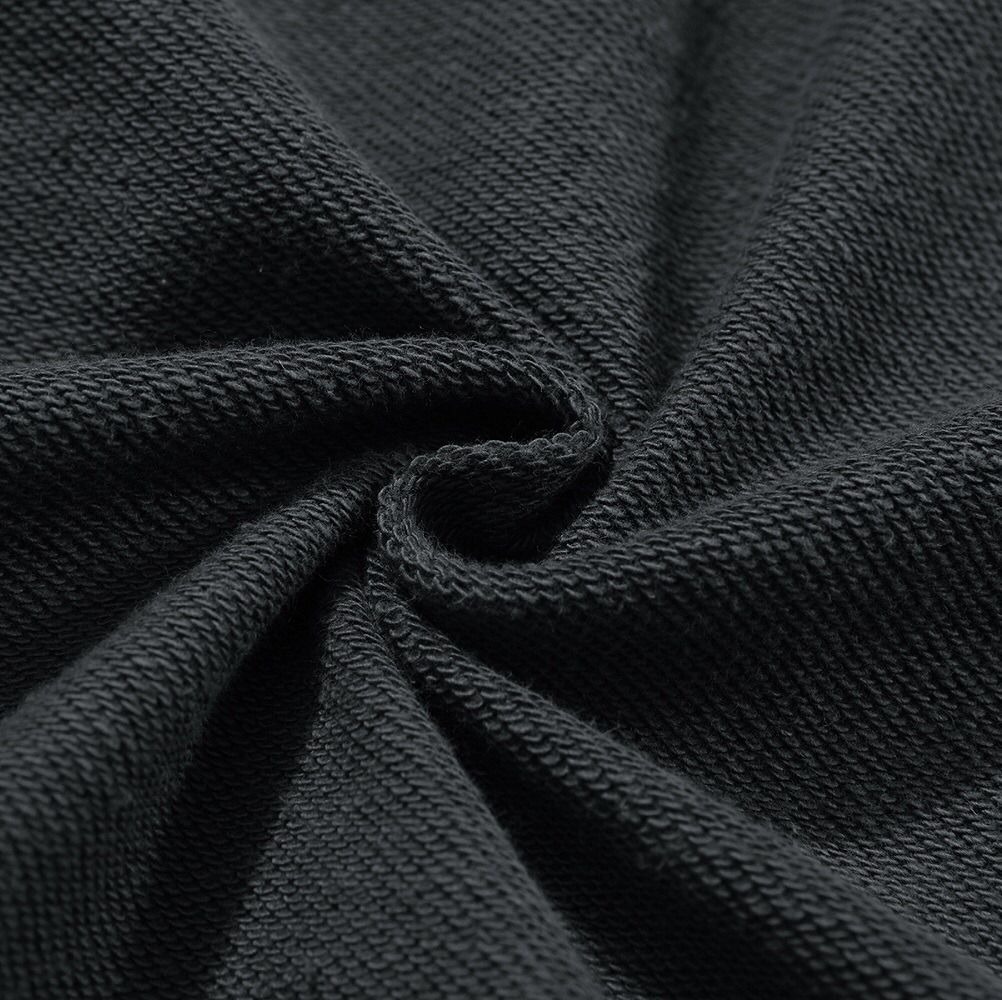
Satin ranges from 80 to 200 GSM depending on weight grade, offering excellent drape and a luxurious sheen ideal for bodices, skirts, and cathedral trains. Mid-weight satin (120–160 GSM) balances structure and flow for A-line and ball gown silhouettes.
Duchess satin (180–200 GSM) provides heavier body for structured bodices and formal gowns, while lighter charmeuse satin (80–100 GSM) suits slip dresses and linings. Satin sits in the mid-to-high price tier and typically requires 50-piece MOQ for custom bride dresses production with 15–20 day fabric lead times.
Tulle, Chiffon, and Organza: Overlays and Volume
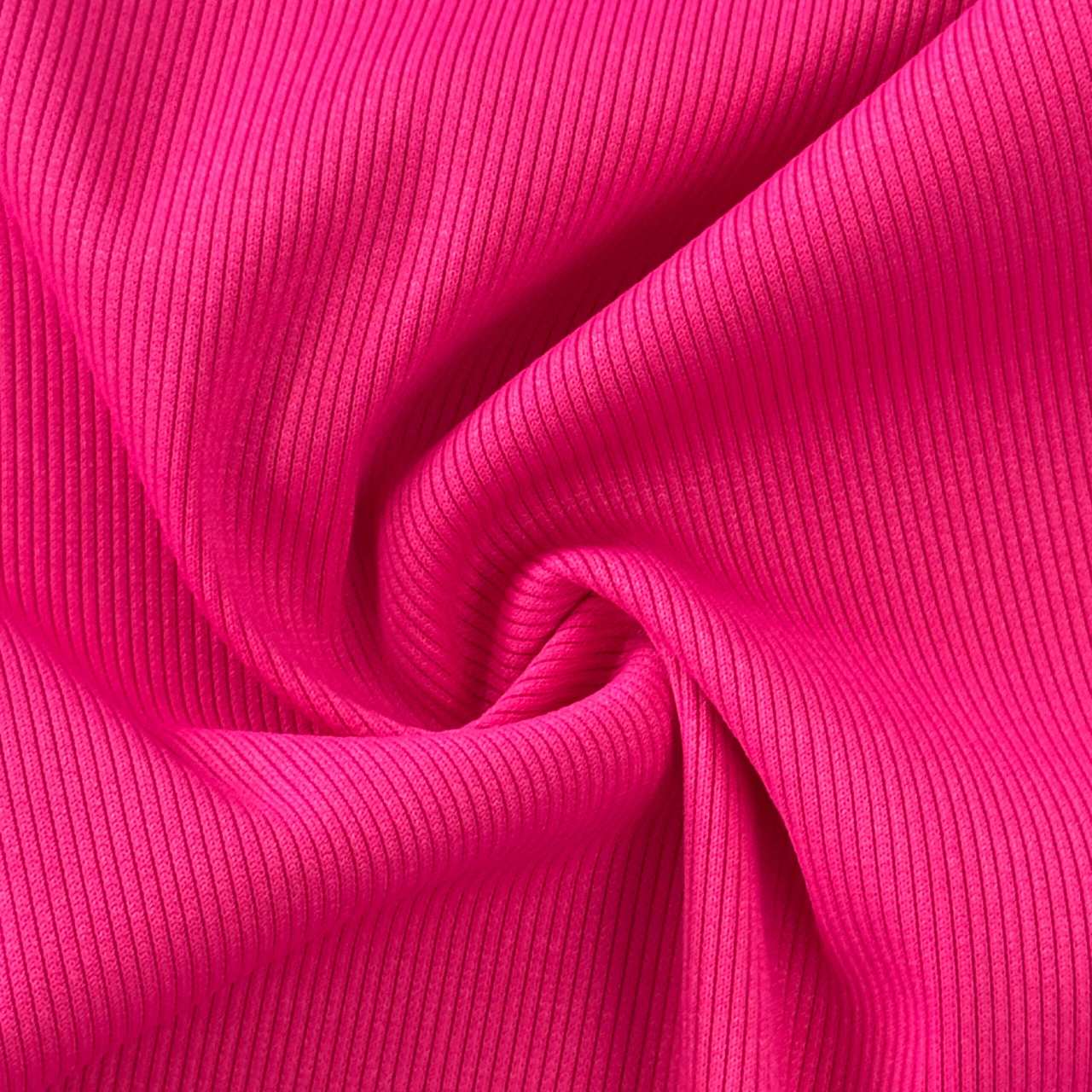
Tulle (20–40 GSM) creates voluminous skirts and veils with minimal weight, commonly used in ball gown underlayers and overlay details. Chiffon (50–80 GSM) offers soft, flowing drape for romantic sleeves, overlays, and lightweight skirts.
Organza (60–100 GSM) provides crisp structure for ruffles, sleeves, and layered skirts with semi-transparent finish. All three fabrics fall into the low-to-mid price tier, support 50-piece MOQ, and reduce overall garment cost compared to heavier silk or mikado options.
Lace and Mikado: Premium Detail and Structure
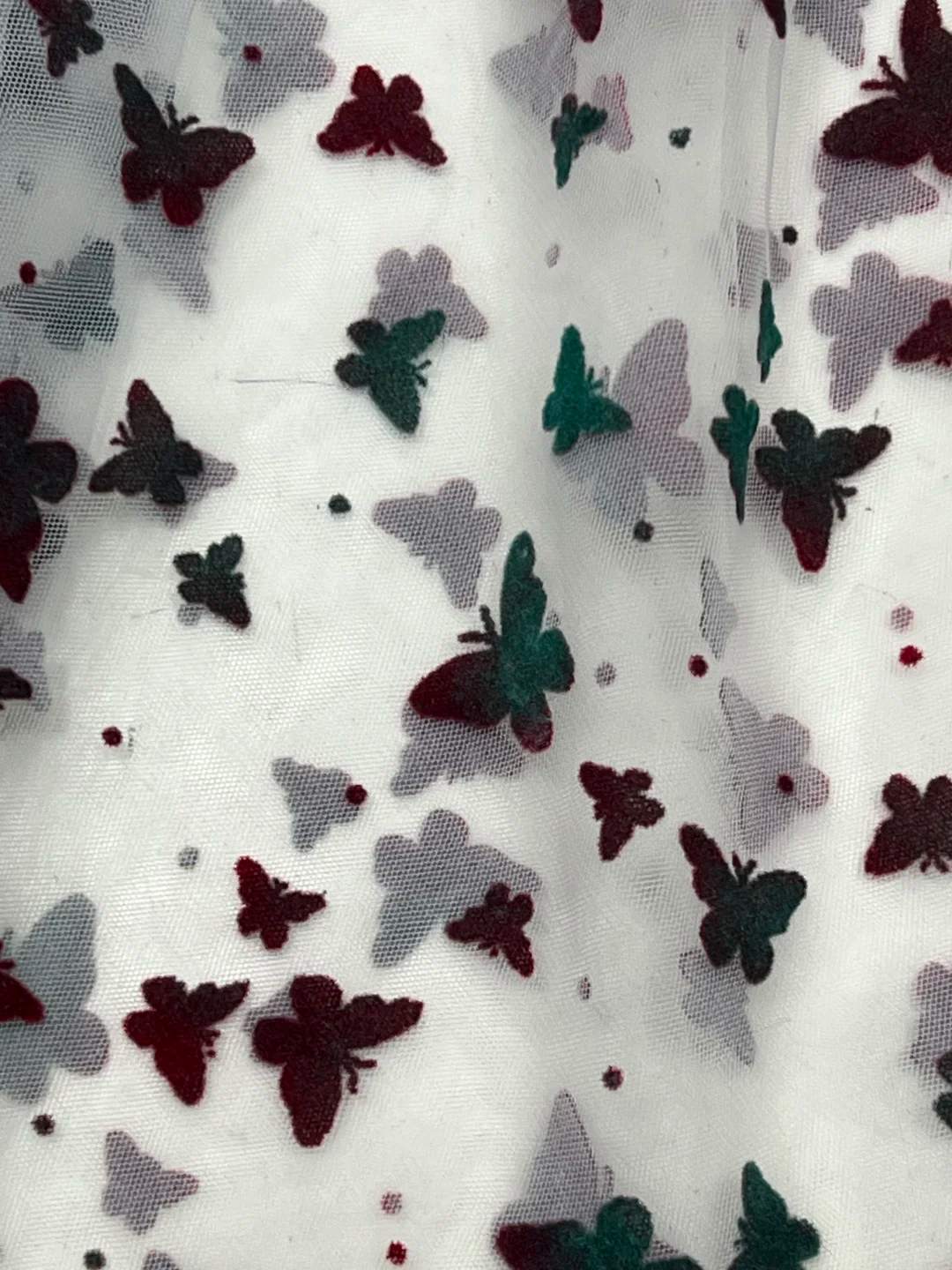
Lace (varies by base fabric, typically 80–150 GSM) adds intricate embroidery detail to bodices, sleeves, and trains, available in Chantilly, Alençon, and guipure styles. Lace sits in the high price tier and may extend lead times by 5–10 days for custom patterns or embroidery applications.
Mikado (200–250 GSM) is a heavyweight silk-blend fabric offering sculptural structure for modern minimalist gowns and structured ball gowns. Mikado requires higher MOQ (often 100 pieces) and longer lead times (20–25 days) due to specialized weaving, making it best suited for established brands with larger production budgets.
5. Customization and Decoration Options for Custom Bride Dresses
Decoration and embellishment choices define the visual identity and price positioning of custom bride dresses. Each technique carries distinct cost, lead-time, and MOQ implications that directly affect production planning and retail margins.
| Decoration Method | Cost Impact per Unit | Lead-Time Impact | Durability |
|---|---|---|---|
| Flat Embroidery | $8–$15 | +3–5 days | High (wash-stable) |
| 3D / Chenille Embroidery | $15–$25 | +5–7 days | High (dry-clean safe) |
| Beading / Sequins | $15–$50 | +5–10 days | Medium (hand-wash preferred) |
| Appliqué & 3D Florals | $10–$30 | +4–6 days | High (secure stitching) |
| Custom Lace Patterns | $12–$35 | +5–8 days | High (fabric-integrated) |
Embroidery and Appliqué Techniques
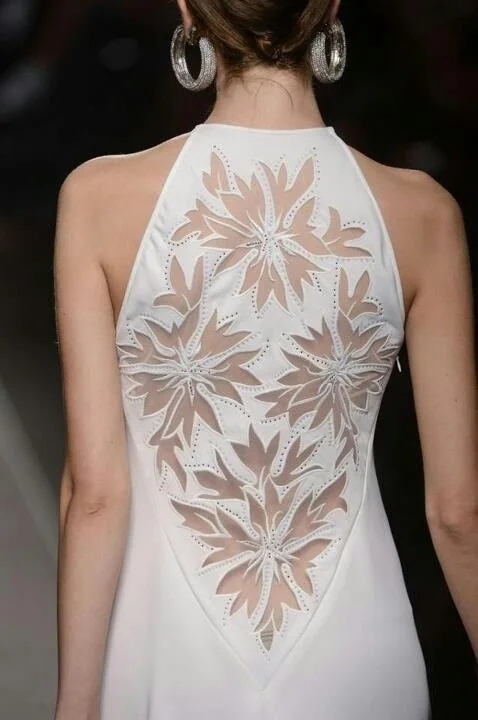
Flat embroidery and 3D embroidery are widely used for lace-effect bodices, sleeves, and train details on custom bride dresses. Chenille embroidery and appliqué embroidery add dimensional floral motifs and custom lace patterns with thread density ranging from 5,000 to 15,000 stitches per design.
Embroidery typically adds $8–$25 per garment depending on stitch count and coverage area, with 3–5 additional production days for digitization and stitching. MOQ for embroidered custom bride dresses usually starts at 50–100 pieces to justify setup and programming costs.
Beading, Sequins, and 3D Floral Details
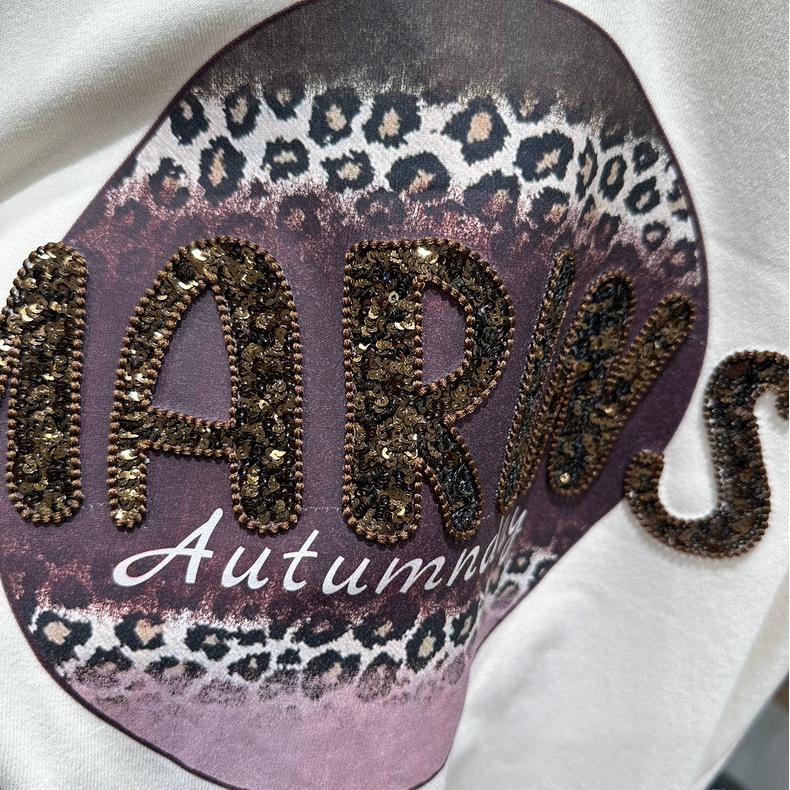
Hand-applied beading, sequin embellishment, and 3D floral appliqués create premium visual impact on bodices, waistlines, and necklines. Rhinestone application and sequin embroidery require skilled labor and add 5–10 production days per batch.
Beading and sequin work increase unit cost by $15–$50 depending on density and placement area. These techniques are durable through professional dry cleaning but require careful handling during shipping and storage.
Color Customization and Dye-Lot Consistency
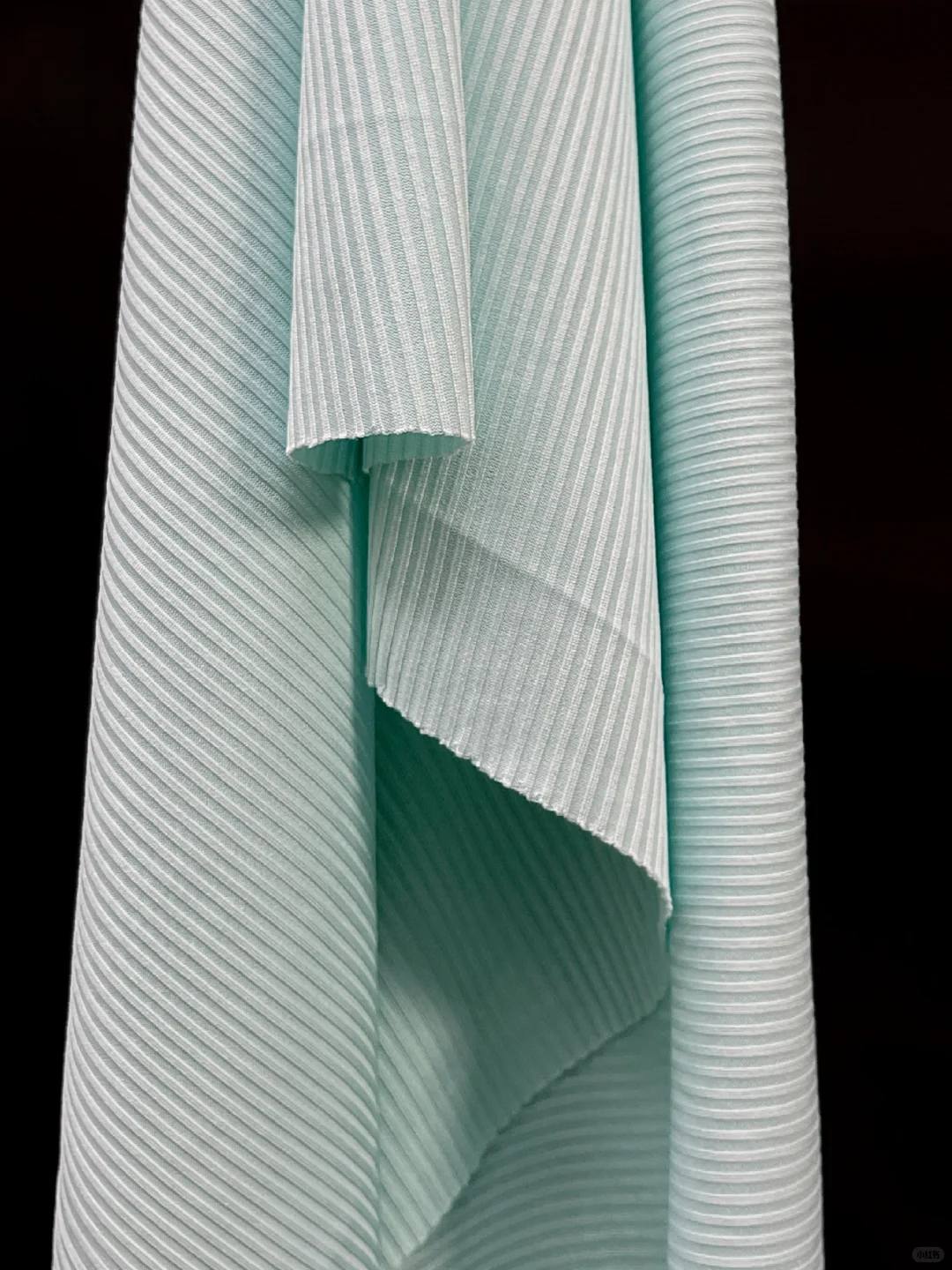
Custom bride dresses are available in ivory, champagne, blush, white, and custom Pantone shades through garment dye and fabric dyeing processes. Dye-lot consistency is managed by batch dyeing minimum 50–100 meters of fabric per color to ensure uniform shade across all garments in an order.
ZORWILD coordinates with fabric suppliers to reserve dye lots and conducts color-matching inspections under standard D65 lighting before cutting and sewing. Reorders within 60 days can often match original dye lots if fabric is reserved in advance.
6. Key Quality Elements in Custom Bride Dresses Manufacturing
Professional custom bride dresses manufacturing requires strict attention to structural integrity, finishing precision, and fit consistency. ZORWILD’s 27 years of garment experience ensure every checkpoint—from boning placement to hem weighting—meets bridal-grade standards before bulk production begins.
Boning and Corsetry Structure
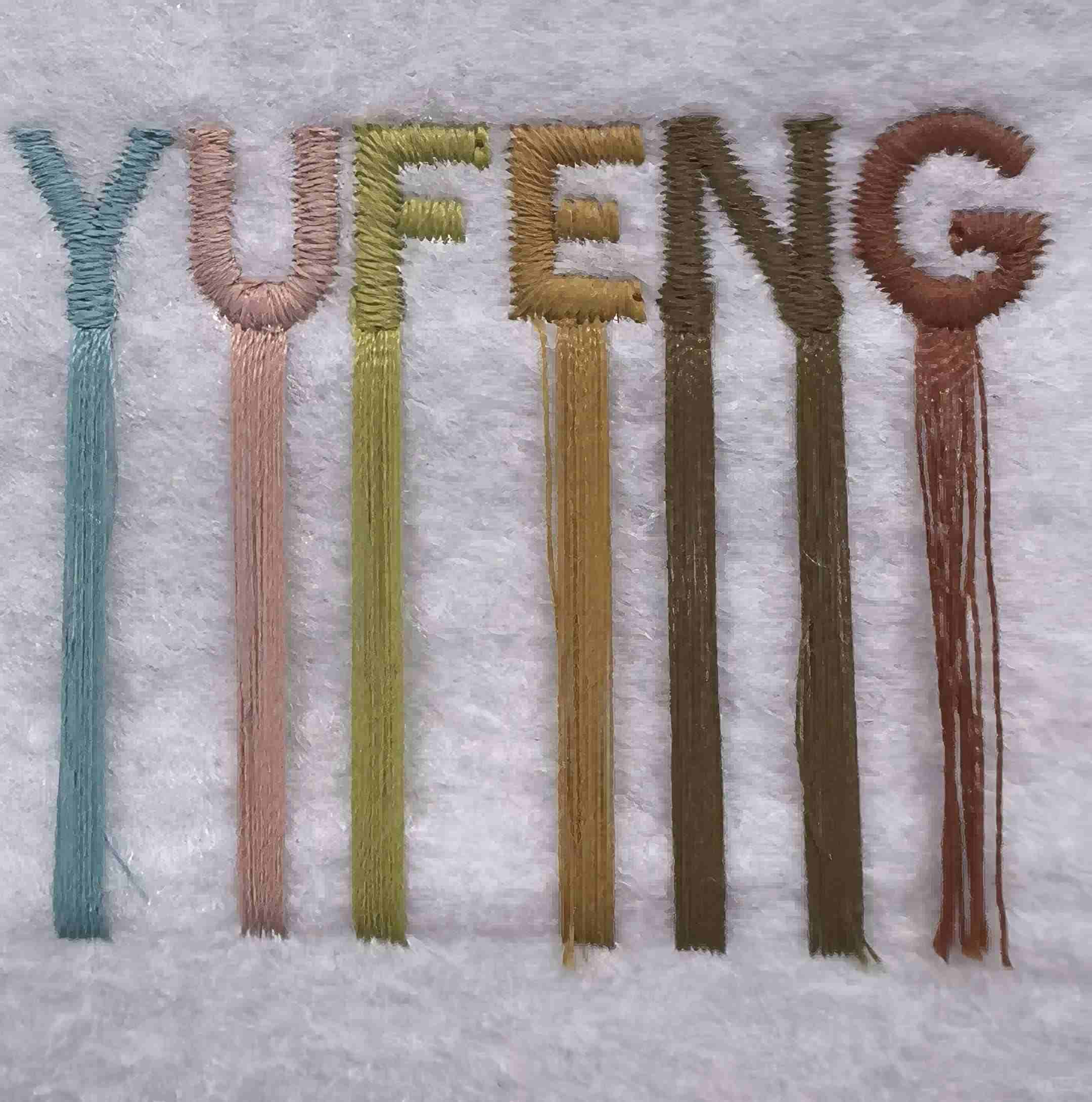
Spiral steel boning provides flexibility and durability superior to plastic alternatives, which crack under tension. ZORWILD positions boning channels 2–3 inches apart in bodices, anchored at seam allowances to prevent shifting.
Corset construction demands flat-felled or bound seam allowances inside boning channels to eliminate friction. Improper boning causes visible warping, discomfort, and premature garment failure—red flags include uneven spacing or exposed plastic ends.
Seam Finishing and Lining Quality
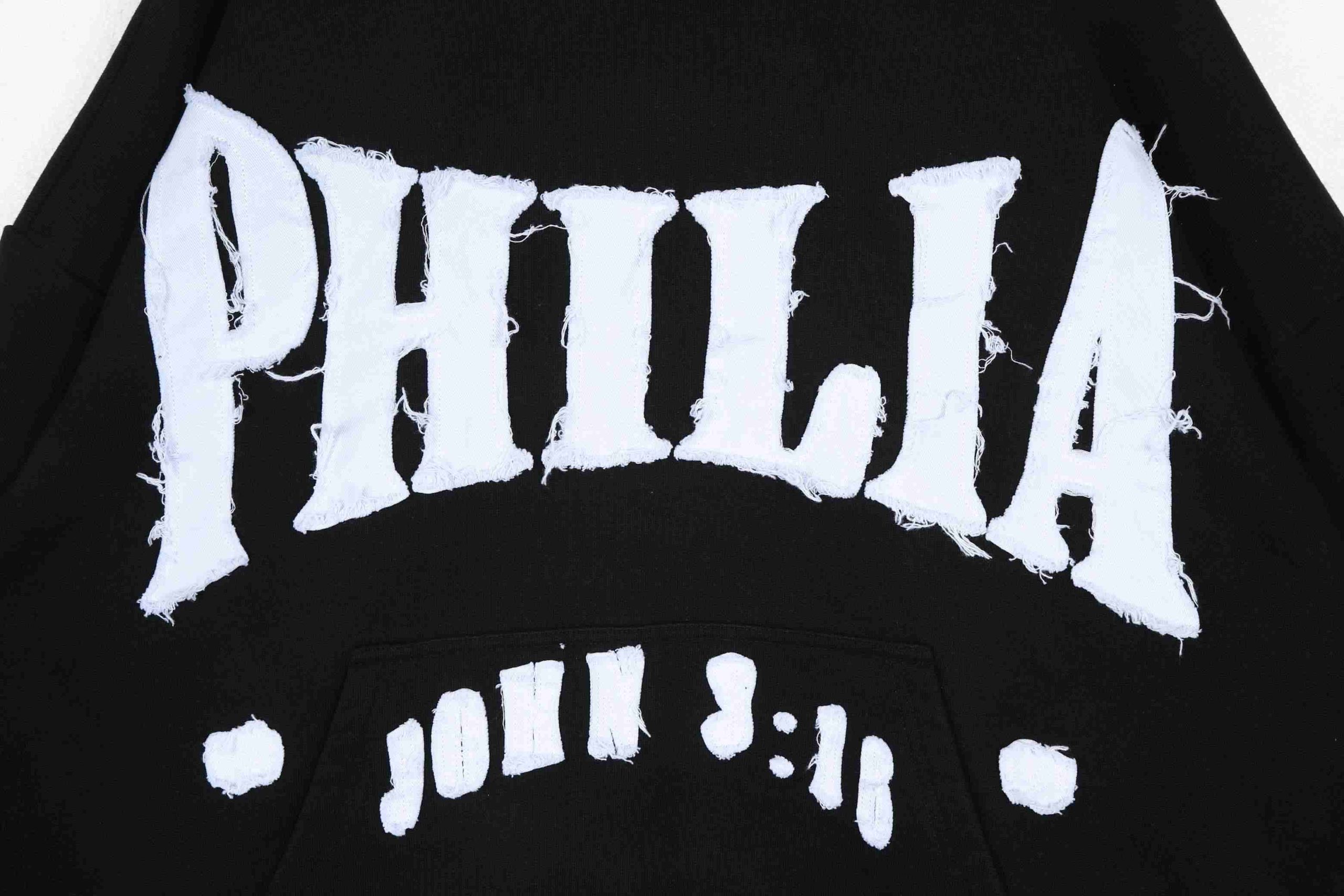
French seams enclose raw edges for sheer fabrics; serged seams suit heavier satins and mikados. ZORWILD inspects stitch density (12–14 stitches per inch) and thread tension to prevent puckering.
Lining fabrics—acetate, silk charmeuse, or stretch mesh—must match the outer shell’s drape and weight. Poor lining shows rippling, color bleed, or static cling. Quality manufacturers pre-shrink linings and underline bodices with cotton batiste for structure.
Closure Systems and Fit Grading
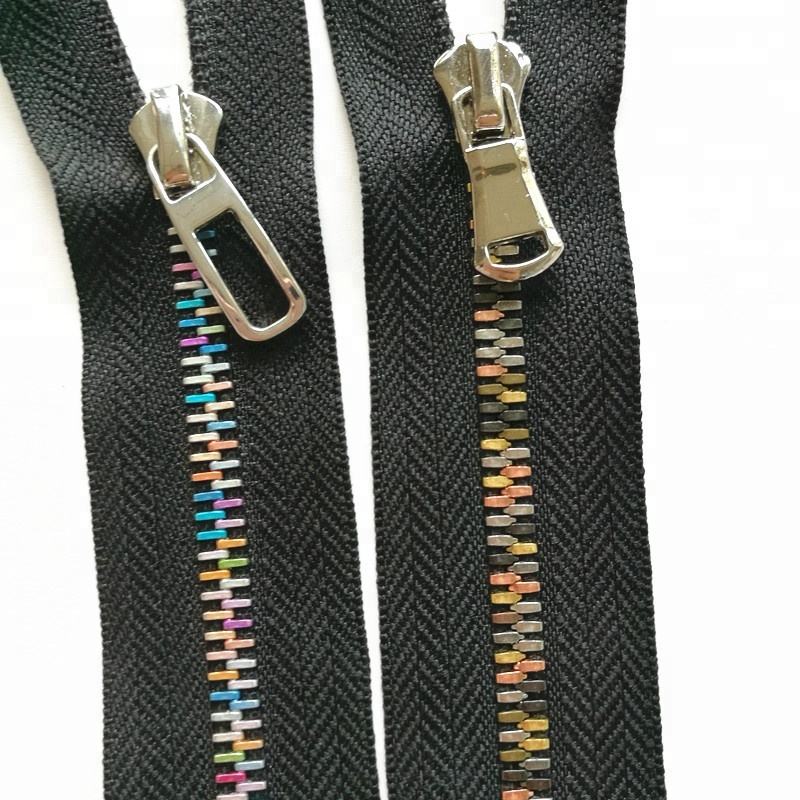
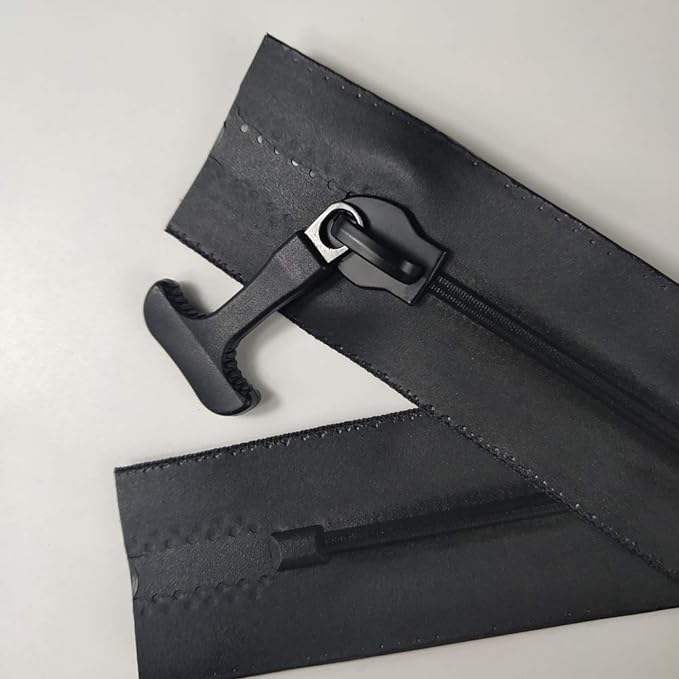
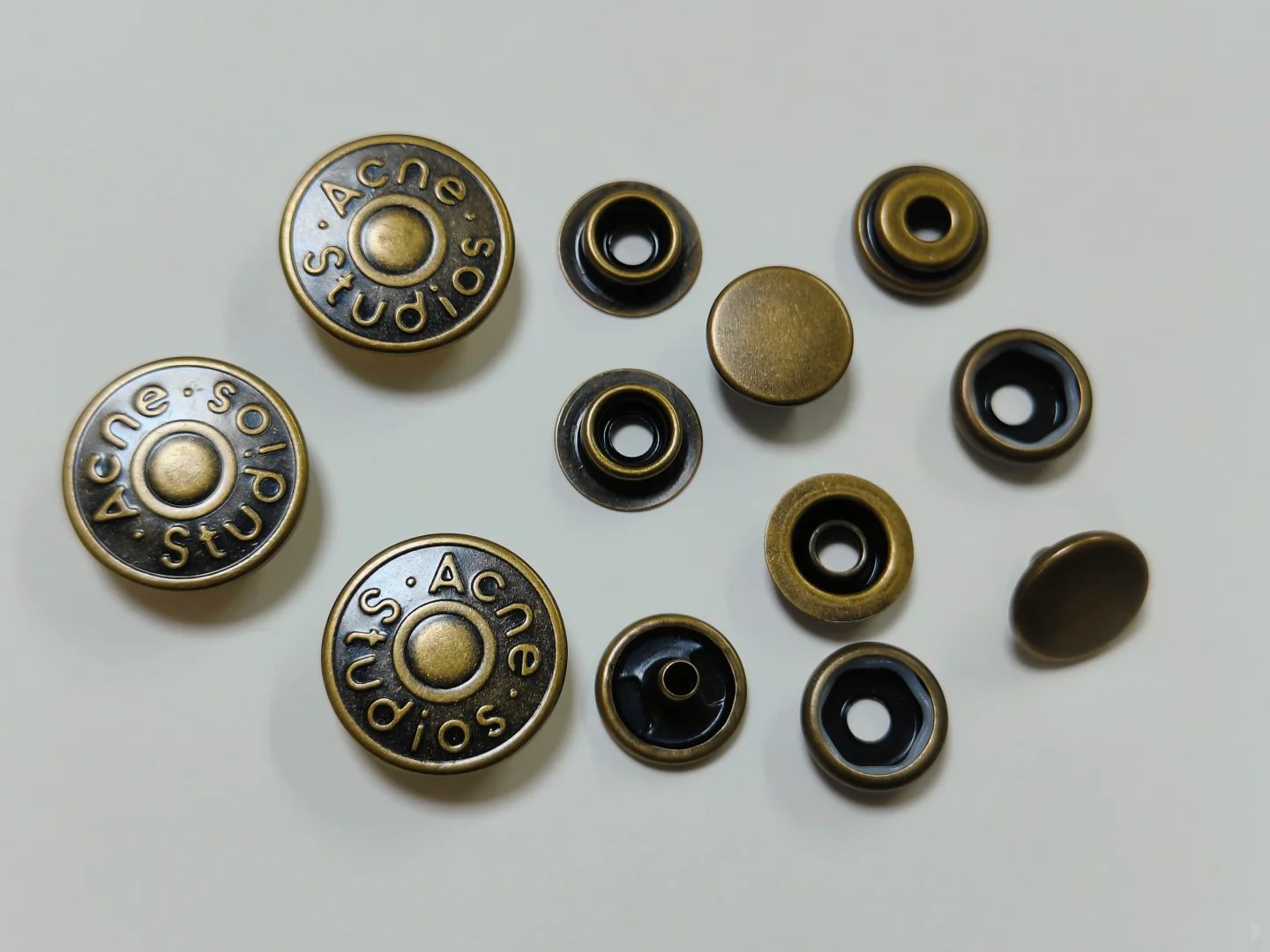
Invisible zippers require precise insertion with minimal bulk; lace-up corset backs offer 4–6 inches of adjustment, ideal for size-range flexibility. ZORWILD uses YKK zippers and reinforced grommets to prevent tearing.
Grading accuracy across sizes 0–24 demands fit models and measurement charts verified at each size break. Red flags include inconsistent bust-to-waist ratios, armhole distortion, or hemlines that shift more than ½ inch between sizes.
Sample Evaluation Checkpoints
Before bulk orders, inspect sample garments for symmetry in appliqué placement, uniform stitch length, and secure bead attachment. ZORWILD’s sampling process includes stress testing closures, checking hemline levelness with a dress form, and verifying lining attachment at seams.
Reject samples showing loose threads, uneven seam allowances, or skipped stitches. Request wash tests for any garment-dyed or embellished pieces to confirm colorfastness and embellishment durability.
- Measure bodice points against tech pack specs (tolerance ±0.25 inch)
- Test zipper and closure strength under moderate tension
- Verify lining is fully tacked at armholes and neckline
- Check hem weighting for drape consistency on satin and chiffon
7. How to Choose the Right Manufacturer for Custom Bride Dresses
Selecting the right manufacturing partner for custom bride dresses requires systematic evaluation across certifications, capabilities, and communication. A structured framework reduces risk and ensures quality consistency from first sample to final shipment.
Verify Factory Certifications and Compliance
Request copies of BSCI, WRAP, or ISO 9001 certifications to confirm ethical labor practices and quality management systems. Certified factories demonstrate accountability, audit readiness, and commitment to international standards.
For bridal collections, ask about fabric testing reports (OEKO-TEX, colorfastness) and production capacity documentation. Factories serving 2,000+ brands typically maintain robust compliance records and transparent audit histories.
Review Portfolio and Client References
Examine past bridal or formalwear projects to assess craftsmanship in lace application, beading, corset construction, and satin draping. Request contact details for two to three current clients in similar product categories.
Manufacturers with 27+ years of experience often showcase diverse portfolios spanning wedding dresses, evening gowns, and resort dresses. Portfolio depth reveals technical capability, while references confirm reliability and communication quality.
Assess Sample Turnaround and MOQ Flexibility
Confirm sample lead times (7–14 days is standard) and whether the factory supports low MOQ production starting at 50–100 pieces per style. Flexible MOQ allows startup brands to test designs, manage cash flow, and reduce inventory risk.
ZORWILD offers 50-piece MOQ for many categories, enabling influencers and small brands to launch capsule collections without overcommitting capital. Fast sampling accelerates time-to-market for seasonal bridal trends.
Evaluate Communication and Payment Terms
Test responsiveness via email, WhatsApp, or phone during initial inquiries. Manufacturers should reply within 24 hours and provide clear answers on pricing, lead times, and customization limits.
Negotiate 30% deposit, 70% before shipment payment structures, and establish quality-control checkpoints at fabric inspection, mid-production, and final inspection stages. Request signed non-disclosure agreements to protect original custom bride dresses designs and tech packs.
8. Common Mistakes When Sourcing Custom Bride Dresses
Sourcing custom bride dresses involves complex technical requirements and long production timelines that expose buyers to multiple pitfalls. Understanding these common mistakes helps brands avoid costly delays, quality issues, and customer dissatisfaction.
Underestimating Lead Times for Embellished Gowns
Beading, lace appliqué, and embroidery add 10–20 days to production cycles beyond base garment construction. Buyers who assume standard 30-day apparel timelines face inventory shortages during peak bridal seasons.
ZORWILD recommends adding 15–25 days for gowns with heavy embellishment and confirming decoration capacity during supplier selection. Pre-booking production slots 60–90 days ahead prevents last-minute rushes.
Ignoring Fabric Shrinkage and Stretch
Natural fibers like cotton and linen shrink 3–5% after washing, while satin and chiffon may stretch under garment weight. Skipping pre-shrinking or stretch testing results in fit complaints and returns.
Request fabric wash tests and stretch recovery data before bulk production. ZORWILD conducts fabric inspection and pre-treatment to ensure dimensional stability across all custom bride dresses.
Skipping Pre-Production Samples
Ordering bulk quantities without sampling risks misaligned fit, incorrect fabric hand feel, and color mismatches. A single sampling round costs $80–$150 but prevents $5,000–$15,000 in rejected inventory.
Always approve a pre-production sample that matches final fabrics, trims, and construction methods. ZORWILD offers 7-day sampling with full customization to validate every detail before mass production begins.
Choosing Suppliers Based Solely on Lowest Price
The cheapest quote often reflects lower-grade fabrics, simplified construction, or inexperienced embellishment teams. Quality failures damage brand reputation and generate costly chargebacks.
Evaluate supplier experience in bridal categories, request fabric specifications, and review production samples. ZORWILD’s 27 years of manufacturing expertise and strict quality control systems deliver consistent results across 2,000+ fashion brands globally.
9. Steps to Launch Your Brand with Custom Bride Dresses
Launching a custom bride dresses brand requires strategic planning across product development, branding, and marketing. ZORWILD’s 50-piece MOQ and 7-day sampling enable startups to test market fit before committing to large inventory.
Define Brand Positioning and Target Bride Persona
Underestimating Lead Times for Embellished Gowns: Beading, lace appliqué, and embroidery add 10–20 days to production cycles beyond base garment construction. Buyers who assume standard 30-day apparel timelines face inventory shortages during peak bridal seasons.
ZORWILD recommends adding 15–25 days for gowns with heavy embellishment and confirming decoration capacity during supplier selection. Reserve production slots 60–90 days in advance to prevent last-minute scheduling conflicts.
Develop a Core Collection of Six to Twelve SKUs
Launch with 6–12 styles covering key silhouettes: A-line, mermaid, sheath, ball gown, and slip dress variations. ZORWILD recommends 2–3 hero pieces with premium embroidery or beading, 4–6 mid-tier styles with lace or satin construction, and 2–3 accessible entry styles in chiffon or crepe.
This SKU range balances inventory risk, production efficiency, and customer choice without overwhelming new buyers or complicating reorder cycles.
Plan Inventory, Reorder Cycles, and Pricing Strategy
Stock 50–100 units per SKU for initial launch, with reorder lead times of 30–45 days for replenishment. Apply 3.5–5× markup on FOB cost to cover branding, packaging, marketing, and retail margins.
Bridal brands typically operate on pre-order or made-to-order models to reduce holding costs, with ZORWILD’s low MOQ supporting test launches and seasonal capsule collections.
Elevate Perceived Value with Branding Elements
Custom garment bags, satin hang tags, tissue paper wrapping, and branded boxes transform unboxing into a premium experience. ZORWILD provides woven labels, silicone tags, custom packaging bags, and hang tags to reinforce brand identity and justify higher price points.
10. Pricing and Cost Breakdown for Custom Bride Dresses
ZORWILD’s custom bride dresses pricing starts from 50-piece MOQ with tiered unit costs that scale across volume brackets. A basic satin gown typically ranges from $45–$65 per unit at 50 pieces, dropping to $35–$50 at 500+ units, while mid-tier lace appliqué designs run $70–$95 at startup volumes and $55–$75 at scale. High-end beaded gowns with hand-embellished details command $120–$180 per piece for small runs and $90–$140 for bulk orders, reflecting the labor intensity of sequin application, rhinestone placement, and multi-layer construction.
Fabric choice directly impacts per-unit economics: polyester satin costs approximately $3–$5 per meter, silk satin runs $12–$20 per meter, and premium lace overlays add $8–$15 per meter depending on pattern complexity and origin. Embellishment density further shifts pricing, with basic screen-printed motifs adding $2–$4 per garment, flat embroidery contributing $5–$10, and full beadwork increasing costs by $20–$50 depending on coverage area and bead quality.
Sample costs for custom bride dresses range from $80–$150 for basic styles to $200–$350 for intricate beaded prototypes, with 7–10 day turnaround standard at ZORWILD’s Dongguan facility. Lead times for bulk production span 25–35 days for simple designs and 35–50 days for complex multi-process gowns. Shipping via sea freight adds $2–$4 per unit for U.S. destinations, while air express runs $8–$15 per piece; import duties on bridal apparel typically range 10–16% depending on country and HS code classification.
| Complexity Level | 50 pcs | 250 pcs | 500+ pcs | Lead Time |
|---|---|---|---|---|
| Basic Satin Gown | $45–$65 | $38–$55 | $35–$50 | 25–30 days |
| Mid-Tier Lace Appliqué | $70–$95 | $60–$80 | $55–$75 | 30–40 days |
| High-End Beaded Design | $120–$180 | $100–$150 | $90–$140 | 40–50 days |
Start Your Custom Bride Dress Collection Today
Launch your bridal line with 50-piece MOQ, 7-day sampling, and 27 years of proven manufacturing expertise.