
Garment Wash Services for Premium Vintage, Acid & Enzyme Effects
Professional garment wash services from 50-piece MOQ with acid wash, vintage wash, enzyme wash, and more. Trusted custom apparel manufacturer serving DTC brands, wholesalers, and fashion startups worldwide for authentic streetwear texture and premium finishing.
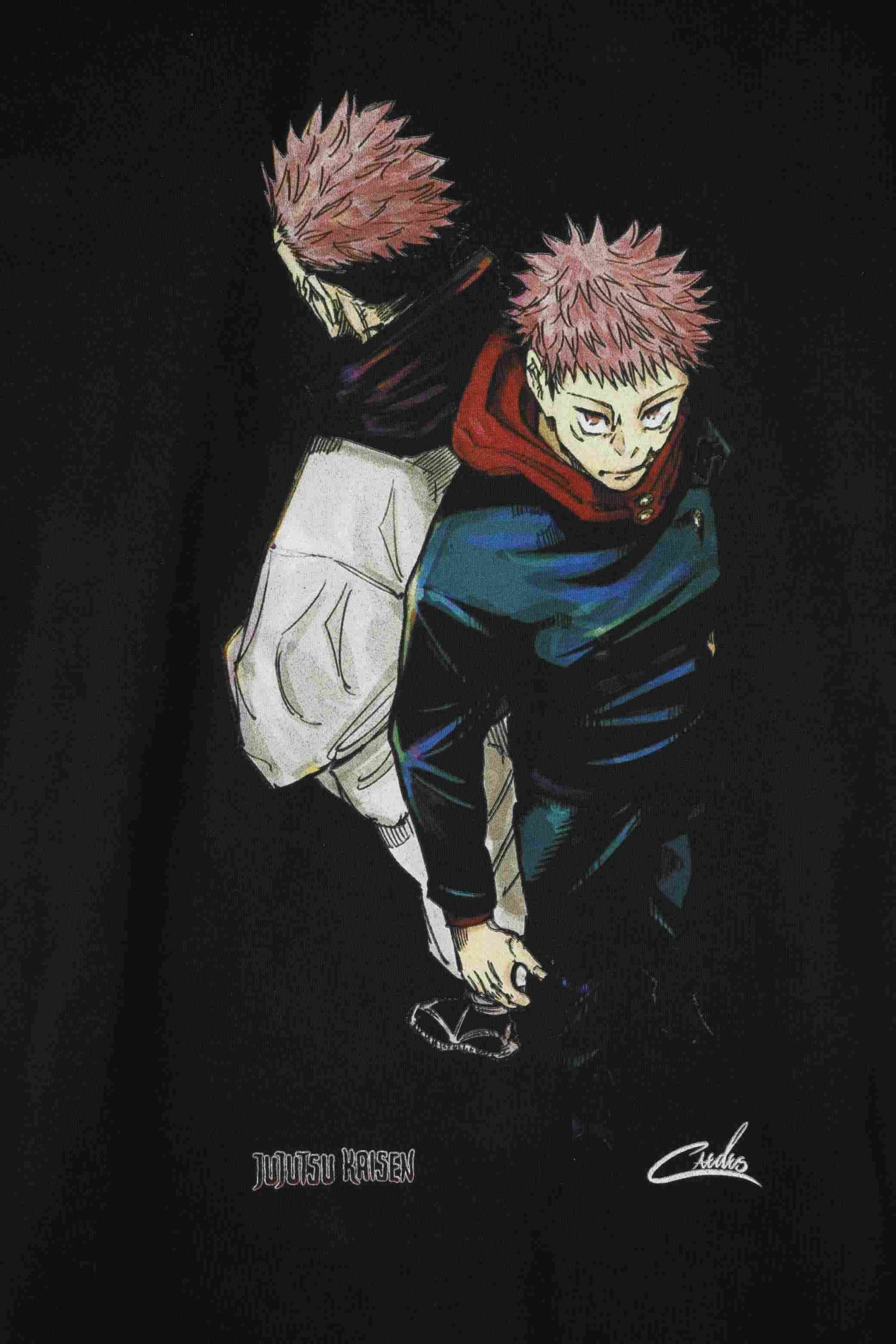
Garment Wash Effects Gallery — Acid, Vintage & Enzyme Results
Why ZORWILD’s Garment Wash Services Stand Out
Precise Color Control Across Batches
Advanced garment wash formulas ensure consistent vintage tones, acid wash effects, and pigment dye results across every production run.
Premium Soft Hand Feel
Enzyme wash and snow wash techniques deliver luxurious softness and comfort without compromising fabric strength or durability.
Eco-Friendly Enzyme Wash Options
Sustainable enzyme-based garment wash services reduce water consumption and chemical impact while achieving premium vintage aesthetics.
Fast Wash Sampling Turnaround
Submit your garments and receive wash samples within days, allowing rapid design iteration and faster time to market.
Combined Wash and Decoration
Seamlessly integrate garment wash effects with embroidery, screen printing, puff print, and other decoration techniques in one facility.
Durable After Multiple Washes
Rigorous quality control ensures garment wash effects retain color integrity, texture, and appearance through repeated customer laundering.
Wash Techniques & Specialty Effects
Advanced garment wash capabilities that deliver texture, color depth, and visual character for streetwear, resort wear, and premium casual collections.
Tie-Dye
Custom tie dye creates bold, one-of-a-kind color patterns ideal for festival wear, resort collections, and youth streetwear brands. Our controlled dye application ensures repeatable patterns, vibrant color saturation, and wash-fast results that maintain visual impact through repeated laundering and everyday wear. Popular for custom t-shirts, custom hoodies, and wholesale clothing collections.
Get a Quote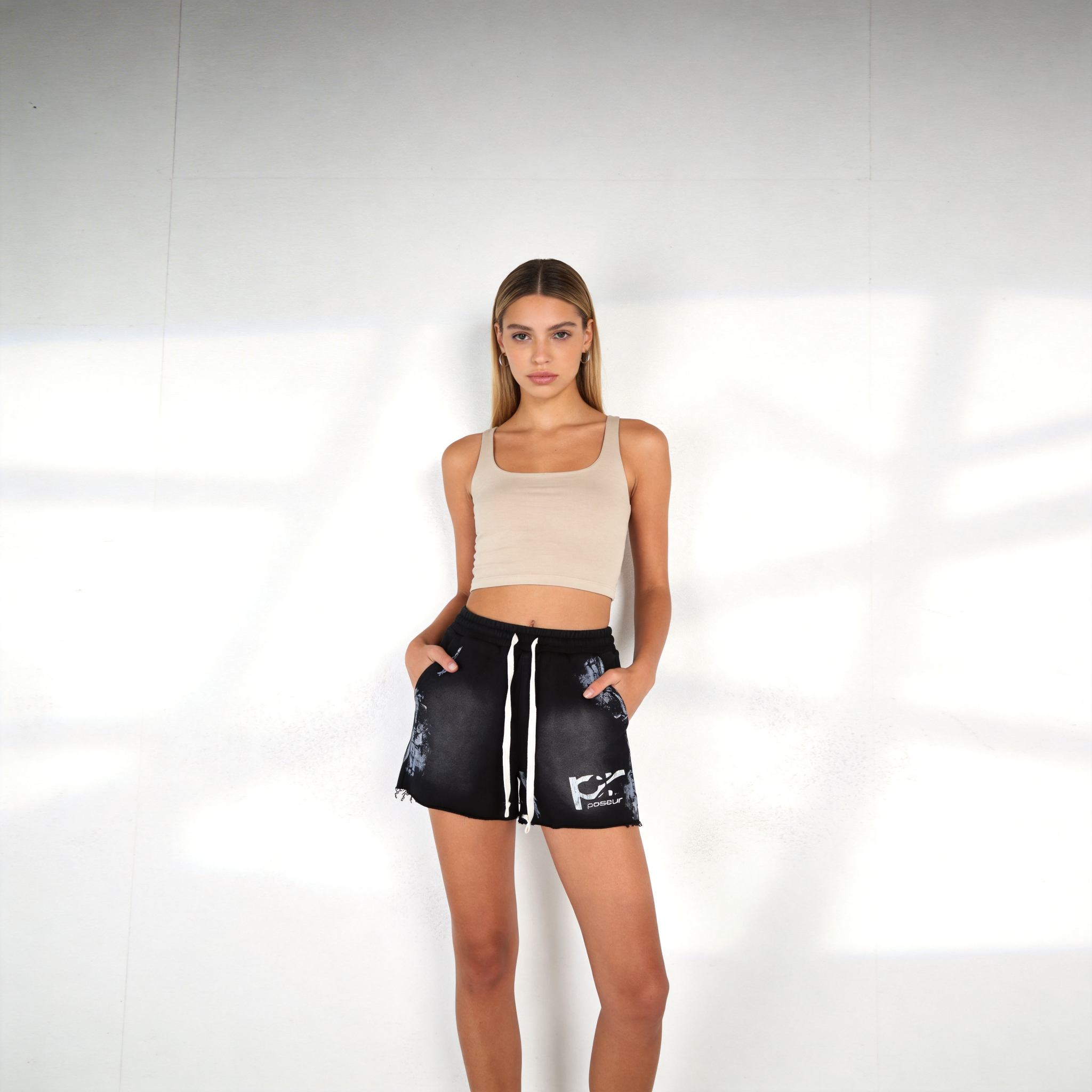
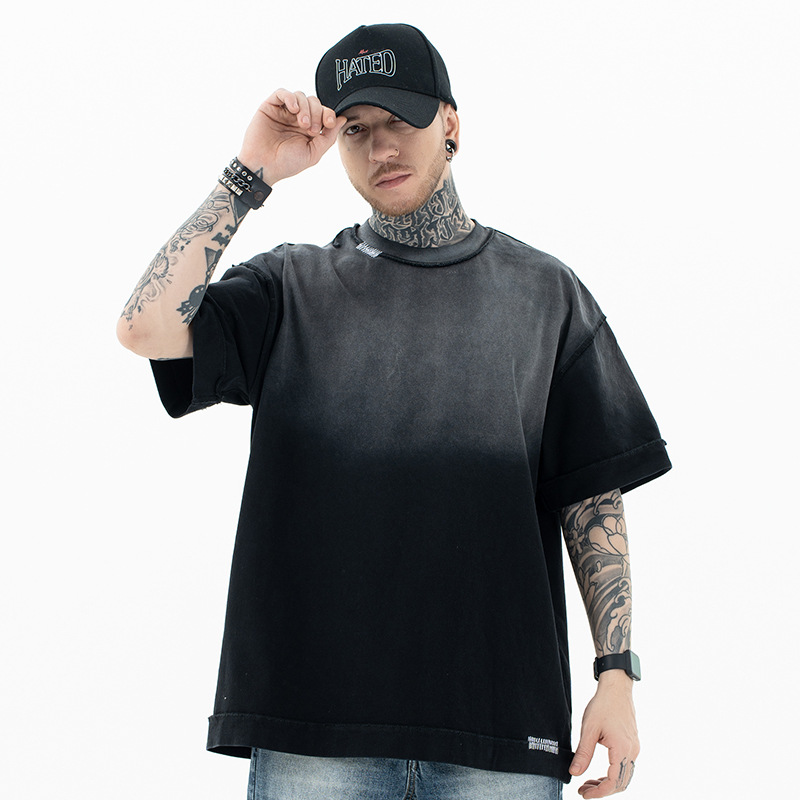
Acid Wash
Acid wash garment finishing delivers high-contrast marbled effects and edgy visual texture for streetwear hoodies, denim jackets, and graphic tees. This technique creates signature 90s-inspired aesthetics with controlled bleach application, producing unique color variations that appeal to urban fashion and trend-driven collections.
Get a Quote
Stone Wash
Stone wash garment processing uses pumice stones to create soft hand feel, faded color depth, and worn-in comfort for denim jeans, casual jackets, and vintage-inspired apparel. The mechanical abrasion produces authentic aged appearance while improving fabric softness, ideal for premium casualwear and heritage brand aesthetics.
Get a Quote
Enzyme Wash
Enzyme wash uses bio-based enzymes to soften fabrics, reduce pilling, and create subtle fading without harsh chemicals. This eco-conscious technique is preferred by sustainable fashion brands seeking soft hand feel, natural vintage appearance, and reduced environmental impact while maintaining fabric integrity and color consistency.
Get a Quote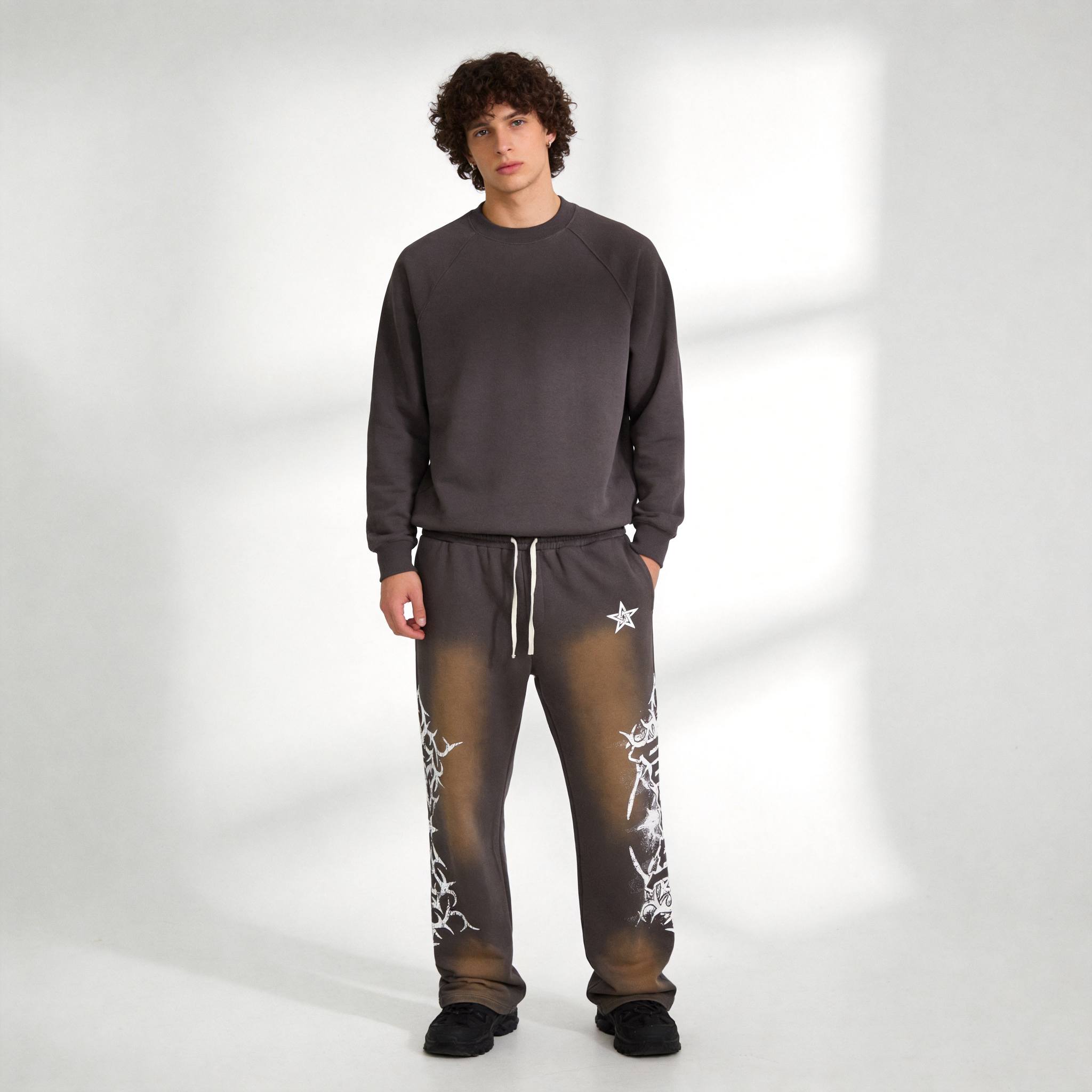
Garment Dye
Garment dye applies color after construction, creating rich saturation, unique tonal variations, and soft vintage character across seams and stitching. This technique produces depth and authenticity for premium T-shirts, sweatshirts, and casualwear, with slight color variation between garments adding artisanal appeal and elevated brand positioning.
Get a QuoteAbout ZORWILD Garment Wash Services
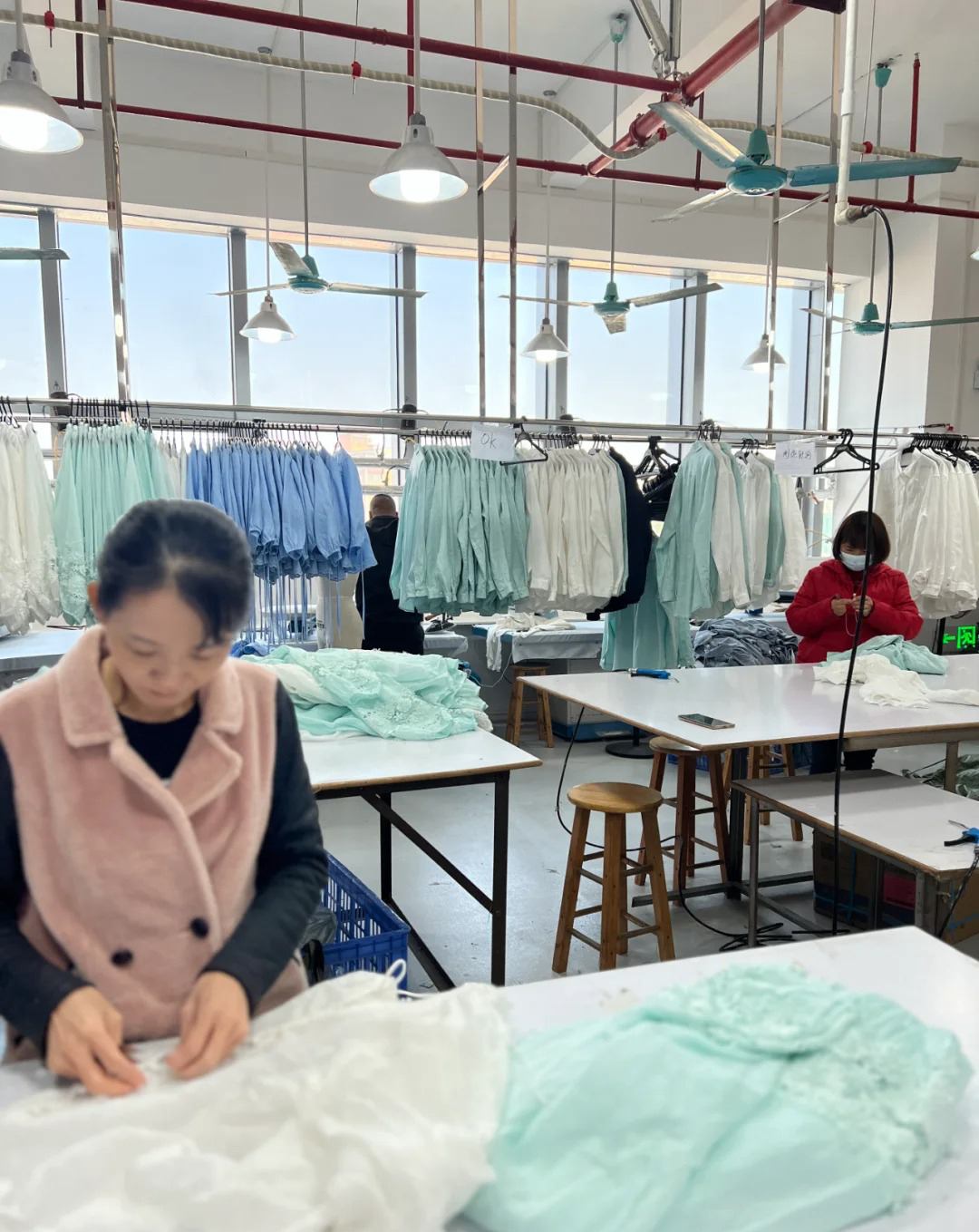
Founded in 1998 in Humen, Dongguan—China’s premier garment manufacturing hub—ZORWILD began as a family workshop rooted in precision and craftsmanship. Our founder grew up learning every stage of apparel production, from cutting and sewing to wash chemistry and quality control, under the guidance of his father, a master garment technician.
Today, ZORWILD operates as a full-scale garment wash and apparel manufacturing facility with over 200 skilled workers, serving more than 2,000 fashion brands across North America, Europe, Asia, and the Middle East. Our garment wash services combine traditional wash expertise with modern equipment, delivering vintage wash, acid wash, enzyme wash, pigment dye, and specialty finishing effects with exceptional color consistency and fabric integrity.
What sets our garment wash services apart is our 6-stage quality control system, in-house mastery of 95% of decoration and finishing techniques, and flexible production starting at just 50 pieces. As a full-service custom apparel manufacturer specializing in custom hoodies, custom t-shirts, custom shirts, and wholesale clothing production, ZORWILD delivers professional garment wash services backed by 27 years of manufacturing experience and a monthly production capacity exceeding 100,000 units.
Core Garment Wash Services — Deep Dive
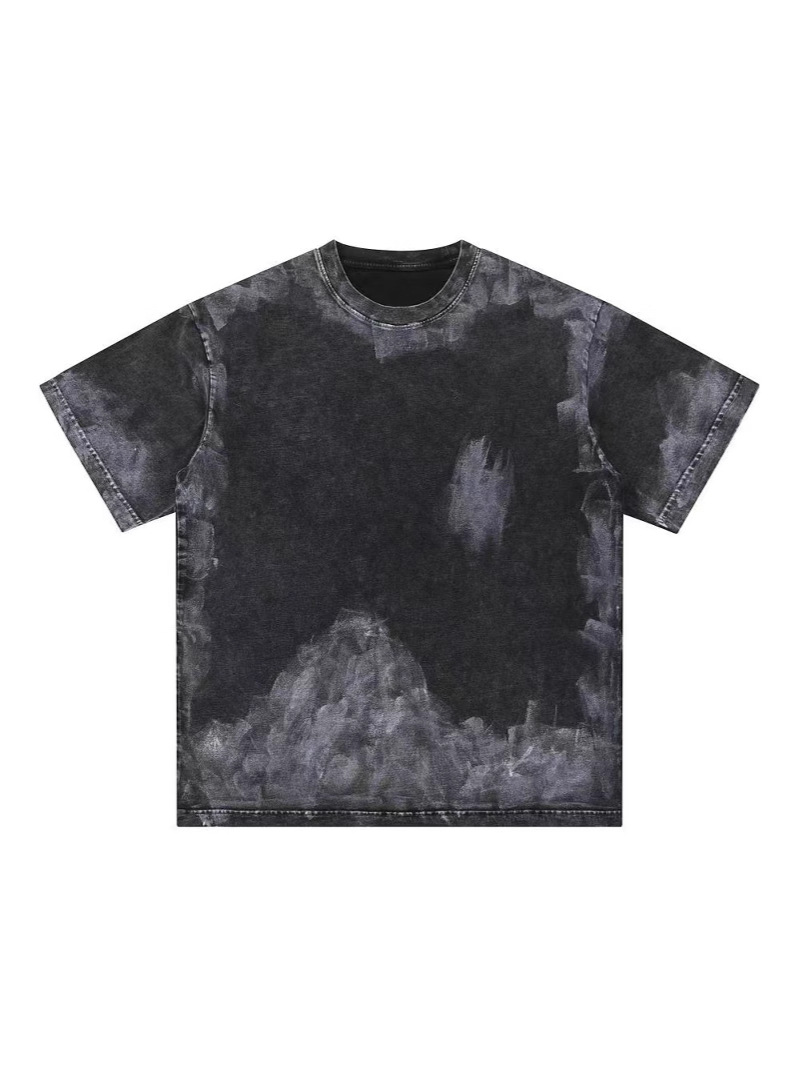
Acid Wash Process & Effects
Our acid wash garment services create bold, high-contrast vintage patterns through controlled chemical application and stone tumbling. Perfect for streetwear brands seeking signature distressed aesthetics with consistent, repeatable results across production runs.
- Compatible with denim, cotton twill, heavyweight jersey, and blended fabrics
- Produces dramatic marble patterns with white-to-gray contrast variations
- Softens fabric hand feel while maintaining structural integrity and durability
- 7–10 day lead time from fabric receipt to finished garment delivery
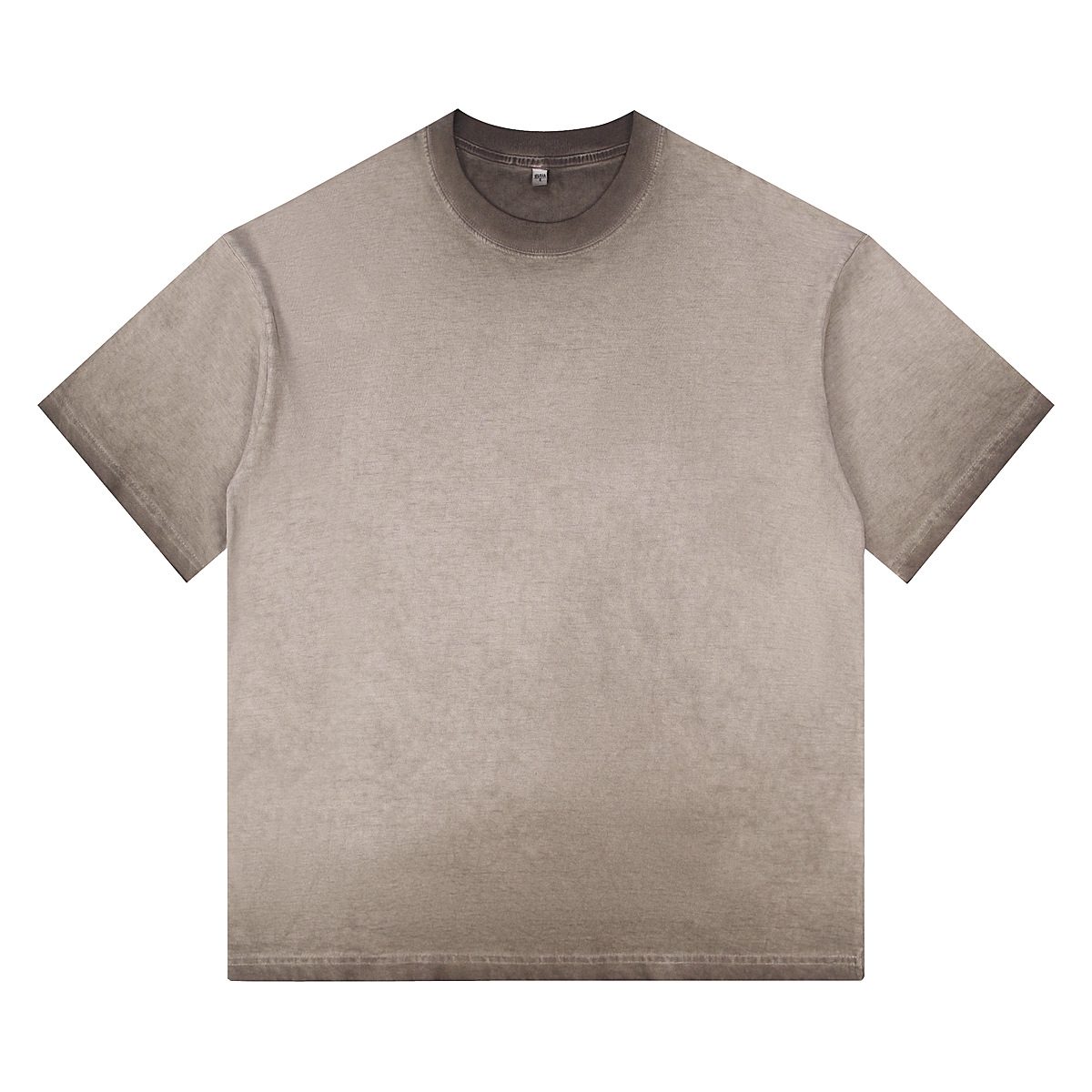
Vintage & Enzyme Wash Chemistry
Enzyme wash garment services deliver authentic worn-in softness and faded color tones without harsh chemicals. Ideal for premium hoodies, sweatshirts, and T-shirts where comfort and subtle vintage appeal drive brand positioning and customer loyalty.
- Works best with 100% cotton, organic cotton, bamboo blends, and French terry
- Achieves soft pastel fades and natural color degradation for lived-in appearance
- Creates ultra-soft hand feel with reduced pilling and enhanced drape
- 5–8 day processing window with excellent color fastness after curing
Stone Wash Durability & Texture
Stone wash garment services use pumice stones to mechanically abrade fabric surfaces, creating consistent vintage texture and color lightening. This technique offers superior durability for high-wear garments like denim jackets, cargo pants, and workwear collections.
- Optimized for heavyweight denim, canvas, cotton drill, and utility fabrics
- Delivers uniform color fading with tactile surface texture and worn edges
- Maintains garment strength and seam integrity through controlled abrasion cycles
- 6–9 day turnaround with minimal shrinkage and excellent wash stability
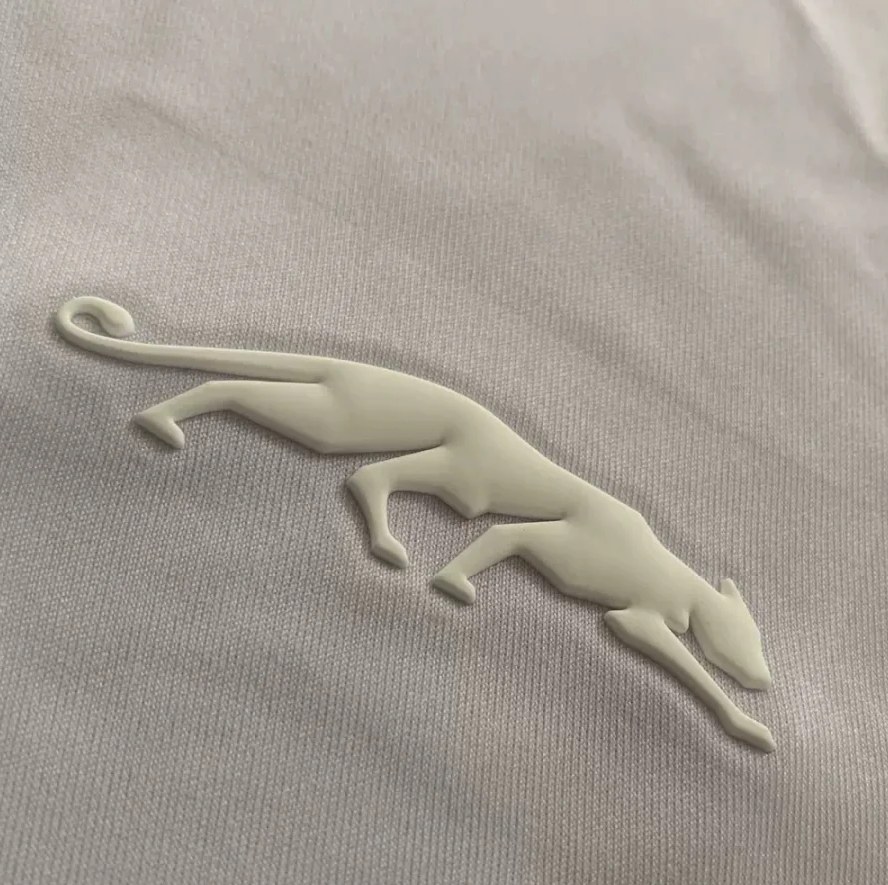
Garment Dye Color Fastness
Post-construction garment dye services allow complete color customization after sewing, creating unique tonal variations and soft vintage hues. Our controlled dye baths ensure even saturation, minimal shrinkage, and reliable color fastness for fashion and casualwear brands.
- Suitable for cotton, linen, rayon, modal, and natural fiber garments
- Produces rich, saturated colors or subtle pastel tones with vintage character
- Achieves soft, broken-in hand feel with excellent colorfastness after fixation
- 8–12 day lead time including dye preparation, processing, and quality inspection
ZORWILD Garment Wash Services vs. Typical Wash Suppliers
See how ZORWILD‘s integrated garment wash services deliver superior quality, flexibility, and speed compared to external laundry vendors and basic finishing suppliers.
← 左右滑动查看 →
Garment Wash Services Production Process
Our proven 7-phase wash production system ensures consistent color, texture, and quality across every garment—from fabric inspection through final packaging.
Fabric Inspection & Sorting
Every garment undergoes thorough inspection for defects, fabric weight, and construction integrity before wash processing begins. This critical step prevents quality issues and ensures only production-ready pieces enter the wash cycle, protecting your brand reputation.
Pre-Wash Treatment & Preparation
Garments are sorted by color family, fabric composition, and desired wash effect. Pre-treatment solutions are applied to prepare fibers for optimal dye absorption, color removal, or texture transformation based on your specific wash technique requirements.
Wash Application Process
The selected wash technique—acid wash, enzyme wash, stone wash, garment dye, vintage wash, or pigment dye—is executed using industrial-grade equipment with precise temperature, chemical ratios, and cycle timing to achieve your exact aesthetic specifications and color targets.
Rinsing & Neutralization
Multiple rinse cycles remove residual chemicals, excess dye, and processing agents while neutralizing pH levels to protect fabric integrity. This phase ensures garments are safe for wear, colorfast, and free from chemical odors or skin irritants.
Drying & Heat-Setting
Controlled drying processes stabilize fabric dimensions, lock in color, and set the final texture. Heat-setting technology prevents excessive shrinkage and ensures consistent sizing across your production run, maintaining fit standards for customer satisfaction.
Quality Inspection & Measurement
Each garment is individually inspected for color consistency, wash effect uniformity, measurement accuracy, stitching integrity, and overall appearance. Our 6-stage quality control system catches defects before packaging, ensuring only premium-grade pieces reach your customers.
Finishing & Packaging
Final ironing, folding, and packaging are completed according to your brand standards. Custom labels, hang tags, polybags, and branded packaging are applied to create a premium unboxing experience that reflects your brand identity and quality positioning.
How to Commission Garment Wash Services
ZORWILD’s streamlined garment wash services process ensures accurate wash effects, consistent quality, and fast turnaround from sample approval to bulk production delivery.
Submit Your Wash Requirements
Send your garment samples, tech pack, or reference images with desired wash effect. Include fabric content, target color, and wash style such as vintage, acid, or enzyme wash for accurate quoting.
Receive Quote and Wash Sample
ZORWILD provides a detailed quote and produces wash samples for your approval. Specify wash intensity, color swatches, and fabric compatibility. Allow 5-7 days for wash sampling and evaluation.
Approve Wash Sample Standards
Review and approve wash sample for color accuracy, texture, hand feel, and effect consistency. Confirm all wash specifications before bulk production begins to ensure exact replication across batches.
Bulk Production with Batch QC
Your garments undergo professional garment wash services with strict batch quality control. ZORWILD’s 6-stage QC system monitors wash consistency, color matching, fabric integrity, and finishing quality throughout production.
Final Inspection and Delivery
Complete final quality inspection covering wash effect uniformity, measurements, and packaging standards. Receive your finished garments with full export documentation and global logistics support for timely delivery.
Customer Testimonials — Garment Wash Services Results
ZORWILD achieved the perfect vintage fade on 5,000 hoodies in just 10 days. The consistency across every piece was remarkable, and our DTC customers loved the premium hand feel. We’ve ordered three more collections since.
We needed acid wash consistency across three separate production runs totaling 8,000 units. ZORWILD’s color matching was spot-on every time. No outsourcing delays, no quality drops—just reliable garment wash services from a team that understands wholesale demands.
The enzyme wash gave us exactly the soft, lived-in texture our influencer audience wanted. Combining distressed wash with embroidery in-house saved us two full weeks versus coordinating multiple vendors. Speed and quality—ZORWILD delivered both.
Garment Wash Services — Frequently Asked Questions
Which fabrics work best with acid wash garment wash services?
Can I combine garment wash services with screen printing or embroidery?
Does enzyme wash work on polyester fabrics?
What is the MOQ for sampling garment wash services?
How long does bulk production take for garment wash services?
Do you offer eco-friendly garment wash services options?
Can you match a specific color reference for garment wash services?
What is included in quality control for garment wash services?
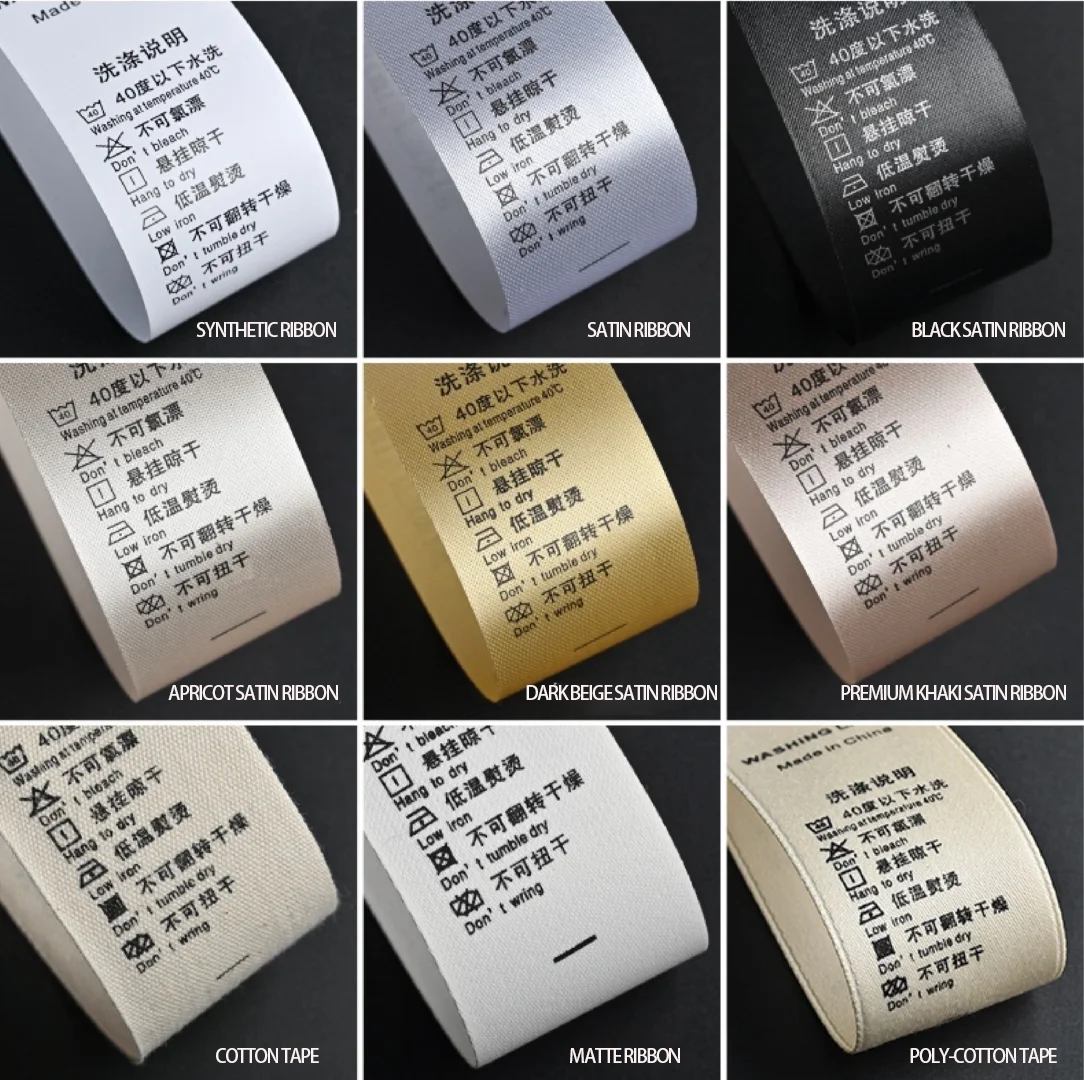
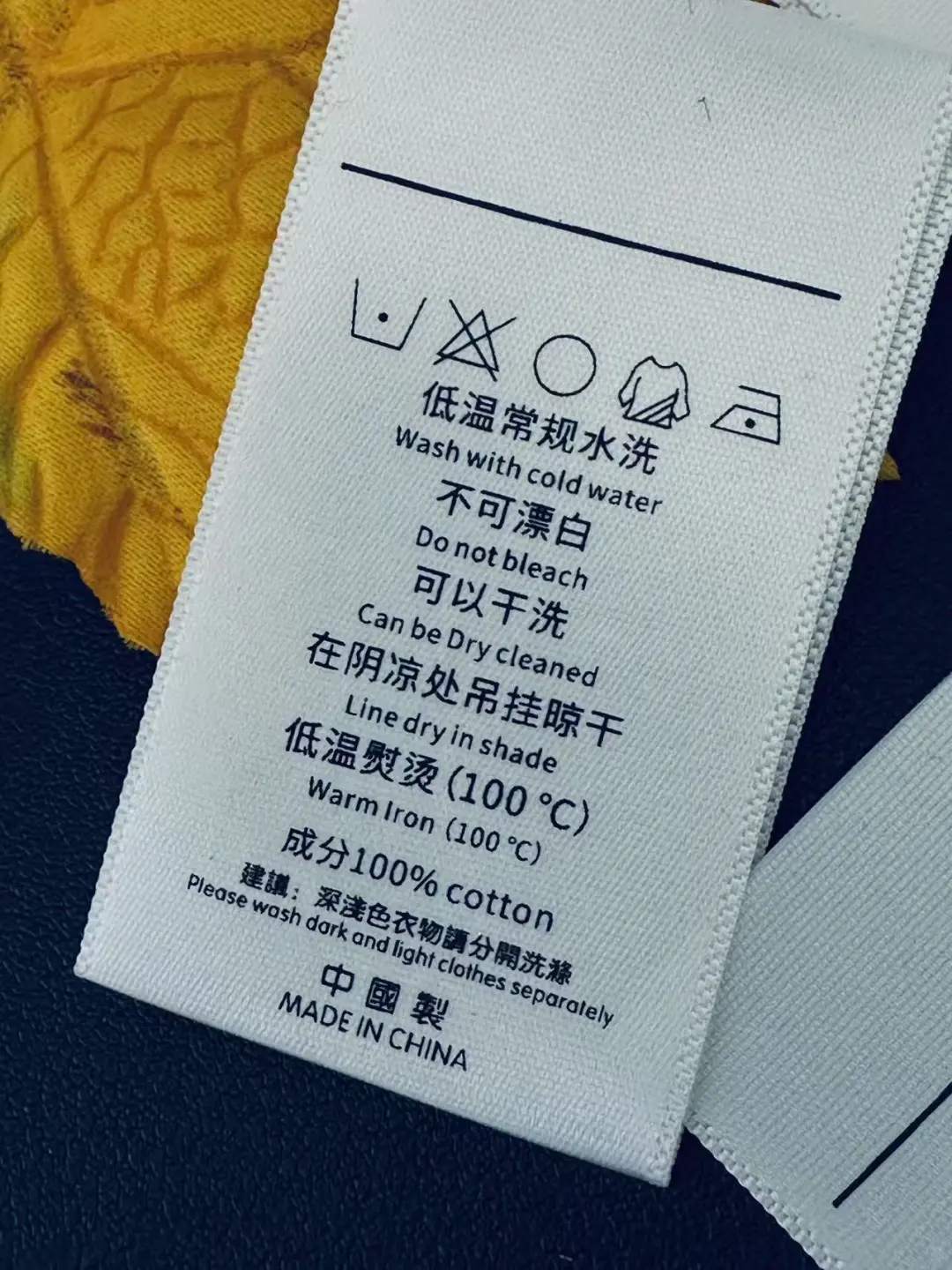
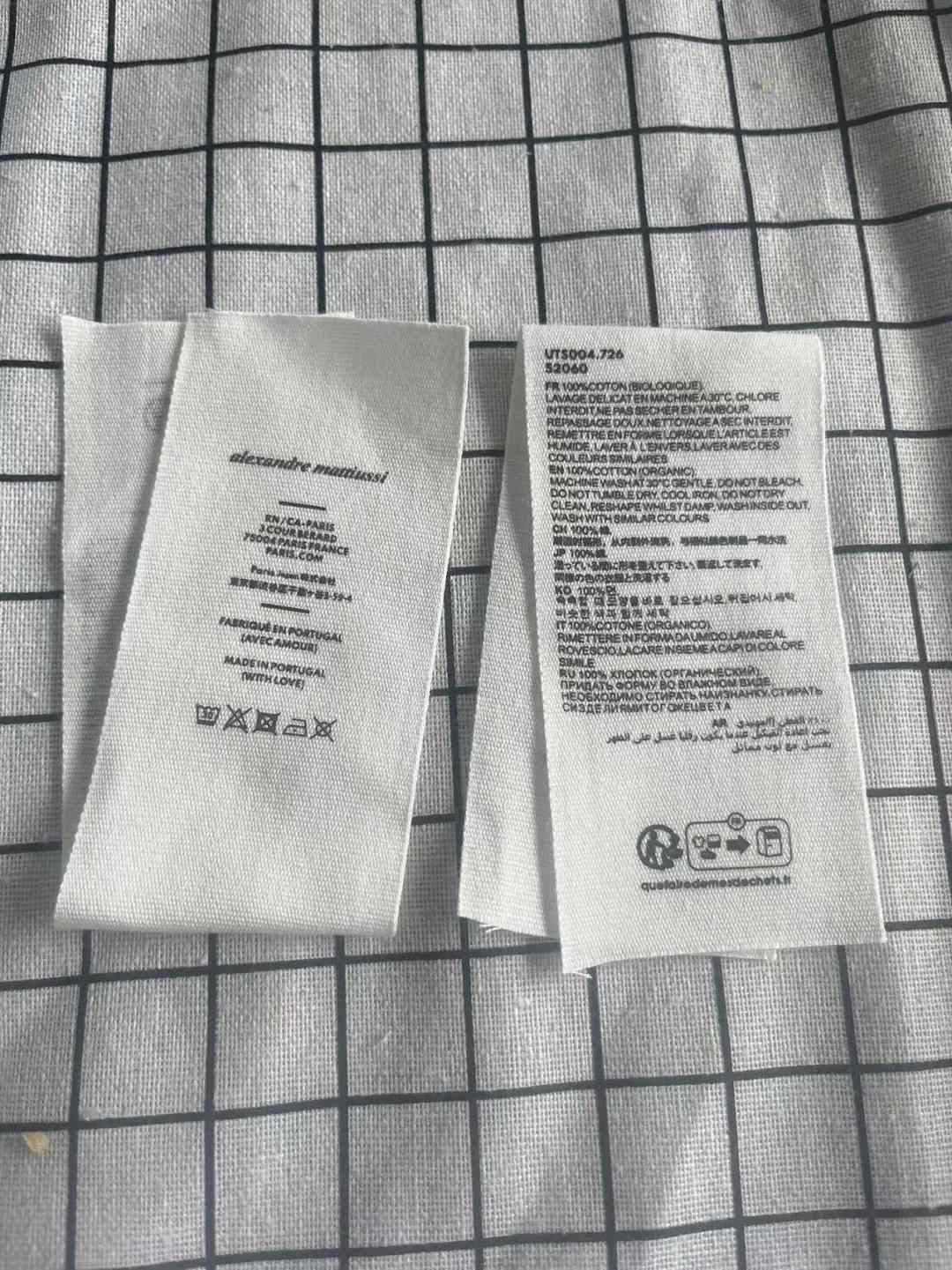
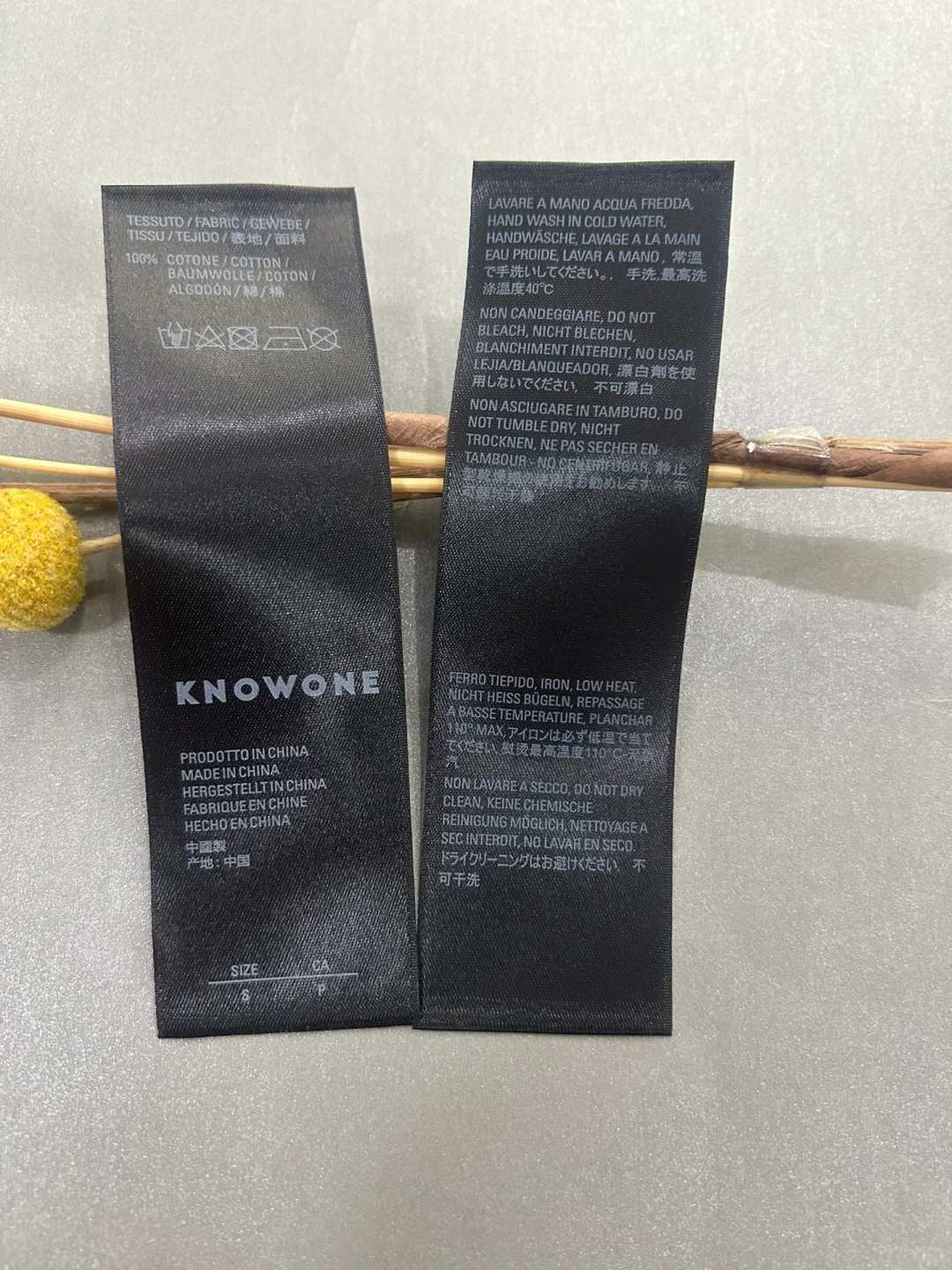
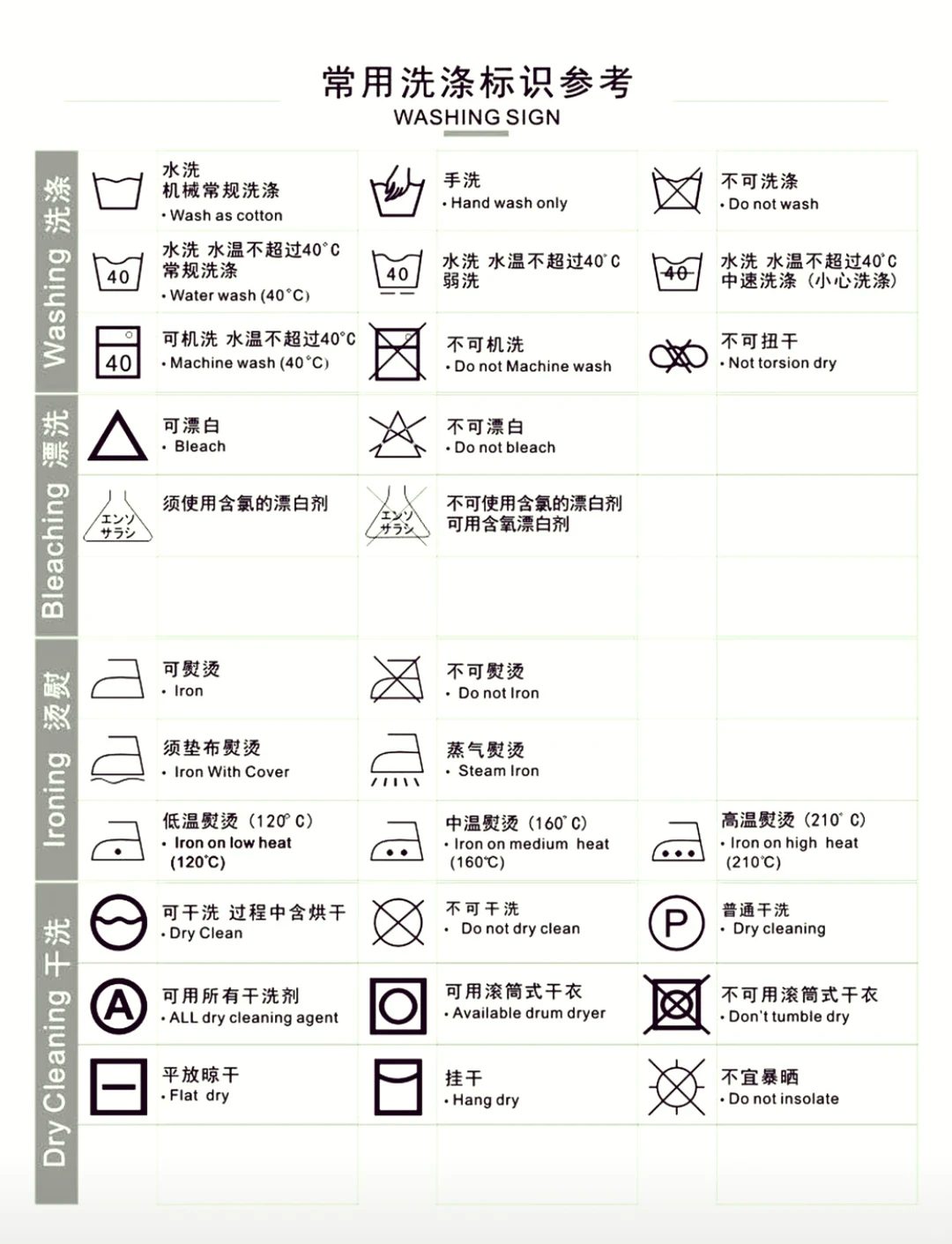
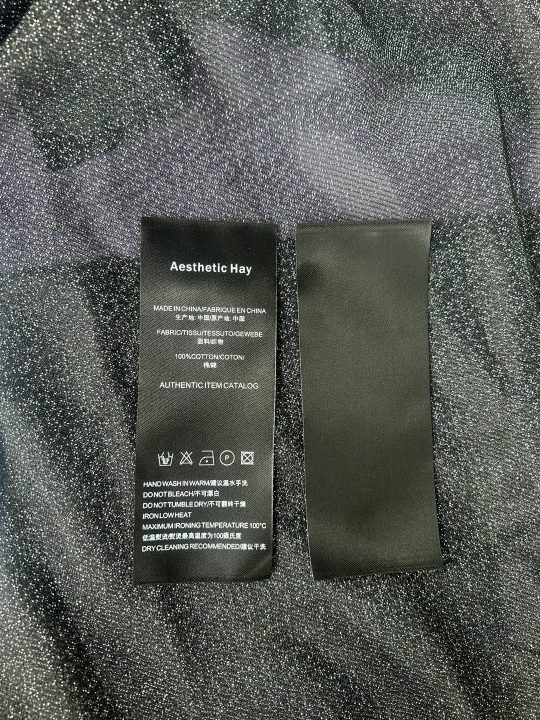
Do you provide custom wash care labels for garment wash services?
The Complete Buyer’s Guide to Garment Wash Services for Brands
1. What Are Garment Wash Services?
Garment wash services are post-production chemical and mechanical treatments applied to finished apparel after sewing, designed to alter fabric appearance, texture, and hand feel. Unlike fabric dyeing or printing — which occur before or during garment construction — garment wash processes treat completed garments to achieve effects impossible through pre-production methods alone. ZORWILD applies more than 10 distinct garment wash techniques including acid wash, vintage wash, enzyme wash, stone wash, pigment dye, and snow wash to create unique finishes for streetwear, casualwear, and premium fashion collections.
Brands order garment wash services to achieve three primary outcomes: vintage and distressed aesthetics that replicate years of natural wear, fabric softening that improves comfort and drape, and unique color variations that differentiate products in competitive markets. A standard enzyme wash can reduce fabric stiffness by 30–40% compared to untreated garments, while acid wash creates high-contrast fading patterns unattainable through traditional dyeing. These treatments transform basic cotton hoodies, denim jackets, and T-shirts into premium products with tactile appeal and visual depth.
When you purchase garment wash services, you receive chemical formulation expertise, controlled mechanical agitation, precise temperature and timing protocols, quality inspection for colorfastness and fabric integrity, and finishing processes including softener application and tumble drying. ZORWILD’s 27 years of manufacturing experience ensure consistent wash results across production runs from 50 pieces to 100,000 units monthly, supporting startup brands and established labels with reliable garment finishing capabilities.
2. Evolution and History of Garment Wash Services
Garment wash services emerged in the early 1980s when denim brands introduced stone-washing techniques using pumice stones in industrial washing machines to create worn, faded aesthetics. Acid wash became a cultural phenomenon by 1986, driven by high-fashion runway shows and music videos that popularized the marbled, bleached denim look. These early methods consumed massive amounts of water—up to 100 liters per garment—and generated significant textile waste from abrasive stone particles.
The 1990s brought enzyme technology breakthroughs that replaced pumice stones with cellulase enzymes, reducing water consumption by 30 to 50 percent and eliminating stone disposal problems. Enzyme wash delivered softer hand feel, consistent color fading, and precise control over distressing effects, making it the preferred method for premium denim and casualwear brands. By 2000, enzyme-based garment wash services had become the industry standard across Asia, Europe, and North America.
Regulatory pressure in the 2010s accelerated adoption of ozone wash technology and laser finishing systems that cut water use by up to 90 percent compared to traditional stone washing. Consumer demand for authentic vintage aesthetics—acid wash hoodies, snow wash sweatshirts, and distressed T-shirts—continues to drive innovation in eco-friendly garment wash services. Today, manufacturers like ZORWILD combine vintage wash, enzyme wash, pigment dye, and garment dye techniques to deliver streetwear collections with premium texture, sustainable production, and reduced environmental impact.
3. Types of Garment Wash Services Explained
Garment wash services encompass six primary techniques, each delivering distinct visual effects, fabric performance, and cost profiles. Matching wash type to your brand aesthetic and price architecture determines product differentiation and margin structure.
Stone Wash
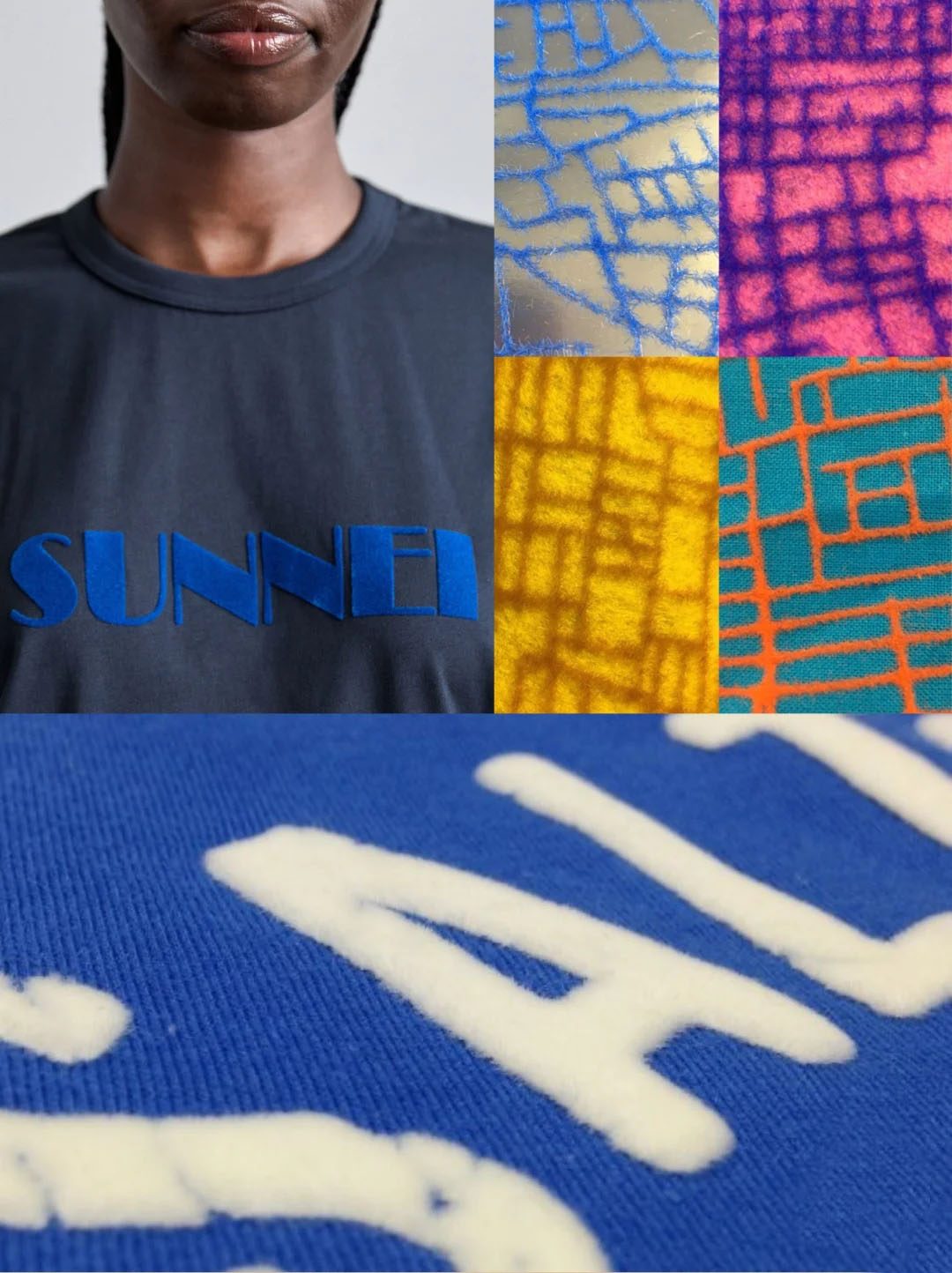
Stone wash uses pumice stones in industrial rotary drums to abrade fabric surfaces, creating a worn, faded appearance with soft hand feel. The process typically runs 60–90 minutes at controlled temperatures with fabric-to-stone ratios of 1:3 to 1:5.
Cotton denim and heavyweight twill are ideal candidates; the technique reduces fabric strength by 8–12% but delivers premium vintage aesthetics. Stone wash sits in the mid-tier cost range, adding $1.20–$2.50 per garment depending on intensity and fabric weight.
Enzyme Wash
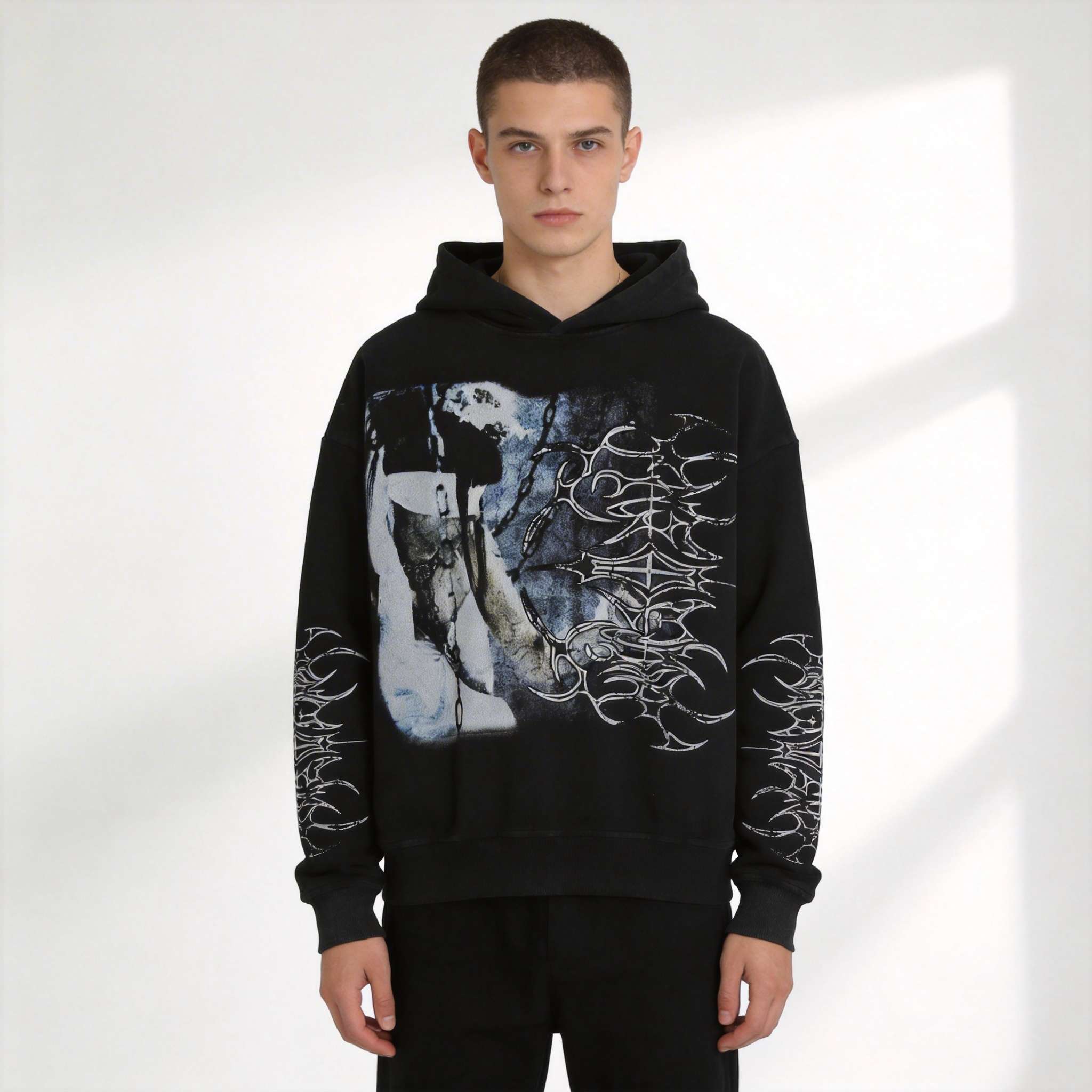
Enzyme wash employs cellulase enzymes to hydrolyze cellulose fibers, producing a smooth, clean fade without mechanical abrasion. Processing time ranges from 45–75 minutes at pH 4.5–6.0 and temperatures of 50–60°C.
This method suits cotton jersey, French terry, and fleece with minimal pilling and only 3–5% strength loss. Enzyme wash costs $0.80–$1.80 per piece, making it the most economical option for T-shirts, hoodies, and sweatshirts requiring soft vintage effects.
Acid Wash
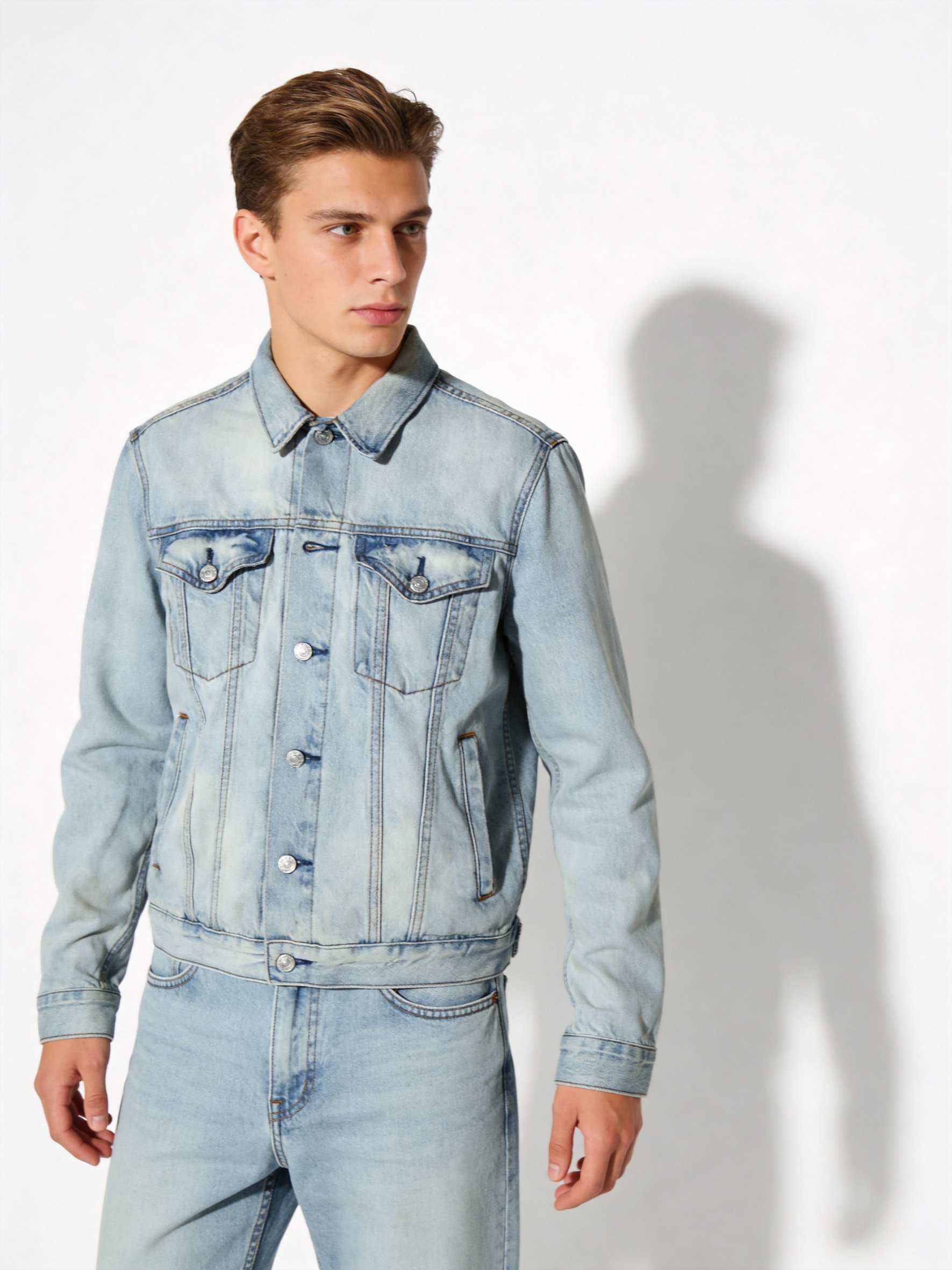
Acid wash combines pumice stones soaked in chlorine or potassium permanganate to create high-contrast marbled patterns and dramatic fading. The aggressive oxidation process runs 20–40 minutes with careful neutralization to prevent fabric degradation.
Denim jackets, jeans, and heavyweight cotton garments showcase acid wash best; expect 15–20% strength reduction and a bold 1980s streetwear aesthetic. Cost ranges from $2.50–$4.00 per garment due to chemical handling, neutralization steps, and environmental controls.
Pigment Wash
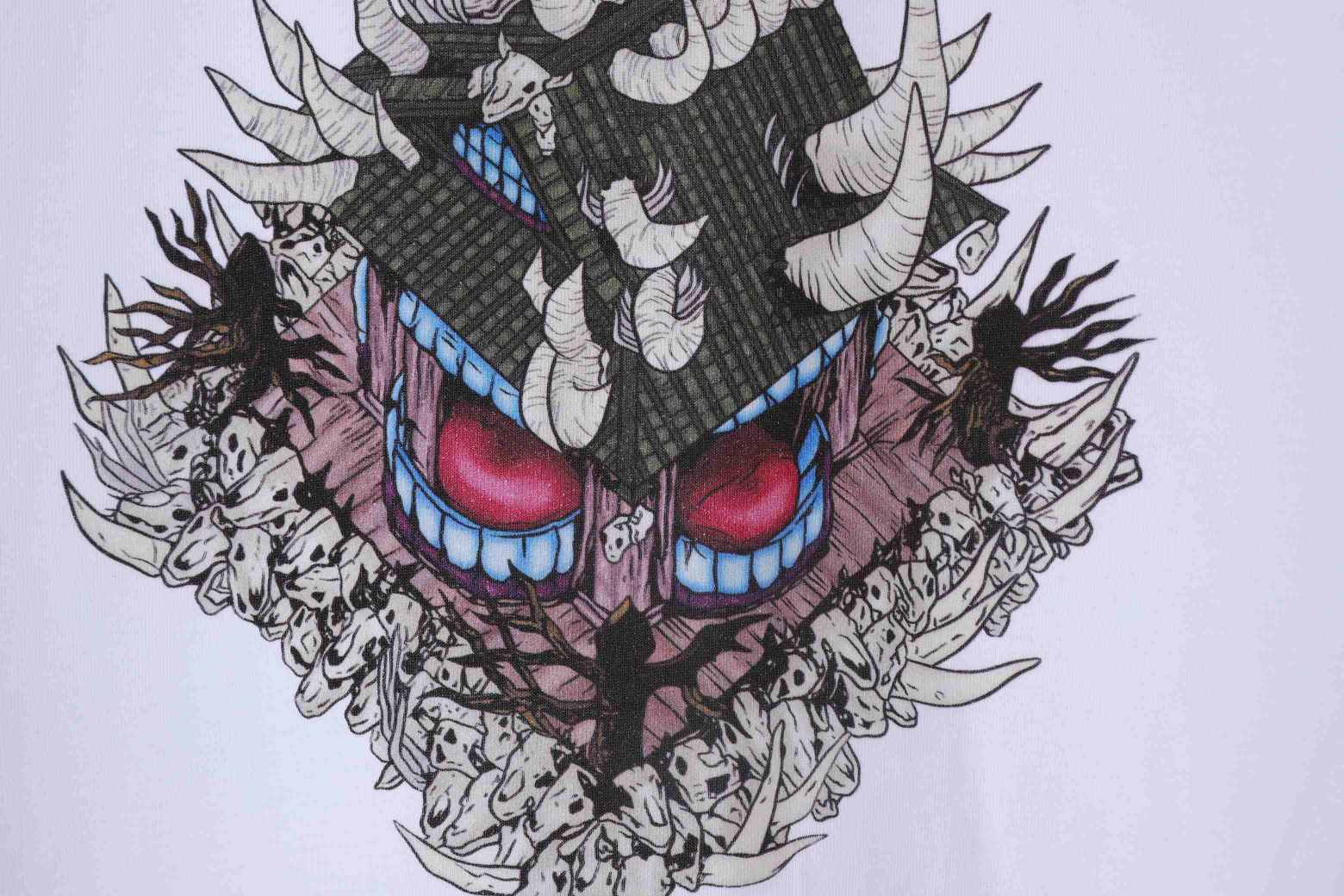
Pigment wash applies pigment dyes during the wash cycle, depositing color onto fabric surfaces rather than penetrating fibers. The process creates uneven, lived-in color with natural fading at seams and stress points.
Cotton and cotton-blend garments in all weights accept pigment wash well; fabric strength remains nearly unchanged while achieving premium vintage color depth. Pricing sits at $1.50–$3.00 per piece, varying with dye complexity and multi-tone effects popular in luxury streetwear collections.
Silicon Wash
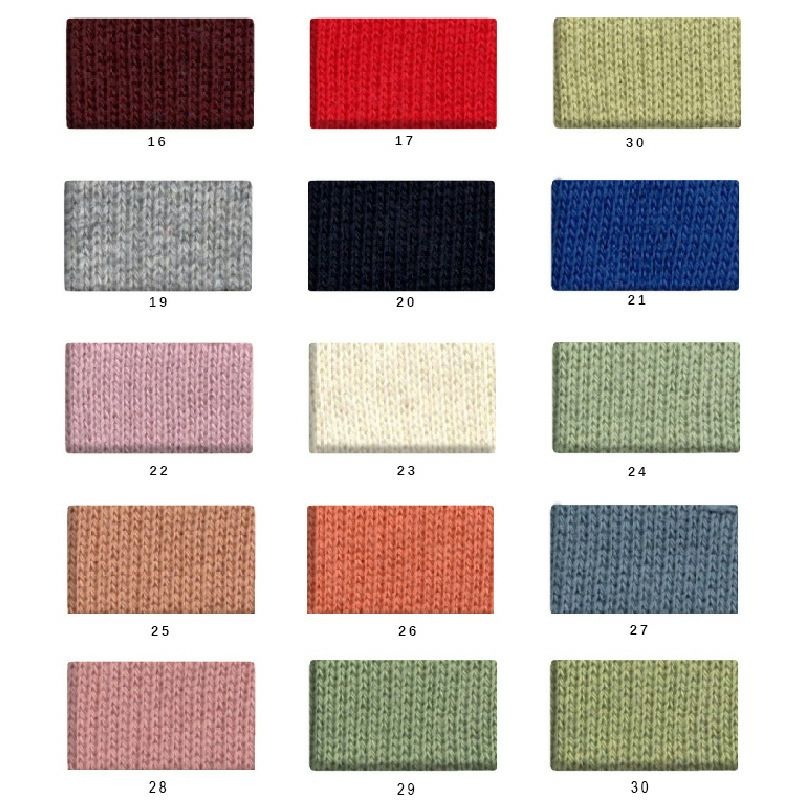
Silicon wash treats garments with liquid silicone softeners to enhance smoothness, reduce friction, and improve drape without altering color or structure. Processing adds 15–30 minutes to standard wash cycles with silicone concentrations of 20–50 grams per liter.
All cotton and blended fabrics benefit from silicon finishing; the technique causes zero strength loss and often improves tear resistance by 3–6%. Silicon wash adds only $0.50–$1.20 per garment, making it the preferred finishing step for premium-feel basics and performance casualwear.
4. Materials and Fabrics Suitable for Garment Wash Services
Not all fabrics respond equally to garment wash services. Fiber content, fabric weight, and construction determine wash compatibility, shrinkage behavior, and final texture. Understanding material properties ensures predictable results and prevents costly production errors.
| Fabric Type | Recommended Wash | Expected Outcome | Durability |
|---|---|---|---|
| 100% Cotton Denim | Acid, Stone, Enzyme | High contrast fade, soft texture | Excellent |
| Cotton Twill | Vintage, Enzyme, Garment Dye | Uniform color, smooth hand | Very Good |
| Jersey Knit | Garment Dye, Pigment Dye | Soft drape, subtle fade | Good |
| Poly-Cotton Blend | Pigment Dye, Light Enzyme | Minimal texture change | Excellent |
| Linen | Snow Wash, Garment Dye | Natural wrinkle, light fade | Moderate |
Fiber Content Requirements
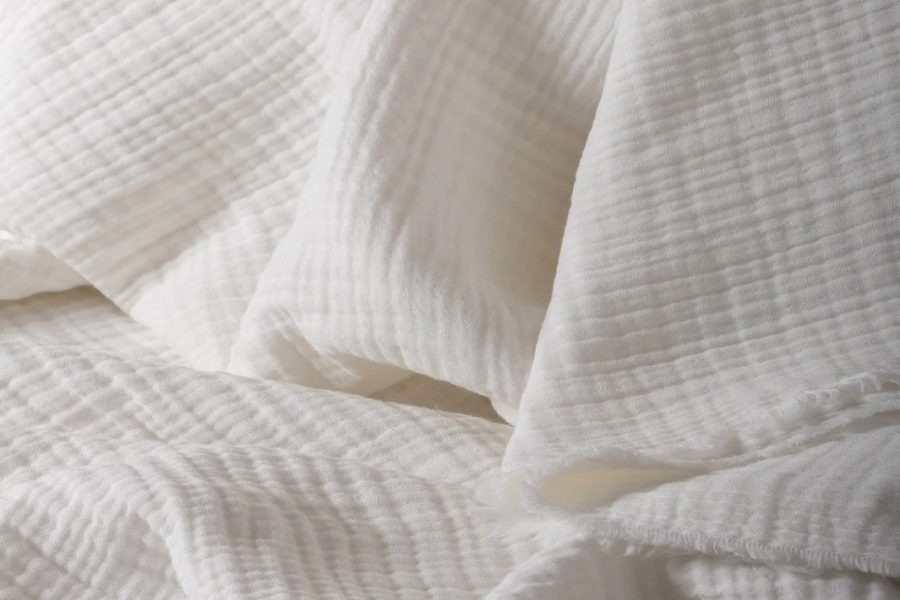
100% cotton fabrics deliver the most dramatic vintage wash effects, with excellent color absorption for garment dye and enzyme wash processes. Natural fibers shrink 3–5% during first wash cycles, requiring pre-shrink treatment or pattern grading adjustments.
Poly-cotton blends (50/50 to 65/35 cotton-poly) offer dimensional stability and reduced shrinkage under 2%, but acid wash and enzyme treatments produce less pronounced texture change. Blends resist pigment dye penetration, limiting color depth compared to pure cotton.
Fabric Weight and Wash Response
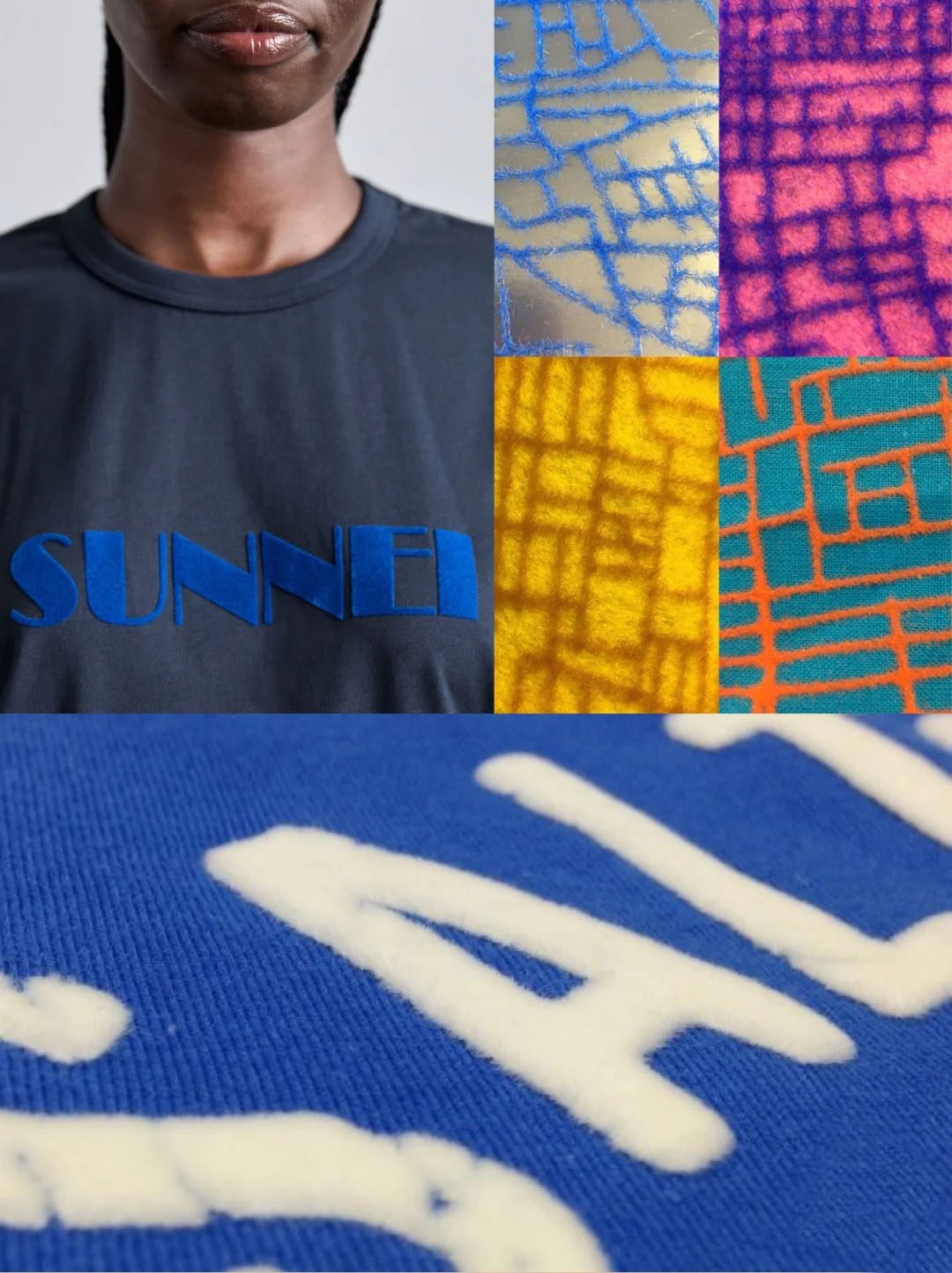
Heavyweight fabrics (10–14 oz/yd² denim, 300–400 GSM fleece) withstand aggressive stone wash and distressing without structural damage. Midweight cotton twill (6–8 oz/yd²) and jersey knits (180–220 GSM) suit enzyme wash and vintage treatments for soft hand feel.
Lightweight linen and rayon (under 150 GSM) require gentle snow wash or garment dye to avoid fiber breakdown and excessive pilling.
5. Customization Options in Garment Wash Services
Professional garment wash services offer extensive customization beyond standard wash formulas. Buyers can control wash intensity, fade depth, localized distressing zones, and finishing treatments to achieve precise vintage aesthetics and brand-specific visual signatures.
Wash Intensity and Color Fade Control

Wash intensity is adjusted through cycle duration, chemical concentration, and mechanical agitation levels. Light washes reduce color by 10–20%, medium washes achieve 30–50% fade, and heavy washes deliver 60–80% vintage lightening for bold streetwear looks.
Buyers specify target Pantone values or reference samples during development. ZORWILD’s wash technicians calibrate enzyme load, stone ratios, and cycle time to match approved standards, ensuring batch-to-batch color consistency across production runs.
Localized Distressing and Hand Techniques
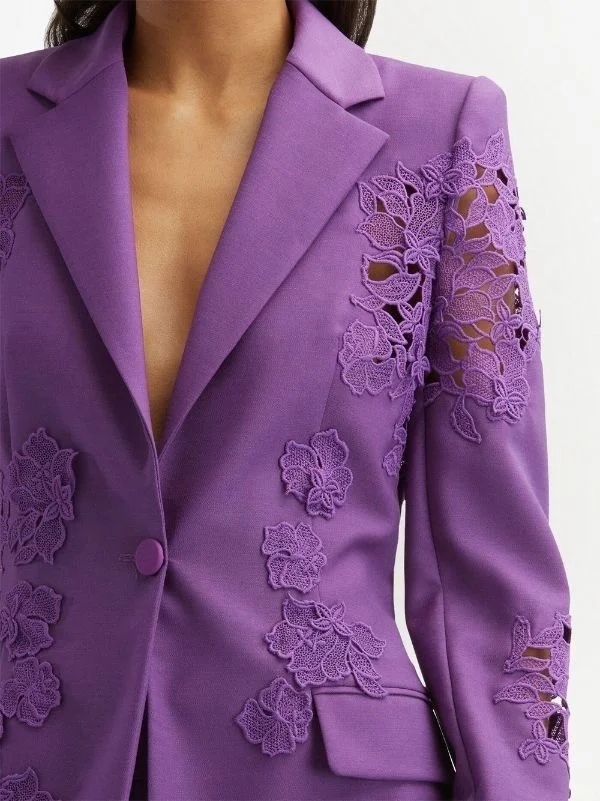
Localized distressing targets high-wear zones including knees, elbows, hems, pocket edges, and seams. Hand-scraping with pumice stones or sandpaper creates authentic abrasion patterns, while whisker effects around hip creases mimic natural denim aging.
Over-dyeing after initial wash adds depth and unique color shifts. Pigment dye or garment dye is applied post-distressing to lock in vintage texture while introducing secondary hues, popular in premium streetwear and resort collections.
Sample Approval Cycles and Reference Communication
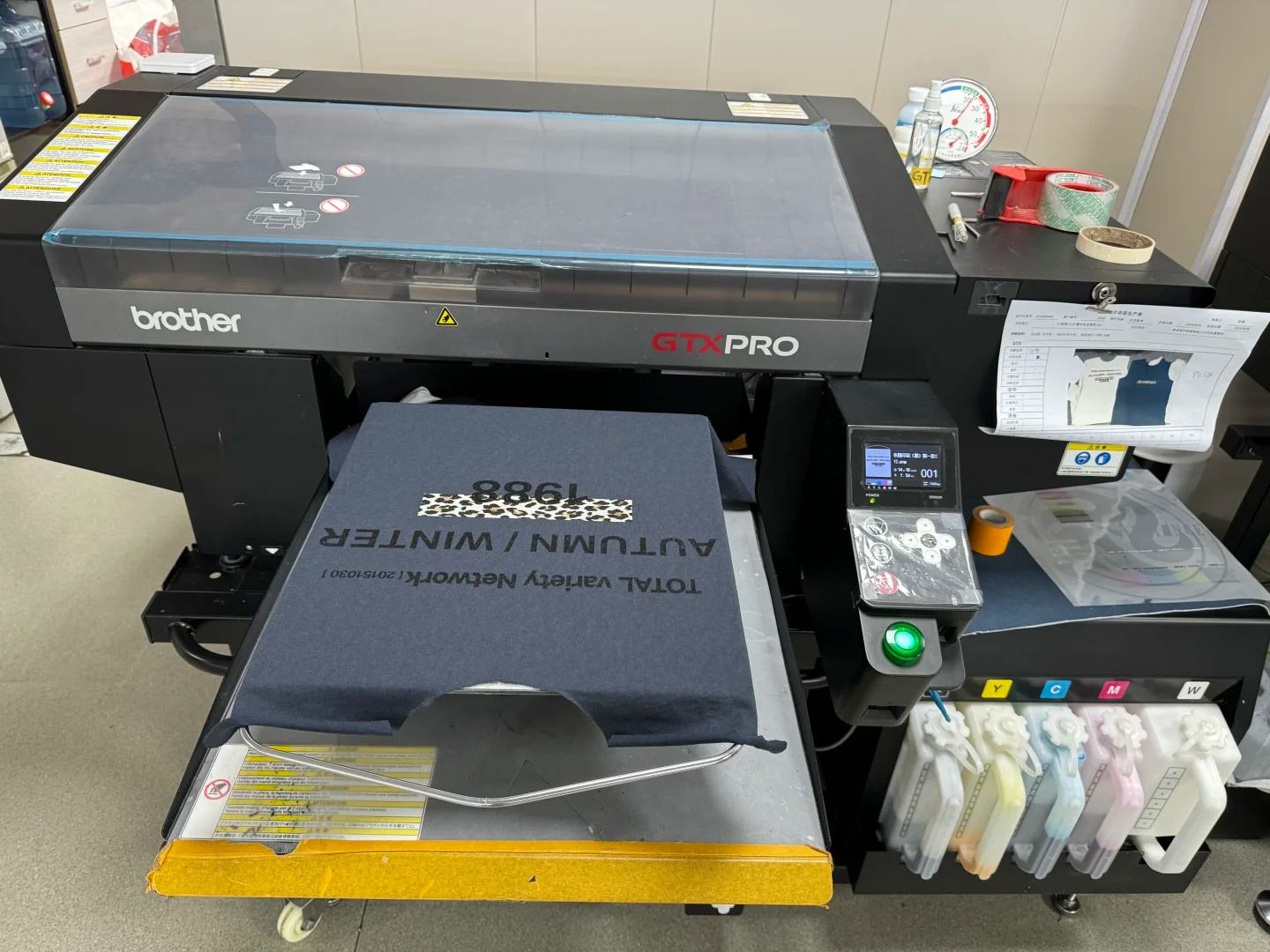
Sample approval cycles typically require 1–3 iterations before bulk production. Buyers submit reference garments, inspiration photos, or detailed descriptions of desired vintage character, fabric hand feel, and distressing placement.
Clear communication includes specifying wash type, target fade percentage, distressing zones, and finish softness. ZORWILD’s development team produces strike-off samples for client evaluation, adjusting formulas until visual and tactile standards are met.
Add-On Finishing Services
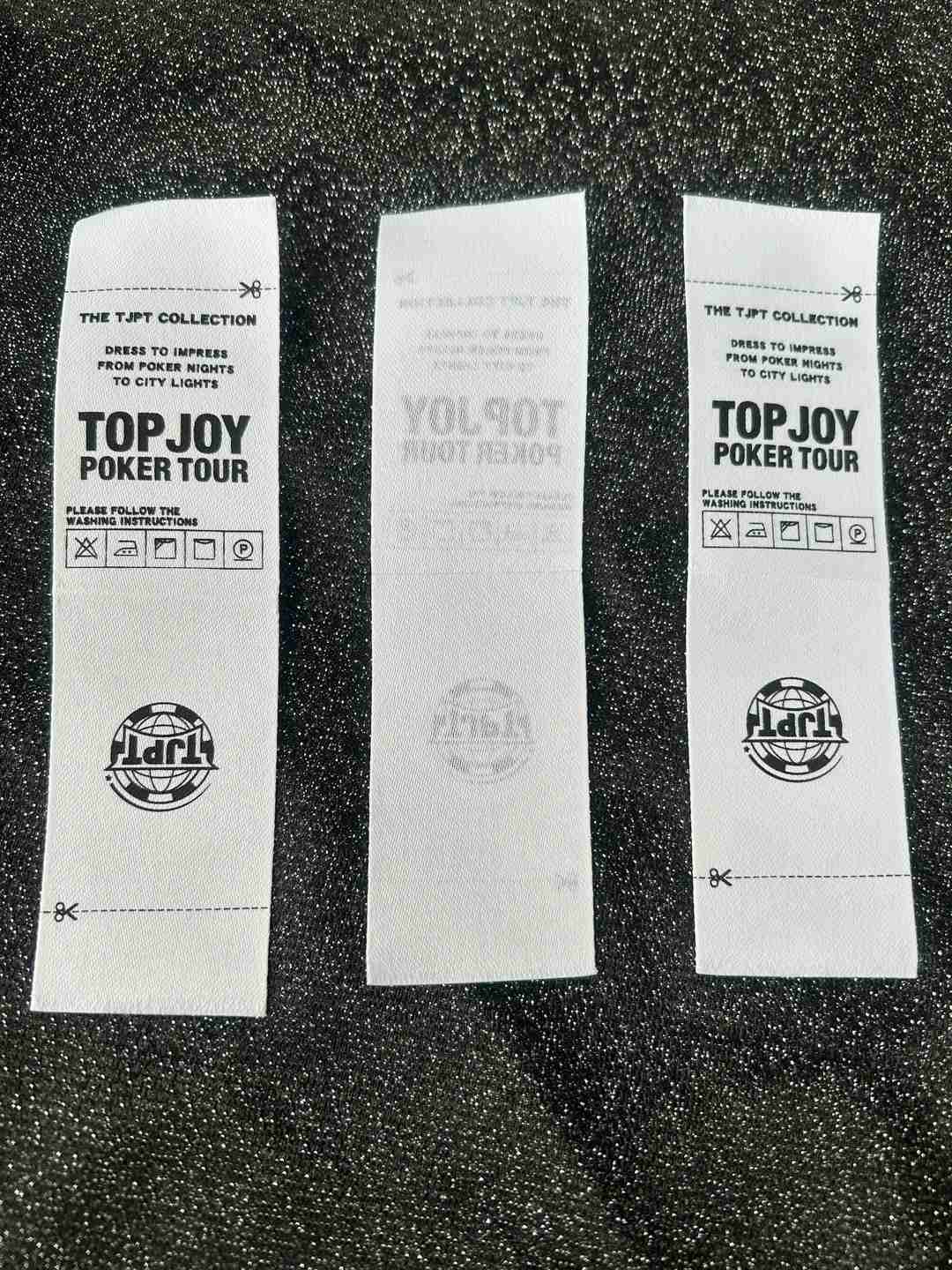
Softener application enhances hand feel and drape, critical for hoodies, sweatshirts, and T-shirts targeting premium retail positioning. Anti-pilling enzyme treatments reduce surface fuzz on fleece and jersey fabrics, extending garment lifespan and maintaining appearance after repeated washing.
Wrinkle finishes and crinkle effects add texture variation for resort shirts and casual dresses. These treatments are applied post-wash and can be combined with pigment dye or vintage wash for layered aesthetic complexity.
6. Quality Standards for Garment Wash Services
Professional garment wash services require rigorous quality checkpoints to ensure colorfastness, dimensional stability, and environmental compliance. Buyers must verify testing protocols, acceptable tolerances, and certifications that signal responsible manufacturing practices.
Colorfastness and Dye Retention Testing
ISO 105 colorfastness testing measures color stability after washing, rubbing, light exposure, and perspiration. Grade 4 or higher (on a 1–5 scale) is industry standard for quality garments, while grade 3 may be acceptable for heavily distressed vintage wash effects.
ZORWILD conducts pre-production wash trials on sample garments to verify dye performance across acid wash, enzyme wash, and pigment dye processes. Buyers should request wash test reports showing colorfastness grades for crocking (rubbing transfer), washing, and light exposure before approving bulk production.
Dimensional Stability and Shrinkage Control
Acceptable shrinkage ranges are ±3% for woven fabrics and ±5% for knit garments after three standard wash cycles. Heavyweight fleece and French terry may shrink 5–7% if not pre-shrunk during fabric finishing.
Manufacturers should provide shrinkage test data showing length and width changes across chest, body length, and sleeve measurements. ZORWILD applies controlled tension during garment drying and finishing to minimize dimensional variation and ensure consistent sizing across production runs.
Chemical Residue and Environmental Compliance
OEKO-TEX Standard 100 certification limits harmful substances including formaldehyde (below 75 ppm), heavy metals, and restricted dyes. ZDHC (Zero Discharge of Hazardous Chemicals) guidelines ensure wastewater treatment removes toxic chemicals before discharge.
Bluesign certification covers the entire textile supply chain, verifying safe chemical inputs, resource efficiency, and worker safety. Buyers sourcing for EU or US markets should verify that wash facilities maintain wastewater treatment systems and provide third-party test reports for chemical residue compliance.
Red Flags in Wash Quality
Uneven wash effects, patchy fading, or inconsistent color across garments indicate poor process control or inadequate machine capacity. Harsh chemical odors, stiff hand feel, or visible residue suggest incomplete rinsing or excessive chemical concentration.
Fabric pilling, seam puckering, or weakened stitching after washing signals incompatible wash intensity for the fabric weight. ZORWILD recommends requesting pre-production samples washed to final specifications, inspecting fabric strength retention, and verifying that all garments in a batch receive identical wash cycles for consistency.
7. How to Choose a Garment Wash Services Provider
Selecting the right garment wash services provider determines product consistency, lead times, and brand reputation. Evaluate production capacity, technical equipment, MOQ flexibility, and communication standards before committing to any partner.
Production Capacity and Equipment
Verify daily wash capacity measured in pieces per day — established facilities process 3,000–10,000 garments daily depending on wash complexity. Inspect wash equipment types including industrial drum washers for volume production, laser machines for precise fading patterns, and ozone systems for eco-friendly bleaching alternatives.
Ask about machine age, maintenance schedules, and backup equipment to avoid production delays. Factories with multiple wash lines offer faster turnaround and greater flexibility for rush orders or seasonal peaks.
MOQ Flexibility and Sample Turnaround
MOQ requirements range from 50 pieces for startup-friendly suppliers to 500+ for high-volume specialists. Confirm sample turnaround time — professional providers deliver wash samples within 5–10 business days for standard techniques and 10–15 days for complex multi-stage washes.
Test sample consistency by ordering duplicate samples weeks apart; color variation beyond ±5% indicates poor process control. Low MOQ providers like ZORWILD support 50-piece minimums, ideal for influencer capsules and brand testing.
Facility Audits and Sustainability
Conduct on-site or virtual facility audits to verify wastewater treatment systems, chemical storage protocols, and worker safety standards. Check for certifications including OEKO-TEX for chemical safety, WRAP or BSCI for social compliance, and ISO 14001 for environmental management.
Geographic location impacts shipping costs and lead times — Dongguan and Guangzhou in China offer dense supplier networks, competitive pricing, and integrated fabric sourcing. Request water recycling rates and chemical usage reports if sustainability is a brand priority.
Communication and Contract Terms
Evaluate communication responsiveness by timing email replies and video call availability — professional suppliers respond within 24 hours on weekdays. Negotiate contract terms including payment schedules (30% deposit, 70% before shipment is standard), quality rejection thresholds (typically 2–5% defect rate), and penalty clauses for late delivery.
Request transparent pricing breakdowns separating fabric cost, wash fees, decoration charges, and packaging to identify hidden markups. Establish clear approval workflows for lab dips, wash samples, and bulk production sign-offs.
8. Common Mistakes When Sourcing Garment Wash Services
Sourcing garment wash services without understanding common pitfalls leads to costly production delays, quality failures, and budget overruns. ZORWILD’s 27 years of manufacturing experience reveal that most buyer mistakes stem from inadequate specification, unrealistic timelines, and poor provider vetting.
Skipping Sample Approval Stages
Many brands skip pre-production wash samples to save time, then face bulk production batches with incorrect fade intensity, uneven color, or unwanted distressing patterns. A single unapproved wash run on 5,000 garments can cost $8,000–$15,000 in rework or scrap.
ZORWILD requires clients to approve wash samples for every new style, fabric weight, and dye lot before bulk production begins. Sample approval cycles add 7–10 days but prevent mass rejections and ensure wash intensity, hand feel, and color match brand expectations exactly.
- Request lab dips and strike-off wash samples for every fabric and wash combination
- Test samples on actual production fabric weight, not substitute materials
- Document approved wash intensity with photos and written specifications
Underestimating Shrinkage and Size Adjustments
Garment wash processes cause 3–8% shrinkage depending on fabric composition, wash type, and pre-shrinking treatment. Brands that finalize patterns without accounting for post-wash dimensions receive garments that run small, requiring expensive re-cutting or customer returns.
ZORWILD conducts shrinkage testing during sampling and adjusts cut dimensions before bulk production. Enzyme wash typically shrinks cotton 4–6%, acid wash 5–7%, and vintage wash 3–5%. Patterns must be graded up proportionally to achieve final target measurements after washing and drying cycles.
- Conduct shrinkage tests on every fabric before finalizing pattern grading
- Add 5–8% to cut dimensions for medium-weight cotton subjected to enzyme or acid wash
- Specify pre-shrinking requirements in writing if minimal shrinkage is critical
Choosing the Cheapest Provider Without Quality Checks
Selecting garment wash services based solely on lowest price often results in inconsistent color, fabric damage, chemical residue, poor wastewater treatment, and missed delivery deadlines. A $0.50 per-unit saving can lead to $10,000+ in rejected inventory.
ZORWILD invests in modern wash equipment, trained technicians, and strict quality control to ensure repeatable results across production runs. Reliable providers maintain fabric inspection protocols, in-line wash monitoring, color measurement systems, and final garment inspection to catch defects before shipping.
- Visit the factory or request video tours of wash facilities and wastewater systems
- Ask for client references and inspect previous wash projects in similar categories
- Compare total cost including rework risk, not just per-unit wash fees
Ignoring Wastewater Compliance and Environmental Standards
Many low-cost wash facilities discharge untreated wastewater, violating environmental regulations and exposing brands to legal risk, reputational damage, and import restrictions in the EU and North America. Non-compliant suppliers cannot provide required test reports.
ZORWILD operates wastewater treatment systems and provides compliance documentation including OEKO-TEX certification, chemical safety data sheets, and environmental audit reports. Brands targeting U.S. and European markets must verify that wash providers meet local discharge standards and use approved dyes and chemicals.
- Request wastewater treatment certifications and third-party environmental audit reports
- Specify use of OEKO-TEX or GOTS-approved dyes and chemicals in purchase orders
- Avoid providers unable to supply compliance documentation or test reports
Failing to Specify Wash Intensity in Writing
Vague instructions like ‘vintage look’ or ‘light fade’ lead to subjective interpretation and production mismatches. Without written wash intensity scales, numbered fade levels, or reference photos, factories guess at desired results.
ZORWILD uses standardized wash intensity scales (light, medium, heavy) with reference samples and Pantone color codes for dyed garments. Written specifications include wash cycle duration, chemical concentration, stone ratios, and drying temperature to ensure repeatable results across reorders and eliminate costly miscommunication.
- Define wash intensity using numbered scales (1–5) or reference sample codes
- Include wash cycle parameters: duration, temperature, chemical ratios, stone load
- Attach reference photos and Pantone codes to purchase orders and tech packs
9. Steps to Launch Your Brand with Garment Wash Services
Launching a brand with garment wash services requires coordination across design, fabric sourcing, cut-and-sew production, wash facilities, and quality control. A realistic timeline spans 8–14 weeks from concept to first shipment, depending on complexity and MOQ.
Define Brand Aesthetic and Wash Style
Week 1: Establish your brand’s visual identity and target wash effect—vintage fade, acid wash, enzyme softness, or pigment dye. Reference existing garments or mood boards to communicate desired color, texture, and distress level.
ZORWILD’s design team translates sketches, inspiration photos, and tech packs into production-ready specifications. Clear aesthetic direction reduces sampling rounds and accelerates approval timelines.
Source Fabric and Select Cut-and-Sew Partner
Weeks 2–3: Choose base fabrics—heavyweight jersey (200–280 GSM), French terry, fleece, or denim—that respond well to your chosen wash process. Confirm fabric weight, fiber content, and shrinkage rate with your manufacturer.
ZORWILD sources cotton, organic cotton, bamboo blends, and polyester from trusted Chinese mills, ensuring stable quality and consistent dye uptake. Integrated cut-and-sew and wash coordination eliminates handoff delays between separate vendors.
Order Strike-Offs and Approve Samples
Weeks 4–5: Request strike-off swatches showing wash results on your chosen fabric and color. Evaluate color fastness, hand feel, and distress pattern before committing to full samples.
Week 6: Approve fit samples with final wash applied. Inspect measurements post-wash, seam integrity, print durability, and embroidery quality. ZORWILD provides detailed sample reports including shrinkage data and wash recipe documentation.
Place Bulk Orders and Coordinate Production
Weeks 7–10: Confirm bulk order, fabric yardage, and wash quantities. Coordinate sewing schedules with wash facility availability to avoid bottlenecks.
ZORWILD manages in-line QC during sewing, pre-wash inspection, wash processing, post-wash measurement checks, and final packaging. Integrated logistics reduce lead times by 1–2 weeks compared to separate contractors.
10. Pricing and Cost Factors for Garment Wash Services
Understanding garment wash services pricing requires evaluating four primary cost drivers: order volume, wash complexity, fabric type, and production speed. Small-batch orders (100–500 pieces) typically incur higher per-unit costs due to setup fees, chemical preparation, and machine calibration, while mid-volume and large-scale production benefit from economies of scale that reduce unit pricing by 30–50%.
Wash complexity directly impacts labor intensity and chemical consumption. Basic enzyme wash or garment dye processes cost significantly less than multi-step vintage wash, acid wash, or snow wash techniques that require precise pH control, multiple rinse cycles, and extended tumbling time. Heavy denim and canvas fabrics consume more water, energy, and processing time than lightweight jersey or cotton poplin, adding 15–25% to per-unit wash costs.
Turnaround speed introduces premium pricing. Standard lead times of 10–15 days reflect normal production scheduling, while rush orders requiring 5–7 day completion often carry 20–40% surcharges to prioritize machine capacity and labor allocation. Compliance testing for colorfastness, dimensional stability, and chemical residue adds $150–$400 per style depending on certification requirements (OEKO-TEX, REACH, CPSIA).
ZORWILD’s transparent pricing structure scales with production volume and wash technique, offering competitive rates for startup brands testing 100-piece collections and established labels requiring 5,000+ unit runs with consistent quality and predictable lead times.
| Order Quantity | Price per Unit (USD) | Setup Fee | Lead Time |
|---|---|---|---|
| 100–500 pcs (Small Batch) | $3.50–$6.00 | $200–$400 | 12–15 days |
| 500–2,000 pcs (Mid-Volume) | $2.20–$4.50 | $150–$300 | 10–14 days |
| 2,000–5,000 pcs (Large) | $1.80–$3.50 | $100–$200 | 10–12 days |
| 5,000+ pcs (Bulk) | $1.50–$2.80 | Negotiable | 10–12 days |
Start Your Garment Wash Services Project Today
Submit your wash inspiration and receive a professional sample in 5-7 days. 50-piece MOQ, 27 years of expertise, faster turnaround than typical suppliers.
- Custom Shirts
- Custom Hoodies
- Custom T Shirts
- Custom Dresses
- Custom Sweatshirts
- Custom Jackets
- Custom Varsity Jackets
- Custom Polo Shirts
- Custom Shorts
- Custom Dress Shirts
- Contact