
3D Puff Embroidery with Raised, Dimensional Finish
Professional 3D puff embroidery manufacturing for custom hoodies, varsity jackets, and caps. Low 50-piece MOQ, fast turnaround, and premium foam-backed raised logos delivered by ZORWILD‘s 27-year Humen Dongguan factory expertise.
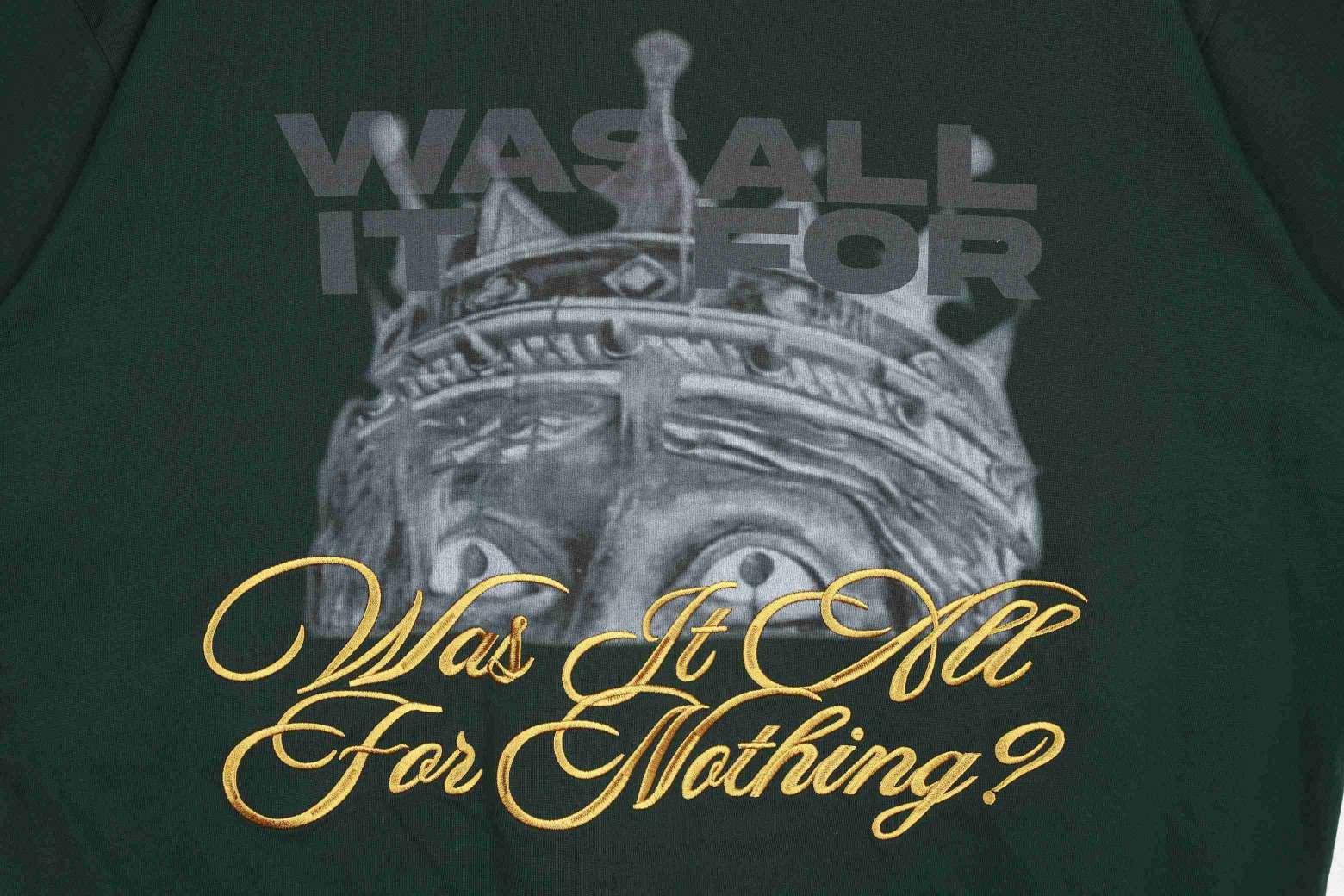
3D Puff Embroidery Samples & Finished Pieces
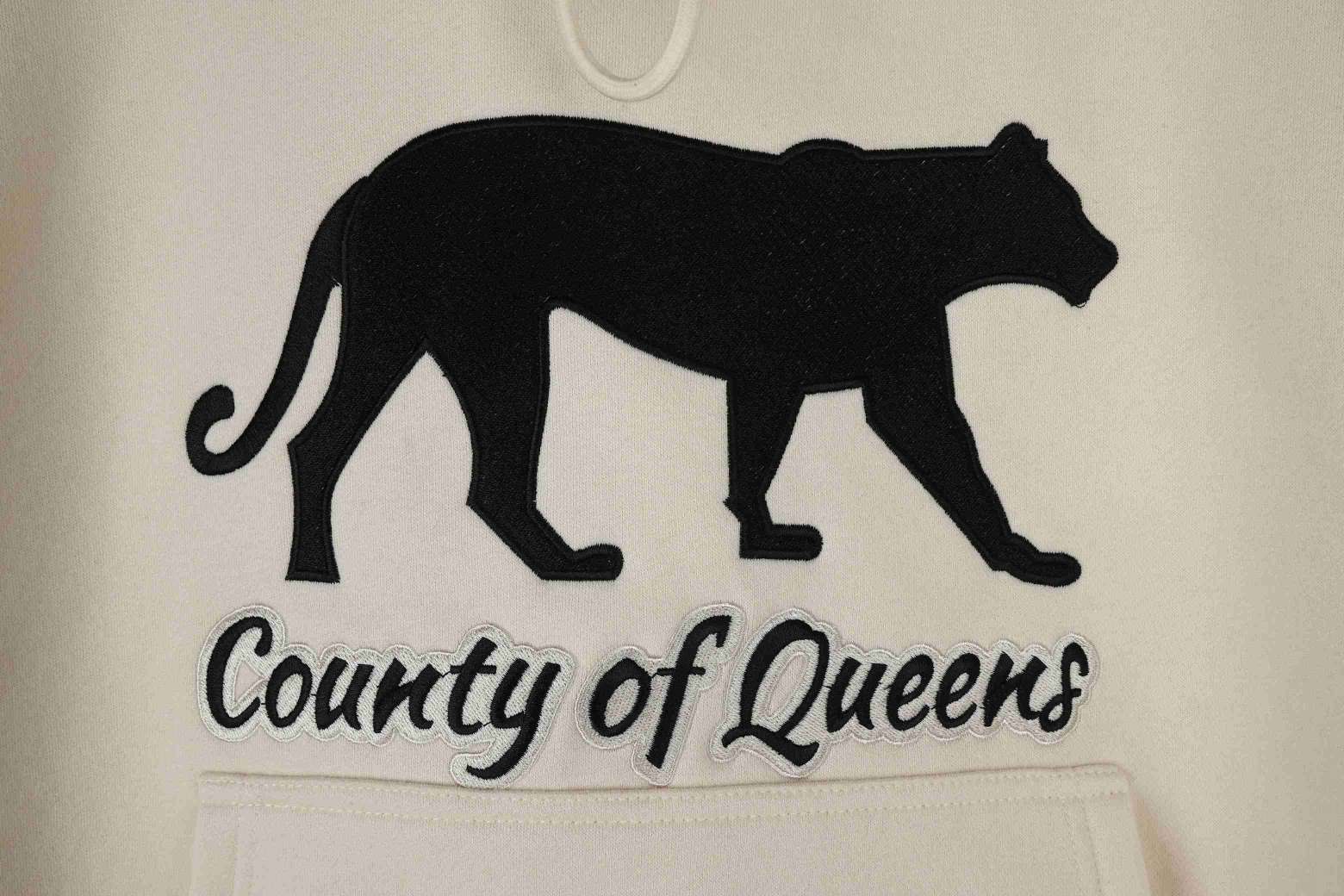
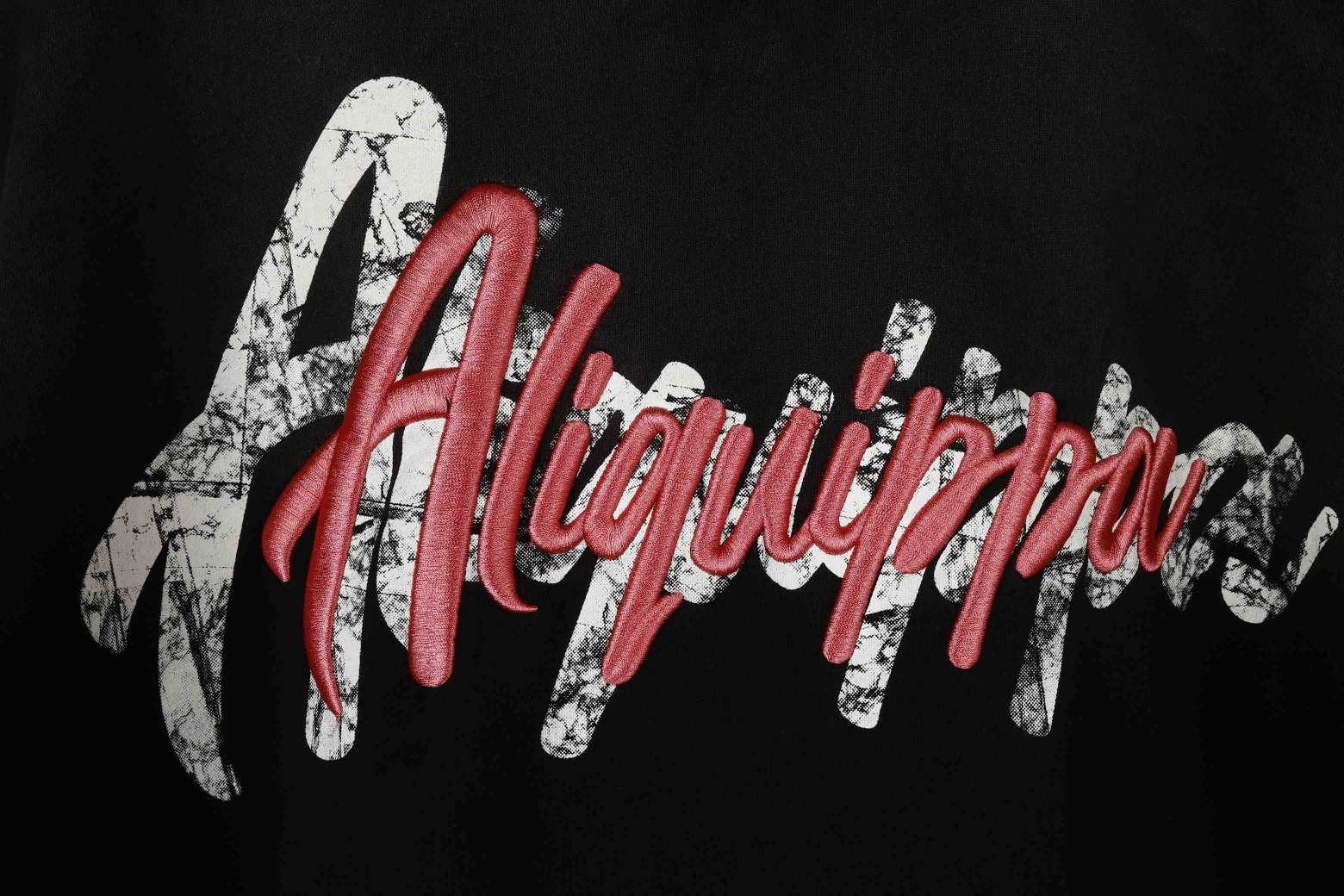
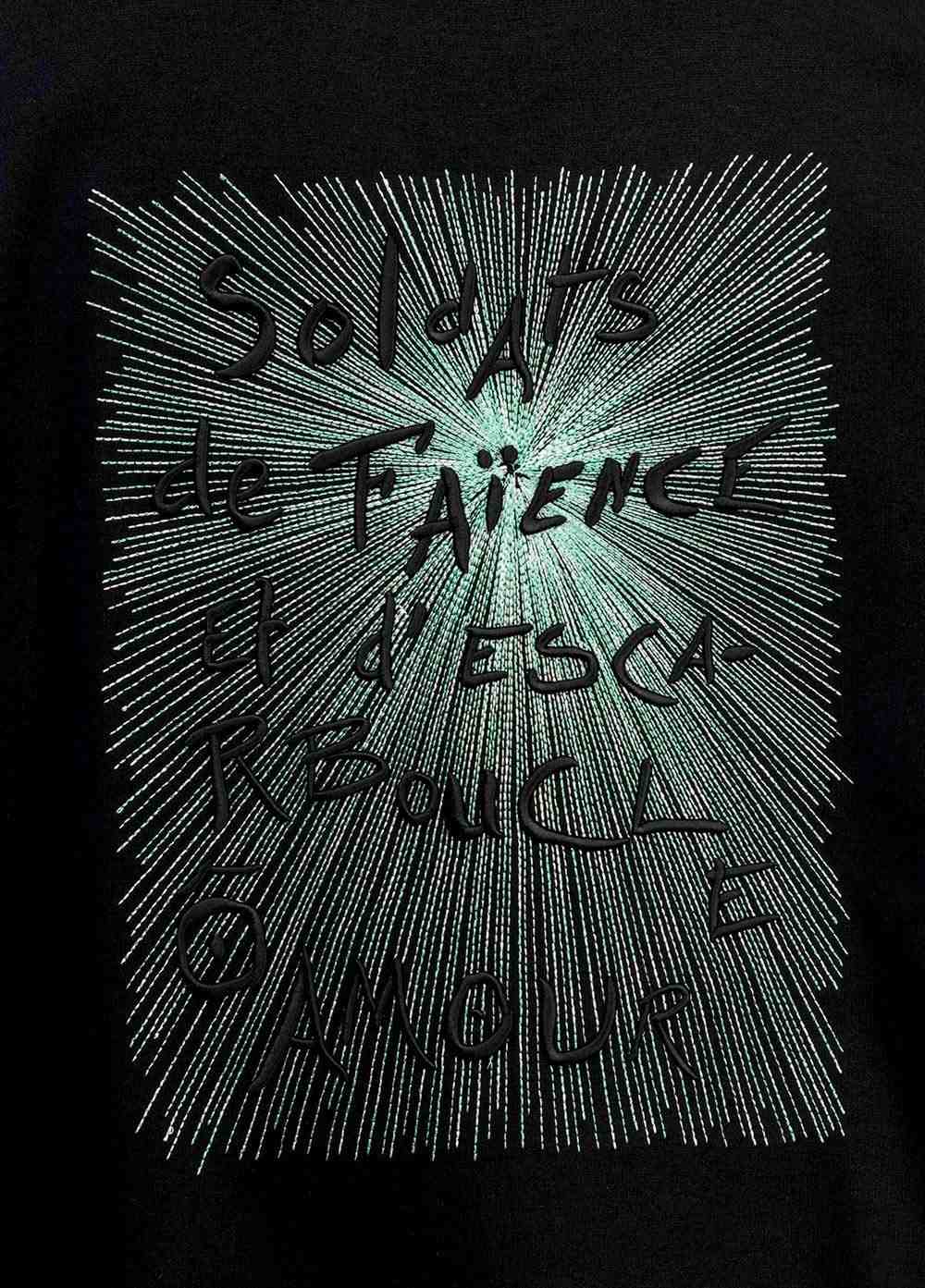
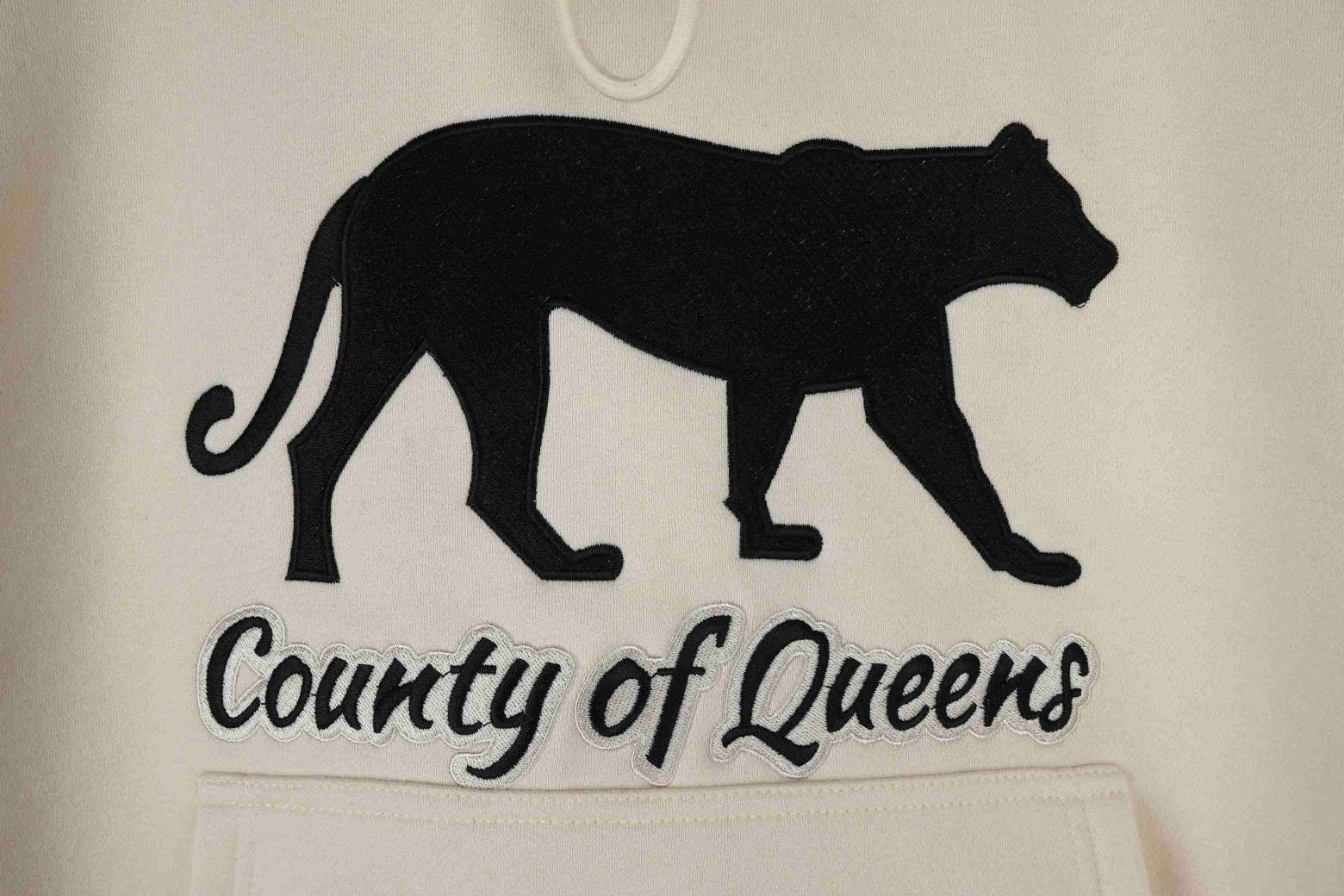
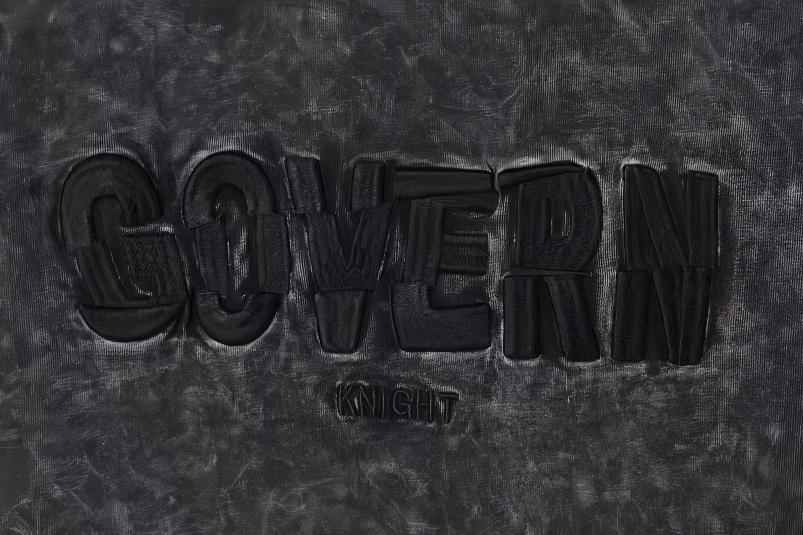
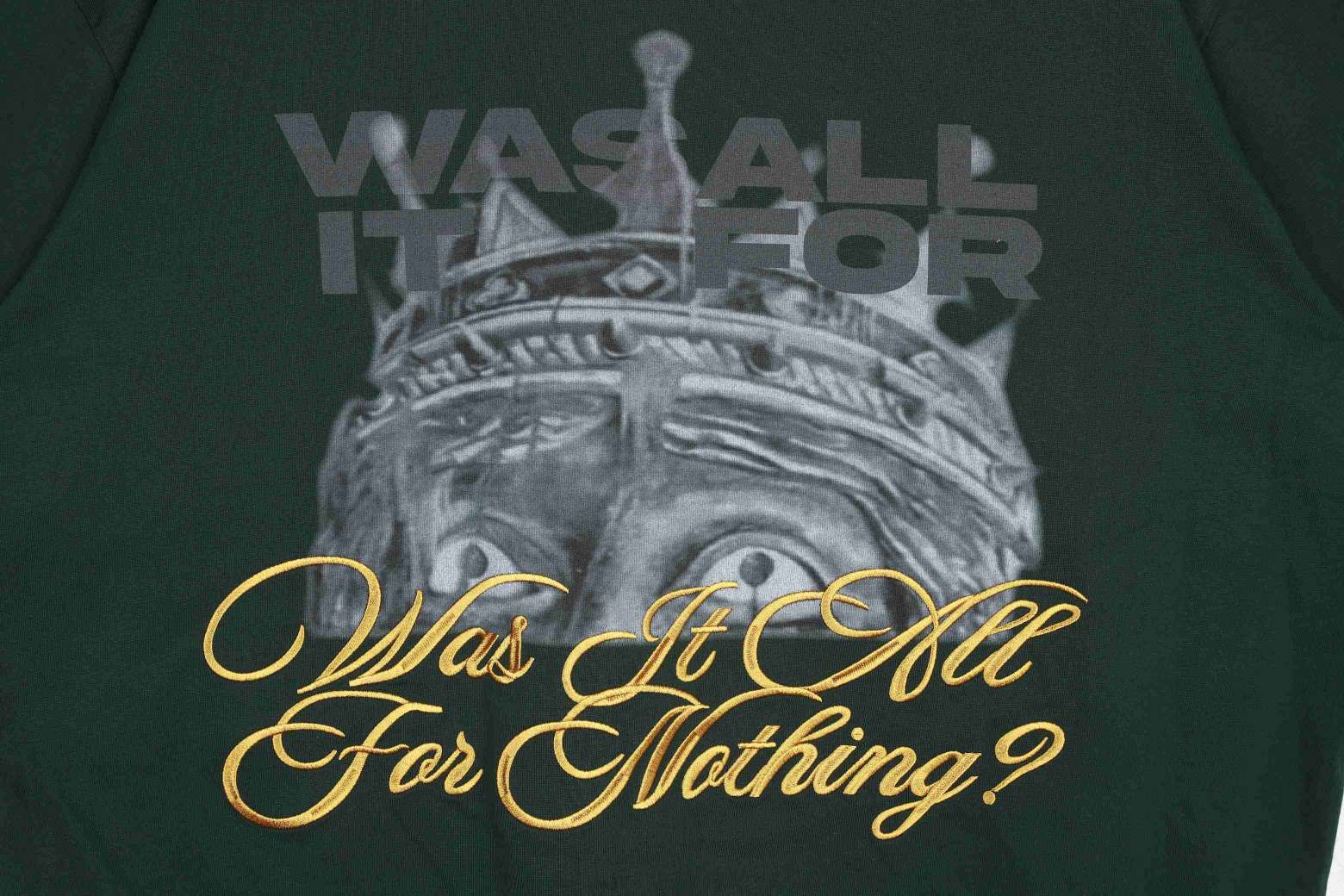
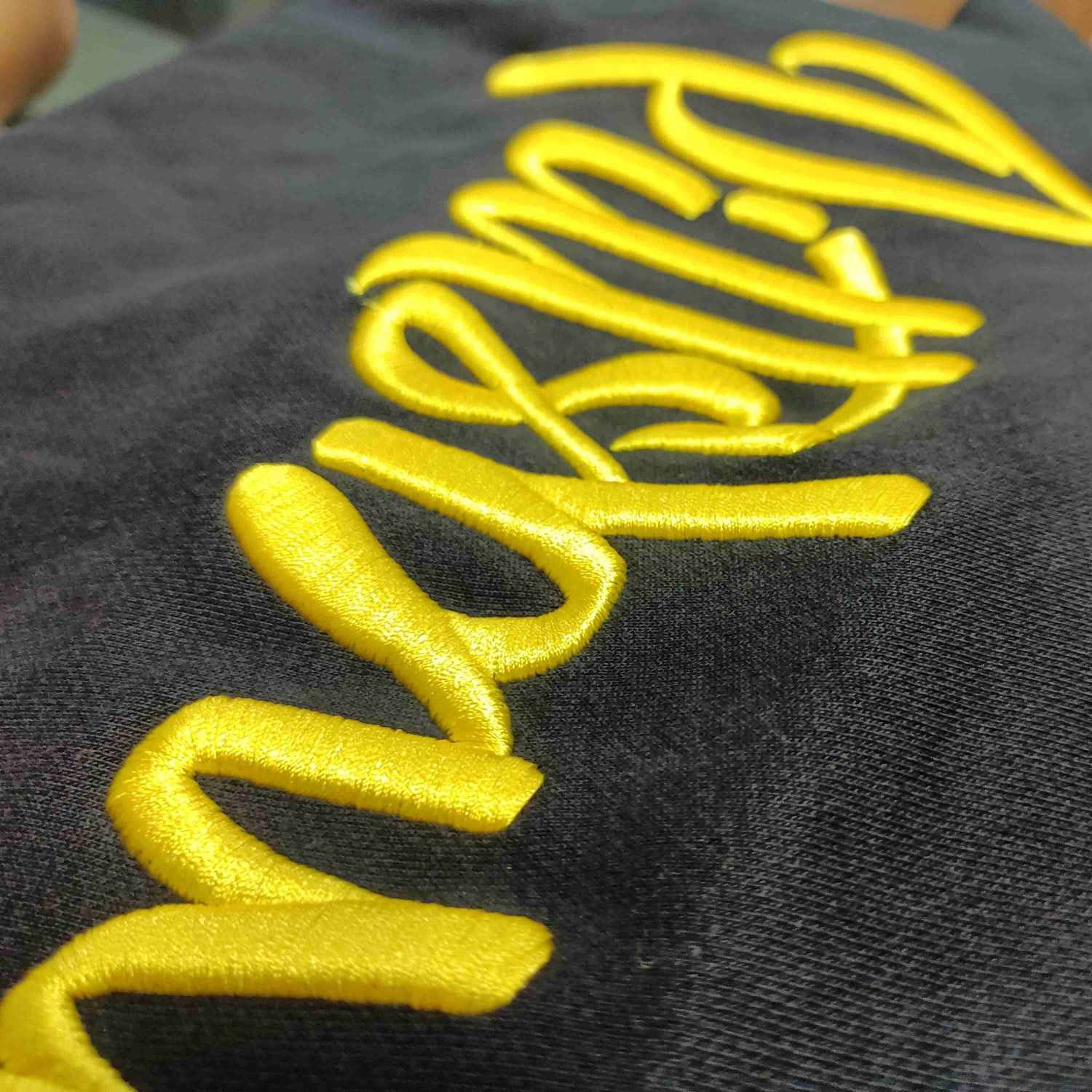
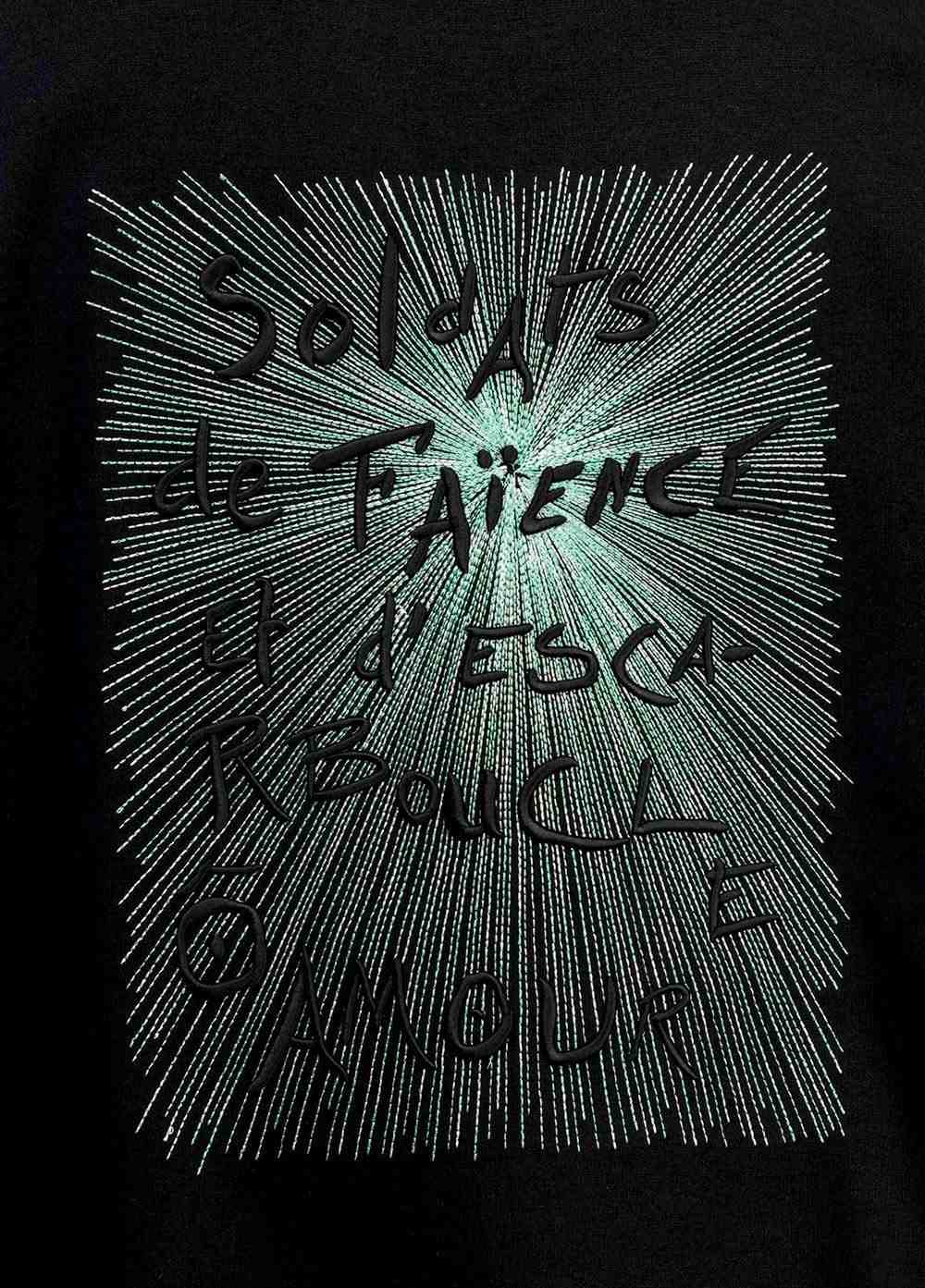
What Makes 3D Puff Embroidery Distinctive
ZORWILD’s 3D puff embroidery delivers raised, tactile dimension that flat decoration techniques cannot match. As a custom apparel manufacturer with 27 years of craftsmanship expertise in Humen Dongguan, we control every detail from foam density to stitch precision for premium results.
Raised Height Precision
Foam underlay creates up to 3-5mm raised dimension, delivering bold visual impact and premium tactile texture that stands out.
Vibrant Color Retention
High-quality thread and controlled stitch density ensure brilliant, fade-resistant colors that maintain vibrancy through repeated washing cycles.
Wash Durability Tested
Industrial-grade foam and reinforced stitching withstand 50+ commercial wash cycles without cracking, peeling, or losing dimensional structure.
Broad Fabric Compatibility
Works seamlessly on cotton, fleece, denim, twill, and blended fabrics for hoodies, jackets, caps, and streetwear collections.
Complex Design Capability
Our digitizing team optimizes logos, lettering, and graphics for 3D puff embroidery with precise underlay mapping and stitch path control.
Low MOQ Flexibility
Start 3D puff embroidery projects from just 50 pieces, ideal for startup brands, influencer merch, custom hoodies, custom t-shirts, and capsule collection testing.
Explore Our Embroidery Techniques
Custom Embroidery
Full-spectrum embroidery services spanning flat, 3D puff, chenille, applique, and specialty techniques. ZORWILD’s in-house capabilities support 95%+ of modern decoration methods with strict stitch density control, thread quality standards, and positioning accuracy. Ideal for brands requiring multiple embroidery styles across product lines with consistent quality and competitive MOQs starting at 50 pieces.
Get a Quote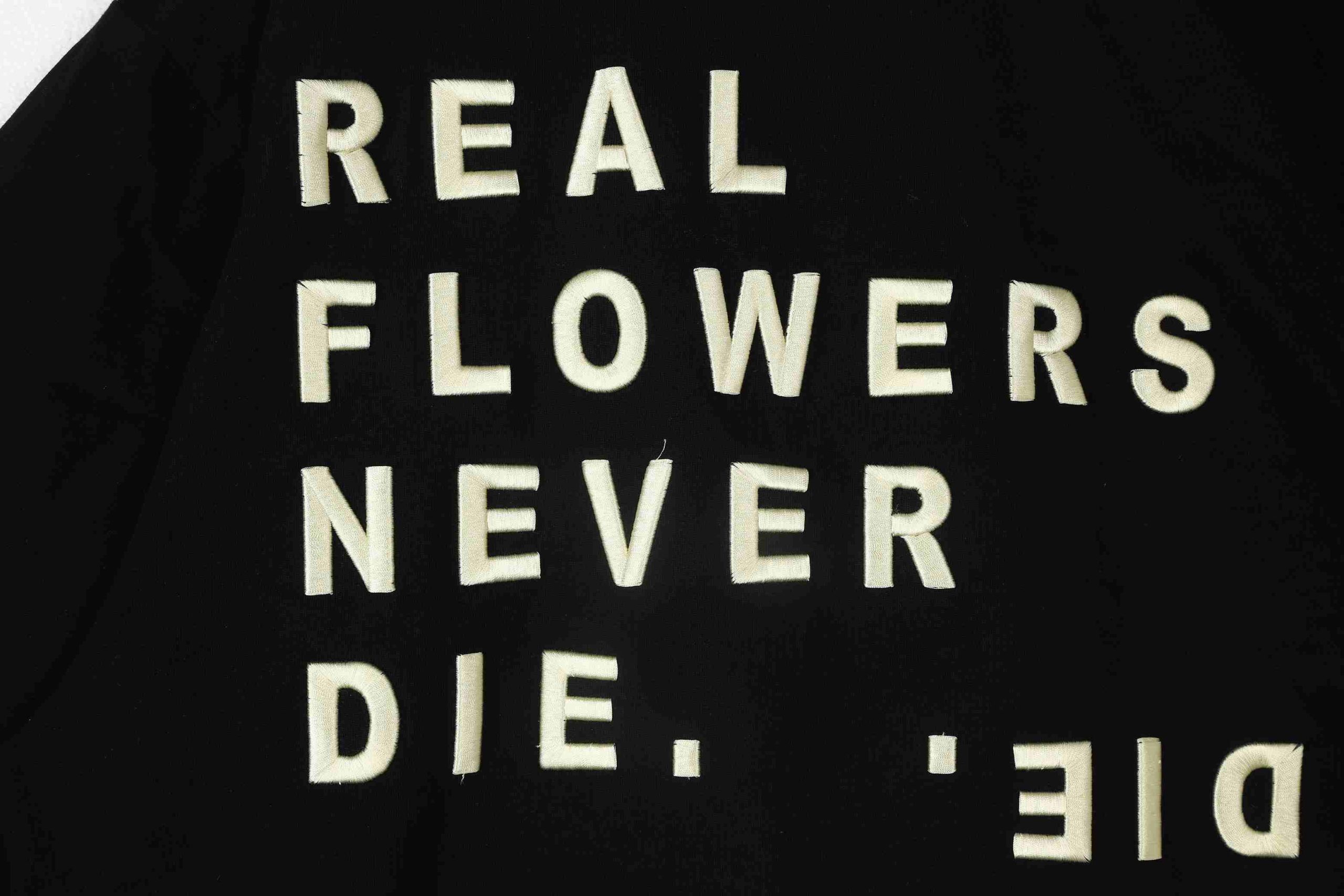
Chain Stitch Embroidery
Traditional looped-stitch technique creating continuous lines with visible texture and artisanal character. Chain stitch embroidery delivers vintage workwear aesthetics, bold outline effects, and dimensional lettering for heritage brands, retro sportswear, and authentic denim collections. Durable construction withstands repeated washing while maintaining visual impact on heavyweight fabrics and structured garments.
Get a Quote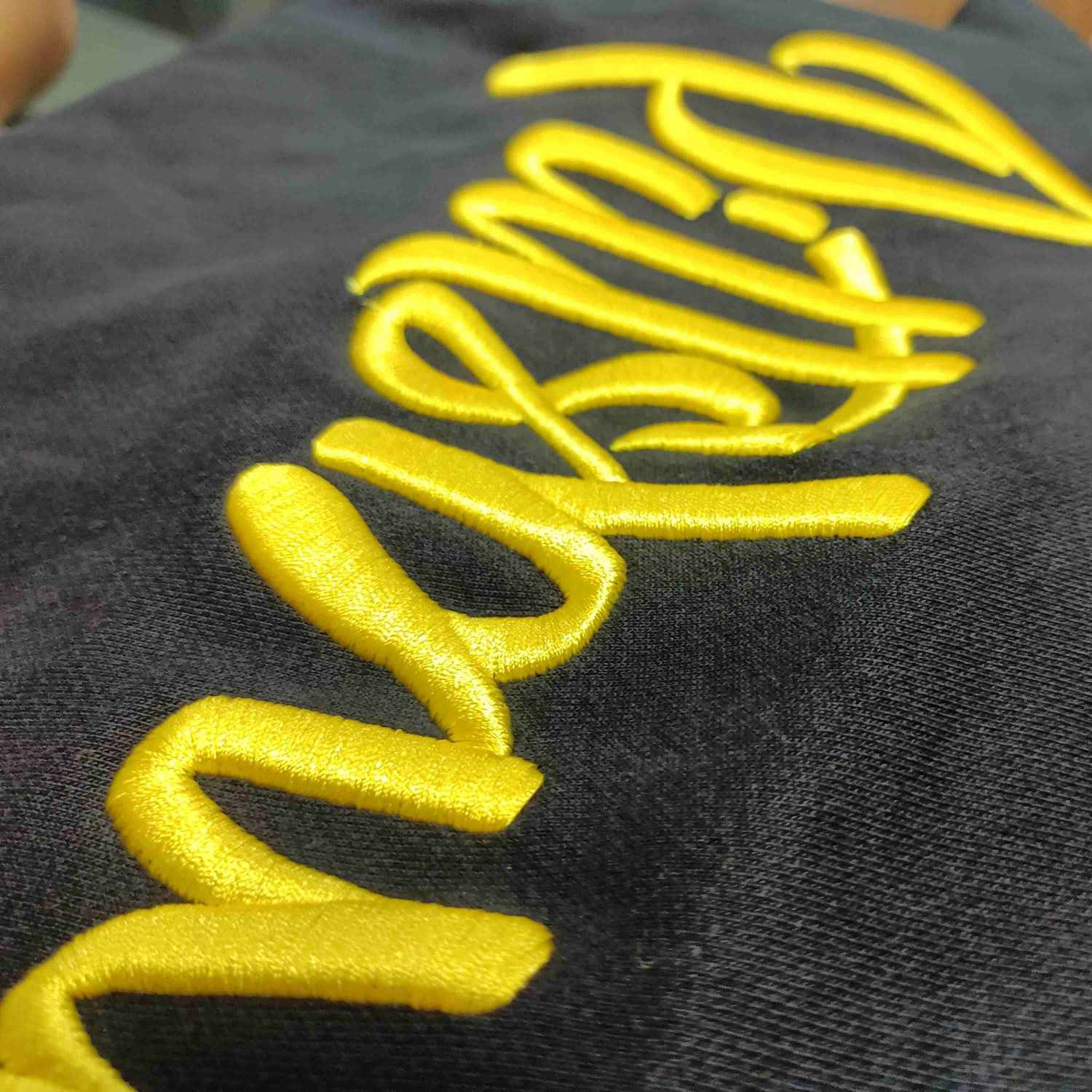
Flat Embroidery
Classic embroidery method producing smooth, tight stitching directly onto fabric surfaces. Flat embroidery offers sharp logo reproduction, detailed text, intricate graphics, and professional branding across all garment categories. Suitable for corporate uniforms, premium labels, complex artwork, and high-volume production requiring durability, color consistency, and precise registration on lightweight to midweight fabrics.
Get a Quote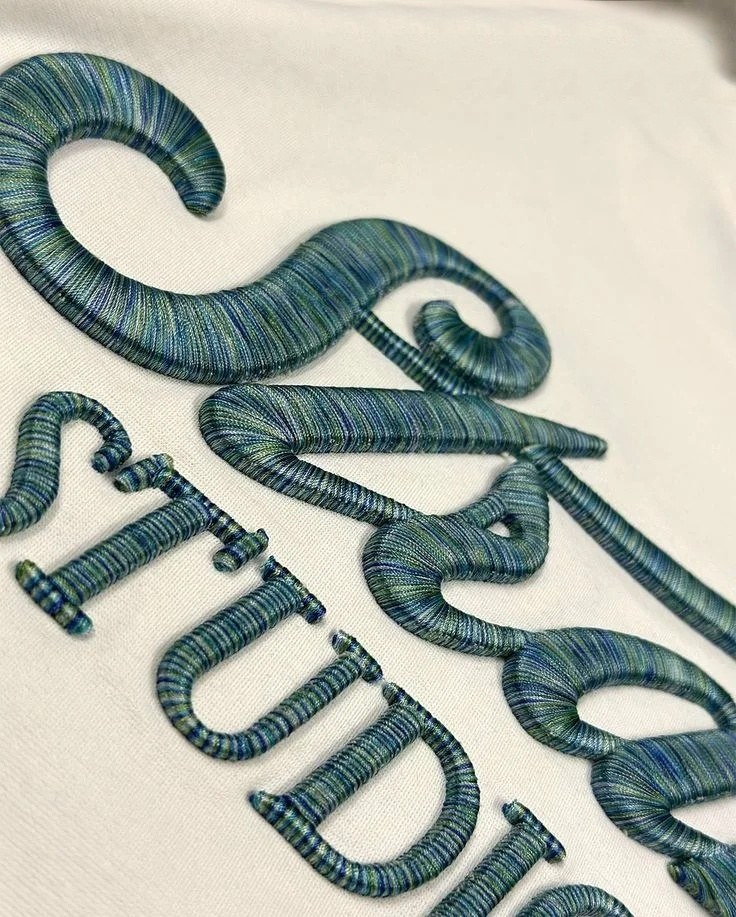
Towel Embroidery
Raised looped-stitch technique creating soft, plush texture resembling terry cloth or carpet pile. Towel embroidery adds tactile dimension to logos, lettering, and graphic elements with premium streetwear appeal. Popular for hoodies, sweatshirts, varsity jackets, and luxury casualwear where brands want bold, touchable branding that stands apart from standard flat embroidery with enhanced visual depth.
Get a Quote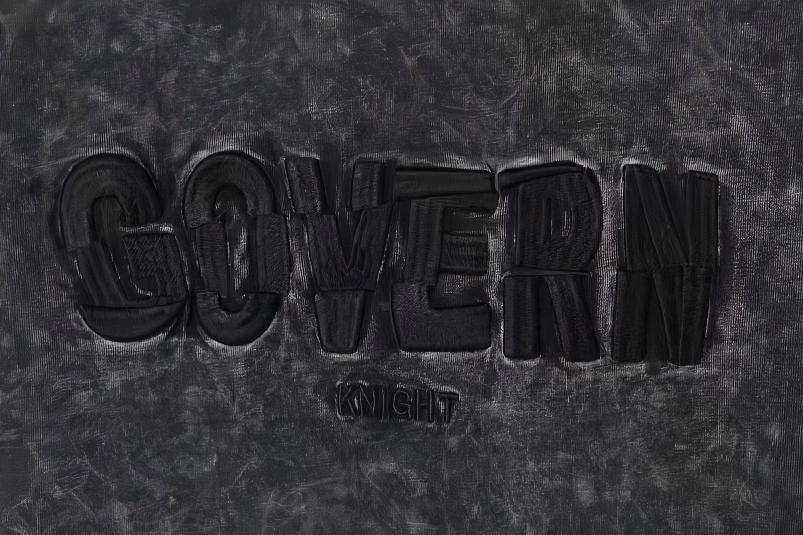
Ribbon Embroidery
Decorative technique using actual ribbon material stitched onto garments for dimensional floral motifs, bows, and ornamental details. Ribbon embroidery creates luxury texture and artisanal craftsmanship for high-end fashion, evening wear, bridal collections, and resort apparel. Ideal for brands targeting premium positioning with unique embellishment that combines fabric manipulation with traditional embroidery for elevated aesthetic impact.
Get a Quote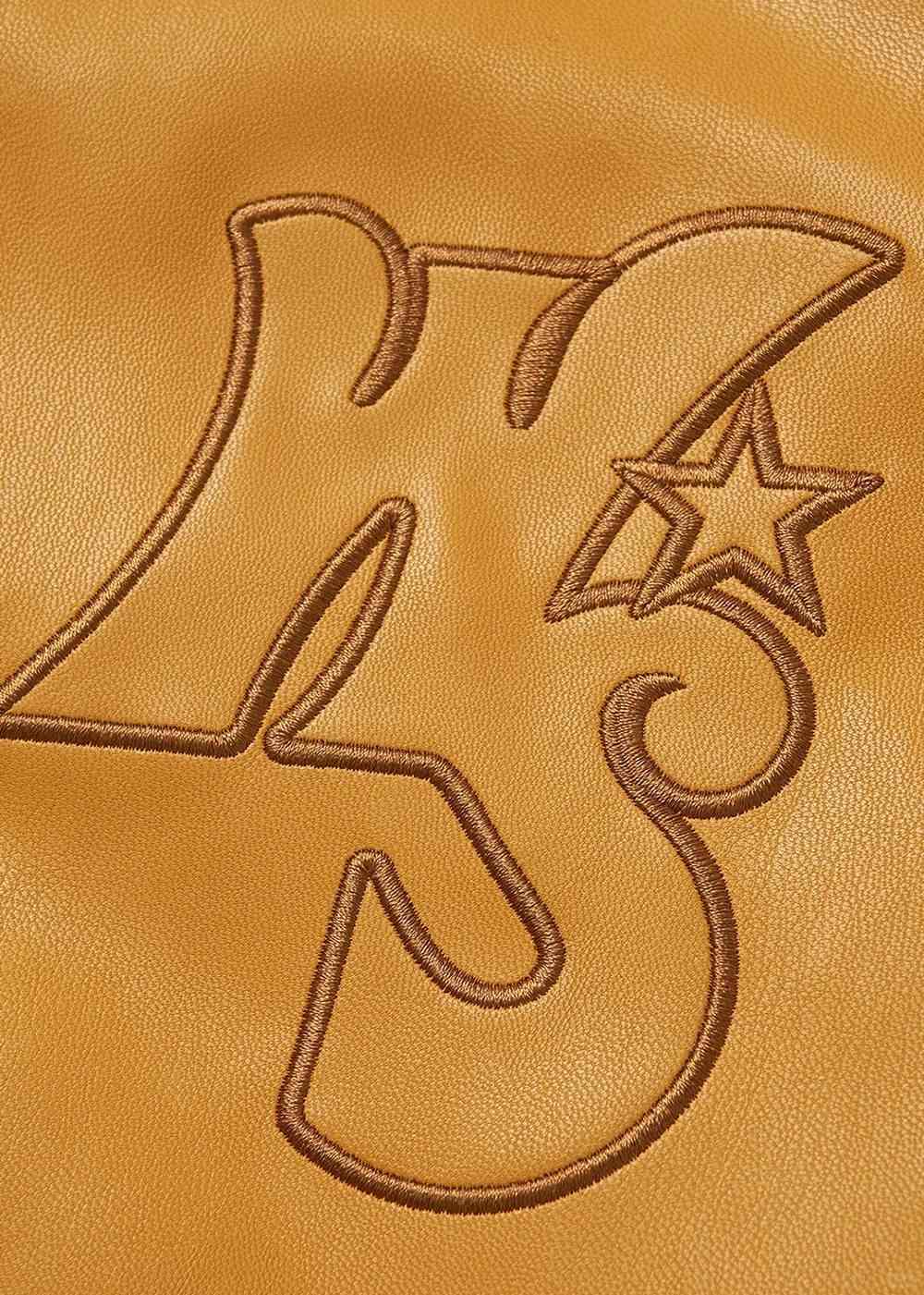
Sequin Embroidery
Decorative technique applying reflective sequin discs through embroidery stitching for sparkling visual effects. Sequin embroidery delivers glamour, stage presence, and eye-catching detail for evening dresses, performance wear, festival fashion, and statement pieces. ZORWILD controls sequin density, color placement, and secure attachment to ensure durability through wear and washing while maintaining brilliant light-reflective properties.
Get a Quote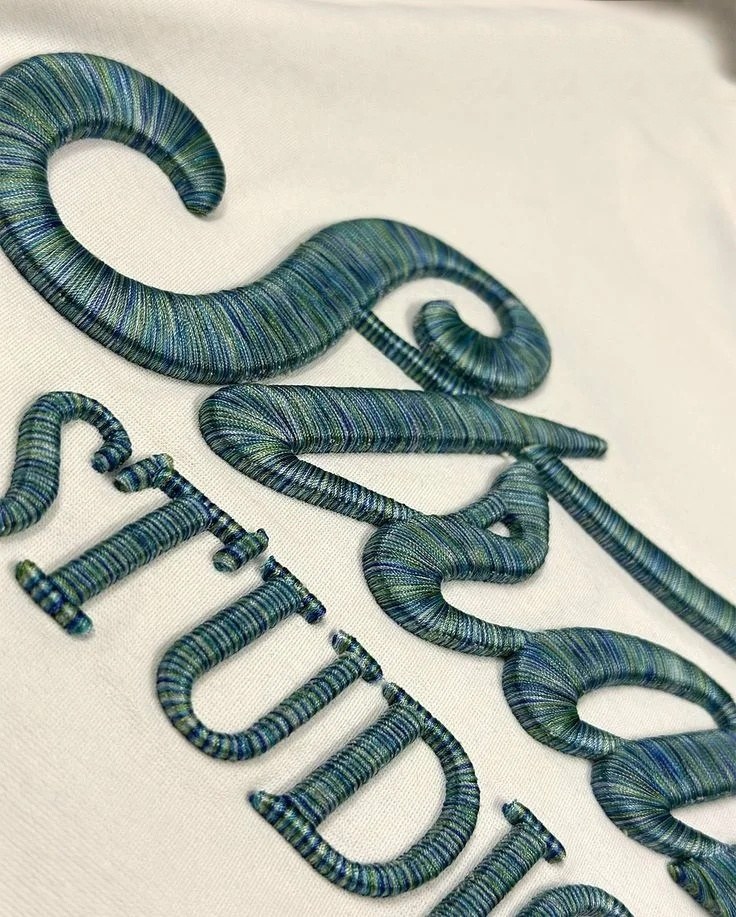
Rope Embroidery
Specialized technique using thick cord or rope material stitched onto garments for bold, dimensional outlines and graphic emphasis. Rope embroidery creates strong visual borders, athletic lettering, and textured logos with pronounced three-dimensional effect. Ideal for varsity jackets, sportswear, team uniforms, and streetwear collections requiring durable, high-impact branding that withstands active use and repeated laundering.
Get a Quote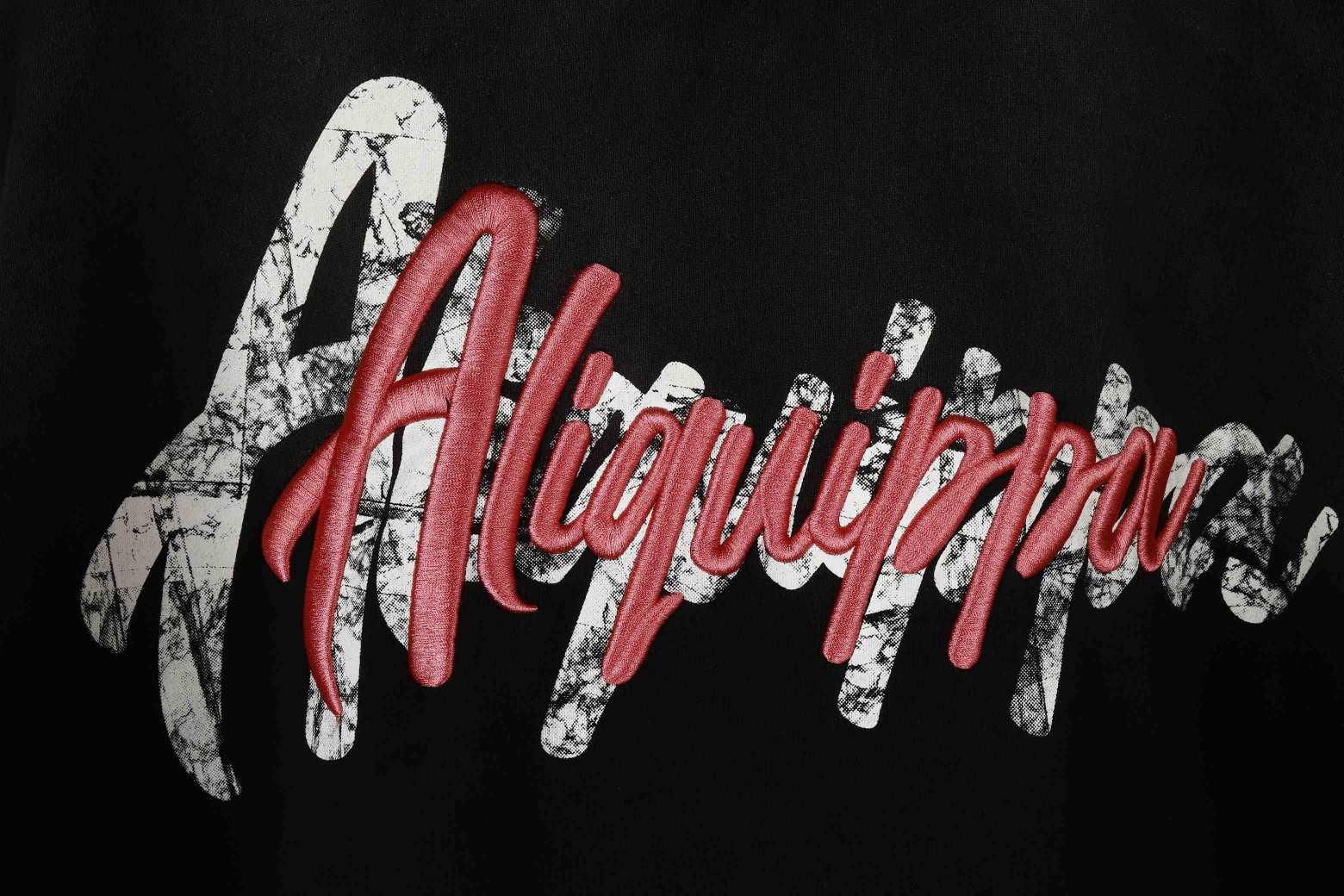
Toothbrush Embroidery
Textured embroidery technique creating dense, bristle-like pile resembling toothbrush fibers for unique tactile surface effects. Toothbrush embroidery adds unconventional texture to logos, lettering, and design elements for avant-garde streetwear, experimental fashion, and brands seeking distinctive embellishment. Delivers bold dimensional impact with soft, directional pile that differentiates premium collections from standard embroidery applications.
Get a Quote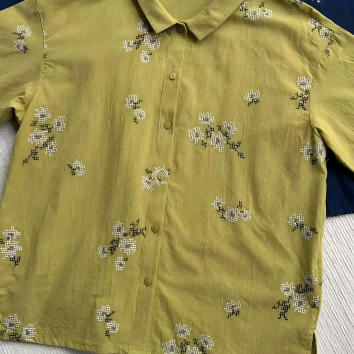
Cross Stitch Embroidery
Traditional hand-stitch style replicated by machine to create X-shaped stitches forming patterns, text, or decorative borders. Cross stitch embroidery delivers folk art aesthetics, vintage charm, and artisanal character for heritage brands, bohemian fashion, and nostalgic collections. Suitable for casual apparel, home goods, and lifestyle products where handcrafted appearance and traditional needlework appeal strengthen brand storytelling.
Get a Quote27 Years of 3D Puff Embroidery Mastery
Founded in 1998 in Humen, Dongguan—one of the world’s most influential garment manufacturing hubs—ZORWILD has perfected the art of 3D puff embroidery across thousands of varsity jackets, custom hoodies, caps, and premium apparel collections. Our specialized foam underlay techniques, precision stitch density control, and industrial-grade embroidery equipment deliver raised, dimensional logos that elevate brand identity and product value for fashion labels worldwide.
With over 100,000 units manufactured monthly and a 6-stage quality control system, ZORWILD ensures every 3D puff embroidery application meets strict durability, height consistency, and visual impact standards. Our 50-piece MOQ makes premium raised embroidery accessible to startup brands, influencers, online stores, and established fashion houses seeking signature dimensional branding without compromise.
From concept to finished garment, our in-house 3D puff embroidery capabilities integrate seamlessly with full-category apparel manufacturing including custom t-shirts, custom sweatshirts, custom jackets, and wholesale hoodies. Whether you need bold raised logos on varsity jackets, dimensional text on hoodies, or textured branding on caps, our proven production systems deliver results that differentiate your brand.
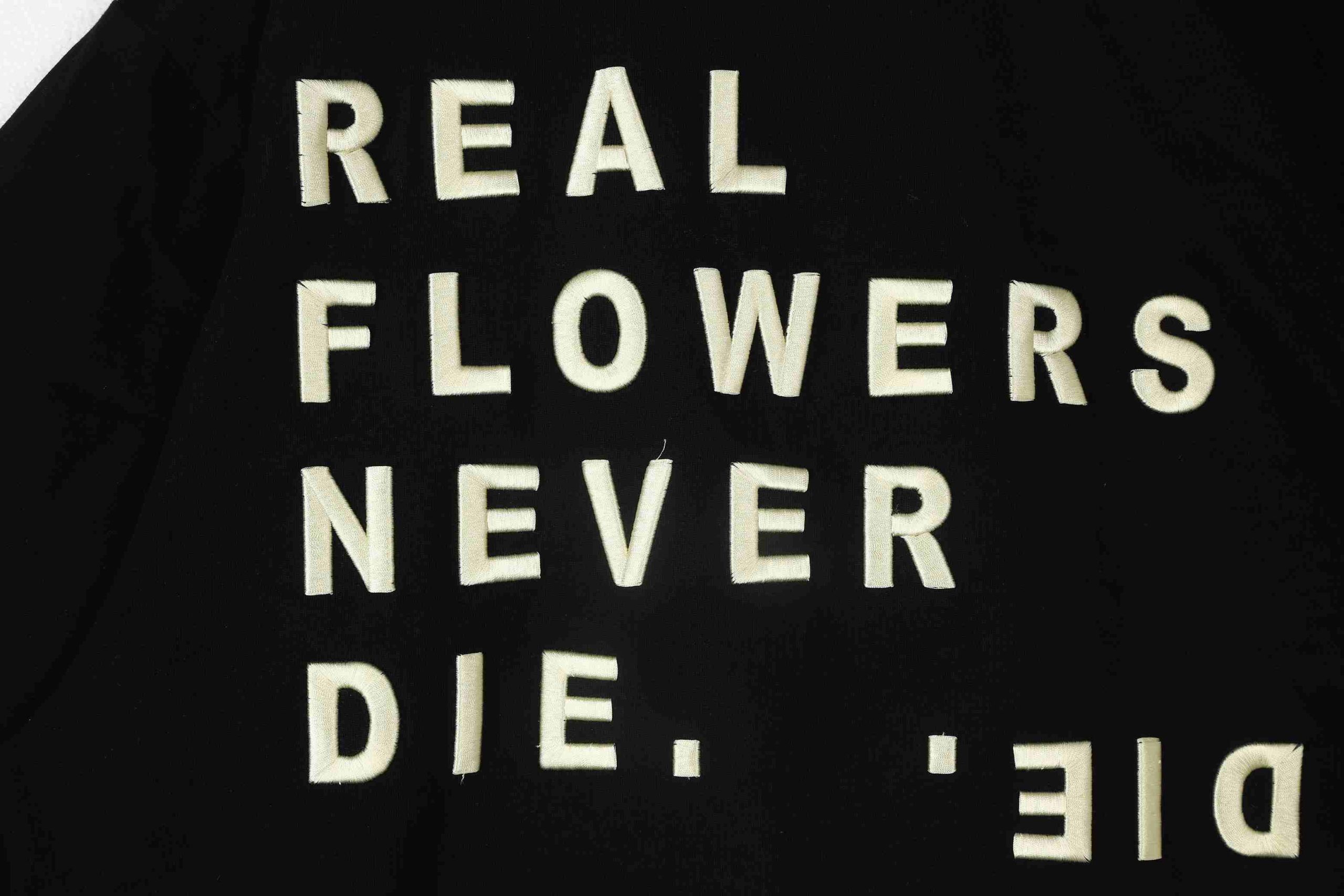
3D Puff Embroidery: Foam Underlay, Stitch Density & Durability
Precision Foam Thickness Selection
ZORWILD’s 3D puff embroidery starts with selecting the appropriate foam underlay thickness—typically 2mm, 3mm, or 4mm—based on your design complexity, fabric weight, and desired dimensional effect to ensure consistent raised texture across every custom hoodie, jacket, or cap.
- 2mm foam for fine details and lightweight fabrics
- 3mm foam for standard streetwear logos and graphics
- 4mm foam for bold, high-impact dimensional branding
- Fabric compatibility testing before bulk production
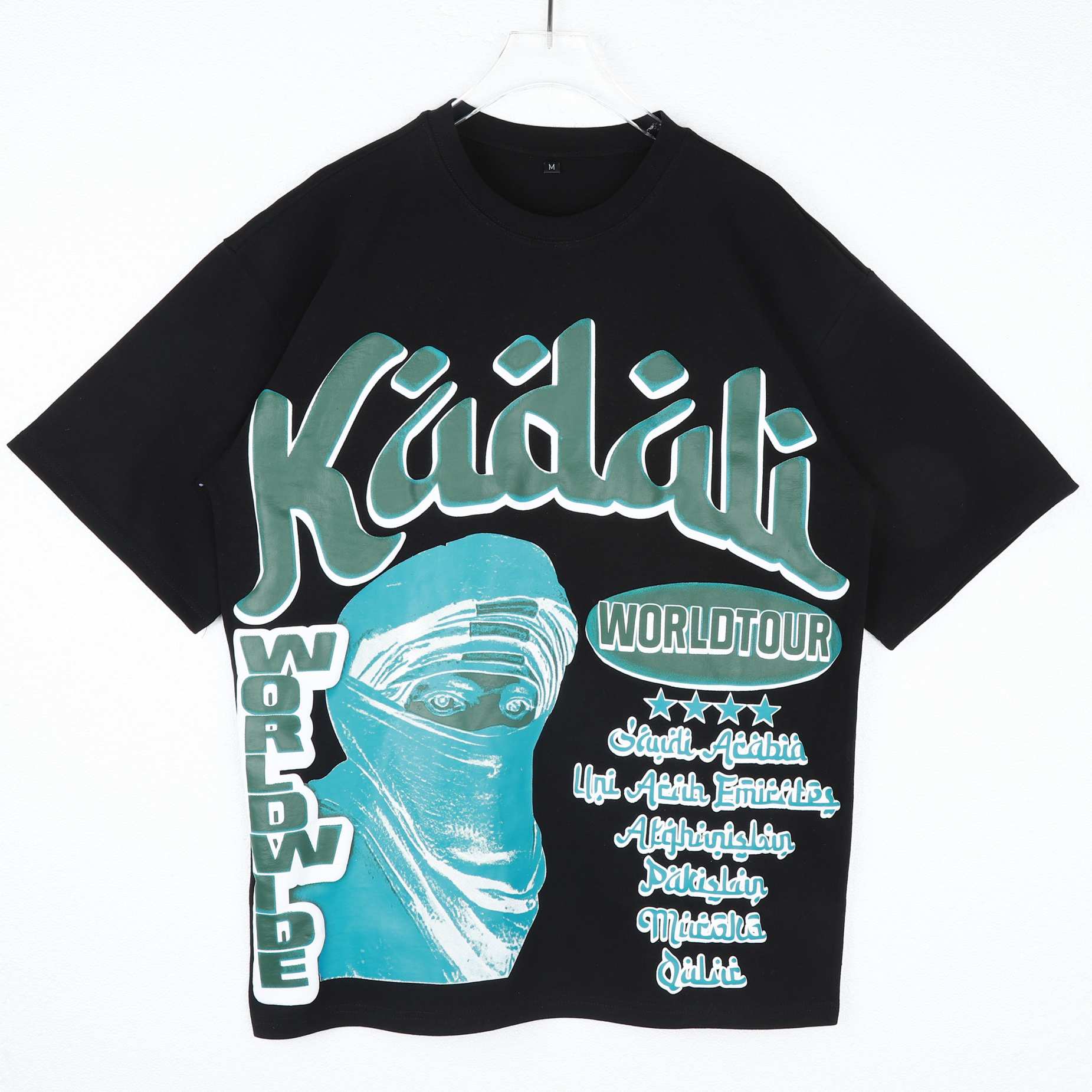
Optimized Stitch Density Control
Our manufacturing expertise ensures precise stitch density calibration for 3D puff embroidery. Too dense and foam expansion is restricted; too loose and edges fray. ZORWILD balances thread count, needle speed, and tension for flawless raised finishes on custom apparel.
- Custom density mapping for each design zone
- Thread tension adjustment per fabric type
- Edge reinforcement to prevent foam exposure
- Quality inspection at every 50-unit interval
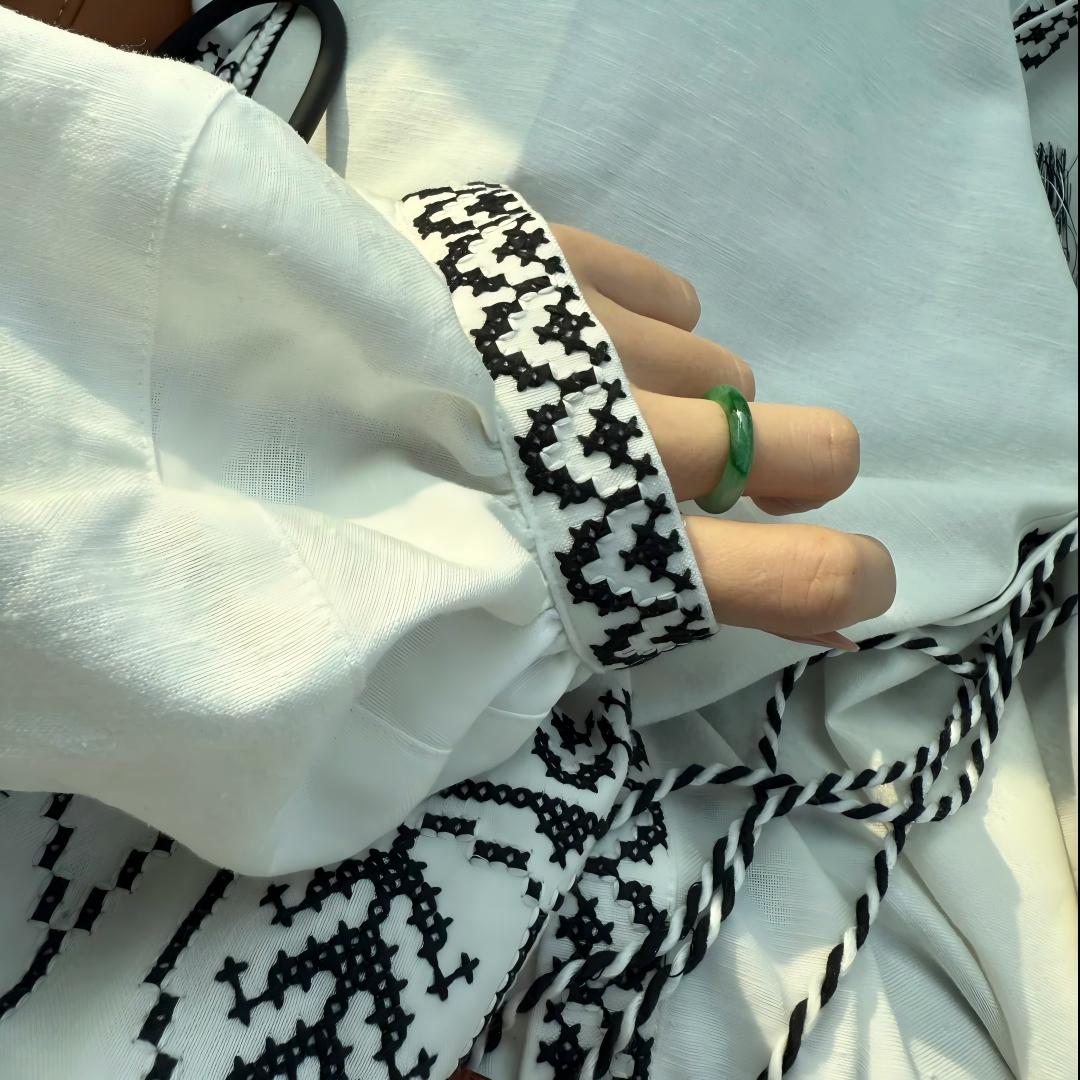
Heat-Setting and Curing Process
After stitching, 3D puff embroidery requires controlled heat application to activate foam expansion and lock the raised effect. ZORWILD’s heat-setting stations ensure uniform temperature distribution, preventing under-expansion or scorching across all garment types.
- Temperature calibration for different foam grades
- Even heat distribution across complex designs
- Cooling phase to stabilize dimensional structure
- Visual inspection for expansion consistency
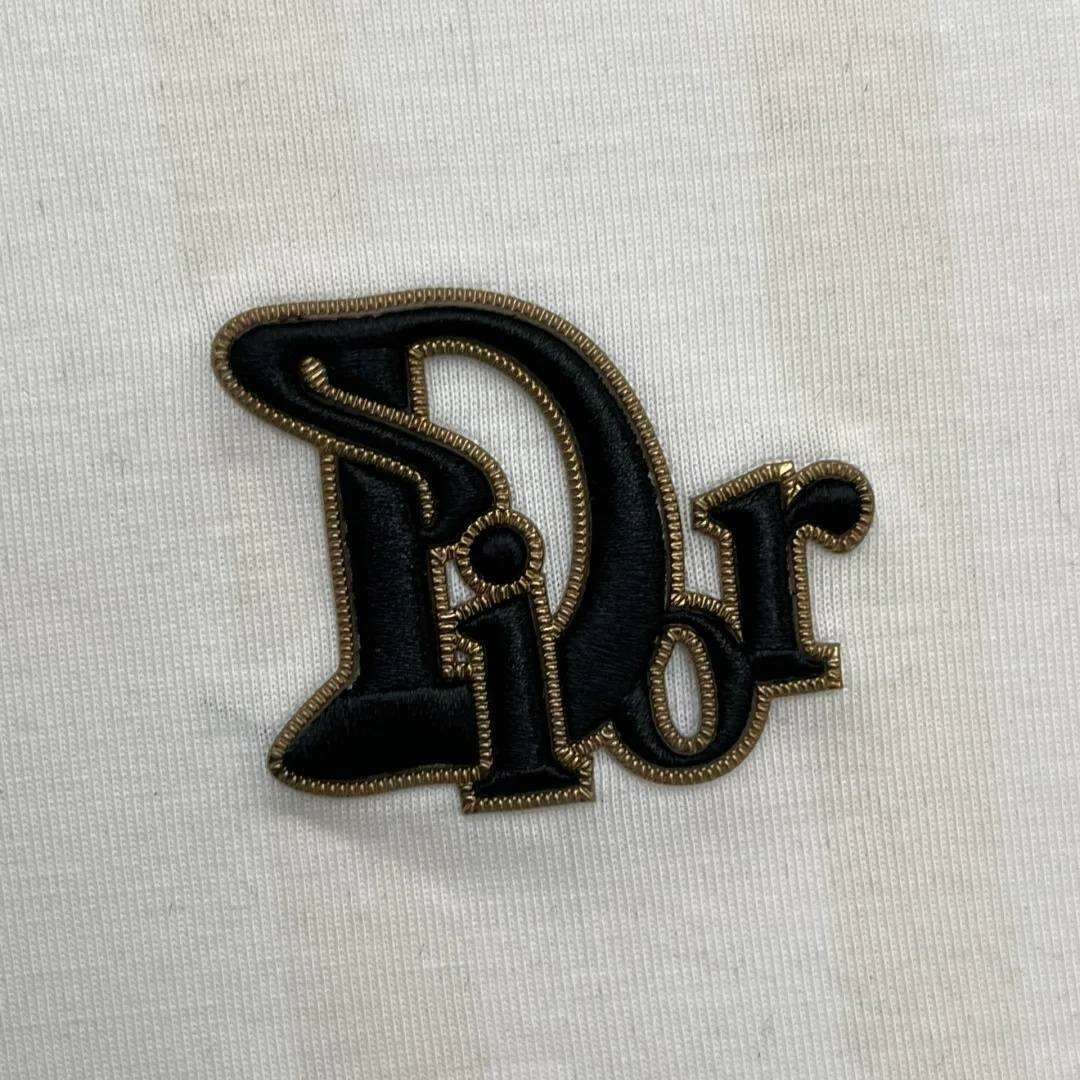
Industrial Washability and Durability Testing
Every 3D puff embroidery batch undergoes rigorous wash testing to verify colorfastness, foam integrity, and stitch retention. ZORWILD’s 6-stage quality control system ensures your raised designs withstand 50+ wash cycles without flattening, cracking, or thread breakage.
- 50+ cycle wash tests on sample garments
- Foam compression and recovery evaluation
- Thread colorfastness and abrasion resistance checks
- Final inspection before packaging and shipment
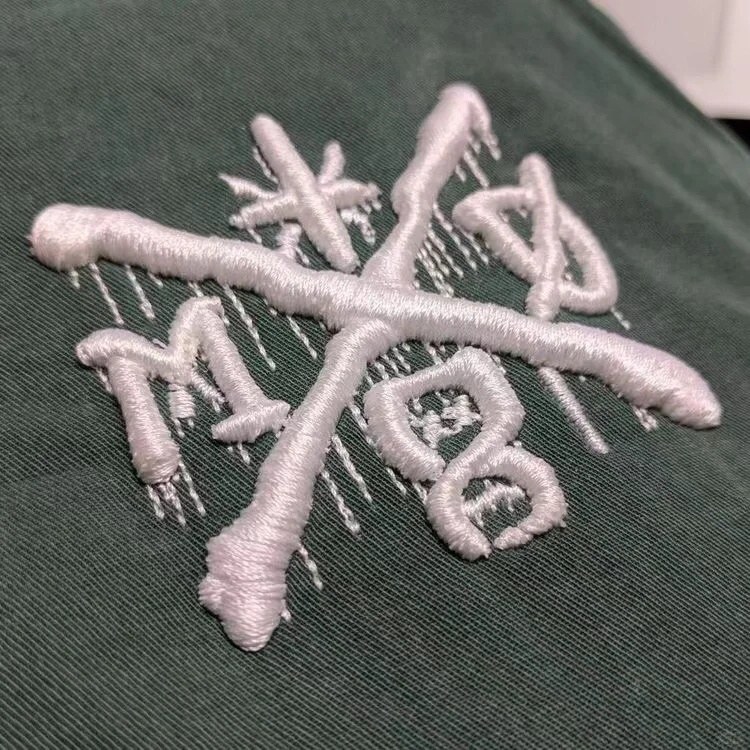
3D Puff Embroidery vs. Flat Embroidery: Which Technique Fits Your Design?
Both are embroidery techniques, but they deliver completely different visual impact, texture, and production requirements. Here’s how 3D puff embroidery compares to traditional flat embroidery across the factors that matter most for custom hoodies, custom jackets, and branded apparel.
← 左右滑动查看 →
3D Puff Embroidery Production Flow at ZORWILD
Every 3D puff embroidery order follows our proven 7-phase production sequence, from design digitization through final quality inspection, ensuring consistent raised texture, dimensional accuracy, and wash durability across all 50 to 100,000+ unit orders for custom apparel manufacturers and fashion brands.
Design Digitization & Setup
Your artwork is converted into embroidery-ready files with optimized stitch paths, underlay settings, and foam density specifications tailored for dimensional puff effects and garment stability.
Foam Underlay Placement
High-density foam sheets are precisely positioned beneath the design area and verified for thickness consistency, adhesion quality, and alignment to ensure uniform raised texture across production.
Frame Hooping & Tension Calibration
Garments are secured in embroidery frames with controlled tension levels, preventing fabric distortion while maintaining optimal stitch penetration and foam compression for crisp dimensional results.
Multi-Head Embroidery Stitching
Industrial embroidery machines execute the digitized design with precise stitch density, needle speed control, and thread tension adjustments to encapsulate foam and create clean raised edges.
Heat Setting & Foam Curing
Completed embroidery undergoes controlled heat application at calibrated temperatures to activate foam expansion, lock stitch integrity, and ensure dimensional stability through repeated washing cycles.
Quality Inspection & Washability Testing
Each piece is inspected for stitch consistency, foam height uniformity, thread tension, color accuracy, and undergoes wash testing to verify durability standards before final approval.
Finishing & Branded Packaging
Approved garments receive final pressing, custom labels, hang tags, and protective packaging with your branding, ready for direct shipment to your warehouse or fulfillment center.
How to Order 3D Puff Embroidery from ZORWILD
From design submission to delivery, our 27-year manufacturing expertise ensures your raised embroidery meets professional standards with precision, durability, and consistent quality across every piece.
Submit Your Design & Specifications
Provide vector artwork, color specs, placement details, and foam type preference. Our team reviews stitch density, fabric compatibility, and dimensional requirements for optimal 3D puff embroidery results.
Approve Your Sample
Receive a physical sample showcasing foam height, stitch quality, thread color accuracy, and durability. Request adjustments to density, placement, or foam thickness before production begins.
Confirm Production & Materials
Finalize order quantity starting from 50 pieces, fabric selection, thread colors, and delivery timeline. Our production planning ensures efficient scheduling within our 100,000-unit monthly capacity.
Quality Control & Inspection
Your 3D puff embroidery undergoes our 6-stage quality control system including stitch inspection, foam integrity checks, measurement verification, and final garment inspection before packaging.
Receive Your Finished Order
Orders ship via air freight, sea freight, or express delivery with full export documentation and customs support. Track your shipment from our Humen Dongguan factory to your destination.
Customer Success Stories: 3D Puff Embroidery Delivered
The 3D puff embroidery on our hoodies exceeded expectations—logo height was perfectly raised at 3mm, and after 25 washes the foam still holds its shape with zero pilling or flattening.
ZORWILD delivered 500 snapback caps with 3D puff embroidery in just 14 days. The color match on black twill was flawless, and our customers love the raised texture.
We ordered 200 varsity jackets with custom 3D puff logos. The stitch density and foam consistency were perfect across every piece—no variation, just premium quality that elevated our brand.
3D Puff Embroidery: Frequently Asked Questions
What fabrics work best with 3D puff embroidery?
What is the minimum order quantity for 3D puff embroidery at ZORWILD?
How many colors can be used in 3D puff embroidery designs?
Can I combine 3D puff embroidery with screen printing or patches?
What is the maximum design size for 3D puff embroidery?
How durable is 3D puff embroidery after washing?
What file format is required for 3D puff embroidery artwork?
What is the lead time for 3D puff embroidery production at ZORWILD?
Is there a sampling fee for 3D puff embroidery, and is it refundable?
The Complete Buyer’s Guide to 3D Puff Embroidery for Your Brand
1. What Is 3D Puff Embroidery?
3D puff embroidery is a raised embroidery technique that places a specialized foam underlay beneath embroidery stitches to create a three-dimensional, tactile effect on garments. The foam — typically 2 to 3 mm thick before expansion — is positioned between the fabric and the thread, then heat-treated during or after stitching, causing it to expand and lift the embroidered design above the garment surface. This process delivers a bold, sculptural appearance that standard flat embroidery cannot replicate.
The technique is most commonly applied to streetwear hoodies, caps, varsity jackets, and brand logos where visual impact and tactile engagement drive purchase decisions. Brands choose 3D puff embroidery because it commands attention in social media photography, adds perceived value to mid-tier and premium collections, and differentiates products in crowded marketplaces. ZORWILD supports 3D puff embroidery alongside flat embroidery, chenille embroidery, and applique embroidery as part of its comprehensive decoration capabilities for low MOQ production starting from 50 pieces.
The key difference from flat embroidery lies in dimensionality and texture. Flat embroidery produces a smooth, level surface with thread sitting directly on fabric, ideal for fine detail and small text. 3D puff embroidery sacrifices fine detail for height and impact, making it suitable for bold logos, large letters, and graphic elements where a raised, foam-backed finish creates a premium streetwear aesthetic that customers can see and feel.
2. Evolution and History of 3D Puff Embroidery
3D puff embroidery emerged in the mid-1980s as a decorative novelty technique for sports caps and promotional headwear, driven by American streetwear brands seeking bold, tactile logos that stood out in retail environments. The core innovation—heat-activated polyurethane foam sheets placed beneath embroidery stitches—allowed logos to rise 2–7 mm above fabric surfaces, creating a dimensional effect that flat embroidery could not achieve. By the early 1990s, the technique had gained traction in professional sports merchandising, hip-hop fashion, and collegiate apparel, where raised lettering and mascot graphics became signature branding elements.
The transition from manual single-head machines to computerized multi-head embroidery systems in the late 1990s marked the first major technological leap. Digitization software improvements enabled precise control over stitch density, underlay patterns, and foam compression ratios, reducing production defects and expanding design complexity. Operators could now program machines to handle intricate logos, gradient fills, and multi-color puff applications with consistent quality across production runs of 500 to 10,000 units.
By the 2010s, advancements in foam material chemistry—including thinner, more uniform foam substrates and faster heat-activation cycles—transformed 3d puff embroidery from a niche cap decoration into a mainstream branding tool for hoodies, jackets, T-shirts, and sweatpants. Today, manufacturers like ZORWILD integrate puff embroidery into low-MOQ production systems starting at 50 pieces, combining automated multi-head machines with skilled hand-finishing to serve startup streetwear brands, influencers, and established fashion labels seeking premium raised branding without prohibitive order volumes.
3. Types of 3D Puff Embroidery Techniques
3d puff embroidery offers multiple techniques, each delivering distinct visual impact and dimensional height. Choosing the right method depends on brand positioning, garment category, and design complexity.
Standard Foam Puff (2–3 mm)
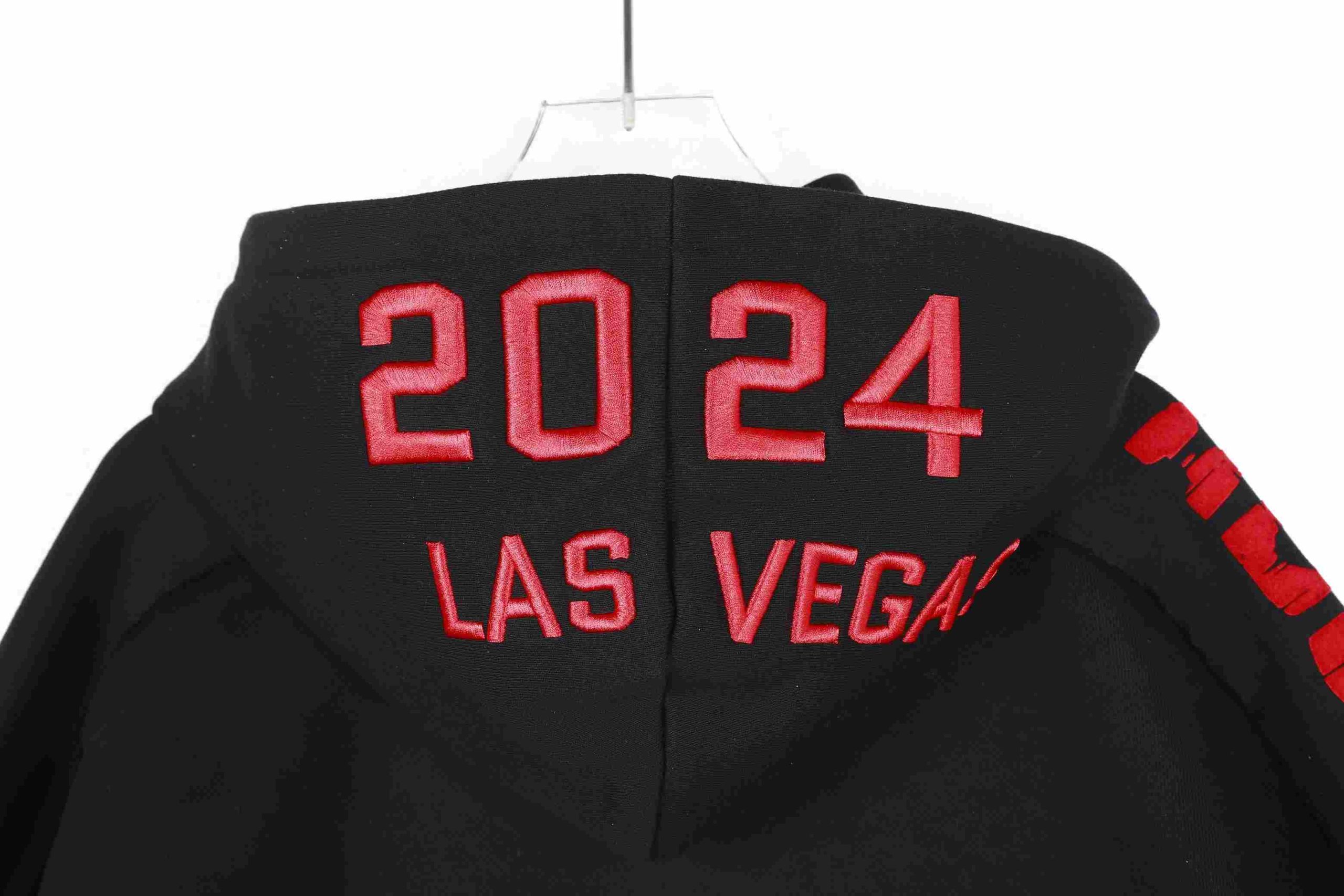
Standard puff uses 2–3 mm foam sheets placed under embroidery stitches, creating moderate three-dimensional lift. This technique balances visibility with durability, making it the most widely adopted method for streetwear hoodies, caps, and casual T-shirts.
Ideal for logos, text, and simple graphic elements where subtle dimension enhances brand recognition without overwhelming garment aesthetics. Production complexity remains low, supporting faster turnaround and competitive pricing for brands testing 3d puff embroidery for the first time.
High-Profile Puff (4+ mm)
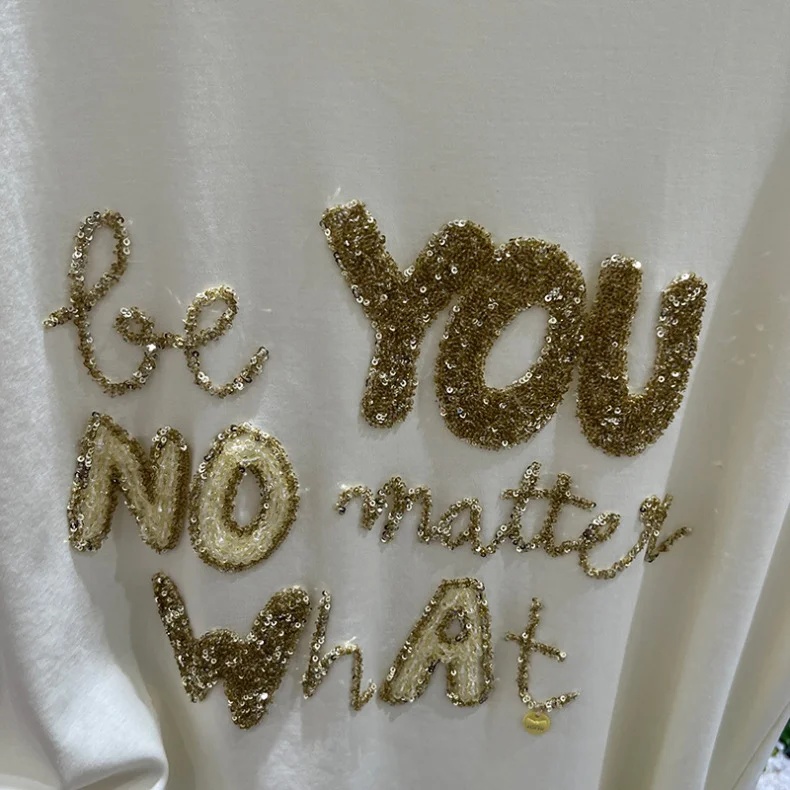
High-profile puff employs foam thickness of 4 mm or greater, delivering bold, dramatic raised effects that dominate garment fronts and backs. This method suits premium streetwear collections, luxury fashion pieces, and statement branding where maximum visual impact justifies higher production cost.
Stitch density and tension require precise calibration to prevent foam distortion or thread breakage. ZORWILD’s embroidery team adjusts machine settings and stabilizer layers to maintain structural integrity across heavyweight hoodies, varsity jackets, and oversized sweatshirts.
Partial Puff (Selective Areas)
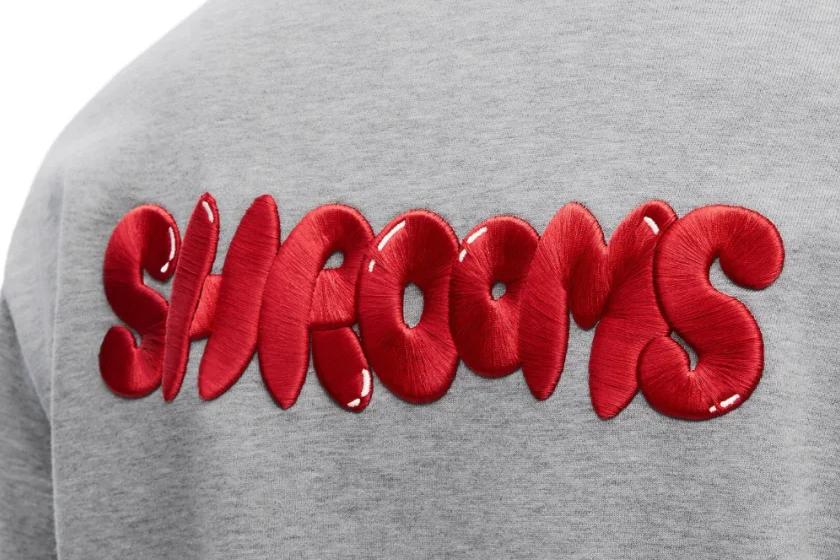
Partial puff applies foam only to selected design elements—such as lettering outlines, graphic highlights, or logo centers—while surrounding areas remain flat embroidery. This technique creates visual contrast and depth variation within a single design.
Popular for multi-color logos, typographic designs, and branded patches where dimension emphasizes key brand elements. Production requires careful digitizing to separate puff zones from flat zones, ensuring clean transitions and consistent stitch coverage.
Layered Puff (Multi-Level Depth)
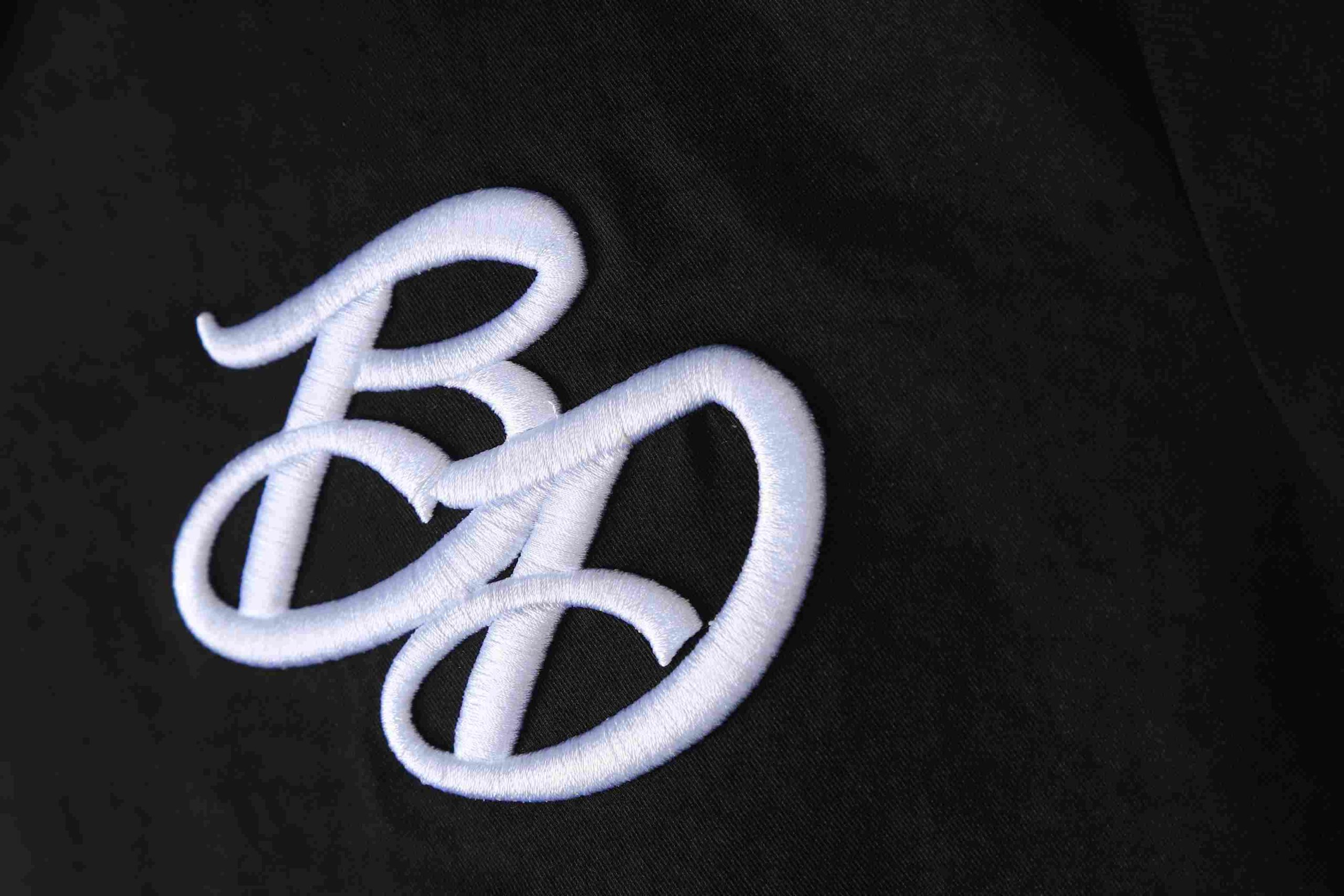
Layered puff stacks foam sheets or uses varied foam thicknesses within one design, creating multiple height levels for complex visual storytelling. Each layer demands separate embroidery passes with adjusted stitch parameters.
This advanced technique suits high-end fashion collections, limited-edition drops, and collaborative capsules where craftsmanship differentiation justifies extended production time. ZORWILD digitizes layered designs with precise registration marks to align each foam level and embroidery pass accurately.
Combination Techniques (Puff + Flat Embroidery)
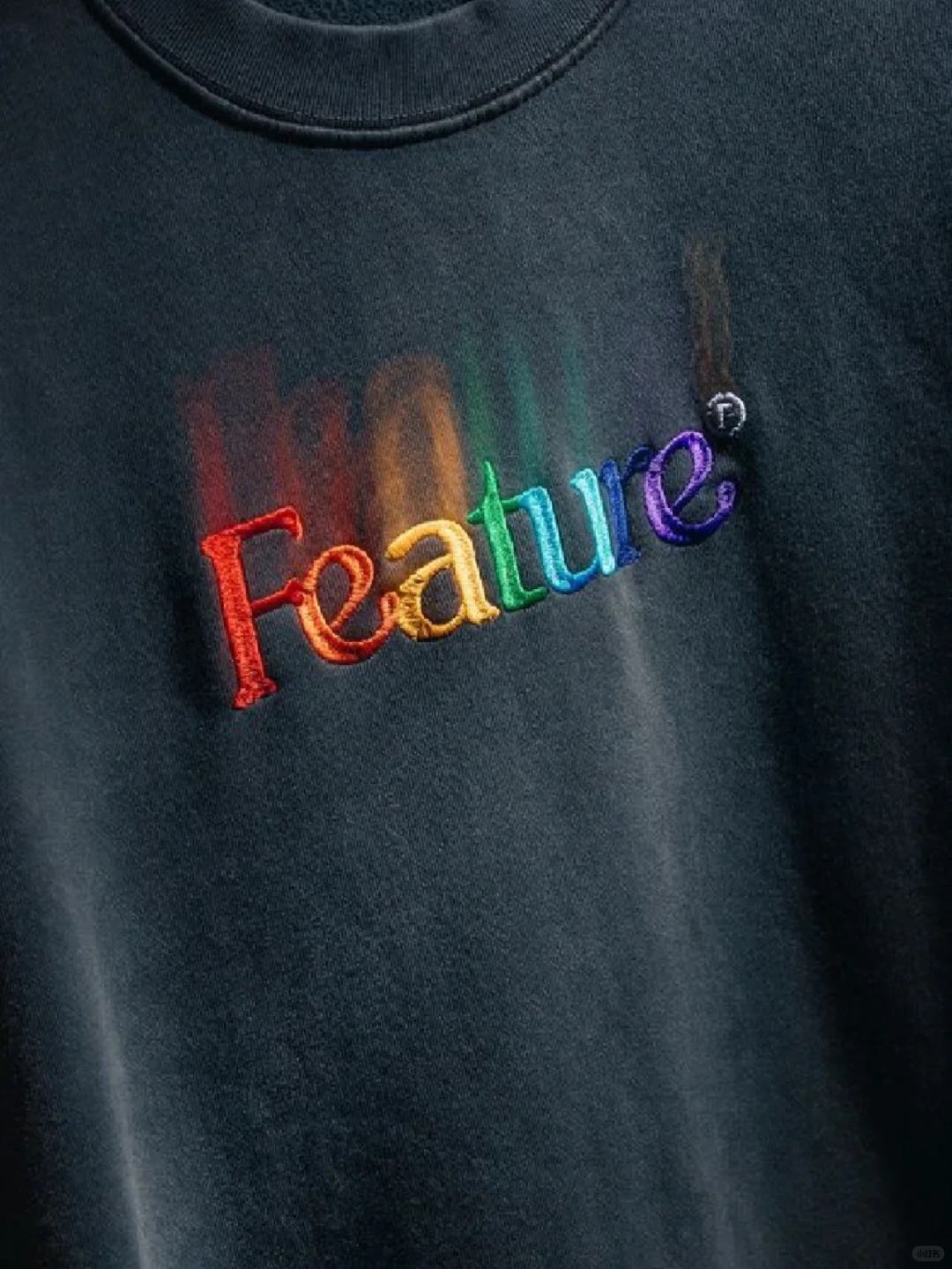
Combination methods integrate 3d puff embroidery with flat embroidery, chenille, applique, or metallic threads in unified designs. This approach maximizes texture variety, color richness, and visual complexity for premium garments.
Common in varsity jackets, luxury hoodies, and fashion outerwear where multiple decoration techniques reinforce brand storytelling. ZORWILD’s production team sequences each technique—puff first, then flat or chenille overlays—to prevent material interference and maintain stitch quality across all decoration layers.
4. Materials and Fabrics for 3D Puff Embroidery
Material selection determines the structural integrity and visual impact of 3d puff embroidery. ZORWILD sources foam underlays, threads, and base fabrics optimized for dimensional embroidery across streetwear, sportswear, and fashion collections.
| Fabric Type | Recommended Foam Thickness | Typical Applications | Durability Rating |
|---|---|---|---|
| Cotton Twill (240–320 GSM) | 3–5 mm | Caps, jackets, workwear | High |
| Canvas (300–400 GSM) | 4–6 mm | Tote bags, heavyweight hoodies | Very High |
| Fleece (280–340 GSM) | 2–3 mm | Sweatshirts, casual hoodies | Medium-High |
| Polyester Mesh (<200 GSM) | 2 mm max | Sports jerseys, lightweight tops | Medium |
Foam Underlay Types and Thickness Grades
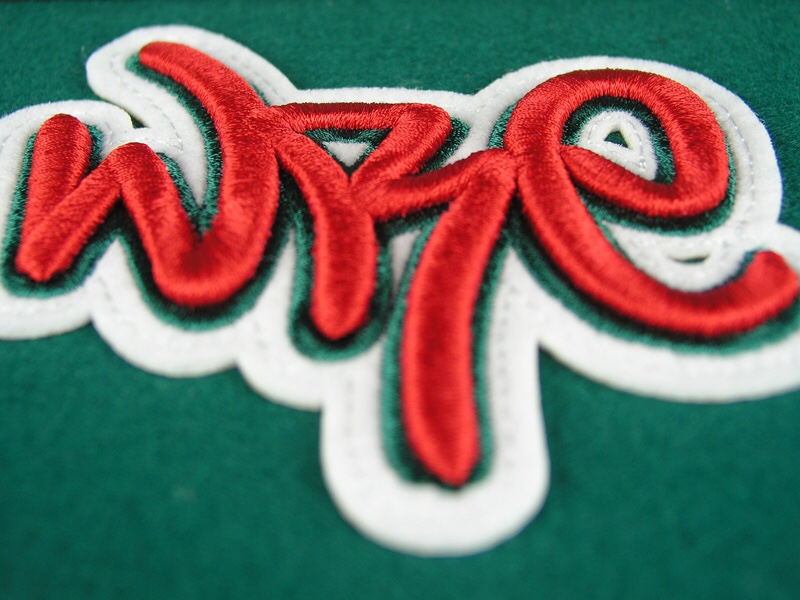
Polyurethane foam (2–3 mm) delivers soft, flexible puff suitable for lightweight garments and curved surfaces. EVA foam (3–6 mm) provides firmer structure for bold logos and high-profile designs on heavyweight fabrics.
Thicker foam (5–6 mm) creates dramatic height but requires dense base fabrics above 280 GSM to prevent puckering. Standard 3 mm foam balances visibility and stability across most apparel categories.
Thread Types for Dimensional Embroidery
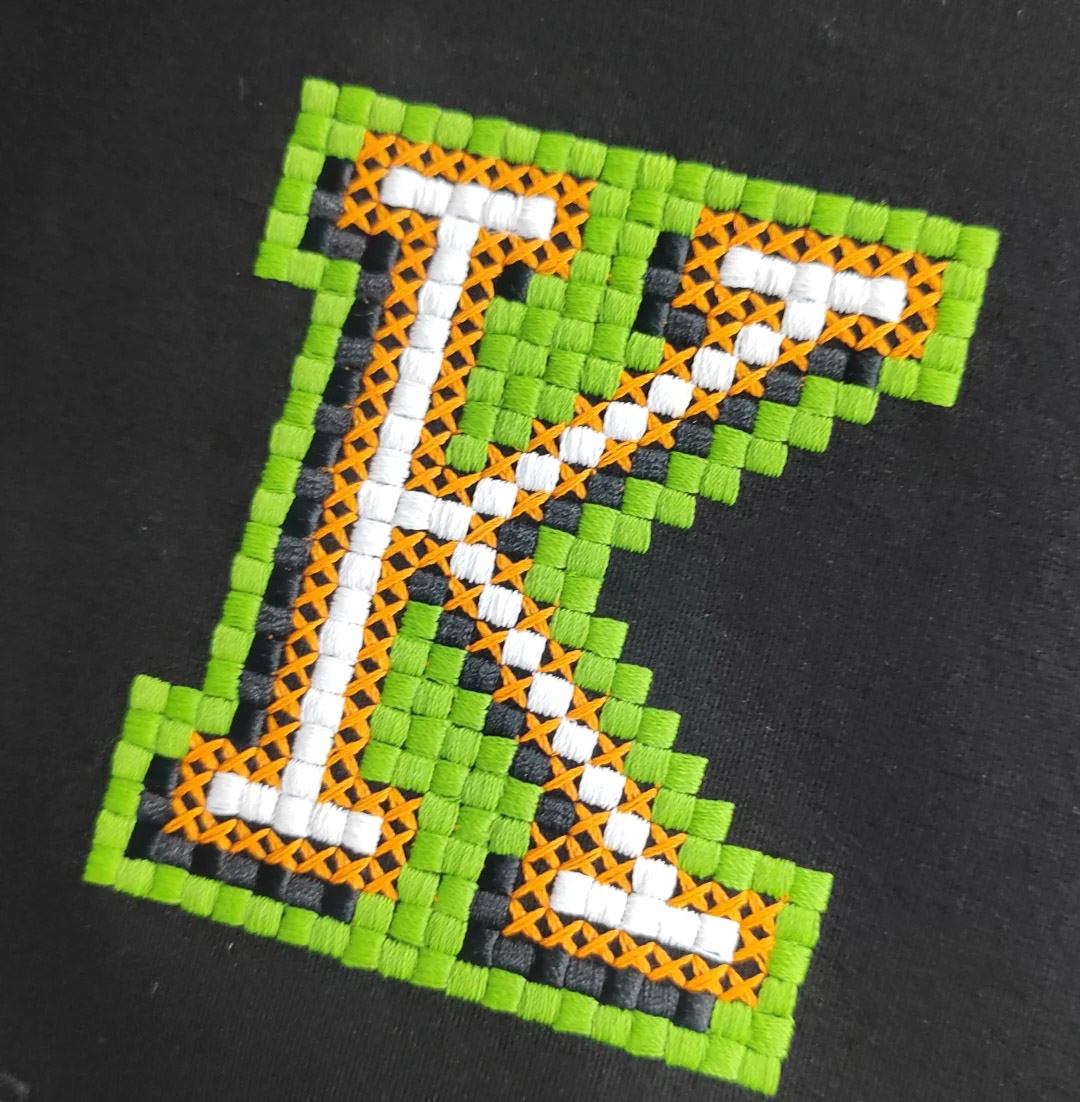
Polyester thread offers superior tensile strength and colorfastness, essential for encapsulating foam edges and withstanding industrial washing. Rayon thread delivers higher sheen for luxury branding but requires gentler care.
Metallic threads add reflective accents but increase needle breaks; ZORWILD limits metallic coverage to border stitches or small details to maintain production efficiency and thread tension consistency.
Compatible Base Fabrics and GSM Requirements
Cotton twill (240–320 GSM) and canvas (300–400 GSM) provide dense weave structure that anchors high-stitch-count designs without fabric distortion. Polyester mesh and lightweight knits below 200 GSM risk puckering under foam pressure.
Fleece (280–340 GSM) supports moderate puff embroidery when backing stabilizer is applied. Fabric weave density above 120 threads per inch ensures consistent stitch penetration and long-term puff stability across wash cycles.
5. Customization Options in 3D Puff Embroidery
Modern 3d puff embroidery offers extensive customization variables that directly impact brand differentiation and production cost. ZORWILD supports logo size from 5 cm to 35 cm width, Pantone-matched thread colors, foam color selection for visible edges, puff height ranging from 2 mm to 6 mm, and hybrid techniques combining puff with flat embroidery or appliqué.
| Customization Feature | Cost Impact per Piece | Lead-Time Impact |
|---|---|---|
| Standard logo (≤10,000 stitches) | $1.20–$2.50 | 7–10 days |
| Complex logo (>15,000 stitches) | $2.80–$4.50 | 10–14 days |
| Pantone thread matching | +$0.30–$0.60 | +2–3 days |
| Custom foam color | +$0.50–$1.00 | +3–5 days |
| Hybrid puff + flat/appliqué | +$0.80–$2.50 | +2–4 days |
Design Specifications and File Requirements
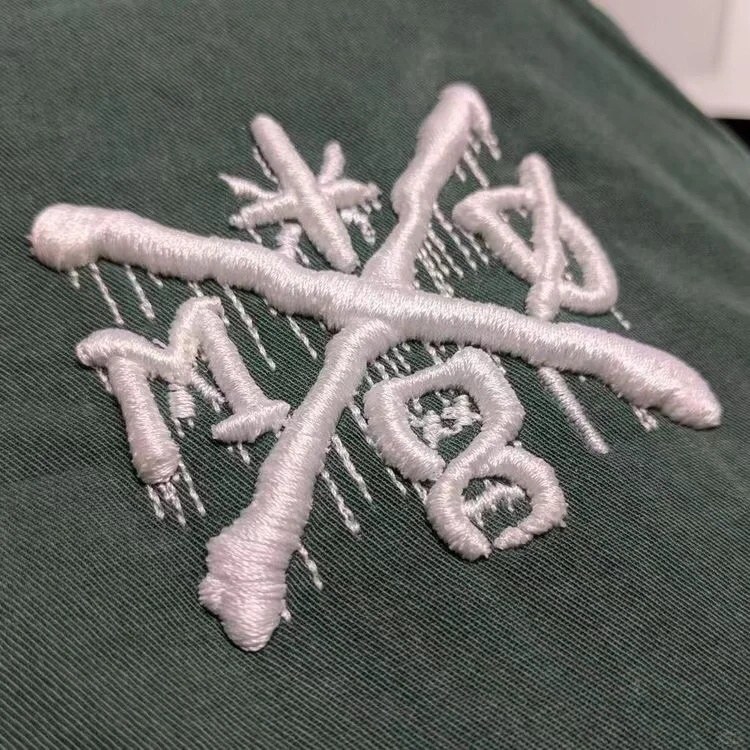
Logo complexity determines stitch count and digitizing time. Simple text or geometric shapes require 3,000–8,000 stitches, while detailed mascots or script fonts may exceed 15,000 stitches. ZORWILD accepts DST, EMB, and PES file formats; clients without production-ready files incur a one-time digitizing fee of $15–$50 per design depending on complexity.
Minimum order quantities for custom digitizing start at 50 pieces per design, allowing startup brands and influencers to test new graphics without high upfront investment. Stitch density for 3d puff embroidery typically ranges from 4.5 to 6 stitches per millimeter to prevent foam compression and ensure clean puff height.
Thread and Foam Color Matching
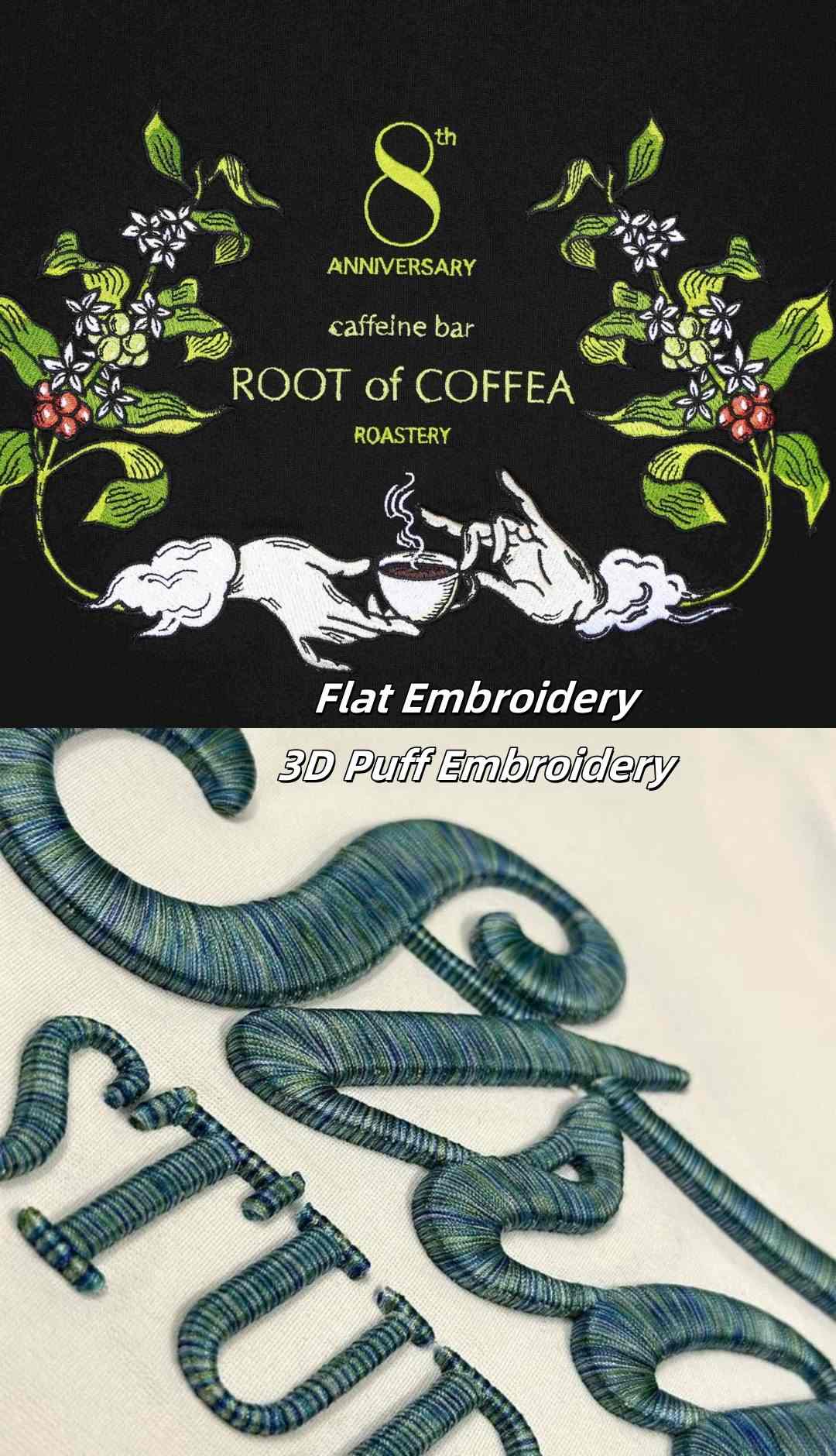
Pantone thread matching ensures brand color consistency across production runs. ZORWILD maintains a library of over 200 polyester embroidery thread colors and can source custom Pantone matches within 5–7 days for orders above 200 pieces.
Foam color selection matters when logo edges remain visible after trimming. White, black, and gray foam are stock options; custom foam colors require minimum orders of 500 pieces and add 3–5 days to lead time.
Hybrid Techniques and Advanced Effects
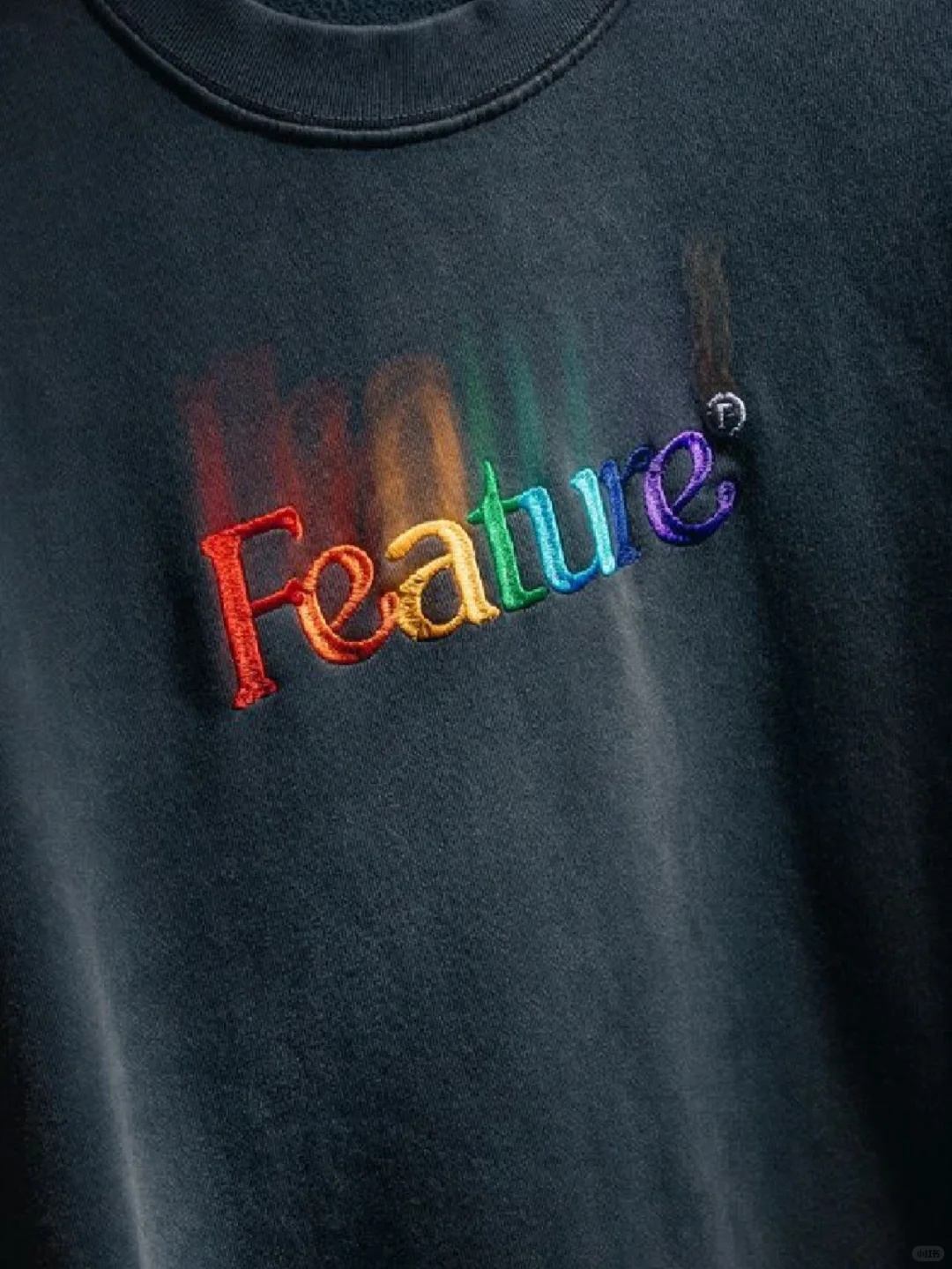
Combining 3d puff embroidery with flat embroidery, appliqué patches, or chenille creates premium streetwear aesthetics. Hybrid designs layer raised puff letters over flat background fills or mix puff logos with chenille borders for luxury texture contrast.
ZORWILD supports multi-technique decoration on hoodies, jackets, and caps with careful digitizing to prevent thread tension conflicts. Hybrid effects add $0.80–$2.50 per piece depending on layer count and technique complexity.
6. Quality Benchmarks for 3D Puff Embroidery
Professional 3d puff embroidery quality depends on four measurable checkpoints: foam expansion uniformity, stitch tension consistency, durability under stress, and finishing precision. ZORWILD applies in-line and final inspection protocols across every production batch to ensure defect-free results for streetwear, sportswear, and branded apparel.
Foam Integrity and Expansion Uniformity
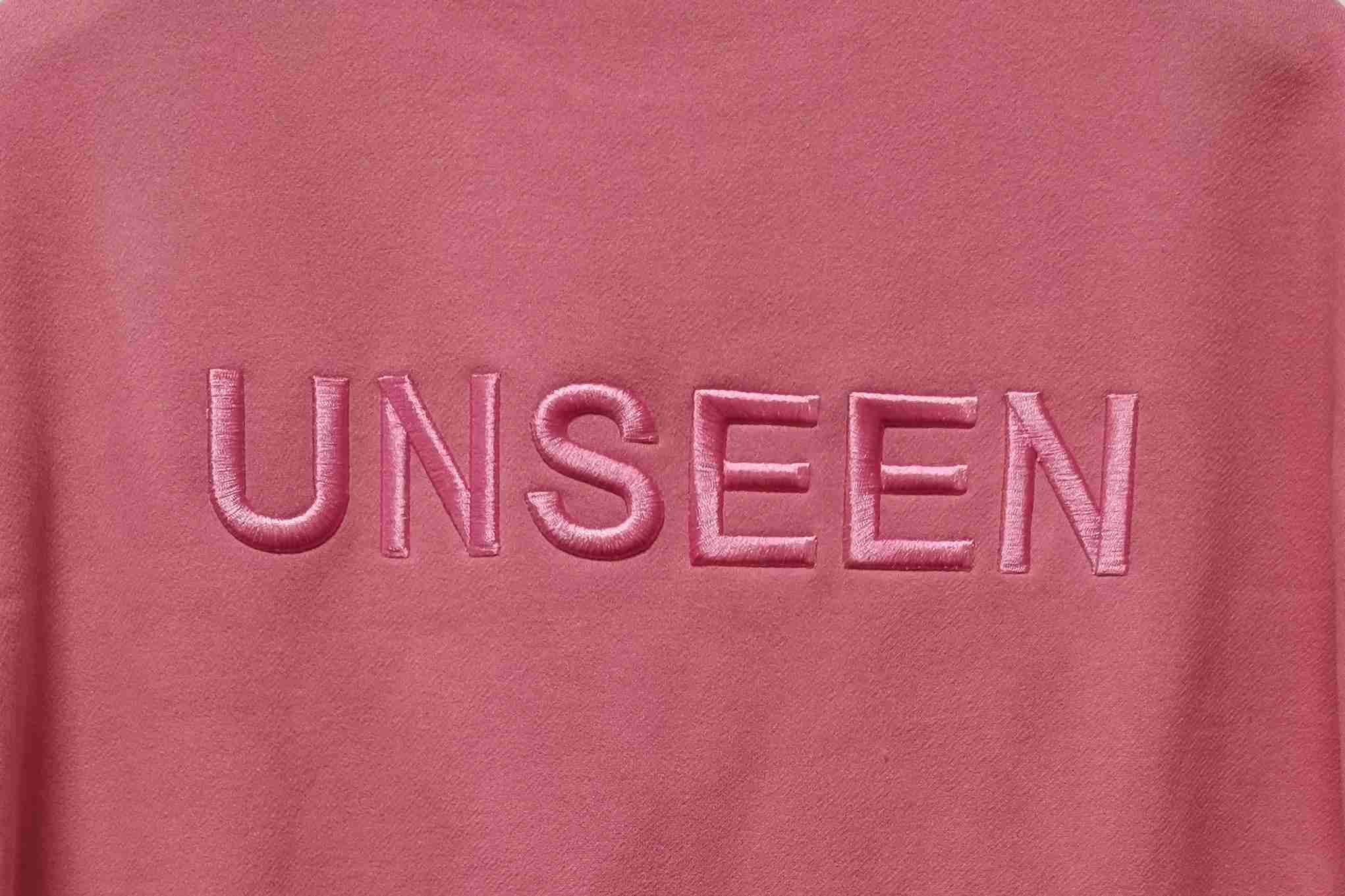
Inspect every puff design for complete foam coverage with no gaps, blow-outs, or collapsed sections. Uniform expansion height—typically 3–5 mm—indicates correct foam density and heat application. Uneven puff reveals improper foam weight, incorrect temperature, or inadequate backing stabilization.
ZORWILD uses calibrated heat presses and quality-tested foam sheets to eliminate expansion defects. Pre-production samples allow clients to verify height consistency and edge sharpness before bulk orders.
Stitch Tension and Thread Quality
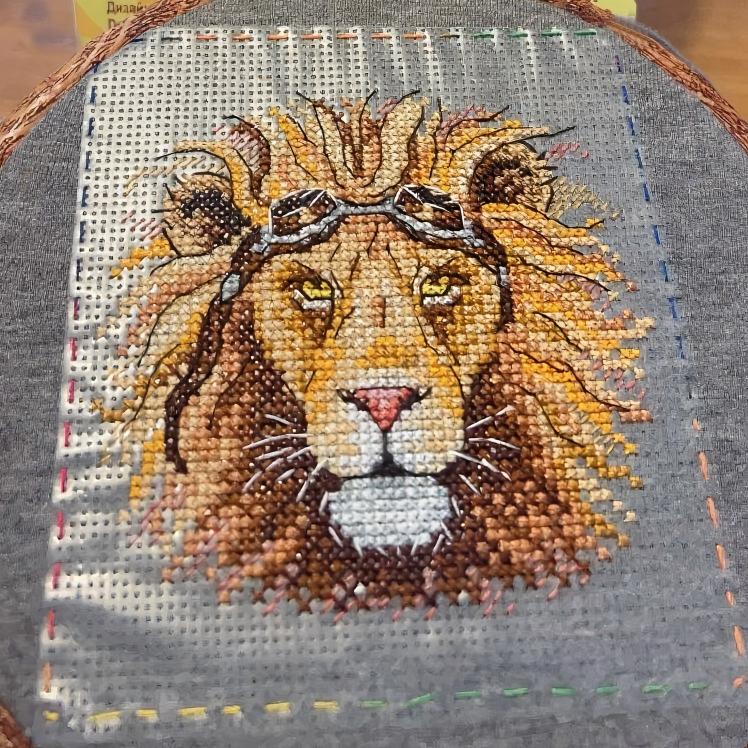
Consistent stitch tension prevents thread breakage, puckering, and loose edges that compromise design definition. Check for even stitch density—typically 4–6 stitches per millimeter—and confirm thread ends are trimmed cleanly with no loose tails.
High-quality polyester embroidery thread resists fading and maintains colorfastness through 50+ industrial wash cycles. ZORWILD inspects tension settings and thread quality during in-line production to maintain uniform appearance across every garment.
Durability and Colorfastness
Test samples through five home wash cycles at 40°C to verify foam adhesion, thread colorfastness, and dimensional stability. Premium 3d puff embroidery retains height, color vibrancy, and edge definition without cracking, peeling, or thread loss.
UV resistance matters for outdoor apparel and resort collections. ZORWILD sources UV-stable threads and fade-resistant foam to meet performance standards for activewear, sportswear, and technical fashion brands.
Edge Definition and Finishing
Sharp, clean edges distinguish professional puff embroidery from low-quality work. Inspect design outlines for precise stitch placement, no foam overhang, and tight border stitching that locks foam securely.
Proper backing stabilization—tear-away or cut-away depending on fabric weight—prevents distortion and ensures designs lie flat. ZORWILD trims all thread ends, removes stabilizer residue, and inspects edge quality before final packaging to deliver retail-ready garments.
7. How to Choose a 3D Puff Embroidery Manufacturer
Selecting the right 3d puff embroidery partner requires evaluating production infrastructure, quality systems, and commercial terms. A thorough vetting process reduces sampling cycles, minimizes defect rates, and ensures scalable fulfillment as your brand grows.
Production Capacity and Machine Infrastructure
Multi-head embroidery machines (6-head, 12-head, or 15-head) determine throughput and unit cost efficiency. Hoop size capability (standard 360×500 mm or large-format 500×1200 mm) dictates maximum design dimensions and multi-position placement.
In-house digitizing teams deliver faster turnaround and better quality control than outsourced services, which add 2–3 days per revision. ZORWILD operates multi-head commercial embroidery systems with in-house digitizing, enabling same-day sample adjustments and consistent stitch file optimization across production runs.
Quality Systems and Certifications
ISO 9001 certification signals documented process controls; OEKO-TEX Standard 100 confirms thread and foam chemistry safety for skin contact. Request portfolio samples showing foam height consistency, thread tension uniformity, and backing integrity across different fabric weights.
Test runs on your actual fabric and design reveal real-world performance before bulk commitment. ZORWILD’s quality inspection protocol includes raw material checks, in-line stitch monitoring, and final puff height measurement to maintain streetwear-grade finishing standards.
MOQ Flexibility and Pricing Transparency
Startup-friendly manufacturers offer 50–100 piece minimums; traditional factories require 500–1,000 units, locking capital and inventory risk. Clear pricing breakdowns should separate digitizing fees (typically $15–$50 per design), per-piece embroidery charges, and foam material costs.
ZORWILD supports 50-piece MOQ production with transparent quotations covering digitizing, embroidery labor, foam application, and finishing, allowing influencer brands and small wholesalers to test collections without overcommitting.
Communication and Sampling Policy
Responsive communication (reply within 24 hours) and English-fluent account managers prevent costly misunderstandings during tech pack review and production. Sampling policies vary: some charge $30–$80 per piece refundable on bulk orders; others offer free first samples for qualified buyers.
Request photo updates at cutting, embroidery, and finishing stages. ZORWILD provides dedicated account support via email, WhatsApp, and phone with detailed progress photography and video inspection links before final shipment approval.
8. Common Mistakes Buyers Make with 3D Puff Embroidery
Even experienced buyers encounter pitfalls when ordering 3d puff embroidery for the first time. Understanding these common mistakes and their remedies helps brands avoid costly delays, quality issues, and wasted samples.
Choosing Overly Complex Designs
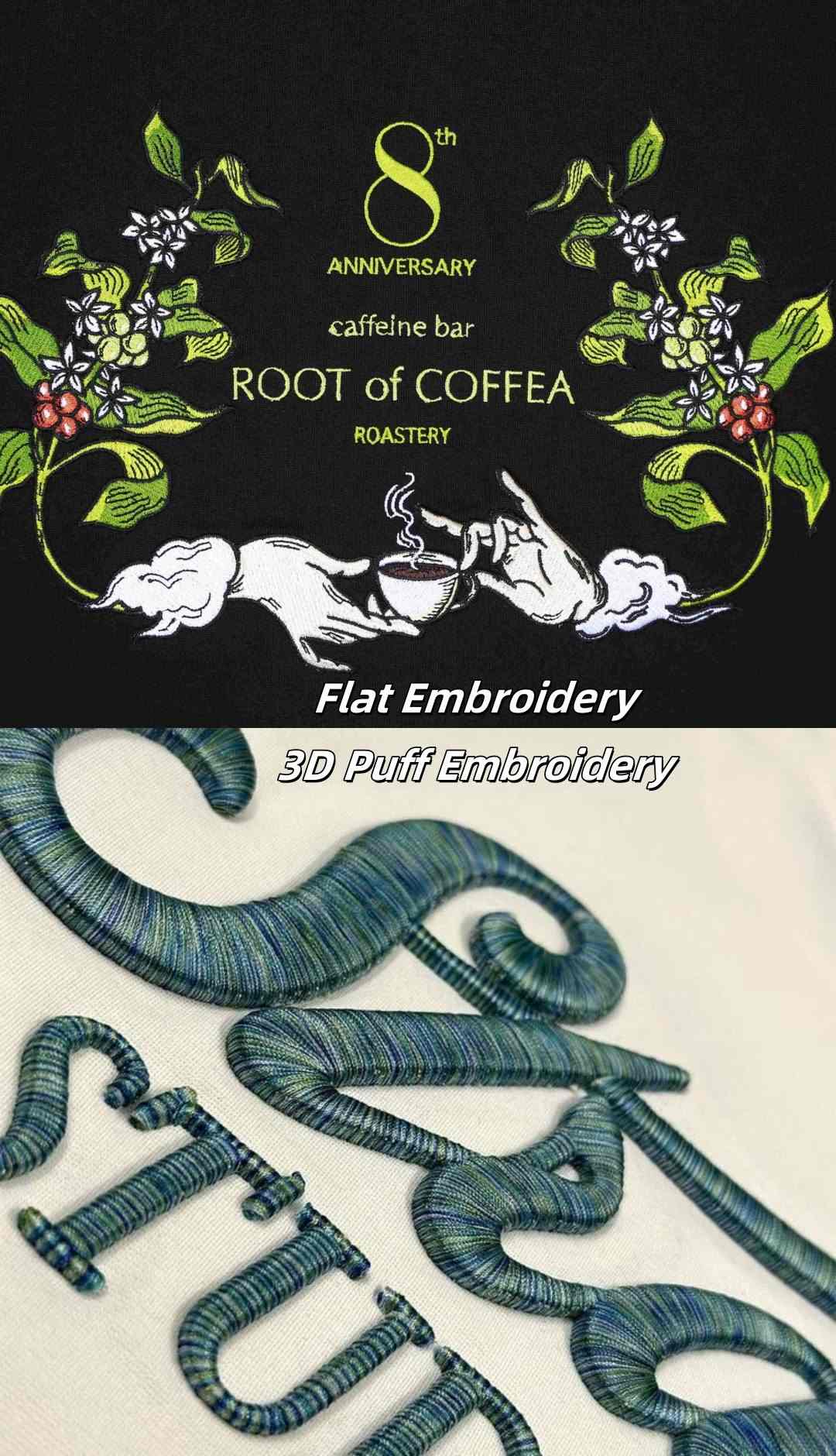
Fine details, thin lines, and intricate lettering below 5 mm rarely puff cleanly because foam cannot support delicate shapes. The result is collapsed edges, uneven height, and blurred outlines.
Stick to bold lettering above 8 mm, simple logos, and geometric shapes. ZORWILD’s development team reviews artwork during sampling to recommend design simplification before bulk production begins.
Ignoring Foam Thickness Specifications
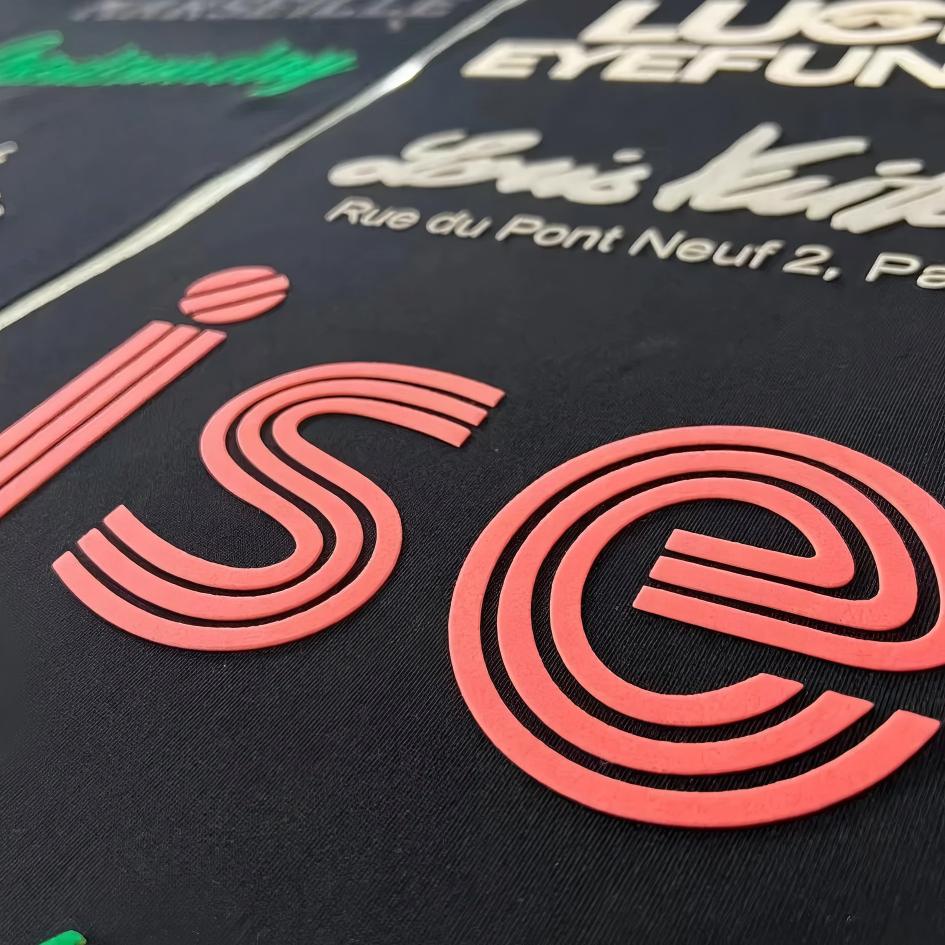
Buyers often request maximum height without considering fabric weight or garment type. Foam thicker than 3 mm on lightweight jerseys causes puckering, while thin 2 mm foam on heavyweight hoodies appears flat.
Specify foam thickness based on fabric GSM and brand aesthetic. ZORWILD tests 2 mm, 3 mm, and 4 mm foam during sampling to match your garment category and streetwear positioning.
Skipping Sample Approval
Proceeding directly to bulk production without approving a physical sample risks discovering stitch density errors, incorrect foam height, or poor placement only after 500 units are finished.
Always approve a pre-production sample for fit, foam quality, thread tension, and wash durability. ZORWILD includes sample rounds in every 3d puff embroidery project to lock specifications before cutting fabric.
Selecting Incompatible Fabrics
Thin jerseys below 160 GSM, satin, and stretch knits lack the stability to support raised embroidery, leading to distortion and thread pull.
Choose French terry, fleece, or heavyweight cotton above 200 GSM for optimal puff performance. ZORWILD sources stable fabrics and applies backing stabilizers during embroidery to prevent fabric distortion and ensure long-term durability.
9. Pricing and Cost Structure for 3D Puff Embroidery
3d puff embroidery pricing consists of a one-time digitization fee ranging from $30 to $150 depending on design complexity, stitch count, and the number of colors, plus a per-piece embroidery charge that varies by puff area and thread usage. Digitization fees cover pattern programming and setup, while per-unit costs reflect stitch density, foam material, thread quality, and machine time.
Complexity directly impacts unit cost: single-color puff logos with 5,000 stitches may add $2–4 per garment at 100-piece volumes, while multi-color designs with 15,000+ stitches and high-relief puff areas can reach $6–10 per piece. Puff height, thread type (standard polyester versus metallic or specialty), and color changes each add machine stops and material expense.
Quantity discounts significantly lower per-unit costs as setup fees amortize across larger runs. At 50-piece MOQ the digitization fee represents $0.60–3.00 per garment, but at 1,000 pieces it drops to $0.03–0.15 per unit, making bulk orders far more cost-effective for brands scaling collections.
Lead times compress with volume and design simplicity: straightforward single-color puff on 100 hoodies typically requires 10–14 days, while complex multi-position, multi-color designs on 500+ pieces may extend to 18–25 days to ensure quality control, foam curing, and finishing meet professional standards.
| Order Quantity | Setup Fee (Amortized) | Per-Unit Cost | Total Cost Range | Lead Time |
|---|---|---|---|---|
| 50 pieces | $0.60–3.00 | $3.00–8.00 | $180–550 | 10–14 days |
| 100 pieces | $0.30–1.50 | $2.50–6.50 | $280–800 | 12–16 days |
| 500 pieces | $0.06–0.30 | $1.80–4.50 | $930–2,400 | 15–20 days |
| 1,000+ pieces | $0.03–0.15 | $1.50–3.50 | $1,530–3,650 | 18–25 days |
10. Steps to Launch Your Brand with 3D Puff Embroidery
Launching a brand with 3d puff embroidery requires a structured approach from design to scale. ZORWILD’s 50-piece MOQ system allows startups to test products, validate designs, and build customer feedback before committing to large inventory.
Finalize Logo Design and Digitization
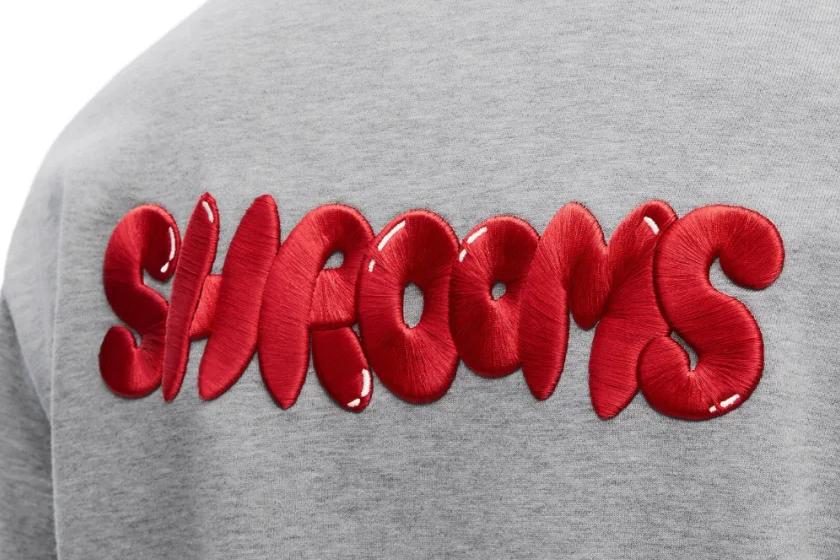
Convert your logo into embroidery-ready format by providing vector files (AI, EPS, or high-resolution PNG) to your manufacturer. Professional digitization ensures stitch density, foam thickness, and underlay structure are optimized for 3d puff embroidery.
Specify thread colors using Pantone references and confirm foam height (typically 2–5 mm) based on your brand aesthetic. ZORWILD’s design team assists with digitization and provides stitch previews to ensure accurate translation from artwork to finished product.
Select Base Products and Placement
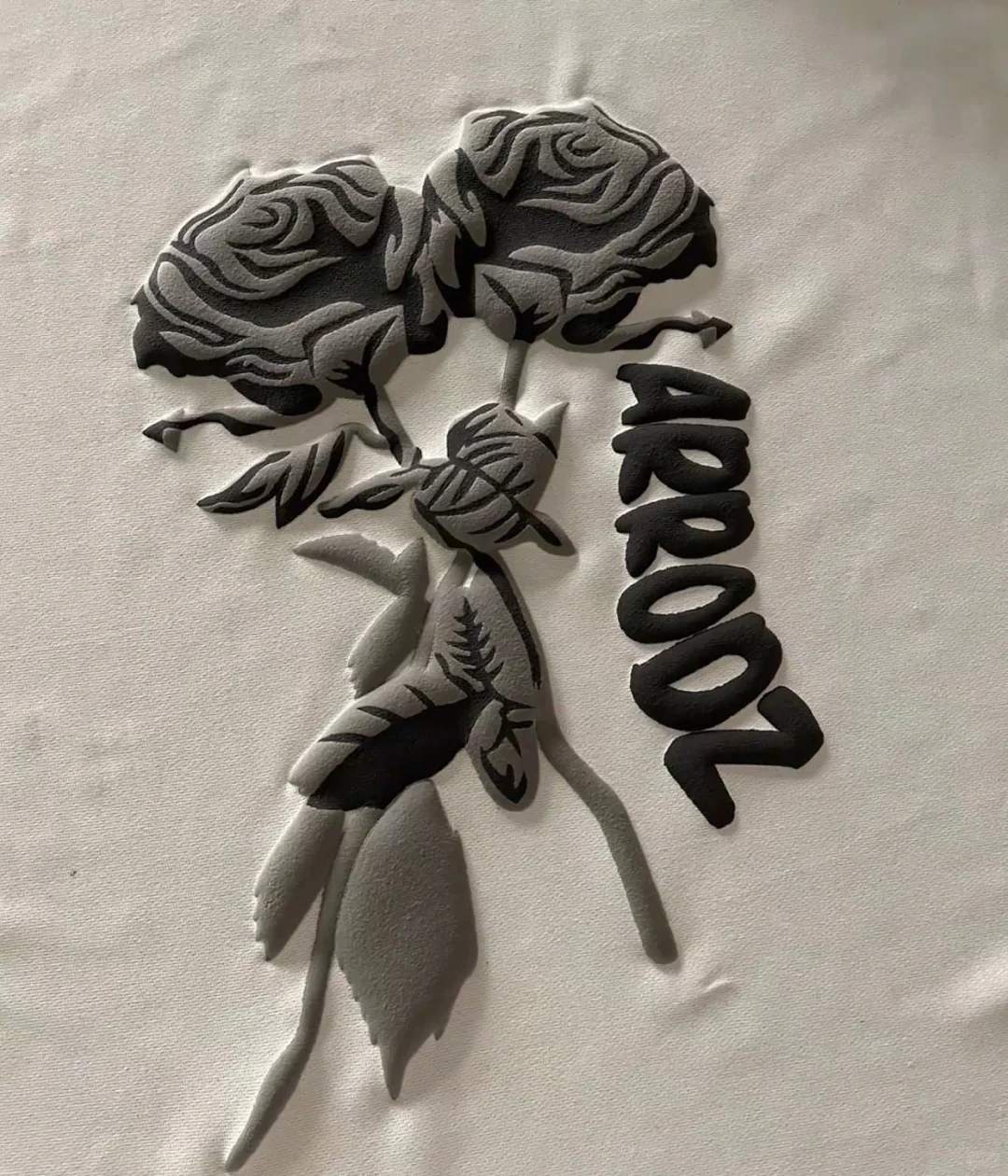
Choose garment categories that showcase 3d puff embroidery effectively — hoodies, caps, bomber jackets, and sweatshirts are popular for raised logo applications. Confirm fabric weight, color, and fit (oversized, boxy, or standard) to align with your brand positioning.
Decide logo placement: chest left, center chest, sleeve, back yoke, or cap front. ZORWILD supports multiple placements and can combine 3d puff embroidery with flat embroidery, screen printing, or woven labels for layered branding.
Request and Approve Physical Samples
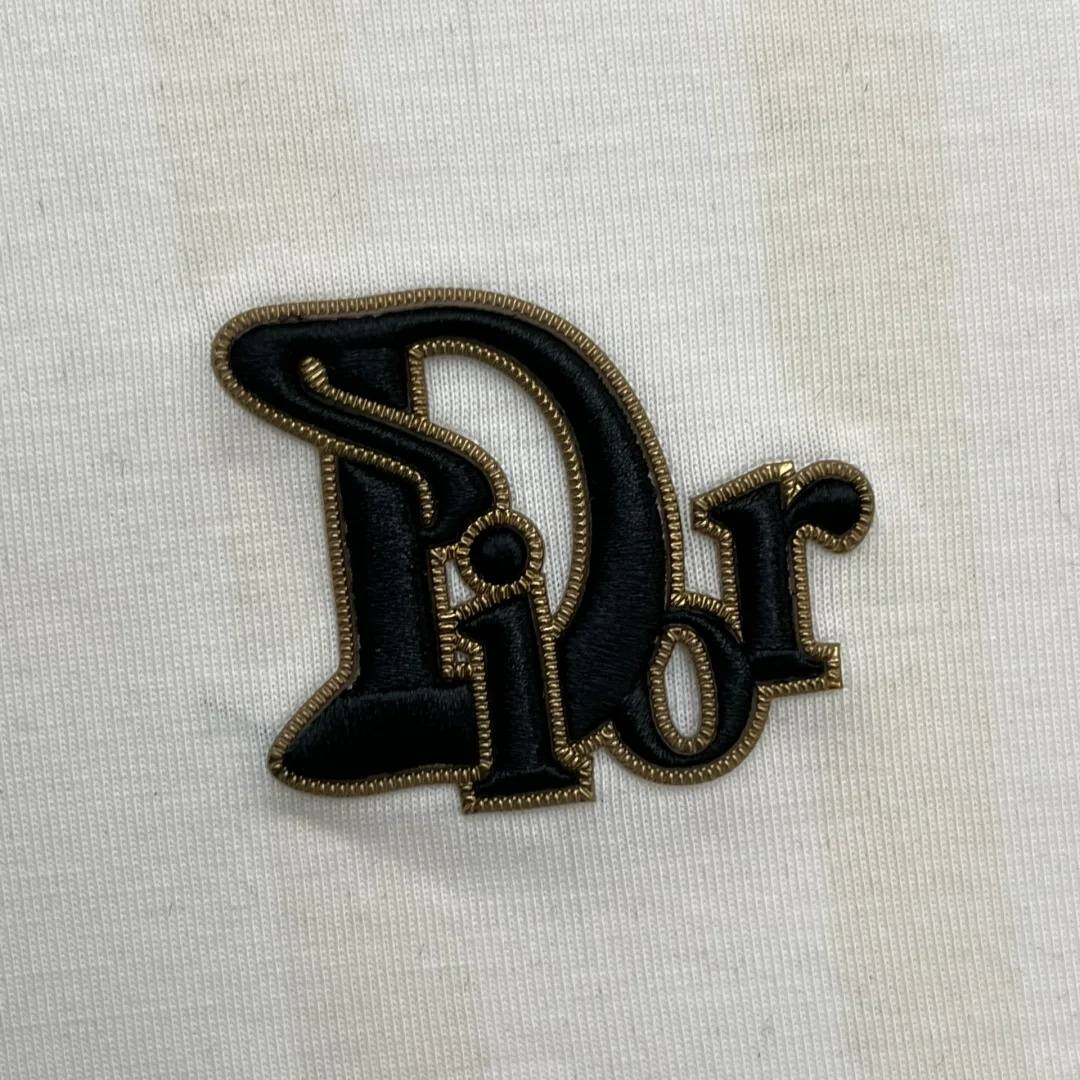
Order physical samples to evaluate foam height, thread tension, color accuracy, and garment fit before bulk production. Inspect stitch density, edge definition, and foam adhesion under different lighting and angles.
Conduct wash testing on samples to confirm foam durability, color fastness, and thread integrity after 3–5 home wash cycles. ZORWILD provides pre-production samples within 7–10 days, allowing brands to iterate designs and approve final specifications confidently.
Place Pilot Order and Gather Feedback
Start with a pilot order of 50–100 units to test market response, validate pricing, and assess customer satisfaction. Distribute samples to influencers, early adopters, or retail partners to gather real-world feedback on design appeal and garment performance.
Monitor customer reviews for comments on logo durability, garment fit, and overall quality. Use this data to refine sizing, adjust foam height, or modify color palettes before scaling production.
Scale Production and Build Supplier Relationships
Once pilot results confirm product-market fit, scale orders to 200–500 units or higher based on demand forecasts. Establish consistent communication with your manufacturer to maintain quality standards, manage lead times, and plan seasonal collections.
ZORWILD’s monthly capacity exceeds 100,000 units, supporting brands from startup launches to large-scale production. Long-term partnerships enable priority scheduling, flexible payment terms, and access to new decoration techniques as your brand grows.
Ready to Elevate Your Designs with 3D Puff Embroidery?
Start from 50 pieces. Send your artwork today for a free quote and sample from our 27-year factory in Humen, Dongguan.
- Custom Shirts
- Custom Dresses
- Custom Sweatshirts
- Custom Polo Shirts
- Custom Shorts
- Custom Dress Shirts
- Contact