Custom Clothing Labels That Build Brand Identity
Premium custom clothing labels from 50 pieces with 27 years of manufacturing expertise. Woven, printed, and care labels crafted in Humen, Dongguan for fashion brands, wholesalers, and influencers worldwide.
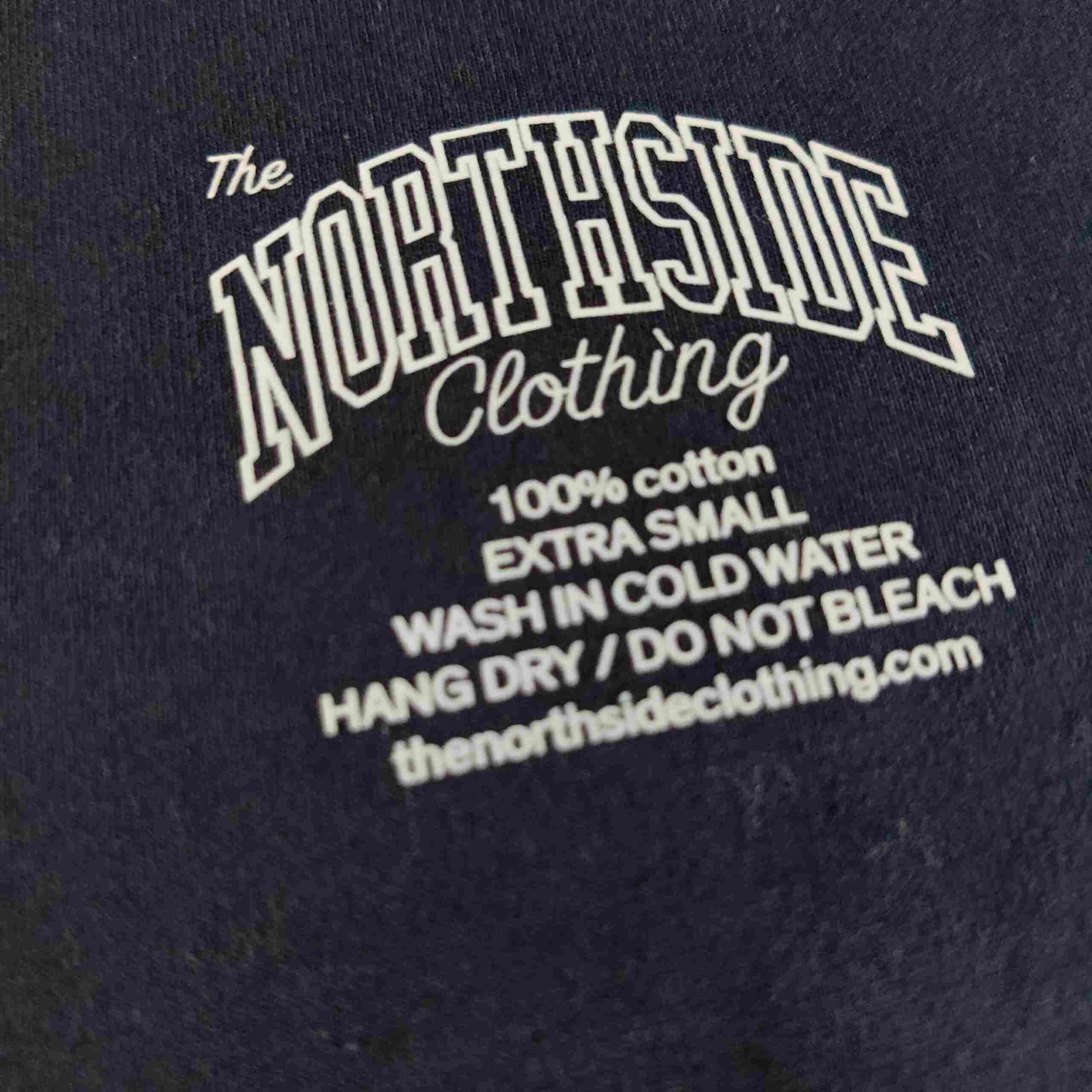
Custom Clothing Labels in Action
Why ZORWILD’s Custom Clothing Labels Stand Out
50-Piece Low MOQ
Launch your brand with custom clothing labels starting from just 50 pieces—ideal for startup brands, influencers, and capsule collections testing new markets.
Fast Sample Turnaround
Receive physical label samples quickly to evaluate quality, color accuracy, fabric texture, and branding details before committing to bulk production.
In-House Design Support
Our experienced team transforms your logo, sketches, or brand ideas into production-ready custom clothing labels with professional technical pack development.
Precise Color Matching
Advanced weaving and printing systems ensure your custom clothing labels match exact brand colors with consistent accuracy across every production run.
Durability Tested Labels
All custom clothing labels undergo rigorous wash testing and quality inspection to ensure long-lasting performance, colorfastness, and professional appearance.
Full Branding Customization
Choose from woven labels, printed labels, leather patches, rubber logos, silicone tags, heat transfers, and metallic finishes to elevate your brand identity.
Label Types & Customization Options
Complete labeling solutions for brand identity, regulatory compliance, and premium customer experience across all garment categories.
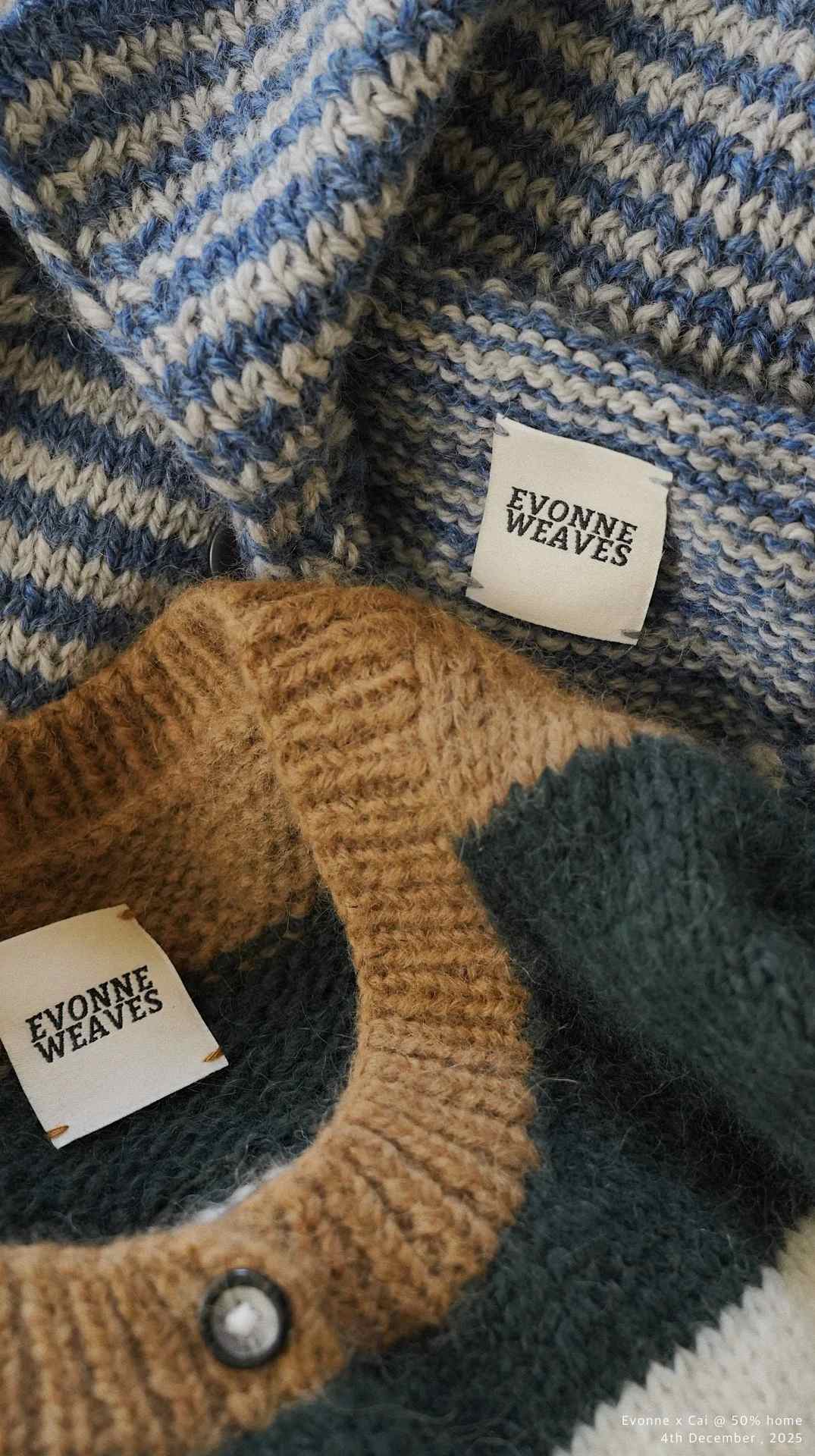
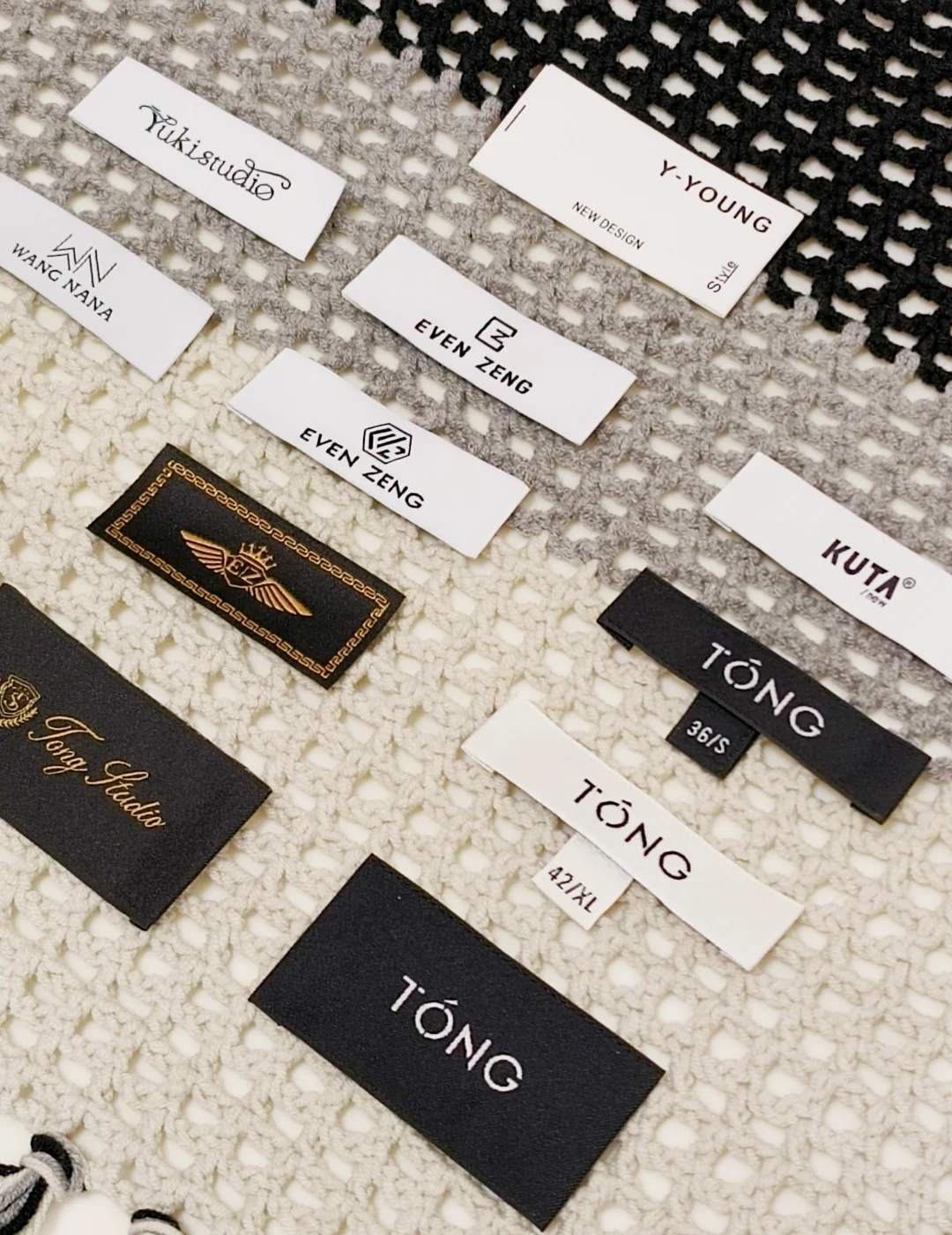
Main Label
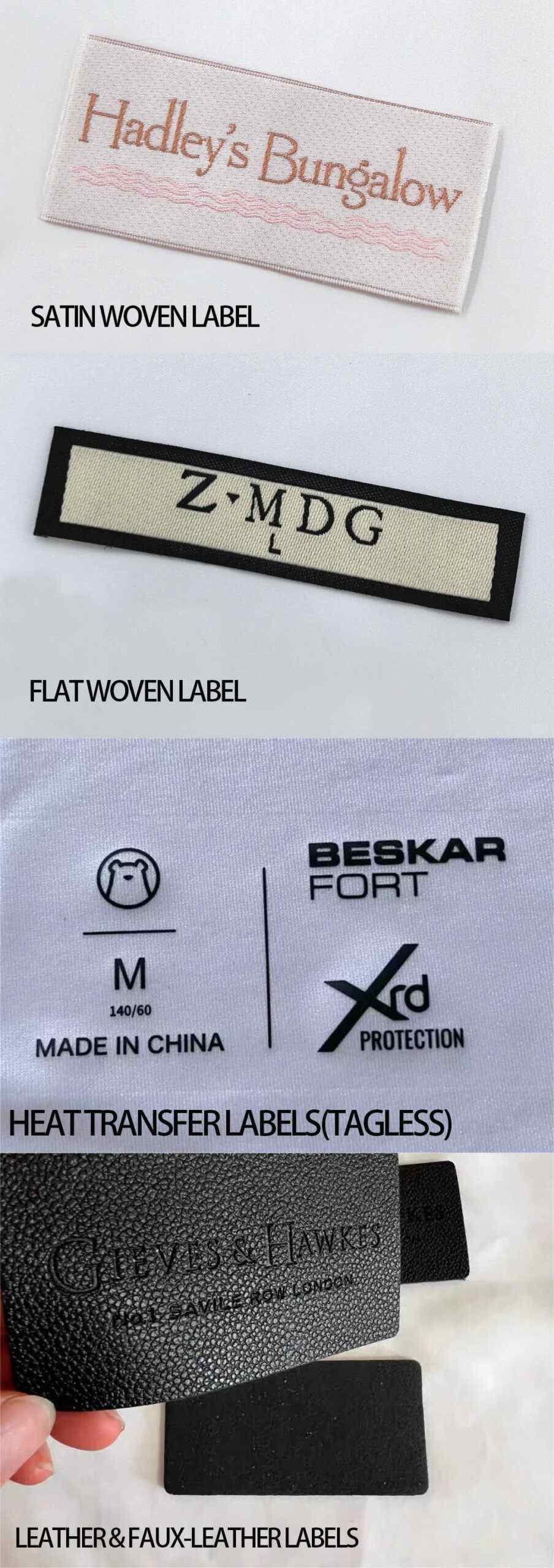
Custom main labels establish your brand identity at the neckline or waistband. Available in woven, printed, or leather formats with full logo customization, color matching, and premium finishing. Woven labels deliver luxury positioning and durability, while printed labels offer cost efficiency for startup collections and faster sampling timelines.
Get a Quote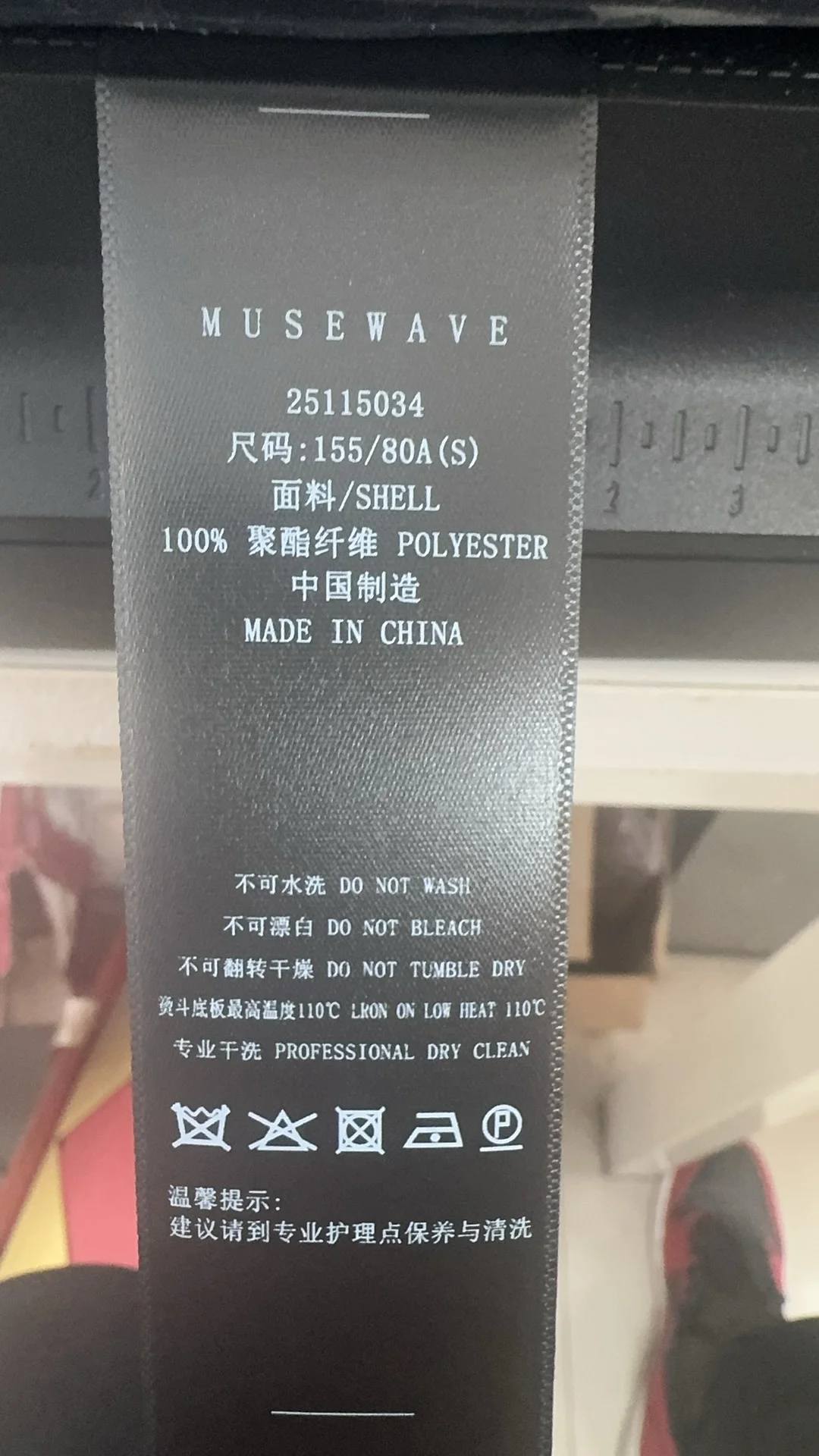
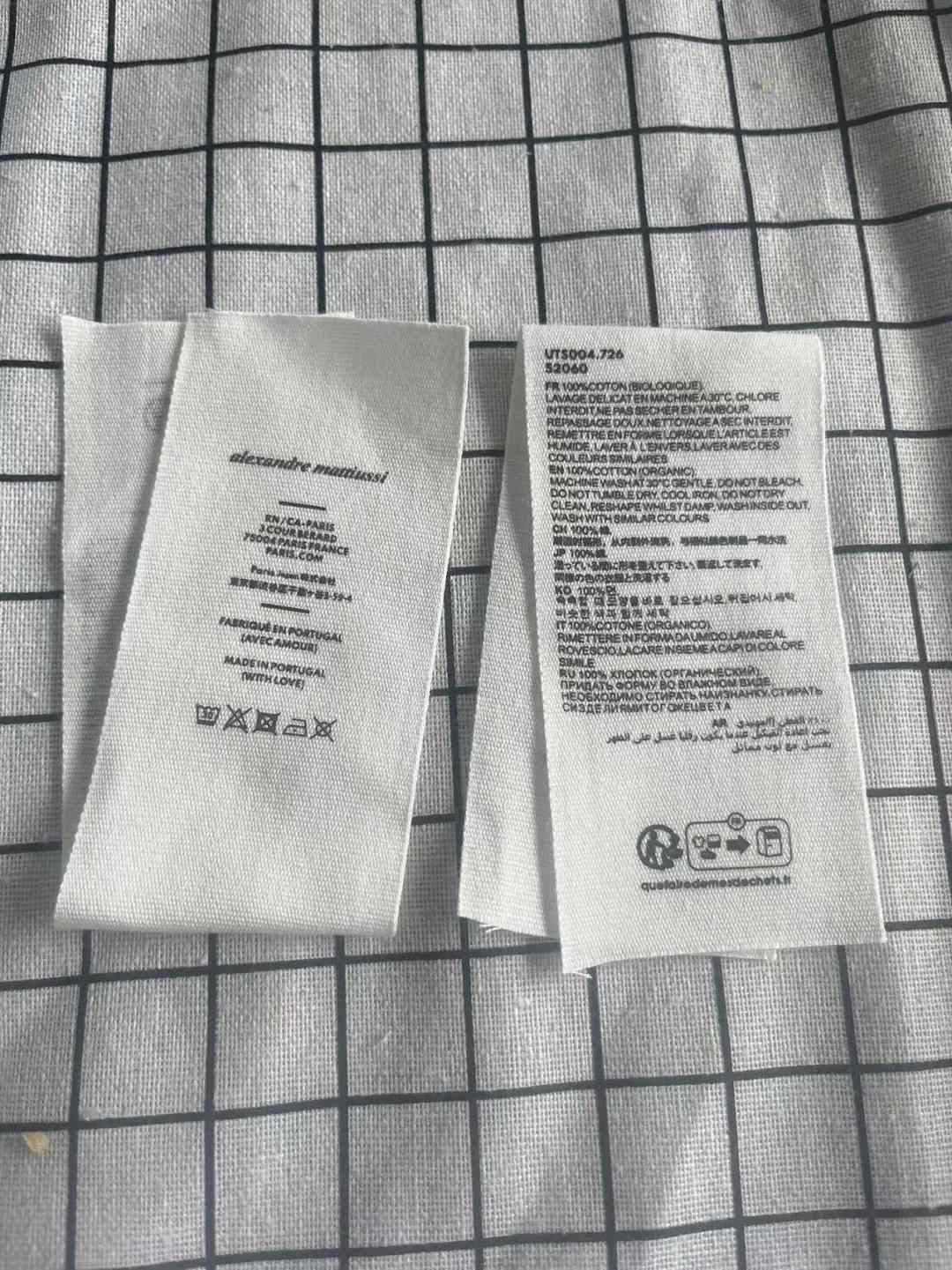
Wash / Care Label
Wash and care labels ensure regulatory compliance across international markets including the US, UK, EU, and Australia. ZORWILD provides multilingual care instructions, fiber content disclosure, and country-specific formatting. Available in woven, printed satin, or heat transfer formats with fade-resistant inks and secure stitching for long-term durability.
Get a Quote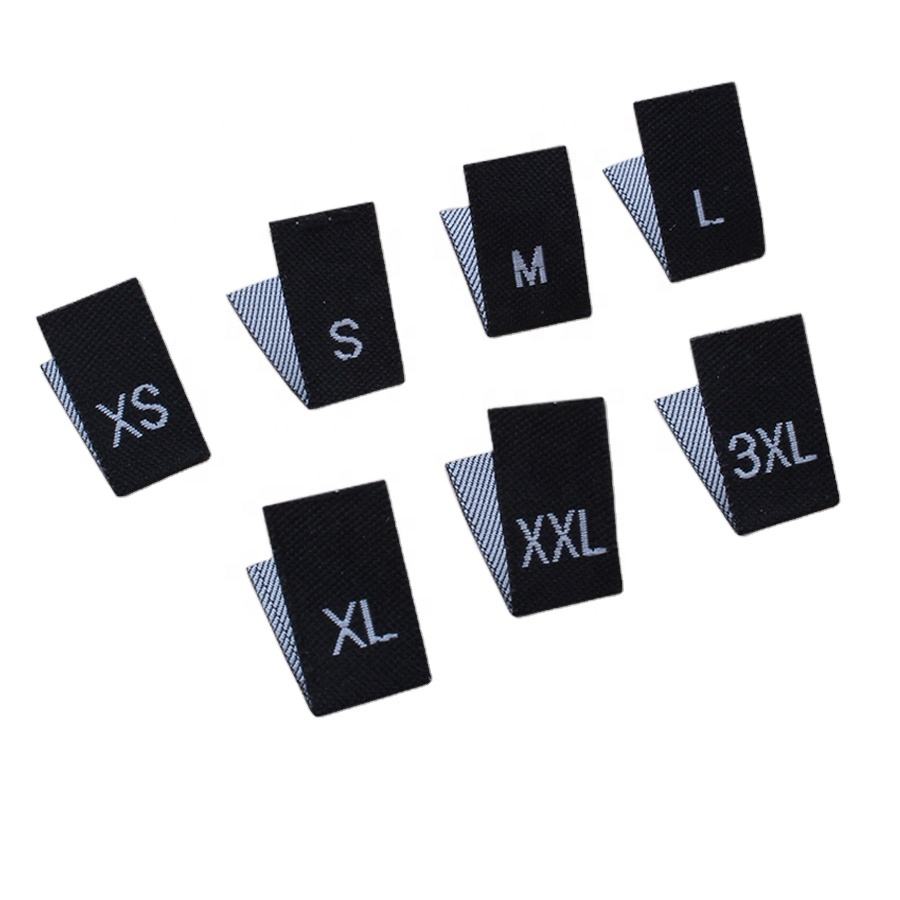
Size Label
Custom size labels streamline inventory management and improve customer fit satisfaction. Offered in standard sizing systems including US, UK, EU, and Asian measurements or fully customized size charts. Available as standalone tags, integrated neck labels, or heat transfer prints with clear typography and brand-consistent design language.
Get a Quote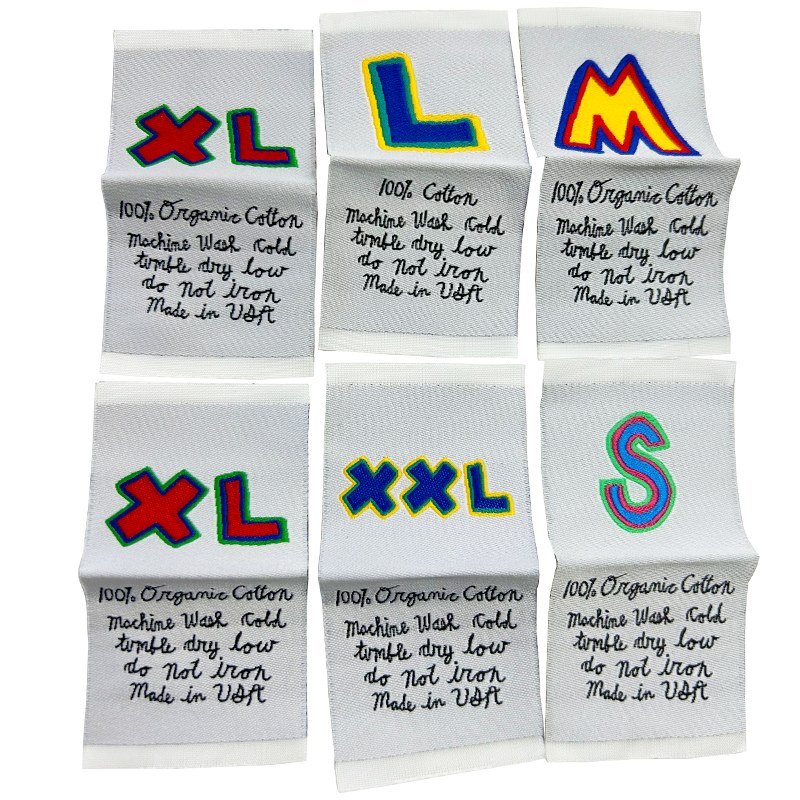
Made-In Label
Made-in labels communicate manufacturing origin and comply with customs regulations for import markets. ZORWILD produces compliant Made in China labels or country-of-origin tags matching your supply chain structure. Available in woven, printed, or heat transfer formats with accurate legal wording, durable construction, and discreet placement options.
Get a Quote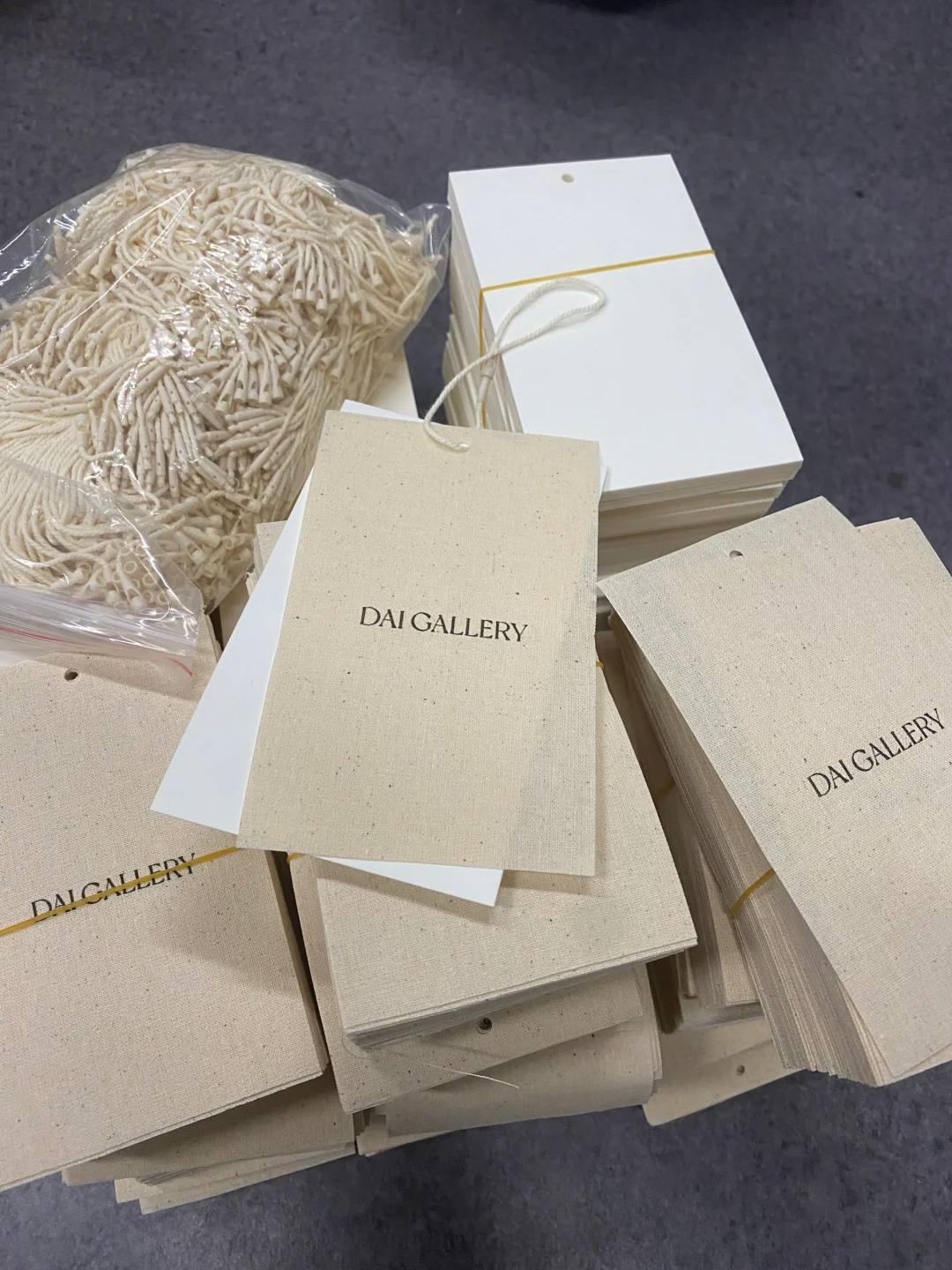
Hang Tag
Custom hang tags elevate unboxing experience and communicate brand storytelling at point of sale. ZORWILD supports die-cut shapes, embossed logos, foil stamping, textured paper stocks, and multi-panel folding designs. Includes string attachment, safety pins, or plastic fasteners with full-color printing, QR codes, and sustainability messaging for premium brand positioning.
Get a Quote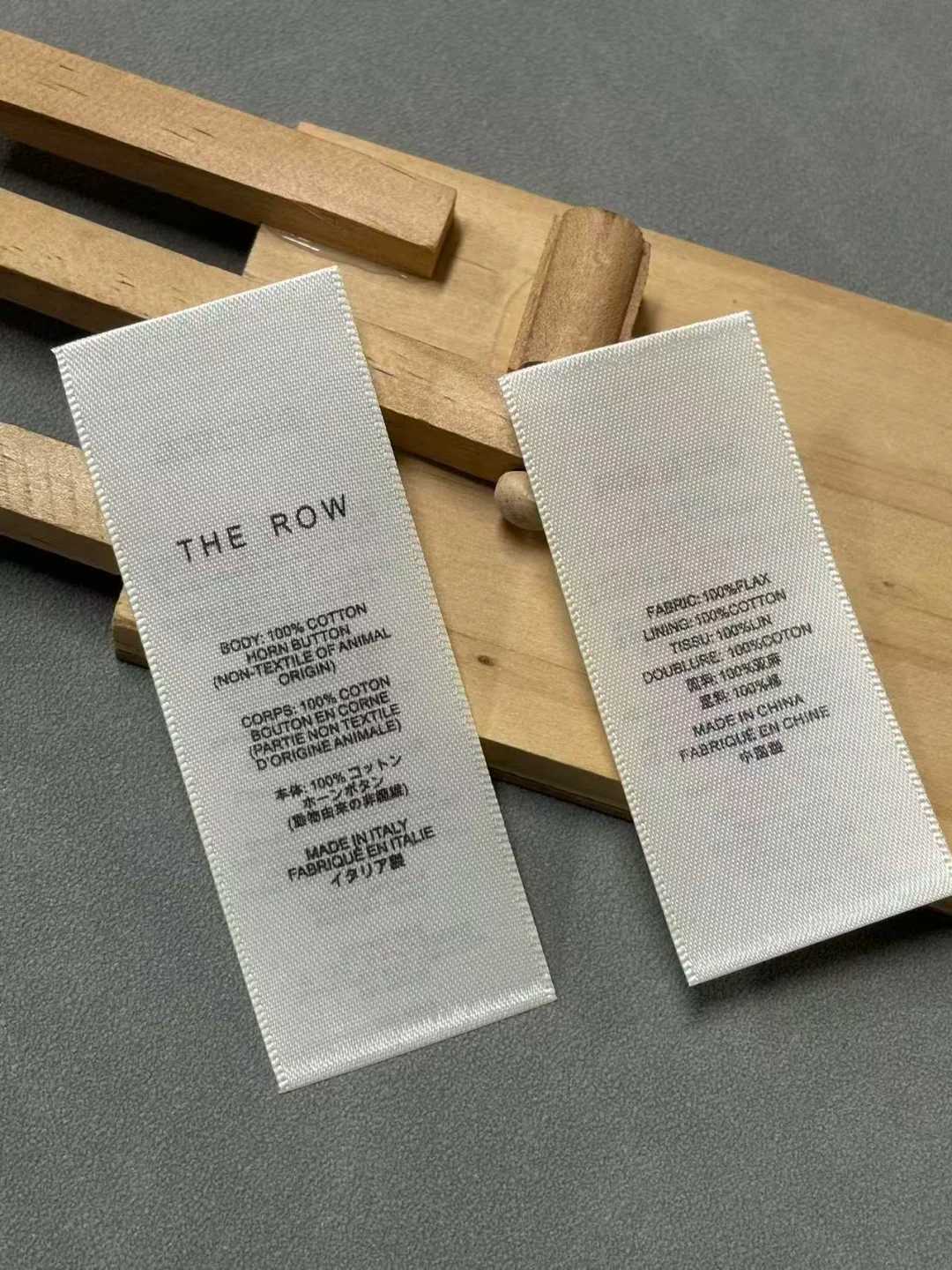
Barcode Label
Barcode labels enable retail distribution, inventory tracking, and omnichannel fulfillment systems. ZORWILD generates compliant UPC, EAN, or custom SKU barcodes with scannable print quality and adhesive or sewn-in application. Supports variable data printing for multi-SKU orders, size-specific coding, and integration with your warehouse management or POS systems.
Get a Quote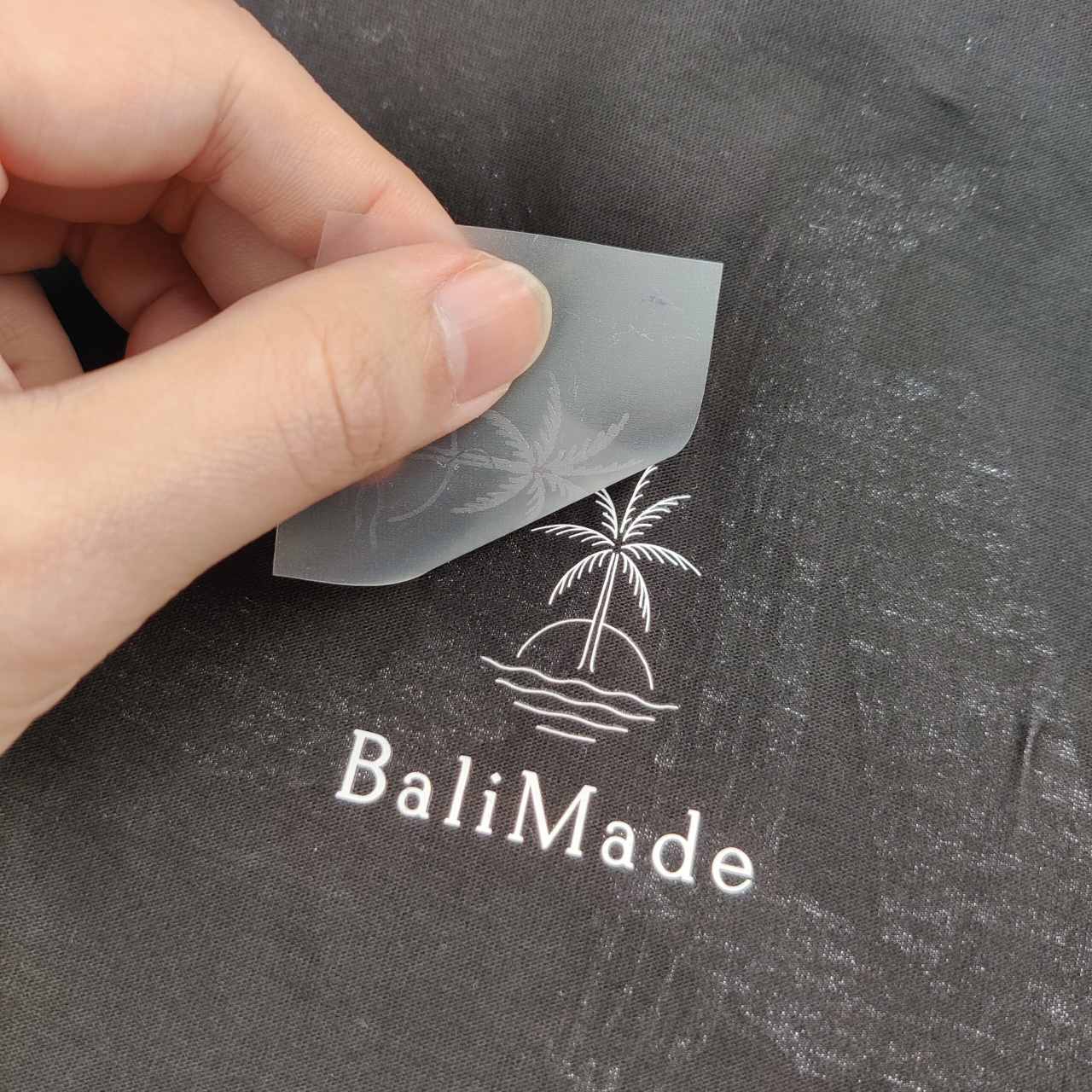
Heat Transfer Label
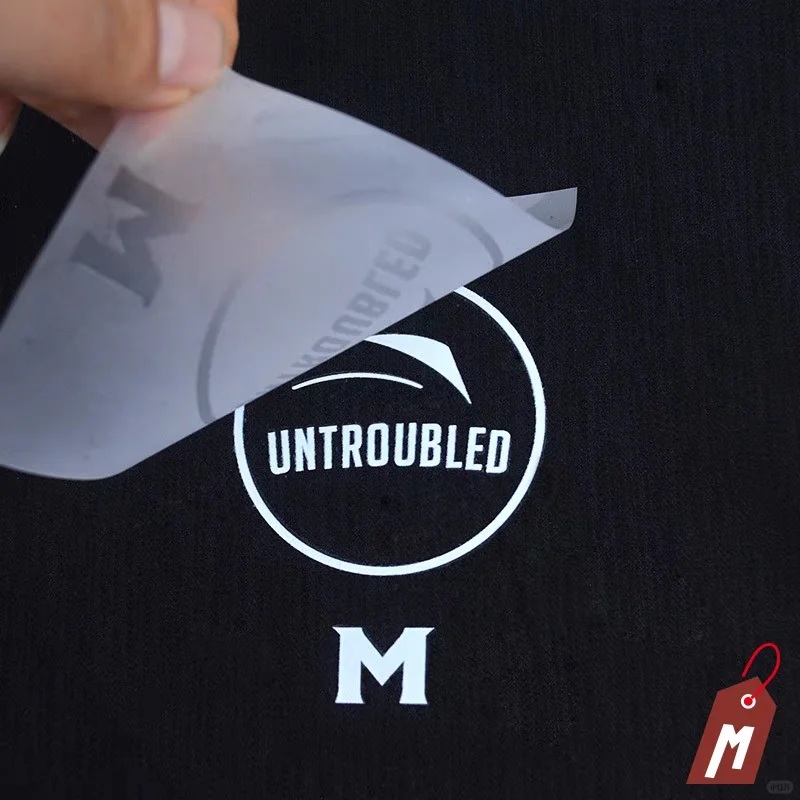
Heat transfer labels deliver a tagless wearing experience preferred by activewear, loungewear, and sensitive-skin customers. Printed directly inside the garment using soft-hand inks, these labels eliminate neck irritation while displaying brand logos, care instructions, and size information. Durable through repeated washing with no peeling or fading for long-term garment quality.
Get a Quote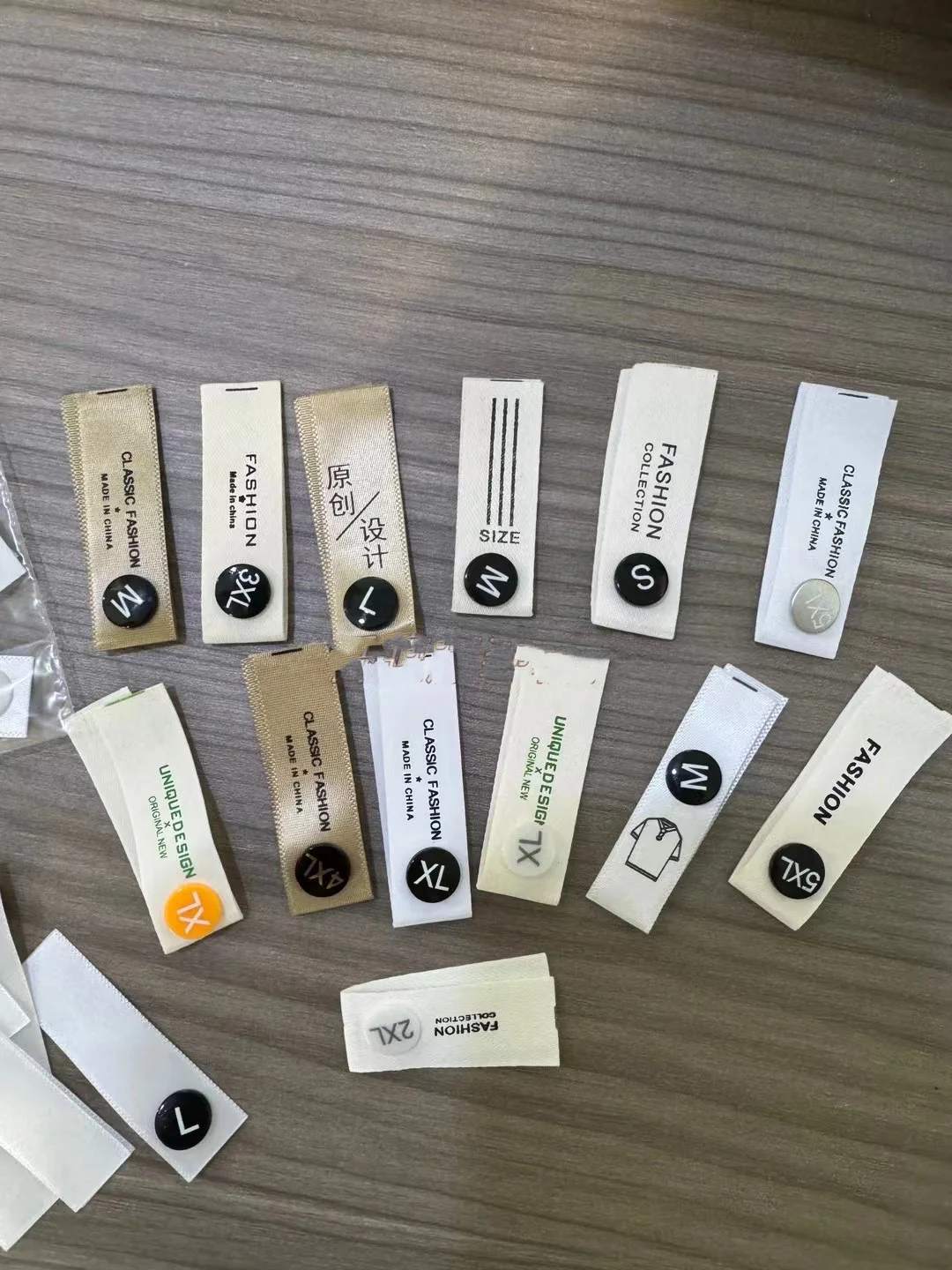
RFID Tag
RFID tags enable inventory accuracy, loss prevention, and smart retail experiences for omnichannel brands and large wholesalers. ZORWILD integrates passive RFID chips into hang tags or sewn-in labels compatible with standard retail readers. Supports unique product identification, real-time stock visibility, and automated checkout systems for operational efficiency and theft reduction.
Get a Quote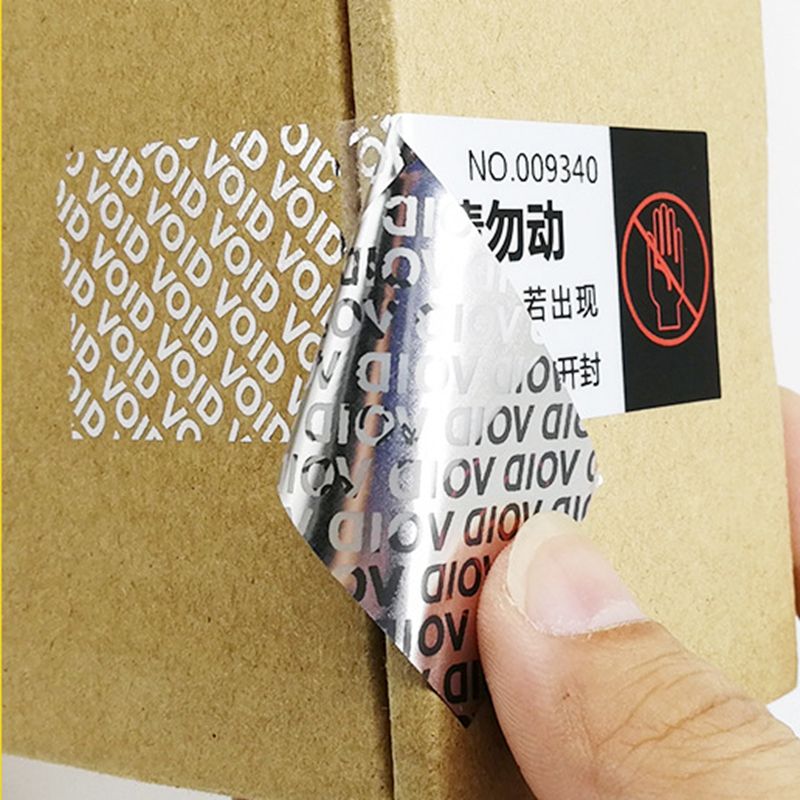
Anti-Counterfeit Label
Anti-counterfeit labels protect brand equity and customer trust through holographic foils, QR verification codes, or serialized numbering systems. Essential for luxury positioning, high-value products, and markets with counterfeiting risk. ZORWILD provides tamper-evident adhesives, scannable authentication, and database integration to verify product authenticity and safeguard brand reputation.
Get a Quote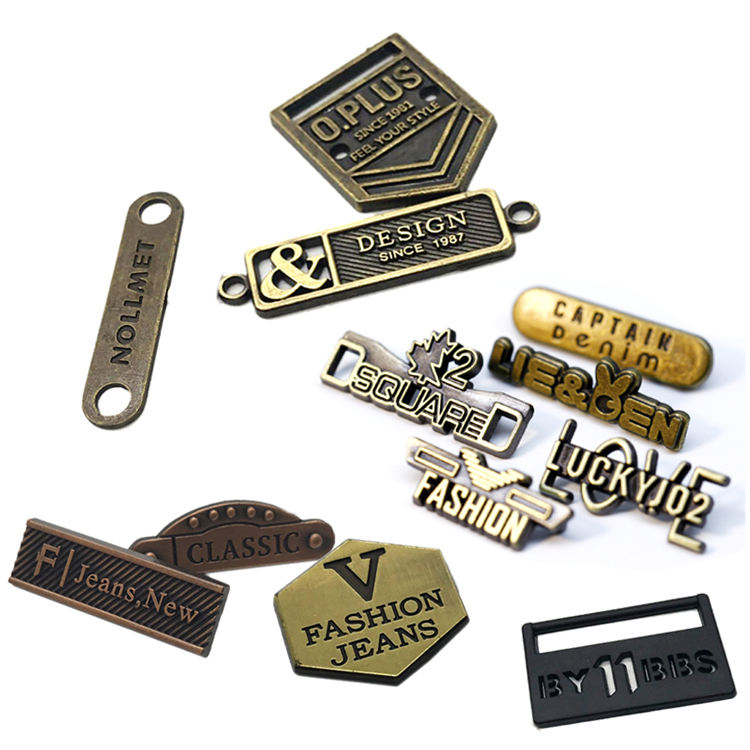
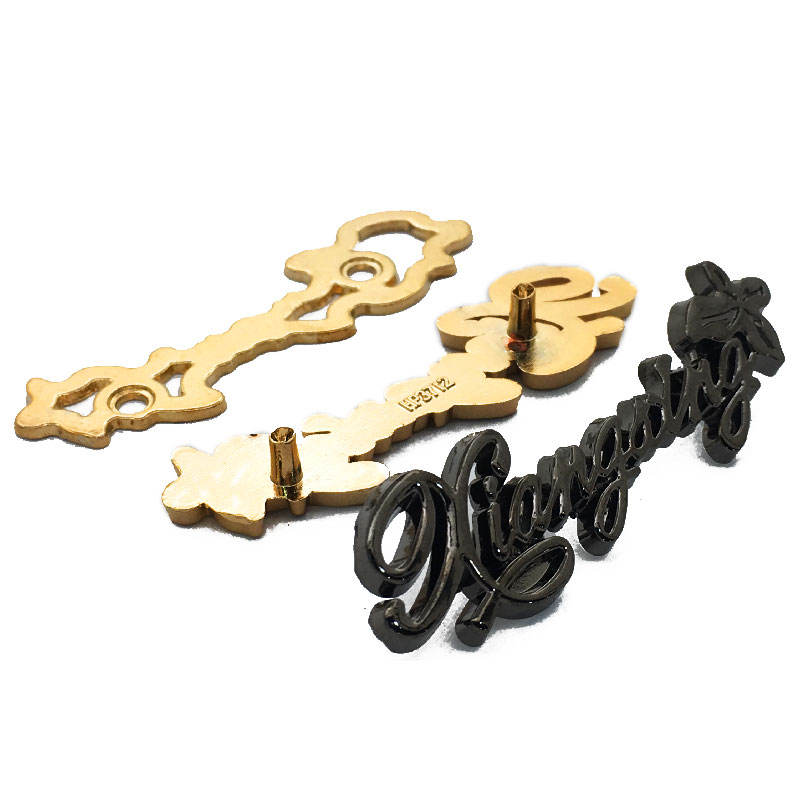
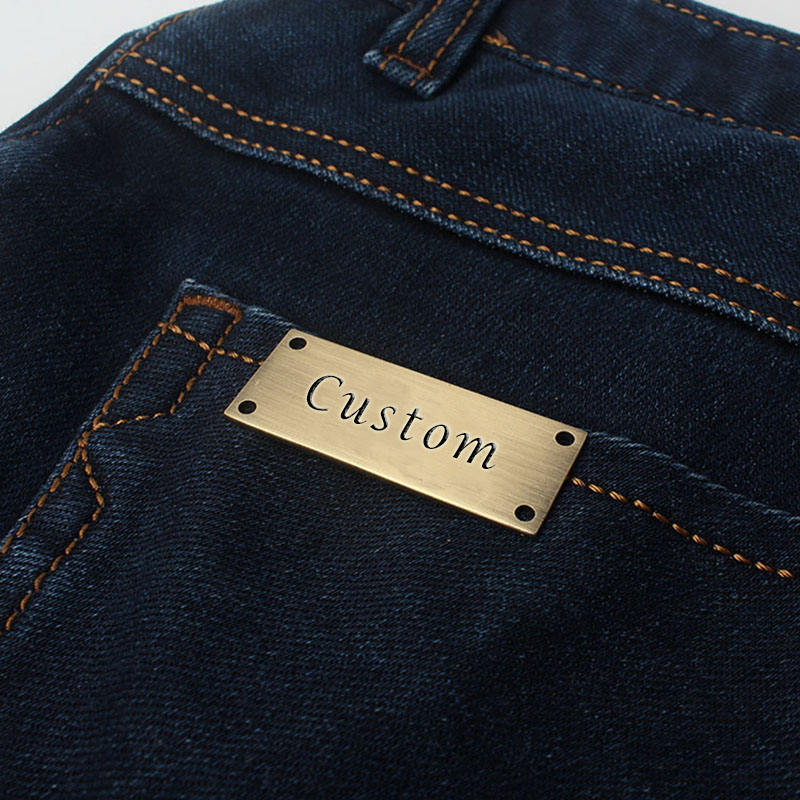
Metal Label
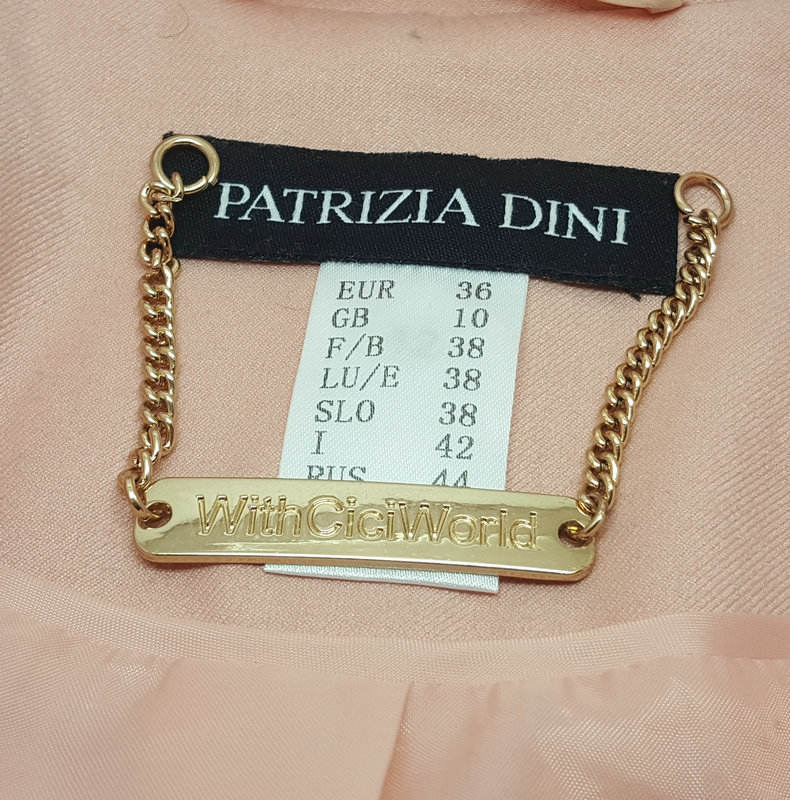
Custom metal labels add dimensional branding and premium tactile appeal to outerwear, denim, bags, and luxury streetwear. Available in zinc alloy, stainless steel, or aluminum with engraved logos, embossed text, brushed finishes, or enamel color fills. Securely riveted or stitched with corrosion-resistant coatings for long-lasting brand presence and elevated product positioning.
Get a QuoteAbout ZORWILD: Custom Clothing Labels Expertise
Founded in 1998 as a family-operated garment workshop in Humen, Dongguan—one of the world’s premier apparel manufacturing hubs—ZORWILD has grown into a full-service OEM and ODM producer specializing in custom clothing labels and complete apparel manufacturing. Our founder learned precision and quality from his father, a master cutting technician, and built those values into every aspect of our operation.
Today, ZORWILD employs over 200 skilled workers and operates a modern facility with monthly production capacity exceeding 100,000 units. We’ve served more than 2,000 clothing brands across the United States, Canada, Europe, Australia, the Middle East, and Southeast Asia, providing custom clothing labels, woven labels, printed labels, hang tags, and full branding solutions from just 50 pieces.
What sets us apart is our integrated approach: we don’t just produce labels—we manufacture the garments they go on. This gives us unmatched insight into label durability, placement, attachment methods, and brand presentation. Our 6-stage quality control system and 95% in-house decoration capabilities ensure your custom clothing labels meet professional standards consistently.
Deep Dive: Custom Clothing Label Production Techniques
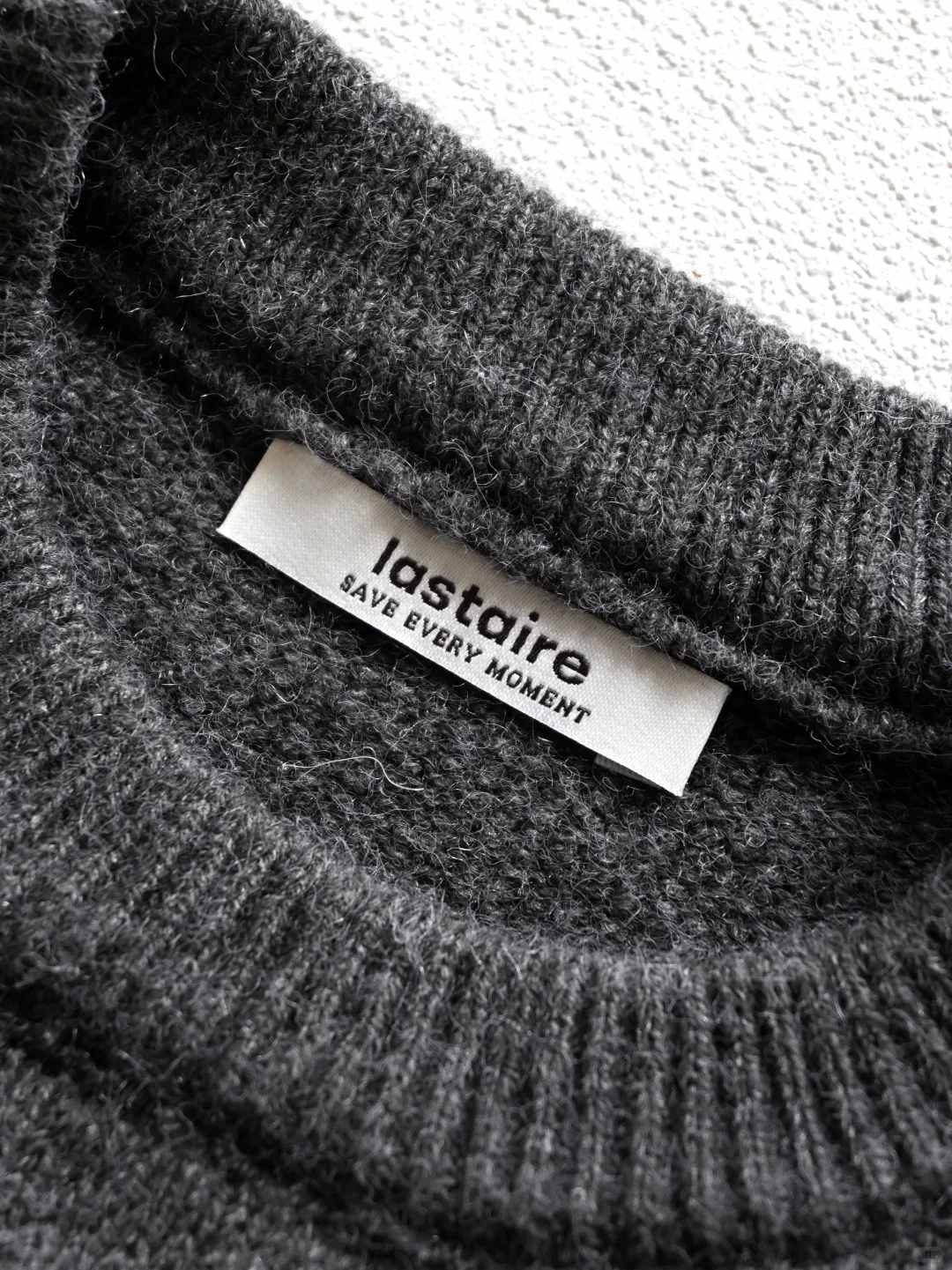
Woven Label Precision Weaving
Our custom clothing labels use high-density weaving with premium polyester and damask threads to ensure sharp logo definition, vibrant color accuracy, and exceptional durability through hundreds of wash cycles without fading or fraying edges.
- Thread density up to 200 threads per inch for ultra-fine detail reproduction
- Color fastness grade 4-5 ensuring logos remain vibrant after repeated washing
- Folded, straight-cut, end-fold, and loop-fold finishing options available
- Metallic thread integration for luxury brand positioning and premium aesthetics
Digital Printed Label Technology
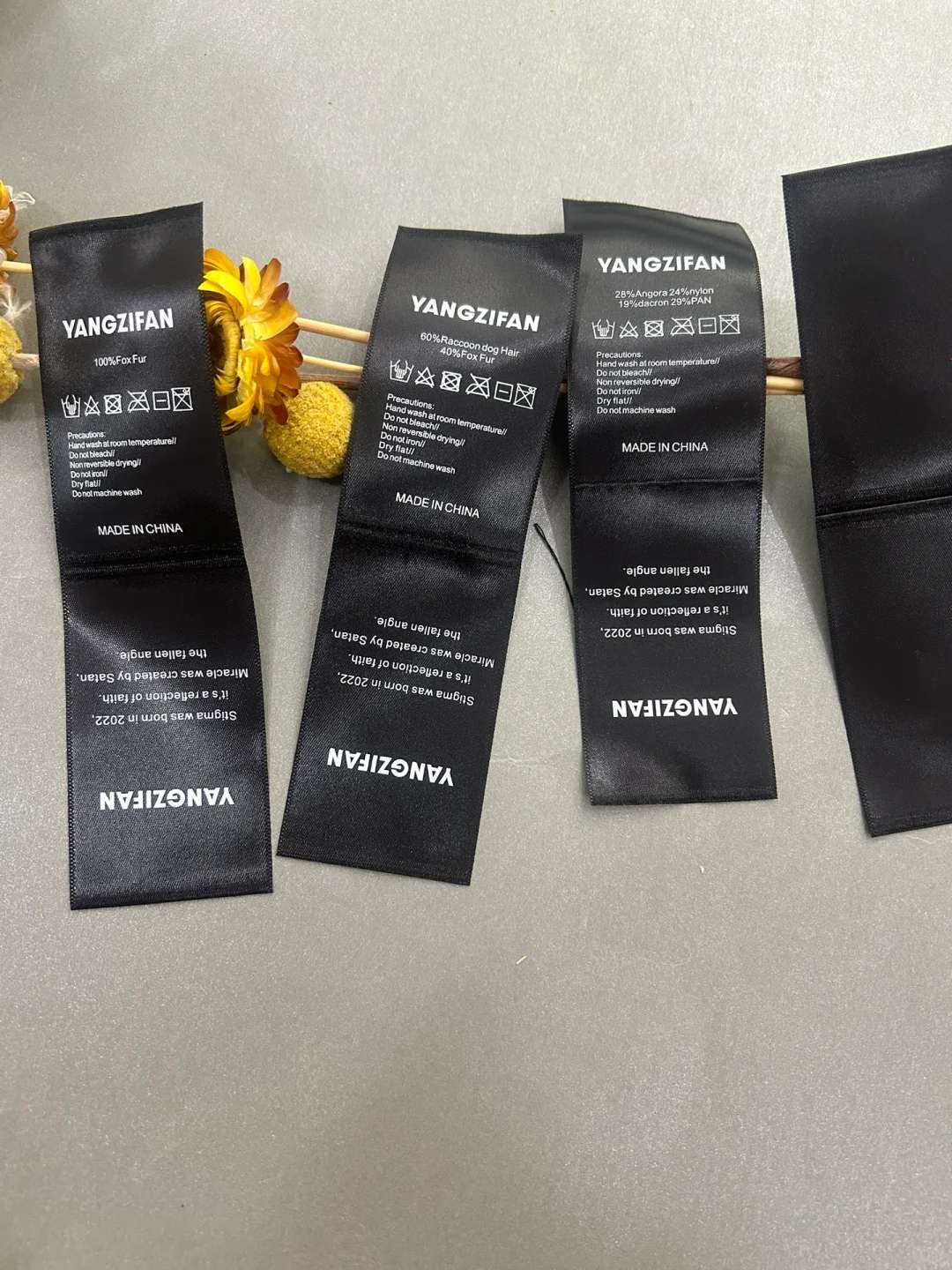
High-resolution digital printing delivers photographic-quality custom clothing labels with unlimited color gradients, intricate artwork, and quick turnaround times ideal for startup brands testing new designs or launching limited capsule collections.
- 1200 DPI resolution for complex graphics, gradients, and detailed brand artwork
- Eco-friendly water-based inks with excellent wash durability and soft hand feel
- Full-color CMYK printing with no minimum color restrictions or setup fees
- Fastest sampling turnaround—printed label samples ready in 3-5 business days
Embroidered Label Craftsmanship
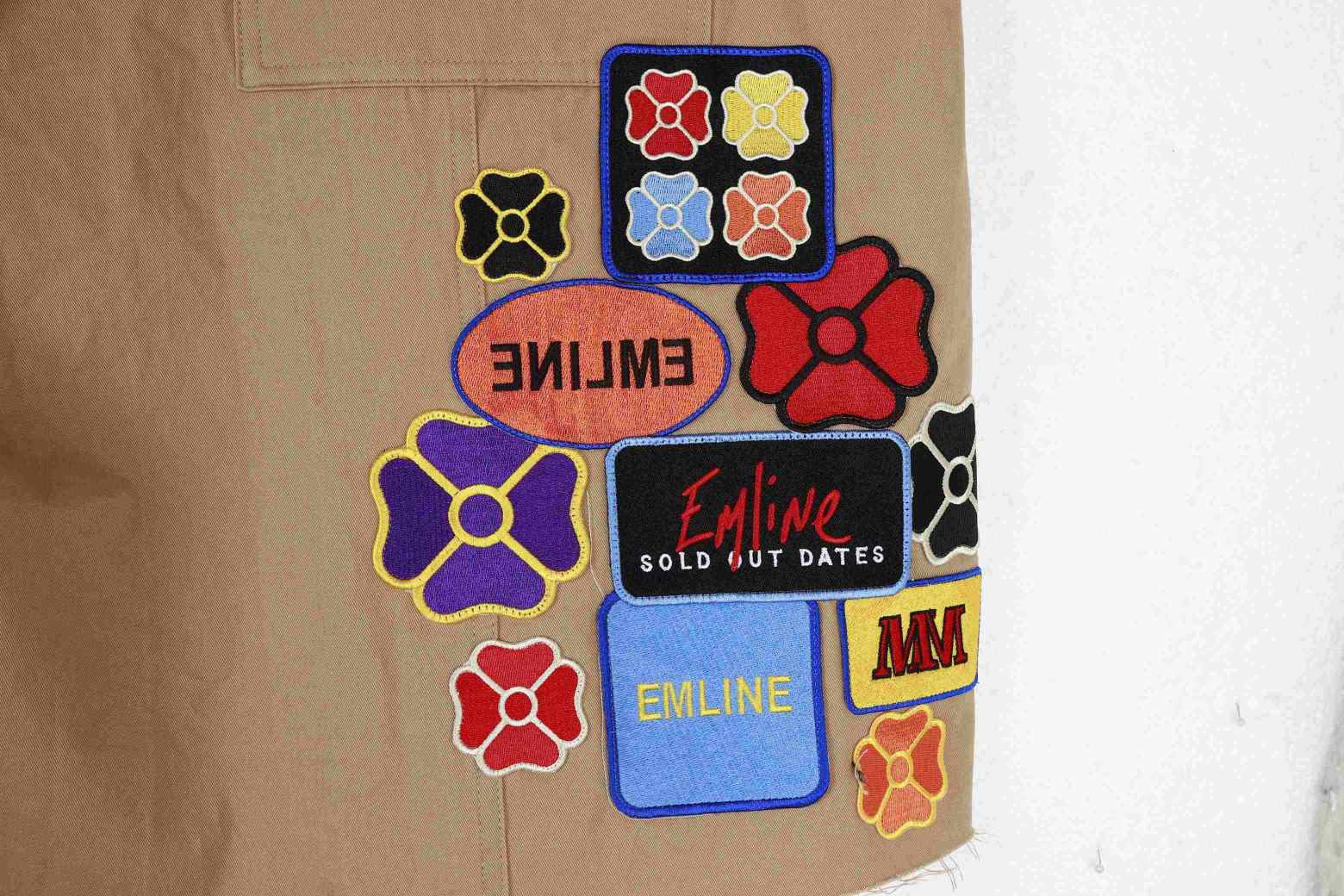
Embroidered custom clothing labels offer premium texture and three-dimensional branding impact. Our skilled technicians control stitch density, thread tension, and needle precision to create durable labels that elevate perceived garment value and brand prestige.
- 3D puff embroidery and flat embroidery techniques for varied dimensional effects
- Metallic and reflective thread options for luxury streetwear and premium collections
- Stitch density optimization prevents puckering while maintaining design integrity
- Chenille embroidery available for vintage-inspired and collegiate brand aesthetics
Care Label Compliance & Customization
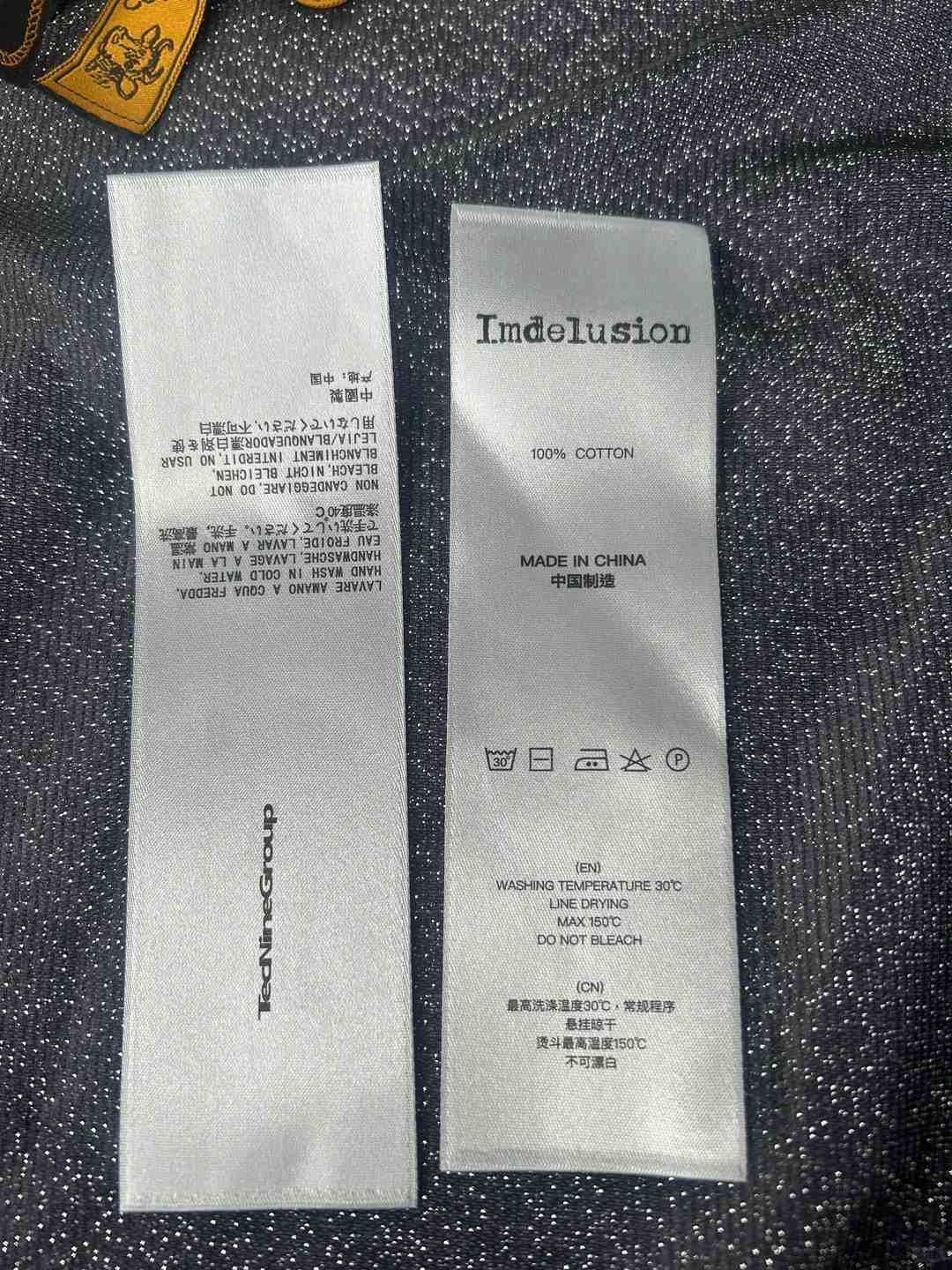
Beyond branding, compliant care labels protect your business legally and build customer trust. ZORWILD produces custom clothing labels with accurate washing symbols, fiber content declarations, country of origin, and multilingual instructions meeting international textile regulations.
- ISO 3758 compliant washing symbols for US, EU, UK, and international markets
- Multilingual text printing in English, Spanish, French, German, Arabic, and more
- Fiber content and RN number integration for FTC and regulatory compliance
- Satin, taffeta, and soft cotton label materials for comfort against skin
ZORWILD vs. Typical Label Suppliers
See how 27 years of apparel manufacturing experience and integrated production capabilities deliver superior custom clothing labels for your brand.
← 左右滑动查看 →
Custom Clothing Label Production Workflow
ZORWILD‘s streamlined 7-phase process ensures your custom clothing labels meet exact specifications, from initial artwork submission through final delivery, backed by 27 years of manufacturing expertise.
Artwork & Design Submission
Submit your logo, brand artwork, label dimensions, color requirements, and material preferences. Our team reviews technical feasibility and provides professional recommendations for optimal label design and production quality.
Color Matching & Approval
We create digital mockups and physical samples for color accuracy verification. Pantone matching ensures brand consistency across all custom clothing labels, with revisions available until you approve the final design.
Label Production Setup
Production team prepares weaving looms or printing equipment based on label type. Thread selection, screen preparation, and machine calibration ensure precise execution of your approved custom clothing label specifications.
Weaving or Printing
Labels are manufactured using woven jacquard, damask weaving, screen printing, heat transfer, or digital printing techniques. Our Humen, Dongguan facility handles 95% of decoration techniques in-house for quality control.
Quality Inspection
Every batch undergoes rigorous inspection for color consistency, weave density, print clarity, measurement accuracy, edge finishing, and durability. Our 6-stage quality control system catches defects before labels leave the factory.
Finishing & Packing
Labels are cut to final dimensions, edges are sealed or folded as specified, and backing is applied if needed. Custom packaging options include roll packing, sheet packing, or individual poly bags for easy application.
Delivery & Logistics
Finished custom clothing labels ship via air freight, sea freight, or express delivery with full export documentation and customs support. Global logistics ensure your labels arrive on time for production integration or retail launch.
How to Order Custom Clothing Labels from ZORWILD
Our streamlined process takes you from design concept to finished custom clothing labels in as few as four steps, with clear communication and quality assurance at every stage.
Submit Brand Brief & Design Specs
Share your logo files, label dimensions, color standards (Pantone or CMYK), material preferences, and quantity requirements. We accept AI, PDF, and vector formats for optimal clarity.
Review Quote & Sample Options
Receive a detailed quote within 24 hours including material choices, printing techniques, MOQ pricing, and lead times. Request physical samples to evaluate quality and finish.
Approve Samples & Finalize Specs
Inspect sample labels for color accuracy, fabric texture, stitching quality, and sizing. Confirm final specifications including thread colors, backing materials, and folding or cutting preferences.
Bulk Production & Quality Control
Your custom clothing labels enter our 6-stage quality control system. Each batch undergoes color matching, measurement inspection, print clarity checks, and durability testing before packaging.
Final Inspection & Global Shipment
Labels are carefully packaged to your specifications with protective wrapping. We coordinate air freight, sea freight, or express delivery with full export documentation and customs support.
Customer Success: Brands Trusting ZORWILD Custom Clothing Labels
We launched our streetwear line with only 100 pieces and needed custom woven labels that matched our brand aesthetic. ZORWILD delivered samples in 5 days with perfect color accuracy, and the labels have survived 30+ wash cycles without fraying.
As a wholesaler managing 12 different brand clients, ZORWILD’s 50-piece MOQ for custom clothing labels was a game-changer. We reduced inventory waste by 60% and can now offer flexible label customization without massive upfront costs.
Our influencer merch drop required premium satin labels with metallic thread embroidery. ZORWILD nailed the intricate logo detail on the first sample, and production turnaround was just 12 days. Our customers notice the quality immediately.
FAQ: Custom Clothing Labels
What is the minimum order quantity for custom clothing labels?
How long does it take to produce custom clothing labels?
What types of custom clothing labels can ZORWILD manufacture?
Can I get custom clothing labels with my brand logo and colors?
What file formats do you need for custom clothing labels design?
Are your custom clothing labels durable and washable?
Can you produce care labels with washing instructions and compliance text?
What are the size and color limitations for custom clothing labels?
Do you ship custom clothing labels internationally?
The Complete Buyer’s Guide to Custom Clothing Labels for Your Brand
1. What Are Custom Clothing Labels?
Custom clothing labels are fabric or synthetic tags sewn, heat-pressed, or adhered into garments to communicate brand identity, care instructions, size information, and legal compliance data. In 2024, more than 90% of apparel sold globally includes at least two labels: a main brand label and a care label, with many garments carrying additional size tags and country-of-origin labels to meet import regulations across the United States, European Union, United Kingdom, Canada, and Australia.
The four primary label types serve distinct purposes. Woven labels use polyester, cotton, or damask threads to create durable, high-definition branding with excellent wash resistance and premium hand feel, making them the standard for main brand labels on hoodies, T-shirts, jackets, and dresses. Printed labels use screen printing, heat transfer, or digital printing on satin, taffeta, or cotton tape to deliver cost-effective care instructions and size tags with fast turnaround and low MOQ starting from 50 pieces. Leather labels and PU leather patches add luxury positioning for denim, outerwear, and streetwear collections, while heat-transfer labels use silicone, rubber, or TPU materials applied directly to garment surfaces for tagless comfort and modern minimalist branding.
Every clothing brand—from influencer merch lines launching 50-piece capsule collections to established wholesalers managing 10,000-unit production runs—requires custom clothing labels to differentiate products, protect intellectual property, ensure customer safety through accurate care instructions, and comply with textile labeling laws enforced by the Federal Trade Commission in the United States and equivalent agencies worldwide.
2. The Evolution of Custom Clothing Labels in Fashion
In the mid-1800s, European tailors began hand-stitching simple cloth tags onto garments to identify makers and prevent counterfeiting. These early labels were purely functional, often bearing only a surname or workshop location. By the 1920s, luxury fashion houses in Paris and Milan adopted woven damask labels, which allowed intricate logos, crests, and typography to be woven directly into satin or silk ribbons, transforming labels into status symbols that communicated craftsmanship and exclusivity.
The 1970s marked a regulatory turning point when the United States Federal Trade Commission mandated care-instruction labels on all apparel, followed by similar laws in Europe and Asia. Manufacturers shifted from decorative branding alone to multi-label systems: main labels for brand identity, care labels for washing instructions, and size labels for inventory management. This period also saw the rise of printed polyester labels, which offered lower costs and faster production than woven options.
Today’s custom clothing labels integrate sustainability and technology. Recycled polyester, organic cotton, and biodegradable satin labels address environmental concerns, while QR-code-enabled smart labels link consumers to authenticity certificates, styling videos, and resale platforms. At ZORWILD, clients can choose from woven labels, printed labels, silicone labels, rubber patches, and metal logos, with production starting at 50 pieces to support emerging brands. Modern labels now serve as micro-billboards, customer engagement tools, and compliance documents—far beyond their 19th-century origins.
3. Types of Custom Clothing Labels Explained
Fashion brands choose from five primary label categories, each offering distinct construction, durability, and aesthetic characteristics. Understanding the technical differences between woven, printed, leather, heat-transfer, and hang-tag options ensures accurate sourcing decisions for neckline, side-seam, and exterior applications.
Woven Labels: Damask, Taffeta, and Satin
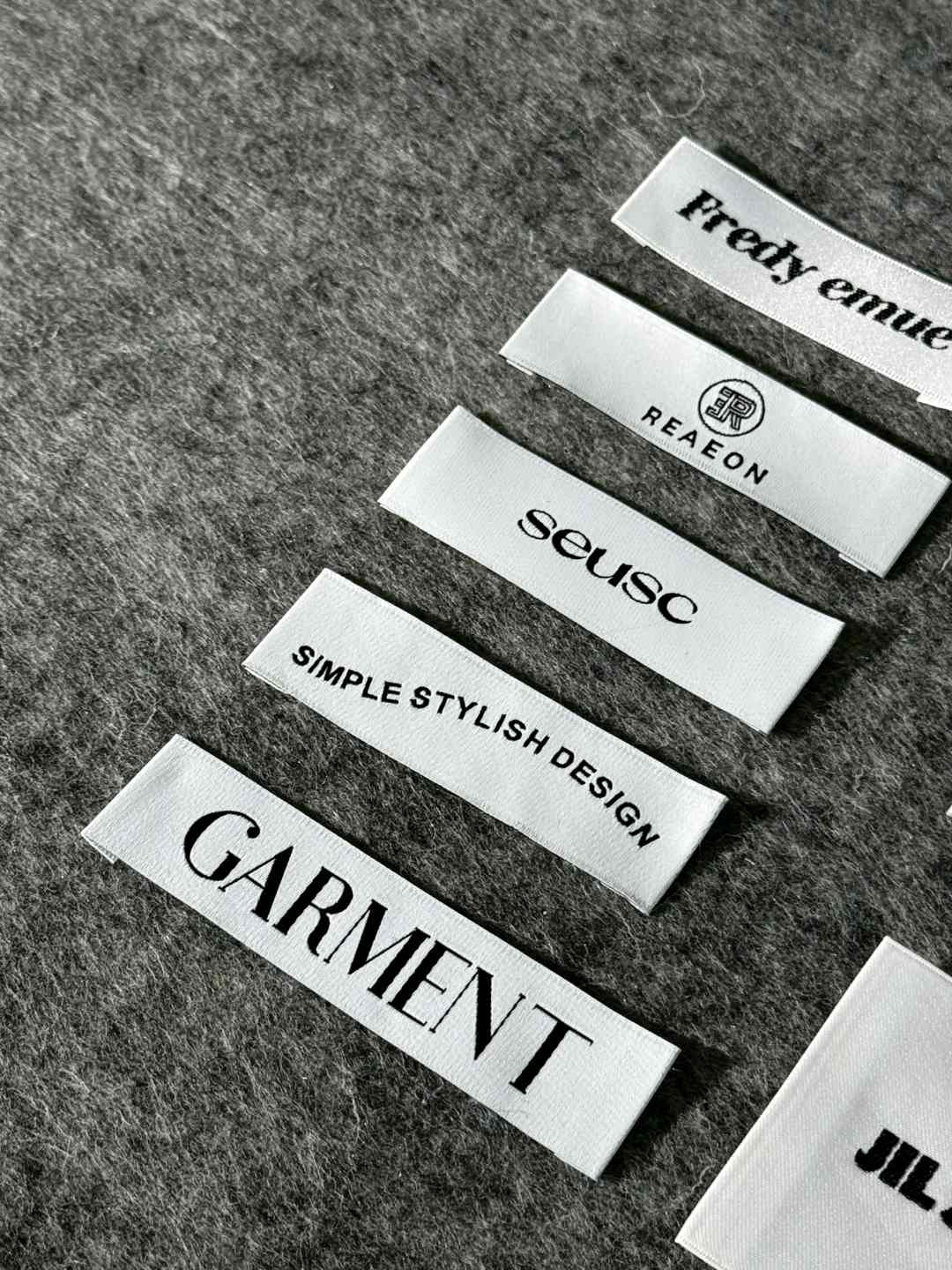
Woven labels are constructed on jacquard looms that interlace polyester or nylon threads to form text and graphics directly into the fabric structure. Damask weaving produces high-definition detail up to 256 threads per inch, ideal for intricate logos and fine typography on premium garments. Taffeta weaving uses a simpler thread count (typically 128–196 threads per inch) for bold text and simple graphics, while satin weaving creates a smooth, glossy surface for luxury branding.
Woven labels withstand 50+ industrial wash cycles without fading or fraying, making them the standard for neckline main labels, side-seam care labels, and exterior waistband branding. ZORWILD produces custom woven labels with edge finishing options including cut-and-fold, end-fold, center-fold, straight-cut, and ultrasonic-cut edges for various sewing applications.
Printed Labels: Screen, Digital, and Flexographic
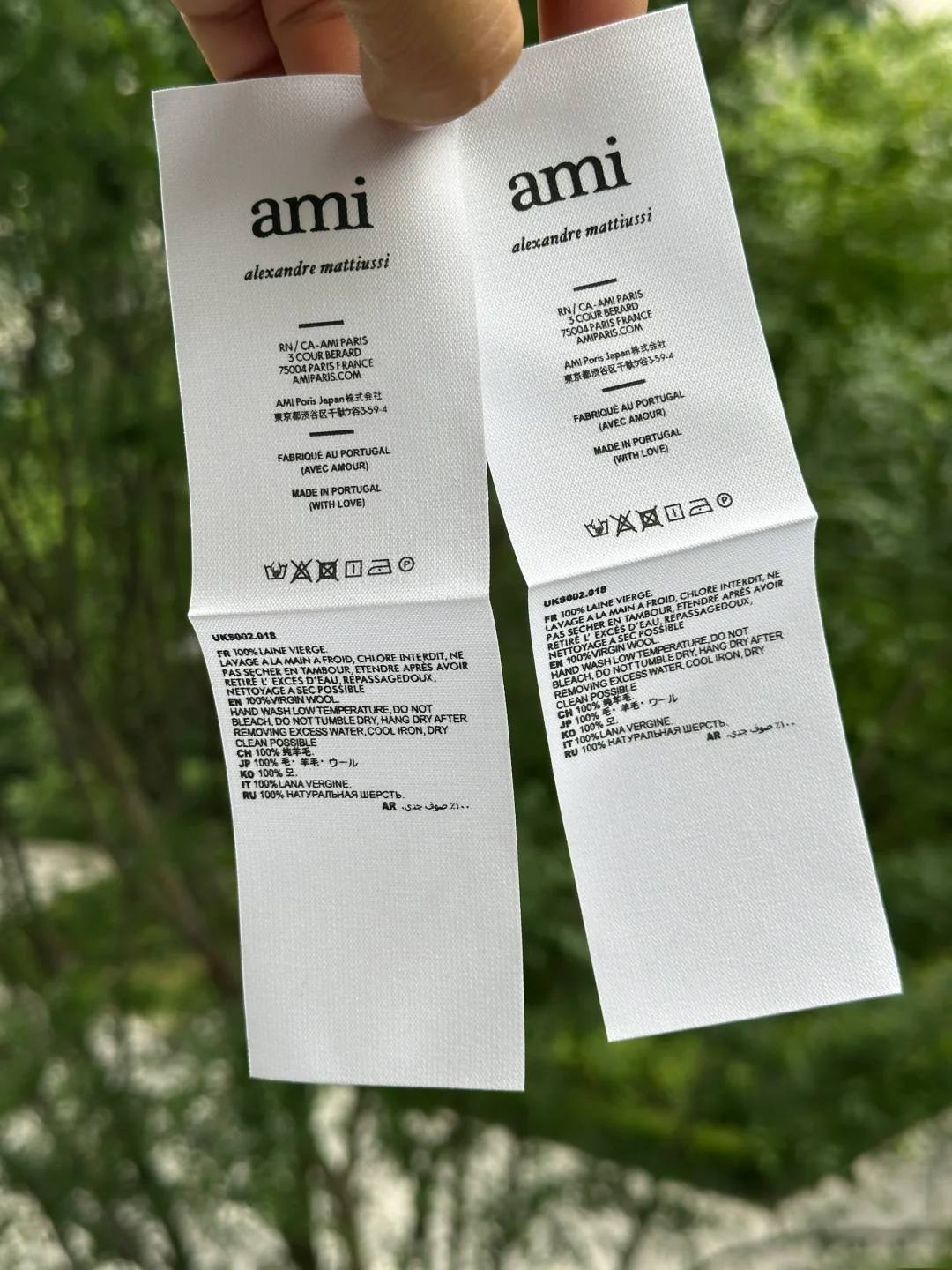
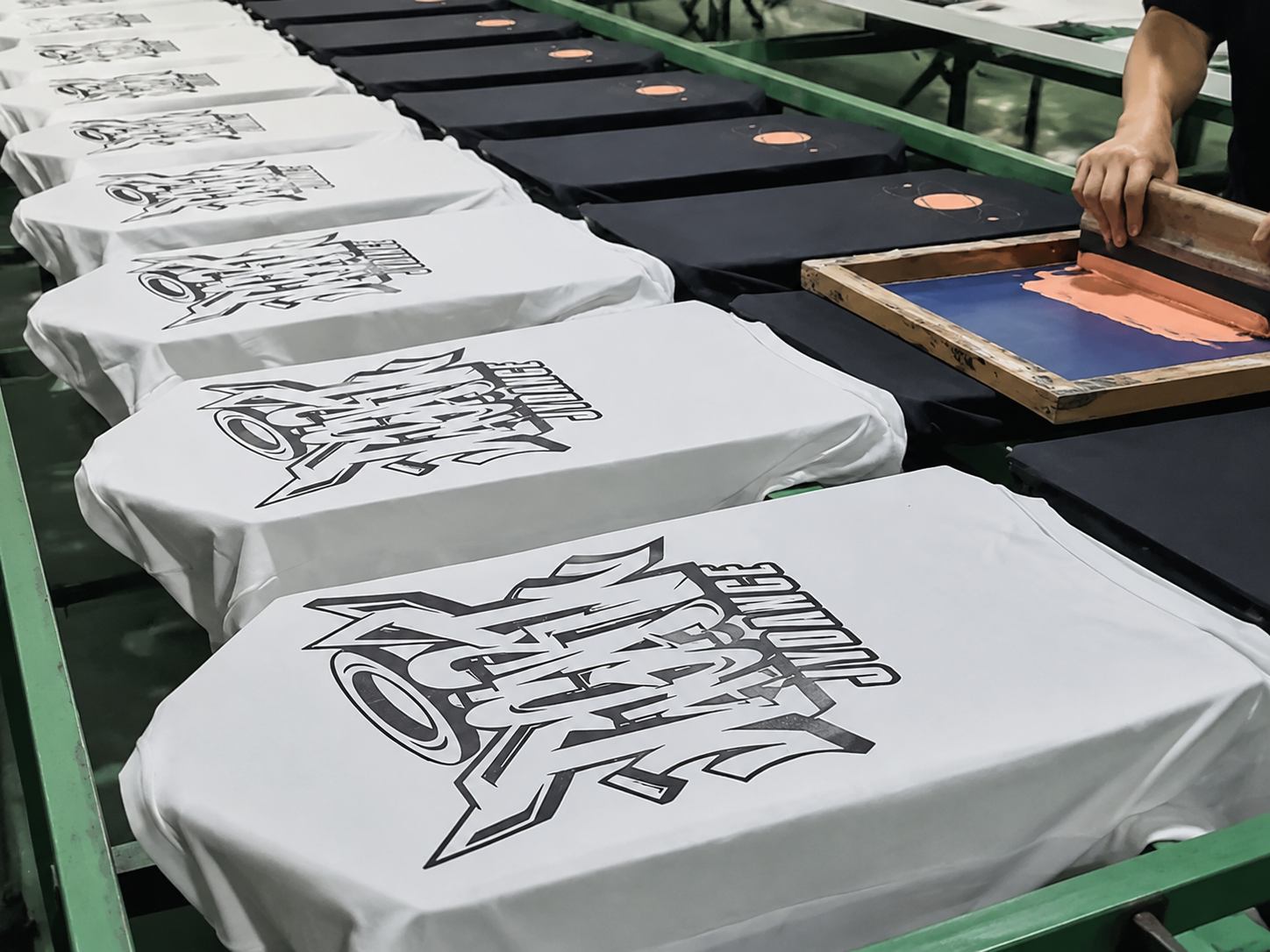
Printed labels apply ink or dye onto satin, cotton twill, or synthetic ribbon substrates. Screen printing delivers vibrant, opaque colors with excellent wash durability for runs above 500 pieces, while digital printing (inkjet or thermal transfer) enables full-color photographic detail and gradient effects for low-MOQ orders starting at 50 pieces. Flexographic printing uses flexible rubber plates for fast, cost-effective production of simple one- to three-color designs on polyester or nylon tape.
Printed labels are commonly used for side-seam size and care information, interior brand tags, and budget-conscious neckline labels. Durability ranges from 20–40 wash cycles depending on ink type, substrate, and finishing treatment.
Leather and Faux-Leather Patches
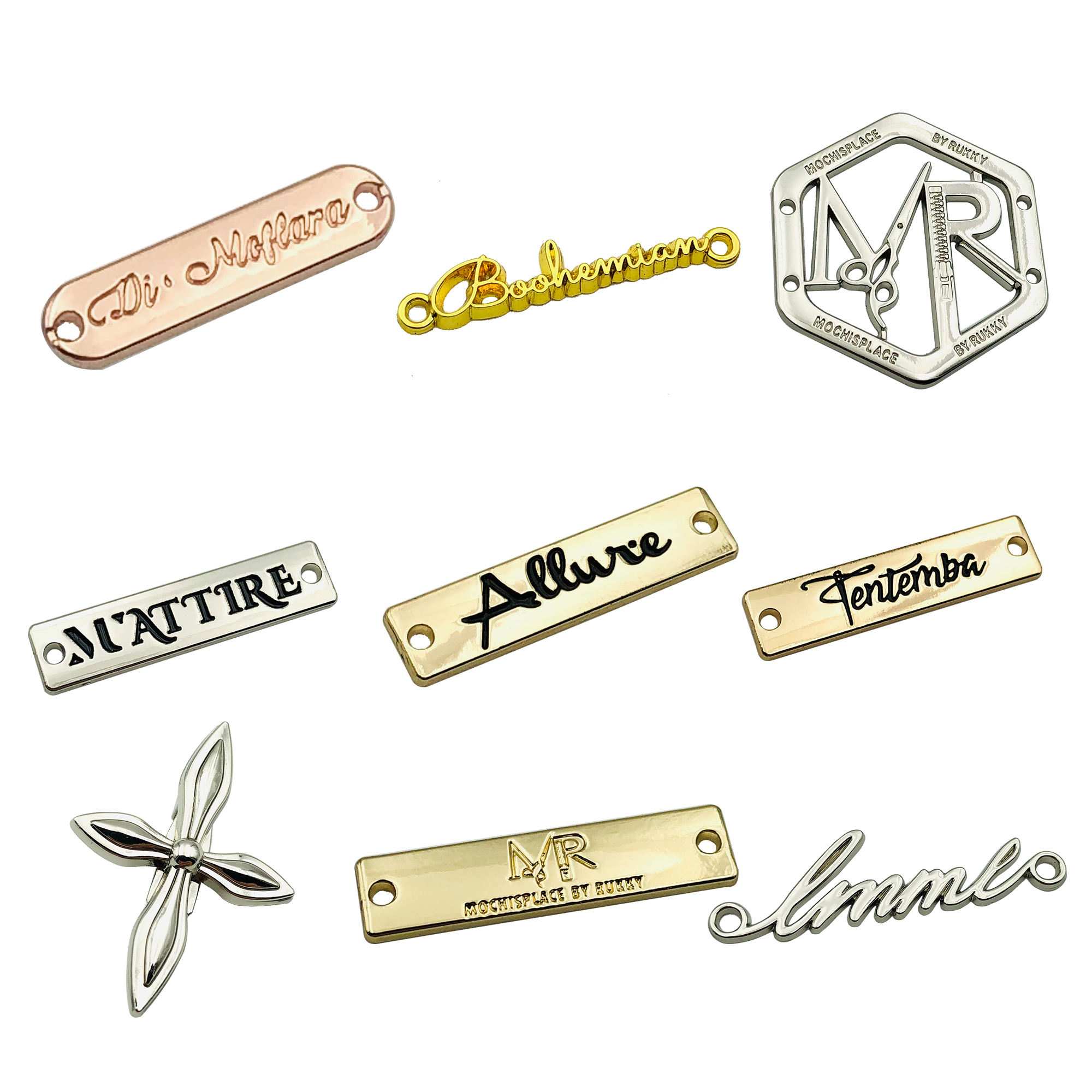
Genuine leather patches are die-cut from cowhide, suede, or full-grain leather and branded via embossing, debossing, laser engraving, or screen printing. Faux-leather (PU or PVC) patches replicate the aesthetic at lower cost and offer vegan-friendly branding for sustainable fashion lines. Patch thickness typically ranges from 1.2 mm to 2.5 mm, with edge treatments including raw-cut, painted edges, or stitched borders.
Leather and faux-leather patches are sewn or riveted onto denim waistbands, jacket sleeves, hoodie chest panels, and hat backs for premium streetwear, workwear, and heritage brand aesthetics. ZORWILD supports custom shapes, embossed logos, metal eyelets, and contrast stitching for distinctive patch branding.
Heat-Transfer Labels
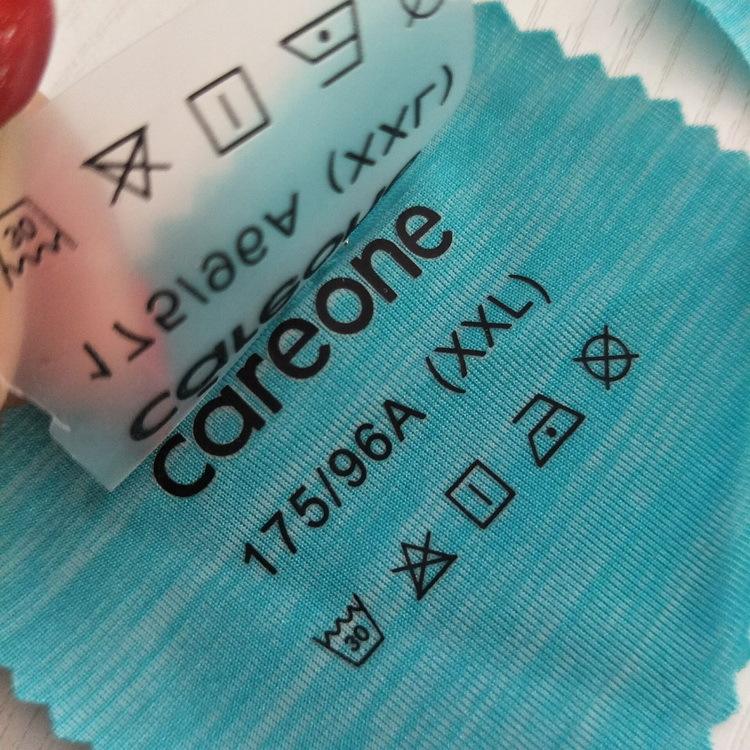
Heat-transfer labels are printed on release paper or film and applied to garments using heat-press equipment at 160–180°C for 10–15 seconds. This tagless solution eliminates neck irritation and is widely adopted for activewear, children’s clothing, and performance apparel. Transfer types include screen-printed plastisol transfers, digital inkjet transfers, and silicone rubber transfers with soft hand feel.
Heat-transfer labels are positioned inside the neckline or waistband area and typically endure 20–30 home washes before gradual fading. Brands prioritizing comfort and minimalist aesthetics favor this method over traditional sewn-in labels.
Hang Tags
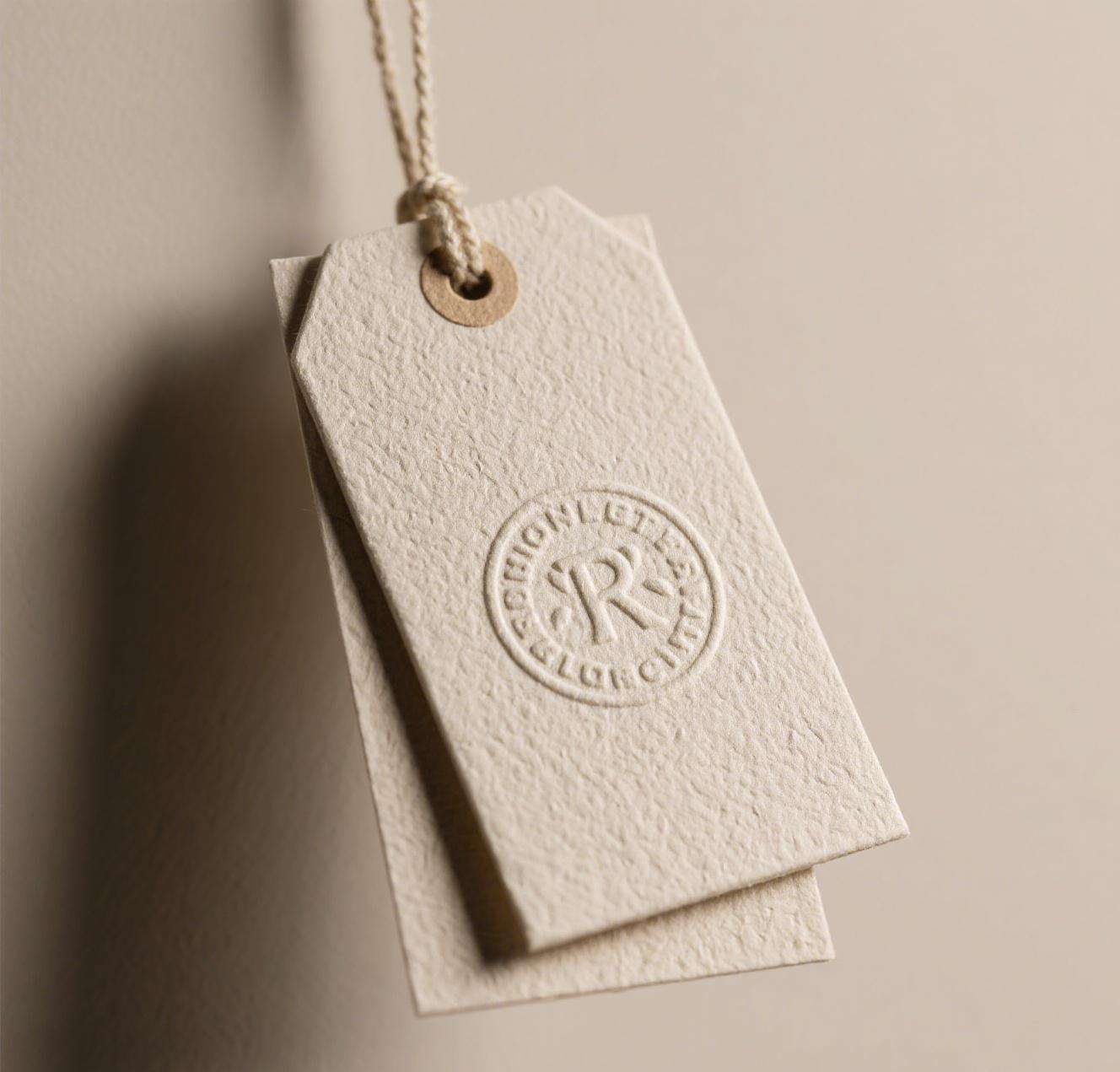
Hang tags are exterior branding cards attached to garments via string, plastic fasteners, or safety pins before retail sale. Common substrates include 300–400 gsm paperboard, kraft paper, recycled cardboard, plastic PVC, wood veneer, and metal plates. Printing techniques range from offset lithography and digital printing to foil stamping, embossing, spot UV coating, and die-cutting for custom shapes.
Hang tags communicate brand story, product details, pricing, QR codes, and care instructions while reinforcing premium positioning at point of sale. ZORWILD coordinates hang-tag design, printing, and attachment during final garment packaging to deliver retail-ready products for fashion brands and wholesalers.
4. Materials and Fabrics for Custom Clothing Labels
Label material choice directly impacts wash durability, brand perception, and cost per unit. ZORWILD supports all standard label fabrics, from budget polyester to premium damask, with full customization for woven labels, printed labels, and care labels across its 27-year manufacturing operation.
| Material | Durability (wash cycles) | Feel | Price Tier | Ideal Use Case |
|---|---|---|---|---|
| Polyester Taffeta | 100+ | Smooth, crisp | Low | High-volume basics, activewear |
| Nylon | 100+ | Soft, flexible | Low–Mid | Sportswear, technical apparel |
| Satin | 80–120 | Lustrous, smooth | Mid–High | Premium fashion, luxury streetwear |
| Damask | 80–120 | Textured, rich | High | Outerwear, denim, luxury brands |
| Cotton | 50–80 | Very soft, natural | Mid | Organic collections, sensitive skin |
| Organic Cotton | 50–80 | Soft, eco-certified | High | Sustainable brands, eco-retail |
| Recycled Polyester | 100+ | Smooth, durable | Mid–High | Eco-conscious activewear |
| TPU | 150+ | Flexible, waterproof | High | Technical outdoor, performance gear |
Polyester and Nylon for High-Volume Production
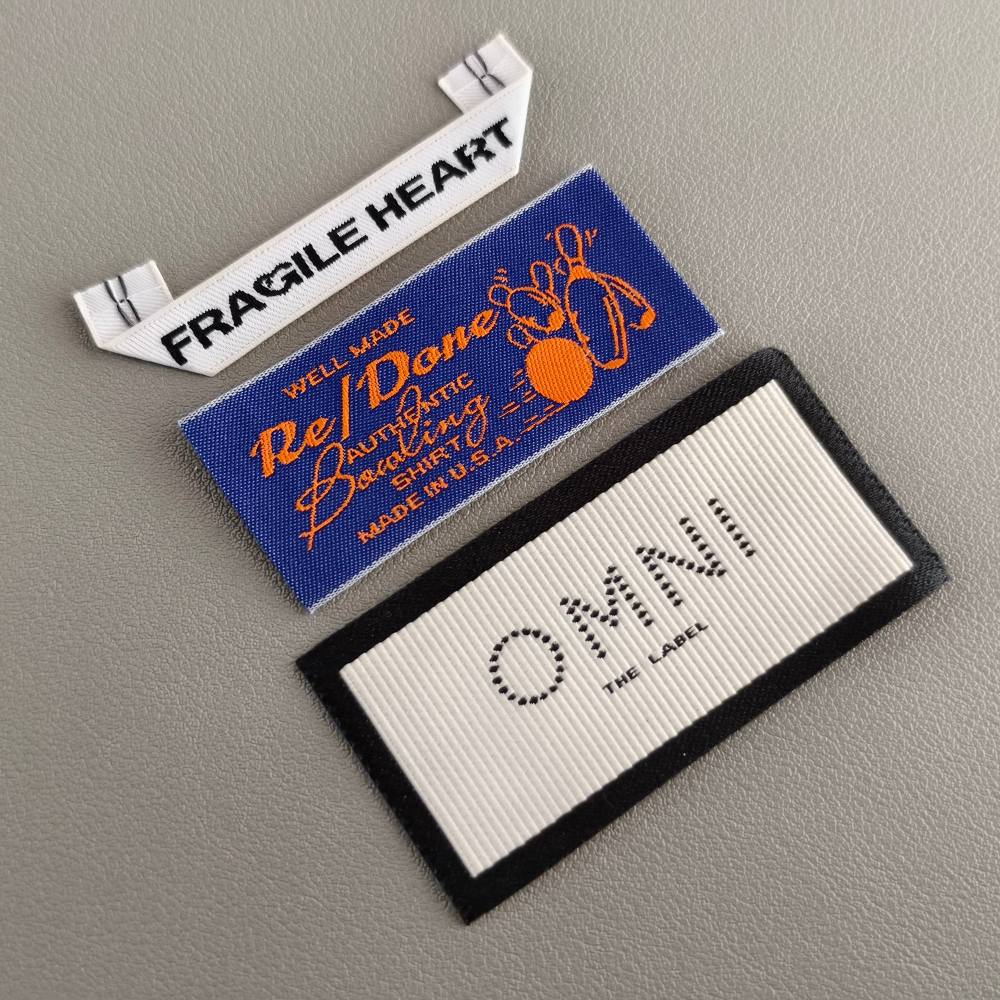
Polyester taffeta is the industry standard for woven labels, offering 100+ wash cycles at the lowest cost tier. Nylon delivers similar durability with a slightly softer hand, ideal for activewear and sportswear brands requiring frequent laundering.
Both materials accept high-resolution weaving and hold color consistency across large production runs. ZORWILD uses these fabrics for brands requiring 1,000+ labels per order with tight budgets and strict wash-test requirements.
Satin and Damask for Luxury Positioning
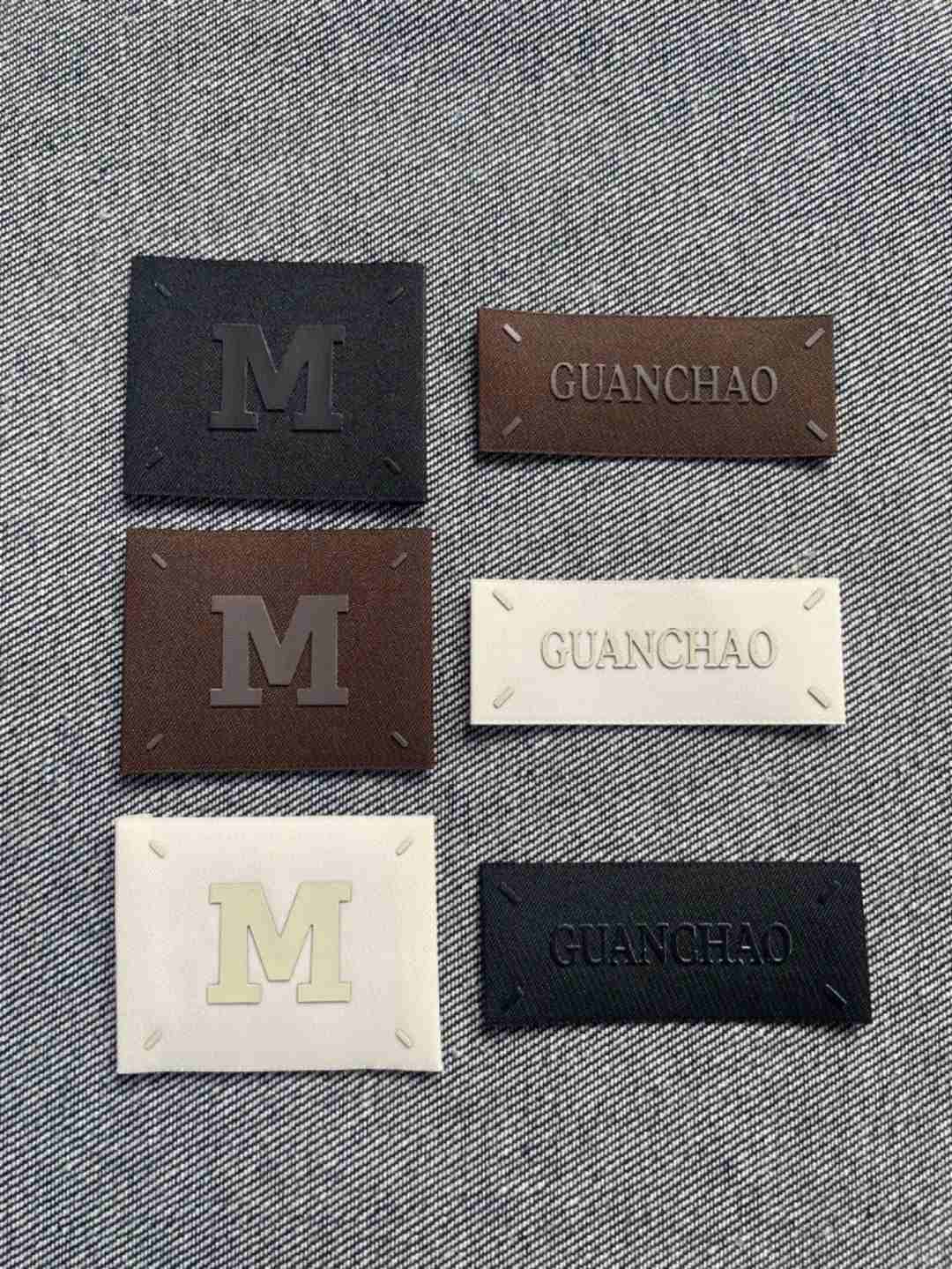
Satin labels provide a smooth, lustrous surface that elevates perceived garment value, common in premium hoodies, dresses, and outerwear. Damask weave adds texture and depth, supporting intricate logos and fine typography with 80–120 wash cycles.
Both materials sit in the mid-to-high price tier and are favored by established fashion brands and luxury streetwear labels. ZORWILD recommends satin for visible neck labels and damask for woven patches on jackets and denim.
Cotton and Sustainable Alternatives
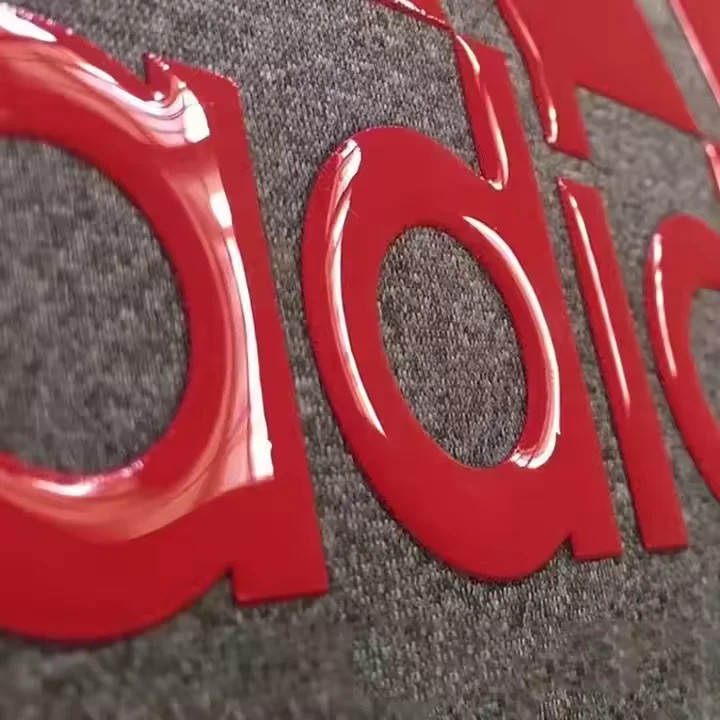
100% cotton labels offer the softest hand feel, ideal for organic and eco-conscious brands, though durability drops to 50–80 cycles. Organic cotton and recycled polyester options meet GOTS and OEKO-TEX standards, supporting sustainable brand positioning.
TPU (thermoplastic polyurethane) labels deliver waterproof, flexible performance for technical activewear and outdoor garments, withstanding 150+ cycles. ZORWILD sources certified sustainable materials for brands targeting eco-aware consumers and premium retail channels.
5. Customization and Decoration Options for Custom Clothing Labels
Custom clothing labels support multiple decoration techniques, each with distinct color capabilities, material compatibility, and cost structures. Choosing the right method depends on brand positioning, budget, and desired durability.
| Technique | Color Range | Setup Cost | Durability (Washes) | Best For |
|---|---|---|---|---|
| Woven (Jacquard) | 8+ colors | High ($100–$300) | 50+ | Luxury, complex logos |
| Screen Print | 1–4 colors | Medium ($30–$80) | 20–30 | Mid-tier, bold graphics |
| Heat Transfer | Full color | Low ($0–$20) | 10–20 | Startups, photo-realism |
| Foil Stamping | Metallic/Pantone | Medium ($50–$200) | 30–40 | Premium hang tags |
| Embossing/Debossing | None (texture) | Medium ($50–$150) | 100+ | Leather, tactile luxury |
Woven Labels and Jacquard Looms
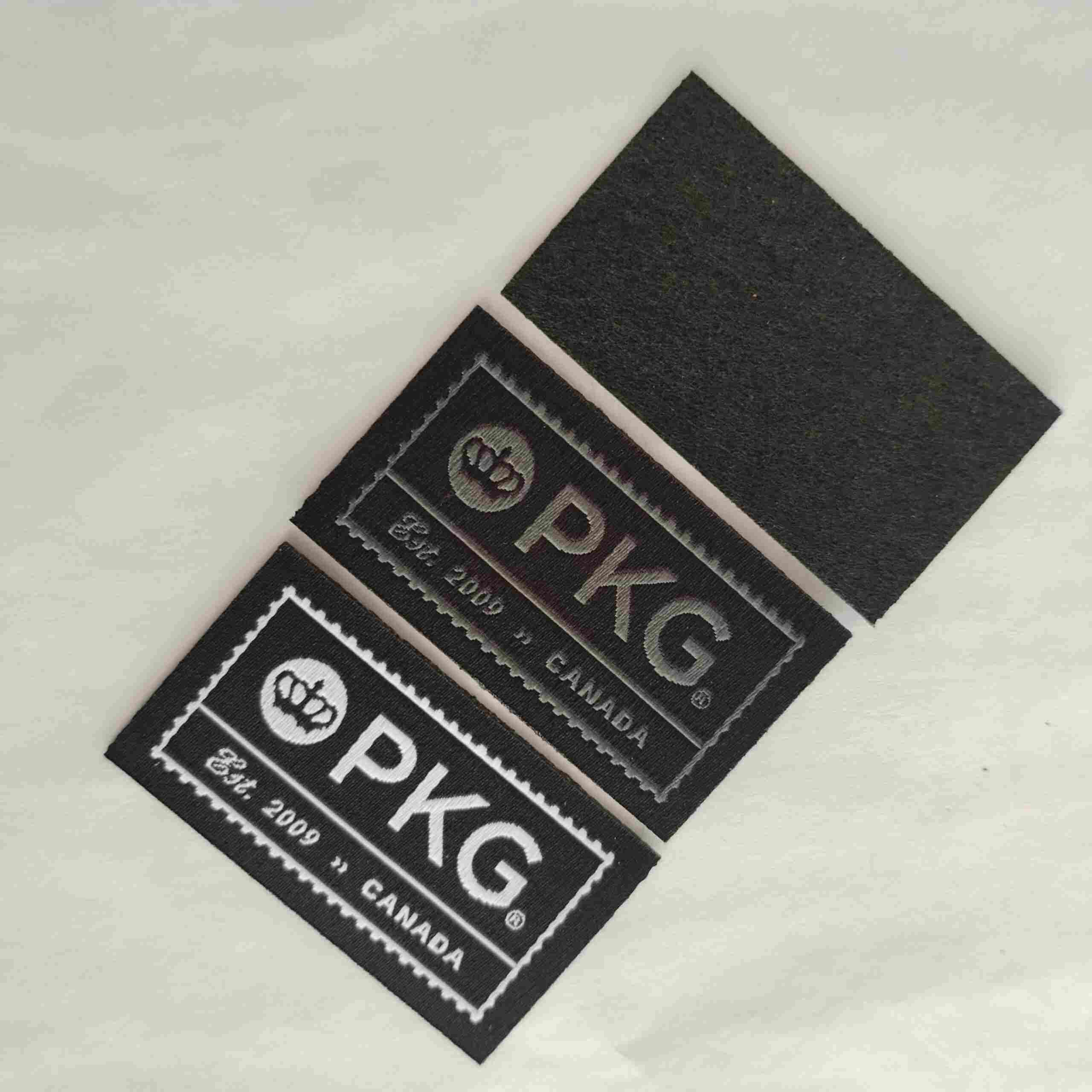
Woven labels use Jacquard looms to interlace polyester or cotton threads into intricate designs, supporting 8+ thread colors with fine detail up to 200 stitches per inch. This technique works on satin, taffeta, and damask base fabrics, delivering premium brand perception and excellent wash durability for 50+ laundry cycles.
MOQ typically starts at 100–500 pieces due to loom setup costs, though ZORWILD offers 50-piece runs for startup brands. Woven labels suit luxury fashion, streetwear, and established brands requiring complex logos with gradients or multi-color artwork.
Screen Printing and Heat Transfer
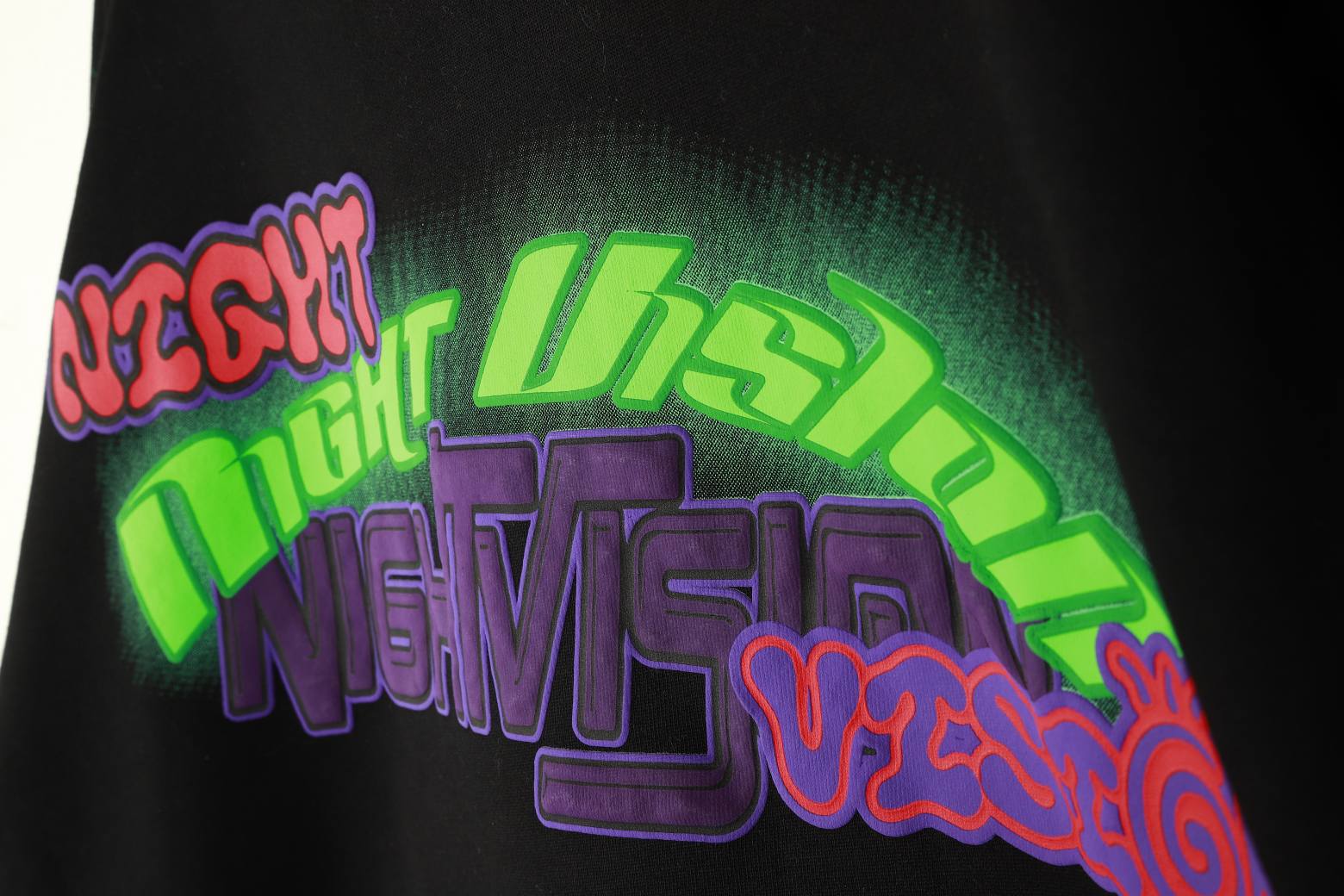
Screen printing applies plastisol or water-based ink through mesh stencils, supporting 1–4 colors per label with high opacity on cotton, polyester, and satin bases. Setup costs are lower than woven, making it ideal for 100–300 piece orders, though durability drops after 20–30 washes.
Heat transfer printing uses vinyl or digital transfer films for full-color graphics on synthetic fabrics, polyester blends, and nylon. It requires no setup tooling, enabling runs as low as 50 pieces, but adhesion weakens with frequent washing and high-heat drying.
Embossing, Debossing, and Foil Stamping
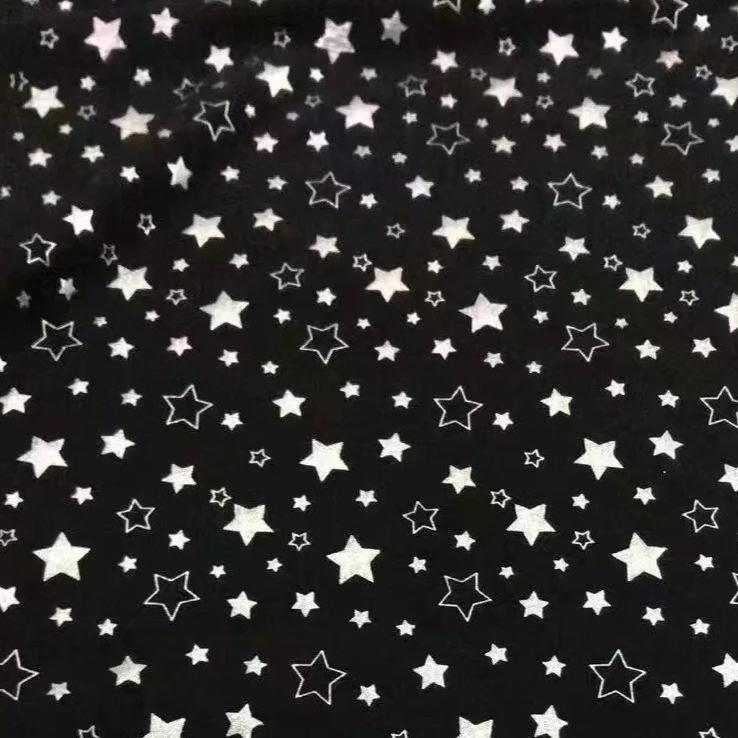
Embossing raises designs on leather, PU, or heavyweight cotton labels using heated metal dies, creating tactile luxury branding with no color limits. Debossing presses designs inward for subtle, high-end aesthetics on leather patches and vegan leather tags.
Foil stamping applies metallic or holographic foil to paper hang tags, satin labels, and leather patches, supporting gold, silver, rose gold, and custom Pantone colors. Die costs range from $50–$200, requiring MOQs of 200–500 pieces, and durability varies by substrate and foil adhesive quality.
6. Key Quality Elements to Inspect in Custom Clothing Labels
Premium custom clothing labels require inspection across four critical dimensions: thread density, edge finish, color fastness, and backing construction. ZORWILD’s 27 years of apparel manufacturing experience reveal that pre-production samples expose quality gaps before bulk orders ship.
Thread Density and Weave Quality
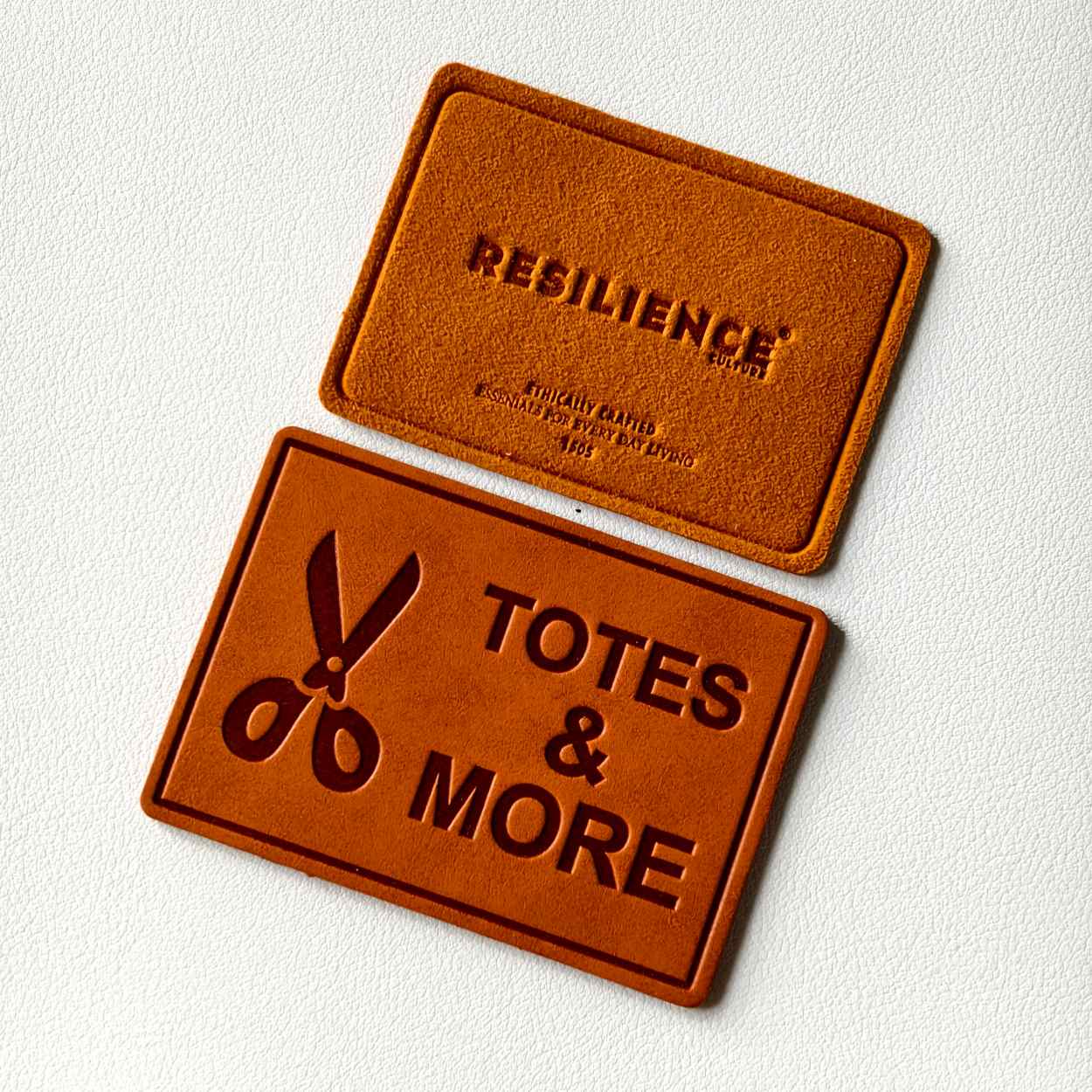
Woven labels use ends-per-inch (EPI) ratings between 100–200 EPI; premium labels exceed 150 EPI for sharp text and fine logo detail. Low-density weaves below 100 EPI produce blurry lettering and frayed edges within 10–15 wash cycles.
Request magnified photos of sample labels to verify thread count and inspect for consistent weave tension across the entire label surface.
Edge Finishing Techniques
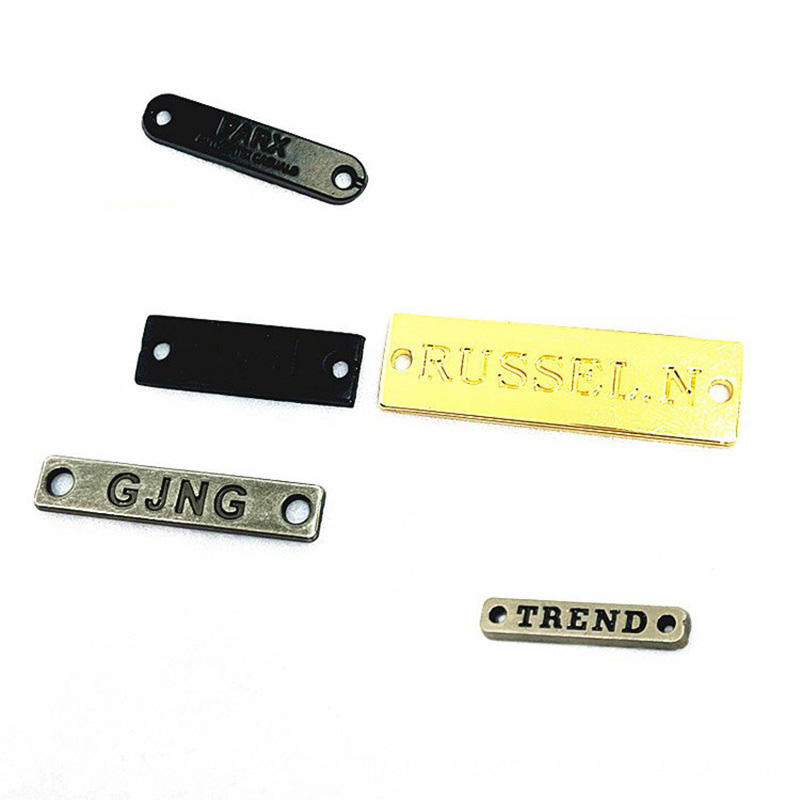
Ultrasonic-cut edges seal polyester labels without fraying; heat-cut edges work for satin and damask but may brown if temperature control fails. Folded-end (end-fold) labels double fabric thickness at edges, delivering the most durable finish for wash-intensive garments.
ZORWILD applies edge techniques matched to fabric type and garment category, ensuring labels survive industrial laundry cycles and home washing without unraveling.
Color Fastness Standards
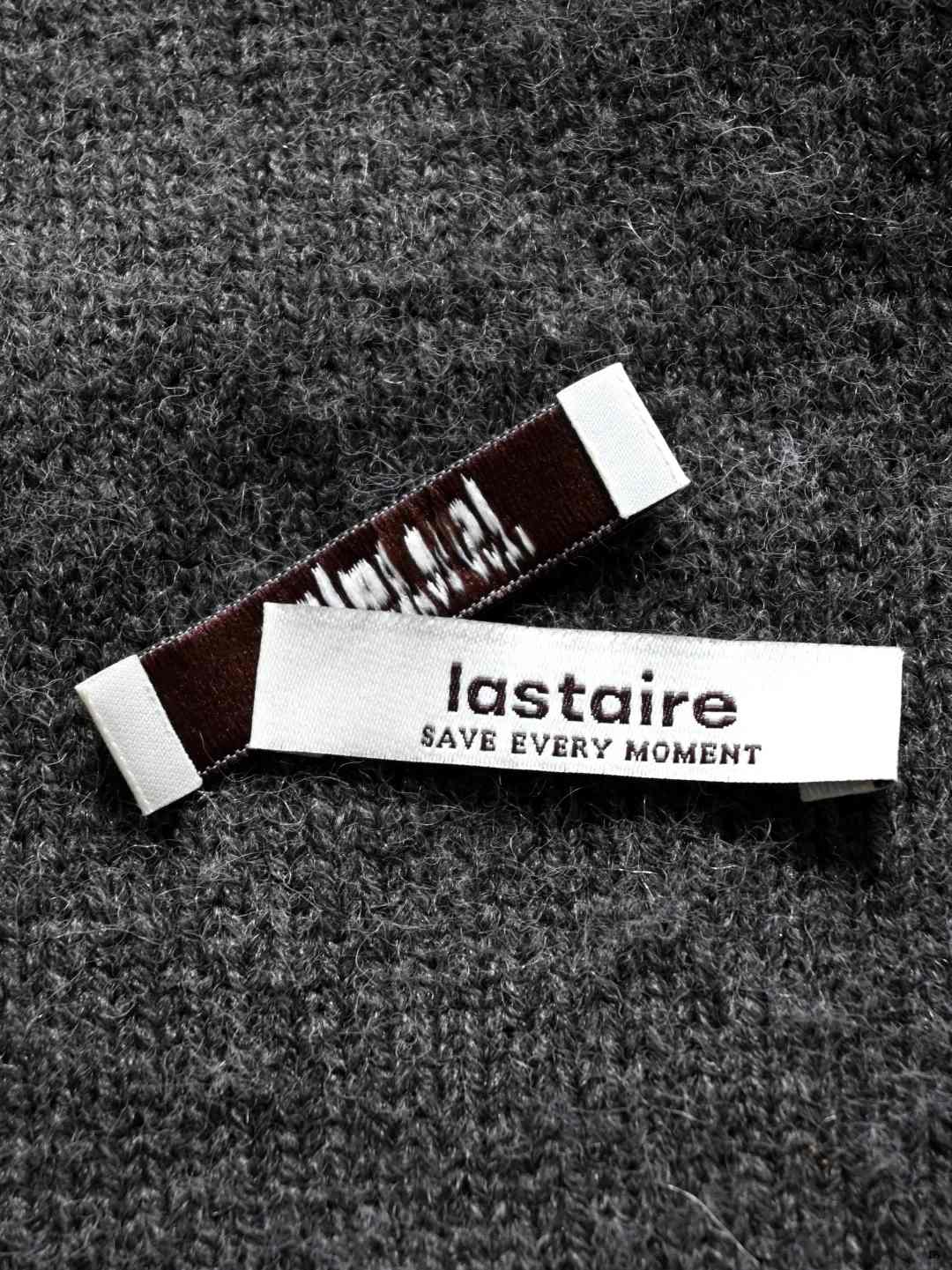
ISO 105 color fastness ratings measure resistance to washing, light, and rubbing; Grade 4–5 indicates minimal color transfer after 50+ washes. Labels rated below Grade 3 bleed dye onto garments, damaging brand reputation.
Request ISO 105 test reports during sampling, especially for dark-colored labels on light fabrics or activewear subjected to sweat and friction.
Backing and Attachment Options
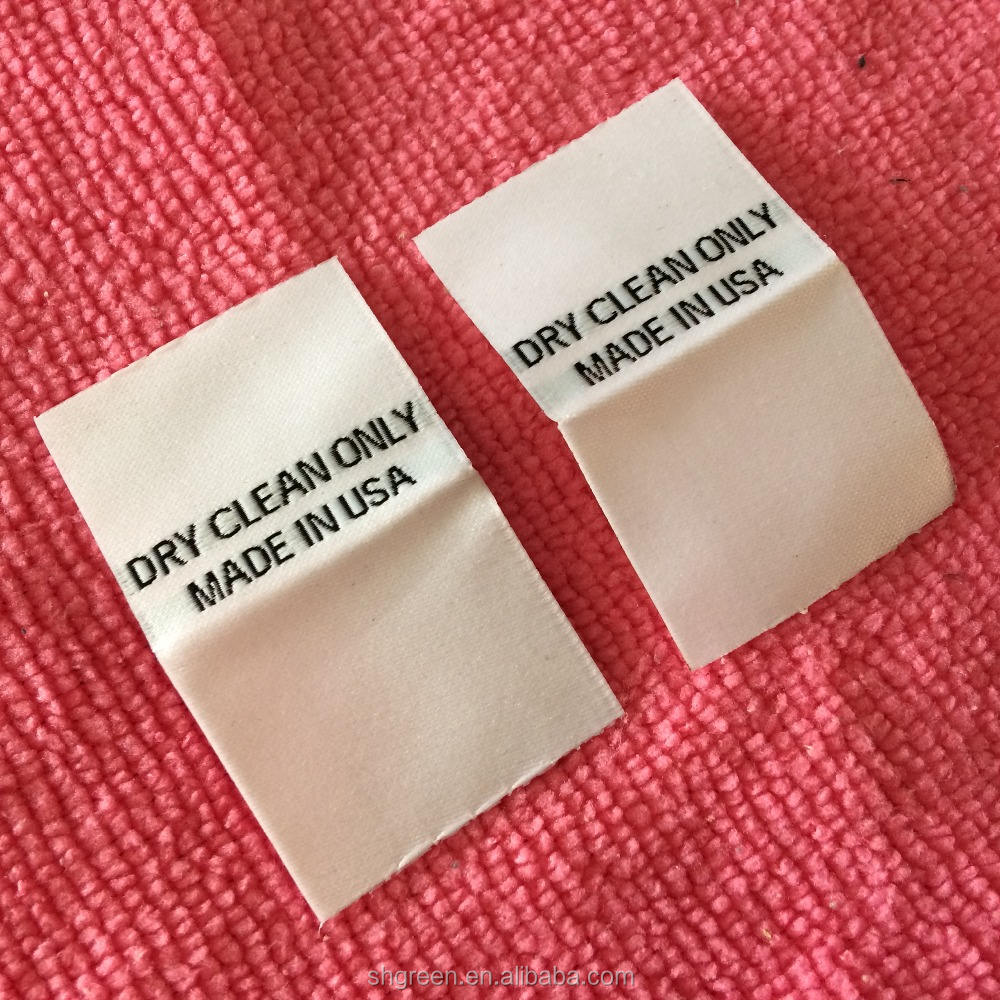
Sew-in labels offer permanent attachment and premium feel; iron-on (heat-transfer) labels reduce labor cost but may peel after 20–30 washes. Adhesive-backed labels suit quick application but fail under high heat or moisture exposure.
ZORWILD provides all backing types with clear application instructions, matching attachment method to garment weight, wash requirements, and production volume.
7. How to Choose the Right Custom Clothing Labels Manufacturer
Selecting the right manufacturer for custom clothing labels requires a systematic evaluation framework. Five criteria separate professional label suppliers from unreliable vendors: MOQ flexibility, sampling transparency, certifications, communication speed, and clear contract terms.
Minimum Order Quantities and Pricing Structure
Professional label manufacturers typically offer MOQs from 50 to 500 pieces per design, depending on label type and decoration method. ZORWILD supports 50-piece minimums for woven labels, printed labels, and hang tags, enabling startup brands to test collections without inventory risk.
Pricing should scale predictably: expect 30–50% per-unit cost reduction when moving from 100 to 500 pieces, and another 20–30% drop at 1,000+ pieces. Request itemized quotes showing label material, decoration technique, setup fees, and shipping separately to compare suppliers accurately.
Sampling Policies and Lead Times
Reliable manufacturers provide physical samples before bulk production. Free digital mockups are standard; physical samples may cost $15–50 per design but should be credited toward bulk orders over 200 pieces.
Standard label production runs 7–12 days after artwork approval; rush service (3–5 days) typically adds 30–50% premium. Red flag: suppliers who skip physical sampling or cannot provide wash-test data for durability claims lack quality control infrastructure.
Certifications and Compliance Standards
For eco-conscious brands, verify OEKO-TEX Standard 100 certification (chemical safety) and GOTS certification (organic material traceability). Suppliers serving U.S. and EU markets should demonstrate compliance with CPSIA (children’s products) and REACH (restricted substances).
Request certificate copies with valid dates and scope. Vague claims like ‘eco-friendly’ without third-party certification indicate unverifiable sourcing and potential compliance risk in regulated markets.
Communication and Contract Terms
Professional suppliers respond to inquiries within 12–24 hours and provide dedicated account contacts. Test responsiveness during sampling: delays at this stage predict production delays.
Contract terms should specify payment schedule (typically 30–50% deposit, balance before shipment), revision limits (2–3 rounds standard), defect thresholds (industry standard: under 2% defect rate), and cancellation policies. Avoid suppliers requiring 100% prepayment or offering no written terms.
8. Common Mistakes Buyers Make When Ordering Custom Clothing Labels
Even experienced buyers overlook critical details when ordering custom clothing labels, leading to costly production delays, compliance failures, and customer complaints. Understanding these common pitfalls—and their fixes—protects your brand reputation and budget.
Mismatching Label Type to Fabric Weight
Heavy woven labels sewn onto lightweight silk or mesh garments create puckering, distortion, and wearer discomfort. Conversely, thin printed labels on heavyweight denim or canvas fade quickly under industrial laundering.
ZORWILD recommends satin or heat-transfer labels for delicate fabrics under 150 GSM, damask woven labels for mid-weight cotton 180–220 GSM, and durable woven or leather patches for heavyweight outerwear and denim above 300 GSM. Testing label attachment on sample garments before bulk production prevents fabric damage.
Ignoring Care-Instruction and Content Regulations
U.S. FTC regulations require fiber content and country-of-origin labels on all apparel; EU Regulation 1007/2011 mandates textile composition in the official language of each destination market. Missing or incorrect care labels trigger customs rejection, retailer refusal, and potential fines.
ZORWILD’s labeling team ensures compliance with FTC, EU, UK, and Australian standards, including machine-readable symbols per ISO 3758. Always request regulatory review before finalizing artwork to avoid shipment holds.
Submitting Low-Resolution Artwork
Artwork below 300 DPI results in blurry text, jagged logos, and unprofessional brand presentation. Vector files (AI, EPS, PDF) scale without quality loss; raster images (JPEG, PNG) pixelate when enlarged.
ZORWILD requires vector artwork or minimum 300 DPI raster files at actual print size. Requesting a digital proof before production catches resolution issues early and prevents 500–5,000 unusable labels.
Underestimating Lead Times Before Launch
Standard custom clothing labels require 7–10 days for sampling and 10–15 days for bulk production, excluding shipping. Rush orders without advance planning incur 30–50% surcharges and risk quality shortcuts.
ZORWILD offers 3–5 day sampling for urgent projects but recommends ordering labels 4–6 weeks before garment production starts. Building lead time buffers prevents missed launch dates and last-minute air-freight costs.
Skipping Wash Testing
Labels that look perfect on new garments may fray, fade, shrink, or curl after one wash cycle, especially with acid wash, stone wash, or enzyme treatments. Printed labels without proper curing bleed ink onto light-colored fabrics.
ZORWILD conducts wash testing on request, subjecting labels to 3–5 cycles matching your garment finish. Testing reveals adhesion failures, color bleeding, and edge fraying before bulk orders, saving replacement costs and customer returns.
9. Step-by-Step: Launching Your Brand with Custom Clothing Labels
Launching a brand with custom clothing labels requires coordinated planning across design, sampling, production, and garment integration. ZORWILD’s 27-year manufacturing experience supports end-to-end timelines from concept to finished product, ensuring labels arrive in sync with your 50-piece or larger production runs.
Define Brand Identity and Label Messaging
Start by defining your brand name, logo lockup, tagline, and care instruction requirements. ZORWILD’s development team helps translate brand identity into label artwork that communicates positioning—premium woven labels for luxury streetwear, printed labels for fast-fashion collections, or silicone patches for technical activewear.
Decide which information appears on main labels (brand name, logo), care labels (wash symbols, fiber content), and size labels (S/M/L or numeric sizing) to meet retail compliance requirements in your target markets.
Select Label Type and Material
Choose woven labels for durability and premium texture, printed satin labels for soft hand feel and cost efficiency, or silicone and rubber patches for streetwear aesthetics. ZORWILD sources polyester satin, cotton twill, damask weave, and eco-friendly recycled materials to match garment fabric weight and wash performance.
Coordinate label material with garment category: French terry hoodies pair well with woven damask neck labels, while lightweight T-shirts benefit from printed satin labels that minimize bulk.
Design Artwork: Fonts, Colors, and Specifications
Provide artwork in vector format (AI, EPS, PDF) with Pantone color codes for accurate color matching. ZORWILD’s design team reviews font legibility at final label size (typically 40–60 mm width for neck labels, 15–25 mm for care labels) and adjusts line weights to ensure clean weaving or printing.
Specify label dimensions, fold type (center fold, end fold, straight cut), and attachment method (sewn-in, heat-sealed, or iron-on) to align with garment construction and finishing workflows.
Request and Approve Samples
ZORWILD produces label samples in 5–7 days for woven and printed labels, allowing you to inspect color accuracy, weave density, print sharpness, and fabric hand feel before bulk production. Sample approval locks in all specifications—artwork, material, size, and finishing—preventing costly revisions during mass production.
Request samples attached to garment swatches to evaluate label placement, stitching tension, and overall aesthetic before committing to full production runs.
Place Production Order and Timeline Coordination
Bulk label production requires 10–15 days after sample approval, depending on order quantity and decoration complexity. ZORWILD coordinates label delivery with garment production timelines, ensuring labels arrive before sewing and finishing stages to avoid delays.
For 50-piece startup collections, plan 3–4 weeks total lead time (sampling + production + shipping); for orders above 500 pieces, allow 4–5 weeks to accommodate fabric sourcing and advanced decoration techniques like chenille embroidery or metallic foil printing.
Receive, Inspect, and Attach Labels
Inspect bulk label shipments for color consistency, measurement accuracy, print clarity, and material defects before garment attachment. ZORWILD’s quality control system includes raw material inspection and final label inspection to minimize defect rates below 1%.
Coordinate label attachment during garment sewing: neck labels sewn into collar seams, care labels inserted into side seams or center back, and hang tags attached with plastic fasteners or string loops for retail-ready presentation.
10. Pricing and Cost Breakdown for Custom Clothing Labels
Understanding the cost structure for custom clothing labels allows buyers to plan budgets and scale production efficiently. Unit costs decrease significantly with volume: 50-piece orders typically range from $1.80–$3.50 per label depending on complexity, while 500-piece runs drop to $0.60–$1.20, and 5,000-piece orders reach $0.15–$0.40 per unit for woven labels with standard customization.
Setup fees vary by decoration method and directly impact total project cost. Woven label setup costs range from $50–$150 for digitizing artwork and loom preparation, printed label setups cost $25–$75 for screen preparation, and embroidered patch setups typically run $80–$200 for digitizing and sampling. Heat transfer and sublimation setups range from $30–$90 depending on color count and complexity.
Lead times scale with order quantity and production complexity. Orders of 50–100 pieces typically require 7–10 days after sample approval, 500–1,000 pieces need 10–14 days, and 5,000+ piece runs require 14–21 days including fabric sourcing, production, quality inspection, and packaging. Rush production adds 20–40% to base pricing but can reduce lead times by 30–50% for urgent product launches.
ZORWILD’s transparent pricing structure and 50-piece minimum order quantity enable startup brands and influencers to launch collections without excessive inventory risk while maintaining access to professional-grade custom clothing labels across all decoration methods.
| Quantity Tier | Unit Price Range (USD) | Setup Cost | Lead Time (days) |
|---|---|---|---|
| 50–100 pcs | $1.80–$3.50 | $50–$150 (woven) | 7–10 |
| 200–500 pcs | $0.80–$1.50 | $50–$150 (woven) | 10–12 |
| 500–1,000 pcs | $0.60–$1.20 | $25–$75 (printed) | 10–14 |
| 1,000–3,000 pcs | $0.30–$0.70 | $25–$75 (printed) | 12–16 |
| 5,000+ pcs | $0.15–$0.40 | $50–$150 (woven) | 14–21 |
Ready to Launch Your Custom Clothing Labels?
Start with just 50 pieces. Get fast samples, expert support, and 27 years of proven label manufacturing excellence from ZORWILD.
- Custom Shirts
- Custom Hoodies
- Custom T Shirts
- Custom Dresses
- Custom Sweatshirts
- Custom Jackets
- Custom Varsity Jackets
- Custom Polo Shirts
- Custom Shorts
- Custom Dress Shirts
- Contact