
DTG Printing: Full-Color Custom Graphics on Any Apparel
Photorealistic, multi-color designs printed directly onto custom hoodies, t-shirts, and sweatshirts with no setup fees. Perfect for testing designs, launching capsule collections, and creating on-demand merchandise with 50-piece MOQ from our Humen, Dongguan facility.
DTG Printing Sample Gallery
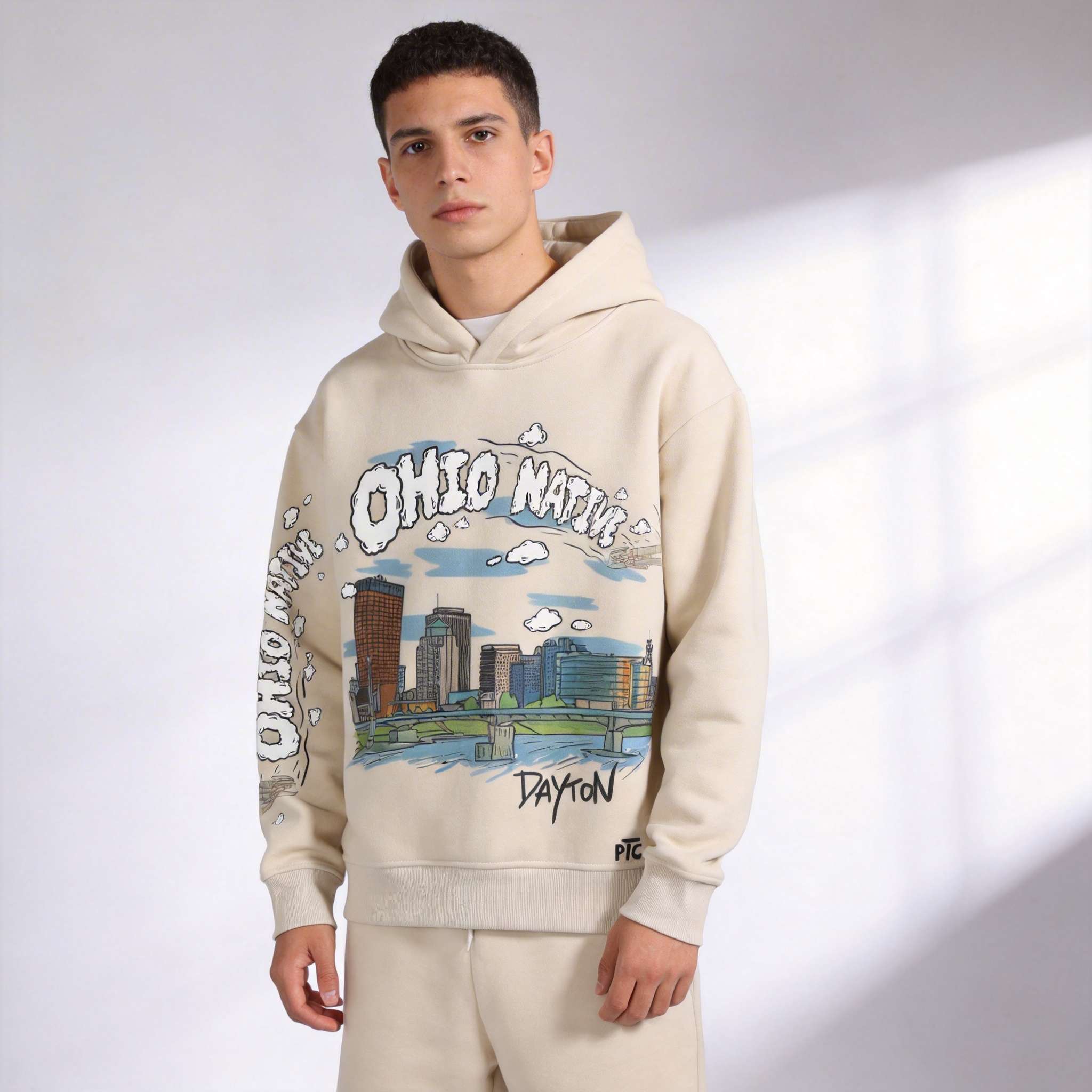
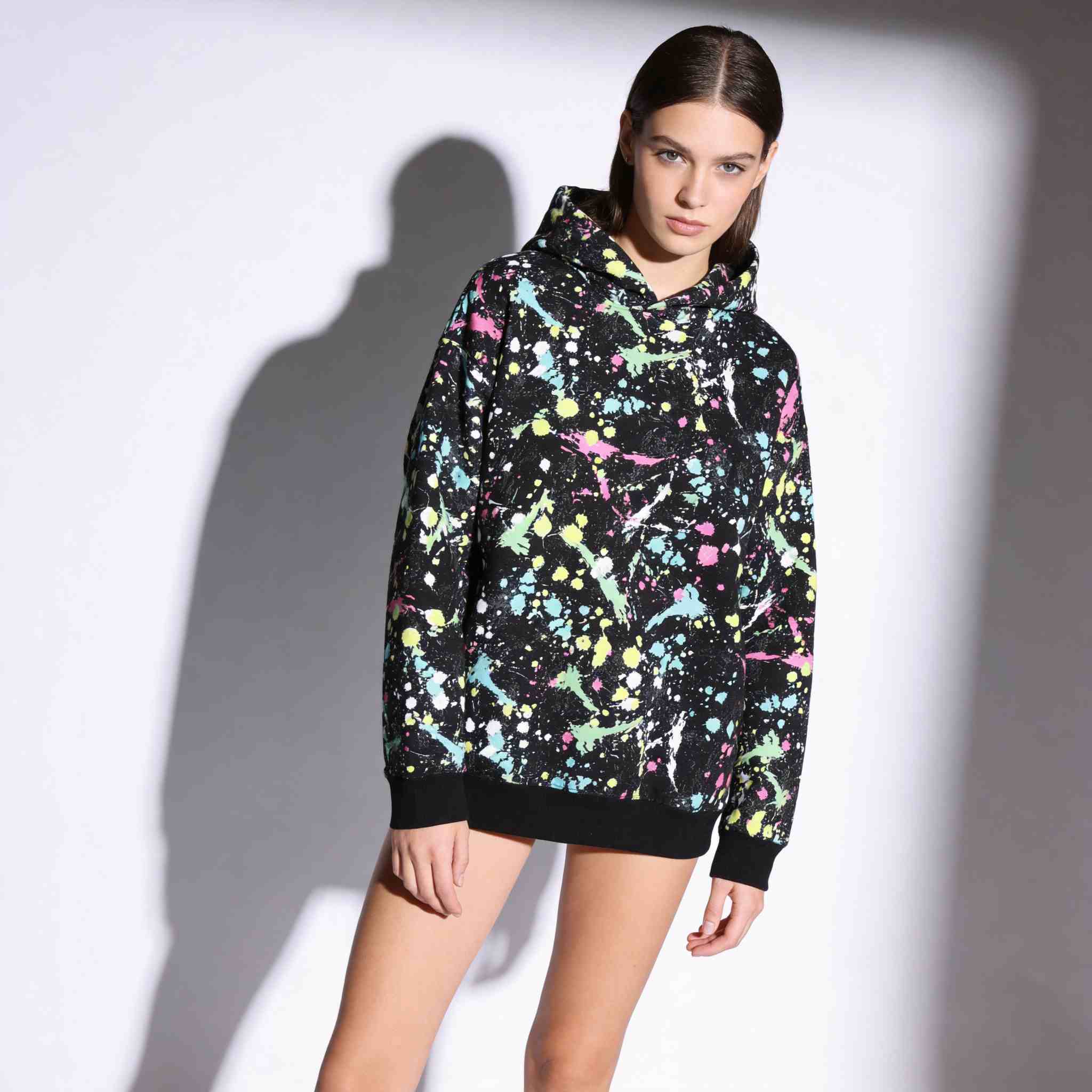
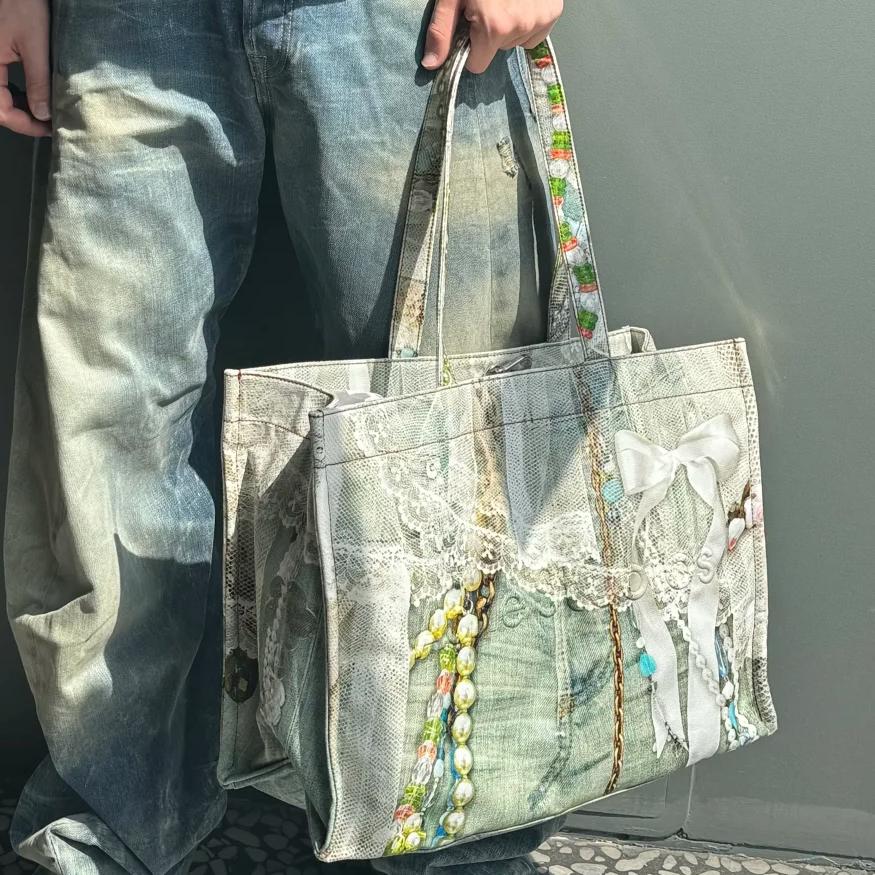
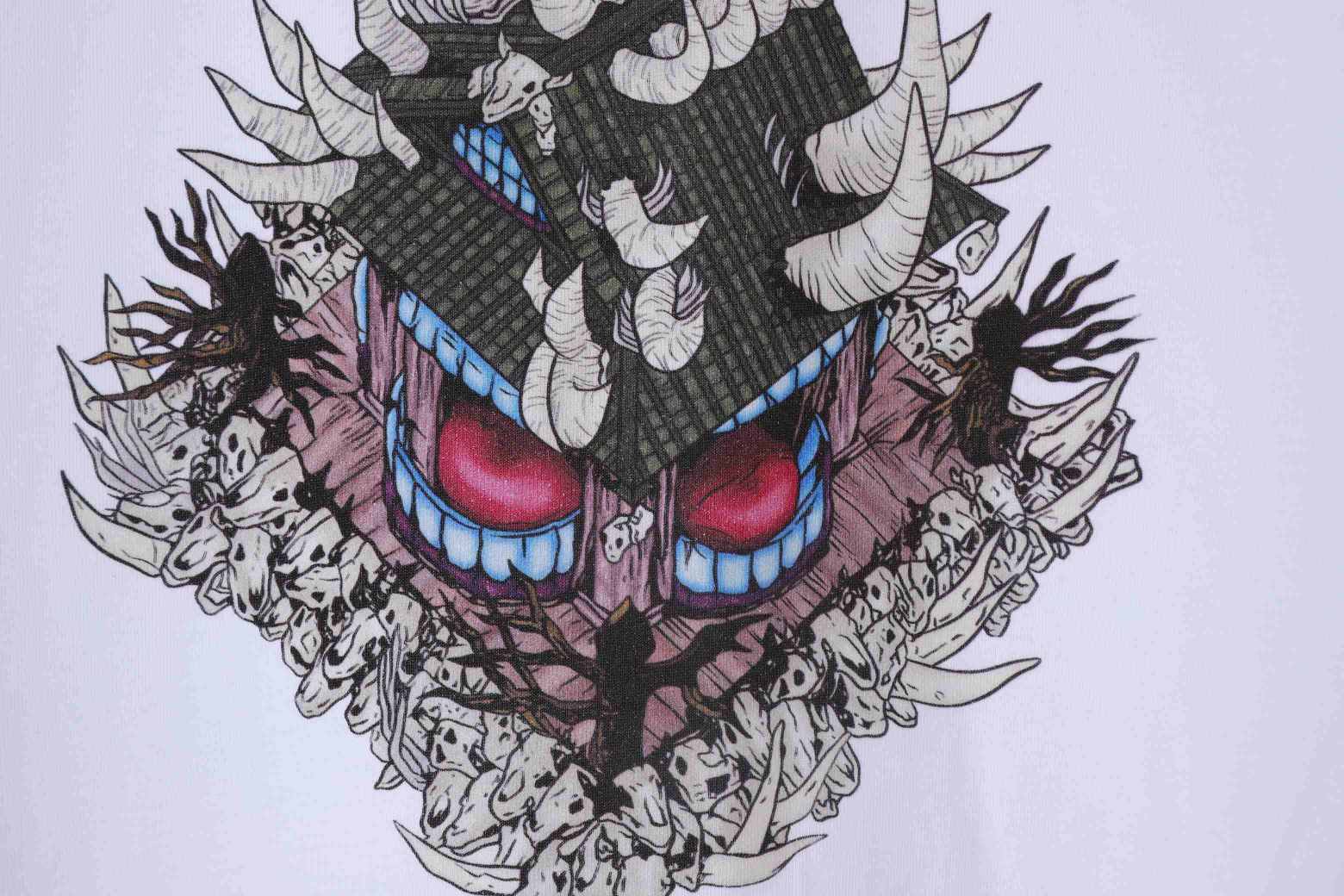
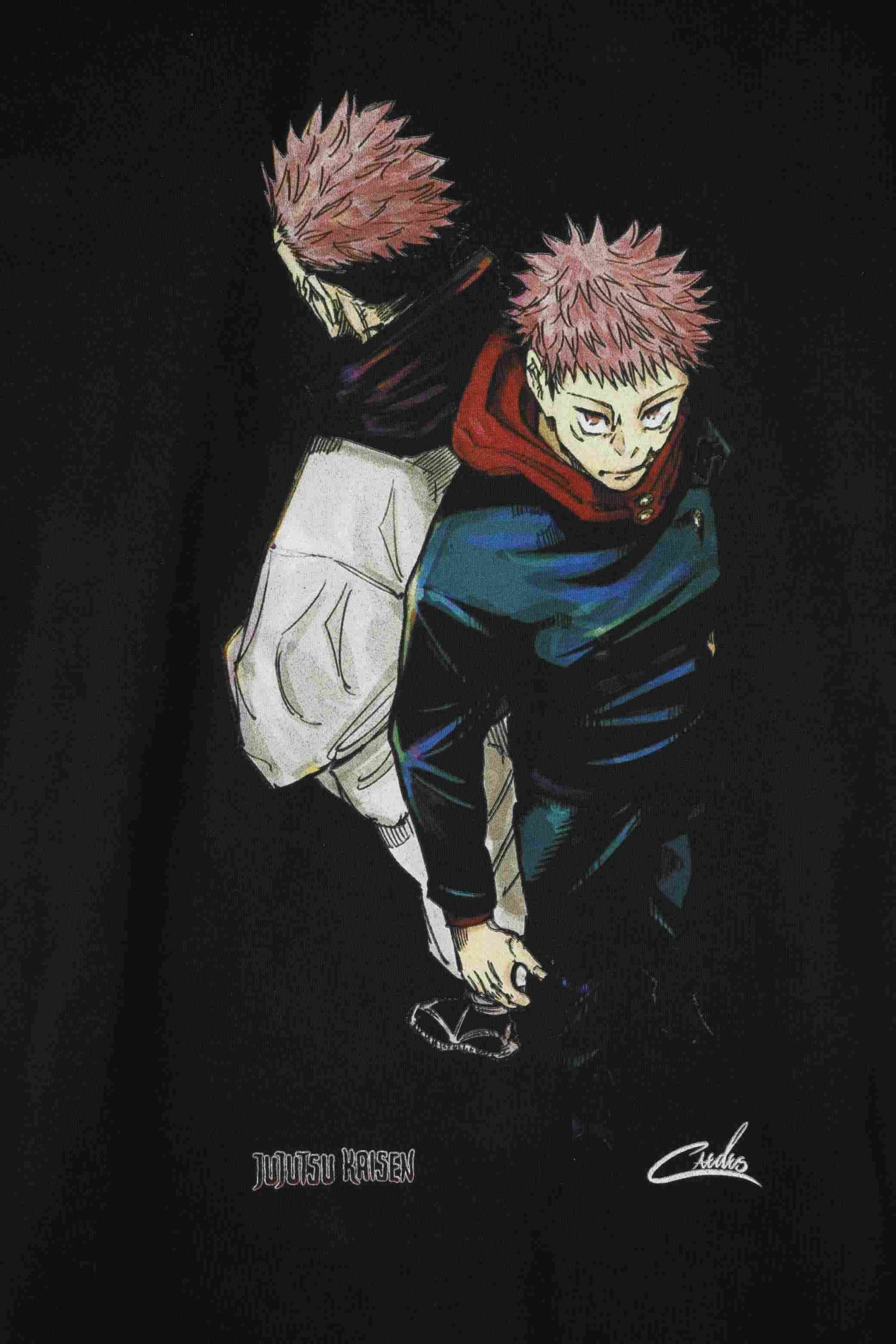
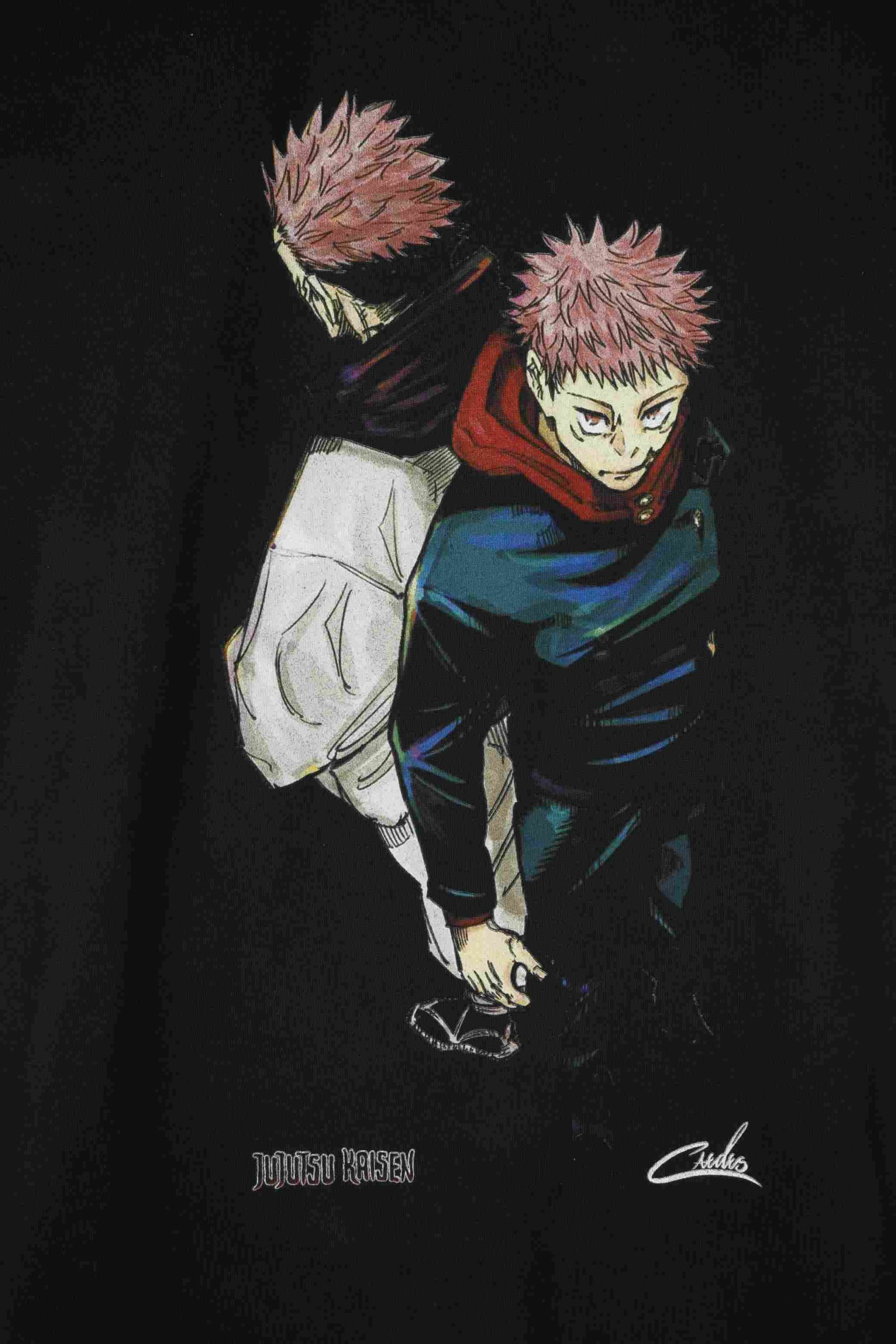
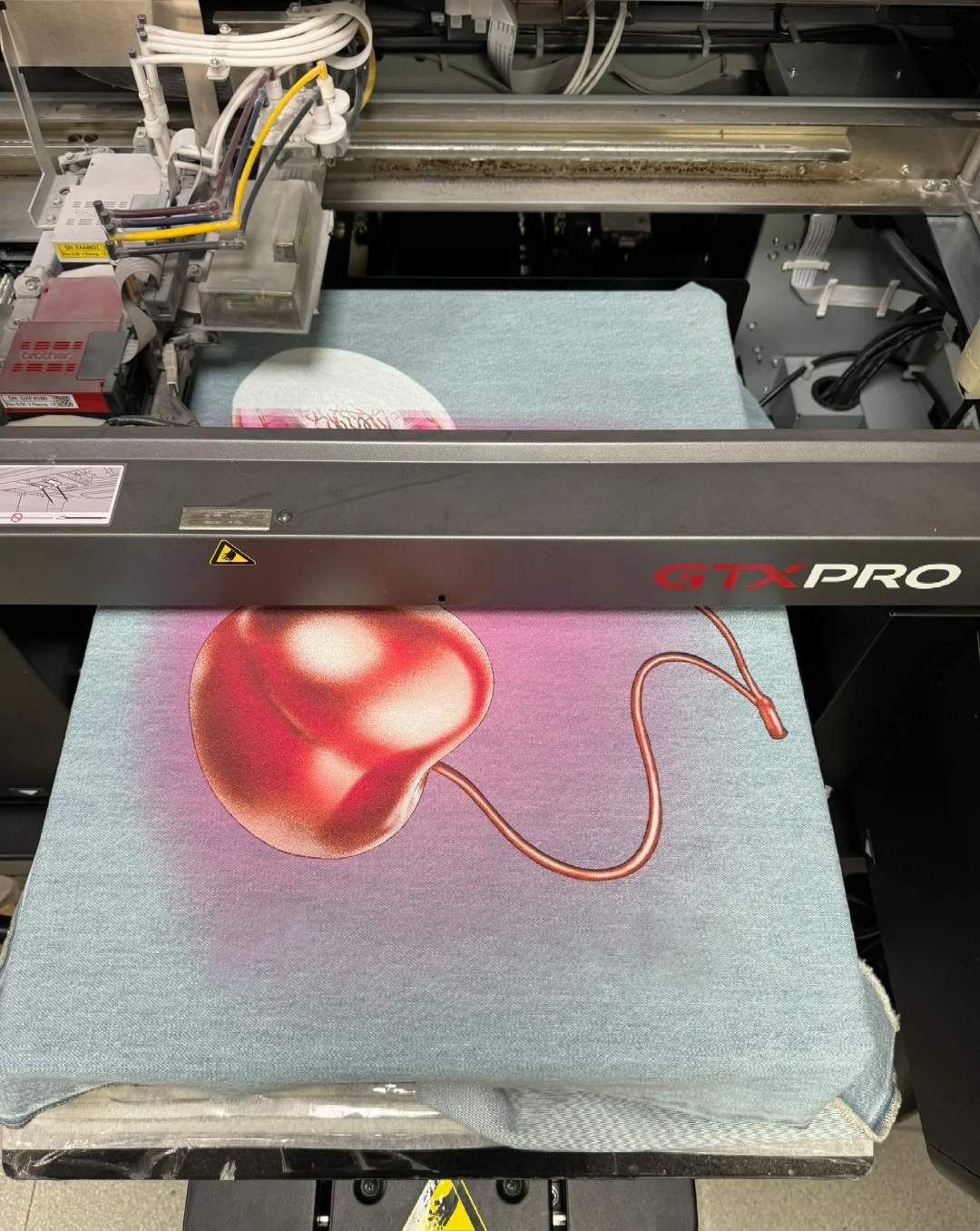
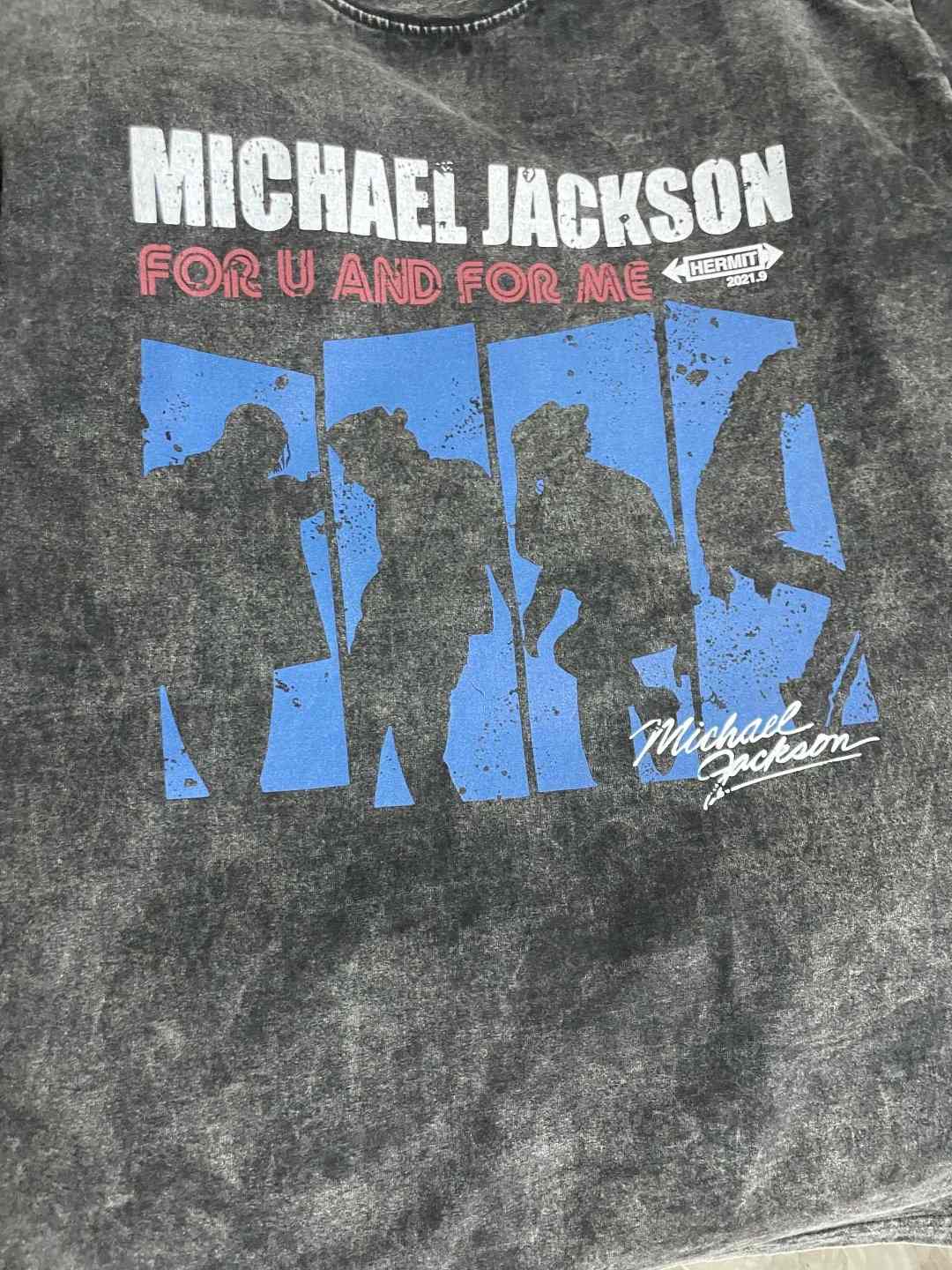
What Makes DTG Printing Distinctive
ZORWILD‘s direct-to-garment printing delivers photorealistic detail, unlimited color options, and fast turnaround for custom apparel brands demanding high-quality graphics without setup fees or minimum print runs.
Photorealistic Full-Color Detail
Reproduce complex artwork, gradients, and intricate designs with unlimited colors and sharp resolution impossible with traditional screen printing methods.
Zero Setup Fees
No screens, plates, or tooling required. Start production immediately with no upfront costs, ideal for small batches and testing new designs.
Design Flexibility Per Piece
Print different graphics on every garment in a single run, perfect for personalized collections, influencer merch drops, and limited edition capsules.
Broad Fabric Compatibility
Works seamlessly on cotton, organic cotton, bamboo blends, and cotton-poly fabrics across hoodies, T-shirts, sweatshirts, and fashion apparel categories.
Fast Sampling & Turnaround
Produce samples and approve graphics quickly without waiting for screen preparation, reducing time-to-market for seasonal collections and trend-driven launches.
Wash-Durable Water-Based Inks
Premium water-based inks cured at controlled temperatures deliver excellent wash durability, color retention, and soft hand feel through repeated laundering cycles.
Explore Our Full Decoration & Manufacturing Services
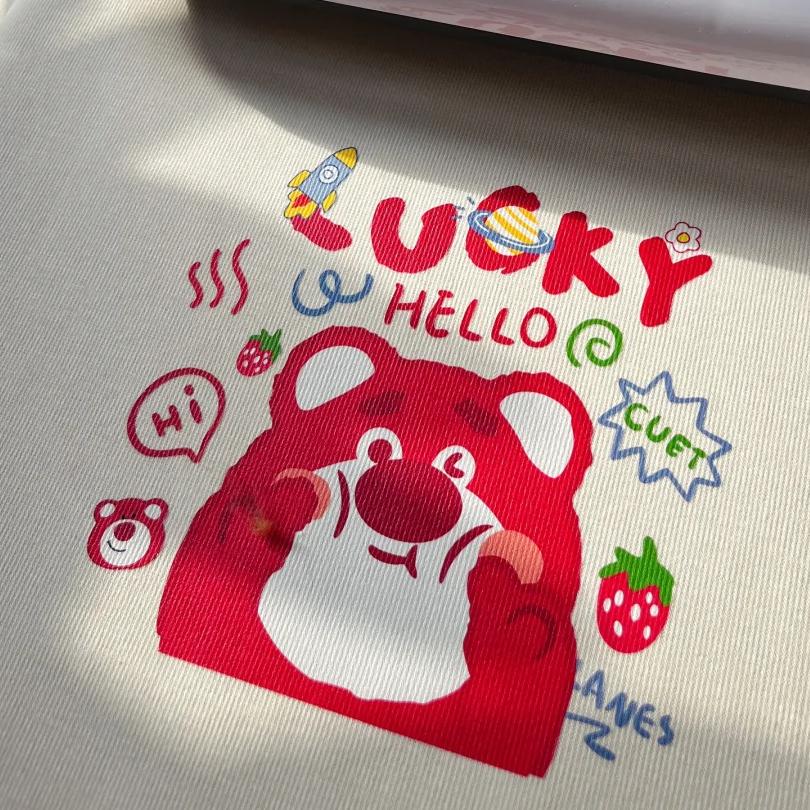
Apparel Decoration & Finishing Capabilities
ZORWILD supports 95%+ of modern apparel decoration techniques in-house, including custom screen printing, DTG, puff printing, custom embroidery services, heat transfer, sublimation, and specialty finishes. Our Humen facility combines 27 years of craftsmanship expertise with advanced equipment to deliver consistent quality across all decoration methods for custom hoodies, custom t-shirts, and fashion brands worldwide.
Get a Quote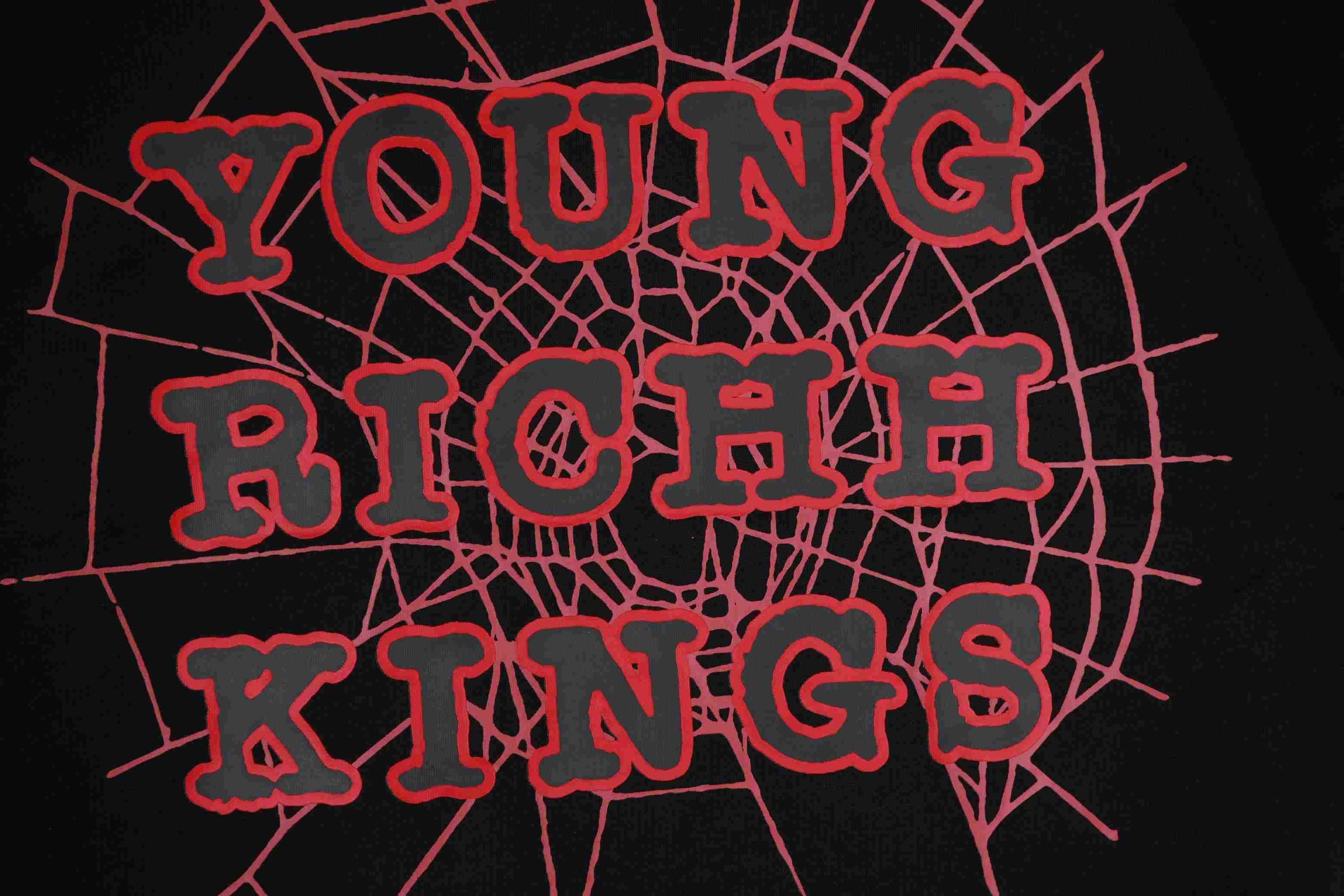
Custom Screen Printing
High-durability custom screen printing delivers excellent color performance and wash resistance for bulk orders and repeat designs. Ideal for custom hoodies, custom t-shirts, and wholesale sweatshirts requiring bold graphics, solid colors, and cost-effective production at scale. Our 6-stage quality control ensures consistent ink coverage, color matching, and print placement across production runs from 50 to 100,000+ units monthly.
Get a Quote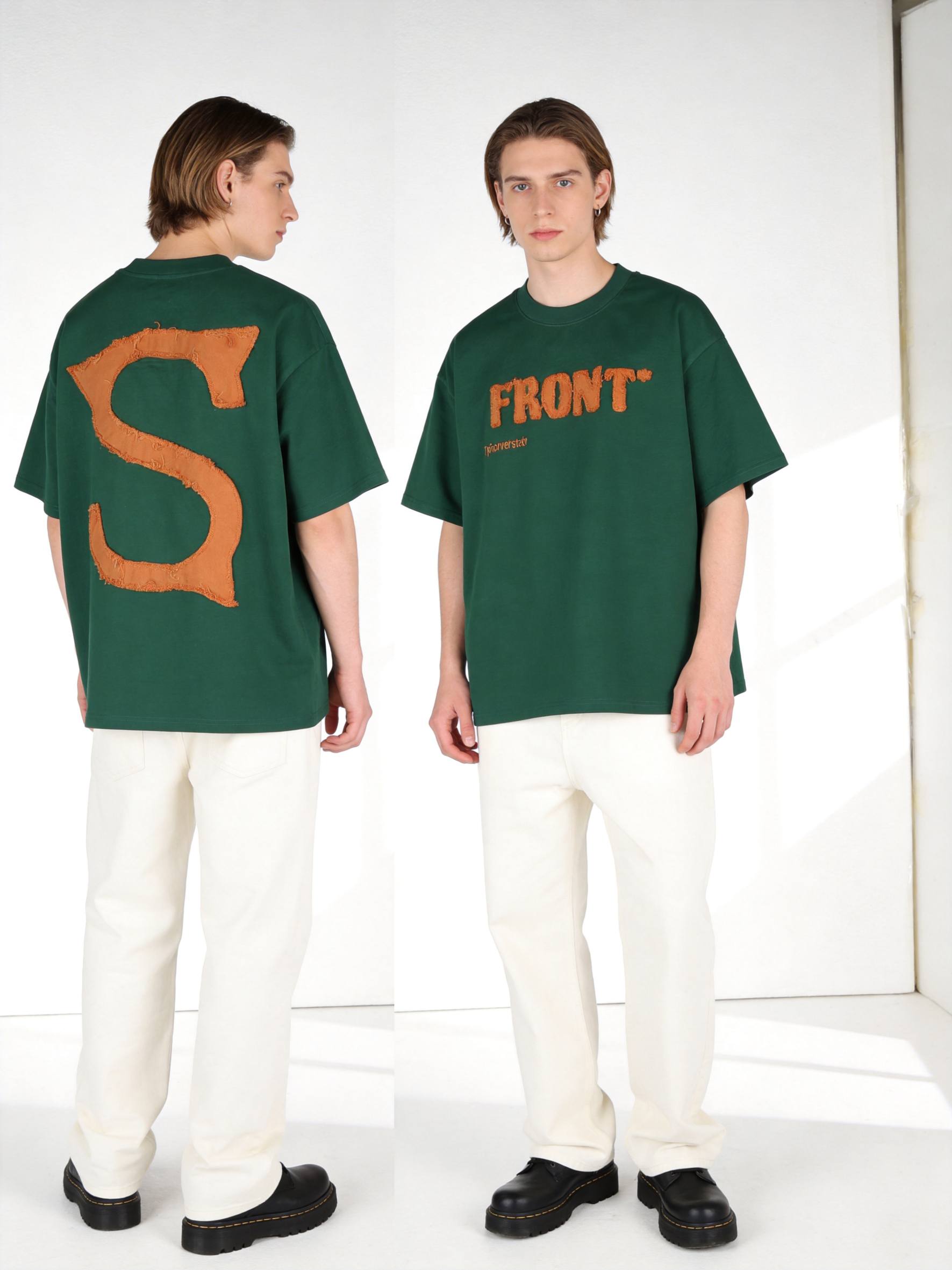
Custom Embroidery
Professional custom embroidery services include flat, 3D, chenille, applique, patch, and metallic embroidery with precise stitch density and thread quality control. Perfect for premium branding on custom hoodies, custom jackets, caps, and uniforms where texture and durability matter. We manage garment tension, positioning accuracy, and color consistency to elevate brand perception through tactile, long-lasting decoration.
Get a Quote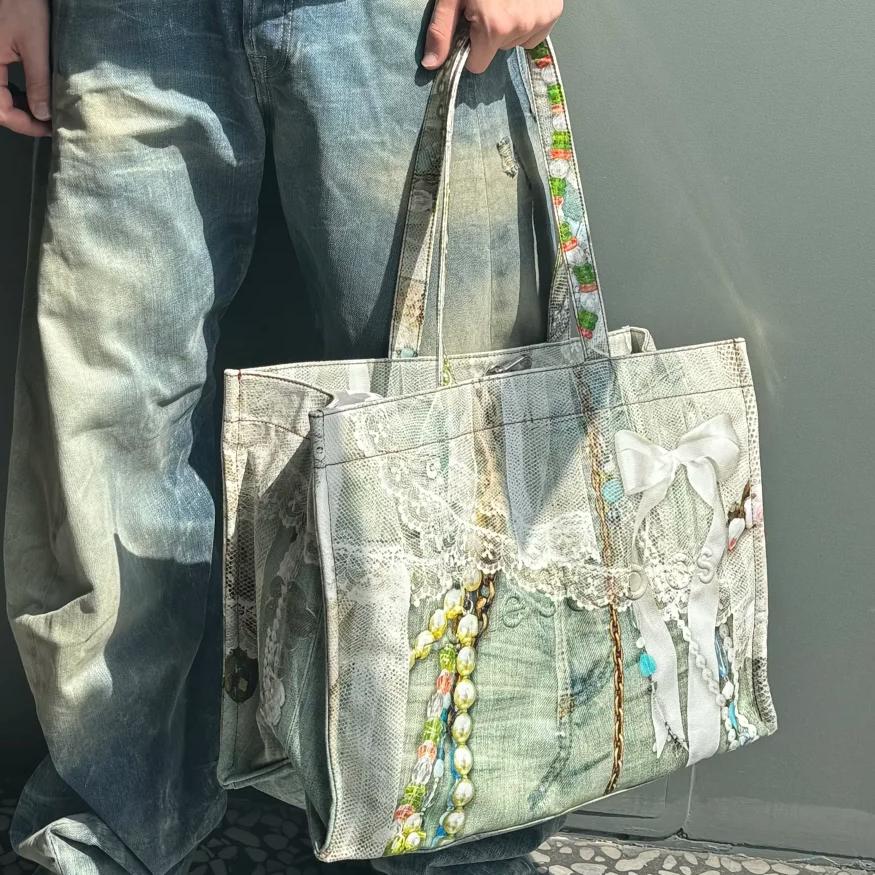
DTF — Direct-to-Film Printing
Direct-to-film printing combines the detail of DTG with improved durability and fabric compatibility. DTF works on cotton, polyester, blends, and technical fabrics with vibrant colors and soft hand feel. Suitable for complex designs, photo-realistic graphics, and small to medium production runs where flexibility and quick turnaround are essential for testing new collections.
Get a Quote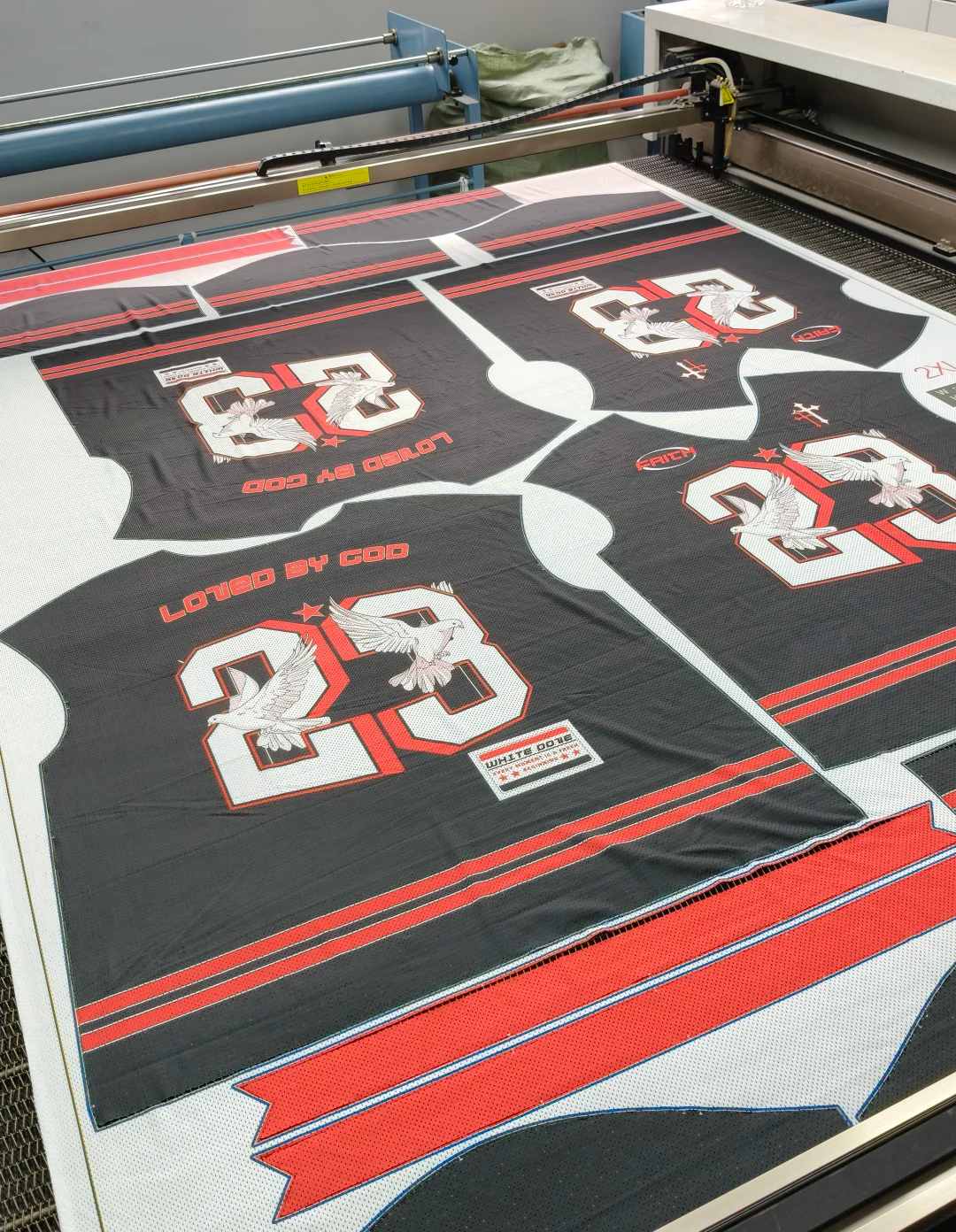
Heat Transfer Printing
Heat transfer printing delivers detailed logos, gradients, and multi-color artwork with excellent clarity on t-shirts, sportswear, and performance apparel. This method suits brands needing fast sampling, low MOQ decoration testing, or intricate designs that exceed screen printing limitations. We ensure proper heat settings, pressure control, and curing for durable adhesion and professional finish quality.
Get a Quote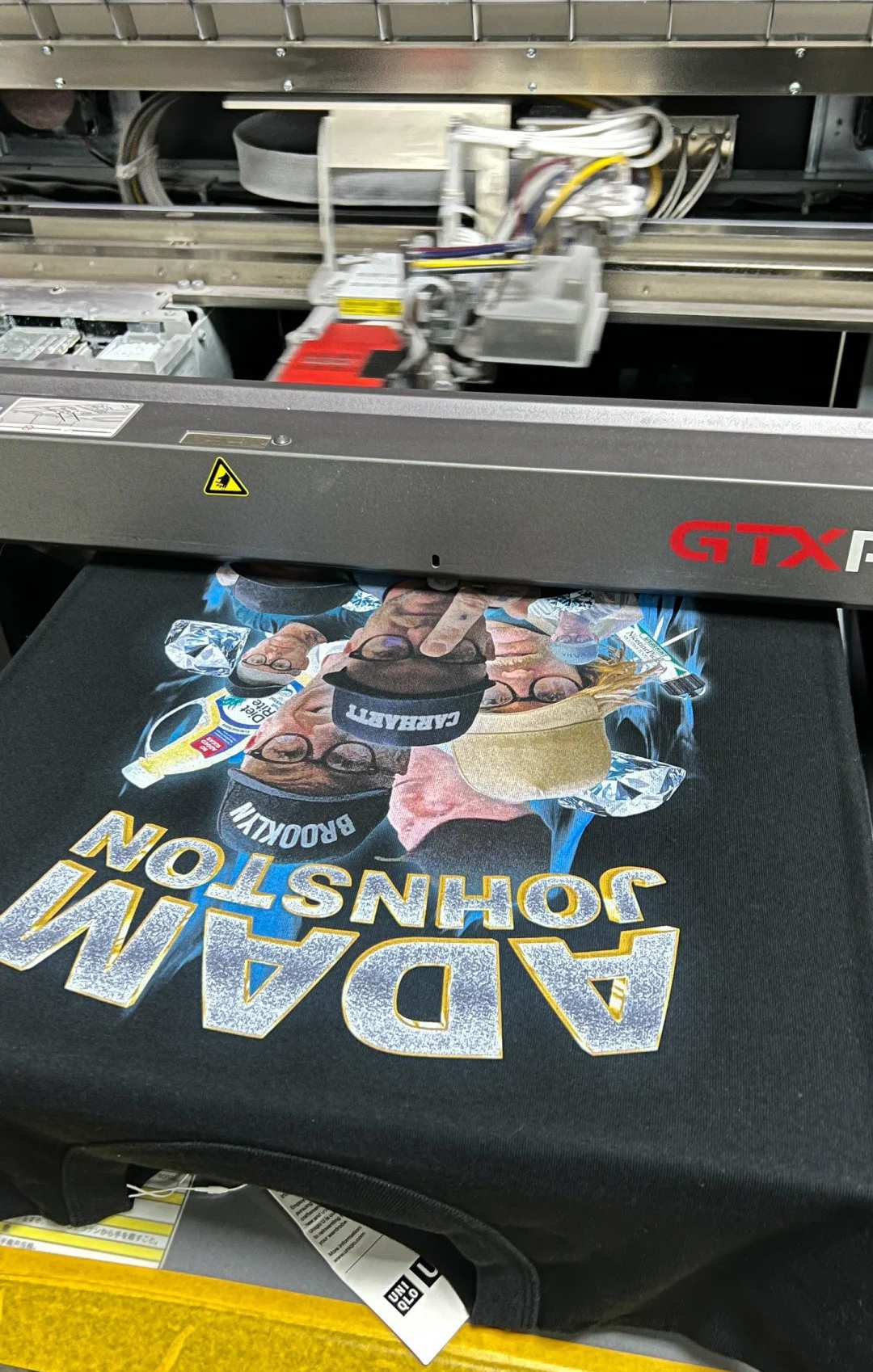
Dye Sublimation Printing
Sublimation printing creates vibrant all-over prints and photographic designs on polyester garments, sportswear, and activewear. The dye permanently bonds with fabric fibers for breathable, flexible, fade-resistant results ideal for athletic wear, yoga sets, and technical apparel. Our sublimation capabilities support full customization for performance brands requiring moisture-wicking fabrics and unlimited color complexity.
Get a Quote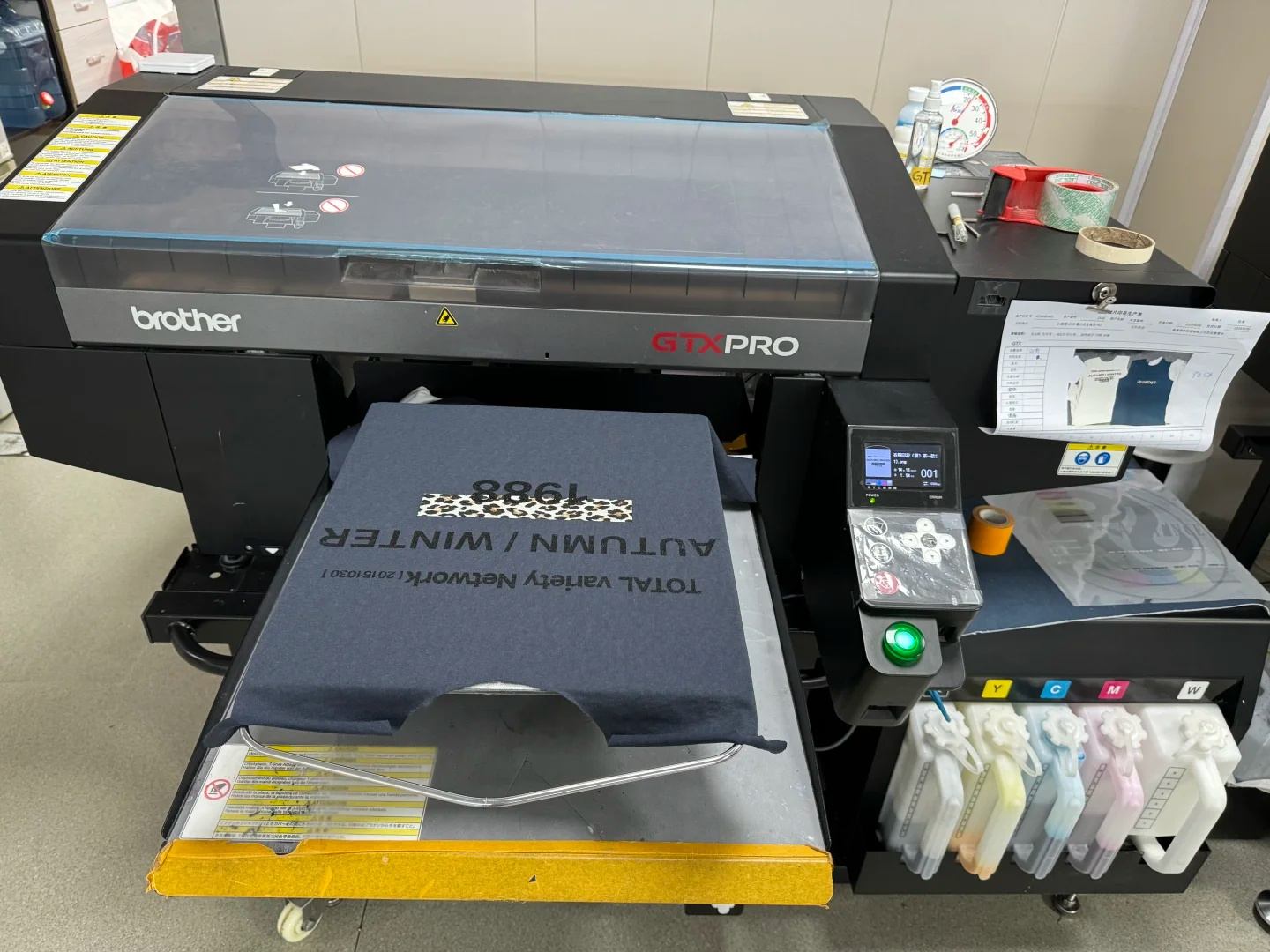
Garment Wash & Dye
Garment wash services include acid wash, vintage wash, enzyme wash, stone wash, garment dye, pigment dye, and distressed finishes to create authentic streetwear aesthetics and premium texture. These techniques deliver soft hand feel, unique color variations, and aged appearance for hoodies, denim, t-shirts, and casualwear. Our wash expertise ensures consistent results and fabric integrity across production.
Get a Quote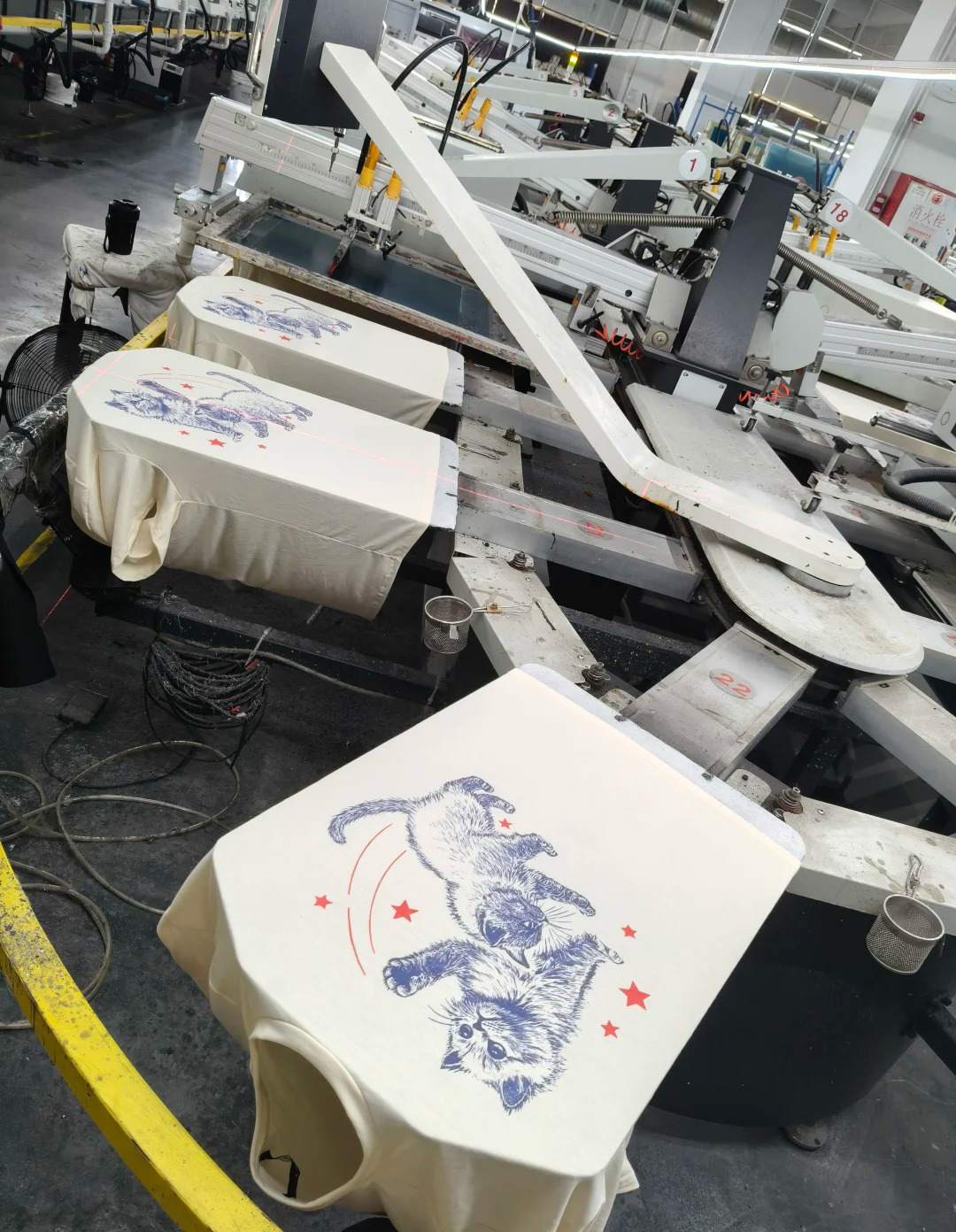
Custom Labels & Tags
Custom clothing labels include woven labels, printed labels, care labels, size labels, silicone labels, rubber patches, and metal logos that reinforce brand identity and professionalism. We provide design support, material selection, and precise application placement for main labels, neck labels, and exterior branding. Low MOQ label production starts at 50 pieces to support startup brands building cohesive collections.
Get a Quote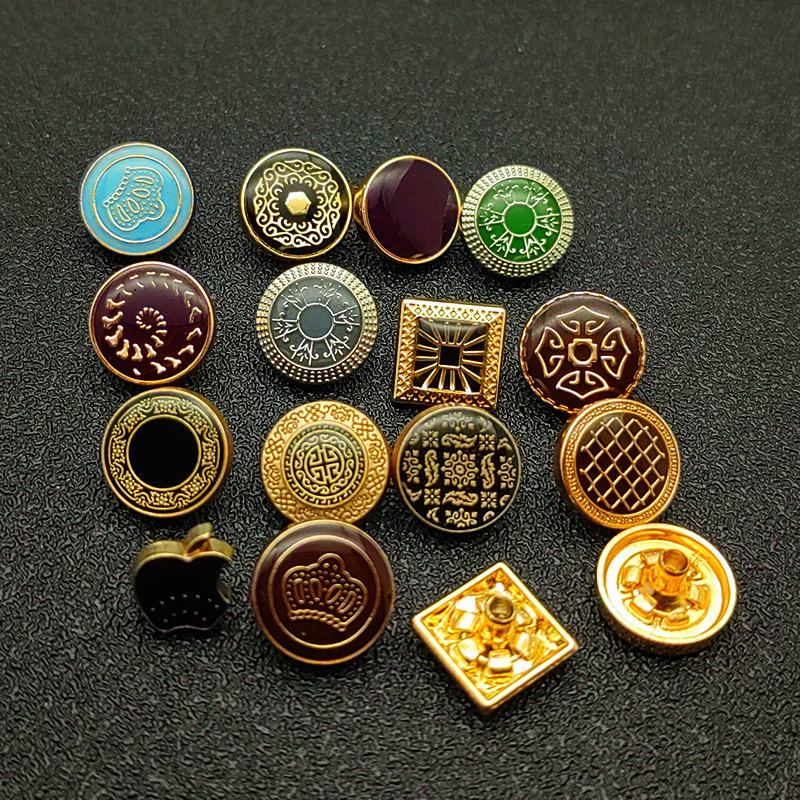
Garment Accessories & Trims
Custom garment accessories and trims include branded hang tags, custom zippers, snap buttons, drawcords, elastic waistbands, metal eyelets, branded tape, custom packaging bags, tissue paper, and polybags. These finishing details create premium unboxing experiences and strengthen brand recognition. ZORWILD coordinates all trim sourcing, customization, and application to ensure cohesive branding across your apparel line.
Get a Quote27 Years of DTG Printing Expertise
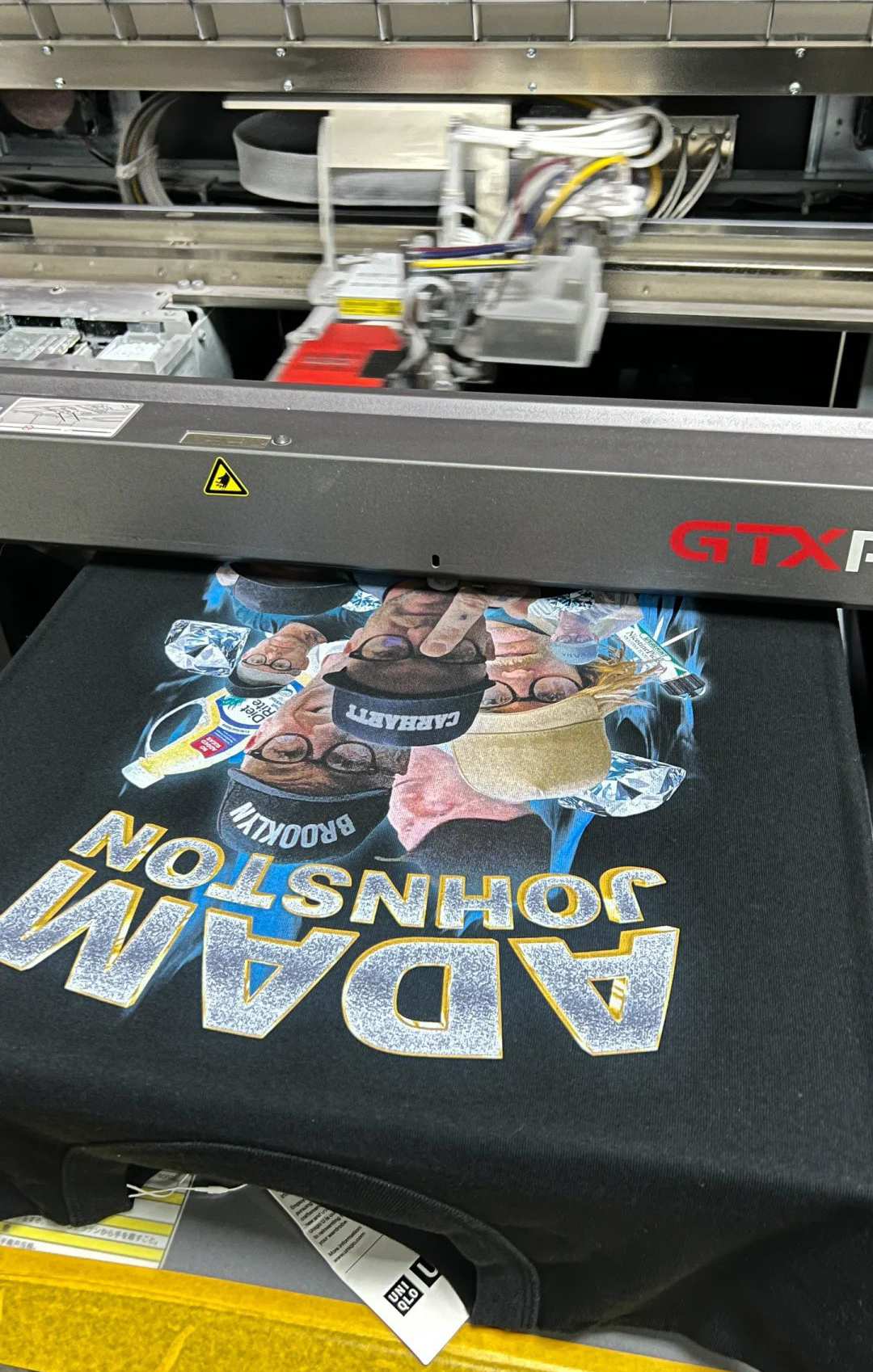
ZORWILD has been perfecting DTG printing since the technology first entered commercial apparel manufacturing. Based in Humen, Dongguan—one of the world’s leading garment production hubs—we’ve invested heavily in state-of-the-art direct-to-garment equipment, proprietary ink chemistry, and curing systems that deliver vibrant, durable, full-color graphics on custom t-shirts, custom hoodies, and any fabric base.
Our DTG printing facility processes thousands of custom apparel pieces weekly, backed by a 6-stage quality control system that ensures every print meets strict color accuracy, wash durability, and hand-feel standards. From 50-piece influencer drops to 10,000-unit brand launches, our team combines decades of garment construction knowledge with cutting-edge digital printing technology to deliver consistent results at scale.
Unlike print-only vendors, ZORWILD integrates DTG printing into full-stack custom apparel manufacturing—handling fabric sourcing, garment construction, decoration, finishing, and global logistics under one roof. This vertical integration means faster turnarounds, tighter quality control, and seamless coordination between your design vision and finished custom hoodies, custom t-shirts, and wholesale apparel products.
DTG Printing Quality Dimensions: Ink Chemistry, Curing & Durability
Aqueous Ink Formulation & Color Accuracy
ZORWILD uses premium water-based textile inks engineered for deep color saturation, fine detail reproduction, and soft hand feel on custom t-shirts, custom hoodies, and sweatshirts. Our DTG printing system delivers true-to-design color matching across light and dark garments with CMYK plus white ink channels.
- Eco-friendly water-based pigment inks with low VOC emissions
- CMYK + white ink system for full-spectrum color on any fabric color
- Pantone-matched color profiling for brand consistency across production runs
- Ultra-fine droplet resolution for photographic detail and gradient smoothness
Pre-Treatment Chemistry & Fabric Bonding
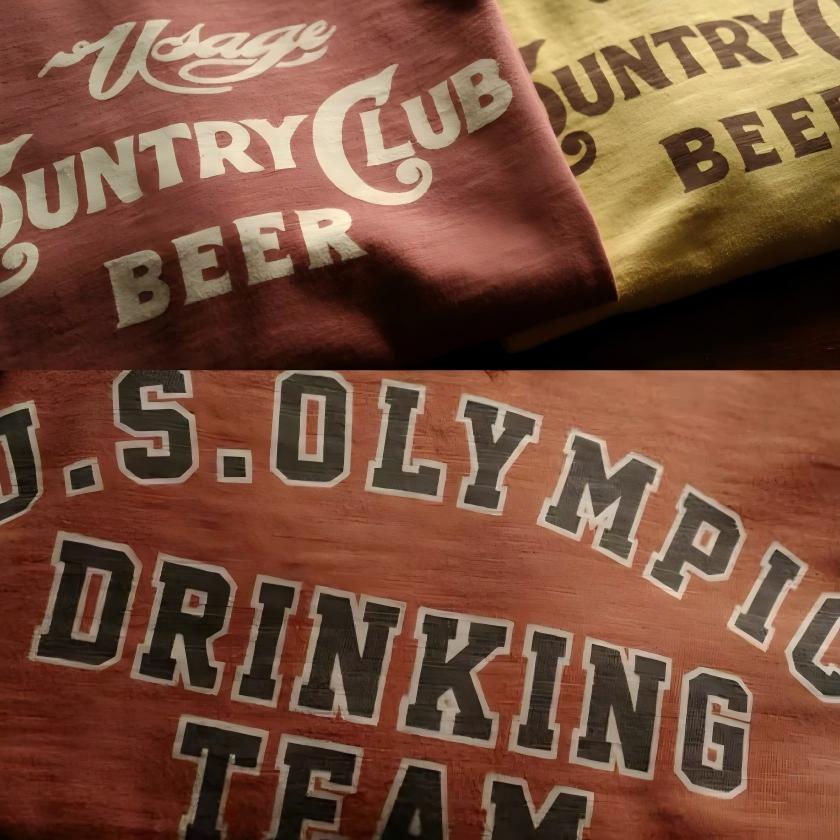
Proper pre-treatment is critical for DTG printing durability. Our controlled application process ensures even coverage, optimal ink adhesion, and consistent wash performance. Pre-treatment formulas are calibrated for cotton, cotton blends, and performance fabrics to maximize bond strength.
- Automated spray pre-treatment for uniform chemical distribution across garment surface
- Fabric-specific formulations optimized for 100% cotton, poly-cotton blends, and tri-blends
- Controlled drying cycles to activate bonding agents before printing
- Quality-checked coverage to prevent uneven ink absorption or color shifting
Curing Temperature Control & Ink Fixation
Precise heat curing locks ink into fabric fibers and determines final durability. ZORWILD’s calibrated curing ovens maintain exact temperature and dwell time to ensure complete polymerization without fabric damage, scorching, or color degradation across every garment.
- Digital temperature monitoring at 160–180°C for optimal ink polymer cross-linking
- Conveyor belt timing calibrated to fabric weight and ink load for consistent curing
- Multi-zone heat tunnels to prevent under-curing or fabric shrinkage
- Real-time quality checks to verify cure completion before garment finishing
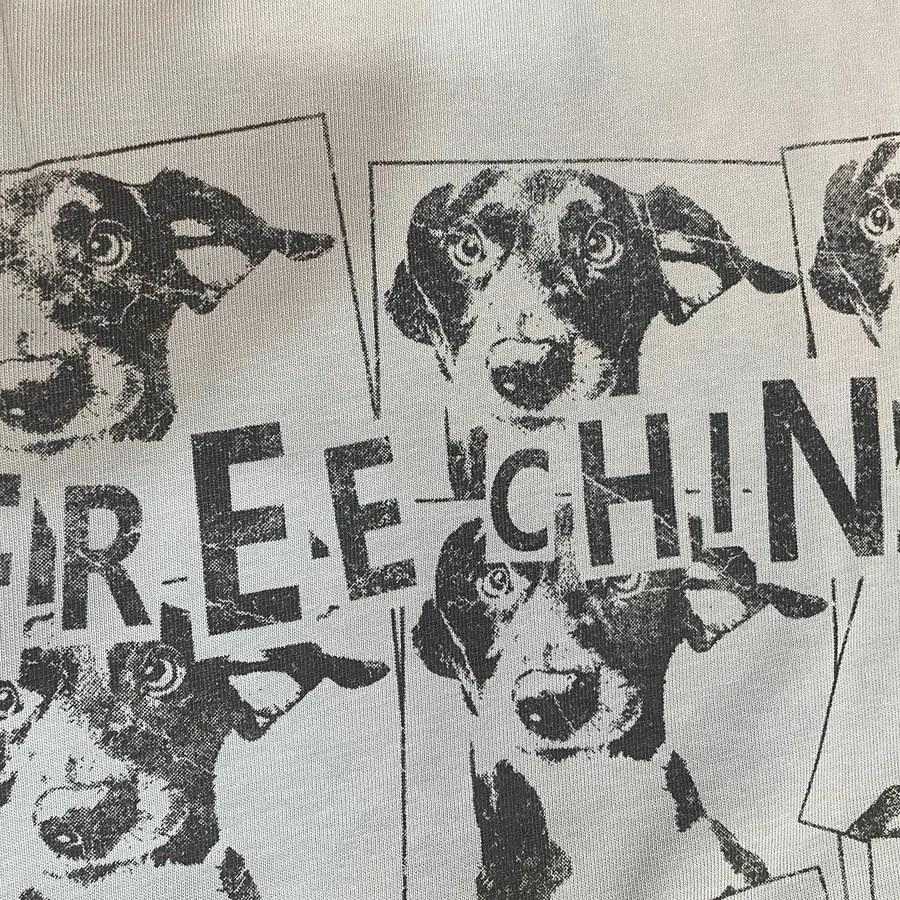
Wash-Fastness Standards & Longevity Testing
Every DTG printed garment undergoes wash-fastness validation to meet international textile durability standards. ZORWILD tests color retention, print adhesion, and hand feel after repeated industrial wash cycles, ensuring your custom graphics maintain vibrancy through 50+ home washes.
- ISO 105 and AATCC wash-fastness testing protocols applied to every production batch
- Minimum 50-wash color retention guarantee with proper garment care
- Cracking and peeling resistance validated through stretch and abrasion testing
- Soft hand feel maintained after repeated laundering without stiffness or fading
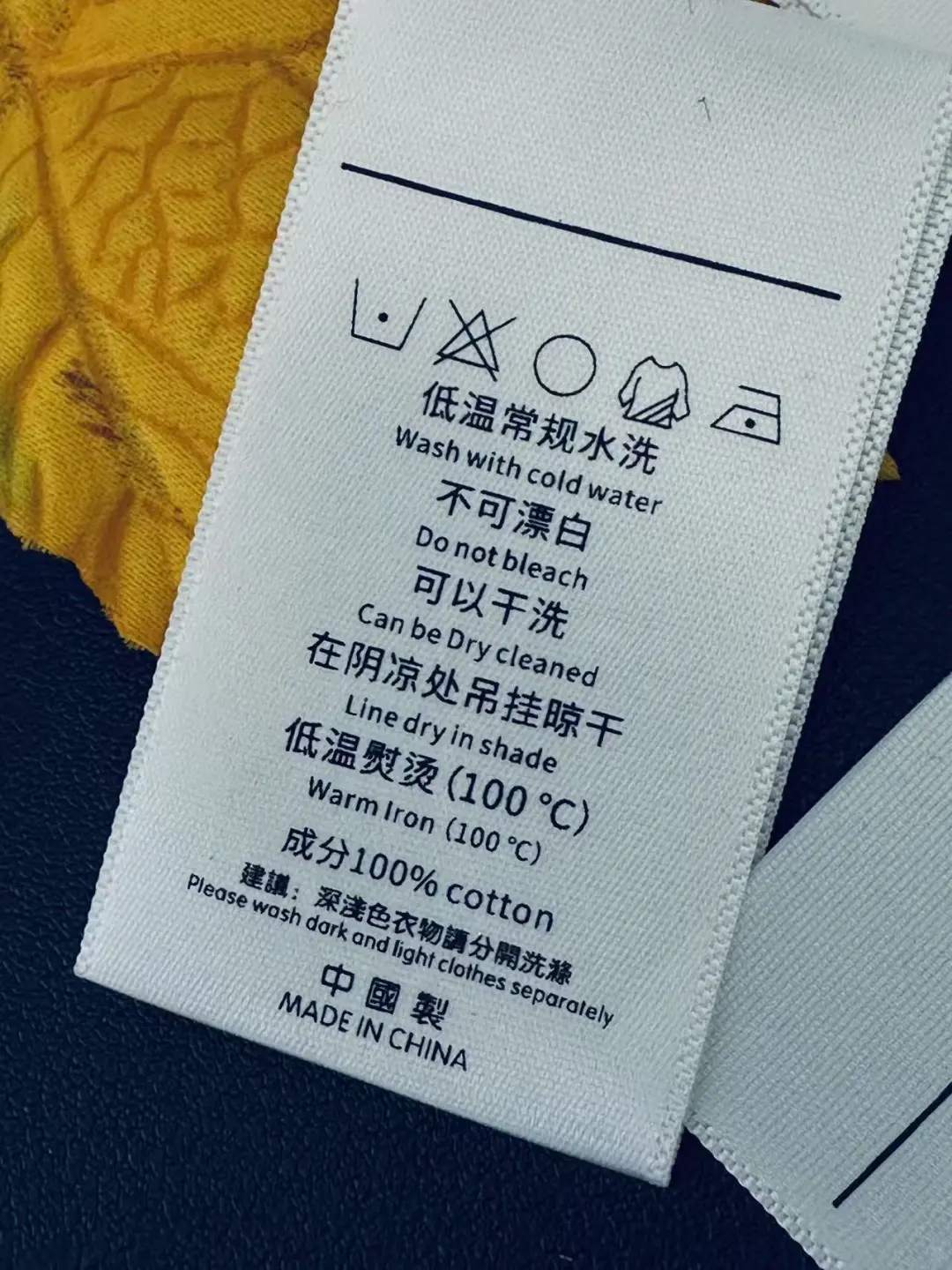
DTG Printing vs. Screen Printing: Which Method Fits Your Design?
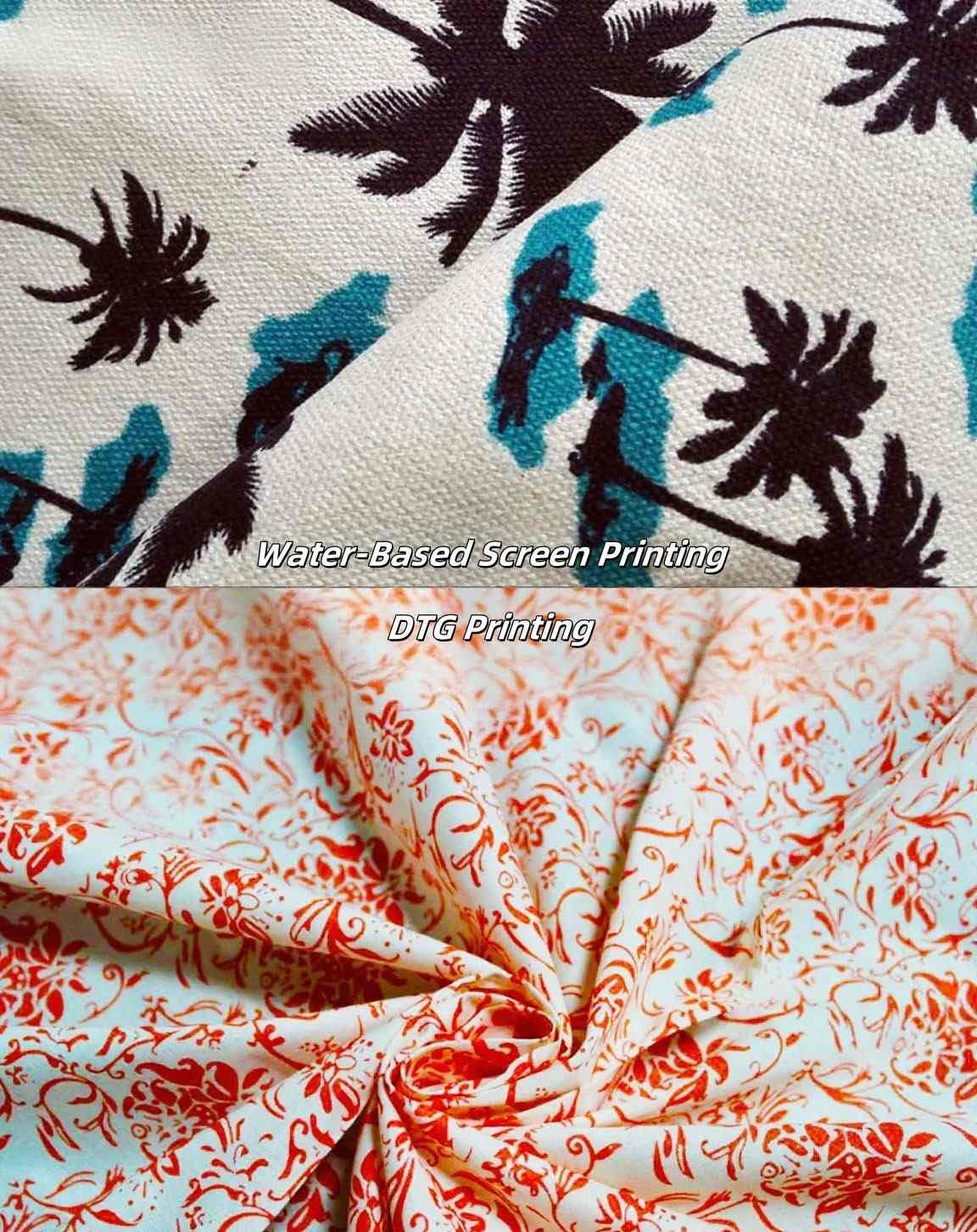
Direct-to-garment and screen printing each excel in different scenarios. Compare fabric compatibility, color capacity, setup requirements, and durability to choose the right technique for your brand’s custom apparel project.
← 左右滑动查看 →
DTG Printing Production Workflow
ZORWILD’s 7-phase DTG printing process ensures precise color reproduction, optimal ink saturation, and wash-durable graphics through controlled pre-treatment, direct-to-garment printing, and multi-stage curing protocols.
Pre-Treatment Application
Garments are pre-treated with specialized solution to enhance ink adhesion and color vibrancy. Treatment volume is calibrated based on fabric type and color for optimal ink absorption.
Curing & Drying
Pre-treated garments are heat-pressed or tunnel-dried at controlled temperature and dwell time to ensure even coating distribution and complete moisture removal before printing.
Design File Preparation
High-resolution artwork is color-profiled, scaled, and positioned using RIP software. Ink density, underbase layers, and print resolution are adjusted for fabric weight and texture.
DTG Printing Execution
Garments are loaded onto platens and printed layer-by-layer with CMYK plus white underbase. Real-time monitoring ensures consistent ink flow, nozzle performance, and registration accuracy.
Heat Curing Process
Freshly printed garments pass through heat press or conveyor dryer at precise temperature and time settings to cure water-based inks, lock colors, and achieve wash durability.
Quality Inspection & Testing
Every piece undergoes visual inspection for color accuracy, edge sharpness, ink saturation, and print alignment. Random samples are wash-tested to verify durability and colorfastness standards.
Finishing & Packaging
Approved garments are folded, tagged with custom labels and hang tags, and packed in branded polybags or boxes. Final count verification and export documentation complete the workflow.
How to Order DTG Printing: From Design to Delivery
ZORWILD’s 7-phase DTG printing process ensures precise color reproduction, optimal ink saturation, and wash-durable graphics on custom t-shirts, custom hoodies, and wholesale apparel through controlled pre-treatment, direct-to-garment printing, and multi-stage curing protocols.
Submit Your Artwork Files
Provide vector files or high-resolution raster images (300 DPI minimum). Our team reviews color specifications, placement, and design complexity for optimal DTG printing results.
Confirm Garment and Specifications
Select your base apparel—hoodies, T-shirts, or other garments—and specify sizes, fabric type, and any additional customization such as labels or packaging requirements.
Approve Your DTG Sample
Receive a physical sample within 7 to 10 days. Evaluate print quality, color accuracy, placement, and garment construction before approving bulk production.
Begin Production at 50-Piece MOQ
Once approved, production begins with our low MOQ of 50 pieces. Our 6-stage quality control system ensures every DTG printed garment meets professional standards.
Receive and Inspect Your Order
Your finished DTG printing order is packaged with custom branding and shipped globally. Final inspection reports and logistics tracking are provided for transparency.
DTG Printing Success Stories from Our Clients
We launched our merch drop in just 18 days using ZORWILD’s DTG printing. The photorealistic graphics matched our digital mockups perfectly, and our 500-unit order arrived on schedule. Our followers loved the quality.
After 25 washes, the DTG prints on our wholesale tees still look vibrant with zero cracking. ZORWILD’s color accuracy and durability gave us confidence to scale from 200 to 2,000 pieces per month.
As a startup, the 50-piece MOQ for DTG printing let us test three designs without huge risk. The detail on our botanical illustrations was incredible, and turnaround was under three weeks from approval to delivery.
DTG Printing FAQ
What fabrics work best for DTG printing?
What is the minimum order quantity for DTG printing?
How many colors can DTG printing reproduce?
What is the maximum design size for DTG printing?
Can I combine DTG printing with embroidery or other decoration techniques?
How durable is DTG printing after washing?
What file format and resolution do you need for DTG printing?
What is the lead time for DTG printing orders?
How much does a DTG printing sample cost?
The Complete Buyer’s Guide to DTG Printing for Custom Apparel
1. What Is DTG Printing?
DTG printing uses industrial inkjet technology to spray water-based ink directly onto fabric, delivering photographic detail and unlimited color options without screen setup costs. Unlike screen printing—which requires separate screens for each color and favors runs of 100+ pieces—DTG printing excels at low-volume orders starting from 50 pieces, complex artwork with gradients, and full-color designs that would require 8 to 12 screens in traditional methods.
The workflow begins with pre-treatment: garments receive a liquid solution that bonds ink to fabric fibers and prevents color bleeding, especially critical for dark garments. After pre-treatment dries, the printer applies CMYK ink layers directly onto the fabric surface in a single pass, building up opacity and color depth. Heat curing at 160–180°C for 60–90 seconds then locks the ink into the fabric, ensuring wash durability and color fastness through 40+ wash cycles.
ZORWILD supports DTG printing for detailed graphics, complex artwork, photo-realistic designs, and streetwear collections where color variety and visual impact matter more than per-unit cost at scale. Brands choose DTG when launching capsule collections, testing new designs with minimal inventory risk, offering personalized products, or producing influencer merch with fast turnaround and low MOQ flexibility.
2. The Evolution of DTG Printing Technology
In the early 1990s, engineers adapted desktop inkjet technology to print directly onto textiles, creating the first DTG printing prototypes that laid the groundwork for modern garment decoration. These early systems were slow, unreliable, and limited to light-colored cotton, but they demonstrated the potential for full-color, on-demand apparel production without screens or setup costs.
The mid-2000s marked the commercial breakthrough when manufacturers released the first industrial DTG printers capable of consistent production speeds and acceptable wash durability. Advances in piezoelectric printhead design and textile-specific ink formulations enabled brands to print photorealistic graphics, gradients, and complex artwork that screen printing could not economically reproduce in small quantities. By 2010, DTG printing had become a viable alternative for runs below 50–100 pieces, directly supporting the low MOQ production models that ZORWILD offers to startup brands and influencers.
Modern DTG systems introduced in the 2010s feature automated pretreatment application, dual-platen configurations for higher throughput, and eco-friendly water-based inks certified under OEKO-TEX and GOTS standards. Print speeds have improved from 20–30 garments per hour in early machines to 80–120 pieces per hour on industrial platforms, while ink chemistry innovations deliver superior colorfastness, softer hand feel, and compliance with global environmental regulations. These improvements have made dtg printing a mature, reliable technology for small-batch custom apparel, capsule collections, and on-demand fulfillment across global markets.
3. Types of DTG Printing Methods and Equipment
DTG printing equipment spans four main categories, each designed for different production scales and order complexity. Understanding capacity, color handling, and white-ink systems helps buyers match the right setup to their volume and design needs.
Entry-Level Desktop DTG Printers
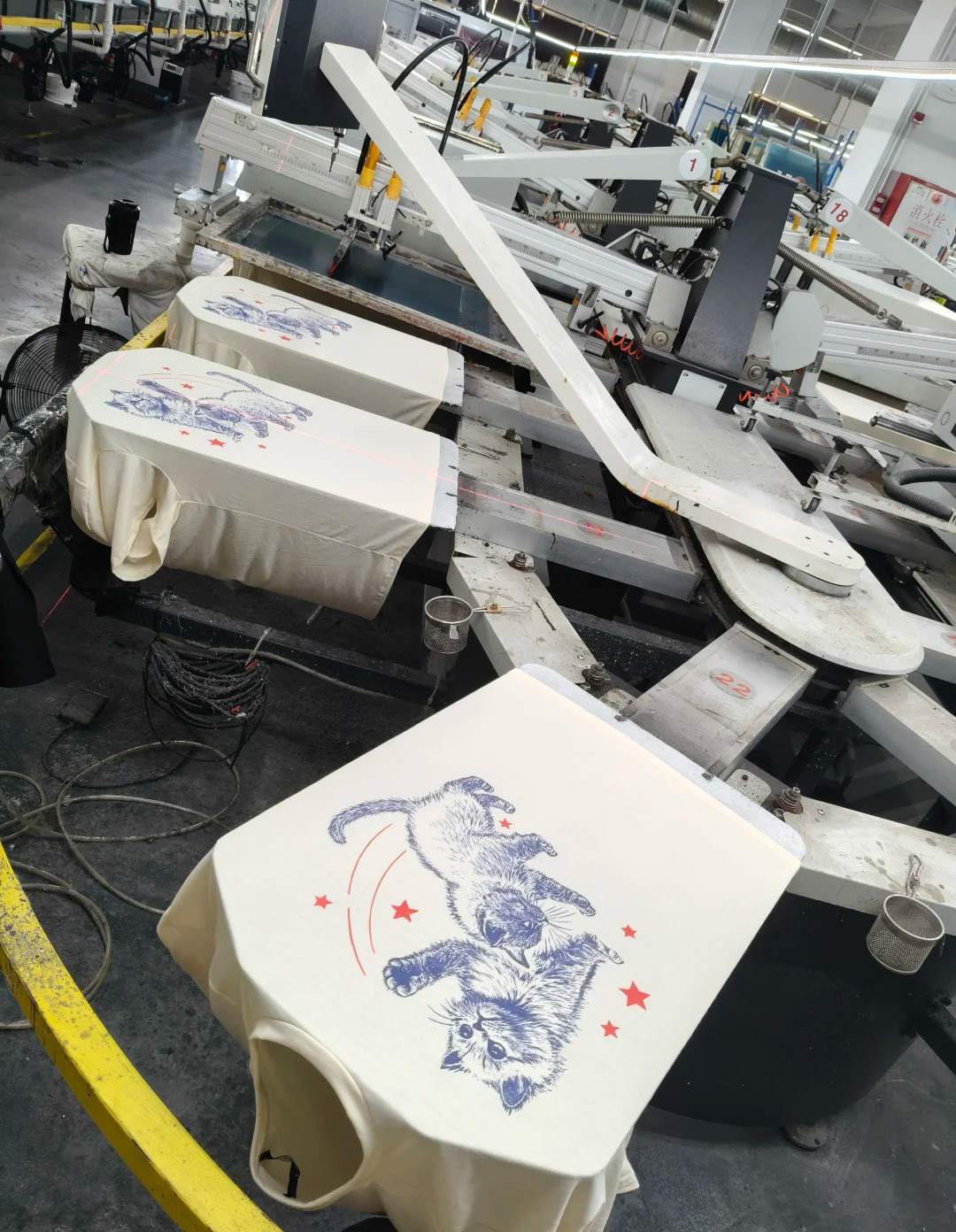
Desktop DTG printers produce 4–8 garments per hour and suit startup brands testing designs or fulfilling small batches of 10–50 pieces. These systems typically offer CMYK color with optional white-ink channels for dark garments.
Ideal for influencer merch drops, sample runs, and low-volume custom orders where speed matters less than flexibility and low upfront investment.
Mid-Range Commercial Systems
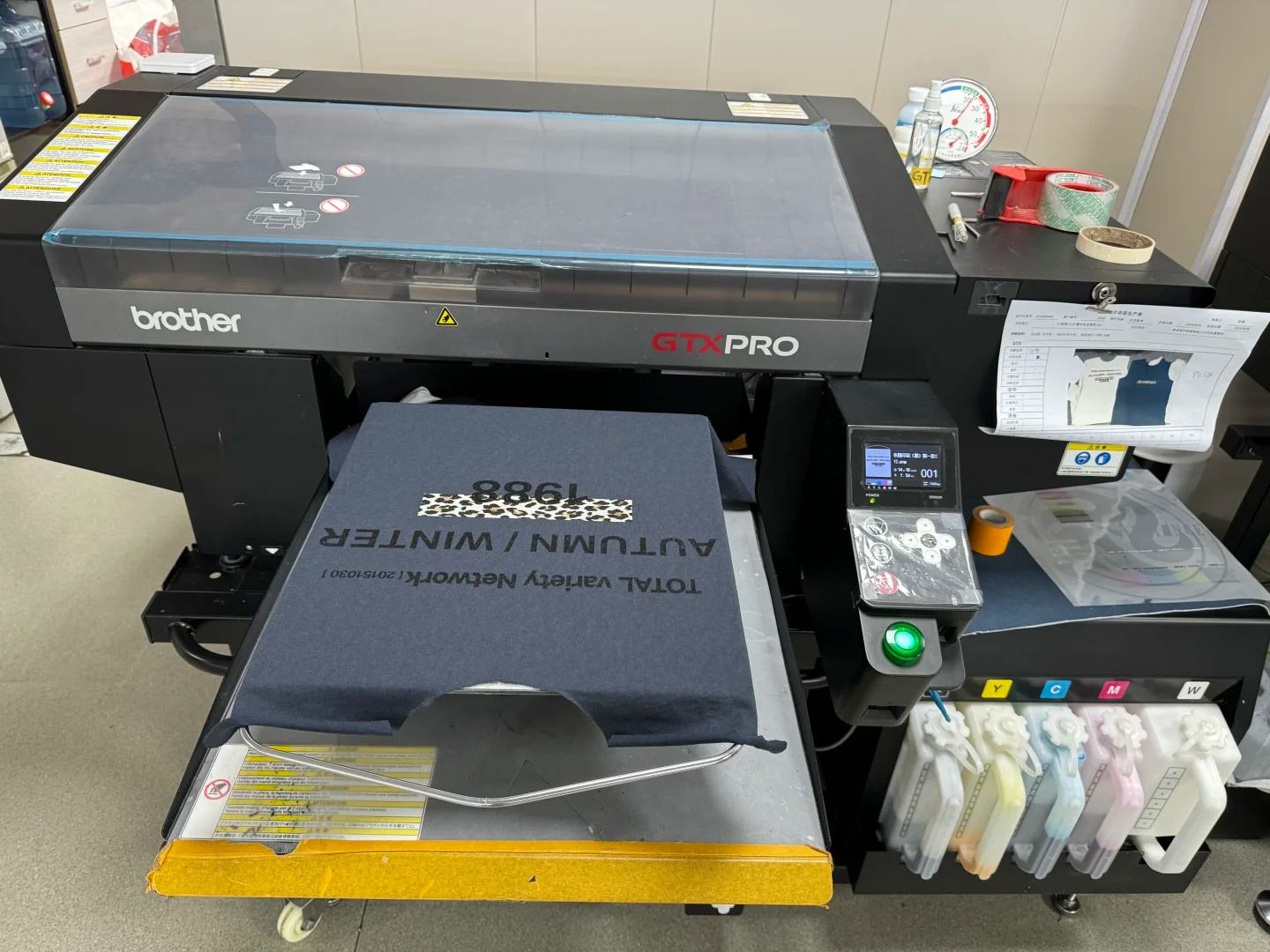
Commercial DTG printers deliver 15–25 garments per hour with enhanced white-ink circulation and automated pretreatment integration. These machines handle order volumes of 100–500 pieces per day and support full CMYK plus white underbase for consistent color on dark fabrics.
ZORWILD operates mid-range commercial DTG systems to balance quality, speed, and cost for private label brands requiring 50–1,000 piece production runs with complex artwork.
Industrial High-Speed Lines
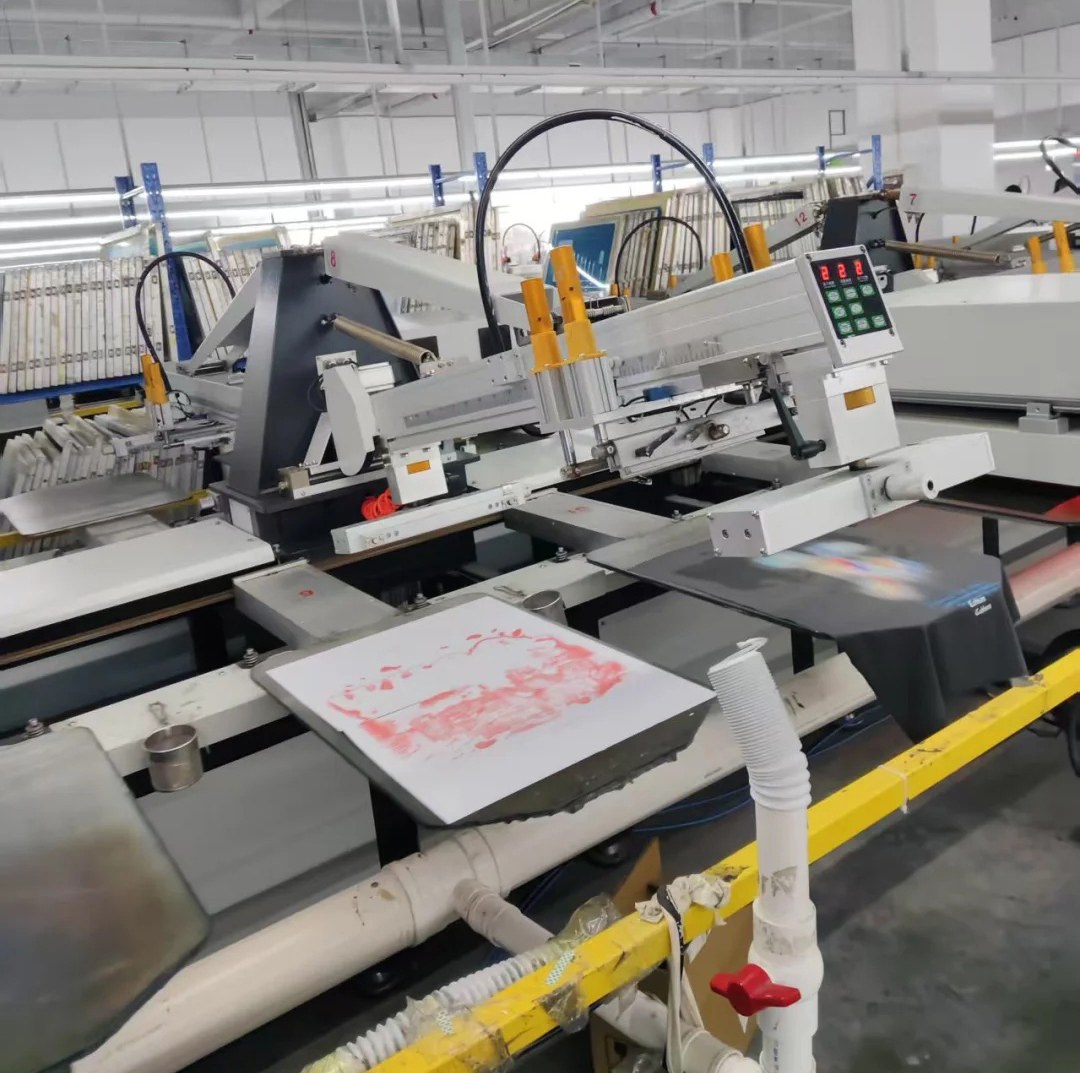
Industrial DTG lines produce 40–80 garments per hour using conveyor-fed automation, dual-platen configurations, and high-capacity ink systems. These setups serve wholesalers and established brands ordering 1,000+ pieces with tight lead times.
High-speed systems maintain color accuracy across long runs and integrate inline quality inspection, automated folding, and direct-to-packaging workflows for maximum efficiency.
White-Ink Underbase vs. Direct-Color Printing
Light-colored garments (white, natural, pastels) use direct CMYK printing without underbase, yielding soft hand feel and vivid colors. Dark garments (black, navy, charcoal) require a white-ink underbase layer to prevent color absorption and maintain design brightness.
White underbase adds one pass and slight texture but ensures full-color artwork pops on dark fabrics. ZORWILD pre-treats dark garments before white-ink application to lock adhesion and prevent cracking after washing.
4. Best Fabrics and Materials for DTG Printing
Fabric composition directly determines dtg printing quality, wash durability, and color vibrancy. Cotton content, fabric weight (GSM), and weave structure all influence ink absorption and final print performance.
| Fabric Type | Cotton Content | DTG Compatibility | Wash Durability | Typical Use Cases |
|---|---|---|---|---|
| 100% Cotton | 100% | Excellent | 50+ cycles | Graphic tees, streetwear, retail apparel |
| Cotton-Poly Blend | 50–60% | Good | 30–40 cycles | Budget apparel, promotional wear, casual collections |
| Tri-Blend | 30–50% | Fair | 20–25 cycles | Premium soft tees, vintage-feel garments |
| Performance Fabrics | 0–30% | Limited | 15–20 cycles | Activewear, moisture-wicking sportswear |
100% Cotton: The Gold Standard
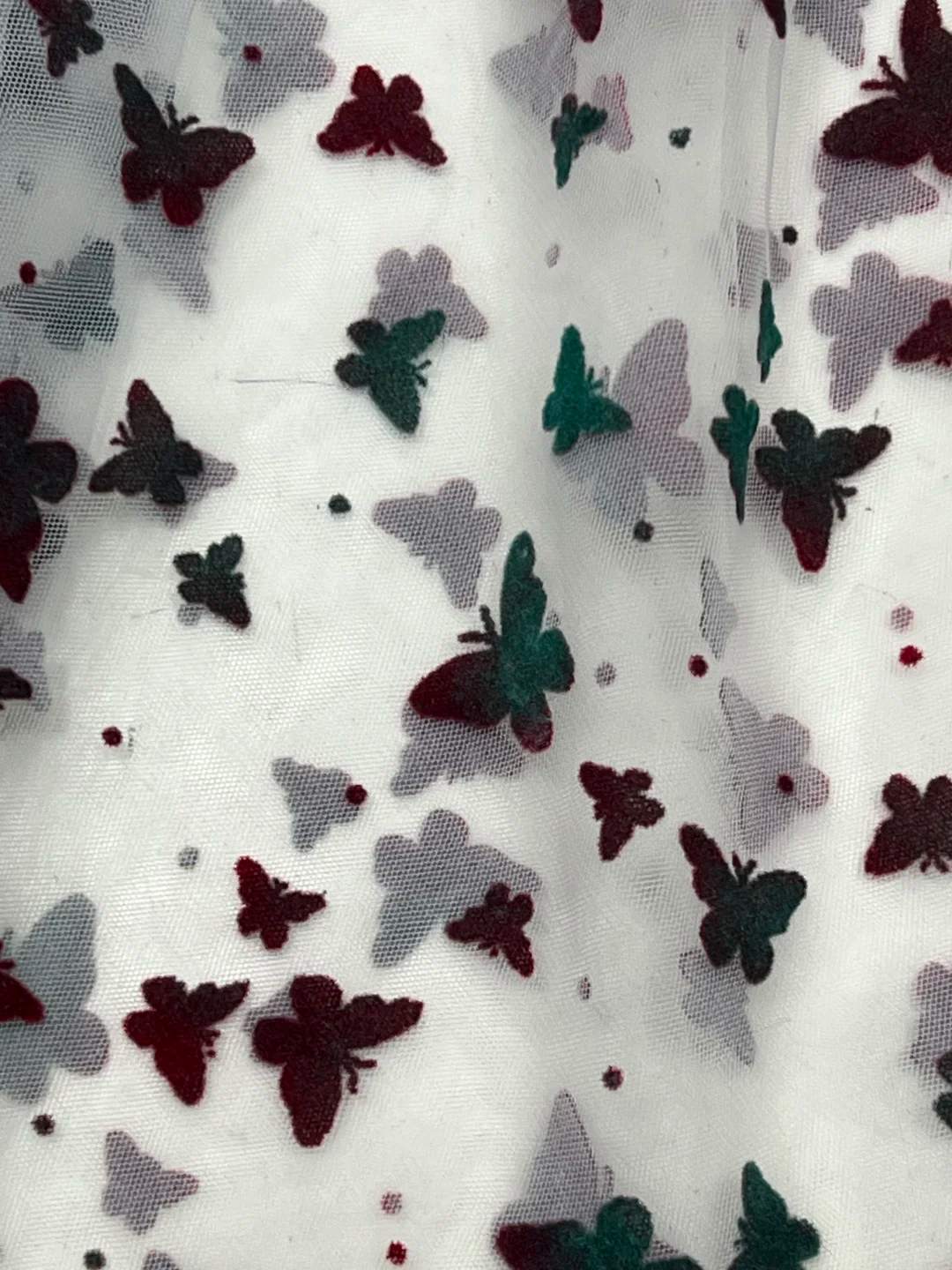
100% cotton fabrics deliver optimal dtg printing results because natural fibers absorb water-based inks evenly and bond permanently with pre-treatment chemistry. Ring-spun cotton in 180–220 GSM produces the sharpest detail and richest color saturation.
ZORWILD recommends 100% cotton for graphic tees, streetwear collections, and retail apparel where print quality is paramount. Pre-treatment application is straightforward, and wash durability exceeds 50 cycles when processed correctly.
Cotton-Poly Blends: Balancing Performance and Cost
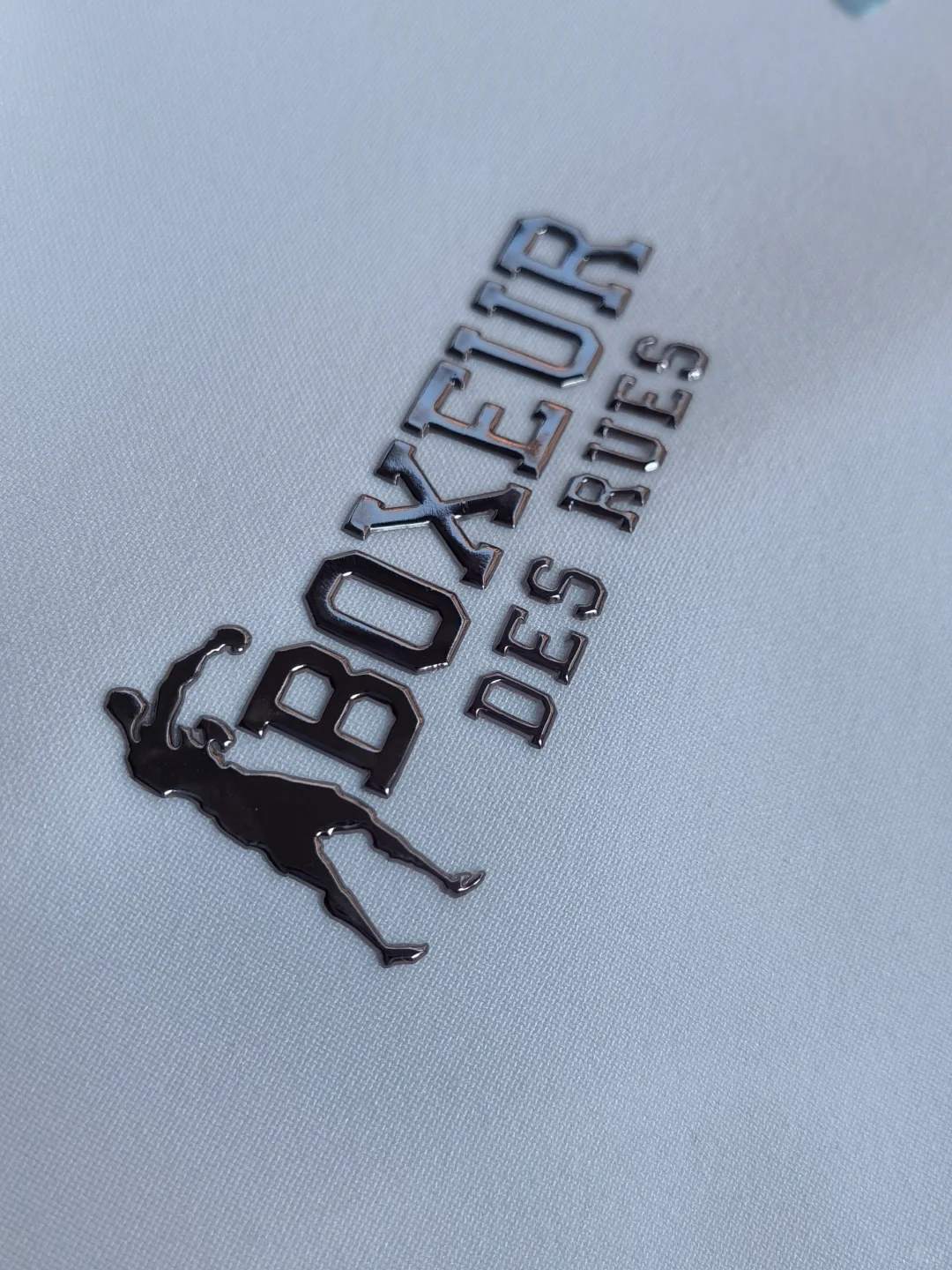
Blends of 50/50 or 60/40 cotton-polyester require adjusted pre-treatment formulas to compensate for polyester’s resistance to water-based inks. Colors appear slightly less vibrant than on 100% cotton, but blends offer better wrinkle resistance and lower fabric costs.
ZORWILD uses modified pre-treatment protocols for blends to maintain acceptable wash durability of 30–40 cycles. Ideal for budget-conscious brands, promotional apparel, and casual wear where softness and stretch matter more than maximum color intensity.
Tri-Blends and Performance Fabrics
Tri-blend fabrics (cotton-polyester-rayon) and technical performance materials present challenges for dtg printing due to mixed fiber absorption rates. Print adhesion is weaker, and colors may fade faster than on pure cotton.
ZORWILD advises screen printing or heat transfer for tri-blends and moisture-wicking activewear unless clients accept reduced wash durability of 20–25 cycles. When dtg printing is required on performance fabrics, test samples are essential to confirm acceptable results before bulk production.
5. Customization and Design Options in DTG Printing
DTG printing unlocks unlimited color palettes, photographic detail, and individual personalization — capabilities that transform how brands approach custom apparel. Unlike screen printing, which requires separate screens per color, dtg printing handles gradients, fine text, and complex artwork in a single pass, making it ideal for low MOQ collections starting from 50 pieces.
| Method | Color Limit | Design Complexity | Per-Unit Cost (50 pcs) |
|---|---|---|---|
| DTG Printing | Unlimited | Photographic detail, gradients, fine text | $8–$15 |
| Screen Printing | 1–6 colors | Solid blocks, simple graphics | $12–$25 (setup-heavy) |
| Heat Transfer | Full color | Moderate detail, no gradients | $5–$10 |
File Preparation and Print Area Limits
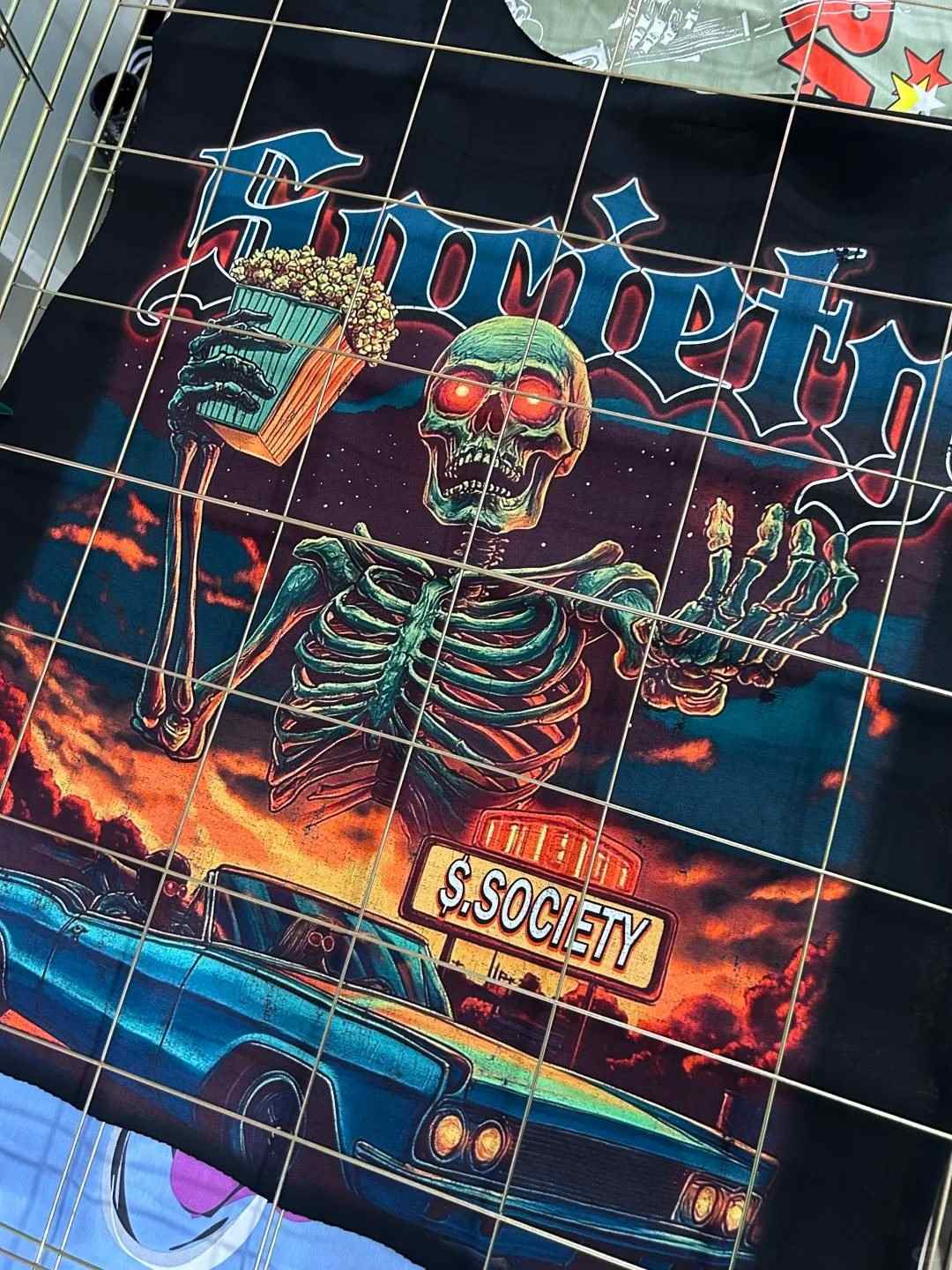
DTG requires 300 DPI resolution at actual print size to ensure sharp detail and prevent pixelation. RGB files must be converted to CMYK or Pantone profiles for accurate color matching, and transparent PNG files enable precise placement without white backgrounds.
Most DTG printers handle 16×20-inch maximum print areas, though standard placements — chest logos (4×4 inches), full front (12×14 inches), back graphics (14×16 inches) — cover typical brand needs. ZORWILD’s production team reviews all files before sampling to confirm resolution, bleed zones, and color accuracy.
Single-Location vs. Multi-Location Printing
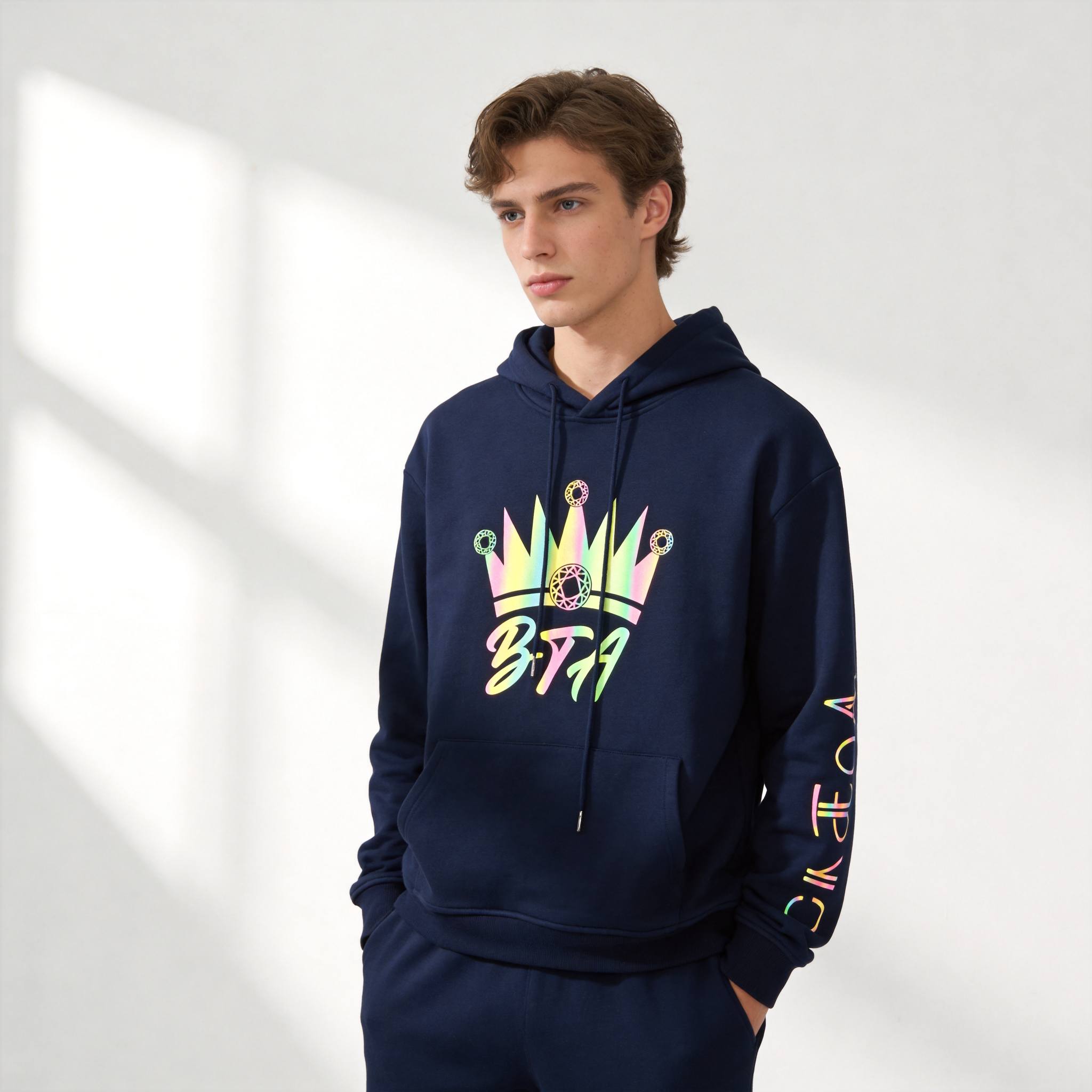
Single-location prints (front chest or full back) cost less and speed production, making them ideal for startup brands testing designs. Multi-location printing — combining front, back, sleeves, and inside neck labels — creates premium streetwear collections but adds 20–40% to per-unit costs.
ZORWILD supports up to five print locations per garment, allowing brands to layer storytelling across chest logos, back graphics, sleeve text, inside neck labels, and hem tags for cohesive brand experiences.
Combining DTG with Embroidery and Patches
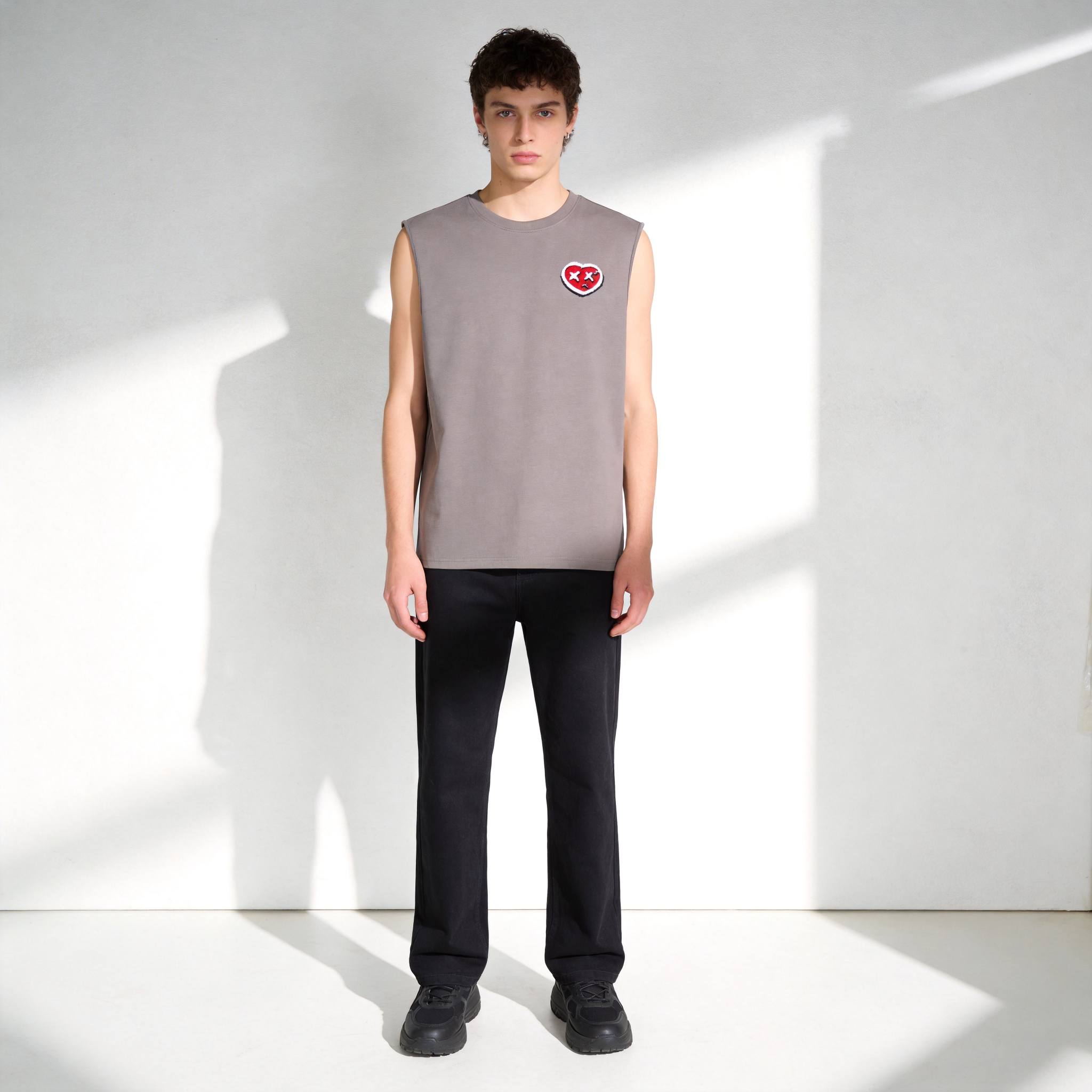
Hybrid decoration — DTG backgrounds with embroidered logos or chenille patches — adds tactile depth and perceived value. Brands often use DTG for large photographic prints and reserve embroidery for small logos, creating contrast between detailed artwork and premium stitched branding.
ZORWILD’s one-stop production integrates DTG printing, flat embroidery, 3D puff embroidery, chenille patches, and woven labels in a single workflow, eliminating coordination delays and ensuring alignment across decoration methods.
6. Key Quality Indicators for DTG Printing
Evaluating dtg printing quality before production protects your brand reputation and reduces costly reprints. Professional manufacturers like ZORWILD apply strict inspection protocols across five critical quality checkpoints to ensure every garment meets commercial durability standards.
Color Accuracy and Consistency
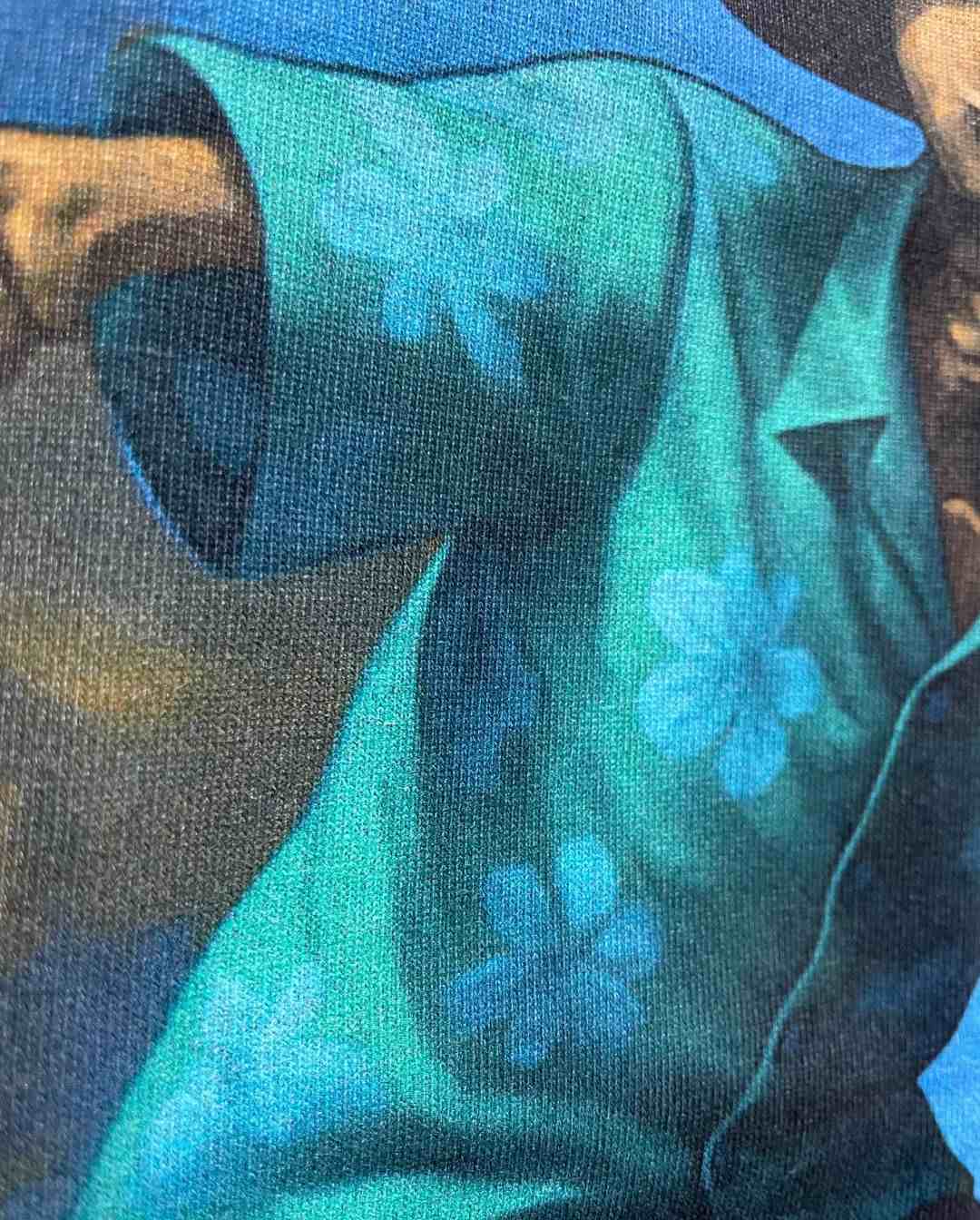
DTG printing achieves close color matching but cannot guarantee exact Pantone replication due to fabric absorption and ink chemistry. Expect ±10% variance on cotton substrates compared to RGB screen previews.
Request printed samples on your chosen fabric weight and color before bulk orders. Compare samples under daylight (5000K) and indoor lighting to assess color shift. ZORWILD provides pre-production samples to verify color performance across different garment bases.
Hand-Feel and Ink Deposit
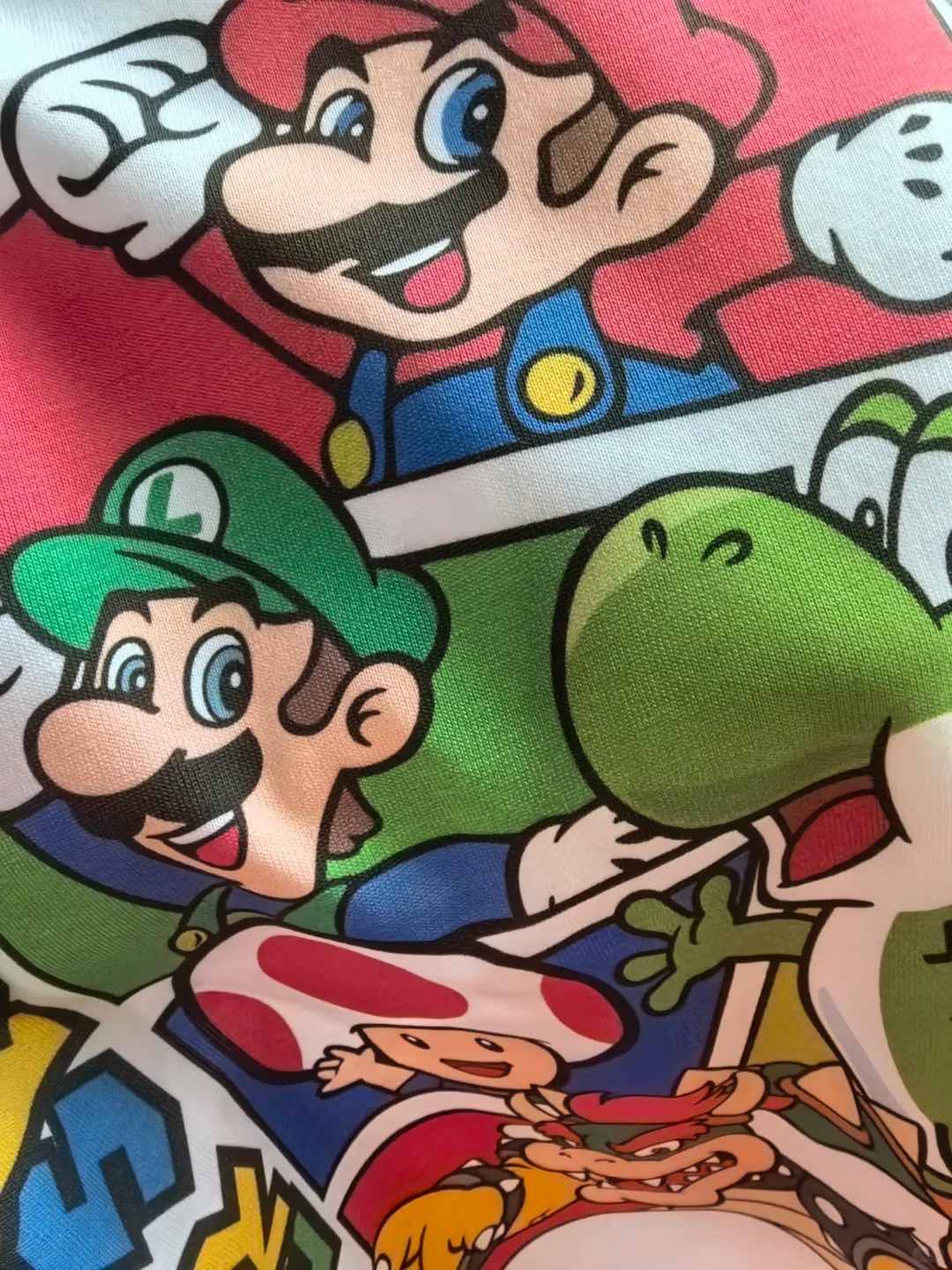
Quality dtg printing leaves minimal tactile residue; the print should feel soft and integrated into the fabric, not thick or rubbery. Heavy ink deposits indicate poor pre-treatment balance or excessive ink layering.
Run your hand across the printed area—premium prints flex naturally with the fabric and show no cracking when stretched. Reject samples with stiff, plastic-like texture or visible ink pooling.
Wash-Fastness and Durability Testing
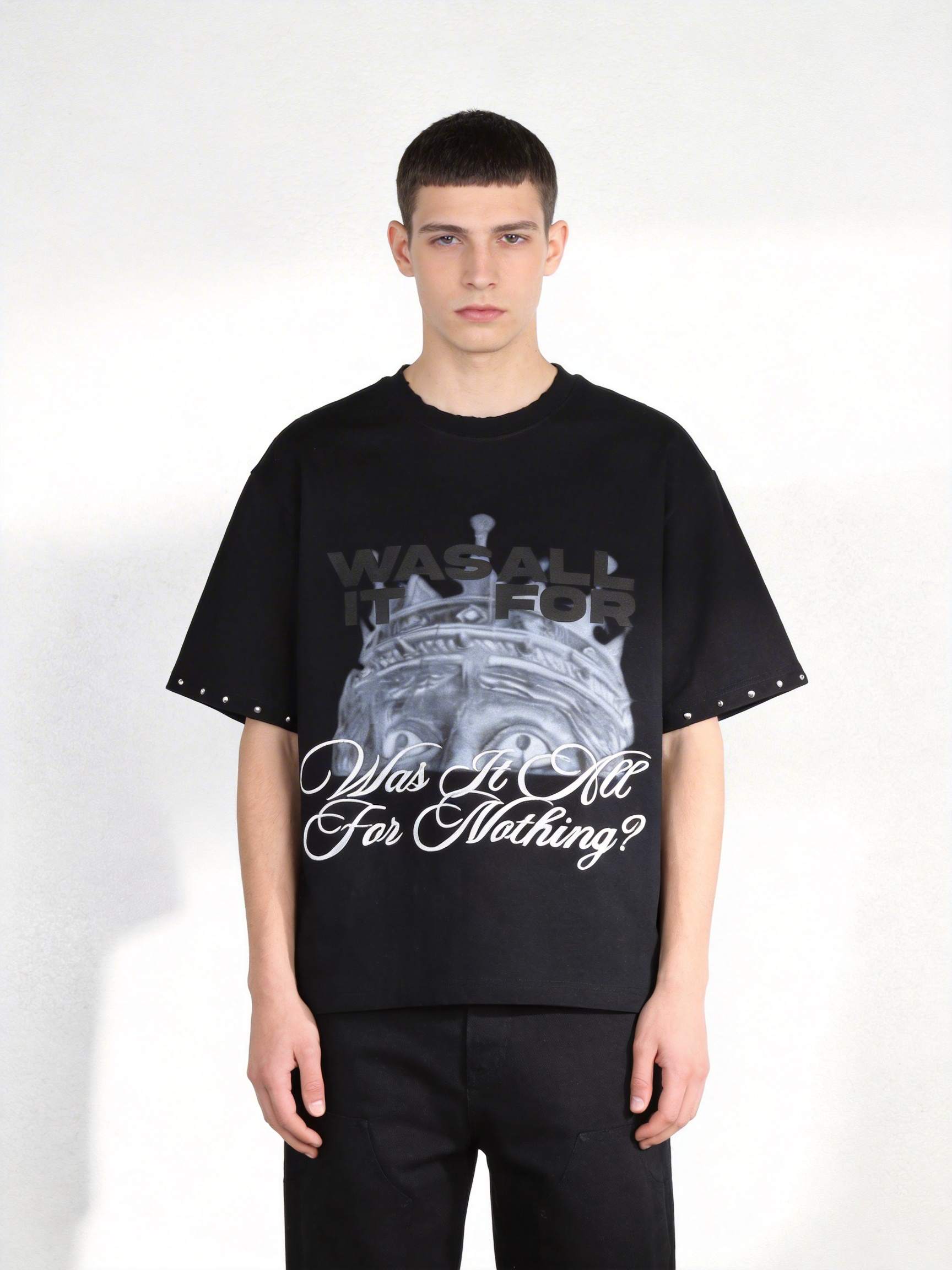
Request AATCC 135 wash-fastness test results or conduct 5-wash home tests before approving production. Quality dtg printing retains 90%+ color vibrancy after 20 washes at 40°C.
ZORWILD tests all dtg printing samples through industrial wash cycles to verify curing completeness and color retention. Look for no fading, cracking, or peeling after the first wash—early failure signals inadequate curing temperature or time.
Pre-Treatment Quality
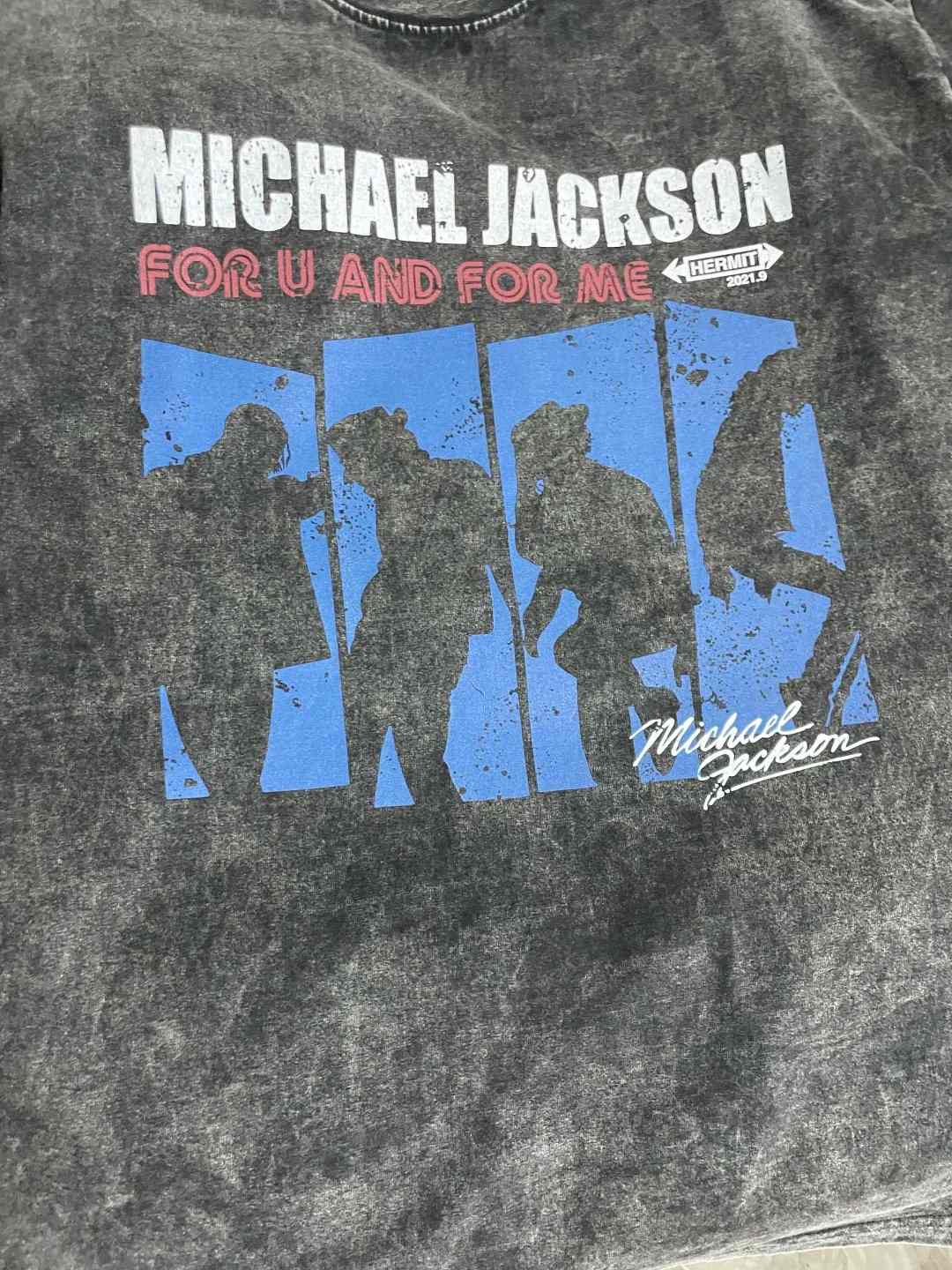
Invisible, even pre-treatment is essential for vibrant prints and soft hand-feel. Poor pre-treatment leaves white residue, stiff patches, or uneven color saturation across the design.
Inspect samples under angled light to detect pre-treatment halos or streaks. Professional manufacturers calibrate spray volume and drying parameters to eliminate visible residue while maintaining ink adhesion.
7. How to Choose a DTG Printing Manufacturer
Selecting the right dtg printing manufacturer requires evaluating production flexibility, technical capabilities, and long-term partnership potential. A structured vetting process protects your brand from quality issues, delays, and hidden costs.
MOQ Flexibility and Scalability
ZORWILD supports dtg printing orders starting at 50 pieces, enabling startup brands to test designs without heavy inventory risk. Many domestic providers require 100–500 piece minimums, while overseas manufacturers often scale from 50 to 100,000+ units monthly.
Confirm whether the supplier can accommodate reorders in mixed sizes, add new colorways mid-season, and increase production as your brand grows. Scalability prevents the costly disruption of switching manufacturers during growth phases.
Equipment Brands and Maintenance Practices
Ask which DTG printer models the factory operates—Epson SureColor F-series, Brother GTX, and Kornit systems are industry standards. Regular printhead cleaning, ink circulation protocols, and calibration schedules directly impact color consistency and print durability.
Factories that document maintenance logs and replace consumables on schedule deliver fewer defects. ZORWILD’s 27 years of manufacturing experience includes strict equipment maintenance to ensure consistent output across thousands of garments.
Certifications and Communication Standards
OEKO-TEX Standard 100 for inks and GOTS certification for organic cotton signal commitment to safe, eco-friendly production. Verify certifications before signing contracts, especially for children’s apparel or EU/US retail compliance.
Reliable communication—response times under 24 hours, English-speaking account managers, and detailed tech pack reviews—prevents costly misunderstandings. Request print samples with your actual artwork on your chosen fabric to evaluate registration, color matching, and wash durability before committing to bulk orders.
8. Common Mistakes Buyers Make with DTG Printing
DTG printing delivers exceptional detail and color, but avoidable mistakes often lead to wasted budgets, production delays, and customer complaints. Understanding these common pitfalls helps buyers secure consistent quality and protect their brand reputation from the first order.
Choosing the Wrong Fabric Blend
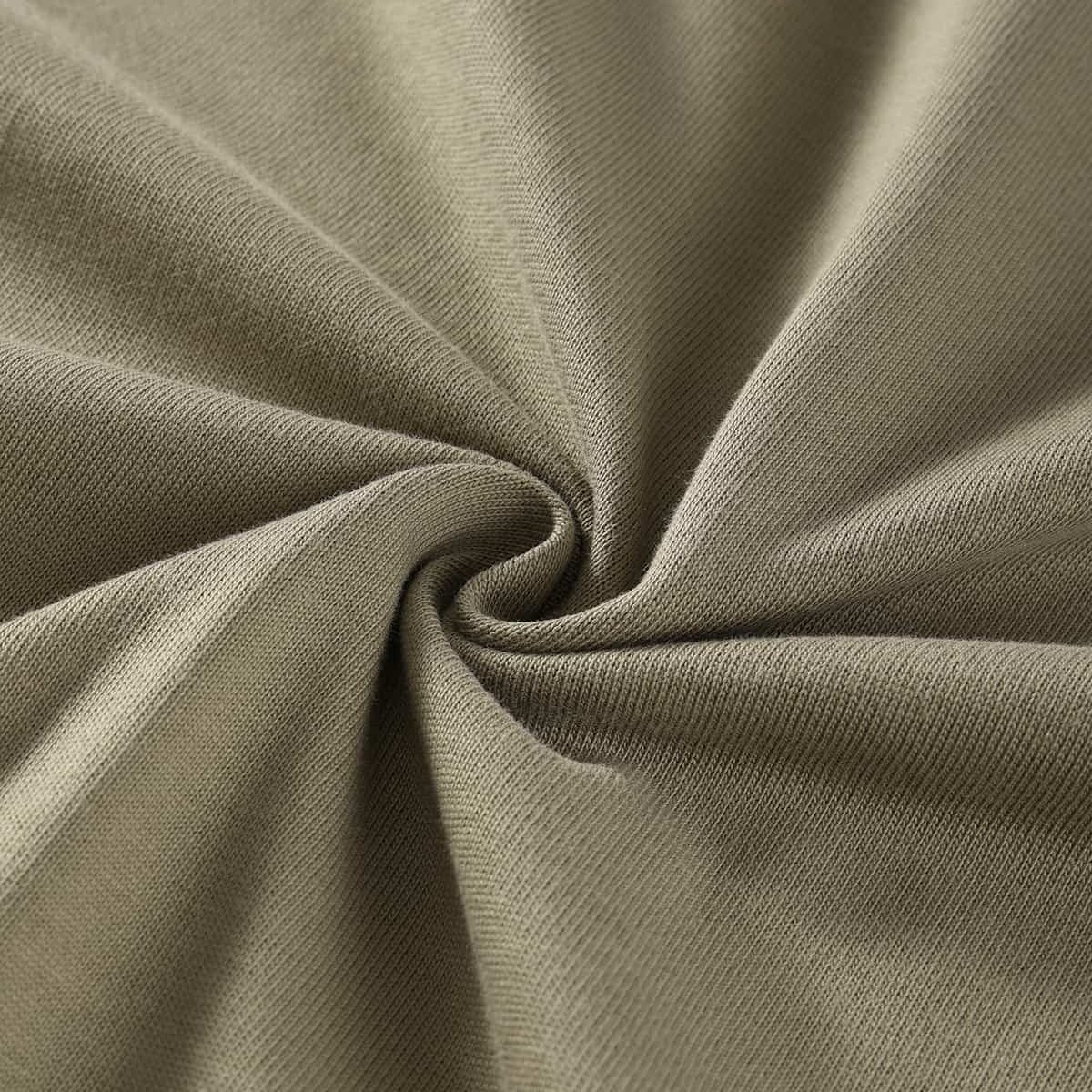
Polyester-heavy blends (over 35% polyester) repel water-based DTG ink, resulting in faded prints, poor wash durability, and washed-out colors. DTG printing performs best on 100% cotton or cotton-rich fabrics (minimum 80% cotton) that absorb ink deeply.
Avoid this mistake by specifying 100% cotton, organic cotton, or bamboo cotton blends when ordering DTG-printed garments. ZORWILD recommends ring-spun cotton jersey (180–220 GSM) for T-shirts and French terry (280–320 GSM) for hoodies to ensure vibrant, long-lasting prints.
Submitting Low-Resolution Artwork
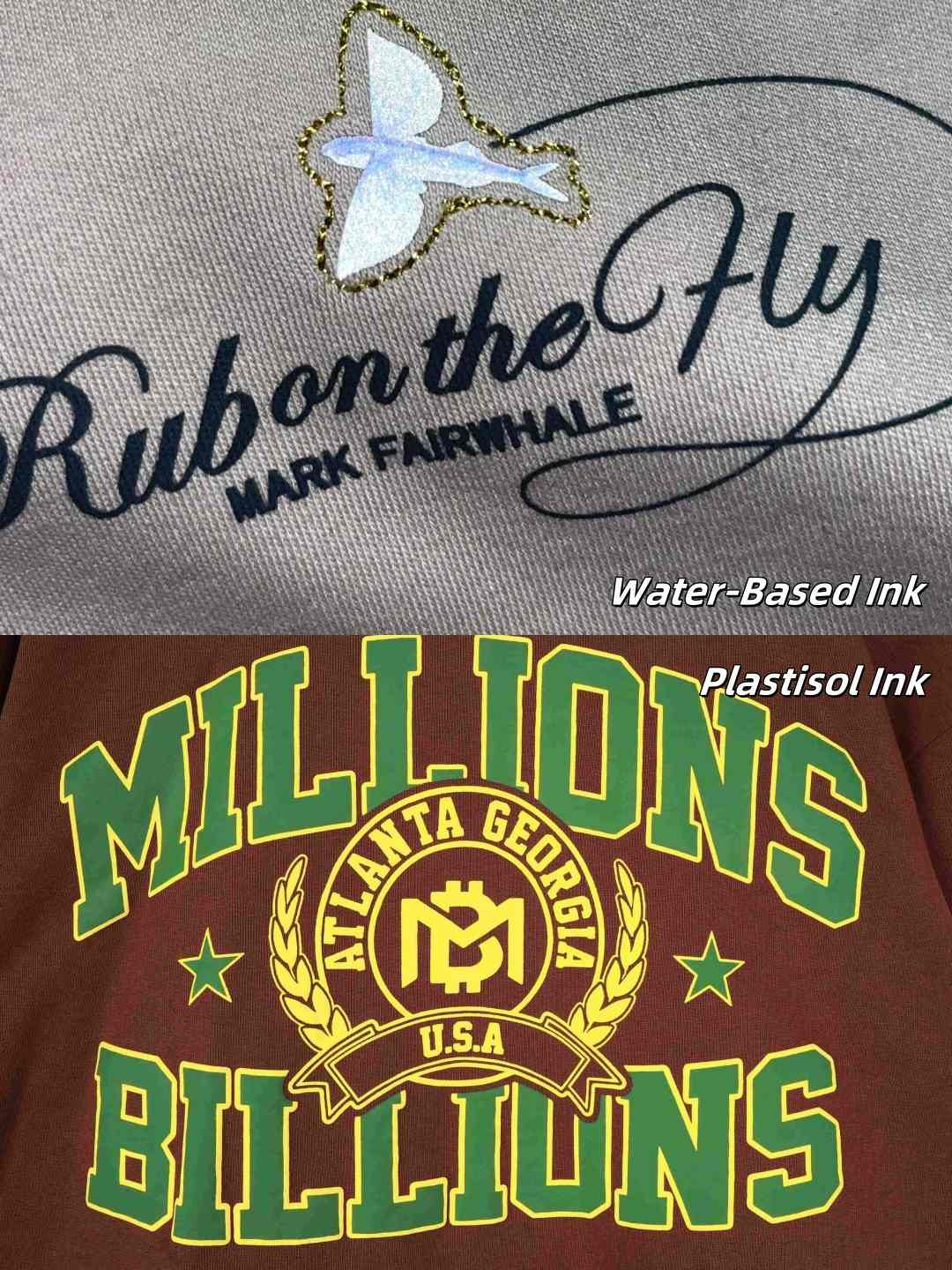
Artwork below 150 DPI produces blurry, pixelated prints that damage brand credibility. DTG printing reproduces fine details accurately only when files meet minimum resolution standards of 300 DPI at actual print size.
Request vector files (AI, EPS, PDF) or high-resolution raster files (PNG, TIFF) from your designer. ZORWILD’s design team reviews all artwork during sampling and recommends adjustments before bulk production to prevent quality issues.
Ignoring Pre-Production Samples
Skipping samples to save time often leads to costly bulk production errors—wrong colors, incorrect sizing, or poor print placement. A single sample (typically $30–$80) reveals fabric hand feel, print vibrancy, wash durability, and fit accuracy.
Always approve a physical sample before confirming bulk orders. ZORWILD provides detailed sampling with actual fabrics, wash effects, and DTG printing quality so buyers evaluate every detail before committing to 500-piece or larger production runs.
Underestimating Lead Times for Large Orders
Buyers frequently assume DTG printing means instant turnaround, but orders exceeding 500 pieces require 18–25 days for fabric sourcing, printing, curing, washing, quality inspection, and packaging. Rush requests without adequate lead time increase costs by 15–30%.
Plan production schedules 4–6 weeks ahead for orders over 1,000 units. ZORWILD’s production planning team provides realistic timelines during quotation, factoring in fabric availability, decoration complexity, and shipping method to prevent launch delays.
Neglecting Wash-Care Instructions
Failing to provide end customers with proper wash-care guidance causes premature fading, cracking, and customer returns. DTG prints require inside-out washing, cold water, and low-heat drying to maintain vibrancy through 50+ wash cycles.
Include printed care labels and hang tags with clear instructions: wash inside out, cold water, tumble dry low, no bleach, no dry cleaning. ZORWILD offers custom care label printing with brand-specific wash instructions to protect print longevity and reduce return rates.
Failing to Test Color Accuracy on Garment Color
DTG ink appears differently on white, black, and colored garments due to underbase requirements and fabric absorption. Colors on black garments require white underbase, which can shift final hues by 10–15% compared to digital mockups.
Request strike-off samples on the exact garment color you plan to use. ZORWILD produces color-matched samples on white, black, heather gray, and custom garment colors, ensuring final bulk production matches approved samples and brand color standards.
9. Steps to Launch Your Brand with DTG Printing
Launching a profitable apparel line with DTG printing requires a clear roadmap from concept to customer. ZORWILD’s 50-piece MOQ and full-service production support enable startups and influencers to test collections, refine products, and scale efficiently without heavy inventory risk.
Define Your Niche and Target Audience
Identify your brand’s core customer segment before designing products. Streetwear brands targeting Gen Z prioritize oversized fits and bold graphics, while wellness brands serving millennials focus on organic cotton and minimalist designs.
Niche clarity drives fabric choice, color palettes, and artwork style. A resort-wear brand uses pastel tones on lightweight rayon; a fitness brand selects moisture-wicking polyester blends. ZORWILD’s design team translates audience insights into production-ready tech packs.
Design and Source Artwork
DTG printing demands high-resolution vector or raster files — minimum 300 DPI at print size. Provide AI, EPS, PSD, or PNG files with transparent backgrounds for accurate color reproduction.
Commission original artwork from designers, license stock graphics, or develop in-house illustrations. ZORWILD’s sampling team reviews artwork for printability, color separation, and placement accuracy before production.
Select Garment Styles and Colors
Choose base garments that align with your brand positioning. Heavyweight 240–280 GSM hoodies suit premium streetwear; lightweight 160–180 GSM tees work for resort collections. White and light pastel bases maximize DTG color vibrancy; dark garments require white underbase layers.
ZORWILD manufactures oversized hoodies, boxy tees, cropped styles, and longline cuts with custom sizing, enabling differentiation beyond graphics alone.
Order Samples and Conduct Wear Tests
Request pre-production samples to evaluate print sharpness, color accuracy, fabric hand feel, and construction quality. Wash samples 5–10 cycles to assess ink durability, color fastness, and fabric shrinkage.
ZORWILD provides sampling at cost, allowing brands to test multiple colorways, print placements, and garment styles before committing to 50-piece minimums.
Set Retail Pricing and Plan Inventory
Calculate landed cost including manufacturing, decoration, shipping, and duties — typically $8–$18 per tee, $20–$40 per hoodie at 50–200 units. Apply 2.5× to 4× markup for wholesale, 4× to 6× for direct-to-consumer retail.
Start with small-batch stock (50–100 units per design) to test demand, then reorder bestsellers. ZORWILD’s low MOQ system supports on-demand restocks without overstock risk.
Market Your DTG Products
Emphasize full-color customization, eco-friendly water-based inks, and premium garment quality in product descriptions and social content. Showcase behind-the-scenes production videos, close-up print details, and customer testimonials.
Highlight sustainability credentials (OEKO-TEX inks, organic cotton options) and low-waste on-demand production to attract conscious consumers. ZORWILD provides branded packaging and hang tags to reinforce premium positioning at unboxing.
10. DTG Printing Pricing and Cost Breakdown
DTG printing pricing starts with three core components: blank garment cost (typically $3–$12 per piece depending on fabric weight and brand), print cost ($2–$8 per location based on print area size), and setup fees ($0–$50 per design for artwork preparation). ZORWILD’s 50-piece minimum order quantity allows startup brands to launch collections with total order values as low as $250–$600, while larger runs of 500–1,000 pieces reduce per-unit costs by 20–35% through economies of scale.
Print area size directly impacts ink consumption and production time: a full front chest print (12″ × 16″) costs 40–60% more than a small left chest logo (4″ × 4″). Multi-location printing—front, back, and sleeves—adds $3–$6 per additional placement. Rush production fees range from 15% to 30% of order value for delivery within 7–10 days instead of standard 18–25 day lead times.
The break-even point between dtg printing and screen printing occurs around 150–200 pieces for single-color designs and 300–400 pieces for full-color artwork. Below these thresholds, DTG eliminates screen setup costs ($50–$150 per color) and minimizes inventory risk, making it the preferred method for influencer merch drops, capsule collections, and test launches with low MOQ production requirements.
| Quantity Tier | Price per Unit (USD) | Setup Fee | Lead Time |
|---|---|---|---|
| 50 pieces | $8–$15 | $0–$50 | 18–25 days |
| 100 pieces | $7–$13 | $0–$50 | 18–25 days |
| 250 pieces | $6–$11 | $0–$30 | 20–28 days |
| 500 pieces | $5–$9 | $0 | 25–35 days |
| 1,000+ pieces | $4–$8 | $0 | 30–40 days |
Start Your DTG Printing Project Today
Send your artwork for a free sample or request a quote. ZORWILD’s team is ready to bring your custom apparel vision to life.
- Custom Shirts
- Custom Dresses
- Custom Sweatshirts
- Custom Jackets
- Custom Varsity Jackets
- Custom Polo Shirts
- Custom Shorts
- Custom Dress Shirts
- Contact