
Heat Transfer Labels for Professional Apparel Branding
Elevate your garment quality with custom heat transfer labels. Durable, soft-touch branding that integrates seamlessly into any production order—starting from just 50 pieces.
Heat Transfer Label Styles & Finishes
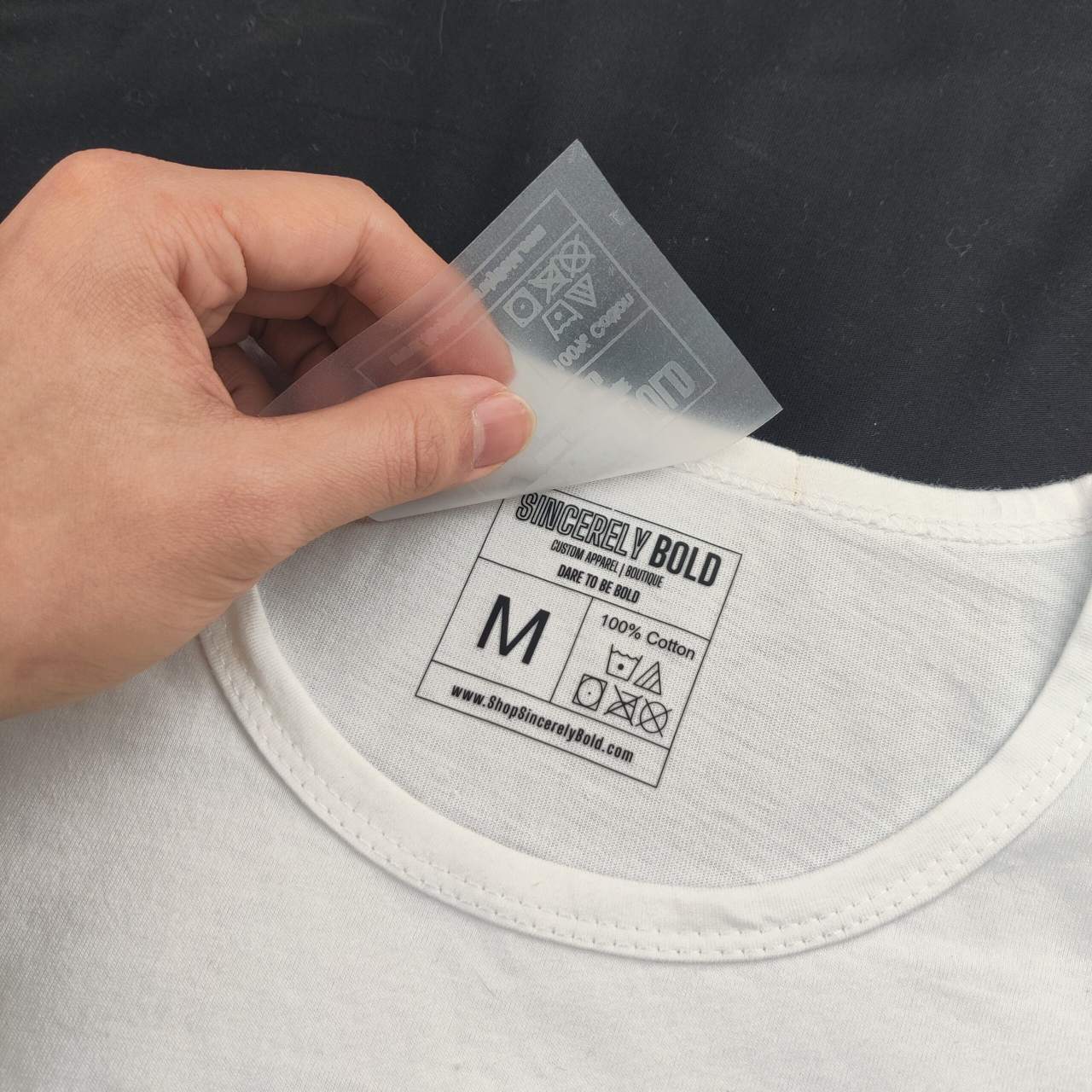
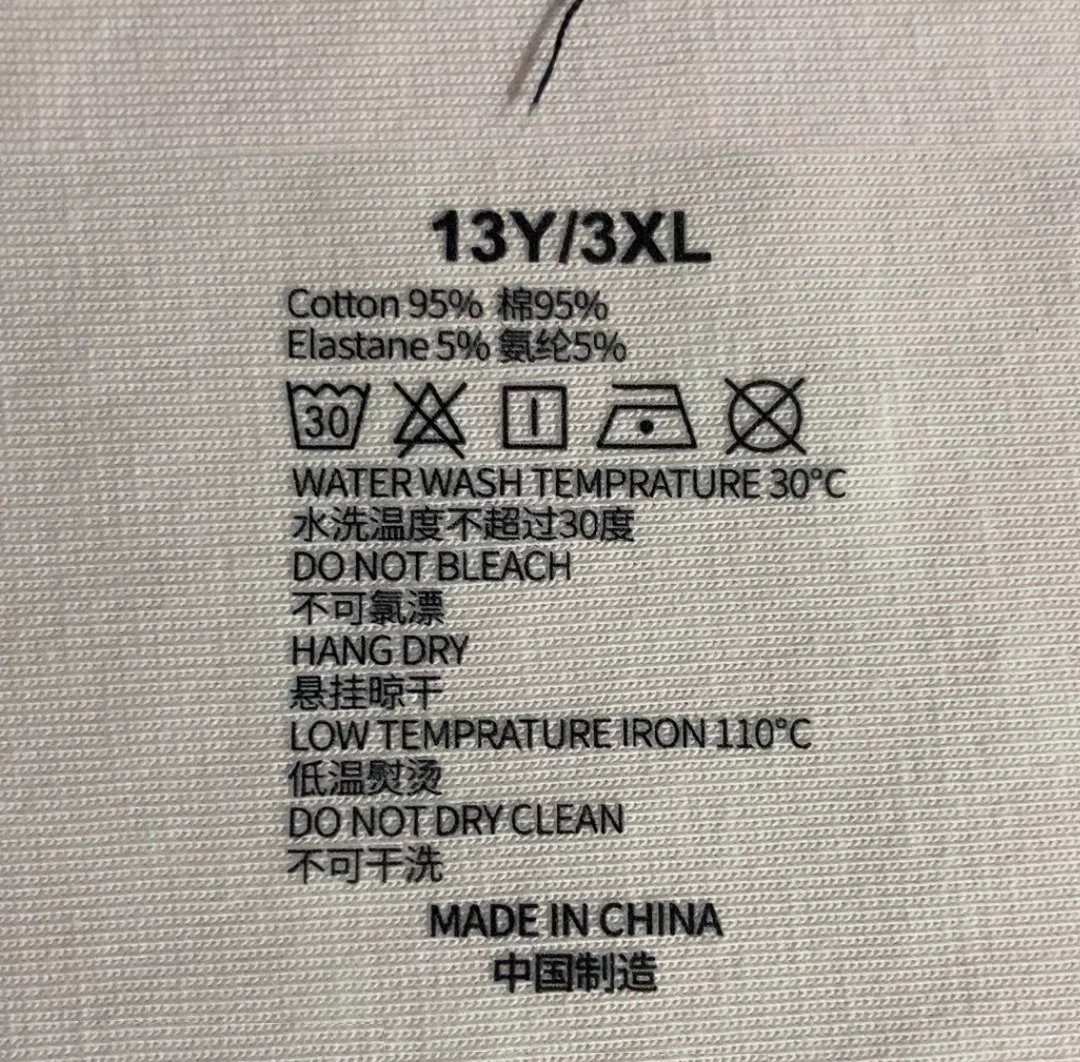
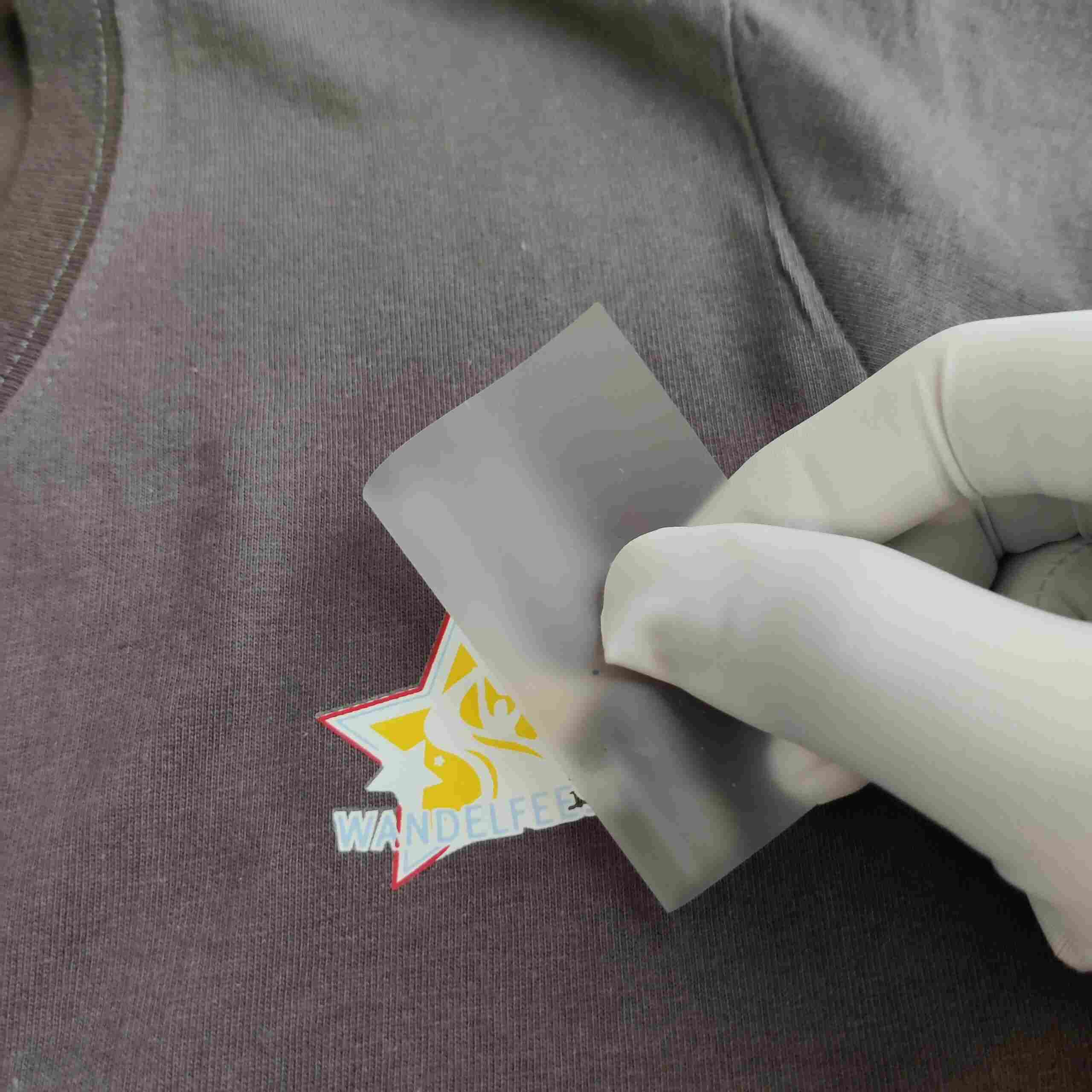
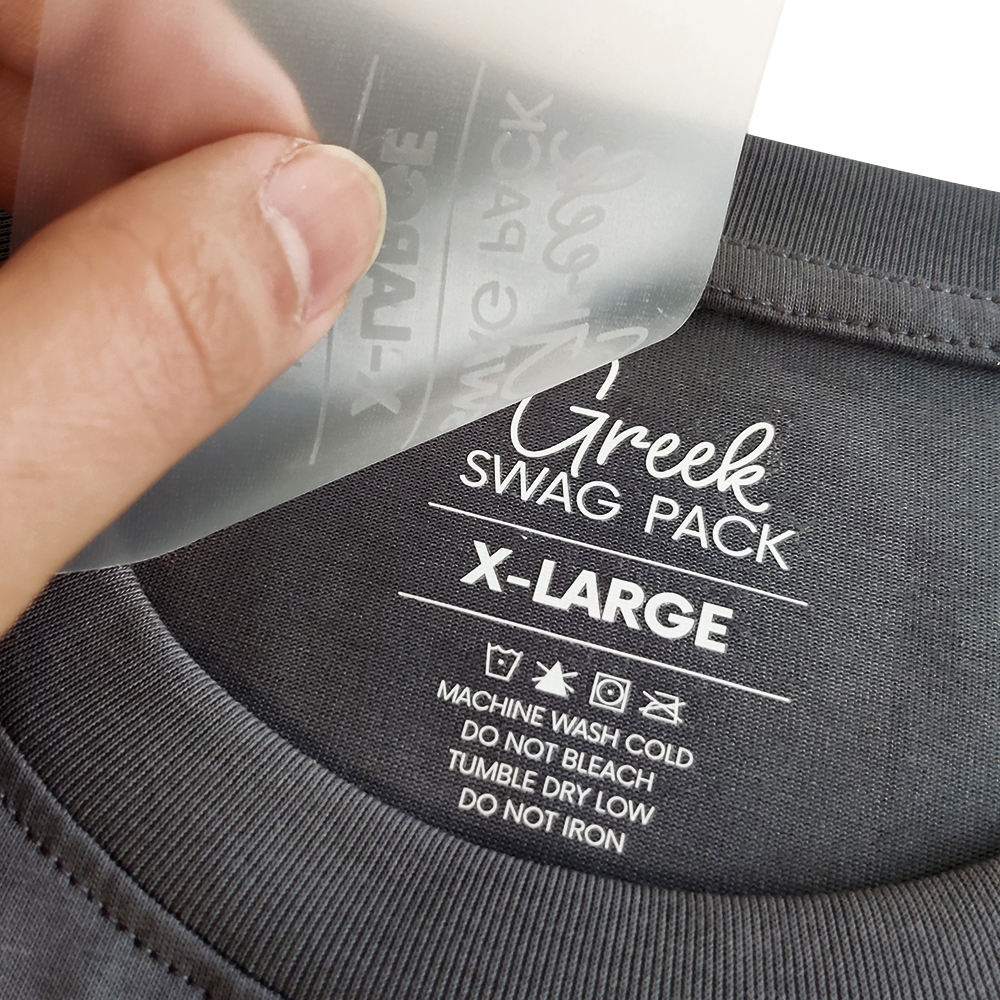
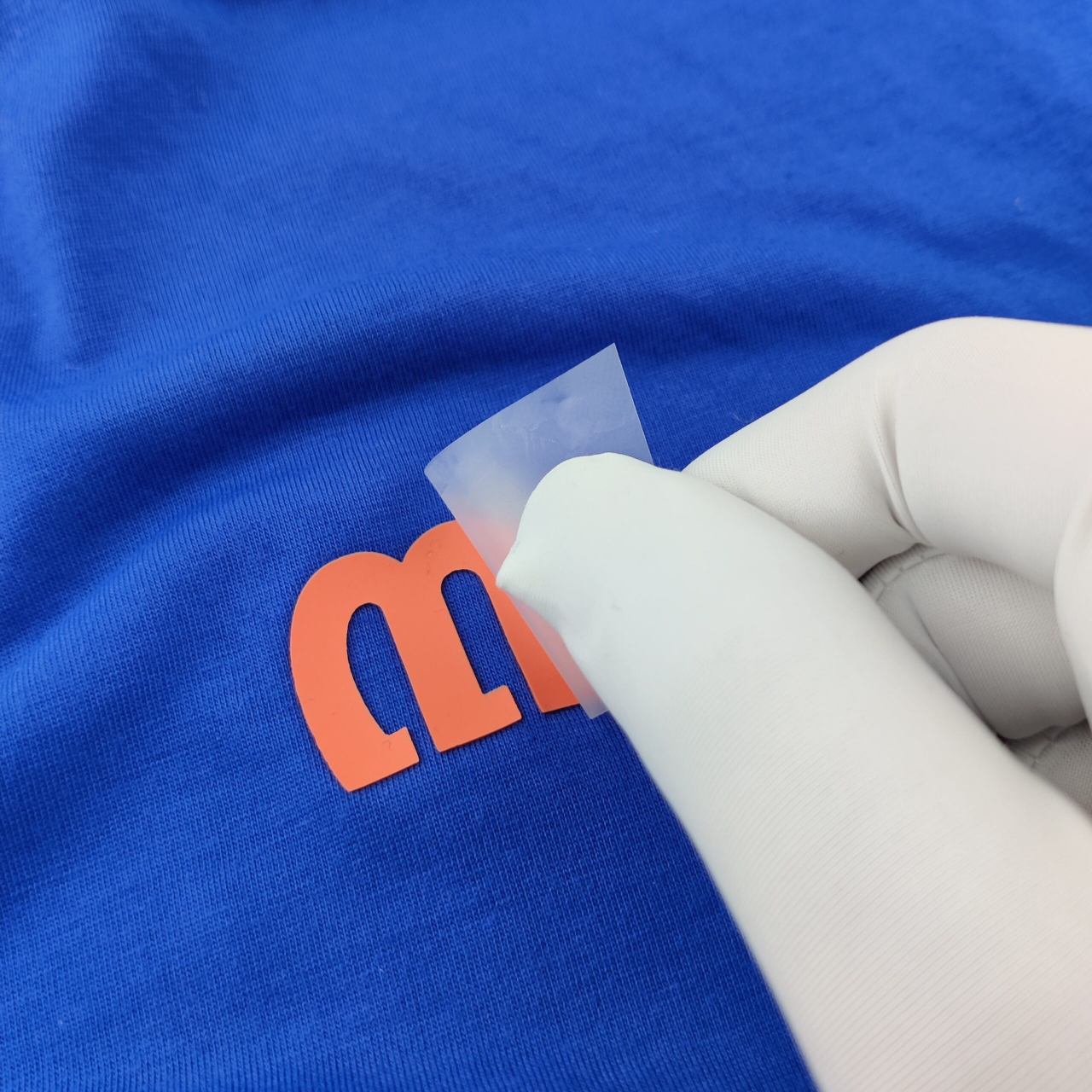
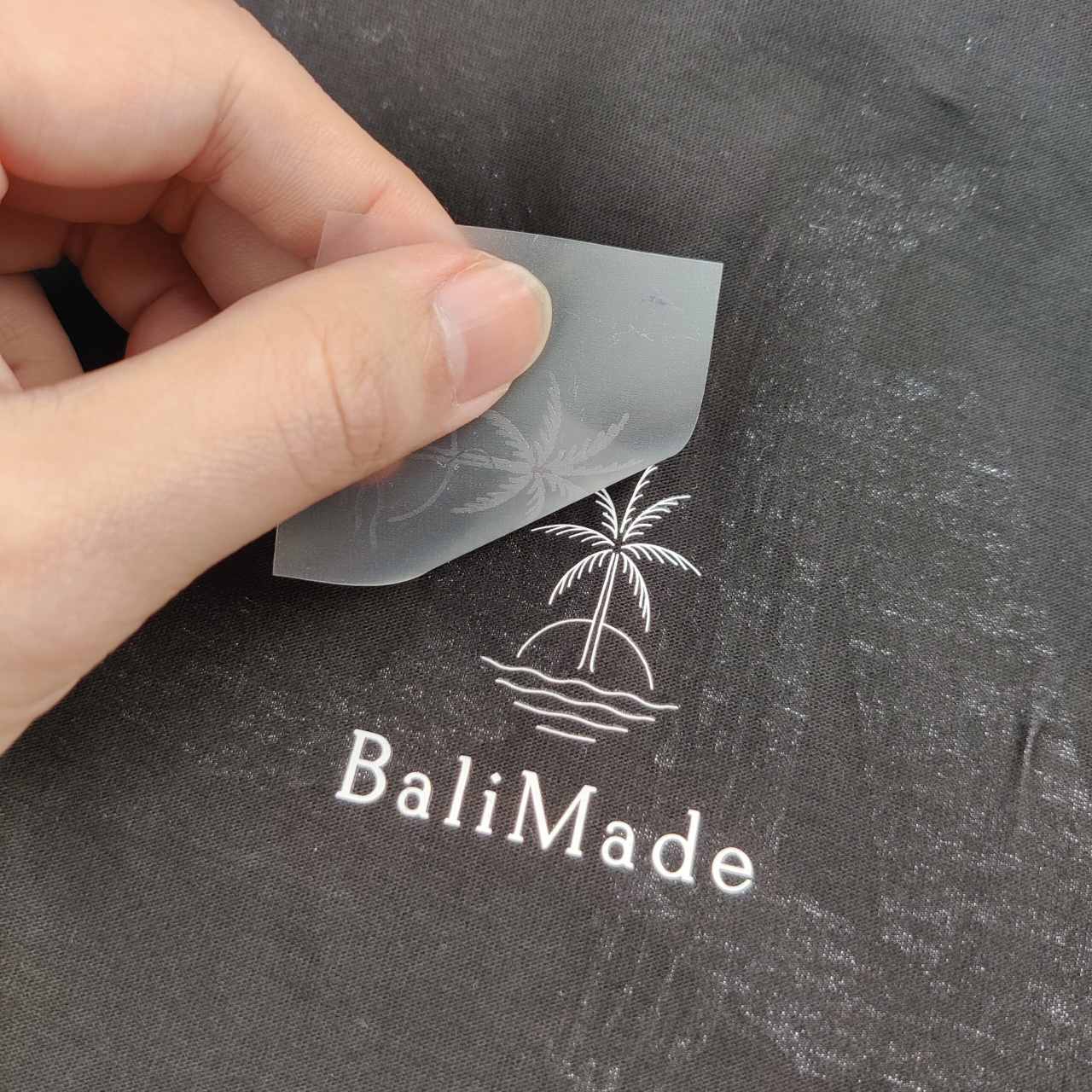
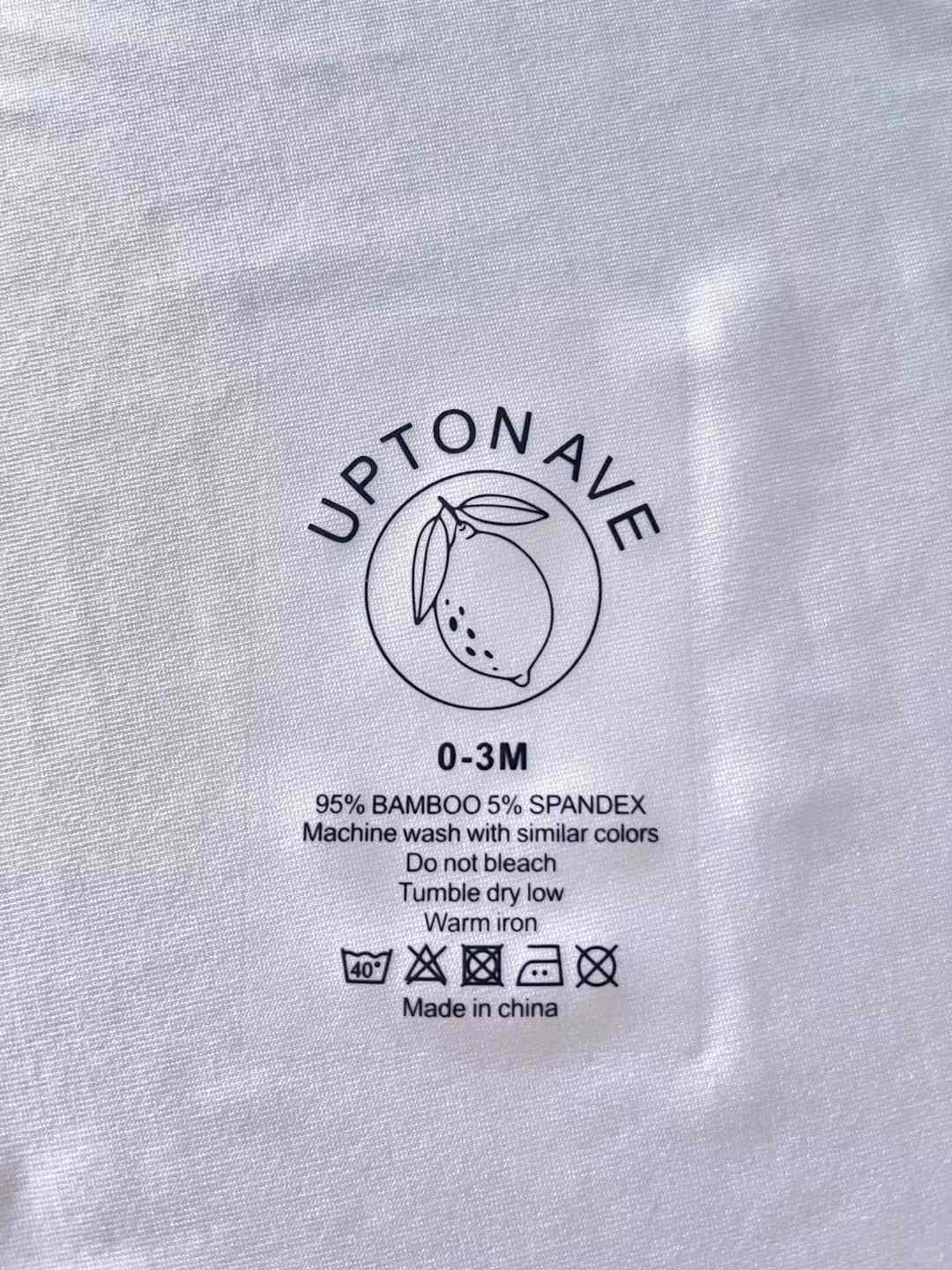
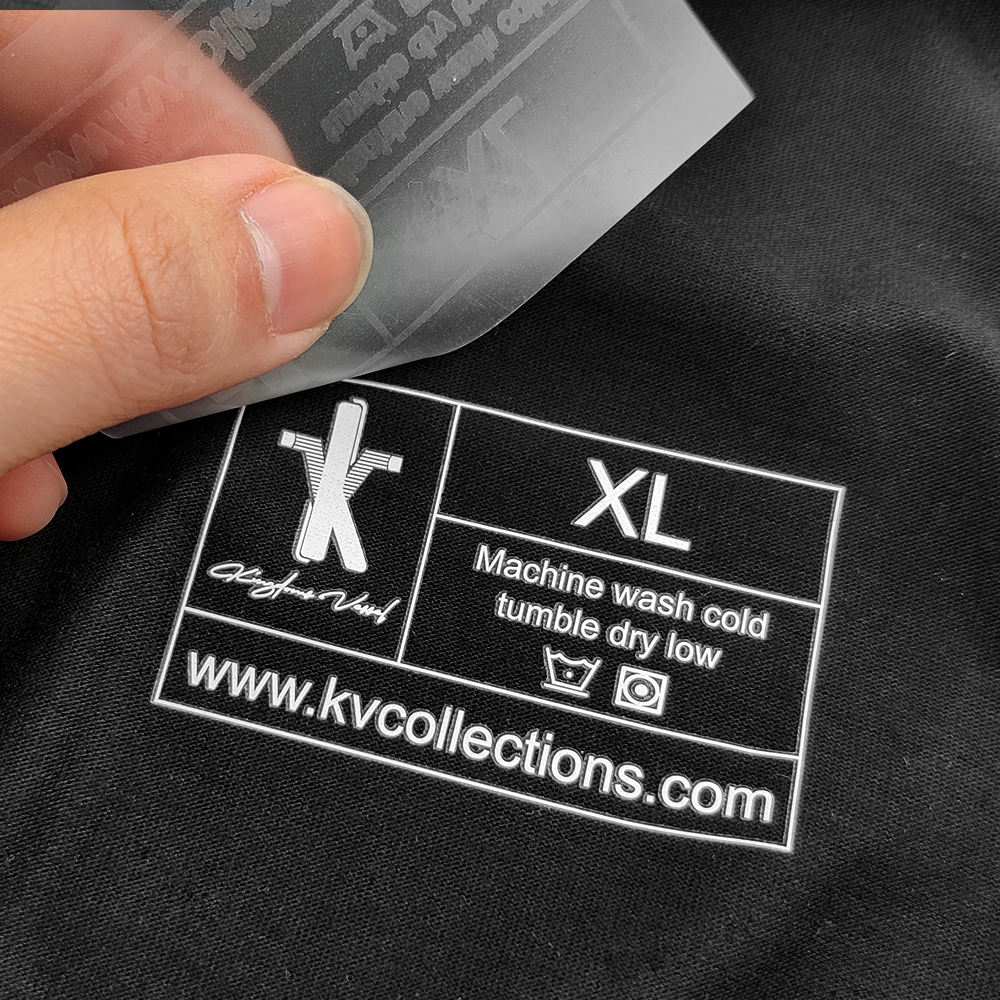
Why Heat Transfer Labels Matter for Your Brand
Professional heat transfer labels elevate brand perception, survive rigorous wash cycles, and deliver premium finishing at startup-friendly pricing.
Premium Brand Presentation
Heat transfer labels deliver crisp, detailed branding that enhances perceived quality and builds customer trust from the first touch.
Wash-Cycle Durability
Advanced heat transfer technology ensures labels remain legible and intact through repeated washing, maintaining professional appearance throughout garment life.
Full Design Flexibility
Create multi-color logos, gradients, fine text, and complex artwork without embroidery limitations or minimum color charges.
Cost-Effective for Startups
Low setup costs and 50-piece MOQ make heat transfer labels accessible for emerging brands testing collections without large inventory investment.
Fast Production Turnaround
Streamlined heat transfer label manufacturing reduces lead times, helping brands launch collections faster and respond quickly to market trends.
Versatile Application Options
Compatible with cotton, polyester, blends, fleece, and technical fabrics across hoodies, T-shirts, jackets, and activewear without fabric restrictions.
Branding & Label Manufacturing Solutions
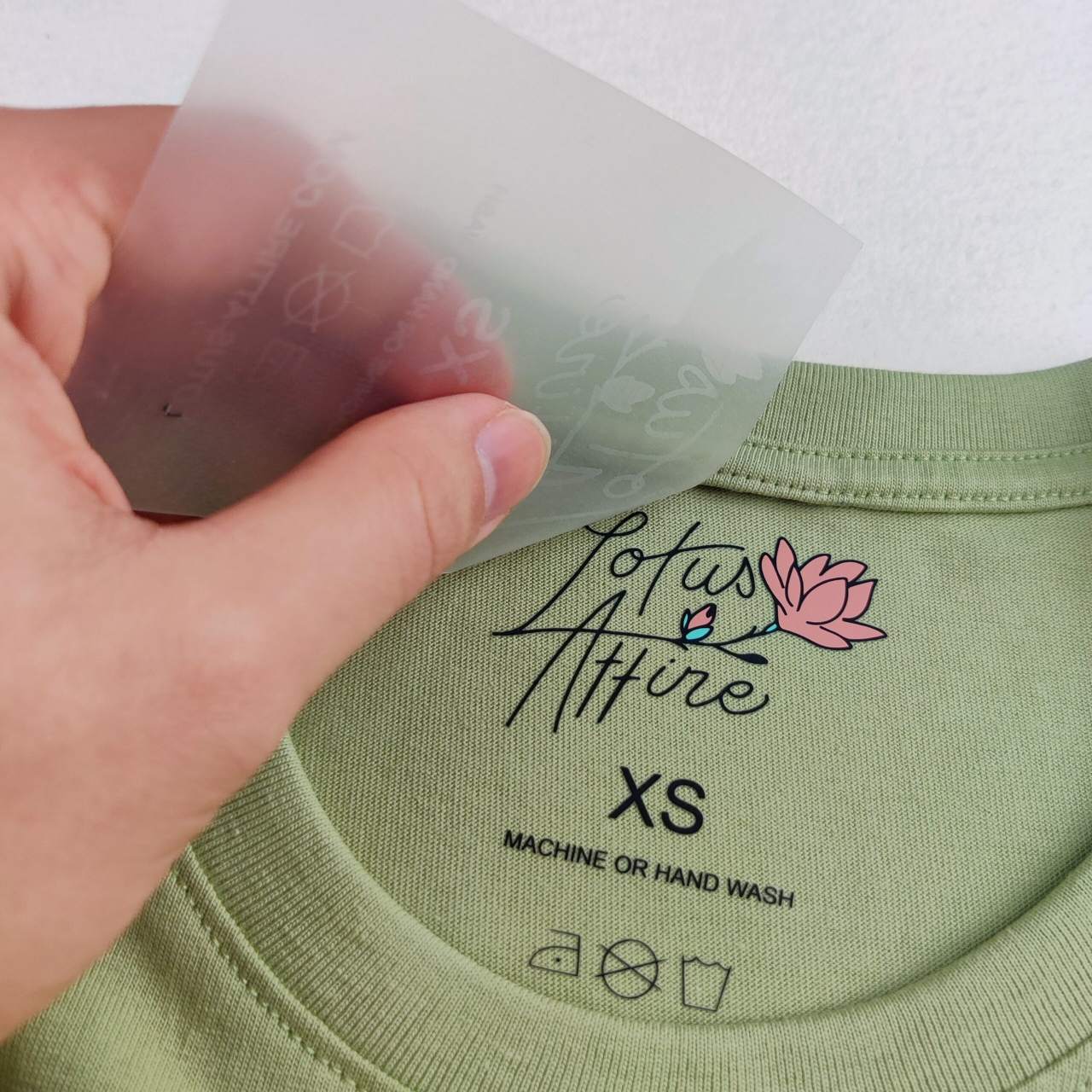
Custom Labels & Tags
Custom clothing labels in woven, printed, heat transfer, and silicone formats for hoodies, T-shirts, jackets, and sportswear. Full design support, low MOQ from 50 pieces, compatible with all garment categories. Enhance brand identity with premium label construction and precise placement across neck, side seam, and interior locations.
Request a Quote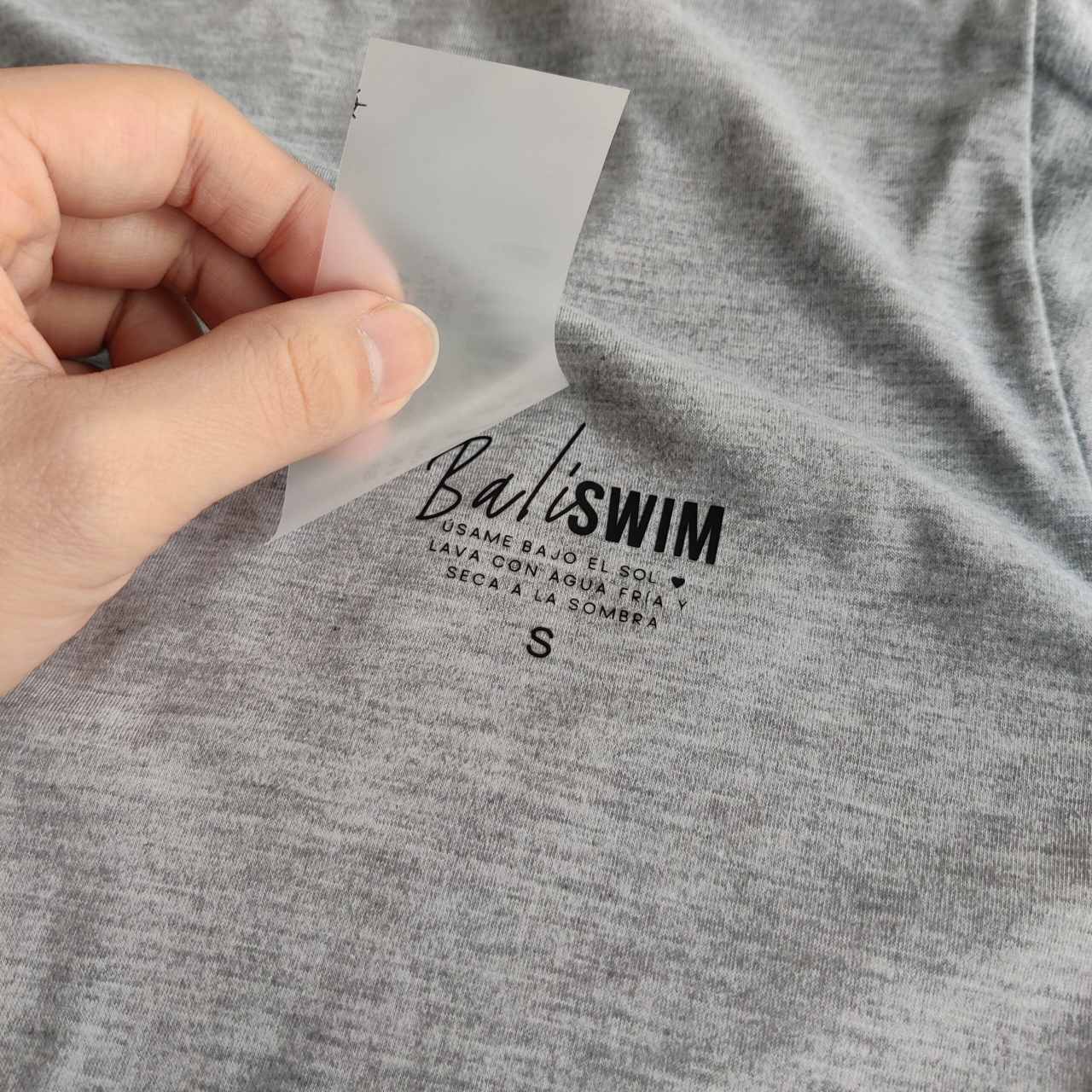
Main Label
Custom main labels serve as your brand’s primary identifier on every garment. ZORWILD produces woven damask labels, printed satin labels, heat transfer main labels, and embossed leather patches with logo, brand name, and care symbols. Available in multiple sizes, folds, and attachment methods for professional finish on all apparel categories.
Get a Quote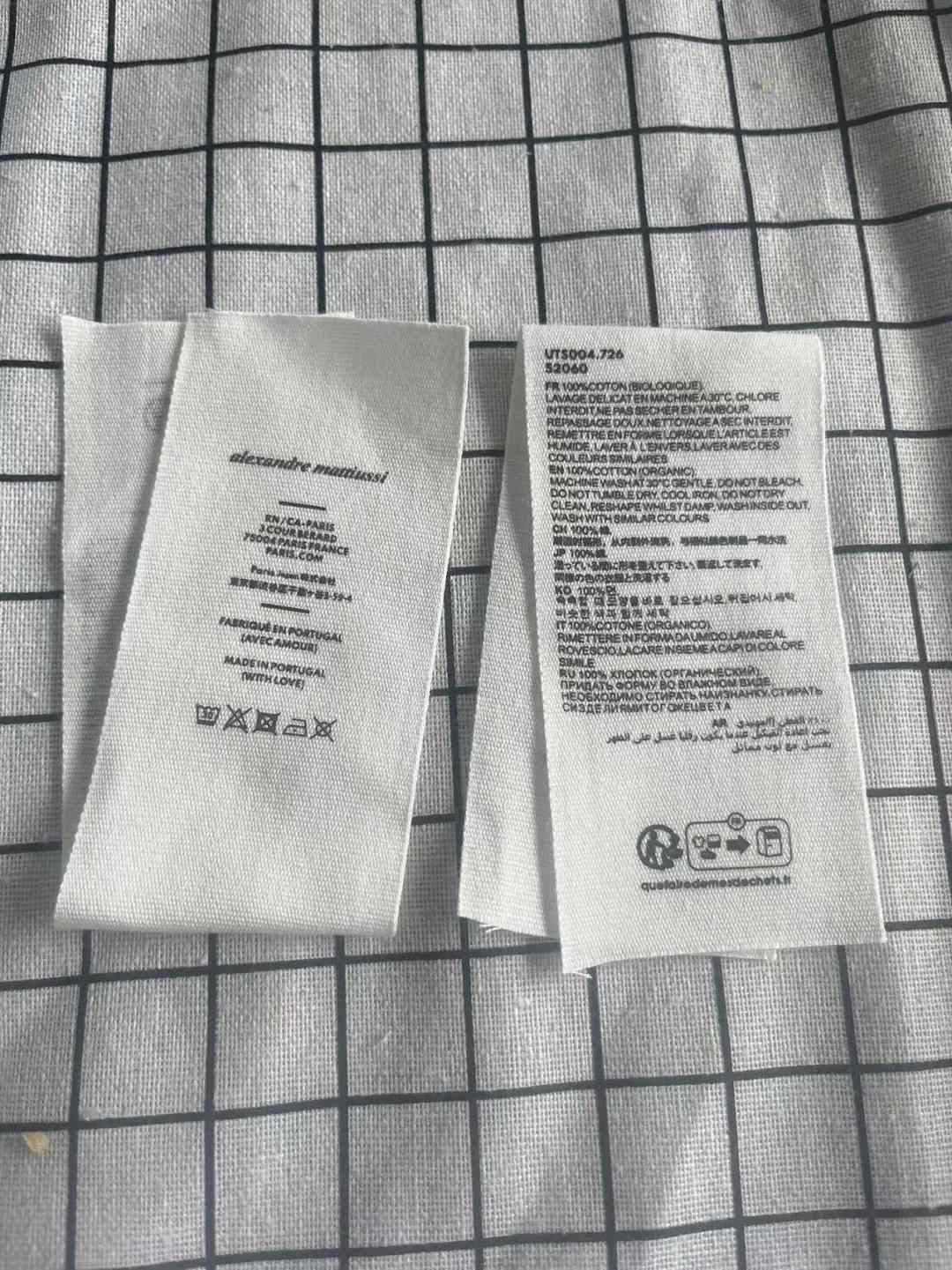
Wash / Care Label
Custom wash care labels provide essential garment care instructions and fiber content compliance for US, EU, and international markets. Printed or woven construction with fade-resistant ink, soft-touch materials, and clear iconography. Required for retail distribution, available in multiple languages with accurate textile regulation formatting for all product types.
Get a Quote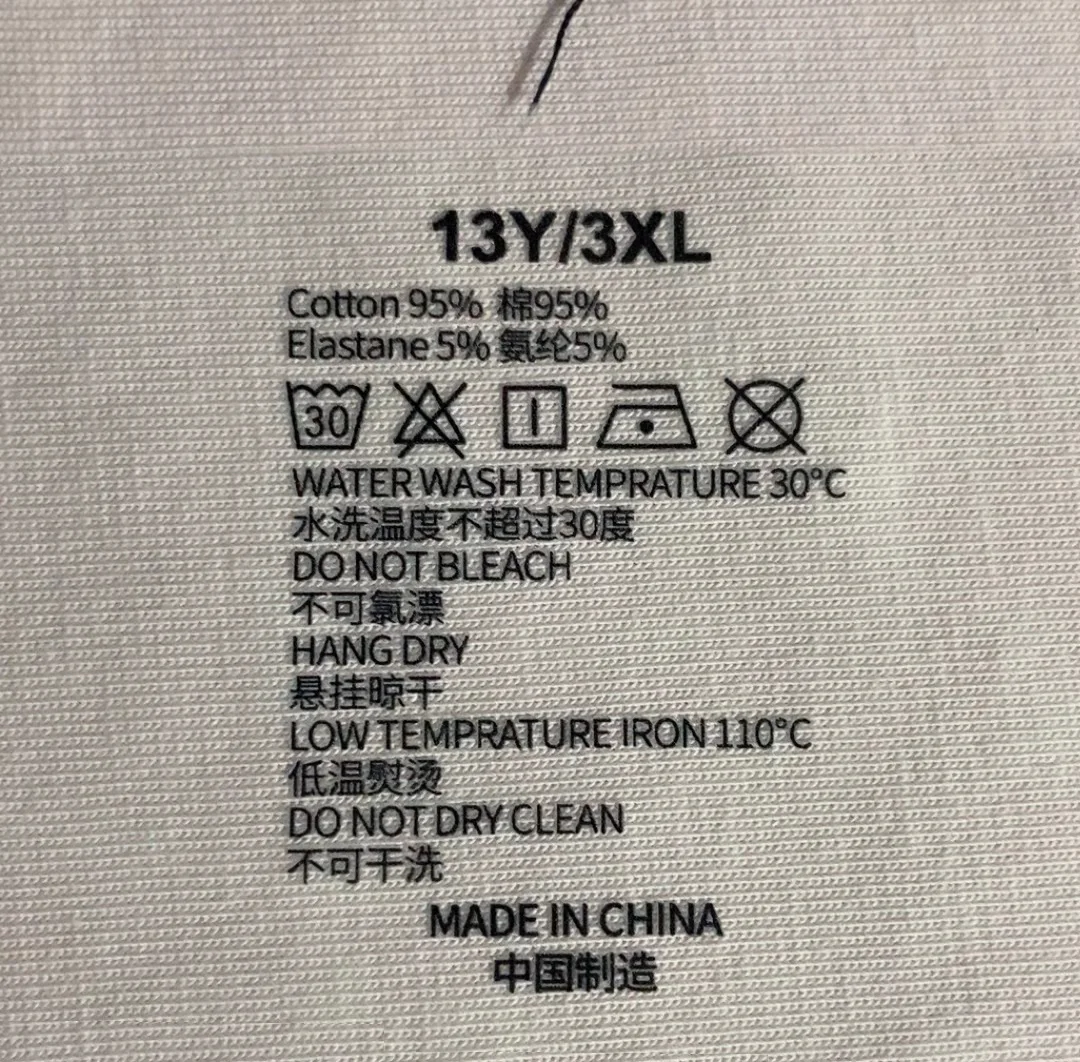
Size Label
Custom size labels in woven, printed, or heat transfer formats display garment sizing information clearly for retail and e-commerce brands. Single-size or multi-size pack labeling options, compatible with numeric, alpha, or international size standards. Durable construction withstands multiple wash cycles, essential for wholesale distribution and customer satisfaction across all apparel categories.
Get a Quote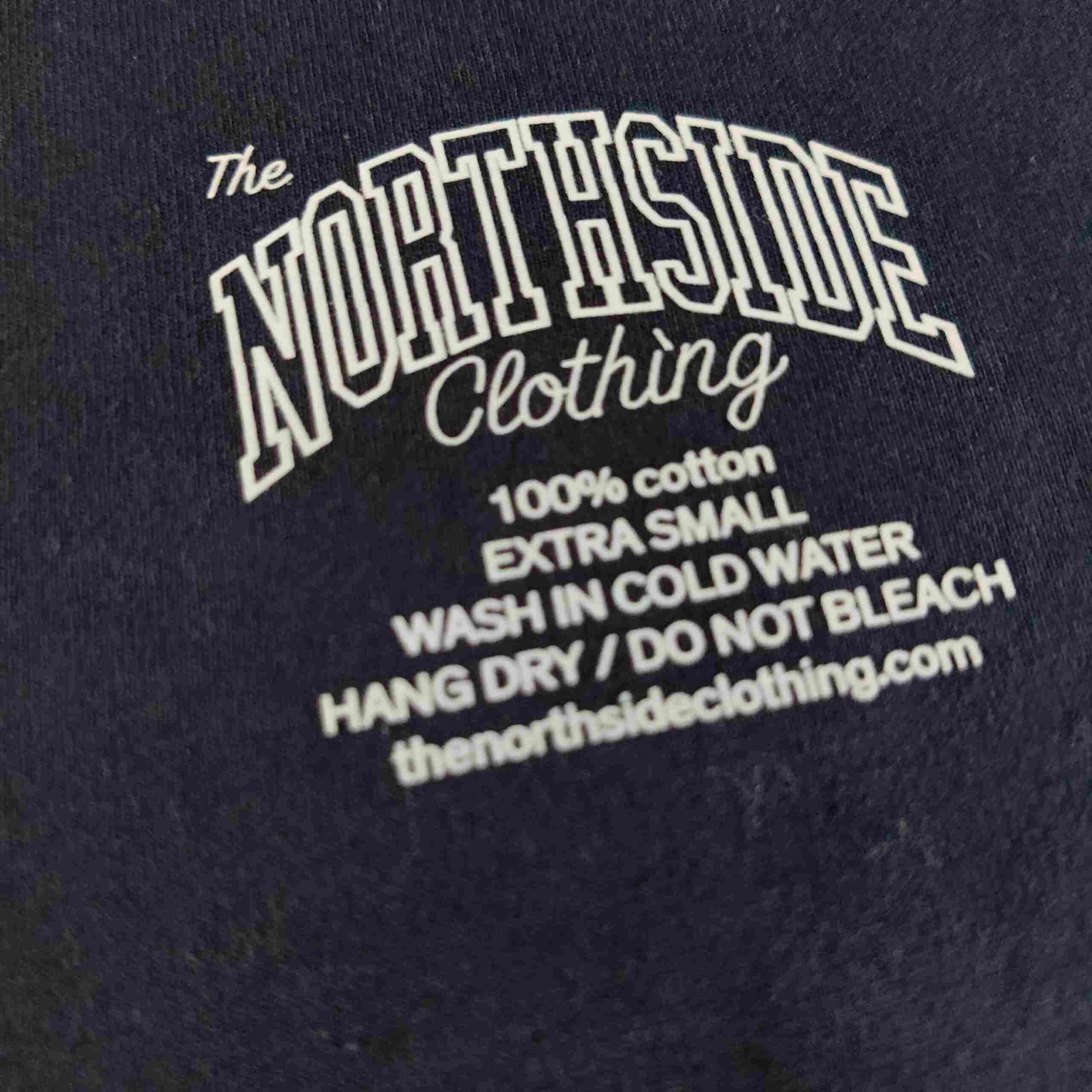
Made-In Label
Custom made-in labels indicate country of origin to meet import regulations and customs requirements for the United States, Canada, EU, and global markets. Woven or printed construction with compliant formatting, typically combined with main label or care label. ZORWILD supports accurate sourcing documentation and label compliance for transparent international trade and brand authenticity.
Get a Quote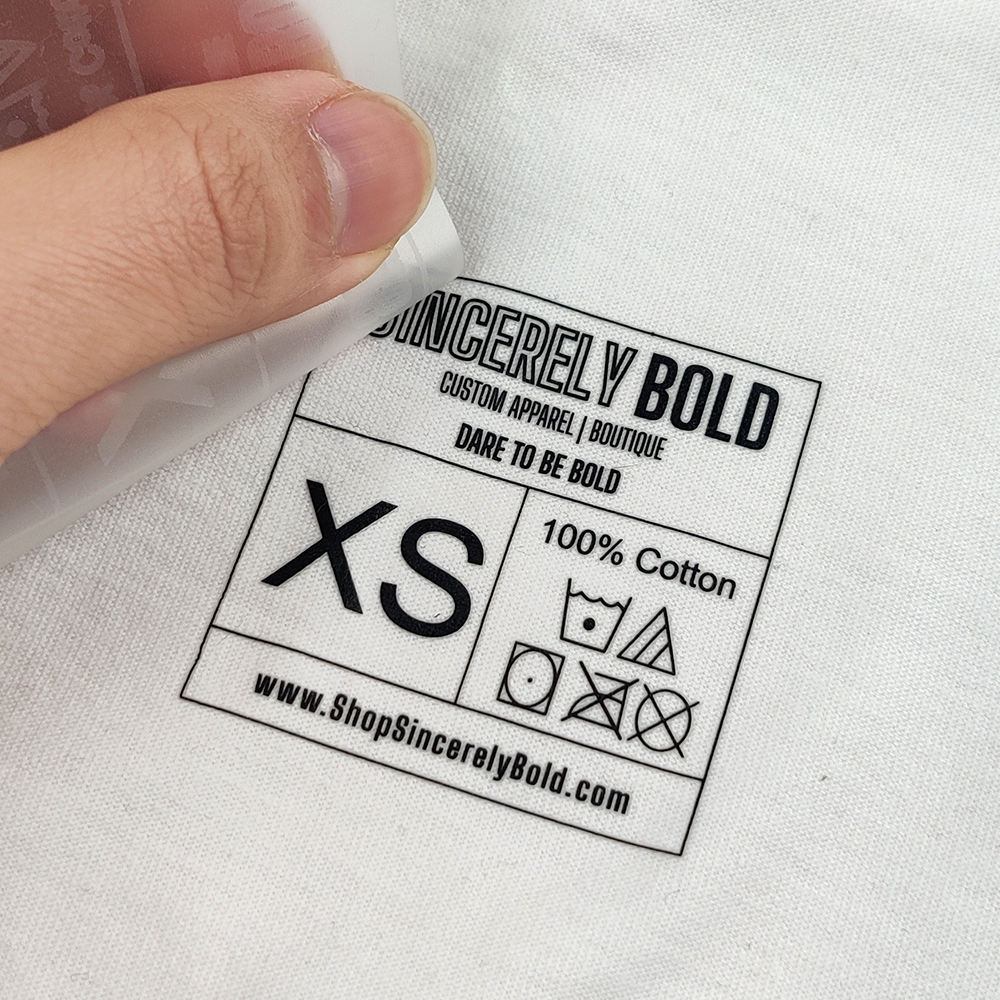
Hang Tag
Custom hang tags elevate product presentation with branded cardstock, specialty paper, or synthetic materials featuring logo, product details, pricing, and QR codes. Single or multi-panel designs with string, plastic fastener, or safety pin attachment. Full-color printing, embossing, foil stamping, and custom die-cut shapes available to create premium unboxing experiences for retail and DTC brands.
Get a Quote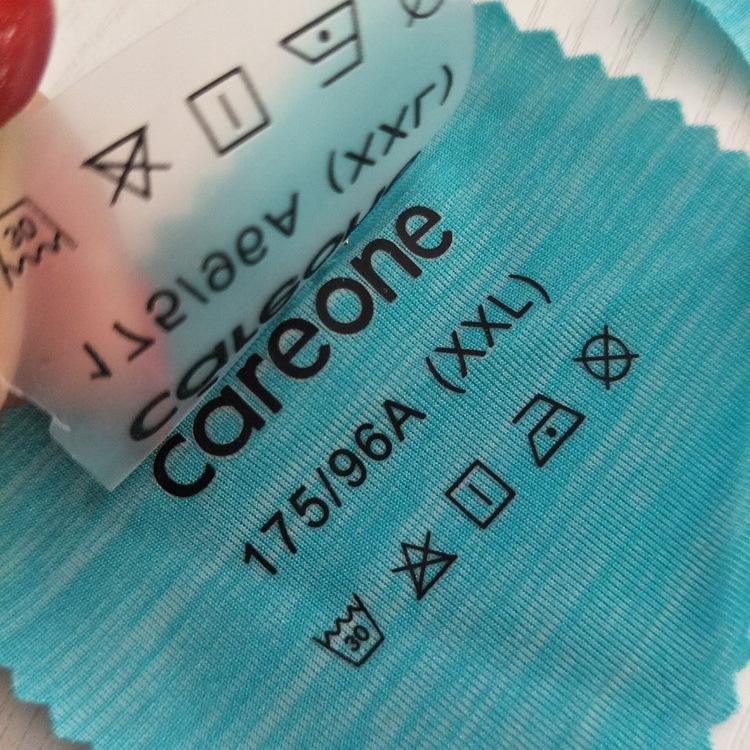
Barcode Label
Custom barcode labels with UPC, EAN, or SKU codes enable efficient inventory management, retail POS scanning, and warehouse logistics. Printed on adhesive labels or integrated into hang tags and packaging. ZORWILD coordinates barcode generation, formatting, and placement to streamline distribution for wholesalers, retailers, and e-commerce fulfillment operations across all garment categories.
Get a Quote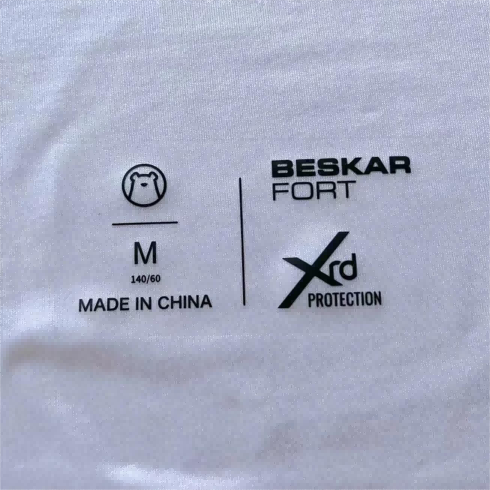
RFID Tag
Custom RFID tags embed radio-frequency identification chips for advanced inventory tracking, loss prevention, and supply chain visibility. Available as sewn-in labels, hang tags, or adhesive patches compatible with standard RFID readers. Ideal for large-scale wholesale operations, retail chains, and brands requiring real-time stock monitoring across warehouses, distribution centers, and store locations.
Get a Quote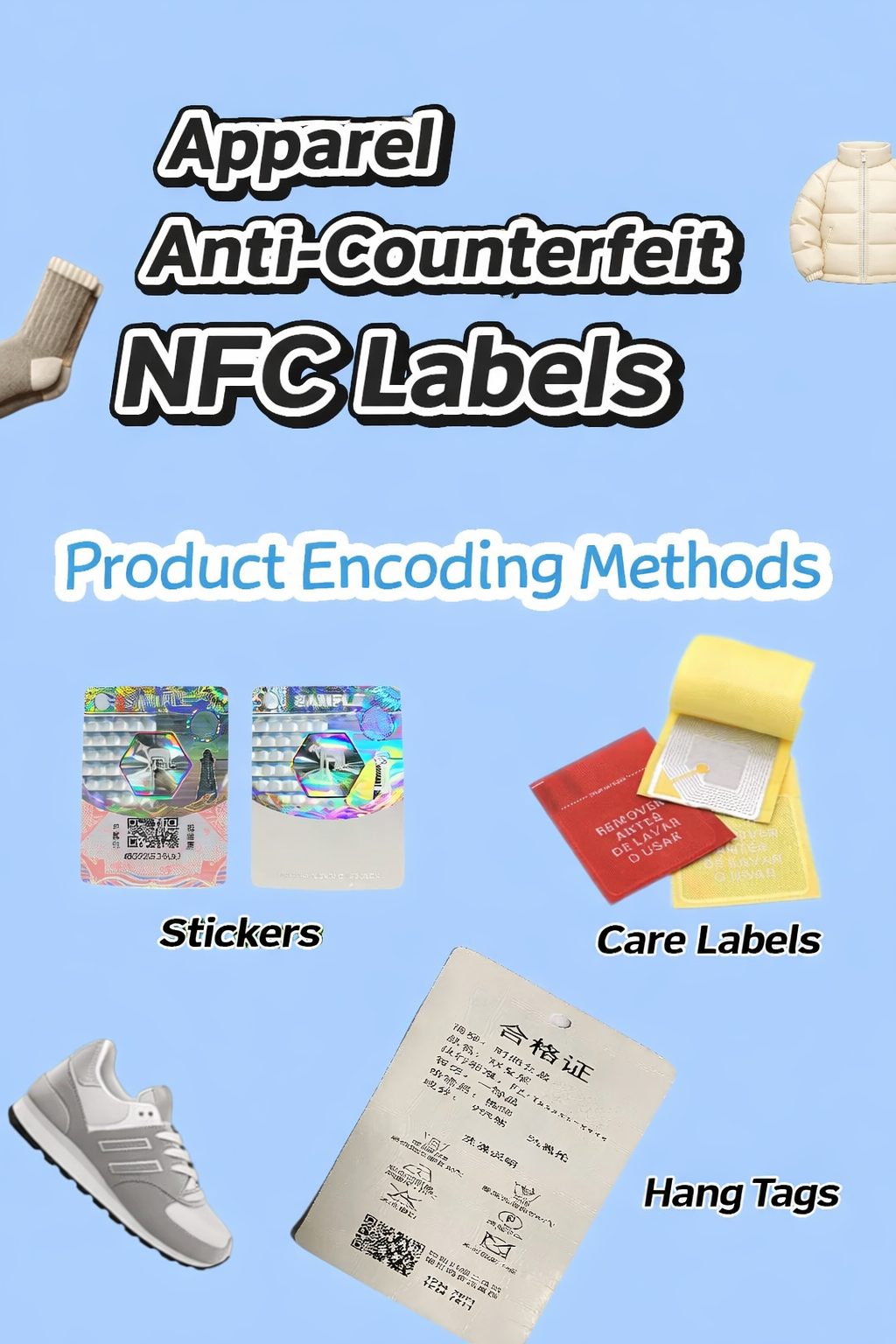
Anti-Counterfeit Label
Anti-counterfeit labels protect brand integrity with holographic stickers, QR code verification, UV-reactive ink, serialized numbering, and tamper-evident construction. ZORWILD integrates security features into hang tags, main labels, or packaging to combat product duplication and unauthorized resale. Essential for premium streetwear, luxury apparel, and brands entering high-risk markets with intellectual property concerns.
Get a QuoteHeat Transfer Label Manufacturing Excellence
ZORWILD has been manufacturing custom heat transfer labels and apparel branding solutions for over 27 years from our Humen, Dongguan facility. As a full-service clothing manufacturer, we produce heat transfer labels in-house alongside garments, ensuring seamless integration, consistent quality, and faster turnaround times for brands requiring complete apparel production solutions.
Our heat transfer label capabilities serve more than 2,000 fashion brands worldwide, from 50-piece startup collections to large-scale runs exceeding 100,000 units monthly. We control every stage of label production—design consultation, material sourcing, printing, quality inspection, application, and finishing—delivering professional branding that enhances garment value and customer perception.
What sets ZORWILD apart is our integrated approach. We don’t just produce labels; we apply them during garment manufacturing with precision heat press equipment, expert positioning, and strict quality control. This eliminates coordination headaches, reduces lead times, and ensures your heat transfer labels perform flawlessly through washing, wearing, and daily use.
Heat Transfer Label Production & Finishing Techniques
Artwork Digitization & Color Matching
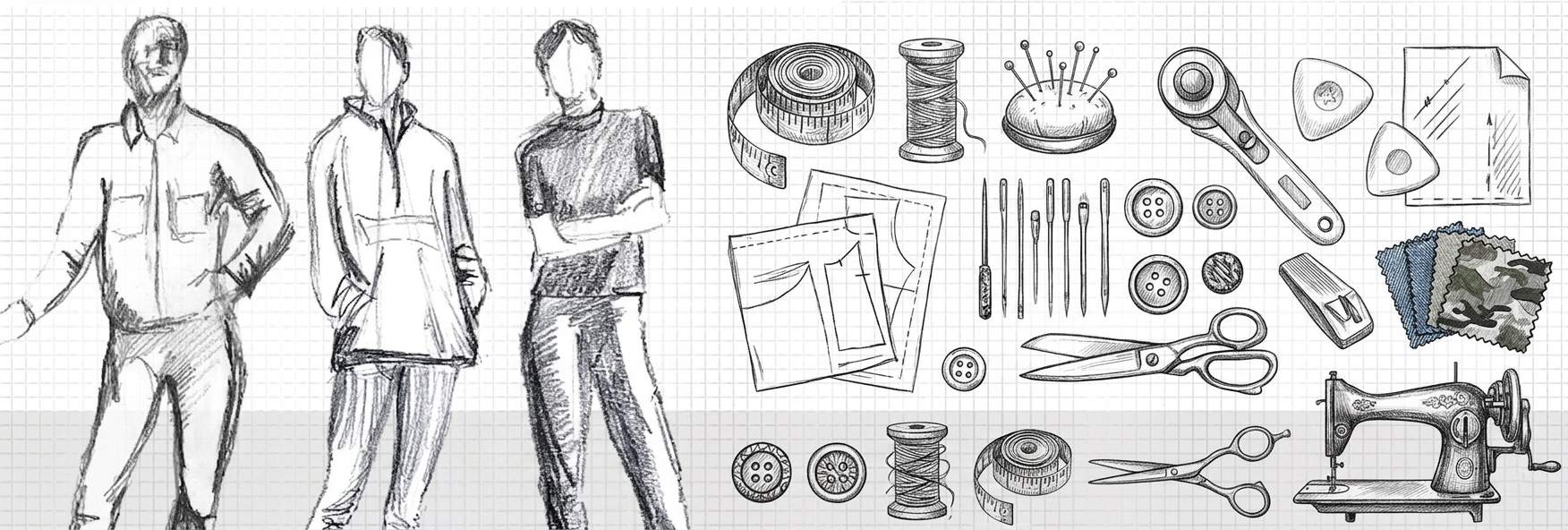
Every heat transfer label begins with precise artwork preparation. Our design team converts your brand logos, graphics, and text into production-ready digital files with exact color matching to maintain brand consistency across all garments and production runs.
- Vector file conversion for crisp edges and scalable resolution
- Pantone color matching system ensures brand color accuracy
- Pre-production artwork review and client approval process
- Design optimization for heat transfer printing durability
Heat Transfer Printing & Edge Control
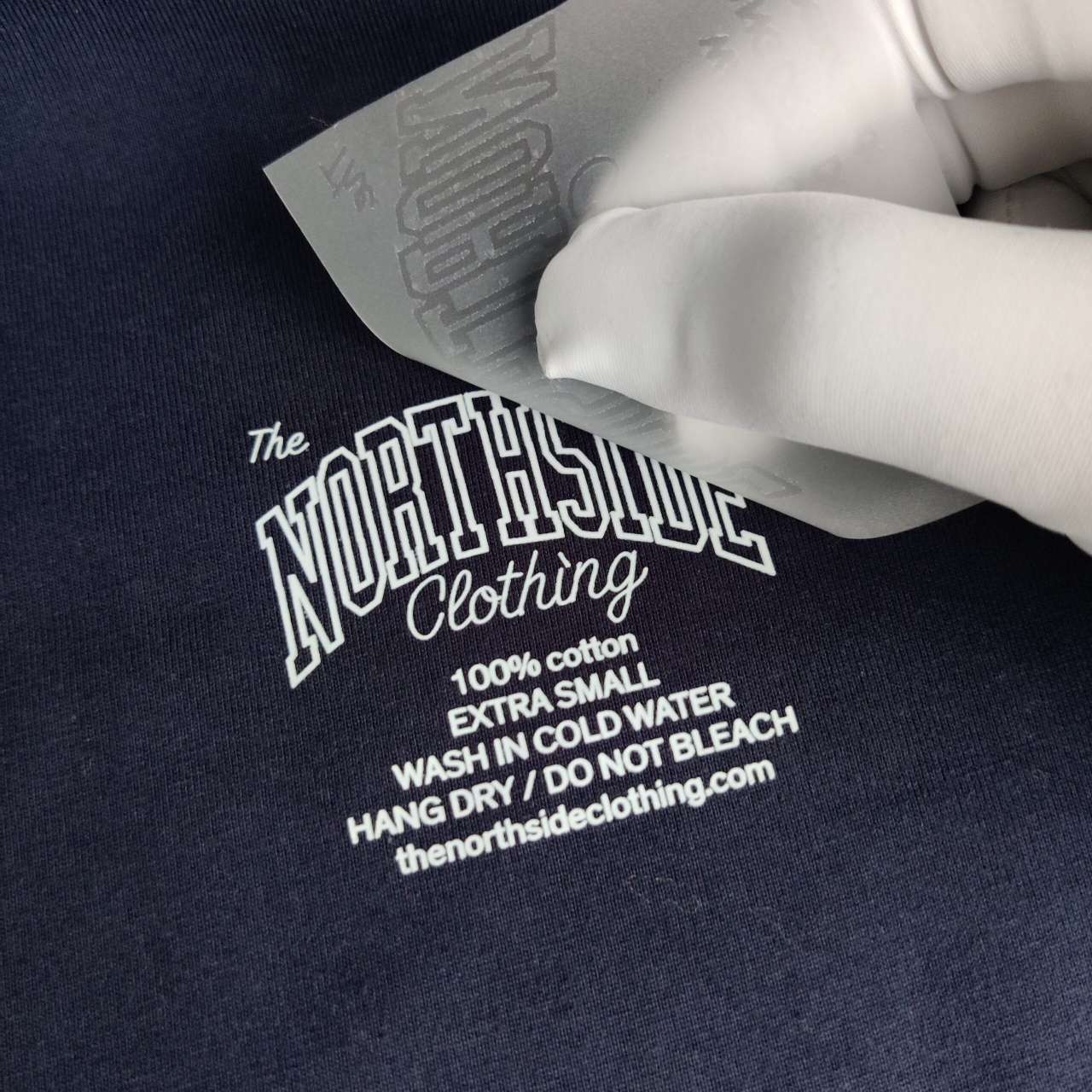
Advanced heat transfer printing technology applies your design with exceptional detail and color vibrancy. Our equipment handles gradients, fine text, and complex graphics while maintaining sharp edge definition that resists peeling and fading through repeated washing.
- High-resolution printing captures intricate logo details and fine typography
- Temperature and pressure calibration for optimal adhesion strength
- Clean edge cutting eliminates fraying and ensures professional appearance
- Multi-color registration accuracy maintains design integrity
Backing Application & Adhesive Selection
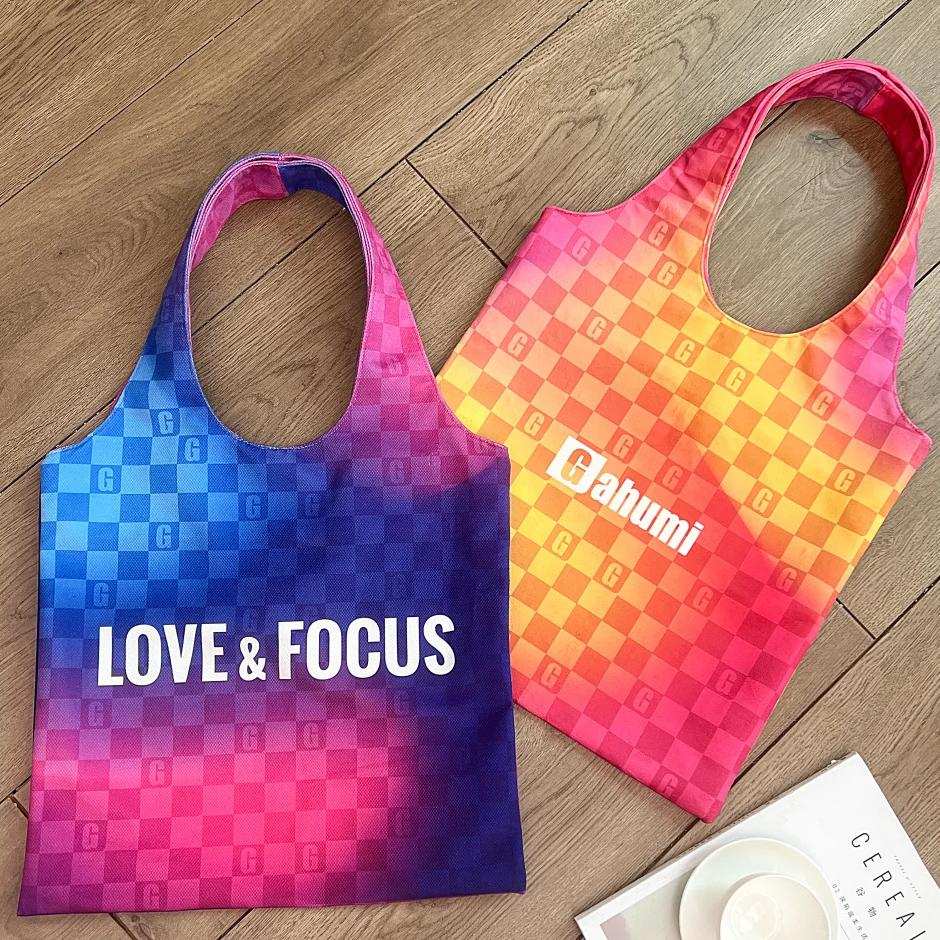
The adhesive backing determines how your heat transfer label bonds to fabric. We match adhesive chemistry to your garment material—cotton, polyester, blends, or technical fabrics—ensuring strong adhesion without stiffness, discoloration, or damage to delicate textiles.
- Hot-melt adhesive systems compatible with diverse fabric types
- Low-temperature options protect heat-sensitive materials like nylon
- Flexible adhesive formulations maintain garment drape and comfort
- Wash-tested adhesion withstands 50+ industrial laundry cycles
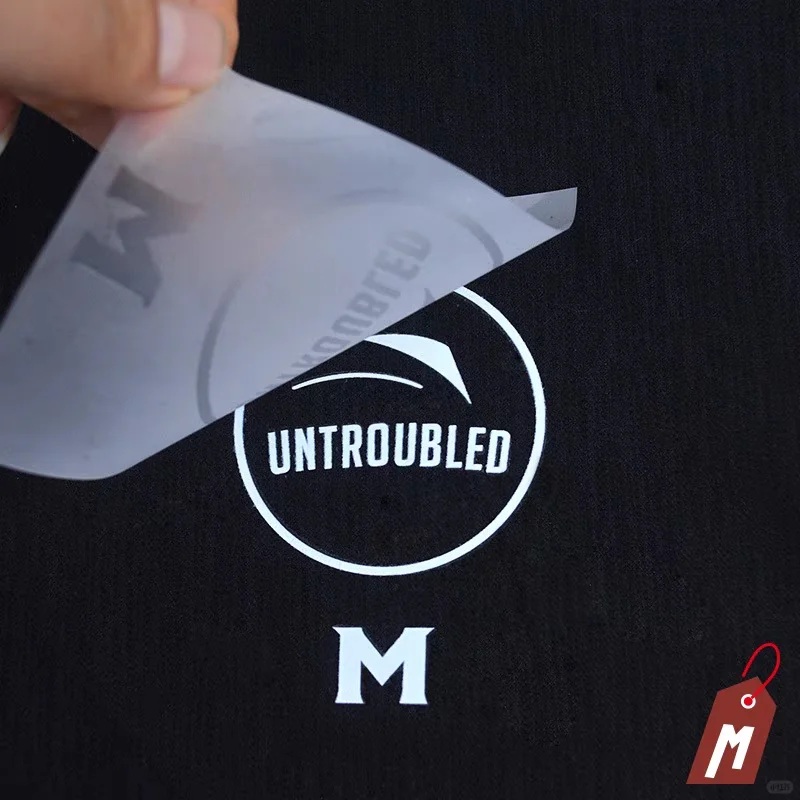
Six-Stage Quality Control & Testing
Every heat transfer label passes through our comprehensive quality inspection system before application. Our six-stage process verifies print clarity, color accuracy, adhesive performance, edge finish, dimensional consistency, and wash durability to ensure flawless branding on every garment.
- Print quality inspection checks color fidelity and graphic sharpness
- Peel strength testing validates adhesive bond performance
- Wash and abrasion testing simulates real-world garment care
- Final visual inspection confirms label positioning and appearance
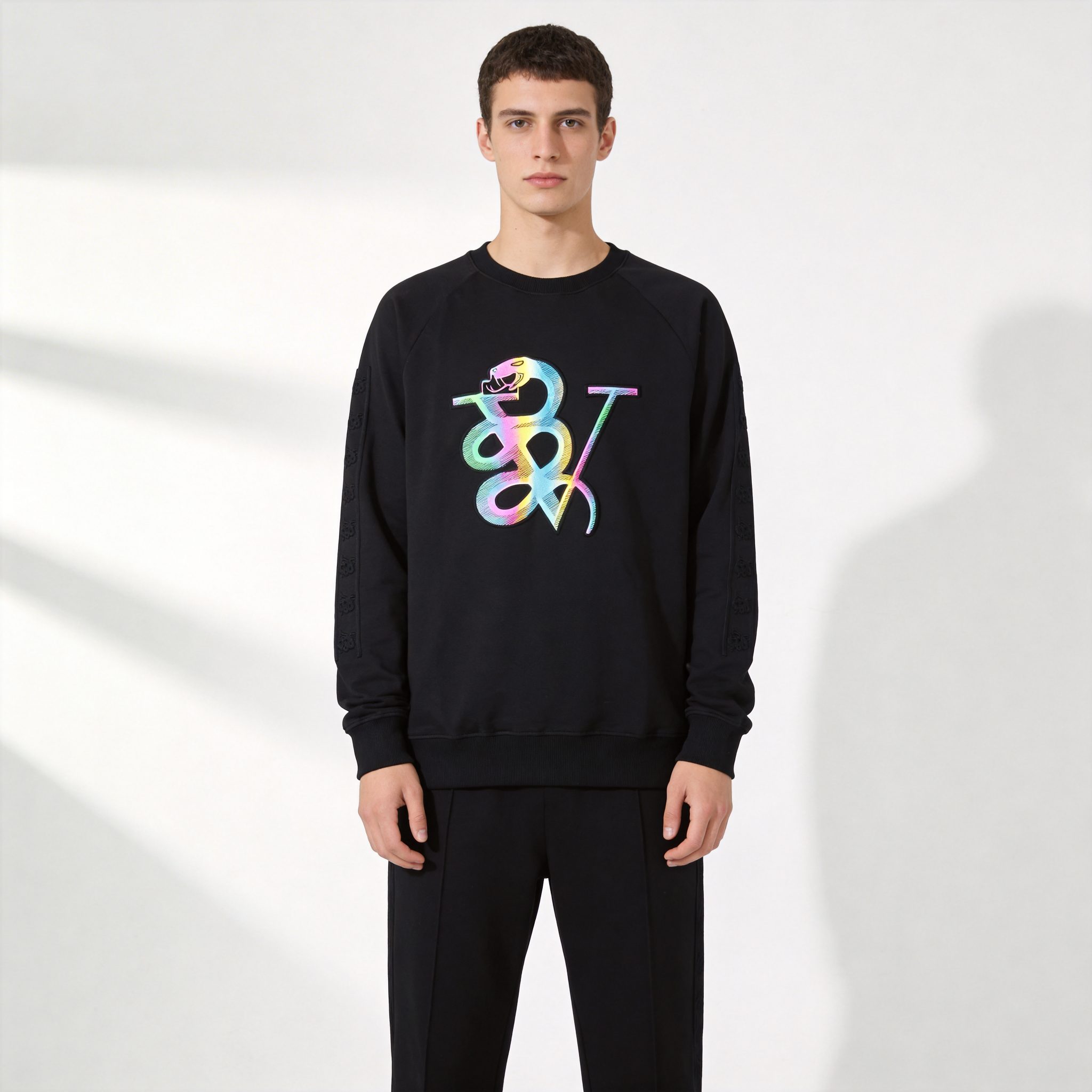
Heat Transfer Labels vs. Woven & Printed Labels
Choose the right label technology for your brand’s visual identity, durability requirements, and garment style. Each label type offers distinct advantages depending on your production goals and customer experience.
← 左右滑动查看 →
Heat Transfer Label Production Process
From artwork approval to finished labels, our streamlined production system ensures precise quality control at every stage of your custom heat transfer label manufacturing.
Artwork Review & Setup
Our design team reviews your artwork files, confirms color specifications, and prepares digital separations for heat transfer label printing with accurate Pantone matching and resolution verification.
Film Output & Printing
High-resolution films are generated and heat transfer label graphics are printed using specialized inks formulated for durability, washability, and optimal adhesion to fabric substrates.
Heat Press Application Testing
Sample labels undergo controlled heat press testing at precise temperature, pressure, and time settings to validate adhesion strength, color accuracy, and transfer release performance.
Die-Cutting & Trimming
Custom dies cut each heat transfer label to exact dimensions with clean edges and accurate registration, ensuring consistent shape and professional appearance across every piece.
Backing Paper Application
Release paper backing is applied to protect the adhesive layer during storage and shipping, ensuring heat transfer labels remain contaminant-free and ready for seamless garment application.
Quality Control & Inspection
Every batch undergoes multi-point inspection for print clarity, color consistency, adhesive integrity, die-cut precision, and backing alignment before approval for packaging and shipment.
Packaging & Delivery
Finished heat transfer labels are counted, organized by SKU, packaged in protective materials with application instructions, and shipped with full export documentation for global delivery.
How to Add Heat Transfer Labels to Your Order
Integrate professional heat transfer labels into your garment production with our streamlined four-step process, designed for brands of all sizes.
Submit Your Label Artwork
Provide your logo or design in vector format (AI, PDF, or EPS). Our team reviews artwork specifications and recommends optimal sizing and placement for your garments.
Confirm Placement and Specifications
Approve label placement on neckline, sleeve, hem, or custom positions. We confirm size, color accuracy, transfer method, and compatibility with your fabric type.
Receive Label Sample for Approval
Review a physical heat transfer label sample applied to your actual garment fabric. Check adhesion quality, durability, visual appearance, and wash performance before production.
Coordinate with Garment Production
Heat transfer labels are applied during your garment finishing stage. Our quality control system ensures consistent placement, secure adhesion, and flawless branding across every piece.
Customer Success: Heat Transfer Labels in Action
We switched to heat transfer labels for our activewear line and saw a 34% drop in customer complaints about neck irritation. The seamless finish elevated our brand perception immediately and reorders increased.
ZORWILD‘s heat transfer labels survived 50+ wash cycles with zero cracking or fading. Our wholesale partners now request them by default because they know the quality holds up in retail environments.
Adding custom heat transfer labels cut our time-to-market by 11 days compared to woven labels. The 50-piece MOQ let us test three colorways without overcommitting inventory, perfect for our capsule launch.
Heat Transfer Label FAQs
What is a heat transfer label and how does it differ from woven labels?
Can heat transfer labels be customized with my brand logo and colors?
How durable are heat transfer labels after washing?
What file formats and specifications do you need for heat transfer label production?
Can I combine heat transfer labels with other customization like embroidery or screen printing?
What garment types are compatible with heat transfer labels?
How does adding heat transfer labels affect production lead time?
Can heat transfer labels include care instructions and size information?
The Complete Buyer’s Guide to Heat Transfer Labels for Custom Clothing
1. What Are Heat Transfer Labels?
A heat transfer label is a branding element applied to garments using heat and pressure, typically positioned at the neck, waistband, or inside seam. Unlike woven labels that are sewn into garments or printed labels applied with adhesive, heat transfer labels bond directly to fabric through a heat press process at temperatures ranging from 160°C to 180°C for 10 to 15 seconds. This method eliminates the need for stitching, creating a flat, tagless finish that sits flush against the skin.
Heat transfer labels differ from traditional labeling in three critical ways: they require no sewing thread, they produce zero bulk or raised edges, and they deliver a soft hand feel that eliminates the scratchy irritation common with woven tags. Brands manufacturing hoodies, T-shirts, activewear, and premium casualwear increasingly choose heat transfer labels because modern consumers prioritize comfort and expect tagless construction. ZORWILD applies heat transfer labels during final finishing stages alongside other decoration techniques such as screen printing, embroidery, and garment wash processes.
The unique advantage of a heat transfer label lies in its seamless integration with garment aesthetics—no visible stitching, no fabric overlap, and no discomfort during wear. Placement flexibility allows branding on neck interiors, side seams, waistbands, sleeve hems, and even exterior surfaces for fashion-forward designs. For startup brands launching with 50-piece minimum orders, heat transfer labels offer professional branding without the setup complexity or inventory commitment required by woven label rolls.
2. Evolution and History of Heat Transfer Labels
Screen printing heat transfer labels onto garment necks began in the late 1980s as a cost-saving alternative to woven tags, primarily in athletic wear where moisture and friction made traditional labels uncomfortable. Early systems used plastisol inks that often cracked after repeated washing, limiting adoption to budget sportswear lines.
The tagless apparel movement accelerated between 2002 and 2005 when major athletic brands removed sewn-in neck labels in response to consumer complaints about irritation and itching. By 2006, an estimated 35% of U.S. casual and athletic apparel featured heat transfer labels instead of woven tags, driven by the comfort demands of activewear and children’s clothing markets. This shift required manufacturers to invest in digital inkjet systems capable of printing variable data—size codes, care instructions, and country of origin—directly onto transfer substrates.
Between 2010 and 2015, silicone-based heat transfer label systems emerged, offering superior wash durability (50+ home laundry cycles), softer hand feel, and resistance to cracking compared to traditional plastisol or water-based inks. Silicone transfers became the preferred choice for premium streetwear, luxury casualwear, and brands emphasizing all-day comfort.
Since 2018, eco-friendly innovations have focused on water-based inks, OEKO-TEX certified substrates, and low-temperature curing processes that reduce energy consumption during application. These advances align with sustainability goals while maintaining the durability and comfort standards that originally drove the industry away from woven labels three decades ago.
3. Types of Heat Transfer Labels Explained
Heat transfer label technology splits into five major categories, each suited to different fabric types, brand positioning, and production volumes. Matching the right transfer method to your product category and customer expectations ensures optimal durability, hand feel, and brand presentation.
Screen-Printed Heat Transfers
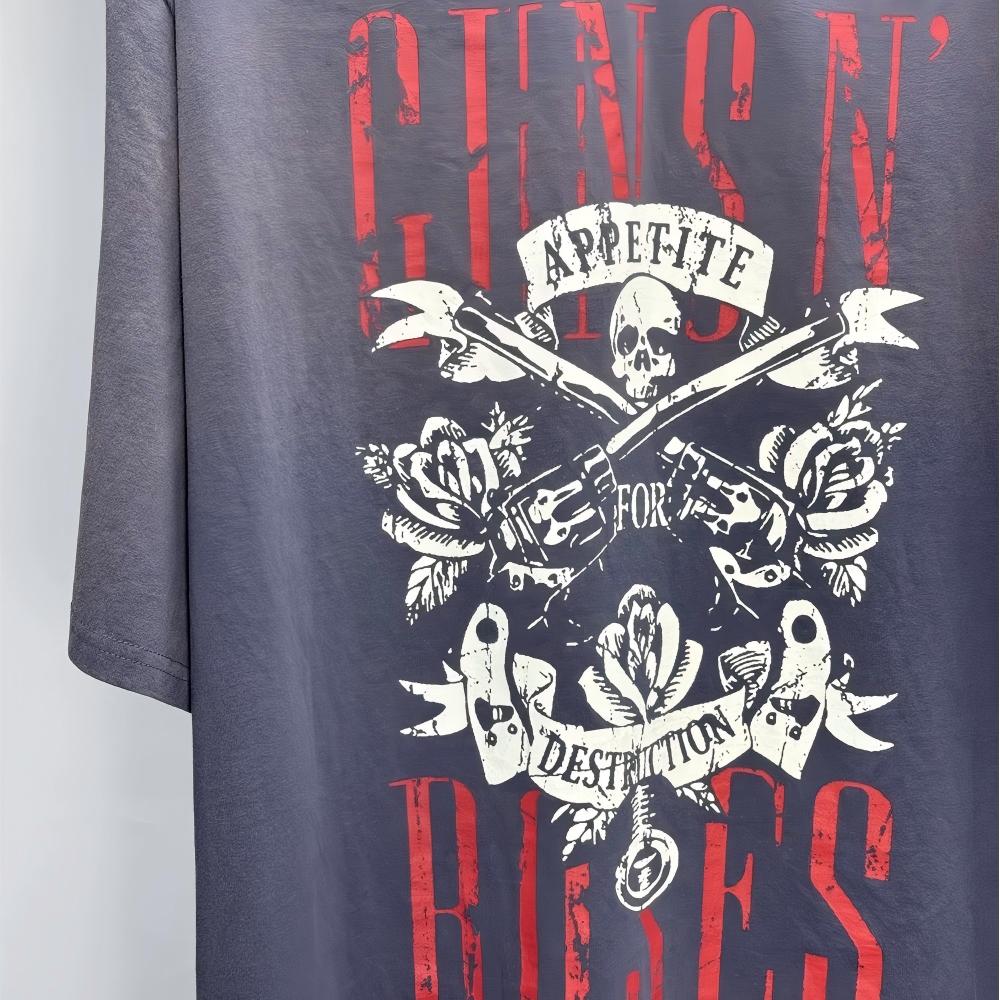
Screen-printed heat transfer labels use mesh screens to deposit plastisol or water-based ink onto release paper, then heat-pressed onto garments at 160–180°C. This method delivers excellent color opacity, high durability through 50+ wash cycles, and competitive per-unit cost for runs above 500 pieces.
Ideal for streetwear hoodies, graphic tees, and casual fashion where bold logos and vivid color blocking matter more than ultra-soft hand feel. ZORWILD applies screen-printed heat transfers across heavyweight hoodies, oversized T-shirts, and vintage wash collections where print durability matches garment longevity.
Digital Inkjet Transfers
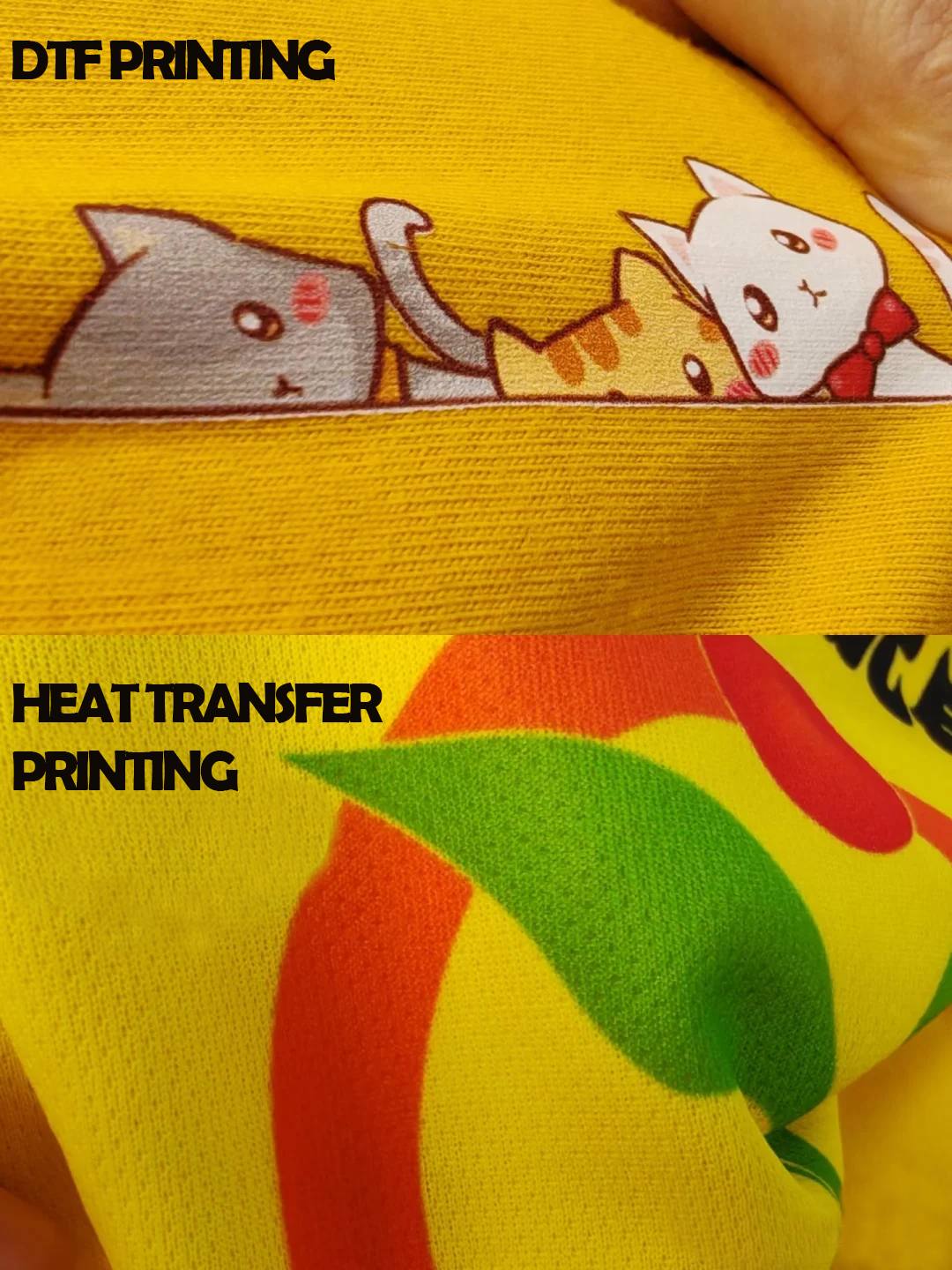
Digital inkjet transfers print full-color artwork directly onto special transfer paper using aqueous or solvent inks, enabling photographic detail, gradients, and unlimited color variation without setup fees. Minimum order quantities start at 50 pieces, making this method ideal for startup brands, influencer merch drops, and capsule collections.
Best suited for fashion T-shirts, resort shirts, and limited-edition pieces where design complexity and low MOQ outweigh the slightly softer wash durability of 30–40 cycles. ZORWILD recommends digital inkjet for private label brands testing new designs before committing to larger screen-printed runs.
Silicone and Rubber Transfers
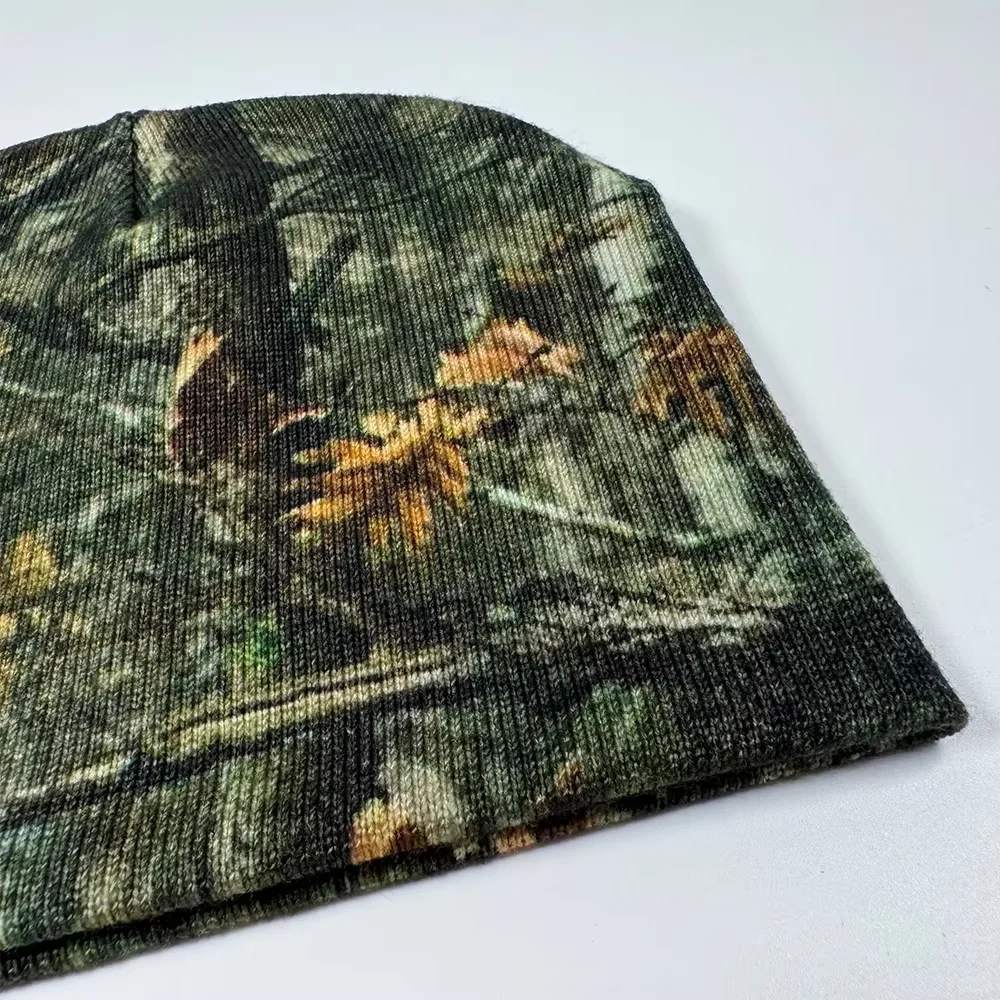
Silicone and rubber heat transfers create raised, three-dimensional labels with premium tactile quality and exceptional wash resistance exceeding 60 cycles. The material is molded or cast, then heat-bonded to fabric at 150–170°C, producing a soft, flexible finish that moves naturally with stretch fabrics.
Perfect for activewear, yoga sets, sports bras, performance hoodies, and luxury streetwear where brand identity demands premium texture and durability under repeated laundering and high-intensity wear. ZORWILD applies silicone branding to technical sportswear and fashion luxury hoodies for elevated brand perception.
Sublimation Transfers
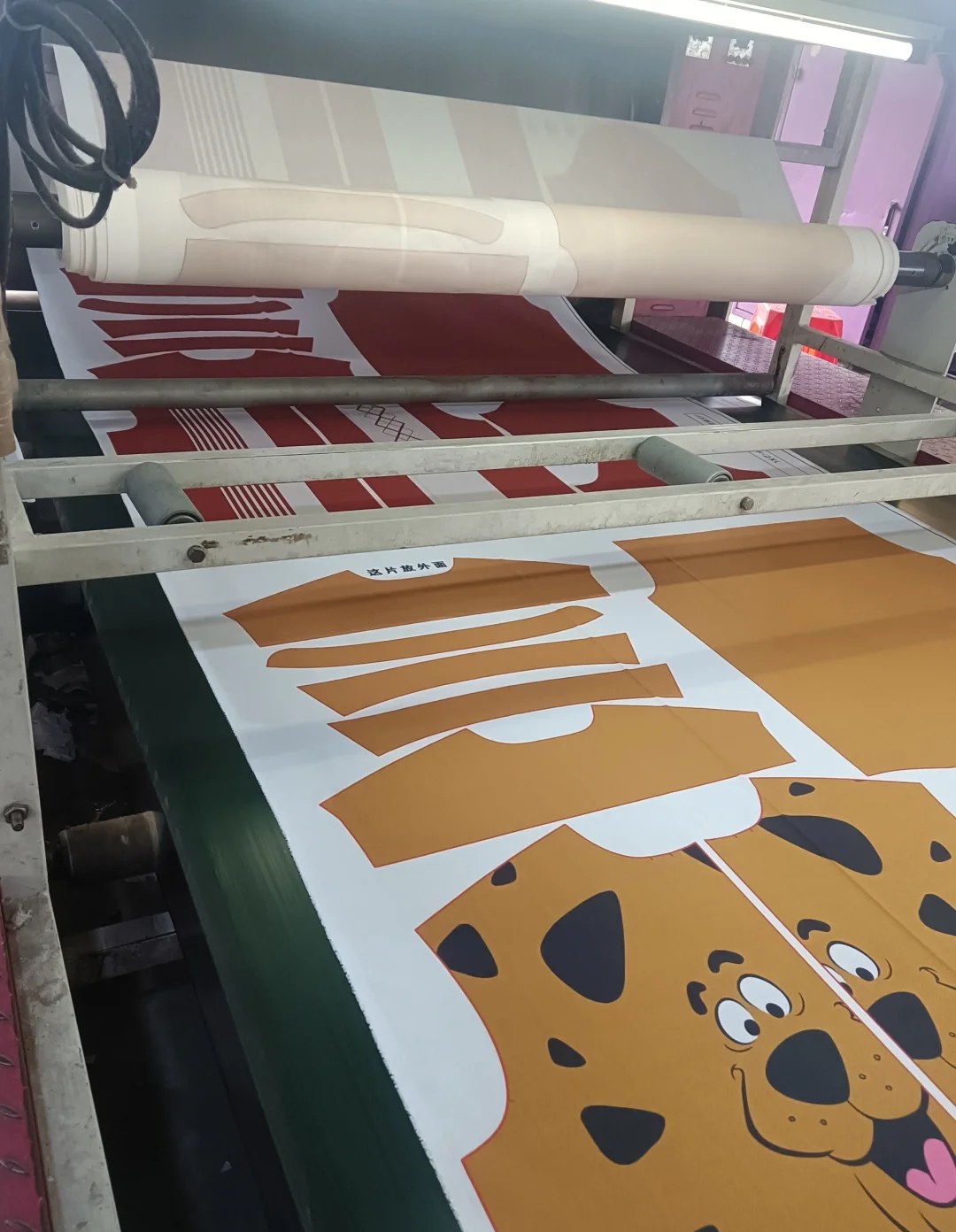
Sublimation transfers use heat to convert solid dye into gas, permanently embedding color into polyester fibers at 180–200°C. The result is a completely flat, breathable label with no additional layer or hand feel, ideal for technical fabrics and all-over print designs.
Exclusively compatible with polyester or polyester-blend fabrics above 65% synthetic content. ZORWILD uses sublimation for performance sportswear, compression leggings, moisture-wicking running tops, and athletic fleece where breathability and zero added weight are critical to garment function.
Reflective and Specialty Transfers
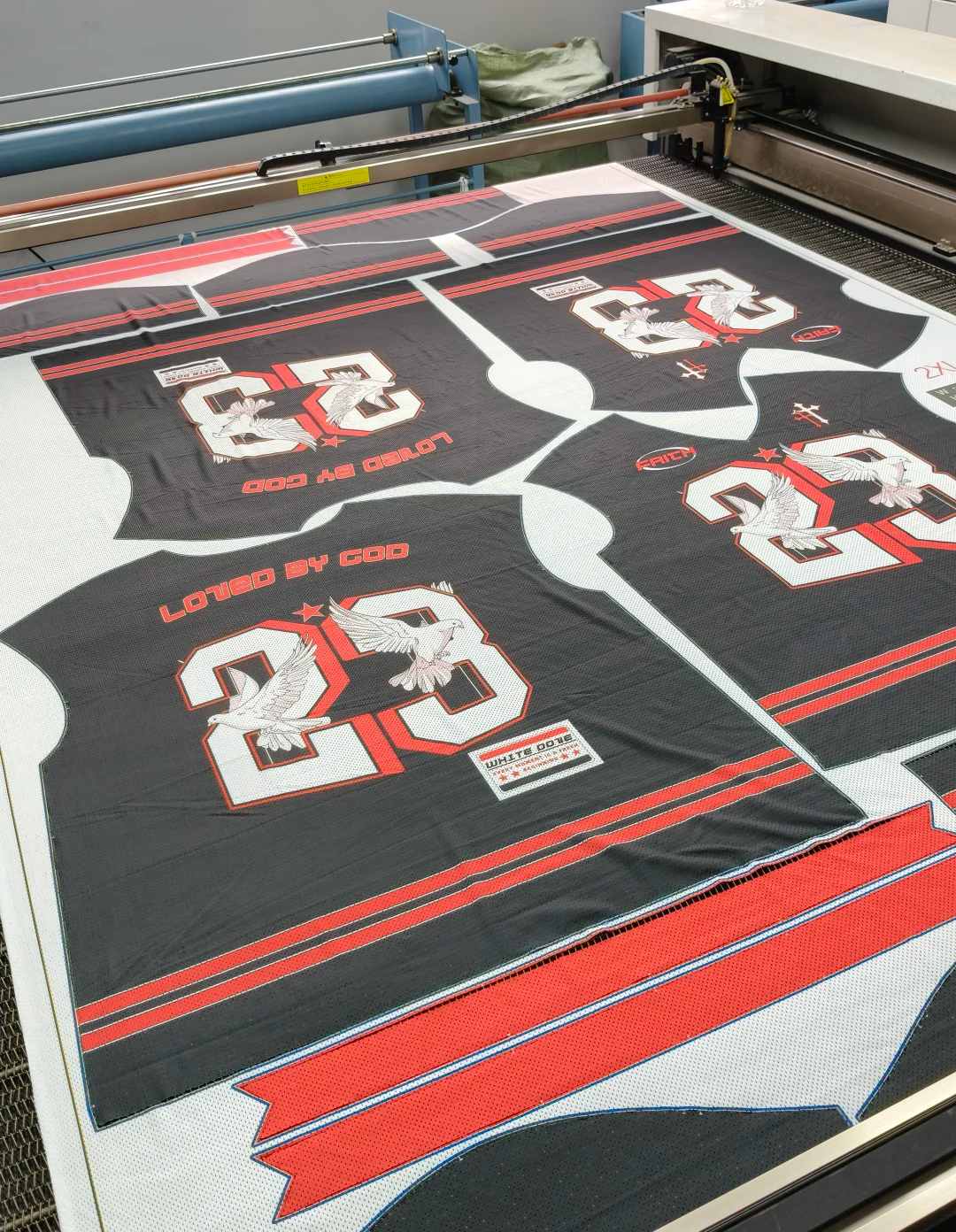
Reflective heat transfers incorporate micro-prismatic or glass-bead materials that reflect light, enhancing visibility and adding technical fashion appeal. Specialty transfers include metallic foils, holographic films, glow-in-the-dark inks, and color-shifting pigments applied via heat press at 140–170°C.
Ideal for technical outerwear, streetwear collections, evening dresses, and fashion-forward casualwear where visual impact, safety features, or trend-driven aesthetics justify premium pricing. ZORWILD integrates reflective printing into bomber jackets, windbreakers, and urban fashion hoodies for brands targeting style-conscious, safety-aware consumers.
4. Materials and Substrates for Heat Transfer Labels
The substrate you choose for a heat transfer label directly determines wash durability, stretch recovery, opacity, and environmental impact. ZORWILD works with trusted Chinese suppliers to source polyester film, nylon, TPU, silicone, and eco-certified alternatives, ensuring stable material quality for every production run.
| Material Type | Durability (Wash Cycles) | Stretch Compatibility | Eco-Rating | Cost Tier |
|---|---|---|---|---|
| Polyester Film | 50–80 cycles | Low (stable fabrics) | Moderate | Low |
| Nylon | 80–100 cycles | High (activewear) | Moderate | Medium |
| TPU | 80–100+ cycles | Very High (compression) | Moderate to High | Medium-High |
| Silicone | 100+ cycles | Medium | Moderate | High |
| Eco-Friendly (Recycled/Bio) | 60–90 cycles | Medium to High | High (OEKO-TEX/GOTS) | Medium-High |
Polyester Film Labels
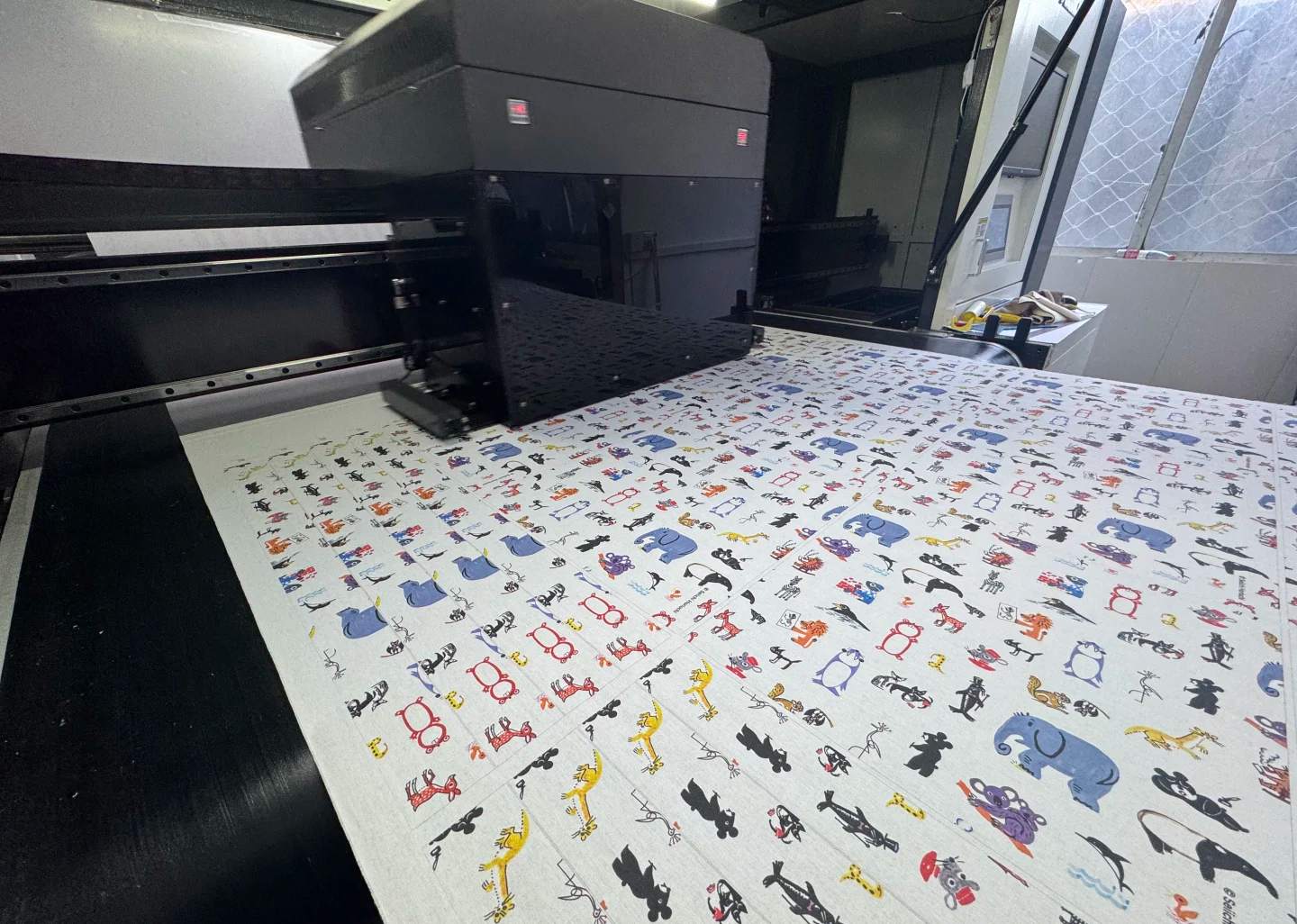
Polyester film remains the most common substrate for heat transfer labels, offering sharp print resolution and excellent wash durability up to 50–80 industrial cycles. The material holds vibrant colors and fine detail, making it ideal for graphic-heavy branding on cotton T-shirts, hoodies, and sportswear.
Polyester film has minimal stretch, so it works best on stable woven or non-stretch knit garments. Cost is typically the lowest among all substrates, making it the go-to choice for startup brands and wholesalers managing tight budgets.
Nylon and TPU Substrates
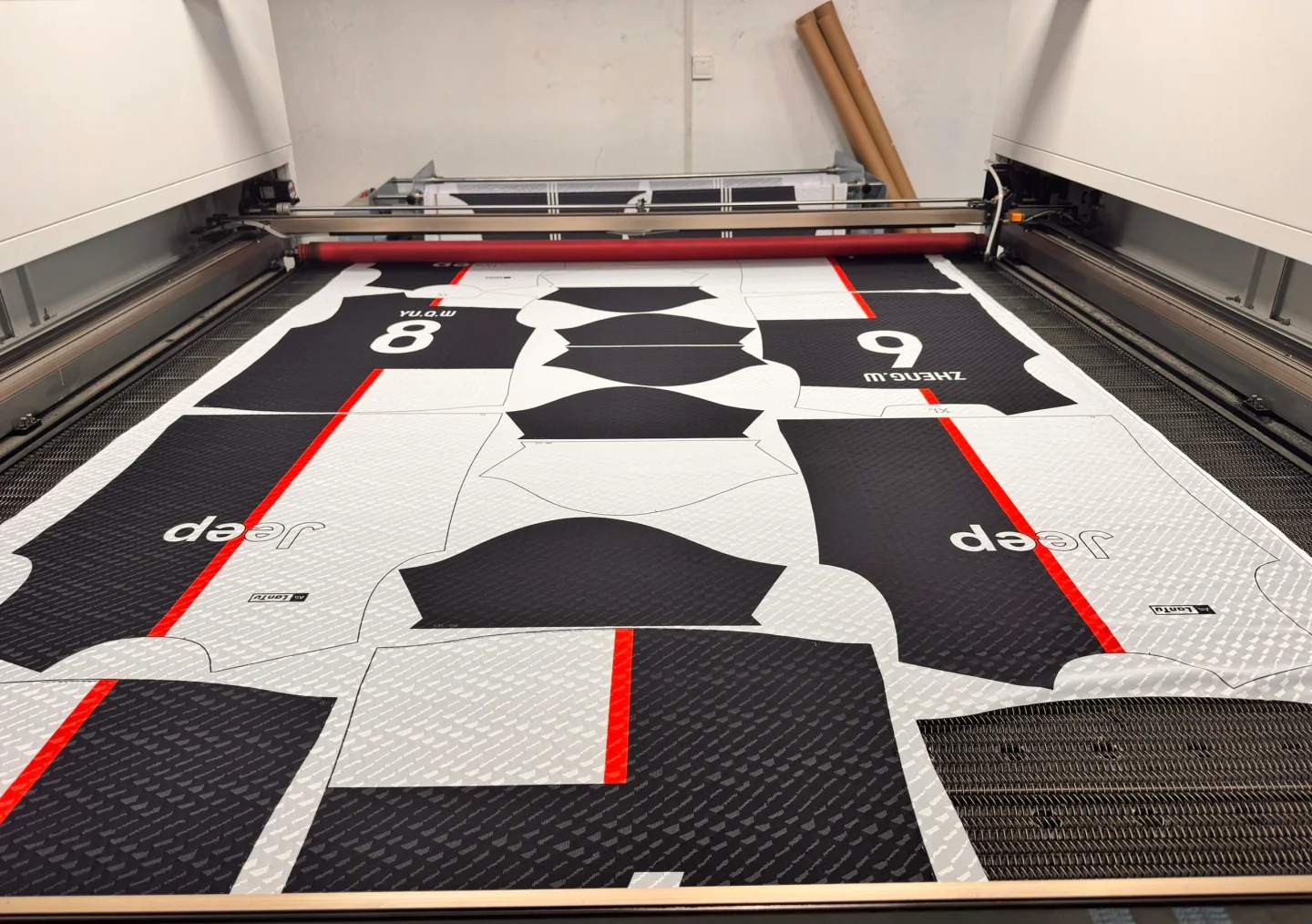
Nylon and thermoplastic polyurethane (TPU) substrates deliver superior stretch compatibility, recovering with garments through repeated wear and washing. TPU labels endure 80–100+ wash cycles and remain soft against skin, ideal for activewear, yoga sets, compression leggings, and technical outerwear.
Both materials offer higher opacity than polyester film, ensuring brand graphics remain vivid on dark or patterned fabrics. Cost is moderate to high, justified by performance in high-movement and moisture-wicking garments.
Silicone and Eco-Friendly Alternatives
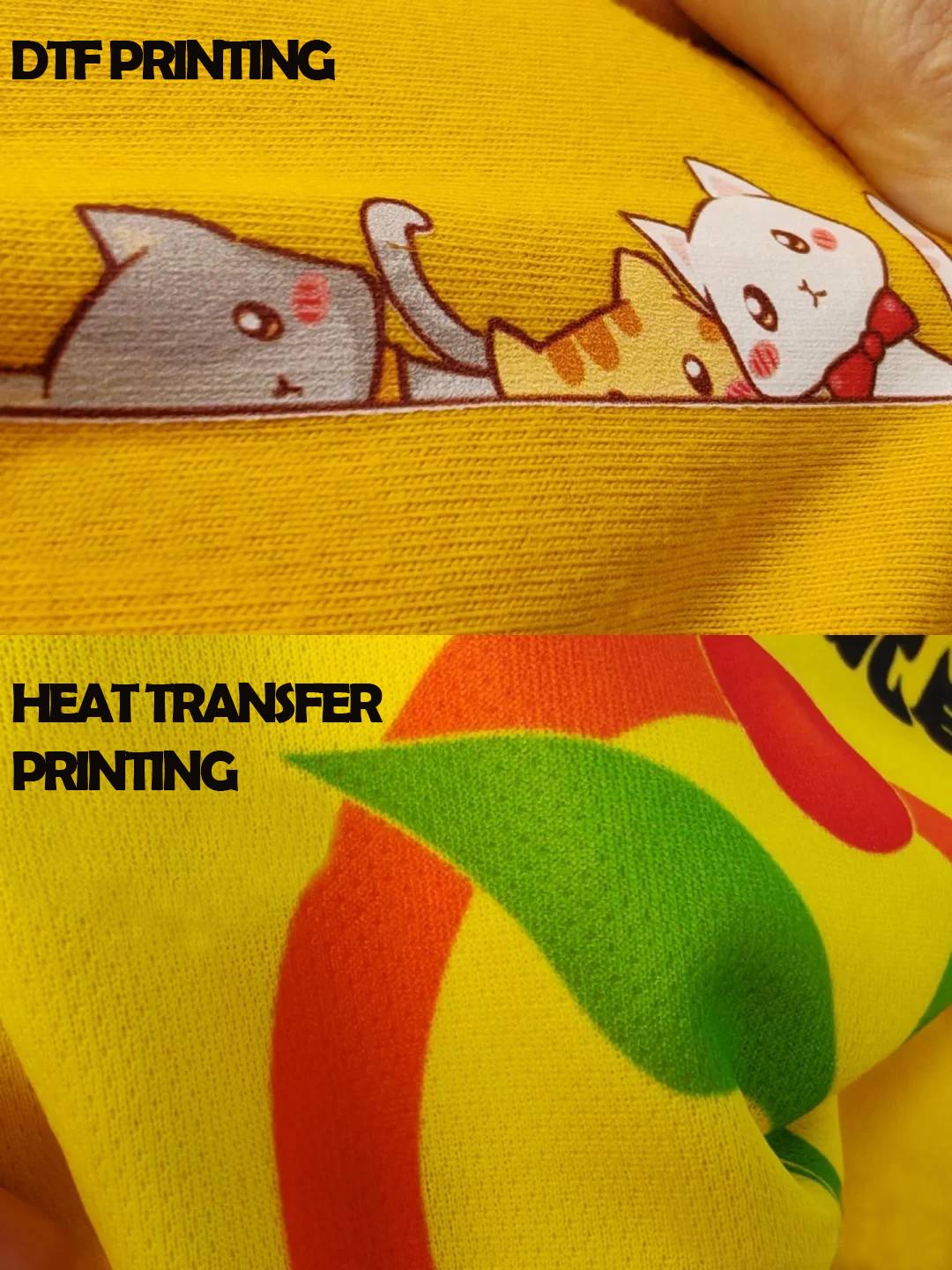
Silicone labels provide a premium 3D raised texture and exceptional durability, often exceeding 100 wash cycles with no cracking or peeling. They suit luxury streetwear, designer hoodies, and high-end activewear where tactile branding elevates perceived value.
Eco-friendly substrates include recycled polyester film, water-based adhesive systems, and biodegradable TPU variants that meet OEKO-TEX or GOTS requirements. These options carry a 10–30% cost premium but align with sustainability goals for brands targeting conscious consumers in North America and Europe.
5. Customization and Decoration Options for Heat Transfer Labels
Modern heat transfer label customization supports full-color logos, gradient effects, metallic finishes, glitter textures, embossed surfaces, QR codes, and integrated care instructions. Design flexibility depends on production technique, file format, and color-matching precision. ZORWILD’s decoration capabilities cover screen printing, digital heat transfer, and silicone applications with MOQs starting from 50 pieces.
| Technique | Color Range | Setup Cost | Minimum Order Quantity |
|---|---|---|---|
| Screen Print | 1–6 spot colors | Medium (film + screen) | 200–500 pieces |
| Digital Heat Transfer | Full CMYK + white | Low (no film) | 50–100 pieces |
| Silicone Transfer | 1–4 colors | Medium (mold) | 100–300 pieces |
Design File Requirements and Color Matching
Vector formats (AI, EPS, PDF) deliver sharp edges and scalable artwork for heat transfer labels, while high-resolution raster files (PNG, TIFF at 300 DPI minimum) work for photographic or gradient designs. Pantone color matching ensures brand consistency across production batches, critical for logos and multi-color graphics.
Color accuracy requires PMS codes or physical swatch approval before bulk production. ZORWILD’s design team converts sketches, reference images, and inspiration photos into production-ready artwork when tech packs are unavailable.
- Vector files preferred for logos, text, and solid shapes
- Raster images require 300 DPI minimum at final print size
- Pantone matching standard for brand color consistency
- Physical swatch approval recommended for critical colors
Advanced Visual Effects and Functional Integration
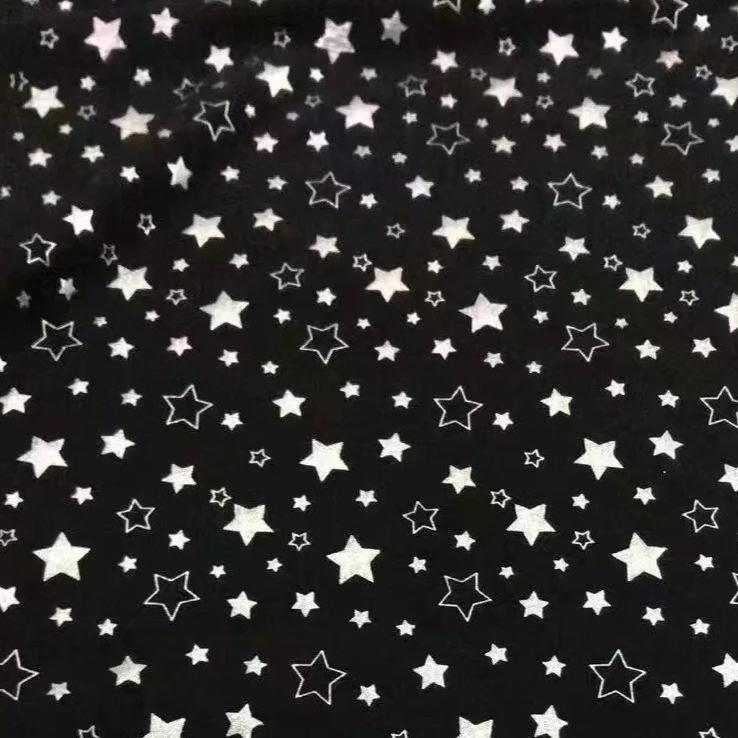
Metallic foil, glitter, and embossed textures add premium visual impact to heat transfer labels for streetwear and luxury collections. QR codes embedded in labels enable product authentication, care instruction videos, and brand storytelling links.
Size and shape constraints depend on garment placement and fabric stretch. Typical label dimensions range from 30 mm × 15 mm for neck labels to 100 mm × 50 mm for large back graphics, with custom die-cut shapes available for unique branding.
- Metallic foil and glitter finishes for premium streetwear labels
- Embossed textures create tactile brand differentiation
- QR codes link to care instructions, authentication, or brand content
- Custom die-cut shapes support unique brand identity
6. Key Quality Elements in Heat Transfer Label Construction
Premium heat transfer label construction relies on five measurable quality factors that determine durability, comfort, and compliance. Manufacturers like ZORWILD apply strict inspection protocols across ink chemistry, edge finishing, adhesive formulation, and stretch performance to ensure labels survive 50+ industrial wash cycles without degradation.
Ink Adhesion and Fade Resistance
High-quality heat transfer labels use plastisol, silicone, or water-based inks engineered for 50–100 wash cycles at 60°C without color shift or cracking. Ink adhesion testing per AATCC 61-2A measures color fastness on a 1–5 scale; commercial-grade labels score 4 or higher.
Fade resistance depends on pigment quality and UV stabilizers. Budget labels often use dye-based inks that bleed into light fabrics or fade within 10–15 washes, creating brand liability for apparel manufacturers.
- Plastisol inks: durable, opaque, ideal for cotton and blends
- Silicone inks: soft hand feel, excellent stretch, premium streetwear
- Water-based inks: eco-friendly, softer finish, requires proper curing
Edge Finish and Comfort
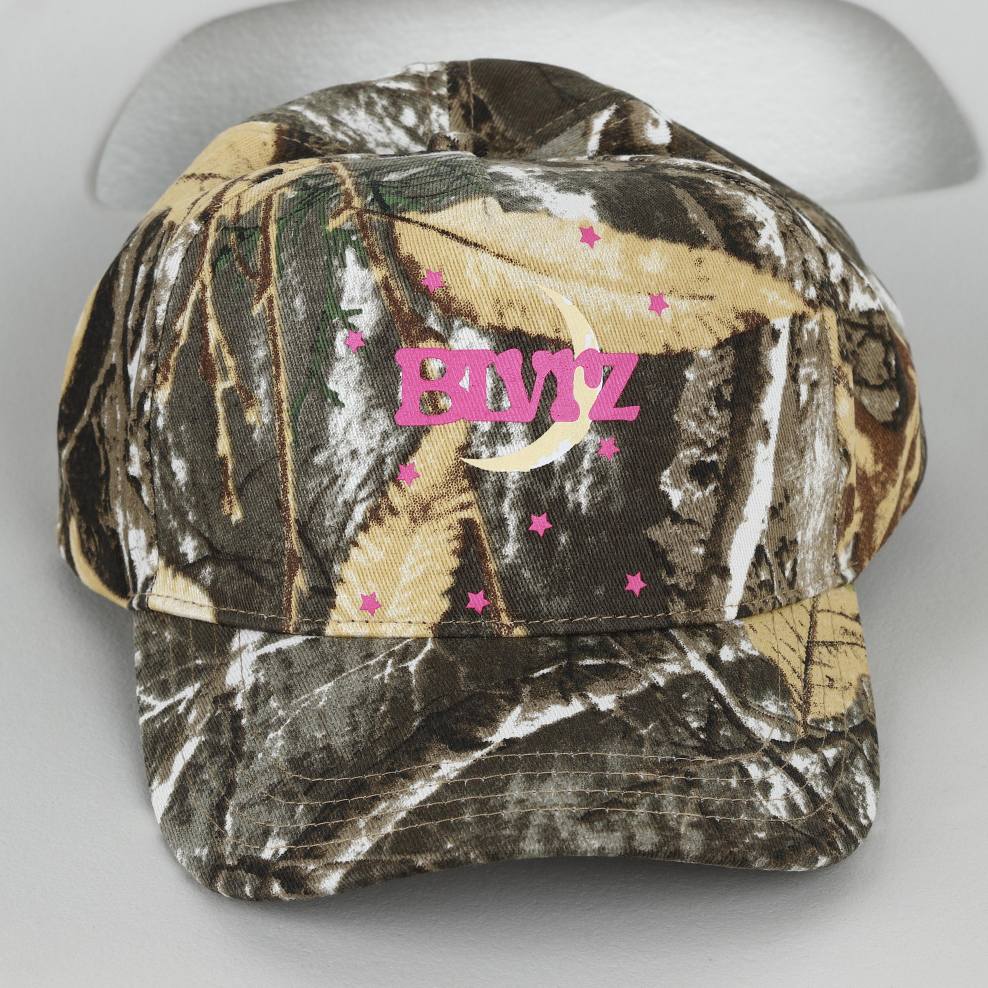
Cut-edge labels feature clean laser or die-cut perimeters with sealed edges to prevent fraying. Tear-away labels include perforated zones for customer removal but risk incomplete tears that leave residue.
ZORWILD uses ultrasonic cutting for premium cut-edge labels, creating smooth, fray-resistant borders that remain intact through garment finishing and customer use.
Peel Strength and Wash Durability
Peel strength measures adhesive bond force, tested per ASTM D903 at 180° angle. Commercial heat transfer labels require minimum 1.5 N/cm peel strength after five wash cycles to prevent lifting or edge curl.
Quality manufacturers pre-test samples through accelerated wash protocols (10 cycles at 60°C plus tumble dry) to validate adhesive performance across fabric types including cotton jersey, polyester blends, and French terry.
- Minimum peel strength: 1.5 N/cm after washing
- Expected lifespan: 50+ home washes, 30+ industrial cycles
- Red flag: edge lifting within first three washes
Stretchability Without Cracking
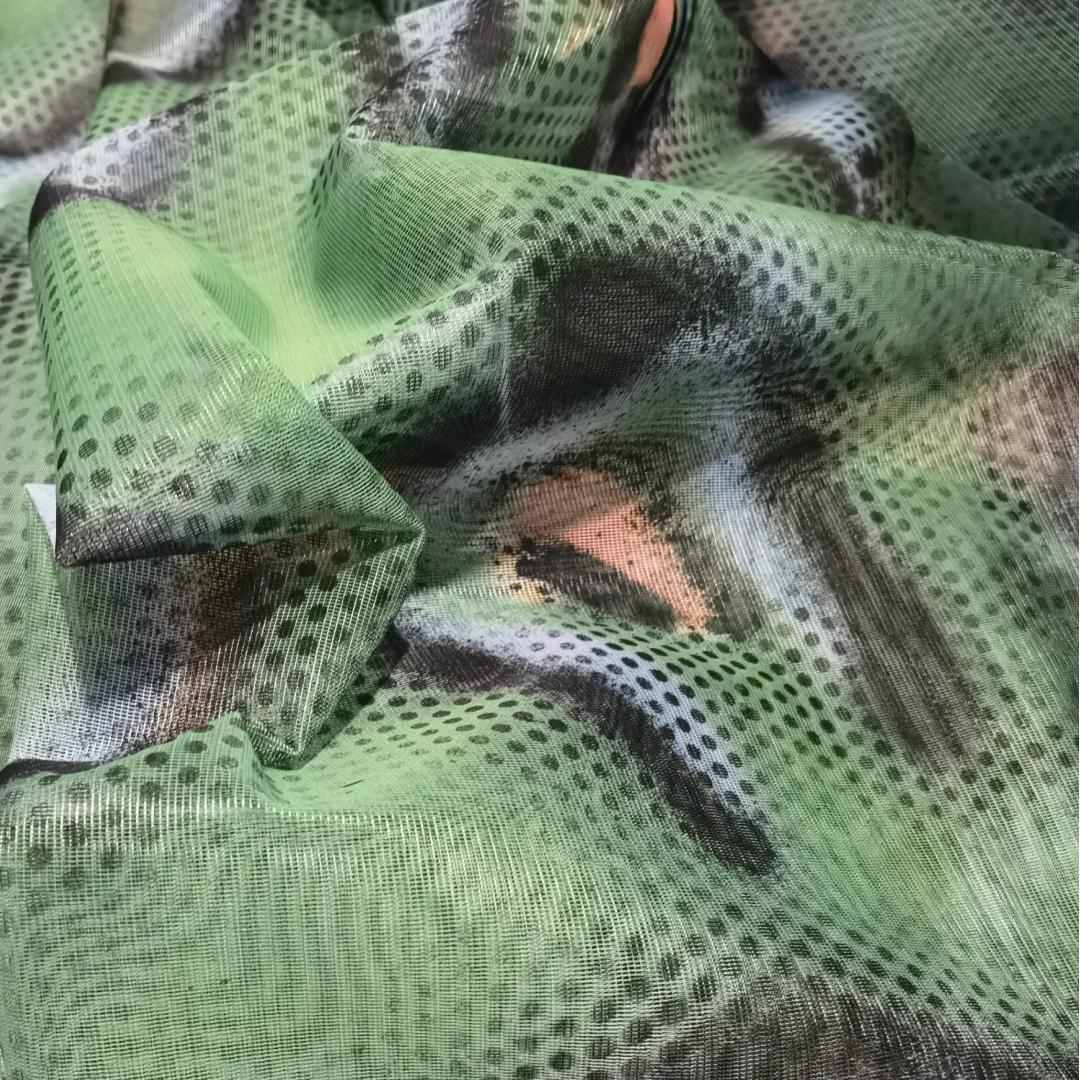
Labels applied to stretch fabrics (spandex blends, athletic wear, fitted garments) must elongate 30–50% without ink cracking or delamination. Silicone and polyurethane-based inks offer superior flex compared to rigid plastisol formulations.
ZORWILD tests stretch performance on activewear and fitted streetwear by applying labels to fabric swatches, stretching to 150% original width, and inspecting for micro-cracks under magnification.
Compliance Certifications
OEKO-TEX Standard 100 certifies labels free from harmful chemicals, required by EU and North American retailers. CPSIA compliance is mandatory for children’s wear in the United States, restricting lead and phthalate content below 100 ppm.
Reputable manufacturers provide third-party test reports for each label material and ink system. ZORWILD sources certified materials and maintains documentation to support brand compliance across international markets.
- OEKO-TEX Standard 100: chemical safety for skin contact
- CPSIA: lead and phthalate limits for children’s products
- REACH: EU chemical registration for apparel imports
7. How to Choose a Heat Transfer Label Manufacturer
Selecting the right heat transfer label manufacturer determines production speed, unit economics, and brand consistency. Evaluate suppliers on MOQ flexibility, sampling policy, lead times, design capabilities, and quality systems before committing to production.
Minimum Order Quantity and Production Flexibility
Traditional heat transfer label suppliers require 500 to 1,000-piece minimums per design, creating cash flow pressure for startups and small brands. ZORWILD’s 50-piece MOQ allows influencers, new labels, and capsule collections to test designs, reduce inventory risk, and launch with lower upfront investment.
Production capacity matters for scaling: manufacturers with monthly output exceeding 100,000 units can handle both initial test runs and future bulk orders, ensuring consistency as your brand grows without switching suppliers mid-season.
Sampling Policy and Physical Evaluation
Request physical samples before bulk production to verify adhesion strength, wash durability, color accuracy, and edge definition. Reputable manufacturers provide samples within 5 to 7 days, allowing inspection of print clarity, fabric compatibility, and hand feel on your actual garment substrate.
Evaluate sample quality under real-world conditions: wash samples five times at 40°C, stretch fabric edges, and check for peeling, cracking, or color fade to confirm the label meets your brand standards.
Communication and Payment Terms
Responsive communication via email, WhatsApp, or phone ensures fast issue resolution and production updates. Manufacturers with English-speaking account managers and clear payment terms—typically 30% deposit, 70% before shipment—reduce misunderstandings and protect both parties.
Shipping options including air freight for speed, sea freight for cost efficiency, and door-to-door express delivery with export documentation support simplify logistics, especially for international buyers managing customs and lead time constraints.
Portfolio Review and Repeat Order Negotiation
Review manufacturer portfolios for experience in your product category—streetwear brands need suppliers familiar with oversized fits and vintage washes, while activewear labels require technical fabric expertise. Look for case studies showing consistent quality across multiple order cycles.
Negotiate volume discounts for repeat orders: manufacturers often reduce unit costs by 10 to 20% once initial sampling and design approval are complete, rewarding long-term partnerships with better pricing and priority production slots.
8. Common Mistakes Buyers Make with Heat Transfer Labels
Even experienced buyers encounter costly errors when sourcing heat transfer labels. Understanding common pitfalls—from substrate mismatches to artwork preparation—helps brands avoid production delays, quality issues, and customer returns.
Choosing the Wrong Substrate for Fabric Type
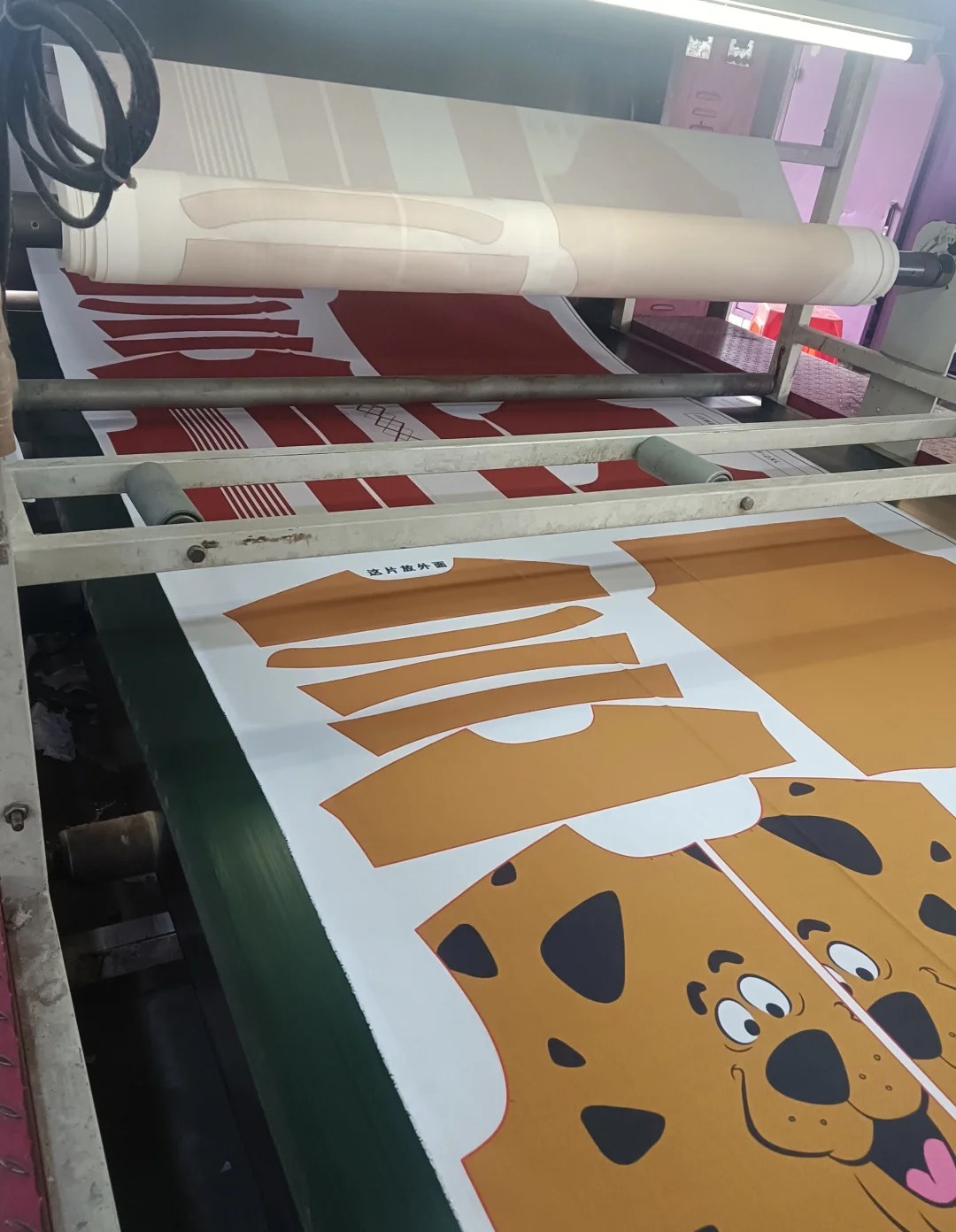
Silicone heat transfer labels work beautifully on cotton hoodies but can fail on delicate silk or satin garments where excessive heat damages fibers. Polyurethane (PU) labels suit lightweight activewear and moisture-wicking fabrics, while rubber-based transfers may feel too stiff on stretch fabrics.
Always match substrate to fabric weight, fiber content, and end-use care requirements. Request wash-test results from your manufacturer before committing to bulk orders—ZORWILD provides sample testing across cotton, polyester blends, rayon, bamboo, and technical fabrics to validate adhesion and durability.
Ordering Without Samples and Wash Testing
Skipping the sampling stage is the most frequent mistake among startup brands. A heat transfer label that looks perfect on a photo may peel after five washes or feel uncomfortable against skin.
Order physical samples on your exact fabric and test them through at least ten wash-and-dry cycles at the care temperatures your customers will use. ZORWILD offers low-cost sampling with 50-piece MOQ production, allowing brands to validate label performance before scaling.
- Test adhesion strength after repeated washing cycles
- Verify hand feel and flexibility on actual garment fabric
- Check color fastness under hot water and tumble drying
Artwork Preparation Errors
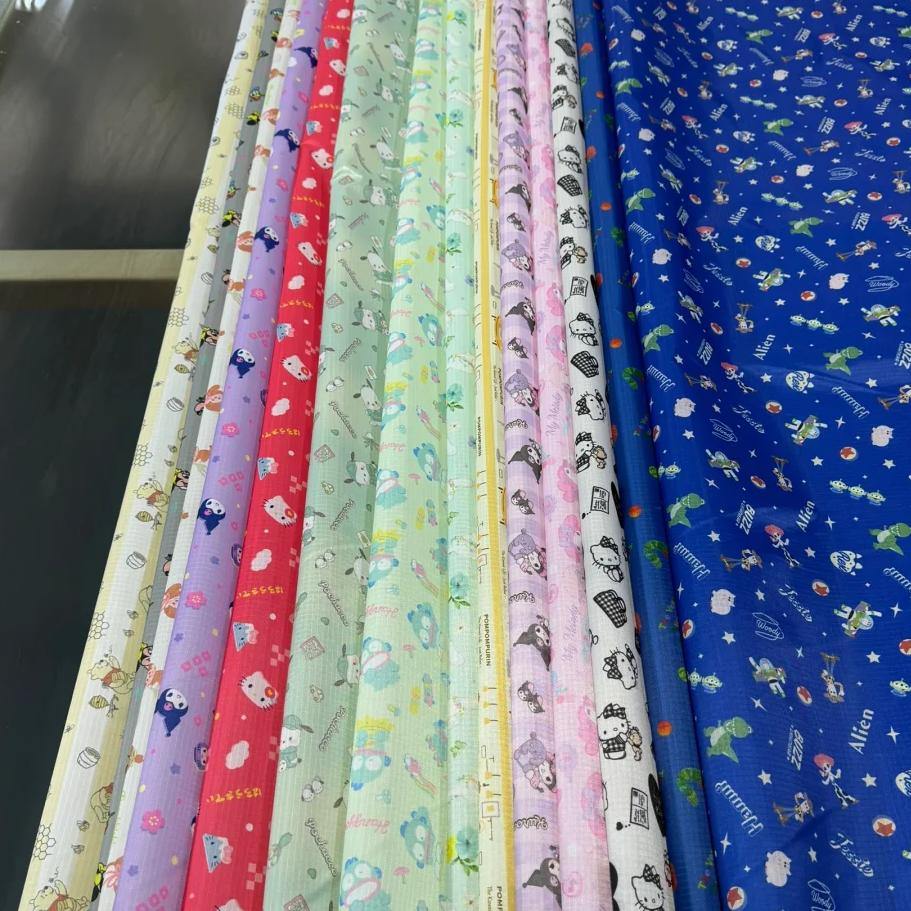
Low-resolution artwork (below 300 DPI) produces blurry logos and pixelated text on heat transfer labels. Submitting files in RGB color mode instead of Pantone or CMYK causes color shifts between screen preview and final printed label.
Provide vector files (AI, EPS, or PDF) whenever possible, especially for text and simple logos. Raster images should be at least 300 DPI at final print size. Confirm Pantone color codes with your manufacturer to ensure brand consistency across all labels and hang tags.
Application Temperature and Pressure Mistakes
Incorrect heat press settings—too hot, too cold, insufficient pressure, or wrong dwell time—cause incomplete adhesion or label damage. Silicone labels typically require 160–180°C for 10–15 seconds, while PU transfers may need only 130–150°C.
Always follow the manufacturer’s application guide and test on scrap fabric before pressing finished garments. ZORWILD provides detailed application instructions with every heat transfer label order, including temperature ranges, pressure settings, peel methods (hot peel vs. cold peel), and fabric-specific adjustments.
9. Steps to Launch Your Brand with Heat Transfer Labels
Launching a brand with heat transfer labels requires structured planning from artwork to application. Following a proven sequence reduces delays, controls costs, and ensures labels align with garment quality and brand positioning.
Define Brand Identity and Label Design
Start with logo format, brand colors, and label placement strategy. Vector files (AI, EPS, PDF) ensure sharp reproduction at any size, while Pantone references guarantee color consistency across production runs.
Decide whether labels will sit on necklines, sleeves, hems, or exterior panels. ZORWILD’s design team converts sketches, reference images, or existing artwork into production-ready tech packs for clients without finalized files.
Select Material and Decoration Method
Match label substrate to garment fabric weight and wash frequency. Polyester film suits athletic wear and frequent laundering, while soft TPU works for premium fashion pieces and sensitive skin contact.
Choose screen printing for bold graphics, digital printing for gradients and fine detail, or 3D silicone for raised texture. ZORWILD supports all modern heat transfer methods including reflective, puff, and metallic finishes tailored to brand aesthetics.
Request and Evaluate Samples
Order physical samples on target fabric types before committing to bulk production. Test wash durability through 10–15 cycles, check edge adhesion, assess color accuracy under natural and artificial light, and confirm hand feel matches brand standards.
ZORWILD offers low-cost sampling with 3–5 day turnaround, allowing startups to validate design, material, and application method before placing 50-piece minimum orders.
Finalize Artwork and Approve Proofs
Review digital proofs for spelling, logo proportions, color codes, and label dimensions. Confirm placement coordinates and heat press parameters (temperature, pressure, dwell time) to prevent production errors.
Sign off on final artwork only after checking care label compliance, trademark symbols, and country-of-origin requirements. ZORWILD provides PDF proofs and physical strike-offs for client approval before bulk cutting.
Place Production Order and Plan Reorders
Standard lead times range 7–14 days for heat transfer labels depending on decoration complexity and order volume. Budget 10–15% overage to cover application waste and future sample requests.
Track inventory monthly and reorder when stock falls below two production cycles. ZORWILD maintains artwork files and process records, enabling fast reorders with consistent quality and eliminating setup fees for repeat clients.
10. Pricing and Cost Breakdown for Heat Transfer Labels
Heat transfer label pricing follows predictable quantity tiers, with unit costs dropping sharply as order volumes increase. At 50-piece MOQ, expect $0.80–$1.20 per label including setup; at 5,000 pieces, per-unit costs fall to $0.15–$0.25, making large runs significantly more economical. Setup fees typically range from $30 to $80 depending on print complexity, color count, and decoration method.
Print method selection directly impacts both setup investment and per-unit economics. Screen printing carries higher setup costs ($50–$80) but lower per-unit rates at scale, making it ideal for orders above 500 pieces. Digital heat transfer and direct-to-film methods reduce setup fees to $30–$50 and suit smaller runs, while silicone and puff techniques add $0.10–$0.20 per label for dimensional effects. Break-even points shift between 300 and 800 pieces depending on design complexity and color requirements.
Lead times compress as production systems mature. ZORWILD delivers 50–200 piece orders in 7–10 days, 500–1,000 pieces in 10–14 days, and 5,000+ piece runs in 14–18 days, including sampling, production, and quality inspection. Rush services reduce timelines by 30–40% with premium fees of 15–25%. Freight costs depend on destination and shipping method, with sea freight averaging $0.02–$0.05 per label for international orders and express air adding $0.15–$0.30 per unit.
| Quantity Tier | Price per Label (USD) | Setup Fee | Lead Time |
|---|---|---|---|
| 50–100 pcs | $0.80–$1.20 | $30–$50 | 7–10 days |
| 100–500 pcs | $0.50–$0.80 | $40–$60 | 10–12 days |
| 500–1,000 pcs | $0.30–$0.50 | $50–$70 | 10–14 days |
| 1,000–5,000 pcs | $0.20–$0.35 | $60–$80 | 12–16 days |
| 5,000+ pcs | $0.15–$0.25 | $70–$80 | 14–18 days |
Add Heat Transfer Labels to Your Next Production Run
Start with just 50 pieces. Get professional branding, fast turnaround, and expert support from our 27-year manufacturing team.
- Custom Shirts
- Custom Hoodies
- Custom T Shirts
- Custom Dresses
- Custom Sweatshirts
- Custom Jackets
- Custom Varsity Jackets
- Custom Polo Shirts
- Custom Shorts
- Custom Dress Shirts
- Contact