
Custom RFID Tags for Apparel Tracking & Authentication
ZORWILD integrates custom RFID tags into your apparel orders with low 50-piece MOQs. Enable product tracking, supply chain visibility, and brand authentication across custom hoodies, t-shirts, jackets, and all garment categories.
Custom RFID Tag Styles & Formats
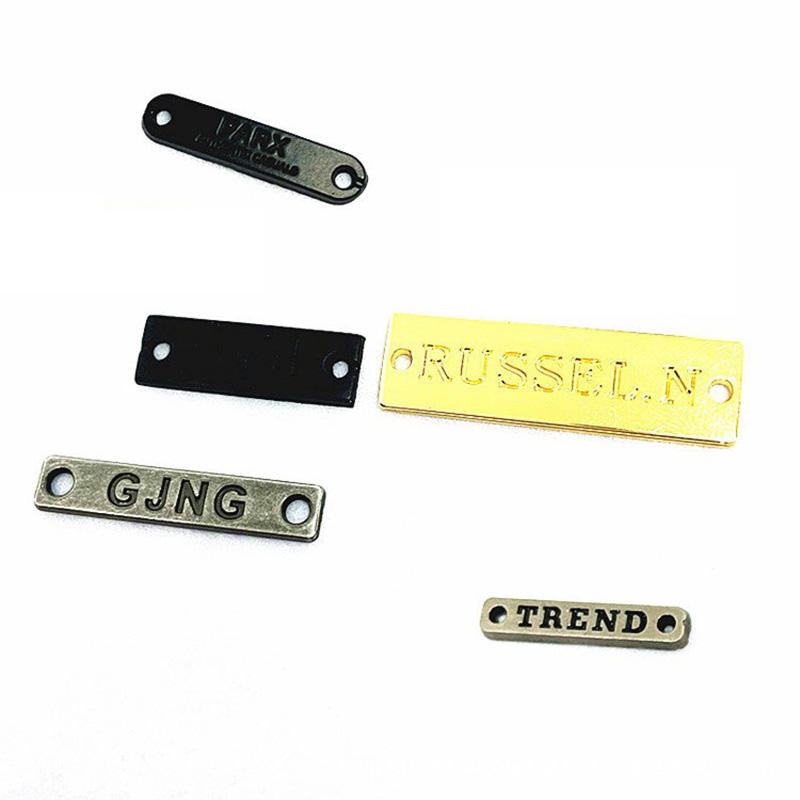

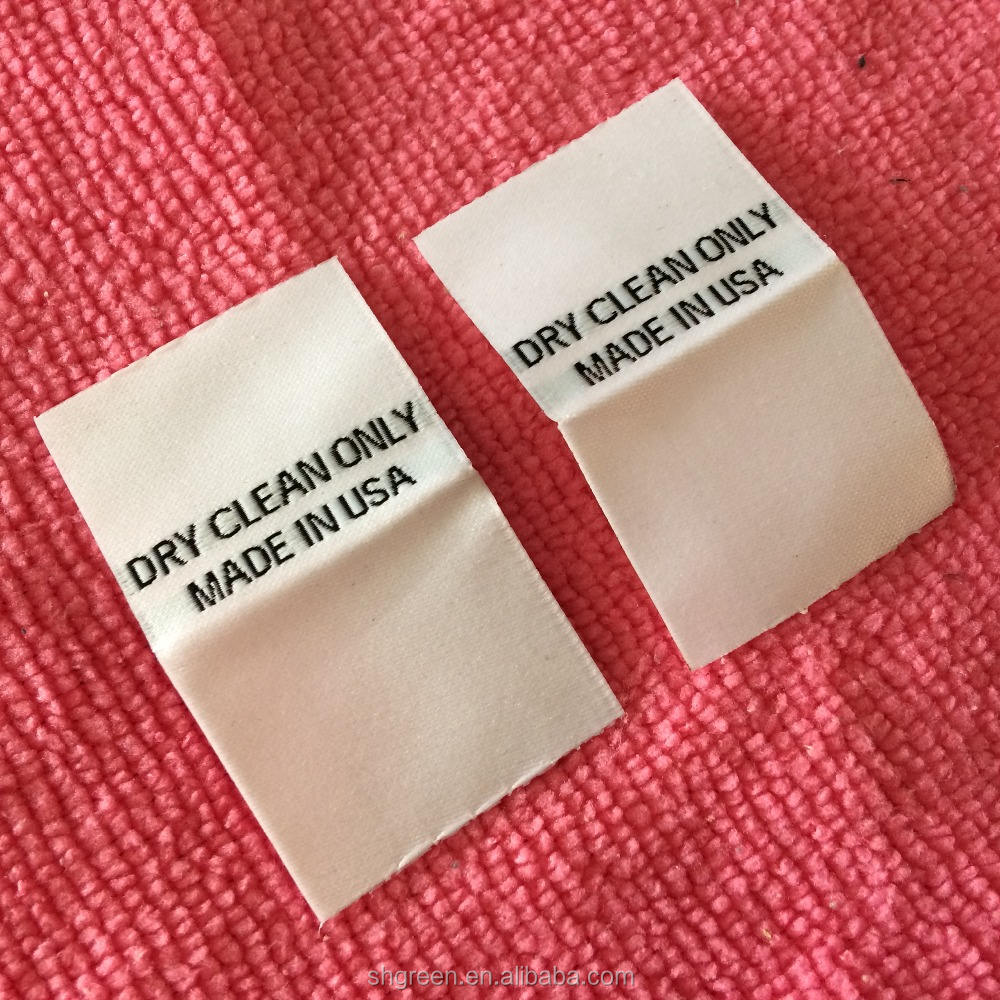
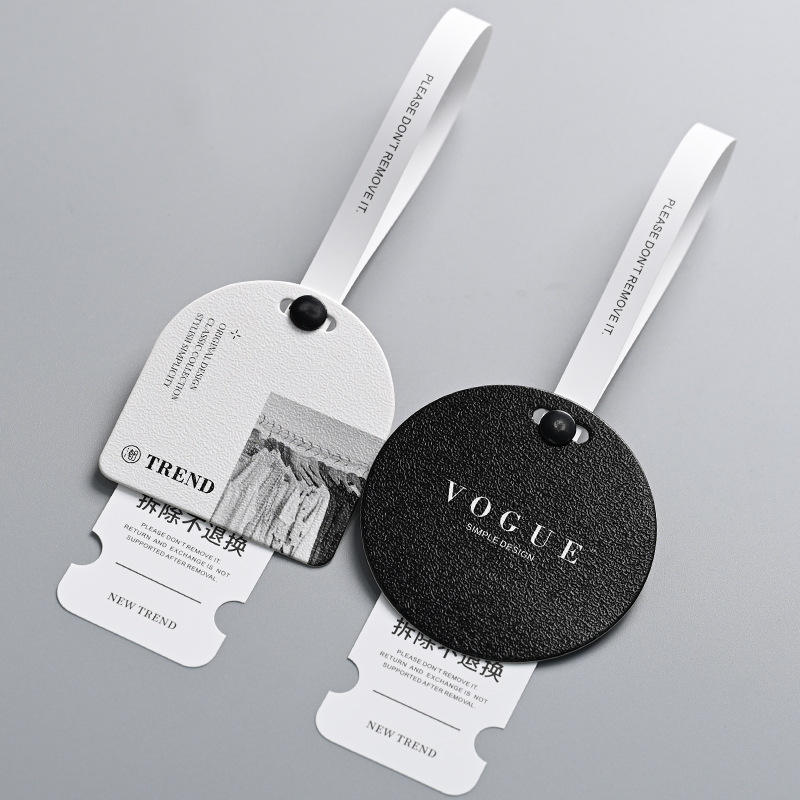
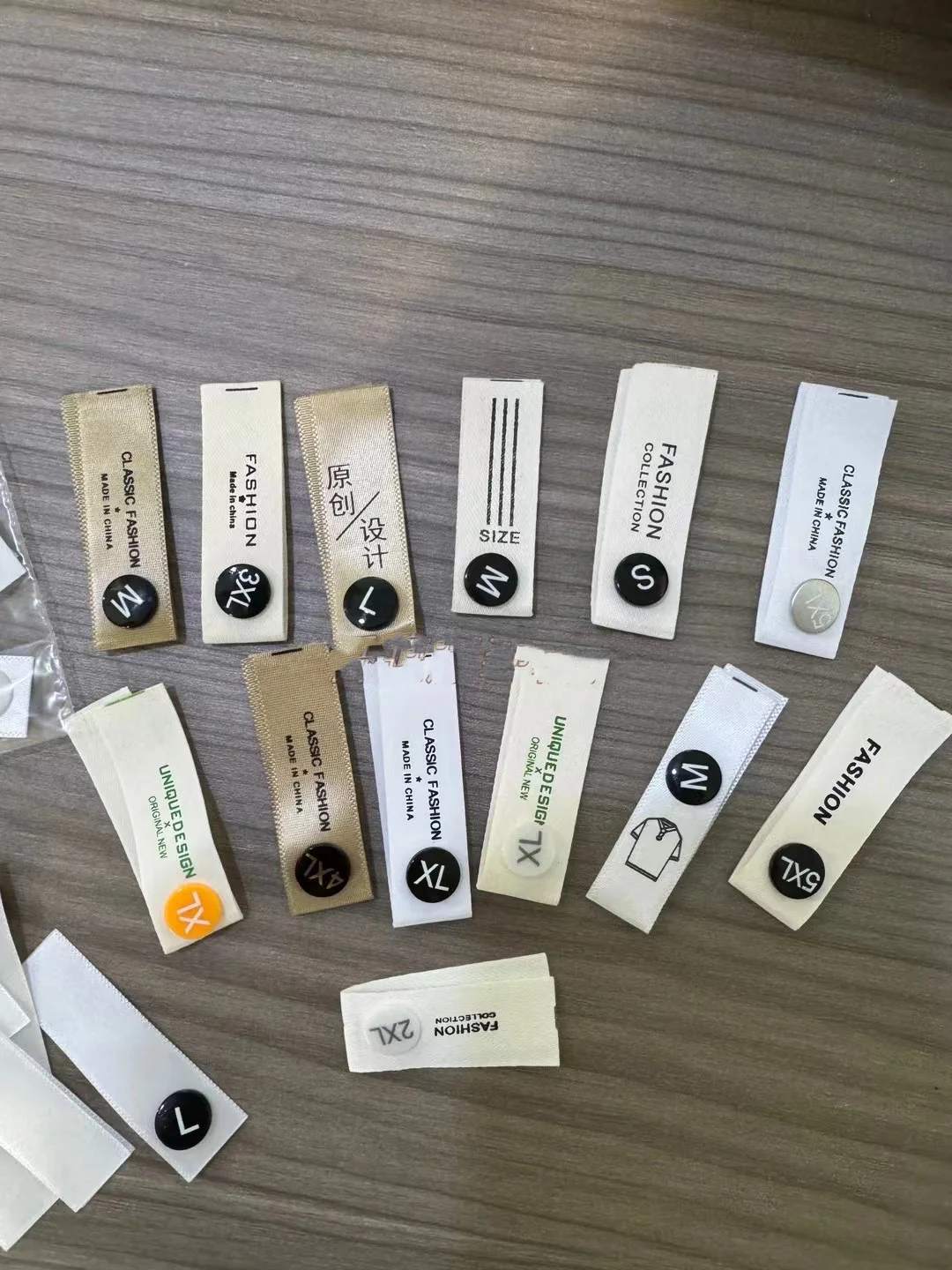
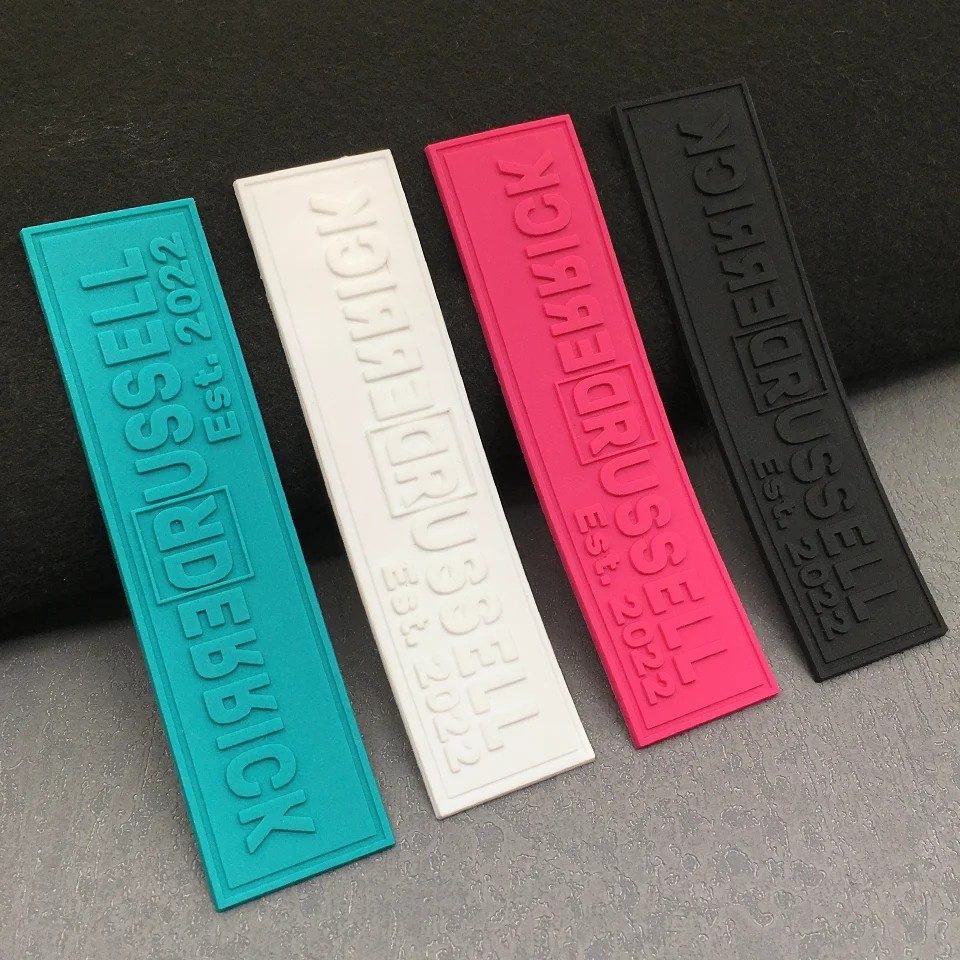
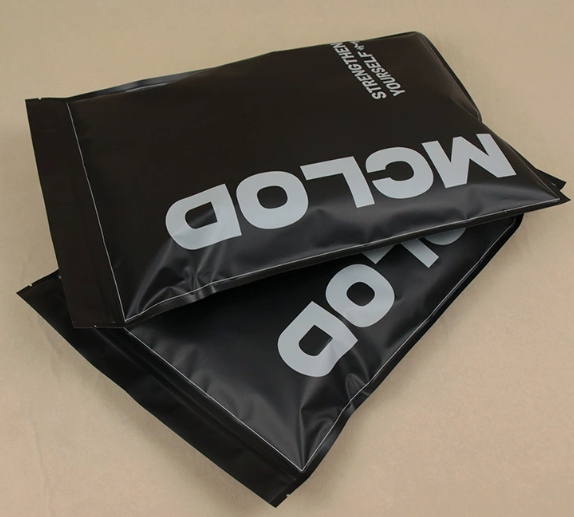
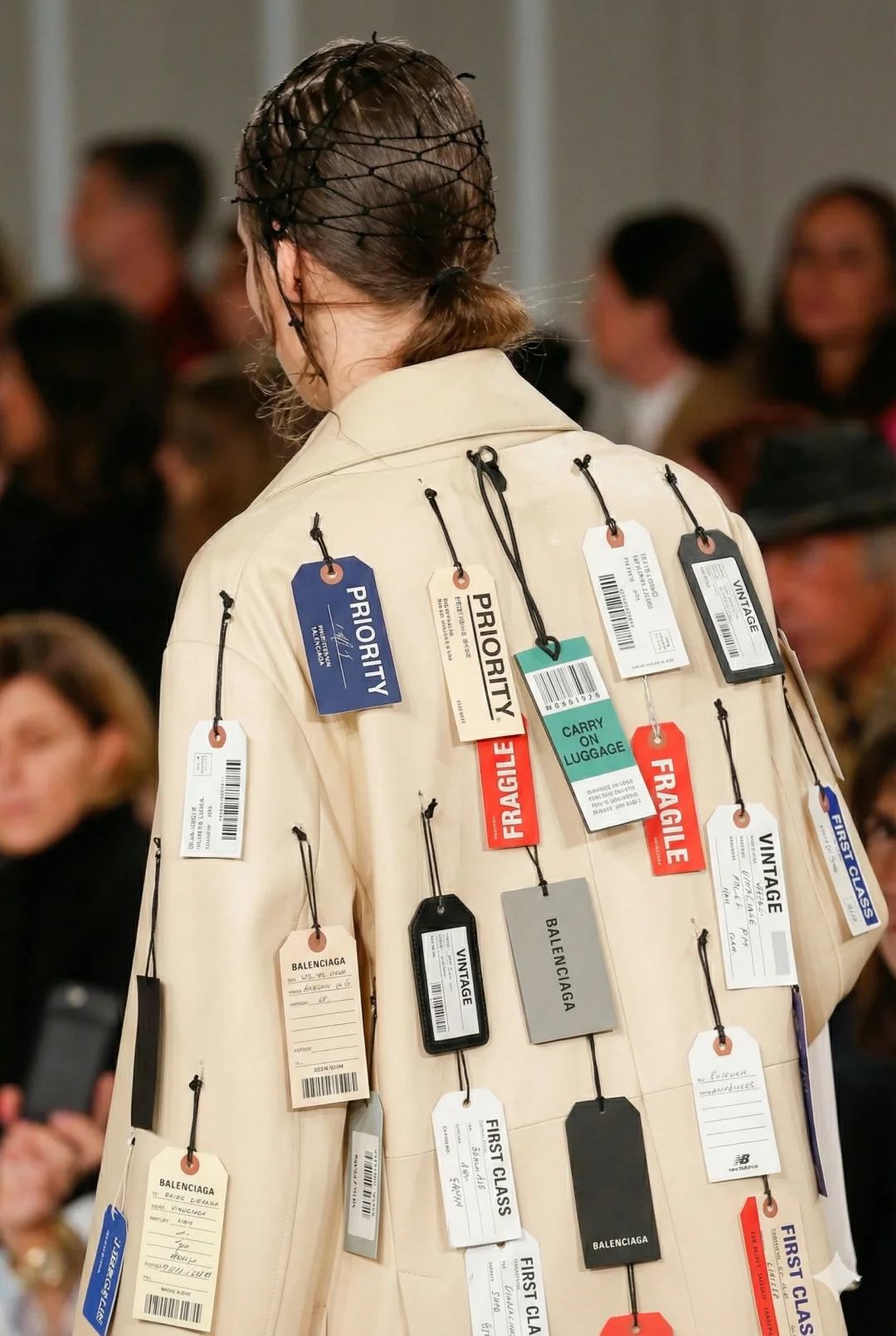
Why Custom RFID Tags Add Value to Your Brand
From product authentication to inventory tracking, custom RFID tags deliver measurable benefits for fashion brands producing custom apparel, wholesale clothing, and private label collections at every scale.
Product Authentication & Anti-Counterfeiting
Protect your brand with unique RFID identifiers that verify authenticity instantly, reducing counterfeit risk and building customer trust at every touchpoint.
Real-Time Inventory Tracking
Track garments across warehouses, retail stores, and distribution channels with automated scanning, reducing stock errors and improving fulfillment speed.
Enhanced Customer Engagement
Enable NFC-enabled smartphones to access product stories, care instructions, styling tips, and exclusive content directly from your custom RFID tag.
Supply Chain Transparency
Provide full production traceability from factory to customer, meeting sustainability standards and building brand credibility with transparent sourcing data.
Premium Brand Perception
Signal quality and innovation with embedded RFID technology, differentiating your apparel from competitors and justifying higher price points.
Fast Production & Low MOQ
ZORWILD integrates custom RFID tags into your apparel production from 50 pieces with fast sampling and encoding, making advanced tracking accessible for startups and established brands producing custom t-shirts, hoodies, jackets, and complete collections.
Labels, Tags & Branding Components
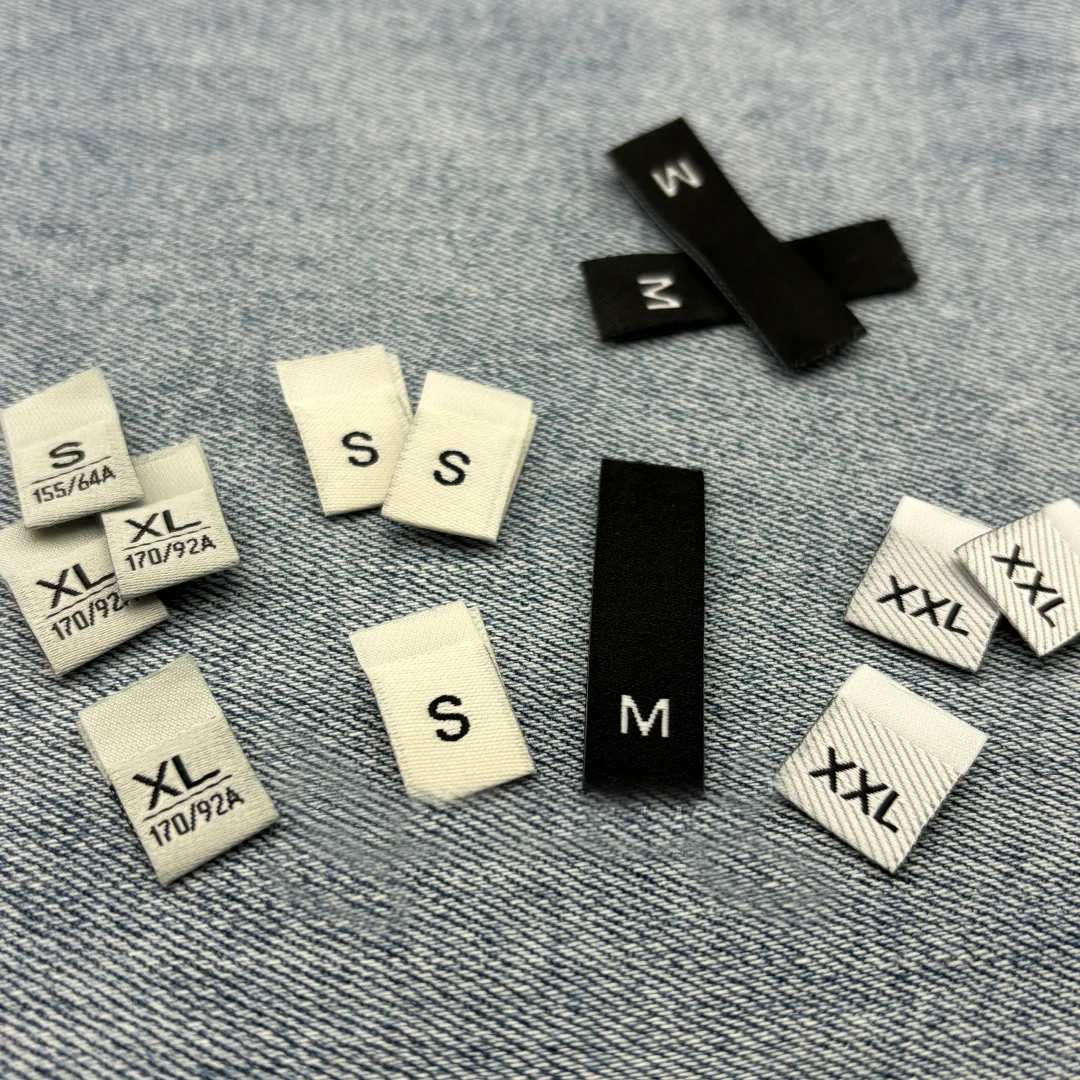
Custom Labels & Tags
Comprehensive custom clothing label solutions including woven labels, printed labels, care labels, size labels, hang tags, and branded accessories. ZORWILD provides complete label customization with design support, material selection, color matching, and low MOQ production starting at 50 pieces to build cohesive brand identity across your apparel collections.
Get a Quote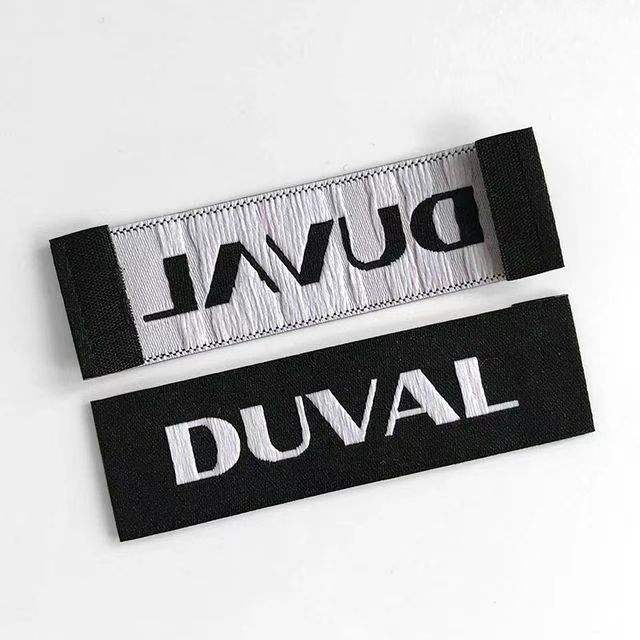
Main Label
Custom main labels serve as your garment’s primary brand signature, available in woven, printed, leather patch, silicone, and rubber formats. We manufacture custom main labels with precise logo reproduction, premium materials, durable construction, and flexible placement options on necklines, hems, or exterior surfaces to elevate brand recognition and product authenticity.
Get a Quote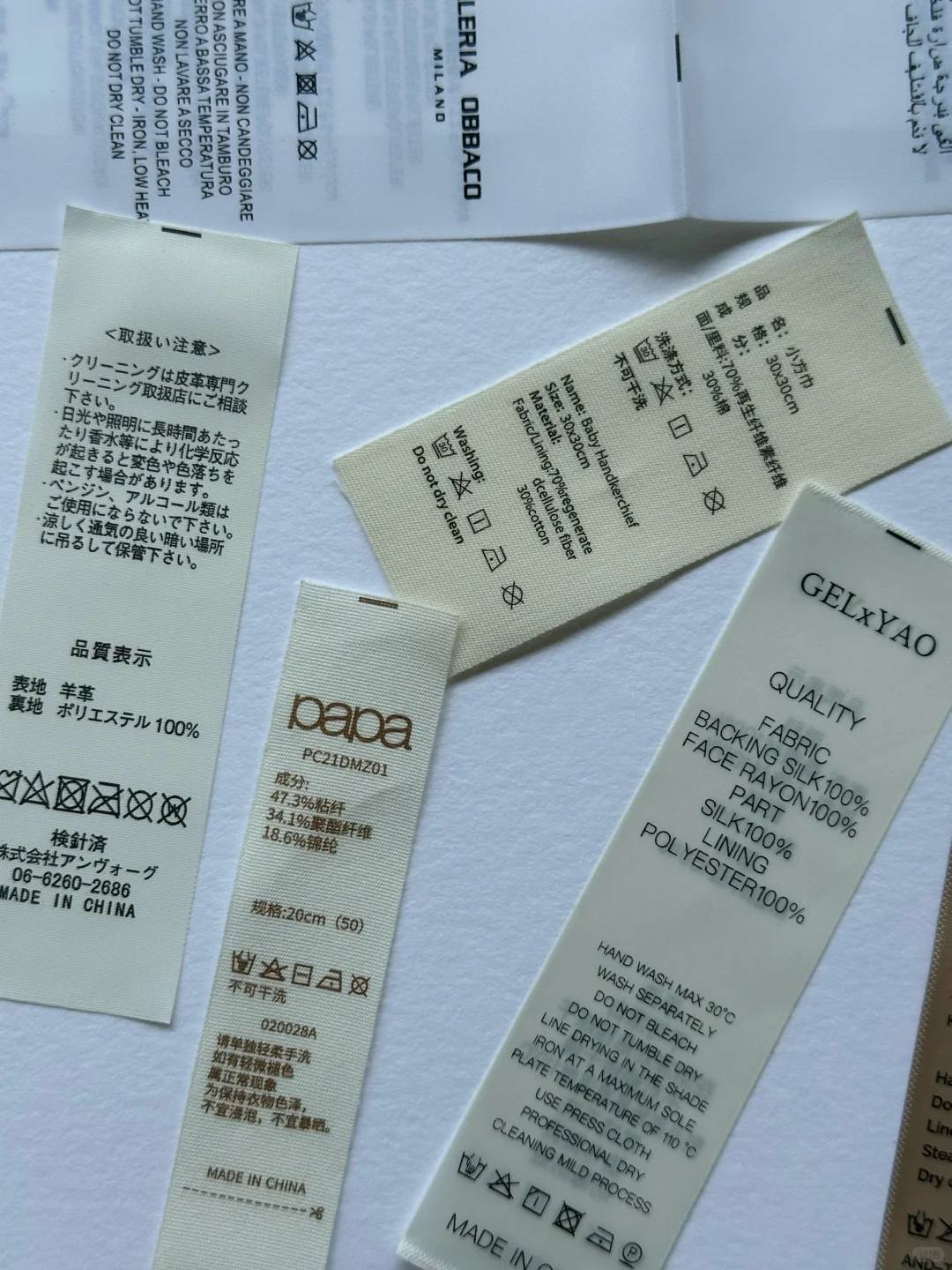
Wash / Care Label
Custom wash care labels communicate garment care instructions while reinforcing brand professionalism. ZORWILD produces printed and woven care labels compliant with international labeling standards, featuring washing symbols, fiber content, country of origin, and brand information with fade-resistant printing and soft-touch materials for customer comfort and regulatory compliance.
Get a Quote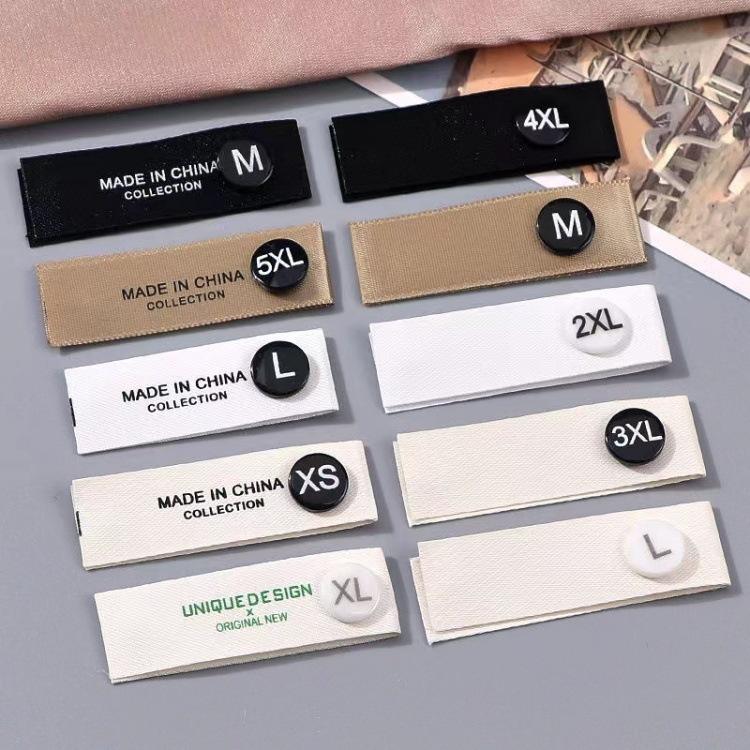
Size Label
Custom size labels ensure accurate fit communication across your product range with clear size markings in US, EU, UK, or custom sizing systems. Available in woven, printed, or heat transfer formats, our size labels integrate seamlessly with your garment construction, maintaining readability through repeated washing while supporting multi-region distribution requirements.
Get a Quote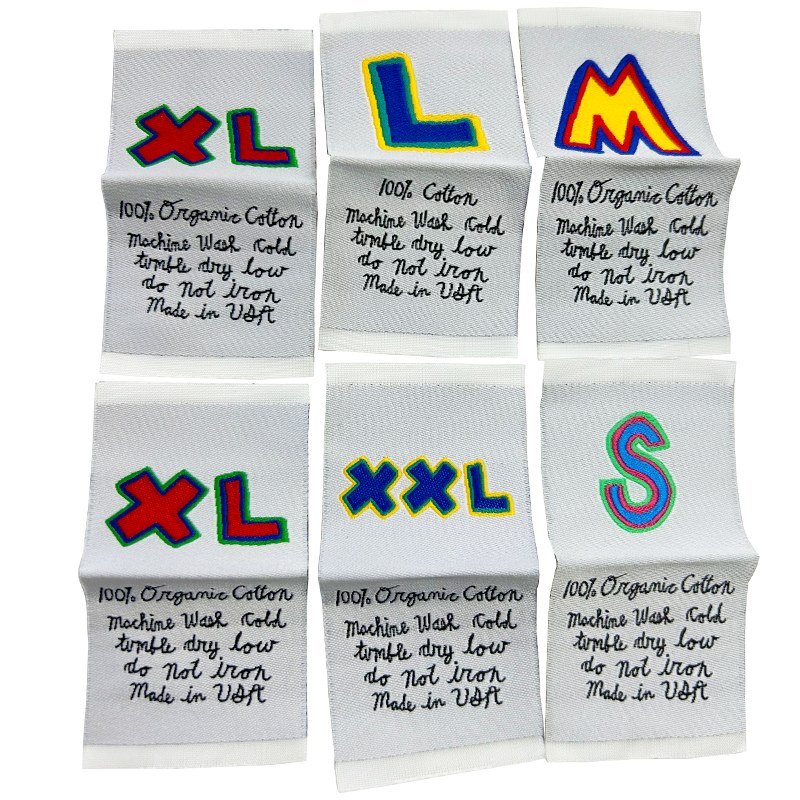
Made-In Label
Custom made-in labels display country of origin information required for international trade and customs clearance. ZORWILD manufactures compliant made-in labels in woven or printed formats with accurate geographic designations, durable construction, and professional presentation that meet import regulations for the United States, Canada, European Union, Australia, and other major markets.
Get a Quote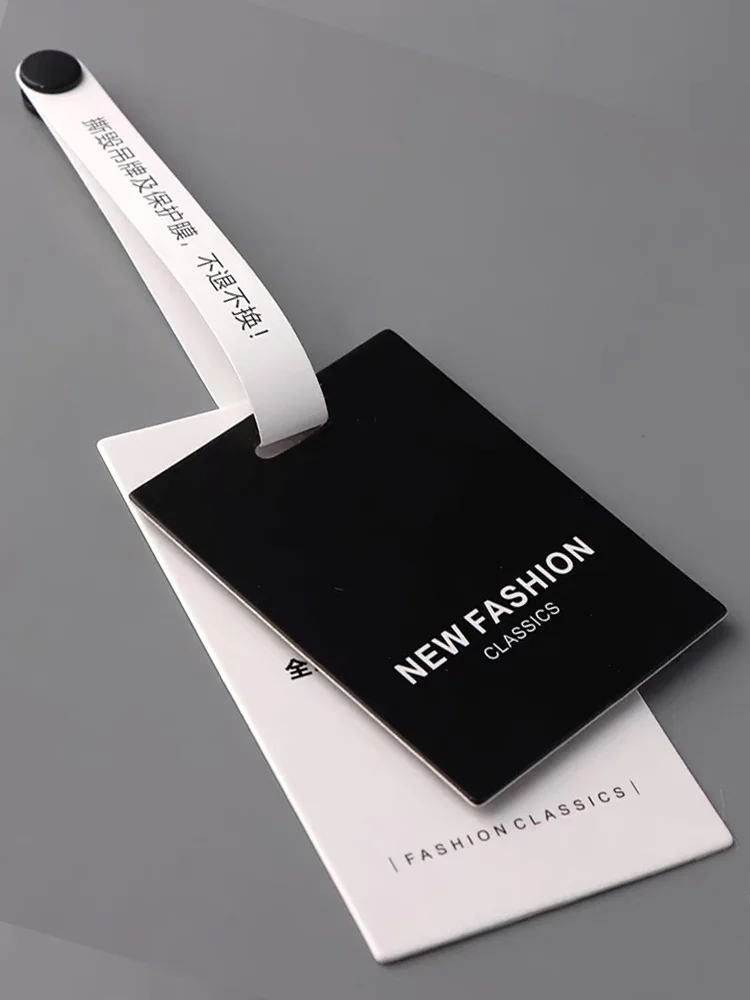
Hang Tag
Custom hang tags create powerful first impressions at retail and unboxing moments, available in cardstock, kraft paper, specialty paper, plastic, wood, and metal materials. We design and produce hang tags with custom shapes, foil stamping, embossing, spot UV, QR codes, barcode integration, and brand storytelling content starting from 50 pieces.
Get a Quote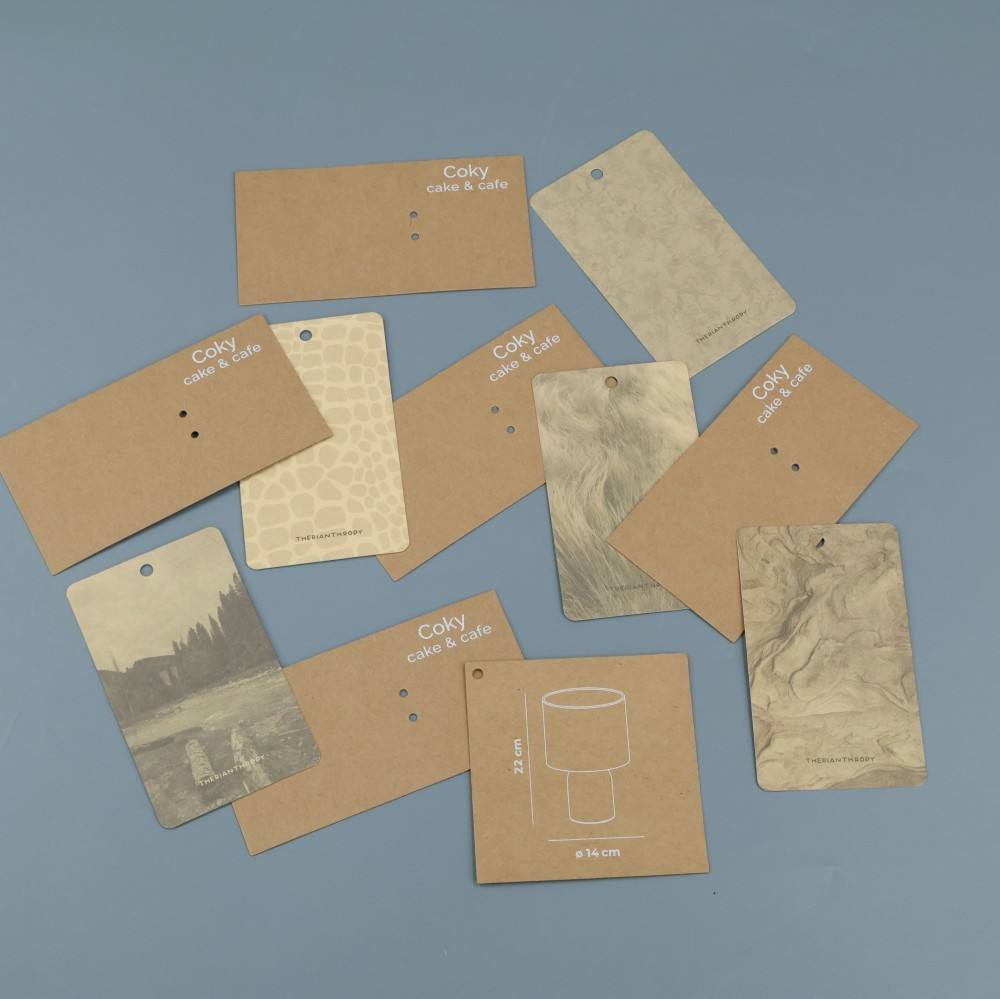
Barcode Label
Custom barcode labels enable efficient inventory management, point-of-sale scanning, and supply chain tracking with GS1-compliant formatting. ZORWILD produces barcode labels as adhesive stickers, hang tag integrations, or sewn-in labels with accurate SKU encoding, size and color variants, UPC or EAN standards, and durable printing for wholesale and retail distribution.
Get a Quote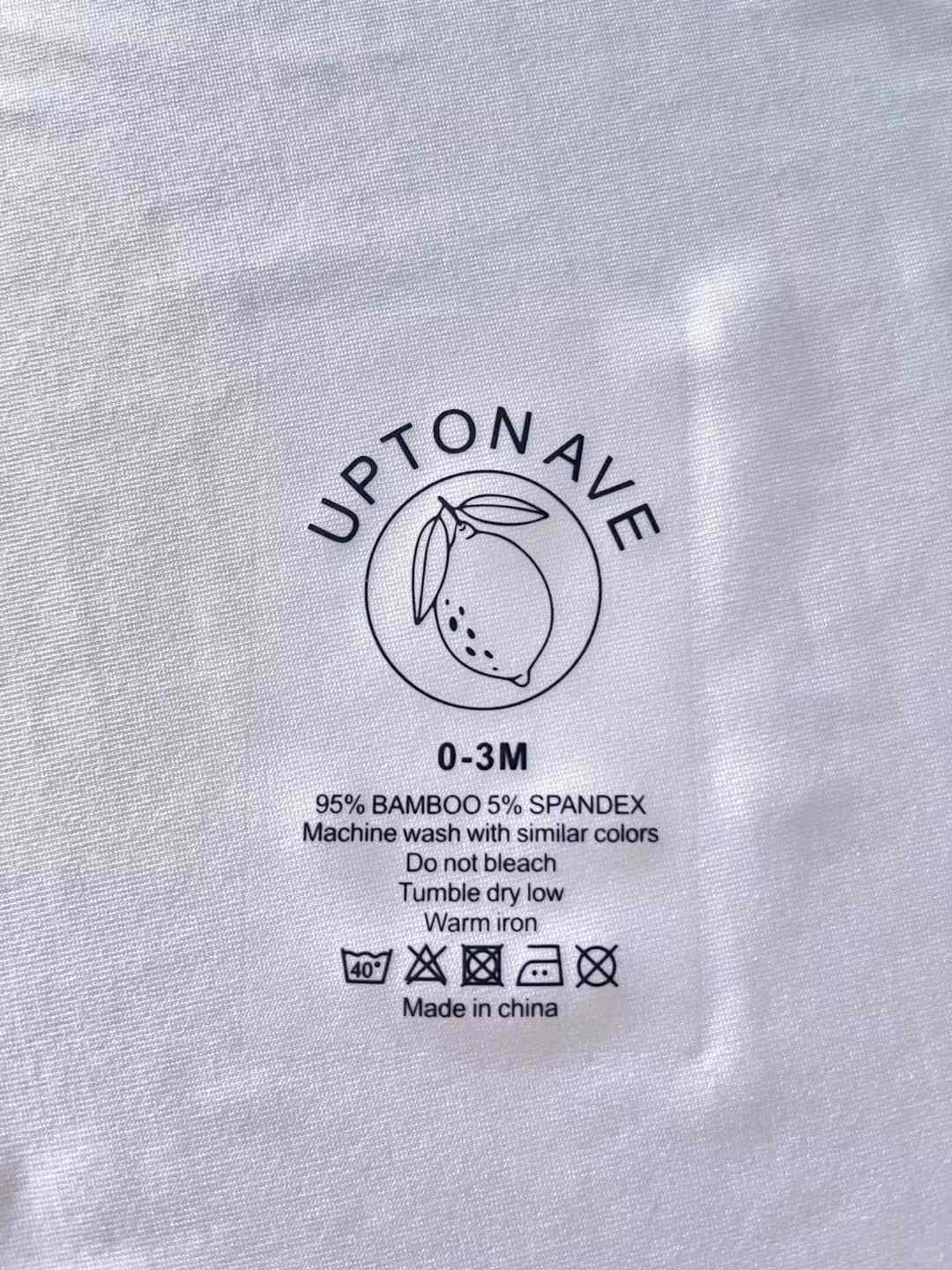
Heat Transfer Label
Heat transfer labels offer tagless comfort and clean interior finishes, printed directly onto garment fabric using heat press application. Ideal for activewear, children’s clothing, and premium casualwear, our heat transfer labels eliminate neck irritation while displaying brand logos, care instructions, and size information with soft hand feel and excellent wash durability.
Get a Quote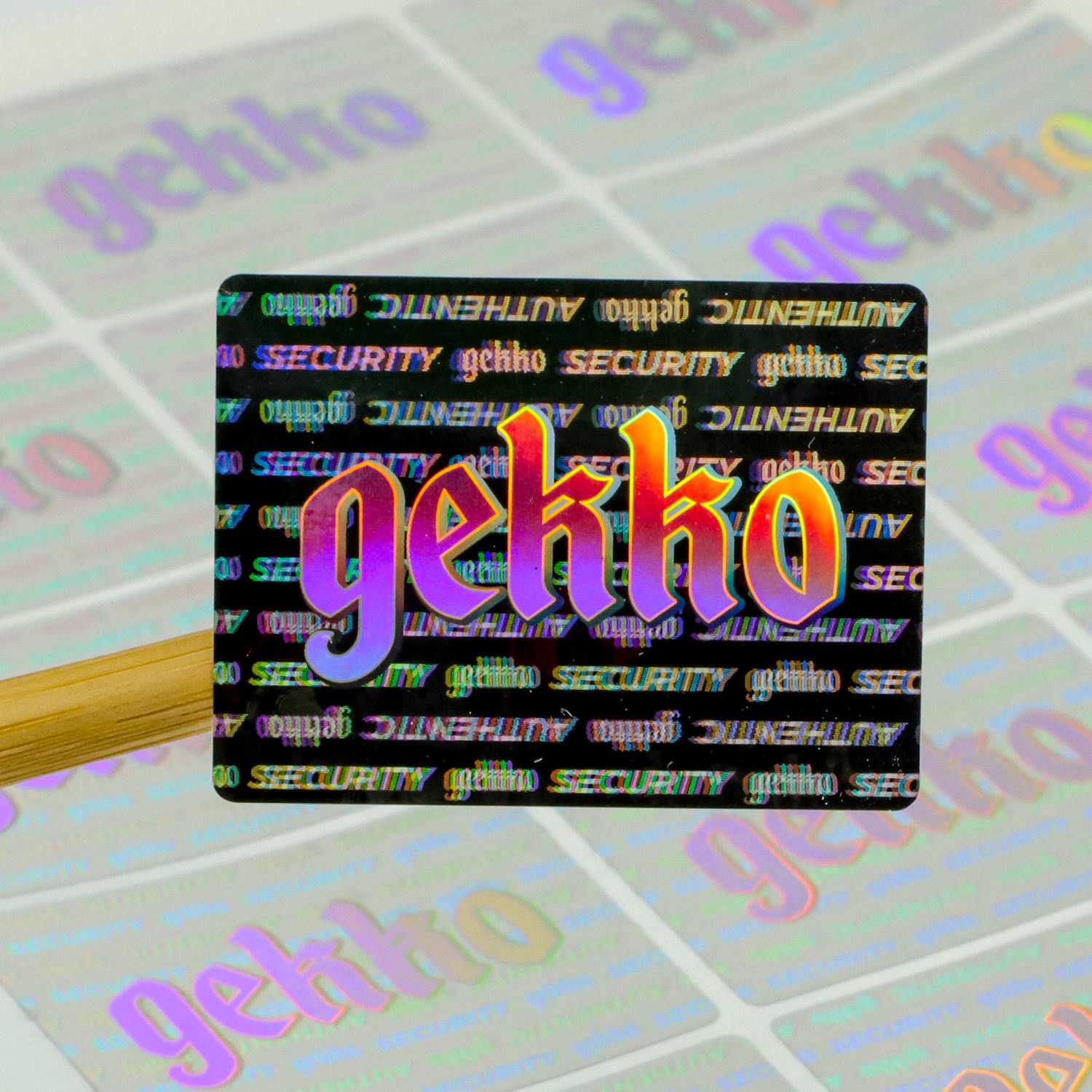
Anti-Counterfeit Label
Anti-counterfeit labels protect brand integrity and product authenticity through holographic stickers, QR code verification, serialized numbering, RFID tags, and tamper-evident seals. ZORWILD integrates anti-counterfeit labeling solutions into apparel production to combat gray market distribution, verify genuine products, and build consumer trust for premium and luxury fashion brands.
Get a QuoteCustom RFID Tag Manufacturing Expertise
ZORWILD has been manufacturing custom apparel including custom hoodies, custom t-shirts, custom jackets, and wholesale clothing for global brands since 1998. Based in Humen, Dongguan—one of the world’s leading garment manufacturing hubs—we integrate advanced accessory customization into every stage of apparel production, including custom RFID tag sourcing, encoding, application, and quality control for inventory tracking and brand authentication.
Our in-house capabilities support more than 95% of modern apparel decoration and finishing techniques including screen printing, embroidery, garment wash, and accessory integration. We coordinate custom RFID tag sourcing and application with trusted suppliers, ensuring every tag is accurately encoded, securely applied, and integrated into your custom hoodies, t-shirts, dresses, jackets, and other garment orders. With a 6-stage quality control system covering raw material inspection, in-line production checks, decoration quality, measurement verification, final product inspection, and packaging inspection, plus monthly production capacity exceeding 100,000 units, we deliver precision and scalability.
Whether you’re a startup brand testing RFID technology with a 50-piece custom hoodie or t-shirt order, or an established retailer deploying RFID across thousands of SKUs in wholesale clothing production, ZORWILD delivers the flexibility, precision, and manufacturing experience to integrate custom RFID tags seamlessly into your apparel production—backed by 27 years of garment manufacturing and service to over 2,000 clothing brands worldwide.
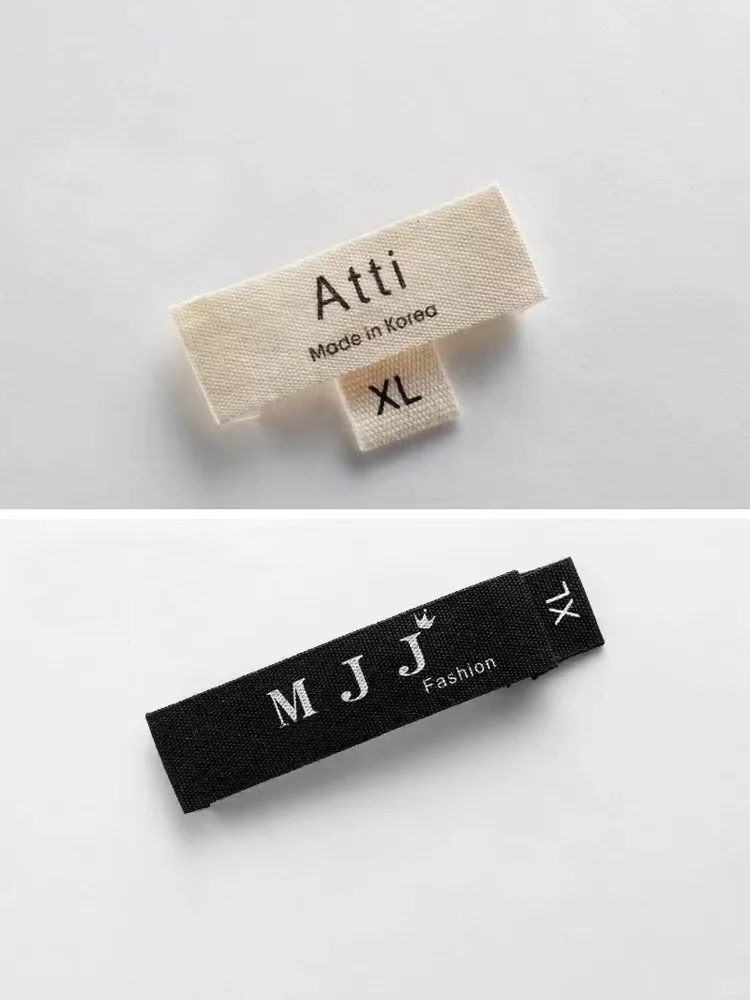
Custom RFID Tag Integration & Application Process for Apparel Manufacturing
Artwork Digitization & Chip Selection
Your brand artwork is digitized for precision printing while our team helps you select the optimal RFID chip frequency—HF, NFC, or UHF—based on your tracking needs, read range requirements, and budget. We coordinate with trusted RFID suppliers to source chips with consistent performance, then integrate them into your custom apparel production including custom hoodies, t-shirts, jackets, and other garment categories.
- Vector conversion of logos and brand graphics for sharp printing
- Chip frequency consultation based on application and budget
- Sourcing from verified RFID chip suppliers with quality certifications
- Technical specifications documented for future reorders
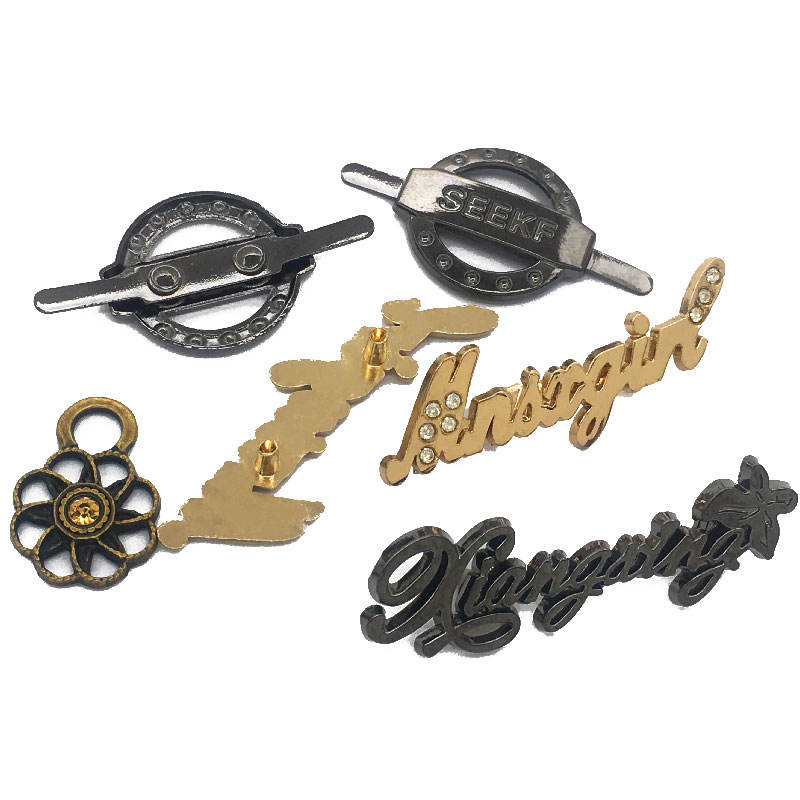
RFID Encoding & Programming Services
Each custom RFID tag is programmed with your unique data—product SKU, serial numbers, authentication codes, or inventory identifiers. Our encoding equipment supports batch programming and serialization, ensuring every tag carries accurate information that integrates seamlessly with your inventory management or authentication system.
- Batch encoding for high-volume orders with serialization support
- Custom data fields including SKU, batch number, and authentication codes
- QR code or NFC pairing for dual-layer product verification
- Test scans performed on every encoding batch before production
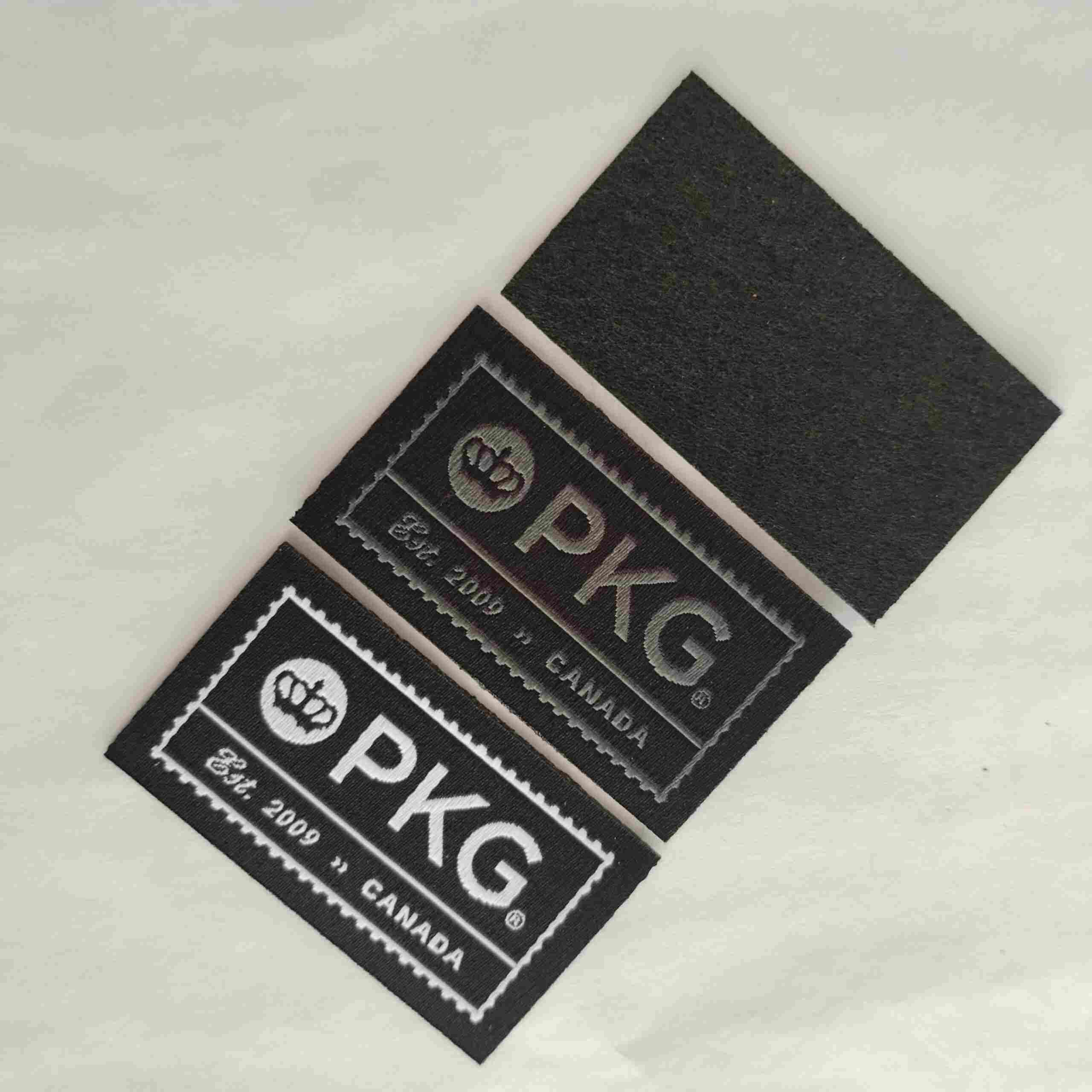
Label Finishing & Application Methods
Finished RFID tags are prepared with your choice of application method—adhesive backing for hang tags and packaging, sewn-in labels for permanent garment integration, or heat-sealed patches for technical apparel. We match the finishing technique to your product category and brand positioning to ensure durability and aesthetic consistency.
- Adhesive backing for easy application to hang tags or packaging
- Sewn-in RFID labels integrated into garment seams or hems
- Heat-sealed or ultrasonic bonding for activewear and outerwear
- Custom sizes and shapes to fit your design requirements
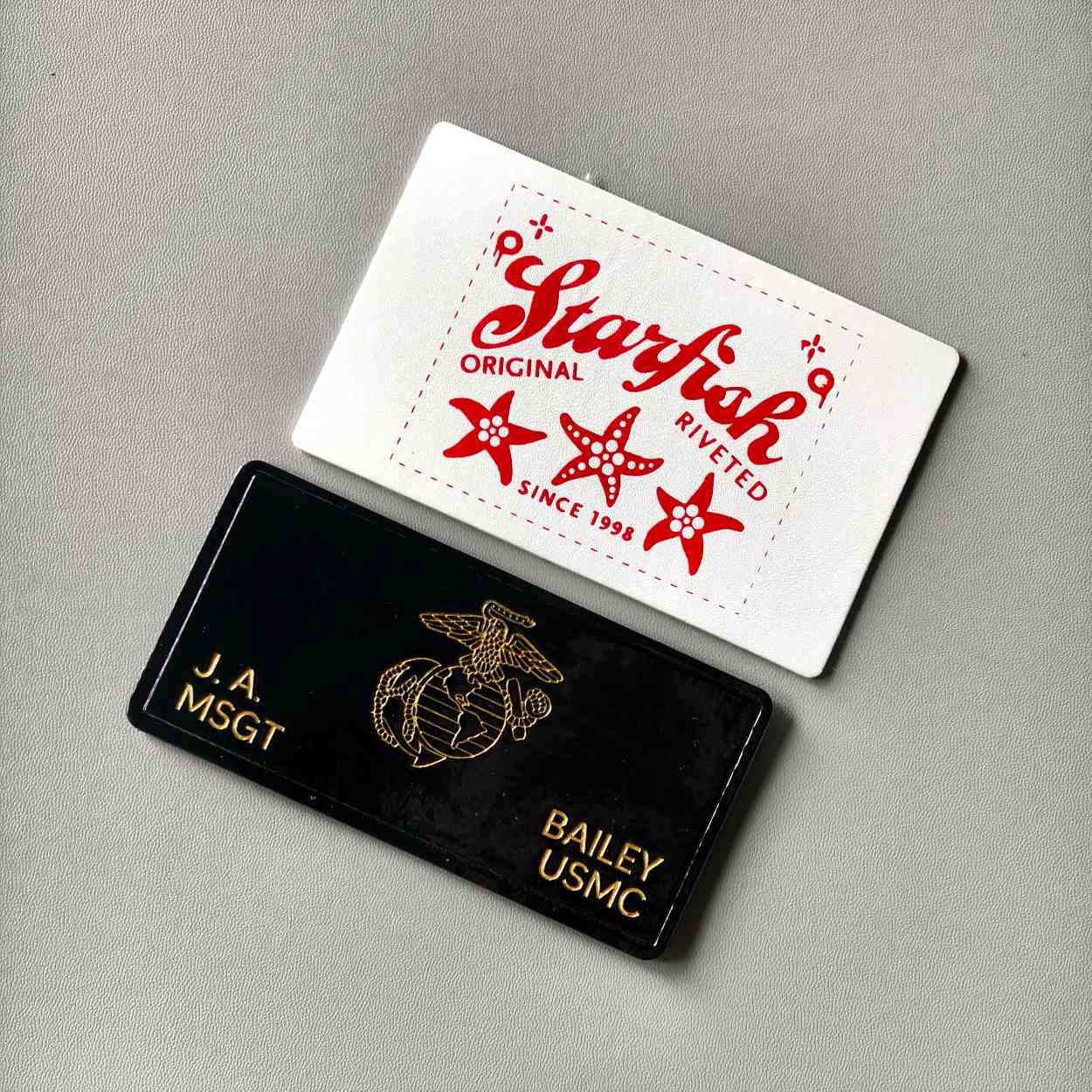
Quality Control & Integration Testing
Before shipment, every custom RFID tag undergoes our six-stage quality control process including read-range testing, data verification, adhesive strength checks, and visual inspection. Tags are then integrated into your main apparel order—custom hoodies, t-shirts, wholesale clothing, or any garment category—with full traceability, ensuring seamless coordination between garment production and accessory fulfillment.
- Read-range testing to verify signal strength and scan reliability
- Data accuracy checks against your encoding specifications
- Adhesive bond and durability testing for wash and wear resistance
- Synchronized fulfillment with your main garment production order
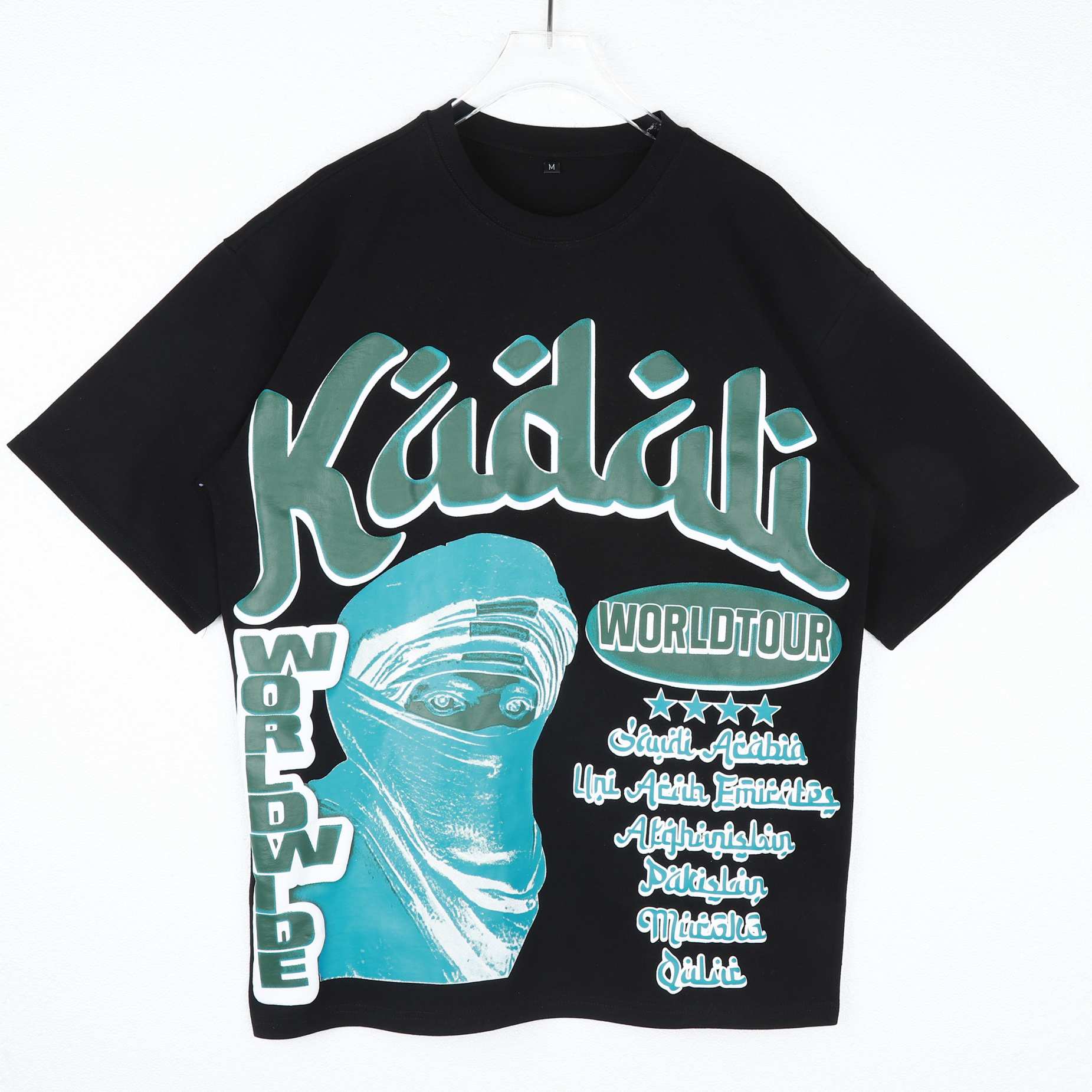
Custom RFID Tags vs. Alternative Tracking & Authentication Methods
RFID tags offer superior tracking speed, durability, and automation compared to traditional barcode labels, QR codes, and other identification methods. Here’s how custom RFID tags compare to common alternatives for apparel and product authentication.
← 左右滑动查看 →
How Custom RFID Tags Are Produced & Applied
ZORWILD’s proven 7-phase integration system ensures every custom RFID tag is sourced, encoded, tested, and seamlessly applied to your custom hoodies, t-shirts, jackets, wholesale clothing, and other apparel with full quality control at each stage.
Artwork & Spec Submission
Submit your brand artwork, tag dimensions, chip type requirements, encoding data format, and attachment method preferences. Our team reviews technical feasibility and confirms production specifications within 24 hours.
Chip Selection & Sourcing
Select RFID chip type based on read range, memory capacity, and application needs. ZORWILD coordinates with certified RFID suppliers to source NFC, UHF, or HF chips with full compliance documentation and authenticity verification, then integrates them into your custom apparel production.
Label Printing & Inlay Assembly
Print custom brand graphics using digital, screen, or thermal transfer printing on durable label materials. RFID inlays are precision-laminated between layers ensuring antenna integrity and consistent read performance across all tags.
Encoding & Data Programming
Program each custom RFID tag with unique identifiers, product data, authentication codes, or serialized information per your specifications. Automated encoding systems ensure data accuracy and prevent duplication errors across production batches.
Die-Cutting & Edge Finishing
Precision die-cut tags to exact dimensions with clean edges and professional finishing. Apply protective coatings, rounded corners, or custom shapes while maintaining RFID antenna functionality and ensuring durability for long-term garment use.
Quality Testing & Read Verification
Test 100% of custom RFID tags using calibrated readers to verify chip functionality, read range accuracy, encoding integrity, and signal consistency. Defective tags are identified and replaced before integration into garment production.
Garment Integration & Final Attachment
Attach custom RFID tags during main apparel production using heat sealing, stitching, adhesive backing, or hang tag methods based on product category. Final inspection confirms secure attachment and tag readability on finished garments.
Adding Custom RFID Tags to Your Apparel Order
ZORWILD integrates custom RFID tag sourcing and application seamlessly into your garment manufacturing workflow with no additional MOQ requirements, enabling inventory tracking, authentication, and customer engagement from your first 50-piece custom hoodie, t-shirt, or wholesale clothing order.
Submit Your RFID Specifications
Provide your required RFID frequency, chip type, memory capacity, read range, and any pre-encoded data requirements during your initial apparel order consultation.
Design Your Tag Branding
Share your artwork, logo, QR code, or design preferences for the custom RFID tag surface to match your brand identity and packaging aesthetic.
Confirm Placement and Format
Choose tag format including woven label, hang tag, heat-sealed patch, or sewn-in label and confirm placement location on your garments or packaging.
Production and Integration
ZORWILD sources, encodes, and integrates your custom RFID tags directly into your apparel production line—custom hoodies, t-shirts, jackets, dresses, or any garment category—with synchronized quality control and final inspection.
Customer Success Stories: Custom RFID Tag Implementation
We integrated custom RFID tags into our streetwear collection and reduced counterfeiting by 87% within six months. ZORWILD’s encoding process was seamless, and our customers love the authentication feature.
Adding custom RFID tags improved our inventory accuracy from 72% to 98%. We can now track every garment from production through retail, and our warehouse operations are 40% faster.
ZORWILD applied custom RFID tags to our 500-piece capsule collection with zero defects. Supply chain visibility increased dramatically, cutting our fulfillment time by three days and eliminating manual scanning errors.
Custom RFID Tag: Frequently Asked Questions
What customization options are available for custom RFID tags?
Can custom RFID tags survive garment washing and normal wear?
What file formats and specifications do you need to produce custom RFID tags?
Are custom RFID tags compatible with all garment materials and construction methods?
How do custom RFID tags integrate with existing inventory management systems?
Will adding custom RFID tags delay my apparel production timeline?
Can I add custom RFID tags to a small batch or test collection of custom apparel?
What are the benefits of using custom RFID tags for my fashion brand?
The Complete Buyer’s Guide to Custom RFID Tag Integration for Apparel Brands
1. What Is a Custom RFID Tag?
A custom RFID tag is a radio-frequency identification device engineered with three core components: an integrated circuit (chip) that stores unique product data, an antenna that transmits signals to RFID readers at distances ranging from 1 centimeter to 10 meters depending on frequency, and a substrate material such as paper, PET film, fabric, or silicone that protects the electronics and enables attachment to garments or packaging. Unlike passive barcodes that require line-of-sight scanning, RFID tags communicate wirelessly and can be read through fabric, boxes, and poly bags without direct visibility.
RFID technology delivers read rates exceeding 99.9% accuracy in bulk scanning scenarios, enabling retailers and manufacturers to count hundreds of garments per minute compared to manual barcode scanning at 30–50 items per minute. Custom RFID tags support four primary use cases in apparel manufacturing: real-time inventory tracking across warehouses and retail floors, product authentication to combat counterfeiting, end-to-end supply chain visibility from factory to consumer, and brand protection through encrypted chip data that verifies product origin.
Brands choose custom RFID tags over QR codes and barcodes because RFID eliminates manual handling, reduces labor costs by 60–80% during stocktaking, and provides automated data capture at receiving docks, production lines, and point-of-sale systems. ZORWILD integrates custom RFID tag application into garment finishing and packaging workflows, enabling startup brands and established labels to deploy scalable track-and-trace systems from initial 50-piece production runs to monthly volumes exceeding 100,000 units.
2. Evolution of RFID Technology in Brand Management
RFID technology originated in World War II when Allied forces deployed Identify Friend or Foe (IFF) systems to distinguish friendly aircraft from enemy planes, establishing the foundation for radio-frequency identification. Commercial RFID applications emerged in the 1970s for livestock tracking and toll collection, but high costs and bulky hardware limited widespread adoption until the late 1990s.
The early 2000s marked a turning point when Walmart mandated RFID tagging for suppliers in 2003, driving rapid cost reductions and industry-wide standardization through the Electronic Product Code (EPC) framework developed by MIT’s Auto-ID Center. Tag prices dropped from over five dollars in 2000 to under ten cents by 2010, while chip miniaturization enabled integration into paper-thin labels and woven garment tags. Retailers adopted custom rfid tag solutions for inventory accuracy, achieving 95–99% stock visibility compared to 60–70% with barcode systems alone.
By 2015, RFID evolved beyond logistics into customer engagement and brand protection, particularly in fashion, electronics, and pharmaceuticals. Luxury brands implemented custom rfid tag systems to authenticate products and combat counterfeiting, while sportswear manufacturers embedded tags in garments for interactive fitting-room experiences and post-purchase engagement. Modern IoT-enabled RFID platforms now connect supply chain data with consumer touchpoints, enabling real-time inventory updates, automated replenishment, personalized marketing triggers, and end-to-end product lifecycle tracking across global distribution networks.
3. Types of Custom RFID Tag Technologies
Custom RFID tag solutions divide into three power architectures, four frequency bands, and multiple form factors, each optimized for specific supply-chain and brand-protection applications. Understanding these classifications ensures correct tag selection for apparel inventory, electronics authentication, or logistics tracking.
Passive, Active, and Semi-Passive Architectures
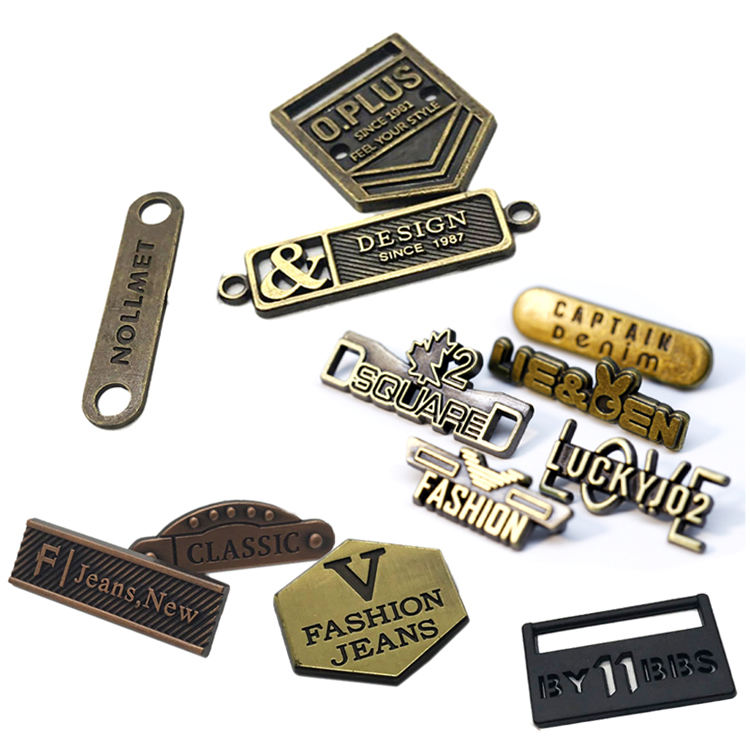
Passive tags draw power from the reader’s RF field, cost $0.05–0.50 per unit, and dominate apparel and retail applications with 0–12 meter read ranges. Active tags use onboard batteries for 100+ meter ranges and real-time tracking but cost $15–50 each, suited for container logistics and high-value asset monitoring.
Semi-passive tags combine battery-assisted sensors with passive communication, enabling temperature logging for pharmaceuticals and food shipments at $3–8 per tag. ZORWILD apparel clients typically deploy passive UHF tags for inventory accuracy and loss prevention across retail and warehouse environments.
Frequency Bands and Read Range Trade-Offs

LF tags (125–134 kHz) penetrate metal and liquids with 10 cm read range, used in access control and animal ID. HF tags (13.56 MHz) offer 1 meter range and support NFC smartphone integration for brand authentication and customer engagement. UHF tags (860–960 MHz) deliver 0–12 meter bulk reads, ideal for apparel carton scanning, retail floor inventory, and automated sortation in logistics hubs.
Form Factors for Apparel and Product Integration
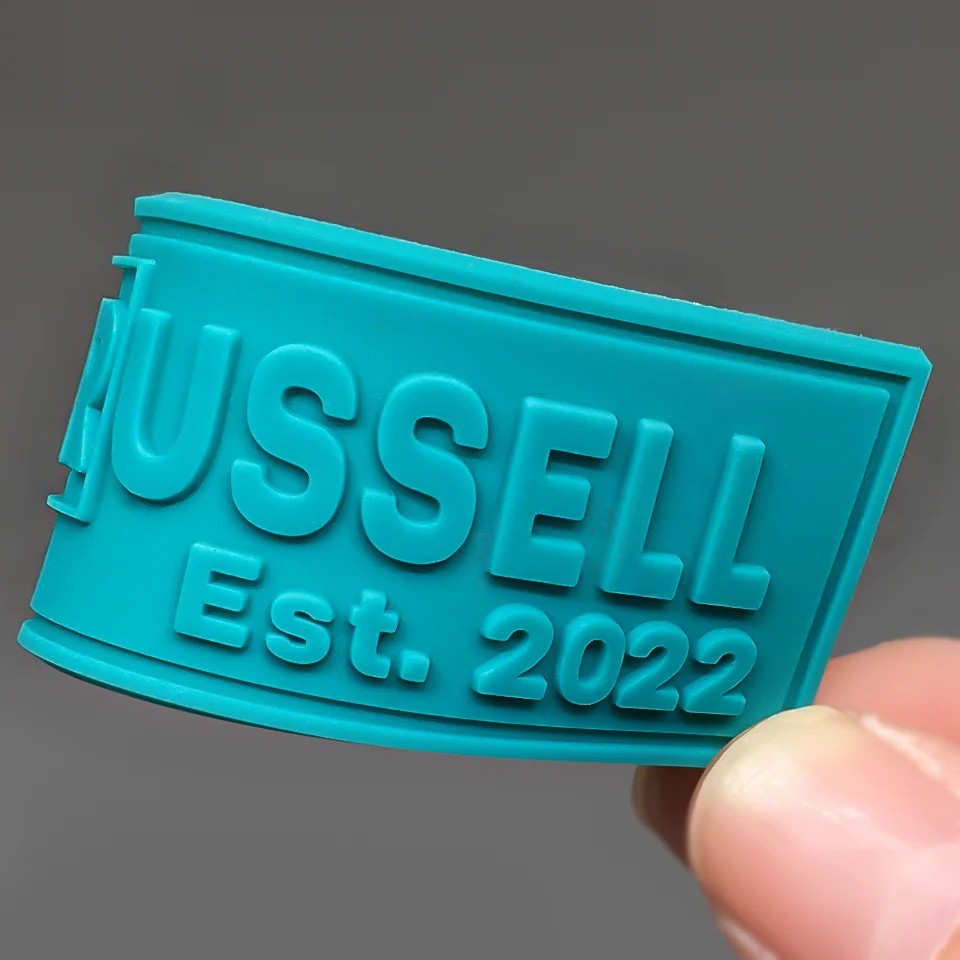
Adhesive labels bond to hang tags or inner seams, costing $0.08–0.25 and supporting high-speed application in garment factories. Hard tags clip onto garments for reusable retail security, while woven RFID labels integrate chips into care-label fabric for permanent brand authentication. Embedded tags laminate between fabric layers or into product packaging, providing tamper-evidence for luxury fashion and electronics. ZORWILD integrates adhesive UHF labels into custom hang tags and woven labels during apparel finishing, enabling seamless brand and inventory systems.
4. Materials and Substrates for Custom RFID Tag Construction
Substrate choice determines read performance, lifespan, and integration method for every custom RFID tag. Apparel brands must match material properties to product lifecycle, wash requirements, and brand positioning to avoid premature tag failure or customer complaints.
| Material | Durability (Wash Cycles) | Environmental Resistance | Typical Use Case | Cost Tier |
|---|---|---|---|---|
| Paper | 0–2 | Low (moisture-sensitive) | Hang tags, packaging, retail POS | $ |
| Coated Paper | 1–3 | Moderate (short-term moisture) | Swing tickets, promotional tags | $ |
| PET Film | 20–50 | High (water, moderate heat) | Sewn-in labels, care tags | $$ |
| Woven Fabric | 50–100 | High (water, heat to 60°C) | Premium care labels, brand patches | $$$ |
| Non-Woven Fabric | 10–30 | Moderate (water, low heat) | Mid-tier sewn-in labels | $$ |
| PVC | 100+ | Very High (water, chemicals, heat) | Outdoor apparel, workwear, swimwear | $$$ |
| Silicone | 100+ | Very High (water, heat, flex) | Luxury garments, activewear | $$$$ |
| Metal-Mount | 200+ | Extreme (metal surfaces, industrial) | Hardware accessories, industrial tracking | $$$$ |
Paper and Coated Paper Substrates
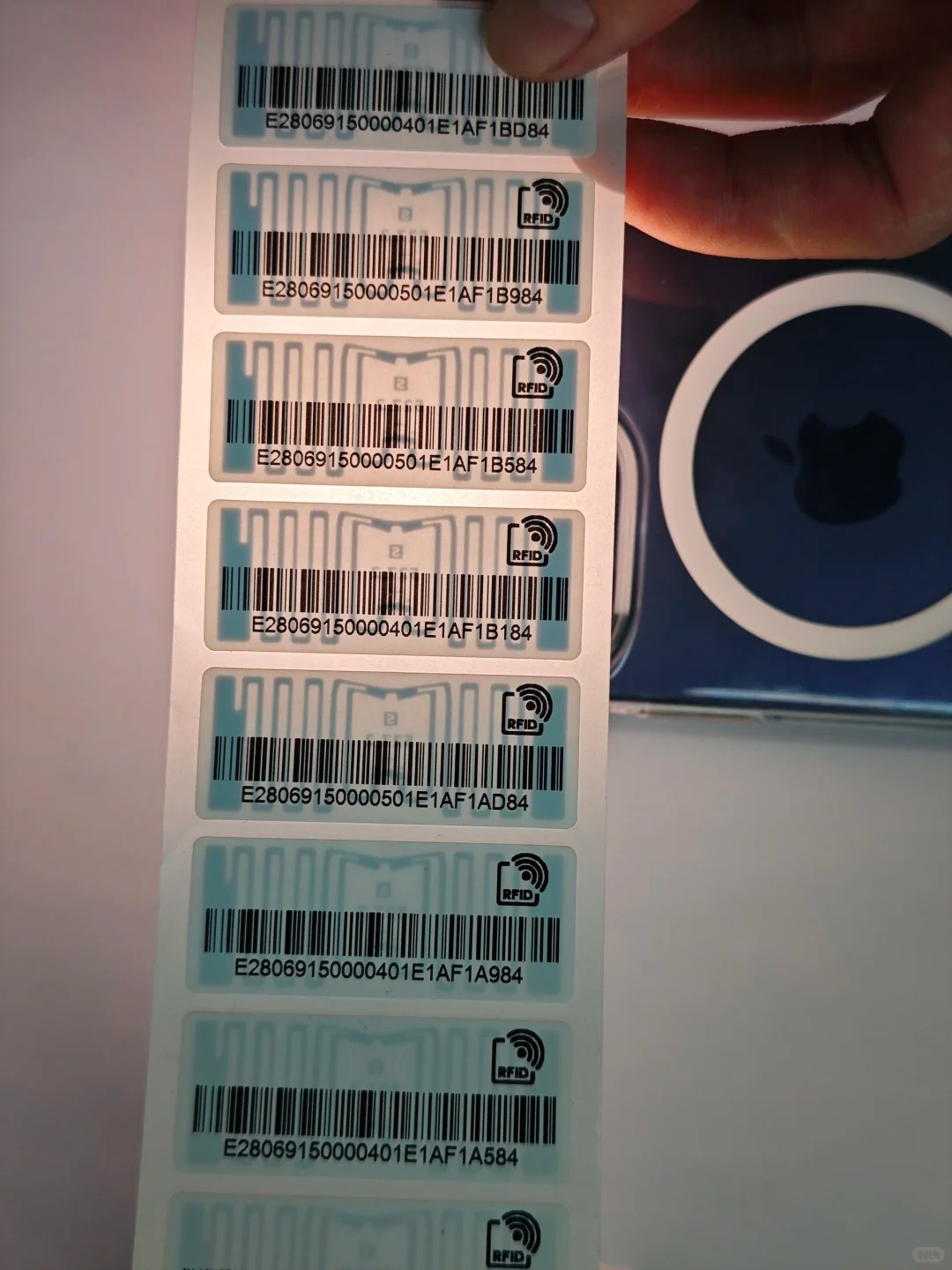
Paper substrates offer the lowest cost entry point for hang tags, swing tickets, and disposable packaging applications. Coated paper versions add moisture resistance for short-term retail environments, while uncoated paper remains ideal for single-use inventory tracking and promotional campaigns.
Most paper tags fail after 1–2 wash cycles, making them unsuitable for permanent garment integration. Brands using paper RFID tags typically remove them at point of sale or rely on secondary sewn-in labels for post-purchase tracking.
PET and Fabric Substrates for Sewn-In Applications
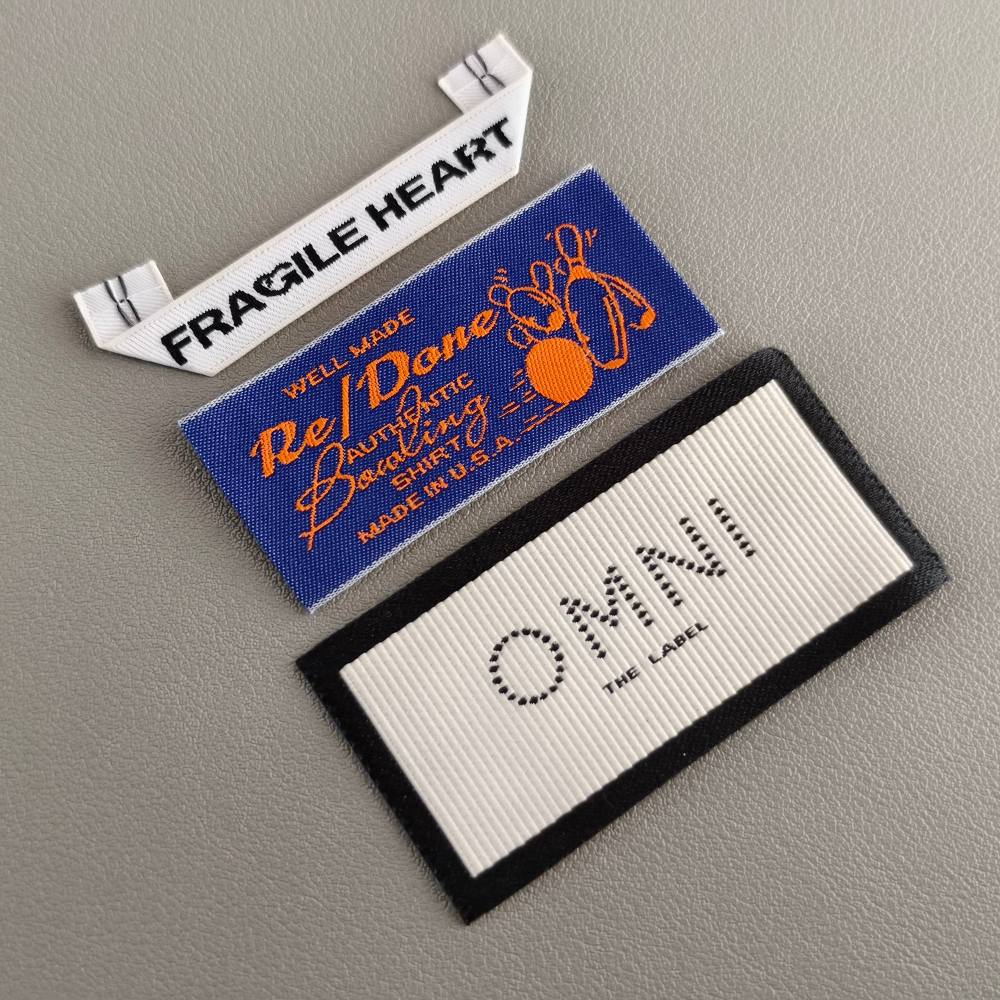
PET (polyethylene terephthalate) film provides flexible, durable encapsulation for sewn-in custom RFID tag solutions in hoodies, jackets, and denim. Woven fabric substrates integrate directly into care labels or brand patches, surviving 50+ industrial wash cycles at temperatures up to 60°C.
Non-woven fabric tags balance cost and durability for mid-tier apparel, while woven polyester substrates match premium garment finishing standards. ZORWILD integrates fabric-based RFID tags into custom woven labels and hang tags for streetwear and activewear collections requiring long-term traceability.
PVC, Silicone, and Metal-Mount Materials
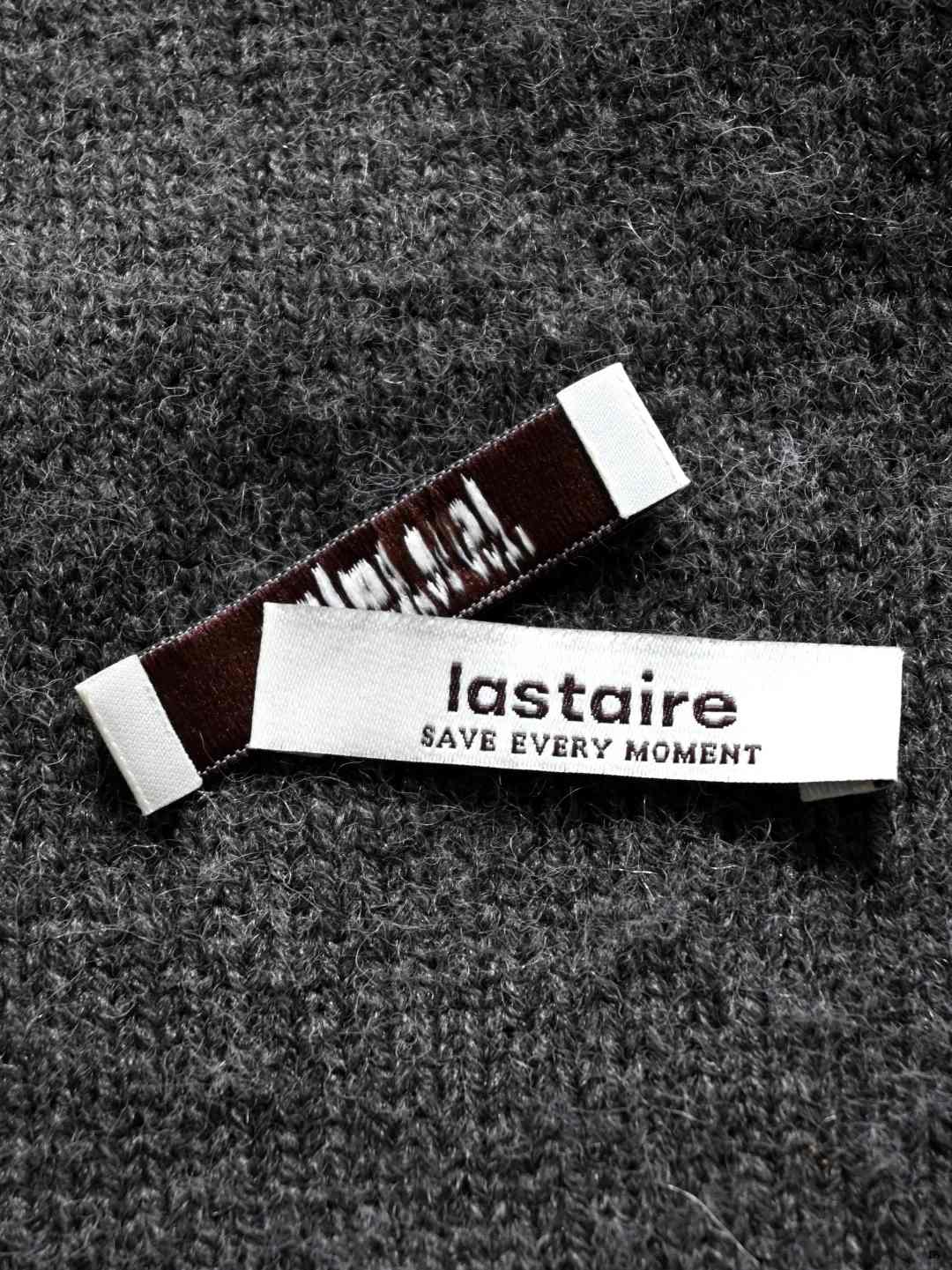
PVC encapsulation delivers waterproof protection for outdoor apparel, swimwear, and workwear exposed to chemicals or extreme conditions. Silicone substrates offer soft-touch flexibility for luxury garments and athletic wear where comfort and tag invisibility matter.
Metal-mount RFID tags use ceramic or foam spacers to enable reading on conductive surfaces, essential for hardware accessories, metal hang tags, and industrial applications. Cost tiers range from $0.05 per paper tag to $0.80+ for ruggedized silicone or metal-mount solutions.
5. Customization and Branding Options for Custom RFID Tag
Custom RFID tag solutions extend far beyond chip and antenna selection; surface decoration, encoding, and security layers define brand identity and anti-counterfeiting strength. MOQ and lead time vary sharply by technique complexity, from 500-piece digital runs to 5,000-piece screen-printed orders.
Printing Techniques for Visual Branding
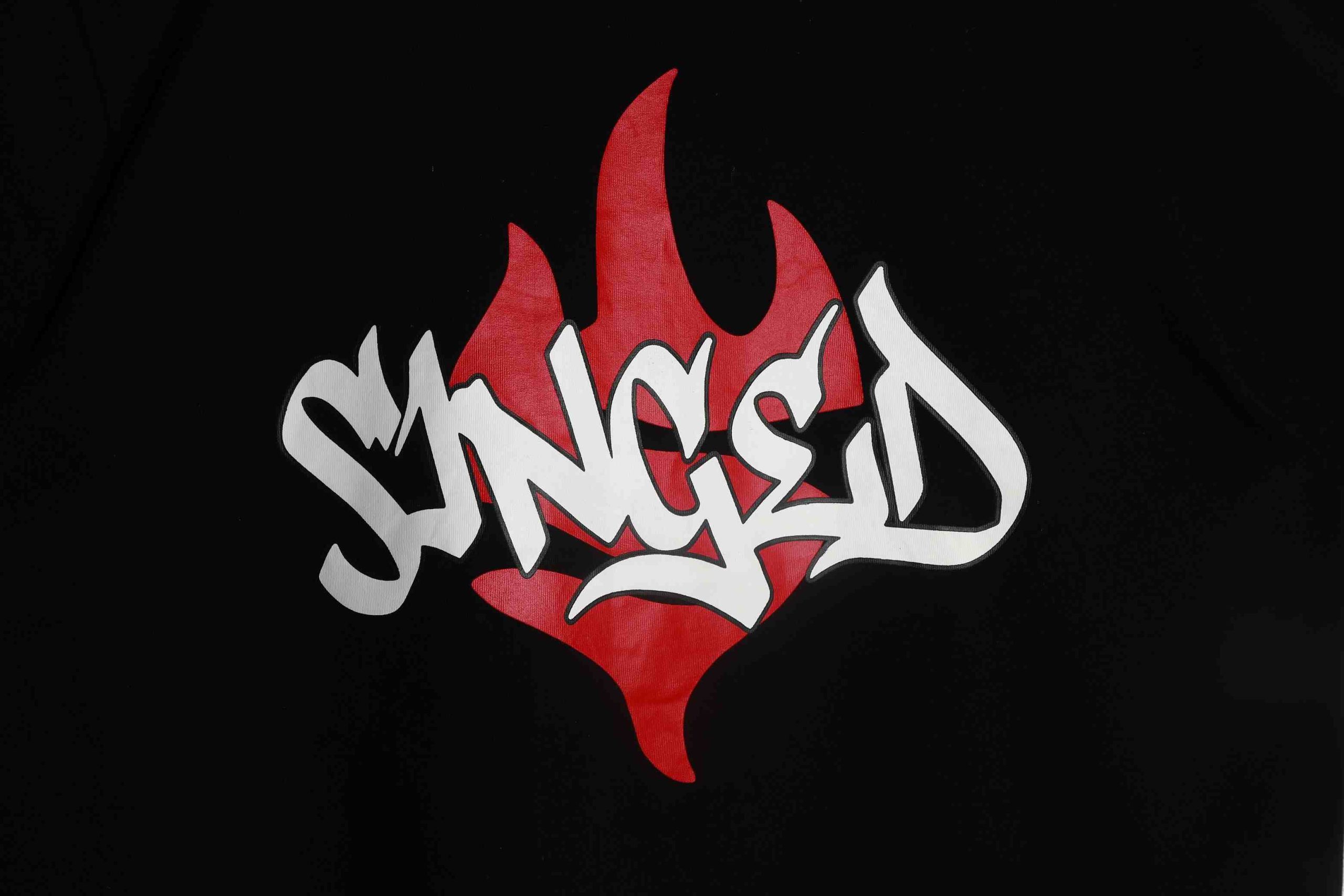
Thermal transfer printing applies resin or wax ribbons onto synthetic labels, delivering 300–600 dpi resolution for barcodes, serial numbers, and simple logos with MOQs starting at 500 pieces and 3–5 day lead times. Digital UV printing supports full-color artwork, gradients, and photo-realistic graphics on PVC, PET, or paper substrates, typically requiring 1,000-piece minimums and 7–10 day turnaround.
Screen printing remains the most durable option for high-volume orders, offering excellent ink adhesion, Pantone color matching, and resistance to UV fade and abrasion, but demands 5,000-piece MOQs and 14–21 day production cycles due to screen preparation and multi-pass curing.
Encoding and Data Configuration
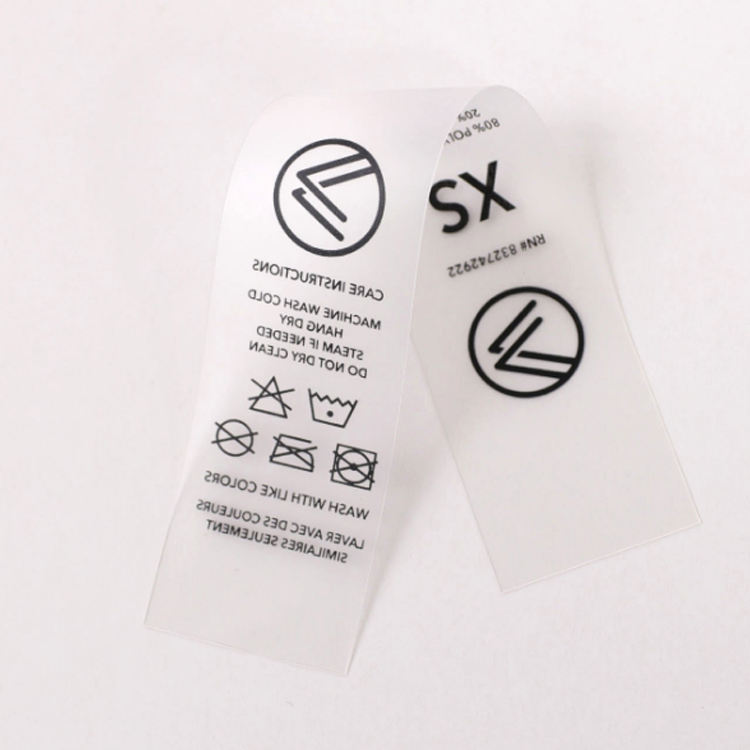
Every custom RFID tag ships with factory-encoded unique identifier (UID) numbers; brands specify EPC (Electronic Product Code) structures, NFC NDEF records, or proprietary data blocks during manufacturing. Encoding adds 2–3 days to lead time and incurs no additional cost for standard formats, but custom encryption or password-protected memory requires technical validation and may extend timelines by 5–7 days.
NFC tags support URL redirects, vCard contact data, and app-launch commands encoded into Type 2 or Type 5 chips, ideal for marketing activations and customer engagement without requiring dedicated reader hardware.
Shape Die-Cutting and Color Matching
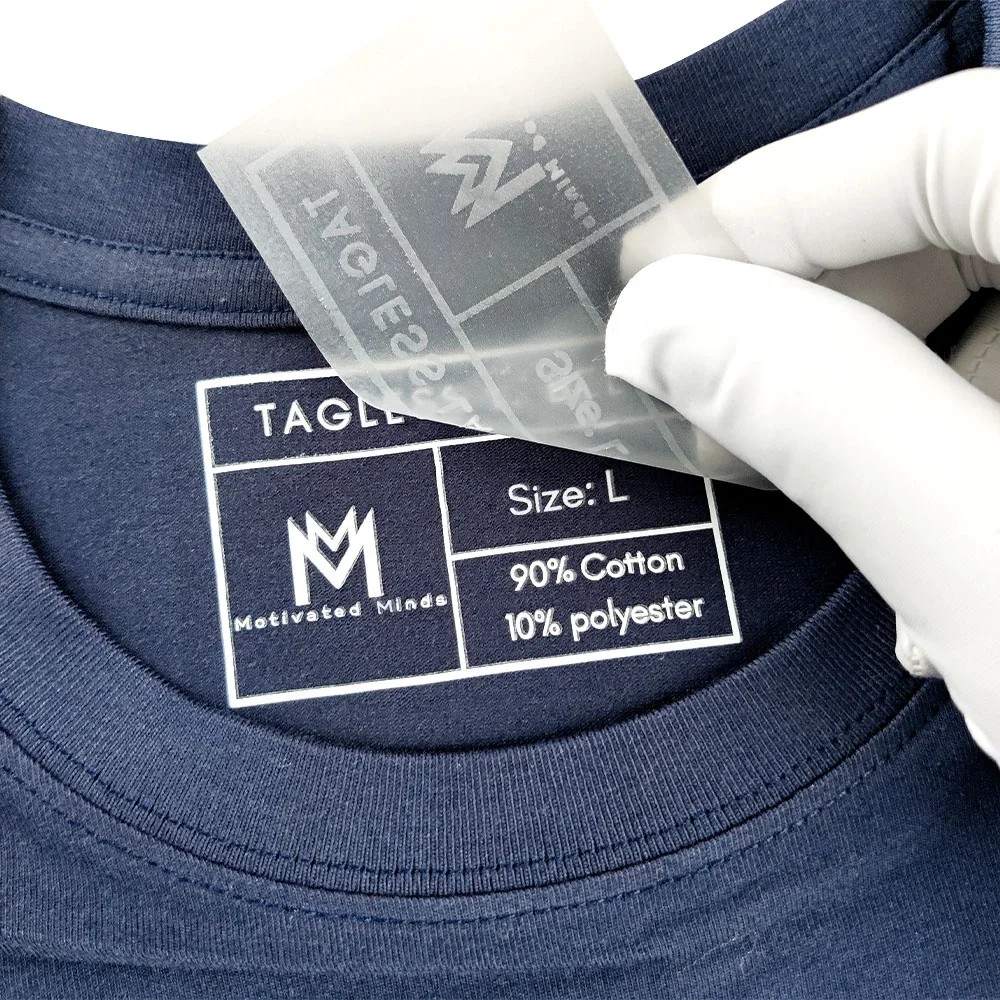
Standard rectangular tags (85 × 54 mm credit-card size or 50 × 25 mm label format) ship with no die-cutting fee, but custom shapes—circles, ovals, brand silhouettes, or hang-tag profiles—require steel-rule dies costing 80–150 USD per shape and adding 7–10 days to first-order lead time. Reorders using existing dies incur no additional tooling cost.
Pantone color matching ensures brand consistency across tag batches; suppliers maintain PMS libraries and provide color drawdowns for approval, adding 3–5 days to sampling but guaranteeing repeatable results across reorders spanning months or years.
QR Code and Barcode Hybrid Designs
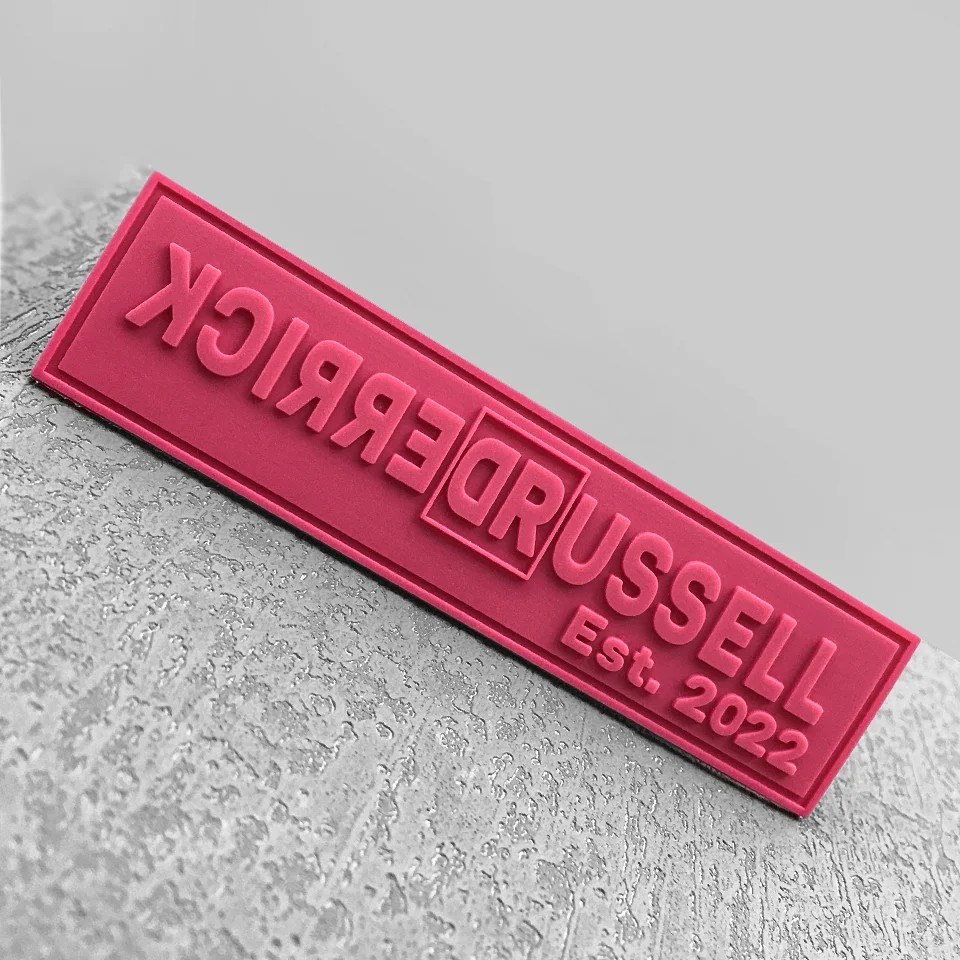
Hybrid tags combine RFID chips with printed QR codes or linear barcodes (Code 128, EAN-13), enabling dual-channel tracking when RFID readers are unavailable or smartphone verification is preferred. QR codes link to product authentication portals, care instructions, or marketing microsites, requiring no additional hardware beyond customer smartphones.
Printing both technologies on a single substrate adds no MOQ penalty but demands careful layout to prevent antenna interference with barcode scan zones; manufacturers recommend 5 mm clearance between printed codes and embedded antenna loops.
Security Features and Tamper Evidence
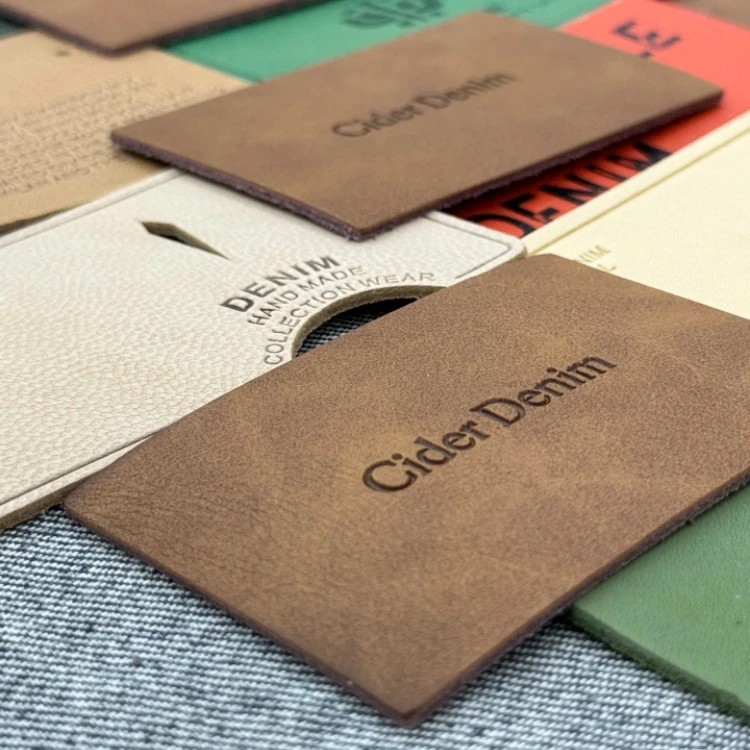
Holographic overlays, UV-reactive inks, and microtext printing deter counterfeiting; holography typically adds 0.08–0.15 USD per tag and requires 3,000-piece minimums due to foil stamping setup. Tamper-evident constructions use destructible vinyl or honeycomb patterns that fragment upon removal, providing visible proof of tampering for high-value apparel, pharmaceuticals, or electronics.
Combining RFID with security printing extends lead times by 10–14 days for first orders as suppliers coordinate chip encoding, multi-layer lamination, and quality inspection, but delivers comprehensive brand protection and authentication capabilities essential for luxury and regulated markets.
6. Key Quality and Performance Factors in Custom RFID Tag
Quality custom RFID tag performance depends on six measurable benchmarks that directly impact inventory accuracy, authentication reliability, and operational lifespan. Professional manufacturers test every batch against ISO/IEC 18000-6C (UHF) or 14443 (NFC) standards to ensure read consistency across production runs.
Read Rate Consistency and Range
Read rate consistency above 99.5% across a production batch is the primary quality indicator for custom RFID tag deployments. UHF tags should deliver 3–8 meter read ranges in open environments, while NFC tags typically achieve 2–10 cm contact reads depending on antenna tuning.
Request sample batch testing reports showing read success rates across at least 500 tags. Red flags include manufacturers unable to provide ISO lab test certificates or claiming ‘universal’ read ranges without specifying reader power, frequency band, or environmental conditions.
Chip Memory and Encoding Capacity
EPC Gen2 chips typically offer 96-bit to 512-bit user memory for SKU data, authentication keys, and supply chain metadata. NFC chips range from 144 bytes (NTAG213) to 888 bytes (NTAG424) for brand engagement and anti-counterfeiting applications.
Verify that memory allocation matches your data payload requirements and confirm whether tags arrive pre-encoded or require field programming. Substandard chips may exhibit write failures above 10,000 cycles or data corruption under temperature stress.
Adhesive Strength and Environmental Ratings
Adhesive peel strength should exceed 12 N/25mm for garment hang tags and 18 N/25mm for hard-surface applications tested per ASTM D3330. IP65 or IP67 ratings ensure dust-tight and water-resistant performance for outdoor apparel, sportswear, and washable products.
Request RoHS and REACH compliance certificates to meet EU and North American import regulations. Manufacturers offering only IP ratings without adhesive peel test data or environmental chamber reports often use low-grade materials that delaminate during shipping or washing cycles.
7. How to Choose a Custom RFID Tag Manufacturer
Selecting the right custom RFID tag manufacturer requires systematic evaluation of technical capabilities, compliance standards, and service infrastructure. A structured vetting process reduces risk and ensures long-term partnership success.
Verify Certifications and Compliance Standards
ISO 9001 certification confirms quality management systems, while GS1 membership ensures global barcode and RFID standards compliance. EPCglobal certification validates tag encoding protocols and interoperability.
Request copies of current ISO 9001, ISO 14001, and GS1 certificates. Ask how often audits occur and whether the manufacturer maintains traceability records for each production batch.
Assess Production Capacity and Lead Times
Monthly production capacity should align with your scaling roadmap. Manufacturers with 100,000+ unit monthly capacity handle seasonal surges without quality compromise.
Confirm standard lead times for sampling (5–7 days), small batch orders (10–15 days), and bulk production (20–30 days). Ask about rush production options and minimum order quantities for different tag types.
Review Sample Quality and Encoding Accuracy
Request samples encoded with your specific data structure. Test read range, orientation sensitivity, and encoding accuracy using your own RFID readers.
Evaluate adhesive strength, print durability, and substrate flexibility. Ask for read-rate test reports and failure analysis documentation from previous production runs.
Check Integration Support and IP Protection
Verify API documentation for software integration and compatibility with major reader platforms (Zebra, Impinj, Alien). Ask whether the manufacturer provides middleware support or custom encoding services.
Review NDA terms, IP ownership clauses, and data security policies. Confirm whether design files and encoding algorithms remain confidential and whether the manufacturer restricts sales to your competitors.
8. Common Mistakes When Sourcing Custom RFID Tag Solutions
Brands sourcing custom RFID tag solutions often encounter avoidable errors that delay launches, inflate costs, or compromise system performance. Understanding these pitfalls and implementing mitigation strategies ensures smoother integration and better ROI across inventory, authentication, and customer engagement applications.
Choosing the Wrong Frequency for the Application
HF tags (13.56 MHz) suit near-field authentication and payment, while UHF tags (860–960 MHz) enable long-range bulk scanning up to 10 meters. Selecting HF for warehouse logistics or UHF for item-level luxury authentication creates read failures and workflow bottlenecks.
Map your use case to frequency: retail point-of-sale and anti-counterfeiting favor HF; distribution centers, apparel inventory, and event access control require UHF. Consult your manufacturer on regional spectrum allocations (FCC, ETSI) to avoid compliance issues in target markets.
Neglecting Read-Range Testing in Real Environments
Lab specifications promise ranges that metal fixtures, liquids, dense fabrics, and RF interference reduce by 50–70 percent in production environments. Brands that skip on-site pilot testing face unreadable tags, manual fallback processes, and retrofit costs.
Conduct field trials with sample tags on actual products, packaging, and retail fixtures before committing to volume orders. Test at varied orientations, stacking densities, and reader angles to validate performance under real conditions.
Underestimating MOQ Lock-In and Ignoring Chip Memory Limits
Custom inlay tooling, antenna designs, and chip procurement often require 5,000–10,000 piece minimums. Brands ordering excess inventory to meet MOQ face cash flow strain and obsolescence risk if designs or SKUs change.
Start with standard form factors and generic chips (512-bit to 8 KB memory) for pilot runs of 500–1,000 units. Negotiate phased production or shared tooling with manufacturers experienced in low-MOQ programs, and confirm memory capacity supports your data payload—product IDs, batch codes, and authentication keys—before finalizing chip selection.
Overlooking Reader Infrastructure Costs and Data Privacy Regulations
RFID readers, antennas, middleware software, and network integration add $2,000–$15,000 per location, often exceeding tag costs. Brands budgeting only for tags encounter deployment delays and incomplete systems.
Plan total cost of ownership including handheld readers, fixed portals, software licenses, IT integration, and staff training. Ensure your data handling complies with GDPR, CCPA, and sector-specific rules—anonymize customer data, document retention policies, and encrypt tag-to-cloud transmissions to avoid regulatory penalties and reputational damage.
9. Steps to Launch Your Brand with Custom RFID Tag Integration
Successful custom RFID tag deployment requires structured planning across technical, operational, and financial dimensions. ZORWILD supports brands through every integration milestone, from initial use-case definition to full-scale rollout and ROI measurement.
Define Use Case and Key Performance Indicators
Establish clear objectives before technical selection: inventory accuracy improvement (target 98%+), loss prevention (shrinkage reduction goals), authentication rates, or supply-chain visibility milestones. Align stakeholders across operations, IT, finance, and marketing on measurable KPIs such as read-rate thresholds, scan-time reduction, or labor-hour savings.
Documenting baseline metrics—current inventory cycle time, error rates, manual labor hours—enables accurate ROI calculation post-deployment. ZORWILD recommends pilot scope definition (single product line or warehouse zone) to validate assumptions before scaling.
Select Tag Type, Frequency, and Encoding Schema
Choose UHF (860–960 MHz) for bulk reading at 5–10 m range or HF (13.56 MHz) for item-level authentication and NFC customer engagement. Match tag form factor—woven label, hang tag, or hard tag—to garment category and wash durability requirements.
Design encoding schema with unique serial numbers (EPC Gen 2), batch codes, SKU mapping, and optional encrypted authentication fields. ZORWILD coordinates with tag suppliers to pre-encode samples, ensuring compatibility with your ERP or WMS data structure.
Order Samples and Conduct Field Tests
Request sample quantities (typically 100–500 units) across candidate tag designs and conduct read-range tests in actual warehouse or retail environments. Evaluate performance on metal fixtures, near liquids, and through packaging materials that may attenuate RF signals.
Test wash durability for sewn-in labels through 20+ laundry cycles at brand-specified temperatures. ZORWILD provides sample custom RFID tags within 7–10 days, allowing rapid iteration before committing to bulk orders of 5,000+ units.
Integrate with Inventory and CRM Systems
Coordinate middleware or API development to bridge RFID reader output with existing ERP, WMS, or POS platforms. Ensure real-time data synchronization, exception alerts for missing reads, and dashboards for inventory visibility.
ZORWILD recommends phased software integration: offline reader validation first, then live system connection with parallel manual checks. Allocate 4–8 weeks for IT integration, testing, and user-acceptance validation before go-live.
Train Staff and Execute Phased Rollout
Conduct hands-on training for warehouse, retail, and quality-control teams on handheld and fixed readers, troubleshooting low-read events, and updated workflows. Pilot deployment in a single location or product category for 30–60 days, collecting feedback and refining processes.
Scale rollout in waves—by region, store tier, or product line—monitoring KPIs weekly. ZORWILD’s production lead time of 15–25 days for bulk custom RFID tag orders supports phased expansion without inventory gaps.
Measure ROI and Optimize Continuously
Track cost savings from reduced labor hours, inventory shrinkage, and stockout prevention against total investment (tags, readers, software, training). Typical payback periods range from 6 to 18 months depending on scale and use case.
Review read-rate analytics, tag failure modes, and process bottlenecks quarterly. ZORWILD offers reorder flexibility and design iteration support, enabling continuous improvement as brand operations evolve and new RFID capabilities emerge.
10. Pricing and Cost Structure for Custom RFID Tag Orders
Custom RFID tag pricing follows a tiered structure where per-unit costs decrease significantly with volume, while setup fees and encoding charges remain relatively fixed. Manufacturers typically quote based on chip type, substrate material, printing complexity, and encoding requirements, with lead times ranging from 7 to 21 days depending on order size and customization depth.
Alien H3 chips represent the most cost-effective option for basic inventory tracking and retail applications, while Impinj M750 chips command a 15–30% premium due to superior read range, sensitivity, and durability in demanding environments. Substrate choice affects both unit cost and performance: paper-based tags offer the lowest entry price, PET and synthetic materials add 20–40% for durability, and specialized substrates like fabric or metal-mount constructions can double base costs.
Setup fees cover artwork preparation, printing plates, and encoding templates, typically ranging from 50 to 200 USD for standard projects and scaling upward for multi-color printing, holographic overlays, or serialized data encoding. Encoding charges apply per tag when unique identifiers, batch numbers, or EPC data must be programmed before shipment, adding 0.02 to 0.08 USD per unit depending on data complexity.
Shipping costs vary by destination and urgency: sea freight for orders above 10,000 units offers the lowest per-unit logistics cost, while air freight and express delivery reduce lead times by 50–70% at a premium suitable for urgent launches or sample batches.
| Quantity Tier | Price per Unit (USD) | Setup Fee (USD) | Encoding Charge (USD) | Lead Time (Days) |
|---|---|---|---|---|
| 500 units | 0.45–0.75 | 150–200 | 0.05–0.08 | 14–21 |
| 1,000 units | 0.35–0.60 | 150–200 | 0.04–0.07 | 12–18 |
| 5,000 units | 0.22–0.40 | 100–150 | 0.03–0.05 | 10–15 |
| 10,000+ units | 0.15–0.30 | 50–100 | 0.02–0.04 | 7–12 |
Ready to Add Custom RFID Tags to Your Next Production Run
Get a fast quote on custom RFID tag integration with your apparel order. Low MOQ from 50 pieces, full encoding and application support.
- Custom Shirts
- Custom Dresses
- Custom Sweatshirts
- Custom Jackets
- Custom Varsity Jackets
- Custom Polo Shirts
- Custom Shorts
- Custom Dress Shirts
- Contact