
Windbreaker Jacket Suppliers With 50-Piece MOQ & 7-Day Samples
Professional windbreaker jacket suppliers serving DTC brands, influencers, and wholesalers with low MOQ production, fast sampling, and 27 years of apparel manufacturing expertise from Dongguan, China.
Windbreaker Jacket Styles & Samples
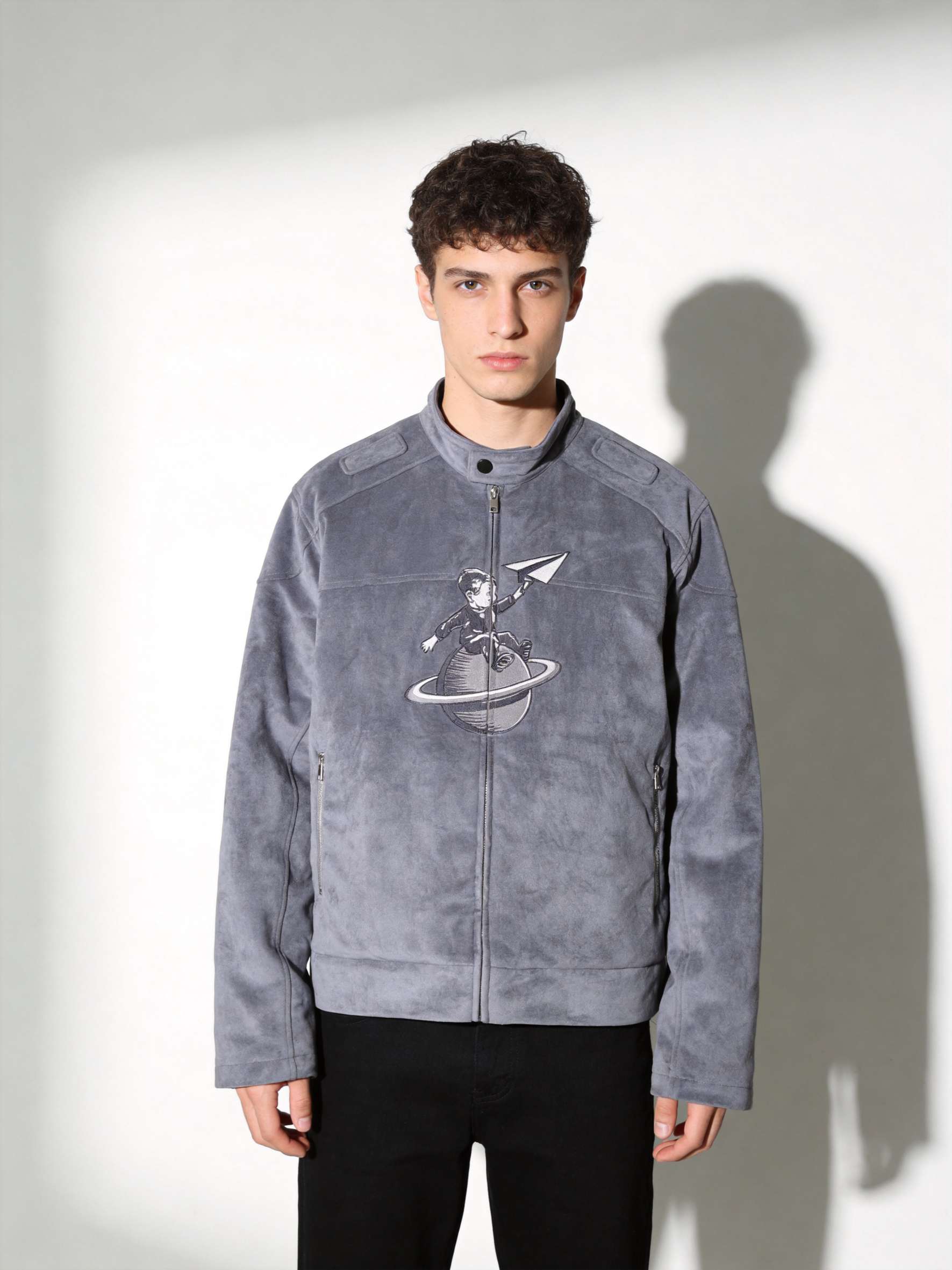
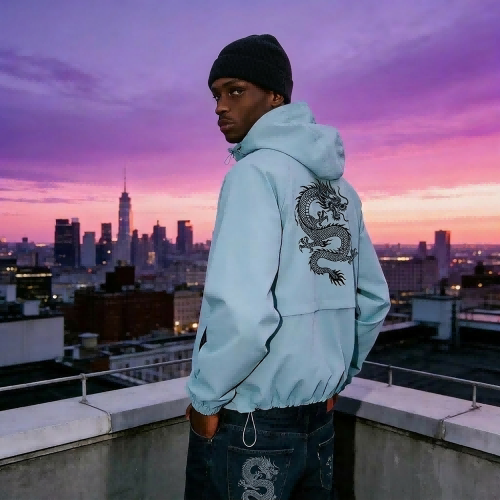
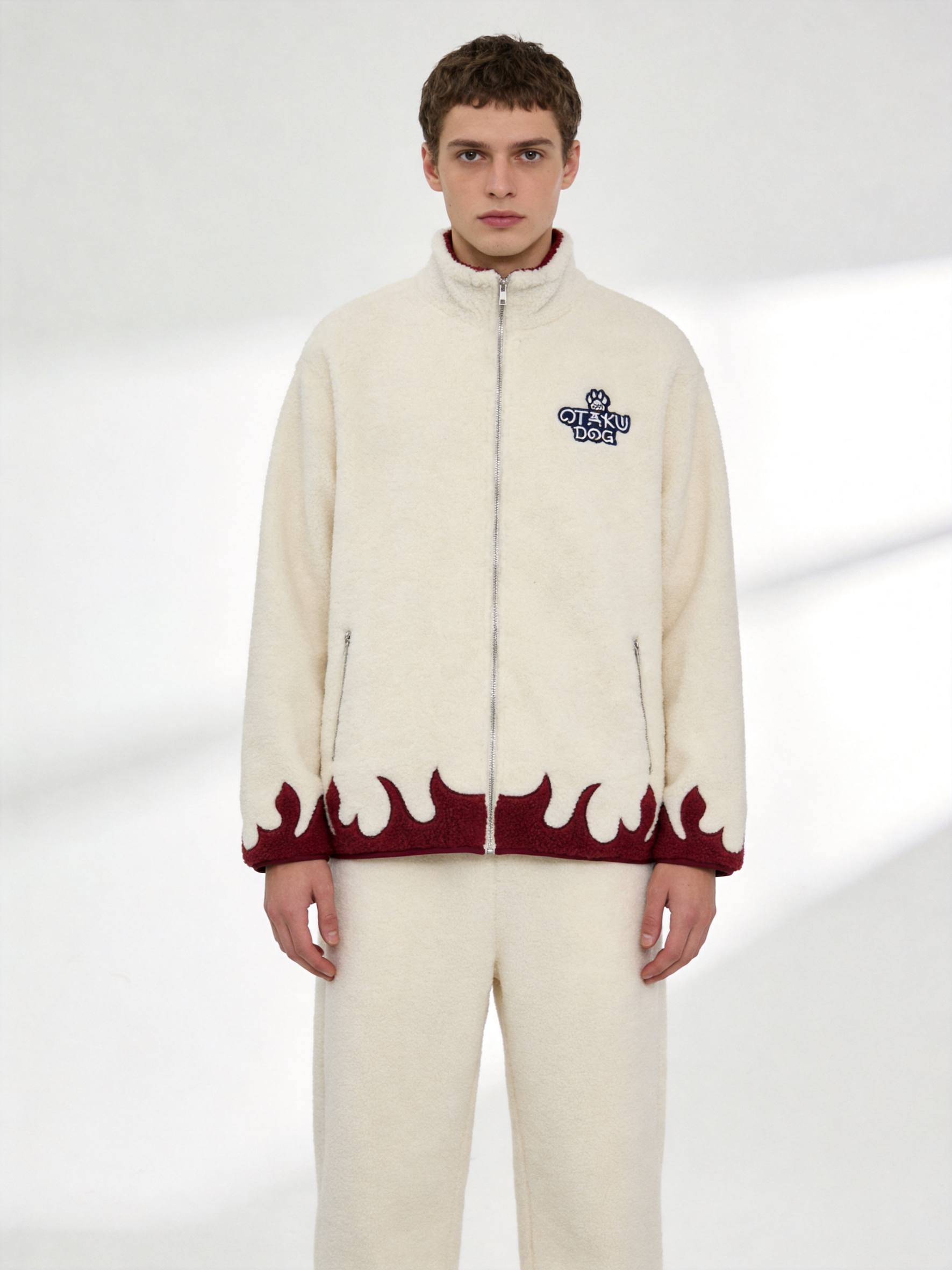
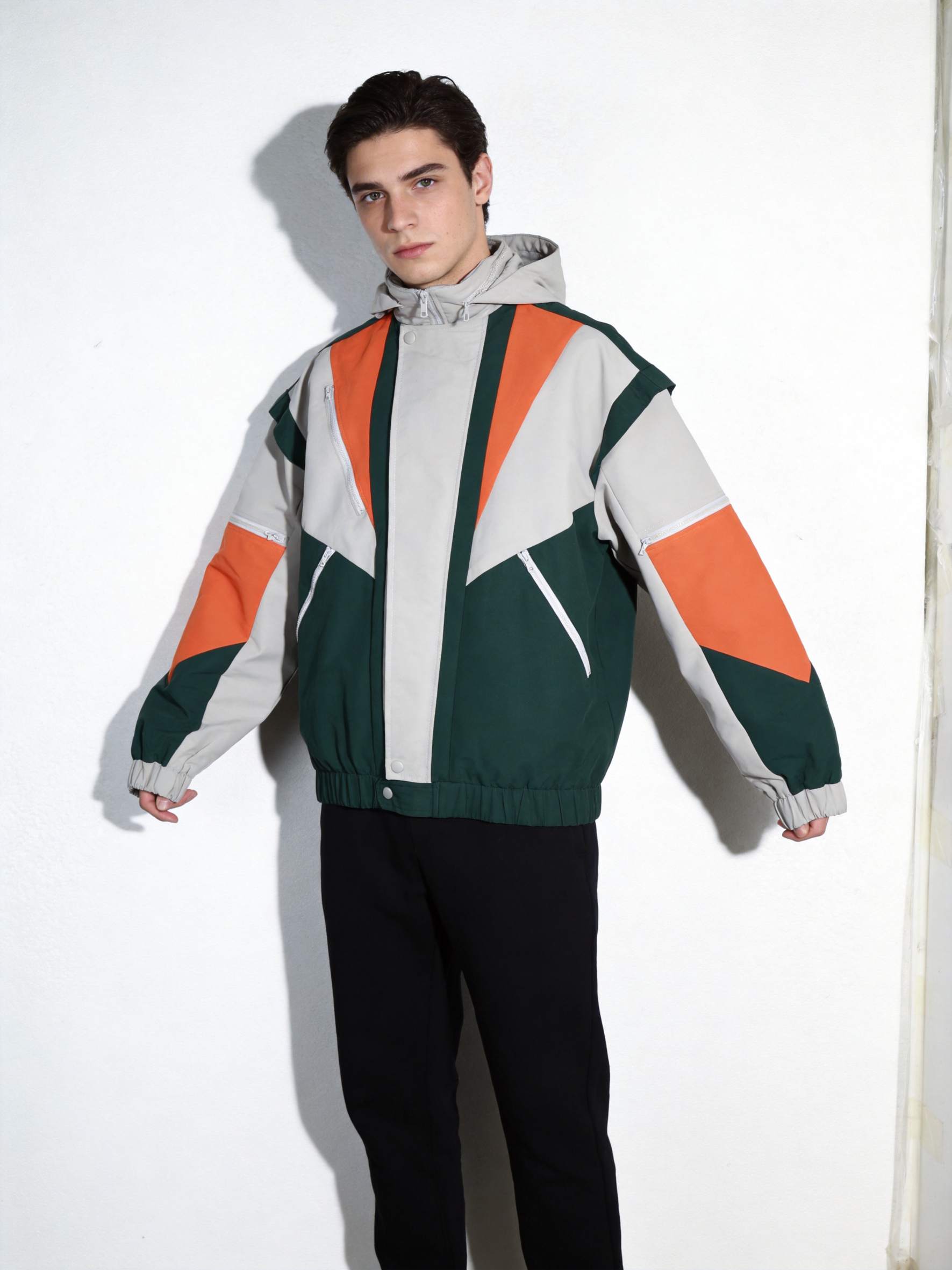
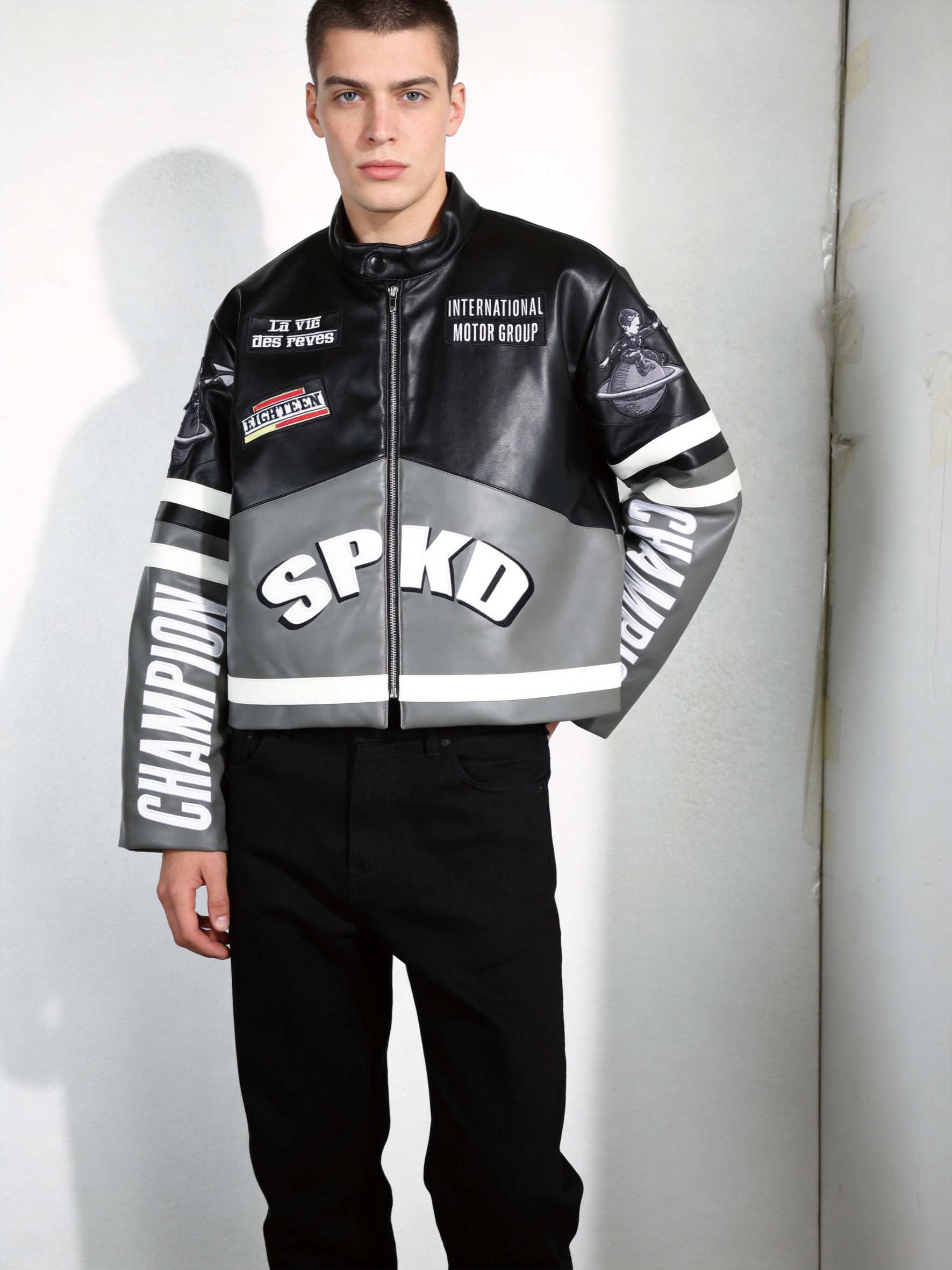


Why Choose ZORWILD Windbreaker Jacket Suppliers
50-Piece MOQ Production
Start your windbreaker collection with just 50 pieces per style. Perfect for startups, influencers, and brands testing new markets.
7-Day Sample Turnaround
Receive production-ready windbreaker samples in just seven days. Evaluate fit, fabric quality, and craftsmanship before committing to bulk orders.
27 Years Manufacturing Experience
Three decades of apparel expertise from our Humen, Dongguan factory. Trusted by over 2,000 fashion brands across six continents.
100,000+ Monthly Production Capacity
Scale from startup collections to large wholesale orders seamlessly. Our facility handles both small batch runs and high-volume production efficiently.
95%+ In-House Decoration Techniques
Screen printing, embroidery, heat transfer, reflective details, and more. Complete customization without relying on external subcontractors for quality control.
6-Stage Quality Control System
Every windbreaker undergoes rigorous inspection from fabric sourcing through final packaging. Ensures consistent quality and reduces defect rates significantly.
Windbreaker Categories We Manufacture
From technical performance shells to fashion-forward designs, our Humen facility produces windbreakers across nine specialized categories with full customization support.
Lightweight Windbreakers
Constructed from breathable nylon and polyester blends weighing 80-120 GSM for maximum portability without sacrificing wind protection. Ideal for resort collections, activewear lines, and travel apparel. Our team engineers ultra-light construction with reinforced stitching at stress points, functional ventilation, and packability features that maintain shape after repeated folding.
Request a Quote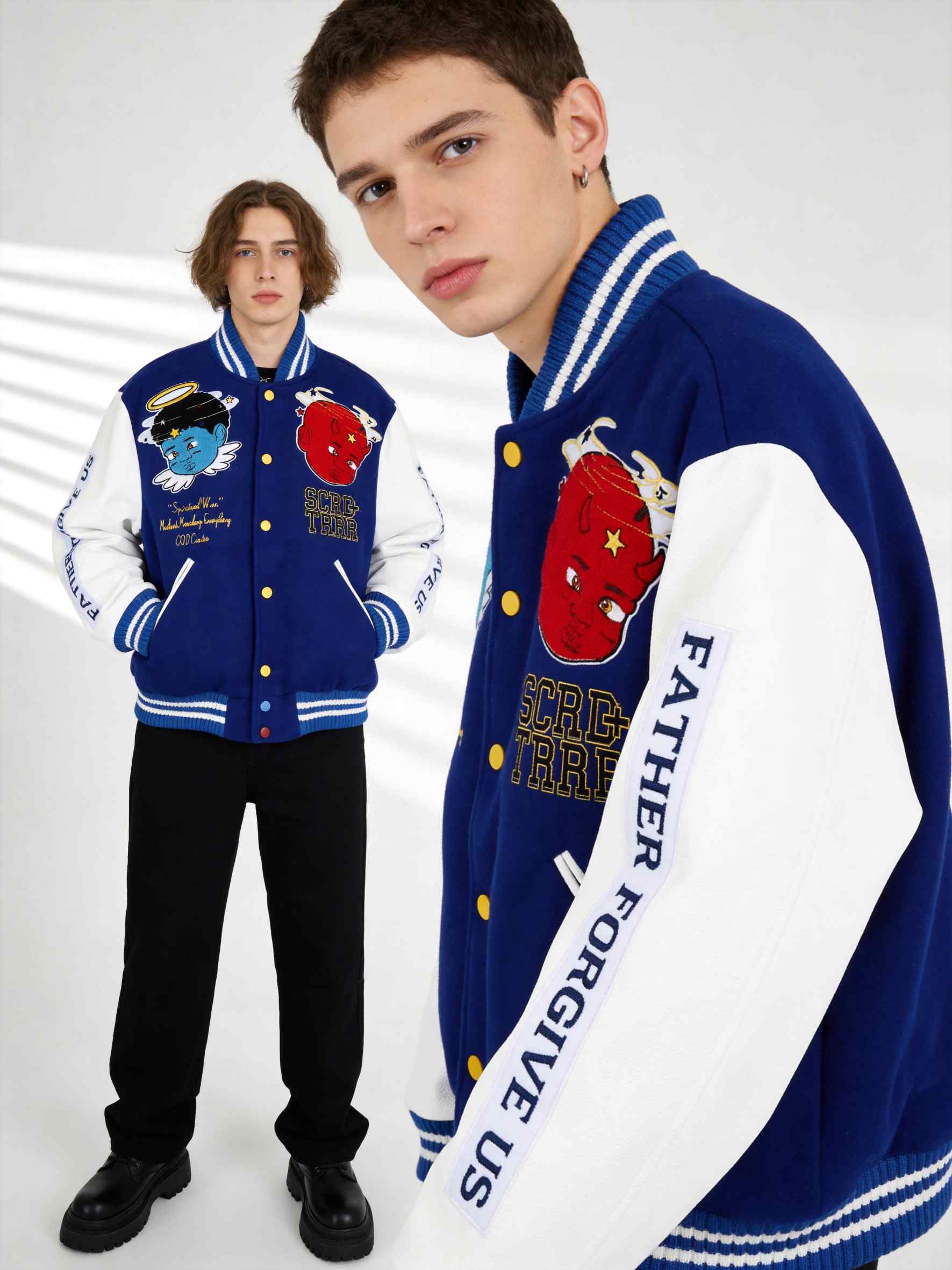
Waterproof Windbreakers
Built with waterproof coatings, heat-sealed seams, and technical membrane fabrics rated for 5,000-10,000mm water column protection. We source performance materials including coated nylon, bonded fabrics, and laminated shells. Production includes taped seam construction, waterproof zippers, adjustable storm hoods, and multi-layer protection systems for outdoor brands requiring reliable weather resistance.
Request a Quote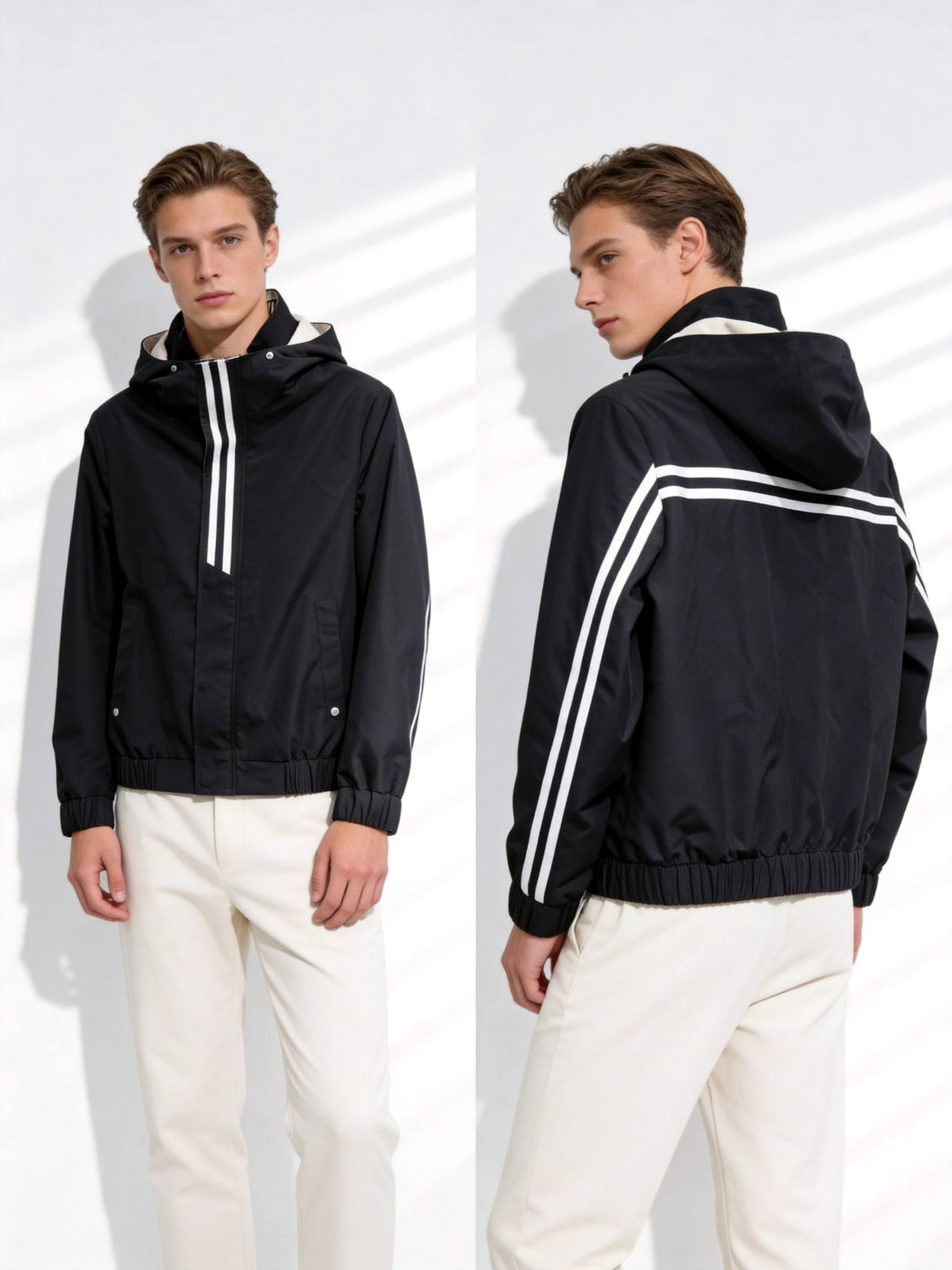
Hooded Windbreakers
Features adjustable drawcord hoods with reinforced brim construction, ergonomic fit patterns, and optional fleece lining for enhanced comfort. Our development team balances hood volume with garment proportions across oversized, standard, and athletic fits. Available with contrast lining, reflective trim, custom embroidery placement, and integrated ventilation for streetwear and performance collections.
Request a Quote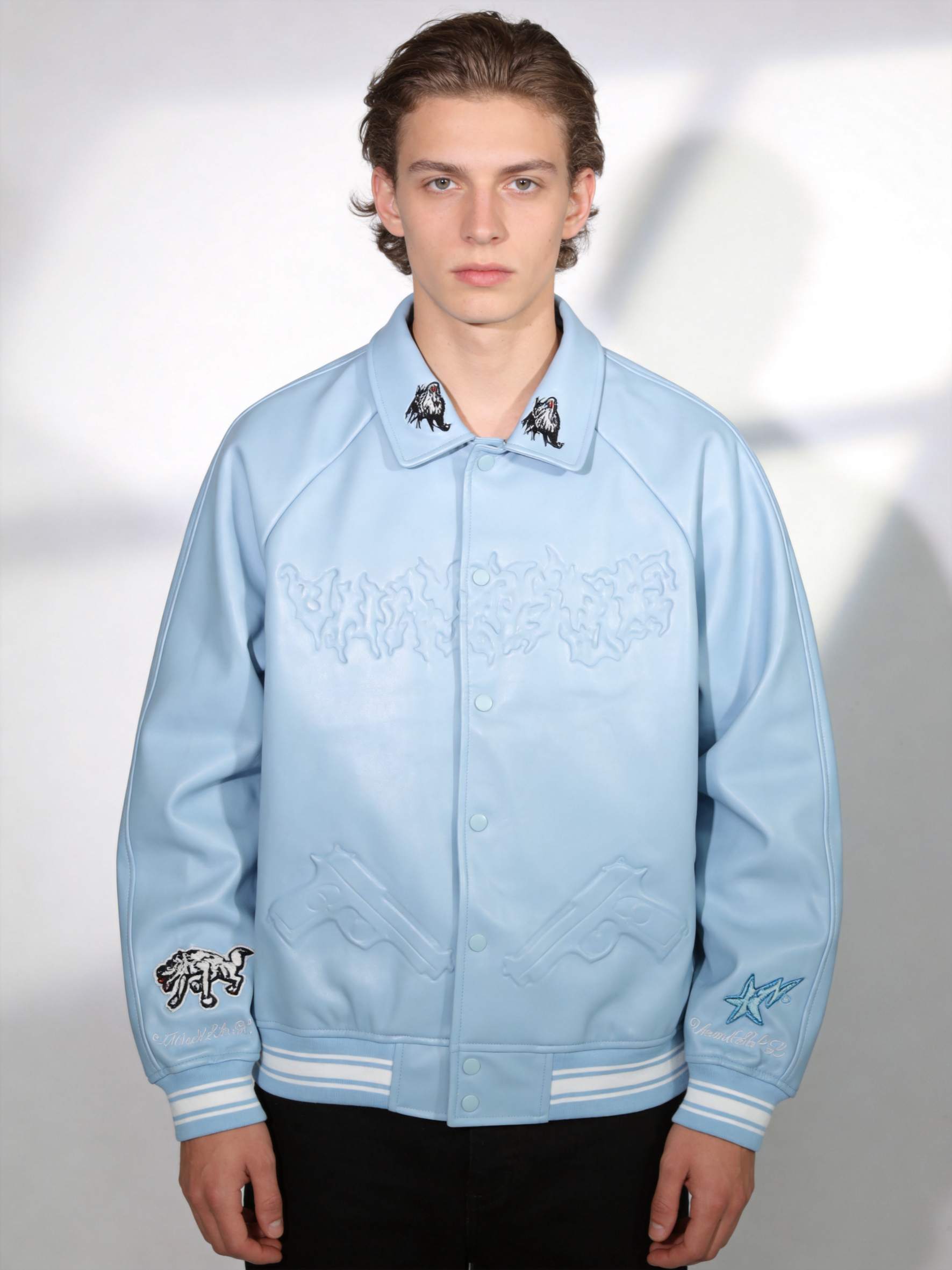
Pullover Windbreakers
Half-zip and quarter-zip designs with kangaroo pockets, ribbed hems, and elasticated cuffs for retro-inspired and casual streetwear aesthetics. We specialize in vintage color blocking, contrast panels, embroidered logos, and printed graphics. Construction includes reinforced zipper plackets, interior storm flaps, and French terry or mesh lining options popular with lifestyle brands and collegiate collections.
Request a Quote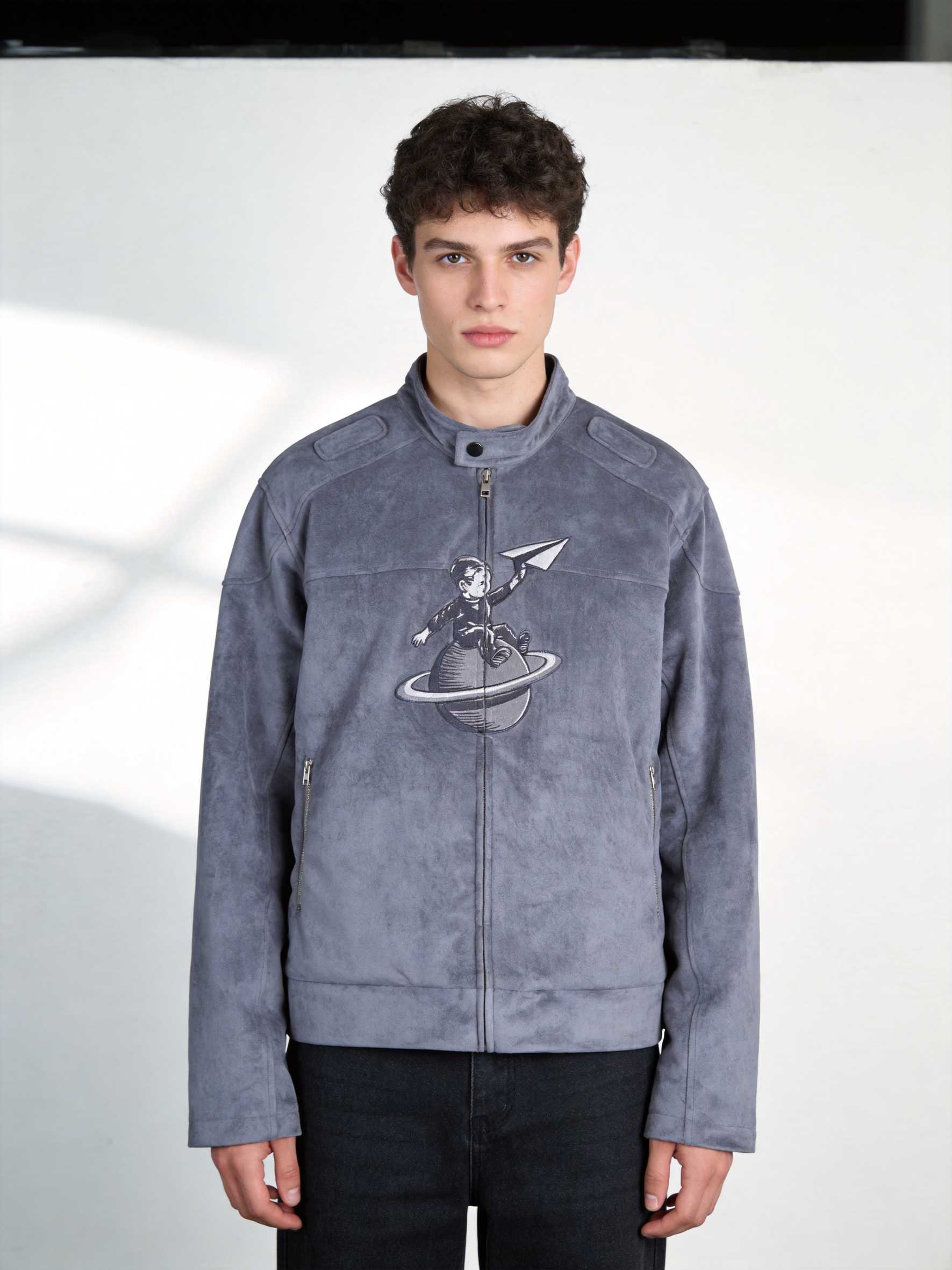
Full Zip Windbreakers
Full-length YKK or SBS zipper systems with chin guards, dual-slider functionality, and interior storm flaps for versatile layering. Our factory produces athletic fits, oversized silhouettes, and technical cuts with features including zippered side pockets, internal media pockets, adjustable cuffs, and hem drawcords. Suitable for activewear brands, corporate uniforms, and performance outerwear requiring complete front access.
Request a QuoteCustom Printed Windbreakers
All-over sublimation printing, DTG graphics, screen-printed panels, and heat transfer designs on polyester and nylon windbreaker shells. Our decoration capabilities include gradient fades, photographic prints, repeating patterns, and custom artwork with precise color matching. Production supports small-batch custom designs starting from 50 pieces, ideal for influencer merch, limited drops, and brand collaborations requiring unique visual identity.
Request a Quote
Team Windbreakers
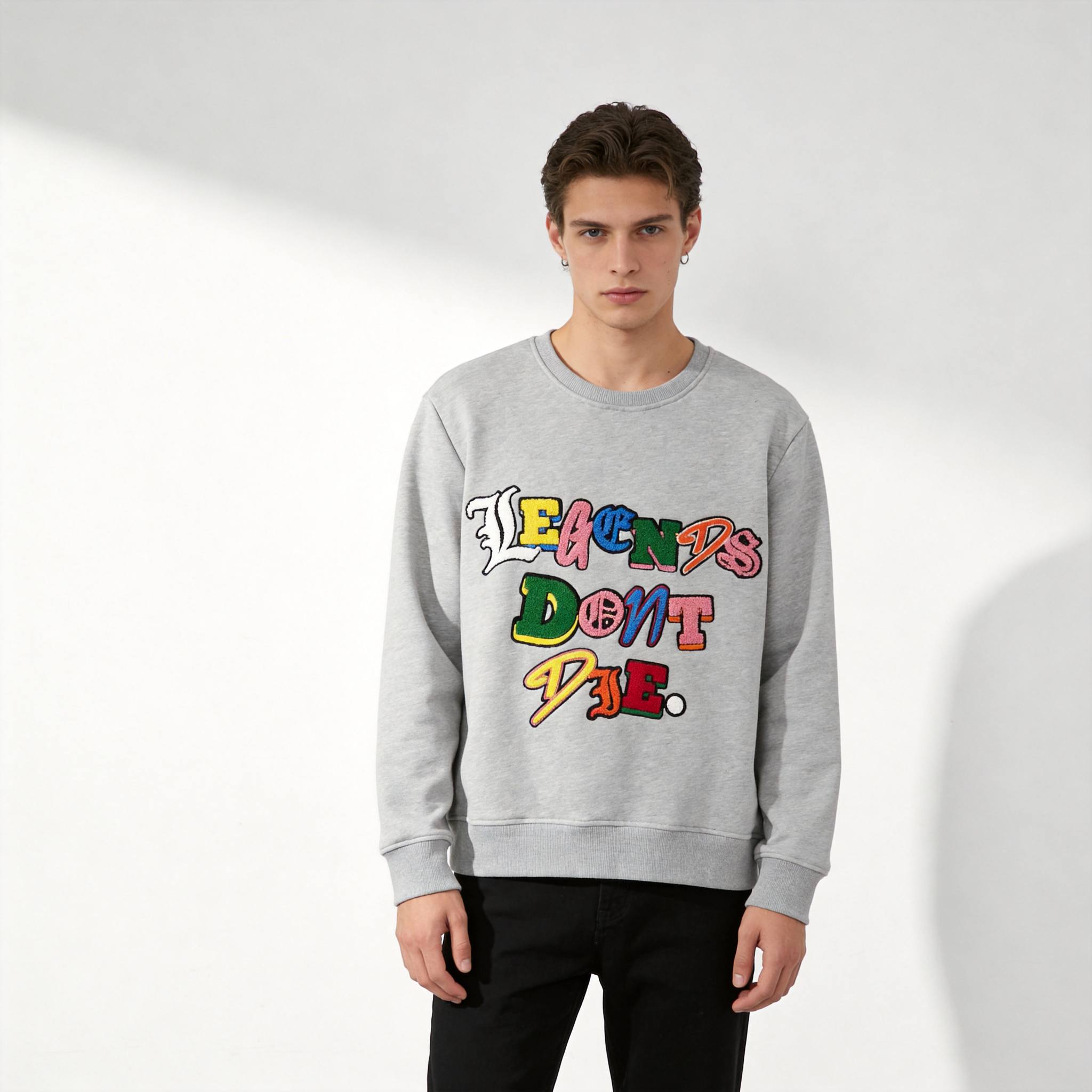
Uniform windbreakers for sports teams, corporate groups, and organizations with custom embroidery, tackle twill lettering, chenille patches, and screen-printed logos. We manage bulk orders with individual name and number customization, consistent sizing across team rosters, and coordinated color schemes. Features include moisture-wicking linings, reinforced construction for frequent use, and branding placement following team identity guidelines.
Request a Quote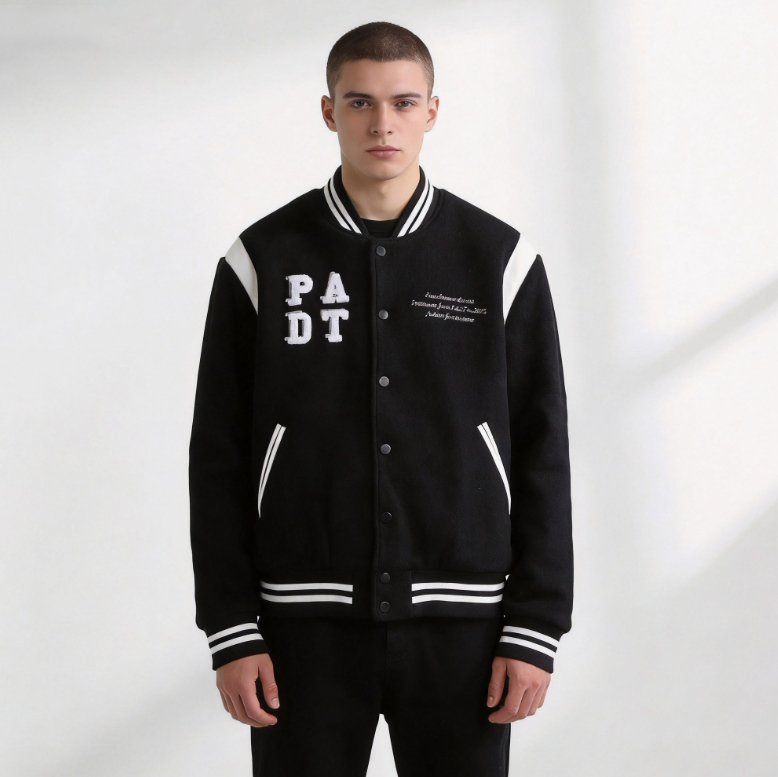
Packable Windbreakers
Compact folding designs with integrated stuff sacks, elastic loops, or zippered storage pouches for travel and outdoor brands. Engineered from lightweight ripstop nylon and packable polyester that compress to pocket size while maintaining durability. Our team optimizes pattern construction to minimize bulk when folded, incorporates wrinkle-resistant treatments, and ensures garments retain shape and performance after repeated packing cycles.
Request a Quote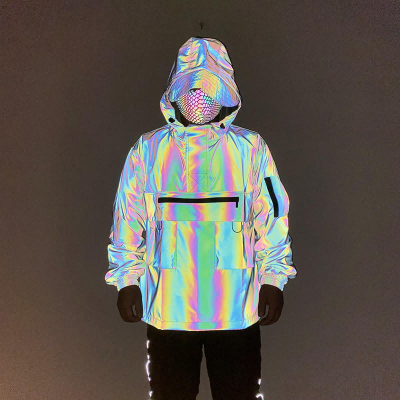
Reflective Windbreakers
Technical windbreakers featuring reflective piping, heat-applied reflective logos, 3M Scotchlite trim, and reflective print applications for visibility-focused activewear and urban cycling collections. We integrate reflective elements into design lines, brand graphics, and functional zones without compromising aesthetic appeal. Production includes 360-degree visibility options, contrast reflective panels, and nighttime safety features meeting performance and fashion brand requirements.
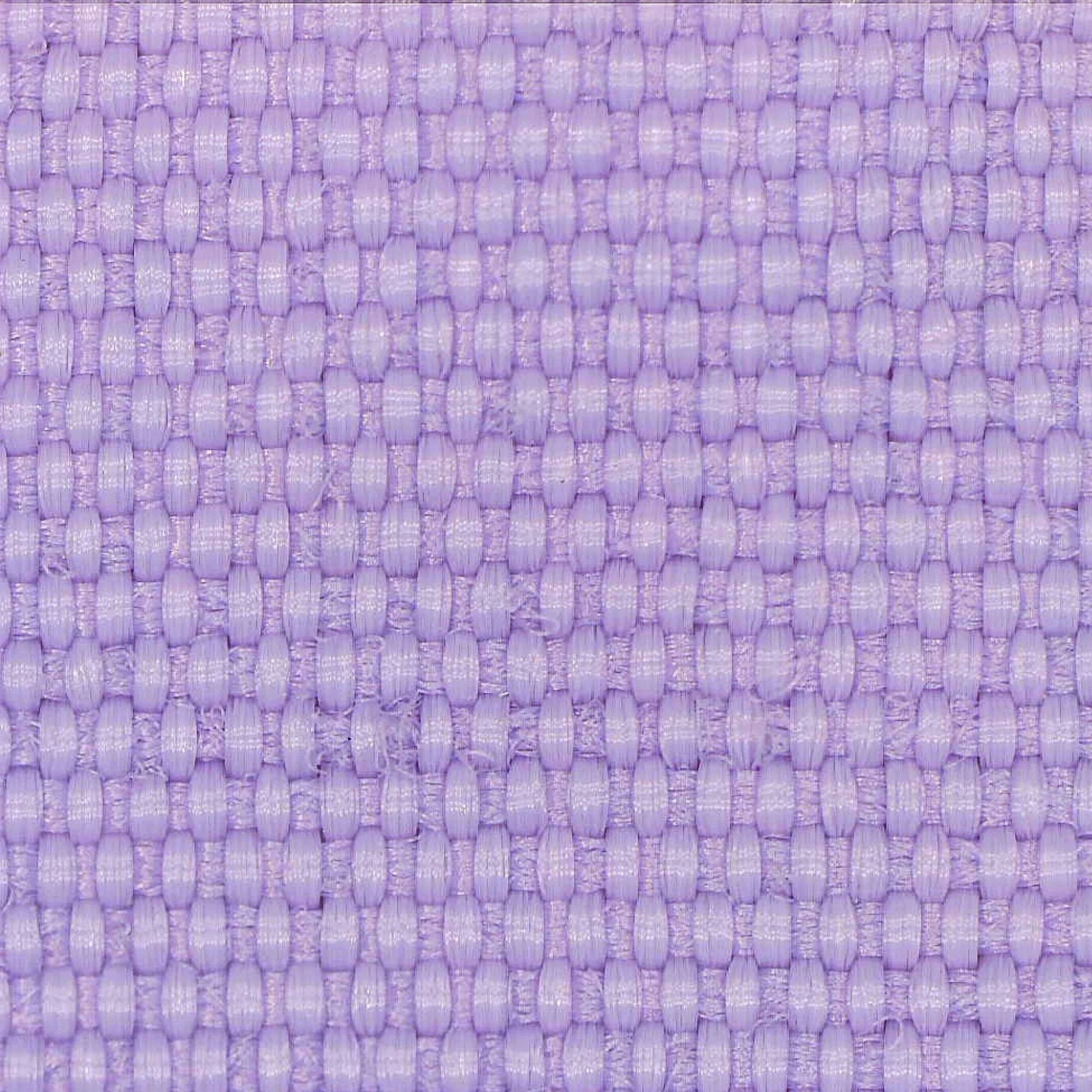
Get a QuotePremium Fabrics Our Windbreaker Jacket Suppliers Source
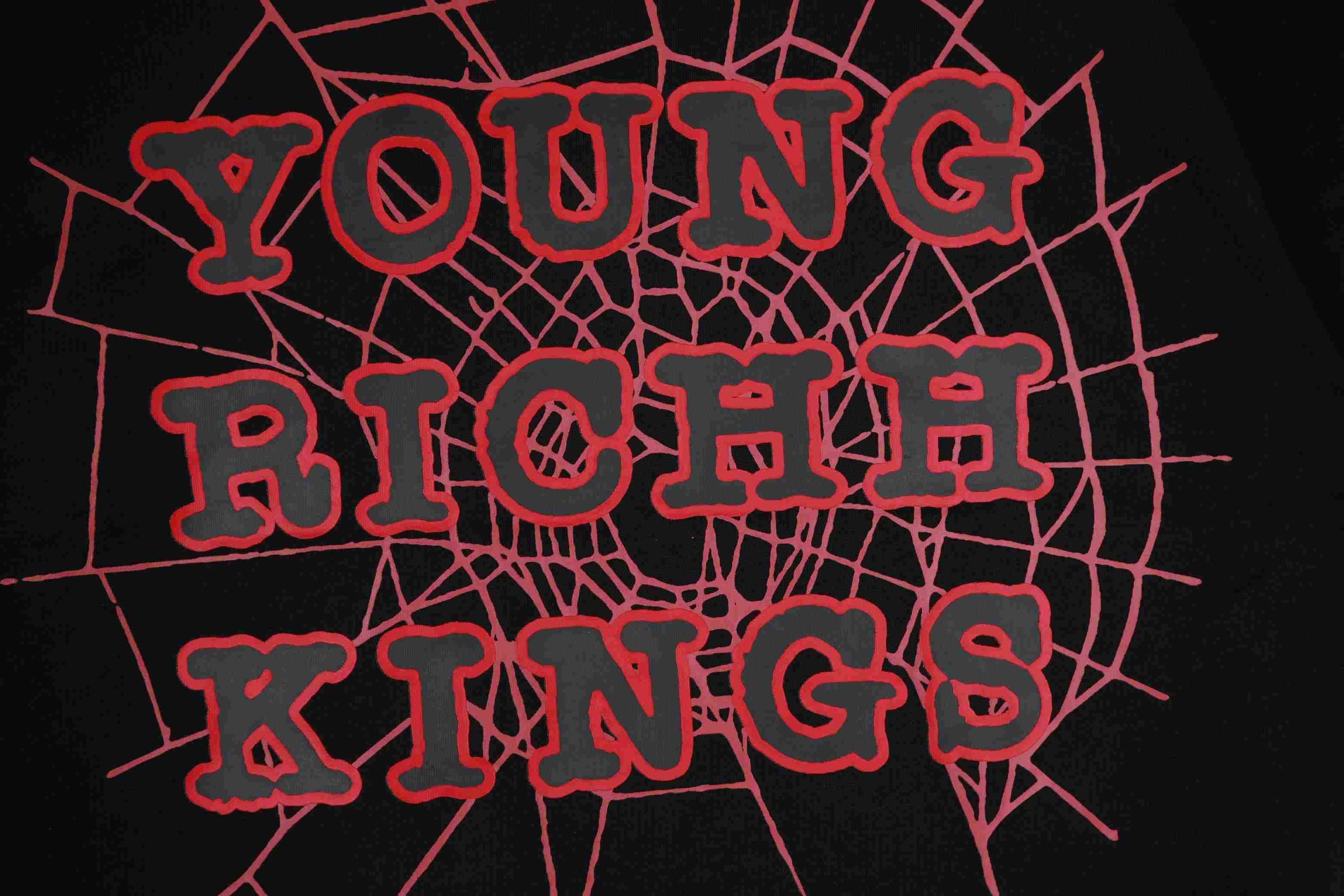
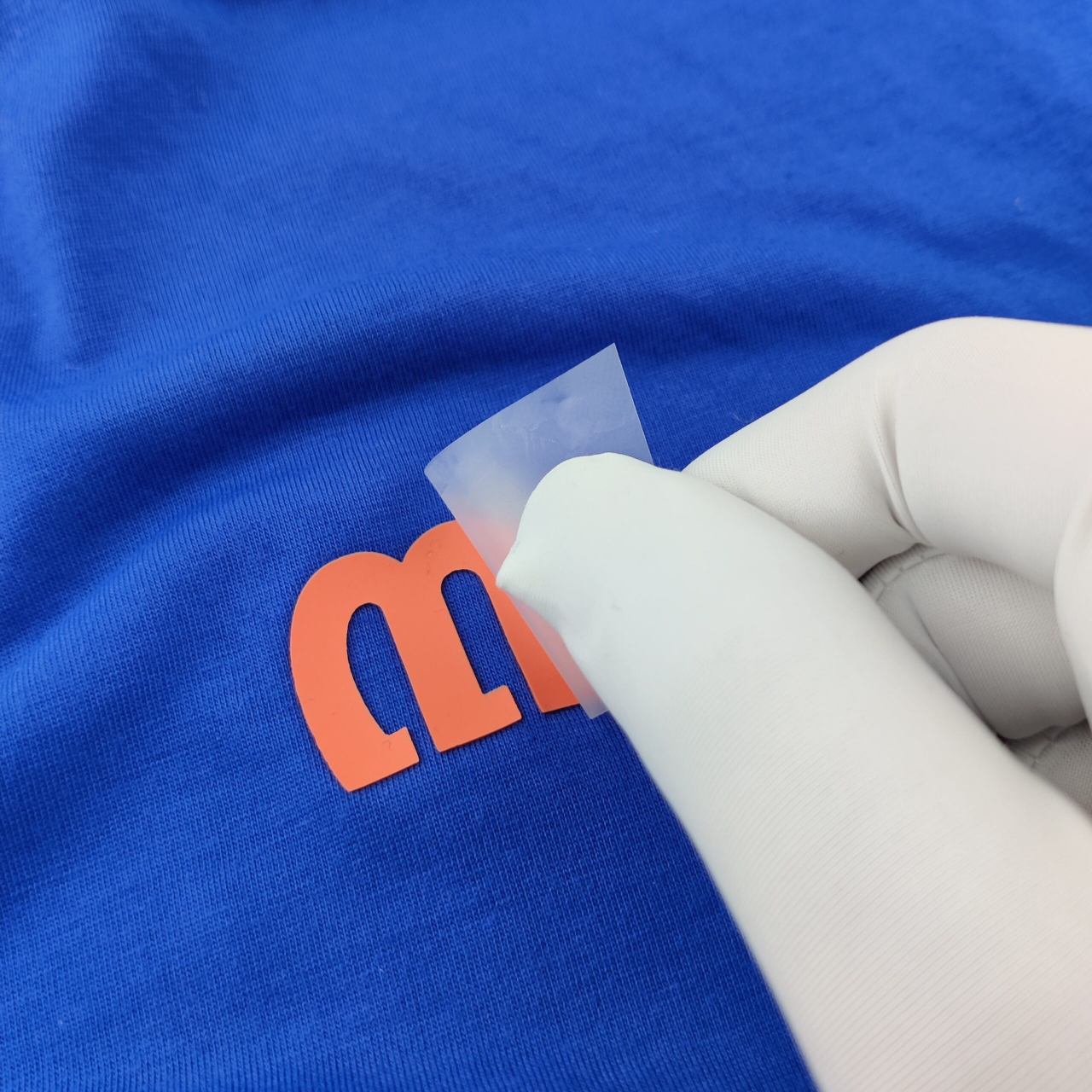
Advanced Windbreaker Jacket Suppliers Production Techniques
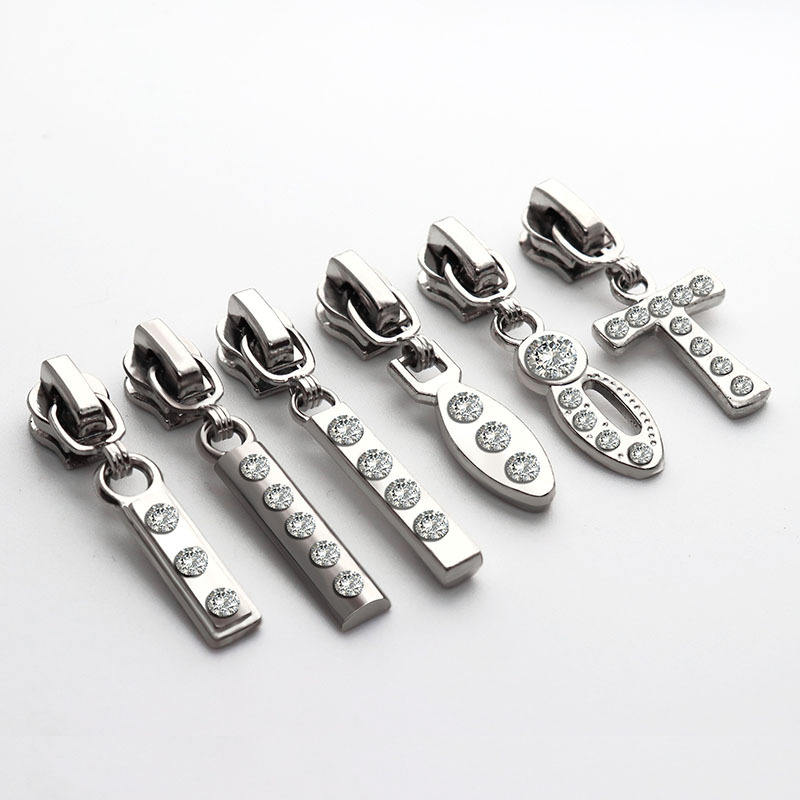
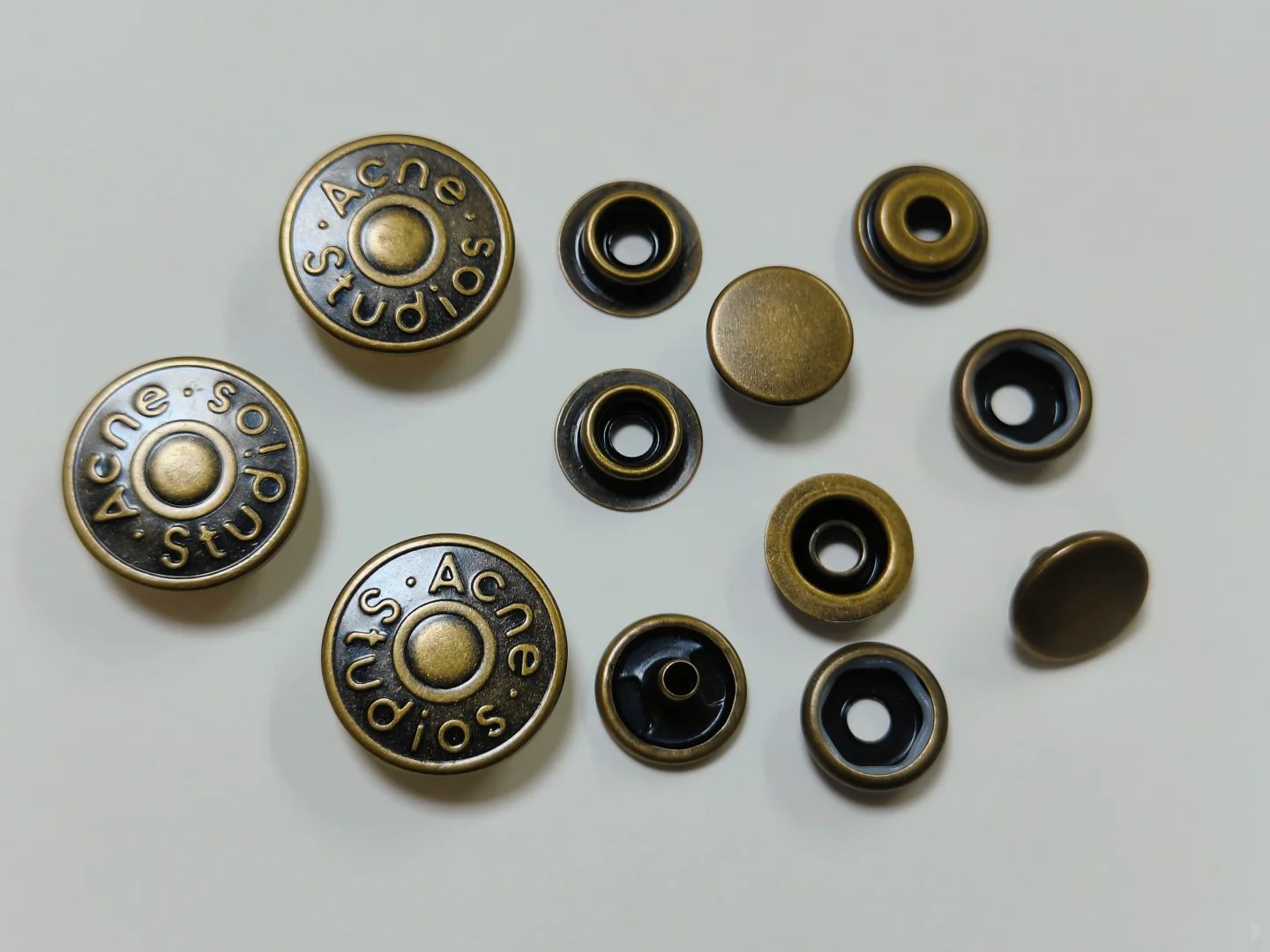
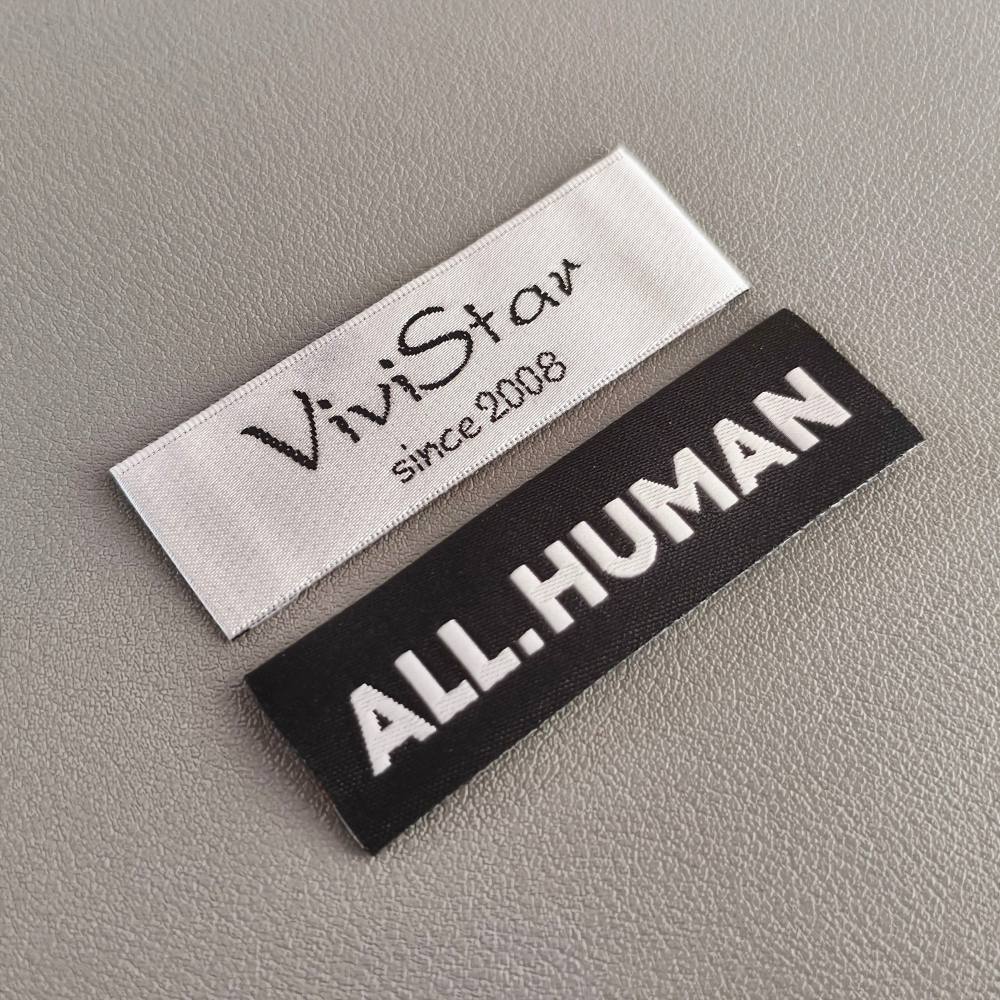
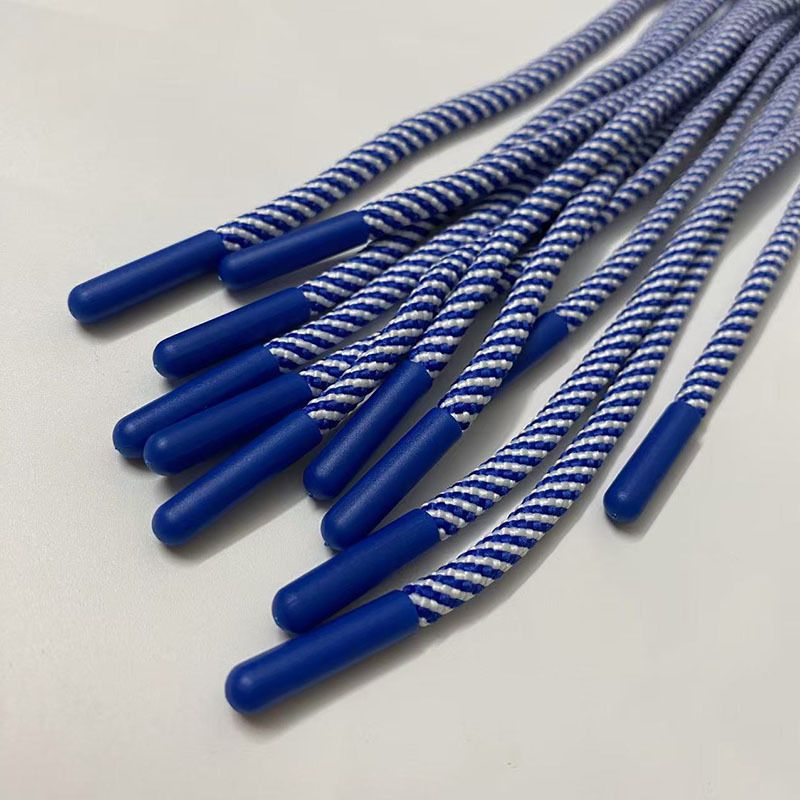
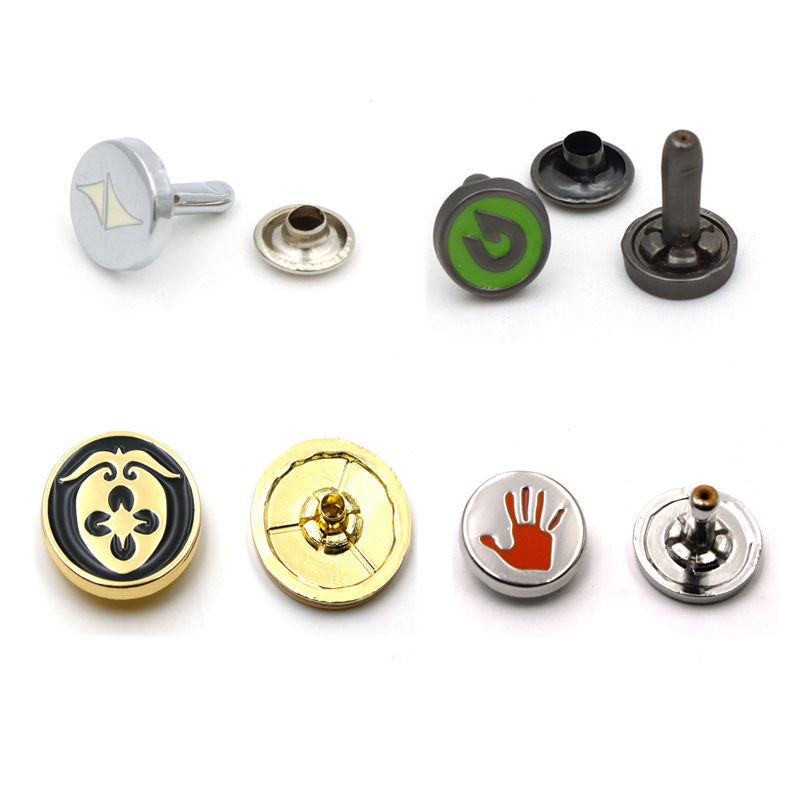
Windbreaker Jacket Accessories & Trims
Trusted Windbreaker Jacket Suppliers Since 1998
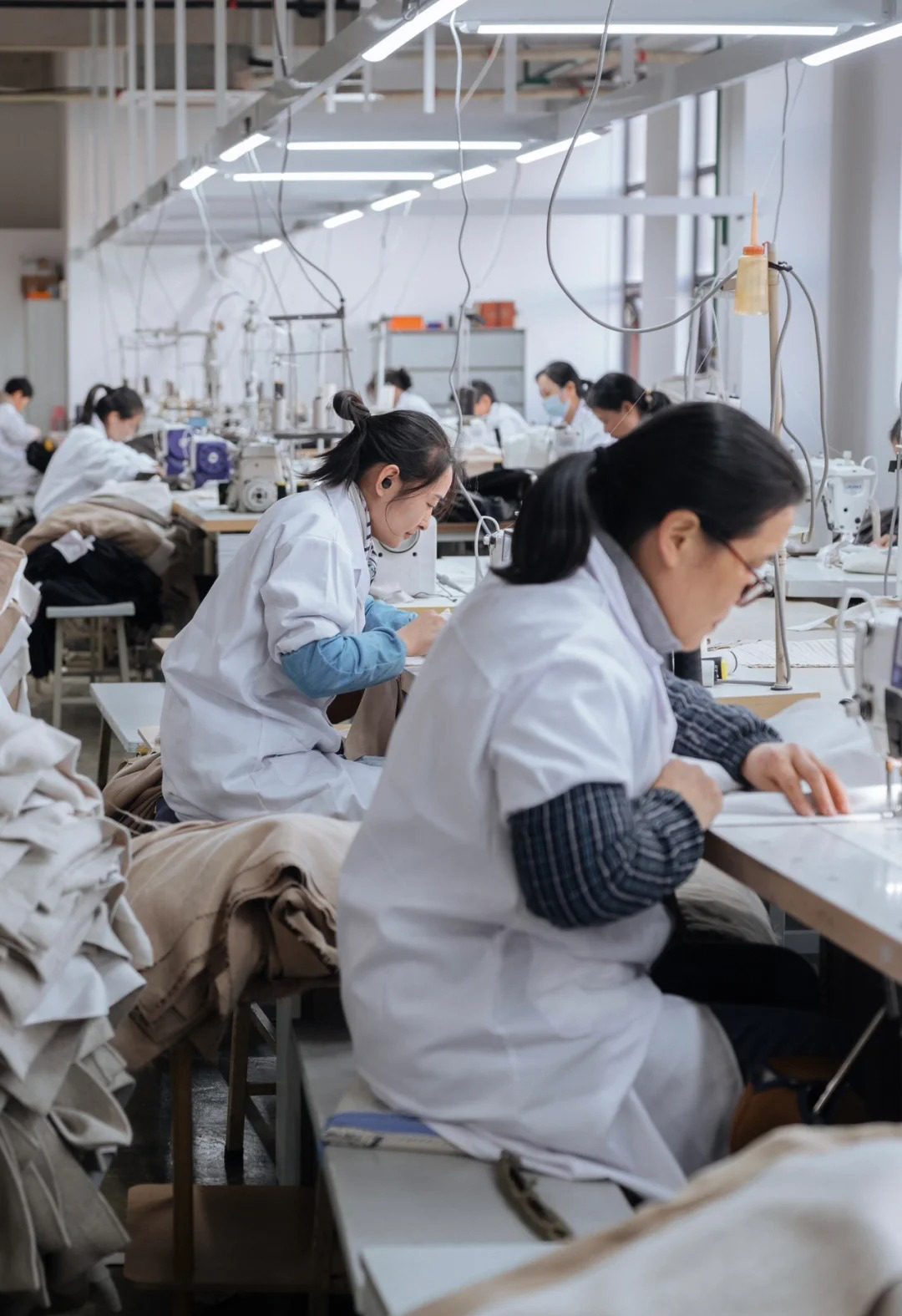
Founded in 1998 in Humen, Dongguan—one of the world’s most influential garment manufacturing hubs—ZORWILD began as a small family-operated workshop and has evolved into a full-scale OEM and ODM apparel manufacturer. Today, we employ over 200 skilled workers and have served more than 2,000 clothing brands across North America, Europe, Asia, and the Middle East.
With 27 years of apparel manufacturing experience, we specialize in low-MOQ production starting at just 50 pieces, making us the ideal partner for startup brands, influencers, and established wholesalers alike. Our monthly production capacity exceeds 100,000 units, supported by a 6-stage quality control system and 95% of decoration techniques in-house.
As experienced windbreaker jacket suppliers, we bridge the gap between creative design and scalable production. Whether you need waterproof windbreakers, packable styles, or technical outdoor jackets, ZORWILD delivers professional manufacturing with the flexibility and speed modern brands demand.
What Sets Our Windbreaker Jacket Suppliers Apart
Premium Fabric Sourcing & Waterproof Technology
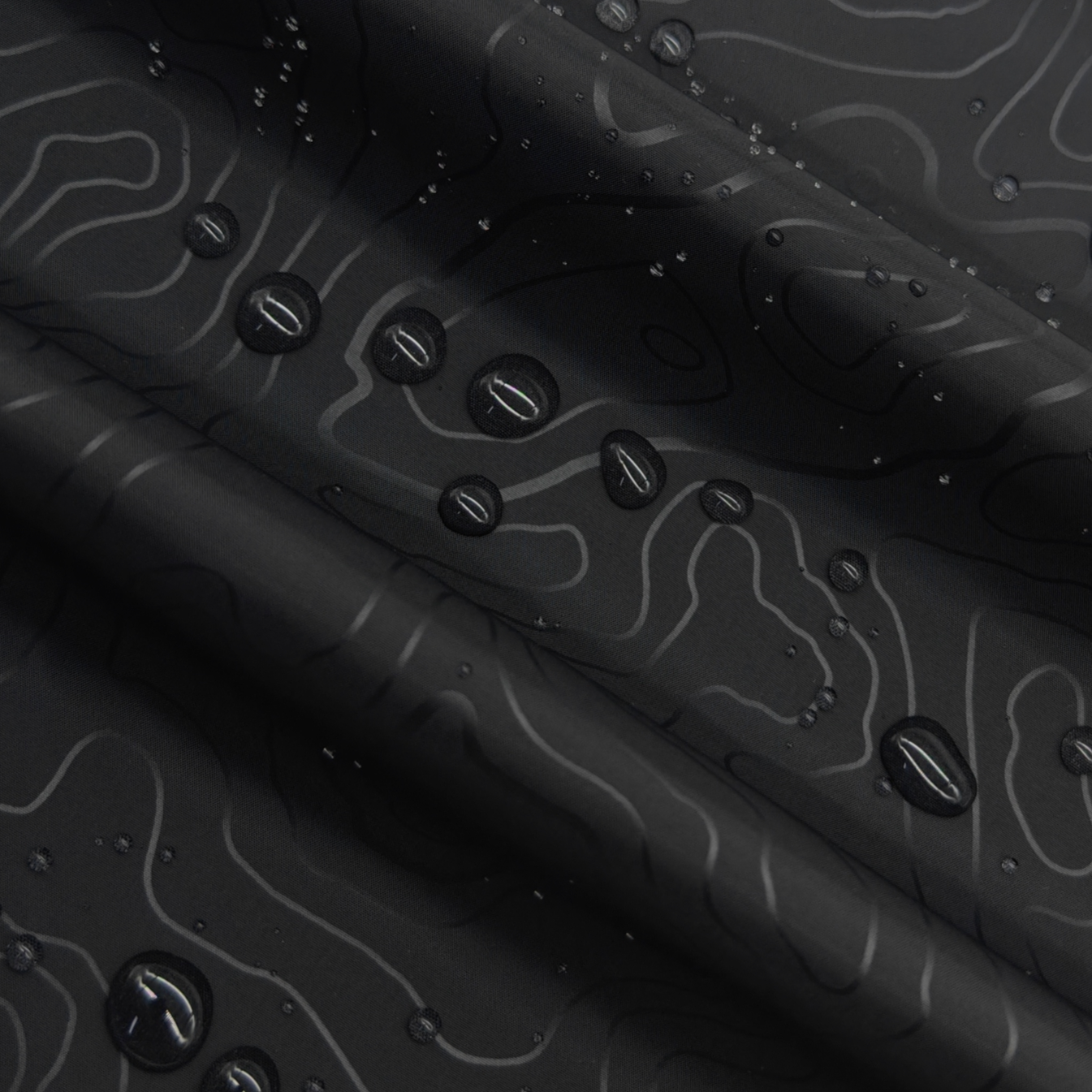
ZORWILD partners with trusted Chinese fabric mills to source high-performance windbreaker materials including nylon, polyester, technical blends, and waterproof fabrics. Our coating expertise ensures your windbreakers deliver durability, weather resistance, and comfort across all price points.
- Waterproof and water-resistant coating applications
- Breathable technical fabrics for activewear and outdoor collections
- Lightweight ripstop nylon and durable polyester options
- Sustainable and recycled fabric sourcing available

Advanced Embroidery & Printing Capabilities
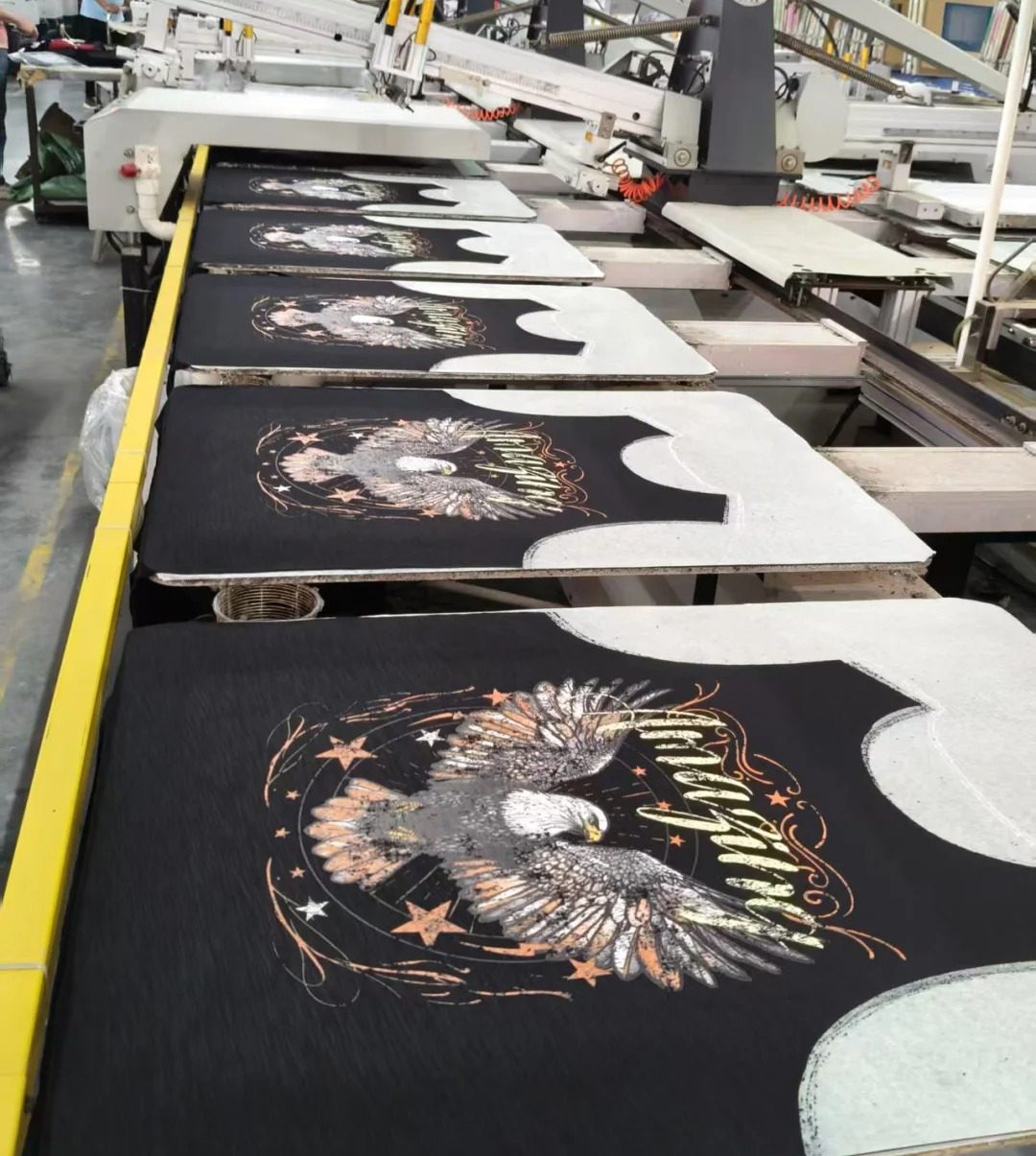
With 95%+ decoration techniques in-house, our windbreaker jacket suppliers deliver screen printing, embroidery, heat transfer, reflective printing, and puff printing. Every logo, graphic, and brand detail is executed with precision to elevate your windbreaker designs and strengthen brand identity.
- Flat, 3D, and chenille embroidery for premium branding
- Reflective and water-based printing for technical fashion
- Heat-sealed patches and rubber logo applications
- Multi-color screen printing with excellent durability
Precision Fit & 6-Stage Quality Control
Every windbreaker passes through our rigorous 6-stage quality control system covering fabric inspection, in-line production checks, measurement verification, decoration quality, and final product review. Our Humen Dongguan factory ensures consistent sizing, construction integrity, and premium finishing across every order.
- Raw material and fabric inspection before cutting
- In-line sewing and decoration quality monitoring
- Measurement accuracy checks against approved samples
- Final inspection for stitching, zippers, and packaging quality
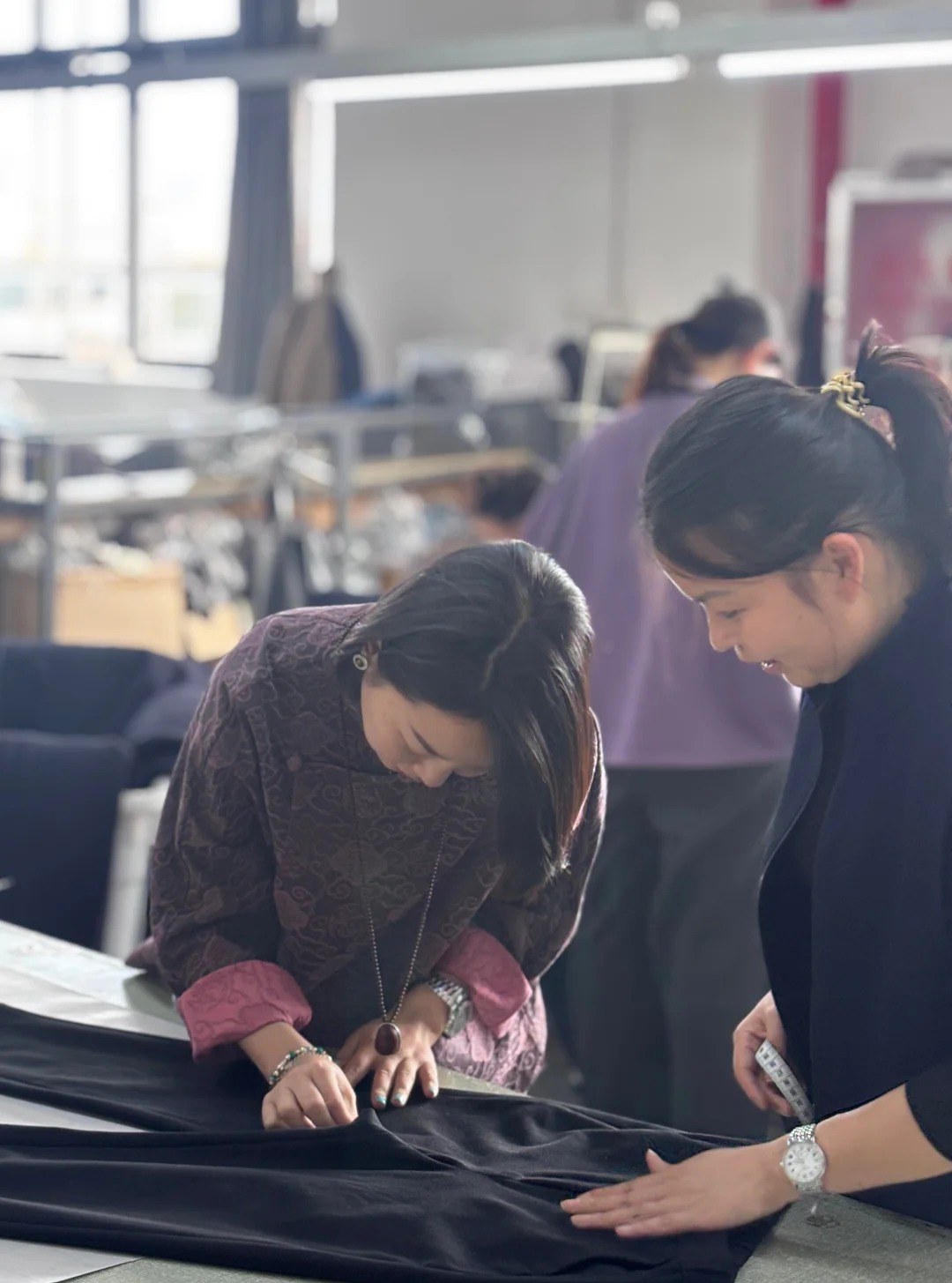
Fast Sampling & Low MOQ Flexibility
ZORWILD offers 7-day sampling and MOQ starting at just 50 pieces per style, empowering startup brands, influencers, and small wholesalers to test windbreaker designs without heavy inventory risk. Our flexible production system scales from small capsule collections to 100,000+ units monthly.
- 50-piece minimum order quantity for most windbreaker styles
- 7-day sample turnaround for rapid product validation
- Scalable production from startup runs to bulk orders
- Design support and tech pack development included
Why ZORWILD Outperforms Other Windbreaker Jacket Suppliers
Compare our proven manufacturing capabilities with typical windbreaker suppliers and see why brands worldwide trust ZORWILD for quality, speed, and flexibility.
← 左右滑动查看 →
How Windbreaker Jacket Suppliers at ZORWILD Execute Production
From initial design review to final shipment, our 27-year-proven production system ensures every windbreaker jacket meets brand standards through six controlled phases with full transparency and quality assurance.
Design & Tech Pack Review
Our development team analyzes your tech pack, sketches, or reference samples to confirm measurements, construction details, decoration placements, and material specifications before production begins.
Fabric Sourcing & Sampling
We source windbreaker fabrics including nylon, polyester, waterproof materials, and technical blends from trusted suppliers, then produce pre-production samples for fit and quality approval within seven days.
Cutting, Decoration & Sewing
Pattern cutting begins after sample approval, followed by screen printing, embroidery, heat transfers, or other decoration techniques, then precision sewing by our 200-plus skilled workers in Humen, Dongguan.
Washing & Finishing
Windbreaker jackets undergo garment washing, vintage effects, or specialty finishes as specified, followed by professional ironing and steam pressing to achieve premium hand feel and appearance.
Quality Control & Inspection
Our six-stage QC system inspects measurements, stitching integrity, decoration quality, zipper function, waterproof performance, and overall construction before any jacket advances to packing.
Packing & Global Shipping
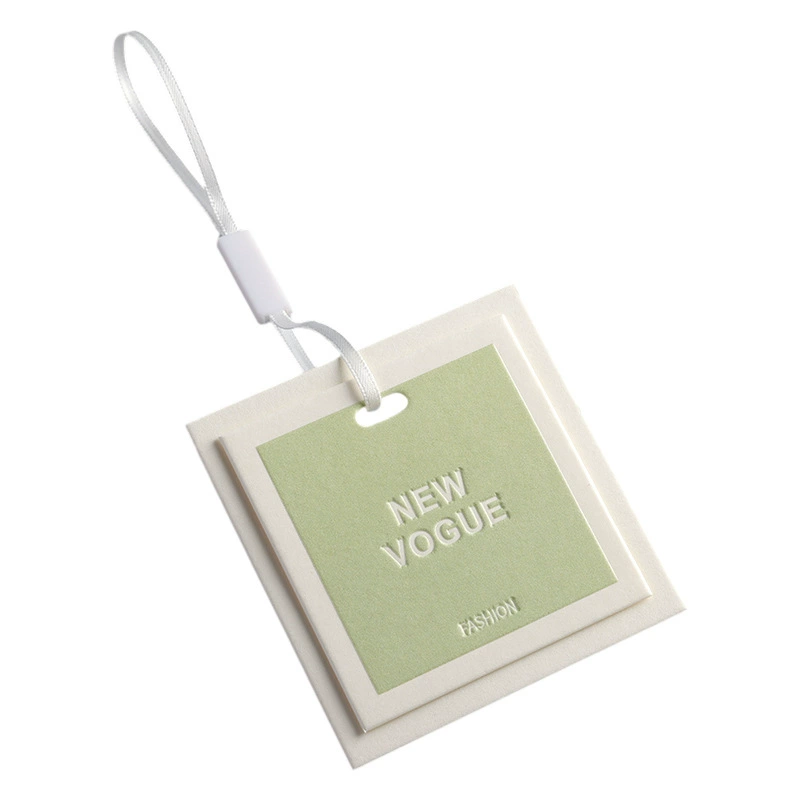
Finished windbreakers are packed with custom labels, hang tags, and branded packaging, then shipped via air freight, sea freight, or express delivery with full export documentation and customs support.
How to Work With Windbreaker Jacket Suppliers at ZORWILD
Submit Your Design or Tech Pack
Share your windbreaker tech pack, sketches, reference samples, or design ideas with our team. We’ll review your requirements and recommend fabrics, trims, and decoration techniques.
Approve Samples and Quote
Receive production-ready windbreaker samples within 7 days. Review fit, fabric quality, construction details, and pricing before confirming your bulk order with confidence.
Place Order and Track Production
Confirm your order with a 50-piece minimum. Our team manages cutting, sewing, decoration, and quality control while you receive regular production updates until shipment.
Certified Windbreaker Jacket Suppliers You Can Trust

What Our Windbreaker Jacket Suppliers Customers Say
ZORWILD helped us launch our debut windbreaker capsule with just 50 pieces. Sampling took 7 days, production was flawless, and we scaled to 500 units in three months. Perfect partner for startup brands.
We reduced our windbreaker sampling costs by 65% and cut lead times from 6 weeks to 18 days. ZORWILD’s waterproof coating and heat-sealed construction quality exceeded our technical specs every time.
Scaled our windbreaker production from 200 units to 4,500 units monthly without any quality drop. Their 6-stage QC system and in-house embroidery capabilities made our wholesale expansion seamless and profitable.
Windbreaker Jacket Suppliers FAQ
What is the minimum order quantity (MOQ) for windbreaker jacket suppliers at ZORWILD?
How long does it take to receive windbreaker jacket samples?
Do windbreaker jacket suppliers charge for samples, and is the cost refundable?
What payment terms do windbreaker jacket suppliers offer?
Can windbreaker jacket suppliers handle global shipping and logistics?
How do windbreaker jacket suppliers protect my designs and intellectual property?
Can you source specific fabrics for custom windbreaker jackets?
What customization options do windbreaker jacket suppliers offer?
What quality guarantees do windbreaker jacket suppliers provide?
The Complete Buyer’s Guide to Windbreaker Jacket Suppliers
1. What Are Windbreaker Jacket Suppliers?
Windbreaker jacket suppliers are specialized manufacturers and wholesalers that produce lightweight, water-resistant outerwear for fashion brands, retailers, and wholesalers. Unlike general apparel factories that handle dozens of product categories with minimal technical expertise, dedicated windbreaker jacket suppliers maintain in-house capabilities for waterproof coating, heat-sealed construction, multi-layer fabrics, technical lining systems, and functional pocket engineering. ZORWILD operates as a full-package supplier with 27 years of experience, supporting brands from 50-piece startup orders to monthly production runs exceeding 100,000 units.
Full-package suppliers like ZORWILD manage the entire production cycle — design and tech pack development, fabric and trim sourcing, sampling, cut-and-sew manufacturing, decoration application (embroidery, screen printing, heat transfer), quality control, and export logistics. CMT (cut-make-trim) factories require brands to supply all materials and provide only sewing services, while trading companies act as intermediaries between brands and factories without owning production facilities. Full-package suppliers reduce lead times by 15–30 days and eliminate the complexity of coordinating multiple vendors across fabric mills, zipper suppliers, and decoration workshops.
Specialized windbreaker jacket suppliers invest in technical fabric relationships with nylon, polyester, and waterproof coating suppliers, maintain quality control systems for seam sealing and water-resistance testing, and employ pattern makers trained in athletic fit and functional design. Brands partner with specialists to access lower MOQs, faster sampling (7–10 days versus 20–30 days at generalist factories), and expertise in trend-driven details like reflective printing, quilting, and packable construction.
2. Evolution of Windbreaker Manufacturing
Windbreaker jackets emerged in the 1970s as lightweight athletic outerwear, initially manufactured in North America and Europe using basic nylon taffeta fabrics weighing 40–70 GSM. Early designs prioritized wind resistance and packability for runners and cyclists, with simple construction methods and limited color options. By the 1980s, nylon ripstop and polyester microfiber fabrics became standard, offering improved tear resistance and moisture management while maintaining sub-100 GSM weights.
Manufacturing migration to Asia-Pacific hubs accelerated through the 1990s, driven by cost advantages and technical expertise in Dongguan, Guangzhou, and other Chinese garment districts. Factories in these regions invested in advanced coating equipment, heat-sealing machines, and multi-layer lamination systems to produce breathable membranes and waterproof constructions. This shift enabled windbreaker jacket suppliers to offer technical features previously available only in premium outdoor brands, including DWR coatings, mesh linings, and reflective trims.
The 2010s brought direct-to-consumer brands and influencer-driven fashion labels demanding flexible production systems. Low-MOQ windbreaker jacket suppliers emerged to serve startup brands, offering production runs starting at 50–100 pieces compared to traditional 1,000–3,000 piece minimums. Modern suppliers now provide rapid sampling within 7–10 days, digital printing, custom colorways, and full branding customization, allowing small brands to compete with established labels without heavy inventory investment or long lead times.
3. Types of Windbreaker Jacket Suppliers
Windbreaker jacket suppliers operate under distinct business models, each serving different brand needs and production scales. Understanding these categories helps buyers match supplier capabilities with their budget, timeline, and service requirements.
Full-Package Manufacturers
Full-package manufacturers handle design development, fabric sourcing, trims procurement, sampling, production, quality control, and export logistics. ZORWILD operates as a full-package windbreaker supplier with 27 years of experience, offering one-stop service from tech pack development through final shipment.
Typical MOQs range from 300 to 1,000 pieces per style for most full-package suppliers, though ZORWILD supports 50-piece minimums for startup brands. Lead times span 35 to 60 days depending on fabric availability and decoration complexity. Ideal for startup brands needing design support, established brands launching new categories, and influencers requiring turnkey production without sourcing infrastructure.
CMT Factories
Cut-make-trim factories provide sewing and assembly services only; buyers must supply all fabrics, zippers, labels, and trims. CMT suppliers typically require 500 to 2,000 pieces per order with 25 to 35 day lead times after material arrival.
This model suits established brands with dedicated sourcing teams, large wholesalers controlling their supply chain, and retailers with existing fabric relationships. CMT pricing is lower per unit but requires significant buyer expertise in material specification, quality standards, and logistics coordination.
Trading Companies and Agents
Trading companies act as intermediaries between buyers and factories, often aggregating orders and managing communication. They typically add 8% to 15% markup over factory pricing but provide English-language support, quality oversight, and consolidated shipping.
MOQs and lead times mirror the underlying factories they represent. Best suited for international buyers unfamiliar with Chinese manufacturing protocols, small brands needing simplified communication, and buyers ordering multiple product categories from different factories through one contact point.
Low-MOQ and Sample Specialists
Low-MOQ suppliers focus on small production runs from 50 to 300 pieces, enabling product testing and capsule collections. ZORWILD’s 50-piece MOQ system supports influencers, online stores, and startup streetwear labels launching with limited capital.
Sampling typically requires 7 to 14 days, with bulk production completing in 25 to 40 days. Per-unit costs run 15% to 30% higher than large-order pricing, but inventory risk and cash flow requirements decrease significantly. Ideal for brand validation, market testing, and seasonal limited releases.
Private-Label Suppliers
Private-label windbreaker suppliers maintain ready-to-customize base styles that accept custom labels, hang tags, packaging, and simple decoration. Production starts faster since patterns and samples already exist, with lead times as short as 20 to 30 days.
MOQs typically range from 100 to 500 pieces per colorway. Best for brands prioritizing speed over unique design, wholesalers needing fast replenishment, and retailers launching private-label collections without full custom development investment.
Sustainable and Certified Suppliers
Certified windbreaker suppliers hold third-party credentials including OEKO-TEX, GOTS for organic materials, WRAP, or BSCI social compliance audits. These suppliers source recycled polyester, organic cotton blends, and water-based coatings while maintaining transparent labor practices.
MOQs often start higher at 500 to 1,500 pieces due to certified material minimums, with lead times extending 5 to 10 days for compliance documentation. Pricing typically runs 10% to 25% above conventional production. Essential for eco-conscious brands, European and North American retailers with sustainability mandates, and brands targeting environmentally aware consumers.
4. Materials and Fabrics for Windbreaker Jackets
Professional windbreaker jacket suppliers offer a spectrum of technical fabrics, each engineered for distinct performance levels and price points. Understanding fabric weight, water resistance, and breathability trade-offs ensures your product aligns with target market expectations and retail positioning.
| Fabric Type | Weight Range (GSM) | Water Resistance | Breathability | Typical Use Case | Price Tier |
|---|---|---|---|---|---|
| Nylon Taffeta | 50–90 | 300–1,500 mm | Low to Medium | Promotional, casual, budget windbreakers | $ |
| Polyester Microfiber | 50–80 | 300–1,200 mm | Low | High-volume orders, merch, basic outerwear | $ |
| Ripstop Nylon | 60–120 | 1,000–3,000 mm | Medium | Outdoor, technical, premium streetwear | $$ |
| Coated/Laminated | 80–150 | 3,000–10,000 mm | Low to High (with membrane) | Performance, activewear, luxury fashion | $$$ |
Ripstop Weaves and Reinforced Construction
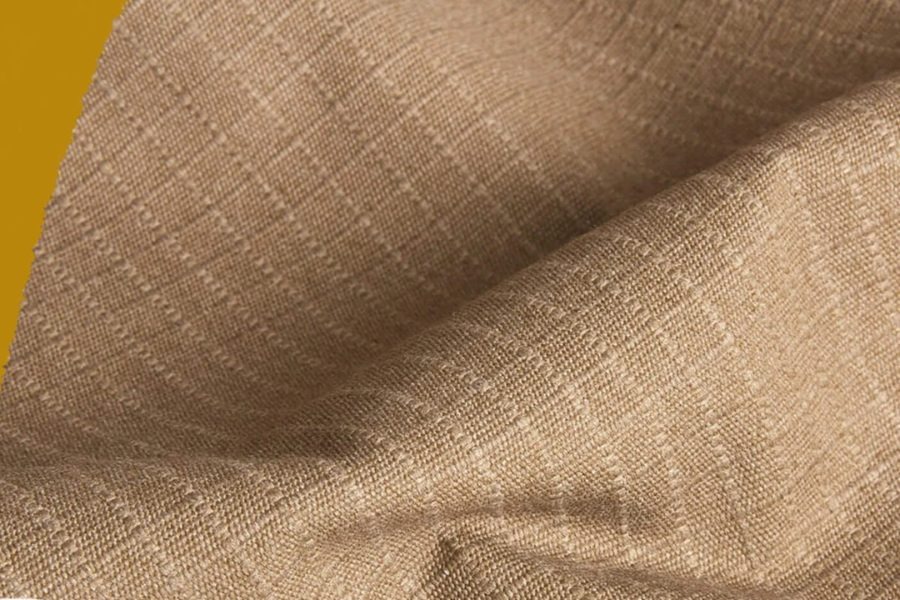
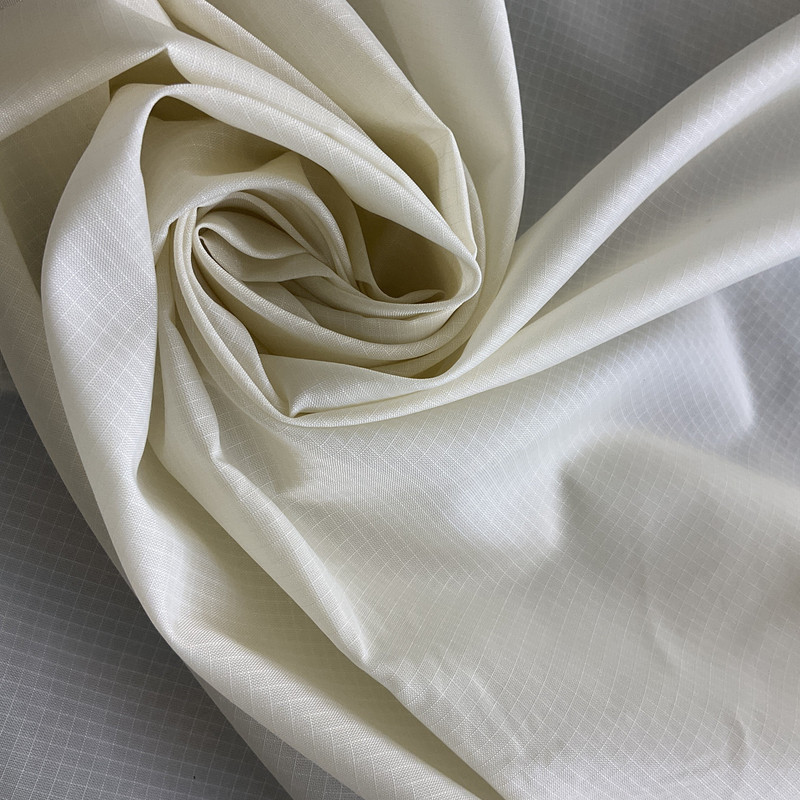
Ripstop nylon and polyester feature a crosshatch reinforcement pattern that prevents tear propagation, adding 10 to 15 percent to fabric cost but significantly extending garment lifespan. Weights range from 60 to 120 GSM, with water resistance up to 3,000 mm when laminated.
This construction is preferred for outdoor, technical, and premium streetwear windbreakers where durability justifies the higher price tier. Most windbreaker jacket suppliers offer ripstop as a standard upgrade option.
5. Customization and Decoration Options
Windbreaker jacket suppliers offer multiple decoration techniques to brand lightweight outerwear, each with distinct cost structures, durability profiles, and design constraints. Choosing the right method depends on order volume, graphic complexity, and intended wash cycles.
| Technique | Min Order | Cost/Unit | Wash Durability | Turnaround |
|---|---|---|---|---|
| Screen Printing | 100+ pcs | $1.20–$4.00 | 50+ cycles | 5–7 days |
| Heat Transfer | 50+ pcs | $0.80–$3.50 | 20–30 cycles | 3–5 days |
| Sublimation | 50+ pcs | $2.00–$5.00 | Permanent | 3–5 days |
| Embroidery | 50+ pcs | $1.50–$6.00 | 100+ cycles | 7–10 days |
| Woven Labels | 50+ pcs | $0.50–$2.00 | 100+ cycles | 7–10 days |
Screen Printing
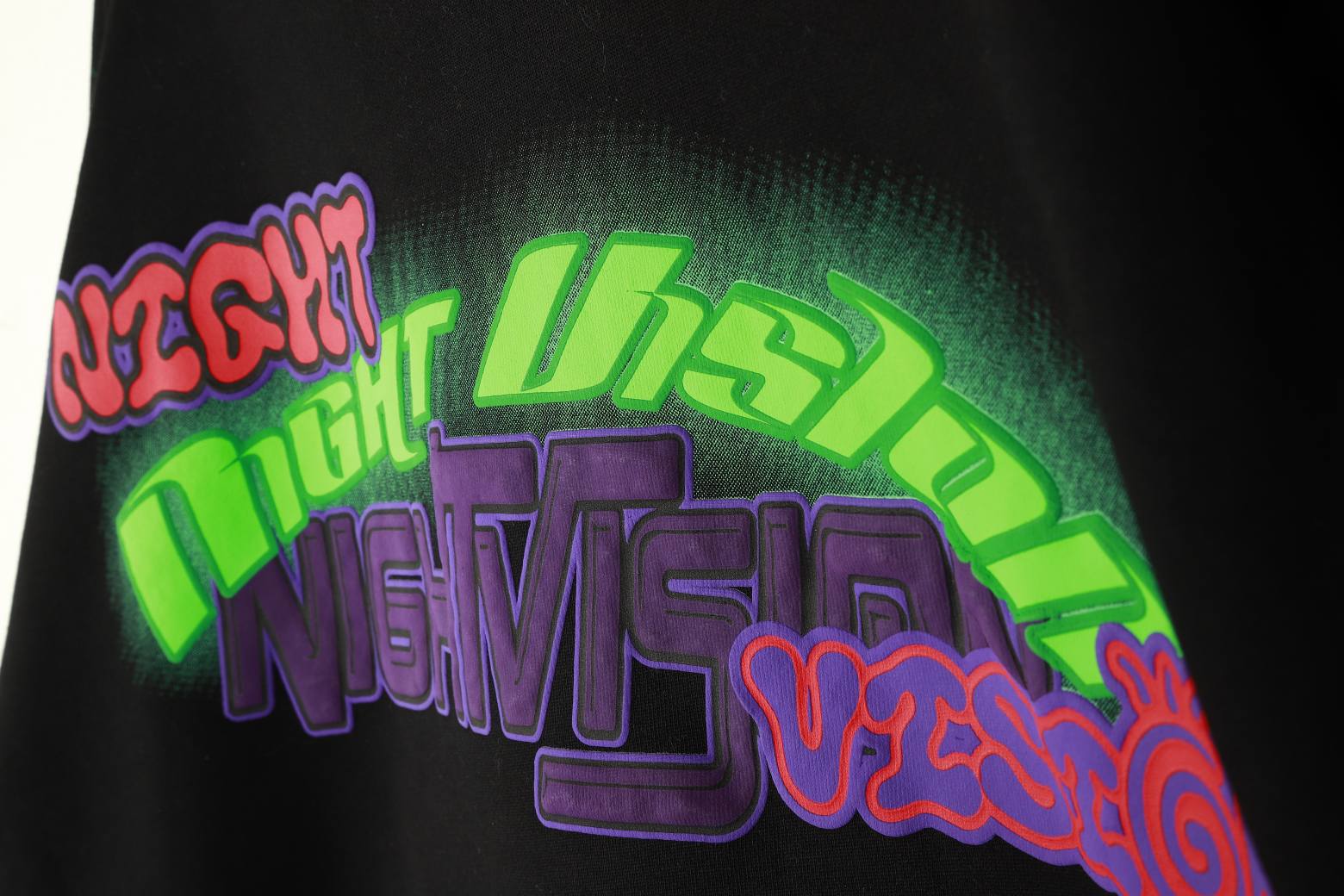
Screen printing delivers high durability and excellent color opacity on nylon and polyester windbreakers. Setup costs range from $15–$50 per screen, making it cost-effective for orders above 100 units. Most suppliers limit designs to 4–6 colors due to screen setup time.
Wash durability exceeds 50 cycles with plastisol inks, and water-based inks offer softer hand feel for fashion brands. Turnaround adds 5–7 days after sampling approval.
Heat Transfer and Sublimation
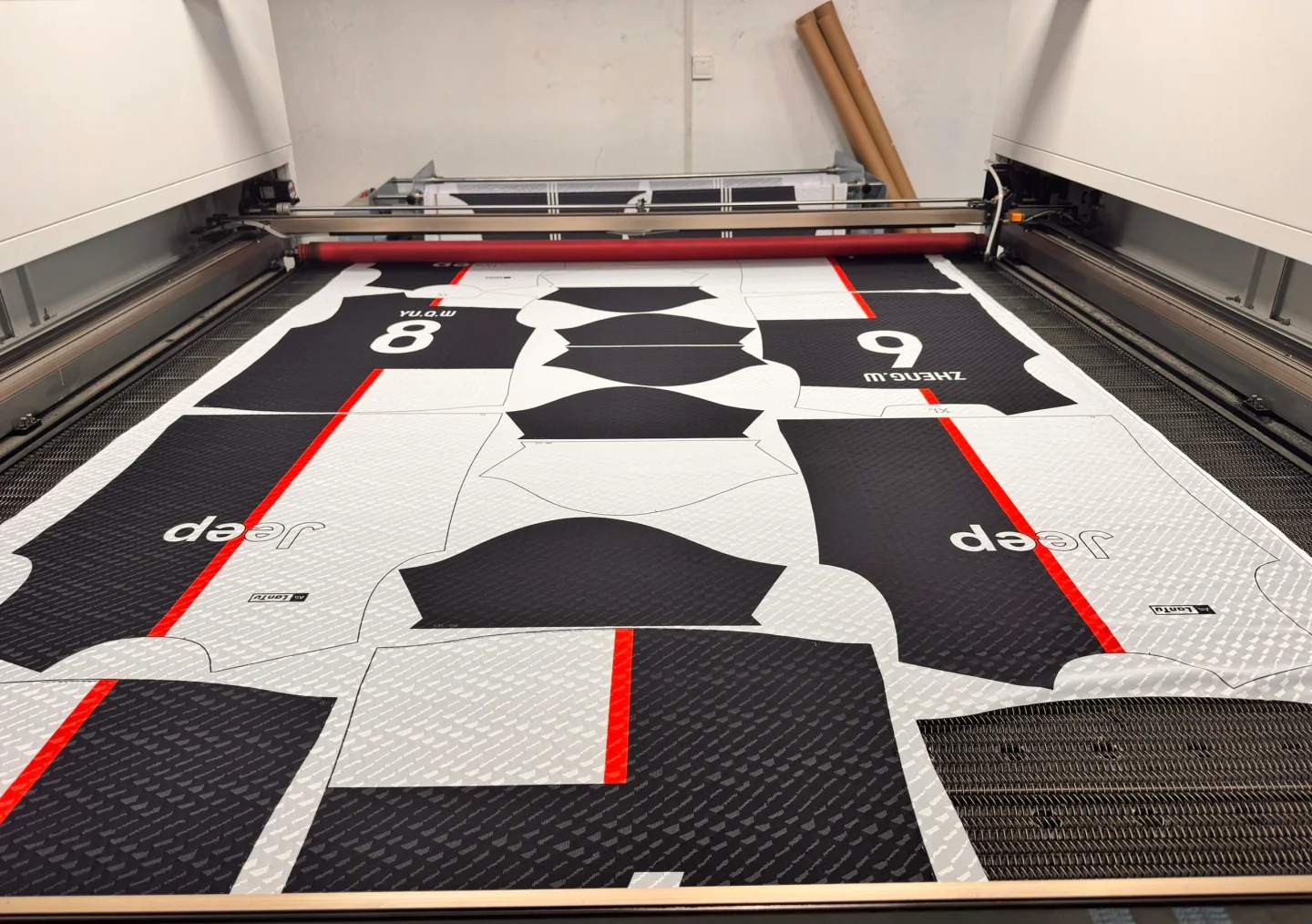
Heat transfer printing suits full-color logos and small-batch orders with no screen setup fees. Cost per transfer ranges $0.80–$3.50 depending on size and complexity. Durability averages 20–30 washes before fading begins.
Sublimation printing works only on polyester fabrics, allowing all-over patterns and photographic detail with permanent dye integration. Turnaround is 3–5 days, ideal for influencer capsule collections and rapid product testing.
Embroidery and Woven Labels
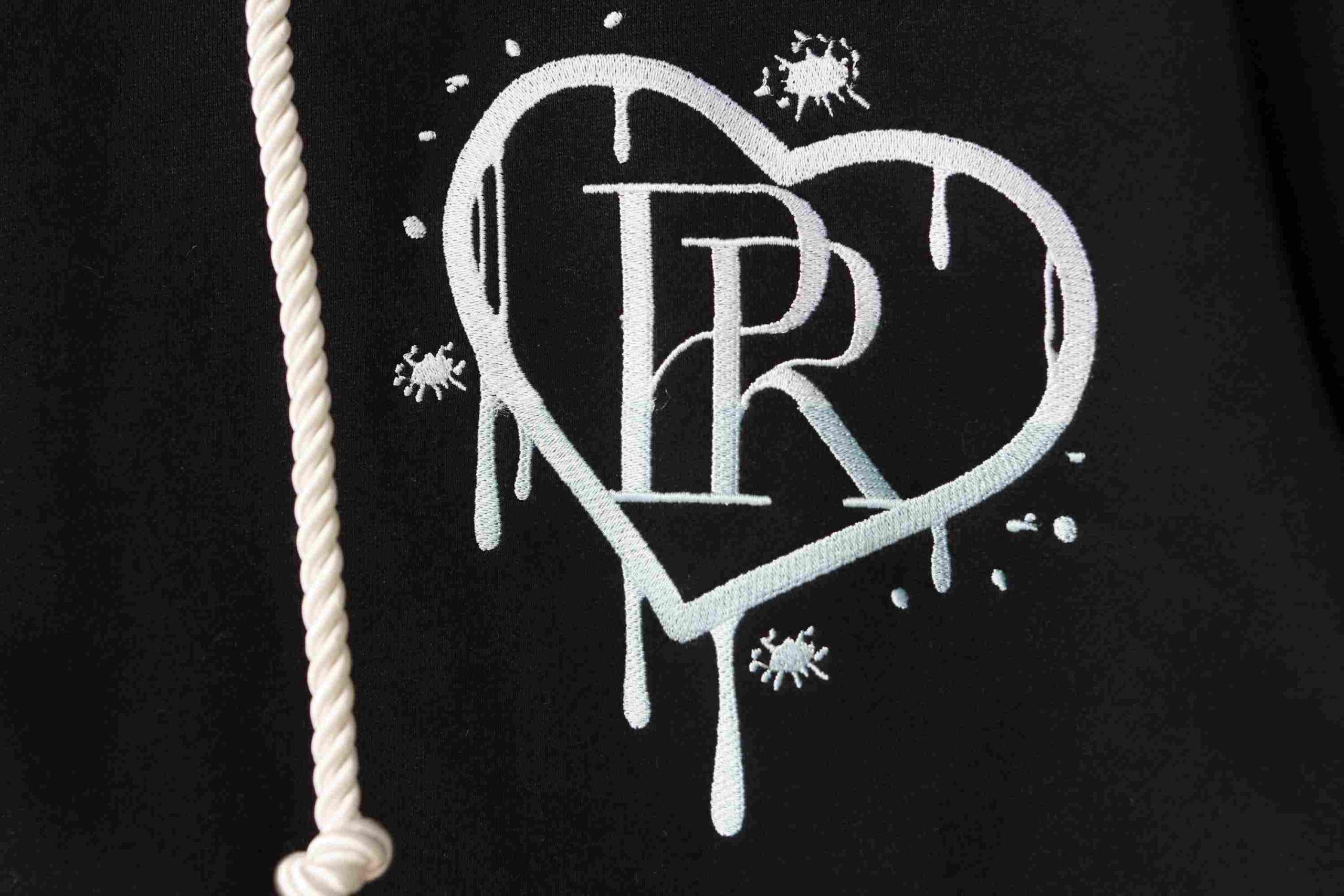
Embroidery provides premium texture and exceptional wash durability beyond 100 cycles. Setup costs include digitizing fees of $20–$80 per design, and stitch count drives per-unit costs from $1.50–$6.00. Complex gradients and fine text perform poorly; bold logos with 8–10 thread colors work best.
Woven labels and rubber patches offer clean branding on chest, sleeve, or back yoke positions with turnaround of 7–10 days including sampling.
6. Key Quality and Construction Elements
Professional windbreaker jacket suppliers differentiate themselves through construction precision and material selection that directly impact garment lifespan and brand reputation. Buyers should verify six critical elements during sample inspection to ensure production quality meets commercial standards.
Seam Sealing & Taping
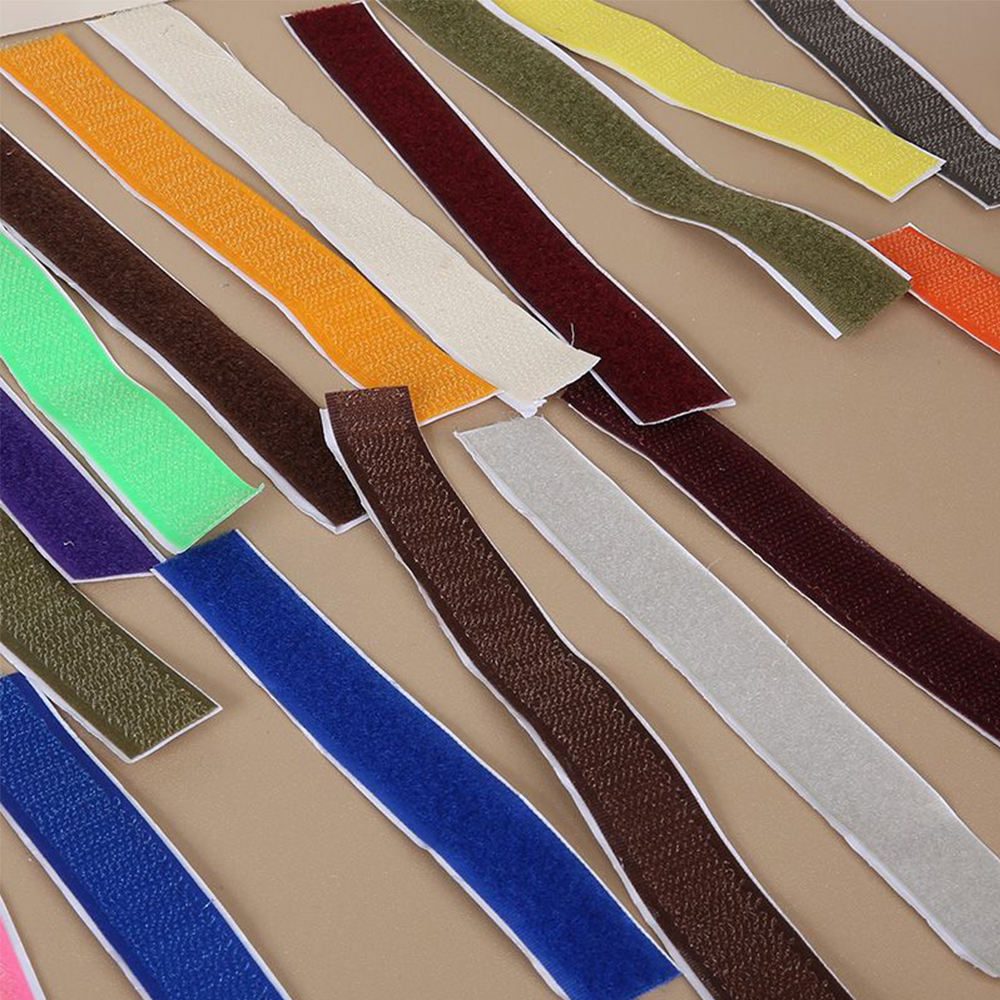
Heat-sealed seam tape applied to interior stitching lines prevents water penetration at needle holes, the primary failure point in windbreaker waterproofing. Professional suppliers use 20–22 mm polyurethane or thermoplastic tape with consistent heat and pressure application.
Inspect samples for tape alignment, edge adhesion, and absence of bubbles or gaps. Poor seam sealing results in customer returns and brand damage within the first wearing.
Zipper Quality: YKK vs. Generic
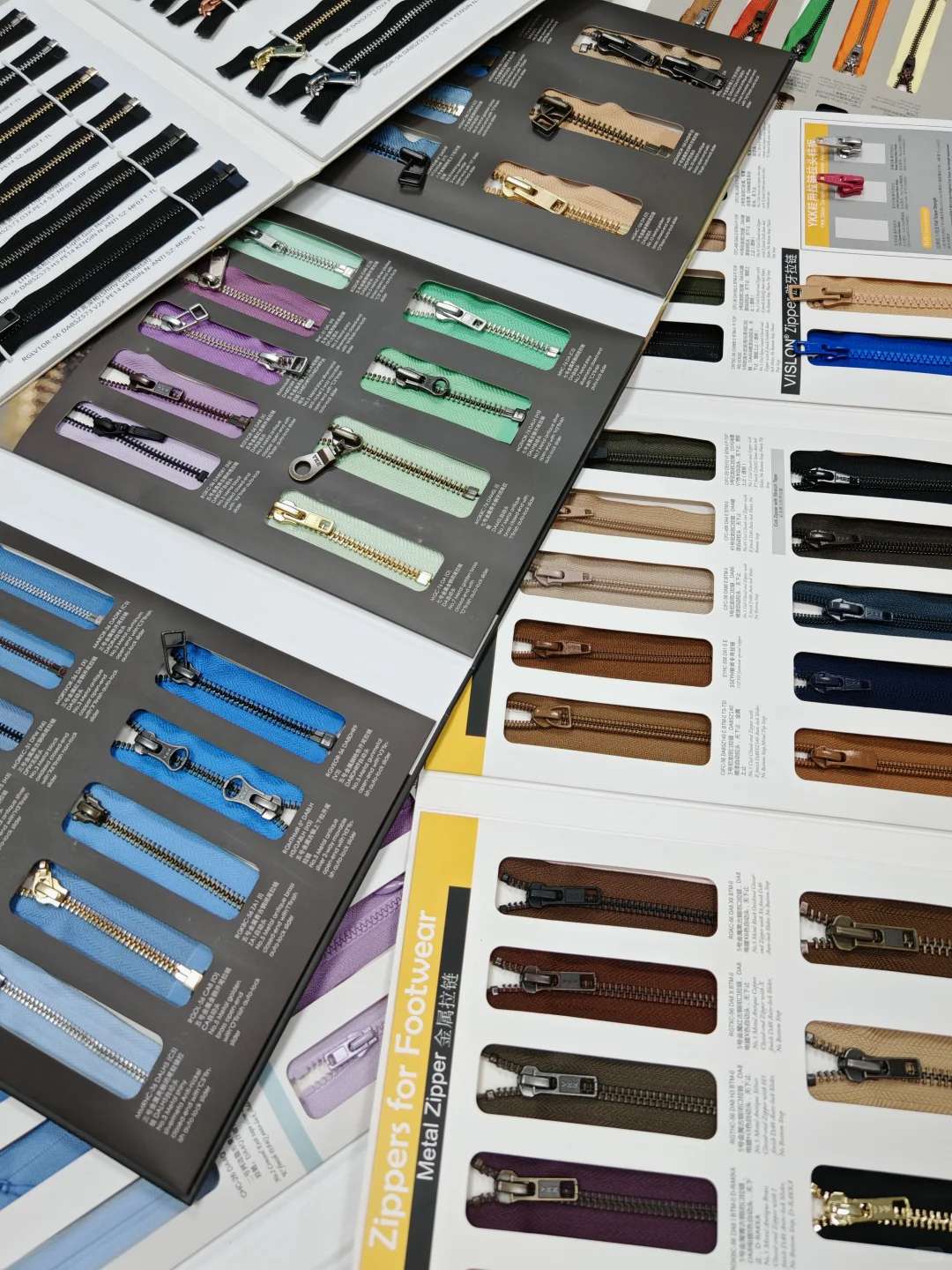
YKK zippers deliver 2,000+ open-close cycles compared to 300–500 for generic alternatives, directly affecting warranty claims and customer satisfaction. Premium windbreaker jacket suppliers specify YKK Vislon, Coil, or Metaluxe series with auto-lock sliders and storm flaps.
Verify zipper branding, slider smoothness under tension, and tape stitching strength. Generic zippers reduce unit cost by $0.80–$1.50 but increase return rates by 15–25 percent.
Stitching Density (SPI)
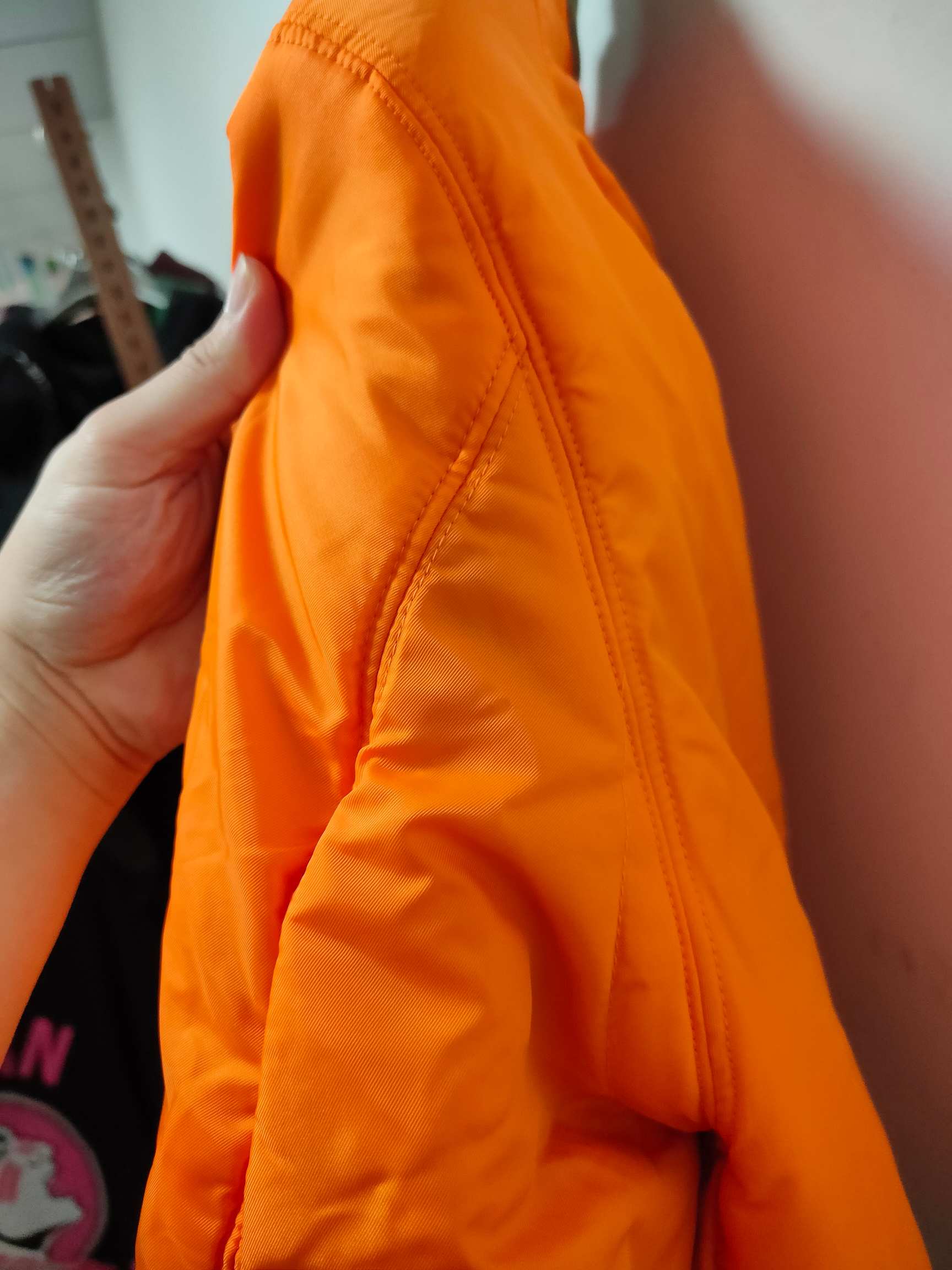
Stitches per inch (SPI) determines seam strength and fabric puckering resistance. Quality windbreakers use 10–12 SPI for main seams and 12–14 SPI for stress points like armholes and pocket openings, balanced with appropriate thread weight to prevent fabric damage.
Count stitches across one inch on sample seams and check for skipped stitches or tension inconsistency.
Elastic Cuffs & Hem
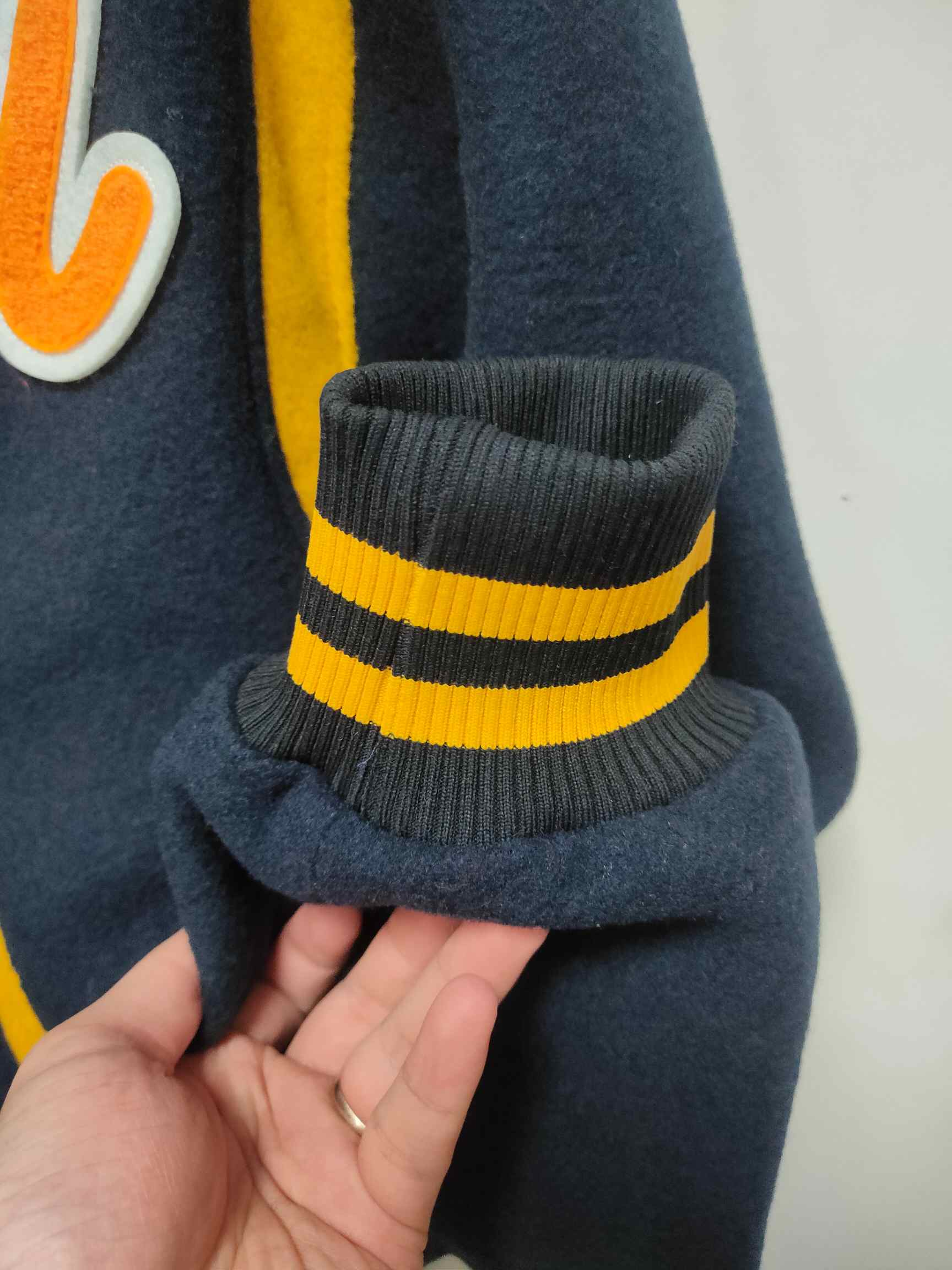
Ribbed cuffs and elastic-draw hem systems retain shape after 50+ wash cycles when constructed with covered elastic (not exposed) and bar-tack reinforcement at stress points. Quality suppliers use 2×2 rib knit or woven elastic with 30–40 percent spandex content.
Test elastic recovery by stretching samples to 150 percent original width and checking snap-back speed.
7. How to Choose the Right Windbreaker Jacket Suppliers
Selecting the right windbreaker jacket suppliers requires a systematic vetting process that evaluates production capabilities, compliance standards, and operational reliability. A structured decision framework helps brands avoid costly mistakes and build long-term manufacturing partnerships.
Assess MOQ and Production Capacity
Confirm minimum order quantities align with your inventory budget and sales forecast. Suppliers offering 50-piece MOQs suit startup brands testing markets, while 500+ piece minimums indicate factory focus on established wholesalers.
Ask about monthly production capacity and lead time flexibility during peak seasons. Factories producing 100,000+ units monthly can scale with your growth. Red flag: suppliers unable to specify capacity or unwilling to share production timelines.
Verify Certifications
Request current WRAP, BSCI, or Oeko-Tex certificates to confirm ethical labor practices and fabric safety standards. Valid certifications include audit dates within the past 12 months and match the factory’s legal entity name.
Ask for certificate numbers you can verify directly with issuing bodies. Red flag: suppliers providing only photos of certificates without verifiable audit numbers or refusing third-party factory audits.
Evaluate Communication and Responsiveness
Test response times during initial inquiries — professional suppliers reply within 24 hours with detailed answers. Clear communication about fabric options, customization limits, and pricing structures indicates experienced export teams.
Red flag: vague responses, delayed replies beyond 48 hours, or inability to provide English tech pack templates and production documentation.
Request and Inspect Samples
Order pre-production samples to evaluate fabric weight, stitching quality, zipper durability, and wash effects before committing to bulk orders. Sample lead times of 7–10 days demonstrate efficient development processes.
Inspect seam strength, waterproof coating consistency, and print adhesion. Red flag: suppliers charging non-refundable sample fees exceeding $150 per piece or refusing to provide samples before payment.
Review Lead Times and Payment Terms
Clarify production timelines from deposit to shipment — typical bulk orders require 25–35 days. Confirm payment structures: 30% deposit and 70% before shipment protects both parties.
Red flag: suppliers demanding 100% payment upfront or offering unrealistic 10-day bulk production timelines that compromise quality.
Check References and Past Client Work
Request portfolio examples showing completed windbreaker projects with similar customization complexity. Ask for 2–3 client references you can contact directly about quality consistency and delivery reliability.
Red flag: suppliers unable to share any past work, refusing reference contacts, or showing only stock photos instead of actual production samples.
8. Common Mistakes When Sourcing Windbreaker Jacket Suppliers
Sourcing windbreaker jacket suppliers efficiently requires avoiding common pitfalls that delay production, inflate costs, or compromise quality. Understanding these mistakes helps brands secure reliable manufacturing partners and launch products on schedule.
Choosing Price Over Quality
Selecting suppliers solely by the lowest unit price often results in poor fabric durability, inconsistent waterproofing, and weak seam construction. Windbreakers priced 30–40% below market averages typically use thinner nylon (below 50 GSM), skip water-repellent treatments, or employ inexperienced sewing teams.
Prioritize suppliers offering transparent fabric specifications, sample approval, and quality control systems. ZORWILD balances competitive pricing with certified materials, in-line inspection, and 27 years of garment manufacturing expertise to ensure consistent batch quality.
Skipping Sample Approval Stages
Proceeding directly to bulk production without approving pre-production samples leads to fit discrepancies, incorrect colorways, and decoration misalignment. Sample approval confirms measurements, fabric hand feel, zipper functionality, and print placement before committing to large orders.
Always request and approve samples for first-time designs, new fabrics, or complex decoration techniques. ZORWILD provides 7-day sampling with detailed measurement sheets and photo documentation to streamline approval cycles.
Ignoring Fabric Testing and Certifications
Neglecting fabric certifications such as OEKO-TEX, waterproof ratings (minimum 3,000 mm), or colorfastness testing exposes brands to customer returns and regulatory issues in markets like the EU and North America. Uncertified fabrics may contain harmful chemicals or fail performance claims.
Request test reports for water resistance, breathability, and chemical safety before production. Verified suppliers maintain relationships with certified fabric mills and provide documentation for compliance and quality assurance.
Underestimating Lead Times
Brands frequently underestimate the 45–60 day lead time required for fabric sourcing, sampling, bulk production, quality inspection, and international shipping. Rushed timelines force suppliers to skip quality checks or use subcontractors with inconsistent standards.
Plan production schedules at least 90 days before target launch dates to accommodate sampling revisions, fabric delays, and shipping variables. ZORWILD’s monthly capacity exceeding 100,000 units supports scalable production with realistic timelines.
Poor Communication of Specs
Vague tech packs, missing measurements, or unclear decoration instructions cause production errors, rework delays, and increased costs. Suppliers require precise specifications for sizing, fabric weight, zipper type, pocket placement, and print dimensions to execute orders accurately.
Provide detailed tech packs with flat sketches, measurement charts, Pantone color codes, and reference samples. ZORWILD’s development team assists brands in refining tech packs and translating design concepts into production-ready specifications.
Failing to Negotiate Payment and IP Protections
Accepting unfavorable payment terms (100% upfront) or neglecting non-disclosure agreements exposes brands to financial risk and design theft. Standard industry terms include 30–50% deposit with balance upon shipment, supported by clear contracts covering intellectual property, sample ownership, and dispute resolution.
Negotiate balanced payment schedules and formalize IP protections in writing before sharing proprietary designs. Established suppliers like ZORWILD, serving over 2,000 brands globally, offer transparent contracts and respect brand confidentiality throughout the manufacturing process.
9. Steps to Launch Your Windbreaker Brand
Launching a windbreaker brand with professional windbreaker jacket suppliers requires a clear roadmap from concept to delivery. Following structured steps ensures smooth execution, reduces costly mistakes, and accelerates time to market.
Define Your Target Market & Design Aesthetic
Identify your customer demographic, price point, and style direction before contacting suppliers. Streetwear brands may focus on oversized fits and bold prints, while activewear brands prioritize technical fabrics and performance features.
Timeline: 1–2 weeks. Deliverables include mood boards, competitor analysis, and initial sketches to guide supplier discussions and fabric selection.
Create Tech Packs & Spec Sheets
Develop detailed tech packs with measurements, construction notes, fabric specifications, colorways, and decoration placements. Clear documentation prevents misunderstandings and ensures accurate sampling.
Timeline: 3–5 days. Include front and back sketches, graded size charts, stitch types, zipper specifications, and label placements for efficient production.
Source and Approve Fabrics & Trims
Request fabric swatches, zipper samples, and trim options from your supplier. Evaluate nylon or polyester weight (typically 210T–300T), waterproof coatings, color accuracy, and accessory quality.
Timeline: 5–7 days. Approve all materials in writing before sampling to avoid production delays and quality issues.
Order Pre-Production Samples
Order samples to verify fit, construction, fabric performance, and decoration quality. ZORWILD provides samples within 7 days for rapid iteration.
Timeline: 7–10 days including revisions. Test wash durability, zipper function, seam strength, and print adhesion before bulk orders.
Place Bulk Orders & Manage Production
Confirm MOQ, pricing, payment terms, and lead times before placing bulk orders. ZORWILD supports 50-piece MOQ for startup brands with monthly capacity exceeding 100,000 units.
Timeline: 20–35 days depending on order size and decoration complexity. Maintain regular communication for production updates.
Plan Quality Control & Shipping Logistics
Implement inspection protocols covering measurements, stitching, decoration, and packaging. Coordinate air freight for speed or sea freight for cost efficiency.
Timeline: 3–5 days for QC, 3–30 days for shipping. ZORWILD provides export documentation and customs support for smooth international delivery.
10. Pricing and Cost Breakdown
Windbreaker pricing varies by order quantity, fabric grade, and decoration complexity. Most windbreaker jacket suppliers quote between $8.50 and $28.00 per unit depending on volume, with low-MOQ orders starting at 50 pieces typically priced at $18.00–$28.00 for lightweight polyester or nylon shells. Mid-tier orders of 500–1,000 units drop to $12.00–$18.00 per piece, while production runs exceeding 3,000 units can reach $8.50–$12.00 for basic styles with minimal decoration.
Fabric choice significantly impacts cost. Standard 190T polyester taffeta windbreakers cost $8.50–$12.00 at scale, while technical fabrics with waterproof coatings, breathable membranes, or ripstop nylon construction add $3.00–$8.00 per unit. Lead times range from 15 days for small low-MOQ orders to 35–45 days for bulk production exceeding 2,000 pieces, with sampling typically requiring 7–10 days.
Decoration methods carry separate setup and per-unit costs. Screen printing setup fees range from $25.00 to $80.00 per color with per-unit costs of $0.80–$2.50 depending on print size and complexity. Embroidery setup costs $35.00–$100.00 with per-unit charges of $1.50–$4.00 based on stitch count. Heat transfer and reflective printing add $1.20–$3.50 per unit with lower setup fees of $15.00–$50.00, making them cost-effective for small runs.
| Order Quantity | Unit Price Range (USD) | Lead Time (days) | Notes |
|---|---|---|---|
| 50–200 pcs | $18.00–$28.00 | 15–20 | Lightweight polyester, 1-color print included |
| 500–1,000 pcs | $12.00–$18.00 | 25–30 | 190T taffeta or nylon, basic decoration |
| 1,000–3,000 pcs | $10.00–$14.00 | 30–35 | Technical fabrics available, multi-color options |
| 3,000+ pcs | $8.50–$12.00 | 35–45 | Waterproof coating, embroidery, bulk discounts |
Partner With Trusted Windbreaker Jacket Suppliers Today
27 years of experience, 50-piece MOQ, 7-day samples, and 100,000+ monthly capacity. Get your quote now.