
Enzyme Wash for Soft, Vintage Apparel Finishing
ZORWILD delivers professional enzyme wash finishing for custom hoodies, t-shirts, denim, and cotton garments—creating that premium worn-in feel and vintage aesthetic your brand needs. MOQ from 50 pieces.
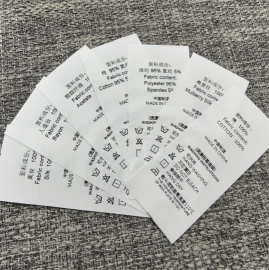
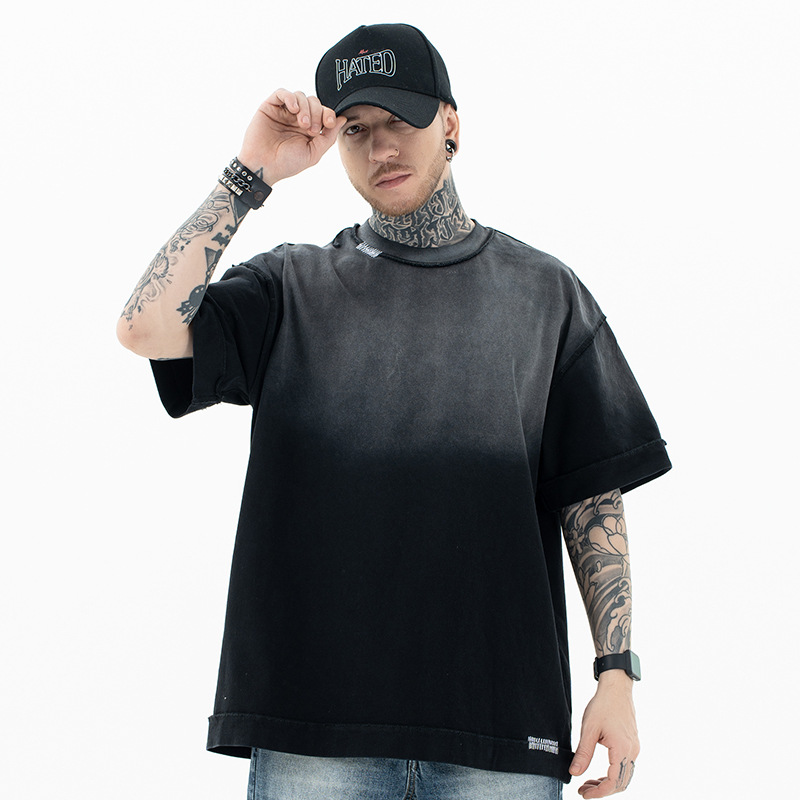
Enzyme Wash Samples & Finished Pieces
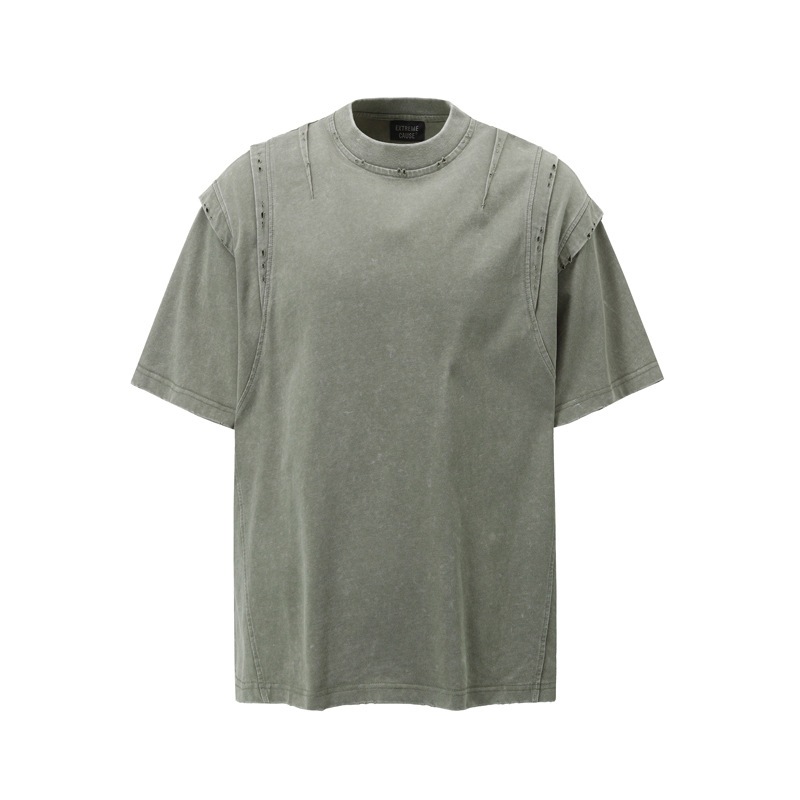
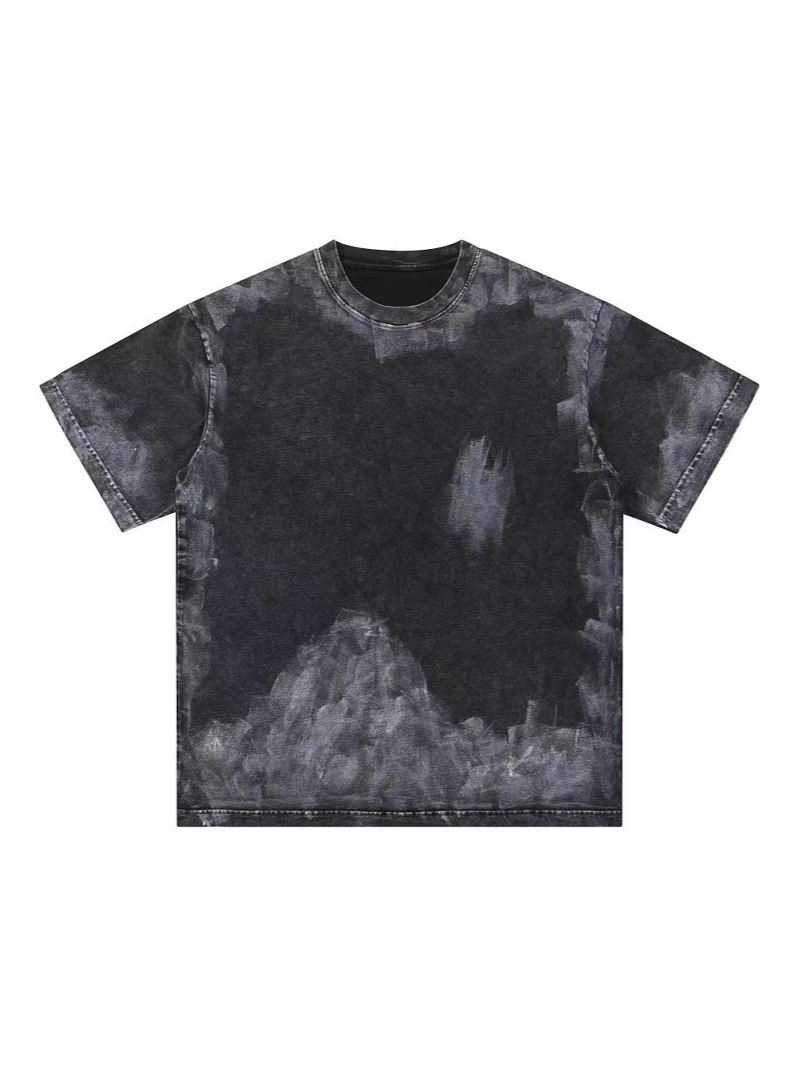
What Makes Enzyme Wash Distinctive
Eco-Friendly Cellulase Action
Enzyme wash uses biodegradable cellulase enzymes instead of harsh chemicals, delivering sustainable garment finishing with minimal environmental impact.
Superior Soft Hand Feel
Cellulase enzymes gently break down cotton fibers, creating an exceptionally soft, smooth texture that customers love from the first wear—perfect for custom hoodies, t-shirts, and sweatshirts.
Natural Vintage Fading
Enzyme wash produces authentic vintage aesthetics with controlled color fading and worn-in appearance perfect for premium streetwear and denim.
Enhanced Fabric Durability
Unlike abrasive stone wash, enzyme wash preserves garment integrity and strength while achieving desired texture and appearance without fiber damage.
Perfect for Cotton Blends
Enzyme wash delivers consistent results on cotton, organic cotton, bamboo cotton, denim, and blended fabrics for versatile product applications.
Premium Fashion Finish
Achieve high-end garment quality with reduced pilling, smoother surface texture, and refined appearance that elevates brand positioning and retail value.
Garment Wash Techniques & Key Product Categories
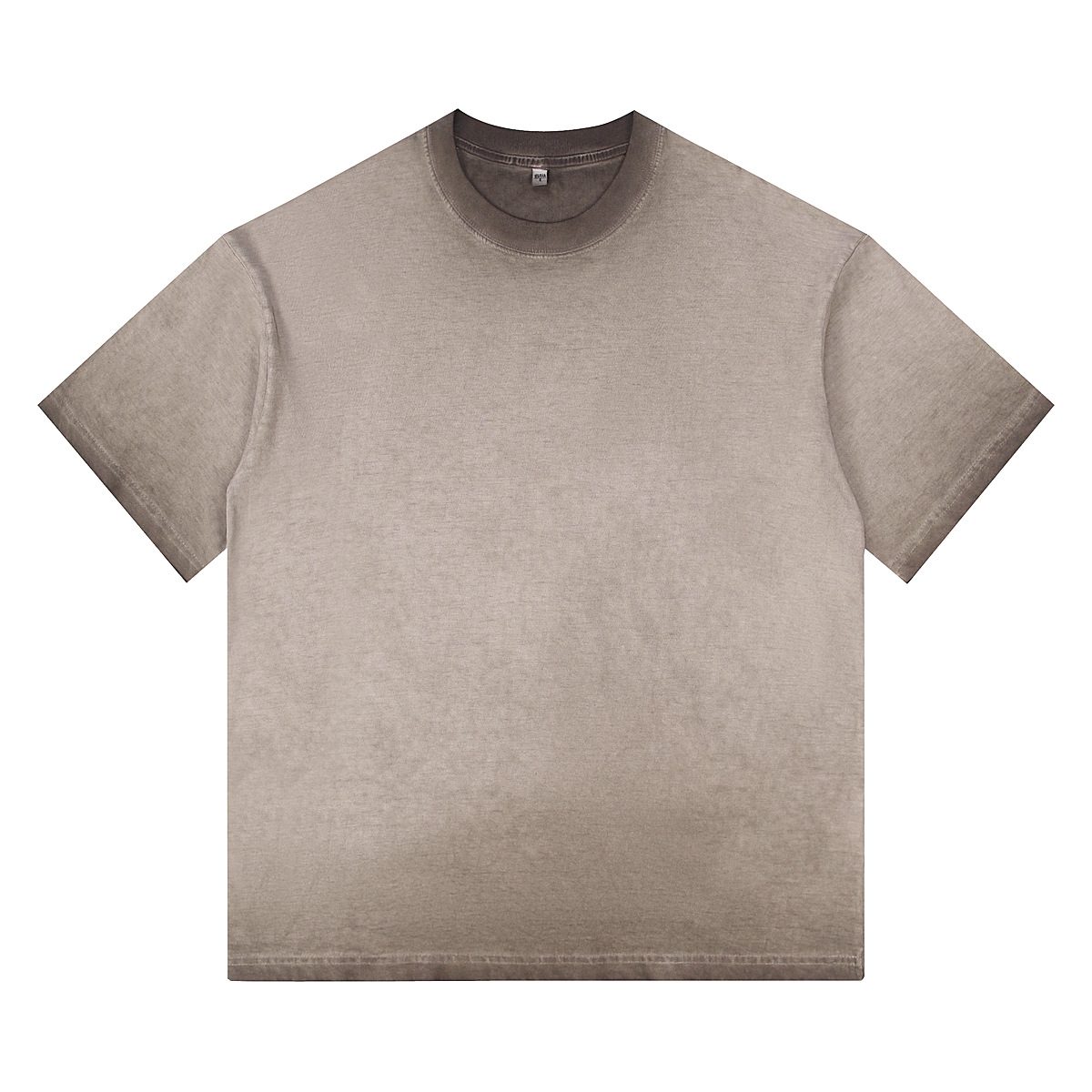
Garment Wash & Dye
Our comprehensive garment wash services span enzyme wash, stone wash, acid wash, vintage wash, snow wash, and garment dye techniques. With 27 years of manufacturing experience in Humen, Dongguan—one of the world’s premier garment hubs—we control fabric softness, color variation, and vintage aesthetics for custom hoodies, t-shirts, sweatshirts, and denim through precise wash chemistry and finishing protocols.
Get a Quote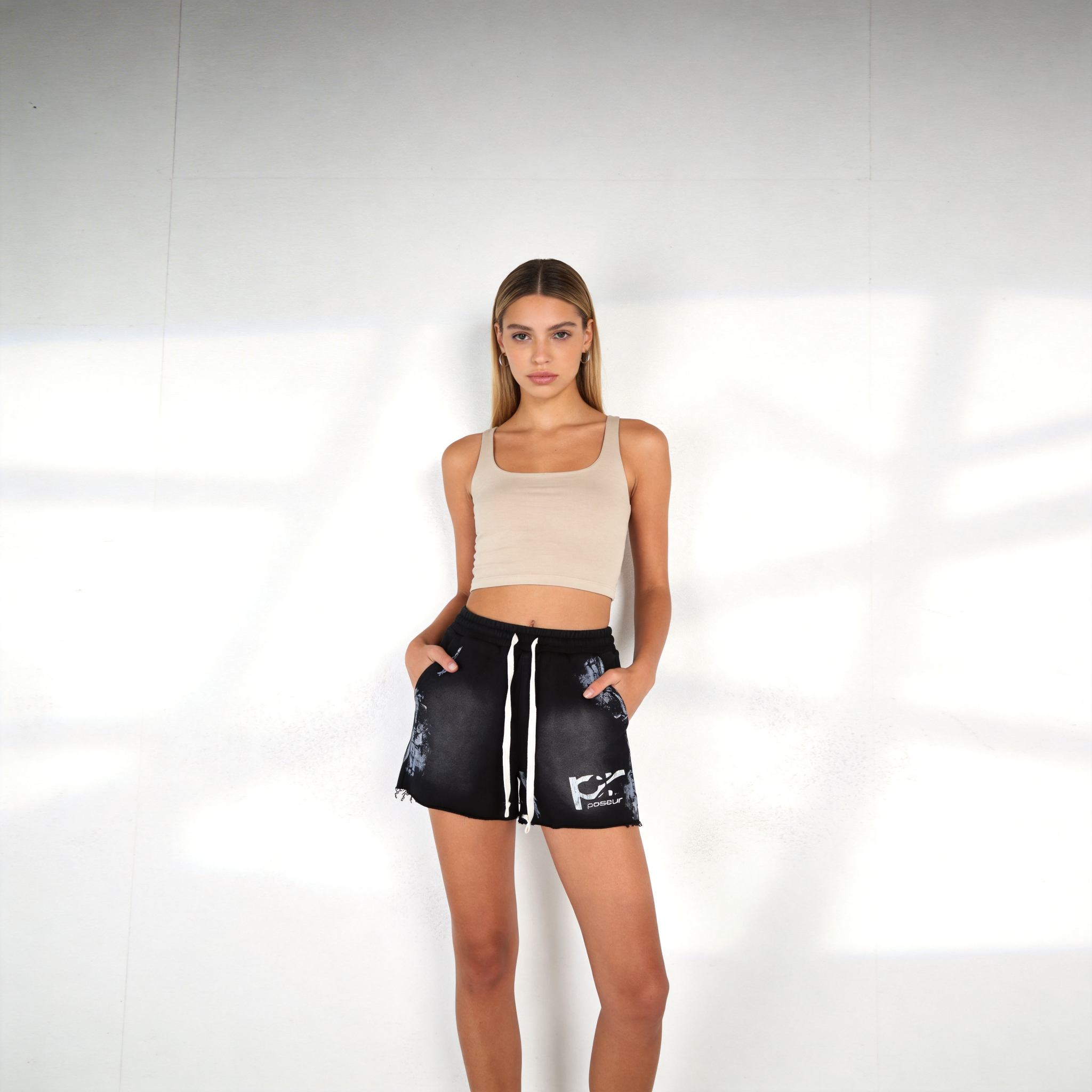
Tie-Dye
Custom tie dye production delivers unique color patterns and artistic effects for T-shirts, hoodies, sweatshirts, and casualwear. We support spiral tie dye, crumple tie dye, stripe tie dye, and ombre dye techniques with precise dye application, color fastness testing, and repeatable pattern development. MOQ starts at 50 pieces for startup brands and influencer collections.
Get a Quote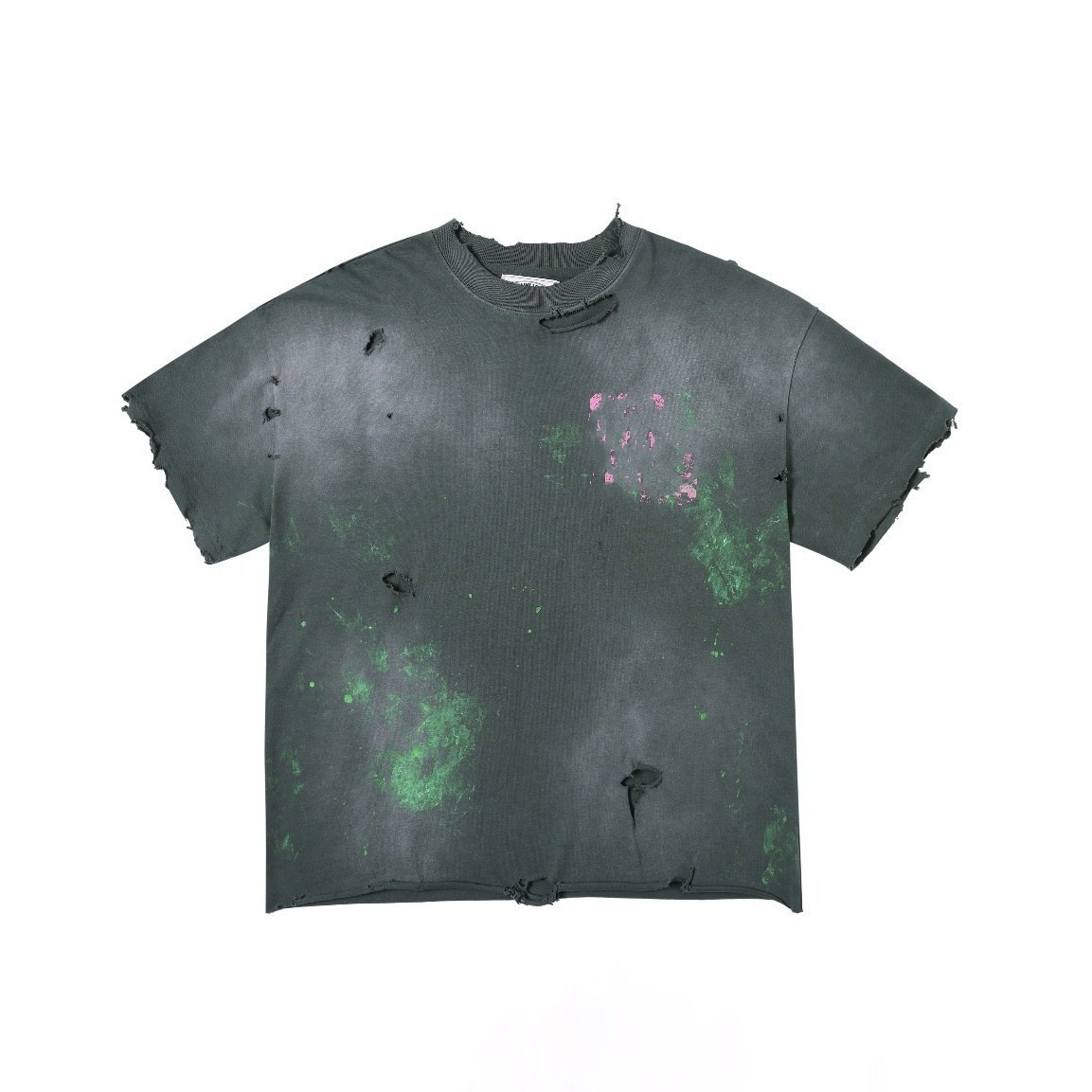
Acid Wash
Acid wash garment finishing creates high-contrast vintage aesthetics and distressed surface texture for denim, hoodies, sweatshirts, and streetwear collections. Our controlled acid wash process uses pumice stones, chemical agents, and precise wash cycles to achieve authentic 80s-inspired looks, modern streetwear finishes, and unique color fading effects with consistent quality across production runs.
Get a Quote
Stone Wash
Stone wash garment processing uses industrial washing machines, pumice stones, and controlled agitation cycles to soften fabric hand feel, reduce stiffness, and create subtle vintage appearance. Commonly applied to denim jeans, jackets, casual shirts, and cotton twill garments, stone wash delivers broken-in comfort and natural fading ideal for casualwear and workwear brands.
Get a Quote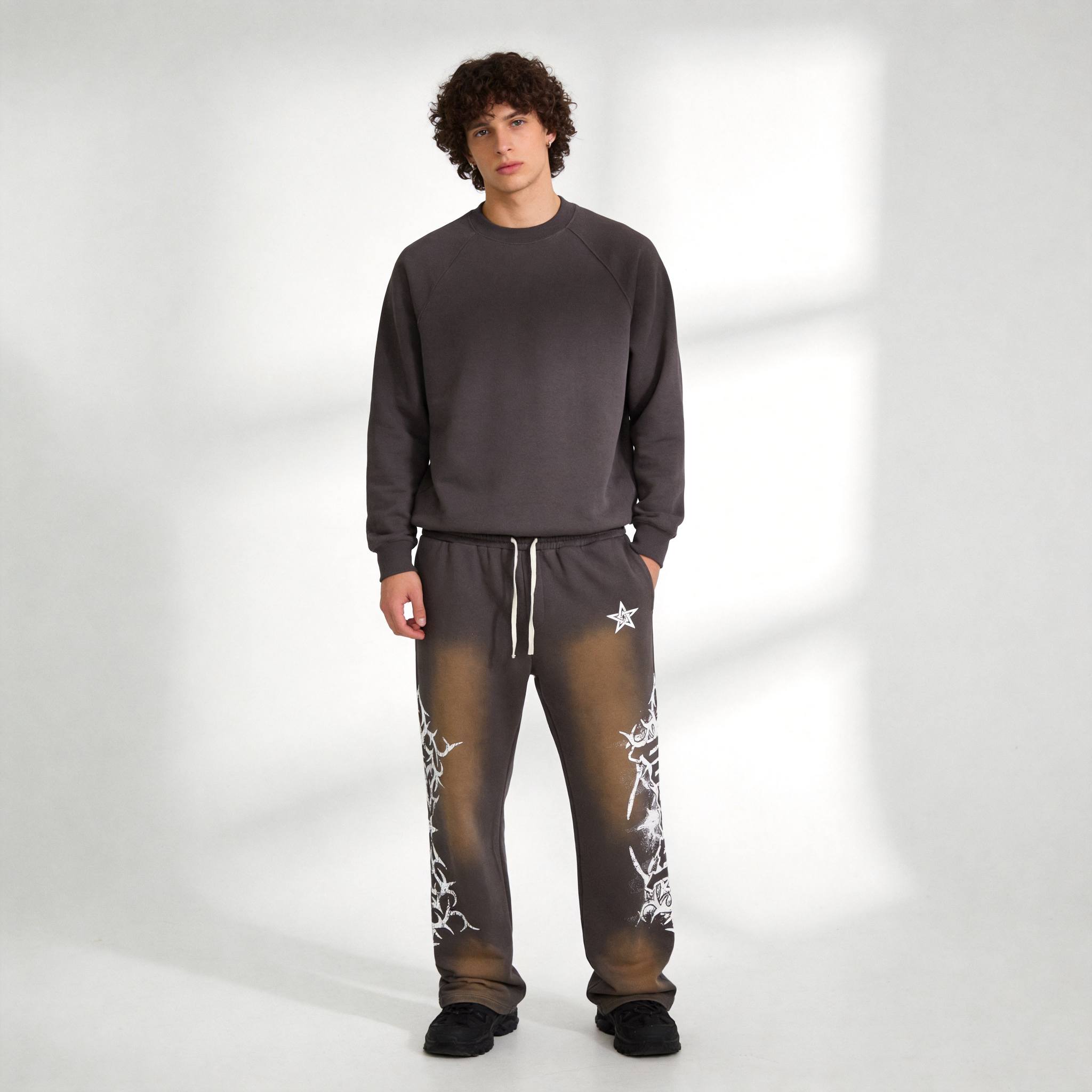
Garment Dye
Garment dye services allow finished garments to be dyed after construction, creating soft vintage color tones, unique shade variations, and premium hand feel. We support reactive dye, pigment dye, and vat dye processes for cotton, cotton blends, and natural fiber garments including hoodies, T-shirts, sweatpants, and casualwear with excellent colorfastness and wash durability.
Get a Quote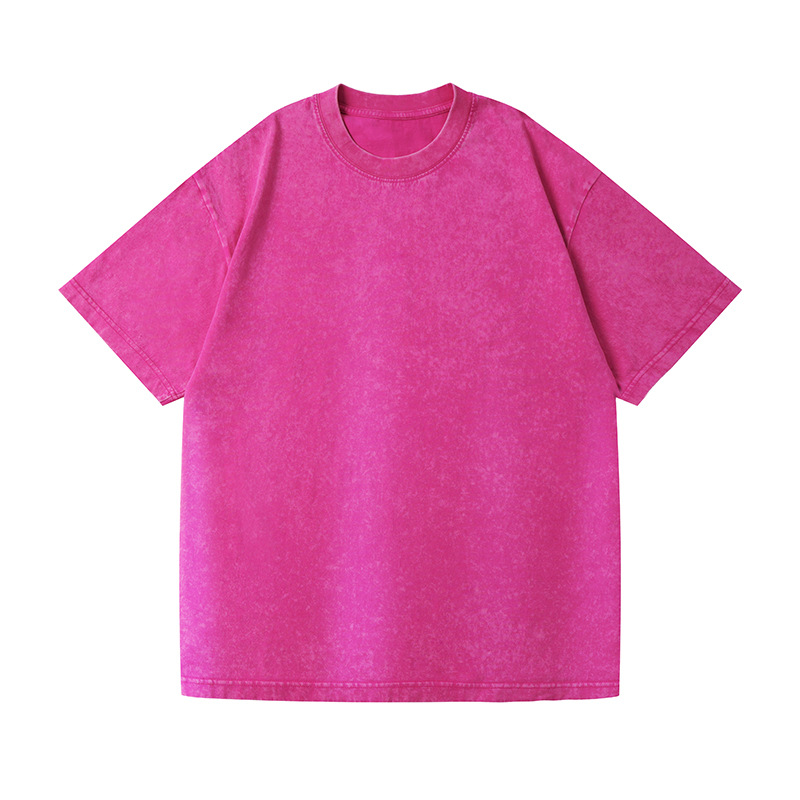
Custom Shirts
Custom shirt manufacturing covers casual shirts, Hawaiian shirts, resort shirts, bowling shirts, and oversized shirts using cotton poplin, rayon, linen blends, and viscose fabrics. We support full print patterns, embroidery logos, contrast panels, custom buttons, and custom labels with MOQ starting at 50 pieces—ideal for startup brands, influencers, and wholesalers launching new collections.
Get a Quote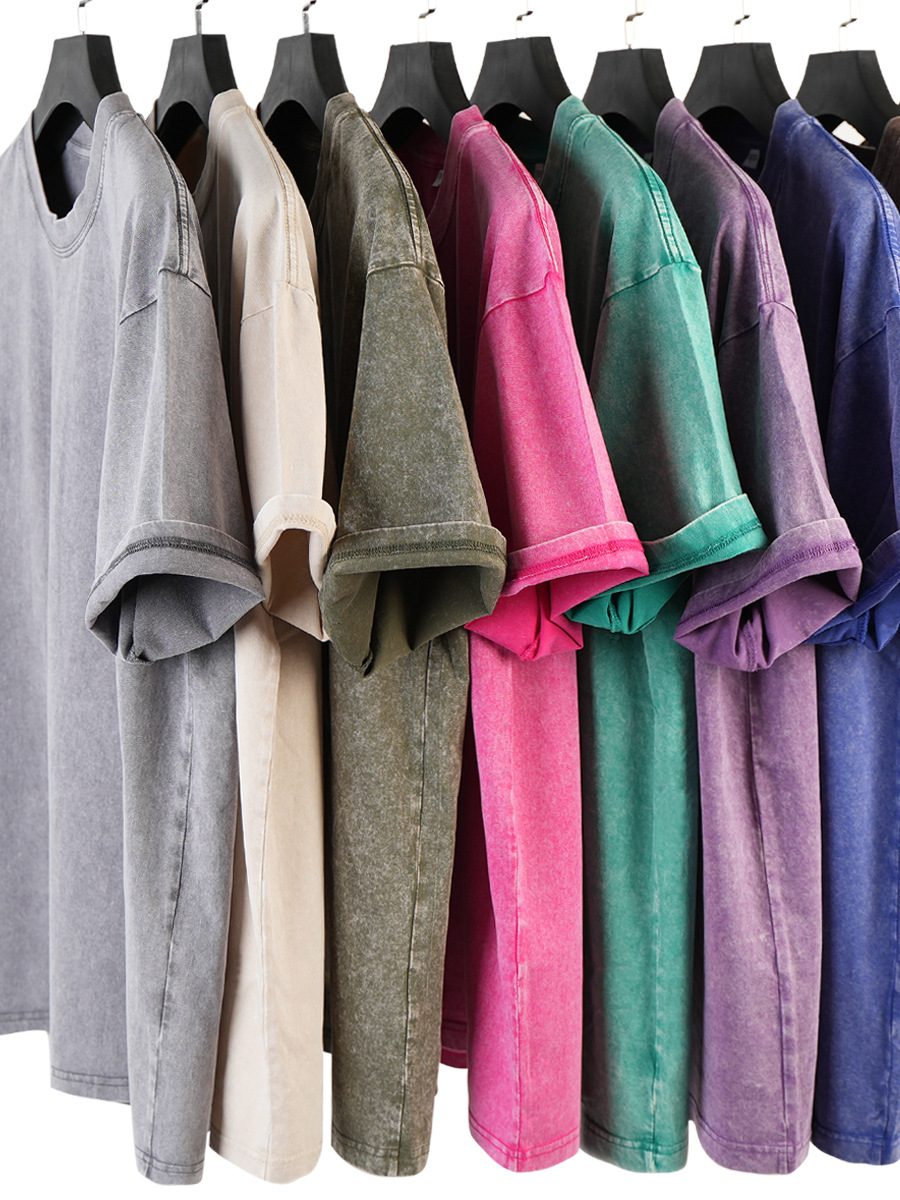
Customize Shirts
Customize shirt services transform your design concepts into production-ready garments with full control over fabric selection, fit specifications, decoration techniques, label customization, and packaging. Our Dongguan facility handles tech pack development, sampling, bulk production, and quality control for casual shirts, uniform shirts, printed shirts, and fashion shirts with reliable lead times and scalable production.
Get a Quote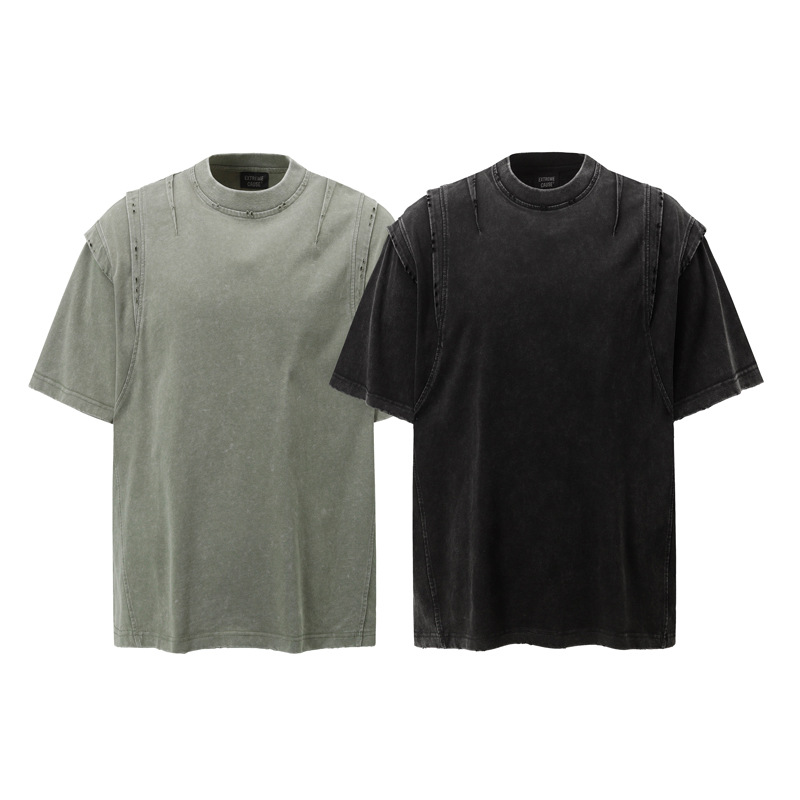
Custom Shirt Maker
As a custom shirt maker with over 27 years of apparel manufacturing experience, we provide end-to-end shirt production from fabric sourcing and pattern development to sewing, decoration, washing, and packaging. Our 200-person factory supports screen printing, DTG printing, embroidery, garment wash, and advanced finishing techniques with monthly capacity exceeding 100,000 units for professional brands.
Get a Quote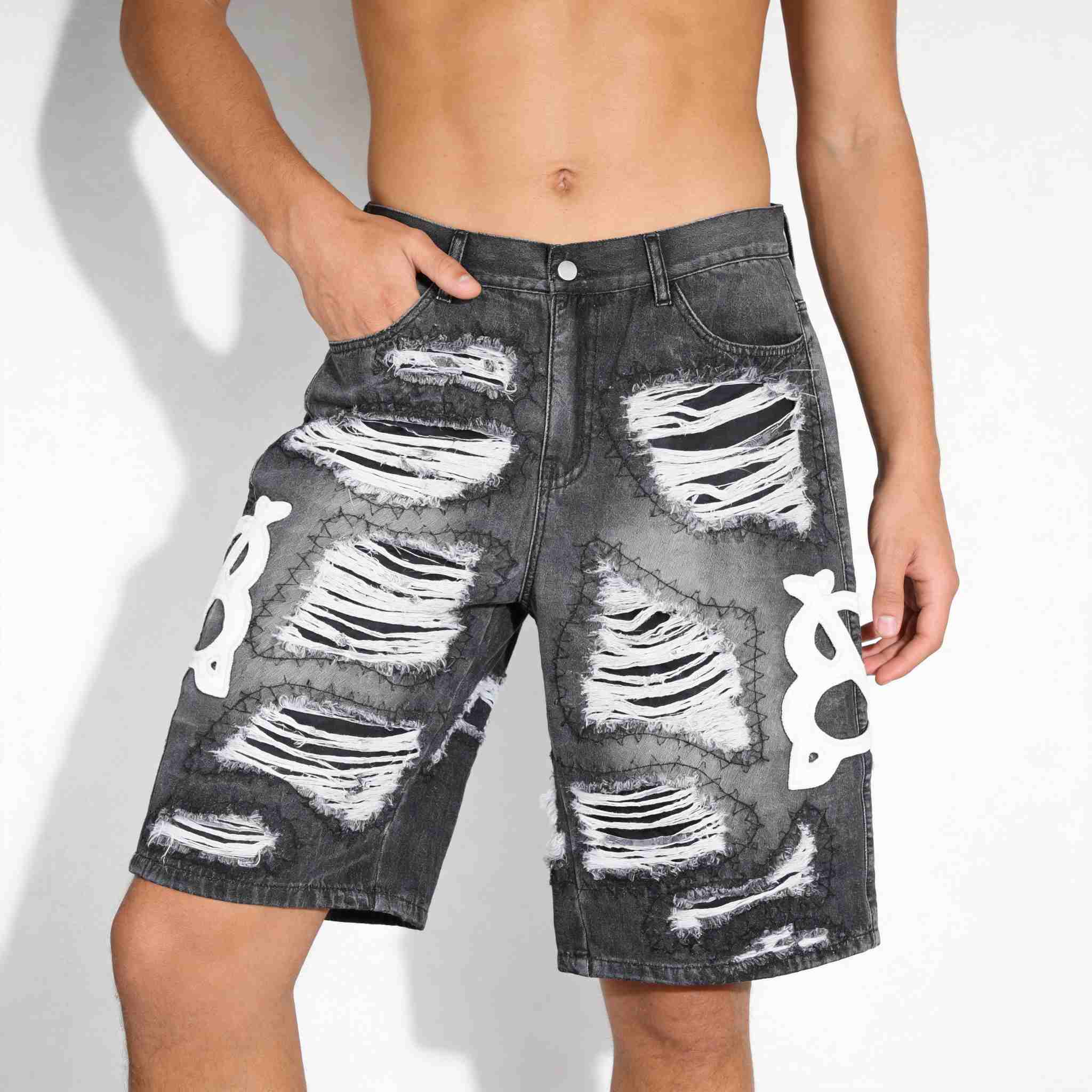
Enzyme Washed Denim
Enzyme washed denim delivers soft hand feel, reduced shrinkage, and subtle vintage appearance through controlled bio-polishing and cellulase enzyme treatment. Applied to jeans, denim jackets, denim shorts, and casual denim garments, enzyme wash removes surface fuzz, enhances color depth, and improves fabric comfort without harsh chemical distressing or excessive fading effects.
Get a Quote
Enzyme Washed Cotton
Enzyme washed cotton processing uses cellulase enzymes to soften cotton fibers, improve fabric drape, and create smooth surface texture for T-shirts, hoodies, sweatshirts, casual shirts, and cotton casualwear. This bio-finishing technique reduces pilling, enhances color brightness, and delivers premium hand feel while maintaining fabric strength and durability across wash cycles for quality-focused fashion brands.
Get a QuoteZORWILD's Enzyme Wash Expertise & Experience
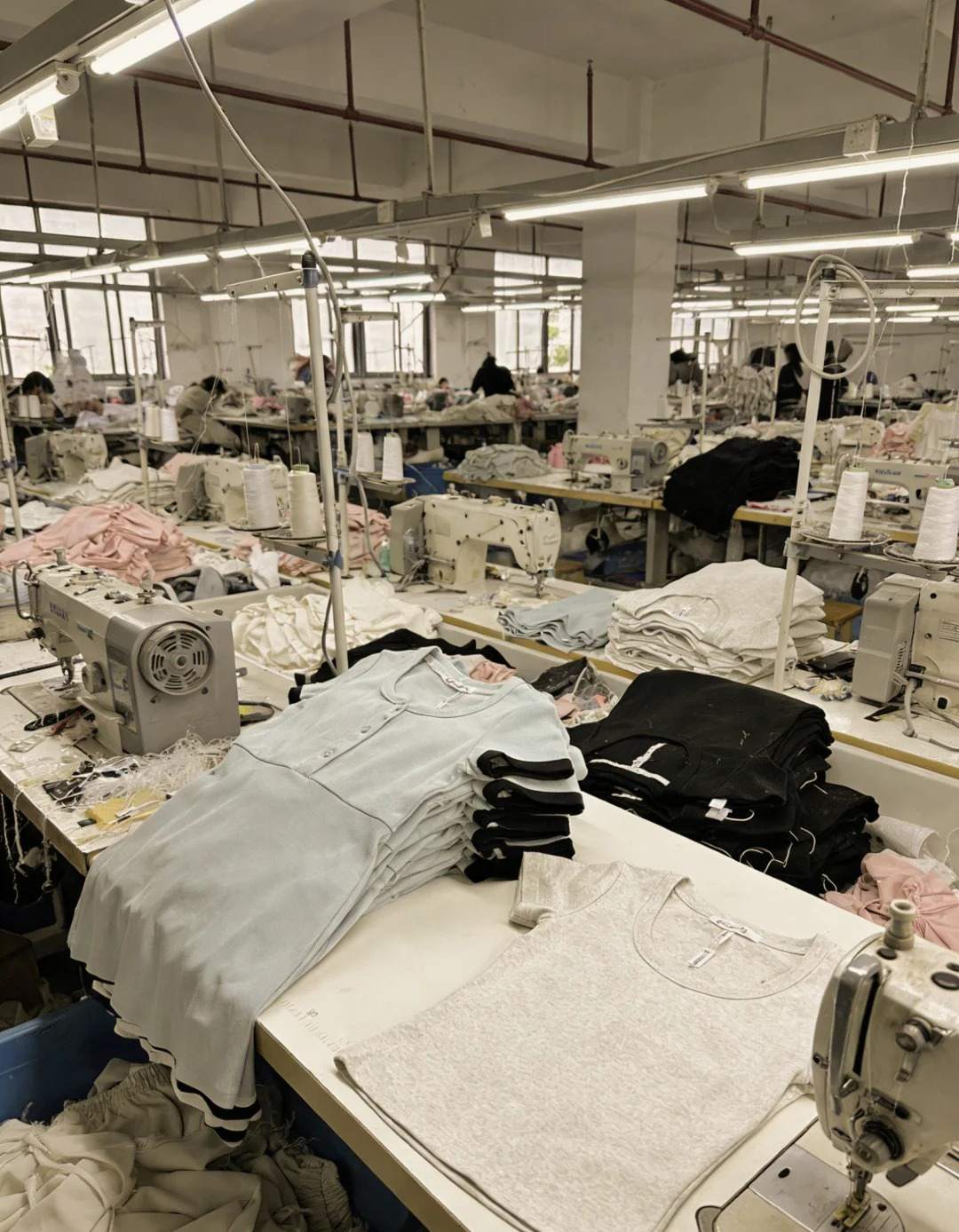
Founded in 1998 in Humen, Dongguan—one of the world’s premier garment manufacturing hubs—ZORWILD has spent over 27 years perfecting advanced garment finishing techniques including enzyme wash. Our founder learned every stage of apparel production from the ground up, building a company that now serves more than 2,000 fashion brands worldwide with specialized wash processes that deliver soft-hand vintage aesthetics and premium texture.
Today, our 200+ skilled workers operate a modern facility in Humen, Dongguan equipped with professional enzyme wash systems, 6-stage quality control, and a monthly production capacity exceeding 100,000 units. We support enzyme wash across custom hoodies, t-shirts, sweatshirts, denim, and casualwear with precise control over fabric softness, color fading, and vintage appearance. From 50-piece startup collections to large-scale production runs for wholesalers and established brands, ZORWILD delivers consistent enzyme wash results that elevate your product line.
Our in-house garment finishing expertise covers enzyme wash, acid wash, vintage wash, snow wash, stone wash, pigment dye, and garment dye—giving you access to 95% of modern decoration and finishing techniques under one roof. With proven experience serving brands across the United States, Canada, Europe, Australia, and the Middle East, ZORWILD is your trusted partner for enzyme wash garments that combine craftsmanship, scalability, and reliability.
Enzyme Wash Process & Quality Control Deep Dive
Cellulase Enzyme Application & Dosage Control
Precise enzyme selection and dosage determine the final softness, color fade, and surface texture of your custom hoodies, t-shirts, and garments. ZORWILD’s wash technicians calibrate cellulase concentration based on fabric weight, fiber content, and desired vintage effect to ensure consistent results across every production batch.
- Neutral or acidic cellulase enzymes selected by fabric type and target finish intensity
- Dosage calibrated per kilogram of garment load to control fiber degradation depth
- Pre-wash fabric testing ensures enzyme compatibility with cotton, blends, and denim
- Batch documentation tracks enzyme type, concentration, and application time for repeatability
Temperature and pH Management During Wash
Enzyme activity works best within specific temperature and pH ranges. Our wash facility maintains strict environmental controls throughout the enzyme wash cycle to activate enzymes optimally, prevent fabric damage, and achieve uniform softness and color reduction across all garments in the load.
- Water temperature held between 50–60°C to maximize enzyme activity without fabric shrinkage
- pH levels monitored and adjusted to 4.5–7.0 range depending on enzyme type used
- Automated temperature sensors and pH probes ensure stable conditions throughout 30–90 minute cycles
- Real-time adjustments prevent enzyme deactivation or excessive fiber breakdown
Fiber Degradation Control & Surface Smoothing
Controlled cellulase action gently removes surface fuzz and micro-fibers, creating the signature soft hand and subtle color fade of enzyme wash. ZORWILD monitors wash duration and mechanical action to balance aesthetic goals with fabric integrity, preventing over-processing or weak seams.
- Wash cycle duration adjusted from 30 to 90 minutes based on desired softness level
- Mechanical tumbling intensity calibrated to enhance enzyme contact without excessive abrasion
- Mid-cycle fabric inspections assess fuzz removal, color shift, and structural integrity
- Process halted at optimal point to preserve fabric strength while achieving vintage appearance
Rinsing, Neutralization & Final Softness Verification
Thorough rinsing and enzyme neutralization are critical to halt fiber degradation and lock in the finished texture. ZORWILD’s multi-stage rinse protocol removes residual enzymes, stabilizes pH, and confirms softness, color consistency, and dimensional stability before garments proceed to drying and final quality inspection.
- Multi-stage hot and cold water rinses flush residual cellulase enzymes from fabric
- Neutralizing agents applied to deactivate remaining enzyme activity and stabilize pH
- Hand-feel evaluation and color measurement verify uniform enzyme wash effect across batch
- Final inspection checks for consistent softness, minimal pilling, and no fabric weakness before packaging
Enzyme Wash vs. Stone Wash, Acid Wash & Other Finishes
Understanding how enzyme wash compares to adjacent garment finishing techniques helps you select the right process for your fabric, design intent, and production timeline.
← 左右滑动查看 →
Enzyme Wash Production Timeline
ZORWILD’s enzyme wash process follows a precise 7-phase production system with strict quality checkpoints at every stage to deliver consistent soft-hand vintage finishes for your apparel collections.
Fabric Preparation & Sorting
Garments are inspected, sorted by color and fabric weight, and pre-washed to remove sizing agents and impurities that may interfere with enzyme activity.
Enzyme Application & Loading
Selected enzyme formulations are applied in industrial wash machines with precise temperature, pH level, and water ratio controls to activate the bio-finishing process.
Fermentation & Dwell Time
Garments undergo controlled enzymatic action for 30 to 90 minutes, breaking down cellulose fibers to achieve the desired soft hand feel and vintage surface texture.
Rinsing & Enzyme Deactivation
Multiple hot water rinse cycles remove residual enzymes and fiber debris, followed by temperature adjustment to halt all enzymatic activity and stabilize fabric structure.
Neutralization & pH Balancing
Neutralizing agents restore fabric pH to safe levels, ensuring garment longevity, color stability, and skin-safe wearing comfort for end consumers.
Drying & Finishing
Garments are tumble dried or air dried under controlled conditions, then pressed and steamed to restore shape, smooth seams, and enhance the soft vintage aesthetic.
Final Quality Inspection
Every piece undergoes measurement verification, hand feel assessment, color consistency checks, and surface texture evaluation before packaging and shipment to ensure premium results.
How to Order Enzyme Wash Garments from ZORWILD
From design submission to finished garments, our streamlined enzyme wash production process ensures your brand receives exactly the soft-hand, vintage aesthetic you envision—backed by 27 years of garment finishing expertise.
Submit Your Design & Specifications
Share your tech pack, reference garments, or design sketches along with enzyme wash specifications including desired softness level, color target, fabric type, and vintage finish intensity.
Approve Fabric & Finish Details
Review our fabric recommendations based on your enzyme wash goals. We’ll confirm wash formulation, processing time, and finish expectations to match your brand aesthetic.
Evaluate Pre-Production Samples
Receive enzyme wash samples to assess softness, color accuracy, texture, and overall finish quality. Sampling typically takes 7-14 days with transparent costing and fast iterations.
Launch Bulk Production Run
Upon sample approval, production begins with MOQ starting at 50 pieces. Our monthly capacity exceeds 100,000 units, ensuring scalability from startup collections to large orders.
Pass Quality Inspection & Ship
Every enzyme wash garment undergoes our 6-stage quality control system checking wash consistency, measurements, and finishing before global logistics support delivers your order worldwide.
Customer Success Stories: Enzyme Wash Results
We ordered 200 enzyme wash hoodies at 100-piece MOQ. The hand feel was incredibly soft, and after 30 washes the color stayed consistent with zero pilling. ZORWILD delivered two weeks early, which helped us launch on schedule.
As a wholesaler, consistency matters. ZORWILD’s enzyme wash T-shirts showed uniform softness across 5,000 units with excellent durability. Their quality control caught fabric issues before production, saving us costly returns and protecting our retail partnerships.
I launched my merch line with only 50 enzyme wash tees. The vintage finish was exactly what my audience wanted, and the per-unit cost at low MOQ let me test designs without risk. Three collections later, we’re still working with ZORWILD.
Enzyme Wash FAQs: Process, Suitability & Ordering
What fabrics work best for enzyme wash on custom hoodies and t-shirts?
What is the minimum order quantity for enzyme wash garments?
Can enzyme wash be combined with screen printing or embroidery?
How long does enzyme wash production take from order to delivery?
Does enzyme wash affect garment durability or cause excessive fading?
What color consistency can I expect with enzyme wash across production batches?
What art file formats and specifications are required for enzyme wash garments with printing?
Is enzyme wash environmentally safe and does ZORWILD have certifications?
The Complete Buyer’s Guide to Enzyme Wash for Apparel Brands
1. What Is Enzyme Wash and Why It Matters
Enzyme wash is a bio-chemical garment finishing process that uses cellulase or amylase enzymes to break down cellulose fibers on fabric surfaces, creating a soft hand-feel, worn-in appearance, and reduced pilling without harsh chemicals. Cellulase enzymes target cotton and cellulose-based fabrics, while amylase enzymes remove starch sizing to improve softness and drape. This controlled biological reaction occurs in industrial washing machines at temperatures between 40–60°C, allowing manufacturers to achieve vintage aesthetics and premium texture in 30–90 minutes.
The core buyer benefit is achieving soft, retail-ready garments with authentic vintage appeal while avoiding the environmental impact and fabric damage associated with stone wash or acid wash. Stone wash relies on pumice stones that can weaken seams, create uneven fading, and generate disposal waste, while acid wash uses chlorine-based chemicals that pose safety risks and produce harsher, less predictable results. Enzyme wash delivers consistent color variation, controlled surface abrasion, and improved fabric comfort without compromising garment strength or colorfastness.
Apparel brands choose enzyme wash to solve three critical problems: eliminating the stiff, rough texture of untreated cotton garments, creating on-trend vintage and streetwear aesthetics that resonate with consumers, and meeting sustainability expectations by reducing chemical use in garment finishing. ZORWILD applies enzyme wash across hoodies, T-shirts, sweatpants, denim, and casual shirts to help brands deliver premium softness and worn-in style from the first wear.
2. Evolution and History of Enzyme Wash
Enzyme wash emerged in the mid-1980s when denim manufacturers in Europe and North America sought alternatives to pumice stone washing, which damaged machinery, clogged drains, and required extensive water and energy. Cellulase enzymes, derived from fungi and bacteria, selectively broke down cellulose fibers on fabric surfaces to soften hand feel and create faded vintage effects without the mechanical abrasion of stones. By 1990, major denim mills had adopted enzyme wash as a standard finishing process, reducing water consumption by 30 to 50 percent compared to stone washing and extending equipment lifespan.
Environmental regulations in the European Union and California during the late 1990s and early 2000s pushed garment finishers toward enzyme-based processes because they generated less wastewater sludge and eliminated silica dust hazards associated with pumice. At the same time, consumer demand for softer T-shirts, hoodies, and casualwear drove brands to apply enzyme wash beyond denim into cotton jersey, French terry, and fleece categories. ZORWILD adopted enzyme wash capabilities in 2006 to meet international brand requirements for vintage sweatshirts and acid wash hoodies.
By 2010, enzyme wash had become an industry standard finishing method for streetwear, activewear, and resort collections because it delivered consistent softness, controllable fading, and reduced environmental impact. Today, enzyme wash is specified in over 60 percent of garment-dyed and vintage-finish apparel orders processed by full-service manufacturers.
3. Types of Enzyme Wash Techniques
Enzyme wash encompasses several distinct techniques, each using specific enzyme formulations to achieve different visual and tactile results. Understanding these variants helps buyers select the right finish for their brand aesthetic and fabric composition.
Cellulase Enzyme Wash
Cellulase enzymes break down cellulose fiber surfaces on cotton garments, creating exceptional softness and a subtle worn appearance. This technique works exclusively on cotton and cotton-blend fabrics, delivering a premium hand feel without aggressive color loss.
ZORWILD applies cellulase enzyme wash to heavyweight hoodies, oversized T-shirts, sweatpants, and denim jackets where comfort and soft texture drive purchase decisions. The process reduces fabric stiffness by 40–60% compared to untreated garments while maintaining structural integrity.
Neutral Enzyme Wash
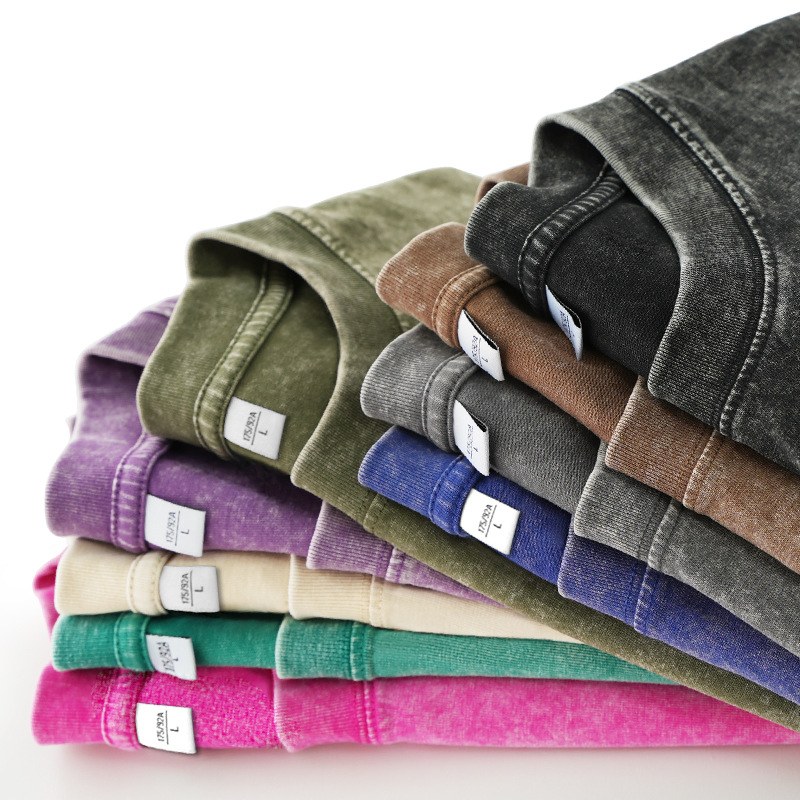
Neutral enzyme wash operates at pH 6.5–7.5, producing mild aging effects with minimal fiber damage and controlled color fading. This technique suits brands seeking a gently lived-in aesthetic without pronounced vintage distressing.
Ideal applications include casual shirts, resort wear, linen blends, and fashion T-shirts where subtle texture variation enhances visual interest. The neutral pH range protects dye stability while achieving 10–15% lightening for natural depth.
Acid Enzyme Wash
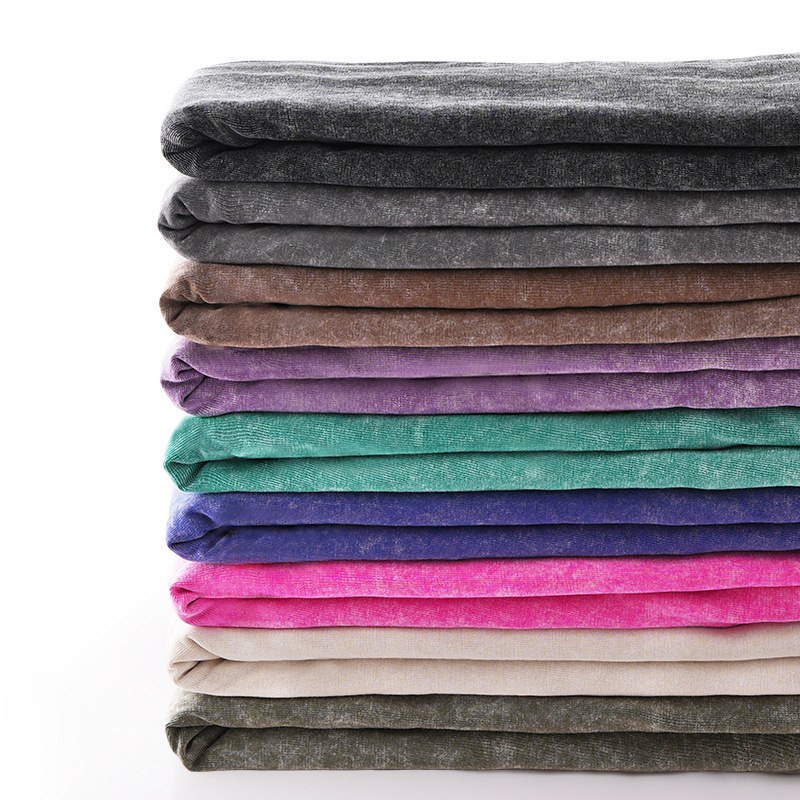
Acid enzyme wash uses pH 4.5–5.5 environments to accelerate cellulose breakdown, creating pronounced vintage fading, high-contrast wear patterns, and dramatic color variation. This aggressive technique delivers the authentic aged look popular in streetwear and vintage fashion collections.
ZORWILD recommends acid enzyme wash for vintage sweatshirts, distressed denim, acid wash hoodies, and retro graphic tees targeting urban and streetwear audiences. Color reduction reaches 30–50% with visible abraded highlights on seams and stress points.
Bio-Polishing
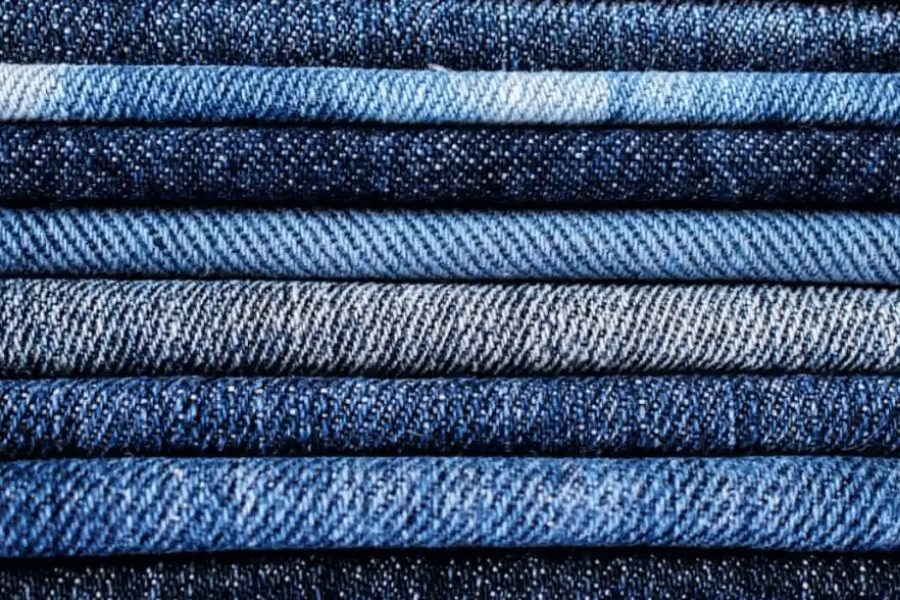
Bio-polishing removes surface fuzz and protruding fibers using controlled cellulase enzyme action, preventing pilling and enhancing fabric smoothness without significant color change. This finishing technique improves garment durability and maintains a clean appearance through repeated wash cycles.
Applications include premium T-shirts, performance sportswear, bamboo cotton blends, and luxury casualwear where fabric clarity and anti-pilling performance justify higher production costs. Bio-polishing reduces pilling by 70–80% compared to untreated cotton jersey.
4. Materials and Fabrics Suitable for Enzyme Wash
Enzyme wash delivers optimal results only when applied to cellulose-based fabrics, because cellulase enzymes target the cellulose fiber structure to soften and age the surface. Synthetics like polyester and nylon lack cellulose, requiring protease enzymes or alternative processes that rarely match the softness and vintage aesthetic of cotton-based enzyme wash.
| Fabric Type | Enzyme Compatibility | Softness Gain | Common Applications |
|---|---|---|---|
| 100% Cotton (160–240 GSM) | Excellent – cellulase enzymes fully penetrate | High – pronounced soft hand, vintage drape | T-shirts, chinos, casual shirts, sweatshirts |
| Cotton Blends (≥60% cotton) | Good – enzyme acts on cotton portion only | Moderate – blend ratio limits effect | Performance tees, joggers, hoodies, utility shirts |
| Denim (10–14 oz) | Excellent – twill weave allows deep enzyme action | High – broken-in feel, reduced stiffness | Jeans, denim jackets, workwear, vintage denim |
| Lyocell / Tencel | Excellent – cellulose structure responds well | High – silky soft, minimal pilling | Fashion tees, dresses, resort wear, eco-collections |
| Rayon / Viscose | Good – requires shorter enzyme time | Moderate – risk of fiber weakening | Casual shirts, blouses, lightweight fashion pieces |
| Polyester / Nylon | Poor – cellulase ineffective, protease needed | Low – limited softness improvement | Rarely used; synthetics require mechanical wash |
5. Customization and Branding Options with Enzyme Wash
Enzyme wash interacts with every decoration method—screen printing, embroidery, heat transfers, and garment dye—demanding careful sequencing to preserve ink adhesion, color vibrancy, and stitch integrity. Professional manufacturers control enzyme application timing, localized treatment zones, and post-wash finishing to achieve vintage aesthetics without compromising branding quality.
Decoration Sequencing and Process Timing
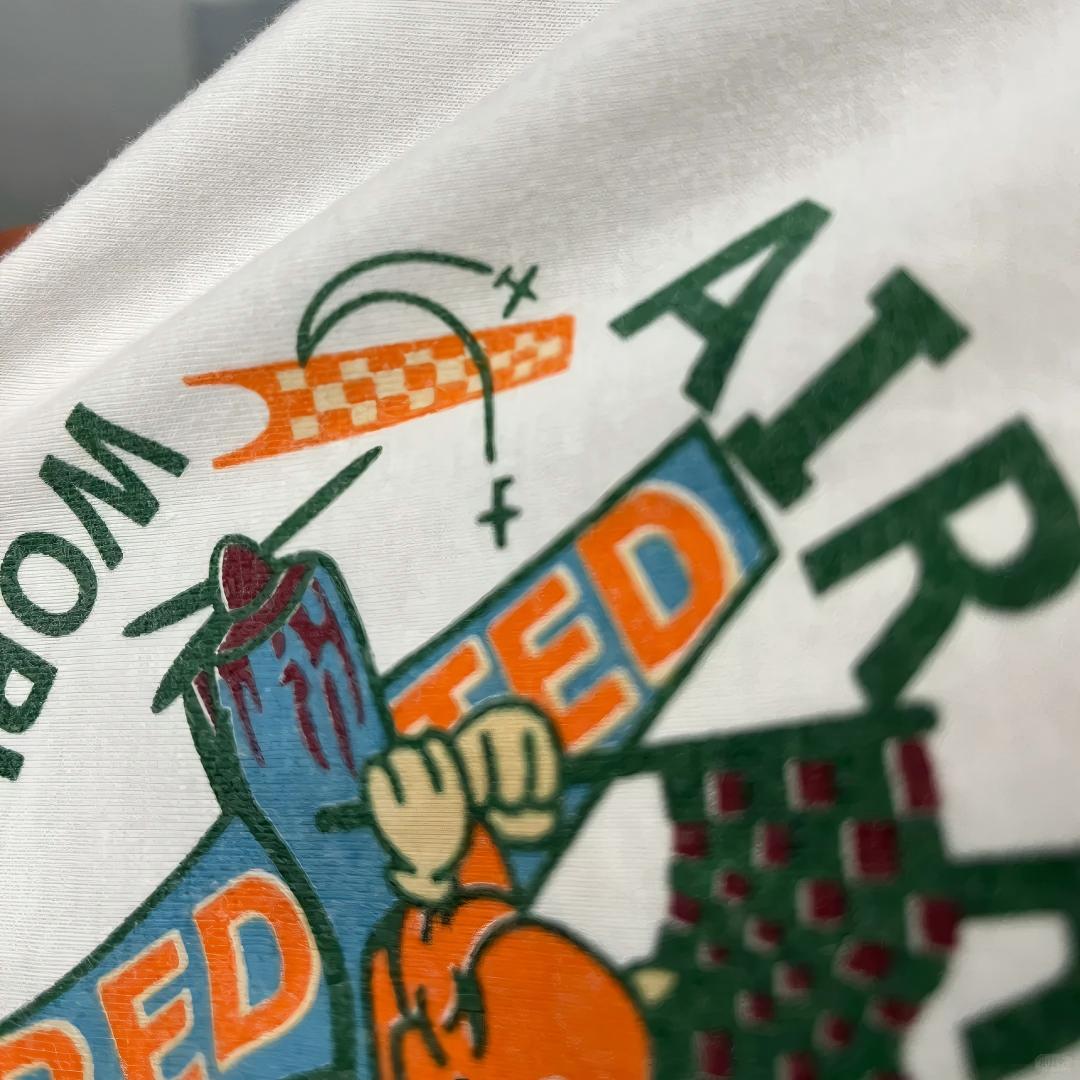
Screen printing and heat transfers are typically applied after enzyme wash to prevent ink degradation and adhesion failure caused by enzymatic action and mechanical agitation. Pre-wash decoration risks color fading, cracked graphics, and peeling on vintage-finish garments.
Embroidery and woven patches perform best when applied after enzyme treatment, ensuring thread tension remains stable and preventing loose stitches caused by fabric shrinkage during washing. Garment dye is always applied before enzyme wash, allowing enzymes to create faded color variation and soft hand feel on dyed cotton and blends.
ZORWILD sequences decoration based on fabric type, wash intensity, and brand aesthetic—water-based inks for post-wash printing deliver superior durability on enzyme-treated jersey and fleece compared to plastisol alternatives.
Color Impact and Vibrancy Control
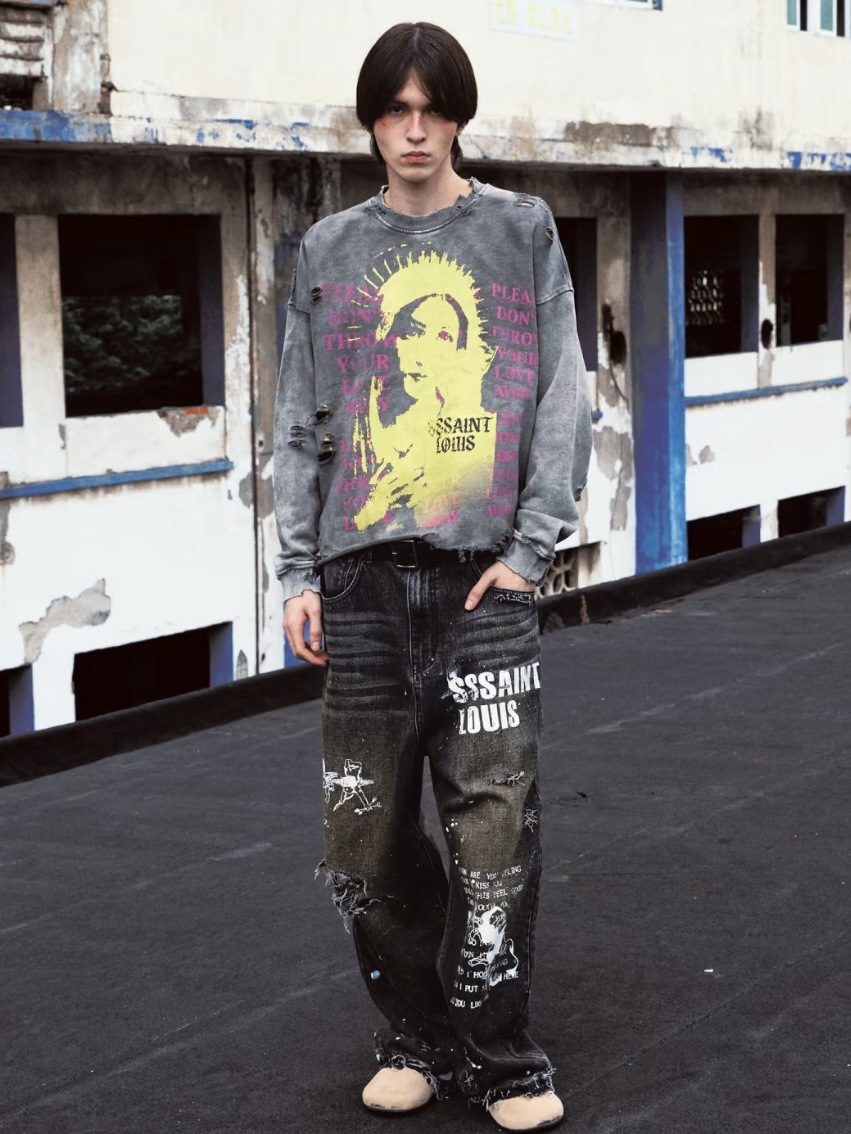
Enzyme wash reduces dye saturation by 10–30% depending on enzyme concentration, wash duration, and fabric construction, creating desirable vintage fading on garment-dyed pieces. Brands targeting distressed streetwear aesthetics leverage this controlled color loss for authentic worn-in appearance.
Pigment dye combined with enzyme wash produces uneven color distribution and high-low tonal contrast, popular in premium casualwear and resort collections. Direct-to-garment printing applied post-wash maintains full color vibrancy on enzyme-softened cotton, avoiding the muted tones of pre-wash decoration.
Localized Enzyme Application and Pattern Effects
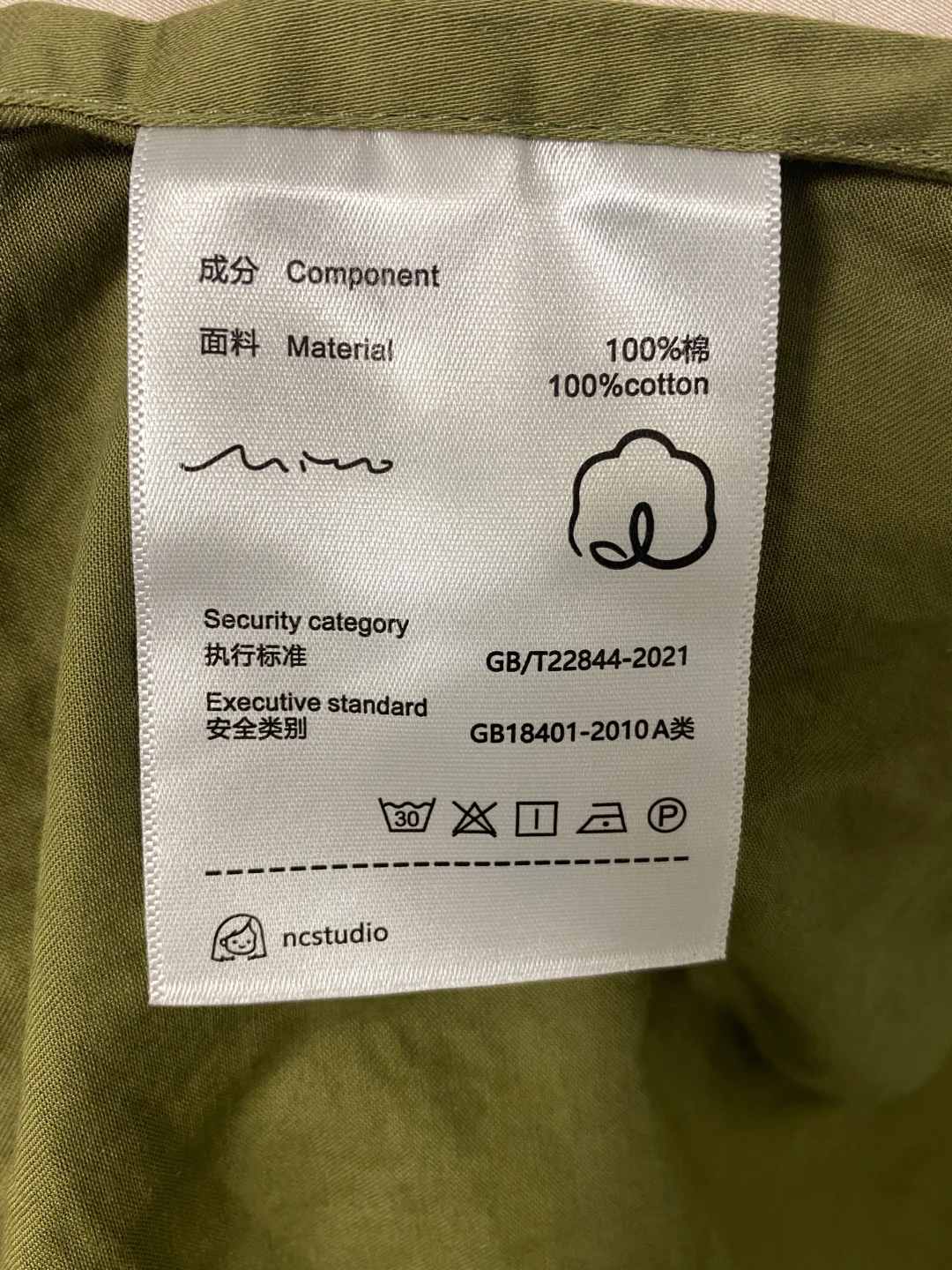
Localized enzyme spraying, brushing, or stone-washing with pumice creates intentional fading patterns—whiskering on denim, distressed panels on hoodies, and vintage striping on sweatshirts. This technique requires masking or manual application to protect branding zones and preserve print clarity.
ZORWILD applies localized enzyme treatment for custom distressed effects on oversized tees, acid wash hoodies, and vintage sweatpants, ensuring logos and embroidery remain sharp while surrounding fabric achieves authentic aged texture.
Combining Enzyme Wash with Advanced Finishes
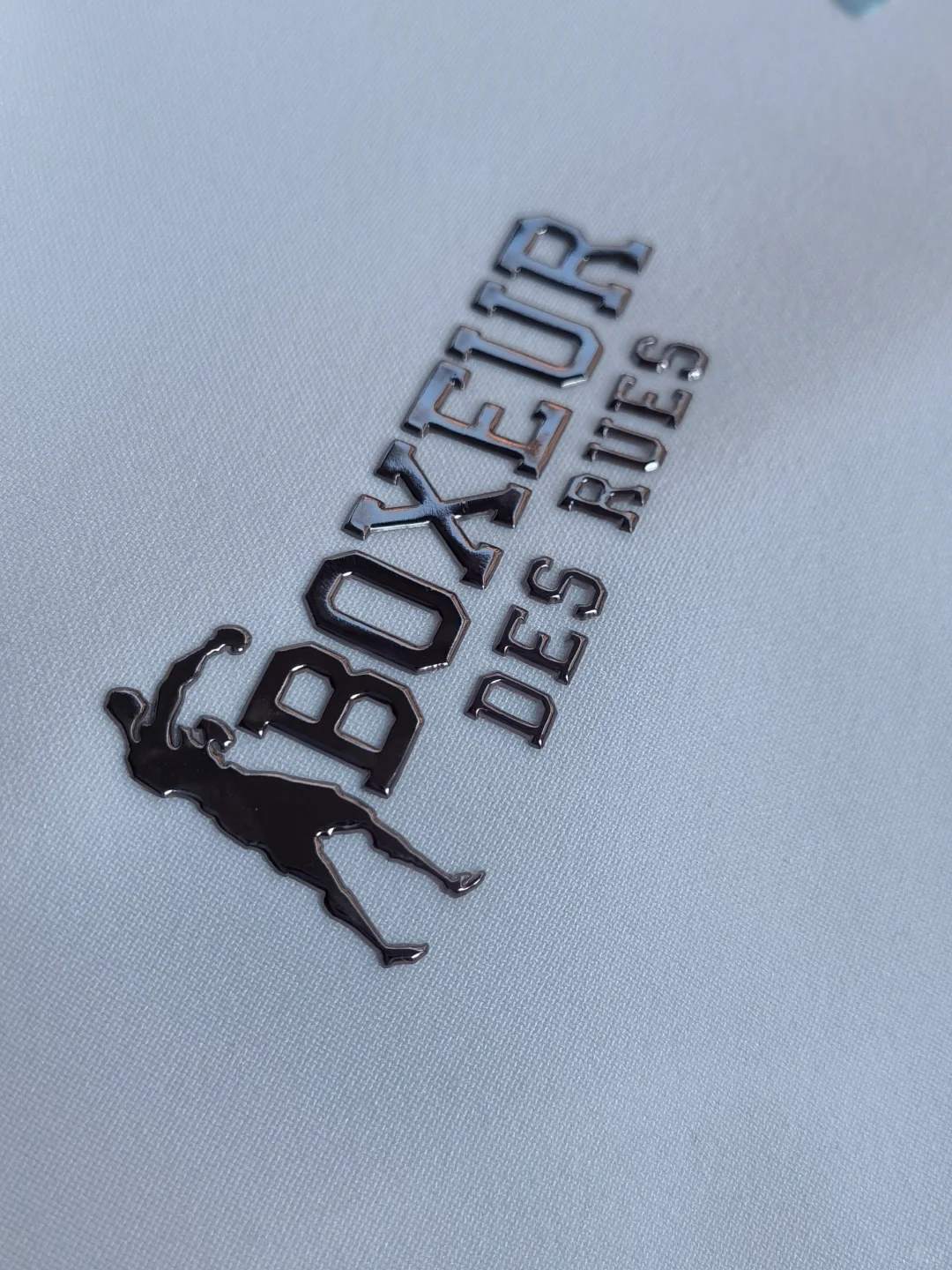
Silicone softeners applied after enzyme wash enhance hand feel beyond enzymatic softening alone, delivering luxury-grade drape and smoothness for premium streetwear and activewear collections. Resin coatings post-enzyme treatment add dimensional texture, wrinkle resistance, and structured appearance to casual shirts and outerwear.
Combining enzyme wash with snow wash or acid wash creates layered vintage effects—snow wash lightens surface fibers while enzymes soften hand feel, producing complex color depth. ZORWILD integrates enzyme treatment with puff printing, reflective printing, and chenille embroidery for multi-textured fashion pieces that balance vintage aesthetics with modern branding techniques.
6. Key Quality Indicators for Enzyme Wash Garments
Professional buyers audit enzyme wash garments against five critical quality checkpoints before approving production runs. ZORWILD applies strict inspection protocols at raw material, in-line, and final stages to ensure uniform softness, controlled fade, and dimensional stability across every batch.
Uniform Hand Feel and Softness
Enzyme wash must deliver consistent softness across every garment panel with no patchy or stiff zones. Auditors physically test sleeves, body panels, and hems to detect uneven enzyme penetration caused by poor tumbling or insufficient enzyme concentration.
Over-processing creates excessive fuzzing, pilling, or visible fiber damage. Under-processing leaves stiff hand feel and minimal softness improvement. ZORWILD controls enzyme concentration, temperature, and processing time to achieve uniform results across 100,000-unit monthly production runs.
Controlled Color Fade Consistency
Batch-to-batch color consistency is critical for reorders and multi-SKU collections. Professional manufacturers measure color fade using spectrophotometers and visual light-box comparisons to ensure Delta E values remain within acceptable tolerance (typically ≤ 1.5 for premium orders).
Uncontrolled enzyme activity causes blotchy fading or color variation between garments in the same batch. ZORWILD’s garment wash department maintains strict process controls including enzyme type selection, pH monitoring, and wash cycle timing to deliver consistent vintage or faded aesthetics.
Fabric Integrity and Strength Retention
Enzyme wash reduces fabric tensile strength by 5–15% depending on process intensity and fabric weight. Buyers must verify that tear resistance, seam strength, and fabric durability remain within acceptable limits through standardized tear tests and abrasion testing.
Over-processing creates holes, thinning, or frayed edges that compromise garment lifespan. ZORWILD conducts in-line inspections during enzyme wash cycles and final product checks to identify excessive fiber degradation before shipment.
Enzyme Residue and pH Neutrality
Residual enzymes or alkaline pH levels cause skin irritation, color migration, and continued fabric degradation during storage or customer wear. Professional manufacturers rinse garments thoroughly and test final pH levels (target 6.5–7.5) to confirm enzyme deactivation and neutralization.
ZORWILD applies multi-stage rinsing, enzyme neutralization agents, and final pH testing to eliminate residue and ensure garments meet OEKO-TEX and international safety standards for direct skin contact.
Dimensional Stability Post-Wash
Enzyme wash alters fabric structure and can cause shrinkage or distortion if not controlled. Buyers must verify that garments maintain size specifications after enzyme treatment and subsequent customer laundering, typically allowing ≤ 3% shrinkage for cotton and ≤ 5% for cotton blends.
ZORWILD pre-tests fabric shrinkage rates, adjusts pattern grading to compensate for enzyme wash effects, and conducts post-wash measurement inspections to ensure finished garments meet approved size specifications across all production batches.
7. How to Choose an Enzyme Wash Manufacturer
Selecting a manufacturer with proven enzyme wash infrastructure requires systematic evaluation across equipment, process control, compliance, and communication. ZORWILD’s 27 years of garment finishing experience demonstrate how capacity verification, sample consistency, and transparent process documentation separate professional operations from inconsistent suppliers.
Verify Equipment and Enzyme Wash Capacity
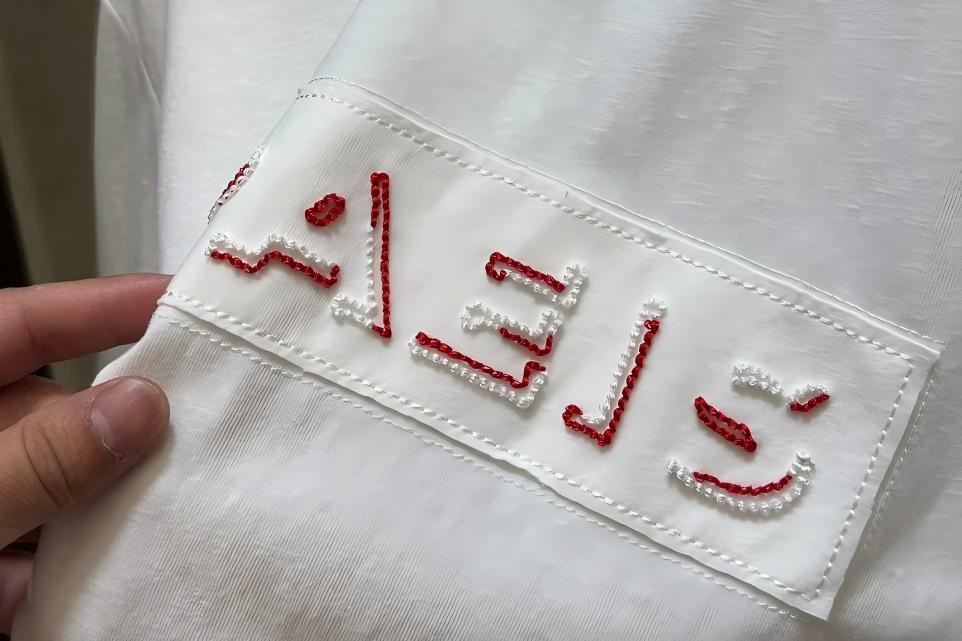
Industrial enzyme wash requires dedicated washing machines with precise temperature control, enzyme dosing systems, and programmable cycle timers. Manufacturers should operate machines ranging from 50 kg to 300 kg capacity depending on order volume.
Ask for equipment specifications, machine counts, and monthly enzyme wash throughput. ZORWILD’s production capacity exceeding 100,000 units monthly includes dedicated wash lines for enzyme, acid wash, vintage wash, and garment dye processes with consistent quality control.
Request Lab-Dip Samples Showing Fade Levels
Lab-dip samples reveal enzyme concentration accuracy, fade uniformity, and fabric hand feel after treatment. Request samples showing light, medium, and heavy enzyme wash effects on your target fabric weight and fiber content.
Inconsistent sample batches signal poor process control or unreliable enzyme sourcing. Professional manufacturers provide multiple wash levels with documented enzyme dosage, treatment time, and temperature parameters for replication in bulk production.
Check Certifications and Wastewater Treatment
OEKO-TEX Standard 100 certification confirms enzyme suppliers meet chemical safety standards, while ZDHC MRSL compliance ensures restricted substances are avoided. Enzyme neutralization requires controlled pH adjustment and biological wastewater treatment systems.
Manufacturers handling enzyme wash must demonstrate wastewater management protocols. ZORWILD partners with certified fabric and chemical suppliers across China, ensuring traceability and compliance for brands targeting U.S., EU, and global markets.
Confirm MOQs, Lead Times, and Communication
Enzyme wash MOQs typically range from 200 to 500 pieces per color due to machine setup and enzyme batch requirements. ZORWILD’s low MOQ system supports 50-piece startup orders across many product categories, with enzyme wash available at competitive minimums.
Red flags include reluctance to share process details, vague lead time estimates, or inconsistent sample quality. Professional manufacturers provide clear timelines, washing process documentation, and responsive communication throughout sampling and production phases.
8. Common Mistakes Buyers Make with Enzyme Wash Orders
Many buyers encounter production delays and quality issues when ordering enzyme wash garments due to incomplete specifications or misaligned production sequences. Understanding these common pitfalls and their corrective actions ensures smoother manufacturing and better final products.
Vague Enzyme Wash Specifications
Buyers often request ‘enzyme wash’ without defining softness level, fade depth, or visual reference samples. This ambiguity leads to mismatched expectations, rejected samples, and costly rework cycles.
Provide physical reference garments, specify softness on a 1–5 scale, and define fade percentage targets (light 10–20%, medium 30–40%, heavy 50–70%). ZORWILD recommends approval of lab dips and strike-off samples before bulk production to align on exact enzyme wash intensity and hand feel.
Ignoring Post-Enzyme Shrinkage
Enzyme wash causes fabric relaxation and shrinkage, typically 3–7% depending on fabric weight and enzyme concentration. Buyers who finalize patterns without accounting for this shrinkage receive garments with incorrect measurements.
Request pre-production shrinkage tests on your chosen fabric and enzyme formula. Adjust pattern grading and cutting dimensions accordingly, adding shrinkage allowance to length and width measurements before cutting.
Wrong Decoration Sequence
Applying screen printing, DTG, or heat transfer before enzyme wash often results in cracked graphics, faded prints, or peeling logos because enzymes degrade certain inks and adhesives.
Always enzyme wash garments first, then apply decoration. For designs requiring pre-wash printing, specify enzyme-resistant inks and conduct wash fastness tests on decorated samples to verify durability through the enzyme process.
Skipping Colorfastness Testing
Enzyme wash accelerates dye migration and color loss, especially on reactive-dyed cotton and blended fabrics. Buyers who skip colorfastness testing face uneven fading, color bleeding, and customer returns.
Request AATCC 61 or ISO 105 colorfastness reports on enzyme-washed samples before bulk orders. Test multiple wash cycles to simulate real-world garment life and ensure consistent color retention across production batches.
9. Steps to Launch Your Enzyme Wash Apparel Line
Launching an enzyme wash apparel line requires a structured approach from concept through scale-up. ZORWILD’s 27 years of garment manufacturing experience shows that successful launches follow a clear sampling and approval workflow, with enzyme wash adding 3–5 days to standard garment dyeing timelines.
Define Target Aesthetic and Softness Benchmark
Start by identifying the exact vintage appearance and hand feel your brand requires. Reference existing garments or competitor products to establish softness, color fading intensity, and surface texture standards.
Select base fabrics—100% cotton, cotton blends, or French terry—and garment styles such as hoodies, T-shirts, or sweatpants. ZORWILD supports low MOQ production starting at 50 pieces, allowing startups to test multiple fabric weights and enzyme wash intensities without excessive inventory risk.
Request Strike-Offs in Multiple Intensities
Order enzyme wash strike-offs at light, medium, and heavy intensities on your chosen fabric and garment style. Strike-offs reveal actual color shift, surface softness, and dimensional stability before committing to bulk production.
Budget 7–10 days for strike-off turnaround and allocate sampling costs of $30–$80 per garment depending on decoration complexity. ZORWILD’s development team can recommend enzyme concentrations and wash durations based on your target aesthetic and fabric composition.
Approve Production Samples and Decoration Sequence
Once strike-offs meet your benchmark, approve a full production sample with final labels, hang tags, and packaging. Confirm decoration sequence: screen printing, embroidery, or puff printing typically occurs before enzyme wash to achieve authentic vintage cracking and fading.
Verify measurements post-wash, stitch integrity, and color consistency across garment panels. ZORWILD’s quality control system includes in-line inspection and final product checks to maintain strict standards throughout enzyme wash production runs.
Place Pilot Order and Validate Quality
Launch with a pilot order of 50–200 pieces to validate fit, wash durability, and customer response before scaling. Pilot runs reduce financial risk and allow real-world testing of softness retention, color fastness, and decoration adhesion after multiple consumer washes.
ZORWILD’s one-stop manufacturing service includes fabric sourcing, sampling, bulk production, quality inspection, and global logistics support, ensuring reliable timelines and consistent enzyme wash results from pilot through full-scale production.
Scale to Full Production with Consistent Standards
After pilot validation, scale to monthly production runs of 500–5,000 units or more. ZORWILD’s monthly capacity exceeds 100,000 units, supporting growth from startup capsules to established brand volumes.
Maintain enzyme wash consistency by locking in fabric suppliers, enzyme formulations, and wash parameters. Regular communication and pre-production samples ensure every batch matches your approved softness and vintage aesthetic standards.
10. Pricing and Cost Breakdown for Enzyme Wash
Enzyme wash pricing typically adds $0.50 to $1.50 per garment depending on order volume, fabric weight, and process intensity. Standard enzyme wash on lightweight cotton T-shirts (150–180 GSM) costs less than heavyweight hoodies (350–450 GSM) because wash cycles are shorter and enzyme penetration requires less time. Factories quote enzyme wash as an upcharge over base garment cost, not a standalone service.
Quantity tiers directly affect per-unit enzyme wash cost. Orders of 500 units carry higher per-piece processing fees due to batch setup, enzyme preparation, and machine downtime between runs. Orders exceeding 2,500 units benefit from economies of scale as factories optimize drum capacity and reduce setup overhead. Lead times also compress at higher volumes because production planning becomes more efficient.
Specialized enzyme techniques command premium pricing. Bio-polishing for anti-pilling and surface smoothness adds $0.30 to $0.60 per garment beyond standard enzyme wash. Localized enzyme application—targeting specific panels or creating gradient fades—requires hand labor and controlled exposure, raising costs by $0.80 to $1.20 per piece. Garment complexity matters: multi-panel jackets with contrast stitching require careful handling to prevent uneven fading, increasing processing time and cost compared to single-construction T-shirts.
ZORWILD’s enzyme wash service integrates with OEM and private label production from 50-piece MOQ, allowing startup brands to access professional garment finishing without committing to large minimums. Contact [email protected] or WhatsApp +86 137 1325 2727 for volume-specific enzyme wash quotes tailored to fabric type, garment category, and finish intensity.
| Quantity Tier | Standard Enzyme Wash (per unit) | Bio-Polishing Add-On (per unit) | Localized Application (per unit) | Lead Time |
|---|---|---|---|---|
| 500 units | $1.20–$1.50 | $0.50–$0.60 | $1.80–$2.20 | 18–22 days |
| 1,000 units | $0.90–$1.20 | $0.40–$0.50 | $1.50–$1.80 | 16–20 days |
| 2,500 units | $0.70–$0.90 | $0.35–$0.45 | $1.20–$1.50 | 14–18 days |
| 5,000+ units | $0.50–$0.70 | $0.30–$0.40 | $1.00–$1.30 | 12–16 days |
Ready to Add Enzyme Wash to Your Collection?
Request a free sample or speak with our specialists about enzyme wash finishing for your next apparel line. Low MOQ from 50 pieces.
- Custom T Shirts
- Custom Dresses
- Custom Sweatshirts
- Custom Jackets
- Custom Varsity Jackets
- Custom Polo Shirts
- Custom Shorts
- Custom Dress Shirts
- Contact