
Custom Embroidery Services for Apparel Brands — 50-Piece MOQ
Professional custom embroidery services with flat, 3D, chenille, and applique techniques. Low 50-piece minimum, fast sampling, and 95%+ decoration capabilities in-house at our Dongguan factory.
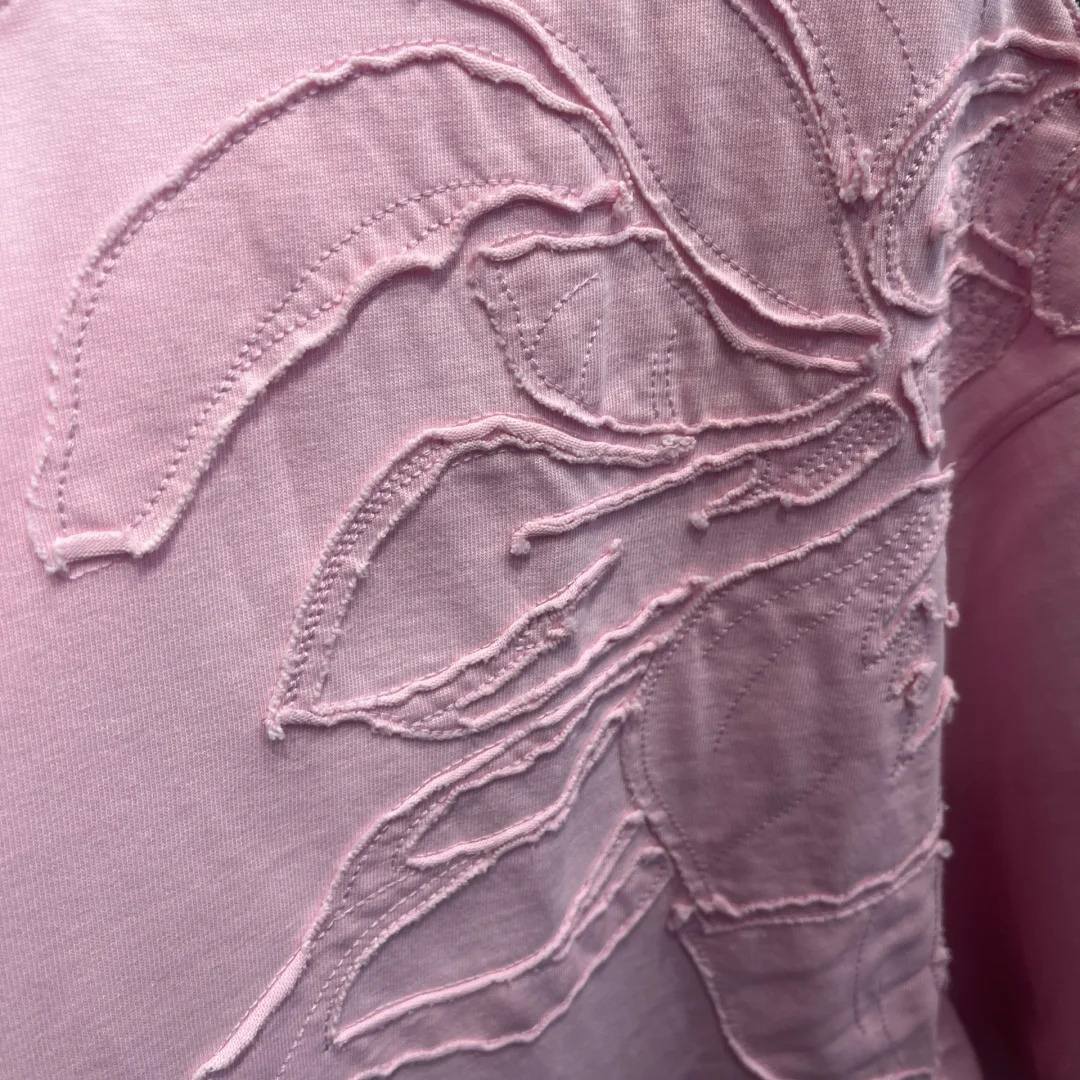
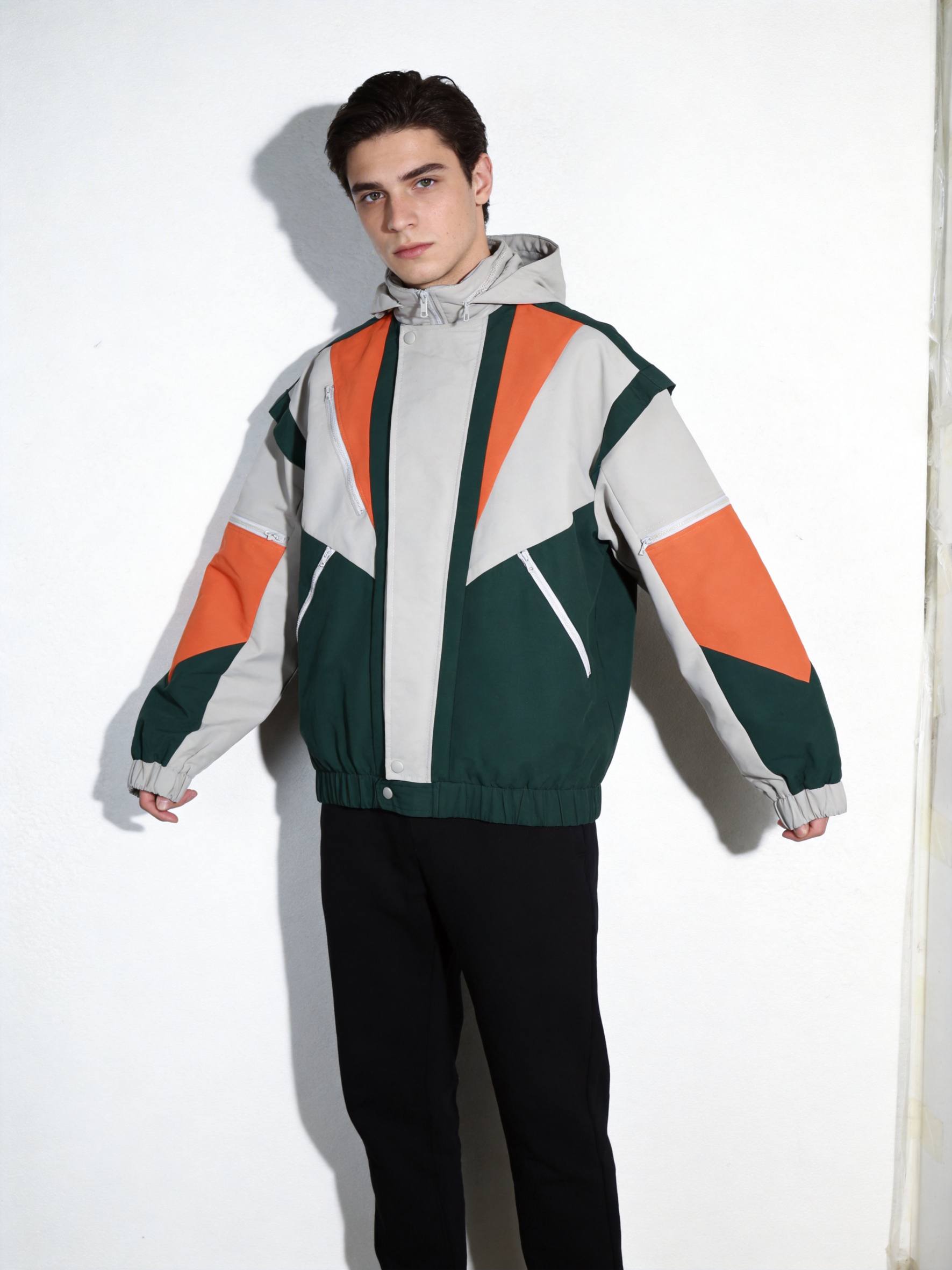
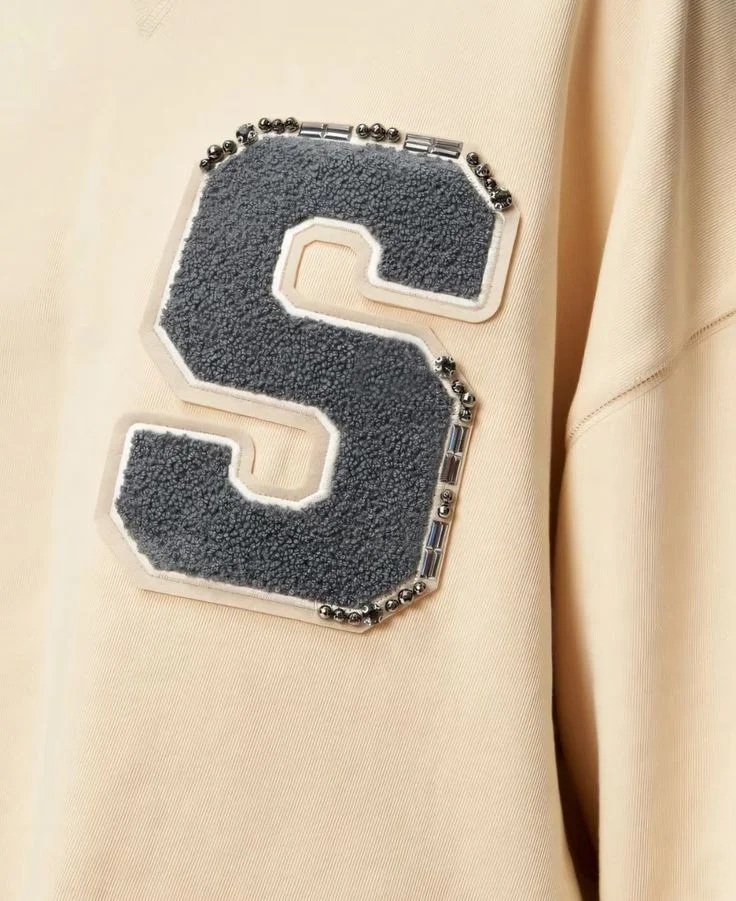
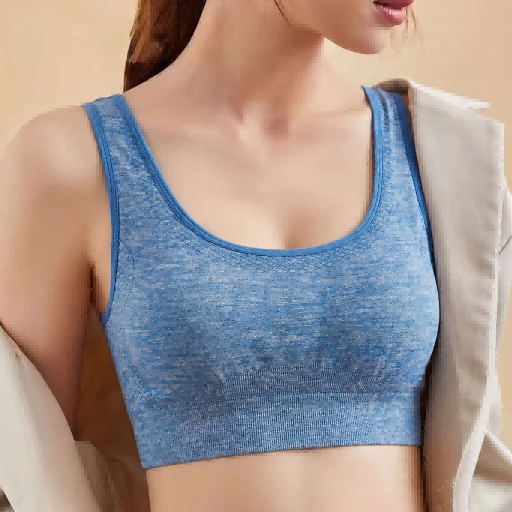
Embroidery Samples & Finished Products
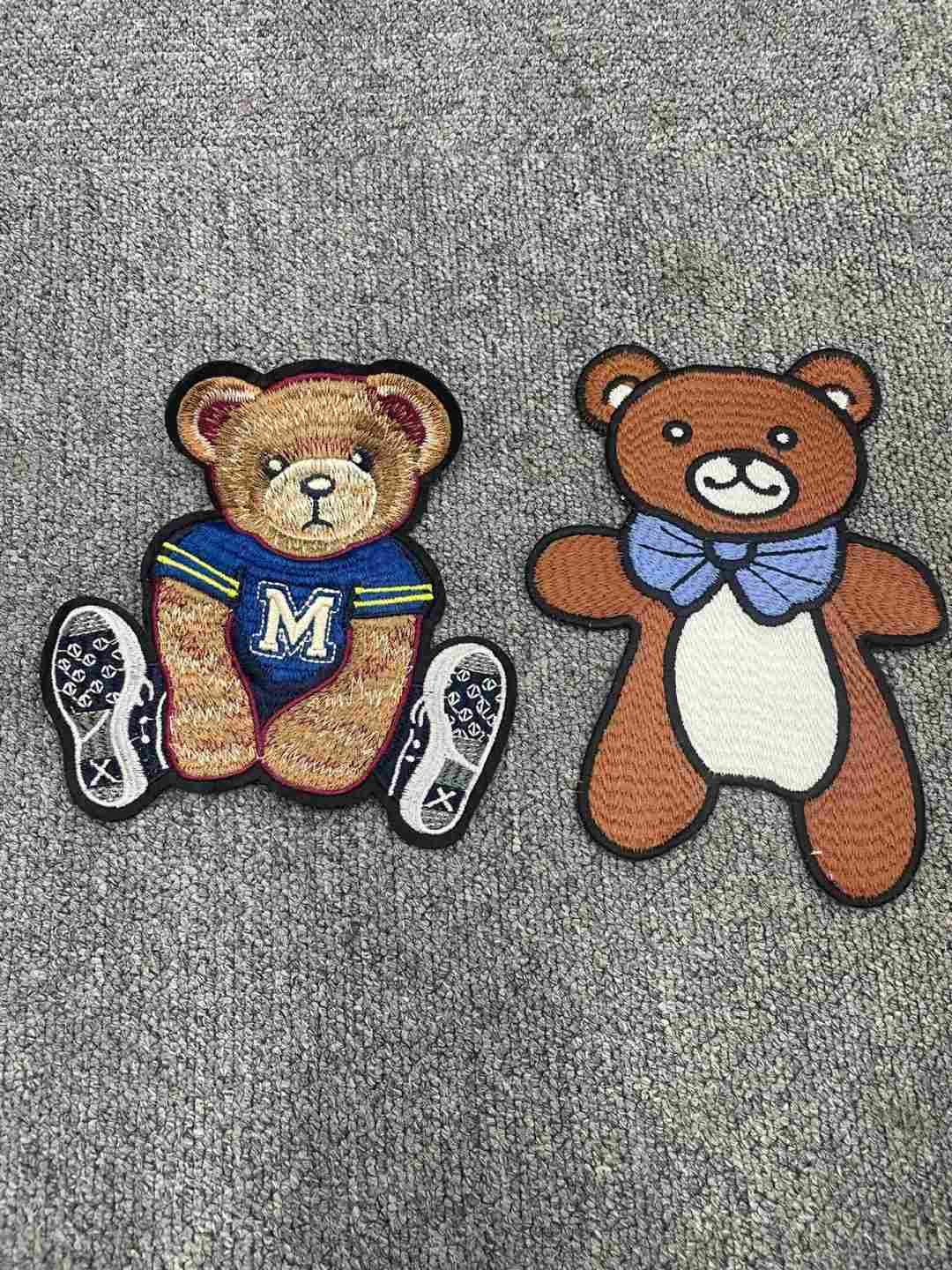
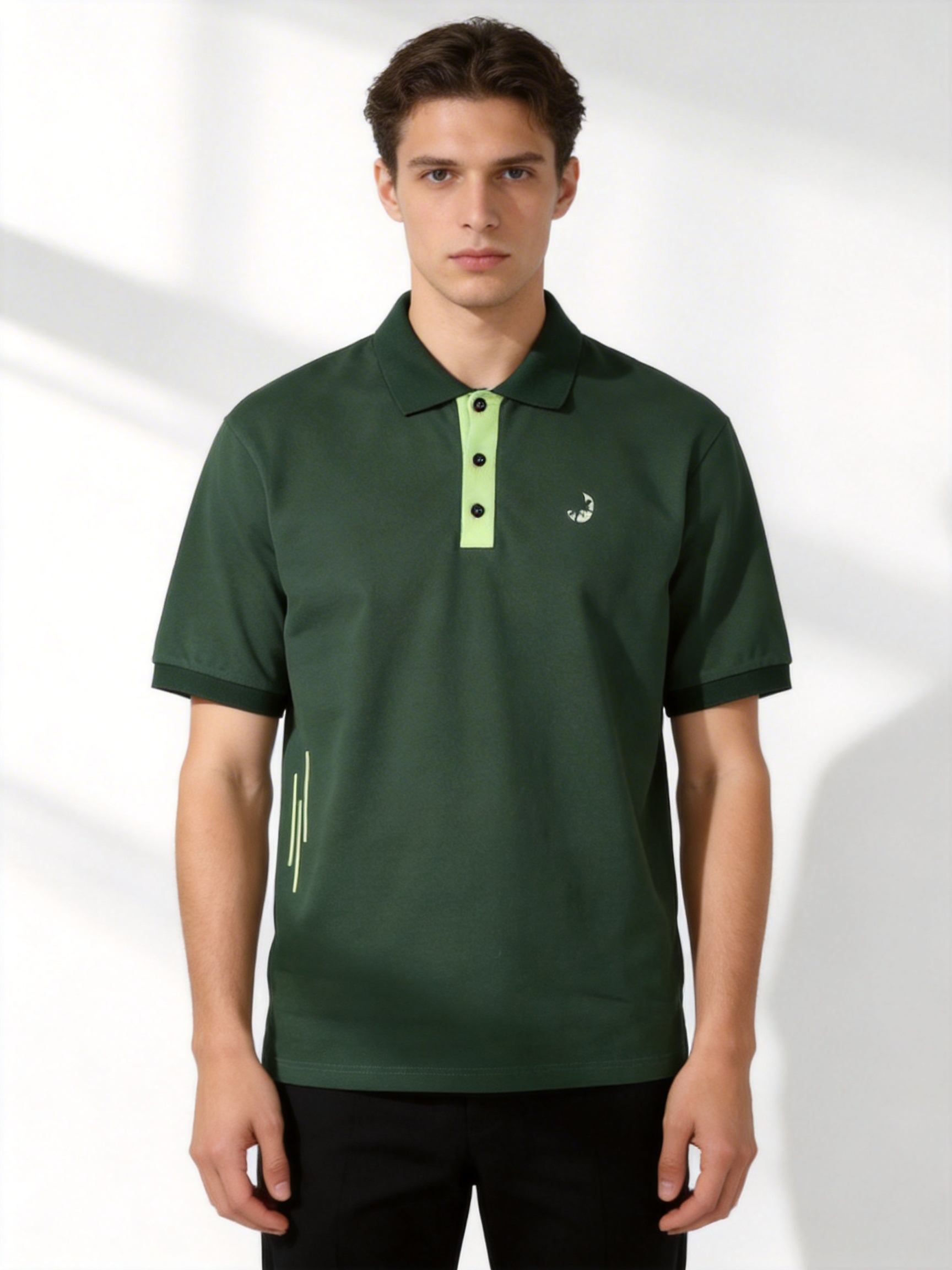
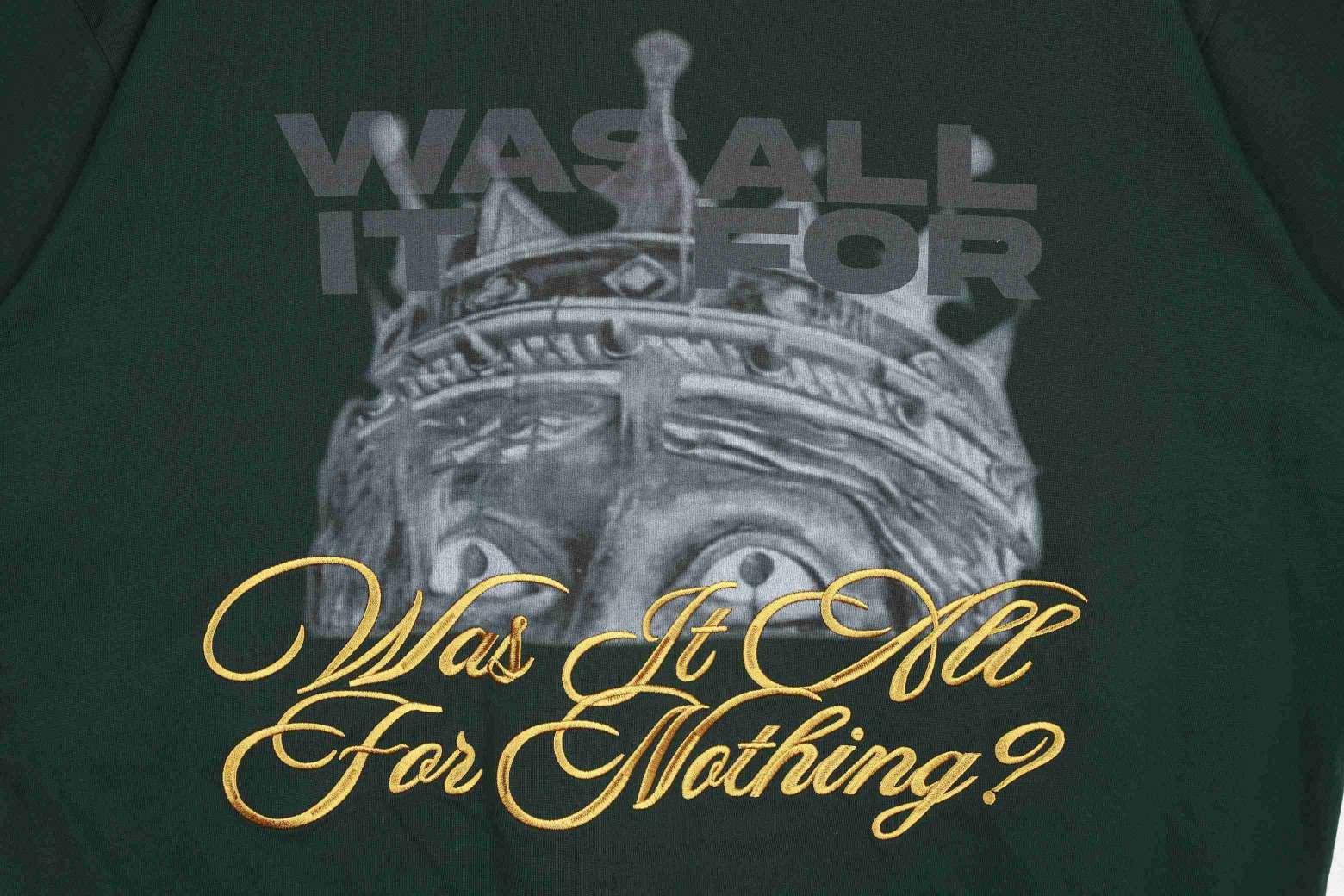
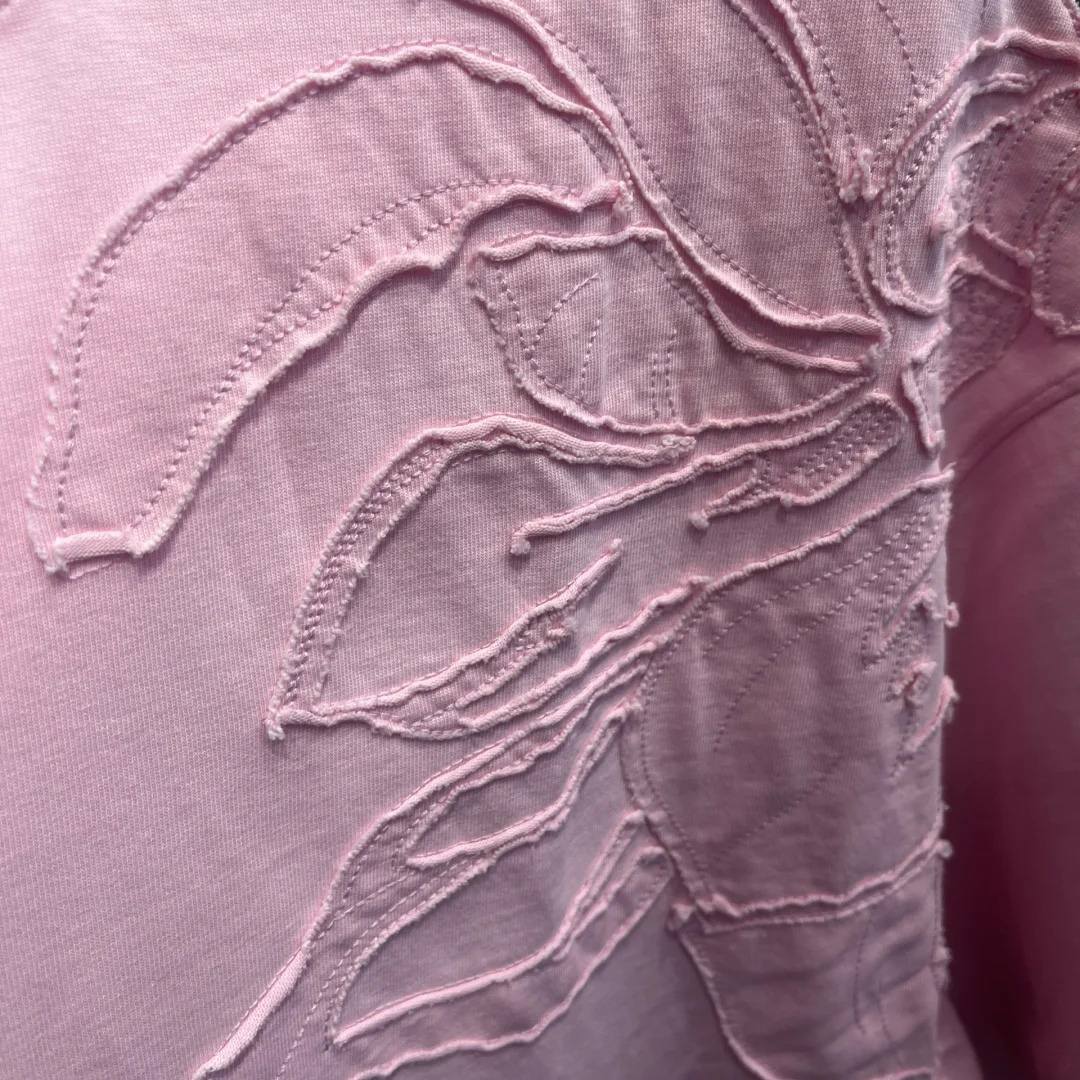
Why Choose ZORWILD for Custom Embroidery Services
From in-house digitizing to precision stitch control, ZORWILD delivers professional embroidery backed by 27 years of apparel manufacturing expertise and flexible 50-piece minimums.
In-House Digitizing & Design
Expert digitizing team converts your logos and artwork into embroidery-ready files with optimized stitch paths for sharp, durable results. Our digitizers also guide clients through custom embroidery techniques that work without pre-existing patterns, enabling creative freedom in design placement and stitch execution.
Precision Stitch Density Control
Advanced embroidery equipment and 27 years of experience ensure consistent stitch density, tension, and thread quality across every garment.
Thread Color Consistency
Rigorous color matching and premium thread sourcing guarantee your brand colors remain accurate across every production run and reorder.
Fast Sample Turnaround
Quick embroidery sampling allows you to approve quality, placement, and stitch appearance before committing to full production orders.
Flexible 50-Piece MOQ
Launch embroidered collections with only 50 pieces per design, perfect for startup brands, influencer merch, and capsule collections.
27-Year Precision Heritage
Founded in 1998 in Humen, Dongguan, ZORWILD combines decades of garment craftsmanship with modern embroidery technology and rigorous quality systems.
Embroidery Techniques & Styles
Professional embroidery capabilities for streetwear, luxury fashion, and branded apparel with precision execution and quality control across every stitch. Explore 25+ creative embroidery ideas for custom branded apparel to elevate your collection's visual impact.
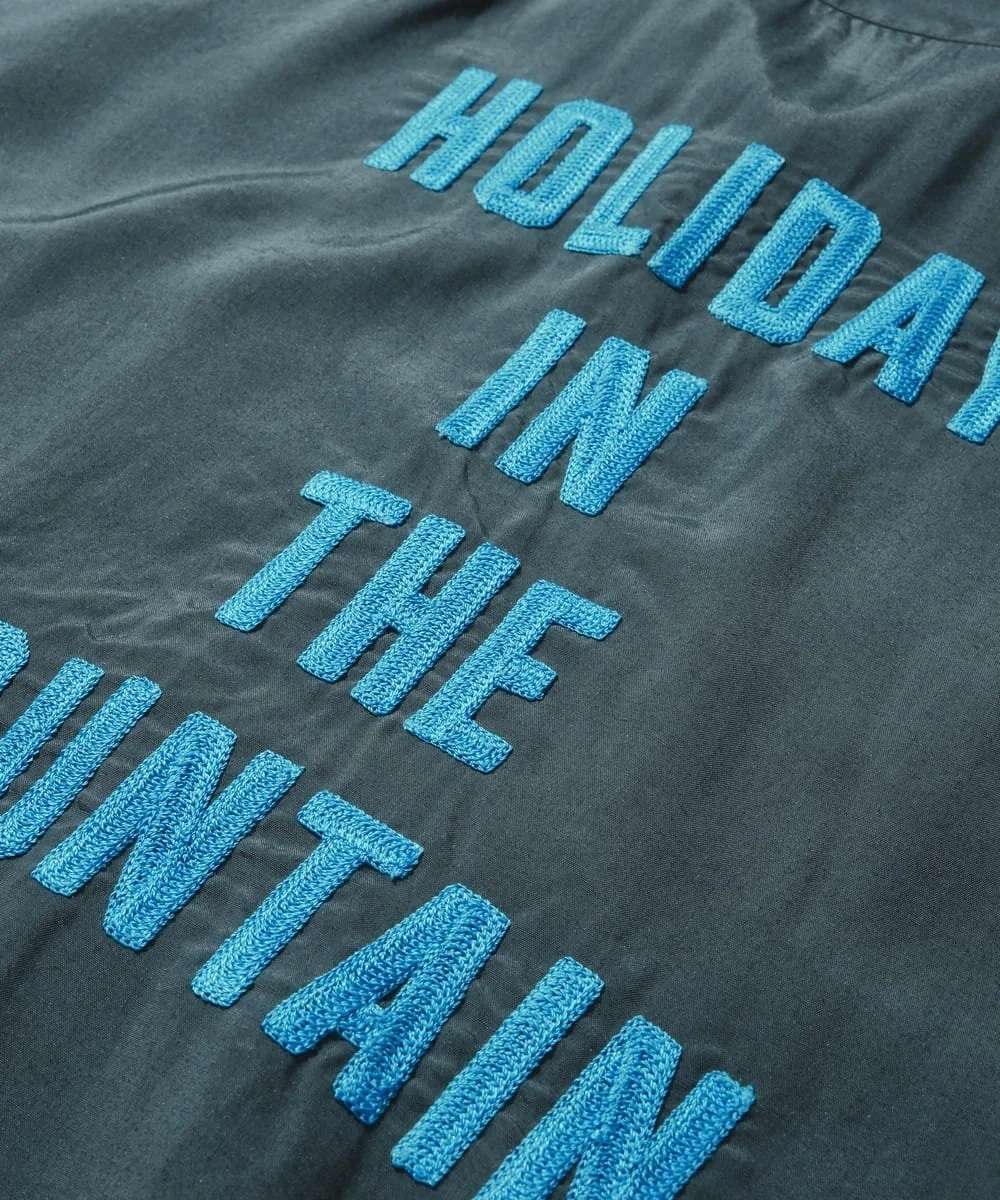
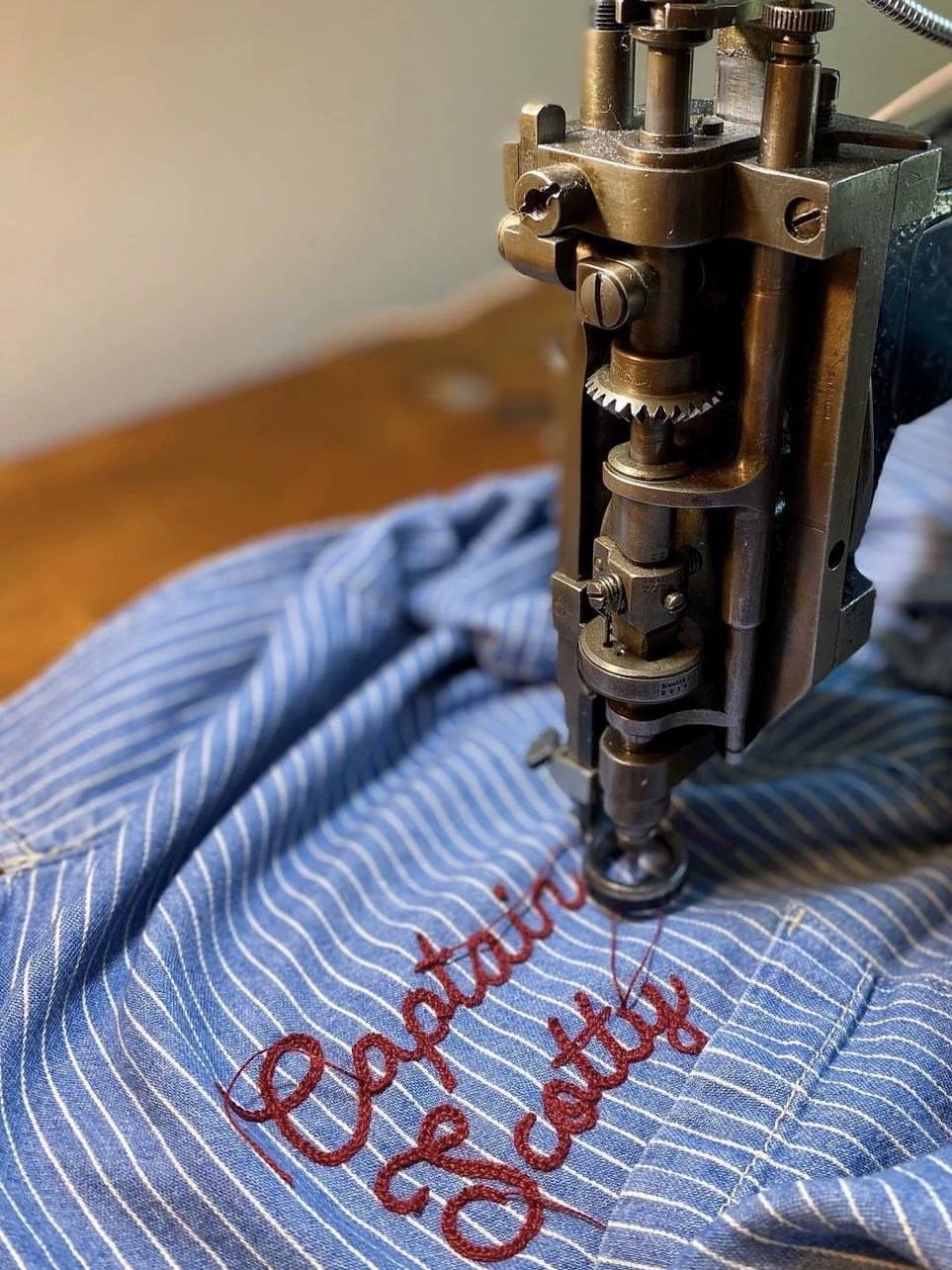
Chain Stitch Embroidery
Chain stitch embroidery delivers bold, continuous lines ideal for vintage-inspired graphics, retro lettering, and decorative borders on varsity jackets, denim pieces, and heritage sportswear collections. Creates distinctive raised texture with authentic handcrafted appearance for premium streetwear and fashion brands seeking nostalgic appeal.
Get a Quote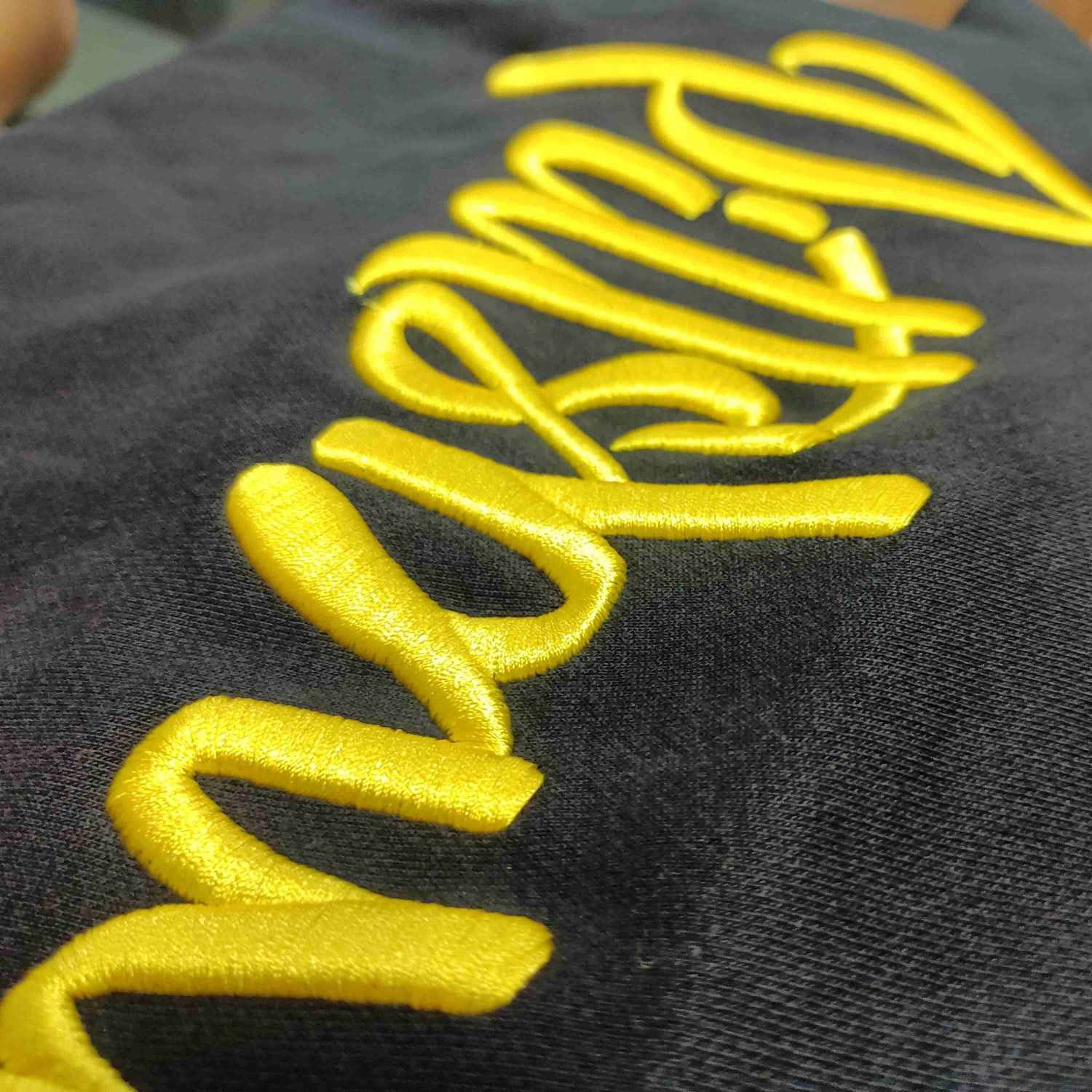
3D / Puff Embroidery
3D puff embroidery creates raised dimensional logos and graphics using foam underlay for bold visual impact. Perfect for caps, hoodies, sweatshirts, and streetwear collections requiring standout branding. Delivers premium tactile texture and professional depth that elevates brand identity and product perceived value.
Get a Quote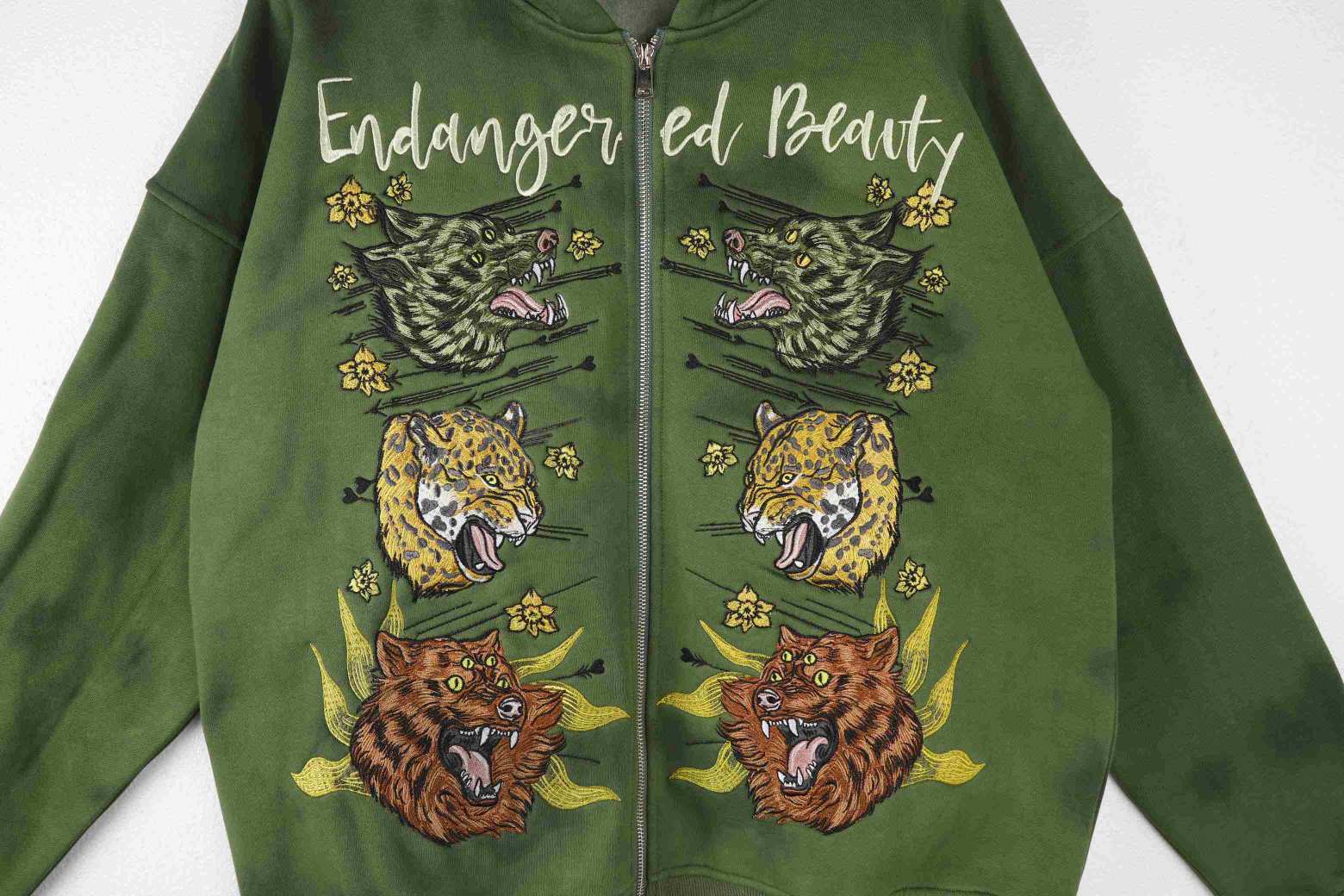
Flat Embroidery
Flat embroidery provides clean, durable decoration with excellent detail reproduction for logos, text, and complex artwork. Ideal for corporate uniforms, polo shirts, jackets, caps, and professional apparel requiring precise color matching, sharp edges, and long-lasting brand presentation across all product categories.
Get a Quote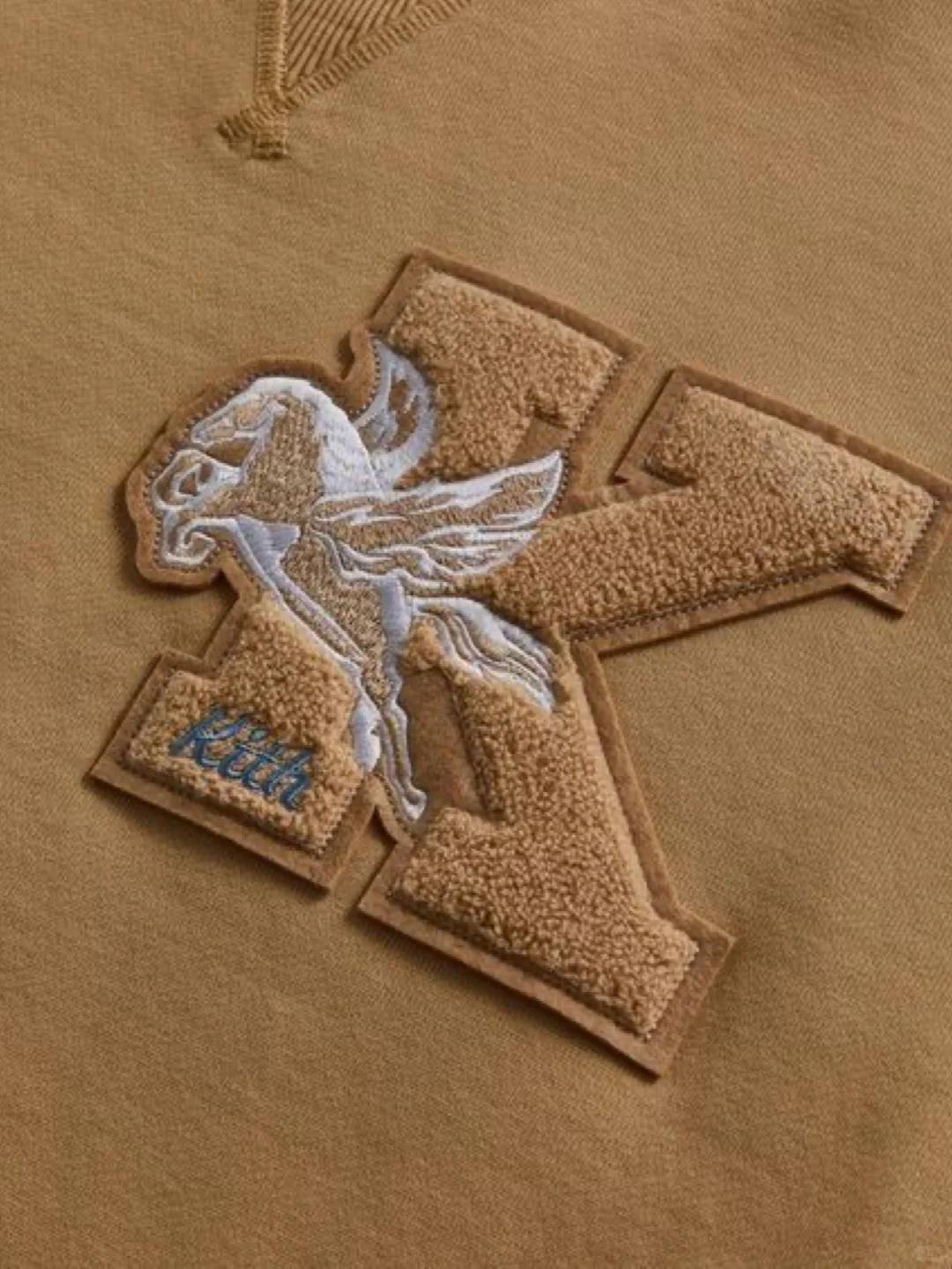
Towel Embroidery
Towel embroidery uses looped stitches to create plush, textured surfaces resembling terry cloth. Popular for athleisure branding, retro sportswear patches, vintage varsity letters, and premium streetwear details. Delivers soft dimensional texture with nostalgic aesthetic appeal for fashion-forward collections and lifestyle brands.
Get a Quote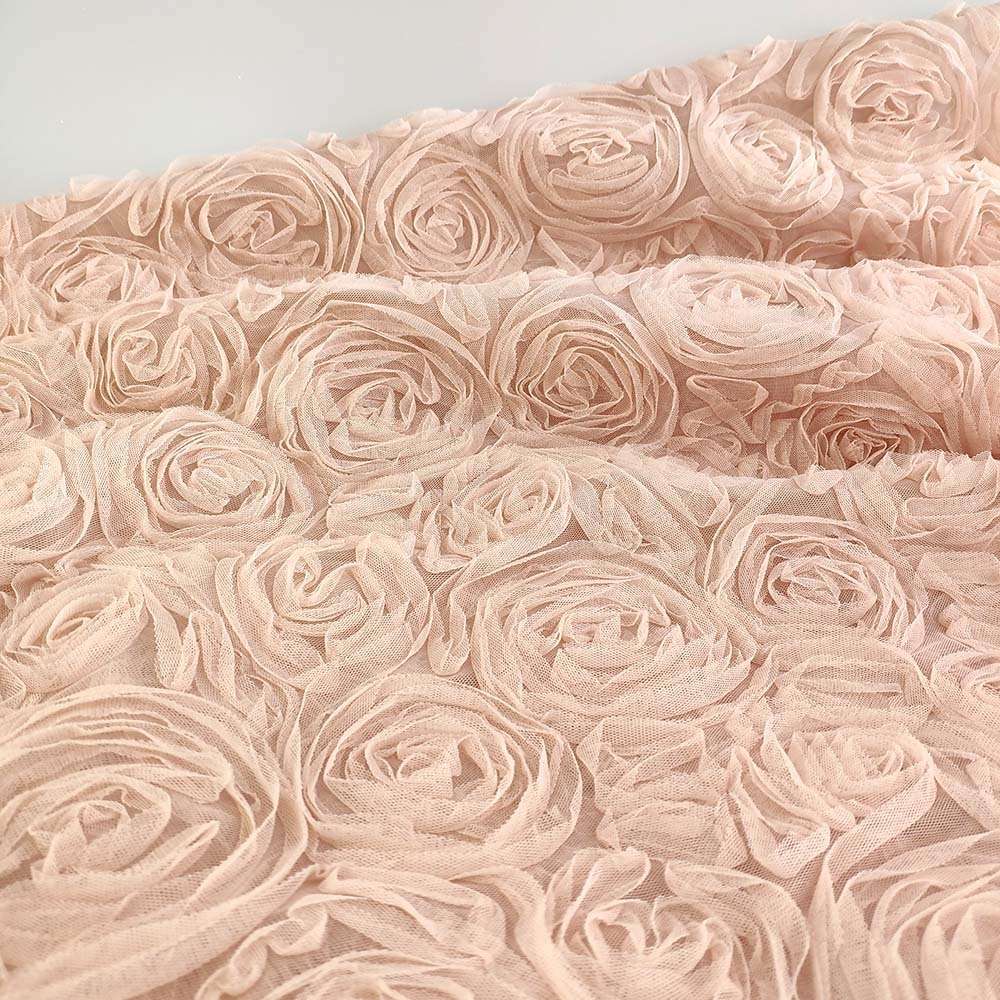
Ribbon Embroidery
Ribbon embroidery incorporates actual ribbon materials stitched onto garments for luxurious three-dimensional floral motifs, decorative accents, and couture details. Ideal for evening dresses, resort wear, bridal collections, and high-end fashion pieces requiring elegant embellishment and sophisticated visual texture.
Get a Quote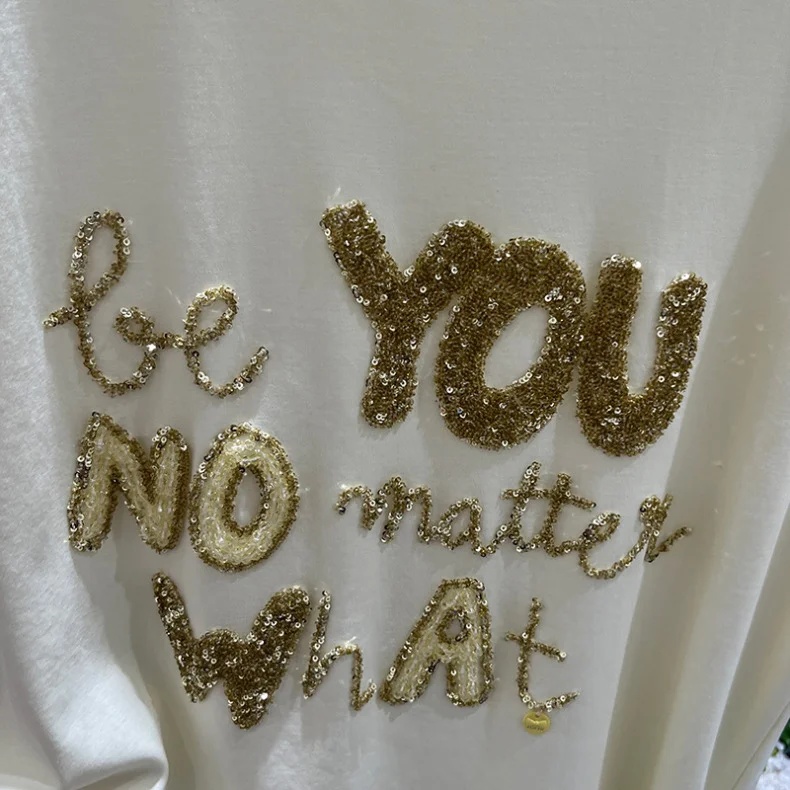
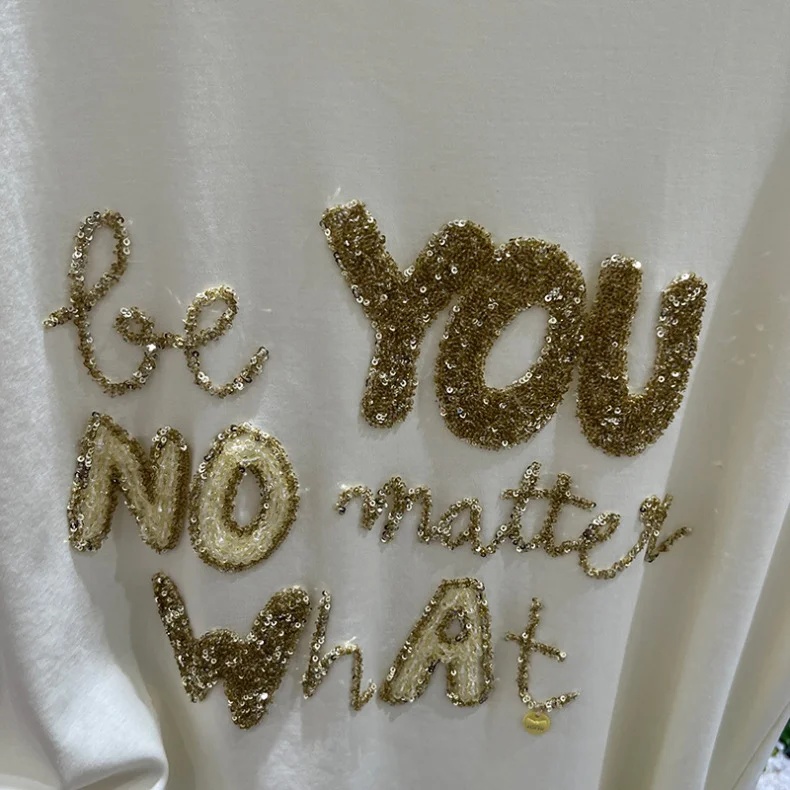
Sequin Embroidery
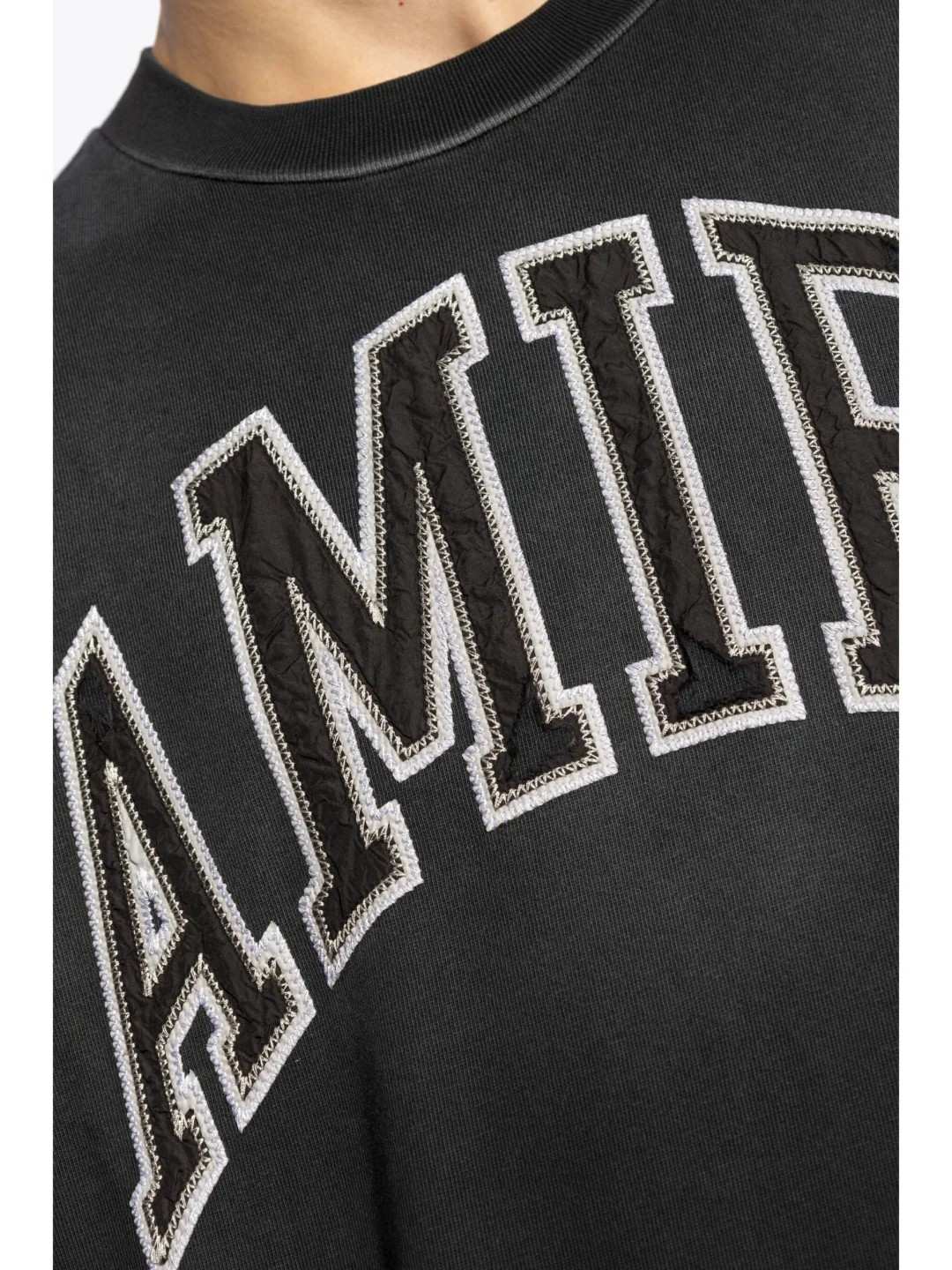
Sequin embroidery combines traditional stitching with sequin application for glamorous sparkle and light-reflective effects. Perfect for evening wear, prom dresses, performance costumes, festival fashion, and statement streetwear pieces. Delivers eye-catching visual impact and premium luxury aesthetic for special occasion and party collections.
Get a Quote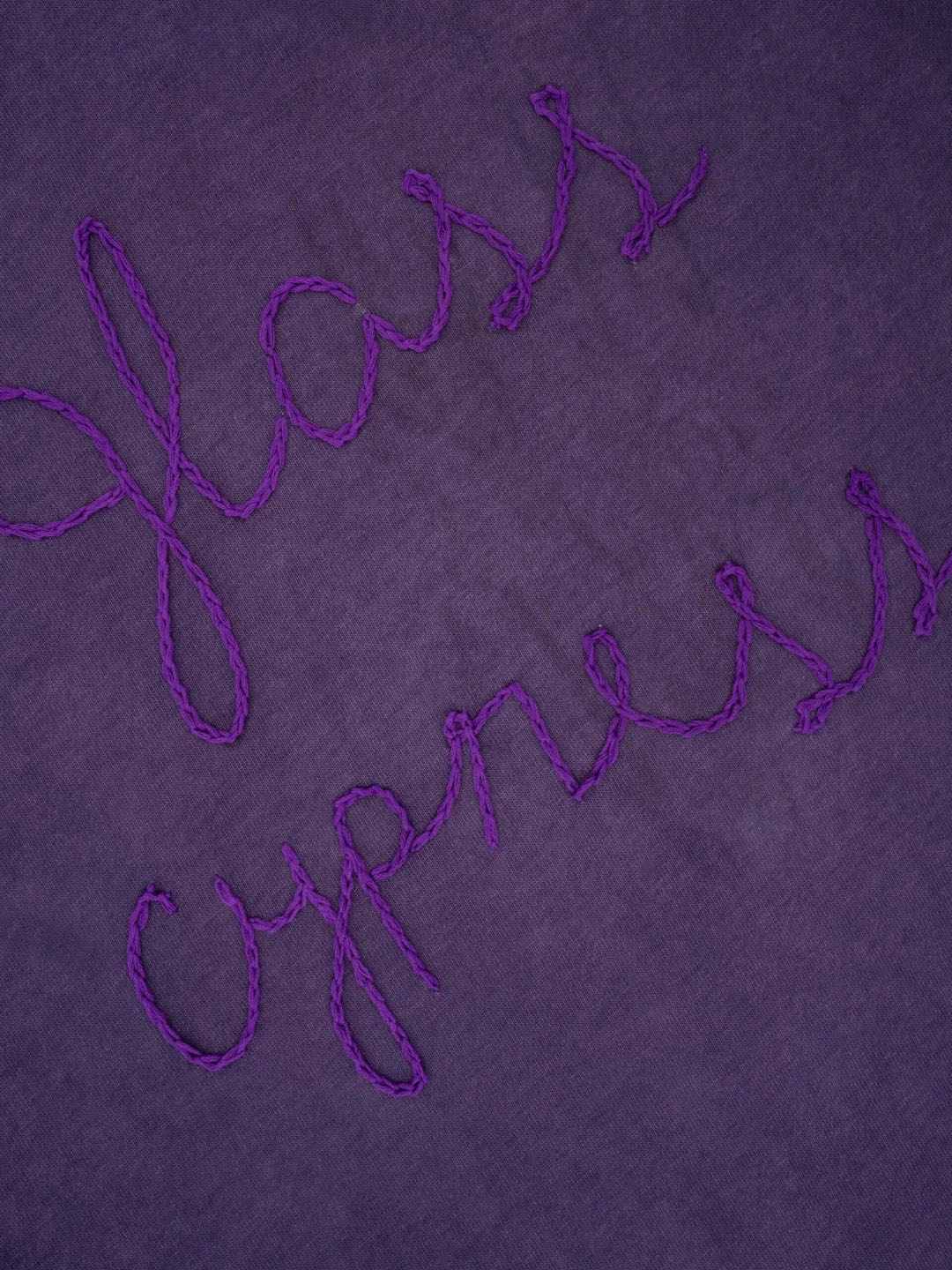
Rope Embroidery
Rope embroidery uses thick cord or rope materials stitched in decorative patterns for bold nautical themes, military-inspired details, and textured dimensional designs. Ideal for outerwear, workwear jackets, resort collections, and fashion pieces requiring strong visual presence and tactile surface interest.
Get a Quote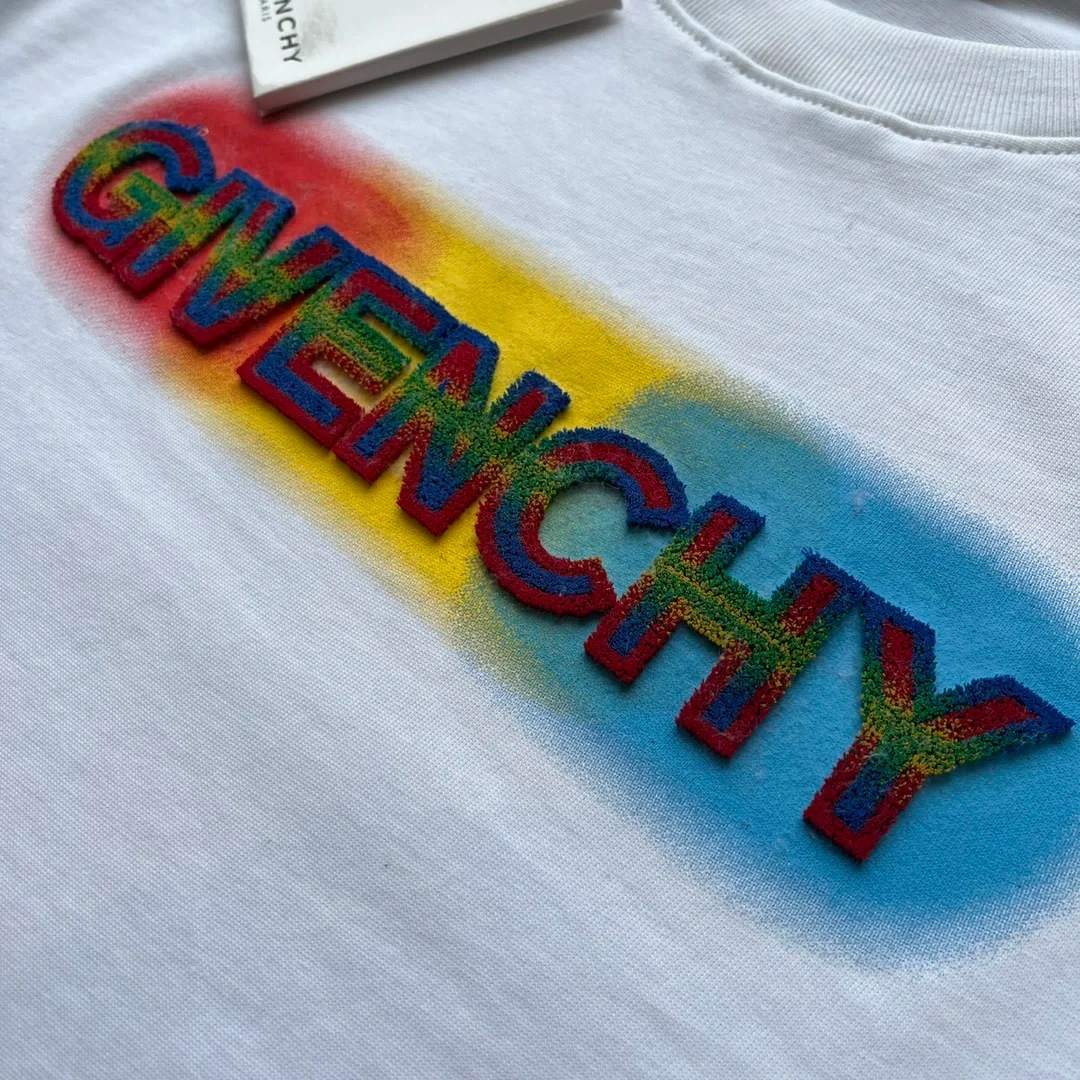
Toothbrush Embroidery
Toothbrush embroidery creates dense, brush-like texture through specialized looped stitching technique. Popular for retro varsity letters, vintage sportswear patches, and premium streetwear branding. Delivers distinctive fuzzy surface texture with nostalgic athletic aesthetic for heritage-inspired collections and contemporary fashion brands.
Get a Quote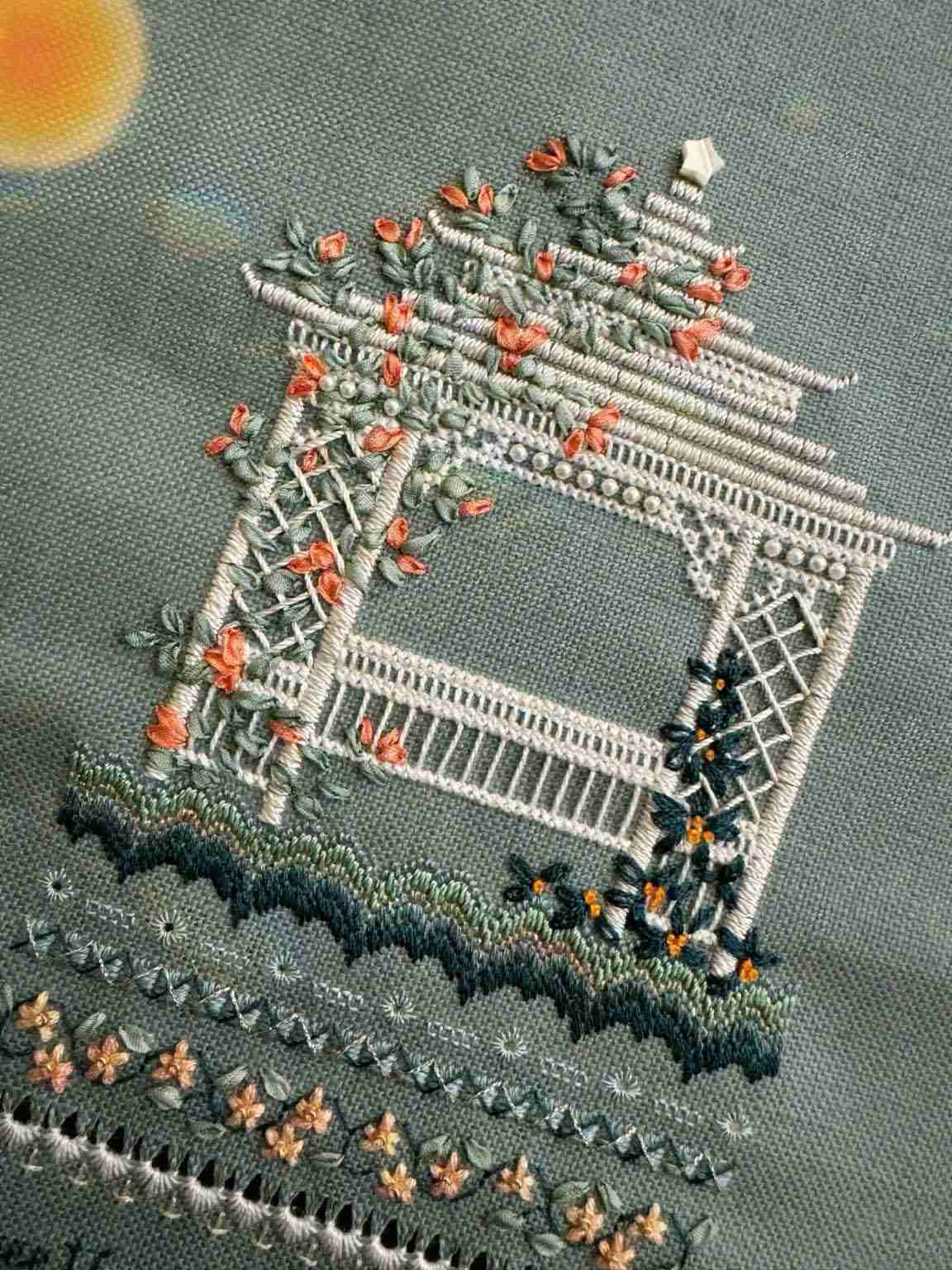
Cross Stitch Embroidery
Cross stitch embroidery features X-shaped stitches forming geometric patterns, folk art motifs, and traditional decorative designs. Ideal for bohemian fashion, resort wear, vintage-inspired collections, and artisan apparel requiring handcrafted aesthetic. Delivers authentic textile art appearance with cultural richness and detailed pattern work.
Get a Quote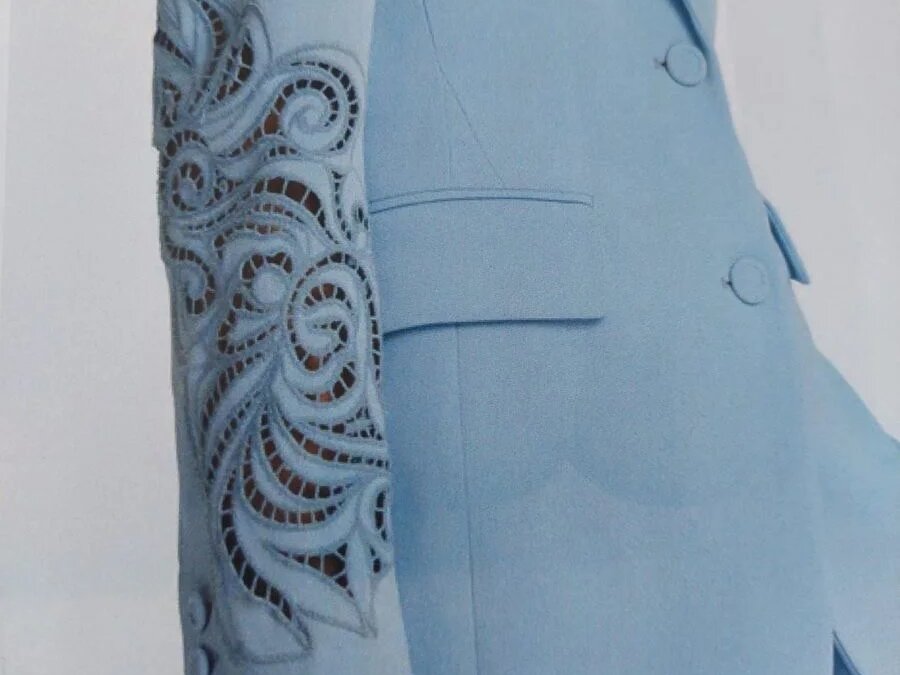
Eyelet Embroidery
Eyelet embroidery creates decorative cutout patterns with reinforced edges for feminine, breathable designs. Perfect for summer dresses, blouses, resort wear, and romantic fashion collections. Delivers delicate lace-like appearance with structural integrity, combining visual lightness with functional ventilation for warm-weather apparel.
Get a Quote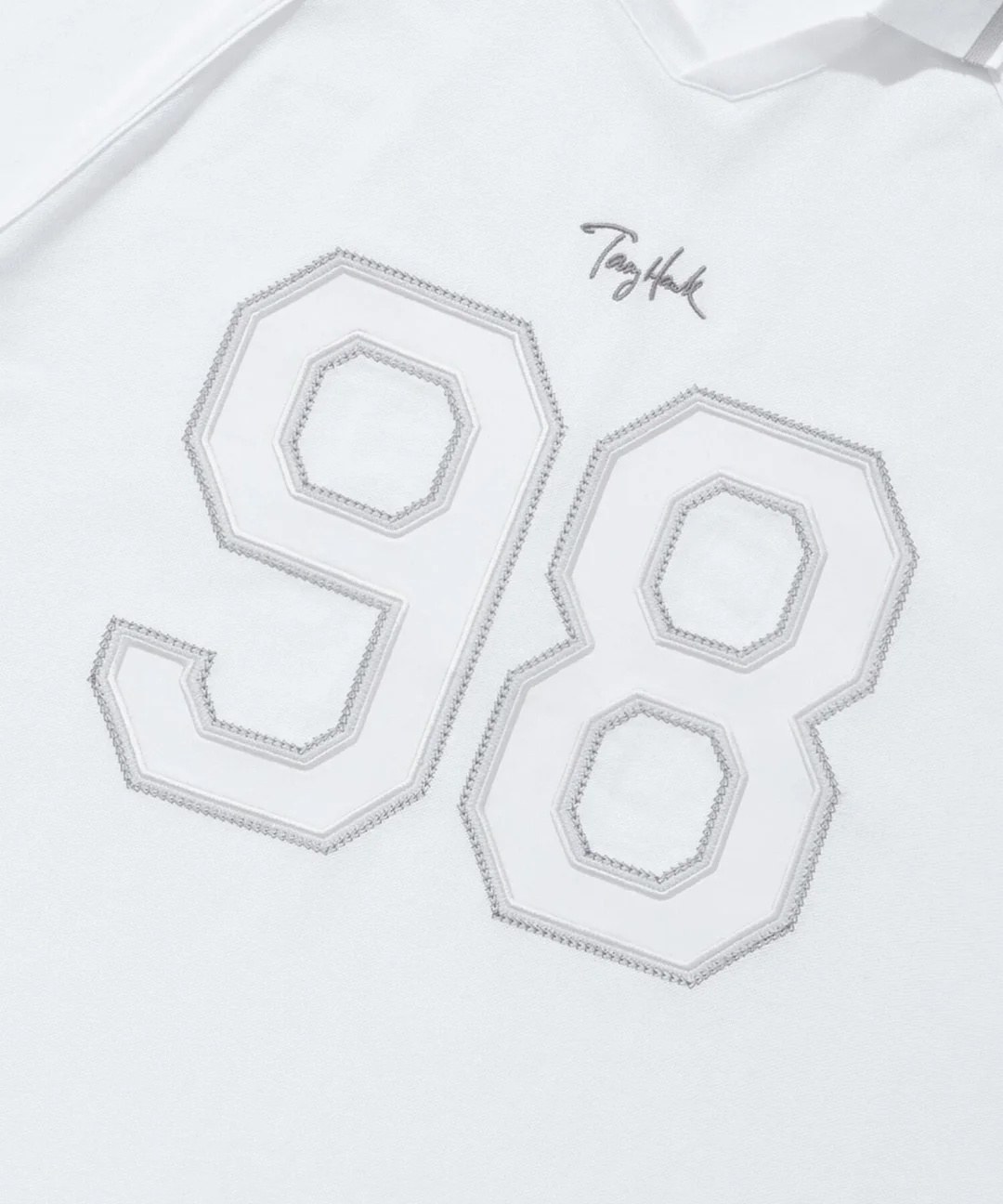
Applique Embroidery
Appliqué embroidery attaches fabric pieces onto garments with decorative stitching for bold graphics, layered textures, and dimensional designs. Ideal for varsity jackets, children’s wear, streetwear collections, and fashion pieces requiring vibrant color blocking. Reduces embroidery density while creating impactful visual presence and premium construction.
Get a Quote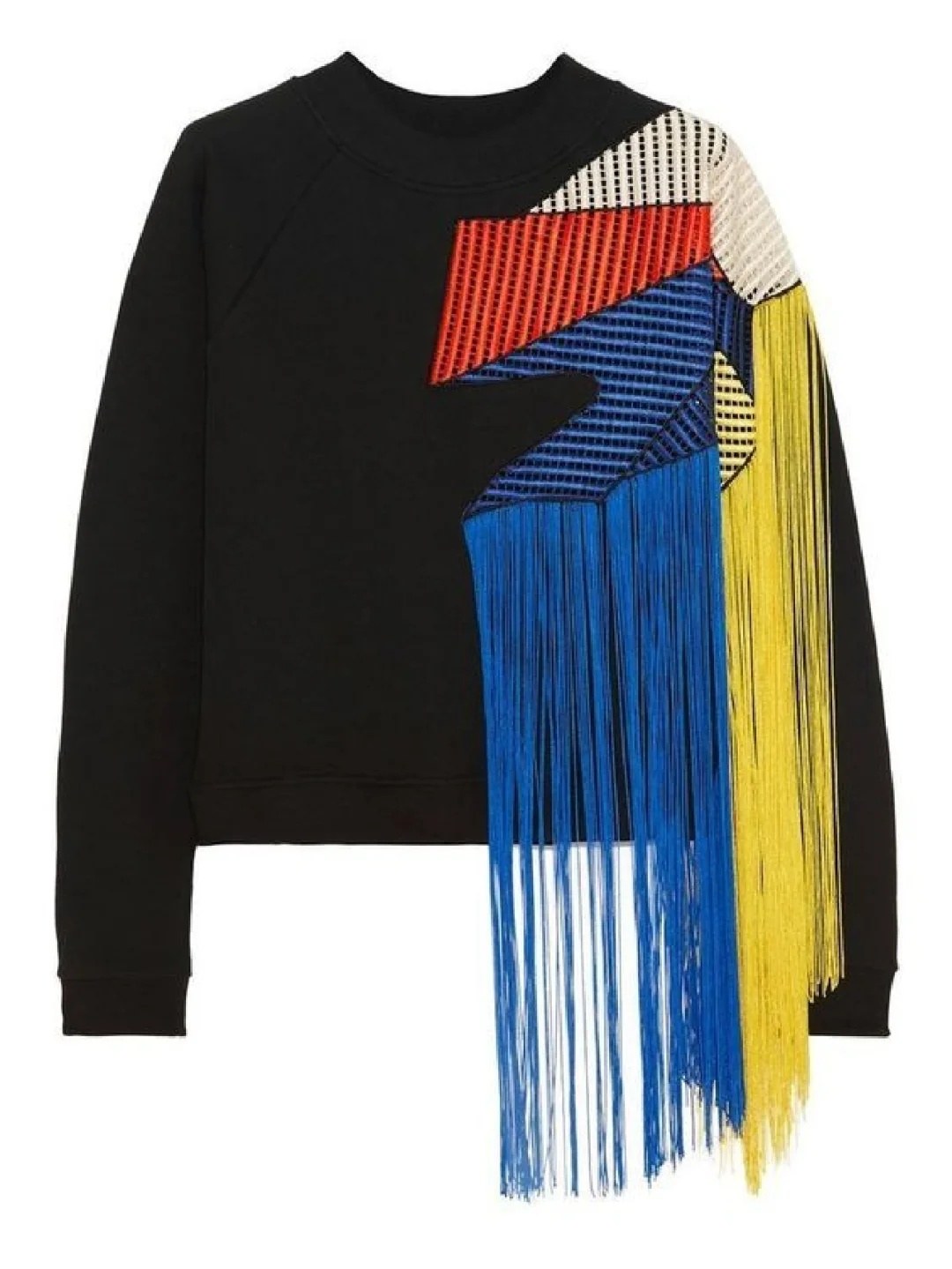
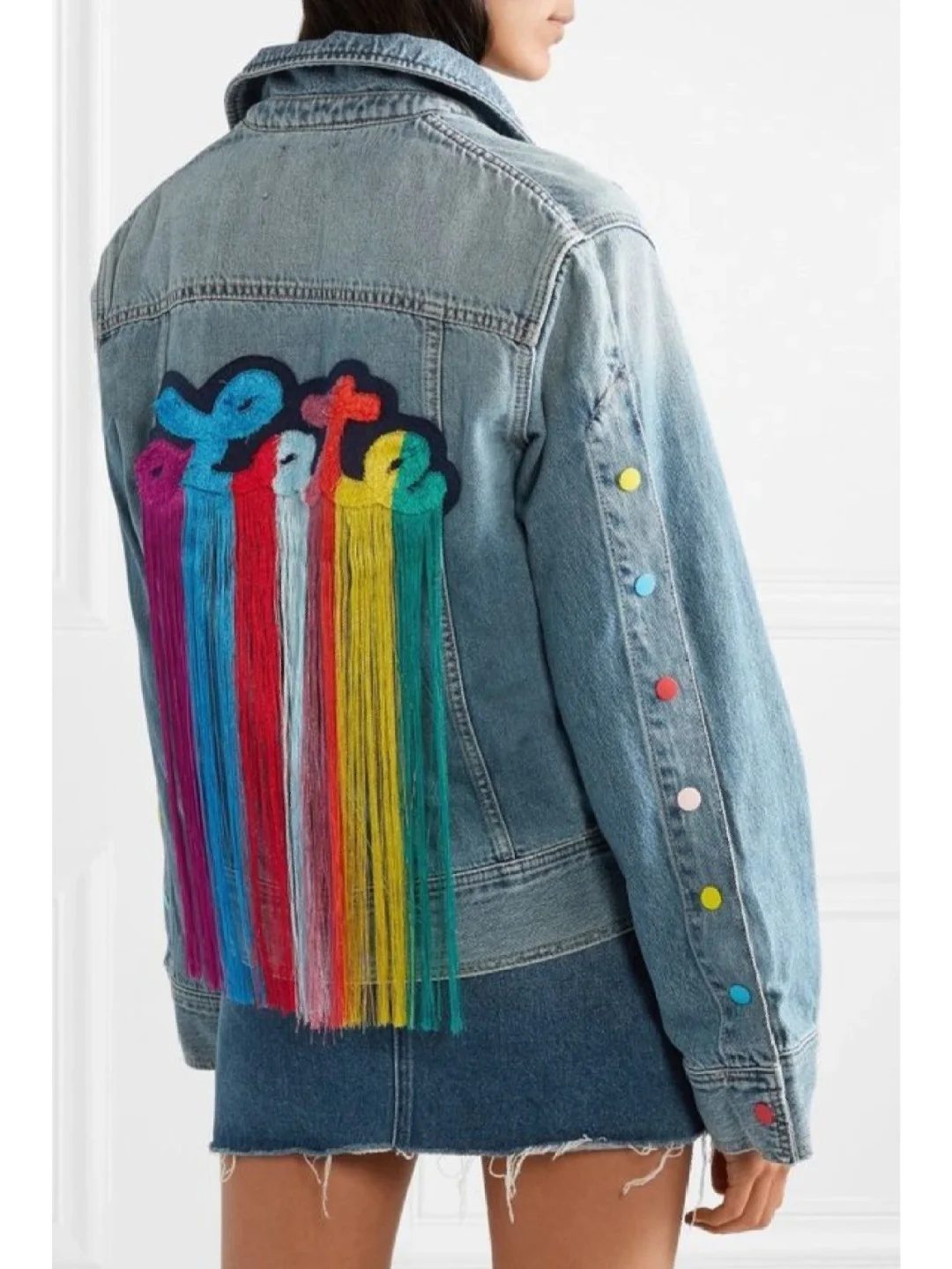
Tassel Embroidery
Tassel embroidery incorporates hanging thread tassels as decorative elements for bohemian, festival, and luxury fashion details. Perfect for resort wear, evening dresses, accessories, and statement pieces requiring movement and textural interest. Delivers playful dimensional embellishment with sophisticated artisan craftsmanship and dynamic visual appeal.
Get a Quote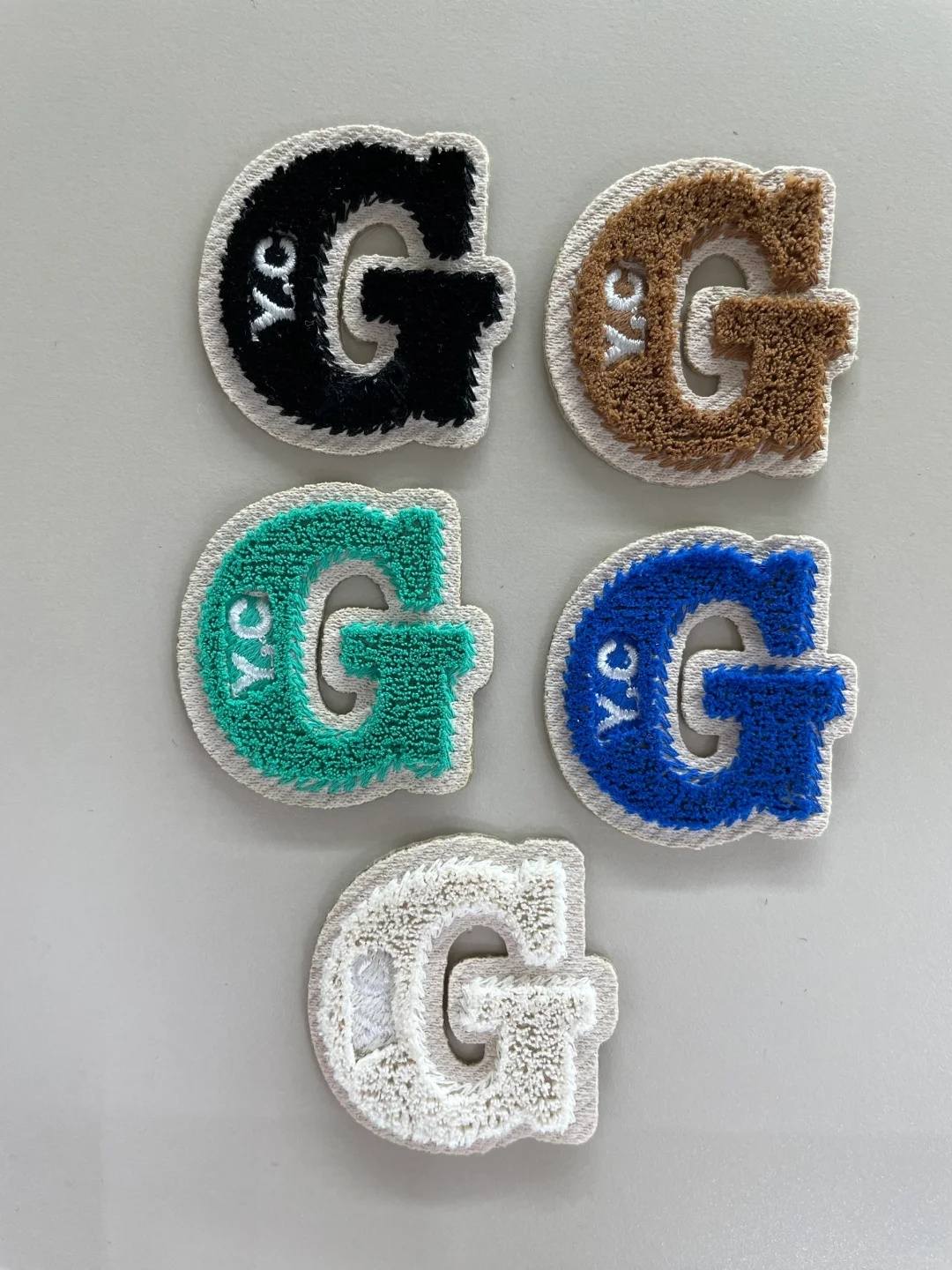
Custom Embroidery Patches
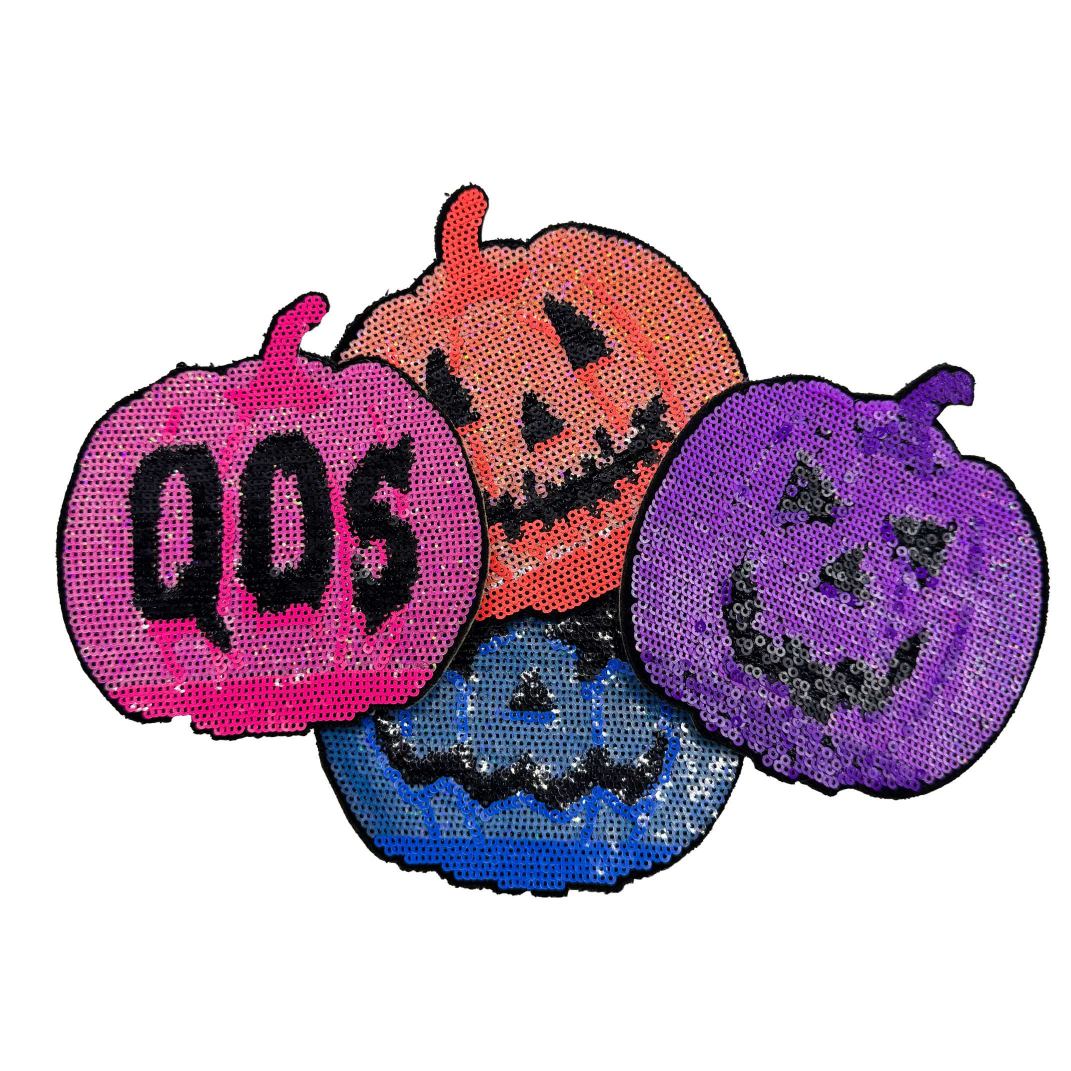
Custom embroidery patches offer versatile branding solutions as sewn-on or iron-on elements for jackets, bags, uniforms, and streetwear. Includes chenille patches, woven patches, PVC patches, and embroidered patches with merrowed borders. Ideal for brand identity, limited editions, and customizable fashion collections requiring flexible application options.
Get a QuoteCustom Embroidery Services Built on 27 Years
ZORWILD was founded in 1998 in Humen, Dongguan, one of the world’s leading garment manufacturing hubs. Our founder grew up in a family deeply rooted in apparel craftsmanship, learning precision embroidery techniques and quality control from his father, a master cutter. What began as a small family workshop has grown into a full-service manufacturer serving over 2,000 fashion brands across six continents.
Today, our team of 200+ skilled workers operates advanced embroidery equipment capable of flat embroidery, 3D puff, chenille, appliqué, and metallic thread applications. We deliver custom embroidery services with meticulous stitch density control, premium thread quality, and exact color matching. Our monthly production capacity exceeds 100,000 units, and we maintain strict quality standards across every embroidery project, from 50-piece startup orders to large-scale production runs.
What sets ZORWILD apart is our commitment to embroidery precision honed over nearly three decades. Premium embroidery elevates brand perception and builds lasting customer loyalty through superior craftsmanship. We control thread tension, garment stabilization, and stitch sequencing to ensure durability and visual clarity. Every embroidered piece passes through our six-stage quality control system, guaranteeing consistent results that elevate your brand’s apparel collections.
Custom Embroidery Services — Advanced Techniques & Equipment
Flat Embroidery with Precision Stitch Control
Our industrial embroidery machines deliver precise flat embroidery with adjustable stitch density, thread tension control, and multi-head production systems. Perfect for logos, text, and detailed artwork on hoodies, jackets, shirts, and caps with consistent quality across production runs.
- 12-head computerized embroidery machines for high-volume production
- Stitch density control from 3mm to 0.4mm for sharp detail and texture variation
- Thread color matching system supporting 120+ thread colors per design
- Automatic thread trimming and jump-stitch removal for clean finishing
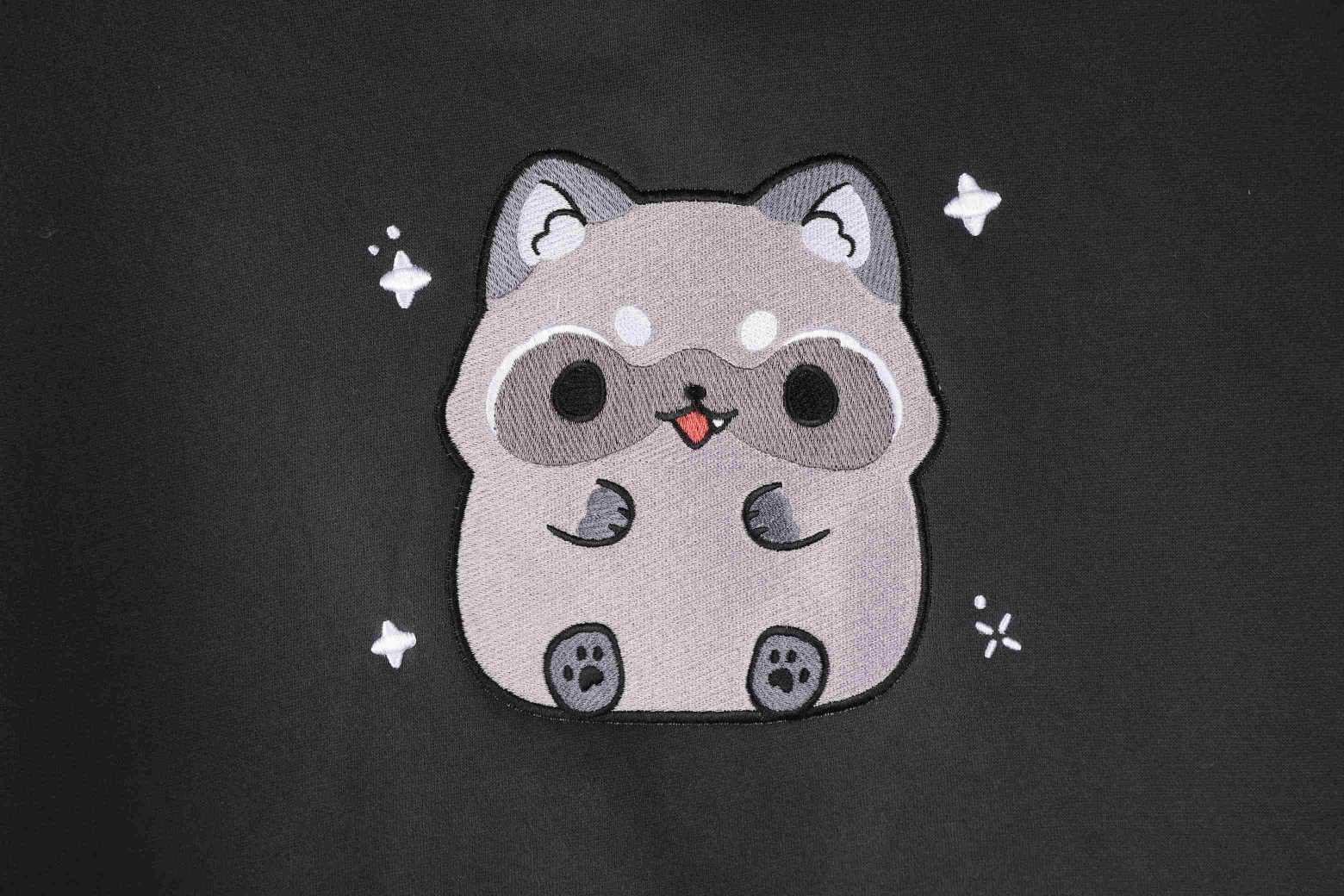
3D and Chenille Embroidery Effects
Specialized equipment and premium chenille yarn create raised, dimensional embroidery perfect for varsity jackets, streetwear hoodies, and luxury apparel. Our 3D puff embroidery and chenille techniques add tactile depth and premium visual impact to brand logos and custom designs.
- Foam underlay technique for 3D puff embroidery with 2-6mm raised height
- Premium chenille yarn in 15+ colors for soft, textured lettering and patches
- Combination embroidery blending flat, 3D, and chenille in single designs
- Specialized needles and tension settings prevent fabric puckering on heavyweight materials
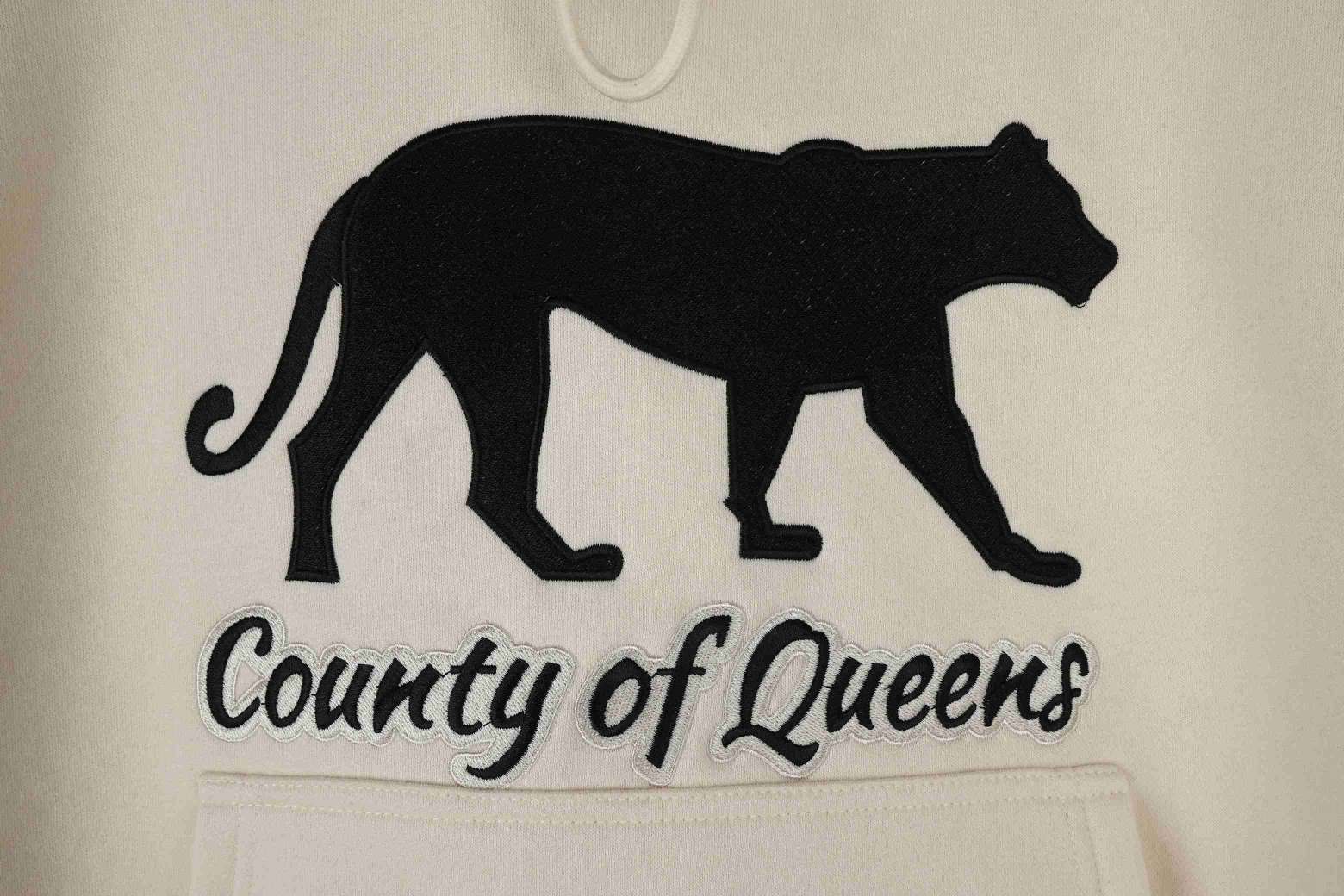
Appliqué and Patch Embroidery Construction
Complex appliqué embroidery combines fabric layering, precision cutting, and decorative stitching for bold designs on jackets, team uniforms, and branded apparel. Our patch embroidery services include custom woven patches, embroidered patches, and direct appliqué application with reinforced edges.
- Laser and die-cutting systems for precise fabric appliqué shapes and patch borders
- Satin stitch and zigzag edge finishing for durable, fray-resistant appliqué construction
- Multi-layer appliqué capability combining felt, twill, leather, and specialty fabrics
- Heat-seal backing and lock-stitch reinforcement for wash-durable patch attachment
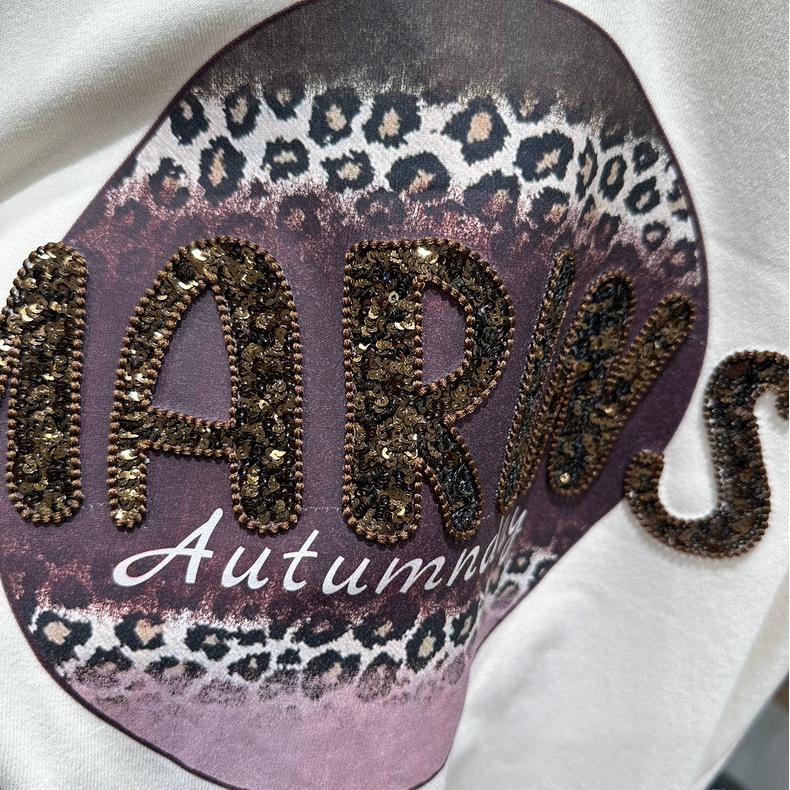
Metallic and Sequin Embroidery Finishing
Luxury embroidery finishes using metallic threads, sequin application, and specialty materials elevate premium collections, evening wear, and high-end streetwear. Our custom embroidery services include gold and silver metallic threads, sequin embroidery, and mixed-media decoration for standout brand identity.
- Metallic embroidery threads in gold, silver, copper, and iridescent finishes
- Automated sequin feeding systems for consistent placement and secure attachment
- Combination techniques pairing metallic threads with standard embroidery for contrast
- Specialty backing stabilizers prevent thread breakage and maintain garment structure
Custom Embroidery Services: ZORWILD vs. Typical Suppliers
Compare our 27-year embroidery expertise, in-house digitizing team, and 6-stage quality control system against typical embroidery suppliers. See why over 2,000 brands trust ZORWILD for custom embroidery services with precision, flexibility, and scalable production capacity.
← 左右滑动查看 →
How Our Custom Embroidery Services Work
ZORWILD’s streamlined 7-phase embroidery production system ensures precision, quality, and fast turnaround from your first artwork submission to final delivery.
Artwork & Design Submission
Submit your logo, design file, or reference image. Our team reviews artwork complexity, size requirements, and garment placement to ensure optimal embroidery results and production feasibility.
Digitizing & File Preparation
Professional digitizers convert your artwork into embroidery machine files, setting stitch types, density, direction, and underlay to achieve sharp detail and proper garment stability during stitching.
Thread Color Matching
We select thread colors from our extensive Pantone-matched library and provide digital or physical swatches for your approval, ensuring brand color accuracy across every production run.
Garment Setup & Tension
Garments are hooped with precise tension control and stabilizer backing is applied based on fabric type, weight, and design complexity to prevent puckering, distortion, or thread breakage.
Embroidery Machine Production
High-speed multi-head embroidery machines execute your design with consistent stitch quality. Our experienced operators monitor tension, thread breaks, and alignment throughout the entire production process.
Quality Control & Inspection
Every embroidered garment undergoes rigorous inspection for stitch count accuracy, color consistency, design positioning, thread trimming, backing removal, and overall finish quality before approval for packing.
Finishing & Packaging
Garments are steamed or pressed to remove hoop marks, folded to brand standards, and packaged with custom labels, hang tags, and polybags ready for retail or direct shipment.
How to Order Custom Embroidery Services from ZORWILD
From artwork submission to delivery, our streamlined process ensures precision embroidery with 50-piece MOQ and full quality control at every stage.
Submit Your Design Files
Send your logo artwork in vector format (AI, EPS, or PDF) along with garment specifications, placement requirements, thread color preferences, and desired embroidery technique.
Review Digitized File Preview
Our team digitizes your artwork and provides a detailed preview showing stitch count, dimensions, thread colors matched to Pantone standards, and positioning mockup for approval.
Approve Physical Sample
Receive an actual embroidered sample on your chosen garment to evaluate thread quality, color accuracy, stitch density, placement precision, and overall craftsmanship before production.
Confirm Production Specifications
Finalize order quantity starting from 50 pieces, garment sizes, embroidery placement, thread colors, backing materials, and any additional decoration techniques for your collection.
Receive Quality-Inspected Delivery
Your custom embroidered garments undergo our 6-stage quality control system before packaging with branded labels, hang tags, and global shipping to your destination.
What Customers Say About Our Custom Embroidery Services
We ordered 150 hoodies with chenille embroidery for our streetwear launch. The stitch density was perfect, colors matched our Pantone references exactly, and ZORWILD delivered samples in just 5 days. Production quality stayed consistent across the entire run.
ZORWILD handled our complex 3D embroidery design with 8 thread colors on polo shirts at only 80 pieces MOQ. Other suppliers required 500+ minimums or couldn’t achieve the detail we needed. Their embroidery team understood our vision immediately.
After testing three embroidery manufacturers, ZORWILD delivered the cleanest flat embroidery on our logo caps. Zero thread breaks, perfect registration on curved surfaces, and their 6-stage QC caught issues before shipping. We’ve reordered four times since.
Frequently Asked Questions About Custom Embroidery Services
What is the minimum order quantity for custom embroidery services at ZORWILD?
Can custom embroidery services be combined with screen printing or other decoration techniques?
What fabrics work best for custom embroidery services?
What is the maximum embroidery design size and stitch count you can handle?
Can you match Pantone colors for custom embroidery services?
What file formats do you accept for custom embroidery services?
What is the lead time and cost for embroidery samples?
What is the positioning tolerance for embroidery placement?
How should customers care for garments with custom embroidery?
The Complete Buyer’s Guide to Custom Embroidery Services for Your Brand
1. What Are Custom Embroidery Services?
Custom embroidery services transform digital artwork into stitched designs on fabric using computerized embroidery machines, typically supporting thread counts from 5,000 to 100,000 stitches per logo depending on complexity. A full-service provider handles digitizing (converting artwork into machine-readable stitch files), thread selection from libraries of 300-plus Pantone-matched polyester or rayon threads, sample creation for client approval, and production runs starting as low as 50 pieces for startup brands. ZORWILD offers flat embroidery, 3D embroidery, chenille embroidery, applique embroidery, patch embroidery, towel embroidery, metallic embroidery, and sequin embroidery with strict control over stitch density, thread quality, color consistency, garment tension, and positioning accuracy.
Embroidery differs fundamentally from screen printing and DTG in both process and result. Screen printing applies ink layers onto fabric surfaces and works best for large color blocks, while DTG uses inkjet technology for photographic detail but lacks texture. Embroidery creates raised, textured designs with superior wash durability—embroidered logos withstand 50-plus industrial wash cycles without fading, compared to 20-30 cycles for many prints. Brands choose embroidery for its premium appearance, three-dimensional texture, professional finish, and longevity, making it ideal for corporate uniforms, luxury streetwear hoodies, branded hats, promotional tote bags, team apparel, resort wear, and high-end fashion collections where tactile quality signals brand value.
2. The Evolution of Custom Embroidery Services
Hand embroidery dominated apparel decoration for centuries, with skilled artisans stitching logos and patterns one garment at a time, requiring weeks or months for small production runs. Traditional hand-stitched embroidery remained the only option until the late 20th century, limiting access to luxury brands and high-volume manufacturers willing to invest in labor-intensive processes.
The introduction of computerized embroidery machines in the 1980s revolutionized the industry by converting artwork into digital stitch files that automated needle movements, thread changes, and pattern replication. Multi-head embroidery systems further accelerated production, enabling manufacturers to stitch 6, 12, or 15 garments simultaneously with consistent quality, reducing lead times from weeks to days and cutting per-unit costs by 60 to 80 percent compared to hand embroidery.
Digitization technology and improved machine accessibility drove the rise of low-MOQ custom embroidery services in the 2000s, allowing startup brands, influencers, and small wholesalers to order embroidered apparel without committing to thousands of units. ZORWILD’s 50-piece minimum reflects this modern manufacturing model, combining advanced multi-head embroidery equipment with flexible production planning to serve emerging brands alongside established fashion labels. This low-MOQ approach enables influencers to test merch collections, small brands to launch capsule lines, and wholesalers to explore new designs without excessive inventory risk or upfront capital investment.
3. Types of Custom Embroidery Services and Techniques
Custom embroidery services encompass multiple techniques, each delivering distinct visual effects and cost profiles. Understanding flat embroidery, 3D puff, appliqué, chenille, and tackle twill enables buyers to align decoration with brand positioning and product category.
Flat Embroidery
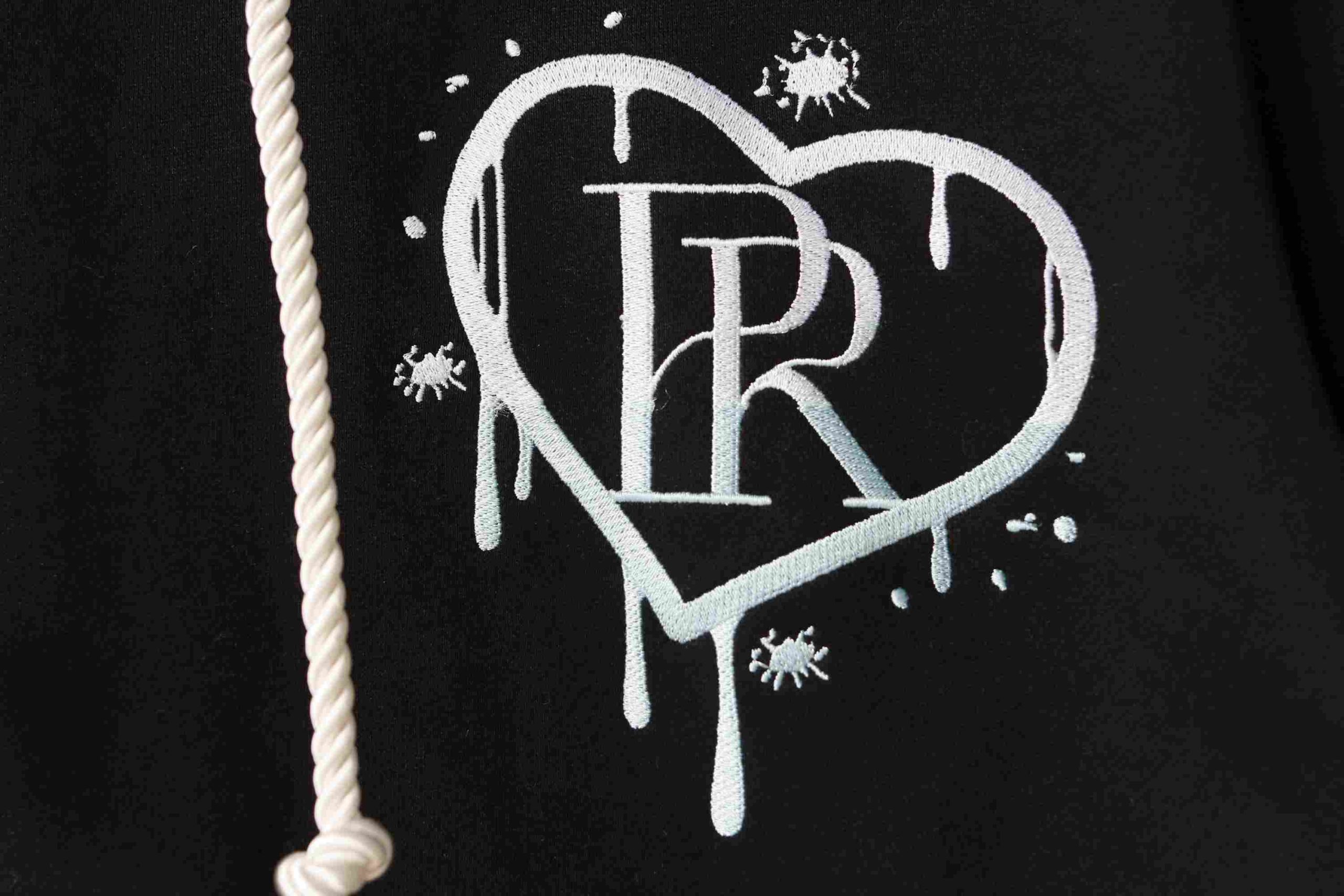
Flat embroidery uses standard satin or fill stitches to create smooth, professional logos and text directly onto fabric. Thread density ranges from 3,000 to 10,000 stitches per design, with higher counts delivering sharper detail and richer color saturation.
This technique suits corporate uniforms, polo shirts, caps, hoodies, and jackets where clean branding is essential. Cost per piece starts around $1.50 for simple left-chest logos, scaling with stitch count and thread color changes.
ZORWILD applies flat embroidery across all garment categories with careful tension control to prevent puckering on lightweight fabrics and stretch knits.
3D Puff Embroidery
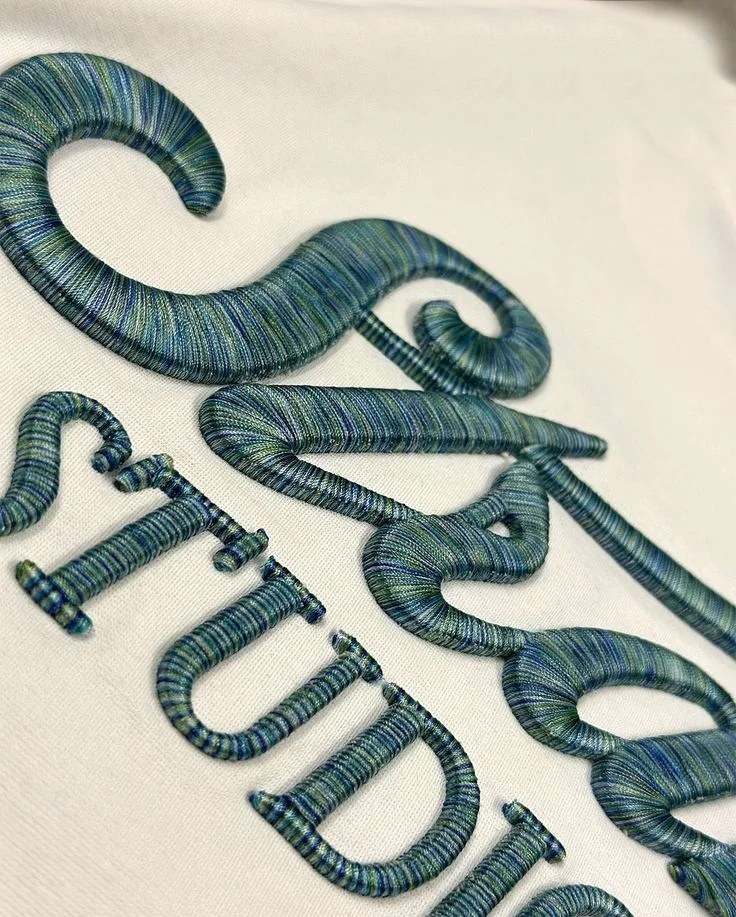
3D puff embroidery layers foam under stitching to create raised, dimensional logos that stand 2–4 mm above the fabric surface. The foam is cut by needle penetration, then covered with satin stitches for a bold, tactile effect popular in streetwear and athletic branding.
Best applications include caps, hoodies, sweatshirts, and varsity jackets where high-impact branding is desired. Costs run 20–30% higher than flat embroidery due to foam material and slower stitch speeds.
Designs must use bold lettering or simple shapes; fine detail collapses under foam. ZORWILD recommends minimum 8 mm letter height for legibility.
Chenille and Patch Embroidery
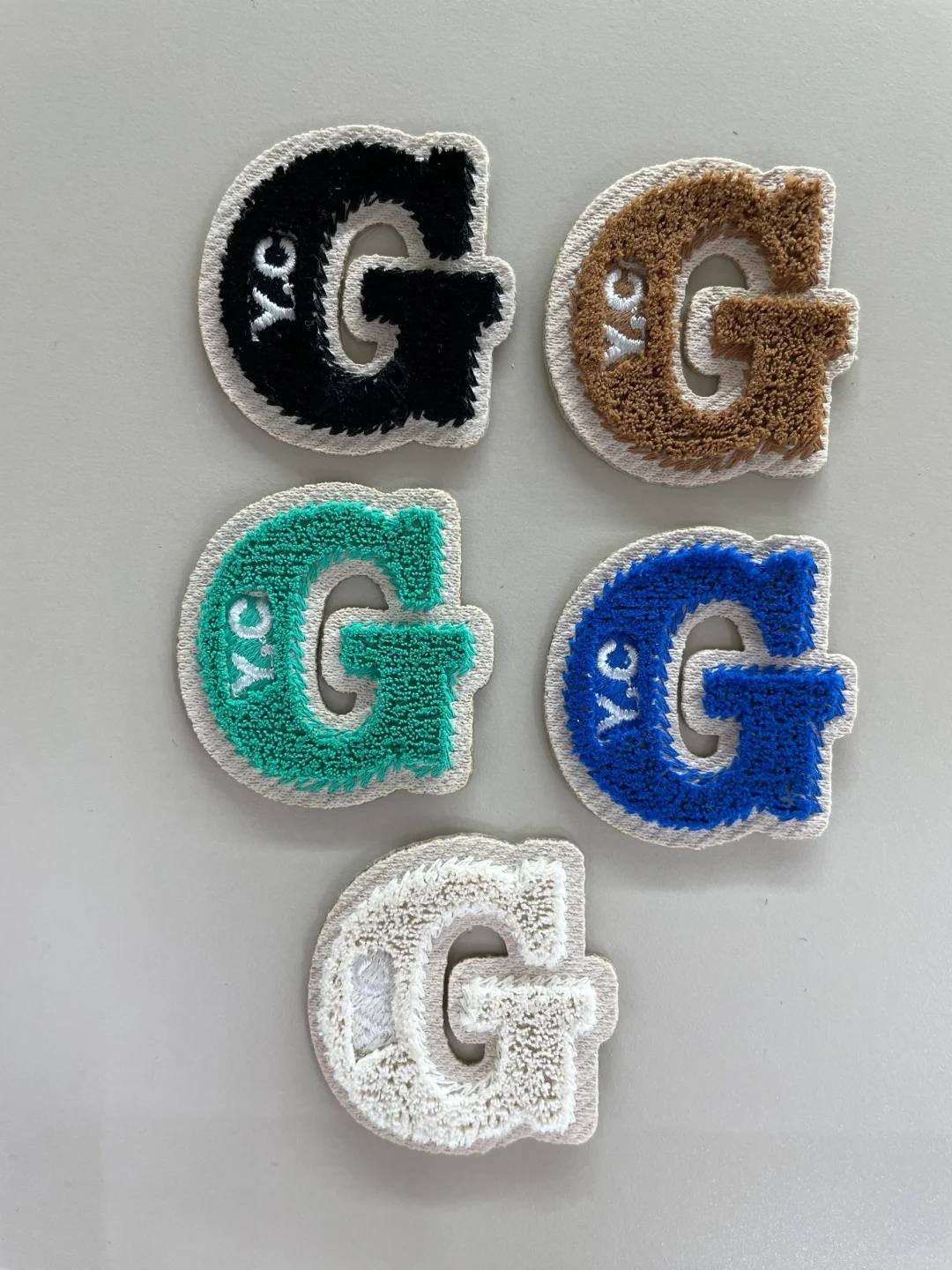
Chenille embroidery uses looped, textured thread to produce plush, varsity-style lettering and emblems with vintage athletic appeal. Patch embroidery stitches designs onto twill or felt backing, then heat-seals or sews the finished patch onto garments for durability and layered texture.
Chenille works best on bomber jackets, varsity jackets, and premium hoodies targeting retro or collegiate aesthetics. Patch embroidery suits workwear, outdoor jackets, and streetwear where removable or replaceable branding is valued.
Chenille adds $3–$6 per piece; patches range $2–$5 depending on size and backing. ZORWILD produces both techniques in-house with precise color matching and edge finishing.
4. Materials and Fabrics Compatible with Custom Embroidery Services
Embroidery success depends heavily on base fabric structure, weight, and stability. ZORWILD’s custom embroidery services support cotton, polyester, cotton-poly blends, fleece, denim, canvas, and nylon across hoodies, T-shirts, jackets, and workwear.
| Fabric Type | Weight Range (GSM) | Embroidery Suitability | Typical Uses |
|---|---|---|---|
| Cotton Twill | 180–280 | Excellent | Polo shirts, uniforms, workwear |
| Cotton-Poly Blend | 160–240 | Excellent | T-shirts, casual shirts, sportswear |
| Fleece | 280–400 | Good | Hoodies, sweatshirts, outerwear |
| French Terry | 240–320 | Good | Hoodies, sweatpants, casual tops |
| Denim / Canvas | 240–420 | Excellent | Jackets, jeans, bags, workwear |
| Nylon / Polyester | 80–150 | Fair | Windbreakers, puffer jackets, sportswear |
Cotton and Cotton-Poly Blends
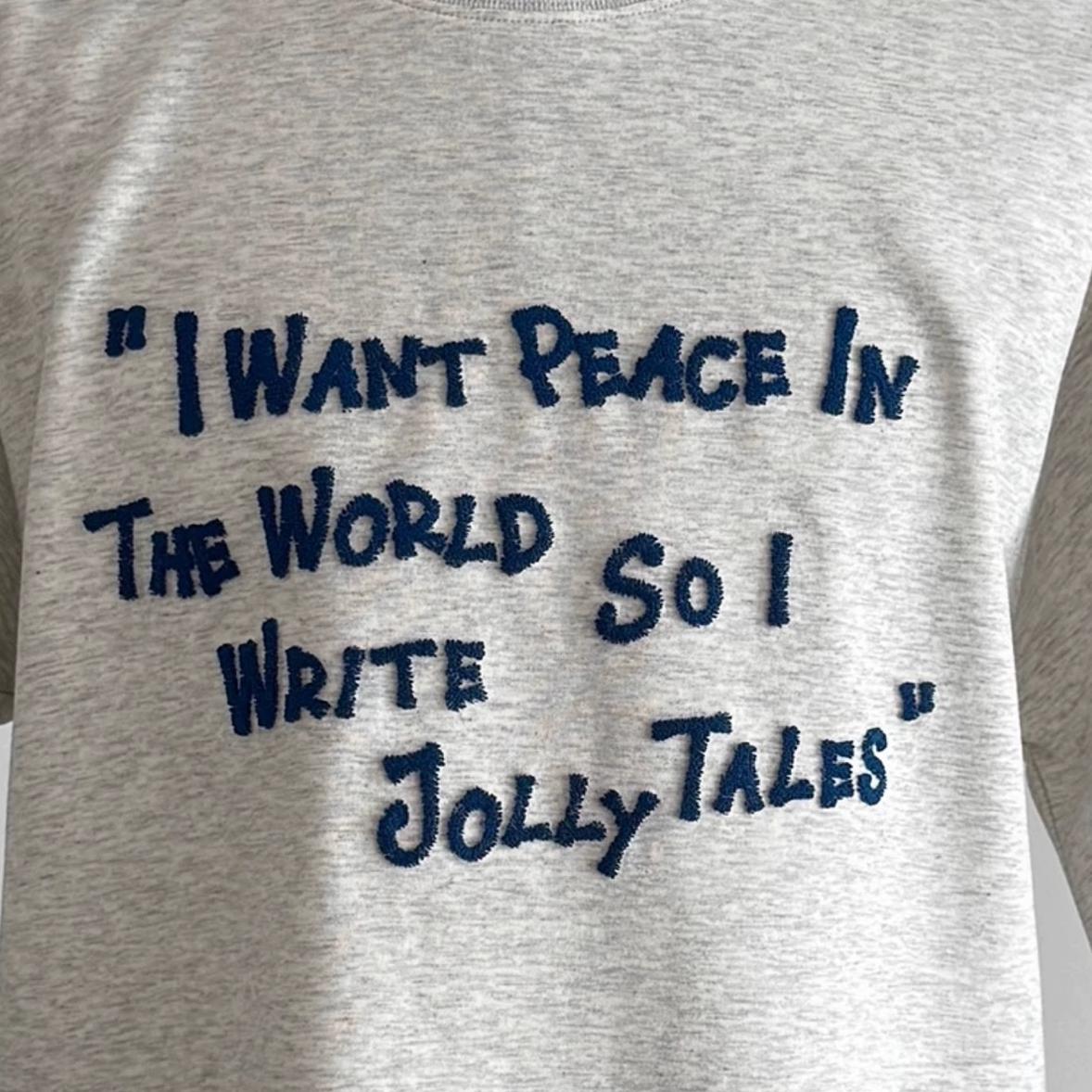
100% cotton twill (180–280 GSM) offers excellent stitch stability and minimal puckering, making it ideal for polo shirts, uniform shirts, and workwear jackets. Cotton-poly blends (50/50 or 65/35) combine dimensional stability with wrinkle resistance, requiring medium-weight cutaway backing for flat embroidery and tear-away backing for simple logos.
Ring-spun cotton jersey (160–220 GSM) used in T-shirts and casual tops needs careful tension control and cutaway stabilizers to prevent fabric stretch during embroidery. Heavier cotton twill fabrics (above 240 GSM) support dense embroidery designs, 3D puff effects, and chenille applications without visible distortion.
Fleece and French Terry
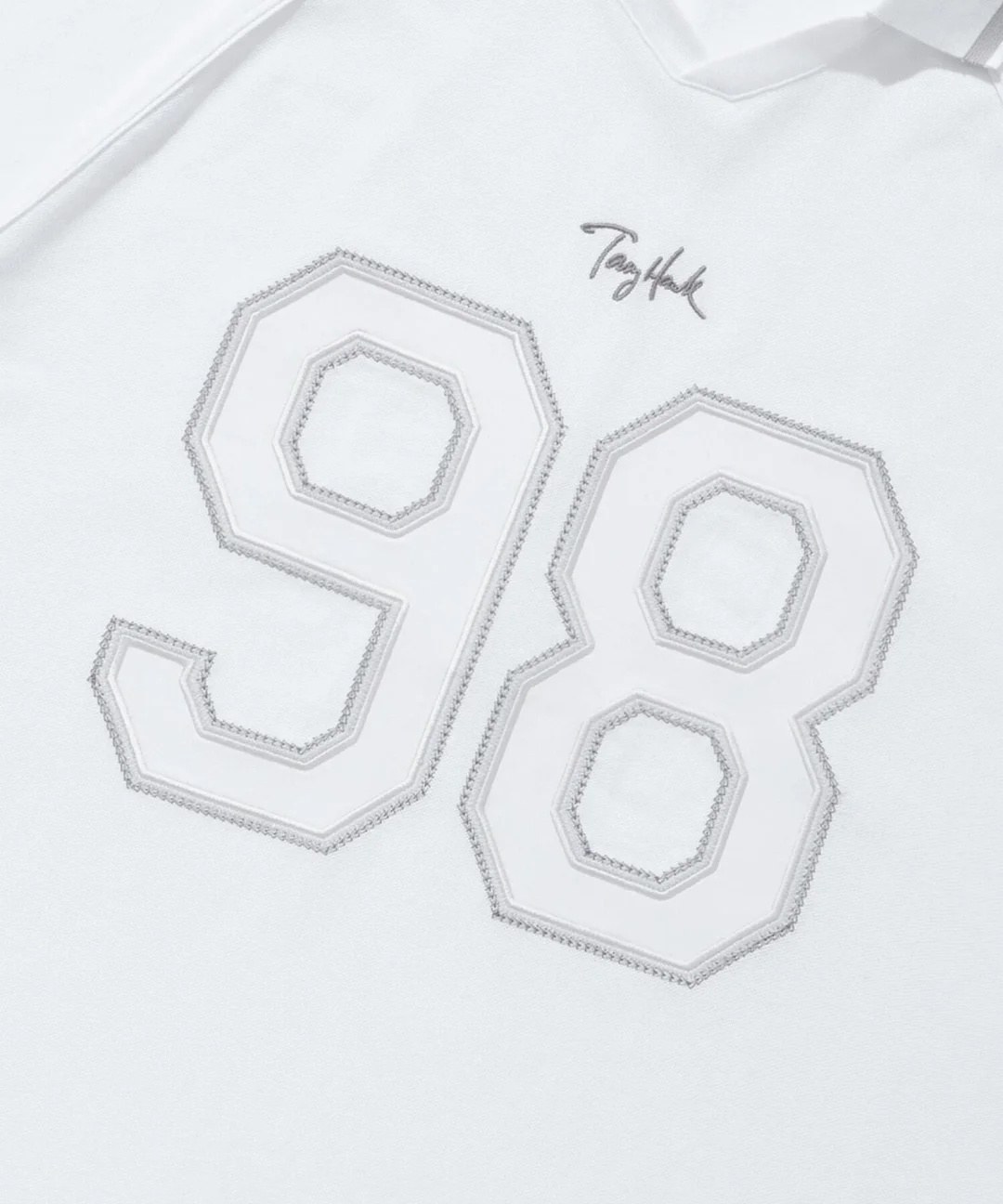
Fleece fabrics (280–400 GSM) in hoodies and sweatshirts require medium-to-heavy cutaway backing to stabilize the looped interior structure and prevent stitches from sinking into the pile. French terry (240–320 GSM) offers a flatter surface than fleece, supporting flat embroidery, chenille patches, and applique embroidery with consistent stitch definition.
Oversized hoodies and heavyweight sweatshirts benefit from water-soluble topping to prevent embroidery from disappearing into high-pile fleece, ensuring logo clarity and professional finish quality.
Denim, Canvas, and Nylon
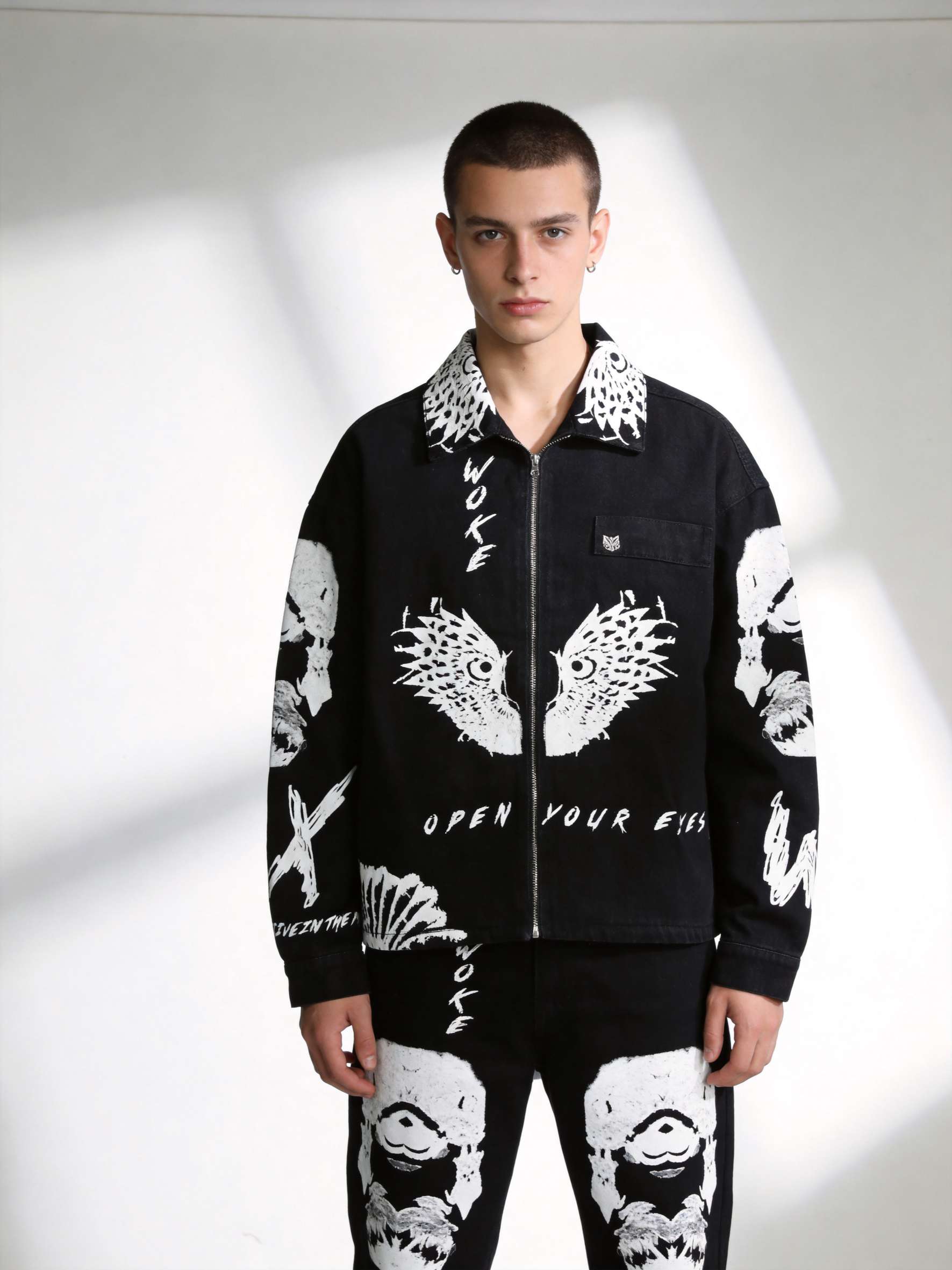
Denim (10–14 oz) and cotton canvas (8–12 oz) provide rigid, stable surfaces for high-stitch-count embroidery, metallic threads, and multi-layer applique without additional backing on lighter designs. Heavy denim jackets and workwear require tear-away or cutaway backing for large logos to prevent needle deflection and thread breaks.
Nylon and polyester technical fabrics (80–150 GSM) in windbreakers, puffer jackets, and sportswear demand lightweight cutaway backing and reduced embroidery speed to avoid fabric puckering, heat damage, and thread tension issues on slippery synthetic surfaces.
5. Customization Options in Custom Embroidery Services
Custom embroidery services offer extensive design variables that directly affect brand identity, production cost, and visual impact. Understanding which options are standard and which command premium pricing helps buyers allocate budgets strategically and communicate specifications clearly.
| Feature | Standard Embroidery | Premium Embroidery | Cost Impact |
|---|---|---|---|
| Thread Type | Polyester stock colors | Pantone match, metallic, glow | +$0.50–$2.00/piece |
| Stitch Density | 3,000–4,500 stitches/in² | 5,000–6,000 stitches/in² | +15–30% cost |
| Logo Locations | Single (chest or cap) | Multi-location (2–3 zones) | +$2–$8/location |
| Digitizing Fee | $20–$50 simple designs | $80–$150 complex artwork | One-time charge |
| Specialty Effects | Flat embroidery only | 3D puff, chenille, sequins | +$1–$3/piece |
Thread Colors and Pantone Matching
Most manufacturers stock 100–200 standard polyester embroidery thread colors covering basic palettes. Pantone or PMS matching requires sourcing specialty threads, typically adding 3–7 days to lead time and $15–$40 per custom color for small runs.
ZORWILD supports Pantone thread matching across flat embroidery, 3D embroidery, and chenille embroidery with strict color consistency checks during in-line production inspection to ensure brand color accuracy across batches.
Stitch Density, Logo Size, and Placement
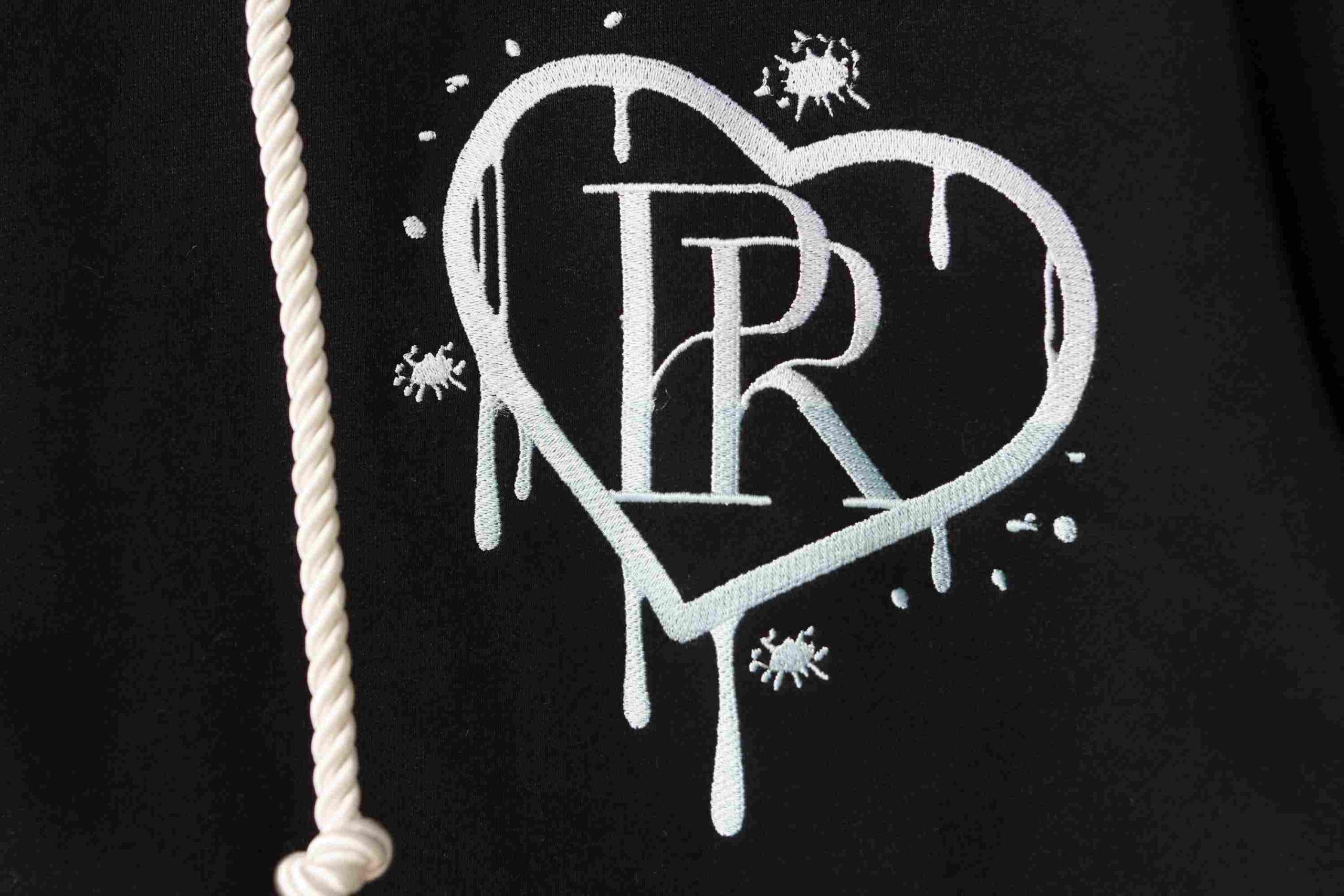
Stitch density ranges from 3,000–6,000 stitches per square inch; higher density increases durability and color saturation but raises cost and production time. Logo sizes from 2×2 inches to 12×12 inches are common, with left chest (3×3 inches), back yoke, sleeve, and cap front as standard placements.
Multi-location embroidery—such as chest plus sleeve or front plus back—adds $2–$8 per location depending on stitch count and complexity, enabling cohesive branding across garment zones.
Digitizing: Process, Cost, and File Requirements
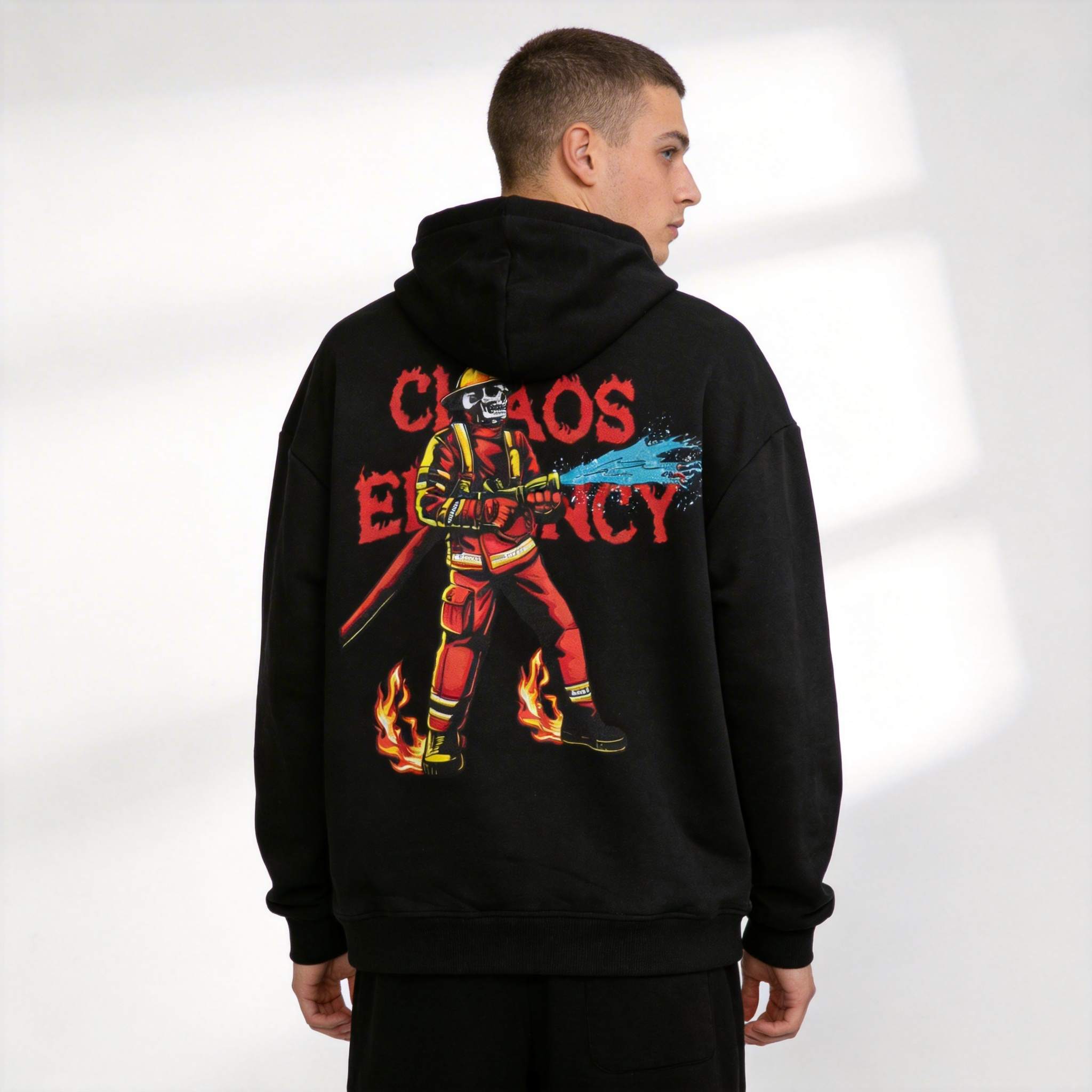
Digitizing converts artwork into machine-readable stitch files (DST, EMB, or PES formats). First-time digitizing fees range from $20–$150 per design based on complexity, stitch count, and detail level; repeat orders use stored files at no additional charge.
Clients should supply vector files (AI, EPS, PDF) or high-resolution PNG/JPG (minimum 300 DPI) for accurate digitizing. ZORWILD includes digitizing for orders above 200 pieces and charges a one-time fee for smaller runs, with file ownership transferred to the client.
6. Key Quality Indicators When Evaluating Custom Embroidery Services
Professional embroidery quality separates premium garments from returns and complaints. ZORWILD’s 27 years of manufacturing experience have established clear benchmarks that help brands evaluate samples before committing to production runs.
Stitch Density and Coverage
Professional embroidery requires 3,000 to 4,000 stitches per square inch for solid fill areas, ensuring opacity without fabric show-through. Under-digitized designs create gapping where base fabric remains visible, while excessive density causes puckering and thread buildup.
ZORWILD’s digitizing team balances stitch count with fabric weight — heavyweight fleece tolerates higher density than lightweight jersey. Pre-production samples reveal whether coverage meets brand standards across different garment types.
Thread Tension and Backing Integrity
Correct thread tension produces flat, smooth embroidery without puckering, tunneling, or thread loops on the reverse side. Poor tension control creates visible distortion around logos, especially on stretch fabrics like French terry hoodies and performance wear.
Stabilizer backing must match fabric type and design complexity — tear-away for stable wovens, cut-away for knits, water-soluble for delicate materials. ZORWILD applies multi-layer backing for high-stitch-count designs exceeding 10,000 stitches to prevent fabric distortion during production.
Quality Checklist for Sample Review
Professional buyers inspect samples under direct lighting to identify defects invisible in photos. Clean start and stop points with no visible thread tails indicate skilled machine operation and proper trimming protocols.
Color accuracy must match Pantone references or approved thread charts, with consistent shade across all garment positions. Wash testing reveals durability — quality embroidery withstands 50+ industrial laundry cycles without fraying, color bleeding, or thread loosening.
- No loose threads, gapping, or visible fabric between stitches in solid areas
- Uniform tension with flat surface and no puckering on front or reverse
- Sharp edges and clean letterforms with no stitch drift or misalignment
- Backing fully concealed with no rough edges irritating skin contact areas
- Thread color consistency matching approved standards across all samples
7. How to Choose the Right Custom Embroidery Services Provider
Selecting the right partner for custom embroidery services requires evaluating production capabilities, commercial terms, and operational reliability. A structured framework helps buyers compare providers and identify the best fit for their brand stage and volume needs.
Minimum Order Quantity and Flexibility
MOQ policies separate startup-friendly manufacturers from volume-only operations. Many embroidery providers require 500–1,000 pieces per design, creating inventory risk for emerging brands. ZORWILD’s 50-piece MOQ enables influencers and small brands to test designs, launch capsule collections, and manage cash flow without overcommitting to untested products.
Flexibility extends beyond initial minimums—ask whether the supplier accepts mixed SKUs within a single order and supports reorder scalability as your brand grows.
Turnaround Time and Digitizing Capabilities
Lead times typically span 15–30 days for overseas manufacturing and 7–14 days for domestic providers, excluding digitizing and sampling phases. In-house digitizing teams reduce delays and maintain stitch-file quality, while outsourced digitizing adds 3–5 days and potential quality inconsistencies.
Confirm whether the provider offers free digitizing for orders above a threshold and whether they archive your files for seamless reorders.
Sample Policy and Machine Capacity
Pre-production samples reveal thread tension, stitch density, and placement accuracy before bulk commitment. Suppliers should provide samples at cost or free for qualified orders, with 5–7 day sample turnarounds.
Machine capacity determines scalability—single-head machines suit low-volume custom work, while multi-head setups (6–15 heads) enable efficient runs of 500+ units with consistent quality across all garments.
Local vs. Overseas Provider Trade-Offs
Domestic providers offer faster communication, shorter lead times, and easier quality resolution but typically charge 40–70% higher unit costs and enforce stricter MOQs. Overseas manufacturers like ZORWILD deliver competitive pricing, advanced decoration capabilities, and flexible minimums, with trade-offs in shipping time (10–20 days) and time-zone coordination.
Established Chinese manufacturers in Dongguan provide 27+ years of garment expertise, full-category production, and integrated fabric sourcing that domestic embroidery shops cannot match.
8. Common Mistakes Buyers Make with Custom Embroidery Services
Even experienced buyers make costly mistakes when sourcing custom embroidery services. Understanding these pitfalls before production starts protects both timeline and budget, ensuring professional results from the first order.
Choosing Overly Detailed Artwork
Designs with fine lines below 1 mm, gradients, or tiny text often fail in embroidery because thread diameter and stitch density cannot reproduce detail smaller than 0.5 mm. Submitting high-resolution photos or intricate logos without consulting the digitizer leads to blurred, illegible results.
Tip: Share artwork early and request a digitized proof before sampling. ZORWILD’s development team reviews designs for stitch compatibility and recommends simplification or alternative techniques like screen printing when detail exceeds embroidery limits.
Ignoring Fabric and Thread Compatibility
Heavy metallic thread on lightweight jersey causes puckering, while dense embroidery on stretch fabrics distorts during wear. Mismatched stabilizer weight or thread tension creates waves, pulls, and registration errors that ruin garment appearance.
Tip: Specify fabric weight and stretch percentage when requesting quotes. Trusted manufacturers like ZORWILD test thread tension and stabilizer type during sampling to ensure flat, durable embroidery on cotton, fleece, denim, and technical fabrics.
Skipping the Sample Stage
Ordering bulk production without a physical sample risks incorrect sizing, poor thread color matching, or unexpected texture. Digitized files vary between machines, and color appearance shifts under different lighting and fabric backgrounds.
Tip: Always approve a physical sample on your chosen fabric before bulk production. ZORWILD provides sampling from 50 pieces, allowing startups to verify stitch quality, logo placement, and wash durability before committing to larger orders.
Underestimating Lead Times
Embroidery adds 3–7 days to standard garment production timelines due to digitizing, hooping setup, machine run time, and quality inspection. Rush orders without advance notice often incur premium fees or compromise quality control steps.
Tip: Plan 4–6 weeks for custom embroidery orders including sampling, especially for complex multi-head designs or seasonal launches. ZORWILD’s production calendar helps brands schedule embroidery work around fabric sourcing and shipping deadlines.
Not Clarifying Digitized File Ownership
Many suppliers retain ownership of digitized embroidery files, charging repeat fees for future orders or preventing buyers from switching manufacturers. Unclear contracts leave brands dependent on a single vendor and unable to scale production.
Tip: Negotiate file ownership in writing before production starts. ZORWILD provides clients with digitized files upon request, enabling flexible reordering and multi-supplier strategies as brands grow.
Ordering Without Wash-Test Data
Embroidery that looks perfect off the line may fray, fade, or pucker after three washes if thread quality or stabilizer choice is substandard. Skipping wash testing exposes brands to customer returns and reputation damage.
Tip: Request wash-test results or conduct your own test on samples through five industrial wash cycles. ZORWILD’s quality control includes wash testing for thread colorfastness, stitch integrity, and fabric stability before bulk shipment.
Selecting the Cheapest Bid Without Quality Vetting
Low quotes often reflect inferior thread, outdated machines, or inexperienced digitizers who produce loose stitches, thread breaks, and misaligned logos. Cost savings disappear when defect rates exceed 10 percent and rework delays shipment.
Tip: Evaluate samples, customer references, and production capacity alongside pricing. ZORWILD’s 27 years of embroidery experience, modern multi-head machines, and strict quality inspection ensure consistent results across 50-piece startups and 10,000-unit production runs.
9. Step-by-Step: Launching Your Brand with Custom Embroidery Services
Launching a brand with custom embroidery services requires a clear roadmap from concept to delivery. ZORWILD’s 27-year production experience supports first-time buyers through every milestone, from 50-piece startup runs to full-scale collections.
Define Product Line and Target Audience
Start by identifying 2–4 core product categories that align with your brand positioning — hoodies, T-shirts, jackets, or caps. ZORWILD serves startup brands, influencers, and wholesalers with low MOQ production starting at 50 pieces per style, allowing you to test markets without inventory risk.
Map your audience demographics to fabric weight and fit: streetwear brands favor heavyweight 320–400 GSM hoodies, while resort labels choose lightweight linen or rayon shirts. Clear positioning guides every downstream decision from thread color to stitch density.
Design Your Logo for Embroidery Constraints
Embroidery digitizing works best with logos under 100 mm width, 3–5 colors, and no fine serif fonts below 5 mm height. Avoid gradients, photo-realistic details, or intricate line work thinner than 0.5 mm.
ZORWILD’s development team reviews artwork for stitch compatibility and recommends simplifications before digitizing. Converting a complex logo to flat embroidery, 3D puff, or chenille ensures production-ready files and prevents costly re-sampling.
Select Fabrics and Garment Blanks
Choose base garments that support embroidery tension: stable woven fabrics like cotton poplin, heavyweight 280–400 GSM French terry, or twill structures. Avoid ultra-stretch knits or lightweight jersey below 160 GSM, which pucker under dense stitching.
ZORWILD sources cotton, organic cotton, polyester blends, fleece, denim, and technical fabrics from trusted Chinese suppliers, matching fabric performance to your brand tier and price point. Fabric selection directly impacts embroidery quality, garment durability, and customer satisfaction.
Request Digitizing and Approve Digital Proof
Submit vector artwork (AI, EPS, or PDF) to the production team for digitizing — the process of converting graphics into machine-readable stitch files. ZORWILD provides digital proofs showing stitch paths, density, underlay, and color sequence before any needle touches fabric.
Review stitch count (typically 4,000–12,000 stitches for a chest logo), thread colors matched to Pantone references, and placement coordinates. Approval at this stage locks in embroidery quality and prevents misalignment or thread breaks during bulk production.
Order and Evaluate a Sample
Order a pre-production sample to assess embroidery sharpness, fabric hand feel, garment fit, wash durability, and label placement. ZORWILD’s sampling process includes fabric inspection, decoration application, washing, and finishing to mirror bulk production conditions.
Check stitch density consistency, thread tension balance, backing visibility, and color accuracy under natural light. First-time buyers should request 2–3 samples per style to compare wash effects, sizing accuracy, and construction quality before committing to a 500- or 1,000-piece order.
Place Production Order and Plan Quality Inspection
Confirm quantities, sizes, colors, packaging, and lead times in a signed purchase order. ZORWILD’s bulk production includes raw material inspection, in-line sewing checks, embroidery quality audits, measurement verification, and final product inspection before shipping.
Plan for 15–30 day lead times for 50–500 piece orders, 30–45 days for 1,000+ units. Coordinate air freight for speed or sea freight for cost efficiency, and arrange third-party inspection if required by your market or retail partners.
10. Pricing and Cost Structure for Custom Embroidery Services
Custom embroidery services pricing comprises four primary cost components: a one-time digitizing fee ranging from $15 to $50 per logo design, per-garment embroidery cost calculated by stitch count (typically $0.50 to $3.00 per placement for logos between 5,000 and 15,000 stitches), base garment cost determined by fabric quality and product category, and setup or sampling fees averaging $50 to $150 per style. ZORWILD’s 27 years of manufacturing experience and 6-stage quality control system enable transparent pricing structures that help brands budget accurately from initial sampling through bulk production.
Stitch count and thread color complexity directly impact embroidery cost per unit. A simple left-chest logo with 6,000 stitches and three thread colors costs approximately $1.20 to $1.80 per garment, while a complex back embroidery with 12,000 stitches and eight colors ranges from $2.50 to $4.00 per placement. Base garment costs vary by category: standard cotton T-shirts start at $3.50 to $5.00, premium hoodies range from $8.00 to $15.00, and technical jackets span $12.00 to $25.00 depending on fabric and construction.
Economies of scale become significant at higher order quantities. At 50-piece minimum orders, brands typically invest $18 to $22 per finished embroidered garment including all fees, while 1,000-piece orders reduce per-unit costs to $10 to $14 through digitizing fee amortization, bulk fabric pricing, and production efficiency gains. Lead times decrease proportionally: 50-piece orders ship in 12 to 18 days, while 500-piece runs complete in 18 to 25 days with optimized production scheduling.
| Quantity Tier | Per-Unit Embroidery Cost | Base Garment Cost | Total Per Unit | Lead Time |
|---|---|---|---|---|
| 50 pieces | $1.50 – $3.00 | $4.00 – $12.00 | $18.00 – $22.00 | 12 – 18 days |
| 100 pieces | $1.30 – $2.50 | $3.80 – $11.00 | $16.00 – $19.00 | 14 – 20 days |
| 250 pieces | $1.10 – $2.20 | $3.50 – $10.00 | $14.00 – $17.00 | 16 – 22 days |
| 500 pieces | $0.90 – $1.80 | $3.20 – $9.50 | $12.00 – $15.00 | 18 – 25 days |
| 1,000 pieces | $0.70 – $1.50 | $3.00 – $9.00 | $10.00 – $14.00 | 20 – 28 days |
Ready to Order Custom Embroidery Services?
Send your design today for a free digitized file preview, color swatch, and detailed quote. Start your embroidered collection in 7 days.
- Custom Shirts
- Custom Hoodies
- Custom T Shirts
- Custom Dresses
- Custom Sweatshirts
- Custom Jackets
- Custom Shorts
- Custom Dress Shirts
- Contact