
Professional Sportswear Manufacturing Built for Startup Brands & Influencers
27 years of apparel expertise with 50-piece MOQ, 100,000+ monthly capacity, and full-stack production from yoga sets to performance hoodies—trusted by 2,000+ brands worldwide.
Custom Sportswear & Activewear Gallery


Why ZORWILD Stands Out in Sportswear Manufacturing
27 Years Manufacturing Experience
Proven expertise since 1998 serving 2,000+ global brands with consistent quality, reliable timelines, and professional production systems you can trust.
50-Piece Minimum Order Quantity
Launch your sportswear line with minimal risk. Perfect for startups, influencers, and brands testing new markets without large inventory commitments.
6-Stage Quality Control System
Every garment inspected from fabric arrival through final packaging. Strict standards ensure your sportswear meets professional brand expectations every time.
95%+ Decoration Techniques In-House
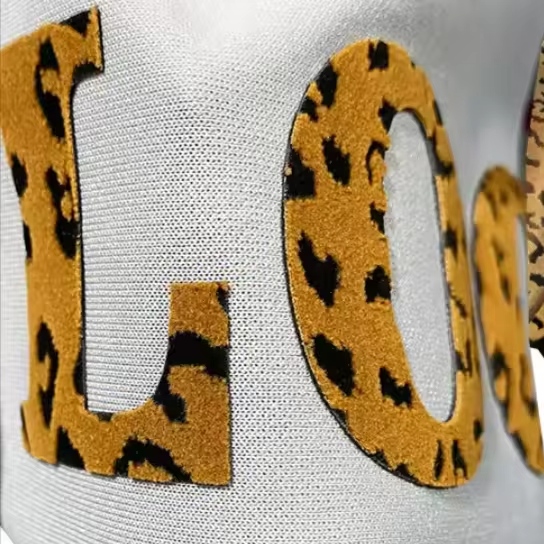
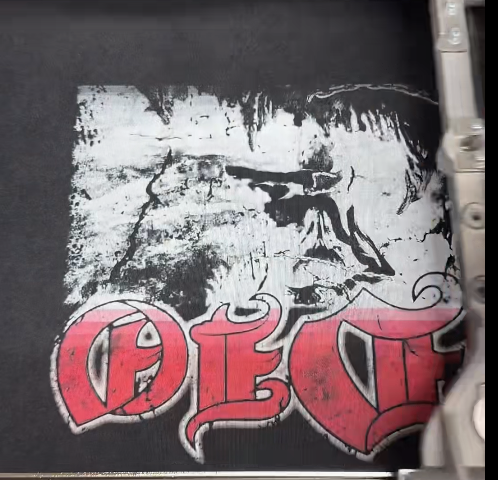
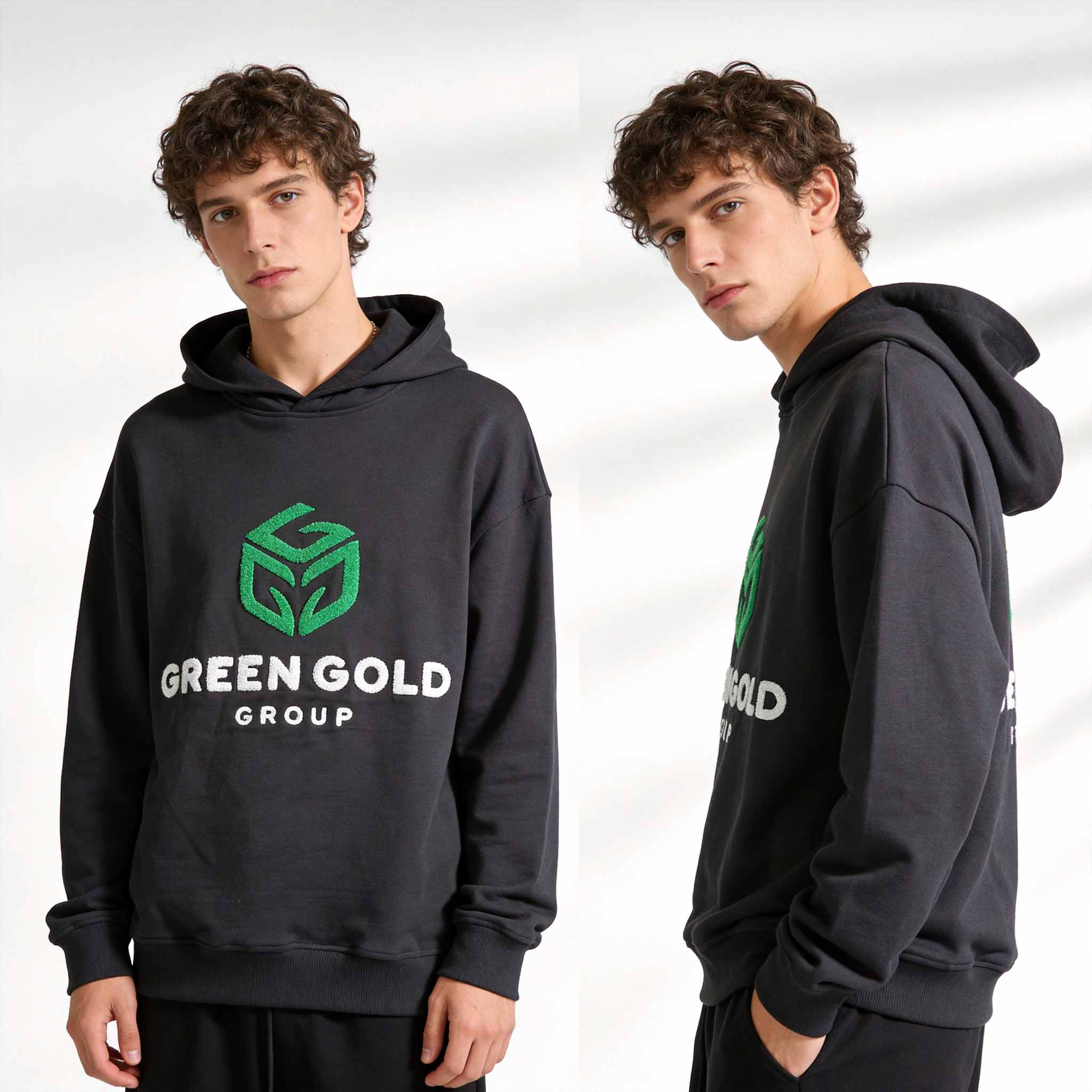
Screen printing, embroidery, puff print, reflective details, and more—all under one roof for faster turnaround and better quality control.
100,000+ Units Monthly Capacity
Scale confidently from 50-piece test runs to large production orders. Our flexible capacity grows with your brand without compromising lead times.
Humen Dongguan Factory Location
Based in one of the world’s premier garment hubs with direct access to fabric suppliers, skilled workers, and complete supply chain infrastructure.
Custom Performance & Team Sportswear Production
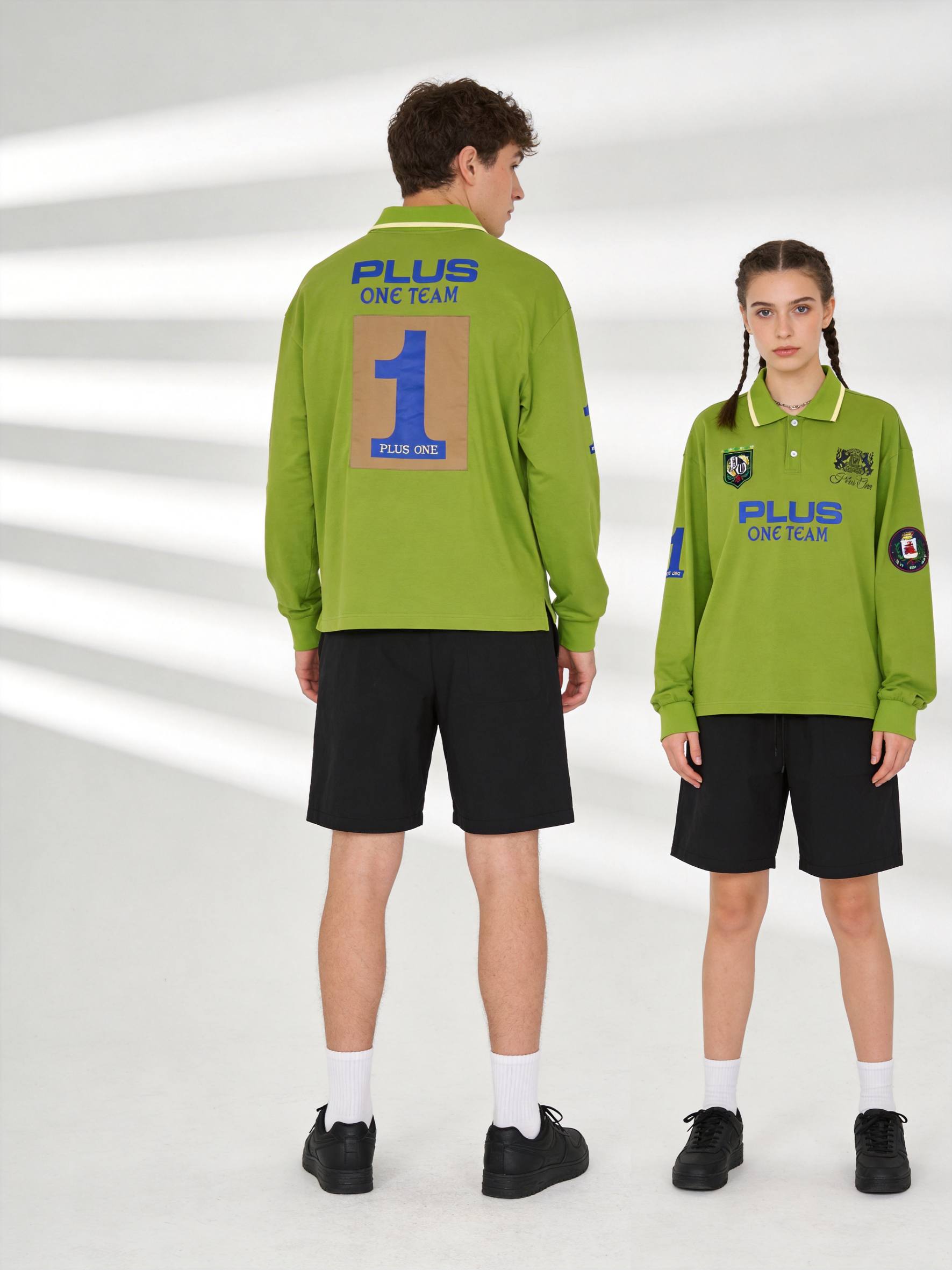
Custom Sports Jerseys
Fully customizable sports jerseys with sublimation printing, mesh panels, moisture-wicking fabrics, and team branding. We handle embroidery, heat transfer logos, player names, numbers, and custom colorways with MOQ from 50 pieces. Ideal for leagues, clubs, and branded sportswear collections.
Get a Quote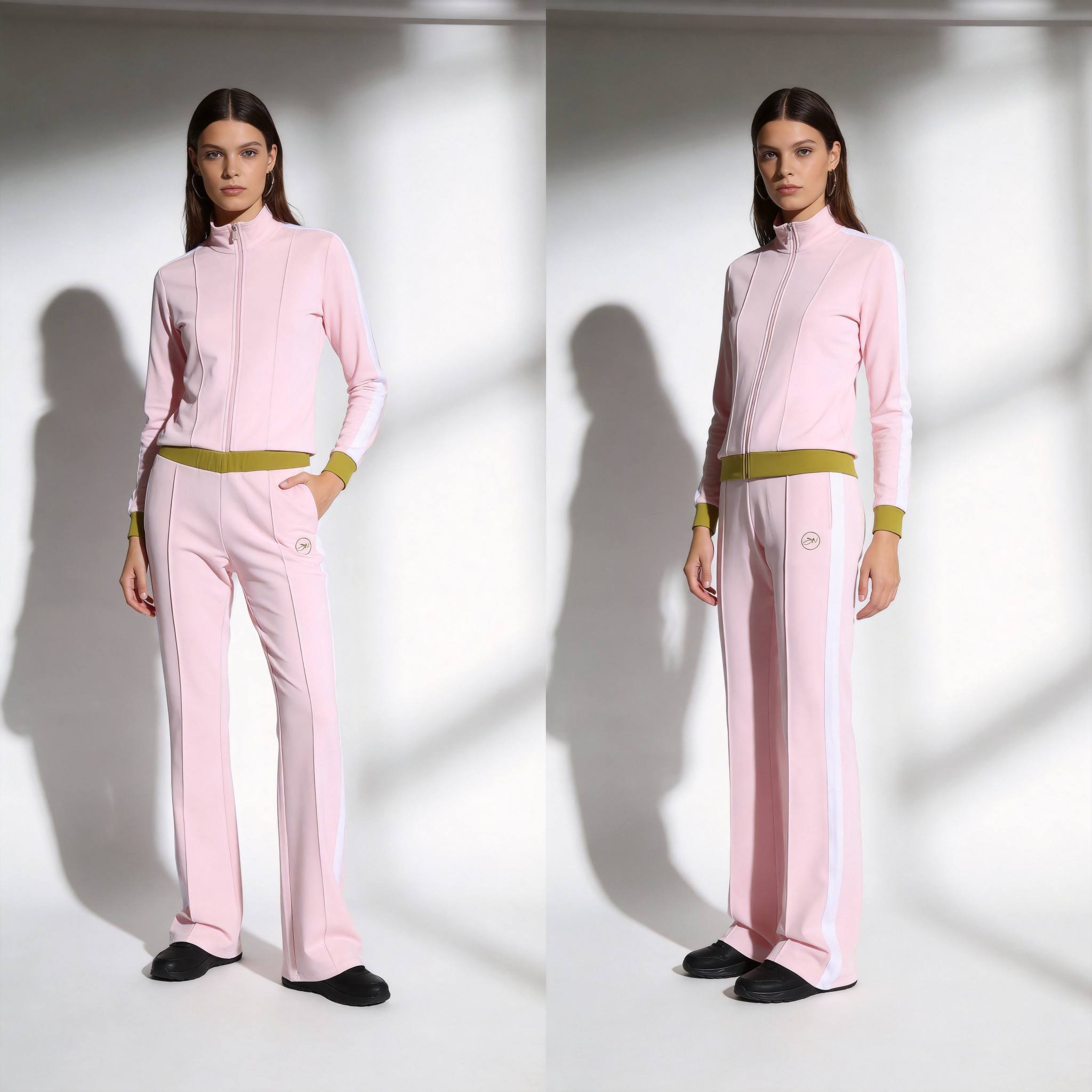
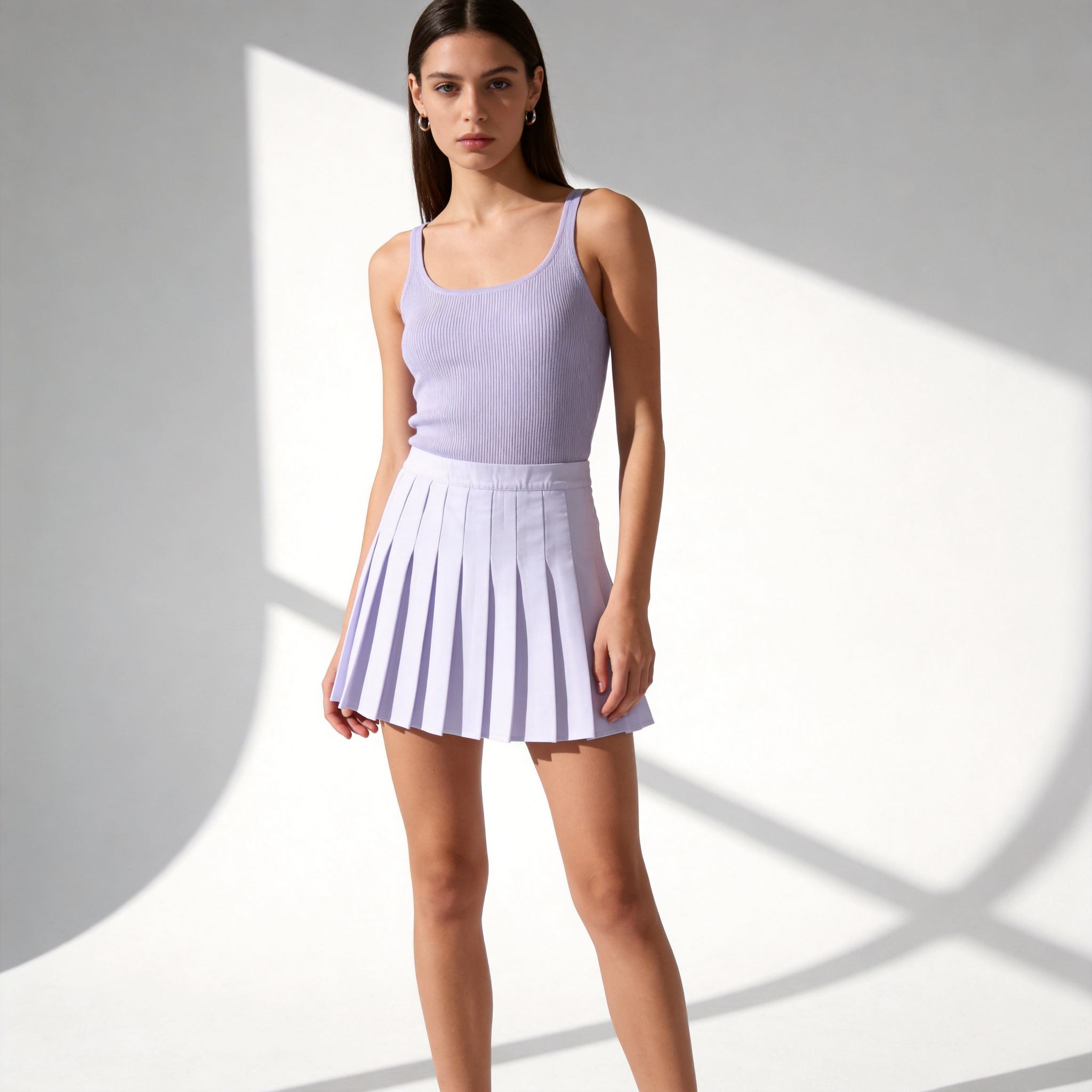
Performance Activewear
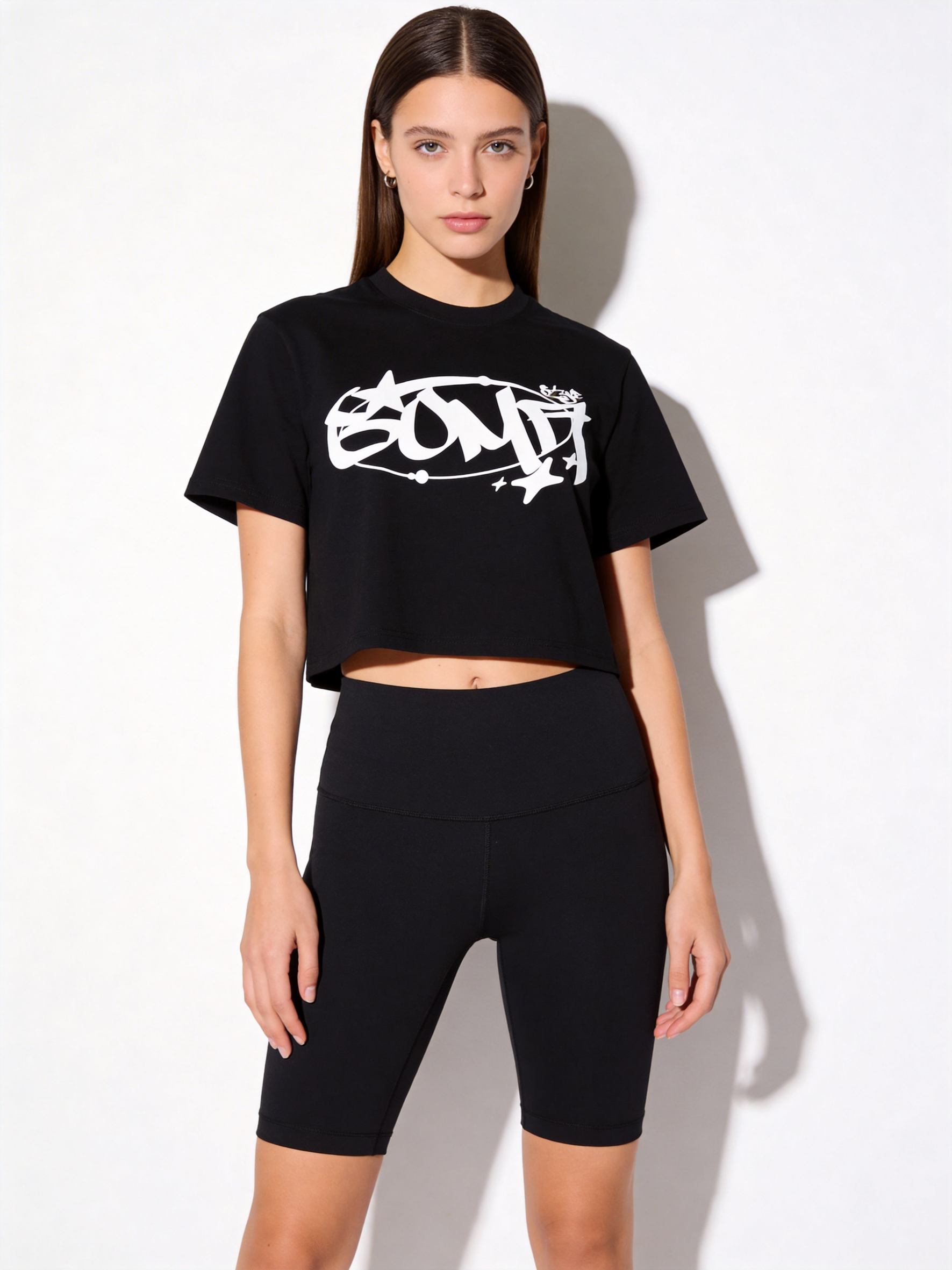
Technical activewear including compression leggings, sports bras, performance tops, and gym shorts with four-way stretch, seamless knitting, moisture management, and breathable construction. We source performance fabrics with UV protection, quick-dry functionality, and anti-odor treatments for modern fitness brands.
Get a Quote
Team Uniforms
Complete team uniform solutions spanning jerseys, shorts, warm-ups, and sideline apparel with coordinated branding across all pieces. Our ODM capabilities support custom sizing, durable stitching, team logos, sponsor placements, and consistent color matching for schools, corporate teams, and sports organizations.
Get a Quote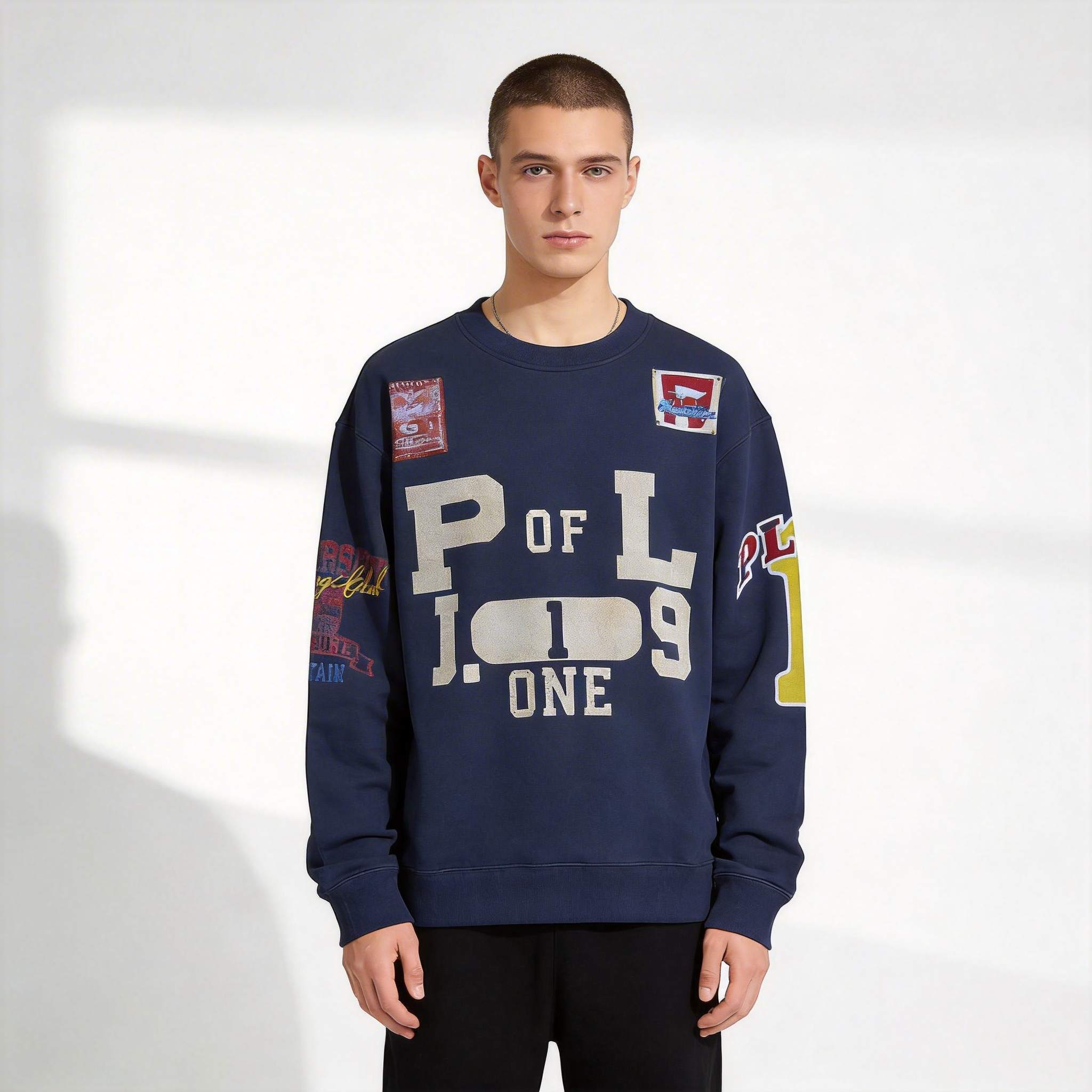
Gym Wear
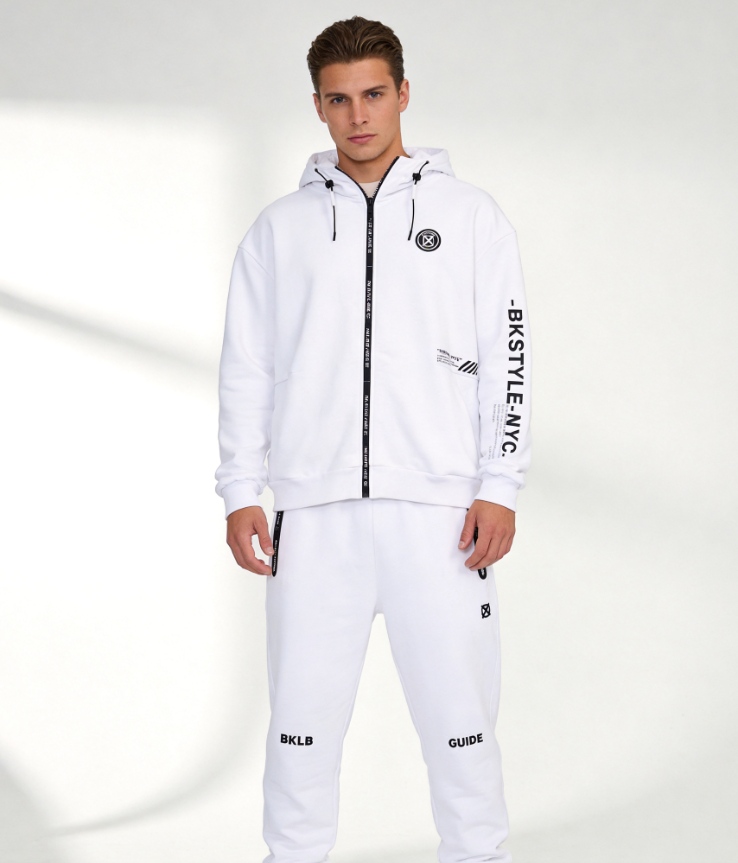
Gym-ready apparel including tank tops, training shorts, joggers, hoodies, and performance tees with sweat-wicking fabrics, stretch construction, and reinforced stitching. We apply screen printing, reflective details, and laser-cut ventilation to meet the demands of strength training and high-intensity workouts.
Get a Quote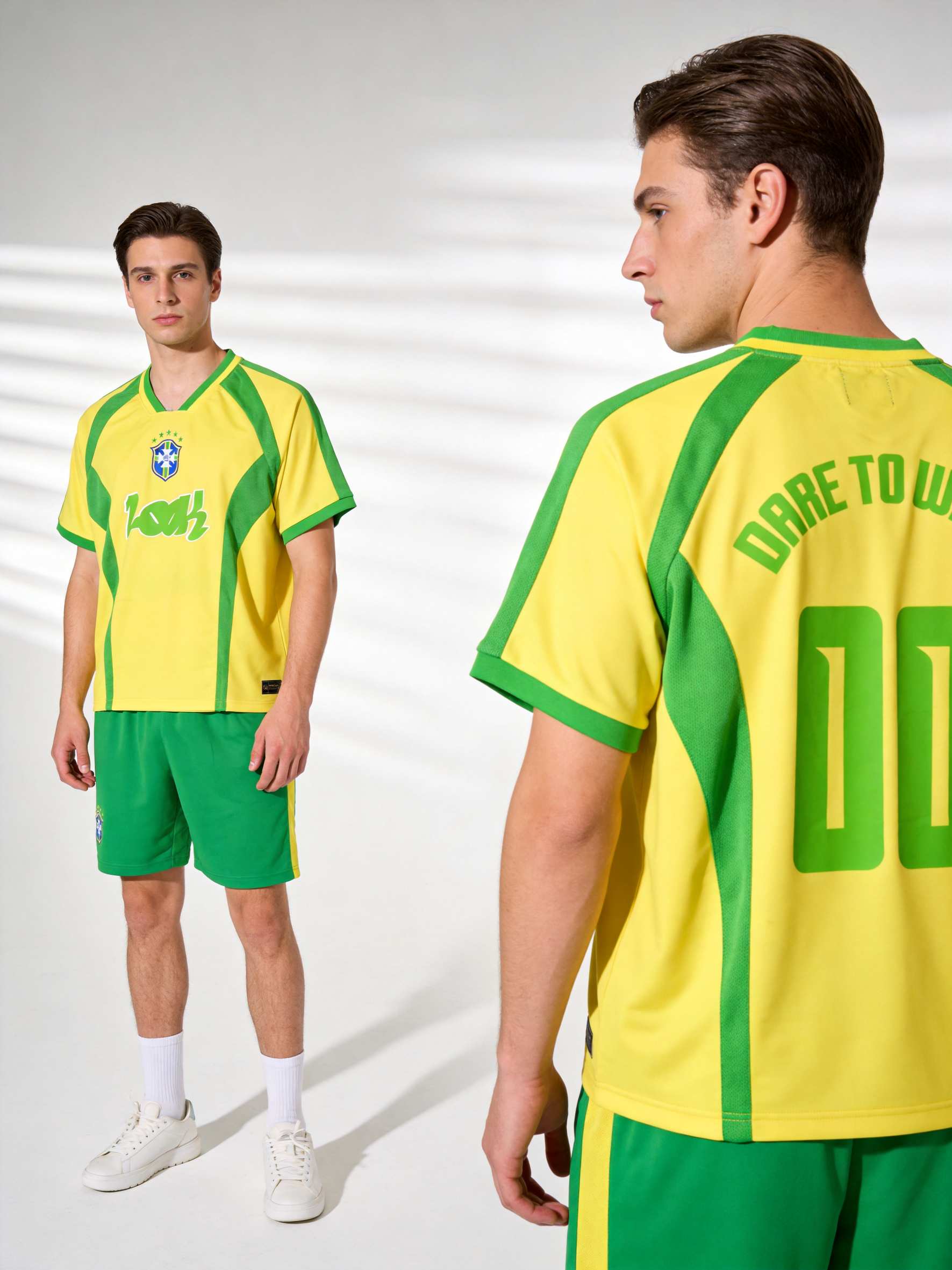
Running Apparel
Lightweight running tops, shorts, tights, and windbreakers engineered with breathable mesh, reflective printing, flatlock seams, and ergonomic cuts. Our factory produces technical running gear with moisture management, UV protection, and quick-dry performance for endurance athletes and active lifestyle brands.
Get a Quote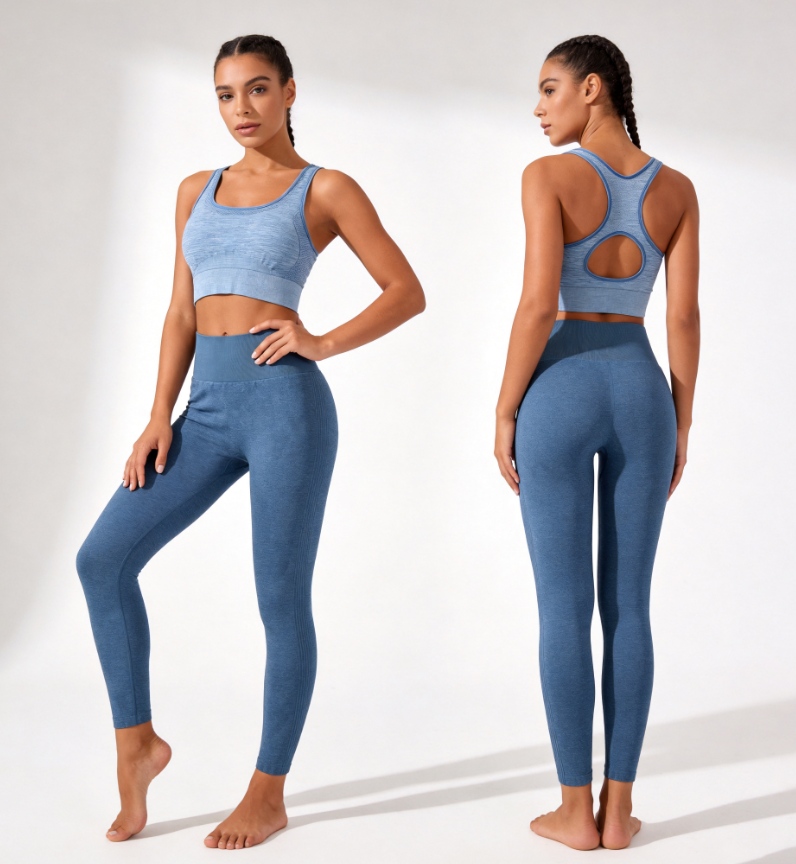
Yoga Clothing
Yoga sets, leggings, sports bras, and flow tops crafted from soft modal blends, bamboo fabrics, and four-way stretch materials with seamless construction and compression support. We deliver buttery-soft hand feel, squat-proof opacity, and minimal seam irritation for studio-to-street yoga collections.
Get a Quote
Track Suits
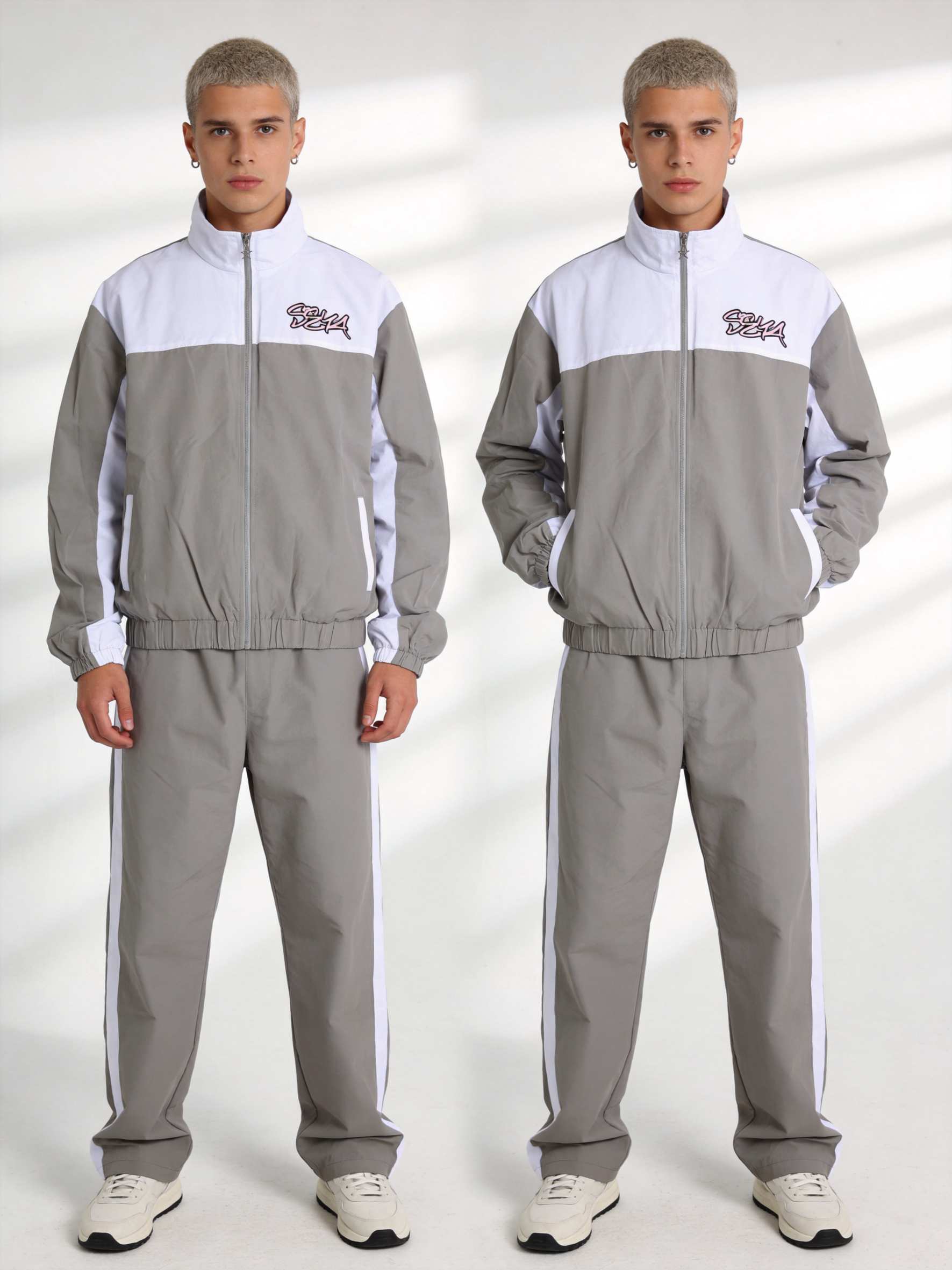
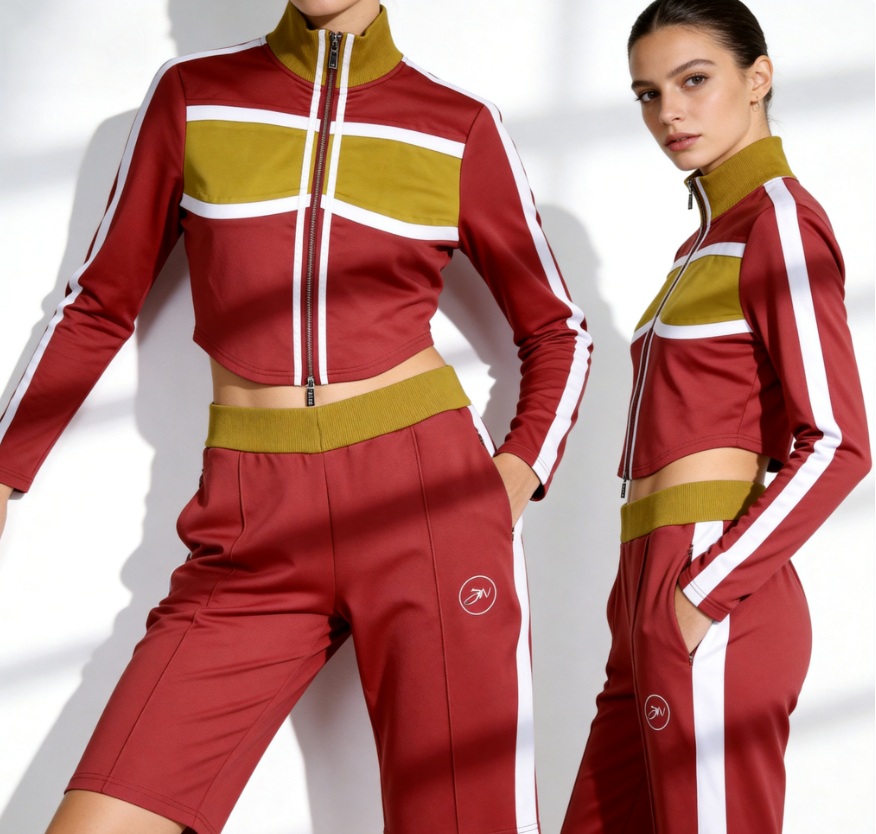
Coordinated track suits and warm-up sets including zip jackets and matching pants with technical fabrics, ribbed cuffs, contrast paneling, and team branding. Our production supports embroidery, screen printing, custom zippers, and functional pockets for athletic teams and streetwear-inspired sportswear brands.
Get a Quote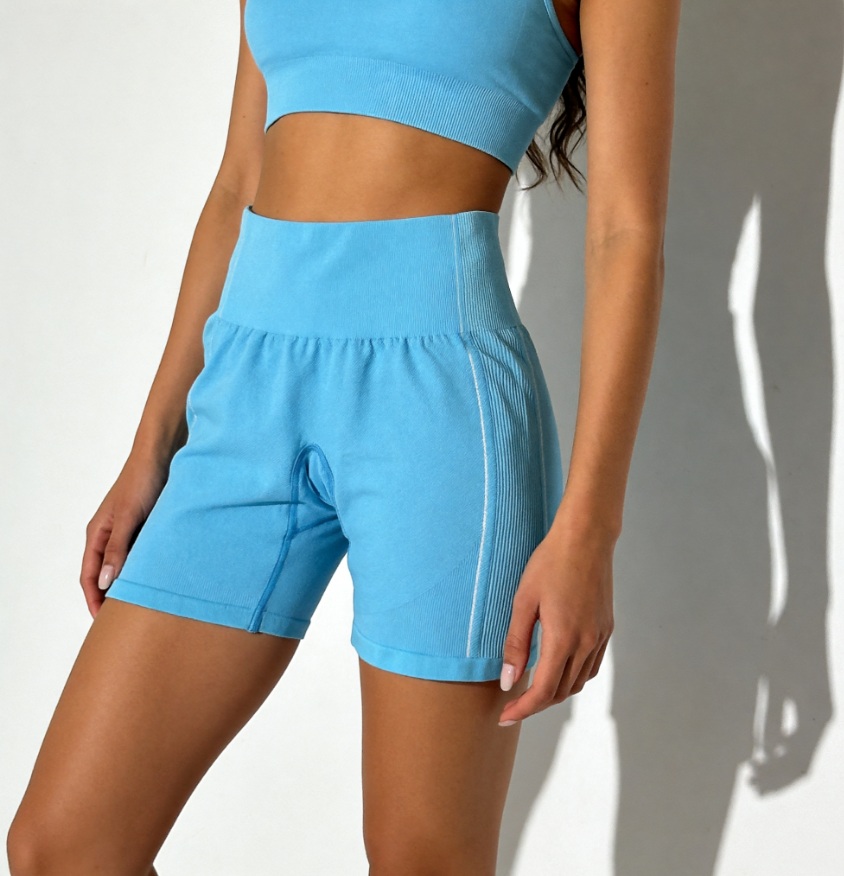
Sports Shorts
Performance sports shorts for basketball, running, training, and casual athletics with moisture-wicking fabrics, elastic waistbands, mesh inserts, and secure pockets. We offer custom inseam lengths, sublimation printing, side panels, drawcords, and anti-chafe liners with MOQ starting at 50 units.
Get a Quote
Athletic Outerwear
Technical athletic jackets including windbreakers, puffer vests, bomber styles, and lightweight shells with water-resistant coatings, breathable membranes, and packable construction. Our outerwear capabilities include heat-sealed seams, reflective details, functional ventilation, and custom embroidery for performance-driven brands.
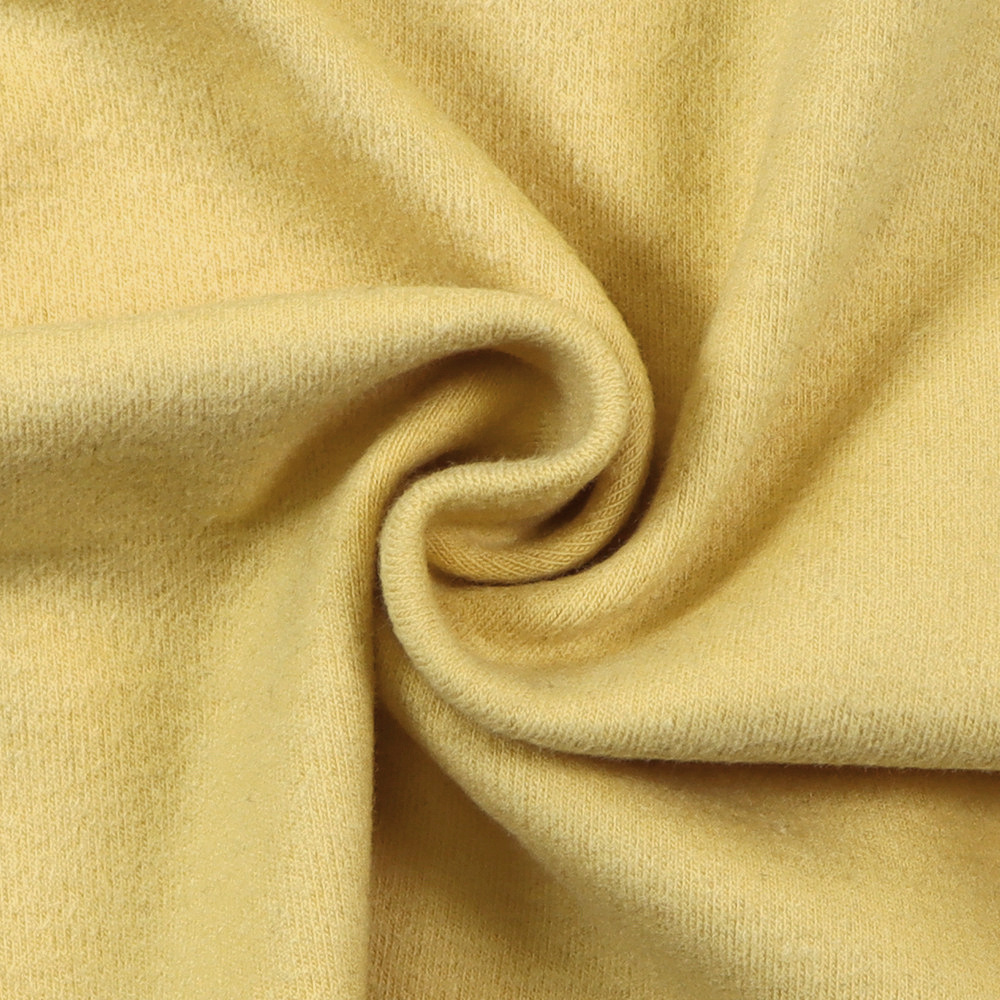
Get a QuotePremium Performance Fabrics for Custom Sportswear
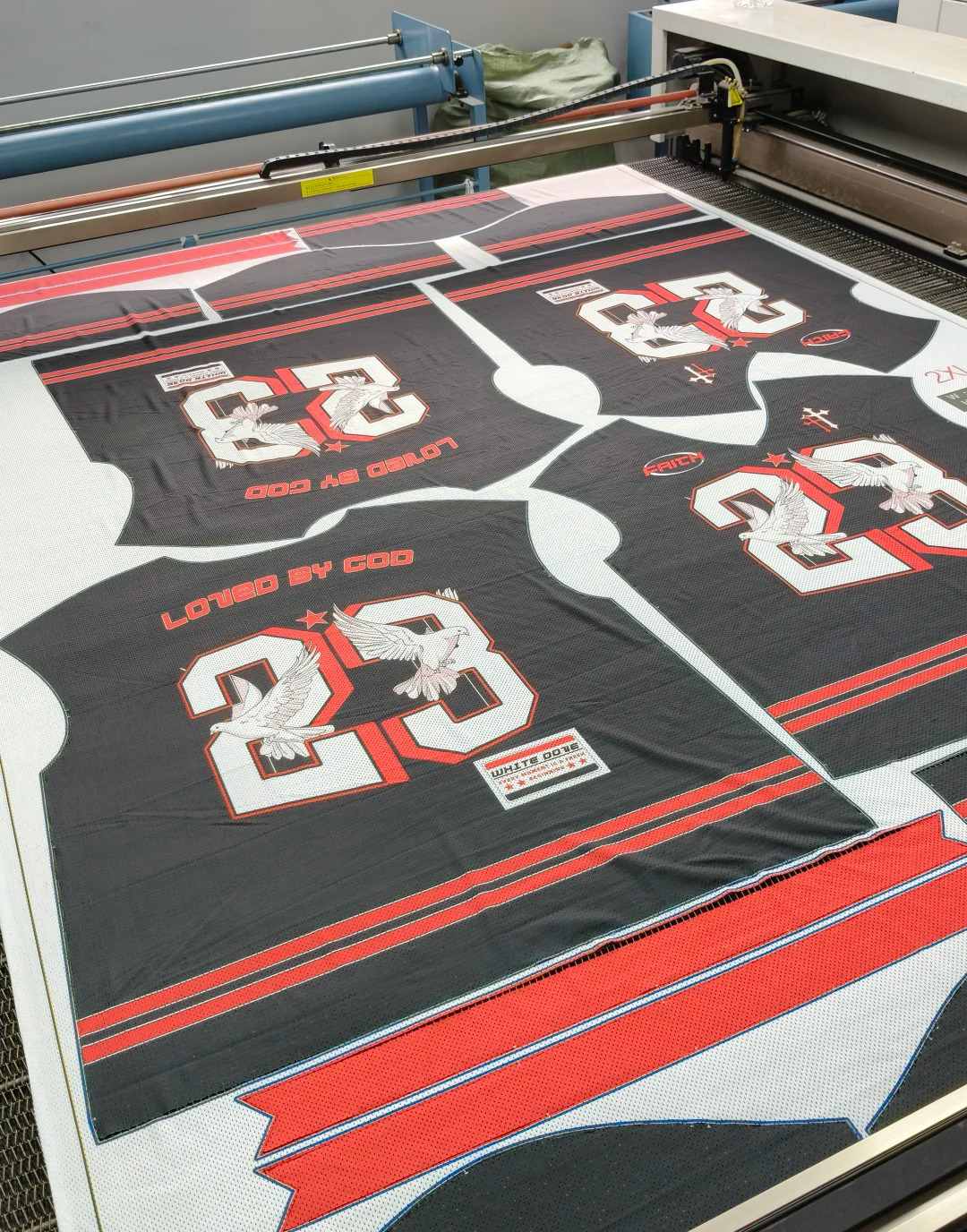
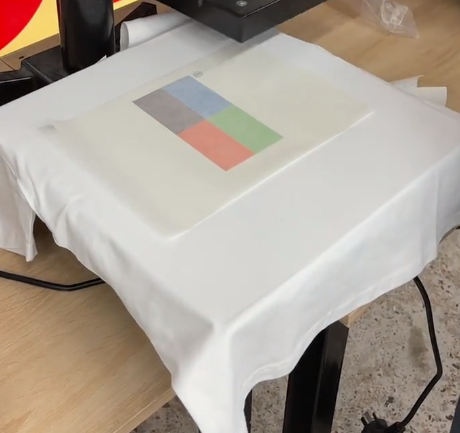
Advanced Production Processes & Decoration Techniques
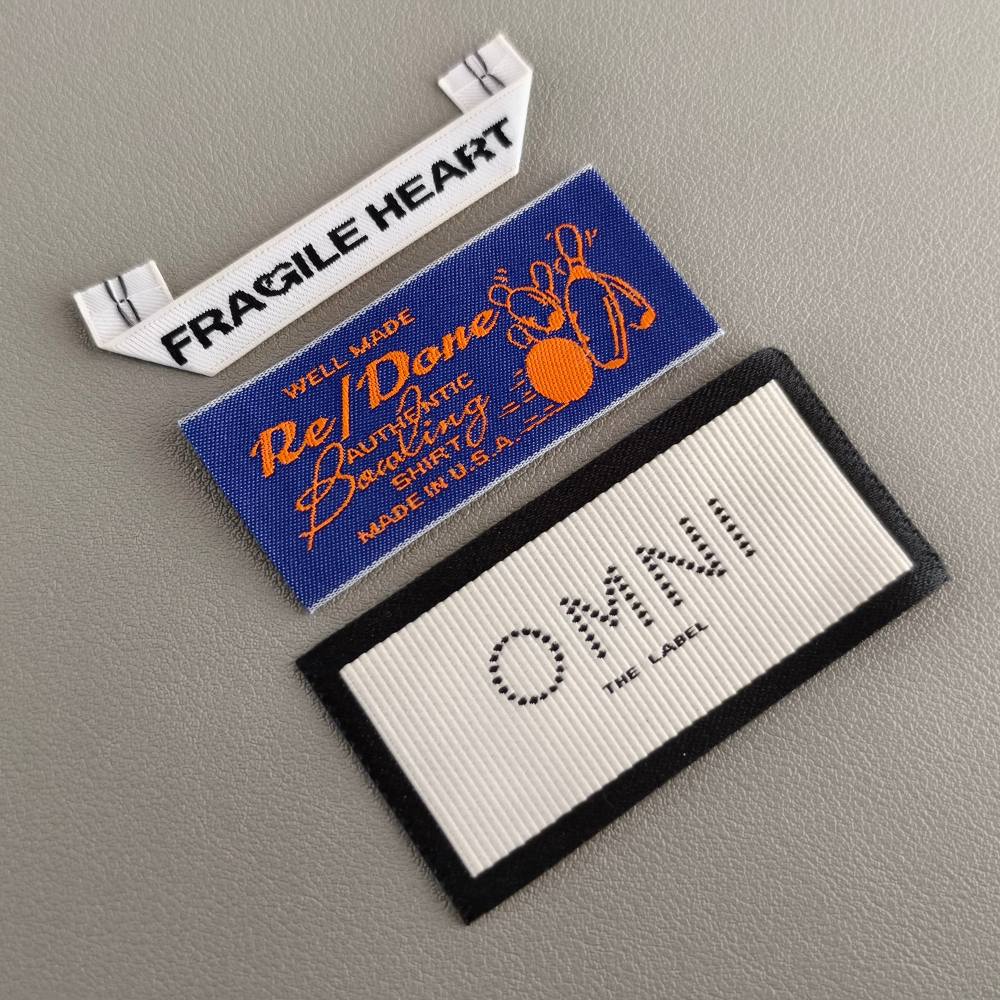
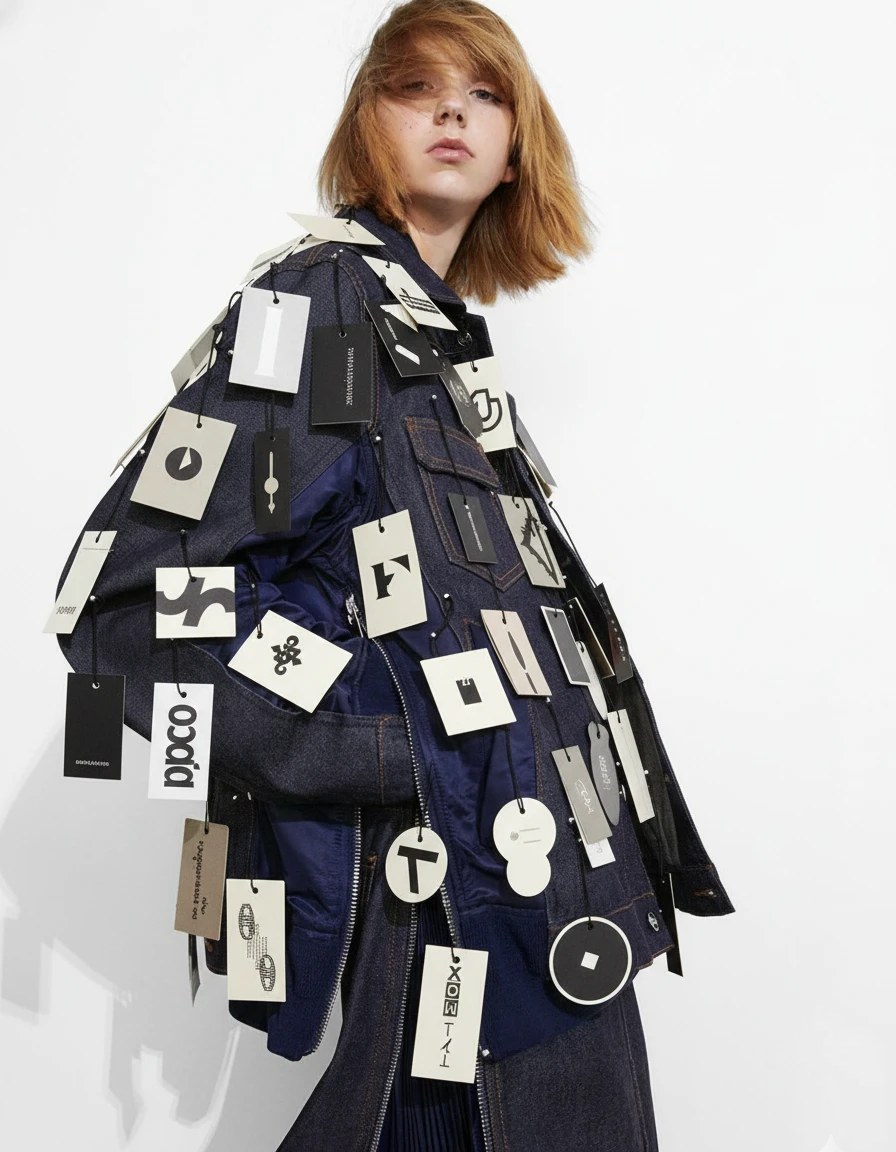
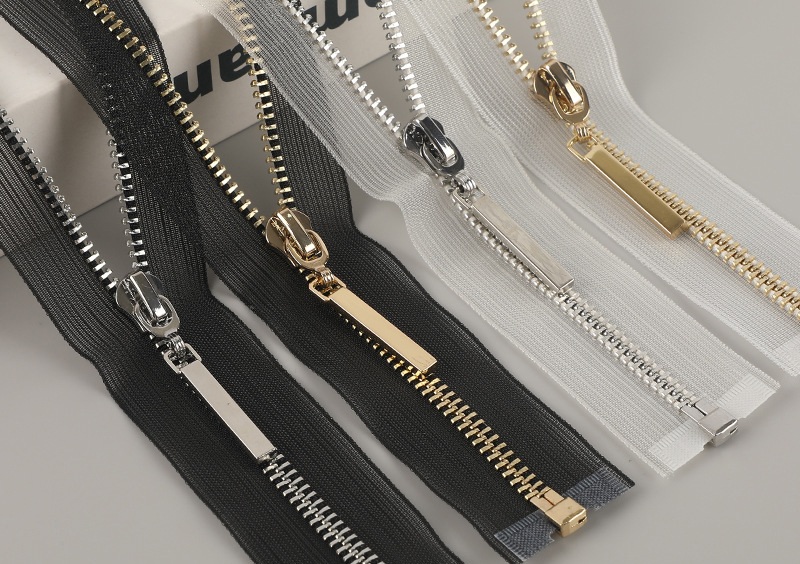
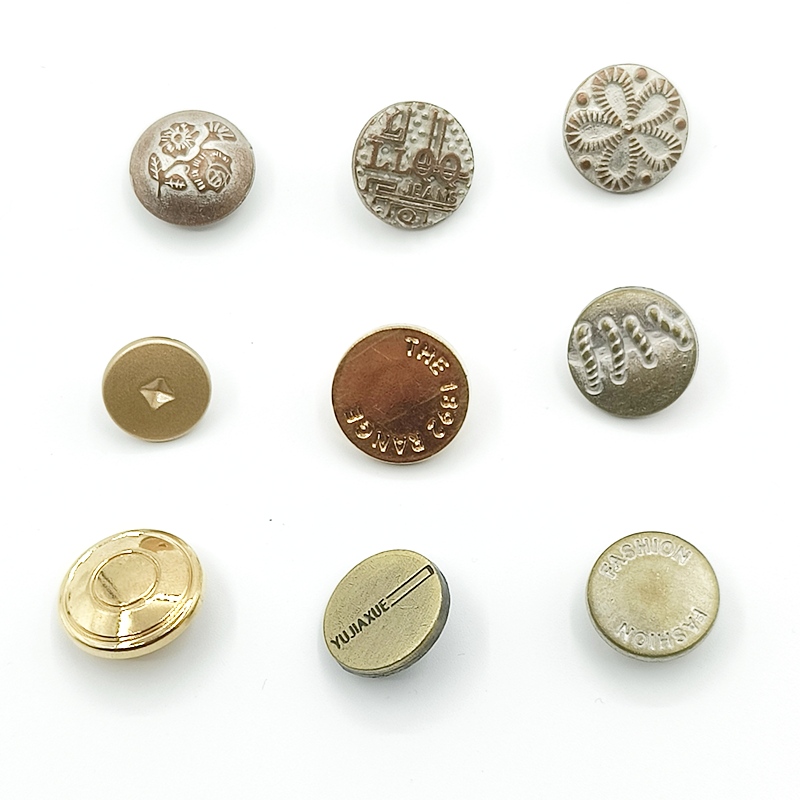
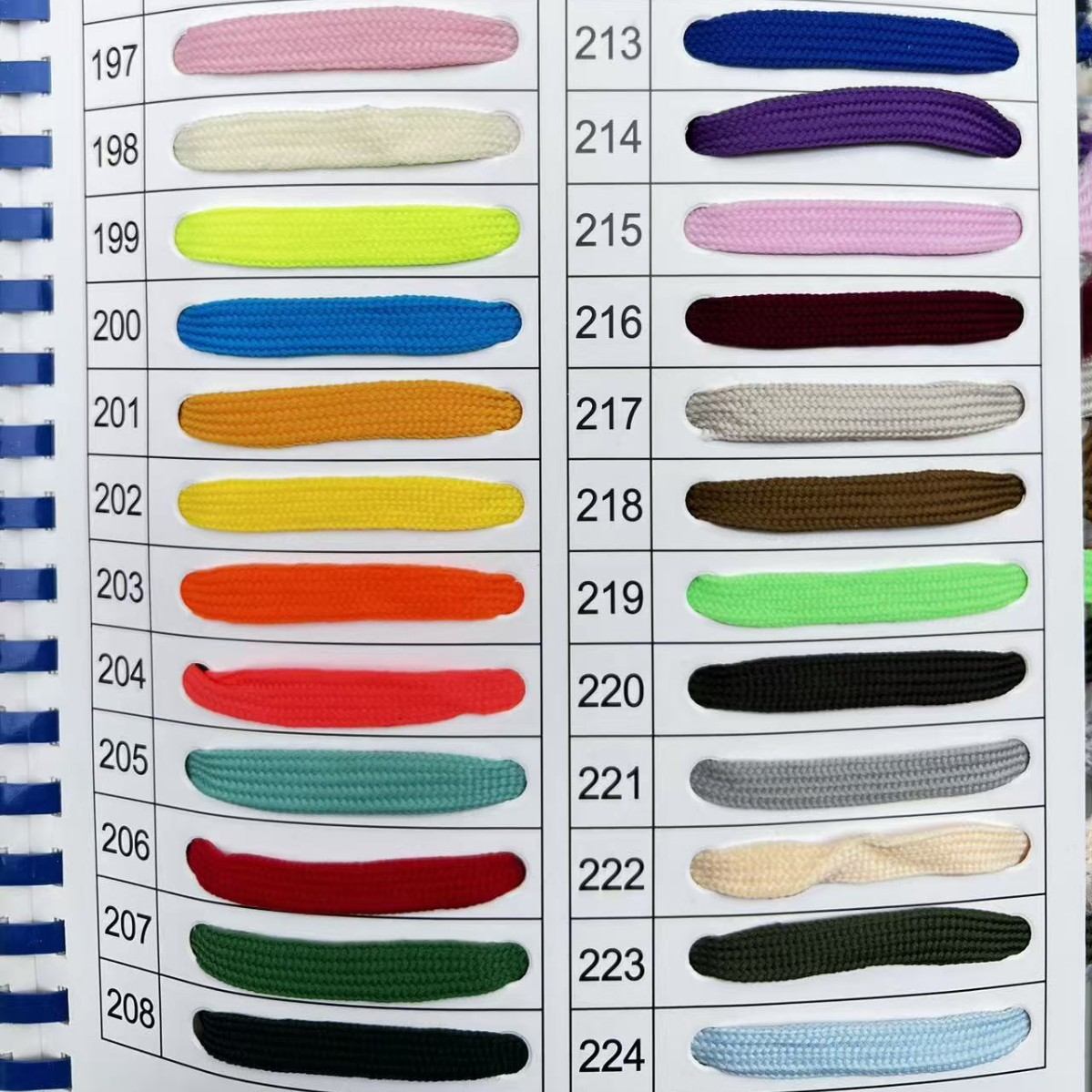
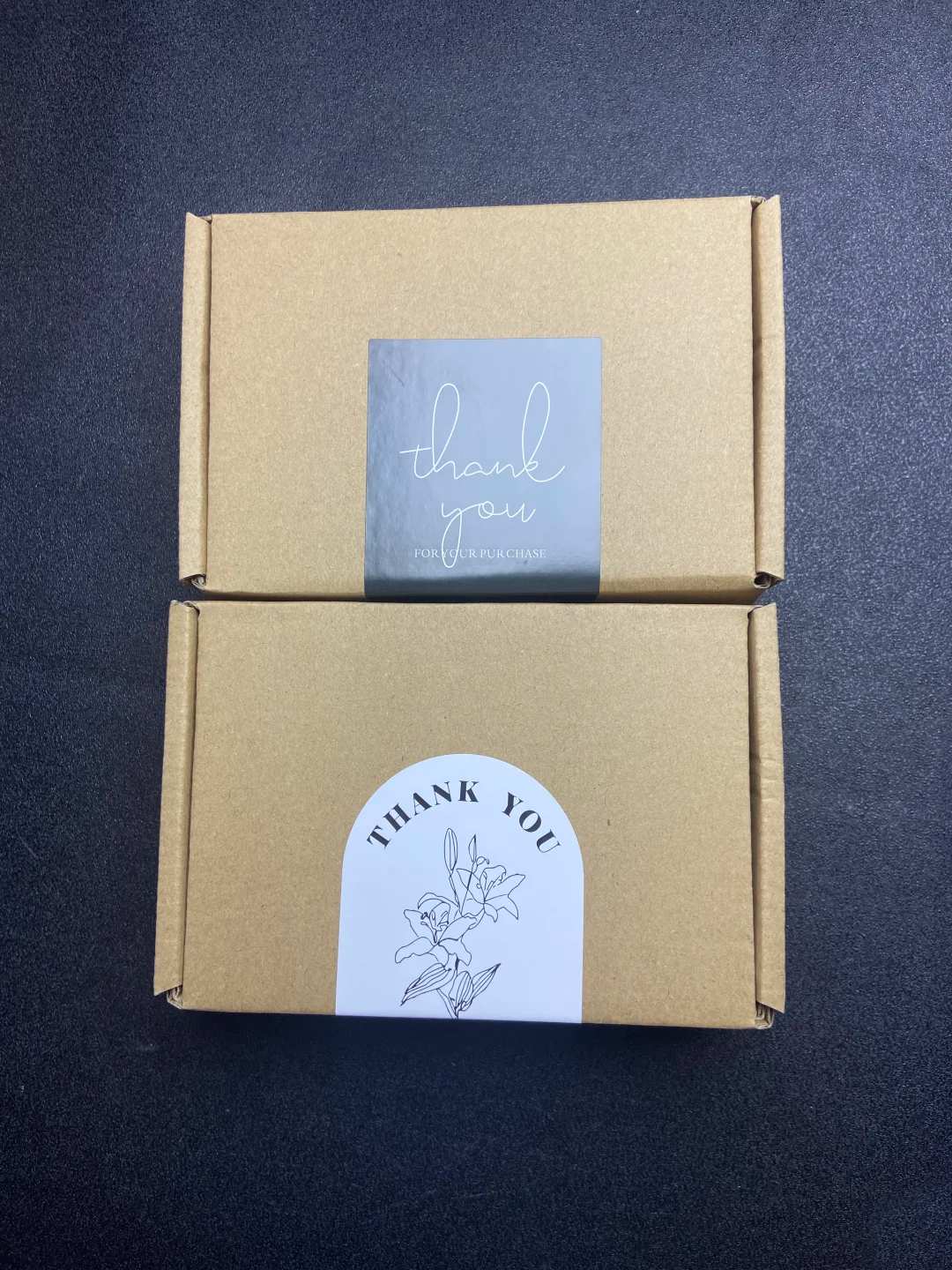
Custom Trims, Labels & Branding Accessories
About ZORWILD: 27 Years of Apparel Manufacturing Excellence
Founded in 1998 as a family-operated garment workshop in Humen, Dongguan, ZORWILD has grown into a trusted partner for sportswear manufacturers serving global brands. Our founder learned every stage of garment production from his father, a master cutter who instilled values of precision, quality, and responsibility that define our operations today.
By 2005, we evolved into a full-service OEM manufacturer, and in 2018 shifted our focus entirely to international apparel production. Today, our team of 200+ skilled workers produces over 100,000 units monthly for more than 2,000 fashion brands across the United States, Canada, Europe, Australia, the Middle East, and Southeast Asia.
What sets ZORWILD apart among sportswear manufacturers is our ability to serve brands at every stage—from 50-piece startup collections to large-scale production runs. With 95% of decoration techniques in-house, a rigorous 6-stage quality control system, and deep expertise in activewear, athleisure, and performance apparel, we bridge creative design with scalable, reliable production.
What Sets ZORWILD Apart as Sportswear Manufacturers
Low MOQ Production for Emerging Brands
Launch your sportswear line with just 50 pieces per design. ZORWILD’s flexible manufacturing system lets startup brands, influencers, and small wholesalers test markets without massive inventory commitments or financial risk.
- Minimum order quantities starting at 50 pieces for most sportswear categories
- Ideal for capsule collections, seasonal drops, and influencer merchandise
- Reduce upfront investment while maintaining professional production quality
- Scale seamlessly from 50-piece test runs to 100,000+ units monthly capacity
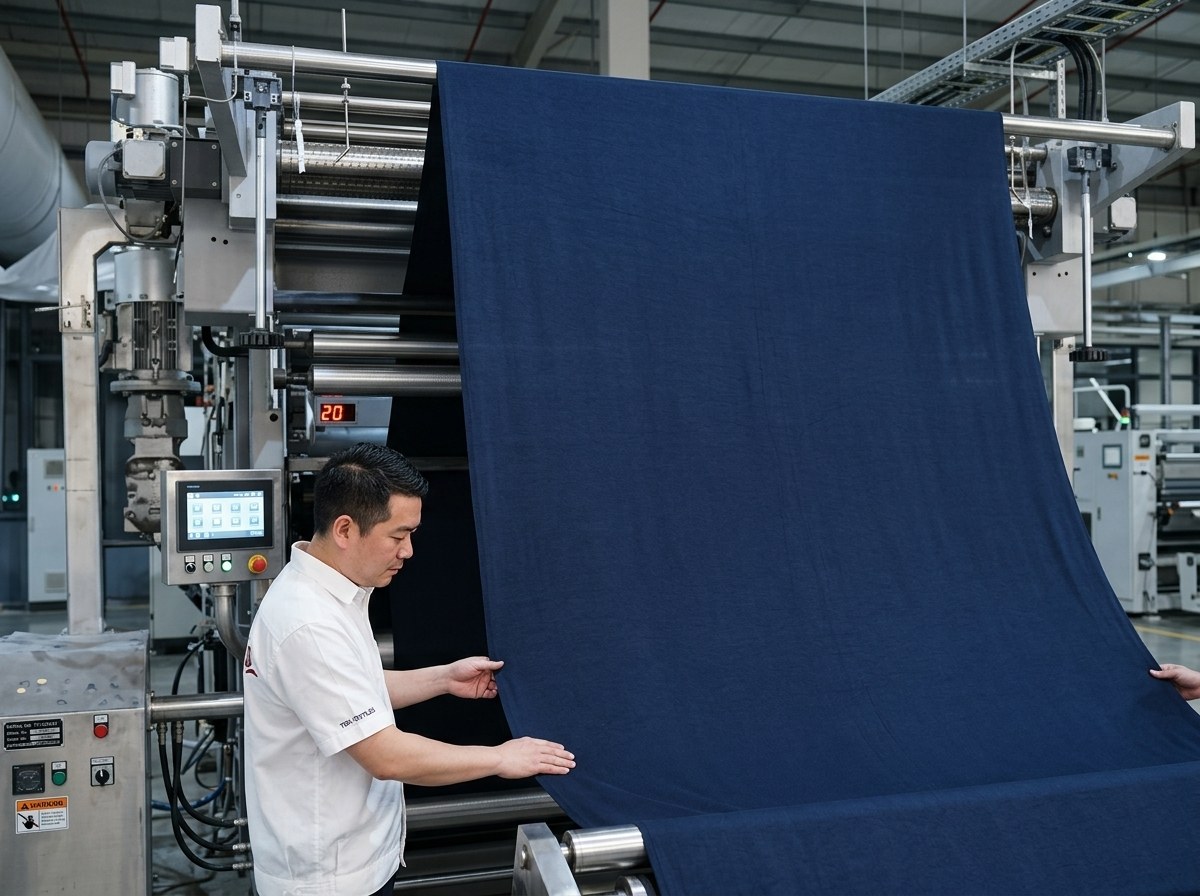
Complete Design-to-Production Workflow
From initial concept to finished garment, our end-to-end service covers design development, tech pack refinement, fabric sourcing, sampling, bulk production, decoration, finishing, and global shipping—all coordinated under one roof for faster turnaround and better quality control.
- In-house design support transforms sketches and ideas into production-ready tech packs
- Direct fabric sourcing from trusted Chinese suppliers ensures cost efficiency and material consistency
- Comprehensive sampling process validates fit, fabric quality, and decoration before bulk orders
- Full decoration capabilities including screen printing, embroidery, sublimation, and garment wash in-house
Six-Stage Quality Control System
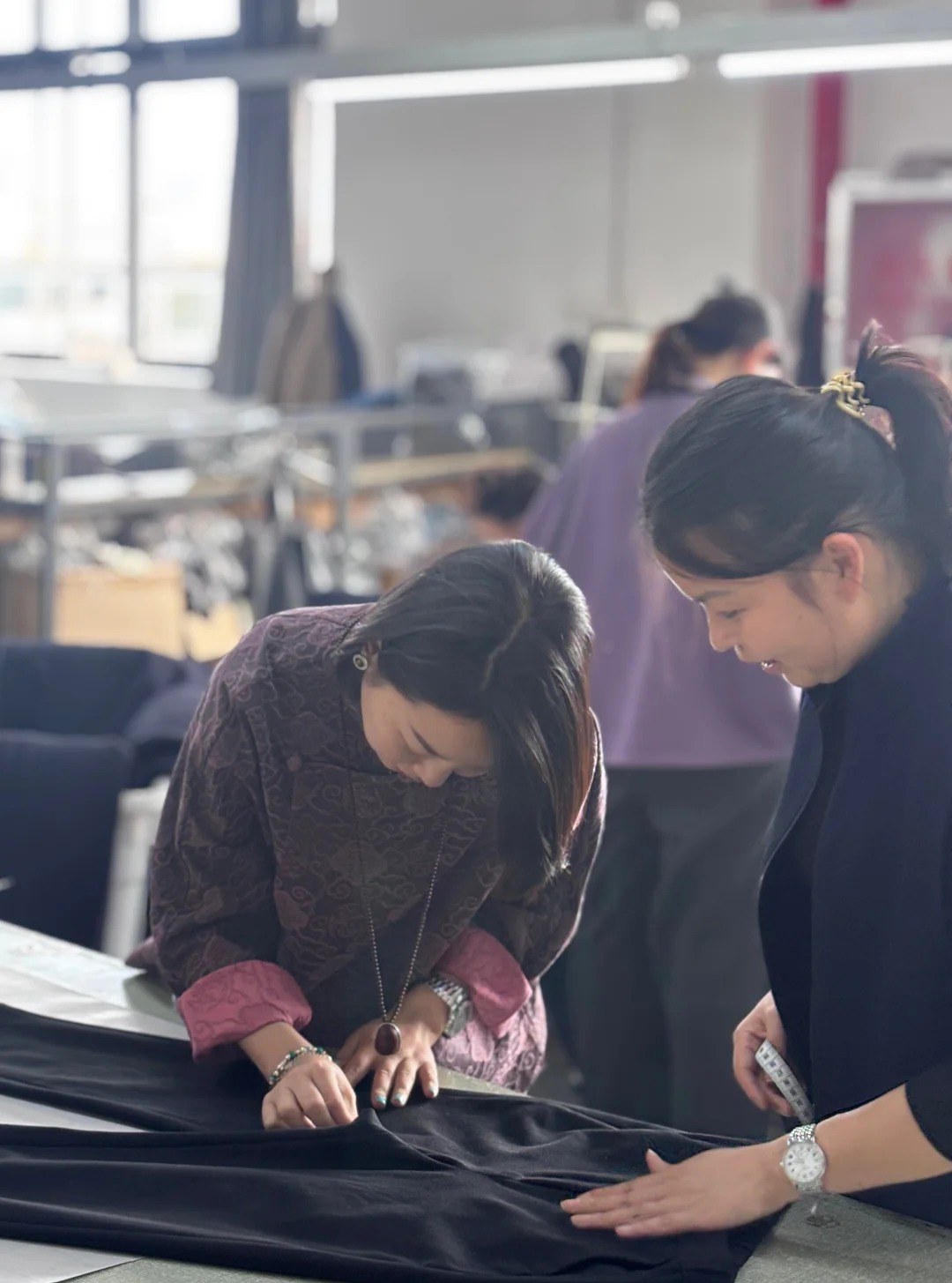
Every sportswear piece passes through rigorous inspection checkpoints. Our 27 years of manufacturing expertise are embedded in quality protocols covering raw materials, in-line production, measurements, decoration, final inspection, and packaging.
- Raw material inspection ensures fabric weight, color accuracy, and performance meet specifications
- In-line production monitoring catches construction issues before they multiply across batches
- Measurement and fit inspections guarantee size consistency across your entire order
- Final product and packaging inspection protects your brand reputation before shipment
Global Logistics and Export Support
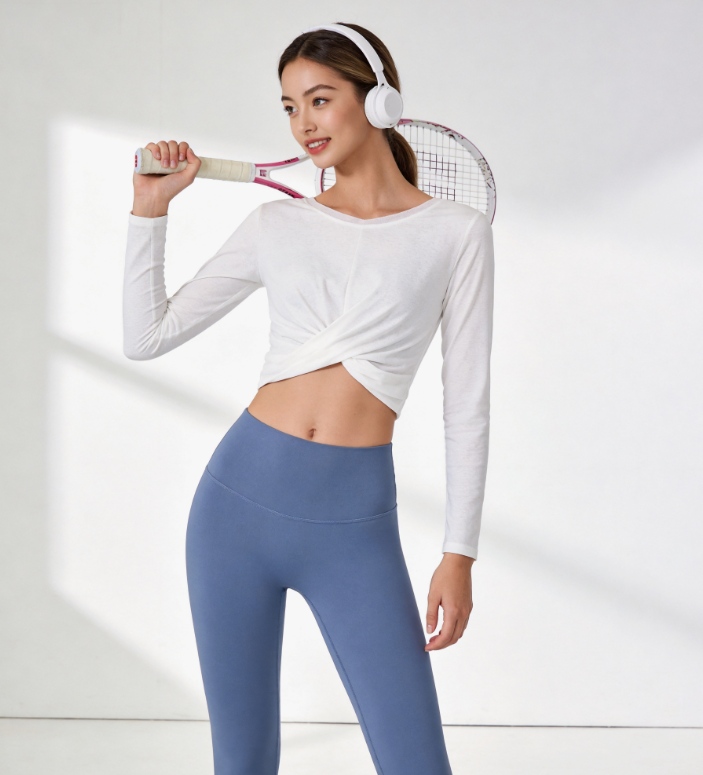
Ship confidently to any market with ZORWILD’s integrated logistics coordination. We manage air freight, sea freight, express delivery, customs documentation, and door-to-door shipping to minimize delays and streamline your supply chain.
- Experienced export team handles documentation, compliance, and customs clearance
- Flexible shipping options balance speed and cost for US, EU, Middle East, and Asia-Pacific markets
- Consolidated packaging and labeling meet destination country retail requirements
- Real-time shipment tracking and proactive communication keep you informed throughout transit

How ZORWILD Compares to Typical Sportswear Factories
Compare our proven capabilities, flexible minimums, and 27-year track record against typical sportswear manufacturers in the market.
← 左右滑动查看 →
Our Production Process: Tech Pack to Global Shipment
ZORWILD‘s proven 6-phase production system ensures quality, transparency, and on-time delivery from initial tech pack review through final shipment.
Tech Pack Review
Our team reviews your designs, sketches, or reference garments and develops production-ready tech packs with detailed specifications and construction notes.
Fabric Sourcing & Selection
We source performance fabrics—moisture-wicking polyester, stretch nylon, French terry, and technical blends—matched to your budget and product requirements.
Sampling & Approval
Receive samples to evaluate fit, fabric quality, decoration techniques, and construction details before committing to bulk production runs.
Bulk Production
Your order enters our 100,000-unit monthly capacity production line with cutting, sewing, decoration, and washing handled by 200+ skilled workers.
Quality Control & Finishing
Every garment passes through our 6-stage quality control system covering measurements, decoration quality, stitching integrity, and final inspection before packaging.
Packaging & Global Shipping
Finished sportswear is packed with custom labels, hang tags, and branded packaging, then shipped via air, sea, or express delivery worldwide.
How to Partner With ZORWILD in 3 Simple Steps
Submit Your Design or Tech Pack
Share your tech pack, sketches, reference samples, or design ideas. Our development team will review your requirements and recommend fabrics, decoration techniques, and construction methods.
Review Quote and Approve Sample
Receive a detailed quote within 24-48 hours. Once approved, we produce your sample so you can evaluate fit, fabric quality, and craftsmanship before committing to bulk.
Launch Bulk Production and Ship
After sample approval, we begin bulk production with our 6-stage quality control system. Your finished sportswear is inspected, packaged, and shipped directly to your destination worldwide.
Certifications & Industry Compliance Standards

What Our Clients Say About ZORWILD
ZORWILD helped us launch our first activewear line with only 100 pieces per design. We scaled from 500 units in month one to over 4,000 units within six months. Their low MOQ and quality control made it possible.
We reduced our time-to-market by 35% after switching to ZORWILD. Their in-house decoration capabilities and streamlined sampling process let us test three capsule collections in one season instead of just one.
As an influencer brand, we needed a manufacturer who understood speed and quality. ZORWILD delivered our custom yoga sets and sports bras in 28 days with zero defects across 800 pieces. Game changer for our launch.
Frequently Asked Questions About Sportswear Production
What is the minimum order quantity for sportswear manufacturers like ZORWILD?
How long does production take with sportswear manufacturers?
Do sportswear manufacturers charge for samples and how fast can I get them?
What payment terms do sportswear manufacturers offer?
What shipping options are available from sportswear manufacturers in China?
How do sportswear manufacturers protect my designs and intellectual property?
What customization options are available for sportswear production?
Do you offer bulk pricing discounts for larger sportswear orders?
How does communication work with overseas sportswear manufacturers?
Ready to Launch Your Custom Sportswear Collection?
1. What Are Sportswear Manufacturers?
Sportswear manufacturers are specialized apparel production facilities that design, source materials for, and produce athletic and performance-focused garments for brands, retailers, and wholesale buyers. Unlike general garment factories that handle diverse product categories, sportswear manufacturers invest in technical fabrics, performance testing equipment, and skilled labor trained in functional seam construction, moisture-wicking fabric handling, and compression garment assembly. The global sportswear market exceeded $380 billion in 2023, driving demand for factories capable of producing yoga sets, compression leggings, sports bras, gym shorts, performance hoodies, running tops, team uniforms, and athleisure collections with features like four-way stretch, moisture wicking, breathability, and quick-dry functionality.
A true manufacturer owns production equipment, employs sewing staff, and controls quality at every stage from fabric inspection through final packaging. Suppliers and trading companies, by contrast, typically act as intermediaries that coordinate orders across multiple third-party factories without owning production lines. This distinction matters because direct manufacturer partnerships eliminate markup layers, improve communication speed, and provide greater transparency over production timelines and quality control protocols.
Brands partner with specialized sportswear manufacturers rather than general factories to access technical expertise in performance fabric sourcing, flatlock seaming, seamless knitting, bonded construction, and functional design details that standard casualwear factories cannot reliably execute. ZORWILD’s 27 years of apparel manufacturing experience and monthly production capacity exceeding 100,000 units support both startup brands requiring 50-piece MOQ orders and established labels scaling large production runs with consistent quality and technical craftsmanship.
2. Evolution of Sportswear Manufacturing
In the 1970s, athletic wear consisted primarily of 100% cotton jersey T-shirts and fleece sweatshirts with minimal performance features. Sportswear manufacturers relied on basic cutting and sewing operations, with production focused on durability rather than moisture management or body temperature regulation. Cotton absorbed sweat and retained moisture, creating discomfort during extended physical activity.
The introduction of polyester-blend moisture-wicking fabrics in the 1980s marked the first major evolution for sportswear manufacturers. These synthetic blends pulled perspiration away from the skin to the garment surface, where evaporation occurred more rapidly. By the 1990s, compression technology emerged, incorporating spandex and elastane into knit structures to support muscle groups, reduce fatigue, and improve blood circulation during athletic performance.
Between 2000 and 2010, sportswear manufacturers integrated technical features including four-way stretch, seamless knitting, UV protection, anti-microbial treatments, and quick-dry functionality. Production capabilities expanded beyond traditional cut-and-sew to include bonded construction, laser cutting, heat-sealed seams, and engineered mesh ventilation zones. These advances required investment in specialized machinery, technical fabric sourcing networks, and skilled operators familiar with performance textiles.
Since 2015, sustainability and digital customization have reshaped sportswear manufacturing. Recycled polyester, organic cotton, bamboo blends, and Tencel now serve eco-conscious brands, while low MOQ production systems starting at 50 pieces enable influencers and startup labels to launch custom activewear collections. Sublimation printing, DTG technology, and on-demand production allow brands to test designs, reduce inventory risk, and respond rapidly to consumer trends in athleisure and performance wear.
3. Types of Sportswear Manufacturers
Sportswear manufacturers operate across distinct business models, each offering different service scopes, MOQ thresholds, and control trade-offs. Understanding these categories helps buyers match their brand stage and production needs to the right partner.
Full-Package Manufacturers
Full-package sportswear manufacturers handle every step from fabric sourcing and sampling to decoration, quality control, and export logistics. MOQs typically range from 50 to 500 pieces per design, making them ideal for startup brands and influencers who lack sourcing networks.
ZORWILD operates as a full-package provider, managing fabric selection, pattern development, printing, embroidery, garment washing, and packaging under one roof. This model reduces coordination overhead but offers less granular cost control compared to sourcing each service separately.
CMT (Cut-Make-Trim) Factories
CMT factories provide sewing and assembly services only; buyers must supply all fabrics, trims, labels, and tech packs. MOQs often start at 300–1,000 pieces per style. This model suits established brands with dedicated sourcing teams and fabric relationships.
CMT pricing is typically 30–50% lower than full-package rates, but buyers assume fabric quality risk, logistics complexity, and longer lead times due to multi-vendor coordination.
OEM vs ODM Providers
OEM (Original Equipment Manufacturer) providers produce garments to the buyer’s exact specifications and tech packs. ODM (Original Design Manufacturer) providers offer ready-to-customize designs, reducing development time from weeks to days. ODM MOQs can be as low as 50 pieces; OEM typically requires 200+ units.
ZORWILD supports both models: OEM for brands with in-house design teams and ODM for wholesalers and influencers needing fast-to-market sportswear collections with logo and colorway customization.
Private-Label Manufacturers
Private-label sportswear manufacturers maintain catalogs of proven styles that buyers rebrand with custom labels, hang tags, and packaging. MOQs range from 50 to 300 pieces per SKU. This model accelerates launch timelines and reduces sampling costs, ideal for small wholesalers and online retailers testing new categories.
ZORWILD’s private-label service includes yoga sets, compression leggings, performance hoodies, and gym shorts with brand customization, allowing traders to launch sportswear lines without design investment.
4. Sportswear Fabrics and Materials
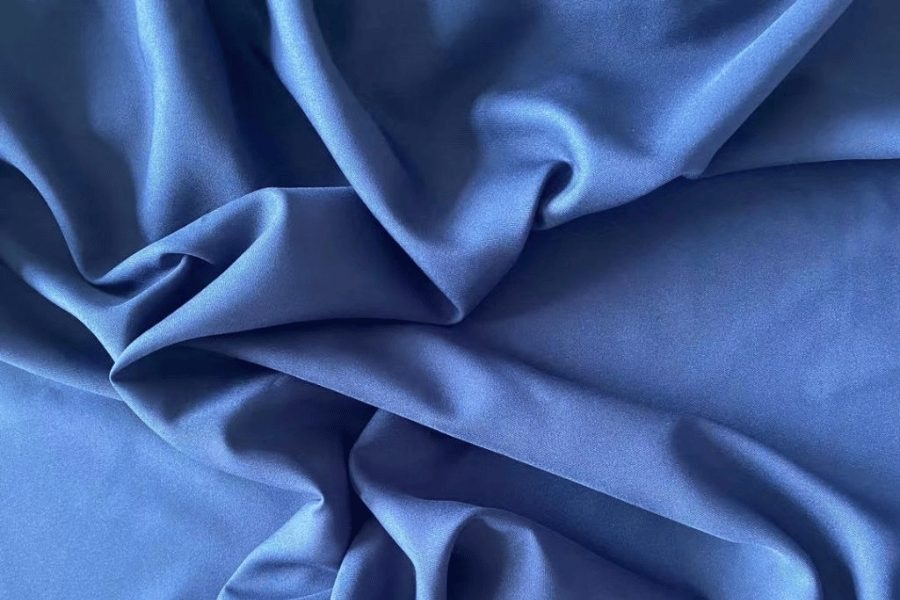
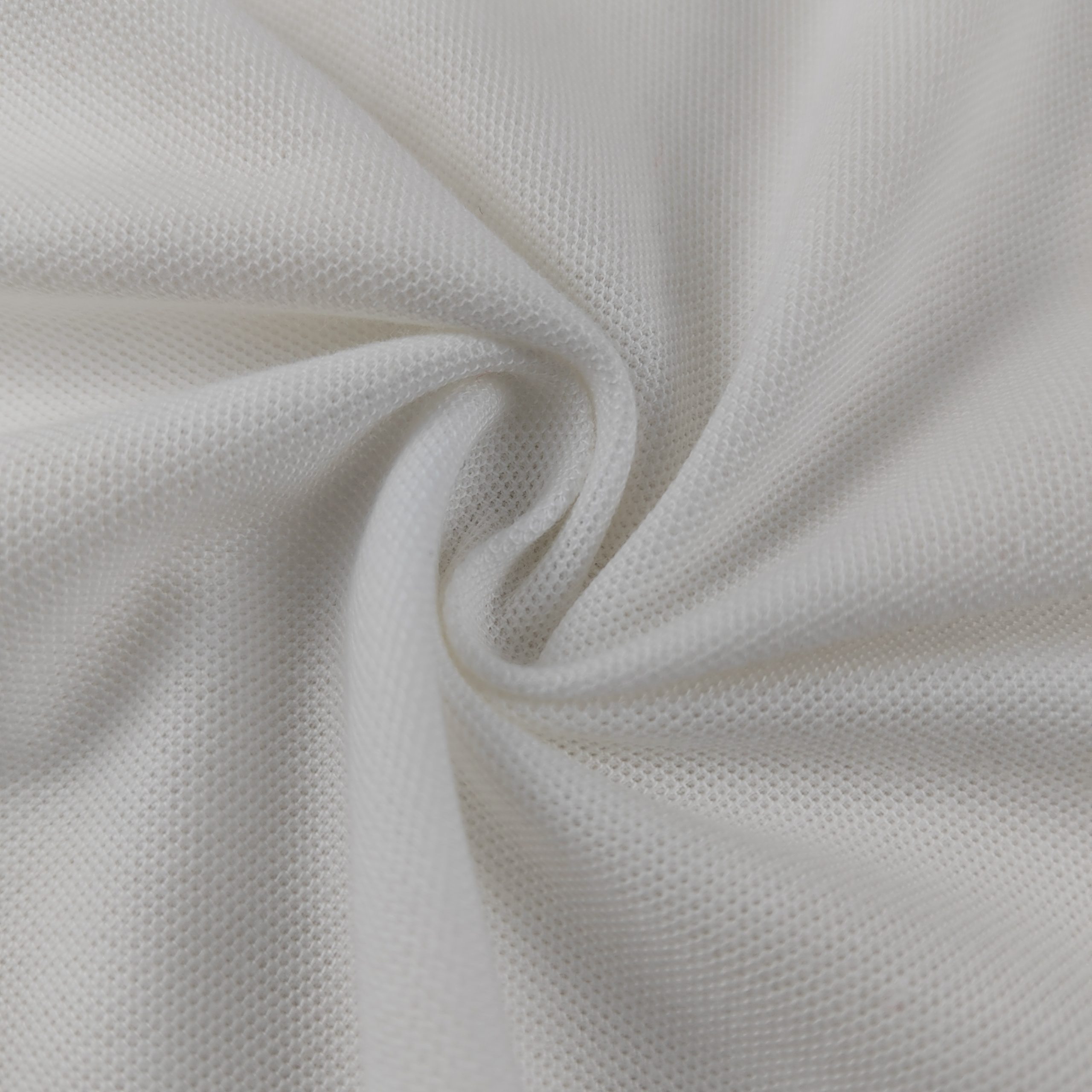
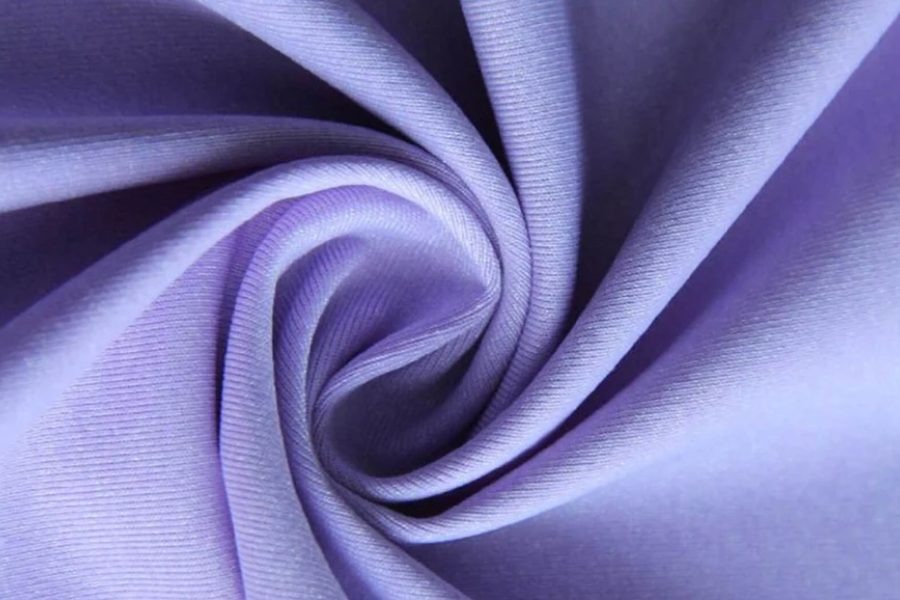
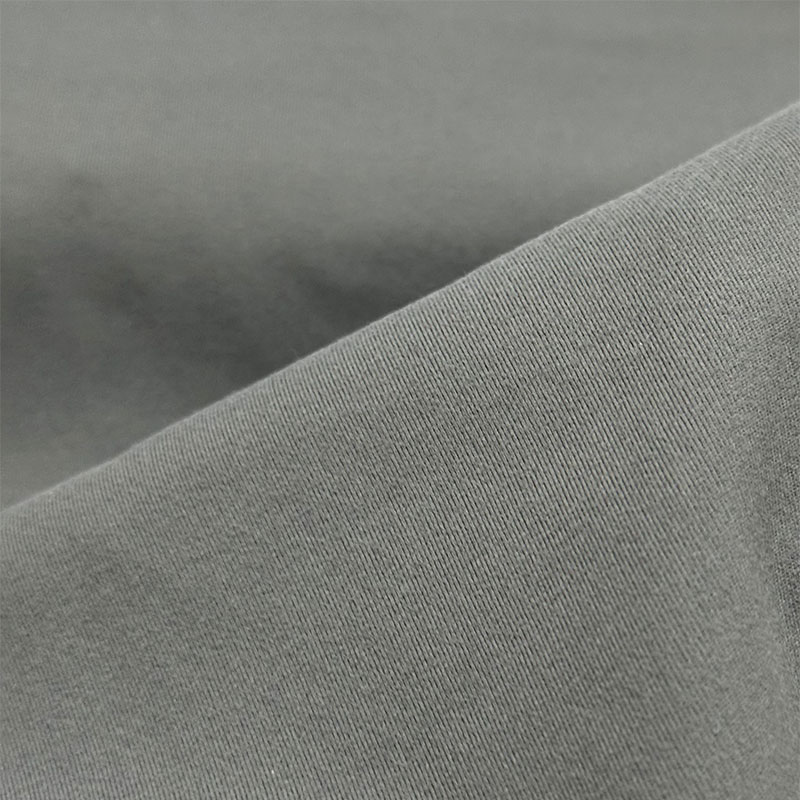
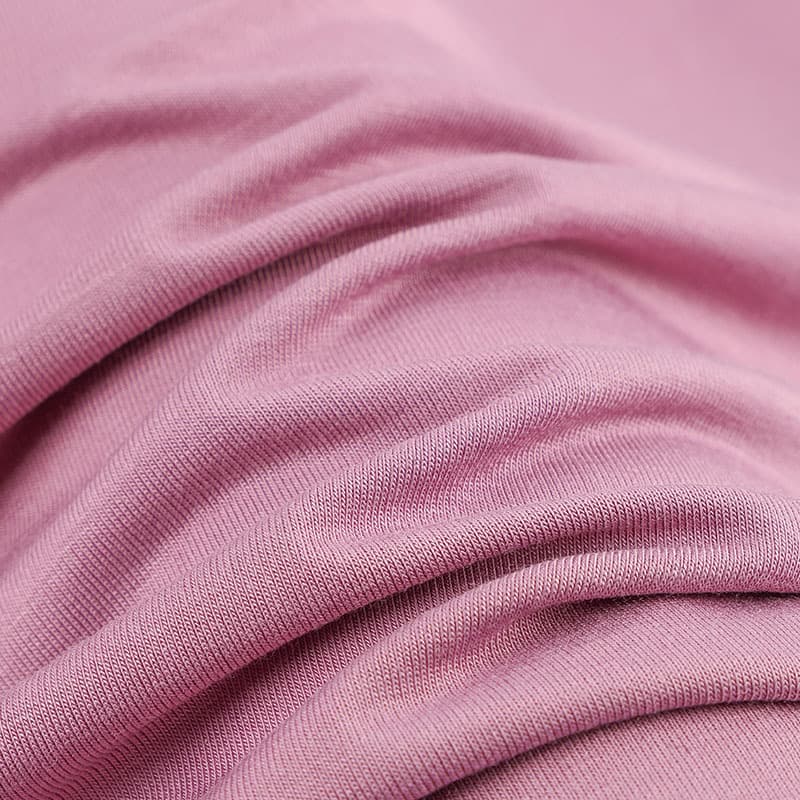
Professional sportswear manufacturers select fabrics based on performance attributes: moisture management, stretch recovery, durability, and weight. ZORWILD sources technical fabrics from trusted suppliers across China, supporting moisture-wicking polyester blends, four-way stretch nylon/spandex, bamboo cotton, and recycled synthetics for sustainable activewear collections.
| Fabric Type | GSM Range | Moisture Management | Stretch & Recovery | Durability | Ideal Use Cases |
|---|---|---|---|---|---|
| Polyester Blends | 120–220 | Excellent wicking, quick dry | Moderate stretch, good recovery | High abrasion resistance | Running tops, gym shirts, performance tees |
| Nylon/Spandex | 180–280 | Good wicking, breathable | Four-way stretch, excellent recovery | Very high tear strength | Leggings, compression wear, yoga pants |
| Merino Wool Blends | 160–240 | Natural moisture control, odor resistant | Minimal stretch, stable | Moderate, pill-resistant | Outdoor base layers, winter activewear |
| Bamboo Cotton | 150–220 | Soft, breathable, moderate wicking | Low stretch, comfortable drape | Moderate, eco-friendly | Yoga tops, casual athleisure, lounge wear |
| Recycled Polyester | 130–210 | Excellent wicking, fast dry | Moderate stretch, stable recovery | High durability, sustainable | Eco-conscious sportswear, gym wear, outdoor jackets |
5. Customization and Decoration Techniques
Professional sportswear manufacturers offer six primary branding techniques, each with distinct cost structures, durability profiles, and design capabilities. Choosing the right decoration method depends on order volume, fabric substrate, color complexity, and expected garment lifespan.
| Technique | Setup Cost | Durability (Washes) | Color Limit | Best Application |
|---|---|---|---|---|
| Sublimation Printing | Low ($50–150) | Excellent (100+) | Unlimited | Polyester activewear, all-over prints |
| Screen Printing | Medium ($100–300) | Excellent (100+) | 1–6 colors | Large runs, simple logos, cotton sportswear |
| Heat Transfer | Low ($30–80) | Good (30–50) | Full color | Small batches, photo-quality graphics |
| Embroidery | Medium ($80–200) | Excellent (100+) | 12–15 colors | Polos, caps, premium branding |
| Woven Labels | Medium ($100–250) | Excellent (100+) | 8 colors | Neck labels, hem tags, brand identity |
| Silicone/Rubber Badges | High ($200–500) | Excellent (100+) | Unlimited | 3D logos, luxury streetwear, outerwear |
6. Quality Benchmarks in Sportswear Manufacturing
Professional sportswear manufacturers distinguish themselves through measurable quality benchmarks across construction, materials, and compliance. Auditing pre-production samples against these standards prevents costly bulk production failures and protects brand reputation.
Seam Construction and Durability
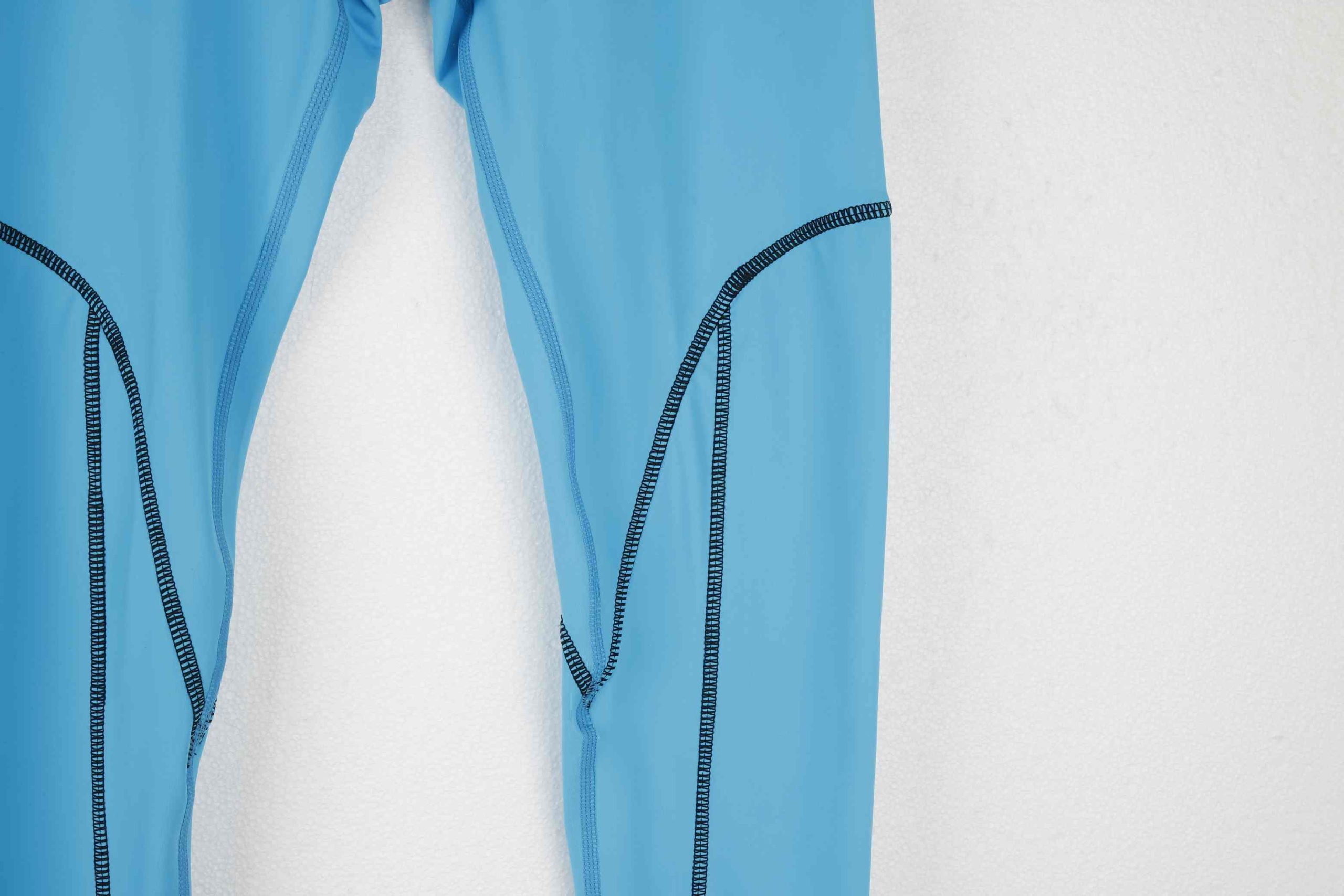
Flatlock seams lie flat against skin and prevent chafing in high-movement zones like inseams and underarms, essential for leggings and sports bras. Overlock seams (typically 4-thread or 5-thread) provide stretch and strength in side seams and shoulder joins.
Inspect stitch density — quality sportswear uses 12–14 stitches per inch. Check seam allowances for consistent 1 cm width and no raw edges. Red flags include puckered seams, skipped stitches, and loose thread tails.
Fabric Performance Testing
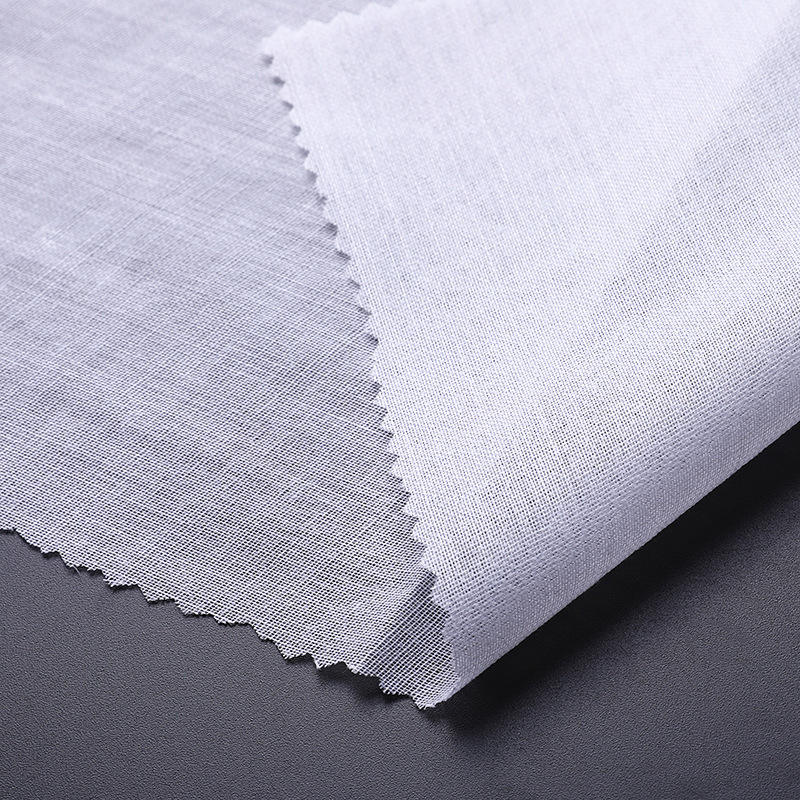
Pilling resistance testing (ASTM D3512) grades fabric from 1 (severe pilling) to 5 (no pilling); sportswear should score 4 or higher. Colorfastness to washing (ISO 105-C06) and perspiration (ISO 105-E04) must reach Grade 4 to prevent dye transfer and fading.
Stretch retention testing measures fabric recovery after 100 cycles — quality performance fabrics retain 90% or more of original elasticity. Request lab reports for moisture wicking (AATCC 195) and quick-dry performance before approving bulk orders.
Fit Consistency Across Size Runs
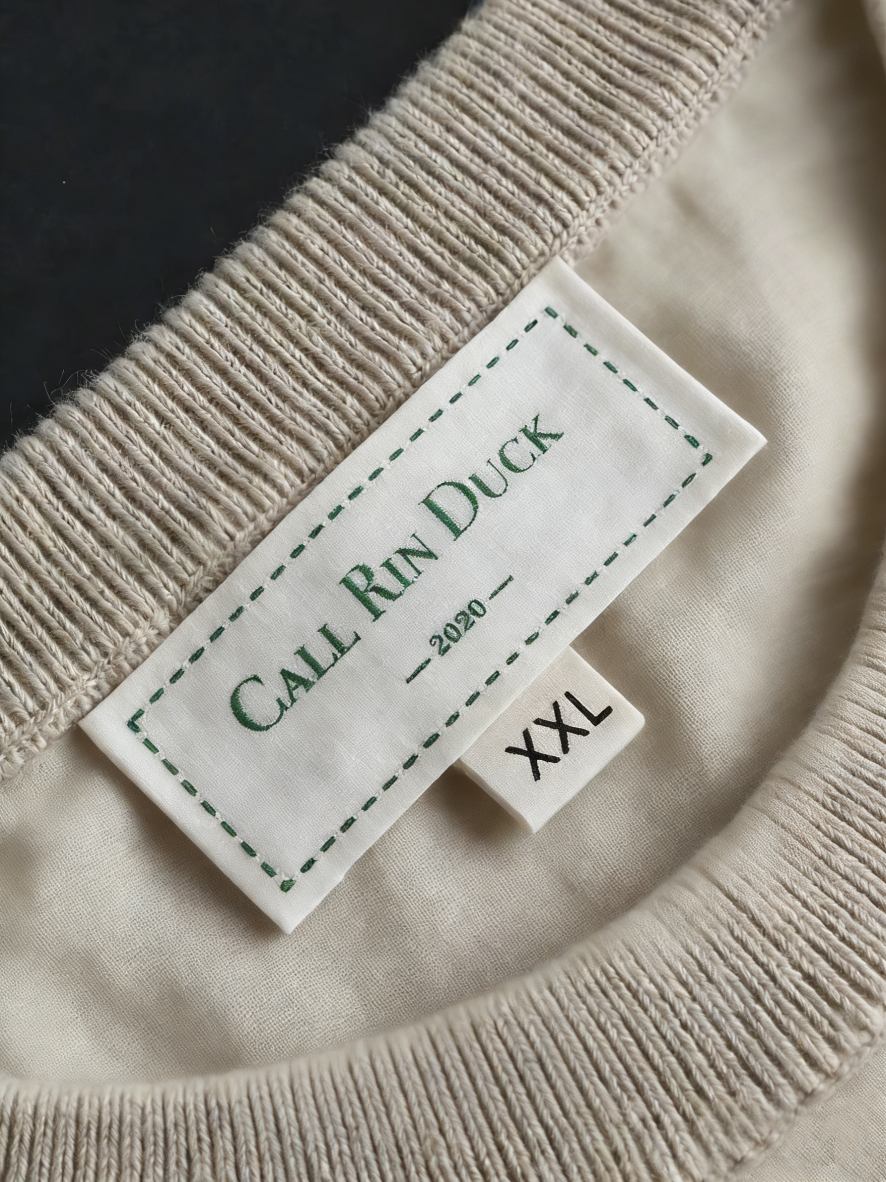
Professional sportswear manufacturers maintain grading tolerances within ±0.5 cm across all sizes from XS to 3XL. Request fit samples in three non-consecutive sizes (e.g., S, L, XXL) to verify proportional scaling of chest, waist, hip, and inseam measurements.
Red flags include inconsistent rise depth in bottoms, armhole distortion in larger sizes, and waistband placement shifts. Measure ten garments from the same production batch to detect pattern drift or operator variance.
Finishing Details and Hardware
Hem taping on raw edges prevents curling and fraying in shorts and crop tops; quality tape is heat-sealed or cover-stitched with matching thread. Elastic waistbands should use branded elastics (e.g., covered elastic with logo print) sewn with at least four rows of stitching for durability.
Inspect drawcord tips for metal or silicone aglets, YKK or SBS zippers for smooth operation, and reflective trims for adhesion strength. Poor finishing shows as uneven hem widths, twisted waistbands, and loose elastic joins.
Compliance and Chemical Safety
AZO-free dye certification ensures no carcinogenic aromatic amines release during wear or washing, mandatory in EU and US markets. Lead content testing (CPSIA limits: 100 ppm in substrate, 90 ppm in surface coatings) applies to metal trims, zippers, and printed graphics.
Request OEKO-TEX Standard 100 or REACH compliance certificates for all fabric batches. Red flags include missing test reports, expired certificates (older than 12 months), and suppliers unwilling to share lab documentation.
7. How to Choose the Right Sportswear Manufacturers
Selecting the right partner among sportswear manufacturers requires a structured evaluation process that balances capability, compliance, and commercial terms. Influencers need speed and flexibility, small brands prioritize low MOQ and support, while professional buyers demand audited facilities and scalable capacity.
Assess Production Capacity and Lead Times
Monthly capacity determines whether a factory can scale with your brand. Manufacturers producing 100,000+ units monthly handle both startup orders of 50–200 pieces and large reorders of 5,000+ units without bottlenecks.
Lead times typically range from 15–25 days for basic sportswear to 30–45 days for technical activewear with moisture-wicking fabrics and seamless construction. Confirm sampling turnaround (5–10 days) and bulk production windows separately.
Verify Certifications and Compliance
ISO 9001 certification confirms quality management systems, while WRAP, BSCI, and SA8000 validate ethical labor practices. OEKO-TEX Standard 100 ensures fabric safety for skin contact, critical for yoga wear and compression garments.
Professional buyers should request audit reports and factory inspection access. Influencers and small brands can start by confirming export licensing and basic compliance documentation before scaling.
Evaluate Sample Quality and Communication
Sample accuracy predicts bulk production quality. Inspect stitching density (12–14 stitches per inch for sportswear), print durability after wash testing, and fabric weight consistency (180–280 GSM for performance fleece).
Communication responsiveness within 12–24 hours and English proficiency prevent costly misunderstandings. Request tech pack reviews and measurement spec sheets to verify technical capability before committing to production.
Compare MOQ Flexibility and Pricing Transparency
Startup brands require 50–100 piece minimums per style to test markets without inventory risk. Mid-tier brands benefit from 300–500 piece MOQs for better unit pricing, while wholesalers negotiate 1,000+ piece runs for volume discounts of 15–30%.
Transparent pricing includes fabric cost, decoration fees, sampling charges, and shipping. Hidden costs for revisions, rush orders, or packaging upgrades signal poor communication and should be clarified upfront in written quotations.
8. Common Mistakes When Sourcing Sportswear Manufacturers
Even experienced brands make critical errors when selecting sportswear manufacturers, leading to costly delays, quality failures, and legal disputes. Understanding these common pitfalls helps you avoid expensive mistakes and build successful manufacturing partnerships from the start.
Choosing Solely on Price Without Quality Checks
Selecting the lowest-cost sportswear manufacturers without validating quality standards often results in defective products, poor fabric performance, and brand damage. A $3 per unit price advantage disappears quickly when 15–20% of inventory arrives with stitching failures or fabric pilling.
Always request pre-production samples, conduct fabric GSM verification, and inspect seam strength before committing to bulk orders. ZORWILD’s 27-year quality control system includes raw material inspection, in-line production checks, and final product audits to ensure consistent standards across every order.
Ignoring Fabric Performance Specifications
Many brands specify ‘polyester blend’ or ‘moisture-wicking fabric’ without defining technical requirements like breathability ratings, stretch recovery percentages, or colorfastness grades. This vagueness leads to fabrics that fail performance expectations and customer satisfaction.
Define fabric specs precisely: four-way stretch with 30–40% recovery, moisture-wicking rate above 4.5, and colorfastness grade 4 or higher. Professional sportswear manufacturers provide fabric test reports, GSM documentation, and performance certifications to validate material quality before production begins.
Underestimating Lead Times and Production Schedules
Brands frequently expect 15–20 day turnarounds without accounting for sampling, fabric sourcing, decoration setup, and shipping. Rushed timelines force manufacturers to skip quality checks or use substitute materials, compromising final product quality.
Standard sportswear production requires 7–10 days for sampling, 25–35 days for bulk production, and 15–25 days for international shipping. Add 10–15 days buffer for customs clearance and unexpected delays. ZORWILD’s production planning system helps clients establish realistic timelines based on order complexity, decoration requirements, and shipping methods.
Skipping Sample Approval Stages
Proceeding directly to bulk production without approving fit samples, fabric swatches, and decoration proofs creates irreversible errors in sizing, color matching, and graphic placement. Correcting these mistakes post-production costs 3–5 times more than proper sampling.
Require physical samples for fit validation, strike-off samples for color approval, and pre-production samples showing final fabrics, trims, and decoration. Document all approvals in writing with photos and measurement sheets to establish clear production standards.
Failing to Clarify IP and Design Ownership
Ambiguous agreements on design ownership, tech pack rights, and pattern exclusivity lead to manufacturers selling your designs to competitors or restricting your ability to switch factories. Clear IP terms protect your brand investment and long-term flexibility.
Establish written agreements specifying that all custom designs, tech packs, patterns, and brand elements remain your exclusive property. ZORWILD’s OEM and ODM contracts explicitly define IP ownership, ensuring clients retain full rights to their proprietary designs and can transition production if business needs change.
9. Steps to Launch Your Sportswear Brand
Launching a sportswear brand requires a structured process that balances creative vision with manufacturing realities. Collaborating closely with sportswear manufacturers at each stage reduces risk, shortens lead times, and ensures your first collection meets quality and market expectations.
Define Your Niche and Target Customer
Identify whether you serve yoga enthusiasts, gym performance athletes, athleisure fashion buyers, or outdoor sports communities. ZORWILD recommends clarifying age range, price positioning, and style preferences before contacting manufacturers.
Share customer profiles with your manufacturer to align fabric selection, fit standards, and decoration techniques with end-user expectations.
Create Tech Packs and Design Specifications
Provide tech packs with measurements, fabric requirements, colorways, print placements, and trim details. Manufacturers use these documents to source materials, calculate costs, and prepare samples.
ZORWILD’s development team assists brands without formal tech packs by converting sketches, inspiration photos, or reference garments into production-ready specifications.
Request and Evaluate Samples
Order pre-production samples to verify fit, fabric hand feel, print quality, and construction accuracy. Expect 7–14 days for sample turnaround depending on complexity.
Test samples for wash durability, color fastness, and sizing consistency before approving bulk production.
Negotiate Terms and Place First Order
Confirm MOQ, unit price, payment terms, and production lead time. ZORWILD supports 50-piece startup orders with flexible payment structures.
Secure a signed purchase order that includes delivery dates, quality standards, and packaging requirements.
Quality Control and Shipping Logistics
Arrange in-line and final inspections to catch defects before shipment. ZORWILD conducts measurement checks, print audits, and packaging inspections as standard.
Choose air freight for speed or sea freight for cost efficiency, and coordinate customs documentation with your manufacturer.
Plan Inventory and Marketing Launch
Align production delivery with marketing campaigns, influencer partnerships, and e-commerce launches. Maintain buffer stock for reorders and manage cash flow by phasing product drops.
Work with your manufacturer to schedule repeat orders based on sell-through data and seasonal demand.
10. Sportswear Manufacturing Pricing and Costs
Sportswear manufacturers typically price products across four order-volume tiers, with unit costs decreasing as quantities rise and lead times extending from 15 days for small batches to 35 days for large-scale runs. A 50-piece order of basic performance tees may cost $8–12 per unit, while 1,000-piece orders drop to $4–6 per unit, reflecting economies of scale in fabric cutting, sewing setup, and quality inspection.
Fabric grade drives significant cost variation: entry-level polyester blends start at $2–3 per meter, while premium moisture-wicking fabrics with four-way stretch and anti-microbial treatments range from $6–10 per meter. Customization complexity adds layers of cost—screen printing a single-color logo costs $0.50–1.00 per piece, whereas multi-color sublimation or chenille embroidery can add $3–5 per garment depending on design density and placement.
Decoration methods carry both setup fees and per-unit charges, with screen printing offering the lowest per-piece cost at high volumes and DTG printing providing flexibility for small runs without expensive screens. Shipping terms (FOB, CIF, DDP) and destination affect final landed costs by 10–25%, making it essential to clarify Incoterms during negotiation with sportswear manufacturers.
| Order Quantity | Unit Cost Range (USD) | Typical Lead Time (Days) |
|---|---|---|
| 50 pieces | $8–12 | 15–20 |
| 100 pieces | $6–10 | 18–22 |
| 500 pieces | $5–7 | 25–30 |
| 1,000+ pieces | $4–6 | 30–35 |
Ready to Partner with Trusted Sportswear Manufacturers?
Start your custom sportswear collection with 50-piece MOQ, 27 years of expertise, and full-service manufacturing from tech pack to shipment.