
Custom Screen Printing for Brands — Low MOQ, Premium Quality
Launch your collection with professional custom screen printing from 50 pieces. Fast 7-day samples, 95%+ decoration techniques, and factory-direct pricing from Dongguan.
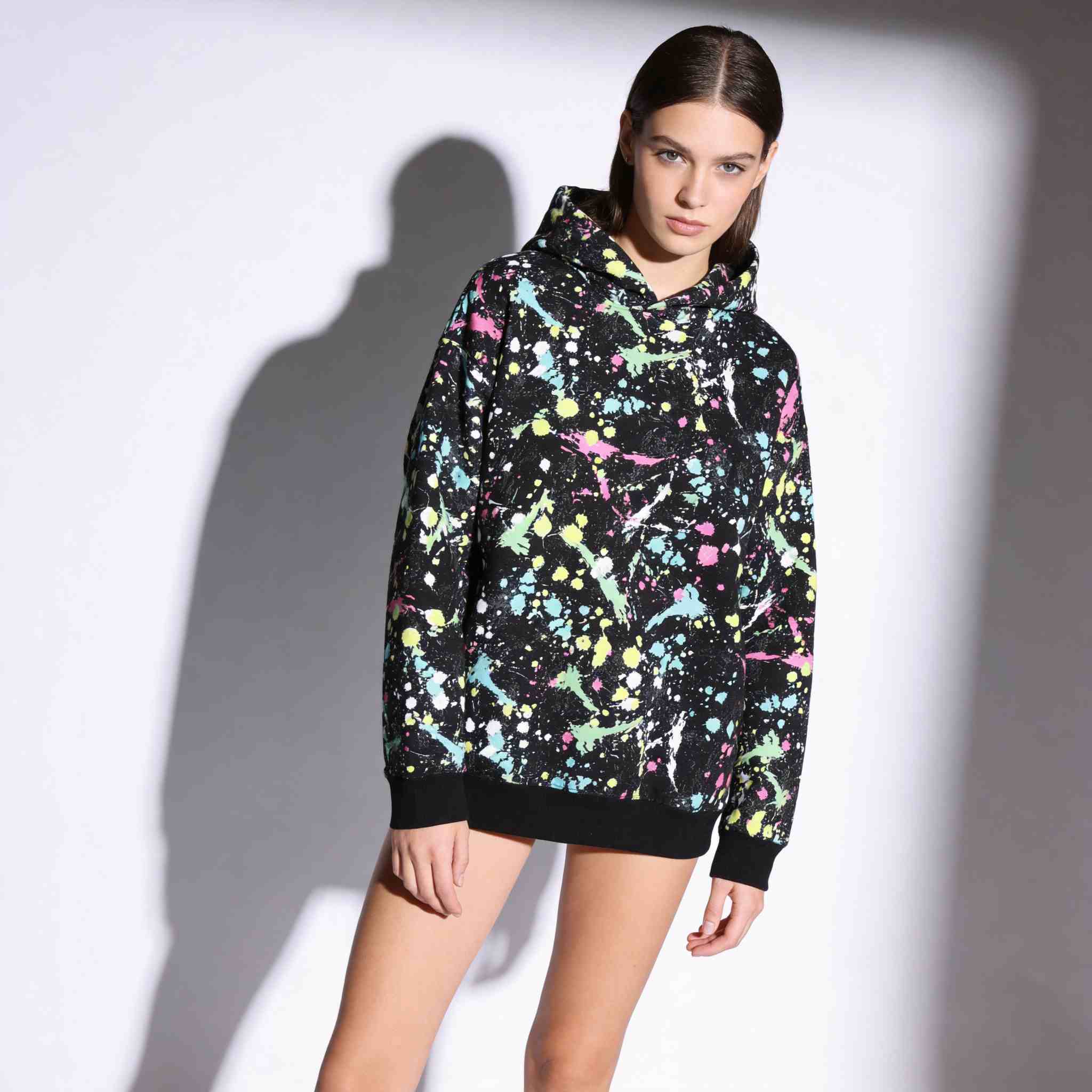
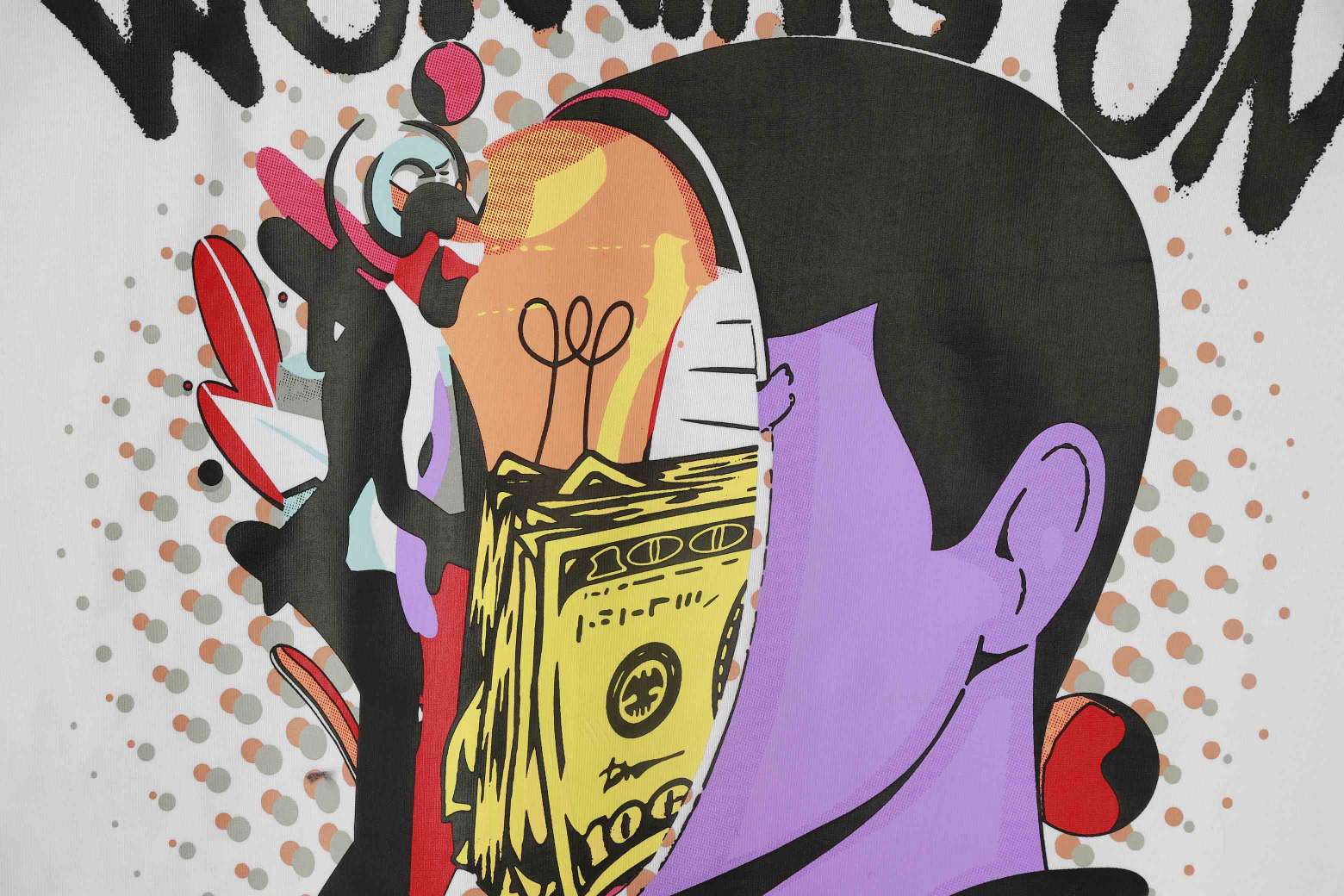
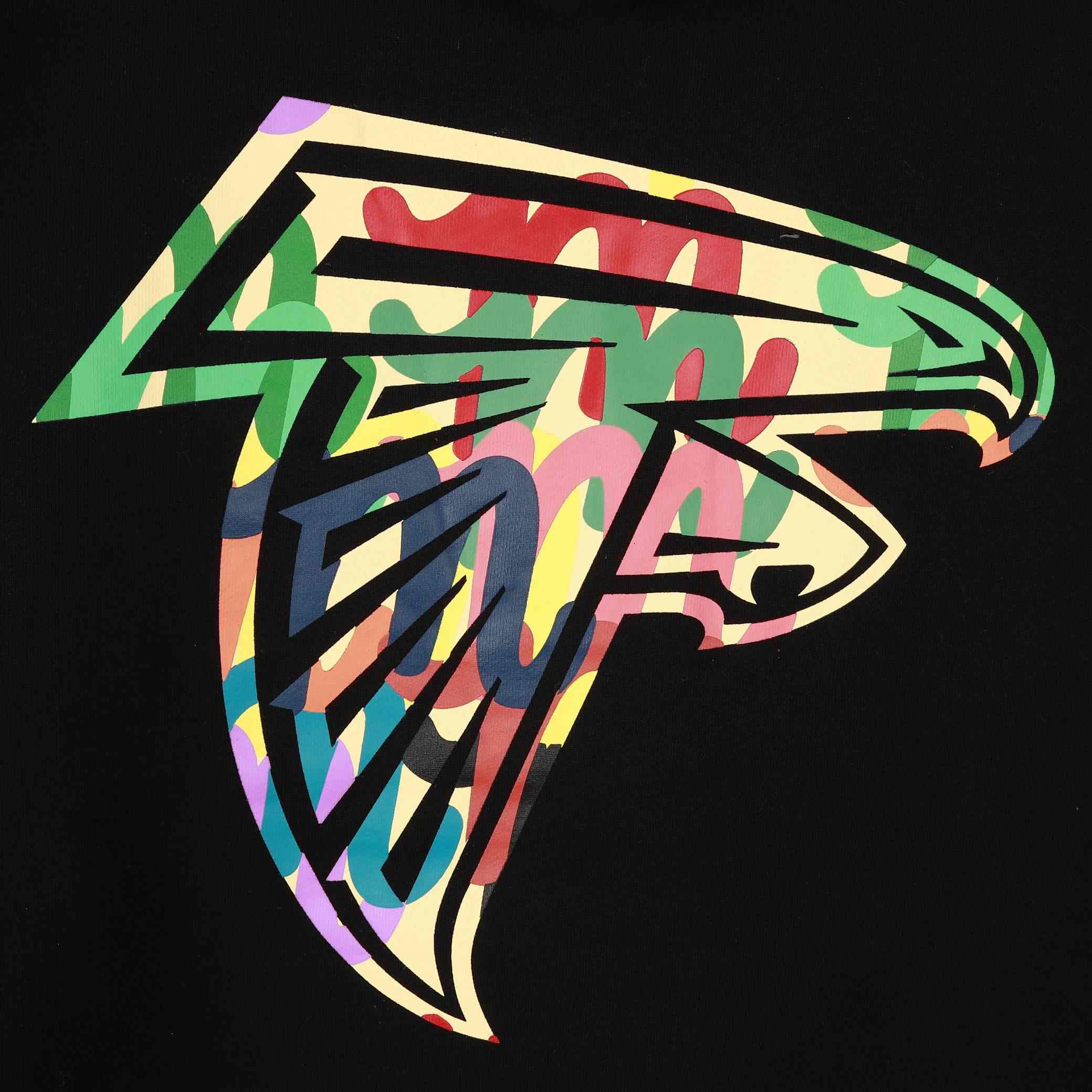
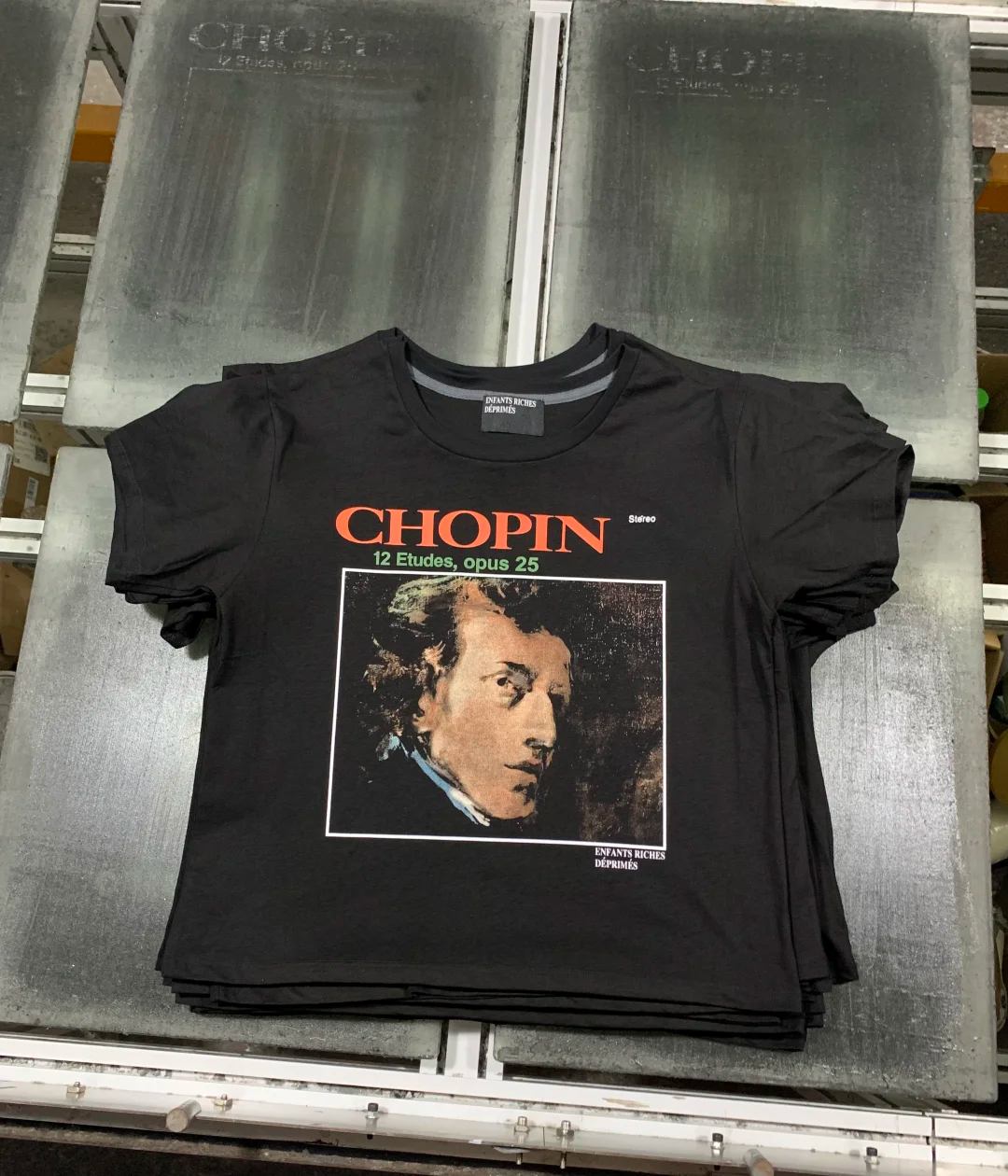
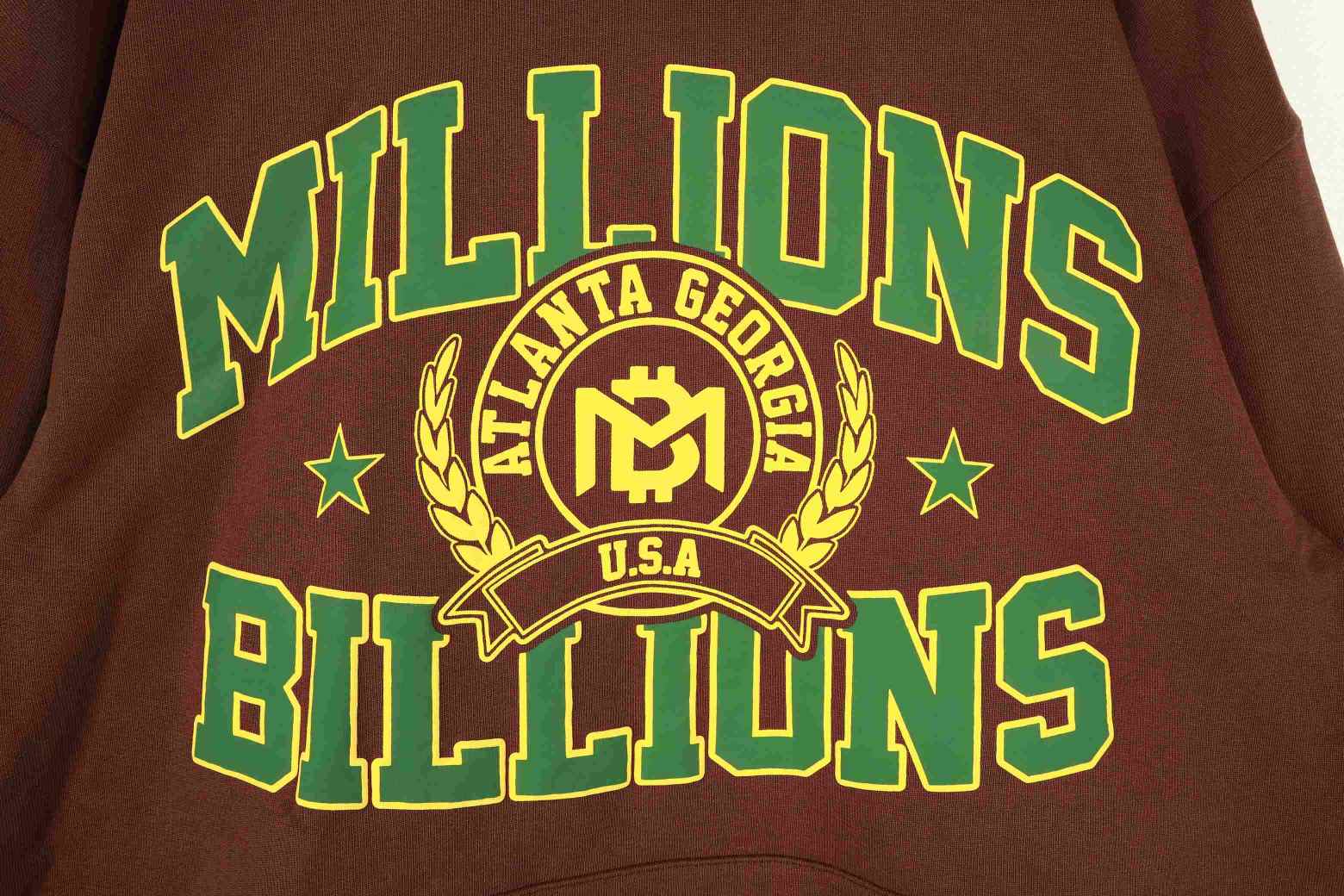
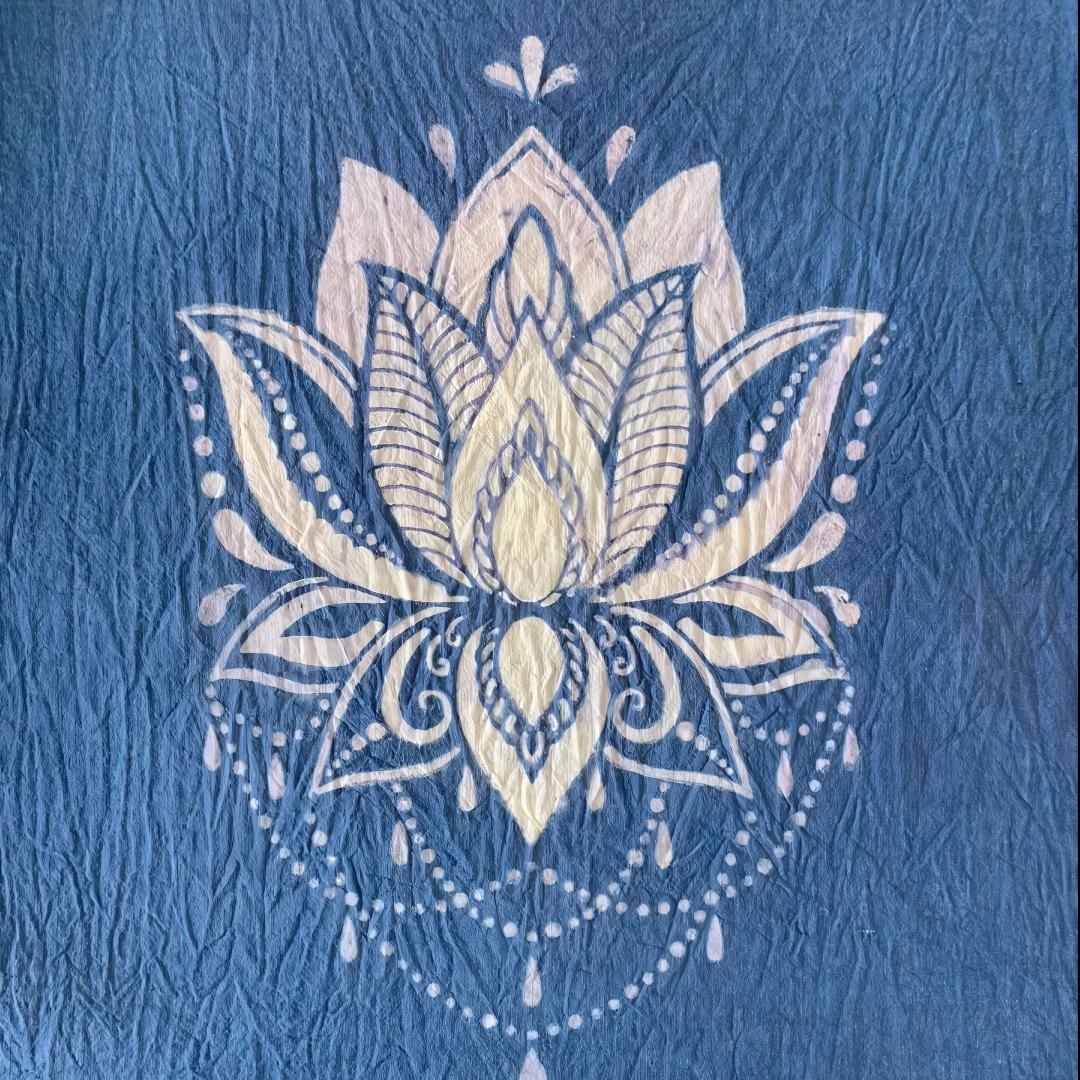
Screen-Printed Apparel Showcase
Why Custom Screen Printing at ZORWILD Outperforms Alternatives
In-House Color Matching Precision
Our specialists match Pantone colors exactly using advanced mixing systems, ensuring your brand colors stay consistent across every production run.
Exceptional Wash Durability
Custom screen printing withstands 50+ industrial wash cycles without cracking or fading, delivering long-lasting graphics for premium streetwear and workwear. Screen printing's 8-12x thicker ink layer explains why it outperforms other printing methods for durability. Compare screen printing durability against embroidery to choose the best technique for your brand's longevity needs. See how screen printing durability compares to DTG, embroidery, and sublimation across 100+ wash cycles.
Multi-Color Registration Accuracy
27 years of experience enables flawless alignment on complex 6-color designs, intricate logos, and detailed artwork with zero color bleeding. Our mesh count and halftone resolution capabilities achieve fine detail levels that rival direct-to-garment printing without the cost.
7-Day Sample Turnaround
Evaluate print quality, color accuracy, and fabric compatibility fast. We produce screen-printed samples in just seven days to accelerate your launch.
50-Piece Minimum Order Flexibility
Launch custom screen printing collections without inventory risk. Our low MOQ system supports startup brands, influencers, and capsule drops effortlessly.
Eco-Friendly Water-Based Ink Options
Choose sustainable water-based inks for softer hand feel, breathable prints, and reduced environmental impact—perfect for conscious fashion brands.
Screen Printing Techniques We Master
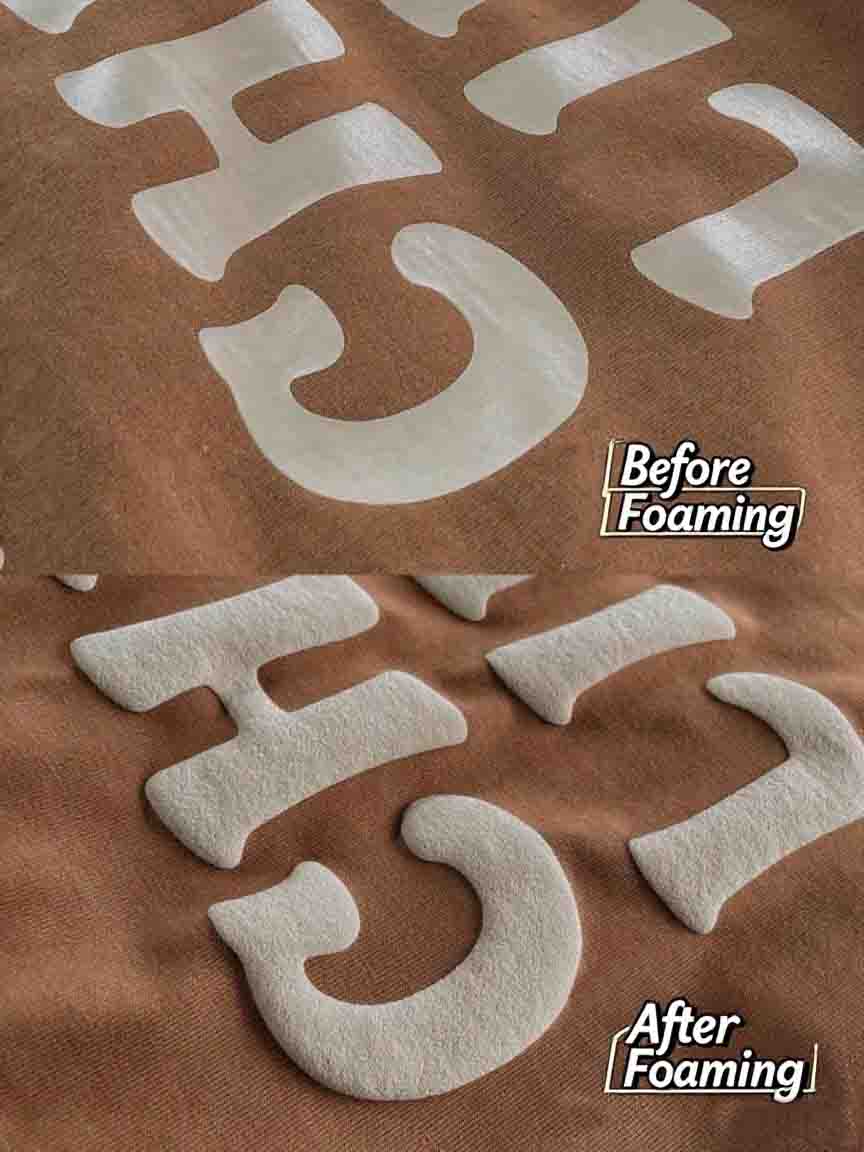
Puff Printing
Custom puff print creates raised, three-dimensional graphics with tactile texture ideal for streetwear hoodies, vintage T-shirts, and bold logo applications. ZORWILD controls ink height, edge definition, and curing consistency to deliver durable dimensional effects that elevate brand identity across heavyweight fleece and fashion casualwear collections.
Learn More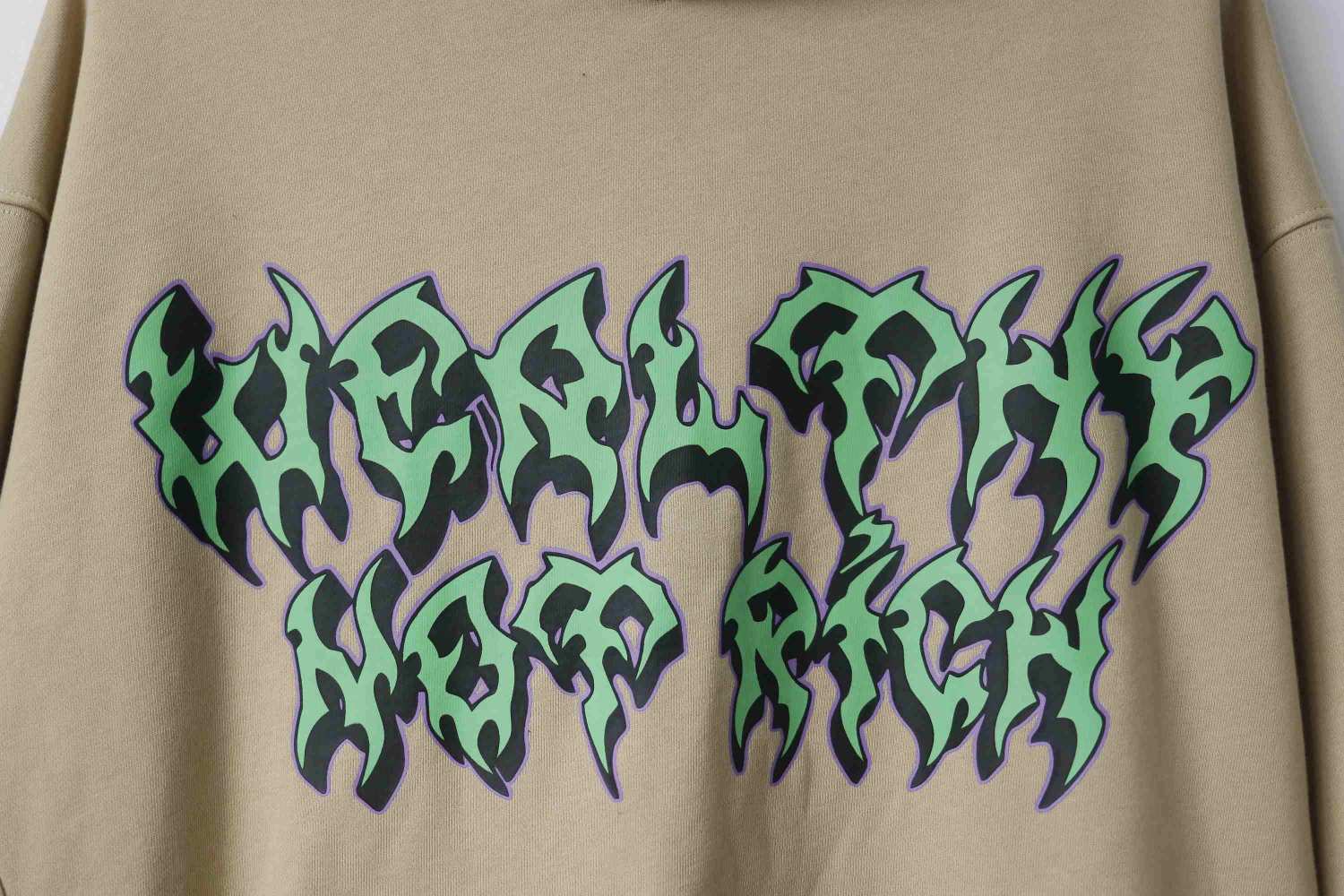
Plastisol Printing
Plastisol screen printing delivers vibrant, opaque color coverage with excellent durability and wash resistance across cotton, blends, and dark garments. Our Humen factory uses precise ink viscosity control and multi-color registration systems to produce sharp graphics for high-volume production runs, promotional apparel, team uniforms, and retail fashion collections.
Learn More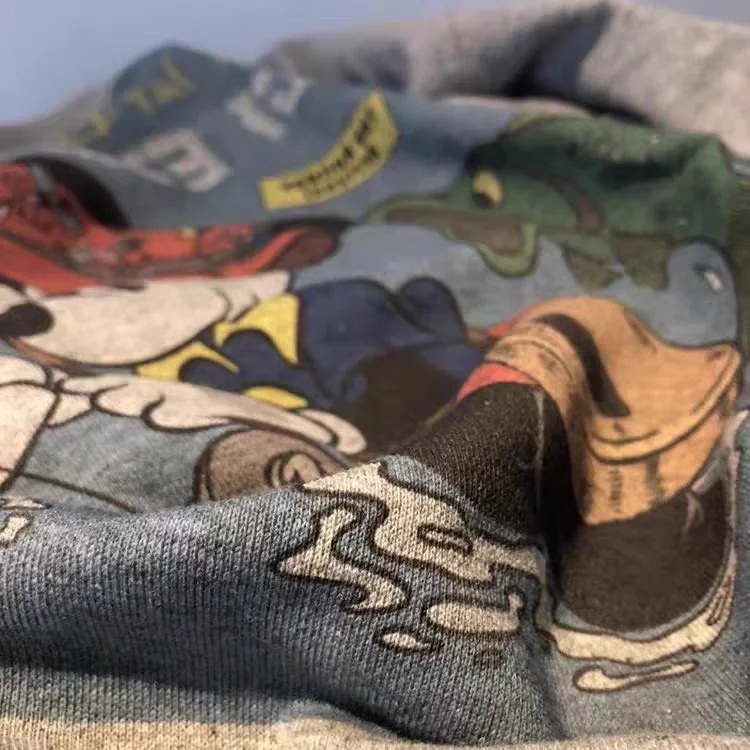
Water-Based Printing
Water based screen printing penetrates fabric fibers for an ultra-soft hand feel with no surface layer, perfect for premium T-shirts, organic cotton collections, and eco-conscious brands. This technique produces breathable, lightweight prints with excellent color vibrancy on light fabrics while meeting sustainability standards for modern DTC and streetwear labels.
Learn More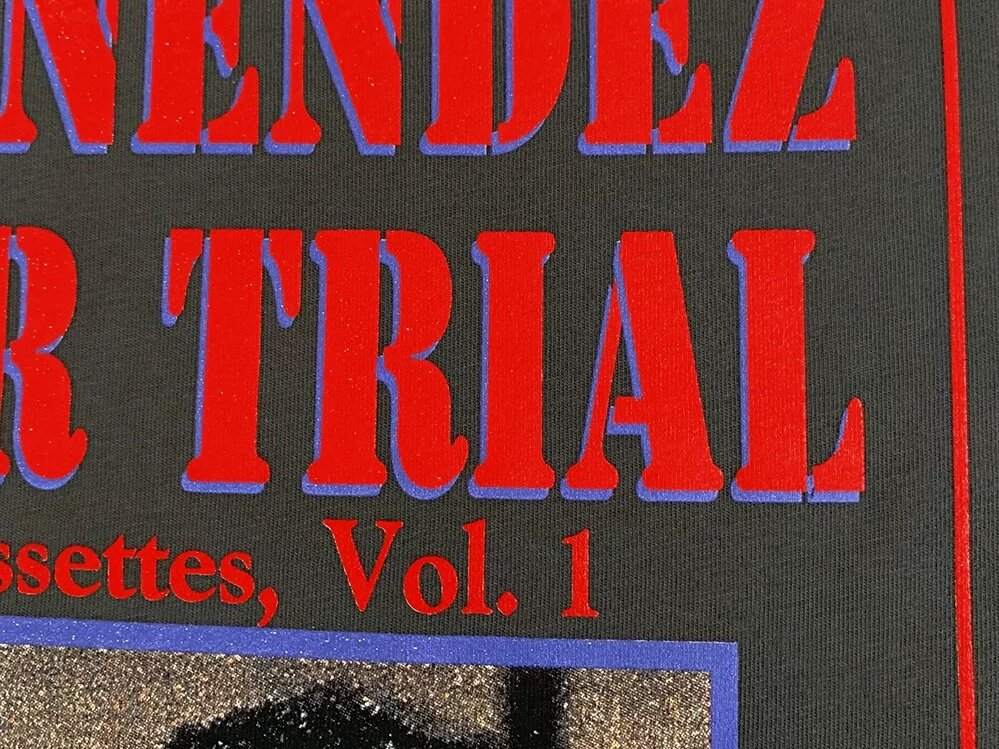
Flocking Printing
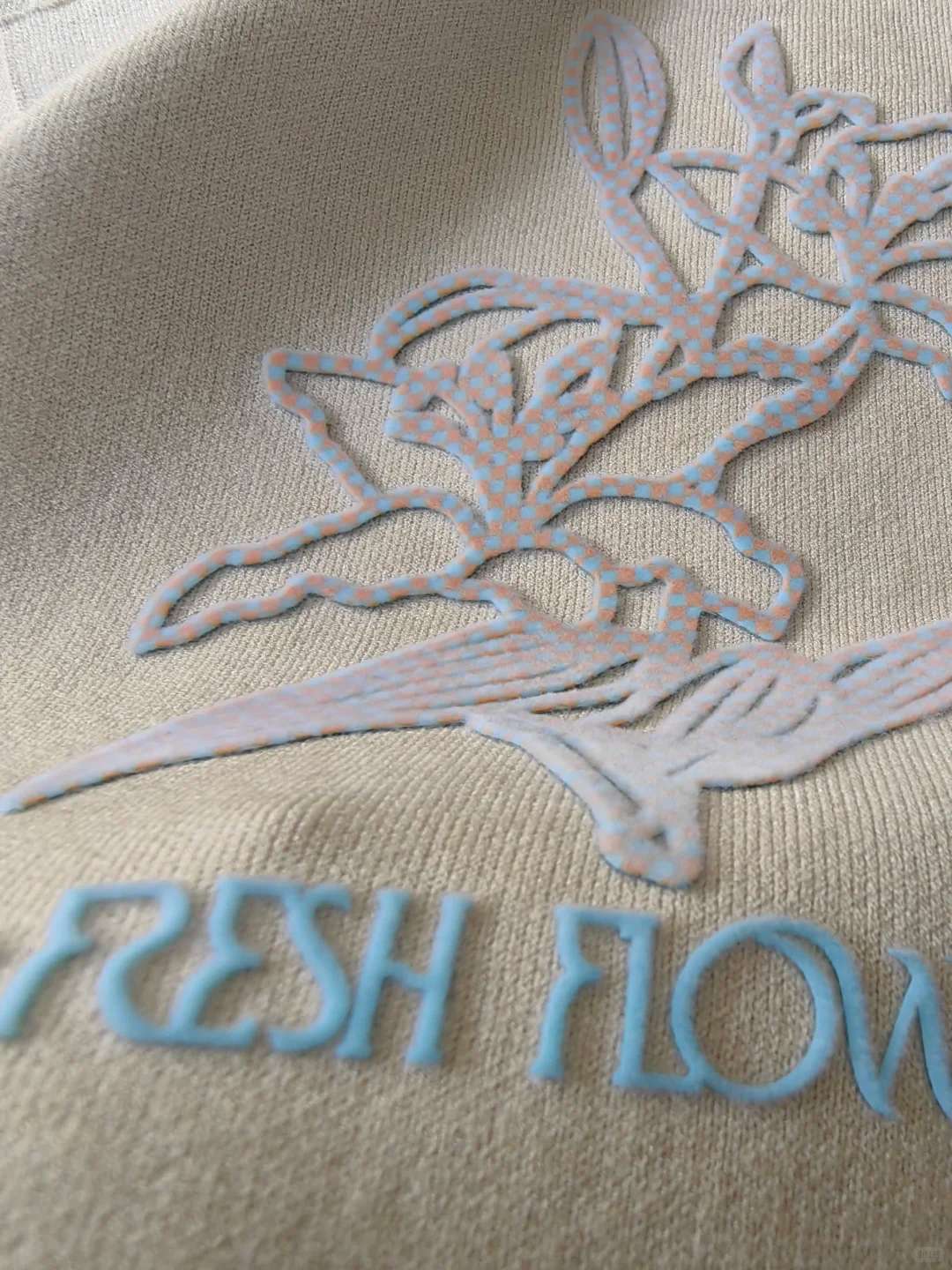
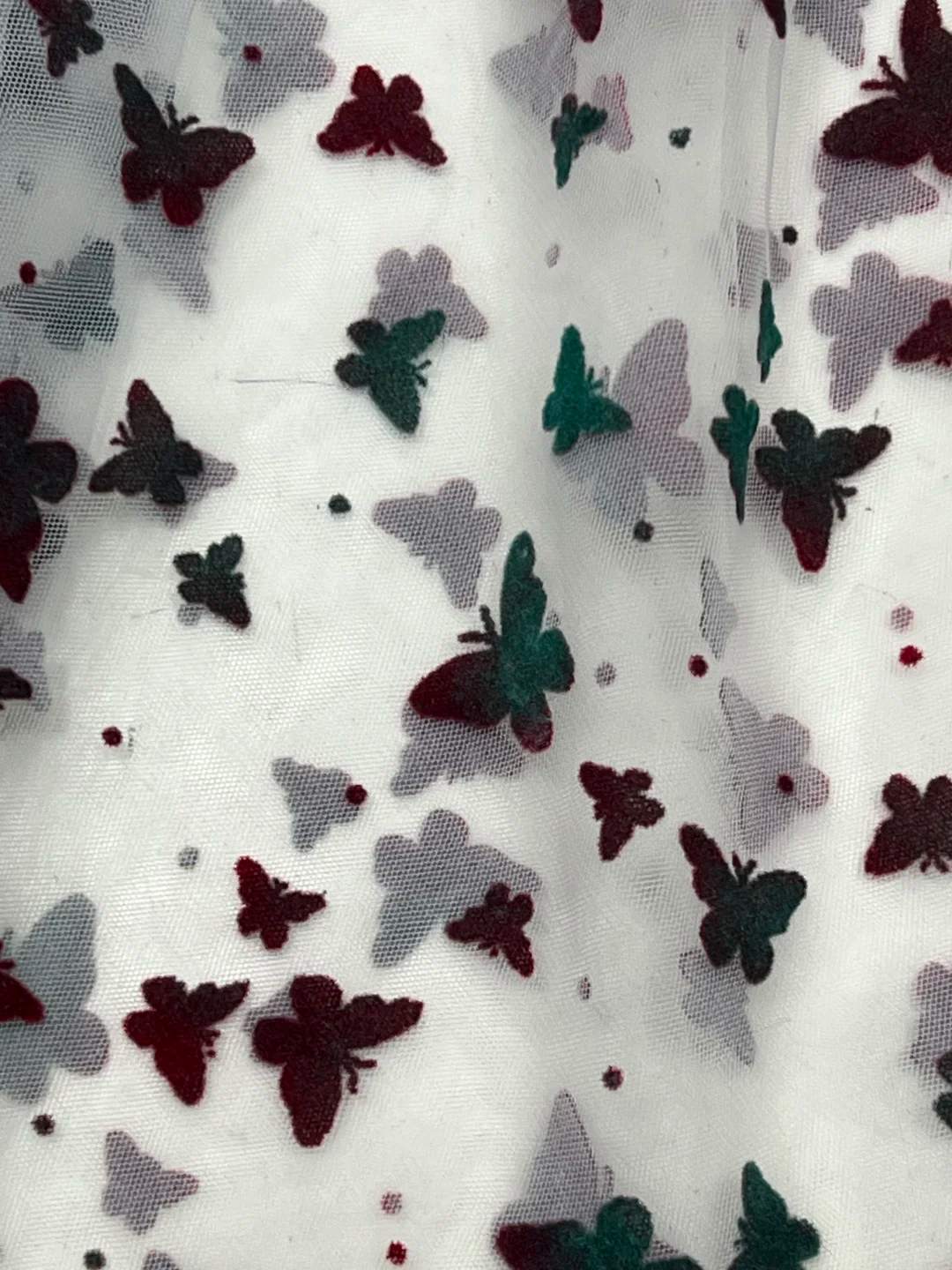
Flock printing applies soft, velvety fibers to create a suede-like raised texture that adds luxury tactile appeal to hoodies, sweatshirts, and fashion tops. Compare flocking durability and cost against screen printing and DTG methods to choose the best technique for your brand. ZORWILD uses electrostatic flock application with precise adhesive control to ensure consistent pile height, color richness, and wash durability for premium branding and decorative graphic elements.
Learn More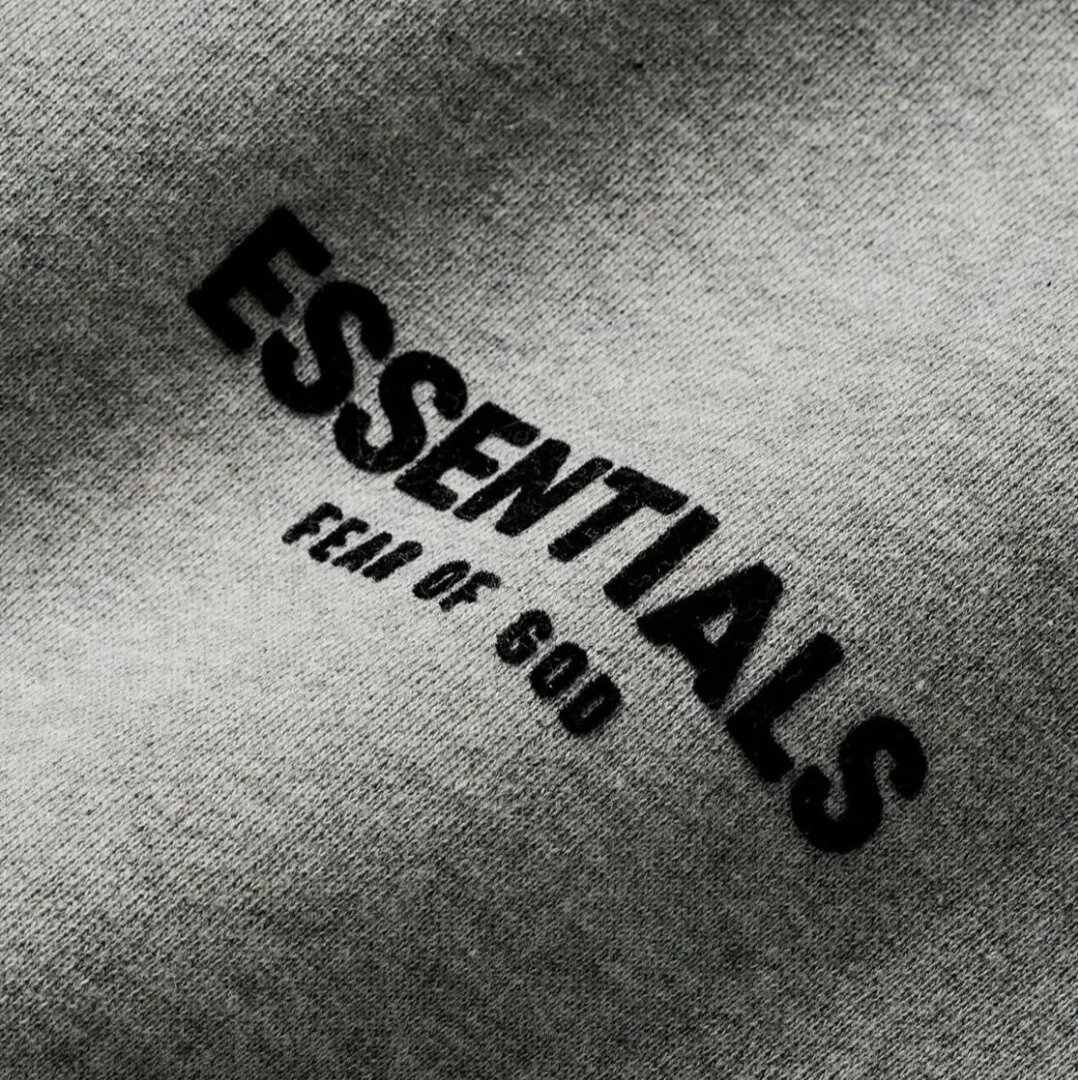
Silicone Printing
Silicone screen printing creates flexible, rubberized graphics with a smooth, glossy finish and three-dimensional profile ideal for athletic wear, technical apparel, and contemporary streetwear. Our advanced silicone formulations deliver excellent stretch recovery, abrasion resistance, and color consistency across performance fabrics, activewear collections, and fashion sportswear requiring durable branding.
Learn More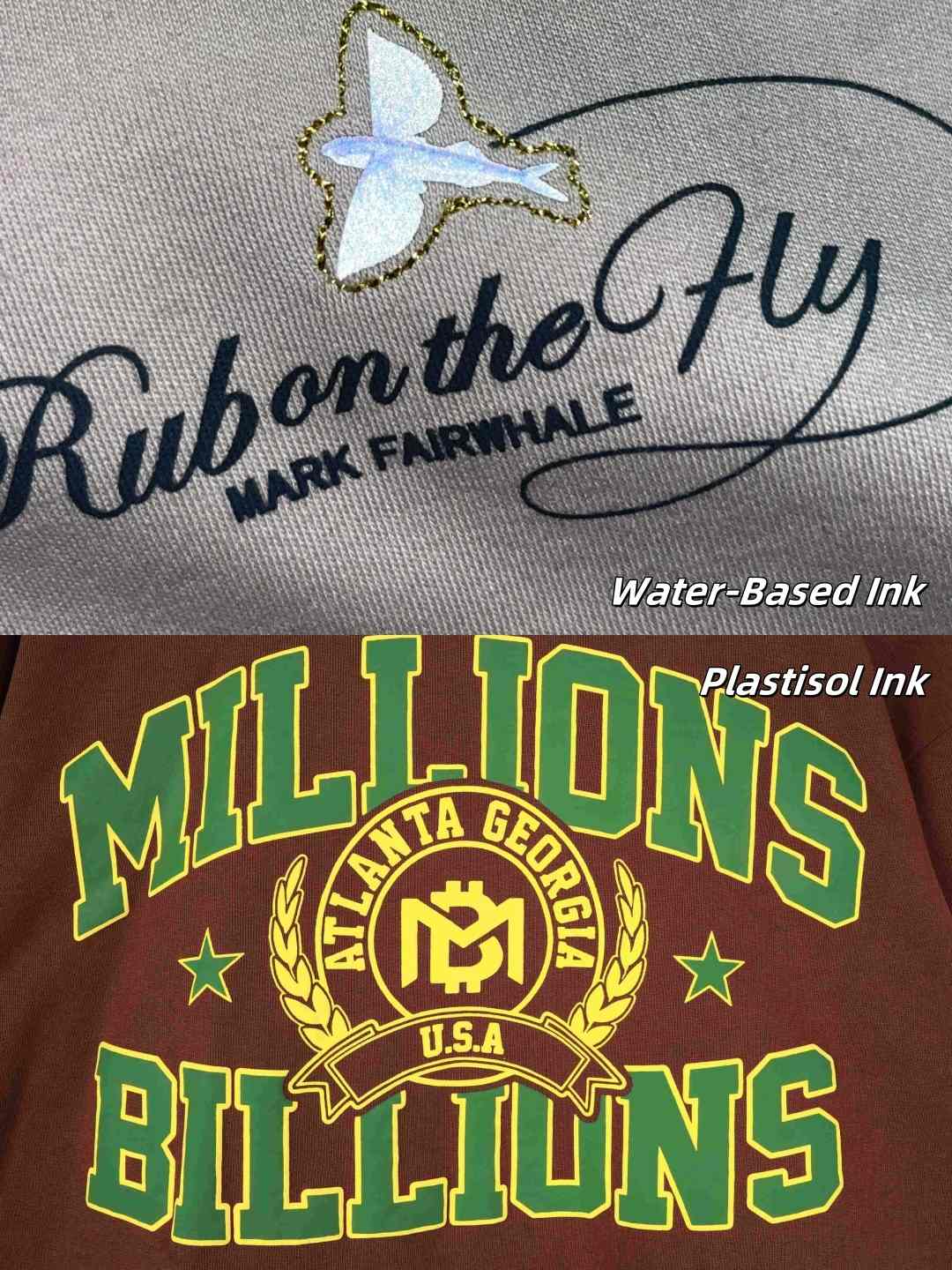
High-Density Printing
High density screen printing builds thick, raised ink layers for bold, tactile graphics with strong visual impact on hoodies, T-shirts, and outerwear. This technique creates pronounced texture and premium hand feel through multiple ink passes and specialized curing, perfect for luxury streetwear brands, designer collections, and fashion labels seeking standout dimensional branding.
Learn More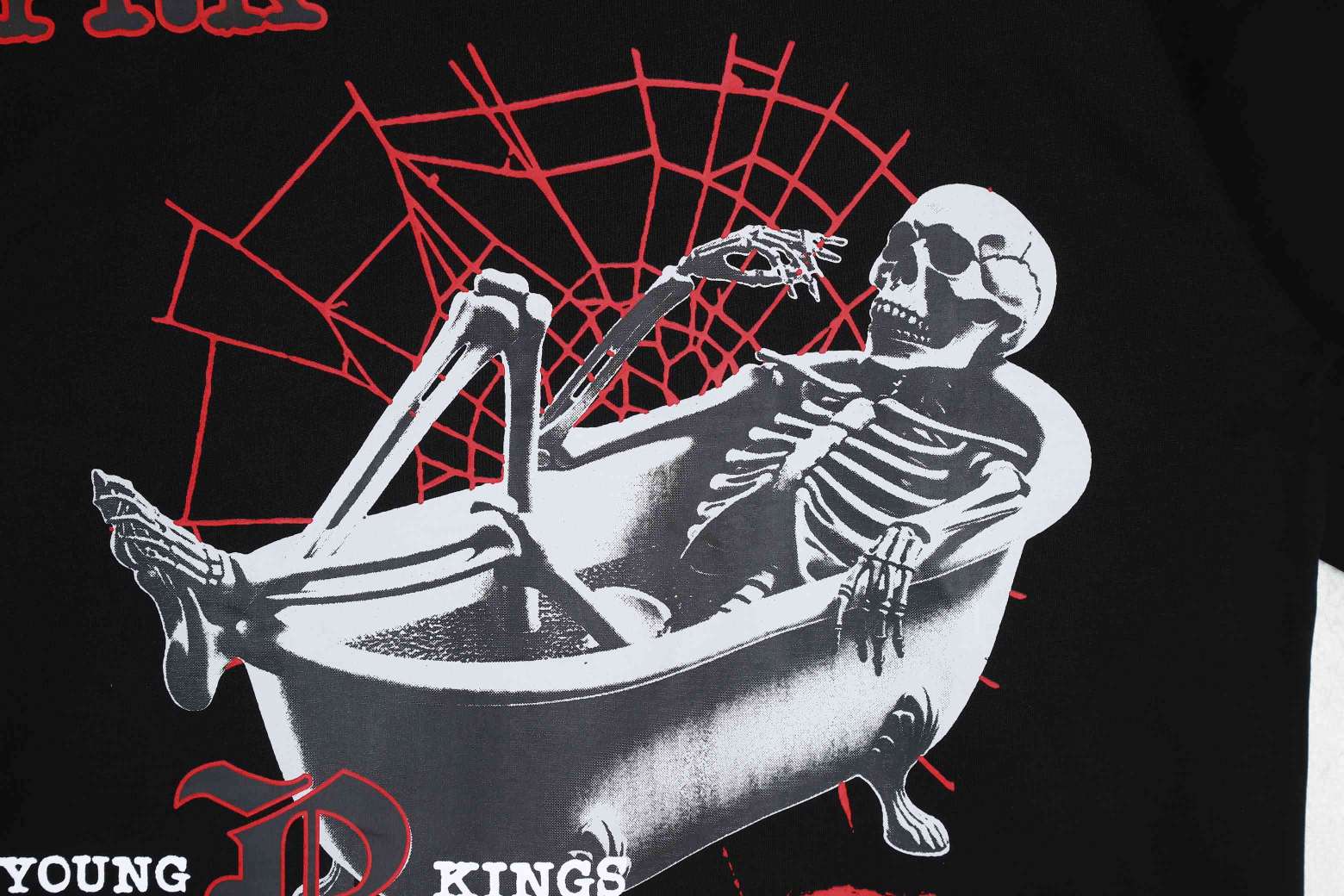
Foil Printing
Foil print applies metallic or holographic film through heat-activated adhesive for eye-catching shimmer and reflective effects on fashion garments. ZORWILD supports gold, silver, holographic, and custom foil colors with precise registration and pressure control, ideal for evening wear, festival fashion, premium T-shirts, and trend-forward collections requiring high-impact visual appeal.
Learn More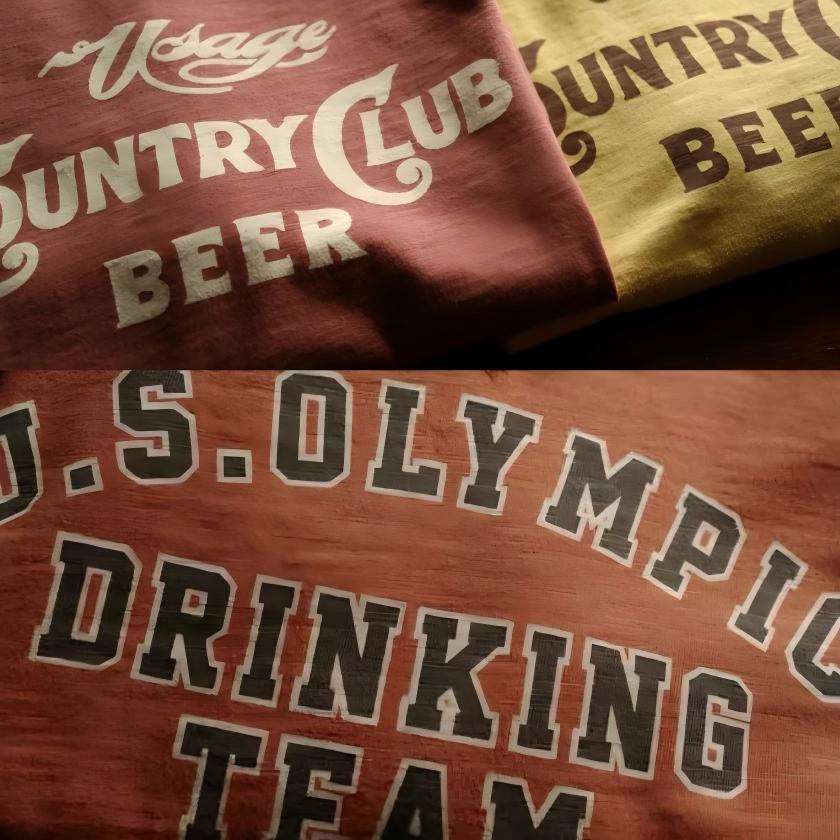
Discharge Printing
Discharge print removes garment dye to create soft, vintage-style graphics with no added ink layer, delivering an authentic worn-in aesthetic on dark and pigment-dyed fabrics. This eco-friendly technique produces breathable prints with excellent drape and hand feel, perfect for heritage streetwear, vintage wash collections, and brands seeking genuine retro character.
Learn MoreCustom Screen Printing Excellence Since 1998
ZORWILD was founded in 1998 as a family-operated garment workshop in Humen, Dongguan, where our founder learned every production stage from cutting and sewing to screen exposure and ink chemistry. That hands-on foundation built a culture of precision and quality that defines our custom screen printing services today.
Over 27 years, we’ve grown from a small workshop into a full-scale manufacturer with more than 200 skilled workers, serving over 2,000 clothing brands across the United States, Canada, Europe, Asia, and the Middle East. Our monthly production capacity exceeds 100,000 units, and we support custom screen printing with flexible MOQs starting at just 50 pieces.
What sets ZORWILD apart is our deep technical expertise in screen printing combined with comprehensive in-house capabilities. Screen printing delivers superior durability and lowest costs at scale versus DTG and embroidery methods. We control every step—from screen preparation and ink formulation to curing and quality inspection—ensuring vibrant, durable prints that meet the standards of professional brands and fast-growing startups alike. Our 6-stage quality control system and 95%+ in-house decoration techniques guarantee consistency across every production run.
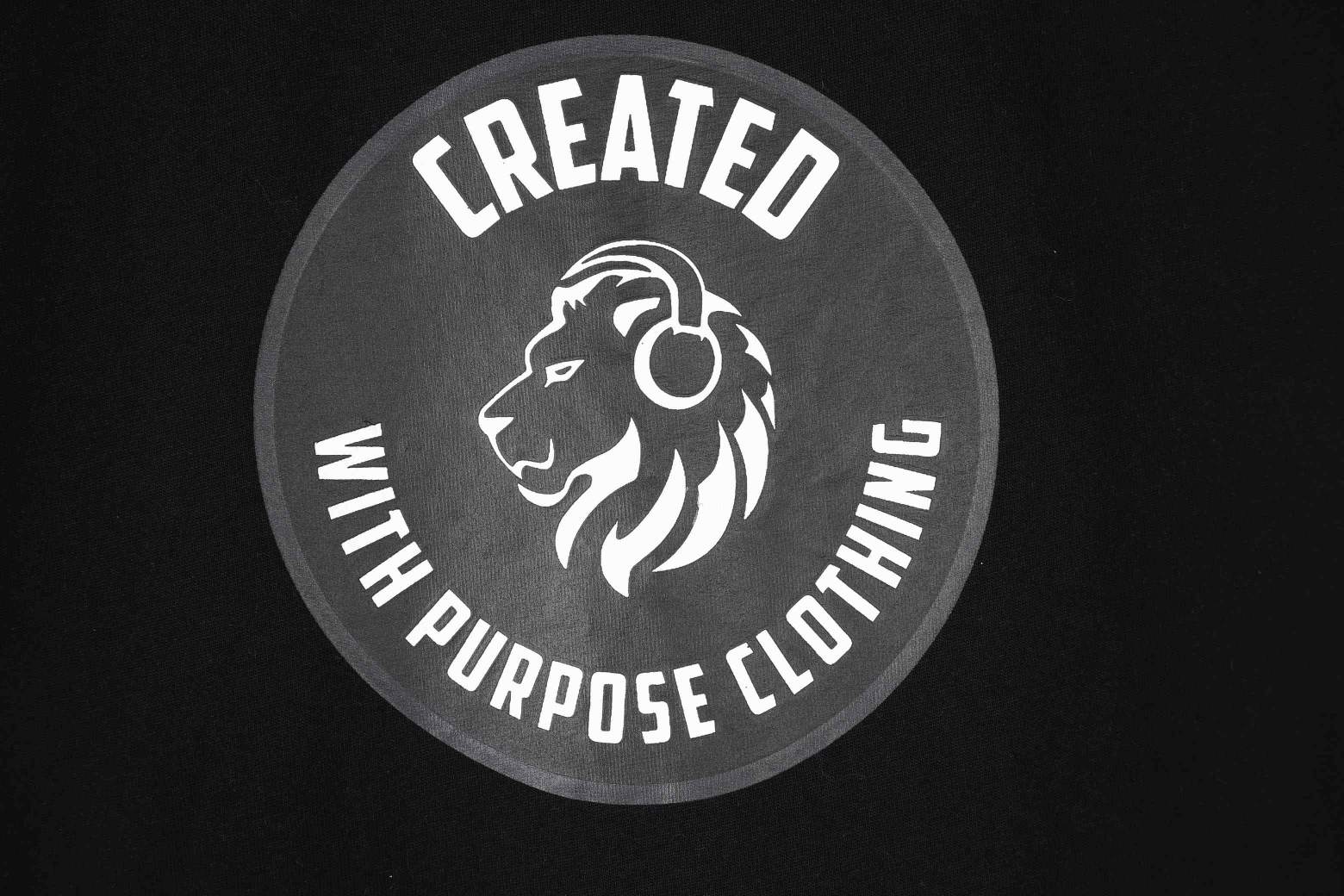
Custom Screen Printing Process — From Art to Finished Apparel
Artwork Separation & Color Matching
Every custom screen printing project begins with precise artwork separation and professional color matching. Our experienced prepress team analyzes your design, separates each color layer, and matches Pantone specifications to ensure your brand colors translate perfectly onto fabric with consistent vibrancy across every production run.
- Professional color separation for multi-layer designs up to 12 colors
- Pantone color matching system for exact brand color reproduction
- Digital artwork optimization for screen printing compatibility
- Pre-production color samples to verify accuracy before bulk runs
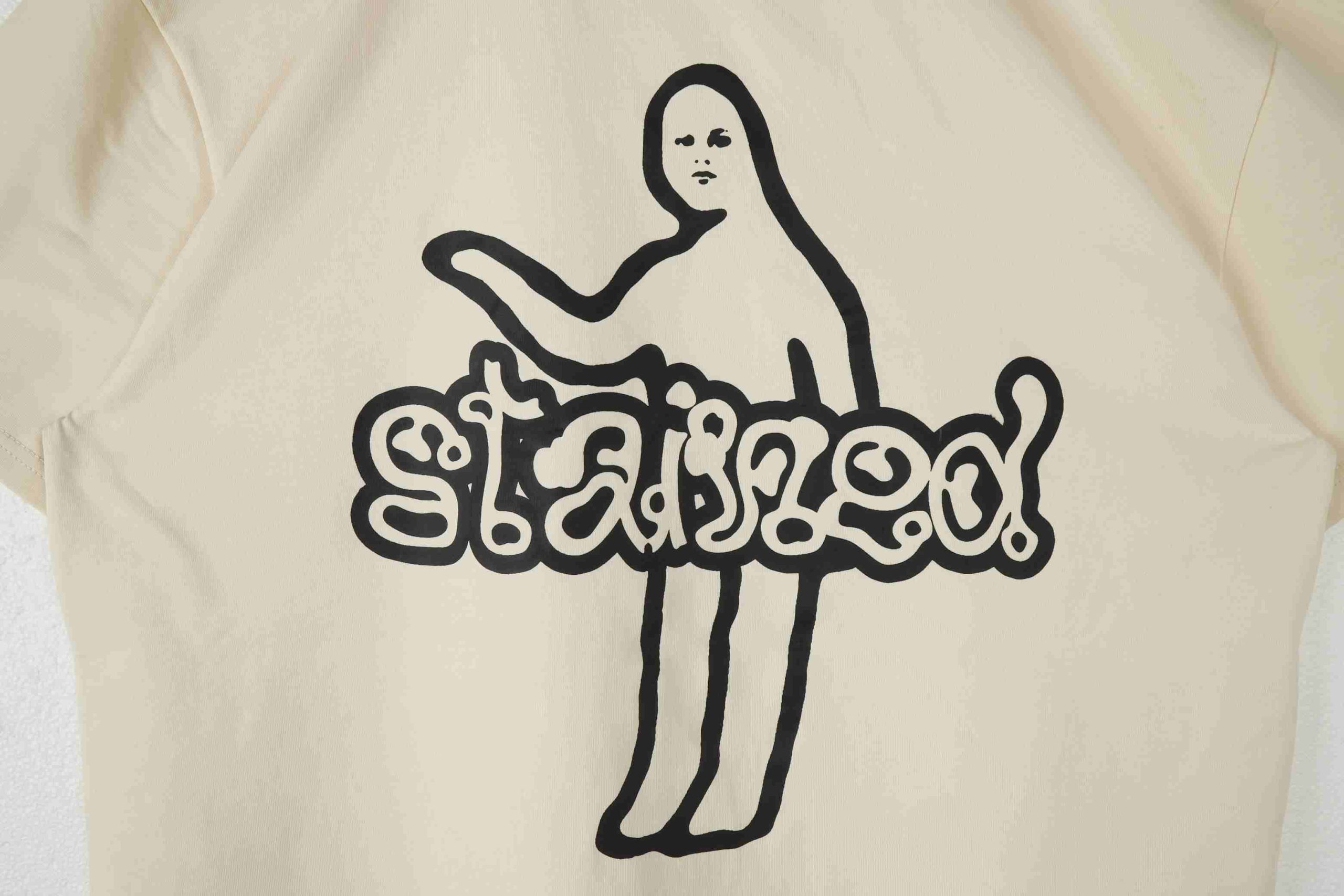
Screen Exposure & Mesh Selection
Proper screen preparation is critical to custom screen printing quality. We select mesh counts based on your design complexity and fabric type, then expose screens using precision UV equipment. Our 27 years of manufacturing experience ensures optimal mesh tension and emulsion coating for sharp, durable prints that withstand repeated washing.
- Mesh count selection from 110 to 305 threads per inch based on detail level
- High-tension aluminum frames for consistent print registration
- UV exposure systems for precise stencil creation and fine line reproduction
- Screen reclamation and quality checks between production batches
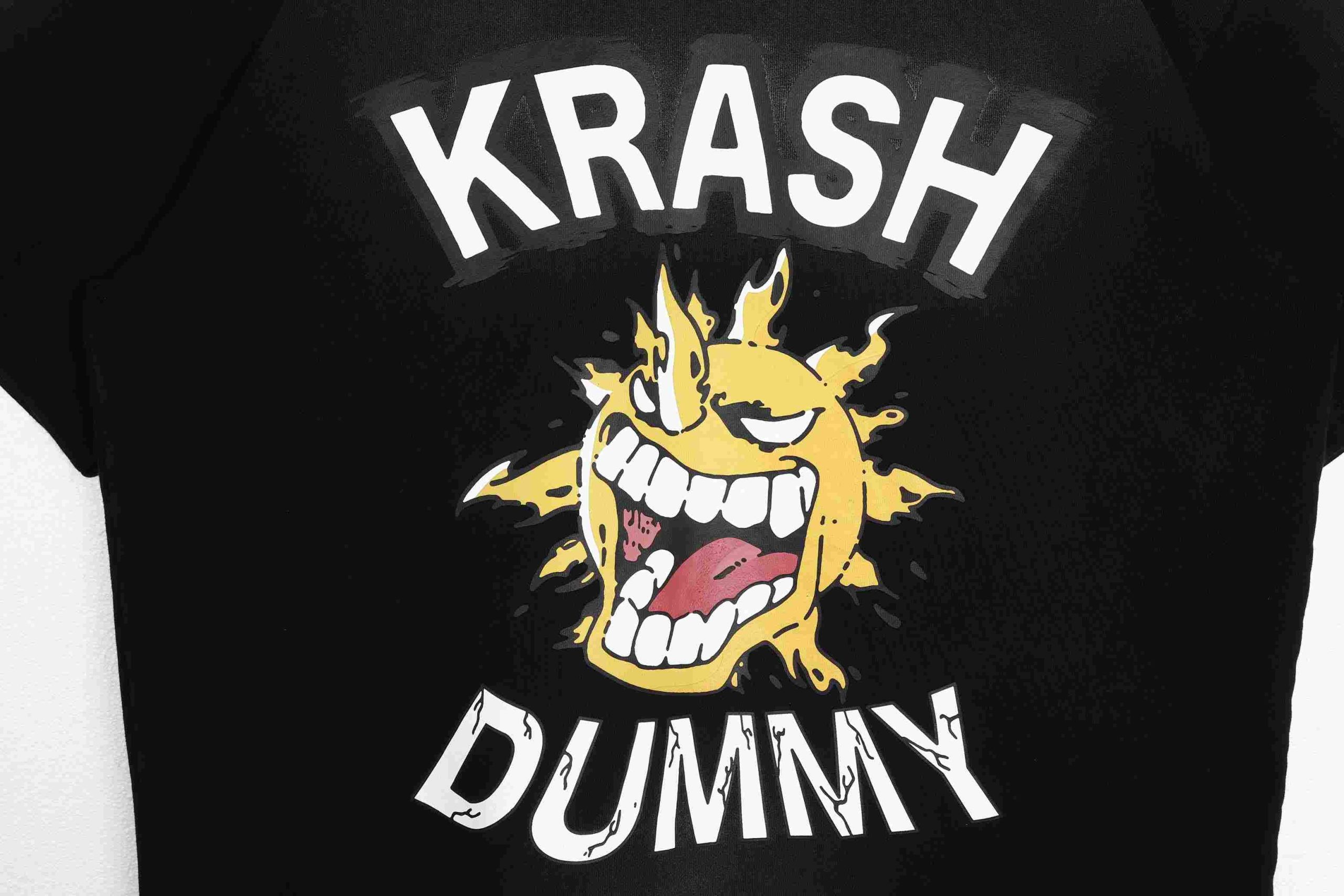
Ink Formulation & Multi-Color Registration
ZORWILD uses premium plastisol, water-based, and discharge inks formulated for durability and colorfastness. Our skilled technicians mix custom ink colors in-house and perform precise multi-color registration to align each layer perfectly. This expertise ensures your custom screen printing maintains sharp edges and vibrant colors through hundreds of wear cycles.
- Custom ink mixing for exact color specifications and special effects
- Water-based and eco-friendly ink options for sustainable fashion brands
- Micro-registration systems for alignment accuracy within 0.5mm tolerance
- Puff, metallic, reflective, and discharge ink capabilities for premium finishes
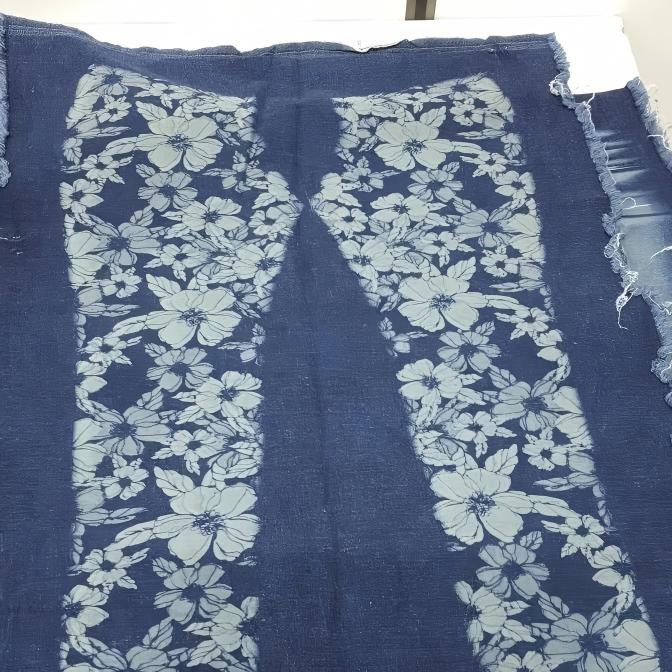
Curing, Quality Control & Finishing
After printing, garments pass through industrial conveyor dryers calibrated to cure inks at optimal temperatures. Our 6-stage quality control system inspects every piece for print clarity, color accuracy, placement precision, and fabric integrity. Only garments meeting ZORWILD’s strict standards proceed to finishing, packaging, and shipment to your customers.
- Temperature-controlled tunnel dryers ensure complete ink curing and wash durability
- In-line inspection at 6 quality checkpoints throughout production
- Print adhesion testing and wash testing for colorfastness verification
- Final hand inspection before custom packaging with your branded labels and tags
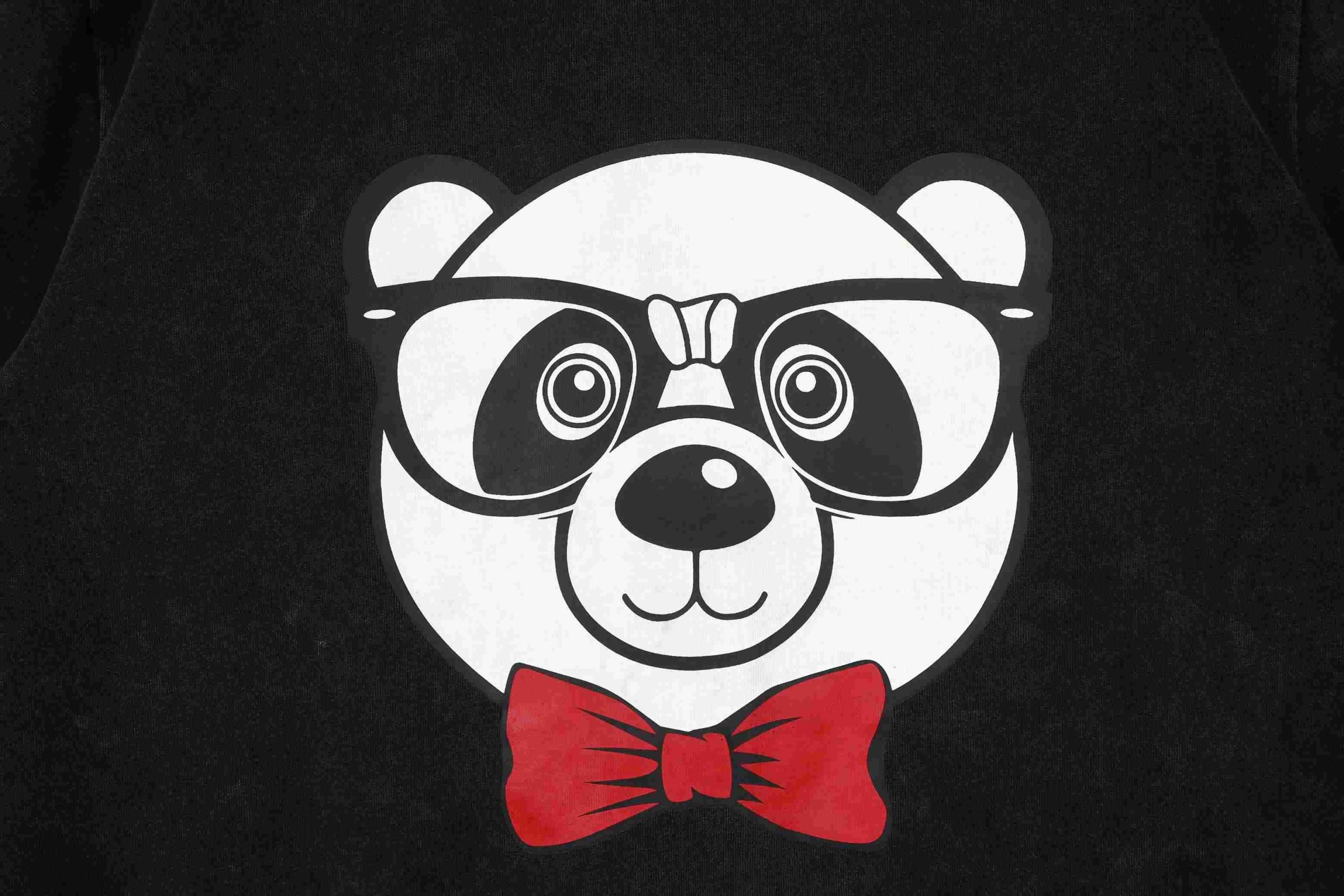
Custom Screen Printing: ZORWILD vs. Typical Suppliers
See how 27 years of specialized manufacturing experience and in-house capabilities deliver superior results for your brand’s custom screen printing needs.
← 左右滑动查看 →
Custom Screen Printing Production Flow — Step by Step
ZORWILD‘s proven screen printing process ensures exceptional color vibrancy, durability, and consistency across every production run, from 50-piece startup orders to 100,000+ unit campaigns.
Artwork Preparation & Separation
Design team reviews your artwork files, separates graphics into individual color layers, and optimizes artwork for screen printing registration, clarity, and color accuracy across garment substrates.
Color Matching & Proofing
Custom ink formulation matches your brand Pantone colors precisely. Digital proof or strike-off sample validates color accuracy, placement, and design proportions before screen production begins.
Screen Mesh & Exposure
Appropriate mesh count screens selected based on ink type and detail level. Emulsion-coated screens exposed with separated artwork, creating durable stencils for each color in your design.
Ink Mixing & Testing
Plastisol, water-based, or specialty inks mixed to exact color specifications. Test prints verify ink viscosity, opacity, curing temperature, and hand feel to meet your quality standards.
Multi-Color Printing Setup
Garments loaded onto printing presses with precise registration. Each color screen aligned perfectly for sharp, vibrant prints. Production run begins with continuous quality monitoring throughout the process.
Curing & Heat Treatment
Printed garments pass through industrial conveyor dryers at controlled temperatures, ensuring complete ink cure for maximum wash durability, colorfastness, and long-lasting graphic performance across all fabric types.
Quality Inspection & Packaging
Six-stage quality control system inspects print clarity, color consistency, placement accuracy, and garment construction. Approved units receive custom labels, hang tags, and branded packaging before shipment.
How to Commission Custom Screen Printing with ZORWILD
From artwork submission to bulk delivery, our streamlined custom screen printing process ensures precision, speed, and quality at every stage—starting from just 50 pieces.
Submit Your Design Brief
Send your artwork files, preferred garment styles, fabric types, and quantity requirements. We accept AI, PSD, PDF, and vector formats for optimal color separation.
Receive Quote and Sampling Plan
Our team reviews your design complexity, fabric compatibility, and MOQ needs, then provides detailed pricing, lead times, and a sampling timeline within 24 hours.
Approve Your Sample Print
We produce physical samples showcasing print quality, color accuracy, fabric hand feel, and durability. Samples are ready in 7 days for your evaluation and approval.
Confirm Bulk Production Start
Once you approve the sample, we begin mass production with 6-stage quality control, ensuring every printed garment matches your approved standard and specifications.
Receive Your Finished Goods
Completed orders are inspected, packaged with custom branding, and shipped via your preferred logistics method—air freight, sea freight, or express door-to-door delivery.
Client Stories: Custom Screen Printing Success
ZORWILD’s custom screen printing delivered perfect color matching across 850 hoodies for our streetwear launch. The durability after 30+ washes exceeded our expectations, and their 50-piece MOQ let us test designs risk-free before scaling.
We needed 200 screen printed varsity jackets with intricate multi-color logos in under three weeks. ZORWILD’s team nailed the registration on every print and delivered two days early. We’ve reordered four times since.
After bad experiences with faded prints elsewhere, ZORWILD’s water-based screen printing transformed our organic tee line. The soft hand feel and vibrant colors drove a 40% increase in repeat customer orders within six months.
Custom Screen Printing FAQ — Your Questions Answered
What is your minimum order quantity for custom screen printing?
What fabrics work best for custom screen printing?
How many colors can I include in a custom screen printing design?
Can I combine custom screen printing with embroidery on the same garment?
What are the minimum and maximum design sizes for screen printing?
What file formats do you require for custom screen printing artwork?
How durable is custom screen printing after washing?
What is the difference between water-based and plastisol inks for screen printing?
What is the typical lead time for custom screen printing orders?
The Complete Buyer’s Guide to Custom Screen Printing for Your Brand
1. What Is Custom Screen Printing?
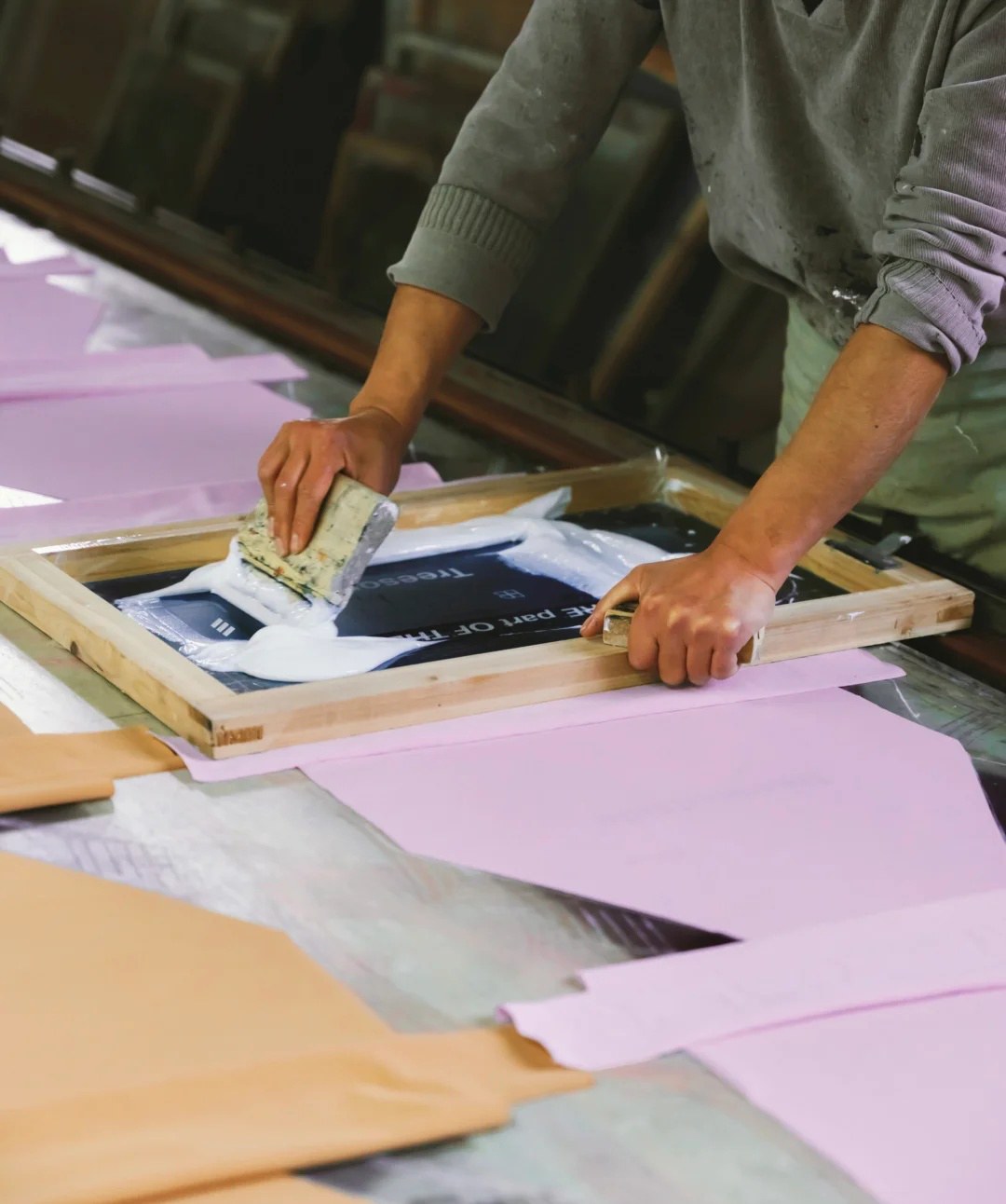
Custom screen printing is a textile decoration method that uses mesh screens, plastisol or water-based ink, and a squeegee to transfer designs onto fabric surfaces through a stencil process. Each color in a design requires a separate screen, with ink forced through the open mesh areas onto the garment below, then cured at temperatures between 320°F and 380°F to ensure wash durability and colorfastness. The technique has remained the industry standard for orders above 50 to 100 pieces because per-unit costs drop significantly as volume increases, making it the most economical choice for bulk apparel production.
When you order custom screen printing, you are purchasing a durable, high-opacity graphic application with superior color vibrancy and excellent wash resistance compared to digital or heat-transfer methods. Screen printing excels at solid colors, bold graphics, and Pantone-matched branding, delivering ink layers that sit on top of the fabric rather than soaking into fibers. This creates a tactile, professional finish that withstands 50-plus industrial wash cycles without cracking or fading when properly cured.
The core process involves four stages: design separation into individual color layers, screen preparation with photo-emulsion stencils, manual or automatic ink application through each screen in sequence, and heat curing in conveyor dryers or heat presses. Unlike direct-to-garment printing, which sprays ink digitally, or heat transfer, which applies pre-printed films, screen printing uses physical mesh tension and ink viscosity to achieve unmatched durability and color intensity on cotton, polyester blends, fleece, and technical fabrics.
2. The Evolution of Screen Printing Technology
Screen printing originated over 1,000 years ago in China during the Song Dynasty, using silk mesh and stencils to transfer designs onto fabric. The technique spread through Asia and reached Europe in the 18th century, but remained labor-intensive and limited to small batches until the 20th century brought mechanization and photographic stencil processes.
The 1960s marked the first major industrial leap with rotary and flatbed automated presses that enabled consistent registration and higher throughput for apparel decoration. Water-based inks emerged in the 1980s as an eco-friendly alternative to plastisol, offering softer hand feel and reduced environmental impact. Discharge printing followed in the 1990s, allowing printers to remove dye from dark garments and replace it with vibrant colors without adding heavy ink layers.
Today’s custom screen printing combines heritage craftsmanship with digital precision. Modern manufacturers like ZORWILD use automated presses capable of multi-color registration, water-based and discharge inks for sustainable production, and hybrid workflows that integrate digital design files directly into screen exposure systems. This evolution delivers durability that survives 50-plus industrial washes, color accuracy across thousands of units, and cost efficiency at scale—starting from 50-piece MOQs for startup brands.
Understanding this progression helps buyers set realistic expectations: screen printing remains the gold standard for high-volume runs, bold graphics, and long-lasting decoration, while newer techniques like DTG serve different speed and complexity needs.
3. Types of Custom Screen Printing Techniques
Custom screen printing encompasses six primary ink and process variations, each delivering distinct visual effects, hand feel, and cost profiles. Selecting the correct technique depends on fabric type, design complexity, brand positioning, and order volume.
Plastisol Ink Screen Printing
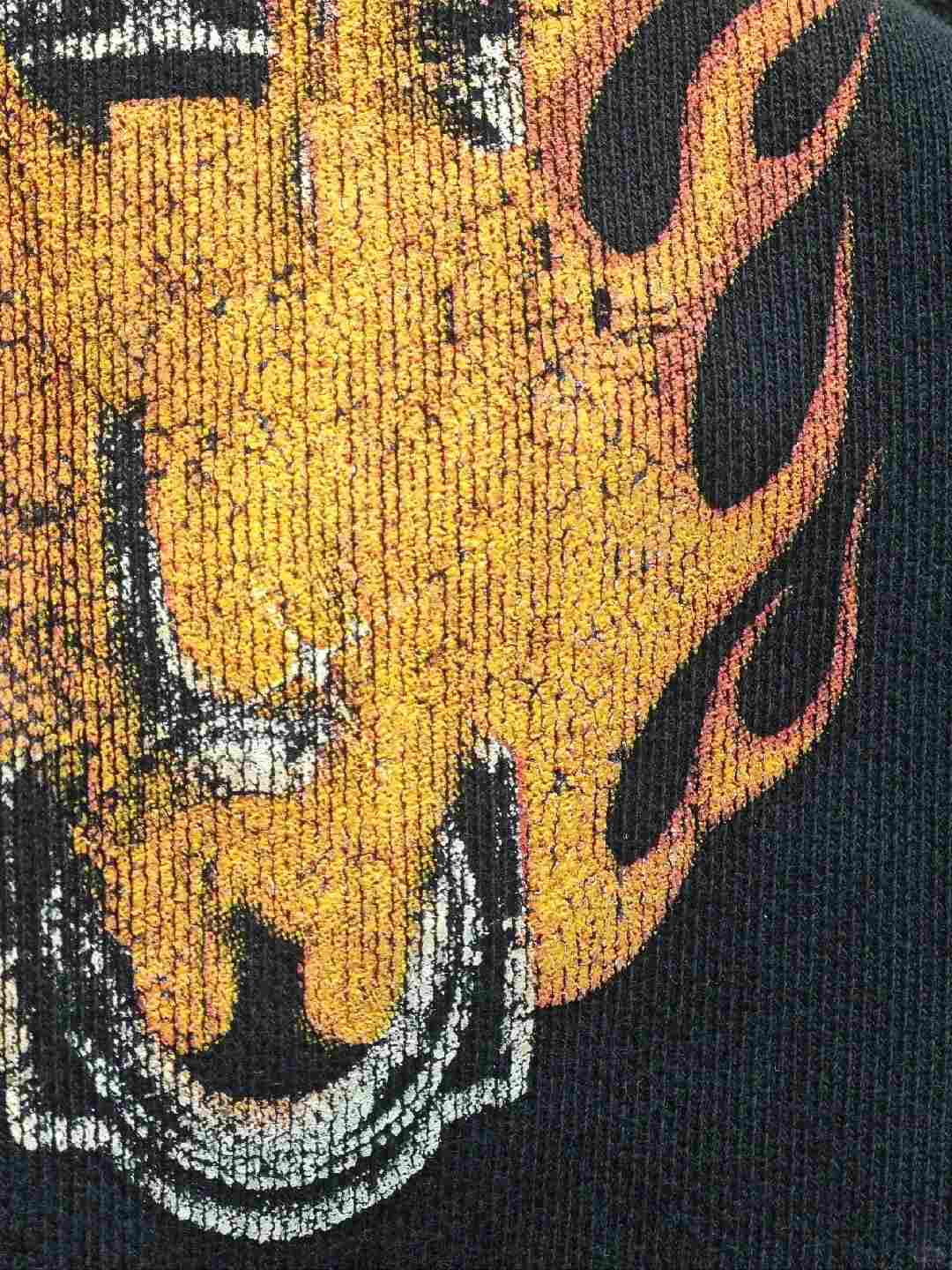
Plastisol ink is the industry standard for custom screen printing, offering opaque coverage, vibrant color saturation, and excellent durability through 50+ wash cycles. This PVC-based ink sits on top of the fabric surface, creating a slightly raised print with strong color consistency across production runs.
Plastisol works on cotton, polyester blends, and most woven and knit fabrics. Cost per print is lowest for medium to large runs (500+ units), making it ideal for wholesalers and established brands requiring consistent quality at scale.
Water-Based Ink Printing
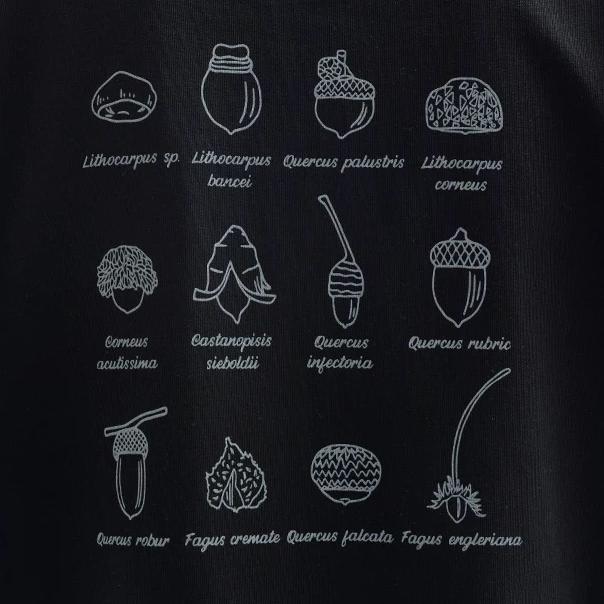
Water-based inks penetrate fabric fibers instead of sitting on the surface, producing a soft hand feel with no tactile print layer. This eco-friendly option uses water as the solvent base and delivers breathable, lightweight prints favored by premium streetwear and sustainable fashion brands.
Best results appear on 100% cotton, organic cotton, and bamboo fabrics in light to medium colors. Setup costs run 10–15% higher than plastisol due to faster drying requirements and tighter process control.
Discharge Printing
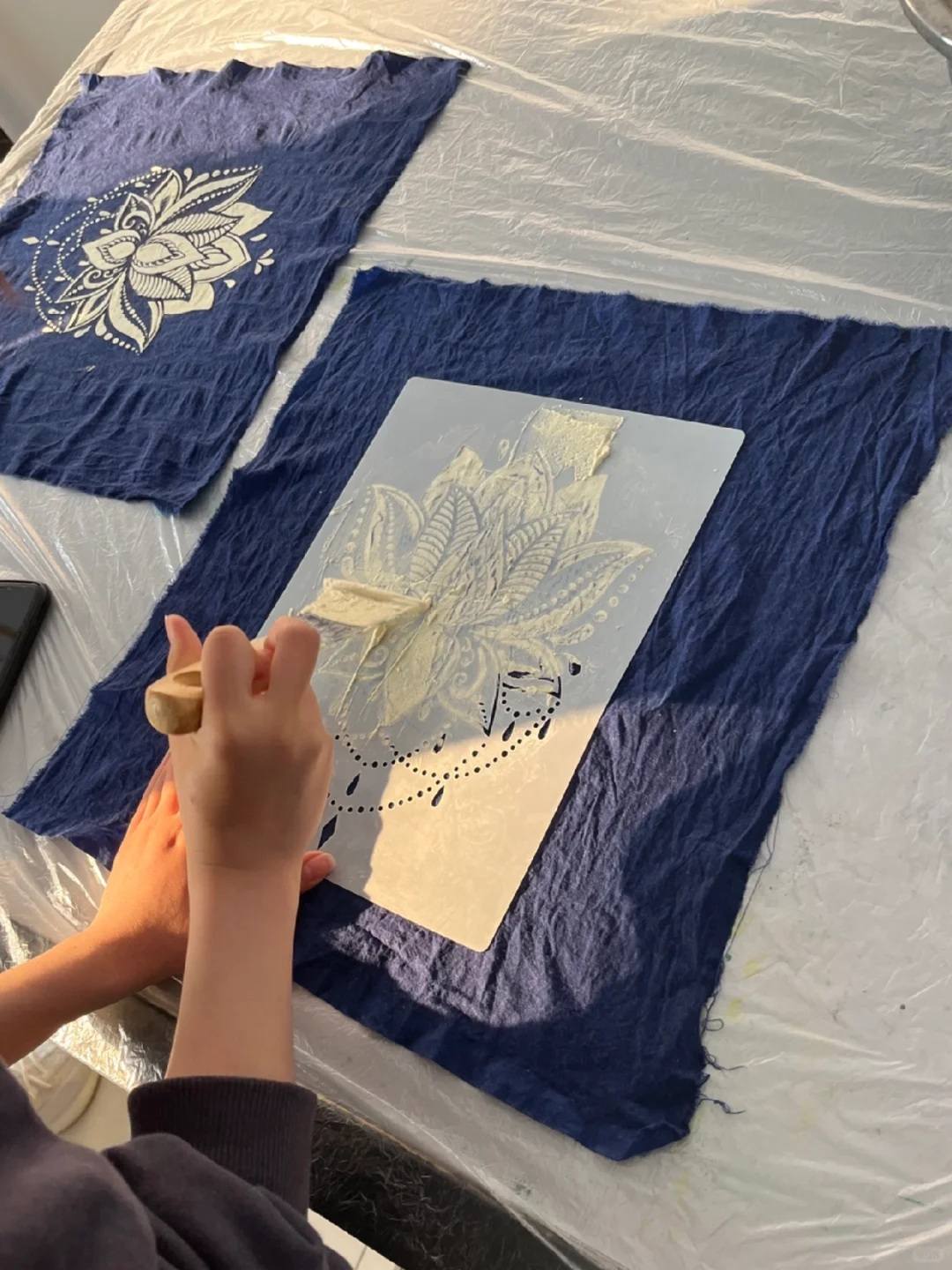
Discharge printing removes existing fabric dye and replaces it with pigment, creating an ultra-soft print that feels identical to the base fabric. This technique works exclusively on dark, reactive-dyed cotton garments and produces vintage, lived-in aesthetics popular in high-end streetwear.
Discharge requires pre-production fabric testing to verify dye compatibility. Per-unit cost is 20–30% higher than plastisol, but the premium hand feel justifies pricing for luxury and influencer-driven collections.
Specialty Ink Effects
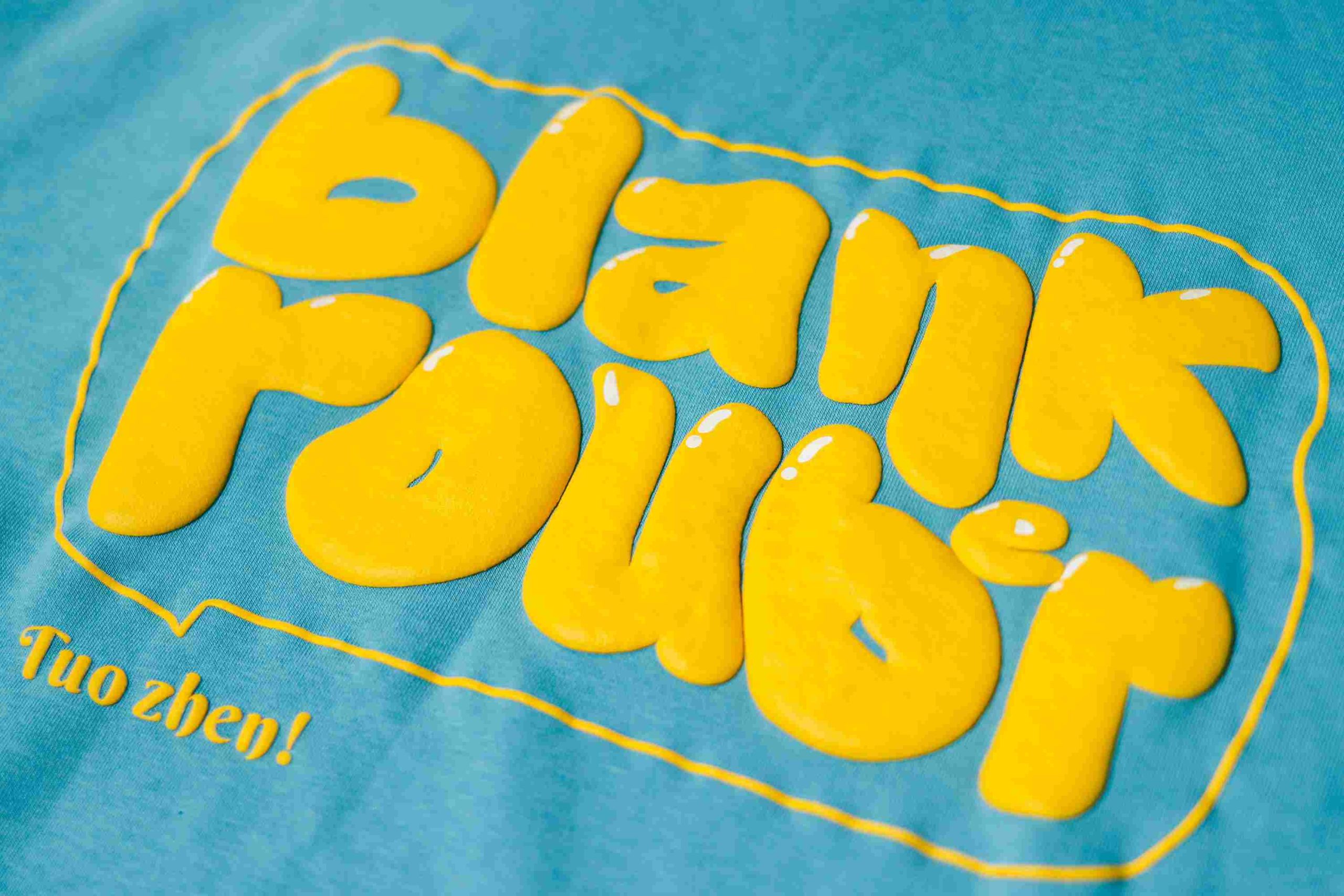
Puff ink expands during curing to create a raised, three-dimensional print with tactile depth up to 3 mm, ideal for logos and bold text. Metallic inks deliver reflective, shimmer finishes for fashion-forward designs. Glow-in-the-dark and reflective inks serve technical streetwear and safety apparel markets.
Specialty inks add $0.80–$2.50 per print location depending on ink type and coverage area. Minimum order quantities typically start at 100–200 pieces due to setup complexity and material cost.
Simulated-Process Printing
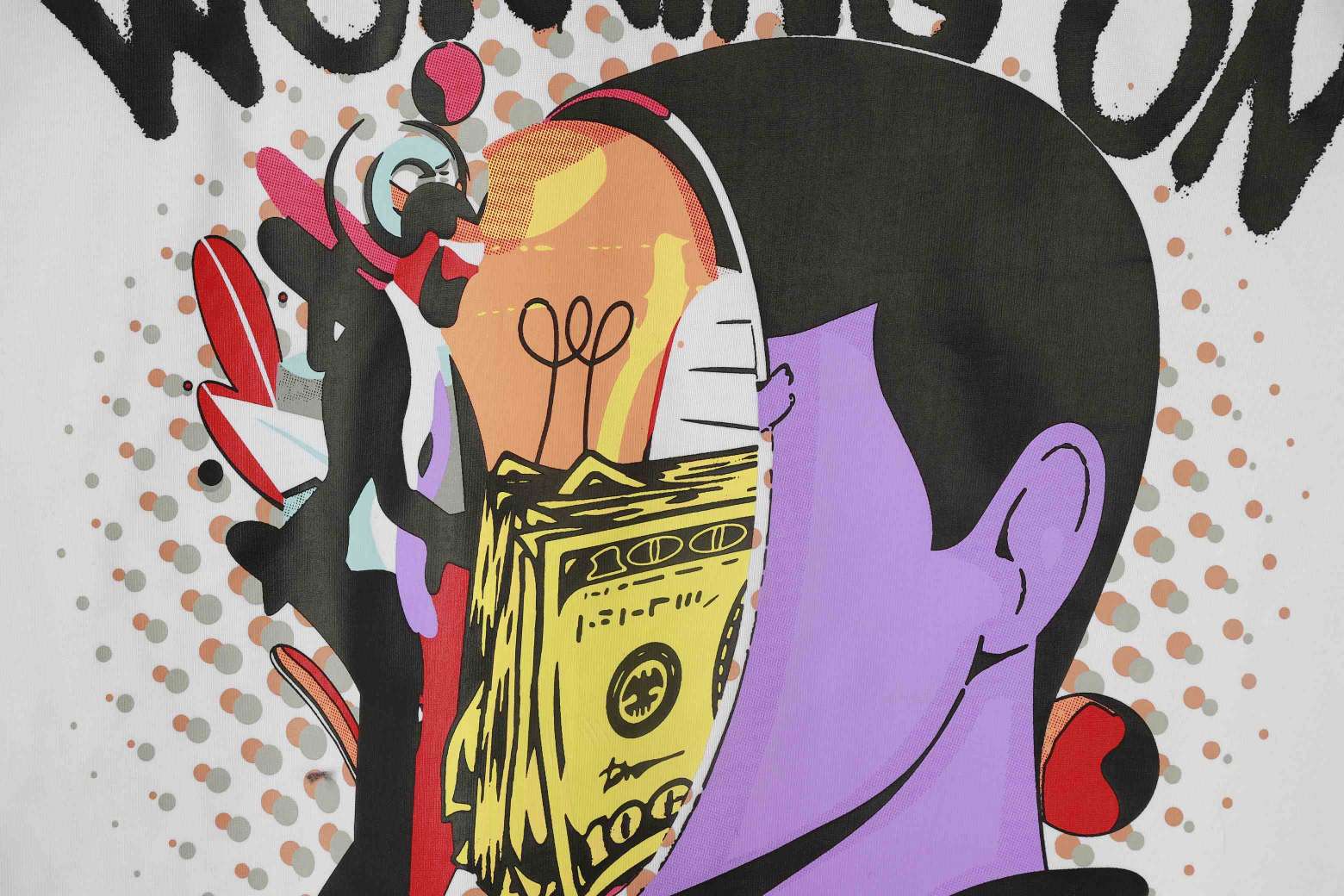
Simulated-process screen printing uses halftone dot patterns and multiple ink layers to reproduce photorealistic images, gradients, and complex artwork with 6–12 colors. This technique requires advanced color separation expertise and precise registration across screens.
Ideal for fashion graphics, band merchandise, and influencer collections requiring high visual impact. Per-unit cost is 40–60% higher than standard plastisol due to labor-intensive setup and longer press time, with MOQs typically starting at 200–300 pieces.
4. Materials and Fabrics for Custom Screen Printing
Fabric selection determines screen print durability, color vibrancy, and production cost. ZORWILD sources cotton, organic cotton, polyester, tri-blend jersey, French terry, and performance fabrics from trusted Chinese suppliers to optimize ink adhesion and wash resistance.
| Fabric Type | Best Ink System | Typical Use Case | Price Tier |
|---|---|---|---|
| 100% Cotton (180–220 GSM) | Plastisol, Water-Based | Streetwear tees, hoodies | Mid |
| Cotton-Poly Blend (160–200 GSM) | Plastisol | Budget apparel, uniforms | Low |
| Tri-Blend (140–180 GSM) | Water-Based, Discharge | Premium fashion tees | High |
| Performance Polyester (140–180 GSM) | Sublimation, Specialty Plastisol | Activewear, sportswear | Mid-High |
100% Cotton and Cotton Blends
100% cotton (typically 160–220 GSM) provides excellent ink absorption and soft hand feel, making it ideal for water-based and plastisol inks. Ring-spun cotton delivers smoother print surfaces than open-end yarns.
Cotton-poly blends (50/50 or 65/35) reduce shrinkage and improve durability at lower cost. Tri-blend fabrics (cotton-polyester-rayon) offer premium softness and vintage aesthetics, though they require careful tension control during printing to prevent fabric distortion.
Performance and Synthetic Fabrics
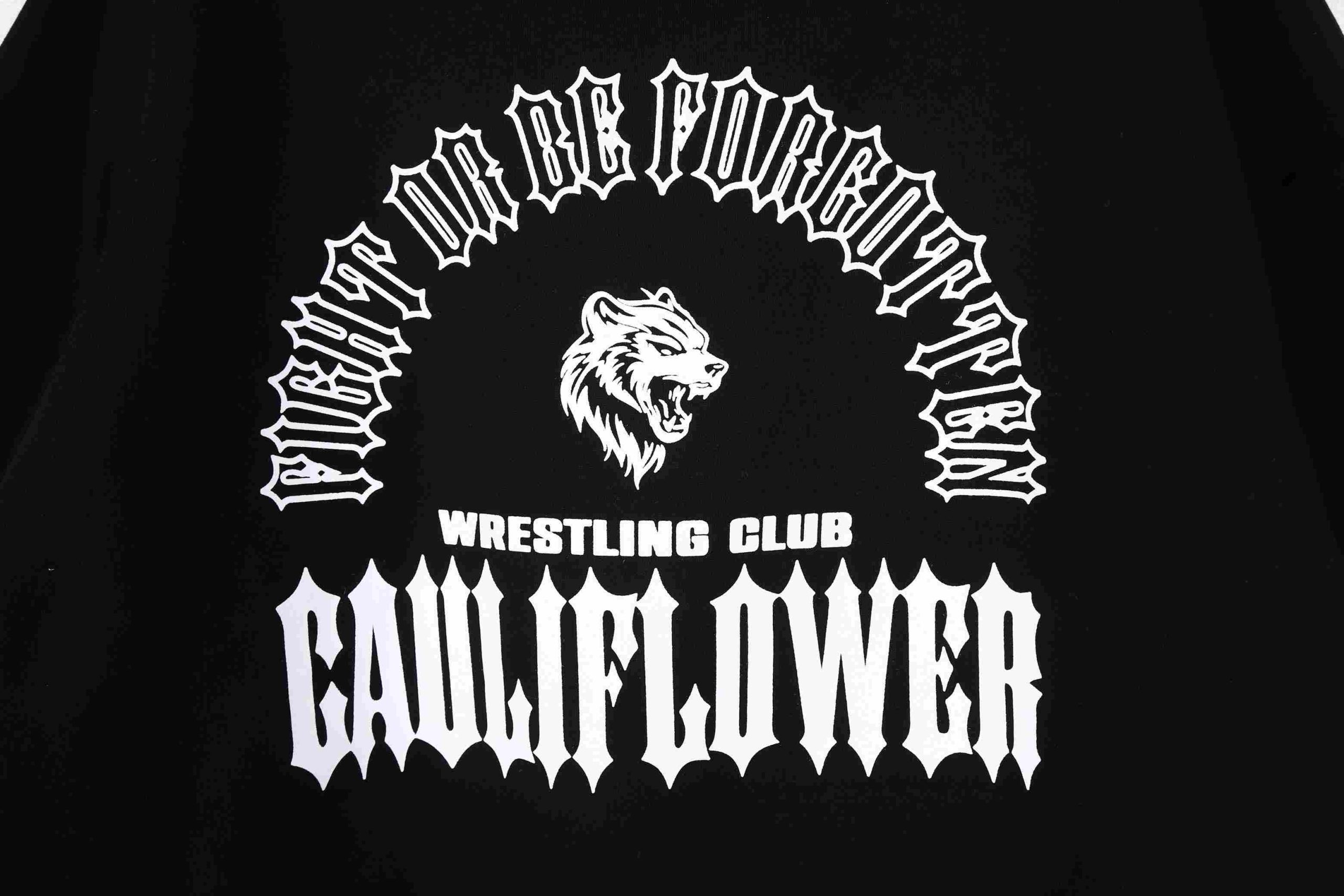
Performance polyester (140–180 GSM) requires discharge or sublimation inks for moisture-wicking activewear. Nylon and technical blends demand specialty plastisol formulations to prevent ink cracking during stretch.
ZORWILD supports sublimation printing for all-over designs on polyester garments and water-based inks for breathable sportswear, ensuring prints withstand 50+ industrial wash cycles without fading.
Fabric Color and Underbase Requirements
Dark garments (black, navy, charcoal) require white underbase layers to prevent ink transparency and achieve accurate color reproduction. Light fabrics (white, heather gray, pastels) show maximum vibrancy with single-pass printing.
Pigment-dyed and garment-dyed fabrics need pre-production wash tests to ensure ink adhesion, as residual dye chemicals can interfere with plastisol curing and cause print failure after laundering.
5. Customization and Decoration Options in Custom Screen Printing
Custom screen printing extends far beyond single-color chest logos. Modern manufacturers like ZORWILD support multi-color separations, oversized graphics, all-over prints, sleeve and pocket placements, inside-label printing, and hybrid combinations that layer screen printing with embroidery or DTG accents to maximize design impact.
| Decoration Type | Setup Complexity | Minimum Order Impact |
|---|---|---|
| Single-color chest print | Low (1 screen) | 50–100 pcs |
| Multi-color (4+ colors) | Medium (4+ screens) | 100–200 pcs |
| Oversized or all-over | High (large screens, registration) | 200–500 pcs |
| Hybrid (screen + embroidery) | High (multi-process) | 100–300 pcs |
Multi-Color and Oversized Graphics
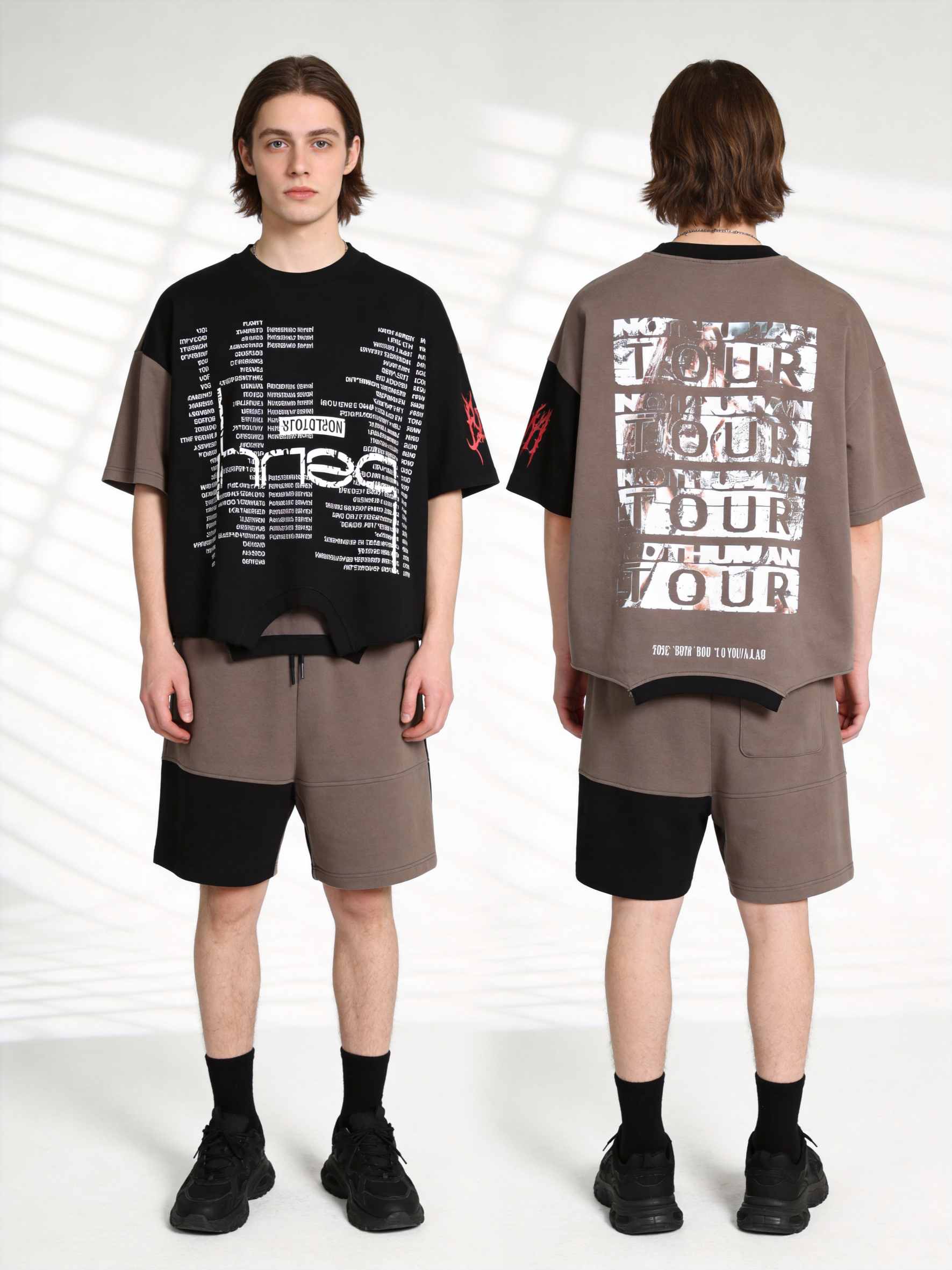
Standard screen printing handles 1–8 spot colors per design, with each color requiring a separate screen and pass. Oversized graphics — prints larger than 14 × 16 inches — demand larger screens, precise registration, and heavier ink deposits to prevent cracking on stretch fabrics.
Oversized placements are popular in streetwear hoodies, fashion T-shirts, and resort shirts where bold visuals drive brand recognition. ZORWILD’s screen printing capacity supports oversized front prints, full-back graphics, and wraparound designs across heavyweight cotton, French terry, and polyester blends.
All-Over Printing and Placement Options
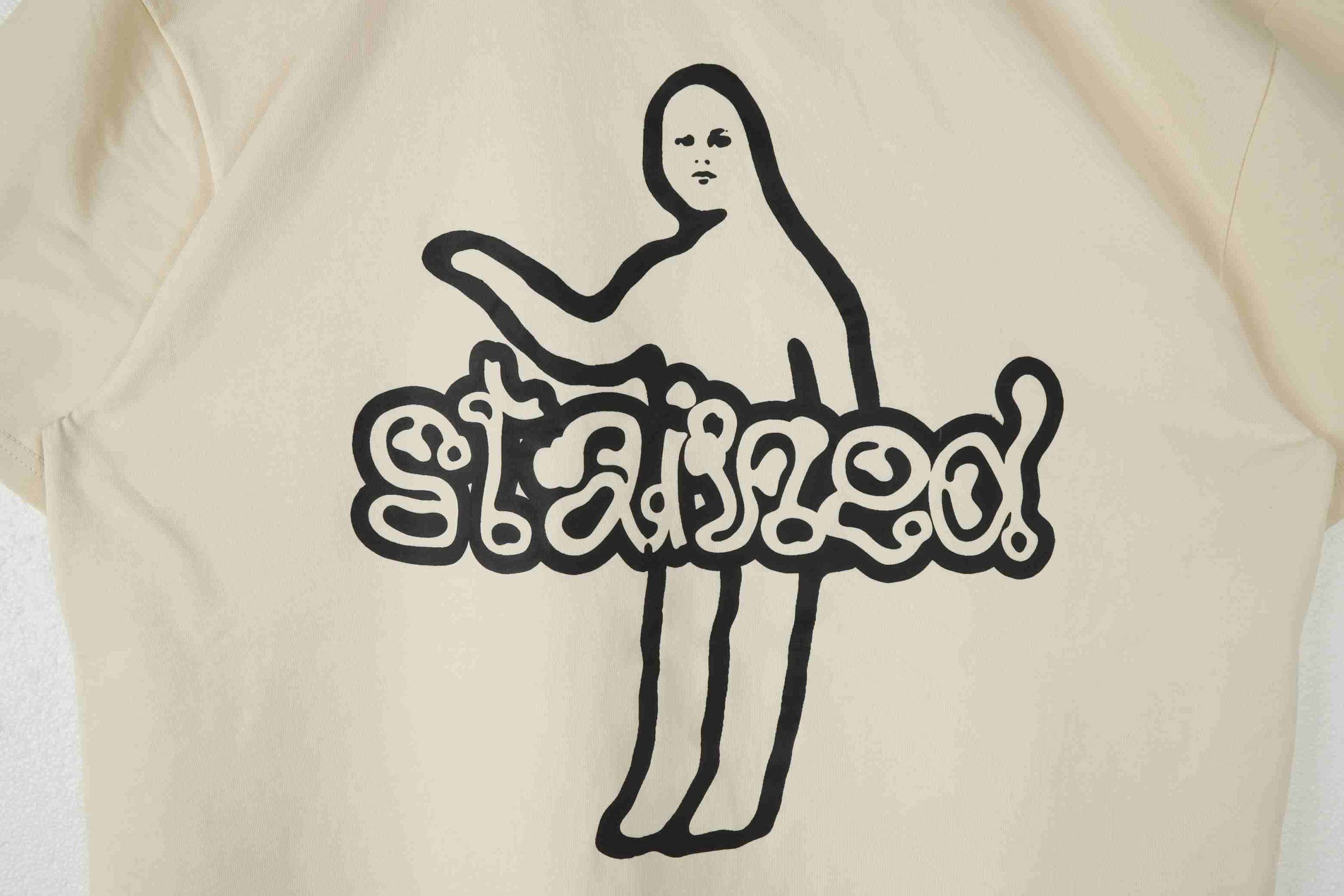
All-over printing covers the entire garment surface and typically uses sublimation or rotary screen methods on polyester fabrics. Traditional flatbed screen printing achieves partial all-over effects through strategic placements: front, back, sleeves, pockets, hoods, and inside neck labels.
Inside-label printing replaces woven tags with soft printed branding, improving comfort and reducing material waste. Sleeve prints, pocket graphics, and hood interiors add layered storytelling for premium collections.
Hybrid Decoration Techniques
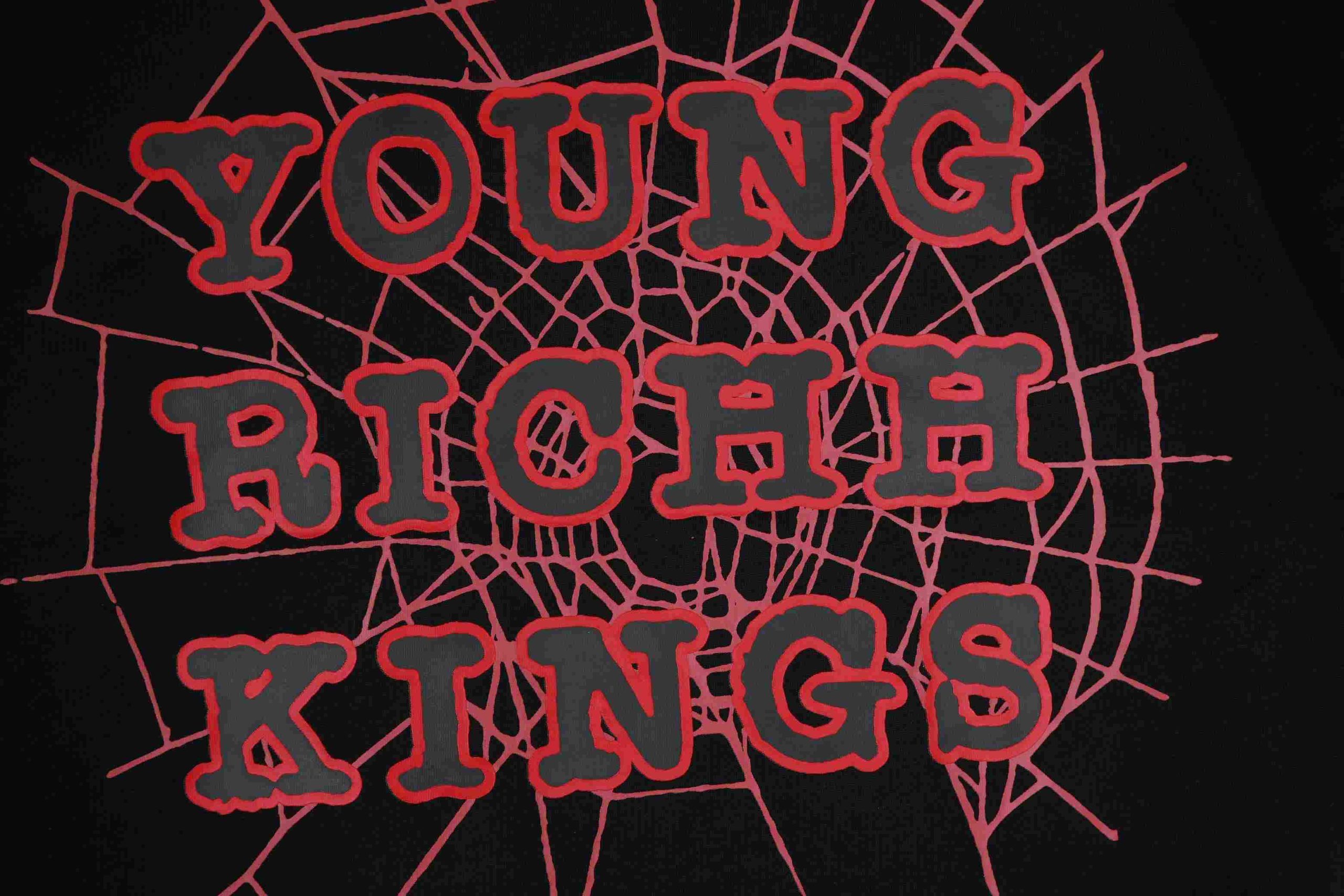
Combining custom screen printing with embroidery, chenille patches, or DTG accents creates texture contrast and elevates perceived value. Screen printing delivers vibrant base graphics; embroidery adds dimensional logos; DTG fills fine details or gradients that screen cannot reproduce economically.
ZORWILD applies hybrid techniques across hoodies, varsity jackets, and fashion sweatshirts, balancing setup costs with visual impact. Typical hybrid projects start at 100–200 pieces to justify multi-process workflows.
Design File Requirements and Color Matching
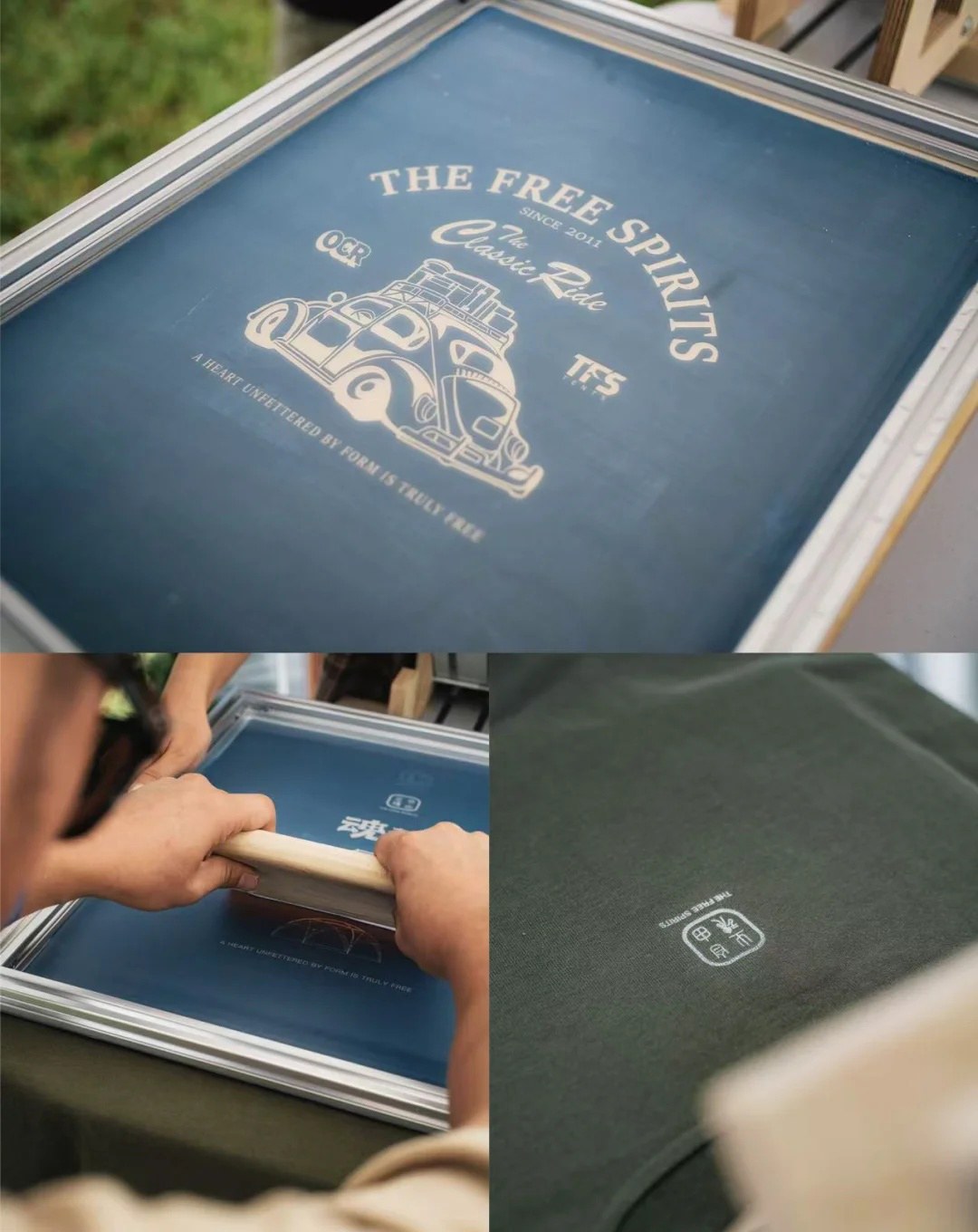
Vector files (AI, EPS, PDF) ensure crisp edges and scalable artwork; raster files (PNG, PSD) at 300 DPI minimum work for photographic images but require careful color separation. Each spot color becomes one screen, so designers should limit palettes or accept higher setup fees.
Pantone matching guarantees brand color consistency across production runs. ZORWILD’s pre-production sampling verifies ink formulas, print placement, and registration accuracy before bulk orders ship.
6. Key Quality Indicators in Custom Screen Printing
Professional buyers inspect six critical benchmarks before approving a custom screen printing supplier. Each indicator reveals whether a factory uses modern equipment, trained operators, and strict QC protocols — or cuts corners that compromise wash durability and brand reputation.
Ink Opacity and Coverage
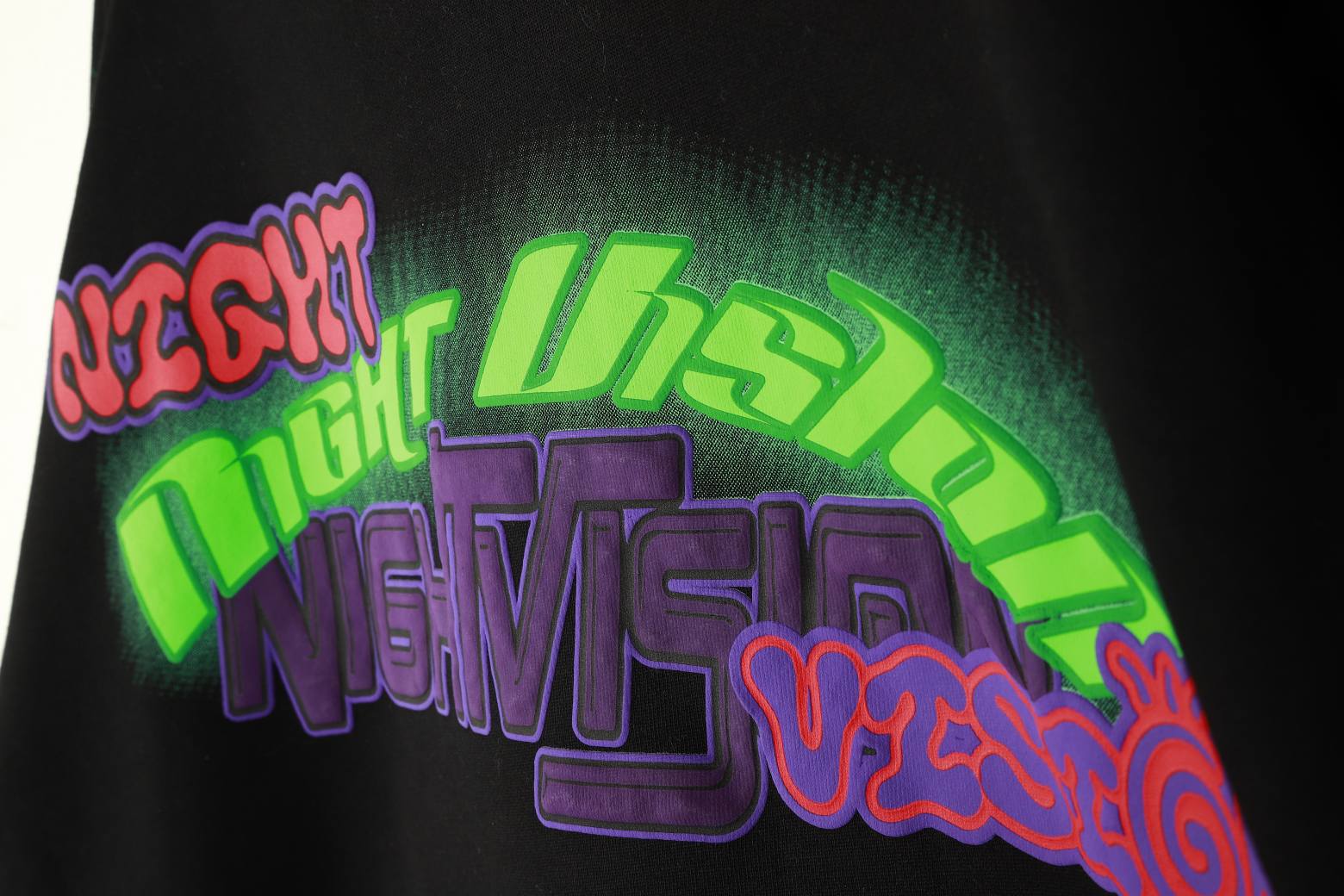
High-quality custom screen printing delivers full opacity in one or two passes, with no fabric weave visible through the ink layer. Inspect samples under direct light: white ink on dark garments should show zero bleed-through, and Pantone-matched colors should appear uniform edge-to-edge.
Ask suppliers about their mesh count selection (110–230 threads per inch for plastisol, 305+ for water-based) and ink formulation. ZORWILD uses calibrated squeegee pressure and multi-pass protocols to ensure consistent opacity across 100,000-unit production runs.
Registration Accuracy Across Colors
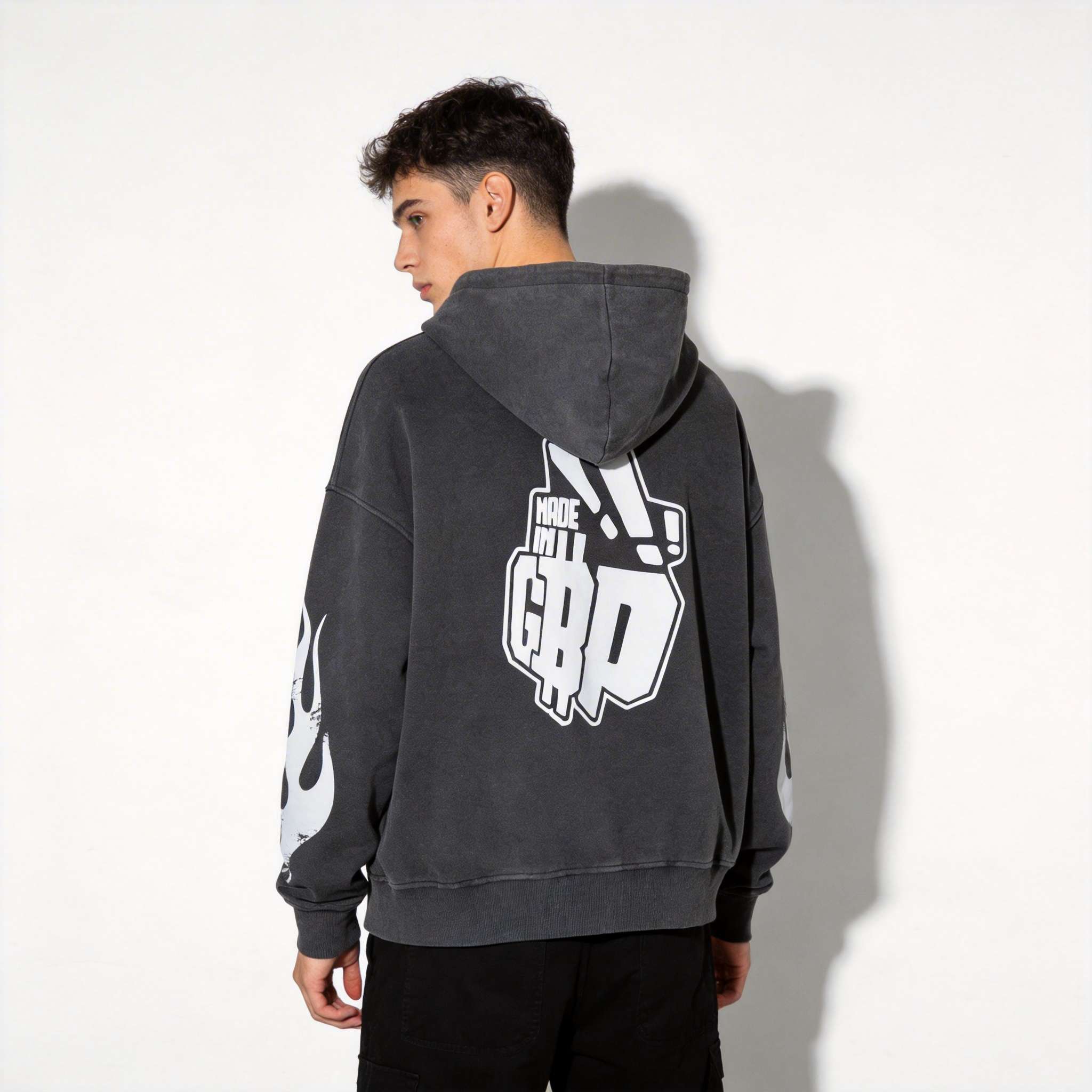
Multi-color designs require alignment within ±0.5 mm to avoid halos or gaps between layers. Examine fine details, text edges, and color boundaries under magnification. Misregistration signals worn press equipment or inadequate setup time.
Professional manufacturers use micro-registration systems and pre-production test prints on every job. Request samples with 3+ color overlays and check corner-to-corner consistency across 10 garments from the same batch.
Cure Quality and Wash Durability
Proper ink curing at 320–330°F for plastisol (or air-dry cycles for water-based) prevents cracking, fading, and peeling after 50+ wash cycles. Undercured prints crack within five washes; overcured prints feel stiff and delaminate.
Request wash-test reports showing before-and-after photos at 10, 25, and 50 cycles. ZORWILD employs tunnel dryers with digital temperature monitoring and conducts random in-line cure tests to maintain OEKO-TEX compliance and durability standards.
Edge Sharpness and Hand-Feel
Sharp edges with no ink bleed indicate correct mesh tension and squeegee hardness. Run your finger across the print: water-based inks should feel soft and integrated; plastisol should be smooth with minimal hand (thickness). Heavy, rubbery prints signal excess ink deposit or poor technique.
Ask about ink type, emulsion quality, and screen tension specs. Professional shops adjust parameters per fabric weight — lightweight jerseys require finer mesh and thinner ink layers than heavyweight fleece to preserve garment drape.
7. How to Choose a Custom Screen Printing Manufacturer
Selecting the right custom screen printing partner requires a methodical evaluation of technical capacity, compliance, and service reliability. This framework helps you shortlist manufacturers who match your brand’s scale, speed, and quality expectations.
Verify Production Capacity and MOQ Flexibility
Confirm monthly output capacity and minimum order quantities before committing. ZORWILD supports 50-piece MOQs for startups while maintaining capacity for 100,000+ units monthly, accommodating brands from influencer merch to wholesale programs.
Ask whether the factory handles your product category in-house or subcontracts specialized items. In-house production ensures tighter quality control and faster turnaround for reorders.
Review Portfolio and Style Alignment
Request samples or portfolio images that match your aesthetic—streetwear, resort wear, or performance apparel each demand different expertise. Check for consistent print registration, color vibrancy, and wash durability across multiple garment types.
Manufacturers with 27+ years of experience typically show broader style range and technical problem-solving for complex multi-color designs or specialty inks.
Confirm Ink Certifications and Eco Standards
Ask for Oeko-Tex Standard 100 or GOTS certification if your brand prioritizes eco-friendly or baby-safe products. Water-based and discharge inks require specific curing equipment; verify the factory owns this infrastructure rather than outsourcing.
Certified inks ensure compliance with EU and US chemical safety regulations, reducing liability and improving brand reputation.
Assess Sampling Speed, Cost, and Communication
Evaluate turnaround for first samples—7-day sampling indicates strong in-house screen-making and expedited workflows. Confirm whether sampling fees are deducted from bulk orders and whether revisions incur additional charges.
Test responsiveness by email and WhatsApp during initial inquiries. Factories offering direct contact (+86 137 1325 2727) typically resolve production issues faster than those relying solely on sales portals.
8. Common Mistakes Buyers Make with Custom Screen Printing
Even experienced buyers encounter costly pitfalls in custom screen printing projects. Understanding these common mistakes and their preventive measures protects your investment, ensures quality consistency, and keeps production timelines on track.
Choosing the Wrong Ink Type for Fabric
Plastisol ink on lightweight modal or bamboo fabrics creates stiff, uncomfortable prints that crack after three to five washes. Water-based ink on polyester blends may fade within ten wash cycles without proper curing.
Match ink chemistry to fabric weight and fiber content. Plastisol works best on heavyweight cotton (180+ GSM), while water-based and discharge inks suit lightweight natural fibers. ZORWILD’s sampling process tests ink-fabric compatibility before bulk production to prevent hand-feel and durability issues.
Underestimating Color-Separation Costs
Complex designs with gradients or photographic elements require six to twelve color separations, raising setup costs from $50 to $300+ per design. Buyers who approve artwork without understanding separation needs face unexpected cost overruns.
Request a color-separation breakdown during the quoting phase. Simplify designs to three to four spot colors for cost efficiency, or budget appropriately for multi-color artwork. ZORWILD provides transparent separation quotes and design optimization recommendations before sampling.
Ignoring Wash-Test Results
Skipping wash tests leads to faded prints, cracked graphics, and customer returns after retail launch. A single failed wash test caught early saves thousands in remanufacturing costs.
Require AATCC-compliant wash testing for all samples—minimum fifteen cycles at 40°C. Evaluate color fastness, print adhesion, and fabric dimensional stability. ZORWILD conducts wash tests on all custom screen printing samples and documents results with photo evidence before bulk orders.
Ordering Without Physical Samples
Digital mockups cannot replicate ink opacity, print texture, or fabric hand-feel. Brands that skip sampling face bulk production mismatches and costly remakes.
Always order physical samples with exact fabric, ink type, and print technique specified for production. ZORWILD ships samples within seven days and allows two rounds of revisions to lock in specifications before committing to bulk orders.
Failing to Lock in Pantone Codes
Verbal color descriptions like ‘navy blue’ or ‘forest green’ result in shade mismatches between sample and bulk production. Color inconsistency damages brand identity and requires expensive reprints.
Specify Pantone TPX or TCX codes for every color in your design. Approve lab-dip color swatches before production starts. ZORWILD maintains a Pantone library and provides color-matching services to ensure batch-to-batch consistency across reorders.
Neglecting Reorder Lead Times
Brands that wait until inventory is depleted face four- to six-week stockouts, losing sales momentum and customer trust. Late reorders also forfeit volume discounts and priority scheduling.
Plan reorders when inventory drops to 30% remaining. Maintain a twelve-week rolling forecast and communicate with your manufacturer monthly. ZORWILD offers priority scheduling and expedited production for clients with documented reorder schedules, reducing lead times from six weeks to three.
9. Steps to Launch Your Brand with Custom Screen Printing
Launching a brand with custom screen printing requires a structured workflow from design lock to market delivery. ZORWILD’s 27-year manufacturing experience supports startup brands through every milestone, from 50-piece MOQ test runs to 100,000+ unit monthly production.
Finalize Design and Select Garment Base
Lock your artwork files in vector format (AI, EPS, or high-resolution PDF) with Pantone color codes for accurate screen separation. Choose garment style—oversized hoodies, heavyweight tees, or vintage wash crewnecks—and specify fabric weight (180–450 GSM for fleece, 160–240 GSM for jersey) to match your brand positioning.
Provide a complete tech pack including measurements, label placement, wash instructions, and hang tag requirements. ZORWILD’s development team reviews files within 24 hours and recommends fabric suppliers, print placement, and decoration techniques to optimize durability and cost.
Request and Approve Physical Samples
Order pre-production samples to evaluate print quality, color accuracy, fabric hand feel, and construction details before committing to bulk orders. ZORWILD delivers samples within 7 days for standard products and 10–14 days for complex multi-decoration garments.
Inspect screen print opacity, registration alignment, ink cure quality, and wash fastness on the sample. Request revisions for color matching, print size adjustments, or fabric substitutions—most manufacturers allow one to two rounds of sample refinement before final approval.
Confirm Order and Monitor Production
Submit a purchase order specifying quantities per size and color, delivery address, and payment terms (typically 30–50% deposit, balance before shipment). ZORWILD’s production timeline spans 15–25 days for orders under 1,000 units and 25–35 days for larger runs.
Request milestone updates at fabric cutting, screen printing completion, and final QC inspection. Clear contracts should define quality standards, acceptable defect rates (industry standard 2–3%), and penalty clauses for late delivery to protect both parties.
10. Pricing and Cost Structure for Custom Screen Printing
Custom screen printing costs break into four primary drivers: per-screen setup fees (typically $15–$45 per color), ink type, base garment cost, and volume. A three-color design on 100 hoodies incurs $90–$135 in setup, while a single-color print on 500 T-shirts spreads that $15–$45 across 500 units, reducing per-piece impact to $0.03–$0.09. ZORWILD’s 50-piece MOQ allows startups to test designs without committing to inventory that ties up $5,000–$10,000 in working capital.
Economies of scale drive dramatic per-unit savings. At 50 pieces, setup and labor account for 40–60% of the total invoice; at 1,000 pieces, setup represents less than 5%, and fabric purchasing power lowers garment base cost by 10–20%. Water-based and discharge inks add $0.20–$0.50 per print location versus standard plastisol, but deliver softer hand feel and premium brand positioning. Puff, reflective, and metallic specialty inks add $0.50–$1.50 per location.
Design complexity multiplies cost. A six-color front print plus two-color back print requires eight screens, adding $120–$360 in setup before the first garment is printed. Simpler one- or two-color designs minimize setup and accelerate sampling timelines. Lead time compresses at higher volumes due to production efficiency: 50-piece orders ship in 7–10 days, 500-piece runs in 12–18 days, and 1,000+ orders in 18–25 days, balancing speed against cash flow and inventory risk.
| Quantity Tier | Per-Unit Price (USD) | Setup Cost (USD) | Typical Lead Time |
|---|---|---|---|
| 50 pieces | $12.00–$18.00 | $45–$135 | 7–10 days |
| 100 pieces | $9.00–$14.00 | $45–$135 | 10–14 days |
| 500 pieces | $6.50–$10.00 | $45–$135 | 12–18 days |
| 1,000 pieces | $5.00–$8.00 | $45–$135 | 18–25 days |
Ready for Custom Screen Printing? Get Your Quote Today
50-piece MOQ, 7-day samples, and 27 years of expertise. Send your artwork to our screen printing specialists now.
- Custom Shirts
- Custom Hoodies
- Custom T Shirts
- Custom Dresses
- Custom Sweatshirts
- Custom Jackets
- Custom Polo Shirts
- Custom Shorts
- Custom Dress Shirts
- Contact