
Chain Stitch Embroidery — Bold Textured Logos for Custom Apparel
Create raised, rope-like chain stitch embroidery effects on hoodies, jackets, and streetwear. 50-piece MOQ, 27 years of expertise, and scalable production capacity exceeding 100,000 units monthly for brands worldwide.
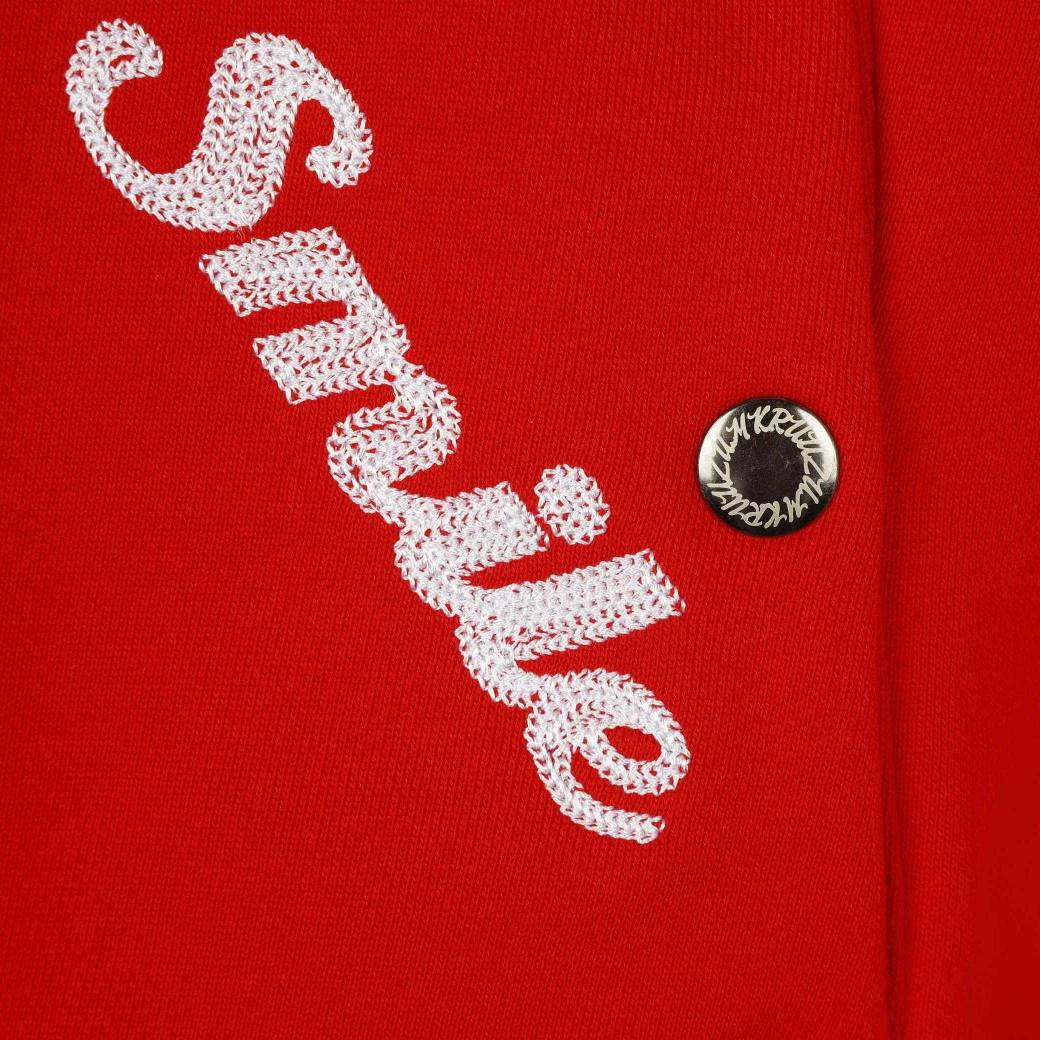
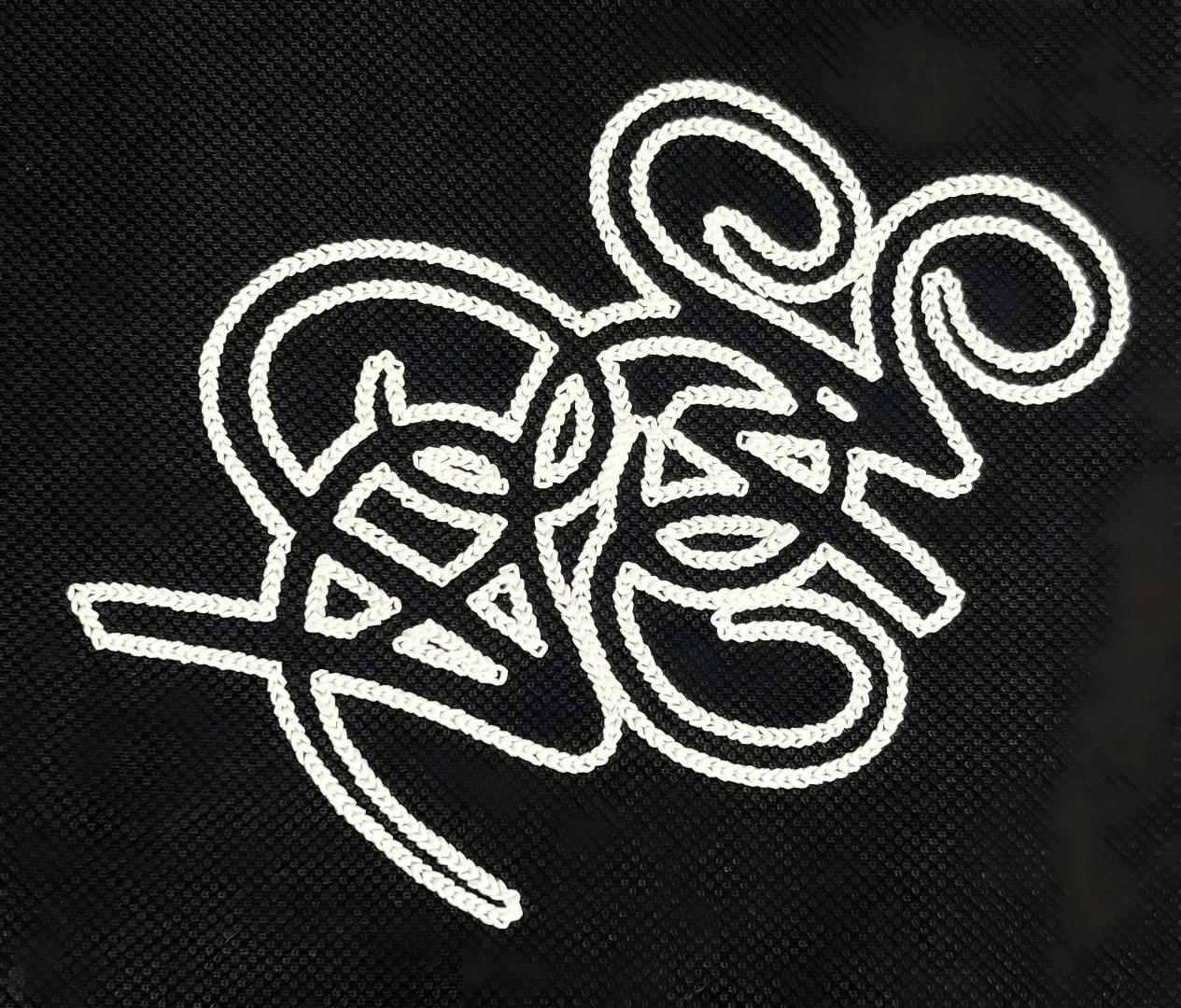
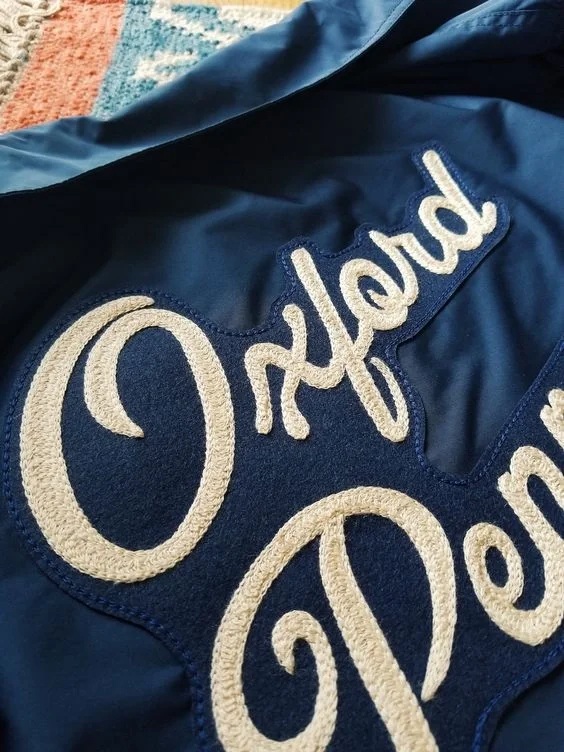
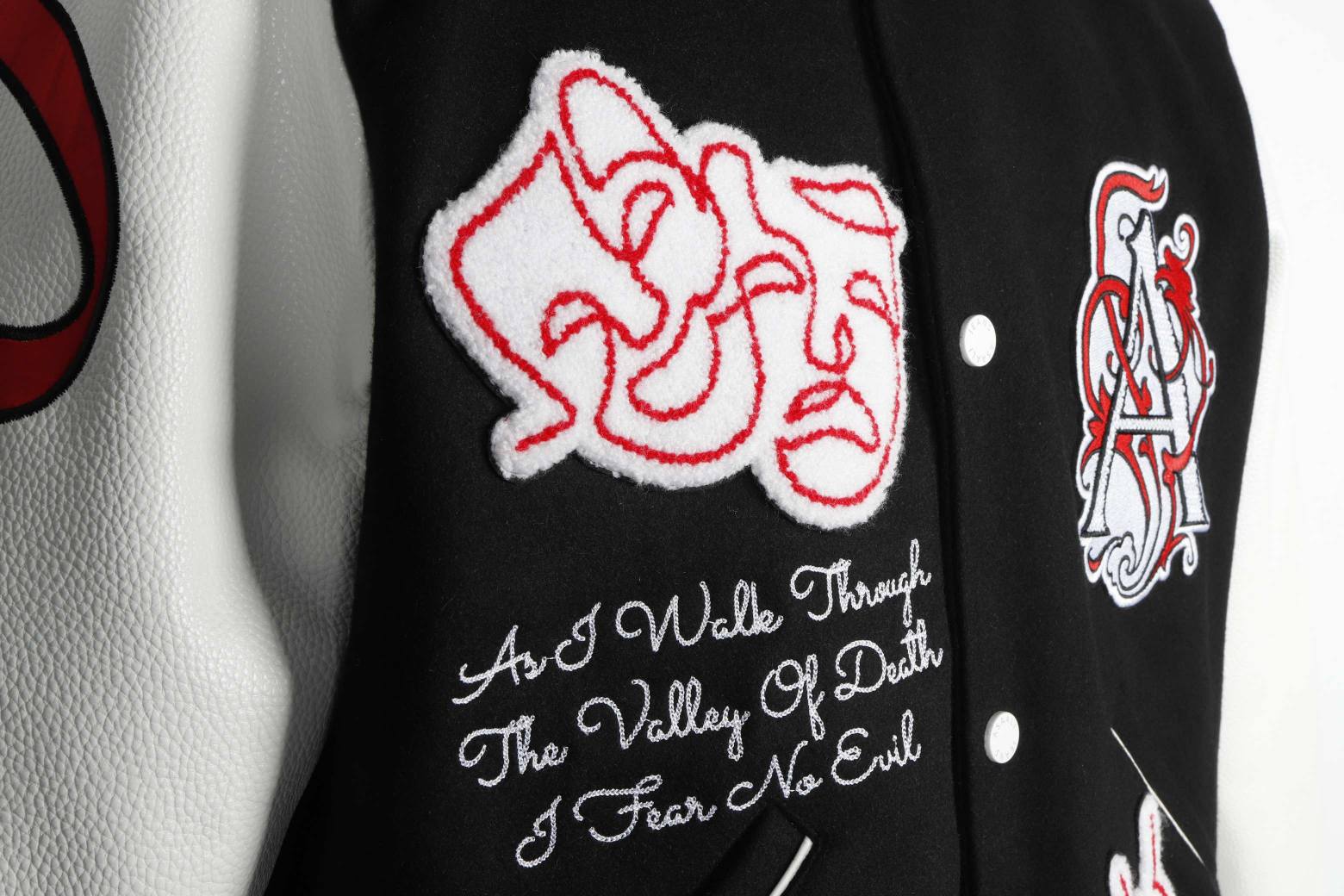
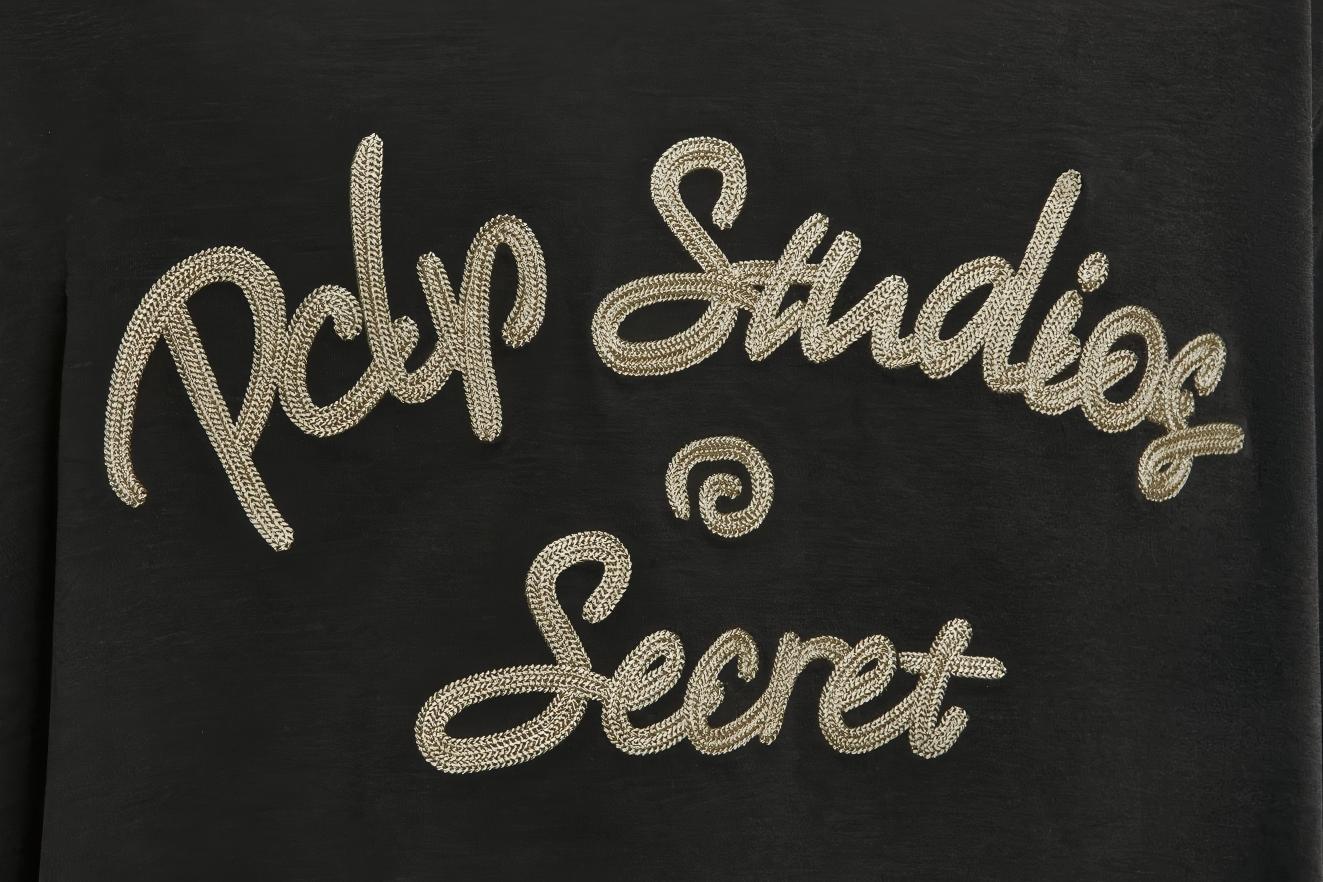
Chain Stitch Embroidery Samples
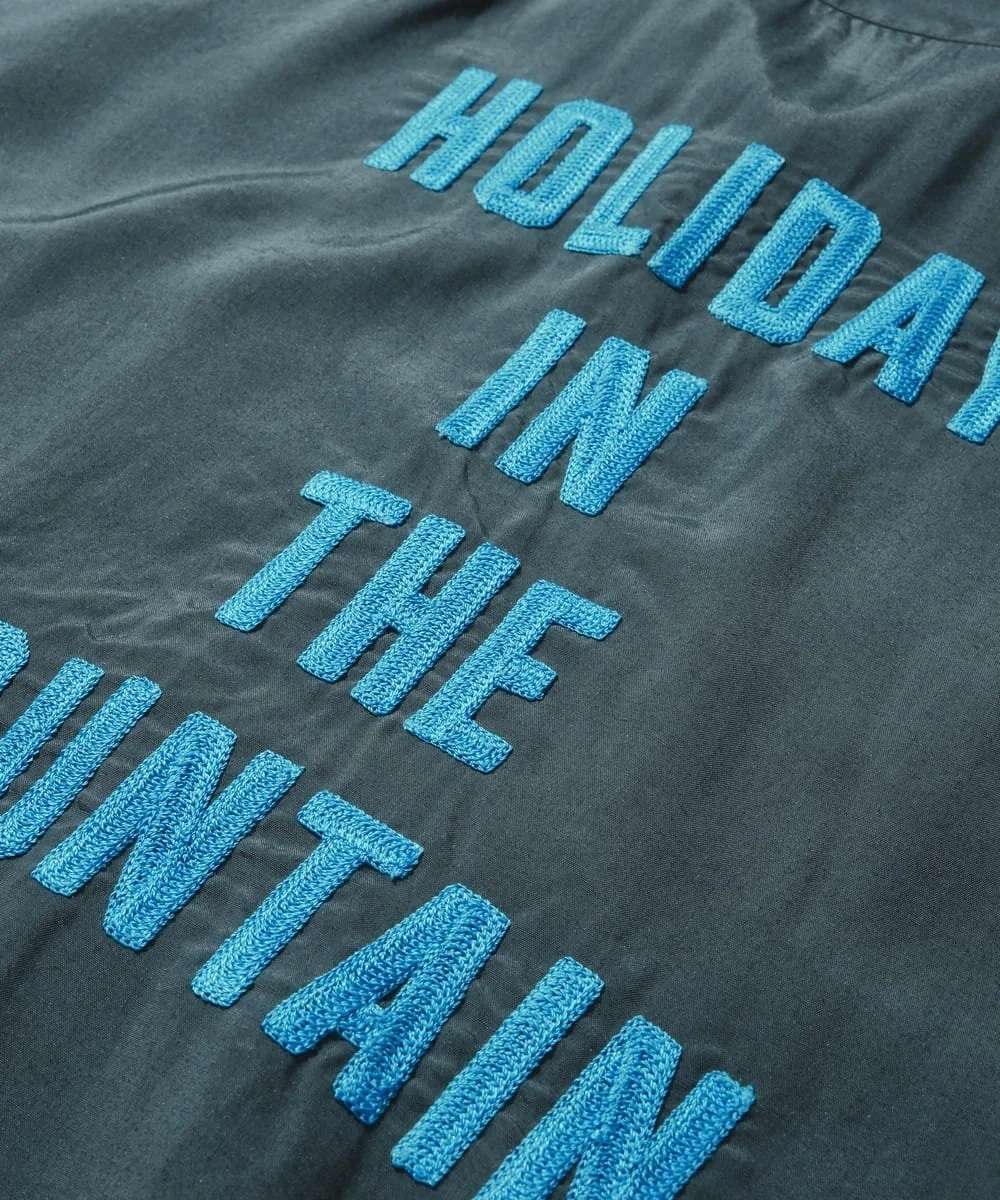
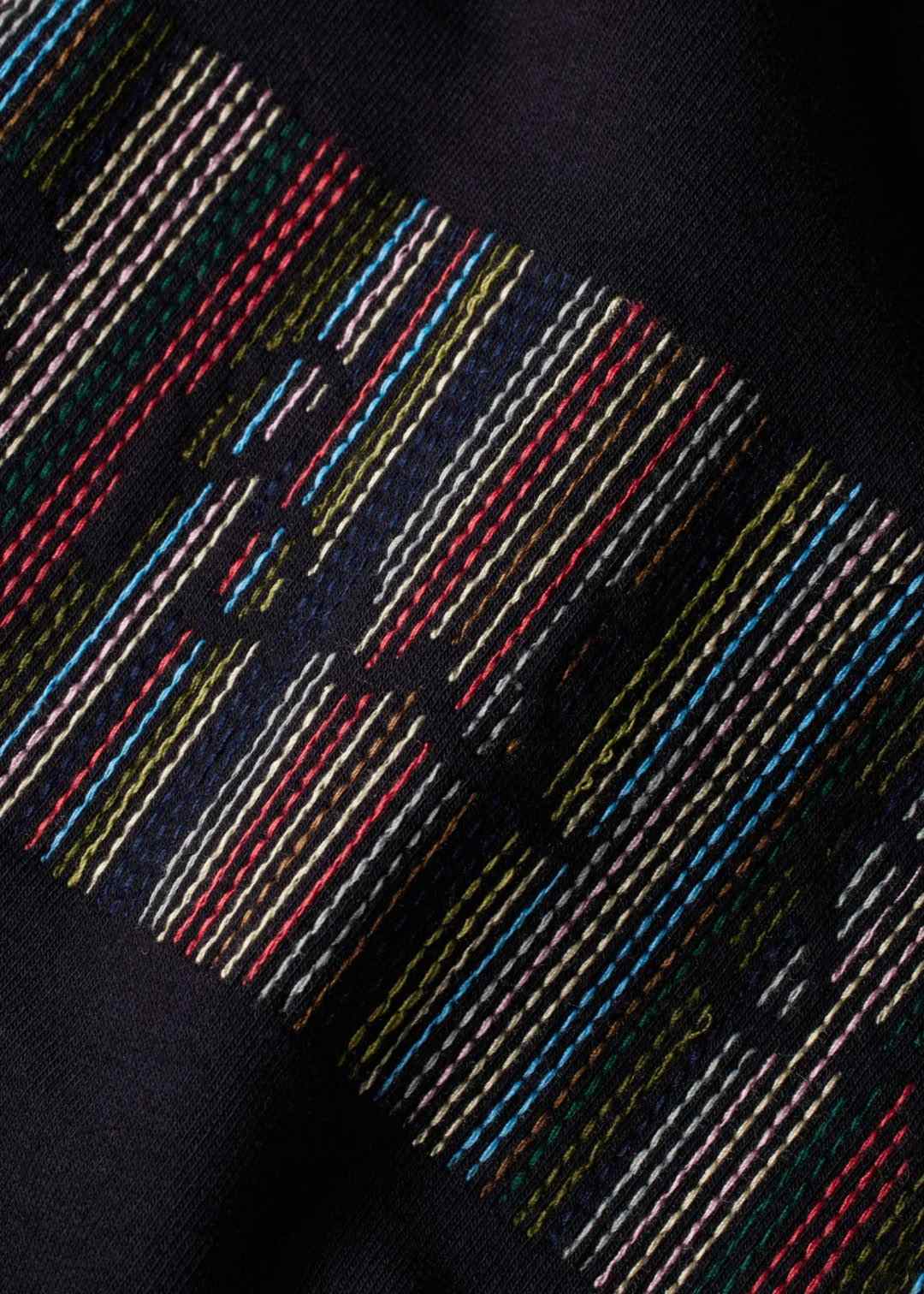
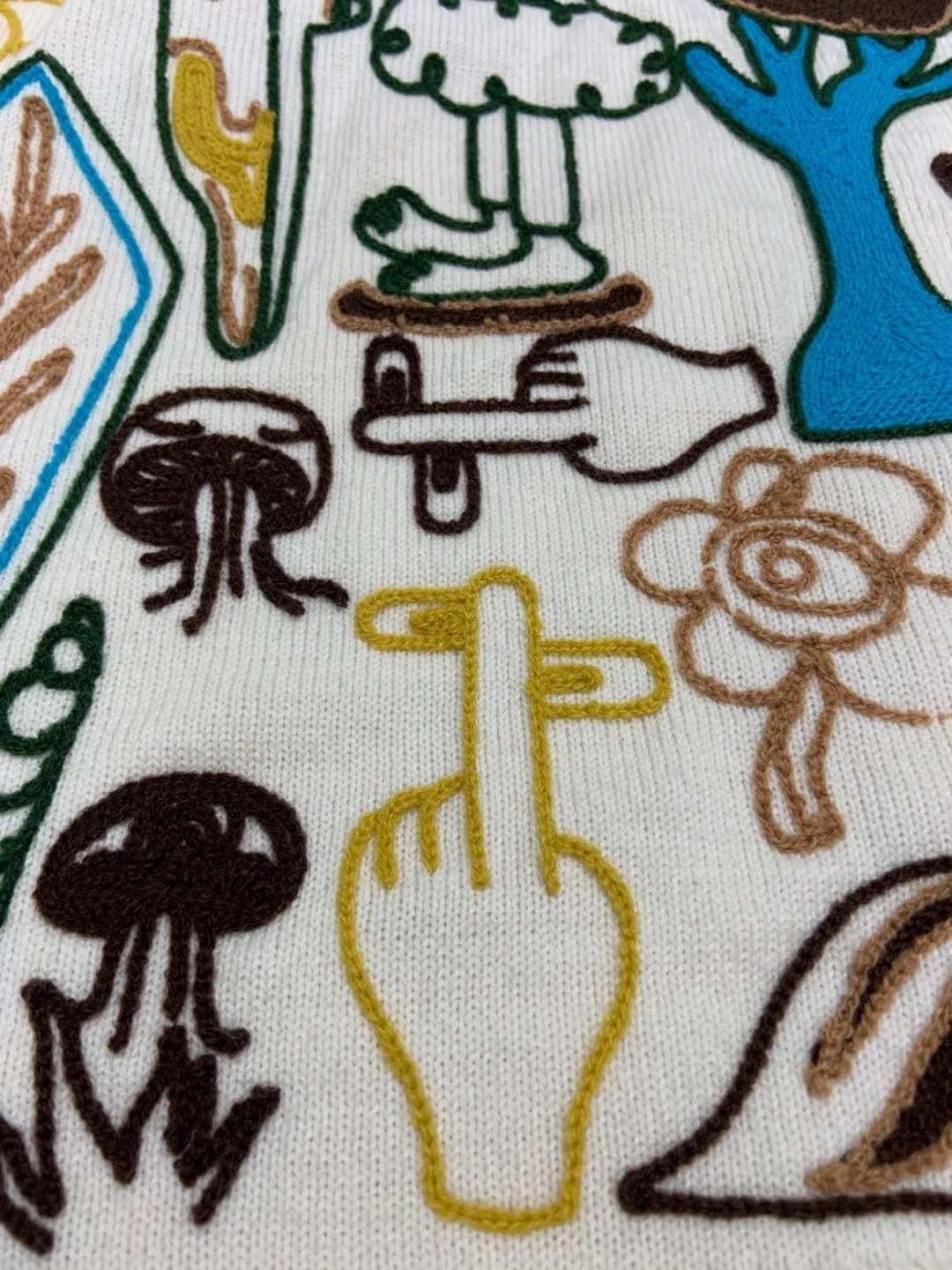
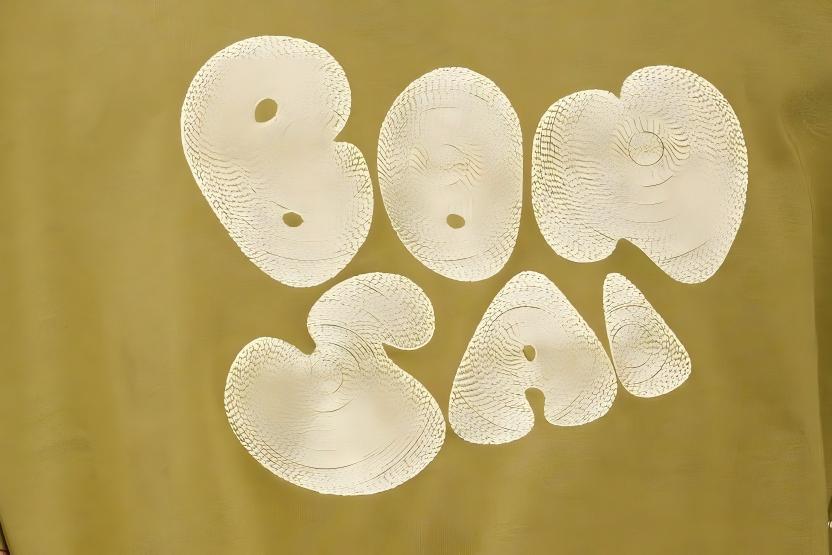
What Makes Chain Stitch Embroidery Distinctive
Raised Textured Line Effect
Chain stitch embroidery creates a bold, dimensional rope-like texture that stands out visibly on any garment surface for premium branding.
Bold Outline Definition
Perfect for logos, lettering, and graphic outlines, chain stitch delivers crisp borders and strong visual contrast on streetwear and varsity jackets.
Visible Thread Character
The looped stitch structure showcases thread quality and color vibrancy, creating a vintage athletic aesthetic favored by modern fashion brands.
Wash-Durable Construction
Chain stitch embroidery withstands repeated industrial washing, garment dyeing, and vintage wash treatments while maintaining stitch integrity and appearance.
Consistent Color Performance
High-quality embroidery thread ensures color consistency across production runs, critical for brand identity and multi-piece wholesale orders.
Ideal for Logos & Text
Chain stitch excels at rendering brand names, monograms, and athletic lettering with clarity, making it the go-to choice for custom apparel branding.
Professional Embroidery Techniques & Applications
Custom Embroidery
ZORWILD offers comprehensive custom embroidery services across all apparel categories with precise stitch density control, thread quality assurance, and color consistency. Our 27 years of apparel manufacturing experience supports flat, 3D, chenille, applique, patch, towel, metallic, and sequin embroidery with careful garment tension management and positioning accuracy for hoodies, jackets, shirts, and sportswear.
Get a Quote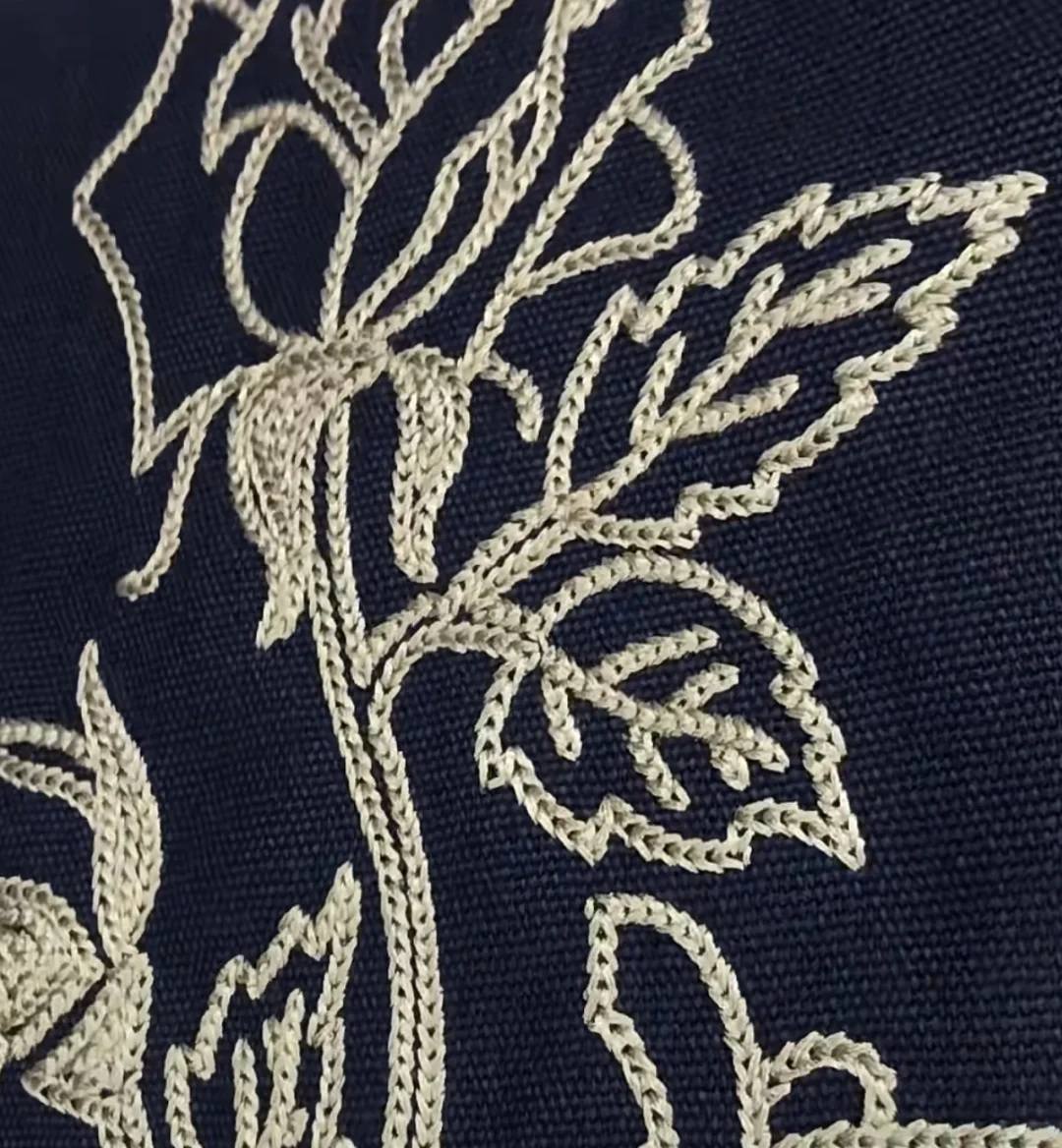
3D / Puff Embroidery
3D puff embroidery creates raised dimensional logos and graphics using foam underlay beneath stitching for bold streetwear aesthetics. Commonly applied to hoodies, varsity jackets, and caps, this technique delivers premium texture and visual depth ideal for brand logos, lettering, and statement designs with durable thread coverage and professional finish quality.
Get a Quote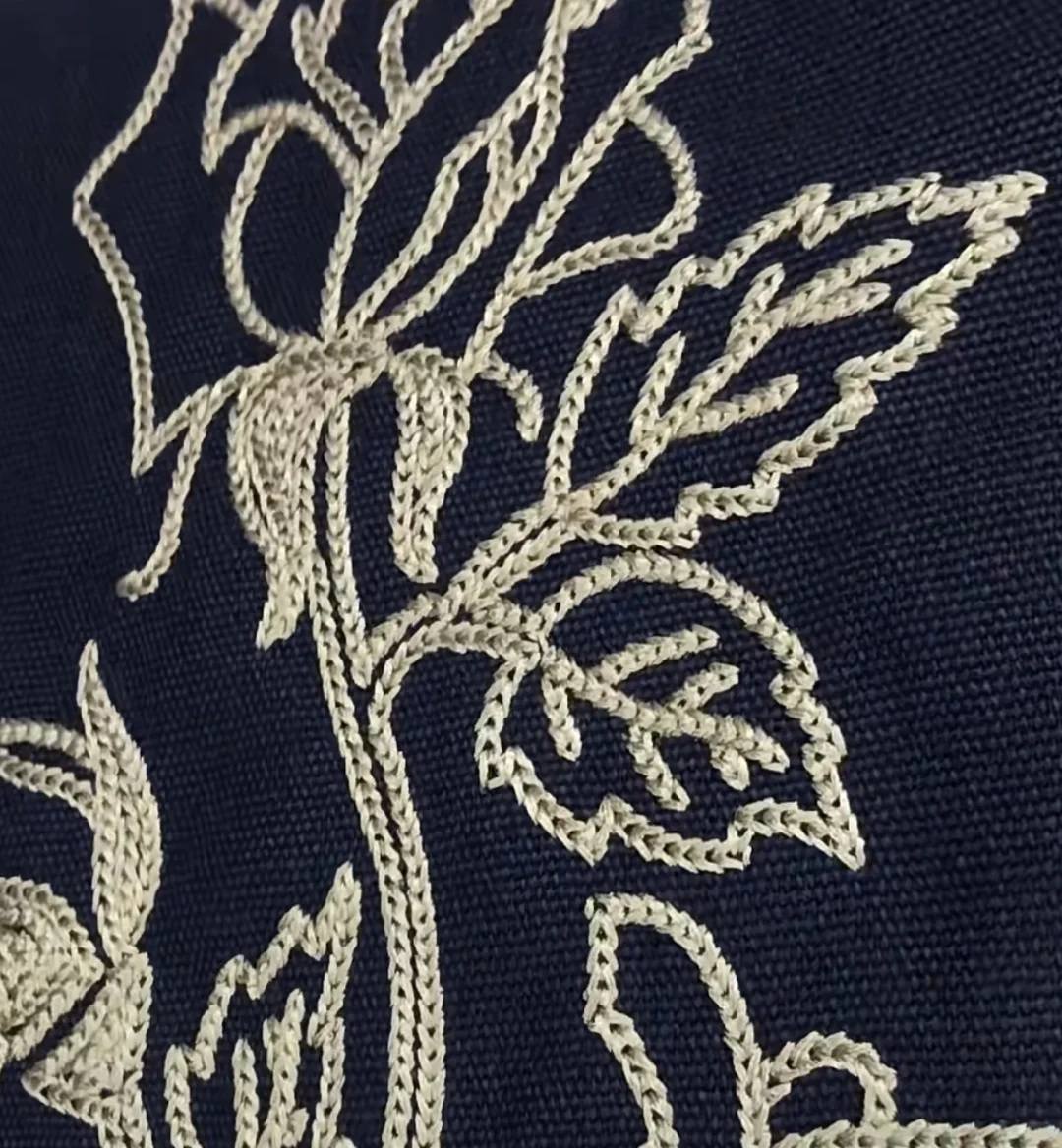
Flat Embroidery
Flat embroidery provides classic, durable decoration with tight stitch formation and smooth surface finish across cotton, polyester, and blended fabrics. This versatile technique suits corporate uniforms, casual shirts, polo shirts, jackets, and caps with excellent wash durability, color fastness, and precise detail reproduction for logos, monograms, and intricate artwork.
Get a Quote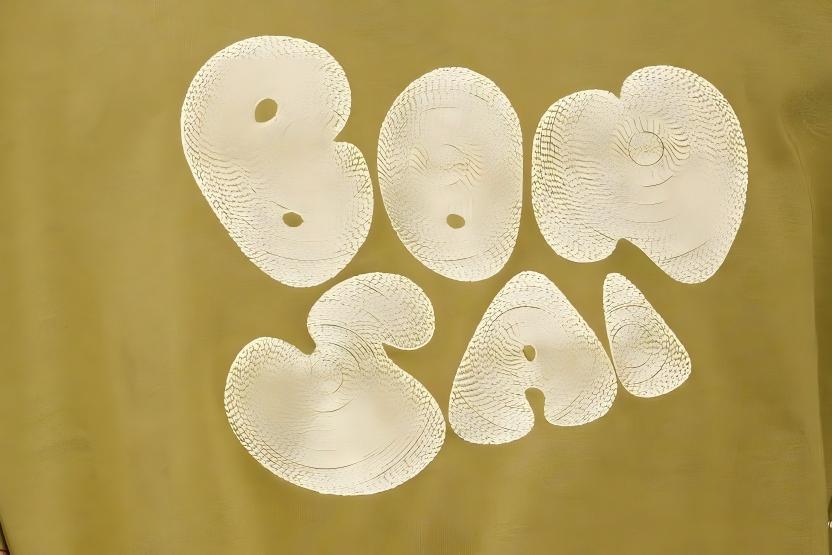
Towel Embroidery
Towel embroidery produces soft, looped texture resembling terry cloth for tactile logo effects and premium branding applications. This specialty technique adds dimensional softness to hoodies, sweatshirts, varsity jackets, and casualwear with unique visual appeal, luxurious hand feel, and distinctive streetwear character popular in contemporary fashion collections and branded apparel.
Get a Quote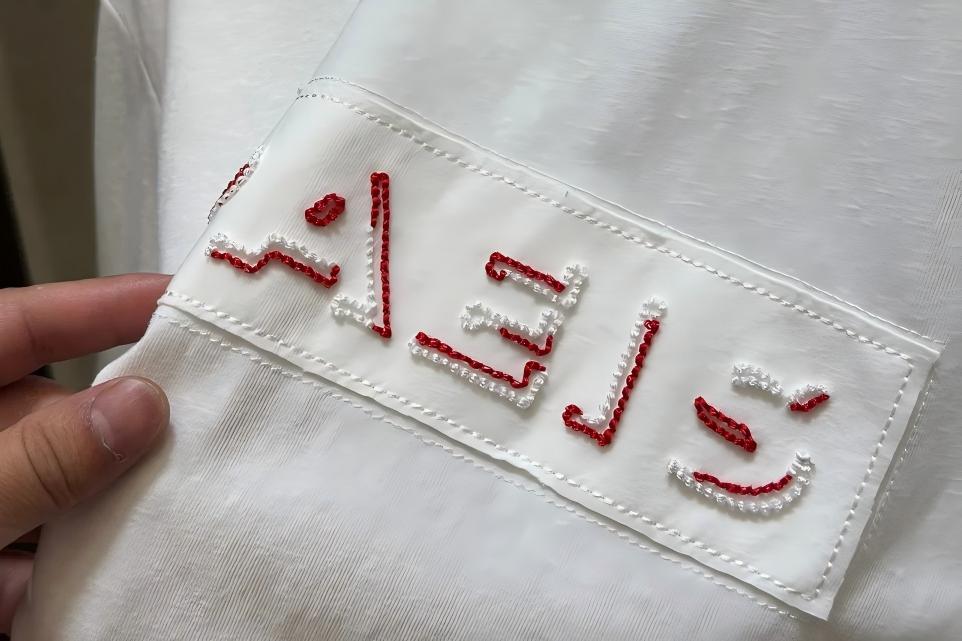
Ribbon Embroidery
Ribbon embroidery incorporates actual ribbon material stitched onto garments for elegant three-dimensional floral designs and decorative accents. This artisan technique suits dresses, blouses, resort wear, and premium casualwear with delicate aesthetic appeal, romantic styling, and handcrafted quality ideal for special occasion garments and fashion-forward collections requiring intricate embellishment.
Get a Quote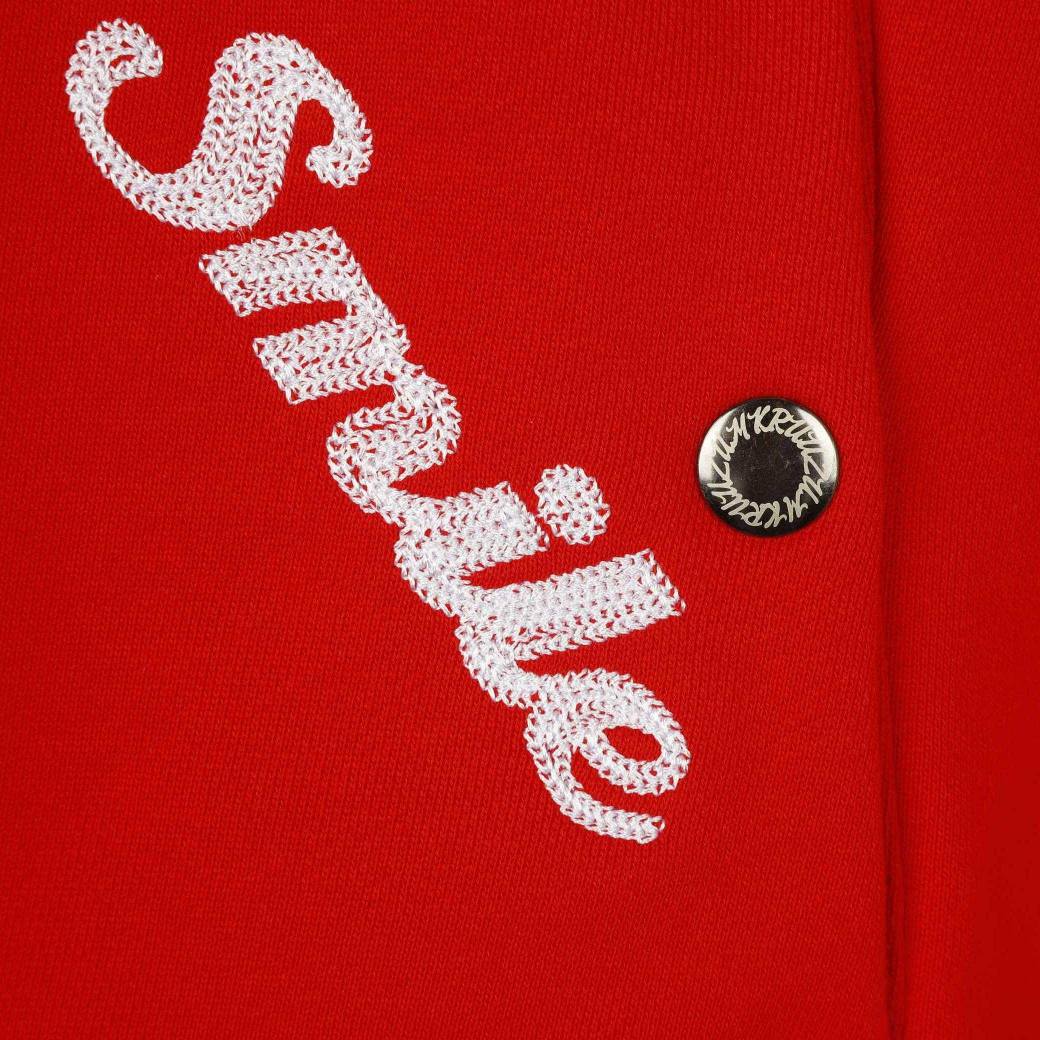
Sequin Embroidery
Sequin embroidery combines traditional stitching with sequin application for sparkling visual effects and glamorous surface decoration. Perfect for evening dresses, prom dresses, performance wear, and statement fashion pieces, this technique delivers eye-catching shine, dynamic light reflection, and premium decorative impact with secure sequin attachment and durable construction.
Get a Quote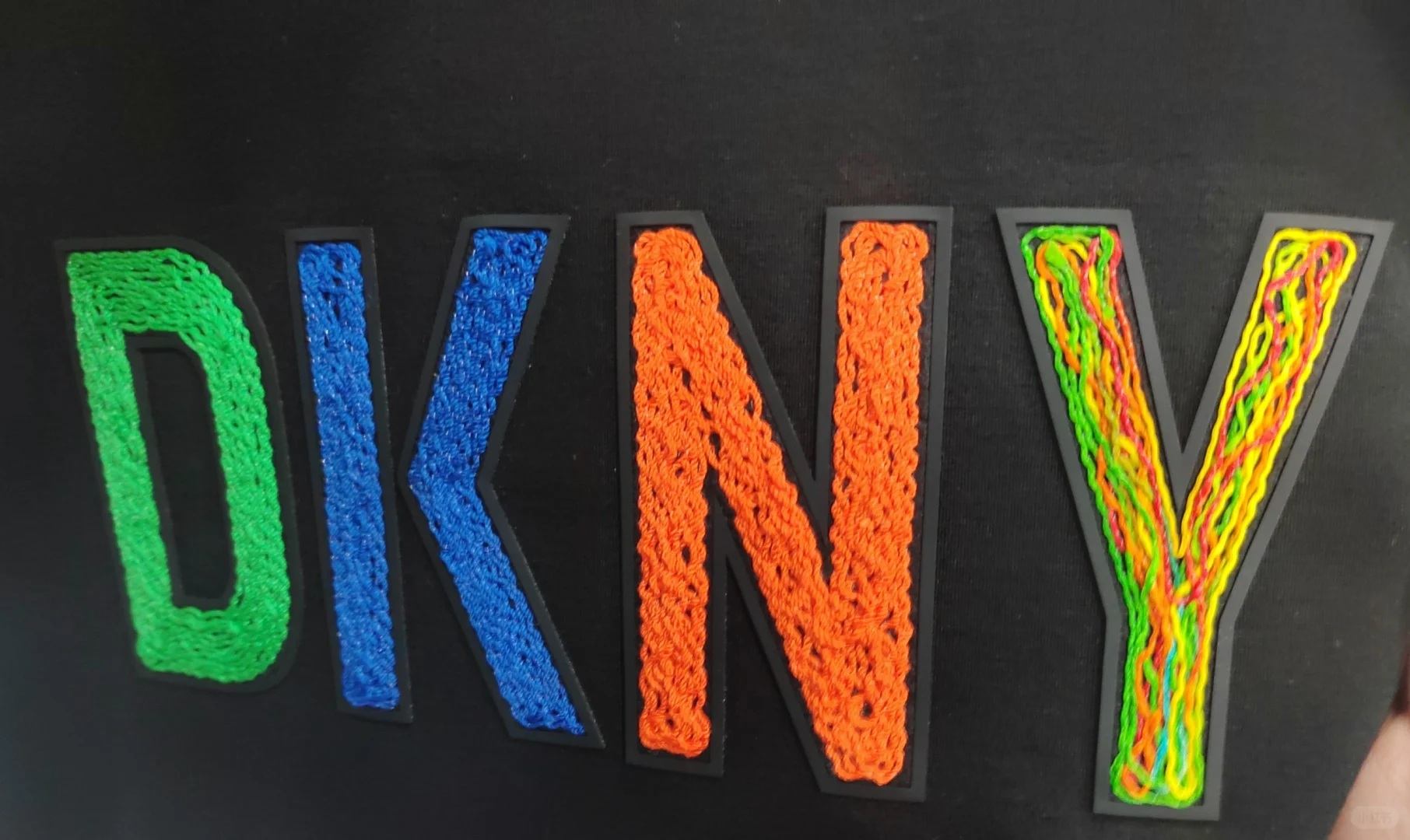
Rope Embroidery
Rope embroidery uses thick cord or rope-like thread to create bold raised outlines and textured graphic elements with strong visual presence. This technique adds dimensional character to varsity jackets, hoodies, workwear, and streetwear collections with durable construction, tactile appeal, and distinctive craftsmanship ideal for heritage branding and vintage-inspired designs.
Get a Quote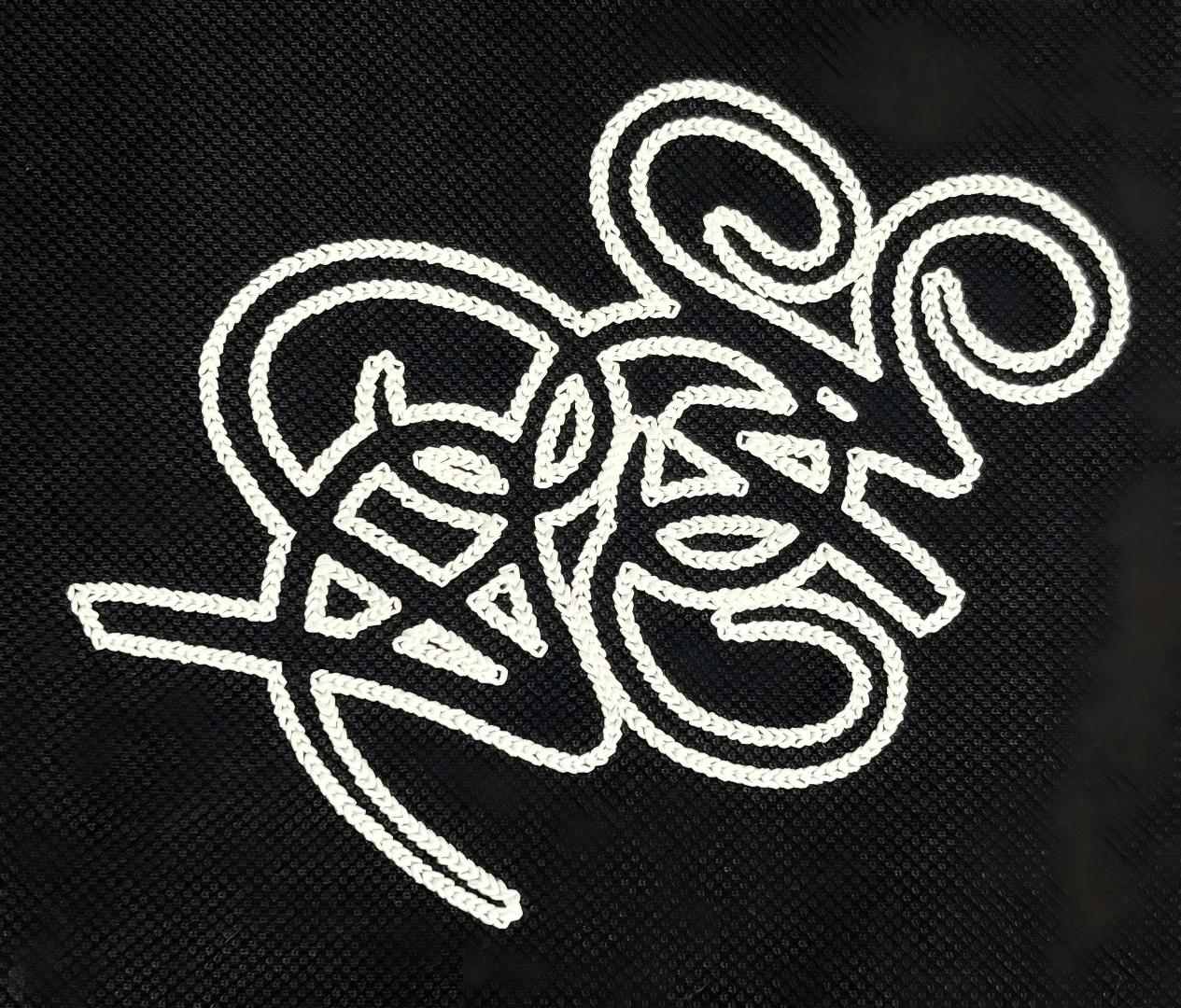
Toothbrush Embroidery
Toothbrush embroidery creates dense looped pile texture with vertical fiber orientation for soft fuzzy surface effects and unique tactile quality. This specialty technique produces plush logo applications and decorative elements on hoodies, sweatshirts, and premium streetwear with distinctive hand feel, visual depth, and contemporary aesthetic popular in luxury casual collections.
Get a Quote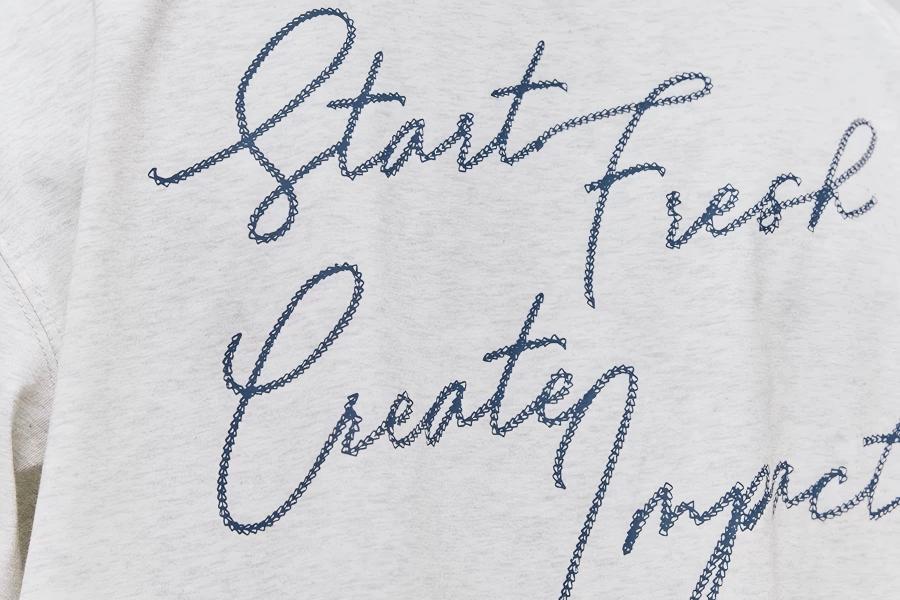
Cross Stitch Embroidery
Cross stitch embroidery replicates traditional needlework patterns with X-shaped stitches for folk-inspired designs and handcrafted aesthetic appeal. This artisan technique suits bohemian fashion, resort wear, casual shirts, and heritage-style garments with authentic craftsmanship character, nostalgic charm, and detailed pattern work ideal for specialty collections and artisanal branding.
Get a Quote27 Years of Chain Stitch Embroidery Expertise
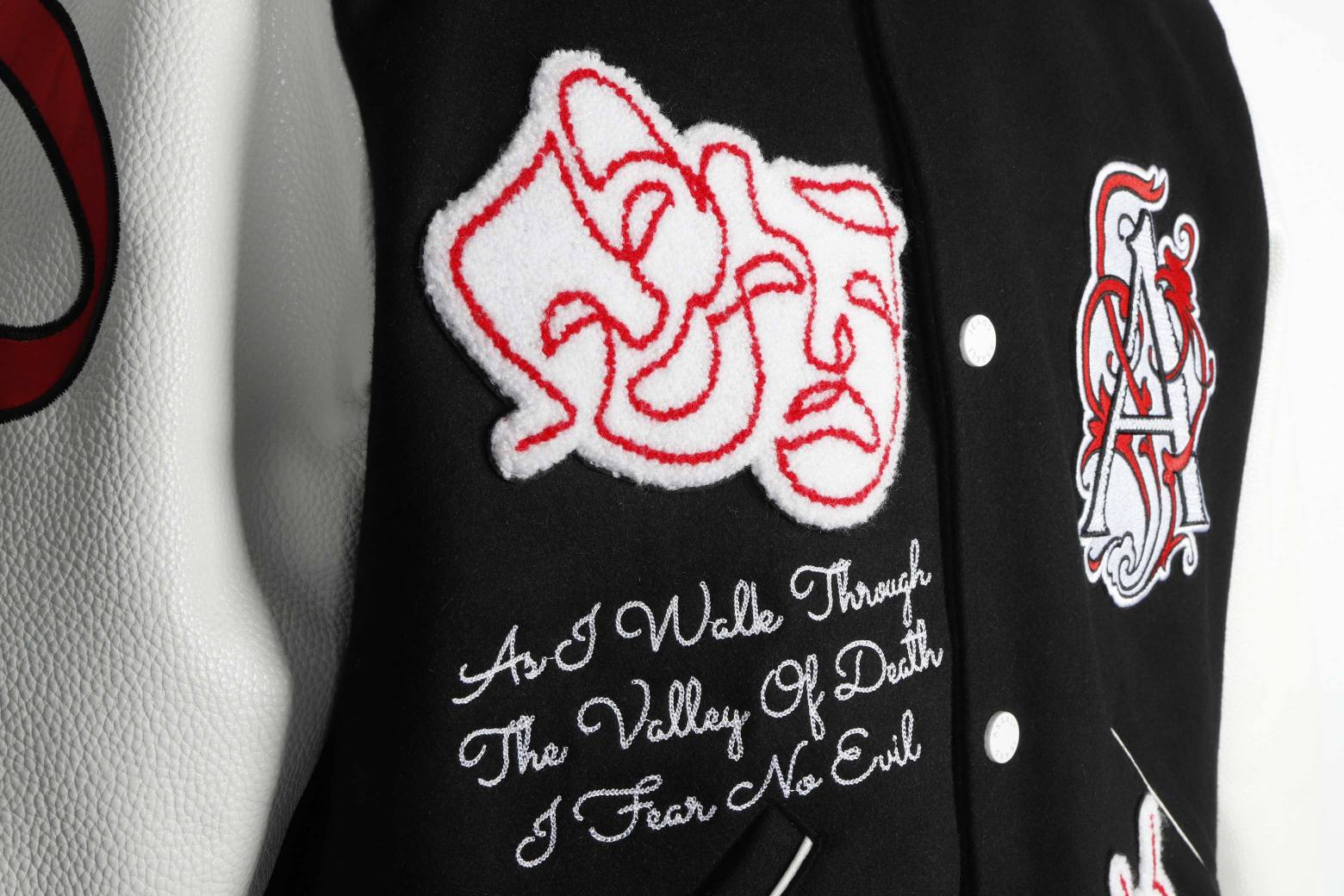
Founded in 1998 in Humen, Dongguan, ZORWILD has spent over two decades perfecting chain stitch embroidery for varsity jackets, hoodies, and custom apparel. Our founder learned garment craftsmanship from the cutting room floor up, ensuring every stitch reflects precision, thread quality control, and positioning accuracy that professional brands demand.
Today, our 200-person team produces more than 100,000 embroidered units monthly, serving over 2,000 fashion brands worldwide. We control stitch density, thread tension, and fabric stabilization in-house with a 6-stage quality control system, supporting chain stitch embroidery alongside 95% of modern decoration techniques. Whether you need 50-piece startup runs or large-scale production, our rigorous quality process guarantees consistent, bold chain stitch results.
ZORWILD bridges creative design and scalable chain stitch embroidery production for DTC brands, influencers, and established labels. From tech pack development and sampling to bulk manufacturing and global shipping, we deliver the textured, vintage-inspired embroidery that makes your brand stand out.
Chain Stitch Embroidery Quality Dimensions
Stitch Density and Thread Tension Control
ZORWILD’s 27 years of embroidery expertise ensures precise stitch density and thread tension throughout every chain stitch embroidery project. Our technicians calibrate machines to prevent thread breakage, puckering, and uneven loops for consistent dimensional texture across all garment types.
- Calibrated tension settings for cotton, fleece, denim, and technical fabrics
- Consistent loop height and stitch spacing for uniform 3D texture
- Anti-puckering stabilization techniques for lightweight and stretch materials
- Real-time tension monitoring during production runs
Color Consistency and Thread Quality
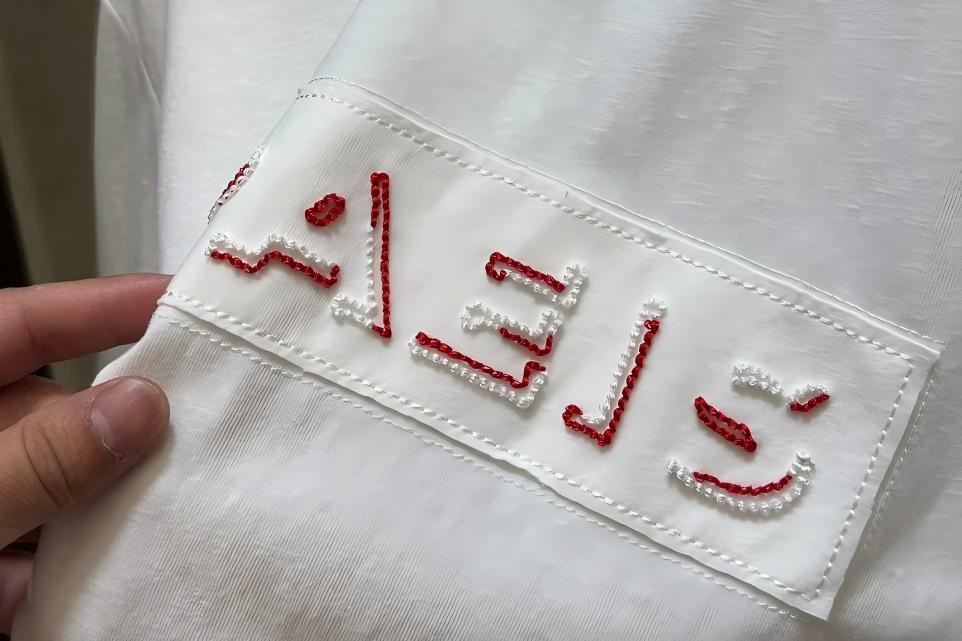
We source premium polyester and rayon threads from certified suppliers, ensuring vibrant color accuracy and long-lasting performance. Every chain stitch embroidery order undergoes color matching against approved samples, with batch consistency maintained across orders from 50 pieces to 10,000+ units.
- Premium polyester and rayon threads with colorfastness certification
- Pantone and PMS color matching for brand-accurate embroidery
- Batch-to-batch color consistency across repeat orders
- UV-resistant and wash-resistant thread formulations
Positioning Accuracy and Registration Precision
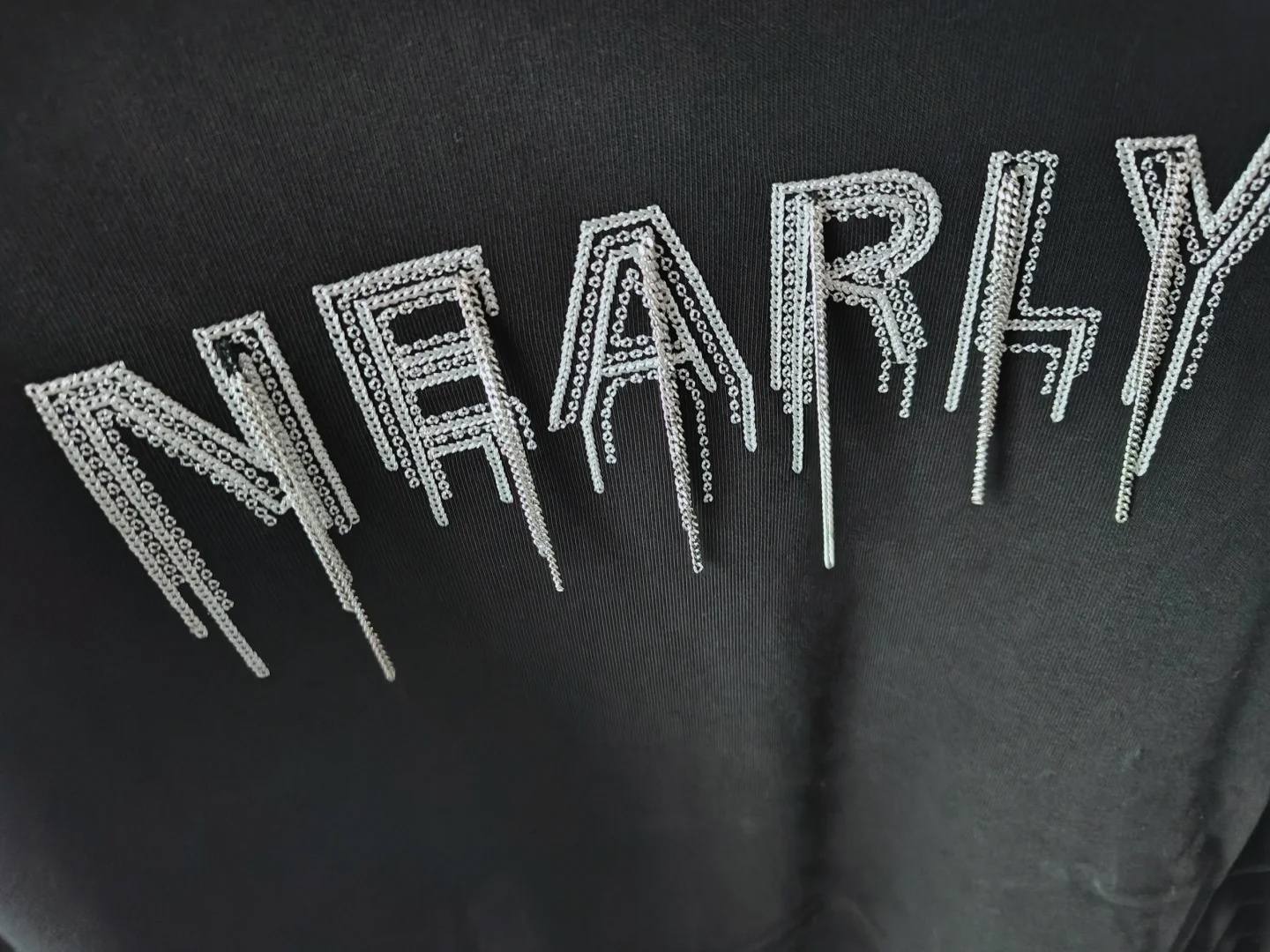
Exact placement is critical for professional chain stitch embroidery. ZORWILD employs digital registration systems and experienced operators to guarantee millimeter-accurate logo positioning on chest, sleeves, backs, and specialty placements, maintaining alignment consistency across every piece in your production run.
- Digital hooping systems for precise placement repeatability
- ±2mm positioning accuracy on all garment placements
- Multi-point registration for complex designs and wraparound graphics
- Pre-production placement approval samples for every new design
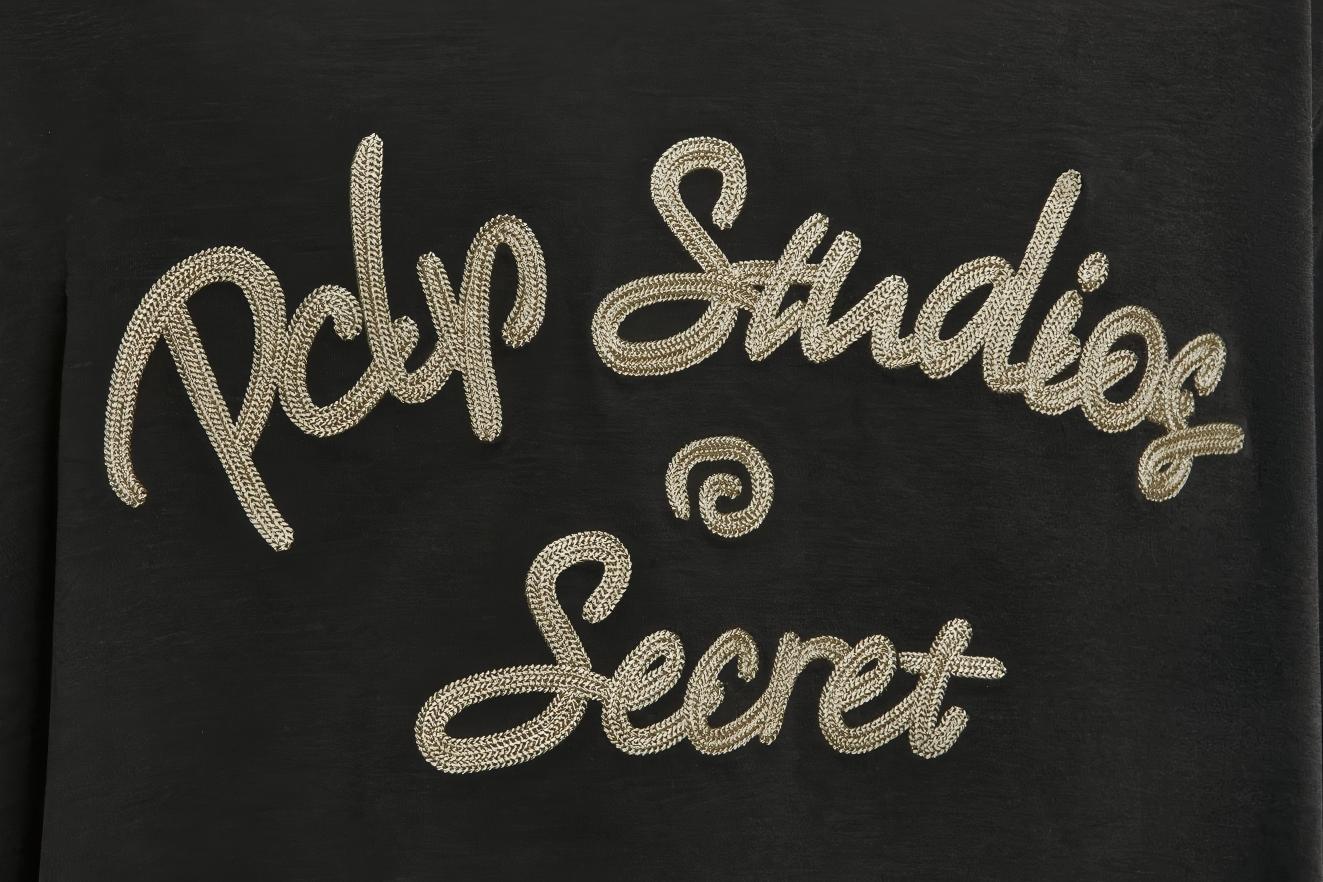
Durability Through Wash Cycles
Chain stitch embroidery from ZORWILD withstands 50+ industrial wash cycles without fraying, fading, or loop distortion. Our 6-stage quality control system includes wash testing, stitch integrity checks, and thread anchor inspections to ensure your branded apparel maintains premium appearance through extended wear.
- 50+ wash cycle durability testing for commercial and retail garments
- Reinforced stitch anchoring to prevent unraveling and loop pullout
- Fade-resistant thread formulations for long-term color retention
- Post-wash inspection protocols for dimensional stability verification
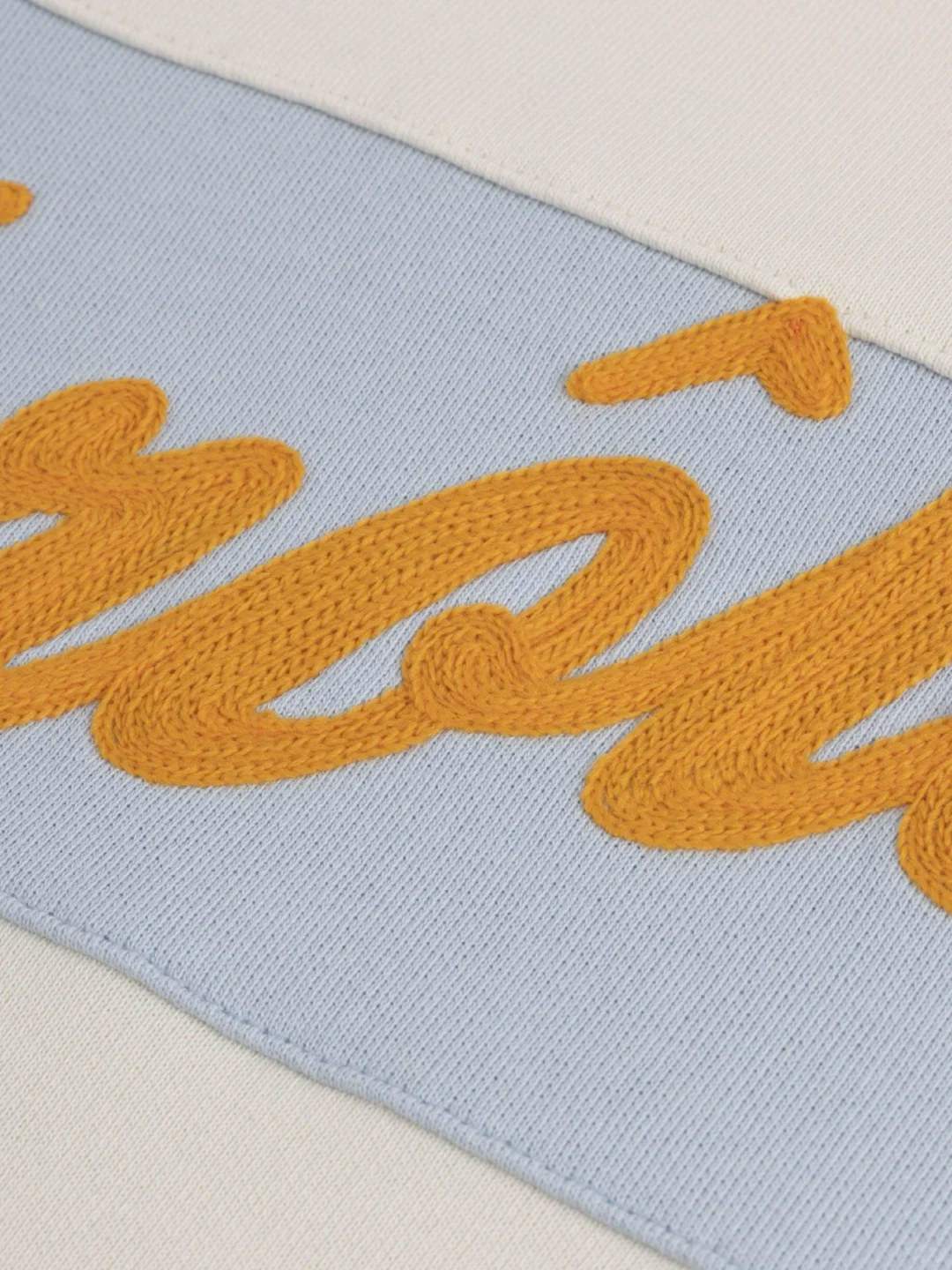
Chain Stitch Embroidery vs. Flat Embroidery
Understanding the key differences helps you choose the right embroidery technique for your custom apparel project. Chain stitch embroidery delivers bold, raised texture and vintage appeal, while flat embroidery offers precision detail and compatibility across nearly all fabric types.
← 左右滑动查看 →
Chain Stitch Embroidery Production Process
ZORWILD‘s proven 7-phase system ensures precise stitch density, optimal tension control, and consistent quality across every chain stitch embroidery order from our Humen, Dongguan facility.
Design Digitization & Programming
Your logo or artwork is digitized into machine-readable format with precise stitch count mapping, path direction, and chain stitch density settings tailored to fabric weight and garment type.
Thread Selection & Color Matching
Thread type, weight, and color are selected based on your brand specifications. We verify thread tension compatibility and conduct pre-production color approval to ensure accurate brand representation.
Machine Setup & Calibration
Chain stitch embroidery machines are programmed with your design file. Tension settings, needle position, feed rate, and looper adjustments are calibrated for optimal stitch formation and texture.
Garment Positioning & Stabilization
Each garment is hooped with appropriate backing stabilizer to prevent puckering. Positioning marks ensure logo placement accuracy, and fabric tension is adjusted for consistent chain stitch quality.
Chain Stitch Execution
Production runs begin with continuous monitoring of stitch formation, thread breaks, and tension consistency. Our skilled operators oversee every batch to maintain the bold, textured appearance chain stitch embroidery delivers.
Quality Inspection & Wash Testing
Every embroidered garment undergoes stitch density inspection, thread trim verification, and measurement accuracy checks. Selected samples are wash tested to confirm durability and color fastness standards.
Finishing & Packaging
Approved garments are pressed, trimmed, and packaged with your custom labels, hang tags, and branded packaging. Final audit ensures every piece meets ZORWILD’s 6-stage quality control standards.
How to Order Custom Chain Stitch Embroidery
From design submission to finished garments, ZORWILD streamlines every step of your chain stitch embroidery project with 27 years of manufacturing expertise and a 50-piece minimum order quantity.
Submit Your Design or Logo
Send your artwork, logo file, or reference image with preferred placement location and design dimensions. Our team reviews technical feasibility for chain stitch embroidery application.
Approve Digitization and Thread Colors
Review the digitized embroidery file, confirm thread color selections using Pantone references, and finalize stitch density specifications to match your brand aesthetic and quality standards.
Request a Pre-Production Sample
Evaluate chain stitch embroidery quality, texture, placement accuracy, thread color match, and garment fit on a physical sample before committing to bulk production orders.
Confirm Order Details and MOQ
Finalize garment styles, sizes, quantities starting from 50 pieces, delivery timeline, and packaging requirements. Our team prepares a detailed production schedule and quotation.
Place Your Production Order
Approve the final quotation and production timeline. ZORWILD begins bulk manufacturing with in-line quality control, finishing, and prepares shipment to your destination with full export documentation.
Customer Success Stories — Chain Stitch Embroidery
ZORWILD’s chain stitch embroidery brought our vintage logo to life with perfect rope-like texture. The stitch density held up flawlessly after 30+ washes, and color matching was spot-on across all 500 hoodies.
We needed intricate chain stitch outlines for our varsity jackets at only 80 pieces. ZORWILD delivered on time with zero defects. The raised texture and dimensional quality exceeded our expectations for a small production run.
Complex multi-color chain stitch logos across 12 colorways — ZORWILD handled it seamlessly. Thread tension was consistent, registration was perfect, and the bold 3D effect made our branding stand out immediately.
Chain Stitch Embroidery FAQ
What fabrics work best with chain stitch embroidery?
What is the minimum order quantity for chain stitch embroidery?
How many colors can be used in chain stitch embroidery designs?
What is the maximum design size for chain stitch embroidery?
Can I combine chain stitch embroidery with screen printing or patches?
How durable is chain stitch embroidery after washing?
What file format do I need for chain stitch embroidery artwork?
What is the lead time for chain stitch embroidery production?
How much does a chain stitch embroidery sample cost?
The Complete Buyer’s Guide to Chain Stitch Embroidery for Custom Branding
1. What Is Chain Stitch Embroidery?
Chain stitch embroidery is a decorative stitching technique that uses a single continuous thread looped through fabric to form interlocking chain-like links on the garment surface. Unlike flat embroidery, which uses satin or fill stitches to create dense coverage, chain stitch embroidery produces a raised, rope-like texture with visible loops that follow the design contour. This technique is most commonly applied to logos, monograms, script lettering, and vintage-inspired apparel decoration where a bold, dimensional appearance is desired.
The visual signature of chain stitch embroidery includes a pronounced 3D profile, a hand-crafted vintage aesthetic, and a distinctive stitch pattern that stands approximately 2–4 mm above the fabric surface. Brands choose chain stitch embroidery over flat embroidery when they want retro varsity jacket styling, bowling shirt branding, or heritage workwear appeal. Compared to screen printing, chain stitch embroidery offers superior durability through 50-plus industrial wash cycles, maintains color vibrancy without cracking or fading, and delivers a premium tactile quality that elevates perceived garment value.
ZORWILD supports chain stitch embroidery alongside flat embroidery, 3D puff embroidery, chenille embroidery, and applique embroidery with precise stitch density control, thread tension management, and positioning accuracy across hoodies, T-shirts, jackets, sweatshirts, and uniform shirts. Production starts from 50 pieces, allowing startup brands and influencers to test chain stitch embroidery designs without large inventory commitments while accessing the same craftsmanship quality used by established streetwear and fashion labels worldwide.
2. Evolution and History of Chain Stitch Embroidery
Chain stitch embroidery dates back more than 2,500 years, with archaeological evidence found in ancient Chinese silk textiles and Persian tapestries from the 5th century BCE. Hand-stitched chain work flourished across Asia, the Middle East, and Europe as a decorative technique for ceremonial garments, military uniforms, and luxury textiles. The interlocking loop structure provided both visual texture and functional durability, making it ideal for garments subjected to frequent wear and washing.
Industrial mechanization began in the 1860s when Isaac Merritt Singer and other inventors developed single-thread chain stitch sewing machines for commercial garment production. By the 1920s, American workwear manufacturers adopted chain stitch embroidery for durable logo application on denim jackets, coveralls, and uniform shirts, valuing its resistance to unraveling under heavy use. The technique became iconic in the 1940s through 1960s on varsity jackets and bowling shirts, where chenille yarn chain stitch created the raised lettering and team logos that defined mid-century American sportswear.
Modern streetwear brands revived chain stitch embroidery in the 2010s, recognizing its vintage aesthetic and heritage authenticity. Today, manufacturers like ZORWILD apply both vintage single-needle chain stitch machines and modern multi-head systems to produce retro-style logos, script lettering, and decorative borders on hoodies, sweatshirts, jackets, and T-shirts. The technique’s proven longevity—spanning millennia from hand craft to industrial scale—makes it a trusted choice for brands seeking durable, culturally resonant decoration that communicates quality and craftsmanship.
3. Types of Chain Stitch Embroidery Techniques
Chain stitch embroidery divides into four production techniques, each delivering distinct visual effects, speed, and cost profiles. Matching the right variant to your brand aesthetic and order volume ensures optimal quality and budget alignment.
Single-Needle Chain Stitch
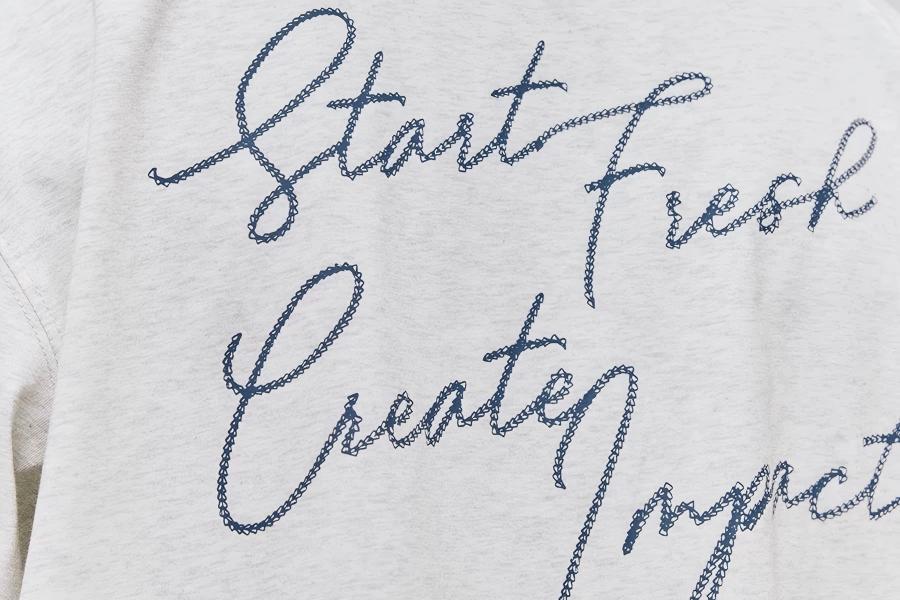
Single-needle chain stitch machines produce fine, continuous looped lines ideal for script lettering, outline work, and vintage-inspired logos. Production speed averages 800–1,000 stitches per minute, slower than flat embroidery but delivering softer texture and hand-stitched character.
This technique suits small logo placements, monogram initials, and heritage brand aesthetics. Cost runs 15–25% higher than standard flat embroidery due to slower speed and specialized threading, making it best for premium collections or signature branding elements.
Multi-Needle Chain Stitch
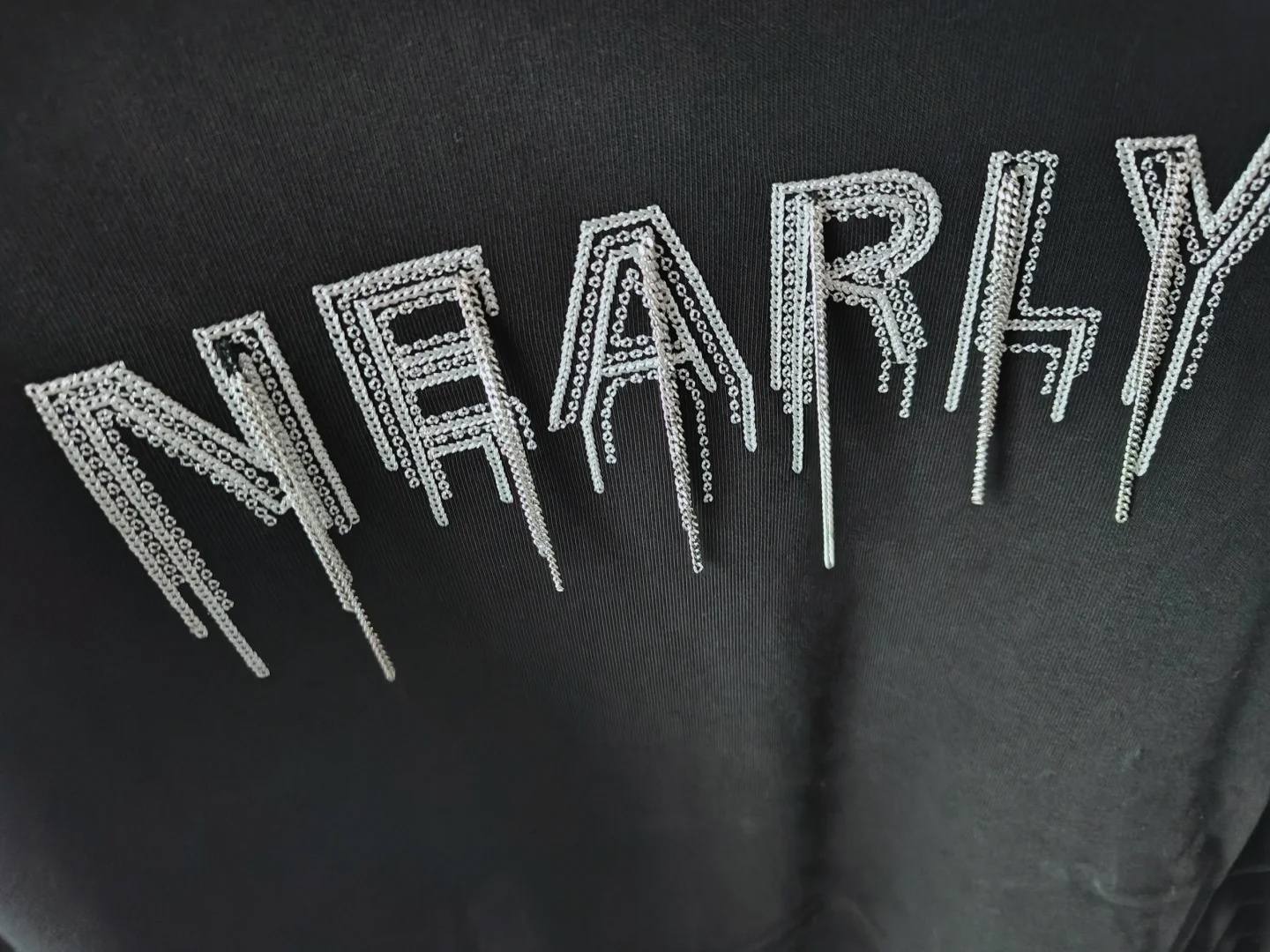
Multi-needle systems run 6–12 needles simultaneously, boosting output to 3,000+ stitches per minute for large-scale production. Visual results remain consistent across high-volume runs, making this the workhorse for wholesalers and established brands ordering 500+ units.
Cost per garment drops 30–40% compared to single-needle work at volume, though setup fees increase due to multi-head programming. Best for repeat orders, uniform programs, and brands prioritizing speed over artisanal texture.
Moss Stitch (Chenille Effect)
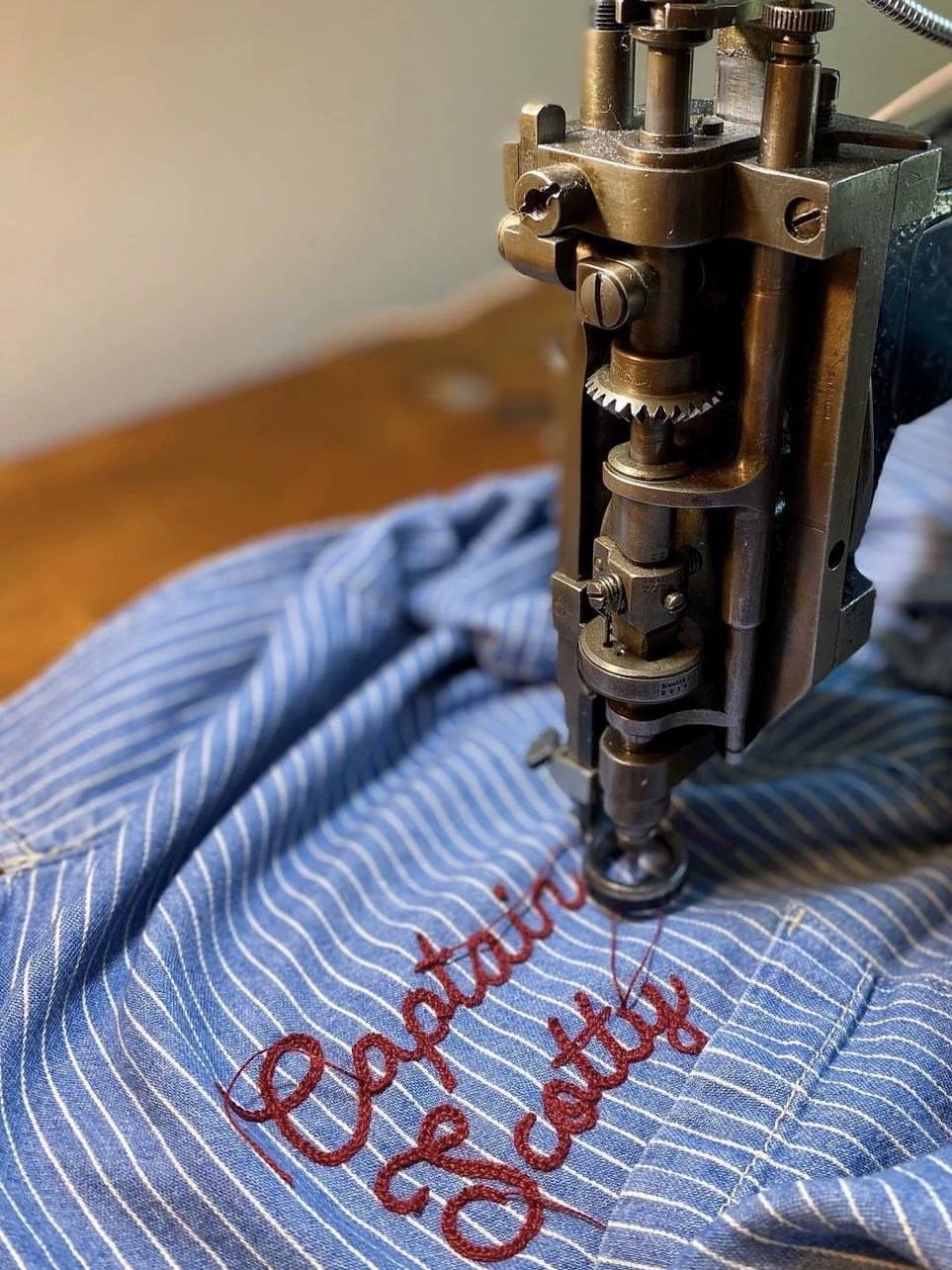
Moss stitch creates raised, fuzzy chenille texture by layering chain stitches with specialized looped thread, popular in varsity jackets, streetwear patches, and collegiate branding. The 3D pile effect delivers premium tactile appeal and vintage athletic aesthetics.
Production requires chenille thread (typically rayon or acrylic) and post-embroidery shearing to uniform pile height. Cost runs 50–80% above standard chain stitch due to material expense and finishing labor, ideal for statement pieces and limited-edition drops.
Tambour Embroidery
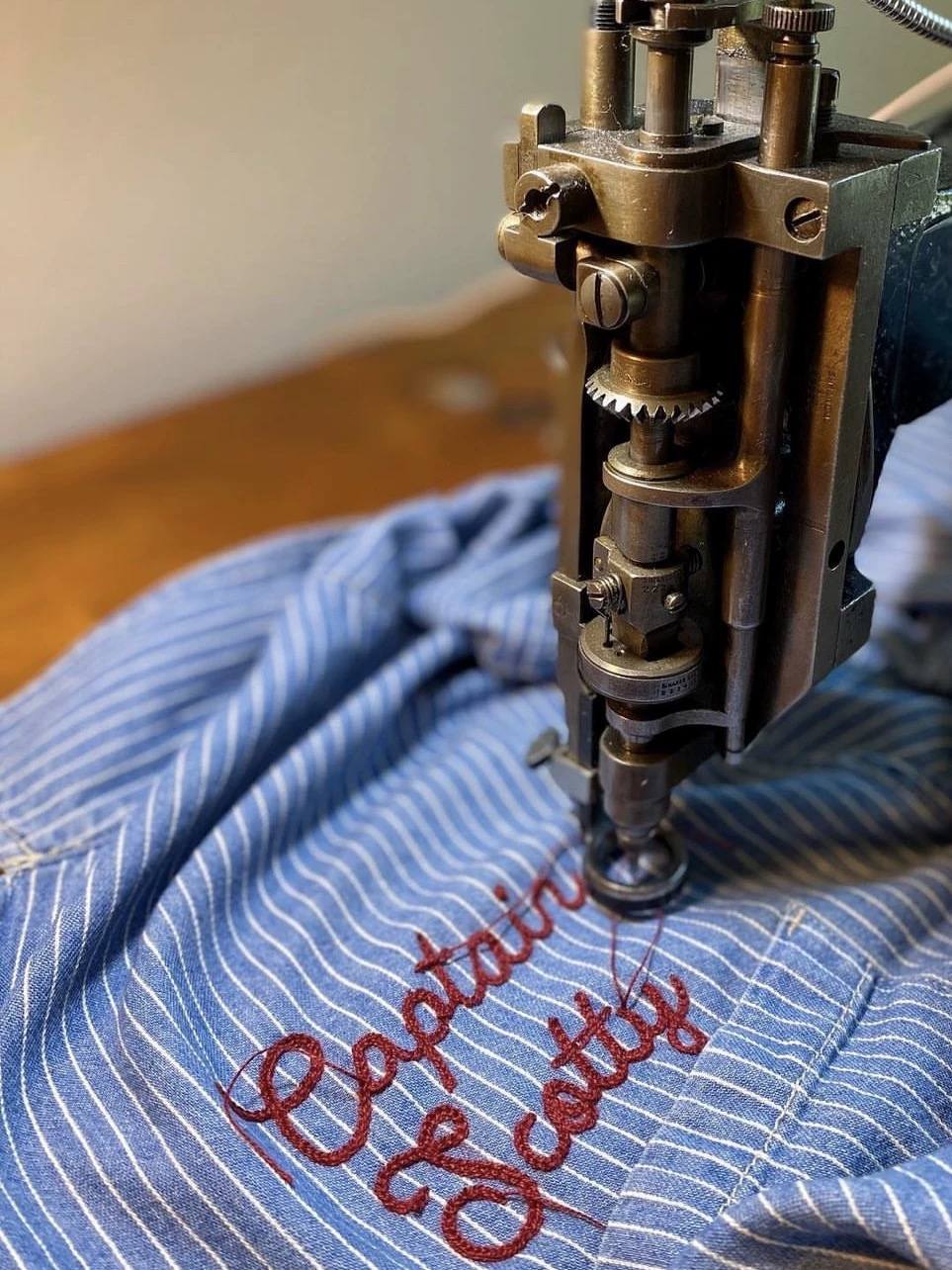
Tambour uses a hooked needle to create rapid chain stitches from the fabric underside, traditionally hand-operated for haute couture beading and intricate fashion embellishment. Modern automated tambour machines blend speed with decorative complexity for luxury collections.
This technique excels at sequin application, bead attachment, and continuous ornamental borders. Cost and lead time increase significantly—typically 2–3× standard chain stitch—limiting use to high-margin fashion pieces, evening wear, and designer collaborations.
4. Materials and Fabrics for Chain Stitch Embroidery
Chain stitch embroidery performance depends heavily on base fabric structure, weight, and thread compatibility. Selecting the right material-thread pairing ensures stitch stability, prevents puckering, and maintains visual clarity across production runs.
| Fabric Type | GSM / Weight | Recommended Thread | Durability | Typical Applications |
|---|---|---|---|---|
| Cotton Fleece | 280–400 GSM | Polyester, Rayon | High | Hoodies, Sweatshirts, Streetwear |
| Denim / Canvas | 300–450 GSM / 10–14 oz | Polyester | Very High | Jackets, Workwear, Bags |
| Knit Jersey | 150–220 GSM | Polyester | Medium | T-Shirts, Activewear, Fashion Tops |
| Cotton Poplin | 100–140 GSM | Polyester, Cotton | Medium | Shirts, Resort Wear, Casual Wear |
Base Fabric Compatibility
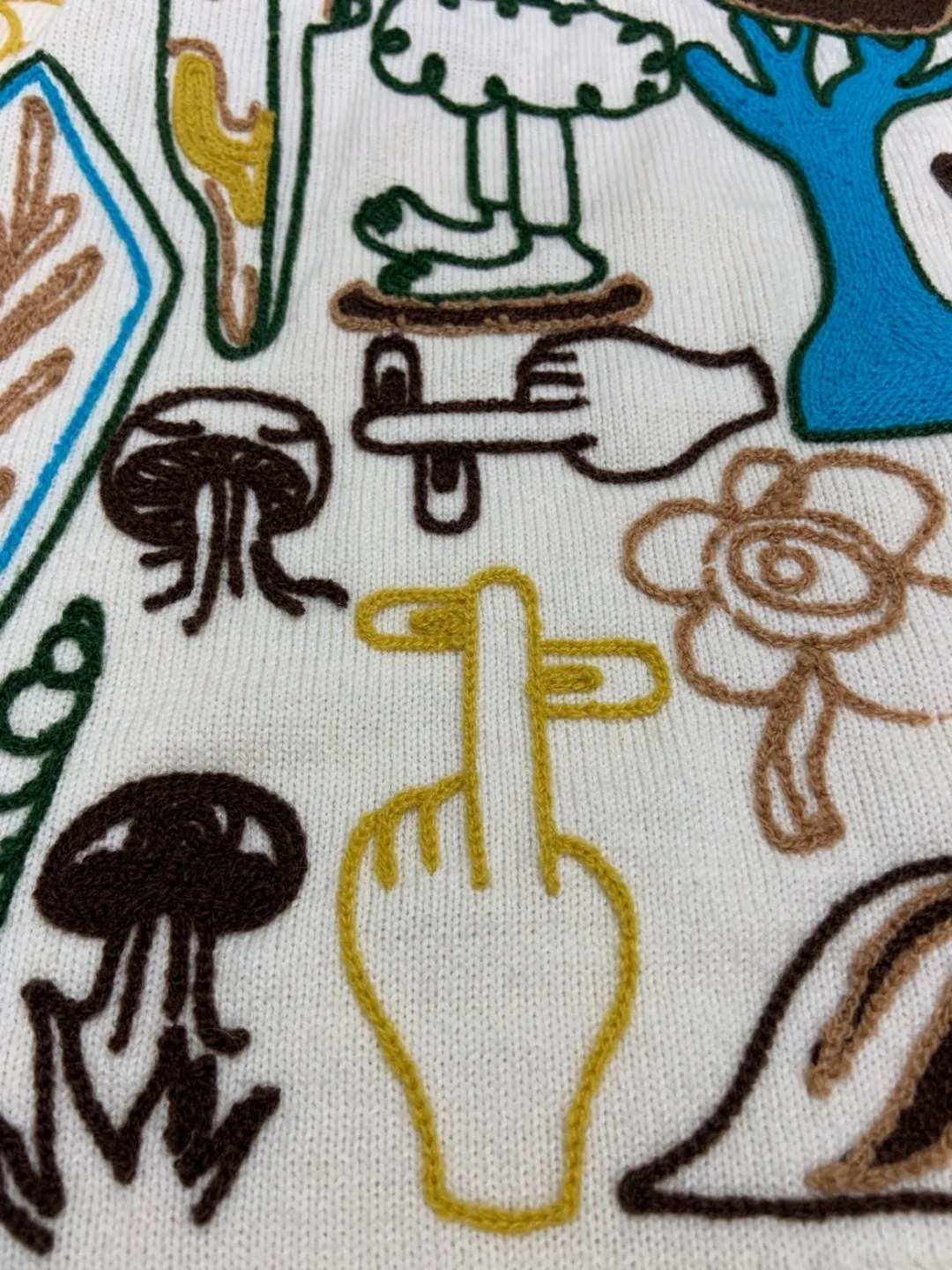
Cotton fleece (280–400 GSM) and French terry provide stable, dense surfaces that anchor chain stitches without distortion, making them ideal for hoodies and sweatshirts. Denim (10–14 oz) and canvas (300–450 GSM) offer maximum durability for workwear and outerwear applications.
Knit jerseys (150–220 GSM) require careful tension control because stretch can cause loop distortion or thread breakage. Lightweight cotton poplin (100–140 GSM) and rayon (110–150 GSM) work well for shirts but demand stabilizer backing to prevent fabric tunneling during high-speed stitching.
Thread Types and Performance
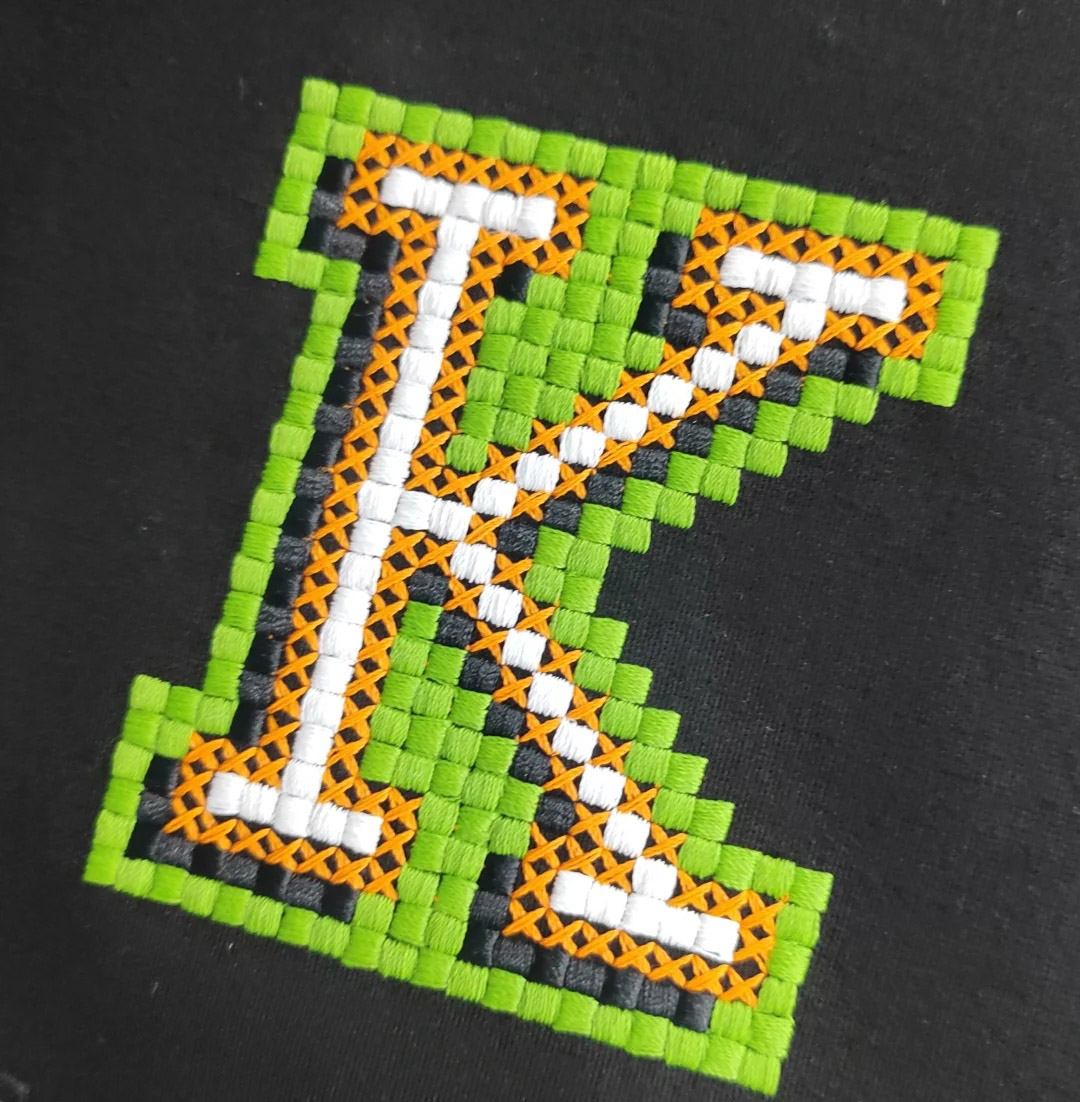
Rayon thread delivers high sheen and vibrant color saturation, preferred for luxury streetwear and fashion logos, but shows lower wash durability than polyester. Polyester thread offers superior colorfastness, abrasion resistance, and tensile strength, making it the standard for activewear, outerwear, and high-wash-frequency garments.
Cotton thread provides a matte, natural finish suitable for vintage or heritage branding but requires tighter stitch density to match polyester durability. Thread weight typically ranges from 40wt (heavier, bold coverage) to 60wt (fine detail work).
5. Customization and Decoration Options in Chain Stitch Embroidery
Chain stitch embroidery offers extensive customization variables that affect both aesthetic impact and production cost. Understanding thread options, stitch techniques, and artwork requirements helps brands optimize design execution and budget allocation.
Thread Color and Finish Options
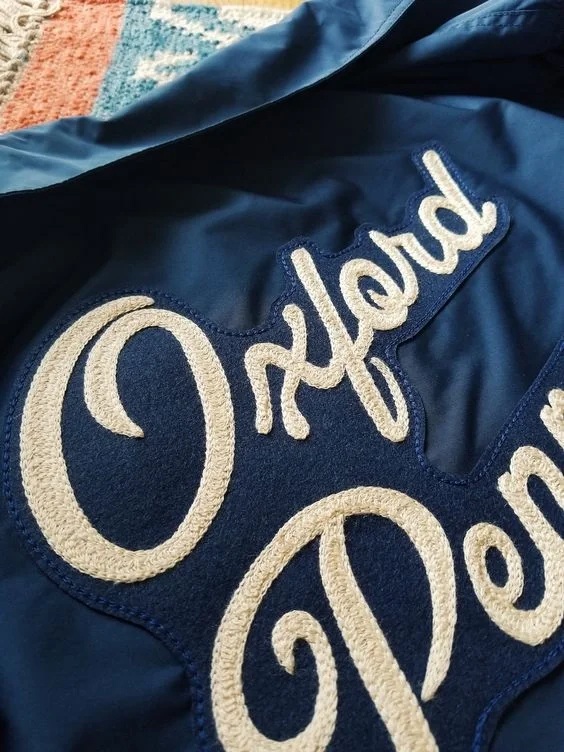
Solid polyester and rayon threads provide consistent color matching to Pantone standards and remain the most cost-effective choice for most brand logos. Variegated threads create gradual color transitions within a single stitch line, adding visual depth to script lettering and organic motifs without increasing stitch count.
Metallic threads deliver premium visual impact for luxury streetwear and evening wear applications but require slower machine speeds and tighter tension control, typically adding 15–25% to embroidery unit cost. ZORWILD supports all thread finishes with careful tension calibration to prevent thread breakage and maintain stitch consistency across production runs.
Stitch Density and Fill Techniques
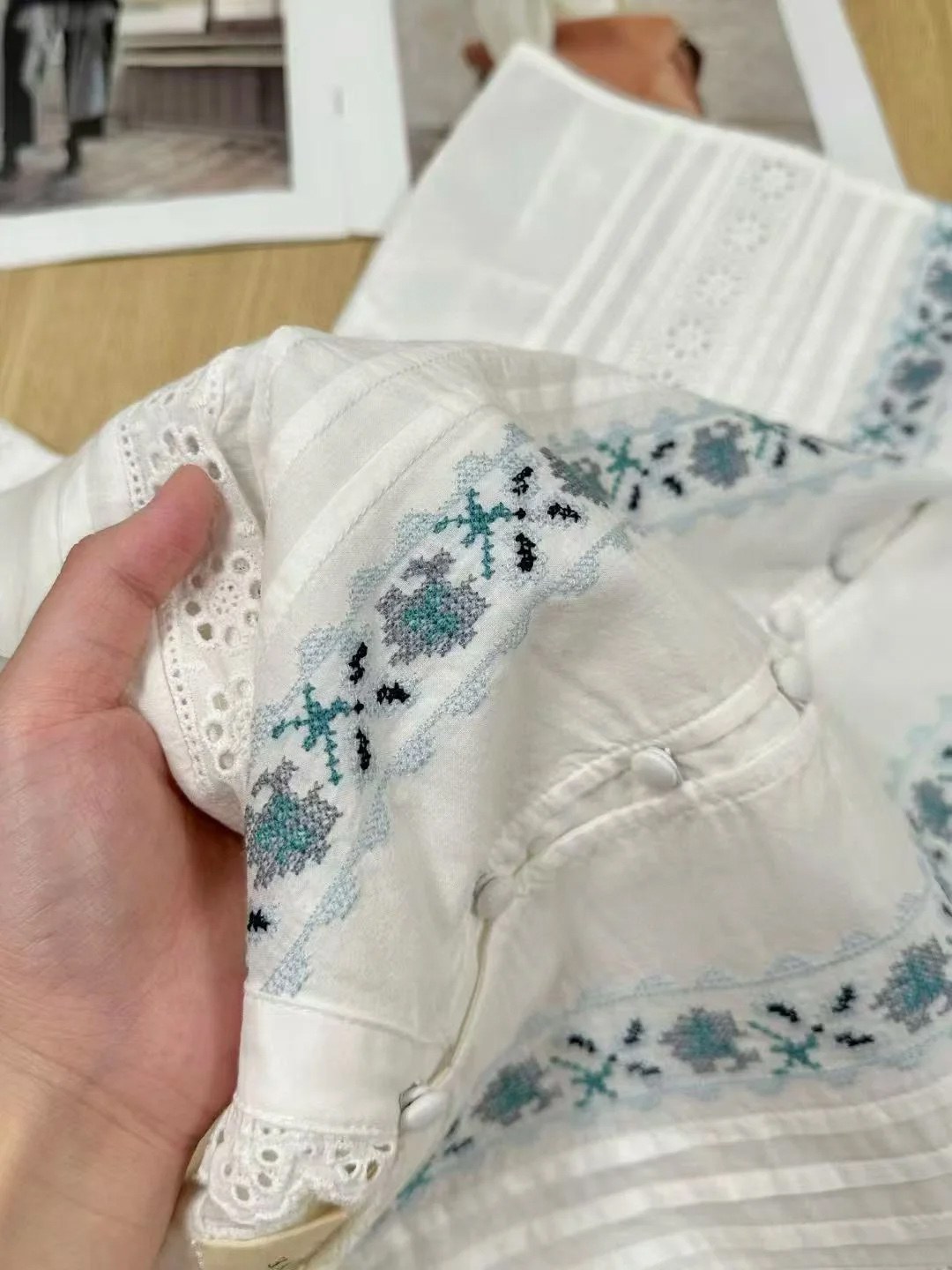
Outline chain stitch uses a single looped line to trace logo edges, text, or graphic borders, minimizing thread usage and production time for clean, lightweight decoration. Fill chain stitch layers multiple parallel rows to create solid color blocks, requiring higher stitch density and longer machine run time.
Density settings between 4–6 stitches per millimeter balance coverage and fabric flexibility; exceeding 7 stitches per millimeter risks fabric puckering on lightweight jerseys and increases needle penetration stress. ZORWILD’s embroidery technicians adjust density based on fabric weight, stretch properties, and design complexity to maintain garment drape and durability.
Combining Chain Stitch with Other Embellishments
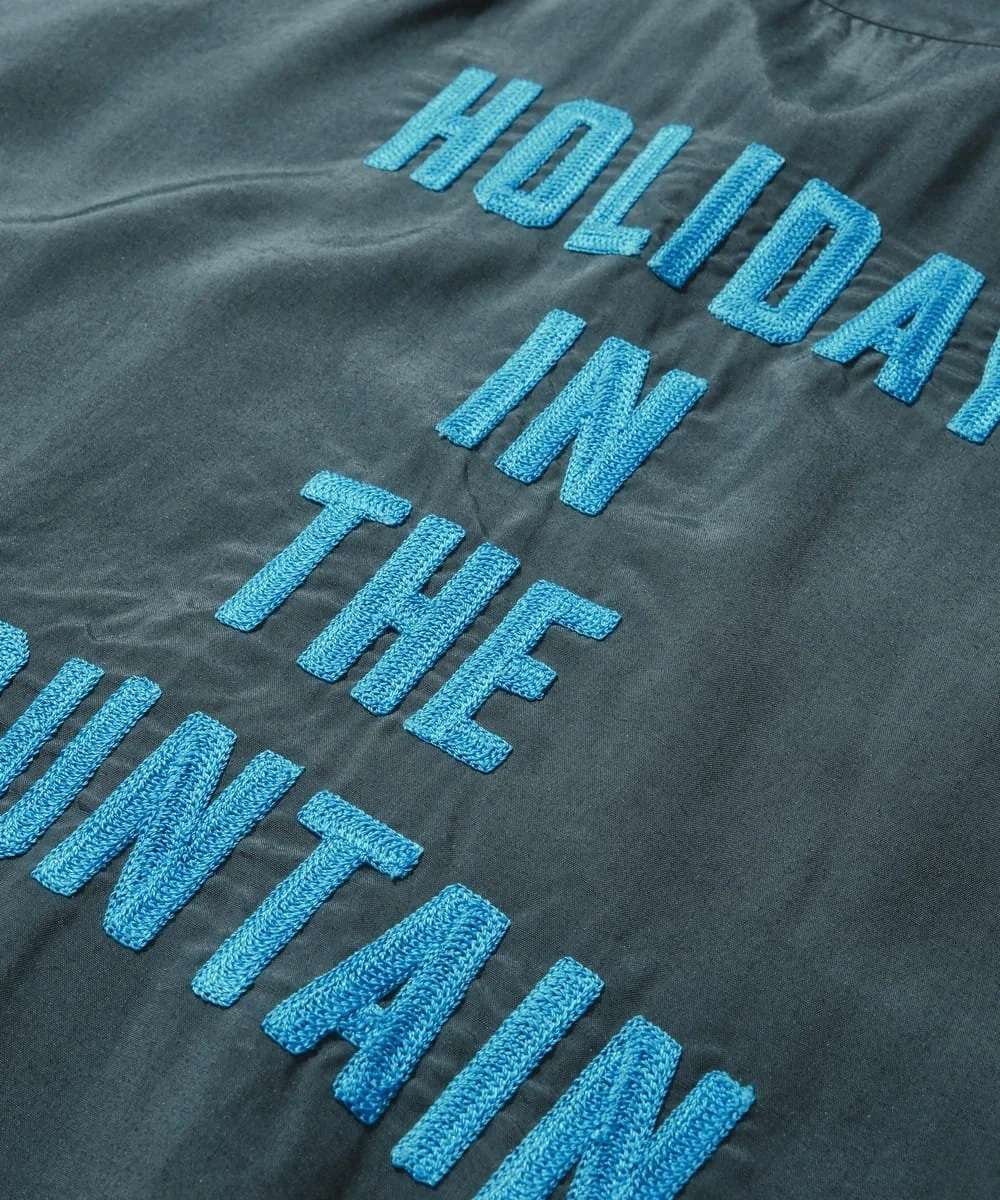
Chain stitch pairs effectively with flat embroidery for mixed-texture logo designs, using chain stitch for script elements and satin stitch for block lettering or icon fills. Appliqué backing reduces stitch count on large design areas by applying fabric patches first, then securing edges with chain stitch borders.
Screen print underbase or puff print can be combined with chain stitch outlines to create dimensional, multi-process graphics popular in streetwear collections. ZORWILD coordinates embroidery, screen printing, and appliqué workflows within a single production facility, reducing lead time and minimizing garment handling between decoration stages.
Artwork Preparation and File Formats
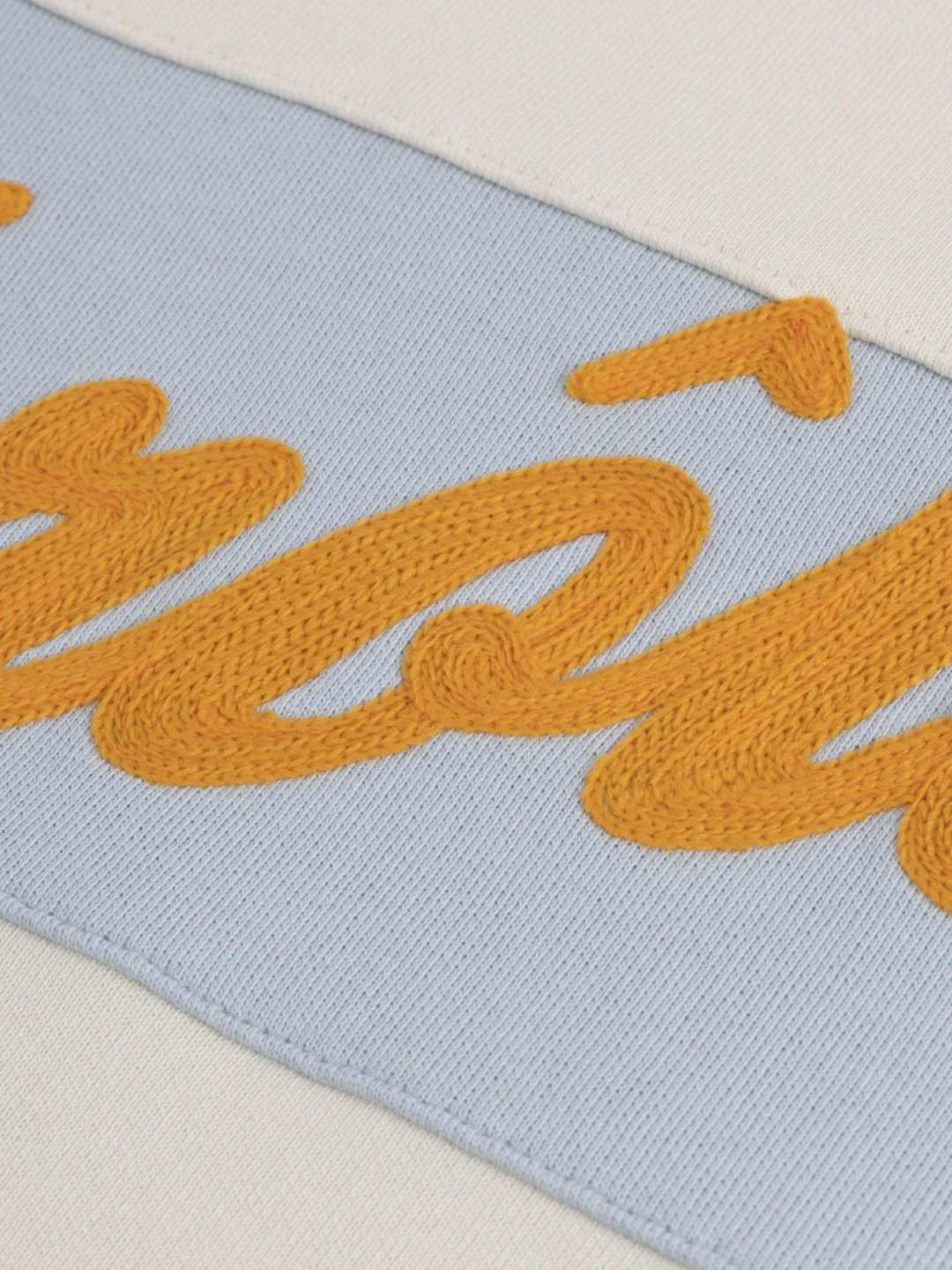
Vector files in AI, EPS, or PDF format with outlined fonts ensure accurate digitization and scaling without resolution loss. High-resolution raster files (300 DPI minimum) in PNG or JPEG format are acceptable for simpler designs but require manual tracing for complex details.
Design complexity limits include minimum 2 mm letter height for legibility, maximum 15 cm width for single-head embroidery without repositioning, and avoidance of fine serif fonts under 5 mm height that lose definition in chain stitch looping. ZORWILD’s digitizing team converts approved artwork into embroidery machine files within 1–2 business days and provides digital proofs before sampling.
Impact on Lead Time and Unit Cost
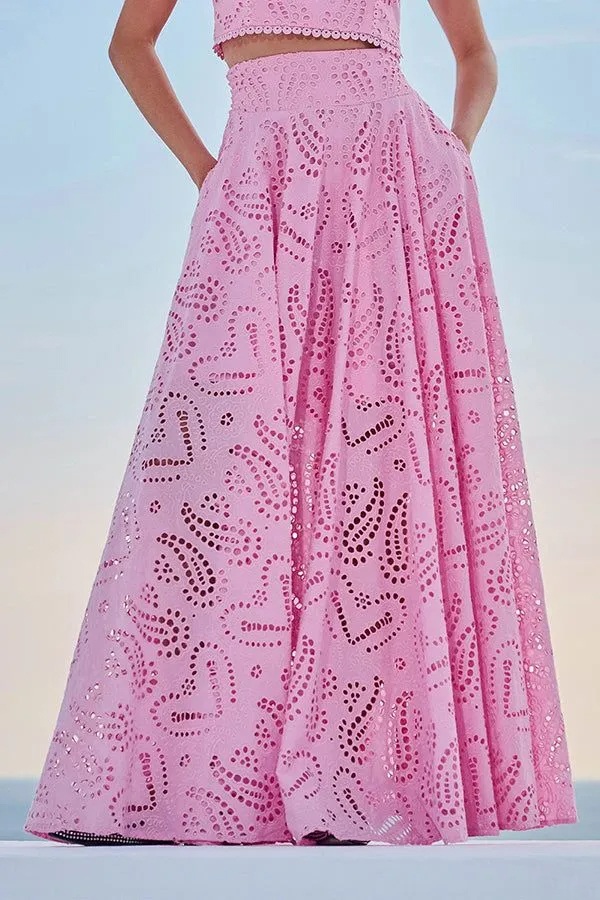
Simple single-color chain stitch logos under 5,000 stitches add 2–3 days to standard garment production timelines and cost $1.50–$3.00 per placement depending on stitch count. Multi-color or high-density fill designs exceeding 10,000 stitches require additional machine time and thread changes, increasing unit cost to $4.00–$7.00 per placement.
Metallic thread, appliqué backing, and multi-process decoration add 3–5 days to lead time and 20–40% to embroidery cost due to slower stitching speeds and additional setup requirements. ZORWILD provides detailed cost breakdowns during sampling to help brands balance design ambition with budget constraints and delivery schedules.
6. Key Quality Elements in Chain Stitch Embroidery
Professional buyers evaluate chain stitch embroidery across five critical quality dimensions before approving production. Each checkpoint directly affects garment durability, wash performance, and customer satisfaction.
Stitch Consistency and Loop Uniformity
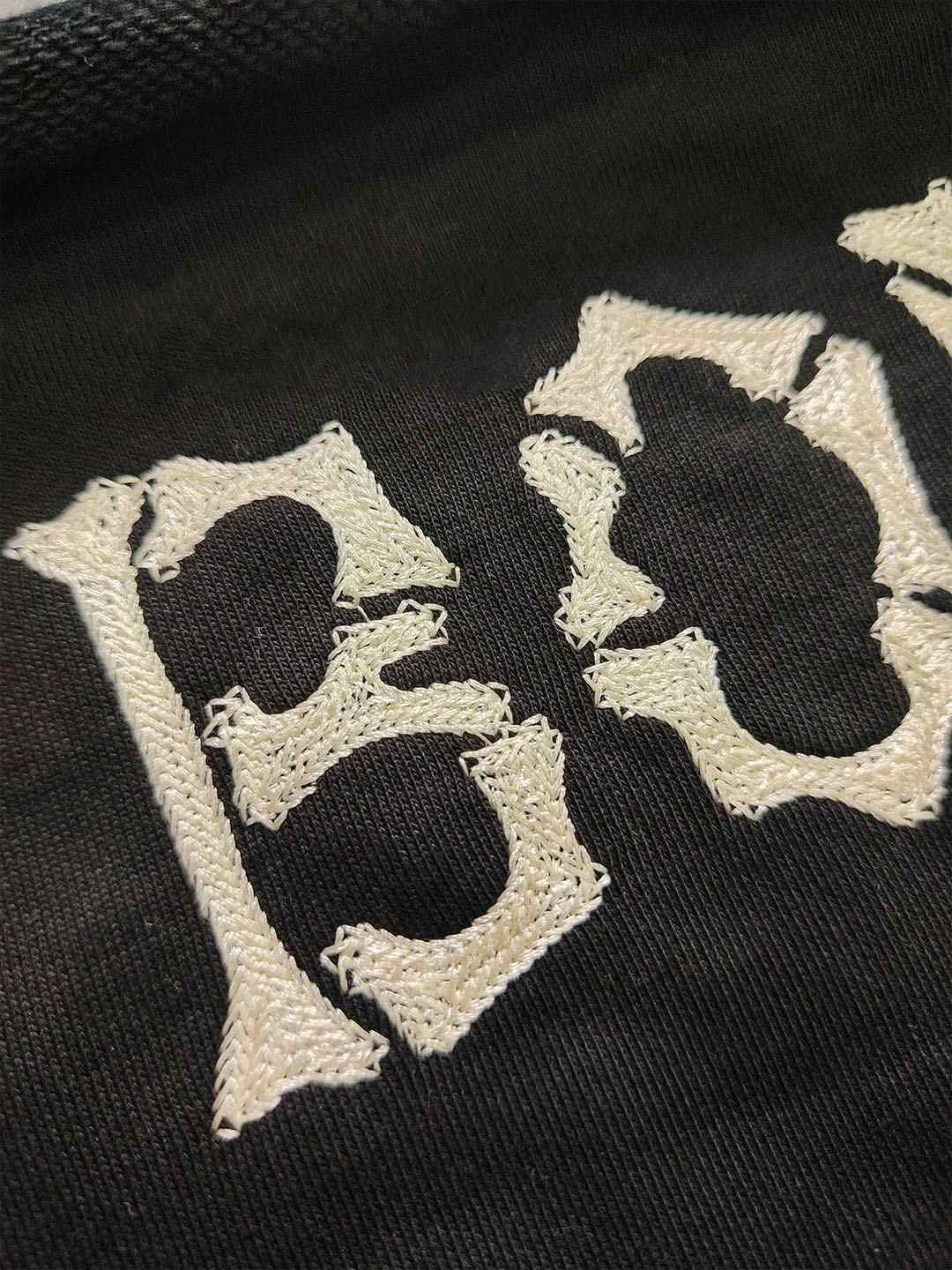
Uniform loop height and stitch spacing define premium chain stitch embroidery. Inspect samples under natural light at arm’s length; loops should measure within 0.2 mm variance across the entire design.
Inconsistent tension or worn looper hooks cause uneven loops. ZORWILD’s quality control measures stitch density at 800–1,200 stitches per 10 cm and verifies loop uniformity through inline inspection before final pressing.
Thread Tension and Puckering Control
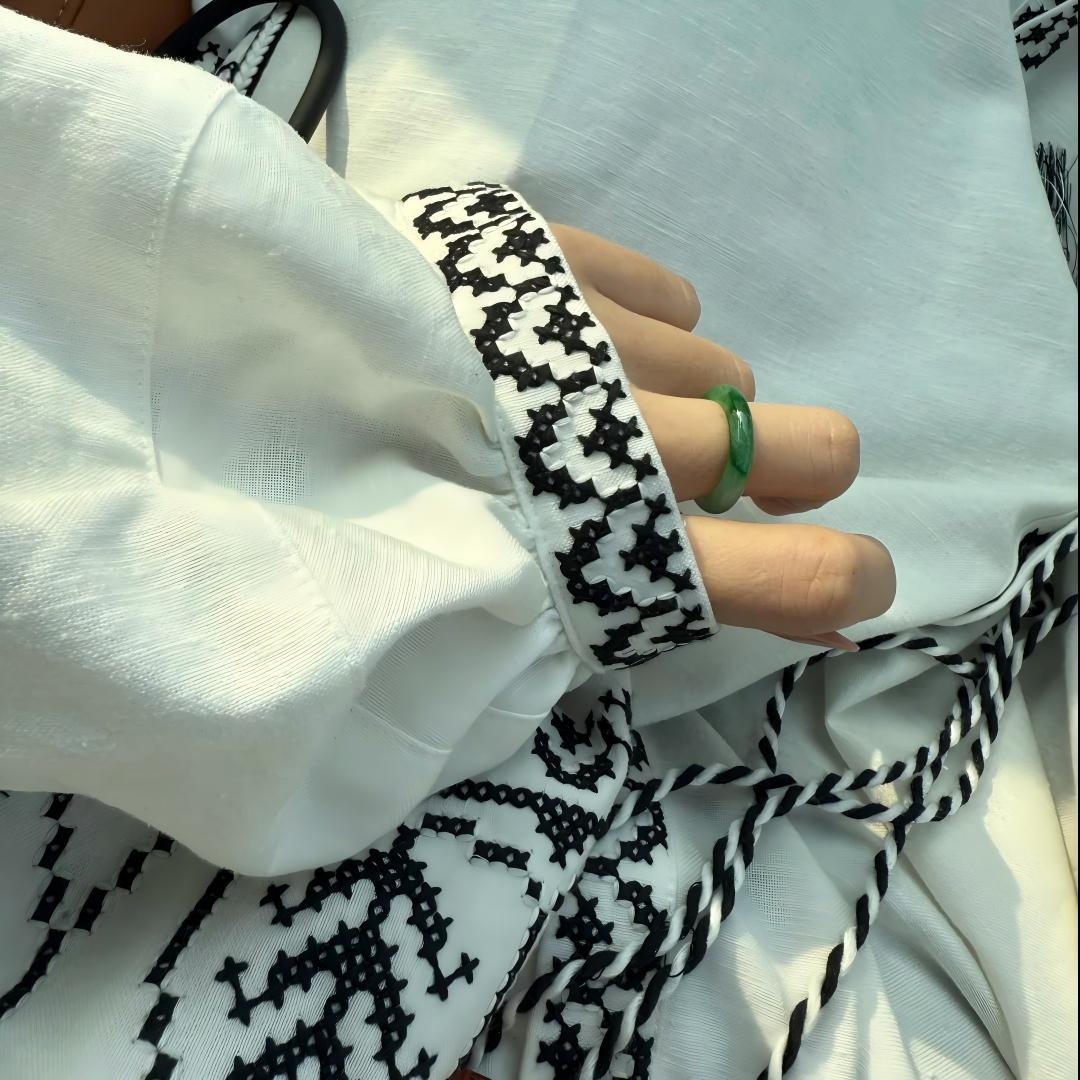
Correct thread tension prevents fabric distortion and puckering around embroidered areas. Over-tightened upper thread pulls fabric into ridges; loose looper thread creates slack loops that snag easily.
Test samples by stretching fabric gently in all directions. Premium work shows no visible distortion or fabric bunching. Stabilizer weight, machine calibration, and operator skill all influence tension outcomes.
Backing Stability and Selection
Tear-away backing suits stable wovens like twill and poplin; cut-away backing is essential for knits, fleece, and stretch fabrics. Wrong backing choice leads to puckering, stitch distortion, or visible residue after removal.
ZORWILD selects backing weight based on fabric GSM, stitch density, and garment wash specifications. Heavy designs on lightweight fabrics require cut-away or water-soluble backing to maintain structure through repeated laundering.
Wash Durability and Colorfastness
Chain stitch embroidery must survive 30+ industrial wash cycles without thread breakage, color bleeding, or loop distortion. Polyester thread offers superior colorfastness versus rayon; stitch lock-off points must be bar-tacked or backstitched to prevent unraveling.
Request pre-production samples washed five times to simulate customer use. Inspect for thread fading, loop flattening, and seam integrity. ZORWILD tests all embroidered samples through garment dye and enzyme wash cycles to verify thread compatibility.
7. How to Choose a Chain Stitch Embroidery Manufacturer
Selecting the right chain stitch embroidery manufacturer requires evaluating technical capability, production flexibility, and quality systems. ZORWILD’s 27 years of apparel manufacturing experience in Humen, Dongguan, supports both vintage-style chain stitch and modern multi-head embroidery with MOQs starting at 50 pieces.
Machinery Capability and Embroidery Equipment
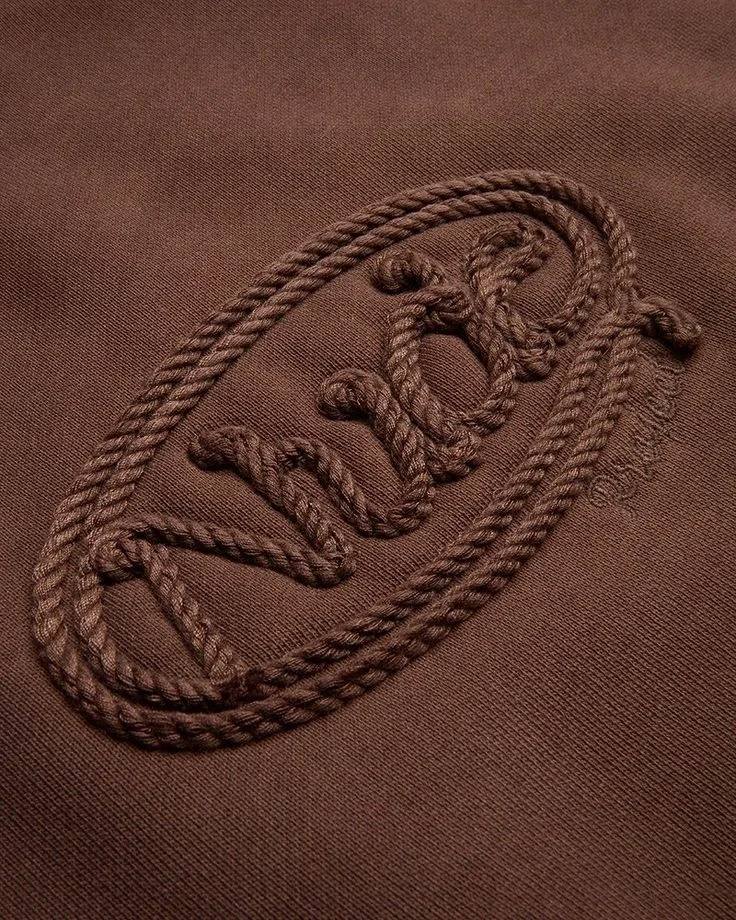
Verify whether the factory operates vintage single-head chain stitch machines for authentic retro aesthetics or modern multi-head systems for faster production and complex patterns. ZORWILD supports flat embroidery, 3D embroidery, chenille embroidery, applique, and towel embroidery with strict control of stitch density, thread quality, and positioning accuracy.
Ask for sample photos showing thread tension consistency, underlay quality, and fabric handling across different weights. Factories with both vintage and computerized systems offer the widest design flexibility for streetwear and heritage-inspired collections.
Minimum Order Quantity and Sampling Process
Low MOQ manufacturers like ZORWILD enable startup brands to test products and reduce inventory risk with orders starting from 50 pieces per design. Confirm sampling lead times (typically 7–14 days), revision policies, and whether sample costs are refunded upon bulk order.
Request a pre-production sample to evaluate embroidery placement, color matching, fabric tension, and wash durability before committing to full production runs.
- 50-piece MOQ for chain stitch embroidery collections
- 7–14 day sampling turnaround for design approval
- Sample revision policies and refund terms
- Pre-production samples before bulk orders
Quality Control and Export Compliance
Inspect the factory’s quality control system including raw material inspection, in-line production checks, embroidery density verification, and final product inspection. ZORWILD applies strict QC standards across fabric inspection, pattern cutting, decoration application, washing, and packaging.
Confirm export documentation support, customs compliance, and certifications such as OEKO-TEX, WRAP, or BSCI if targeting regulated markets in the US, EU, or Australia.
- In-line and final embroidery quality inspection
- Export documentation and customs support
- OEKO-TEX, WRAP, BSCI certifications for compliance
- Fabric and thread material traceability
RFQ and Factory Audit Checklist
During RFQ, ask about machine count, monthly embroidery capacity, thread brands (Madeira, Isacord), turnaround time for 500–5,000 units, and whether the factory handles garment production in-house or outsources decoration. ZORWILD’s 200+ skilled workers and monthly capacity exceeding 100,000 units ensure scalable production.
Factory audits should verify machinery maintenance schedules, thread inventory systems, backup equipment availability, and worker training programs for consistent stitch quality across production batches.
- Machine count and monthly embroidery capacity
- Thread brands and color-matching systems
- In-house vs. outsourced decoration workflows
- Turnaround time for 500–5,000 unit orders
- Backup equipment and maintenance schedules
8. Common Mistakes Buyers Make with Chain Stitch Embroidery
Even experienced buyers encounter pitfalls when ordering chain stitch embroidery. Understanding these common mistakes — and their corrective actions — prevents quality failures, cost overruns, and production delays that can derail a launch timeline.
Choosing Incompatible Fabrics
Lightweight jersey, stretch knits, and loosely woven fabrics often pucker or distort under chain stitch tension. Buyers selecting fabrics below 180 GSM without consulting the embroidery team face seam warping and thread pull.
Specify fabric weight and stretch percentage during sampling. Request test swatches on your chosen material before committing to bulk production to verify stitch integrity and drape.
Underestimating Setup and Digitizing Costs
Chain stitch embroidery requires custom digitizing for each design, typically $30–80 per logo depending on complexity. Buyers ordering 50-piece MOQ runs without budgeting setup fees see per-unit costs rise 15–25%.
Request itemized quotes that separate digitizing, sampling, and per-piece embroidery fees. Reuse digitized files across multiple orders to amortize setup investment.
Ignoring Wash-Test Requirements
Chain stitch loops can unravel if thread tension or backing type is incorrect. Skipping pre-production wash tests leads to customer returns when garments fray after the first laundry cycle.
Demand wash-test reports before bulk production. Specify wash temperature, detergent type, and tumble-dry settings that match your end-user care instructions.
Submitting Low-Resolution Artwork
Raster images below 300 DPI produce jagged stitch paths and poor detail reproduction. Buyers sending PNG or JPEG files without vector alternatives delay digitizing by 3–5 days while the factory requests clarification.
Provide vector files in AI, EPS, or PDF format. Include Pantone thread color codes and exact dimensions in millimeters to eliminate guesswork.
Failing to Specify Backing Type
Tear-away, cut-away, and water-soluble backings each suit different fabric weights and garment uses. Omitting backing specifications results in factories choosing the cheapest option, often causing puckering on stretch fabrics or visible residue on lightweight materials.
Specify cut-away backing for knits and stretch garments, tear-away for wovens, and water-soluble for delicate or sheer fabrics. Confirm backing weight matches fabric GSM.
9. Steps to Launch Your Brand with Chain Stitch Embroidery
Launching a brand with chain stitch embroidery follows a structured workflow from initial concept through final delivery. ZORWILD’s 27-year manufacturing experience and 50-piece MOQ system allow new brands to test designs, manage cash flow, and reach market quickly with professional-grade decoration.
Concept and Design Development
Begin with design briefs, tech packs, or reference images showing logo placement, stitch density, and thread colors. ZORWILD’s development team translates sketches, inspiration photos, or existing samples into production-ready specifications.
Provide Pantone thread references, garment base styles (hoodies, T-shirts, jackets), and target positioning (streetwear, luxury, athletic). Clear design intent reduces revision cycles and speeds sampling by 3–5 days.
Artwork Digitization and Thread Selection
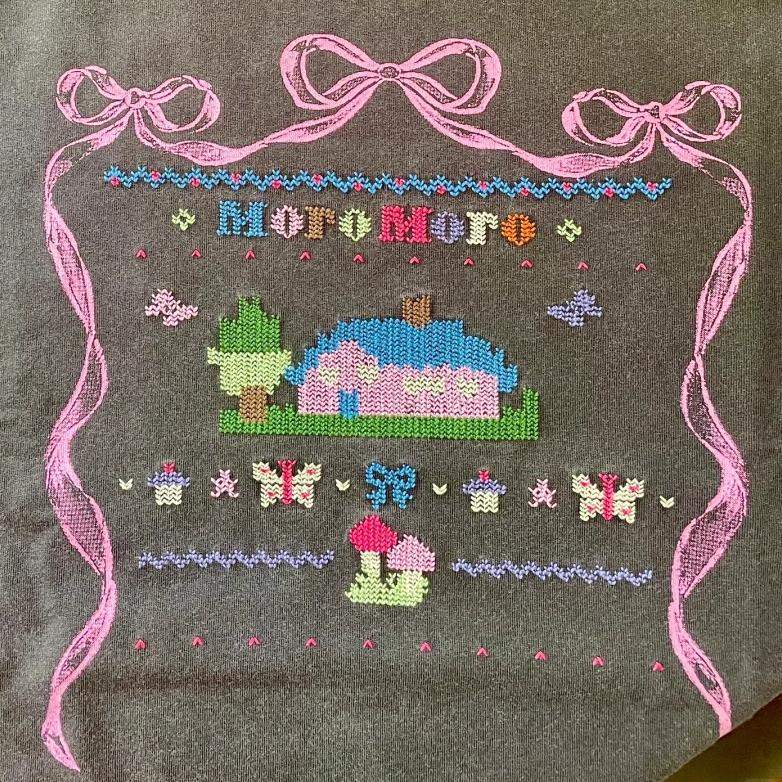
Digitization converts vector artwork into machine-readable stitch files, defining stitch type, direction, density, and underlay. Professional digitizers optimize chain stitch paths to prevent puckering and ensure consistent loop formation.
Thread selection balances color accuracy, sheen, and durability. Rayon delivers high luster for premium fashion; polyester offers wash resistance for activewear. ZORWILD sources threads from trusted Chinese suppliers with Pantone-matched color libraries exceeding 400 shades.
Sample Approval and Revisions
First samples take 7–10 days and validate fit, fabric hand, embroidery quality, and color accuracy. Inspect stitch tension, loop consistency, logo positioning, and garment construction before approving bulk production.
Request revision samples if thread color, stitch density, or placement requires adjustment. ZORWILD’s low-MOQ sampling system allows brands to test multiple colorways or logo scales without large financial commitments.
Bulk Production and Quality Inspection
Approved samples trigger bulk orders; typical lead times run 15–25 days for 50–500 pieces, 25–35 days for 500–5,000 units. ZORWILD’s in-line inspection checks fabric quality, embroidery alignment, thread tension, and finishing at every stage.
Final inspection verifies measurements, decoration quality, packaging, and labeling before shipment. Brands receive pre-shipment photos and can request third-party inspection for orders above 1,000 units.
Logistics and Fulfillment
ZORWILD coordinates air freight (5–7 days), sea freight (20–35 days), or express courier (3–5 days) based on order urgency and budget. Export documentation, customs declarations, and door-to-door shipping options simplify international logistics.
Plan inventory arrival 2–3 weeks before launch campaigns to allow photography, influencer seeding, and warehouse distribution. First-time brands benefit from smaller test batches to validate market demand before scaling production.
10. Pricing and Cost Breakdown for Chain Stitch Embroidery
Chain stitch embroidery pricing at ZORWILD starts at 50-piece minimum orders with per-garment decoration costs ranging from $3.50 to $12.00 depending on design complexity, stitch count, and fabric type. Digitizing fees for converting artwork into machine-ready files typically run $25 to $80 per design, while physical sampling costs $15 to $40 per garment to validate placement, thread color, and stitch quality before bulk production.
Per-thousand-stitch rates average $0.80 to $1.50 for standard rayon or polyester thread on cotton and fleece fabrics, with metallic and specialty threads adding $0.30 to $0.60 per thousand stitches. Design complexity directly impacts cost: a simple left-chest logo with 4,000 stitches costs significantly less than a full-back graphic with 25,000 stitches, gradient fills, and multi-layer construction.
Order volume drives unit economics because setup time, machine programming, and thread changes are amortized across larger runs. A 50-piece order may carry a $4.50 per-piece decoration cost, while a 1,000-piece run drops to $2.80 per piece for the same design. Lead times compress with volume as production efficiency improves: 50-piece orders ship in 12 to 18 days, while 1,000-piece runs complete in 18 to 25 days including sampling and quality inspection.
| Item / Tier | Cost Range | Lead Time |
|---|---|---|
| Digitizing Setup Fee | $25–$80 per design | 1–2 days |
| Sampling (per garment) | $15–$40 | 3–5 days |
| 50–100 pieces | $3.50–$6.00 per piece | 12–18 days |
| 500 pieces | $2.80–$4.50 per piece | 15–22 days |
| 1,000+ pieces | $2.20–$3.80 per piece | 18–25 days |
| Per-Thousand-Stitch Rate | $0.80–$1.50 (standard thread) | — |
Start Your Chain Stitch Embroidery Project Today
Get custom chain stitch embroidery with just 50-piece MOQ. Submit your artwork for a free quote and fast sample turnaround.
- Custom Shirts
- Custom Hoodies
- Custom T Shirts
- Custom Dresses
- Custom Sweatshirts
- Custom Jackets
- Custom Polo Shirts
- Custom Shorts
- Custom Dress Shirts
- Contact