
Towel Embroidery — Professional Custom Embroidered Towels for Brands
Premium towel embroidery decoration for custom hoodies, sweatshirts, and streetwear with 50-piece MOQ and 27 years of apparel manufacturing expertise. Perfect for DTC brands, wholesalers, and influencers.
Towel Embroidery Samples — Finished Custom Embroidered Towels
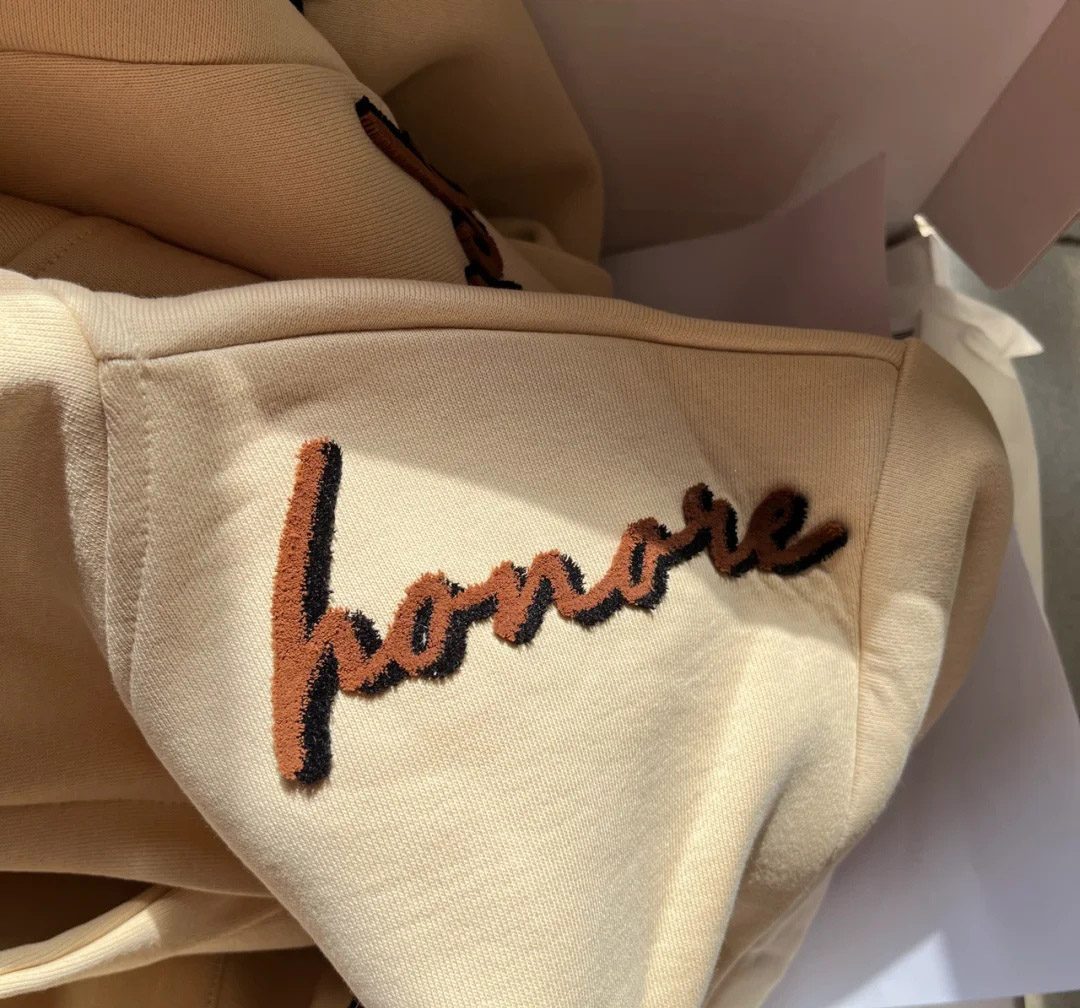
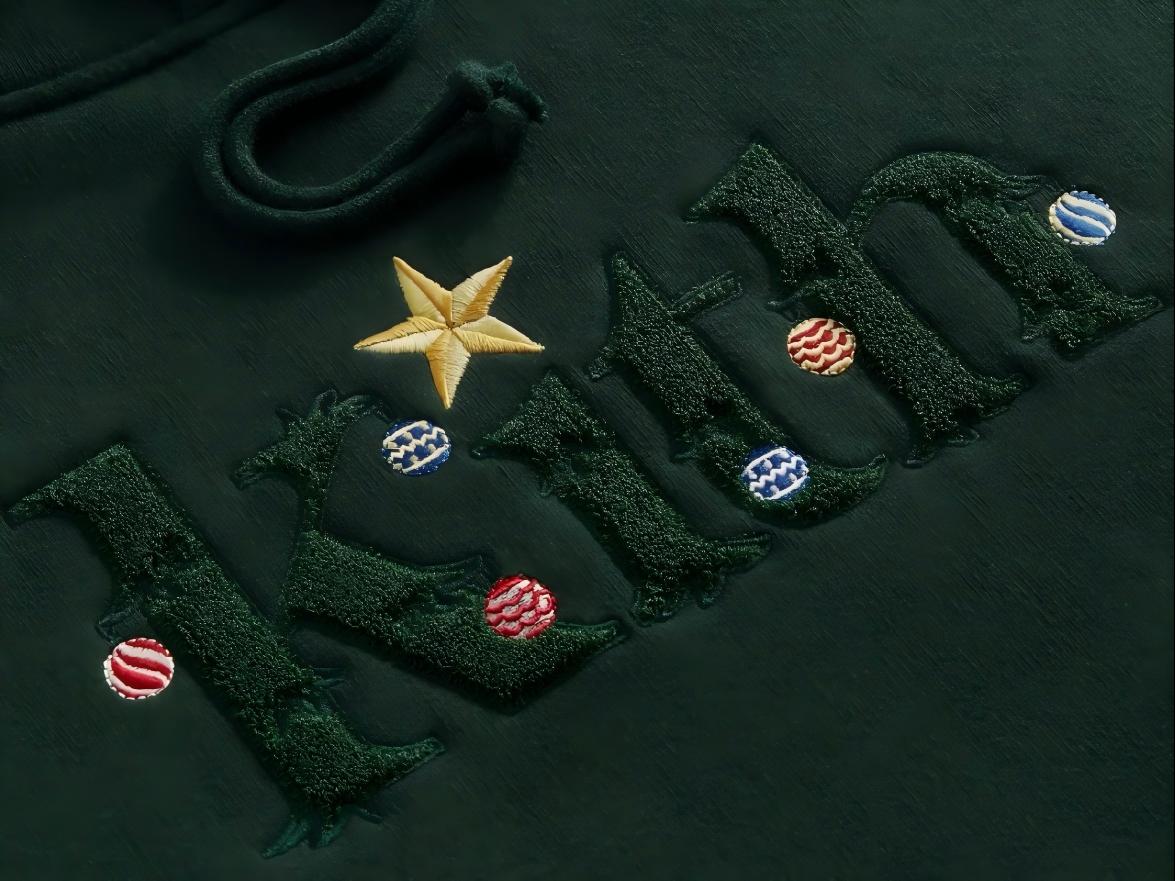
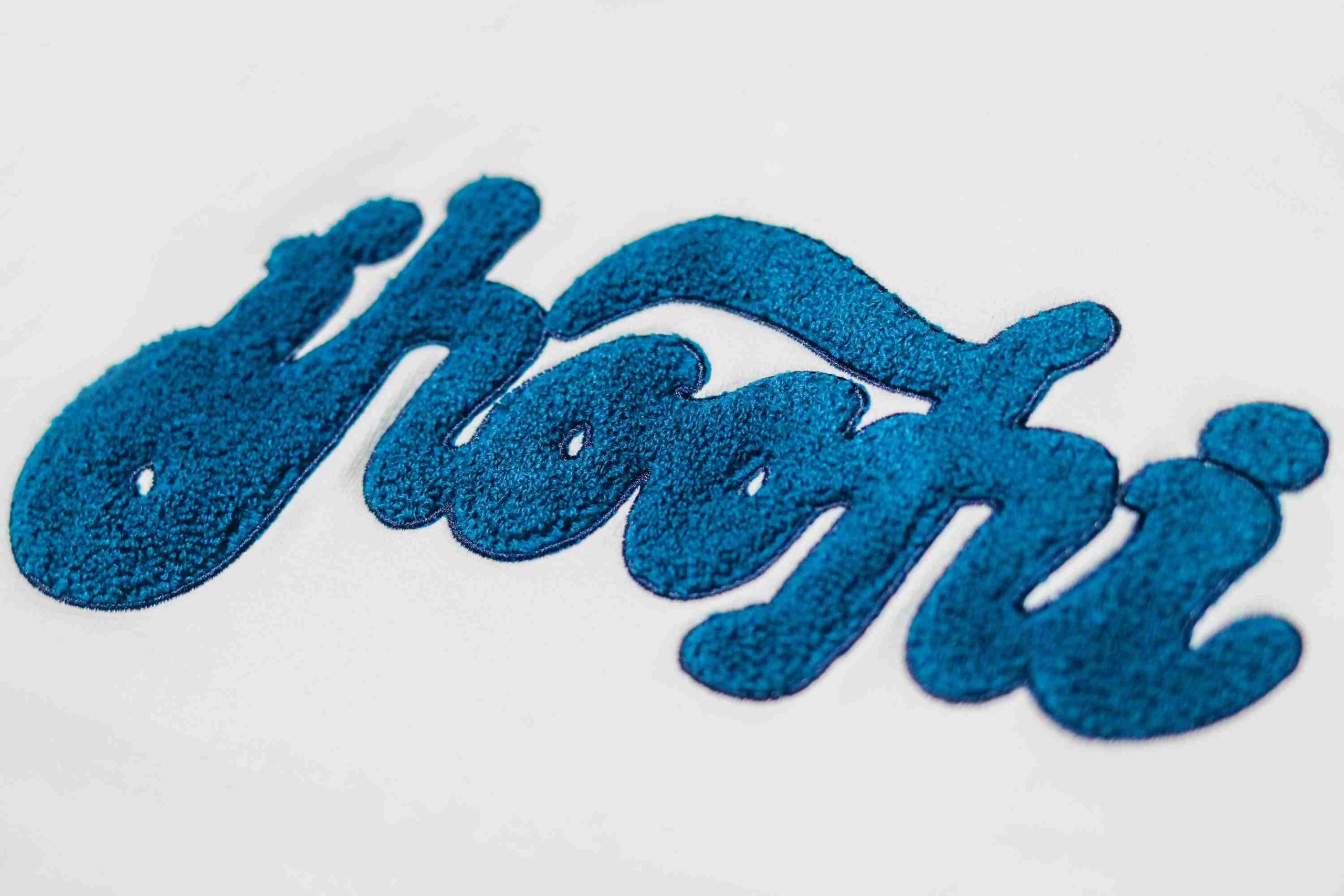
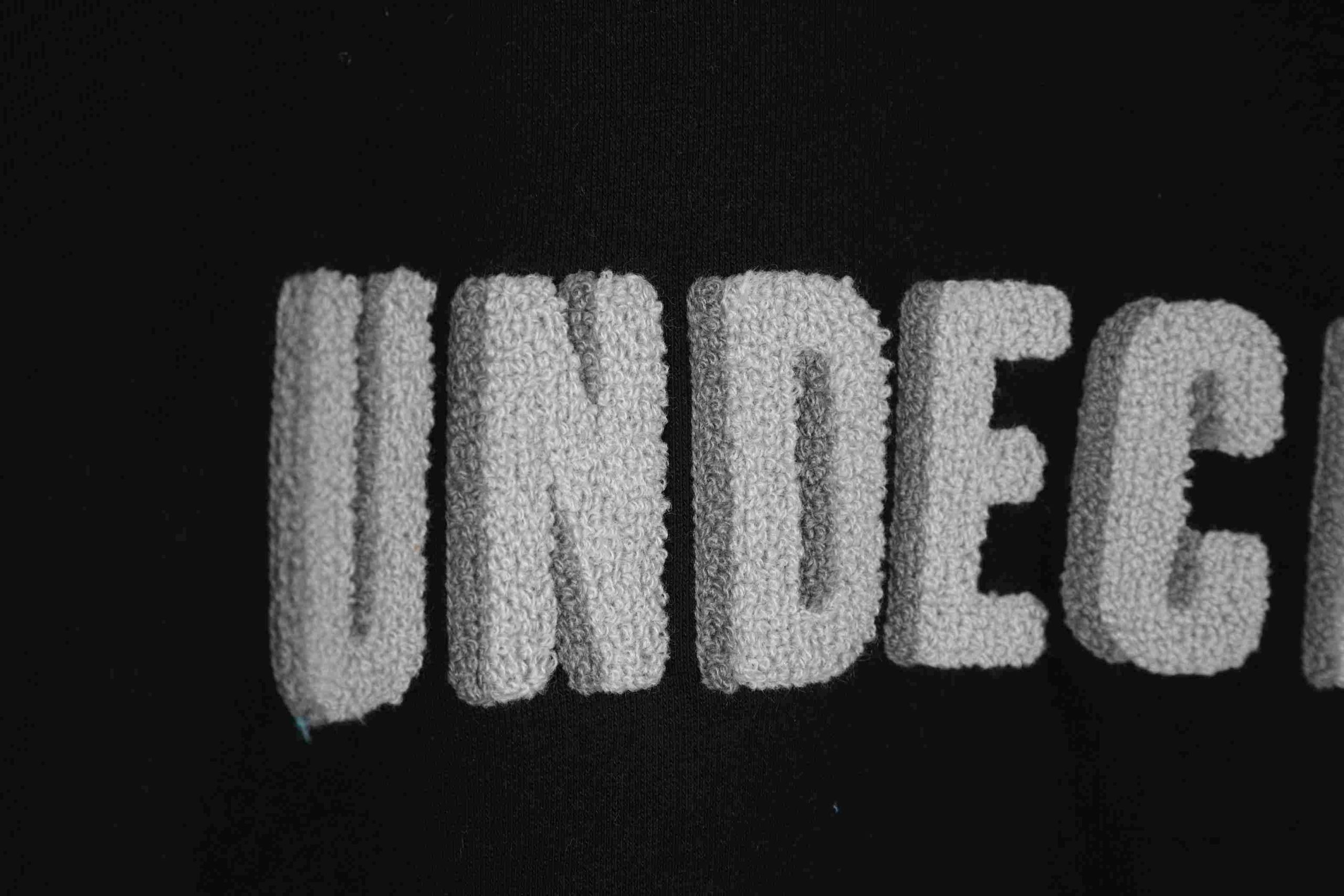
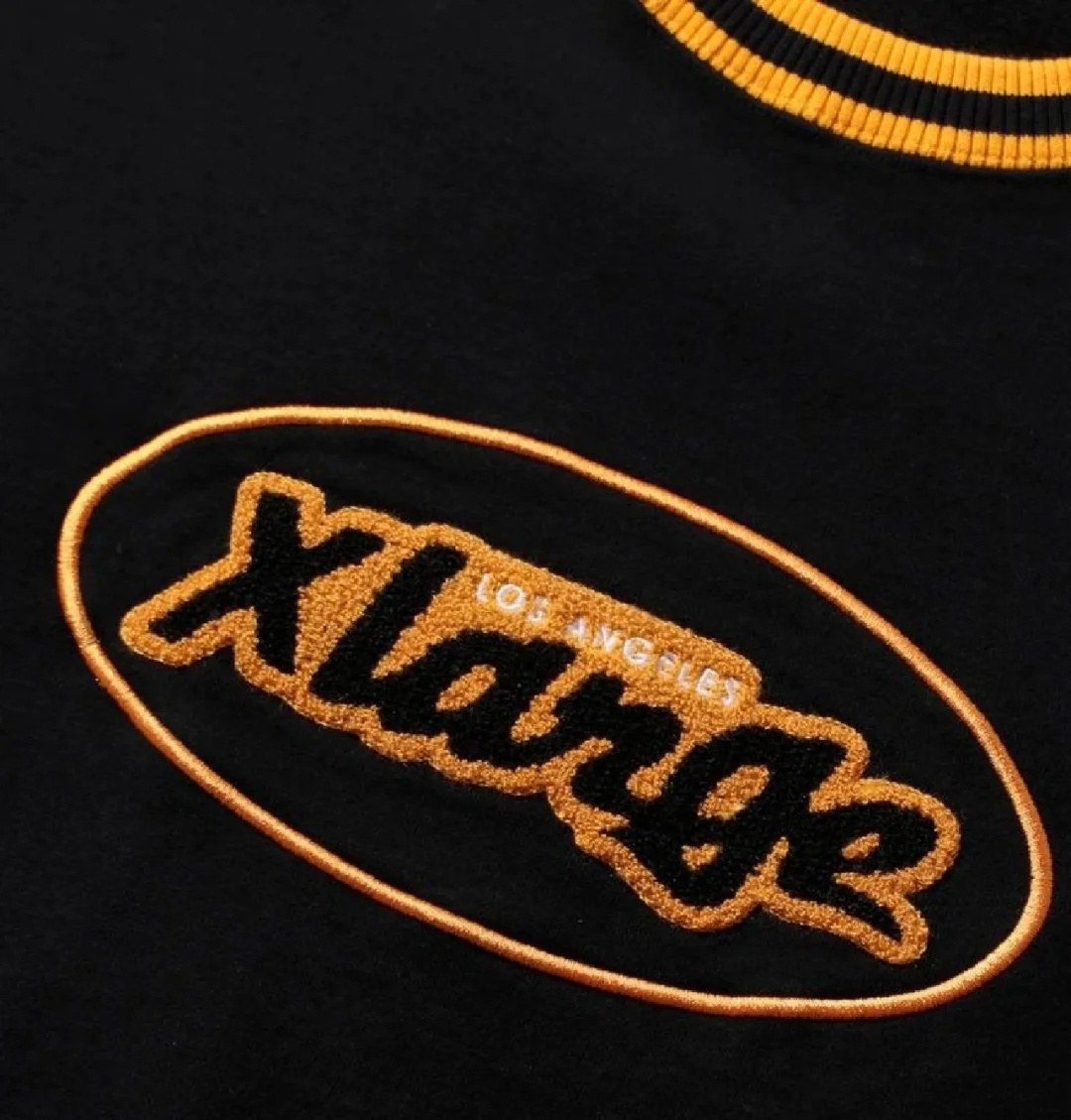
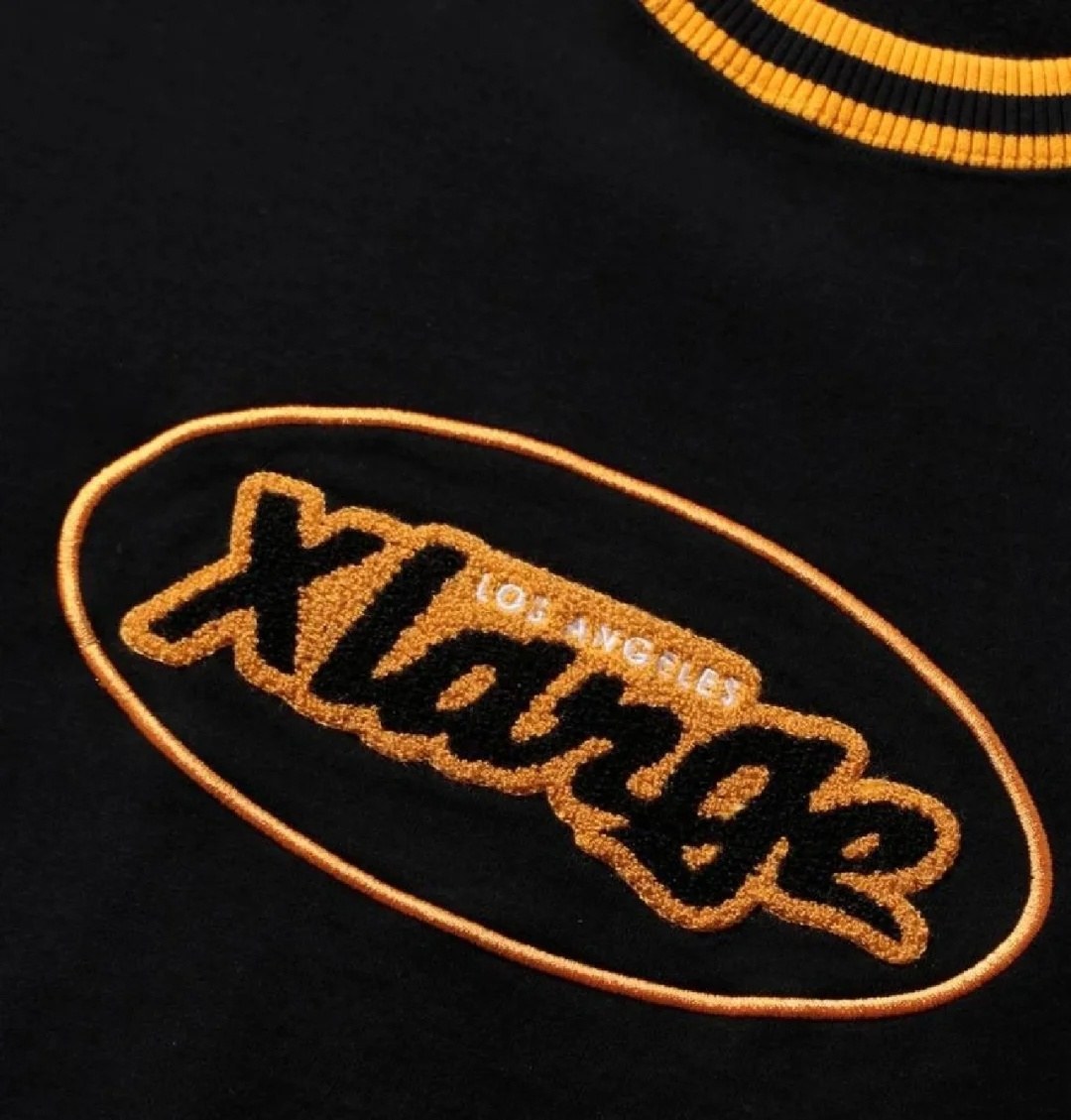
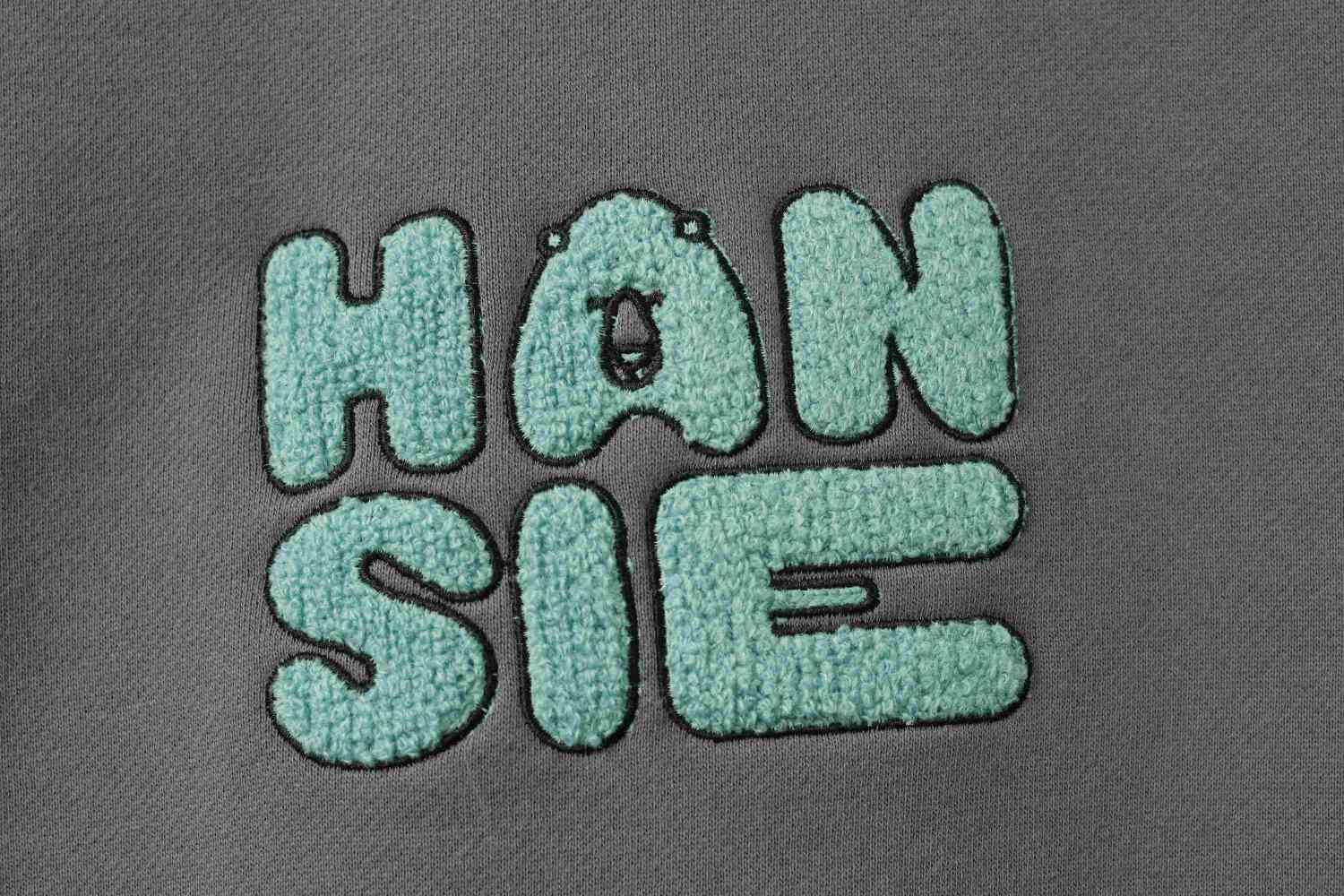
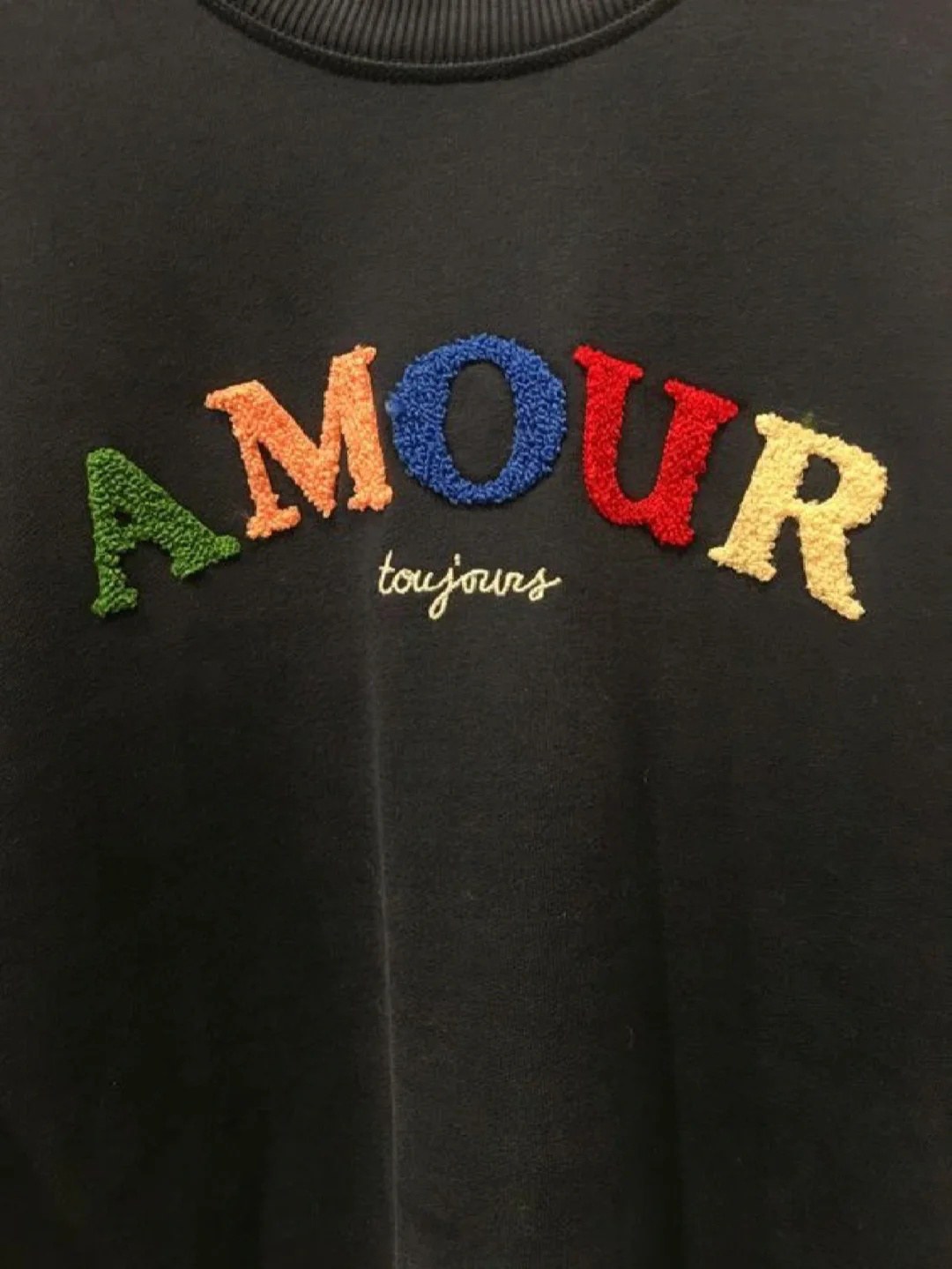
What Makes Our Towel Embroidery Stand Out
ZORWILD‘s towel embroidery combines precision engineering with 27 years of textile expertise to deliver durable, fade-resistant custom logos on hoodies, sweatshirts, jackets, and streetwear for brands worldwide.
Premium Thread Quality Control
We use commercial-grade polyester and rayon embroidery threads with strict color-fastness testing to ensure your logo stays vibrant through 50+ wash cycles.
Precise Stitch Density Management
Our technicians calibrate stitch density specifically for fleece, French terry, and heavyweight knit fabrics to prevent puckering, distortion, or thread pull-through on premium streetwear and casualwear.
Complex Design Execution
From intricate multi-color logos to fine text and gradient shading, our digitizing team handles design complexity that other factories reject on towel substrates.
Millimeter-Level Positioning Accuracy
Advanced hooping systems and laser alignment ensure your embroidered logo lands exactly where your tech pack specifies, batch after consistent batch.
Batch-to-Batch Color Consistency
We maintain thread lot tracking and calibrated tension settings so every towel in your 500-piece or 5,000-piece order matches your approved sample perfectly.
Fade-Resistant Wash Durability
Our towel embroidery withstands commercial laundering, chlorine exposure, and high-temperature drying without thread degradation or color loss over time.
Related Embroidery Techniques & Applications
Compare specialized embroidery methods for hoodies, jackets, shirts, and custom apparel collections—all backed by 27 years of garment decoration expertise.
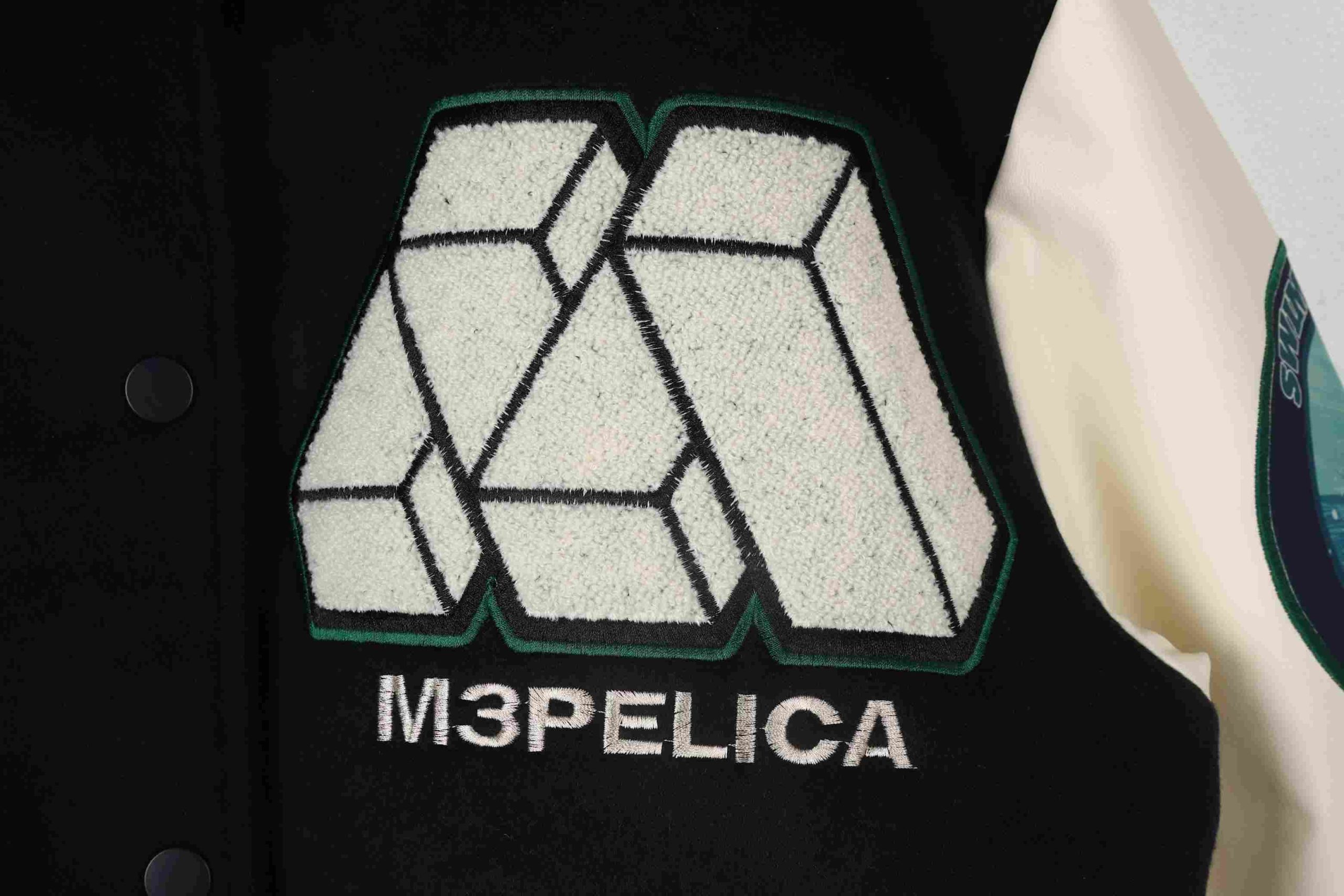
Custom Embroidery
Full-service custom embroidery from logo digitization through production for hoodies, jackets, shirts, and corporate apparel. ZORWILD supports flat, 3D, chenille, patch, towel, and sequin embroidery with strict stitch density control, thread quality assurance, and positioning accuracy across all decoration techniques for startup brands and established fashion labels.
Get a Quote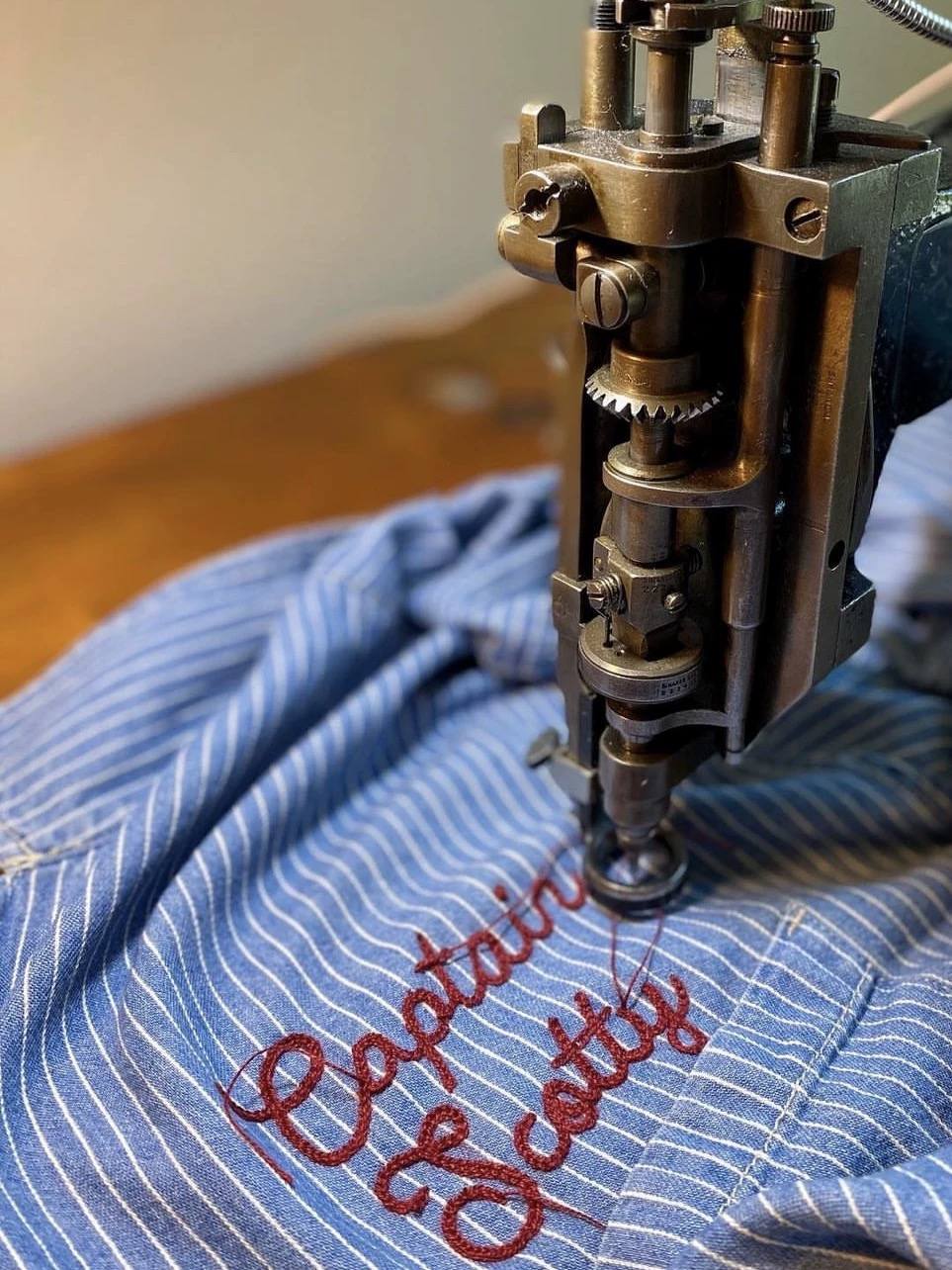
Chain Stitch Embroidery
Traditional chain stitch embroidery delivers vintage aesthetic and rope-like texture ideal for retro varsity jackets, heritage streetwear, and branded casualwear. Our Humen factory applies chain stitch for outlined logos, decorative borders, and classic athletic lettering with precise tension control to prevent puckering on heavyweight fleece and woven fabrics.
Get a Quote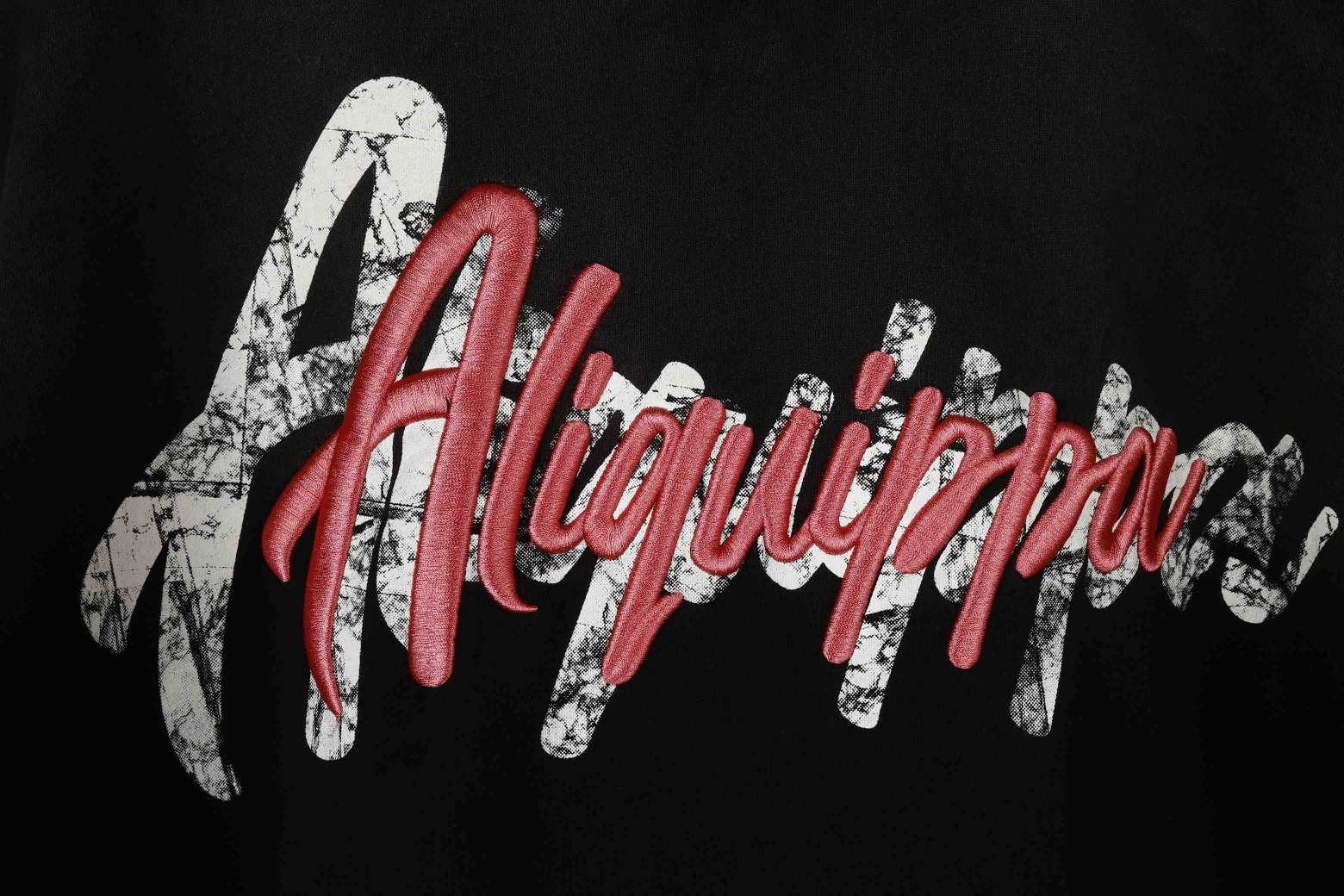
3D / Puff Embroidery
Raised 3D puff embroidery creates dimensional logos and graphics that stand out on hoodies, caps, jackets, and premium streetwear collections. We layer foam underlays beneath embroidery stitches to achieve bold texture and visual impact, popular for brand names, mascot designs, and statement graphics on oversized hoodies and varsity outerwear.
Get a Quote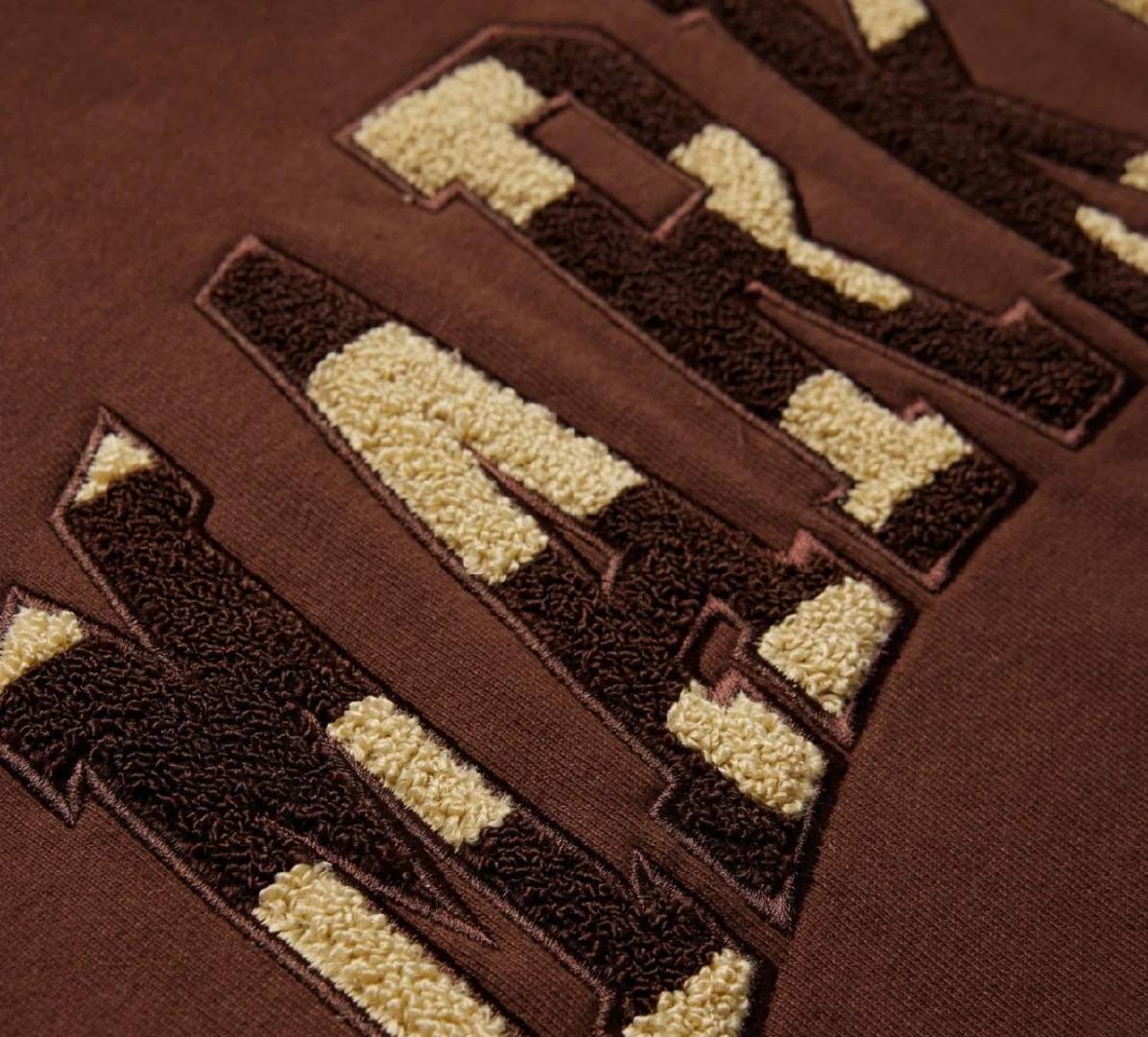
Flat Embroidery
Flat embroidery offers clean, professional branding for corporate uniforms, polo shirts, jackets, and everyday apparel with smooth surface finish. ZORWILD controls thread tension, stitch density, and backing stabilization to ensure sharp logo reproduction, color consistency, and durability through repeated washing—suitable for workwear, team apparel, and wholesale branded collections.
Get a Quote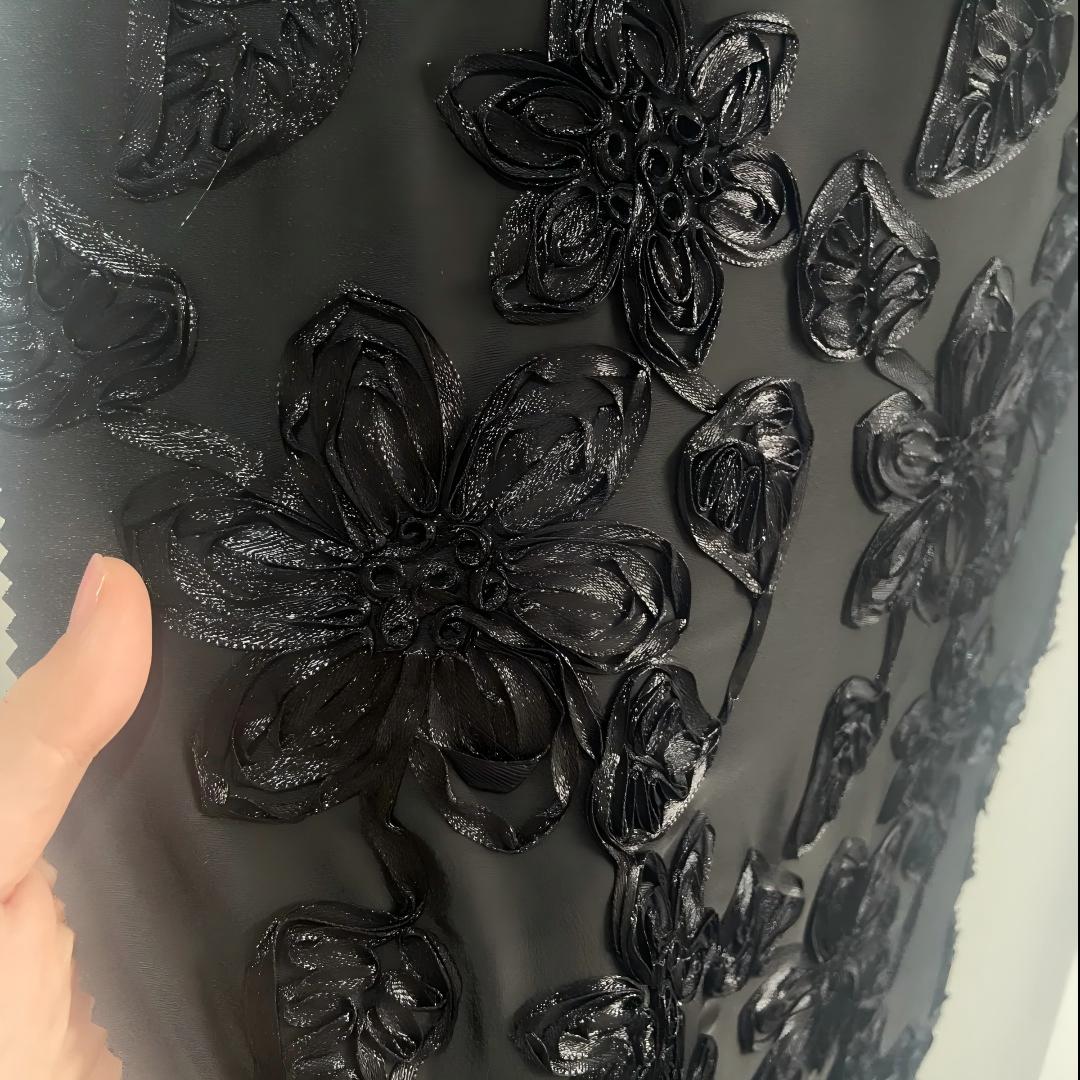
Ribbon Embroidery
Ribbon embroidery incorporates satin or grosgrain ribbons stitched onto garments for decorative floral motifs, elegant accents, and luxury fashion details. This technique suits evening dresses, resort wear, bridal collections, and high-end casualwear where soft dimensional texture and refined embellishment elevate garment aesthetics beyond standard thread embroidery.
Get a Quote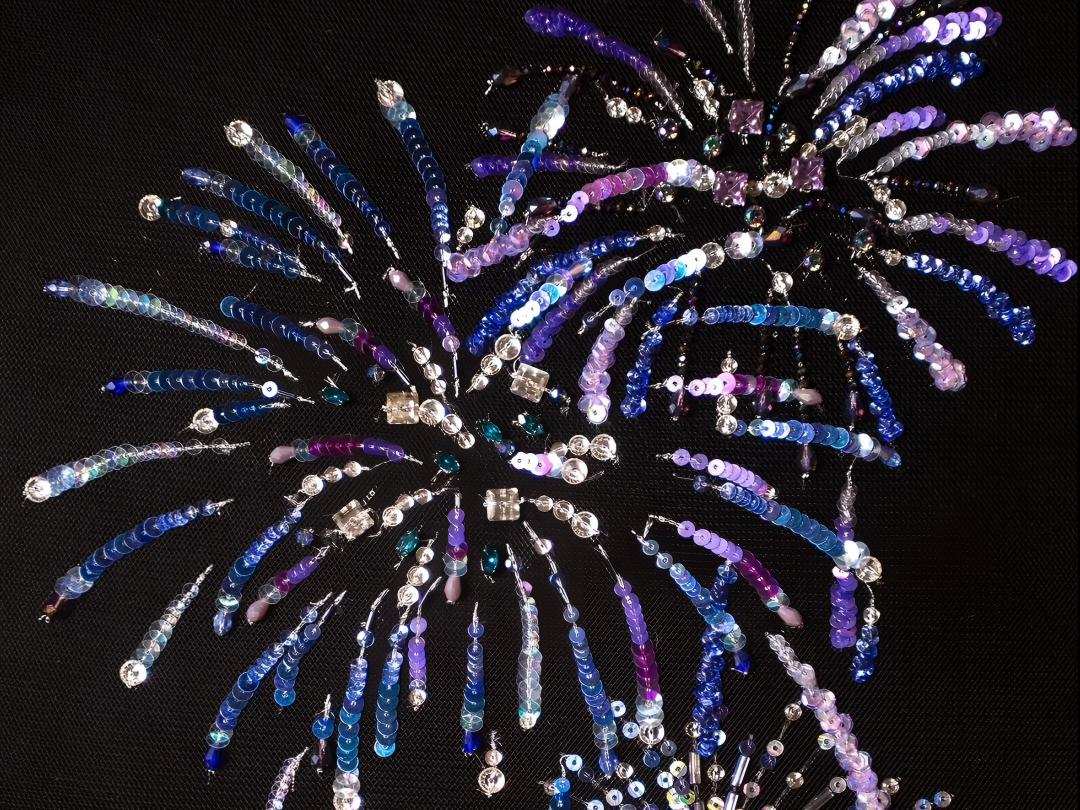
Sequin Embroidery
Sequin embroidery combines thread stitching with sequin application for sparkling logos, decorative patterns, and eye-catching branding on fashion hoodies, dresses, and statement pieces. Our factory secures individual sequins or sequin strings with precise stitch placement to create reflective visual effects popular in streetwear capsules, evening wear, and influencer merchandise collections.
Get a Quote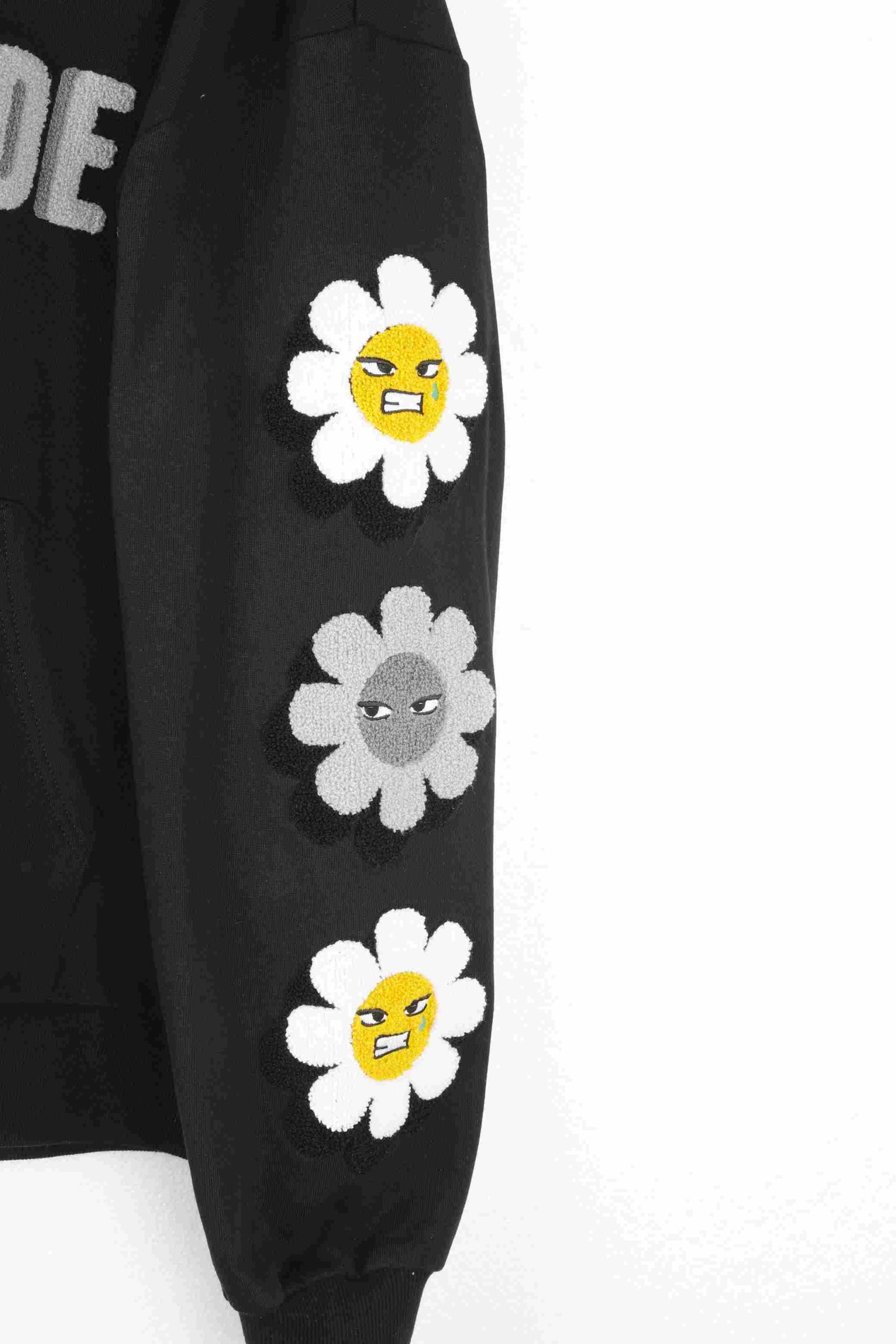
Rope Embroidery
Rope embroidery uses thick cord or rope material stitched in decorative patterns for bold texture and artisan craftsmanship on jackets, bags, and statement garments. This specialized technique adds tactile dimension and visual weight ideal for luxury streetwear, workwear-inspired fashion, and collections requiring unique embellishment beyond conventional thread or chenille embroidery.
Get a Quote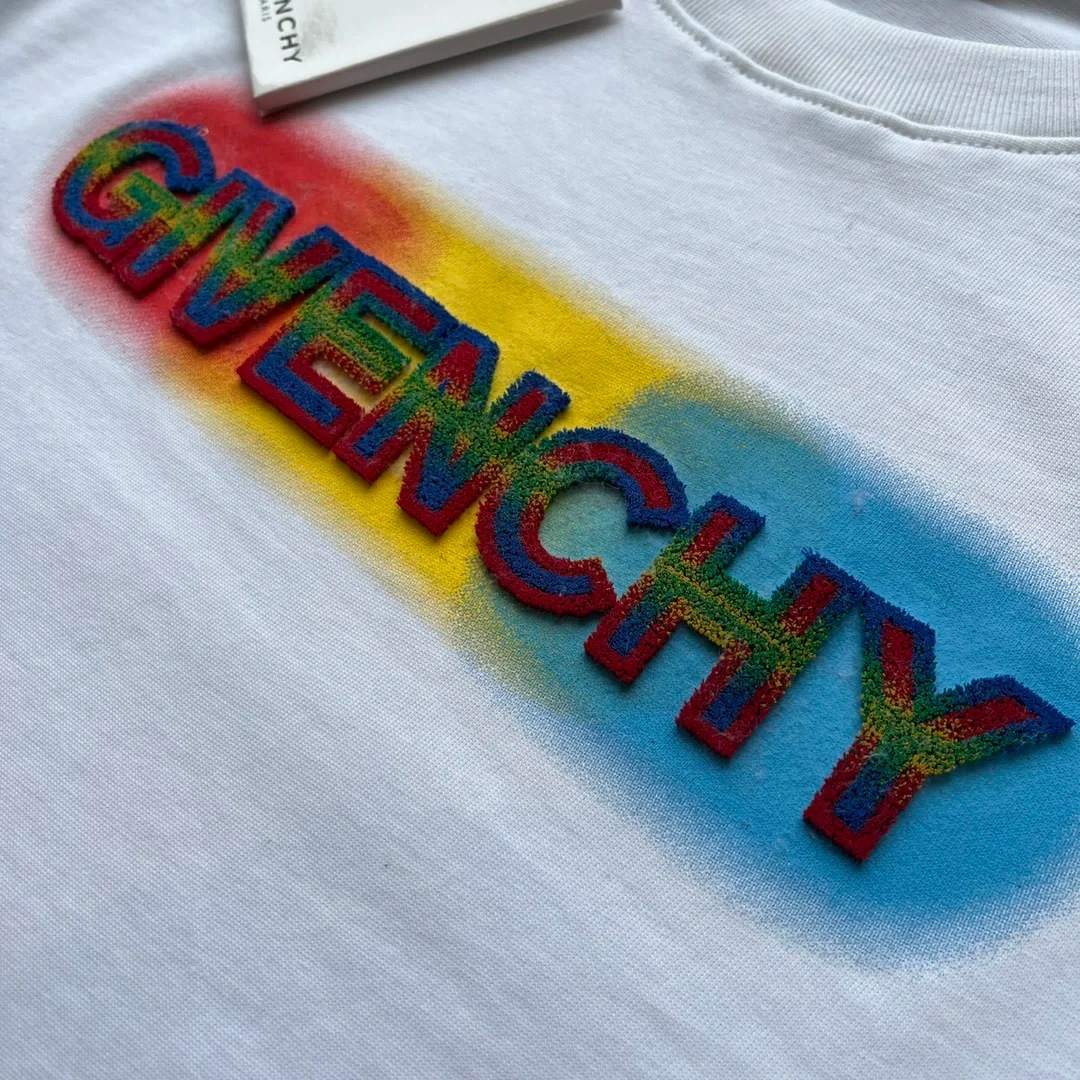
Toothbrush Embroidery
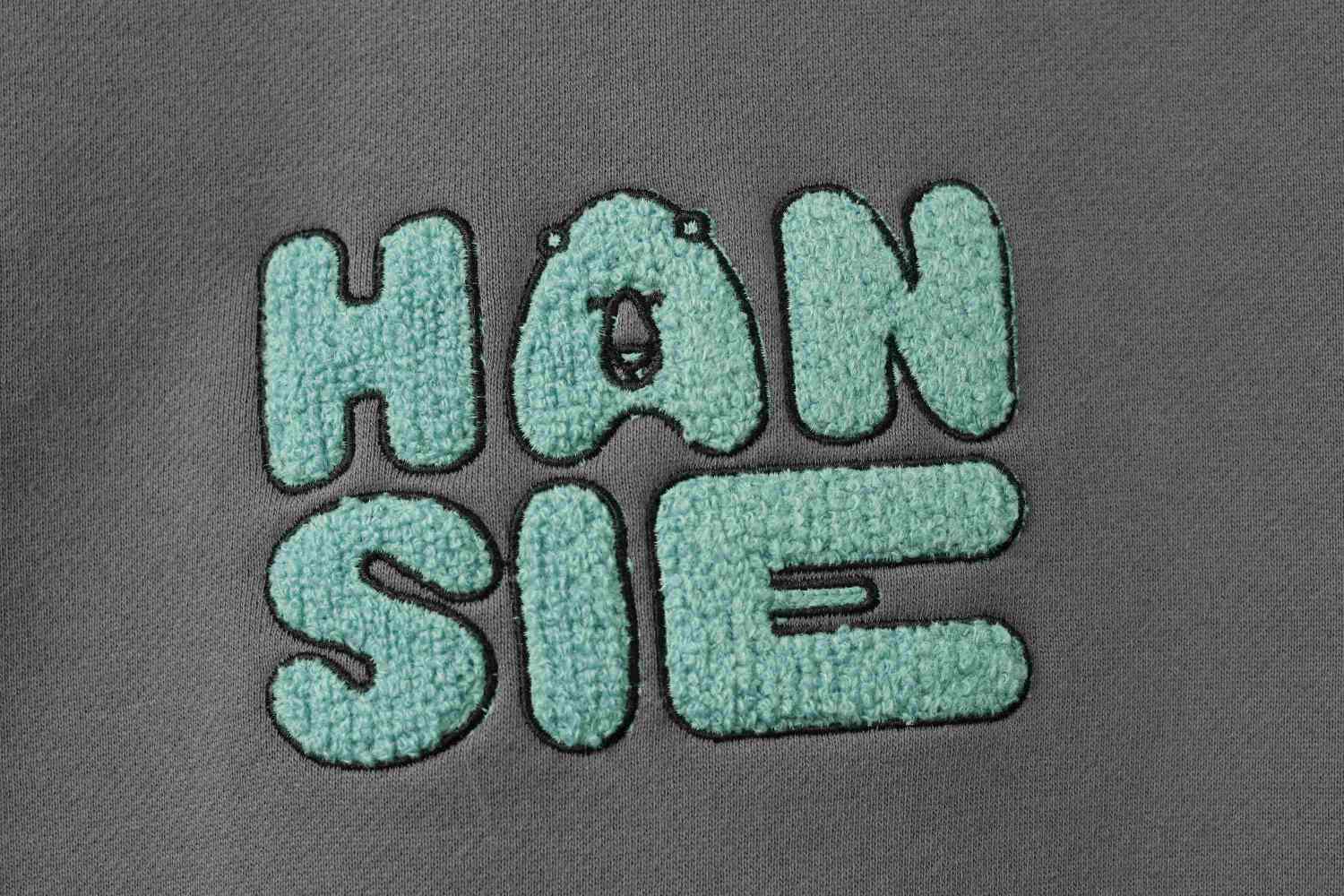
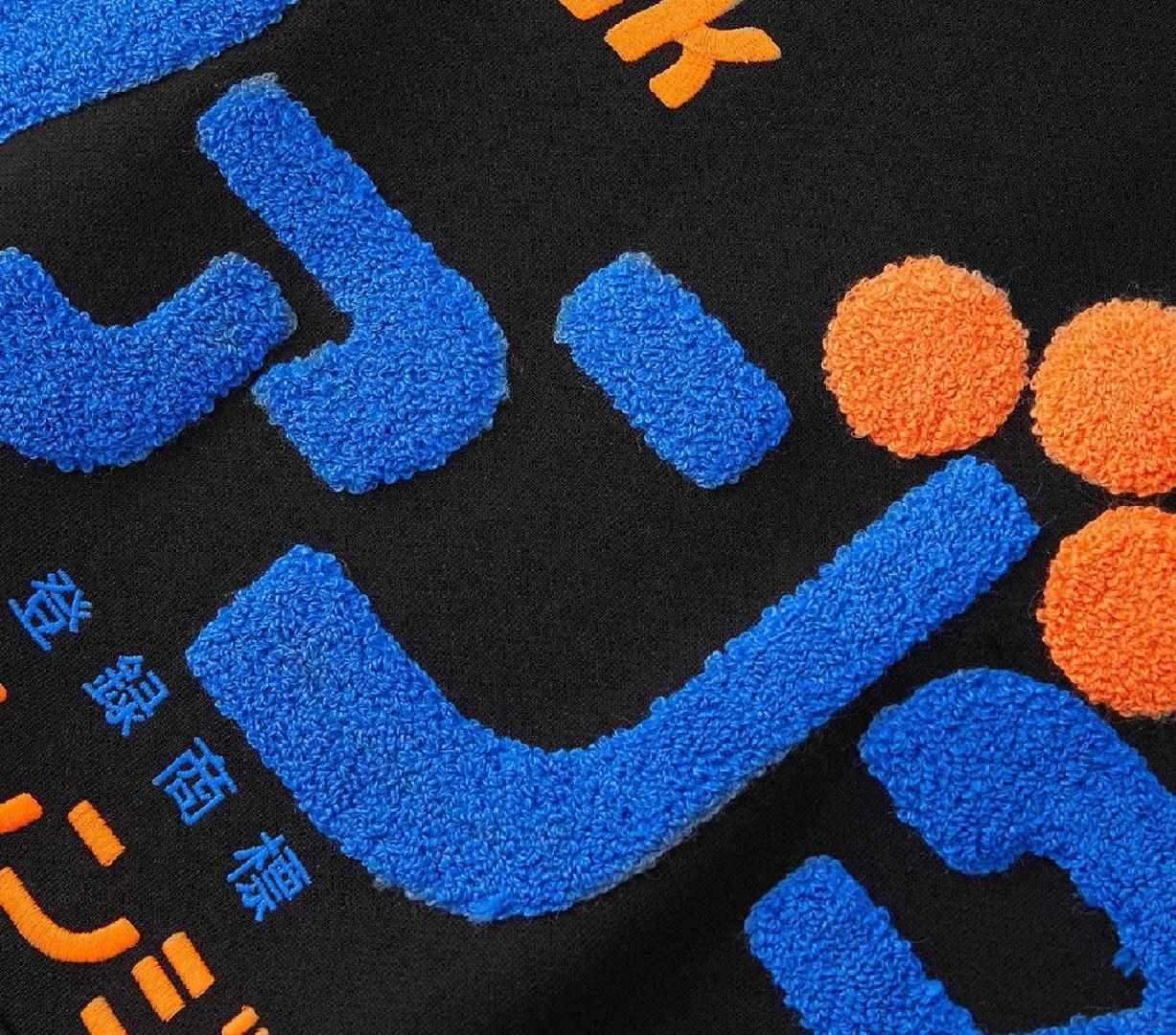
Toothbrush embroidery creates dense, brush-like texture through looped thread technique for vintage athletic lettering and retro varsity aesthetics. Also called loop or towel embroidery, this method produces soft raised texture popular on heritage-style jackets, collegiate apparel, and nostalgic streetwear where plush embroidered logos reference classic American sportswear traditions.
Get a Quote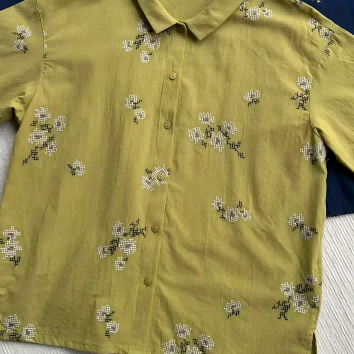
Cross Stitch Embroidery
Cross stitch embroidery replicates hand-stitched needlework patterns with machine precision for folk-inspired designs, decorative motifs, and artisan fashion details. This technique suits bohemian casualwear, resort collections, and heritage-inspired garments where traditional embroidery aesthetics add handcrafted character to shirts, dresses, and lightweight jackets for niche fashion brands.
Get a Quote27 Years of Towel Embroidery Expertise
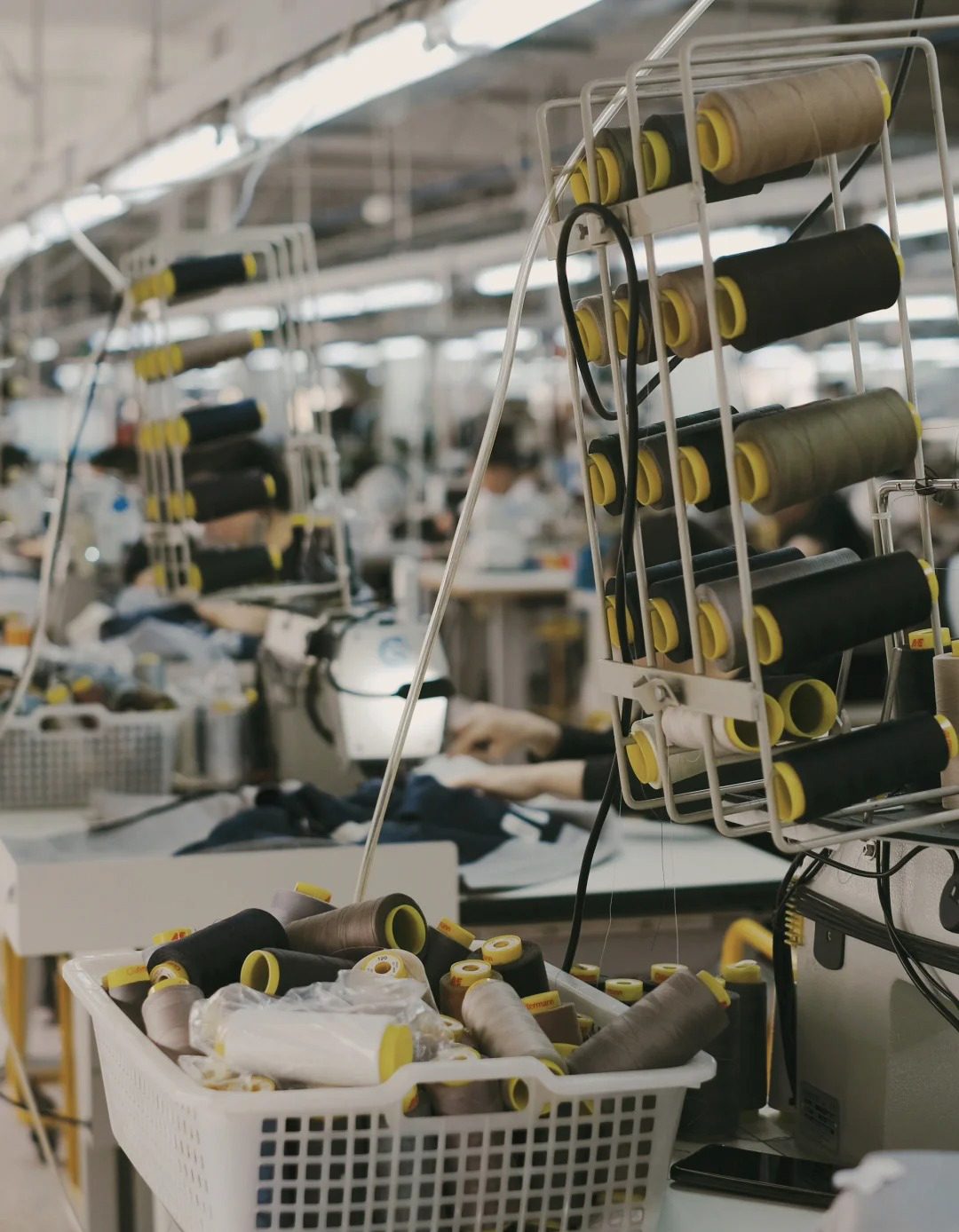
Founded in 1998 in Humen, Dongguan, ZORWILD has grown from a family garment workshop into a full-service apparel manufacturer specializing in advanced decoration techniques including towel embroidery. Our founder learned every stage of garment craftsmanship from cutting to finishing, building a foundation of precision and quality that defines every embroidered towel we produce today.
Today, ZORWILD operates with over 200 skilled workers and a monthly production capacity exceeding 100,000 units. Our towel embroidery capabilities serve influencers, startup brands, and established labels across the United States, Canada, Europe, Australia, and the Middle East. Every custom embroidered garment passes through our 6-stage quality control system, ensuring stitch density, thread quality, color consistency, and positioning accuracy meet professional standards.
What sets ZORWILD apart is our ability to combine heritage craftsmanship with scalable production. We support low MOQ orders starting at just 50 pieces, making towel embroidery accessible for emerging brands testing new products. With in-house capabilities covering more than 95% of decoration techniques, we deliver signature embroidered apparel projects that elevate brand identity and customer experience worldwide.
Towel Embroidery Quality Deep Dive
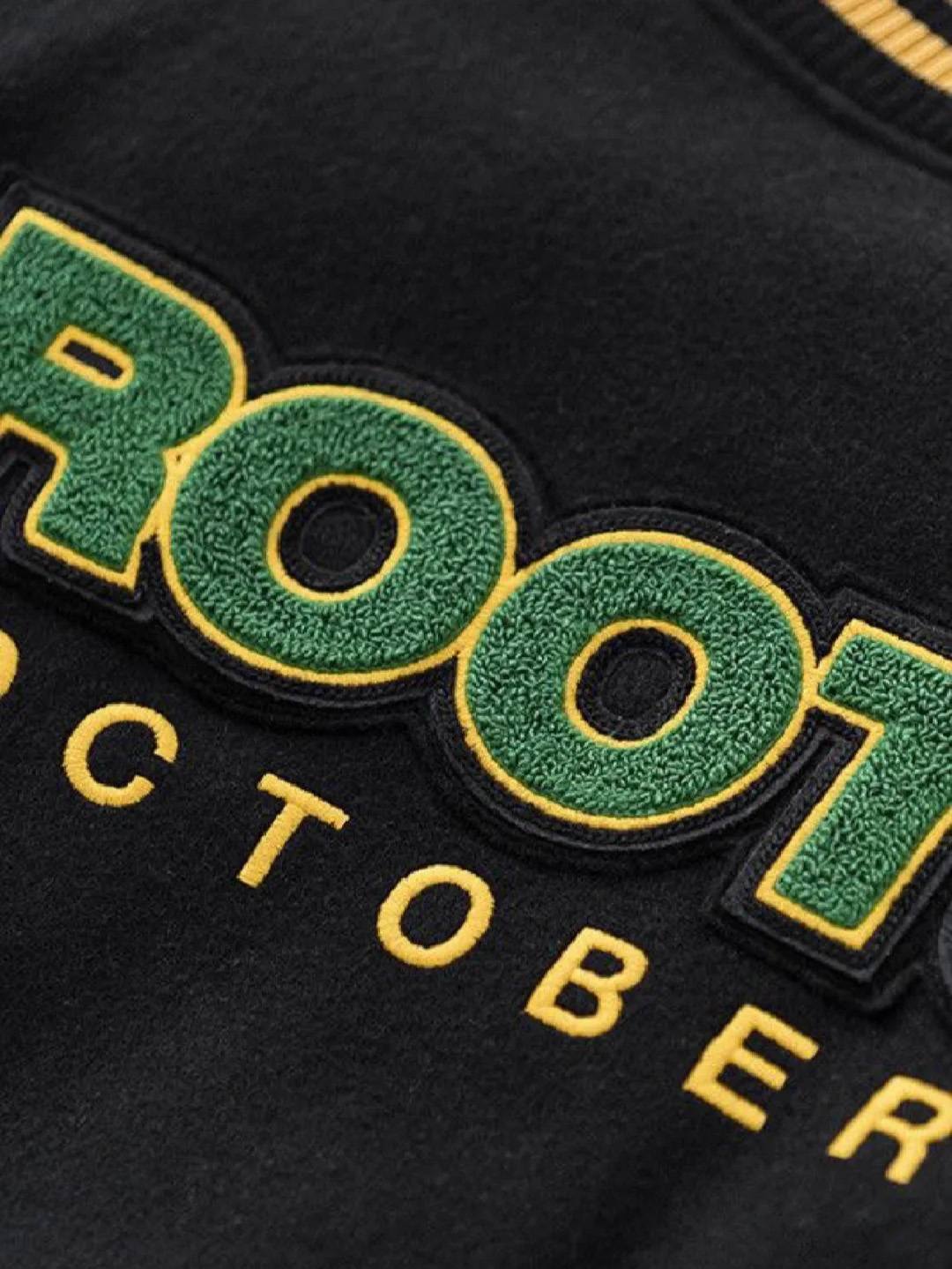
Thread Quality and Color Fastness
ZORWILD uses premium polyester and rayon embroidery threads engineered for terry cloth applications. Each thread batch undergoes color fastness testing to ensure logos maintain vibrancy through repeated washing cycles and commercial laundering environments without fading or bleeding.
- Polyester threads rated for 500+ wash cycles without color degradation
- Rayon threads selected for premium sheen and luxury brand aesthetics
- Pre-production color matching against Pantone references for brand consistency
- Thread tension calibration specific to towel fabric weight and pile height
Stitch Density and Terry Compatibility
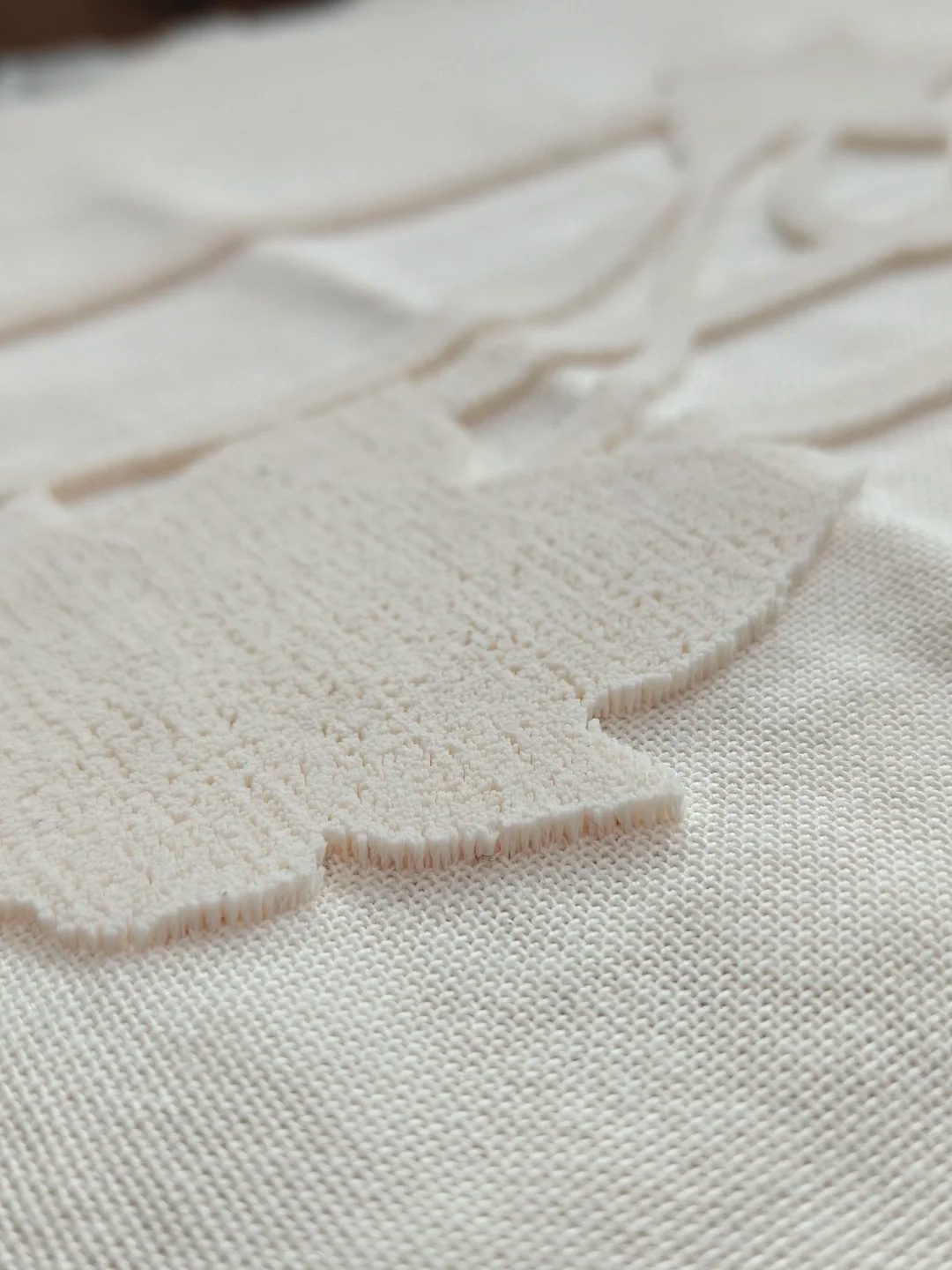
Terry cloth’s looped pile structure and heavyweight fleece fabrics require precise stitch density calibration to prevent puckering, thread breaks, and design distortion. Our embroidery technicians adjust stitch count, underlay patterns, and needle penetration depth to match each fabric weight from lightweight hoodies to heavyweight varsity jackets.
- Custom underlay stitching stabilizes terry fabric before logo application
- Stitch density adjusted between 4,000–9,000 stitches per design based on complexity
- Needle selection matched to thread weight and towel pile density
- Test runs on actual production fabric before bulk embroidery begins
Registration Precision on Textured Surfaces
Achieving perfect logo placement on soft, textured terry and fleece fabrics demands advanced hooping techniques and registration control. ZORWILD employs specialized stabilizers, tension frames, and digital positioning systems to ensure every embroidered logo lands exactly where your tech pack specifies across thousands of garments.
- Cut-away and tear-away stabilizers selected based on towel weight and design size
- Multi-point hooping systems maintain fabric tension throughout embroidery cycles
- Digital placement guides ensure consistent positioning across production runs
- Quality checkpoints every 50 pieces verify registration accuracy remains within 2mm tolerance
Curing and Heat-Setting for Durability
After embroidery completion, ZORWILD applies controlled heat-setting processes to lock thread tension, stabilize fabric structure, and maximize wash durability. This finishing step prevents logo distortion during first wash and extends the commercial lifespan of embroidered apparel for streetwear and fashion brands.
- Steam pressing at controlled temperatures sets embroidery without damaging terry loops
- Heat-setting eliminates residual puckering and smooths fabric around dense logo areas
- Post-embroidery inspection checks thread ends, backing integrity, and stitch security
- Wash testing protocols validate durability before shipment to brand partners
Towel Embroidery vs. Flat Embroidery: Which Technique Fits Your Design?
Understanding the differences between towel embroidery and flat embroidery helps you choose the right technique for your fabric, design complexity, and brand aesthetic. ZORWILD supports both methods with 27 years of embroidery expertise and 95%+ decoration techniques in-house.
← 左右滑动查看 →
Towel Embroidery Production Process
ZORWILD’s 27 years of embroidery expertise ensures every towel embroidery project moves through rigorous production phases with specialized terry cloth handling and quality control at every step.
Design Digitization
Your logo is converted into machine-readable embroidery files with precise stitch density, underlay settings, and color mapping optimized for towel embroidery on terry cloth.
Fabric Hooping & Stabilization
Terry cloth is carefully hooped with appropriate backing stabilizers to prevent fabric distortion, puckering, and loop damage during the towel embroidery stitch-out process.
Stitch-Out & Tension Control
Industrial embroidery machines execute the towel embroidery design with real-time tension monitoring, speed adjustments, and thread quality checks to ensure clean, consistent stitching.
Thread Trimming & Cleanup
Excess thread tails, jump stitches, and backing materials are carefully removed without damaging the terry cloth pile or compromising the towel embroidery integrity.
Quality Inspection
Each embroidered towel undergoes detailed inspection for stitch density, color accuracy, alignment precision, fabric integrity, and color-fastness to meet ZORWILD’s strict quality standards.
Finishing & Packaging
Approved towels receive final pressing, folding, custom labeling, and branded packaging before shipment, ensuring your towel embroidery products arrive ready for retail or distribution.
How to Order Towel Embroidery from ZORWILD
From design submission to delivery, our streamlined process ensures your custom embroidered towels meet brand standards with 50-piece MOQ flexibility and 6-stage quality control.
Submit Your Design and Logo
Send vector artwork, reference samples, or design ideas. Our team reviews embroidery feasibility, stitch density, and thread color matching for optimal towel embroidery results.
Select Fabric and Towel Specifications
Choose towel type, fabric weight, color options, and embroidery placement. We recommend materials based on your brand positioning, budget, and intended use case.
Approve Pre-Production Sample
Receive a physical sample showcasing embroidery quality, towel texture, measurements, and finishing. Fast sampling ensures you evaluate every detail before bulk production begins.
Begin Bulk Production Run
Your order enters our 100,000-unit monthly capacity production line with in-line quality checks. Our 6-stage quality control system monitors embroidery precision, fabric integrity, and finishing.
Receive Final Inspection and Delivery
Final product inspection confirms embroidery accuracy, measurements, and packaging standards. We arrange global logistics with air freight, sea freight, or express delivery options.
Customer Stories — Towel Embroidery Success
ZORWILD’s towel embroidery exceeded our expectations. The logo texture remained perfect after 50+ commercial washes with zero thread loosening. Our resort guests love the premium feel, and we’ve reordered three times in six months.
We needed 2,000 embroidered gym towels on a tight deadline. ZORWILD delivered on time with flawless color matching across the entire batch. The towel embroidery quality was consistent, and we saved 22% compared to our previous supplier.
The design complexity we requested was challenging—multi-color gradients with fine detail. ZORWILD’s towel embroidery team nailed it. Stitch density was perfect, and the 3D texture effect made our brand logo pop beautifully on every towel.
Towel Embroidery FAQ
What is towel embroidery and how does it differ from regular embroidery?
Which fabrics work best for towel embroidery?
What is the minimum order quantity for towel embroidery?
What is the maximum design size and stitch count for towel embroidery?
How many thread colors can I use in towel embroidery designs?
Can I combine towel embroidery with screen printing or other decoration techniques?
What file formats do you need for towel embroidery artwork?
What is the lead time and sampling cost for towel embroidery orders?
How durable is towel embroidery after washing?
The Complete Buyer’s Guide to Towel Embroidery for Custom Branding
1. What Is Towel Embroidery?
Towel embroidery is a textile decoration method that stitches logos, text, or graphic designs directly into towel fabric using industrial embroidery machines with specialized needles and threads. Unlike printing, which applies ink or dye to the surface, embroidery penetrates the fabric structure, creating raised, textured designs that remain vivid after 100+ commercial laundry cycles. ZORWILD’s towel embroidery capabilities include flat embroidery, 3D embroidery, chenille embroidery, applique embroidery, and metallic embroidery with strict control over stitch density, thread quality, and positioning accuracy.
Embroidery is preferred over printing for towels because terry cloth and looped fabrics absorb ink unevenly, causing blurred edges and rapid fading under repeated washing. Embroidered logos maintain sharp definition, color consistency, and a premium tactile feel that elevates brand perception in hospitality, fitness, and retail environments. Woven labels offer branding but lack the permanence and visual impact of direct embroidery integrated into the towel body.
Typical applications include hotel bath towels with monogram logos, spa and wellness center towels with brand names, gym and fitness club towels with motivational text, corporate gift towels for client appreciation programs, and retail towel collections for boutique home brands. ZORWILD supports low MOQ towel embroidery production starting from 50 pieces, enabling startup brands, influencers, small wholesalers, and independent designers to launch custom towel lines without high inventory risk or minimum order barriers.
2. Evolution and History of Towel Embroidery
Hand-stitched monograms on household linens emerged in 16th-century European aristocratic homes, where towels bearing family crests signaled wealth and social standing. Each piece required hours of skilled needlework, limiting embroidered textiles to luxury markets. By the late 19th century, the first mechanical embroidery machines reduced production time but still operated at low speeds, making personalized towels a premium service for hotels and private clubs.
The 1980s introduction of computerized multi-head embroidery machines transformed the industry by enabling precise logo replication at scale. Manufacturers could now program complex designs once and produce hundreds of identical embroidered towels per day, shifting towel embroidery from luxury personalization to scalable branding for hospitality chains, sports teams, and corporate gifting. Thread tension, stitch density, and color matching became standardized through digital controls, reducing defect rates and training time.
Modern CNC embroidery systems support 15-color designs, automatic thread trimming, and real-time quality monitoring, allowing factories like ZORWILD to offer 50-piece minimum order quantities while maintaining consistent stitch quality across production runs. Buyers now expect fast sampling (5–7 days), photorealistic logo conversion, and predictable lead times (15–25 days for bulk orders), standards impossible under manual or early mechanical systems. This evolution has democratized branded towel access for startup brands, influencers, and small wholesalers who previously faced prohibitive setup costs and 1,000-piece minimums.
3. Types of Towel Embroidery Techniques
Four primary towel embroidery techniques serve distinct brand aesthetics and budgets. Each method delivers different visual impact, durability, and cost profiles on terry cloth and velour substrates.
Flat Embroidery for Standard Logos
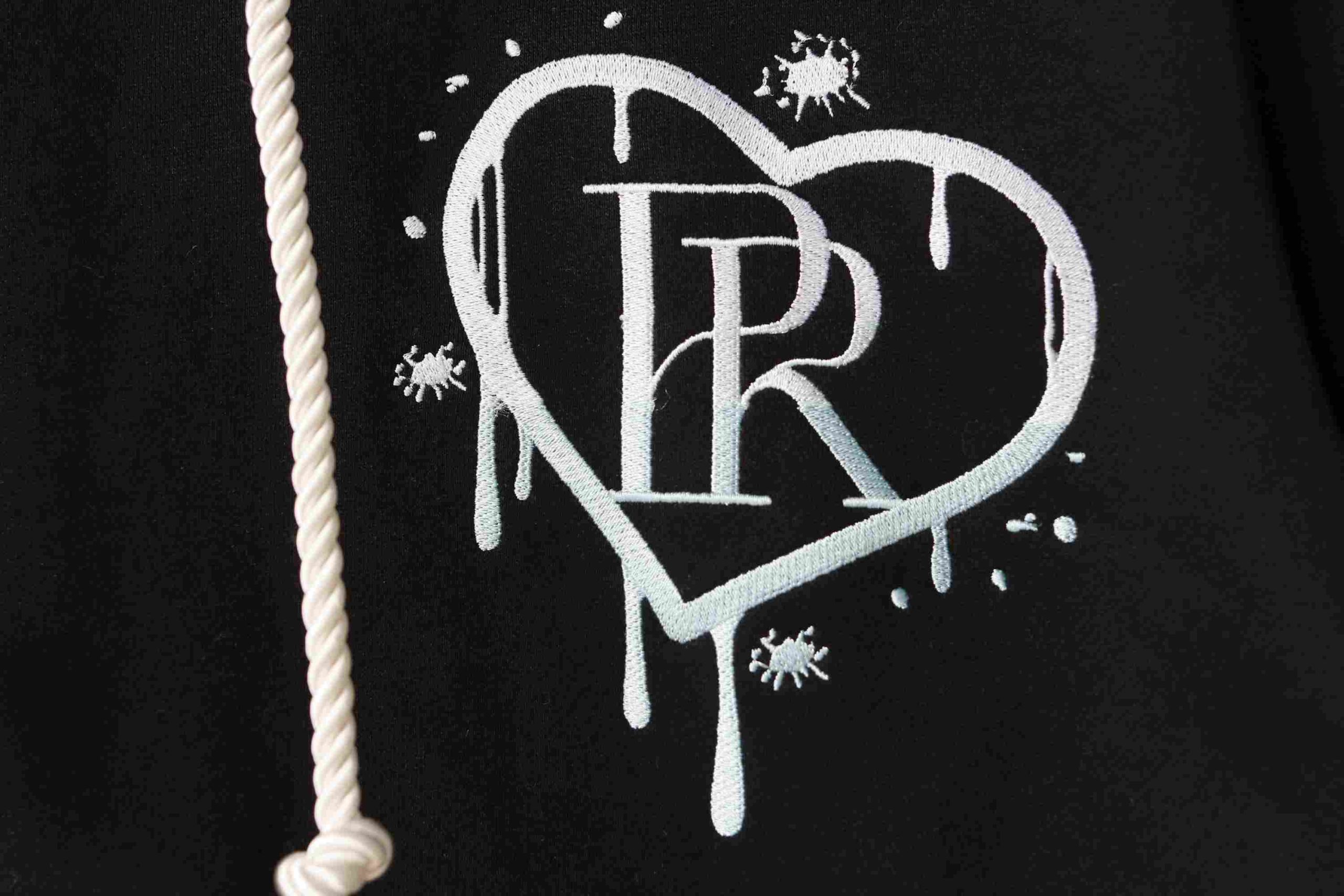
Flat embroidery produces crisp, professional logos with thread stitched directly into towel fabric at 5,000–12,000 stitches per design. This technique works equally well on terry cloth and velour, offering excellent wash durability and the lowest cost per piece.
Ideal for hotel brands, gyms, and corporate gifts requiring clean branding without texture. Stitch density and underlay stabilization prevent towel pile from showing through the design.
3D Puff Embroidery for Raised Effect
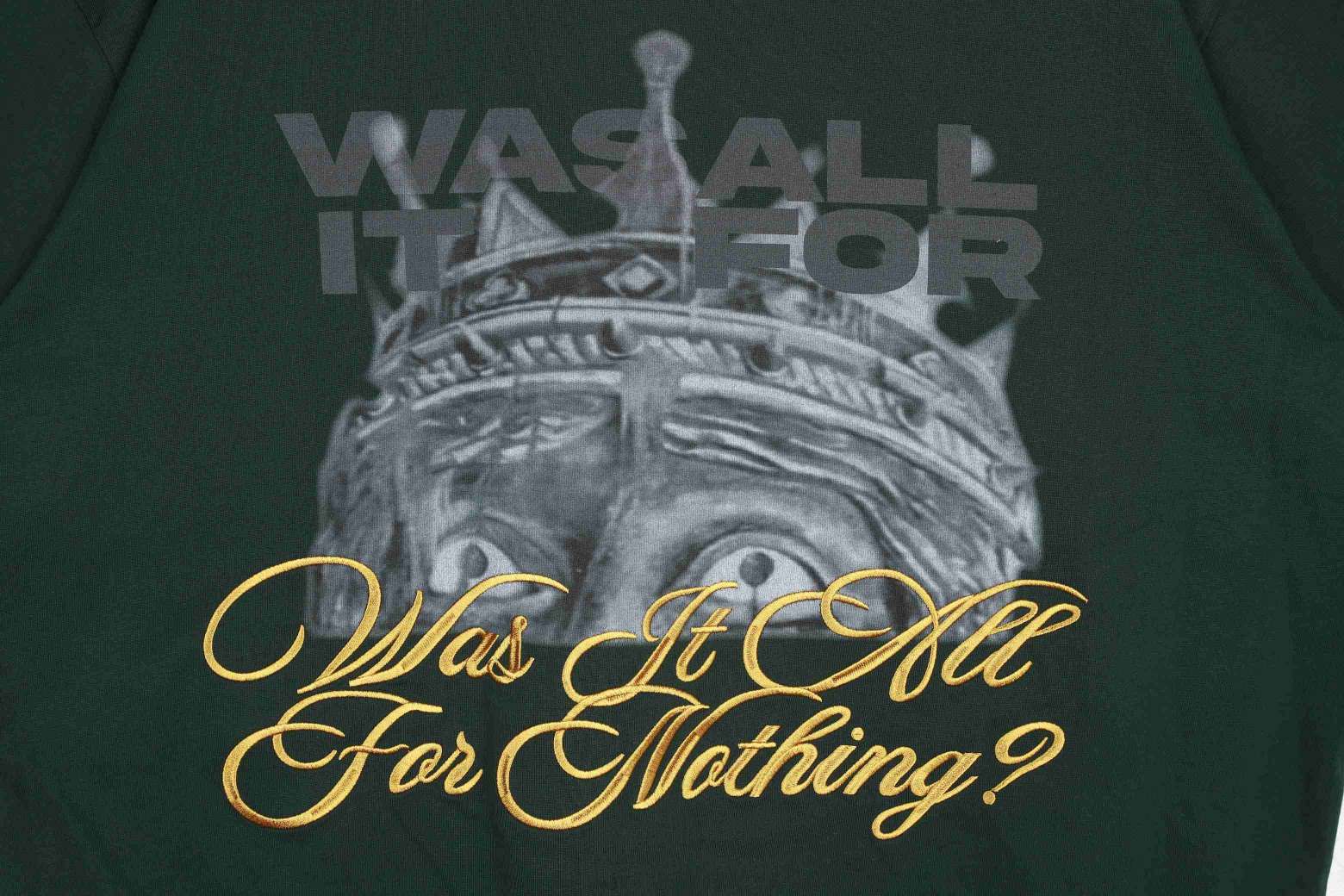
Puff embroidery uses foam underlay beneath thread to create raised, dimensional logos up to 3–5 mm high. The foam compresses slightly after repeated washing but maintains visual impact for 50+ commercial laundry cycles.
Best suited for streetwear brands, sports teams, and premium lifestyle collections. Works better on velour than high-pile terry; dense terry can compress foam prematurely.
Appliqué Embroidery with Fabric Patches
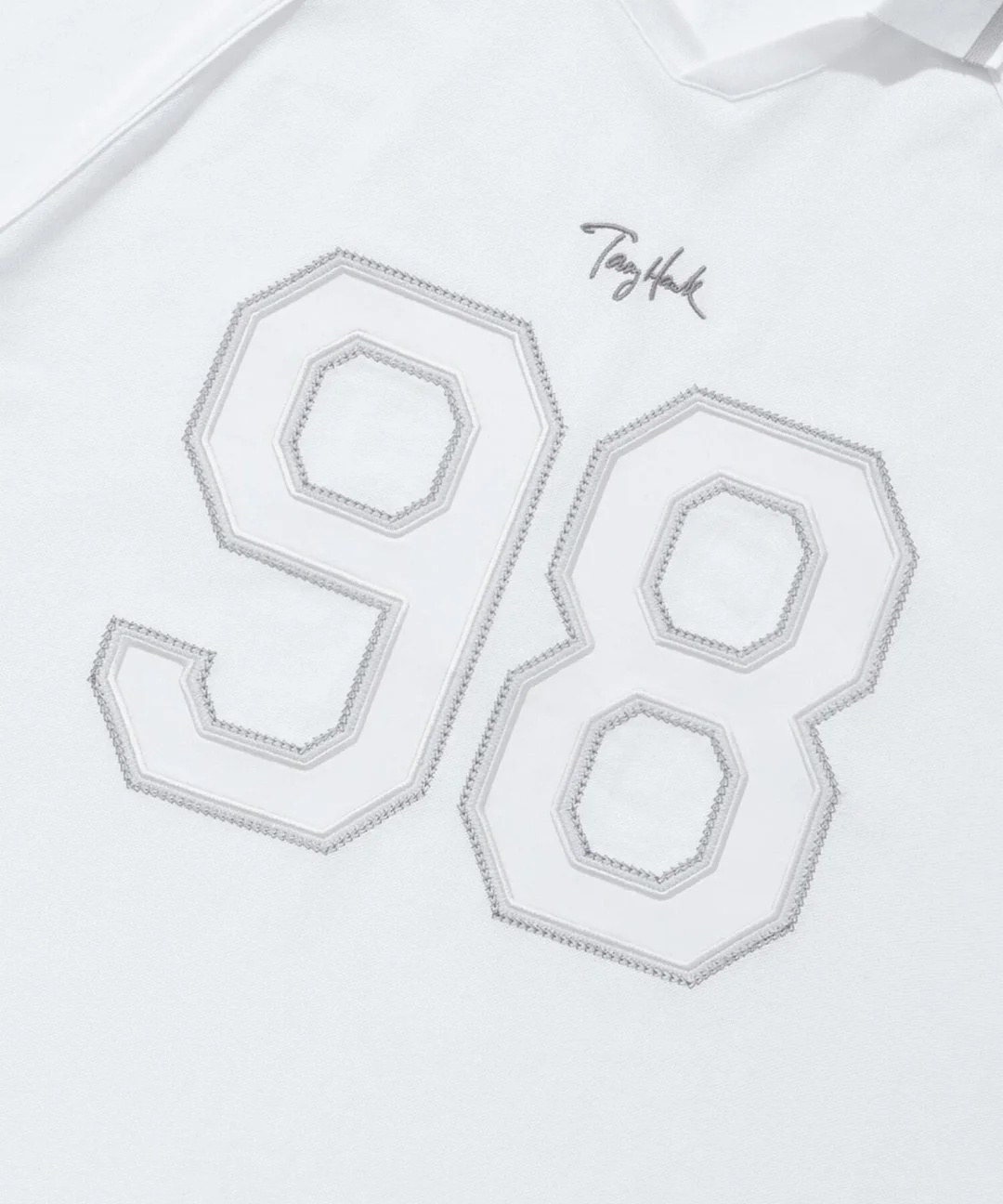
Appliqué combines fabric patches with perimeter stitching to create bold, colorful designs using 30–50% fewer stitches than solid fill embroidery. This technique reduces production time and thread cost while adding texture contrast.
Popular for beach brands, resort collections, and children’s towels. Velour accepts appliqué cleanly; terry cloth requires tighter zigzag borders to prevent fraying.
Chenille Embroidery for Plush Lettering
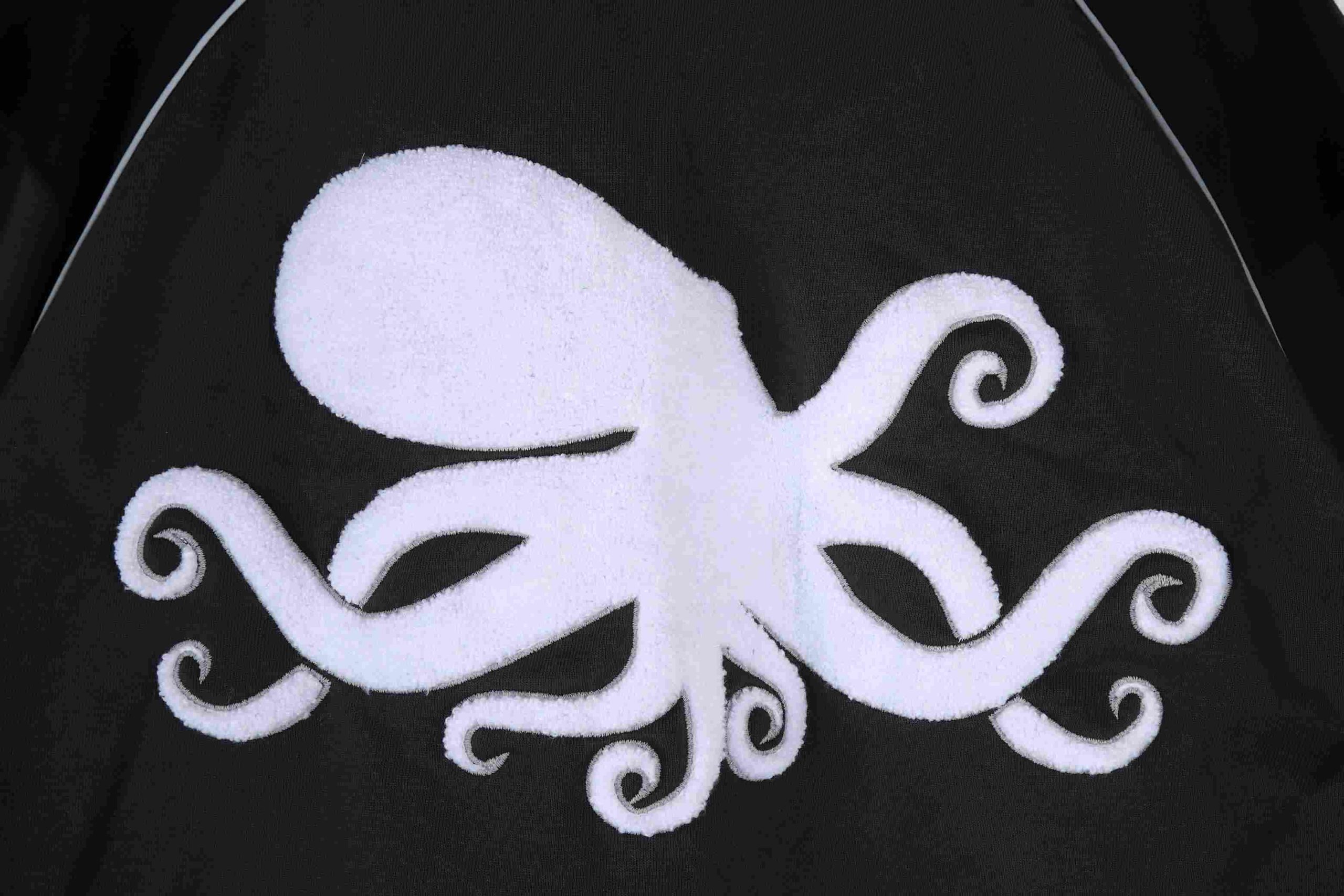
Chenille embroidery creates soft, plush lettering with looped thread that mimics the towel’s own texture. This premium technique requires specialized machines and adds 40–60% to embroidery costs but delivers luxury brand positioning.
Reserved for high-end spa brands, boutique hotels, and gift collections. Performs best on velour and low-pile terry; high-pile fabrics obscure the chenille texture.
4. Towel Materials and Fabric Choices for Embroidery
Fabric choice directly affects embroidery clarity, stitch stability, and customer satisfaction. Dense terry loops can push needles off-course, while low-GSM weaves may pucker under thread tension. Professional manufacturers test each material for needle penetration, backing adhesion, and post-wash distortion before committing to production runs.
| Fabric Type | GSM Range | Absorbency | Embroidery Suitability | Price Tier |
|---|---|---|---|---|
| 100% Ring-Spun Cotton | 400–600 | High | Excellent—stable base, minimal puckering | Mid |
| Combed Cotton | 350–550 | High | Excellent—smooth surface, even tension | Mid |
| Egyptian Cotton | 500–700 | Very High | Good—dense pile requires stabilizer | Premium |
| Organic Cotton | 400–600 | High | Excellent—soft hand, reliable stitch hold | Premium |
| Cotton-Polyester Blend | 300–500 | Medium | Very Good—less shrinkage, faster drying | Budget |
| Bamboo Fiber | 400–550 | High | Good—silky texture may shift under dense stitches | Mid-Premium |
| Microfiber | 300–450 | Medium | Fair—synthetic surface can snag; use ballpoint needles | Budget |
5. Customization Options Beyond Towel Embroidery
Towel embroidery delivers premium branding, but pairing it with complementary decoration methods maximizes brand visibility while controlling costs. ZORWILD supports woven labels, printed hang tags, jacquard borders, reactive dye printing, and heat-transfer patches to create layered brand experiences across every customer touchpoint.
| Decoration Method | Durability (Washes) | Setup Cost | Visual Impact |
|---|---|---|---|
| Towel Embroidery | 100+ | Medium | High (3D texture) |
| Woven Label | 100+ | Low | Medium (subtle) |
| Jacquard Border | 200+ | High | Medium (tone-on-tone) |
| Reactive Dye Print | 100+ | Low–Medium | High (full color) |
| Heat-Transfer Patch | 50+ | Low | Medium–High |
Woven Labels and Printed Care Tags
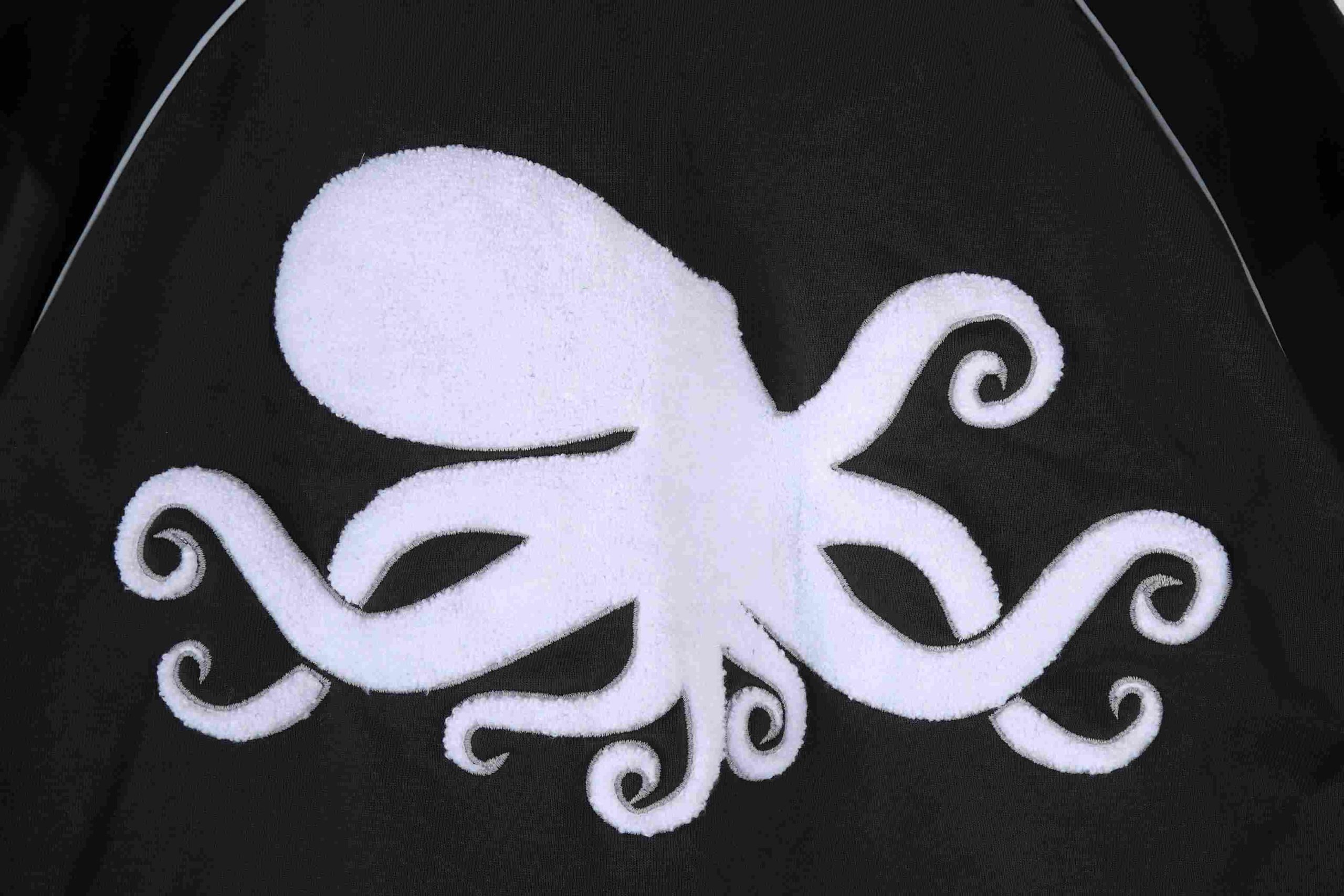
Woven labels add permanent branding on towel edges or corners without the stitch density of full embroidery. Damask woven labels offer fine detail for logos under 50 mm, while satin woven labels provide softer hand feel for luxury resort towels.
Printed care labels combine washing instructions with brand messaging in a single tag, reducing production steps and cost. ZORWILD recommends pairing towel embroidery on the front face with woven edge labels for dual brand touchpoints at minimal added expense.
- Damask woven labels: high thread count, sharp logo detail, durable through 100+ washes
- Satin woven labels: softer texture, ideal for spa and hospitality towels
- Printed care labels: combine care instructions with logo, lower cost than separate branding
Jacquard Borders and Reactive Dye Printing
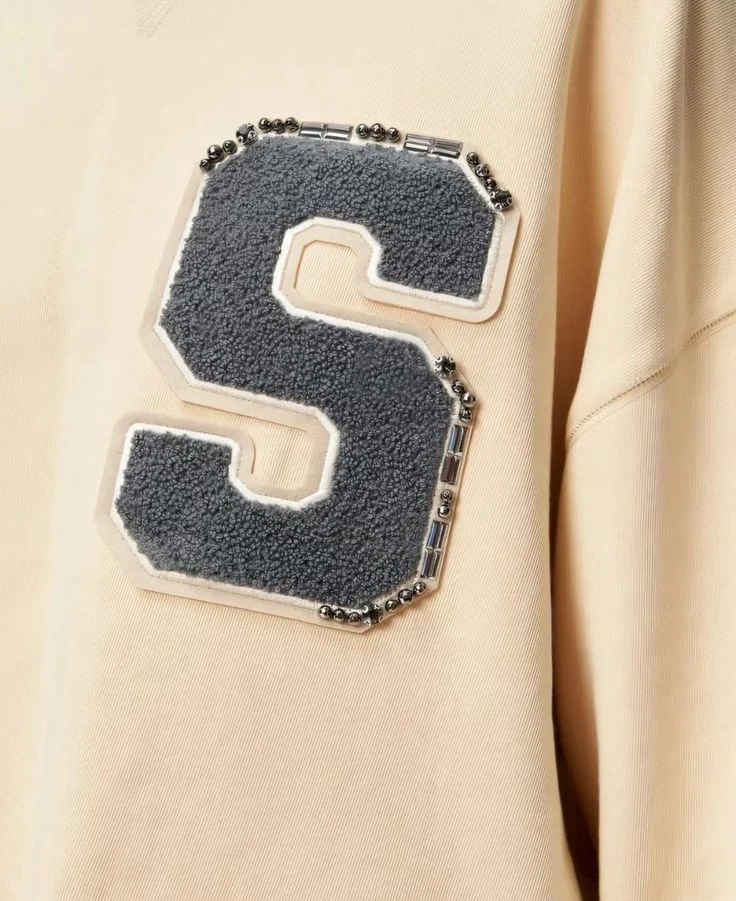
Jacquard weaving integrates patterns or text directly into towel fabric during manufacturing, creating tone-on-tone borders or repeating brand motifs without surface decoration. This technique suits high-volume hotel and gym towel orders where embroidery cost per unit becomes prohibitive above 5,000 pieces.
Reactive dye printing applies logos or graphics directly onto cotton terry using fiber-reactive dyes that bond at the molecular level. Print durability matches embroidery wash resistance, but setup costs drop by 40–60% for multi-color designs exceeding six colors.
Heat-Transfer Patches and Combination Strategies
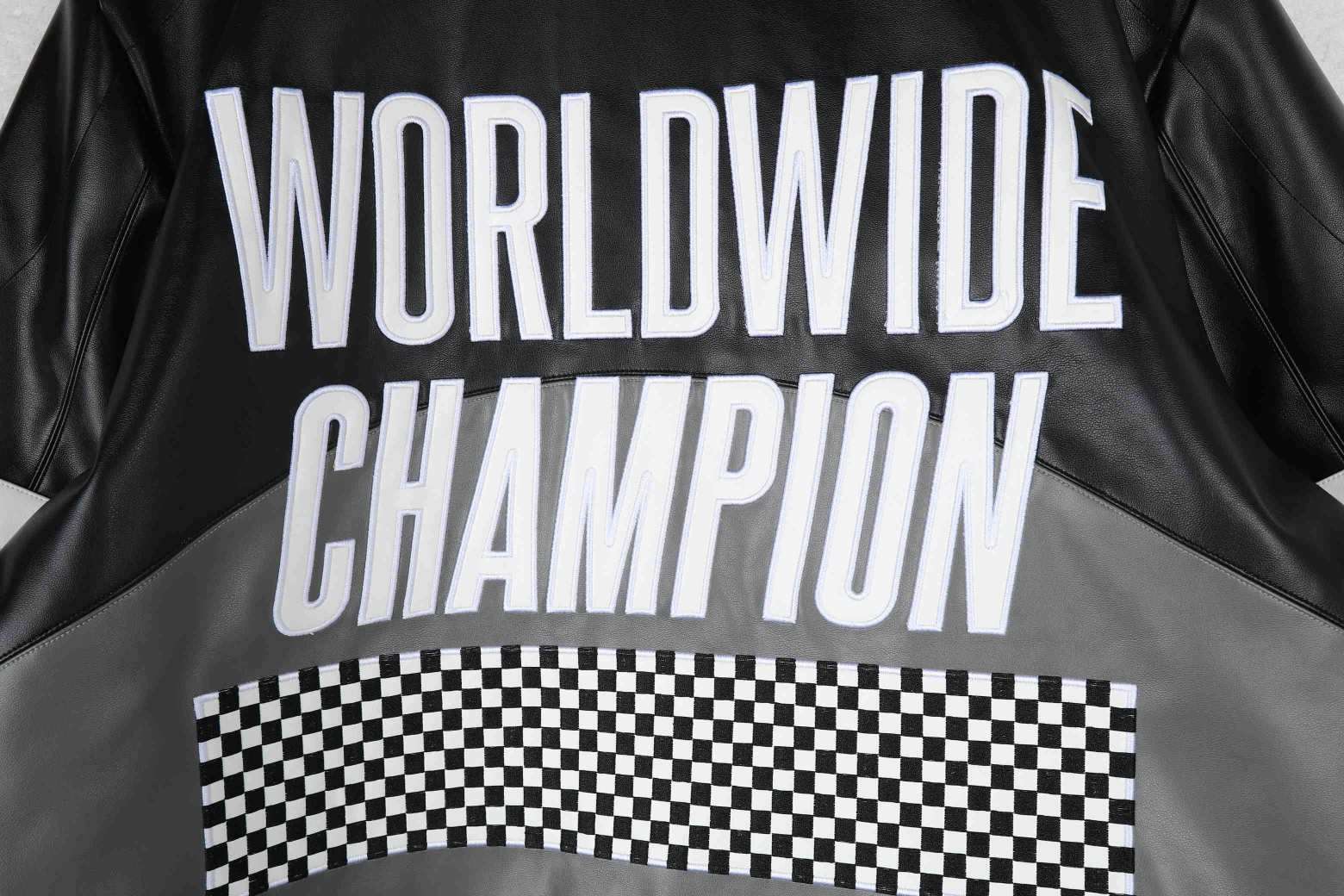
Heat-transfer patches apply pre-embroidered or printed logos via heat press, ideal for small runs testing new designs before committing to direct embroidery tooling. Patch durability reaches 50+ commercial washes when applied with industrial heat-seal equipment.
Combination strategies balance cost and impact: embroidered chest logo plus woven hem label for boutique hotel towels, or reactive dye all-over print plus heat-transfer monogram for resort beach towels. ZORWILD’s 50-piece MOQ allows brands to test mixed decoration methods within a single production run.
6. Key Quality Elements in Embroidered Towels
Premium towel embroidery quality depends on six measurable construction factors that directly affect durability, appearance, and brand perception. ZORWILD’s 27 years of manufacturing experience across embroidery applications ensures every element meets professional standards before bulk production begins.
Thread Count and Stitch Density Standards
Towel fabric thread count typically ranges from 400 to 600 GSM for promotional towels and 600 to 800 GSM for premium spa or resort collections. Embroidery stitch density should fall between 4,000 and 6,000 stitches per square inch — lower density creates gaps and poor coverage, while excessive density causes fabric distortion.
High-quality towel embroidery balances stitch count with towel pile height to prevent sinking or puckering. ZORWILD’s embroidery team adjusts digitization parameters based on towel weight and intended use to maintain logo clarity and fabric integrity.
Backing Stabilizer and Puckering Prevention
Cut-away or tear-away stabilizer backing prevents embroidery from distorting towel loops during stitching. Poor stabilization causes visible puckering, uneven tension, and wavy hems that reduce perceived product value.
Professional manufacturers use water-soluble topping film on high-pile towels to prevent stitches from sinking into the terry loops. ZORWILD applies stabilizer weight matched to design complexity — dense logos require heavier backing than simple text.
Thread Type: Rayon vs. Polyester
Rayon thread offers superior sheen and vibrant color but fades faster under chlorine or bleach exposure. Polyester thread provides better colorfastness, UV resistance, and durability for gym towels, beach towels, and hospitality collections that undergo frequent industrial laundering.
ZORWILD recommends polyester for commercial towel lines and rayon for luxury retail or gift sets with lower wash frequency. Thread quality directly impacts brand reputation — low-grade thread loses color within 10 to 15 wash cycles.
Pre-Production Sample Inspection Checklist
Verify these elements in every pre-production sample before approving bulk orders: stitch density consistency across all logo areas, no visible puckering or fabric distortion, hem finish quality (double-stitched hems outlast single-stitch by 200+ washes), thread color match to Pantone or brand standards, and colorfastness test results after three hot-water wash cycles.
ZORWILD provides detailed sample approval forms documenting measurements, embroidery placement, thread type, and stabilizer method to ensure bulk production replicates approved standards exactly.
7. How to Choose a Towel Embroidery Manufacturer
Selecting the right towel embroidery manufacturer determines product quality, lead times, and long-term scalability. Evaluate technical capabilities, compliance standards, and production flexibility before committing to a supplier.
Certifications and Compliance Standards
Request proof of OEKO-TEX Standard 100 for textile safety, ISO 9001 for quality management systems, and GOTS certification if organic cotton towels are required. These certifications confirm that fabrics are free from harmful chemicals and that production processes meet international quality benchmarks.
Suppliers with documented compliance reduce liability risks for brands selling in regulated markets such as the EU, US, and Australia.
Machine Capacity and Technical Capabilities
Ask how many embroidery heads the factory operates and the maximum stitch count per design. Multi-head machines (12+ heads) enable faster turnaround for bulk orders, while high stitch-count capability (100,000+ stitches) supports complex logos and towel embroidery textures.
Confirm whether the supplier handles chenille, applique, metallic thread, and sequin embroidery in-house or subcontracts specialty work.
MOQ Flexibility and Sampling Policy
Startup brands and influencers benefit from suppliers offering 50–100 piece minimums for initial collections. ZORWILD supports low MOQ production starting at 50 pieces, allowing brands to test designs without excess inventory risk.
Clarify sampling costs, turnaround (typically 7–10 days), and whether sample fees are deducted from bulk orders.
Lead Times and Communication Responsiveness
Standard production lead times range from 2 to 6 weeks depending on order complexity and quantity. Overseas manufacturers in China and Southeast Asia often provide cost advantages but require clear communication and longer shipping windows.
Domestic suppliers offer faster delivery and easier quality oversight but typically charge 20–40% more per unit. Test responsiveness during the RFQ process—delays in quoting often signal operational bottlenecks.
8. Common Mistakes Buyers Make with Towel Embroidery
Even experienced buyers encounter avoidable setbacks when ordering towel embroidery projects. Understanding common pitfalls and implementing prevention strategies ensures smoother production, better quality outcomes, and reduced rework costs.
Choosing Overly Detailed Artwork
Fine lines, thin fonts below 3 mm, and intricate gradients blur on terry fabrics because the looped pile distorts stitch registration. Buyers often submit logos designed for paper or screen printing without adapting them for towel embroidery.
Simplify artwork by removing detail smaller than 4 mm, converting thin serifs to sans-serif fonts, and using solid fills instead of gradients. Request a digitization review before sampling to identify problem areas early.
Skipping Digitization Review
Digitization errors—incorrect stitch direction, excessive density, or poor underlay—cause puckering, thread breaks, and misaligned registration. Many buyers approve artwork without reviewing the actual stitch file.
Always request a digital proof showing stitch paths, density maps, and color placements. ZORWILD provides digitization review as part of sampling to catch registration issues before bulk production begins.
Ignoring Thread Color Under Different Lighting
Thread colors shift under fluorescent, LED, and natural daylight. Buyers who approve Pantone matches indoors often discover mismatches in retail or outdoor settings.
Request physical thread cards and view samples under multiple light sources—daylight, store lighting, and indoor LED. Custom Pantone thread matching adds 7–10 days to lead time but ensures brand-accurate color consistency.
Ordering Without a Physical Sample
Digital mockups cannot replicate actual terry texture, stitch density, or fabric hand feel. Skipping samples leads to bulk orders that miss brand expectations for softness, logo clarity, or construction quality.
Always order a pre-production sample to evaluate embroidery placement, thread tension, fabric weight, and wash performance before committing to bulk production.
Neglecting Wash-Test Results
Embroidery that looks perfect before washing may pucker, fade, or fray after laundering. Buyers who skip wash testing discover quality issues only after customer complaints.
Request wash-test reports showing results after 5–10 cycles at 60°C. ZORWILD conducts in-house wash testing to verify thread colorfastness, stitch durability, and fabric stability before final approval.
9. Steps to Launch Your Branded Towel Line
Launching a branded towel line requires coordinated planning across design, production, and logistics. A realistic 60-day roadmap balances speed with quality control, from artwork preparation through final shipment.
Define Target Audience and Use Case
Identify whether your towels serve gyms, spas, hotels, retail gifting, or promotional merch. This decision drives fabric weight (300–600 GSM for gym towels, 400–700 GSM for bath towels), size specifications, and embroidery placement.
Startup brands often begin with 50–100 pieces per colorway to test market response before committing to larger inventory.
Finalize Logo Artwork and Digitization
Supply vector artwork (AI, EPS, or high-resolution PDF) to your manufacturer for embroidery digitization. Digitization converts your logo into machine-readable stitch files, specifying stitch type, density, and thread color.
Approve a digital mock-up showing exact placement, dimensions, and thread colors (typically Pantone-matched) before any physical sampling begins.
Request and Approve Strike-Off Sample
Order a pre-production strike-off sample to verify fabric hand feel, towel embroidery quality, thread tension, and color accuracy. Sample lead time is typically 5–7 days.
Inspect stitch density, logo registration, and fabric integrity around the embroidery area. Request revisions if thread color, placement, or backing show issues before bulk production.
Negotiate Terms and Place Bulk Order
Standard payment terms are 30–50% deposit upon order confirmation, balance before shipment. Clarify MOQ (often 50–100 pieces per design), unit pricing, lead time (typically 25–35 days), and shipping method.
Confirm packaging requirements—polybags, custom boxes, hang tags, or woven labels—and finalize delivery Incoterms (FOB, CIF, or DDP) to avoid unexpected costs.
Arrange QC Inspection and Fulfillment
Schedule a pre-shipment inspection to verify embroidery consistency, fabric GSM, colorfastness, and packaging accuracy. Third-party QC or factory photos provide assurance before the balance payment.
Plan warehousing or direct-to-customer fulfillment. Air freight (7–10 days) suits urgent launches; sea freight (25–40 days) reduces cost for larger orders.
10. Pricing and Cost Factors for Towel Embroidery
Towel embroidery pricing starts at 50-piece MOQ with per-unit costs ranging from $8–$15 for standard cotton towels (400–600 GSM) and simple logo embroidery (under 10,000 stitches). Setup fees typically include $50–$150 digitization charges for new designs, which are amortized across larger orders, making 500+ piece runs 20–30% more economical per unit. Higher stitch counts (15,000+ for complex logos), premium thread types (metallic, variegated), and multiple thread colors (six or more) add $1.50–$3.00 per towel.
Fabric weight directly impacts base cost: lightweight 300 GSM cotton towels cost $2–$4 less per unit than plush 600 GSM Egyptian cotton or bamboo-blend towels. Lead times compress at higher volumes—50-piece orders ship in 18–25 days, while 1,000+ piece runs require 25–35 days for fabric sourcing, embroidery setup, production, and quality inspection. FOB Shenzhen pricing excludes international freight and customs duties; DDP pricing includes door-to-door logistics but adds 15–25% to unit cost depending on destination.
Volume discounts activate at 500 pieces (8–12% reduction) and again at 1,000 pieces (15–20% reduction), driven by fabric bulk pricing, machine setup efficiency, and reduced per-unit labor allocation. Brands ordering mixed SKUs (multiple towel sizes or colorways) within a single 500-piece order retain tier pricing if embroidery artwork remains consistent across variants.
| Quantity Tier | Price per Unit (USD) | Lead Time (Days) |
|---|---|---|
| 50–99 pieces | $12.00–$15.00 | 18–25 |
| 100–499 pieces | $9.50–$12.00 | 20–28 |
| 500–999 pieces | $7.50–$9.50 | 22–30 |
| 1,000+ pieces | $6.00–$8.00 | 25–35 |
Start Your Towel Embroidery Order in 50 Pieces
27 years of embroidery expertise, fast sampling, and full-service production. Request your quote and bring your custom logo to life today.
- Custom Shirts
- Custom T Shirts
- Custom Dresses
- Custom Sweatshirts
- Custom Jackets
- Custom Polo Shirts
- Custom Shorts
- Custom Dress Shirts
- Contact