
Ribbon Embroidery — Dimensional Elegance for Custom Apparel
Add soft, flowing texture to your garments with custom ribbon embroidery. ZORWILD delivers premium ribbon embroidery decoration from just 50 pieces with 27 years of craftsmanship expertise.
Ribbon Embroidery Sample Gallery
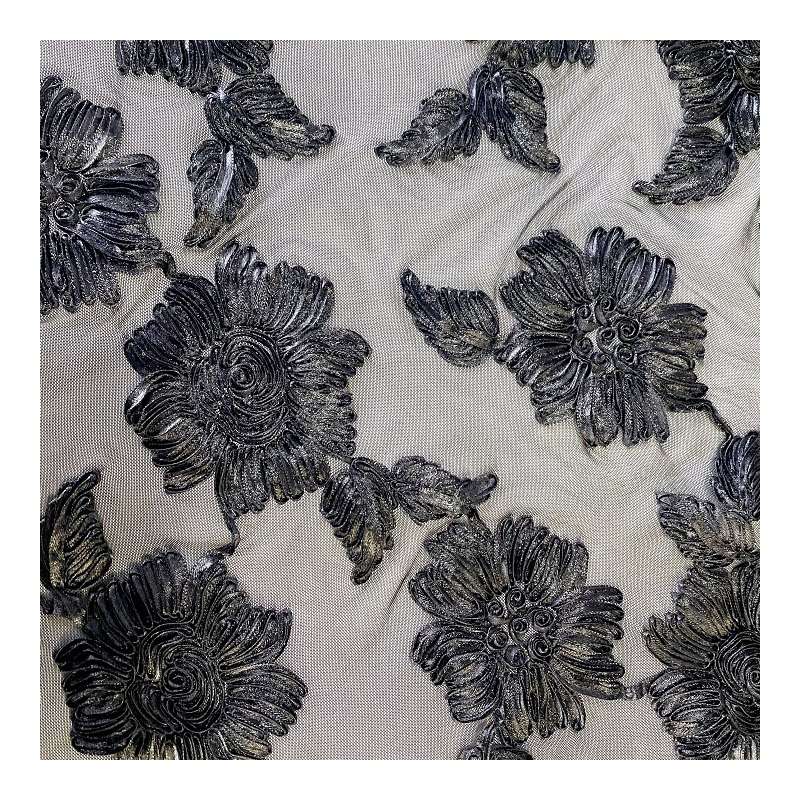
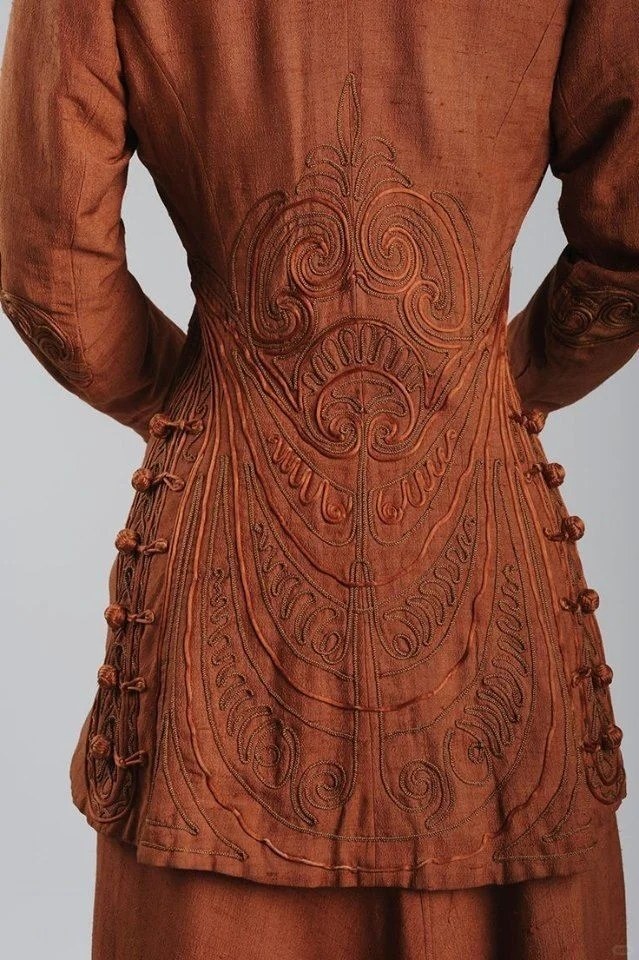
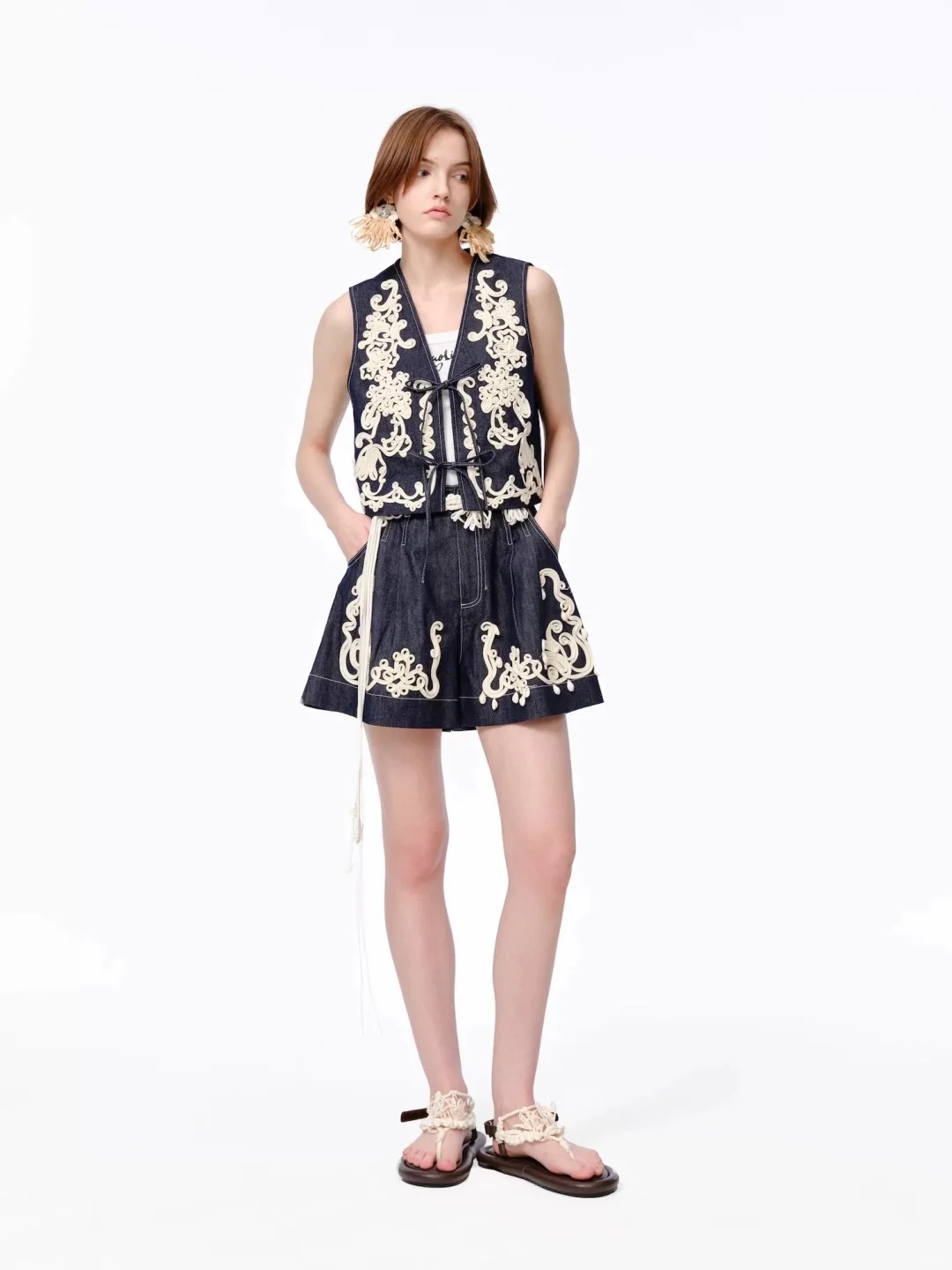
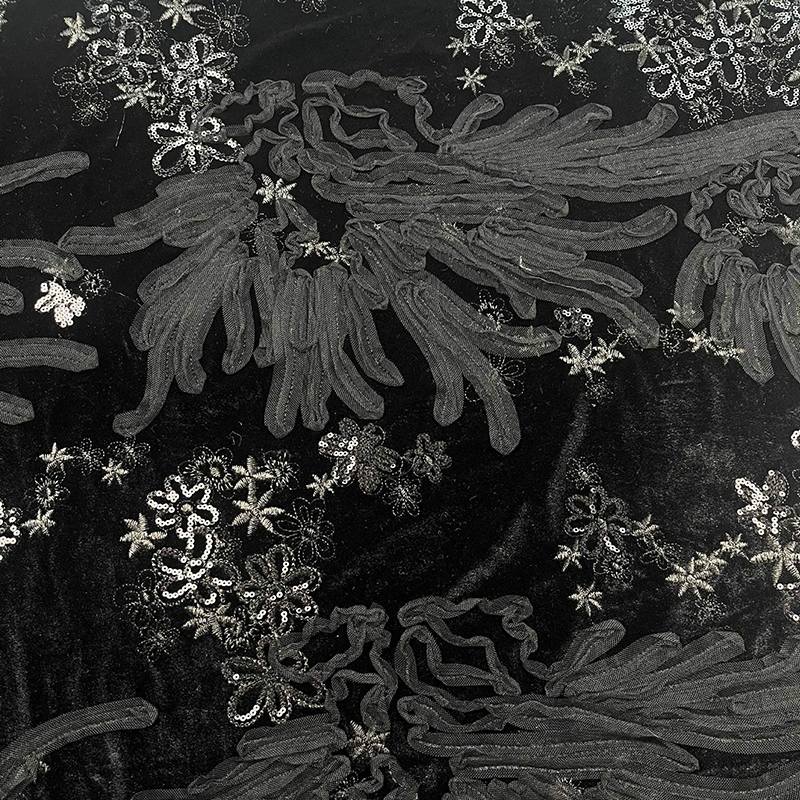
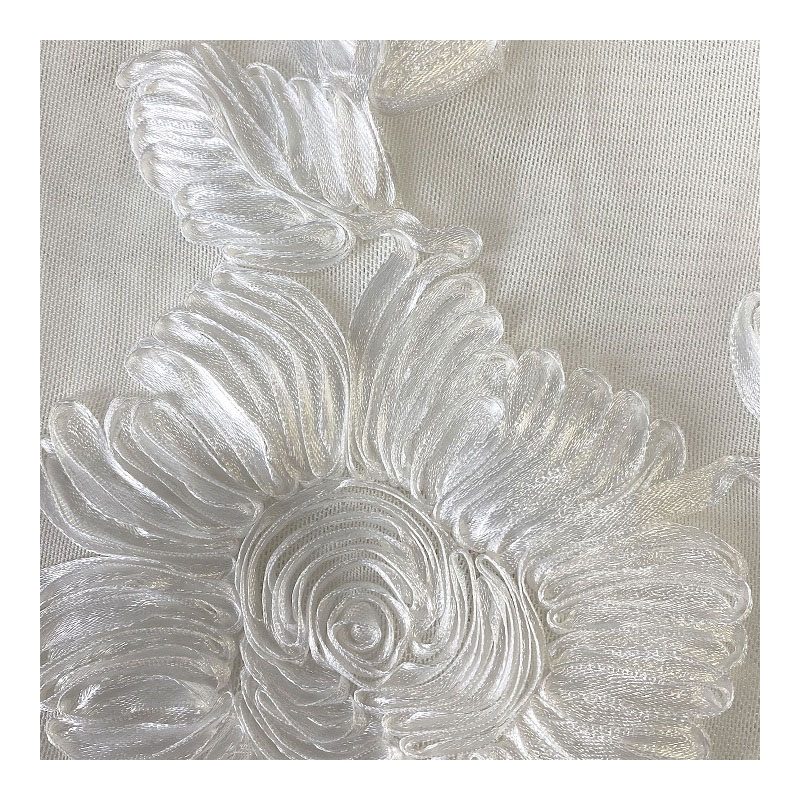
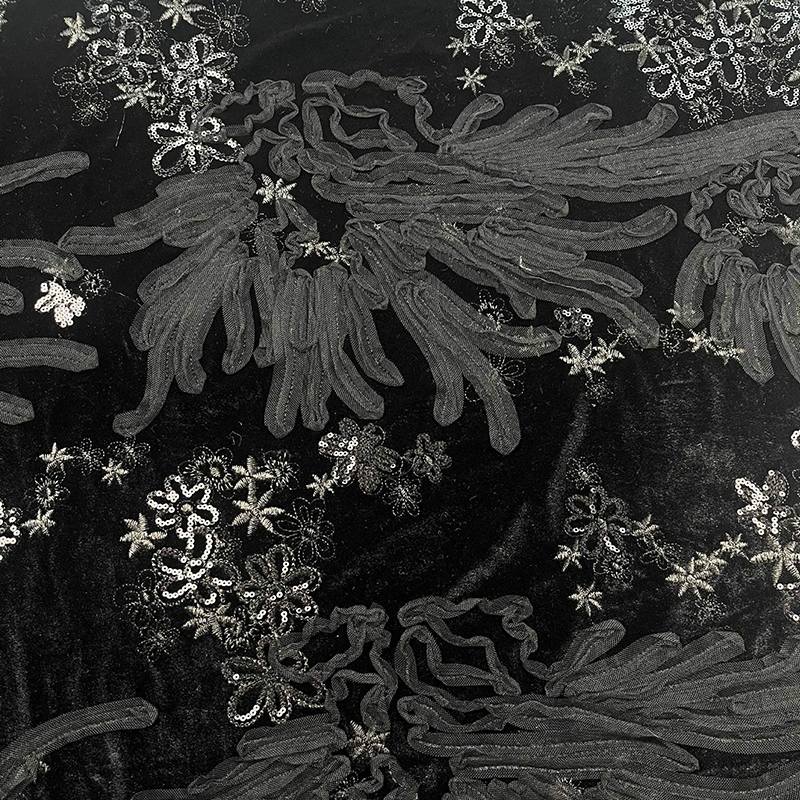
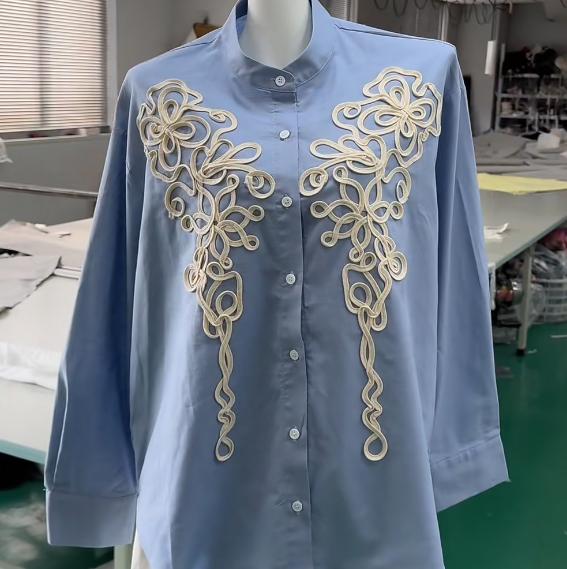
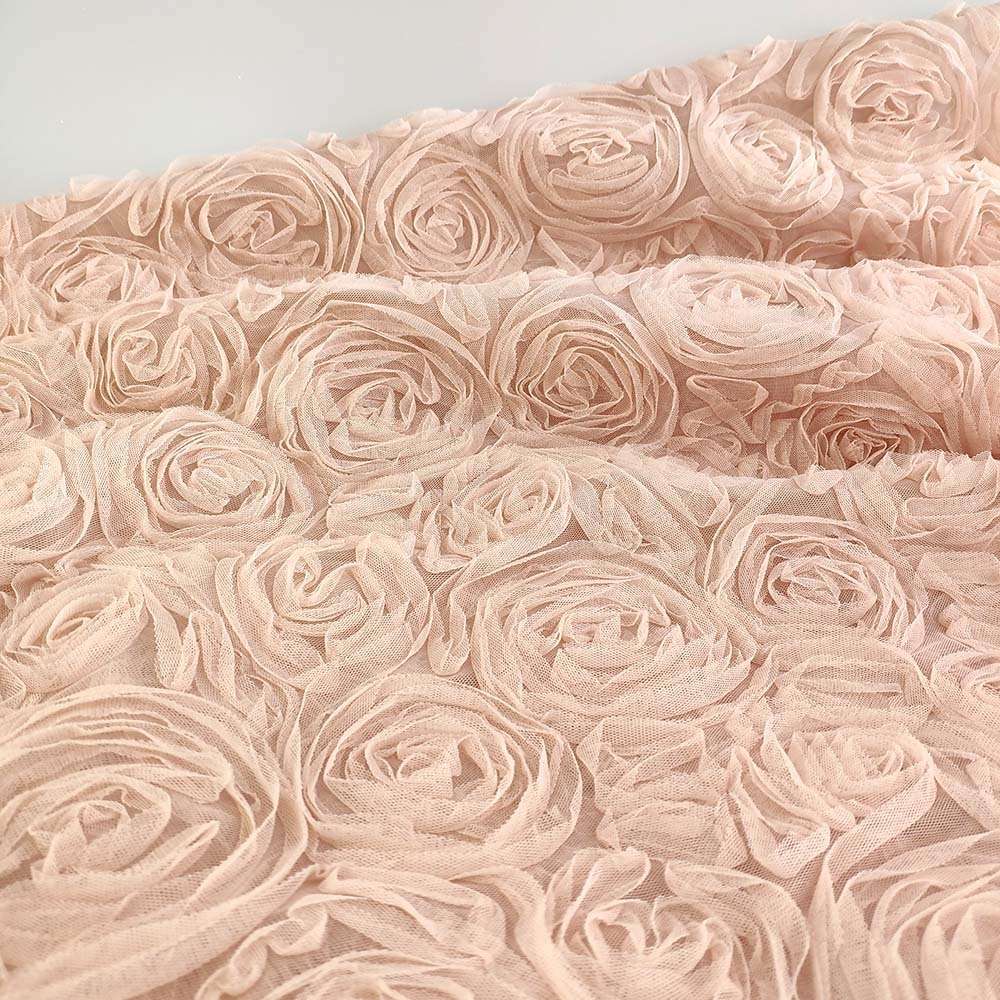
What Makes Ribbon Embroidery Distinctive
Ribbon embroidery delivers a unique combination of tactile softness, dimensional depth, and visual elegance that sets your custom apparel apart from flat or traditional 3D embroidery techniques.
Soft Flowing Texture
Ribbon embroidery creates a luxurious, soft hand feel with flowing movement that enhances comfort and premium brand perception on every garment.
Dimensional Depth & Elegance
Layered ribbon construction adds three-dimensional visual depth and sophisticated elegance that flat embroidery cannot achieve for high-end fashion collections.
Rich Color Saturation
Ribbon materials deliver vibrant, saturated color intensity with natural sheen and light reflection that elevates brand logos and decorative design elements.
Intricate Design Versatility
Perfect for floral motifs, cursive lettering, decorative borders, and artistic patterns that require delicate curves and organic flowing shapes for custom apparel.
Premium Fashion Appeal
Ideal for luxury streetwear, bridal collections, evening wear, and high-end casualwear where tactile detail and visual sophistication drive purchase decisions.
Production-Ready at 50 Pieces
ZORWILD’s low MOQ ribbon embroidery production starts at only 50 pieces, enabling startup brands, influencers, and small wholesalers to test premium decoration without inventory risk or large capital commitment.
Embroidery Techniques for Every Brand Vision
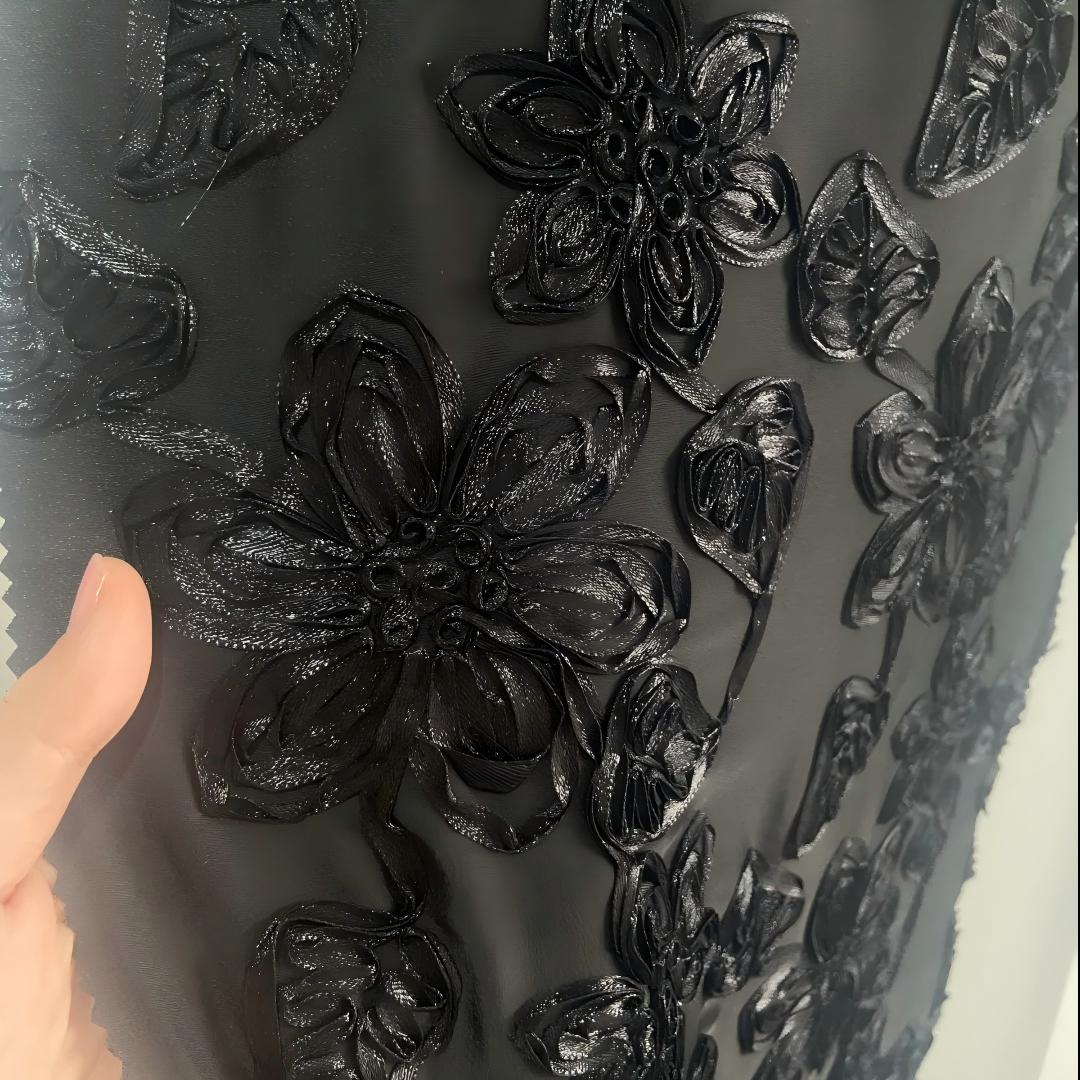
Custom Embroidery
Full-spectrum custom embroidery services spanning flat, 3D, chenille, applique, patch, towel, metallic, and sequin techniques. ZORWILD controls stitch density, thread quality, color consistency, and positioning accuracy across all decoration methods. Ideal for startups testing logo placements or established brands requiring complex multi-technique applications on custom hoodies, jackets, shirts, and sportswear.
Get a Quote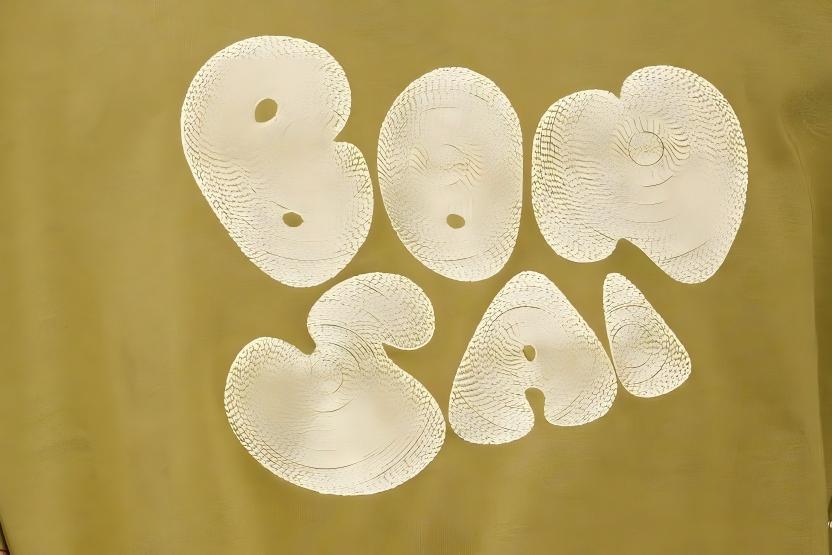
Chain Stitch Embroidery
Traditional chain stitch embroidery creates continuous looped stitching for bold outlines, vintage lettering, and retro graphic applications. Popular in streetwear, workwear jackets, and heritage-inspired collections. ZORWILD applies chain stitch to varsity jackets, bomber jackets, hoodies, and denim with precise tension control and authentic vintage aesthetics for brands targeting classic Americana or retro fashion markets.
Get a Quote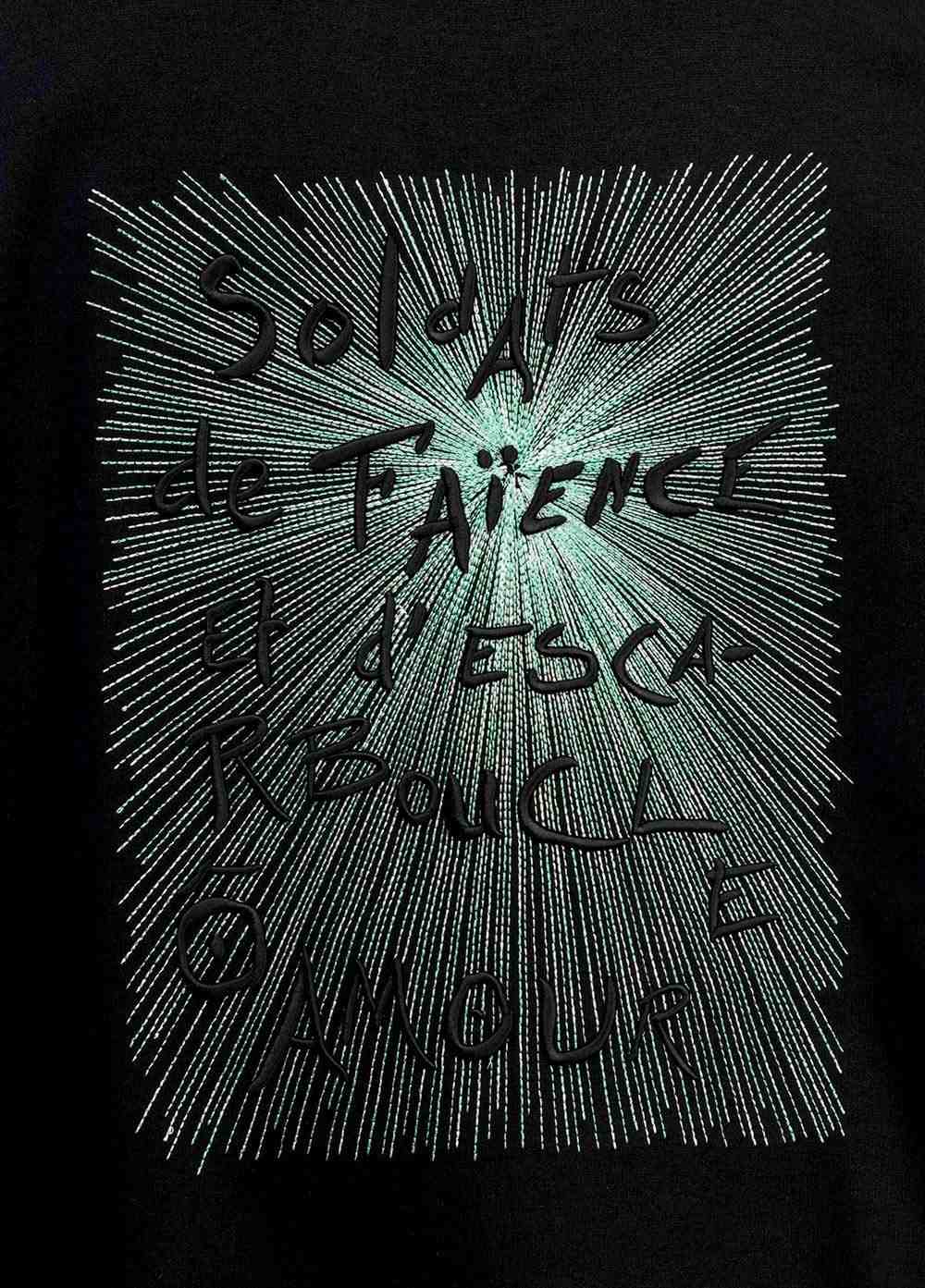
3D / Puff Embroidery
Raised 3D puff embroidery adds dimensional texture and premium visual impact to logos and graphics. Foam underlay creates elevated stitching perfect for custom hoodies, streetwear apparel, athletic wear, caps, and fashion jackets. ZORWILD manages foam density, stitch coverage, and garment stability to ensure durability through washing and wear. Minimum 50 pieces for brands launching bold, tactile branding statements.
Get a Quote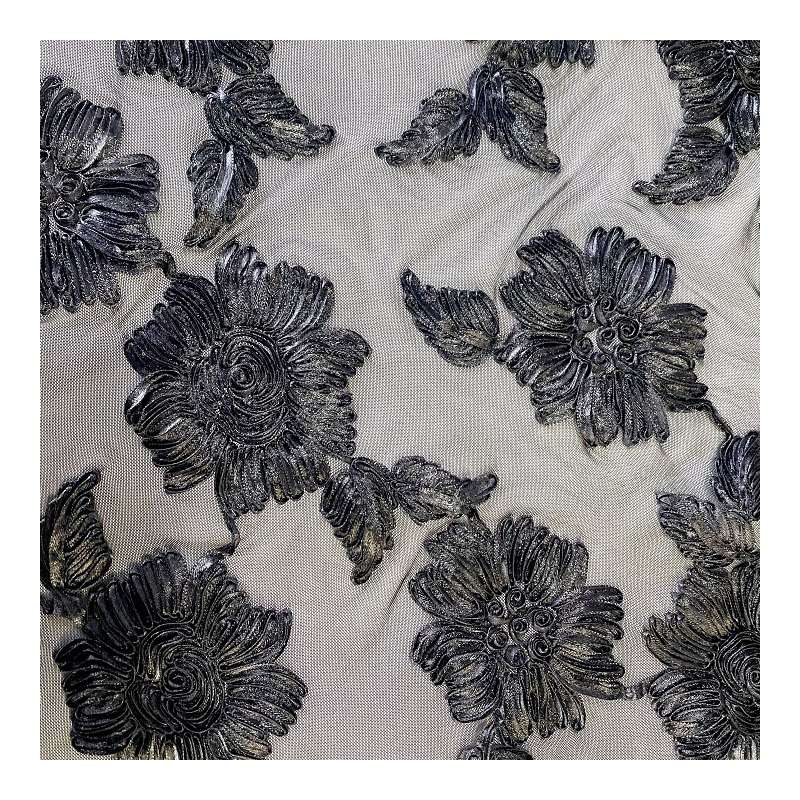
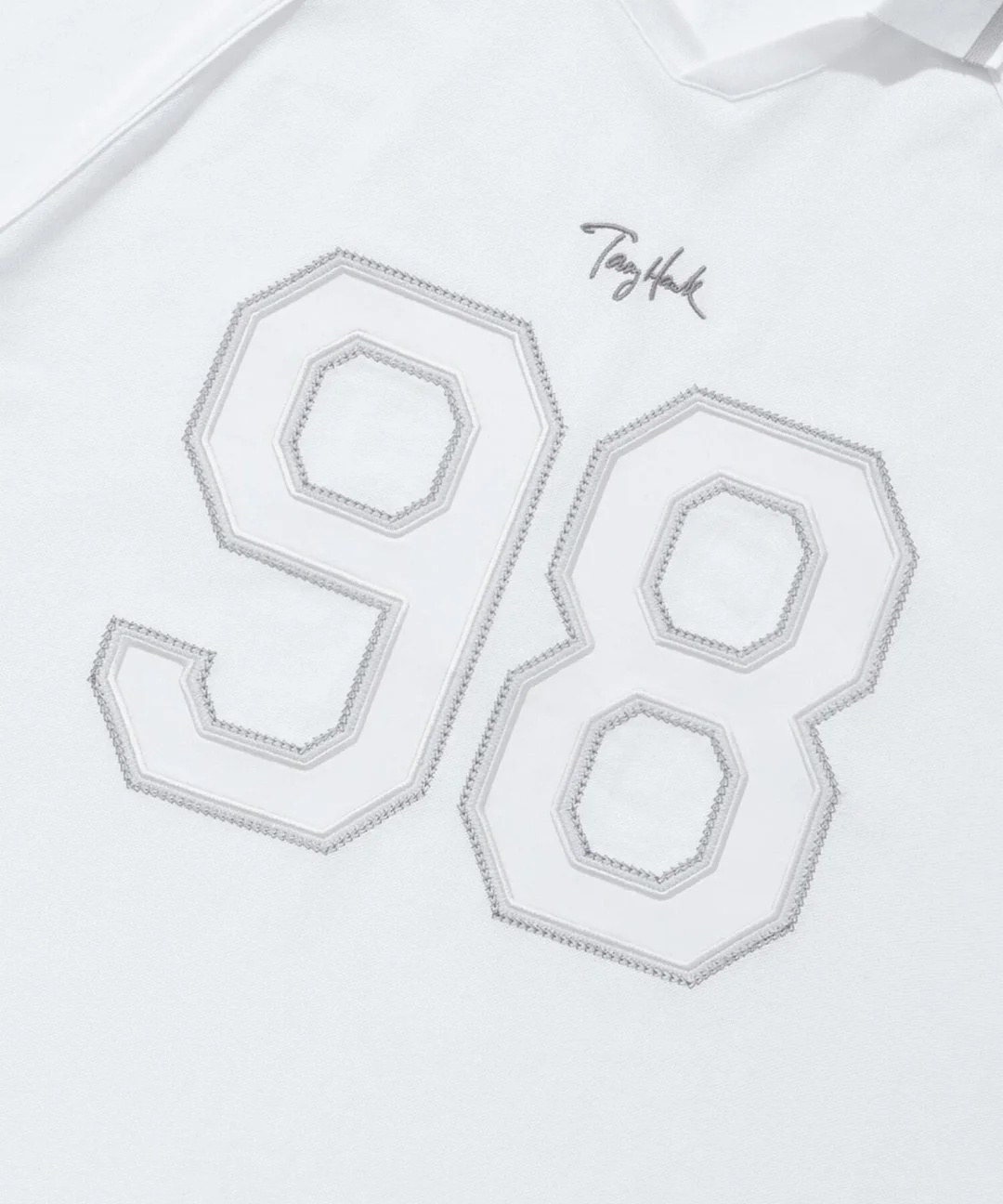
Flat Embroidery
Classic flat embroidery delivers clean, professional logo application with tight stitch density and smooth surface finish. Suitable for corporate uniforms, custom polo shirts, jackets, caps, and premium casualwear. ZORWILD uses high-quality polyester and rayon threads with precise digitizing to ensure sharp edges, consistent color matching, and long-lasting durability across all fabric weights and garment categories.
Get a Quote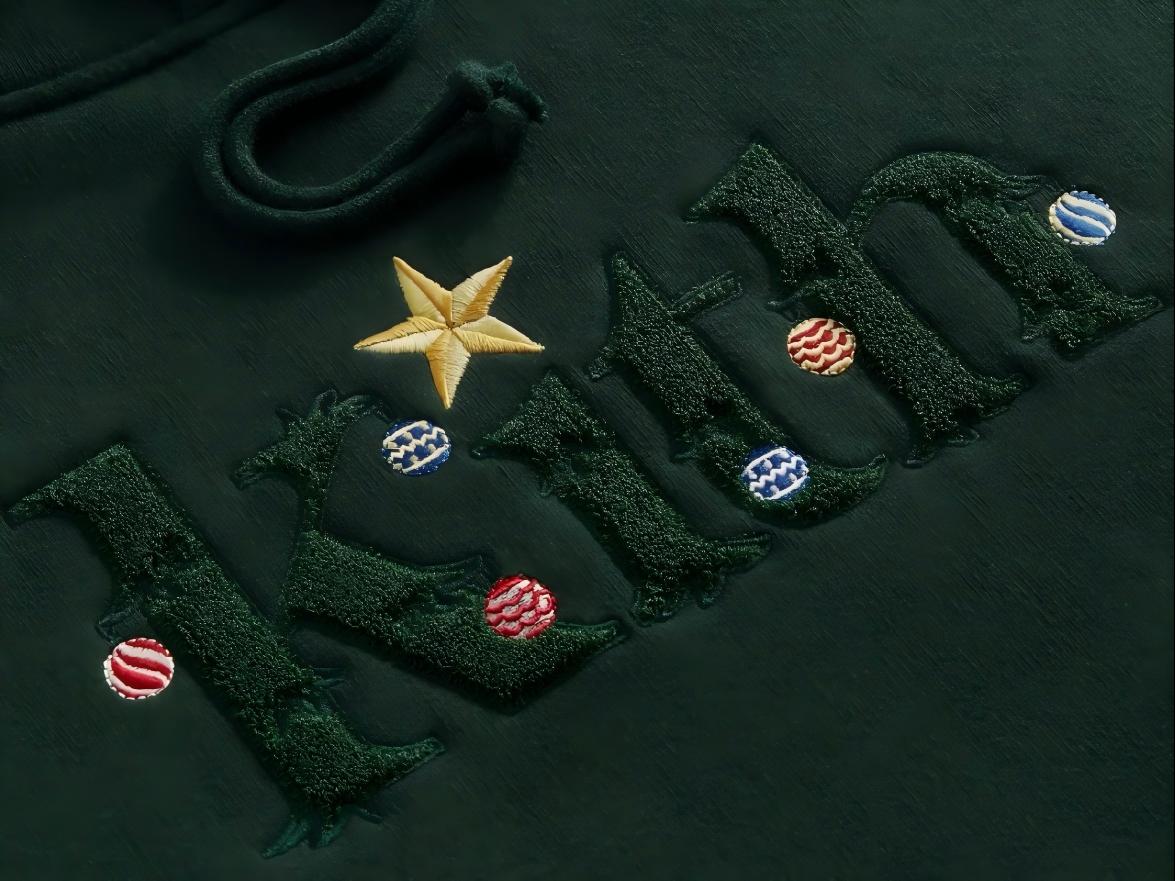
Towel Embroidery
Towel embroidery creates plush, terry-cloth texture using looped stitching techniques for soft, raised surfaces. Ideal for sportswear, athleisure hoodies, varsity jackets, and streetwear collections seeking tactile luxury. ZORWILD applies towel embroidery to chenille-style logos, retro lettering, and premium badge applications with careful loop height control and garment stabilization to maintain texture integrity through production and washing.
Get a Quote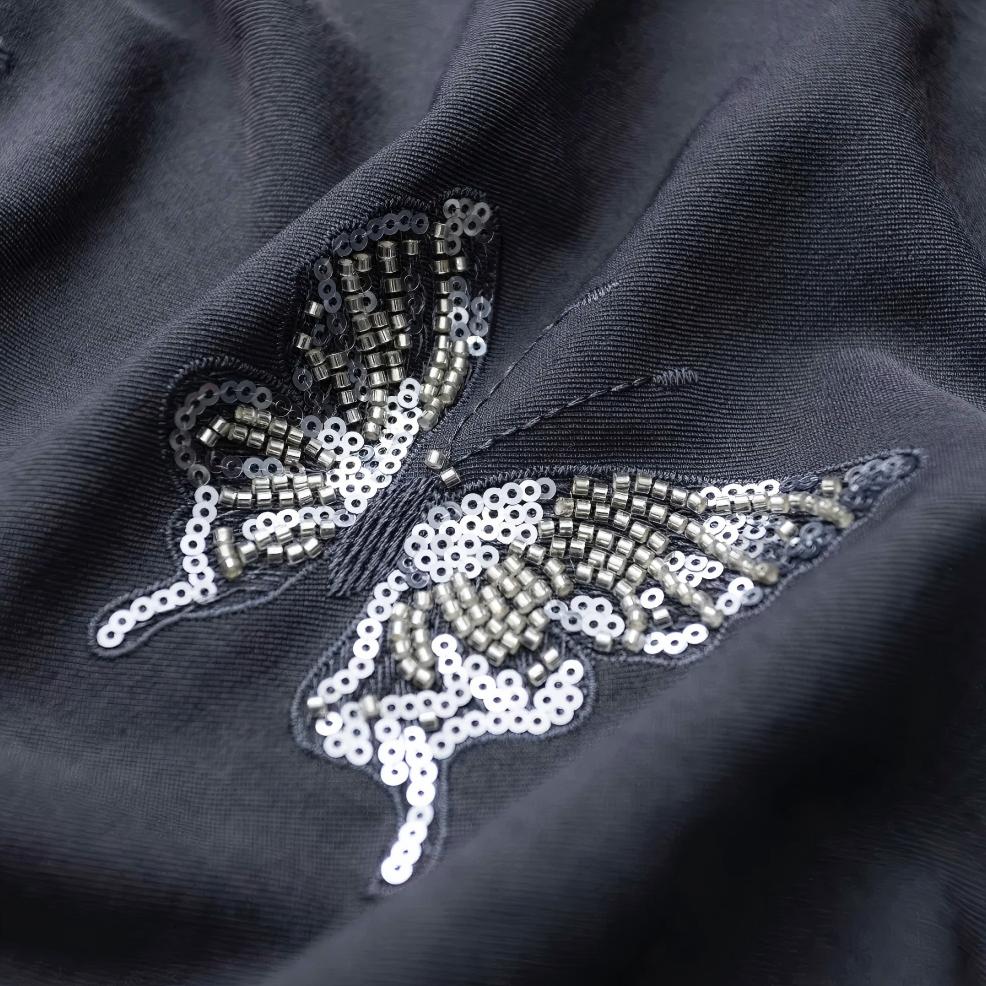
Sequin Embroidery
Sequin embroidery combines traditional stitching with reflective sequin application for high-impact glamour and fashion-forward branding. Perfect for evening dresses, resort wear, performance costumes, luxury hoodies, and statement jackets. ZORWILD secures sequins with reinforced stitching to ensure durability while maintaining garment drape and comfort. Available from 50 pieces for influencer capsules or large-scale fashion collections.
Get a Quote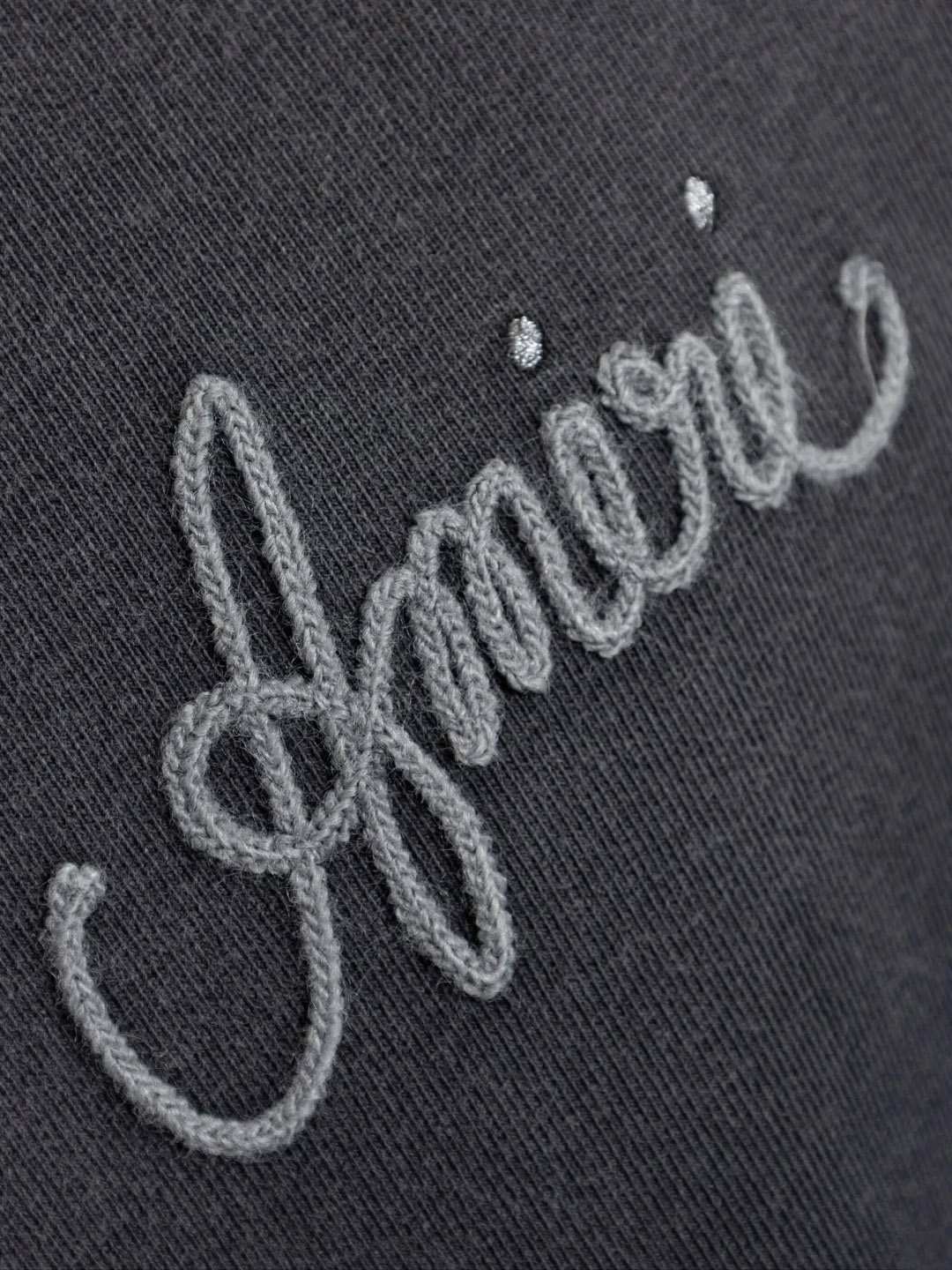
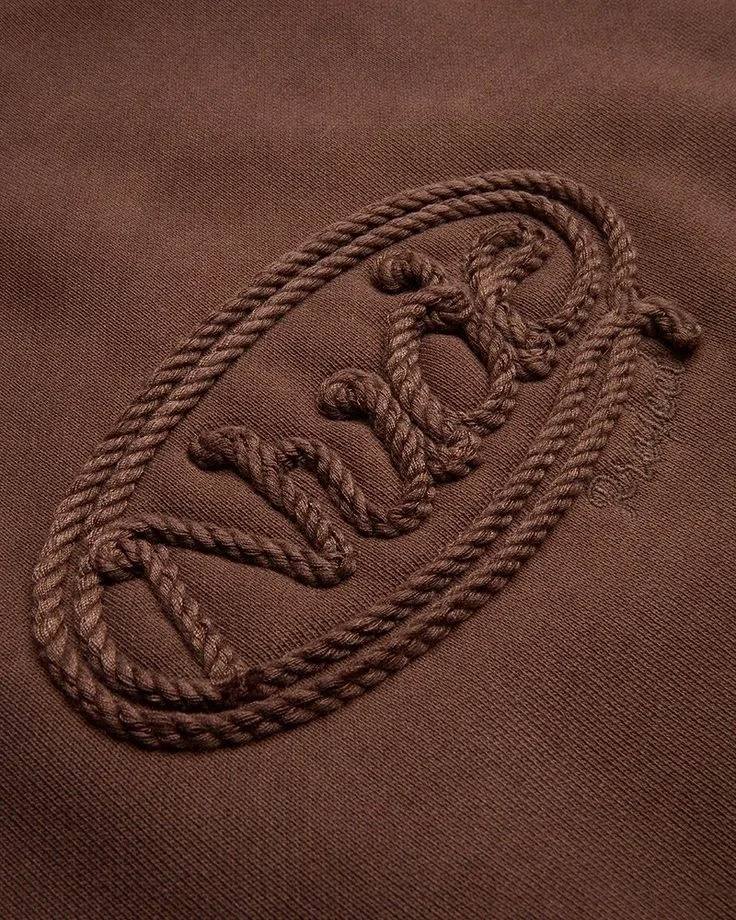
Rope Embroidery
Rope embroidery uses thick cord or braided thread to create bold, raised outlines and dimensional graphics. Popular in varsity jackets, workwear, military-inspired apparel, and heritage streetwear. ZORWILD applies rope embroidery with secure anchoring stitches and tension control to prevent puckering. Ideal for brands seeking premium texture, vintage detailing, or artisan-quality finishing on outerwear and heavyweight garments.
Get a Quote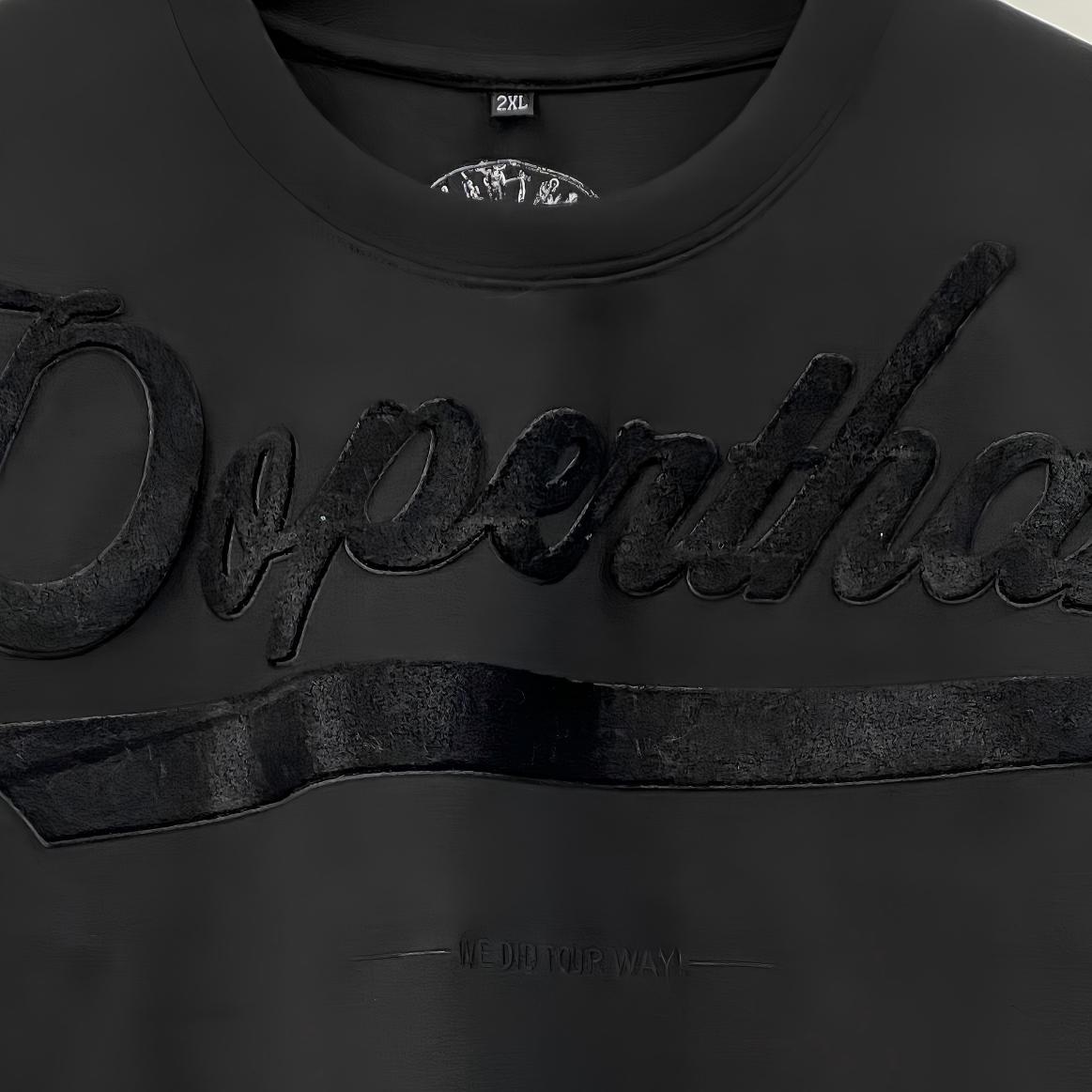
Toothbrush Embroidery
Toothbrush embroidery produces dense, bristle-like texture through specialized looped stitching for unique tactile and visual effects. Used in high-end streetwear, luxury casualwear, varsity jackets, and fashion hoodies where texture differentiation is key. ZORWILD controls loop density and height to achieve consistent plush finish. Perfect for brands exploring innovative decoration methods and premium positioning in competitive markets.
Get a Quote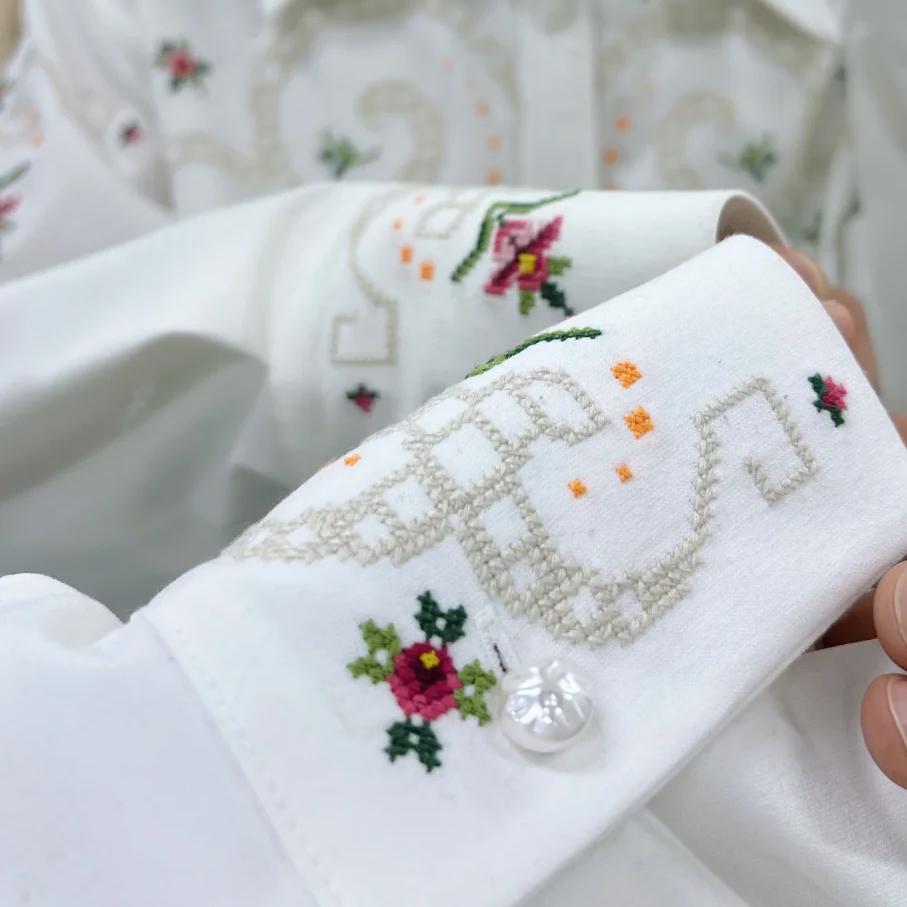
Cross Stitch Embroidery
Cross stitch embroidery replicates traditional needlework patterns with X-shaped stitches for folk-inspired, artisan, and heritage aesthetics. Suitable for bohemian dresses, resort wear, vintage casualwear, and craft-inspired collections. ZORWILD digitizes cross stitch patterns to maintain handmade appearance while ensuring production consistency and durability. Available for small-batch production starting at 50 pieces for independent designers and niche fashion brands.
Get a QuoteZORWILD's Ribbon Embroidery Experience
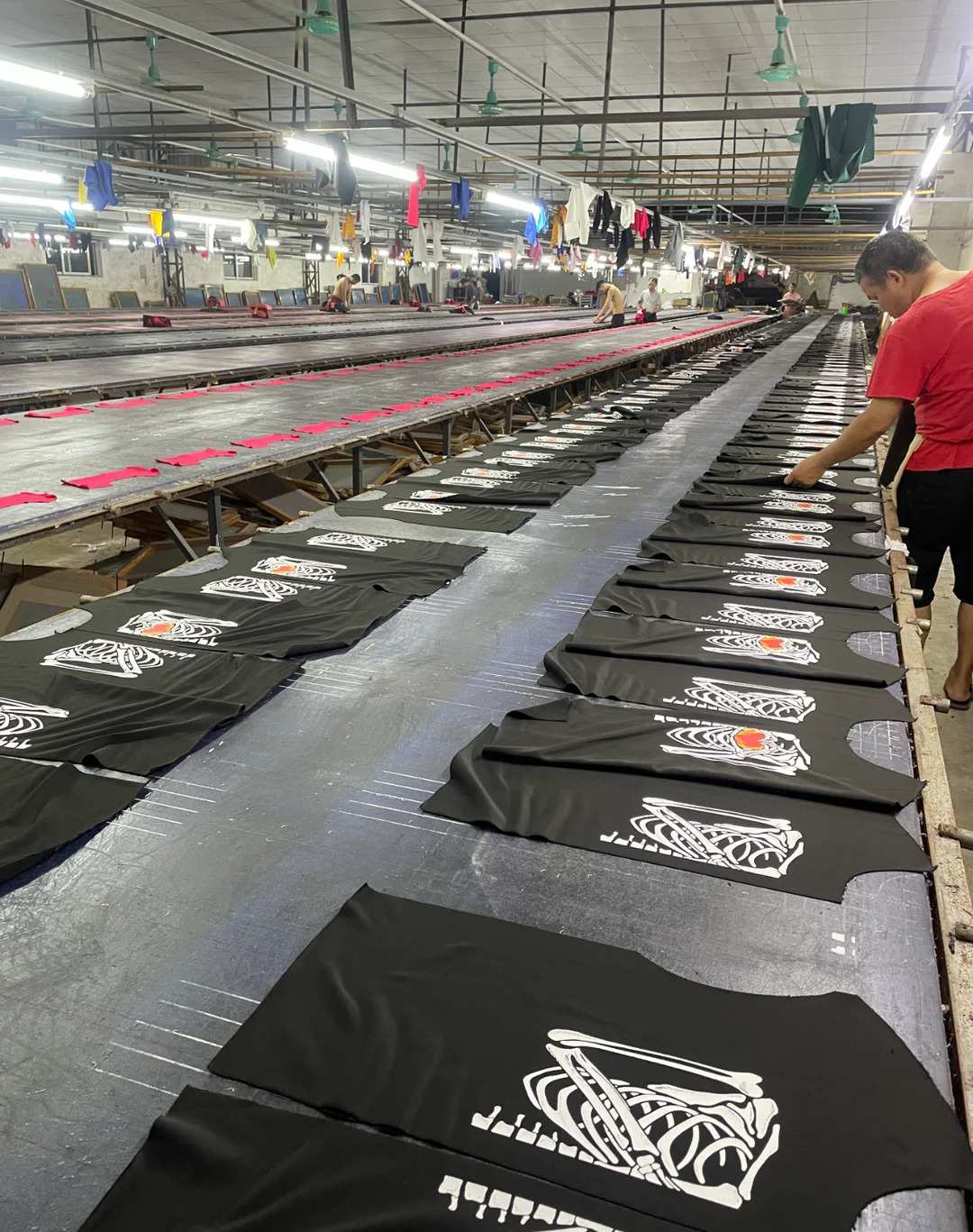
Founded in 1998 in Humen, Dongguan, ZORWILD has spent 27 years mastering advanced apparel decoration techniques including ribbon embroidery for fashion brands worldwide. Our in-house embroidery capabilities cover flat, 3D, chenille, applique, and specialized ribbon embroidery, delivering dimensional elegance and premium texture to custom apparel collections.
With over 200 skilled workers and advanced embroidery equipment, we’ve served more than 2,000 global brands across the United States, Canada, Europe, Australia, and the Middle East. Our ribbon embroidery expertise enhances custom varsity jackets, luxury hoodies, designer dresses, custom shirts, and fashion outerwear with delicate dimensional detail that elevates brand identity.
ZORWILD’s ribbon embroidery service includes design consultation, sampling from 50 pieces, strict 6-stage quality control at every stage, and scalable production up to 100,000 units monthly. We combine traditional craftsmanship with modern manufacturing systems to deliver consistent quality, competitive pricing, and reliable timelines for startup brands and established fashion labels alike.
Ribbon Embroidery Quality Attributes
Premium Thread Quality and Fiber Selection
ZORWILD sources high-grade ribbon threads with superior sheen, texture, and dimensional stability. Our fiber selection ensures that every ribbon embroidery design maintains its elegant appearance and structural integrity through production and wear.
- Polyester and rayon ribbon threads selected for luster and durability
- Fiber content matched to garment fabric weight and wash requirements
- Consistent thread diameter across all production batches
- UV-resistant threads available for outdoor and performance apparel
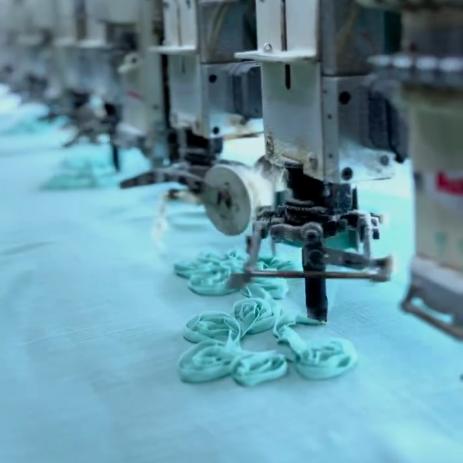
Precise Stitch Density and Tension Control
Our 27 years of embroidery expertise enable precise control over stitch density and thread tension, preventing puckering, thread breaks, or loose stitches. Each ribbon embroidery piece is programmed and tested to achieve optimal dimensional effect without compromising garment structure.
- Stitch density calibrated for ribbon width and fabric backing
- Tension settings adjusted per garment type to prevent distortion
- Multiple test runs conducted before bulk production begins
- In-line inspection ensures consistency across 100,000+ monthly units
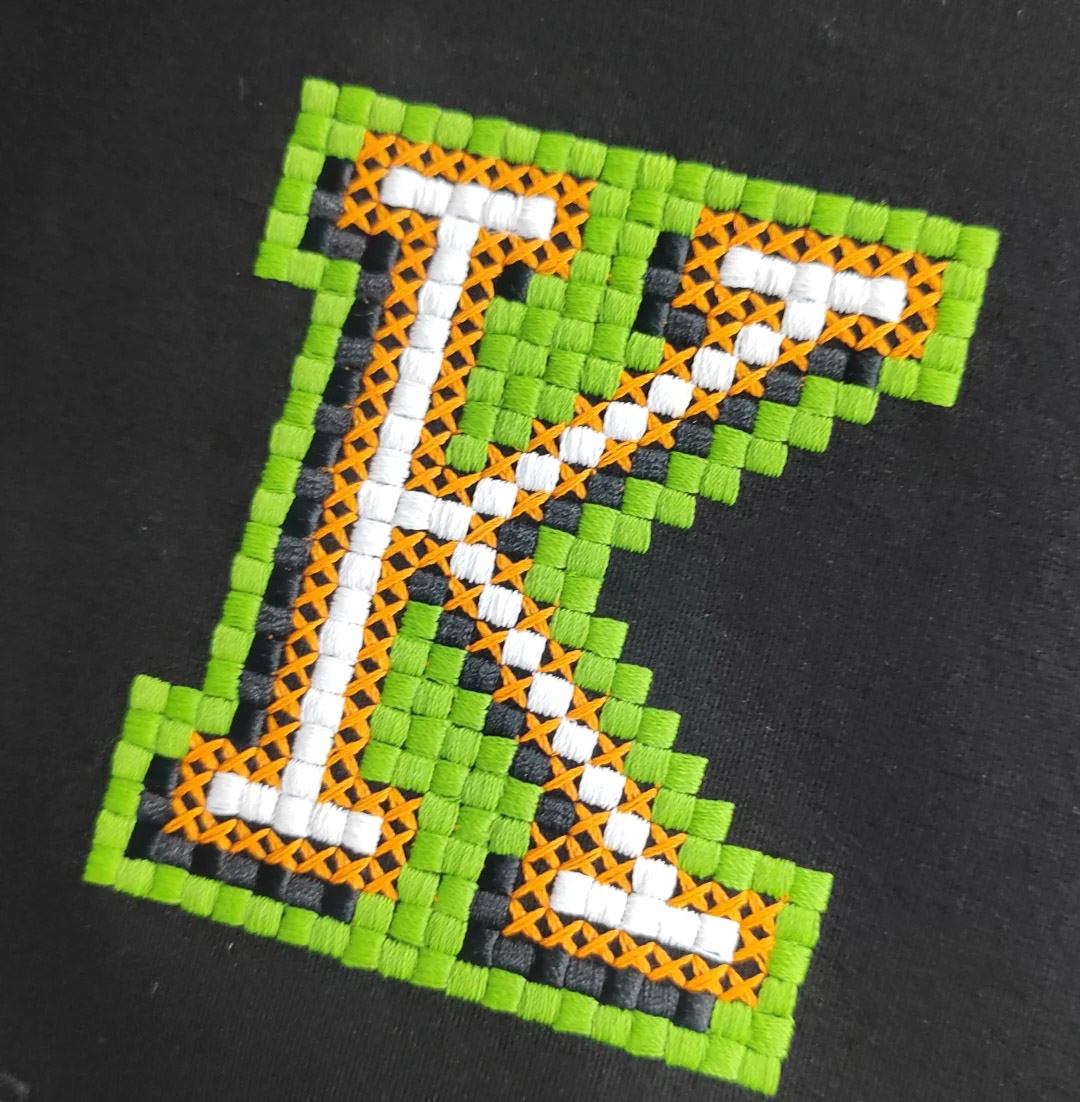
Color Consistency Across Production Runs
ZORWILD maintains rigorous color-matching protocols throughout every production run. Our quality control system verifies thread lot consistency, lighting conditions, and digital color references to ensure your ribbon embroidery looks identical from the first piece to the last.
- Thread lots verified against approved samples before production
- Color reference cards maintained for every custom ribbon embroidery design
- Six-stage quality control system includes dedicated color inspection
- Replacement threads sourced from the same dye lot when restocking
Positioning Accuracy and Wash Durability
Our digitizing team ensures ribbon embroidery placement accuracy within millimeters, while our garment finishing techniques guarantee designs withstand repeated washing. Every piece is tested for positioning precision and long-term durability before shipment to your brand.
- Digital positioning templates ensure placement accuracy across all sizes
- Stabilizer selection matched to fabric type and embroidery complexity
- Wash testing conducted on sample garments before bulk production
- Backing materials engineered to prevent thread loosening or fraying over time
Ribbon Embroidery vs. Flat & 3D Embroidery
Choose the embroidery technique that matches your design goals, fabric type, and brand aesthetic. Compare dimensional ribbon embroidery against flat and 3D embroidery to understand fabric compatibility, durability, layering options, and production considerations for custom apparel manufacturing.
← 左右滑动查看 →
Ribbon Embroidery Production Process
ZORWILD’s 6-stage ribbon embroidery workflow ensures dimensional elegance, consistent tension control, and flawless finishing on every garment from 50-piece startup orders to large-scale production runs.
Design Approval & Digitization
Your artwork is converted into embroidery-ready files with ribbon-specific stitch paths, density maps, and color matching to ensure dimensional accuracy and visual impact.
Garment Preparation & Hooping
Each garment is stabilized with backing material and precisely hooped to prevent fabric distortion during ribbon embroidery execution and maintain registration accuracy.
Ribbon Threading & Machine Setup
Specialized ribbon threads are loaded into multi-head embroidery machines with tension calibrated for dimensional texture, sheen retention, and stitch integrity throughout production.
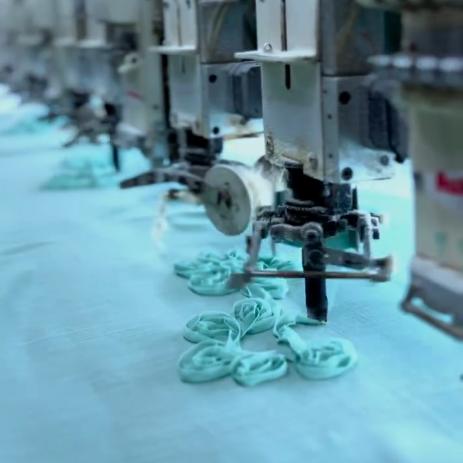
Embroidery Execution & Monitoring
Skilled operators monitor real-time stitching, ribbon feed consistency, tension balance, and stitch density to prevent thread breaks, puckering, or dimensional inconsistencies across all units.
Post-Embroidery Finishing & Trimming
Excess backing is removed, loose threads are trimmed, and ribbon embroidery surfaces are inspected for dimensional uniformity, sheen quality, and tactile consistency.
Quality Inspection & Packaging
Final inspection verifies stitch count accuracy, ribbon texture integrity, color consistency, and garment finish before custom packaging with branded labels and hang tags.
How to Order Ribbon Embroidery from ZORWILD
From design submission to final production, our streamlined process ensures your custom ribbon embroidery meets exact specifications with professional quality and reliable timelines.
Submit Your Design and Tech Pack
Send vector artwork, color references, placement specs, and fabric type preferences. Our team reviews ribbon embroidery feasibility and provides technical recommendations within 24 hours.
Receive Sampling Quote and Timeline
We calculate costs based on stitch count, ribbon width, complexity, and fabric compatibility. Sampling lead time is typically seven to ten business days for ribbon embroidery.
Approve Sample Quality and Details
Evaluate dimensional texture, ribbon tension, stitch density, color accuracy, and durability. Request revisions if needed before proceeding to bulk production approval.
Finalize Production Specifications
Confirm MOQ starting at 50 pieces, delivery timeline, custom packaging, branded labels, and final pricing. Lock in all technical details to ensure consistency across your order.
Launch Production with Quality Assurance
Your ribbon embroidery enters our six-stage quality control system. We monitor stitch precision, fabric handling, and finishing throughout production to guarantee premium results.
Customer Stories: Ribbon Embroidery Success
ZORWILD’s ribbon embroidery transformed our resort collection. The floral designs stayed perfect after 15 washes, and we launched with just 50 pieces per style thanks to their low MOQ. The quality exceeded our luxury positioning expectations completely.
We needed intricate ribbon embroidery on 800 custom bomber jackets with a tight deadline. ZORWILD delivered on time with zero defects. The dimensional texture elevated our wholesale line and reorders jumped 40% immediately.
Starting our influencer brand with ribbon embroidery felt risky, but ZORWILD’s 50-piece MOQ made it possible. The samples matched our vision perfectly, and production quality was consistent across all 200 hoodies we eventually ordered.
Ribbon Embroidery FAQ
What is the minimum order quantity for ribbon embroidery?
What fabrics work best with ribbon embroidery?
Can I combine ribbon embroidery with screen printing or patches?
What is the maximum design size for ribbon embroidery?
How many colors can be used in ribbon embroidery designs?
How durable is ribbon embroidery after washing?
What are the lead times for ribbon embroidery production?
What file format is required for ribbon embroidery artwork?
How much does ribbon embroidery sampling cost?
The Complete Buyer’s Guide to Ribbon Embroidery for Brands and Wholesalers
1. What Is Ribbon Embroidery and Why It Matters for Your Brand
Ribbon embroidery is a decorative technique that uses silk or synthetic ribbons stitched onto fabric to create three-dimensional floral and decorative motifs, elevating garments from flat graphics to tactile luxury pieces. Unlike flat embroidery that uses thread to create two-dimensional designs, ribbon embroidery produces raised textures ranging from 2 to 8 millimeters in depth, delivering a premium hand feel and visual dimension that photographs exceptionally well for social media marketing. ZORWILD has applied ribbon embroidery to custom dresses, resort shirts, evening wear, and luxury casualwear for brands targeting premium positioning and higher retail price points.
Brands choose ribbon embroidery over flat embroidery or print when differentiation and perceived value matter more than cost per unit. A garment with ribbon embroidery typically commands 30 to 60 percent higher retail pricing than the same style with screen printing, making it ideal for limited-edition capsules, influencer collaborations, and premium product lines. The technique works best on medium to heavyweight fabrics such as cotton twill, linen blends, satin, denim, and French terry where the base material can support the ribbon weight without puckering.
Ribbon embroidery suits brands launching premium collections, resort wear lines, bridal accessories, luxury streetwear, and home textile products where tactile detail drives purchase decisions. ZORWILD supports ribbon embroidery customization starting from 50-piece MOQ, allowing startup brands and influencers to test high-margin products without large inventory commitments or excessive upfront investment.
2. The Evolution and History of Ribbon Embroidery
Ribbon embroidery emerged in 17th-century French and Italian courts, where silk ribbons were hand-stitched onto garments and accessories to signal aristocratic status. By the 1750s, French rococo fashion elevated the technique with intricate floral motifs on bodices, sleeves, and millinery, establishing ribbon embroidery as a marker of luxury craftsmanship. Early work required skilled artisans who could manipulate narrow silk ribbons (typically 2–7 mm wide) through dense weaves without puckering or distorting the base fabric.
The Victorian era (1837–1901) democratized ribbon embroidery through crazy quilts and home decoration, yet quality standards remained high: tight stitch tension, consistent ribbon width, and dimensional petal effects separated heirloom pieces from amateur work. This period codified techniques still referenced in modern quality benchmarks, including loop stitches, gathered roses, and layered ribbon appliqué.
The 1980s craft revival reintroduced ribbon embroidery to fashion accessories and bridal wear, but production remained largely manual. After 2010, semi-automated embroidery machines capable of handling 3–25 mm ribbons enabled scalable manufacturing, allowing brands to order ribbon embroidery at MOQs as low as 50 pieces while maintaining dimensional texture and hand-stitched aesthetics.
Today’s 2020s fashion renaissance blends heritage techniques with streetwear and luxury ready-to-wear. Manufacturers like ZORWILD combine machine precision for base stitching with hand-finishing for three-dimensional floral clusters, offering brands heritage positioning, tactile differentiation, and Instagram-ready texture at accessible minimums.
3. Types of Ribbon Embroidery Techniques and Styles
Ribbon embroidery encompasses six distinct techniques, each delivering unique aesthetics and cost profiles. Choosing the right style aligns your product with brand identity and target customer expectations.
Silk Ribbon Embroidery
Silk ribbon embroidery uses 2–7 mm ribbons in fine, painterly stitches that create delicate floral motifs and soft dimensional texture. Common stitches include ribbon stitch, French knot, and lazy daisy. This technique suits luxury dresses, bridal wear, and high-end casualwear where subtle elegance is required. Cost is moderate to high due to material and labor intensity.
Satin Ribbon Appliqué
Satin ribbon appliqué employs 6–25 mm ribbons machine-stitched or hand-tacked onto garments for bold, graphic impact. Edge-stitching and zigzag secure the ribbon, creating clean lines and strong color blocks. Ideal for streetwear hoodies, varsity jackets, and athletic apparel targeting younger demographics. Cost is low to moderate with faster production cycles.
Grosgrain Ribbon Embroidery
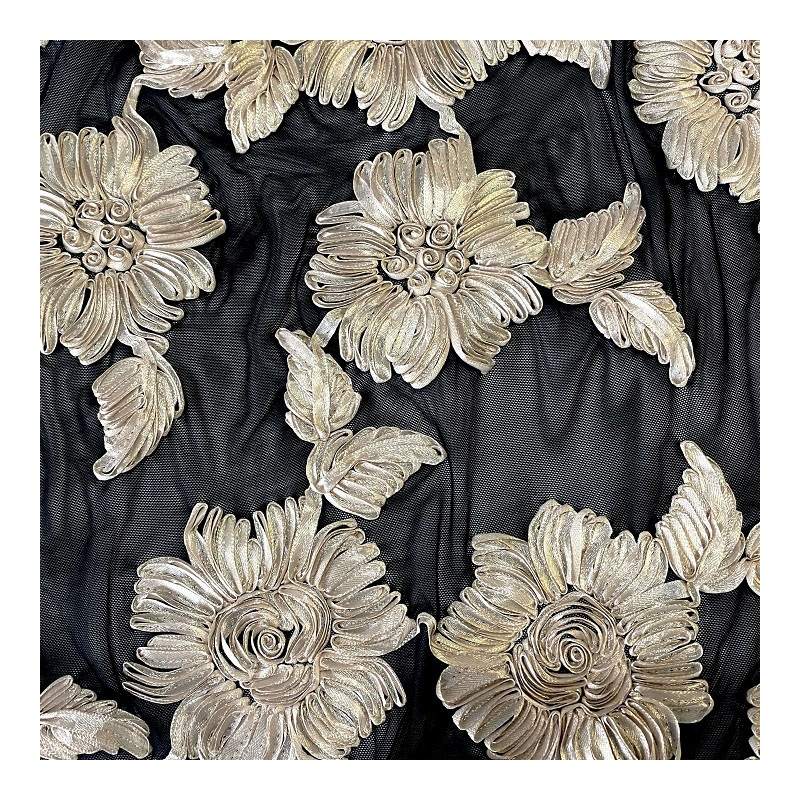
Grosgrain ribbon embroidery features 9–38 mm structured, ribbed ribbons that deliver a preppy, tailored aesthetic. Common applications include trim borders, bow accents, and geometric patterns on polo shirts, school uniforms, and resort wear. The firm weave resists fraying and holds shape well. Cost is moderate with excellent durability and wash performance.
Organza Ribbon Work
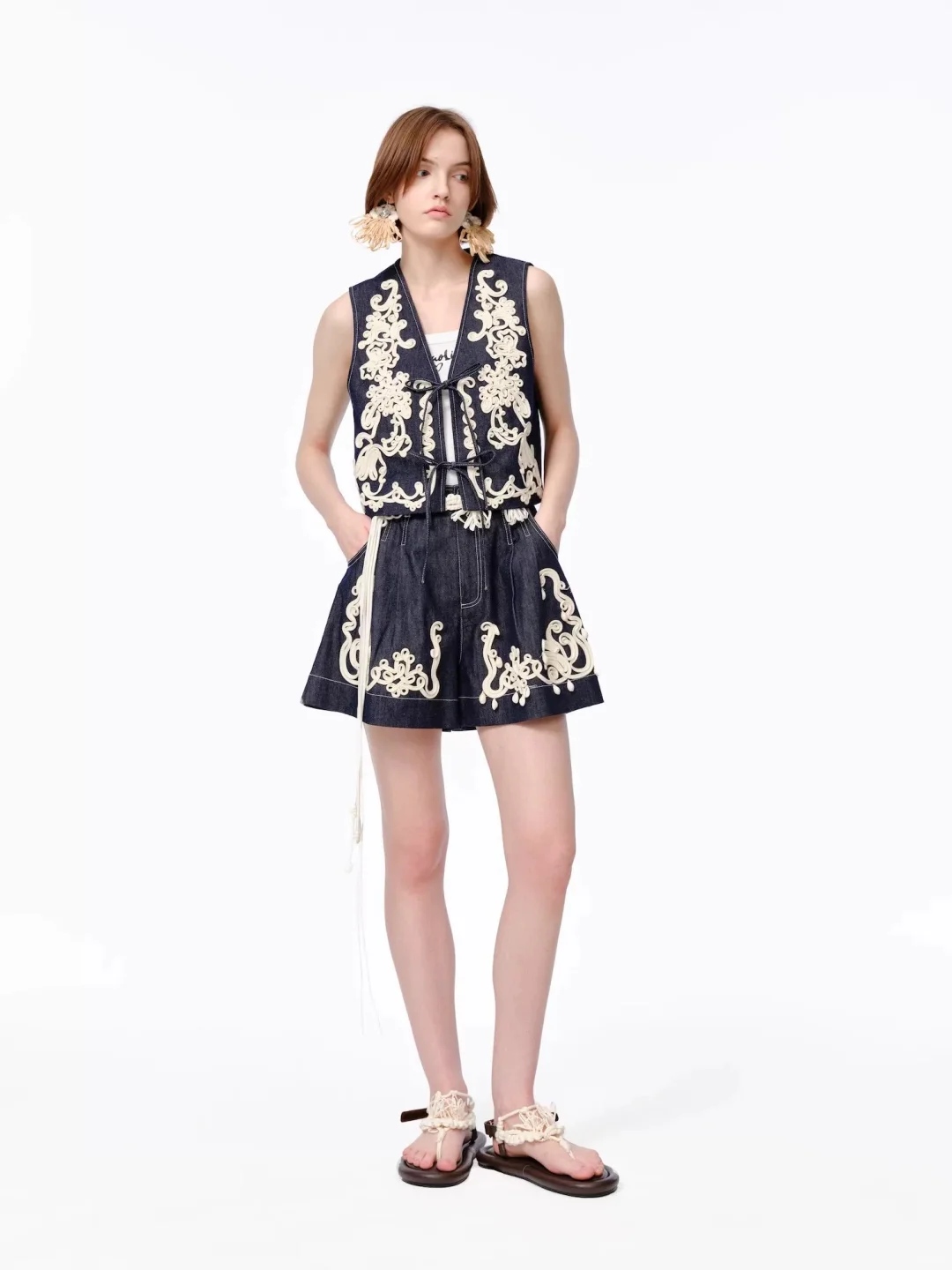
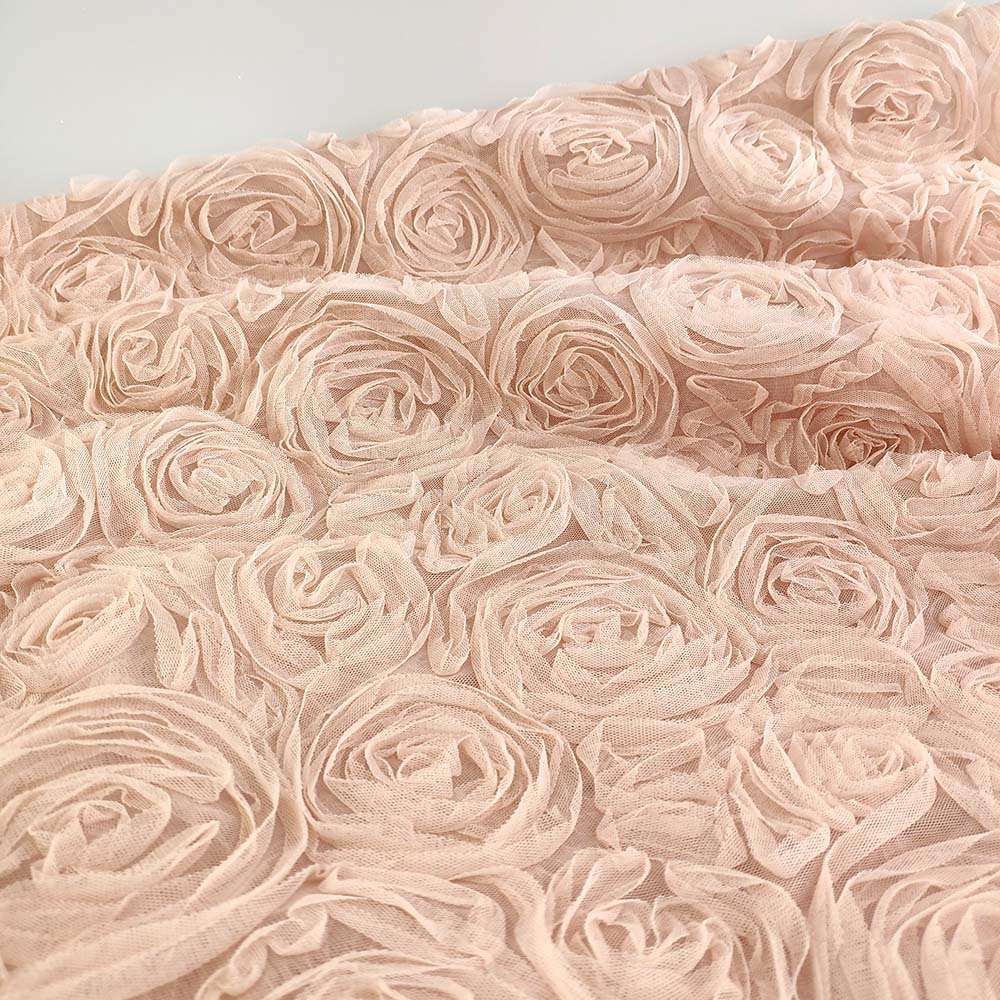
Organza ribbon work uses 3–15 mm sheer, lightweight ribbons for romantic, ethereal effects on evening dresses, prom gowns, and luxury casualwear. Techniques include gathered rosettes, layered petals, and cascading bows. The transparency creates depth and movement. Cost is moderate to high, requiring careful handling and skilled construction to prevent snagging.
Velvet Ribbon Embroidery
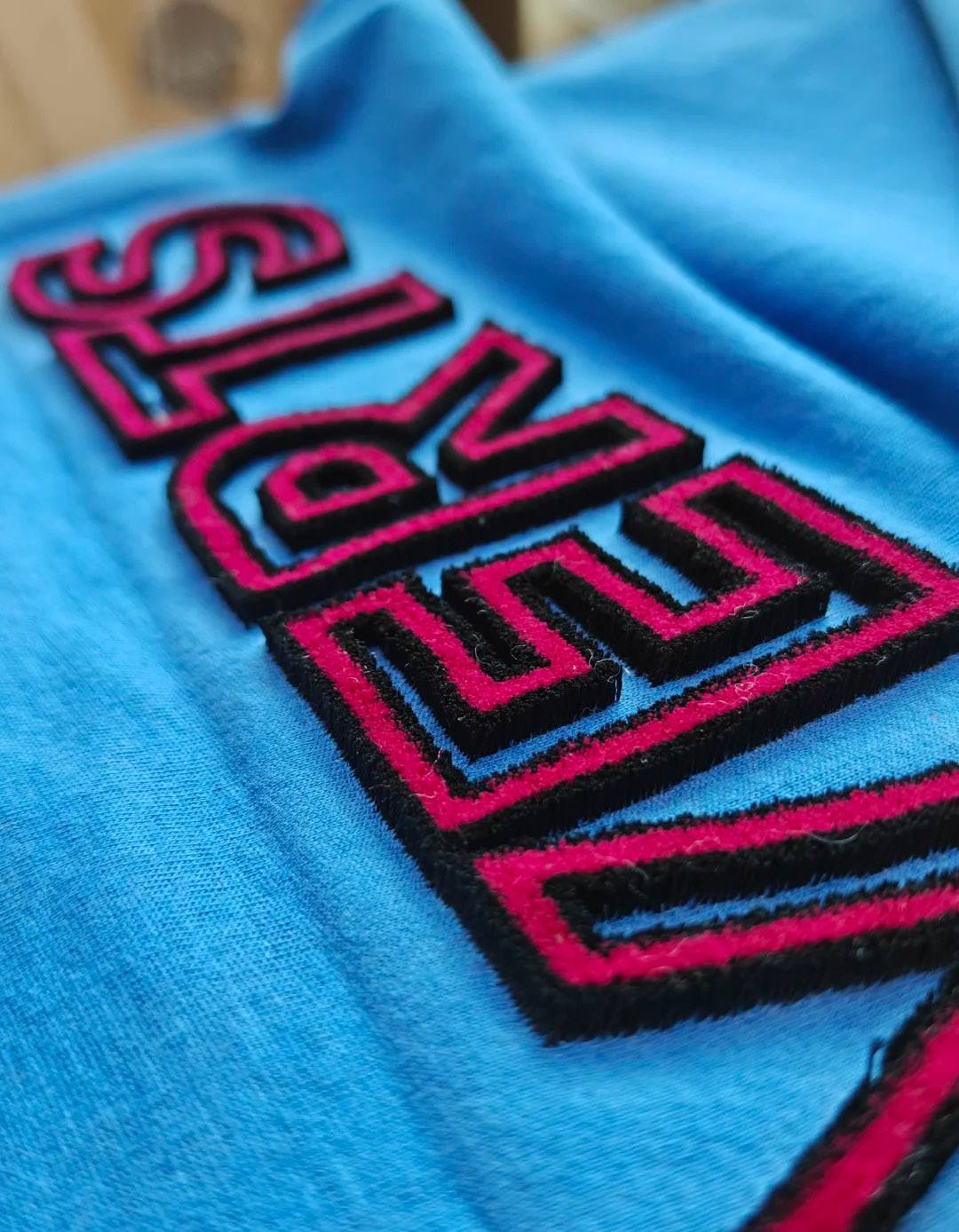
Velvet ribbon embroidery employs 6–25 mm plush ribbons for rich, textured accents on fall and winter collections, luxury sweatshirts, and premium outerwear. The dense pile adds tactile interest and visual weight. Applications include monogram borders, cuff details, and decorative patches. Cost is high due to material expense and specialized sewing requirements.
Mixed-Media Ribbon Embroidery
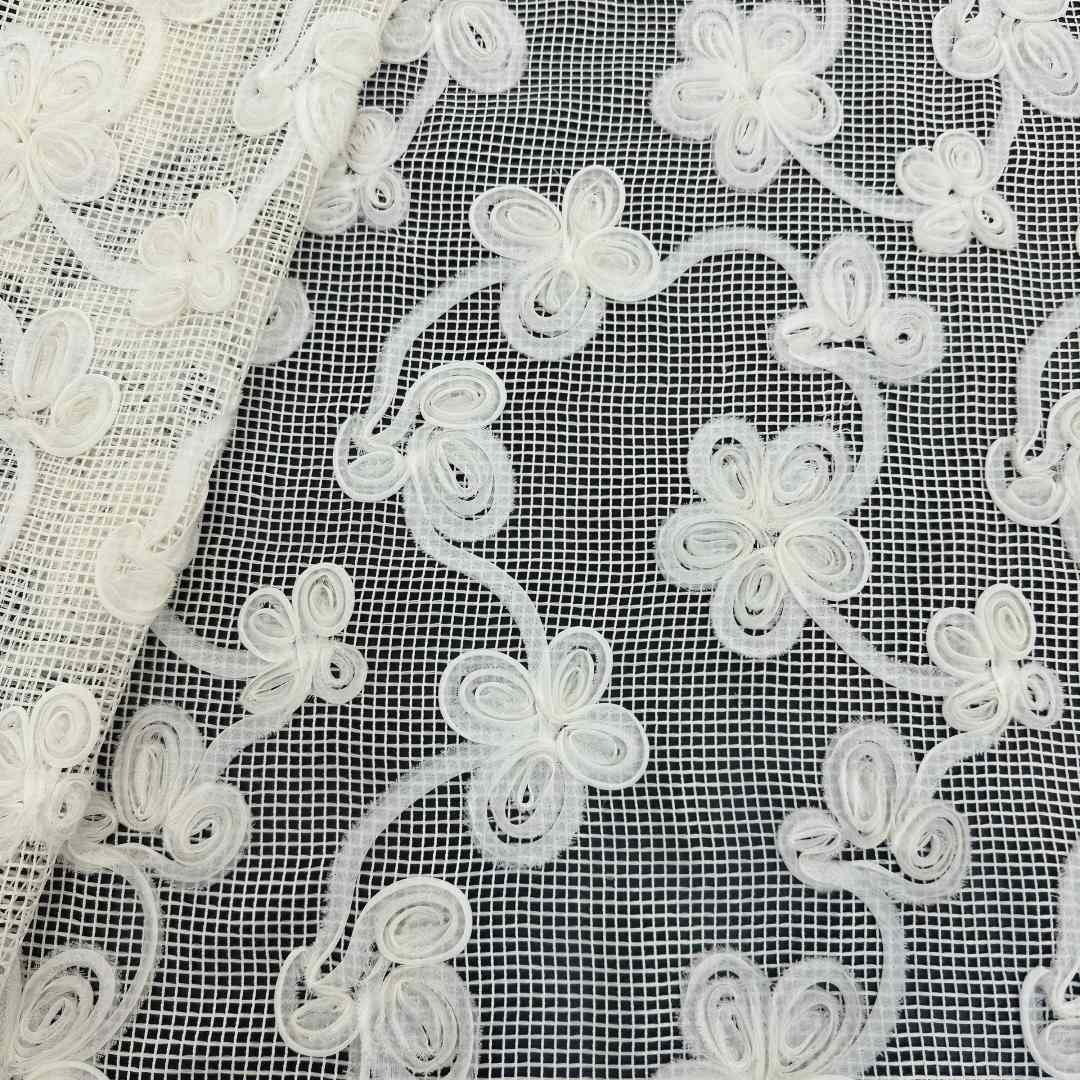
Mixed-media ribbon embroidery combines two or more ribbon types with sequins, beads, or traditional thread embroidery for complex, high-impact designs. This technique is popular in fashion-forward collections, festival wear, and limited-edition capsules. Production requires advanced craftsmanship and longer lead times. Cost is highest, reflecting labor intensity and material variety.
4. Materials and Fabrics for Ribbon Embroidery
Successful ribbon embroidery depends on matching the right ribbon material to the correct base fabric and stabilizer system. Professional manufacturers evaluate fiber content, weight, stretch, and wash performance to ensure dimensional stability and colorfastness across production runs.
| Ribbon Type | Best Base Fabrics | Durability | Care Instructions | Cost Range |
|---|---|---|---|---|
| Silk | Cotton twill, linen, satin | Low; dry clean only | Dry clean; no heat | $8–15/meter |
| Polyester satin | Cotton, denim, knits, twill | High; machine washable | Cold wash; tumble low | $1.20–3/meter |
| Grosgrain | Denim, canvas, outerwear | Very high; abrasion resistant | Warm wash; tumble dry | $1.50–4/meter |
| Organza | Lightweight wovens, chiffon | Medium; snag risk | Hand wash; air dry | $2–5/meter |
| Velvet | Cotton, twill, formalwear | Medium; pile crushes | Dry clean; steam only | $4–9/meter |
Ribbon Materials and Their Properties
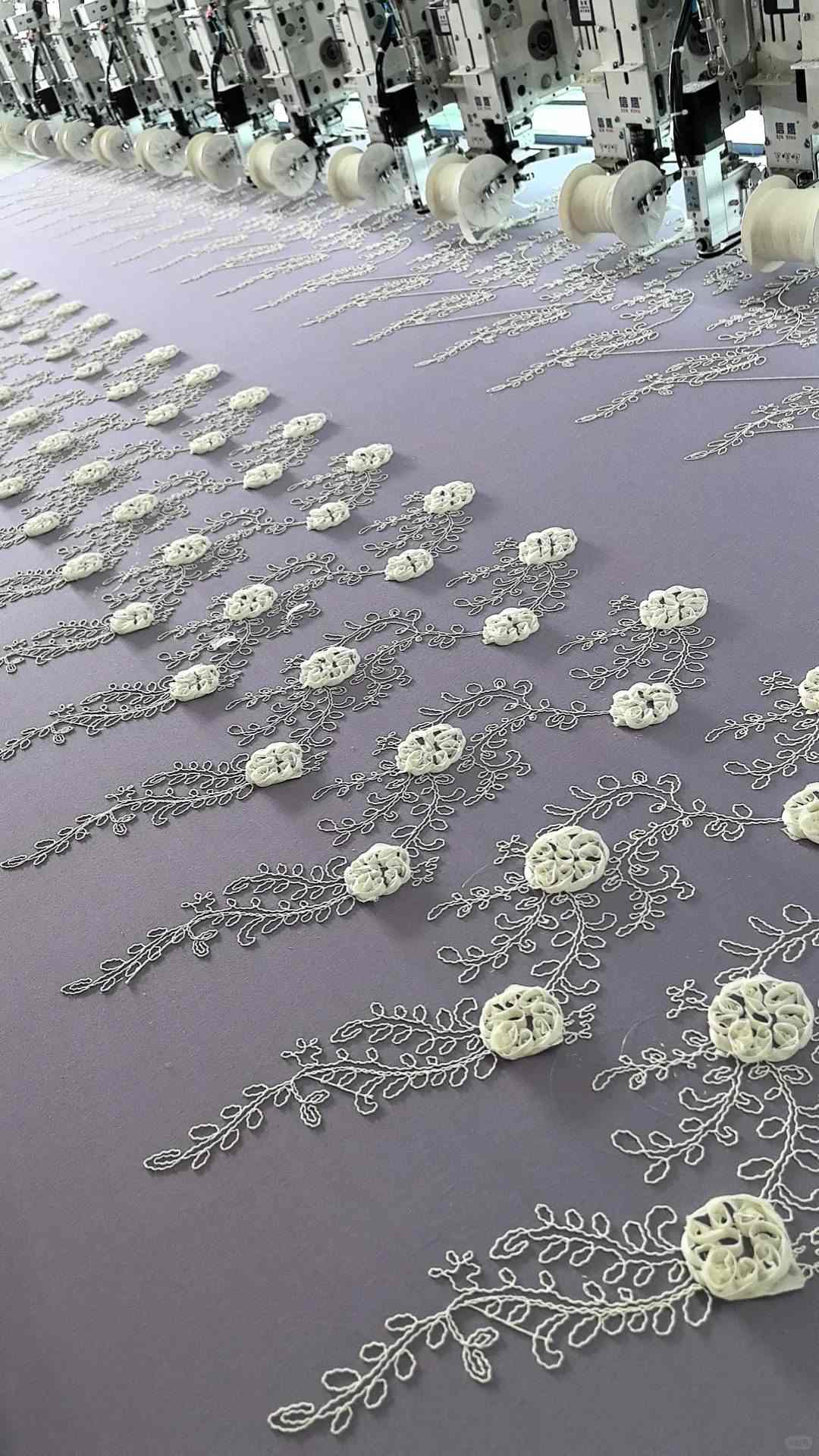
Silk ribbons offer the highest luster and drape but require delicate handling and dry cleaning, making them ideal for luxury dresses and formalwear. Polyester satin ribbons deliver excellent durability, colorfastness, and machine washability at lower cost, suitable for streetwear hoodies, casual shirts, and activewear. Grosgrain ribbons feature ribbed texture and strong dimensional stability, often used for structural accents on jackets and utility garments.
Organza ribbons provide sheer, lightweight effects for layered designs on evening dresses and resort wear. Velvet ribbons create rich texture and depth but add weight and require careful pressing to avoid crushing pile.
Base Fabric Compatibility and Stabilizer Requirements
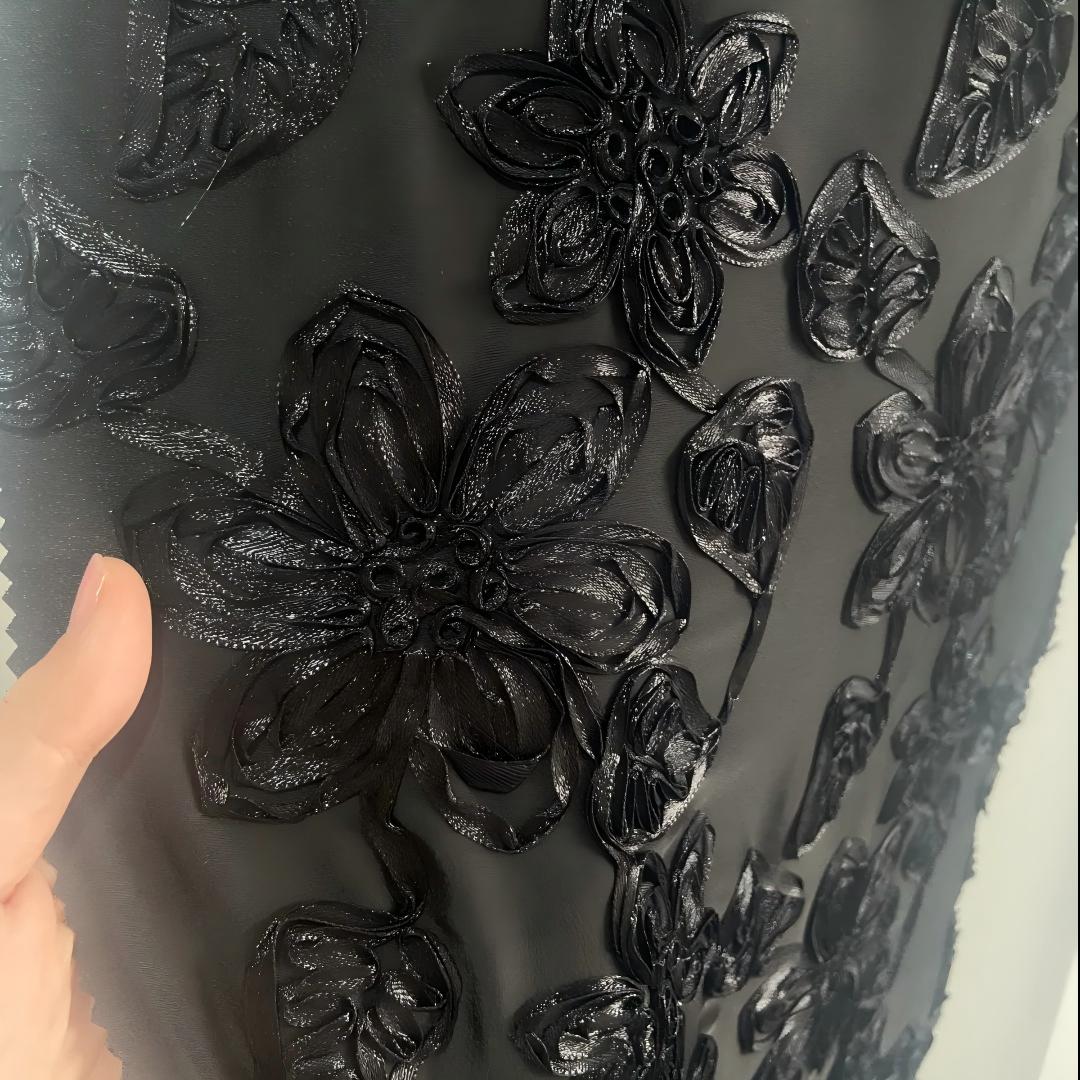
Cotton twill and denim provide stable, firm substrates that support dense ribbon embroidery with medium-weight cutaway stabilizers. Linen and linen blends require lightweight tearaway stabilizers to prevent puckering while maintaining natural texture. Knit fabrics such as French terry and jersey demand water-soluble or heat-away stabilizers plus careful tension control to preserve stretch and recovery.
Organza overlays and lightweight wovens need ultra-light stabilizers and fine polyester threads to avoid visible backing or distortion. Heavy outerwear fabrics like canvas and twill support multi-layer ribbon applications with reinforced stitching.
Fiber Content Labeling and Compliance
US Federal Trade Commission and EU Regulation 1007/2011 require accurate fiber content disclosure by descending weight percentage. Ribbon embroidery garments must list both base fabric and ribbon materials separately if ribbons exceed 15% of total garment weight. ZORWILD provides complete fiber content documentation, care label text, and country-of-origin certificates to ensure compliance for US, UK, EU, and Canadian markets, reducing customs delays and regulatory risk for fashion brands.
5. Customization and Decoration Options in Ribbon Embroidery
Ribbon embroidery customization spans motif design, material selection, and embellishment integration, each requiring careful coordination between creative vision and production constraints. Understanding setup costs, lead times, and minimum order implications ensures efficient sampling and scalable production workflows.
| Customization Type | Setup Cost Range | Lead Time Impact | Minimum Order |
|---|---|---|---|
| Bespoke motif (vector) | $80–$150 | +3–5 days | 50 pieces |
| Custom ribbon dye (Pantone) | $120–$250 | +7–10 days | 500 pieces |
| Beads or sequins add-on | $0.50–$2.00/pc | +2–3 days | 50 pieces |
| Metallic thread upgrade | $0.30–$0.80/pc | +1–2 days | 50 pieces |
Bespoke Motif Design and Artwork Submission
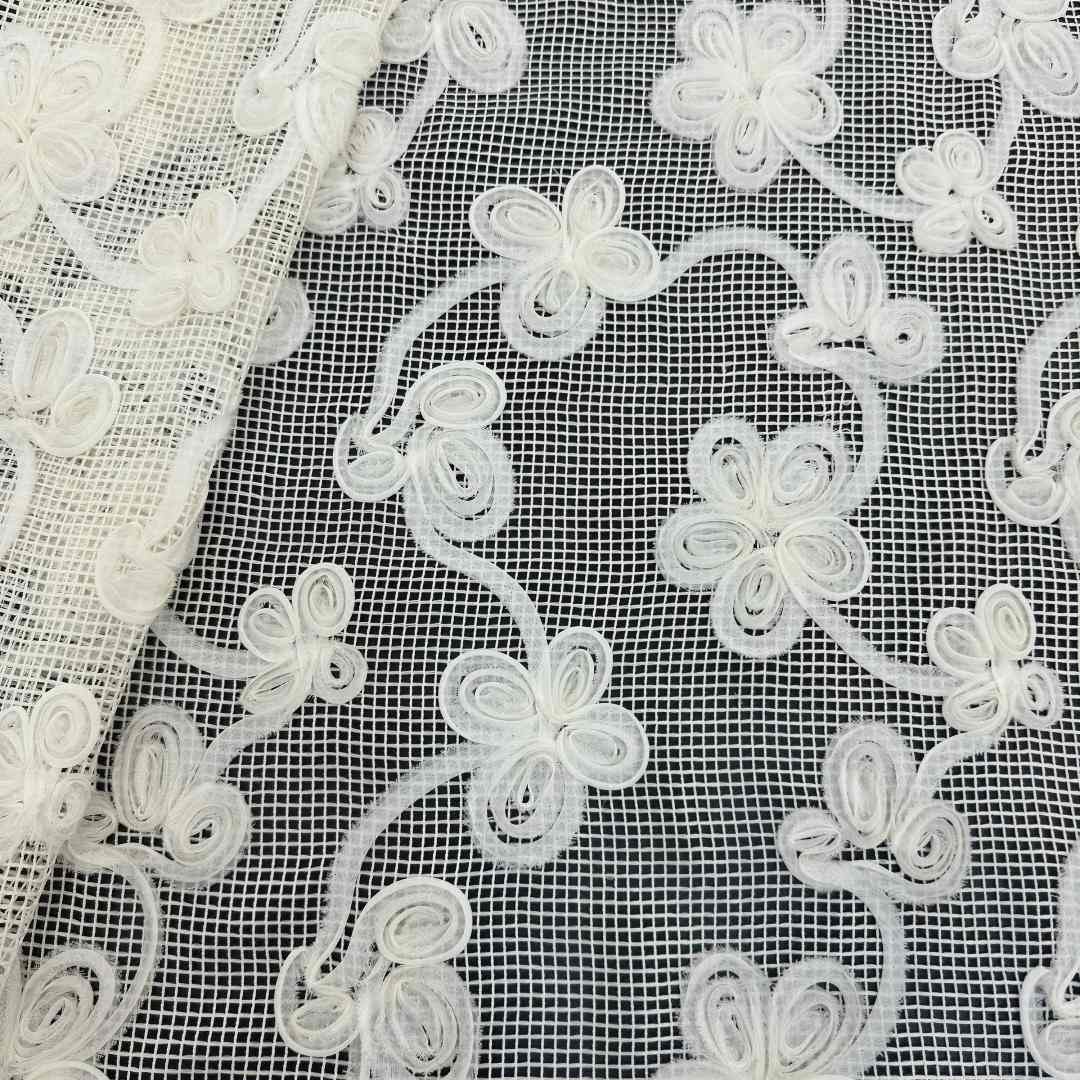
Vector artwork (AI, EPS, or PDF formats) delivers the cleanest digitization for ribbon embroidery, reducing setup time by 30–40% compared to hand-drawn sketches. ZORWILD’s development team converts reference images, hand-drawn concepts, or inspiration photos into production-ready embroidery files, though vector files eliminate interpretation errors.
Stitch density, ribbon width (2 mm to 25 mm), and motif complexity directly affect digitization cost and lead time. Complex florals with layered petals or gradient shading require 3–5 sampling iterations, while simple logos or geometric motifs approve faster.
Color Matching and Ribbon Selection
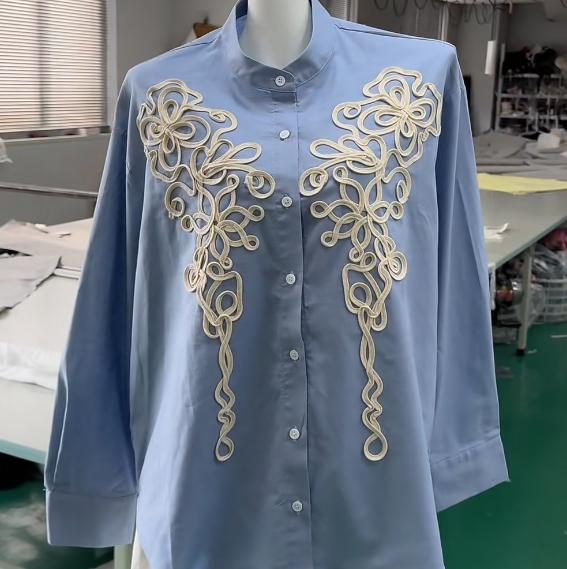
Pantone color matching ensures brand consistency across production runs, though dye-lot variations of ±5% can occur with natural-fiber ribbons like silk or cotton. ZORWILD sources satin, grosgrain, organza, velvet, and metallic ribbons in 200+ stock colors, with custom dye available for orders above 500 pieces.
Ribbon texture impacts stitch hold and garment drape—satin ribbons suit formal dresses, while grosgrain offers structure for sportswear and outerwear applications.
Embellishment Add-Ons and Feasibility
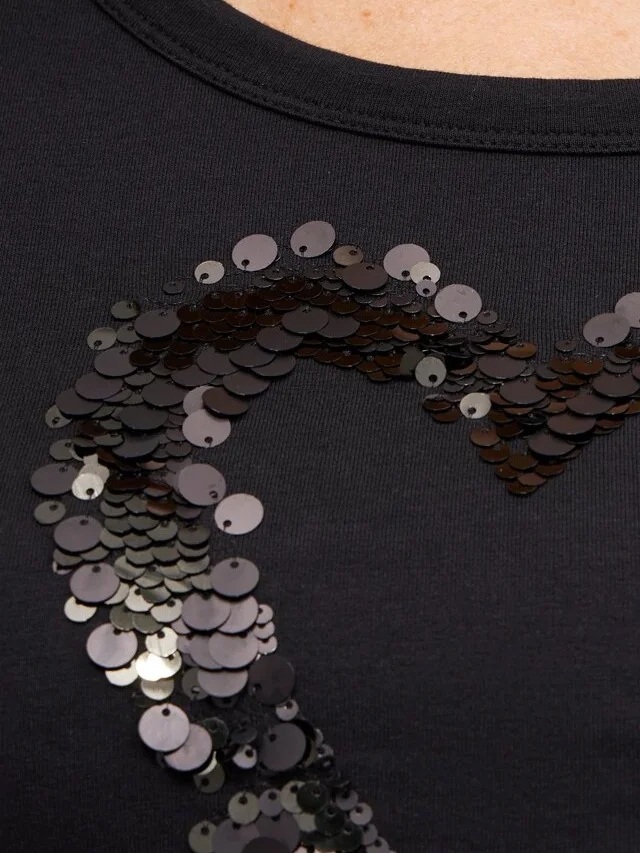
Beads, sequins, metallic threads, and rhinestones integrate with ribbon embroidery for premium fashion collections, though each add-on increases per-garment labor by 15–30 seconds. ZORWILD applies embellishments via hand-sewing or automated multi-head machines depending on density and garment category.
Balancing creative vision with production feasibility requires early sampling—complex embellishments on lightweight fabrics may require stabilizer backing or alternative construction to prevent puckering or distortion during washing.
6. Key Quality Elements in Ribbon Embroidery Construction
Quality control separates professional ribbon embroidery from amateur work. Buyers must inspect five critical checkpoints during sample evaluation to ensure production consistency and minimize defect rates before committing to bulk orders.
Ribbon Tension and Puckering Control
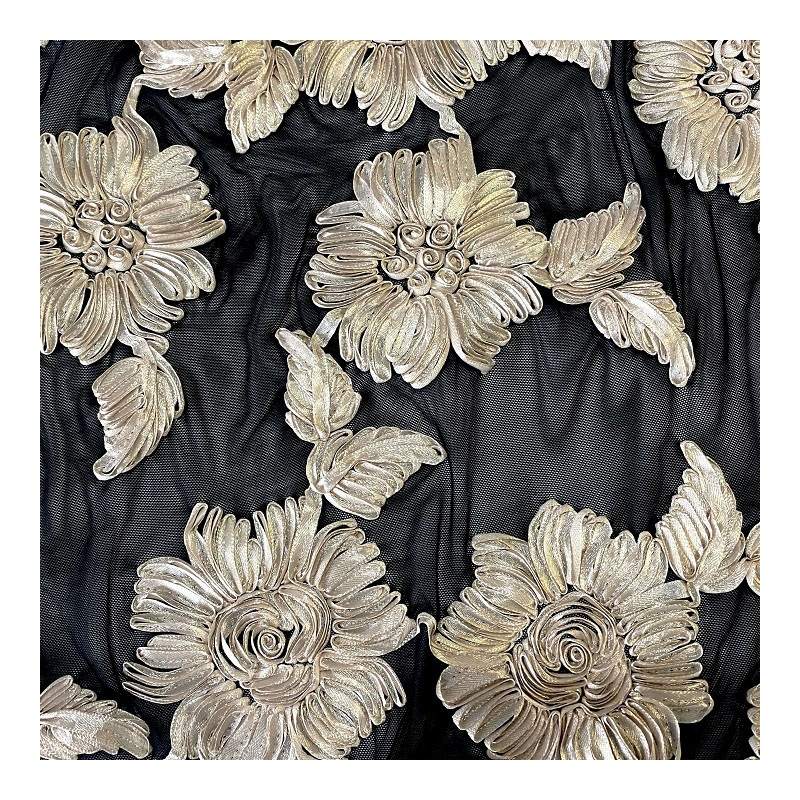
Proper ribbon tension prevents fabric puckering and distortion around embroidered areas. Excessive tension causes base fabric to gather, creating visible ripples that distort garment fit and appearance.
Inspect samples under natural light by laying garments flat on a table. Run your hand over embroidered zones; any raised or gathered fabric indicates tension issues. Professional manufacturers adjust machine tension settings and use appropriate stabilizer backing to maintain flat, smooth surfaces throughout production runs.
Stitch Security and Lockstitching
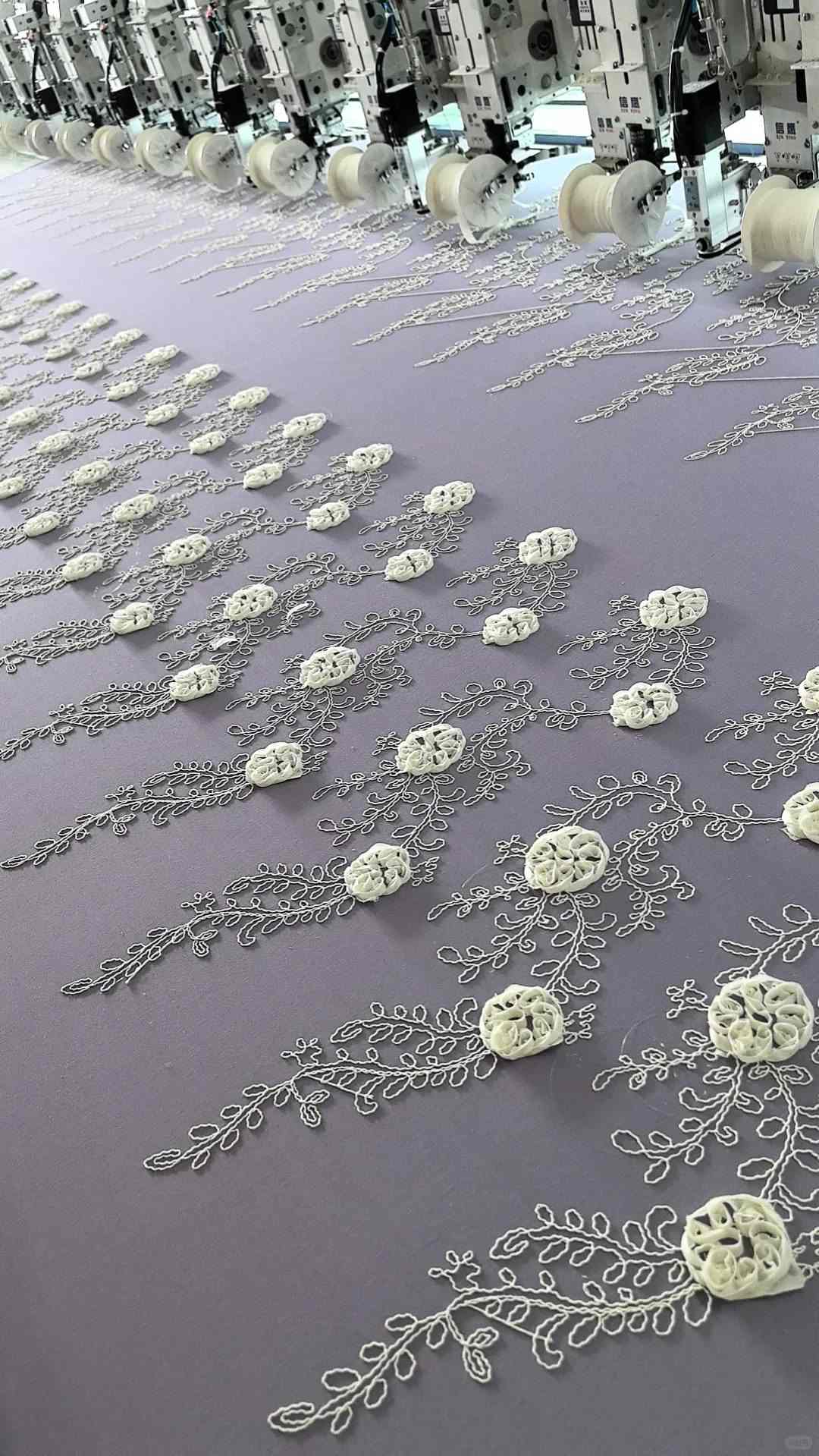
Secure stitch termination prevents ribbon embroidery from unraveling during wear and washing. All thread ends require proper lockstitching or backstitching at start and finish points.
Check sample garments by gently tugging ribbon edges and examining reverse sides for loose threads. ISO 4915 standards specify minimum stitch density and termination requirements. Manufacturers with computerized embroidery systems provide consistent lockstitching across all units in a production batch.
Color Fastness and Bleeding Prevention
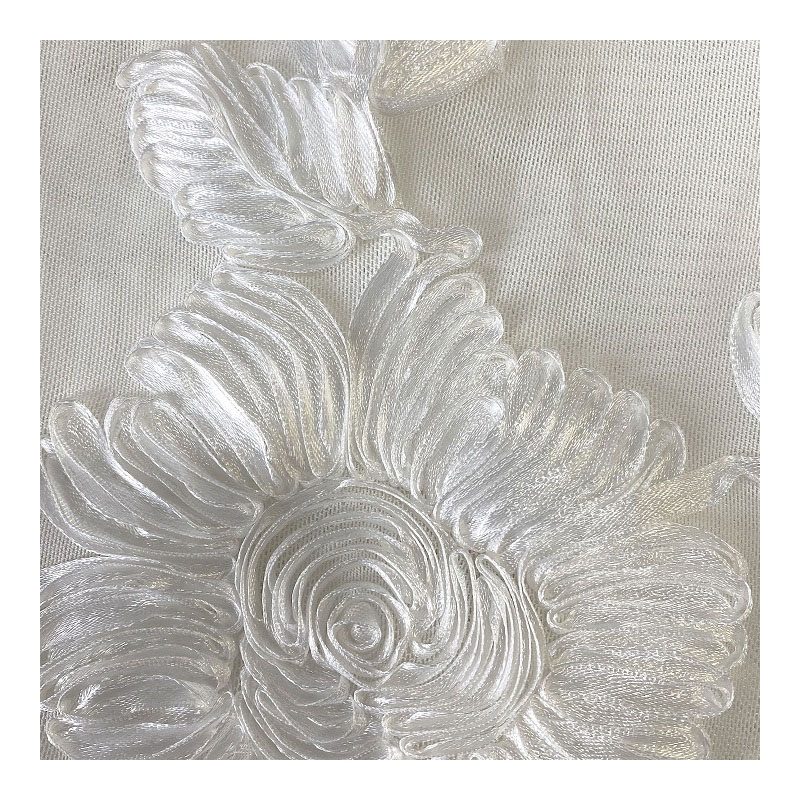
Ribbon dye stability affects garment longevity and customer satisfaction. Poor color fastness causes bleeding onto base fabrics during washing, especially with saturated reds, blues, and blacks.
Request wash testing per ASTM D6291 standards before production. Professional suppliers pre-wash ribbons or source dye-stable materials that withstand 20+ home laundry cycles without color transfer. Always specify color fastness grade 4 or higher for commercial apparel applications.
Base Fabric Distortion and Stabilization
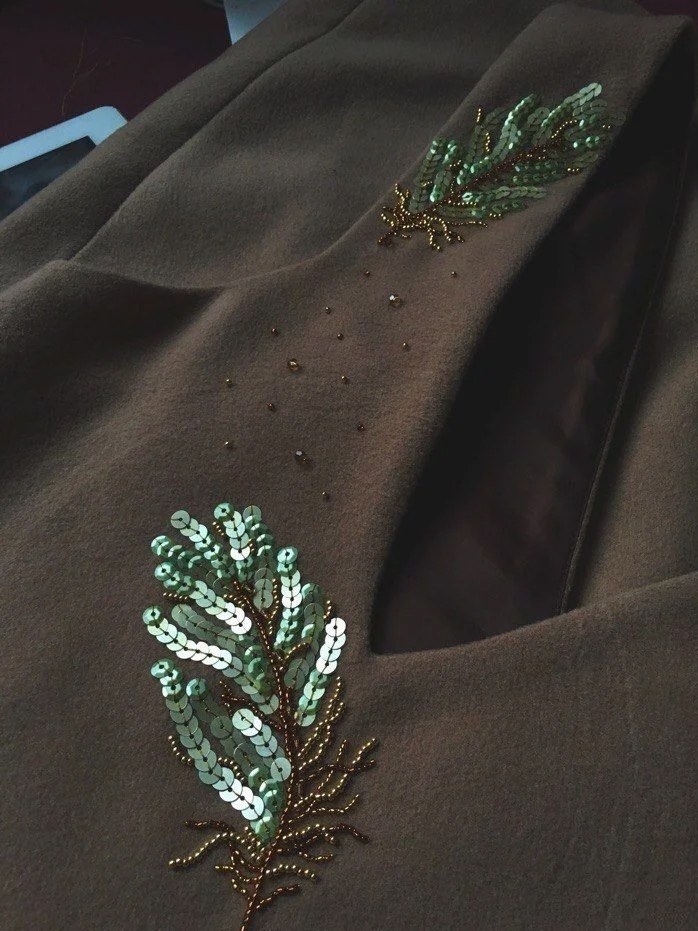
Heavy ribbon embroidery can distort lightweight fabrics if stabilizer backing is inadequate. Knit fabrics, jersey, and stretch materials require tear-away or cut-away stabilizers to maintain garment shape.
Evaluate sample garments after washing and drying cycles. Measure embroidered areas against original tech pack specifications; distortion exceeding 3% indicates insufficient stabilization. Experienced manufacturers select stabilizer weight and type based on fabric GSM, embroidery density, and ribbon width to prevent warping.
Finishing Quality and Backing Reinforcement
Clean finishing separates premium ribbon embroidery from budget work. All loose threads require trimming, and backing materials must be properly secured or removed without damaging stitches.
Inspect garment interiors for thread tails longer than 5 mm, exposed stabilizer edges, or rough backing that irritates skin. Professional finishers trim excess materials, seal cut edges on permanent stabilizers, and reinforce high-stress areas with additional stitching to extend garment lifespan and maintain brand quality standards.
7. How to Choose a Ribbon Embroidery Manufacturer
Selecting the right ribbon embroidery partner determines project success, timeline predictability, and long-term scalability. Vetting manufacturers on production capacity, technical capabilities, and communication standards protects brands from quality failures and costly delays.
Production Capacity and MOQ Flexibility
Manufacturers range from 50-piece startup-friendly factories to 5,000-piece minimum operations. ZORWILD supports 50-piece MOQ across most ribbon embroidery applications, enabling influencers, small brands, and wholesalers to test designs without inventory risk.
Large-scale suppliers often require 1,000–3,000 piece minimums per style and colorway, locking capital and limiting agility. Confirm monthly capacity, lead times for reorders, and whether the factory handles both sampling and bulk production in-house.
In-House vs. Outsourced Embroidery
Factories with in-house ribbon embroidery teams deliver tighter quality control, faster sampling, and consistent stitch tension. Outsourced embroidery adds 5–10 days to lead times and introduces communication gaps between sewing and decoration.
Ask whether the manufacturer owns embroidery machines, how many heads operate daily, and if they handle specialty techniques like 3D puff or chenille embroidery internally. ZORWILD operates dedicated embroidery workshops with flat, 3D, and chenille capabilities under one roof.
Certifications and Compliance
OEKO-TEX Standard 100 certifies textile safety for skin contact; GOTS verifies organic fiber sourcing. WRAP and BSCI cover labor and factory ethics, critical for brands targeting U.S. and EU markets.
Request copies of current certificates and confirm they cover embroidery threads and ribbons, not only base fabrics. Certifications reduce regulatory risk and support brand transparency claims.
Communication and Sampling Turnaround
English proficiency, time-zone overlap, and response speed directly impact project timelines. Sampling turnaround ranges from 7 days for simple ribbon embroidery to 14 days for complex multi-technique garments.
Test communication by requesting a detailed quote with fabric options, decoration mock-ups, and timeline breakdowns. ZORWILD provides English-speaking account managers and 7–10 day sampling for most ribbon embroidery projects.
Must-Ask RFQ Questions
Clarify expectations early with targeted questions that reveal factory capabilities and reliability.
- What is your minimum order quantity per style and colorway for ribbon embroidery?
- Do you handle embroidery in-house or outsource to subcontractors?
- What is your standard sampling turnaround and cost structure?
- Which certifications do you hold (OEKO-TEX, GOTS, WRAP, BSCI)?
- What are your payment terms, deposit requirements, and shipping options?
- Can you provide references from brands in my category and market?
8. Common Mistakes Buyers Make When Ordering Ribbon Embroidery
Ordering ribbon embroidery without understanding production realities leads to delays, quality issues, and costly re-orders. Buyers who skip critical planning steps risk brand reputation damage and lost market opportunities.
Underestimating Lead Times for Custom Ribbon Dyeing
Custom-dyed ribbon to match Pantone colors requires 15–25 days before embroidery production begins. Buyers who assume standard lead times apply to custom dyeing face launch delays and missed seasonal windows.
Always add three to four weeks for custom ribbon sourcing when planning product launches. ZORWILD coordinates fabric and ribbon dyeing timelines to align bulk production schedules and avoid bottlenecks.
Skipping Pre-Production Samples and Wash Testing
Ribbon embroidery behaves differently than thread embroidery under washing and heat. Buyers who approve designs without wash-tested samples discover fraying, color bleeding, or puckering after bulk production ships.
Request pre-production samples that undergo three to five wash cycles at care-label temperatures. ZORWILD’s sampling process includes garment wash testing to validate ribbon durability, stitch tension, and color fastness before mass production.
Submitting Low-Resolution Artwork for Ribbon Placement
Ribbon embroidery placement requires vector files or high-resolution images at 300 DPI minimum. Low-quality artwork causes misaligned stitching, incorrect ribbon width, and design distortion that cannot be corrected mid-production.
Provide tech packs with precise measurements, stitch direction, and ribbon color codes. ZORWILD’s development team converts artwork into digitized embroidery files and confirms placement with mockups before sampling.
Choosing Ribbon Based Solely on Price
Low-cost polyester ribbon may fray after two to three washes, while quality satin ribbon maintains appearance beyond 30 cycles. Price-driven decisions result in customer returns, negative reviews, and brand credibility loss.
Balance cost with durability testing and fabric compatibility. ZORWILD sources ribbon from vetted suppliers with consistent dye lots, anti-fray edges, and colorfastness ratings suitable for garment washing and long-term wear.
9. Steps to Launch Your Ribbon Embroidery Product Line
Launching a ribbon embroidery product line requires a structured roadmap that balances creative vision with production realities. First-time buyers who follow a proven seven-step sequence reduce sampling costs by 30–40% and compress time-to-market by four to six weeks.
Define Target Market and Design Aesthetic
Identify your customer demographic, price positioning, and design direction before contacting manufacturers. A clear aesthetic—whether vintage floral, modern minimalist, or luxury bridal—guides fabric selection, ribbon width, and stitch density.
Brands targeting influencer audiences often choose oversized silhouettes with statement ribbon embroidery on sleeves or chest panels. Wholesale buyers prefer versatile placements like collar accents or pocket details that appeal across retail channels.
Source and Vet Manufacturers
Request production portfolios, minimum order quantities, lead times, and decoration capabilities from at least three custom apparel manufacturers. Verify ribbon embroidery experience by reviewing sample photos, stitch quality, and fabric compatibility.
ZORWILD supports 50-piece MOQ for ribbon embroidery projects and provides tech pack consultation for startup brands. Confirm the factory offers applique embroidery, flat embroidery, and 3D embroidery to ensure design flexibility.
Request Samples and Conduct Testing
Order pre-production samples to evaluate ribbon hand feel, stitch tension, fabric drape, and wash durability. Conduct five wash-and-dry cycles to test colorfastness, puckering, and ribbon fraying.
Document any issues—loose threads, uneven tension, or ribbon shrinkage—and request revisions before bulk production. Budget $80–$150 per sample and allow 10–14 days for sampling and revision cycles.
Finalize Artwork and Tech Pack
Create a production tech pack that specifies ribbon type, width, color Pantone codes, stitch type, placement coordinates, and fabric base. Include reference photos, measurement charts, and label artwork.
Clear documentation reduces production errors by 50% and accelerates factory approval. ZORWILD’s development team converts sketches and inspiration images into production-ready tech packs for brands without in-house design resources.
Place Pilot Order and Plan Marketing
Start with a 50–100 piece pilot order to validate market demand, refine sizing, and generate customer feedback. Allocate 30–40% of your pilot inventory for influencer seeding, photography samples, and quality assurance.
Schedule professional photography within two weeks of delivery to capture product details, ribbon texture, and styling options. High-quality assets accelerate social media engagement and reduce return rates by clearly communicating product features.
10. Pricing and Cost Factors for Ribbon Embroidery
Ribbon embroidery pricing varies widely based on design complexity, with simple single-ribbon motifs starting around $3–$6 per garment at 1,000-piece runs, while multi-color designs with bead accents and metallic threads can reach $12–$18 per piece. Stitch count, ribbon width (4mm to 25mm), and the number of color changes directly impact labor hours and material costs.
Base fabric choice influences total cost; applying ribbon embroidery to lightweight cotton poplin or jersey is faster than working on heavyweight fleece or textured linen, where stabilizers and specialized needles add $0.50–$1.50 per unit. Order quantity remains the most significant lever: ZORWILD’s 50-piece MOQ allows startups to test designs, but unit costs drop 40–60% when scaling from 50 to 1,000 pieces due to setup amortization and bulk ribbon procurement.
Customization add-ons such as Swarovski crystals, sequin integration, or hand-finished French knots increase per-piece costs by $2–$8 depending on density. Sampling fees typically range from $50 to $150 per design and are often credited back on orders above 500 units. Lead times compress at higher volumes: 50-piece orders ship in 18–22 days, while 5,000-piece runs require 35–45 days for ribbon sourcing, embroidery programming, and quality inspection.
| Quantity Tier | Unit Price Range (USD) | Setup & Sampling Fee | Typical Lead Time |
|---|---|---|---|
| 50 pieces | $8.00–$15.00 | $80–$150 | 18–22 days |
| 250 pieces | $5.50–$10.00 | $60–$120 | 22–28 days |
| 1,000 pieces | $3.50–$7.00 | $40–$80 (often waived) | 28–35 days |
| 5,000 pieces | $2.80–$5.50 | Waived | 35–45 days |
Ready to Add Ribbon Embroidery to Your Collection?
Start with just 50 pieces. Get free sampling, expert guidance, and 27 years of embroidery craftsmanship from ZORWILD’s Dongguan facility.
- Custom Shirts
- Custom Hoodies
- Custom T Shirts
- Custom Sweatshirts
- Custom Jackets
- Custom Varsity Jackets
- Custom Polo Shirts
- Custom Shorts
- Custom Dress Shirts
- Contact