
Toothbrush Embroidery: Raised 3D Texture for Premium Apparel
Add dimensional depth to your brand with toothbrush embroidery—a premium tufted technique that creates soft, raised pile texture. MOQ 50 pieces, backed by 27 years of manufacturing expertise in Humen, Dongguan.
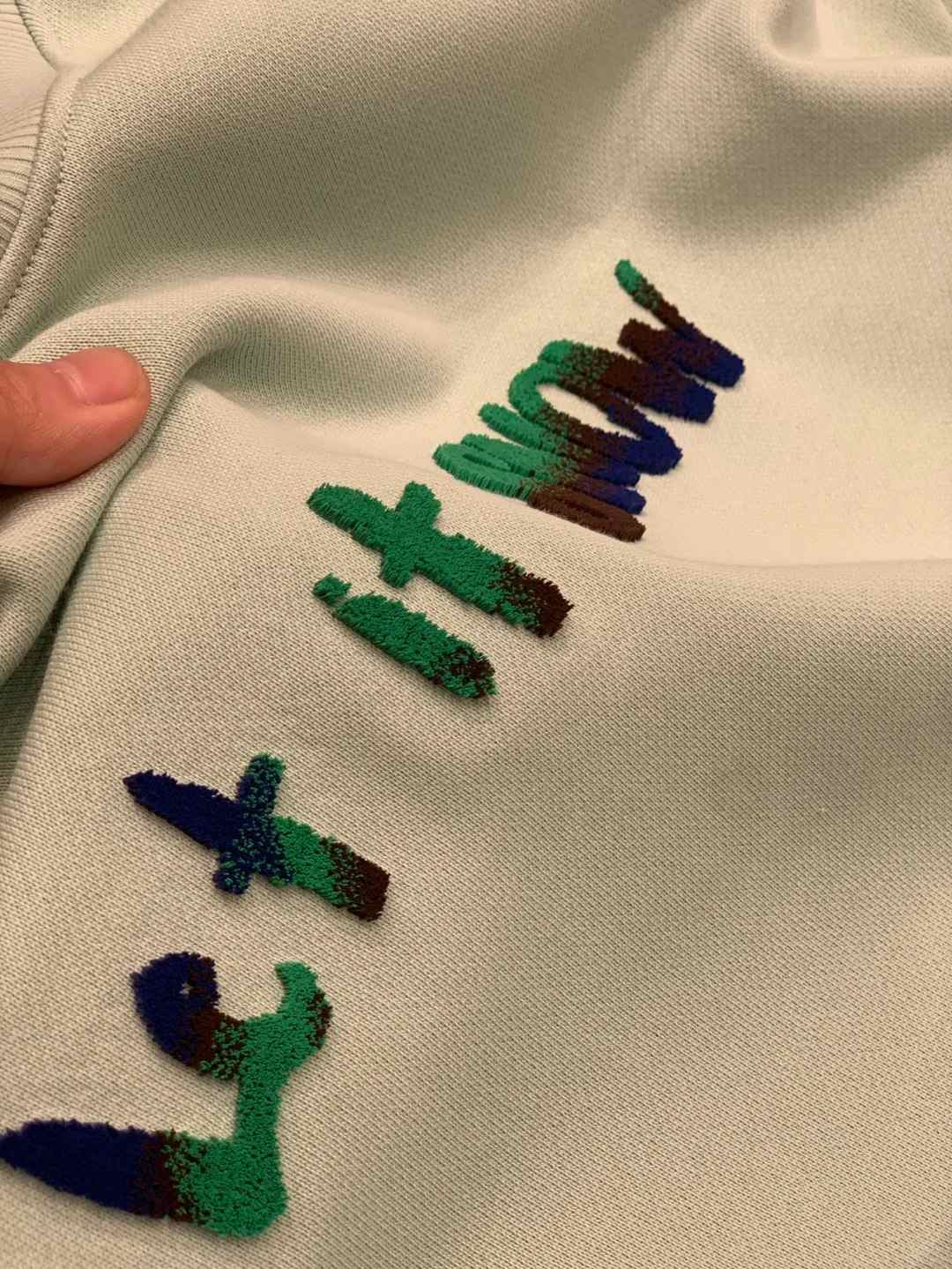
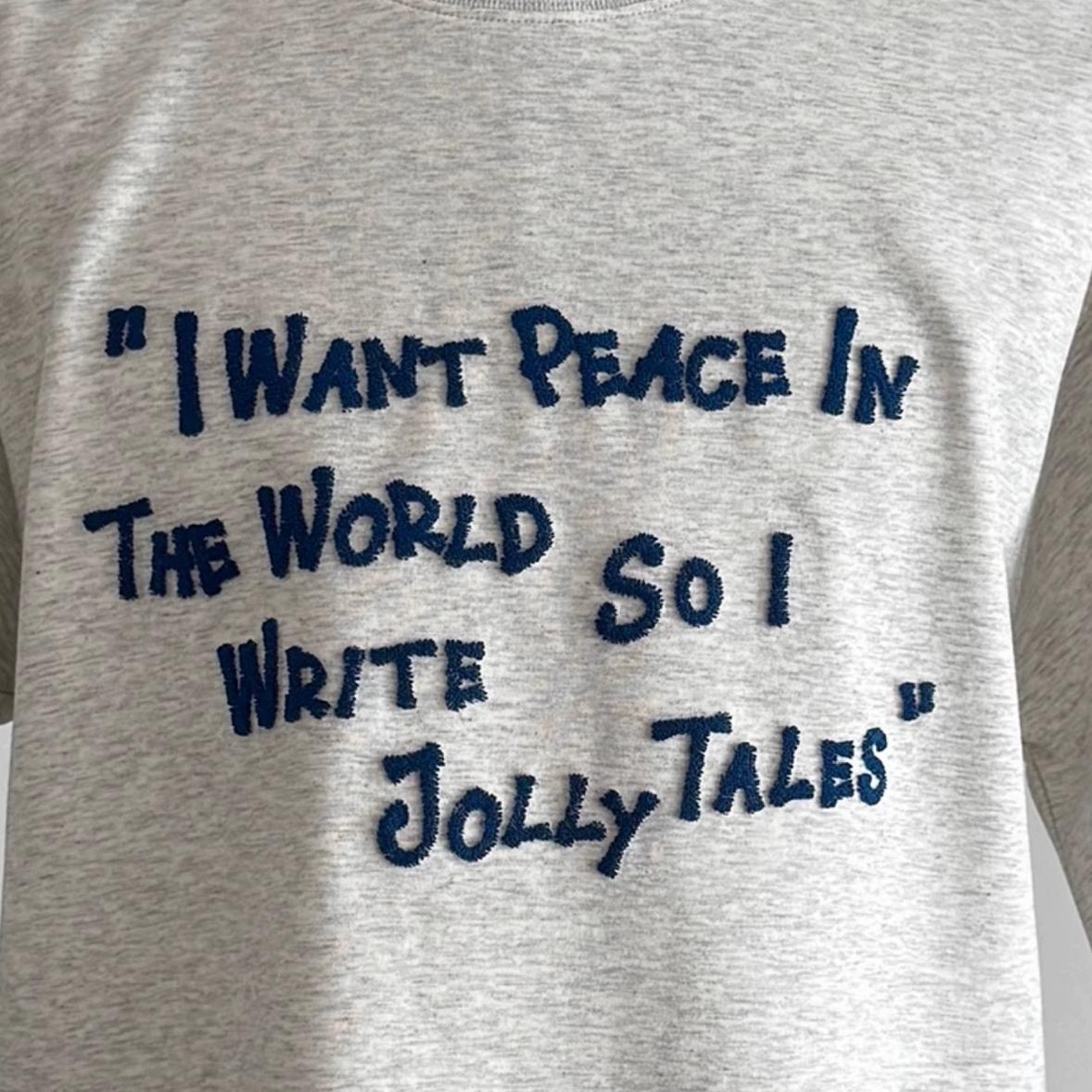
Toothbrush Embroidery Sample Gallery
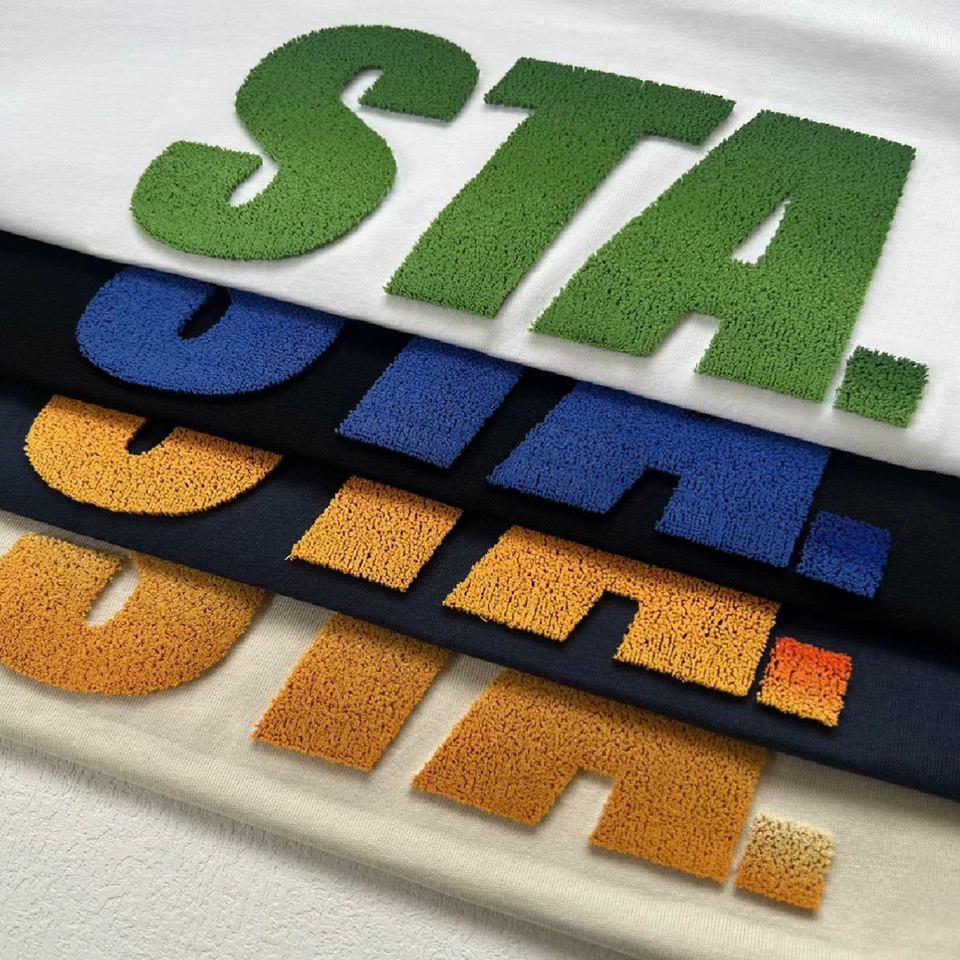
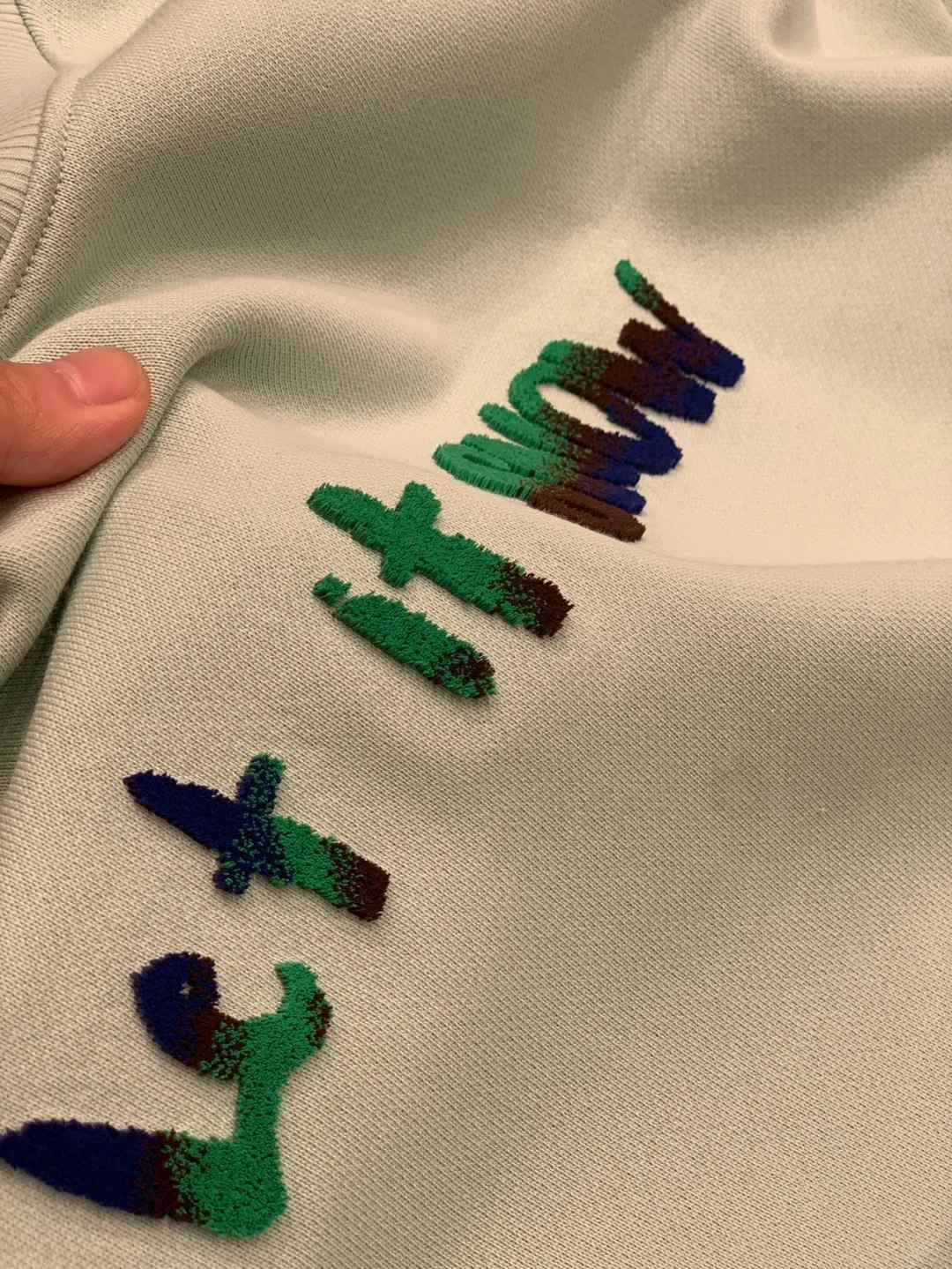
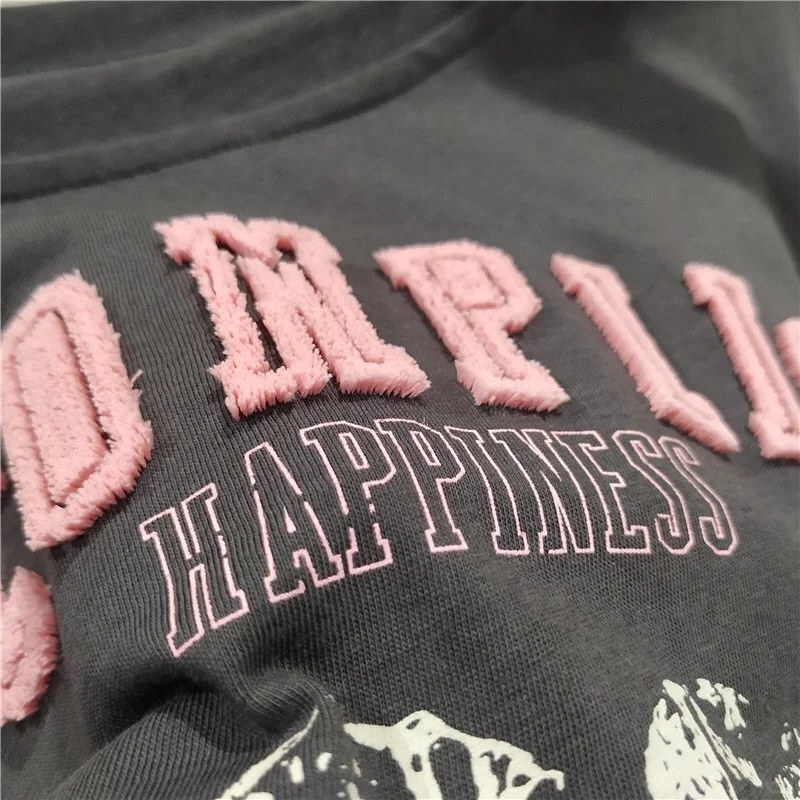
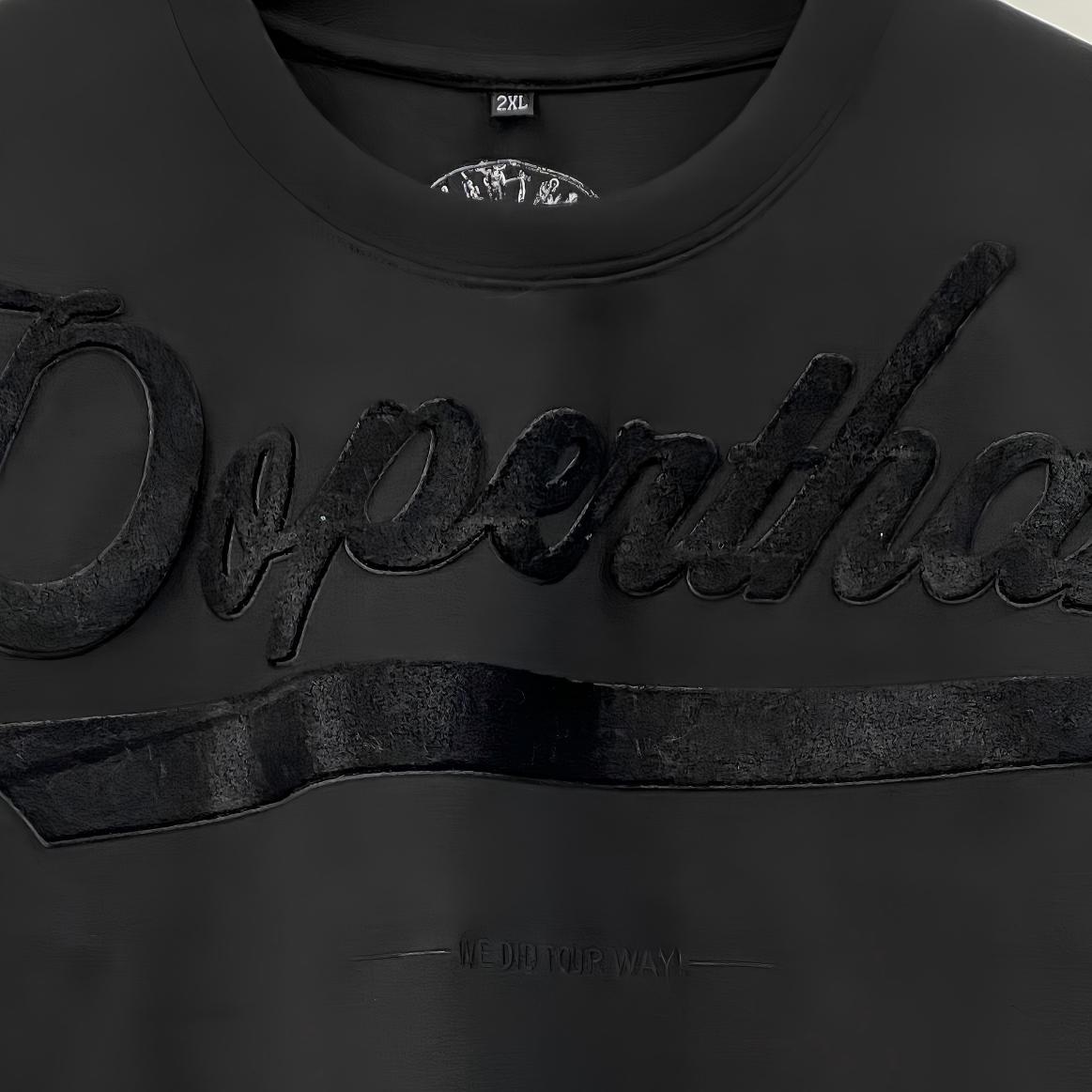
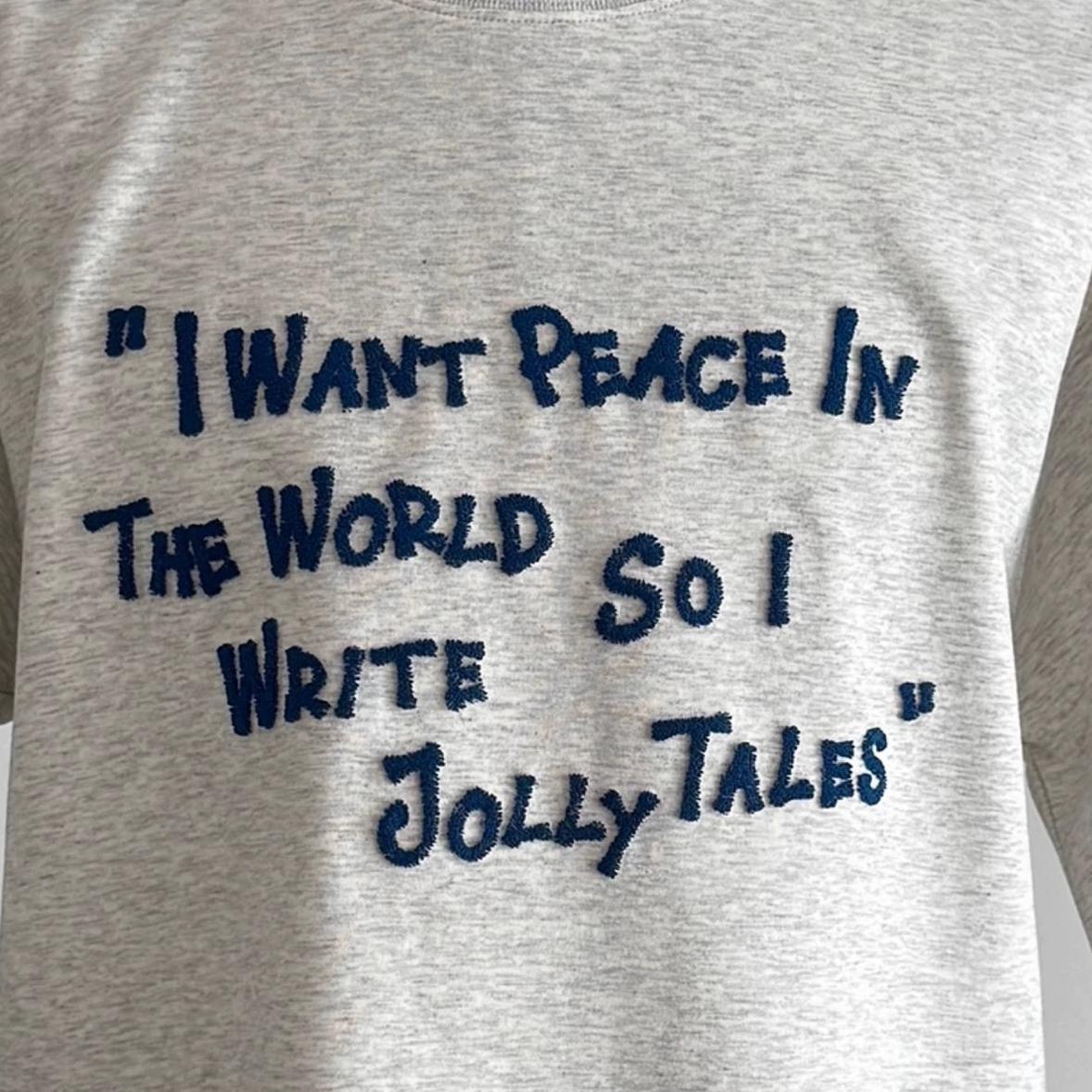
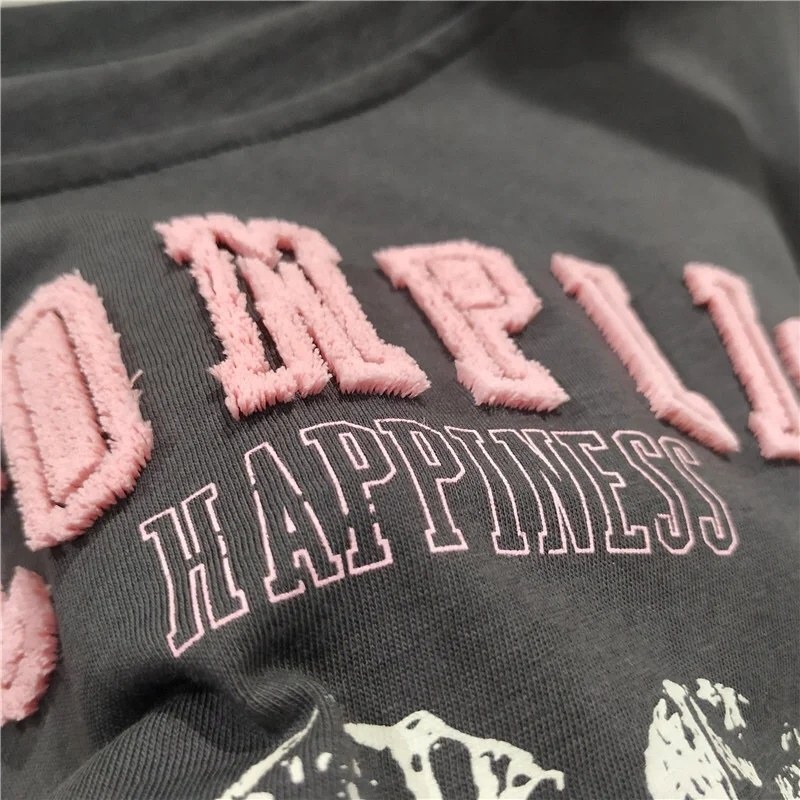
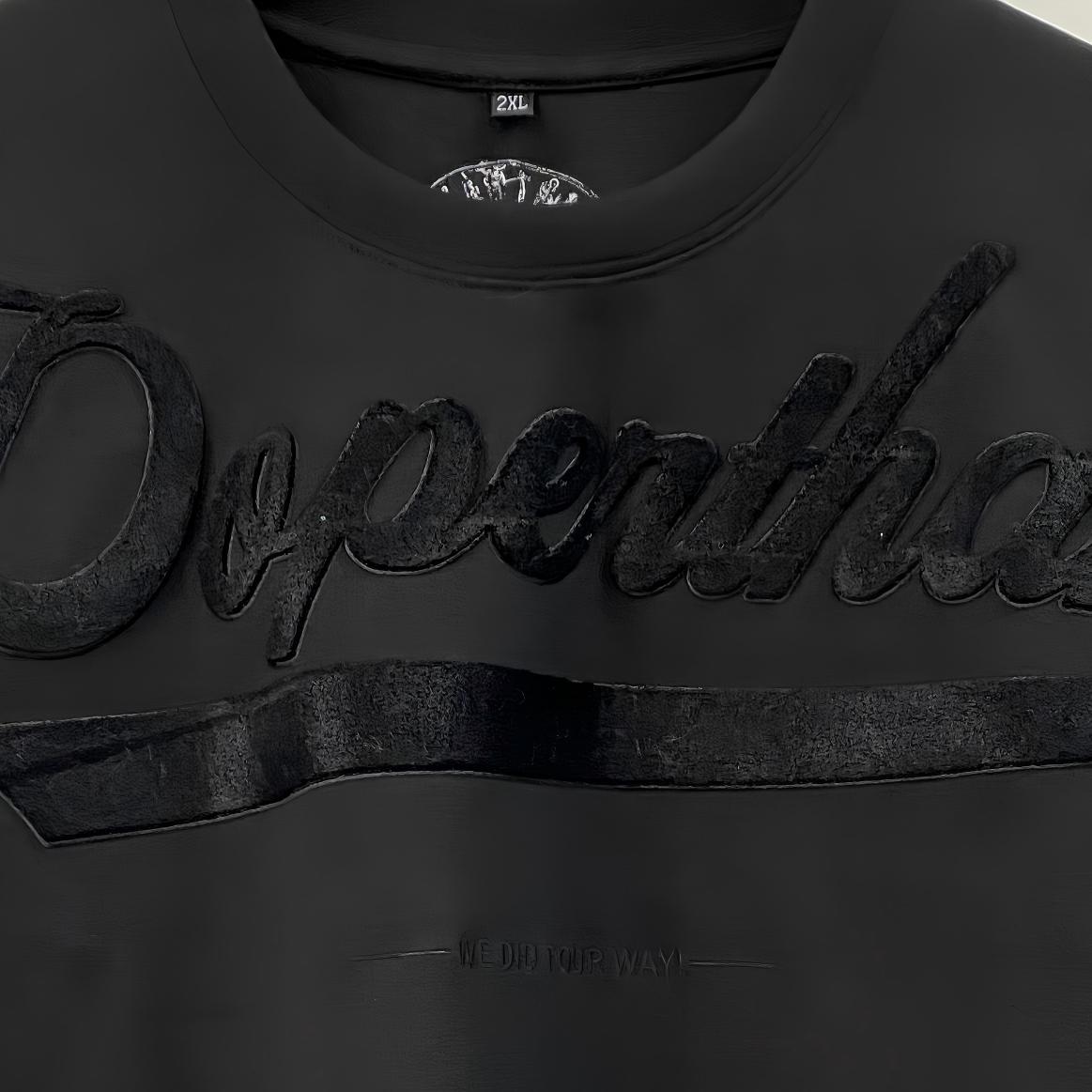
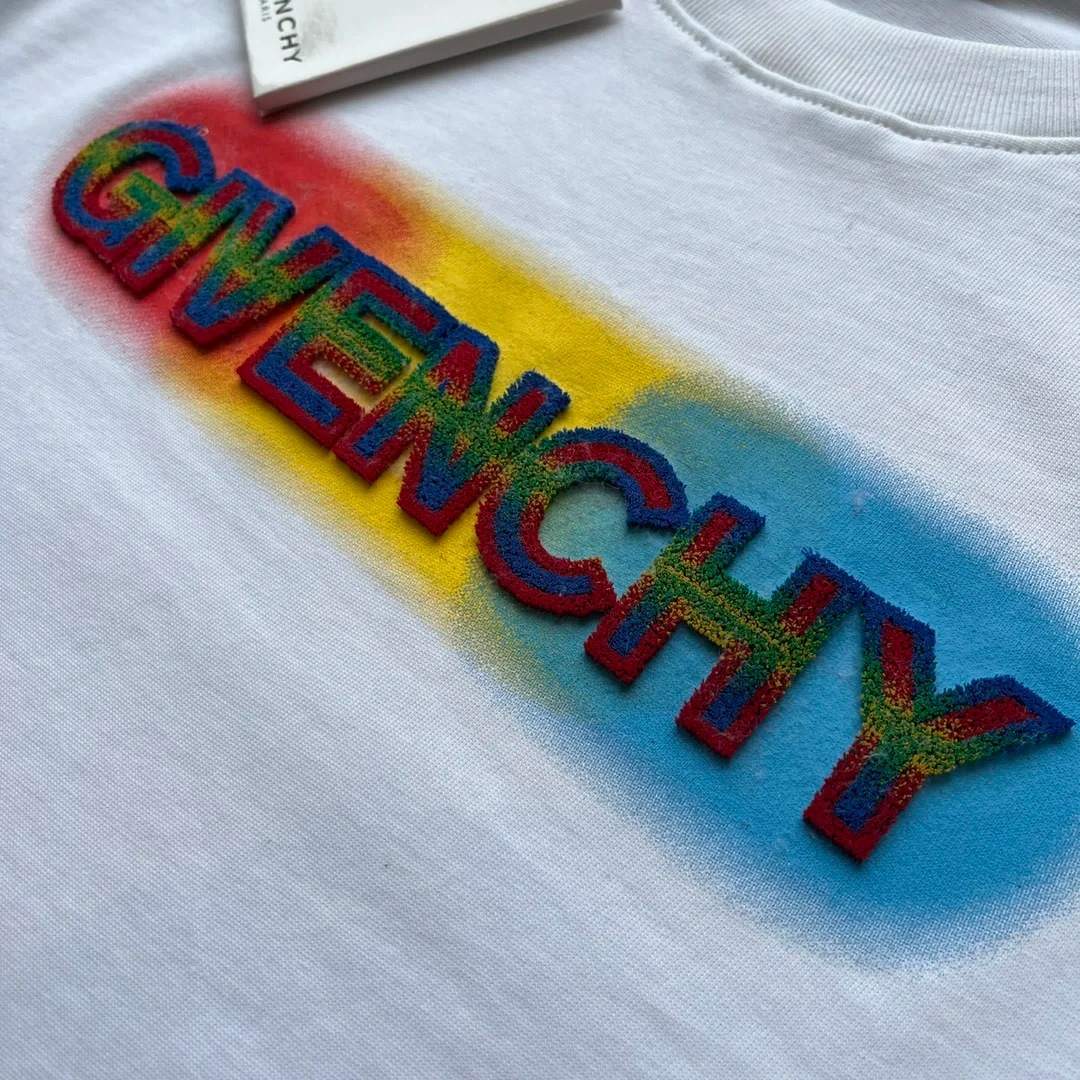
What Makes Toothbrush Embroidery Distinctive
Toothbrush embroidery delivers tactile depth and visual impact that flat embroidery cannot match. Understand the key attributes that define this premium 3D tufted technique from ZORWILD‘s Humen facility.
Raised Pile Height
Tufted loops create dimensional texture up to 3-5mm high, delivering bold tactile presence and premium visual depth on every garment.
Soft Textured Hand Feel
Plush, velvety surface texture invites touch and creates a luxury sensory experience that elevates brand perception and customer satisfaction.
Wash Cycle Durability
High-density stitch construction and quality thread ensure toothbrush embroidery maintains texture integrity through repeated industrial and home washing.
Vibrant Color Saturation
Premium polyester embroidery threads deliver rich, fade-resistant colors that stay vivid through garment washing and extended wear cycles.
Design Complexity Considerations
Best suited for bold logos, lettering, and simple shapes. Fine details and small text require careful digitizing to preserve clarity.
Low MOQ From 50 Pieces
ZORWILD’s flexible production system lets startups and small brands access toothbrush embroidery without large inventory commitments or financial risk.
Related Embroidery Techniques & Resources
Custom Embroidery
Full-spectrum embroidery services covering flat, 3D, chenille, applique, patch, towel, metallic, and sequin techniques. Our Humen facility controls stitch density, thread quality, color consistency, and positioning accuracy across all decoration methods. Ideal for brands comparing embroidery options for hoodies, varsity jackets, shirts, and streetwear collections.
Get a Quote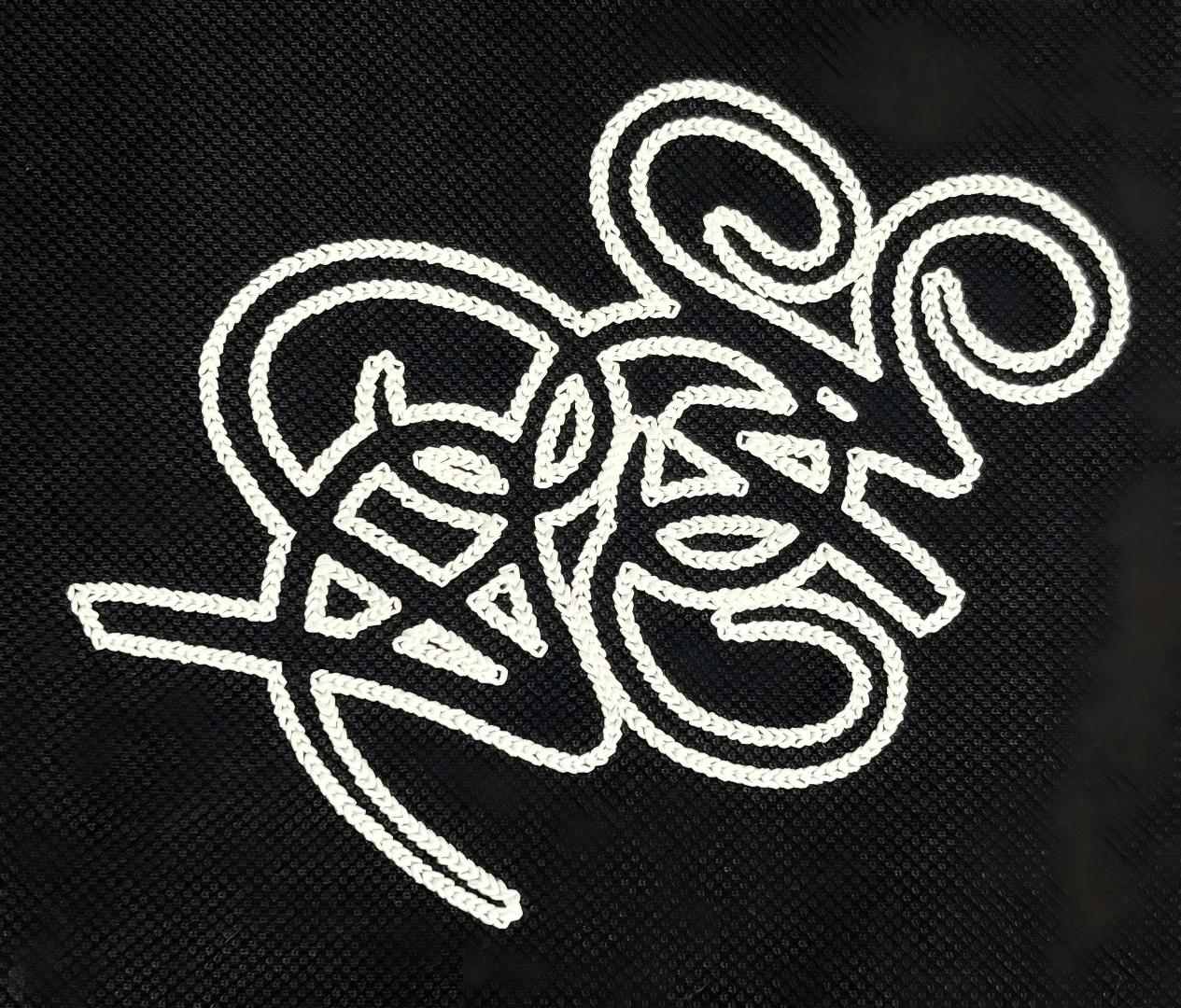
Chain Stitch Embroidery
Traditional chain stitch embroidery creates continuous looped stitching for vintage workwear aesthetics, retro sportswear branding, and heritage fashion details. Commonly applied to varsity jackets, denim pieces, and Americana-inspired collections. Our team ensures consistent loop tension and thread durability for authentic chain stitch appearance across production runs.
Get a Quote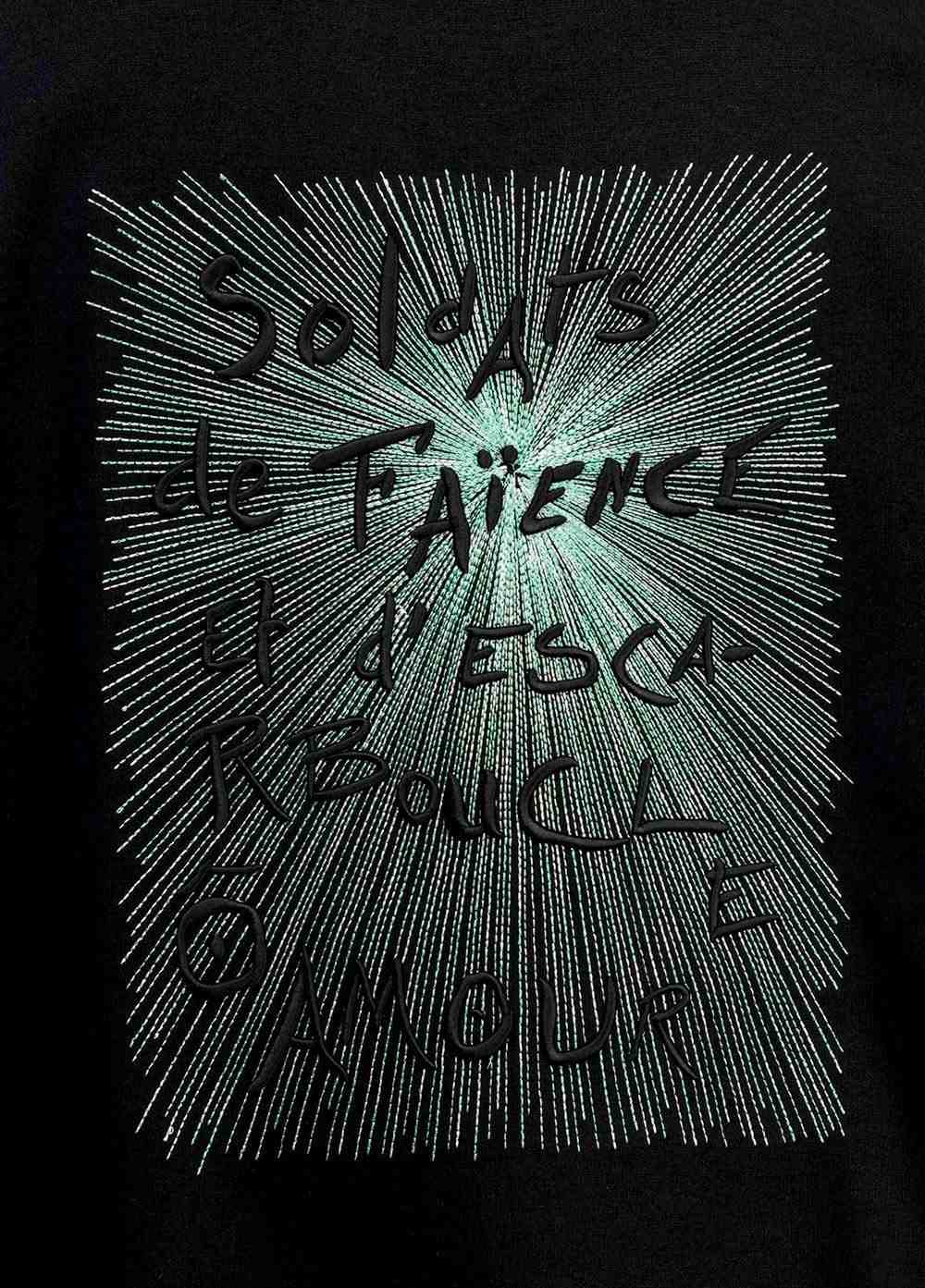
3D / Puff Embroidery
Raised dimensional embroidery using foam underlay to create bold, tactile logos and graphics. Popular for streetwear hoodies, varsity jackets, caps, and statement branding. We control foam thickness, stitch coverage, and washability to deliver durable puff embroidery that maintains structure and visual impact through repeated wear and laundering.
Get a Quote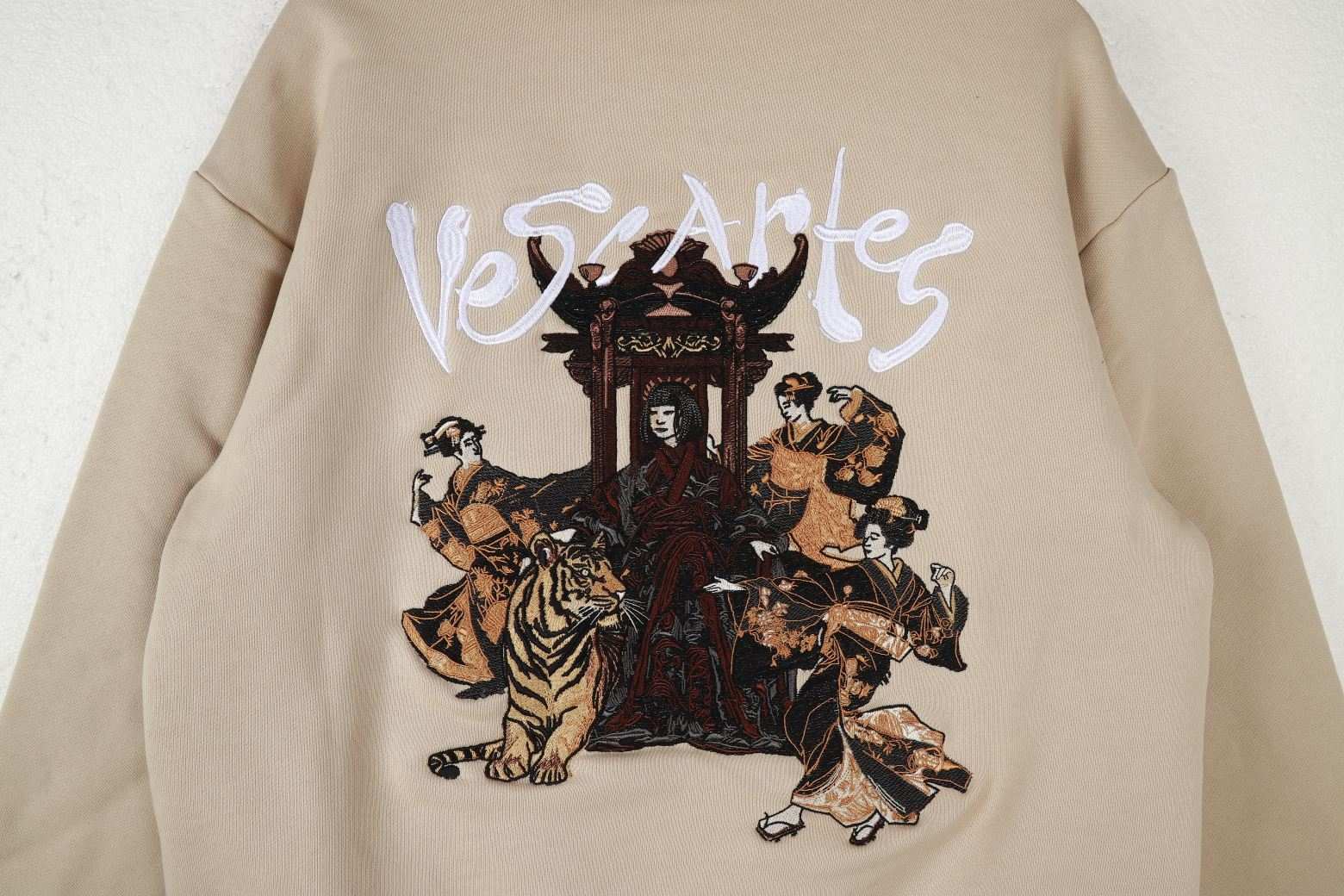
Flat Embroidery
Standard embroidery technique delivering clean, professional logos and text with smooth surface finish. Suitable for corporate uniforms, polo shirts, dress shirts, caps, and professional branding applications. Our flat embroidery maintains precise stitch registration, consistent thread tension, and color accuracy across small and large production runs.
Get a Quote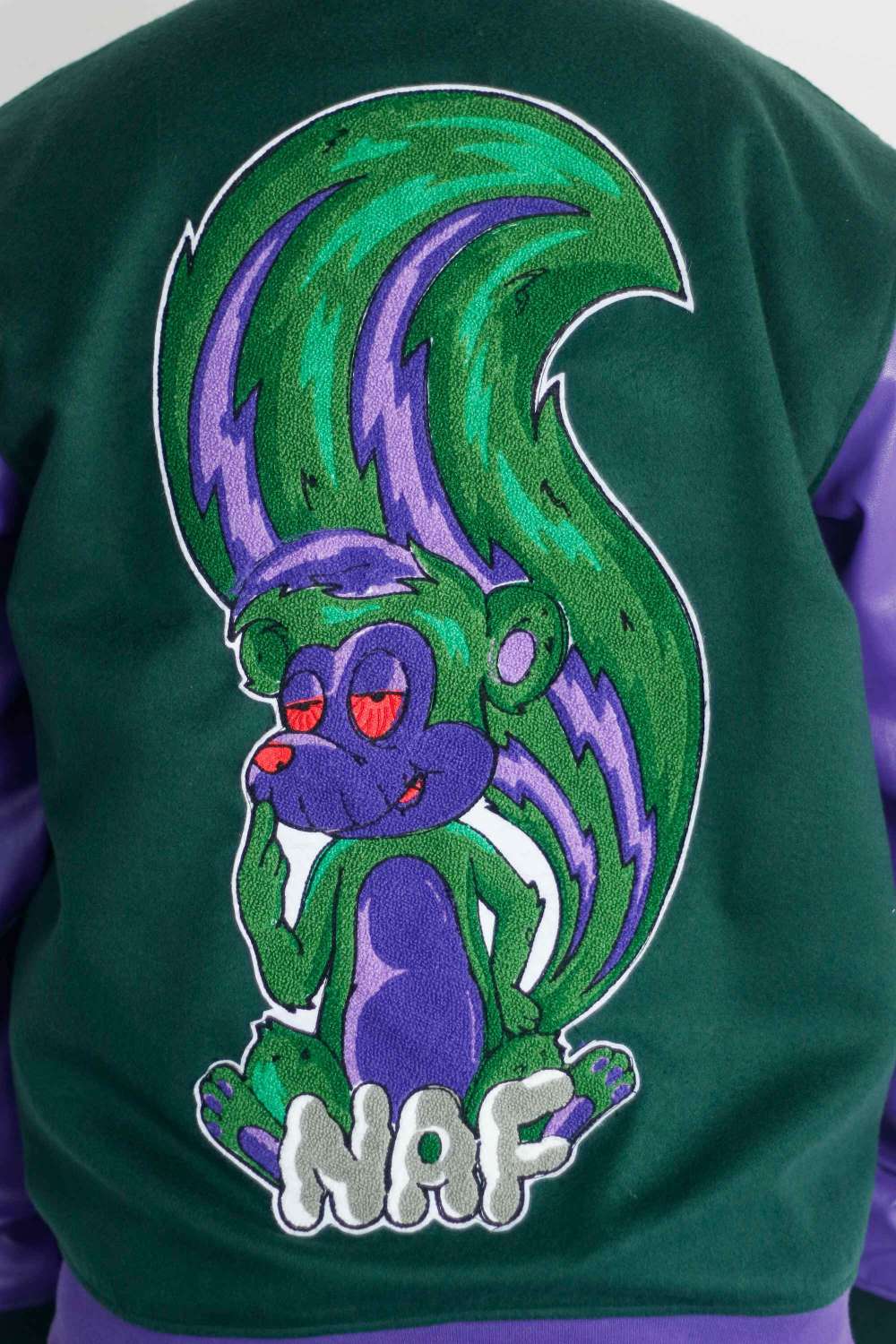
Towel Embroidery
High-pile embroidery technique creating plush, textured surface similar to terry cloth fabric. Ideal for vintage athletic branding, retro sportswear patches, and tactile logo applications on sweatshirts and varsity jackets. We manage pile height, density, and washability to ensure towel embroidery retains softness and dimension after garment finishing.
Get a Quote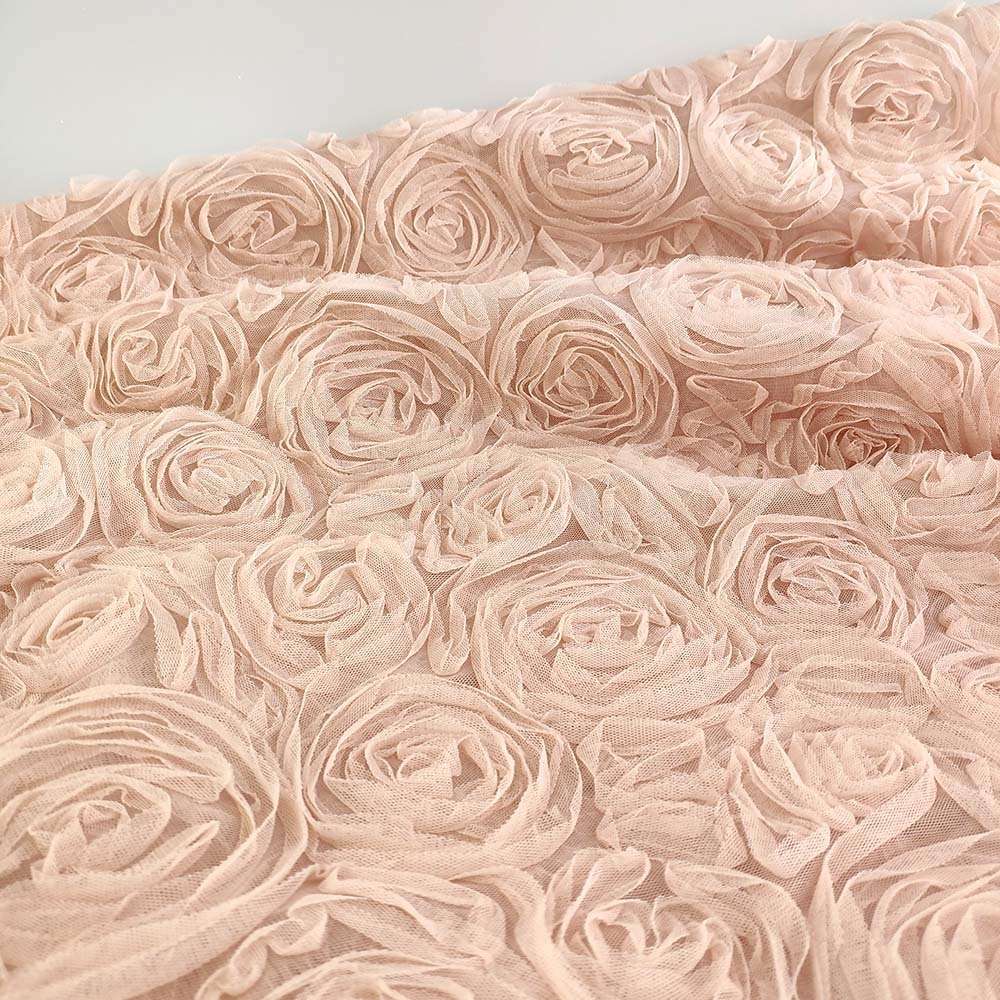
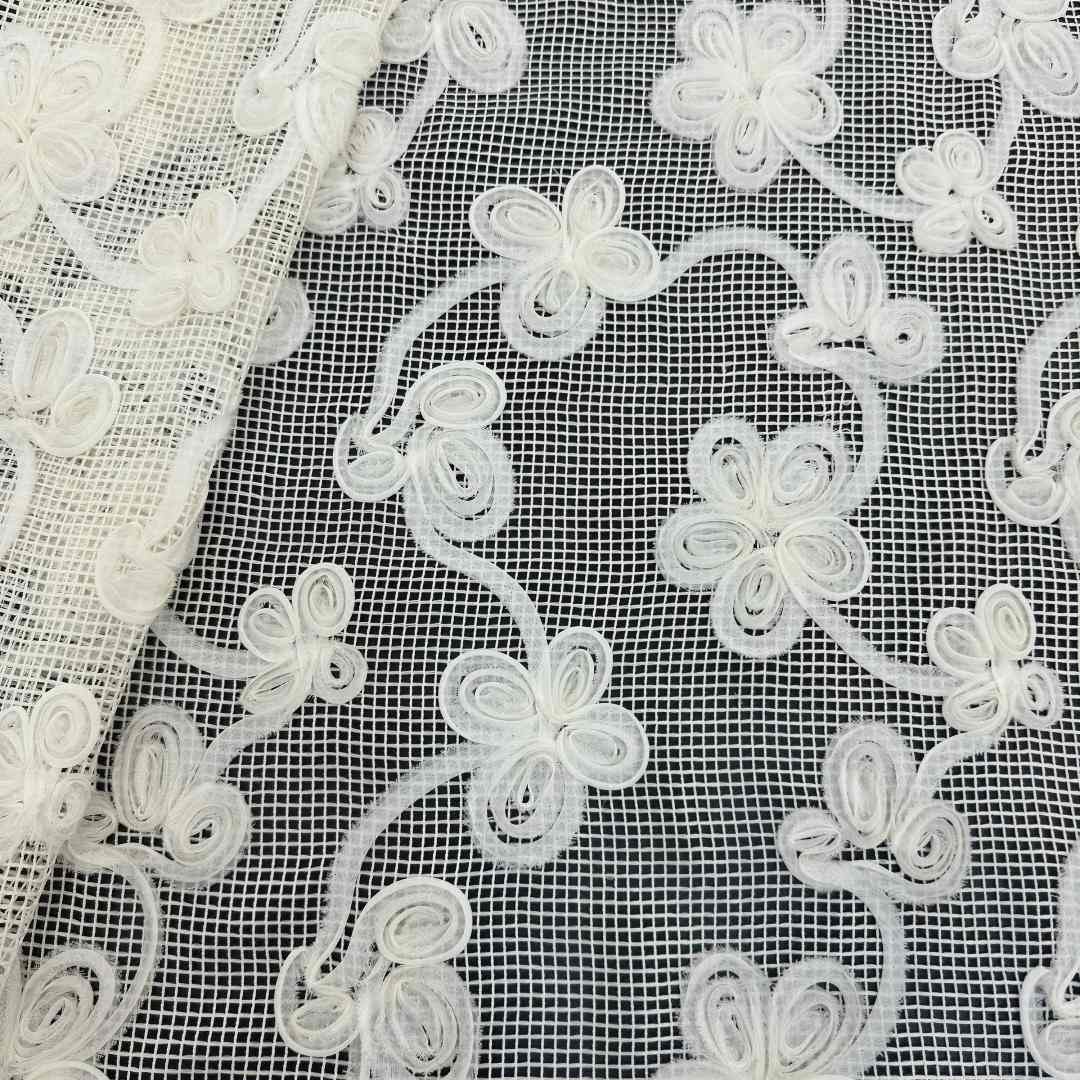
Ribbon Embroidery
Decorative embroidery incorporating ribbon materials for dimensional floral motifs, elegant branding, and luxury fashion details. Applied to dresses, evening wear, resort collections, and premium casualwear. Our ribbon embroidery process ensures secure attachment, color fastness, and structural integrity suitable for delicate garments and formal apparel categories.
Get a Quote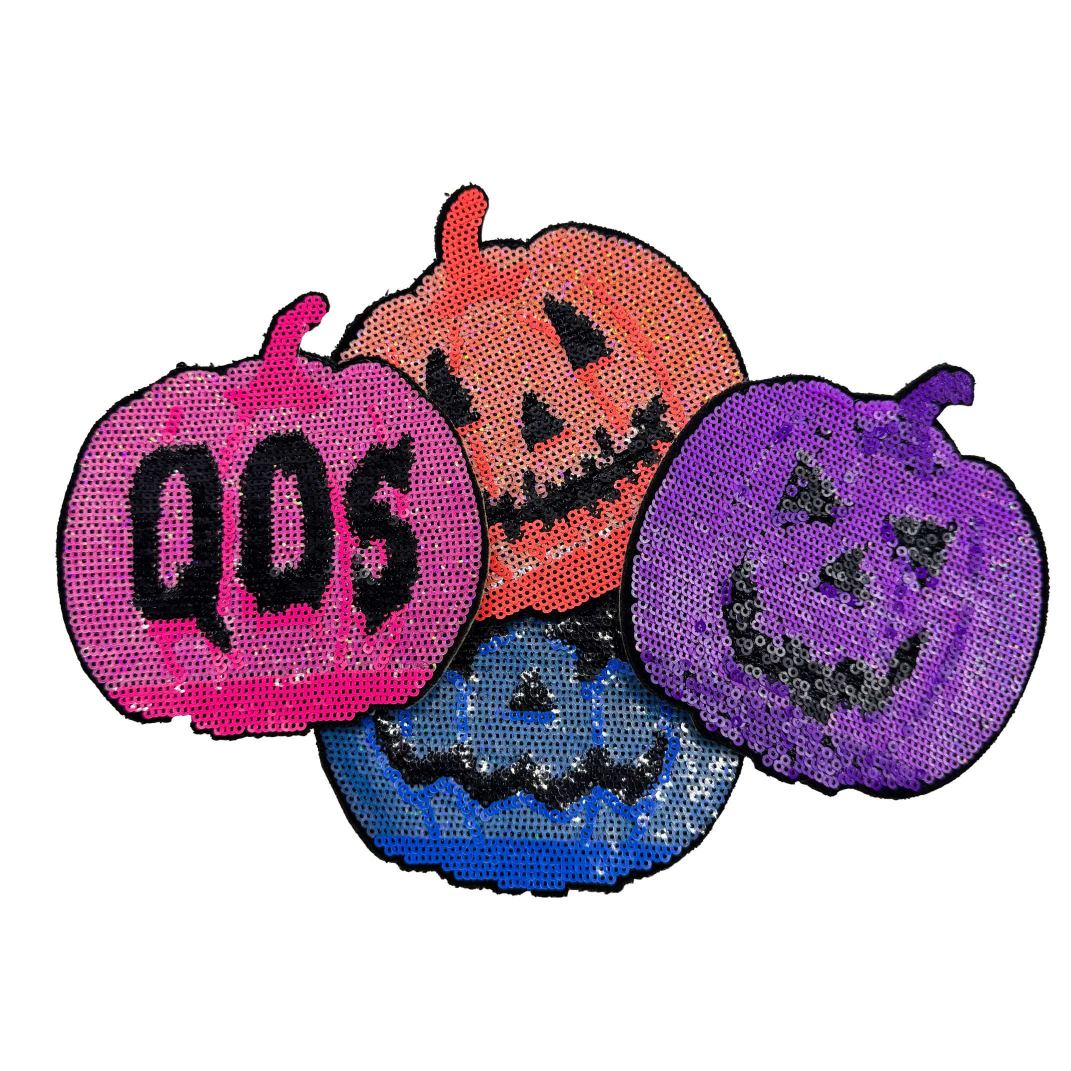
Sequin Embroidery
Embroidery enhanced with sequin application for reflective, eye-catching branding and decorative effects. Popular for evening dresses, performance wear, festival fashion, and statement streetwear pieces. We control sequin placement density, attachment security, and durability to withstand garment movement, washing, and extended wear without sequin loss.
Get a Quote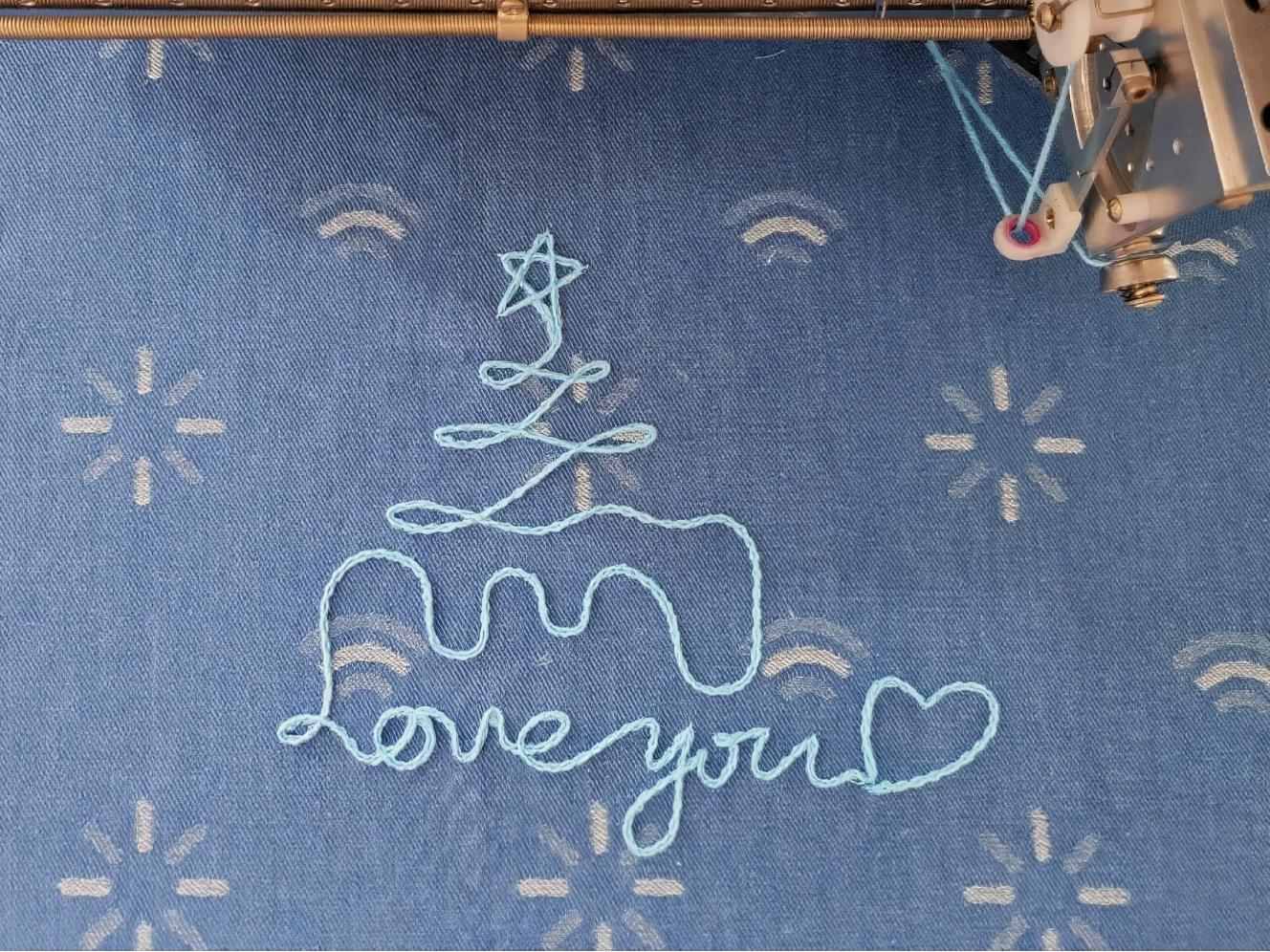
Rope Embroidery
Embroidery technique using thick rope or cord materials to create bold, raised outlines and dimensional lettering. Suitable for varsity jackets, workwear, nautical collections, and heritage-inspired branding. Our rope embroidery ensures secure cord attachment, consistent thickness, and durable construction that maintains appearance through production finishing and customer use.
Get a Quote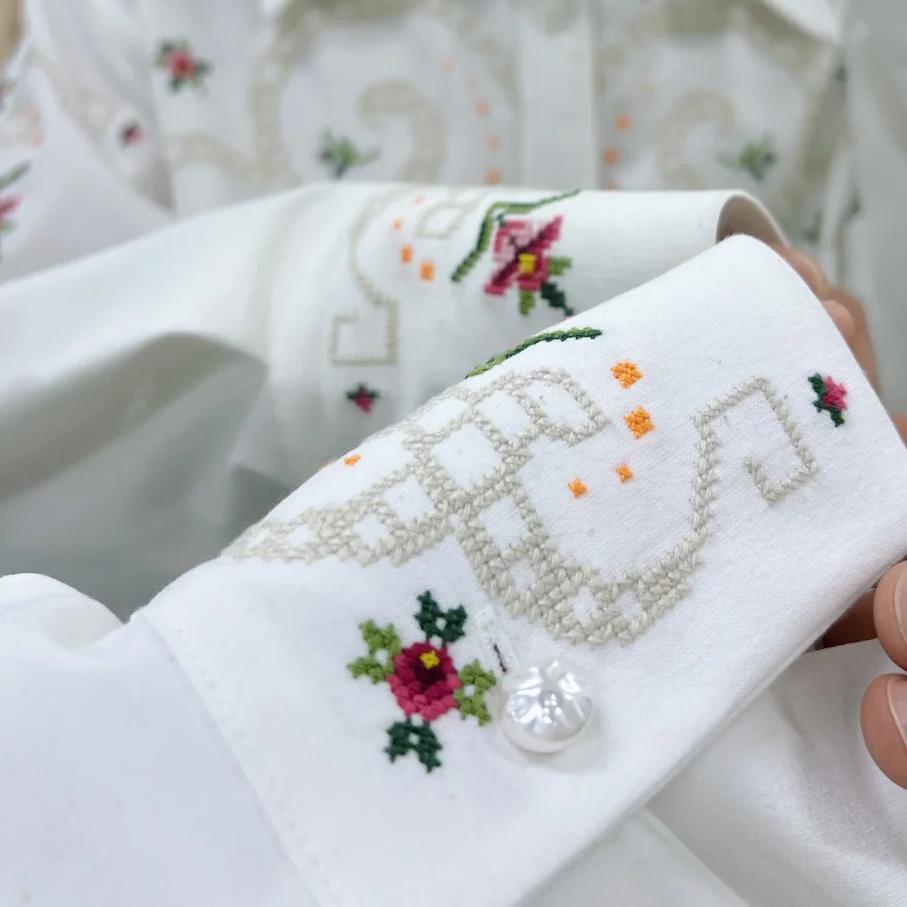
Cross Stitch Embroidery
Traditional needlework embroidery creating X-shaped stitches for folk-inspired patterns, handcrafted aesthetics, and artisan fashion details. Applied to bohemian collections, resort wear, vintage-inspired garments, and decorative apparel elements. We replicate cross stitch appearance with production efficiency while maintaining the handcrafted visual quality brands seek for unique collections.
Get a QuoteZORWILD's Toothbrush Embroidery Expertise
Founded in 1998 in Humen, Dongguan—one of the world’s most influential garment manufacturing hubs—ZORWILD has spent 27 years perfecting advanced garment decoration techniques, including toothbrush embroidery. Our in-house embroidery workshop supports flat, 3D, chenille, appliqué, and specialized tufted toothbrush embroidery with precision stitch control, thread quality management, and garment tension systems that ensure consistent raised texture and premium durability across every piece.
With a monthly production capacity exceeding 100,000 units and a 6-stage quality control system, we deliver toothbrush embroidery for startup brands and established labels alike. Our low 50-piece MOQ enables influencers and small brands to test signature logo placements, while our scalable infrastructure supports wholesalers ordering thousands of hoodies, varsity jackets, and sweatshirts featuring bold tufted branding.
More than 95% of decoration techniques are handled in-house at our Humen, Dongguan facility, allowing us to combine toothbrush embroidery with puff print, chenille patches, appliqué panels, and garment wash effects in a single production run. This vertical integration ensures faster lead times, tighter quality oversight, and seamless coordination for complex multi-technique designs that elevate your brand’s visual identity.
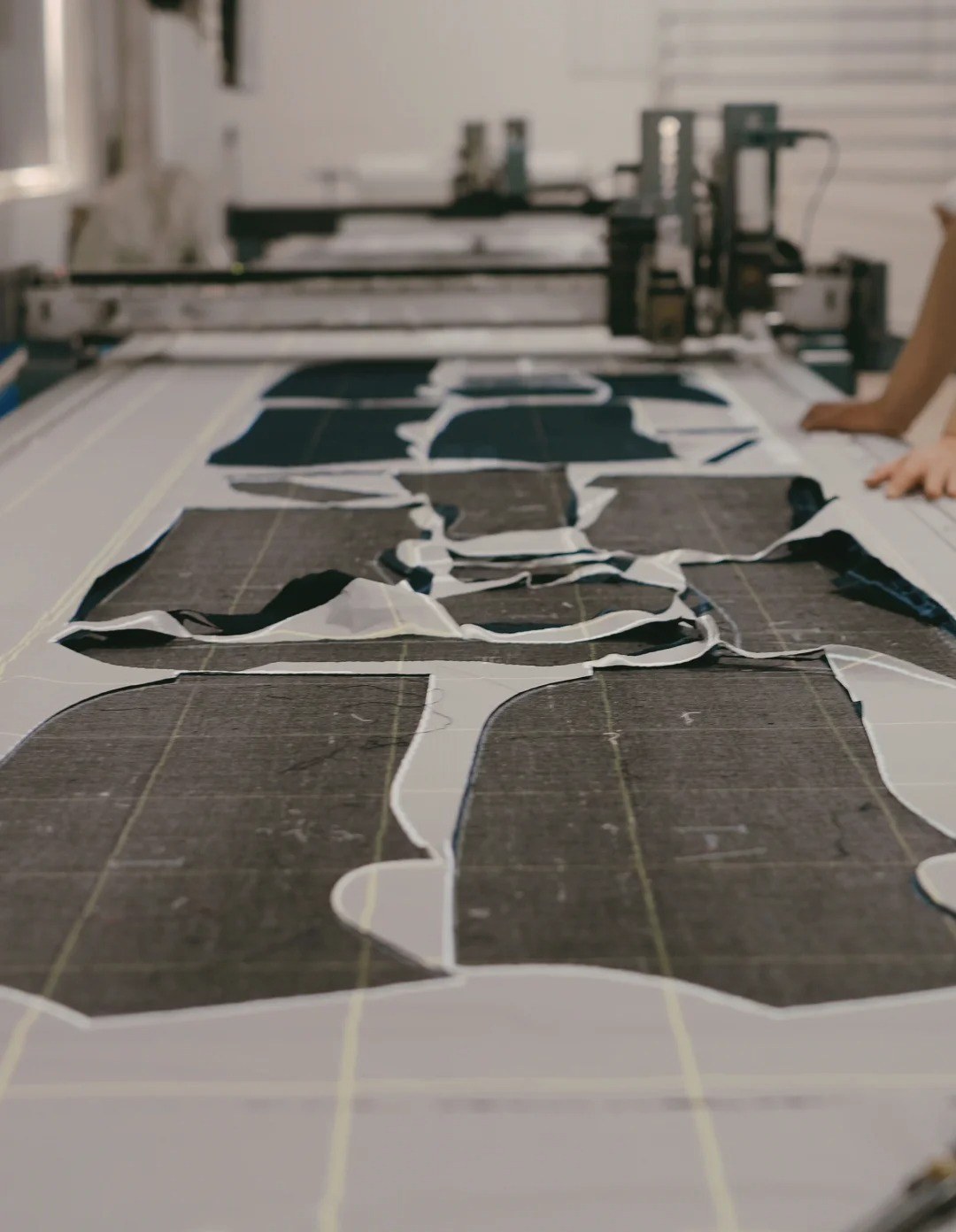
Toothbrush Embroidery Quality Dimensions
Pile Height Control & Thread Tension
Premium toothbrush embroidery demands precise pile height management between 3-7mm and consistent thread tension throughout production. ZORWILD’s calibrated embroidery machines maintain uniform loop formation across every stitch, ensuring the signature raised texture remains consistent across 50-piece startup runs and 10,000-unit orders.
- Programmable pile height settings from 3mm subtle texture to 7mm dramatic relief
- Real-time tension monitoring prevents thread breakage and uneven loops
- Pre-production sampling validates height specifications before bulk manufacturing
- Calibrated machinery ensures consistency across multi-head production systems
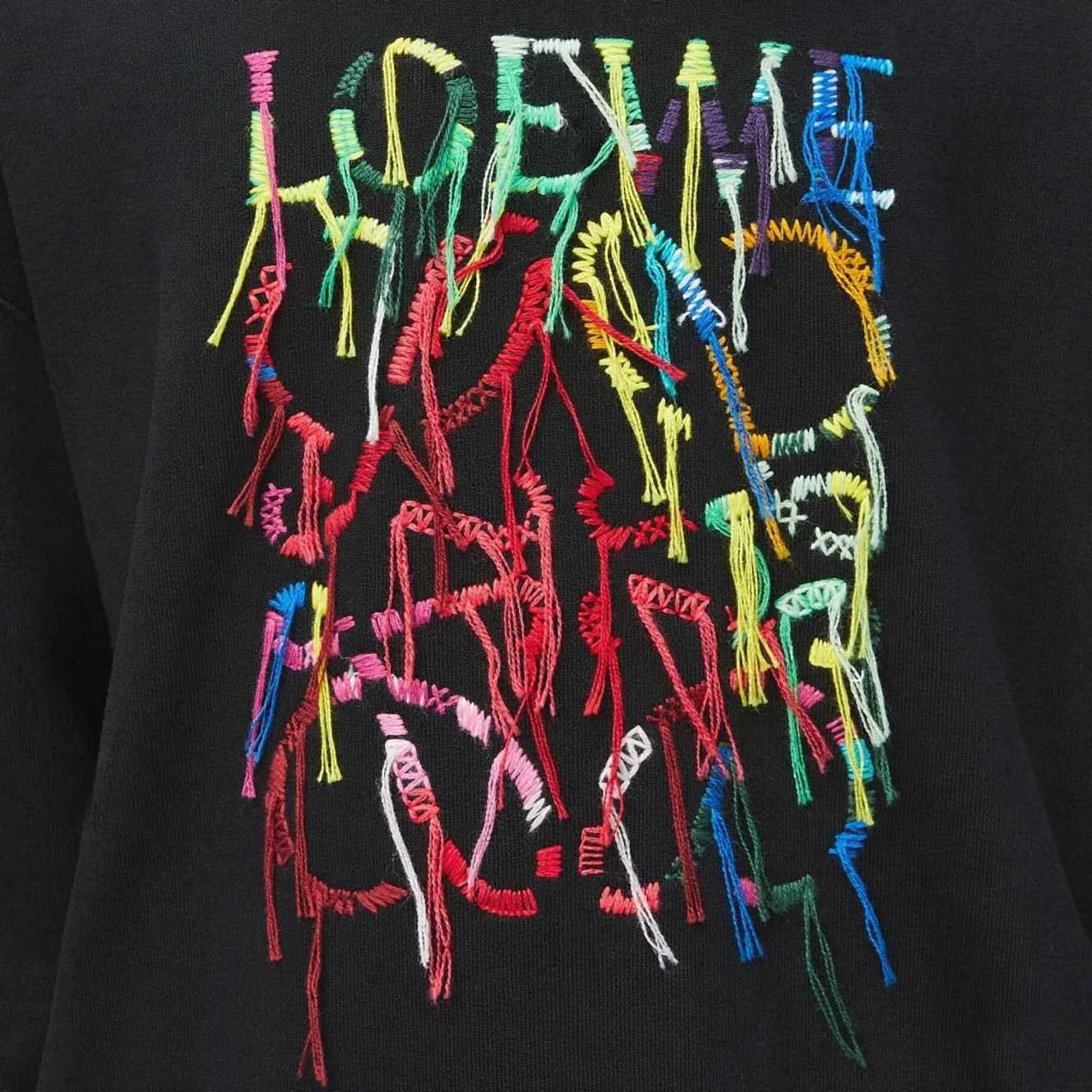
Stitch Density & Design Registration
Optimal stitch density between 4,000-6,000 stitches per square inch creates durable, full-coverage toothbrush embroidery without fabric puckering. Our digitizing team programs precise needle penetration points and stitch angles to maintain sharp design registration on knit fabrics, woven substrates, and stretch materials throughout garment movement.
- Custom density programming balances coverage with fabric integrity
- Multi-point hooping systems prevent design shift during embroidery
- Underlay stitching stabilizes base fabric for complex logo placement
- Vector-based digitizing maintains crisp edges on curves and fine details
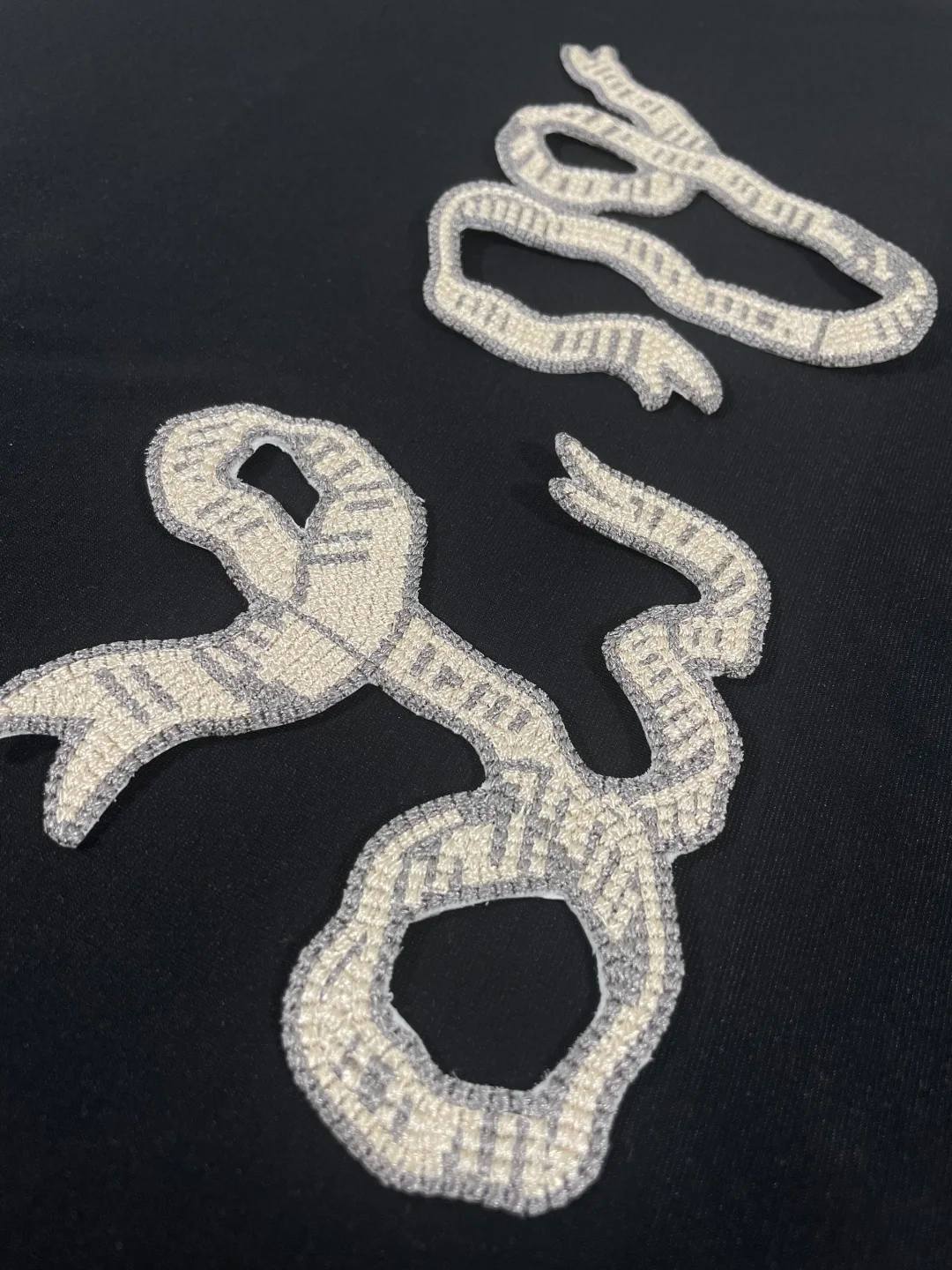
Wash Durability & Color Fastness
Industrial-grade polyester embroidery threads rated for 60°C washing cycles ensure toothbrush embroidery maintains texture and color through repeated laundering. ZORWILD tests every thread batch for colorfastness Grade 4-5 ISO standards, and our backing stabilizers prevent loop flattening even after 50+ commercial wash cycles.
- Polyester threads resist fading, shrinkage, and chlorine degradation
- Heat-resistant backing materials maintain pile structure through tumble drying
- Pre-production wash testing simulates real-world garment care conditions
- Color matching system ensures batch consistency across reorders
Material Selection & Substrate Compatibility
Successful toothbrush embroidery requires matching thread weight, backing type, and needle selection to garment fabric composition. Our 27 years of embroidery experience guides optimal combinations for fleece hoodies, twill jackets, cotton tees, and technical outerwear, preventing puckering, show-through, and premature wear on finished garments.
- Tear-away, cut-away, and wash-away stabilizers matched to fabric weight
- Needle type and size selection prevents fabric damage and thread shredding
- Thread weight optimization balances visual impact with garment drape
- Fabric pre-treatment recommendations for knits, stretch, and lightweight materials
Toothbrush Embroidery vs. Flat & 3D Embroidery
Understanding the key differences between toothbrush embroidery and traditional embroidery techniques helps you select the right decoration method for your apparel collection. ZORWILD’s 27 years of embroidery expertise ensures precise execution across all three methods.
← 左右滑动查看 →
Toothbrush Embroidery Production Process
Seven precision-controlled phases ensure consistent 3D tufted texture, durability, and premium finish across every garment from our Humen facility.
Design Digitization & Prep
Convert artwork into toothbrush embroidery format with optimized stitch density, pile height specifications, and underlay structure to support raised texture integrity throughout production.
Machine Setup & Threading
Configure specialized embroidery machines with precise tension settings, thread path alignment, and pile loop formation parameters calibrated for consistent 3D tufted effects.
Pile Creation & Stitching
Execute programmed stitch sequences to form raised loops over dissolvable substrate, building dimensional texture layer by layer with controlled loop height and density.
Thread Tension Control
Monitor and adjust tension throughout production to maintain uniform pile height, prevent thread breakage, and ensure consistent tufted appearance across all garment placements.
Substrate Removal & Curing
Dissolve or remove temporary backing material, then heat-set embroidery to lock pile structure, stabilize thread position, and enhance wash durability for long-term wear.
Quality Inspection & Trimming
Inspect pile uniformity, trim excess threads, verify dimensional consistency, and validate color accuracy against approved samples using our six-stage quality control protocols.
Finishing & Garment Assembly
Complete final pressing, attach custom labels and hang tags, package garments with brand-specific materials, and prepare orders for global shipment with full export documentation.
How to Order Toothbrush Embroidery
ZORWILD simplifies commissioning toothbrush embroidery with a proven five-step process — from design submission to final production. Our team handles art file preparation, sampling, and quality control so your brand receives consistent 3D tufted texture with every order, starting from just 50 pieces.
Submit Your Design Concept
Share your logo, artwork, or inspiration with our team. We accept tech packs, vector files, reference images, or sketches to begin developing your toothbrush embroidery application.
Receive Art File Recommendations
Our digitizing specialists review your design for toothbrush embroidery suitability, recommend thread colors, stitch density, and create vector separations optimized for raised 3D texture.
Approve Your Physical Sample
We produce a physical sample on your chosen garment base. Evaluate the tufted height, thread quality, color accuracy, and overall texture before committing to production.
Confirm Order and Lead Time
Place your order with a 50-piece minimum. Our production team schedules your run, confirms fabric sourcing, and provides a clear timeline with milestone updates.
Production and Quality Inspection
Your garments move through our 6-stage quality control system. Every piece receives embroidery inspection, measurement verification, and finishing before packaging and shipment to your destination.
Customer Success Stories: Toothbrush Embroidery
We ordered 300 hoodies with toothbrush embroidery logos for our streetwear launch. After 20+ washes the texture still looks brand new, and our customers love the premium 3D feel. ZORWILD delivered exactly on schedule.
The toothbrush embroidery brought our intricate logo design to life with depth we couldn’t achieve with flat embroidery. ZORWILD handled the complexity perfectly at just 100 pieces MOQ, helping us test the market before scaling.
Switching to toothbrush embroidery differentiated our varsity jackets from competitors instantly. Sales increased 34% in the first quarter. ZORWILD’s quality control ensured every piece met our luxury brand standards across 500 units.
Toothbrush Embroidery FAQ
What is toothbrush embroidery and how does it differ from regular embroidery?
What fabrics work best for toothbrush embroidery?
What is the minimum order quantity for toothbrush embroidery at ZORWILD?
How many colors can be used in toothbrush embroidery designs?
What is the maximum design size for toothbrush embroidery?
Can I combine toothbrush embroidery with other decoration techniques?
How durable is toothbrush embroidery after washing?
What are the lead times and sampling costs for toothbrush embroidery projects?
What file formats and art requirements are needed for toothbrush embroidery?
The Complete Buyer’s Guide to Toothbrush Embroidery for Your Brand
1. What Is Toothbrush Embroidery?
Toothbrush embroidery—also known as 3D puff embroidery or tufted embroidery—is a specialized garment decoration technique that creates a raised, textured surface through looped stitches that stand vertically from the fabric base. Unlike flat embroidery, which lies flush against the material, toothbrush embroidery produces a dense, bristle-like pile typically ranging from 3 to 7 millimeters in height, depending on stitch density and loop length. The name ‘toothbrush’ comes directly from the visual and tactile resemblance to toothbrush bristles: each loop stands upright, creating a soft, plush surface that catches light and invites touch.
This technique is most commonly applied to streetwear caps, oversized hoodies, bomber jackets, varsity jackets, backpacks, and tote bags where brands seek a premium, tactile aesthetic that differentiates their products from standard screen printing or flat embroidery. The raised texture adds dimensional depth to logos, wordmarks, and graphic elements, making designs more visually striking and memorable. Professional manufacturers control loop height, stitch density, thread tension, and backing stabilization to ensure consistent pile appearance and durability through repeated washing cycles.
Toothbrush embroidery delivers a luxury, high-end look that commands higher retail pricing compared to flat decoration methods. The three-dimensional effect creates shadow depth and visual contrast that photographs exceptionally well for social media marketing, making it particularly popular among influencer brands and streetwear labels targeting premium positioning. ZORWILD supports toothbrush embroidery alongside chenille embroidery, 3D embroidery, and flat embroidery with low MOQ starting from 50 pieces for startup brands and influencers.
2. The Evolution and History of Toothbrush Embroidery
Toothbrush embroidery originated in the 1940s and 1950s as chenille embroidery on American letterman jackets, where varsity athletes wore oversized chenille letters and mascot patches that created a distinctive three-dimensional texture. Traditional chenille was hand-guided on single-head machines, limiting production to specialty shops and high-end sportswear manufacturers. The looped stitch technique—achieved by layering thread over foam backing and trimming to create a brush-like surface—became the signature of premium athletic branding and college apparel.
The 1990s marked a turning point when computerized multi-head embroidery machines enabled precise control of stitch density, loop height, and pattern repeatability at commercial scale. Manufacturers could now produce toothbrush embroidery with consistent quality across hundreds of garments per day, reducing cost per unit and opening the technique to mid-tier streetwear brands and promotional apparel wholesalers. Foam backing materials evolved from rigid felt to lightweight EVA and polyethylene foams that improved washability and garment drape without sacrificing texture.
Between 2010 and the present, toothbrush embroidery experienced a resurgence driven by streetwear labels and luxury fashion houses seeking tactile differentiation in oversized hoodies, bomber jackets, and graphic sweatshirts. Major brands adopted chenille patches and tufted logos as signature design elements, elevating the technique from athletic nostalgia to high-fashion statement. ZORWILD integrated toothbrush embroidery into its comprehensive decoration capabilities, supporting low MOQ production from 50 pieces with in-house multi-head machines, foam sourcing, and quality control systems that meet the standards of international streetwear and private label brands.
3. Types of Toothbrush Embroidery Techniques
Toothbrush embroidery splits into five core techniques, each with distinct stitch density, height profile, and durability characteristics. Choosing the right method depends on garment weight, brand positioning, and desired visual impact.
Classic Loop Stitch (No Foam)
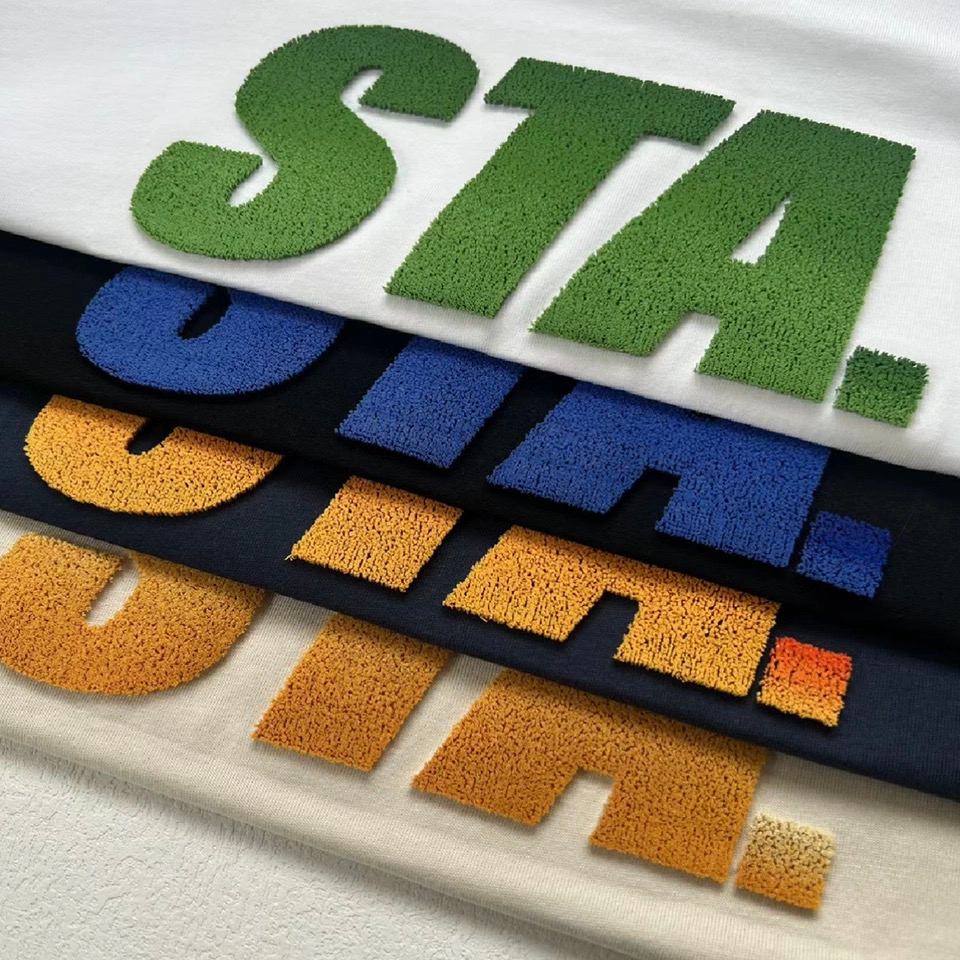
This technique uses dense looped stitches without foam backing, producing 2–3 mm height and a soft, brushed texture. Stitch density ranges from 0.3–0.5 mm spacing for maximum loop stability.
Durability is high for medium-weight garments like hoodies and sweatshirts. The visual effect delivers vintage athletic appeal, ideal for streetwear brands and retro collections.
Foam-Backed 3D Puff
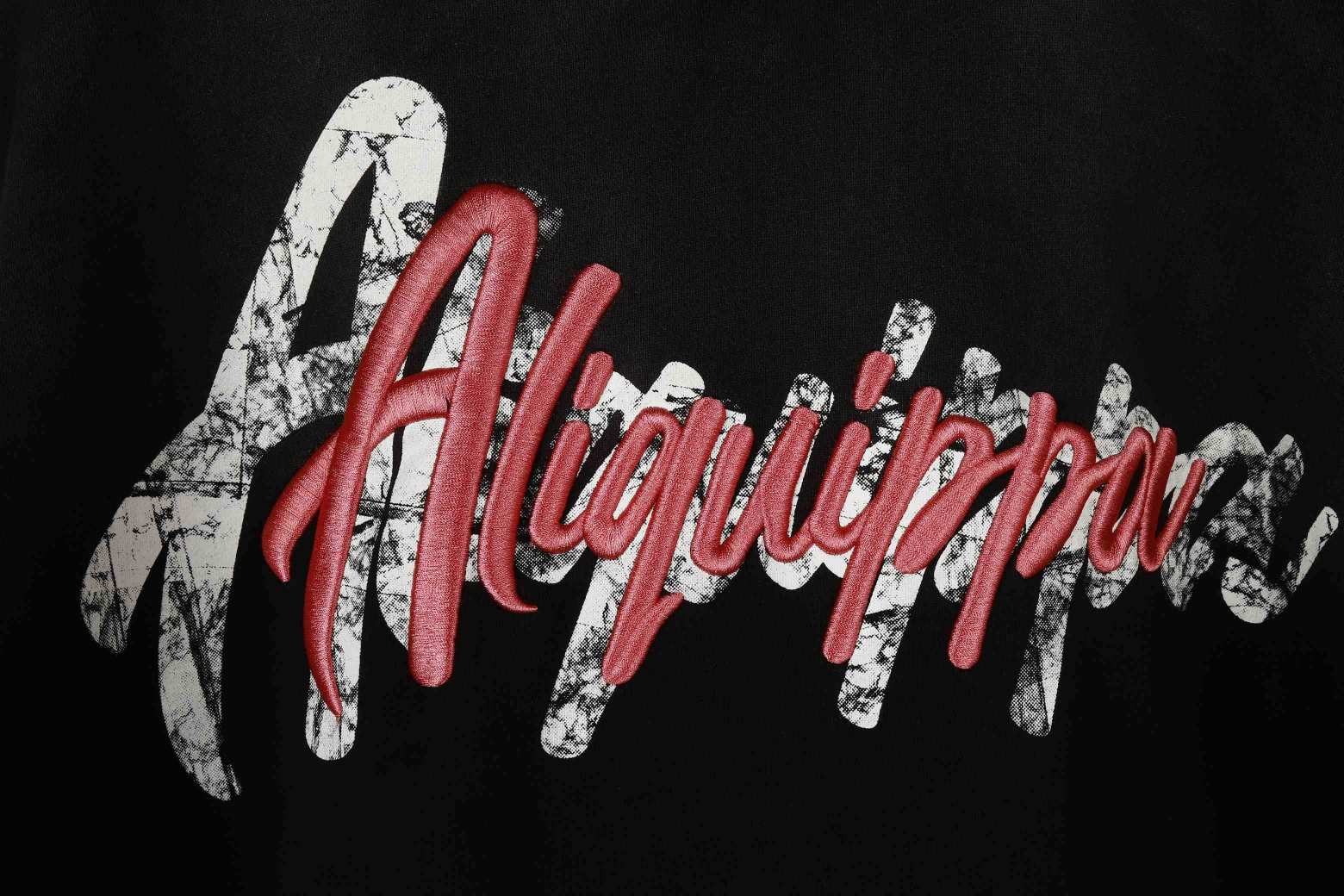
Foam underlay creates 4–6 mm raised profiles with bold dimensional impact. Stitch density at 0.4–0.6 mm secures foam edges and prevents shifting during washing.
Best suited for heavyweight hoodies, varsity jackets, and premium streetwear. The technique offers strong brand presence but requires careful fabric tension to avoid puckering on lightweight materials.
Chain-Stitch Toothbrush
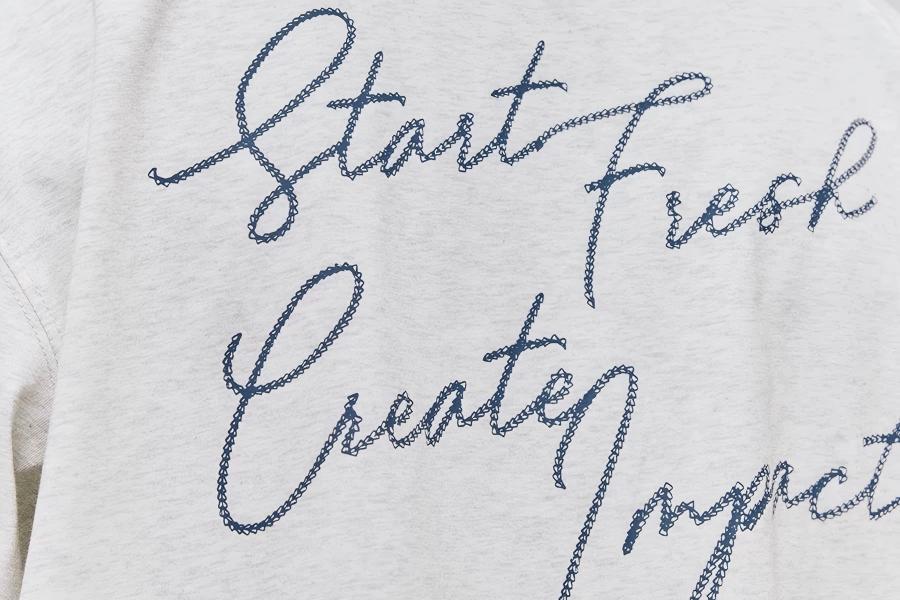
Chain-stitch construction produces flexible, textured surfaces with 2–3 mm height and moderate stretch. Stitch spacing at 0.4–0.7 mm allows garment movement without thread breakage.
Ideal for athletic wear, performance hoodies, and activewear where flexibility matters. Visual effect is softer and more casual than foam-backed methods.
Mixed-Media (Flat + Toothbrush)
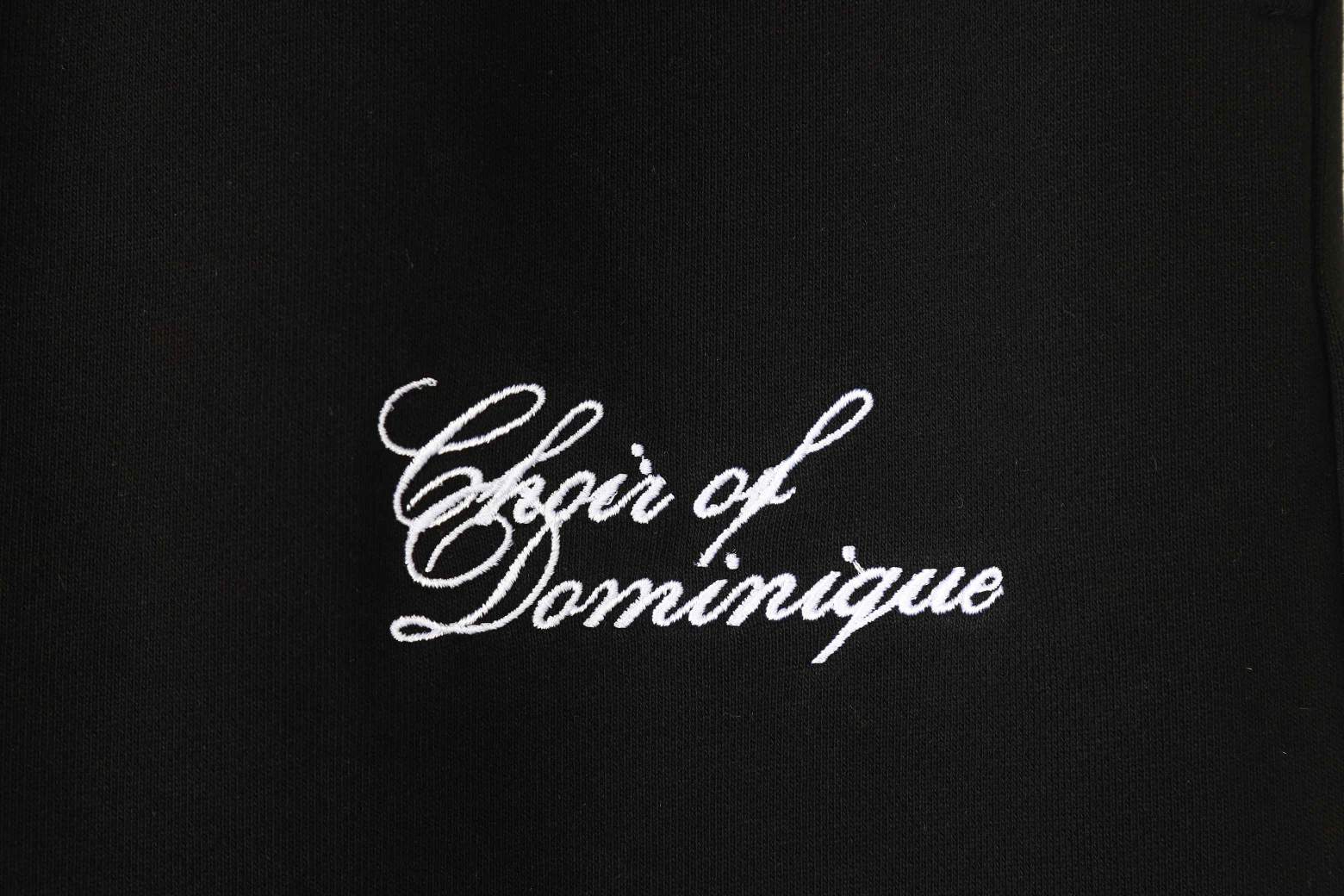
Combines flat embroidery outlines with toothbrush fill, creating contrast and depth. Flat borders use 0.3–0.4 mm density; toothbrush areas maintain 0.5 mm spacing.
Popular for logo work on varsity jackets, bomber jackets, and fashion hoodies. The technique balances detail with texture, suitable for brands seeking premium differentiation.
Laser-Cut Foam Variants
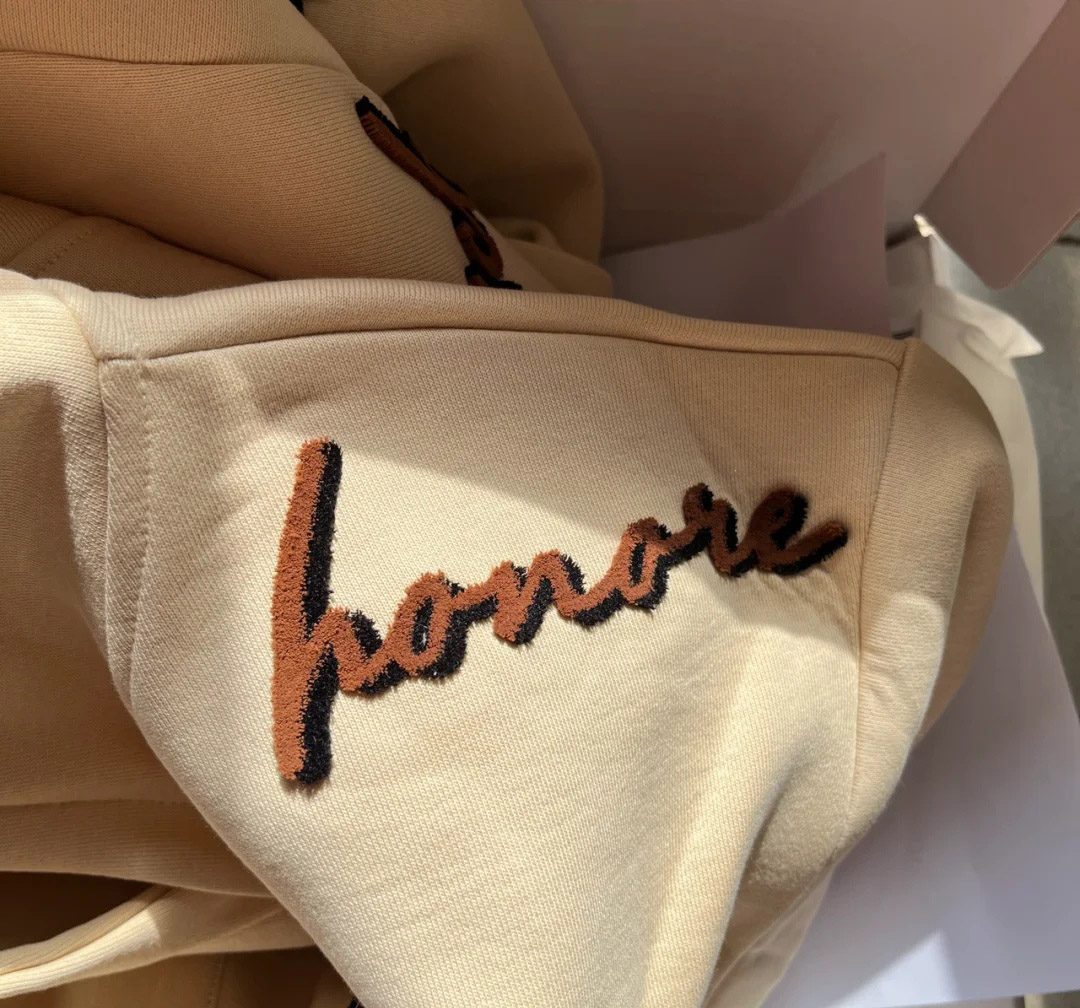
Laser-cut foam shapes enable intricate toothbrush embroidery patterns with clean edges and uniform 3–5 mm height. Stitch density at 0.4 mm locks foam precisely.
Used for high-end streetwear, luxury hoodies, and limited-edition collections. The method supports complex designs but increases production cost and lead time by 15–20 percent.
4. Materials and Base Fabrics for Toothbrush Embroidery
Toothbrush embroidery performance depends on the compatibility between base fabric, thread type, and backing materials. Selecting the right combination ensures stitch stability, wash durability, and the signature raised texture that defines this technique.
| Fabric Type | Thread Recommendation | Typical GSM | Best Applications | Durability Rating |
|---|---|---|---|---|
| Cotton Twill | Polyester | 200–280 | Caps, workwear, uniforms | High |
| Canvas | Polyester or rayon | 280–340 | Tote bags, heavy jackets | Very High |
| Fleece | Polyester | 280–320 | Hoodies, sweatshirts | Medium-High |
| Denim | Polyester | 10–14 oz | Jackets, jeans | Very High |
| Polyester Blends | Polyester | 180–240 | Sportswear, activewear | High |
Compatible Base Fabrics for Toothbrush Embroidery
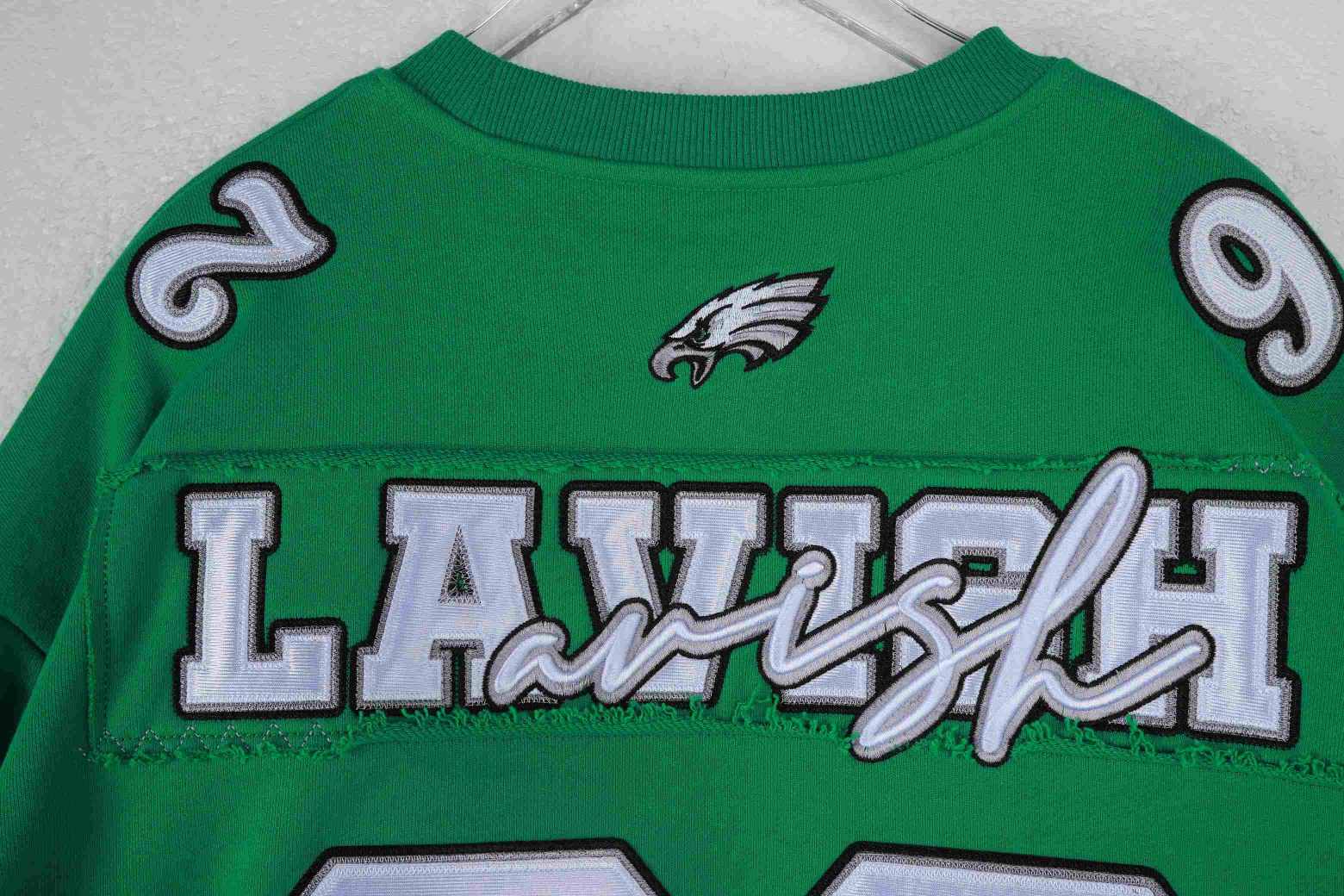
Cotton twill (200–280 GSM) offers tight weave structure that anchors dense stitches without puckering, ideal for caps and workwear. Canvas (280–340 GSM) provides maximum stability for large logos and heavy stitch counts. Fleece (280–320 GSM) and French terry support streetwear hoodies but require careful tension control to prevent fabric stretch during embroidery.
Denim (10–14 oz) handles high stitch density for jackets and jeans, while polyester blends (180–240 GSM) deliver moisture-wicking performance for sportswear applications. Each fabric type requires adjusted machine speed and needle size to prevent thread breaks and fabric damage.
Thread Types and Performance Trade-Offs
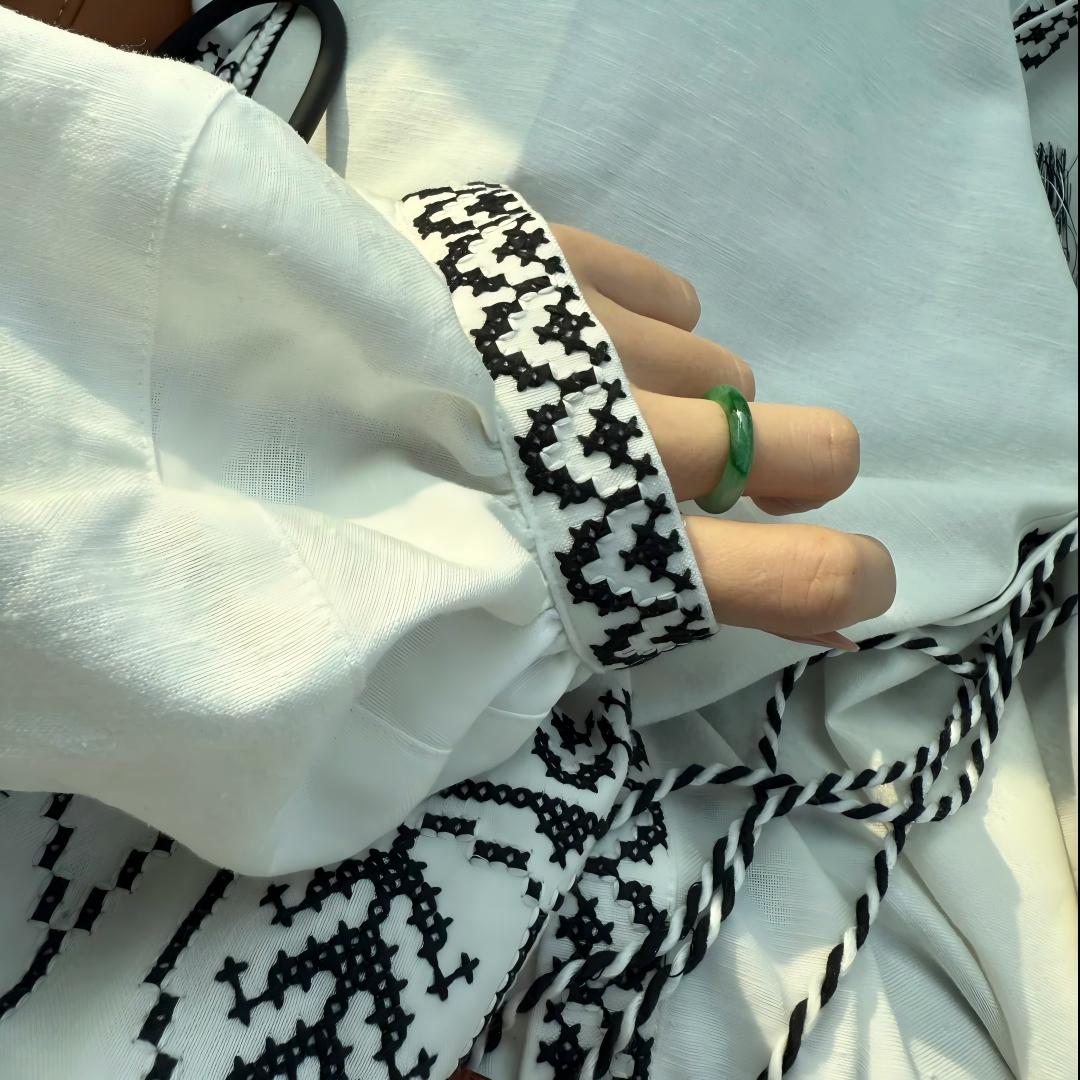
Rayon thread delivers premium sheen and soft hand feel but shows lower wash-fastness and higher break rates during high-speed embroidery. Polyester thread offers superior durability, colorfastness through 50+ industrial washes, and consistent tension but produces slightly less luster. Metallic thread creates luxury visual effects for fashion collections but requires slower machine speeds (600–700 RPM vs. 850–1,000 RPM) and specialized needles to prevent shredding.
Foam Backing and Stabilizer Materials
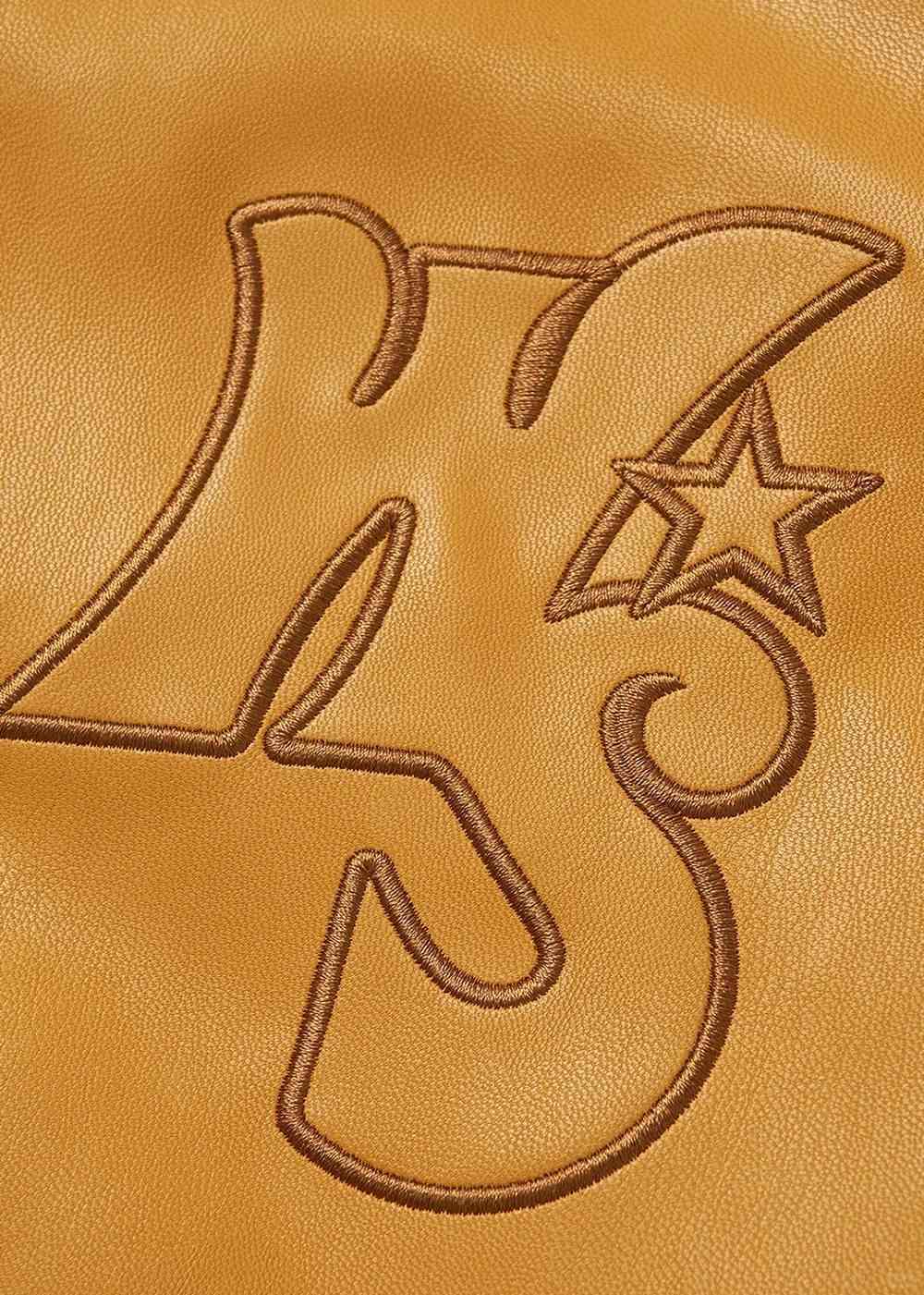
EVA foam (2–3 mm thickness) creates the raised 3D effect and withstands repeated washing without flattening. Polyurethane foam offers softer hand feel but compresses faster under wear. Adhesive tear-away stabilizers (60–80 GSM) support fabric during stitching and remove cleanly post-production, while cut-away stabilizers (50–70 GSM) remain permanently for knit fabrics requiring long-term stitch support.
5. Customization and Decoration Options for Toothbrush Embroidery
Toothbrush embroidery offers extensive customization variables that directly impact the final aesthetic and production feasibility. Understanding these design parameters and technical constraints ensures efficient sampling and production-ready artwork.
Core Design Variables for Toothbrush Embroidery
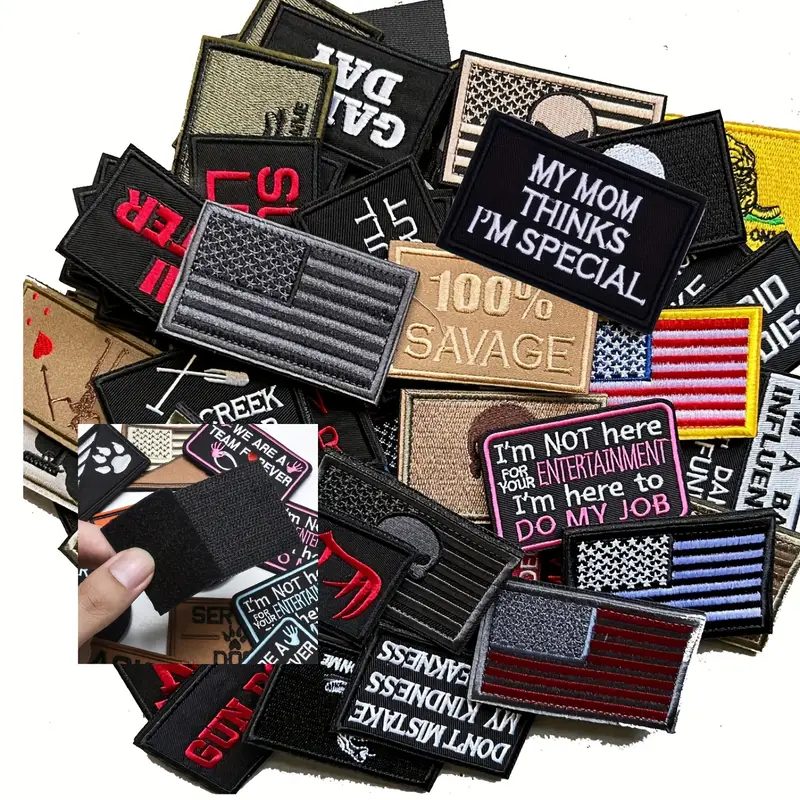
Loop height typically ranges from 3 mm to 10 mm, with 5–7 mm being the most popular for streetwear and fashion brands. Higher loops create bolder three-dimensional effects but require denser base stitching to maintain stability.
Thread color matching follows Pantone (PMS) or physical swatch references, with most manufacturers offering 100+ standard rayon or polyester thread colors. Stitch density is measured in stitches per cm² and directly affects loop stability, fabric distortion, and production time — denser patterns deliver better durability but increase embroidery costs.
Combining Toothbrush Embroidery with Other Techniques
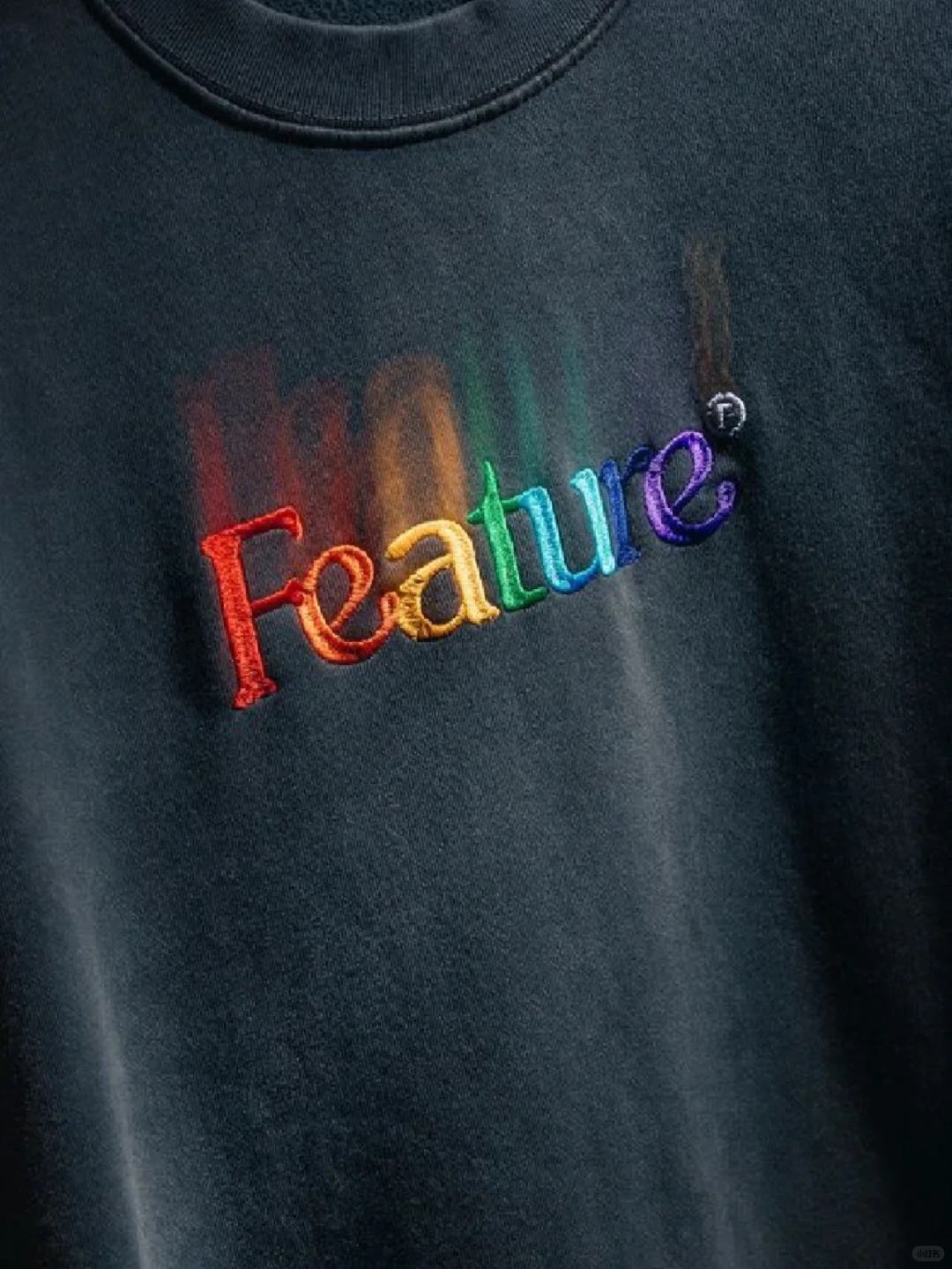
Toothbrush embroidery pairs effectively with flat embroidery for outlines, borders, or fine lettering that complements the raised texture. Appliqué fabric pieces can be layered beneath or beside tufted areas to add color blocking and reduce stitch count.
Screen printing and heat transfers work well for large background graphics or gradient elements that toothbrush embroidery cannot replicate. Woven labels, rubber patches, and chenille patches are often combined in multi-decoration garment designs to create premium streetwear aesthetics.
Artwork File Requirements and Technical Limitations
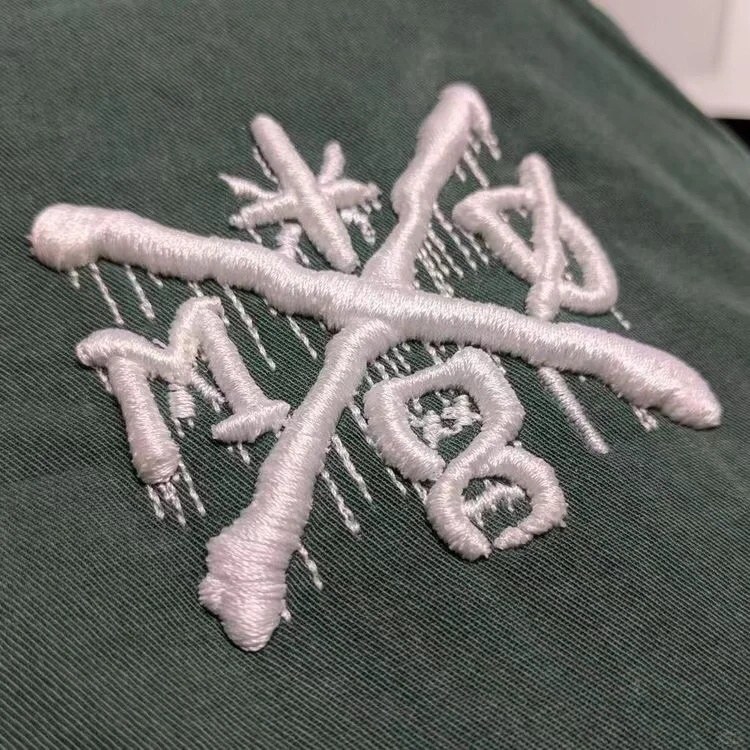
Production-ready artwork must be supplied in vector format (AI, EPS, PDF) and digitized into embroidery machine files (DST, PES, or proprietary formats). Minimum letter height for toothbrush embroidery is typically 15–20 mm to ensure legibility and loop formation.
Fine details, small text under 12 mm, intricate serif fonts, and gradient fills are not achievable with toothbrush embroidery due to the physical constraints of loop formation and thread density. Designers should simplify artwork, use bold sans-serif fonts, and avoid complex shading for optimal results.
6. Key Quality Indicators in Toothbrush Embroidery Construction
Professional toothbrush embroidery quality depends on six critical checkpoints that separate premium work from substandard production. ZORWILD’s 27 years of embroidery experience have refined these inspection standards across more than 2,000 brand partnerships worldwide.
Uniform Loop Height and Density
Loop height should measure 3–5 mm consistently across the entire design with no visible gaps or thin patches. Inspect samples under natural light at a 45-degree angle to detect uneven pile density.
Stitch density between 4,000–6,000 stitches per 10 cm² ensures durability without fabric stress. Sparse stitching creates bald spots after washing; excessive density causes puckering and thread breakage.
Backing Adhesion and Fabric Stability
Turn garments inside-out to inspect backing integrity. Quality toothbrush embroidery uses water-soluble stabilizer plus tear-away backing that leaves no stiff residue after washing.
Check for puckering around design edges by stretching fabric gently in all directions. Any rippling or distortion indicates inadequate stabilization during production, a common issue with inexperienced manufacturers.
Colorfastness and Wash Durability
ISO 105 colorfastness standards require grade 4 or higher for professional apparel. Request wash test reports showing 50+ cycles at 40°C with minimal color transfer or loop flattening.
Red flags include visible thread breakage during sampling, rough backing edges that irritate skin, uneven loop trimming, and color bleeding in first wash. ZORWILD’s quality control system inspects stitch density, backing adhesion, and wash performance before shipment to prevent these defects.
- Thread breakage rate above 2% during production signals poor thread quality
- Edge fraying after 10 washes indicates inadequate lock stitching
- Loop flattening below 80% original height after 30 cycles shows inferior materials
7. How to Choose a Toothbrush Embroidery Manufacturer
Selecting a toothbrush embroidery manufacturer requires evaluating technical capacity, service scope, and operational flexibility. Contract embroiderers offer specialized decoration only, while full-service manufacturers like ZORWILD integrate embroidery with garment production, fabric sourcing, and quality control under one roof.
Machine Capability and Technical Infrastructure
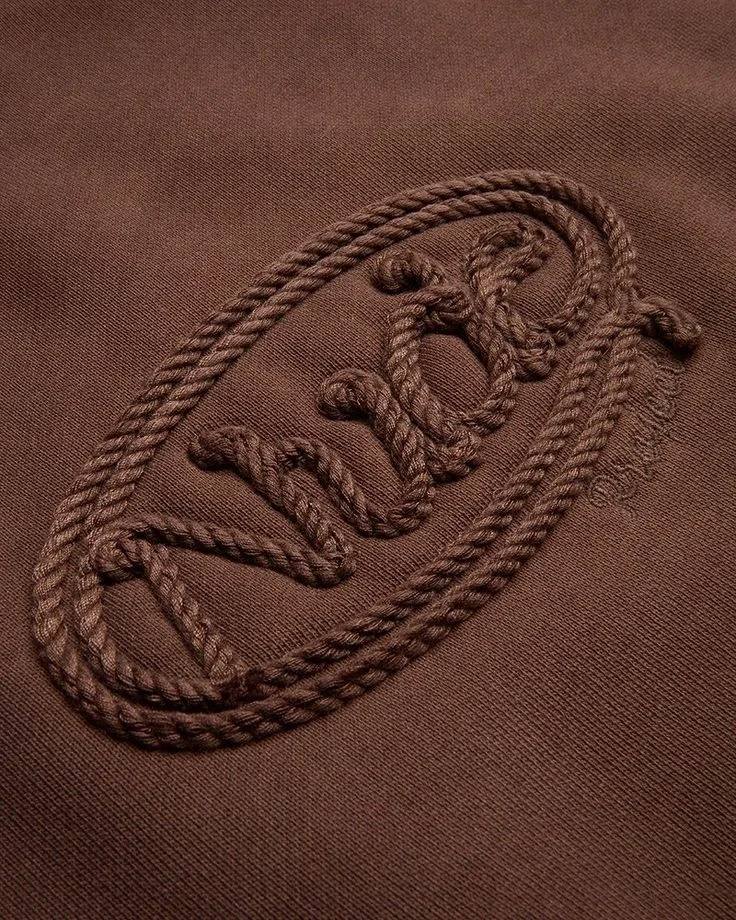
Multi-head embroidery machines (6–20 heads) enable faster turnaround and consistent quality across large runs. Verify that the manufacturer supports loop heights from 3 mm to 10 mm for authentic toothbrush texture and can handle high stitch densities without fabric puckering.
In-house digitizing teams convert artwork into embroidery files with precise stitch mapping, loop placement, and underlay configuration. Outsourced digitizing adds 2–5 days to sampling timelines and increases miscommunication risk.
MOQ Flexibility and Order Scalability
MOQ requirements range from 50 pieces at startup-focused manufacturers to 500+ pieces at high-volume factories. ZORWILD supports 50-piece minimums for toothbrush embroidery projects, enabling influencers and small brands to test designs without excess inventory.
Scalable production capacity (100,000+ units monthly) ensures the same manufacturer can support brand growth from capsule collections to full seasonal lines without supplier transitions.
Turnaround Time and Sampling Process
Sampling timelines for toothbrush embroidery typically span 7–10 days for first samples and 3–5 days for revisions. Bulk production lead times range from 20 to 35 days depending on order size, fabric availability, and decoration complexity.
Always request physical samples before bulk orders to verify loop height, thread tension, color accuracy, and fabric compatibility. Digital mockups cannot reveal puckering, thread breakage, or wash durability issues.
Certifications, Communication, and Support
OEKO-TEX and WRAP certifications confirm thread safety and ethical labor practices. Responsive communication (reply within 24 hours) and clear payment terms (30% deposit, 70% before shipment) reduce project delays and financial risk.
Post-delivery support includes defect resolution, reorder management, and design refinement guidance. Full-service manufacturers offer integrated logistics, customs documentation, and door-to-door shipping to simplify international sourcing.
8. Common Mistakes Buyers Make When Sourcing Toothbrush Embroidery
Even experienced buyers encounter costly errors when sourcing toothbrush embroidery for the first time. Understanding these pitfalls helps prevent production delays, quality failures, and budget overruns that can derail a collection launch.
Choosing Artwork with Excessive Detail
Complex logos with fine lines, small text, or intricate gradients cannot translate into the raised loop structure of toothbrush embroidery. The technique requires bold, simplified shapes with clear separation between elements.
Consequence: Digitizers must redraw artwork, adding 3–5 days to lead time and risking design approval cycles. Corrective action: provide vector files with shapes at least 5 mm wide and avoid text smaller than 12 mm in height.
Ignoring Fabric and Thread Compatibility
Lightweight fabrics below 180 GSM or stretchy knits without stabilizer backing cannot support the weight and density of toothbrush embroidery loops. Thread tension pulls the base fabric, causing puckering and distortion.
Consequence: garments fail quality inspection or require costly rework with interfacing. Corrective action: specify heavyweight French terry, fleece above 300 GSM, or request tear-away stabilizer during production planning.
Skipping Wash Tests Before Bulk Production
Toothbrush embroidery loops may flatten, shed, or lose texture after multiple wash cycles if thread quality or loop height is incorrect. Buyers who approve samples without washing discover defects only after receiving bulk orders.
Consequence: entire production runs become unsellable, leading to refunds or disputes. Corrective action: request pre-production samples and conduct at least three wash cycles at 40°C before approving mass production.
Underestimating Digitizing Lead Times
Custom toothbrush embroidery requires specialized digitizing that maps loop height, stitch density, and underlay structure. Standard embroidery digitizers often lack this expertise, requiring iteration and testing.
Consequence: production schedules slip by 7–10 days, missing retail windows or campaign deadlines. Corrective action: allocate 5–7 business days for digitizing and request a strike-off sample on actual fabric before confirming timelines.
Neglecting Loop Height Specifications in Tech Packs
Tech packs that omit loop height leave manufacturers to guess, resulting in inconsistent texture between samples and bulk production. Standard loop heights range from 3 mm to 7 mm depending on design intent.
Consequence: final garments lack the premium 3D effect or appear too exaggerated. Corrective action: specify exact loop height in millimeters, reference Pantone thread colors, and include closeup photos of approved texture in tech packs.
Ordering Without Physical Samples
Digital mockups cannot accurately represent the tactile quality, loop density, or dimensional appearance of toothbrush embroidery. Buyers who skip sampling based on photos alone frequently reject bulk shipments.
Consequence: disputes over quality standards, delayed shipments, and wasted production costs. Corrective action: order at least one pre-production sample on the exact fabric and colorway, and approve it in writing before authorizing bulk orders.
9. Steps to Launch Your Brand with Toothbrush Embroidery
Launching a collection with toothbrush embroidery requires structured planning across design, sampling, testing, and production phases. Most brands complete the full cycle in 4–8 weeks from concept approval to first shipment, depending on complexity and manufacturer lead times.
Define Target Audience and Design Aesthetic
Identify whether your collection targets streetwear enthusiasts, luxury casualwear buyers, or activewear customers—each segment expects different logo sizes, thread densities, and garment weights. Map your design aesthetic to fabric choices: heavyweight fleece for premium hoodies, lightweight cotton for resort shirts, or technical polyester for sportswear.
Document brand positioning, price points, and retail channels before contacting manufacturers to ensure accurate material recommendations and MOQ alignment.
Create or Source Vector Artwork
Supply logos in vector format (AI, EPS, or high-resolution PDF) with minimum 300 DPI resolution for accurate digitization. Manufacturers convert vector files into embroidery stitch files using specialized software that defines stitch direction, density, and underlay.
Avoid fine serif fonts below 8 mm height and intricate details smaller than 2 mm—toothbrush embroidery performs best with bold shapes, block letters, and simplified graphics that showcase the 3D tufted texture.
Request Digitized Samples from Multiple Manufacturers
Order physical samples from 2–3 manufacturers to compare stitch quality, loop height consistency, and fabric handling. ZORWILD provides sample production starting at 50 pieces, allowing startups to evaluate craftsmanship without large commitments.
Compare digitization fees (typically $15–50 per design), turnaround time (7–14 days), and willingness to revise stitch files based on your feedback before committing to bulk orders.
Conduct Wash and Wear Testing
Test samples through 5–10 wash cycles at 30–40°C to assess thread durability, color fastness, loop retention, and fabric shrinkage. Inspect embroidery edges for fraying, check backing stability, and evaluate overall garment construction after tumble drying.
Document any quality issues—loose threads, flattened loops, or color bleeding—and request production adjustments in stitch density, stabilizer weight, or thread type before finalizing specifications.
Finalize Tech Pack with Specifications
Compile a production tech pack listing garment measurements, fabric weight (GSM), thread colors (Pantone references), embroidery placement coordinates, stabilizer type, and finishing requirements. Include care label content, hangtag design, and packaging instructions.
Confirm setup fees, per-unit costs, shipping methods, and payment terms in writing. Budget $50–150 for digitization, $2–8 per garment for toothbrush embroidery application, and freight costs based on order volume and destination.
Place Pilot Order and Scale Production
Start with a 50–200 piece pilot run to validate market demand, collect customer feedback, and refine sizing or decoration before scaling. ZORWILD supports low MOQ production ideal for testing new designs without excess inventory risk.
Plan scaling timelines: 3–4 weeks for reorders under 500 units, 5–6 weeks for 1,000+ units. Maintain open communication with your manufacturer to adjust lead times during peak seasons or material shortages.
10. Pricing and Cost Breakdown for Toothbrush Embroidery
Toothbrush embroidery pricing varies by design complexity, stitch count, and production volume. At ZORWILD, digitizing fees for simple text designs start at $15–$25, while multi-color logos with 2–3 thread colors range from $30–$50, and full-chest or back designs with intricate detail can reach $80–$120. These one-time setup costs are waived for repeat orders using the same design file.
Per-unit embroidery costs decrease significantly with volume. A 50-piece order for a simple logo averages $3.50–$5.00 per garment, while 1,000-piece runs drop to $1.20–$1.80 per piece for the same design. Complex full-chest toothbrush embroidery with high stitch density and specialty threads adds $2.00–$4.00 per unit at any tier due to machine time and thread consumption.
Lead times range from 12–15 days for 50–100 pieces to 18–25 days for orders exceeding 500 units, depending on design complexity and production queue. Rush orders incur a 20–30% surcharge and compress timelines by 5–7 days. Metallic or glow-in-the-dark thread upgrades add $0.30–$0.60 per garment, while freight costs depend on destination and shipping method—sea freight averages $0.80–$1.50 per unit for North American delivery, air express $4.00–$7.00 per unit.
| Quantity Tier | Simple Text/Logo | 2–3 Color Logo | Full-Chest Design | Digitizing Fee | Lead Time (Days) |
|---|---|---|---|---|---|
| 50 pcs | $3.50–$5.00 | $4.50–$6.50 | $7.00–$10.00 | $15–$120 | 12–15 |
| 100 pcs | $2.80–$4.20 | $3.80–$5.50 | $6.00–$8.50 | $15–$120 | 14–18 |
| 500 pcs | $1.80–$2.50 | $2.50–$3.80 | $4.50–$6.50 | Waived (repeat) | 18–22 |
| 1,000+ pcs | $1.20–$1.80 | $1.80–$2.80 | $3.50–$5.00 | Waived (repeat) | 20–25 |
Ready to Add Toothbrush Embroidery to Your Collection?
Start with just 50 pieces. Submit your artwork today and receive expert guidance on texture, placement, and production timelines.
- Custom Shirts
- Custom Hoodies
- Custom T Shirts
- Custom Dresses
- Custom Sweatshirts
- Custom Jackets
- Custom Polo Shirts
- Custom Shorts
- Custom Dress Shirts
- Contact