
DTF Printing — Vibrant Full-Color Designs on Any Fabric
ZORWILD‘s DTF printing delivers photorealistic graphics with exceptional durability on cotton, polyester, blends, and dark fabrics—no pre-treatment required. 50-piece MOQ, 7-day sampling.
DTF Printing Sample Gallery
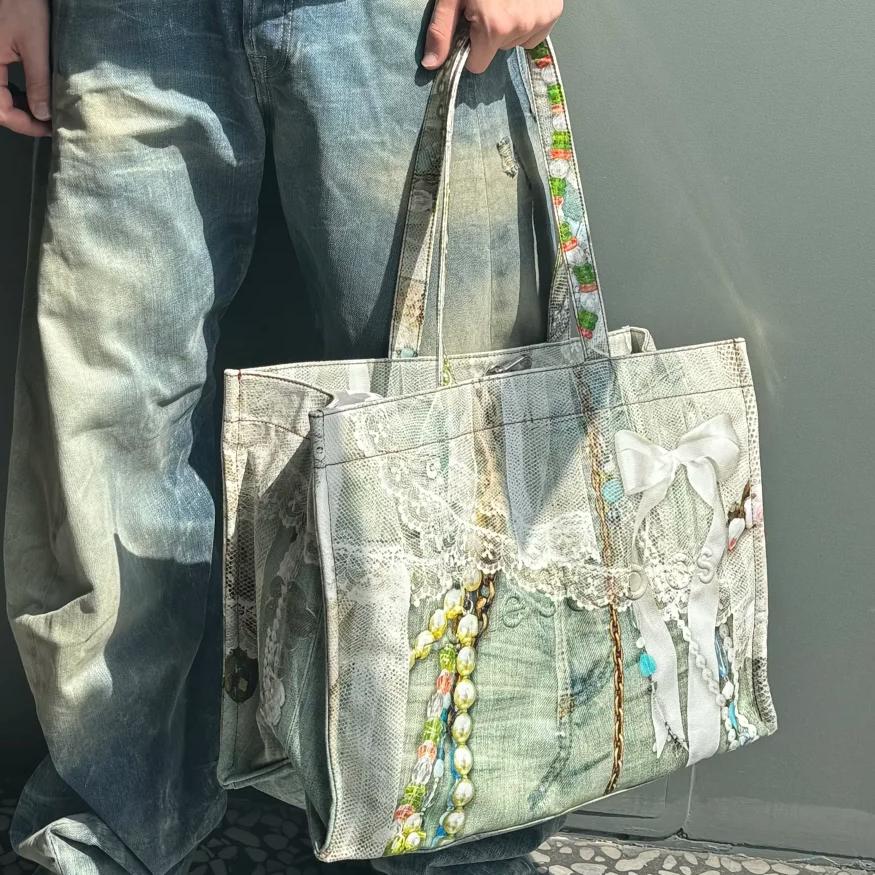
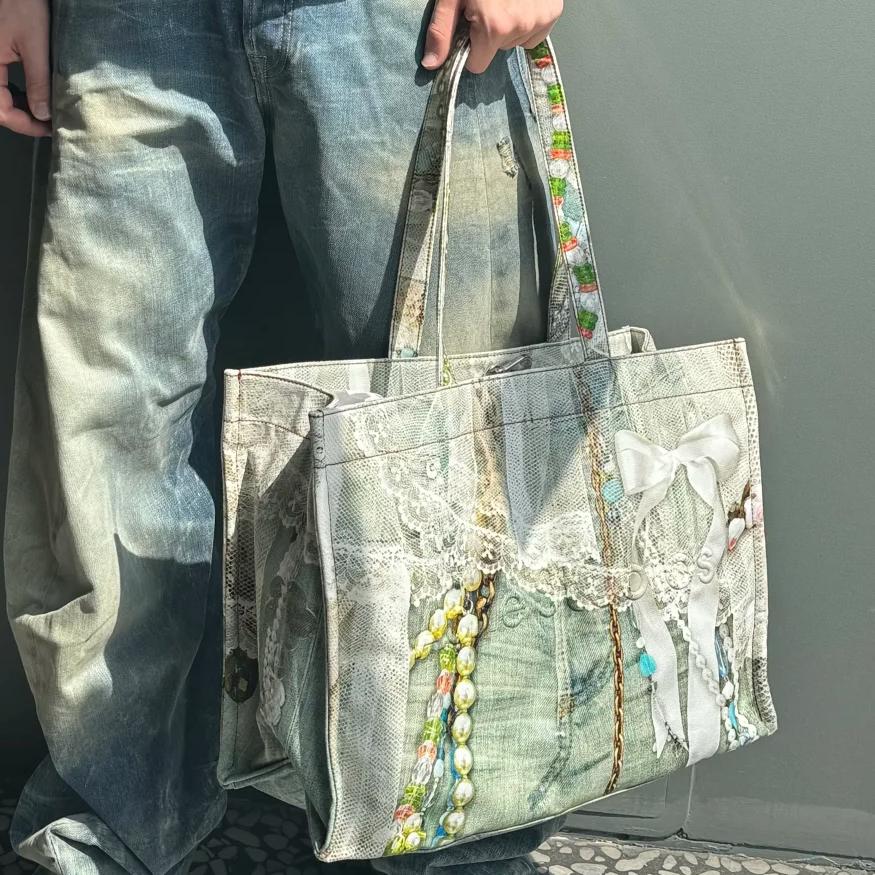
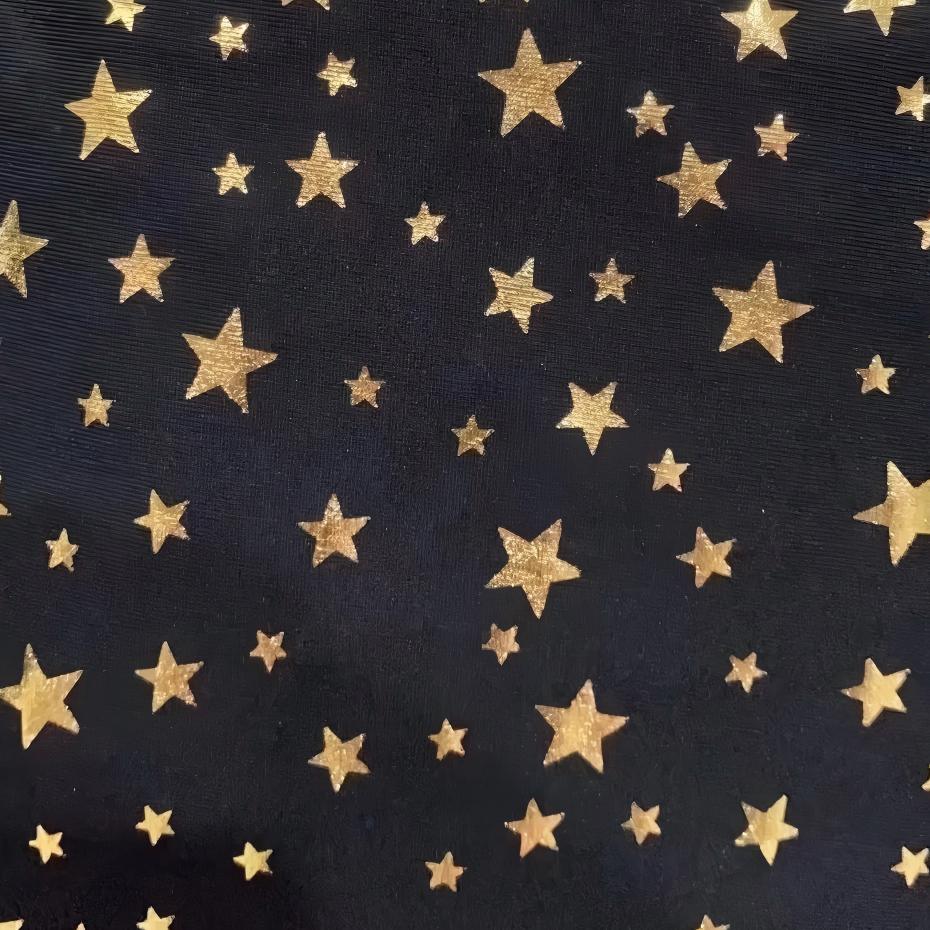
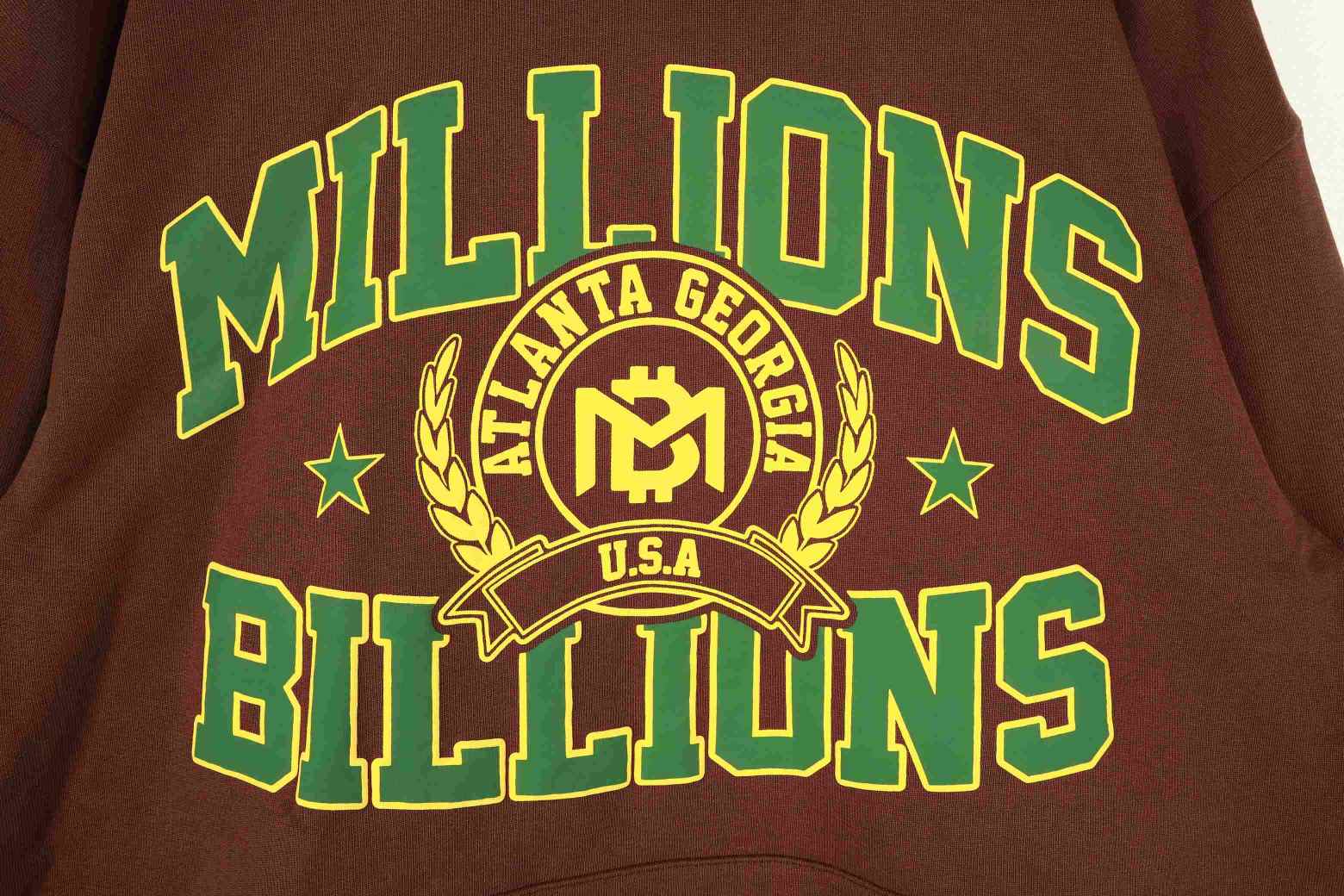
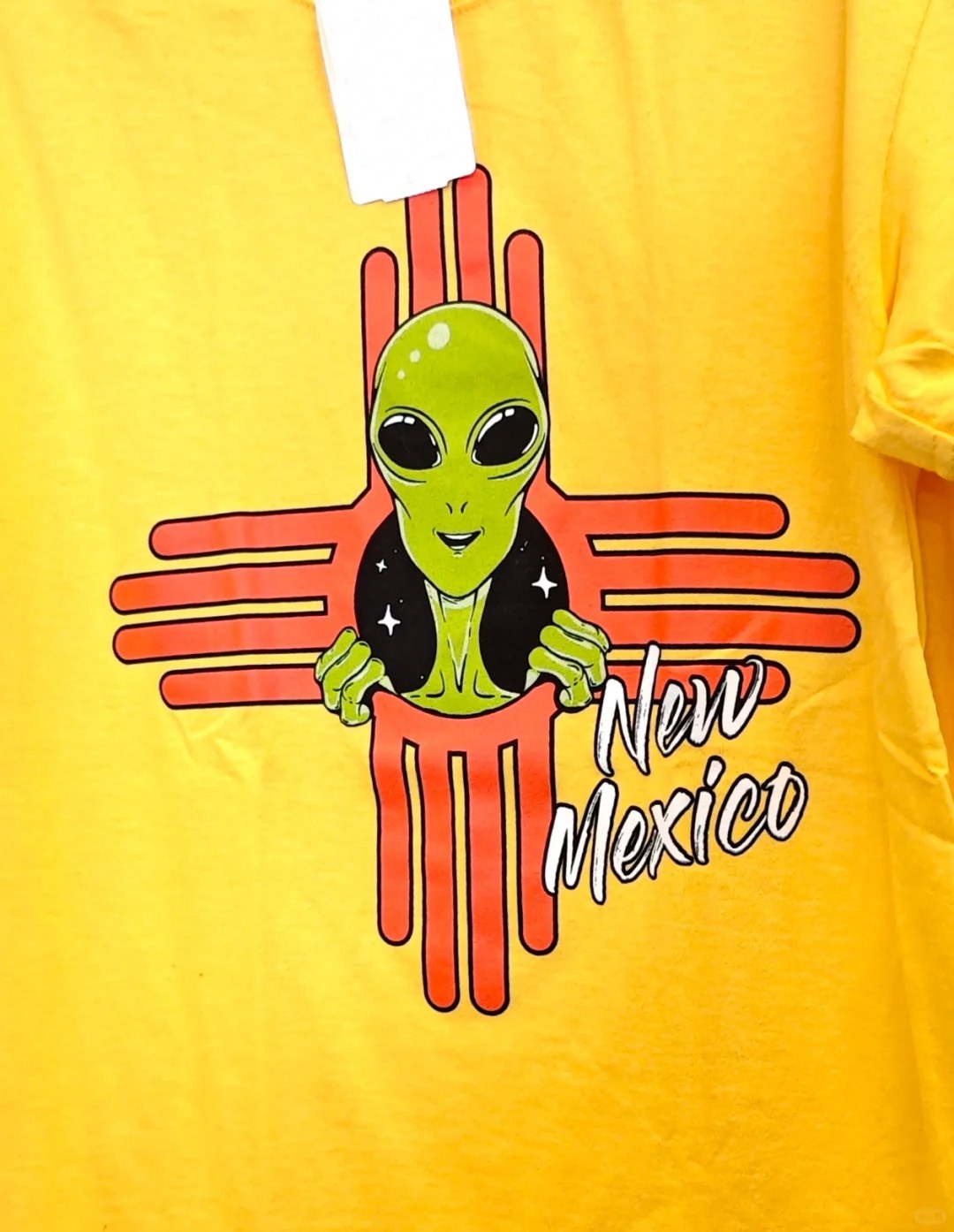
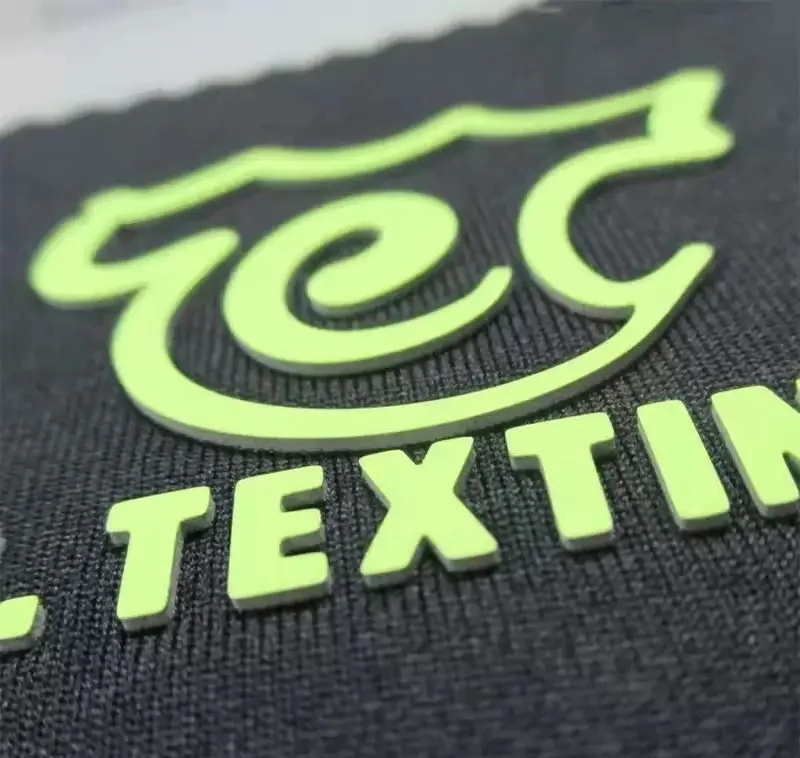
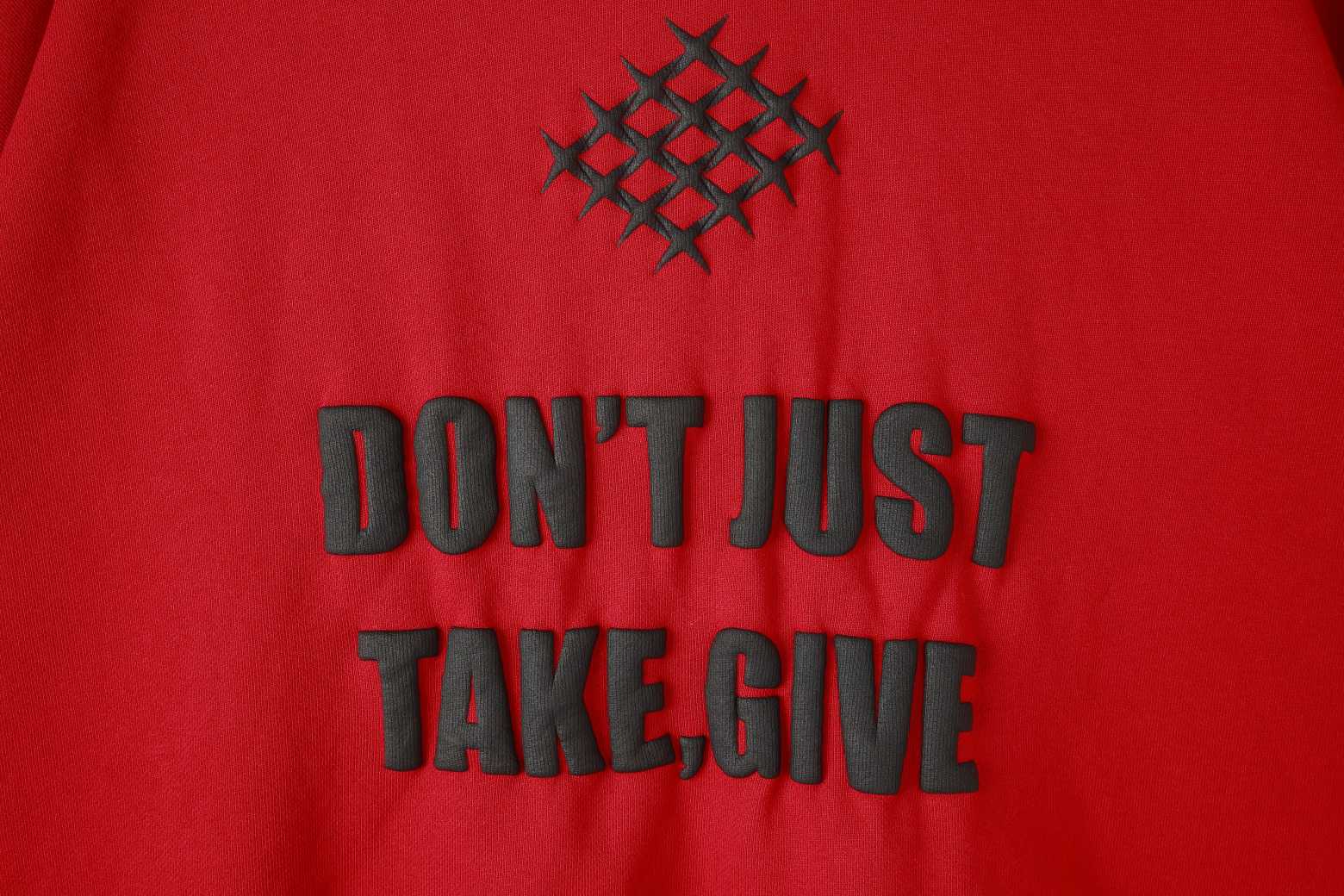
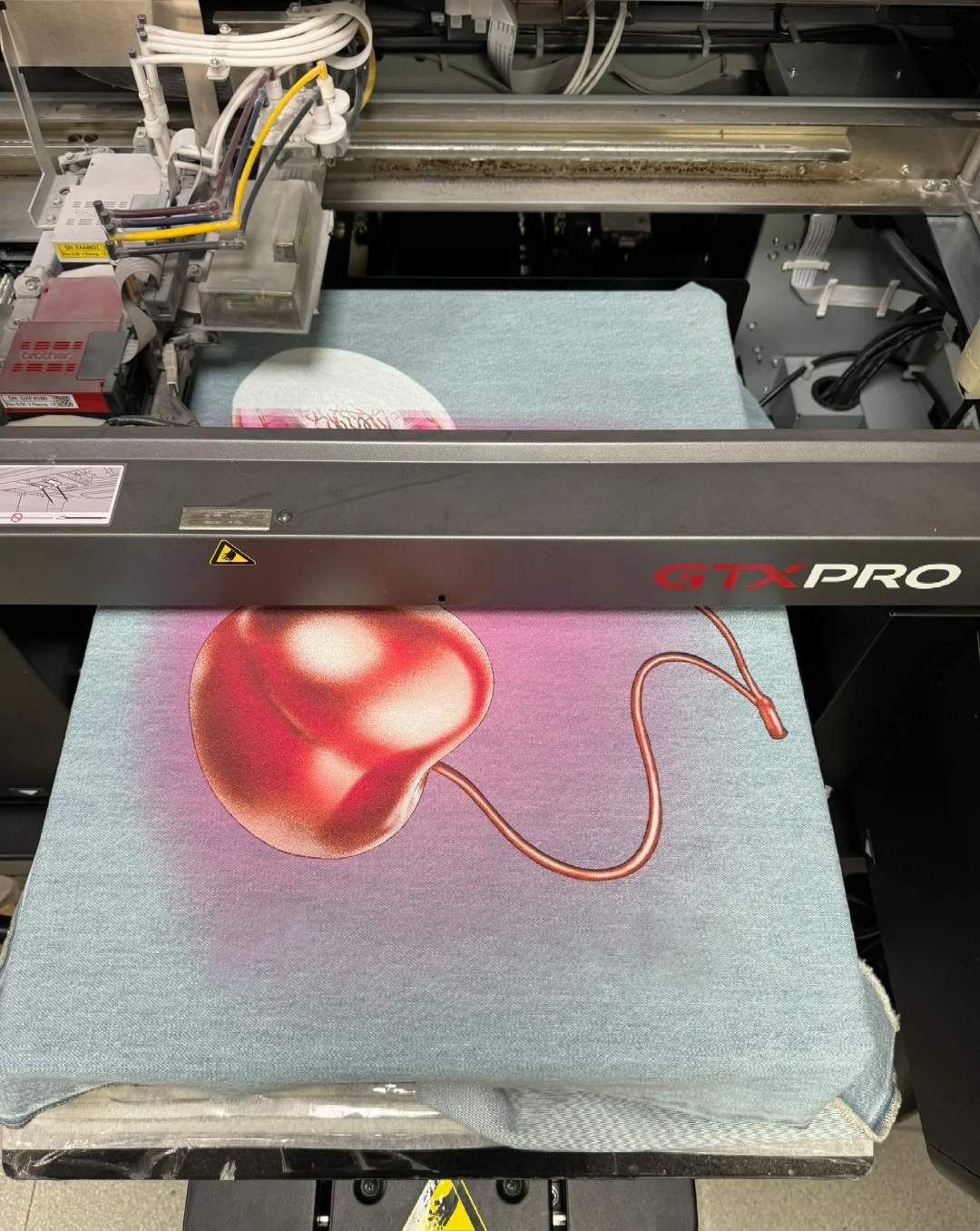
What Makes DTF Printing Distinctive
Full-Color Design Freedom
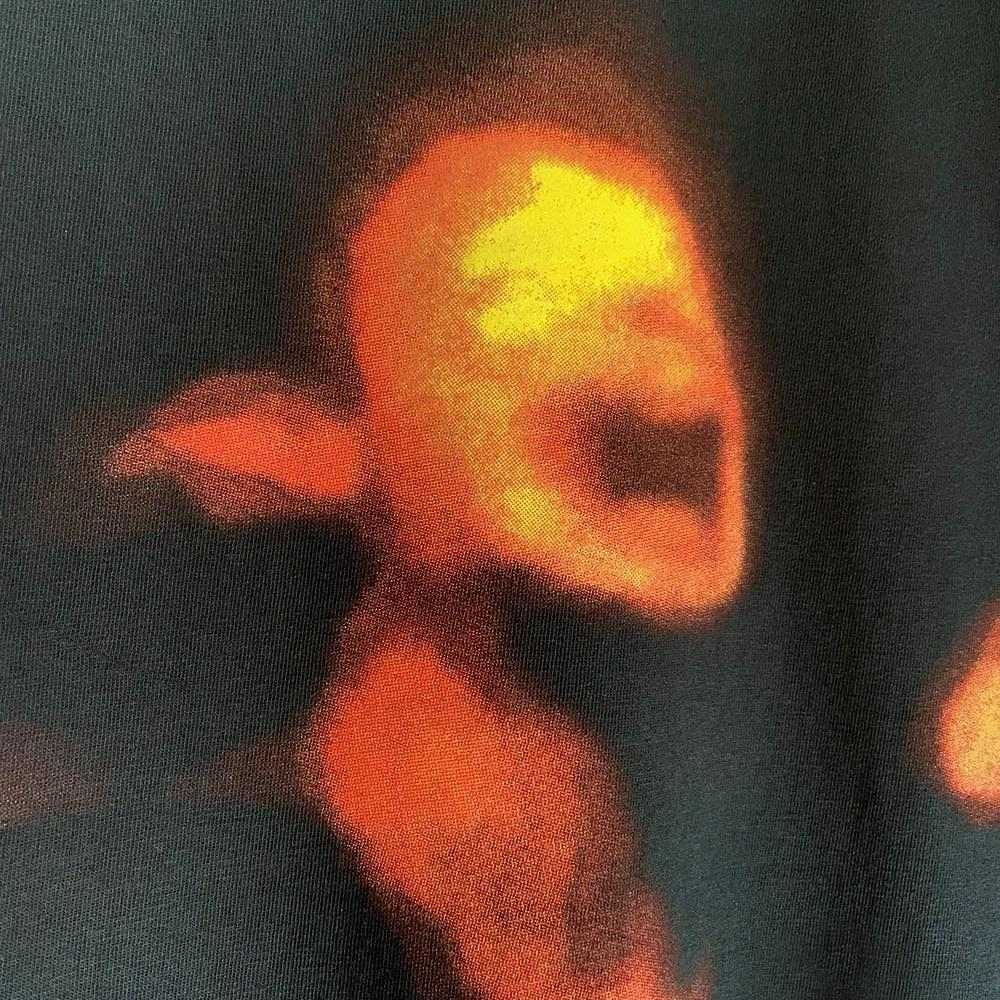
DTF printing delivers unlimited colors, gradients, and photographic detail without setup fees or color restrictions for complex artwork.
Any Fabric Compatibility
Works seamlessly on cotton, polyester, blends, nylon, and technical fabrics without pre-treatment or fabric-specific adjustments.
Fast 7-Day Sample Turnaround
From approved artwork to finished sample in seven days, helping brands test designs and launch collections faster.
Superior Wash Durability
High-quality DTF transfers withstand repeated washing cycles while maintaining color vibrancy and graphic sharpness over time.
Sharp High-Resolution Graphics
Captures fine lines, small text, and intricate details with exceptional clarity that screen printing cannot achieve.
Low MOQ from 50 Pieces
Start production at only fifty pieces per design, ideal for startup brands, influencers, and capsule collections.
Related Decoration Techniques & Product Pages
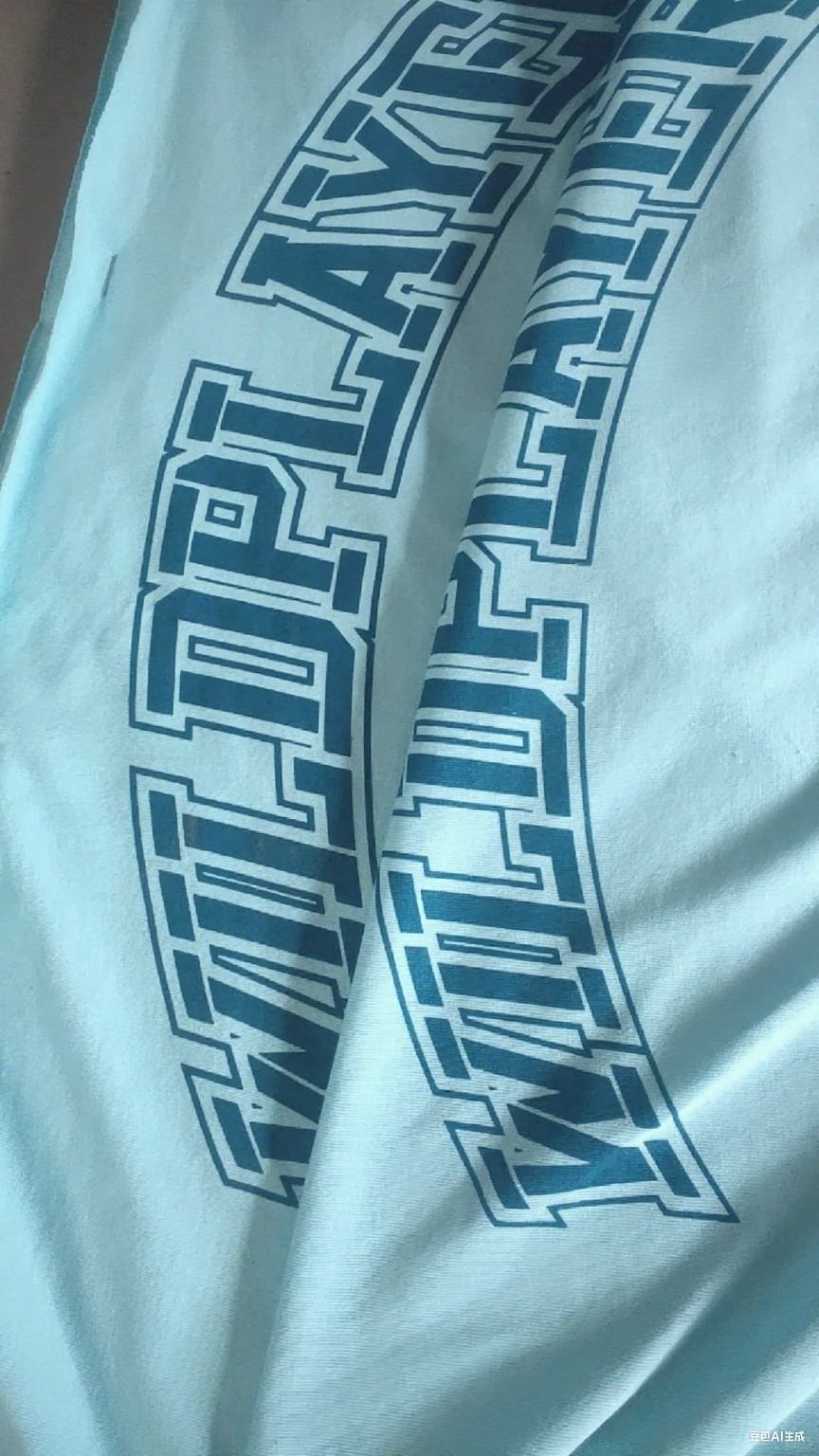
Apparel Decoration & Finishing Capabilities
ZORWILD supports 95%+ of modern apparel decoration and finishing techniques in-house, including screen printing, DTG, DTF printing, embroidery, heat transfer, puff print, reflective print, foil, sublimation, garment wash, and specialty applications. Our 27-year manufacturing expertise and 6-stage quality control system ensure consistent quality across all decoration methods for custom hoodies, custom t-shirts, custom jackets, and full apparel collections.
Get a Quote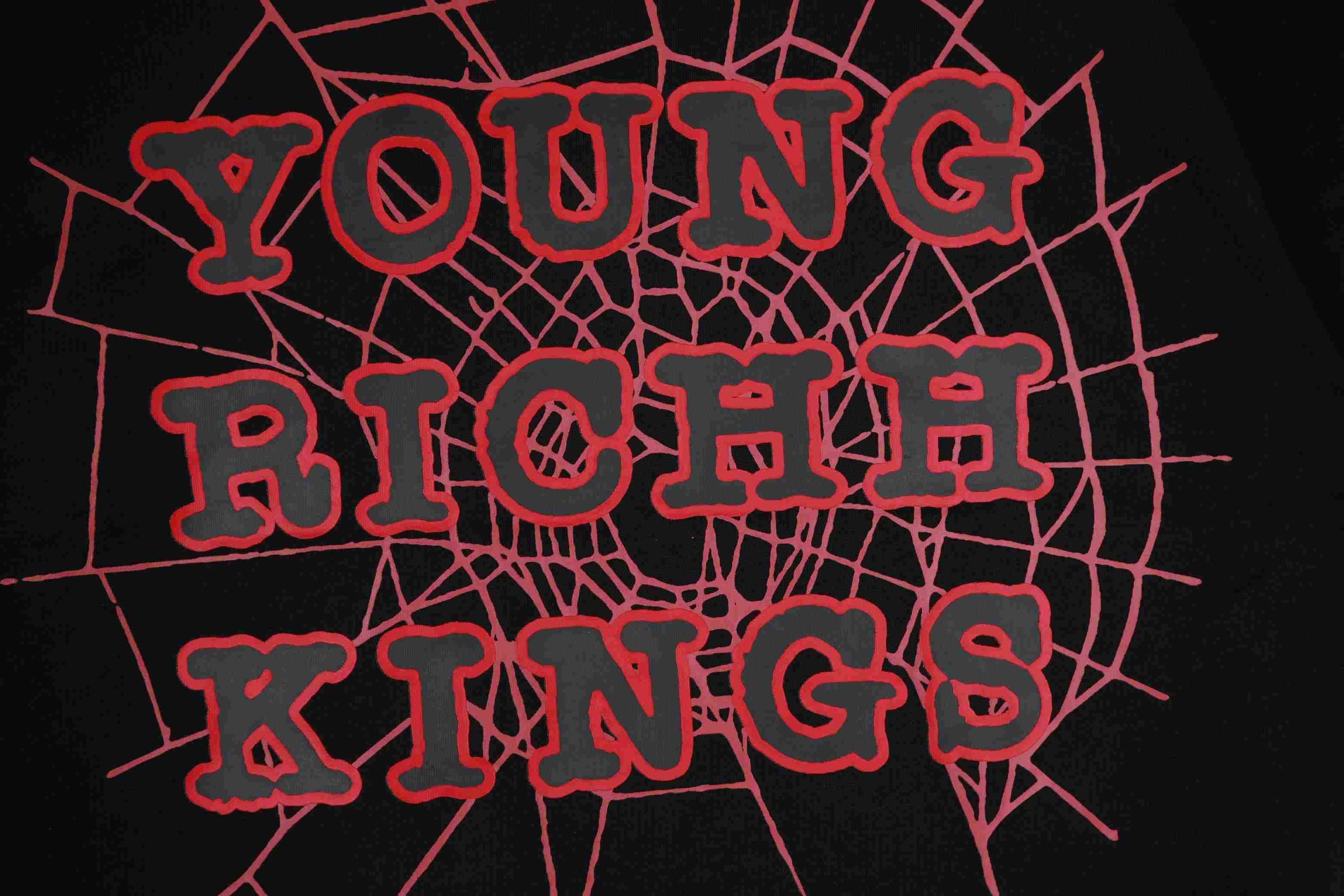
Custom Screen Printing
High-durability printing method ideal for large production runs and bold graphics. Screen printing delivers excellent color opacity, wash fastness, and cost efficiency on cotton and blended fabrics. Commonly used for t-shirts, hoodies, sweatshirts, and team uniforms requiring vibrant, long-lasting prints with consistent color matching across bulk orders.
Get a Quote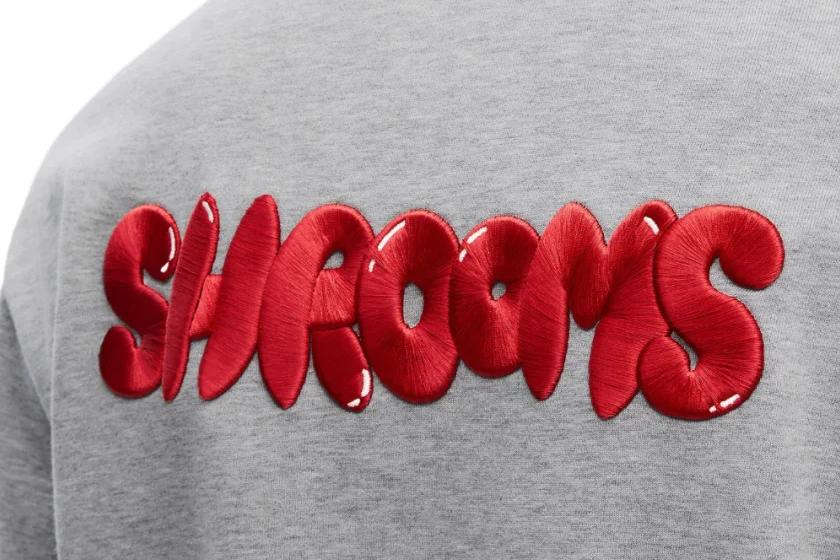
Custom Embroidery
Premium decoration technique offering flat, 3D, chenille, applique, patch, and metallic embroidery. Our embroidery services provide professional branding for polos, jackets, hoodies, caps, and workwear with precise stitch density control, thread quality, and positioning accuracy. Ideal for logos, monograms, and detailed artwork requiring texture and dimension.
Get a Quote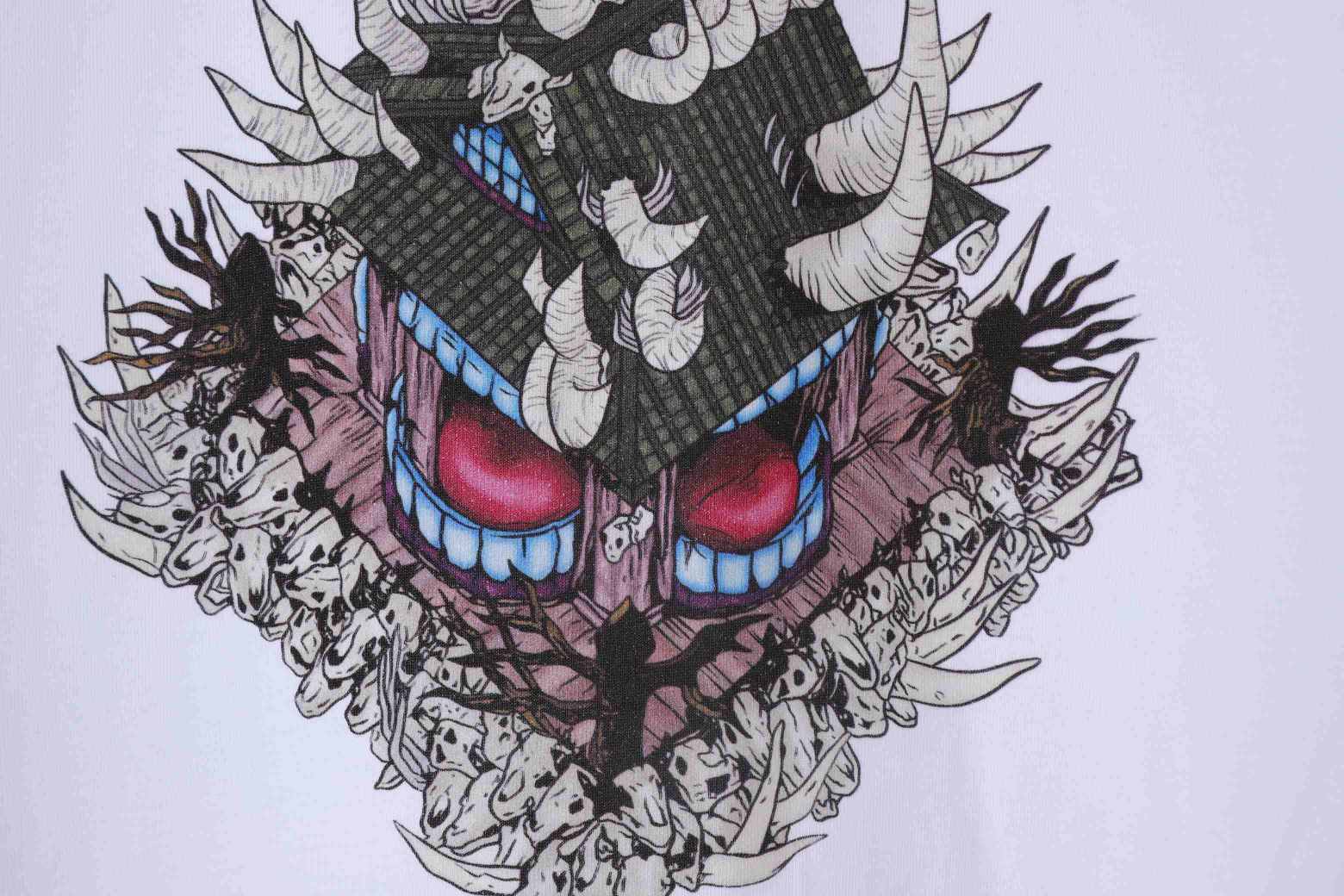
DTG — Direct-to-Garment Printing
Direct-to-garment printing enables detailed, full-color graphics and complex artwork without screen setup costs. DTG is ideal for low MOQ orders, photo-realistic designs, gradient effects, and multi-color prints on cotton garments. Best suited for custom t-shirts, hoodies, and fashion pieces requiring intricate detail and soft hand feel.
Get a Quote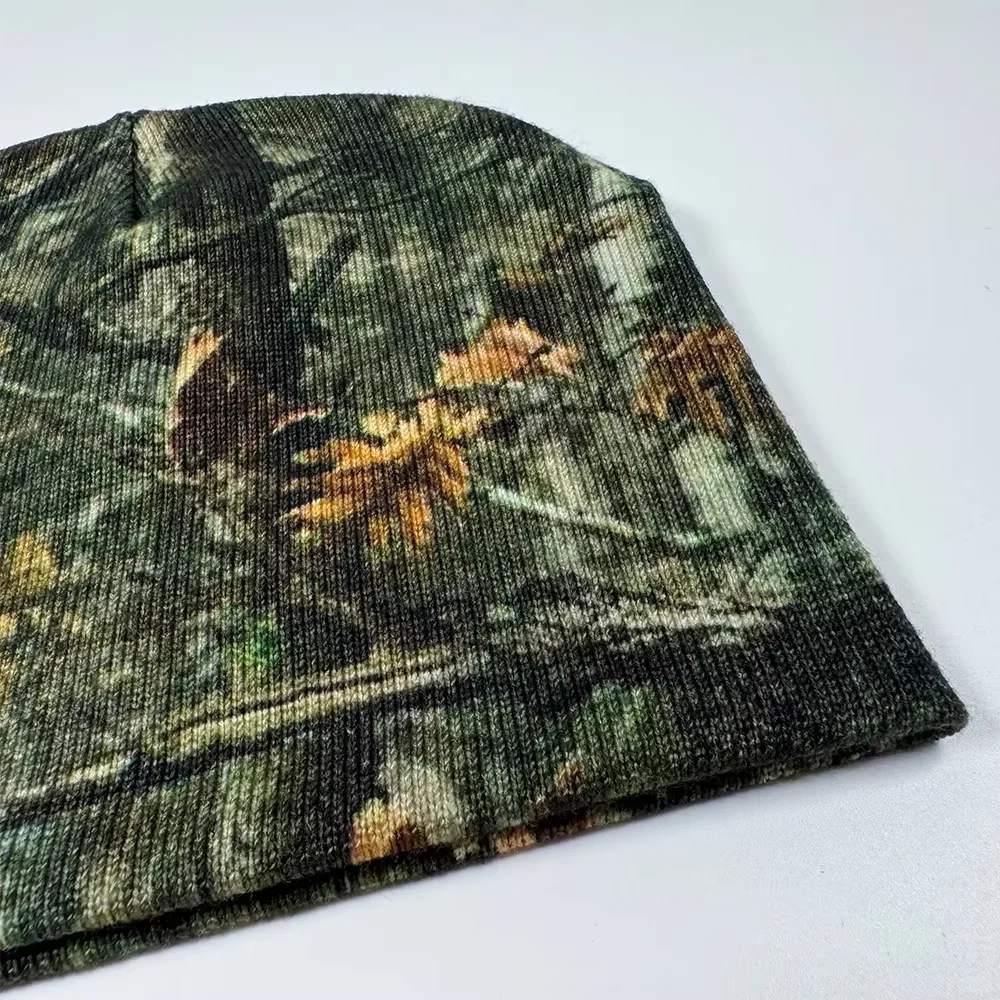
Heat Transfer Printing
Versatile decoration method using heat and pressure to transfer designs onto fabric. Heat transfer printing supports detailed logos, gradients, photographic images, and multi-color graphics on various fabric types. Ideal for performance wear, activewear, polyester garments, and collections requiring quick turnaround with moderate durability and vibrant color output.
Get a Quote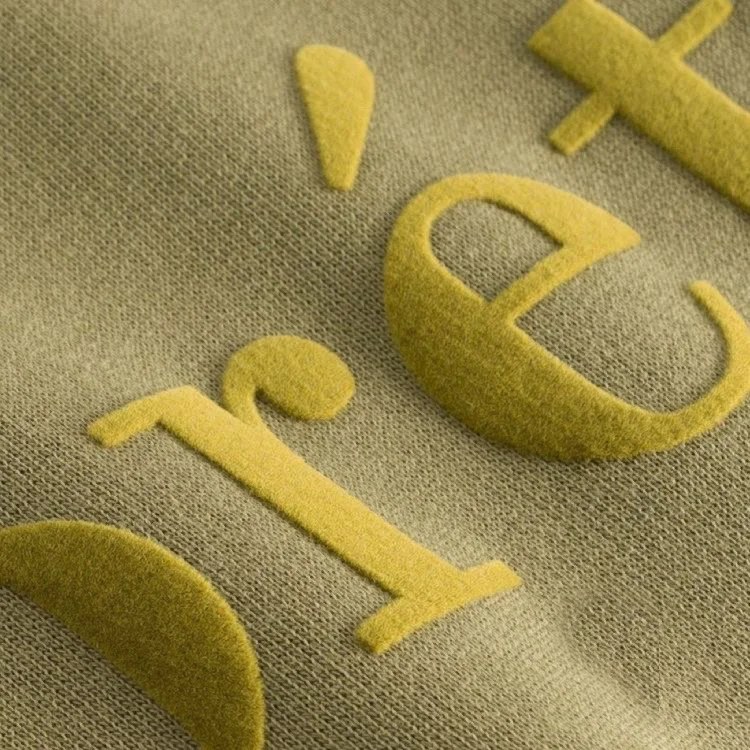
Dye Sublimation Printing
All-over printing technique for polyester fabrics where ink becomes part of the material through heat sublimation. Sublimation delivers vibrant, permanent, full-coverage designs with no hand feel. Ideal for sportswear, activewear, swimwear, custom leggings, and technical garments requiring breathable, stretch-compatible, fade-resistant graphics.
Get a Quote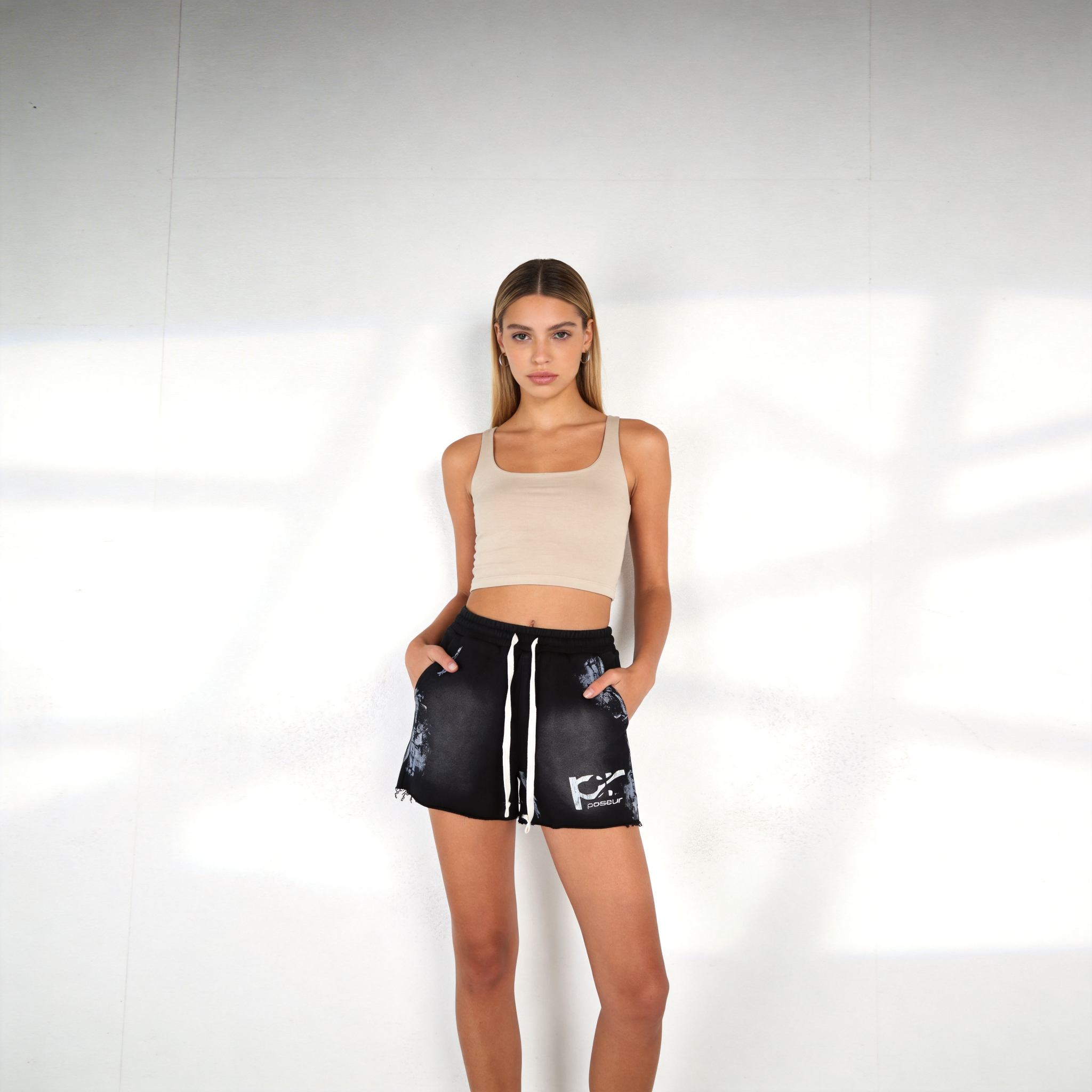
Garment Wash & Dye
Specialized finishing techniques including acid wash, vintage wash, enzyme wash, garment dye, pigment dye, and distressed effects. Our wash services create authentic vintage aesthetics, premium texture, and soft hand feel for denim, hoodies, t-shirts, and streetwear collections. Essential for brands targeting aged, worn-in, or unique color variation effects.
Get a Quote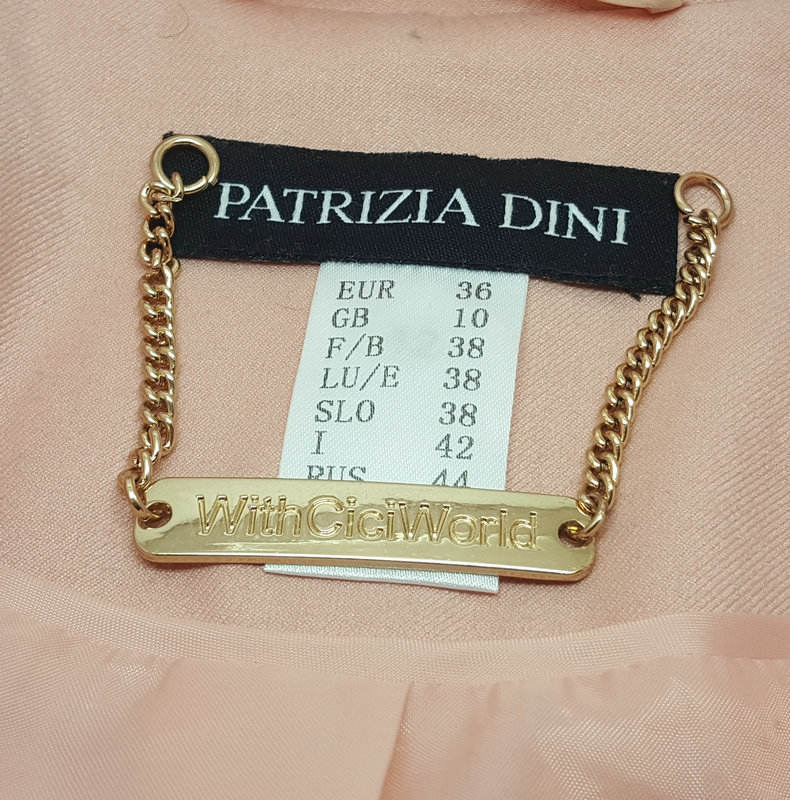
Custom Labels & Tags
Custom main labels, woven labels, printed labels, care labels, size labels, and hang tags that reinforce brand identity. Our label services support premium branding with custom artwork, logo placement, fabric choices, and finishing details. Essential for private label brands, startups, and established fashion lines requiring professional, cohesive brand presentation.
Get a Quote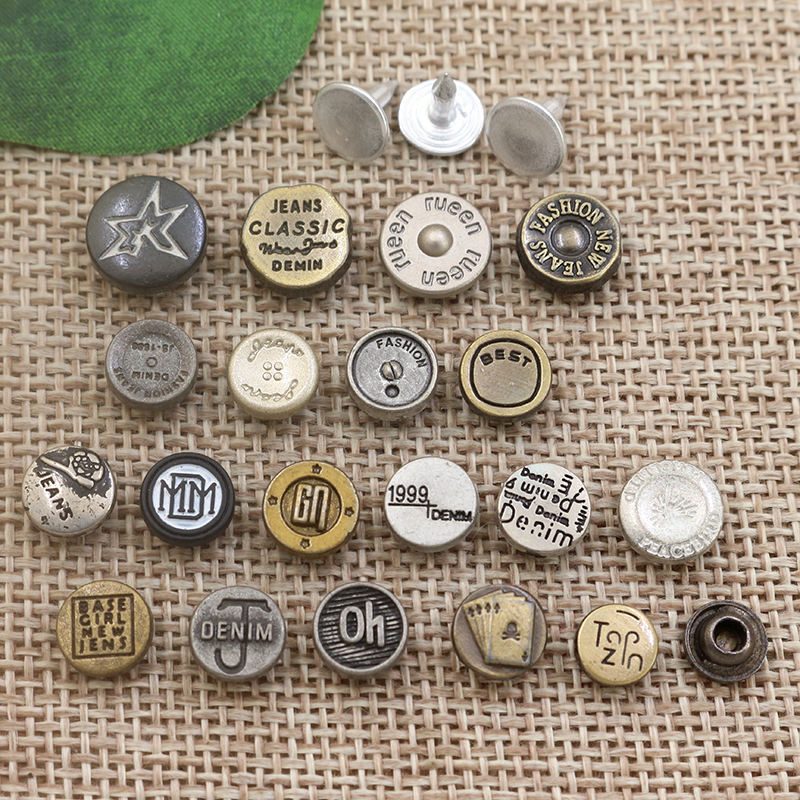
Garment Accessories & Trims
Complete trims customization including custom zippers, snap buttons, drawcords, elastic waistbands, metal eyelets, rubber patches, silicone labels, metal logos, and branded tape. Our accessories sourcing ensures quality hardware, consistent branding, and functional details for jackets, hoodies, pants, and technical garments requiring premium finishing touches.
Get a Quote27 Years of DTF Printing Expertise
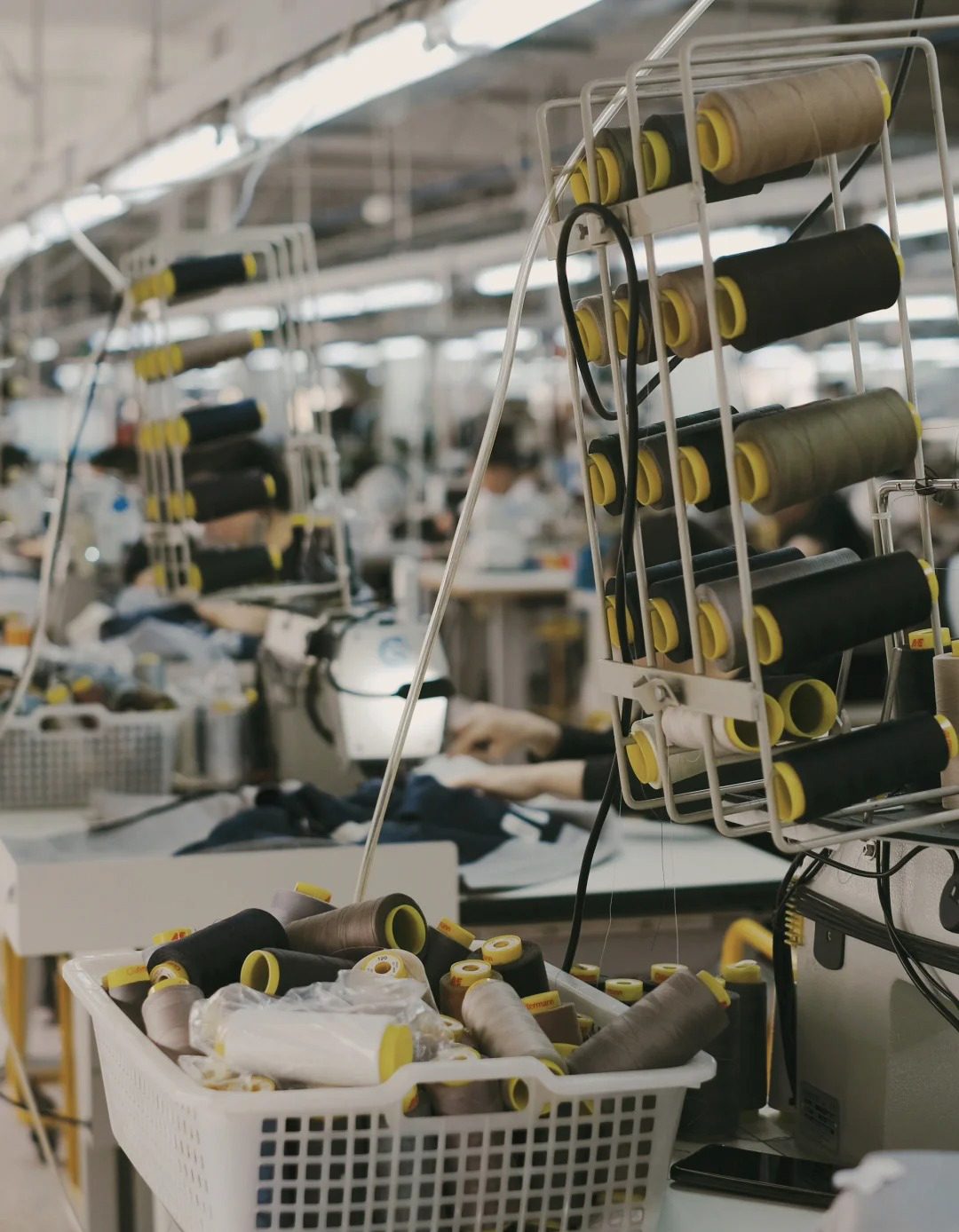
Founded in 1998 in Humen, Dongguan—one of the world’s most influential garment manufacturing hubs—ZORWILD has evolved from a small family workshop into a full-scale apparel manufacturer with advanced DTF printing capabilities. Today, we serve over 2,000 global brands across the United States, Canada, Europe, and Asia with vibrant, durable DTF printing on custom hoodies, custom t-shirts, custom jackets, and custom apparel.
Our 200-person production team operates professional DTF printing equipment alongside 95% of modern decoration techniques in-house. With monthly capacity exceeding 100,000 units, MOQ starting at just 50 pieces, and a rigorous 6-stage quality control system, we deliver full-color, photo-quality prints on any fabric type with fast turnaround and consistent excellence.
ZORWILD bridges creative design and scalable production for DTC brands, influencers, and professional teams. Whether you need a 50-piece test run or large-scale DTF printing orders, our proven systems ensure consistent color accuracy, wash durability, and premium hand feel every time.
DTF Printing Technology & Process Control
Industrial-Grade Ink Chemistry & Color Accuracy
ZORWILD’s DTF printing uses professional textile inks engineered for brilliant color saturation, precise Pantone matching, and fade resistance. Our calibrated print systems deliver consistent CMYK+White output across every production run, ensuring your brand colors remain accurate from 50-piece samples to 10,000-unit orders.
- Eight-channel CMYK+White ink system for vivid, true-to-design color reproduction
- Pantone color matching and calibration for brand consistency across all orders
- UV-resistant pigment formulations that maintain vibrancy through 50+ industrial wash cycles
Pre-Coated Film & Adhesive Engineering
Every DTF transfer begins with precision-coated film featuring optimized adhesive layers that bond securely to cotton, polyester, blends, nylon, and technical fabrics. Our adhesive pre-treatment process ensures strong attachment without compromising fabric breathability or stretch, delivering professional durability for streetwear, activewear, and fashion collections.
- Dual-layer adhesive coating for superior bond strength on cotton, polyester, and blended fabrics
- Stretch-compatible adhesive formulation maintains flexibility on performance and activewear garments
- Breathable adhesive technology preserves fabric hand feel and moisture-wicking properties
Precision Curing & Heat Press Control
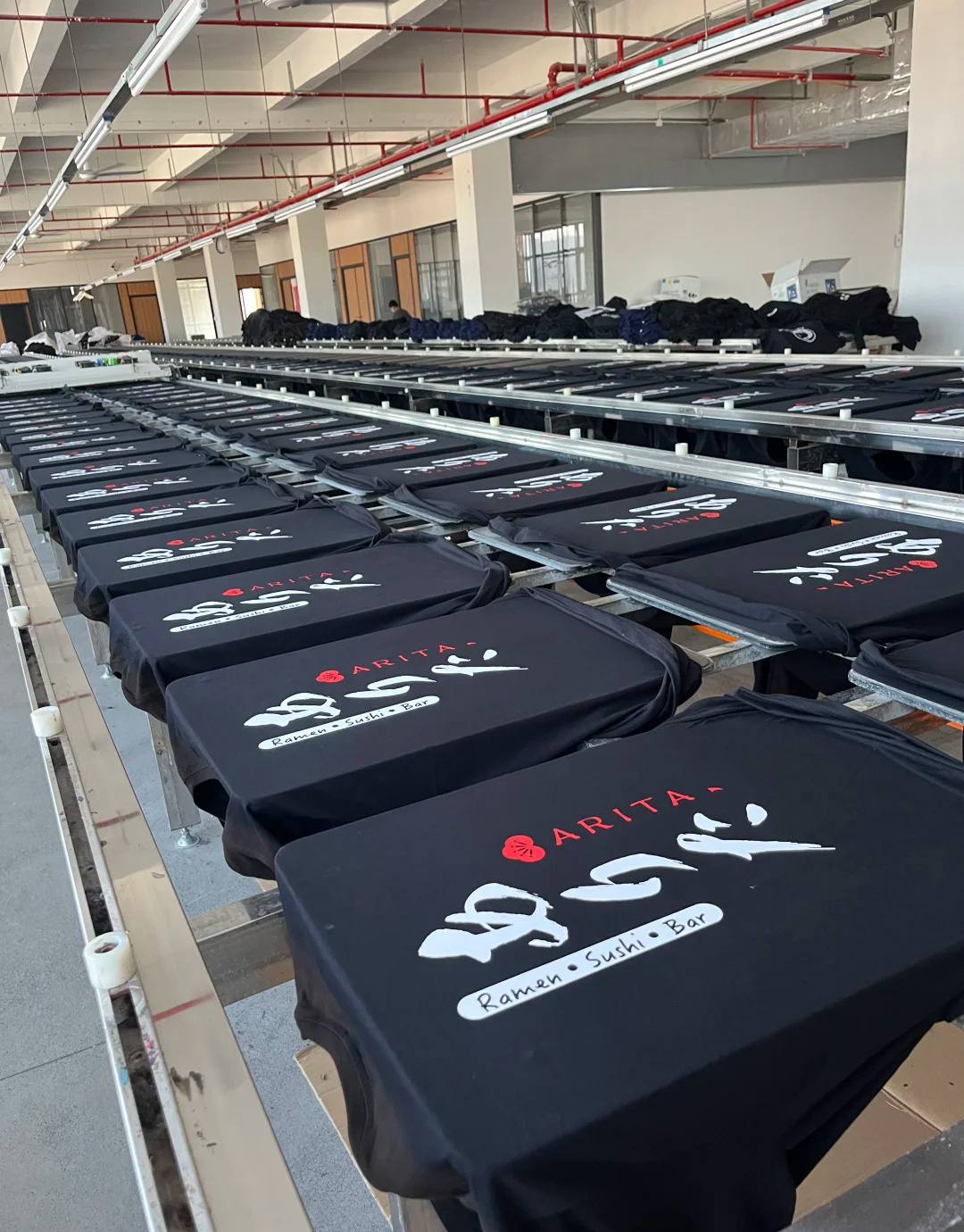
Our DTF printing process employs computerized heat press systems with programmable temperature, pressure, and dwell time settings calibrated for each fabric type. This controlled curing process activates adhesive bonding at the molecular level, ensuring prints withstand repeated washing, stretching, and professional laundering without cracking or peeling.
- Programmable heat press stations with ±2°C temperature accuracy for consistent adhesive activation
- Fabric-specific curing profiles for cotton jersey, fleece, polyester, nylon, and technical materials
- Post-cure quality inspection verifies adhesion strength and wash durability before packaging
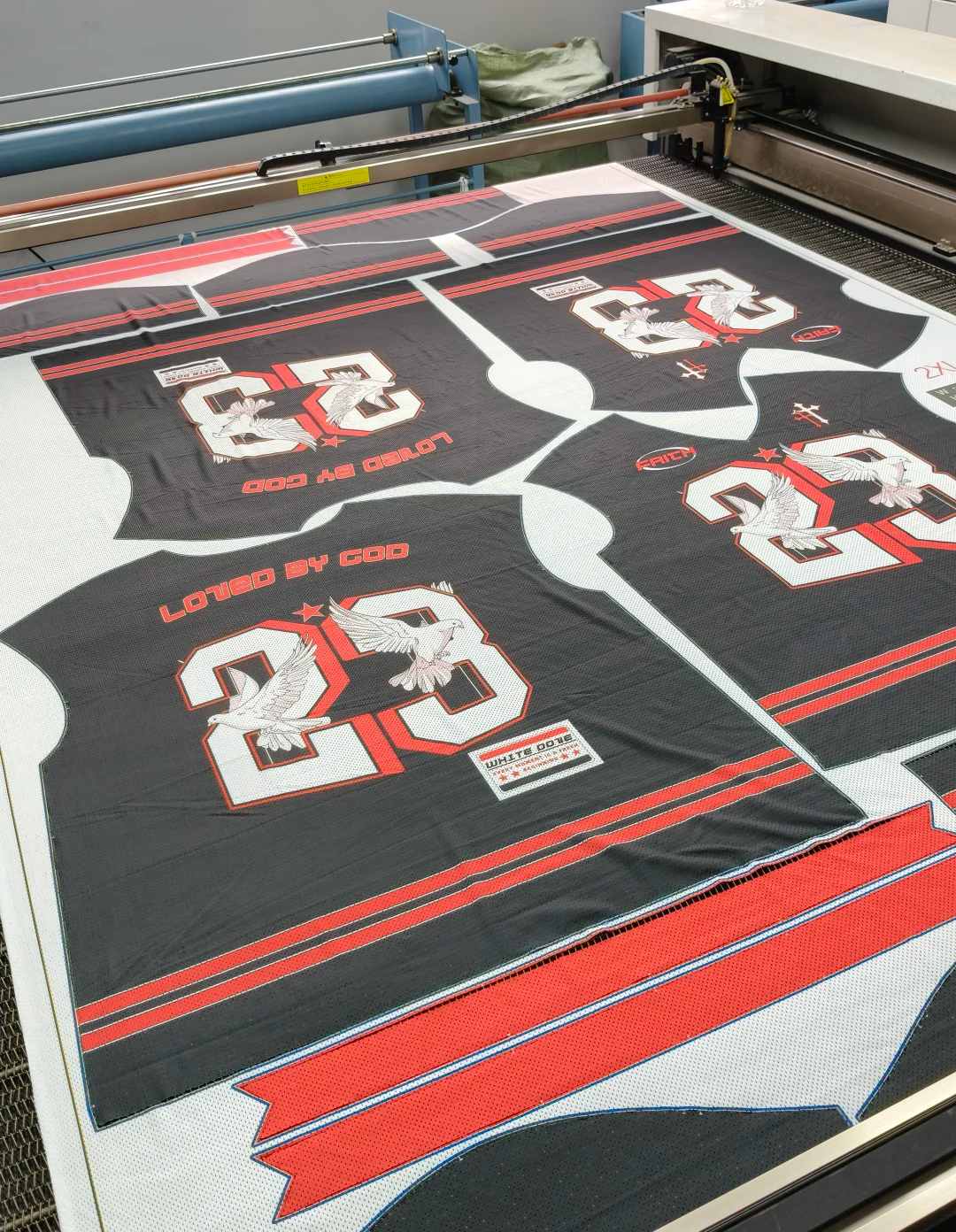
Soft Hand Feel & Wash Durability
ZORWILD’s DTF printing delivers a smooth, lightweight finish that integrates seamlessly with garment fabric. Unlike thick screen prints or stiff transfers, our DTF process produces thin, flexible graphics that move naturally with the body, maintain breathability, and survive 50+ commercial wash cycles without fading, cracking, or edge lifting.
- Ultra-thin transfer layer creates a soft, barely-there hand feel preferred by premium fashion brands
- Flexible print surface stretches with fabric, ideal for hoodies, activewear, and performance garments
- Tested to withstand 50+ industrial wash cycles at 60°C with minimal color fade or adhesion loss
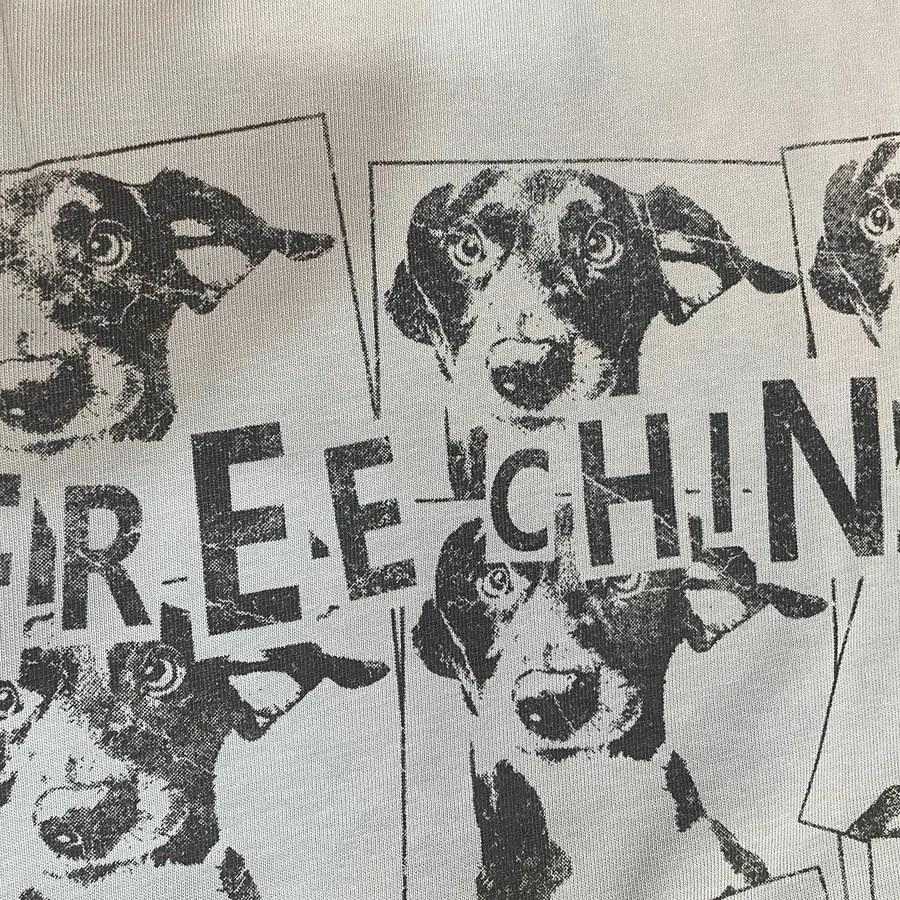
DTF Printing vs. Screen Printing: Which Decoration Method Fits Your Brand?
Direct-to-Film and screen printing each excel in different scenarios. Compare fabric compatibility, color support, design complexity, durability, and cost structure to choose the right technique for your custom apparel production.
← 左右滑动查看 →
DTF Printing Production Flow
Our 7-phase DTF printing process ensures vibrant color accuracy, superior adhesion, and consistent quality across every garment from design file to final inspection.
Design Preparation & Film Setup
Artwork is color-separated, optimized for DTF printing resolution, and prepared with proper white underbase layers to ensure vibrant color output on all fabric types.
Film Printing & Ink Application
High-resolution DTF printers apply CMYK and white ink layers onto specialized PET film using precise nozzle control for sharp detail and color accuracy.
Powder Application & Adhesion
Hot-melt adhesive powder is evenly applied to wet ink surfaces, creating the bonding layer essential for durable transfer adhesion to fabric substrates.
Curing & Film Drying
Printed films pass through controlled heat tunnels to melt and cure adhesive powder, solidifying the transfer and preparing it for storage or immediate application.
Transfer Positioning & Alignment
Cured DTF transfers are precisely positioned on garments using alignment guides, ensuring accurate placement for logos, graphics, and full-print designs before heat application.
Heat Press Application
Industrial heat presses apply controlled temperature and pressure for optimal transfer time, bonding the DTF print permanently to fabric with superior wash durability.
Quality Inspection & Finishing
Every DTF-printed garment undergoes visual inspection for color accuracy, adhesion quality, print sharpness, and proper film removal before packaging and shipment approval.
How to Order DTF Printing Services
ZORWILD makes commissioning DTF printing straightforward — from artwork submission to bulk production and global delivery. Our team guides you through every technical requirement.
Submit Your Artwork & Requirements
Share your design files, vector artwork, Pantone color references, and garment specifications. Our team reviews artwork resolution, color separations, and DTF printing compatibility.
Approve Design & Request Samples
Receive a production-ready mockup and color proof. Order DTF printing samples to evaluate color accuracy, print quality, fabric adhesion, and wash durability before bulk production.
Confirm Production & Place Order
Finalize quantities, garment styles, and delivery timelines. ZORWILD accepts orders starting from 50 pieces with flexible MOQ options for startup brands and influencers.
Track Production & Quality Control
Your order moves through our 6-stage quality control system including print adhesion testing, color consistency checks, and final garment inspection before packaging and shipment.
Receive & Launch Your Collection
ZORWILD coordinates global logistics with air freight, sea freight, or express delivery. Receive your DTF-printed garments ready for retail, fulfillment, or brand launch.
Customer Success Stories: DTF Printing Results
ZORWILD’s DTF printing delivered 98% color accuracy on our gradient logo across 500 hoodies. The detail was incredible and every piece passed our QC. We’ve reordered three times since launch.
We tested DTF printing on 50 samples first. Zero cracking after 30 washes, vibrant colors held perfectly, and turnaround was 7 days. Scaled to 2,000 units without any quality drop.
Complex artwork with fine lines and gradients—DTF printing handled it flawlessly. Delivered on schedule for our product launch, and our customers love the soft hand feel and durability.
DTF Printing FAQ
What fabrics work best with DTF printing?
What is the minimum order quantity for DTF printing?
What is the maximum design size and color count for DTF printing?
How long does DTF printing last after washing?
Can I combine DTF printing with embroidery or other decoration techniques?
What file format and resolution do you need for DTF printing?
What is the lead time for DTF printing samples and bulk orders?
How much does DTF printing sampling cost?
Is DTF printing suitable for oversized designs and all-over prints?
Launch Your Custom Apparel Brand with DTF Printing — 50-Piece MOQ
1. What Is DTF Printing?
Direct-to-Film printing is a digital decoration method in which a design is printed onto a special PET film using water-based inks, then coated with hot-melt powder adhesive while the ink is still wet. The film is heat-cured at approximately 160–180°C to melt and bond the adhesive, creating a transfer sheet that can be stored or immediately applied. During application, the film is positioned on the garment and heat-pressed at 150–170°C for 10–15 seconds, after which the film backing is peeled away, leaving the design permanently bonded to the fabric.
DTF printing differs from DTG (direct-to-garment) printing, which sprays ink directly onto fabric and requires pretreatment for dark garments, limiting fabric compatibility and often resulting in a stiffer hand feel. Screen printing remains cost-effective for runs exceeding 500 pieces per design but requires separate screens for each color, making it impractical for complex artwork or low-MOQ orders. DTF supports full-color graphics, gradients, and photographic detail on cotton, polyester, blends, nylon, denim, and technical fabrics without pretreatment, with excellent wash durability exceeding 50 cycles when properly cured.
Buyers choose DTF printing for low-MOQ production starting from 50 pieces, fast sampling within 7 days, no setup fees or color separation costs, and compatibility with oversized prints, all-over patterns, and small intricate details that screen printing cannot economically reproduce. ZORWILD integrates DTF printing alongside screen printing, DTG, embroidery, and other decoration methods to offer flexible, scalable solutions for startup brands, influencers, and established fashion labels.
2. The Evolution of DTF Printing Technology
DTF printing emerged commercially in 2020–2021 as manufacturers sought a bridge between direct-to-garment’s fabric restrictions and screen printing’s prohibitive setup costs for short runs. Early adopters in China and Southeast Asia refined powder adhesive formulations that allowed transfers to bond permanently to cotton, polyester, blends, and technical fabrics without pretreatment, solving DTG’s limitation to natural fibers. By mid-2022, ink chemistry improvements delivered wash durability exceeding 50 industrial cycles and stretch performance comparable to screen printing, making DTF viable for activewear and streetwear brands.
The technology gained rapid traction among startup brands and influencer-driven labels requiring 50–500 piece production runs where screen printing’s film and setup fees were uneconomical. ZORWILD integrated DTF printing into its one-stop manufacturing workflow in 2021, pairing it with garment dye, embroidery, and vintage wash processes to serve clients launching capsule collections with complex multi-decoration designs. Powder adhesive innovations in 2022–2023 reduced curing temperatures from 180°C to 160°C, minimizing fabric shrinkage and enabling application on heat-sensitive materials like lightweight nylon and rayon blends.
Today DTF printing occupies the critical gap between DTG’s per-piece flexibility and screen printing’s volume efficiency, supporting order quantities from 50 to 5,000 pieces with no screen costs, full-color capability, and turnaround times under 10 days. This scalability has made DTF the preferred decoration method for small-to-mid brands testing new designs, launching limited drops, and managing inventory risk without sacrificing print quality or fabric compatibility.
3. Types of DTF Printing Methods and Equipment
DTF printing equipment spans entry-level desktop units to industrial roll-to-roll systems, each suited to different production scales and MOQ requirements. Powder application and curing methods further differentiate workflows, impacting throughput, labor costs, and finish quality.
Entry-Level Desktop DTF Printers (A3/A4)
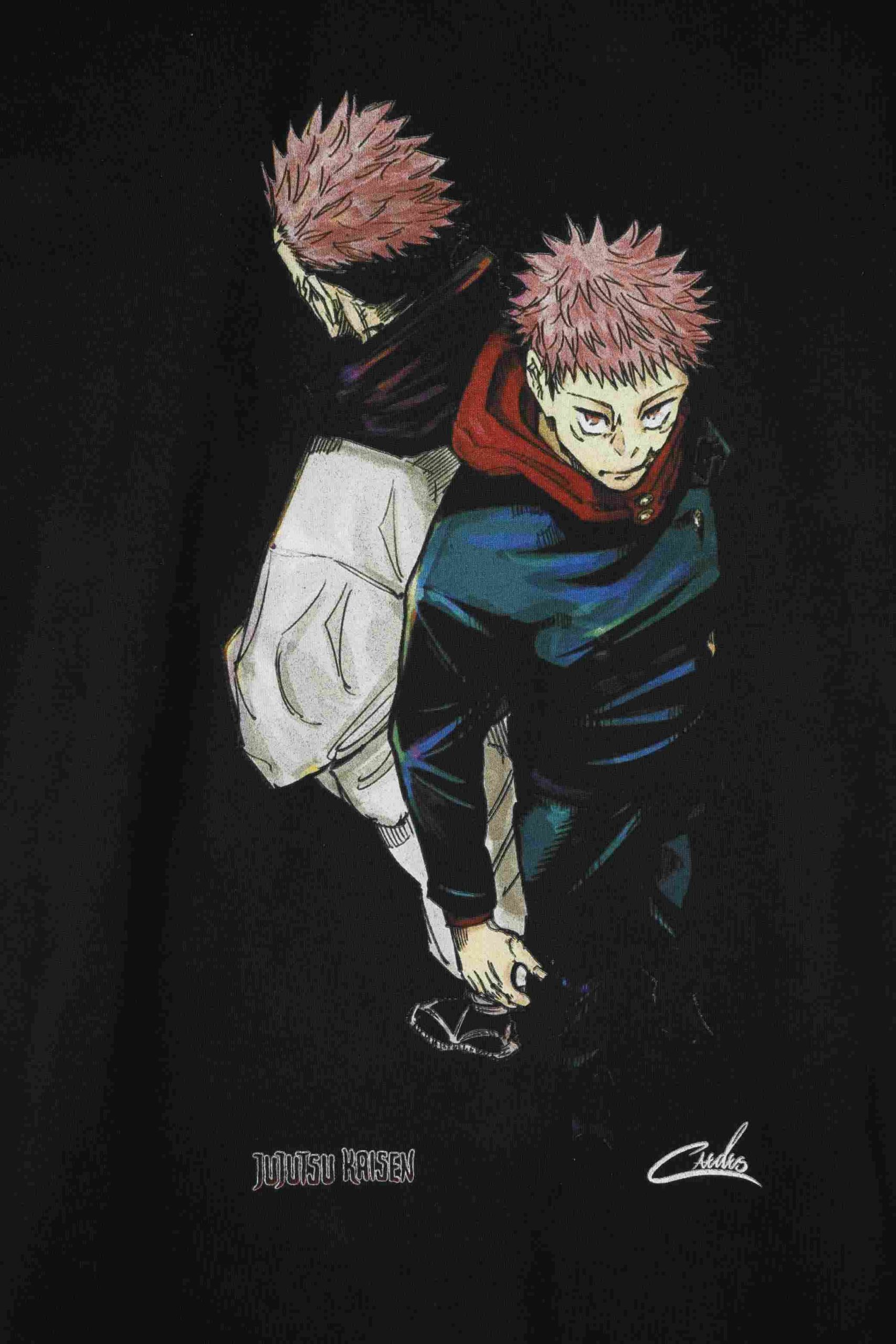
A3 and A4 desktop DTF printers handle print widths of 13–17 inches and are ideal for startup brands testing designs or producing 50–200 piece runs. Manual powder shakers and heat press curing keep upfront costs below $3,000 but require hands-on labor for every transfer.
These units suit influencer merch drops, sample production, and low-volume private label collections where speed matters less than flexibility. ZORWILD recommends desktop setups for clients validating product-market fit before scaling to bulk orders.
Mid-Range Roll-to-Roll DTF Systems
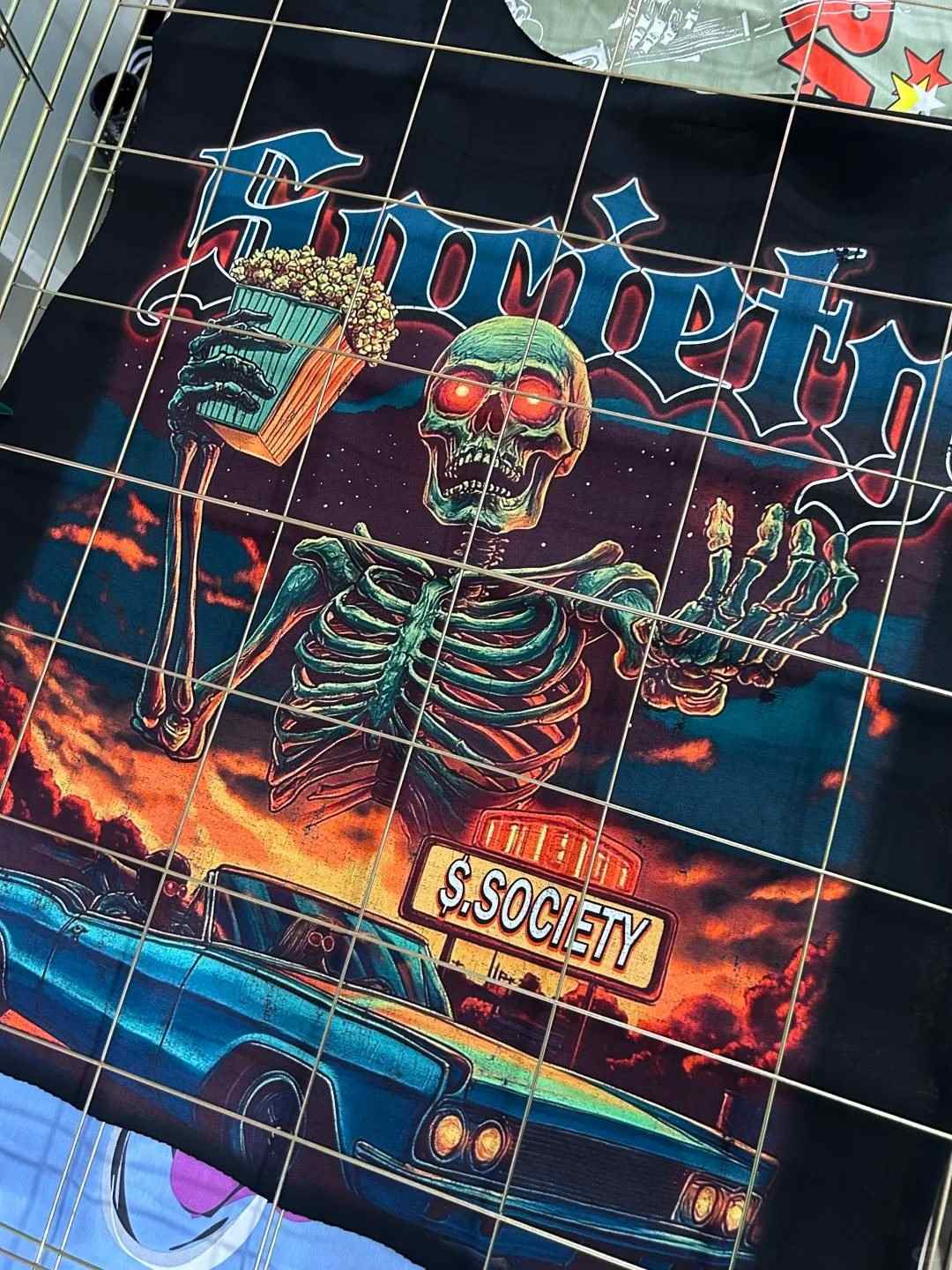
Roll-to-roll printers with 24–30 inch widths and automated powder melt units produce 200–2,000 transfers per day, matching ZORWILD’s 500–5,000 piece MOQ sweet spot for small brands and wholesalers. Conveyor ovens cure transfers continuously, reducing manual touch points and improving color consistency.
These systems cost $8,000–$25,000 and balance capital investment with scalable output for growing streetwear labels, online retailers, and regional distributors requiring reliable turnaround on repeat orders.
Industrial High-Speed DTF Lines
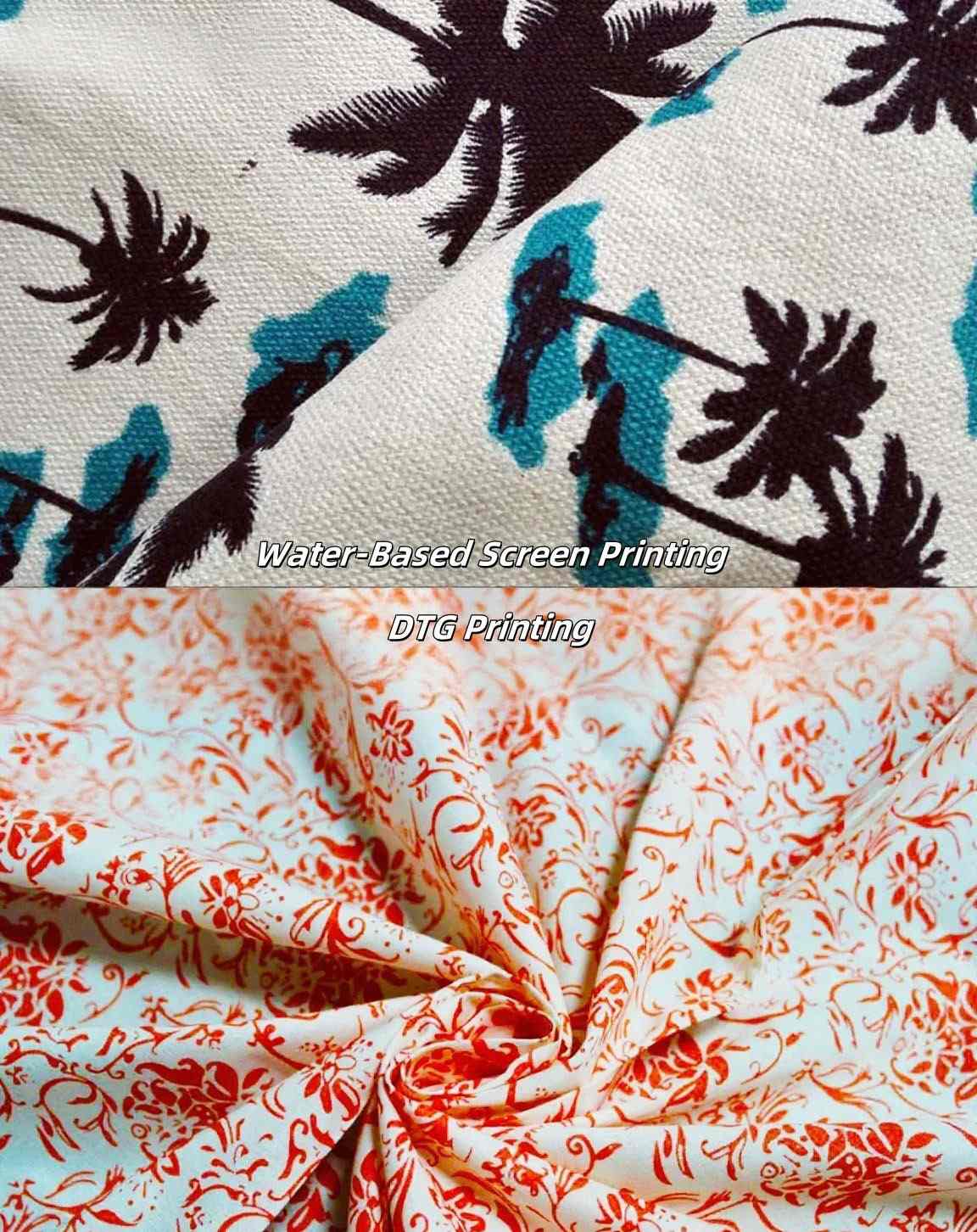
Industrial lines with 60+ inch widths, inline powder coating, and dual-zone curing ovens exceed 5,000 transfers daily, supporting ZORWILD’s 10,000+ piece production capacity for established fashion brands and large wholesalers. Automated roll handling and integrated quality sensors minimize labor and waste.
These systems require $50,000+ investment and dedicated floor space but deliver the lowest per-unit cost for high-volume hoodies, T-shirts, and sportswear collections with complex multi-color graphics.
4. Materials and Fabrics Compatible With DTF Printing
DTF printing adheres to virtually every textile substrate without pretreatment, making it the most versatile decoration method for apparel manufacturers. Unlike DTG printing, which requires pretreatment sprays for dark fabrics, DTF transfers bond directly to cotton, polyester, blends, nylon, leather, and technical fabrics through heat-activated adhesive powder.
| Fabric Type | Wash Durability | Stretch Performance | Recommended Applications |
|---|---|---|---|
| 100% Cotton | 50+ cycles | Low stretch retention | T-shirts, casual shirts, tote bags |
| 100% Polyester | 60+ cycles | Excellent recovery | Sportswear, activewear, technical apparel |
| Cotton-Poly Blends | 50–55 cycles | Moderate recovery | Hoodies, sweatshirts, everyday wear |
| Nylon & Technical | 55+ cycles | High elasticity | Jackets, windbreakers, outdoor gear |
| Leather & PU | 40–45 cycles | No stretch | Jackets, bags, fashion accessories |
Why DTF Works on All Fabric Colors
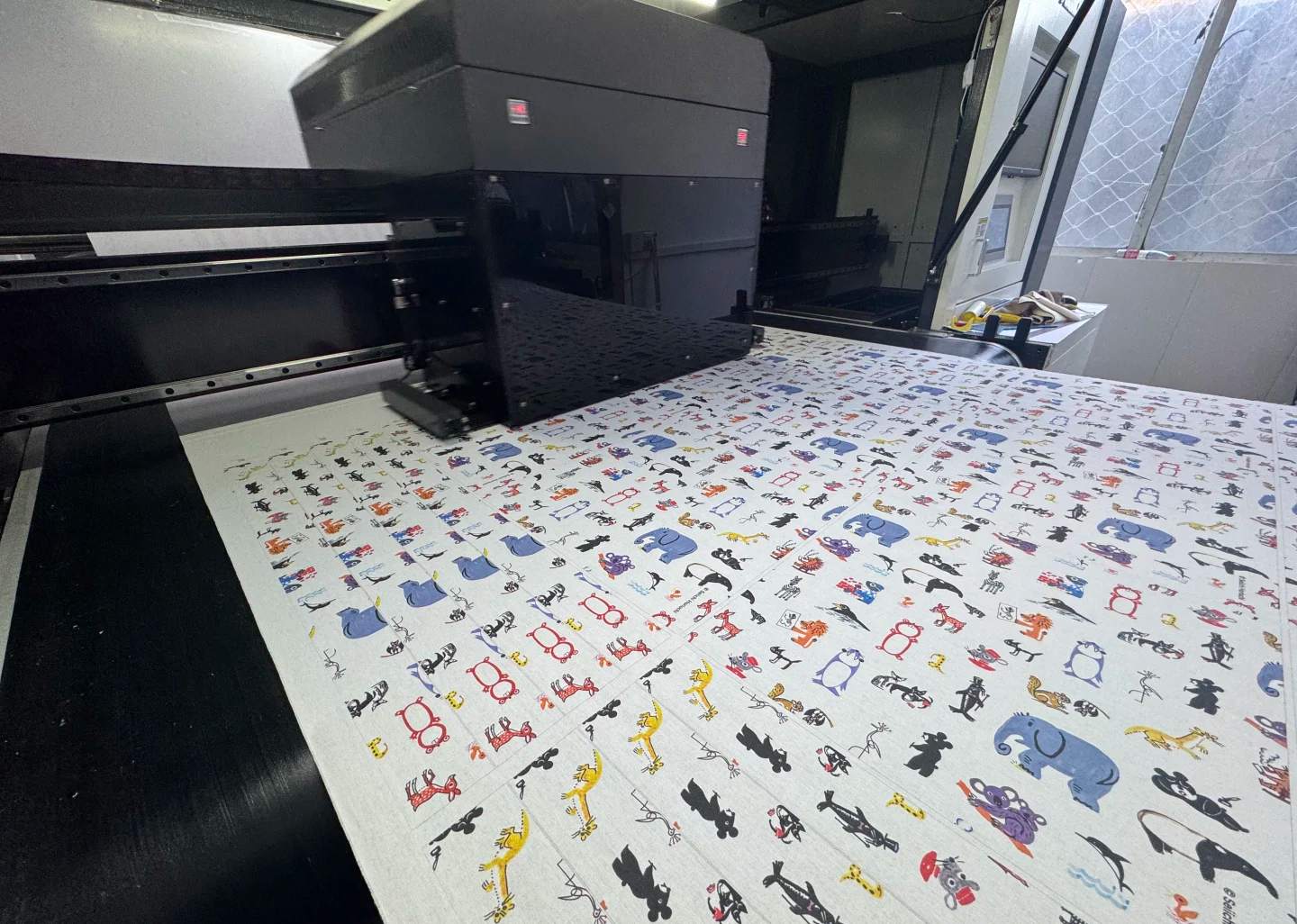
DTF transfers print onto a clear PET film with a white underbase layer, then coat with hot-melt adhesive powder before curing. The white underbase ensures vibrant color reproduction on both light and dark garments without additional pretreatment steps.
This eliminates the workflow complexity and chemical costs associated with DTG pretreatment, reducing production time by 40–60% and allowing manufacturers to switch between light and dark garments on the same production line without equipment reconfiguration.
Fabric Weight and GSM Considerations
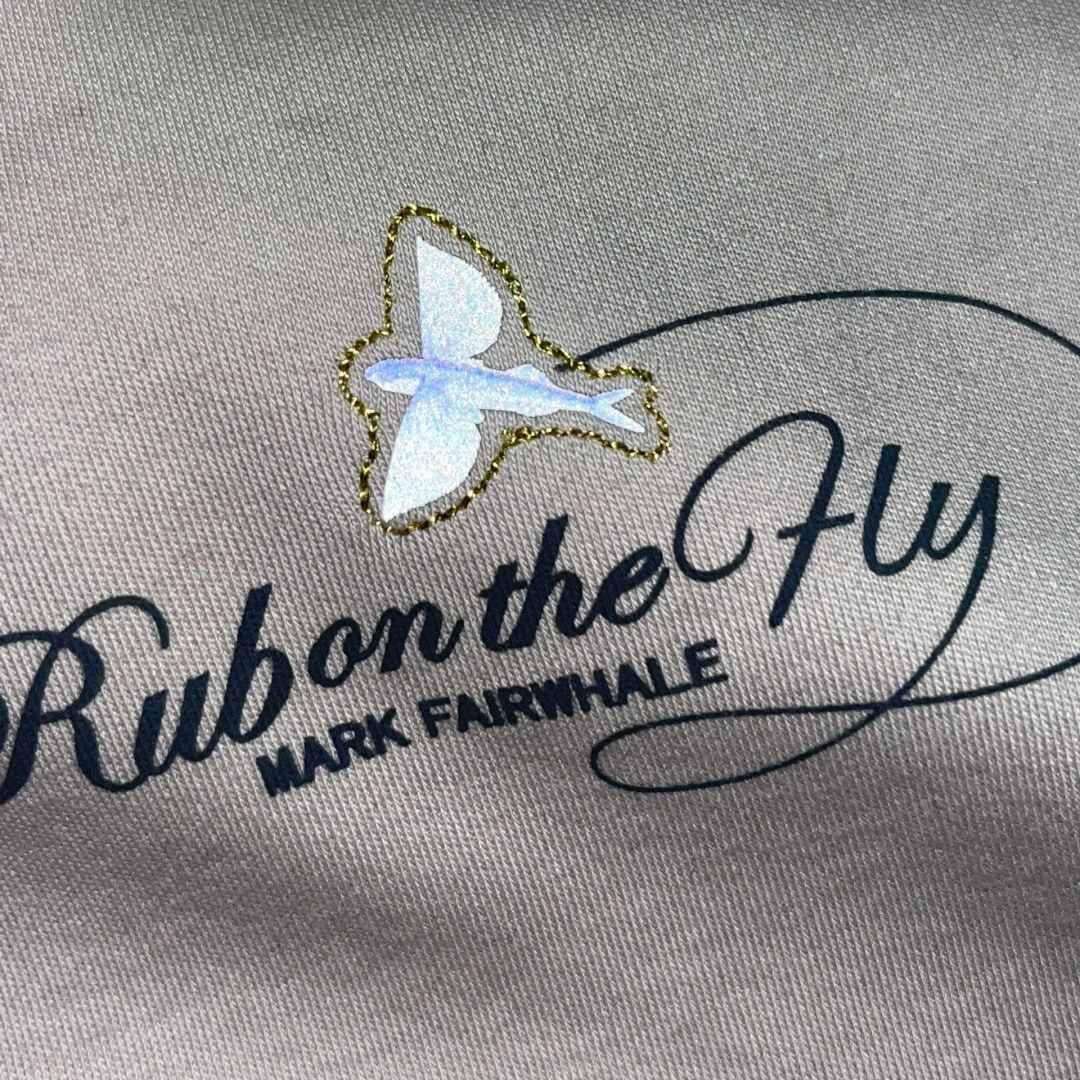
DTF transfers perform optimally on fabrics ranging from 120 GSM lightweight jersey to 400+ GSM heavyweight fleece. Lightweight fabrics (120–180 GSM) require lower press temperatures (280–300°F) and shorter dwell times (10–12 seconds) to prevent scorching, while heavyweight fabrics (300–400 GSM) need higher temperatures (320–340°F) and extended pressure (15–20 seconds) for complete adhesive activation.
Fabric thickness directly affects transfer longevity: thicker substrates distribute mechanical stress more evenly during washing, extending print durability to 50+ industrial wash cycles compared to 30–40 cycles on thin fabrics.
5. Customization and Design Options in DTF Printing
DTF printing delivers exceptional design flexibility through full-color CMYK ink systems combined with white underbase layers, enabling photographic detail, smooth gradients, and fine text reproduction on any fabric color. Proper artwork preparation and understanding finish options ensure defect-free transfers that meet brand expectations.
Full-Color CMYK and White Underbase Capabilities
DTF printers layer CMYK inks over a white underbase to achieve vibrant colors on dark fabrics, reproducing Pantone-matched hues, photographic images, and complex gradients with accuracy. The white layer opacity can be adjusted from 40% to 100% depending on fabric color and desired vibrancy.
Fine details including 6-point text, hairline strokes under 0.5 mm, and intricate logo elements print clearly when files meet resolution standards. ZORWILD’s DTF systems handle multi-color designs without screen setup costs, making single-piece customization economically viable for influencer merch and startup collections.
File Requirements and Artwork Preparation
Submit vector files in AI, EPS, or PDF format, or high-resolution raster files at 300 DPI minimum in RGB or CMYK color profiles to prevent banding and pixelation. Include 2–3 mm bleed for edge-to-edge designs and convert all text to outlines to avoid font substitution errors.
Avoid ultra-thin outlines below 0.3 mm, extremely small text under 5 points, and gradients with insufficient color steps that cause visible banding after transfer. ZORWILD’s pre-production team reviews artwork for printability issues and recommends adjustments before sampling.
Finish Options and Special Effects
Standard DTF transfers offer a soft matte finish with minimal hand feel, while glossy powder adhesives create a shinier, slightly raised surface preferred for streetwear graphics. Puff additives expand ink layers during heat application, producing 2–3 mm raised textures for dimensional logos and retro designs.
Glitter and metallic additives mixed into DTF inks deliver sparkle effects without additional decoration steps, and multi-layer transfers stack colors or textures for complex visual depth. ZORWILD supports finish customization across hoodies, T-shirts, and sportswear to match brand aesthetics and target market preferences.
6. Key Quality Indicators for DTF Printing
Professional dtf printing quality depends on five measurable checkpoints that separate factory-grade production from inconsistent results. ZORWILD’s 27 years of garment manufacturing experience enforce strict standards across ink saturation, adhesive coverage, film release, wash durability, and hand feel to ensure every print meets international brand expectations.
Ink Saturation and Color Accuracy
DTF ink saturation must achieve 100% opacity on white underbase layers to prevent fabric color bleed-through. Pantone color matching requires calibrated print heads and consistent ink flow; variations beyond Delta E 2.0 create visible mismatches across production batches.
Audit samples under daylight (D65) lighting to verify color consistency. Check gradients for banding and inspect fine lines for edge sharpness; blurred edges indicate low-resolution RIP software or worn print heads.
- White-ink opacity: minimum two layers for full coverage on dark fabrics
- CMYK saturation: inspect solid blocks for streaking or fade
- Edge definition: text below 6pt should remain crisp without feathering
Powder Adhesive Coverage and Film Release
Uniform hot-melt powder coverage ensures consistent adhesion across the entire design area. Uneven powder application leaves sticky residue or causes partial transfer failure during heat pressing.
Film release consistency depends on powder melt temperature and dwell time. Professional manufacturers calibrate powder shakers and curing ovens to achieve clean peel-off without tearing the design or leaving film fragments on the garment.
- Powder uniformity: no clumping or bald spots visible under magnification
- Release test: film peels cleanly at 160–170°C without residue
- Adhesive bond: transfer adheres fully without lifting at edges
Wash Fastness and Durability Standards
ISO 105-C06 wash fastness testing measures color retention after repeated laundry cycles. Grade 4 or higher ensures prints survive 50+ washes without significant fading; lower grades indicate poor ink curing or weak adhesive bonds.
Stretch recovery testing applies to activewear and fitted garments. Pull the printed area to 150% stretch and release; professional dtf printing should return to original shape without cracking, peeling, or white-ink fracture.
- Wash test: minimum Grade 4 color fastness after 30 cycles at 40°C
- Crack resistance: no visible fractures after 10 stretch cycles
- Hand feel: print remains soft and flexible, not stiff or rubbery
7. How to Choose a DTF Printing Manufacturer
Selecting the right dtf printing manufacturer determines product quality, lead times, and long-term scalability for your brand. Evaluate suppliers against measurable criteria including production capacity, MOQ flexibility, certification standards, and communication responsiveness to avoid costly delays and quality inconsistencies.
Production Capacity and Lead Times
Verify monthly production capacity exceeds 100,000 units for stable large-scale runs and ask for documented lead times from sample approval to bulk shipment. ZORWILD’s 200-person workforce supports scalable production from 50-piece startup orders to high-volume collections with consistent 7-day sample turnaround.
Request breakdown of pre-production, production, and finishing timelines to identify bottlenecks. Manufacturers with in-house dtf printing equipment reduce dependency on third-party decorators and shorten total lead times by 30–40 percent.
Minimum Order Quantities and Flexibility
Low MOQ manufacturers starting at 50 pieces per design enable startups and influencers to test products without tying up capital in unsold inventory. Clarify whether MOQ applies per colorway, per size run, or per style to avoid surprise minimums during order placement.
Scalability matters: confirm the supplier supports both small test batches and reorders of 5,000-plus units as your brand grows. ZORWILD’s flexible MOQ system accommodates capsule launches and seasonal restocks under one production partner.
Quality Certifications and Wash Testing
ISO 9001 certification signals documented quality management systems, while OEKO-TEX Standard 100 confirms inks and adhesives meet human-ecology safety thresholds. Request wash-test reports showing colorfastness after 30–50 industrial wash cycles and adhesion ratings after tumble drying.
Red flags include vague ‘high quality’ claims without third-party test data, inconsistent sample colors between submissions, or refusal to provide fabric GSM specifications. Reputable manufacturers share detailed QC documentation and allow pre-shipment inspections.
Communication and Post-Sale Support
Responsive communication within 24 hours via email, WhatsApp, or phone prevents misunderstandings during tech pack review and production updates. Test responsiveness during sampling: delays at this stage forecast worse delays during bulk orders.
Post-sale support includes reorder management, packaging customization for repeat orders, and logistics coordination for multi-market shipping. ZORWILD provides door-to-door shipping, export documentation, and customs support to reduce freight complexity for international brands.
8. Common Mistakes Buyers Make When Sourcing DTF Printing
Many brands lose thousands of dollars and damage customer trust by overlooking critical details during dtf printing sourcing. Understanding these pitfalls before production starts protects your investment and brand reputation.
Choosing Price Over Wash Durability
Low-cost dtf printing often uses inferior powder adhesive that cracks after 5–10 washes, triggering returns and negative reviews. ZORWILD tests every batch for 30-wash durability to ensure graphics remain intact through normal garment life.
Request wash-test reports showing peel strength after 20+ cycles before committing to production. A 15% price saving becomes a 200% loss when customers return defective merchandise and post complaints online.
Skipping Sample Testing on Actual Garments
Approving prints on paper or polyester swatches does not predict performance on your final cotton or fleece fabric. ZORWILD provides 7-day sampling on your exact garment base to verify stretch, hand feel, and adhesion before bulk orders.
Always test on the same fabric weight, color, and construction you will use in production to catch compatibility issues early.
Ignoring File Preparation Requirements
Submitting low-resolution JPEGs or RGB files causes color shifts, blurry edges, and production delays. ZORWILD requires 300 DPI PNG files with transparent backgrounds and CMYK color profiles for accurate dtf printing output.
Budget time for proper file prep or request design support from your manufacturer to avoid costly reprints and missed launch dates.
9. Pricing and Cost Structure for DTF Printing
DTF printing costs scale predictably with volume, making it ideal for low-MOQ brands testing markets. At 50-piece orders, expect per-transfer costs of $2.50–$4.00 for standard 10×12-inch designs, with no screen setup fees—a significant advantage over screen printing, which typically requires $25–$75 per color screen. At 500 units, per-transfer costs drop to $1.20–$2.00, and at 5,000 units, costs reach $0.60–$1.20, though screen printing often becomes more economical above 1,000 units for simple spot-color designs.
Cost drivers include transfer size (A4 vs. full-chest prints can double costs), color complexity (full-color photographic artwork costs the same as single-color in DTF, unlike screen printing), rush production fees (typically 20–30% surcharge for 3-day turnarounds), and international shipping (air freight adds $3–$8 per kilogram, sea freight $0.50–$1.50). Budget 10–15% of your first order value for sampling and revisions; ZORWILD’s 7-day sampling at 50-piece MOQ allows brands to validate fit, wash durability, and print quality before committing to bulk inventory.
Inventory holding costs matter for small brands: producing 200 units quarterly instead of 1,000 annually reduces cash tied up by 75%, though per-unit costs rise 15–25%. Compare total landed cost—transfer, garment blank, decoration labor, shipping, and duties—not just the transfer price, to understand true unit economics across print methods.
| Quantity Tier | Per-Transfer Cost (10×12″) | Setup Fee | Lead Time |
|---|---|---|---|
| 50 units | $2.50–$4.00 | $0 | 7–10 days |
| 500 units | $1.20–$2.00 | $0 | 10–14 days |
| 5,000 units | $0.60–$1.20 | $0 | 14–21 days |
| Screen printing (500+) | $0.80–$1.50 | $25–$75 per color | 14–18 days |
| DTG (50–500) | $3.00–$6.00 | $0 | 7–12 days |
10. Steps to Launch Your Brand With DTF Printing
Launching a brand with DTF printing requires a structured roadmap from concept to scale. ZORWILD supports startup brands through every stage with 50-piece MOQ production, 7-day sampling, and full customization services across T-shirts, hoodies, and sportswear.
Define Your Niche and Design Aesthetic
Identify your target audience — streetwear, activewear, resort wear, or graphic tees — and research trending styles in your niche. ZORWILD’s design team helps translate inspiration photos, sketches, or reference garments into production-ready tech packs.
Budget 1–2 weeks for niche research, competitor analysis, and initial design concepts. Clear brand positioning ensures your DTF graphics align with customer expectations and retail channels.
Select Base Garments and Order Samples
Choose fabric types — 100% cotton, organic cotton, polyester blends, or French terry — based on your product category and price point. ZORWILD provides fabric swatches and blank garment samples to evaluate weight, texture, and fit before printing.
Order 3–5 sample garments with DTF printing to test color accuracy, wash durability, and hand feel. ZORWILD delivers samples within 7 days, allowing rapid iteration before committing to bulk production.
Prepare Print-Ready Artwork
Export designs as high-resolution PNG files with transparent backgrounds, minimum 300 DPI, RGB or CMYK color mode. ZORWILD’s pre-production team reviews artwork for print feasibility, color separation, and sizing.
Test wash durability by laundering samples 5–10 cycles at 40°C with mild detergent. DTF prints from ZORWILD withstand 50+ washes without cracking when cured correctly.
Place Pilot Orders and Scale Production
Start with 50–200 pieces to validate demand, test fulfillment workflows, and gather customer feedback. ZORWILD’s low MOQ system reduces inventory risk and cash flow pressure for new brands.
Scale to 500–1,000 pieces once designs prove successful. Monthly production capacity exceeds 100,000 units, supporting growth from startup capsules to full seasonal collections. Contact [email protected] or WhatsApp +86 137 1325 2727 to begin your first order.
Start Your DTF Printing Project with 50-Piece MOQ
Send your artwork today and receive professional DTF printing samples in 7 days. 27 years of expertise, full-color precision, any fabric.
- Custom Shirts
- Custom Hoodies
- Custom T Shirts
- Custom Dresses
- Custom Sweatshirts
- Custom Jackets
- Custom Varsity Jackets
- Custom Polo Shirts
- Custom Shorts
- Custom Dress Shirts
- Contact