
Custom Heat Transfer Printing — Detailed Logos & Gradients on Every Garment
ZORWILD delivers custom heat transfer printing for custom apparel manufacturers, custom hoodies, custom t-shirts, and custom shirts with sharp detail and full-color gradients. Start with 50 pieces, receive samples in 7 days, and scale to 100,000+ units monthly.
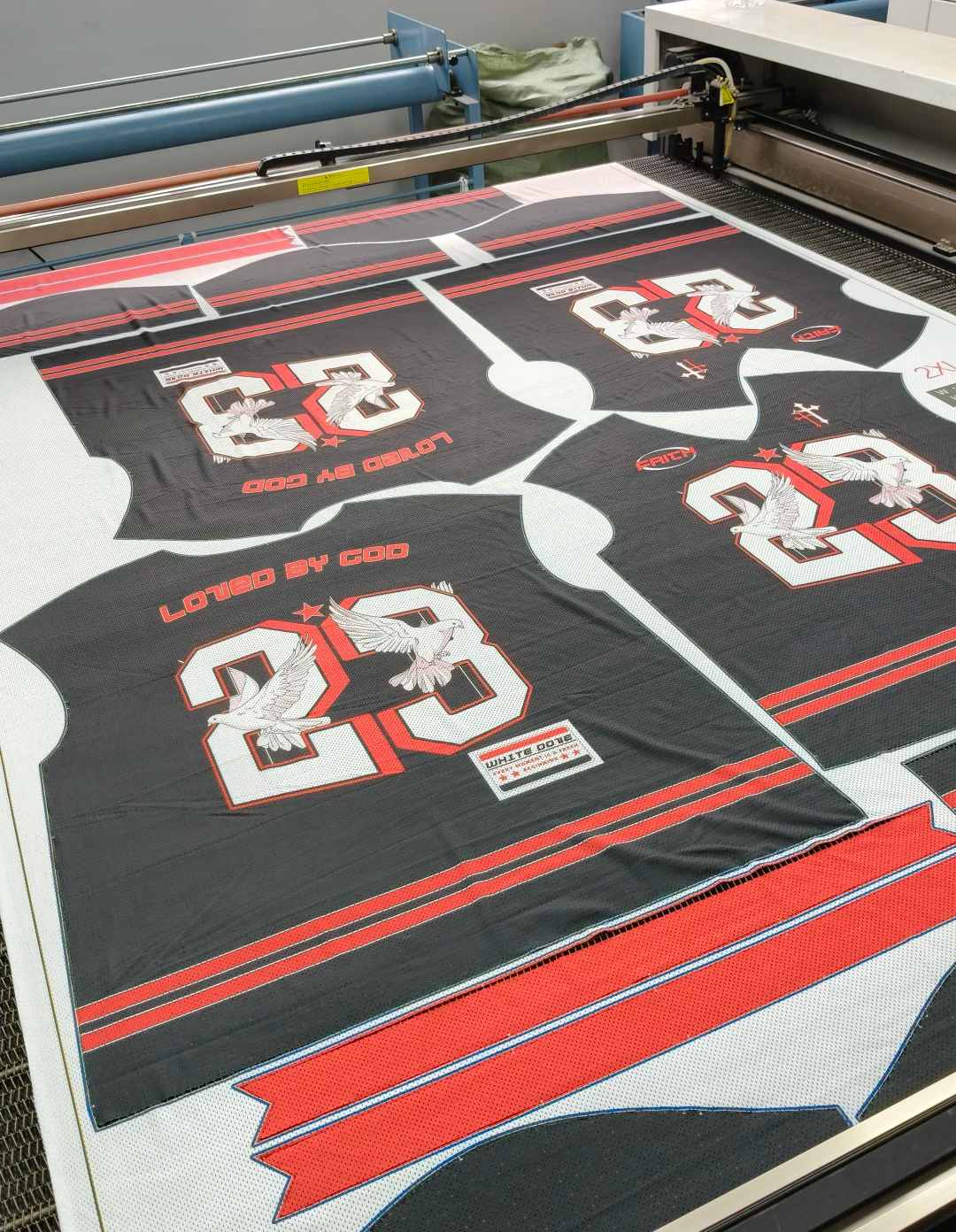
Custom Heat Transfer Printing Samples
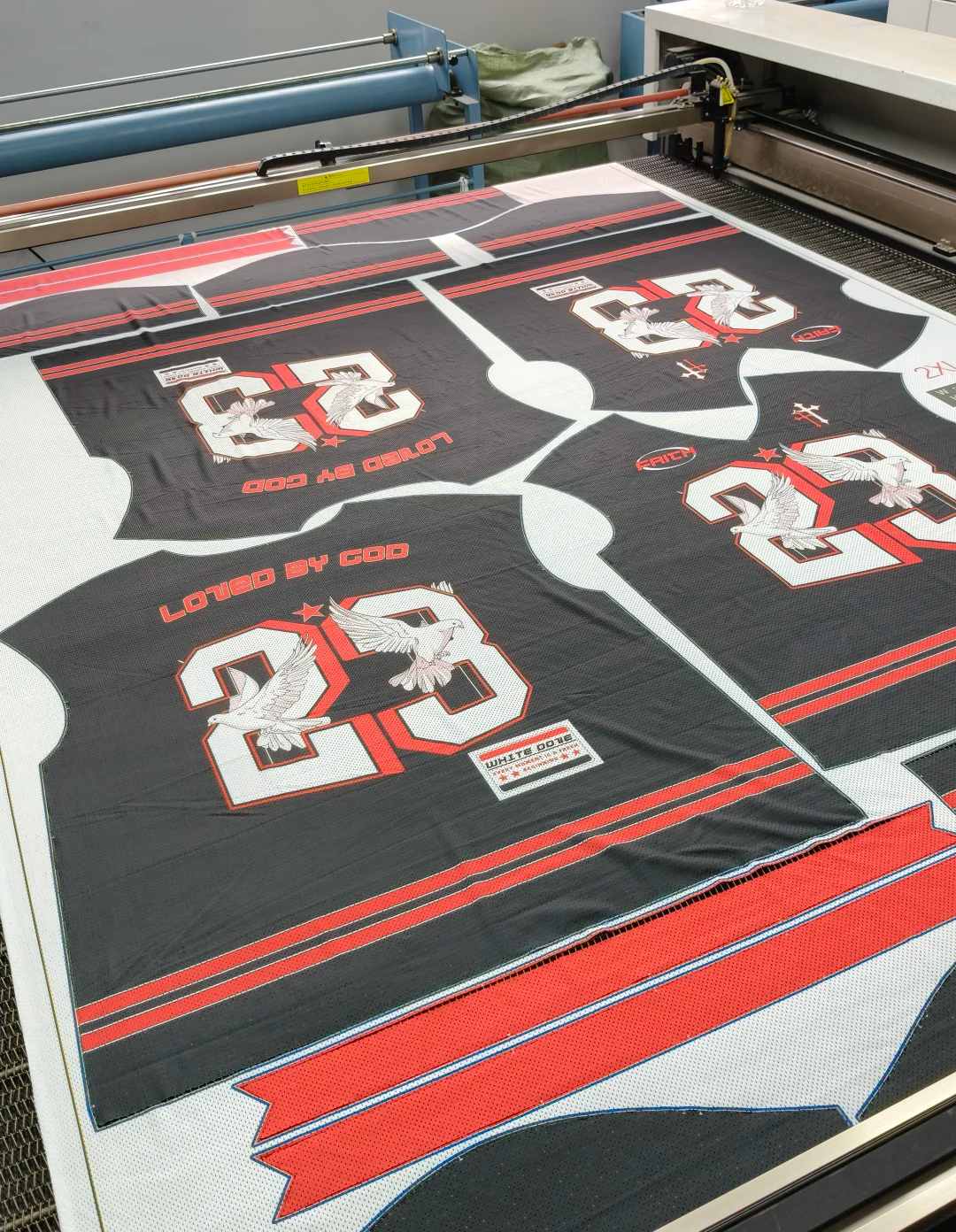
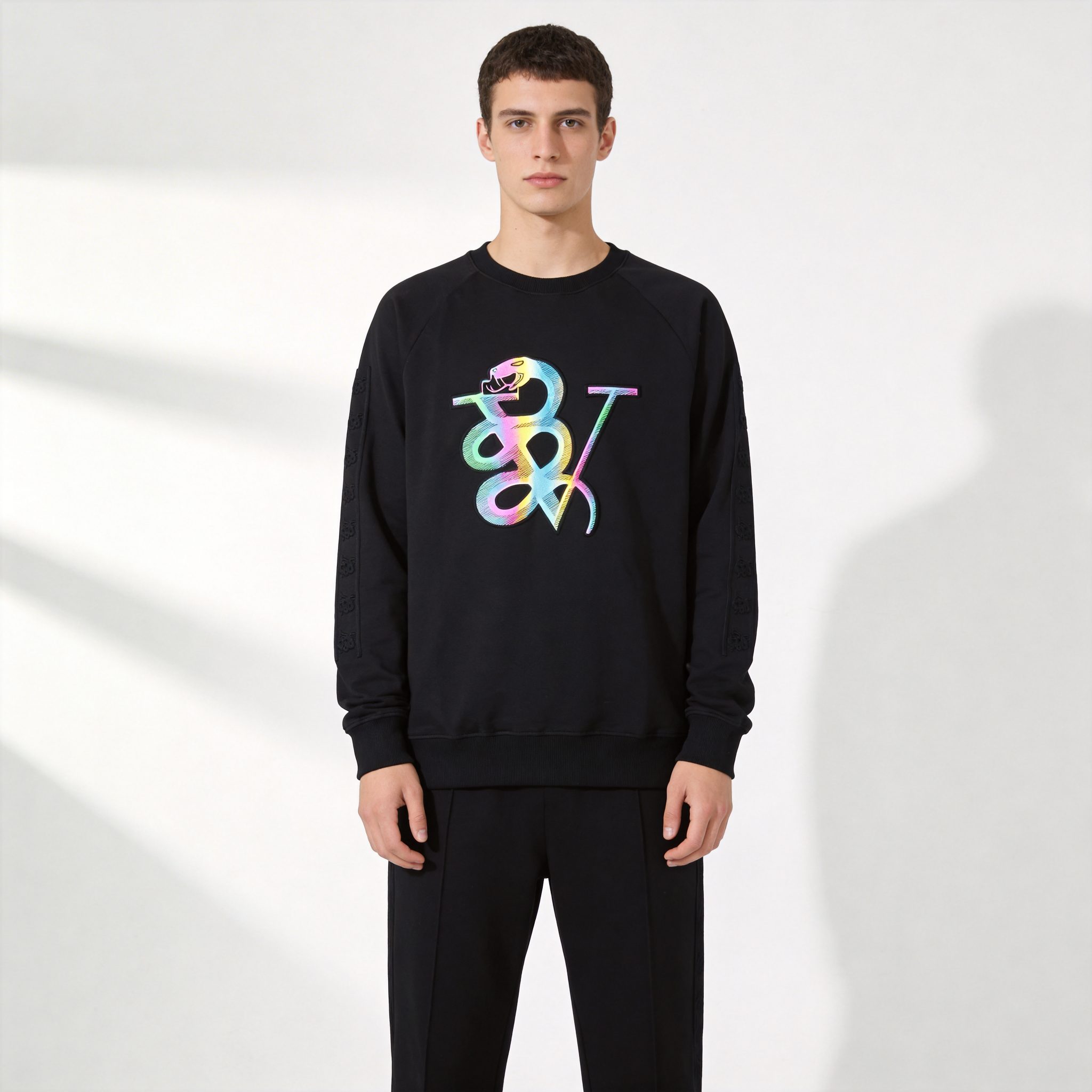
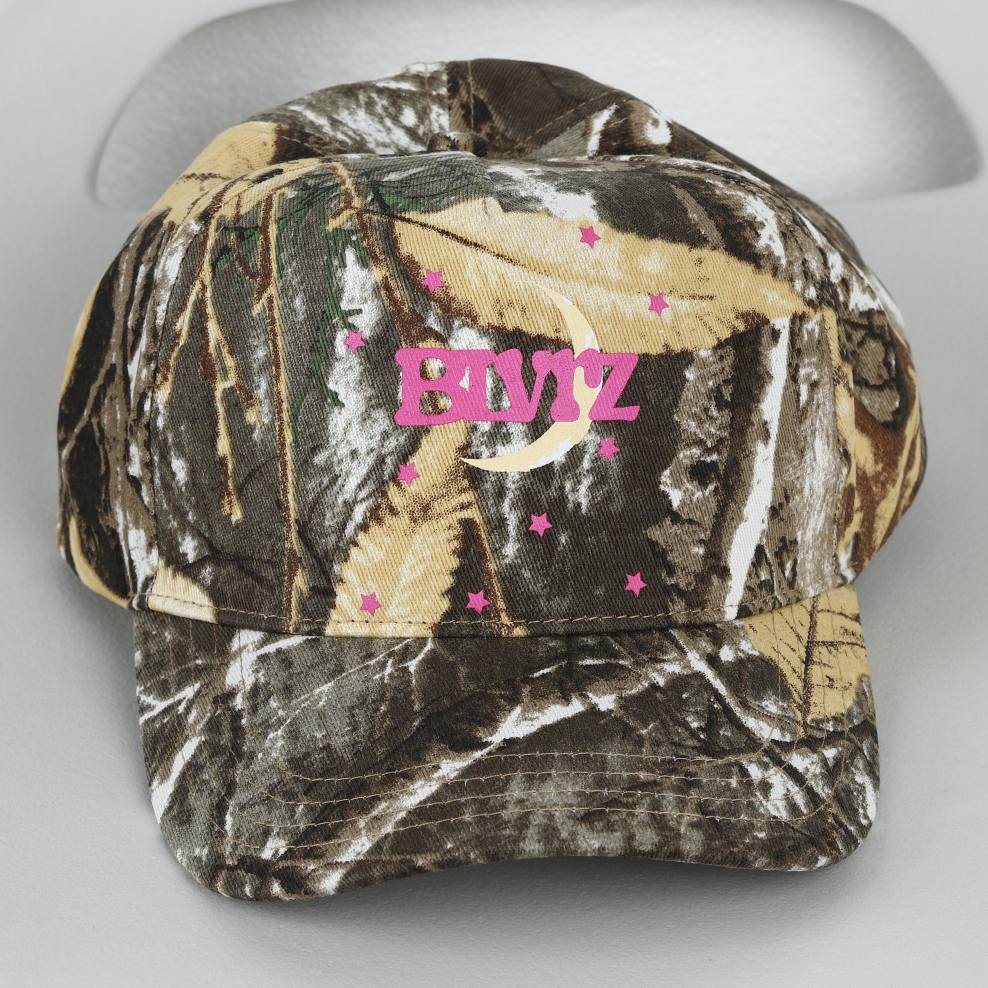
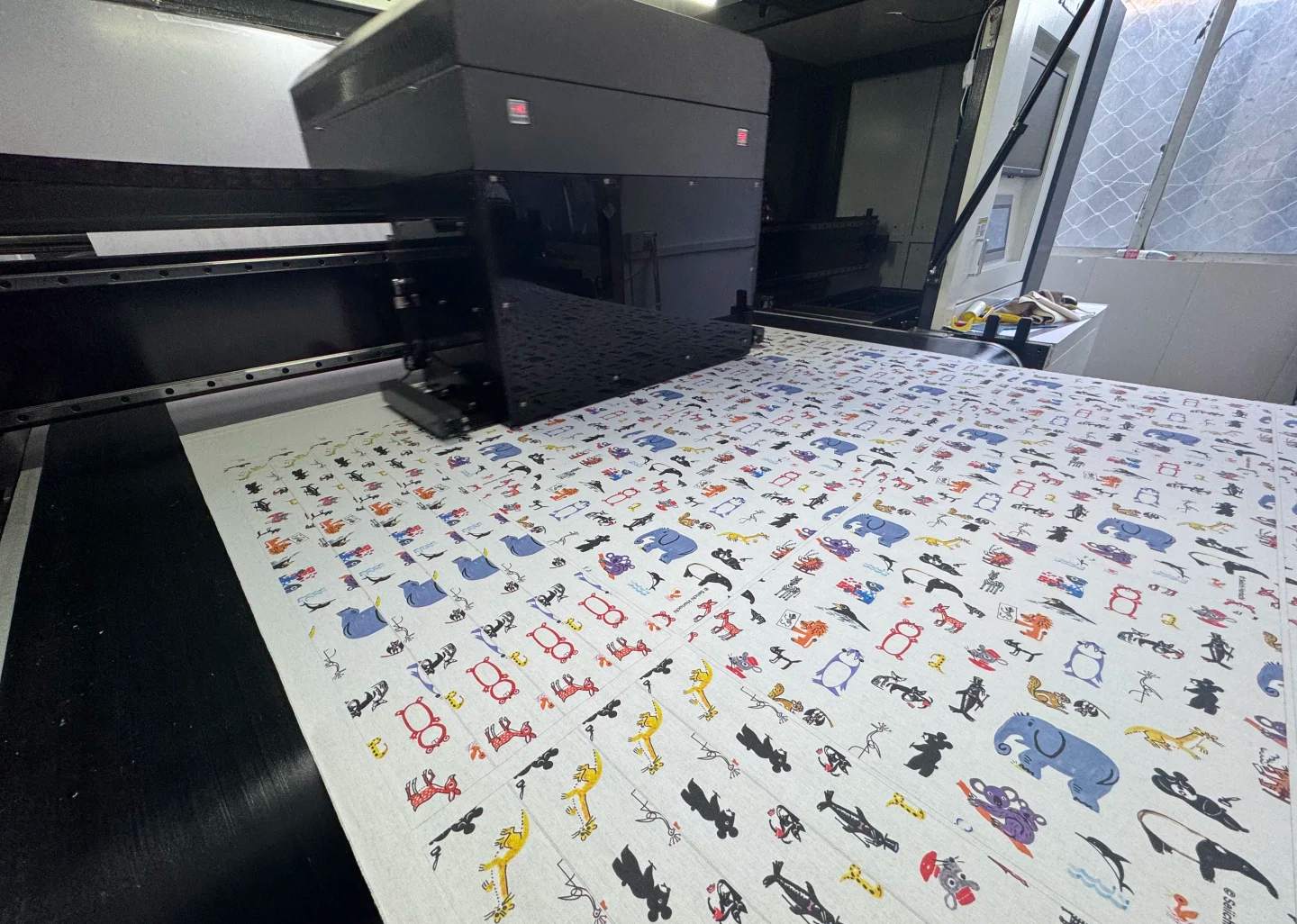
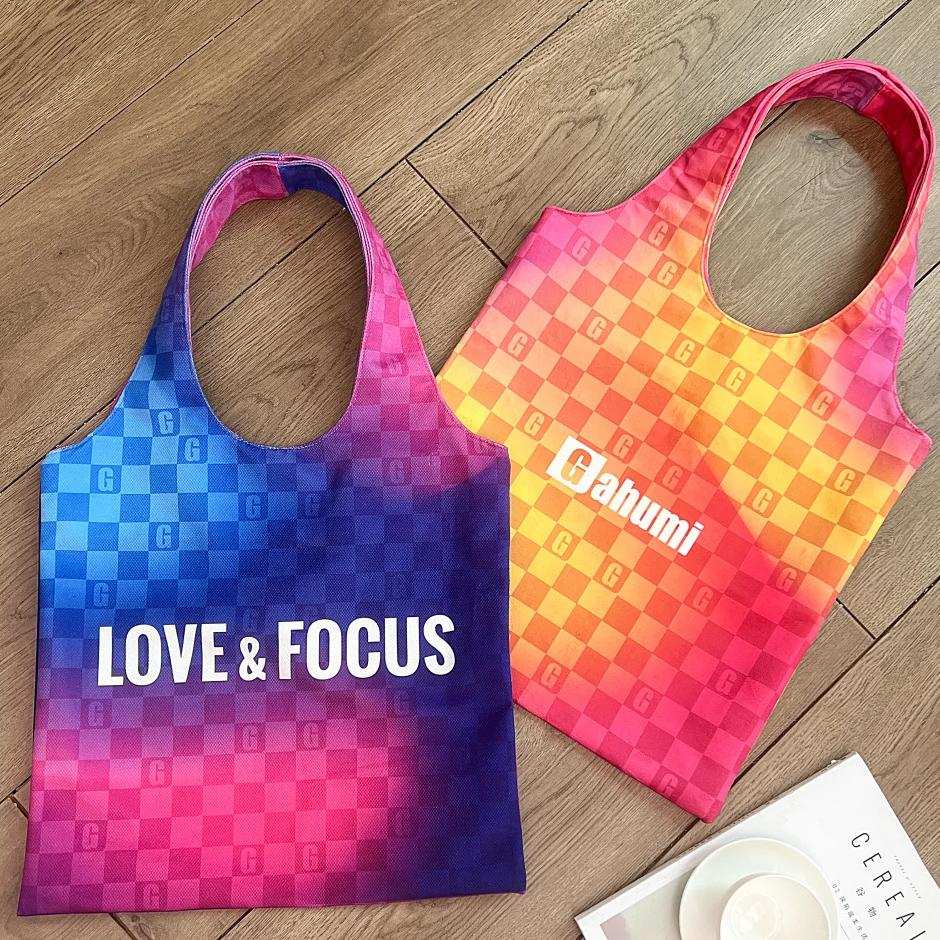
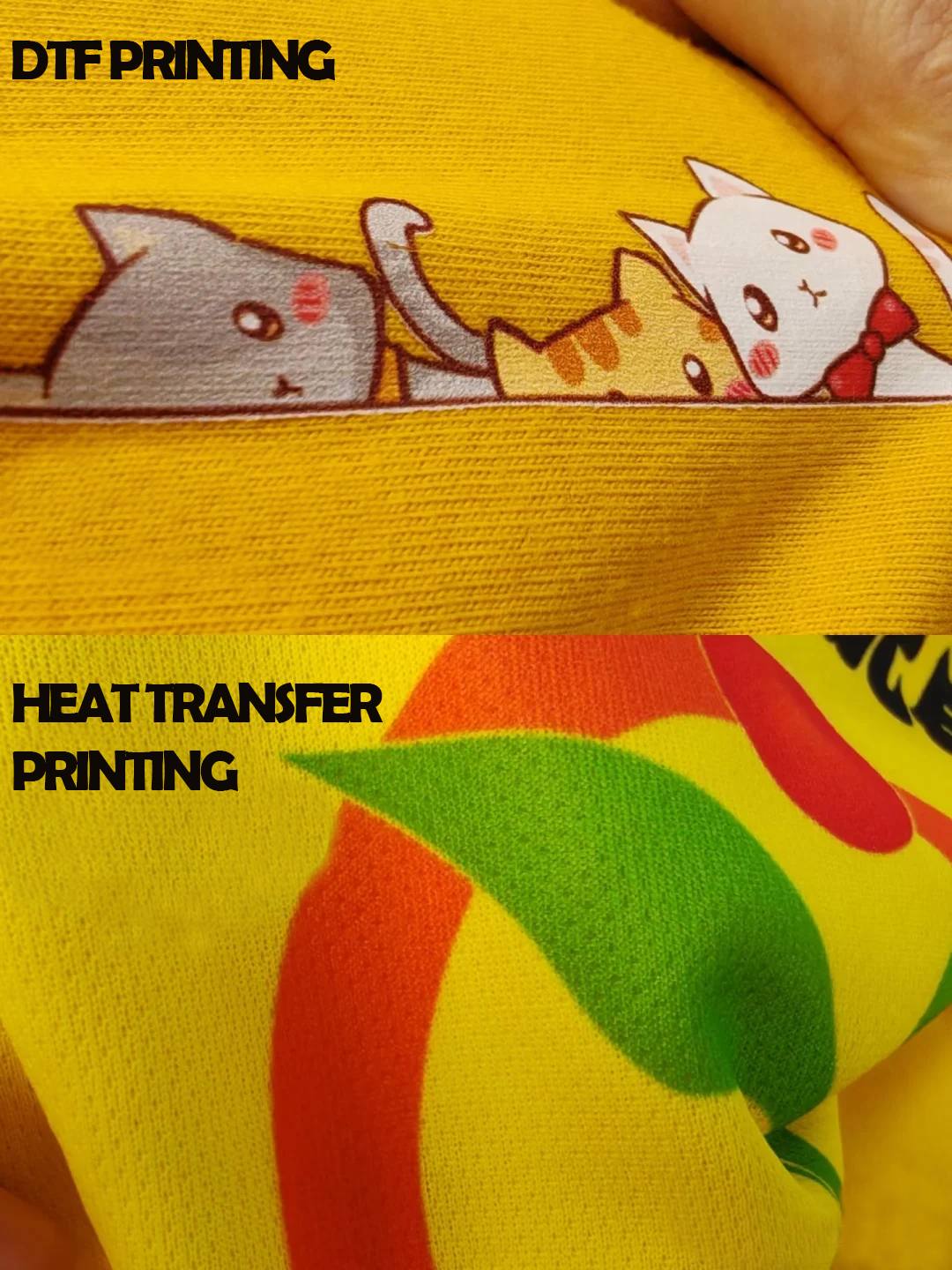
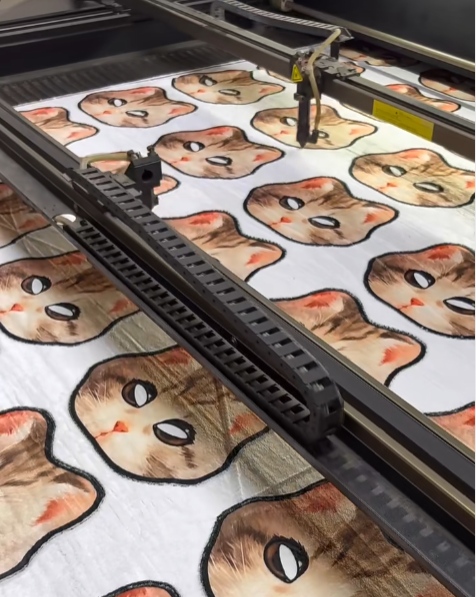
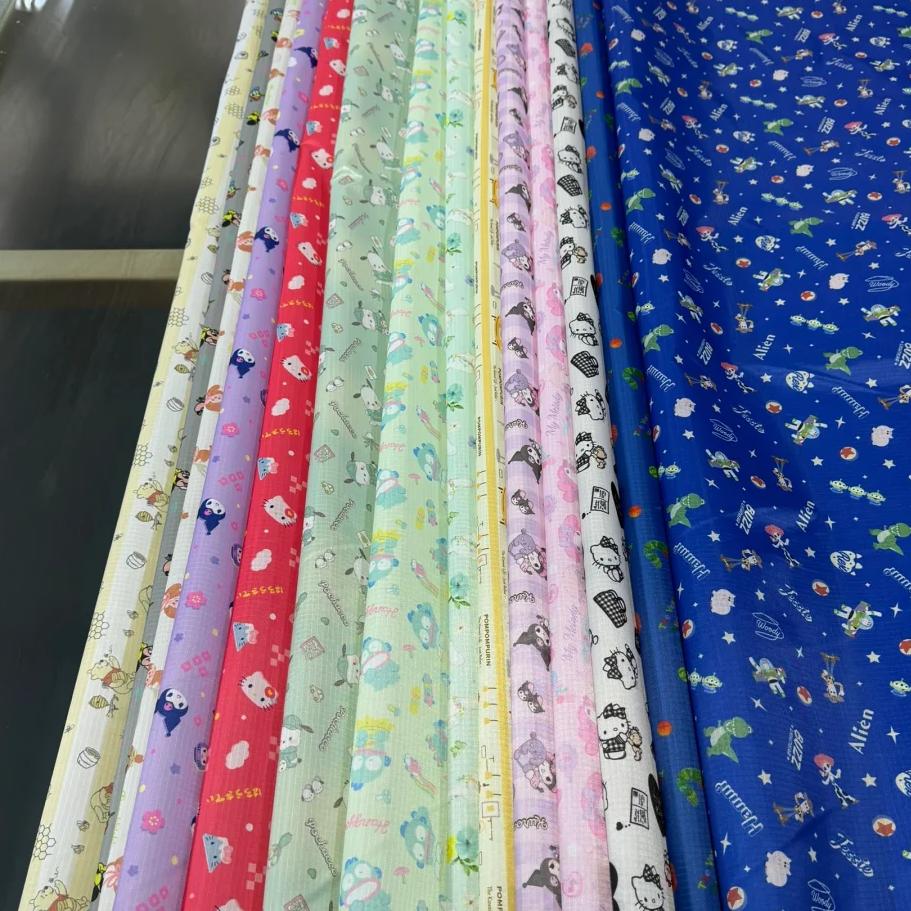
What Makes Custom Heat Transfer Printing Stand Out
Unlimited Color Capability
No color count restrictions or setup fees per color. Perfect for complex logos, photographic images, and multi-color gradients without cost penalties.
Photographic Detail Precision
Reproduce intricate artwork, fine lines, and photo-realistic graphics that screen printing cannot achieve. Ideal for detailed brand assets and portraits. Compare heat transfer printing vs. screen printing to understand which method delivers sharper detail for your design.
Fast Turnaround Times
7-day sample production with no screen setup delays. Custom heat transfer printing accelerates your product launch and reduces time to market significantly.
Light & Dark Fabric Compatible
Works flawlessly on white, black, and colored garments with consistent vibrancy. One technique handles your entire product range without fabric limitations.
Industrial Wash Durability
Premium heat transfer materials withstand 50+ wash cycles with proper care. Maintains color integrity and adhesion for long-lasting customer satisfaction.
Low MOQ Friendly
Start production from just 50 pieces with no expensive screen setup costs. Ideal for custom hoodies, custom t-shirts, custom sweatshirts, and custom jackets—custom heat transfer printing reduces financial risk for new collections and startup brands.
Related Printing & Decoration Techniques
Apparel Decoration & Finishing Capabilities
Explore ZORWILD’s complete apparel decoration services spanning 95%+ of modern techniques. From custom screen printing, custom embroidery services, and custom puff print to garment wash services, custom clothing labels, and custom garment accessories, our Humen facility delivers professional results with strict quality control at every stage.
Get a Quote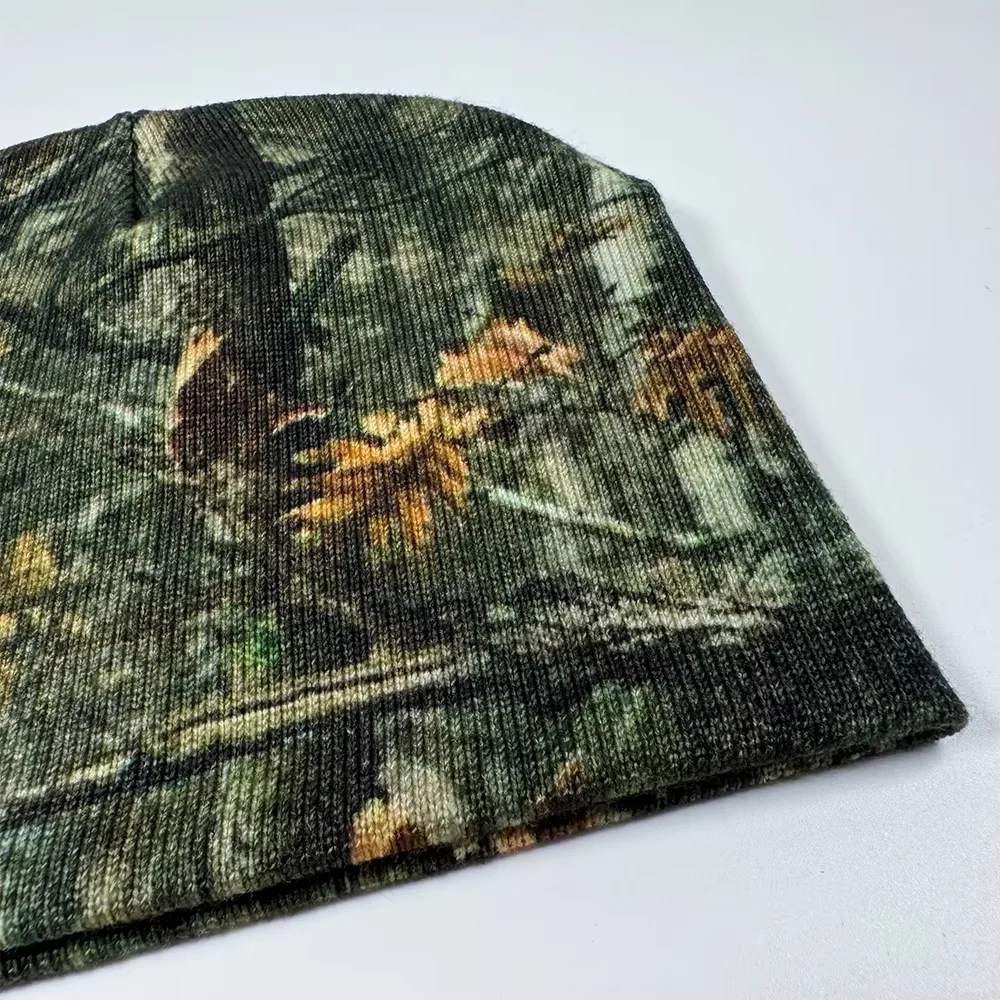
Custom Screen Printing
High-durability custom screen printing delivers bold, vibrant graphics with excellent color performance and wash fastness. Ideal for custom hoodies, wholesale hoodies, custom t-shirts, wholesale tshirts, custom sweatshirts, and uniform programs requiring consistent color matching across large production runs. Our 27-year expertise ensures precise registration and lasting print quality.
Get a Quote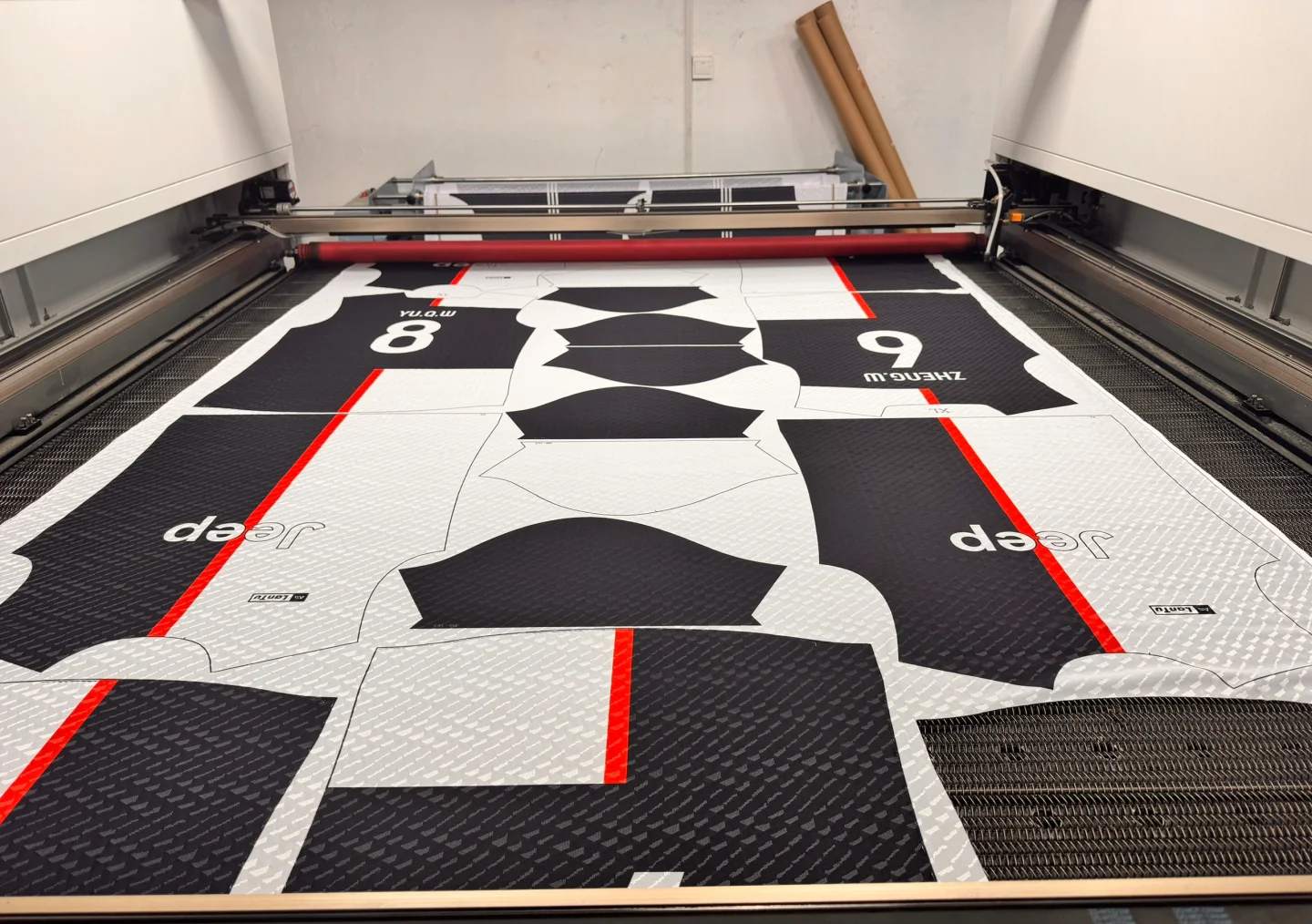
Custom Embroidery
Professional custom embroidery services including flat embroidery, 3d puff embroidery, chenille embroidery, applique embroidery, and custom embroidered patches with careful control of stitch density and thread quality. Perfect for premium branding on custom polo shirts, custom jackets, custom varsity jackets, and luxury fashion details that demand texture, dimension, and long-lasting visual impact.
Get a Quote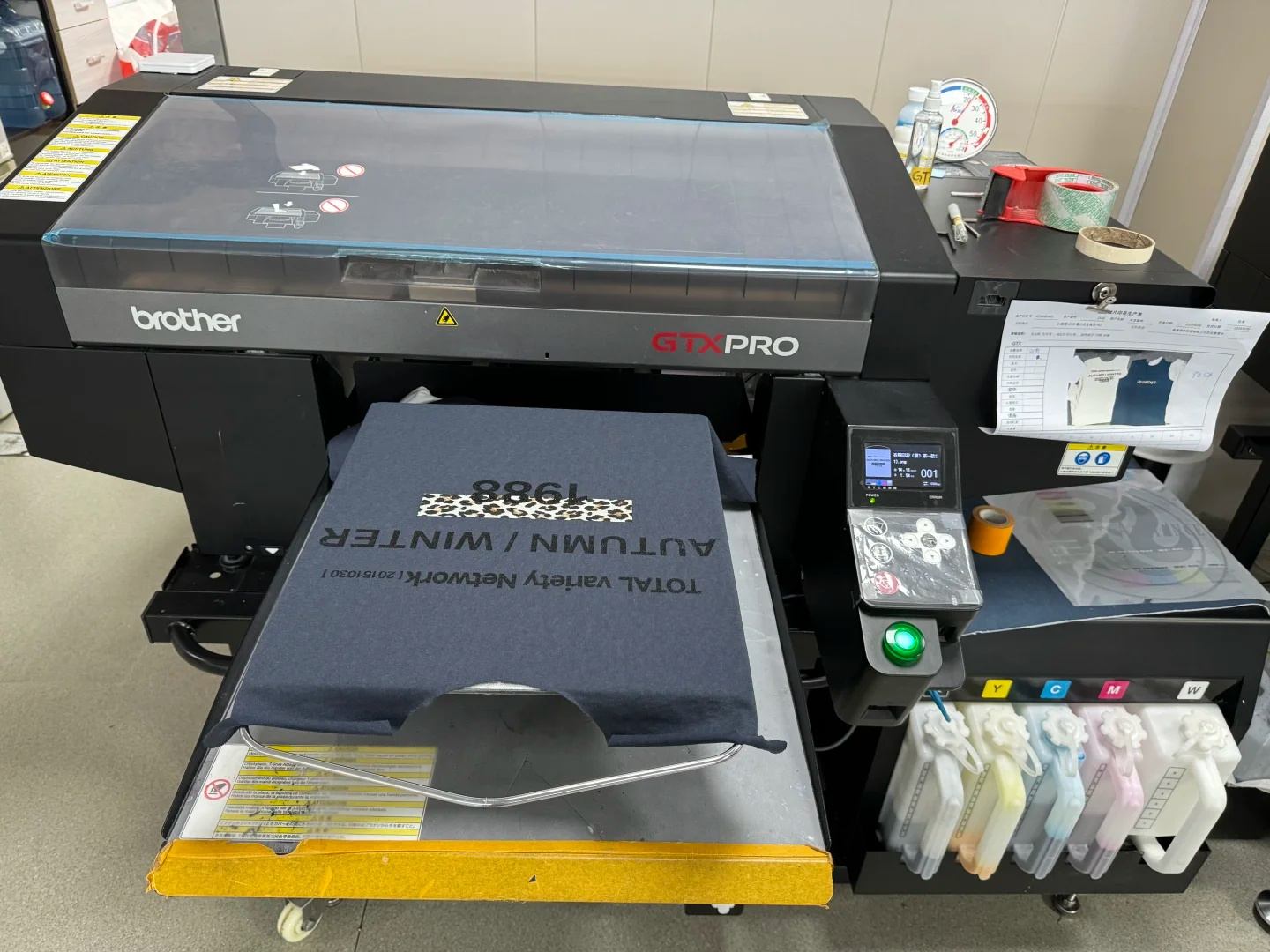
DTG — Direct-to-Garment Printing
Direct-to-garment printing captures complex artwork, detailed graphics, and photorealistic images with soft hand feel. Best suited for intricate designs, limited edition drops, influencer merch collections, and custom orders requiring full-color artwork without minimum color restrictions or screen setup costs.
Get a Quote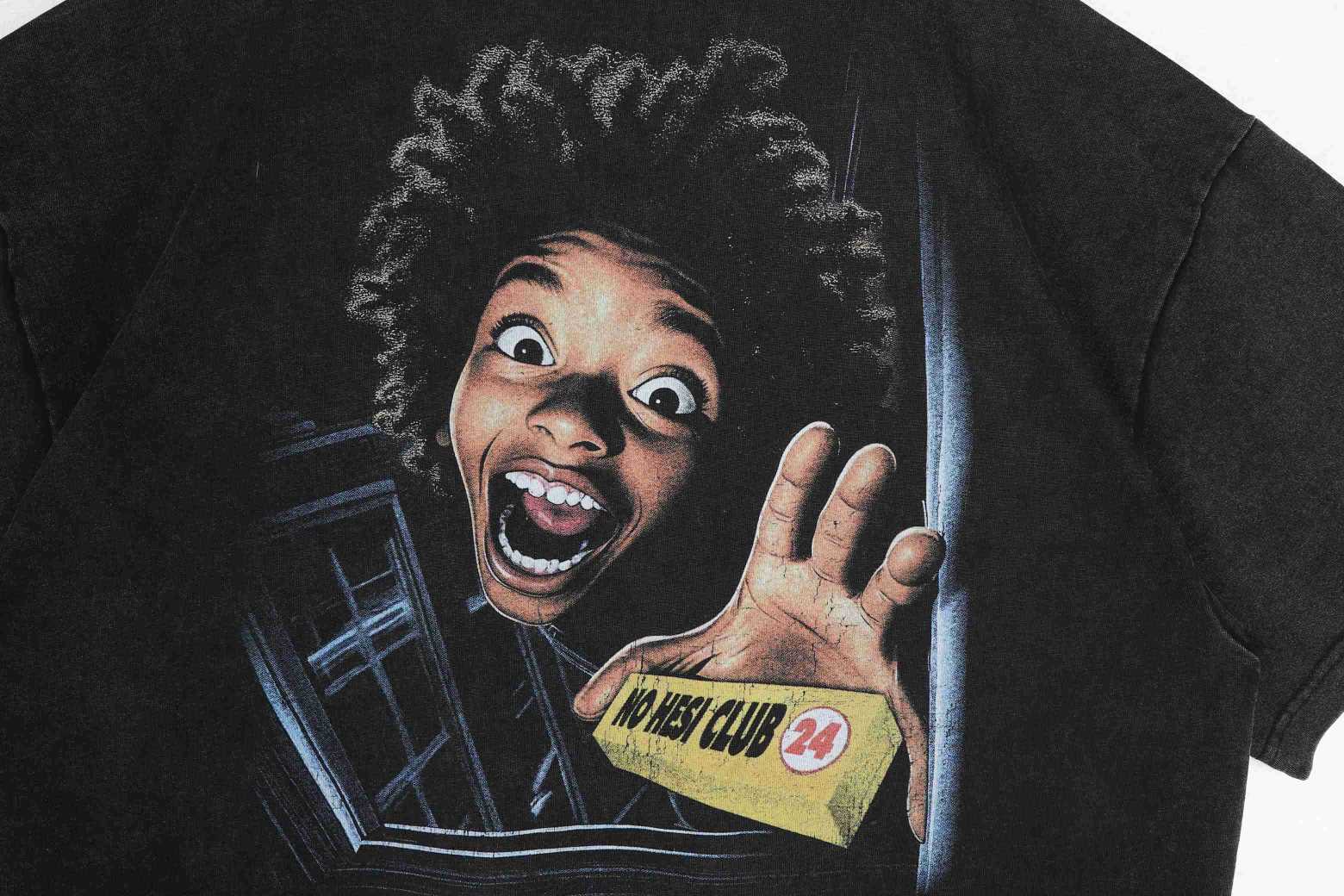
DTF — Direct-to-Film Printing
Direct-to-film printing offers vibrant, durable transfers with excellent stretch and wash resistance across cotton, polyester, and blended fabrics. Ideal for detailed logos, multi-color designs, small batch production, and brands seeking high-quality prints with faster turnaround than traditional screen printing methods.
Get a Quote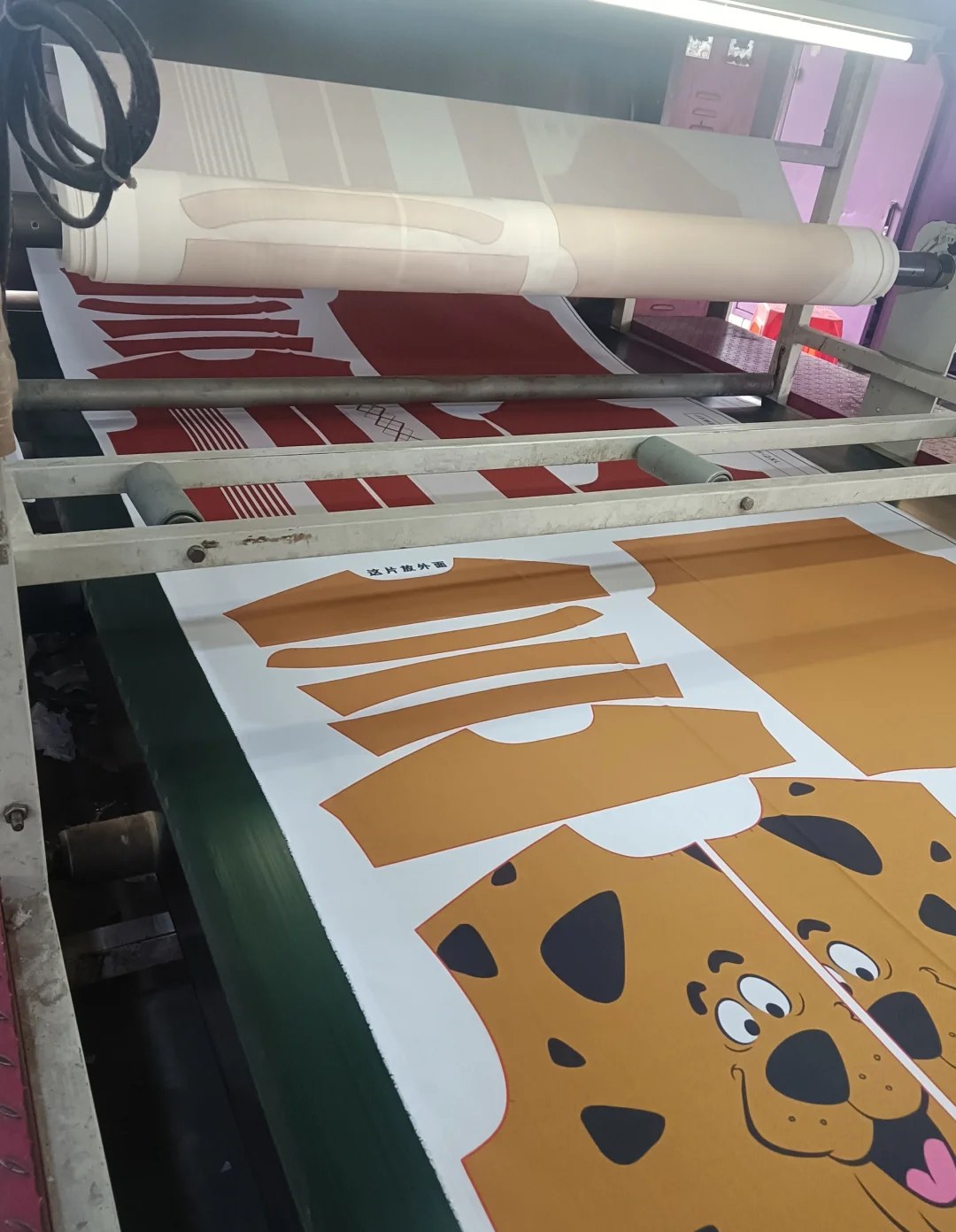
Dye Sublimation Printing
Sublimation printing creates permanent, all-over prints on polyester garments with no texture or hand feel. Essential for activewear, sportswear, performance apparel, yoga sets, and technical fashion requiring seamless patterns, photographic prints, or gradient effects that won’t crack, peel, or fade over time.
Get a Quote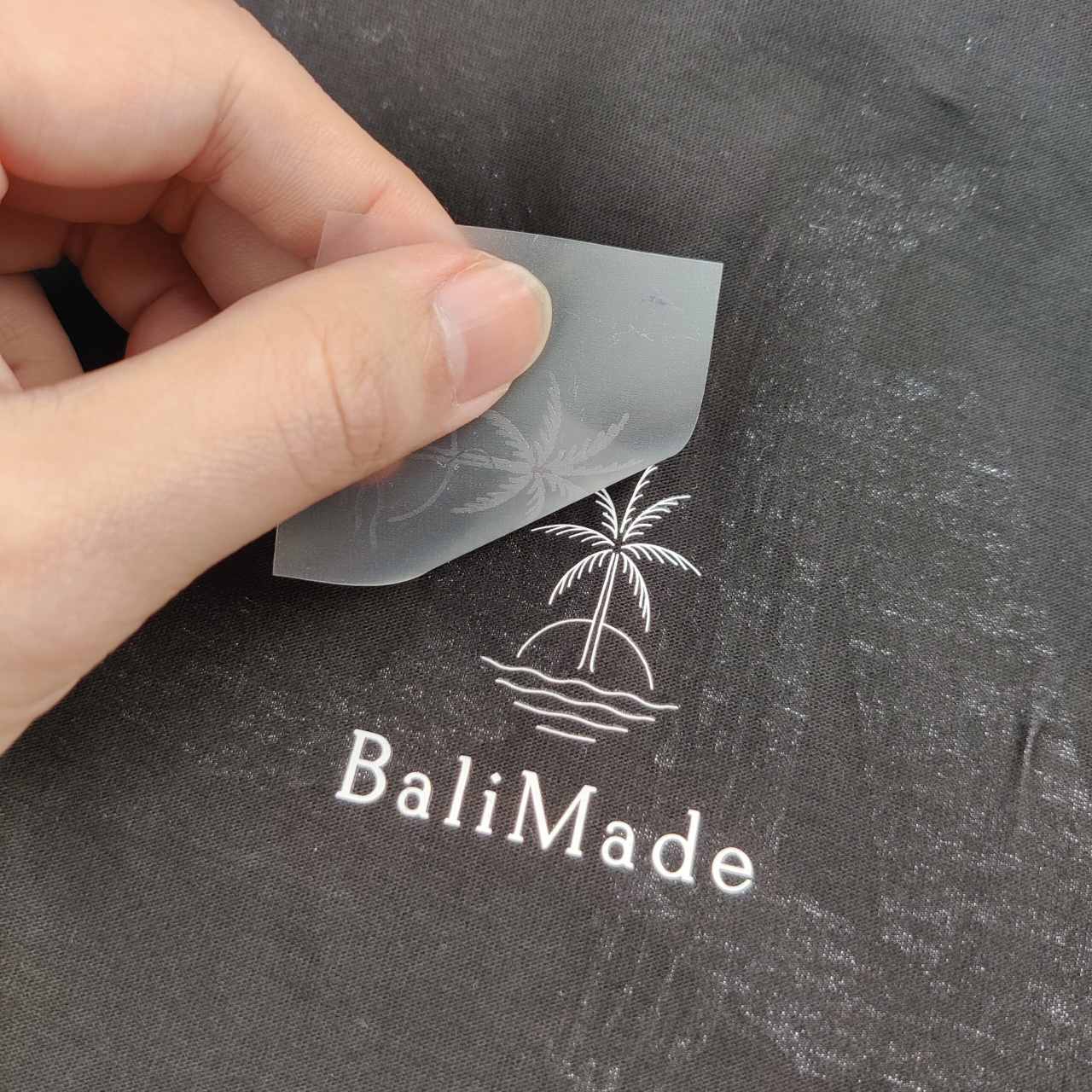
Garment Wash & Dye
Advanced garment wash services and garment dye techniques including acid wash garment, vintage wash, enzyme wash, stone wash garment, and pigment dye create authentic streetwear aesthetics for custom jeans, custom denim jackets, wholesale denim jackets, and custom hoodies. Choose wash services when your collection requires soft hand feel, lived-in texture, unique color variations, or premium vintage appearance.
Get a Quote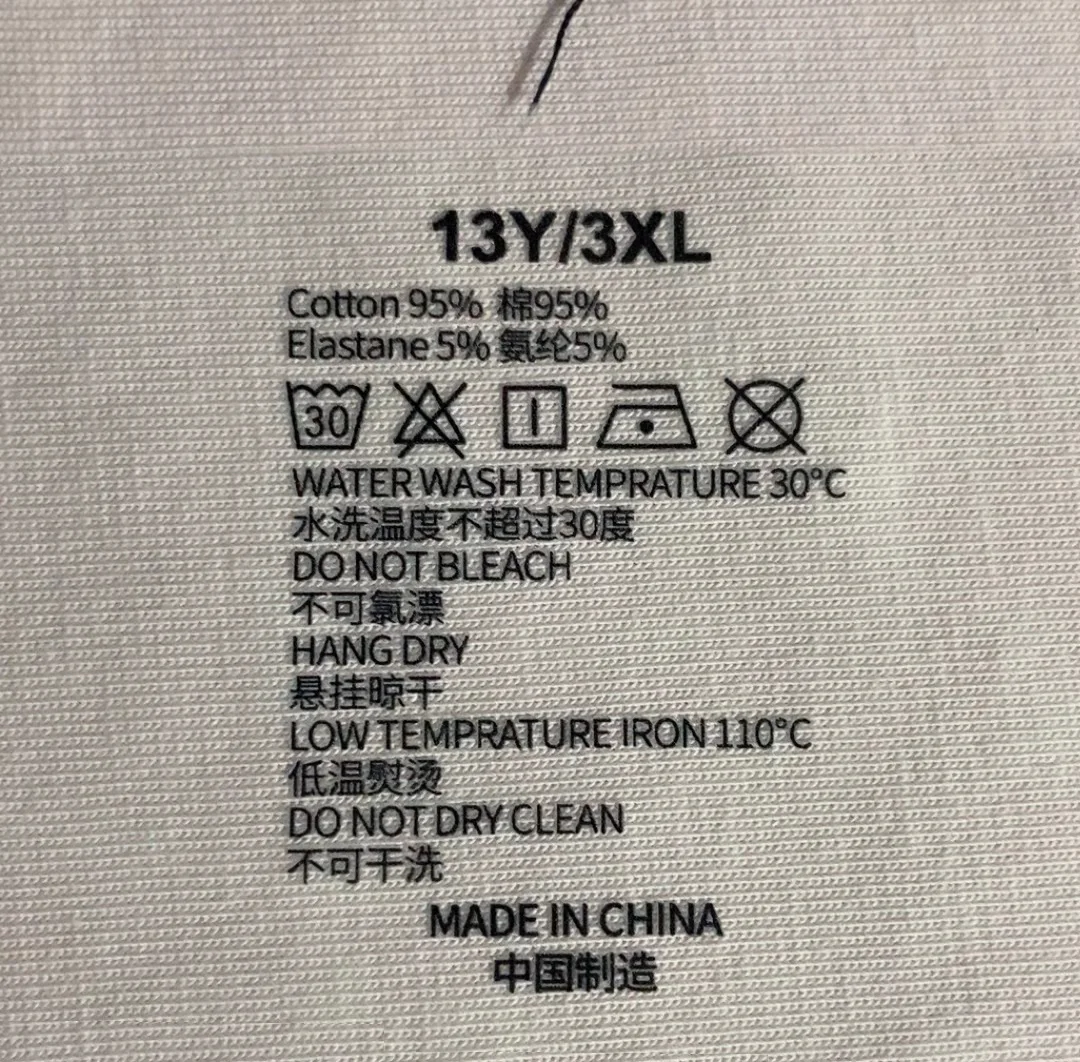
Custom Labels & Tags
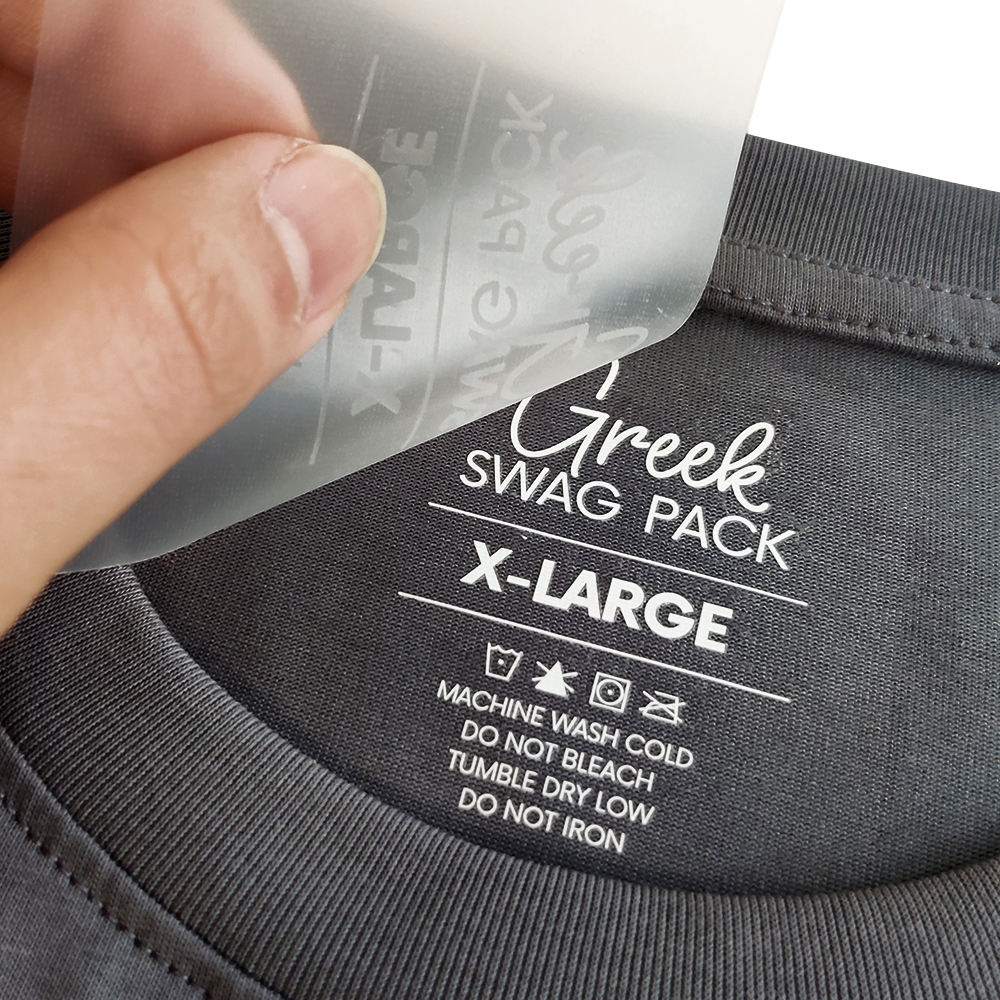
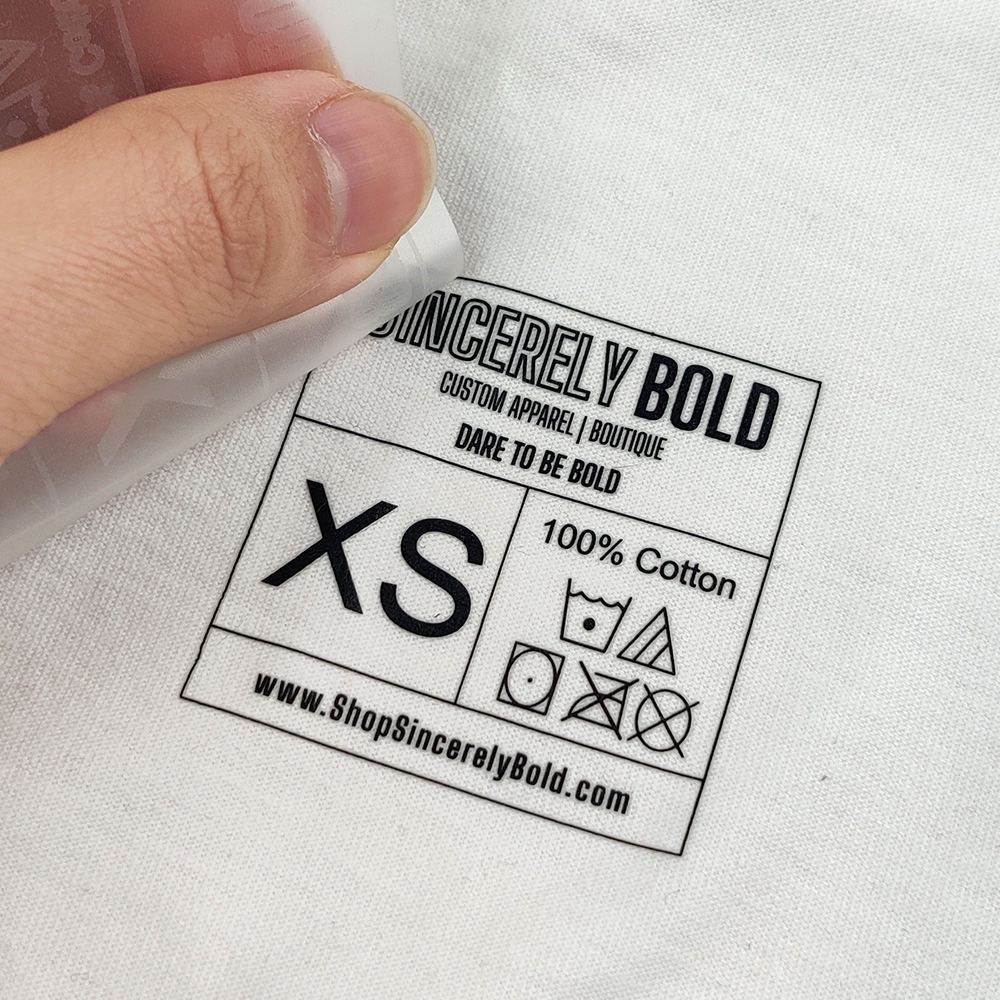
Custom clothing labels including custom main label, woven labels, printed labels, custom wash care label, custom size label, custom hang tags, custom made-in label, and heat transfer label complete your brand identity. Essential for startup brands building professional presentation, established labels maintaining brand consistency, and any collection requiring compliance labeling, care instructions, or premium unboxing experiences.
Get a Quote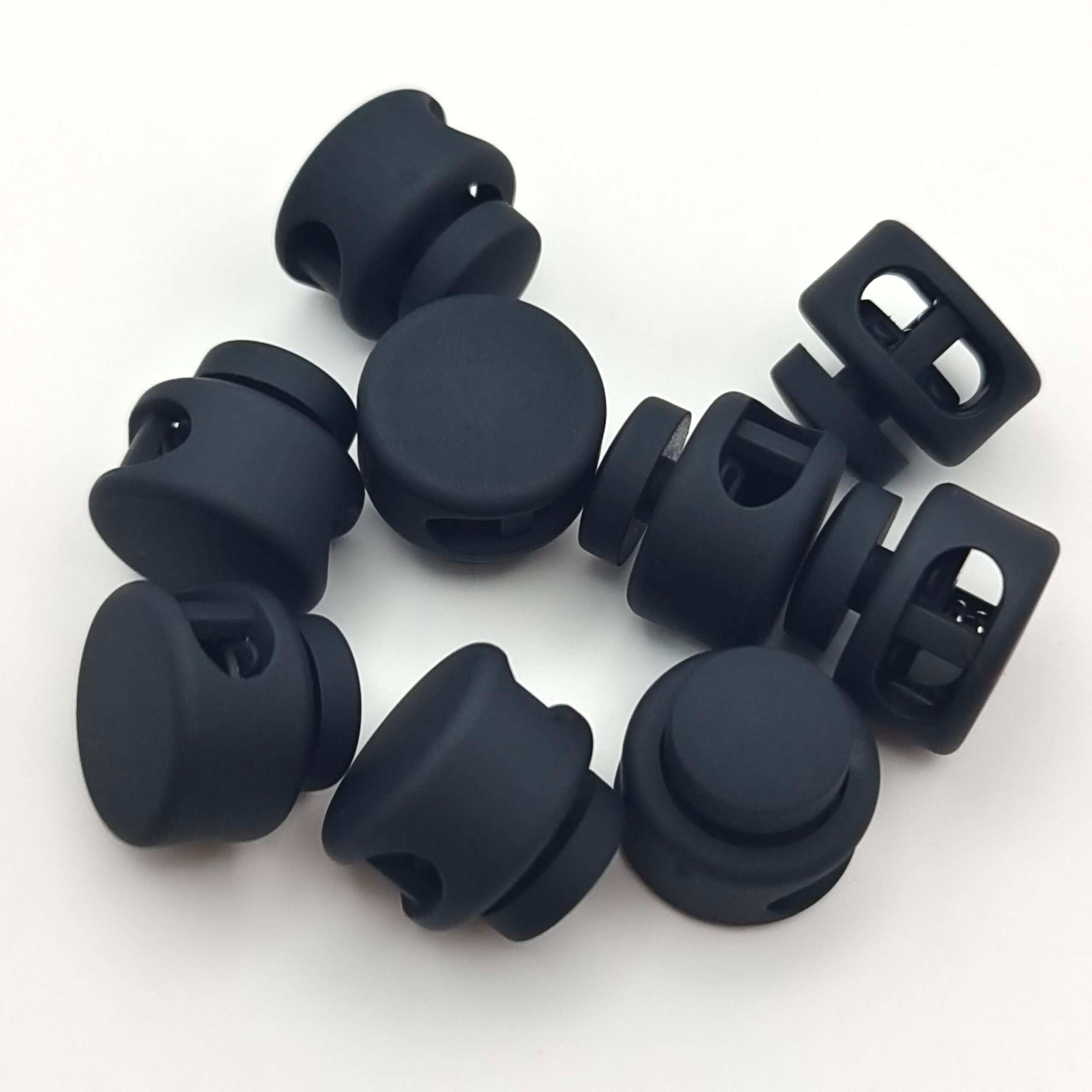
Garment Accessories & Trims
Full custom garment accessories and trims customization including custom zippers, custom zipper pulls, custom snap buttons, custom buttons, custom eyelets, custom rivets, custom drawstrings, custom cord locks, custom elastic bands, rubber patches, metal logos, and branded tape. Critical for outerwear construction, technical jackets, premium hoodies, and fashion collections where hardware quality, functional details, and branded finishing elevate product value.
Get a QuoteCustom Heat Transfer Printing Since 1998
ZORWILD was founded in 1998 in Humen, Dongguan, one of the world’s leading garment manufacturing hubs. Over 27 years, we’ve mastered every facet of apparel decoration as a custom apparel manufacturer, with deep expertise in custom heat transfer printing, custom screen printing, custom embroidery, and precision application systems that deliver detailed logos and complex gradients on custom hoodies, custom t-shirts, custom shirts, custom jackets, and custom dresses.
Today, our 200-person team operates advanced heat transfer equipment capable of producing over 100,000 decorated units monthly. We’ve served more than 2,000 fashion brands worldwide, supporting startup collections from 50 pieces to large-scale production runs with consistent quality and reliable turnaround times.
What sets ZORWILD apart is our in-house capability across 95 percent of modern decoration techniques, backed by a rigorous 6-stage quality control system. From heat transfer and screen printing to embroidery and sublimation, we deliver complete apparel manufacturing solutions under one roof, ensuring your designs translate flawlessly from concept to finished product.
The Science Behind Custom Heat Transfer Printing
Advanced Ink Adhesion Chemistry
Our custom heat transfer printing uses premium polyurethane and plastisol-based transfer films engineered for strong bonding with fabric fibers. This advanced chemistry ensures graphics remain vibrant and flexible through repeated wear and washing without cracking or peeling.
- Temperature-activated adhesive formulations calibrated for cotton, polyester, and blends
- Advanced adhesive technology creates permanent fiber-level bonds for lasting durability
- Compatibility testing across 40+ fabric substrates before production ensures reliable adhesion
- Anti-migration barriers prevent dye bleeding on polyester garments
Precision Heat-Press Temperature Control
ZORWILD operates industrial heat-press stations with digital temperature controllers accurate to ±2°C and programmable dwell timers. Each fabric type and transfer film combination follows validated time-temperature profiles to guarantee consistent adhesion across every piece in your order.
- Real-time temperature monitoring with automatic calibration cycles
- Pressure sensors ensure uniform 40-60 PSI across entire platen surface
- Fabric-specific press profiles: 160-180°C for polyester, 180-200°C for cotton
- Dwell time precision from 8 to 20 seconds based on film substrate thickness
Premium Transfer Film Substrate Quality
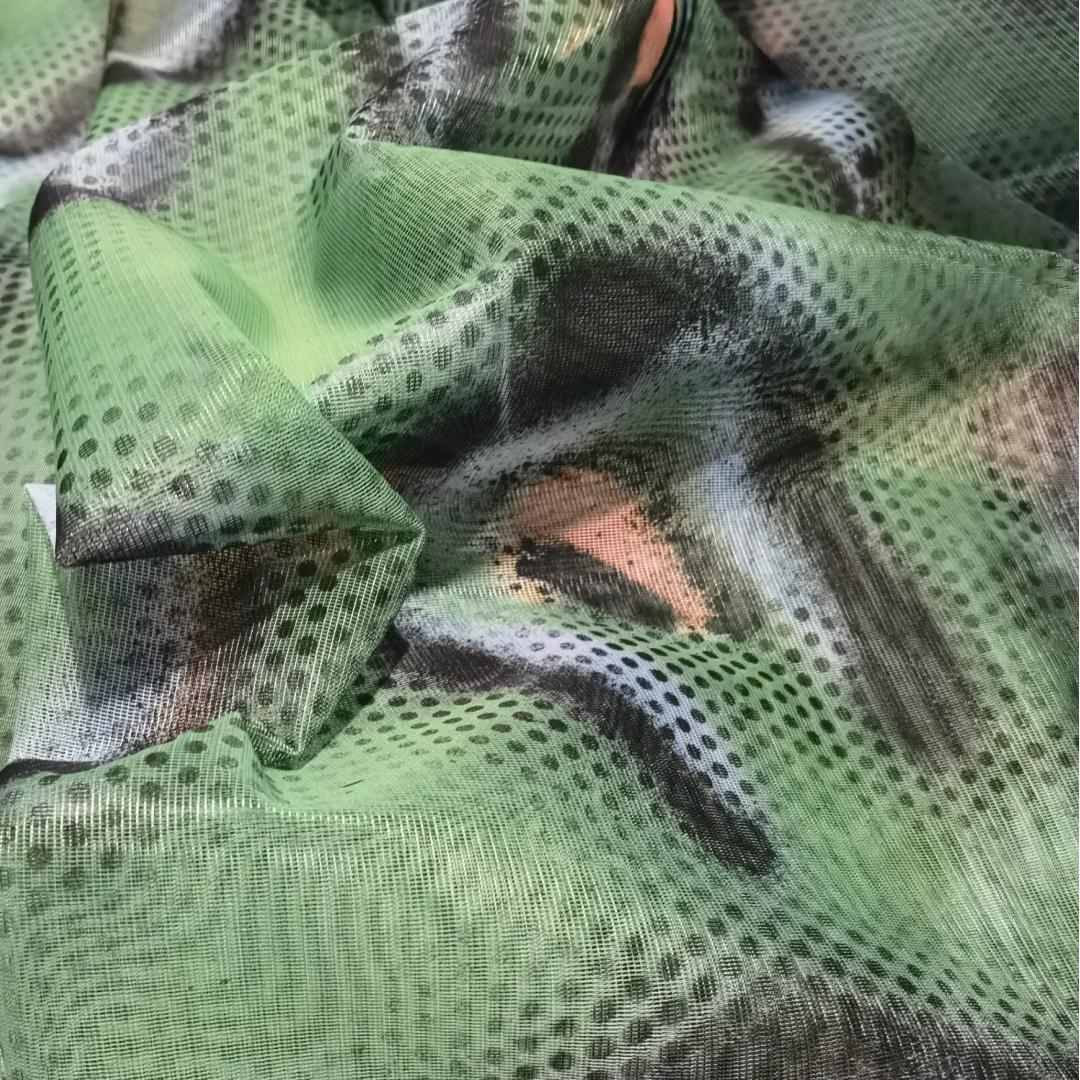
We source eco-friendly PET and PU transfer films from certified suppliers with controlled thickness tolerances and UV-stable pigment dispersion. High-quality substrates deliver sharp edge definition, smooth gradients, and excellent stretchability for athletic and streetwear applications.
- Film thickness consistency within 5-micron tolerance for uniform heat distribution
- Eco-solvent and water-based inks meet OEKO-TEX Standard 100 certification
- Multi-layer film construction supports full-color gradients and fine detail
- Matte, gloss, metallic, and reflective finish options for diverse design aesthetics
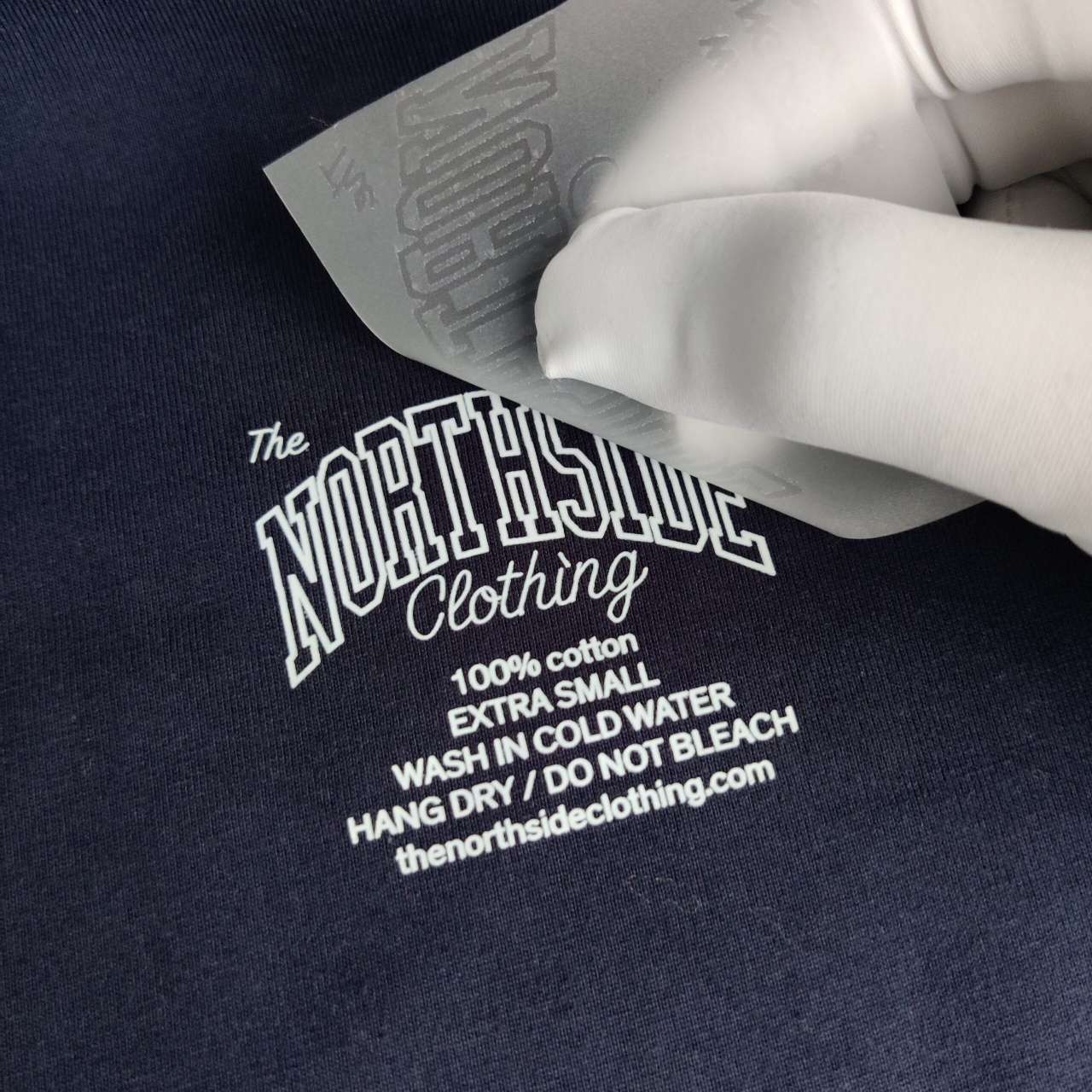
Rigorous Durability and Wash Testing
Every custom heat transfer printing batch undergoes accelerated wash testing up to 50 cycles at 40°C with tumble drying. We measure color retention with spectrophotometry and inspect for edge lift, cracking, and adhesion failure to ensure your branded apparel maintains premium appearance.
- ISO-standard wash and dry cycles simulate 12+ months of consumer use
- Colorimetry reports track Delta E values to guarantee <3.0 color shift
- Stretch and recovery tests validate graphic integrity on performance fabrics
- Final QC inspection documents adhesion strength and visual defect rates below 0.3%
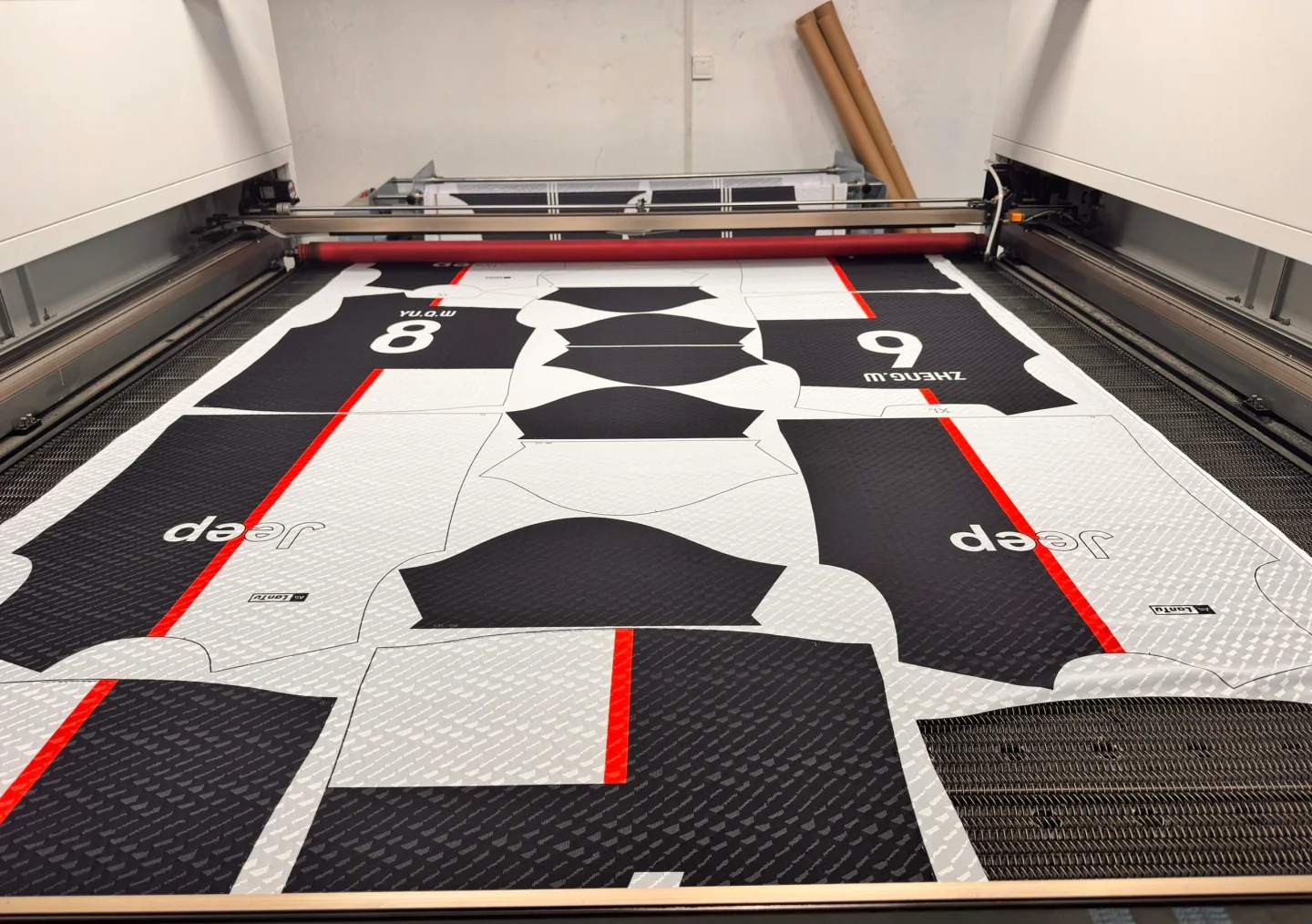
Custom Heat Transfer Printing vs. Screen Printing, DTG & Sublimation
Understanding the technical differences helps you choose the right decoration method for your brand. Here’s how custom heat transfer printing compares to the most common alternative techniques across the attributes that matter most for production.
← 左右滑动查看 →
Custom Heat Transfer Printing Production Process
From design file to finished garment, our 27-year manufacturing expertise ensures precise adhesive activation, calibrated press time, and strict quality control at every stage of custom heat transfer printing production.
Design File Preparation
Vector artwork is optimized for heat transfer film printing with color separation, gradient mapping, and resolution verification to ensure crisp logo reproduction and accurate detail transfer.
Film Printing & Cutting
Heat transfer films are printed using specialized inkjet or solvent systems, then precision-cut and weeded to remove excess material, leaving only the final design ready for application.
Heat Press Calibration
Temperature, pressure, and dwell time are calibrated based on fabric type, film adhesive chemistry, and garment construction to ensure proper adhesive activation without scorching or incomplete bonding.
Transfer Application & Cooling
The heat transfer is positioned on the garment and pressed under controlled conditions. A strict cooling protocol follows to lock adhesive bonding and prevent peeling or distortion during handling.
Quality Inspection & Testing
Every garment undergoes visual inspection for alignment, edge adhesion, color accuracy, and surface finish. Wash testing and stretch testing verify durability before approval for packaging and shipment.
Packaging & Global Shipping
Finished garments are folded, bagged with custom branding, and prepared for air or sea freight with full export documentation support to ensure safe delivery to your warehouse or fulfillment center.
How to Order Custom Heat Transfer Printing from ZORWILD
From artwork submission to finished apparel, our streamlined process ensures your custom heat transfer printing project is delivered on time with professional quality and precise color accuracy.
Submit Your Design and Specs
Send vector art or high-resolution raster files with color separation, Pantone references, garment type, fabric details, and placement requirements for accurate quoting.
Review Quote and Sample Timeline
Receive a detailed quote covering custom heat transfer printing setup, sampling costs, production pricing, MOQ options starting at 50 pieces, and delivery schedule.
Approve Heat Transfer Sample
Evaluate your 7-day sample for print clarity, color accuracy, fabric adhesion, wash durability, and overall finish before confirming bulk production orders.
Confirm Production and Quantities
Finalize order quantities, size breakdowns, packaging preferences, shipping method, and delivery timeline with our production team for seamless manufacturing coordination.
Receive Your Finished Apparel
Your custom heat transfer printed garments undergo six-stage quality inspection, professional finishing, branded packaging, and global shipping to your specified destination.
Customer Success Stories — Custom Heat Transfer Printing in Action
ZORWILD’s custom heat transfer printing delivered perfect gradient fidelity on our 500-piece hoodie collection. After 25 washes, zero cracking or fading. The color accuracy matched our Pantone specs exactly, which was critical for our brand launch.
We needed intricate logo details on oversized T-shirts with a 14-day turnaround. ZORWILD handled the complexity flawlessly—samples arrived in 7 days, bulk production of 300 units shipped on schedule. The heat transfer quality exceeded our expectations.
Our custom bomber jackets required multi-color heat transfer on technical fabric. ZORWILD’s team nailed the placement and durability—after 20+ washes, graphics still look brand new. Their 27 years of experience really shows in the craftsmanship.
Custom Heat Transfer Printing — Frequently Asked Questions
What fabrics work best with custom heat transfer printing?
What is the minimum order quantity for custom heat transfer printing?
How long does custom heat transfer printing production take?
What are the maximum design size and color limitations for heat transfer printing?
Can I combine custom heat transfer printing with embroidery or patches?
How durable is custom heat transfer printing after washing?
What file formats and specifications do you need for custom heat transfer printing?
Is there a sampling fee for custom heat transfer printing, and is it refundable?
Does custom heat transfer printing cost less for larger orders?
The Complete Buyer’s Guide to Custom Heat Transfer Printing for Your Brand
1. What Is Custom Heat Transfer Printing?
Custom heat transfer printing is a garment decoration method that applies designs to fabric using heat and pressure, typically at temperatures between 300°F and 375°F for 10 to 20 seconds. A pre-printed transfer film or vinyl is positioned on the garment, then pressed with a heat press machine to bond the design permanently to the textile surface. ZORWILD’s 27 years of manufacturing experience includes heat transfer printing for detailed logos, gradients, and multi-color graphics that require precision beyond traditional screen printing capabilities.
Brands choose custom heat transfer printing over screen printing when order quantities fall below 200 pieces, when designs include photographic detail or complex color gradients, or when turnaround speed matters more than per-unit cost at high volume. Unlike embroidery, which is limited to thread-based textures and struggles with small text or intricate artwork, heat transfer printing reproduces full-color images, fine lines, and photorealistic effects on cotton, polyester blends, and technical fabrics. ZORWILD supports heat transfer printing with MOQs starting at 50 pieces and sampling within 7 days, making it ideal for startup brands testing new designs, influencer merch launches, and wholesalers offering customized collections without inventory risk.
The right decoration method depends on three factors: design complexity, fabric type, and order volume. Heat transfer printing excels when you need photo-quality graphics, low minimum orders, and fast production cycles for fashion casualwear, streetwear graphics, and branded merchandise.
2. The Evolution of Custom Heat Transfer Printing Technology
Iron-on transfers first appeared in the 1960s as a consumer novelty, limited to simple spot-color graphics that cracked and faded after just a few washes. Early plastisol-based transfers offered poor breathability and stiff hand feel, making them unsuitable for professional apparel brands. By the 1980s, screen-printed heat transfers gained traction in sportswear decoration, but color registration challenges and durability concerns kept adoption narrow.
The 2000s marked a turning point when digital inkjet and dye-sublimation technologies introduced full-color CMYK printing with photographic detail and expanded Pantone matching. Sublimation transfers achieved permanent dye migration into polyester fibers, delivering wash-fastness exceeding 50 industrial laundry cycles without cracking or peeling. Water-based inkjet systems reduced environmental impact while maintaining vibrant color gamut across cotton and blended fabrics.
Since 2015, eco-solvent inks and direct-to-film (DTF) printing have transformed custom heat transfer printing into a scalable, professional-grade decoration method. DTF transfers now support complex gradients, fine line detail below 0.3 mm, and stretchable adhesive layers that withstand 30+ home washes on cotton, polyester, nylon, and technical fabrics. Modern heat transfer systems deliver print durability comparable to screen printing, color accuracy within Delta E 2.0, and production speeds exceeding 200 garments per hour, making them viable for startup brands and established labels alike requiring low MOQ flexibility and fast turnaround.
3. Types of Custom Heat Transfer Printing Methods
Custom heat transfer printing encompasses five core technologies, each optimized for different fabric types, order volumes, and design complexity. Matching the right method to your product category determines durability, cost per unit, and visual impact.
Plastisol Transfers
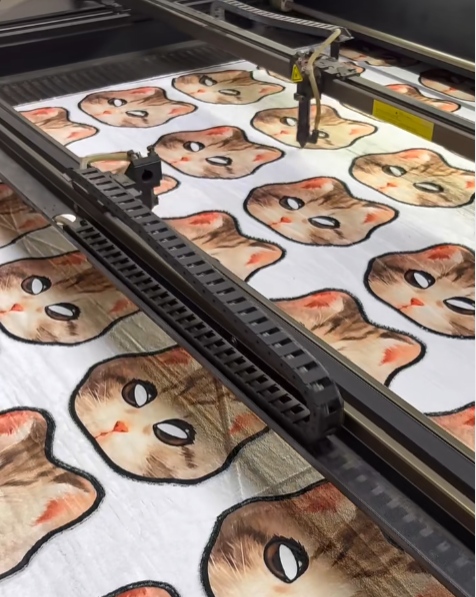
Plastisol transfers use screen-printed PVC-based inks on release paper, then heat-pressed onto garments. This method delivers vibrant, opaque colors on dark fabrics with excellent wash durability — 50+ commercial washes when properly cured.
Ideal for mid-to-high volume orders (500+ units) where setup costs are amortized across larger runs. Compatible with cotton, cotton blends, and polyester; not recommended for moisture-wicking performance fabrics.
Vinyl Cut Transfers
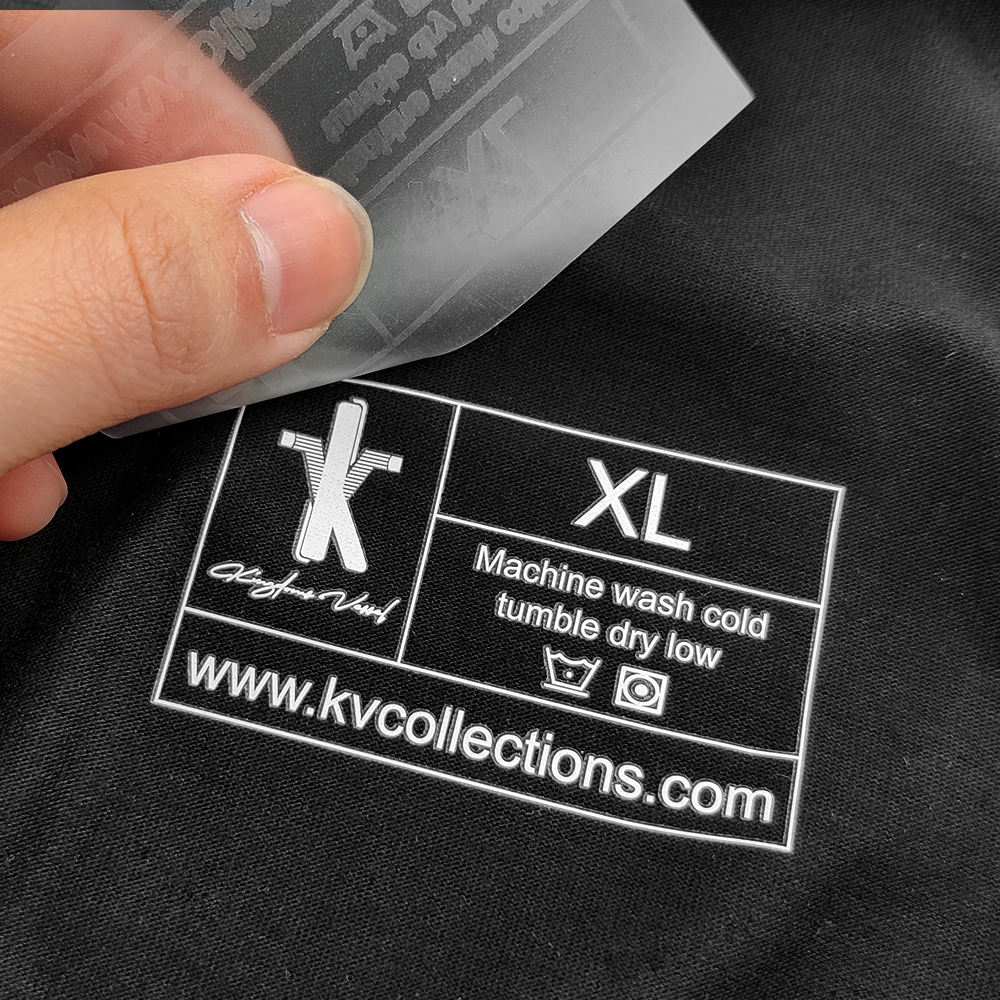
Vinyl cut transfers use plotter-cut solid-color or specialty vinyl films (matte, gloss, metallic, reflective) applied via heat press. Each color layer requires separate cutting and layering, making complex multi-color designs labor-intensive.
Best for simple logos, text, and numbers on sportswear, team uniforms, and streetwear with 30–40 wash cycles durability. Works on cotton, polyester, and blends; metallic and reflective vinyl popular in technical fashion.
Sublimation Printing
Sublimation converts solid dye into gas under heat, bonding permanently into polyester fibers for photo-realistic, full-color graphics with no hand feel. Prints are embedded in fabric, not layered on top, ensuring breathability and unlimited wash durability.
Exclusively for polyester and polyester-coated substrates; will not work on cotton. Ideal for all-over print activewear, sportswear, and technical apparel with complex gradients and photographic imagery.
Direct-to-Film (DTF)
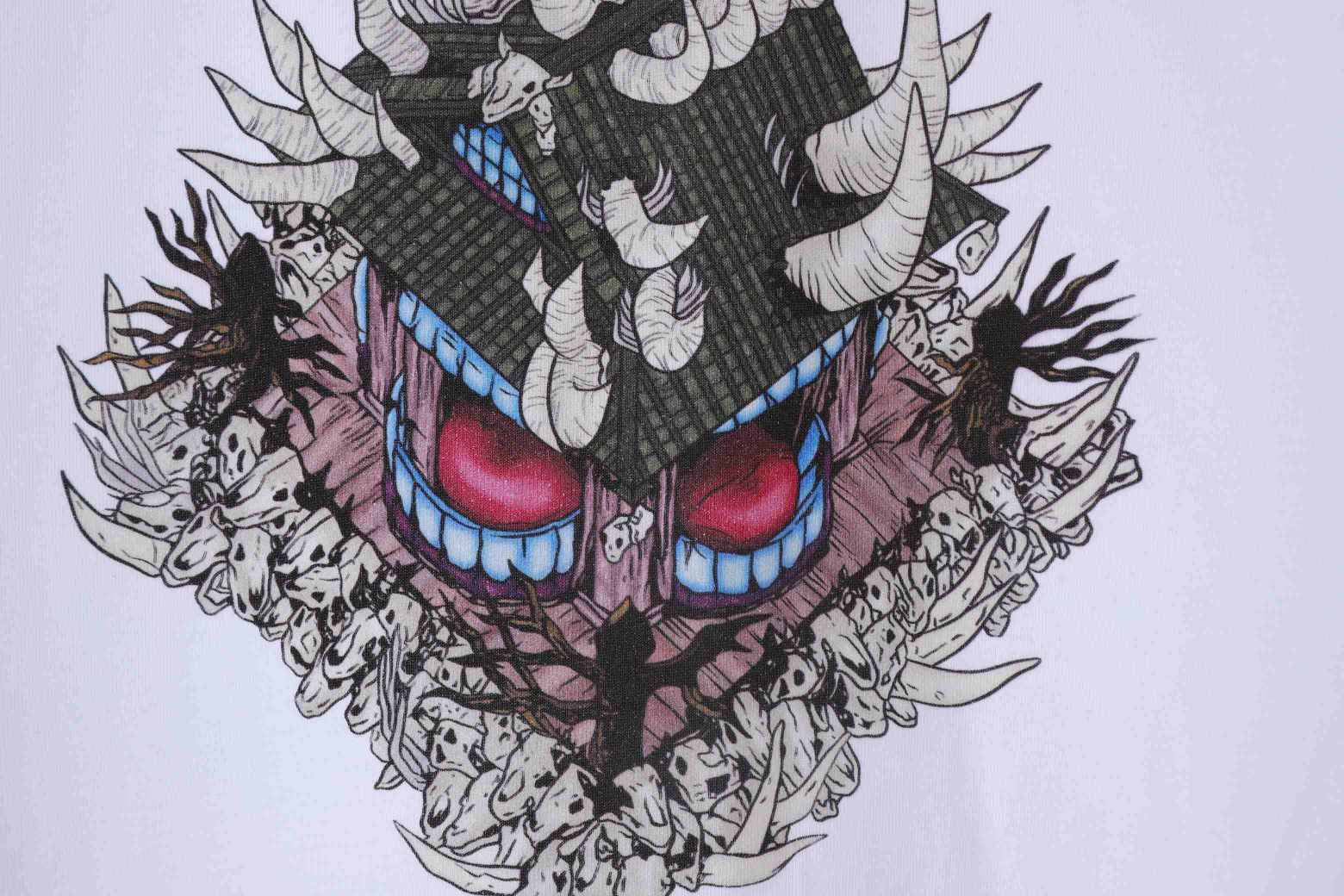
DTF prints full-color designs onto PET film with adhesive powder, then heat-transfers to fabric. This newer technology supports complex artwork on any fabric color with soft hand feel and 40+ wash durability.
Optimal for low-to-mid MOQ (50–500 units) with design flexibility across cotton, polyester, blends, and even nylon. Cost-effective for detailed graphics without screen setup fees, making it popular for startup brands and influencer merch.
Inkjet and Laser Transfer Paper
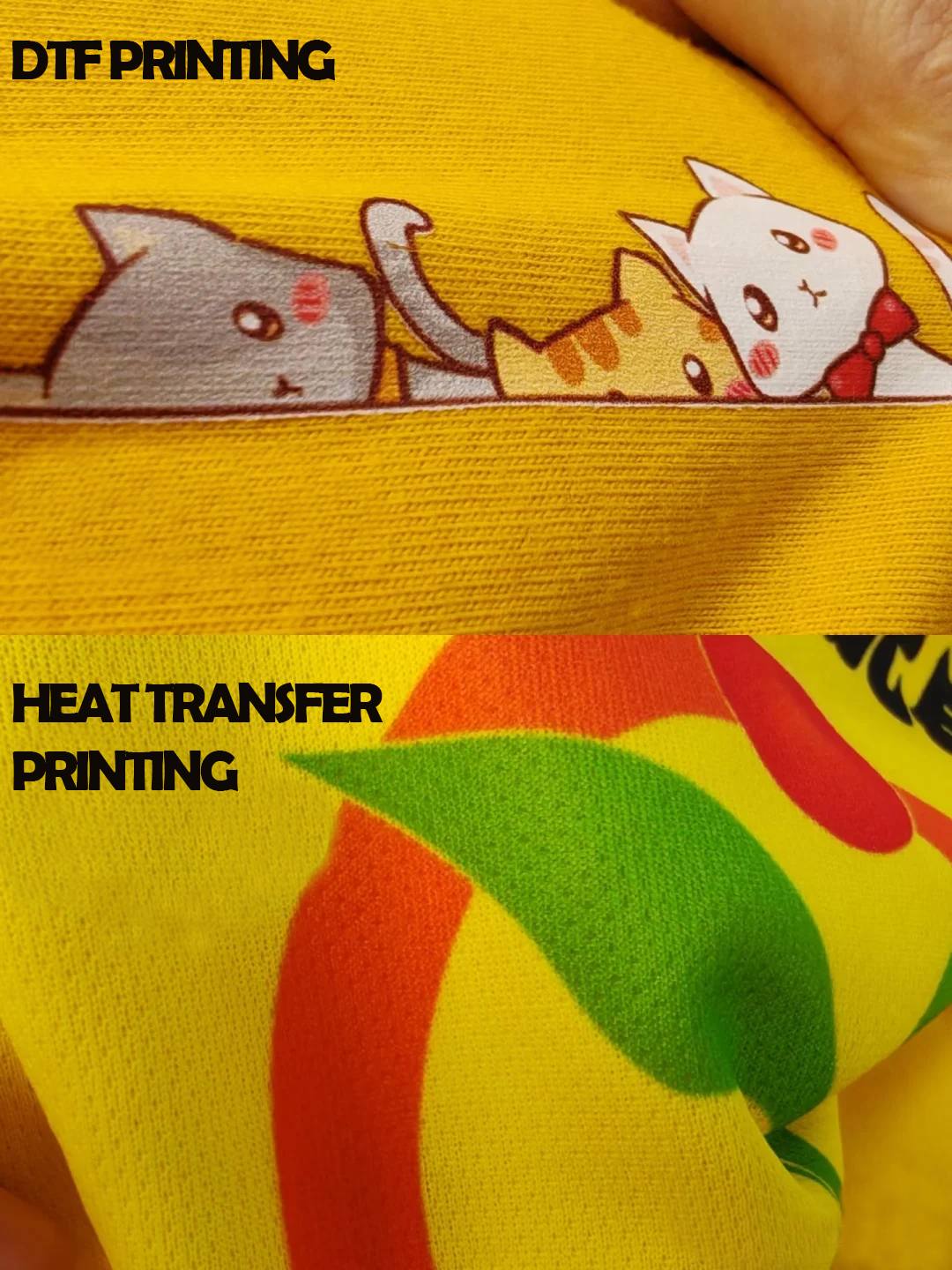
Desktop inkjet or laser printers produce transfers on specialty paper for small-batch or sample runs. Quality and durability vary widely by paper grade and printer type, typically 10–20 washes before noticeable fading.
Suited for prototyping, one-off samples, or very low volume (under 50 units). Not recommended for commercial production due to inconsistent color accuracy, limited wash performance, and higher per-unit cost at scale.
4. Materials and Fabric Compatibility for Custom Heat Transfer Printing
Fabric choice determines transfer adhesion, wash durability, and hand-feel more than any other variable in custom heat transfer printing. Matching the right fabric composition to the transfer method avoids delamination, cracking, and poor color vibrancy.
| Fabric Type | Best Transfer Method | Wash Durability | Hand-Feel |
|---|---|---|---|
| 100% Polyester | Sublimation | Excellent (50+ washes) | Soft, no layer |
| 100% Cotton | Plastisol, DTF | Very Good (30–40 washes) | Slight texture |
| Cotton-Poly Blends | DTF, Vinyl | Good (25–35 washes) | Moderate layer |
| Stretch/Spandex Blends | Stretch Vinyl, DTF | Good (20–30 washes) | Flexible, minimal |
Polyester and Synthetic Fabrics for Sublimation
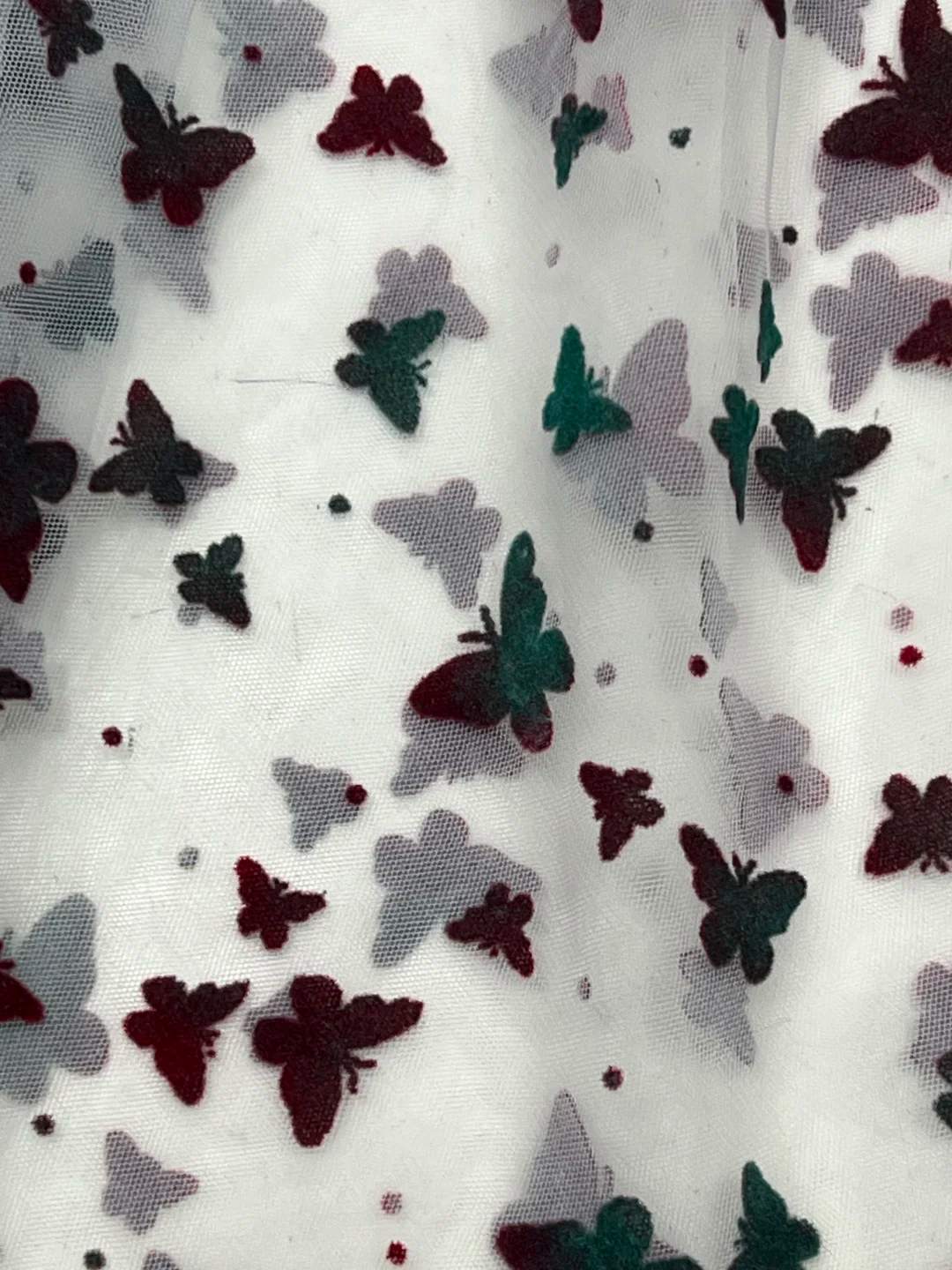
Sublimation printing requires 100% polyester or polyester-dominant blends (minimum 65% polyester) because the dye bonds chemically with synthetic polymer chains. Cotton and natural fibers reject sublimation ink, resulting in faded, washed-out graphics.
Performance fabrics with moisture-wicking coatings can block ink penetration; pre-production sampling confirms compatibility. Stretch knits in polyester blends work well but require careful heat-press tension to avoid fabric distortion during transfer.
Cotton and Blends for Plastisol and DTF
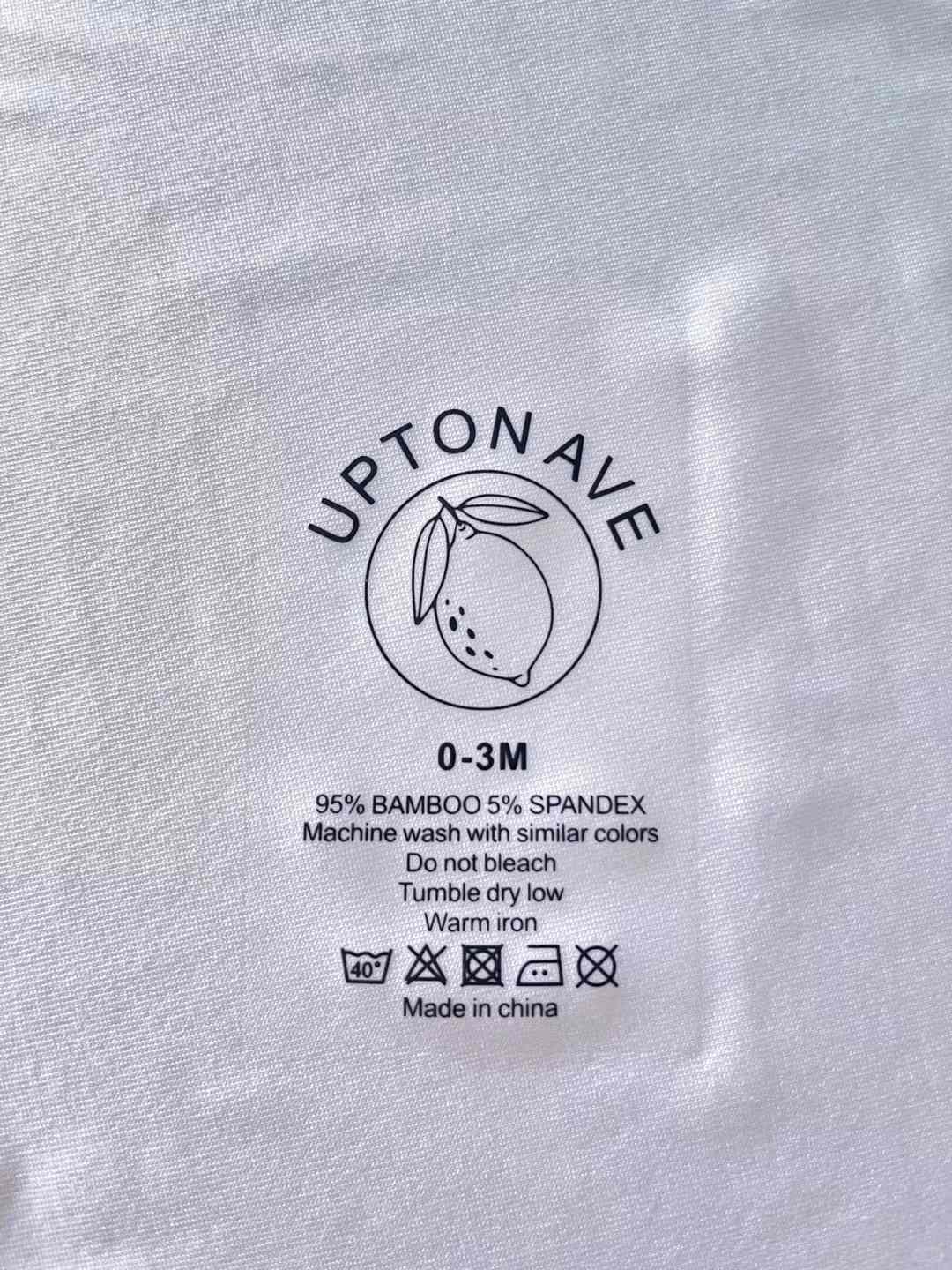
Plastisol transfers and DTF (direct-to-film) perform best on 100% cotton, cotton-polyester blends (50/50 or tri-blends), and heavyweight jersey (180–220 GSM). These methods rely on adhesive layers that bond mechanically to fabric surface texture.
Pre-treatment sprays improve adhesion on high-polyester blends and ensure even ink absorption for DTF. Ring-spun cotton provides smoother surfaces than open-end, reducing texture interference and improving print clarity.
Vinyl Heat Transfer and Stretch Considerations
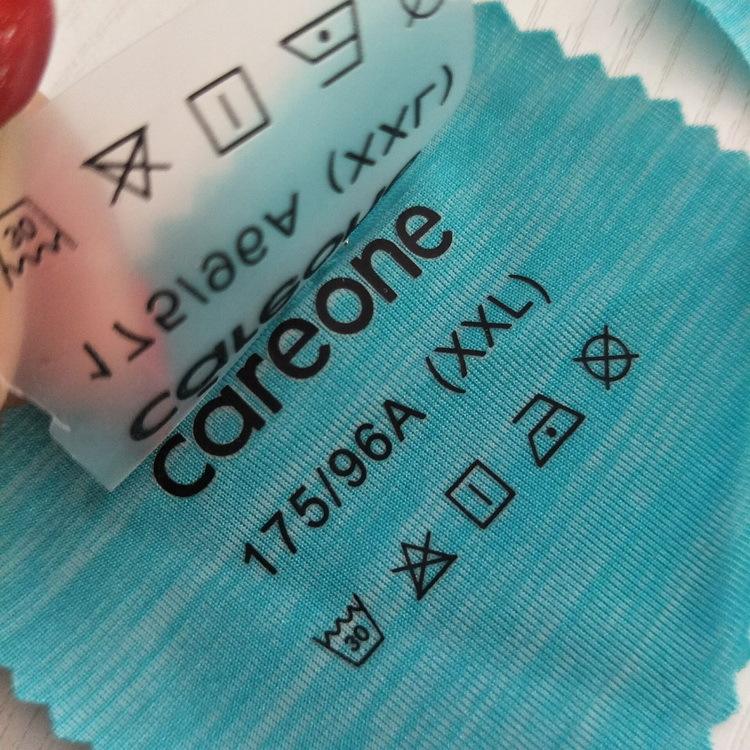
Vinyl heat transfers (HTV) adhere to nearly all fabric types—cotton, polyester, nylon, and blends—making them the most versatile method. Stretch fabrics such as spandex blends and athletic knits require specialty stretch vinyl or low-temperature adhesives to prevent cracking during garment flex.
Heavyweight fleece and French terry may need increased press time (12–15 seconds) and pressure to ensure vinyl penetrates surface texture. Testing on actual production fabric prevents adhesion failures in bulk orders.
5. Customization and Design Options in Custom Heat Transfer Printing
Custom heat transfer printing unlocks a wide spectrum of creative effects, from photographic detail to dimensional textures. Understanding file requirements and design constraints ensures your artwork translates flawlessly from screen to garment.
| Effect Type | Relative Cost | Wash Durability | Best Use Case |
|---|---|---|---|
| Full-Color Digital | Medium | 30–50 washes | Photographic designs, gradients |
| Metallic Foil | High | 20–40 washes | Luxury branding, accents |
| Reflective | High | 25–50 washes | Technical fashion, safety wear |
| Puff / 3D | Medium | 30–50 washes | Dimensional logos, streetwear |
| Glow-in-the-Dark | High | 20–40 washes | Novelty, nightwear graphics |
Full-Color and Photographic Prints
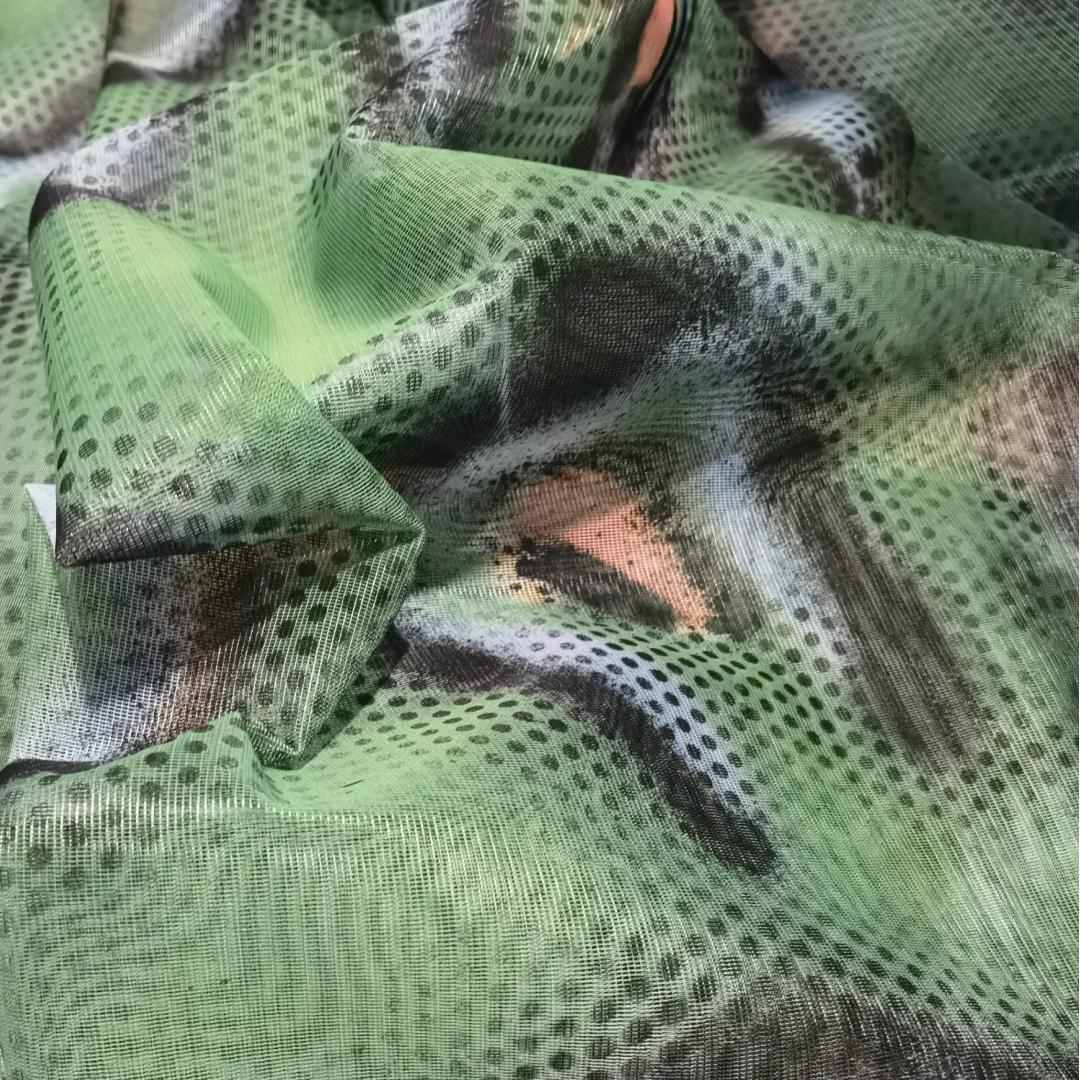
Digital heat transfer methods reproduce full-color images with up to 16 million colors, enabling photographic portraits, gradients, and complex artwork. CMYK color mode is standard for plastisol and vinyl transfers, while sublimation uses continuous-tone dye diffusion for seamless blends.
Minimum resolution of 300 DPI at final print size ensures sharp edges and prevents pixelation. Vector artwork (AI, EPS, SVG) scales without quality loss, while raster files (PNG, PSD) must be supplied at exact dimensions to avoid blurring.
Specialty Finishes and Effects
Metallic foil transfers deliver mirror-like gold, silver, and holographic surfaces ideal for luxury streetwear branding. Glitter and sparkle films embed fine particles for eye-catching texture. Reflective transfers use glass-bead or micro-prismatic films that glow under light, popular in technical fashion and safety apparel.
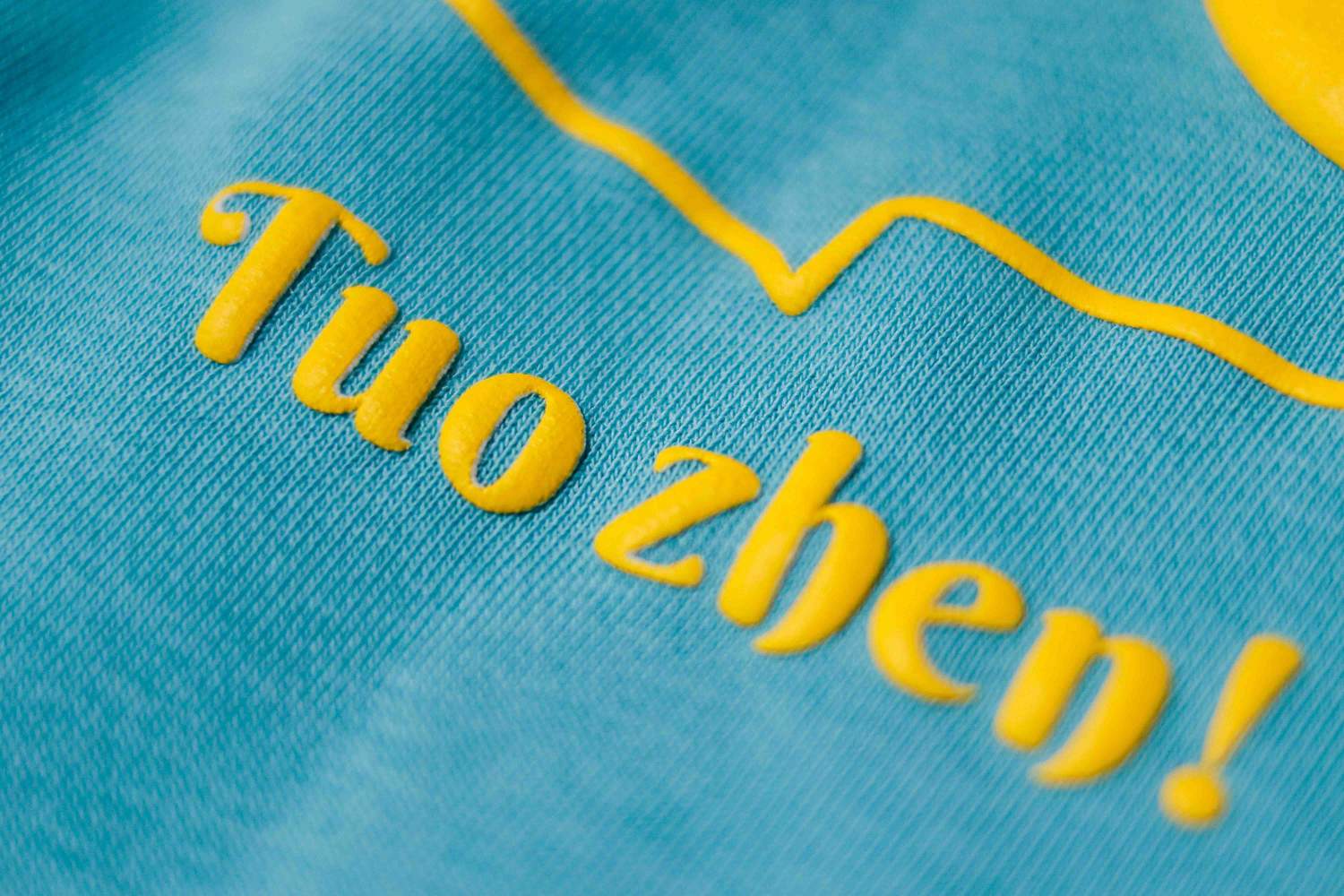
Glow-in-the-dark (phosphorescent) transfers charge under UV or daylight and emit soft green or blue light for up to 8 hours. Puff or 3D transfers expand under heat to create raised, tactile graphics up to 3 mm thick, adding dimensional interest to logos and lettering.
Design Limitations and Artwork Preparation
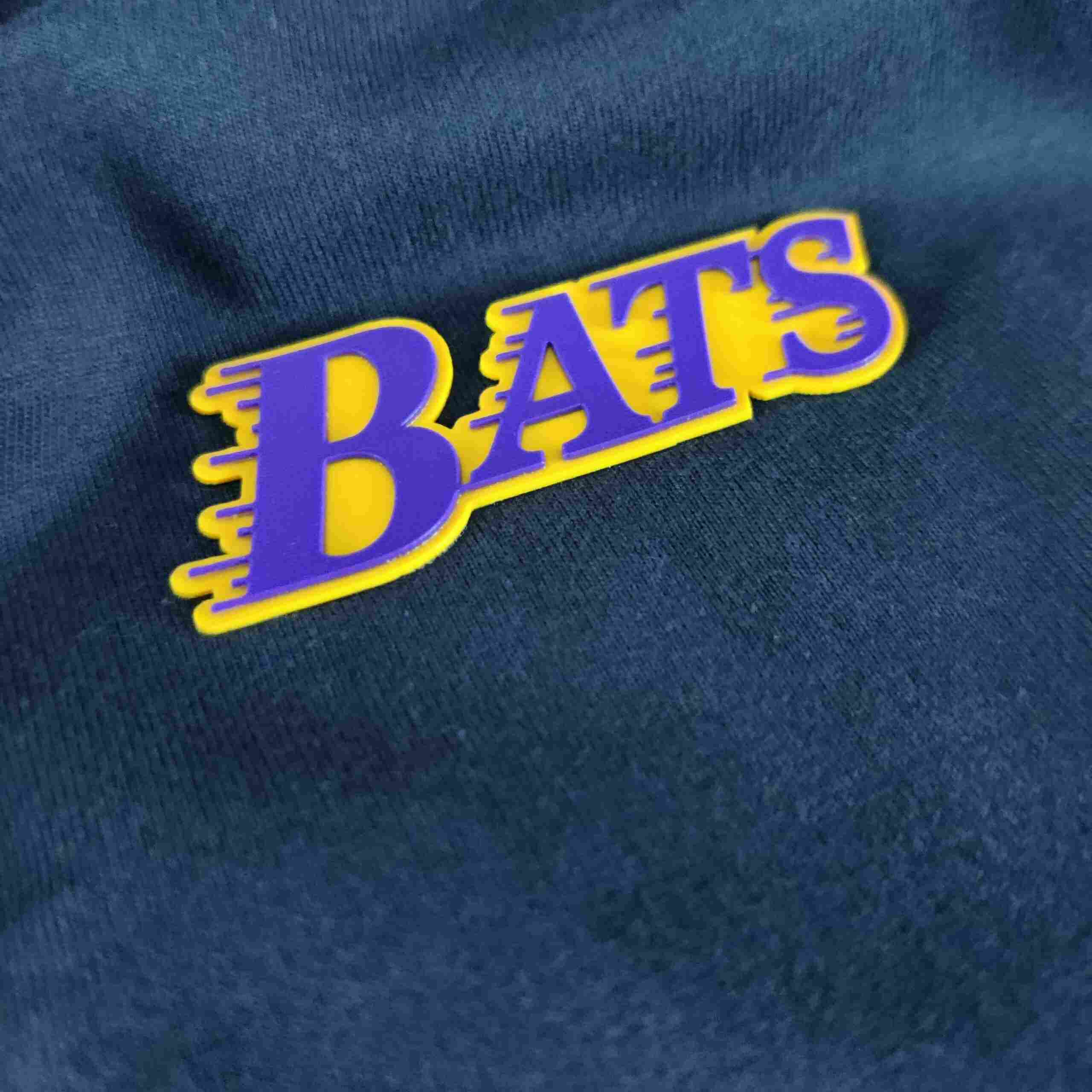
Fine lines thinner than 0.5 mm and text smaller than 8 pt may not transfer cleanly, especially on textured fabrics. Intricate details require vector paths or high-resolution raster files with clear contrast. Avoid gradients narrower than 5 mm in vinyl cutting methods.
Supply artwork in CMYK for plastisol, RGB for sublimation, and spot Pantone colors for screen-printed transfers. Include 2–3 mm bleed for full-coverage designs and convert all fonts to outlines to prevent substitution errors during production.
6. Key Quality Indicators for Custom Heat Transfer Printing
Professional manufacturers assess custom heat transfer printing through six measurable quality indicators. ZORWILD applies these tests across every production run to ensure prints meet international durability and safety standards.
Adhesion Strength and Peel Tests
Adhesion strength measures how firmly the transfer bonds to fabric under stress. Professional manufacturers perform 180-degree peel tests at room temperature and after heat aging to confirm the transfer resists delamination during wear.
ZORWILD applies peel force testing to all heat transfer samples, ensuring adhesion exceeds 2.5 N/cm on cotton and polyester blends before bulk production approval.
Wash Durability and ISO 6330 Cycles
ISO 6330 wash-cycle testing simulates repeated laundering at 40°C to 60°C with standardized detergent and mechanical action. High-quality transfers retain 90% of original color intensity and full adhesion after 50 industrial wash cycles.
ZORWILD tests all heat transfer prints through minimum 30-cycle wash protocols, documenting color retention, edge integrity, and fabric hand-feel before shipment to ensure long-term wearability.
Color-Fastness to Light and Perspiration
Color-fastness ratings (ISO 105-B02 for light, ISO 105-E04 for perspiration) determine whether prints fade under UV exposure or body moisture. Professional transfers achieve Grade 4 or higher on the gray scale, preventing color migration and staining.
ZORWILD sources transfer films and inks rated for outdoor and activewear applications, ensuring prints maintain vibrancy across streetwear, resort wear, and performance garments.
Hand-Feel and Edge Definition
Hand-feel ranges from soft matte finishes (water-based transfers) to raised rubbery textures (plastisol). Edge definition—the sharpness of fine lines and small text—depends on film resolution and heat-press pressure calibration.
ZORWILD matches transfer type to garment category: soft-hand films for luxury T-shirts, durable plastisol for workwear graphics, ensuring comfort and visual clarity meet brand positioning.
Safety Certifications: OEKO-TEX and CPSIA
OEKO-TEX Standard 100 certifies that transfer materials contain no harmful substances (heavy metals, formaldehyde, phthalates). CPSIA compliance is mandatory for children’s apparel sold in the United States, restricting lead and phthalate content.
ZORWILD partners with certified transfer suppliers and conducts third-party lab testing to provide OEKO-TEX and CPSIA documentation for brands entering regulated markets.
7. How to Choose a Custom Heat Transfer Printing Manufacturer
Selecting the right custom heat transfer printing manufacturer determines product quality, lead times, and long-term brand success. A structured evaluation framework separates professional operations from unreliable suppliers and aligns production capabilities with your brand’s growth trajectory.
MOQ Flexibility and Sample Turnaround
Professional manufacturers offer MOQs starting from 50–100 pieces for startups and 500+ for established brands. ZORWILD supports 50-piece minimums across hoodies, T-shirts, and custom apparel, enabling test launches without inventory risk.
Sample turnaround of 7–10 days signals in-house production control; 15+ days often indicates outsourced operations. Request physical samples to evaluate heat transfer adhesion, print detail, and wash durability before committing to bulk orders.
Technology Portfolio and In-House Capabilities
Verify the manufacturer operates screen printing, DTG, puff printing, and heat transfer printing in-house rather than outsourcing decoration steps. In-house control ensures consistent quality, faster revisions, and tighter lead times.
Ask whether the facility handles fabric sourcing, cutting, sewing, printing, washing, and finishing under one roof. Integrated operations reduce coordination delays and quality handoff risks common in multi-vendor supply chains.
Quality Control and Certifications
Request wash-test reports showing adhesion after 20–50 cycles, color fastness data, and stretch-recovery results. Professional manufacturers conduct raw material inspection, in-line checks, and final product audits with photographic documentation.
Look for OEKO-TEX, WRAP, BSCI, or ISO certifications that confirm safe chemical use and ethical labor practices. Red flags include vague lead times, refusal to provide physical samples, and absence of documented quality processes.
Geographic and Logistics Considerations
China-based manufacturers in Dongguan and Guangzhou offer competitive pricing, advanced technology, and monthly capacities exceeding 100,000 units. Sea freight takes 25–35 days; air freight 5–7 days for urgent replenishment.
Green flags include transparent FOB/CIF pricing, door-to-door shipping support, export documentation assistance, and proactive communication on production milestones. ZORWILD provides full logistics coordination and customs support for U.S., EU, and Middle East clients.
8. Common Mistakes Buyers Make with Custom Heat Transfer Printing
Even experienced buyers make costly errors when specifying custom heat transfer printing for apparel collections. Understanding these pitfalls before production starts saves time, budget, and brand reputation.
Choosing the Wrong Transfer Method for the Fabric
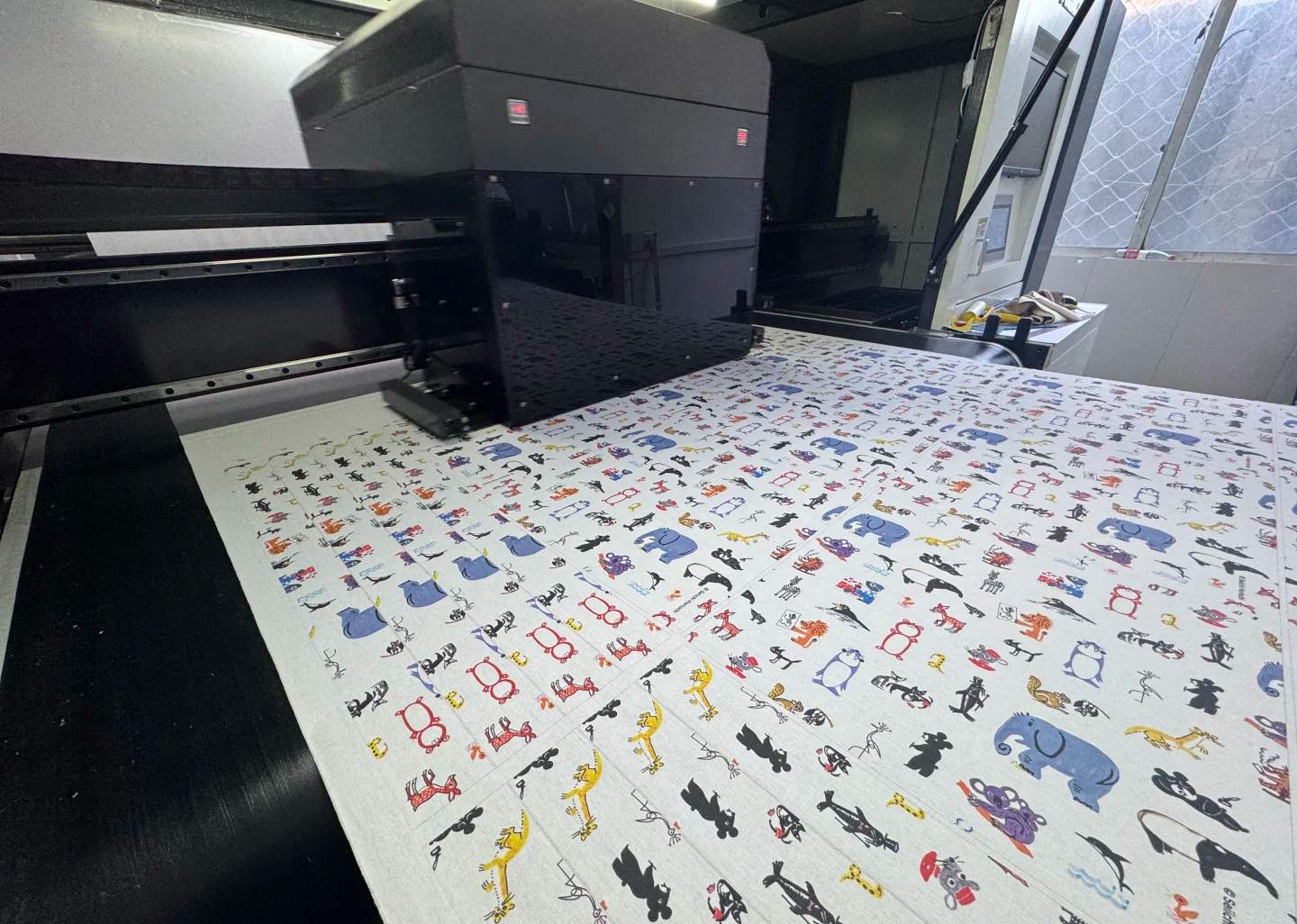
Polyester garments require sublimation or plastisol transfers, while 100% cotton performs best with DTG or water-based transfers. Applying vinyl transfers to stretch fabrics like spandex blends causes cracking during wear.
ZORWILD’s development team recommends matching transfer chemistry to fiber content: heat transfer vinyl for cotton, sublimation for polyester blends above 65%, and screen-printed transfers for heavyweight fleece to ensure adhesion and wash durability.
Submitting Low-Resolution Artwork
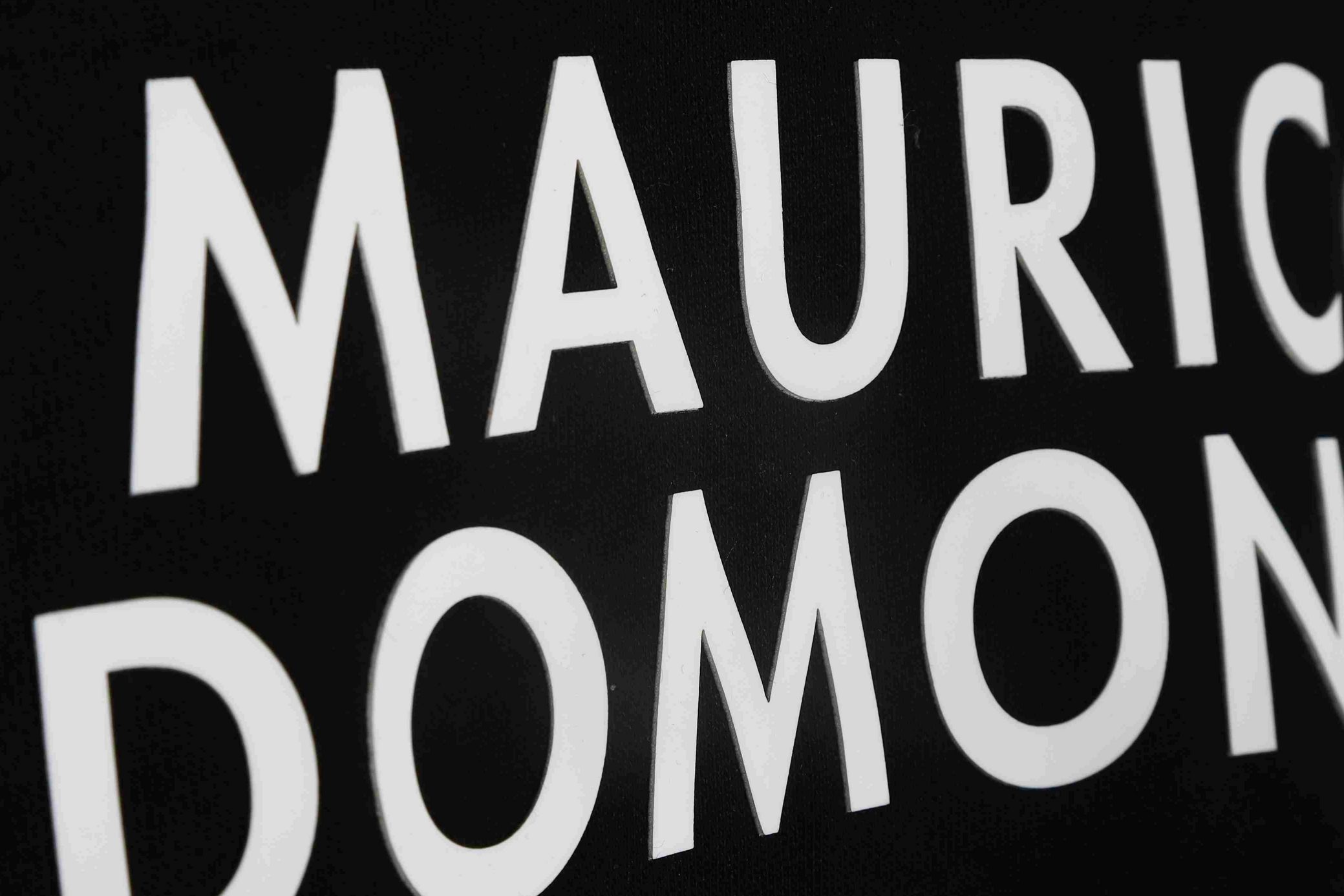
Artwork files below 300 DPI produce blurry prints with visible pixelation, especially on large-format graphics. Vector files in AI or EPS format maintain sharpness at any scale, while low-resolution JPEGs fail quality inspection.
Always supply vector artwork or raster files at 300 DPI minimum, sized to final print dimensions, with embedded fonts and CMYK color mode for accurate color matching.
Skipping Pre-Production Samples
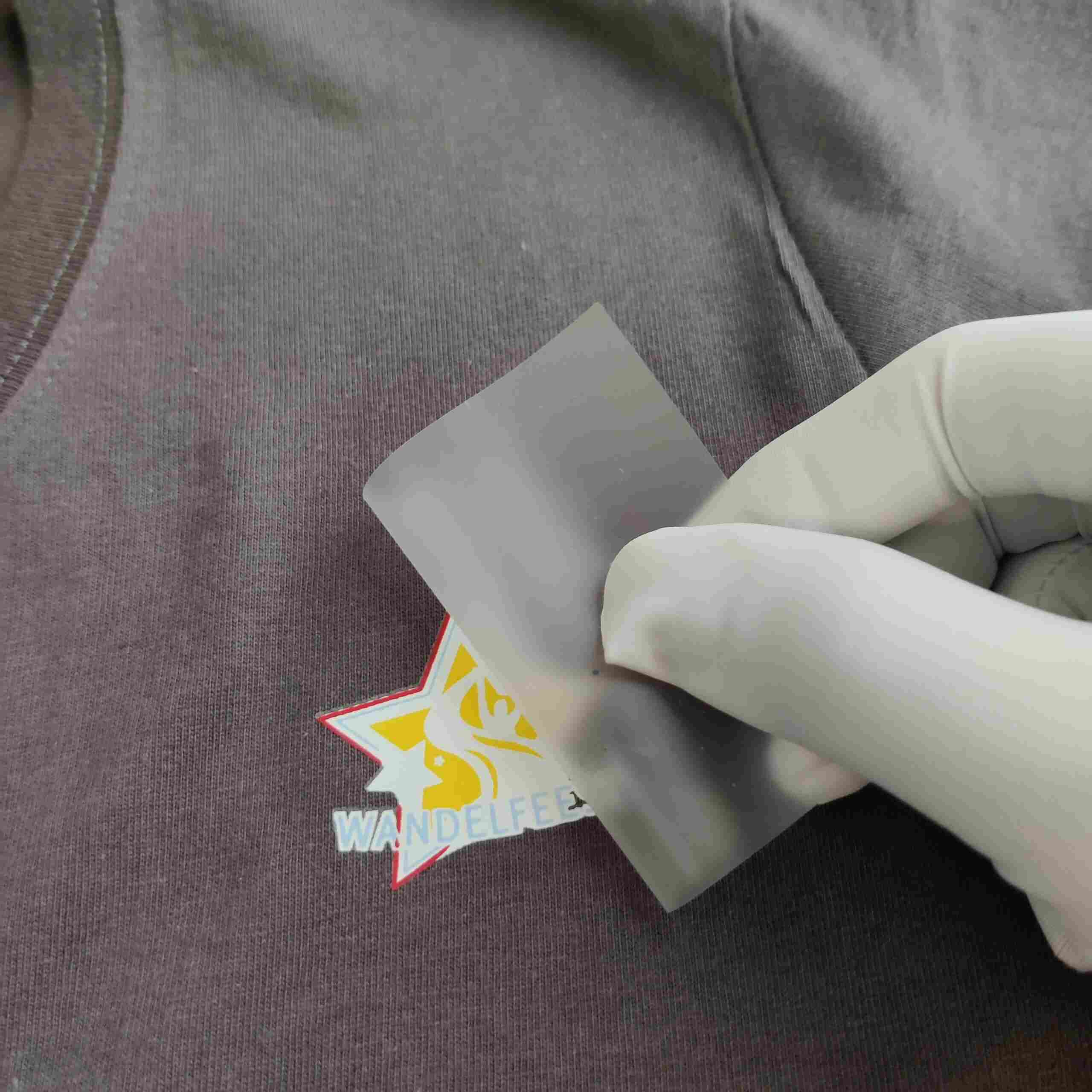
Launching bulk production without sampling risks discovering print adhesion failures, color mismatches, or incorrect placement after 500 units ship. ZORWILD requires sample approval before mass production to verify print quality, wash performance, and design accuracy.
Order at least two samples: one for wash testing over five cycles at 40°C, and one for archive reference to ensure consistency across future reorders.
Ignoring Wash-Care Instructions
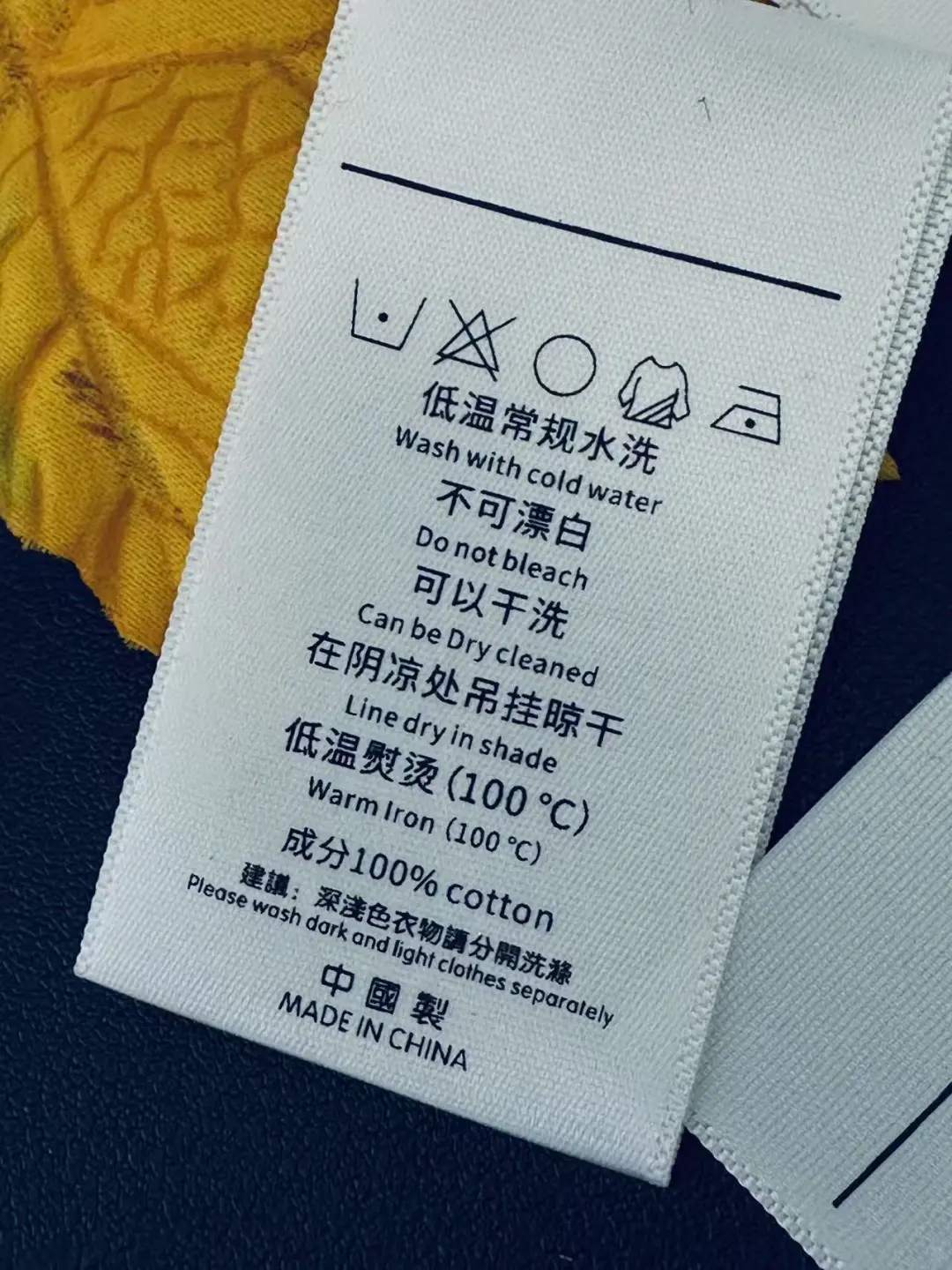
Heat transfer prints degrade rapidly when washed above 60°C, tumble-dried on high heat, or ironed directly. Buyers who omit care labels see return rates above 15% due to cracked or peeling prints.
Include printed care labels specifying cold wash, inside-out washing, low-heat tumble dry, and no direct ironing on decorated areas to extend print lifespan beyond 50 washes.
9. Step-by-Step: Launching Your Brand with Custom Heat Transfer Printing
Launching a brand with custom heat transfer printing requires a structured workflow that balances creative vision with production realities. ZORWILD’s 27-year manufacturing experience has refined a six-phase launch process that minimizes risk and accelerates time to market for startup brands.
Define Product Line and Target Market
Start by selecting 3–5 core garment styles that align with your brand positioning and audience demographics. Influencer brands often launch with oversized tees and hoodies in 50-piece MOQ runs, while resort brands prioritize Hawaiian shirts and casual dresses.
Identify your customer’s price tolerance, preferred fit profiles, and seasonal buying patterns. ZORWILD’s development team can recommend fabric weights and construction details that match your target retail price point and margin requirements.
Select Fabrics and Finalize Designs
Choose base fabrics compatible with your chosen heat transfer method—100% cotton and cotton blends work well for plastisol transfers, while polyester supports sublimation printing. ZORWILD sources French terry, slub cotton, and performance blends from trusted Chinese mills with stable lead times.
Finalize your color palette using Pantone references and confirm artwork resolution meets 300 DPI standards. Provide tech packs with exact placement coordinates, size specifications, and any gradient or metallic effects required for accurate sampling.
Request Samples and Conduct Wash Tests
Order pre-production samples to evaluate print adhesion, color accuracy, and hand feel before committing to bulk orders. ZORWILD delivers samples within 7 days for most garment categories with custom heat transfer printing applications.
Conduct minimum five-cycle wash tests at 40°C to assess durability, cracking, and color fade. Document any peel, stretch distortion, or transfer edge lifting, then request adjustments to transfer film thickness or curing temperature before approving production.
Place First Production Order and Plan Fulfillment
Confirm final quantities, size breakdowns, labeling, and packaging specifications in a signed purchase order. ZORWILD’s 50-piece MOQ allows new brands to test multiple colorways without excess inventory risk, with bulk production timelines ranging from 18 to 25 days after sample approval.
Arrange logistics—air freight for speed or sea freight for cost efficiency—and prepare your e-commerce platform, fulfillment partner, and launch marketing at least two weeks before shipment arrival to ensure smooth inventory turnover.
10. Pricing and Cost Structures for Custom Heat Transfer Printing
Custom heat transfer printing costs vary by method, quantity, and decoration complexity. Plastisol transfers typically carry a $50–150 setup fee per design and run $1.50–3.50 per unit at 100 pieces, dropping to $0.80–1.80 at 1,000+ units. DTF printing eliminates screens, reducing setup to $20–50 with per-unit costs of $2–4 at 100 pieces and $1–2 at 1,000+. Sublimation suits polyester garments with minimal setup ($10–30) and costs $1.50–3 per print at low volumes, falling to $0.70–1.50 at scale. Vinyl heat transfer offers the lowest setup ($0–20) but higher per-unit labor, running $3–5 for 100 pieces and $1.50–2.50 for 1,000+.
Design complexity drives cost: single-color logos cost 30–50% less than full-color gradients, and multi-location prints (front, back, sleeve) add $1–3 per position. Fabric type influences pricing—cotton accepts most methods at standard rates, while technical polyester blends or dark fabrics requiring underbase layers add 15–25% to unit costs. Add-ons such as woven labels ($0.15–0.40 each), custom hang tags ($0.10–0.30), and branded poly bags ($0.05–0.15) compound quickly across large runs.
ZORWILD’s 50-piece MOQ and transparent quoting help startups budget accurately, with lead times ranging from 7 days for samples to 18–25 days for bulk production depending on wash processes and decoration complexity.
| Transfer Method | Setup Fee | 100 pcs (per unit) | 1,000+ pcs (per unit) | Lead Time |
|---|---|---|---|---|
| Plastisol | $50–150 | $1.50–3.50 | $0.80–1.80 | 18–25 days |
| DTF | $20–50 | $2.00–4.00 | $1.00–2.00 | 15–22 days |
| Sublimation | $10–30 | $1.50–3.00 | $0.70–1.50 | 12–20 days |
| Vinyl | $0–20 | $3.00–5.00 | $1.50–2.50 | 10–18 days |
Ready to Launch Your Custom Heat Transfer Printing?
Submit your artwork today and receive a production-ready sample in 7 days. 50-piece MOQ, full design support, and 27 years of printing expertise.
- Custom Dresses
- Custom Varsity Jackets
- Custom Polo Shirts
- Custom Shorts
- Custom Dress Shirts
- Contact