
Dye Sublimation Printing for Vibrant All-Over Polyester Designs
ZORWILD delivers photo-realistic dye sublimation printing with brilliant color saturation on polyester apparel. Start your custom collection with just 50 pieces, fast sampling turnaround, and 27 years of manufacturing expertise.
Dye Sublimation Printing Samples
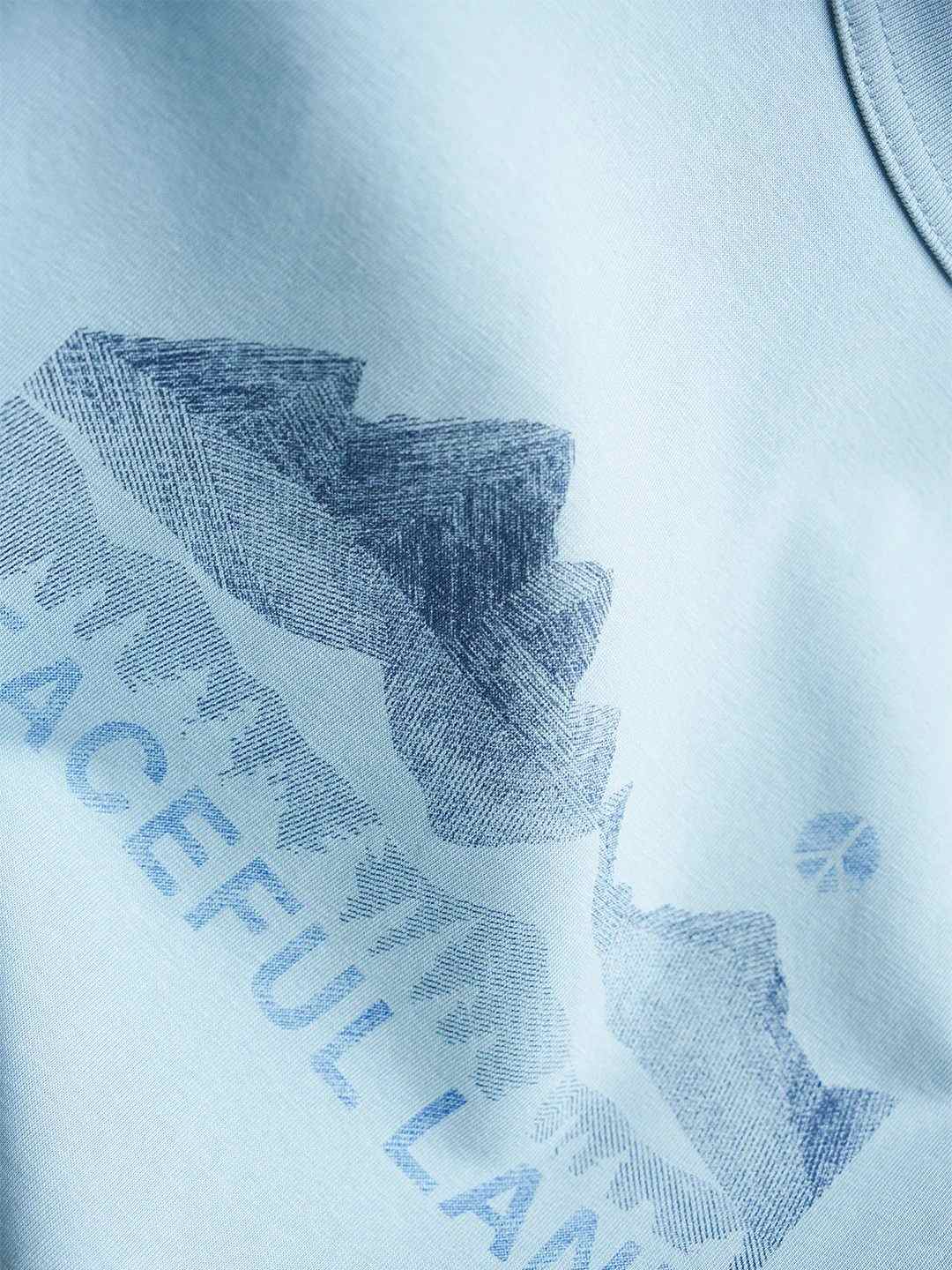
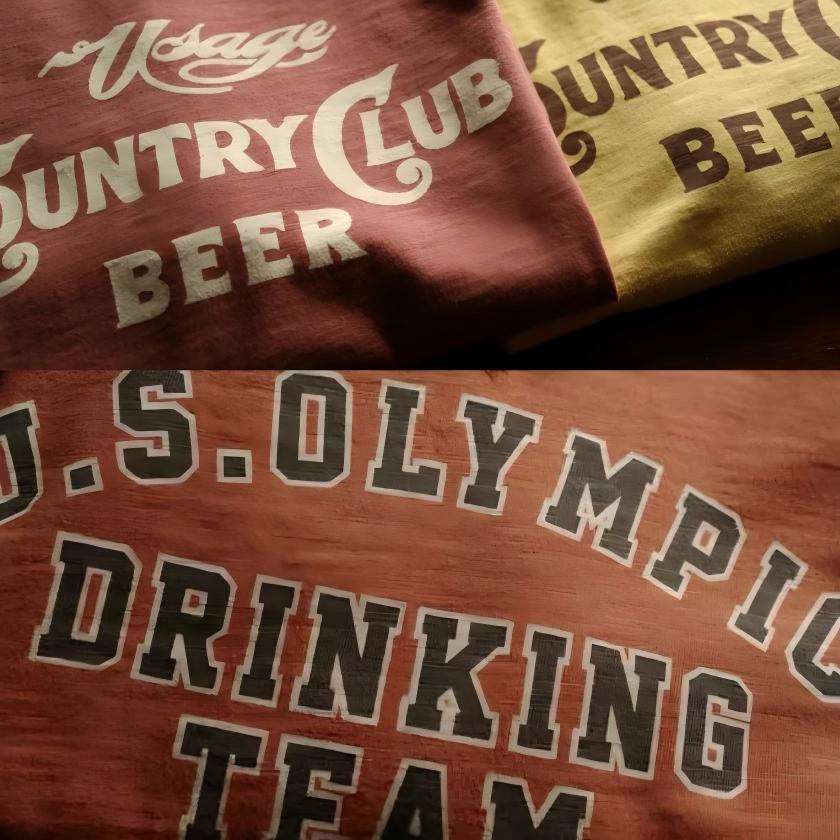
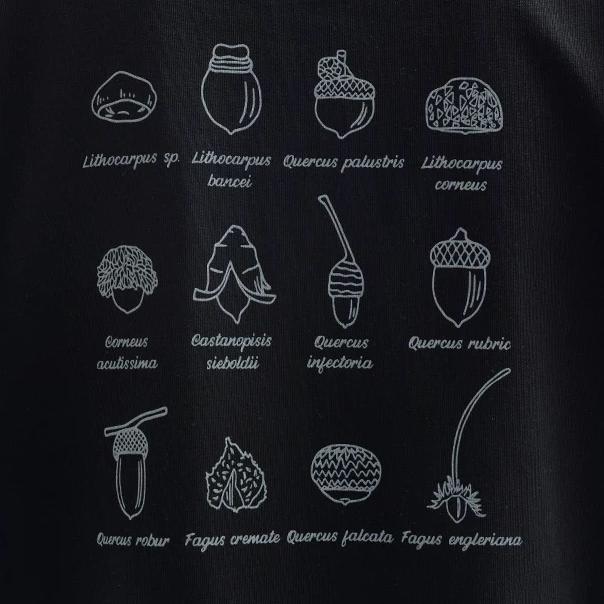
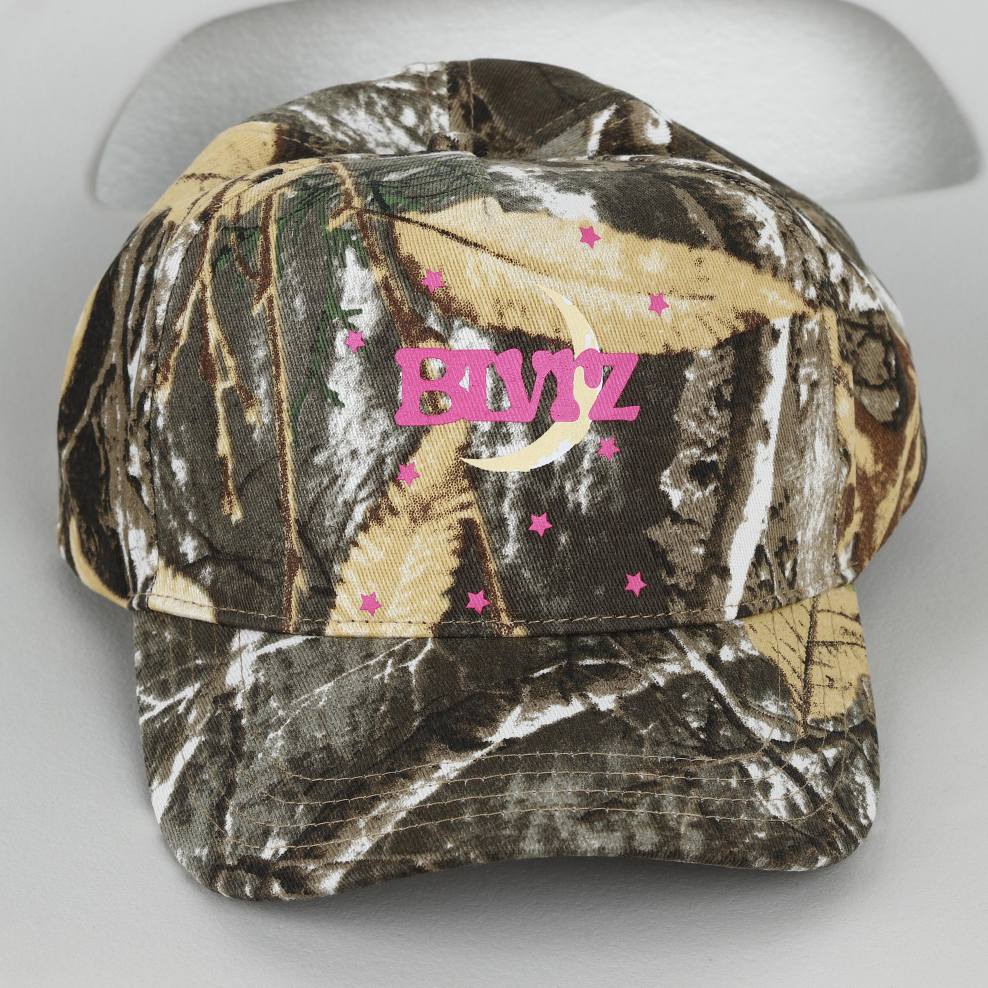
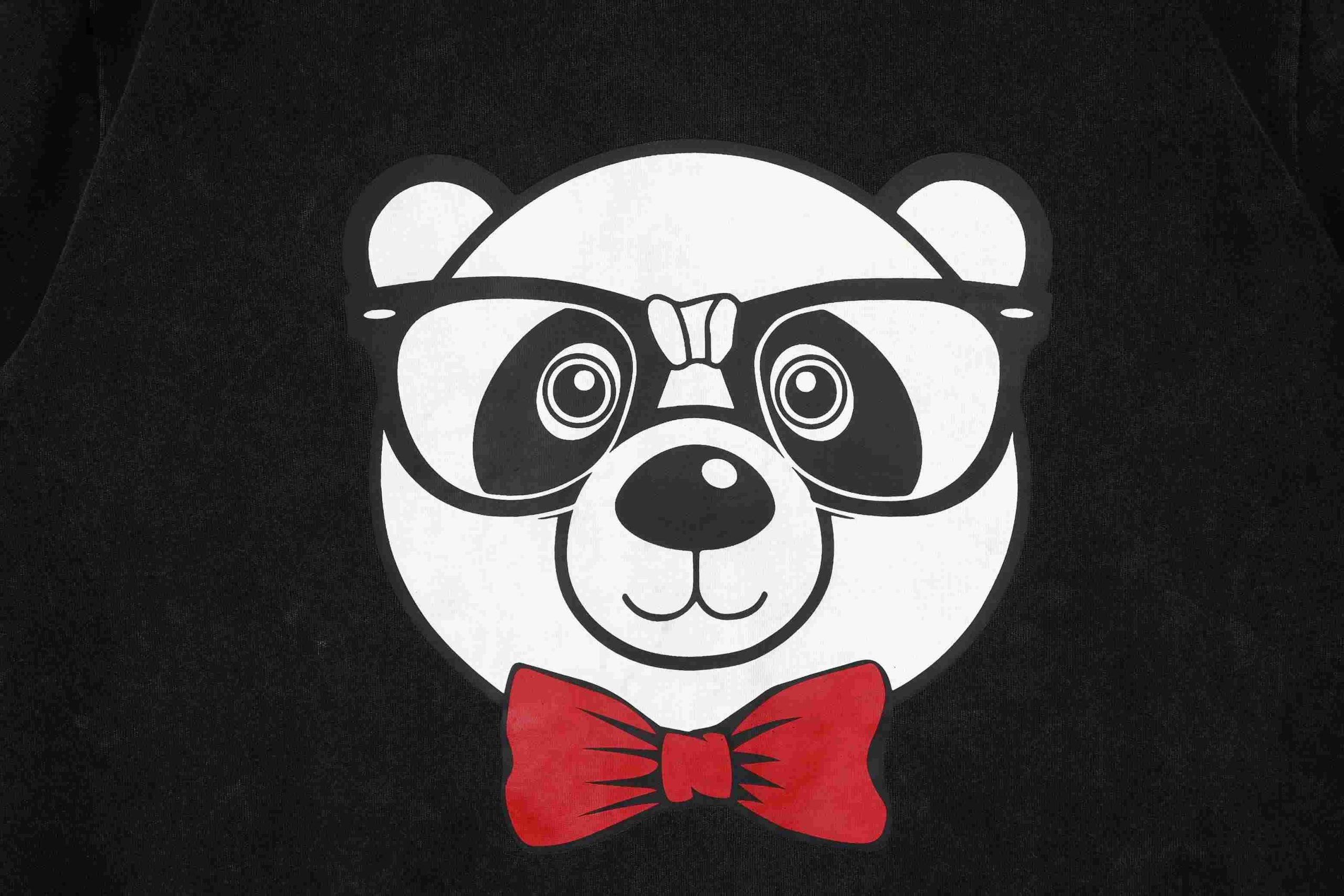
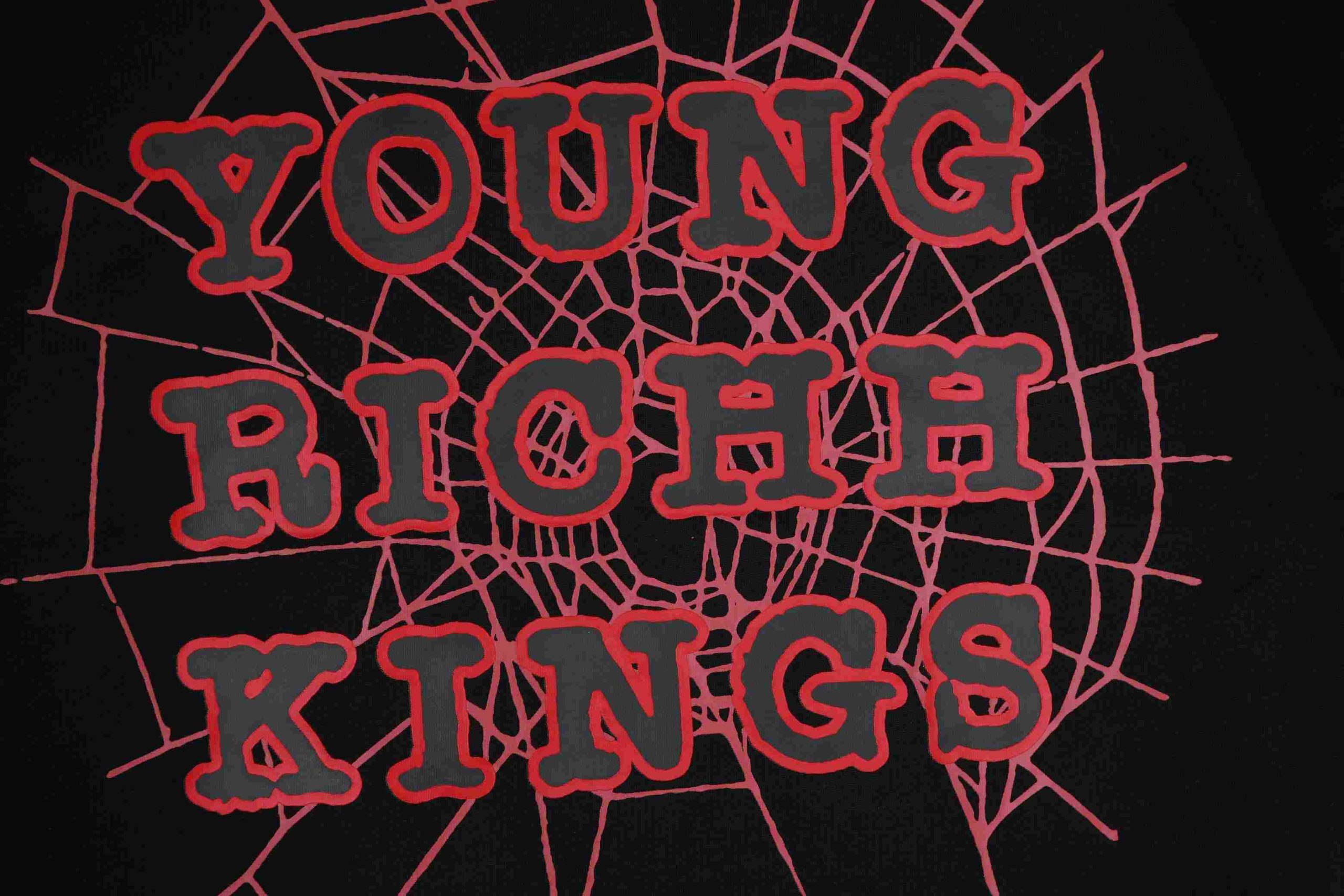
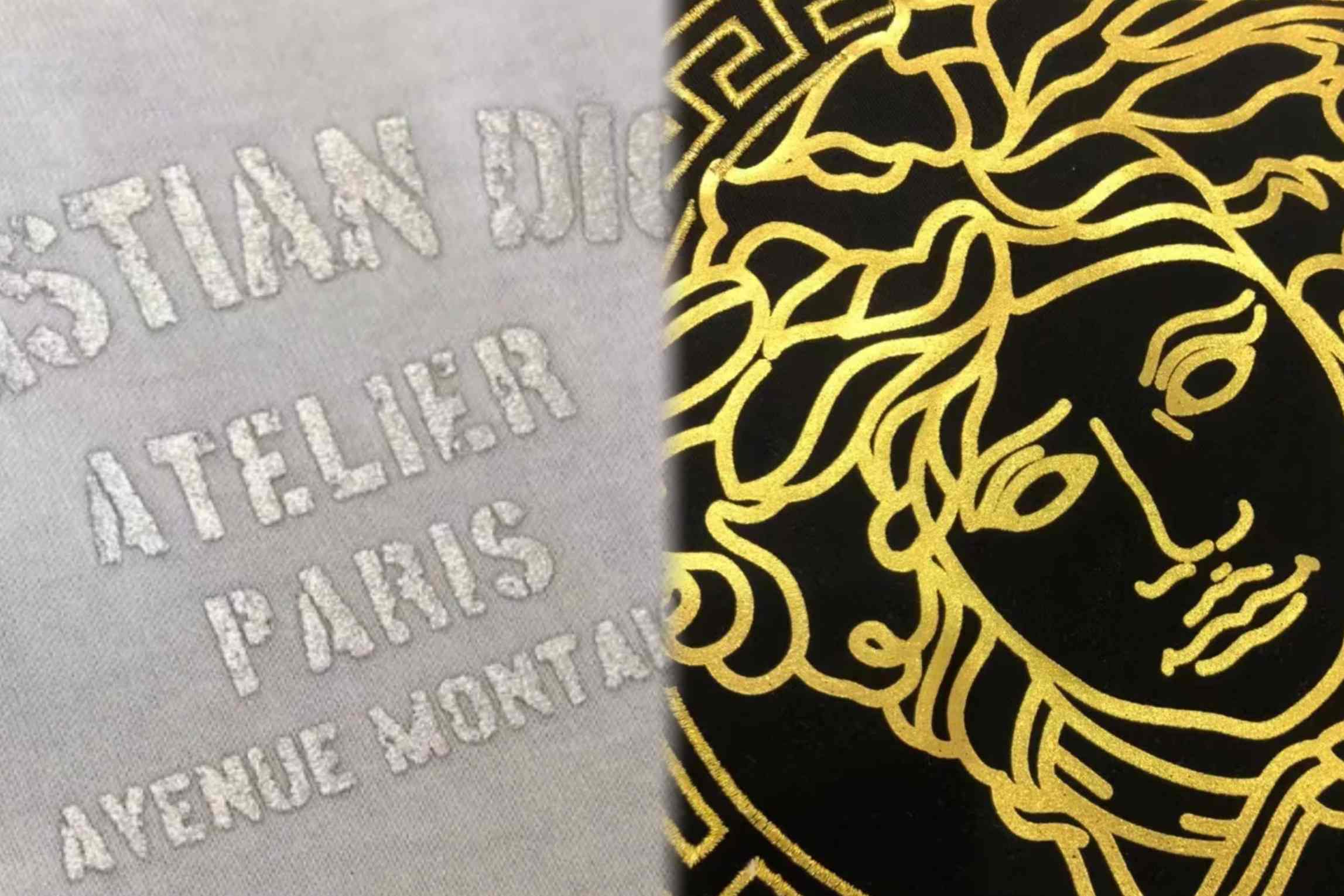
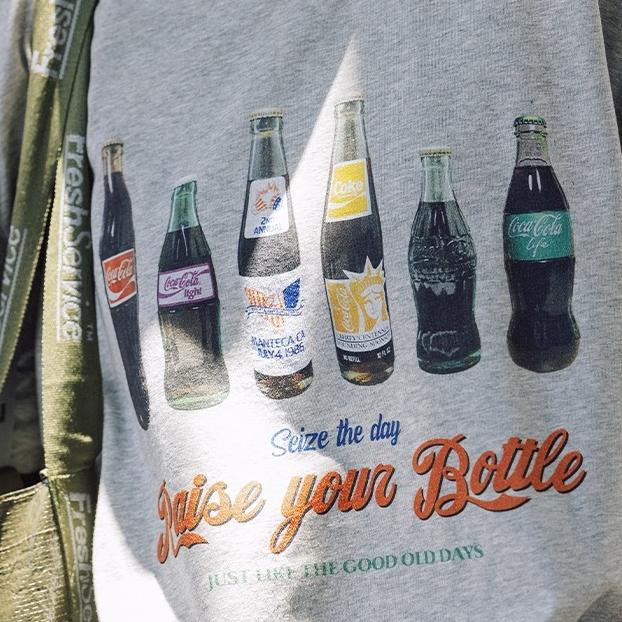
What Makes Dye Sublimation Printing Stand Out
Unlimited Color Range
Achieve photo-realistic gradients and complex designs with no color separation limits, perfect for vibrant all-over prints and detailed artwork.
Full-Coverage Print Capability
Print edge-to-edge designs across entire garments with seamless all-over patterns that traditional methods cannot replicate on polyester fabrics.
Superior Color Fidelity
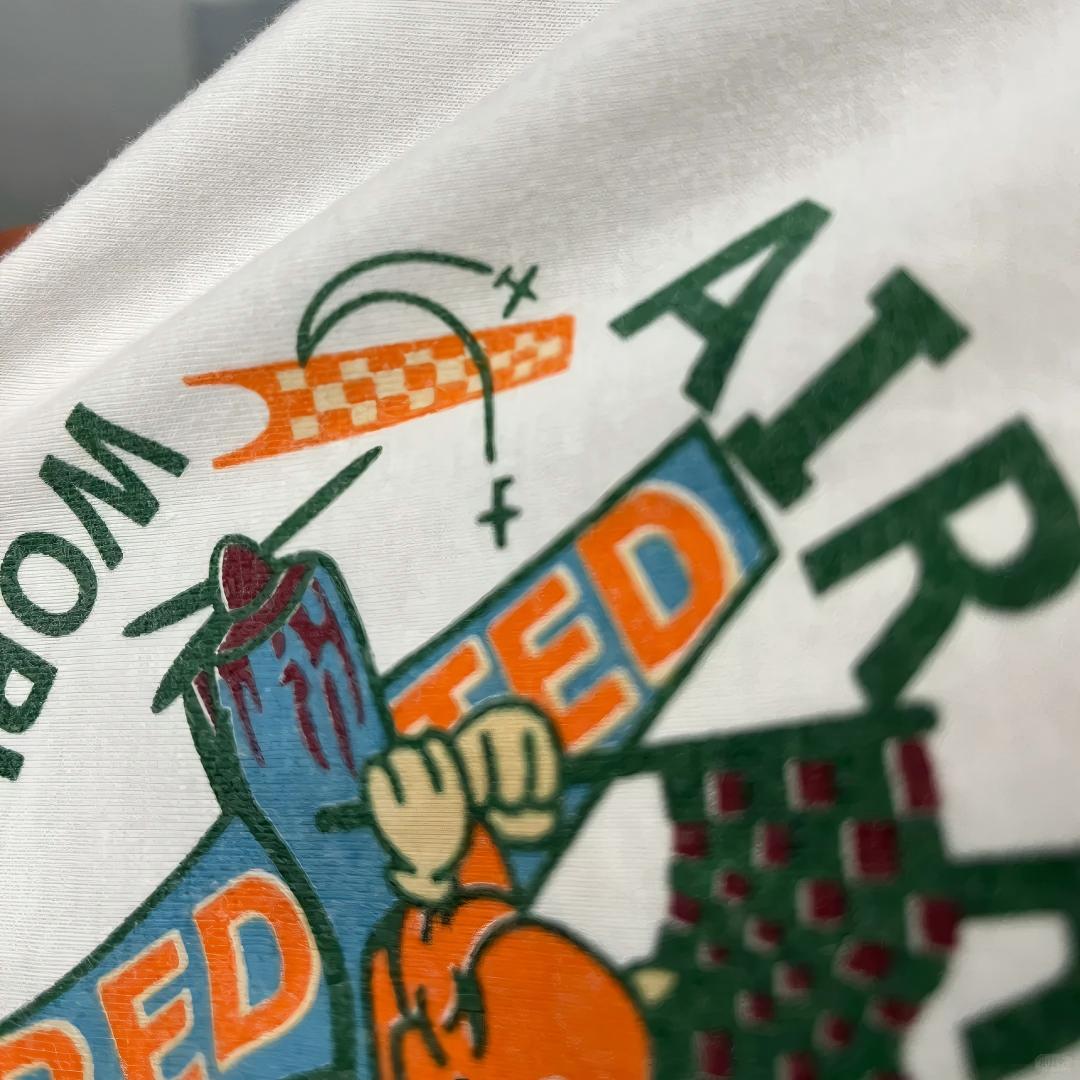
Reproduce photographic images and intricate graphics with exceptional clarity and color accuracy that remain vibrant through repeated washing cycles.
Soft Hand Feel
Dye sublimation printing bonds directly into polyester fibers, leaving no raised texture or stiff surface for maximum comfort and wearability.
Exceptional Wash Durability
Colors remain permanently embedded in fabric, ensuring designs resist fading, cracking, or peeling even after hundreds of wash cycles.
No Setup Cost Per Color
Unlike screen printing, dye sublimation printing requires no color separations or screens, reducing costs for complex multi-color and gradient designs. Perfect for all-over prints and photorealistic artwork.
Related Printing & Decoration Techniques
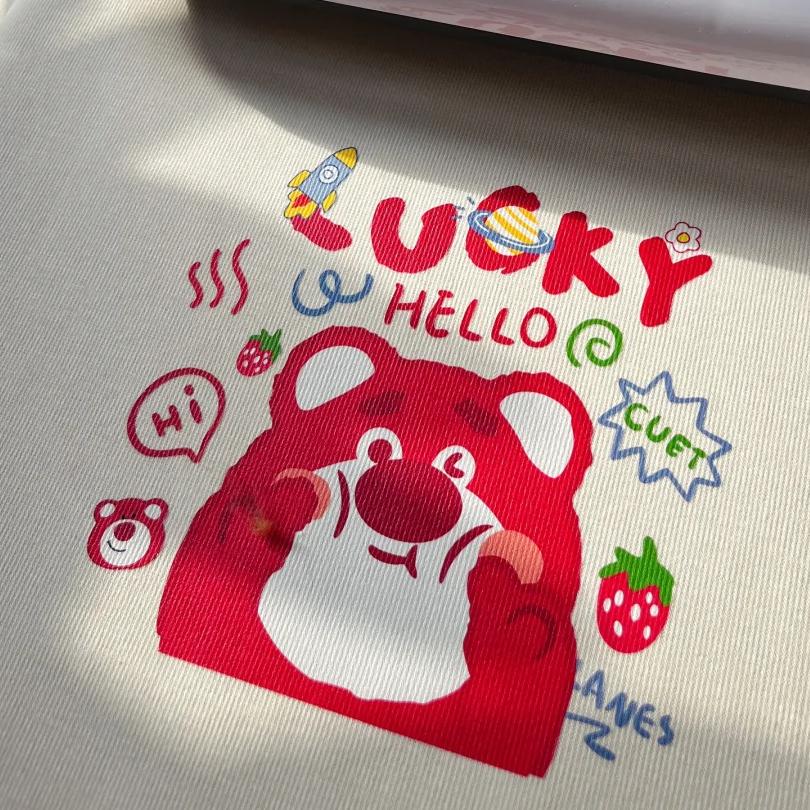
Apparel Decoration & Finishing Capabilities
ZORWILD supports 95%+ of modern apparel decoration techniques in-house including screen printing, DTG, embroidery, puff print, foil, reflective printing, rhinestones, and garment wash. With over 27 years of apparel manufacturing experience and a 6-stage quality control system, we ensure consistent quality across all decoration methods for streetwear, sportswear, and fashion collections.
Get a Quote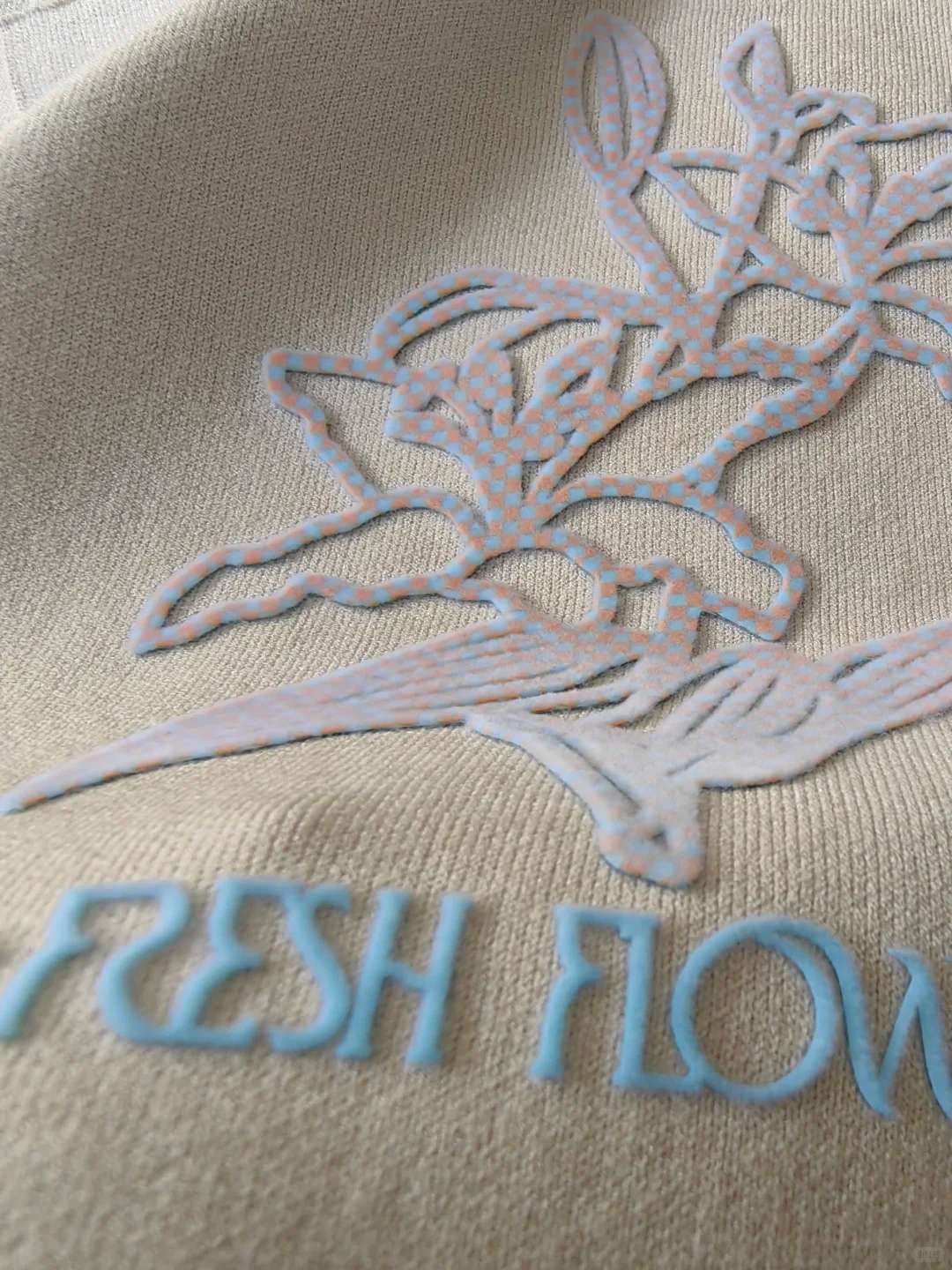
Custom Screen Printing
High-durability screen printing for bold graphics, logos, and repeat designs. Ideal for large production runs with excellent color performance and wash resistance. We support water-based, plastisol, discharge, puff, and specialty inks across hoodies, T-shirts, sweatshirts, and activewear with precise registration and color matching.
Get a Quote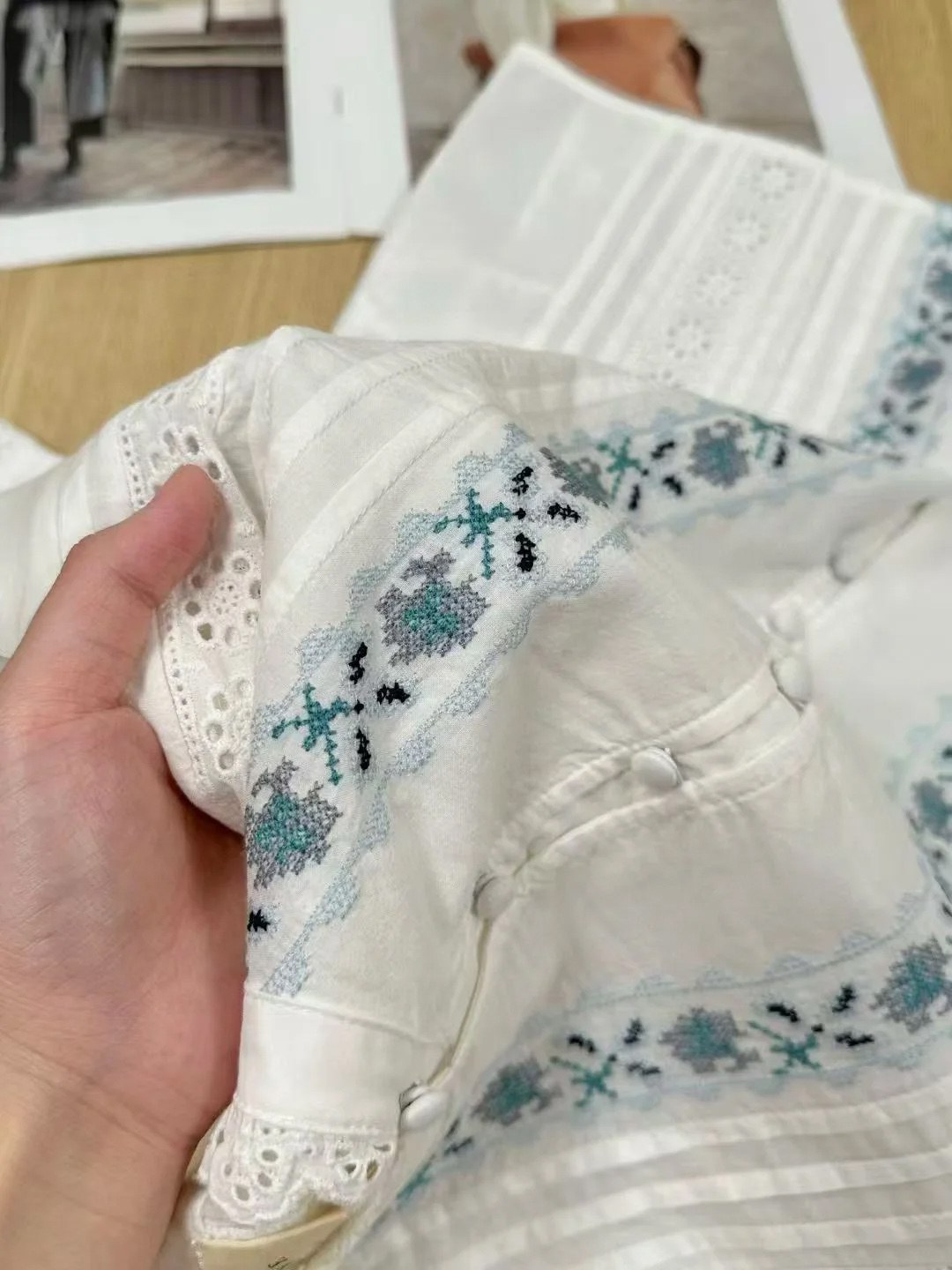
Custom Embroidery
Flat, 3D, chenille, applique, patch, and metallic embroidery executed with strict stitch density and thread quality control. Perfect for premium branding on jackets, hoodies, uniforms, and caps. Our embroidery team handles complex logos, text, and decorative details with accurate positioning and garment tension management.
Get a Quote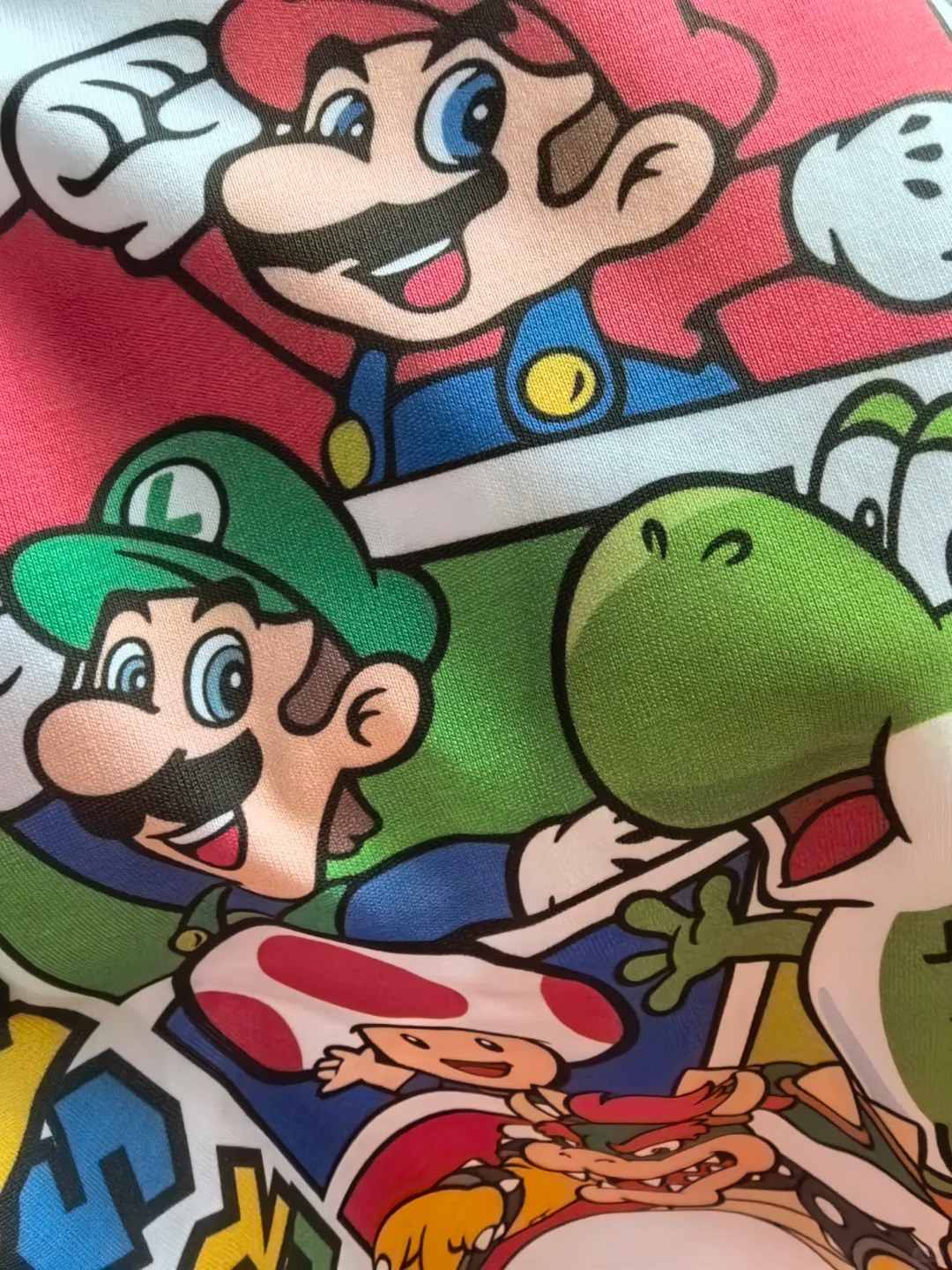
DTG — Direct-to-Garment Printing
Direct-to-garment printing for photorealistic graphics, complex artwork, and detailed designs without setup fees. Best for low MOQ orders, personalized apparel, and intricate multi-color prints on cotton and cotton-blend T-shirts, hoodies, and tote bags. Fast turnaround with soft hand feel and vibrant color reproduction.
Get a Quote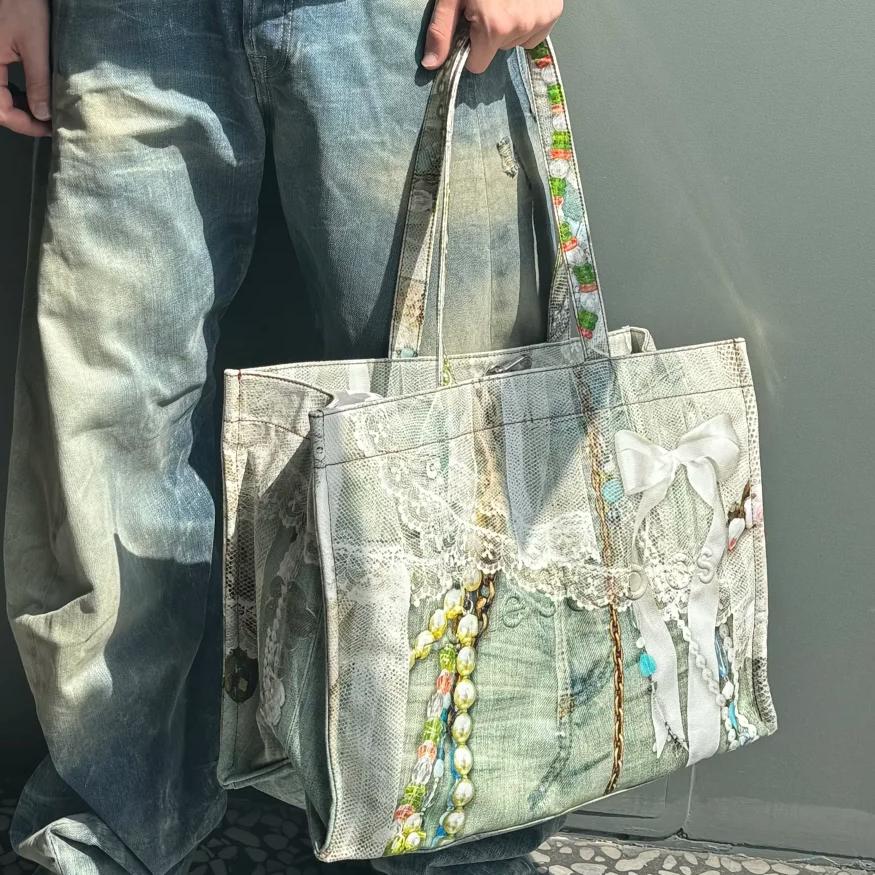
DTF — Direct-to-Film Printing
Direct-to-film transfer printing for durable, vibrant graphics on cotton, polyester, blends, and technical fabrics. Offers excellent stretch, wash durability, and color brightness for streetwear, sportswear, and fashion apparel. Suitable for detailed designs, gradients, and small to medium production runs with quick sampling capability.
Get a Quote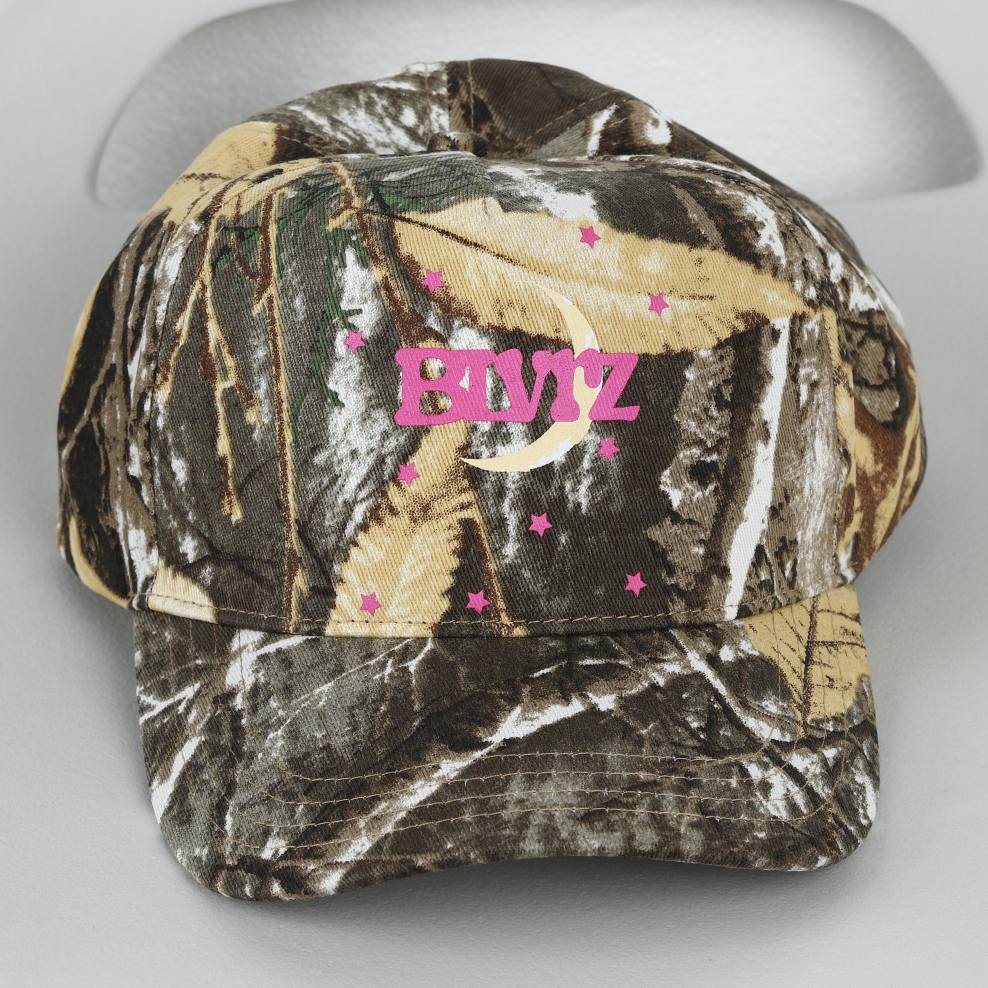
Heat Transfer Printing
Custom heat transfer printing for detailed logos, gradients, numbers, and multi-color graphics. Supports vinyl, plastisol, and digital transfers on jerseys, activewear, team uniforms, and fashion collections. Ideal for personalization, small batches, and designs requiring precise placement with smooth finish and reliable adhesion.
Get a Quote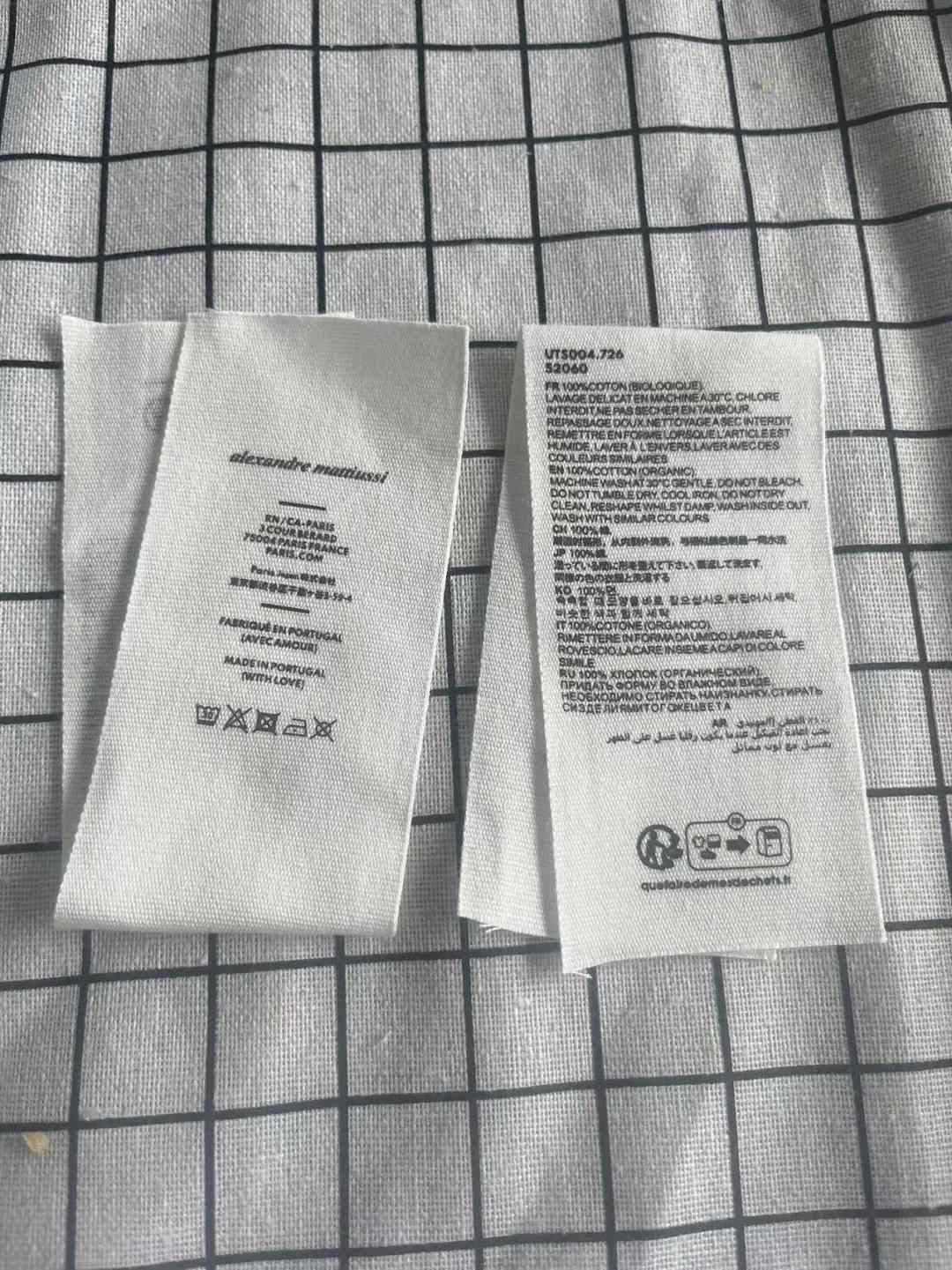
Garment Wash & Dye
Acid wash, vintage wash, enzyme wash, garment dye, pigment dye, stone wash, and distressed finishes to create authentic streetwear aesthetics and premium texture. Our wash facility delivers consistent color variation, soft hand feel, and aged appearance for hoodies, T-shirts, denim, sweatpants, and casual apparel with strict quality control.
Get a Quote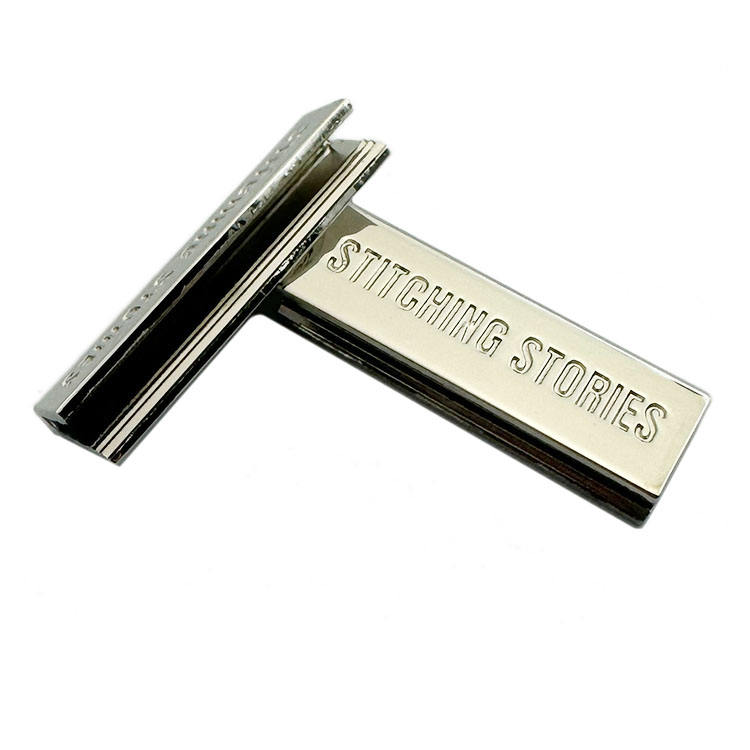
Custom Labels & Tags
Woven labels, printed labels, care labels, size labels, hang tags, and brand labels customized to your specifications. We provide design support, material selection, and production for main neck labels, side seam tags, and exterior branding that elevate brand identity and comply with retail and export labeling requirements.
Get a Quote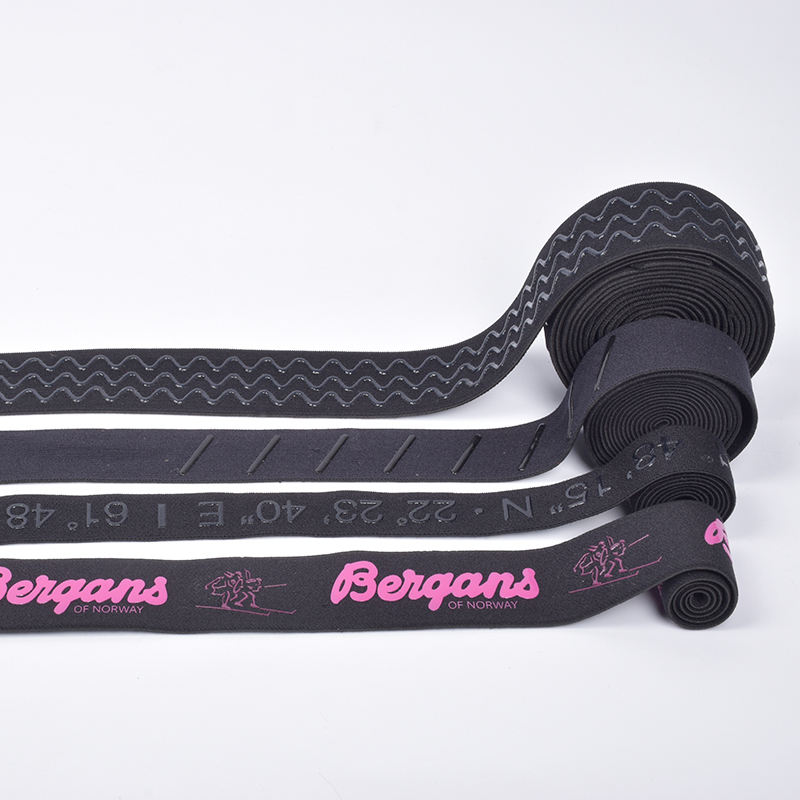
Garment Accessories & Trims
Custom zippers, drawcords, snap buttons, metal eyelets, elastic waistbands, rubber patches, silicone labels, metal logos, branded tape, and functional hardware. Our accessories sourcing team ensures consistent quality, color matching, and durability across all trims to support cohesive branding and premium garment construction for fashion and sportswear.
Get a QuoteZORWILD's Dye Sublimation Printing Expertise
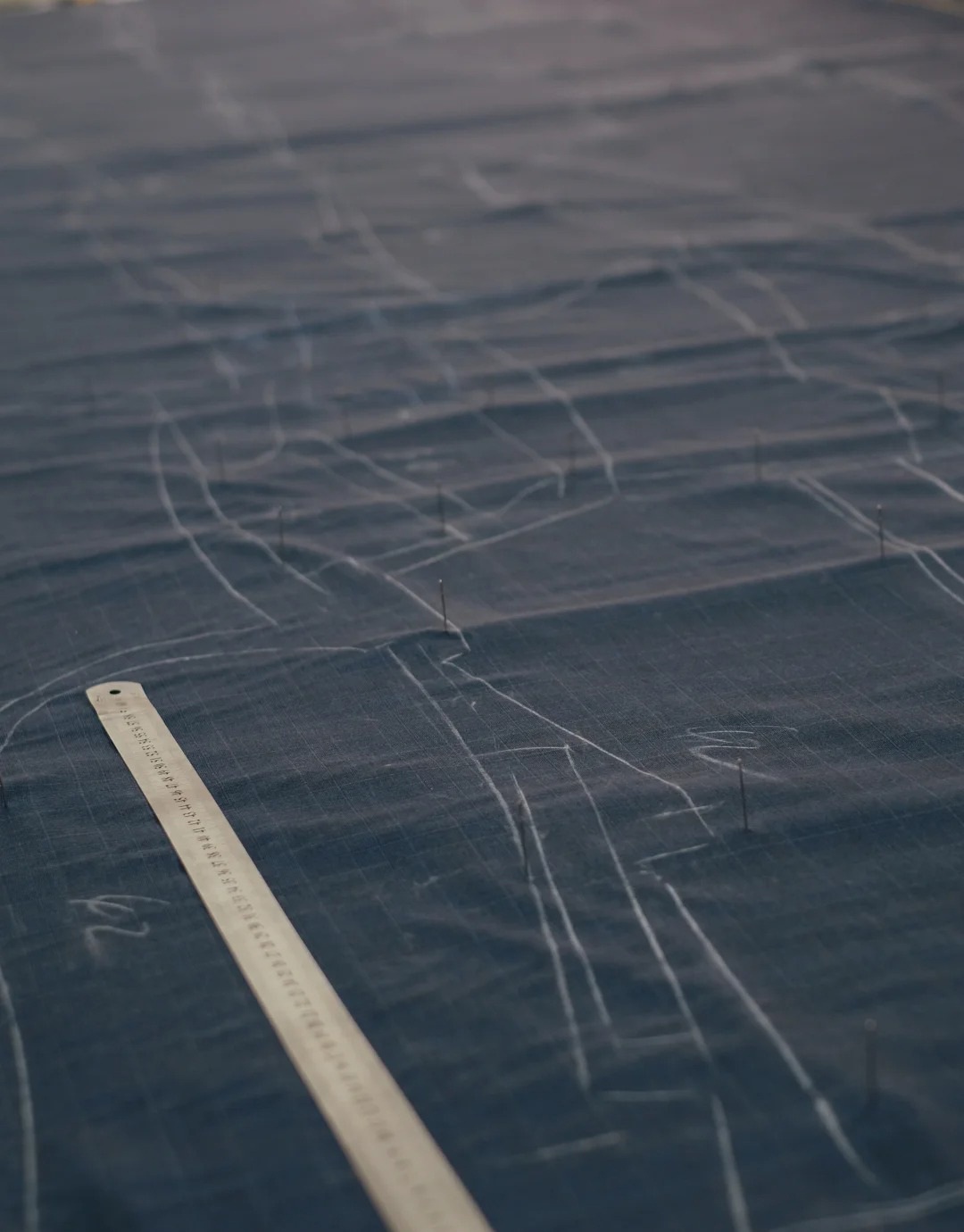
Founded in 1998 in Humen, Dongguan, ZORWILD has spent 27 years mastering apparel manufacturing and decoration techniques. Our in-house dye sublimation printing capabilities deliver vibrant, full-coverage designs on polyester garments for DTC brands, influencers, and wholesalers worldwide seeking standout all-over print collections.
With a monthly production capacity exceeding 100,000 units and MOQ starting at just 50 pieces, we bridge the gap between creative vision and scalable production. Our 6-stage quality control system ensures every sublimated garment meets professional standards for color accuracy, print clarity, and fabric performance from our Humen, Dongguan factory location.
ZORWILD supports 95%+ decoration techniques in-house, giving brands the flexibility to combine dye sublimation printing with embroidery, screen printing, and specialty finishes. From tech pack development through global logistics, we provide complete one-stop manufacturing for brands at every growth stage.
The Dye Sublimation Printing Process & Quality Control
Ink Chemistry & Polyester Fabric Preparation
Our dye sublimation printing starts with specialized disperse dye inks engineered for polyester fibers. Pre-production fabric inspection ensures proper polymer content, surface smoothness, and weave consistency to guarantee optimal ink bonding and color vibrancy across every garment.
- Disperse dye inks formulated for permanent polyester fiber bonding
- Fabric inspection verifies minimum 65% polyester content for best results
- Surface preparation removes oils and contaminants that block ink penetration
- Weave density analysis ensures consistent color saturation across all panels
Heat-Press Temperature & Dwell Time Control
Precision heat-press calibration transforms sublimation inks from solid to gas at exactly 375-400°F with 45-60 second dwell times. Our technicians monitor pressure distribution, temperature zones, and timing cycles to ensure complete ink gasification and deep fiber penetration without scorching or color shifting.
- Calibrated heat presses maintain 375-400°F across entire platen surface
- 45-60 second dwell time optimized for fabric weight and ink density
- Even pressure distribution prevents patchy color or incomplete transfer
- Real-time temperature monitoring eliminates scorching and fabric damage
Color Profile Calibration & Print Matching
ZORWILD’s color management system calibrates every print file against fabric samples and Pantone references. Digital proofing, test prints, and spectrophotometer readings ensure your brand colors translate accurately from screen to polyester, maintaining consistency across production batches and reorders.
- Custom ICC color profiles built for each polyester fabric type
- Spectrophotometer verification matches prints to brand color standards
- Test print approval process confirms color accuracy before bulk production
- Batch-to-batch color consistency tracked through digital quality records
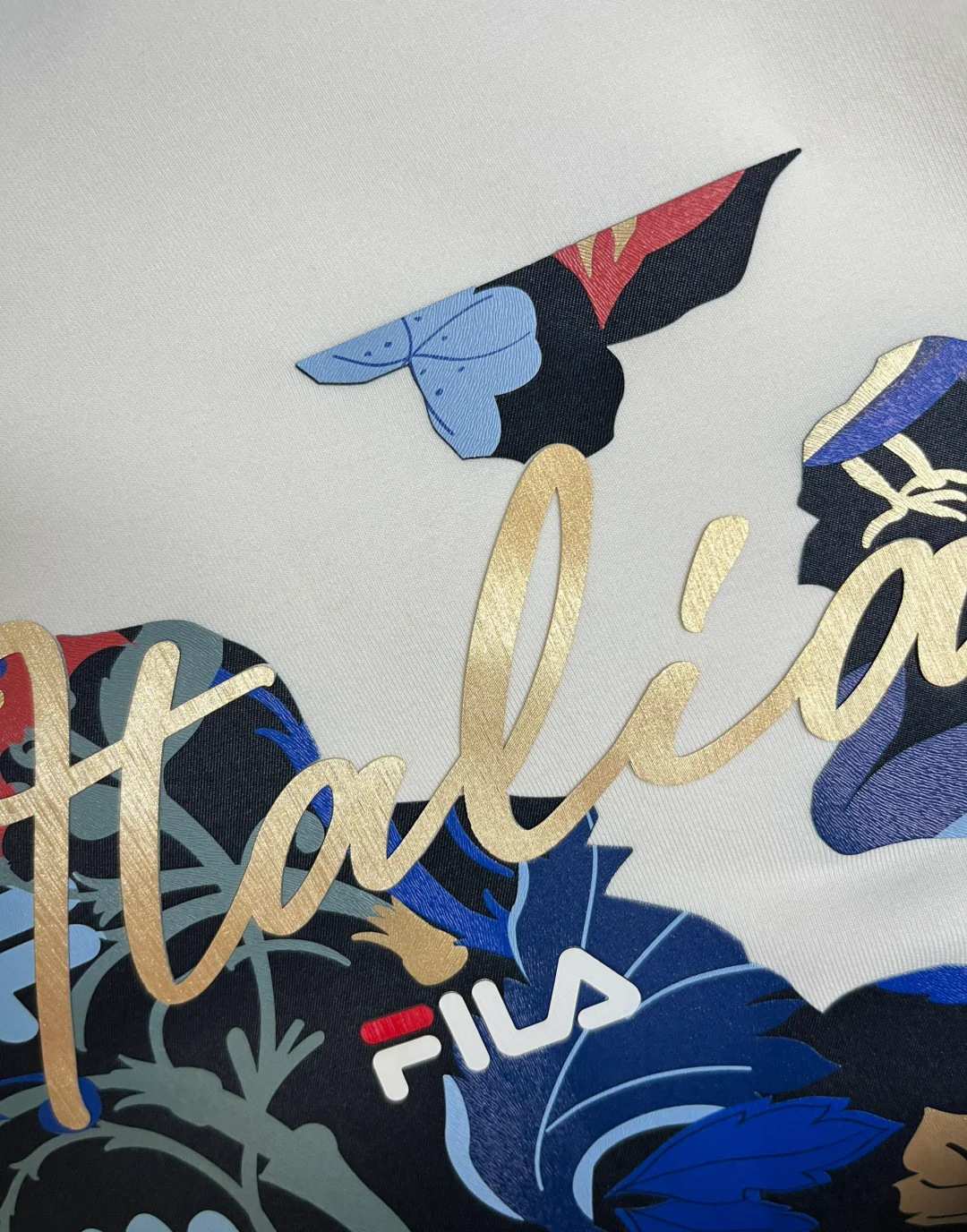
Six-Stage Quality Inspection for Fade Resistance
Every dye sublimation printed garment passes through ZORWILD’s rigorous six-stage quality control system. Inspections cover print resolution, color fastness, wash durability, seam alignment, and finishing details. Fade-resistance testing simulates 50+ wash cycles to guarantee long-lasting vibrancy for your customers.
- Print resolution inspection catches blurring, banding, or registration errors
- Wash fastness testing simulates 50+ cycles to verify fade resistance
- Color consistency checks compare each piece against approved samples
- Final inspection reviews seam placement, trim alignment, and packaging quality
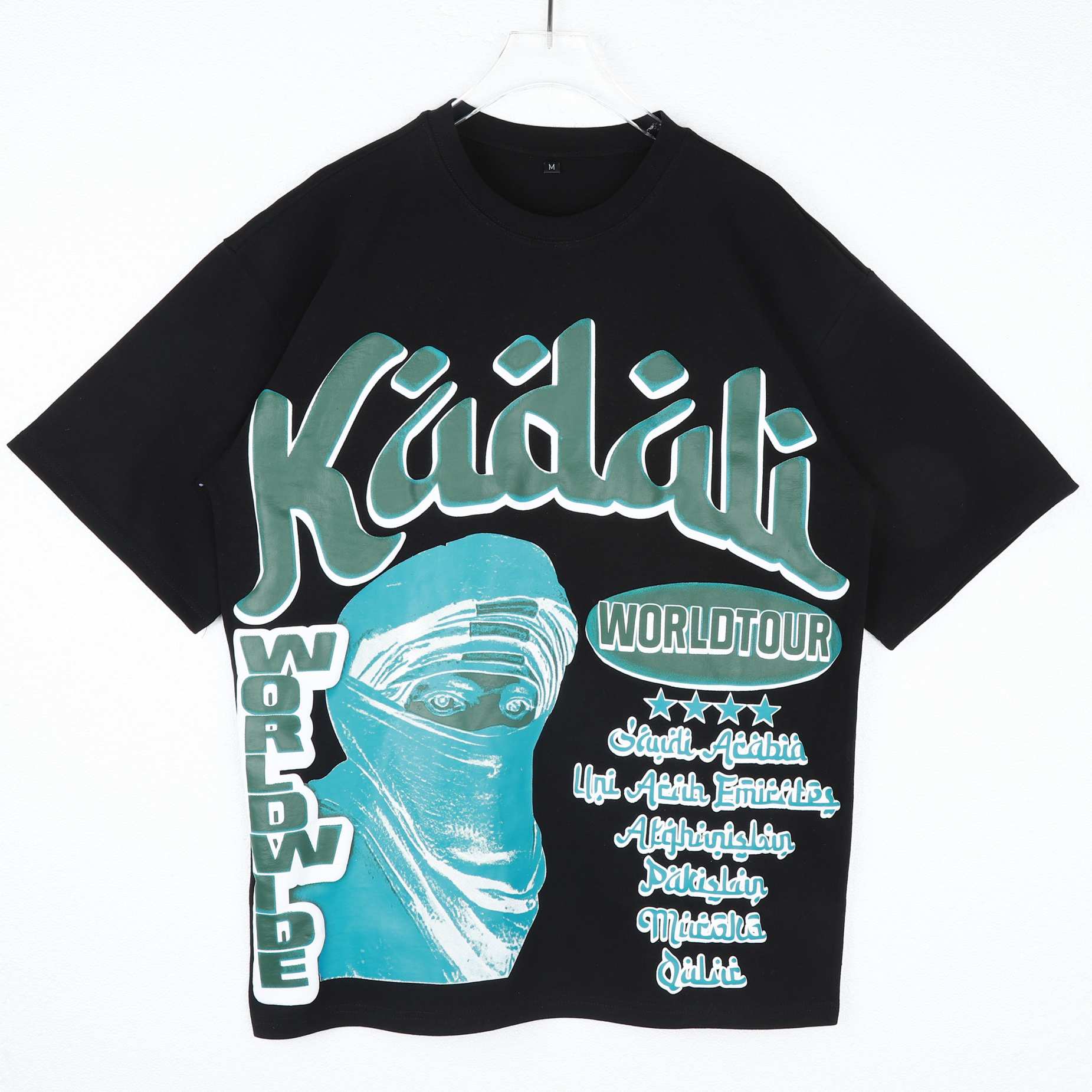
Dye Sublimation Printing vs. Screen Printing
Understanding the key differences between dye sublimation printing and screen printing helps you select the best technique for your fabric type, design complexity, and production goals.
← 左右滑动查看 →
Dye Sublimation Printing Production Timeline
From design file preparation to final quality inspection, ZORWILD’s six-phase dye sublimation printing process ensures vibrant color accuracy, precise registration, and consistent results across every piece in your production run.
Design File & Color Profiling
Your artwork is converted to production-ready format with color profiling calibrated for sublimation inks, ensuring accurate color reproduction and full-bleed registration across all garment panels.
Fabric Pre-Treatment Inspection
Polyester fabric undergoes inspection for surface consistency, moisture content, and contamination. Pre-treatment ensures optimal ink absorption and prevents transfer defects during heat application.
Sublimation Transfer Printing
High-resolution designs are printed onto specialized transfer paper using sublimation inks. Color density, registration marks, and print clarity are verified before moving to heat-press application.
Heat-Press Application
Transfer paper is aligned and heat-pressed onto fabric at controlled temperature and pressure. Sublimation inks vaporize and bond permanently with polyester fibers, creating vibrant, wash-resistant graphics.
Quality Control Inspection
Each garment is inspected for color accuracy, registration alignment, edge definition, and fabric integrity. Our six-stage quality system catches defects before final finishing and packaging.
Finishing & Packaging
Garments are cooled, trimmed, pressed, and folded with custom labels, hang tags, and branded packaging. Final inspection confirms readiness for shipment with full documentation and export support.
How to Order Dye Sublimation Printing with ZORWILD
From design submission to delivery, our streamlined process ensures vibrant, full-coverage prints with professional quality control and a 50-piece minimum order quantity to support brands at every stage.
Submit Your Design & Specifications
Send high-resolution artwork, color specifications, garment style, and fabric preferences. Our team reviews technical requirements to ensure optimal dye sublimation printing results on polyester materials.
Approve Your Sample
Receive a production sample within seven days. Evaluate print vibrancy, color accuracy, fabric quality, and garment construction before committing to bulk production with confidence.
Confirm Production Details
Finalize order quantity starting from fifty pieces, sizing breakdown, packaging requirements, and delivery timeline. Our production team schedules your run within our monthly capacity.
Track Quality Checkpoints
Your order moves through our six-stage quality control system covering fabric inspection, print quality verification, measurement checks, finishing standards, and final product inspection before packaging.
Receive Global Delivery
Choose air freight, sea freight, or express delivery with full export documentation and customs support. Track your shipment from our Humen Dongguan factory to your destination.
Customer Success Stories: Dye Sublimation Printing Results
We launched our all-over print athleisure line with ZORWILD’s dye sublimation printing. After 50+ wash cycles, zero fading or cracking. The color accuracy on our gradient designs was 98% match to our digital files, and we started with only 100 pieces.
As a wholesaler, turnaround time is everything. ZORWILD delivered 5,000 sublimated sports jerseys in 18 days with flawless registration on complex logos. Their dye sublimation printing quality helped us secure three new retail accounts immediately.
We tested dye sublimation printing for our influencer merch drop and sold out 500 units in 72 hours. The vibrant, photorealistic prints looked exactly like our Instagram mockups. ZORWILD’s 50-piece MOQ let us test without huge inventory risk.
Dye Sublimation Printing FAQ
What fabrics work best with dye sublimation printing?
What is the minimum order quantity for dye sublimation printing?
How durable is dye sublimation printing after washing?
What file format and resolution do I need for dye sublimation printing?
Can I combine dye sublimation printing with embroidery or other decoration techniques?
What is the lead time for dye sublimation printing orders?
Is there a limit to the number of colors I can use in dye sublimation printing?
How much does dye sublimation printing cost per unit?
The Complete Buyer’s Guide to Dye Sublimation Printing for Custom Apparel
1. What Is Dye Sublimation Printing?
Dye sublimation printing is a heat-transfer process that converts solid dye into gas under temperatures between 350–400°F (175–205°C), allowing the dye molecules to bond permanently with polyester fibers at the molecular level. Unlike screen printing or DTG (direct-to-garment) printing, which sit on top of the fabric surface, sublimation dye becomes part of the fabric itself, creating designs that never crack, peel, or fade through washing. This chemical transformation occurs only when polyester content exceeds 65%, with 100% polyester delivering the most vibrant results.
The process requires three components: sublimation ink printed onto transfer paper, a heat press operating at precise temperature and pressure, and polyester or polymer-coated substrates. When heat and pressure are applied, the solid dye skips the liquid phase entirely and transitions directly into gas, penetrating the polyester fibers and re-solidifying as the fabric cools. This phase change is why dye sublimation printing produces photorealistic gradients, unlimited color variations, and edge-to-edge all-over designs impossible with traditional methods.
Screen printing uses thick plastisol or water-based inks layered on fabric surfaces, limiting color complexity and requiring separate screens per color. DTG printing sprays water-based ink onto cotton fibers, offering detail but less durability and vibrancy on synthetics. Dye sublimation printing excels for sportswear, activewear, swimwear, fashion jerseys, and any polyester garment requiring full-color, seamless patterns without adding weight or texture to the fabric.
2. The Evolution of Dye Sublimation Printing Technology
Dye sublimation printing originated in the 1950s with early textile printing experiments, but commercial viability remained limited until the 1970s when heat-transfer processes matured for polyester fabrics. By the 1980s, industrial sublimation systems were adopted by sportswear manufacturers seeking durable, wash-resistant graphics that would not crack or peel like traditional screen printing.
The 2000s marked the digital revolution for dye sublimation printing with the introduction of wide-format inkjet printers capable of handling rolls up to 3.2 meters wide. This shift enabled all-over printing, photorealistic designs, and unlimited color gradients without setup fees or screen costs, dramatically reducing barriers for small brands. Major sportswear labels integrated sublimation for custom jerseys, cycling kits, and performance wear, validating the technology for high-volume production.
Recent advances since 2015 have focused on eco-friendly water-based sublimation inks, faster print speeds exceeding 150 square meters per hour, and automated heat-press systems that reduce labor costs. These improvements have lowered minimum order quantities from 500–1,000 pieces in the early 2000s to 50–100 pieces today, making dye sublimation printing accessible for startup brands, influencers, and independent designers testing capsule collections. ZORWILD leverages modern digital sublimation infrastructure to support low MOQ production starting at 50 pieces, allowing emerging brands to launch custom all-over print designs without the inventory risk of traditional bulk orders.
3. Types of Dye Sublimation Printing Methods
Four distinct dye sublimation printing workflows serve different product categories, production scales, and design complexities. Understanding each method helps buyers align technical capabilities with brand positioning and order volume.
Direct-to-Fabric Calendar Press
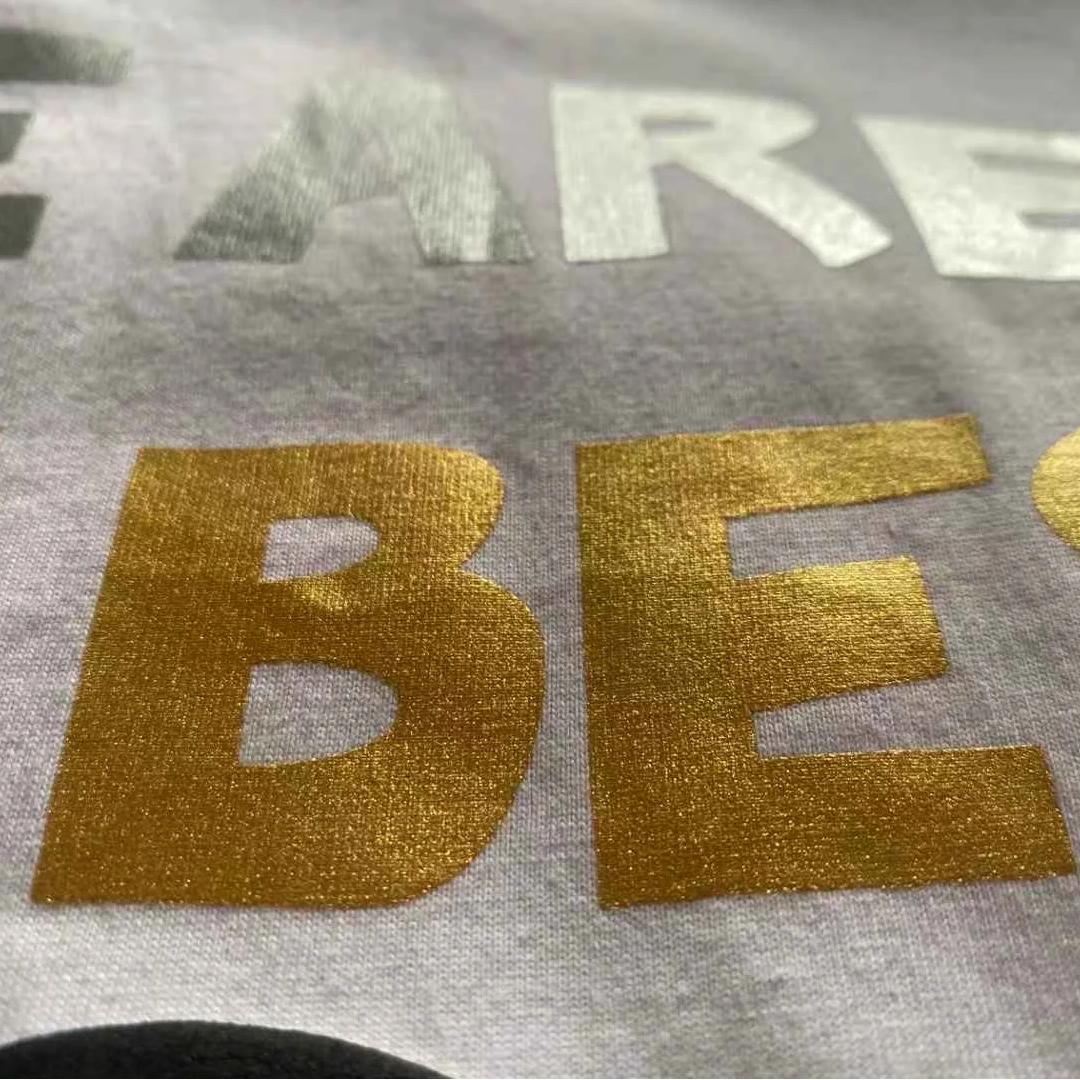
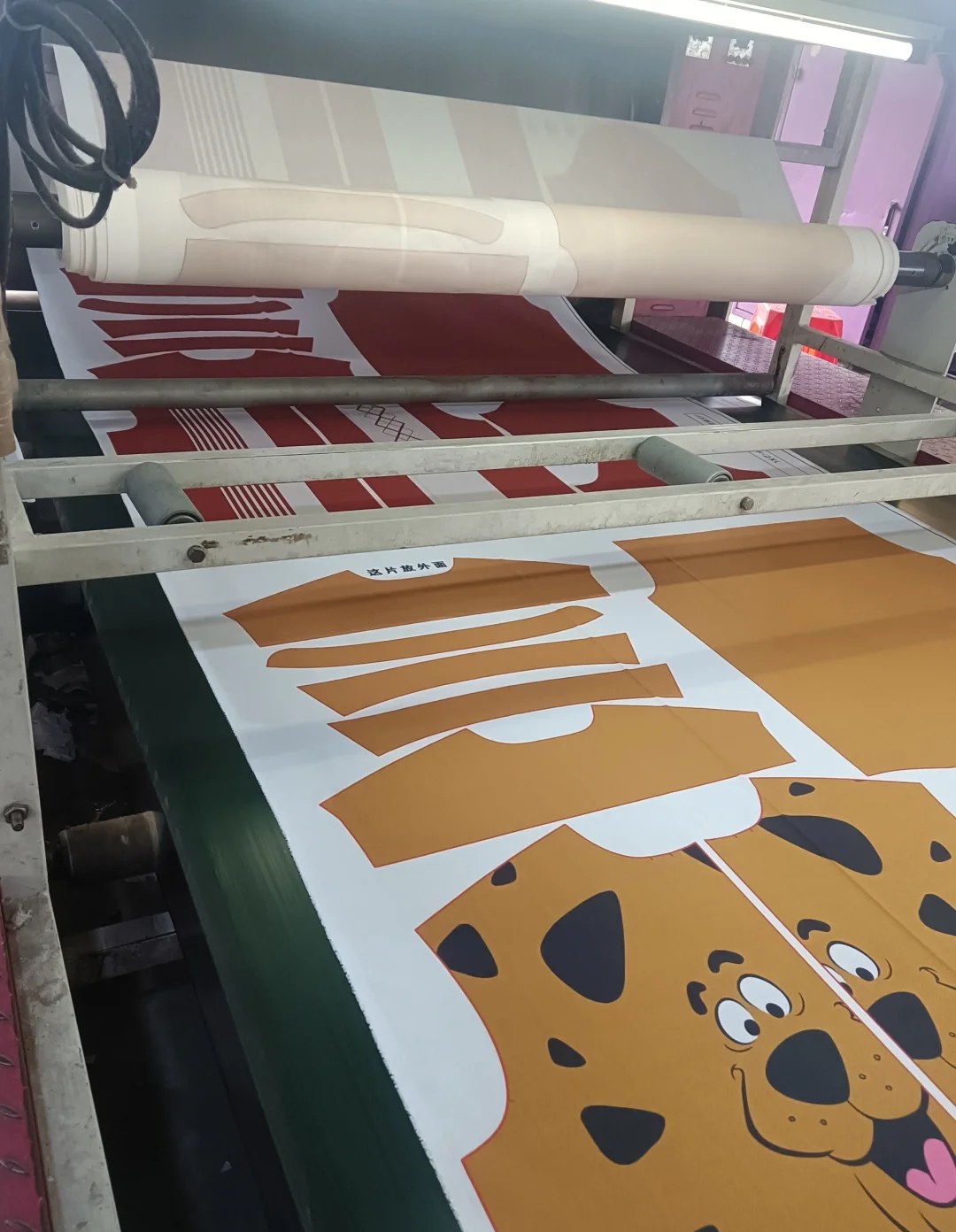
Calendar press systems transfer sublimation ink from printed paper directly onto pre-cut fabric panels using heated rollers at 190–210°C. This method suits high-volume production of jerseys, sportswear, and activewear where consistent color and speed matter most.
Typical MOQs start at 100–200 pieces per design due to setup time and paper waste. Production speed reaches 300–500 meters per hour, making it ideal for team uniforms, fitness apparel, and wholesale athletic collections.
Cut-and-Sew Printed Panels
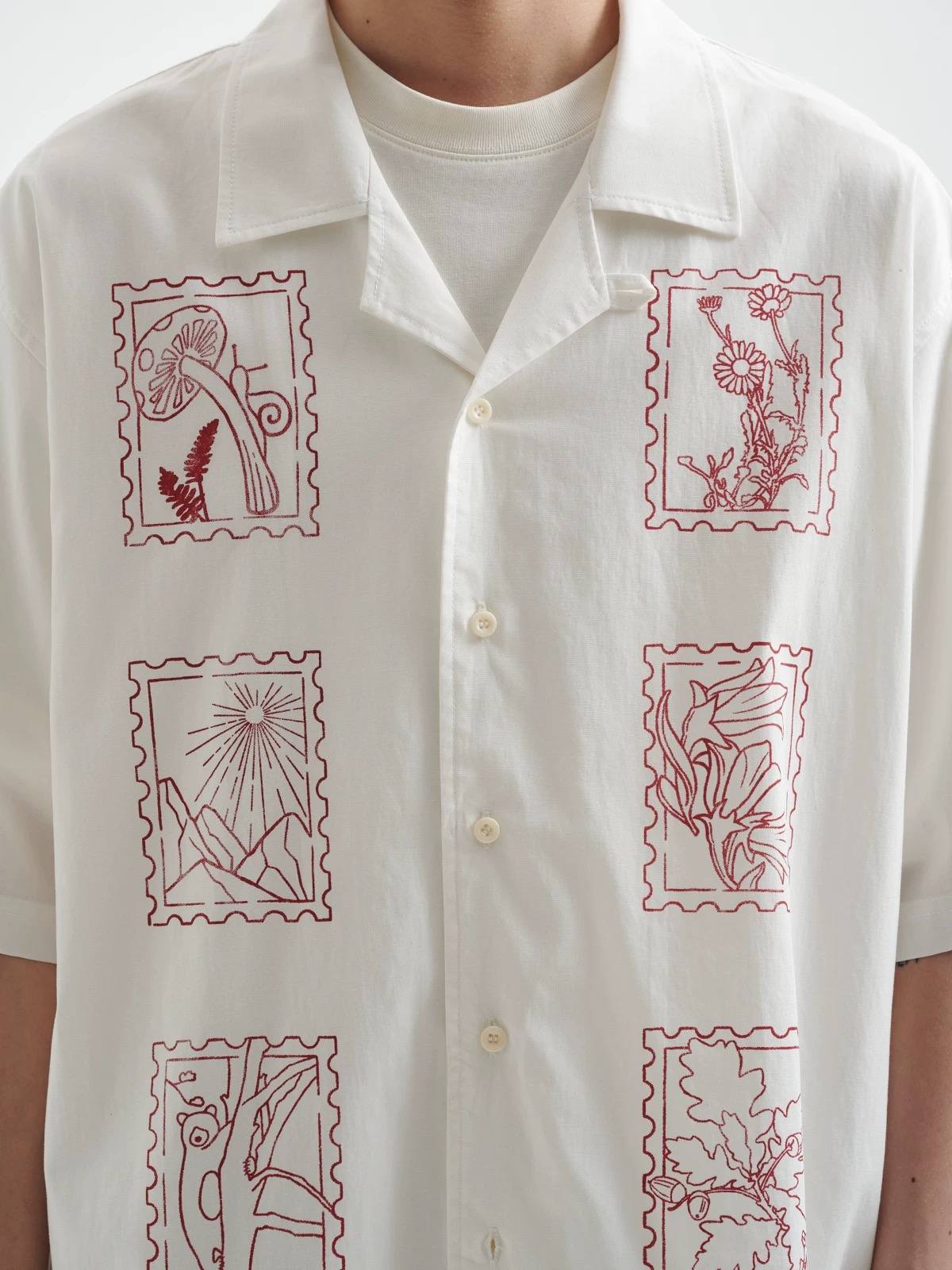
Cut-and-sew sublimation prints full-color designs onto flat fabric panels before garment assembly. ZORWILD uses this workflow for custom sportswear, fashion tees, and streetwear where design placement and fit precision are critical.
MOQs typically range from 50–100 pieces, allowing startup brands and influencers to test designs without large inventory risk. Lead times run 18–25 days from approved artwork to finished garments, including printing, cutting, sewing, and quality inspection.
All-Over Roll-to-Roll Printing
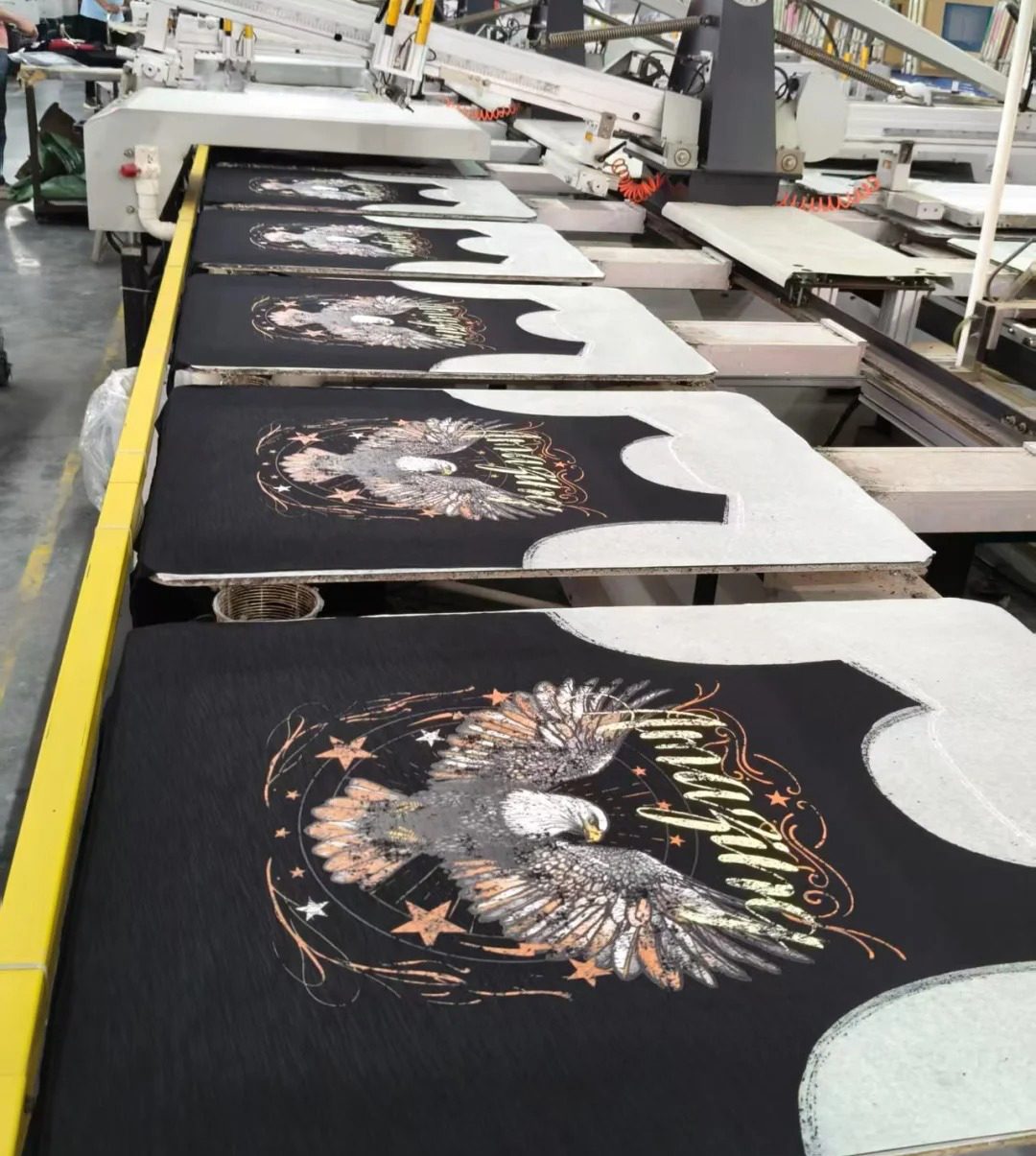
Roll-to-roll sublimation prints continuous patterns across entire fabric rolls before cutting, enabling seamless all-over designs for leggings, bodysuits, and fashion apparel. This method eliminates visible seams and pattern breaks common in panel-based workflows.
Production minimums start at 200–300 meters per colorway due to roll setup and ink consumption. Best suited for brands requiring bold graphics, photographic prints, or complex repeating patterns across activewear, swimwear, and statement fashion pieces.
Direct-to-Garment Sublimation Hybrids
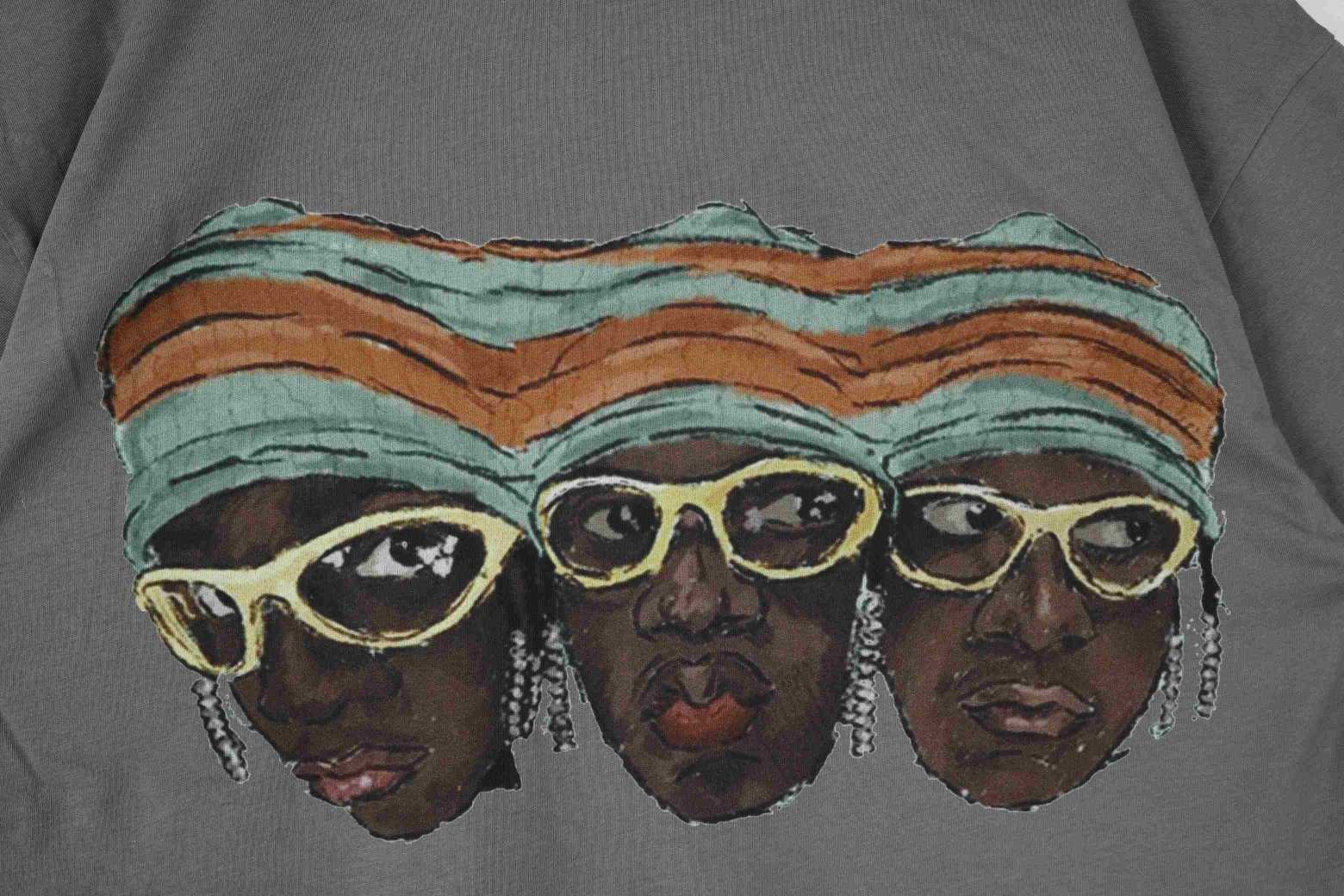
Hybrid systems combine sublimation with pre-treatment chemistry to print limited designs directly onto finished polyester garments. This approach supports ultra-low MOQs of 10–50 pieces for influencer merch, capsule drops, and sample collections.
Print quality and wash durability remain slightly below traditional sublimation methods, but speed and flexibility make hybrids valuable for rapid prototyping, limited editions, and social media-driven product launches where time-to-market outweighs volume efficiency.
4. Materials and Fabrics for Dye Sublimation Printing
Dye sublimation printing requires polyester-based fabrics because the sublimation dye chemically bonds with polymer molecules during heat transfer. Natural fibers like cotton, linen, and bamboo lack these synthetic polymers, preventing dye adhesion and resulting in faded, washed-out prints that disappear after laundering.
| Fabric Type | GSM Range | Best Use Case | Price Tier |
|---|---|---|---|
| 100% Polyester Mesh | 140–160 | Athletic jerseys, performance sportswear | Low |
| Polyester Interlock | 160–180 | Fashion tees, all-over print garments | Low–Mid |
| Polyester Pique | 180–200 | Polo shirts, resort wear | Mid |
| Performance Knit | 200–220 | Yoga wear, technical sportswear | Mid–High |
| Polyester-Spandex Blend | 180–220 | Leggings, sports bras, athleisure | Mid–High |
Polyester Fabric Types for Sublimation
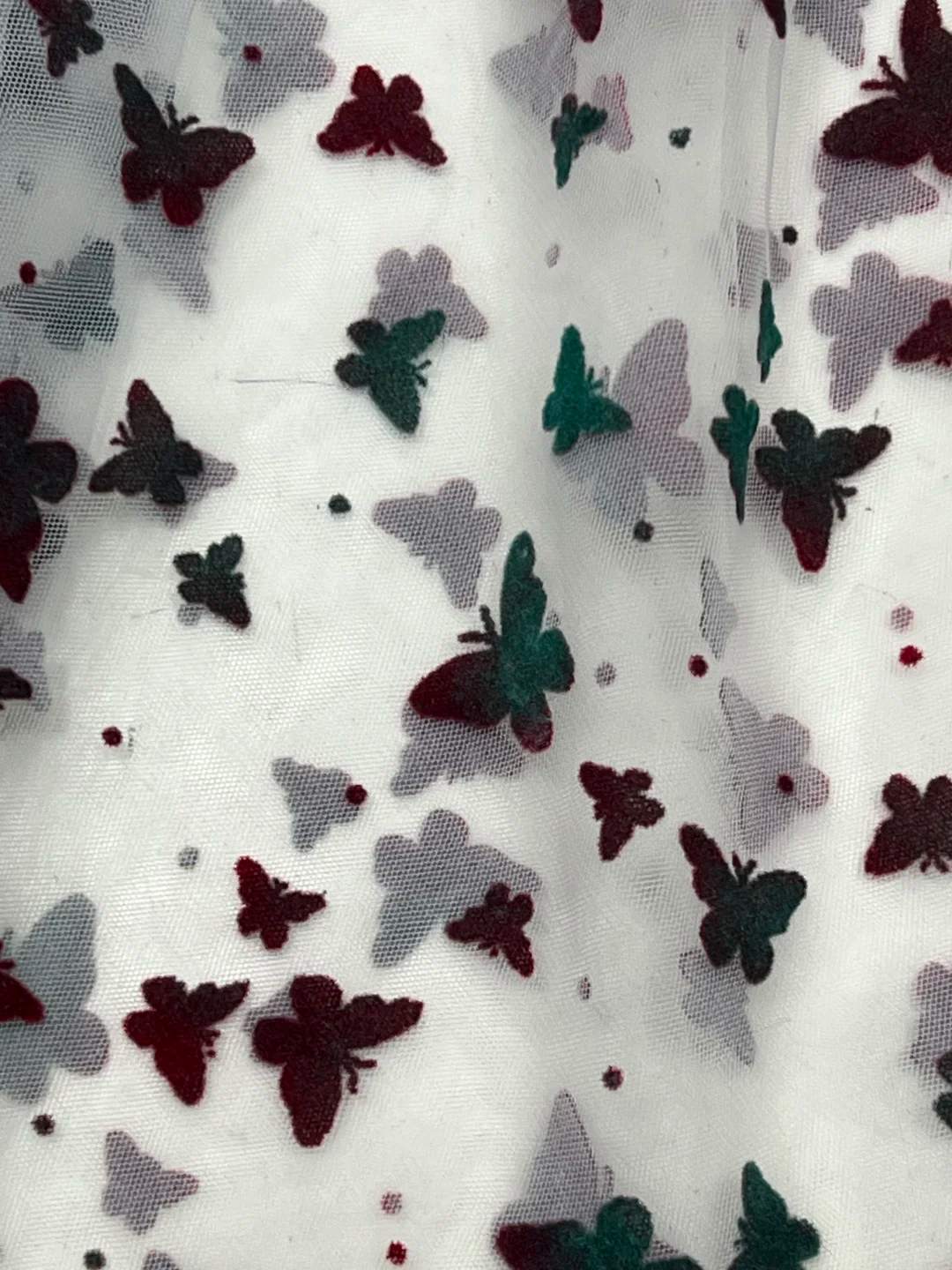
100% polyester mesh offers lightweight breathability at 140–160 GSM, ideal for athletic jerseys and performance sportswear where airflow is critical. Polyester interlock delivers a smooth, stable surface at 160–180 GSM with minimal stretch, commonly used for activewear tops, fashion tees, and all-over print garments requiring vibrant color saturation.
Polyester pique features a textured surface at 180–200 GSM, popular for polo shirts and resort wear with enhanced moisture wicking. Performance knits at 200–220 GSM incorporate four-way stretch and compression support, serving yoga wear, leggings, and technical sportswear with durability and shape retention.
Polyester-Spandex Blends and Stretch Fabrics
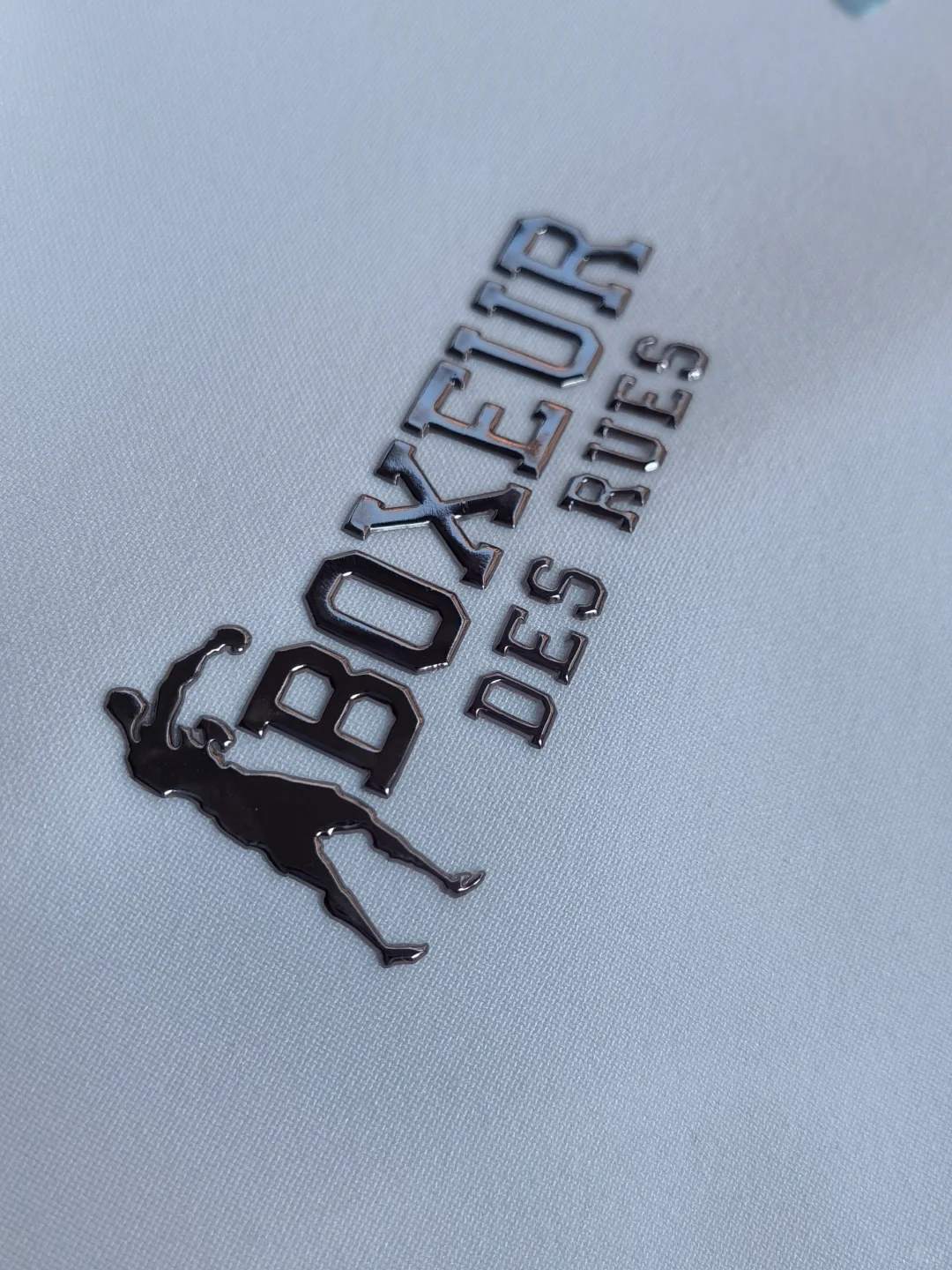
Blends of 85–92% polyester with 8–15% spandex enable four-way stretch while maintaining sublimation compatibility. These fabrics range from 180–220 GSM and deliver compression support, shape recovery, and enhanced comfort for fitted activewear, sports bras, and athleisure collections. The spandex content improves garment fit and movement without compromising print vibrancy, though slightly lower polyester ratios may reduce color intensity compared to 100% polyester substrates.
Polymer-Coated Alternatives for Non-Polyester Items
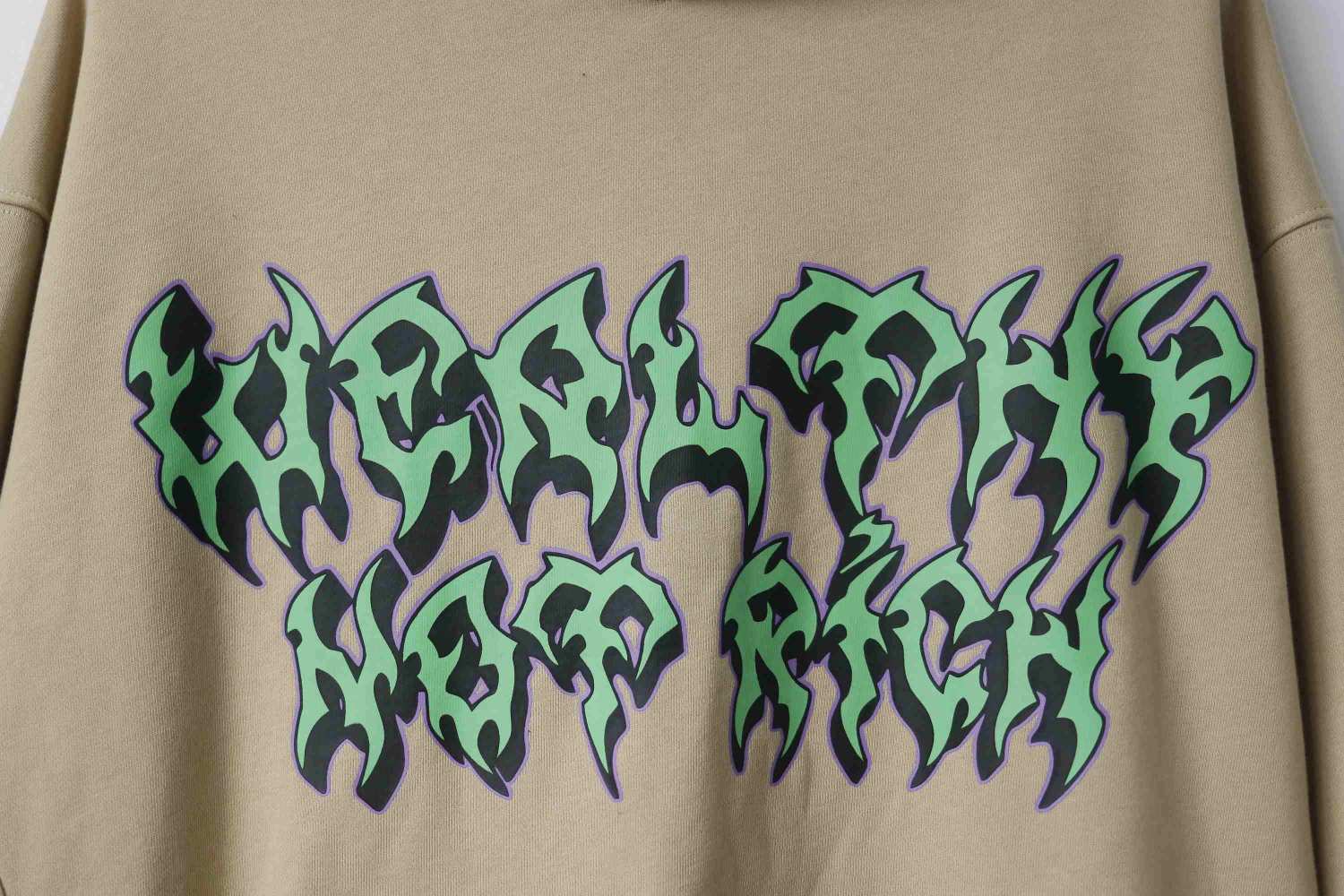
Cotton and natural-fiber garments can accept sublimation prints only when pre-treated with polymer spray coatings, though these coatings reduce breathability, alter hand feel, and fade faster than pure polyester. Hard goods such as mugs, phone cases, aluminum panels, and ceramic tiles use polymer coatings to create sublimation-ready surfaces, expanding dye sublimation printing beyond textiles into promotional products and custom merchandise with permanent, full-color graphics.
5. Customization and Design Options in Dye Sublimation Printing
Dye sublimation printing offers unmatched design freedom compared to traditional decoration methods. Unlike screen printing, which charges per color, sublimation allows unlimited colors, photorealistic images, gradients, and all-over patterns without additional setup fees.
| Design Complexity | Setup Cost | Turnaround Time |
|---|---|---|
| Simple logo or text | $0 (no setup fee) | 7–10 days |
| Multi-color gradient graphic | $0 (no setup fee) | 7–10 days |
| Full photorealistic all-over print | $0 (no setup fee) | 10–14 days |
Design Flexibility and Color Capabilities
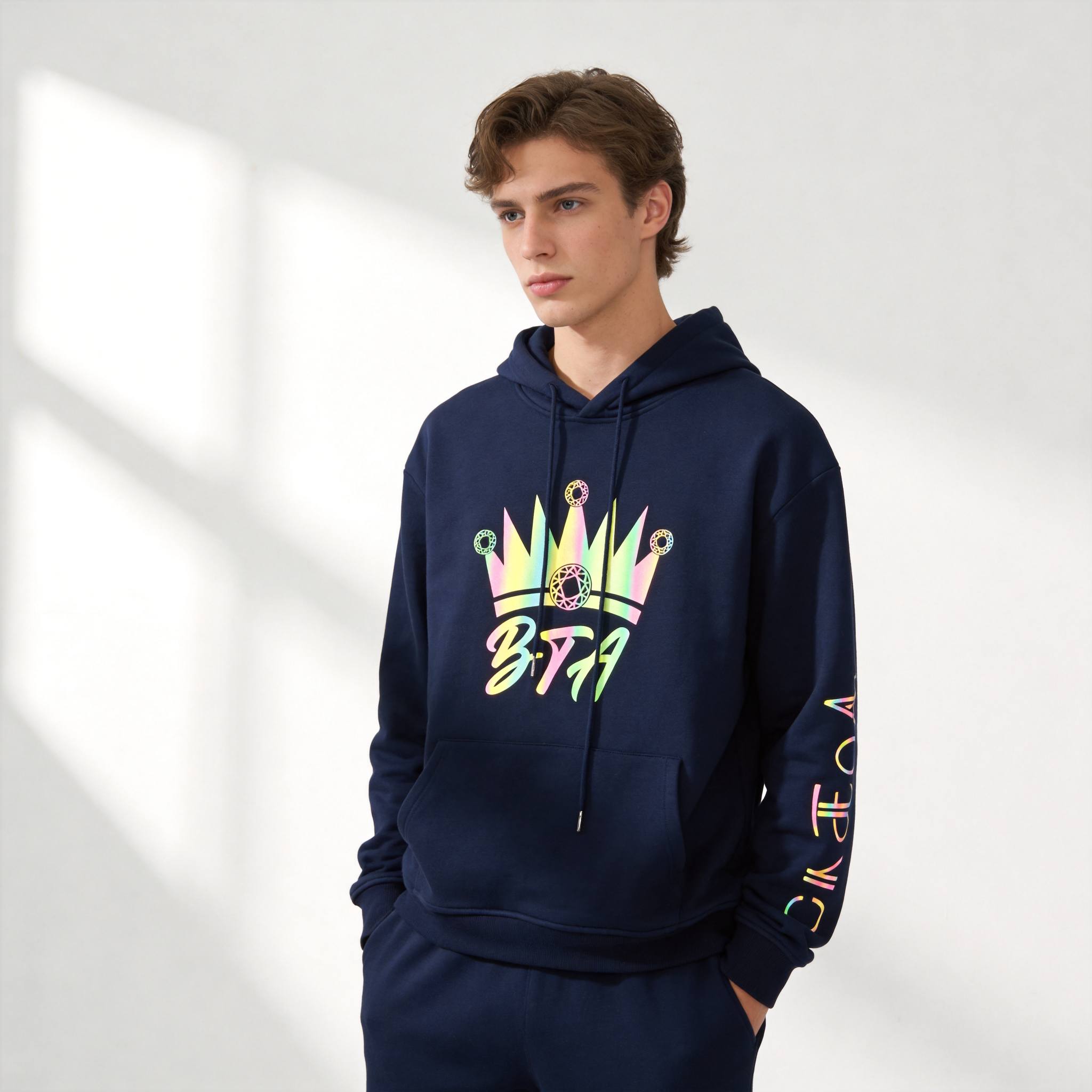
Sublimation supports full CMYK color gamut with no color-separation costs, enabling complex photorealistic graphics, continuous gradients, and intricate patterns impossible with screen printing. All-over prints cover entire garments seamlessly, including sleeves, side panels, and back, ideal for fashion collections, sportswear uniforms, and viral streetwear capsules.
ZORWILD’s sublimation printing handles unlimited colors and complex artwork without price penalties, allowing startup brands and influencers to test bold designs with 50-piece MOQs. This flexibility reduces creative constraints and accelerates trend-driven product launches.
Artwork File Requirements and Preparation
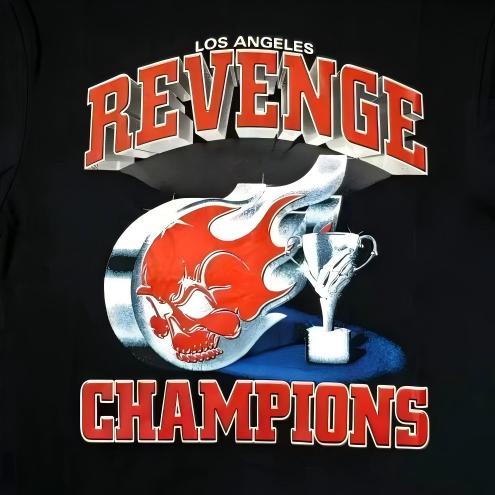
Proper file preparation ensures sharp, accurate sublimation results. Artwork must be 300 DPI minimum resolution in CMYK color mode (not RGB) with vector formats preferred for logos and text. Bleed zones of 0.5–1 inch prevent white edges on all-over prints.
Design software compatibility includes Adobe Illustrator, Photoshop, CorelDRAW, and Affinity Designer. ZORWILD’s team reviews artwork files before sampling to confirm resolution, color profile accuracy, and bleed setup, reducing rework delays and ensuring first-sample approval for time-sensitive collections.
Custom Labels, Tags, and Packaging Add-Ons
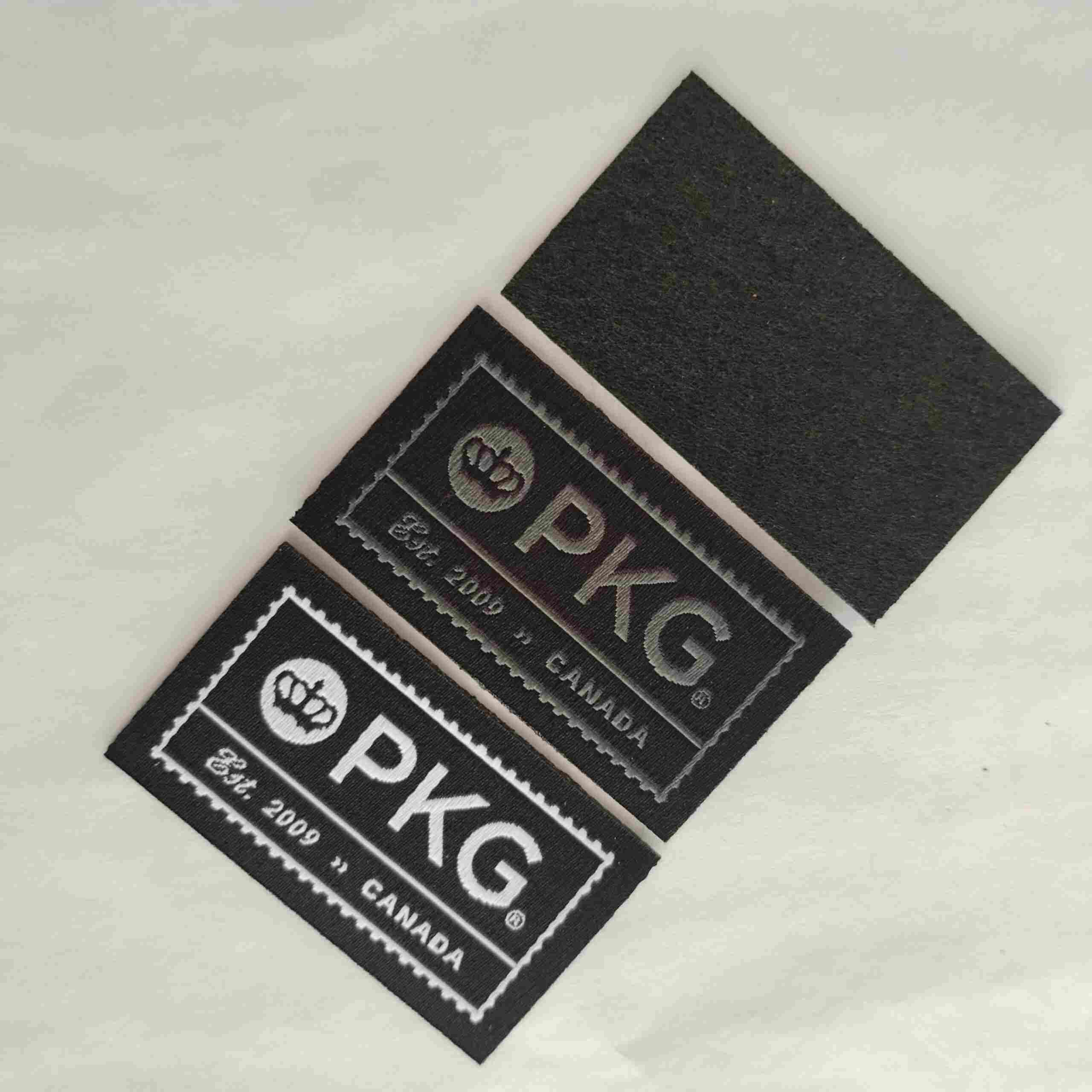
ZORWILD provides full branding customization beyond sublimation printing: woven labels, printed neck labels, silicone labels, hang tags, custom poly bags, tissue paper, and branded packaging boxes. These add-ons create cohesive brand experiences for influencer merch, private label collections, and wholesale orders.
Low MOQ branding starts at 50 pieces, allowing startups to launch professional collections without inventory risk. Turnaround for labels and packaging typically adds 3–5 days to production timelines.
6. Key Quality Indicators for Dye Sublimation Printing
Successful dye sublimation printing orders depend on verifying five critical quality indicators before approving bulk production. ZORWILD applies ISO 105 wash-fastness testing and multi-stage inspection protocols to ensure every printed garment meets international standards for color retention, edge definition, and fabric integrity.
Color Accuracy and Vibrancy
Compare printed samples against approved Pantone references or digital proofs under daylight-equivalent lighting (D65 standard). Acceptable color deviation is ΔE ≤ 2.0 for professional collections; values above 3.0 indicate poor color management or incorrect ICC profiles.
ZORWILD calibrates sublimation printers weekly and maintains fabric-specific color profiles for polyester blends ranging from 65% to 100% synthetic content. Reject samples showing dull colors, uneven saturation, or visible banding across gradients.
Edge Sharpness and Print Resolution
Inspect fine lines, small text (below 8 pt), and intricate patterns under 10× magnification. Professional dye sublimation printing should resolve details down to 0.5 mm without feathering or dot gain.
Red flags include blurry edges, pixelation in curves, or visible raster lines in solid fills. These defects indicate low print resolution (below 300 dpi), incorrect heat press pressure, or fabric movement during transfer.
Wash-Fastness and Colorfastness Testing
Require ISO 105-C06 wash-fastness certification showing Grade 4 or higher after five 40°C wash cycles. Grade 3 indicates noticeable fading; Grade 2 or below is unacceptable for retail garments.
ZORWILD tests every new fabric-ink combination for color migration, bleeding onto white fabric, and UV resistance (ISO 105-B02). Request test reports during sampling and reject any fabric showing visible color loss after three washes.
Seam Alignment on Printed Panels
Check that pattern elements align within ±3 mm across side seams, shoulder seams, and sleeve joins on all-over print garments. Misalignment exceeding 5 mm creates visible pattern breaks and signals poor cutting accuracy or inadequate pattern matching.
ZORWILD uses digital cutting tables and registration marks on sublimation paper to maintain alignment tolerances. Inspect every seam on sample garments and measure offset with a ruler before approving production.
Fabric Hand Feel After Printing
Sublimated polyester should retain soft drape and breathability identical to unprinted fabric, since dye molecules bond at the fiber level. Stiff, plasticky, or tacky hand feel indicates excessive heat, incorrect dwell time, or contamination from transfer paper coatings.
Acceptable fabric weight gain is under 2% post-printing. Reject samples with visible surface residue, cracking when stretched, or reduced moisture-wicking performance compared to blank fabric swatches.
7. How to Choose a Dye Sublimation Printing Manufacturer
Selecting a dye sublimation printing manufacturer requires systematic evaluation of technical capabilities, compliance standards, and service flexibility. The right partner balances equipment quality, fabric certifications, and MOQ terms to support both startup brands and established labels.
Verify Equipment and Technical Capabilities
Ask manufacturers to specify their printer models — Mimaki JV300, Epson SureColor F-series, or equivalent wide-format dye sublimation printers ensure consistent color accuracy and production speed. Verify maximum print width (typically 63–126 inches) to confirm capability for all-over designs and large-format projects.
Request sample prints from recent production runs to evaluate color vibrancy, registration precision, and fabric hand feel. Manufacturers with in-house heat press equipment (calendar or flatbed presses) offer better quality control than those outsourcing finishing steps.
Request Fabric and Compliance Certifications
Confirm that polyester and polyester-blend fabrics carry Oeko-Tex Standard 100 certification for chemical safety, essential for apparel sold in the EU and North American markets. For brands emphasizing sustainability, request GOTS certification for organic cotton blends used in hybrid dye sublimation printing processes.
Manufacturers should provide fabric mill certifications, dye safety data sheets, and washability test reports (ISO 105 standards) to verify colorfastness and durability claims.
Assess MOQ Flexibility and Sampling Policy
MOQ thresholds vary widely — 50-piece minimums suit influencer brands and capsule launches, while 500-piece orders unlock better per-unit pricing for wholesalers. ZORWILD’s 50-piece starting point allows startups to test designs and reduce inventory risk before scaling.
Confirm sampling terms upfront: paid samples (typically 7–14 days) with refundable deposits signal serious production capability. Free sampling often correlates with higher bulk pricing or hidden setup fees.
Evaluate Lead Times and Payment Terms
Standard dye sublimation printing production spans 15–25 days after sample approval, depending on order complexity and fabric availability. Verify whether quoted lead times include fabric sourcing, printing, cutting, sewing, and final quality inspection.
Payment structures typically require 30–50% deposit with balance due before shipment. Established manufacturers offer letter of credit terms for orders exceeding 5,000 units, reducing financial risk for larger wholesalers and retail buyers.
8. Common Mistakes Buyers Make with Dye Sublimation Printing
Even experienced buyers often overlook technical requirements unique to dye sublimation printing, leading to costly reprints, production delays, and customer dissatisfaction. Understanding these pitfalls and their corrective actions ensures smooth production from the first order.
Choosing Cotton or Cotton-Blend Fabrics
Dye sublimation printing requires polyester content of 65% or higher for proper ink bonding; cotton fibers do not accept sublimation dyes. Buyers who specify 100% cotton or cotton-dominant blends receive faded, washed-out prints or complete ink failure.
Always confirm fabric composition before artwork preparation. ZORWILD recommends 100% polyester for full-color vibrancy or polyester-spandex blends for activewear stretch, ensuring optimal dye sublimation printing results across all garment categories.
Submitting Low-Resolution Artwork
All-over sublimation prints require artwork at 150–300 DPI in actual garment dimensions; low-resolution files produce pixelated, blurry graphics. Buyers often submit social media images or web-resolution PDFs that cannot scale to production size.
Provide vector files (AI, EPS) or high-resolution raster files (PNG, TIFF) at full print dimensions. ZORWILD’s design team reviews all artwork before sampling to prevent resolution issues and ensure sharp, professional results.
Ignoring RGB vs. CMYK Color Profiles
Sublimation printers use CMYK ink systems, but many buyers submit RGB artwork designed for screens. RGB colors—especially bright blues and neons—shift during conversion, causing unexpected color mismatches between mockups and finished garments.
Convert all artwork to CMYK color mode and request digital color proofs before production. ZORWILD provides color-matched samples to verify final appearance and prevent costly post-production surprises.
Skipping Pre-Production Samples and Wash Tests
Buyers who skip sampling cannot verify print placement, color accuracy, fabric hand feel, or wash durability. Wash testing reveals potential color fading, fabric shrinkage, or print adhesion issues before bulk orders.
Order pre-production samples for every new design and conduct at least three wash cycles at 40°C. ZORWILD’s 50-piece MOQ allows affordable sample validation before scaling to larger production runs.
9. Steps to Launch Your Brand Using Dye Sublimation Printing
Launching a fashion brand with dye sublimation printing requires a structured six-step process from concept to market. ZORWILD’s 27 years of manufacturing experience and 50-piece MOQ system support startup brands through every phase, reducing risk and accelerating time-to-market.
Define Your Niche and Design Aesthetic
Identify your target customer segment—activewear enthusiasts, resort fashion buyers, streetwear collectors, or performance athletes—and align your design aesthetic accordingly. Dye sublimation printing excels in all-over patterns, photographic prints, gradient effects, and vibrant color palettes that resonate with social media audiences.
Timeline: 1–2 weeks. Create mood boards, study competitor offerings, and define 3–5 signature design themes that differentiate your brand and leverage sublimation’s full-color capabilities.
- Research trending patterns on Instagram, TikTok, and Pinterest
- Identify fabric weight and performance needs for your category
- Sketch or source 5–10 design concepts for initial collection
Source Polyester Fabrics and Select a Manufacturer
Partner with a manufacturer experienced in dye sublimation printing and polyester fabric sourcing. ZORWILD works with trusted Chinese fabric suppliers to provide moisture-wicking polyester, stretch blends, performance mesh, and recycled polyester options with GSM ranges from 140 to 280.
Timeline: 1–2 weeks. Request fabric swatches, compare pricing, confirm MOQ flexibility, and verify sublimation print quality through sample reviews and factory certifications.
- Evaluate fabric hand feel, stretch recovery, and opacity
- Confirm manufacturer supports tech pack development
- Verify production capacity and lead time commitments
Create and Approve Tech Packs
Develop detailed tech packs specifying garment measurements, seam construction, print placement, color codes (Pantone or CMYK), and finishing details. ZORWILD’s development team converts sketches, inspiration photos, or reference garments into production-ready tech packs with graded size specs.
Timeline: 1 week. Include front and back views, construction notes, trim specifications, and print file resolution requirements (minimum 150 DPI for sublimation artwork).
Order Samples and Conduct Wear Testing
Order pre-production samples to evaluate fit accuracy, print vibrancy, fabric performance, and construction quality before committing to bulk orders. Test garments through multiple wash cycles (minimum 5 washes) to verify color fastness, fabric stability, and seam durability.
Timeline: 2–3 weeks including production and shipping. ZORWILD supports sample revisions to refine measurements, adjust print saturation, or modify construction details based on wear-test feedback.
Finalize Production Order and Timeline
Confirm order quantities by size and colorway, approve final samples, and establish a production timeline with milestone dates for fabric arrival, printing, sewing, QC inspection, and shipment. ZORWILD’s typical lead time for dye sublimation orders ranges from 25 to 35 days depending on order complexity and quantity.
Timeline: 3–5 weeks for bulk production. Secure 30–50% deposit, maintain regular communication, and schedule in-line inspections for orders exceeding 500 units.
Plan Inventory and Fulfillment
Coordinate shipping method (air freight for speed, sea freight for cost efficiency), prepare customs documentation, and arrange warehousing or third-party fulfillment. ZORWILD provides door-to-door shipping support and export documentation to streamline international logistics.
Timeline: 1–3 weeks for shipping. Integrate inventory management software, set reorder thresholds, and establish quality-check protocols upon receipt to catch any transit damage before customer orders ship.
10. Pricing and Cost Structure for Dye Sublimation Printing
Dye sublimation printing costs vary by garment type, quantity tier, and design coverage. ZORWILD’s 50-piece minimum order quantity allows startup brands and influencers to test products without large capital commitments, while volume discounts at 100, 500, and 1,000 units reward scaling brands with lower per-unit pricing. Setup fees for dye sublimation printing typically range from $50 to $150 per design depending on complexity, with all-over prints requiring more artwork preparation than single-side placements.
Polyester T-shirts with full-color sublimation start around $8–$12 per unit at 50 pieces, dropping to $5–$7 at 1,000 units for standard single-side designs. All-over print T-shirts add $1.50–$3.00 per piece due to pattern engineering and edge-to-edge coverage. Sublimation hoodies range from $18–$25 at low volumes to $12–$16 at 1,000 pieces, with all-over designs commanding a $3–$5 premium. Performance jerseys and sportswear sit between $10–$14 per unit at moderate volumes, benefiting from lightweight polyester fabrics and streamlined construction.
Lead times for dye sublimation printing orders typically span 18–25 days for 50–100 units, 20–28 days for 500 units, and 25–35 days for 1,000+ units, including sampling, bulk production, quality control, and packaging. Rush production adds 15–25% to unit costs but can compress timelines by 5–7 days for urgent launches.
| Garment Type | 50 Units | 100 Units | 500 Units | 1,000 Units | All-Over Premium |
|---|---|---|---|---|---|
| Polyester T-Shirt (Single-Side) | $8–$12 | $7–$10 | $6–$8 | $5–$7 | +$1.50–$3.00 |
| Polyester Hoodie (Single-Side) | $18–$25 | $16–$22 | $14–$18 | $12–$16 | +$3.00–$5.00 |
| Performance Jersey | $12–$16 | $10–$14 | $9–$12 | $8–$10 | +$2.00–$4.00 |
| Setup Fee per Design | $50–$150 | $50–$150 | $50–$150 | $50–$150 | — |
| Typical Lead Time (days) | 18–25 | 20–25 | 22–28 | 25–35 | — |
Ready to Launch Your Dye Sublimation Printing Project?
Submit your artwork for a free sample or request pricing today. 50-piece MOQ, 7-day samples, and 27 years of manufacturing expertise.
- Custom Shirts
- Custom Hoodies
- Custom T Shirts
- Custom Dresses
- Custom Sweatshirts
- Custom Jackets
- Custom Varsity Jackets
- Custom Polo Shirts
- Custom Shorts
- Custom Dress Shirts
- Contact