
Custom Tie Dye Apparel Starting at Just 50 Pieces
Launch vibrant custom tie dye collections without bulk inventory risk. ZORWILD delivers professional garment wash finishes with 27 years of manufacturing expertise and flexible low-MOQ production.
Custom Tie Dye Finished Pieces
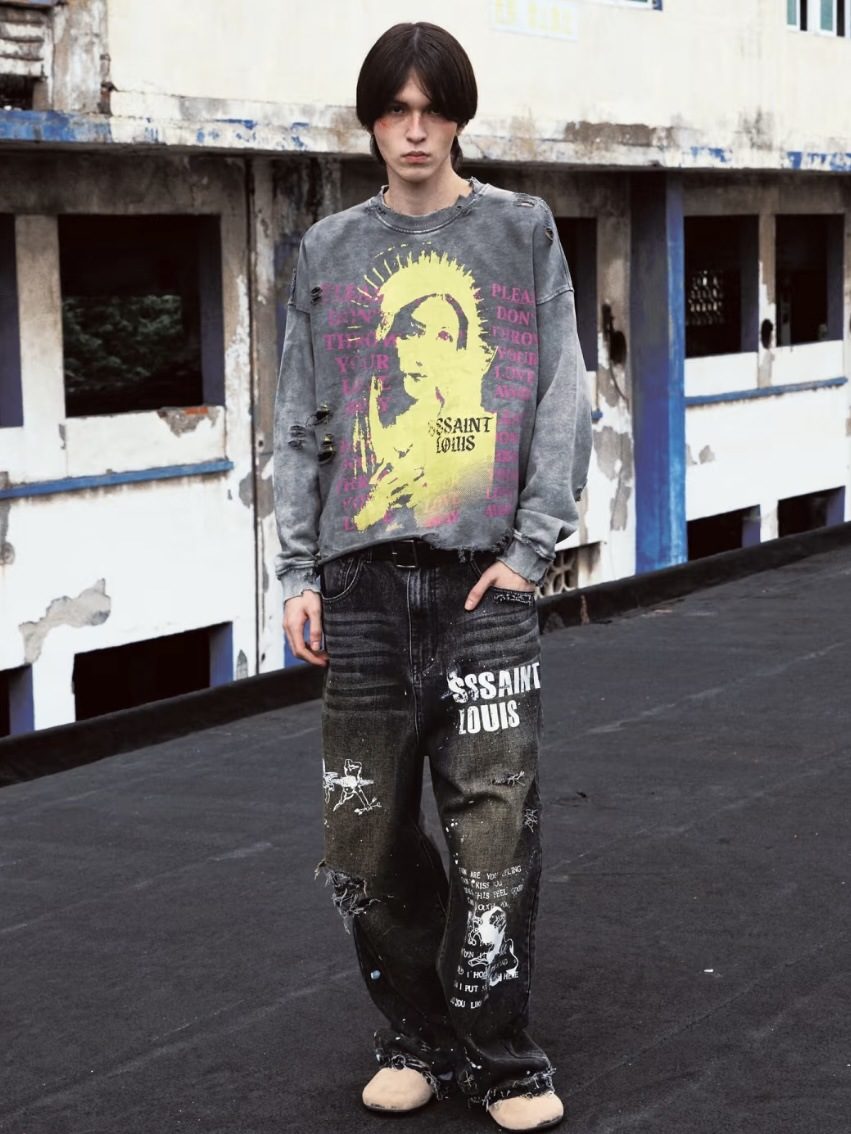
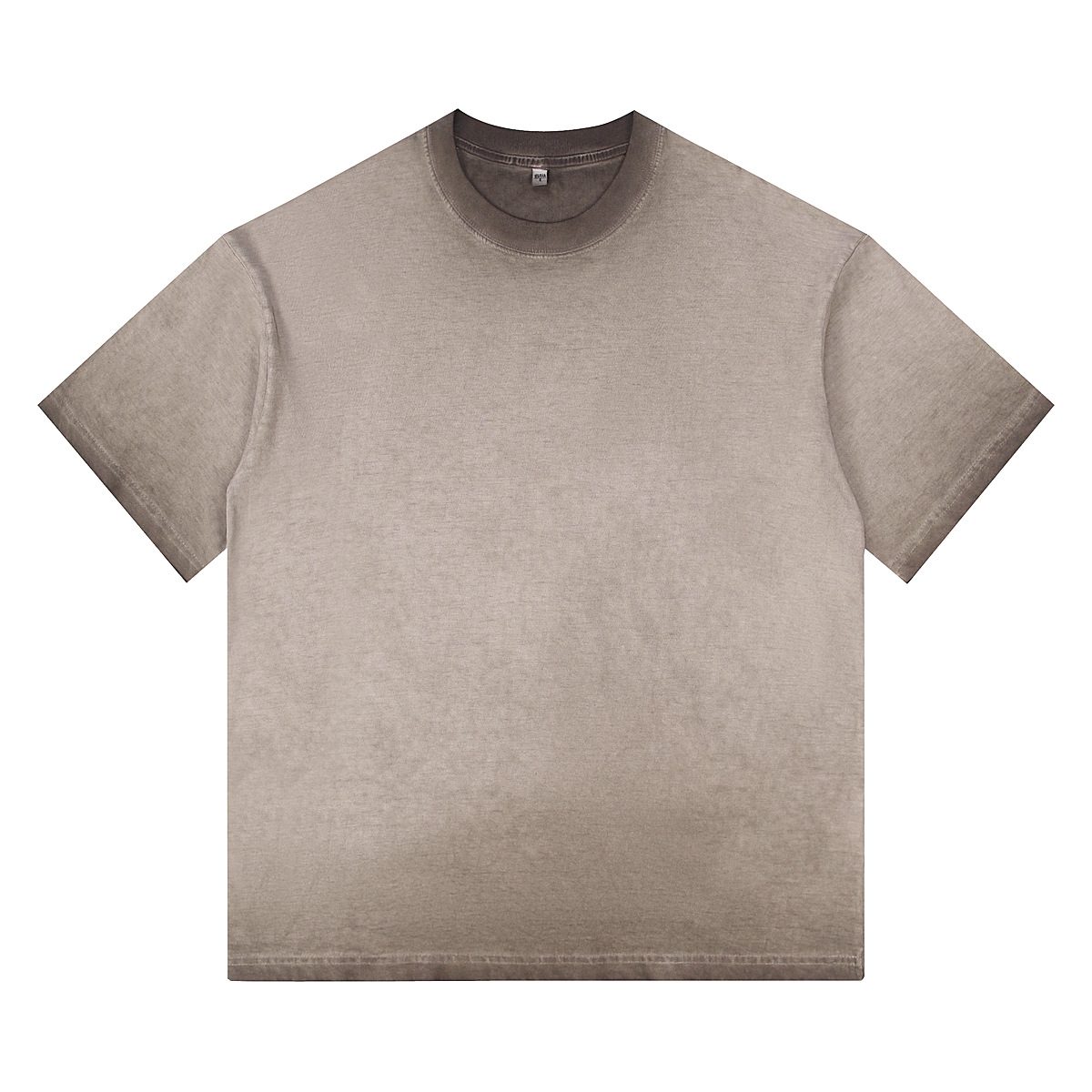
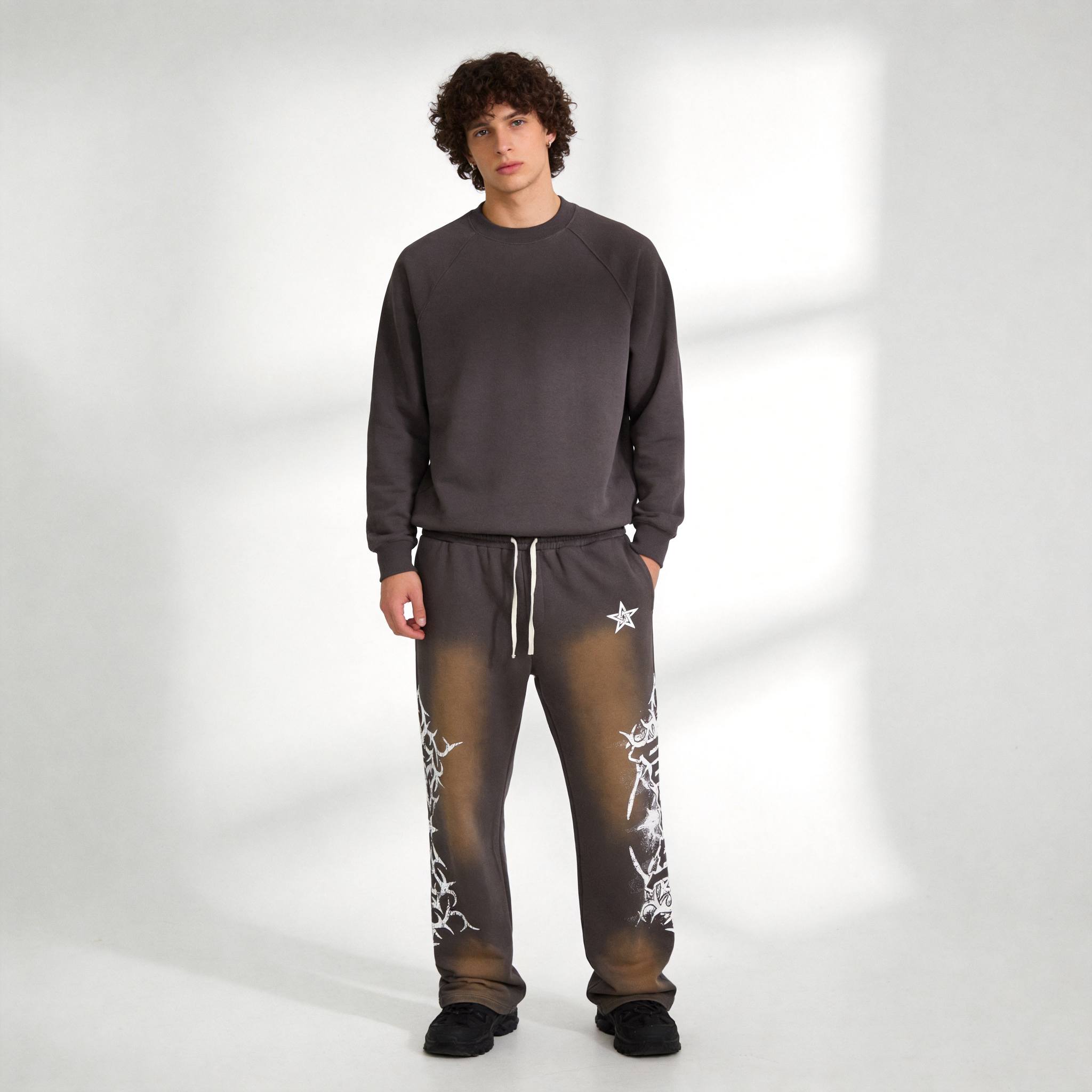
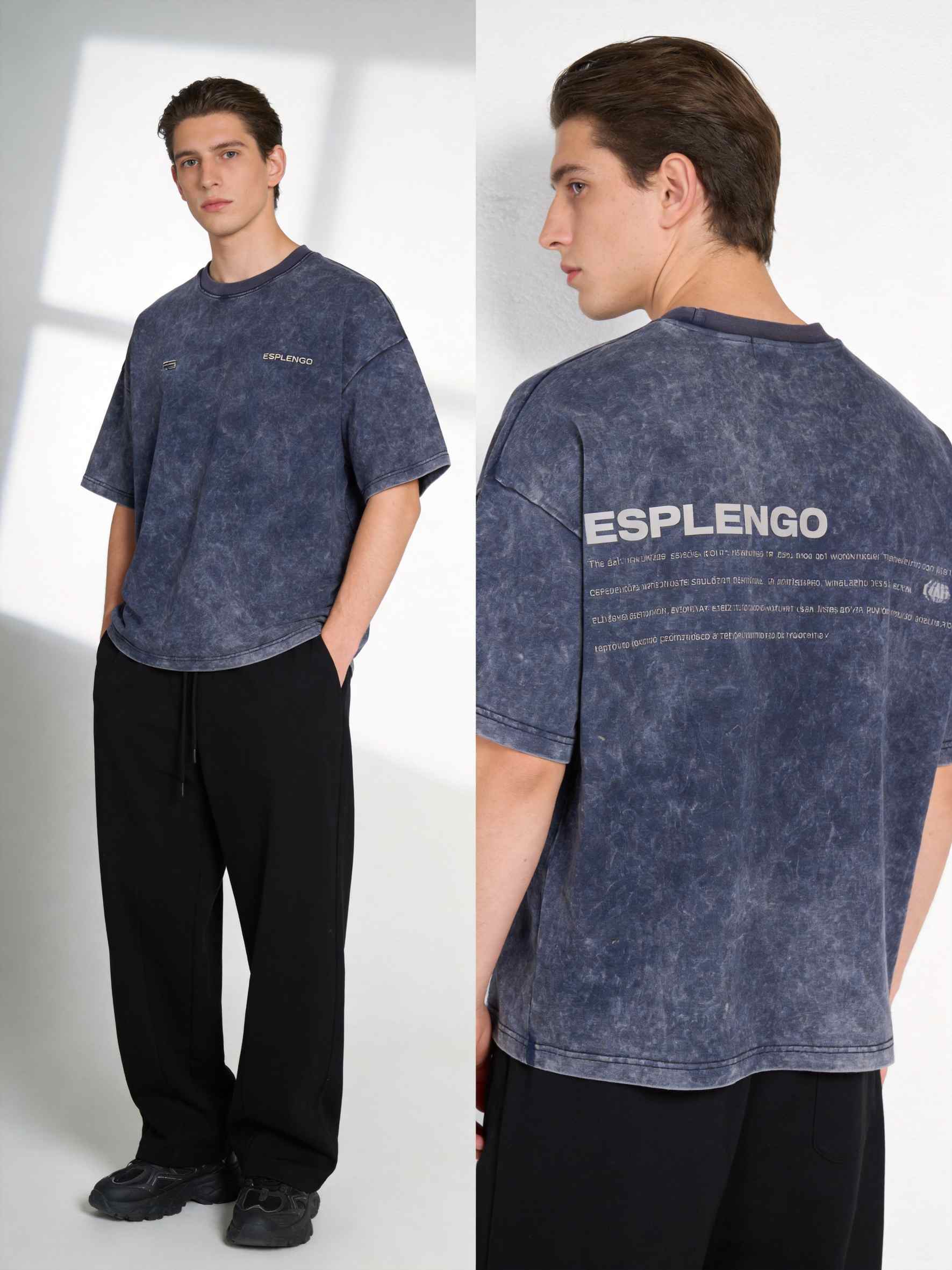
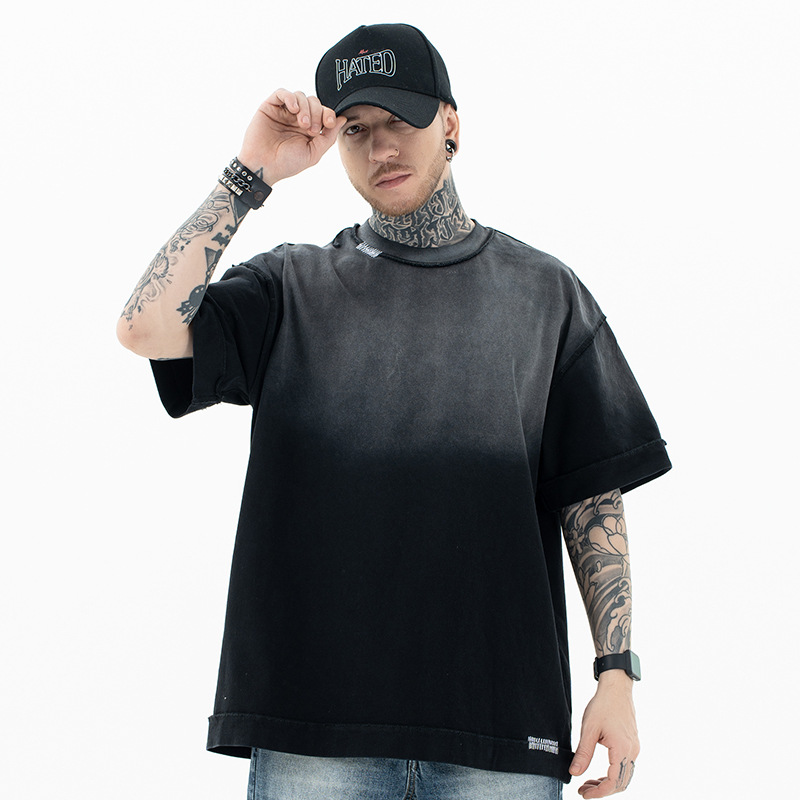
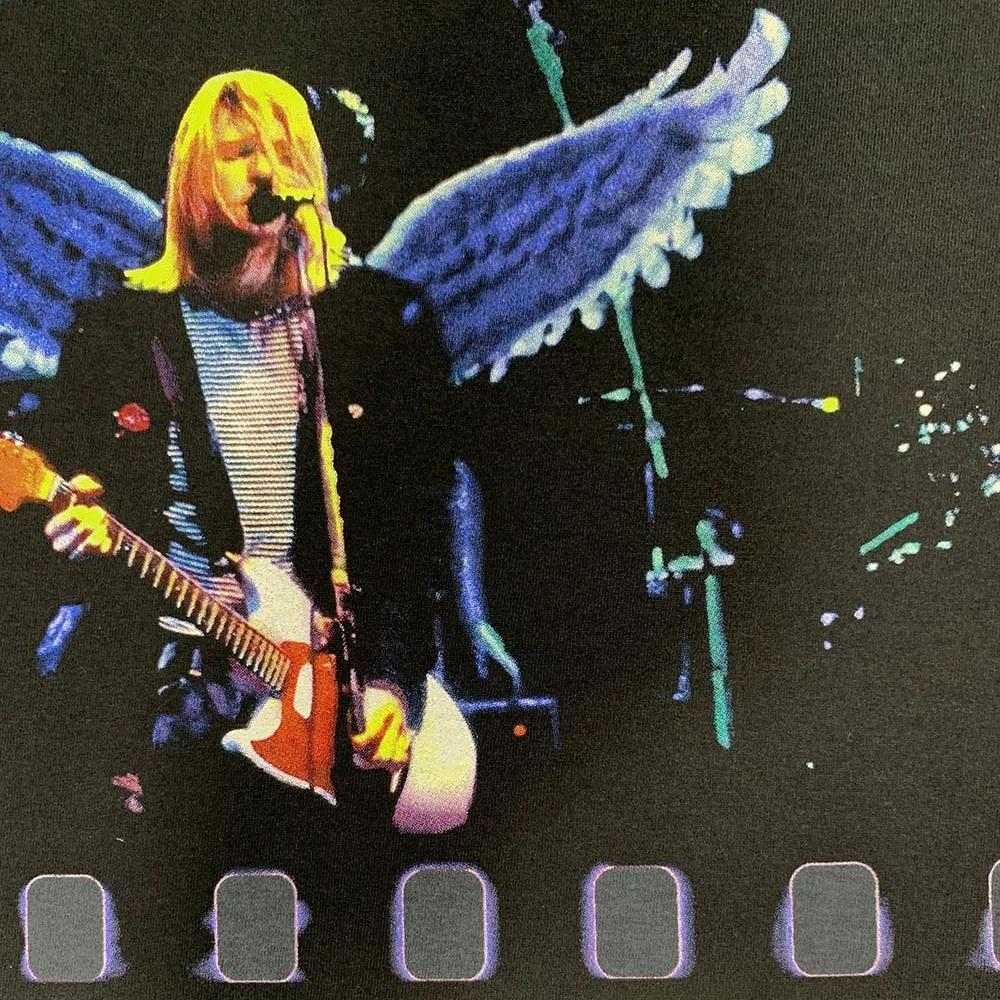
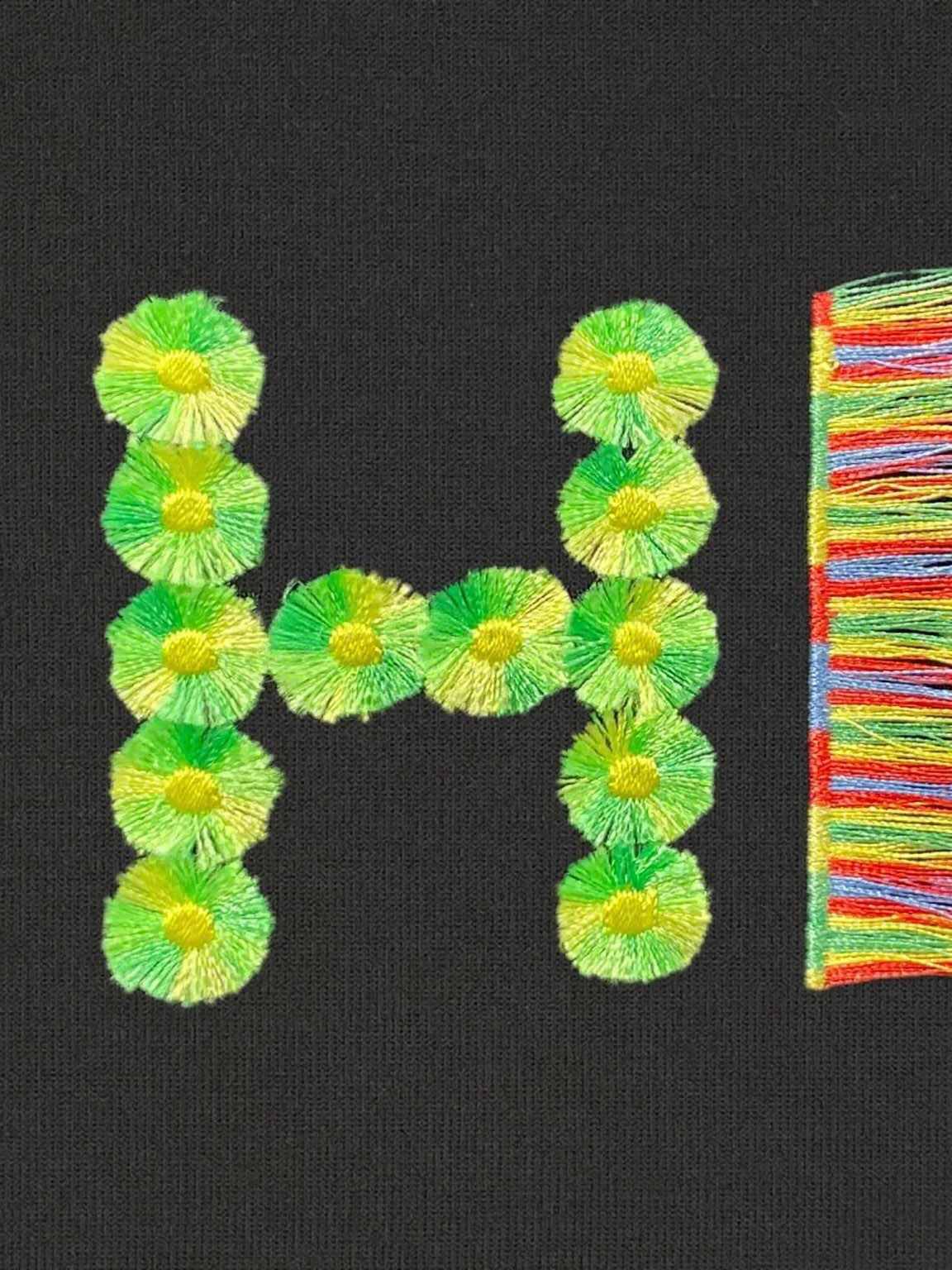
What Makes Our Custom Tie Dye Stand Out
ZORWILD combines 27 years of garment wash expertise with precision dyeing systems to deliver custom tie dye that maintains vibrant color and pattern integrity through repeated washing and extended wear.
Vibrant, Lasting Color Depth
Our custom tie dye process locks pigment deep into fibers for brilliant hues that resist fading through repeated washing and extended wear.
Exceptional Wash Durability
Advanced dye fixation techniques ensure your custom tie dye patterns maintain color intensity and clarity even after 50+ commercial laundry cycles.
Consistent Pattern Replication
Controlled tie dye application methods deliver repeatable patterns across production runs, ensuring brand consistency for wholesale and retail collections.
Multi-Fabric Compatibility
Our custom tie dye works beautifully on cotton, organic cotton, bamboo blends, heavyweight jersey, and French terry for diverse product lines.
Soft Hand Feel Preserved
Gentle wash chemistry maintains fabric softness and drape after custom tie dye treatment, avoiding stiffness common in lower-quality dyeing processes.
Layered Decoration Compatibility
Combine custom tie dye with embroidery, screen printing, puff print, and chenille patches for unique multi-technique designs across streetwear and fashion collections.
Related Garment Wash & Decoration Techniques
Garment Wash & Dye
Our garment wash services include acid wash, vintage wash, snow wash, enzyme wash, stone wash, garment dye, pigment dye, dip dye, tie dye, and distressed wash. Each technique is executed in-house with 27 years of craftsmanship expertise to deliver premium texture, soft hand feel, and unique color variations for streetwear and fashion brands.
Get a Quote
Acid Wash
Acid wash creates bold, high-contrast patterns with bleached-out effects ideal for vintage streetwear and 90s-inspired collections. We control chemical concentration, exposure time, and rinse cycles to achieve consistent marbling effects on denim, hoodies, sweatshirts, and T-shirts with durability and colorfastness built into every garment.
Get a Quote
Stone Wash
Stone wash uses pumice stones during the wash cycle to soften fabric, fade color, and create a worn-in vintage appearance. This technique is perfect for denim jeans, jackets, and casual apparel where comfort and broken-in aesthetics are essential. Our process ensures even fading without compromising fabric strength or seam integrity.
Get a Quote
Enzyme Wash
Enzyme wash uses biological enzymes to gently break down cotton fibers for ultra-soft hand feel and subtle color fading without harsh chemicals. Ideal for premium T-shirts, hoodies, and casualwear where comfort and skin-friendly finishes matter. We calibrate enzyme concentration and wash duration to achieve repeatable softness across production runs.
Get a Quote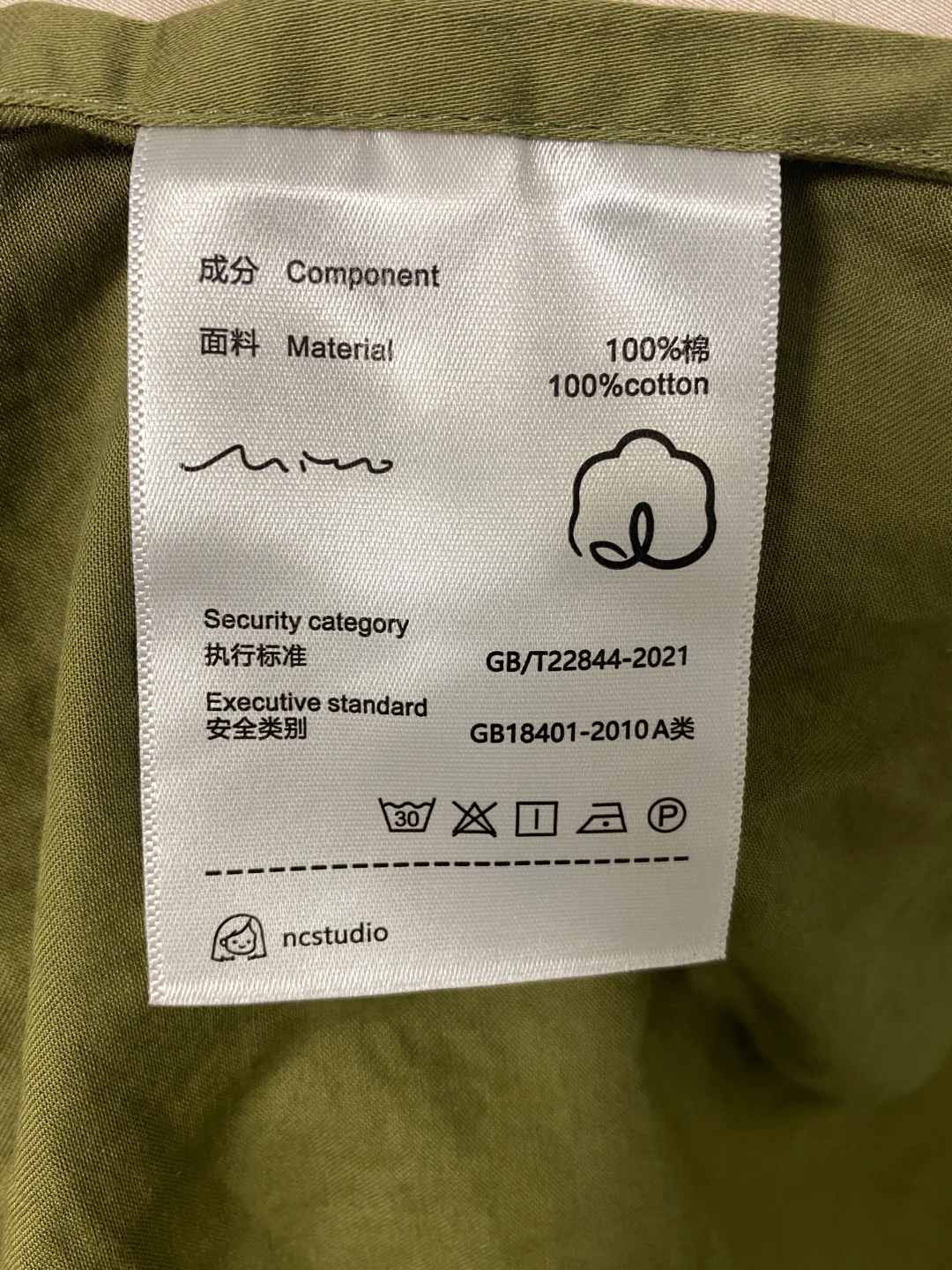
Garment Dye
Garment dye applies color after construction for rich, saturated tones with natural variation and vintage character. This post-production dyeing method creates depth and dimension impossible with pre-dyed fabrics. We support solid colors, ombre effects, and custom color matching for hoodies, sweatshirts, T-shirts, and cut-and-sew apparel with low MOQ flexibility.
Get a Quote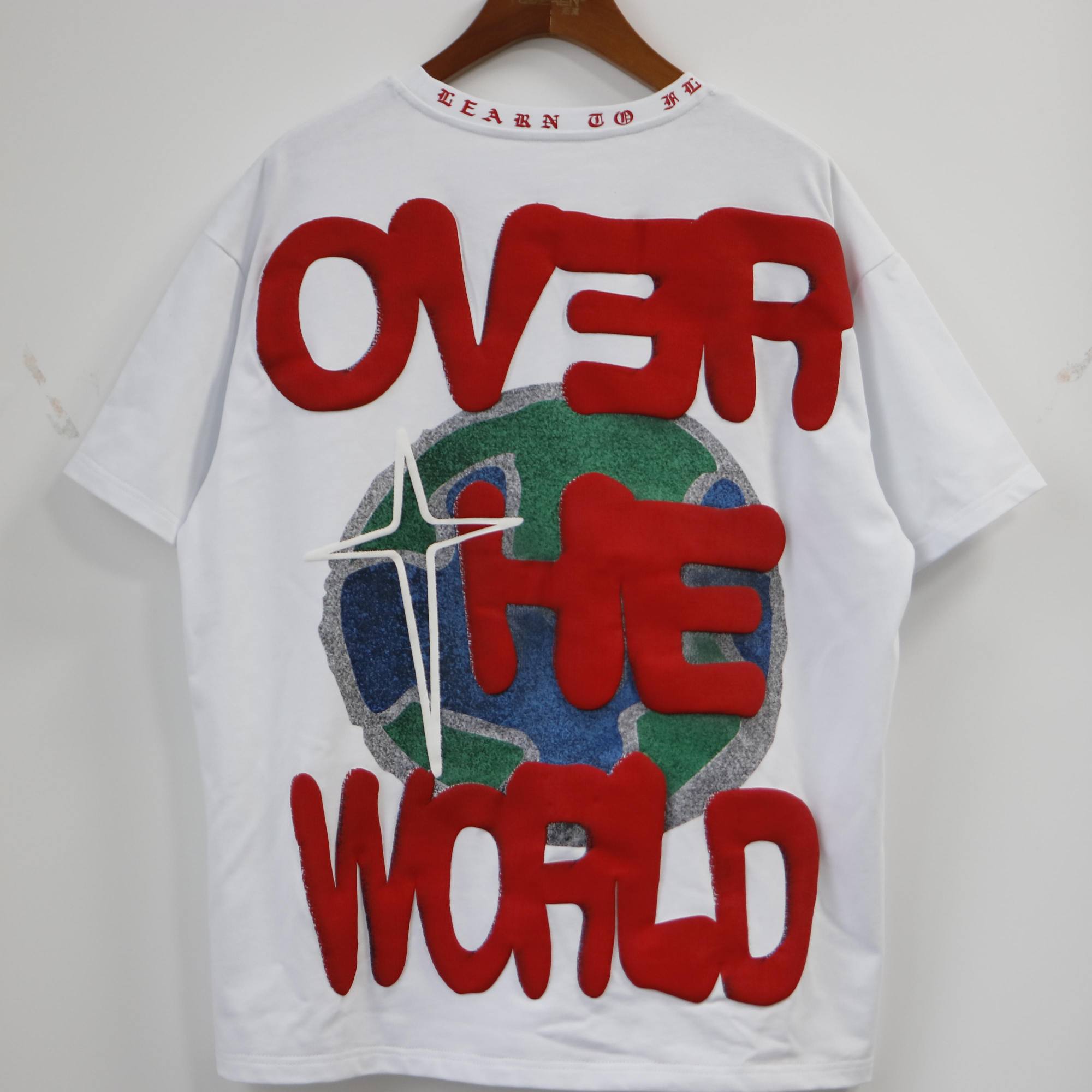
Custom Shirts
We manufacture custom shirts including casual shirts, Hawaiian shirts, resort shirts, bowling shirts, oversized shirts, and linen shirts using cotton poplin, rayon, viscose, and bamboo fabrics. Customization includes full print patterns, embroidery logos, contrast panels, custom buttons, digital printing, and sublimation printing with MOQ starting at 50 pieces for startup brands.
Get a Quote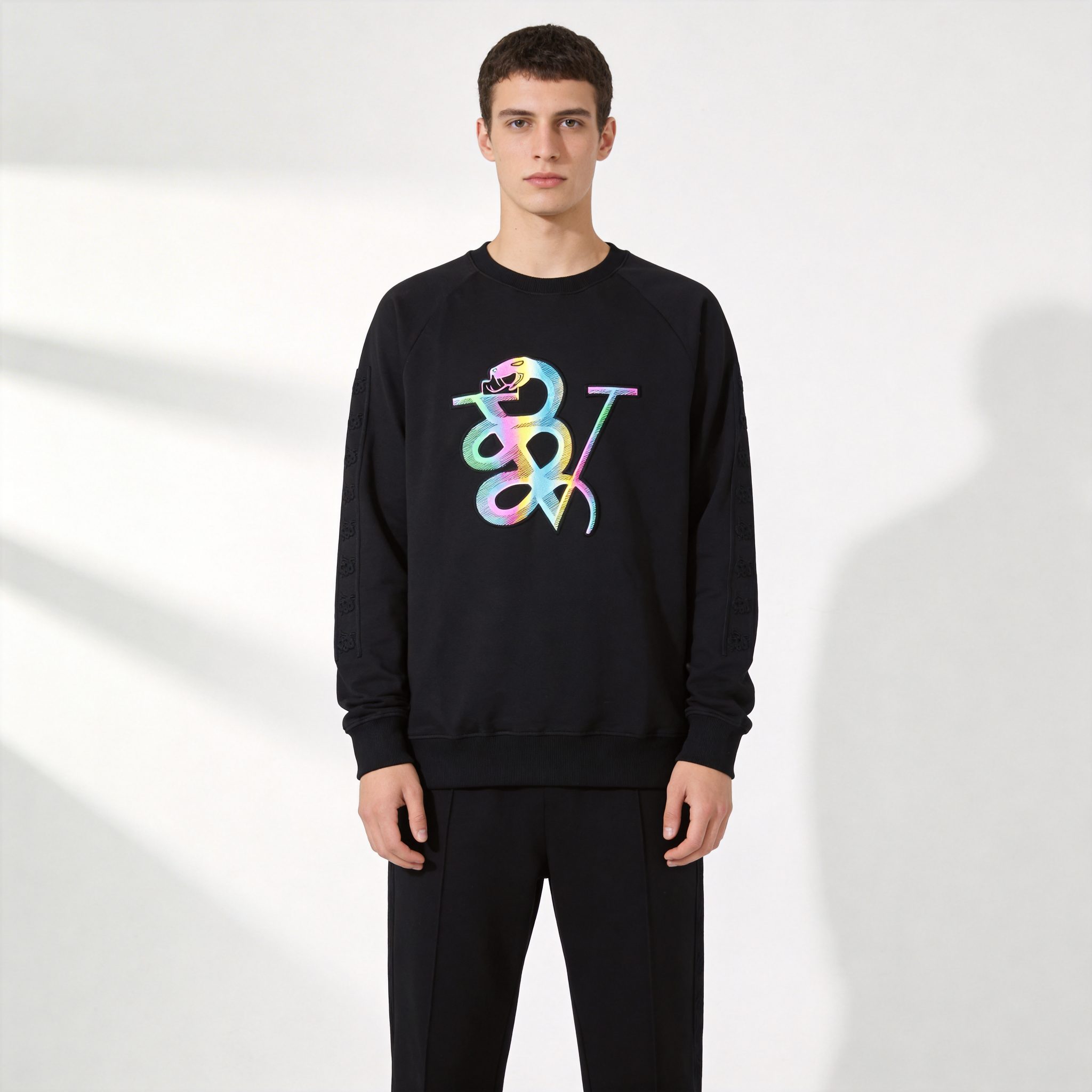
Customize Shirts
Our customize shirts service covers tech pack development, fabric selection, pattern grading, sample production, and bulk manufacturing. We support cut-and-sew construction, all-over printing, embroidery, custom labels, hang tags, and branded packaging. Whether you need printed shirts, uniform shirts, or fashion shirts, our team handles design-to-delivery with quality control at every stage.
Get a Quote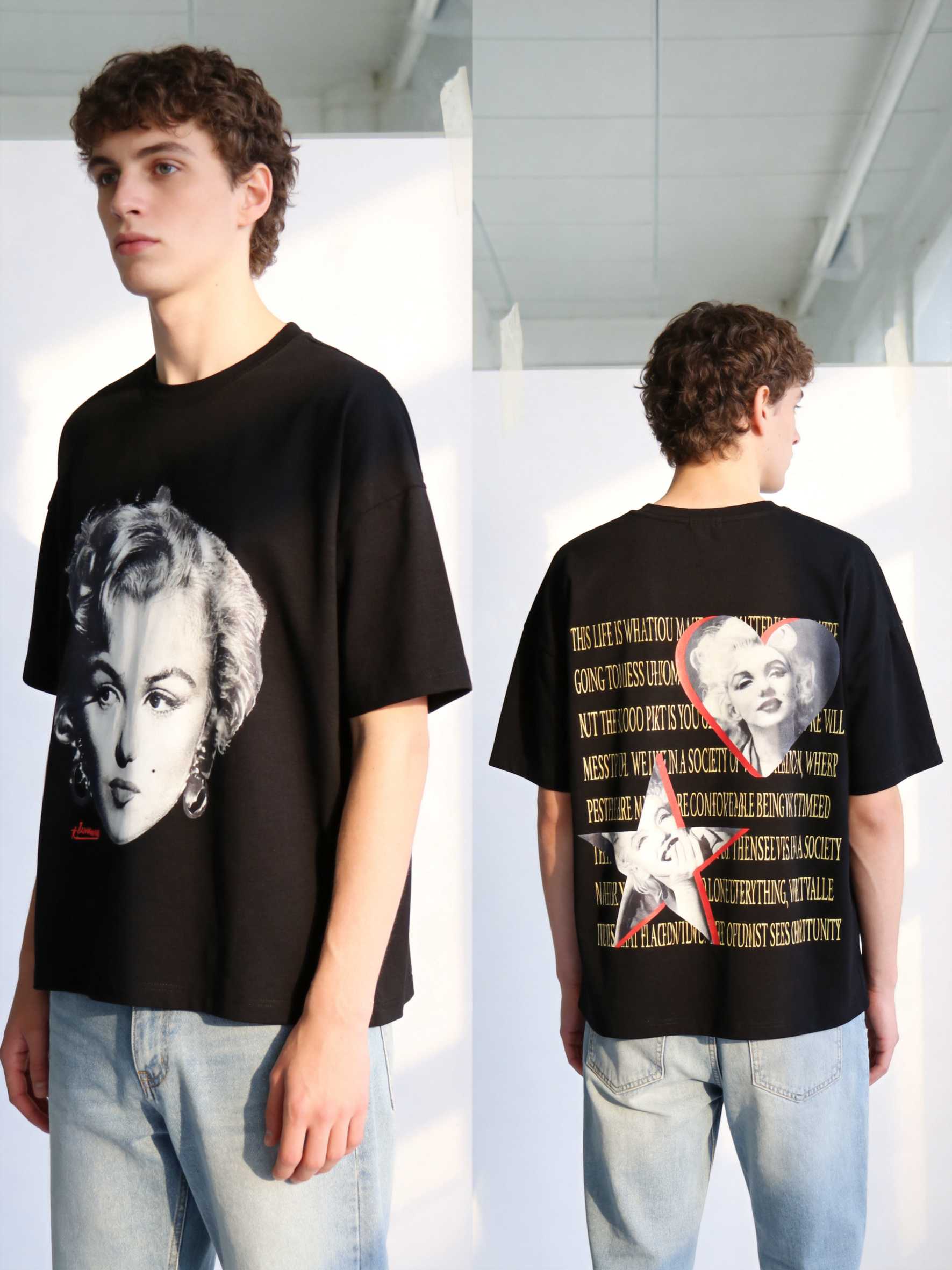
Custom Shirt Maker
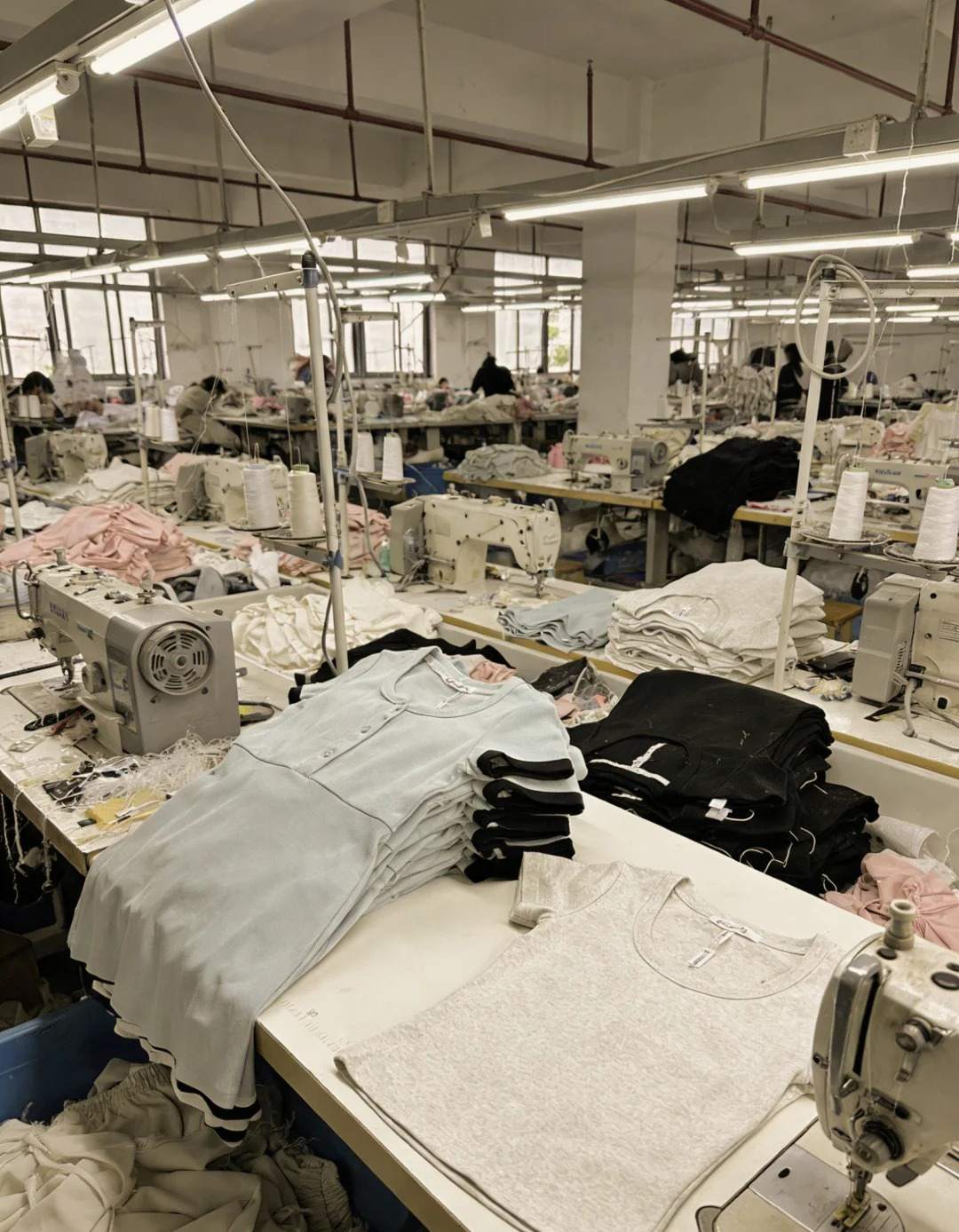
As a custom shirt maker with over 27 years of apparel manufacturing experience, we provide end-to-end shirt production from fabric sourcing and sampling to decoration, finishing, and export logistics. Our Humen Dongguan factory supports screen printing, DTG printing, embroidery, garment wash, and complex craftsmanship with monthly capacity exceeding 100,000 units.
Get a Quote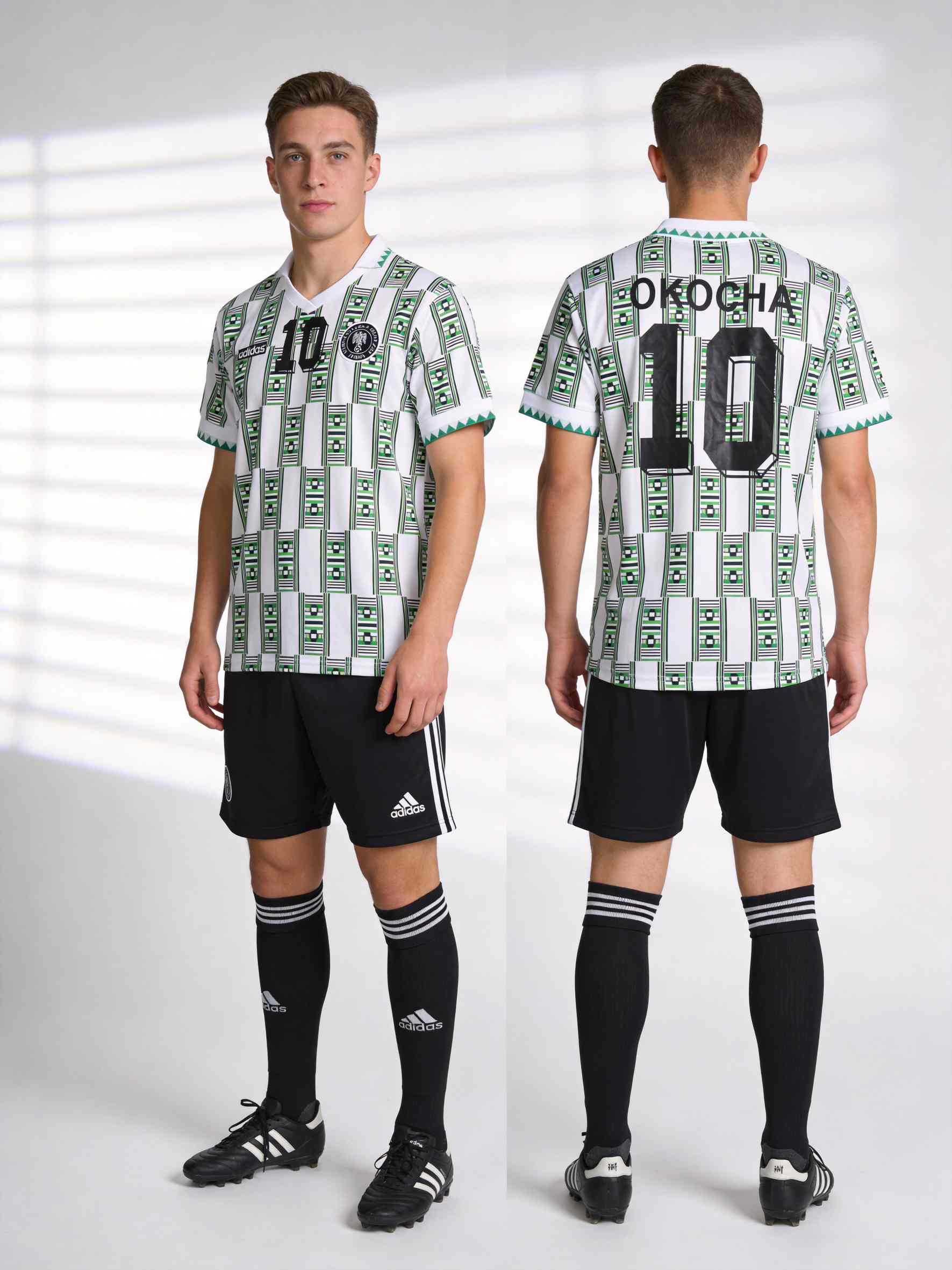
Tie Dye T-Shirts
Tie dye T-shirts feature hand-crafted spiral, crumple, or stripe patterns with vibrant multi-color effects perfect for festival wear, resort collections, and youth streetwear. We offer custom color combinations, repeatable pattern consistency, and soft reactive dyes that resist fading. Available in oversized, vintage wash, and heavyweight styles with low MOQ production.
Get a Quote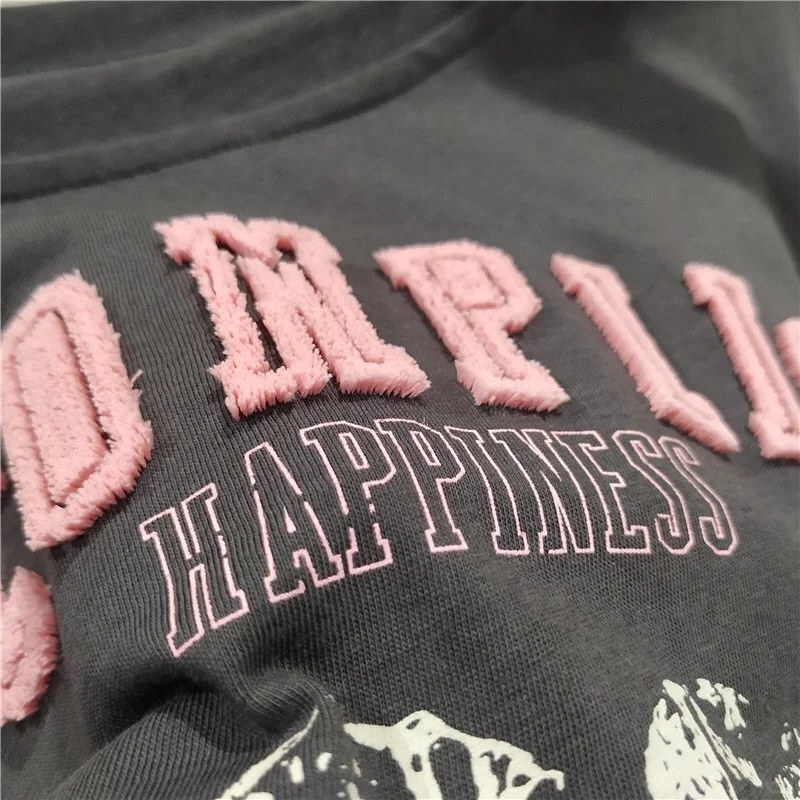
Tie Dye Hoodies
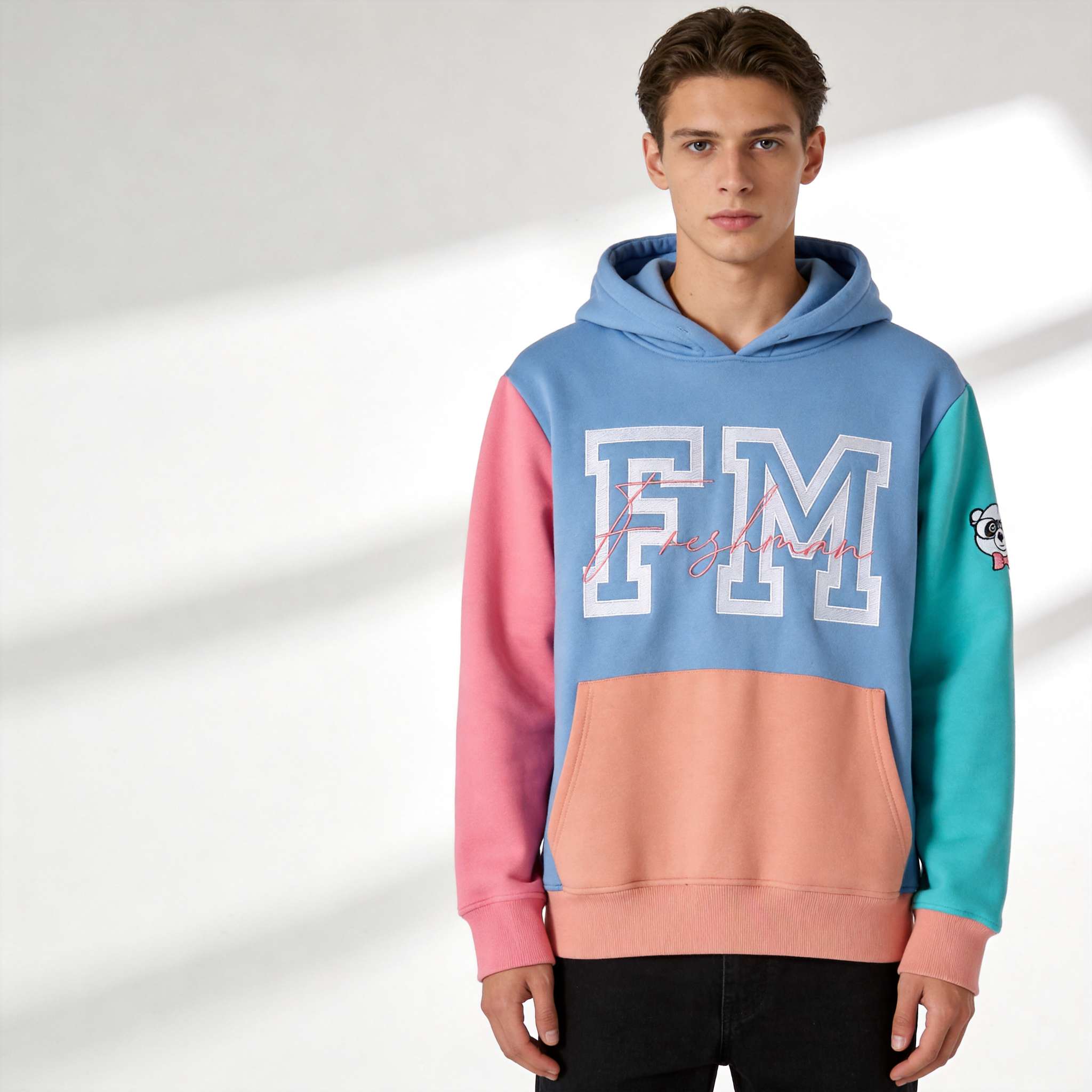
Tie dye hoodies combine bold psychedelic patterns with premium fleece construction for standout streetwear and lifestyle collections. Our process ensures color penetration through heavyweight fabrics, consistent pattern placement, and colorfastness after repeated washing. Customize with embroidery, puff print, or chenille patches on pullover, zip-up, or oversized silhouettes starting at 50 pieces.
Get a QuoteCustom Tie Dye Expertise Since 1998
ZORWILD was founded in 1998 in Humen, Dongguan, one of the world’s leading garment manufacturing hubs. Over 27 years, we’ve evolved from a family workshop into a full-scale apparel manufacturer specializing in advanced garment wash techniques, including custom tie dye, vintage wash, acid wash, and pigment dye for fashion brands worldwide.
Today, our team of 200+ skilled workers operates a state-of-the-art facility with 100,000+ units monthly production capacity. We’ve served over 2,000 global brands with our 6-stage quality control system, ensuring every custom tie dye piece delivers vibrant, consistent color and premium texture. Our technical depth in garment finishing sets us apart from typical manufacturers.
From 50-piece startup collections to large-scale production runs, ZORWILD combines decades of tie dye craftsmanship with scalable infrastructure. Our in-house capabilities cover 95%+ of decoration techniques, giving fashion brands the flexibility to create unique custom tie dye apparel with reliable quality, competitive pricing, and professional service at every stage.
The Science Behind Vibrant Custom Tie Dye
Dye Chemistry and Color Fastness
Professional custom tie dye requires precise reactive dye formulations and controlled pH environments to ensure vibrant colors penetrate fabric fibers. Our 27-year expertise delivers wash-fast, fade-resistant results that maintain intensity through commercial laundering and customer care cycles.
- Reactive dye chemistry for permanent fiber bonding and superior color retention
- pH-controlled dye baths calibrated for cotton, bamboo, modal, and blended fabrics
- Color fastness testing to AATCC standards ensuring grade 4+ wash durability
- Custom color matching from Pantone references or physical sample swatches
Fabric Preparation and Pre-Wash
Successful tie dye begins with thorough fabric preparation that removes sizing agents, oils, and finishes that block dye absorption. ZORWILD’s pre-treatment process ensures even dye uptake across every garment, eliminating patchy results and color inconsistencies common in rushed production environments.
- Hot water scouring removes sizing, waxes, and manufacturing residues before dyeing
- Pre-shrinking treatment stabilizes fabric dimensions and prevents post-dye distortion
- Moisture content optimization ensures uniform dye penetration across all garment zones
- Fabric inspection identifies defects before dye application to minimize waste
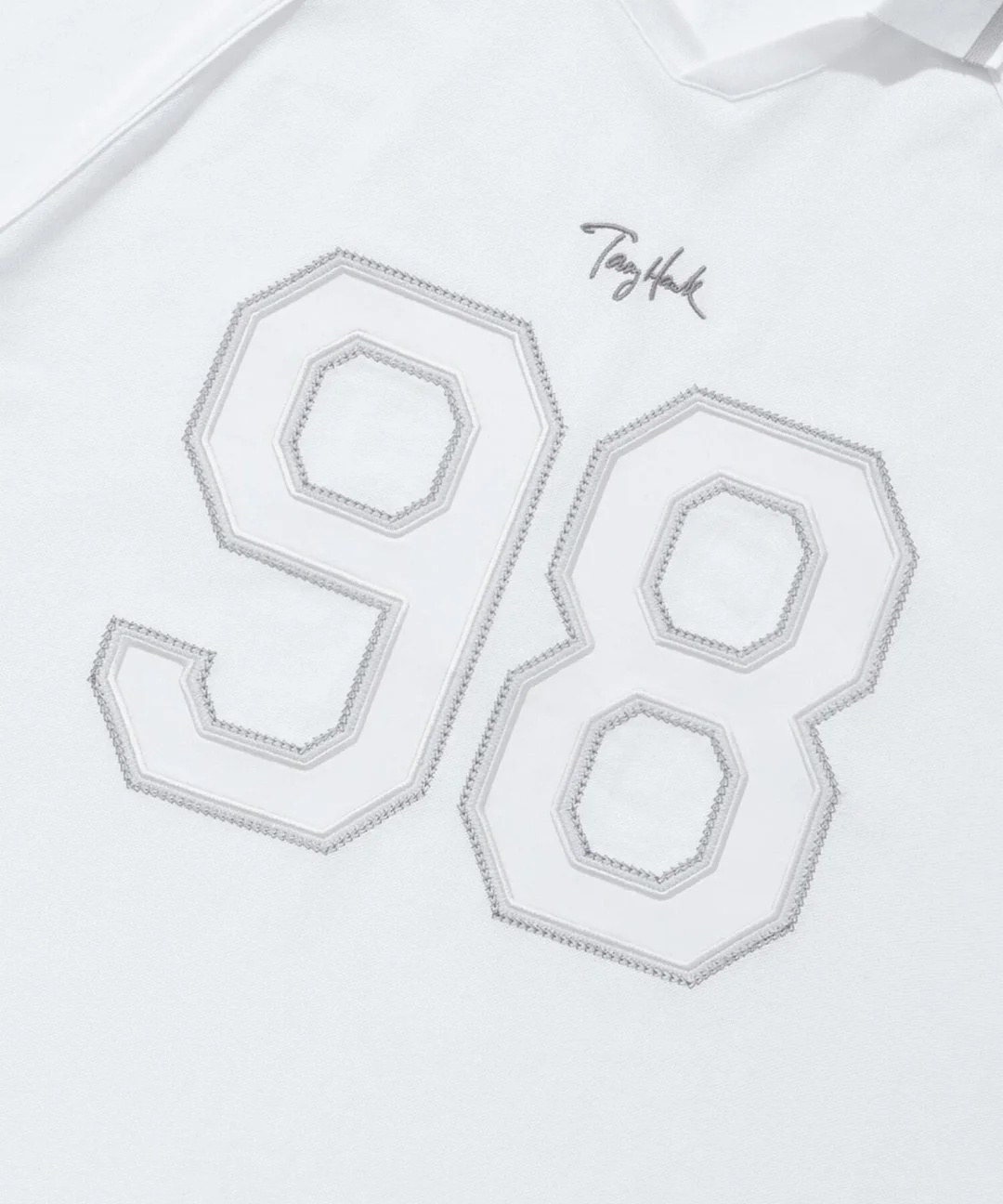
Pattern Control and Binding Techniques
Achieving consistent tie dye patterns across production runs demands skilled binding, folding, and resist application. Our experienced artisans use traditional spiral, crumple, and stripe techniques alongside modern clamp and stitch-resist methods to create repeatable custom patterns that align with your brand’s aesthetic vision.
- Spiral, bullseye, stripe, crumple, and geometric patterns executed with precision binding
- Clamp-resist and stitch-resist techniques for sharp-edge contemporary designs
- Pattern templates and jigs ensure consistency across 50-piece to 10,000-piece orders
- Multi-color layering and gradient effects controlled through sequential dye application
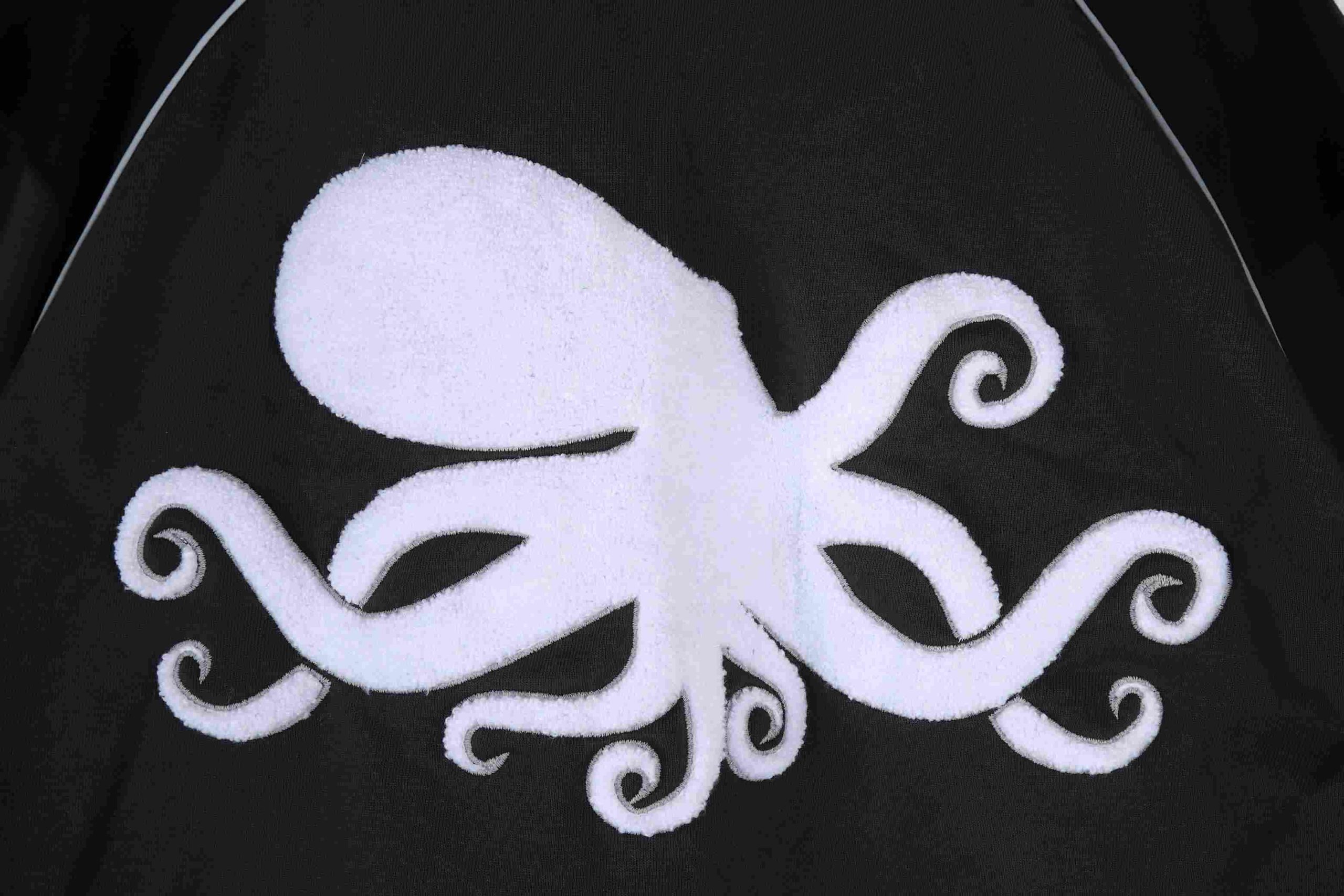
Post-Dye Curing and Finishing
After dye application, proper curing and washing protocols lock in color permanence and hand feel. ZORWILD’s controlled curing chambers maintain optimal temperature and humidity, while our multi-stage rinse process removes unfixed dye and residual chemicals, delivering soft, retail-ready garments with zero color bleeding.
- Temperature-controlled curing chambers activate chemical bonds for maximum color permanence
- Multi-stage hot and cold rinse cycles eliminate unfixed dye and prevent color transfer
- Neutral pH final wash ensures garment softness and removes chemical residues
- Final inspection verifies pattern accuracy, color consistency, and fabric hand feel
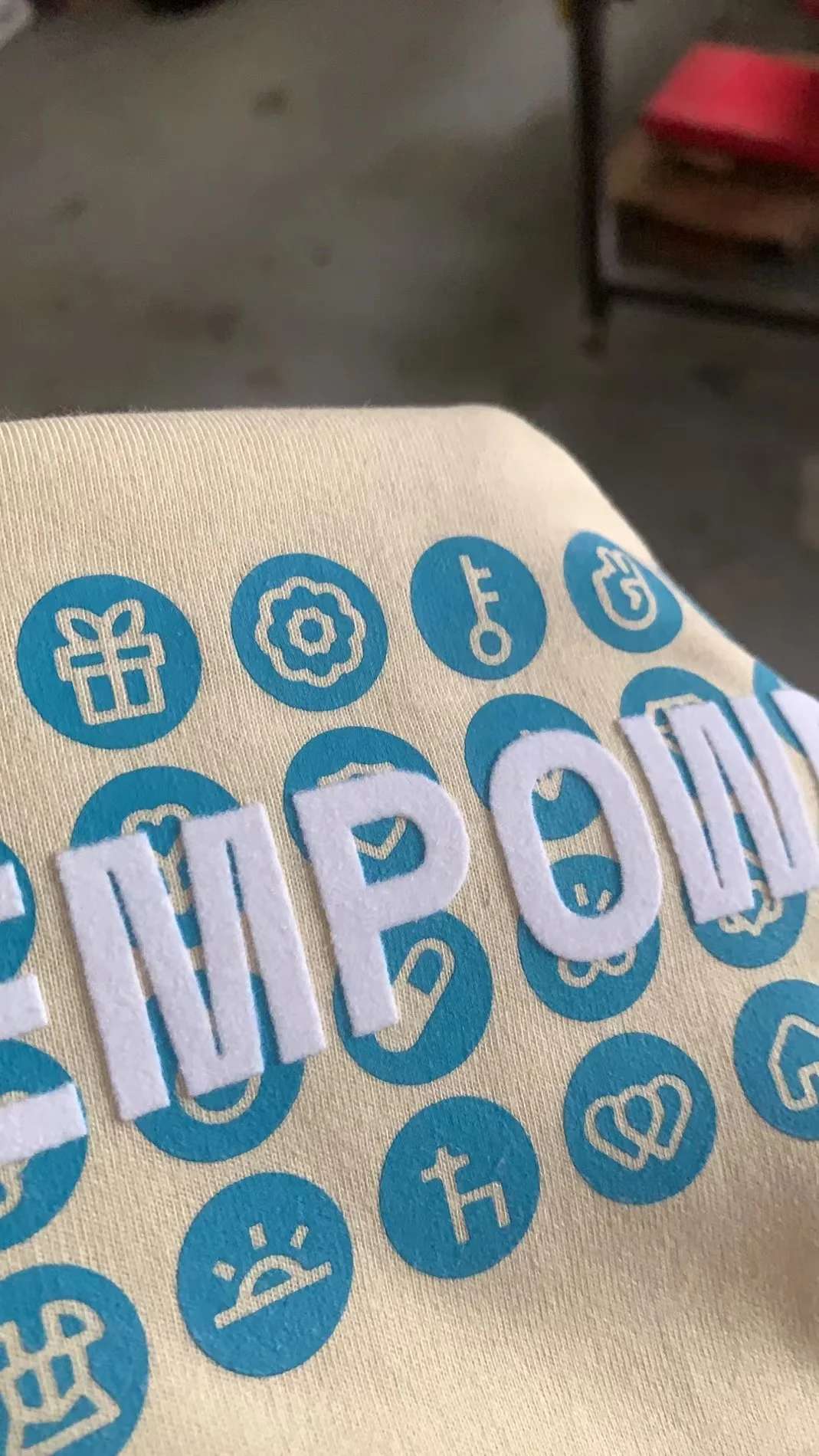
Custom Tie Dye vs. Acid Wash
Both techniques create unique garment finishes, but they differ in color control, pattern precision, fabric compatibility, and design versatility. Here’s how custom tie dye compares to acid wash for your collection.
← 左右滑动查看 →
Custom Tie Dye Production Flow
Our 27-year garment finishing expertise ensures every custom tie dye piece meets strict color vibrancy, pattern consistency, and durability standards through seven controlled production phases.
Fabric Sourcing & Pre-Treatment
We select natural fiber fabrics optimized for dye absorption, then apply pre-wash treatments to remove sizing and ensure even color penetration across every garment.
Pattern Binding & Tie-Off
Skilled technicians hand-bind garments using rubber bands, string, or clamps to create precise tie dye patterns, ensuring design consistency across your entire production run.
Dye Bath Preparation & Immersion
We prepare custom dye formulas at controlled temperatures and immerse bound garments for precise durations, monitoring color intensity and saturation throughout the dye bath process.
Color Setting & Curing
Dyed garments undergo controlled curing at optimal temperatures to lock in vibrant colors, ensuring colorfastness and wash durability that meets international quality standards.
Rinse & Wash Cycles
Multiple rinse cycles remove excess dye while preserving pattern sharpness and color vibrancy, with pH-balanced wash treatments to prevent bleeding and ensure long-lasting color retention.
Final Drying & Pressing
Garments are tumble dried or air dried to prevent shrinkage, then carefully pressed to restore shape and create a premium finished appearance ready for branding and packaging.
Quality Inspection & Approval
Our six-stage quality control system inspects pattern accuracy, color consistency, fabric integrity, measurements, and overall finish before final packaging and shipment to your location.
How to Order Custom Tie Dye in 3 Simple Steps
From design concept to finished garments, ZORWILD’s streamlined process makes custom tie dye production accessible for brands of every size—starting at just 50 pieces.
Submit Your Design Brief
Share your tie dye pattern style, color palette, garment type, fabric preference, and reference samples. Our team will review specifications and recommend the best approach.
Approve Tie Dye Sample
Receive a physical sample showcasing your custom tie dye pattern, color intensity, and garment construction. Evaluate fit, wash quality, and visual effect before production.
Confirm Production and Launch
Lock in your 50-piece minimum order quantity, lead time, and pricing. Our 27-year manufacturing expertise ensures consistent tie dye results across your entire production run.
Brands Trust ZORWILD’s Custom Tie Dye
We launched our tie dye hoodie capsule with 100 pieces and sold out within 48 hours after posting on Instagram. The color vibrancy held up perfectly after multiple washes, and our customers consistently tagged us in their posts showing the quality.
ZORWILD delivered 600 custom tie dye tees with excellent pattern consistency across every unit. We needed strict color matching for our brand aesthetic, and their quality control process exceeded our expectations.
Starting with only 50 pieces let us test three tie dye colorways without overcommitting inventory. Production shipped on schedule in 22 days, and we’ve already reordered 500 units of our best-seller.
Custom Tie Dye — Frequently Asked Questions
What fabrics work best for custom tie dye?
What is the minimum order quantity for custom tie dye apparel?
Can I combine custom tie dye with embroidery or screen printing?
How durable is custom tie dye after washing?
What is the maximum number of colors for custom tie dye designs?
What is the lead time for custom tie dye production?
How do I submit artwork or design inspiration for custom tie dye?
Can you match a specific tie dye color or pattern?
Are samples available before bulk production?
The Complete Buyer’s Guide to Custom Tie Dye for Brands and Wholesalers
1. What Is Custom Tie Dye?
Custom tie dye is a decorative garment dyeing technique where fabric is bound, folded, or twisted before applying dye to create unique color patterns and visual effects on finished apparel. Unlike mass-produced tie dye printed with digital or screen methods that simulate the look, true custom tie dye involves physical manipulation of each garment during the dyeing process, resulting in one-of-a-kind color variations and authentic texture that cannot be perfectly replicated.
The distinction between standard and custom tie dye lies in three areas: design control, color selection, and pattern exclusivity. Mass-produced tie dye typically offers 5 to 8 preset patterns with fixed color combinations and no modification options. Custom tie dye allows brands to specify exact Pantone color matches, control pattern intensity and placement, select binding techniques like spiral, crumple, or stripe methods, and create exclusive designs that competitors cannot duplicate.
Brands and wholesalers choose custom tie dye for product differentiation in saturated markets where generic apparel offers minimal competitive advantage. A custom tie dye hoodie or T-shirt collection provides visual distinction, supports premium pricing strategies, strengthens brand identity, and appeals to consumers seeking authentic, artisan-quality garments. ZORWILD supports custom tie dye production with low 50-piece minimums, enabling startup brands and influencers to launch exclusive collections without large inventory commitments while maintaining full control over color palettes, pattern styles, and garment finishing quality.
2. The Evolution of Tie Dye: From Counterculture to Custom Branding
Ancient resist-dyeing traditions date back more than 6,000 years, with documented techniques in India, Japan (shibori), and West Africa long before tie dye entered Western consciousness. These hand-crafted methods used folding, binding, and natural dyes to create unrepeatable patterns on fabric, establishing the foundation for modern custom tie dye.
The 1960s counterculture movement transformed tie dye into a symbol of rebellion and self-expression, with Grateful Dead concerts and Woodstock cementing its association with youth culture and individuality. By the 1990s, tie dye experienced a mainstream revival through grunge fashion and streetwear brands, shifting from homemade craft to commercial production with improved dye chemistry and wash-fastness.
The 2020s fashion resurgence repositioned custom tie dye as a premium branding tool, driven by social media visibility, celebrity endorsements, and the athleisure boom. Streetwear labels and influencer brands now use controlled tie dye patterns—spiral, crumple, dip dye—to create limited-edition drops with instant visual identity. Custom tie dye allows brands to differentiate collections without complex printing setups, offering unique colorways, vintage aesthetics, and organic appeal that resonate with Gen Z and millennial consumers seeking authenticity and exclusivity in apparel.
3. Types of Custom Tie Dye Patterns and Techniques
Custom tie dye manufacturing supports six core pattern techniques, each delivering distinct visual effects and production complexity. Pattern choice directly impacts branding consistency, production lead time, and minimum order feasibility for startup brands and wholesalers.
Spiral Tie Dye
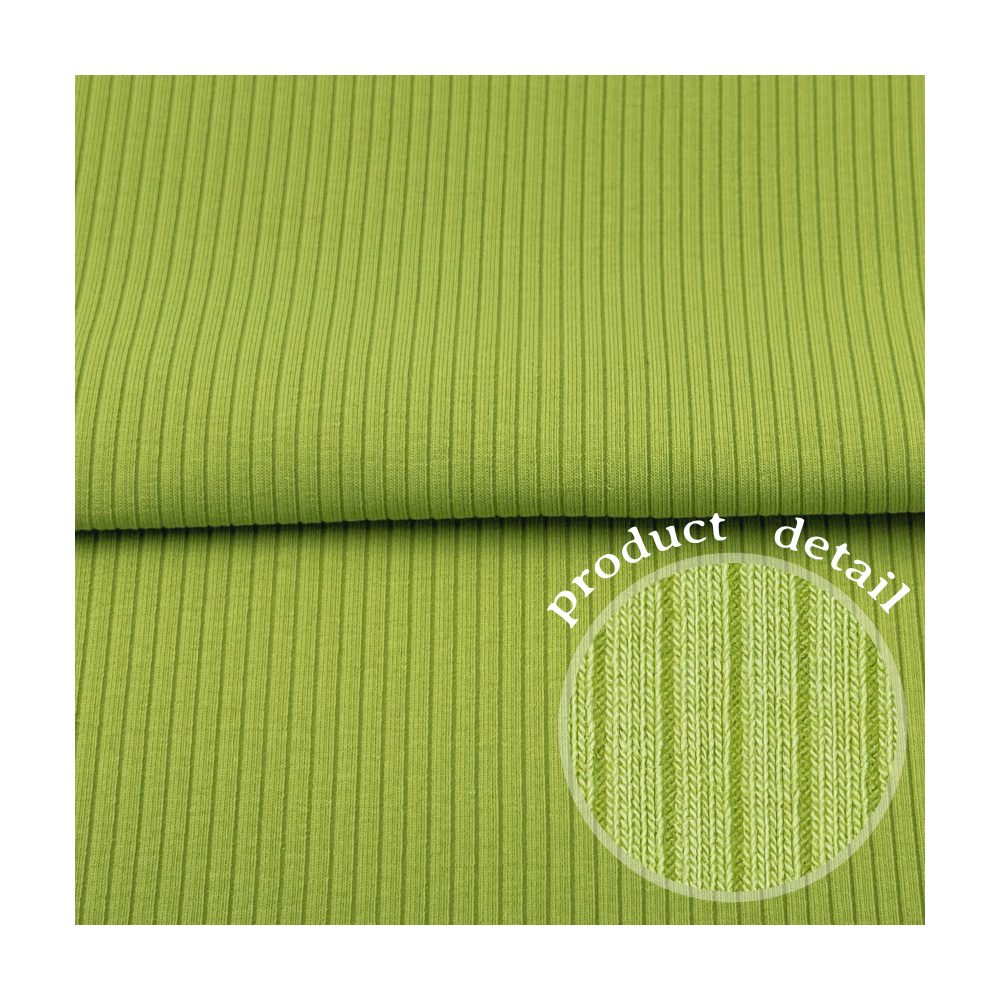
Spiral patterns radiate from a center point, creating concentric color bands that rotate outward. This technique uses twisted fabric bundles secured with rubber bands or string, then dyed in sequential color zones.
Spiral tie dye offers moderate branding consistency when manufacturers use jigs or templates for twisting. ZORWILD produces spiral patterns starting at 50-piece MOQ, suitable for streetwear capsules and influencer merch collections requiring recognizable but organic aesthetics.
Crumple Tie Dye
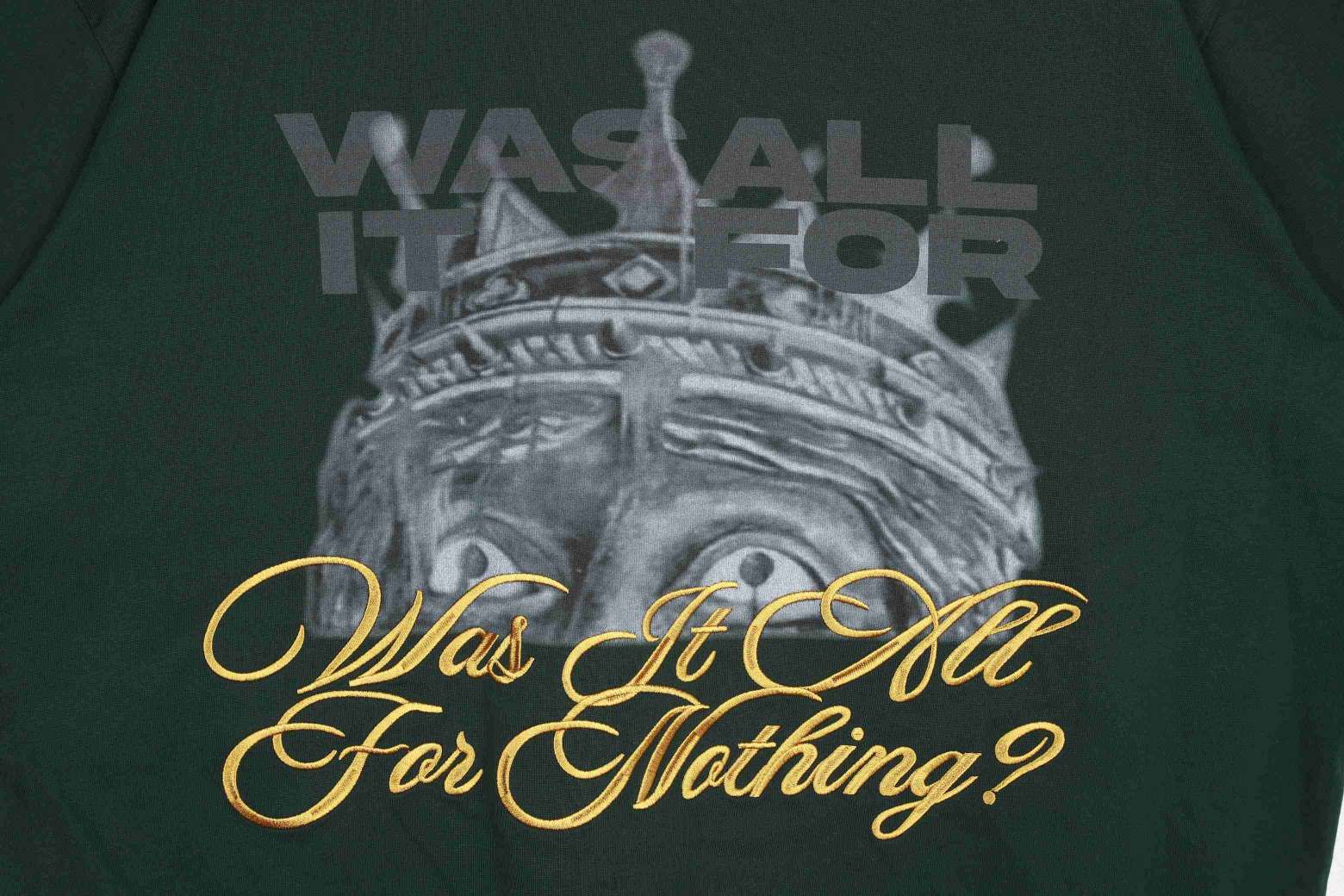
Crumple (or scrunch) technique randomly compresses fabric before dye application, producing abstract, unpredictable color bursts with no repeating geometry. Each garment exhibits unique color distribution.
This method suits brands prioritizing individuality over pattern consistency. Production complexity is low, making crumple ideal for low MOQ orders and fast turnaround, though branding relies on color palette rather than pattern recognition.
Bullseye and Stripe Tie Dye
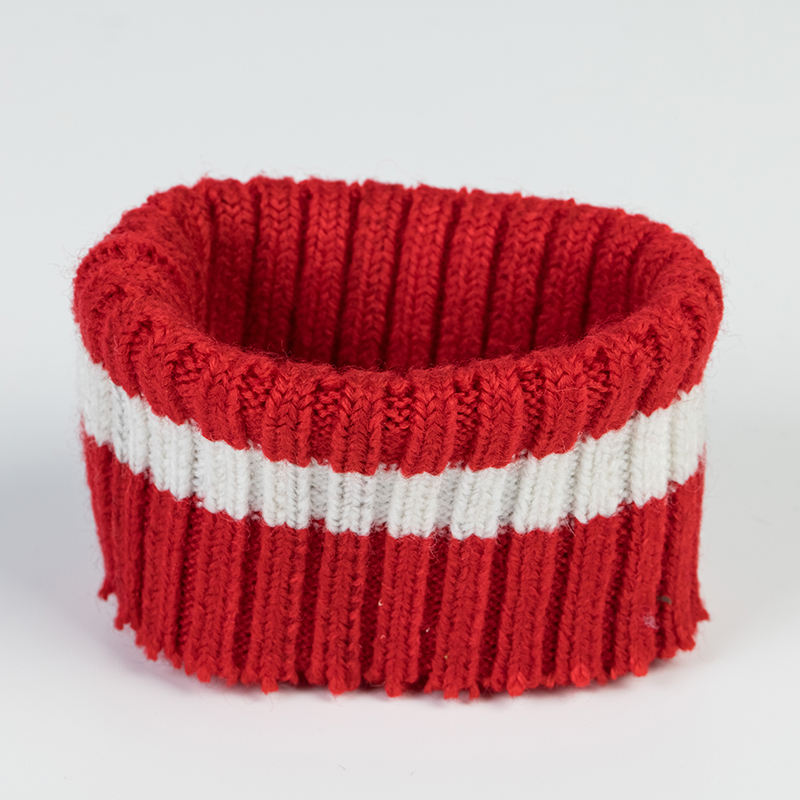
Bullseye creates concentric circles by pinching fabric at a single point; stripe (or linear) patterns use parallel folds or pleats to produce horizontal or vertical bands. Both techniques deliver higher pattern predictability.
Bullseye and stripe patterns support stronger brand identity through repeatable geometry. ZORWILD uses binding templates and fold guides to maintain consistency across production runs, critical for wholesale orders and retail collections requiring visual uniformity.
Ice Dye and Reverse Tie Dye
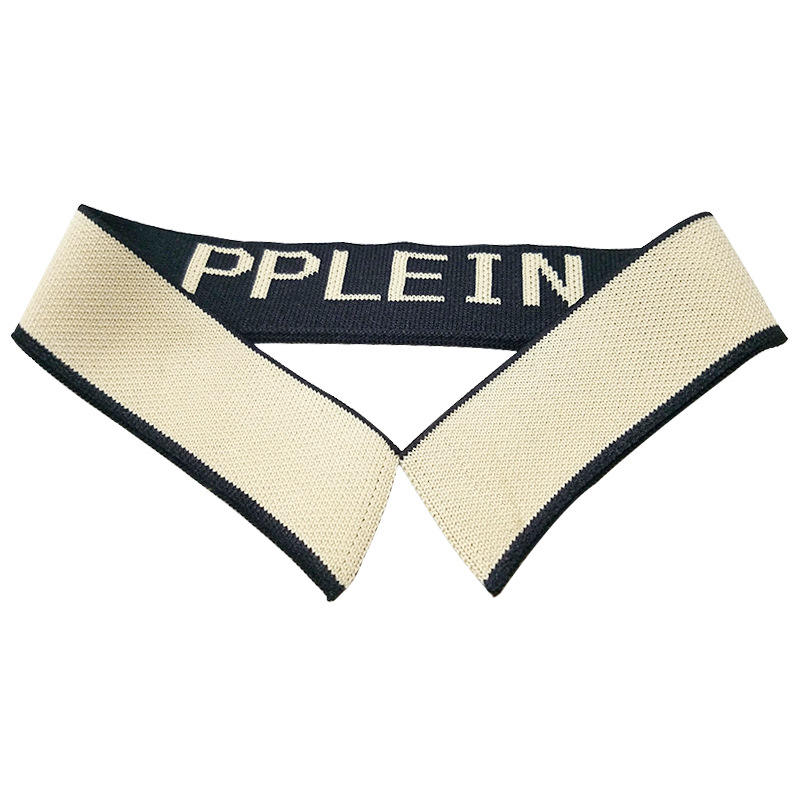
Ice dye places ice cubes over bound fabric, then applies powdered dye; melting ice creates watercolor gradients and organic color diffusion. Reverse tie dye uses bleach discharge on dark garments to remove color, producing high-contrast vintage effects.
Ice dye delivers softer, pastel aesthetics popular in resort and casual collections. Reverse tie dye suits streetwear brands seeking distressed, high-contrast looks. Both require careful quality control; ZORWILD monitors discharge timing and neutralization to prevent fabric damage across production batches.
4. Materials and Fabrics for Custom Tie Dye
Fabric selection determines dye uptake, color vibrancy, and wash durability in custom tie dye production. Natural cellulose fibers bond chemically with reactive dyes, while synthetic blends resist pigment absorption and fade faster.
| Fabric Type | GSM Range | Dye Compatibility | Typical Use Case |
|---|---|---|---|
| 100% Cotton | 160–220 | Excellent (reactive dye) | T-shirts, casual tees |
| Cotton French Terry | 280–340 | Excellent (reactive dye) | Hoodies, sweatshirts |
| Rayon / Bamboo | 140–180 | Excellent (fast uptake) | Resort shirts, loungewear |
| Cotton-Poly Blend | 160–200 | Poor (50% less vibrancy) | Budget basics, activewear |
| Hemp Blend | 200–260 | Good (longer process) | Eco-focused casualwear |
Best Natural Fibers for Tie Dye
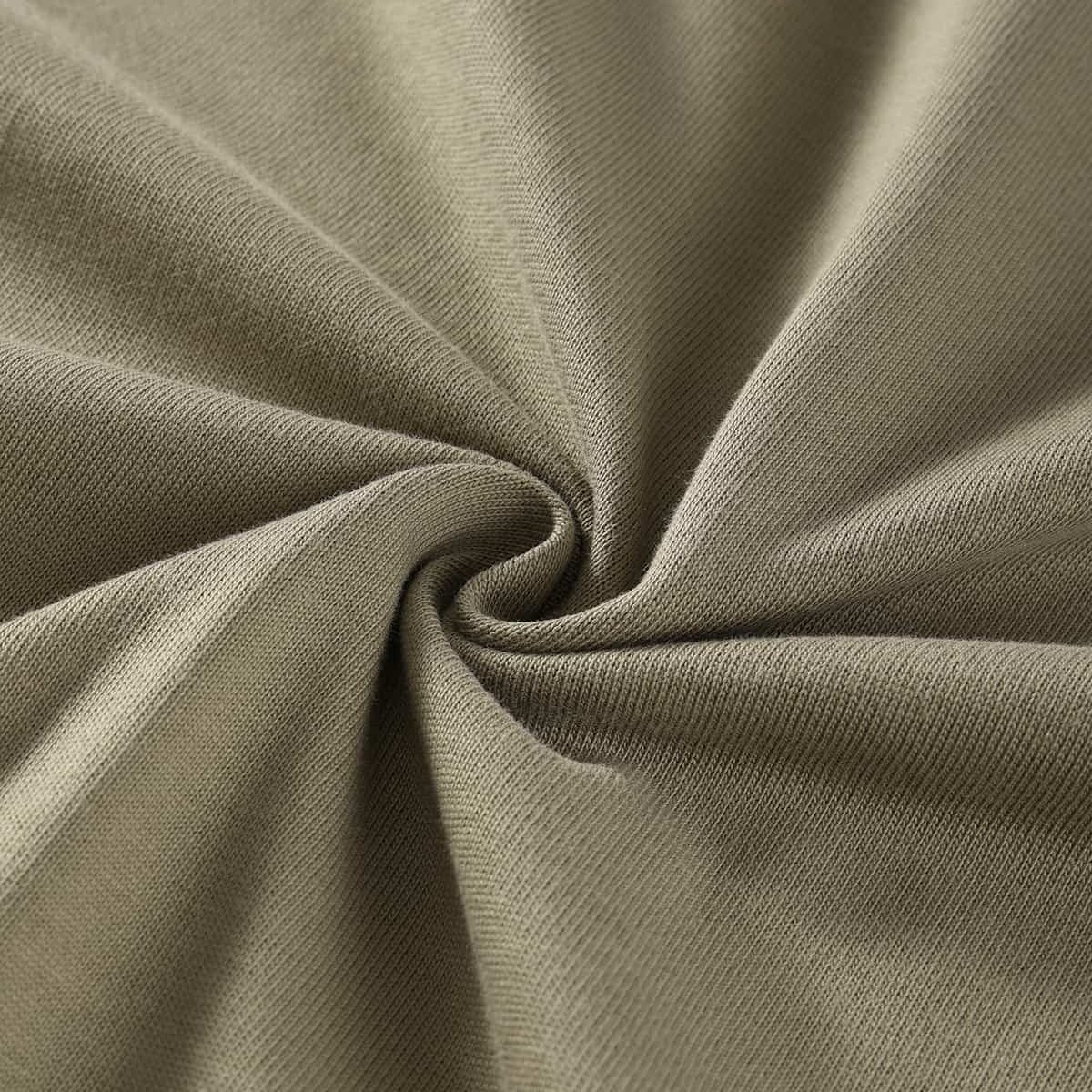
100% cotton delivers the highest dye reactivity and colorfastness for custom tie dye apparel. Ring-spun cotton in 160–220 GSM weight is ideal for T-shirts, while French terry and fleece at 280–340 GSM suit hoodies and sweatshirts.
Rayon and bamboo viscose absorb dye faster than cotton, producing deeper saturation and softer drape for resort shirts and loungewear. Hemp blends offer excellent durability and eco-friendly positioning but require longer dye bath times and higher temperatures for full color penetration.
Why Synthetic Blends Limit Vibrancy
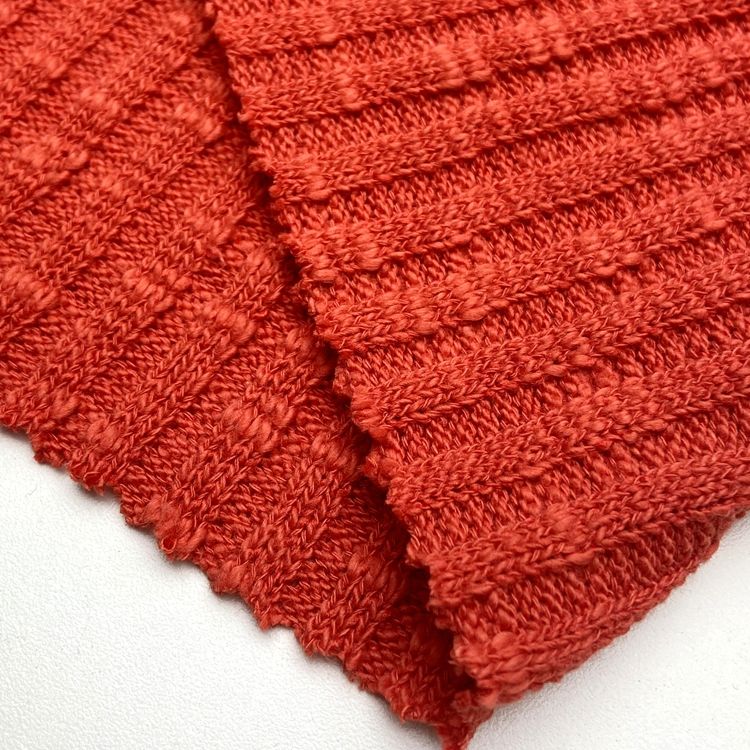
Polyester and nylon fibers repel reactive dyes because they lack hydroxyl groups for chemical bonding. A 50/50 cotton-poly blend will show 40–50% less color intensity than 100% cotton, with uneven fade patterns after repeated washing.
ZORWILD recommends keeping polyester content below 15% for custom tie dye orders to maintain brand-level vibrancy and customer satisfaction. Tri-blend fabrics work only with disperse dye systems or pigment tie dye, which sacrifice the hand-feel softness and vintage wash performance that premium streetwear brands expect.
5. Customization and Branding Options for Tie Dye Apparel
Adding branding to custom tie dye garments requires careful selection of decoration methods that work with unpredictable color backgrounds. ZORWILD supports screen printing, embroidery, heat transfer, woven labels, and hang tags, each offering distinct advantages for logo visibility and wash durability on tie dye apparel.
| Decoration Method | Cost per Unit | Minimum Order | Wash Durability |
|---|---|---|---|
| Screen Printing | $1.50–$4.00 | 50 pcs | 50+ washes |
| Embroidery | $3.00–$8.00 | 50 pcs | 100+ washes |
| Heat Transfer Vinyl | $2.00–$5.00 | 50 pcs | 25–40 washes |
| Woven Labels | $0.30–$1.00 | 100–500 pcs | 200+ washes |
| Custom Hang Tags | $0.20–$0.80 | 50 pcs | N/A |
Screen Printing on Tie Dye Backgrounds
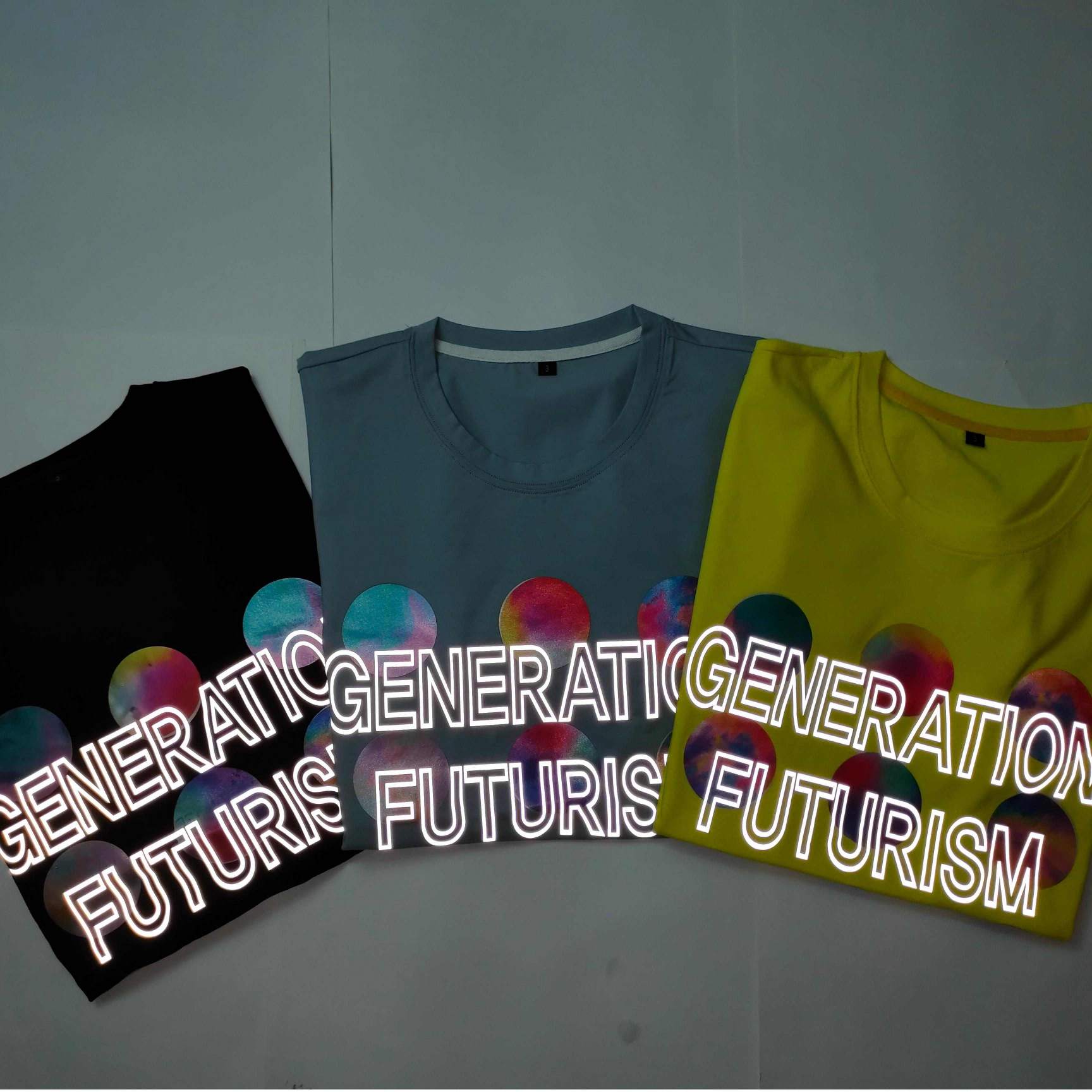
Screen printing delivers the highest opacity and color vibrancy on tie dye patterns. Water-based inks offer soft hand feel but require high-contrast placement, while plastisol inks provide full coverage over multicolor backgrounds. Puff printing and high-density screen printing create raised textures that stand out against busy tie dye patterns.
Place logos on solid-dyed panels, chest centers, or sleeves where color variation is minimal. Avoid printing over spiral centers or high-contrast transitions unless using opaque white underbase layers.
Embroidery and Chenille Applications
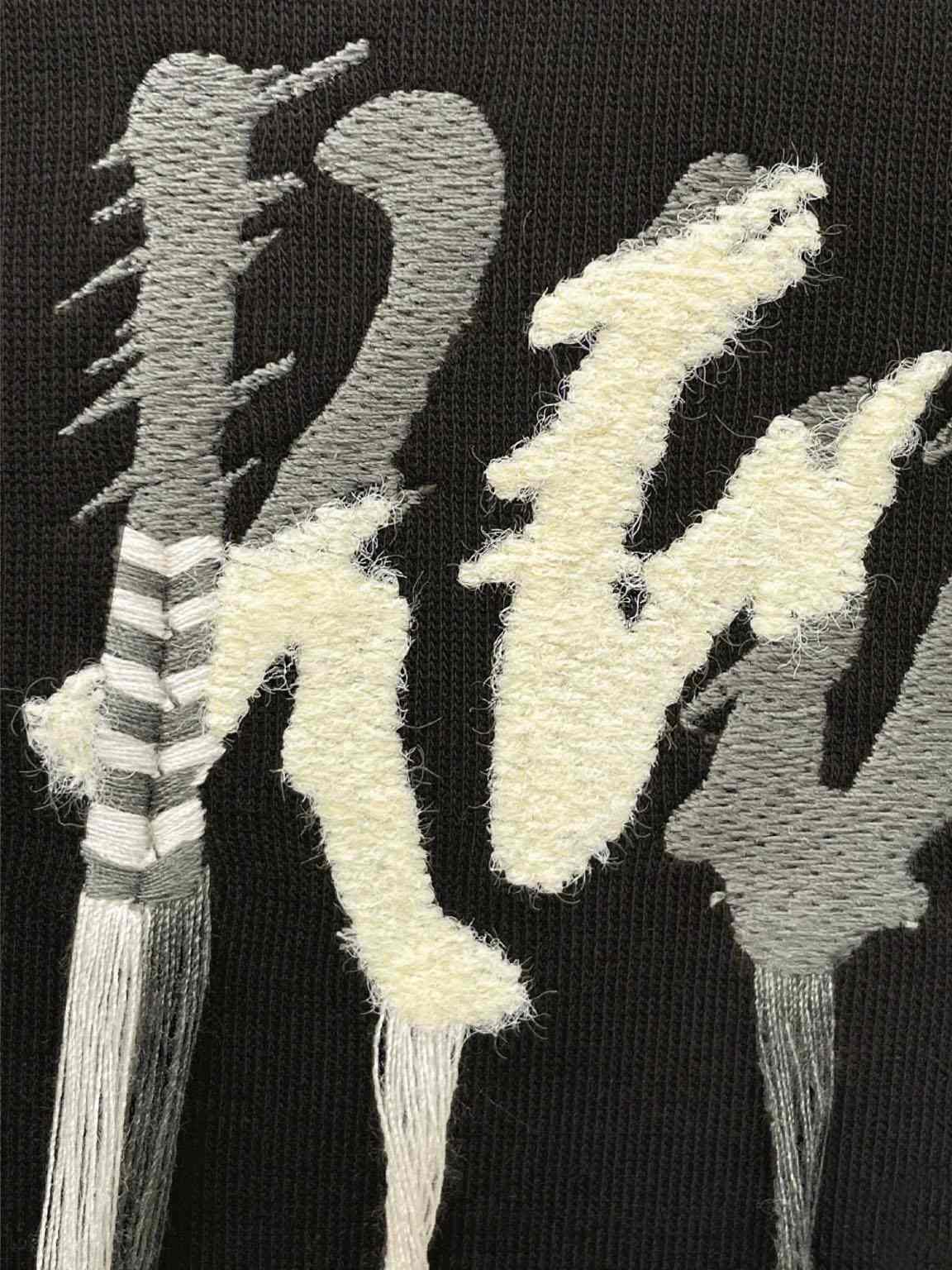
Embroidery provides permanent, three-dimensional branding unaffected by tie dye color shifts. Chenille embroidery offers bold, textured logos ideal for streetwear and vintage aesthetics. Thread density of 4,000–6,000 stitches per square inch ensures coverage over dyed fabric without puckering.
Position embroidery on left chest, sleeves, or back neck where fabric tension is stable. Avoid embroidering over seams or heavily distressed areas to prevent thread breakage during washing.
Woven Labels, Hang Tags, and Trim Branding
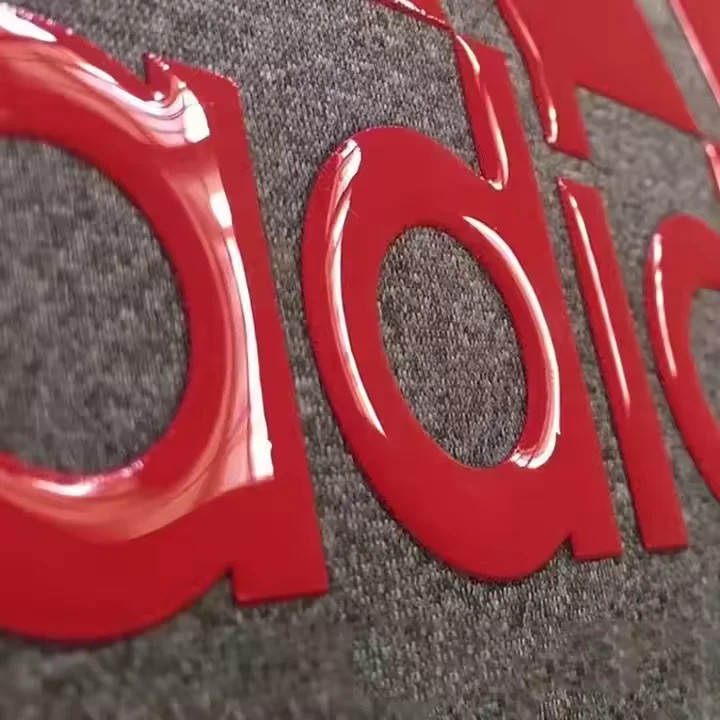
Woven labels sewn into necklines, hems, or side seams provide subtle, durable branding that complements tie dye aesthetics without competing visually. Custom hang tags, printed labels, and silicone patches offer removable or exterior branding options. ZORWILD supplies custom packaging, tissue paper, and polybags to extend brand identity beyond the garment.
Minimum orders for woven labels typically start at 100–500 pieces, while hang tags can match garment MOQs of 50 pieces.
6. Quality Indicators: What Separates Good Custom Tie Dye from Great
Custom tie dye quality varies widely across manufacturers. Professional buyers inspect five critical indicators before approving production runs to ensure colorfastness, pattern consistency, and garment integrity.
Dye Penetration and Saturation Depth
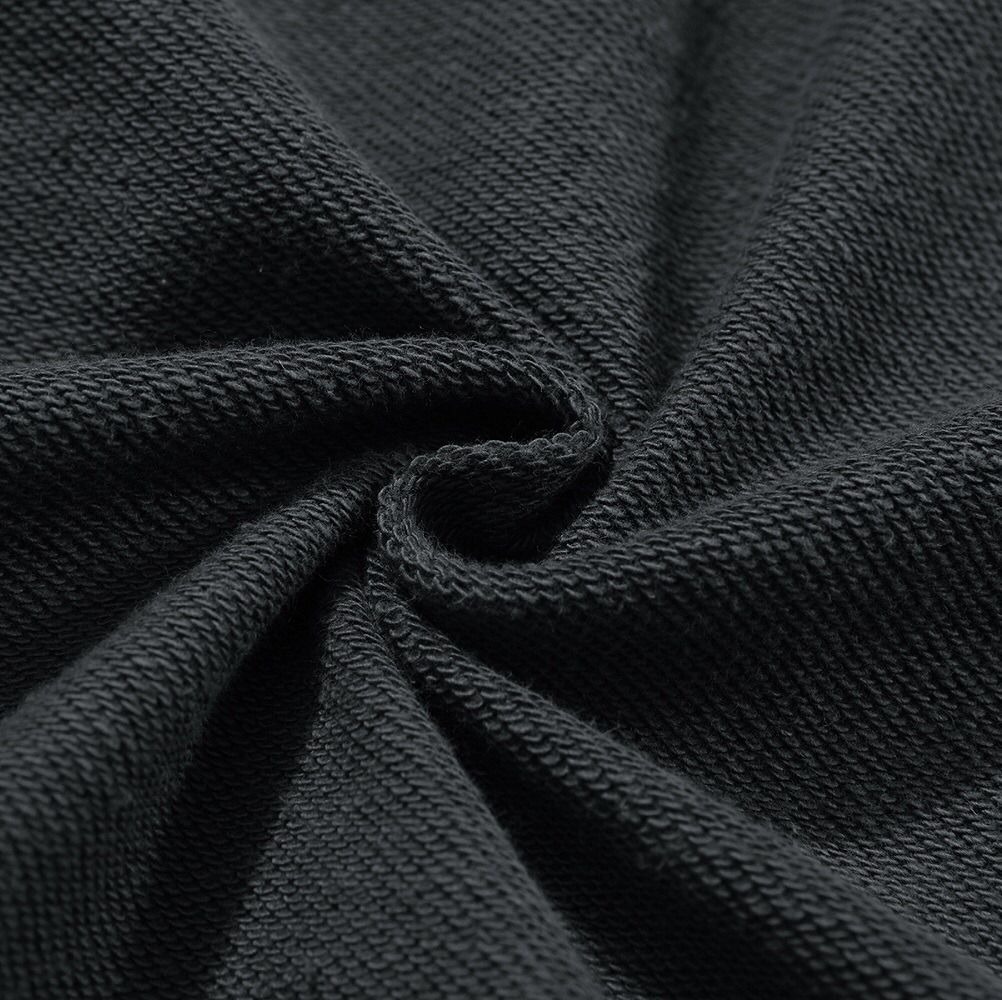
Premium custom tie dye penetrates fabric from front to back, ensuring identical color intensity on both sides. Poor-quality work shows white or faded areas on the garment interior, indicating surface-only application.
ZORWILD’s garment dye and tie dye processes achieve full fabric saturation by controlling dye concentration, temperature, and immersion time. Buyers should request cross-section samples showing consistent color through the entire fabric thickness.
Colorfastness and Wash Stability
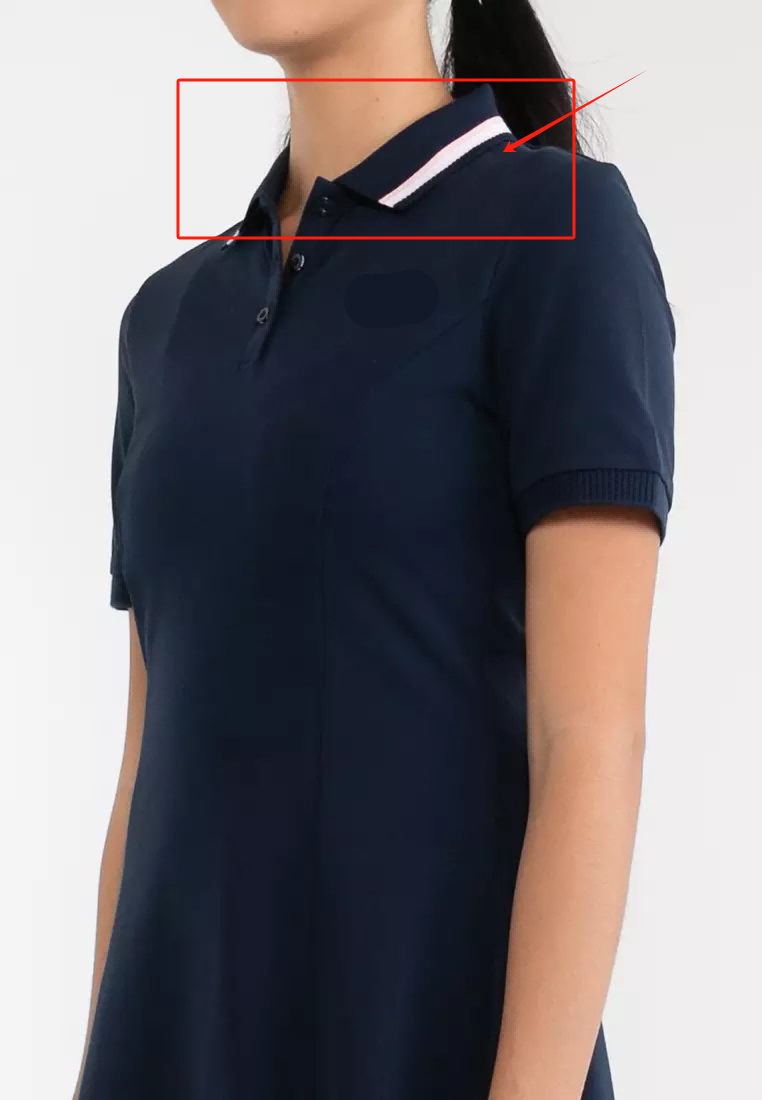
Colorfastness determines whether dye bleeds during washing or fades under light exposure. Professional manufacturers conduct AATCC 61 wash tests and AATCC 16 light fastness tests, grading results on a 1-5 scale (Grade 4 or higher is commercial standard).
Request lab dip samples and wash test reports before bulk production. Red flags include dye transfer to white fabric, color bleeding across pattern boundaries, and significant fading after three wash cycles.
Pattern Consistency Across Batch
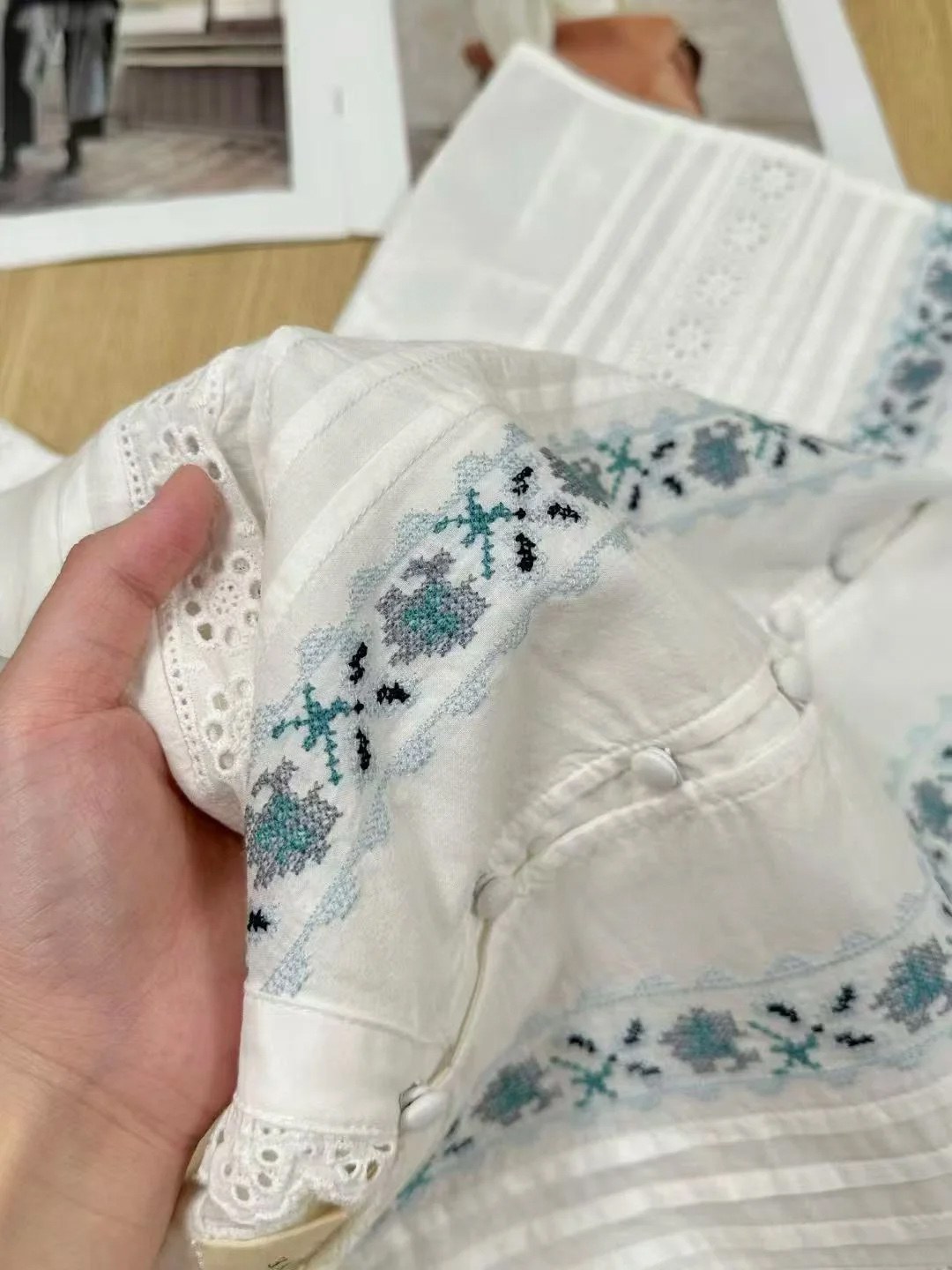
Hand-tied patterns naturally vary, but professional tie dye maintains recognizable design consistency within a 10-15% variation range. Spiral centers should align, stripe widths should remain proportional, and color placement should follow the approved sample.
ZORWILD’s production teams use pattern templates, controlled folding sequences, and color application maps to ensure batch consistency. Buyers should approve a pre-production sample representing the entire order’s quality standard.
Garment Construction and Pre-Shrinking
Tie dye processing exposes garments to high heat and agitation, stressing seams, hems, and fabric structure. Quality manufacturers pre-shrink blanks before dyeing to prevent post-purchase shrinkage exceeding 3-5%.
Inspect stitching density (12-14 stitches per inch for knits), seam integrity after washing, and dimensional stability. Poor construction shows puckered seams, twisted side seams, and collar distortion after the dye cycle.
7. How to Choose a Custom Tie Dye Manufacturer
Selecting the right custom tie dye manufacturer determines whether your collection launches on time, on budget, and on brand. Vetting suppliers requires evaluating production capabilities, quality systems, and communication responsiveness before committing to bulk orders.
MOQ Flexibility and Sampling Process
Startup brands and influencers need low minimum order quantities to test designs without inventory risk. ZORWILD offers 50-piece minimums across tie dye categories, enabling capsule launches and market validation.
Request physical samples before production to evaluate dye saturation, fabric hand feel, wash fastness, and pattern accuracy. Clarify revision policies upfront—professional manufacturers allow one or two sample rounds with clear timelines and costs for additional iterations.
Production Lead Times and Certifications
Standard tie dye lead times range from 25 to 45 days depending on order complexity, dye technique, and garment finishing requirements. Rush orders may add 15–30% to costs.
Quality certifications signal compliance and safety. OEKO-TEX Standard 100 ensures dyes are free from harmful chemicals. GOTS certification is essential for organic cotton tie dye. WRAP and BSCI audits verify ethical labor practices in overseas facilities.
Domestic vs. Overseas Production
Domestic manufacturers offer faster shipping, easier communication, and simpler returns but typically charge 40–70% more per unit. Overseas manufacturers in China, Vietnam, and India provide lower per-piece costs, scalable capacity, and advanced dye techniques.
ZORWILD’s Dongguan facility combines Chinese manufacturing efficiency with 27 years of apparel expertise, serving over 2,000 brands across North America, Europe, and the Middle East with reliable communication and door-to-door logistics support.
8. Common Mistakes When Ordering Custom Tie Dye
Even experienced buyers make costly missteps when ordering custom tie dye apparel. Five common errors can add 2–4 weeks to lead times, inflate costs by 20–40%, or result in unsellable inventory.
Choosing Synthetic-Heavy Fabrics
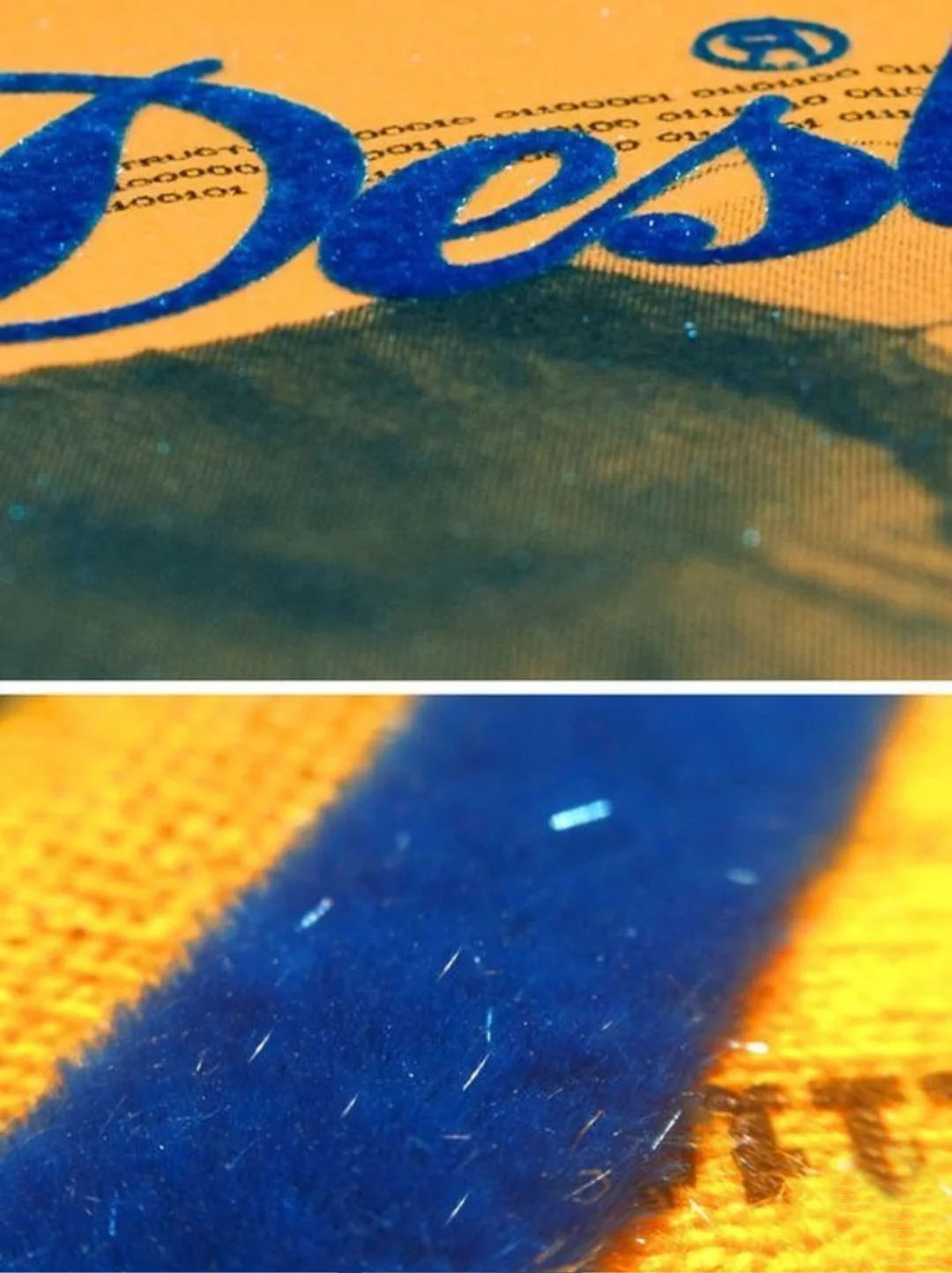
Polyester blends above 35% resist fiber-reactive dyes, producing faded, washed-out patterns instead of vibrant saturation. Brands ordering 50/50 poly-cotton often discover pale results that fail quality expectations.
Natural fibers—100% cotton, bamboo cotton, rayon, or modal—absorb dye molecules deeply, delivering the bold color contrast custom tie dye demands. ZORWILD recommends cotton jersey (180–220 GSM) or French terry (280–320 GSM) for optimal dye uptake and wash durability.
Skipping Pre-Production Samples
Ordering 500 units without approving a physical sample risks pattern misalignment, incorrect color intensity, or poor fabric hand feel. Rework or cancellation fees typically equal 30–50% of order value.
Always request a pre-production sample to verify dye technique, color accuracy, placement, and garment construction before bulk production begins. ZORWILD includes sampling in its ODM workflow to confirm every detail matches your tech pack.
Underestimating Lead Times for Hand-Dyed Items
Hand-applied tie dye requires 7–10 days for dyeing, rinsing, drying, and color setting—double the timeline of standard screen-printed garments. Brands expecting 15-day turnarounds face missed launch dates and lost pre-order revenue.
Plan 25–35 days from sample approval to shipment for orders under 500 pieces, 35–45 days for larger runs. Communicate your launch date early so your manufacturer can schedule dye batches and quality inspections without bottlenecks.
Ignoring Wash-Care Instructions
Failing to specify wash-care labels or educate customers leads to color bleeding, fading, and returns. Tie-dyed garments require cold-water washing and separate laundering during the first 2–3 cycles.
Include printed care labels with cold-wash symbols and color-separation warnings. ZORWILD provides custom care labels and hang tags that explain proper maintenance, protecting your brand reputation and reducing return rates.
Failing to Specify Color Pantone References
Vague requests like ‘bright blue’ or ‘sunset orange’ yield inconsistent results across dye batches. Without Pantone TPX or TCX codes, manufacturers interpret colors subjectively, causing brand-identity mismatches.
Provide Pantone references for every hue in your custom tie dye pattern. ZORWILD’s dye technicians match Pantone codes within industry-standard Delta E tolerances, ensuring repeatable color accuracy across reorders and seasonal collections.
9. Steps to Launch Your Custom Tie Dye Brand
Launching a custom tie dye brand requires careful planning across design, production, and go-to-market phases. ZORWILD’s 50-piece MOQ allows startups to test collections without heavy inventory risk, but timeline and budget discipline separate successful launches from stalled projects.
Market Research and Niche Selection
Identify your target customer segment — festival wear, streetwear, resort apparel, or wellness brands — before selecting patterns and colorways. Analyze competitor pricing, social media engagement, and platform preferences (Instagram, TikTok, Etsy) to validate demand.
Niche focus reduces marketing costs and improves conversion rates. A brand targeting yoga enthusiasts will prioritize soft bamboo cotton and pastel spirals, while a streetwear label may choose heavyweight cotton with bold acid wash effects.
Design and Colorway Development
Translate trend research into specific tie dye techniques (spiral, crumple, ombré, shibori) and Pantone color codes. Reference garments or mood boards help manufacturers understand your vision, but tech packs ensure accurate execution.
Plan 3–5 colorways per style to test market response. ZORWILD’s design team can recommend dye combinations that achieve vibrant results on your chosen fabric weight and blend.
Sampling, Iteration, and Tech Pack Finalization
Order pre-production samples to evaluate tie dye pattern consistency, color saturation, fabric hand feel, and sizing accuracy. Budget 2–3 weeks for sampling and 1–2 revision rounds.
Finalize tech packs with approved measurements, dye instructions, label placement, and packaging specs. Clear documentation prevents costly production errors and ensures repeatable quality across reorders.
First Production Order and Quality Control
Start with 50–100 pieces per colorway to minimize risk and test sell-through rates. Allocate 3–4 weeks for bulk production, including dye curing, washing, and finishing.
Request in-line and final inspection reports covering dye uniformity, measurement tolerances, and packaging quality. ZORWILD’s QC system includes photographic documentation at each stage, giving you visibility before shipment.
Launch Strategy and Marketing Timeline
Plan your launch 4–6 weeks before inventory arrival to build anticipation through teaser content, influencer seeding, and pre-orders. Allocate 20–30% of your production budget to launch marketing.
Leverage user-generated content by sending samples to micro-influencers in your niche. Tie dye’s visual appeal drives organic social sharing, reducing paid acquisition costs for early-stage brands.
10. Pricing and Cost Breakdown for Custom Tie Dye Orders
Custom tie dye pricing typically starts at $8–$15 per unit for 50-piece minimum orders on basic cotton T-shirts, scaling down to $5–$9 per unit at 1,000+ pieces depending on fabric weight, dye complexity, and decoration methods. ZORWILD’s low MOQ structure allows startup brands and influencers to test collections without committing to large inventory, with transparent tier pricing that reflects economies of scale in dye lot setup and labor efficiency.
Setup costs include sampling fees of $30–$80 per style to finalize fit, color, and pattern before bulk production, plus dye lot preparation charges that are amortized across order quantity. Adding screen printing, DTG graphics, or embroidery increases per-unit costs by $1.50–$5.00 depending on print size, color count, and stitch density, while premium fabrics like French terry hoodies or heavyweight fleece add $3–$8 per garment compared to standard jersey.
Complex multi-color tie dye patterns, hand-tied techniques, and custom color matching extend lead times by 5–10 days and increase labor costs by 20–40% over standard spiral or crumple dye. Rush orders under 15 days incur expedite fees of 15–30%, while air freight for urgent delivery adds $4–$12 per unit compared to standard sea shipping, making production planning critical for margin control.
| Quantity Tier | Price per Unit (USD) | Typical Lead Time |
|---|---|---|
| 50–99 pieces | $10–$15 | 18–25 days |
| 100–249 pieces | $8–$12 | 20–28 days |
| 250–499 pieces | $6–$10 | 22–30 days |
| 500–999 pieces | $5.50–$8 | 25–32 days |
| 1,000+ pieces | $5–$7 | 28–35 days |
Ready to Launch Your Custom Tie Dye Collection?
Start with just 50 pieces. Get professional sampling, 27 years of garment wash expertise, and consistent results backed by our 6-stage quality control system.
- Custom Hoodies
- Custom T Shirts
- Custom Dresses
- Custom Sweatshirts
- Custom Jackets
- Custom Varsity Jackets
- Custom Polo Shirts
- Custom Shorts
- Custom Dress Shirts
- Contact