
Stone Wash Garment: Vintage Faded Aesthetic with Soft Hand Feel
ZORWILD produces premium stone wash garments with authentic vintage texture and superior softness. Start with just 50 pieces and experience professional garment wash craftsmanship.
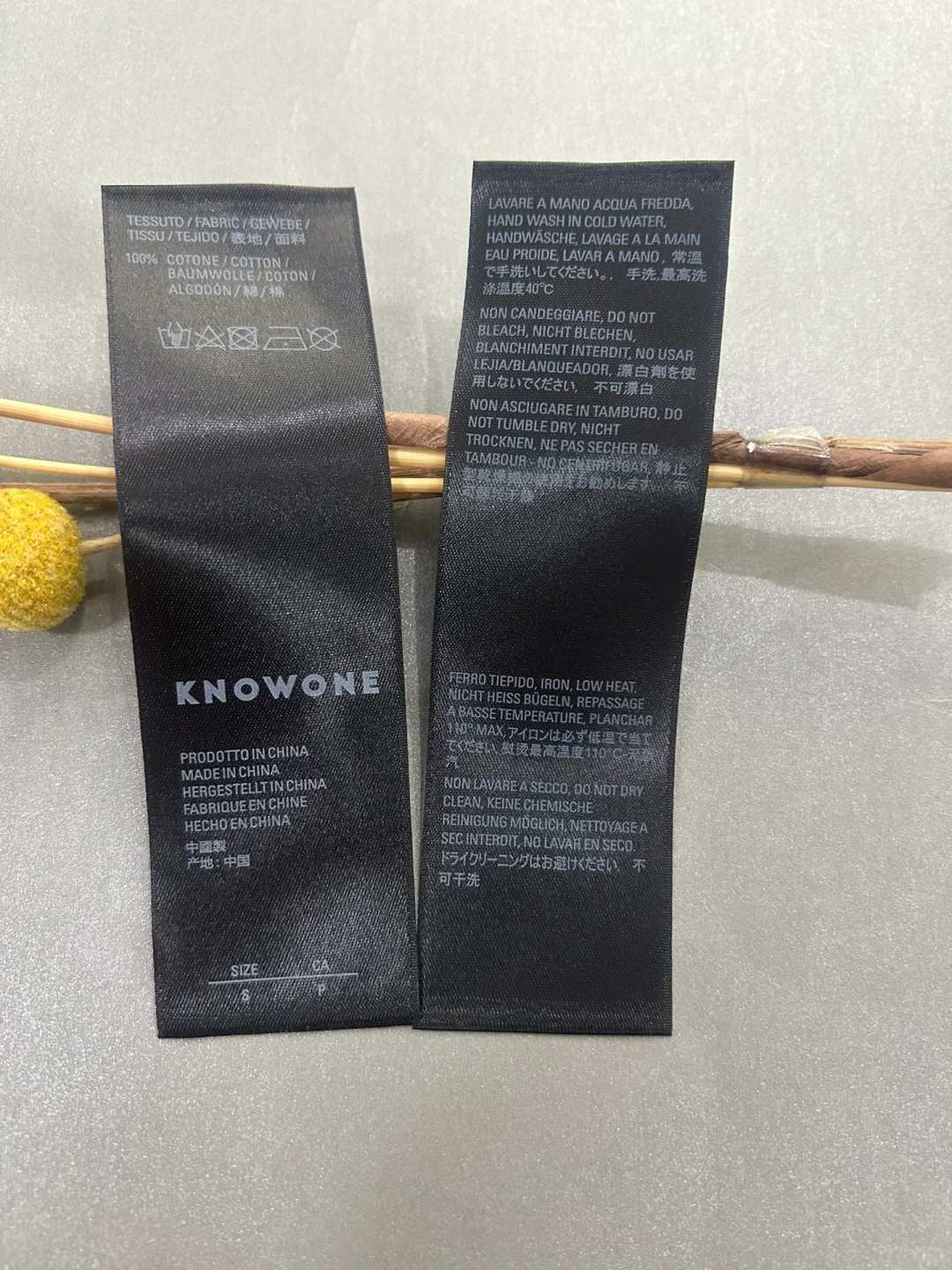
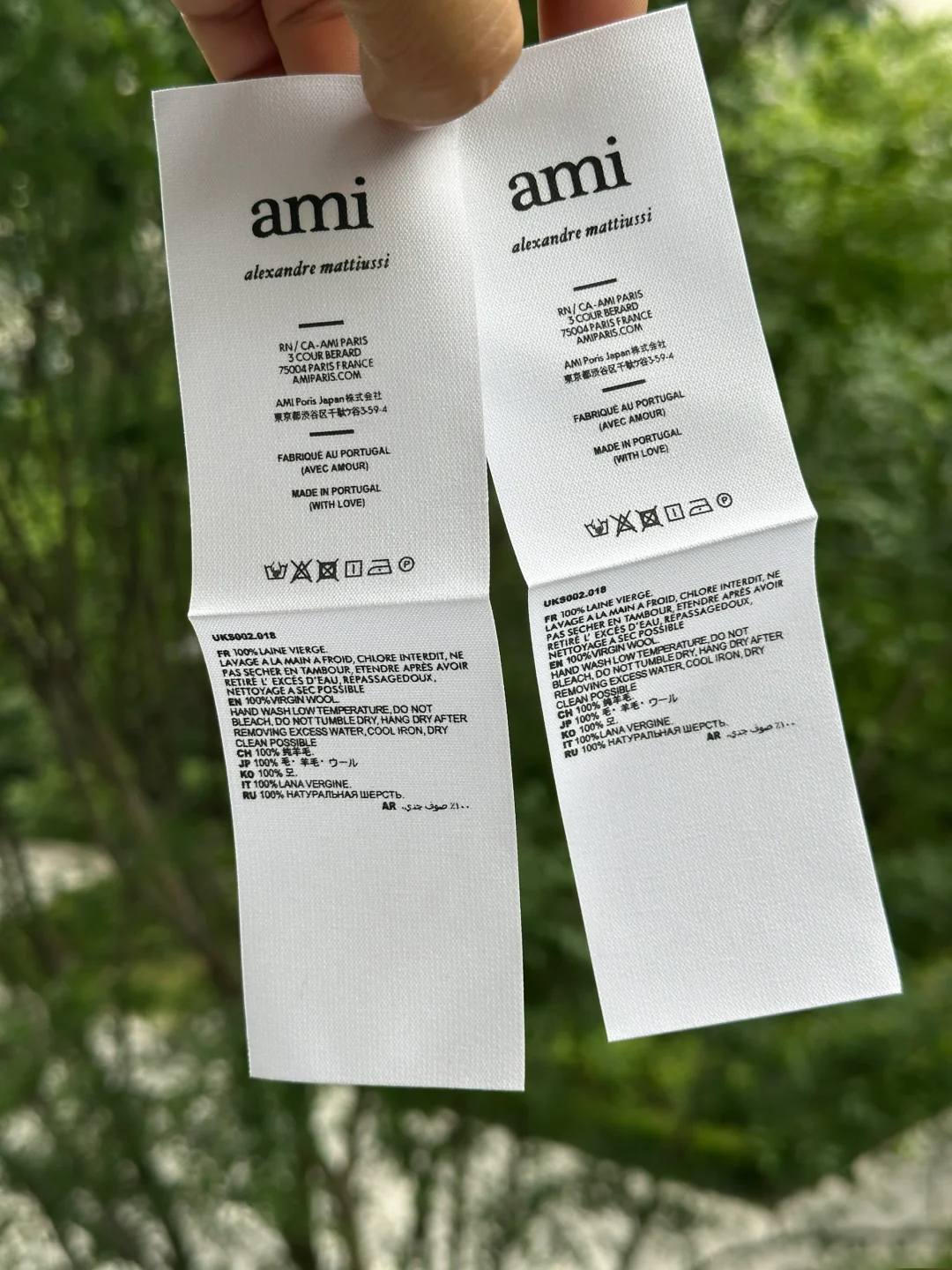
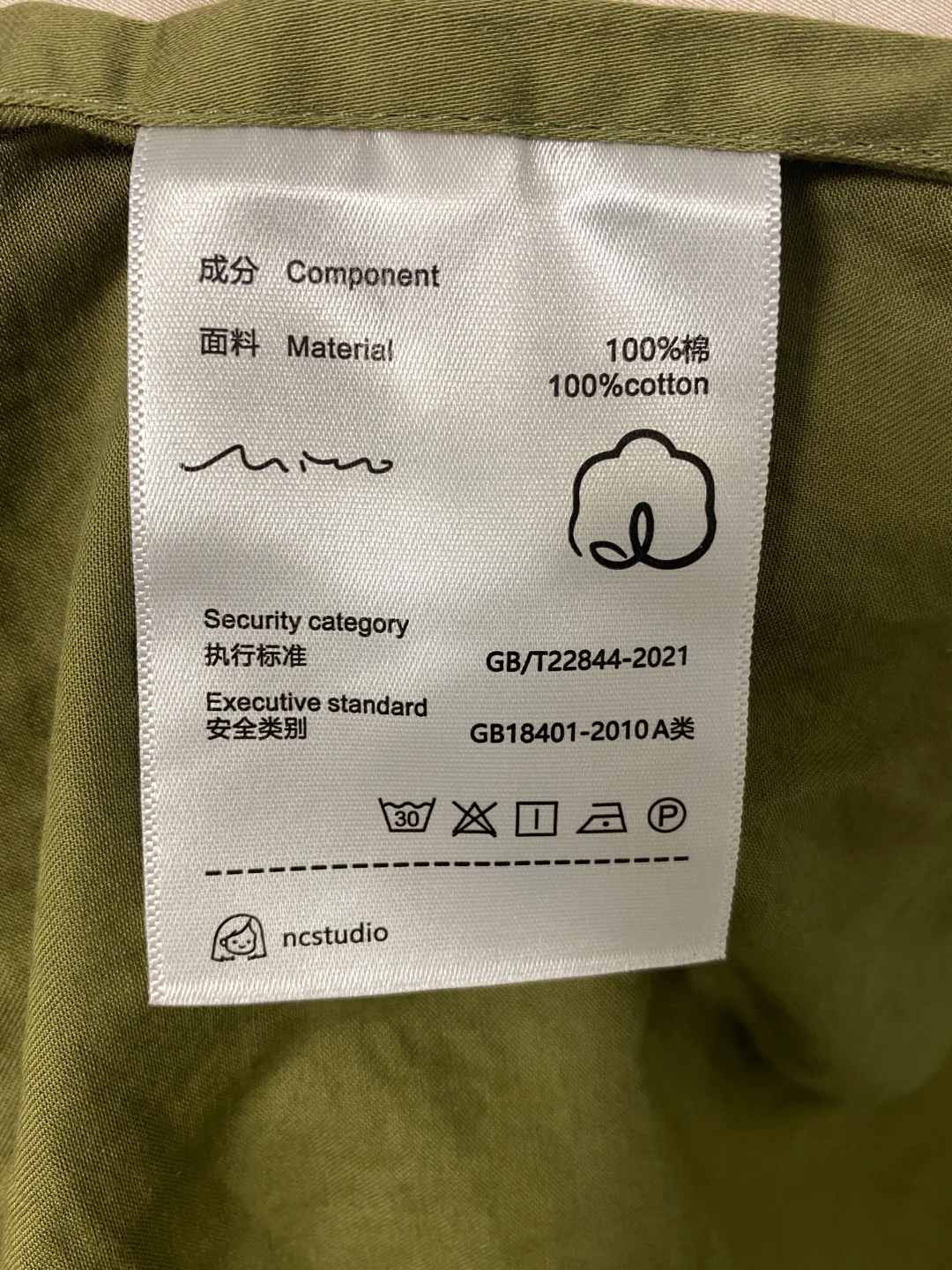
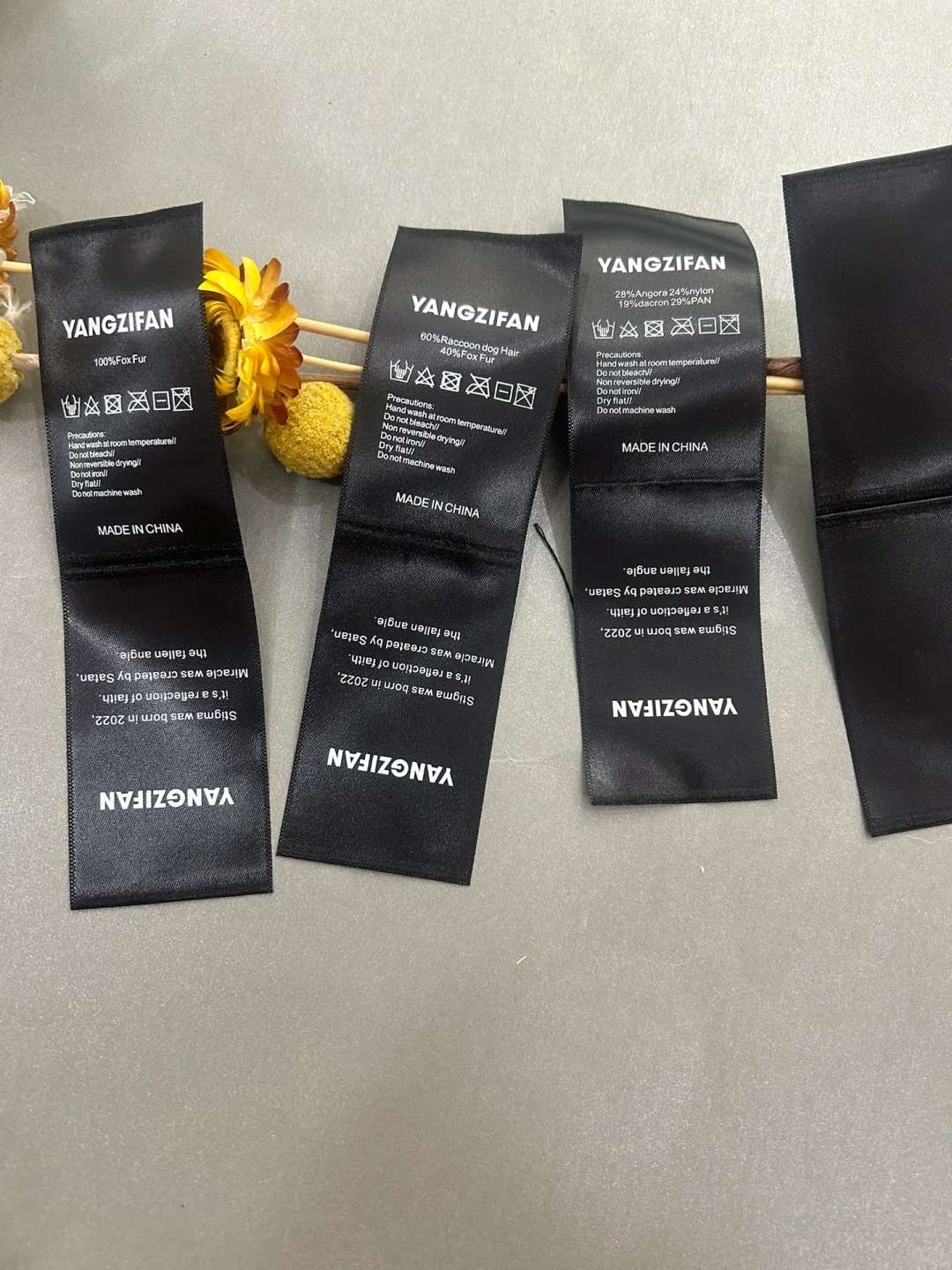
Stone Wash Garment Samples
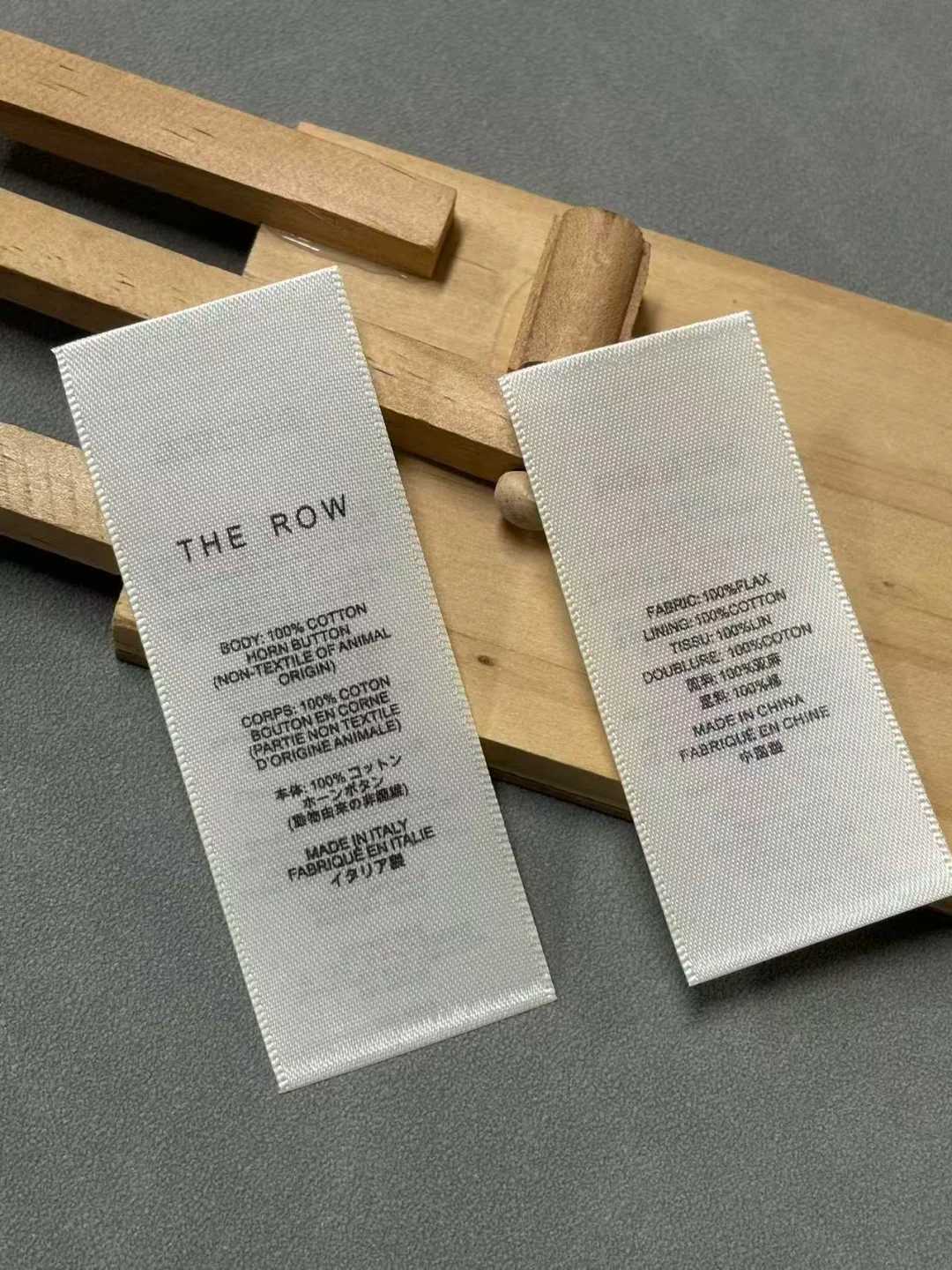
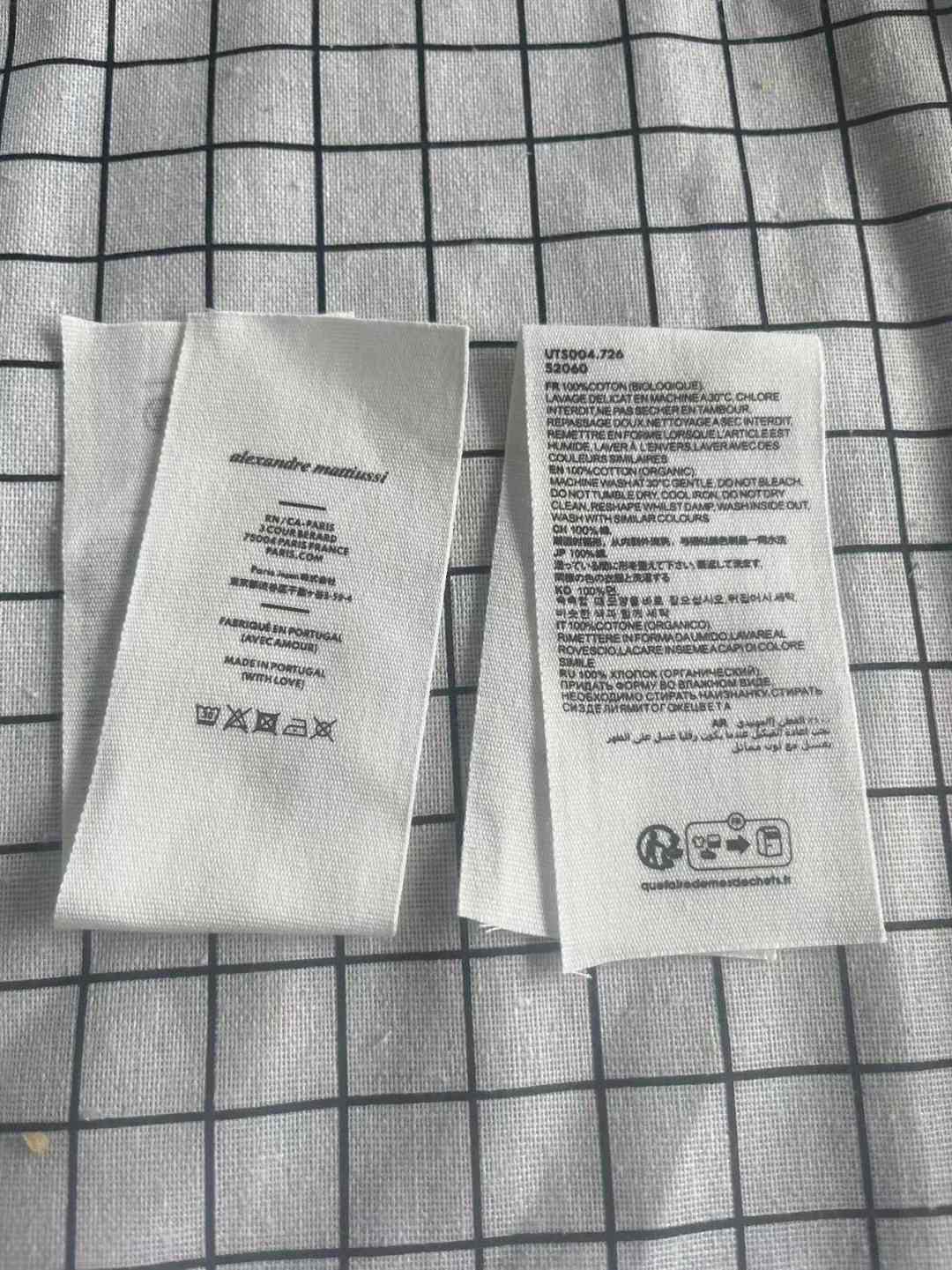
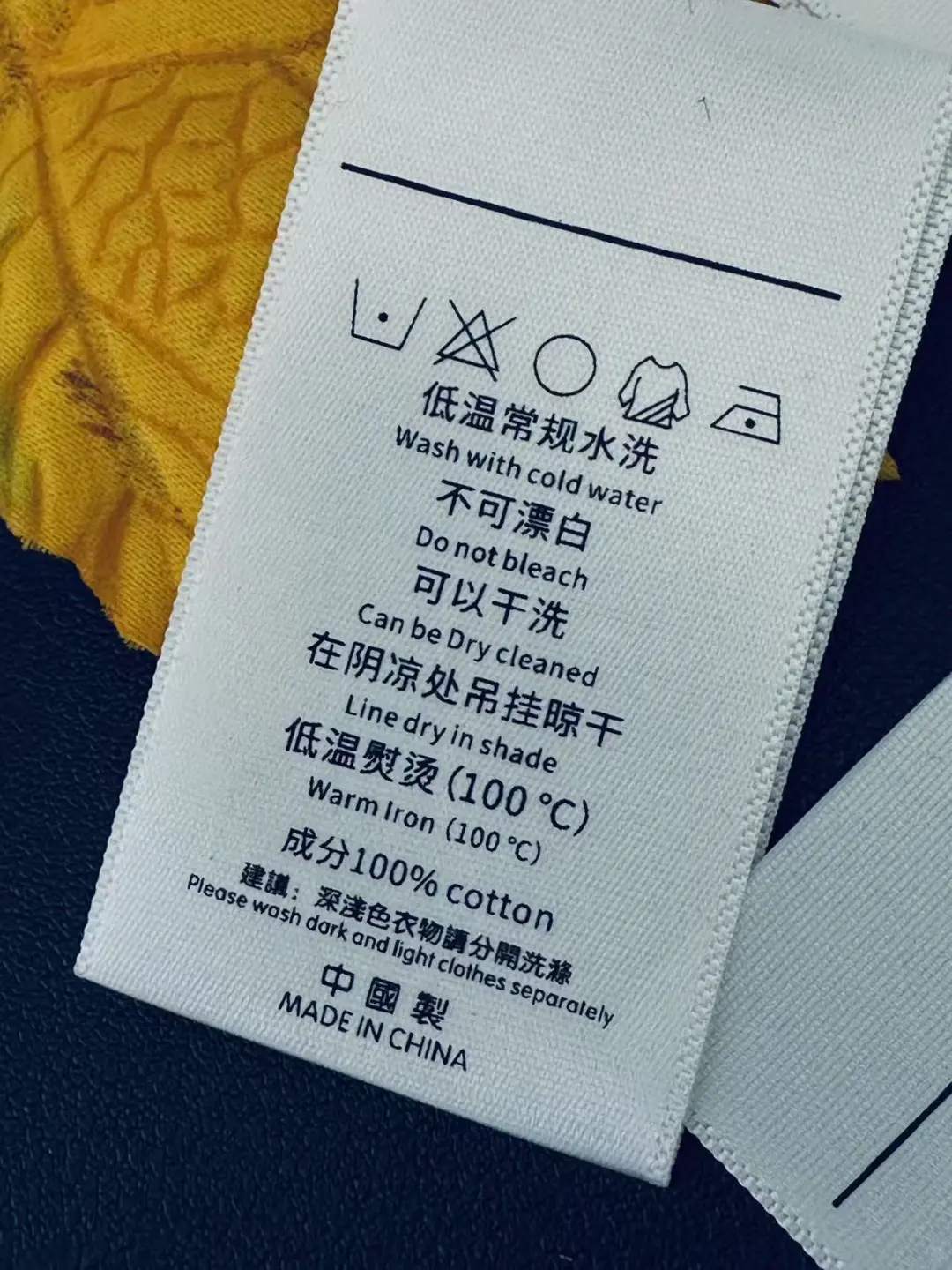
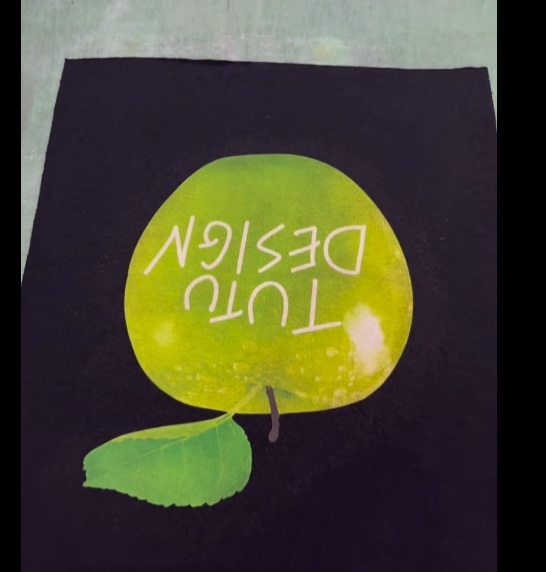
Stone Wash Garment Characteristics
Discover the unique visual and tactile qualities that make stone wash finishing a premium choice for vintage-inspired fashion collections
Pumice Stone Abrasion Effect
Authentic faded appearance created through pumice stone friction during wash cycle, delivering distinctive texture and color variation that sets stone wash apart from enzyme or acid techniques.
Vintage Faded Color Depth
Natural color degradation produces soft, lived-in aesthetic with subtle highlights and shadows, perfect for streetwear, denim collections, and retro-inspired garment lines.
Ultra-Soft Hand Feel
Mechanical abrasion breaks down fabric surface fibers, creating luxuriously soft texture that improves comfort and elevates perceived quality for premium fashion brands.
Enhanced Wash Durability
Pre-washed construction ensures color stability and dimensional consistency through customer wear cycles, reducing shrinkage complaints and improving long-term garment performance.
Broken-In Comfort Instantly
Stone wash garment eliminates stiff new-fabric feel, delivering ready-to-wear comfort that resonates with consumers seeking authentic vintage aesthetics and immediate wearability.
Unique Surface Texture
Each stone wash cycle produces subtle variations in abrasion patterns, creating one-of-a-kind character that appeals to fashion-forward customers valuing individuality and craftsmanship.
Related Wash Techniques & Product Categories

Garment Wash & Dye
Comprehensive garment wash and dye services spanning stone wash, acid wash, vintage wash, enzyme wash, snow wash, pigment dye, and garment dye. Our Humen facility operates 6-stage quality control to ensure consistent color, texture, and hand feel across every production run, from 50-piece startups to large-scale orders.
Get a Quote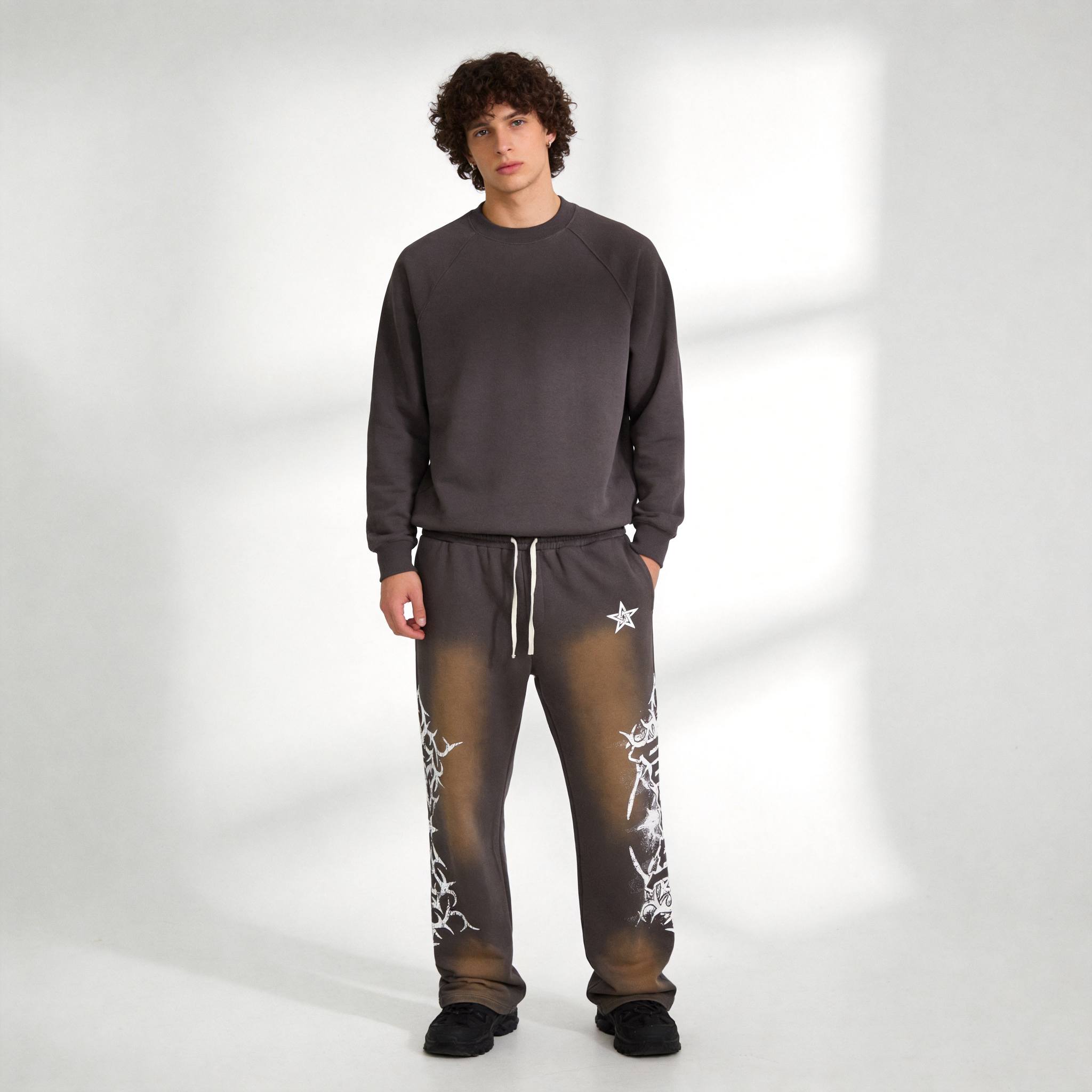
Tie-Dye
Custom tie-dye finishing for T-shirts, hoodies, sweatshirts, and casualwear using controlled dip-dye, multi-color spiral, and ombré techniques. Ideal for festival collections, resort wear, and streetwear brands seeking unique color variation and vintage bohemian aesthetics with repeatable production quality.
Get a Quote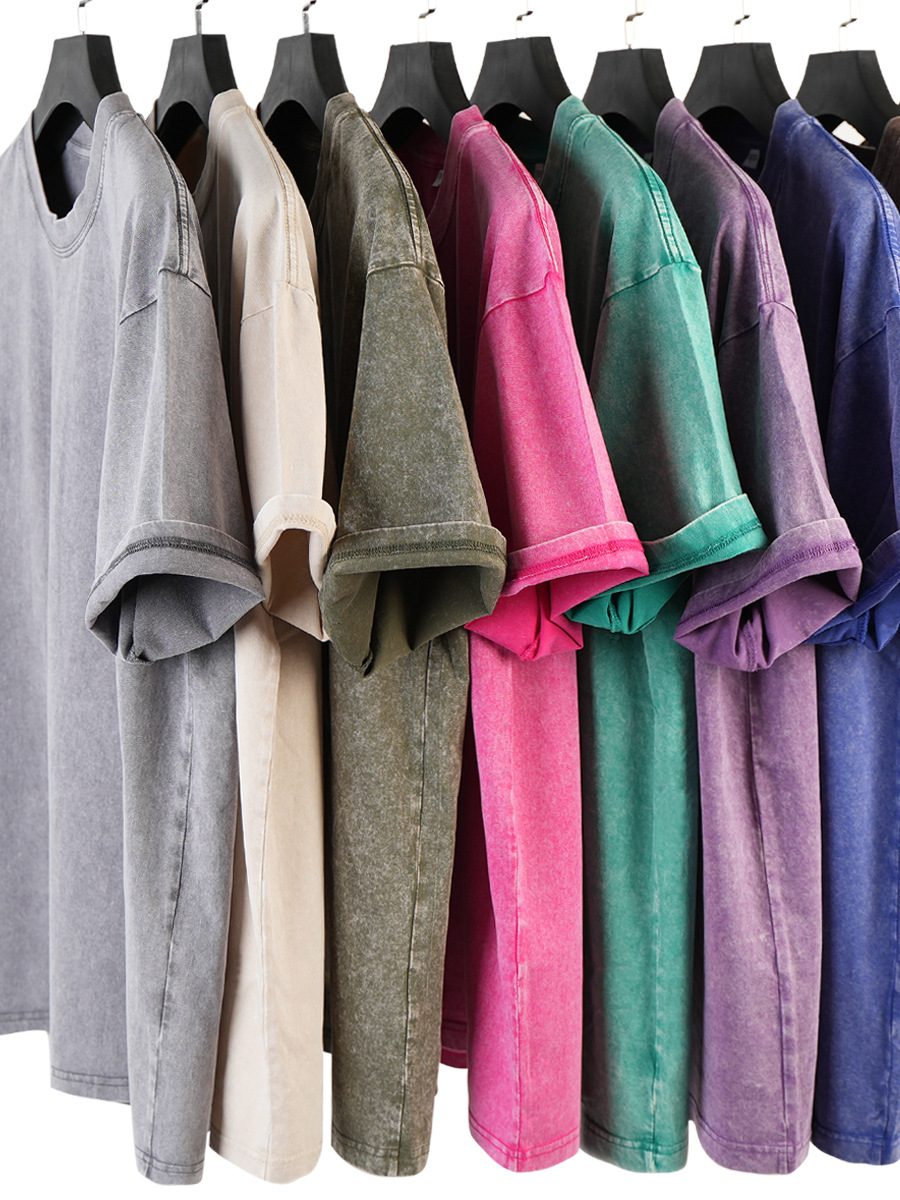
Acid Wash
Acid wash garment finishing creates high-contrast vintage appearance through controlled chemical application on denim, fleece, and cotton jersey. Popular for oversized hoodies, heavyweight tees, and bomber jackets targeting 90s-inspired streetwear and retro fashion collections with authentic distressed texture.
Get a Quote
Enzyme Wash
Enzyme wash treatment delivers soft hand feel and subtle vintage appearance without harsh chemicals. Applied to cotton T-shirts, casual shirts, sweatpants, and denim to reduce stiffness, enhance drape, and create natural fading ideal for premium basics and eco-conscious fashion brands.
Get a Quote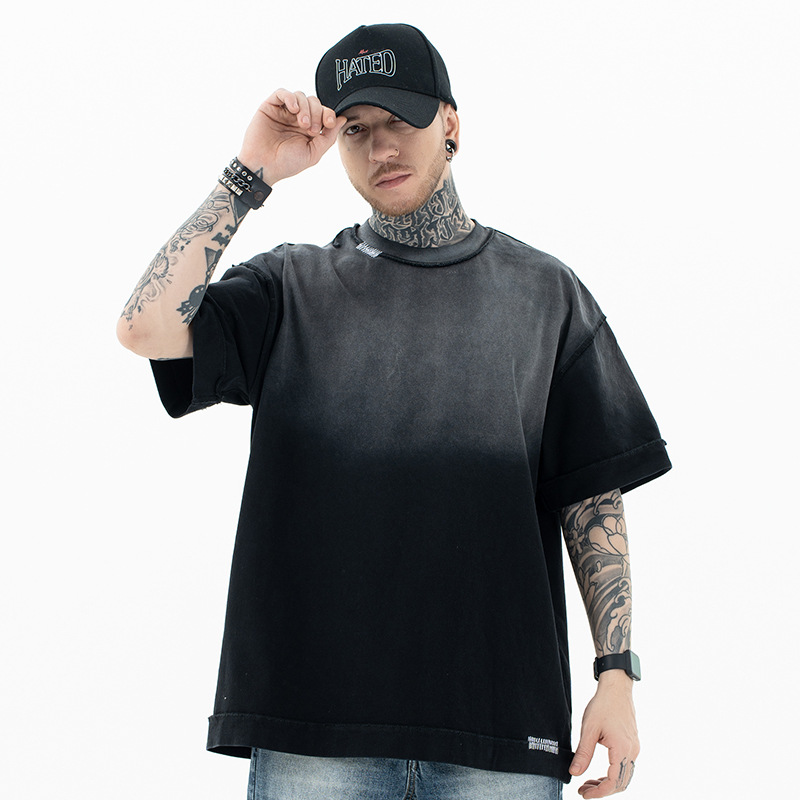
Garment Dye
Garment dye process applies color after garment construction for rich saturation, soft texture, and unique color depth. Supports custom Pantone matching across hoodies, T-shirts, sweatshirts, and casualwear with excellent wash fastness and vintage aesthetic favored by contemporary streetwear and lifestyle brands.
Get a Quote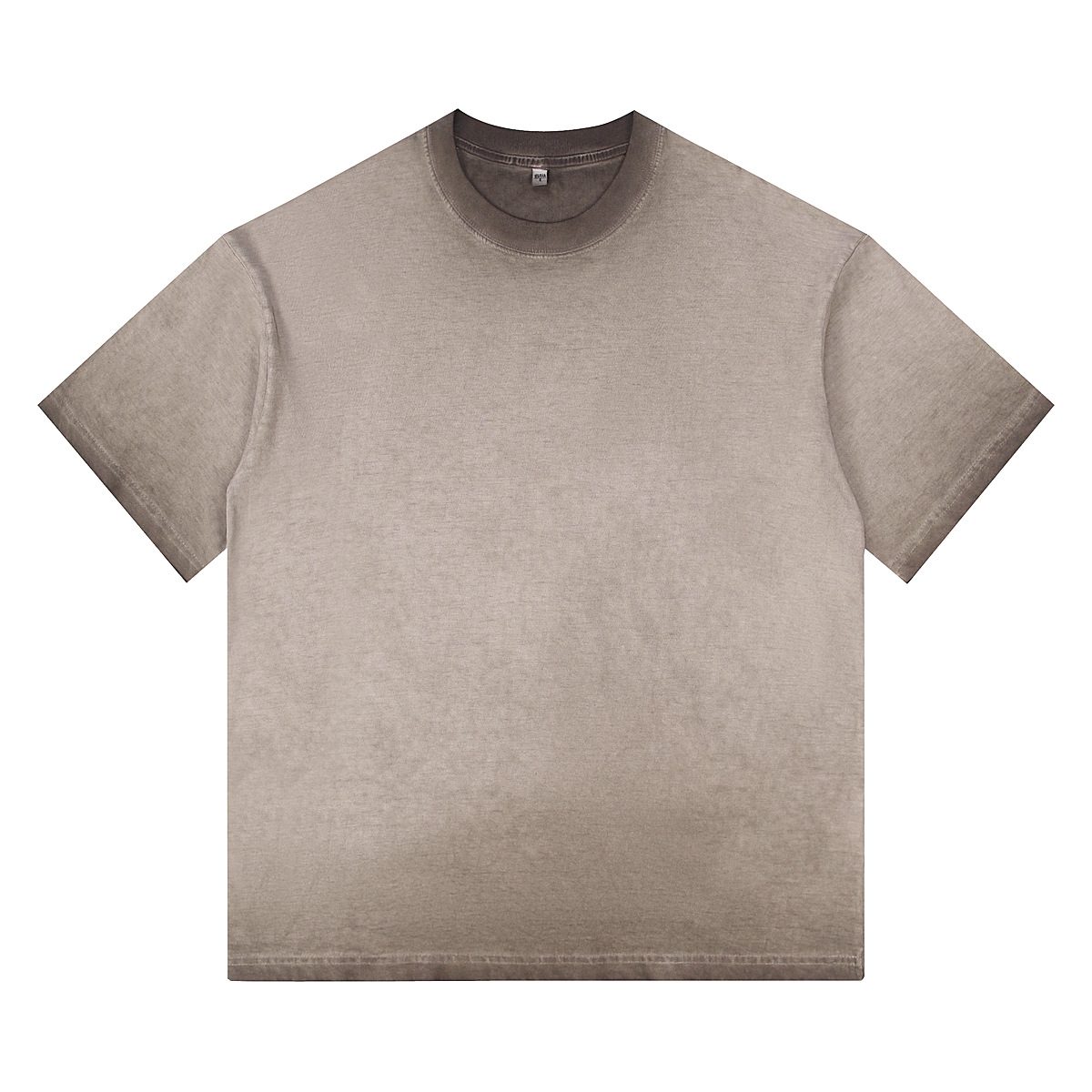
Custom Shirts
Custom shirt manufacturing including casual shirts, Hawaiian shirts, resort shirts, bowling shirts, oversized shirts, and linen shirts using cotton poplin, rayon, viscose, and Tencel. Full customization of sizing, labels, prints, embroidery, buttons, and packaging with MOQ from 50 pieces for emerging brands.
Get a Quote
Customize Shirts
Comprehensive shirt customization services covering full print patterns, embroidery logos, contrast panels, custom labels, special buttons, digital printing, sublimation printing, and brand hang tags. Supports tech pack development, fabric sourcing, sampling, and bulk production for wholesale and DTC fashion brands.
Get a Quote
Custom Shirt Maker
Professional custom shirt maker with 27 years of OEM and ODM experience producing fashion cut-and-sew shirts, printed shirts, uniform shirts, and branded casualwear. In-house pattern making, sampling, fabric sourcing, printing, embroidery, and finishing capabilities ensure consistent quality and scalable production timelines.
Get a Quote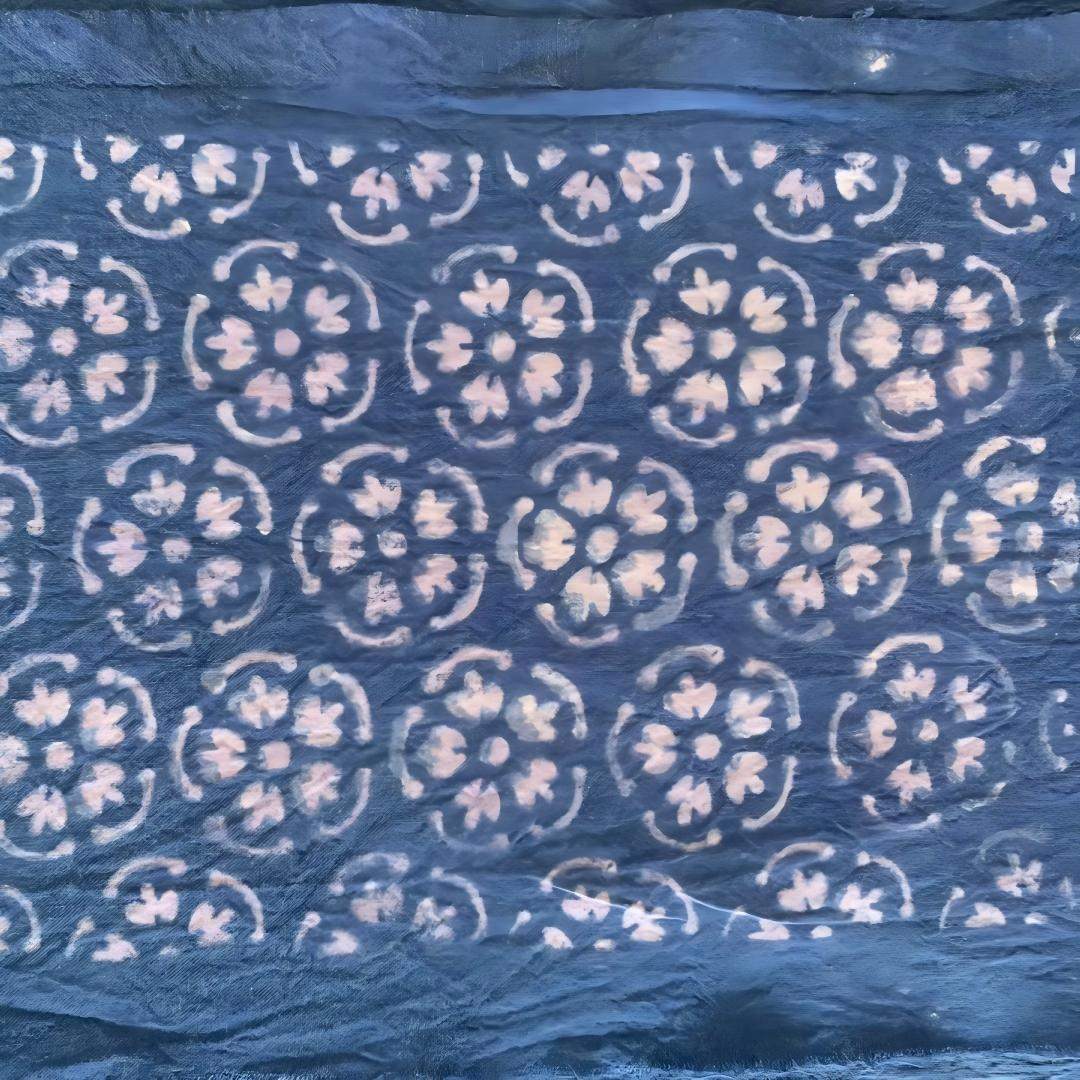
Stone Wash Denim
Stone wash denim finishing for jeans, denim jackets, denim shorts, and workwear using controlled tumble wash with pumice stones. Creates authentic vintage fade, soft hand feel, and worn-in texture ideal for casual denim collections, streetwear brands, and heritage-inspired fashion lines.
Get a Quote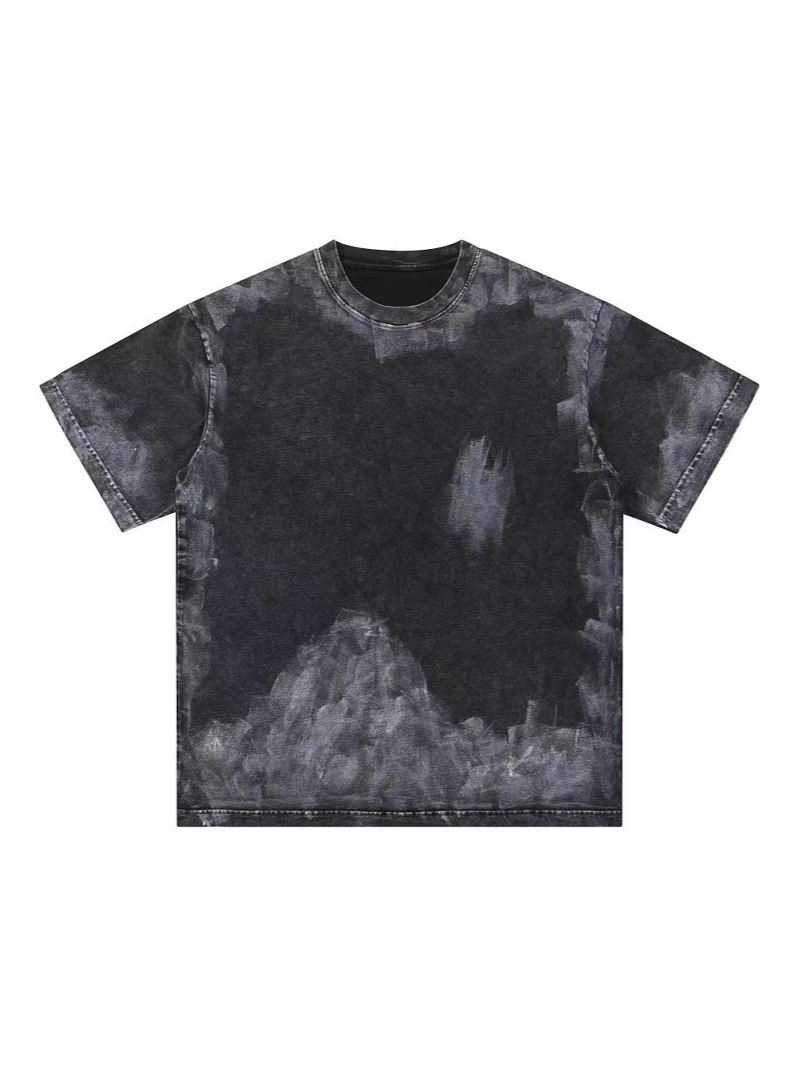
Stone Wash T-Shirts
Stone wash T-shirt finishing softens heavyweight cotton jersey and creates subtle vintage appearance for oversized tees, graphic T-shirts, and fashion basics. Reduces fabric stiffness while maintaining print quality and structural integrity, perfect for premium streetwear and lifestyle apparel brands.
Get a QuoteOur Stone Wash Garment Expertise
ZORWILD has refined stone wash garment finishing for over 27 years in Humen, Dongguan, one of the world’s leading garment manufacturing hubs. Our specialized stone wash techniques deliver authentic vintage fade effects, soft hand feel, and premium texture across hoodies, denim jackets, T-shirts, sweatpants, and custom apparel collections for brands worldwide.
With monthly production capacity exceeding 100,000 units and a rigorous 6-stage quality control system, we ensure every stone wash garment meets exact color consistency, fabric integrity, and finish durability standards. Our in-house wash facility supports low MOQ production starting at just 50 pieces, making premium stone wash accessible to startup brands and established labels alike.
From enzyme-enhanced stone washing to controlled abrasion and color fading, ZORWILD bridges creative design with scalable production. Our experienced team works closely with each brand to achieve the perfect vintage aesthetic, whether you need subtle worn-in softness or bold distressed character for your collection.

Stone Wash Garment Process & Quality Control
Pumice Stone Selection and Tumble Engineering
ZORWILD uses carefully graded volcanic pumice stones paired with precise tumble duration to achieve consistent vintage fade patterns. Our 27 years of experience ensures optimal stone-to-garment ratios, water temperature control, and rotation speed for every stone wash garment batch.
- Volcanic pumice stones graded by size and abrasion profile for controlled fading
- Tumble duration calibrated to fabric weight, construction, and desired fade intensity
- Stone-to-garment ratio optimized to prevent damage while maximizing vintage effect
- Water temperature and pH monitoring throughout the wash cycle for consistency
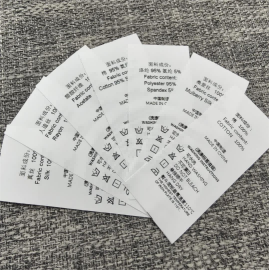
Enzyme Desizing and Fabric Conditioning
After mechanical abrasion, enzyme treatments remove residual sizing agents and soften fibers to deliver the signature soft hand feel of premium stone wash garments. Our biochemical process control ensures even penetration and eliminates harsh chemical residues across every production run.
- Cellulase enzyme application removes sizing and softens cotton fibers uniformly
- Controlled enzyme concentration and temperature for predictable hand feel results
- Neutralization and rinsing protocols eliminate enzyme activity and chemical traces
- Fabric tension management during treatment prevents distortion or shrinkage
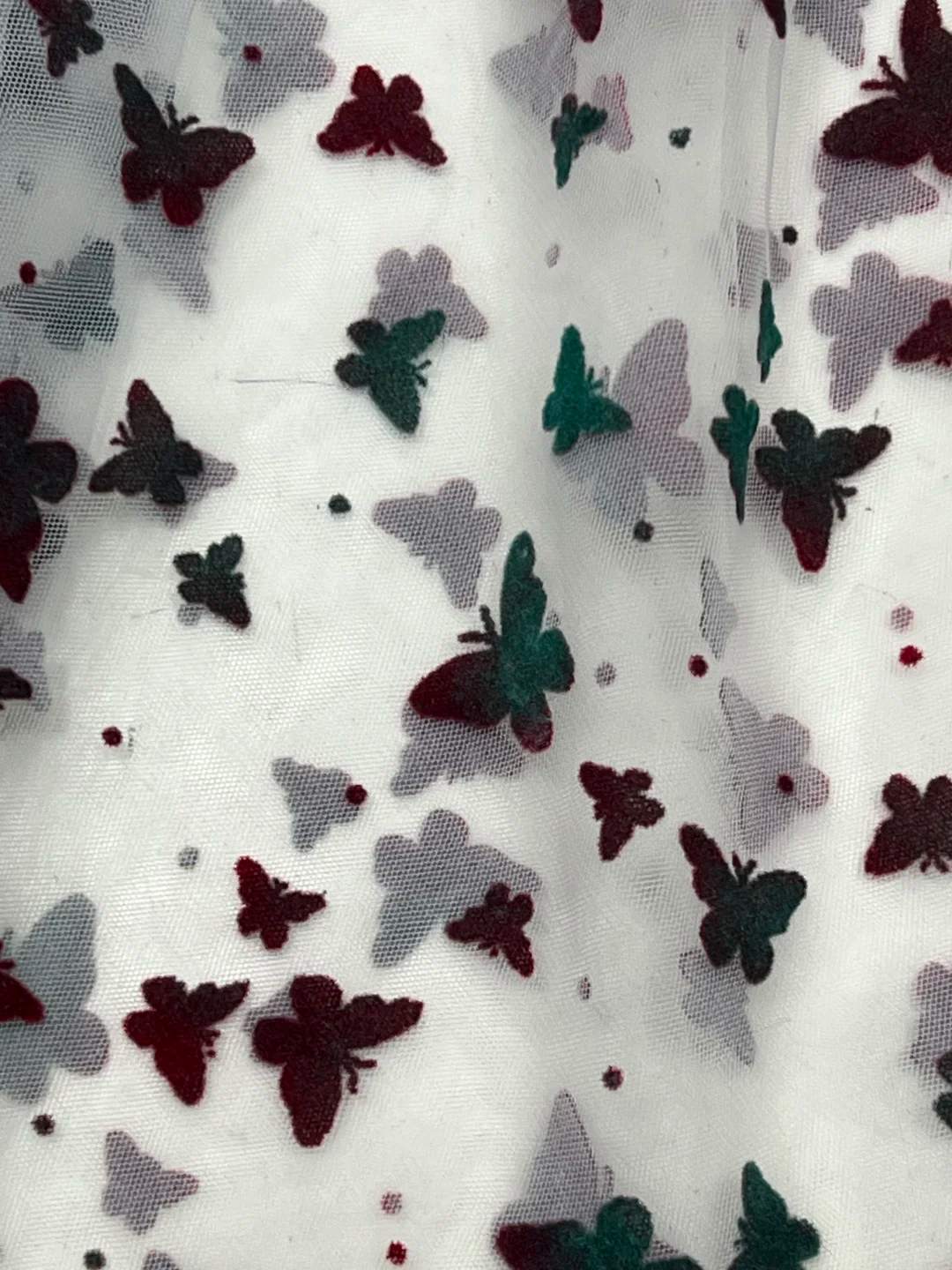
Drying and Finishing Protocol Standards
Proper drying is critical to locking in the stone wash effect while maintaining garment integrity. ZORWILD employs staged tumble drying with temperature monitoring, followed by steam finishing and dimensional inspection to ensure every stone wash garment meets brand specifications.
- Staged tumble drying with controlled heat ramps to prevent over-shrinkage
- Steam finishing restores shape and eliminates wrinkles without compromising fade
- Dimensional stability checks verify measurements match tech pack tolerances
- Final hand feel assessment ensures softness consistency across entire batch
Six-Stage Quality Control for Batch Consistency
Our comprehensive quality control system monitors stone wash garment production from raw fabric inspection through final packaging. Each batch undergoes color matching, fade uniformity checks, seam integrity testing, and hand feel validation to guarantee consistent vintage aesthetics at scale.
- Pre-wash fabric inspection confirms suitability for stone wash processing
- In-process fade monitoring ensures uniform abrasion across all garment panels
- Post-wash color matching verifies batch-to-batch consistency using lab standards
- Final inspection includes hand feel, measurements, and visual fade pattern approval
Stone Wash Garment vs. Acid Wash Technique
Both techniques create vintage aesthetics, but stone wash garment delivers softer hand feel and broader fabric compatibility while acid wash produces high-contrast marble effects. Understanding the differences helps you choose the right finishing process for your brand’s design vision and production requirements.
← 左右滑动查看 →
Stone Wash Garment Production Timeline
ZORWILD’s six-phase stone wash garment manufacturing process ensures consistent vintage fade effects, soft hand feel, and premium quality control from fabric intake through final packaging.
Fabric Intake & Desizing
Raw garments undergo enzyme desizing treatment to remove starch and prepare fabric surface for optimal stone wash absorption and even fade distribution across all panels.
Stone Wash Tumbling
Garments tumble with natural pumice stones in industrial washers for controlled abrasion, creating authentic vintage fade patterns while softening fabric texture throughout the process.
Stone Removal & Rinsing
Pumice residue is carefully extracted through multi-stage rinsing cycles with temperature control to halt enzyme activity, stabilize color fade, and ensure fabric cleanliness.
Drying & Conditioning
Stone washed garments are tumble dried at controlled temperatures to lock in soft hand feel, prevent shrinkage, and stabilize final dimensions before quality inspection.
Quality Inspection & Measurement
Each stone wash garment passes through ZORWILD’s six-stage quality control system verifying fade consistency, fabric integrity, stitch durability, and measurement accuracy against tech pack specifications.
Final Packaging & Shipping
Approved garments receive custom labels, hang tags, and branded packaging before export documentation preparation and global logistics coordination to your destination market.
How to Order Stone Wash Garment Samples
ZORWILD’s streamlined ordering process makes it easy to commission custom stone wash garments with vintage fade effects, soft hand feel, and precise color control from just 50 pieces.
Submit Your Design Requirements
Share your tech pack, reference images, or design concept with our team. Specify garment type, stone wash intensity level, target fade effect, and color preferences for accurate sampling.
Select Fabric and Wash Parameters
Our specialists recommend suitable cotton, denim, or twill fabrics and define stone wash variables including wash duration, stone size, and enzyme combination to achieve your desired vintage aesthetic.
Approve Stone Wash Sample
Receive physical samples within 7-14 days to evaluate fade consistency, color tone, fabric softness, distressing level, and overall wash quality before committing to bulk production.
Confirm Production and Timeline
Once sample approved, finalize order quantity, packaging details, and delivery schedule. Our 6-stage quality control ensures every stone wash garment meets your exact specifications throughout production.
Stone Wash Garment Customer Stories
ZORWILD’s stone wash garment process delivered exactly the vintage aesthetic we needed for our streetwear collection. Color consistency across 850 units was flawless, and the soft hand feel exceeded our expectations. Our launch sold out in 72 hours.
We tested three manufacturers for stone wash denim jackets before choosing ZORWILD. Their 27 years of experience showed—every piece had the perfect fade depth, zero damage to fabric integrity, and delivery was two days early on a 1,200-unit order.
Starting with just 50 pieces, ZORWILD’s stone wash garment service let us test our vintage hoodie line without huge risk. The wash effect was consistent, sampling turnaround was 9 days, and we’ve now scaled to monthly reorders of 600+ units.
Stone Wash Garment FAQ
What is the minimum order quantity for stone wash garment production?
Which fabrics work best for stone wash garment finishing?
How durable is stone wash garment after multiple customer washes?
Can I combine stone wash garment with embroidery or screen printing?
What is the typical lead time for stone wash garment orders?
How much does a stone wash garment sample cost?
What color options are available for stone wash garment?
Do I need special art files for stone wash garment production?
Can stone wash garment be applied to finished inventory or only during production?
The Complete Buyer’s Guide to Stone Wash Garment Sourcing and Manufacturing
1. What Is a Stone Wash Garment?
A stone wash garment is a textile finishing process that uses pumice stones or industrial enzymes to abrade fabric surfaces, creating a soft, worn-in appearance with faded color and distressed texture. The technique originated in denim manufacturing during the 1980s and has since expanded to T-shirts, hoodies, sweatshirts, jackets, and casual outerwear. Buyers can expect visual characteristics including uneven color fading, lighter high-wear areas, subtle surface abrasion, and a vintage aesthetic that mimics years of natural wear in a controlled production cycle lasting 30 to 90 minutes.
True stone washing uses volcanic pumice stones tumbled with garments in industrial washing machines, physically abrading fibers to soften fabric and fade dye. Enzyme wash replaces stones with cellulase enzymes that chemically break down cellulose fibers, delivering similar softness and fading with less fabric damage and more consistent results. Both methods reduce fabric stiffness by 40 to 60 percent compared to untreated garments, making stone wash garment finishes popular for premium streetwear, vintage-inspired collections, and casual fashion lines.
Fashion brands choose stone wash garment finishes to differentiate product lines, add perceived value through artisan aesthetics, reduce the break-in period for rigid fabrics like denim and heavyweight cotton, and align with consumer demand for authentic vintage styling. ZORWILD applies stone wash, enzyme wash, acid wash, vintage wash, and snow wash techniques across denim jackets, oversized T-shirts, hoodies, sweatpants, and casual shirts with low MOQ production starting from 50 pieces per style.
2. Evolution and History of Stone Wash Garment Techniques
In 1980, Italian designer Adriano Goldschmied and entrepreneur François Girbaud pioneered the first industrial stone wash garment process using volcanic pumice stones in industrial washing machines, creating the faded denim aesthetic that defined casual fashion throughout the decade. The technique quickly spread across North America and Europe, with major denim brands adopting stone washing to meet consumer demand for pre-worn, vintage-looking jeans that eliminated the stiff, uncomfortable break-in period of raw denim.
By the mid-1990s, environmental regulations in the United States and European Union began restricting water usage and effluent discharge from garment washing facilities, pushing manufacturers to adopt enzyme-based bio-polishing as a sustainable alternative to physical pumice stones. Cellulase enzymes reduced water consumption by 30 to 50 percent, eliminated stone disposal issues, and delivered more consistent fading results with less fabric damage, making enzyme wash the industry standard by 2000.
The 2010s saw stone wash garment techniques expand beyond denim into French terry hoodies, cotton T-shirts, sweatpants, and woven casual shirts as streetwear brands embraced vintage aesthetics and soft hand feel. Modern manufacturers now combine traditional stone wash with acid wash, snow wash, and pigment dye processes to create layered vintage effects that appeal to influencer brands and fashion-forward wholesalers seeking differentiated product collections with authentic worn-in textures.
3. Types of Stone Wash Garment Finishes
Manufacturers apply five primary stone wash garment finish methods, each delivering distinct visual effects, cost structures, and fabric compatibility. Selecting the correct finish type directly impacts brand positioning, retail price point, and target customer perception.
Traditional Pumice Stone Wash
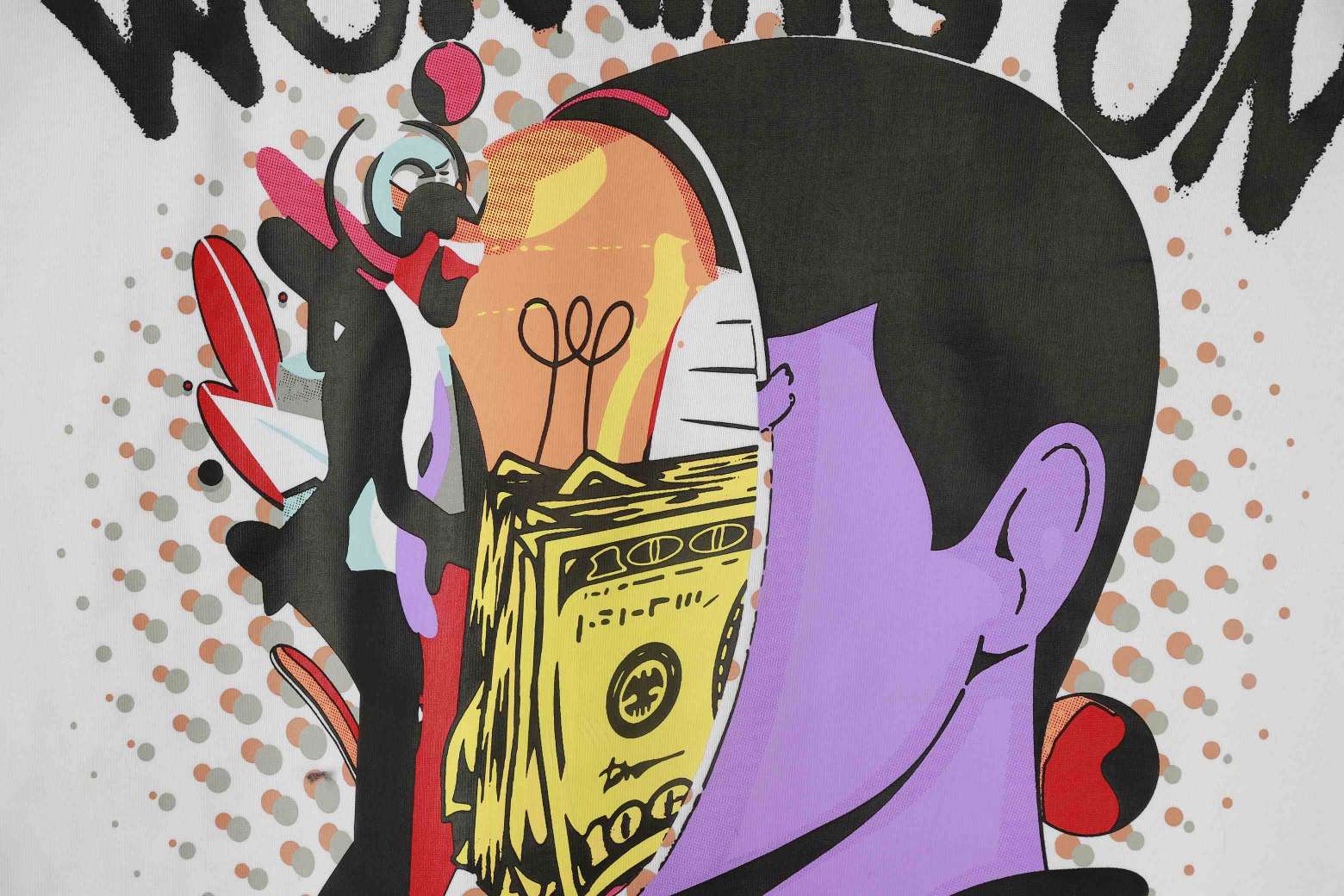
Pumice stones tumble with garments in industrial washers for 60–90 minutes, abrading fabric surfaces to create authentic vintage fading. This method works best on heavyweight denim (10–14 oz) and cotton twill, producing irregular wear patterns and soft hand feel. Cost runs 15–25% higher than untreated garments due to stone procurement, machine wear, and water consumption. Best for premium denim brands and heritage streetwear collections targeting customers who value authentic craftsmanship.
Enzyme Wash
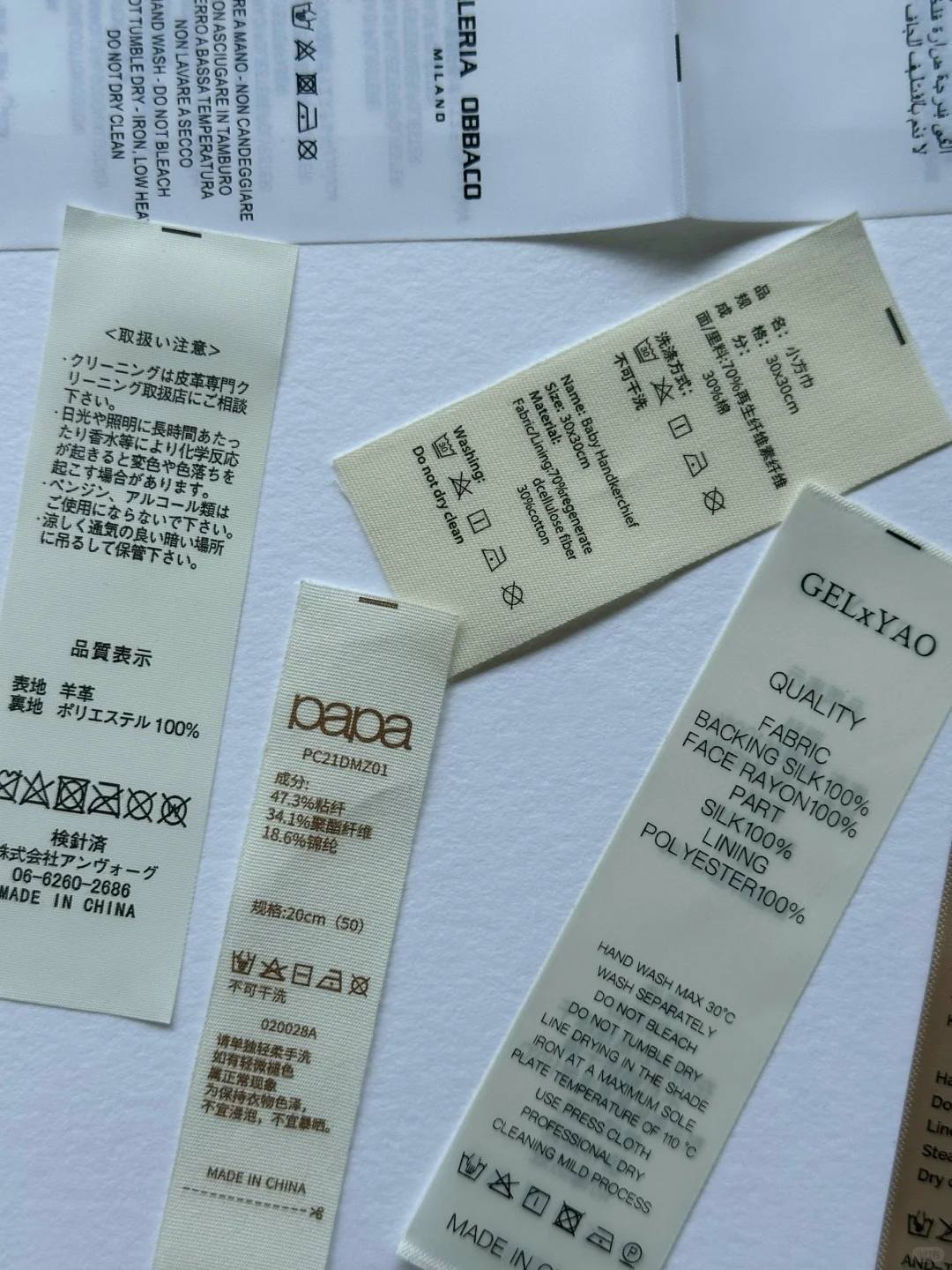
Cellulase enzymes break down cotton fiber surfaces at 50–60°C, delivering controlled fading without mechanical abrasion. This biochemical process reduces fabric strength loss by 30–40% compared to pumice methods and cuts water usage by approximately 50%. Enzyme wash suits medium-weight cotton jersey (180–240 GSM), French terry, and fleece, producing uniform color reduction ideal for casualwear and activewear brands. Processing costs fall 10–15% below traditional stone wash, making it attractive for volume production and price-sensitive markets.
Acid Wash

Combining pumice stones soaked in chlorine or potassium permanganate with mechanical tumbling creates high-contrast marbled effects and dramatic color variation. Acid wash delivers bold streetwear aesthetics popular in oversized hoodies, graphic tees, and fashion denim. Fabric weight must exceed 200 GSM to withstand aggressive chemical action; lighter substrates risk tearing. Cost increases 30–50% over standard washes due to chemical handling, environmental compliance, and extended rinse cycles. This finish targets trend-driven brands and influencer collections where visual impact outweighs cost considerations.
Moon Wash and Vintage Distressed Wash
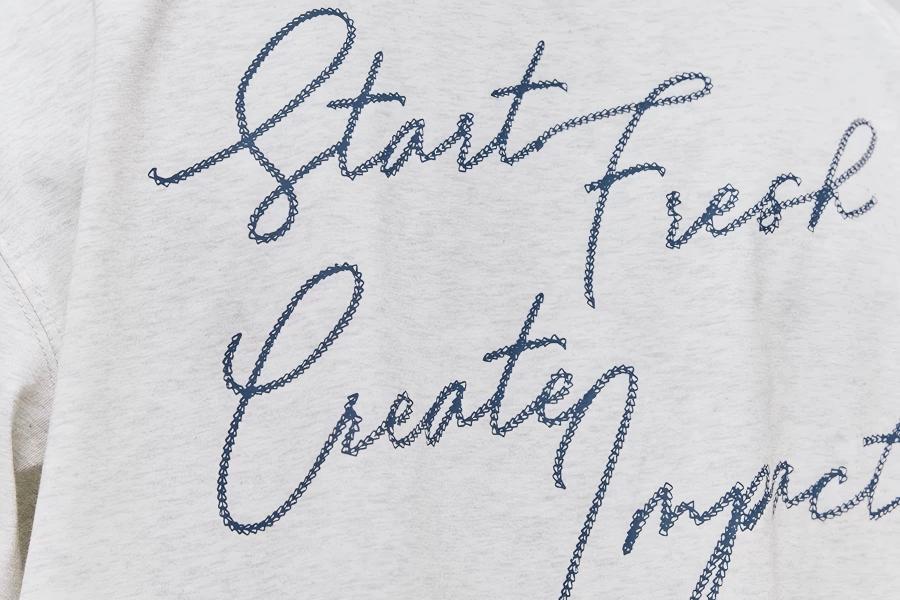
Moon wash applies light enzyme treatment for 20–30 minutes, producing subtle surface fading while preserving original color depth—ideal for resort wear and minimalist fashion lines. Vintage distressed wash combines enzyme treatment with localized sanding, whiskering, and strategic abrasion to simulate years of natural wear. This multi-step process suits premium collections where artisanal detail justifies 40–60% cost premiums. Both finishes work across cotton, linen blends, and rayon, allowing designers to align wash intensity with brand narrative and customer expectations.
4. Materials and Fabrics Suitable for Stone Wash Garment
Not every fabric tolerates the mechanical abrasion and chemical action of stone wash garment processing. Material choice determines fade uniformity, durability, and final hand feel after washing.
| Fabric Type | Typical GSM | Wash Compatibility | Common End-Use |
|---|---|---|---|
| 100% Cotton Denim | 280–400 | Excellent fade, high abrasion tolerance | Jeans, jackets, shirts |
| Cotton-Poly Blend | 180–280 | Moderate fade, low shrinkage | Casual shirts, lightweight jackets |
| French Terry | 240–320 | Soft hand, uneven dye absorption | Hoodies, sweatshirts, joggers |
| Fleece | 280–400 | Enhanced softness, vintage texture | Oversized hoodies, sweatpants |
| Cotton Twill | 200–300 | Strong structure, consistent fade | Cargo pants, utility jackets |
| Canvas | 300–400 | Maximum durability, slow fade | Workwear jackets, heavy outerwear |
Cotton and Cotton-Blend Fabrics
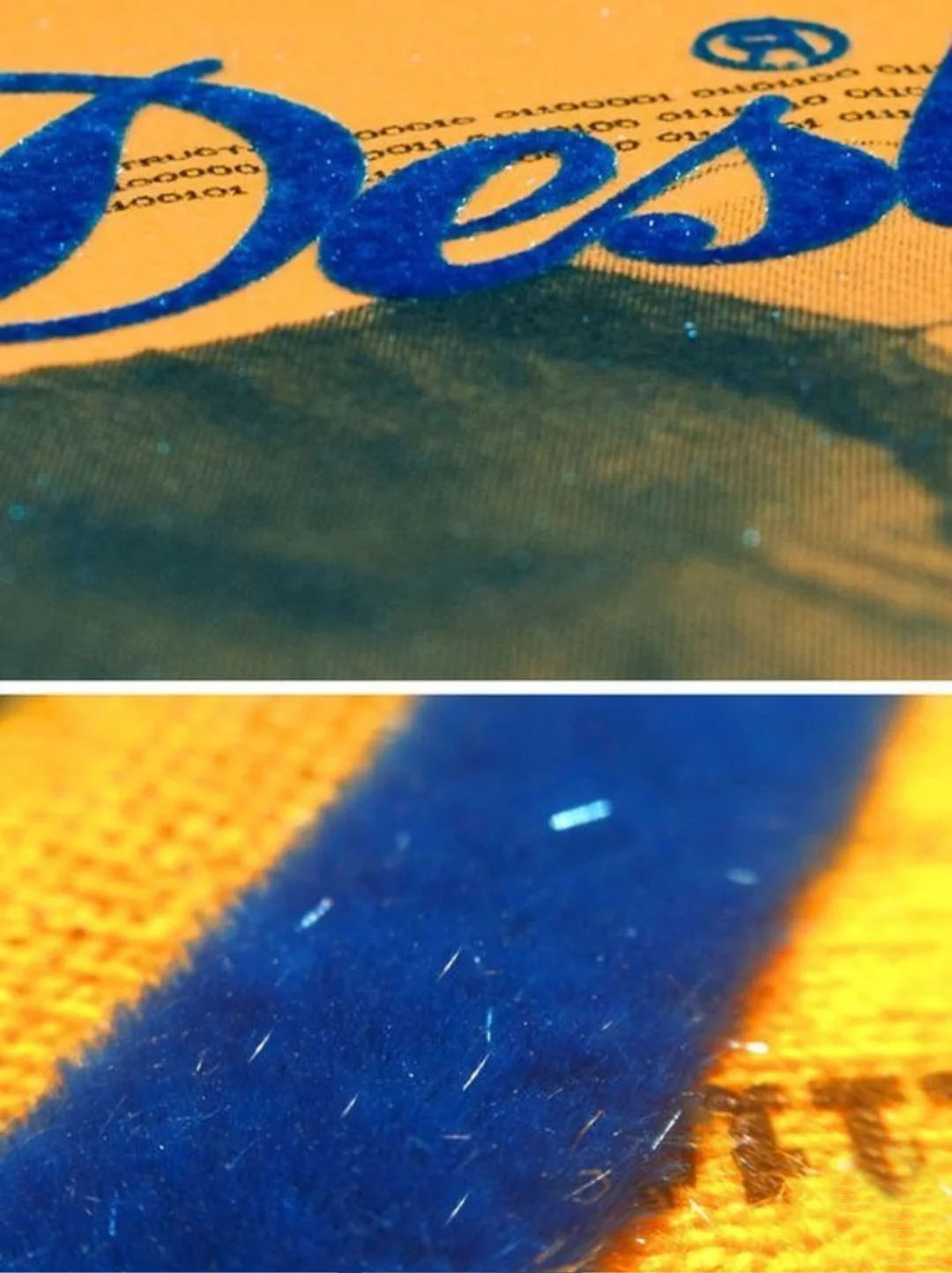
100% cotton denim remains the gold standard for stone wash garment applications, delivering consistent fade patterns and superior color bleeding control. Ring-spun cotton fibers produce smoother surfaces and more even vintage effects than open-end yarns.
Cotton-polyester blends (typically 60/40 or 80/20 ratios) offer improved dimensional stability and faster drying times but fade less dramatically than pure cotton. Blends above 30% polyester retain darker tones in abraded areas, creating subtle contrast rather than high-impact vintage looks.
French Terry and Fleece for Sweatwear
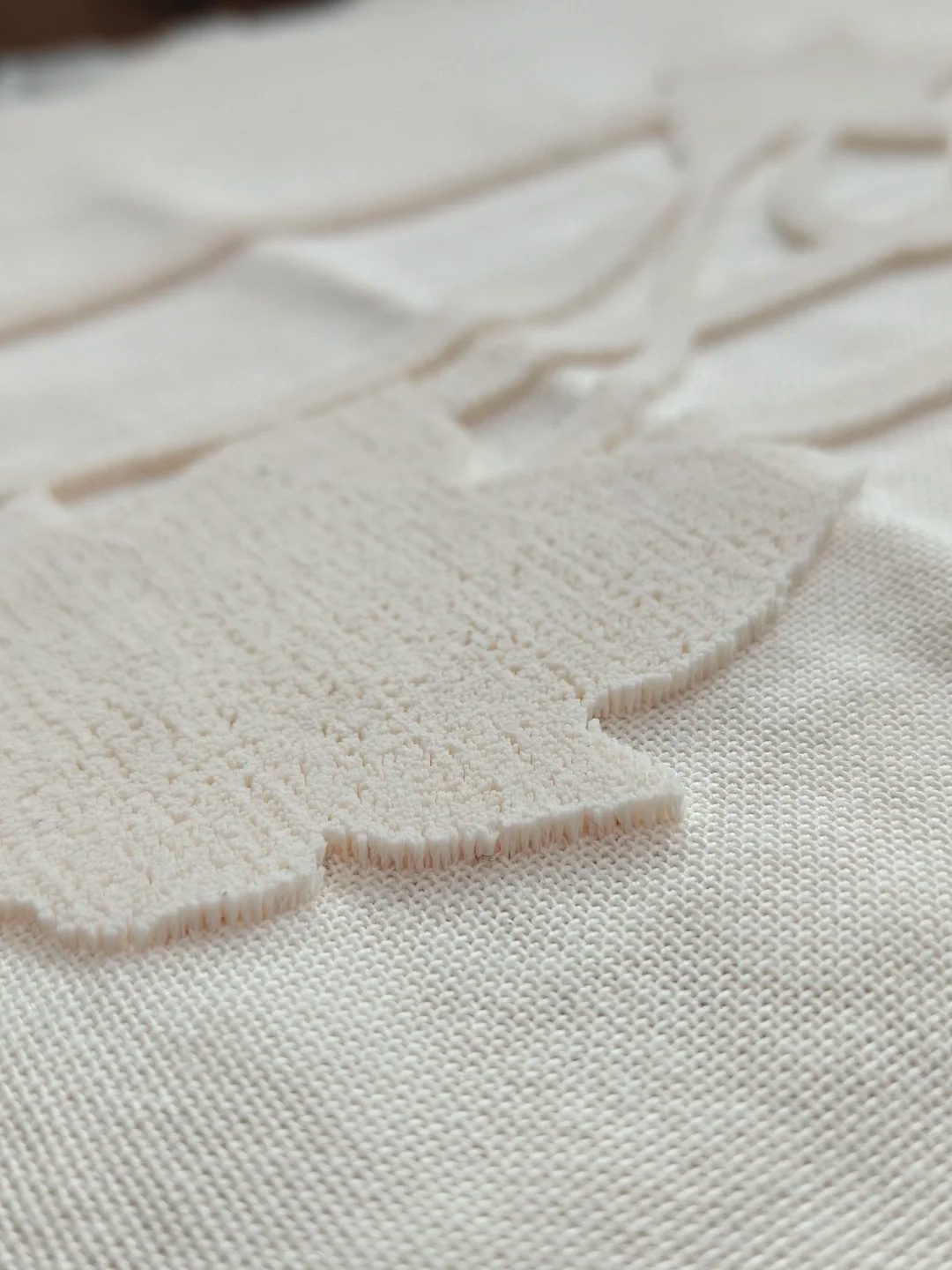
French terry (240–320 GSM) combines looped interior texture with smooth face fabric, ideal for hoodies and sweatshirts requiring soft hand feel after stone wash garment treatment. The looped backing absorbs dye unevenly, enhancing vintage character.
Fleece fabrics (280–400 GSM) deliver heavyweight warmth and brushed texture. Stone washing softens fleece further and creates authentic worn-in aesthetics popular in streetwear and casualwear collections.
Twill and Canvas for Outerwear
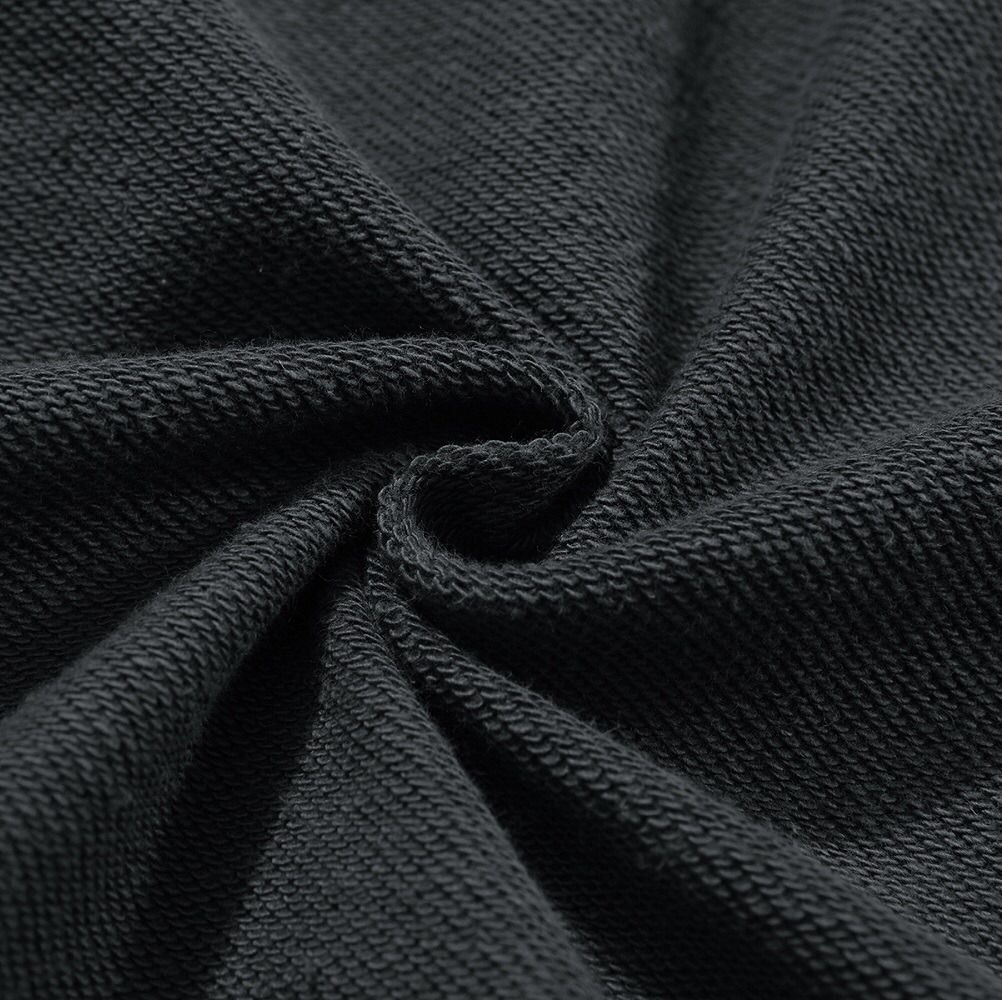
Cotton twill (200–300 GSM) features diagonal rib construction that resists tearing during tumbling, making it suitable for jackets, cargo pants, and workwear-inspired stone wash garment pieces. Twill’s tight weave retains structural integrity even after aggressive washing cycles.
Canvas (300–400 GSM) provides maximum durability for utility jackets, tote bags, and heavy-duty apparel. The dense plain weave requires longer wash cycles and larger pumice volumes to achieve visible fade effects.
5. Customization and Decoration Options for Stone Wash Garment
Stone wash garment finishing interacts directly with decoration processes, requiring careful sequencing to preserve print adhesion, thread tension, and color fastness. ZORWILD manages pre-wash and post-wash decoration workflows to ensure durability across screen printing, embroidery, appliqué, patches, garment dye layering, and laser distressing techniques.
| Decoration Method | Durability After Wash | Setup Cost | Minimum Order |
|---|---|---|---|
| Screen Printing (Pre-Wash) | High, vintage cracking | $80–150 per screen | 50 pcs |
| Screen Printing (Post-Wash) | Very High, intact graphics | $80–150 per screen | 50 pcs |
| Embroidery (Post-Wash) | Very High, no distortion | $30–60 digitizing | 50 pcs |
| Chenille Patches | High, edge-sealed | $50–100 setup | 100 pcs |
| Garment Dye Over Wash | Medium, reactive dyes | $200–400 batch | 300 pcs |
| Laser Distressing | Very High, permanent | $40–80 per design | 50 pcs |
Pre-Wash Versus Post-Wash Decoration Sequencing
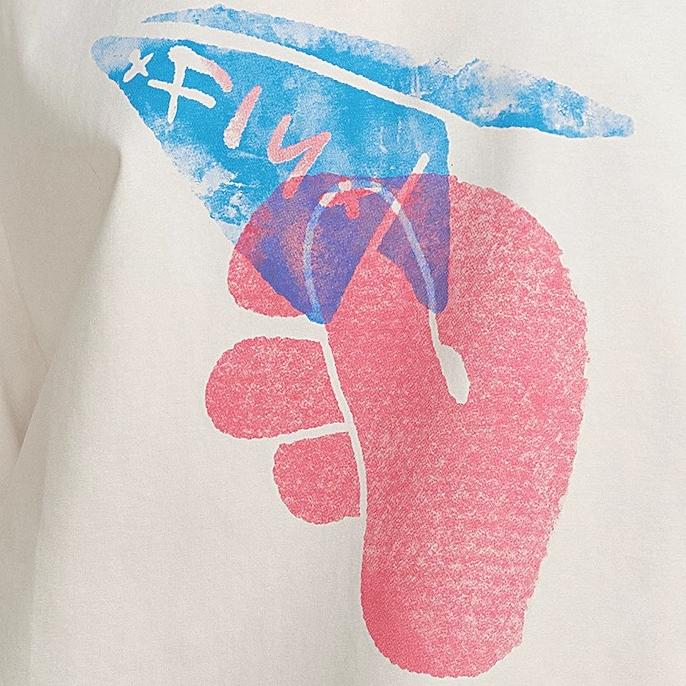
Screen printing applied before stone wash creates vintage cracked effects as tumbling abrades ink surfaces, ideal for distressed graphics. Printing after wash delivers sharp, intact artwork but requires cured fabric to prevent shrinkage misalignment.
Embroidery performed post-wash avoids thread tension shifts caused by fabric relaxation during tumbling. Pre-wash embroidery risks puckering and stitch distortion as fibers compress and soften under mechanical action.
Color Fastness and Adhesion Challenges
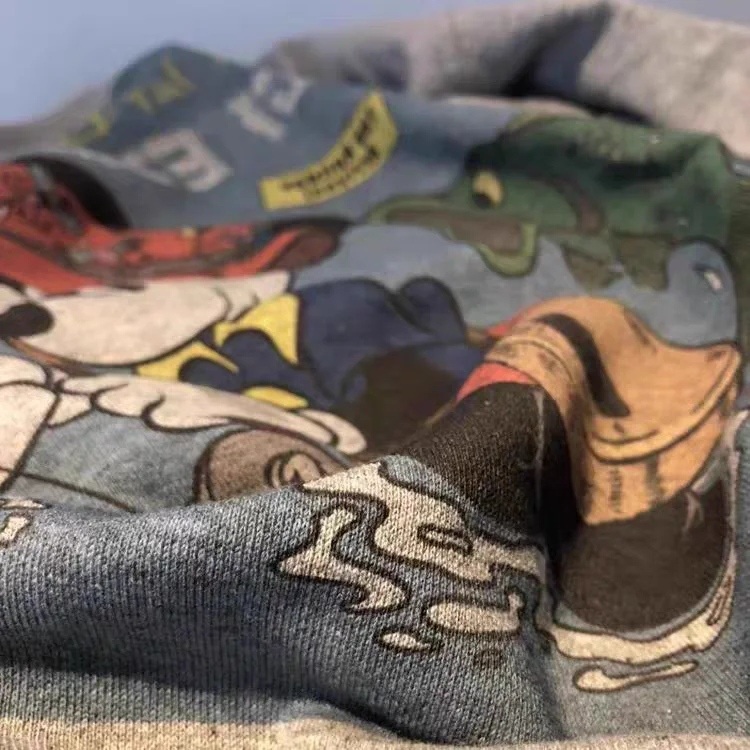
Water-based inks bond well to cotton but fade faster under repeated stone wash cycles compared to plastisol inks, which resist abrasion for 50+ industrial washes. Garment dye applied over stone wash requires reactive dyes to penetrate pre-washed fibers and achieve even saturation.
Reflective and puff prints show reduced adhesion on heavily abraded surfaces; ZORWILD recommends post-wash application with heat-press curing at 160–180°C for 12–15 seconds to maximize bond strength.
Patches, Appliqué, and Laser Distressing
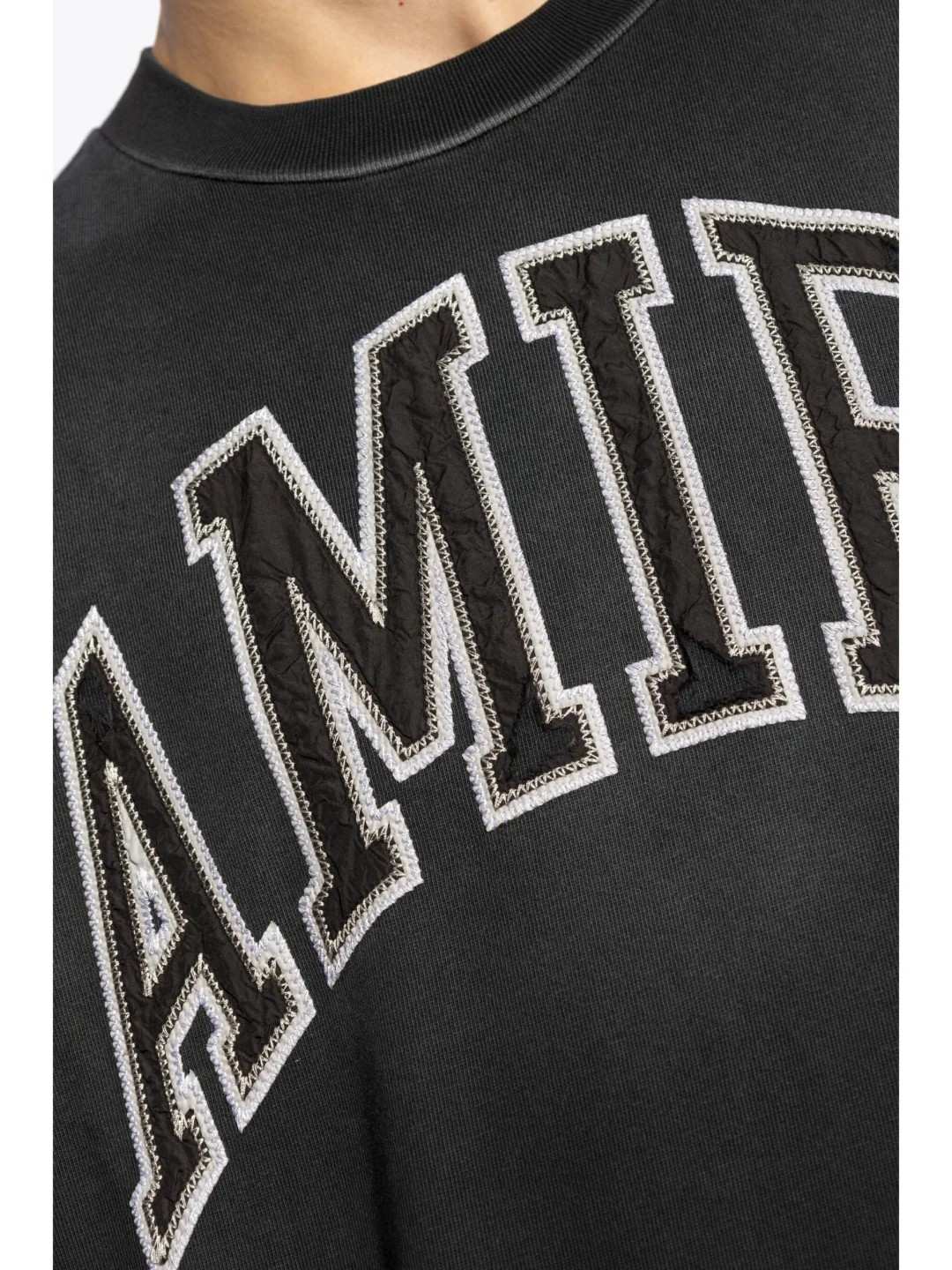
Chenille patches and woven appliqués attach post-wash to avoid edge fraying during tumbling. Laser distressing cuts precise patterns into denim or twill after stone wash, layering vintage texture with modern graphic precision for streetwear collections.
ZORWILD supports combination workflows: stone wash first for base texture, then laser cut, embroidery, and patch application in sequence to deliver multi-technique garments starting from 50-piece orders.
6. Key Quality Elements in Stone Wash Garment Construction
Stone wash garment quality depends on both the washing process and the underlying construction that must withstand aggressive mechanical abrasion. Buyers must verify specific checkpoints before approving bulk production to avoid batch inconsistency, fabric damage, and premature garment failure.
Fade Distribution and Fabric Integrity
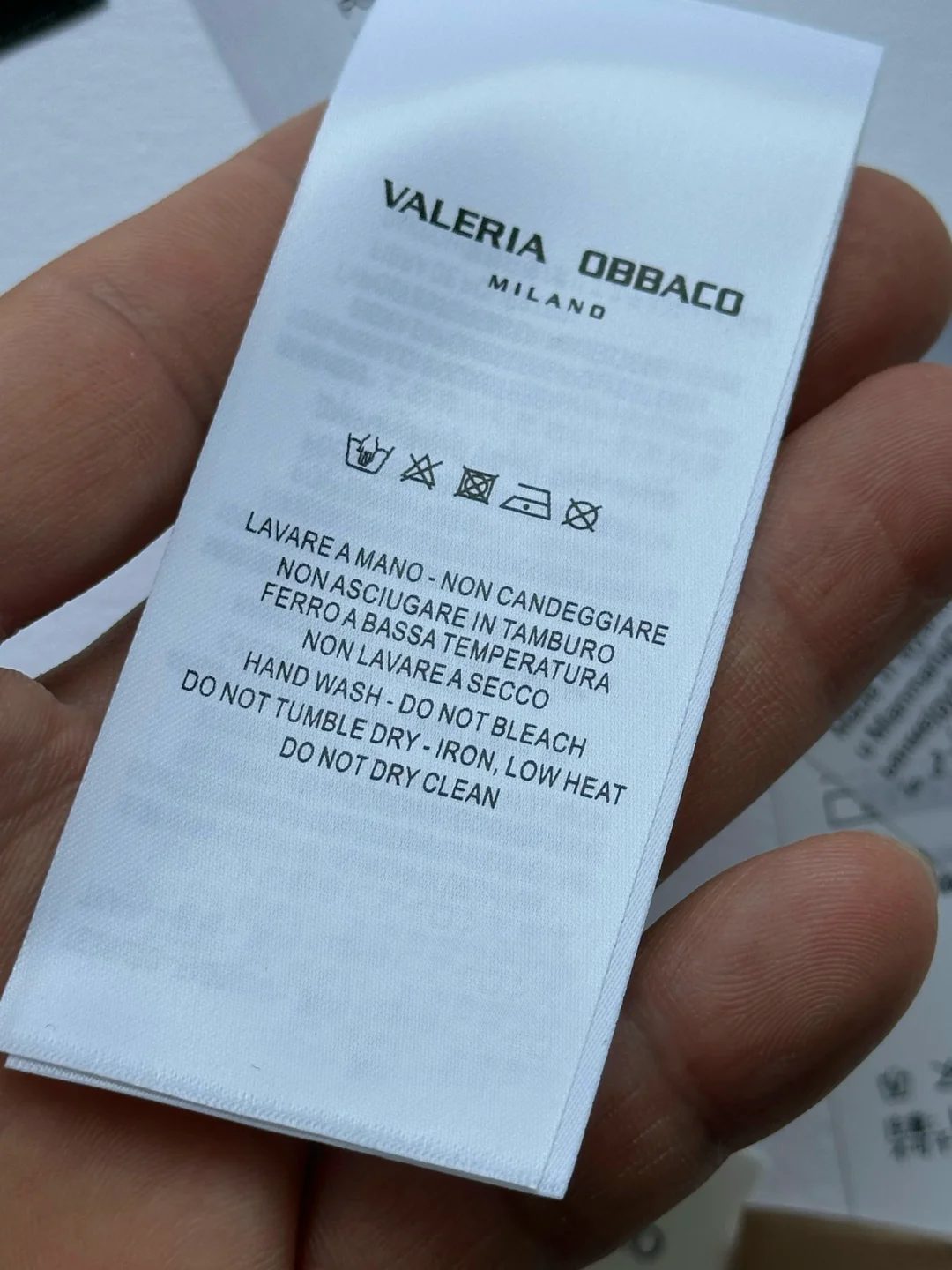
Even fade distribution across chest, sleeves, and body panels is the first visual quality checkpoint. Inspect samples under natural light to identify uneven stone contact, streaking, or blotchy areas that signal poor tumbler loading or insufficient wash time.
Fabric thinning and micro-holes result from over-washing or excessive stone-to-garment ratios. ZORWILD conducts pre-production wash testing on each fabric weight to calibrate stone load, cycle duration, and water temperature, preventing fiber damage while achieving target fade depth.
Stitch and Seam Durability
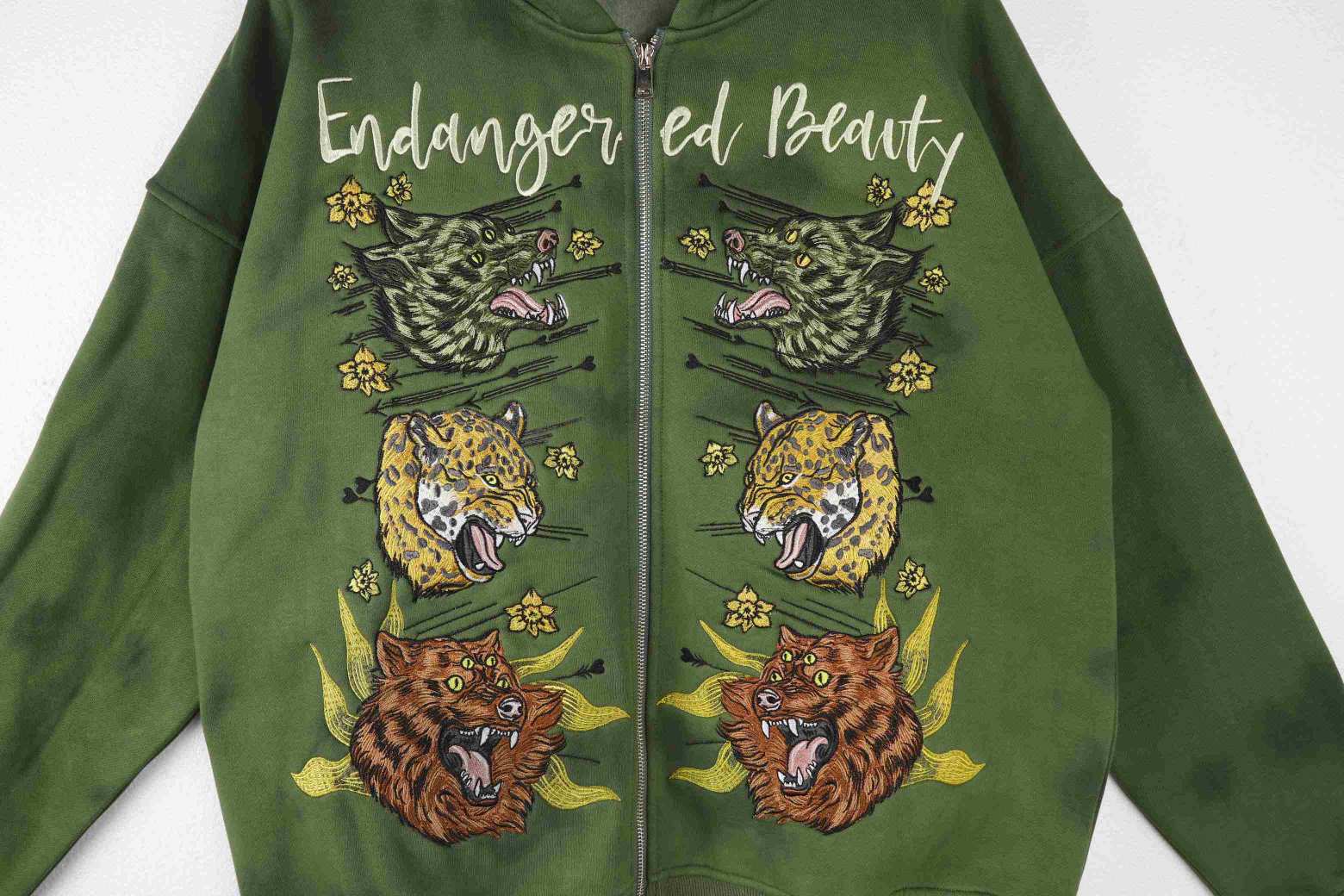
Bar tacks at pocket corners and stress points must remain intact after stone wash cycles. Flat-felled seams in denim and twill garments prevent fraying and provide structural strength that survives repeated tumbling with pumice stones.
Thread quality is critical: polyester core-spun thread resists abrasion better than 100% cotton thread. Inspect seam puckering, skipped stitches, and thread breaks in washed samples to confirm sewing tension and needle selection match fabric weight.
Hardware Corrosion Resistance
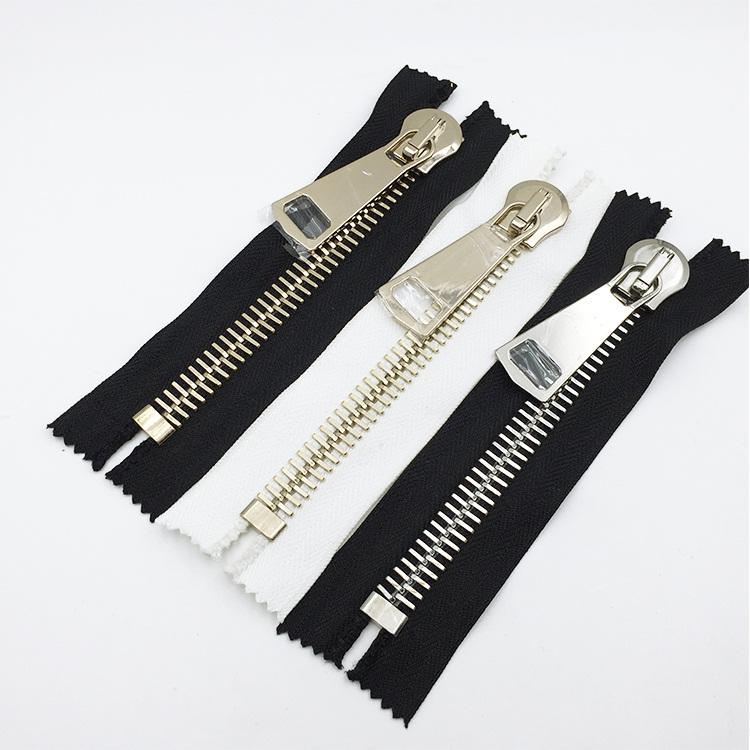
Metal rivets, zippers, and snap buttons must resist oxidation during wet stone wash cycles. YKK zippers with antique brass or gunmetal finishes offer superior corrosion resistance compared to uncoated zinc alloy hardware.
ZORWILD tests all metal trims in pre-production wash samples to verify no rust staining, color bleeding onto fabric, or mechanical failure. Replacement of substandard hardware before bulk production prevents costly rework and customer returns.
Shape Retention and Hand-Feel Consistency
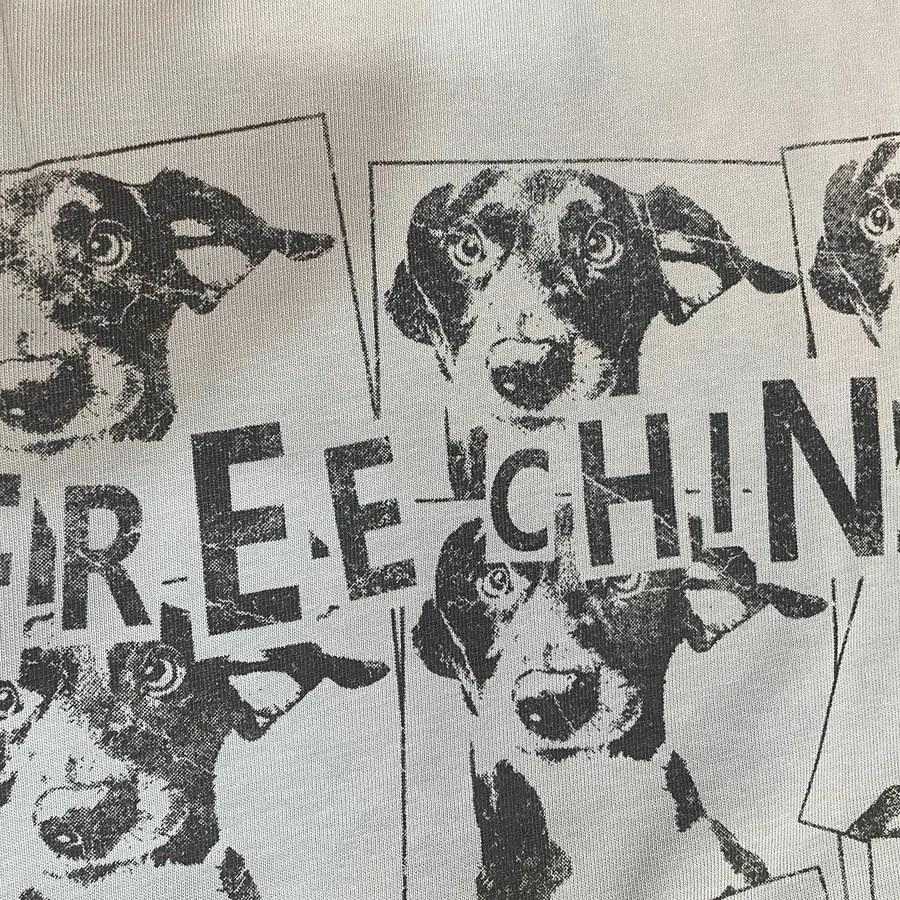
Garment measurements should remain within ±2% tolerance after stone wash compared to greige dimensions. Excessive shrinkage or twisting indicates improper fabric relaxation or unbalanced wash formulas.
Hand-feel consistency across a 500-piece batch requires controlled enzyme and softener dosing. ZORWILD performs batch sampling every 100 units during production wash cycles, ensuring uniform softness and surface texture that match approved pre-production samples.
7. How to Choose a Stone Wash Garment Manufacturer
Selecting the right stone wash garment manufacturer requires a systematic evaluation of technical capabilities, quality systems, and production flexibility. Verifying in-house wash facilities, process documentation, and certifications ensures consistent results and reduces supply chain risk.
Verify In-House Wash Facilities
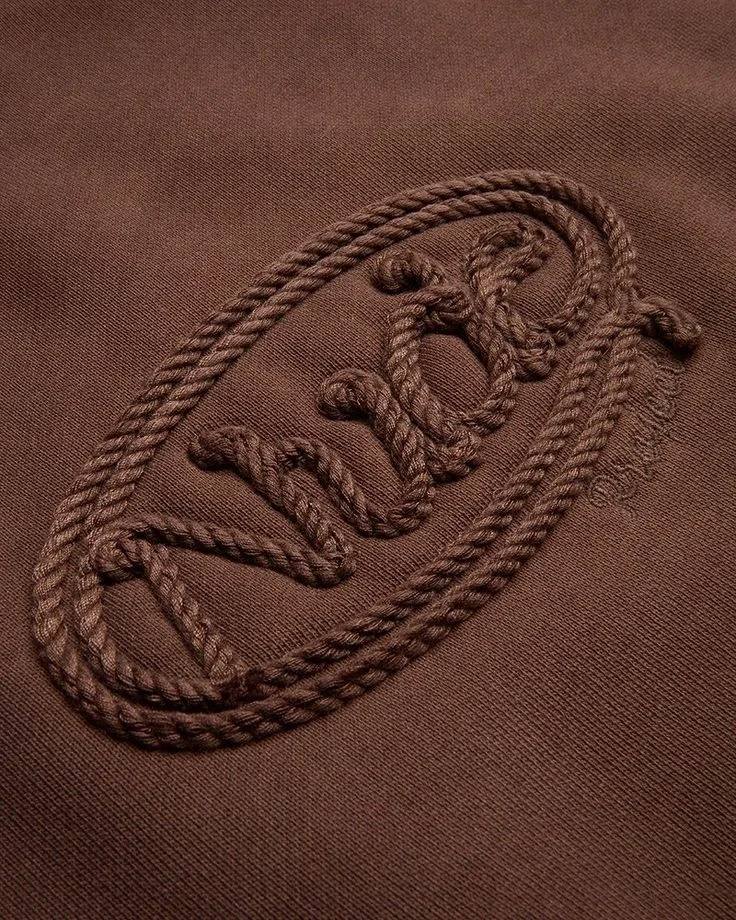
Manufacturers with in-house stone wash facilities offer better quality control, faster turnaround, and lower costs than those outsourcing finishing. ZORWILD operates dedicated garment wash equipment in Dongguan, enabling direct oversight of enzyme type, cycle time, water temperature, and stone-to-garment ratios.
During factory visits or video calls, request a tour of wash equipment, inspect drainage and water treatment systems, and confirm capacity to handle your order volume. Ask whether wash operators follow documented standard operating procedures and how they maintain consistency across production batches.
Request Wash Process Documentation
Professional manufacturers provide detailed wash process records including enzyme formulations, cycle duration, water pH levels, and chemical dosages. ZORWILD documents every wash parameter to replicate finishes accurately for reorders.
Ask for sample wash logs, enzyme supplier certifications, and water treatment protocols. Confirm whether the factory tests fabric shrinkage, color fastness, and tensile strength after washing to ensure garments meet performance standards.
Audit Certifications and Sustainability
OEKO-TEX Standard 100 confirms chemical safety, GOTS certifies organic processing, and Bluesign verifies sustainable water and energy use in wash facilities. These certifications reduce compliance risk for brands entering regulated markets.
Request current certification documents, review audit dates, and confirm scope coverage includes stone wash processes. Ask about wastewater recycling systems, energy-efficient wash equipment, and enzyme biodegradability to align with your brand’s sustainability goals.
Review Portfolio and MOQ Flexibility
Examine samples of previous stone wash projects in similar fabric weights, garment categories, and fade intensities. ZORWILD’s portfolio spans denim jackets, cotton hoodies, and vintage T-shirts with 50-piece startup MOQs.
Request physical samples, review consistency across production runs, and confirm whether the factory supports custom wash recipes for unique brand aesthetics. Assess MOQ tiers from 50 to 500 pieces to match your launch budget and inventory strategy.
8. Common Mistakes Buyers Make When Sourcing Stone Wash Garment
Even experienced buyers encounter costly errors when sourcing stone wash garment production. Wash-intensive finishes introduce variables—shrinkage, color consistency, decoration compatibility—that demand precise specification and factory validation before bulk orders.
Skipping Physical Wash Trials
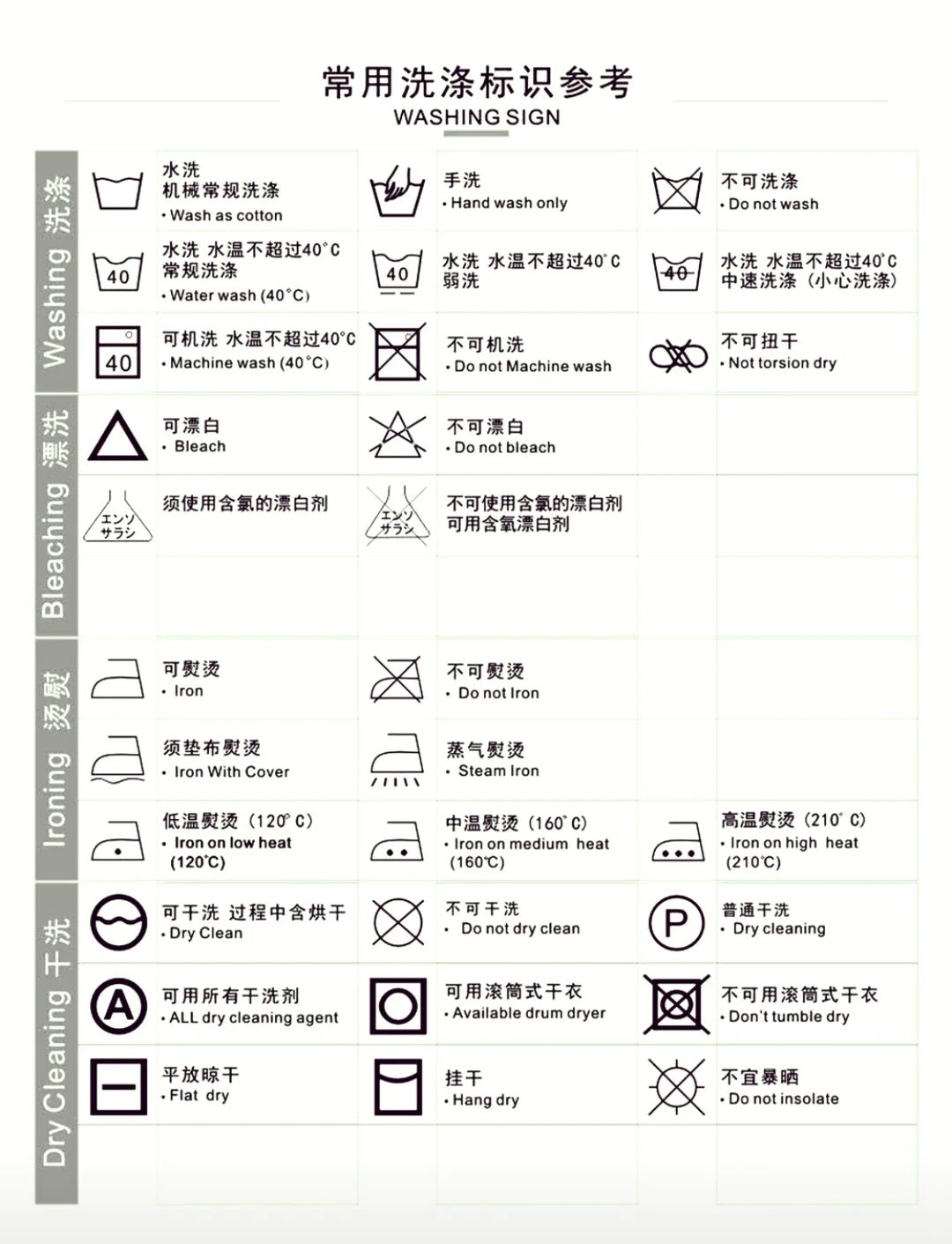
Digital mockups cannot predict how pumice stones interact with fabric weight, weave structure, and dye chemistry. Relying on photos or samples from unrelated production runs leads to fade mismatches and texture surprises.
ZORWILD requires physical wash trials on client-selected fabrics before approving bulk production, ensuring fade intensity, hand feel, and distress patterns match brand expectations across the full size run.
Ignoring Shrinkage Allowances
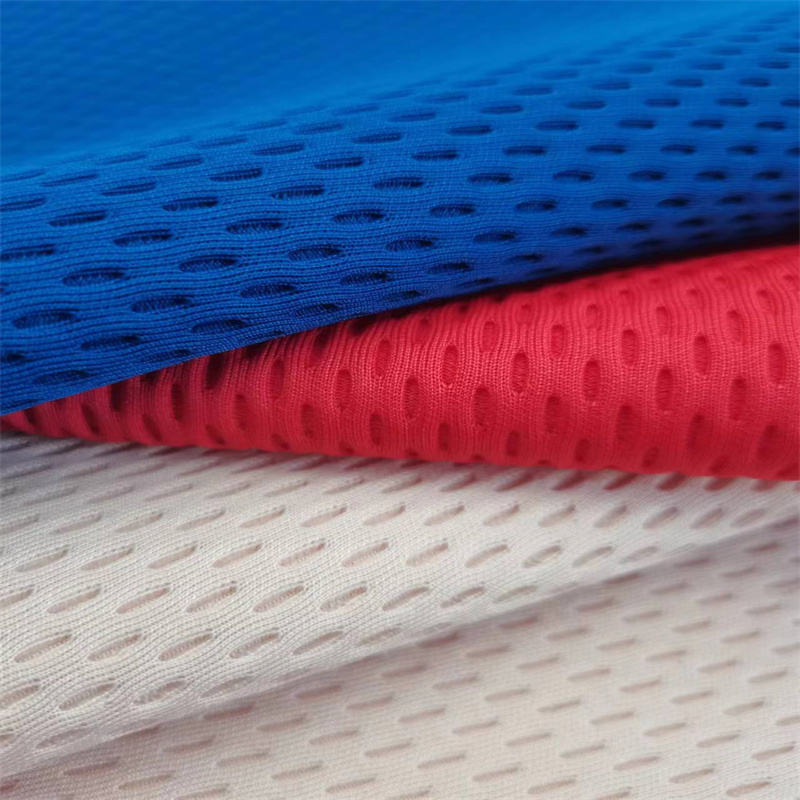
Stone wash garment processes can shrink cotton fabrics 3–5%, with heavier denim and French terry showing greater dimensional change. Buyers who approve pre-wash measurements often receive finished goods that fall outside target size specs.
Pattern grading must account for predicted shrinkage by fabric type and wash intensity. ZORWILD conducts shrinkage testing during sampling to adjust cutting dimensions, protecting fit consistency in final production.
Vague Fade Intensity in Tech Packs
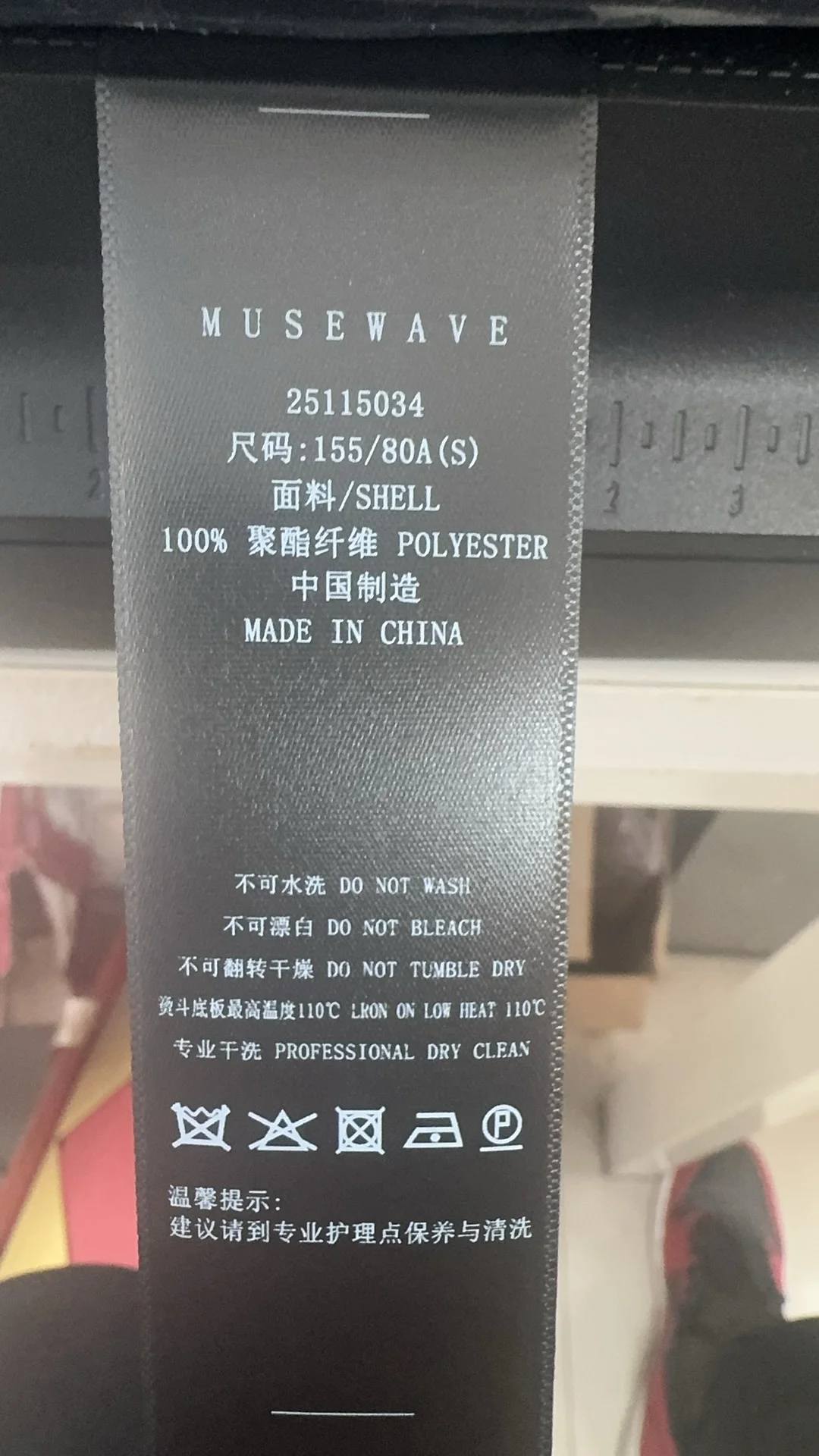
Terms like ‘vintage look’ or ‘light wash’ lack the precision factories need. Without reference images, Pantone fade targets, or wash-cycle counts, manufacturers default to their standard process, often misaligned with brand vision.
Successful tech packs include physical swatch references, fade gradient photos, and explicit wash-cycle parameters. Clear documentation reduces sampling rounds and aligns factory output with brand aesthetics from the first production batch.
Choosing Incompatible Decoration Methods
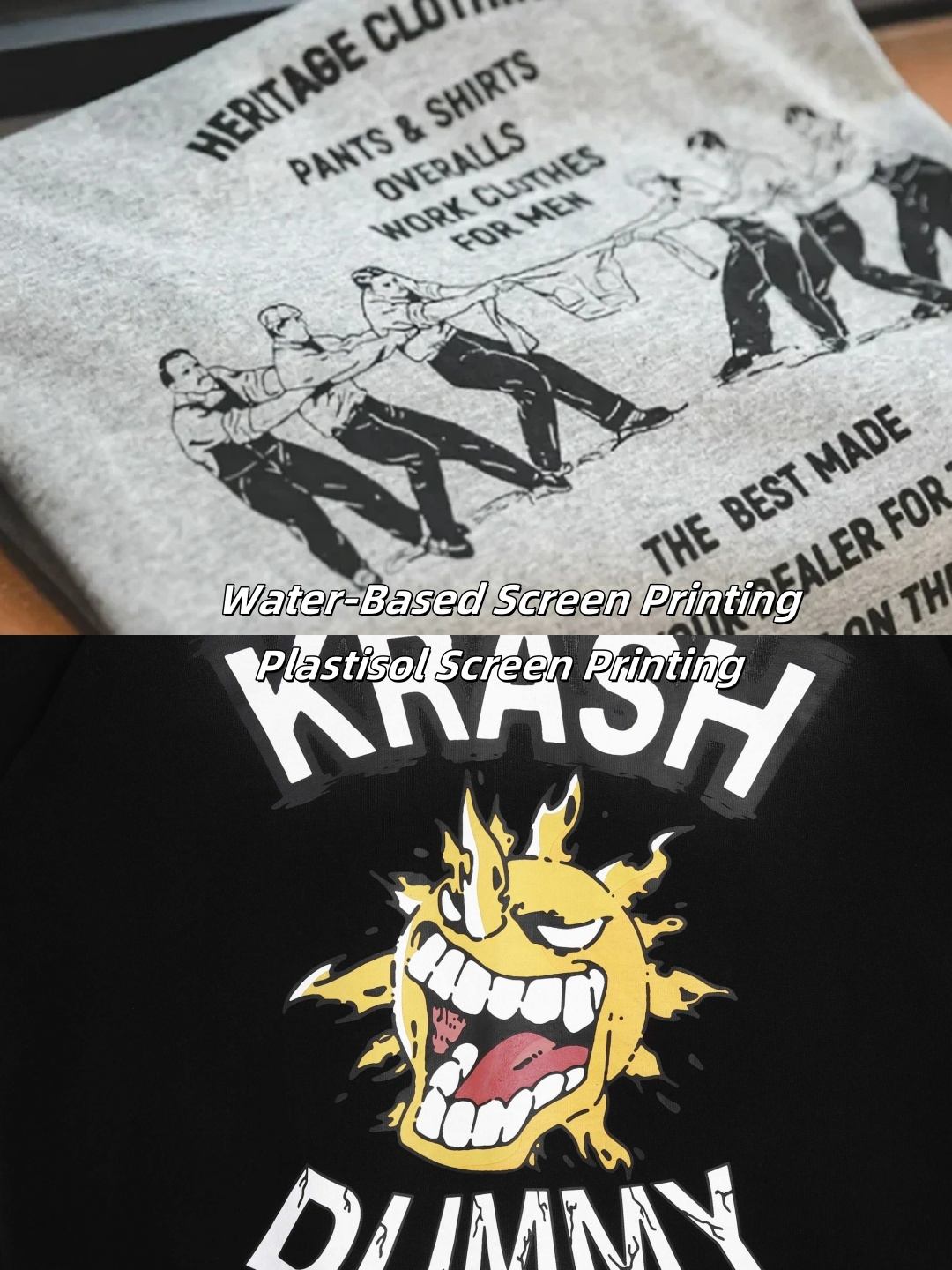
Screen printing with plastisol inks can crack under stone wash abrasion; rhinestones may dislodge during tumbling. Buyers who finalize decoration before consulting wash compatibility face rework costs or compromised designs.
ZORWILD recommends water-based printing, embroidery, or garment-dye-safe techniques for stone wash garment collections. Decoration sequencing—print, then wash, or wash, then embroider—must align with desired finish and durability standards.
Underestimating Wash-Cycle Lead Time
Stone wash garment production adds 5–10 days beyond standard cut-and-sew timelines. Buyers who ignore wash, dry, and re-inspection phases miss launch windows and incur air-freight penalties.
Factories without dedicated wash capacity or wastewater treatment systems signal compliance and quality risks. ZORWILD’s in-house wash facility and treatment infrastructure ensure predictable lead times, environmental compliance, and consistent batch-to-batch results for international brands.
9. Steps to Launch Your Stone Wash Garment Brand
Launching a stone wash garment brand requires a structured roadmap that aligns aesthetic vision with production capabilities and market positioning. ZORWILD’s 27 years of wash expertise and 50-piece low MOQ enable startups to test collections while controlling inventory risk.
Define Target Aesthetic and Customer Persona
Identify whether your brand targets vintage streetwear enthusiasts, resort casual customers, or luxury distressed fashion segments. Map customer age, price sensitivity, preferred platforms (Instagram, TikTok, wholesale), and aesthetic references (90s grunge, modern minimalist, workwear heritage).
Document specific wash intensity preferences—light snow wash for subtle fading, medium stone wash for classic denim appeal, or heavy acid wash for bold streetwear statements. Cohesive brand storytelling around authenticity, craftsmanship, and vintage inspiration drives customer connection and repeat purchases.
Source Fabric and Select Wash Intensity
Choose base fabrics that respond well to stone wash processing: 100% cotton denim (10–14 oz), heavyweight jersey (220–280 GSM), or cotton-polyester blends for color retention. ZORWILD’s fabric sourcing network provides stable material quality across production runs.
Specify wash intensity levels with visual references: light (5–10% color loss), medium (15–25% fading), or heavy (30–40% distress). Pair fabric weight, weave density, and dye method to achieve consistent vintage effects without compromising garment durability.
Develop Tech Pack with Wash Specifications
Create production-ready tech packs detailing garment measurements, construction methods, and precise stone wash parameters including wash cycle duration, stone type, and enzyme concentration. Include tolerance ranges for color variation (±5% acceptable fade deviation) and dimensional shrinkage (2–3% for pre-washed cotton).
ZORWILD’s development team converts sketches, inspiration photos, or reference garments into technical specifications. Clear wash specs prevent production delays and ensure strike-off samples match brand vision.
Order Strike-Off Samples and Conduct Testing
Request 3–5 strike-off samples with varied wash intensities to evaluate color accuracy, fabric hand feel, and distress placement. Conduct wear testing over 10–15 wash cycles to assess colorfastness, seam integrity, and fabric pilling resistance.
Document any adjustments to wash time, stone ratio, or enzyme treatment before bulk production. ZORWILD’s sampling process allows brands to refine stone wash garment aesthetics and construction details, reducing costly revisions during mass production.
Finalize Production and Plan Marketing Story
Approve final samples and place bulk orders with staggered delivery schedules to manage cash flow—initial 50–100 pieces for launch, followed by reorders based on sales velocity. Coordinate custom labels, hang tags, and packaging that reinforce vintage authenticity.
Build marketing narratives around craftsmanship, wash heritage, and the unique character of each stone wash garment. Highlight fabric origins, wash techniques, and styling versatility across social media, product pages, and influencer partnerships to differentiate your brand in competitive markets.
10. Pricing and Cost Breakdown for Stone Wash Garment
Stone wash garment pricing varies by fabric weight, garment category, and order volume, with MOQs starting at 50 pieces for most product types. Base production costs for a 180 GSM cotton T-shirt range from $8.50–$9.20 per unit at 50 pieces, dropping to $4.80–$5.40 at 1,000+ units; heavyweight hoodies (320–350 GSM French terry) start at $18.50–$21.00 for small runs and fall to $11.20–$13.80 at scale. Stone wash processing adds $1.20–$2.50 per garment depending on intensity, fabric type, and wash duration—enzyme-assisted cycles cost less than pumice-stone treatments for heavy distressing.
Setup costs include sampling ($45–$85 per style with basic stone wash), wash trials for color matching ($30–$60 per trial batch), and decoration setup fees: screen printing ($25–$40 per color), embroidery digitizing ($35–$50 per logo), and puff or chenille applications ($50–$75 setup). Lead times extend 2–4 days beyond standard production for stone wash cycles, with full order timelines ranging from 18–22 days for 50–200 pieces to 25–35 days for 1,000+ units including sampling, bulk production, washing, finishing, and quality inspection.
Decoration add-ons—screen printing ($0.80–$1.50 per print location), embroidery ($1.20–$3.50 depending on stitch count), and custom labels or hang tags ($0.15–$0.40 each)—stack with wash costs, so budget 15–20% above base garment prices when combining stone wash garment finishes with multi-color graphics or complex branding elements.
| Quantity Tier | T-Shirt (180 GSM) | Hoodie (320 GSM) | Denim Jacket | Stone Wash Upcharge | Lead Time |
|---|---|---|---|---|---|
| 50 pieces | $8.50–$9.20 | $18.50–$21.00 | $22.00–$26.50 | +$1.20–$2.50 | 18–22 days |
| 200 pieces | $6.80–$7.50 | $14.20–$16.80 | $17.50–$21.00 | +$1.20–$2.50 | 20–25 days |
| 500 pieces | $5.60–$6.20 | $12.50–$14.50 | $14.80–$17.50 | +$1.20–$2.50 | 22–28 days |
| 1,000+ pieces | $4.80–$5.40 | $11.20–$13.80 | $12.50–$15.20 | +$1.20–$2.50 | 25–35 days |
Start Your Stone Wash Garment Project Today
Get professional stone wash garment production with 50-piece MOQ, 27 years of expertise, and fast turnaround from our Dongguan factory.
- Custom Hoodies
- Custom T Shirts
- Custom Dresses
- Custom Sweatshirts
- Custom Jackets
- Custom Varsity Jackets
- Custom Polo Shirts
- Custom Shorts
- Custom Dress Shirts
- Contact