
Reflective Trim for Streetwear & Safety Apparel
Enhance visibility and brand identity with custom reflective trim on hoodies, jackets, and outerwear from ZORWILD‘s full-service apparel manufacturing facility. Low MOQ from 50 pieces, fast sampling, and seamless production integration.
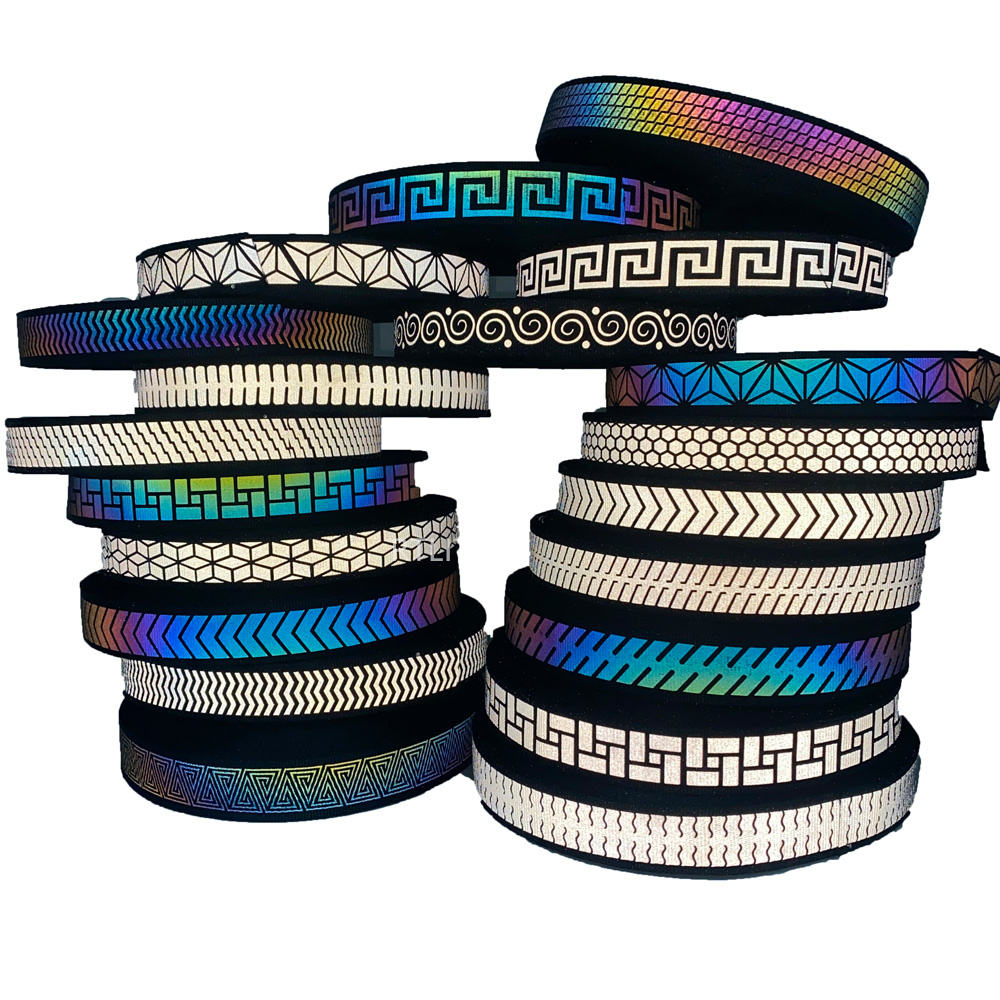
Reflective Trim Styles & Finishes
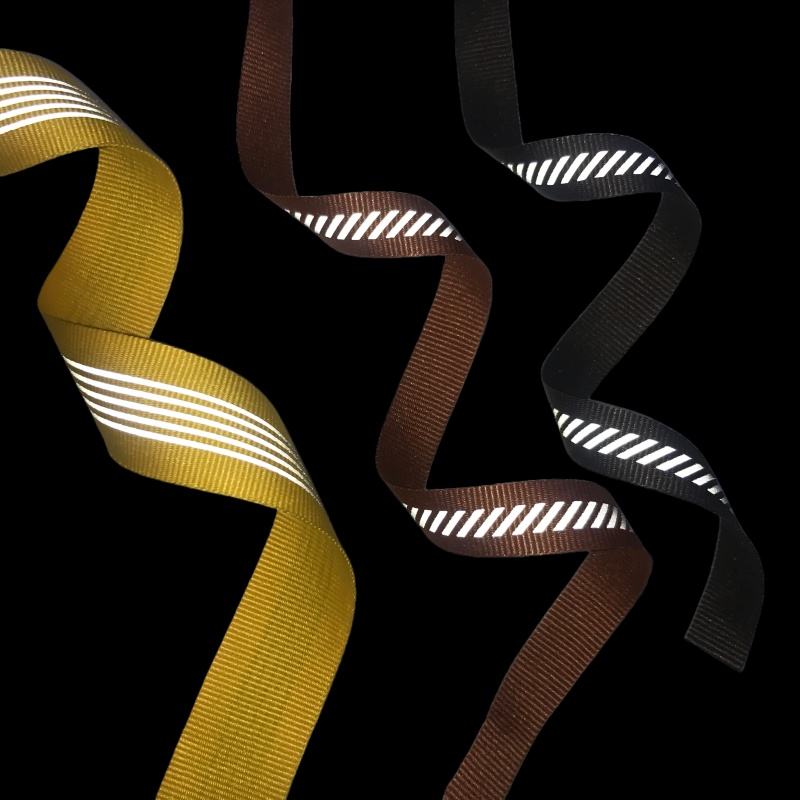
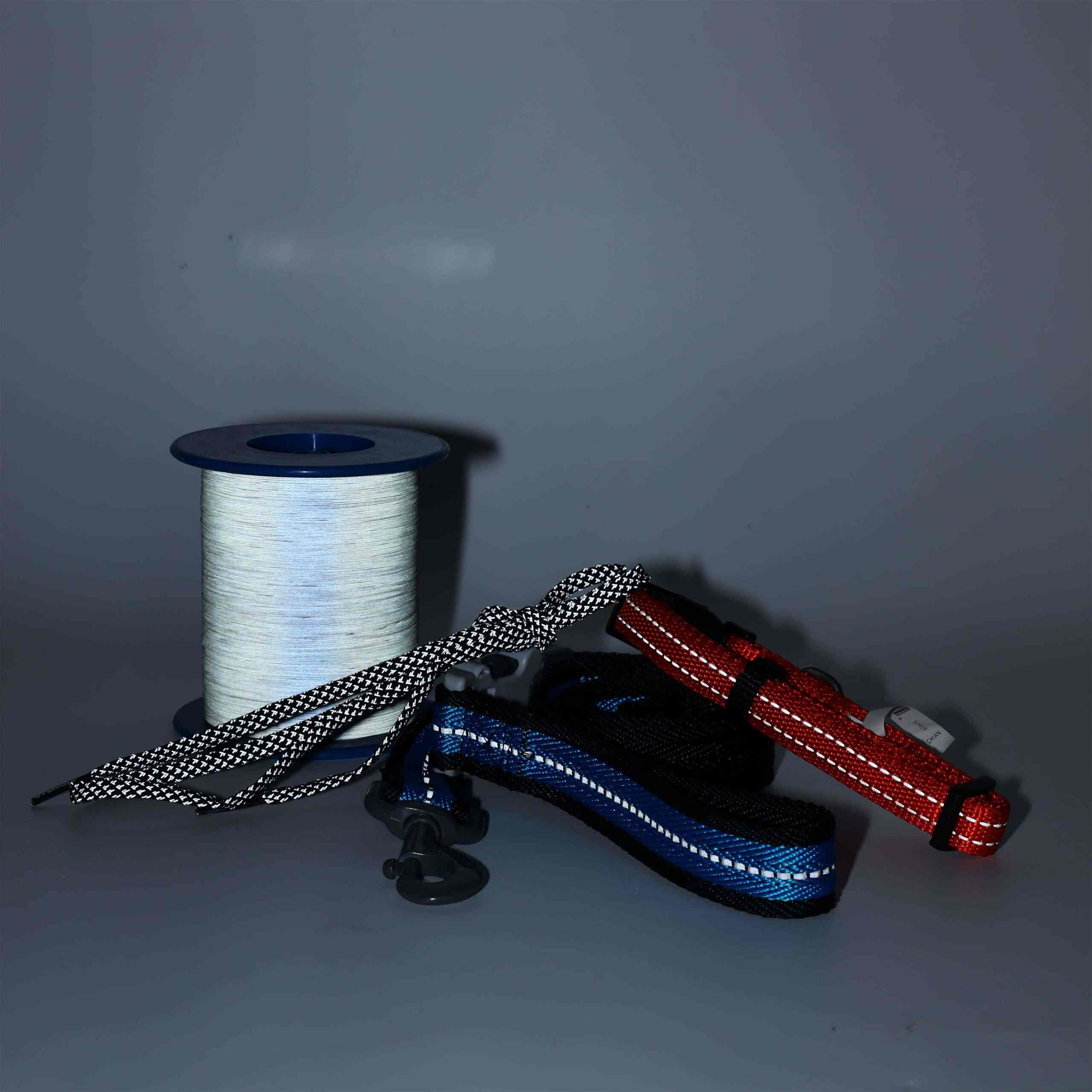
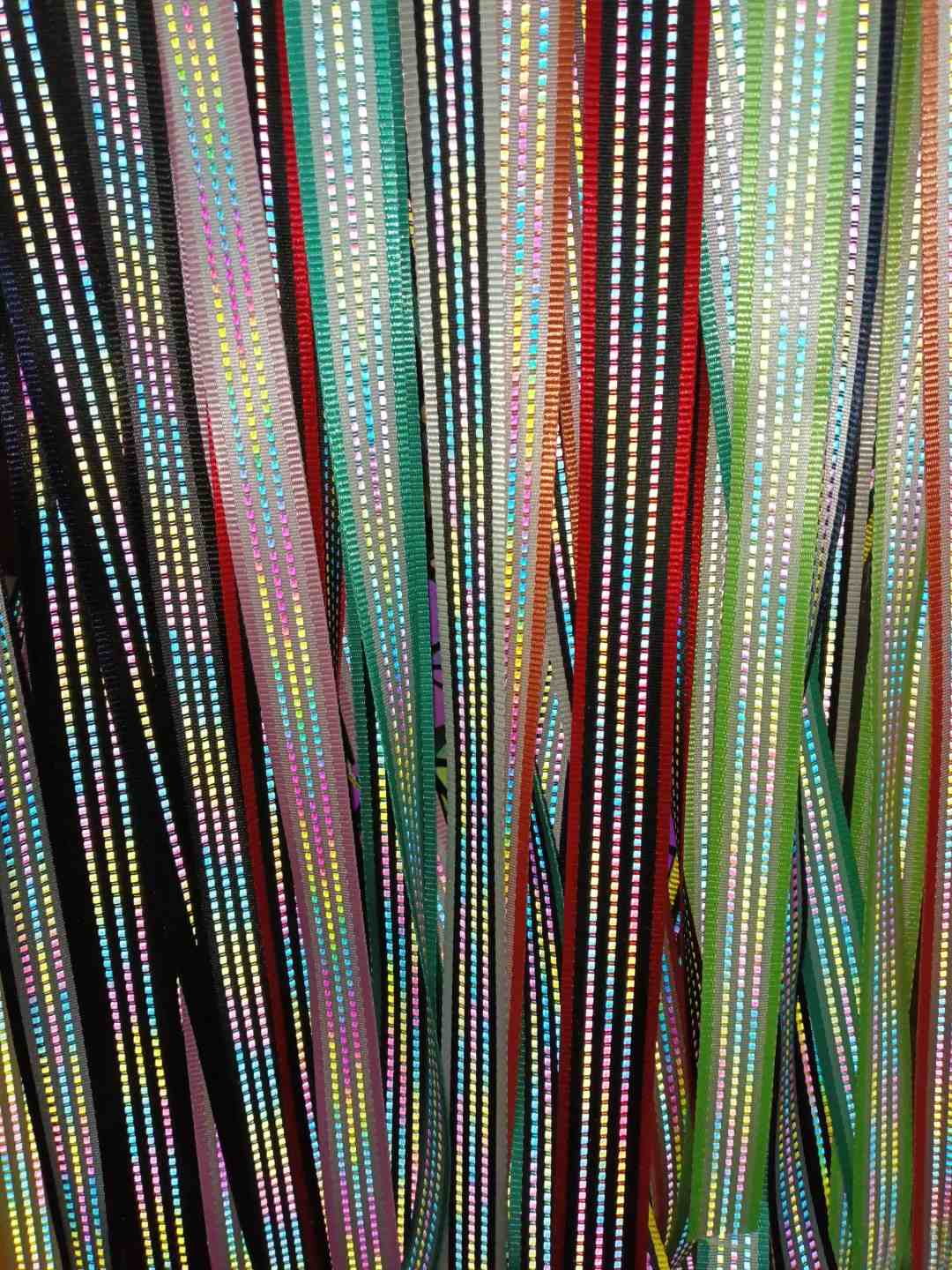
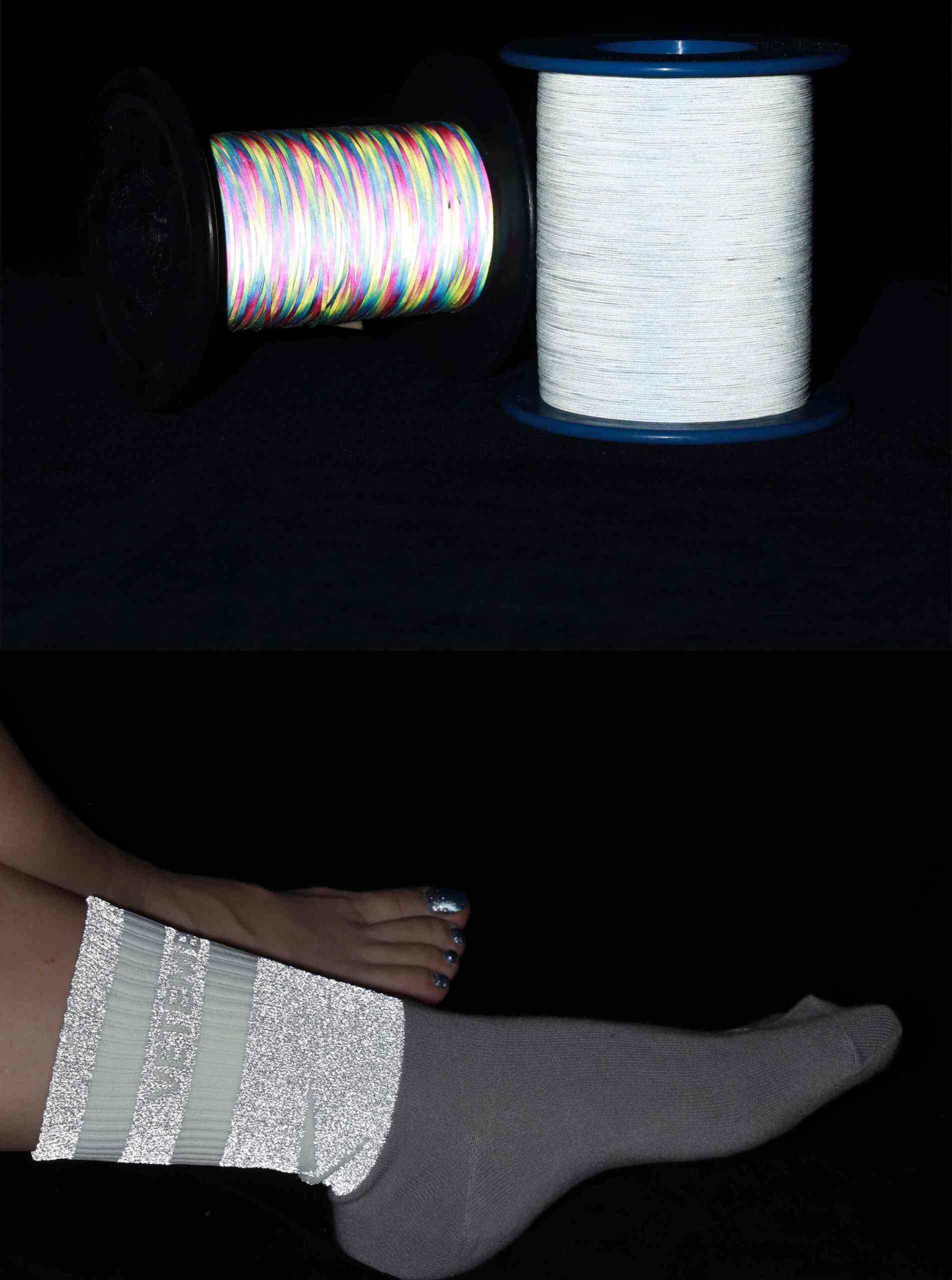
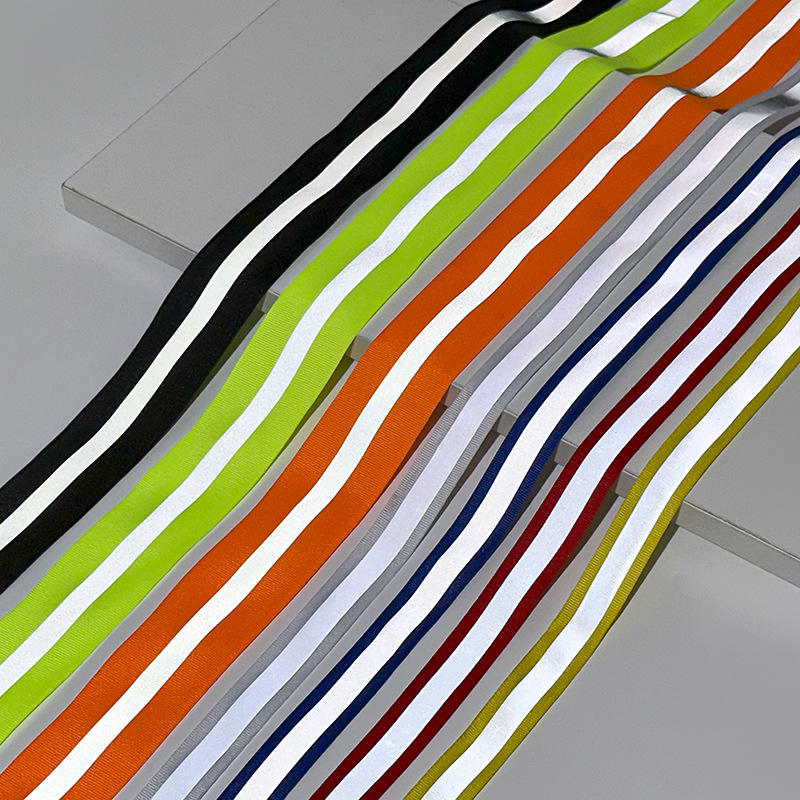
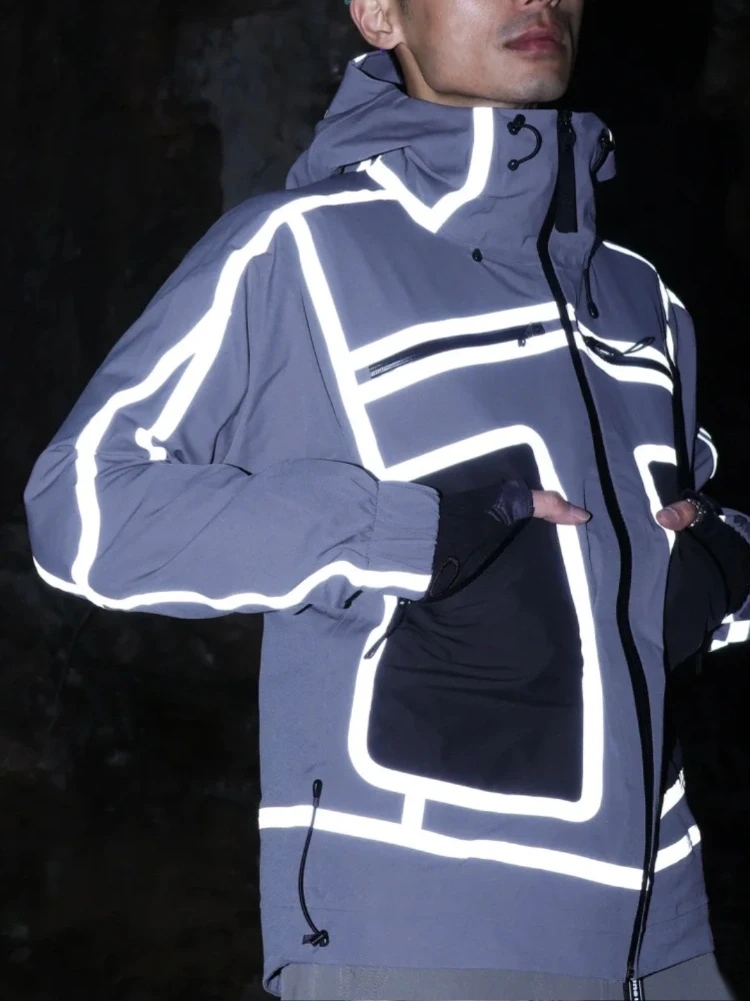
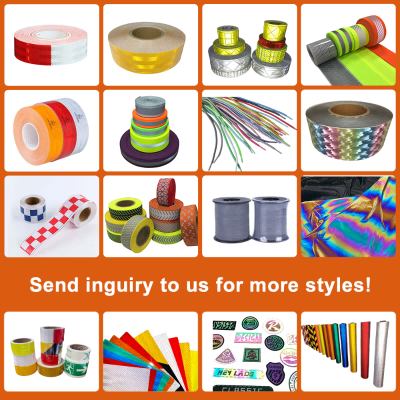
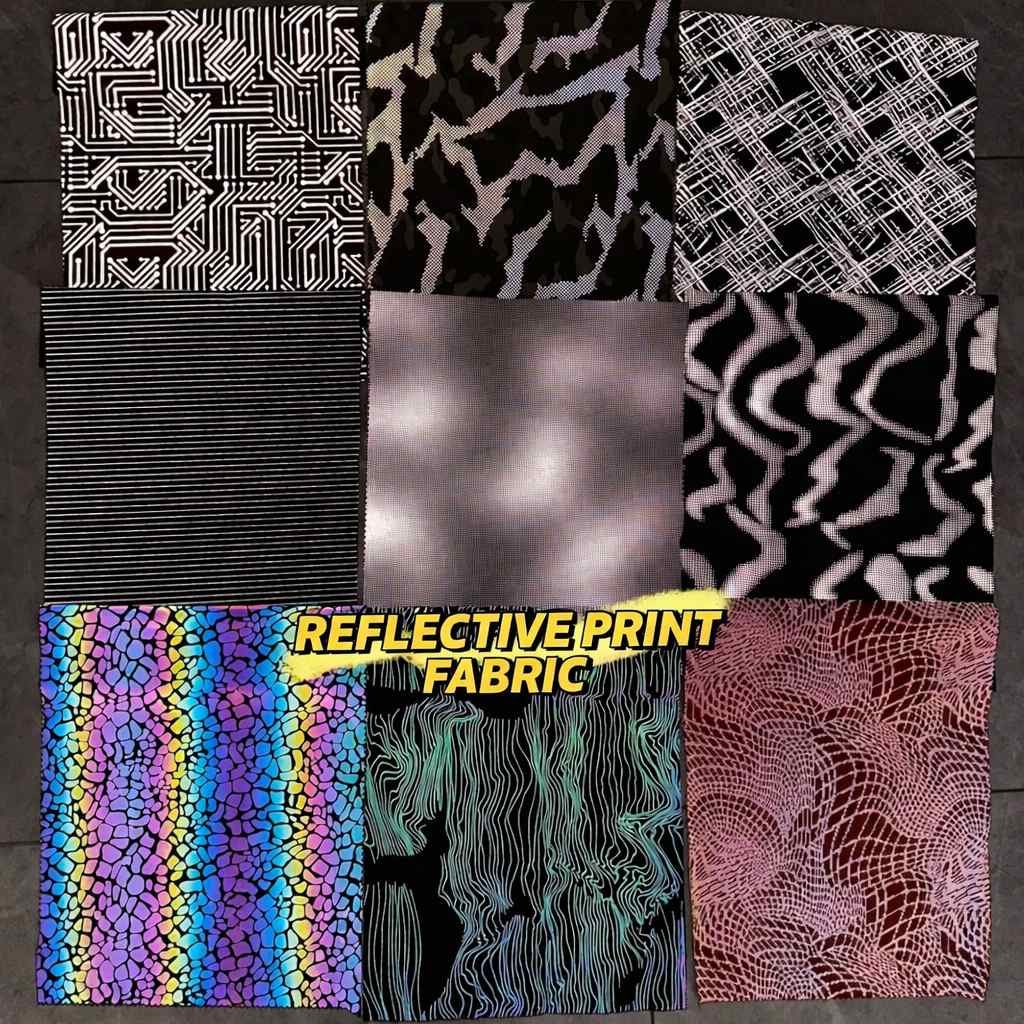
Why Choose Reflective Trim for Your Collection
Enhanced Visibility and Safety
Reflective trim dramatically improves low-light visibility for activewear, workwear, and streetwear collections while meeting safety compliance standards for professional applications.
Premium Brand Perception
Elevate your garment’s perceived value with reflective trim accents that signal technical quality, attention to detail, and modern design sophistication to fashion-forward customers.
Unlimited Design Flexibility
Apply reflective trim to collars, cuffs, seams, pockets, hems, and panels in custom widths, colors, and placements to match your unique brand aesthetic.
Wash-Tested Durability
ZORWILD’s reflective trim withstands repeated washing, garment dye processes, and vintage wash treatments without cracking, peeling, or losing reflective performance over time.
Seamless Production Integration
Add reflective trim to any hoodie, jacket, jogger, or T-shirt order with no setup delays. We handle sourcing, application, and quality control in-house.
Low MOQ Starting at 50
Test reflective trim in small capsule collections or seasonal drops without large inventory commitments, perfect for startup brands, influencers, and custom apparel lines launching with low-risk production.
Essential Hardware & Finishing Components
Garment Accessories & Trims
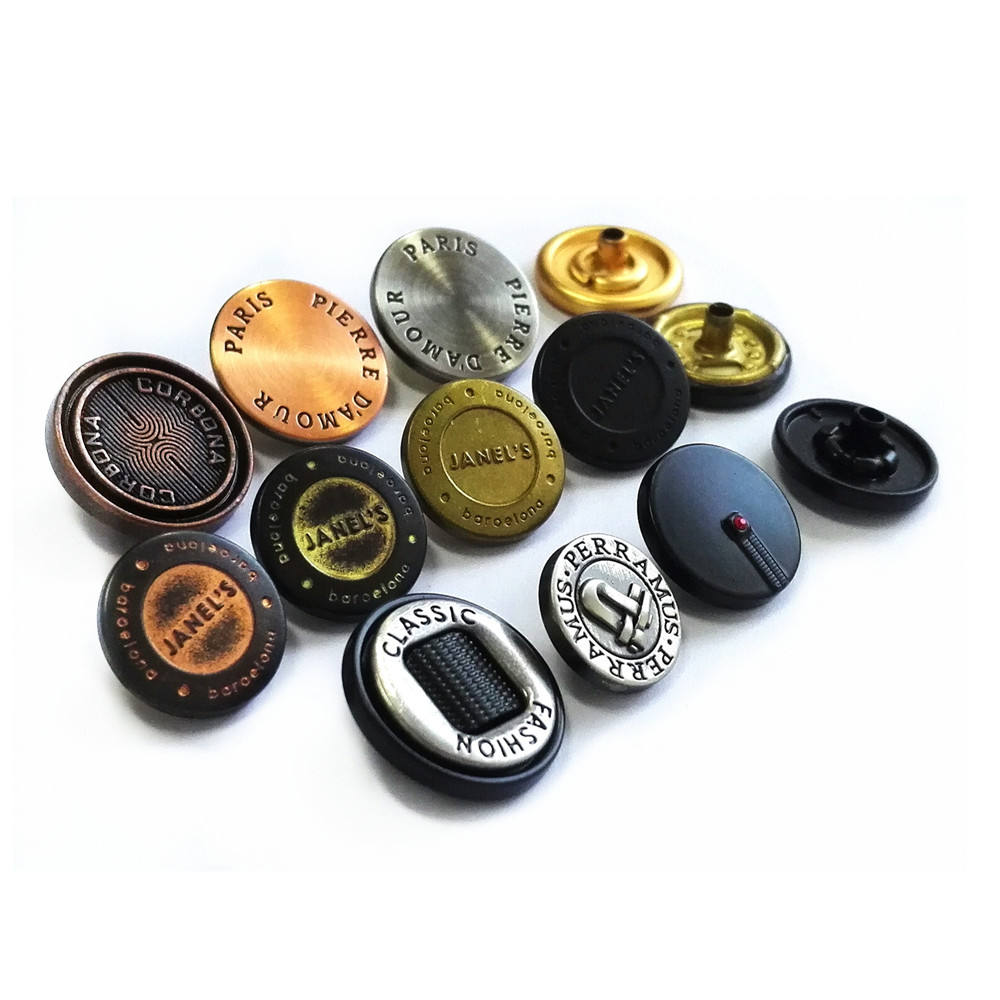
Complete range of custom garment accessories including woven labels, printed labels, hang tags, silicone patches, rubber badges, metal logos, branded tape, and packaging materials. Full customization support for brand identity, premium finishing, and customer experience enhancement across all apparel categories.
Get a Quote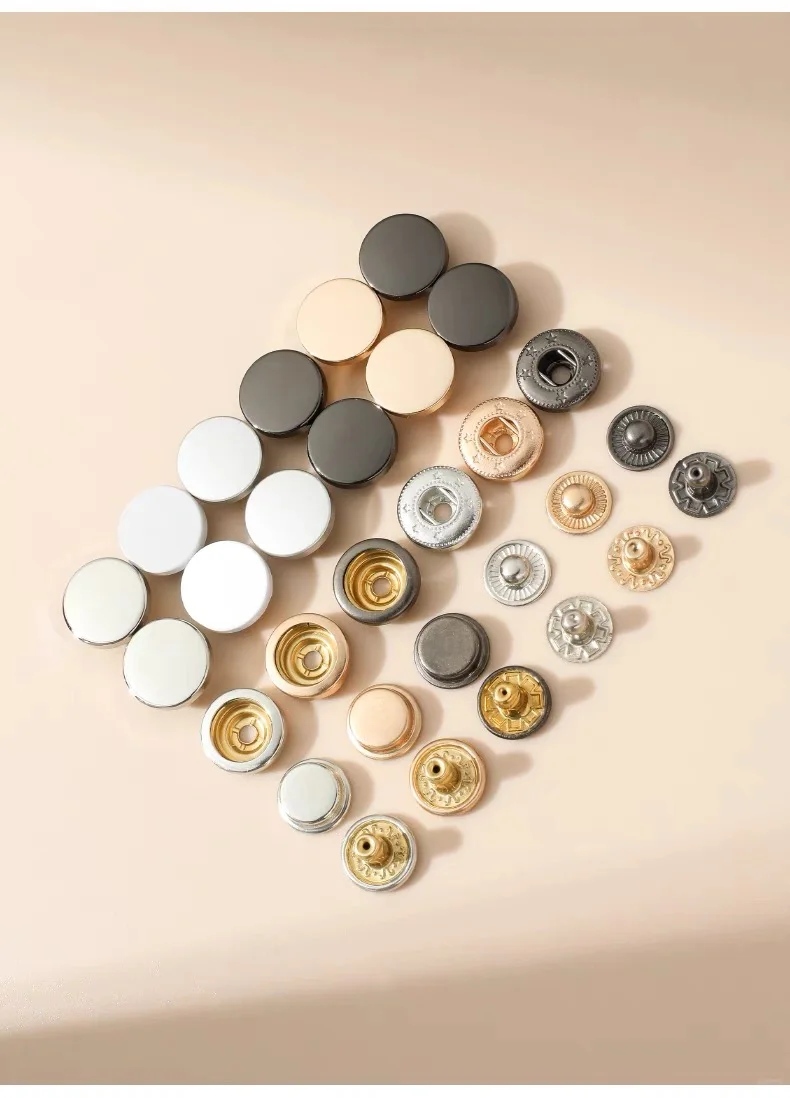
Custom Buttons
Custom button manufacturing in metal, resin, polyester, wood, and corozo materials. Support for laser engraving, embossing, color matching, logo application, and specialty finishes. Available for shirts, jackets, coats, uniforms, and fashion garments with precise size and attachment specifications.
Get a Quote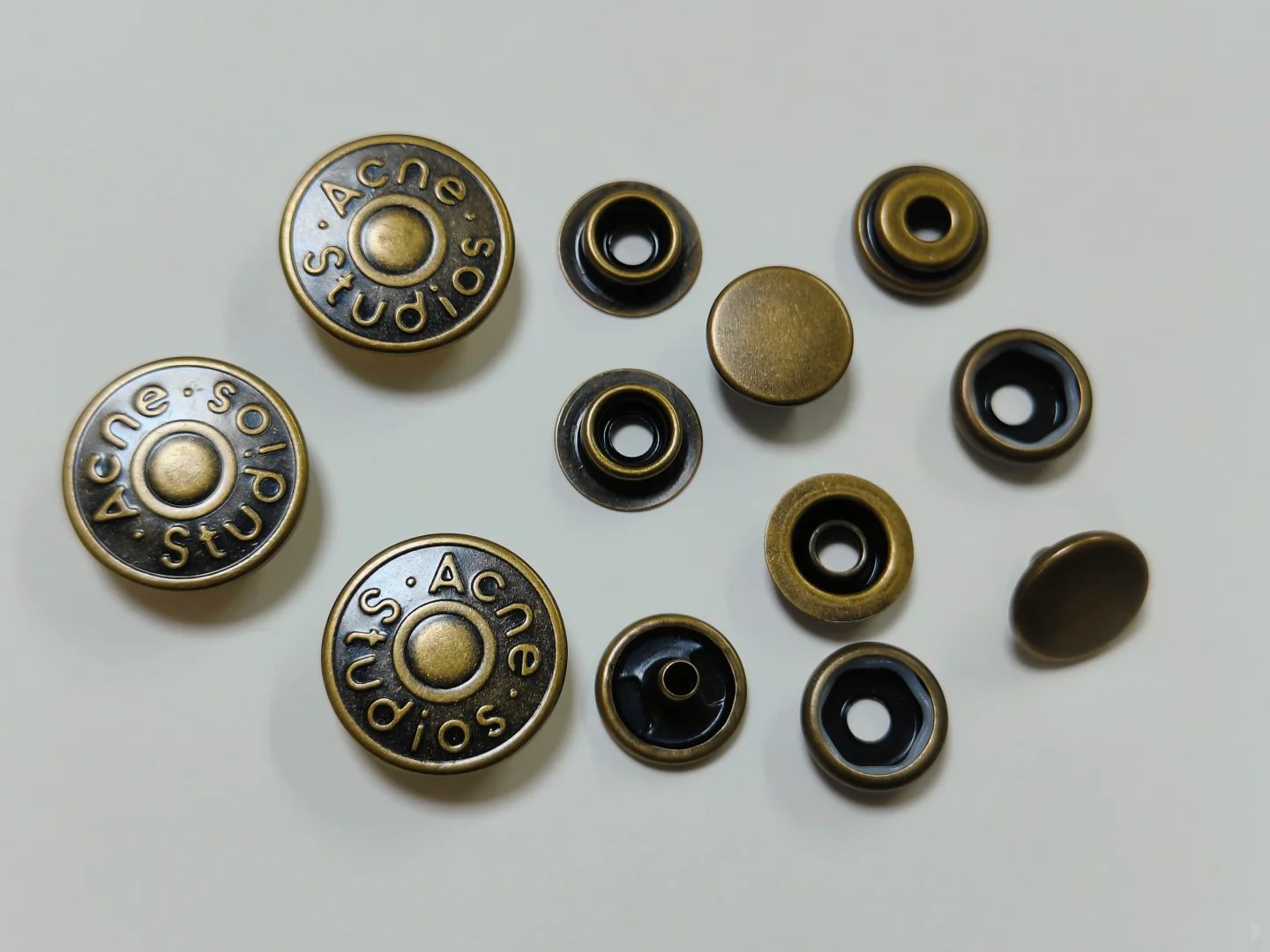
Snap Buttons
Durable snap button systems for jackets, shirts, baby wear, and workwear applications. Metal and resin options with custom color finishes, logo embossing, and corrosion-resistant coatings. Precise tension control and secure attachment methods ensure long-term performance and professional appearance.
Get a Quote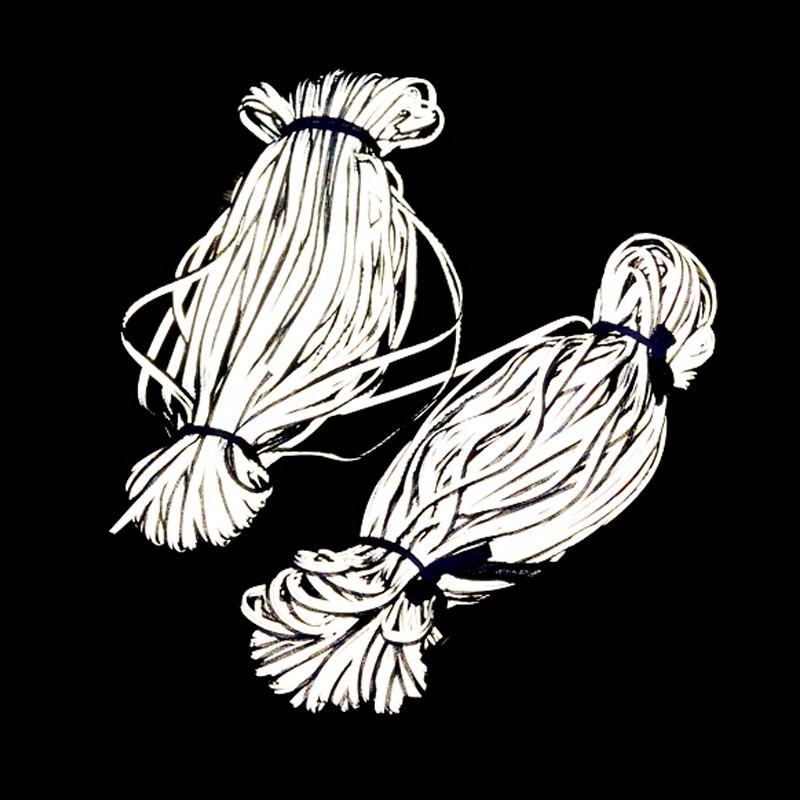
Custom Zippers
YKK and quality alternative zippers in metal, plastic, nylon, and waterproof constructions. Custom color matching, logo engraving, branded pullers, and specialty finishes available. Suitable for hoodies, jackets, puffer coats, sportswear, dresses, and technical outerwear with reliable performance standards.
Get a Quote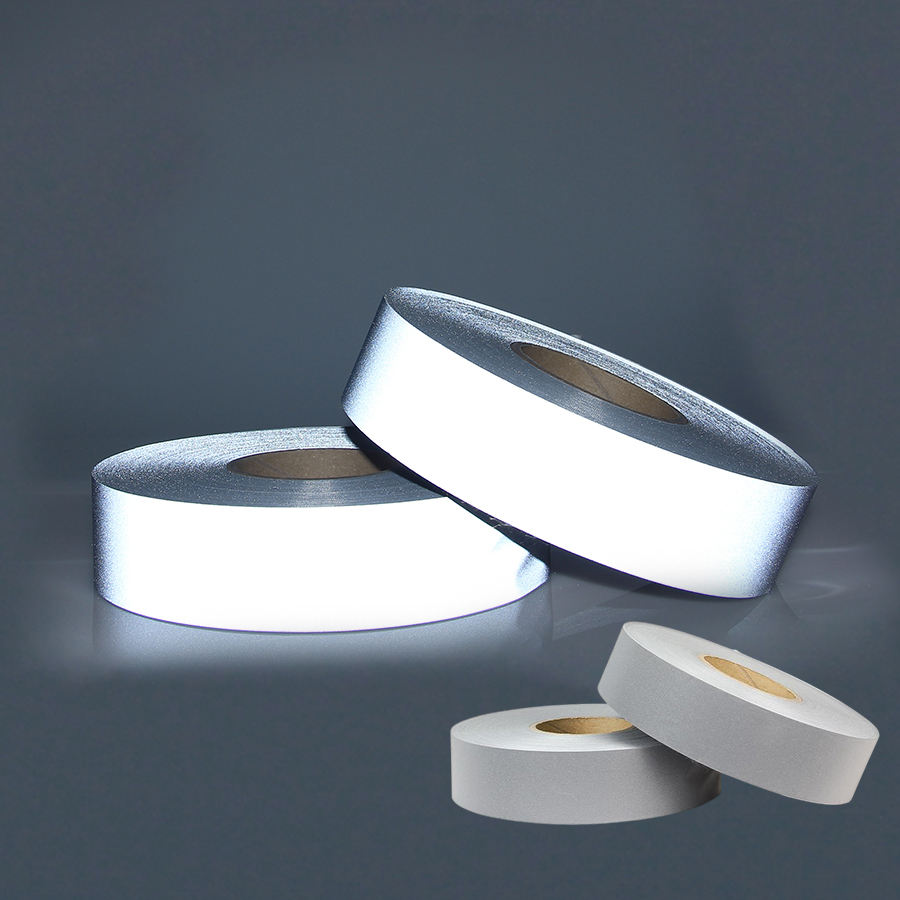
Zipper Pulls
Custom zipper pulls in metal, silicone, leather, and rubber materials. Logo engraving, embossing, color customization, and unique shape development supported. Enhance brand identity on jackets, hoodies, bags, and outerwear while improving functionality and visual appeal for premium collections.
Get a Quote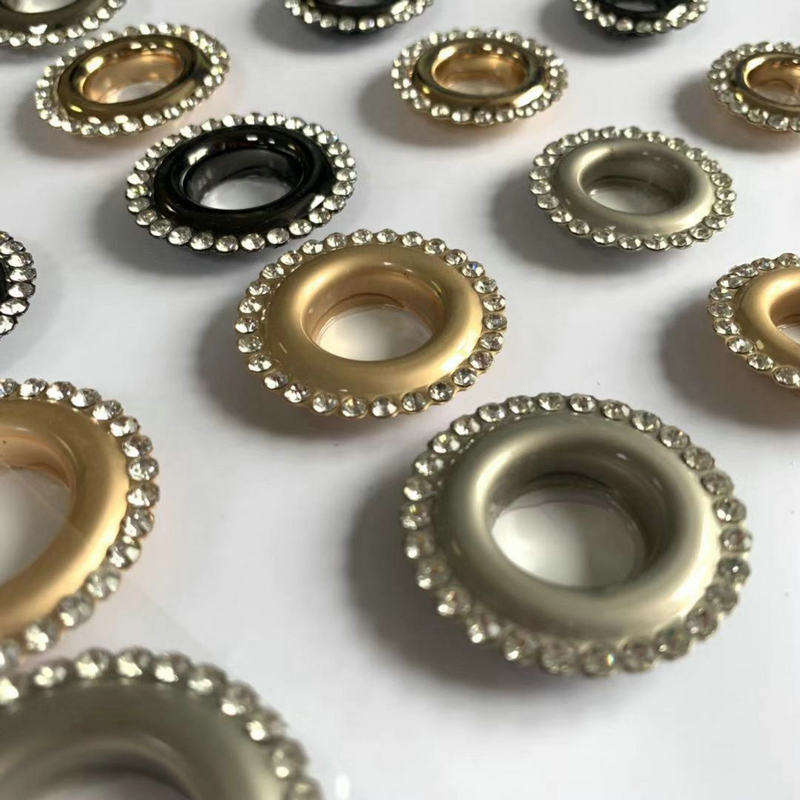
Eyelets & Grommets
Metal eyelets and grommets for hoodies, jackets, lace-up garments, and decorative applications. Available in brass, aluminum, stainless steel, and color-coated finishes. Custom sizing, logo stamping, and reinforced installation methods ensure durability for drawstrings, lacing systems, and functional design details.
Get a Quote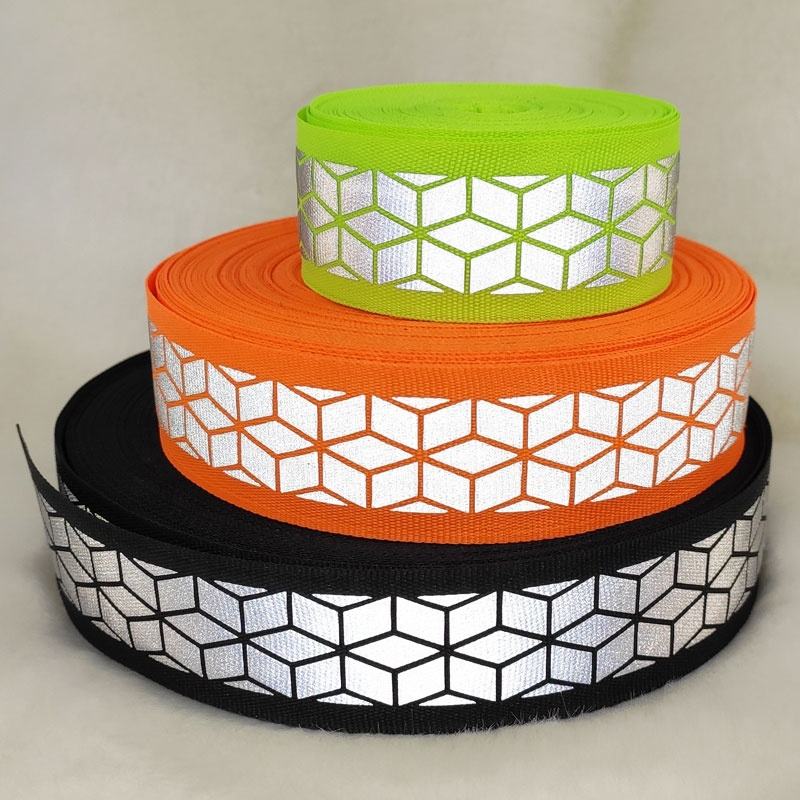
Rivets
Metal rivets for denim, workwear, jackets, and reinforced stress points. Copper, brass, stainless steel, and custom color options with logo embossing capabilities. Secure attachment methods and corrosion-resistant finishes provide lasting durability for jeans, cargo pants, utility jackets, and heavy-duty garments.
Get a Quote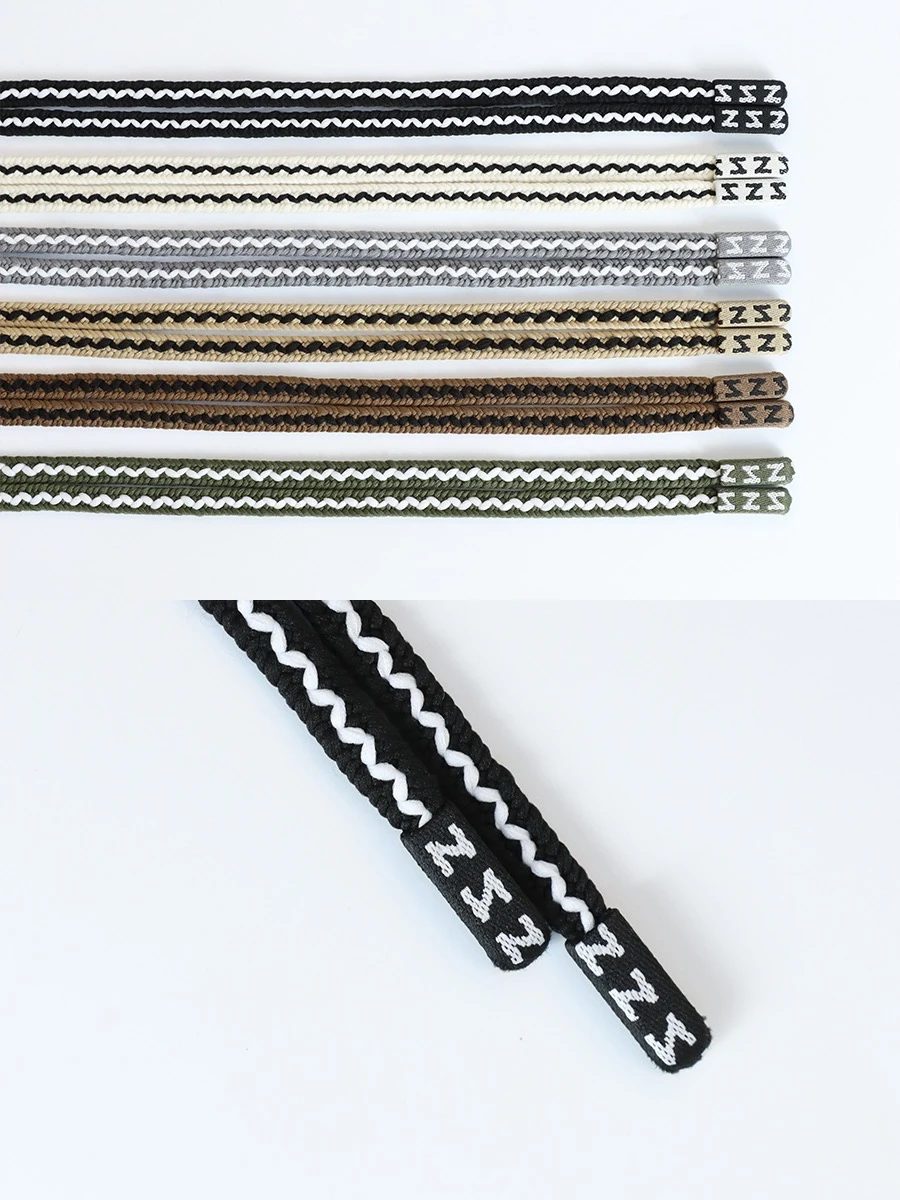
Drawstrings
Custom drawstrings and cords in cotton, polyester, waxed, reflective, and elastic constructions. Color matching, branded aglets, custom widths, and specialty finishes available. Essential for hoodies, sweatpants, joggers, jackets, and sportswear with attention to quality, durability, and brand consistency.
Get a Quote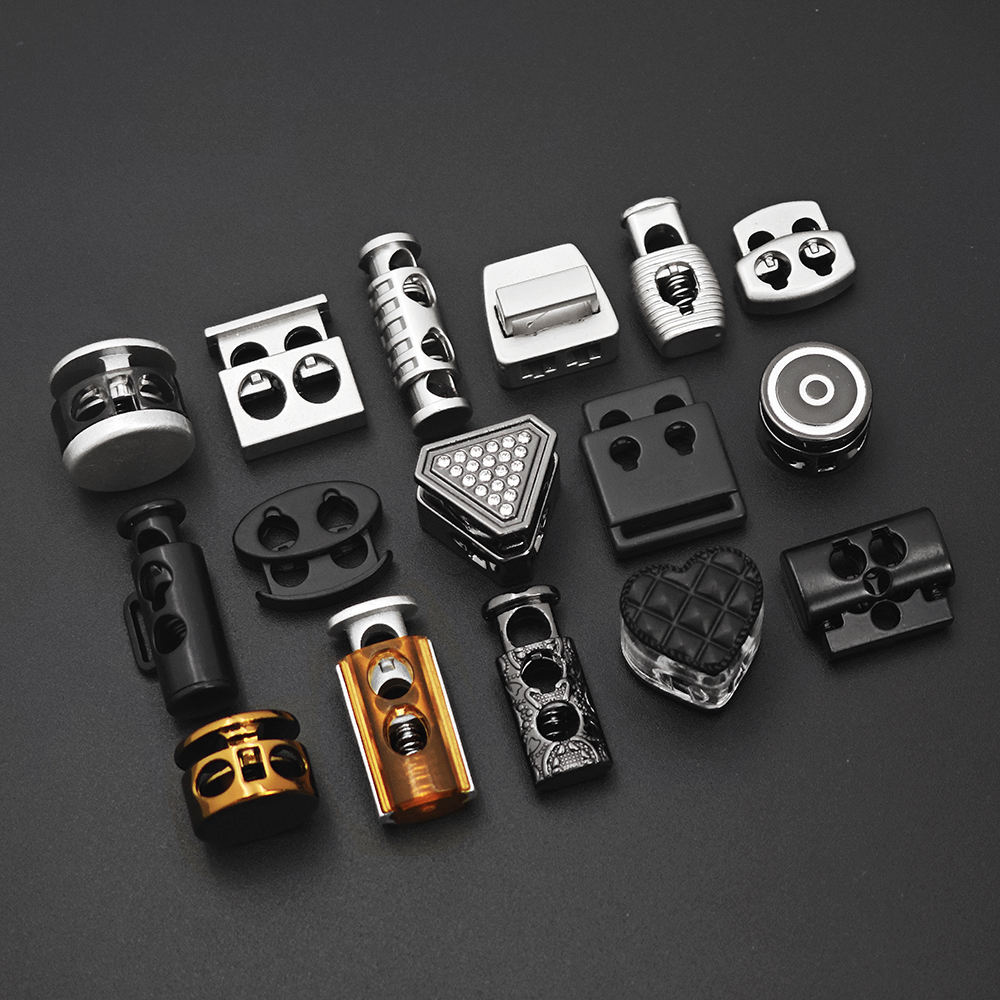
Cord Locks & Stoppers
Cord locks, toggles, and stoppers in plastic, metal, and silicone materials. Custom color matching, logo application, and functional design options. Precision manufacturing ensures smooth operation and secure hold for hoodies, outerwear, sportswear, bags, and adjustable garment features across all categories.
Get a QuoteZORWILD's Reflective Trim Expertise
Founded in 1998 in Humen, Dongguan, ZORWILD has spent 27 years mastering apparel manufacturing for global fashion brands. Our founder learned every production stage from cutting to finishing, building a company that now serves over 2,000 brands across North America, Europe, and Asia with integrated design, production, and quality systems.
We specialize in custom apparel manufacturing with advanced decoration techniques including reflective trim application, reflective printing, heat transfer, and functional accessory integration. Our 200-person team operates a 100,000-unit monthly capacity facility equipped with in-house trim application, 6-stage quality control, and 95%+ decoration techniques to ensure your reflective trim matches garment durability and brand standards.
Whether you’re launching a 50-piece streetwear capsule with custom hoodies and jackets or scaling a 10,000-unit safety apparel collection, ZORWILD delivers consistent reflective trim quality, fast sampling, and reliable lead times. Our one-stop custom apparel manufacturing approach means trim sourcing, application, and garment production happen under one roof with full accountability.
Reflective Trim Production & Application Techniques
Premium Material Sourcing for Maximum Visibility
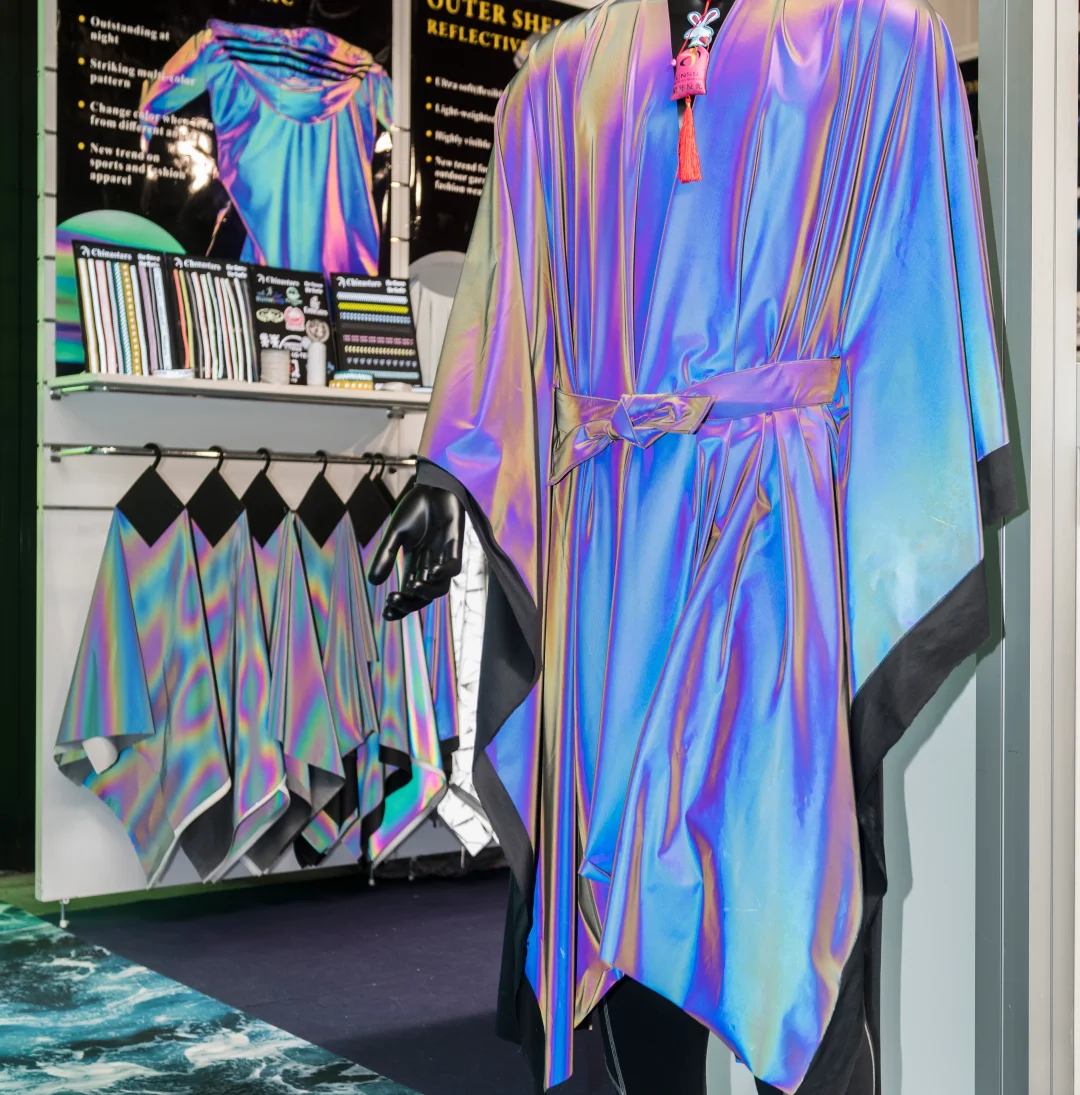
ZORWILD sources SOLAS-grade and 3M-equivalent reflective materials from certified suppliers across China, ensuring every reflective trim meets international visibility and durability standards. Our material selection process prioritizes retroreflective performance, wash durability, and consistent brightness across production runs.
- SOLAS-grade and 3M-equivalent materials for superior retroreflection and night-time visibility performance
- Certified reflective fabrics tested for wash durability, abrasion resistance, and color fastness standards
- Multiple reflectivity grades available from standard urban fashion to high-visibility safety apparel specifications
- Stable supplier relationships ensure consistent material quality and reliable lead times for repeat orders
Flexible Application Methods for Every Design
Our factory supports both sew-on and heat-applied reflective trim backing options, allowing designers to choose the best attachment method based on garment construction, fabric weight, and aesthetic goals. Each application technique is executed with precision to ensure long-term durability and consistent placement accuracy.
- Sew-on reflective trim with reinforced stitching for maximum durability on outerwear, workwear, and heavy-duty garments
- Heat-applied backing for seamless integration on lightweight fabrics, activewear, and fashion streetwear collections
- Precise placement control using pattern templates and quality jigs to maintain consistent positioning across production
- Expert technicians trained in reflective material handling to prevent damage during application and finishing processes
Advanced Edge Finishing for Professional Results
Every reflective trim is finished using merrowed edges, heat-cut sealing, or laser-cut precision depending on design requirements and fabric compatibility. Our finishing techniques prevent fraying, enhance visual appeal, and extend the lifespan of reflective details through repeated washing and wear cycles.
- Merrowed edge finishing creates clean, durable borders that resist fraying and enhance professional appearance
- Heat-cut sealing for synthetic reflective materials delivers smooth edges and prevents delamination over time
- Laser-cut precision enables intricate shapes, custom patterns, and ultra-clean edges for high-end fashion applications
- Edge quality inspection ensures every trim meets dimensional accuracy and aesthetic standards before garment assembly
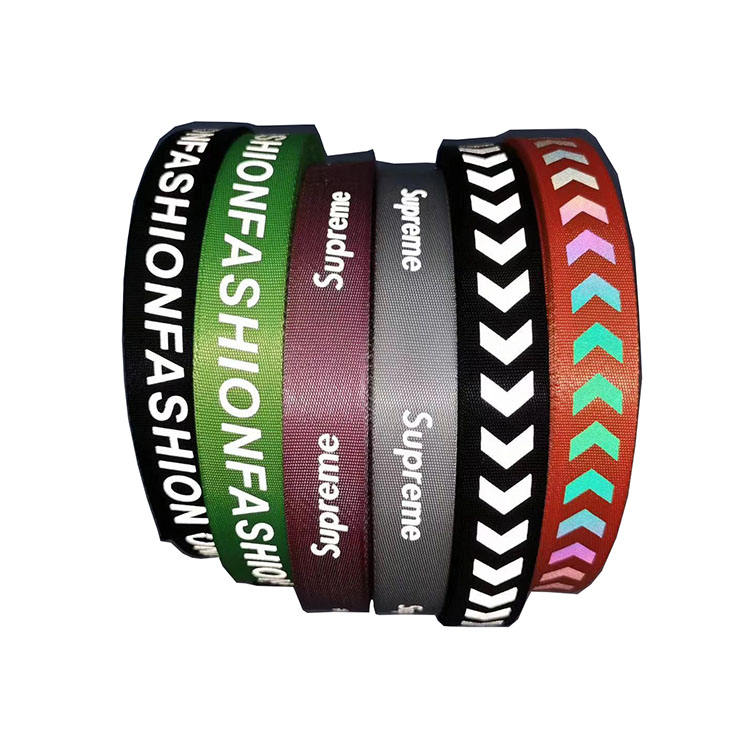
Rigorous Quality Control for Reflective Performance
ZORWILD applies a six-stage quality control system to every reflective trim application, including material inspection, placement accuracy checks, adhesion testing, wash durability trials, and final visibility performance verification. Our QC protocols ensure reflective trim maintains brightness and adhesion through the product lifecycle.
- Raw material inspection verifies reflectivity grade, backing adhesive strength, and dimensional consistency before production
- In-line placement checks ensure accurate positioning, alignment, and spacing across all garment sizes and styles
- Wash durability testing simulates 30-50 industrial wash cycles to validate adhesion strength and reflective performance retention
- Final visibility inspection under controlled lighting conditions confirms retroreflective brightness meets brand specifications
Reflective Trim vs. Reflective Printing
Both deliver visibility in low light, but reflective trim offers durability and dimensional style that printing cannot match. Here’s how they compare across key production and performance attributes.
← 左右滑动查看 →
How Reflective Trim Is Produced & Applied
ZORWILD’s end-to-end reflective trim production process ensures consistent visibility, precise dimensions, and seamless integration into your custom apparel manufacturing timeline.
Material Sourcing & Specification
Reflective trim materials are sourced based on visibility grade, backing type, width requirements, and application method. ZORWILD validates reflectivity performance, fabric compatibility, and wash durability before production begins.
Precision Cutting to Spec
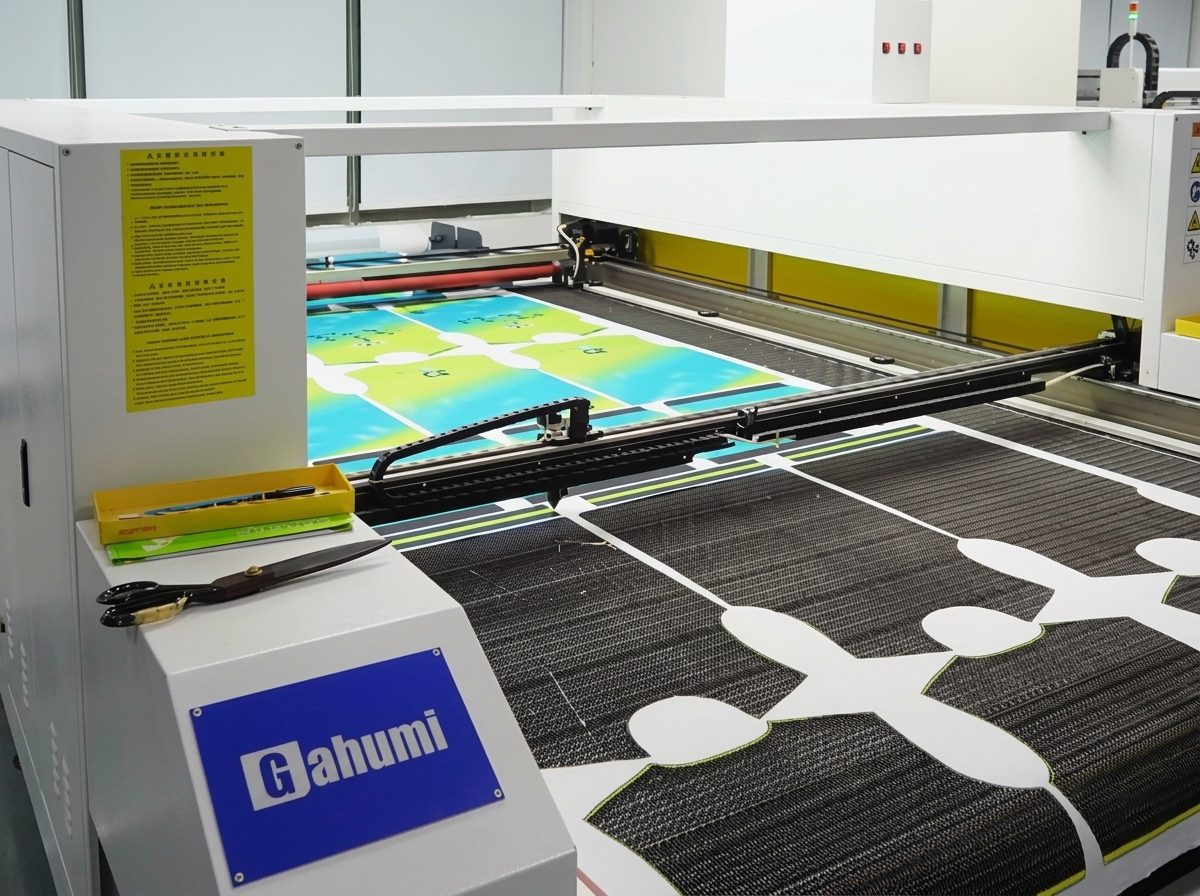
Reflective material is cut to exact width, length, and shape specifications using automated cutting equipment. Dimensional accuracy is verified at every batch to ensure consistent trim sizing across production runs.
Backing Application & Heat Sealing
Heat-activated adhesive backing or sew-on reinforcement is applied based on garment type and attachment method. Temperature, pressure, and dwell time are carefully controlled to optimize bond strength and prevent fabric damage.
Edge Finishing & Quality Inspection
Trim edges are sealed or finished to prevent fraying and ensure clean appearance. Each piece undergoes reflectivity testing, measurement verification, backing adhesion checks, and visual inspection before approval for garment integration.
Integration into Garment Production
Approved reflective trim is delivered to sewing lines with precise placement instructions. Trim is applied via heat press, stitching, or ultrasonic bonding based on design specifications and performance requirements.
Final Garment Quality Control
Completed garments undergo full inspection including reflective trim placement accuracy, adhesion strength, stitch quality, visibility performance, and wash durability testing. Only garments meeting ZORWILD’s strict standards proceed to finishing and packaging.
How to Add Reflective Trim to Your Order
ZORWILD integrates reflective trim seamlessly into your custom apparel production with precision placement and professional application from our Humen, Dongguan facility.
Submit Your Tech Pack
Provide your garment tech pack with clear reflective trim placement specifications including sleeves, chest, back, or custom locations for accurate production planning.
Specify Trim Details
Share trim artwork, Pantone color references, exact dimensions in millimeters, width requirements, and any special finish preferences for precise sourcing and production.
Confirm Placement and Samples
Review and approve trim placement on sample garments to verify positioning accuracy, visibility performance, and overall design integration before bulk production begins.
Trim Production and Application
Our team produces or sources your reflective trim and applies it during garment manufacturing using heat sealing, stitching, or bonding for durable attachment.
Quality Control and Delivery
Every garment undergoes our 6-stage quality control inspection to ensure reflective trim adhesion, placement accuracy, and reflectivity performance before global shipment.
Customer Stories: Reflective Trim in Action
ZORWILD’s reflective trim gave our streetwear collection the technical edge we needed. We launched 3 weeks faster than expected and saw 42% higher engagement on social media compared to our previous drop.
We needed compliant visibility features for our workwear line without sacrificing style. The reflective trim application was flawless across 1,200 jackets, and we passed safety certification on the first inspection.
Adding reflective trim to our influencer merch collection was a game-changer. ZORWILD handled our 150-piece order perfectly, and the trim quality made our brand stand out in a crowded market.
Reflective Trim: Frequently Asked Questions
Can I customize the width and color of reflective trim for my apparel collection?
What file formats and specifications do I need to provide for custom reflective trim placement?
How durable is reflective trim after repeated washing and everyday wear?
Does adding reflective trim to my order increase production lead time?
Can reflective trim be combined with embroidery, printing, and other garment accessories?
What garment categories work best with reflective trim detailing?
How do I specify reflective trim quantities and customization in my production inquiry?
Is reflective trim suitable for both fashion streetwear and functional safety apparel?
The Complete Buyer’s Guide to Reflective Trim for Custom Apparel
1. What Is Reflective Trim and Why It Matters
Reflective trim is a specialized material engineered with micro-prismatic or glass-bead surfaces that retroreflect light directly back to its source, making wearers visible from distances exceeding 300 meters in low-light conditions. This optical phenomenon solves a critical safety problem: pedestrian and worker visibility at night, during dawn and dusk commutes, and in hazardous environments where artificial lighting is insufficient. Beyond safety compliance, reflective trim has evolved into a design signature for streetwear, activewear, and technical fashion brands seeking functional aesthetics and premium differentiation.
Workwear manufacturers integrate reflective trim to meet ANSI/ISEA 107 and EN ISO 20471 standards, which mandate minimum retroreflective surface area for high-visibility garments worn by construction crews, road workers, and emergency responders. Activewear and athleisure brands apply reflective trim along seams, hems, and logos to enhance runner and cyclist safety while reinforcing brand identity through distinctive placement patterns. Streetwear labels use reflective printing, piping, and heat-transfer strips to create flash-effect graphics that photograph dramatically under direct light, driving social media engagement and product virality.
ZORWILD supports reflective trim customization through screen printing, heat transfer application, reflective piping insertion, and woven tape attachment across hoodies, jackets, joggers, and technical outerwear. Clients specify trim width from 5 mm to 50 mm, placement zones, reflective intensity grade, and color options including silver, gray, and fashion colors to balance compliance requirements with brand aesthetic goals.
2. The Evolution of Reflective Trim in Apparel
3M introduced Scotchlite reflective material in 1939, initially designed for road signs and highway safety applications. The technology used glass bead retro-reflection to return light directly to its source, dramatically improving nighttime visibility for traffic control. By the 1960s, reflective trim became a mandatory component in industrial workwear standards across North America and Europe, protecting workers in construction, utilities, and transportation sectors.
The 1980s marked the expansion of reflective trim into athletic performance wear, driven by the growing popularity of night running and urban cycling. Manufacturers integrated narrow reflective piping, logos, and heel tabs into running shoes, jackets, and cycling jerseys, balancing visibility with lightweight construction. During this period, reflective trim evolved from purely functional safety tape into engineered trim systems with improved washability, flexibility, and garment integration.
Streetwear adoption accelerated after 2015 as brands recognized reflective details as a design statement rather than purely functional element. High-fashion collaborations introduced oversized reflective logos, contrast piping, and full-panel reflective fabrics in hoodies, joggers, and outerwear. Today’s reflective trim combines micro-prismatic technology for superior brightness with heat-transfer application methods, laser cutting for intricate patterns, and segmented designs that maintain garment stretch and drape.
ZORWILD supports reflective printing, heat-transfer reflective logos, and sewn reflective piping across hoodies, jackets, sweatpants, and activewear, helping brands integrate both safety functionality and trend-driven aesthetics with production starting from 50 pieces.
3. Types of Reflective Trim for Different Applications
Reflective trim comes in five primary formats, each engineered for specific garment construction methods and visibility requirements. ZORWILD supports all formats with low MOQ production starting from 50 pieces, allowing brands to test multiple reflective techniques in a single collection.
Sew-On Reflective Tape
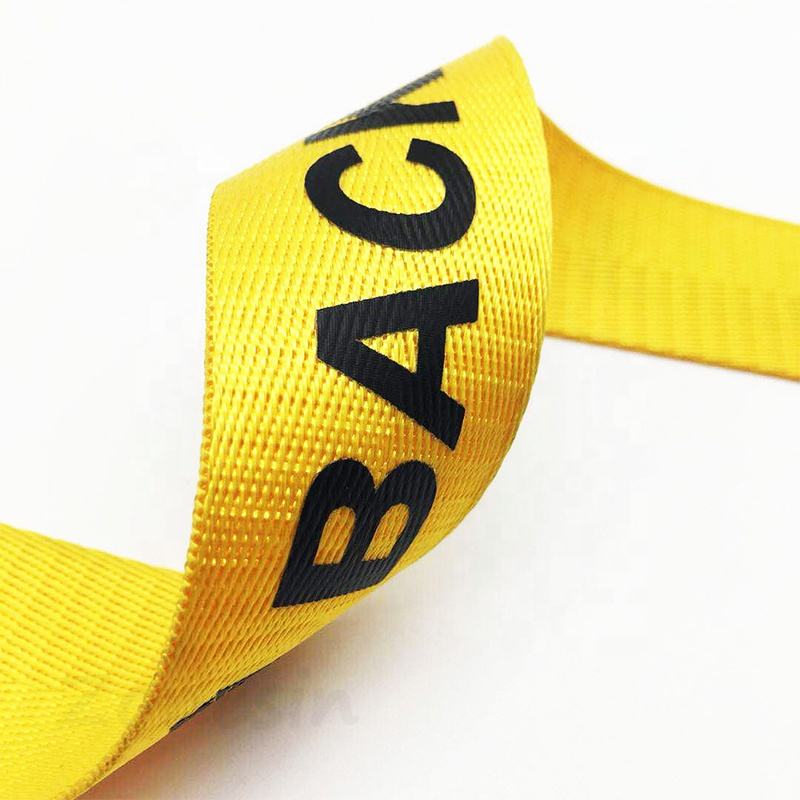
Sew-on reflective tape features a woven or knit backing bonded to retroreflective glass bead or microprismatic film. Standard widths range from 10 mm to 50 mm, with custom widths available for specialized applications.
This format offers excellent durability through 50+ industrial wash cycles and works best for panel inserts, sleeve bands, and hem accents on jackets, workwear, and outdoor apparel. ZORWILD applies sew-on tape using lockstitch or coverstitch machines for secure edge attachment.
Heat-Transfer Reflective Film
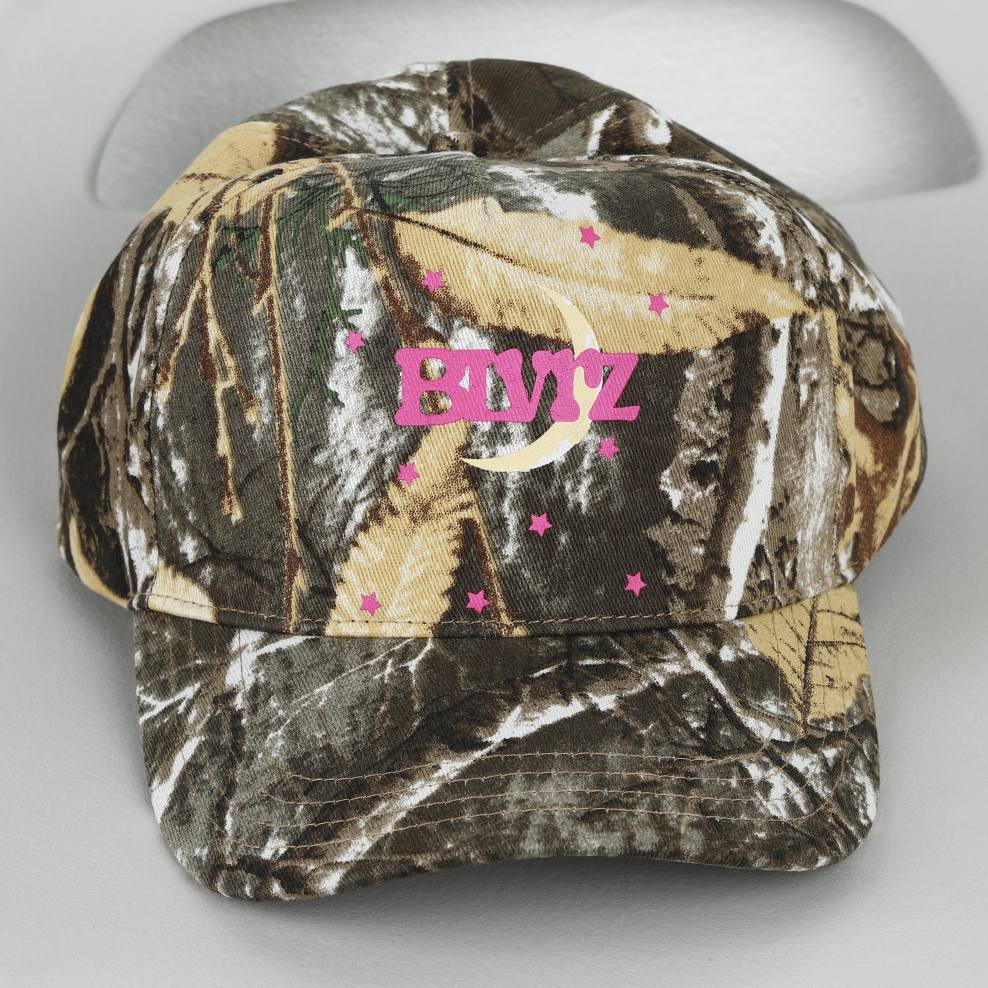
Heat-transfer reflective film uses a thin polyurethane carrier with embedded glass beads or microprisms, applied at 150–170°C for 10–15 seconds. Film thickness typically measures 0.3–0.5 mm, enabling intricate die-cut shapes, logos, and graphic elements.
Ideal for streetwear graphics, brand logos, and decorative patterns where sewing would disrupt design flow. Durability reaches 30–40 wash cycles with proper application pressure and temperature control, making it suitable for fashion collections with moderate wear frequency.
Reflective Piping and Binding
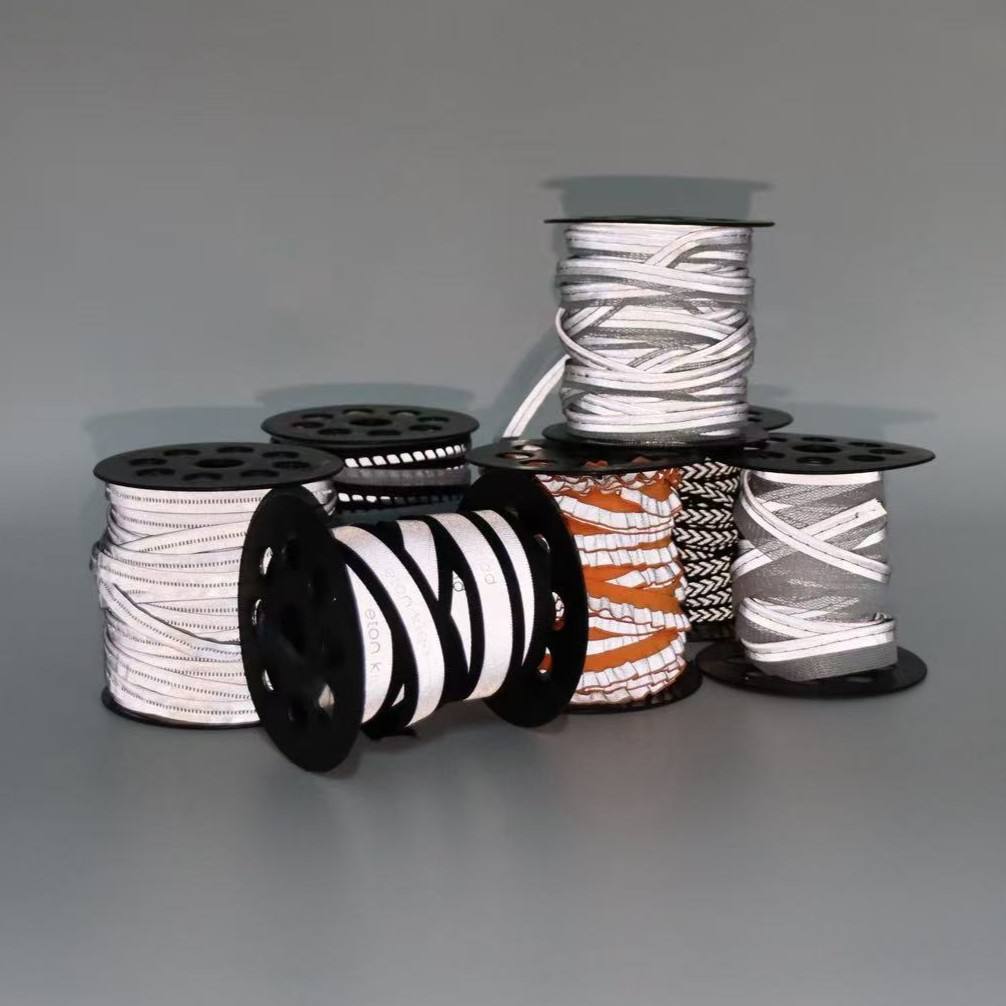
Reflective piping consists of a reflective strip encased in fabric binding, typically 3–8 mm finished diameter, sewn into seams for a clean, integrated appearance. Construction uses a folded fabric shell with reflective tape core, attached via piping foot or binding attachment.
Perfect for hoodie seams, jacket zippers, pant side seams, and collar edges where visibility and design refinement intersect. ZORWILD integrates reflective piping during garment assembly for seamless construction and long-term durability through 60+ wash cycles.
Reflective Webbing
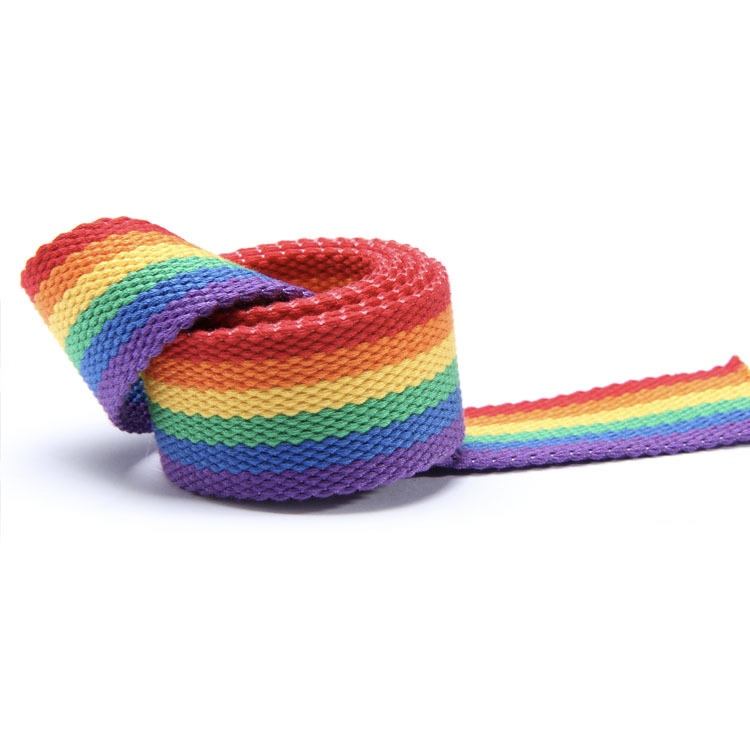
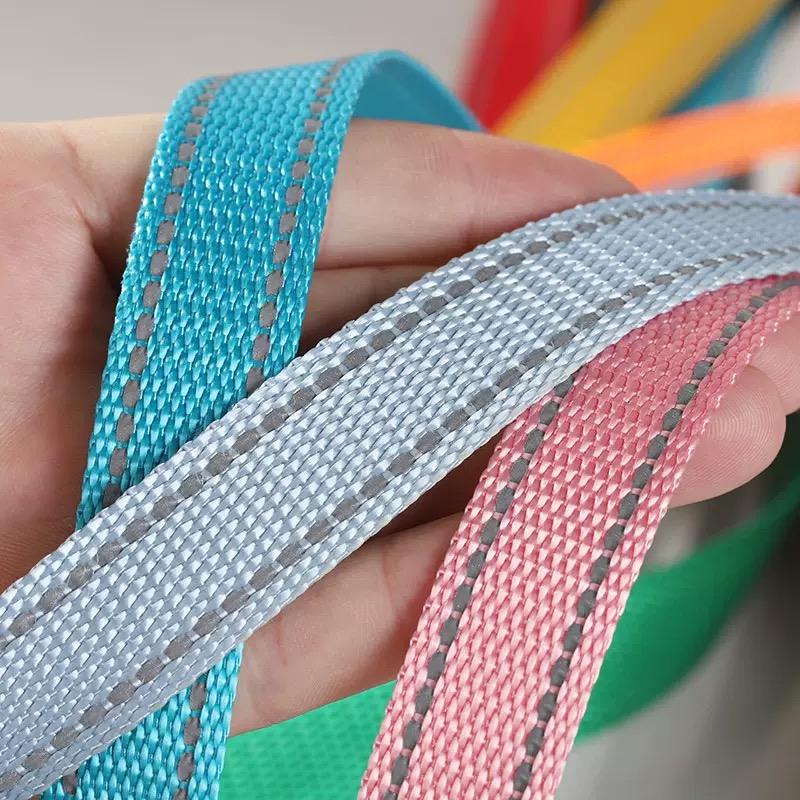
Reflective webbing features woven polyester or nylon straps with reflective yarn integrated during weaving, available in 15–50 mm widths with tensile strength exceeding 200 kg. This format combines structural function with visibility.
Commonly used for adjustable straps, bag handles, belt loops, and functional harness details on technical outerwear and utility jackets. The woven construction ensures reflective elements remain intact through abrasion and repeated flexing, ideal for high-stress applications.
Reflective Thread and Yarn
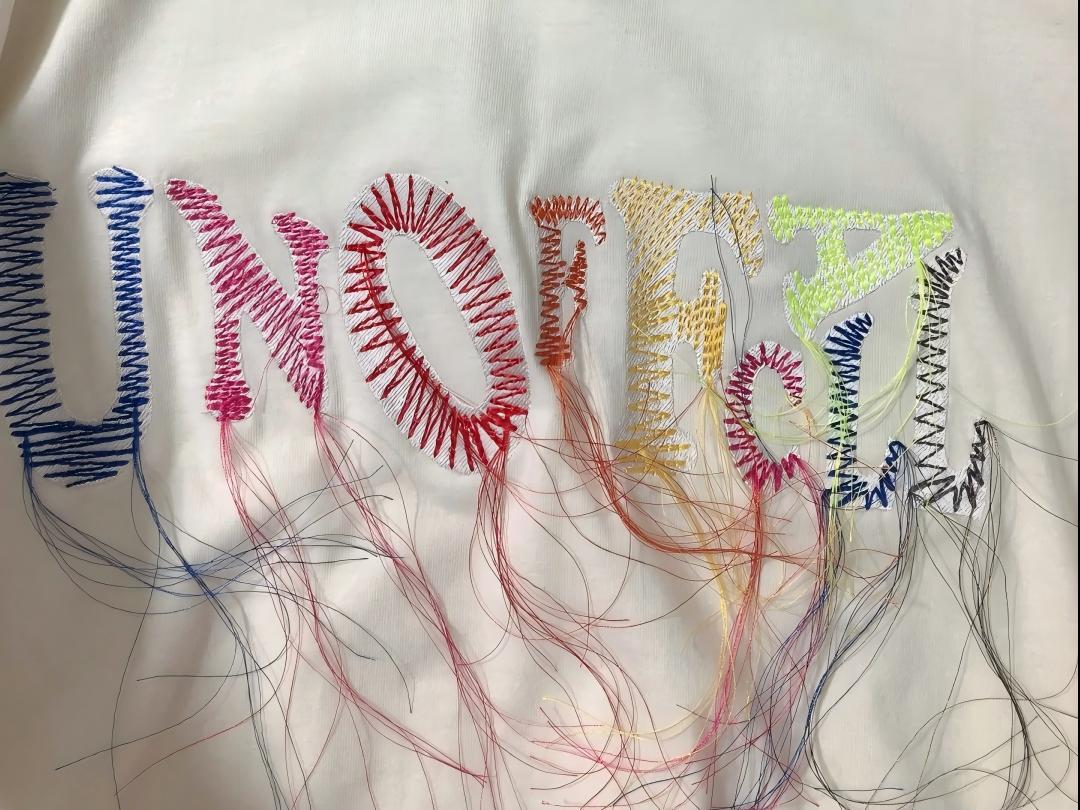
Reflective thread incorporates glass bead-coated filaments or microprismatic fibers spun into polyester core thread, compatible with standard embroidery and lockstitch machines. Thread weight ranges from 40–120 weight for different stitch densities.
Best for embroidered logos, decorative topstitching, and subtle reflective accents where full tape coverage would overpower the design. Visibility is lower than tape or film but offers design flexibility for premium streetwear and branded apparel requiring refined reflective details.
4. Reflective Trim Materials and Performance Characteristics
Reflective trim performance depends on two critical components: the substrate fabric and the reflective technology applied. Understanding how these elements interact determines wash durability, flexibility, and compliance with safety standards like EN ISO 20471 and ANSI/ISEA 107.
| Material Type | Reflectivity (cd/lx/m²) | Wash Cycles | Cost Tier | Typical Application |
|---|---|---|---|---|
| Polyester + Glass Bead | 300–500 | 50+ | Low | Sportswear, casual fashion |
| Polyester + Micro-Prismatic | 700–1,200 | 50+ | High | Professional workwear, safety gear |
| Nylon + Glass Bead | 300–450 | 40–50 | Medium | Activewear, technical outerwear |
| Cotton Blend + Glass Bead | 250–400 | 25–30 | Low | Lifestyle streetwear, fashion detail |
Substrate Fabric Options and Trade-Offs
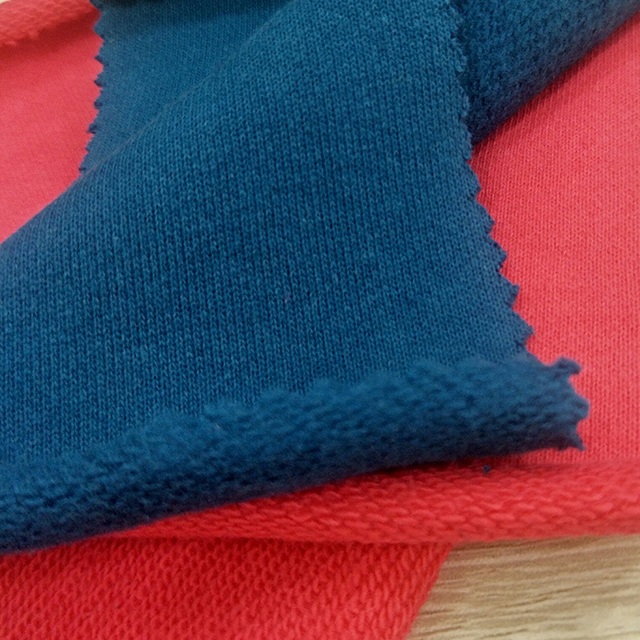
Polyester substrates dominate reflective trim production due to heat resistance, dimensional stability, and compatibility with heat-transfer processes. Nylon substrates offer superior flexibility and softer hand feel, ideal for activewear and curved seam applications where stiffness reduces wearer comfort.
Cotton blends (typically 50–65% cotton, 35–50% polyester) provide breathability and natural texture but sacrifice wash durability — reflective coatings may crack or delaminate after 25–30 industrial wash cycles compared to 50+ cycles for pure synthetic substrates.
Glass Bead vs. Micro-Prismatic Technologies
Glass bead reflective trim uses embedded spherical beads that return light to the source, achieving 300–500 candelas per lux per square meter — sufficient for EN ISO 20471 Class 2 and ANSI/ISEA 107 Type R compliance. Micro-prismatic (cube-corner) technology delivers 700–1,200 candelas per lux through precision optical geometry, meeting Class 3 and Type X requirements for high-visibility professional workwear.
Micro-prismatic trim costs 40–60% more than glass bead versions but maintains reflectivity over wider viewing angles and performs better in wet conditions, critical for outdoor and emergency-service applications.
5. Customization Options for Reflective Trim
Modern reflective trim supports extensive customization beyond standard tape application. ZORWILD offers screen printing, laser cutting, embossing, and die-cut shapes on reflective materials, enabling brands to integrate logos, patterns, and unique geometries into safety and fashion garments.
| Technique | Setup Cost | Per-Unit Cost | Visual Effect |
|---|---|---|---|
| Screen Printing | $50–$150 | $0.15–$0.40 | Opaque logo overlay |
| Embossing | $100–$250 | $0.10–$0.25 | Raised subtle branding |
| Die-Cutting | $80–$300 | $0.08–$0.30 | Custom shape cutouts |
| Laser Cutting | $30–$100 | $0.12–$0.35 | Intricate detail precision |
Printing and Decoration Methods
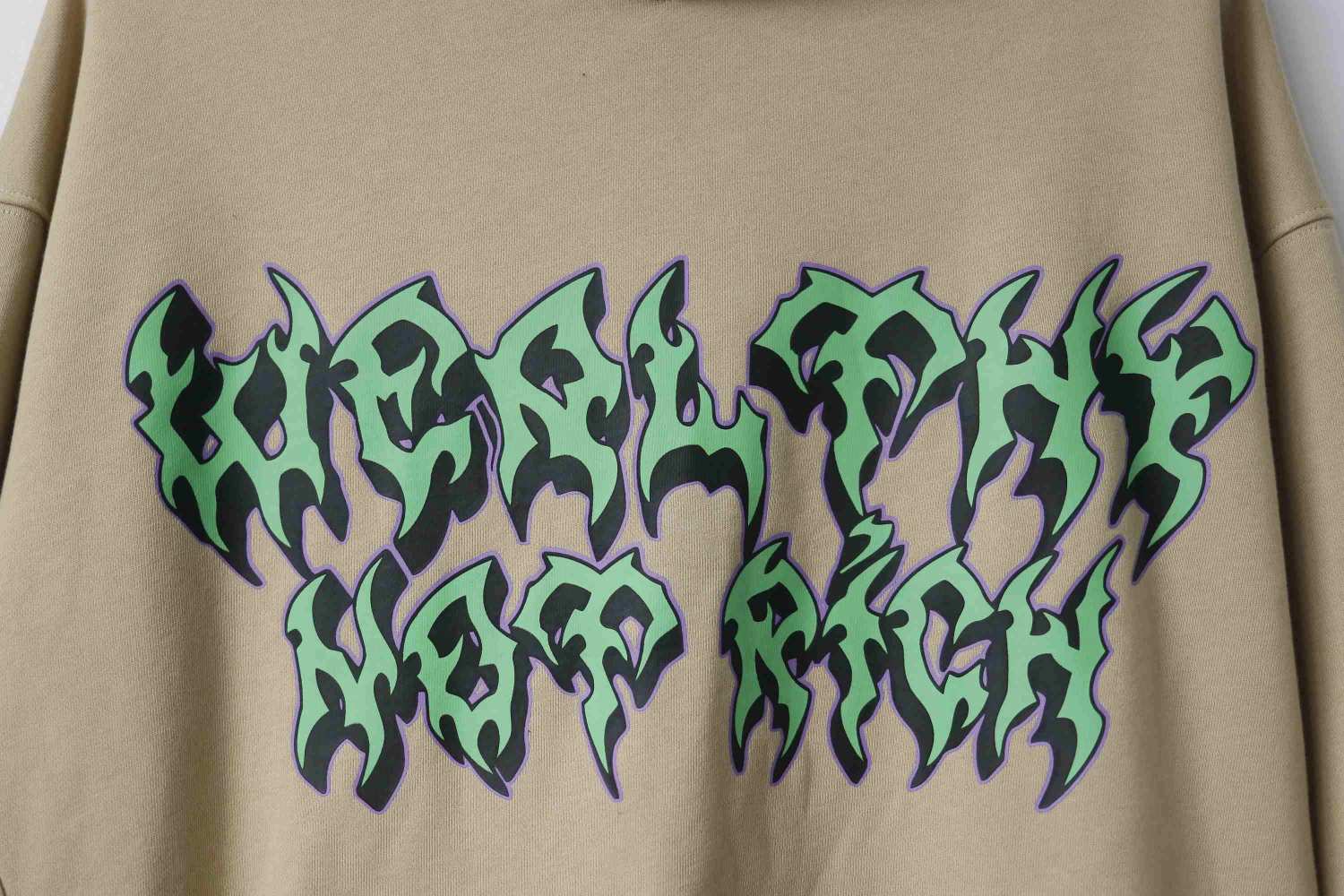
Screen printing applies opaque inks directly onto reflective tape, allowing brand logos, text, or patterns to overlay the reflective surface. Setup costs range from $50 to $150 per color, with per-unit costs of $0.15 to $0.40 depending on complexity. Heat transfer and digital printing offer lower setup fees ($20–$80) but slightly reduced durability on reflective substrates.
Embossing creates raised or recessed patterns by pressing heated dies into reflective tape, ideal for subtle branding without additional ink. Die setup costs typically run $100 to $250, with per-unit costs of $0.10 to $0.25. Minimum order quantities for custom printing start at 500 meters for screen printing and 300 meters for embossing.
Color and Finish Options
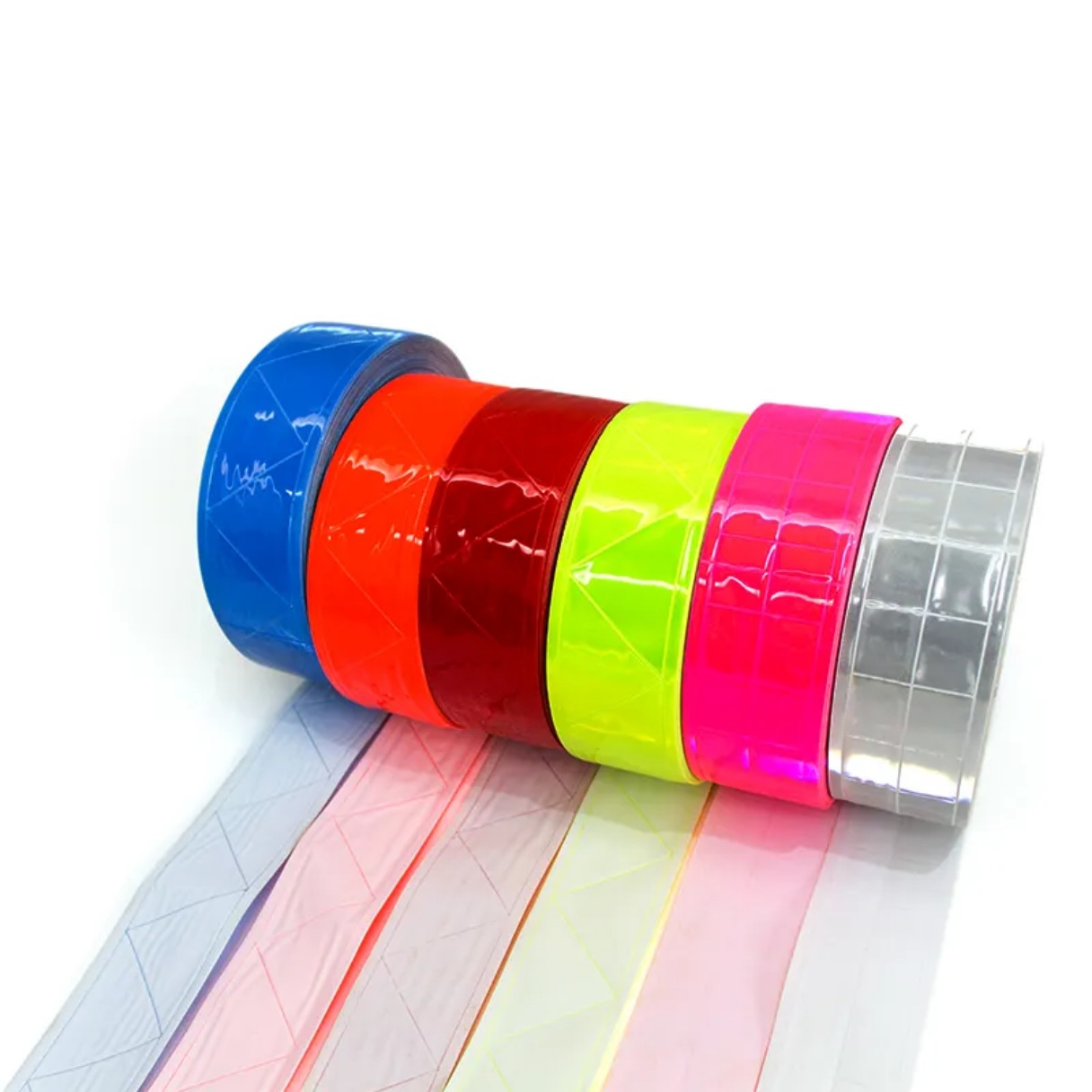
Silver remains the most common reflective trim color due to maximum brightness (450+ cd/lux/m²), followed by yellow and orange for high-visibility workwear. Multi-color reflective tapes combine prismatic films in red, blue, green, or custom Pantone matches, though brightness drops 20–40% compared to silver.
Finish choices include glossy, matte, and iridescent surfaces. Glossy finishes deliver peak reflectivity, matte surfaces reduce glare under direct light, and iridescent films shift color by viewing angle for streetwear and fashion applications.
Custom Widths and Die-Cut Shapes
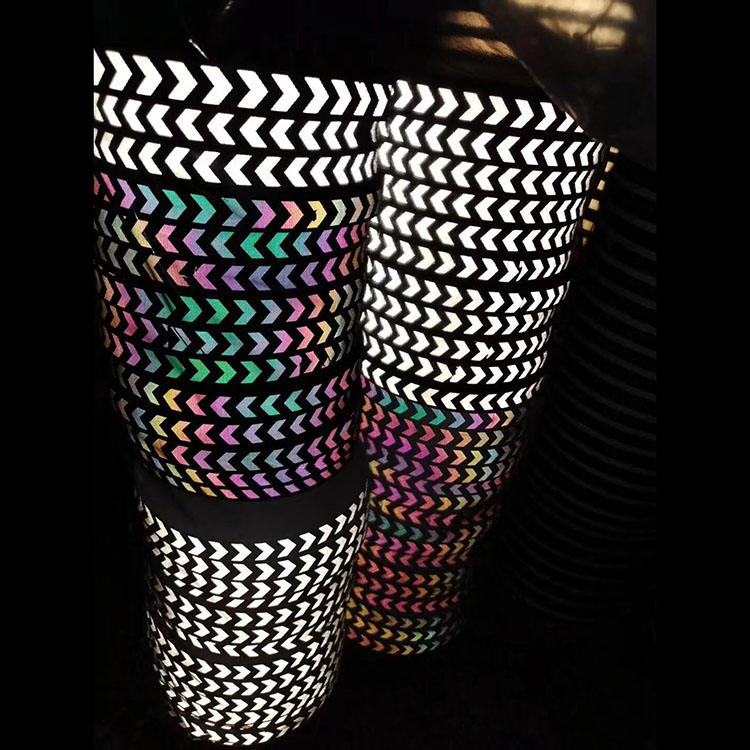
Standard reflective trim widths range from 5 mm to 50 mm, but custom widths from 3 mm to 100 mm accommodate specialized design requirements. Die-cutting produces logos, geometric shapes, letters, or branded silhouettes from reflective sheets. Die costs range from $80 to $300 depending on complexity, with per-unit costs of $0.08 to $0.30.
Minimum order quantities for die-cut shapes start at 1,000 pieces for simple geometry and 2,000 pieces for intricate designs. Laser cutting offers lower setup costs ($30–$100) and MOQs as low as 500 pieces, ideal for sampling and small-batch collections.
6. Key Quality Indicators When Sourcing Reflective Trim
Sourcing reflective trim demands systematic verification of performance metrics before production. Professional buyers request test reports covering reflectivity coefficient, adhesive integrity, and durability to avoid costly quality failures in finished garments.
Reflectivity Coefficient and Testing Standards
Reflective trim performance is measured in candelas per lux per square meter (cd/lx/m²), with EN 20471 requiring minimum 330 cd/lx/m² for high-visibility workwear and ANSI/ISEA 107 specifying 500 cd/lx/m² for North American safety apparel. Fashion streetwear typically uses 200–400 cd/lx/m² for aesthetic visibility without certification requirements.
Request photometric test reports from manufacturers showing retroreflection values at 0.2° and 0.5° observation angles under standard illumination. ZORWILD works with certified testing labs to verify reflective trim meets target specifications before bulk production, ensuring consistent performance across production runs.
Adhesive Bond Strength for Heat-Transfer Trim
Heat-applied reflective trim must withstand 50+ industrial wash cycles without delamination. ISO 6330 wash testing at 60°C with tumble drying reveals adhesive durability, while peel strength testing measures bond force in Newtons per centimeter.
Quality heat-transfer reflective trim achieves peel strength above 8 N/cm after five washes. Request wash-test samples showing no edge lift, bubble formation, or adhesive residue transfer to verify long-term garment performance.
Stitch Integrity and Abrasion Resistance
Sewn reflective trim requires Martindale abrasion testing to 10,000+ cycles for activewear and 25,000+ cycles for workwear applications. Thread tension, stitch density (12–14 stitches per inch), and needle selection directly impact trim longevity and reflective surface integrity.
ZORWILD’s production teams use ballpoint needles and polyester core-spun thread to prevent trim damage during sewing. Inspect sample garments for stitch consistency, edge fraying, and reflective layer cracking after simulated wear testing.
Certification Documentation and Compliance
EN 20471, ANSI/ISEA 107, and CPSIA certification documents verify reflective trim meets regional safety and chemical standards. Request original lab certificates showing product batch numbers, test dates, and accreditation marks rather than generic spec sheets.
CPSIA compliance is mandatory for children’s apparel in the United States, restricting lead content and phthalates in reflective materials. ZORWILD maintains certification records and can provide third-party test reports for export documentation, customs clearance, and brand compliance audits.
7. How to Choose the Right Reflective Trim Manufacturer
Selecting a reflective trim manufacturer requires evaluating production infrastructure, quality systems, and service flexibility. The right partner balances low MOQ access for startups with scalable capacity for growth, while maintaining consistent quality and transparent processes.
MOQ Flexibility and Production Scalability
ZORWILD supports reflective trim integration starting from 50-piece orders, enabling startups and influencers to test designs without inventory risk. Monthly capacity exceeding 100,000 units accommodates brands scaling from capsule launches to wholesale distribution.
Manufacturers offering rigid 1,000+ piece minimums force new brands into overstock positions. Flexible MOQ structures allow phased rollouts, seasonal testing, and cash flow management critical for emerging labels.
Quality Assurance and Testing Infrastructure
In-house quality control systems should include raw material inspection, in-line production checks, and final product audits. Request test reports for reflectivity performance, wash durability (ISO 6330), and adhesive strength before committing to bulk orders.
Red flags include vague material specifications, inconsistent sample quality, or manufacturers unable to provide retroreflection coefficients. ZORWILD applies multi-stage inspection across fabric, decoration, and finishing to ensure reflective trim maintains performance through garment life.
Customization and Decoration Capabilities
Advanced manufacturers integrate reflective trim with screen printing, embroidery, heat transfer, and garment wash processes. ZORWILD supports reflective piping, heat-sealed tape, woven reflective labels, and reflective printing within unified production workflows.
Limited customization forces design compromises. Full-service partners handle pattern placement, color matching, multi-layer construction, and complex garment types from hoodies to technical jackets without outsourcing.
Certifications and Compliance Support
Verify OEKO-TEX, WRAP, BSCI, or equivalent certifications for fabric safety and ethical manufacturing. Export-focused manufacturers provide documentation for customs, compliance testing, and market-specific regulations in the US, EU, and other regions.
Post-sale support including reorder systems, quality issue resolution, and logistics coordination reduces operational friction. ZORWILD offers door-to-door shipping, customs guidance, and responsive communication via email and WhatsApp for international clients.
8. Common Mistakes Buyers Make with Reflective Trim
Even experienced buyers encounter costly pitfalls when sourcing reflective trim for apparel production. Understanding these common mistakes and their consequences helps brands avoid delays, quality issues, and wasted budgets.
Choosing Trim Based Solely on Price
Selecting the cheapest reflective trim often leads to poor wash durability, fading after 5–10 cycles instead of the industry-standard 50+ washes. Low-cost trim typically uses inferior glass bead coatings or weak adhesive layers that delaminate during tumble drying.
Always request wash-test reports and order samples for in-house laundering before committing to bulk orders. ZORWILD provides pre-production samples to verify reflective performance, adhesive strength, and fabric compatibility across multiple wash cycles.
Ignoring Regional Safety Standards
Different markets enforce specific reflectivity standards — EN ISO 20471 in Europe, ANSI/ISEA 107 in North America, and AS/NZS 1906.4 in Australia. Using non-compliant trim can trigger customs rejections or retailer refusals.
Verify certification requirements for your target markets before finalizing trim specifications. ZORWILD works with certified trim suppliers and can guide brands through compliance documentation for workwear, outdoor apparel, and safety garment categories.
Underestimating Lead Times for Custom Colors
Standard silver and gray reflective trim ships within 7–10 days, but custom Pantone-matched colors require 25–35 days for dye-lot matching and coating. Brands often miss launch windows by assuming all trim has identical lead times.
Communicate color customization needs during the initial inquiry phase. ZORWILD’s 27 years of manufacturing experience includes planning production timelines that account for fabric sourcing, trim customization, and decoration scheduling to meet delivery deadlines.
Neglecting Adhesive Compatibility with Fabric
Heat-seal reflective trim requires specific temperature and pressure settings that vary by fabric type — polyester bonds at 150–160°C, while nylon needs 140–150°C. Mismatched adhesive systems cause peeling or fabric scorching.
Provide fabric composition details to your manufacturer before sampling. ZORWILD’s quality control team tests adhesive compatibility during pre-production to ensure secure bonding across cotton, polyester, nylon, and blended fabrics without damaging garment surfaces.
9. Steps to Launch Your Reflective Trim Apparel Line
Launching a reflective trim apparel line requires a structured workflow that balances design vision, compliance, and production economics. ZORWILD’s 27-year manufacturing experience supports brands through each stage, from initial sampling to scaled reorders, with low MOQ starting at 50 pieces.
Define Target Market and Compliance Requirements
Identify whether your line serves activewear, workwear, streetwear, or children’s apparel markets. Each segment dictates reflective trim performance standards: EN ISO 20471 for high-visibility workwear, ANSI/ISEA 107 for North American safety garments, and general fashion-grade retroreflectivity for streetwear.
Document wash durability needs (ISO 6330 cycles), flame resistance if applicable, and color restrictions. ZORWILD’s development team reviews compliance requirements during initial consultation to align fabric, trim type, and placement with your target certifications and market positioning.
Request Samples and Conduct Wash Testing
Order pre-production samples with your chosen reflective trim type—heat-transfer film, sewn tape, or piping—applied to representative garment fabrics. ZORWILD provides sample turnaround in 7–10 days with multiple trim placements for visual and performance evaluation.
Conduct 10–20 home wash cycles using your target care instructions. Measure reflectivity retention, adhesion integrity, edge curl, and color shift. Document results and share feedback with the factory to adjust adhesive formulas, stitch tension, or trim width before bulk production.
Finalize Trim Specifications and Placement Design
Lock trim width (10 mm, 20 mm, 50 mm), color (silver, prismatic, custom Pantone), and retroreflective coefficient (≥330 cd/lx/m² for high-performance). Specify placement zones: sleeve cuffs, chest yokes, side seams, hem bands, or custom logo outlines.
Provide tech packs with precise measurements, stitch type (flatlock, coverstitch, zigzag), and seam allowances. ZORWILD’s pattern team digitizes placements to ensure consistent application across all sizes and prevents trim misalignment during garment assembly.
Negotiate Pricing and Payment Terms
Request itemized quotations covering fabric, reflective trim cost per meter, decoration (screen print, embroidery), finishing (garment wash, tags), and packaging. ZORWILD offers transparent pricing with volume discounts starting at 500 pieces and flexible payment terms: 30% deposit, 70% before shipment, or LC for established accounts.
Confirm lead times (15–25 days for low MOQ, 25–35 days for orders above 1,000 pieces), shipping methods (air freight, sea freight, DDP), and quality inspection protocols to align cash flow and inventory planning.
Place Pilot Order and Approve Production
Start with a 50–200 piece pilot run to validate fit, trim durability, and market response before committing to larger inventory. ZORWILD’s low MOQ system supports test launches for influencer drops, pop-up collections, and pre-order campaigns.
Review inline inspection reports, final measurement sheets, and high-resolution photos before shipment approval. Request third-party lab testing for retroreflectivity and wash fastness if compliance documentation is required for retail partnerships or safety certifications.
Plan Inventory and Reorder Triggers
Establish reorder points based on sales velocity: when stock drops to 30% of initial order, initiate the next production cycle. ZORWILD maintains fabric and trim inventory for repeat orders, reducing lead times to 15–20 days and ensuring color consistency across batches.
Schedule quarterly design refreshes with updated reflective trim placements, new colorways, or seasonal fabric weights to maintain brand momentum and leverage ZORWILD’s full-category production capacity for coordinated collections.
10. Reflective Trim Pricing and Cost Breakdown
Glass bead reflective trim typically costs $0.15–$0.40 per meter in bulk orders, while prismatic trim ranges from $0.50–$1.80 per meter depending on substrate flexibility and reflectivity grade. Heat-seal backing adds $0.05–$0.12 per meter, and custom die-cutting or laser-cut patterns increase setup costs by $50–$200 per design.
Order volume directly impacts unit pricing: 500-meter minimum orders carry 30–50% higher per-meter costs than 5,000-meter runs, and factory MOQs below 500 meters often require negotiation or premium pricing. ZORWILD supports low MOQ production from 50 pieces for apparel, allowing startup brands to integrate reflective trim into small collections without committing to bulk trim purchases. Lead times range from 7–10 days for stock trim to 15–25 days for custom-printed or certified materials.
Sample costs typically run $20–$80 per design depending on trim type, custom printing, and express shipping. Budget $100–$300 for initial sampling across multiple trim styles, substrates, and attachment methods to validate appearance under daylight and headlight conditions. Certifications such as EN ISO 20471 or ANSI/ISEA 107 add $0.10–$0.25 per meter due to raw material premiums and third-party testing, but are essential for workwear, safety apparel, and public-sector contracts where compliance is mandatory.
| Order Quantity (meters) | Glass Bead ($/m) | Prismatic ($/m) | Lead Time (days) |
|---|---|---|---|
| 500–1,000 | $0.30–$0.40 | $1.20–$1.80 | 15–20 |
| 1,000–3,000 | $0.22–$0.32 | $0.85–$1.20 | 12–18 |
| 3,000–5,000 | $0.18–$0.28 | $0.65–$0.95 | 10–15 |
| 5,000+ | $0.15–$0.25 | $0.50–$0.80 | 7–12 |
Add Reflective Trim to Your Next Production Run
Start from just 50 pieces with fast sampling, expert application, and 27 years of apparel manufacturing experience behind every order.
- Custom Shirts
- Custom Hoodies
- Custom T Shirts
- Custom Dresses
- Custom Sweatshirts
- Custom Jackets
- Custom Polo Shirts
- Custom Shorts
- Custom Dress Shirts
- Contact