
Custom Accessory Patches for Every Garment & Brand
Elevate your apparel with custom accessory patches crafted to enhance brand identity and product durability. From 50-piece MOQ to 100,000+ units monthly, ZORWILD delivers scalable patch solutions for DTC brands and professional teams.
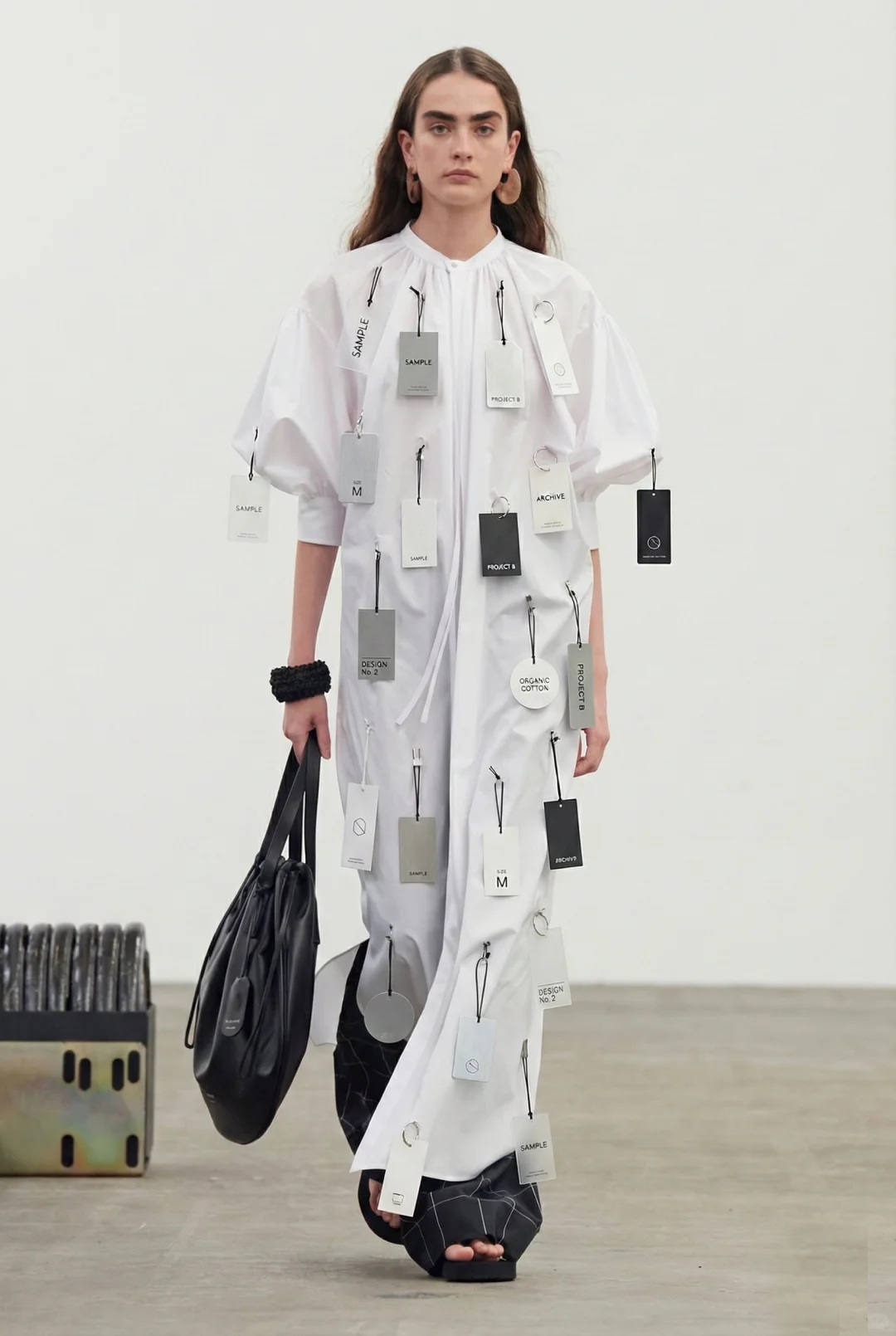
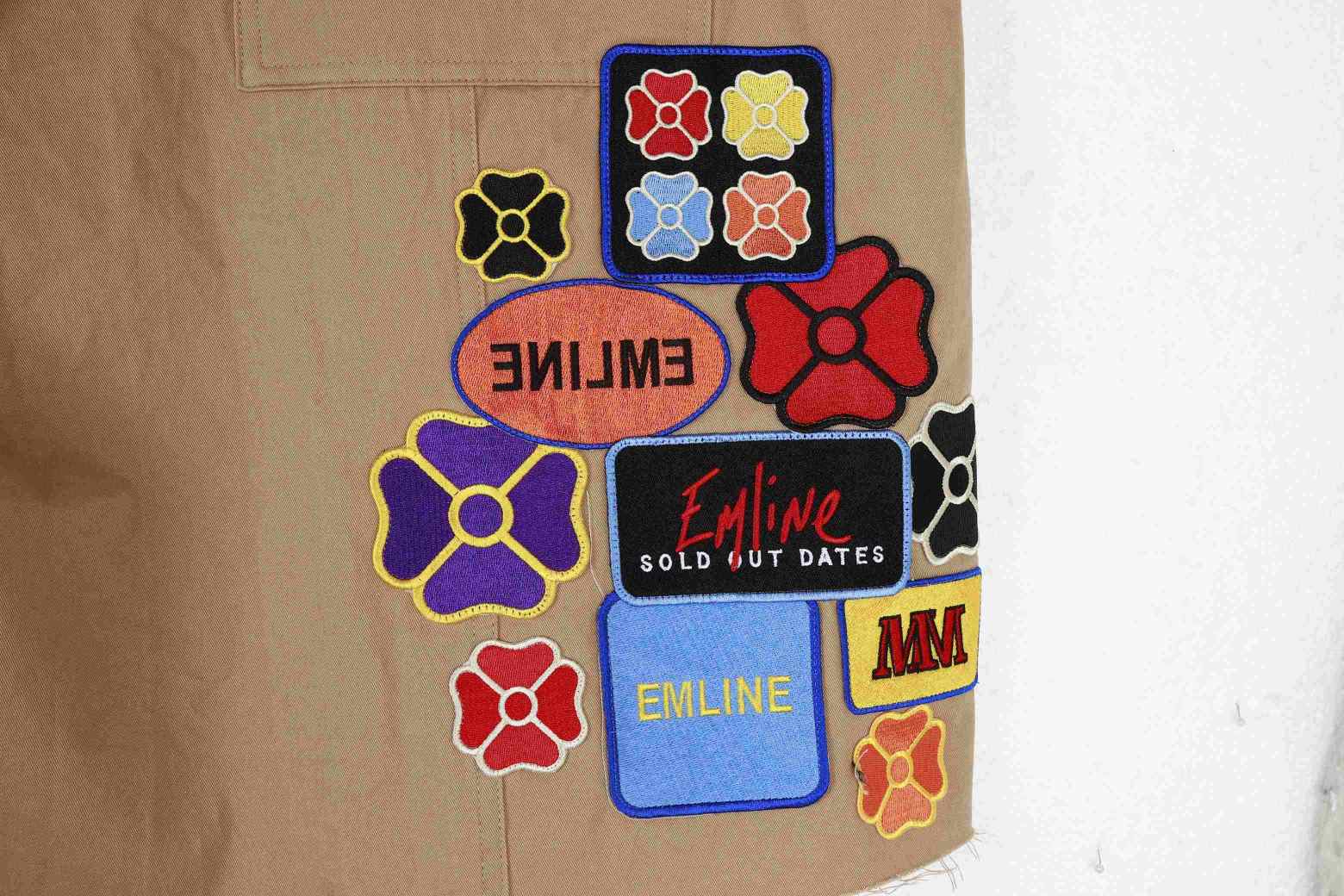
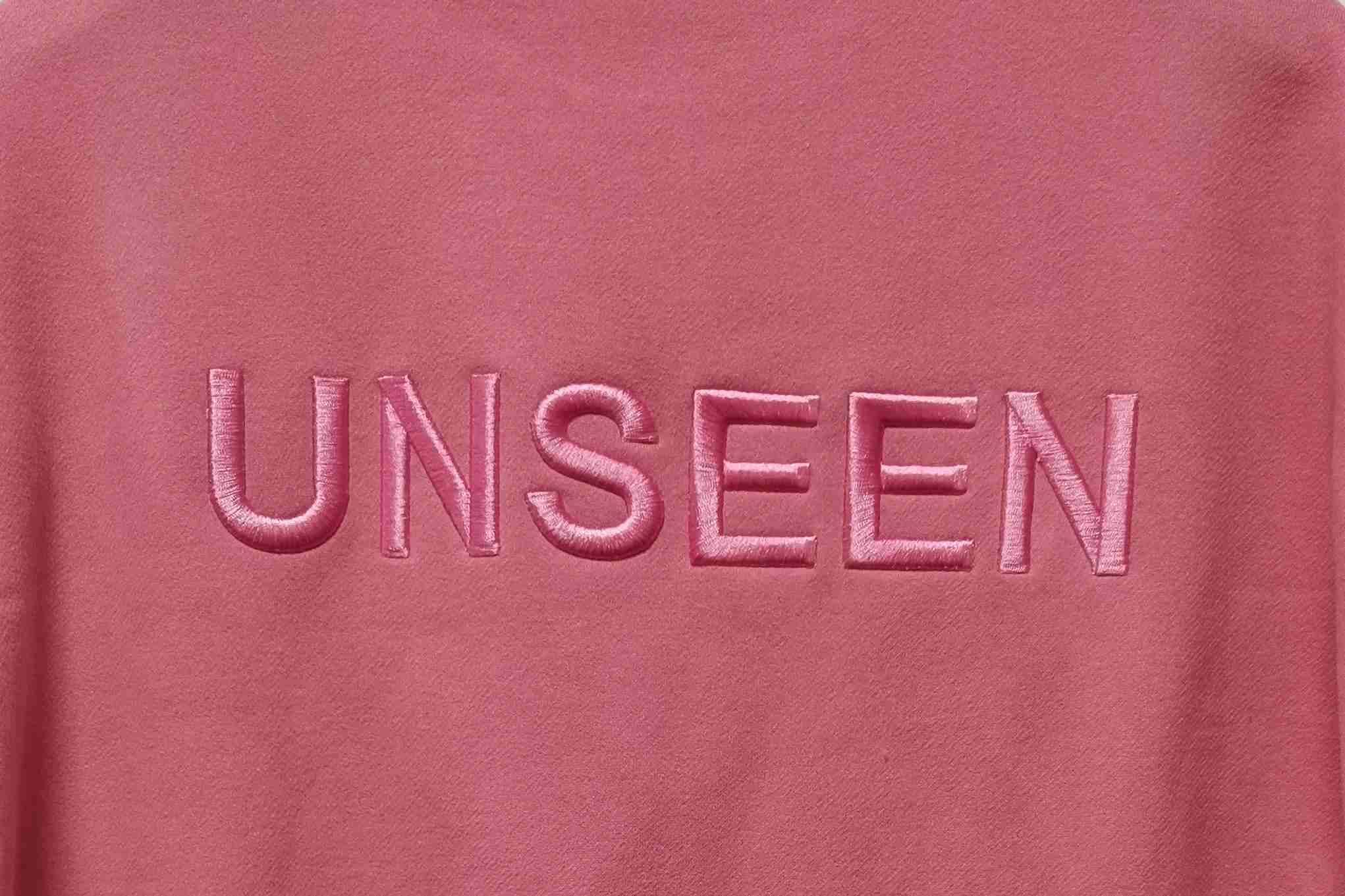
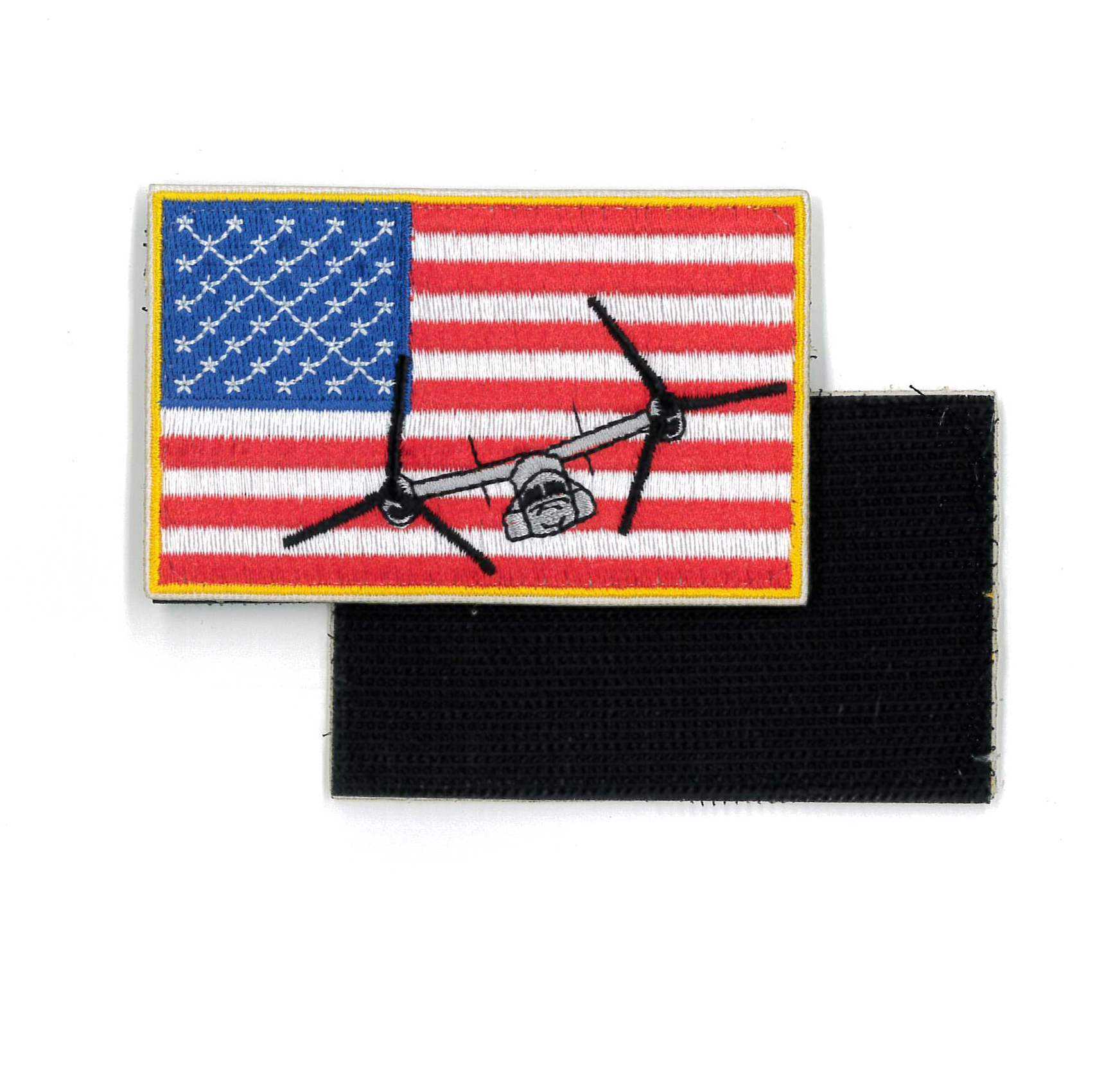
Custom Accessory Patch Styles & Materials
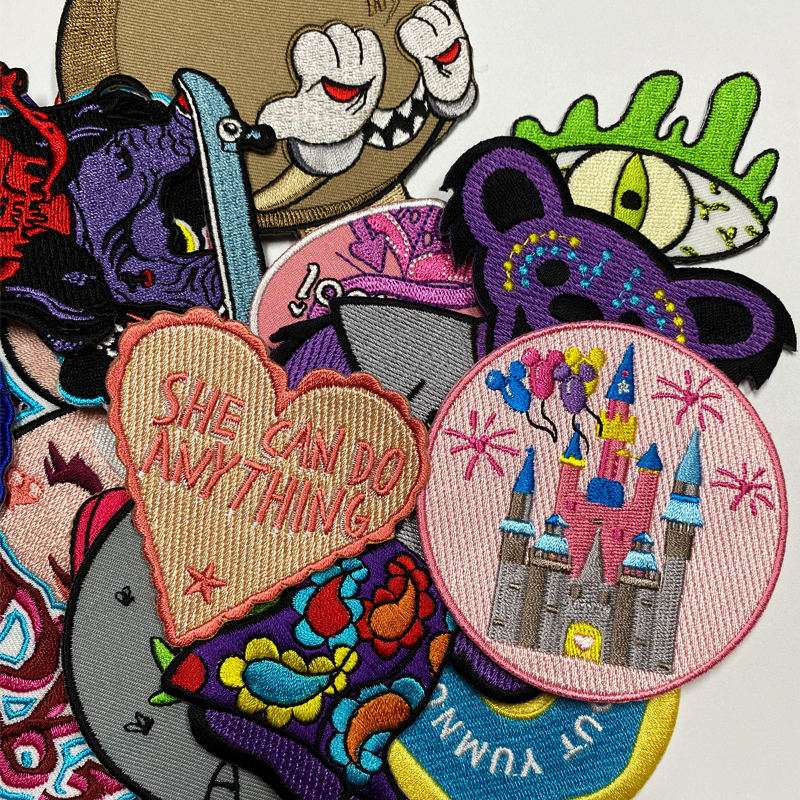
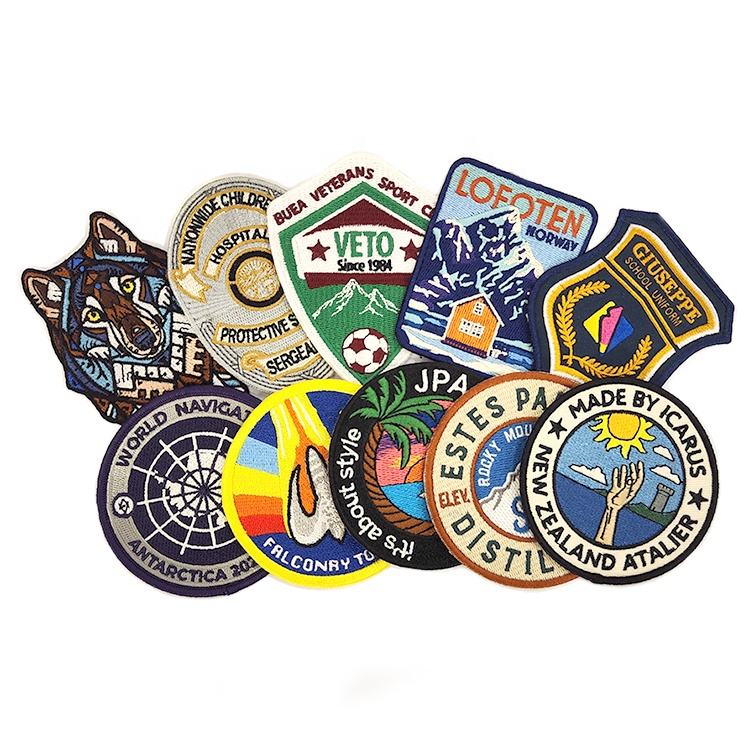
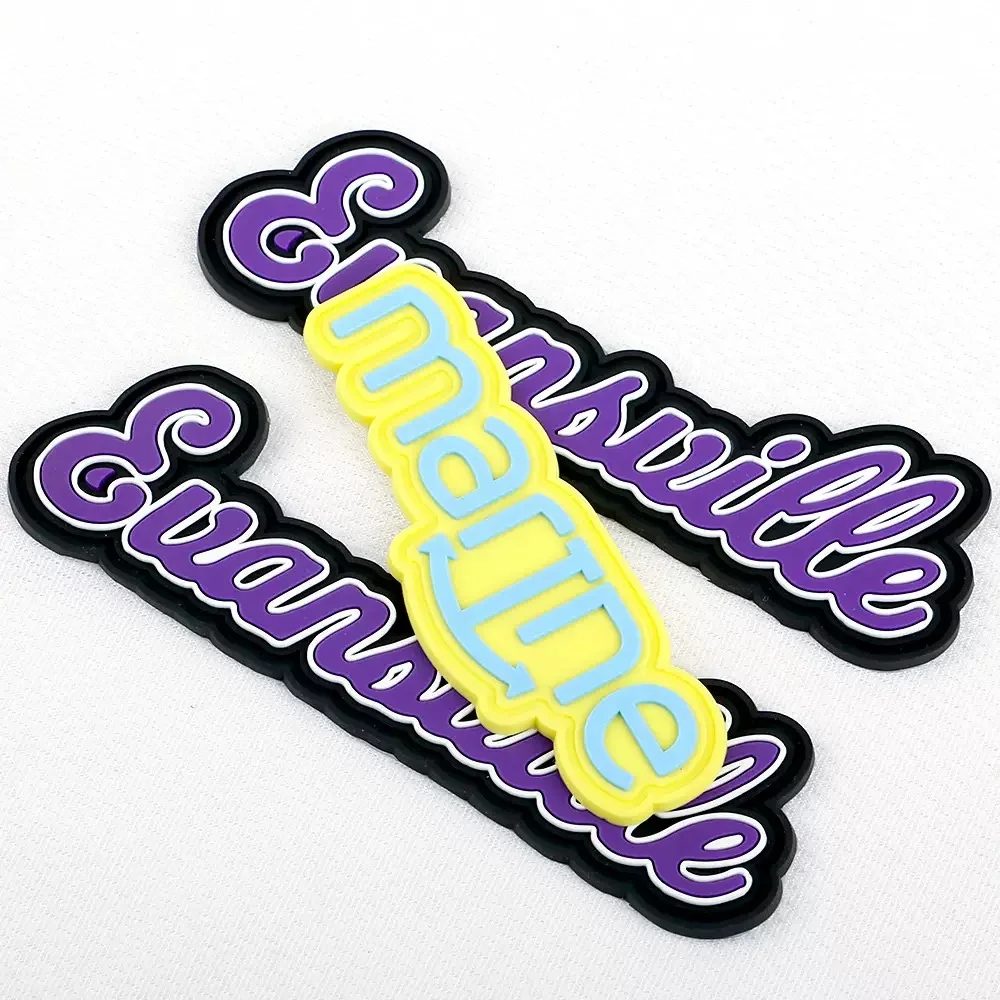
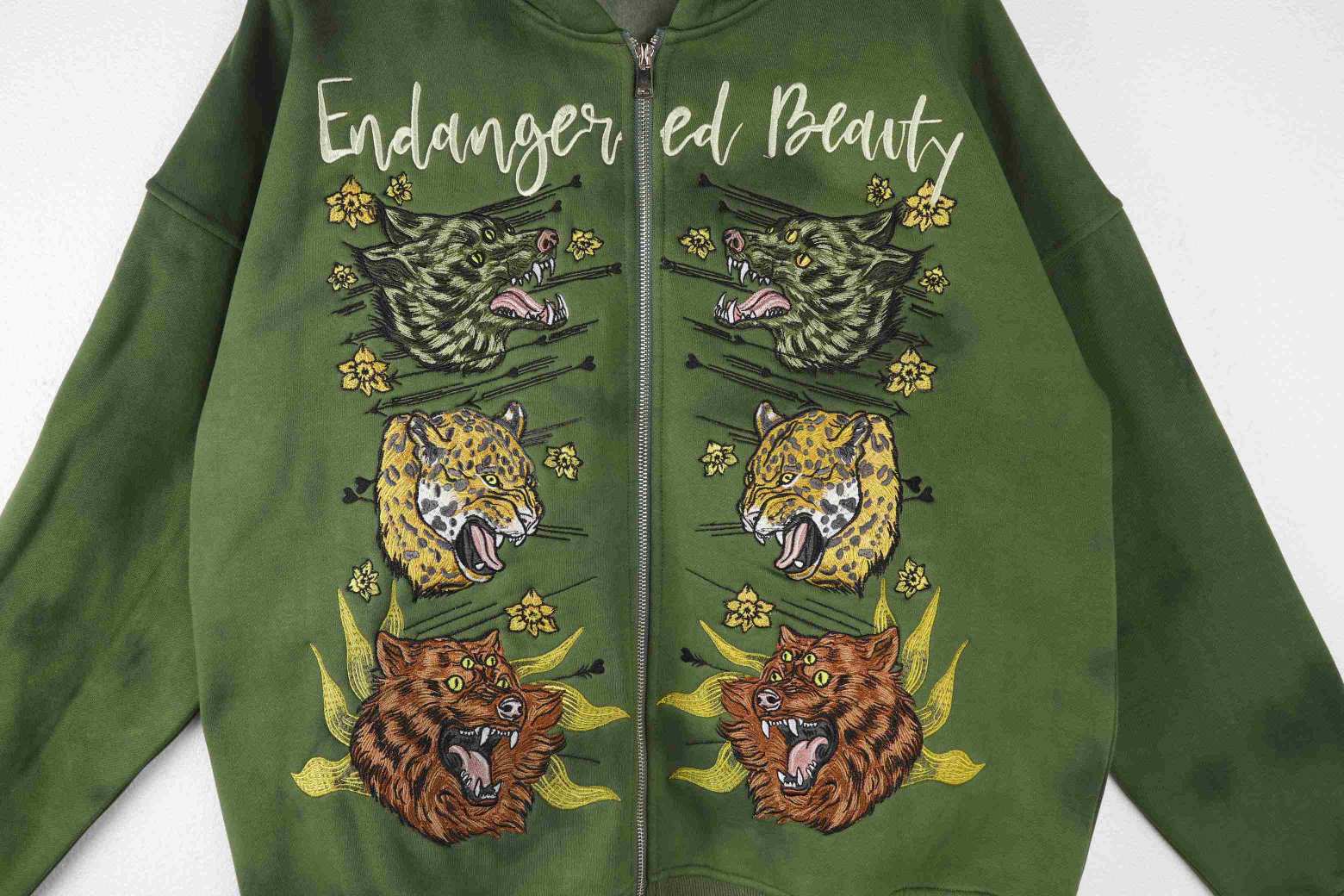
Why Custom Accessory Patches Elevate Your Products
From startup brands to established labels, custom accessory patches deliver premium branding, durability, and versatility that transform ordinary garments into memorable products.
Instant Brand Recognition
Custom accessory patches create bold, tactile branding that customers notice and remember, boosting brand recall across every product category.
Wash-Tested Durability
Our patches withstand acid wash, vintage wash, enzyme wash, and repeated laundering without fading, peeling, or losing dimensional detail.
Unlimited Customization Options
Choose from chenille, rubber, woven, embroidered, leather, and silicone patches with custom shapes, colors, textures, and layered effects.
Professional Finishing Touch
Elevate hoodies, jackets, caps, and bags with premium patch details that signal quality craftsmanship and attention to design.
Low MOQ from 50 Pieces
Test new designs, launch capsule collections, and add custom accessory patches to small-batch production without inventory risk.
Fast Sampling and Production
Receive patch samples within days and scale to full production with our 100,000+ monthly capacity backed by 27 years of experience.
Essential Hardware & Garment Finishing Components
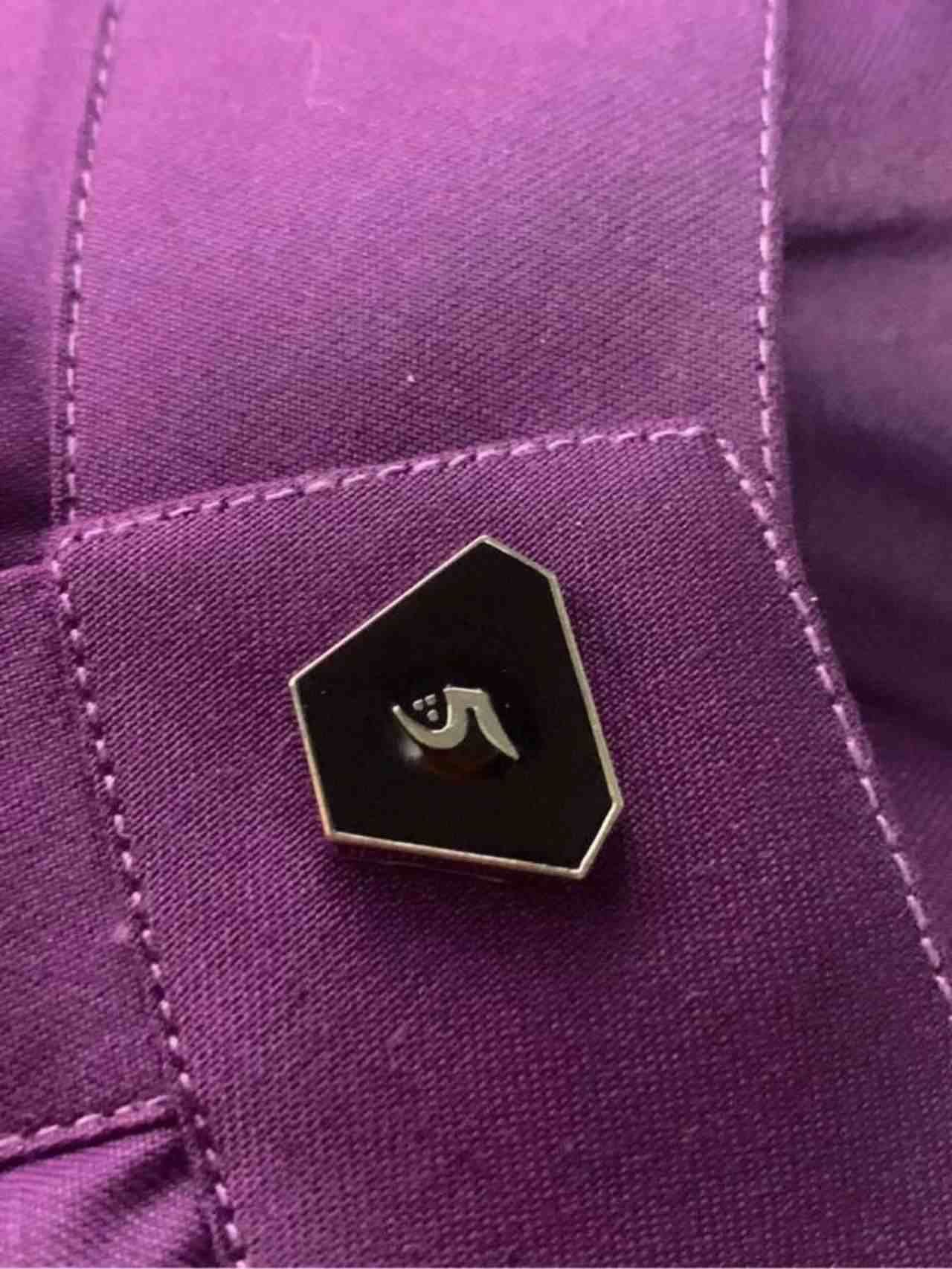
Garment Accessories & Trims
Complete range of custom garment accessories including woven labels, printed labels, hang tags, rubber patches, silicone labels, metal logos, branded tape, and care labels. Full customization support for startup brands and established labels with low MOQ starting at 50 pieces.
Get a Quote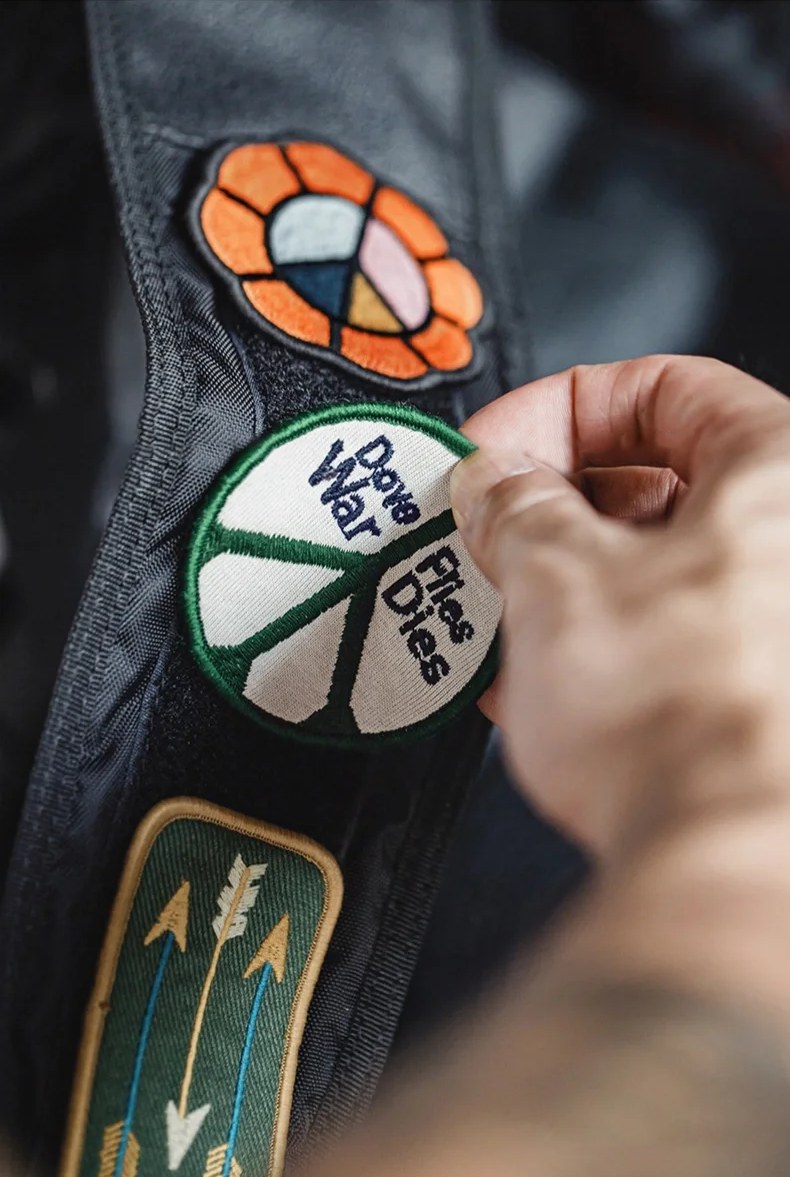
Custom Buttons
Custom buttons in metal, plastic, resin, wood, and shell materials for shirts, jackets, coats, and fashion garments. Available in various sizes, finishes, and attachment methods including shank buttons, two-hole, and four-hole styles. Logo engraving and custom color matching supported for brand consistency.
Get a Quote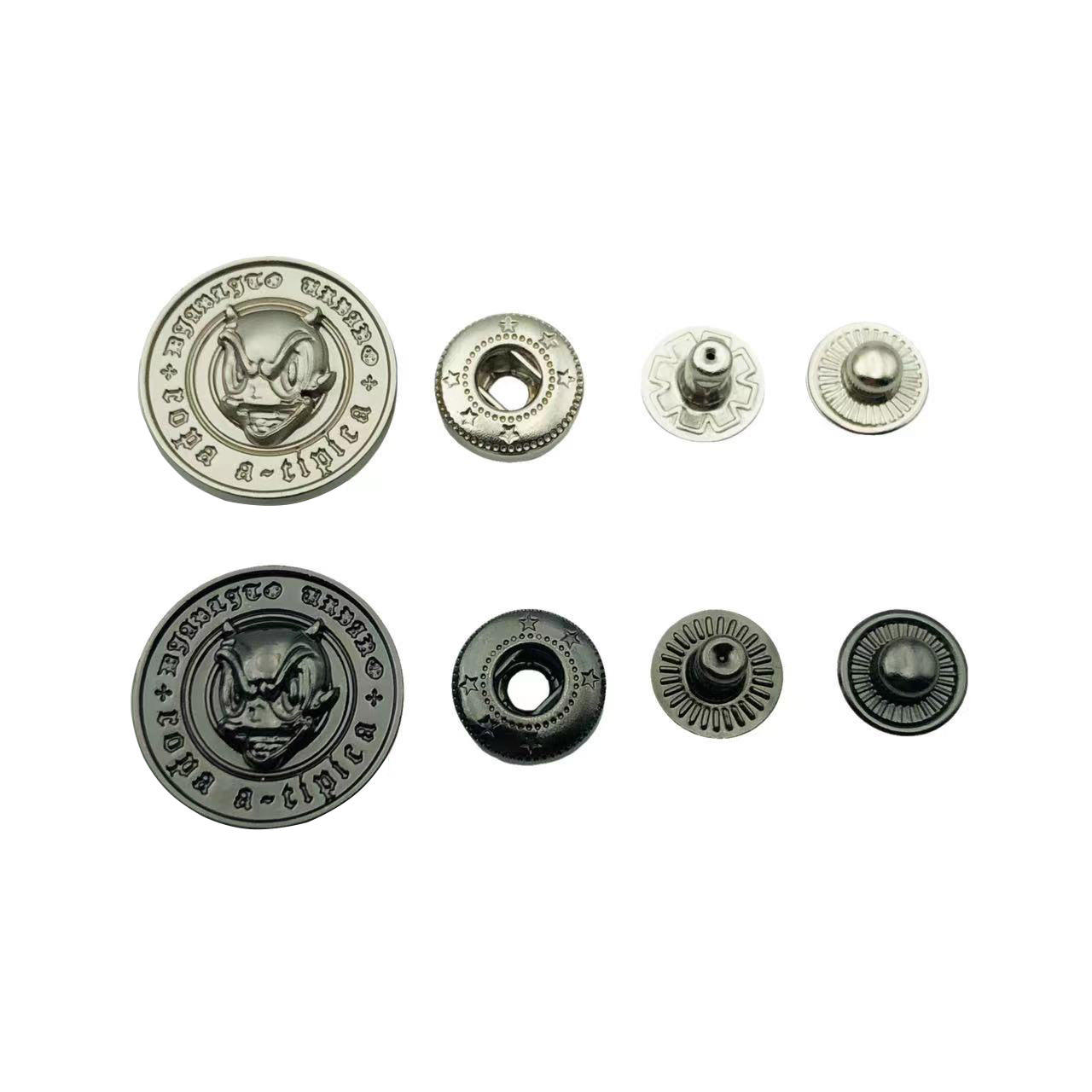
Snap Buttons
Durable snap button fasteners for jackets, shirts, sweatwear, and childrenswear including prong snaps, post snaps, and decorative snap closures. Available in brass, stainless steel, and plastic with custom finishes including nickel, antique brass, matte black, and gunmetal. Logo embossing available for premium branding.
Get a Quote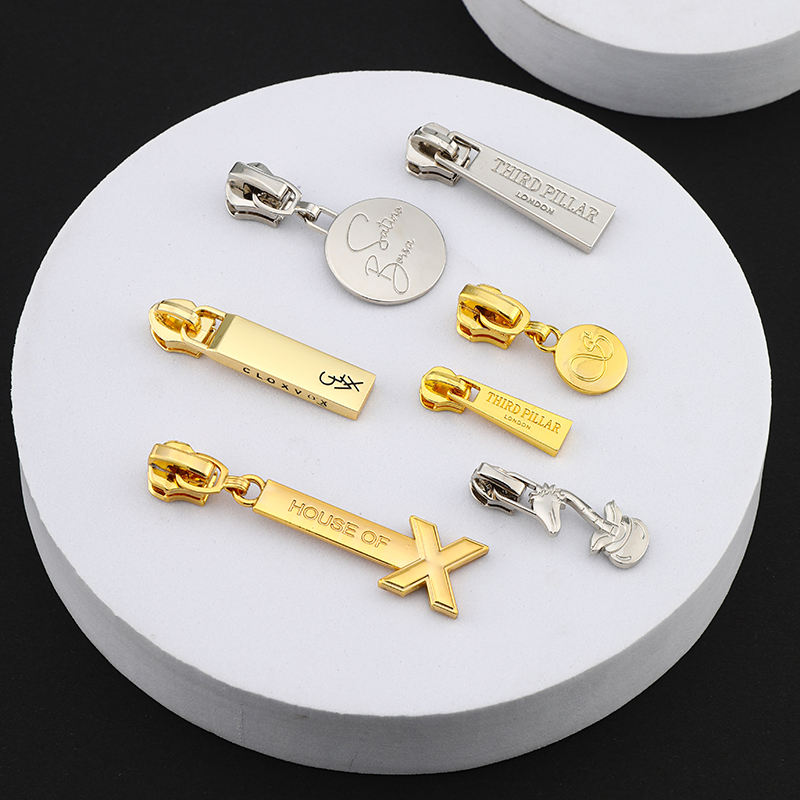
Custom Zippers
YKK and premium zipper sourcing for jackets, hoodies, pants, and bags including metal zippers, nylon coil zippers, waterproof zippers, invisible zippers, and two-way zippers. Custom tape colors, slider finishes, and length specifications supported. Ideal for varsity jackets, bomber jackets, puffer jackets, and technical outerwear.
Get a Quote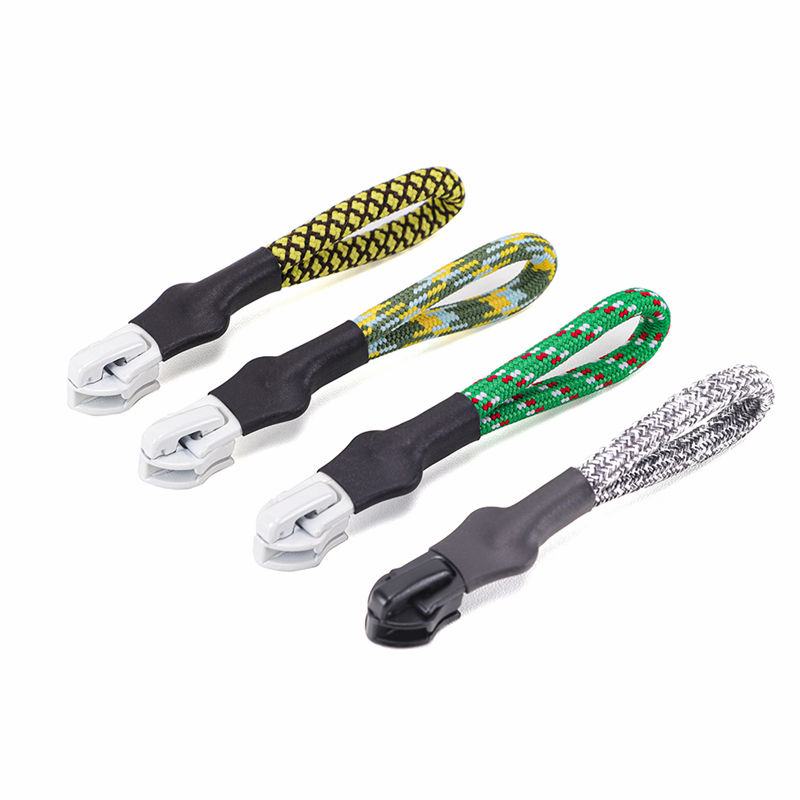
Zipper Pulls
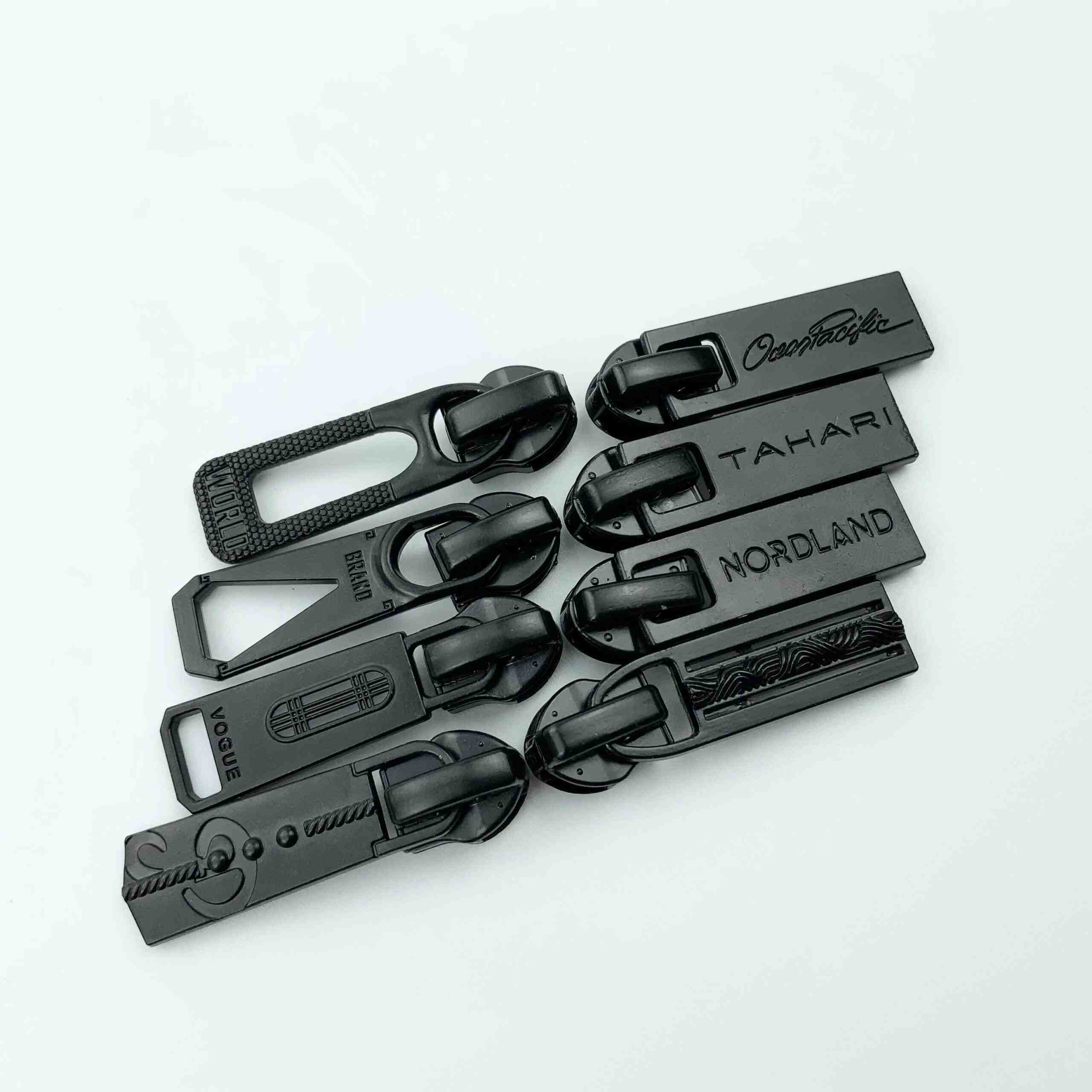
Custom zipper pulls and sliders in metal, rubber, leather, and cord materials for hoodies, jackets, and sportswear. Logo engraving, embossing, or molding available on metal and rubber pulls. Functional and decorative options to elevate brand identity on outerwear and streetwear collections.
Get a Quote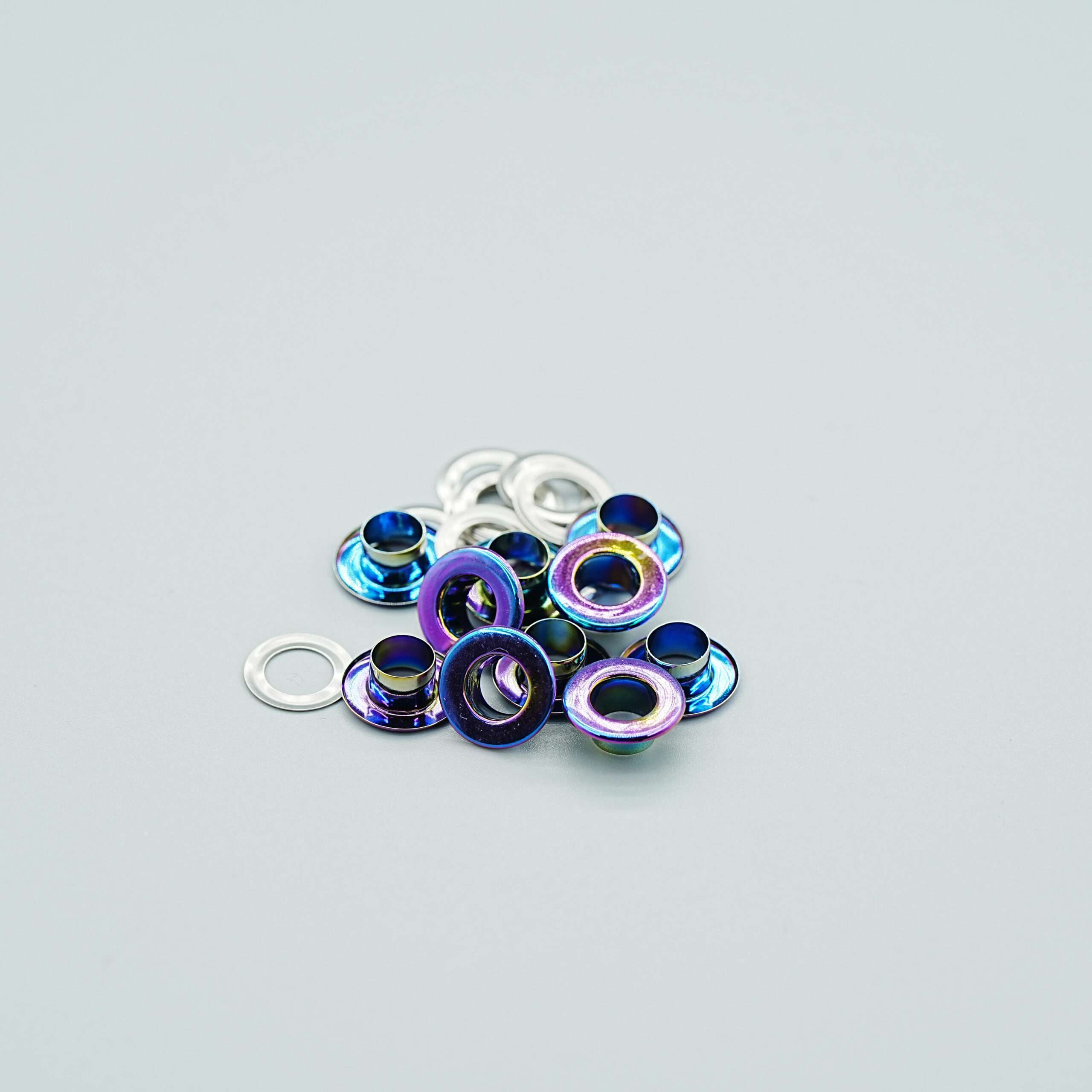
Eyelets & Grommets
Metal eyelets and grommets for hoodies, sneakers, bags, belts, and utility garments in brass, aluminum, and stainless steel. Available in multiple sizes and finishes including nickel, antique brass, gunmetal, and matte black. Reinforced construction for drawstring applications and decorative fashion detailing.
Get a Quote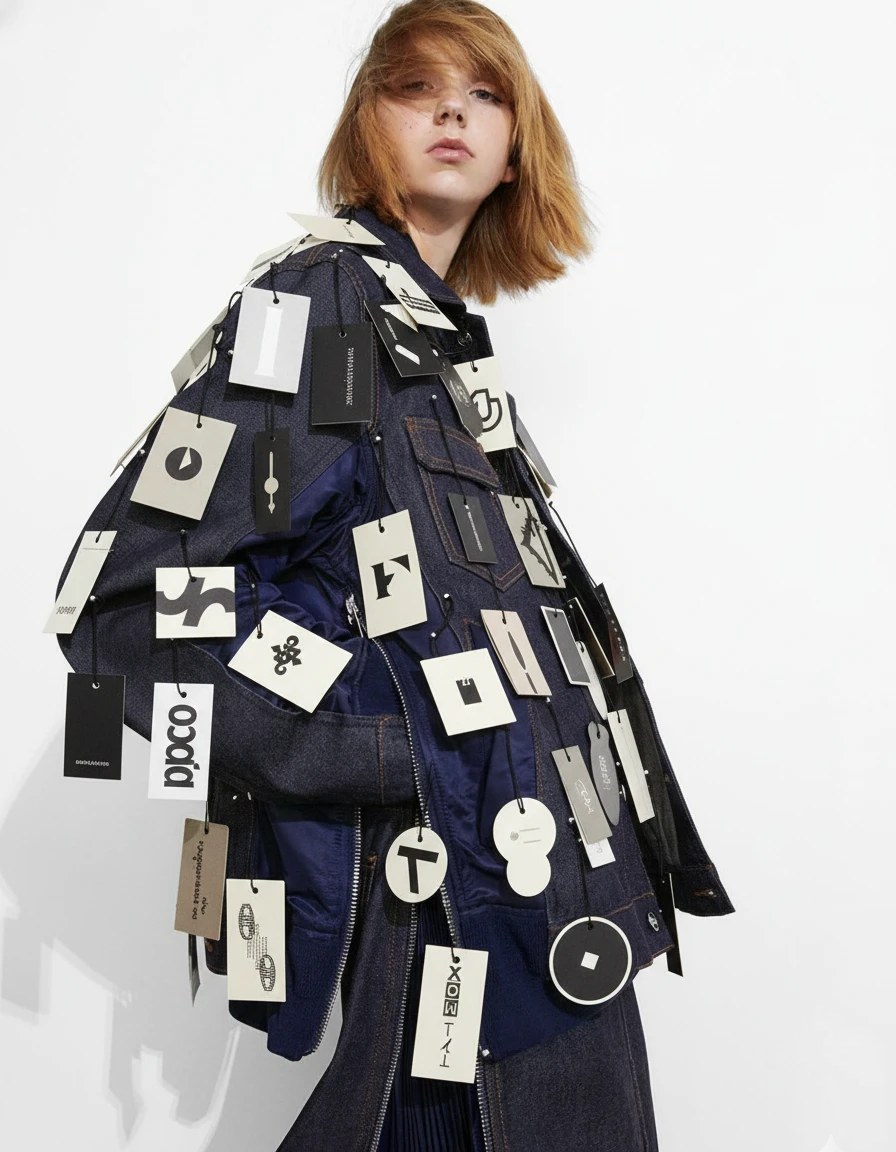
Rivets
Metal rivets for denim, workwear, bags, and leather goods including single cap rivets, double cap rivets, and tubular rivets. Available in brass, copper, and stainless steel with custom finishes. Logo engraving supported for jeans, cargo pants, utility jackets, and denim collections.
Get a Quote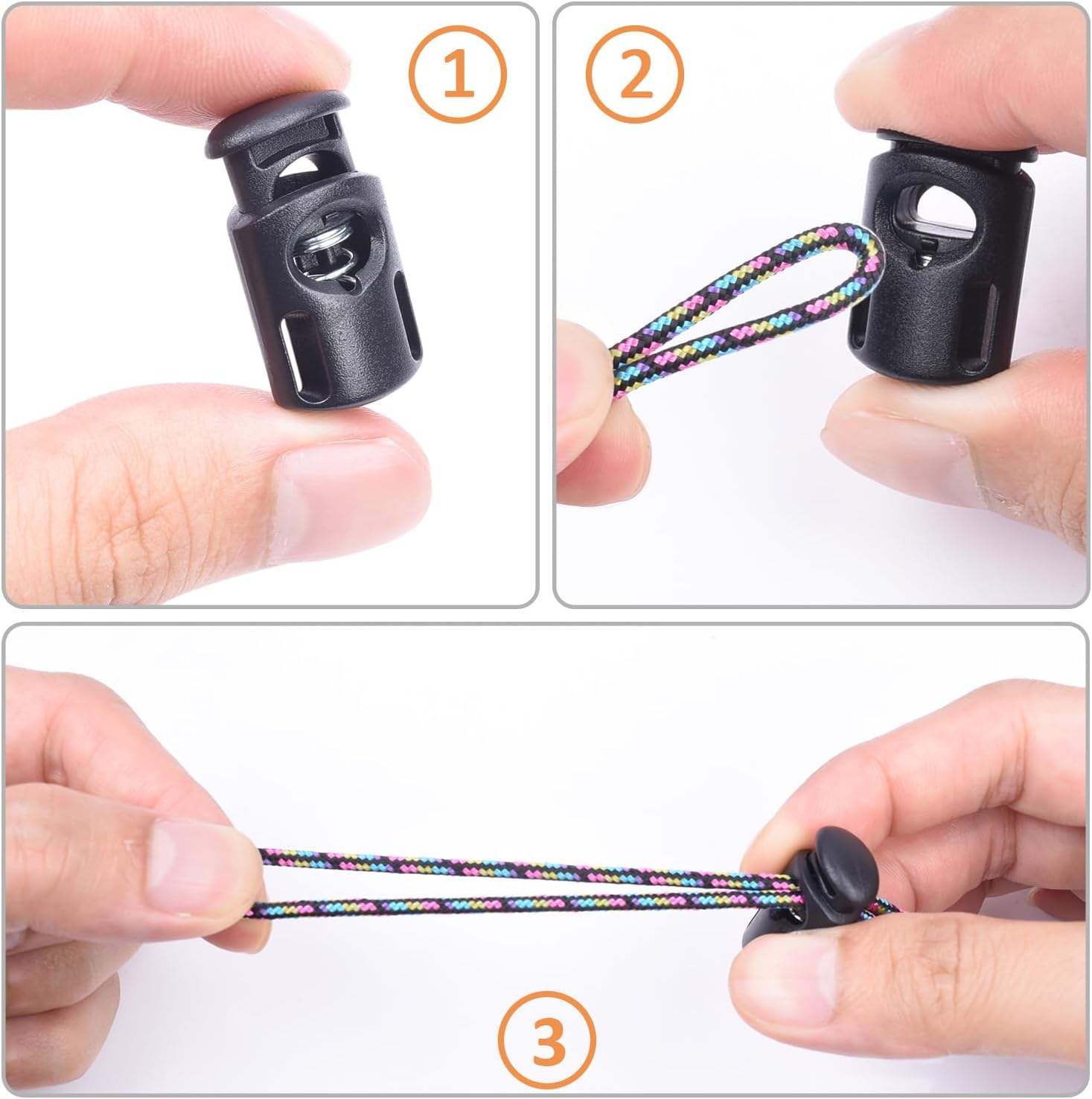
Drawstrings
Custom drawstrings and cords for hoodies, sweatpants, joggers, bags, and outerwear in cotton, polyester, and nylon materials. Flat, round, and tubular cord styles available with custom colors, lengths, and metal or plastic aglets. Branded tips and reflective options for technical and streetwear collections.
Get a Quote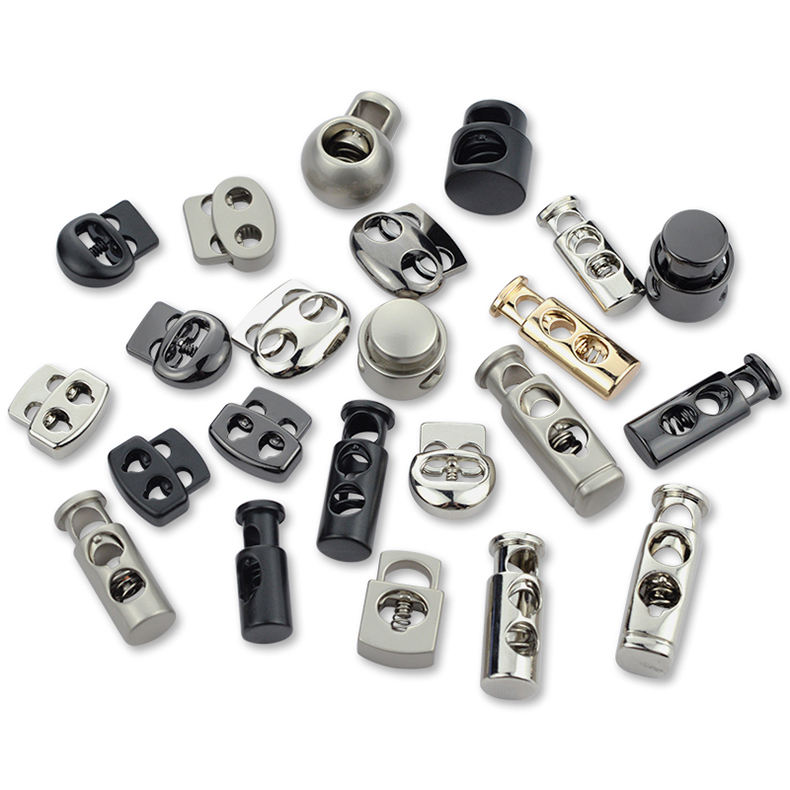
Cord Locks & Stoppers
Cord locks, toggles, and barrel stoppers for hoodies, jackets, sportswear, and bags in plastic, metal, and silicone materials. Spring-loaded and toggle-style mechanisms available in various sizes and finishes. Custom logo engraving or molding supported for premium streetwear and activewear brands.
Get a QuoteCustom Accessory Patches Manufacturing Expertise
ZORWILD has delivered custom accessory patches and complete apparel manufacturing solutions for over 27 years from our Humen, Dongguan facility. Founded in 1998, we’ve grown from a family garment workshop into a full-service manufacturer serving more than 2,000 fashion brands across North America, Europe, the Middle East, and Asia with production capacity exceeding 100,000 units monthly.
Our in-house decoration capabilities cover 95% of modern garment embellishment techniques, including embroidered patches, chenille patches, woven patches, rubber patches, leather patches, and applique patches. Whether you need custom accessory patches for varsity jackets, hoodies, denim, or any garment category, our six-stage quality control system ensures consistent results from sampling through bulk production.
We bridge the gap between creative design and scalable production with flexible MOQs starting at just 50 pieces, making custom accessory patches accessible for startup brands, influencers, wholesalers, and established fashion labels. Our team manages fabric sourcing, patch development, sampling, bulk production, quality inspection, and global logistics to deliver premium results on schedule.
Custom Accessory Patch Production Craftsmanship
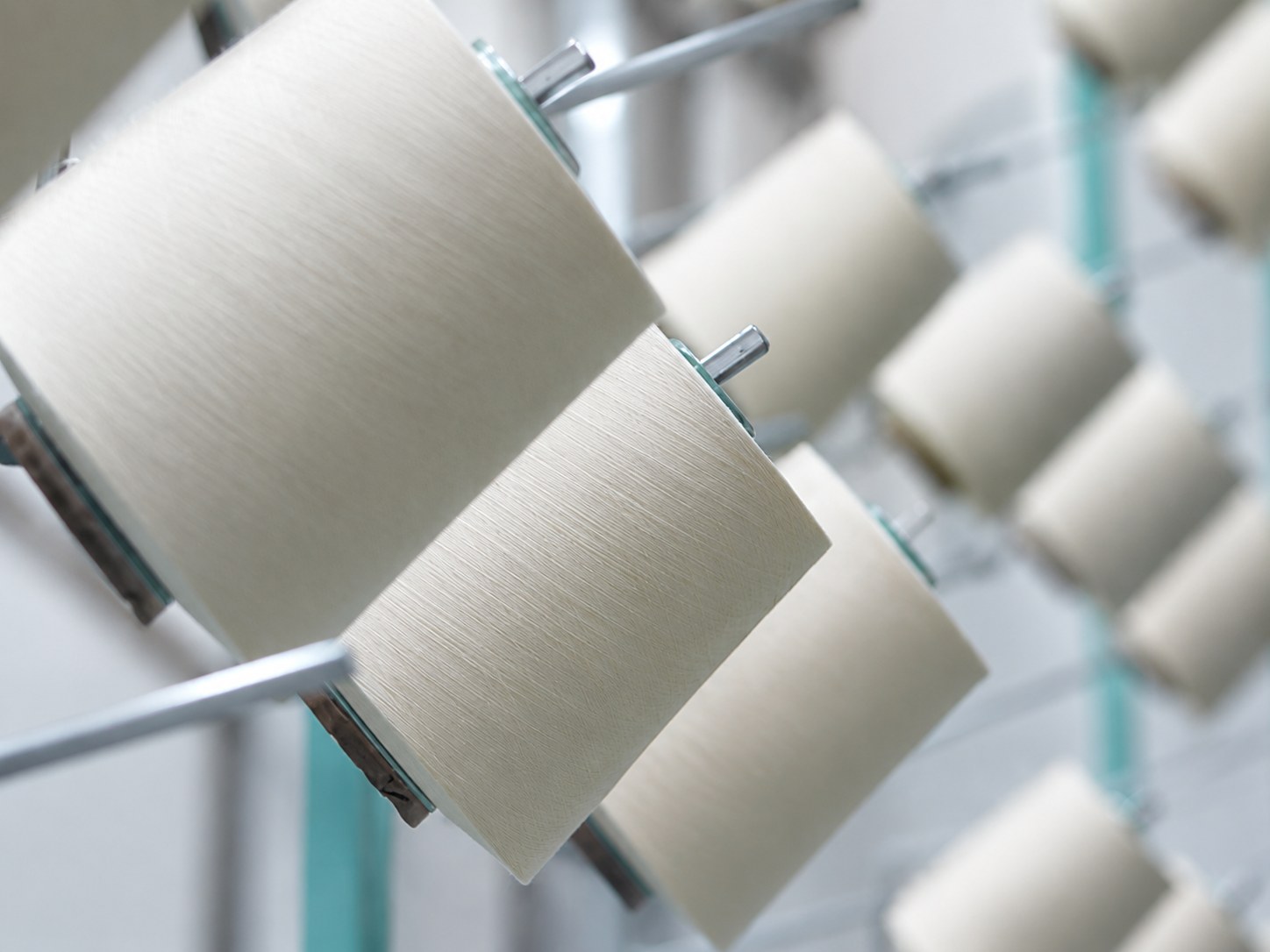
Thread Density & Stitch Quality Control
Our custom accessory patches feature precise thread density calibration to ensure vibrant color saturation, dimensional stability, and long-lasting durability. Every patch undergoes multi-point stitch inspection using our 6-stage quality control system to verify tension consistency and pattern accuracy across production runs.
- Thread count optimized for embroidery complexity and fabric weight compatibility
- Stitch density testing ensures patches maintain shape through repeated washing cycles
- Color-matched thread selection from premium suppliers for consistent brand identity
- In-line inspection catches tension irregularities before finishing stages
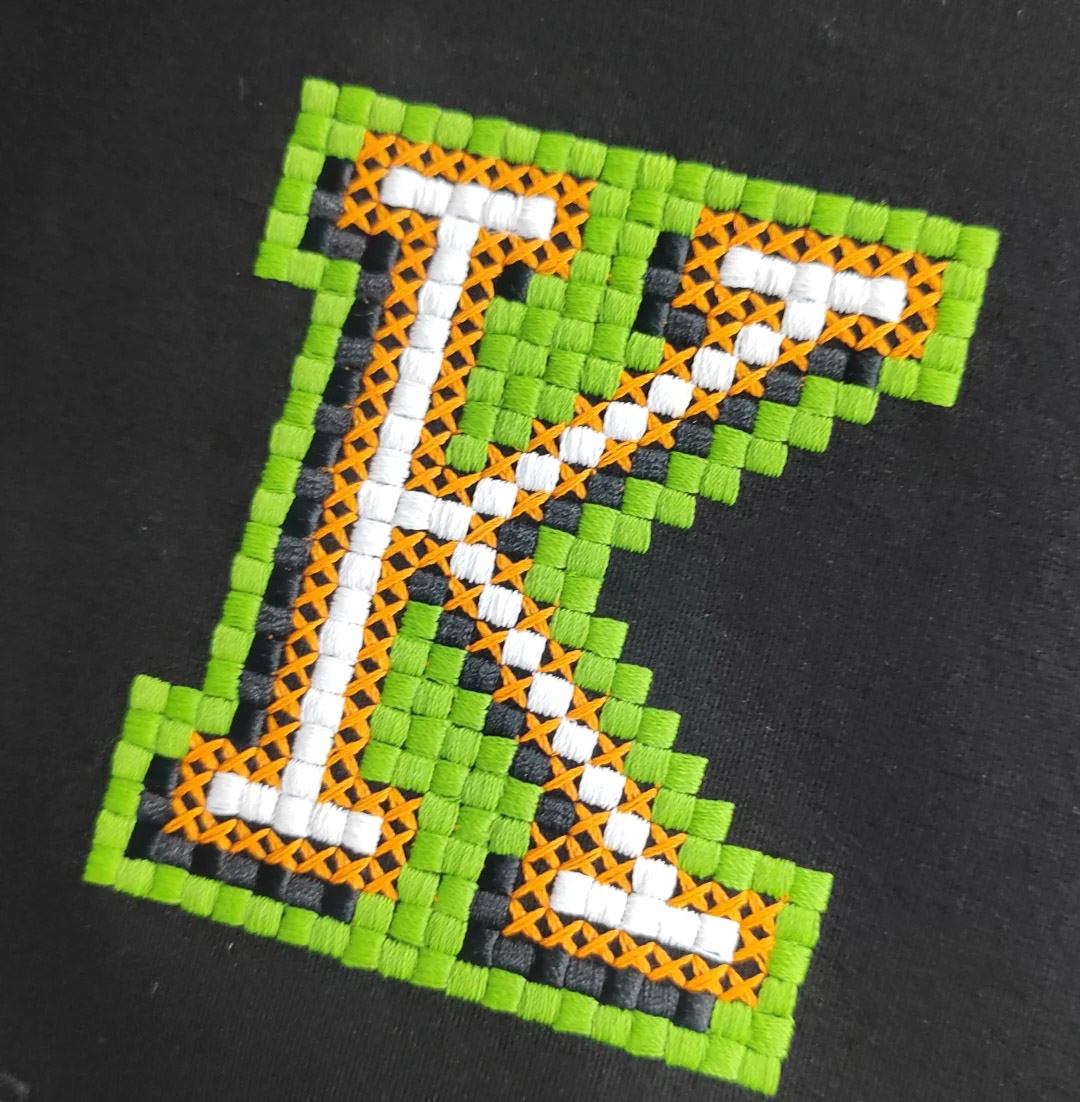
Edge Finishing Techniques for Durability
ZORWILD offers three professional edge finishing methods—merrowed borders for classic embroidered patches, heat-cut edges for clean woven labels, and laser-cut precision for intricate shapes. Each technique is selected based on patch material, design complexity, and intended application to maximize attachment strength and visual appeal.
- Merrowed edges create raised borders that prevent fraying and add premium texture
- Heat-cut finishing seals synthetic fabric edges for ultra-clean modern aesthetics
- Laser-cut technology enables complex shapes and fine details impossible with die-cutting
- Edge quality inspection verifies no loose threads or uneven borders before packaging
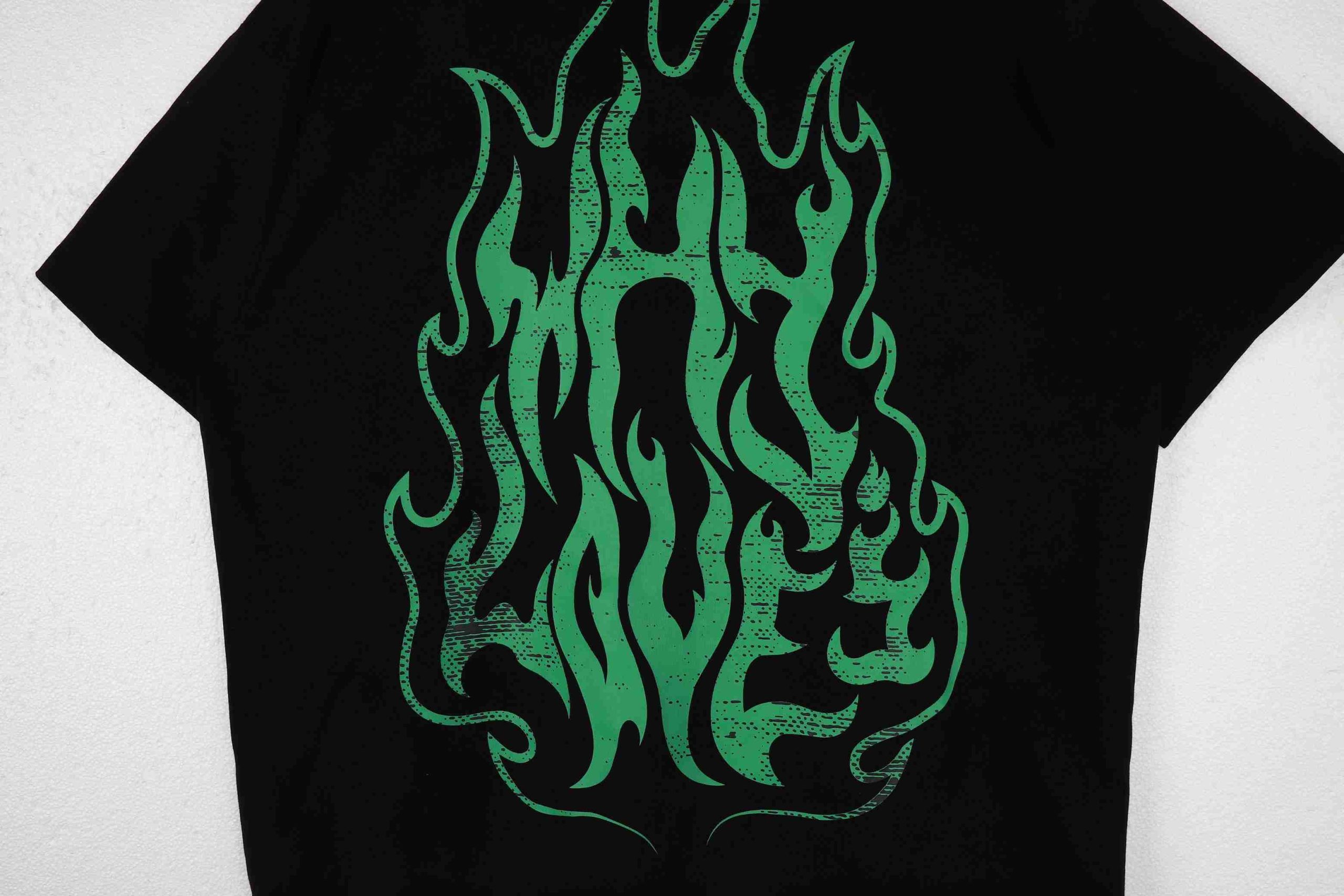
Backing Options for Every Application
Choose from iron-on adhesive backing for quick consumer application, pressure-sensitive adhesive for temporary placement, sew-on backing for permanent garment integration, or hook-and-loop Velcro systems for tactical and removable patch programs. Our backing selection process considers garment fabric, wash requirements, and end-user experience.
- Iron-on backing tested for adhesion strength across cotton, polyester, and blend fabrics
- Velcro hook-and-loop systems sized precisely to patch dimensions for secure hold
- Sew-on backing with reinforced edges designed for industrial and domestic sewing machines
- Adhesive formulations selected for wash durability and temperature resistance standards
Attachment Method Engineering & Testing
Beyond backing selection, ZORWILD engineers attachment methods based on garment construction, patch placement, and brand positioning. We test stitch patterns for sew-on patches, validate heat-press temperatures for iron-on applications, and verify Velcro cycle durability to ensure your custom accessory patches perform flawlessly in real-world conditions.
- Heat-press temperature and dwell-time protocols documented for consistent iron-on results
- Stitch pattern recommendations provided for jacket sleeves, chest panels, and pocket placements
- Velcro attachment cycle testing simulates hundreds of removals for tactical applications
- Wash durability testing includes tumble dry, hang dry, and commercial laundry conditions
Custom Accessory Patches vs. Direct Embroidery & Other Decoration Methods
Compare custom accessory patches against embroidery, woven labels, rubber patches, and screen printing to find the best solution for your brand’s visual impact, durability, and production needs.
← 左右滑动查看 →
How We Produce Custom Accessory Patches
From artwork to finished patch, our 27-year manufacturing expertise ensures every custom accessory patch meets strict quality standards through specialized equipment and six-stage inspection protocols.
Artwork Digitizing & Setup
Your logo or design is digitized for production. Our technicians optimize thread paths, stitch density, and color matching to ensure accurate reproduction on woven or embroidered patches with precise detail retention.
Weaving or Embroidery Production
Patches are produced on jacquard looms for woven styles or high-speed embroidery machines for embroidered patches. Thread tension, color consistency, and pattern alignment are monitored continuously throughout the run.
Die-Cutting & Shape Precision
Custom dies cut each patch to your exact shape—round, square, shield, or fully custom contours. Edge accuracy and dimensional consistency are verified to ensure uniform appearance across every piece in your order.
Edge Finishing & Borders
Patch edges receive merrowed borders, heat-cut sealing, laser cutting, or ultrasonic finishing based on your design. This step prevents fraying, enhances durability, and delivers a polished, professional appearance.
Backing Application & Adhesion
Iron-on adhesive, Velcro hook-and-loop, or plain twill backing is applied based on your application method. Backing adhesion strength, heat resistance, and peel performance are tested to ensure reliable attachment during garment use.
Quality Control & Packaging
Every custom accessory patch undergoes final inspection for thread quality, color accuracy, edge finish, backing integrity, and dimensional tolerance. Approved patches are counted, packaged, and prepared for shipment with full documentation.
Adding Custom Accessory Patches to Your Order
ZORWILD integrates custom accessory patches seamlessly into your apparel production with no separate MOQ or extended lead times, making premium branding effortless.
Submit Your Patch Artwork
Provide your patch design, dimensions, material preference, and backing type. Our team reviews specifications and confirms feasibility within 24 hours for seamless integration.
Confirm Placement on Garment
Select exact patch positioning on your hoodies, jackets, shirts, or accessories. We provide placement mockups and samples to ensure perfect alignment with your brand vision.
Produce Alongside Your Apparel
Custom accessory patches are manufactured and applied during your main production run. No separate MOQ, no added lead time, just streamlined one-stop manufacturing from ZORWILD.
Customer Success Stories with Custom Accessory Patches
We added custom chenille patches to our varsity jackets and saw a 34% increase in customer engagement on social media. The patches elevated our brand aesthetic and ZORWILD delivered perfect quality on our first 100-piece order.
ZORWILD’s custom rubber patches transformed our hoodie line. We launched with just 50 pieces to test the market and the patches held up flawlessly through wash tests. Our repeat purchase rate jumped 28% compared to our previous collection.
As a wholesaler, durability matters. The custom woven patches ZORWILD applied to our jacket order survived 50+ wash cycles with zero fraying. Our retail partners reordered 3,200 units within two months based on customer feedback.
Custom Accessory Patches — Frequently Asked Questions
What customization options are available for custom accessory patches?
What file formats and specifications do you need for custom accessory patches?
How durable are custom accessory patches after washing?
Can I combine custom accessory patches with other branding elements on the same garment?
How do custom accessory patches affect production lead times?
What backing options are available for custom accessory patches?
Can custom accessory patches be added to any garment type?
How many colors can be included in custom accessory patches?
The Complete Buyer’s Guide to Custom Accessory Patches for Your Brand
1. What Are Custom Accessory Patches?
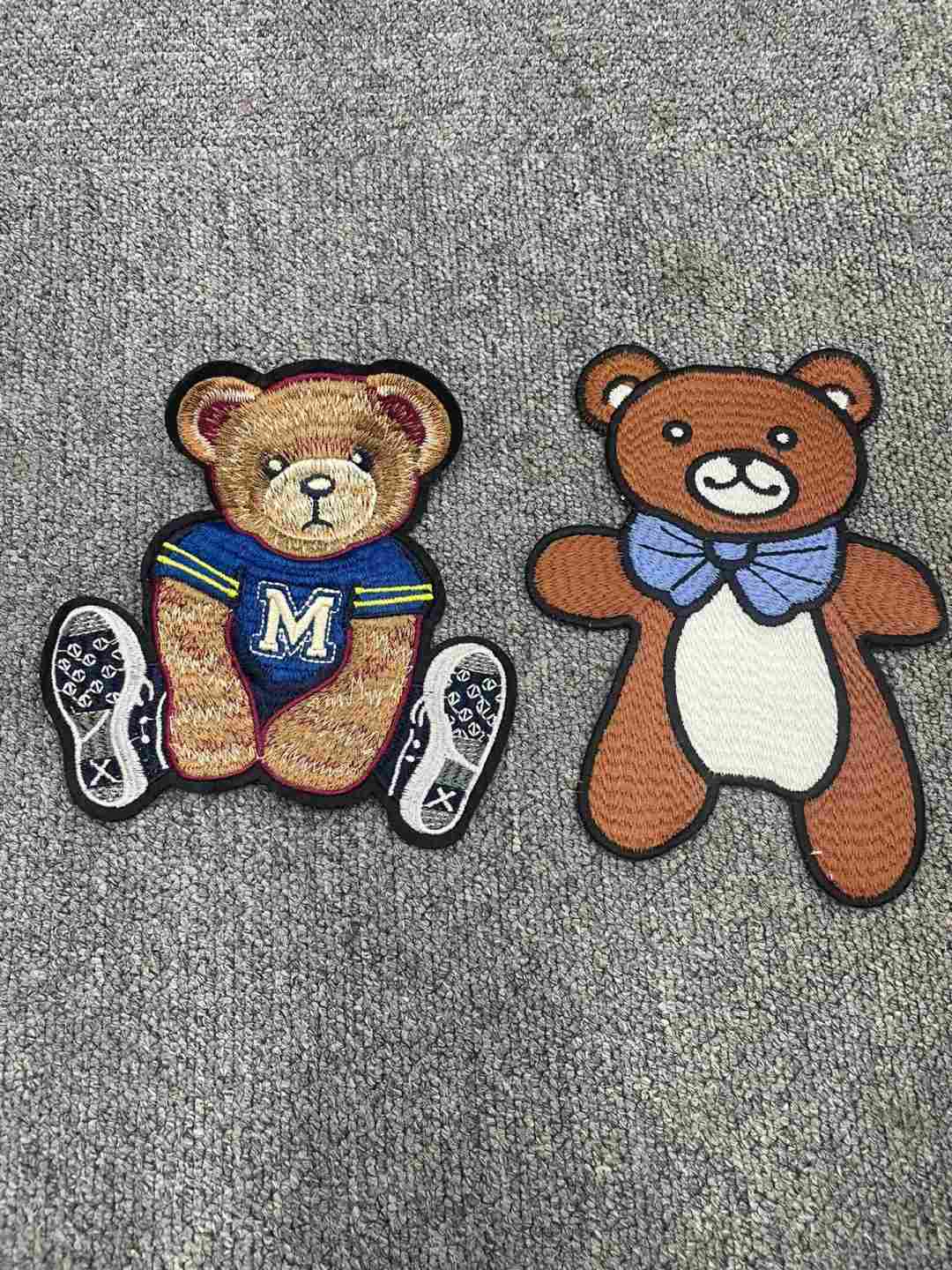
Custom accessory patches are decorative or functional fabric labels applied to apparel, bags, hats, and gear to enhance branding, personalization, and product differentiation. Typically constructed from woven polyester, embroidered twill, PVC rubber, or chenille materials, these patches range from 2 to 6 inches in diameter and serve as portable brand identifiers that can be applied, removed, or repositioned across multiple product categories. ZORWILD produces custom accessory patches with MOQs starting at 50 pieces, enabling startup brands and influencers to test designs without large inventory commitments.
Four primary attachment methods dominate the market: sew-on patches offer permanent durability for premium streetwear and workwear, iron-on patches provide consumer-friendly application for retail and promotional items, Velcro-backed patches allow tactical and military-inspired customization, and adhesive-backed patches enable quick branding for bags and accessories. Each method suits different production workflows, with sew-on patches requiring 3 to 5 minutes of machine time per garment versus iron-on application completed in under 30 seconds with heat press equipment.
Brands choose patches over direct embroidery or printing for three strategic reasons: cost efficiency when applying the same design across mixed product categories, flexibility to update branding without retooling entire production lines, and premium tactile appeal that elevates perceived product value. Fashion brands, corporate uniform suppliers, sports teams, and promotional merchandise distributors collectively purchase over 2 billion custom patches annually, with embroidered and woven patches representing 68% of global volume.
2. The Evolution of Custom Accessory Patches in Modern Branding
Military insignia dating back to World War I established embroidered patches as identity markers, followed by scout merit badges in the 1920s that popularized collectible fabric emblems. By the 1950s, motorcycle clubs and varsity athletics adopted chenille patches as symbols of achievement and belonging, creating a cultural foundation that persists in modern streetwear.
High fashion’s embrace of embroidered patches accelerated between 2010 and 2015, with luxury brands incorporating intricate embroidery and woven labels into ready-to-wear collections, elevating patches from functional identifiers to premium design elements. Simultaneously, tactical gear manufacturers adopted PVC patches for durability and weather resistance, expanding patch applications beyond apparel into outdoor equipment and military contractors’ product lines.
The 2016–2020 streetwear boom revived vintage-style chenille patches, with independent designers and influencers using oversized letterman-style emblems to evoke nostalgia and authenticity. Social media platforms enabled micro-brands to showcase custom accessory patches directly to niche audiences, bypassing traditional retail gatekeepers and validating demand before production.
Low MOQ manufacturing systems starting at 50 pieces democratized patch-based branding for startups, influencers, and small wholesalers after 2018. Factories in Dongguan and other Chinese garment hubs integrated patch production with apparel manufacturing, offering one-stop services that reduced lead times to 15–25 days and enabled rapid iteration for social media-driven product launches.
3. Types of Custom Accessory Patches Every Buyer Should Know
Understanding the six major patch categories enables buyers to align decoration with brand positioning and garment application. Each type offers distinct visual impact, durability, and cost structures that directly affect retail perception and margin.
Embroidered Patches
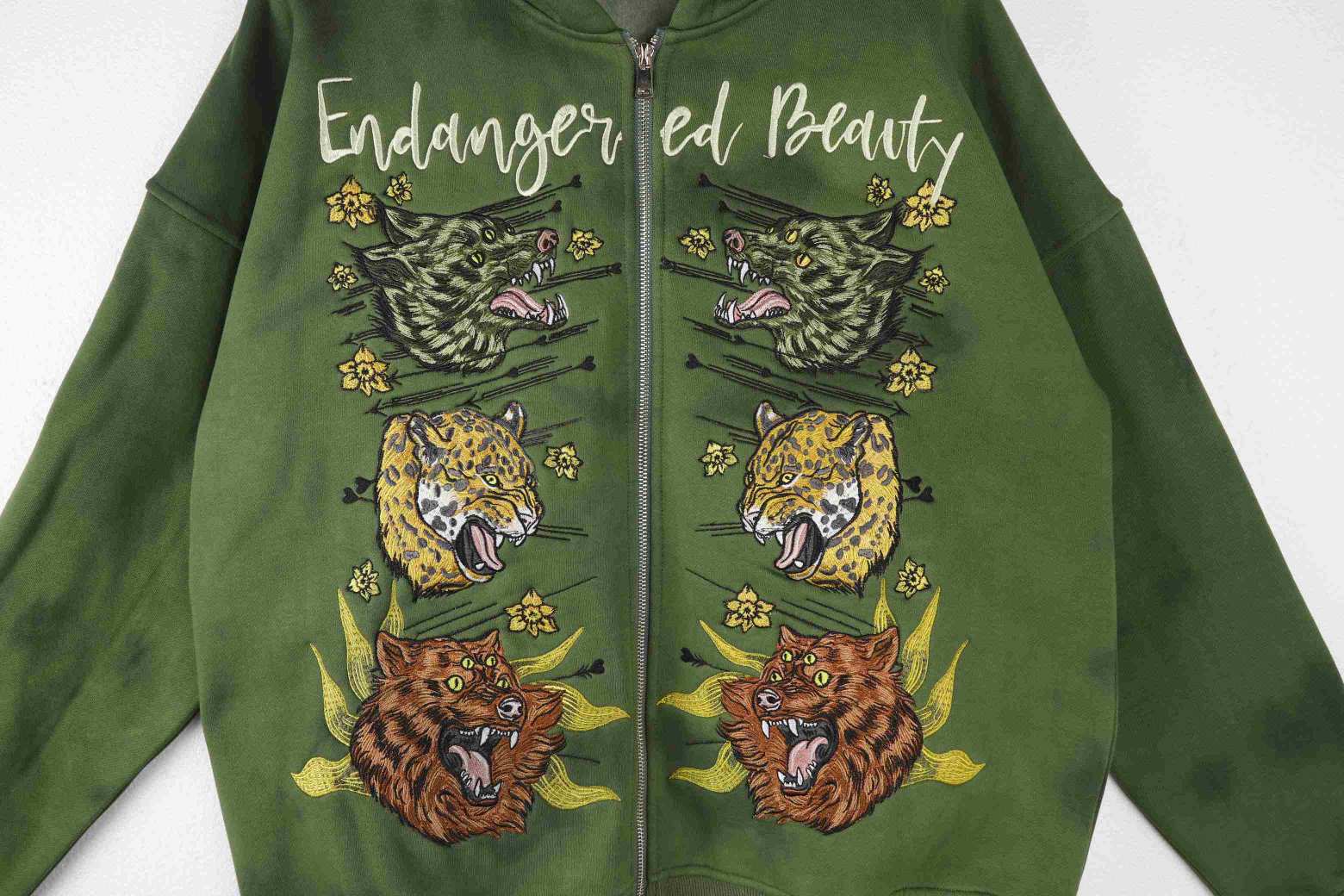
Traditional thread-on-twill construction delivers 75–100% thread coverage with raised texture and premium hand feel. Durability exceeds 50 industrial washes when properly backed, making embroidered patches ideal for outerwear, workwear, and streetwear collections.
Typical pricing ranges $0.40–$1.20 per piece at 100–500 MOQ depending on size and stitch count. Best suited for logos with bold lines, brand wordmarks, and heritage aesthetics.
Woven Patches
High-definition thread weaving captures fine text down to 1 mm line width and intricate multi-color artwork. Thinner profile than embroidery suits lightweight garments, activewear, and technical apparel.
Cost typically $0.35–$0.90 per patch with faster production cycles. Preferred for detailed crests, small typography, and fashion labels requiring refined visual clarity.
PVC and Rubber Patches
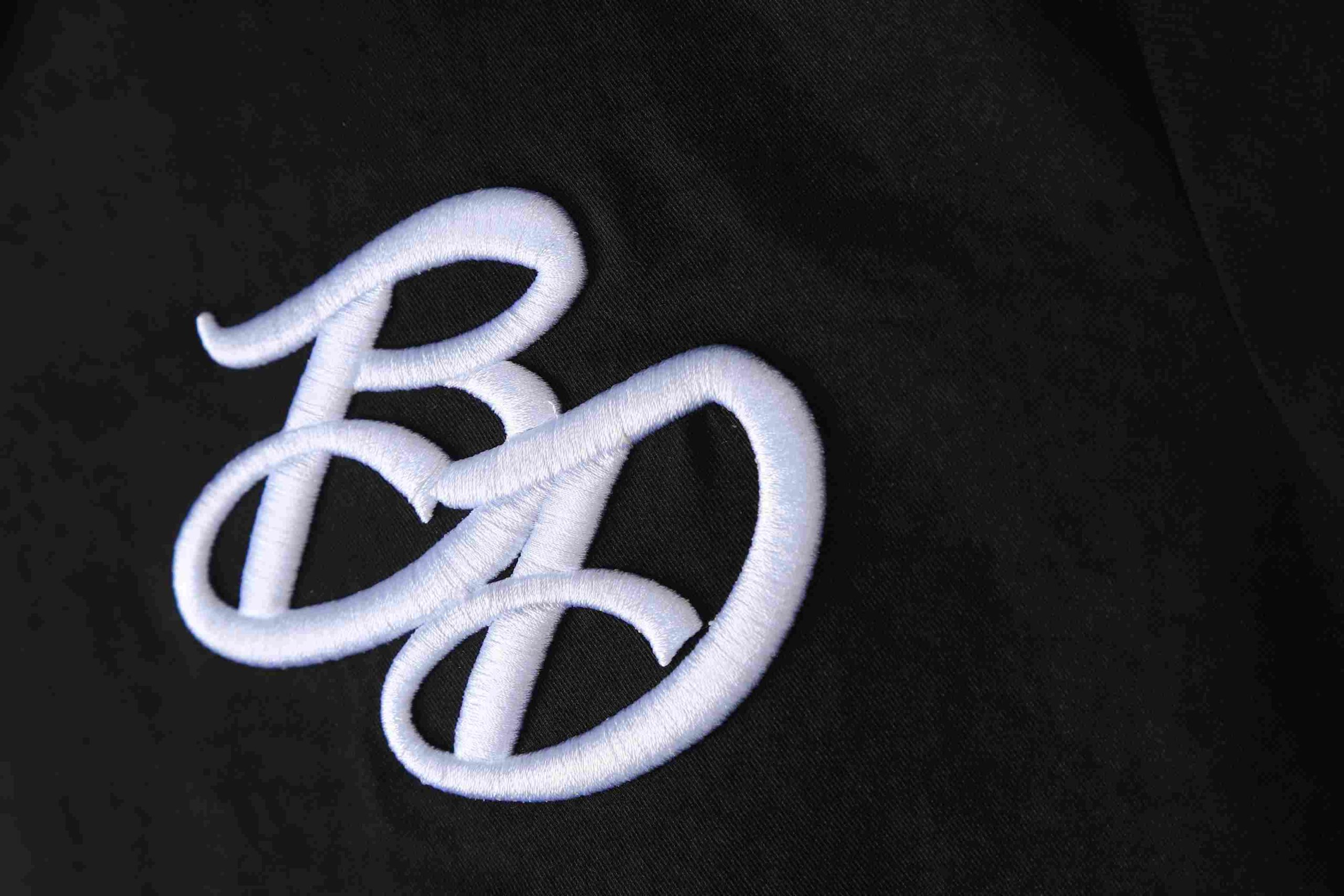
Molded silicone or PVC construction creates waterproof, 3D-raised branding with flexible durability. Resistant to abrasion, UV fading, and moisture exposure across 100+ wash cycles.
Pricing spans $0.50–$1.50 per piece depending on mold complexity. Dominates sportswear, outdoor gear, tactical apparel, and modern streetwear seeking bold dimensional graphics.
Leather Patches
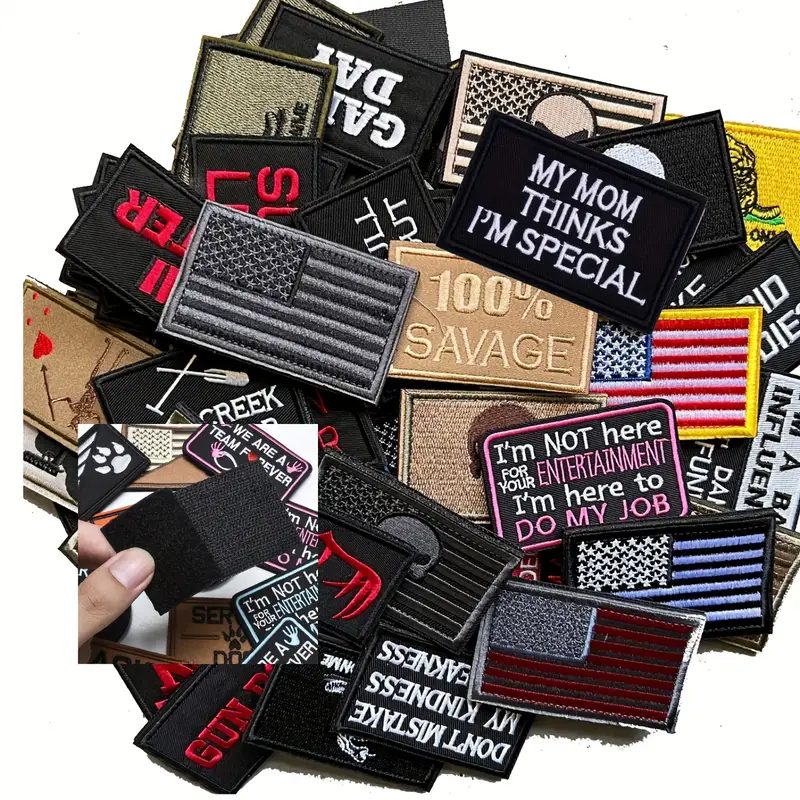
Genuine or synthetic leather with debossed, laser-etched, or embossed branding delivers luxury positioning. Natural leather develops patina over time; synthetic options offer consistent color and vegan appeal.
Cost ranges $0.80–$2.50 per patch based on leather grade and finishing technique. Premium denim, heritage workwear, and upscale casualwear brands favor leather for authenticity and tactile differentiation.
Chenille Patches
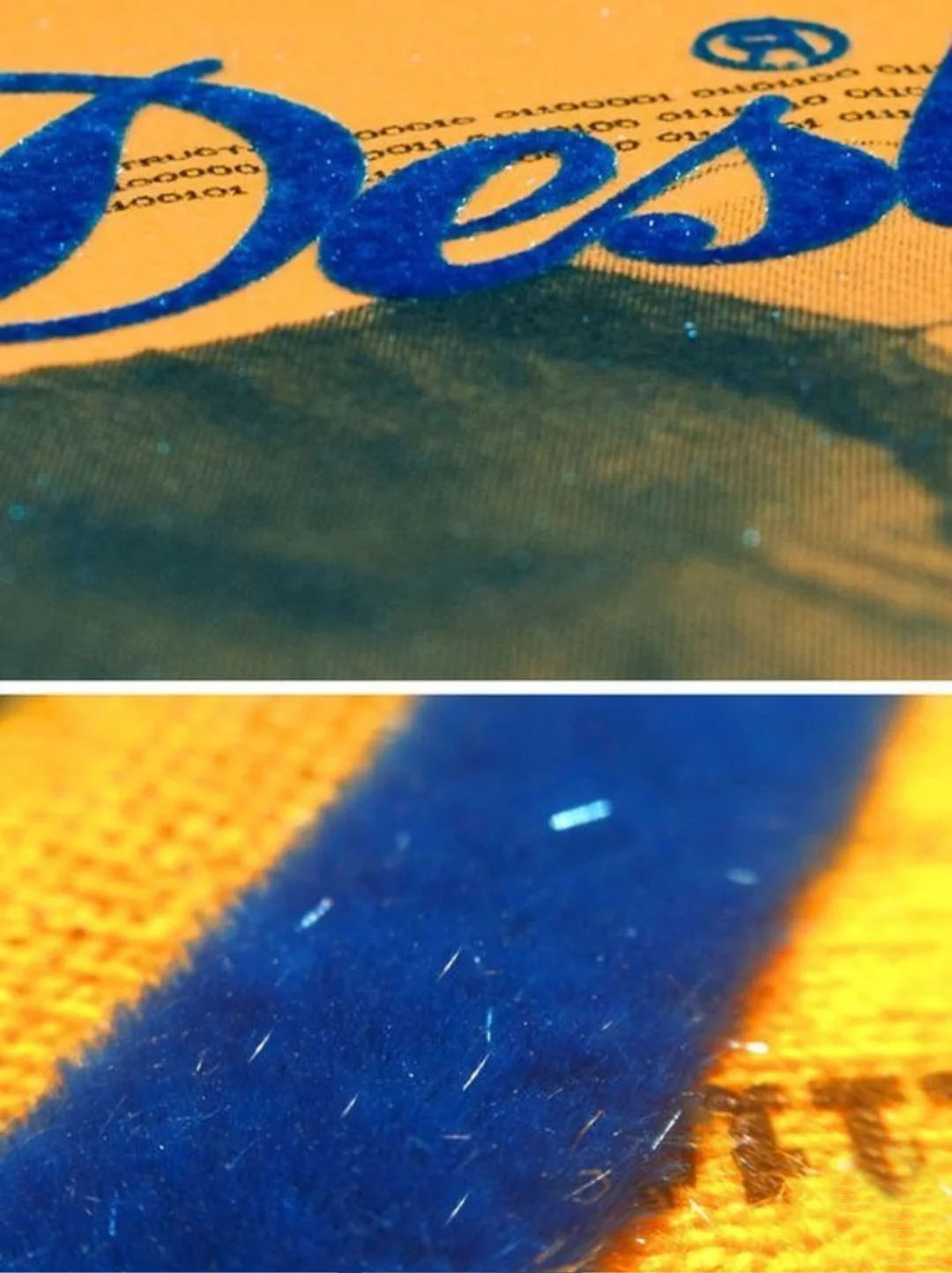
Varsity-style raised yarn loops on felt backing create retro athletic texture with 5–8 mm pile height. Iconic for collegiate branding, vintage sportswear, and nostalgic streetwear collections.
Typical pricing $1.00–$2.00 per patch due to specialized looping machinery. Best application on jackets, hoodies, and sweatshirts targeting heritage or campus-inspired aesthetics.
Printed Fabric Patches
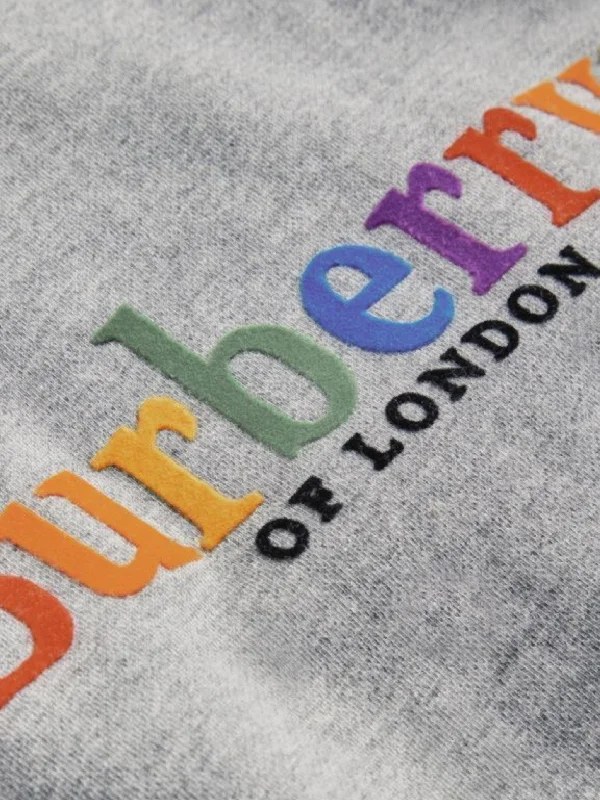
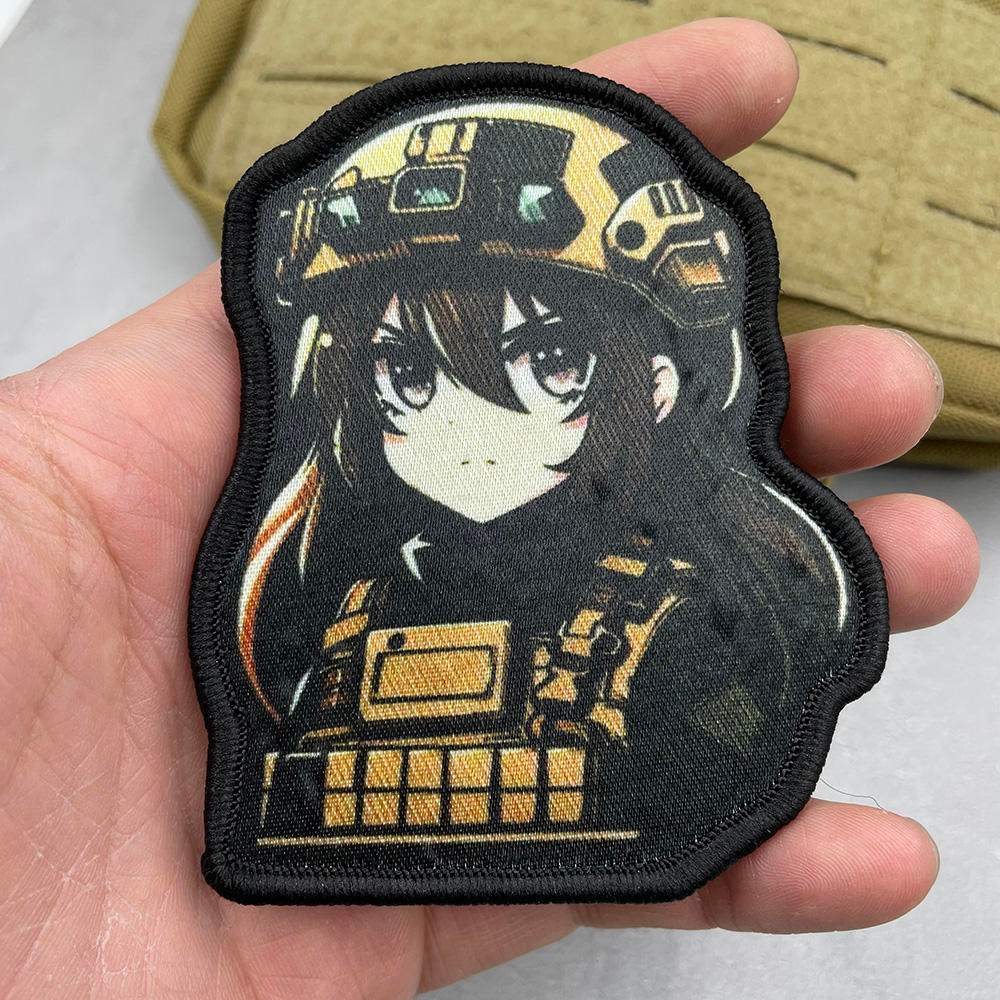
Sublimation or direct-to-fabric printing enables full-color photographic reproduction and gradient effects impossible with thread. Lightweight construction suits activewear, fashion apparel, and limited-edition capsules.
Cost averages $0.30–$0.70 per patch with no color-count penalties. Ideal for complex artwork, photo-realistic graphics, and fast-turnaround promotional collections.
4. Materials and Backing Options for Custom Accessory Patches
Material and backing choices directly impact durability, attachment ease, and customer satisfaction. ZORWILD’s 27 years of manufacturing experience ensures every custom accessory patches specification matches garment type and end-user behavior.
| Backing Type | Attachment Method | Permanence | Washability | Best Use Case |
|---|---|---|---|---|
| Heat-Seal (Iron-On) | Heat press 150–170°C | Semi-permanent | 20–30 cycles | Retail DIY, casual wear |
| Adhesive Peel-and-Stick | Pressure application | Temporary | 3–5 cycles | Sampling, seasonal items |
| Velcro Hook-and-Loop | Press-on attachment | Removable | 50+ cycles | Tactical gear, uniforms |
| Sew-On Merrowed Edge | Hand or machine stitch | Permanent | 100+ cycles | Workwear, premium fashion |
| Sew-On Laser-Cut | Hand or machine stitch | Permanent | 80+ cycles | Technical apparel, sportswear |
Base Fabric Options and Performance Trade-Offs
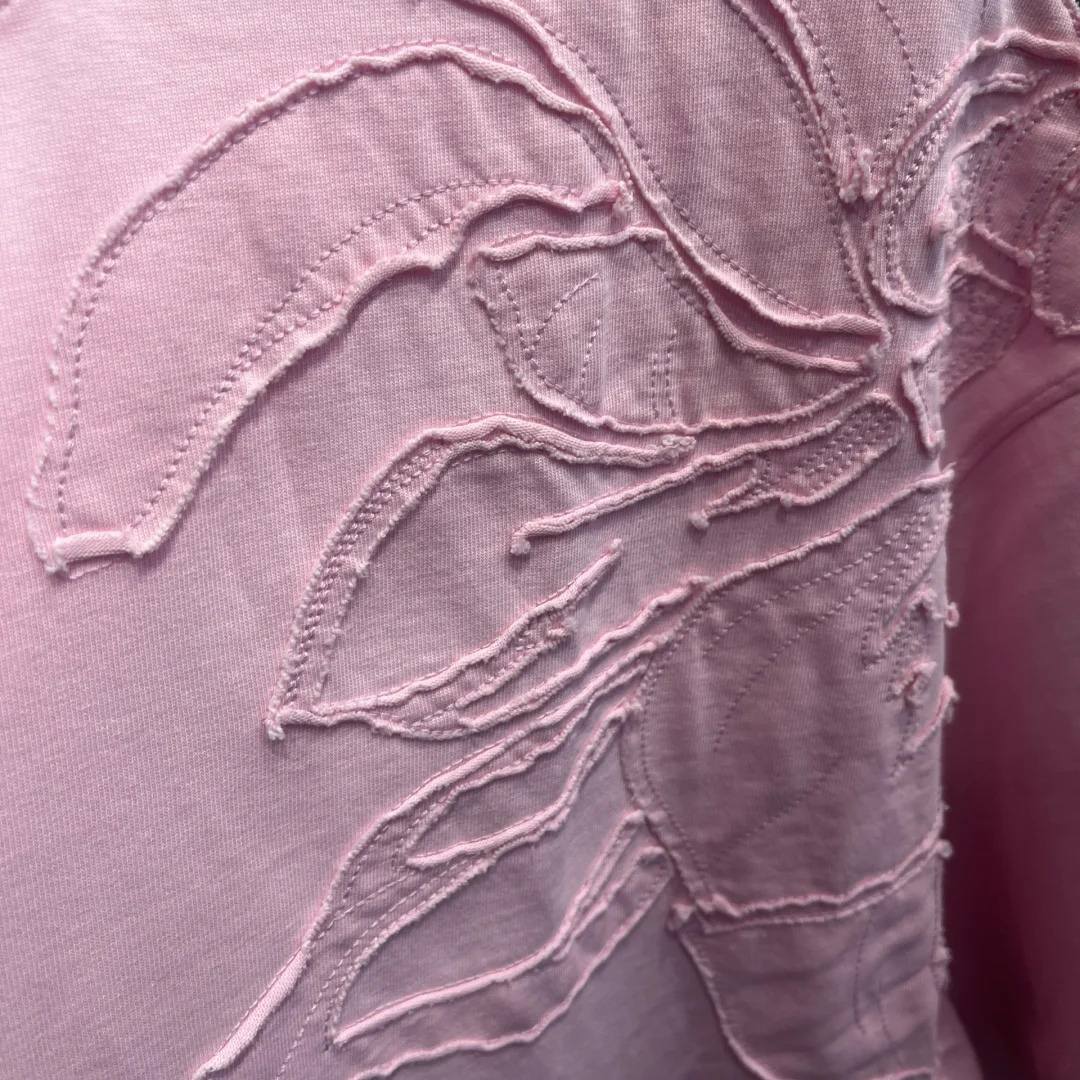
Twill fabric (200–280 GSM) delivers the sharpest embroidery definition and remains the industry standard for premium patches, offering excellent stitch density support and color vibrancy. Felt (300–400 GSM) provides a softer hand feel and vintage aesthetic but requires careful edge finishing to prevent fraying.
Canvas (280–320 GSM) suits heavy-duty applications like workwear and outdoor gear, while polyester blends (180–220 GSM) offer lightweight flexibility for activewear and technical garments. ZORWILD sources all base fabrics from trusted Chinese suppliers with consistent weight tolerance and colorfastness ratings.
Backing Types and Attachment Methods
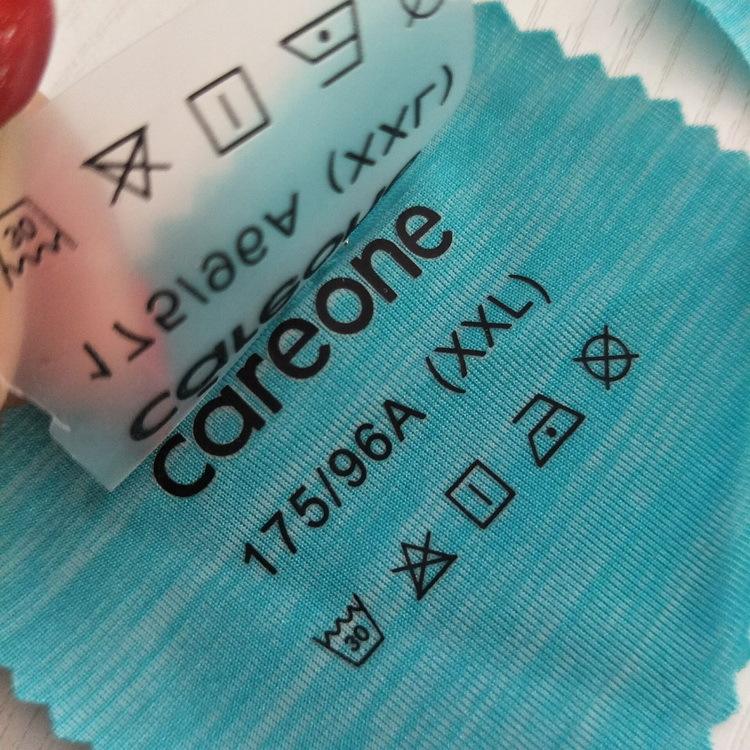
Heat-seal backing (iron-on) uses thermoplastic adhesive activated at 150–170°C for 15–20 seconds, ideal for retail customers seeking easy application without sewing skills. Adhesive peel-and-stick backing offers temporary placement for sampling or seasonal collections but withstands only 3–5 gentle wash cycles.
Velcro hook-and-loop systems enable quick patch swapping for tactical gear, uniforms, and customizable streetwear collections. Sew-on patches with merrowed edges provide permanent attachment and survive 50+ industrial wash cycles, making them the preferred choice for workwear and premium fashion brands.
5. Customization and Decoration Techniques for Custom Accessory Patches
The decoration technique you choose for custom accessory patches directly impacts detail resolution, color vibrancy, texture, and unit cost. Understanding thread count, stitch type, weaving density, and molding processes ensures your patches align with brand positioning and budget constraints.
| Technique | Min. Detail Size | Color Limit | Cost Impact |
|---|---|---|---|
| Satin Embroidery | 2 mm | 12 colors | Baseline |
| 3D Puff Embroidery | 3 mm | 8 colors | +20–30% |
| HD Woven | 1 mm | 12 colors | +20–40% |
| Standard Woven | 2 mm | 12 colors | Baseline |
| PVC Molding | 1.5 mm | Unlimited | +30–50% |
| Dye-Sublimation | 0.5 mm | Full color | +15–25% |
| Screen Print | 3 mm | 6–8 colors | Baseline |
Embroidery Thread Count and Stitch Types
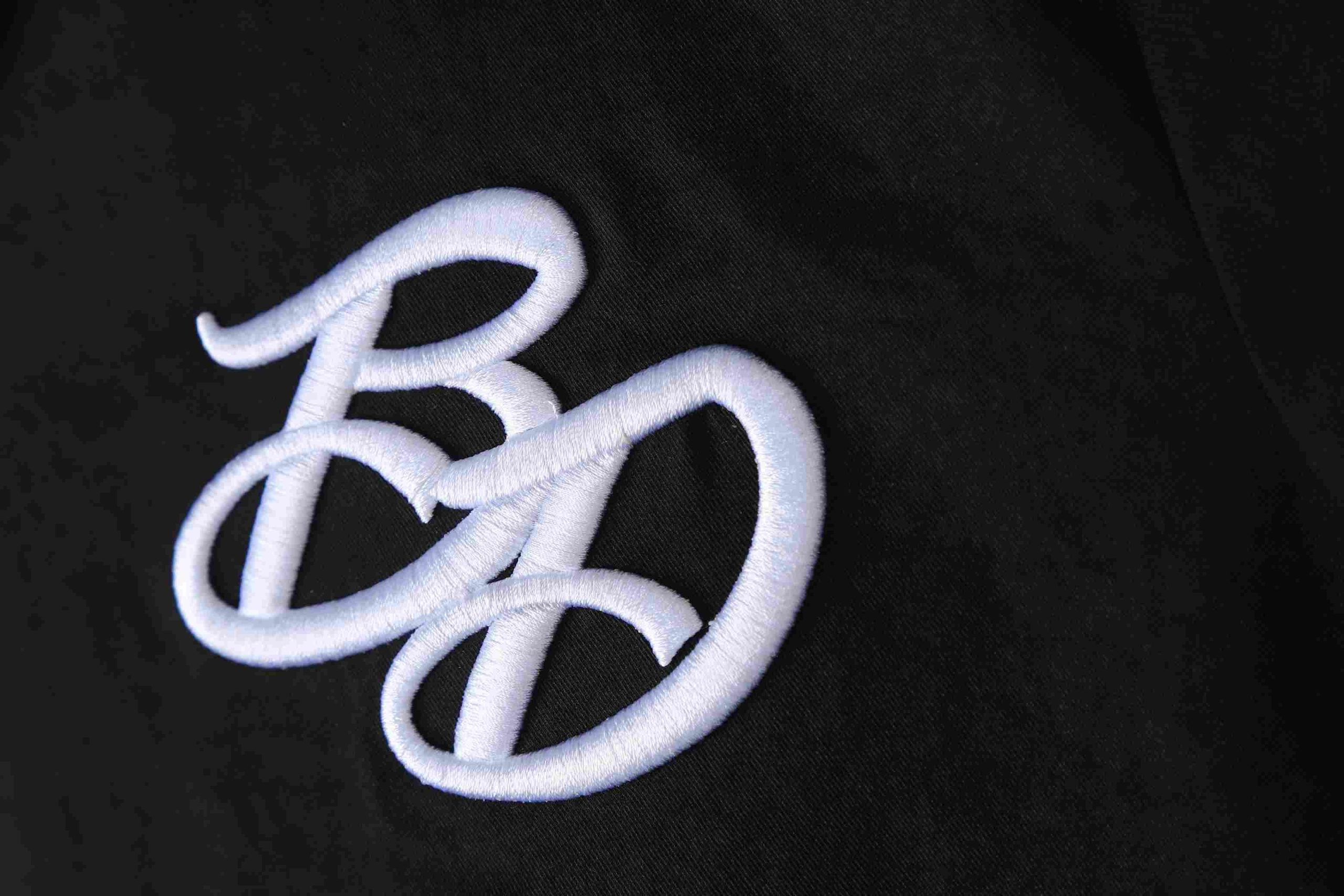
Thread count between 7,000–15,000 stitches per patch determines detail clarity and durability. Satin stitch creates smooth, flat surfaces ideal for text and simple logos. Chain stitch offers vintage texture for retro branding, while 3D puff embroidery adds raised dimension for streetwear and sports patches.
Higher stitch density increases production time and cost by 15–30% but delivers sharper edges and richer color fill. ZORWILD supports flat embroidery, 3D embroidery, chenille embroidery, and metallic embroidery with strict control of stitch density and thread quality.
Woven Density: HD vs. Standard
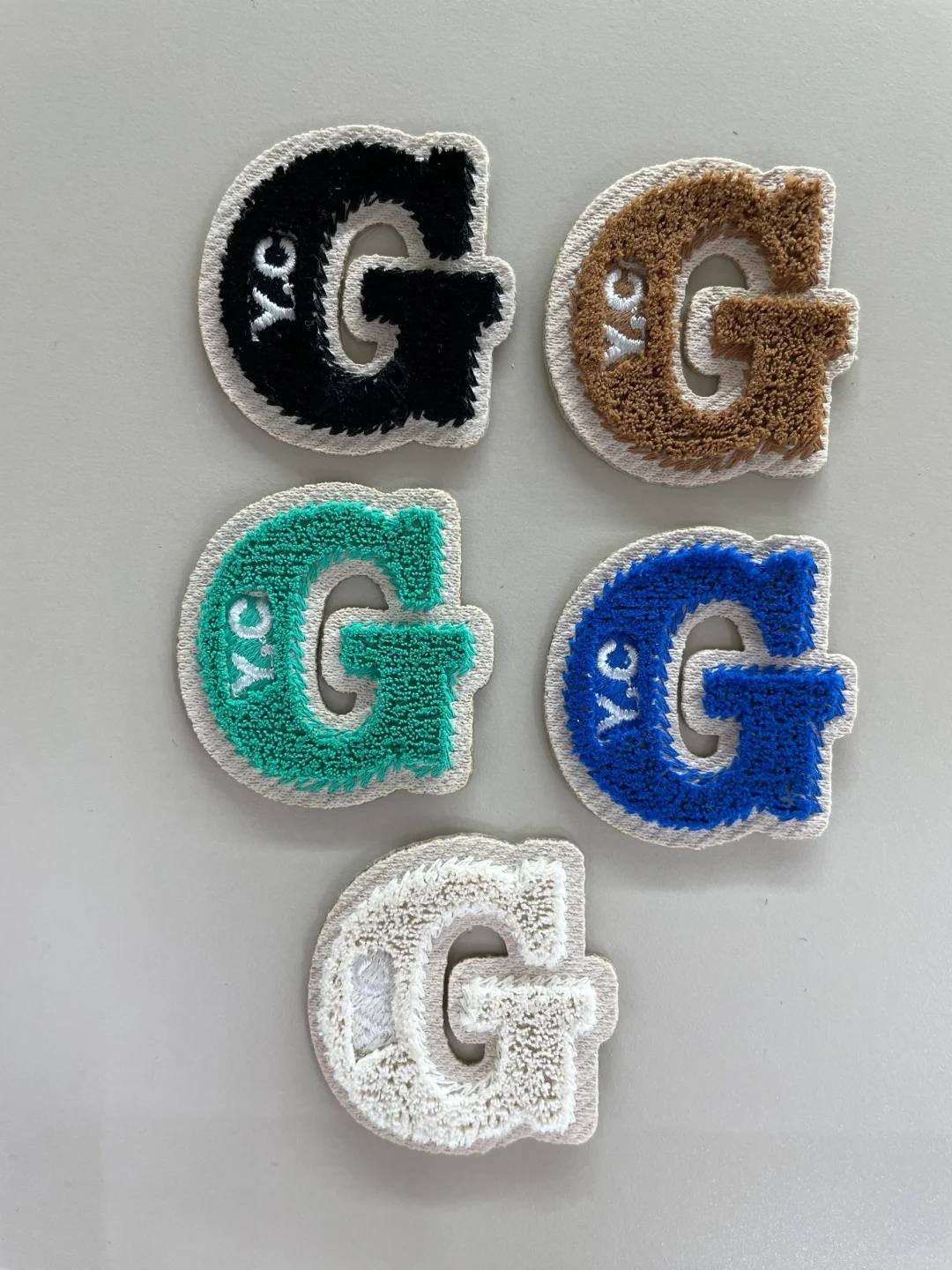
High-definition woven patches use 150–200 threads per inch versus 75–100 for standard weaving, enabling finer text down to 1 mm and complex gradients. HD woven patches cost 20–40% more but deliver photo-realistic detail for luxury brands and intricate logos.
Standard woven patches suit bold graphics, larger text, and cost-sensitive collections. Both options support up to 12 Pantone colors with excellent wash durability and minimal texture.
PVC Molding, Leather Debossing, and Fabric Printing
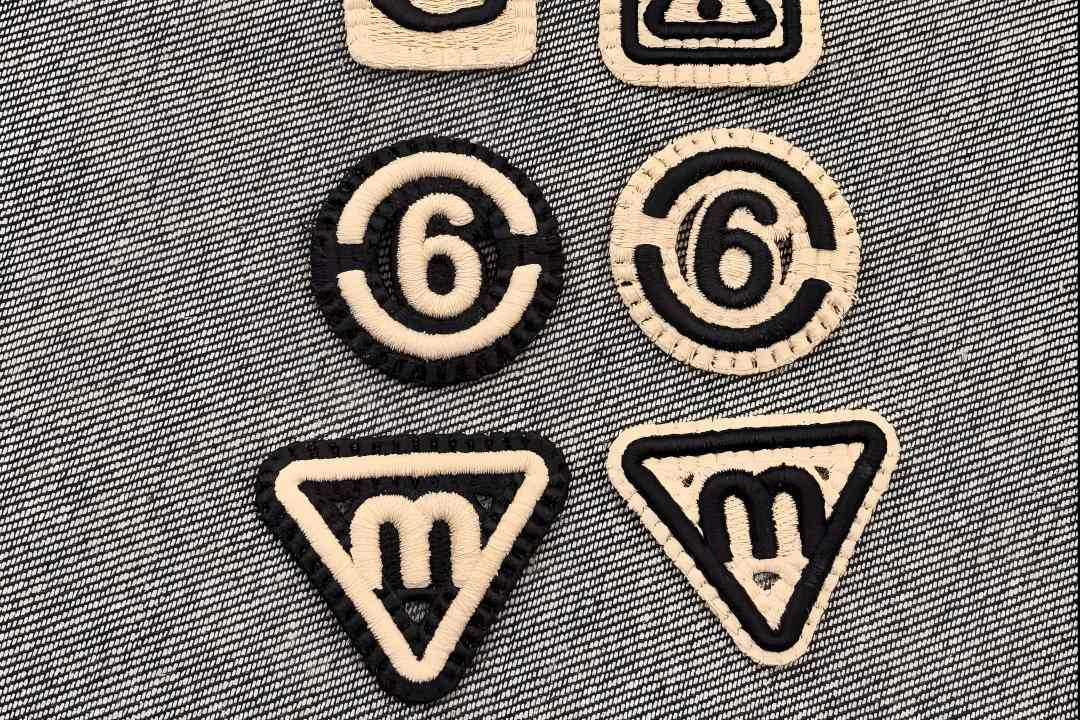
PVC molding creates waterproof, flexible patches with unlimited color matching via Pantone references, ideal for outdoor gear and sportswear. Leather debossing and foiling add premium tactile branding for high-end fashion labels.
Dye-sublimation printing on fabric patches enables full-color photographic designs on polyester substrates, while screen printing supports bold graphics on cotton or twill with excellent opacity and cost efficiency for runs above 500 pieces.
6. Key Quality Indicators When Sourcing Custom Accessory Patches
Patch quality varies dramatically between manufacturers, and defects often appear only after washing or extended wear. Professional buyers evaluate thread tension, edge finish, color stability, backing strength, and dimensional consistency before committing to production runs.
Thread Tension and Coverage Standards
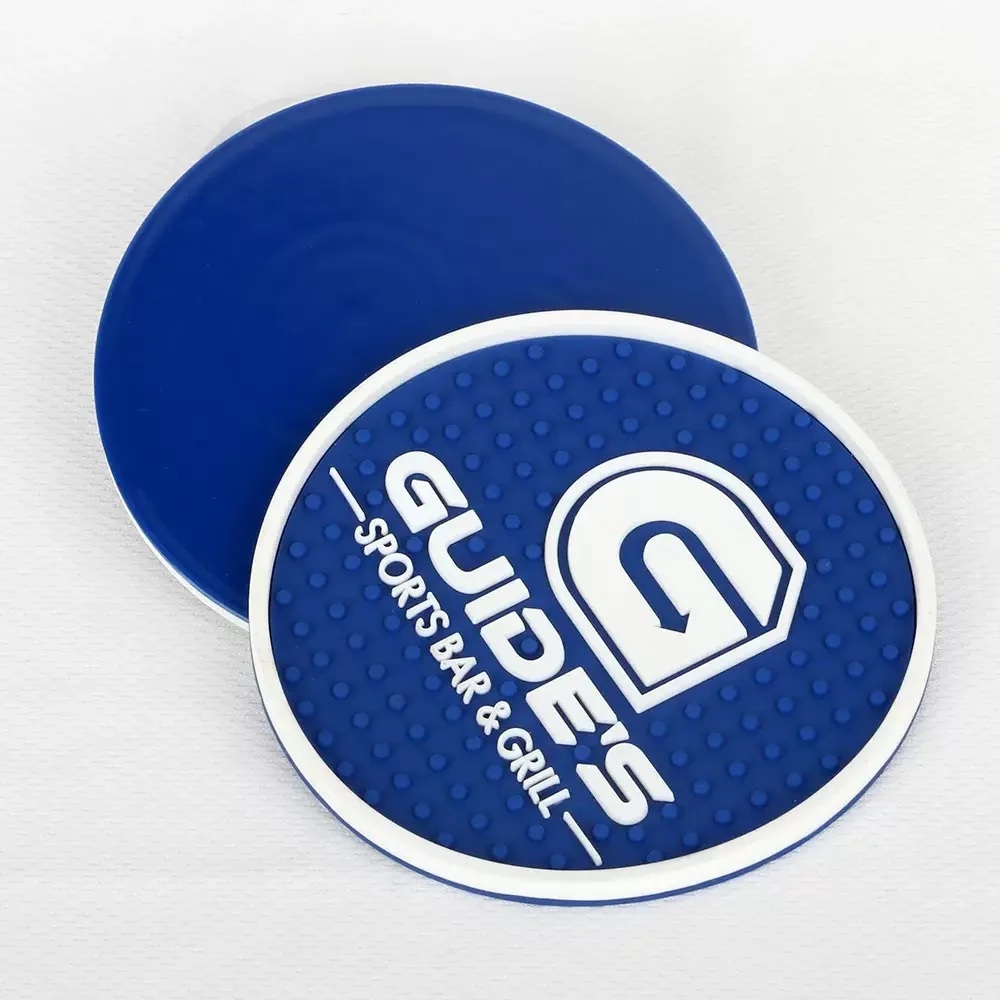
Proper embroidery tension ensures complete fabric coverage with no base material visible through stitches. Uneven tension causes puckering, thread breaks, or loose loops that unravel during washing.
ZORWILD’s embroidery systems maintain consistent stitch density across all patch sizes, ensuring uniform appearance and durability. Request close-up photos of sample patches under natural light to check for gaps or thread irregularities.
Edge Finish Precision
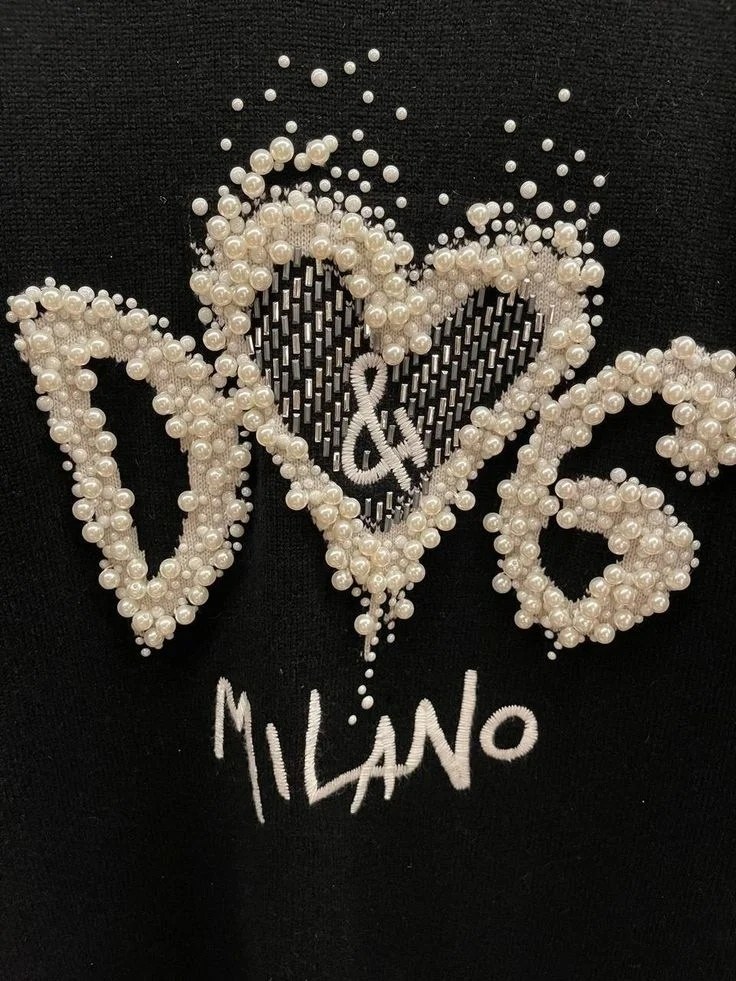
Merrowed borders (overlock stitching around edges) and laser-cut edges define patch durability and visual appeal. Clean merrowed edges prevent fraying, while precise laser cuts ensure sharp contours without melted residue.
Poor edge work shows loose threads, uneven borders, or ragged laser burns. ZORWILD applies professional finishing to all custom accessory patches, maintaining clean edges across production runs from 50 pieces to 10,000 units.
Color Fastness and Backing Adhesion
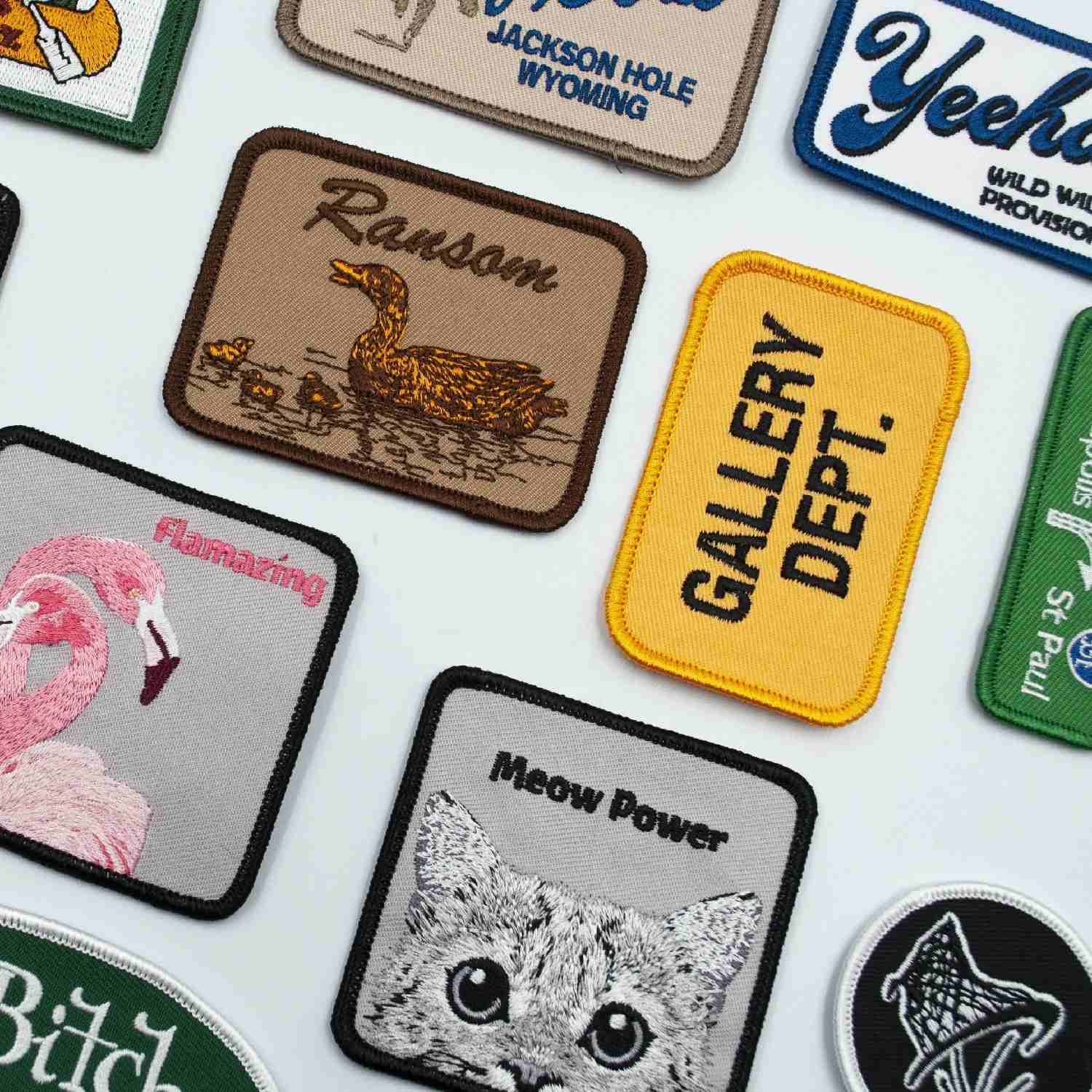
Color bleed during washing and weak heat-seal adhesive are common defects in low-cost patches. ISO-standard color fastness testing ensures threads retain vibrancy after 20+ wash cycles without dye migration.
Backing adhesion strength determines whether iron-on patches survive repeated laundering. Request wash-test reports and adhesive peel-strength data before bulk orders to avoid customer returns.
Pre-Production Sample Evaluation
Always request physical samples before mass production to verify measurements, color matching (Pantone references), embroidery density, and backing type. Compare samples against your tech pack specifications for size tolerance (±1-2 mm acceptable).
ZORWILD provides fast sampling services with detailed quality photos, allowing brands to catch design issues early and adjust production parameters before committing to full orders.
7. How to Choose the Right Custom Accessory Patches Manufacturer
Selecting the right custom accessory patches manufacturer determines both product quality and profitability. ZORWILD’s 27 years of garment manufacturing experience illustrates the difference between full-service suppliers and simple brokers—evaluate MOQ flexibility, production capabilities, certifications, and communication standards before committing.
MOQ Flexibility and Order Scalability
Minimum order quantities separate startup-friendly manufacturers from bulk-only suppliers. ZORWILD offers 50-piece MOQs for custom accessory patches, enabling influencers and small brands to test designs without inventory risk, while traditional suppliers often require 500-piece or 1,000-piece minimums that tie up capital.
Scalable production capacity matters for growth—verify that your manufacturer can handle both 50-unit test runs and 5,000-unit reorders without quality variation or extended lead times.
Sampling Speed, Cost, and Iteration Policy
Sample turnaround time ranges from 3 days for simple embroidered patches to 10 days for complex chenille or multi-layer designs. Request clear sample pricing upfront—some manufacturers charge $30 to $100 per sample, while others refund fees upon bulk order.
Iteration policies differ widely: confirm whether design revisions, size adjustments, or color corrections incur additional fees or extend timelines before committing to a supplier.
In-House Production Versus Outsourced Subcontracting
In-house facilities offer tighter quality control, faster communication, and consistent craftsmanship. ZORWILD operates its own 200-employee factory with dedicated embroidery, printing, and finishing lines—ensuring patch quality matches garment standards without third-party delays.
Outsourced production introduces variability in stitch density, thread quality, and backing adhesion. Ask whether your supplier owns production equipment or brokers orders to subcontractors, and request facility photos or audit reports.
Certifications and Compliance for Target Markets
OEKO-TEX Standard 100 certification confirms that threads, adhesives, and backings meet strict limits for harmful substances—critical for EU and North American markets. REACH compliance ensures chemical safety for European Union sales, while CPSIA certification is mandatory for children’s apparel in the United States.
Verify that your manufacturer provides test reports and certificates upon request, not generic statements. ZORWILD’s fabric and trim suppliers maintain OEKO-TEX and REACH documentation to support brand compliance requirements.
Domestic Versus Overseas Sourcing Trade-Offs
Domestic suppliers offer 7- to 14-day lead times and simplified returns but charge $2 to $5 per patch for embroidered designs. Overseas manufacturers like ZORWILD deliver $0.50 to $1.50 unit costs with 25- to 35-day sea freight timelines, reducing per-unit expense by 60 to 75 percent for volume orders.
Air freight bridges the gap—adding $0.30 to $0.80 per patch but cutting delivery to 7 to 10 days. Evaluate total landed cost including duties, freight, and payment terms rather than FOB price alone.
Portfolio Review and Client Testimonials
Request portfolio samples showing stitch density, color accuracy, edge finishing, and backing quality across embroidered, woven, PVC, and chenille patches. ZORWILD has served more than 2,000 clothing brands globally, with repeat clients in the United States, Canada, Germany, and Australia validating production consistency.
Client testimonials and case studies reveal communication responsiveness, problem resolution, and on-time delivery rates—ask for references from brands at your order volume and product complexity level.
8. Common Mistakes Buyers Make with Custom Accessory Patches
Even experienced buyers make costly errors when sourcing custom accessory patches. Understanding these pitfalls and implementing preventive measures saves time, money, and protects brand reputation across every production run.
Mismatching Patch Type and Garment Substrate
Heavy PVC patches on lightweight jersey fabrics create puckering, distortion, and poor drape. Thick rubber patches applied to stretch activewear restrict movement and cause delamination during wear.
Always match patch weight to fabric GSM. Lightweight woven or printed patches suit jersey under 180 GSM, while heavier embroidered or PVC patches require canvas, twill, or heavyweight fleece above 280 GSM for stable application and professional finish.
Skipping Wash Testing Before Bulk Orders
Many buyers approve samples based on visual appearance alone, then discover color bleeding, edge lifting, or adhesive failure after the first wash cycle. ZORWILD conducts wash testing at 40°C, 60°C, and tumble-dry cycles to verify durability.
Request wash-tested samples for every new patch construction, especially when using garment dye, acid wash, or enzyme wash finishing. Document acceptable color fade percentages and edge integrity standards before approving production.
Underestimating Custom Pantone Matching Lead Times
Custom Pantone thread matching for embroidery or exact PVC color formulation adds 5–7 days to sampling timelines. Buyers who assume standard turnarounds miss launch windows and delay retail deliveries.
Provide Pantone TPX or TCX codes at project start. Order physical color swatches for approval rather than relying on screen images, which vary by 15–30% across devices and monitors.
Ordering Without a Brand Style Guide
Inconsistent logo colors, patch sizes, and placement across batches damage brand credibility. Without documented standards, each production run introduces variables that confuse customers and complicate quality control.
Create a one-page style guide specifying Pantone codes, patch dimensions in millimeters, placement coordinates from garment seams, backing type, and acceptable color tolerance (typically Delta E ≤ 2.0 for premium brands).
9. Step-by-Step: Launching Your Brand with Custom Accessory Patches
Launching a brand with custom accessory patches requires a structured workflow that spans design, prototyping, production, and fulfillment. ZORWILD supports this end-to-end process with 50-piece MOQ production, fast sampling, and full customization services across woven, embroidered, PVC, and printed patch types.
Define Brand Identity and Patch Placement Strategy
Brand positioning determines patch style, size, and placement. Streetwear brands typically favor oversized chenille or embroidered patches on chest, sleeve, or back yoke positions, while luxury labels prefer subtle woven labels on sleeve cuffs or interior linings.
Patch placement strategy affects garment construction sequence. Front chest patches apply before collar attachment, while sleeve patches integrate during sleeve assembly to avoid hoop marks and fabric distortion.
Create or Vectorize Artwork and Select Patch Specifications
Vector artwork in AI or PDF format ensures clean stitch digitization and color accuracy. ZORWILD’s design team converts sketches, JPEGs, or reference images into production-ready vector files within 1–2 business days.
Patch type selection depends on detail complexity and budget. Woven patches reproduce fine text and gradients with thread counts up to 150 lines per inch, embroidered patches deliver premium texture for logos and icons, and PVC rubber patches offer waterproof durability for outdoor and activewear collections.
Request Quotes, Approve Samples, and Place Production Orders
Sample lead time ranges from 3–5 days for embroidered patches to 7–10 days for woven or PVC patches with custom backing and border finishes. ZORWILD provides digital mockups and physical samples for fit, color, and quality approval before bulk production.
Bulk production timelines span 10–15 days for orders under 500 pieces and 15–20 days for orders exceeding 1,000 pieces. Air freight delivers within 5–7 days, sea freight within 25–35 days, with full export documentation and customs support included.
10. Pricing and Cost Breakdown for Custom Accessory Patches
Custom accessory patches typically range from $0.50 to $5.00 per unit depending on quantity, size, complexity, and decoration method. Embroidered patches at 50-piece MOQ average $2.50–$4.00 each, while orders of 1,000+ pieces drop to $0.80–$1.50 per patch. Woven patches cost 15–25% less than embroidered versions at equivalent volumes, and printed PVC patches offer the lowest per-unit cost for simple designs.
Setup fees cover digitizing artwork, creating embroidery files, cutting dies, and first-sample development. Most manufacturers charge $30–$80 per design for embroidery digitizing, $50–$150 for woven setup, and $80–$200 for metal or leather tooling. ZORWILD includes digitizing in orders over 200 pieces, reducing upfront costs for growing brands.
Lead time directly impacts cost: standard production runs 12–18 days after sample approval, while rush orders (7–10 days) incur 20–30% surcharges. Key cost drivers include patch size (larger than 4 inches adds 30–50%), thread count and stitch density (premium embroidery uses 180,000+ stitches), color count beyond six colors, specialty backings like hook-and-loop or adhesive, metallic or glow-in-the-dark threads, and 3D puff embroidery. Buyers should request itemized quotes showing base price, setup fees, backing options, and shipping to compare suppliers accurately.
| Quantity Tier | Embroidered (per unit) | Woven (per unit) | Setup Fee | Lead Time (days) |
|---|---|---|---|---|
| 50 pieces | $2.50–$4.00 | $2.00–$3.20 | $30–$80 | 15–18 |
| 100 pieces | $1.80–$3.00 | $1.50–$2.40 | $30–$80 | 14–16 |
| 500 pieces | $1.20–$1.80 | $0.90–$1.40 | $0–$50 | 12–15 |
| 1,000+ pieces | $0.80–$1.50 | $0.60–$1.20 | $0 | 12–14 |
Ready to Add Custom Accessory Patches to Your Next Collection?
Submit your design brief today and receive a free mockup within 24 hours. 50-piece MOQ, 95%+ decoration techniques in-house, and 27 years of trusted craftsmanship.
- Custom Shirts
- Custom Hoodies
- Custom T Shirts
- Custom Dresses
- Custom Sweatshirts
- Custom Jackets
- Custom Polo Shirts
- Custom Shorts
- Custom Dress Shirts
- Contact