
Garment Interlining for Structure, Support & Professional Finish
Custom fusible and sew-in garment interlining for collars, cuffs, facings, and jacket fronts—engineered for shape retention, reinforcement, and premium quality in every structured garment. Low MOQ from 50 pieces.
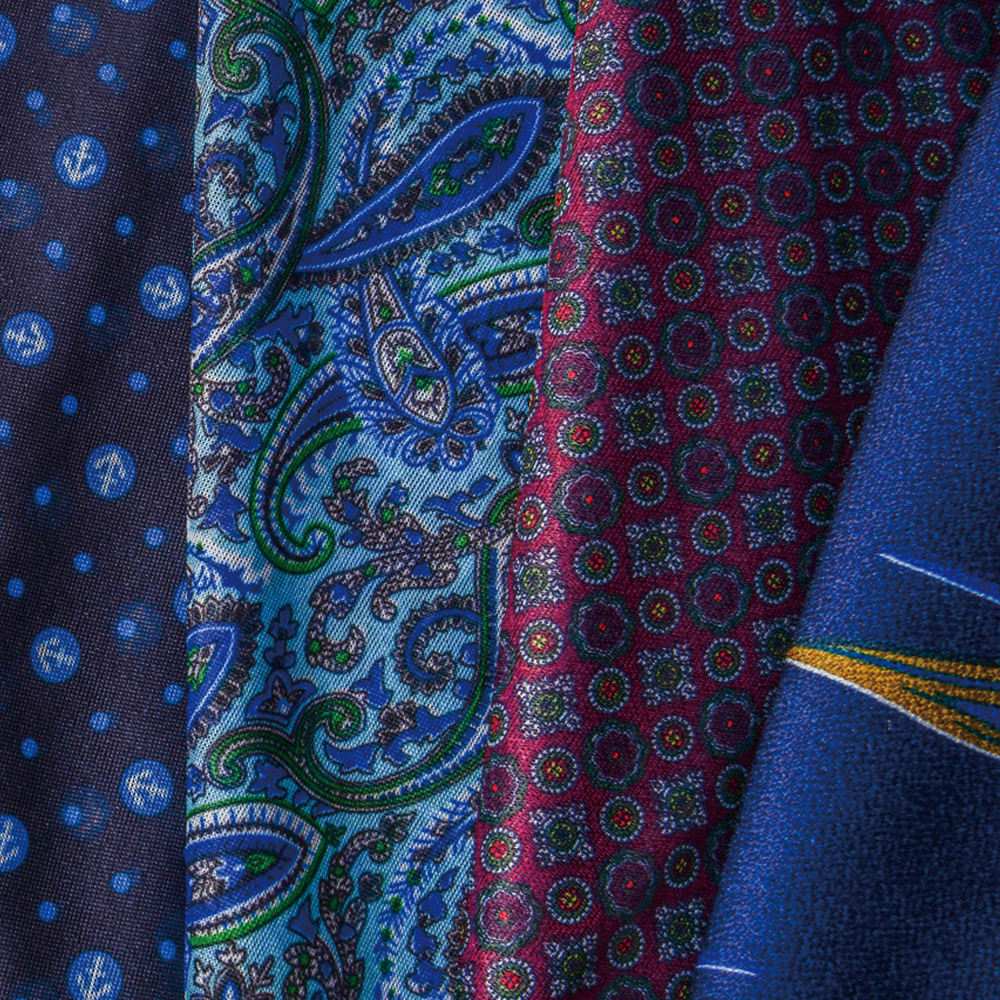
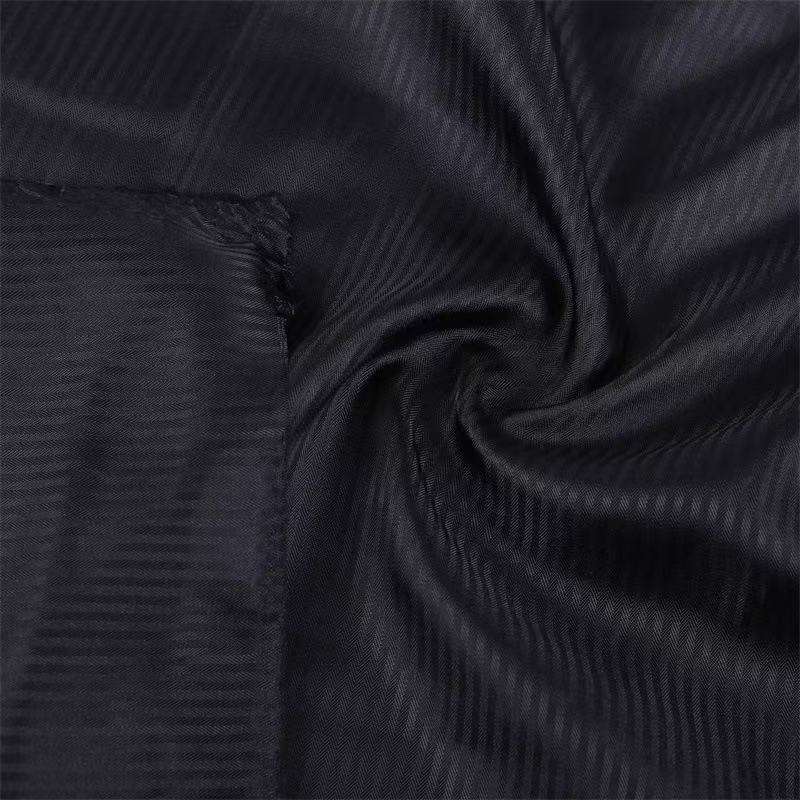
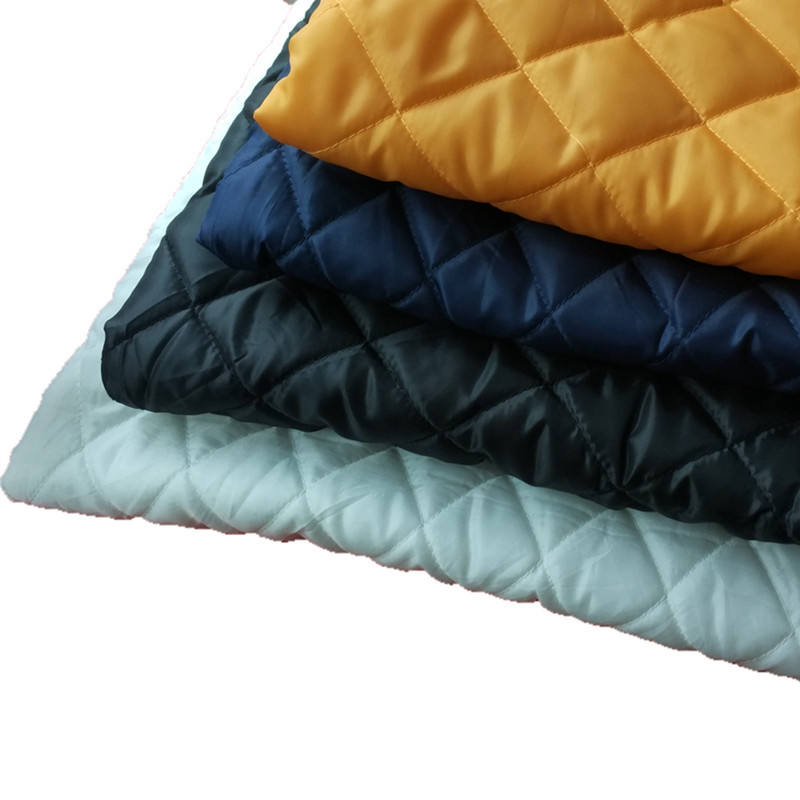
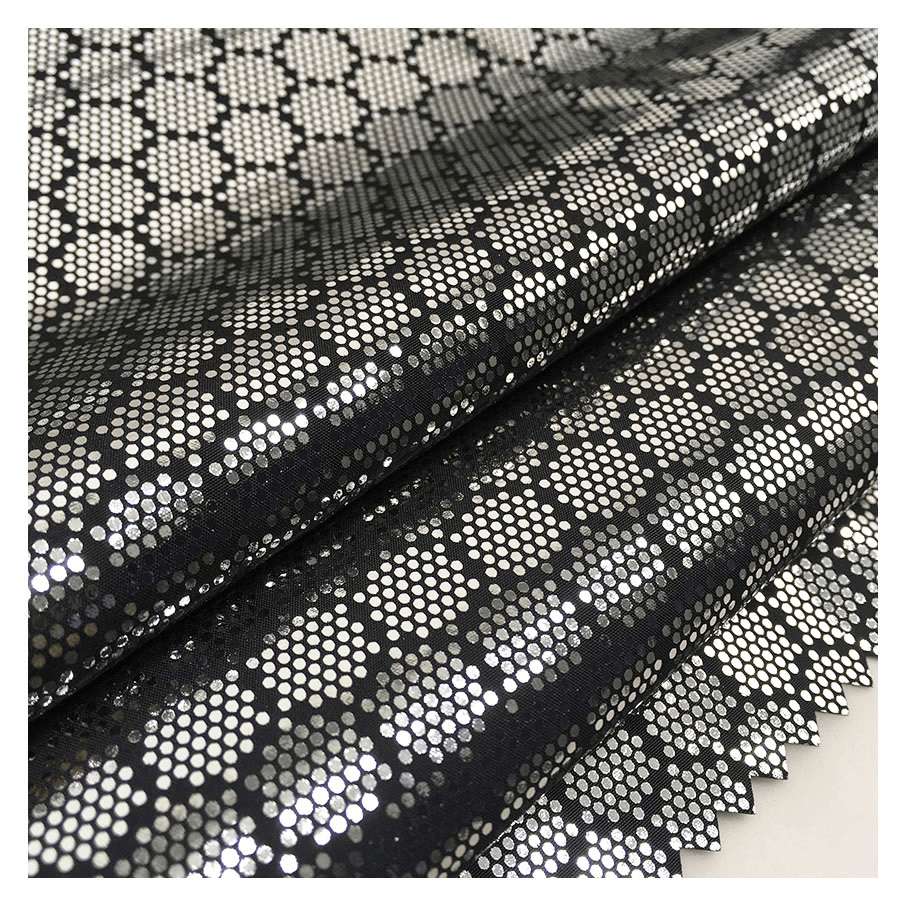
Garment Interlining Types & Styles
Why Choose Our Garment Interlining
Precision Weight Control
Engineered weight consistency across every roll ensures predictable structure and drape for collars, cuffs, plackets, and waistbands.
Reliable Fusible Bonding
Consistent adhesive distribution and activation temperature deliver permanent bonds that won’t bubble, peel, or delaminate during production.
Wash-Cycle Durability
Our garment interlining maintains structure, adhesion, and performance through repeated washing, drying, and commercial laundering cycles.
Universal Fabric Compatibility
Compatible with cotton, linen, polyester, rayon, denim, wool, and technical fabrics for shirts, jackets, dresses, and outerwear.
Customizable Stiffness Levels
Choose from soft, medium, firm, or rigid interlining options tailored to garment type, design intent, and brand positioning.
Seamless Production Integration
Pre-tested for cutting accuracy, fusing speed, and sewing compatibility to streamline your production timeline and reduce defects. Backed by our 6-stage quality control system.
Accessories & Components That Complete Your Garments
Garment Accessories & Trims
Complete branding and functional hardware for professional apparel manufacturing. ZORWILD supplies custom garment accessories including woven labels, printed labels, hang tags, rubber patches, silicone branding, metal logos, elastic waistbands, branded tape, and packaging materials. Full customization capabilities support brand identity across every touchpoint from startup collections to large-scale production runs with consistent quality standards.
Get a Quote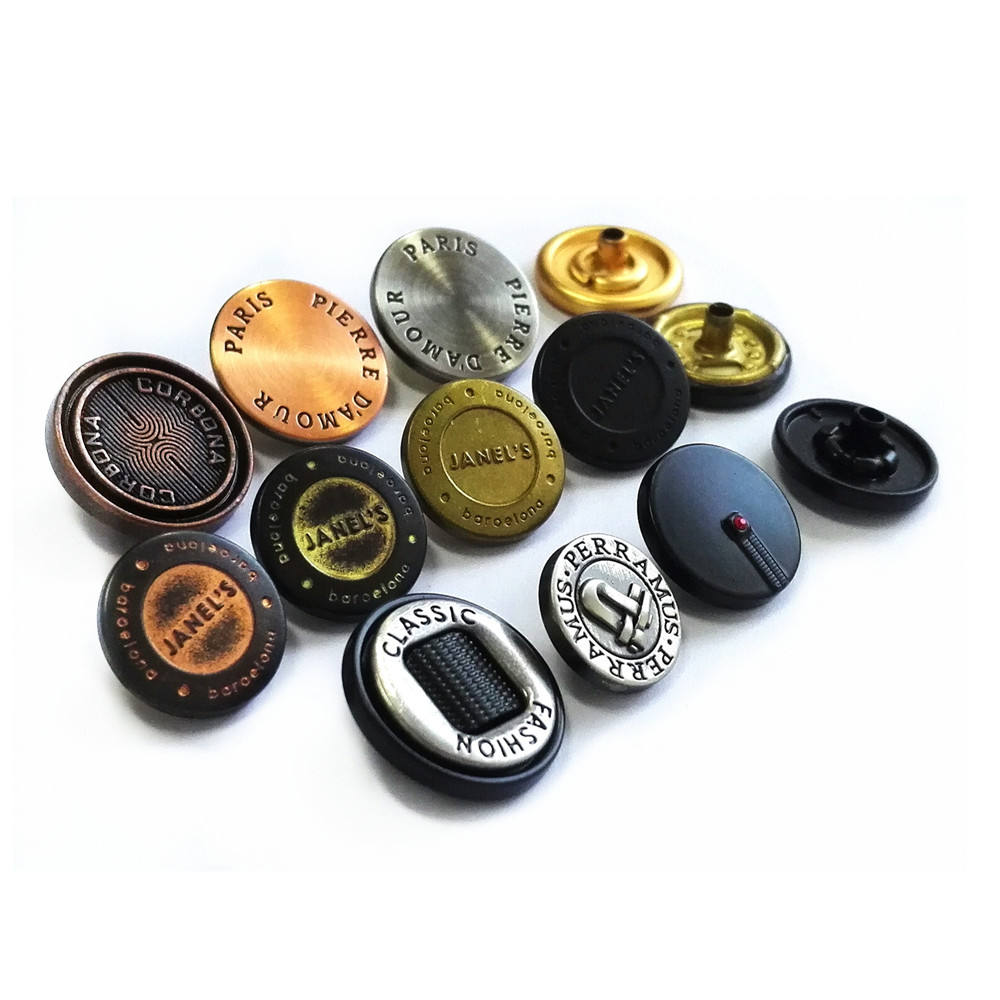
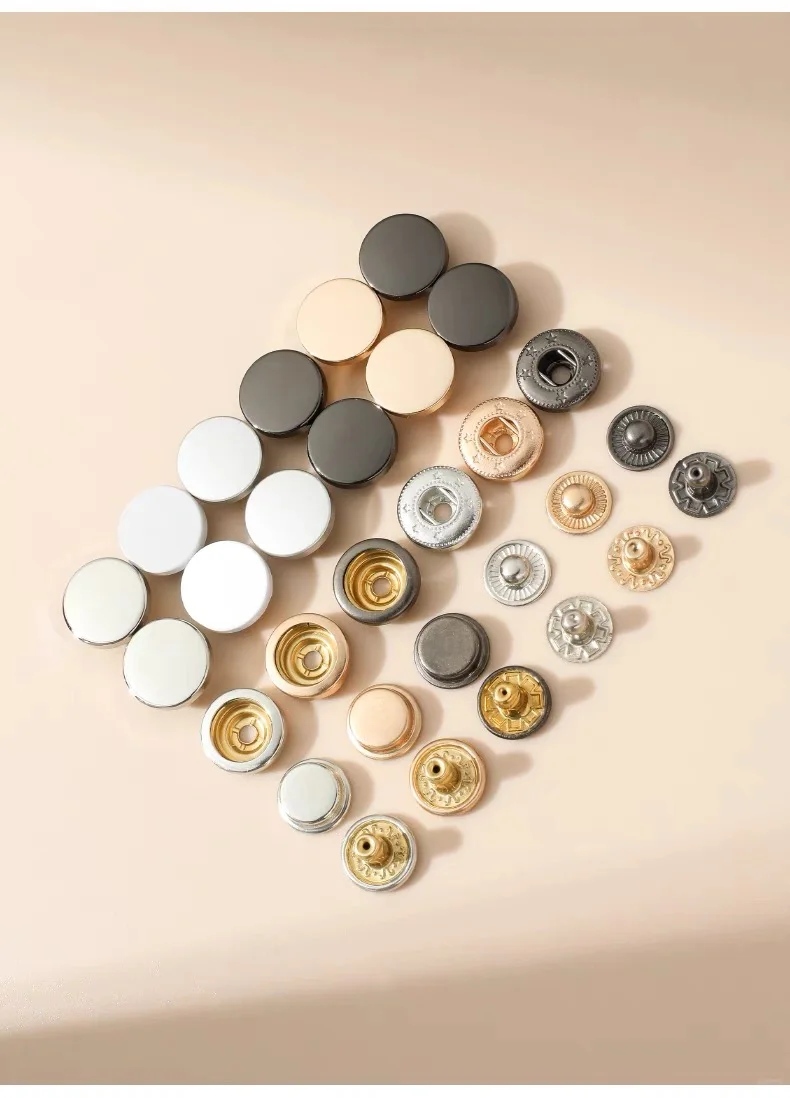
Custom Buttons
Custom buttons manufactured in metal, plastic, resin, wood, shell, and coated finishes for shirts, jackets, dresses, and outerwear. Available in standard sizes from 10mm to 40mm with engraving, logo embossing, color matching, and specialty plating. Durable construction meets garment wash requirements including stone wash, enzyme wash, and garment dye processes for long-lasting performance.
Get a Quote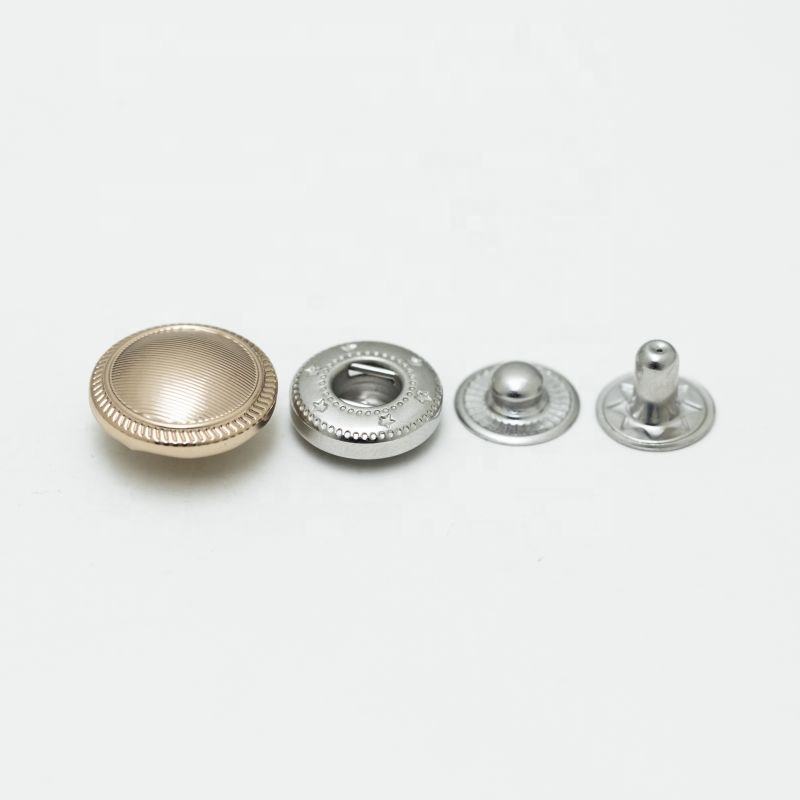
Snap Buttons
Snap button systems for jackets, shirts, babywear, and functional closures in prong snaps, post snaps, and sew-on snaps. Manufactured in brass, stainless steel, and plastic with custom logo engraving, color finishes, and cap diameters from 9mm to 18mm. Tested for pull strength, corrosion resistance, and repeated use cycles across heavyweight outerwear and delicate garments.
Get a Quote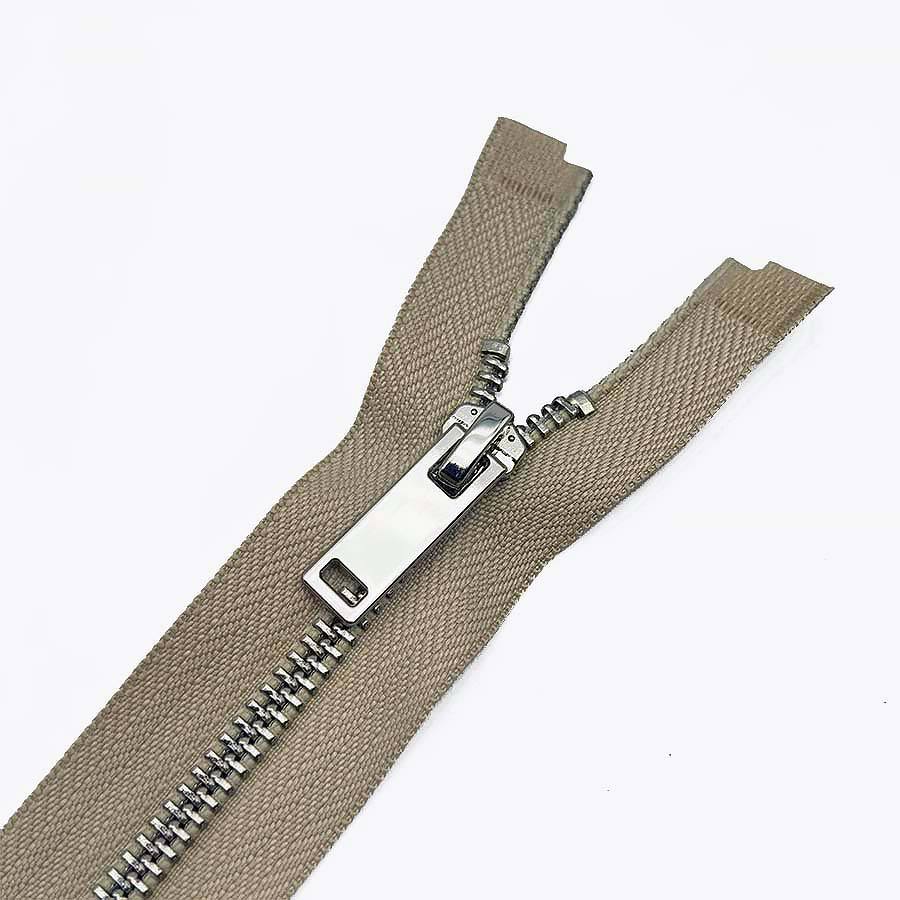
Custom Zippers
YKK and custom zipper manufacturing for hoodies, jackets, dresses, pants, and technical outerwear in metal, nylon coil, plastic molded, and waterproof styles. Available in closed-end, open-end, two-way, and invisible constructions with custom tape colors, slider finishes, logo engraving, and lengths from 10cm to 120cm. Durable performance across garment wash and heavy-use applications.
Get a Quote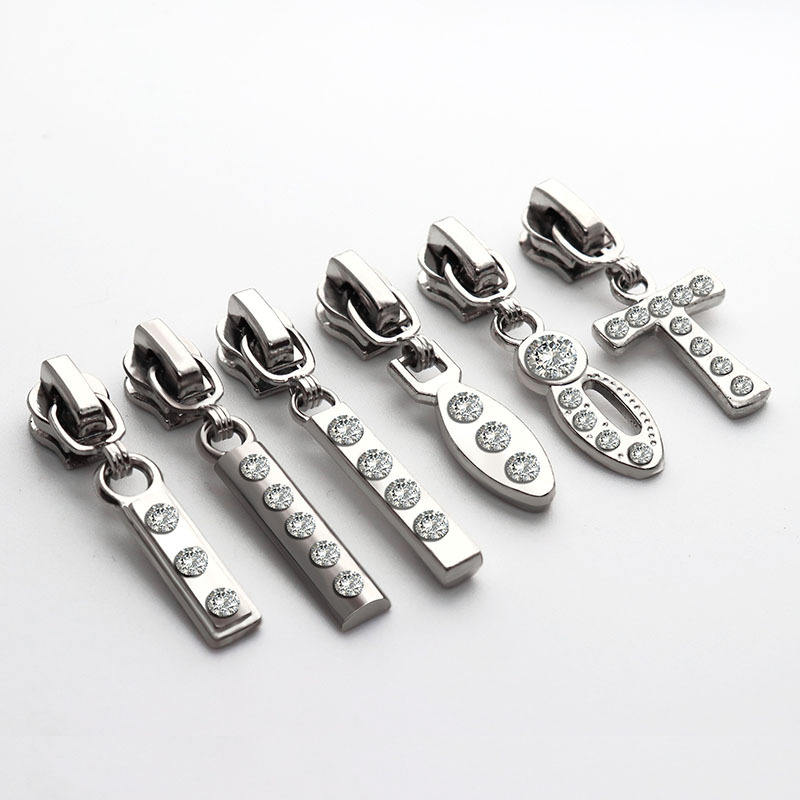
Zipper Pulls
Custom zipper pulls and slider hardware with logo engraving, embossing, custom shapes, and branded designs for premium outerwear, streetwear jackets, and fashion collections. Manufactured in metal alloy, rubber, leather, and silicone with antique finishes, polished metal, matte coatings, and color matching. Enhances brand identity and elevates garment detail quality across all product categories.
Get a Quote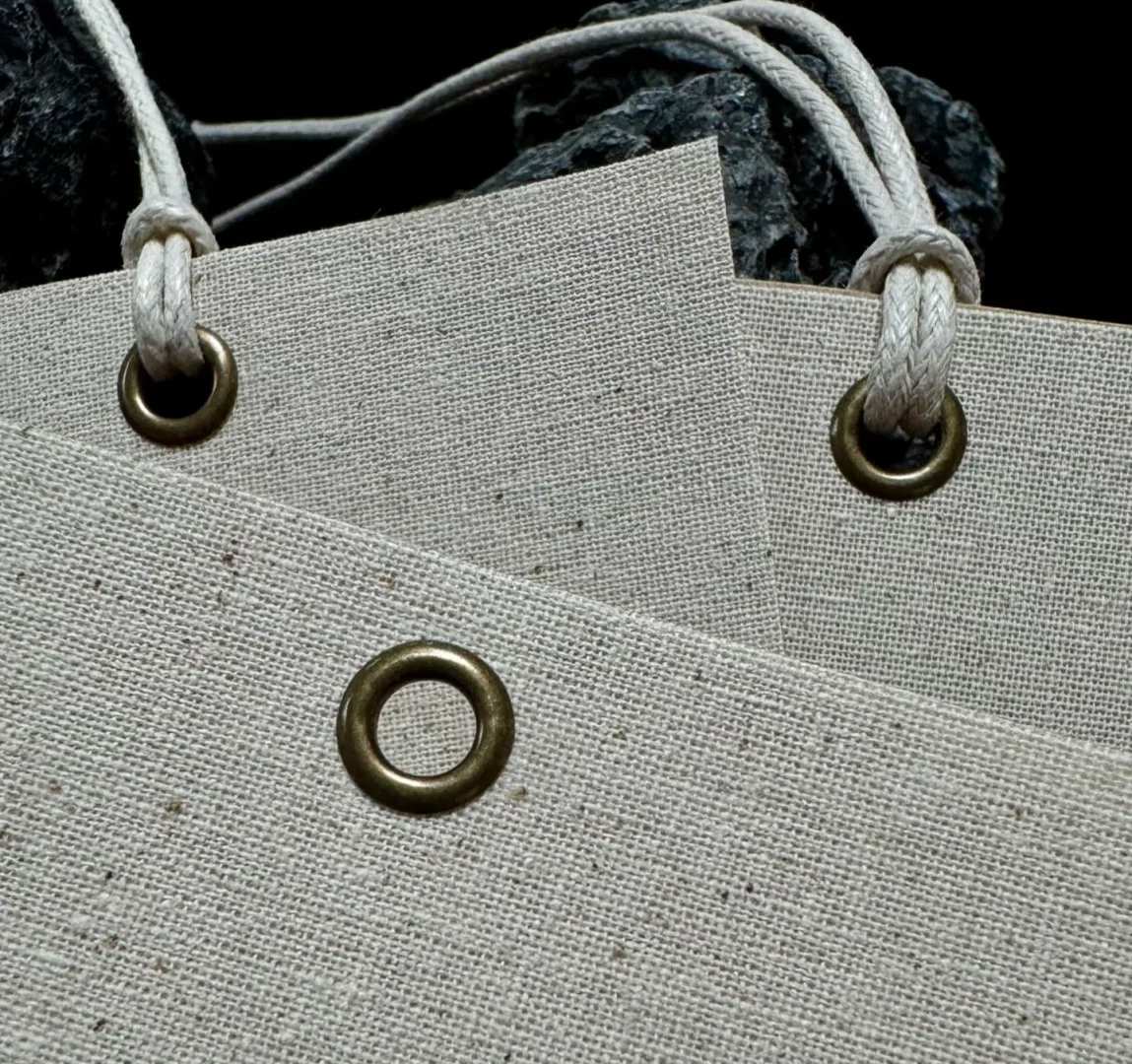
Eyelets & Grommets
Metal eyelets and grommets for hoodies, jackets, lace-up garments, and decorative applications in brass, aluminum, stainless steel, and painted finishes. Available in sizes from 3mm to 20mm inner diameter with rust-resistant coatings and reinforced construction. Applied using professional setting equipment ensuring secure placement, consistent appearance, and durability through garment wash and repeated stress.
Get a Quote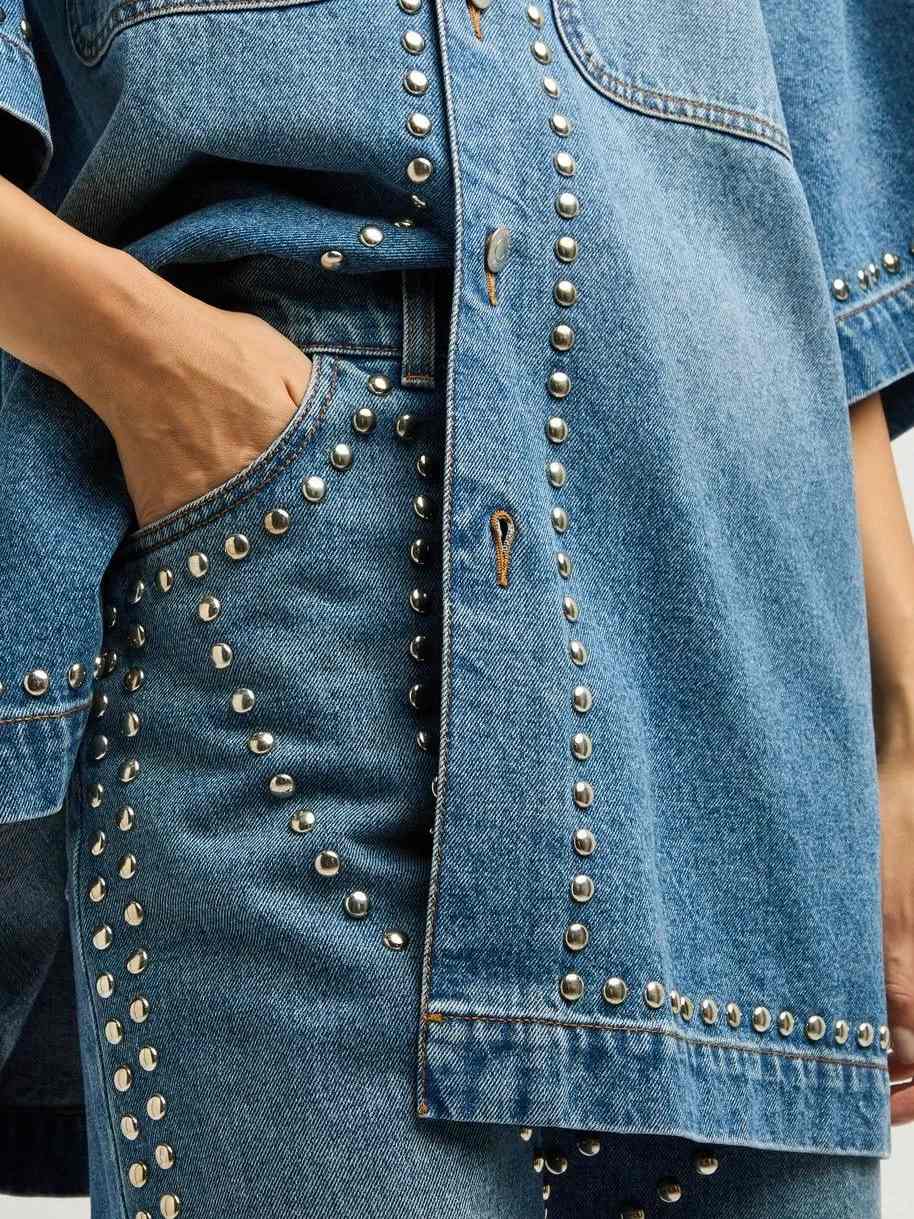
Rivets
Metal rivets for denim, workwear, jackets, and reinforced stress points in copper, brass, stainless steel, and antique finishes. Available in tubular rivets, double-cap rivets, and decorative styles with custom logo embossing and diameter options from 6mm to 12mm. Secure fastening withstands heavy-duty use, stone wash treatments, and high-tension areas for long-lasting garment construction.
Get a Quote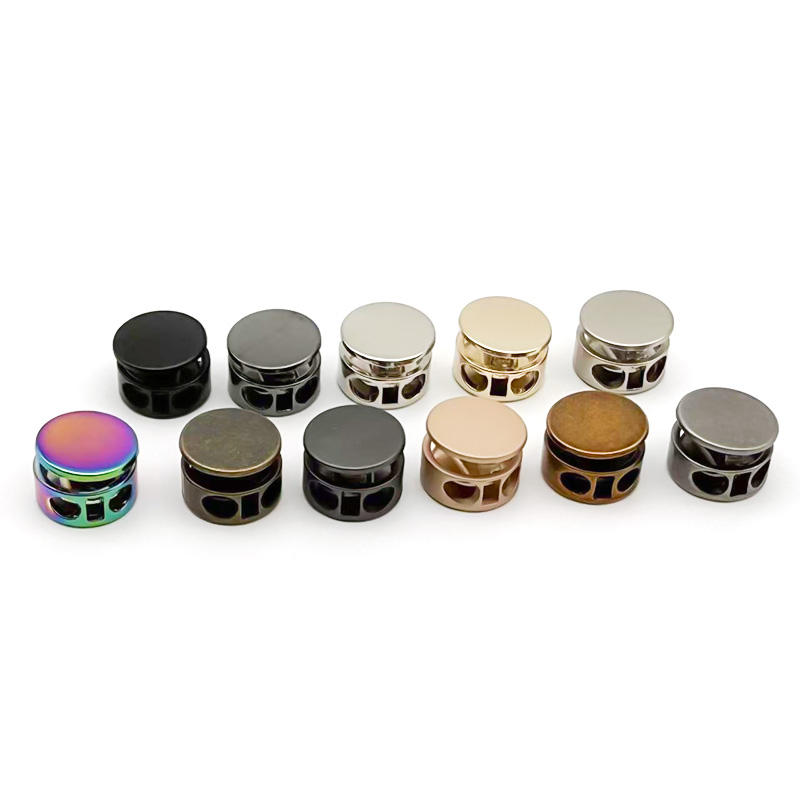
Drawstrings
Custom drawstrings and drawcords for hoodies, sweatpants, joggers, jackets, and activewear in flat braid, round cord, elastic cord, and woven tape styles. Available in cotton, polyester, nylon, and blended materials with custom colors, tipping styles, logo weaving, and widths from 3mm to 15mm. Durable construction maintains shape and color through garment wash and repeated adjustment cycles.
Get a Quote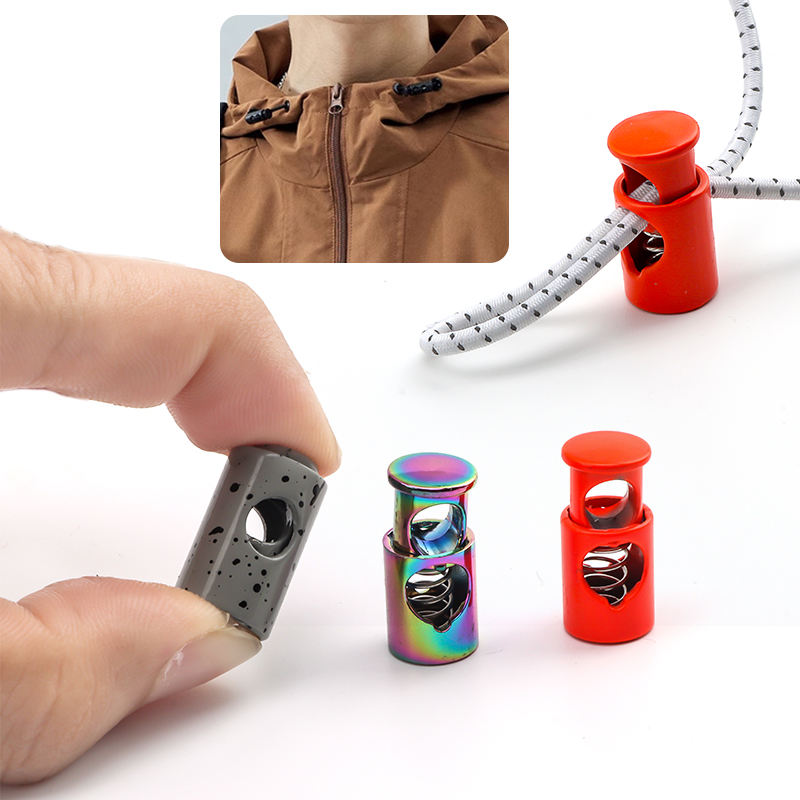
Cord Locks & Stoppers
Cord locks, toggles, and stopper hardware for drawstrings in hoodies, outerwear, sportswear, and bags. Manufactured in plastic, metal, and silicone with spring-loaded mechanisms, barrel locks, toggle stoppers, and push-button styles. Available with custom logo engraving, color matching, and sizes compatible with cord diameters from 3mm to 10mm for secure adjustment and professional finishing.
Get a QuoteGarment Interlining Backed by 27 Years
Founded in 1998 in Humen, Dongguan, ZORWILD has spent over 27 years mastering every detail of apparel manufacturing, from fabric sourcing and garment interlining application to finishing and quality control. Our integrated production system ensures every component—including fusible and sew-in interlining—is sourced, tested, and applied with precision to deliver structure, durability, and professional finish.
Today, ZORWILD operates a full-scale facility in Humen, Dongguan with 100,000+ units monthly production capacity, serving more than 2,000 clothing brands worldwide. Our in-house garment interlining capabilities support collars, cuffs, plackets, waistbands, and reinforcement zones across shirts, jackets, dresses, and outerwear. With low MOQ starting at 50 pieces and a 6-stage quality control system, we help startup brands and established labels achieve consistent, professional results.
What sets ZORWILD apart is our ability to integrate garment interlining seamlessly into every stage of production—from tech pack development and sampling to bulk manufacturing and final inspection. Whether you need lightweight fusible interlining for casual shirts or heavyweight sew-in options for structured jackets, our team ensures every detail supports your brand’s quality standards and design vision.
Garment Interlining Application & Quality Control Standards
Weight Selection & Fusibility Testing
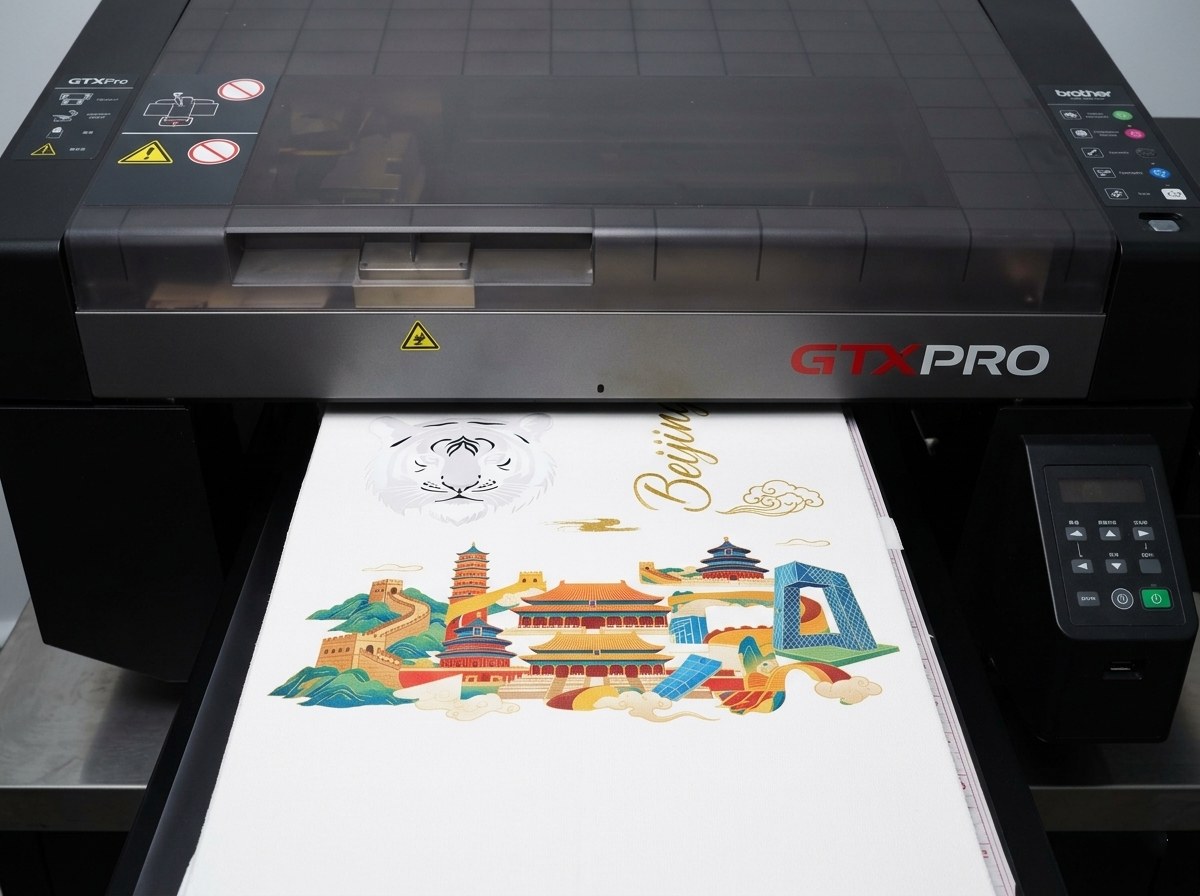
Every garment interlining project begins with precise weight classification and adhesion testing. Our technical team evaluates fabric weight, garment structure, and end-use requirements to select light, medium, or heavy interlining grades that deliver the exact support your design demands without compromising drape or comfort.
- Light (20–40 gsm) for soft collars, cuffs, and lightweight shirt fronts
- Medium (50–80 gsm) for structured jackets, blazers, and tailored garments
- Heavy (90–120 gsm) for outerwear, waistbands, and high-structure applications
- Pre-production fusibility tests ensure consistent bond strength across all fabric types using our 6-stage quality control system
Edge Sealing & Backing Adhesion Control
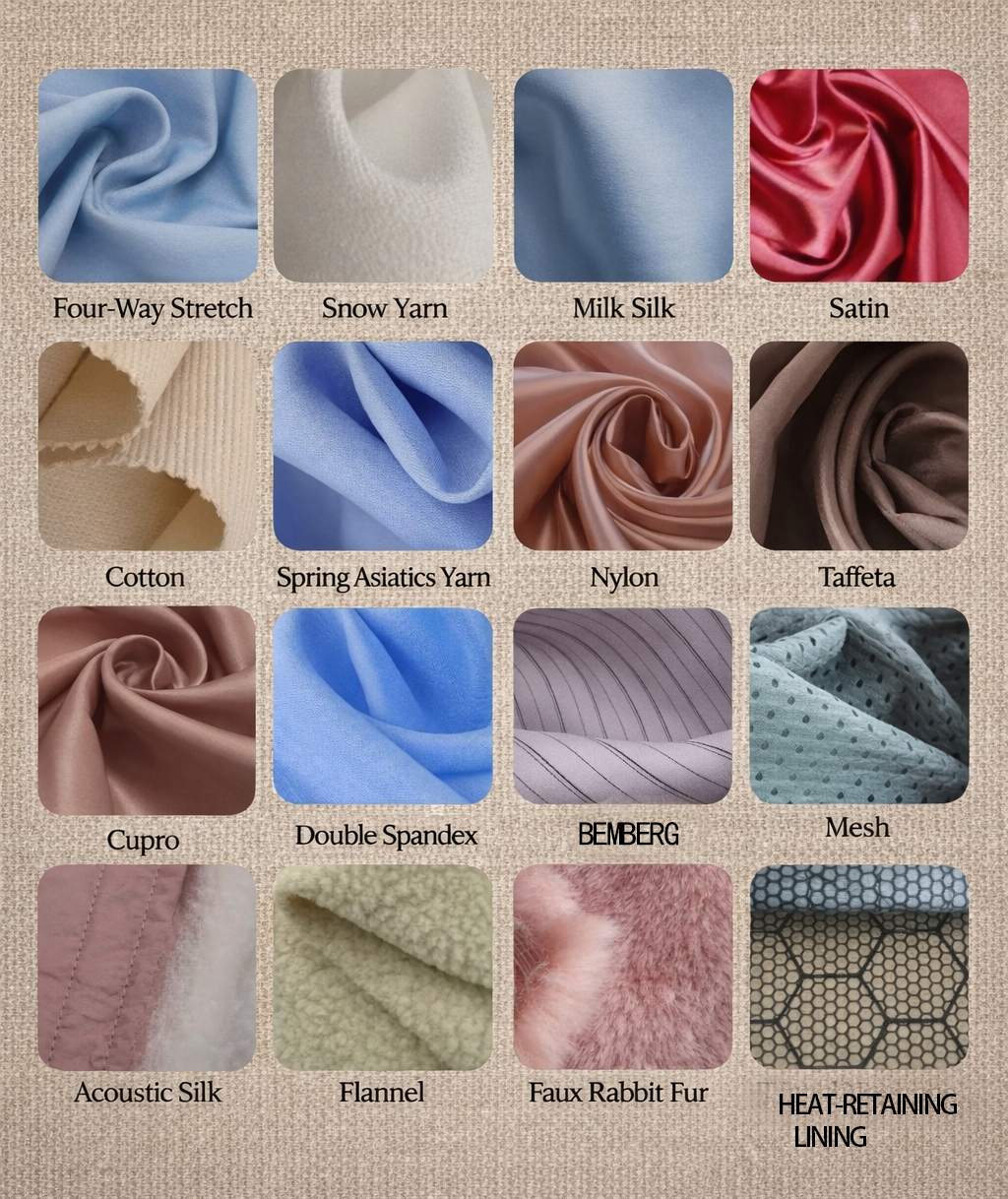
ZORWILD applies strict edge sealing and adhesive backing protocols to prevent delamination, bubbling, and edge lift during wear and washing. Our Humen factory uses calibrated heat presses with precise temperature, pressure, and dwell time settings to guarantee uniform adhesion across every square inch of interlining.
- Temperature-controlled fusing machines calibrated for each fabric and interlining pairing
- Edge sealing techniques prevent fraying and maintain clean finish lines
- Adhesive dot pattern or full-coat backing selected based on fabric breathability and structure needs
- Post-fusing inspection checks for bubbles, wrinkles, and incomplete bonding before sewing
Shrinkage Control & Pre-Treatment Standards
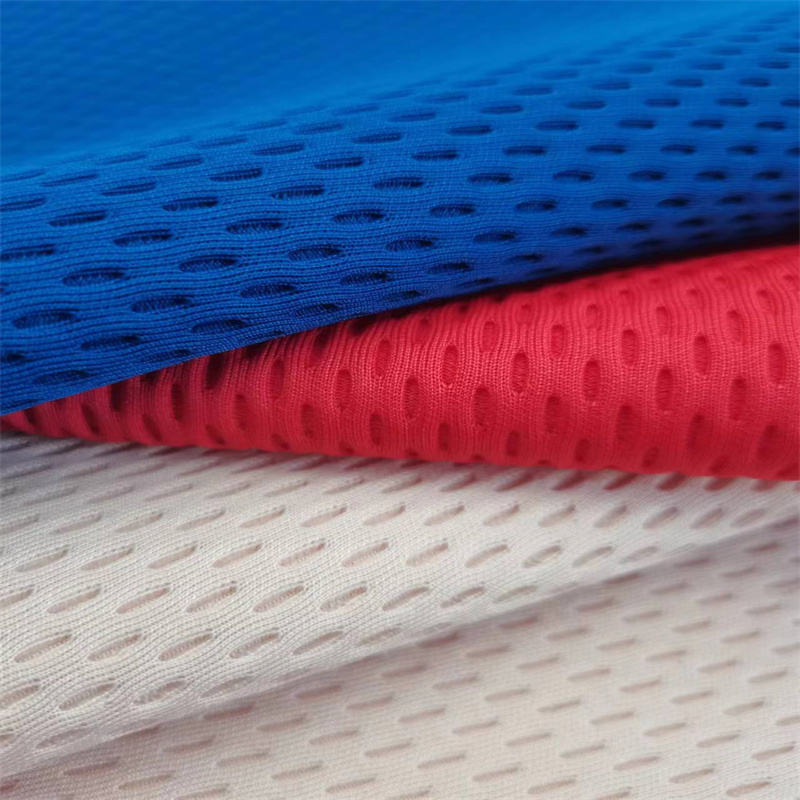
Interlining shrinkage can ruin garment fit and cause puckering after the first wash. Our 6-stage quality control system includes mandatory pre-shrinking and dimensional stability testing for all fusible and sew-in interlinings, ensuring your garments maintain their shape and structure through repeated washing and wear cycles.
- Pre-shrinking treatment applied to all interlining materials before cutting and application
- Dimensional stability testing simulates 5+ wash cycles to verify less than 2% shrinkage—part of our rigorous 6-stage quality control process
- Grain alignment protocols prevent bias distortion and twisting in finished garments
- Shrinkage data documented and matched to outer fabric characteristics for balanced performance
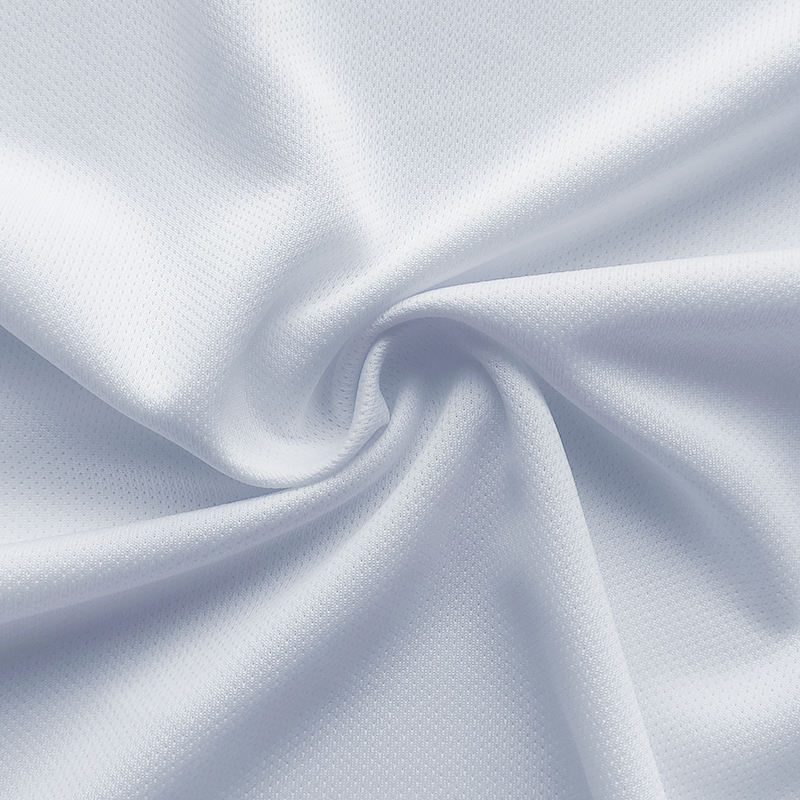
Washability Standards & Durability Verification
ZORWILD subjects every garment interlining application to rigorous washability and durability testing before bulk production. We verify that fusible bonds withstand industrial and home laundering, dry cleaning, and steam pressing without delamination, ensuring your garments deliver professional quality wash after wash.
- Wash testing at 40°C, 60°C, and cold cycles with tumble dry and hang dry methods
- Dry cleaning compatibility verified for formalwear, suiting, and luxury garment applications
- Steam press resistance tested to prevent bubble formation during finishing and retail ironing
- Durability benchmarks meet or exceed international garment manufacturing standards
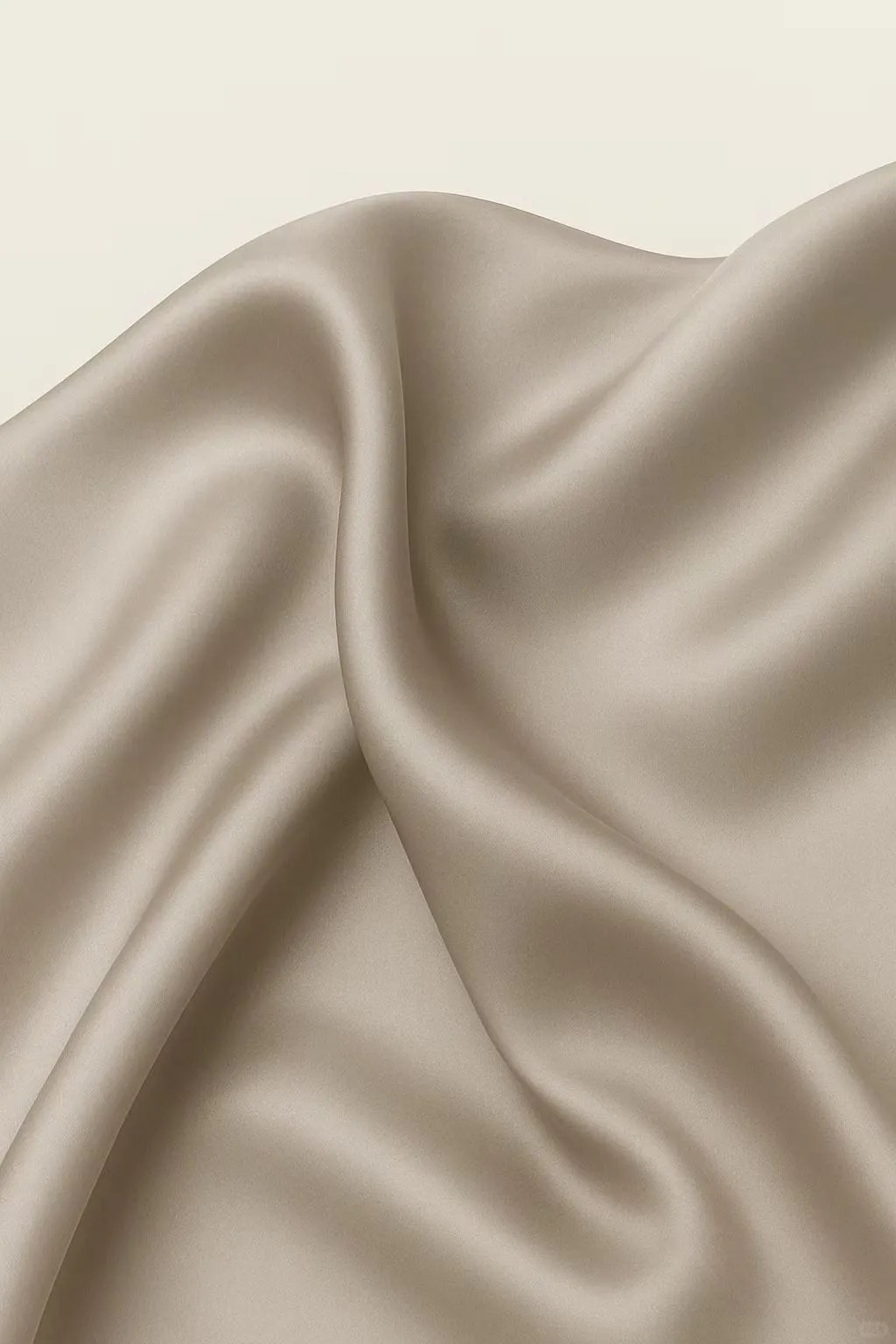
Garment Interlining vs. Other Stabilization Methods
Understanding the differences between interlining, interfacing, and underlining helps you choose the right stabilization technique for structure, drape, and durability in your garment construction.
← 左右滑动查看 →
Garment Interlining Production Process
From material selection to final integration, our 6-stage garment interlining workflow ensures consistent structure, support, and professional finish across every production run.
Material Selection & Weight Testing
Technical team evaluates garment type, fabric weight, and end-use requirements to select optimal fusible or sew-in interlining material. Weight and compatibility testing ensures proper bond strength and drape retention without distortion or bubbling.
Precision Cutting to Specification
Interlining materials are cut according to pattern specifications with grain direction control and seam allowance accuracy. Advanced cutting equipment ensures clean edges, minimal waste, and perfect alignment with outer fabric panels for seamless integration.
Fusible Application & Heat Bonding
For fusible interlining, controlled heat pressing applies precise temperature, pressure, and dwell time based on adhesive type and fabric substrate. Fusing machines maintain consistent parameters across all panels to prevent uneven bonding or adhesive migration.
Edge Finishing & Trimming
Interlining edges are trimmed, graded, or finished to eliminate bulk at seams and ensure smooth transitions. Special attention to collar points, lapel edges, cuff folds, and placket areas where interlining visibility or stiffness could compromise garment aesthetics.
Quality Control Inspection
Each interlined component undergoes inspection for bond integrity, edge alignment, dimensional stability, and absence of adhesive residue. Peel tests, wash tests, and visual checks confirm interlining meets durability and performance standards before assembly integration.
Integration into Main Assembly
Quality-approved interlined panels are transferred to main sewing lines where they are incorporated into garment construction. Operators follow assembly instructions to maintain interlining positioning, prevent shifting during stitching, and preserve structural integrity through final finishing stages.
Adding Garment Interlining to Your Order
Our production team integrates fusible or sew-in interlining directly into your garment manufacturing workflow, ensuring precise placement and professional finishing from the first piece.
Submit Your Interlining Specifications
Provide tech pack details including interlining type, weight in gsm, placement areas, and bonding method. Our team reviews all specs for production compatibility and fabric pairing.
Confirm Placement on Garment Diagram
Review detailed garment diagrams showing exact interlining placement zones with mm-level precision. Approve collar, cuff, placket, waistband, and structural reinforcement areas before production begins.
Production Team Integrates During Assembly
Skilled technicians apply garment interlining during the sewing stage using controlled heat, pressure, and timing for fusible types or precision stitching for sew-in applications.
Quality Inspection and Delivery
Every garment passes our 6-stage quality control system verifying interlining bond strength, placement accuracy, and smooth finish. Interlining is delivered integrated within your completed order.
Customer Success: Garment Interlining in Action
We added fusible interlining to our shirt collars and cuffs for the first time and saw returns drop by 34% in three months. The structure holds perfectly even after 20+ wash cycles. ZORWILD handled everything seamlessly within our normal production timeline.
Our buyers immediately noticed the premium finish on our jackets once we started using garment interlining on lapels and front panels. Quality perception jumped and we increased our wholesale price by 18% without any pushback. Delivery was right on schedule.
ZORWILD recommended sew-in interlining for our heavyweight hoodies and the difference is night and day. Hoods keep their shape, zippers lay flat, and we’ve had zero complaints about puckering after washing. Production stayed within our 4-week window with no delays.
Garment Interlining FAQ
What is garment interlining and why do I need it?
What types of garment interlining does ZORWILD offer?
Can I use garment interlining with different fabric types?
What information do I need to provide for custom garment interlining placement?
Does adding garment interlining increase production lead time?
Will garment interlining hold up after washing and regular wear?
Can I combine garment interlining with embroidery, printing, or other finishes?
How do I know which garment interlining weight is right for my product?
The Complete Buyer’s Guide to Garment Interlining for Brands & Manufacturers
1. What Is Garment Interlining and Why It Matters
Garment interlining is a hidden reinforcement layer applied between the outer fabric and lining to provide structure, shape retention, and durability in apparel manufacturing. This intermediate material is fused or sewn into collars, cuffs, plackets, waistbands, buttonholes, lapels, and other high-stress areas where garments require dimensional stability and a professional finish. Without quality interlining, shirts lose collar crispness after a few washes, jacket lapels collapse, and waistbands stretch out of shape.
More than 85% of tailored garments—including dress shirts, blazers, jackets, trousers, and structured dresses—rely on interlining to maintain their intended silhouette and extend product lifespan. Fusible interlining uses heat-activated adhesive resin to bond with fabric, while sew-in interlining is stitched into seams for softer drape or delicate fabrics. Both types come in woven, knit, and non-woven constructions with weight ranges from 20 GSM for lightweight shirts to 120 GSM for heavy outerwear.
Startup brands launching with 50-piece collections and established manufacturers producing 100,000 units monthly both depend on consistent interlining quality to reduce returns, improve fit consistency, and elevate perceived value. Poor interlining choices cause bubbling after washing, delamination, stiffness mismatches, and customer complaints that damage brand reputation and increase costly chargebacks.
2. The Evolution of Garment Interlining in Apparel Manufacturing
Before the 1950s, tailors relied on hand-stitched horsehair canvas and linen to reinforce jacket fronts, collars, and cuffs—a labor-intensive process that limited garment interlining to high-end bespoke tailoring. Each layer required skilled seamstresses to pad-stitch canvas into place, often taking hours per garment and making structured apparel inaccessible to mass production.
The introduction of thermoplastic adhesives in the 1950s transformed garment interlining from a craft into an industrial process. Fusible interlining, coated with heat-activated polyamide or polyester resins, allowed manufacturers to bond fabric layers in seconds using heat presses, reducing labor costs by up to 70 percent and enabling mass-market suits, dress shirts, and outerwear. By the 1980s, water-soluble coatings and nonwoven substrates—polyester, nylon, and blended fibers—replaced traditional woven canvas in most commercial production, offering consistent weight ranges from 20 GSM for lightweight shirt collars to 120 GSM for structured jacket fronts.
Today, eco-friendly garment interlining substrates made from recycled polyester, biodegradable PLA fibers, and OEKO-TEX certified adhesives meet sustainability standards without sacrificing bond strength or washability. Modern fusible technology has democratized professional structure for small-batch production: brands launching with 50-piece MOQs at facilities like ZORWILD in Dongguan now access the same interlining quality and customization—custom GSM, width, adhesive formulations—that once required minimum orders of 10,000 meters, enabling startups and influencers to compete on garment construction quality from their first collection.
3. Types of Garment Interlining: Fusible vs. Sew-In
Garment interlining is available in two primary construction methods: fusible and sew-in. Each offers distinct advantages depending on production speed, fabric compatibility, and garment structure.
Fusible Interlining
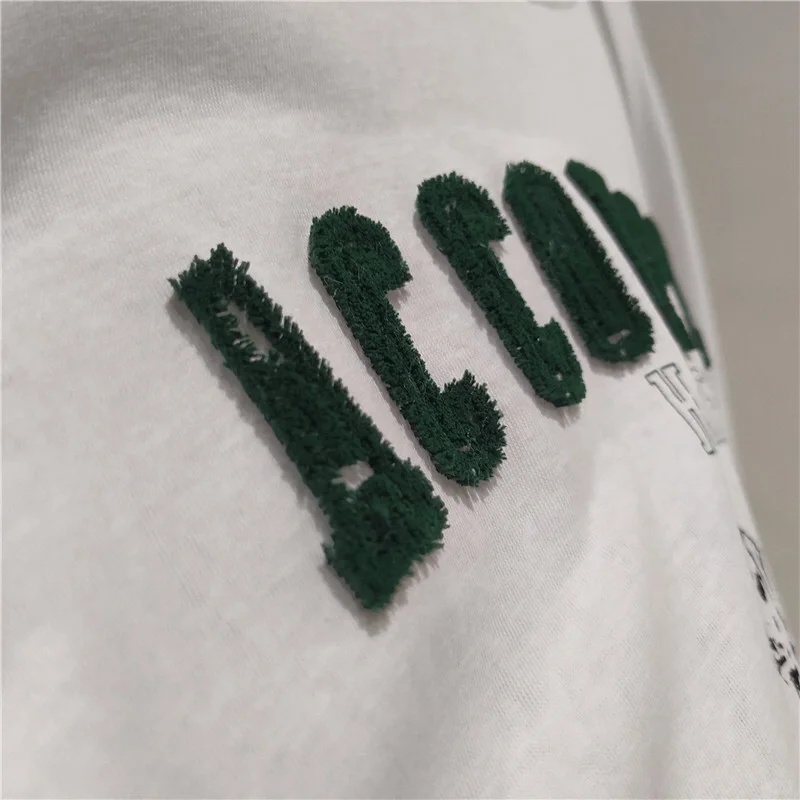
Fusible interlining features a heat-activated adhesive coating applied to one side, bonding permanently to fabric under controlled heat and pressure. Application temperatures range from 120°C to 160°C with press times of 8 to 15 seconds, making it ideal for high-volume production.
This type is most commonly used in shirt collars, cuffs, plackets, waistbands, and pocket flaps where crisp structure and fast production cycles are required. ZORWILD applies fusible interlining across custom shirts, casual jackets, and fashion casualwear to ensure consistent shape retention and professional finishing.
Sew-In Interlining
Sew-in interlining is stitched directly into garment layers without adhesive, preserving fabric drape and breathability. This method is preferred for tailored jackets, wool blazers, linen garments, and delicate fabrics where heat application may damage fibers or alter texture.
Sew-in construction allows greater flexibility in wash cycles and is essential for garments requiring dry cleaning or eco-friendly production. ZORWILD integrates sew-in interlining in premium outerwear, varsity jackets, and luxury casualwear to maintain soft hand feel and long-term durability.
When to Use Each Type
Fabric weight, wash requirements, and construction method determine the best interlining choice. Fusible interlining works best for cotton poplin, polyester blends, and medium-weight fabrics under 200 GSM with standard machine washing. Sew-in interlining is recommended for heavyweight wool, linen, rayon, and garments requiring gentle care or dry cleaning.
Brand owners should consider production volume, lead time, and garment positioning when selecting interlining type. ZORWILD’s technical team provides fabric compatibility testing and interlining recommendations during the sampling phase to ensure optimal performance and cost efficiency.
4. Materials and Fabric Bases for Garment Interlining
Garment interlining substrates fall into three main categories, each engineered for specific performance and cost requirements. Understanding material bases ensures proper selection for your product category, washing standards, and brand positioning.
| Material Type | Weight Range (GSM) | Typical Applications | Price Tier |
|---|---|---|---|
| Woven (cotton/polyester blend) | 40–120 | Dress shirts, suit jackets, formalwear collars, uniforms | High |
| Nonwoven (viscose/polypropylene) | 25–100 | Casual shirts, dresses, lightweight jackets, mass-market apparel | Low–Medium |
| Knit (polyester/nylon) | 30–80 | Activewear, sportswear, yoga sets, performance hoodies, stretch garments | Medium–High |
Woven Interlining Substrates
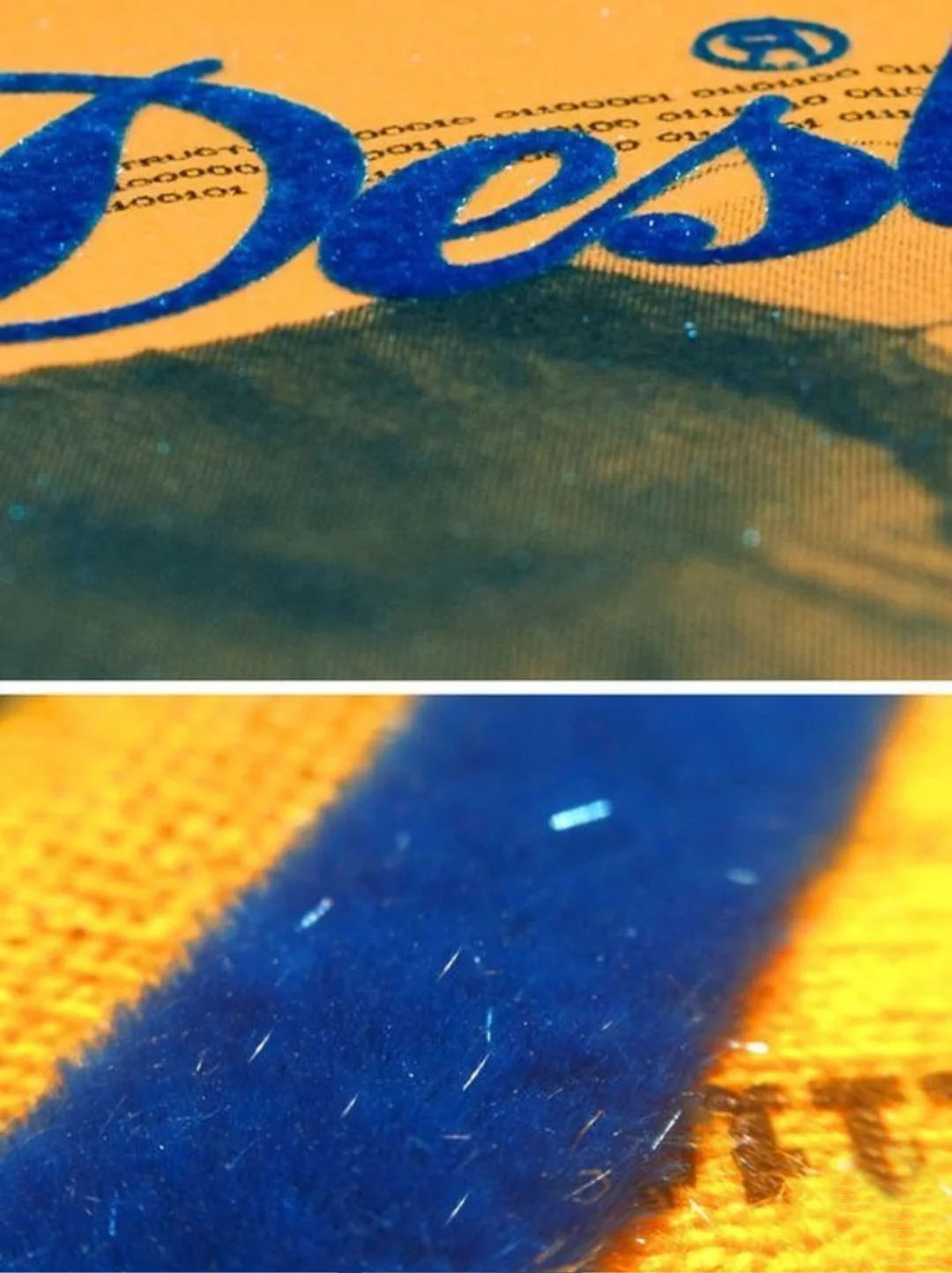
Woven garment interlining uses cotton, polyester, or blended yarns interlaced on traditional looms to deliver maximum dimensional stability and durability. Cotton-based wovens offer superior breathability and natural hand feel, making them ideal for premium shirts, suit jackets, and formalwear collars where comfort and structure are critical.
Polyester-blend wovens provide excellent shape retention through repeated industrial washing cycles, commonly specified for uniforms, workwear, and high-volume production. Woven bases typically range from 40 to 120 GSM and command higher per-meter costs due to weaving complexity and material waste during production.
Nonwoven Interlining Substrates
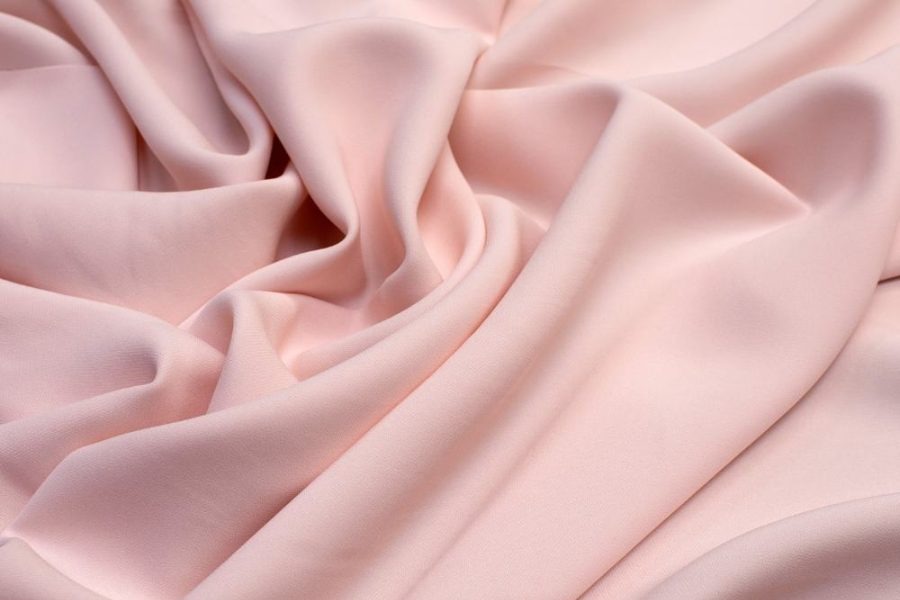
Nonwoven garment interlining is manufactured by bonding polypropylene, viscose, or polyester fibers through chemical, thermal, or mechanical processes, eliminating yarn spinning and weaving steps. This construction delivers uniform weight distribution, consistent thickness, and lower material costs, making nonwoven bases the most economical choice for mass-market apparel.
Viscose-based nonwovens offer moderate breathability and soft hand feel suitable for casual shirts, dresses, and lightweight jackets. Polypropylene types provide cost efficiency for budget collections but sacrifice breathability and washability compared to fiber-based alternatives.
Knit Interlining Substrates
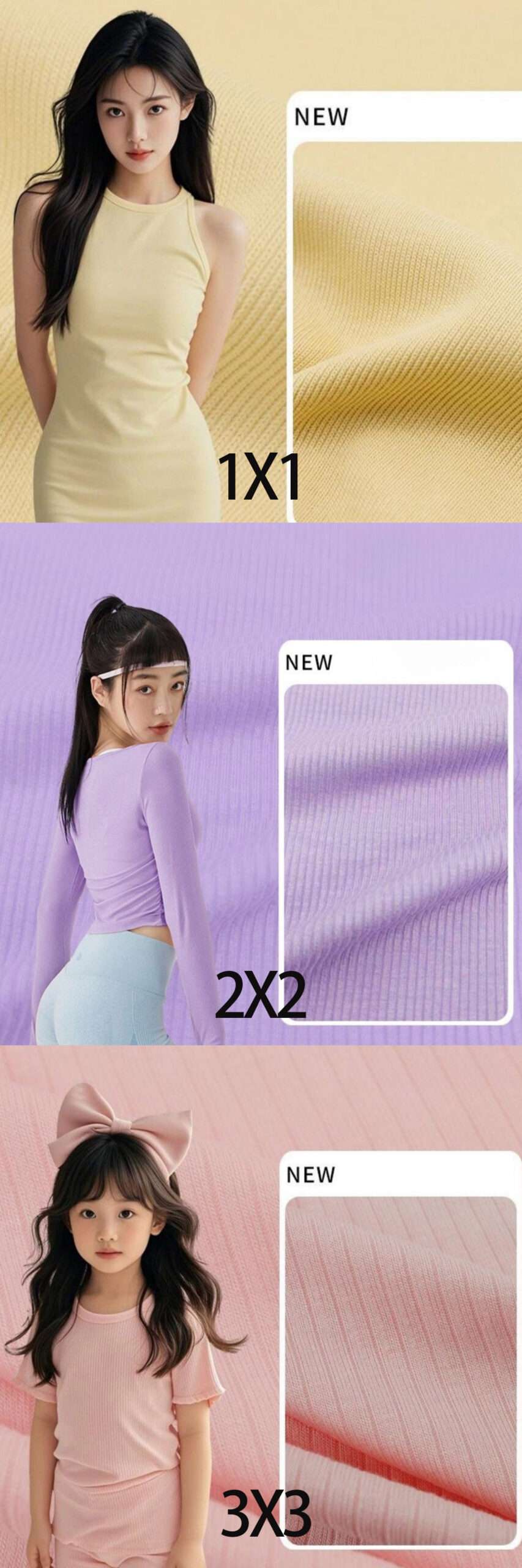
Knit garment interlining incorporates looped yarn structures that provide inherent stretch and recovery, essential for activewear, sportswear, and any garment requiring movement flexibility. Knit bases typically use polyester or nylon yarns in weights from 30 to 80 GSM, engineered to match the stretch direction and recovery rate of the outer fabric.
This substrate category is critical for yoga sets, compression leggings, performance hoodies, and athletic tops where rigid interlining would restrict motion or cause puckering. Knit interlinings cost 20–40% more than comparable nonwovens due to knitting machinery and technical yarn requirements.
5. Customization Options for Garment Interlining
Modern garment interlining suppliers offer extensive customization to match brand positioning, fabric weight, and production scale. Tailoring GSM, adhesive pattern, and color ensures optimal performance across diverse garment categories from lightweight shirts to heavyweight outerwear.
| Customization Feature | Typical MOQ (meters) | Lead Time (days) | Cost Impact |
|---|---|---|---|
| Custom GSM / Weight | 3,000–5,000 | 15–25 | +10–18% |
| Custom Width | 3,000–5,000 | 15–25 | +5–12% |
| Adhesive Pattern (scatter/paste) | 2,000–3,000 | 12–20 | +8–15% |
| Color Matching (black/charcoal) | 1,500–3,000 | 10–18 | +8–15% |
| Water-Based Adhesive | 5,000–10,000 | 20–30 | +12–20% |
| Recycled Fiber Base | 5,000–10,000 | 20–30 | +15–25% |
Custom GSM and Width Specifications
GSM ranges from 20 g/m² for sheer blouses to 120 g/m² for structured jackets, with most shirt collars using 40–60 g/m² and coat fronts requiring 80–100 g/m². Width customization spans 90 cm, 112 cm, and 150 cm rolls to minimize fabric waste during cutting.
Minimum order quantities for custom GSM typically start at 3,000–5,000 meters, while standard weights ship from 500 meters. Lead times extend 15–25 days for bespoke specifications versus 5–7 days for stock items.
Adhesive Dot Patterns and Coverage
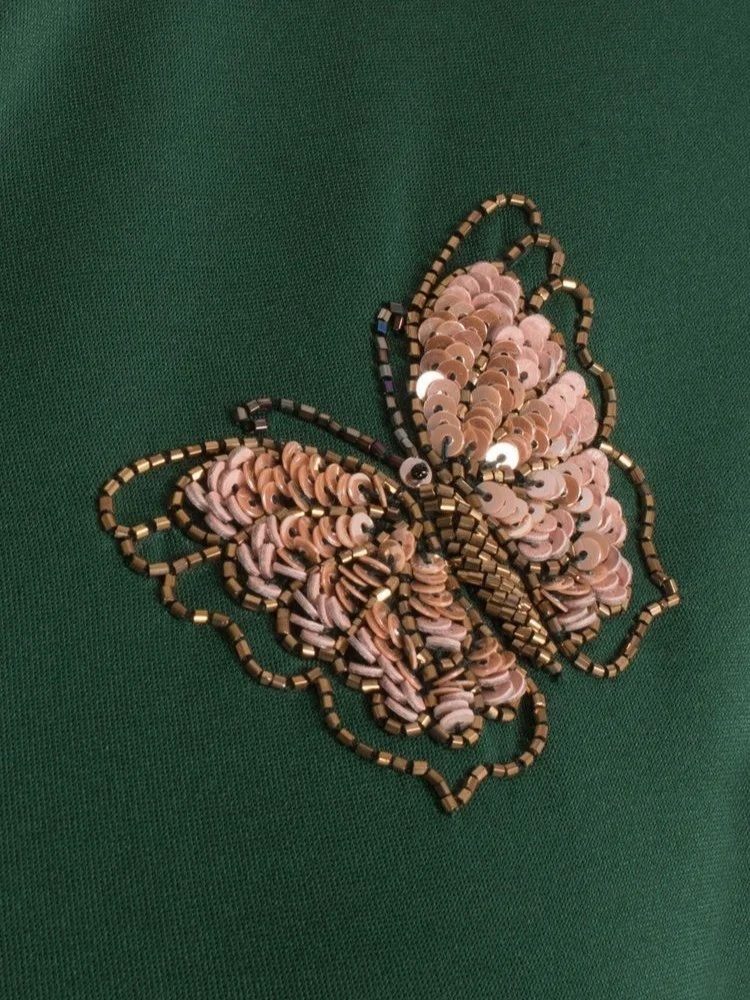
Scatter-dot patterns apply adhesive in randomized clusters covering 30–50% of the surface, delivering breathability and drape for casual shirts and lightweight dresses. Paste-dot (full-coverage) patterns coat 60–85% of the base, providing maximum bond strength for tailored jackets, waistbands, and high-stress areas.
Custom dot size and spacing adjust peel strength from 3 N/5 cm for delicate silks to 8 N/5 cm for denim and canvas, ensuring compatibility with fabric hand and wash durability.
Color Matching for Dark Fabrics
White interlining suits light and pastel garments, while black and charcoal variants prevent show-through on navy, black, and deep-tone fabrics. Charcoal interlining is standard for premium denim jackets and dark wool blazers.
Color-matched interlining adds 8–15% to unit cost but eliminates visible shadowing under thin or stretch fabrics, critical for high-end collections and transparent materials.
Eco-Friendly Coatings and Recycled Fibers
Water-based adhesives replace solvent systems, reducing VOC emissions and meeting OEKO-TEX Standard 100 requirements for skin-contact textiles. Recycled polyester bases incorporate post-consumer PET, appealing to sustainable fashion brands.
Eco-certified interlining typically requires 5,000–10,000 meter MOQs and carries a 12–20% price premium, with lead times of 20–30 days for first orders. ZORWILD collaborates with certified fabric mills to source GOTS-approved and recycled interlining for brands prioritizing environmental responsibility.
6. Key Quality Indicators in Garment Interlining
Professional garment interlining quality depends on five measurable indicators that determine long-term garment performance. Each metric requires specific testing methods and tolerance standards recognized across apparel manufacturing.
Adhesive Bond Strength and Peel Testing
Peel test standards measure the force required to separate fused interlining from face fabric, typically expressed in Newtons per centimeter. Professional-grade fusible interlining should achieve bond strength between 2.5 and 4.5 N/cm depending on fabric weight and end use.
Testing involves fusing a sample strip under controlled temperature, pressure, and dwell time, then measuring separation force on a tensile tester. Bonds below 2.0 N/cm risk delamination during wear and washing, while excessively strong bonds above 5.0 N/cm may create stiffness and reduce drape.
Dimensional Stability After Washing
Garment interlining must maintain size consistency through multiple wash cycles to prevent puckering or bubbling. Industry standards require shrinkage below 2% in both warp and weft directions after three standard wash cycles at 40°C.
Testing involves marking a 50 cm × 50 cm fused sample, washing per care label instructions, and measuring dimensional change. Interlining with shrinkage exceeding 3% will distort collar points, cuffs, and plackets, causing visible quality defects and customer returns.
Hand Feel and Drape Compatibility
Interlining must complement face fabric weight and drape characteristics without creating stiffness or boardiness. Lightweight woven shirts require soft nonwoven interlining at 20–35 GSM, while structured jackets need firmer woven bases at 60–100 GSM.
Compatibility testing involves fusing interlining samples to target fabrics and evaluating stiffness through cantilever drape tests or subjective hand assessment. Mismatched interlining weight creates garments that feel cheap, uncomfortable, or overly rigid, directly impacting brand perception.
Colorfastness and Staining Resistance
Interlining must resist color migration to face fabrics during washing, perspiration, and dry cleaning. Professional standards require Grade 4 or higher on the gray scale for colorfastness to washing and Grade 3–4 for perspiration resistance.
Testing follows ISO 105 protocols using multifiber test fabrics exposed to interlining under controlled conditions. Interlining with poor colorfastness causes visible staining on light-colored garments, particularly at fused collar and cuff areas, resulting in costly claims and brand damage.
7. How to Choose a Garment Interlining Manufacturer
Selecting the right garment interlining manufacturer requires evaluating technical capabilities, certifications, and supply chain reliability. Factories with OEKO-TEX Standard 100 and ISO 9001 certification demonstrate commitment to chemical safety and quality management systems that protect both end-users and brand reputation.
Certifications and Compliance Standards
OEKO-TEX Standard 100 certification confirms that interlining materials are free from harmful substances and safe for direct skin contact, critical for collars, cuffs, and waistbands. ISO 9001 certification indicates a factory maintains documented quality control processes, traceability systems, and continuous improvement protocols.
Manufacturers serving European and North American markets typically hold multiple certifications including REACH compliance for chemical restrictions and RoHS for environmental safety. ZORWILD works with certified fabric and interlining suppliers across Dongguan to ensure all trims and materials meet international safety standards for garment production.
Sampling Policy and Technical Support
Professional interlining suppliers provide pre-production samples with recommended fusing parameters including temperature (typically 130–170°C), pressure (2–4 kg/cm²), and dwell time (10–18 seconds) tailored to specific fabric pairings. A 5–7 day sampling turnaround allows brands to test adhesion strength, wash durability, and hand feel before committing to bulk orders.
Technical teams should advise on interlining weight selection for different fabric bases—lightweight woven interlining (20–40 GSM) for silk and rayon shirts, medium-weight fusible (50–80 GSM) for cotton poplin and twill, and heavyweight nonwoven (90–120 GSM) for structured jackets and outerwear.
Production Capacity and Scalability
Evaluate monthly production capacity, lead times, and minimum order quantities to match your brand’s growth trajectory. Factories producing 100,000+ garments monthly like ZORWILD can scale from 50-piece startup runs to 10,000-unit reorders without compromising delivery schedules.
Ask about interlining inventory management—suppliers maintaining stock of common fusible and sew-in types reduce lead times by 7–10 days compared to mills requiring custom orders for every production batch.
Shipping and Long-Term Partnership
Reliable logistics support including air freight (5–7 days), sea freight (20–35 days), and door-to-door shipping with export documentation reduces supply chain risks. Manufacturers offering consolidated shipping for fabric, interlining, and trims simplify customs clearance and lower freight costs.
Building long-term partnerships ensures consistent interlining quality across seasonal collections, priority sampling during peak periods, and flexible payment terms. ZORWILD’s 27 years of manufacturing experience and relationships with over 2,000 brands demonstrate the stability required for multi-season collaboration and product development continuity.
8. Common Mistakes When Sourcing Garment Interlining
Sourcing garment interlining requires careful attention to technical specifications and testing protocols. Even experienced brands make critical errors that compromise garment quality, increase production costs, and delay delivery timelines.
Mismatching Interlining Weight to Face Fabric
Applying heavyweight fusible interlining (80–120 GSM) to lightweight cotton poplin or rayon creates stiff, boardy collars and plackets that lose drape and comfort. Conversely, using 30 GSM interlining on heavyweight denim or twill results in collars that collapse after washing.
ZORWILD’s development team recommends matching interlining weight to face fabric density: 25–40 GSM for lightweight shirts, 50–70 GSM for medium-weight casualwear, and 80–120 GSM for structured jackets and outerwear. Testing sample combinations before bulk orders prevents costly rework.
Ignoring Wash-Care Compatibility
Fusible interlining adhesives rated for cold wash will delaminate when garments undergo enzyme wash, stone wash, or garment dye processes. Brands launching vintage wash hoodies or acid wash T-shirts must specify high-temperature adhesives and pre-shrunk interlining bases.
ZORWILD tests interlining compatibility across acid wash, snow wash, enzyme wash, and garment dye finishes during sampling to ensure adhesive bond integrity and dimensional stability through production wash cycles.
Skipping Sample Testing Before Bulk Orders
Ordering 10,000 meters of interlining without sample validation leads to adhesive failure, bubbling, shrinkage mismatch, or poor hand feel in finished garments. Sample testing reveals fusing temperature requirements, press time, cooling protocols, and final fabric performance.
ZORWILD’s sampling process includes fusing trials, wash testing, and garment construction evaluation to confirm interlining performance before bulk production begins, reducing risk for startup brands and established labels alike.
Overlooking Adhesive Type for Fabric Content
Polyamide adhesives require higher fusing temperatures (130–150°C) unsuitable for heat-sensitive fabrics like polyester blends, rayon, or viscose, which scorch or shrink under excessive heat. Polyethylene adhesives fuse at lower temperatures (110–130°C) and suit synthetic and blended fabrics.
ZORWILD sources interlining with adhesive chemistry matched to fabric content, ensuring proper bonding without fabric damage, color change, or texture degradation during production.
Neglecting Lead Times and Minimum Orders
Custom interlining specifications—width, weight, adhesive type, color—often require 15–30 day lead times and minimum order quantities of 1,000–3,000 meters. Brands launching collections without planning interlining procurement face production delays and missed market windows.
ZORWILD maintains relationships with trusted interlining suppliers across Dongguan and coordinates material procurement timelines with production schedules, ensuring low MOQ brands and large-scale orders receive materials on schedule.
9. Steps to Launch Your Brand with Quality Garment Interlining
Launching a brand with quality garment interlining requires a structured workflow from material pairing through final inspection. ZORWILD’s 27-year manufacturing experience supports startup brands with low 50-piece MOQs and comprehensive product development services. Following these six phases reduces risk, controls costs, and ensures consistent quality across every production run.
Fabric and Interlining Pairing Tests
Match interlining weight and adhesive type to your shell fabric before sampling. Cotton poplin shirts typically require 30–50 GSM fusible woven interlining, while heavyweight hoodies need 60–80 GSM non-woven for collar stability.
Test adhesion by fusing samples at 130–150°C for 12–15 seconds, then checking peel strength and drape. ZORWILD’s development team recommends pairing tests for every new fabric to avoid bubbling, stiffness, or delamination in production.
Prototype Construction and Fit Evaluation
Build 2–3 prototypes per style to evaluate fit, measurements, and interlining performance. Check collar stand height, cuff firmness, placket flatness, and shoulder structure against your tech pack specifications.
ZORWILD produces prototypes within 7–10 days, allowing brands to refine construction details, adjust interlining placement, and confirm sizing before bulk orders.
Wear and Wash Trials
Conduct 3–5 home wash cycles at 40°C to test interlining durability, adhesion retention, and dimensional stability. Inspect for bubbling, puckering, shrinkage mismatches, and edge lifting after each wash.
Document results with photos and measurements. ZORWILD supports wash trial coordination and can adjust interlining specifications or fusing parameters based on test feedback before mass production begins.
Costing and MOQ Negotiation
Request detailed costing breakdowns covering fabric, interlining, trims, decoration, labor, and packaging. Interlining typically adds $0.15–$0.50 per garment depending on type, weight, and application area.
ZORWILD offers 50-piece startup MOQs for most categories, with volume discounts at 300, 500, and 1,000 units. Negotiate payment terms, sampling costs, and revision limits upfront to avoid surprises during production.
Production Timeline Planning
Standard lead times span 25–35 days: fabric sourcing (7–10 days), cutting and sewing (10–14 days), washing and finishing (5–7 days), and QC plus packaging (3–4 days). Interlining application occurs during the cutting phase, so delays in material approval extend the entire schedule.
ZORWILD’s monthly 100,000-unit capacity supports both small test runs and large reorders with consistent timelines.
Quality Control Checkpoints
Implement inspection at five stages: raw material arrival, post-fusing, in-line sewing, post-wash, and final packaging. Check interlining adhesion strength, placement accuracy, and absence of bubbles or wrinkles at each checkpoint.
ZORWILD’s QC team uses AQL 2.5 standards, photographing defects and providing detailed reports. Brands receive pre-shipment samples for final approval, ensuring every batch meets agreed specifications before export.
10. Garment Interlining Pricing and Cost Breakdown
Garment interlining pricing typically ranges from $0.12 to $0.65 per meter depending on order quantity, substrate material, GSM weight, and adhesive type. Paste-dot fusible interlining generally costs 8–15% more than scatter-dot versions due to higher resin application density and improved wash durability. Most manufacturers quote FOB prices excluding international shipping, which adds $0.80–$2.50 per kilogram for air freight or $0.15–$0.40 per kilogram for sea freight depending on destination and volume.
Substrate material drives significant cost variation: woven cotton interlining runs 20–35% higher than non-woven polyester bases at equivalent GSM, while specialty blends like bamboo-polyester or recycled-fiber substrates add another 10–18% premium. GSM weight directly correlates with price—a 60 GSM fusible interlining costs roughly 40% more than a 35 GSM version in the same material and order tier. Customization such as specific melt-point adhesives, water-soluble bases, or pre-cut widths typically incurs setup fees of $80–$200 per specification.
Lead times compress with larger orders: 500-meter runs often require 18–22 days from approval to shipment, while 10,000-meter orders leverage production efficiency to deliver in 12–15 days. Sampling fees range from $25–$60 per specification and are usually credited back when orders exceed 2,000 meters, allowing brands to validate adhesion performance, hand feel, and wash stability before committing to bulk production.
| Order Quantity | Price per Meter (USD) | Adhesive Type | Lead Time (Days) | Sampling Fee |
|---|---|---|---|---|
| 500–1,999 m | $0.45–$0.65 | Scatter / Paste | 18–22 | $50–$60 |
| 2,000–4,999 m | $0.28–$0.42 | Scatter / Paste | 15–18 | $25 (credited) |
| 5,000–9,999 m | $0.18–$0.30 | Scatter / Paste | 12–16 | Waived |
| 10,000+ m | $0.12–$0.22 | Scatter / Paste | 12–15 | Waived |
Strengthen Your Garments with Professional Interlining Today
Add garment interlining to your next production run for superior structure, durability, and a premium finish that sets your brand apart.
- Custom Shirts
- Custom Hoodies
- Custom T Shirts
- Custom Dresses
- Custom Sweatshirts
- Custom Jackets
- Custom Varsity Jackets
- Custom Polo Shirts
- Custom Shorts
- Contact