TL;DR: Top custom apparel manufacturers differ in business models (OEM executes your designs, ODM offers pre-designed products, private label focuses on branding), MOQ flexibility (50 vs. 500+ units), production capabilities (basic sewing vs. advanced decoration techniques), and service scope (one-stop solutions vs. fragmented processes). Premium providers combine design expertise, fabric sourcing networks, quality control systems, and global logistics support.
Bottom line: Startups needing 50-100 pieces with full design control choose low-MOQ OEM specialists. Established brands prioritizing speed select ODM or private label partners.
Last updated: 2026-05-23, based on 27 years manufacturing operations and 2,000+ brand partnerships.
Key Takeaways
- OEM manufacturers execute 100% client-controlled designs with 8-12 week lead times and 50-500 unit MOQs, offering complete customization freedom
- ODM providers deliver pre-designed products in 4-6 weeks with moderate customization, trading exclusivity for speed-to-market advantages
- Low MOQ specialists enable startups to launch with 50-100 pieces instead of 500+, reducing inventory risk by 70-80% but increasing per-unit costs 15-30%
- Advanced decoration capabilities (puff printing, chenille embroidery, acid wash, rhinestone application) separate premium $18+ retail positioning from commodity $8 basics
- One-stop manufacturers integrate design, sourcing, sampling, production, QC, and logistics—reducing total lead times from 16-20 weeks to 10-14 weeks
OEM vs. ODM vs. Private Label: Manufacturing Model Comparison
The difference between top custom apparel manufacturer providers centers on three dominant business models serving distinct brand strategies and production requirements.
Direct Answer: OEM (Original Equipment Manufacturer) providers execute complete client designs with full customization control. ODM (Original Design Manufacturer) factories offer pre-designed products clients can modify and rebrand. Private label manufacturers focus exclusively on applying client branding to existing products without design involvement. Each model balances control, speed, cost, and exclusivity differently.
| Dimension | OEM (Original Equipment Manufacturer) | ODM (Original Design Manufacturer) | Private Label |
|---|---|---|---|
| Design Control | 100% client control; manufacturer executes tech pack specifications | Manufacturer designs; client approves/modifies existing styles | Minimal—pre-made designs, branding only |
| Time to Market | 8-12 weeks (sampling + production cycles) | 4-6 weeks (existing design library) | 2-4 weeks (off-the-shelf inventory) |
| Customization Scope | Unlimited (fabrics, cuts, prints, embroidery, washes, trims) | Moderate (color changes, branding, minor pattern adjustments) | Limited (labels, tags, packaging inserts) |
| Minimum Order Qty | 50-500 units (flexible specialists) | 200-1,000 units (design amortization) | 500-5,000 units (mass production economics) |
| Cost Per Unit | Higher (custom development, sampling iterations) | Medium (shared design costs) | Lower (standardized bulk production) |
| Brand Exclusivity | Fully exclusive designs | Shared—other brands may license identical designs | Shared—same product, different labels |
Startups with finished tech packs prioritizing unique brand identity choose OEM. New brands testing categories without design resources select ODM. Established retailers seeking fast inventory replenishment opt for private label. Brands often progress through all three models—launching via ODM for speed, transitioning to OEM as design capabilities mature, then using private label for core basics while OEM handles signature pieces.
Low MOQ Manufacturing: Supporting Startup Brands
Low MOQ (minimum order quantity) manufacturing enables fashion entrepreneurs to launch with 50-100 pieces instead of traditional 500-2,000 unit minimums.
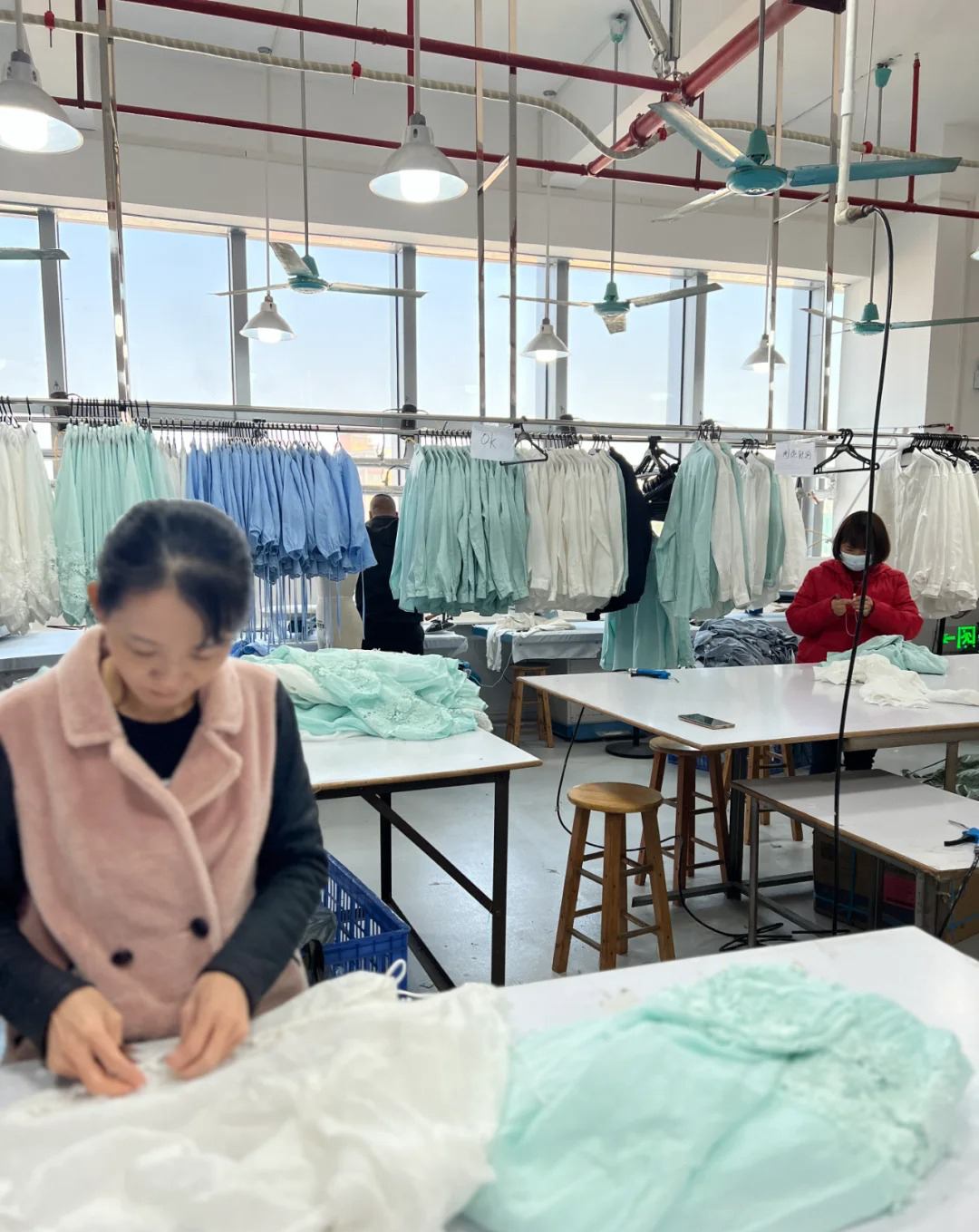
Direct Answer: Low MOQ specialists absorb setup costs across multiple small orders, allowing startups to order 50-100 pieces profitably. This model serves influencers launching merchandise, designers testing streetwear concepts, e-commerce brands validating product-market fit, and independent retailers exploring new categories without committing $15,000-50,000 to bulk inventory.
Traditional factories required 500-2,000 unit minimums to justify pattern grading, cutting room setup, and production line allocation. Professional low MOQ providers maintain profitability through standardized processes: pre-approved fabric supplier networks, modular production scheduling mixing multiple small orders efficiently, and experienced QC teams treating 50-piece orders with identical rigor as 5,000-unit bulk production.
Per-unit costs run 15-30% higher than bulk orders due to fixed setup cost distribution. Verify transparent pricing structures: sampling fees ($50-200 per style), setup charges ($100-500), and whether MOQ applies per color or total units across all colorways. Professional low MOQ manufacturers disclose costs transparently rather than introducing surprise charges at final invoice.
Advanced Garment Craftsmanship: Decoration & Finishing Techniques
Top-tier custom apparel manufacturers support 95%+ of modern decoration methods—distinguishing premium brands from commodity producers through technical expertise and equipment investment.
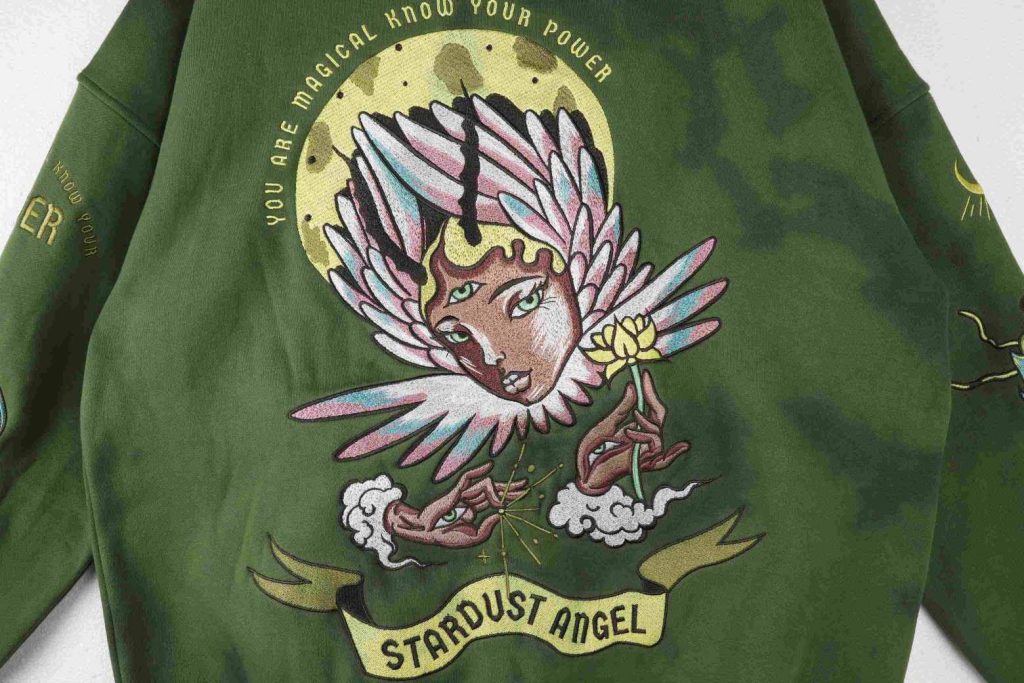
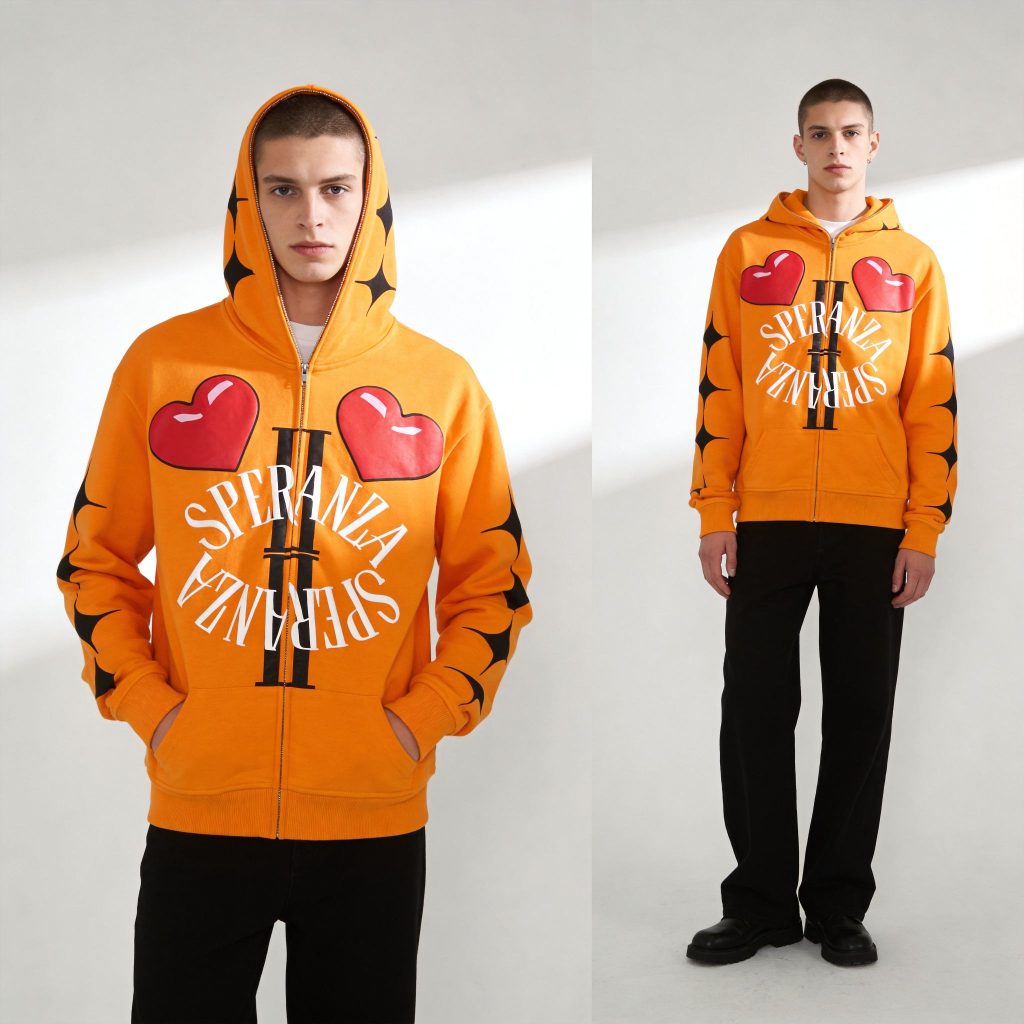
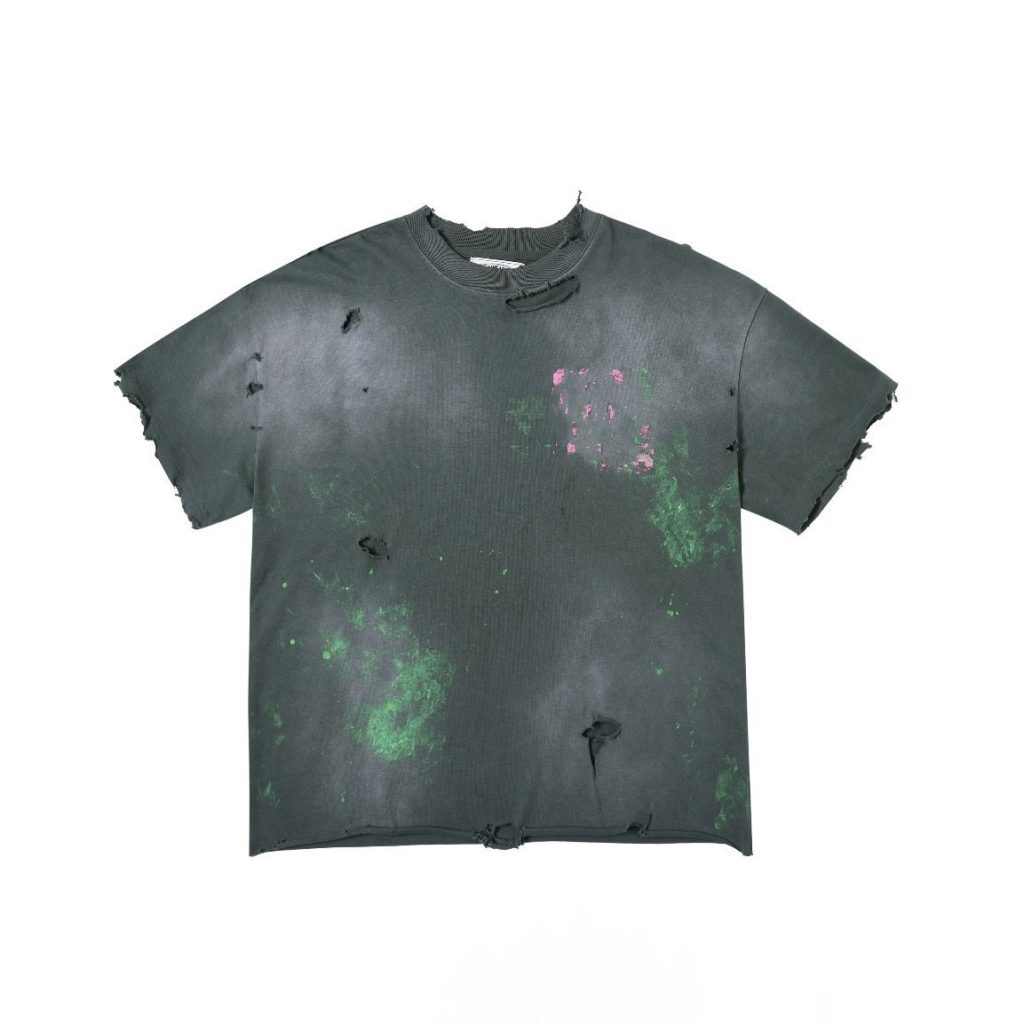
Direct Answer: Advanced craftsmanship separates $18+ retail positioning from $8 basics. Premium manufacturers offer screen printing, DTG (direct-to-garment), puff printing, embroidery (3D, chenille, appliqué), acid wash, vintage finishing, and rhinestone application. Budget factories typically provide only basic screen printing and simple embroidery. Quality differences appear dramatically after 20-50 wash cycles—premium decoration maintains vibrancy while inferior work fades or cracks.
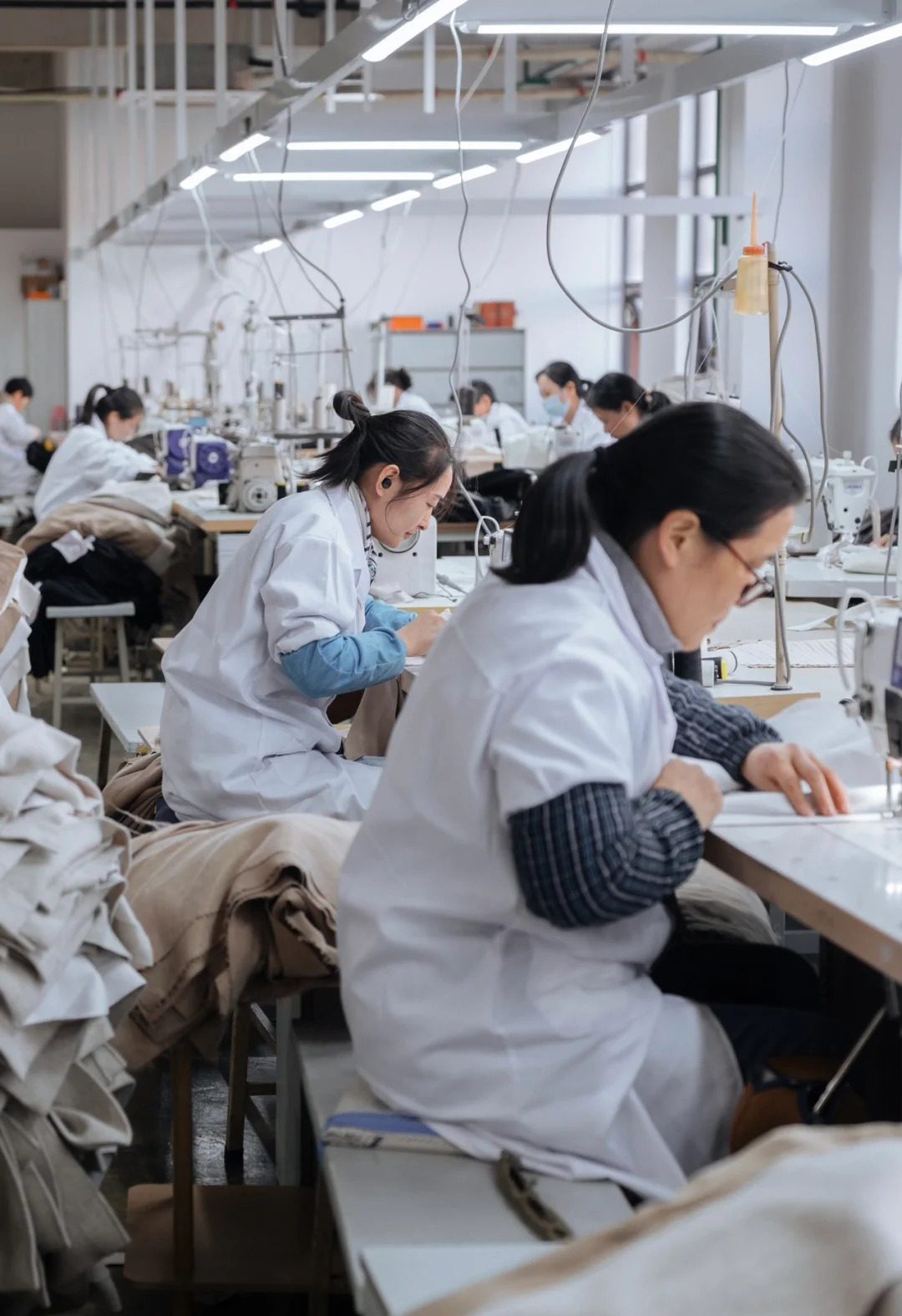
Screen Printing Excellence: High-durability graphics requiring precise ink viscosity control and cure temperature management. Top manufacturers achieve 50+ wash durability without color bleeding.
DTG Printing: Photographic-quality detailed graphics demanding industrial inkjet equipment ($80,000+ investment). Premium providers maintain color management systems ensuring consistency.
Puff & Embossed Printing: Dimensional raised-texture effects central to modern streetwear. Requires precise heat-pressing timing and specialty inks.
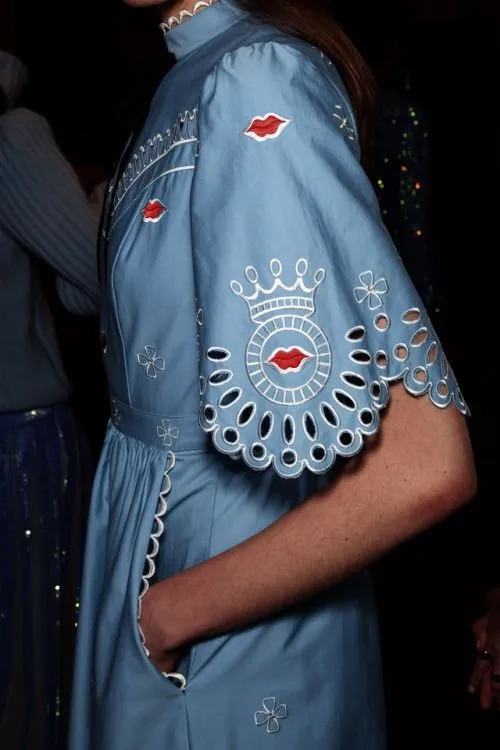
Premium Embroidery: Chenille and 3D embroidery demanding stitch-density control and garment-stabilization expertise. Professional factories maintain ±1mm positioning accuracy.
Vintage Garment Washing: Acid wash and stone wash create premium aesthetics but demand precise chemical ratios and temperature control. One-minute timing errors transform intended vintage looks into damaged-appearing failures.
Fabric Sourcing & Supply Chain Reliability
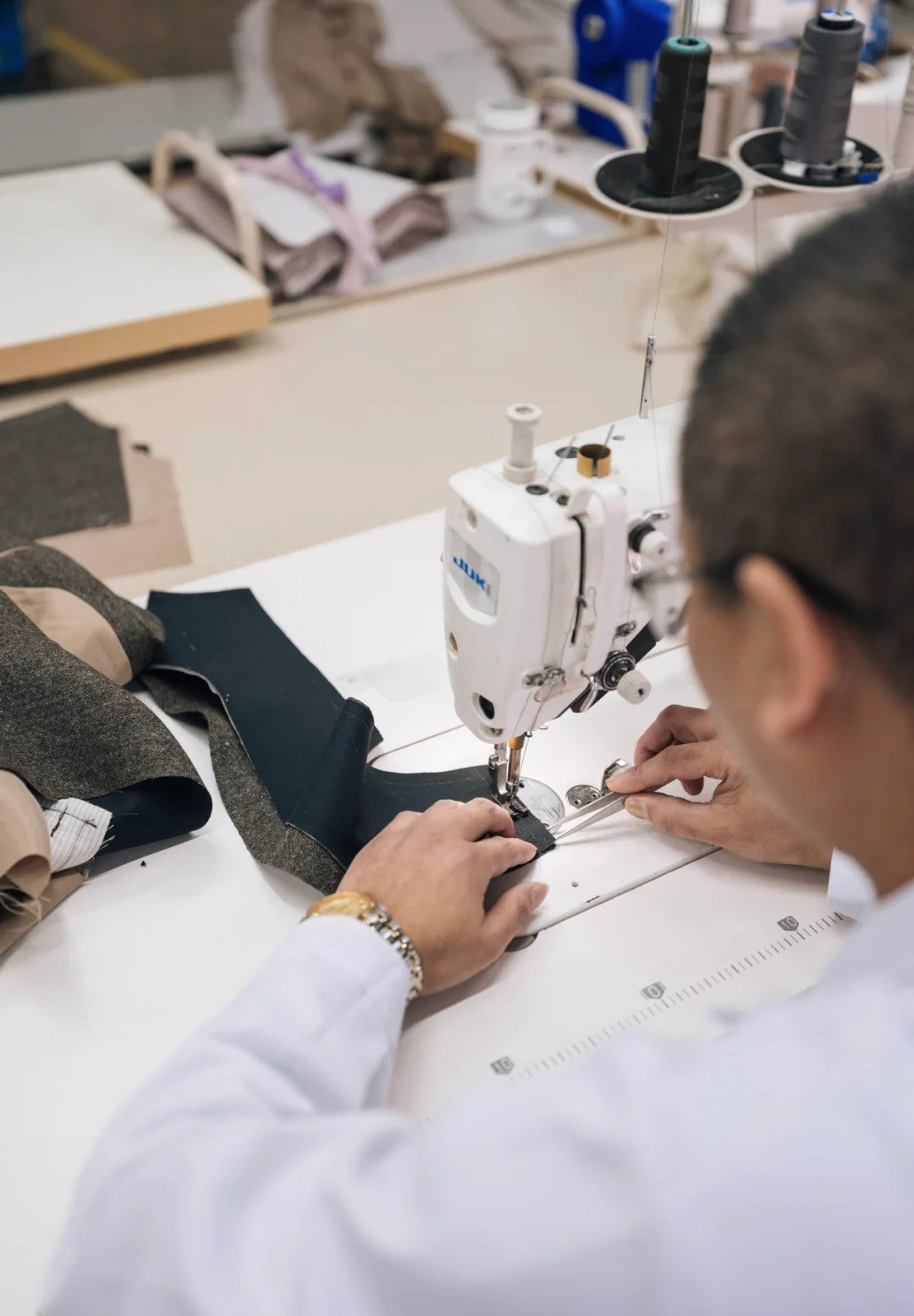
Premium custom apparel manufacturers maintain relationships with 50+ fabric suppliers across Asia, enabling access to organic cotton, technical performance fabrics, and specialty materials while guaranteeing supply continuity.
Direct Answer: Fabric quality drives 60-70% of final product perception and durability. Top manufacturers leverage vetted supplier networks ensuring material availability, conduct 100% fabric inspection protocols eliminating defect rates, and source sustainable materials (GOTS-certified organic cotton, recycled polyester, Tencel, bamboo) unavailable through commodity channels.
• 50+ Active Fabric Supplier Relationships — Premium manufacturers partner with vetted suppliers across China, Vietnam, India, and Indonesia. Single-supplier factories create production delays when vendors experience stock-outs.
• 100% Fabric Inspection Protocol — Professional providers inspect every fabric bolt upon arrival, testing color consistency, weight accuracy (±5% tolerance), shrinkage performance, and surface defects.
• Organic & Sustainable Material Access — Leading manufacturers source GOTS-certified organic cotton, recycled polyester, Tencel, and bamboo fabrics—critical for eco-conscious brands.
• Technical Fabric Expertise — Premium providers maintain inventory of performance fabrics: moisture-wicking polyester, four-way stretch nylon, waterproof coatings, and UV-protective materials.
• 2-3 Week Fabric Lead Times — Established manufacturers maintain strategic inventory of popular fabrics (French terry, fleece, jersey, twill), enabling quick production starts.
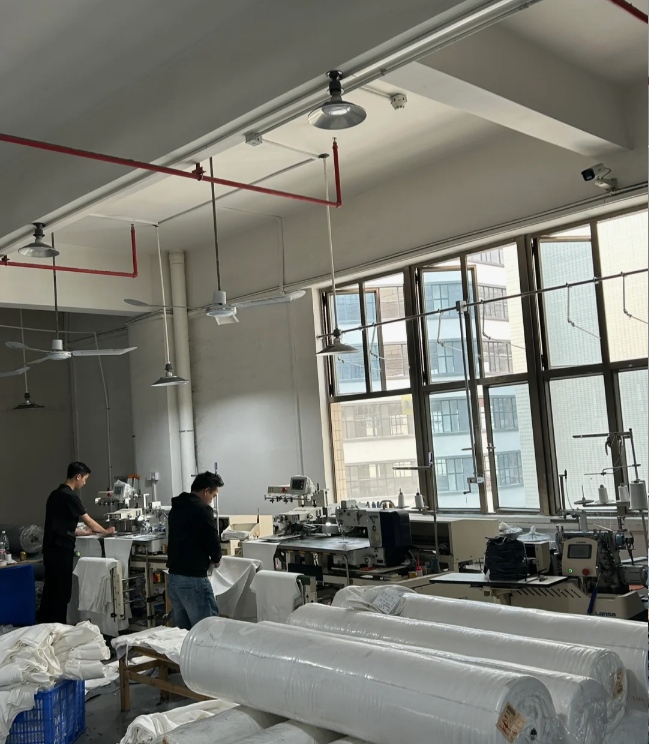
One-Stop Manufacturing: From Concept to Global Shipping
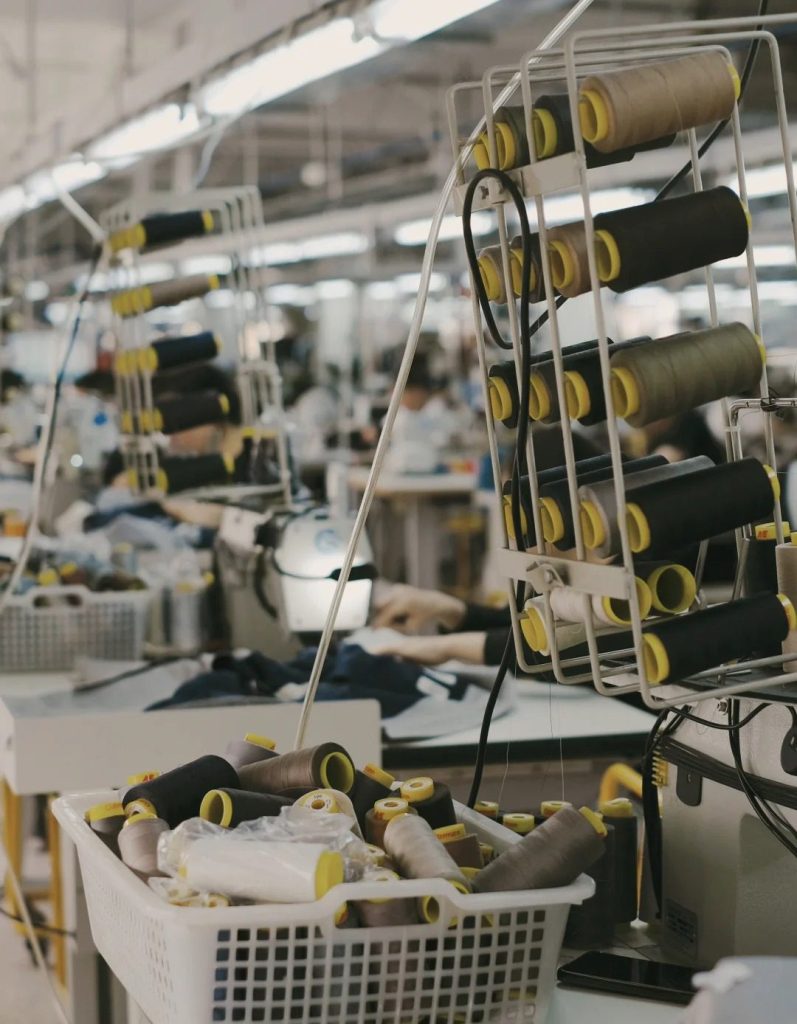
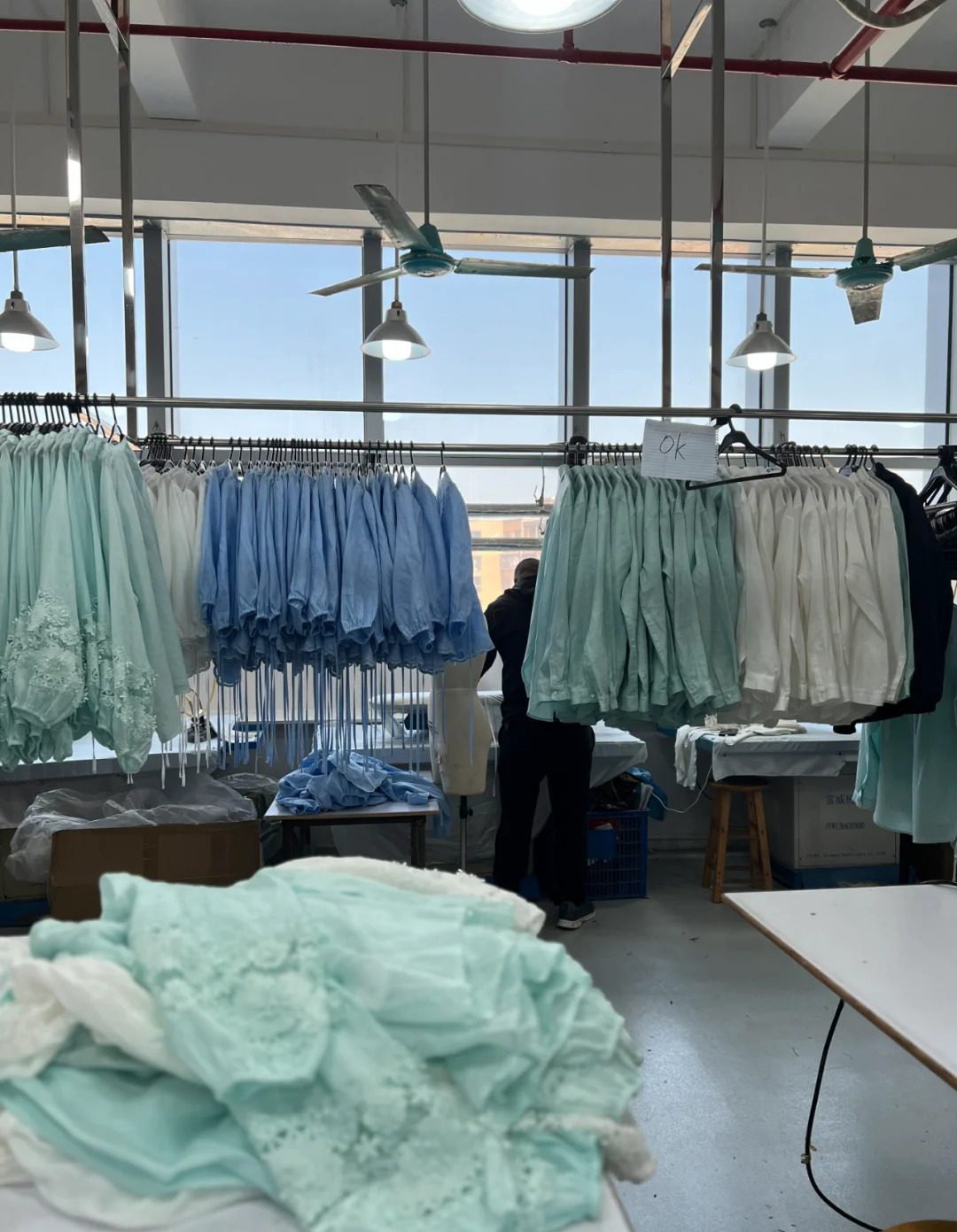
One-stop custom apparel manufacturers eliminate coordination headaches by managing design development, fabric sourcing, sampling, bulk production, quality control, and international logistics within unified operations.
Direct Answer: Integrated providers reduce total lead times from 16-20 weeks to 10-14 weeks while maintaining quality consistency. Fragmented approaches requiring separate designer coordination and factory communication introduce delays and quality inconsistencies at handoff points.
Professional one-stop manufacturers operate as complete production ecosystems. Stage 1 (Design & Tech Pack Development): clients provide sketches or reference garments; development teams create production-ready specifications. Stage 2 (Fabric & Material Sourcing): manufacturers utilize supplier networks to source optimal fabrics within budget constraints. Stage 3 (Sampling & Approval): factories produce 1-3 samples for client evaluation, incorporating feedback across fit, measurements, and print quality. Professional providers complete sampling within 7-10 days for standard products.
Stage 4 (Bulk Production): approved samples transition to mass production with standardized processes. Stage 5 (Quality Control): multi-checkpoint inspection systems maintain standards across raw materials, in-line production, finished products, and packaging. Stage 6 (Global Logistics): manufacturers coordinate air freight, sea freight, and door-to-door shipping with customs documentation support.
FAQ
Q1: What’s the difference between OEM and ODM manufacturing?
OEM (Original Equipment Manufacturer) executes your complete design specifications—you control fabrics, cuts, prints, and all details. ODM (Original Design Manufacturer) provides pre-designed products you can modify and rebrand. OEM requires finished tech packs and longer lead times (8-12 weeks); ODM offers faster production (4-6 weeks) but less exclusivity since other brands may use identical designs.
Q2: What MOQ should I expect from top manufacturers?
Premium low-MOQ specialists start at 50-100 pieces per style for standard products. Traditional OEM factories typically require 300-500 units minimum. Private label facilities demand 1,000-5,000 units. Per-unit costs decrease significantly at higher quantities—expect 20-30% premiums on 50-piece orders versus 500-piece orders.
Q3: How long does sampling take?
Professional one-stop manufacturers complete samples in 7-10 days for standard products (T-shirts, hoodies, sweatshirts). Complex items require 2-3 weeks. Fragmented approaches involving external designers extend sampling to 4-6 weeks. Rush sampling available at 20-40% premiums.
Q4: What decoration techniques separate premium from budget manufacturers?
Top-tier providers offer screen printing, DTG, puff printing, embroidery (including 3D/chenille), acid wash, vintage finishing, and rhinestone application. Budget factories typically offer only basic screen printing and simple embroidery. Premium craftsmanship maintains quality across 50+ wash cycles; inferior decoration fades or cracks after 5-10 washes.
Q5: How do I verify fabric quality before production?
Request fabric samples during the approval process before committing to bulk orders. Professional manufacturers provide inspection certificates confirming weight accuracy (±5% tolerance), shrinkage testing results, color consistency metrics, and defect rates. Verify that factories conduct 100% fabric inspection upon arrival from suppliers.
Sources
- Private Label vs Custom Apparel Manufacturing Guide — Cord Apparel, 2026 — Comparison of manufacturing models, customization scope, and production processes
- Steve Apparel: Custom Clothing Manufacturers — Steve Apparel, 2026 — End-to-end manufacturing solutions and fabric sourcing capabilities
- Best 10 Custom USA Clothing Manufacturers — Manufacturer.clothing, 2026 — Low MOQ manufacturing and manufacturer selection criteria
- 10 Types of Clothing Manufacturers — MFG Merch, 2026 — OEM, ODM, and private label manufacturing distinctions
- Custom Apparel Manufacturing — Independent Trading Company, 2026 — 35+ years manufacturing experience and factory partnerships
Contact ZORWILD for Custom Apparel Manufacturing:
Website: https://www.zorwild.com/ | Email: [email protected] | WhatsApp: +86 137 1325 2727
Written by the brand’s lead practitioner (industry operations). Last reviewed 2026-05-23.