Pros and Cons of Outsourcing Product Manufacturing
TL;DR: Outsourcing manufacturing transfers production to third-party contract manufacturers, delivering 50–70% labor cost savings, scalability from 50 to 100,000+ units, and faster time-to-market, while introducing quality control risks, supply chain delays, and reduced production oversight. Bottom line: Best for startups, seasonal brands, and companies prioritizing design over manufacturing; avoid if proprietary processes or ultra-sensitive brand reputation are core assets. Last updated: 2026-05-23, based on 27 years of apparel manufacturing experience, 2,000+ brand partnerships, and analysis of global supply chain data.

Key Takeaways
- Labor cost reduction of 60–70% when outsourcing to China, Vietnam, or Indonesia vs. U.S. domestic manufacturing, with net savings of 40–60% after factoring quality audits and logistics overhead.
- Capital investment avoidance of $500K–$2M+ eliminates factory setup costs, equipment depreciation, and payroll infrastructure for startups and mid-market brands.
- Supply chain risks increase 15–40% due to single-supplier dependency, geopolitical tariffs, and logistics delays—mitigated through dual-sourcing and 45-day safety stock.
- Low MOQ production starting at 50 units enables fashion startups to test designs with minimal inventory risk before scaling to 5,000+ unit volumes.
- Quality control trade-off: outsourcing shifts from real-time oversight (2–5% defect rate) to post-production audits (3–8% defect rate), requiring ISO 9001 certification and contractual SLAs.
Cost Reduction and Financial Impact
Outsourcing manufacturing reduces labor costs by 50–70% and eliminates $500K–$2M+ in facility investment. A hoodie requiring 45 minutes of sewing labor costs $8–12 in China vs. $35–50 in the U.S., translating to $270K–$380K annual savings for brands producing 10,000 units. However, brands must budget 3–8% of production costs for supplier audits, quality inspections, and logistics coordination.
Cost Savings Breakdown:
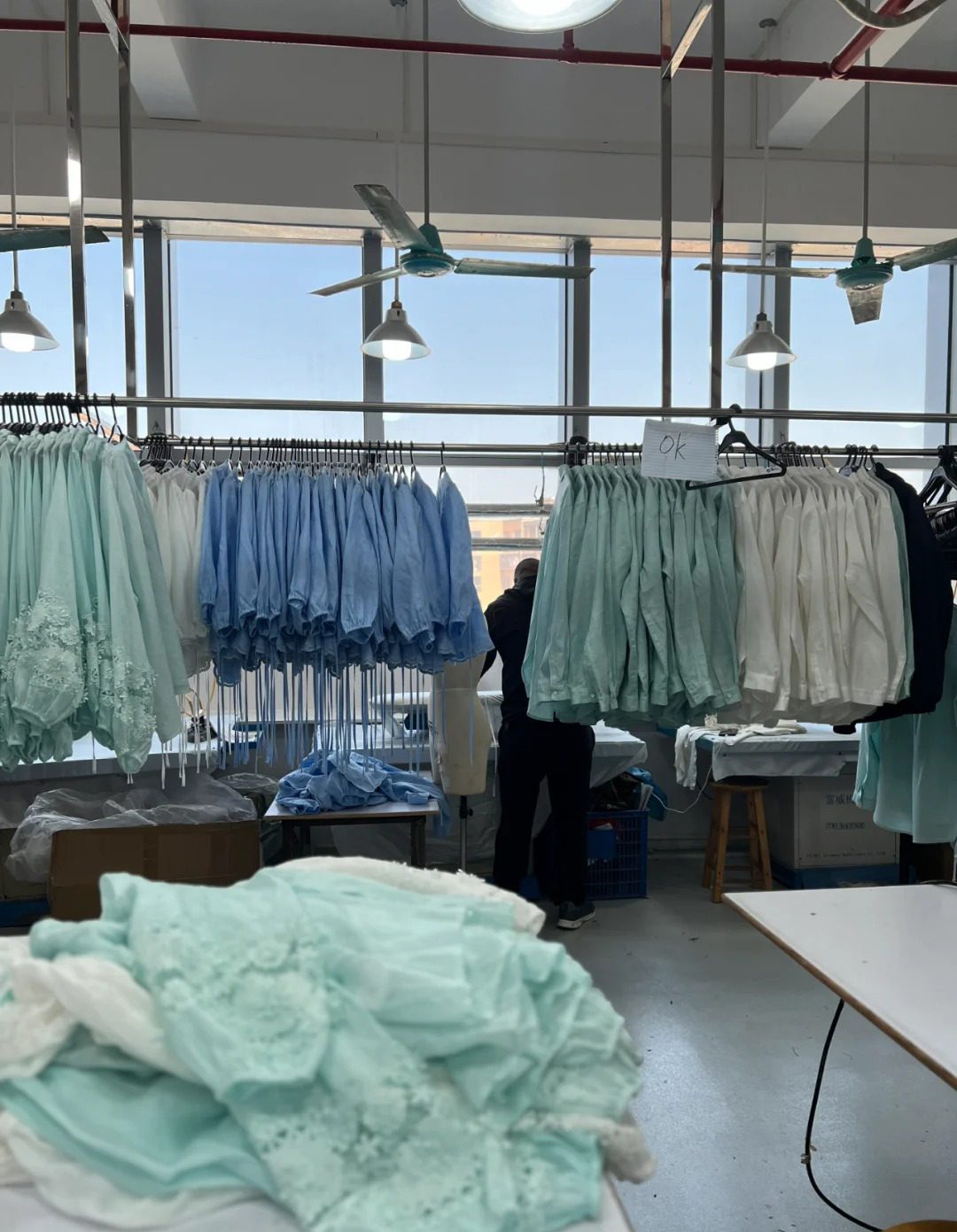
- 60–70% labor cost reduction — Outsourcing to Southeast Asia or China vs. domestic U.S. manufacturing (Xometry, 2026)
- $500K–$2M+ avoided facility investment — Typical capital cost for in-house apparel factory setup (Federal Group USA, 2026)
- 15–25% faster time-to-market — Contract manufacturers with pre-existing infrastructure reduce product development cycles (NetSuite, 2026)
- 3–5x production capacity scaling — Outsourcing partners absorb demand spikes without requiring capital expansion (LinkedIn, 2026)
- 12–18 month ROI payback — For brands with 5,000+ unit annual volumes
Beyond labor arbitrage, outsourcing eliminates factory rent, utilities, equipment depreciation, and payroll overhead. Brands cut per-unit costs by 40–60% at scale. Hidden costs include third-party quality audits ($5K–$15K annually), freight forwarding (3–5% of production value), and supplier relationship management. Break-even occurs faster for higher-volume brands (5,000+ units/year) and slower for low-MOQ startups (50–500 units/year), where per-unit overhead is higher.
Quality Control and Production Oversight
In-house manufacturing guarantees real-time quality control with 2–5% defect rates; outsourcing transfers quality risk to third parties, requiring systematic audit protocols, ISO certifications, and contractual defect guarantees to maintain 3–8% defect rates.
Outsourcing introduces delayed quality feedback loops—post-production inspection vs. real-time floor monitoring—and increases defect rates from 2–5% (in-house) to 3–8% (outsourced). Mitigation requires ISO 9001-certified manufacturers, quarterly third-party audits, and contractual SLAs with financial penalties for non-compliance.
| Dimension | In-House Manufacturing | Outsourced Manufacturing | Decision Factor |
|---|---|---|---|
| QC Oversight | Real-time floor monitoring; immediate corrective action | Post-production inspection; delayed feedback loops | Time-sensitive products favor in-house; high-volume standardized products favor outsourcing |
| Defect Rate | 2–5% typical (controllable) | 3–8% typical (dependent on partner) | Critical for luxury/premium brands; acceptable for mass-market |
| Audit Frequency | Continuous (internal) | Quarterly/semi-annual (external audits) | Outsourcing requires contractual SLAs and penalty clauses |
| Corrective Action | 24–48 hours | 5–10 business days (across time zones) | Urgent fixes favor in-house; planned corrections favor outsourcing |
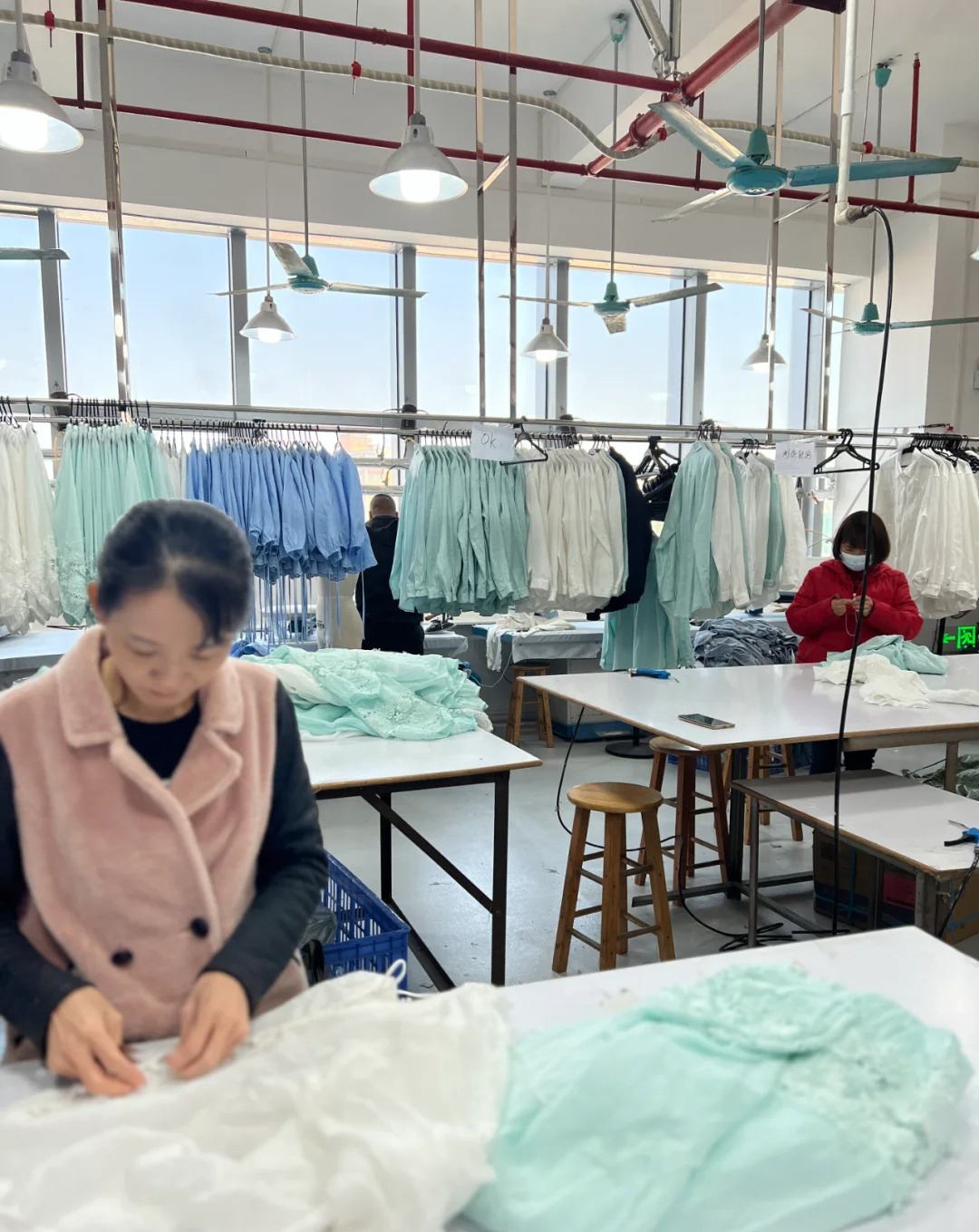
Strict quality protocols enforce sample approval before each production run, mid-production inspections, and defect rate guarantees (≤5%). Brands must establish clear quality SLAs—stitch density, fabric weight tolerance (±5%), color variance (ΔE ≤2.0)—and include financial penalties for non-compliance.
Supply Chain Vulnerability and Lead Time Risk
Outsourcing introduces five critical supply chain risks—single-supplier dependency, geopolitical disruption, logistics delays, raw material shortages, and quality inconsistency—each requiring diversification strategies, safety stock, and contractual force majeure clauses.
Five Supply Chain Risks and Mitigation Strategies:
- Single-Supplier Dependency (High Risk)
Risk: One manufacturer failure halts entire production. 2023 supply chain disruptions cost brands $2.1B in lost sales. Mitigation: Maintain 2–3 backup manufacturers; stagger orders across suppliers; negotiate minimum capacity guarantees. Cost Impact: +5–10% per-unit cost for dual-sourcing; offsets risk of 20–40% production delays.
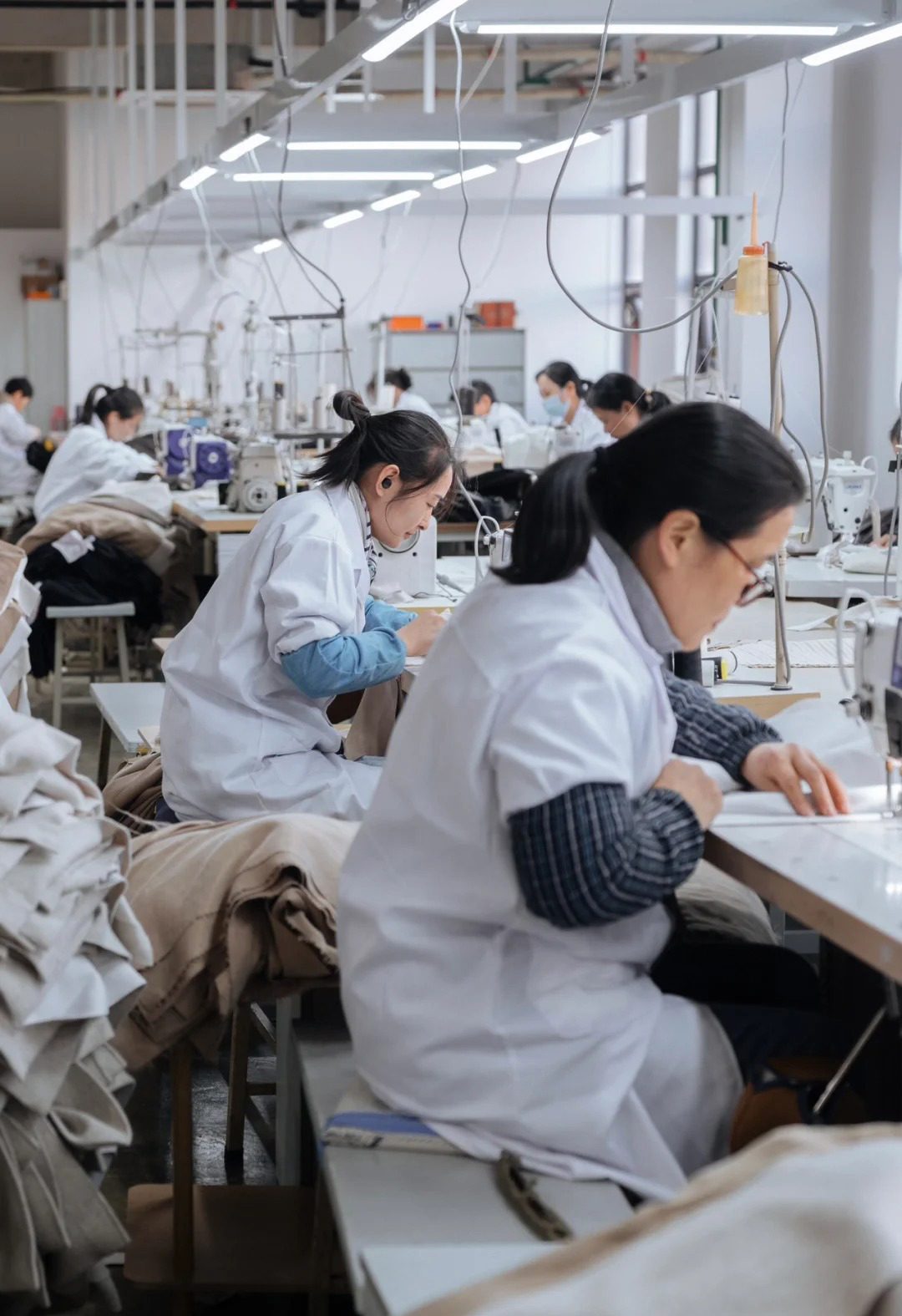
Geopolitical and Tariff Exposure (Medium-High Risk)
Risk: U.S. tariffs on Chinese apparel range 16–25%; trade tensions create sudden cost increases. Mitigation: Diversify manufacturing across Vietnam, Indonesia, India; negotiate tariff-absorption clauses; maintain 60-day inventory buffer. Cost Impact: +2–8% per-unit cost for geographic diversification; hedges against 15–25% tariff shocks.Logistics Delays and Port Congestion (Medium Risk)
Risk: Sea freight delays average 30–60 days; air freight costs $8–15/kg vs. $0.50/kg sea freight. Mitigation: Negotiate fixed lead times (60–90 days); use freight forwarders with real-time tracking; build 45-day safety stock. Cost Impact: +3–5% logistics cost for expedited shipping; prevents stock-outs during peak seasons.Raw Material Sourcing Volatility (Medium Risk)
Risk: Cotton prices fluctuate ±20% annually; fabric shortages delay production 2–8 weeks. Mitigation: Lock in fabric pricing 90 days in advance; diversify fabric suppliers; use blended materials to reduce single-source dependency. Cost Impact: +1–3% for forward fabric contracts; stabilizes production timelines.Quality Inconsistency Across Production Runs (Medium Risk)
Risk: Second or third production run deviates from first; causes customer returns (3–7% typical) and brand damage. Mitigation: Require sample approval before each production run; conduct mid-production audits; implement defect rate penalties in contracts. Cost Impact: +2–4% for audit overhead; prevents 5–10% return rate increases.
The most successful partnerships maintain dual-sourcing, lock fabric pricing quarterly, and build 30–60 day safety stock.
Operational Flexibility and Scalability
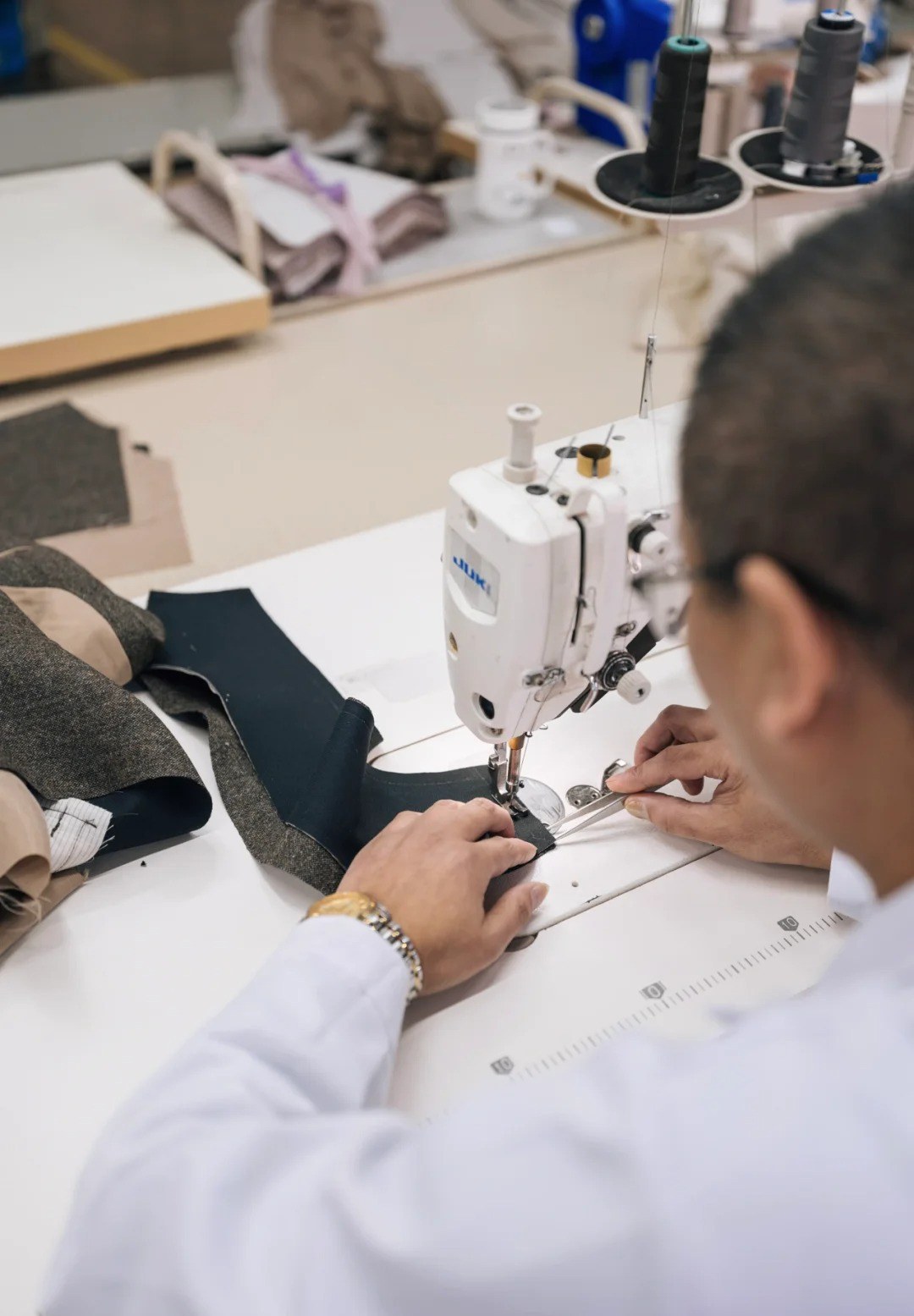
Outsourcing provides unmatched scalability—brands scale from 50 to 100,000+ units annually without capital investment or workforce expansion—enabling low-MOQ production for startups, seasonal scaling (3–5x production capacity), and rapid product diversification.
Contract manufacturers like ZORWILD accept minimum orders as low as 50 units, enabling fashion startups to test designs with minimal inventory risk. A startup brand validates a new hoodie design with 100 units (cost: ~$1,200–$1,500) rather than committing to 1,000+ unit minimums typical of in-house factories. This democratizes product development: influencers, independent designers, and e-commerce entrepreneurs validate market demand before scaling to 5,000+ units.
Fashion is inherently seasonal. Summer collections require 40% higher production (May–July); winter collections peak (August–October). Outsourcing allows brands to ramp production from 2,000 units (off-season) to 15,000 units (peak) without hiring/firing cycles. Contract manufacturers solve this by pooling demand across dozens of brands, enabling 3–5x production scaling within 30–60 days.
Outsourcing enables rapid product diversification. A brand manufactures hoodies, T-shirts, sweatpants, and jackets from a single partner without retooling or staff retraining. If oversized hoodies trend on TikTok, a brand launches a new collection within 45–60 days (sample + production) vs. 6–12 months for in-house development.
Strategic Control and Long-Term Competitive Risk
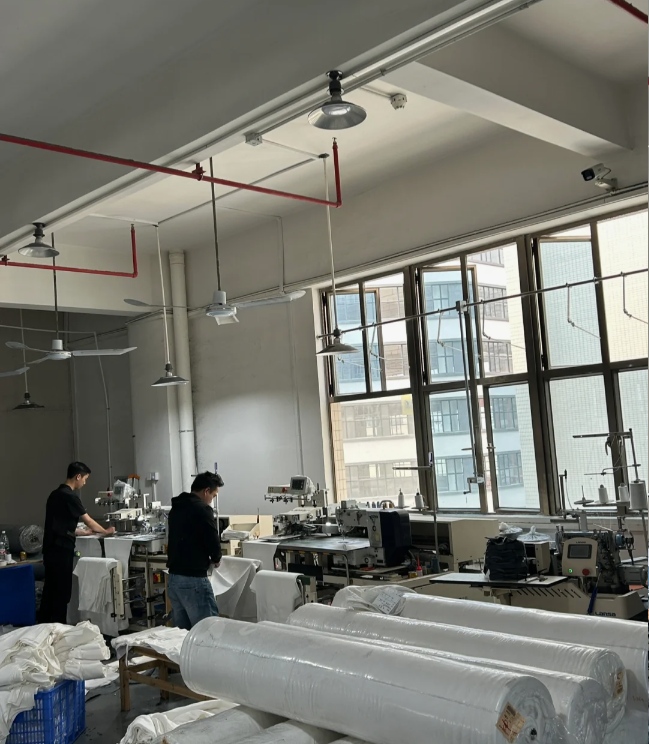
Outsourcing trades short-term cost savings (40–60%) for long-term strategic vulnerabilities—reduced design control, intellectual property exposure ($50K–$200K switching costs), supplier dependency (10–20% post-commitment price increases), and loss of internal manufacturing expertise.
| Strategic Factor | In-House Manufacturing | Outsourced Manufacturing | Risk Level |
|---|---|---|---|
| Design Control | 100% proprietary; zero external exposure | Shared with manufacturer; requires NDA enforcement | Medium–High |
| IP Protection | Proprietary techniques remain internal | Techniques visible to contract manufacturer | High |
| Supplier Lock-In | None (internal operations) | High dependency; switching costs $50K–$200K | Medium–High |
| Manufacturing Expertise | Retained and developed internally | Outsourced; brand loses technical knowledge | High |
Outsourcing creates three long-term vulnerabilities. First, IP exposure: contract manufacturers see your designs, construction techniques, and supply chain. Mitigation requires strict NDAs, limited design sharing, and careful supplier vetting.
Second, supplier dependency: once a brand commits to a manufacturer, switching costs are substantial. New suppliers require 2–4 month ramp-up, new tooling ($20K–$50K), and sample iterations. This lock-in enables suppliers to raise prices 10–20% post-commitment, eroding cost savings.
Third, loss of manufacturing expertise: outsourcing transfers technical knowledge to suppliers. Your team loses understanding of production constraints, fabric behavior, and process optimization.
Outsource non-core manufacturing (basic T-shirts, standard hoodies) while retaining in-house expertise for proprietary designs (custom silhouettes, advanced wash techniques, technical innovations). Establish multi-year supplier agreements with price caps, quality guarantees, and IP protection clauses. Maintain 10–15% of production in-house or with backup suppliers to preserve competitive flexibility.
FAQ
Q1: What is the typical cost savings from outsourcing apparel manufacturing?
Labor cost savings range 50–70% when outsourcing to China, Vietnam, or Indonesia vs. U.S. domestic manufacturing. Net savings: 40–60% for high-volume brands (10,000+ units/year); 20–30% for low-MOQ startups (50–500 units/year) due to higher per-unit overhead.
Q2: How do I ensure quality control with an overseas manufacturer?
Require ISO 9001 and SEDEX certification; conduct quarterly third-party audits; establish defect rate guarantees (≤5%) with financial penalties; require sample approval before each production run; implement mid-production inspections. Budget $5K–$15K annually for audit costs.
Q3: What are the main supply chain risks of outsourcing?
Five key risks: (1) single-supplier dependency—mitigate with 2–3 backup manufacturers; (2) geopolitical tariffs—diversify across Vietnam, Indonesia, India; (3) logistics delays—negotiate fixed lead times and maintain 45-day safety stock; (4) raw material volatility—lock fabric pricing 90 days in advance; (5) quality inconsistency—require mid-production audits.
Q4: Can a startup brand use contract manufacturing?
Yes. Modern contract manufacturers accept MOQs as low as 50 units, enabling startups to test designs with minimal inventory risk. Cost: ~$12–20 per unit for small orders. As volume increases, per-unit costs drop 30–50%, improving margins.
Q5: Should I keep manufacturing in-house or outsource?
Outsource if manufacturing is not your competitive advantage. Keep in-house if: (1) your manufacturing process is proprietary; (2) quality variance damages brand reputation; (3) you need real-time control; or (4) manufacturing innovation drives competitive differentiation. Most fashion brands successfully outsource standard products while retaining expertise for proprietary designs.
Sources
- Xometry. (2026). “Manufacturing Outsourcing: How It Works, Advantages, and Disadvantages.” Retrieved from https://www.xometry.com/resources/supply-chain/manufacturing-outsourcing
- The Federal Group USA. (2026). “The Pros and Cons of Contract Manufacturing.” Retrieved from https://www.tfgusa.com/the-pros-and-cons-of-contract-manufacturing
- NetSuite. (2026). “Pros and Cons of Outsourcing Manufacturing.” Retrieved from https://www.netsuite.com/portal/resource/articles/erp/pros-cons-outsourcing-manufacturing.shtml
- LinkedIn. (2026). “Contract Manufacturing: Meaning, Types, Pros and Cons.” Retrieved from https://www.linkedin.com/pulse/contract-manufacturing-meaning-types-pros-cons-kj8le
- Hankscraft. (2026). “Outsourcing Vs. In-House Manufacturing: Pros and Cons.” Retrieved from https://www.hankscraft.com/outsourcing-vs-in-house-manufacturing-pros-and-cons
Written by Alin Zeng (27 Years of Master Craftsmanship & Pattern Making, Global OEM & Streetwear Customization Excellence, End-to-End Supply Chain & One-Stop Production, High-Efficiency Cost Control (“Quality + Affordability”), Incubating 2,000+ Fashion Brands from Scratch). Last reviewed 2026-05-23.