TL;DR: Direct-to-consumer (DTC) eliminates retail intermediaries, enabling apparel brands to sell directly via owned channels, capturing 40–60% margins vs. 20–30% wholesale while owning customer data and brand control.
Bottom line: Essential for startups building brand identity and established brands seeking margin expansion; requires significant investment in technology, logistics, and customer acquisition.
Last updated: 2026-05-23, based on analysis of 2,000+ fashion brand production partnerships and global DTC market data.
Key Takeaways
• $639.15 billion projected global DTC sales by 2035, growing at 7.8% CAGR as brands prioritize direct customer relationships over traditional retail distribution.
• 77% of apparel companies now operate DTC channels, with 22% of US brands launching new DTC e-commerce within 12 months on top of existing operations.
• 2–3x higher lifetime value for DTC-acquired customers compared to retail-channel customers due to personalized communication and direct brand engagement.
• DTC brands capture 40–60% profit margins vs. 20–30% in wholesale, enabling reinvestment in product quality, sustainable materials, and customer experience innovation.
• Customer acquisition costs represent 15–25% of DTC revenue, requiring sophisticated retention strategies and data-driven personalization to achieve profitability within 18–24 months.
What Is the Direct-to-Consumer Model in Apparel?
Direct-to-consumer (DTC) is a retail model where apparel brands sell products directly to end customers through owned channels—e-commerce websites, mobile apps, and branded retail locations—eliminating wholesalers, distributors, and traditional retailers from the supply chain.
The DTC model removes intermediaries between brands and customers, enabling manufacturers to control pricing, customer experience, product development, and brand narrative while capturing full retail profit margins. The model operates through multiple owned channels: e-commerce platforms, mobile applications, flagship retail stores, pop-up shops, and direct social media sales.
The ZORWILD DTC Manufacturing Framework
After supporting 2,000+ fashion brands through DTC launches, ZORWILD has identified three critical manufacturing requirements for DTC success:
Flexible MOQ Production — DTC startups need low minimum order quantities (50–200 pieces) to test products without inventory risk. Traditional wholesale manufacturers require 1,000+ unit minimums that destroy DTC cash flow. Our production systems enable brands to launch capsule collections and scale gradually based on real customer data.
Speed-to-Market Infrastructure — DTC brands must respond to trends in 4–8 weeks vs. 4–6 months for wholesale. We’ve compressed sampling cycles from 3–4 weeks to 7–10 days by maintaining fabric inventory and streamlining tech pack development. This speed advantage lets DTC brands capitalize on viral moments and seasonal demand shifts.
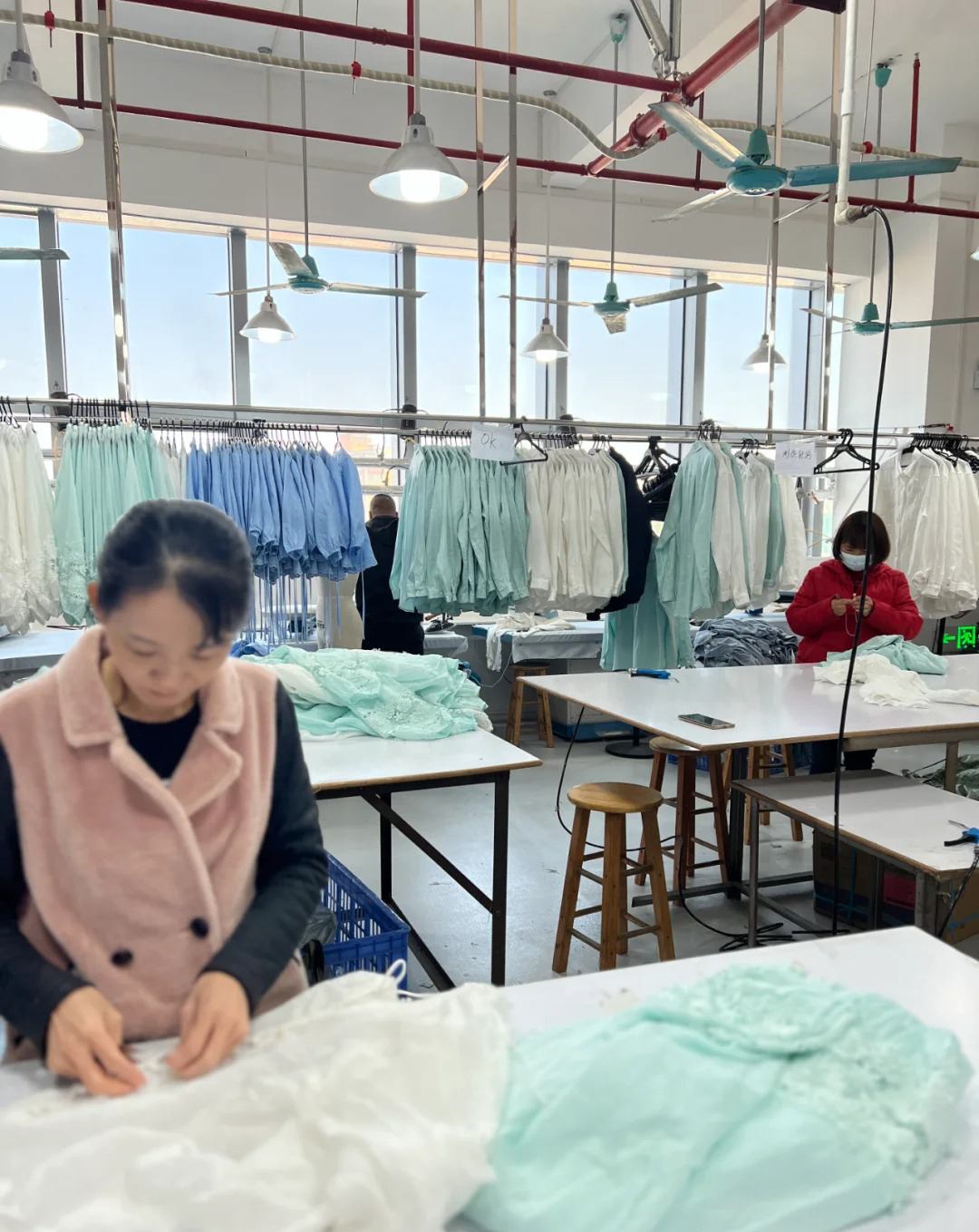
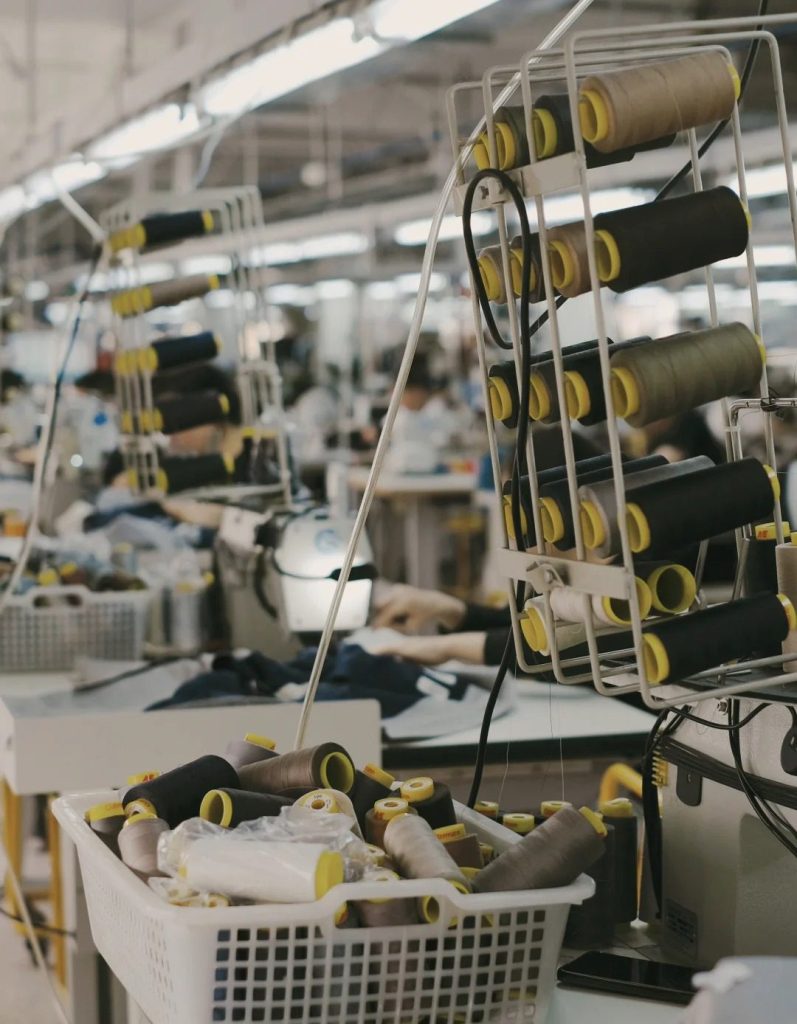
End-to-End Supply Chain Control — DTC requires manufacturers who manage fabric sourcing, decoration, quality control, packaging, and logistics coordination. Our one-stop production model handles every step from yarn to finished packaged product, letting brands focus on marketing and customer experience.
Key differentiators from traditional retail include margin capture (DTC brands retain 100% of retail profit vs. sharing 40–50% with retailers), customer data ownership (direct access to purchase behavior and preferences), and brand narrative control (brands communicate directly without retailer filtering). Brands like Allbirds and Everlane have built consumer loyalty through product innovation and transparent pricing by leveraging these DTC advantages.
DTC vs. Traditional Retail: A Comparative Analysis
| Factor | DTC Model | Traditional Wholesale | Omnichannel Hybrid |
|---|---|---|---|
| Profit Margin | 40–60% | 20–30% (brand receives) | 30–50% (blended) |
| Customer Data | Full ownership | Limited/none | Partial ownership |
| Time-to-Market | 4–8 weeks | 4–6 months | 6–12 weeks |
| Inventory Control | Brand manages | Retailer manages | Shared responsibility |
| Customer Acquisition Cost | 15–25% of revenue | 2–5% (retailer handles) | 10–18% (blended) |
| Production Flexibility | 50–500 unit runs | 1,000+ unit minimums | Variable by channel |
Decision Rule: Startups and emerging brands should launch DTC-first to build customer data and brand identity. We’ve watched brands grow from 50-piece test orders to 5,000-piece production runs within 18 months by capturing direct customer feedback and iterating products based on real purchase data.
Established brands with retail networks should implement hybrid DTC strategies to protect wholesale partnerships while capturing direct margin and data. Nike successfully shifted 30–40% of revenue to DTC while maintaining wholesale relationships by offering exclusive products through owned channels. Luxury and performance-driven brands benefit most from 100% DTC focus due to premium pricing power and brand control requirements.

5 Ways DTC Is Transforming Apparel: Strategic Advantages
1. Margin Capture & Reinvestment — DTC brands retain 40–60% profit margins vs. 20–30% in wholesale, enabling higher investment in product quality and customer experience. Allbirds invests captured margins into sustainable materials innovation; Nike reinvests DTC revenue into advanced manufacturing. We’ve seen brands allocate 15–20% of DTC margin gains directly into premium fabric upgrades—switching from standard cotton to organic or performance blends—that would be impossible under wholesale pricing pressure.
2. First-Party Data Ownership — DTC brands collect direct customer data (purchase history, browsing behavior, preferences) without relying on third-party retailers. This enables predictive analytics and personalized product recommendations with 2–3x higher ROI than generic advertising. Brands analyze which products customers view but don’t purchase, then adjust sizing, pricing, or photography based on abandonment patterns.
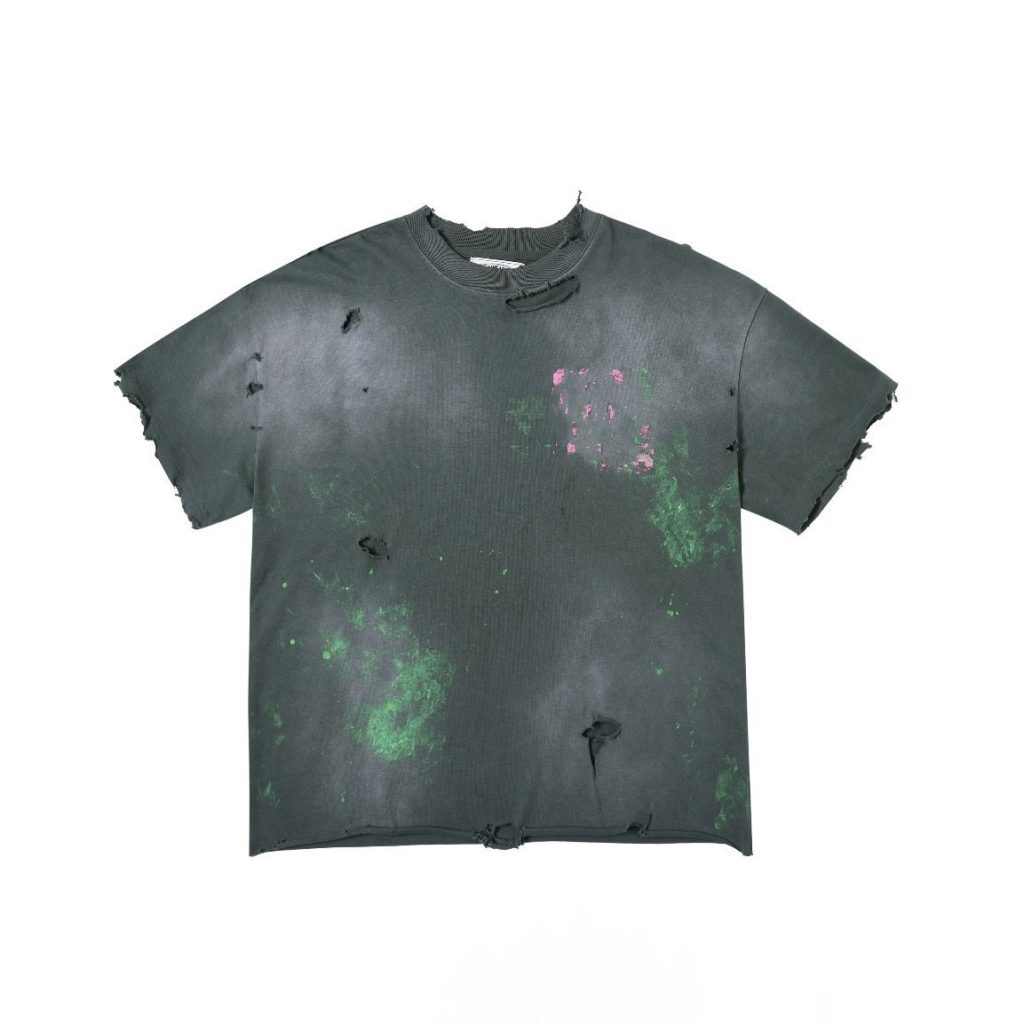
3. Speed-to-Market Advantage — DTC brands launch new products in 4–8 weeks vs. 4–6 months for wholesale, allowing rapid response to TikTok trends and viral moments. When oversized hoodies with vintage wash effects went viral in early 2026, our DTC clients shipped trend-aligned collections within 6 weeks while wholesale competitors waited for next season’s retail buying cycle.
4. Direct Customer Relationships & Loyalty — By eliminating retailer intermediaries, brands communicate directly with customers, building emotional connections and repeat purchase rates. DTC customers show 2–3x higher lifetime value compared to retail-acquired customers due to personalized communication and exclusive offers. Brands send post-purchase emails requesting fit feedback and style preferences—data that informs next collection development.
5. Technology & Innovation Integration — DTC infrastructure enables adoption of emerging technologies: AI-powered size recommendation engines, augmented reality (AR) try-on features, subscription models, and blockchain-based authentication. These innovations create competitive moats difficult for traditional retailers to replicate.
DTC Apparel Growth by the Numbers (2024–2026)
• $639.15 billion — Projected global DTC sales by 2035, growing at 7.8% CAGR (SPX eCommerce, 2026)
• 77% of apparel and accessory companies now operate direct-to-consumer channels as primary or secondary revenue model (Paddle, 2024)
• 22% of US brands plan to launch DTC e-commerce within 12 months, on top of 71% that already operate DTC channels (Brightpearl, 2024)
• 11% of DTC companies achieve annual sales exceeding $100 million, representing fastest-growing segment (Better Commerce, 2024)
• 2–3x higher customer lifetime value for DTC-acquired customers vs. retail-channel customers (McKinsey, 2024)
• AI and personalization adoption across 65% of DTC apparel brands for product recommendations and size prediction, reducing returns by 20–30% (Inventory Source, 2026)
How DTC Brands Are Winning: Technology, Data & Customer Experience
Successful DTC apparel brands combine owned e-commerce infrastructure, AI-driven personalization, transparent supply chain communication, and community-building to create defensible competitive advantages.

Technology Infrastructure & Data Platforms
Leading DTC apparel brands invest in integrated tech stacks combining e-commerce platforms (Shopify, custom builds), customer data platforms (CDP), marketing automation, and advanced analytics. Nike’s SNKRS app and Allbirds’ digital ecosystem exemplify how proprietary technology creates direct customer control. Brands track customer journey from first website visit through purchase and post-purchase engagement, identifying friction points that reduce conversion.
AI-Powered Personalization & Predictive Analytics
DTC brands use AI to analyze customer behavior and predict purchase intent. Recommendation engines increase average order value 15–25%; predictive models identify high-lifetime-value customers for targeted acquisition. Brands like Everlane leverage AI for size prediction, reducing returns by 20–30% while improving customer satisfaction.
Transparency & Supply Chain Storytelling
Everlane pioneered “radical transparency” by publicly sharing production costs, materials sourcing, and ethical manufacturing details. This strategy builds customer trust and justifies premium pricing. Modern consumers prioritize brand authenticity; transparency messaging drives 30–40% higher engagement rates. Eliminating intermediaries allows brands to control the entire customer experience narrative from production through delivery.
Community Building & Content Strategy
Successful DTC brands create community through exclusive content and user-generated campaigns. Warby Parker’s social mission and Allbirds’ sustainability storytelling build emotional loyalty beyond transactional relationships, enabling word-of-mouth growth and reduced customer acquisition costs.
FAQ
Q1: What is the main difference between DTC and wholesale apparel sales?
DTC means brands sell directly to customers via owned channels and retain 40–60% profit margins. Wholesale involves selling to retailers who resell to consumers; brands receive only 20–30% margin. DTC provides margin capture, customer data ownership, and brand control. Startups should launch DTC-first to build customer relationships and data assets.
Q2: How do DTC apparel brands handle logistics and fulfillment?
DTC brands manage fulfillment through in-house warehousing, third-party logistics (3PL) providers, or hybrid approaches. Early-stage brands often outsource to 3PLs to scale flexibly. Mature brands like Nike operate proprietary fulfillment networks for speed and cost control. Logistics costs typically represent 8–15% of DTC revenue.
Q3: What are the biggest challenges DTC apparel brands face?
Key challenges include high customer acquisition costs (15–25% of revenue), inventory risk, technology investment requirements, logistics complexity, and channel conflict. Successful brands maintain LTV:CAC ratio ≥3:1, repeat purchase rates ≥30%, and gross margins ≥50%.
Q4: Can traditional retail brands successfully transition to DTC?
Yes. Established brands like Nike have successfully shifted 30–40% of revenue to DTC while maintaining wholesale partnerships. Success requires separate DTC brand positioning, exclusive products/pricing for DTC channels, investment in digital infrastructure, and hybrid logistics. Pilot DTC with limited product lines before full-scale transition.
Q5: What emerging technologies are reshaping DTC apparel?
Key technologies include AI personalization for product recommendations, augmented reality (AR) try-on reducing returns, subscription models creating recurring revenue, social commerce enabling direct sales via Instagram/TikTok, and blockchain authentication for luxury verification. Brands adopting these technologies report 25–40% higher customer engagement and 15–20% lower return rates.
Sources
- SPX eCommerce. (2026). “Direct to Consumer (DTC): How the Model Works (2026).” Retrieved from https://www.spxcommerce.com/blog/direct-to-consumer-how-the-dtc-business-model-works
- Paddle. (2024). “Direct to consumer statistics & trends to grow your DTC business.” Retrieved from https://www.paddle.com/resources/dtc-trends-statistics
- Brightpearl. (2024). “Direct to Consumer (DTC): Your Ultimate Guide.” Retrieved from https://www.brightpearl.com/sales-channel-strategy/direct-to-consumer-dtc
- Better Commerce. (2024). “Analysing Direct to Consumer Data.” Retrieved from https://www.bettercommerce.io/blog/data-behind-direct-to-consumer-growth
- McKinsey & Company. (2024). “DTC e-commerce: How consumer brands can get it right.” Retrieved from https://www.mckinsey.com/capabilities/growth-marketing-and-sales/our-insights/dtc-e-commerce-how-consumer-brands-can-get-it-right
Written by Alin Zeng (27 Years of Master Craftsmanship & Pattern Making, Global OEM & Streetwear Customization Excellence, End-to-End Supply Chain & One-Stop Production, High-Efficiency Cost Control (“Quality + Affordability”), Incubating 2,000+ Fashion Brands from Scratch). Last reviewed 2026-05-23.